
You know that moment when you’re standing in front of your wardrobe, debating between a jilbab and an abaya, wondering which one truly fits your style, comfort, and modesty needs? Yeah, I’ve been there too — and honestly, it can feel like decoding a whole new fashion language. But here’s the thing: these two garments aren’t just pieces of clothing; they carry rich stories, traditions, and meanings that deserve a little unpacking.
In this post, I’m taking you on a personal, fashion-forward journey through the subtle yet powerful differences between jilbabs and abayas — from their cultural roots to the way they drape, and even how they make you feel when you wear them. By the end, you’ll have a clear idea of which one fits your life best, whether you want a sleek everyday look or a statement piece for special moments. So grab your favorite cup of tea, and let’s dive into the world of modest fashion with heart and style.

The Origins and Essence of Jilbabs and Abayas
Let’s start with a little history — because understanding where these garments come from really helps you appreciate their purpose and beauty. The jilbab has deep Islamic roots and is often mentioned in religious texts as a garment designed for modesty, covering the entire body, sometimes including the head and hands depending on interpretation. It’s typically a loose, flowing cloak that can envelop the wearer fully, creating an aura of privacy and simplicity.
On the other hand, the abaya has its origins mostly in the Arabian Peninsula and is traditionally worn by women in Gulf countries. It’s a long, flowing robe designed to cover the body but with a slightly more tailored cut compared to the jilbab. The abaya has evolved into a fashion statement as well — embracing embroidery, embellishments, and a variety of fabrics to suit different tastes and occasions.
Why Knowing the Origins Matters
- Cultural respect: Recognizing the backgrounds helps us wear these garments with intention and pride, not just as fashion.
- Personal identity: Choosing between a jilbab or abaya can reflect your spiritual journey and style preferences.
- Versatility: Knowing their roots shows how each garment adapts to different settings, from casual outings to religious ceremonies.
The Feel and Flow: What Wearing Each Is Like
When I slip into a jilbab, it’s like wrapping myself in a gentle embrace. The loose fabric allows me to move freely, yet it provides that comforting sense of modesty without feeling restrictive. It’s perfect for days when I want to keep things simple and focus on my inner peace.
The abaya, though, has this elegant, polished vibe. It hugs my shoulders a little more, sometimes with a subtle flair in the sleeves or hem. Wearing an abaya often feels like putting on confidence itself — a blend of tradition and trend that lets me shine without shouting.
Quick Comparison Table: Jilbab vs. Abaya
| Feature | Jilbab | Abaya |
|---|---|---|
| Coverage | Usually full body, sometimes including head and hands | Full body, usually leaves hands and face uncovered |
| Fit | Loose, flowing, very modest | More tailored, elegant draping |
| Design | Simple, minimal embellishments | Varies from simple to embellished, fashion-forward |
| Occasions | Daily wear, religious settings, modesty-focused | Casual to formal, adaptable fashion piece |
| Regional Popularity | Widespread across many Muslim-majority countries | Predominantly Gulf countries, gaining global popularity |
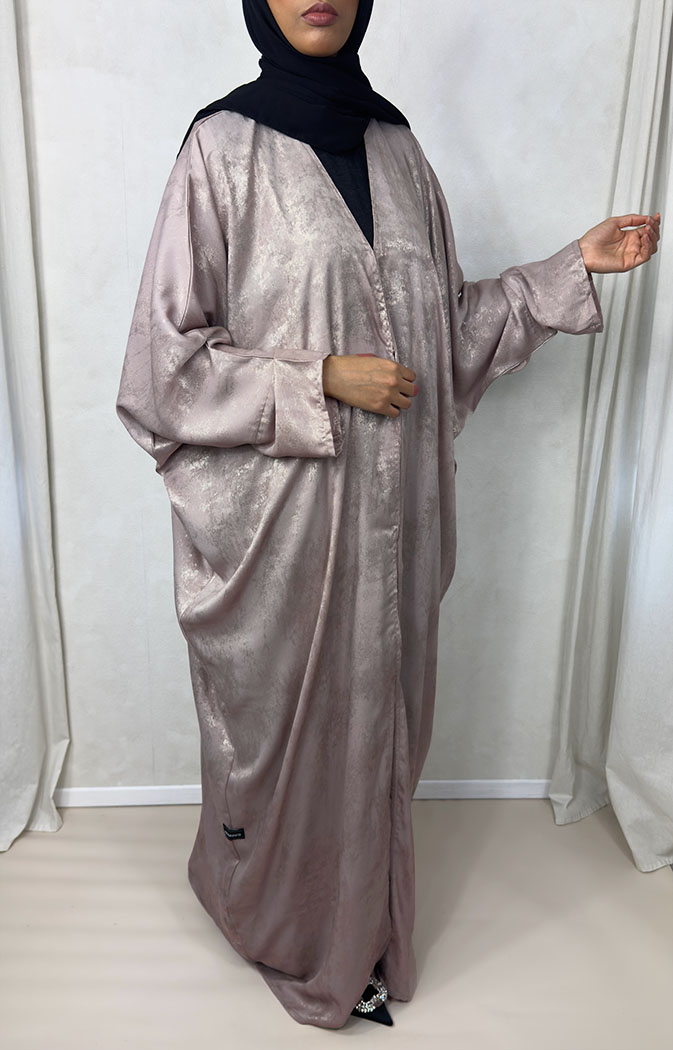
Is a jilbab just another word for abaya — or something entirely different?
If you’ve ever found yourself wondering whether a jilbab and an abaya are just two names for the same thing, you’re definitely not alone. It’s a question that comes up all the time, especially for those new to modest fashion or simply curious about the beautiful variety in Islamic clothing. Let me walk you through this because, honestly, the answer goes beyond just words — it touches on culture, style, and personal meaning.
The Common Confusion: Why People Mix Them Up
Both the jilbab and the abaya are long, flowing garments designed to provide modest coverage, and at a glance, they might look pretty similar. But here’s the thing — calling a jilbab an abaya (or vice versa) is a bit like calling jeans and trousers the same just because they cover your legs. They share some traits, sure, but they also carry distinct identities and nuances.
I remember when I first started exploring modest fashion seriously, I used to lump everything under “abaya” because that’s what everyone said. But then I tried a jilbab for the first time, and it was like wearing a different mood — softer, more enveloping, a little more traditional in feel. That’s when I realized the difference wasn’t just in the cut, but in the experience.
Defining the Jilbab
The jilbab is traditionally defined as a loose outer garment that covers the entire body — often worn with the intent to fully observe Islamic modesty. Its design prioritizes coverage and simplicity. It’s often seen as more conservative, sometimes accompanied by a headscarf or even a niqab depending on the wearer’s choice. In many communities, the jilbab is a preferred garment for prayer and daily wear due to its full coverage.
- Coverage: Typically covers from head to toe, sometimes including the face and hands.
- Design: Loose, simple, and functional, focusing on modesty over style.
- Fabric: Often lightweight, breathable materials for comfort over long hours.
- Use: Daily wear, religious occasions, environments demanding higher modesty.
I’ve found the jilbab comforting when I want to feel fully wrapped in modesty — like a protective cocoon that still lets me breathe and move. It’s a garment that reminds me of my faith’s roots while allowing me to participate fully in the modern world.
Understanding the Abaya
The abaya, on the other hand, while also serving modesty, often carries a more fashion-forward reputation. Originating largely from Gulf countries, it has evolved tremendously. Today’s abayas come in countless styles, colors, and embellishments — from classic black to pastel hues, from minimalistic cuts to intricate embroidery.
- Coverage: Long and flowing, but often leaves the hands and face uncovered.
- Design: Sleeker fits with stylish elements, making it a versatile wardrobe staple.
- Fabric: Varies widely — from luxurious silks to practical polyester blends.
- Use: Suitable for everyday wear, formal events, and even casual outings with the right styling.
What I love about the abaya is how it allows for personality and creativity within modest fashion. It’s like the jilbab’s stylish cousin — keeping you covered, but letting you express yourself through fabric choice, cuts, and detailing. When I pick an abaya, it’s usually for occasions when I want to feel elegant without compromising modesty.
Side-by-Side Comparison: Jilbab vs. Abaya
| Aspect | Jilbab | Abaya |
|---|---|---|
| Origin | Rooted deeply in Islamic tradition and religious texts | Primarily Gulf region; evolved into a fashion icon |
| Fit | Very loose and flowing, covers the entire body | More tailored, sometimes with stylish cuts |
| Coverage | Head-to-toe, sometimes including face and hands | Head-to-toe, typically leaves face and hands uncovered |
| Style | Simple, minimalistic, prioritizes modesty | Fashionable, varied, can be embellished |
| Occasions | Religious, daily modest wear | Daily wear, formal events, social gatherings |
Why It Matters to Know the Difference
You might be thinking, “Does it really matter what I call it as long as I’m modest?” And in the heart of it, yes, modesty is the goal. But knowing the difference helps you choose what aligns with your lifestyle, comfort, and self-expression.
If you’re someone like me who enjoys mixing tradition with a modern twist, understanding these distinctions helps you build a wardrobe that speaks to both your faith and your personal style. When I shop at Amani’s, for example, I appreciate how they offer both jilbabs that honor classic modesty and abayas that keep me trendy yet respectful.
So next time you stand in front of your closet or browse online, remember — the jilbab and the abaya each tell their own story. Which one’s story are you ready to wear today?

What’s the cultural origin of jilbabs and abayas — and why does it matter?
I often find myself reflecting on how the garments we wear carry stories far deeper than fabric and thread. The jilbab and the abaya aren’t just modest dresses; they are woven with rich cultural histories that shape how we understand and embrace modest fashion today. So, what exactly are their origins? And why should we care about where they come from? Let me take you on a little journey through time and tradition — because knowing the roots makes wearing these clothes feel more meaningful, like a connection to generations of strong, modest women before us.
Tracing the Origins of the Jilbab: A Garment Steeped in Tradition
The jilbab’s roots reach back into early Islamic history. The word itself appears in the Quran, signaling its spiritual and religious significance. It’s not just a piece of clothing but a symbol of modesty and dignity, deeply tied to the principles of covering oneself in a way that honors faith and identity.
Historically, the jilbab was a loose, full-body cloak worn primarily by women across the Arabian Peninsula and surrounding regions. Its primary purpose was to provide a physical and spiritual shield, allowing women to move in public spaces with privacy and respect. The simplicity of the jilbab reflected a focus on modesty over fashion trends — an external representation of an internal commitment.
I remember hearing from my grandmother how, growing up in a small town in Saudi Arabia, the jilbab was a daily staple — not just for prayer or special occasions but as an everyday garment. It was practical, respectful, and deeply woven into the culture of modesty that shaped her community. Wearing a jilbab today, especially one that echoes traditional cuts, feels like honoring that heritage while navigating modern life.
The Abaya’s More Modern Evolution: A Blend of Culture and Style
The abaya, while sharing many modesty principles with the jilbab, has a more distinctly regional and contemporary origin story. Emerging prominently from the Gulf countries like the UAE, Qatar, and Kuwait, the abaya is often linked to Bedouin roots but has evolved dramatically in the last few decades.
Unlike the jilbab’s more religiously explicit role, the abaya has become a symbol of cultural identity and style, blending modesty with fashion innovation. It began as a simple black cloak but now embraces an array of colors, fabrics, and embellishments — reflecting a growing sense of self-expression within Islamic modest fashion.
When I first moved to Dubai, the abaya culture fascinated me. Women wore them with such pride and creativity — pairing traditional modesty with elegant cuts, intricate embroidery, and sometimes even statement accessories. It struck me how the abaya became more than clothing — it was a form of art, a cultural statement, and a way for women to claim space in both public and social spheres.
Why Understanding These Origins Truly Matters
You might wonder, “Why should I care about where my jilbab or abaya comes from?” Well, it’s because when we wear these garments, we’re not just putting on clothes — we’re stepping into centuries of culture, faith, and identity.
Knowing the jilbab’s roots helps me appreciate its sacred role — it’s not just a piece of fabric but a symbol of faithfulness and modesty deeply respected across Islamic history. It reminds me why some women prefer the jilbab for its spiritual resonance and simplicity.
Understanding the abaya’s evolution, on the other hand, encourages me to see modest fashion as something dynamic and alive — a canvas for personal style and cultural pride. It tells me that modesty doesn’t have to be static; it can be innovative, beautiful, and relevant.
How Culture Shapes Our Choices Today
| Aspect | Jilbab | Abaya |
|---|---|---|
| Historical Context | Directly referenced in Quranic texts, ancient tradition | Modern evolution from Gulf Bedouin culture |
| Symbolism | Spiritual modesty and religious adherence | Cultural identity, fashion, and self-expression |
| Typical Usage | Primarily religious and conservative wear | Everyday, formal, and social settings |
| Fashion Aspect | Minimalist and traditional | Trendy, embellished, and varied |
Personal Reflections: Wearing History in Every Stitch
When I slip into my jilbab, I feel like I’m carrying forward a legacy — a quiet, steadfast commitment to faith that’s been practiced for centuries. It’s grounding, reminding me of the sacredness behind modesty, especially on days when life feels hectic and chaotic.
Meanwhile, choosing an abaya feels like celebrating the vibrant, evolving nature of Muslim womanhood. It’s playful, expressive, and sometimes even empowering — showing the world that modesty and style aren’t mutually exclusive.
Ultimately, whether you lean toward the jilbab or the abaya, embracing their cultural origins enriches your connection to these garments. It’s about honoring where we come from, while confidently stepping into who we are today. And isn’t that what fashion — and faith — are all about?

Which one offers more coverage: a jilbab or an abaya?
I’ve often heard this question in my modest fashion circles—“Which one covers more, the jilbab or the abaya?” It’s not just about fabric, but about how coverage connects to comfort, identity, and confidence. Trust me, I get it. Modesty isn’t a one-size-fits-all, and knowing the subtle but important differences in coverage can help you choose what truly fits your lifestyle and faith journey. Let’s unpack this together.
The Jilbab: Full-Body Coverage with a Spiritual Purpose
The jilbab, in its purest form, is designed for maximum coverage. Think of it as a flowing cloak that envelops the entire body from head to toe, often paired with a hijab or niqab. Traditionally, it’s loose-fitting and covers every contour, leaving little to no shape visible. Its primary intention? To preserve modesty not just by covering, but by creating a modest silhouette that emphasizes humility and devotion.
When I wear my jilbab, I feel wrapped in a sense of spiritual protection. It’s as if the fabric itself creates a safe space between me and the world—a barrier that helps me maintain my focus on what matters most. This kind of coverage is ideal for those who prefer a conservative approach or want to adhere closely to the traditional interpretations of Islamic modesty.
The Abaya: Versatile Coverage with Style and Function
On the other hand, the abaya also provides excellent coverage, but with a slightly different approach. It typically covers the entire body, usually from shoulders to feet, but can vary in style and fit. Unlike the jilbab, which is often more uniform and utilitarian, the abaya embraces versatility: from flowing, wide sleeves to sleek, tailored cuts that still honor modesty but allow for more personal expression.
I remember shopping for my first abaya and being amazed at the variety—some draped loosely like a jilbab, others more structured, yet all maintaining the important aspect of coverage. Many women love the abaya because it balances modesty with the freedom to express personal style, whether through delicate embroidery, colors, or fabric choices. It’s modesty made approachable, functional, and modern.
Breaking Down the Coverage: A Side-by-Side Comparison
| Feature | Jilbab | Abaya |
|---|---|---|
| Coverage Area | Head to toe, often includes a hood or headscarf | Typically shoulders to feet, requires separate head covering |
| Fit | Loose and flowing, hides body shape completely | Varies from loose to semi-fitted, can show slight silhouette |
| Design Flexibility | Generally simple, uniform design focused on modesty | Wide range of styles, colors, and embellishments |
| Common Use | More conservative and traditional settings | Everyday wear, formal occasions, and social events |
My Personal Journey with Coverage Choices
Honestly, there were days I reached for my jilbab when I craved that cocoon of comfort and spiritual grounding. The complete coverage reminded me of the values I hold dear and helped me navigate moments when I felt vulnerable or overly exposed to judgment.
But then, there were times when my abaya became my go-to, especially when I wanted to feel modest yet modern—like attending a friend’s wedding or heading to a community event. The abaya allowed me to respect my faith while embracing a vibrant, expressive side of myself. It’s like wearing confidence without sacrificing my principles.
Practical Tips for Choosing Coverage Based on Your Needs
- Consider your environment: If you live somewhere with strict cultural expectations or prefer traditional modesty, the jilbab’s fuller coverage might feel right.
- Think about your lifestyle: For daily wear with flexibility, the abaya’s variety of fits and styles offers great options without compromising modesty.
- Layer smartly: You can always pair an abaya with longer undershirts or loose trousers for added coverage, making it as modest as a jilbab if needed.
- Focus on comfort: The best coverage is the one you feel comfortable and confident in—because modesty shines brightest when you’re at ease.
Final Thoughts: Coverage Is Personal, But So Powerful
Choosing between a jilbab and an abaya isn’t just about how much skin you cover—it’s about how that coverage makes you feel in your faith, your body, and your community. I’ve learned that modesty isn’t a competition or a strict checklist but a personal journey filled with choices that reflect who we are inside and out.
So, whether you lean toward the jilbab’s enveloping modesty or the abaya’s stylish embrace, know that your choice is powerful because it’s yours. And that, more than anything, is what true modest fashion is all about.

Can you wear a jilbab and an abaya together?
I get asked this a lot—“Can you actually layer a jilbab and an abaya together?” At first glance, it might sound like doubling up on modesty, or even overdoing it. But in my years exploring modest fashion, I’ve discovered that combining these garments isn’t just possible—it can be practical, stylish, and deeply meaningful. Let me walk you through how these pieces can coexist harmoniously, and why some women choose to wear both.
Understanding the Roles: Jilbab vs. Abaya
Before diving into layering, it helps to remember the unique purpose each piece serves. The jilbab is traditionally a loose, full-body cloak that offers complete coverage, often designed to be simple and functional. The abaya, meanwhile, is equally modest but offers more styling flexibility with cuts, fabrics, and embellishments.
So when you think about wearing both, it’s not about redundancy—it’s about complementing each other’s strengths. The jilbab can act as a protective outer layer, especially in harsher weather or conservative settings, while the abaya adds a touch of personality, color, or elegance underneath.
When and Why You Might Layer Them
- Climate and Weather: I remember a chilly winter morning when layering saved me. Wearing a jilbab over a beautifully embroidered abaya gave me warmth without compromising my modesty or style. The jilbab acts like a cozy shield against cold winds.
- Formal vs. Casual Balance: Sometimes, I wear a simple jilbab on top of a more detailed abaya to keep my look modest for a formal occasion. The jilbab tones down the abaya’s shimmer until I’m indoors and ready to reveal it.
- Extra Coverage: There are days I want more coverage for spiritual or personal reasons. Layering both garments gives me that extra peace of mind, especially during religious gatherings or while traveling.
- Practical Versatility: Imagine stepping out early in the morning with a jilbab to stay warm and modest, then removing it once inside a friend’s home, revealing a lighter, stylish abaya underneath. It’s modest fashion with adaptability built right in.
Styling Tips: Making Jilbab and Abaya Work Together
| Styling Element | Tip for Layering Jilbab + Abaya | Why It Works |
|---|---|---|
| Fabric Choice | Choose a lightweight jilbab over a slightly heavier abaya | Keeps layers comfortable and breathable |
| Color Coordination | Use neutral jilbabs (black, beige) over colorful or embellished abayas | Balances modesty with style, avoiding visual clutter |
| Fit | Opt for a loose jilbab that flows over a fitted or semi-fitted abaya | Prevents bulkiness and maintains modest silhouette |
| Accessories | Minimal accessories on top layer, let abaya details shine underneath | Keeps the look elegant yet understated |
A Personal Story About Layering for Confidence
I remember preparing for Eid one year, excited but nervous about attending a new mosque community. I chose my favorite embroidered abaya that always made me feel beautiful, but I also wanted to respect the very traditional dress code of the mosque. Layering my simple black jilbab over the abaya gave me that perfect blend of modesty and confidence.
Walking into the mosque, I felt shielded yet radiant. The jilbab softened the abaya’s sparkle, helping me blend in respectfully. Later, when chatting with new friends indoors, I removed the jilbab to reveal the abaya’s delicate details—a subtle, personal celebration of my style and faith. That moment taught me layering isn’t about hiding; it’s about honoring both yourself and your community’s values.
Final Thoughts: Layering Is a Modest Fashion Superpower
So, can you wear a jilbab and an abaya together? Absolutely—and it’s a choice that’s as practical as it is beautiful. Layering lets you navigate different spaces and moments with grace and versatility. It’s a reminder that modest fashion is deeply personal, creative, and flexible.
Whatever your style or reason, remember: your garments are your armor and your expression. When you wear both jilbab and abaya together, you’re not just doubling coverage—you’re doubling your confidence, your comfort, and your connection to your values.

What fabrics make the best jilbabs and abayas for year-round comfort?
When I first started exploring modest fashion seriously, I quickly realized that the fabric makes all the difference. Wearing a jilbab or abaya isn’t just about coverage or style — it’s about how you *feel* in it every single day, no matter the season. Comfort can make or break your confidence, and trust me, I’ve had those days where a heavy fabric turned what should’ve been a graceful walk into a sweaty, uncomfortable shuffle. So let’s talk fabrics—the real unsung heroes behind every perfect jilbab and abaya.
Why fabric choice is everything for modest clothing
Modest garments like jilbabs and abayas cover a lot of your body, which means breathability, weight, and texture are critical. You want something that flows and moves with you but doesn’t cling or suffocate. A fabric that feels like a second skin, rather than a bulky layer, helps you embrace modesty without sacrificing your natural ease. Over the years, I’ve learned that picking the right fabric is like choosing the foundation of your outfit—everything else depends on it.
Top fabrics for jilbabs and abayas: my personal favorites
| Fabric | Why It Works | Season Suitability | Styling Notes |
|---|---|---|---|
| Crepe | Lightweight, breathable, with a beautiful drape that flows elegantly | All year—breathable enough for summer, layered for winter | Great for formal and everyday wear; resists wrinkles well |
| Georgette | Soft, semi-sheer texture that offers excellent airflow | Best for spring and summer due to lightness | Often layered; adds feminine movement and texture |
| Jersey | Stretchy, soft knit fabric that hugs lightly without tightness | Ideal for cooler months; warm yet breathable | Casual looks; perfect for active days |
| Silk Blend | Luxurious sheen with natural breathability and softness | Mostly for special occasions or moderate climates | Pairs beautifully with accessories; requires careful care |
| Chiffon | Ultra-light, sheer fabric that keeps you cool | Summer’s best friend; use as an overlay for modest layering | Often combined with lining; adds elegance and flow |
| Wool-Blend | Provides warmth without bulk for winter jilbabs/abayas | Winter and cold climates | Best in simpler cuts to avoid heaviness |
How I choose fabrics depending on the season and occasion
Let me share a little story: I once traveled to a humid country for Ramadan, and I packed my favorite heavy polyester abaya. Big mistake. It felt like a sauna cloak, and I was constantly adjusting it, feeling far from the modest grace I wanted to embody. Since then, I prioritize fabric more than color or embellishments.
In hot weather, I gravitate towards crepe or georgette jilbabs—breathable and light, they let my skin breathe and prevent that sticky, uncomfortable feeling. For winter, layering a wool-blend or thicker jersey abaya under a lightweight jilbab keeps me cozy without drowning in fabric. It’s like a little secret comfort zone wrapped around me.
Fabric care tips for lasting comfort and style
Choosing the right fabric is just the start. How you care for your jilbabs and abayas matters too. Here are some simple tips I swear by to keep fabrics feeling fresh and looking elegant:
- Gentle Wash: Use a delicate cycle or hand wash to avoid fabric damage, especially for chiffon and silk blends.
- Air Dry: Avoid tumble dryers, which can shrink or warp fabrics like jersey or wool blends.
- Iron Smartly: Use low heat for delicate fabrics. Sometimes steaming works better to avoid unwanted creases.
- Storage: Hang heavier fabrics to maintain shape, fold lighter ones carefully to avoid stretching.
Final thoughts: fabric is your modest fashion best friend
In the end, the fabric you choose for your jilbab or abaya is more than a textile—it’s your daily comfort companion, your confidence booster, and your expression of faith wrapped in style. So next time you shop or dress, listen to your body. Feel the fabric against your skin. Because modest fashion isn’t about sacrifice; it’s about finding beauty, grace, and ease in every stitch.

How do jilbabs and abayas differ in their silhouette and cut?
Let me tell you something I wish someone had explained to me when I first started wearing modest clothing: not all coverage is created equal. Two garments can cover the exact same body parts and still make you *feel* completely different — and that usually comes down to silhouette and cut. So if you’ve ever wondered why a jilbab gives you one kind of presence and an abaya another, you’re not alone. I’ve lived in both, and the difference is more than just design — it’s identity, movement, and mood.
What exactly is a silhouette — and why does it matter?
In modest fashion, the silhouette is everything. It’s the shape the garment creates when it drapes over your body. Does it flow like a breeze? Or fall straight with quiet confidence? The cut and construction are what create that shape, and they deeply influence how you feel — whether elegant, empowered, or simply comfortable. As someone who’s worn jilbabs to intense prayer nights and abayas to elegant dinners, I can say: cut changes everything.
The structural difference: jilbab vs abaya
Let’s break it down. While both are full-length outer garments, their design language speaks differently. The jilbab, in its most classic form, is often two pieces — a loose over-garment paired with a matching khimar or head covering. The abaya, on the other hand, is typically a single long gown, open or closed, that starts from the shoulders or neckline.
| Feature | Jilbab | Abaya |
|---|---|---|
| Silhouette | A-line, often umbrella-shaped, very flowing | Can be straight-cut, flared, or butterfly-shaped |
| Cut | Two-piece; top typically includes attached headcover | One-piece; varies between closed, front-open, or wrap styles |
| Movement | Very fluid, designed for maximum modesty in movement | Depends on style — can be fitted or loose |
| Occasions | Prayer, travel, hajj/umrah, daily wear in conservative settings | Everyday wear, formal occasions, or even weddings |
| Layering | Usually worn over full clothing; rarely styled with belts or accessories | Can be styled with belts, bags, and statement pieces |
How each cut feels in real life: a personal reflection
There was a day during Ramadan when I slipped into my dusty rose umbrella-cut jilbab before taraweeh. It had that signature sweeping shape, and I remember feeling like I was wrapped in serenity. No fuss, no readjusting, just flowing grace. Compare that to the black silk abaya I wore to my cousin’s wedding last year — it was fitted at the wrists, flared from the waist down, and honestly? I felt like a queen. Two garments, both modest, but each shaped my energy in a different way.
If you want something that cocoons you in modesty and feels purpose-built for ibadah, a jilbab’s structured design with its integrated khimar is a beautiful choice. But if you’re heading out to brunch or to work and want modesty with a touch of personality, the abaya gives you room to play with style — while still staying true to your values.
Silhouette psychology: what the shape says about you
I know this might sound a little dramatic, but hear me out — the way your garment falls around you does more than just cover your body. It shapes your mood. A wide, airy silhouette like a classic jilbab can create a sense of spiritual spaciousness. You walk slower. You feel more inward. An abaya with a defined cut might make you stand taller, feel sharper, more social, more expressive. It’s like each silhouette gives you a different superpower.
Choosing your cut: some lived advice
- For prayer-focused days: Go for a wide jilbab with a full khimar — no distractions, no slipping scarves.
- For work or errands: A front-open abaya with pockets gives both function and elegance.
- For events: Pick an abaya with tailoring or embroidery to elevate your look without compromising modesty.
- For comfort-only days: Oversized abayas or butterfly cuts are your best friends — especially paired with flats or slip-ons.
In the end, it’s not just fabric — it’s form
When someone asks me, “What’s the difference between a jilbab and an abaya?”, I never just say “One is two-piece and the other is one-piece.” That’s too technical. The real difference is in how each garment *moves* with you, shapes you, and reflects what you need that day. Some days you want simplicity. Other days, structure. And modest fashion gives you both — if you pay attention to silhouette and cut.

Which style flatters your body shape more — a jilbab or an abaya?
Let’s talk real for a second. Modesty doesn’t mean ignoring your body — it means honoring it without showcasing it. And if you’ve ever stood in front of the mirror wondering whether that jilbab felt a bit too boxy or that abaya too loose in all the wrong places, you’re not alone. I’ve been there — staring at my reflection, tugging at seams, second-guessing the cut. So many of us want to dress modestly without feeling like we’re drowning in fabric or hiding in silhouettes that just don’t feel “us.” That’s why understanding how jilbabs and abayas interact with different body types can be genuinely empowering.
It’s not vanity — it’s self-respect
Too often, modest women are made to feel that caring about fit and flattery somehow contradicts their values. But here’s the truth: dressing with intention is part of our dignity. Choosing a silhouette that works for your shape isn’t about chasing trends — it’s about confidence, ease, and showing up as your full self, modestly and beautifully.
Jilbab vs. Abaya: Flattery in Form
Let’s dive deeper into how these garments cater to real body types. While both provide full coverage, their structure plays differently depending on your frame. A jilbab is usually more uniform in its cut — straight or slightly flared from the shoulders — and typically worn as an overgarment. Abayas, though, come in a broader range of silhouettes — butterfly, kimono, flared, tailored — offering more room to personalize your look.
| Body Shape | Better Flattered By | Why It Works |
|---|---|---|
| Apple (weight around midsection) | Jilbab (A-line or umbrella cut) | Creates a smooth flow away from the waist, offering balance and structure |
| Pear (wider hips) | Flared abaya or butterfly style | Skims over hips while keeping the top streamlined |
| Hourglass (balanced bust & hips with defined waist) | Belted abaya or tailored kimono abaya | Emphasizes the waist subtly without compromising modesty |
| Rectangle (minimal curves) | Layered abayas or tiered jilbabs | Adds dimension and movement to a straighter figure |
| Petite (shorter height) | Slim-cut abayas, high-waist jilbabs | Prevents overwhelming the frame and gives the illusion of height |
Let me share a personal story…
I still remember the first time I wore a butterfly abaya. I was attending a nikkah, and I was hesitant — would it make me look wide? Would it hang awkwardly? But when I put it on, something clicked. The way it fluttered when I moved, the drape over my shoulders… it was elegance without effort. For someone with a pear-shaped figure like mine, it was a revelation. I felt covered, confident, and — dare I say — radiant.
On the other hand, during Ramadan, when I switch into my navy-blue jilbab, it’s a completely different vibe. The A-line cut flows down without clinging, and there’s a quiet simplicity to it that just centers me. It’s not about “looking good” in the traditional sense — it’s about feeling aligned, inside and out.
How to choose what works for you
Here’s the truth: there’s no “one perfect style” for every woman. But you can absolutely use shape and structure to serve your comfort and confidence. Here’s what I’ve learned over time:
- Pay attention to fabric weight. Heavier fabrics like nida or crepe fall better on curvier frames, while lighter chiffons or cotton blends work well for slimmer silhouettes.
- Don’t underestimate tailoring. A cinched cuff, a high collar, or a slightly defined waist can make a world of difference in how a garment sits on your frame.
- Accessories can guide proportion. A belt, a structured bag, or even a statement hijab can balance your outfit visually without breaking modesty boundaries.
- Try styles you thought weren’t “for you.” Sometimes it’s the one you avoid — like a kimono abaya or tiered jilbab — that surprises you most.
Modesty and body confidence can coexist
I want to end this by reminding you: there is nothing shameful in wanting to feel beautiful in your modest wear. Your jilbab doesn’t have to swallow you whole. Your abaya doesn’t have to feel “meh.” With a little knowledge and care, you can find cuts that flatter your body without compromising your values. In fact, I believe that’s exactly what modest fashion was made for — honoring your outer self while staying true to your inner one.
How do you accessorize a jilbab or abaya without compromising modesty?
I’ll be honest — for the longest time, I thought accessorizing meant stepping into risky territory. I used to wonder, “If I wear a statement piece, am I drawing attention to myself?” That quiet tug-of-war between wanting to feel elegant and staying true to modesty was so real. But over time, I’ve learned that there’s a sweet middle ground — one where beauty, grace, and hijab values can exist side by side. Accessorizing your jilbab or abaya isn’t about flaunting — it’s about finishing. And it’s completely possible to do it with intention, subtlety, and soul.
Let’s shift the narrative
Modesty doesn’t mean monotony. Just because we choose to cover doesn’t mean we shouldn’t enjoy the art of styling. Allah made us with an innate love of beauty — “Allah is beautiful and loves beauty” — and that includes how we carry ourselves. Whether you’re heading to a wedding or running errands, the right accessories can elevate your outfit without ever straying from humility.
Subtle Accessories That Honor Modesty
The goal isn’t to dazzle. It’s to polish. I like to think of accessories as whispers, not shouts — soft enhancements that reflect personality while staying grounded in Islamic principles.
| Accessory Type | Modest Styling Tip | Best Occasions |
|---|---|---|
| Statement Hijab Pins | Opt for pearl, matte gold, or floral designs to add a soft detail without sparkle | Daily wear, formal events, Eid gatherings |
| Waist Belts | Choose a soft, fabric-covered belt to cinch an abaya slightly while maintaining flow | Structured abayas, slim-cut jilbabs |
| Minimal Jewelry | Stick to delicate rings or a simple watch — keep it understated and elegant | Special occasions, interviews, family dinners |
| Structured Handbags | Coordinate neutrals or deep tones that match your abaya’s palette | All-day wear, mosque visits, social outings |
| Layered Khimars or Hijabs | Add dimension with chiffon layers or subtle lace trim without being flashy | Friday prayers, weddings, formal evenings |
My go-to styling ritual
Every Friday, after showering and putting on my favorite black abaya, I reach for my dusty rose hijab and slide on my soft leather wristwatch. It’s nothing flashy, but it grounds me. Then comes the rose-gold pin my mom gave me — it’s shaped like a small leaf, with no gems, just shimmerless metal. I place it carefully near my shoulder, just below where my khimar drapes. It’s my personal touch. I feel seen — not by others, but by myself.
And on special nights — like my cousin’s walima — I’ll wear a forest green kimono abaya with a velvet belt, wrap a layered silk hijab, and carry a structured tan bag. Still covered, still modest… but with a touch of intentional beauty that makes me feel confident and comfortable.
Modesty starts with the why
Before accessorizing anything, I always ask myself: “What’s my intention here?” If the answer is to enhance grace, to present myself with dignity, or to reflect care — then I move forward. But if I sense I’m trying to show off or compete, I step back. That little heart-check keeps everything in balance.
Here’s what I’ve learned:
- Keep it intentional. Don’t wear accessories out of habit. Choose pieces that mean something or serve a purpose — a gift from a loved one, a hijab pin that makes you feel calm, a bag that fits your needs.
- Stick to one or two focal points. If you’re wearing a printed hijab, keep your jewelry minimal. If you’re layering fabrics, go easy on accessories. Balance is key.
- Texture over sparkle. Instead of flashy bling, opt for rich textures — like matte satin, soft suede, or embroidered cotton. These add dimension without drawing too much attention.
- Confidence is the best accessory. Truly. Nothing you wear will elevate your jilbab or abaya more than walking with calm, quiet confidence in your modesty.
Modesty is not just what we cover — it’s how we carry it
So yes, you can absolutely accessorize your jilbab or abaya. Not to impress, not to flaunt, but to reflect who you are. You’re allowed to feel beautiful. You’re allowed to feel refined. Modesty is not about stripping ourselves of joy — it’s about anchoring it in purpose. And if a soft belt or a pearl hijab pin helps you feel more like your best self, while still honoring your faith — then sister, wear it with pride and peace.
Are there specific jilbab or abaya styles for different occasions?
Absolutely — and if you’ve ever stood in front of your closet thinking, “Is this too fancy for errands? Too plain for a wedding?” — you’re not alone. I’ve been there, clutching my black abaya one minute and my embroidered olive green one the next, wondering which fits the mood, the place, the moment. What I’ve learned over the years is that just like any wardrobe, abayas and jilbabs can (and should) shift with the occasion. Modesty isn’t one-size-fits-all, and neither are the garments that embody it.
Why occasion-based dressing matters in modest fashion
There’s a quiet power in dressing with intention. When I slip into a flowy cotton jilbab for Friday market day, I feel light, unburdened. But when I wear my satin black abaya for Taraweeh, it feels almost ceremonial — like I’m stepping into a sacred rhythm. We may not talk about it often, but our clothes shape our presence. They help us feel prepared, confident, and appropriately adorned — all while keeping our values intact.
Let’s break it down: abayas & jilbabs for every kind of moment
Below is a breakdown I wish someone had given me when I first started building my modest wardrobe. It’s not a rulebook — more like a lived guide. A blend of trial, heart, and lots of last-minute outfit changes.
| Occasion | Recommended Style | Fabric Suggestion | Why It Works |
|---|---|---|---|
| Daily Errands | Minimalist jilbab with no embellishments | Lightweight cotton or jersey | Comfortable, breathable, and easy to move in |
| Work or University | Structured abaya with subtle tailoring | Crepe or nidha | Professional yet modest, especially with neutral tones |
| Friday Prayers | Solid-colored abaya with a clean, elegant cut | Soft satin or linen blend | Respectful yet graceful — fits the reverent tone of Jumu’ah |
| Weddings & Eid | Embroidered or embellished jilbab/abaya with coordinating hijab | Silk, chiffon overlay, or velvet | Festive but still within the bounds of modesty |
| Travel | Two-piece jilbab with zipper or snap closures | Stretch jersey or wrinkle-resistant polyester | Practical, quick to layer, and ideal for prayer on the go |
A few personal favorites — and why they matter
I’ll never forget the first time I wore a kimono-style abaya to a cousin’s engagement party. It had these deep plum floral accents at the sleeves — no sequins, just embroidery. I felt covered, comfortable, and elegant. My aunt came over and whispered, “This is the kind of dressing that makes me proud of our deen.” That moment stuck with me. Because you don’t have to sacrifice modesty to feel radiant.
On the flip side, I keep a light gray jersey jilbab in my car trunk. Why? Because life happens — last-minute trips to the masjid, spontaneous errands — and I always want to be prepared. That jilbab? It’s saved me from more than one “I’m not dressed properly” moment.
Tips for choosing based on the occasion
- Pay attention to fabric. Cotton and crepe are daytime heroes; chiffon and silk shine at night.
- Embrace layers when needed. A sleeveless open abaya over a simple inner dress is both stylish and versatile.
- Keep an “Eid” abaya. Even if you wear it once or twice a year, having something that feels special matters.
- Go functional for travel. Think pockets, quick closures, and ease of wear — modest doesn’t mean inconvenient.
It’s not about rules — it’s about rhythm
What I’ve come to realize is that dressing modestly for different occasions isn’t about rigid standards. It’s about understanding the rhythm of your life. The quiet mornings, the prayerful afternoons, the joyful evenings. Jilbabs and abayas are not just “clothes.” They’re companions in your journey, each one suited for a different path.
So yes — there are styles that fit better for specific settings. But don’t let that box you in. Instead, let it empower you. Let it help you step into each space with presence, peace, and purpose. Whether you’re folding laundry in a jersey jilbab or attending a nikkah in a silk abaya, you deserve to feel dignified and divine in your modesty.
What colors are trending for jilbabs and abayas in 2025?
Every time I scroll through modest fashion brands or peek into new season launches, I get a little thrill. Not just because the styles evolve — but because the *colors* do. There’s something deeply emotional about choosing the right color for your jilbab or abaya. It’s more than aesthetics. It’s about how it makes you feel: grounded, radiant, soft, powerful. And in 2025? The color story for jilbabs and abayas is richer, bolder, and more soulful than ever.
The rise of earthy confidence and feminine elegance
If I could describe 2025’s trending color palette in a sentence, I’d say: *less stark contrast, more soul-soothing hues*. The black abaya isn’t going anywhere — let’s be clear. But more sisters are branching out, looking for color that reflects their mood, their season in life, and even their spiritual vibe. You’ll see deep olives, creamy taupes, stormy blues, and rosy mauves taking center stage this year.
2025’s jilbab & abaya color trends at a glance
| Color | Vibe It Gives | Best Paired With | Occasions |
|---|---|---|---|
| Olive Green | Grounded, earthy, serene | Gold accessories, neutral hijabs | Everyday wear, nature outings, Jummah |
| Dusty Rose | Soft, feminine, nurturing | Cream, white, rose gold | Tea parties, Eid, feminine moods |
| Charcoal Blue | Elegant, reflective, modern | Slate grey hijabs, navy inner dresses | Office, university, evening prayers |
| Buttercream Beige | Light, airy, refined | Soft pastels or black contrast | Summer wear, brunches, daytime Eid events |
| Burnt Sienna | Warm, bold, autumnal | Bronze accessories, brown hijabs | Photoshoots, weddings, fall gatherings |
A personal story behind a color switch
I used to live in black. Like, *only* black. My closet was a monochrome sea, and part of me felt safe there — invisible, almost. But last Ramadan, something shifted. I saw this dusty rose abaya in a small boutique — soft chiffon, pearl buttons, balloon sleeves. I hesitated, unsure if it was “me.” But something in my heart nudged me: “Wear softness. It’s allowed.” And when I finally did? Sisters kept stopping me at the masjid with kind words. But more than anything — I felt like *me*, just in a different light.
How to choose your jilbab or abaya color for 2025
- Reflect on your mood or season. Are you feeling vibrant, peaceful, low-key? Let color match your energy.
- Consider your skin tone. Warm undertones glow in sienna, olive, and beige. Cooler tones shine in navy, lilac, and charcoal.
- Balance your wardrobe. Have your classic black and navy staples — but make room for 2-3 seasonal colors.
- Start small if you’re unsure. Try a colored belt, hijab, or layered kimono over a neutral abaya to test your comfort zone.
Colors with soul: what’s really behind the trend?
These aren’t just aesthetic shifts. Many sisters I speak to — myself included — are using color to express quiet resistance. A refusal to let modesty be labeled dull. A way to reclaim beauty on *our* terms. When I wear burnt sienna in the autumn or buttery beige in the spring, it’s not about turning heads — it’s about honoring the season, the setting, and the self.
Color, in modest fashion, is a kind of language. And in 2025, we’re speaking it with grace and courage.
Final thoughts: wear what feels like home
I’ll always keep black in my wardrobe — it’s timeless, powerful, and deeply spiritual. But this year, I’m making space for more color. Not because trends say so. But because *I* say so. And you should too, if your heart is nudging you there.
Let your jilbab or abaya in 2025 be more than a covering. Let it be a reflection. A prayer. A story told through color.
Which is better for travel — a lightweight jilbab or a wrinkle-free abaya?
Let me paint the picture. You’re standing in front of your suitcase, your flight’s in six hours, and you’re torn between packing your breezy, lightweight jilbab or that sleek, wrinkle-free abaya that always holds its shape. If you’ve been in this situation (and I know I have more than once), you’re not alone. When it comes to travel, the question isn’t just about fabric or fashion — it’s about practicality, confidence, and how you want to *feel* on the road.
Traveling as a Muslim woman — it’s more than logistics
When I travel, especially across time zones or into unfamiliar cities, my clothing becomes my grounding force. My jilbab or abaya isn’t just a garment — it’s my armor, my softness, my reminder of who I am. But let’s be real: not all modest clothing is made with travelers in mind. Some fabrics crumple the minute you sit down. Others are too heavy for hot airports or long walks. So, which really works best — a lightweight jilbab or a wrinkle-resistant abaya?
Let’s compare: the jilbab vs. the abaya for travel
| Feature | Lightweight Jilbab | Wrinkle-Free Abaya |
|---|---|---|
| Fabric | Breathable, often cotton blends or crepe | Polyester blends, sometimes satin or nida |
| Packability | Folds small, ideal for layering | May take up slightly more space |
| Wrinkle Resistance | Prone to creasing unless carefully folded | Highly resistant — looks fresh from suitcase |
| Weather Adaptability | Great for warm climates or long walks | Better in mild-to-cooler temperatures |
| Ease of Movement | Flowy, perfect for casual or active travel days | Structured, elegant — ideal for events or dinners |
A story from my suitcase — and my heart
I remember landing in Istanbul a few summers ago. The flight was long, and my suitcase was a chaotic mash of last-minute packing. I had thrown in my favorite dusty lilac jilbab — light as air but unforgiving when it came to creases. After two days of touring, it looked like a crumpled napkin. I felt uncomfortable at the masjid, fidgeting with every photo I took. That night, I swapped it for my black wrinkle-free abaya with satin piping — and *breathe*, just like that, I felt polished and put together, even though I was completely jet-lagged.
So… which one wins?
Honestly? Neither is better for every trip. It all depends on your destination, your schedule, and your comfort priorities.
Choose a lightweight jilbab if:
- You’re headed to a hot, humid climate (think Southeast Asia, Middle East summers).
- Your itinerary involves walking, hiking, or long layovers.
- You love layering with cardigans or casual tops.
Go with a wrinkle-free abaya if:
- You need to look polished straight off the plane — maybe for a wedding, business meeting, or masjid event.
- Your suitcase space is limited, and you need to avoid an iron at all costs.
- You prefer a structured silhouette that feels a bit dressier.
My personal travel tip? Pack both — smartly
If you’re anything like me, you don’t want to sacrifice comfort for style or vice versa. I now travel with one wrinkle-free abaya (usually black or navy — versatile lifesavers) and one light jilbab in a fresh color. I roll them tightly, wrap them in tissue paper to minimize wrinkles, and use a small fabric spray bottle for touch-ups. It’s changed everything.
Ultimately, your abaya or jilbab on the road should do one thing: make you feel like *you*, no matter where you are. Whether you’re gliding through a bustling market in Fez or sipping karak at a Doha airport lounge, your outfit should carry you — not weigh you down.
So don’t stress. Pack smart. Dress with intention. And remember — beauty in modesty travels well, in every timezone.
Can jilbabs or abayas be worn for work or professional settings?
Absolutely — and not only can they be worn, but when styled intentionally, jilbabs and abayas can become powerful expressions of both professionalism and identity. I’ve walked into meetings, conferences, and corporate interviews wearing my abaya or jilbab with my head held high — and if you’re wondering whether modest wear can hold its own in the workplace, let me tell you: it absolutely can. But it’s all about choosing the right fabrics, cuts, and accessories that strike that perfect balance between modesty and polish.
Modesty isn’t the opposite of professionalism
For so many of us, there’s this quiet pressure to “adjust” our modest fashion to look more conventional in work environments. I’ve felt it too — that small inner voice wondering if I’ll be taken seriously in a flowing abaya. But over the years, I’ve come to realize: modesty doesn’t limit your professionalism — it defines it, beautifully. It’s about showing up as your full self, with dignity, grace, and a style that reflects who you are without compromise.
What makes an abaya or jilbab workplace-appropriate?
Not every jilbab or abaya in your wardrobe will be suitable for an office — and that’s okay. Just like you wouldn’t wear a sparkly kaftan to a job interview, you wouldn’t reach for a beachy jersey jilbab for a corporate meeting. The trick is knowing what works — and how to elevate it.
| Feature | Work-Appropriate Abaya | Work-Appropriate Jilbab |
|---|---|---|
| Fabric | Structured nida, crepe, satin matte blends | Lightweight but formal cotton or poly-blends |
| Color Palette | Neutrals (black, navy, taupe, grey) | Soft solids (stone, dusty rose, olive) |
| Cut/Silhouette | Tailored, A-line, belted styles | Straight-cut, cuffed sleeves, minimalist collars |
| Details | Minimal embroidery, sleek piping, clean hems | Buttoned fronts, neat seams, simple pockets |
| Pairing Options | Heels, structured tote, silk hijab | Loafers, satchel, chiffon or jersey hijab |
My first real job — and my abaya at the desk
I still remember my first full-time office job. I was nervous — not just about the work, but about how I’d be received walking in wearing my black abaya. I paired it with a tan structured blazer on top, a neat cream chiffon hijab, and low black heels. The moment I saw myself in the elevator mirror, I exhaled. I looked polished. Confident. Me. By the end of my first week, a colleague asked me, “Where do you shop for your clothes? You always look so elegant.” That question stayed with me. It wasn’t about fitting in. It was about showing up fully — on my terms.
Tips for styling jilbabs and abayas for the office
- Layer wisely: A blazer or sleeveless trench over a jilbab adds structure instantly.
- Keep the palette muted: Think neutrals, earth tones, or subtle jewel tones.
- Choose quality fabrics: Avoid anything too sheer or clingy — crepe, linen-blend, or high-grade nida are your best friends.
- Accessorize smartly: Stick to minimal jewelry, a professional bag, and clean shoes.
- Iron it — always: A wrinkle-free finish makes all the difference.
Work doesn’t require a costume change
Professionalism doesn’t have a single look — and modest fashion doesn’t need to change to fit into a corporate mold. Whether you’re a teacher, a lawyer, an engineer, or a designer, your jilbab or abaya can be part of your workwear identity. You don’t need to compromise your modesty to look capable. In fact, showing up authentically often builds more trust than trying to blend in.
The truth is, jilbabs and abayas are incredibly versatile. With the right styling, they’re not only suitable for work — they elevate your presence. So yes, wear them to work. Wear them with intention. Walk into every room knowing that you don’t need to change who you are to be respected. You belong — abaya, jilbab, and all.
What’s the difference between an open abaya and a closed jilbab?
It’s a question I’ve heard more times than I can count — especially from sisters who are new to modest dressing or exploring their first wardrobe refresh. At first glance, open abayas and closed jilbabs might look similar: both are long, flowy garments designed to offer full coverage. But when you slip one on, the difference isn’t just in the design — it’s in how they move, how they’re worn, and how they make you feel. One offers you the flexibility of layering, the other the simplicity of single-piece modesty. Let’s unpack the difference together, not just from a technical lens, but from a personal, lived one.
Understanding the silhouette: Function vs. fluidity
The easiest way to tell them apart? Think of how they open and close. A closed jilbab is a one-piece outfit — almost like a dress — that you pull over or zip up. It’s designed to be worn on its own, with nothing layered underneath that needs to show. An open abaya, on the other hand, is more like a long, elegant overcoat. It’s designed to be worn open or cinched with a belt, often layered over dresses, jeans and tops, or even matching co-ords.
| Feature | Open Abaya | Closed Jilbab |
|---|---|---|
| Closure Type | Open front with optional tie or buttons | Closed front with zipper or slip-on style |
| Layering | Requires inner outfit | No layering needed — complete on its own |
| Use Case | Stylish outings, casual wear, or events | Prayer, daily errands, travel, or conservative settings |
| Styling | Fashionable, accessorized, more customizable | Simple, structured, low-maintenance |
| Coverage Level | Depends on how it’s worn and what’s underneath | Full coverage without extra layers |
The open abaya: Movement, elegance, and layers
I fell in love with open abayas during Ramadan bazaars — you know those beautifully lit stalls with racks of shimmering fabrics and embellished sleeves. There’s something so graceful about the way an open abaya flows behind you as you walk. You get to play with textures underneath — maybe a silky slip dress, maybe wide-leg pants and a tucked blouse. It’s modest, yes, but it’s also expressive. Especially in social gatherings or Eid mornings, an open abaya feels like celebration wrapped in fabric.
But be mindful — the open style means you need to layer appropriately. I’ve had moments where I chose an inner dress that clung too much or clashed in tone. It’s a learning curve, but when you get it right? You feel unstoppable.
The closed jilbab: Effortless coverage, every single time
When I started wearing hijab in university, the closed jilbab was my first true companion. I still remember that dusty rose one I ordered online, unsure if it would fit or if I’d feel “too different.” But it arrived, soft and structured, with an elastic wrist and zip front — and from that moment, I realized the power of simplicity. I could slip it on before fajr prayer, or throw it over jeans for a grocery run, and never worry about adjusting layers or matching pieces.
Closed jilbabs offer something open abayas can’t always promise: predictability. Whether you’re traveling, praying, or just tired of coordinating, a closed jilbab keeps things easy, clean, and put-together.
So which one should you choose?
That’s like asking whether tea or coffee is better — it depends on the moment. On busy mornings or prayer times? Reach for your trusty closed jilbab. Headed to a brunch or family event? Go with an open abaya layered over something beautiful. In fact, most of us don’t pick one over the other — we build wardrobes with both.
- If you’re new to modest fashion: Start with a closed jilbab — it simplifies dressing and builds confidence in coverage.
- If you love styling and layers: Explore open abayas for a more expressive, curated look.
- If prayer wear is your priority: Closed jilbab all the way — minimal fuss, maximum modesty.
In the end, it’s about how it makes you feel
There’s no “one is better” here — just different energies. Some mornings I need the quiet embrace of a closed jilbab, where everything is in place and my mind is free. Other days, I want the breeze of an open abaya sweeping behind me as I walk with purpose. Your wardrobe should make space for both — because you contain multitudes. And modest fashion, at its best, reflects every shade of who you are.
What’s the best way to layer with a jilbab or abaya in colder months?
Layering in winter as a modest dresser is an art. It’s a quiet act of resistance — against the cold, yes, but also against the idea that modesty must mean sacrificing warmth or style. When the winds bite and the mornings are icy, pulling on a jilbab or abaya can feel like a warm embrace — but only if you’ve figured out the right way to layer. And trust me, I’ve made every mistake in the book. Shivering in thin leggings under a flowy abaya, overheating in bulky coats that swallowed my silhouette — been there, frozen that. So let’s break it down, sister to sister. Here’s how to layer for winter without compromising comfort, coverage, or that beautiful, effortless modesty we all love.
The first rule of winter layering: it starts beneath
Forget the coat — let’s start at the base. The real magic of staying warm starts with your inner layers. I always begin with a thermal top and leggings. Lightweight, snug, and invisible under your jilbab or abaya. They’re lifesavers on frosty mornings when you’ve got a school run or Fajr walk to the masjid.
For example, I once wore a ribbed turtleneck thermal under my navy closed jilbab for a morning market run. Not only did I stay warm, but it gave my jilbab a structured, elegant drape — and I didn’t even need a heavy coat that day.
| Layer | Best Options | Why It Works |
|---|---|---|
| Base Layer | Thermal tops, heat-tech leggings, long-sleeve undershirts | Retains warmth, fits snugly, adds no bulk |
| Middle Layer | Knit dresses, fleece abaya slips, wool cardigans | Insulation with breathability |
| Outer Layer | Wool abayas, lined jilbabs, modest puffer coats | Blocks wind and completes the look |
Open abayas in winter? Yes, with the right innerwear
I used to pack away all my open abayas come November, thinking they weren’t “winter-friendly.” But that changed one snowy Friday when I wore my open crepe abaya over a chunky knit midi dress and knee-high suede boots. It was cozy, elegant, and completely modest. Add a warm scarf and fingerless gloves, and you’re good to go.
Don’t be afraid to mix textures either — suede with wool, jersey with fleece. Open abayas are actually incredible in colder months because they allow layering freedom without the restrictions of a tight coat. Just make sure your underlayer is thick enough to be warm and opaque.
Closed jilbabs: the winter warrior’s secret weapon
Let’s be real — closed jilbabs are the unsung heroes of cold weather dressing. They wrap around you like a shield. My go-to is a khaki green lined jilbab I bought during a winter sale two years ago. It’s fleece-lined but doesn’t look bulky, and when paired with thermals underneath, I never feel the chill.
The trick is finding one with the right material — not too light, not too stiff. Look for cotton blends, brushed jersey, or fleece-backed fabrics. Zip-up styles are great because they trap warmth in and wind out.
Winter coats and jilbabs — can they coexist?
Absolutely, but it’s all about proportions. Oversized puffer jackets over a loose jilbab can feel overwhelming. Instead, opt for tailored longline coats or belted wool trenches. I like pairing a belted camel coat over my black abaya and finishing the look with a matching knit hijab and leather gloves. You’ll look polished and feel toasty.
For those bitter-cold days, down jackets that cover the hips can work too — just make sure your jilbab underneath is sleek and minimal to balance out the puffiness.
- Pro tip: Go for double-layered jilbabs made for winter. Many Islamic fashion brands now offer lined options with quilted interiors, perfect for daily wear.
- Bonus: Add thermal socks and waterproof ankle boots. Nobody talks about feet enough — but freezing toes can ruin your whole day.
You don’t have to freeze for fashion or faith
I used to think winter was the enemy of modesty — like I had to choose between dressing warm and dressing right. But once I learned to layer with intention, I realized I could do both beautifully. My winter outfits now feel like hugs: thoughtful, warm, and wrapped in love for Allah and myself.
So don’t stash away your jilbabs or abayas when the temperature drops. Style them. Reinvent them. Make them your winter uniform. Because modest fashion doesn’t pause for seasons — it adapts, just like we do.
How do jilbabs and abayas vary across countries like Saudi Arabia, Indonesia, and the UK?
Modest fashion is so beautifully diverse. Even though the core principles — dignity, coverage, and faith — unite us, how we express those values can look very different depending on where you are in the world. I’ve worn abayas in Makkah, adjusted my jilbab style in Jakarta, and mixed textures and trends in London — and each place had its own rhythm, its own modest fashion culture. The way women dress in Saudi Arabia is not the same as in Indonesia, and it’s definitely not like what you’d see on the streets of Birmingham or East London. But that’s the beauty of it: same heart, different beat.
Saudi Arabia: The spiritual heartland of the abaya
The first time I landed in Riyadh, I remember feeling this quiet reverence around the abaya. It wasn’t just a piece of clothing — it felt like a badge of tradition, a symbol of national and religious identity. Most women wore black abayas, flowing and elegant, often with subtle embroidery or tonal detailing. Some covered their faces with a niqab, others didn’t, but the abaya itself was near-universal.
The Saudi style leans traditional. The fabric? Usually nida or crepe — matte, high-quality, and gracefully draped. Most are closed, zipless, and ankle-length. You’ll occasionally see more modern touches in Jeddah or Khobar — open front styles or colored piping — but even then, the silhouette stays modest and flowing.
What really struck me was how gracefully women carried their abayas. In malls, on school runs, even in outdoor markets — it was an extension of them. Like wearing confidence and humility stitched into fabric.
Indonesia: Modesty infused with softness, color, and culture
Now contrast that with Indonesia, where modest fashion is practically an art form. In Jakarta, I saw women wearing jilbabs that looked like layered dresses — pastels, florals, soft drapes, even a little shimmer here and there. It was feminine, flowing, and incredibly diverse. Unlike Saudi Arabia, black isn’t dominant here. Instead, you’ll find hues of dusty rose, lavender, olive, and sky blue.
Their version of the jilbab is often more like a long tunic worn with a matching skirt or wide trousers underneath. Many Indonesian sisters wear khimars (cape-style hijabs) over their jilbab for added coverage — and it’s all done with such effortless elegance. Lightweight fabrics like chiffon, cotton blends, and georgette dominate due to the humid climate.
One afternoon I had tea with a friend in Yogyakarta, and she wore the most beautiful mustard jilbab — structured but breathable, with batik-print cuffs that nodded to Indonesia’s rich textile heritage. It made me realize modesty isn’t one look — it’s a language, and every culture speaks it in its own accent.
United Kingdom: Fusion, flexibility, and identity
In the UK, especially in multicultural cities like London, modest fashion becomes a conversation between heritage and individuality. You’ll see abayas and jilbabs reimagined — open abayas worn like duster coats, closed jilbabs with athletic cuts, belted styles layered over jeans or pleated skirts. There’s no one “British jilbab” — because here, it’s all about fusion.
I often switch between an open abaya with a tailored shirt underneath, or a long-line hoodie dress styled like a jilbab for errands. The weather shapes the style too — thicker fabrics in winter, and layering is everything. I’ve worn my crepe abaya under trench coats and even over denim jackets when I wanted a more casual streetwear vibe.
You’ll also find modest fashion brands led by second-generation Muslim women reshaping the scene. They blend tradition with trends — offering modest pieces that nod to global styles while respecting Islamic principles.
| Country | Style Characteristics | Common Fabrics | Dominant Colors |
|---|---|---|---|
| Saudi Arabia | Classic, flowing, often black, usually closed | Nida, crepe, satin | Black, navy, deep tones |
| Indonesia | Layered, soft, feminine, colorful, khimar-friendly | Chiffon, georgette, cotton | Pastels, floral prints, warm hues |
| United Kingdom | Modern, diverse, hybrid styles, layered looks | Crepe, jersey, knit blends | Neutrals, greys, blacks, occasional bold accents |
One ummah, many styles — and that’s okay
Sometimes I think about all the women I’ve prayed next to around the world — the sister in Medina wearing her classic black abaya, the girl in Bali with a floral jilbab, the young woman in Manchester in a hoodie-abaya fusion. Different styles, different fabrics, different expressions — but the same intention. The same love for Allah.
Modest fashion isn’t static. It breathes with the culture around it. It reflects our stories, our surroundings, and our growth. And whether we wrap ourselves in Saudi elegance, Indonesian grace, or British creativity — we’re all writing the same narrative: one of faith, dignity, and beauty.
So wherever you’re from — embrace your modesty your way. Let it speak your language. Because no matter how different our jilbabs or abayas may look, they all drape over the same soul: one that chooses to worship through every thread.
How can petite or tall women find jilbabs and abayas that actually fit right?
Let’s be real for a moment — finding jilbabs and abayas that fit *just right* isn’t always straightforward, especially if you’re on the petite or tall side. I remember staring at racks of abayas in a boutique once, feeling frustrated because the lengths either swallowed me whole or barely reached my ankles. It’s a challenge many of us face, and it can feel like modest fashion isn’t always designed with *our* body shapes in mind. But here’s the truth: fit matters deeply, and when your jilbab or abaya fits well, modesty and style dance effortlessly together.
Understanding the fit challenges for petite and tall women
For petite sisters, abayas often come too long and overwhelming. The fabric pools around your feet, the sleeves drag past your hands, and the overall silhouette can feel more like a tent than a tailored garment. Tall women, on the other hand, struggle with abayas that feel more like cropped robes — they hit awkwardly mid-calf or the sleeves are too short, exposing the wrists.
When your garment doesn’t fit right, it’s hard to feel confident. You constantly worry about tripping or exposing more than you want. That discomfort? It can make you avoid wearing modest pieces altogether, which is heartbreaking because modest fashion is meant to empower, not hinder.
Tips for petite women: embracing proportion without losing modesty
If you’re petite, here’s what I’ve learned from personal experience and the countless sisters I’ve chatted with over cups of mint tea:
- Look for brands that offer petite or tailored options. Many modest fashion brands now include petite sizes or shorter lengths designed specifically for smaller frames.
- Consider open abayas or jilbabs that you can layer over fitted clothing. This way, you control the length underneath and avoid feeling swallowed up.
- Don’t hesitate to get your abayas tailored. Simple alterations to sleeve length or hem can transform a garment from overwhelming to flattering.
- Try ankle-length abayas rather than floor-length. They maintain modest coverage while preventing tripping hazards.
- Play with proportions by pairing your jilbab with tapered pants or straight skirts. It creates a balanced silhouette that elongates without excess fabric.
I remember one petite sister telling me how a simple hem adjustment to her favorite abaya made her fall in love with it all over again. It’s a small tweak but so powerful.
Advice for tall women: finding length and flow without compromise
Tall sisters, I see you — and I know the struggle is real. When your jilbab is too short, modesty feels compromised, and it can be exhausting searching for pieces that cover without suffocating.
Here are some strategies that have helped me and my tall friends:
- Seek brands that specialize in tall or extended sizes. More designers are hearing the call and creating longer-length abayas and jilbabs.
- Consider layering with maxi dresses or long skirts underneath open abayas. This adds length and dimension to your outfit.
- Look for fabrics with a nice drape, like crepe or chiffon blends. These create a graceful flow, making the abaya feel custom-made.
- When buying off-the-rack, don’t be afraid to alter shoulder seams or sleeve length. A little tailoring can go a long way in making an abaya truly feel like yours.
- Explore open jilbab styles with belts. These give shape without sacrificing length, plus you can adjust how much coverage you want.
One tall sister I know always orders her abayas with an extra 6 inches added, then pairs them with sleek heels. The effect? Elegance that commands attention — modest, confident, and beautifully hers.
Quick-fit comparison: Petite vs. Tall
| Fit Challenge | Petite Solutions | Tall Solutions |
|---|---|---|
| Length too long/short | Choose ankle-length, tailor hems | Look for extended sizes, add length in tailoring |
| Sleeves dragging/exposed wrists | Shorten sleeves, prefer 3/4 length styles | Lengthen sleeves, try adjustable cuffs |
| Overwhelming volume | Layer with slim-fitting bottoms | Use flowing fabrics with structured cuts |
| Balance & silhouette | Pair with tapered pants or fitted skirts | Wear with heels or long skirts underneath |
Final thoughts: Your modesty, your fit, your power
The right fit transforms modest wear from just a necessity into a statement — one that says, “I am comfortable in my faith and my skin.” Don’t settle for abayas or jilbabs that don’t make you feel like your best self. Explore brands that cater to your height, embrace tailoring, and experiment with layering. Because when your modest fashion fits perfectly, you carry yourself with a newfound ease and joy that’s impossible to miss.
Have you had a tailoring success story or found a brand that fits you like a dream? I’d love to hear your experience — let’s keep this conversation going and make modest fashion inclusive for every shape and size.
How do jilbabs and abayas reflect spiritual identity in daily life?
I still remember the first time I put on my jilbab. It wasn’t just a piece of clothing — it was a quiet, intimate declaration of my faith, a daily reminder that modesty is more than fabric; it’s a way of being. For many of us, jilbabs and abayas aren’t just garments—they are deeply woven into our spiritual identity, guiding how we present ourselves to the world and connect with our Creator.
The jilbab and abaya as a symbol of faith
Wearing a jilbab or abaya is often one of the most tangible ways we express our spiritual values outwardly. It’s not about mere fashion or tradition alone — it’s about embodying the principles of modesty, humility, and devotion that shape our inner lives. When I step outside wrapped in my abaya, I feel a sense of peace, as if I’m carrying a gentle armor that protects not only my body but also my dignity and faith.
For many Muslim women, this garment is a constant reminder of their covenant with Allah (SWT) — an act of worship that permeates every interaction, every glance, and every choice. It reflects a conscious commitment to uphold modesty, not just physically but spiritually.
Daily life and the spiritual rhythm of modest dress
Living with jilbabs and abayas isn’t about feeling restricted — it’s about aligning daily routines with spiritual mindfulness. For example, I often think about how my choice of fabric or color can affect my mood or interactions throughout the day. A flowing black abaya might feel solemn and reflective on a day of prayer, while a soft pastel jilbab can inspire lightness and joy during family gatherings.
This isn’t just aesthetics. It’s a spiritual rhythm where the garment helps me center my thoughts on modesty and intention. Sometimes, when I’m rushing out in a rush, the simple act of adjusting my abaya and niqab grounds me — reminding me to carry patience, humility, and kindness.
The jilbab and abaya as a bridge between personal faith and public presence
One of the most beautiful things about wearing a jilbab or abaya is how it bridges the private and public spheres of faith. At home, modesty feels intimate and personal; once outside, the garment becomes a signpost of identity and values. It’s a silent conversation starter — sometimes it invites questions, sometimes respect, sometimes misunderstanding — but always it holds a powerful narrative of self-respect and spiritual devotion.
I recall a story from a sister in the UK who shared how wearing her abaya made her feel connected to her heritage and faith, even in a bustling, multicultural city where she often felt “different.” The jilbab was her anchor — a spiritual thread she could hold onto amidst the noise.
How modest dress nurtures confidence and spiritual empowerment
There’s a misconception that modest dress can stifle confidence. But in my experience, it’s quite the opposite. Wearing jilbabs and abayas that reflect my spiritual values gives me a quiet power — an assurance that I am living authentically. It frees me from the pressure of superficial beauty standards and allows me to shine from within.
Modesty, after all, is not about hiding — it’s about revealing a deeper part of ourselves. When I see sisters in their carefully chosen jilbabs, glowing with sincerity and grace, it reminds me that our clothing can be a source of spiritual strength, not limitation.
Summary Table: Spiritual Identity & Modest Dress
| Aspect | How Jilbabs & Abayas Reflect It | Impact on Daily Life |
|---|---|---|
| Faith Expression | Symbol of devotion and humility | Fosters a conscious mindset throughout the day |
| Spiritual Mindfulness | Reminder of modesty beyond the physical | Helps maintain focus, patience, and kindness |
| Identity Bridge | Connects private faith with public presence | Encourages confidence amid diversity and challenge |
| Empowerment | Emphasizes inner beauty and authenticity | Boosts self-respect and spiritual strength |
Final reflections: More than just fabric
Modest clothing like the jilbab and abaya isn’t just about covering up. It’s a daily practice of faith made visible, a personal embrace of values that shape how I move through the world. Every time I wear mine, I’m reminded that spirituality isn’t confined to prayer rugs or mosques — it lives in the way we carry ourselves, the respect we show others, and the dignity we uphold.
Have you ever experienced a moment where your jilbab or abaya made you feel deeply connected to your spiritual self? I’d love to hear your stories — because in sharing, we grow stronger, together.
Are there designer or luxury jilbabs and abayas — and are they worth it?
I’ll be honest — the idea of “designer” jilbabs and abayas once felt like something reserved for glossy magazines and runway shows, far removed from my everyday wardrobe. But over time, I’ve come to realize that luxury modest fashion isn’t just a trend or indulgence; it’s a statement of identity, craftsmanship, and sometimes, even self-love. So, yes, designer jilbabs and abayas do exist — and deciding whether they’re worth it depends on so much more than price tags.
What makes a jilbab or abaya “designer” or luxury?
At its core, luxury modest wear isn’t just about a pretty label stitched inside the collar. It’s about materials, design philosophy, and the care poured into every stitch. I’ve noticed designer abayas often feature:
- Premium fabrics: Think buttery-soft silks, delicate chiffons, and breathable linens that drape effortlessly.
- Intricate embroidery and detailing: Handcrafted lace trims, subtle beadwork, and artistic cutouts that tell a story.
- Exclusive designs: Limited collections or custom pieces that feel unique, not mass-produced.
- Ethical craftsmanship: Many luxury brands focus on fair labor practices and sustainable sourcing — something that resonates deeply with me.
What sets these apart from ready-to-wear jilbabs is the intention behind each piece — it’s not just about covering up but elevating modesty to an art form.
Are designer jilbabs and abayas worth the investment?
This is the million-dollar question, isn’t it? When I first splurged on a designer abaya, I hesitated. Was it vanity? Or was it honoring my identity in a meaningful way? Over time, I realized it was both — and that’s okay. Here are some reflections that helped me decide:
- Longevity: A well-made designer abaya can last years, sometimes decades. It resists fading, tearing, and the wear-and-tear that cheap fabrics succumb to quickly.
- Confidence boost: Wearing something beautiful and thoughtfully designed can lift your spirit. On days when I felt invisible or drained, slipping into a luxury jilbab reminded me that modest fashion can be powerful and joyful.
- Cultural connection: Some designer abayas incorporate traditional embroidery or regional aesthetics, allowing me to celebrate my heritage in a contemporary way.
- Support for artisans: Buying from luxury modest brands often means supporting skilled artisans and ethical production — something that feels more rewarding than fast fashion.
However, luxury isn’t for everyone or every occasion. Sometimes, a simple, affordable abaya fits the bill perfectly — especially for daily errands or when layering under heavier coats.
My personal story: The abaya that changed how I saw modest fashion
I remember receiving my first designer abaya as a gift from a dear friend who knew how much I struggled finding pieces that felt both modest and elegant. It was made of the softest crepe fabric, with delicate hand-stitched floral patterns along the sleeves. The moment I wore it, I noticed how differently people treated me — with a quiet respect that felt new yet comforting. More importantly, I felt connected to my faith and self-expression in a way I hadn’t before.
That abaya wasn’t just a piece of clothing; it was a reminder that modest fashion could be a celebration, not a compromise.
Comparing luxury vs. everyday jilbabs and abayas: A quick guide
| Feature | Luxury/Designer Jilbabs & Abayas | Everyday/Ready-to-Wear |
|---|---|---|
| Fabric Quality | Premium, often natural fibers with expert tailoring | Varies; often synthetic blends, less durable |
| Design & Details | Handcrafted embroidery, unique patterns, limited editions | Simple designs, mass-produced styles |
| Price Range | High-end, investment pieces | Affordable, budget-friendly |
| Longevity | Lasts many years with proper care | May wear out or fade quickly |
| Emotional Value | Often cherished, symbolic | Functional, everyday wear |
Final thoughts: When luxury jilbabs and abayas make sense
If you’re wondering whether to invest in a designer jilbab or abaya, I’d encourage you to think beyond the price tag. Is this a piece that will make you feel seen and celebrated in your modest journey? Does it honor your values — whether through quality, ethical production, or cultural meaning? If yes, then yes, it’s worth it.
At the end of the day, modest fashion is deeply personal. Whether your wardrobe is filled with luxury pieces or simple, affordable jilbabs, what matters most is how you feel when you wear them — confident, respected, and true to your spiritual identity.
How do Amani’s jilbabs and abayas compare to other online stores?
I remember the first time I stumbled across Amani’s collection—it wasn’t just another online modest fashion store popping up in my feed. It felt different, almost like a hidden gem for women who crave jilbabs and abayas that truly honor both tradition and style. Over the years, as I’ve browsed countless online shops, I kept coming back to Amani, and I want to share with you why it stands out from the crowd.
The quality that speaks for itself
One thing I’ve learned in my modest fashion journey is that fabric and craftsmanship can either elevate or completely ruin an abaya. Amani’s jilbabs and abayas often feature rich, breathable fabrics that feel like a gentle hug on your skin—think soft crepes, lightweight chiffons, and flowing satins. Unlike some other stores where the material feels stiff or synthetic, Amani’s pieces drape effortlessly, moving with you, not against you.
I vividly recall wearing their signature navy abaya on a warm day. The fabric stayed light and airy all afternoon, which made a big difference in my comfort and confidence. You don’t always notice the quality until you experience the difference firsthand.
Designs that balance tradition and modern elegance
What sets Amani apart for me is the way their abayas and jilbabs blend modesty with contemporary trends. You won’t find overly flashy embellishments or loud patterns here. Instead, subtle details like delicate lace trims, embroidered accents, or cleverly placed pleats give each piece personality without compromising on modesty.
Many other online stores tend to lean heavily into either traditional designs or overly trendy cuts that sometimes miss the mark for modest wearers. Amani’s collection walks that fine line beautifully—offering something timeless but fresh. I remember scrolling through other sites and feeling overwhelmed with choices that felt either too plain or too bold, but Amani’s balanced approach made choosing easier.
Customer experience and sizing — a thoughtful approach
Anyone who’s tried buying jilbabs or abayas online knows how tricky sizing can be. That’s where Amani really shines: their detailed size guides and helpful customer service make shopping less intimidating. Plus, they cater to a variety of body types, including petite and tall women, offering tailored options that other stores often overlook.
I once ordered an abaya from another store that arrived way too long and boxy on me, but with Amani, the fit was spot on—comfortable, modest, and flattering. They clearly put effort into understanding the diversity of women who wear jilbabs and abayas, which shows in the consistent positive reviews and repeat customers I’ve seen online.
Comparing Amani with popular online modest fashion stores
| Feature | Amani | Other Online Stores |
|---|---|---|
| Fabric Quality | Premium, soft, breathable materials | Mixed; often synthetic or stiff fabrics |
| Design Aesthetic | Elegant balance of tradition & modern style | Either very traditional or overly trendy |
| Sizing & Fit | Inclusive sizing, detailed guides, tailored options | Limited sizing, generic fits |
| Customer Service | Responsive, helpful, personalized | Varies; sometimes slow or generic |
| Price Range | Moderate to premium, reflecting quality | Wide range, often budget-focused |
My personal experience with Amani’s customer care
One winter, I ordered a jilbab for an important family gathering but was unsure about the sleeve length. I reached out to Amani’s support team, half-expecting a generic automated reply. Instead, I got a detailed, warm response with suggestions and even a quick size adjustment offer. That level of care made me feel valued, not just another sale.
Shopping modest fashion online can sometimes feel isolating—like a one-way transaction. But with Amani, there’s a genuine connection. They seem to understand the emotions behind modest clothing—the desire to feel confident, respected, and true to one’s values.
Final thoughts: Why I keep coming back to Amani
If you’re navigating the sea of online jilbab and abaya shops, Amani stands as a beacon of quality, thoughtful design, and respectful service. It’s more than just a store — it’s a community that honors the beautiful intersection of faith, fashion, and individuality.
For me, choosing Amani means investing not only in modest clothing but in pieces that make me feel proud every time I wear them. And honestly? Isn’t that what every one of us deserves when we shop for something as personal as our jilbabs and abayas?
Can teens and young women wear jilbabs or abayas without feeling “old-fashioned”?
I get it — the moment you mention jilbabs or abayas to many teens and young women, the image that pops into their heads might feel like something stuck in a bygone era. But having worn abayas through different phases of my life, I’m here to tell you: modest fashion isn’t about being “old-fashioned.” It’s about authenticity, confidence, and yes, expressing your unique style in a way that feels true to you.
The misconception: Abayas are outdated
Growing up, I remember hearing whispers — “Wearing abayas is so traditional, so old-fashioned.” But that’s such a narrow view. The truth is, jilbabs and abayas are timeless garments that have evolved alongside culture and style. They’re not just pieces of fabric; they’re expressions of identity and faith, adaptable to every generation’s flair.
Think about it: fashion trends come and go, but the essence of modesty remains. It’s like choosing a classic book that never loses its meaning versus a fad novel you forget a week later. Jilbabs and abayas offer that steady, graceful foundation young women can build their style on.
How young women are redefining jilbabs and abayas today
If you scroll through Instagram or TikTok, you’ll find countless young Muslim women rocking jilbabs and abayas in ways that feel fresh, edgy, and totally modern. They mix traditional modest clothing with sneakers, statement bags, or layered accessories, creating a look that’s anything but “old-fashioned.”
For example, a friend of mine, Ayesha, loves pairing her flowy black abaya with a colorful hijab and chunky sneakers. She told me, “It’s my way of honoring my faith but still feeling like me.” That’s what I want every teen and young woman to know: modest fashion is a canvas for your creativity.
Tips to wear jilbabs and abayas stylishly without feeling stuck in time
| Style Tip | Why It Works | Example |
|---|---|---|
| Play with colors and prints | Adds vibrancy and personality | Floral printed abaya with a pastel hijab |
| Layer with jackets or cardigans | Creates dimension and modern silhouettes | Denim jacket over a plain jilbab |
| Mix traditional with casual | Balances modesty with everyday comfort | Sporty sneakers with an embroidered abaya |
| Accessorize thoughtfully | Elevates the look with subtle style | Statement earrings or minimalist bracelets |
| Experiment with hijab styles | Keeps your look fresh and dynamic | Loose turban style or layered wraps |
Relatable stories: When modest fashion meets youth culture
I remember attending a college event where a group of young women all wore jilbabs—but each in a completely different way. One paired hers with sleek boots and bold lipstick; another layered a sporty bomber jacket on top with a casual hijab wrap; a third went minimal with soft neutral tones and delicate gold jewelry. Their confidence was infectious. The abaya wasn’t a symbol of conformity; it was a statement of individuality and pride.
One shy girl in the group told me she was hesitant to wear an abaya before because she thought it might make her look older than her peers. But seeing her friends’ creative styling helped her embrace it as a way to stand out, not blend in. That moment stuck with me—fashion is such a powerful tool for self-expression, especially for teens finding their voices.
Final thoughts: Own your jilbab or abaya with pride and joy
To every young woman reading this: your jilbab or abaya isn’t a barrier to style or youthfulness. It’s a beautiful part of your story, woven with faith and identity, and yes, with so much room for creativity and fun. Don’t let outdated stereotypes stop you from wearing what feels right.
Wear your jilbab with a sparkle in your eye and a spring in your step. Dress it up or down, keep it classic or give it a fresh twist—whatever makes you feel alive and confident. Because modest fashion isn’t about being “old-fashioned.” It’s about being *authentically you*.
How do you care for and store your jilbabs and abayas properly?
Let me be honest — caring for jilbabs and abayas isn’t just about keeping them clean. It’s about honoring the garments that represent so much more than fabric: faith, identity, and sometimes even memories. Over the years, I’ve learned that treating these pieces with care preserves not just their beauty, but the connection I feel when I wear them. And trust me, the way you care for your jilbabs and abayas can make all the difference in how long they stay elegant and wearable.
Why proper care matters: More than just maintenance
I still remember my first abaya — a delicate chiffon piece gifted by my grandmother. I was so careless back then, tossing it into the laundry with everything else, and unsurprisingly, it lost its shape and softness quickly. That moment was a wake-up call. These garments deserve respect because they’re part of our modest fashion story — and investing in their care saves you from costly replacements and disappointment.
Plus, when your jilbab or abaya feels fresh and crisp, you walk differently. It’s that little confidence boost you don’t want to miss.
Washing tips: How to keep fabrics flawless
| Fabric Type | Washing Method | Temperature | Detergent | Additional Tips |
|---|---|---|---|---|
| Chiffon & Georgette | Hand wash or gentle cycle | Cold (below 30°C / 86°F) | Mild, gentle detergent | Use a mesh laundry bag if machine washing |
| Crepe & Jersey | Machine wash gentle cycle | Cold to warm (30°C / 86°F) | Mild detergent | Avoid bleach to prevent fabric weakening |
| Silk & Satin | Hand wash only | Cold | Special silk detergent | Do not wring; air dry flat |
| Polyester & Blends | Machine wash normal cycle | Warm (up to 40°C / 104°F) | Regular detergent | Turn inside out to protect prints |
If you’re like me, you might be juggling a busy schedule. I often throw my jilbabs into the machine on gentle cycles but always read labels first — that saved my favorite embroidered abaya from fading. And whenever I hand wash, I talk to myself like I’m nurturing a cherished friend — a little love goes a long way!
Drying and ironing: Preserving shape and flow
One thing I’ve learned is that drying jilbabs and abayas in direct sunlight can cause colors to fade and fabrics to weaken, especially delicate ones like chiffon. I always dry mine in a shaded, airy spot to keep the colors vibrant and the fabric soft. Avoid tumble dryers unless the label explicitly says it’s safe. Trust me, your abaya will thank you.
Ironing can be tricky. High heat ruins delicate fabrics and intricate embroidery. I keep a spray bottle nearby and iron on the lowest heat setting or use a cloth barrier. Sometimes, when life gets hectic, I hang the abaya in the bathroom during a hot shower — the steam works wonders to smooth wrinkles without risking damage.
Smart storage: Avoiding wrinkles, damage, and moths
Storage is where many of us slip up. I once crammed three abayas into one hanger and spent ages untangling them later — lesson learned the hard way! Here’s what I do now:
- Use wide, padded hangers: These help maintain the shape of shoulders and prevent unwanted creases.
- Give each piece breathing room: Overcrowding causes wrinkles and fabric stress. Space is modest fashion’s best friend.
- Store in breathable garment bags: This shields your jilbabs and abayas from dust and moths without trapping moisture.
- Add natural moth repellents: Lavender sachets or cedar blocks keep pests away without harsh chemicals.
During Ramadan, when I often wear my favorite jilbab more regularly, I keep it easily accessible on a dedicated hook near my prayer space — that little ritual feels grounding. When seasons change, I rotate my collection, folding heavier fabrics neatly and storing them in breathable boxes.
Final thoughts: Caring for your jilbabs and abayas is self-care
Caring for jilbabs and abayas is more than a chore. It’s a mindful act of love toward the garments that accompany us through prayer, celebrations, and everyday moments. When you nurture your modest wardrobe, you nurture yourself. It’s a quiet reminder that faith and style deserve gentle care.
So next time you reach for your abaya or jilbab, think of it as wrapping yourself in a story — one that you’ve preserved with kindness, respect, and pride. That’s how modest fashion becomes timeless.
What mistakes do people make when buying their first jilbab or abaya?
I still remember the excitement—and nerves—of buying my very first jilbab. It felt like stepping into a new chapter, embracing modesty in a way that felt both deeply personal and, honestly, a little overwhelming. Looking back, I realize there were so many little mistakes I made along the way that nearly tripped me up. If you’re about to buy your first jilbab or abaya, trust me—you’re not alone in this. Let me share some common pitfalls I’ve seen (and lived through), so you can start your modest wardrobe with confidence and joy.
1. Choosing style over comfort (and regretting it later)
It’s easy to get swept away by stunning designs and pretty colors. I remember buying an intricate embroidered abaya that looked like it belonged on a runway. But within hours, the heavy fabric and tight sleeves made me feel like I was wearing a costume rather than a garment I could live in. I learned that style matters—but comfort is non-negotiable when it comes to jilbabs and abayas you’ll wear daily. Look for breathable fabrics, appropriate cuts, and enough room to move freely.
2. Ignoring fabric types and care requirements
Who knew that chiffon, crepe, or satin could make such a difference? I certainly didn’t at first! One of my first mistakes was buying an abaya without checking the fabric’s care instructions, only to find it shrunk or lost its shape after one wash. Knowing your fabric is key not only for comfort but for longevity. Some materials need gentle hand washing, while others are machine-friendly. This knowledge helps you avoid frustration and keeps your jilbab looking fresh and new longer.
3. Skipping accurate measurements
I’ve heard so many stories—and lived some myself—about jilbabs bought online that ended up too short, too tight, or just awkwardly fitting. There’s nothing more disappointing than receiving your dream abaya and finding it doesn’t suit your shape. Always take your measurements carefully or get professional help if you can. Consider the length of sleeves, the width around the bust and hips, and whether you prefer a loose or tailored fit. Remember, modest fashion embraces grace, not sacrifice.
4. Falling for fast fashion or cheap imitations
I get it—budget matters. But sometimes going for the cheapest option backfires. A jilbab or abaya that looks good on the hanger but is made from poor-quality fabric or stitching will wear out quickly and lose its modest charm. Invest wisely in quality pieces that last. You don’t need to break the bank, but don’t rush into impulse buys either. Think of it as investing in a companion that will walk with you through many special moments.
5. Not considering the occasion or versatility
When I first started building my collection, I bought some abayas that were perfect for weddings but impractical for daily wear. Conversely, I had some casual jilbabs that felt too plain for Eid or special gatherings. Balancing your wardrobe between versatile everyday pieces and statement pieces for celebrations can save you from feeling out of place or underdressed. Think about your lifestyle and plan accordingly.
Comparison Table: Common First-Time Buyer Mistakes vs. Smart Choices
| Common Mistake | Why It’s Problematic | Smart Choice |
|---|---|---|
| Prioritizing looks over comfort | Leads to discomfort, restricts movement, less wearability | Choose breathable, soft fabrics with a relaxed fit |
| Ignoring fabric care instructions | Causes damage or shrinkage after washing | Research fabric types and wash accordingly |
| Not measuring accurately | Results in poor fit and frustration | Take precise measurements or get professional help |
| Buying cheap, low-quality pieces | Wears out quickly; loses modesty appeal | Invest in quality pieces with good reviews |
| Not considering versatility | Limits outfit options; feels inappropriate for some occasions | Mix versatile basics with special occasion pieces |
Final reflections: Trusting your journey and style
Buying your first jilbab or abaya is a deeply personal journey. It’s about discovering what modest fashion means to you and how you want to express your faith and identity through clothing. Mistakes are part of learning—they don’t define your style or commitment. Every misstep helped me understand that modesty isn’t about perfection; it’s about intention, comfort, and confidence.
So go ahead, choose your first jilbab with your heart and a little wisdom. Take your time, ask questions, and most importantly, wear it like you mean it. Because when you feel good, you shine—no matter what anyone else thinks.
Can you style a jilbab or abaya for a wedding or formal event?
When I was invited to my first wedding wearing a jilbab, I remember wondering, “Can this modest garment really shine in a sea of glittering gowns and designer dresses?” The answer? Absolutely yes. Styling a jilbab or abaya for a wedding or formal event isn’t just possible—it’s an opportunity to express your elegance, faith, and personality all at once. Let me share how you can transform your jilbab or abaya into a stunning ensemble that turns heads, honors tradition, and feels completely *you*.
Choosing the right fabric and silhouette
The foundation of any formal look is the fabric. For weddings or special occasions, I always reach for luxurious materials like silk, satin, or high-quality crepe. These fabrics drape beautifully and catch the light in the most flattering ways. Flowing, wide-cut jilbabs or abayas with subtle pleats or a tailored waistline add sophistication without compromising modesty. I remember wearing a deep emerald satin abaya once — the way it shimmered under the evening lights made me feel like a queen, yet I stayed true to my modest values.
Embellishments: Less can be more, but sparkle is welcome
Don’t shy away from delicate embellishments—think subtle embroidery, beadwork, or lace trims. The trick is to keep it balanced. When I styled an abaya for my cousin’s wedding, I chose one with hand-embroidered floral patterns along the cuffs and neckline, paired with simple accessories. It was enough to make the outfit special without feeling overdone. Remember, the goal is elegance, not costume drama.
Accessorizing with intention
Accessories are your secret weapon. A carefully chosen clutch, a pair of statement earrings, or an elegant hijab pin can elevate your look instantly. I like to match my hijab fabric and color with my jilbab to keep things cohesive, then add a contrasting metallic clutch or delicate jewelry for that pop. Sometimes, a soft, silk scarf tied in a loose, graceful style makes all the difference. Don’t forget comfortable but chic shoes—you’ll want to dance the night away!
Layering with style and grace
Sometimes, adding a lightweight cape, kimono-style jacket, or embellished shrug can add a layer of depth and drama to your outfit. At a formal event last year, I layered a sheer, embroidered cape over my black abaya, which instantly transformed the whole vibe. It’s a subtle way to incorporate texture and interest without straying from modesty.
Table: Quick guide to styling jilbabs/abayas for weddings
| Element | Tips | Examples |
|---|---|---|
| Fabric | Choose luxe fabrics like silk, satin, or crepe for flow and shine | Silk abaya with soft pleats; satin jilbab with smooth finish |
| Embellishments | Opt for subtle embroidery, beads, or lace for delicate sparkle | Beaded cuffs; embroidered neckline; lace hem |
| Accessories | Coordinate hijab and add statement jewelry or elegant clutch | Gold earrings; silk hijab; metallic clutch |
| Layers | Add a sheer cape, kimono, or embellished shrug for extra style | Sheer embroidered cape; embellished kimono jacket |
| Shoes | Comfort meets elegance: low heels or embellished flats | Velvet pumps; crystal-studded flats |
Real stories: When modest fashion stole the spotlight
I’ll never forget the wedding of my dear friend Aisha. She wore a stunning midnight blue abaya with gold embroidery, paired with a matching hijab and golden accessories. Everyone kept asking where she got it because she looked absolutely radiant—effortlessly bridging the worlds of modesty and glamor. Watching her glow reminded me that modest fashion isn’t about hiding; it’s about highlighting your beauty in a way that feels authentic and empowering.
And it’s not just about aesthetics. Wearing a jilbab or abaya to formal events can also spark meaningful conversations about faith and culture, often opening hearts in surprising ways. The compliments I received at weddings often led to warm, curious exchanges that made me proud of my identity.
Final thoughts: Your jilbab or abaya as your signature style
So, yes—your jilbab or abaya can absolutely be styled for weddings and formal events with grace and glamour. It’s about blending modesty with your own unique sparkle. Start with quality fabric, embrace delicate details, accessorize thoughtfully, and most importantly, wear it with confidence. Because the best style isn’t just what you wear—it’s how you wear it.
Have you styled your jilbab or abaya for a special event? I’d love to hear your stories or tips! Modest fashion is a journey we share, and every beautiful outfit adds a new chapter.
What role do jilbabs and abayas play in confidence and self-expression?
I still remember the first time I slipped into a jilbab—how it felt like wrapping myself in a quiet, powerful statement. It wasn’t just about covering my body; it was about unveiling a part of myself that words often can’t capture. For many of us, jilbabs and abayas are more than modest clothing. They become a canvas for confidence and a medium for self-expression, weaving faith, identity, and style into one beautiful narrative.
Confidence born from comfort and identity
Wearing a jilbab or abaya gave me a profound sense of comfort—both physically and emotionally. The loose, flowing fabric lets me move freely, without the anxiety of how my body might be perceived or judged. But it’s the emotional comfort that really transformed my confidence. When I dress modestly in a way that aligns with my values, I feel grounded, empowered, and authentic. This isn’t about hiding; it’s about choosing how I present myself to the world.
Do you ever notice how when you’re true to yourself, your posture changes? Your smile feels freer, and your voice grows stronger? That’s exactly what I’ve experienced through my jilbab journey. It’s like a gentle armor, protecting my peace and letting my inner light shine brighter.
Self-expression beyond the fabric
Many people assume modest clothing limits creativity, but honestly, it’s quite the opposite. The jilbab and abaya give me a wonderful playground for self-expression. Through colors, cuts, and details, I express moods, cultural roots, and even my aspirations. For example, on some days I pick soft pastel abayas when I want to feel gentle and serene; on others, I choose bold black with gold embroidery for a night where I want to radiate power and elegance.
And let’s not forget the hijab styles paired with these garments—they’re an extension of this expression. The way I wrap my hijab, the fabrics I choose, and the accessories I add all tell my story in small, meaningful ways. Sometimes I’m casual, sometimes glamorous, sometimes vintage-inspired—all without ever compromising modesty.
Table: How jilbabs and abayas boost confidence and self-expression
| Aspect | Role in Confidence | Role in Self-Expression |
|---|---|---|
| Comfort | Physical ease reduces self-consciousness | Freedom to choose fabrics and styles |
| Alignment with Values | Authenticity breeds inner peace and self-assurance | Visual representation of faith and culture |
| Design Variety | Empowers choice and personal style | Color, embroidery, and cuts showcase personality |
| Accessories & Hijab Styling | Enhances overall confidence with finishing touches | Customizes looks for every mood and occasion |
Personal stories: When modesty became my loudest statement
Once, at a community gathering, I wore a vibrant burgundy abaya embroidered with delicate gold patterns. I felt nervous at first, worried it might stand out too much or seem “too much” for a modest outfit. But as the evening unfolded, I noticed how many women approached me, complimenting my style and asking about my choices. That night, my jilbab wasn’t just clothing—it became a conversation starter, a bridge that connected me with others. I realized that modest fashion could be as bold and expressive as any trend, just on our own terms.
Another moment that sticks with me was during a particularly stressful day. I chose to wear a soft, flowing beige jilbab that made me feel calm and centered. Somehow, wearing it reminded me who I am beyond the chaos. It’s funny how clothes can carry emotional weight—sometimes, the simplest abaya or jilbab can be the hug you didn’t know you needed.
Why confidence in modest fashion is revolutionary
In a world obsessed with revealing trends, choosing to dress modestly and beautifully is itself a radical act of self-love and confidence. Jilbabs and abayas allow Muslim women, especially young women, to reclaim their narrative—showing the world that modesty doesn’t mean invisibility or dullness. Instead, it’s a powerful form of self-respect and artistic expression.
So if you’ve ever hesitated, wondering if jilbabs or abayas might hold you back from expressing who you truly are—let me tell you from experience: they won’t. They’ll give you wings, wrapped in fabric.
How do you express yourself through your modest wardrobe? I’d love to hear your stories and ideas because our fashion journeys are rich tapestries worth sharing.
What should you look for when shopping online for jilbabs and abayas?
Shopping online for jilbabs and abayas can be a wonderful experience—full of endless options and styles just a click away. But if you’re anything like me, the thrill of discovery can sometimes come with a side of overwhelm. After all, when it comes to modest fashion, there’s so much more than just “pretty fabric” to consider. I’ve learned that shopping wisely online means balancing beauty, quality, and practicality while honoring my values and style. Let me walk you through what I now look for to make my online jilbab and abaya purchases truly worthwhile.
1. Fabric quality: The foundation of comfort and longevity
I used to buy abayas just because they looked gorgeous in photos, only to find out they were made from scratchy polyester blends or thin fabrics that lost shape after one wash. I quickly learned the importance of fabric quality. Look for natural or blended fabrics like cotton, crepe, or chiffon—they drape beautifully and breathe well. Also, check if the seller mentions fabric weight and care instructions. Heavy fabrics tend to last longer and provide better coverage, while lighter fabrics can be perfect for warmer climates.
2. Accurate sizing and detailed measurements
Online shopping can feel like a guessing game, especially with jilbabs and abayas where fit affects both modesty and comfort. Always check if the store offers detailed sizing charts with measurements in centimeters or inches. Compare those measurements with your own to avoid surprises. When in doubt, I usually size up a bit to maintain the modest loose fit I love. Reading customer reviews about sizing accuracy can also save a lot of hassle.
3. Style versatility and design details
One thing I cherish about my jilbabs and abayas is their versatility—how a single piece can transition from casual days to special occasions. When shopping online, I pay close attention to design details: Are there subtle embroideries, lace trims, or button accents that elevate the look? Does the abaya have pockets? Can the sleeves be adjusted or cuffed? These little features can make a huge difference in how you feel wearing them.
4. Return policy and customer service
This one is a lifesaver. Buying clothing without trying it on is a leap of faith, so a clear, hassle-free return or exchange policy is crucial. I always read the return terms thoroughly before hitting “buy,” ensuring I have options if the fit or fabric isn’t what I expected. Friendly and responsive customer service also shows the brand values their customers—something that matters deeply when you want to invest in a piece that lasts.
5. Authenticity and cultural respect
Especially when shopping from global sellers, I watch out for brands that respect the cultural and religious significance of jilbabs and abayas. Are the descriptions accurate and respectful? Do the images show diversity? Buying from brands that understand the essence of modest fashion means I get pieces that feel authentic and not just “trendy imitations.”
Table: Key factors to consider when shopping online for jilbabs and abayas
| Factor | What to Look For | Why It Matters |
|---|---|---|
| Fabric Quality | Cotton, crepe, chiffon; fabric weight & care info | Comfort, breathability, and durability |
| Sizing Accuracy | Detailed size charts, customer reviews | Ensures modest, comfortable fit |
| Design Details | Embroidery, buttons, pockets, sleeve style | Enhances style and versatility |
| Return Policy | Clear, fair, easy return or exchange process | Reduces risk and buyer’s remorse |
| Brand Authenticity | Respectful product descriptions and imagery | Genuine cultural and religious alignment |
Personal story: The abaya that taught me to shop smarter
I’ll never forget the time I ordered a beautiful navy jilbab online, enchanted by the glossy photos and glowing reviews. When it arrived, the fabric was thin and clingy—not at all the flowing elegance I expected. Plus, the sizing was way off. At first, I was so disappointed, but it taught me an important lesson: never skip the details. From then on, I started checking everything—fabric info, measurements, customer photos, and brand reviews. That one “fail” led me to my best abaya purchases yet, and I’ve never looked back.
Pro tips for a confident online jilbab and abaya shopping experience
- Ask questions: Don’t hesitate to message sellers if fabric details or sizing info aren’t clear.
- Look for customer photos: They show how garments look in real life, not just on models.
- Check shipping times and costs: These can vary widely and affect your overall experience.
- Read the fine print: Policies on exchanges, returns, and refunds are your safety net.
- Trust your gut: If something feels off in the description or price, pause and research more.
Shopping online for jilbabs and abayas is a unique journey—part excitement, part discovery, and yes, sometimes a little trial and error. But when you learn to focus on the right details, it becomes an empowering way to enrich your modest wardrobe without stepping foot outside your home. I hope these tips save you from the same mistakes I made and help you find pieces that feel like they were made just for you.
Ready to Elevate Your Modest Wardrobe? Discover the Magic of Amani’s Collections!
Now that you’ve journeyed through the heart and soul of jilbabs and abayas with me, imagine wrapping yourself in pieces that truly celebrate your style, faith, and confidence. That’s exactly what you’ll find at Amani’s — a treasure trove of thoughtfully crafted modest fashion designed to make you feel radiant every single day.
For Women Who Crave Elegance & Comfort
Whether you’re hunting for the perfect abaya that flows like a dream or a versatile jilbab that effortlessly moves with you, Amani’s has it all. From classic staples to statement pieces, every item is crafted with love, respect, and the highest quality materials. Dive into their women’s collection and experience the blend of modesty and modern style like never before.
Trust me, once you slip into an Amani’s piece, you’ll feel that special kind of confidence that only comes from knowing you look and feel your best. Ready to explore? Click here to start your style journey with Amani’s women’s collection now!
Little Ones Deserve the Best, Too — Discover Amani’s Children’s Collections
Dressing our daughters in modest, beautiful clothing that honors tradition and sparks joy is a special kind of love. At Amani’s Children’s Collection, you’ll find stunning abayas and jilbabs and burkas designed with care for our youngest fashionistas. These pieces combine comfort, durability, and adorable style, perfect for prayer, special occasions, or everyday wear.
Seeing my little niece twirl in her soft, flowing jilbab reminded me how important it is to nurture her confidence and identity from the very start. If you’re looking for modest wear that your child will love and feel proud to wear, Amani’s children’s line is a beautiful place to begin.
Your modest fashion journey deserves pieces that speak to your soul, honor your values, and make you shine from the inside out. Amani’s is ready to walk that path with you—step into their collections and experience the difference today!
Frequently Asked Questions About jilbabs and abayas
What are the different types of jilbabs and abayas, and how do they vary across cultures?
The jilbab and abaya, while often used interchangeably, actually refer to distinct styles of modest dress with unique cultural variations that reflect the traditions, climates, and preferences of different Muslim communities worldwide. Understanding these differences not only helps in making an informed purchase but also deepens appreciation for the garment’s cultural significance.
Defining the jilbab and abaya
The abaya is typically a long, flowing cloak worn over everyday clothes, designed primarily to cover the body modestly. Traditionally, it is black, but modern abayas come in many colors and embellishments. The jilbab, on the other hand, is often a more encompassing garment, sometimes resembling a coat or an over-garment with sleeves, offering more coverage and sometimes different cuts.
Regional variations and styles
- Gulf countries (Saudi Arabia, UAE, Kuwait): Abayas here are usually simple and elegant black cloaks, often made from lightweight crepe or chiffon. Designs might include delicate embroidery or subtle embellishments on sleeves and hems. Jilbabs in this region might be heavier, sometimes worn with matching headscarves.
- North Africa (Morocco, Algeria, Tunisia): The jilbab is more prevalent, often featuring vibrant colors and intricate patterns. Abayas here might include ornate details like gold thread embroidery and beadwork, reflecting Berber and Arab influences.
- Southeast Asia (Indonesia, Malaysia): Abayas and jilbabs here tend to incorporate bright colors, floral prints, and lightweight fabrics suited to tropical climates. The jilbab may be styled similarly to a long dress or tunic with a matching hijab.
- South Asia (Pakistan, India): Jilbabs often merge with traditional garments like the churidar or salwar kameez, made from cotton or silk with heavy embellishments. Abayas might be simpler but paired with elaborate dupattas or scarves.
Choosing the right style for your needs
When selecting between jilbab and abaya styles, consider factors such as climate, cultural appropriateness, occasion, and personal comfort. For example:
- For hot climates, lightweight, breathable fabrics like chiffon and crepe are ideal.
- For formal occasions, embellished abayas with embroidery or beadwork elevate modest fashion.
- Jilbabs with sleeves offer added coverage and can be better suited for cooler weather.
Embracing individuality through modest fashion
Brands like Amani’s have mastered the art of blending traditional modesty with contemporary trends, providing options that feel modern yet respectful. For instance, I remember when I first discovered an abaya from Amani’s that perfectly balanced modesty and style — it truly changed how I feel about modest fashion and gave me confidence in every setting.
In conclusion, jilbabs and abayas offer a rich tapestry of styles tailored to diverse cultures and personal preferences. By exploring these variations, you can find a garment that not only aligns with your values but also reflects your unique personality and lifestyle.
How can I choose the perfect fabric for jilbabs and abayas considering climate and comfort?
Choosing the right fabric for your jilbab or abaya is crucial to ensure comfort, durability, and appropriateness for your environment. The fabric affects breathability, drape, ease of care, and overall look. Here’s a detailed guide to help you navigate fabric choices tailored to various climates and personal preferences.
Understanding fabric types commonly used
- Cotton: Highly breathable and soft, cotton is ideal for hot climates but can wrinkle easily.
- Chiffon: Lightweight and flowing, chiffon offers elegance but may require lining for opacity.
- Crepe: A popular choice for abayas, crepe provides a nice drape with some texture, resistant to wrinkles.
- Silk: Luxurious and smooth, silk is perfect for special occasions but requires delicate care.
- Polyester blends: Durable and easy to maintain, blends often mimic natural fabrics and resist shrinking.
- Linen: Breathable and cool but prone to wrinkling, suitable for casual wear.
Matching fabric to climate conditions
- Hot and humid climates: Opt for lightweight, breathable fabrics like cotton, chiffon, and linen. These allow air circulation and keep you cool throughout the day.
- Cooler climates: Heavier fabrics such as crepe and polyester blends offer warmth and structure without sacrificing modesty.
- Transitional seasons: Layering with medium-weight fabrics, or combining chiffon with cotton linings, provides versatility.
Practical tips for fabric care
- Always check care labels for washing instructions, especially for delicate fabrics like silk or chiffon.
- Invest in proper hangers or garment bags to maintain shape and prevent damage.
- Consider wrinkle-resistant fabrics if you travel frequently or prefer low-maintenance clothing.
Personal experience with fabric choices
From my own wardrobe journey, I found that abayas from Amani’s stand out for their thoughtful fabric selection. Their crepe abayas balance durability and breathability beautifully, making them my go-to for both daily wear and formal events. Knowing that the fabric supports my lifestyle adds a layer of confidence that’s hard to put into words.
In summary, selecting the perfect fabric for jilbabs and abayas means balancing climate considerations, care preferences, and personal style. With so many options available, you can find a fabric that enhances comfort and elegance while honoring modesty.
How do modern jilbabs and abayas incorporate fashion trends without compromising modesty?
The challenge of modest fashion lies in embracing contemporary style trends while maintaining the values of modesty. Modern jilbabs and abayas have evolved beyond traditional designs, skillfully integrating current fashion elements that appeal to a wide range of tastes without compromising the garment’s purpose.
Key fashion trends influencing modest wear
- Color variations: Beyond classic black, soft pastels, jewel tones, and even bold colors are becoming popular.
- Embellishments: Embroidery, beadwork, and lace details add personality and sophistication.
- Silhouette innovation: Abayas now feature tailored cuts, pleats, ruffles, and asymmetric hems to modernize the look.
- Fabric mixing: Combining sheer and opaque fabrics creates depth while ensuring coverage.
- Layering and accessories: Pairing jilbabs with scarves, belts, and statement jewelry for a polished ensemble.
Balancing style and modesty
Designers carefully ensure that while styles evolve, the fundamental principles of coverage and comfort are never compromised. For example:
- Length remains sufficient to cover the body respectfully.
- Sleeve styles may vary but keep arms covered appropriately.
- Necklines are designed to avoid revealing cuts while still flattering the wearer.
Amani’s approach to modern modest fashion
Amani’s consistently delivers abayas that marry trendiness with tradition. I’ve personally witnessed how their designs empower women to express their individuality while feeling aligned with their values. Wearing an Amani’s abaya is like wearing a piece of art that respects who you are and where you come from.
Styling tips to stay trendy and modest
- Experiment with layering different textures and fabrics for dimension.
- Choose statement accessories like elegant scarves or modest jewelry to personalize your outfit.
- Play with color blocking while keeping the overall look balanced and respectful.
- Opt for tailored jilbabs that flatter your figure without being tight or revealing.
Ultimately, the evolution of jilbabs and abayas shows how modest fashion can be inclusive, expressive, and relevant. The key is to stay true to your personal values while embracing creativity and innovation.
What should I consider when buying jilbabs and abayas online for the first time?
Shopping for jilbabs and abayas online can be exciting yet daunting, especially for first-timers. The convenience of browsing multiple options from the comfort of your home is unparalleled, but it requires informed decision-making to ensure satisfaction with your purchase.
Important factors to evaluate before purchase
- Size and fit: Always consult the brand’s sizing chart carefully and read customer reviews for fit accuracy. Many jilbabs and abayas have a loose fit but understanding length, sleeve width, and shoulder fit helps.
- Fabric details: Look for fabric composition, weight, and texture descriptions. Images sometimes don’t convey fabric feel.
- Return and exchange policies: Ensure the store offers hassle-free returns, especially if you’re uncertain about fit or style.
- Seller reputation: Check ratings, reviews, and testimonials to trust the seller’s reliability and quality standards.
Tips to make online shopping easier and successful
- Start with well-known brands like Amani’s, which offer clear product information and customer support.
- Use filters to narrow down options by size, color, fabric, and price.
- Ask questions to customer service for any doubts about fit or fabric.
- Compare multiple listings to understand market pricing and options.
- Watch unboxing or review videos on social media for a real-life look at the garment.
Personal anecdote on online shopping
When I first ordered an abaya online from Amani’s, I was nervous about the fit and feel. But their detailed sizing chart and fabric descriptions gave me confidence. When the package arrived, the quality exceeded my expectations, and the abaya fit perfectly. That experience transformed how I approach online modest fashion shopping — with trust, knowledge, and excitement.
Summary
Buying jilbabs and abayas online successfully involves understanding your needs, doing research, and trusting reputable sources. By following these steps, you can confidently find stylish, modest, and comfortable garments that enrich your wardrobe and respect your values.
What are the best ways to style jilbabs and abayas for different occasions?
Styling jilbabs and abayas thoughtfully can elevate your modest wardrobe and help you feel confident and elegant for any occasion. From casual daywear to formal events, versatile styling ensures your outfit feels fresh and appropriate.
Casual and everyday styling
- Choose lightweight fabrics for comfort.
- Pair with simple hijabs or scarves in neutral tones.
- Add comfortable footwear like flats or sandals.
- Minimalist accessories such as stud earrings or simple bracelets.
Work and professional settings
- Opt for tailored jilbabs with clean lines.
- Neutral or solid colors maintain professionalism.
- Pair with structured bags and closed-toe shoes.
- Subtle jewelry and minimal makeup enhance polish.
Special occasions and events
- Choose embellished or embroidered abayas.
- Coordinate with statement hijabs or scarves.
- Accessorize with elegant jewelry and clutch bags.
- Consider heels or embellished footwear for added glam.
Amani’s signature styling advice
Amani’s offers a curated range designed to seamlessly transition from day to night, balancing comfort with style. I’ve found that their collection allows for endless mixing and matching, making every outfit feel unique and appropriate for the moment.
By mastering these styling approaches, you can enjoy modest fashion that feels vibrant and personal no matter the occasion.
People Also Ask About jilbabs and abayas
How do I care for and maintain the quality of jilbabs and abayas?
Maintaining your jilbabs and abayas in excellent condition ensures longevity and keeps your modest wardrobe looking fresh and elegant. Proper care routines vary depending on fabric, construction, and usage.
General care guidelines
- Read care labels: Always follow manufacturer instructions to avoid damage.
- Gentle washing: Use mild detergents and cold water for delicate fabrics like chiffon or silk.
- Hand washing: Ideal for embellished or delicate garments to preserve details.
- Machine washing: Use gentle cycle with garment bags for protection.
- Drying: Avoid wringing; air dry on hangers or flat surfaces away from direct sunlight.
- Ironing: Use low heat and protective cloths for delicate materials.
Storage tips
- Hang abayas on padded or wide hangers to maintain shape.
- Store in breathable garment bags to prevent dust and mildew.
- Keep away from direct sunlight to avoid fading.
- Fold heavy embellished abayas carefully to avoid creasing.
When to seek professional cleaning
For silk, heavily embellished, or stained garments, professional dry cleaning is recommended. Regular inspections for wear and tear allow timely repairs, prolonging the life of your garments.
Personal note on garment care
I’ve found that caring for my Amani’s abayas with gentle washing and proper storage has preserved their elegance for years. Their quality fabrics respond well to this care, rewarding me with garments that look as good as new.
Following these care tips ensures your jilbabs and abayas remain beautiful and modest for every occasion.
Frequently Asked Questions About jilbabs and abayas
What are the main differences between jilbabs and abayas?
Understanding the main differences between jilbabs and abayas is essential for anyone exploring modest fashion or seeking the right garment for their style and comfort. Both jilbabs and abayas are traditional outer garments worn by Muslim women, but they have distinct characteristics that set them apart.
Definition and Origins
The jilbab is a loose, outer garment that typically covers the entire body, often including the head and face with a built-in hood or attached scarf. It originates from Arabic culture and is designed to provide full-body coverage while allowing freedom of movement. The abaya, on the other hand, is a long cloak-like dress traditionally worn over regular clothes, predominantly in the Gulf countries. It is usually open or closed in the front and does not cover the face.
Design and Style Variations
- Jilbab: Often has more of a coat-like structure, with a hood or an extended collar that can cover the head partially or fully. It may be tailored for warmth in colder climates and comes in heavier fabrics.
- Abaya: Typically a loose, flowing robe with wide sleeves, made from lightweight fabric to suit hot climates. Abayas can be embroidered, adorned with beads, or kept simple and elegant.
Usage and Cultural Significance
While both garments serve the purpose of modesty, jilbabs are often used in everyday wear or in colder regions due to their warmth and coverage. Abayas are more commonly associated with formal occasions or daily wear in hot climates, especially in the Arabian Peninsula.
Functional Differences
- Coverage: Jilbabs usually provide head coverage, whereas abayas generally do not.
- Layering: Abayas are worn over regular clothing and can be opened or closed; jilbabs often function as standalone garments.
Emotional and Practical Considerations
When I first discovered Amani’s collection, I realized how beautifully they balance these differences—offering jilbabs that are warm and comforting, and abayas that make you feel effortlessly graceful in the heat. Choosing between the two isn’t just about fabric or cut; it’s about how you want to express your modesty and comfort every day.
Summary
In essence, the jilbab is a fuller, sometimes hooded garment offering extensive coverage and warmth, while the abaya is a lighter, elegant robe designed for easy wear and style. Knowing these differences will help you choose the garment that suits your lifestyle and cultural preferences best.
How do I choose the right fabric for jilbabs and abayas for different seasons?
Choosing the right fabric for jilbabs and abayas can dramatically improve comfort, appearance, and durability. Different climates and seasons require different materials, and understanding these nuances is key to selecting garments that keep you comfortable and stylish all year round.
Winter and Cold Weather Fabrics
- Wool Blends: Wool provides excellent warmth and breathability. Wool-blend jilbabs can be heavier but ideal for cold climates.
- Thicker Polyester or Rayon: These fabrics offer warmth and durability while being relatively light and wrinkle-resistant.
- Layered Fabrics: Some jilbabs use layered fabrics with fleece lining for extra insulation.
Summer and Warm Weather Fabrics
- Lightweight Chiffon and Georgette: These sheer and flowy fabrics allow air circulation and keep the wearer cool.
- Crepe: Known for its lightweight feel and slightly textured surface, crepe abayas offer comfort with modest coverage.
- Jersey and Cotton Blends: Soft and breathable, these fabrics are perfect for everyday summer wear.
Fabric Considerations for Style and Maintenance
- Wrinkle Resistance: Polyester and crepe tend to resist wrinkles, making them travel-friendly.
- Opacity: Choosing fabrics that are not see-through is essential for modesty. Lining or thicker weaves can help with this.
- Durability: Fabrics like rayon blends and high-quality polyester last longer and retain shape better.
How Amani’s Helps You Choose
At Amani’s, the selection of fabrics is carefully curated to suit different climates and personal preferences. Their collections include breathable chiffon abayas perfect for summer, and warm wool-blend jilbabs designed for winter wear, making seasonal wardrobe transitions seamless and stylish.
Practical Tips for Fabric Care
- Always follow garment care labels to maintain fabric quality.
- Hand washing delicate fabrics like chiffon extends their life.
- Store heavier fabrics in breathable garment bags to prevent mildew.
Conclusion
Choosing the right fabric for jilbabs and abayas isn’t just about looks; it’s about how these clothes make you feel day after day. Fabrics impact comfort, confidence, and longevity, so invest in pieces that match your climate, lifestyle, and aesthetic needs. Amani’s fabric choices ensure you don’t have to compromise.
Are jilbabs and abayas suitable for both casual and formal occasions?
Absolutely, jilbabs and abayas are incredibly versatile garments that can transition seamlessly between casual wear and formal occasions, depending on design, fabric, and styling. This dual functionality is one reason they remain a wardrobe staple for many women.
Casual Wear: Comfort Meets Modesty
For everyday wear, jilbabs and abayas in breathable, lightweight fabrics like cotton, jersey, or chiffon provide comfort and ease of movement. Designs tend to be simpler, focusing on minimal embellishments and straightforward cuts.
- Loose-fitting abayas in neutral colors like black, beige, or navy suit casual outings perfectly.
- Jilbabs with pockets or easy-to-wear front closures make daily activities easier.
- Layering with a casual hijab or scarf completes the effortless look.
Formal Occasions: Elegance in Modesty
For weddings, religious ceremonies, or upscale gatherings, abayas and jilbabs can be exquisitely embellished with embroidery, beadwork, or lace. Rich fabrics like silk blends, satin, or heavily embroidered georgette elevate the garment’s elegance.
- Tailored abayas with sleek silhouettes provide a polished appearance.
- Jilbabs in deep jewel tones or classic black paired with statement accessories create sophistication.
- Matching formal hijabs or scarves add to the cohesive, refined ensemble.
Styling Tips to Transition from Day to Night
- Switch from flat shoes to heels for a formal upgrade.
- Add statement jewelry or clutch bags.
- Layer a richly embroidered jilbab over a simple dress for instant glamour.
How Amani’s Supports Versatility
One of the reasons I trust Amani’s is their thoughtful range that makes dressing for different occasions effortless. Their collections feature everyday abayas that can be dressed up or down, alongside specially curated pieces designed for celebrations or professional settings.
Emotional Impact of Versatile Garments
Wearing a jilbab or abaya that fits your mood and occasion builds confidence. You feel seen and respected in any setting without compromising your values or style.
Conclusion
In short, jilbabs and abayas are not limited to one style or event. With the right fabric, cut, and accessories, these garments can be your go-to for both casual comfort and formal elegance, embodying modesty with versatility.
What cultural meanings do jilbabs and abayas hold in different Muslim communities?
The jilbab and abaya are more than just garments; they are rich cultural symbols deeply embedded in Muslim communities worldwide. Their meanings and significance vary by region, tradition, and personal beliefs, reflecting the diversity of the Muslim experience.
Historical and Religious Significance
Both garments are rooted in Islamic principles of modesty, derived from interpretations of the Qur’an and Hadiths. They serve as physical expressions of faith, identity, and piety. For many, wearing a jilbab or abaya is an act of devotion and respect toward spiritual values.
Regional Variations and Cultural Nuances
- Gulf Countries: The abaya is the predominant garment, often black and elegantly styled, symbolizing modesty and cultural pride.
- North Africa: Jilbabs may be more common, sometimes with distinct colors and designs reflecting local heritage.
- Southeast Asia: Both garments are adapted to tropical climates with lighter fabrics and bright colors.
Symbol of Identity and Empowerment
In many communities, jilbabs and abayas transcend religious symbolism and become markers of cultural identity and feminine empowerment. Women choose these garments to assert autonomy over how they present themselves to the world, blending tradition with modernity.
Social and Political Dimensions
In some regions, wearing the jilbab or abaya has been politicized, sometimes mandated, other times contested. This complex dynamic reflects broader conversations about personal freedom, societal expectations, and cultural preservation.
Personal Stories and Experiences
I’ve spoken to many women who shared how wearing an abaya from Amani’s made them feel connected to their heritage while embracing contemporary fashion. These garments become personal narratives of faith, culture, and self-expression.
Conclusion
Understanding the cultural meanings of jilbabs and abayas reveals their profound role in shaping identity, faith, and community across diverse Muslim societies. These garments are living traditions that adapt and flourish with every wearer’s story.
How can I care for and maintain my jilbab or abaya to ensure longevity?
Proper care and maintenance are vital to keeping your jilbab or abaya looking fresh, elegant, and lasting through many wears. These garments often involve delicate fabrics and detailed embroidery that require thoughtful attention.
General Washing Guidelines
- Check Care Labels: Always start by reading the manufacturer’s instructions, as different fabrics require specific care.
- Hand Washing: For delicate fabrics like chiffon, silk, or embroidered pieces, hand washing in cold water with mild detergent is safest.
- Machine Washing: Use gentle cycles with cold water and place garments in mesh laundry bags to prevent damage.
Drying and Ironing Tips
- Air Dry: Avoid dryers; instead, lay garments flat or hang in shaded areas to prevent fabric weakening and color fading.
- Iron Carefully: Use low heat settings, and for delicate fabrics, place a cloth between the iron and the garment.
- Steam: A garment steamer is ideal for removing wrinkles without direct heat contact.
Storage Recommendations
- Use padded hangers to maintain shape.
- Store in breathable garment bags to protect against dust and pests.
- Keep away from direct sunlight to avoid discoloration.
Special Attention for Embellishments
Beaded or embroidered areas require gentle handling to avoid loosening or damage. Spot clean when possible and avoid excessive rubbing.
Why Amani’s Quality Makes a Difference
Amani’s commitment to premium fabrics and craftsmanship means their jilbabs and abayas withstand regular care routines while retaining beauty. Their care instructions are clear, making upkeep straightforward even for intricate designs.
Emotional Connection Through Care
Taking care of your jilbab or abaya is also an act of honoring its role in your life—whether it’s a gift, a personal milestone, or a daily companion. Proper maintenance ensures it remains a source of pride and comfort.
Conclusion
Incorporating proper washing, drying, ironing, and storage practices extends the life and look of your jilbab or abaya, preserving your investment and the sentiment behind it. With Amani’s pieces, care is simple, ensuring your garment stays stunning for years to come.
What styles of jilbabs and abayas are trending in modest fashion right now?
Modest fashion is evolving rapidly, and jilbabs and abayas are no exception. Current trends blend traditional modesty with contemporary style, appealing to a wide audience eager to express individuality while respecting cultural values.
Popular Fabric Trends
- Textured Fabrics: Crepe and jacquard abayas add subtle sophistication.
- Sheer Overlays: Lightweight chiffon overlays create layered looks without compromising modesty.
- Soft Pastels and Earth Tones: Moving beyond classic black, softer colors are increasingly popular for everyday wear.
Design and Cut Innovations
- Asymmetric Hemlines: Add dynamic movement and modern flair.
- Belted Waist: Introducing shape without revealing silhouette.
- Wide Sleeves and Bell Sleeves: Provide elegance and drama.
Embellishments and Details
- Minimalist embroidery focusing on sleeves and hems.
- Delicate beadwork and sequins for special occasions.
- Subtle piping and contrast stitching to highlight design lines.
How Amani’s Captures These Trends
Amani’s collections reflect these trends beautifully, balancing timeless modesty with fresh designs. When I wear an Amani’s abaya featuring delicate embroidery or a soft pastel shade, I feel both connected to tradition and confidently modern.
Accessorizing Trending Styles
Pair trending abayas with:
- Minimalist jewelry to keep the look clean.
- Stylish hijabs in complementary colors.
- Elegant heels or flats to suit occasion.
Conclusion
Staying fashionable in modest wear doesn’t mean compromising on faith or comfort. Today’s jilbabs and abayas, especially from trusted brands like Amani’s, blend tradition with trend, offering styles that resonate with modern women worldwide.
How do jilbabs and abayas reflect personal identity and expression?
Wearing a jilbab or abaya is a powerful form of personal expression that goes beyond fabric and cut. These garments allow women to communicate their identity, beliefs, culture, and personality through modest fashion.
Choosing Styles That Reflect You
The wide range of styles, colors, and embellishments lets each woman select pieces that resonate with her individual taste and lifestyle. Whether you prefer minimalist black abayas or intricately embroidered jilbabs, these choices tell a story about who you are.
Modesty as Empowerment
Modest dress is often misunderstood, but for many women, it’s an empowering statement of control over their own bodies and image. Wearing a jilbab or abaya from a brand like Amani’s—where quality meets style—enhances that sense of empowerment and confidence.
Cultural Roots and Modern Adaptations
These garments can honor cultural heritage while adapting to contemporary trends, reflecting the balance many women seek between tradition and modernity.
How Colors and Fabrics Convey Personality
- Soft pastels for calmness and approachability.
- Bold colors for confidence and vibrancy.
- Textures and patterns to add dimension and uniqueness.
Personal Stories and Connection
I often hear from customers who say an Amani’s abaya feels like a “second skin,” helping them navigate daily life with grace and self-assurance. This personal connection is what makes jilbabs and abayas so meaningful beyond their physical appearance.
Conclusion
Ultimately, jilbabs and abayas are not just modest clothing; they are canvases of personal identity and expression that reflect the wearer’s values, tastes, and aspirations in a beautiful, respectful way.
What are the environmental impacts of jilbab and abaya production, and how can I choose sustainable options?
In today’s conscious consumer landscape, understanding the environmental footprint of jilbab and abaya production is crucial. From fabric sourcing to manufacturing, each step affects the planet, but there are ways to choose more sustainable options.
Environmental Impact of Common Fabrics
- Polyester and Synthetic Blends: These are derived from petroleum, are non-biodegradable, and contribute to microplastic pollution.
- Cotton: While natural, cotton requires significant water and pesticide use unless organic.
- Silk and Wool: Natural and biodegradable but may involve animal welfare considerations.
Sustainable Production Practices
- Use of organic or recycled fibers reduces resource consumption.
- Low-impact dyes minimize chemical pollution.
- Fair labor practices and small-batch production lower social and environmental costs.
Choosing Sustainable Abayas and Jilbabs
Look for brands like Amani’s that prioritize sustainable sourcing and ethical manufacturing. Key indicators include transparency in production, use of eco-friendly fabrics, and packaging minimization.
How To Care Sustainably
- Wash garments less frequently and in cold water to save energy.
- Repair instead of replacing to extend garment life.
- Donate or recycle clothing responsibly.
Emotional Connection to Sustainable Choices
Wearing a sustainable jilbab or abaya adds a layer of meaning, knowing you contribute to preserving the environment and supporting ethical workers. It aligns with the modesty principle of mindfulness and responsibility.
Conclusion
Making informed, sustainable choices in jilbab and abaya shopping helps protect the planet and supports ethical fashion. Brands like Amani’s lead the way, providing beautiful, modest clothing that respects both people and the Earth.
How can I style an abaya for different seasons without compromising modesty?
Styling an abaya through the changing seasons can be a fun yet practical challenge that blends modesty with comfort and fashion. The secret lies in fabric choices, layering techniques, and smart accessorizing that adapt to temperature changes while keeping you feeling confident and covered.
Seasonal Fabric Selection
In warmer months, lightweight fabrics like chiffon, georgette, or cotton blends keep you cool without sacrificing modest coverage. These materials allow air circulation and wick moisture away, preventing discomfort in hot weather. Conversely, autumn and winter call for thicker fabrics such as wool blends, heavier crepes, or lined jilbabs that provide warmth.
Layering Techniques to Maintain Modesty and Comfort
- Spring and Summer: Opt for open-front abayas layered over lightweight tops. This allows airflow while maintaining modesty.
- Fall and Winter: Use thermal undergarments beneath your jilbab for added insulation without bulk. Consider layering with scarves, cardigans, or modest coats that complement your abaya’s silhouette.
Accessorizing Seasonally
Accessories play a pivotal role in seasonal style. Lightweight scarves in breathable fabrics add flair without heat buildup during summer. In colder months, heavier pashminas or wool scarves add warmth and texture. Footwear also transitions from open sandals or loafers in warmer weather to boots or closed-toe shoes in winter.
Balancing Modesty with Practicality
Ensure that layering pieces are modest and align with your personal style while also being practical. For example, choosing neutral or coordinating colors maintains a cohesive look and upholds modesty standards.
How Amani’s Makes Seasonal Styling Simple
Amani’s abaya collections thoughtfully include options suitable for every season. From breathable summer jilbabs to warm winter-ready designs, their pieces make it easier to curate a versatile, modest wardrobe that feels fresh year-round. Customers often share how their favorite Amani’s abaya effortlessly transitions from day to night and from spring to winter with just a few styling tweaks.
Conclusion
Seasonal styling with abayas is a harmonious mix of fabric intelligence, layering, and accessories that keep modesty intact while enhancing comfort and style. With trusted brands like Amani’s, embracing every season without compromising your principles or aesthetic is an achievable and enjoyable fashion journey.
What accessories pair best with jilbabs to enhance elegance?
Accessories have the power to transform a simple jilbab into an elegant, eye-catching ensemble that expresses your personality while respecting modest fashion principles. Choosing the right pieces can elevate your look without overshadowing the beauty of the jilbab itself.
Jewelry Choices
When selecting jewelry to complement a jilbab, subtlety is key. Minimalist pieces such as delicate pearl or gold stud earrings, thin bangles, or dainty necklaces work well. They add a hint of sophistication without overpowering the modest silhouette.
- Pearl Accessories: Timeless and elegant, pearls add a classic touch.
- Minimalist Rings: Stackable or single rings in gold or silver keep the look refined.
- Bracelets: Thin bangles or cuffs can enhance wrist movements elegantly.
Hijab Styling and Accessories
The hijab can be styled with pins, brooches, or scarves with subtle embellishments to add flair. Silk or chiffon scarves with delicate patterns complement jilbabs beautifully.
- Decorative Pins: Floral or geometric pins can highlight your hijab style.
- Layered Scarves: Combining textures can add depth to your look.
Handbags and Footwear
Choosing the right handbag and footwear completes your outfit. Opt for neutral or coordinating tones to maintain harmony.
- Handbags: Structured totes or clutches in leather or suede elevate the look.
- Footwear: Classic flats, low heels, or loafers balance elegance with comfort.
Why Amani’s Customers Love Their Accessories
Amani’s clientele often shares how a simple pearl earring or a beautifully crafted handbag from their collection transforms everyday jilbabs into stunning outfits. The brand’s accessory recommendations focus on enhancing modesty while embracing elegance, making each ensemble feel personal and polished.
Conclusion
Pairing jilbabs with the right accessories is about subtle enhancement that honors modest fashion. Thoughtful choices in jewelry, hijab styling, bags, and shoes elevate your appearance while maintaining the grace and poise that jilbabs represent.
Are there specific jilbab styles suited for professional environments?
Professional environments demand jilbab styles that balance modesty with sophistication and practicality. Selecting the right jilbab can convey confidence, respect, and professionalism while adhering to cultural and religious norms.
Key Features of Professional Jilbabs
- Tailored Silhouettes: Structured cuts with clean lines create a polished appearance suitable for the office.
- Neutral Color Palette: Blacks, navies, grays, and beige shades offer timeless professionalism.
- Minimal Embellishments: Avoid flashy details; opt for subtle accents like piping or small buttons.
Fabric Choices for Workwear
Fabrics that resist wrinkles and maintain form throughout the day are ideal. Crepe, polyester blends, or wool blends provide durability and comfort.
Functional Details
- Pockets for practicality.
- Adjustable belts for a flattering fit.
- Easy-care fabrics to reduce maintenance.
Pairing With Work-Appropriate Accessories
Complement your professional jilbab with simple scarves, classic leather handbags, and modest closed-toe shoes for a complete look that exudes confidence and professionalism.
How Amani’s Supports Professional Modest Fashion
Amani’s collections include work-friendly jilbabs designed with these principles in mind. Customers appreciate how these pieces simplify wardrobe choices for office settings, blending style and modesty effortlessly.
Conclusion
Choosing a professional jilbab is about blending modest fashion with workplace expectations. The right design and fabric create a comfortable, confident look that helps you navigate your career with grace and style.
Can I wear a jilbab or abaya while traveling, and what should I consider?
Traveling in a jilbab or abaya is a practical and modest choice, but it requires careful planning to balance comfort, style, and cultural respect. When chosen wisely, these garments can make travel more enjoyable and convenient.
Fabric and Design for Travel
Opt for wrinkle-resistant, breathable fabrics like polyester blends or crepes that hold their shape during transit. Loose-fitting designs ensure comfort during long flights or drives.
Layering and Versatility
Pack jilbabs and abayas that can be layered for warmth or easily removed in warmer climates. Versatile colors and designs help mix and match pieces for multiple looks without excess luggage.
Practical Features to Look For
- Pockets to keep essentials handy.
- Easy fastenings like zippers or magnetic closures.
- Lightweight scarves for versatile hijab styling.
Respecting Local Cultures
Research your destination’s cultural norms to ensure your travel jilbab or abaya aligns with local expectations, allowing for comfortable, respectful exploration.
How Amani’s Travel-Friendly Lines Help
Amani’s designs incorporate these travel considerations, offering modest, stylish, and functional garments that ease packing and enhance travel experiences.
Conclusion
With thoughtful fabric choice, design, and cultural awareness, jilbabs and abayas can be your perfect travel companions, offering modesty and comfort no matter where your journey takes you.
How can I find the perfect fit for my jilbab or abaya online?
Buying jilbabs or abayas online can be daunting due to fit concerns, but with the right approach, you can find pieces that feel tailor-made for you.
Accurate Measurement is Key
Measure your height, bust, waist, and hip circumferences precisely using a soft tape. Compare these to the brand’s detailed size charts.
Understanding Fit Types
- Loose Fit: Comfortable and modest, allows layering.
- Semi-Fitted: Slightly tailored to enhance shape without compromising modesty.
- Fitted: More form-fitting, often layered with outer abayas.
Reading Customer Reviews
Reviews provide insights on true-to-size fit, fabric stretch, and length, helping you avoid surprises.
Return and Exchange Policies
Choose brands with flexible return policies like Amani’s, which offer customer-friendly exchanges to ensure satisfaction.
Conclusion
By taking accurate measurements, understanding fit styles, and leveraging customer feedback, you can confidently select jilbabs and abayas online that fit beautifully and enhance your modest wardrobe.
What are the differences between jilbabs and abayas?
Though often used interchangeably, jilbabs and abayas have distinct characteristics rooted in cultural and regional variations.
Jilbab Characteristics
- Typically a full-length outer garment with a looser fit.
- Often includes a hood or head covering component.
- Designed for both everyday wear and religious observance.
Abaya Characteristics
- Usually a simple, elegant cloak worn over regular clothes.
- Focus on minimalistic design, sometimes with embellishments.
- Commonly worn in Gulf countries and parts of the Middle East.
Cultural and Regional Preferences
Understanding your location and cultural norms can guide your choice between jilbab and abaya, aligning with tradition and personal preference.
Conclusion
Both jilbabs and abayas serve modesty and style but cater to different cultural expressions and functional needs. Choosing the right garment depends on your lifestyle, comfort, and cultural context.
How do I care for and maintain my jilbab or abaya to ensure longevity?
Proper care extends the life of your jilbab or abaya, preserving its fabric, color, and shape so you can enjoy it for years.
Washing Guidelines
- Check care labels for fabric-specific instructions.
- Hand washing is often preferred for delicate fabrics like silk or chiffon.
- Use gentle detergents to avoid fabric damage.
Drying Tips
- Air dry on hangers to prevent stretching.
- Avoid direct sunlight to preserve colors.
Ironing and Steaming
- Use low heat for delicate fabrics.
- Steamers help remove wrinkles without direct heat contact.
Storage Solutions
Store in breathable garment bags, avoid overcrowding in closets, and use padded hangers to maintain shape.
Conclusion
With attentive care involving appropriate washing, drying, ironing, and storage, your jilbab or abaya remains vibrant, comfortable, and elegant season after season.
What are the trending colors and designs for jilbabs and abayas this year?
Fashion in modest wear continually evolves, and this year brings exciting new color palettes and designs that combine tradition with modern flair.
Popular Color Trends
- Earth tones like terracotta, olive green, and beige.
- Classic black and navy remain timeless staples.
- Pastel shades including lavender and blush pink are gaining popularity.
Design Innovations
- Intricate embroidery along sleeves and hems.
- Layered fabrics and asymmetrical cuts for modern silhouettes.
- Use of mixed textures like lace and satin accents.
Styling Tips
Pair trending colors with neutral accessories for balanced elegance. Incorporate statement hijabs or minimalist jewelry to complete your look.
Where Amani’s Fits In
Amani’s latest collections reflect these trends with thoughtful craftsmanship, blending contemporary style with modest elegance to suit every taste.
Conclusion
Keeping up with current colors and designs ensures your jilbab or abaya wardrobe feels fresh and stylish, allowing you to express your personality confidently within modest fashion.
How do jilbabs and abayas reflect cultural identity and personal style?
These garments serve as both cultural symbols and expressions of individual taste, bridging tradition with personal narratives.
Cultural Significance
Jilbabs and abayas often signify adherence to religious values, respect for customs, and community belonging. They vary regionally, each telling a unique story.
Personal Style Expression
- Choice of colors and embellishments.
- Mixing modern trends with traditional forms.
- Accessorizing to reflect individuality.
Balancing Tradition and Innovation
Many women enjoy blending modesty with contemporary fashion, creating looks that honor their roots while embracing modernity.
Amani’s Role in Style and Identity
Amani’s designs celebrate this duality, offering pieces that respect cultural heritage while inviting creative self-expression.
Conclusion
Wearing jilbabs and abayas is a powerful way to express cultural pride and personal style, making each garment a meaningful extension of identity.
What fabrics are best for jilbabs and abayas in humid climates?
Humidity challenges modest wear by causing discomfort and affecting fabric durability. Choosing the right fabrics can mitigate these issues effectively.
Breathable and Lightweight Fabrics
- Cotton blends that allow airflow and absorb moisture.
- Chiffon and georgette for lightness and drape.
- Polyester blends designed for moisture-wicking.
Durability and Comfort
Fabrics should withstand frequent washing and retain shape despite humidity. Look for blends that resist mildew and odors.
Fabric Care Tips in Humid Areas
- Wash regularly to prevent buildup of sweat and salt.
- Dry completely to avoid mold.
- Store in breathable bags to reduce moisture retention.
How Amani’s Fabrics Support Comfort
Amani’s selection prioritizes fabric technology suited for humid environments, ensuring wearers stay comfortable and confident throughout the day.
Conclusion
Choosing breathable, durable fabrics for jilbabs and abayas is essential in humid climates to maintain modesty, comfort, and garment longevity.
How can I incorporate modest fashion into a modern wardrobe?
Integrating modest fashion with modern wardrobe essentials allows for a versatile, stylish look that respects personal beliefs without sacrificing trendiness.
Mix and Match Essentials
- Pair jilbabs with contemporary accessories like structured bags or statement shoes.
- Combine abayas with modern cuts and layering pieces such as turtlenecks or tailored pants.
Play with Colors and Patterns
Incorporate trending colors and subtle patterns to keep the wardrobe fresh and engaging.
Incorporate Versatile Pieces
- Choose neutral basics for layering.
- Add statement outerwear to enhance modest outfits.
Amani’s Modern Modest Staples
Amani’s collections offer key pieces that blend seamlessly into modern wardrobes while maintaining modesty, making it easy to craft looks that fit any occasion.
Conclusion
Modern modest fashion is about creative fusion, blending timeless modesty with current trends to express a well-rounded, personal style.
What should I consider when purchasing an abaya for special occasions?
Special occasion abayas require careful consideration of fabric, design, embellishments, and comfort to ensure elegance and appropriateness.
Fabric Selection
- Silk, satin, or high-quality crepe for a luxurious feel.
- Consider breathability if the event is long or in warm climates.
Design Elements
- Embellishments like embroidery, beadwork, or sequins add festive flair.
- Elegant cuts such as flared sleeves or layered hems enhance sophistication.
Comfort and Mobility
Ensure the abaya allows ease of movement and comfort throughout the event.
Amani’s Special Occasion Collections
Amani’s selection of occasion-ready abayas balances opulence with comfort, often incorporating customer feedback on fit and wearability.
Conclusion
Purchasing an abaya for special occasions is about balancing style, comfort, and cultural appropriateness, resulting in a garment that makes you feel confident and radiant.


