
Let’s be real — finding the *perfect* Muslim prayer outfit isn’t just about tossing on any loose garment and calling it a day. It’s about comfort, beauty, modesty, and, honestly, feeling spiritually aligned and emotionally grounded. I still remember the first time I slipped into a soft, flowy abaya from Amani’s — the way it moved, the way it made me feel like I was wrapped in grace. That moment changed how I approached salah.
This post is your guide to choosing prayerwear that fits your needs, your lifestyle, and your heart. From fabrics that breathe to designs that honor your sense of style, we’ll go deep into what truly matters when it comes to creating that serene prayer space for your soul — and yes, we’ll cover everything from fit to function to fashion-forward picks that don’t compromise your values. Let’s talk prayerwear that feels like a second skin and looks like it was made for you — because it should be.

Why Does the Right Prayer Outfit Matter More Than You Think?
Sometimes we underestimate the small things — like the outfit we wear for salah. But if we pause and reflect, it’s so much more than fabric on skin. It’s your direct connection to your Creator. Your moment of stillness. Your pause in the chaos. What you wear during that moment matters — and here’s why it goes beyond the surface:
1. It Shapes Your Spiritual Mindset
When your outfit feels intentional, clean, and beautiful, it sets the tone. You enter salah not rushed, not distracted — but ready. Imagine slipping into an elegant prayer jilbab from Amani’s. The softness, the weight, the modesty — it instantly reminds you that this is your time for connection. For many women, the moment of putting on prayerwear is symbolic. It’s like entering a sacred mindset.
2. Comfort Fuels Consistency
- No tight waistbands: You’re bending, prostrating, moving. The last thing you want is restriction.
- Breathable fabrics: Cotton blends and jersey knits allow your skin to breathe — especially important during summer prayers or long Taraweeh nights.
- Coverage that stays in place: No fidgeting or adjusting mid-ruku. You want flow and security.
3. It Reflects Your Personal Style
Yes, even in prayer. You don’t have to strip your identity to be modest. Some sisters love a clean all-white look; others go for soft florals or rich earth tones. I love how Amani’s offers variety without compromising modesty. Whether you lean classic or contemporary, your prayerwear can — and should — reflect you.
4. Practicality for Daily Use
- Easy to slip on and off: Especially when you’re managing busy schedules or praying in between work meetings.
- Low maintenance: Machine washable and wrinkle-resistant options are game changers.
- Travel-friendly: Lightweight outfits that fold compactly make it easy to maintain salah on the go.
5. It Can Be a Source of Joy
It’s okay to admit that beauty matters. That your outfit can uplift your mood. That you *want* to feel good when you stand before Allah. Choosing a prayer outfit that feels special can turn even rushed prayers into more mindful, beautiful moments. Amani’s pieces remind me of that — not flashy, but quietly elegant. That kind of beauty makes you linger a little longer in sujood.
In the end, the perfect prayer outfit doesn’t need to be expensive or extravagant. It just needs to serve you — your soul, your comfort, your lifestyle. When chosen with intention, it becomes part of your ritual. And that makes all the difference.

Why Do Muslim Women Wear Specific Outfits for Prayer?
I used to think I could just pray in anything that covered me — and yes, technically, that’s true. But over time, I started noticing how much more intentional I felt when I had a designated outfit just for salah. It’s not just tradition — it’s a mindset shift. So why do so many Muslim women carefully choose what they wear when they stand before Allah? Because it matters — deeply, personally, and spiritually.
It Starts with Modesty and Respect
At the heart of it, prayerwear reflects modesty and reverence. In salah, we stand in front of our Creator — and it only makes sense to show up prepared, covered, and conscious. The guidelines are clear:
- Clothing must cover the entire body except the face and hands.
- The fabric should not be see-through.
- Clothes should be loose enough to avoid outlining the body’s shape.
It’s not about shame — it’s about honor. I feel it every time I wrap myself in my Amani’s prayer jilbab. It’s not flashy or excessive. It’s simple, elegant, and respectful — and in that, it becomes powerful.
Designated Outfits Create a Mental and Spiritual Boundary
Ever tried praying in jeans and a hoodie after a long day? You technically can, but let’s be honest — it doesn’t always feel right. Having a designated prayer outfit — something you don’t wear for anything else — can help your heart switch gears. Like, “Okay, it’s salah time. Let’s breathe. Let’s focus.”
Here’s what I noticed once I started using specific prayerwear only for salah:
- I felt more grounded and present.
- I took prayer more seriously, even at home.
- It felt like a sacred ritual, not a rushed task.
And that’s what prayerwear is supposed to support — intention, not just convenience.
Functionality Meets Spirituality
Let’s talk logistics. The reality is, prayer involves movement — bowing, kneeling, sitting. Not every outfit is made for that. Choosing specific clothing for prayer ensures you’re not constantly adjusting or worrying about exposure. I love how Amani’s integrates these key elements into their designs:
| Feature | Why It Matters |
|---|---|
| Elastic wrist cuffs | So sleeves don’t ride up during sujood |
| Loose silhouettes | Freedom to move without restriction |
| One-piece jilbab sets | No mixing and matching — quick and modest |
It’s functional, but also deeply thoughtful. Amani’s didn’t just design prayerwear — they understood prayer life.
It Can Be a Cultural Expression, Too
Across the globe, you’ll see prayerwear in different fabrics, styles, and colors. From Malaysian telekungs to Moroccan caftans, there’s cultural beauty in what Muslim women wear for prayer. It’s not always black or plain — sometimes it’s embroidered, sometimes pastel, sometimes patterned. The key is that the modesty remains, but personality isn’t erased.
I remember my grandmother’s soft lavender prayer dress from Egypt — she wore it daily, and even now, that color makes me emotional. We pass down these garments, these rituals, these quiet moments — and our clothes become part of that legacy.
Choosing Prayerwear Is Choosing Presence
Ultimately, when Muslim women select outfits specifically for prayer, they’re making a statement. Not to the world — to themselves. “I’m about to pause for something sacred. Let me prepare myself with love and care.”
And truly, that’s what prayerwear helps you do. It’s not about vanity. It’s about presence. About dressing the part for your most important meeting of the day. And when I wear my favorite abaya from Amani’s, I don’t just feel modest — I feel ready. Ready to connect, reflect, and reset.

What Is the Difference Between a Prayer Dress and Everyday Modest Clothing?
Let me be honest — for a long time, I didn’t think there was much of a difference. I mean, if I was already wearing a long-sleeved maxi dress with a hijab, wasn’t that enough for prayer? But then I slipped into my first proper prayer dress — soft, flowy, loose in all the right ways — and something shifted. It wasn’t just about coverage anymore. It was about *intention*, comfort, and a deeper connection to salah. And now, I can’t go back.
Let’s Start with the Basics: Function vs. Fashion
Everyday modest clothing is, well, for the *everyday*. It’s what we wear to work, to brunch, to school runs, to events. It’s modest — yes — but also expressive, sometimes trendy, and tailored to function in our daily lives. Prayer dresses, on the other hand, are created for one purpose only: to worship. And that makes all the difference.
| Feature | Prayer Dress | Everyday Modest Clothing |
|---|---|---|
| Purpose | Specifically for salah | Worn for daily routines and events |
| Fit | Extra loose and body-obscuring | Modest but often more tailored |
| Fabric | Lightweight, flowy, opaque | Varies (denim, knits, chiffons) |
| Design Features | Easy-on, long-length, full sleeves | Fashionable cuts, layering pieces |
| Use | Only worn during prayer times | All-day wear — errands, work, etc. |
Prayer Dresses Are About Ease and Focus
Think about it — prayer comes five times a day. If you’re like me, you’re often squeezing it in between Zoom calls, laundry piles, or school pickups. Having a prayer dress you can quickly throw on makes such a difference. It eliminates the stress of wondering, *“Is what I’m wearing acceptable for salah?”* You just slip it on — and your mind shifts to worship.
I keep mine hanging behind my bedroom door. It’s a soft mauve cotton jilbab I bought from Amani’s a few years back. Even just touching the fabric gives me a sense of peace. It’s like a reset button. It helps me *show up* for prayer — not just physically, but mentally too.
Everyday Modest Outfits: Identity Meets Style
Our day-to-day modest wear is often a beautiful blend of personal identity and style. It’s where you’ll see soft tailoring, playful layers, printed scarves, and seasonal fabrics. It’s modest, of course — but it’s also expressive. Your choice of a belted abaya, high-neck blouse, or flared skirt says something about who you are, where you’re going, how you feel.
But because these pieces are often styled to *look* a certain way — they might be a bit too fitted, or maybe the sleeves rise slightly when you move — they’re not always ideal for salah. That’s why a dedicated prayer dress, separate from your everyday outfits, can be so grounding. You’re no longer distracted by adjusting your cuffs or tugging at your hem. You just pray.
Stories from Sisters: Why the Separation Matters
One of my best friends, Fatima, told me something once that really stuck: “My prayer dress is like my armor. It shields me from the dunya for five minutes. I step into it and everything else — the noise, the rush, the to-do lists — fades away.”
Another sister in my community uses her prayer dress as a way to reconnect with her femininity after giving birth. “It’s soft and loose, but beautiful. When I put it on, I remember I’m not just a mom or a wife — I’m a woman of faith.” That’s the kind of emotional richness a separate prayer garment can bring.
Should You Have Both?
Absolutely. Your everyday modest wardrobe reflects your style and life — it’s how you show up in the world. But your prayer dress? That’s how you show up to your Creator. Having both allows you to live your faith seamlessly while honoring the sacred moments in your day with more purpose and presence.
And trust me — when you find a prayer dress that fits just right, glides like silk, and makes you feel held in the best way… it becomes part of your spiritual ritual. Not just something you wear, but something that prepares your heart.
How Should a Muslim Prayer Outfit Fit According to Islamic Guidelines?
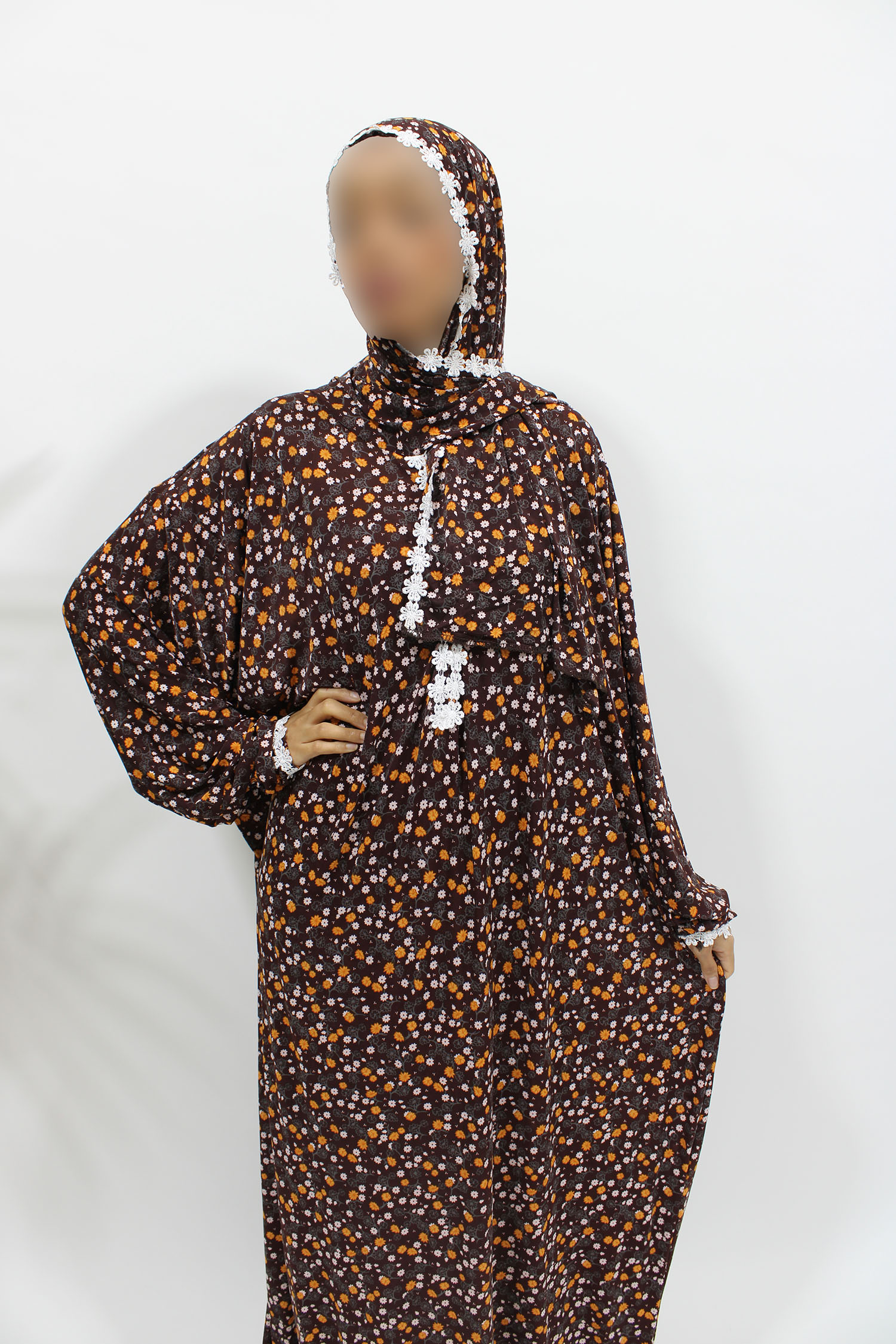
Whenever I think about the perfect prayer outfit, the word that comes to mind is *respect* — respect for myself, for my faith, and for the sacred act of worship. It’s not just about looking modest or covering up. It’s about dressing in a way that honors the essence of salah and aligns with Islamic teachings. But what does that really mean when it comes to fit? Let me walk you through it, based on what I’ve learned, experienced, and reflected on.
The Core Principle: Loose, Non-Revealing, and Free
Islamic guidelines on prayer clothing emphasize covering the ‘awrah’ — the parts of the body that must be concealed during prayer. For women, this generally means covering everything except the face and hands. But just covering isn’t enough. The fit must ensure that nothing clings tightly to the body, so the shape or form is not visible.
Here’s what that looks like in practice:
- Loose and Flowing: Your prayer dress should glide gently over your body without hugging your curves. Think of it like a gentle river flowing — soft, smooth, and unrestricted.
- Opaque Fabric: The material must be thick enough to prevent any transparency, especially when you stretch or move during sujood (prostration).
- Full Coverage: Long sleeves, full-length skirts or dresses, and a hijab that covers your hair and neck completely. The goal is to leave no skin or form exposed unintentionally.
Why Loose Fit Is More Than Just a Rule
When I first started praying regularly, I didn’t always think about the fit — I just wore what was “modest enough.” But one day, during a khutbah, the imam reminded us that prayer is an intimate meeting with Allah, and what we wear should help us focus, not distract us.
That stuck with me. Wearing tight or revealing clothes might make us self-conscious or even draw unwanted attention. A loose fit helps keep your attention on your worship, not your outfit. Plus, it’s about humility — showing submission not just in your actions but through your appearance.
Fit vs. Function: Practical Considerations
While the spiritual aspect is key, practical comfort is just as crucial. Imagine wearing a garment that’s so loose it drags on the ground, or so stiff it restricts your movement. Neither helps your focus during prayer.
| Fit Aspect | Ideal Practice | Common Pitfalls |
|---|---|---|
| Length | Long enough to cover ankles but not so long it drags | Too short or overly long, causing distraction or uncleanliness |
| Sleeves | Full length, loose at the wrist | Tight sleeves that reveal arm shape or ride up during movement |
| Fabric | Soft, breathable, and opaque | Thin or shiny fabrics that become transparent or clingy |
| Neckline & Head Covering | Hijab covers hair, ears, and neck fully | Scarves that slip or expose skin |
Personal Story: Finding My Balance Between Fit and Faith
One time, I bought a beautiful silk prayer outfit that was gorgeous but way too clingy. At first, I thought, “Maybe it’s okay if it’s just for me at home.” But when I knelt down, I realized it wasn’t ideal — the shape of my arms and legs showed through, and I felt distracted and uneasy.
That experience taught me the importance of *intention* in choosing the fit. It’s not just about coverage — it’s about creating a sacred space within myself. After that, I switched to softer cotton blends and loose cuts that felt like a gentle hug rather than a second skin. Suddenly, my salah felt more peaceful, more focused.
Practical Tips for Choosing the Right Fit
Here are some simple tips I share with my sisters when they ask about prayer clothes:
- Test Movement: Try bending, kneeling, and prostrating before you buy. Your outfit should move with you, not fight you.
- Layer Wisely: If a fabric is a little thin, layering with an undershirt or loose cardigan can help maintain opacity and comfort.
- Choose Breathable Fabrics: Breathability helps during warm weather or longer prayers. Cotton, modal, and linen blends work wonders.
- Keep It Simple: Avoid excessive embellishments or tight fits around your waist and hips. Elegance doesn’t have to be complicated.
Final Thoughts: More Than Just Clothes
Ultimately, the fit of your prayer outfit is a physical reflection of your spiritual readiness. It’s about respect for the sacred, a quiet reminder that you’re stepping into a moment that transcends the everyday. When you find that balance of modesty, comfort, and intention, your prayer outfit becomes a partner in your worship — not just a piece of clothing.

Which Fabrics Are Best for Prayer Outfits (All Seasons)?
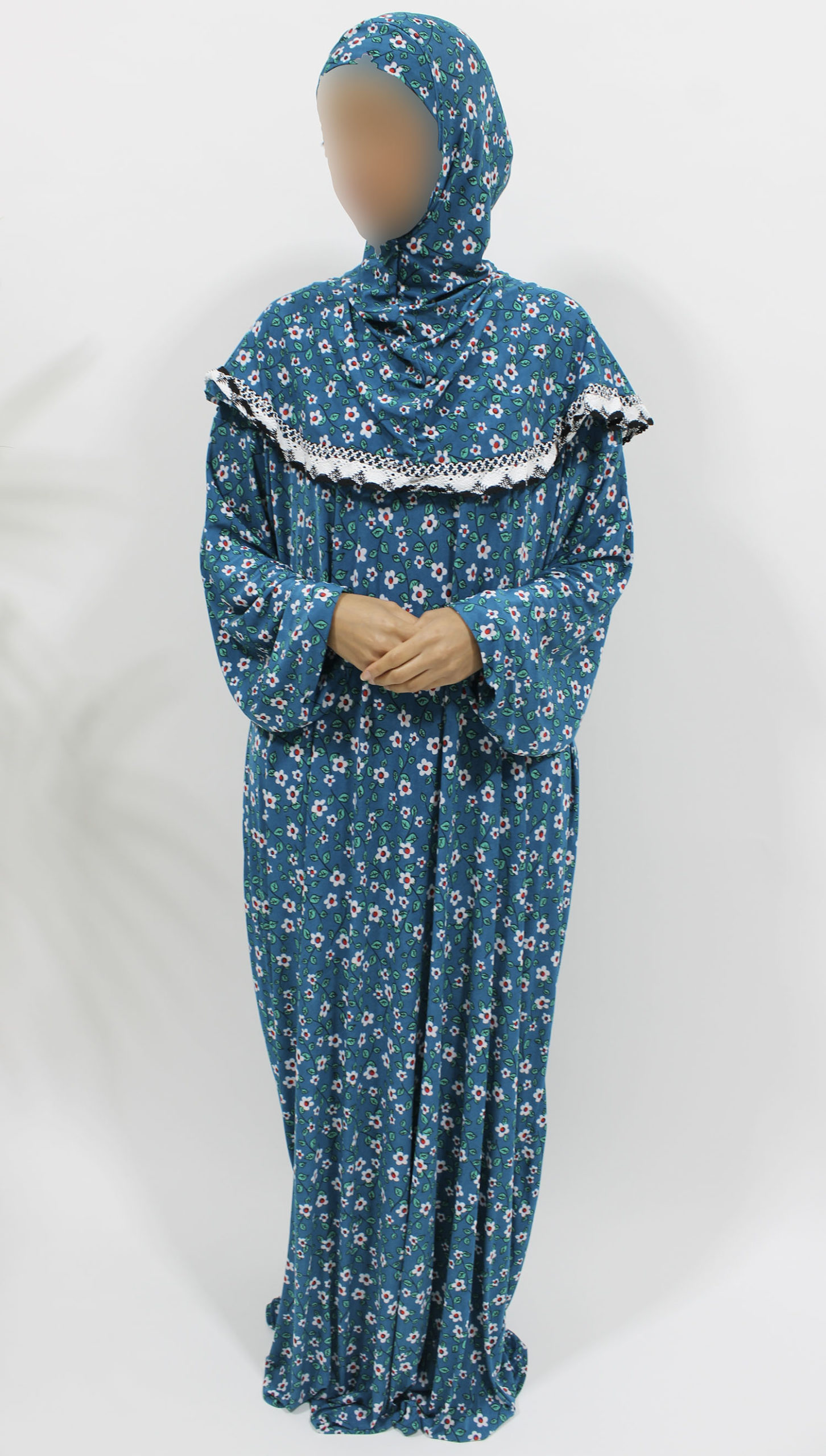
Choosing the right fabric for your prayer outfit might sound like a small detail, but trust me — it makes all the difference. I’ve learned over the years that fabric isn’t just about comfort; it’s about respect for the act of worship and honoring your body and faith. It can elevate your prayer experience or, if chosen poorly, create distractions that pull you away from that sacred moment. Let me share with you what works best, no matter the season.
Why Fabric Choice Matters More Than You Think
When I first started praying regularly in different climates, I underestimated how much fabric impacts the quality of my salah. You might think, “As long as it’s modest and covers, I’m good,” right? But when your outfit clings, gets sweaty, or feels too heavy, it’s hard to fully concentrate. The fabric should feel like a gentle embrace — breathable, soft, and modestly opaque.
Here’s the thing: prayer involves movement — standing, bowing, prostrating. Your clothes must move with you, not against you, and keep you comfortable through every position.
Top Fabrics for Prayer Outfits Across Seasons
| Fabric | Season | Pros | Cons | Best For |
|---|---|---|---|---|
| Cotton | All Year (especially spring/summer) | Breathable, soft, natural, easy to care for | Can wrinkle easily; may shrink if not washed properly | Everyday prayer wear and warm climates |
| Modal | All Year | Lightweight, silky feel, great drape, resists shrinking | Less durable than cotton if not blended | Elegant prayer dresses with comfort |
| Linen | Spring/Summer | Highly breathable, natural texture, cool | Wrinkles easily; can be rough if untreated | Hot, humid climates and casual prayer wear |
| Jersey Knit | Fall/Winter (and layering) | Stretchy, comfortable, warm, good opacity | Can cling if too tight; heavier types may feel bulky | Comfy winter prayer outfits and layering |
| Polyester Blends | All Year (depending on blend) | Durable, wrinkle-resistant, easy care | Less breathable, can trap heat | Travel-friendly prayer outfits and formal wear |
| Silk (for special occasions) | All Year (best for indoor) | Luxurious feel, elegant drape | Expensive, delicate, can cling | Special prayers, Eid, and celebrations |
Fabric Stories: How I Learned What Works
I remember my first Ramadan in a really hot climate. I showed up in a thick polyester prayer outfit, thinking “it looks modest and beautiful.” Big mistake. Halfway through taraweeh, I was sweating buckets, shifting uncomfortably, and my concentration wavered. It was a wake-up call. After that, I invested in cotton and modal prayer dresses that breathe and flow. The difference? Night and day.
And then there was winter last year — cold and rainy. I opted for a jersey knit prayer dress layered with a soft hijab made of viscose. I stayed warm but didn’t feel restricted. That’s when I truly understood how fabric choice affects not just comfort but spiritual focus.
Practical Tips for Choosing Fabric Year-Round
- Test Fabric in Natural Light: Make sure it’s not see-through when stretched or under sunlight — prayer is about modesty, after all.
- Think Movement: Can you bend, kneel, and prostrate without feeling restricted or exposing skin?
- Consider Care: Fabrics like cotton and polyester blends are easier to wash and maintain, perfect for daily wear.
- Layer for Flexibility: For colder months, layer lightweight cotton or modal with jersey or knit pieces to stay warm without bulk.
- Invest in Quality: Prayer outfits aren’t just clothes — they’re part of your worship. A well-chosen fabric feels like a gentle reminder of your devotion.
Final Thoughts: Beyond Fabric — The Feeling of Prayer Clothes
At the end of the day, fabric choice is deeply personal but also profoundly spiritual. It’s about wearing something that supports your prayer journey, helping you feel calm, focused, and connected. When your prayer outfit feels right — soft against your skin, modest in fit, and perfect for the season — it transforms your daily salah from a routine into a heartfelt moment.
Can a Stylish Outfit Still Be Suitable for Salah?
Let me start by saying: yes, absolutely! When I first embraced modest fashion, I often wrestled with this question myself. Is it possible to look chic, feel confident, and still meet the spiritual and practical requirements of my prayer outfit? The answer, thankfully, is a heartfelt and enthusiastic yes. In fact, stylish doesn’t mean sacrilege — it means honoring your faith and yourself with intention.
Why Styling Matters Without Compromising Salah
Here’s a truth many of us don’t openly say: feeling good in your prayer clothes can boost your spiritual focus. When you wear something that fits well, feels beautiful, and expresses your identity, your heart naturally opens up more fully to worship. We often underestimate how much our mindset ties to our attire.
But, I hear you — the worry that “fashion” might contradict modesty or the physical needs of salah is real. That’s why knowing how to balance style with suitability is essential. Let’s talk through how I navigate this balance every day.
Key Elements of a Stylish Yet Suitable Prayer Outfit
| Style Aspect | Why It Matters | How to Ensure It Works for Salah |
|---|---|---|
| Loose, Flowing Silhouettes | Maintains modesty, allows ease of movement | Choose fabrics like chiffon or modal that drape well but don’t cling |
| Length & Coverage | Essential for modesty during bending and prostration | Opt for long dresses or tunics paired with loose pants or skirts underneath |
| Non-Restrictive Fabrics | Supports comfort and concentration | Go for breathable, stretch-friendly materials that won’t reveal skin when stretched |
| Subtle Patterns & Colors | Keeps outfit elegant and calming for worship | Soft florals, muted tones, or monochrome palettes work best |
| Simple Accessories | Adds personality without distraction | Use minimal jewelry, lightweight scarves, or elegant pins that stay secure |
A Story From My Own Closet
One evening during Ramadan, I was getting ready for taraweeh and felt stuck. My usual plain prayer outfit felt a bit dull, and I craved something that reflected my personality — but without losing the sacredness of the moment. So, I paired a flowing emerald green abaya with a soft beige hijab, added a delicate brooch, and chose a light cotton fabric that wouldn’t cling or distract.
The moment I stepped into the prayer space, I felt more centered than ever. My outfit didn’t scream for attention — it whispered confidence and respect. And as I moved through my prayers, nothing held me back. It was a powerful reminder that style and spirituality can coexist beautifully.
Practical Tips to Blend Style & Salah Suitability
- Test Your Outfit’s Mobility: Before praying, try sitting, bending, and prostrating at home to ensure no tight spots or see-through stretches.
- Choose Fabrics That Flow, Not Cling: Avoid super-thin or clingy materials that might reveal shape or cause discomfort.
- Keep Layers Handy: Layering a modest slip dress or pants under stylish tunics ensures full coverage.
- Stick to Calm Colors & Patterns: Bright neons or heavy prints can distract your focus — softer palettes invite tranquility.
- Accessorize Lightly & Securely: A beautiful brooch or subtle necklace can uplift your outfit without risking loss or noise during prayer movements.
Why This Balance Feels Empowering
When I embrace a stylish prayer outfit that still meets all Islamic guidelines, I don’t just feel good — I feel empowered. It’s a daily celebration of who I am as a Muslim woman who values both faith and fashion. It’s not about impressing anyone; it’s about honoring my relationship with Allah in a way that feels authentic to me.
So, can a stylish outfit be suitable for salah? Without a doubt. The key is intention, balance, and respect for both your spiritual needs and your self-expression. When those align, your prayer outfit becomes more than clothing — it becomes a bridge between your heart and your faith.
What Should You Look for in a Plus-Size Muslim Prayer Outfit?
As a plus-size Muslim woman myself, finding the right prayer outfit can feel like a delicate dance. It’s not just about fabric or fit; it’s about dignity, comfort, and feeling beautiful in a way that honors both faith and body. The struggle to find modest fashion that embraces curves without sacrificing prayer requirements is real — and honestly, it took me a while to learn what truly works.
Understanding the Unique Needs of Plus-Size Prayer Clothing
Prayer requires certain physical movements — bowing, prostrating, sitting — all of which demand clothing that moves with you, not against you. For plus-size bodies, this means:
- Generous, non-restrictive cuts: So nothing digs in or limits your range of motion.
- Breathable fabrics: To prevent overheating or discomfort during longer prayers or warmer seasons.
- Proper coverage: More fabric might be necessary to avoid clinging or accidental exposure.
- Confidence in fit: Clothing that flatters without squeezing or awkward bunching.
Trust me, this isn’t about vanity — it’s about feeling fully yourself in prayer.
My Tried-and-True Criteria for a Plus-Size Prayer Outfit
| Feature | Why It Matters | Tips for Choosing |
|---|---|---|
| Loose, Flowing Silhouettes | Allows ease of movement and maintains modesty | Look for A-line cuts or kaftans that skim the body without clinging |
| Stretchable Fabrics | Offers comfort in various prayer positions | Cotton blends with a bit of elastane work wonders for flexibility |
| Length and Coverage | Ensures modesty even during bowing and prostration | Choose dresses or tunics that fall below the knees, paired with loose pants if needed |
| Adjustable Features | Helps customize fit without squeezing | Waist ties, elasticized cuffs, or drawstrings are ideal |
| Soft, Breathable Fabrics | Prevents discomfort during extended prayers | Linen, bamboo, or modal fabrics feel gentle on skin and wick moisture |
A Personal Moment: When I Found “The One”
I remember the frustration of trying on countless prayer outfits that were either too tight or too shapeless — none made me feel truly comfortable or myself. Then, I discovered a flowing abaya with a soft cotton blend and subtle ruching along the sleeves and waist. It wasn’t just the fit; it was how it embraced my curves gently while giving me room to move freely during sujood (prostration).
That outfit became my go-to for special prayers, especially during Ramadan nights when I wanted to feel both elegant and at ease. It reminded me that modest fashion for plus-size Muslim women isn’t about hiding — it’s about celebrating your body as a gift.
Practical Advice for Shopping Plus-Size Prayer Clothes
- Try on before you buy, if possible: Movement matters more than static fit.
- Opt for multi-purpose pieces: Dresses or abayas that double as everyday modest wear save time and money.
- Consider layering: Pair tunics with lightweight, loose pants to ensure full coverage and comfort.
- Don’t shy away from color or print: Soft patterns and rich colors can be flattering and joyful, not just neutrals.
- Look for brands that prioritize plus-size modest fashion: They often understand the nuances better than generic labels.
Why Feeling Comfortable in Prayer Clothes Is So Important
Ultimately, prayer is a deeply personal and vulnerable act. When your clothing fits well and feels good, your mind can focus on the spiritual connection instead of the fabric riding up or sleeves digging in. That peace of mind is priceless.
If you’re plus-size and searching for the right prayer outfit, I want you to remember this: your body is beautiful, your faith is precious, and there are modest fashion options out there that honor both. With patience and the right knowledge, you’ll find that outfit that feels like a warm embrace every time you prepare to pray.
What Are the Best Prayer Outfits for Revert Sisters?
When I first reverted to Islam, I remember feeling a mix of excitement and uncertainty—especially about prayer outfits. The modest fashion world can be overwhelming, even for lifelong Muslims, but for revert sisters, it can feel like stepping into a new universe. What’s appropriate? What’s comfortable? What feels like *me* in this new faith journey?
Trust me, I get it. That balance between modesty, faith, and personal identity is deeply personal. So, if you’re a revert sister wondering where to start or how to build a prayer wardrobe that feels right, this section is for you. Let’s explore the essentials, the emotions, and the practical tips that helped me—and many sisters—embrace prayer outfits with confidence and joy.
Starting with Simplicity: Why Basics Matter
When you’re new to this, it’s easy to get overwhelmed by styles, fabrics, and expectations. My advice? Start simple. A clean, loose-fitting abaya or jilbab is often the best first step. These timeless pieces offer:
- Full coverage: They respect the prayer requirements effortlessly.
- Easy movement: No worries about adjusting clothes during salah.
- Versatility: Can be worn at home or outside without fuss.
My first prayer outfit was a plain black abaya gifted by a kind sister. I still remember the peace it gave me—not just physically, but emotionally. I felt embraced by the simplicity and modesty, like a gentle reminder that the journey is what matters most, not fashion perfection.
Fabric and Fit: What Revert Sisters Should Prioritize
| Fabric | Why It’s Important | Best Choices |
|---|---|---|
| Cotton or Cotton Blends | Breathable and comfortable for all-day wear | Soft cotton jersey, cotton with a bit of stretch |
| Polyester Blends | Wrinkle-resistant and lightweight | Polyester-chiffon or polyester-rayon blends for modest layering |
| Linen | Great for hot climates; cool and airy | Lightweight linen or linen blends |
| Jersey Knit | Stretchy and soft, moves well with the body | Modal blends or viscose jersey |
Fit-wise, revert sisters should look for clothing that doesn’t cling but also doesn’t drown them. Baggy is not always better—sometimes a modestly tailored fit feels more empowering and authentic. Personally, I found that tunics paired with loose pants or maxi skirts offered a great balance.
Layering: The Unsung Hero for New Muslim Women
Layering is a game-changer, especially when you’re figuring out how to cover up properly while staying comfortable. For example, a long tunic over leggings or palazzo pants can be easy to move in during prayer, while still giving you that modest silhouette.
When I first reverted, I leaned heavily on layering. I’d throw a lightweight cardigan or an open abaya over my outfit, adjusting layers depending on the prayer space or weather. This small trick helped me feel prepared and confident, no matter where I prayed.
Personal Story: When Modesty Met Identity
One vivid memory stands out. During Ramadan after reverting, I attended taraweeh at my local mosque. I’d carefully chosen a simple navy abaya and a soft hijab, but I was nervous. Would I blend in? Would I feel “Muslim enough” in my prayer clothes? As I moved through the prayer steps, I realized my outfit didn’t define my faith—it was the sincerity in my heart.
From then on, I embraced modest fashion not as a limitation but as a beautiful expression of my new identity. If you’re a revert sister reading this, I want you to know it’s okay to start small. Your prayer outfit is part of your spiritual journey, not the destination.
Practical Tips for Building Your Prayer Wardrobe as a Revert Sister
- Start with neutral basics: Black, navy, beige—colors that mix and match easily.
- Invest in a good hijab: Breathable fabrics like viscose or cotton blends are great for prayer.
- Look for adjustable features: Elastic waists, ties, and stretchy fabrics make dressing easier and more comfortable.
- Don’t hesitate to ask: Reach out to your local Muslim community or online groups for brand recommendations and support.
- Remember it’s about comfort and confidence: If you feel good, your focus on prayer will naturally deepen.
Revert sisters, your prayer outfit journey is uniquely yours, filled with discovery and growth. Whether you choose a simple jilbab or mix and match tunics and skirts, what matters most is the intention and love behind your choices. May your modest fashion path be a source of joy, confidence, and spiritual peace.
Is It Better to Use a One-Piece or Two-Piece Prayer Garment?
Oh, the classic prayer garment debate: one-piece or two-piece? When I first started praying regularly, I honestly didn’t give it much thought. I just grabbed whatever was clean and comfortable. But as my modest fashion journey deepened, I realized that this choice—one-piece versus two-piece—goes beyond aesthetics. It’s about comfort, ease, identity, and even the subtle rhythms of your daily worship.
So, if you’ve ever stood in front of your closet, torn between a flowing one-piece jilbab and a cozy two-piece set, you’re not alone. Let’s unpack this together—because the right prayer outfit can make your salah feel even more sacred and personal.
One-Piece Prayer Garments: Effortless Elegance with a Spiritual Flow
For me, one-piece garments like the traditional jilbab or abaya have always felt like a kind of prayer armor—simple, elegant, and deeply modest. I remember the first time I wore a one-piece outfit for salah during Ramadan; it felt like slipping into a peaceful cocoon. The fabric flowed around me as I moved through my prayers, and there was a beautiful seamlessness to it.
Here’s why I (and many sisters) often gravitate towards one-piece prayer garments:
- Ease of wear: You slip it on, and you’re ready to pray—no fussing with coordinating pieces.
- Coverage: The continuous flow of fabric ensures no accidental reveals during bowing or prostration.
- Minimal adjustments: You can focus on your prayer without worrying if your clothes are shifting out of place.
But it’s not all roses. One-piece garments can sometimes feel restrictive or warm in hotter climates, especially if made from heavy fabrics. Plus, some find them bulky or cumbersome, especially when layering.
Two-Piece Prayer Garments: Freedom, Flexibility, and Personal Style
On the flip side, two-piece sets—usually a tunic or top combined with loose pants or a skirt—have their own magic. When I first experimented with two-piece prayer clothes, it felt a little less formal but surprisingly freeing. You get to mix textures, colors, and fits that reflect your personality, while still respecting prayer requirements.
Here’s what makes two-piece prayer garments a go-to for many Muslim women, including myself on casual days:
- Layering options: You can adjust your outfit based on temperature and comfort.
- Movement-friendly: Pants or skirts allow for easier movement during prayer, especially for those who value flexibility.
- Styling versatility: Two-piece sets can double as everyday modest wear, making the transition from prayer to daily tasks seamless.
Of course, the challenge is ensuring both pieces provide full coverage and don’t shift around during prayer. This requires a bit of experience and sometimes minor tailoring or choosing garments with adjustable waists or elastic bands.
Comparing One-Piece vs. Two-Piece Prayer Garments: A Handy Table
| Feature | One-Piece | Two-Piece |
|---|---|---|
| Ease of Wearing | Slip-on simplicity | Requires coordination of pieces |
| Coverage | Seamless full coverage | Needs careful pairing for full coverage |
| Comfort | May feel warm or restrictive | More breathable and flexible |
| Style Variety | Classic, uniform look | Mix and match options |
| Suitability for Travel | Compact and easy to pack | Can be bulkier depending on pieces |
A Personal Story: Finding My Balance
There was a period when I owned only one-piece prayer outfits—mostly long abayas and jilbabs. I loved their simplicity but noticed on especially hot days, my mind would wander during prayer because I was feeling physically uncomfortable. Then, I discovered two-piece prayer sets made from soft jersey and cotton blends. The freedom to move and breathe was a revelation.
But I didn’t abandon my one-piece outfits entirely. Instead, I learned to choose based on my mood, weather, and setting. For quiet moments at home or long nights of worship, one-piece garments feel cozy and grounding. For fast-paced days or travel, two-piece sets give me the flexibility I crave.
Tips for Choosing What Works for You
- Consider your climate: Hotter regions might lean toward lighter two-piece sets; cooler areas might benefit from cozy one-pieces.
- Think about your lifestyle: Are you often on the move, or do you mostly pray at home? Flexibility versus simplicity can guide your choice.
- Test different fabrics: Breathability and stretch can make a huge difference in comfort during prayer.
- Try layering with two-piece sets: Adding a long cardigan or open abaya over your tunic can combine modesty with style.
- Don’t stress perfection: The heart of salah is your devotion, not your outfit. Choose what helps you feel connected.
Ultimately, I believe there’s no “better” universal answer here—just what feels best for *you* in your prayer journey. Whether you slip into a flowing one-piece or coordinate a chic two-piece set, your intention and sincerity make all the difference.
What’s the Ideal Prayer Outfit for Travel?
Traveling as a Muslim woman who prays five times a day comes with its own unique set of challenges—especially when it comes to modest prayer outfits. I’ve learned through countless flights, road trips, and impromptu prayers in airports or hotels that choosing the right prayer clothes for travel is a balancing act between comfort, modesty, and practicality. So, what exactly makes the perfect travel prayer outfit? Let’s unpack this together.
Comfort Is Non-Negotiable
First off, if your outfit isn’t comfortable, it’s going to distract you from your salah, and that’s the last thing any of us want. When I travel, I gravitate toward soft, breathable fabrics that move with me. Think cotton blends, bamboo jersey, or lightweight modal—materials that keep me cool and don’t cling uncomfortably during those long airport waits or hotel prayers.
One time, I packed a beautiful but stiff abaya for a trip to a humid country. By the time I reached the prayer room, I was fidgeting with the fabric the entire time and couldn’t focus on my du’a. Lesson learned: comfort fuels concentration.
Packability and Layering: The Travel Game-Changers
When space is limited, a prayer outfit that folds neatly without wrinkling is a blessing. My go-to travel prayer sets are usually two-piece ensembles that layer well. A tunic with loose pants or a skirt folds smaller than a bulky one-piece jilbab, giving me more room for essentials like my prayer rug and Quran.
Layering is also key because travel often means varying temperatures—from chilly airplanes to hot destinations. A lightweight cardigan or open abaya over your prayer set lets you adjust without compromising modesty or comfort.
| Travel Prayer Outfit Feature | What to Look For | Why It Matters |
|---|---|---|
| Fabric | Breathable, wrinkle-resistant, quick-dry | Keeps you comfortable and fresh on-the-go |
| Design | Two-piece sets or lightweight one-piece | Easy packing and layering options |
| Coverage | Loose, full coverage with minimal adjustment | Ensures modesty in different prayer settings |
| Ease of Wear | Simple slip-on or elastic waistbands | Saves time and hassle during rushed prayers |
| Color | Neutral or dark shades | Hides travel wear and tear, looks polished |
Real Talk: Navigating Prayer Spaces on the Road
I remember arriving at a bustling international airport where the prayer room was tucked away and not exactly pristine. My outfit mattered more than I thought—loose, breathable layers helped me feel modest without overheating, and my quick-dry fabric was a lifesaver when I had to wash it overnight. I also brought a lightweight scarf to freshen up before prayer.
Those moments reminded me: your travel prayer outfit isn’t just about style, but about adaptability. Can it handle unexpected situations? Can you feel confident and focused wearing it anywhere? Those are the questions I now ask myself.
Tips from the Heart: How to Build Your Ideal Travel Prayer Wardrobe
- Invest in versatile pieces: A couple of high-quality, lightweight prayer outfits can be rotated easily.
- Choose darker or patterned fabrics: They hide stains and creases better when you’re on the move.
- Bring a compact prayer mat: It pairs beautifully with your outfit and helps you maintain focus.
- Pack a travel-friendly hijab: Lightweight and breathable scarves are perfect for layering and refreshing.
- Test your outfits before travel: Wear them during a busy day to check comfort and modesty under real-life conditions.
Final Thoughts: More Than Just Fabric
Travel prayer outfits are about more than just ticking boxes. They carry your intention, respect your modesty, and create the space for your spiritual connection no matter where you are. For me, it’s about honoring the moment and embracing the journey—both in body and soul.
So, what’s your travel prayer outfit story? Have you found that perfect blend of comfort and modesty, or are you still searching? Either way, I hope these insights help you pack not just clothes, but peace of mind for your next adventure.
How Do You Choose a Prayer Outfit for Ramadan?
Ramadan is such a special time for me—not just spiritually, but also in how I prepare for prayer. When the nights grow longer and the air fills with the scent of dates and oud, I find myself more mindful about the clothes I wear during salah. Choosing a prayer outfit for Ramadan isn’t just about modesty or style; it’s about comfort, intention, and honoring the sacredness of the month. If you’re wondering how to pick the perfect prayer clothes during this blessed season, let me share what I’ve learned along the way.
Prioritize Comfort—Especially During Long Night Prayers
Let’s be real: Ramadan nights are often full of taraweeh prayers that stretch on for hours. Wearing something stiff or scratchy can be distracting and even exhausting. I remember one Ramadan when I insisted on wearing a new synthetic abaya that looked gorgeous but left me fidgeting all night. Lesson learned! Now, I reach for soft, breathable fabrics like cotton blends, bamboo jersey, or linen that feel like a gentle hug during those extended moments of worship.
Also, loose cuts are key. You want to be able to move freely through your sujood without feeling trapped or tugging at your clothes. The last thing you need is to worry about adjusting your outfit instead of focusing on your connection with Allah.
Think Layers—Because Ramadan Weather Can Be Tricky
Depending on where you live, Ramadan can fall in sweltering summer or chilly winter months. Layering prayer outfits helps me adapt without compromising modesty. I love pairing a lightweight, long-sleeved tunic with a matching loose skirt or palazzo pants, topped with a flowing cardigan or open abaya for cooler nights. When the heat hits, I simply remove the outer layer and still feel covered and comfortable.
Layering also adds a subtle elegance to your look, making it easy to transition from prayer to family gatherings or Iftar dinners without rushing to change.
The Role of Color and Fabric Choices in Ramadan Prayer Outfits
Ramadan is a month of reflection and spiritual cleansing, so many sisters prefer soft, calming colors—muted pastels, gentle earth tones, and peaceful neutrals that reflect the tranquility of the season. But honestly, it’s also okay to wear colors that uplift your spirit. I once wore a deep emerald prayer dress that made me feel so vibrant and connected; that feeling made my prayer more heartfelt.
When it comes to fabric, I avoid anything too shiny or flashy during Ramadan nights because I want my clothes to feel humble, just like my heart aims to be. Matte, natural fabrics help me stay grounded.
Comparing Ramadan Prayer Outfit Options: A Quick Guide
| Feature | One-Piece Garment | Two-Piece Set |
|---|---|---|
| Comfort | Simple, but can feel warm in long prayers | More breathable and adjustable with layers |
| Ease of Movement | Flowing, but may feel restrictive for some | Allows more flexibility during sujood |
| Temperature Adaptability | Best for cooler nights | Great for layering in varying weather |
| Styling Versatility | Traditional and elegant | Mix-and-match with colors and fabrics |
A Personal Ramadan Prayer Outfit Memory
One Ramadan night, I was attending taraweeh at a local mosque during a rare chilly evening. I decided to wear my soft, layered two-piece prayer set with a warm shawl. As I moved through each raka’ah, I noticed how my outfit stayed in place and kept me cozy without overheating. It felt like my clothes were a silent partner, supporting my focus and devotion. After that night, I vowed to never sacrifice comfort for style, especially during Ramadan.
Practical Tips to Choose Your Ramadan Prayer Outfit
- Test your outfit during daily prayers: If it feels good for Fajr or Dhuhr, it will likely work for longer Ramadan prayers.
- Prioritize soft, natural fabrics: They keep you cool and calm, especially during long nights.
- Pick calming or uplifting colors: Let your outfit reflect your spiritual mood.
- Layer smartly: Be ready to adapt to changing temperatures and environments.
- Remember intention over appearance: Your heart and focus matter more than the perfect outfit.
Choosing a prayer outfit for Ramadan is a gentle balance of honoring your body, your faith, and your unique style. With each piece you select, remember it’s not just fabric you wear—it’s a quiet reminder of your devotion, your resilience, and your beauty inside and out.
What Should Men Wear for Prayer (Besides a Thobe)?
When I first embraced modest fashion in my family, I realized that the conversation often focuses on women’s prayer attire—beautiful abayas, flowing jilbabs, and cozy hijabs. But what about the men? Sure, the thobe is the classic go-to, but it’s not the only option for men during salah. I’ve watched my brothers and father navigate prayer outfits beyond the traditional thobe, and honestly, there’s a lot of variety that respects modesty, comfort, and style. If you’re wondering what men can wear for prayer besides the thobe, here’s the heartfelt scoop from someone who’s seen it all.
Why Look Beyond the Thobe?
First, let’s admit it—while the thobe is timeless and elegant, not every man finds it practical or appealing every day, especially outside formal or cultural contexts. My brother, for example, loves the thobe but finds it less comfortable in humid weather or when he’s at home doing zikr. Sometimes, men want something simpler, easier to wear, or just different, while still fulfilling the Islamic requirements for modesty during prayer.
So exploring alternatives isn’t about rejecting tradition; it’s about adapting to personal needs and environments while maintaining respect for the prayer’s sanctity.
Key Principles for Men’s Prayer Clothes
Before diving into options, a quick reminder: The main requirements for men’s prayer clothes are that they cover from at least the navel to the knees, are clean, and not transparent or tight-fitting. So, it’s not about fancy dress codes but about thoughtful coverage and respect.
| Principle | Explanation | Prayer-Friendly Examples |
|---|---|---|
| Coverage | From navel to knees minimum | Long shirts, kurta, loose pants |
| Modesty | Non-transparent and loose | Cotton trousers, linen shirts |
| Cleanliness | Fresh and tidy clothing | Regular laundry, ironed shirts |
| Comfort | Allows ease in sujood and movements | Breathable fabrics like cotton |
Alternatives to the Thobe: Practical and Stylish Options
1. Long Kurta and Pajama: The kurta is one of my favorite alternatives because it strikes a balance between tradition and comfort. It’s long enough to cover properly and usually made from breathable fabric. My dad wears his embroidered kurta for prayer and family gatherings alike—it feels special without being stiff. Pair it with loose pajama pants, and you’re set for smooth movement during salah.
2. Long Shirts and Loose Trousers: For casual days, a crisp, long button-up shirt that extends below the hips with loose pants can be ideal. I’ve noticed some men favor this because it feels less “formal” than a thobe but meets all prayer requirements. Plus, it’s easy to find in everyday wardrobes.
3. Jubbah or Jubba: This is a slightly shorter, often decorated robe that’s popular in South Asia and the Middle East. It’s a great middle ground between a casual shirt and a full thobe, especially for Jummah or special prayers.
4. Prayer Sets (Shirt and Matching Pants): Some brands offer coordinated prayer sets designed for ease and comfort during worship. These often feature stretchy waistbands, soft fabrics, and modest cuts. I remember gifting my younger brother a set last Ramadan, and he swore by how effortlessly it helped him stay focused in prayer.
What Fabrics Work Best?
Choosing the right fabric isn’t just about comfort; it can shape the whole prayer experience. Breathable, natural fibers like cotton, linen, and bamboo blends are winners, especially in warmer climates or long prayers. My father once tried a synthetic polyester blend and regretted it instantly—he felt hot, itchy, and distracted.
For colder months, layering a wool-blend kurta over a long-sleeve cotton shirt can add warmth without bulk, keeping movements easy during prayer.
Personal Story: My Brother’s Prayer Outfit Journey
I recall my brother struggling for years with his prayer clothes—he’d start in a thobe, but by the second raka’ah, he’d be tugging at the hem or sweating. One Ramadan, he decided to try a simple long cotton kurta with loose drawstring pants. The change was night and day. He told me, “I feel more connected because I’m not distracted by discomfort.” That shift made me realize how important it is for men to have prayer clothes that support spiritual focus, not hinder it.
Quick Guide: Men’s Prayer Outfit Comparison
| Outfit | Comfort | Ease of Movement | Formality | Best For |
|---|---|---|---|---|
| Thobe | Medium | Good | Formal & Traditional | Mosque, Jummah, Eid |
| Kurta & Pajama | High | Excellent | Semi-formal | Daily prayers, Ramadan |
| Long Shirt & Loose Trousers | High | Good | Casual | Home, casual prayers |
| Prayer Sets | Very High | Excellent | Casual to Semi-formal | Home, travel, Ramadan |
Final Thoughts
Men’s prayer attire doesn’t have to be one-dimensional. Whether it’s a thobe, kurta, or a comfy long shirt, what truly matters is that the outfit supports devotion. The right clothes help remove distractions, honor the prayer’s sanctity, and even boost confidence and focus. So, brothers, don’t hesitate to explore beyond the traditional if it helps you connect deeper with your salah. And sisters, maybe share these options with your men—they’ll appreciate the thoughtful guidance more than you know.
How Can You Create a Prayer Capsule Wardrobe?
Have you ever stood in front of your closet, overwhelmed by a sea of clothes but still felt like you had nothing perfect for prayer? I’ve been there—trust me. Creating a prayer capsule wardrobe changed everything for me, bringing peace and purpose to what used to be a stressful morning ritual. It’s not just about having fewer pieces; it’s about choosing thoughtfully so each garment serves your spiritual, modest, and practical needs.
What Is a Prayer Capsule Wardrobe?
In simple terms, a capsule wardrobe is a curated collection of versatile, high-quality pieces that mix and match effortlessly. When I say “prayer capsule wardrobe,” I mean a smaller, intentional set of modest clothing dedicated to your salah moments—whether at home, the mosque, or traveling.
Think of it as your spiritual uniform: comforting, modest, beautiful, and functional. Instead of digging through racks of random outfits, you have a few reliable prayer pieces that support your devotion and modest style every day.
Why Build a Prayer Capsule Wardrobe?
For me, it was about reclaiming time and mental energy during Ramadan mornings and Jummah preparations. No more guessing or rushing to find something modest yet comfortable. But there’s more:
- Clarity: A small, purposeful wardrobe minimizes decision fatigue.
- Consistency: You always look and feel your best in prayer.
- Sustainability: Fewer, better pieces mean less waste and more mindful consumption.
- Confidence: When your outfit aligns with your values, your heart feels calm and focused.
Step 1: Assess Your Prayer Needs
Before buying anything, I sat down and asked myself: Where do I pray most? What seasons do I need to cover? Do I prefer one-piece garments or separates? These questions helped me see what pieces I already owned and what gaps needed filling.
| Consideration | Questions to Ask Yourself | Examples |
|---|---|---|
| Location | Home, mosque, travel? | Lightweight sets for travel, cozy fabrics for home |
| Climate | Hot, cold, moderate? | Linen or cotton for summer, knit or fleece for winter |
| Style | One-piece, two-piece, jilbab? | One-piece prayer dress, kurta and pants combo |
| Frequency | Daily, Jummah, special occasions? | Simple daily prayer outfits, elegant sets for Eid |
Step 2: Choose Versatile and Comfortable Pieces
For me, versatility was the magic word. I found that neutral colors like soft beige, navy, and dusty pinks mix and match effortlessly. My capsule includes:
- Two one-piece prayer dresses: One lightweight cotton for summer, one thicker for winter
- Three separates: Loose tunics with wide-leg pants that can be paired in different ways
- A modest hijab collection: Neutral scarves in breathable fabrics
- A light outer layer: A roomy abaya or jilbab for extra coverage or mosque visits
Choosing soft, breathable fabrics like cotton and bamboo blends made a huge difference in my focus and comfort. No itchiness, no overheating—just peace.
Step 3: Prioritize Quality Over Quantity
One thing I learned the hard way is that fast fashion pieces fall apart quickly, especially with the repeated washing prayer garments go through. I now invest in quality basics—durable seams, colorfast fabrics, and modest cuts that won’t lose their shape.
Yes, it’s tempting to buy cheap sets, but trust me, your prayer wardrobe should feel like a sanctuary you slip into, not a hassle. When you wear something made with care, your confidence and reverence soar.
Step 4: Add Personal Touches
Your prayer wardrobe should feel like *you*. I love adding a little lace trim or embroidered detail—not to show off, but because those small touches make me feel connected and uplifted. Maybe it’s a subtle pattern on your scarf or a soft pastel color that calms your mind.
One Ramadan, I gifted myself a prayer dress with delicate embroidery inspired by my grandmother’s traditional motifs. Wearing it felt like wrapping myself in family love and heritage.
Quick Prayer Capsule Wardrobe Checklist
| Item | Quantity | Fabric | Purpose |
|---|---|---|---|
| One-piece prayer dresses | 2 | Cotton, bamboo | Year-round coverage |
| Tunics or kurtas | 3 | Cotton, linen | Mix and match with pants |
| Loose pants | 3 | Lightweight cotton | Comfort and modesty |
| Hijabs | 4-5 | Jersey, chiffon | Comfort and style |
| Outer garment (abaya/jilbab) | 1 | Lightweight wool or polyester blend | Extra coverage, mosque visits |
Final Thoughts: Your Wardrobe, Your Worship
Building a prayer capsule wardrobe was a journey of learning self-kindness and spiritual focus for me. It’s not about rigid rules or trends—it’s about tuning into what you need to feel calm, covered, and confident before Allah. So, take it slow, listen to your heart, and create your own prayer sanctuary in your closet. After all, the simplest clothes can hold the deepest devotion.
How Do You Wash and Care for Prayer Outfits?
Let me be honest with you: caring for prayer outfits isn’t just a mundane chore — it’s a small act of love and respect. These garments accompany us in our most sacred moments, wrapping us gently in comfort and modesty. Treating them well feels like nurturing a connection, and it can truly extend their life and beauty, saving you money and worry.
Why Proper Care Matters for Prayer Clothes
We often wear prayer garments frequently, especially during Ramadan, Eid, or daily prayers. Many fabrics are delicate—lightweight cottons, silks, or intricate embroidery—that need gentle handling. Without proper care, colors fade, seams weaken, and the modest silhouette can distort.
Remember the last time your favorite prayer dress got snagged or lost its softness? I’ve been there. A little knowledge and attention can prevent that heartbreak and keep your spiritual wardrobe fresh and inviting.
Fabric Types and How They Influence Care
First things first: know your fabric. Each material has its quirks and needs. Here’s a quick table I keep handy:
| Fabric | Washing Tips | Drying Advice | Ironing Guidance |
|---|---|---|---|
| Cotton | Machine wash cold or warm, gentle cycle | Air dry or low heat tumble dry | Iron warm to hot, use steam for wrinkles |
| Silk | Hand wash or dry clean, mild detergent | Lay flat to dry, avoid direct sun | Iron low heat, inside out |
| Polyester blends | Machine wash cold, gentle cycle | Tumble dry low or air dry | Iron low heat or steam |
| Jersey/Knits | Machine wash cold, inside out | Lay flat to dry to avoid stretching | Usually no ironing needed, or low heat |
| Linen | Hand wash or machine gentle cycle | Hang dry, avoid wrinkling | Iron while damp, high heat |
Step-by-Step Guide to Washing Prayer Outfits
Here’s how I treat my prayer garments with care and intention, and you can too:
- Sort by color and fabric. Mixing darks with lights or delicate fabrics with heavy ones is a recipe for disaster — and ruined prayers. Separate your whites, pastels, and dark colors carefully.
- Use gentle detergents. I personally love fragrance-free, mild detergents because they protect fabric fibers and avoid skin irritation—especially important for hijabs close to the face.
- Turn garments inside out. This simple trick helps protect embroidery, prints, and the garment’s outer texture.
- Use cold or lukewarm water. Hot water can shrink or weaken fibers, especially on delicate prayer dresses.
- Skip fabric softeners. They can leave residue that blocks breathability, and that’s the last thing you want during sujood when comfort is key.
- Air dry whenever possible. Tumble dryers are convenient but rough on delicate fabrics. Air drying preserves shape and softness.
Special Tips for Caring for Embroidery and Delicate Details
Many prayer outfits feature lovely embroidery or delicate lace. These elements make the garments feel special, but they also require a little extra TLC. Here’s what I do:
- Hand wash those pieces separately. I fill a basin with cold water and gently swish the garment, avoiding rubbing or twisting.
- Use a mesh laundry bag. If machine washing is necessary, pop your delicate prayer outfits in a mesh bag to minimize damage.
- Pat dry instead of wringing. Press out water gently with a clean towel to keep embroidery intact.
Common Mistakes to Avoid When Caring for Prayer Clothes
I won’t lie—I’ve made a few mistakes along the way. Hopefully, sharing them will save you some headaches:
| Mistake | What Happens | Better Alternative |
|---|---|---|
| Washing prayer hijabs with heavy clothes | Snags, tears, lost softness | Wash separately or with other light fabrics |
| Using hot water on delicate fabrics | Shrinkage and color fading | Cold or lukewarm water only |
| Skipping air drying | Wrinkling, fabric weakening | Lay flat or hang to dry |
| Using bleach or harsh detergents | Fabric damage, skin irritation | Choose gentle, fragrance-free detergents |
Final Thoughts: Caring for Prayer Clothes Is an Act of Worship
When I treat my prayer outfits with care, it reminds me that every detail in my worship matters—from the words I say to the clothes I wear. These garments aren’t just fabric; they’re vessels of my intentions, moments of quiet devotion, and expressions of my identity as a modest Muslim woman.
So, the next time you wash your prayer dress or fold your hijab, remember it’s a small, loving act that helps keep your heart and prayers pure. After all, care goes beyond the fabric—it’s about honoring your connection to Allah in every stitch and fold.
What’s the Best Outfit for Jummah or Eid Prayers?
There’s something truly special about dressing for Jummah or Eid prayers, isn’t there? It’s not just about looking nice—it’s about feeling the spirit of the day in every thread we wear. I often find myself reflecting on how my outfit can be both a reflection of my faith and a celebration of modesty and joy. So, what exactly makes the “best” outfit for these moments? Let’s explore that together.
Balancing Tradition and Personal Style
Jummah and Eid prayers are sacred occasions, steeped in tradition, but that doesn’t mean we have to sacrifice our individuality. In fact, the best prayer outfits strike a delicate balance between honoring Islamic customs and expressing personal style. I remember one Eid morning when I chose a soft pastel abaya with subtle embroidery—it felt both respectful and uniquely “me.”
The key is modesty first, but within that, there’s so much room for creativity. Think about fabrics that feel special yet comfortable—lightweight chiffons, breathable silks, or flowing cottons. The colors can range from classic whites and creams, which symbolize purity and renewal, to vibrant hues that uplift your spirit.
Must-Have Elements of a Jummah or Eid Outfit
From my experience and countless conversations with sisters, these elements create a winning ensemble for prayer gatherings:
| Element | Why It Matters | Tips for Choosing |
|---|---|---|
| Loose, Flowing Silhouette | Ensures modesty and comfort during prayers | Opt for A-line abayas, maxi dresses, or wide-legged pants |
| Soft, Breathable Fabrics | Keeps you cool, especially in crowded mosques | Choose cotton blends, silk, or high-quality jersey |
| Neutral or Festive Colors | Neutral tones are timeless; bright colors add joy | Whites, pastels, emerald greens, or deep blues |
| Subtle Embellishments | Add elegance without distraction | Delicate embroidery, beadwork, or lace trims |
| Comfortable Hijab Style | Ensures you focus on worship, not fussing with fabric | Try soft chiffon, silk, or cotton hijabs in coordinating colors |
A Story from My First Eid Prayer Outfit
I still remember my first Eid after fully embracing modest fashion—it felt like a milestone. I wanted something that honored the occasion but also felt like “me.” After much searching, I settled on a cream-colored abaya with delicate gold thread embroidery around the sleeves and neckline. Pairing it with a soft beige hijab completed the look.
Walking into the mosque that morning, I felt a quiet confidence. People noticed, sure, but more importantly, I felt wrapped in something that respected both my faith and my personal expression. It reminded me that modest fashion isn’t about hiding—it’s about revealing our best selves with dignity and joy.
How to Choose the Perfect Outfit for Your Body and Climate
Not every outfit suits every body or every climate. Here’s a simple guide I use to help sisters choose the best Jummah or Eid prayer look that fits their lifestyle and environment:
| Body Type | Suggested Outfit Styles | Fabric Tips |
|---|---|---|
| Petite | Fitted abayas with slight flare, high-waist maxi skirts | Light fabrics like chiffon or jersey to avoid bulk |
| Tall | Long flowing abayas, layered looks | Medium-weight fabrics that hold shape |
| Curvy | A-line dresses, empire waist abayas | Fabrics with slight stretch, avoid clingy materials |
| Hot Climate | Loose cotton abayas, breathable hijabs | Natural fibers like cotton, linen, or silk blends |
| Cold Climate | Layered abayas, thicker hijabs | Wool blends, heavier cottons, layering scarves |
Final Thoughts: Your Outfit Is Part of Your Worship
Choosing the perfect Jummah or Eid prayer outfit is more than picking something pretty. It’s a way to connect deeply with your faith, your community, and yourself. The best outfits don’t just cover—they uplift, comfort, and inspire confidence.
So next time you’re preparing for Jummah or Eid, ask yourself: What do I want this outfit to say about me and my devotion? For me, that question always leads back to the values of humility, joy, and authenticity—woven into fabric and folds, ready to embrace the blessings of the day.
How Can You Help Kids Choose the Right Prayer Outfit?
Helping children choose the right prayer outfit feels like such a meaningful task, doesn’t it? It’s not just about clothes—it’s about nurturing their love for modesty, spirituality, and feeling comfortable in their own skin while honoring our beautiful traditions. As a Muslim woman who has walked this path with my little nieces and cousins, I know firsthand how delicate and joyful this process can be.
Understanding the Balance: Comfort Meets Modesty
Kids are kids—they want to run, play, and explore, even during prayer times. That means their prayer clothes need to respect Islamic guidelines for modesty but also feel soft, breathable, and practical. There’s no point in forcing stiff or scratchy fabrics on a child if they’re just going to be fidgeting or pulling at their sleeves every few minutes.
One time, my little niece came back from Eid prayer complaining her hijab was “itchy like a cactus.” We quickly learned that cotton and jersey fabrics are way kinder for sensitive skin and active kids. So, when helping children pick their prayer outfits, prioritize softness and stretch. It’s all about making worship feel natural and joyful—not a burden.
Key Elements for Kid-Friendly Prayer Outfits
| Element | Why It Matters | Practical Tips |
|---|---|---|
| Loose, Non-Restrictive Fit | Allows movement and comfort during prayer | Look for A-line dresses, tunics, or soft abayas |
| Soft, Breathable Fabrics | Prevents irritation and overheating | Cotton blends, bamboo fabric, lightweight jersey |
| Simple Hijab Styles | Easy to wear and stays put | Elastic or slip-on hijabs, or soft cotton scarves |
| Easy Care and Durability | Kids can be rough on clothes! | Machine washable, wrinkle-resistant fabrics |
| Age-Appropriate Designs | Keeps children excited about wearing modest clothing | Fun colors, subtle patterns, or favorite themes |
Stories That Shape the Experience
I remember one Jummah when my young cousin insisted on wearing a “princess abaya” she’d picked out herself—a soft pastel dress with tiny embroidered stars. It wasn’t what her mother originally imagined, but seeing her so excited and confident made everyone smile. She stood a little taller during prayer, proud and comfortable.
That moment reminded me: the best prayer outfit for kids isn’t always the one adults pick. It’s about letting them have a say, while gently guiding them towards modesty and practicality. Sometimes, it’s a delicate dance between respect and fun.
Helping Kids Feel Connected and Proud
When children pick out their prayer outfits, it’s a wonderful chance to teach them about the deeper meaning behind the clothes—the respect for Allah, the joy of worship, and the beauty of modesty. I like to turn it into a little ritual, explaining why certain fabrics and styles work better for prayer, and how their outfit is part of their spiritual journey.
Encourage them to express themselves within those guidelines. If your daughter loves pink or your son prefers loose cotton pants over a thobe, that’s okay! What matters is they feel good and ready to focus on their connection with Allah.
Practical Checklist for Parents
- Include your child in shopping decisions: Let them choose colors or patterns they like within modesty limits.
- Opt for comfortable fabrics: Avoid itchy synthetics or heavy materials.
- Prioritize ease: Elastic waists, slip-on hijabs, and simple fastenings help kids get dressed independently.
- Have a designated prayer outfit set: This helps them associate those clothes with a special, sacred time.
- Teach care and respect: Help them understand why prayer clothes should be kept clean and handled with care.
Final Thoughts: Prayer Outfits as a Bridge to Faith
At the end of the day, helping kids choose the right prayer outfit isn’t just a fashion decision—it’s a beautiful way to foster their love for Islam and modesty. I’ve seen how the right outfit can boost their confidence, encourage their independence, and make prayer time a joyful experience.
So, next time you’re helping your little one prepare for prayer, remember: this is a chance to create memories, spark conversations, and weave modesty gently into their hearts, one comfortable, joyful outfit at a time.
How Do You Style Your Prayer Outfit Without Compromising Modesty?
Styling a prayer outfit without compromising modesty can feel like walking a delicate tightrope, can’t it? I’ve been there—wanting to express my personality and creativity while staying true to Islamic principles. The truth is, modesty isn’t about dull or plain clothes; it’s about honoring your values with intention and grace. And trust me, there’s so much room for beautiful, meaningful style within those boundaries.
Why Styling Your Prayer Outfit Matters
At first glance, you might think prayer clothes are just functional — and yes, they absolutely must be modest and comfortable. But over the years, I’ve realized that how we style our prayer outfits deeply influences how we feel while praying. When I wear something that reflects my personal taste yet respects my faith, I feel calm, confident, and connected. It’s like an unspoken prayer in itself.
Have you ever noticed how a soft color or a carefully chosen accessory can brighten your whole mood? That’s the power of styling with heart.
Balancing Modesty and Style: Key Principles
| Principle | Why It’s Important | How to Apply It |
|---|---|---|
| Loose Silhouettes | Ensures modesty by avoiding body contours | Opt for flowing abayas, maxi dresses, or layered tunics |
| Layering | Adds depth and dimension without showing skin | Use lightweight cardigans, kimonos, or scarves to layer |
| Quality Fabrics | Comfort and elegance boost confidence | Choose breathable cotton, linen, or silk blends |
| Color Coordination | Creates a polished, intentional look | Mix neutrals with a pop of soft pastel or jewel tones |
| Minimal Accessories | Maintains simplicity and respectfulness | Delicate jewelry, subtle pins, or elegant scarves |
Story: My Favorite Styled Prayer Moment
One Friday, I remember choosing a soft beige abaya with a dusty rose scarf. It was a subtle, warm palette, but what made it special was the delicate lace trimming on the sleeves—just enough detail to feel unique without drawing too much attention. As I walked into the mosque, I felt a little spark of joy. I wasn’t just there in “any” outfit. I was in something that honored both my faith and my personality. That day, my prayer felt calmer, more connected.
That’s when I truly understood—modesty and style aren’t enemies; they can beautifully dance together.
Practical Styling Tips for Your Prayer Outfit
- Choose Flowing Fabrics: Think chiffon, crepe, or soft cotton that drapes without clinging.
- Experiment with Layers: A long, open cardigan or a kimono can elevate a simple dress.
- Play with Color, Not Skin: Rich jewel tones or soft pastels can brighten your outfit without compromising coverage.
- Use Statement Scarves Wisely: A scarf with subtle embroidery or a unique texture can be your signature piece.
- Keep Accessories Simple: A delicate bracelet or a small brooch adds charm without distraction.
Common Mistakes to Avoid
Sometimes, in the quest to look stylish, it’s easy to slip into outfits that aren’t truly modest. I’ve learned this the hard way—wearing something too tight or sheer that looked pretty but made me uncomfortable during prayer.
Here’s what I watch out for now:
- Avoid clingy fabrics: They betray modesty by outlining the body.
- Skip overly flashy details: Modesty means humility, so keep embellishments subtle.
- Don’t sacrifice comfort: If you’re constantly adjusting or distracted, your focus suffers.
Final Thoughts: Style as an Expression of Inner Modesty
Modesty isn’t just fabric draped on your body—it’s a reflection of your heart and values. Styling your prayer outfit is a beautiful way to express that from the outside in. I encourage you to embrace your individuality within the guidelines of modesty. It’s not about restrictions; it’s about mindful creativity.
So next time you prepare for prayer, ask yourself: How can my outfit help me feel at peace, confident, and spiritually connected? Trust me, when your clothes align with your soul, your prayers will feel that much deeper.
What Are Common Mistakes People Make with Prayer Outfits?
When it comes to prayer outfits, I’ve seen—and made—a few mistakes along the way. Honestly, dressing for prayer isn’t just about throwing on anything modest; it’s a thoughtful balance between respect, comfort, and intention. The wrong choices can distract you or even take away from the serenity of your connection with Allah. So, let’s dive into the most common pitfalls I’ve encountered, with some gentle advice on how to avoid them.
1. Choosing Fabrics That Don’t Breathe
Here’s a mistake I used to make during the hot summer months: picking thick, non-breathable fabrics that left me feeling sticky and restless. When your prayer outfit traps heat or causes discomfort, it’s hard to focus. I’ve learned that lightweight, natural fabrics like cotton, linen, or bamboo blends make all the difference. They let your skin breathe, keep you cool, and help maintain that calm, focused mindset during prayer.
| Fabric Type | Pros | Cons |
|---|---|---|
| Cotton | Soft, breathable, affordable | Wrinkles easily |
| Linen | Highly breathable, light | Can crease quickly |
| Polyester/Blends | Durable, wrinkle-resistant | Less breathable, can trap heat |
2. Wearing Outfits That Are Too Tight or Revealing
It’s tempting to want your outfit to feel “nice” or “stylish,” but modesty means more than just coverage—it’s about not revealing the shape or contours of your body. I remember once wearing a dress that was technically modest but hugged my curves too much. I felt self-conscious and distracted the entire prayer. The lesson? Loose silhouettes and layering are your best friends. Trust me, modest fashion isn’t about sacrificing style; it’s about dressing with respect and comfort.
3. Ignoring Comfort in Favor of Looks
Have you ever worn something just because it looked “nice” but felt itchy or uncomfortable? Been there! Prayer requires focus and humility, and uncomfortable clothes pull you out of that mindset fast. Soft, stretchy fabrics, proper sizing, and simple cuts make a world of difference. When I prioritize comfort, my prayers feel calmer, and I’m not fidgeting or distracted by my outfit.
4. Overdoing Embellishments and Accessories
Here’s a subtle mistake many make—overloading their prayer outfit with heavy embellishments, loud prints, or excessive jewelry. I love a little sparkle as much as the next person, but prayer is a time for simplicity and humility. Too many distractions, whether in fabric or accessories, can take attention away from the spiritual focus. I recommend choosing one or two subtle details—a delicate embroidered cuff or a simple brooch—that add personality without stealing the show.
5. Forgetting Seasonal and Weather Considerations
This is a big one, especially for those of us living in climates with extreme seasons. Wearing a thick velvet abaya in summer or a sheer chiffon scarf in winter isn’t just uncomfortable—it can disrupt your prayer concentration. I’ve made this mistake before, and it was definitely a lesson learned the hard way. Always think about layering options and fabric choices that suit the climate. When you’re physically comfortable, your soul finds it easier to focus.
6. Not Preparing Prayer Outfits in Advance
Sometimes I’ve found myself scrambling to put together an outfit right before Jummah or Eid prayers—and that rush never ends well. When your outfit feels thrown together or you’re unsure if it’s fully modest, you carry that worry during prayer. Setting aside prayer outfits ahead of time brings peace of mind and lets you step into your prayers with intention and ease. Trust me, that little bit of prep goes a long way.
Common Mistakes Summary Table
| Mistake | Why It Matters | How to Avoid It |
|---|---|---|
| Non-breathable Fabrics | Causes discomfort and distraction | Choose lightweight, natural fabrics |
| Tight or Revealing Clothing | Distracts and violates modesty | Wear loose, flowing garments |
| Ignoring Comfort | Makes focusing on prayer difficult | Prioritize soft, flexible materials |
| Too Many Embellishments | Draws attention away from prayer | Keep accessories minimal and subtle |
| Ignoring Weather | Physical discomfort disrupts focus | Dress seasonally, layer as needed |
| Last-minute Outfit Prep | Creates stress and uncertainty | Plan prayer outfits ahead of time |
Final Reflections: Learning from Mistakes to Honor Prayer
Looking back, each mistake I made taught me something precious about how prayer and clothing intertwine. It’s not just about fabric or fit—it’s about creating a peaceful, respectful space where your heart and mind can truly connect with Allah. We’re all learning, and that’s okay.
If you take just one thing from this, let it be this: choose prayer outfits that nurture your soul, respect your values, and invite calm. When your clothes support your spiritual journey, you’ll find your prayers flow with deeper intention and serenity.
How Does Wearing the Right Outfit Improve Your Salah?
There’s something deeply intimate about the moment you prepare for Salah. It’s a sacred pause from the rush of daily life, where every element matters—including what you wear. For me, the right prayer outfit isn’t just fabric draped over skin; it’s an essential part of my spiritual experience, a humble vessel that helps me step into mindfulness and devotion. Let me share why the right outfit can truly transform your Salah—and maybe resonate with your own journey.
The Power of Intentional Dressing for Prayer
Have you ever noticed how your mindset shifts when you intentionally dress for something important? Just like putting on your best clothes for a wedding or a special gathering, choosing your prayer outfit with care signals to your heart, “This moment matters.” That sense of intentionality helps me switch from the distractions of the day to a state of presence before Allah.
I remember one afternoon when I hastily prayed in a wrinkled, uncomfortable outfit. My mind wandered, distracted by the itch of the fabric and the fit that felt off. Contrast that with another time when I carefully chose a soft, flowing abaya and a breathable hijab. Suddenly, my body felt light, my heart calm, and my focus deepened. That’s the magic of the right outfit.
Comfort Fuels Concentration
Let’s be real—praying in clothes that pinch or bind makes it tough to focus. Salah requires physical movements—ruku, sujood, standing—and if your outfit restricts you, your mind can’t fully embrace the moment.
| Outfit Feature | Impact on Salah | Recommended Choices |
|---|---|---|
| Loose fit | Allows free movement and humility | Flowing abayas, wide-legged pants, long tunics |
| Soft, breathable fabrics | Reduces distraction and discomfort | Cotton, linen, bamboo blends |
| Proper hijab fit | Keeps hair covered without slipping | Stretchy, breathable hijab materials with pins or magnets |
From my experience, the right outfit feels like a quiet prayer in itself—comfort woven with respect. When your body is at ease, your soul follows.
Modesty Enhances Spiritual Presence
Wearing modest clothing during Salah isn’t just about covering up—it’s about embodying humility and reverence. When I dress modestly, I feel a stronger connection to the spiritual essence of prayer. There’s no room for vanity or distraction; it’s just me, my intentions, and my Creator.
On a personal note, I’ve found that modest, unassuming colors and simple cuts help me shed the “outer world” and focus inward. It’s like a soft invitation to my heart to be sincere and present.
Visual Simplicity Reduces Distractions
Think about how clutter in your environment can scatter your thoughts. The same goes for your prayer outfit. Busy prints, heavy sequins, or loud accessories can pull attention away from Salah.
I once wore a gorgeous but heavily embroidered jilbab that shimmered too much under the mosque lights. I kept catching glimpses of the sparkles and realized my eyes weren’t on the prayer mat but on my own reflection in a glass door nearby. From then on, I opted for simpler styles that invite reflection instead of interruption.
Building a Ritual: Outfit as Part of Your Prayer Preparation
For me, choosing the right prayer outfit is part of a bigger ritual that prepares my heart and mind. It’s like a daily practice of respect—not just for the act of praying but for the sacred relationship I have with Allah.
This ritual helps to anchor me, especially on chaotic days. Even if my thoughts are scattered, putting on my prayer clothes grounds me in intention and reverence. It’s a gentle reminder that Salah is a special space in time, deserving of honor in all aspects, including dress.
Final Thoughts: Dress to Deepen Your Connection
In the end, the right prayer outfit is a beautiful blend of comfort, modesty, and intention. It’s a quiet act of worship that extends beyond the physical to touch your spiritual state. When I dress thoughtfully for Salah, it’s like wrapping myself in a gentle embrace of peace, making it easier to open my heart fully.
So, next time you prepare for prayer, ask yourself: Does my outfit invite calm? Does it respect my body and soul? If the answer is yes, you’ve already taken a meaningful step toward a more mindful and fulfilling Salah.
Are There Cultural Differences in Muslim Prayer Outfits?
When I first started exploring modest fashion, I was amazed by the rich variety of Muslim prayer outfits around the world. It’s like each culture has its own beautiful way of honoring the same act of worship. Have you ever paused to wonder why a prayer outfit looks different from one country to another, yet they all share the same spirit of modesty and devotion? Let’s dive into these cultural differences and what they mean—not just on the surface, but deep in the heart of Muslim identity.
The Beauty of Diversity: A Global Wardrobe of Prayer
Muslim prayer clothing isn’t a one-size-fits-all affair. What I wear in my daily prayers might look very different from what my sisters in Indonesia, Morocco, or Nigeria wear—and that’s the beauty of it. These variations reflect local traditions, climate, history, and even artistry. For example, you might see the abaya flowing elegantly in the Gulf countries, while in South Asia, the shalwar kameez paired with a modest dupatta is common.
One of my favorite moments was during Ramadan when I connected with a sister from Malaysia. She shared how the traditional “Baju Kurung” is her go-to prayer outfit—comfortable, modest, and suited to the humid tropical weather. This personal exchange made me appreciate how culture influences even something as sacred as prayer attire.
Comparing Key Regional Styles
| Region | Typical Prayer Outfit | Distinctive Features | Climate Influence |
|---|---|---|---|
| Middle East | Abaya, Hijab, Niqab (sometimes) | Loose, flowing, often black or neutral tones | Hot, arid—light fabrics but full coverage |
| South Asia | Shalwar Kameez, Dupatta | Bright colors, embroidered details, layered | Varied climate—often cotton and breathable fabrics |
| North Africa | Jilbab, Djellaba | Traditional patterns, hooded garments, loose | Desert climate—lightweight but covers fully |
| Southeast Asia | Baju Kurung, Tudung | Modest, simple cuts, often pastel or bright colors | Humid and tropical—lightweight and airy fabrics |
| West Africa | Kaftan, Headwraps | Bold prints, vibrant colors, sometimes layered | Warm climate—cotton and airy materials |
Why These Differences Matter
At first glance, it might seem like just “different styles,” but there’s more beneath the surface. These culturally unique outfits connect us to our heritage and community. Wearing them during prayer can feel like an embrace of identity, a way to express both faith and cultural pride.
For me, wearing modest clothes that echo my family’s traditions made my Salah feel more personal and rooted. It was a gentle reminder that Islam is a global faith—diverse, inclusive, and respectful of our backgrounds.
Bridging Cultures Through Modest Fashion
What’s truly inspiring is how modern modest fashion is blending these cultural differences. I’ve seen designers mix elements—like pairing a Middle Eastern abaya silhouette with South Asian embroidery or adding West African prints to classic jilbabs. This fusion creates fresh expressions of identity, allowing Muslim women to honor their roots while embracing creativity.
In my own wardrobe, I like to mix and match—sometimes a simple black abaya for prayer, other times a colorful South Asian-inspired tunic when I want to feel a bit more vibrant. This flexibility honors the past while welcoming the present.
Common Threads That Unite Us
Despite these differences, there are core principles every Muslim prayer outfit shares: modesty, respect, and comfort. The goal is always to present ourselves in a way that allows us to focus on Salah without distraction.
It’s like we’re all weaving the same tapestry, just with different threads. And that’s what makes our community so beautiful—each thread distinct but part of one stunning whole.
Final Reflections
Next time you see a prayer outfit from another culture, pause and appreciate the story it carries. Behind every fold of fabric is a history, a climate, a family’s love, and a woman’s devotion. That’s what makes Muslim prayer outfits so much more than clothing—they’re living symbols of faith expressed through culture.
So, embrace your own style, learn from others, and celebrate this incredible diversity that enriches our global Ummah.
How Can You Buy a Prayer Outfit Online Without Regret?
Shopping for a prayer outfit online can feel like stepping into unknown territory. I still remember the first time I ordered an abaya through a website I’d never tried before—I was excited but nervous. Would the fabric feel right? Would the fit be modest and comfortable? Would it arrive on time? Online shopping for prayer clothes is a unique challenge, blending the need for modesty, comfort, and spiritual connection with the realities of clicking “buy” without trying it on first.
If you’ve ever felt this way, trust me, you’re not alone. Buying a prayer outfit online without regret means approaching the process with intention, patience, and a little insider know-how. Let me walk you through the thoughtful steps I’ve learned over the years, so you can shop confidently and cherish your new prayer outfit.
1. Know Your Measurements — The Foundation of Confidence
I can’t stress this enough: getting your measurements right is the golden key to avoiding disappointment. Unlike casual clothes, prayer outfits need to cover modestly without restricting your movements during Salah. I keep a little tape measure handy and measure myself every few months, especially if I’m planning to order from a new store.
| Key Measurement | What to Measure | Tip |
|---|---|---|
| Chest | Measure around the fullest part | Relax your arms down, don’t puff your chest |
| Waist | Natural waistline, where your body bends | Keep tape snug but not tight |
| Hips | Widest part of your hips | Stand with feet together for accuracy |
| Length | From shoulder to desired hemline | Check if the outfit needs to cover ankles fully |
Why do I bother so much? Because no two brands have the same sizing, and modest clothing often needs that extra room to flow and move gracefully. So, when a size chart is available, don’t just guess—compare your numbers carefully.
2. Read Reviews and Look for Real Photos
One of my favorite things about online shopping now is the community of reviewers sharing honest feedback. I always look for photos posted by other buyers—they show how the outfit falls on real bodies, not just the polished studio shots. It’s like getting a sneak peek from a trusted friend.
Ask yourself: Do the reviewers mention anything about fabric quality, fit during prayer, or ease of movement? If multiple people say an abaya runs tight or that the hijab fabric is scratchy, I take note and look for alternatives.
3. Consider Fabric and Seasonality
Prayer is about comfort and focus, so the fabric matters more than you might think. I once bought a beautiful polyester prayer dress online, only to find it too hot and itchy for summer prayers. Since then, I prioritize breathable, natural fabrics like cotton or linen blends, especially if I live in a warmer climate.
Here’s a quick guide I keep in mind:
| Climate | Recommended Fabrics | Why |
|---|---|---|
| Hot & Humid | Cotton, Linen, Rayon | Breathable, absorbs sweat |
| Cold & Dry | Wool blends, heavier cotton | Warmth, layering-friendly |
| Moderate | Modal, Jersey, Polyester blends | Soft, stretchy, versatile |
4. Check Return Policies — Your Safety Net
Nothing kills the excitement of online shopping faster than realizing you can’t return or exchange an item. I always make it a point to read the fine print before ordering, even if it feels tedious. Does the seller accept returns if the fit is wrong? What about shipping costs? Knowing this upfront saves so much headache.
Pro tip: Some shops offer free returns or exchanges for prayer outfits, recognizing the importance of perfect fit and comfort. Those are my go-to places.
5. Trust Your Instincts and Don’t Rush
Here’s where the heart comes in. I’ve learned to listen to my gut when picking an outfit. If something feels off—whether it’s the style, color, or even how the price compares to similar items—I pause and step away. Shopping online is a chance to be deliberate, to pick a piece that feels right for your worship and your soul.
Remember, a prayer outfit isn’t just clothing. It’s part of your spiritual journey, a partner in your moments of devotion. So, buying online should feel like a blessing, not a gamble.
Wrapping It Up
Buying a prayer outfit online without regret boils down to preparation, patience, and a little bit of savvy. Measure well, research fabric and fit, read real reviews, know your return options, and honor your personal style and comfort. When you do this, shopping online can open doors to beautiful, modest pieces that uplift your Salah experience—and that’s truly priceless.
Can You Use Your Prayer Outfit for Other Occasions?
Have you ever stood in front of your closet, eyeing your prayer outfit, and wondered, “Could this work for more than just Salah?” I’ve been there, honestly. Prayer outfits are crafted with so much care — modest, comfortable, and often beautifully simple — so it makes perfect sense to think, why not get more use out of them? After all, isn’t part of modest fashion about versatility and thoughtful dressing?
In this section, I’ll share my personal thoughts and experiences about wearing prayer outfits beyond the prayer mat. Spoiler: with a few styling tweaks and mindful choices, your prayer clothes can absolutely shine in many other settings. But there are some nuances we can’t ignore, so let’s explore this thoughtfully.
Why Prayer Outfits Are Naturally Versatile
Prayer outfits, whether it’s an abaya, jilbab, or loose tunic, are designed primarily with modesty and comfort at their core. That means they often have:
- Loose, flowing cuts: This not only allows ease of movement during prayer but also creates a relaxed silhouette that fits many casual and semi-formal occasions.
- Soft, breathable fabrics: Fabrics like cotton, rayon, and lightweight blends keep you comfortable, which is a must whether you’re at home, running errands, or at a community gathering.
- Neutral or classic colors: Many prayer outfits lean towards muted tones — black, navy, beige — that pair effortlessly with other pieces.
In other words, the very qualities that make prayer clothes perfect for Salah can make them great wardrobe staples. And don’t underestimate how much you’ll appreciate a garment that keeps you covered and confident with minimal fuss.
Styling Your Prayer Outfit for Everyday Wear
Here’s where things get fun — because with just a few thoughtful additions, your prayer outfit can transform from a sacred garment into a stylish, modest look for daily life.
| Occasion | Styling Tips | Example Pieces to Add |
|---|---|---|
| Casual Outings | Layer with a denim jacket or cardigan, swap prayer hijab for patterned scarves | Comfortable sneakers, tote bag, sunglasses |
| Work or Study | Add structured blazer or long vest, opt for minimalist jewelry | Closed-toe flats, leather handbag |
| Social Gatherings | Pair with statement hijab pins, add a belt for shape, choose dressier shoes | Elegant clutch, delicate bracelets |
I recall attending a family gathering last Ramadan where I wore my simple, navy prayer abaya, layered with a sleek cream vest and a soft patterned hijab. People kept complimenting how polished I looked — and honestly, I felt it, too. It felt great to blend the sacred and the social seamlessly.
When to Keep Prayer Outfits Sacred
Now, it’s important to acknowledge that some of us prefer to keep our prayer clothes just for Salah — and that’s absolutely valid. These outfits carry a spiritual energy, a sacredness that feels special. Using them exclusively for prayer can help deepen that connection.
Here are some signs that maybe your prayer outfit should stay prayer-only:
- If the fabric is delicate or easily stained, which can make you hesitant to wear it outside.
- If the design is specifically modest to the point of simplicity or plainness that you feel wouldn’t suit other settings.
- If wearing it socially might distract from its sacred purpose in your mind or heart.
Trust your intuition here. Modesty is not just about fabric or cuts — it’s deeply personal and emotional. Honor your feelings around what feels respectful and meaningful to you.
Balancing Modesty, Practicality, and Style
One of the joys of modest fashion is how it invites us to think beyond trends — focusing on intention, quality, and mindful choices. Using your prayer outfit in multiple contexts is one way to honor that philosophy. It’s about getting the most from your wardrobe while staying true to your values.
Remember, you’re crafting a style that suits your life, not the other way around. Sometimes that means mixing your prayer outfit with a bold jacket or a colorful hijab, other times it means keeping things pure and simple for your closest moments with Allah.
Final Thoughts
So, can you use your prayer outfit for other occasions? Absolutely — if you want to. With a bit of creativity and respect for your own spiritual boundaries, your prayer clothes can easily double as elegant, modest wear for everyday life. It’s one of those beautiful intersections of faith and fashion that makes modest dressing so uniquely empowering.
What Should You Pack for a Prayer-Ready Travel Kit?
Traveling as a Muslim woman who values modest fashion and the sanctity of prayer can sometimes feel like a balancing act. Between navigating airports, long flights, and unfamiliar places, I’ve found that having a well-prepared prayer-ready travel kit isn’t just a convenience — it’s a lifeline. It ensures I never miss a moment of connection with Allah, no matter where I am.
If you’ve ever been caught scrambling for a clean prayer space or the right outfit during your travels, you know exactly what I mean. Over time, I’ve learned what essentials to pack, what to leave behind, and how to keep everything lightweight yet practical. So, here’s a deep dive into building your own prayer-ready travel kit — the way I do it, with heart and mindfulness.
Essentials for Your Prayer-Ready Travel Kit
First things first: the core pieces. These are non-negotiables that make prayer comfortable, respectful, and easy to perform anywhere.
| Item | Purpose | Tips for Travel |
|---|---|---|
| Lightweight Prayer Garment | Ensures modest coverage and ease of movement | Choose wrinkle-resistant fabrics like polyester blends; pack in a travel pouch |
| Hijab/Scarf | Essential for head covering during prayer | Bring versatile colors that match multiple outfits; opt for breathable materials |
| Compact Prayer Mat | Creates a clean, dedicated space for Salah | Look for foldable or roll-up mats with travel cases for easy packing |
| Wudhu Wipes or Travel Ablution Spray | Helps maintain cleanliness when water isn’t readily available | Choose halal-certified products with gentle formulas |
| Small Bottle of Water | For wudhu (ablution) if facilities are limited | Reusable, leak-proof bottles are best |
These basics set the foundation for prayer anywhere. But let me share a story here — once, during a spontaneous road trip, I forgot my prayer mat. I improvised by using a clean scarf on the car seat, but it reminded me how important it is to always carry that compact mat. It’s not just about physical cleanliness, but mental readiness.
Additional Items That Make a Difference
Beyond the essentials, there are a few thoughtful extras that elevate your prayer experience on the go:
- Prayer Beads (Tasbih): Handy for dhikr, and they fit easily in your bag.
- Hijab Pins or Magnets: To keep your hijab secure during windy or active moments.
- Mini Quran or Quran App: A pocket-sized Quran or a reliable app for spiritual nourishment.
- Hand Sanitizer: Essential hygiene, especially before wudhu or prayer.
- Lightweight Cardigan or Shawl: Useful if your prayer garment isn’t warm enough in chilly places.
I remember traveling to a cooler city once and regretting not packing an extra shawl. During my prayer, I felt distracted by the cold. Since then, this little addition always finds a spot in my kit — it’s a small thing that makes a big difference.
How to Pack Smart for Your Prayer Kit
Weight and space matter, especially if you’re juggling multiple bags or traveling light. Here’s a quick guide to smart packing:
| Packing Tip | Why It Matters | Example |
|---|---|---|
| Use a dedicated pouch or organizer | Keeps prayer items together and easy to find | Small zippered pouch with compartments |
| Roll rather than fold fabrics | Reduces wrinkles and saves space | Roll hijabs and prayer garments |
| Choose multi-purpose items | Maximizes utility and lightens load | A shawl that doubles as a prayer cover |
| Keep liquids in travel-sized containers | Complies with airline regulations and limits weight | Travel-sized water spray for wudhu |
Embracing the Journey With Your Prayer Kit
Packing my prayer kit always feels like a little ritual of intention. It’s a moment where I remind myself: no matter where I go, my faith and modesty travel with me. The convenience of having what I need close at hand not only helps me pray on time but also deepens my spiritual peace.
So, whether it’s a quick weekend getaway or a long international trip, building your prayer-ready travel kit is an act of self-care and devotion. Trust me, it’s worth the effort.
And if you’re wondering where to start, just begin with these basics, add what fits your lifestyle, and let your kit evolve as you travel. You’ll find it becomes your little sanctuary, no matter the miles.
How Do You Know When It’s Time to Replace Your Prayer Outfit?
There’s a quiet, almost sacred rhythm to wearing your prayer outfit — the soft fabric that sways with you, the comfort it offers when you bow and prostrate, and the feeling of modesty wrapped around you like a gentle embrace. But just like any cherished item in your wardrobe, prayer outfits don’t last forever. How do you know when it’s time to say goodbye and welcome a new one?
This isn’t just about fashion or trends. It’s deeply personal, tied to your daily spiritual practice. Over the years, I’ve learned to listen closely to the signs my prayer garments give me — and I want to share those insights with you, because your prayer outfit deserves respect and renewal when the time is right.
Wear and Tear: The Most Obvious Signals
Let’s be honest: prayer outfits endure a lot. They’re exposed to frequent washing, stretching during movements, and sometimes even accidental spills of tea or perfume. Over time, fabric thins, colors fade, seams loosen, or the hijab fabric loses its grip and becomes frustratingly slippery.
| Sign | What It Means | Why It Matters |
|---|---|---|
| Fabric thinning or holes | Material is weakening | Can distract during prayer and reduce modesty |
| Faded or discolored fabric | Loss of vibrancy and quality | Affects confidence and spiritual focus |
| Loose seams or stitching | Risk of outfit malfunction | Interrupts concentration and modesty |
| Hijab slipping or pins failing | Loss of secure fit | Causes frustration and distraction |
I remember a day when my prayer garment’s sleeve unexpectedly tore during salah — such a small thing, but it pulled me out of my moment completely. From then on, I started checking my prayer clothes regularly, treating it like a spiritual maintenance ritual.
Emotional Connection and Comfort: When the Heart Speaks
Prayer outfits aren’t just fabric and thread; they’re companions in your worship journey. Sometimes, it’s less about damage and more about how you *feel* when you wear them. Does the fabric still soothe you? Do you feel modest and confident? Or has your style evolved, and your current outfit no longer resonates?
Here’s a little honesty: I’ve kept prayer clothes longer than I should, out of habit or nostalgia. But eventually, I realized that when my outfit felt heavy or uninspiring, my spirit followed. A fresh prayer garment renewed my connection — it wasn’t about vanity, but about honoring my worship in a way that felt joyful and pure.
Seasonal and Practical Considerations
Sometimes it’s not just wear or emotion but the practical side of things. Weather changes, new fabrics, or styles that better suit your current lifestyle can signal a need for replacement.
- Fabric breathability: Maybe your heavy cotton prayer dress isn’t working in hot climates anymore.
- Ease of movement: Has your prayer routine or physical comfort needs shifted?
- Style updates: Maybe you want a more modern cut or a color that better matches your everyday wardrobe.
On one occasion, after moving to a warmer city, I swapped out several thick prayer garments for lighter, more breathable fabrics. It changed my prayer experience dramatically — no more distractions from sweat or clinginess, just pure focus.
A Simple Self-Check Routine
Here’s a quick self-check table I recommend every few months to know if it’s time for a new prayer outfit:
| Question | Yes/No | Implication |
|---|---|---|
| Are there visible signs of wear or damage? | If yes, consider replacement or repair | |
| Does the outfit still feel comfortable during prayer movements? | If no, look for more ergonomic options | |
| Do I feel confident and modest wearing it? | If no, update to something that feels like “you” | |
| Is the fabric appropriate for the current season? | If no, consider switching fabrics or styles |
Taking these moments to reflect helps me avoid last-minute discomfort or distraction during prayer — moments that can feel like spiritual noise.
Final Thoughts: Replacing with Respect and Gratitude
When it finally is time to replace your prayer outfit, treat it as an act of gratitude. Maybe donate the gently used garment, recycle the fabric, or keep a piece as a reminder of your spiritual journey. For me, renewal means more than just a fresh look — it’s a fresh chapter of devotion, modesty, and presence in prayer.
So next time you wonder if it’s “too soon” or “too late,” listen to your heart and your prayer moments. Your outfit should uplift you, not hold you back.
How Can You Personalize Your Prayer Outfit Without Losing Simplicity?
When it comes to prayer outfits, simplicity is often the cornerstone—after all, modesty and focus during salah call for attire that doesn’t distract. But let’s be real: personal style is a language of the heart. How can you honor that intimate balance? How can you make your prayer outfit *your own* without stepping away from the serene simplicity that prayer demands?
I’ve spent years navigating this beautiful tension between modesty and expression. And I’m excited to share the little ways I’ve found to add personality to my prayer wardrobe without overcomplicating it—because personalizing your prayer outfit isn’t about flashy details; it’s about meaningful touches that uplift your spirit.
Why Personalization Matters in Prayer Clothing
Let’s start with why this even matters. Wearing something that feels like *you* can deepen your sense of presence and joy in prayer. Imagine slipping into an outfit that whispers calm, but also speaks your personal story—whether through color, texture, or subtle embellishments.
In fact, I remember one Ramadan when I chose a prayer dress with a delicate embroidered vine along the cuff. It wasn’t ostentatious, but every time I bowed, that tiny detail reminded me of growth and renewal. It made my prayers feel a little more alive, a little more connected.
Simple Ways to Personalize Without Overdoing It
So, how do you add those personal touches without cluttering the sacred simplicity? Here are some of my favorite approaches—each one crafted to respect both the spirit of modest fashion and the sanctity of prayer.
| Method | Description | Why It Works |
|---|---|---|
| Subtle Embroidery or Stitching | Adding minimal, delicate designs on cuffs, hems, or neckline | Keeps outfit modest but unique; tactile and meaningful |
| Soft, Signature Colors | Choosing muted tones that complement your complexion and mood | Personalizes without overwhelming; easy to mix and match |
| Quality Textures | Incorporating fabrics like linen, silk blends, or soft cotton | Invites touch and comfort, elevates simplicity naturally |
| Minimalist Accessories | Using a simple prayer bead bracelet or a plain hijab pin | Adds personal flair without distraction |
One thing I’ve learned? Sometimes less truly is more. I had a friend who used to pile on bold prints, thinking that would express her personality—but during prayer, she found it hard to focus. So she pared back to soft neutrals and a single embroidered detail, and the change was profound.
Personalization Through Fabric Choice and Fit
Sometimes personalization isn’t about decoration—it’s about how the garment feels and fits your body. I can’t stress enough how transformative a well-fitted prayer outfit can be. It doesn’t have to be tight or revealing; just tailored to your natural shape so it moves with you rather than against you.
Think about the fabrics too. Do you prefer the cool breathability of cotton? The luxe softness of modal? Or maybe a light silk blend for special occasions? Choosing fabrics you genuinely love gives your prayer outfit a personal signature without adding noise.
When to Avoid Over-Personalization
It’s easy to get carried away with personalization, so here’s a gentle caution: prayer outfits should never compete with your worship. If you catch yourself spending more time fussing over your outfit than your dua, it’s time to dial it back.
Remember the goal is to create a space where your heart can speak directly to Allah, not where your clothes speak for you. Personal touches are gifts to yourself, not distractions.
My Personal Tips for Maintaining Balance
- Choose one or two signature details: Maybe that’s an embroidered hem or your favorite hijab pin—nothing more.
- Stick to a calming color palette: Soft pastels, earth tones, or monochromes work beautifully.
- Prioritize comfort and breathability: If you’re uncomfortable, no detail will save your focus.
- Keep accessories minimal: Think simple prayer beads or a modest ring, not flashy jewelry.
For me, the magic happens when I combine softness with intention. Wearing a prayer outfit that feels like an extension of my soul makes every salah a little richer, a little more peaceful.
So, dear sister, personalizing your prayer outfit without losing simplicity is absolutely possible—and it’s a beautiful journey of discovering how modesty and style can harmonize. Your prayer space is sacred; your outfit should honor that while honoring *you*.
What If You Still Don’t Feel “Connected” in Prayer Despite the Outfit?
Let’s be honest—sometimes, even the most thoughtfully chosen prayer outfit can’t bridge that invisible gap between us and our spiritual connection. You’ve carefully picked your modest, prayer-ready ensemble, maybe even personalized it to feel like a warm embrace. But still, something feels missing. You’re not alone. I’ve been there, and I want to walk with you through this.
It’s a deeply personal struggle, one that goes beyond fabric and style. The heart’s connection to prayer can’t always be dressed up or fixed with the right outfit. But understanding why this happens and what we can do about it can bring us closer to that peaceful presence we all seek.
Understanding the Layers of Disconnection
First, it helps to realize that feeling disconnected during prayer isn’t a reflection of your faith or your outfit’s modesty. It’s often a complex weave of emotional, spiritual, and even physical factors. Here are some common reasons I’ve noticed, both in myself and the sisters I’ve talked to:
| Reason | What It Means | How It Affects Prayer |
|---|---|---|
| Emotional Stress or Anxiety | Heavy feelings from daily life or personal struggles | Mind wanders, heart feels heavy, making concentration tough |
| Physical Fatigue or Discomfort | Tiredness, illness, or uncomfortable clothes | Body distracts you, pulling focus away from prayer |
| Spiritual Dryness | A temporary phase where one feels distant from Allah | Prayer feels like a routine, missing the deep emotional connection |
| External Distractions | Noise, environment, or family interruptions | Difficulty finding quiet and focus during salah |
I remember one particularly exhausting day during Ramadan, when I had picked out my favorite prayer dress, one that usually made me feel calm and focused. Yet, my mind was restless—worries about work, family, and the state of the world kept circling. Despite the peaceful simplicity of my outfit, my heart felt miles away from prayer.
Practical Ways to Rebuild Connection Beyond Clothing
So what can we do when the outfit isn’t enough? Here’s what I’ve learned from my own journey and conversations with sisters who faced similar moments:
- Create a Sacred Space: Even if your prayer area isn’t perfect, find ways to make it feel special. A clean prayer mat, a soft light, or a quiet corner can help ease your mind into prayer mode.
- Use Mindful Breathing: Before you begin, take a few deep breaths. Inhale peace, exhale tension. This simple practice can ground you, making it easier to focus.
- Make Dua for Connection: Sometimes, just asking Allah sincerely to soften your heart and draw you closer can open the doors you feel shut.
- Incorporate Quran or Dhikr: Reading a favorite verse or repeating short dhikr can gently shift your focus from distraction to devotion.
- Accept Imperfection: Remember, it’s okay to have off days. Prayer is a relationship, not a performance. Showing up, even when disconnected, is itself an act of faith.
Once, a sister shared with me that during a long period of spiritual dryness, she found comfort simply by sitting quietly in her prayer clothes, even without praying. That quiet moment of stillness became a turning point for her reconnecting later on.
Balancing Self-Compassion and Effort
It’s crucial to be gentle with yourself. The pressure to “feel connected” every time can sometimes make the disconnect worse. Instead, try to blend effort with kindness:
| Mindset | How to Practice It | Impact on Prayer |
|---|---|---|
| Self-Compassion | Speak to yourself like a caring friend, not a strict judge | Reduces guilt and anxiety, opening space for spiritual growth |
| Consistent Effort | Show up regularly, even when it feels hard | Builds resilience and slowly rekindles connection |
It’s okay to admit, “Today, I don’t feel connected.” This honesty can relieve pressure and allow healing. Sometimes, just wearing your prayer outfit and sitting in silence is a humble way of saying, “I’m here, even if I don’t have the words.”
Final Thoughts: Your Outfit Is a Part of the Journey, Not the Destination
So yes, a prayer outfit can inspire, comfort, and prepare you. But when it comes to connection, it’s just one piece of a much bigger puzzle. Don’t be discouraged if the outfit alone doesn’t bring the closeness you seek. Sometimes, the soul needs more time, more space, and more grace.
Remember, Allah knows what’s in your heart better than anyone. Your sincerity matters most—not the thread count or color of your clothes. Keep showing up. Keep trying. And know that feeling disconnected today doesn’t define your entire spiritual path.
Wrap-Up: Embrace Your Modest Journey with Confidence and Style
Throughout this journey, we’ve explored how prayer outfits are more than just clothes—they’re a beautiful expression of our faith, identity, and intention. Whether it’s choosing the right prayer-ready travel kit, knowing when to refresh your wardrobe, or finding ways to deepen your connection beyond the fabric, every step is uniquely yours.
Now, if you’re feeling inspired and ready to elevate your modest wardrobe with pieces that truly honor your values and style, I warmly invite you to explore the stunning collections at Amanis. From elegant jilbabs and prayer abayas that blend tradition with modern flair, to flowing modest prayer dresses perfect for every occasion, Amanis has thoughtfully crafted options to nurture your spirituality and style simultaneously.
For the Little Ones: Cultivate Modesty and Comfort from Childhood
And let’s not forget the precious children in our lives. Dressing our kids in modest, comfortable prayer clothes helps instill the beauty of faith and tradition from a young age. Check out Amanis’ delightful children’s collection—especially the charming children’s prayer dresses designed with care and love to keep them cozy and confident during their own spiritual moments.
Remember, modest fashion is not just about the outfit—it’s about feeling empowered, connected, and authentic every time you step into your prayer space. So go ahead, explore these beautiful collections, find the pieces that speak to your heart, and let your modest journey shine with grace and confidence.
Ready to refresh your prayer wardrobe? Visit Amanis today and find your next favorite prayer outfit!
Frequently Asked Questions About Muslim Prayer Outfits
What is the significance of wearing specific attire during Muslim prayers?
In Islam, wearing appropriate attire during prayers is not merely a matter of tradition but a reflection of devotion and adherence to religious guidelines. The significance lies in:
- Modesty (Hijab): Ensuring that the body is covered appropriately, which is a fundamental aspect of Islamic teachings.
- Purity: Wearing clean clothes is essential, as cleanliness is a prerequisite for the acceptance of prayers.
- Focus: Proper attire minimizes distractions, allowing for better concentration during prayer.
- Respect: Dressing suitably is a sign of respect towards the act of worship and the presence of the Divine.
Thus, specific prayer attire serves both spiritual and practical purposes, facilitating a more profound connection during worship.
How does a prayer outfit differ from everyday clothing for Muslim women?
While everyday clothing for Muslim women emphasizes modesty, prayer outfits are specifically designed to meet the requirements of Salah (prayer). Key differences include:
- Coverage: Prayer outfits ensure complete coverage, including areas that might be exposed in regular attire.
- Loose Fit: They are typically looser to prevent outlining the body’s shape.
- Ease of Use: Designed for quick and easy wear, facilitating timely prayers.
- Dedicated Use: Often reserved solely for prayer to maintain cleanliness and sanctity.
These distinctions ensure that the attire aligns with the spiritual and physical requirements of Islamic prayer.
What materials are recommended for prayer outfits to ensure comfort and compliance?
Choosing the right material for prayer outfits is crucial for comfort and adherence to Islamic guidelines. Recommended materials include:
- Cotton: Breathable and comfortable, ideal for various climates.
- Jersey: Offers stretch and ease of movement.
- Linen: Lightweight and suitable for warmer temperatures.
- Polyester Blends: Durable and wrinkle-resistant, though less breathable.
It’s essential to select opaque fabrics to ensure proper coverage and maintain the sanctity of the prayer.
Are there specific styles of prayer outfits preferred in different cultures?
Yes, cultural variations influence the styles of prayer outfits among Muslim communities:
- Middle Eastern: Often favor the Abaya and Khimar combinations.
- South Asian: Prefer the Salwar Kameez with a Dupatta.
- Southeast Asian: Commonly use the Mukena, a two-piece prayer garment.
- African: Incorporate vibrant prints and headwraps in their prayer attire.
These styles reflect the rich diversity within the Muslim world while adhering to the core principles of modesty and respect in prayer.
Can men and women wear the same type of prayer garments?
While the fundamental requirements for prayer attire are similar for both men and women—modesty, cleanliness, and coverage—the specific garments differ:
- Men: Typically wear a Thobe or long shirt and trousers, ensuring the area between the navel and knees is covered.
- Women: Wear garments like the Abaya, Jilbab, or Khimar, covering the entire body except the face and hands.
These distinctions cater to the different modesty requirements prescribed for each gender in Islamic teachings.
Is it permissible to pray in regular clothes if a prayer outfit is unavailable?
Yes, it is permissible to pray in regular clothes provided they meet the Islamic criteria for prayer attire:
- Modesty: The clothes should cover the ‘Awrah (private parts) appropriately.
- Cleanliness: They must be free from impurities.
- Non-Transparent: The fabric should not be see-through.
While dedicated prayer outfits are convenient, the emphasis is on meeting the conditions for valid prayer rather than specific garments.
How should one care for and maintain prayer garments?
Proper care ensures the longevity and cleanliness of prayer garments:
- Washing: Use mild detergents and wash separately to maintain fabric integrity.
- Drying: Air-dry to prevent shrinkage and preserve the material.
- Storage: Keep in a clean, designated area to avoid contamination.
- Regular Inspection: Check for wear and tear, repairing or replacing as needed.
Maintaining prayer garments reflects respect for the act of worship and adherence to cleanliness, a core aspect of Islamic practice.
Are there specific colors recommended for prayer outfits?
Islam does not prescribe specific colors for prayer attire; however, certain considerations are observed:
- Neutral Tones: Whites, blacks, and earth tones are commonly preferred for their simplicity and modesty.
- Avoiding Bright Colors: To maintain focus during prayer and avoid distractions.
- Cultural Preferences: Some cultures have traditional colors associated with prayer garments.
The choice of color should align with the principles of modesty and not draw unnecessary attention during worship.
Can children wear the same prayer outfits as adults?
Children can wear prayer outfits similar in style to adults, but tailored to their size and comfort:
- Design: Simplified versions that are easy to wear and remove.
- Material: Soft, breathable fabrics to ensure comfort.
- Education: Introducing prayer attire helps inculcate the importance of prayer and modesty from a young age.
Encouraging children to wear appropriate prayer garments fosters a sense of responsibility and connection to their faith.
Are there travel-friendly prayer outfits available?
Yes, many brands offer travel-friendly prayer outfits designed for convenience:
- Compact Design: Foldable and lightweight for easy packing.
- Wrinkle-Resistant: Materials that maintain appearance without ironing.
- Quick-Dry Fabrics: Suitable for frequent washing and drying during travel.
- Integrated Accessories: Some include attached hijabs or carry pouches.
These features make it easier for travelers to maintain their prayer routines without compromising on modesty or convenience.
Is it necessary to have separate prayer outfits for different occasions like Ramadan or Eid?
While not obligatory, many Muslims choose to have special prayer attire for significant occasions:
- Ramadan: Opting for more comfortable and breathable fabrics due to extended prayer sessions.
- Eid: Wearing more ornate or festive garments to celebrate the occasion.
- Friday Prayers: Dressing in cleaner or newer clothes as a sign of respect.
These practices enhance the spiritual experience and reflect the significance of these events in the Islamic calendar.
How do I choose the right size for a prayer outfit?
Selecting the appropriate size ensures comfort and compliance with modesty requirements:
- Measurements: Refer to size charts and measure yourself accurately.
- Fit: Ensure the garment is loose-fitting to avoid outlining the body.
- Length: The outfit should cover the body adequately, reaching at least the ankles.
- Adjustability: Some garments come with adjustable features like drawstrings or elastic bands for a better fit.
Proper sizing contributes to the effectiveness and comfort of the prayer outfit during worship.
Can prayer outfits be fashionable while still adhering to Islamic guidelines?
Absolutely, prayer outfits can be both modest and stylish:
- Design Elements: Incorporating subtle patterns, embroidery, or lace.
- Color Choices: Utilizing a range of modest colors beyond the traditional black or white.
- Modern Cuts: Adapting contemporary styles that maintain modesty.
- Quality Fabrics: Choosing high-quality materials that drape well and offer comfort.
Fashion and faith can coexist, allowing individuals to express their personal style within the framework of Islamic principles.
People Also Ask About Muslim Prayer Outfits
What are the essential components of a Muslim prayer outfit for women?
A Muslim prayer outfit for women typically includes garments that ensure modesty and comfort during Salah (prayer). The essential components are:
- Khimar: A headscarf that covers the hair, neck, and shoulders.
- Abaya or Jilbab: A loose-fitting, full-length outer garment that covers the body.
- Undergarments: Worn beneath the outer garments to ensure opacity and modesty.
- Socks: To cover the feet, as some scholars recommend covering them during prayer.
These components collectively ensure that the ‘Awrah (parts of the body that should be covered) is appropriately concealed during prayer, aligning with Islamic guidelines.
How do cultural variations influence the design of prayer outfits?
Cultural diversity within the Muslim world has led to a rich array of prayer outfit designs. For instance:
- Middle Eastern Styles: Often feature the traditional Abaya, characterized by its simplicity and elegance.
- South Asian Attire: Includes garments like the Salwar Kameez, which combines a tunic with loose-fitting trousers.
- Southeast Asian Designs: Such as the Baju Kurung, known for its modest yet vibrant patterns.
- African Influences: Incorporate bold colors and intricate patterns into garments like the Boubou.
These cultural influences not only add aesthetic diversity but also reflect the adaptability of Islamic principles to various cultural contexts.
What materials are best suited for prayer outfits in different climates?
The choice of material for prayer outfits should consider the climate to ensure comfort:
- Hot Climates: Lightweight and breathable fabrics like cotton or linen are ideal.
- Cold Climates: Thicker materials such as wool blends provide warmth.
- Humid Regions: Moisture-wicking fabrics help keep the body dry.
- Transitional Seasons: Layering with versatile fabrics like jersey allows for adaptability.
Selecting the appropriate material enhances the prayer experience by ensuring comfort and focus.
Are there specific colors recommended for prayer outfits?
While Islam does not mandate specific colors for prayer outfits, certain hues are traditionally favored:
- White: Symbolizes purity and is often worn during significant religious occasions.
- Black: Associated with modesty and elegance, commonly used for Abayas.
- Earth Tones: Such as browns and greens, reflecting simplicity and humility.
- Pastels: Soft colors that are soothing and non-distracting during prayer.
The choice of color should align with the principles of modesty and personal comfort.
Can prayer outfits be fashionable while adhering to Islamic guidelines?
Yes, prayer outfits can be both fashionable and compliant with Islamic principles. Designers often incorporate:
- Modern Cuts: Contemporary silhouettes that maintain modesty.
- Embellishments: Subtle embroidery or lace that adds elegance without being ostentatious.
- Color Coordination: Harmonious color schemes that are aesthetically pleasing.
- Quality Fabrics: Materials that drape well and offer comfort.
Fashion and faith can coexist, allowing individuals to express their personal style within the framework of Islamic guidelines.
What considerations should be made when selecting a prayer outfit for travel?
When choosing a prayer outfit for travel, consider the following:
- Portability: Lightweight and foldable garments are easier to pack.
- Wrinkle Resistance: Fabrics that resist creasing maintain a neat appearance.
- Quick Drying: Materials that dry rapidly are convenient for frequent washing.
- Versatility: Outfits that can be worn in various settings reduce the need for multiple garments.
These considerations ensure that one can maintain their prayer routine comfortably while traveling.
How do prayer outfit requirements differ between men and women?
Islamic guidelines for prayer attire differ for men and women:
- Men: Required to cover from the navel to the knees; garments should be loose and non-transparent.
- Women: Must cover the entire body except the face and hands; clothing should be loose-fitting and opaque.
These requirements aim to uphold modesty and focus during prayer for both genders.
Is it permissible to pray in regular clothing if a designated prayer outfit is unavailable?
Yes, it is permissible to pray in regular clothing provided it meets the Islamic criteria for prayer attire:
- Coverage: The ‘Awrah must be appropriately covered.
- Cleanliness: The clothing should be free from impurities.
- Modesty: The attire should not be tight or transparent.
While designated prayer outfits are convenient, the emphasis is on meeting the conditions for valid prayer rather than specific garments.
What are the guidelines for children’s prayer outfits?
Children’s prayer outfits should be:
- Comfortable: Made from soft, breathable fabrics.
- Modest: Covering the body appropriately according to age and gender.
- Easy to Wear: Simple designs that children can put on themselves.
- Appealing: Incorporating colors or patterns that encourage children to wear them.
Introducing children to prayer attire fosters a sense of responsibility and connection to their faith.
Are there specific prayer outfits for special occasions like Ramadan or Eid?
While not obligatory, many Muslims choose special prayer outfits for occasions like Ramadan or Eid:
- Ramadan: Comfortable and breathable garments for extended prayers.
- Eid: More ornate or festive attire to celebrate the occasion.
- Friday Prayers: Wearing cleaner or newer clothes as a sign of respect.
These practices enhance the spiritual experience and reflect the significance of these events in the Islamic calendar.
How should one care for and maintain prayer garments?
Proper care ensures the longevity and cleanliness of prayer garments:
- Washing: Use mild detergents and wash separately to maintain fabric integrity.
- Drying: Air-dry to prevent shrinkage and preserve the material.
- Storage: Keep in a clean, designated area to avoid contamination.
- Regular Inspection: Check for wear and tear, repairing or replacing as needed.
Maintaining prayer garments reflects respect for the act of worship and adherence to cleanliness, a core aspect of Islamic practice.
Can prayer outfits be customized to reflect personal style?
Yes, prayer outfits can be customized while adhering to Islamic guidelines:
- Tailoring: Adjusting the fit for personal comfort.
- Color Selection: Choosing colors that resonate personally while maintaining modesty.
- Embellishments: Adding subtle designs or embroidery that do not distract during prayer.
- Fabric Choice: Selecting materials that align with personal preferences and climate considerations.
Customization allows individuals to express their identity while maintaining the sanctity of prayer.


