
Let me be real with you—dressing kids in Islamic clothing is not just about picking the cutest hijab or the most modest jilbab. It’s a daily dance of faith, fashion, and yes, sometimes downright tantrums. If you’ve ever wrestled with convincing a squirmy little one that modesty can be comfy and cool, you’re not alone. This post is your backstage pass to navigating the beautiful chaos of children’s Islamic fashion—where spirituality meets style, and practicality meets patience. I’m spilling all my tips, stories, and honest advice about how to keep your kids looking modest and feeling confident, without losing your sanity or style points. From fabric choices to fitting those endless wiggles, by the end, you’ll have a toolkit of wisdom, empathy, and a sprinkle of humor to conquer the world of Islamic kids’ clothing.
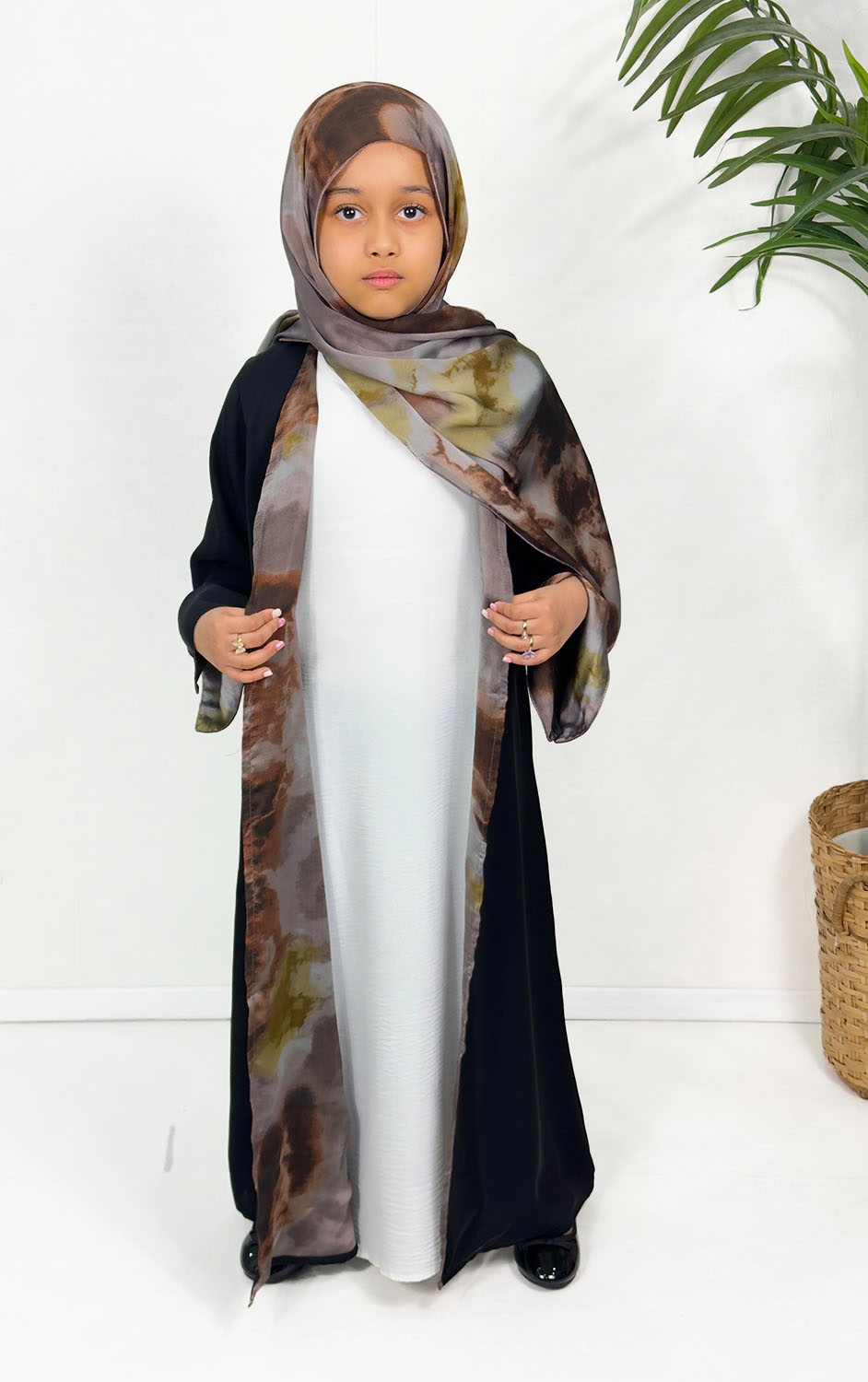
Why Choosing the Right Islamic Clothing for Kids is More Than Just Fabric
You might think, “It’s just clothes, right?” But oh, no—it’s so much more. When it comes to dressing children in Islamic attire, you’re not just picking out fabric or matching colors; you’re shaping their understanding of modesty, identity, and belonging. I remember when my daughter refused to wear her hijab for school, and it wasn’t because she hated the color. It was about how it felt, how it looked, and how it made her stand out. That moment taught me that Islamic clothing for kids must tick three big boxes: comfort, confidence, and culture.
- Comfort First: Kids have boundless energy, and they don’t have time for itchy fabrics or tight fits. Breathable, soft, and stretchy materials are non-negotiable if you want your little one to actually wear their outfit without complaints. Think cotton blends, jersey knits, and moisture-wicking fabrics that move with them.
- Confidence Through Style: Modesty doesn’t mean dull. Kids want to feel proud and stylish in their clothes, just like any other child. Including them in picking colors, patterns, and styles that speak to their personality makes a huge difference. When they feel good in what they wear, tantrums fade away faster than you can say “abaya.”
- Cultural Connection: Islamic clothing is a beautiful expression of faith and heritage. For children, it’s a daily reminder of identity and belonging. Balancing traditional modesty with modern designs helps them feel connected without feeling like they’re missing out on trends or comfort.
But here’s the catch—this balance isn’t always easy. You might have a child who adores bright colors but hates layered outfits, or another who insists on wearing the latest modest fashion trends but struggles with the rules of modesty at school or in public. That’s where thoughtful choices come in, and trust me, it’s a journey worth every bit of effort.
The Fabric Factor: Why It Really Matters
Let me paint a picture: It’s a sunny spring morning, and your child is about to head to school. You’ve picked a beautiful chiffon hijab and a flowy abaya that looks straight out of a modest fashion magazine. But five minutes in, the hijab slips, the abaya feels heavy, and suddenly your kid is tugging at their clothes, desperate to peel them off. Total meltdown incoming, right? That’s why fabric choice is your secret weapon. It’s not just about how it looks; it’s about how it feels and performs throughout the day.
- Breathability: Cotton and cotton blends are like the superheroes of Islamic kidswear—soft, breathable, and perfect for sensitive skin. Especially for kids who run around like they’re powered by rocket fuel, moisture-wicking fabrics help keep sweat at bay and moods high.
- Flexibility: Stretchy jersey knits and light polyester blends offer movement freedom, which is a game-changer during playtime or sports. Nobody wants to feel trapped in their outfit when the playground calls.
- Durability: Kids are rough-and-tumble by nature. Durable fabrics that withstand constant washing and rough use will save you money and frustration. Look for double stitching and quality finishes that don’t fade or fray.
I learned this the hard way after buying a fancy silk abaya that looked stunning but barely survived a day at the park. Now, I’m all about balancing beauty and practicality. Your child’s comfort today means they’ll wear their Islamic clothing tomorrow—and that’s the ultimate win.
Involve Your Child—Yes, Really!
I know it’s tempting to just pick what you think is best and call it a day. But kids can surprise you with their style instincts and comfort preferences. When I started including my daughter in choosing her outfits, the morning battles became fewer and far between. Suddenly, she was excited about wearing her modest clothes because she helped pick them out.
- Offer Choices: Give two or three options and let your child decide. It empowers them and shows respect for their preferences.
- Talk About Modesty: Share simple, age-appropriate reasons why modesty matters. Stories and examples go a long way.
- Celebrate Their Style: Compliment their choices and find ways to highlight their unique personality within the modesty framework.
Modest fashion isn’t just about rules—it’s about nurturing identity and confidence. When your child feels heard and seen, modest clothing stops feeling like a chore and starts feeling like a source of pride.
Final Thought Before We Dive Deeper
Islamic clothing for kids is a beautiful tapestry woven from threads of faith, culture, comfort, and, yes, the occasional tantrum. But the journey of dressing your child modestly and stylishly is filled with rewarding moments—those small victories when your child walks out the door happy, confident, and feeling like themselves. And that, honestly, is what every parent hopes for.
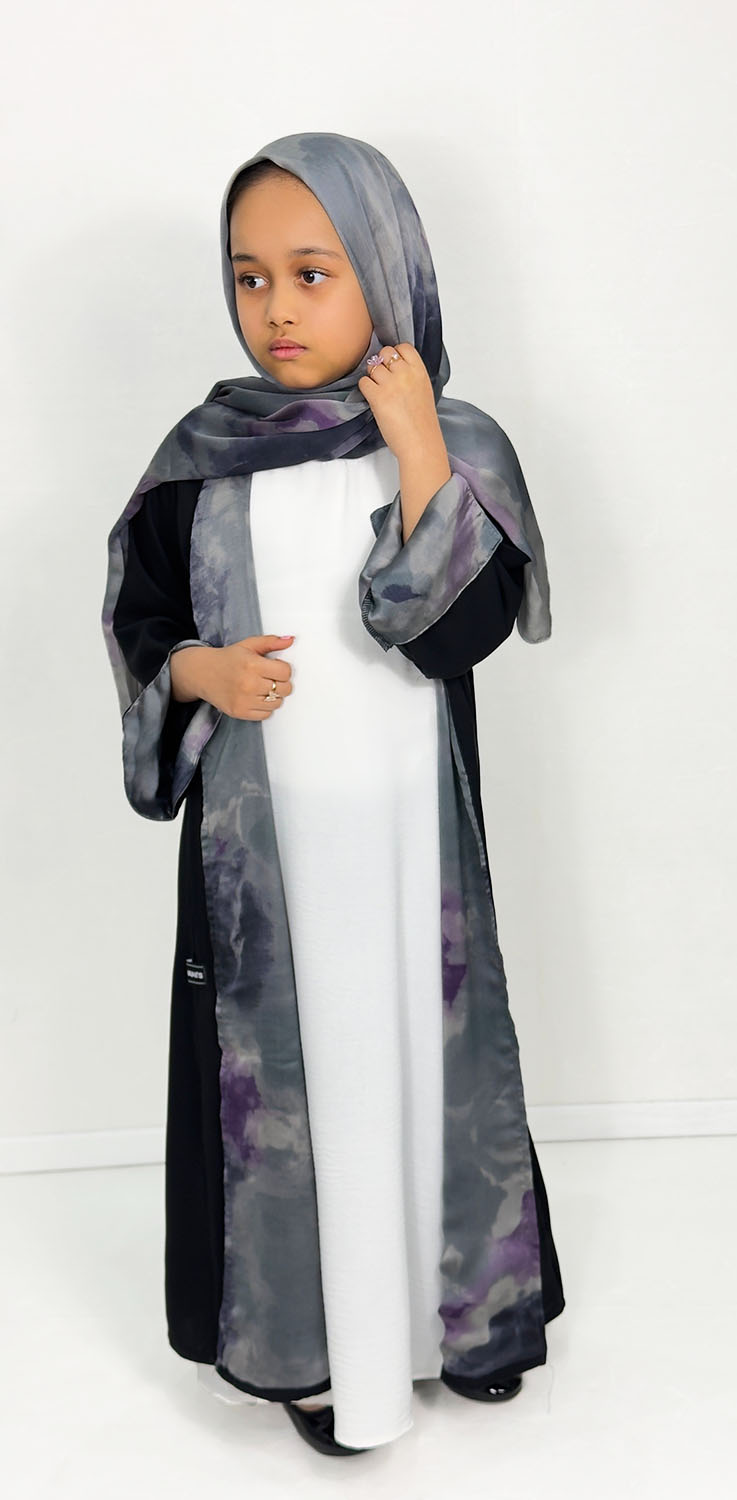
What is Islamic Clothing for Kids and Why Does It Matter?
If you’ve ever paused in the children’s clothing aisle wondering, “How do I dress my little one in a way that honors our faith *and* feels right for them?” you’re definitely not alone. Islamic clothing for kids isn’t just about covering up or ticking a box—it’s a tender, evolving expression of identity, values, and culture. But what exactly does it mean, and why is it such a big deal for so many families? Pull up a chair, because this is where faith, fashion, and heart truly intersect.
Understanding Islamic Clothing for Kids: More Than Just Fabric
Islamic clothing for children traditionally emphasizes modesty, respect for religious guidelines, and cultural heritage. But it’s also about giving kids a way to express their spirituality in a world that’s constantly changing. Think of it like a living tradition that adapts, allowing your child to grow confident in who they are while staying connected to their roots. From the hijab and jilbab to modest tunics and loose pants, each piece carries meaning—and for a child, it’s often their first introduction to faith woven into daily life.
I remember when my niece wore her first hijab to school. She was nervous but glowing with pride, knowing she was honoring her faith in her own little way. That moment struck me—the power these garments hold, not just for modesty, but for building identity and belonging.
The Why: Why Islamic Clothing Matters for Children
| Reason | How It Impacts Kids | Why It’s Important |
|---|---|---|
| Faith Reinforcement | Helps children internalize values of modesty and respect through daily wear | Builds spiritual grounding from a young age |
| Identity and Belonging | Creates a sense of pride and connection to Islamic culture and community | Fosters confidence in their uniqueness and heritage |
| Comfort & Practicality | Ensures children can move, play, and live freely without compromising modesty | Encourages consistent wear and positive associations with modest fashion |
| Social Navigation | Prepares kids for respectful interaction in diverse environments | Teaches tolerance and grace through modest presentation |
Balancing Modesty with Childhood Realities
Here’s where it gets tricky. Kids are *kids*—they want to run, jump, play soccer, and maybe even roll around in the mud (yep, been there!). And yet, Islamic clothing asks for a certain level of modesty that can sometimes feel restrictive. I’ve watched my own child try on a too-heavy abaya on a hot summer day and melt into tears before recess. That’s why Islamic clothing for kids has to balance faith *and* function.
Modern modest fashion designers get this. They’re blending soft, breathable fabrics with loose cuts that allow movement, and sporty hijabs that stay put through the wildest playground antics. It’s a beautiful example of how tradition can flex to meet today’s needs without losing its soul.
Personal Story: When Modesty Meets Mischief
One afternoon, my son was racing his friends in the park, his jilbab flapping behind him like a superhero cape. Halfway through, he tripped and landed face-first in the grass—thankfully, the jilbab was loose enough not to trip him, and the fabric was durable enough to survive the tumble without a tear. But here’s the kicker: instead of frustration, he laughed it off, stood up, and kept playing. That day, I realized Islamic clothing for kids isn’t just about rules or appearance; it’s about giving them freedom to be children while holding onto their faith.
Key Takeaways: What This Means for You and Your Child
- Modesty is personal: Islamic clothing for kids is not one-size-fits-all; it’s about helping your child connect with faith in a way that feels natural and joyful.
- Comfort is king: Without comfort, modest clothing becomes a battle. Choose breathable, flexible fabrics to keep kids happy and engaged.
- Style builds confidence: Kids want to look and feel good. Including them in choices empowers their sense of identity and pride.
- Practicality matters: Durable, easy-to-wash pieces that suit active lifestyles ensure modesty lasts through all their adventures.
In the end, Islamic clothing for kids is a living, breathing conversation between tradition and today’s world. It’s faith you can wear, a story you can tell, and a confidence you help grow—all wrapped up in fabric that’s made for more than just covering up. It’s about letting your child shine in modesty, joy, and authenticity.

How Can I Dress My Child Modestly Without Compromising on Comfort?
Let’s be honest—dressing kids in modest Islamic clothing is no small feat. We want them to honor their faith and look beautiful, but also to be able to run, jump, and giggle without fussing over itchy fabrics or awkward fits. The struggle is real, right? But here’s the good news: modesty and comfort can absolutely coexist, and with a few thoughtful choices, your child’s wardrobe can be a playground of ease and elegance.
Why Comfort Is Non-Negotiable for Kids’ Modest Wear
If you’ve ever tried putting a stiff, scratchy hijab or a heavy abaya on an energetic kid, you know it usually ends in tears (from you or them). Kids are explorers—they climb trees, chase friends, and live life full throttle. So if the clothes restrict movement or feel uncomfortable, modesty goes out the window fast. That’s why comfort isn’t a “nice to have,” it’s a must-have for modest dressing to succeed.
I recall one sweltering summer day when my daughter refused to wear her usual layered outfit because it was “too hot and itchy.” We had a heart-to-heart about how modesty is important but also about listening to her body. We ended up choosing a lightweight, breathable dress that respected modesty but kept her cool—and that balance made all the difference.
Fabric Choices: Your First Line of Defense
| Fabric | Why It Works for Modest Kids’ Clothing | Best Use Cases |
|---|---|---|
| Cotton | Soft, breathable, and gentle on sensitive skin | Everyday dresses, tunics, and hijabs for all seasons |
| Modal & Bamboo | Stretchy, moisture-wicking, and eco-friendly | Activewear-inspired modest clothes and lightweight hijabs |
| Lightweight Jersey | Breathable, soft, and drapes beautifully without stiffness | Slip-on dresses and casual modest outfits |
| Chiffon & Georgette | Light and flowy but layered for modesty | Special occasion hijabs and overlays |
| Polyester Blends | Durable, wrinkle-resistant, but choose blends with breathability | School uniforms and easy-care abayas |
Design Details That Marry Modesty and Movement
It’s not just fabric that counts; the cut and design play a huge role in comfort. I’ve learned that the secret lies in loose silhouettes and clever layering. Look for:
- Elastic waistbands: Kids grow fast, and elastic waists mean less fussing and more room for wiggles.
- Side slits or pleats: These allow for easy movement without compromising coverage.
- Light layers: A breathable camisole under a sheer overlay can balance modesty and airflow beautifully.
- Soft linings: Especially for dresses or abayas, a gentle lining keeps rough fabrics away from delicate skin.
- Adjustable hijabs: Velcro or stretchy underscarves that stay put but aren’t tight are game-changers.
Practical Tips from Real-Life Experience
My youngest once had a meltdown because her jilbab was too stiff to climb the jungle gym. Since then, I’ve made it a rule to test any new garment in “play mode” before the first official wear. Here are some things that helped us:
- Test fabrics in-store or order swatches: Touch and feel make a world of difference before committing.
- Let your child help pick: Kids know what feels good. When they choose, they’re more likely to wear it happily.
- Layer smartly: Use light, moisture-wicking base layers for warmer days, and breathable cottons for cooler months.
- Invest in quality basics: Durable, comfy basics become wardrobe heroes, reducing fuss and fast wear-and-tear.
- Rotate outfits: Give clothes time to breathe between wears to keep them fresh and comfy.
The Emotional Side: Comfort Builds Confidence
You know how when you’re uncomfortable in what you’re wearing, it affects everything? Your mood, your confidence, even your willingness to engage with others? Kids are no different, maybe even more sensitive. When they’re comfortable in their modest clothes, they walk taller and smile wider. That’s priceless for any parent wanting their child to embrace faith without feeling “different” in a bad way.
Imagine your little one confidently raising their hand in class, knowing they’re dressed just right—modest yet comfortable, faithful yet free. That’s the sweet spot we’re aiming for.
Summary Table: Quick Dos and Don’ts for Modest Kids’ Comfort
| Do | Don’t |
|---|---|
| Choose soft, breathable fabrics like cotton and modal | Force stiff or scratchy materials that irritate skin |
| Look for loose cuts with room to move | Opt for tight, restrictive fits “just for modesty” |
| Include your child in picking outfits | Ignore their preferences or complaints about comfort |
| Test clothes during active play before special occasions | Buy without considering how kids actually live and move |
At the end of the day, dressing your child modestly without sacrificing comfort is all about respect—respect for their faith and respect for their little bodies and spirits. With the right fabrics, designs, and mindset, modest fashion for kids can be an empowering, joyful experience that they’ll cherish as much as you do.

What Are the Different Types of Islamic Clothing for Boys?
When it comes to dressing boys in Islamic clothing, many parents wonder: “What styles really work for little guys? How do I keep their outfits modest but still practical and fun?” Believe me, I’ve been there. From toddlers who want to climb everything in sight to school-age boys asserting their independence, finding that sweet spot between tradition and playfulness can feel tricky. But don’t worry — there’s a rich variety of Islamic clothing options designed just for boys, balancing modesty, comfort, and style perfectly.
Classic Essentials: Thobe, Jubba, and Kandura
Let’s start with the timeless classics—the thobe, sometimes called jubba or kandura depending on the region. These ankle-length robes have been a staple in Muslim wardrobes for centuries. For boys, the thobe offers modest coverage without fuss. Made usually from cotton or lightweight polyester blends, it’s breathable and easy to wear.
I remember when my nephew wore his first thobe to Eid prayers. He was so proud, strutting around like a mini gentleman, and I couldn’t help but smile. The loose fit gave him freedom to play during the family gathering, but the look was undeniably respectful and elegant.
| Garment | Description | Common Fabrics | Best Occasions |
|---|---|---|---|
| Thobe/Jubba/Kandura | Long, loose robe covering body fully from neck to ankles | Cotton, polyester, linen blends | Eid, Jummah prayers, formal family events |
| Kurta | Mid-thigh length tunic, often paired with loose pants | Cotton, silk blends, embroidered fabrics | Casual wear, religious school, cultural celebrations |
| Shalwar Kameez | Loose tunic with matching baggy trousers | Light cotton, lawn, silk blends | Festivals, everyday modest wear |
| Kaftan | Loose, often embroidered long top | Cotton, satin, brocade | Special occasions, Eid |
Modern Comfort: Mix and Match Modesty
While traditional robes remain beautiful and meaningful, many families appreciate mixing traditional modest elements with more practical, everyday wear. For example, a simple long-sleeve tunic paired with loose cotton trousers offers modesty and comfort, perfect for school or playdates.
I’ve seen boys rocking this combo with subtle patterns or embroidery, adding a bit of personality without straying from Islamic guidelines. The goal? Easy movement, easy care, and confidence that modesty doesn’t have to mean boring.
Hijab for Boys? Understanding Headwear
You might wonder about head coverings for boys. While adult men often wear kufis, taqiyahs, or turbans, boys can start wearing simple caps during prayers or special occasions. My son loves his little embroidered kufi; it makes him feel connected during prayer time and looks adorable without fuss.
Headwear for boys is usually lightweight and breathable — because comfort matters here too. It’s not about making a fashion statement but about nurturing identity and reverence from a young age.
Activewear-Inspired Modest Options
Here’s a fun fact — modest fashion is evolving, even for boys. Many brands now offer activewear-inspired modest options, such as loose joggers paired with long tunics made of soft, stretchy fabrics. These are perfect for active kids who want freedom to move but still respect the boundaries of modesty.
I remember seeing my nephew in such an outfit during a soccer match—he was so comfortable that he barely noticed the clothing, but it stayed modest and presentable. This approach gives parents peace of mind and kids the freedom to just be kids.
Style Tips: Choosing the Right Islamic Clothing for Your Boy
- Prioritize Breathable Fabrics: Kids sweat and play, so cotton and blends that wick moisture are lifesavers.
- Look for Loose Fits: Comfort and modesty go hand in hand. Tight clothes can be uncomfortable and distracting.
- Keep it Simple for Everyday: Save ornate robes for special occasions, and choose practical tunics and trousers for daily wear.
- Involve Your Child: Let him express style preferences within modest boundaries to build his confidence and joy in dressing.
A Quick Recap: Islamic Clothing Types for Boys
| Type | Best For | Comfort Level | Style Notes |
|---|---|---|---|
| Thobe/Jubba | Formal occasions, prayer | High | Traditional, elegant, full coverage |
| Kurta & Shalwar Kameez | Everyday wear, school | Very High | Casual yet modest, versatile |
| Kaftan | Special events | Moderate | Decorative, flowing |
| Activewear-inspired sets | Play and sports | Very High | Modern, practical, modest |
Dressing boys in Islamic clothing is more than just about fabric or fashion—it’s about nurturing a sense of identity, pride, and respect for faith. When you choose thoughtfully, combining tradition with comfort, you’re gifting your child not just clothes, but confidence and joy in their modest journey.
What Are the Best Modest Outfit Options for Muslim Girls?
If you’re like me, dressing your daughter in modest clothes isn’t just about ticking boxes or following rules — it’s about nurturing her confidence, her identity, and yes, her joy. But let’s be real: finding modest outfits that feel comfortable, age-appropriate, and actually stylish? That can feel like hunting for a needle in a haystack. The good news? There are so many fabulous modest outfit options for Muslim girls that blend tradition with today’s fashion, without sacrificing comfort or fun.
Why Modesty for Girls Means More Than Just Coverage
Modesty isn’t simply about covering up — it’s a mindset, a lifestyle, and for our little ones, it’s a way to feel proud about who they are growing up to be. When I dress my daughter, I want her to feel respected and comfortable in her clothes, not like she’s wrapped in something stiff or suffocating. Modest clothing for girls should empower, not restrict. It’s the clothes that let her run, laugh, pray, and play, while reflecting our values.
One time, my daughter came home after school and said, “Mama, I love my new abaya because I can twirl in it without it flying off!” That kind of joy? Priceless.
Top Modest Outfit Options for Muslim Girls: A Practical Guide
Here’s the rundown of the best types of modest clothing I’ve found that balance faith, comfort, and style for girls of all ages:
| Outfit Type | Description | Best Fabrics | When to Wear |
|---|---|---|---|
| Abaya | Loose-fitting, ankle-length robe, often with elegant detailing | Lightweight crepe, chiffon, satin blends | Daily wear, family gatherings, Eid |
| Two-Piece Sets | Matching top and skirt or pants sets with modest cuts | Cotton blends, jersey, linen | School, casual outings, playdates |
| Long Dresses with Layered Hijabs | Maxi dresses with breathable fabric, paired with lightweight hijabs | Modal, cotton, jersey | Special occasions, daily wear |
| Jilbab | A loose overgarment, often with subtle embellishments | Cotton blends, satin | Prayers, Eid, formal events |
| Tunic and Leggings | Long tunics paired with modest leggings or pants | Soft cotton, modal | School, casual wear |
How to Choose the Right Outfit for Your Girl
Picking modest outfits isn’t a one-size-fits-all, honestly. It’s a blend of your child’s personality, the climate you live in, and the occasion. Here are some personal tips that I’ve found useful:
- Listen to your child’s comfort: My daughter once refused to wear an abaya because the fabric was too stiff. We switched to a soft crepe fabric with a satin lining, and suddenly, it became her favorite dress.
- Layer smartly: Layering allows for modesty while keeping outfits breathable. For example, pairing a sleeveless dress with a long-sleeved tee underneath in cooler months is a game-changer.
- Pick breathable fabrics: Especially for warmer weather, cotton and jersey blends help keep your child cool and comfortable.
- Mix tradition with fun: Look for modest clothing with subtle prints, pastel colors, or embroidered details that feel joyful and not dull.
- Keep it practical: For school and play, choose outfits that won’t restrict movement—tunics with leggings or two-piece sets are perfect.
Personal Story: The Abaya That Sparked Confidence
Let me share a little moment from my life that really cemented how important the right modest clothing is. My eldest daughter was preparing for her first Eid prayer at the mosque. We picked a beautiful, soft green abaya with delicate lace detailing and a matching hijab. The moment she put it on, she looked in the mirror and exclaimed, “Mama, I feel like a princess who’s also strong!” That confidence lasted all day, and she even made new friends because she was glowing from within.
That’s the magic of modest fashion — it’s not just fabric, it’s identity, joy, and pride wrapped into one.
Quick Comparison: Abaya vs. Jilbab for Girls
| Feature | Abaya | Jilbab |
|---|---|---|
| Fit | Flowy and loose, often straight-cut | Loose, sometimes with an A-line or flare cut |
| Typical Fabrics | Crepe, chiffon, satin blends | Cotton blends, satin, lightweight polyester |
| Best For | Daily wear, casual or formal | Prayers, special events, formal occasions |
| Style Details | Embroidery, lace trims, subtle prints | Simple with occasional embellishments |
Final Thoughts: Modesty Meets Joy in Every Outfit
At the end of the day, modest fashion for Muslim girls should be a celebration — not a chore. It’s about creating a wardrobe that lets our daughters feel beautiful, respected, and free. Whether it’s a soft, flowing abaya for Eid, or a comfy two-piece set for school, the best modest outfit is the one that speaks to her heart and fits her world.
So next time you’re shopping or sewing for your little one, remember: modesty isn’t about limiting—it’s about loving, empowering, and nurturing the unique, shining soul that she is.

At What Age Should Children Start Wearing Hijab or Abayas?
This question comes up a lot among moms, aunts, and sisters in our community — and honestly, it’s a deeply personal and sometimes delicate topic. When should we encourage our little girls to start wearing the hijab or abaya? Is there a “right” age? Or is it more about readiness and understanding?
Let me take you through what I’ve learned, lived, and observed, sharing some heartfelt stories along the way. Because this is not just about clothing — it’s about identity, faith, and the journey of raising confident Muslim girls.
Understanding the Balance: Age, Readiness, and Choice
From the moment my eldest daughter turned five, family and friends started asking, “Is she ready for the hijab yet?” I remember feeling this tug — wanting her to embrace her faith with pride, but also not wanting to rush her into something she might not fully understand or feel comfortable with.
In Islam, the obligation to observe hijab begins at puberty — usually between ages 9 and 15, depending on the individual. But many families introduce modest clothing or a form of hijab earlier, as a gentle way to teach and nurture identity. The key word here? Gentle.
It’s not about forcing a garment on a child but encouraging a love for modesty, confidence in their faith, and respect for their body — all at a pace that respects their emotional and physical development.
My Personal Approach: Starting Slowly, Leading with Love
With my daughters, I started introducing hijab-like scarves around ages 4 and 5. Nothing strict, just pretty headbands or soft scarves they could drape loosely — more for fun and family bonding than obligation. I wanted them to associate wearing the hijab with joy, not pressure.
One day, my youngest wore her little scarf to a family gathering, and her proud smile lit up the room. She was copying me and her older sister, feeling part of something special. That’s the magic of early introduction — it’s planting a seed of identity and belonging.
But when she tried to keep the scarf on for the entire day at school? Not quite ready. She told me frankly, “Mama, it feels itchy!” So we waited. And that’s okay.
Signs Your Child Is Ready to Wear Hijab or Abaya
So how do you tell if your daughter is ready? It’s not just about age. Look for these signs that go beyond the calendar:
- Curiosity about the hijab or abaya: Is she asking questions about why women wear it? Does she show interest in wearing it herself?
- Emotional readiness: Does she understand it’s a choice that reflects faith and modesty, not just a costume or a chore?
- Physical comfort: Is she able to wear the garment comfortably, even for short periods?
- Peer support: Does she have friends or family who also wear hijab, making it feel more natural?
- Positive attitude: Does she feel proud or excited, rather than pressured or scared?
A Helpful Comparison Table: Introducing Hijab vs. Full Obligation
| Stage | Typical Age Range | Focus | What It Looks Like | Parent’s Role |
|---|---|---|---|---|
| Early Introduction | 4–7 years | Playful exploration & positive association | Loose scarves, headbands, abaya-style dresses for play | Gentle encouragement, modeling, answering questions |
| Pre-Puberty Interest | 7–9 years | Increasing understanding & comfort | Wearing hijab for short periods at home or family events, modest outfits | Support in developing confidence, respecting limits |
| Onset of Obligation | 9+ years (varies) | Commitment & responsibility | Full hijab, abaya or jilbab for daily wear, especially in public | Guidance, patience, fostering pride and spirituality |
Relatable Moment: When My Daughter Said “I’m Ready”
One of the most touching moments for me was when my eldest daughter came to me and said, “Mama, I want to wear my hijab to school tomorrow.” No fuss, no pressure — just a quiet, confident decision. I remember my heart swelling with pride and a little nervousness too.
That day, she wore a simple, soft hijab with her favorite pastel abaya. She told me later how her classmates complimented her, and how it made her feel “grown-up and close to Allah.” It wasn’t about meeting an age threshold — it was about her own readiness and joy.
Final Thoughts: Every Child’s Journey Is Unique
If you’re wondering when your child should start wearing hijab or abayas, my biggest advice is this: be patient, listen, and guide gently. Push too hard, and you risk making the hijab feel like a burden rather than a blessing. But introduce it with love, respect, and kindness, and you plant a lifelong seed of faith and confidence.
Remember, modesty is a journey, not a destination marked by age alone. Our daughters will embrace it in their own time — and that time will be perfect for them.

How Do I Introduce Modest Clothing to My Child Without Pressure?
Introducing modest clothing to your child is such a tender dance, isn’t it? You want to share something meaningful — a beautiful tradition wrapped in faith and identity — but you’re also wary of making it feel like a burden or chore. Trust me, I’ve been there, juggling the excitement of passing down values with the worry of pushing too hard. So, how do we do this right? How do we introduce modest fashion gently, lovingly, and with respect for their feelings?
Start With Stories, Not Rules
One of the first lessons I learned was that modest clothing isn’t just about fabric or covering up. It’s a story — a story about dignity, self-respect, and connection to Allah. When I talk to my girls, I don’t start with “You must wear this because…” Instead, I share stories.
For example, I tell them about the Prophet’s wives and the noble women in Islamic history who chose modesty as a form of strength and self-love. I tell them how modest clothing is a way to honor their inner beauty and keep their hearts pure.
Stories like these spark curiosity and wonder, rather than fear or resistance. Suddenly, wearing an abaya or hijab becomes a part of a beautiful narrative they want to be a part of — not a rule they have to obey.
Make It Fun and Fashion-Forward
Let’s be honest — kids notice style just like adults do! One thing that helped me was turning modesty into a creative adventure. We’d pick out colors, fabrics, and accessories together, making it a little fashion project rather than a “must-wear” mandate.
My daughters love soft pastels and breathable cotton, so we found modest outfits that are both comfortable and cute. When they feel good in what they’re wearing, they want to wear it more — no nagging needed.
Table: Gentle Ways to Introduce Modest Clothing
| Approach | What It Looks Like | Why It Works |
|---|---|---|
| Storytelling | Share inspiring tales from Islamic history and personal experiences | Creates emotional connection and sparks curiosity |
| Choice & Participation | Let kids pick fabrics, colors, and styles with you | Empowers ownership and makes modest clothing exciting |
| Role Modeling | Wear modest clothing yourself, especially around them | Kids learn best by example, not lecture |
| Positive Reinforcement | Praise their efforts and choices warmly, without criticism | Builds confidence and encourages consistent practice |
| Small Steps | Introduce modest clothing gradually — start with scarves or loose tops | Allows adjustment without overwhelming pressure |
Model, Don’t Command
Here’s a little secret: children don’t just hear what we say, they watch what we do. So instead of constant reminders or “you have to wear this” talks, I focus on modeling modest fashion in my own daily life.
I share my own feelings — “I love how this abaya makes me feel comfortable and connected to my faith” — and show that modesty can be beautiful and empowering. This way, my girls absorb the message naturally, almost effortlessly.
And when they see me sometimes adjusting my hijab or choosing a flowy dress, they get inspired without feeling pushed.
Real Talk: When Resistance Happens
No journey is without bumps. I remember one afternoon when my eldest refused to wear her hijab to a family event. She said, “Mama, I don’t want to.” Instead of arguing, I listened. We talked about how she felt — nervous, maybe a little shy — and I shared my own early struggles with wearing hijab.
That conversation opened a door. We agreed she could wear a soft, easy scarf that day and try again when she felt ready. It was a win-win: no pressure, just love and understanding.
Final Words: Patience, Presence, and Prayer
At the end of the day, introducing modest clothing without pressure means embracing patience. It means being present for your child’s questions, fears, and victories. And it means praying — for guidance, for their hearts to open, and for modesty to become a natural, joyful part of who they are.
So, if you’re wondering how to start this beautiful journey with your child, remember: it’s not about perfection or rushing. It’s about love, respect, and creating a safe space for faith and style to grow together.
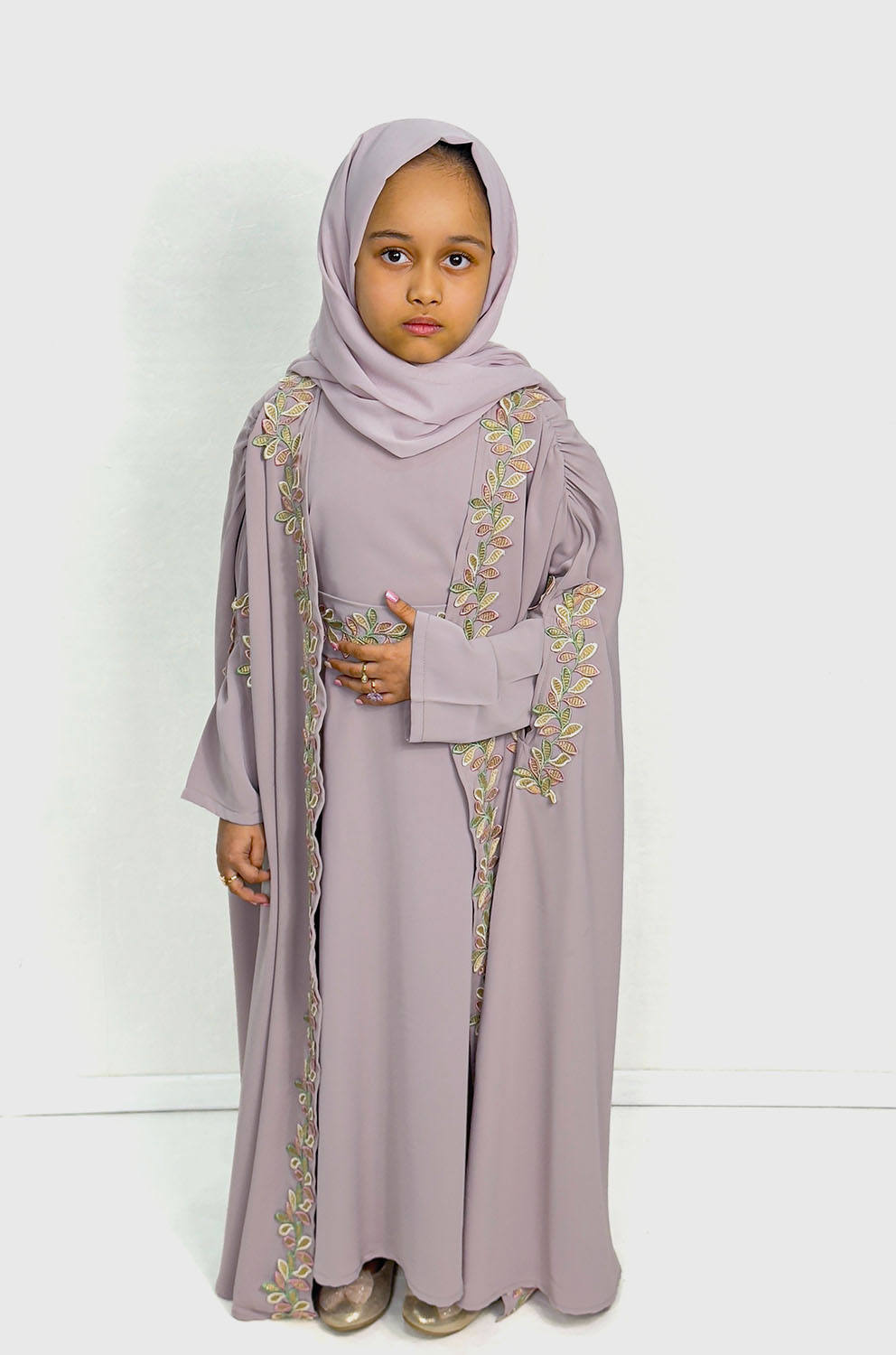
Where Can I Find Stylish Islamic Clothing for Kids Online?
Finding stylish Islamic clothing for kids online can feel like a treasure hunt — sometimes exciting, sometimes overwhelming. I get it because, as a modest fashion mom myself, I want my daughters to look and feel their best, wrapped in clothes that respect our faith without sacrificing style or comfort. Luckily, the digital age has gifted us incredible options, but how do you sift through them all to find the gems? Let me share what I’ve learned on this journey.
Why Online Shopping for Kids’ Modest Wear is a Game-Changer
First, let’s acknowledge the magic of online shopping: accessibility. Whether you’re in a small town or a big city, you can access global brands with just a few clicks. No more hunting through endless stores, wondering if you’ll find that perfect abaya or jilbab in your child’s size.
Plus, online shops often offer a broader range of styles and sizes than local boutiques. And for kids, that means everything from playful patterns and soft fabrics to practical designs made for running, jumping, and yes, even modesty.
But be warned — not all online stores are created equal. So here’s my honest guide on where to look and what to keep in mind.
Top Online Stores I Trust for Kids’ Modest Fashion
| Store | Why I Love It | Key Features | Price Range |
|---|---|---|---|
| Amanis | Beautiful, quality fabrics with a fresh take on classic designs | Wide kids’ collection, breathable fabrics, and fun colours | $$ – Affordable luxury |
| Shukr Clothing | Ethically made with timeless modest styles | Organic cotton options, gender-neutral pieces | $$$ – Mid to high range |
| Hijab House | Trendy, youthful, and modest styles for all ages | Lots of colourful jilbabs and abayas for kids | $ – Budget-friendly |
| Modest Dolls | Fun prints and styles that appeal to younger kids | Playful hijabs and mix & match sets | $ – Affordable |
What to Look for When Choosing Online Modest Wear for Kids
Buying for kids online means you want to be extra sure you’re getting clothes that are comfy, practical, and true to modesty standards — without the headache of returns. Here are some must-haves I always check:
- Fabric: Soft, breathable materials like cotton or jersey are key. Kids move a lot, and you want them comfortable, especially in warmer climates.
- Fit: Modesty means loose, but not sloppy. Look for designs with a little structure but room to grow.
- Durability: Kids test clothes hard! Look for reinforced seams and quality stitching.
- Design: A balance of modesty and playfulness makes kids feel proud to wear their clothes. Think fun colors, subtle prints, and cute details.
- Return Policy: Because sometimes sizes run small or big, check if the store offers hassle-free returns or exchanges.
A Personal Tale: The Search for the Perfect Eid Outfit
One year, my youngest daughter was adamant she wanted a “twirly” abaya for Eid. You can imagine how challenging that is — combining modesty with twirls! I scoured several online shops and finally found a beautiful cape-style abaya with a soft satin lining that allowed her all the spinning she wanted without compromising modesty.
Ordering online was nerve-wracking at first — would it fit? Would the color be right? But thanks to clear size charts and detailed product photos, it arrived exactly as promised. Watching her twirl around, beaming in her modest yet stylish outfit, made every click and wait worthwhile.
Quick Tips to Make Online Shopping Easier and Smarter
| Tip | Why It Helps |
|---|---|
| Always check size charts carefully | Keeps surprises away and ensures a perfect fit for growing kids |
| Read customer reviews and look for photos | Real feedback helps you know if fabric and color match expectations |
| Sign up for newsletters | Get exclusive discounts and alerts on new kids’ collections |
| Follow brands on social media | See styling ideas, behind-the-scenes, and user posts for inspiration |
| Buy from stores with clear return policies | Peace of mind in case sizing or style isn’t quite right |
At the end of the day, finding stylish Islamic clothing for kids online isn’t just about the clothes — it’s about helping our little ones embrace modesty confidently and joyfully. So dive in, trust your instincts, and enjoy the journey of discovering pieces that make your kids shine inside and out.

How Do I Choose Breathable, Kid-Friendly Fabrics for Modest Wear?
If there’s one thing I’ve learned raising kids in modest fashion, it’s this: fabric choice isn’t just about looks — it’s about comfort, confidence, and day-long wearability. Especially for little ones, breathable, kid-friendly fabrics can make or break their experience wearing modest clothes. I mean, who wants a cranky, sweaty kid tugging at itchy fabric all day? Not me. So let’s dive into how to pick fabrics that keep modesty and comfort hand-in-hand, with a sprinkle of style.
Why Breathability Matters More Than You Think
Breathability is a fancy word for letting air flow through the fabric, which keeps skin cool and dry. It’s a game-changer for kids who are always on the move — playing tag, climbing trees, or just having endless energy that adults can only envy. When a fabric traps heat or moisture, kids get uncomfortable fast. That’s when you see the fidgeting, the constant adjusting of sleeves or hijabs, or worse — tantrums because “Mom, this is itchy!”
From my own experience, switching to breathable fabrics like cotton and bamboo blends helped my daughters stay happy and modest all day long — no sweat, no complaints.
Kid-Friendly Fabrics I Trust for Modest Clothing
| Fabric | Why It Works for Kids | Modesty & Comfort Notes | Care Tips |
|---|---|---|---|
| Cotton | Soft, breathable, and natural — feels gentle on sensitive skin | Perfect for everyday abayas and jilbabs; lets air circulate | Machine washable; may shrink slightly if not pre-shrunk |
| Bamboo Blend | Eco-friendly, hypoallergenic, moisture-wicking | Great for active kids; keeps modest clothes light yet covered | Wash cold, gentle cycle; avoid bleach |
| Modal | Silky texture with excellent breathability | Ideal for kids who dislike stiffness; flows beautifully | Machine wash cold; avoid fabric softener to keep softness |
| Lightweight Jersey | Stretchy, comfy, and breathable | Good for casual hijabs and modest tops; allows freedom of movement | Machine wash; dries quickly |
| Linen (Lightweight) | Natural, breathable, and textured | Excellent for warm weather; needs layering for modesty | Hand wash or gentle machine wash; iron while damp |
How I Learned to Prioritize Fabric Over Everything Else
I still remember the summer when my eldest insisted on wearing her “fancy abaya” to a family picnic. It was made of thick polyester — stylish, yes, but it turned into a sweat trap faster than a desert heatwave. By the end of the day, she was red-faced and miserable. That moment stuck with me. Style is important, but if the fabric doesn’t breathe, modesty feels like a burden, not a blessing.
Since then, I’ve been a little fabric detective — always checking labels, feeling textures, and sometimes ordering swatches before committing. Honestly, this little effort saves headaches later.
Tips for Choosing Fabrics When Shopping Online for Kids’ Modest Wear
- Look for natural fibers: Cotton and bamboo blends top my list. They’re kinder on skin and easier to breathe through than synthetics.
- Check product descriptions: Words like “breathable,” “moisture-wicking,” and “soft” aren’t just marketing fluff — they’re clues.
- Consider the climate: Lightweight linen blends work wonders in hot weather, while layering with modal or jersey can keep things cozy without overheating.
- Ask questions: Don’t hesitate to contact customer support if you’re unsure about fabric feel or care.
- Read reviews: Real customers often share insights on comfort and breathability.
Quick Care Guide to Keep Kid-Friendly Fabrics Fresh and Soft
| Fabric | Washing Tips | Drying Tips | Ironing |
|---|---|---|---|
| Cotton | Machine wash cold or warm | Line dry preferred, or tumble low | Medium heat; steam if needed |
| Bamboo Blend | Gentle cycle, cold water | Air dry to retain softness | Low heat only |
| Modal | Cold wash, avoid fabric softener | Line dry or low tumble | Low heat, delicate setting |
| Lightweight Jersey | Machine wash cold | Dries quickly; air dry or tumble low | Usually not necessary |
| Linen (Lightweight) | Hand wash or gentle machine wash | Air dry flat or hanging | Iron while damp, high heat |
Choosing breathable, kid-friendly fabrics for modest wear might seem small, but it’s one of the biggest gifts you can give your child — clothes that respect their spirit, faith, and playful energy. After all, modest fashion is meant to empower, not restrict. So let’s pick fabrics that keep our kids smiling, twirling, and proud every step of the way.
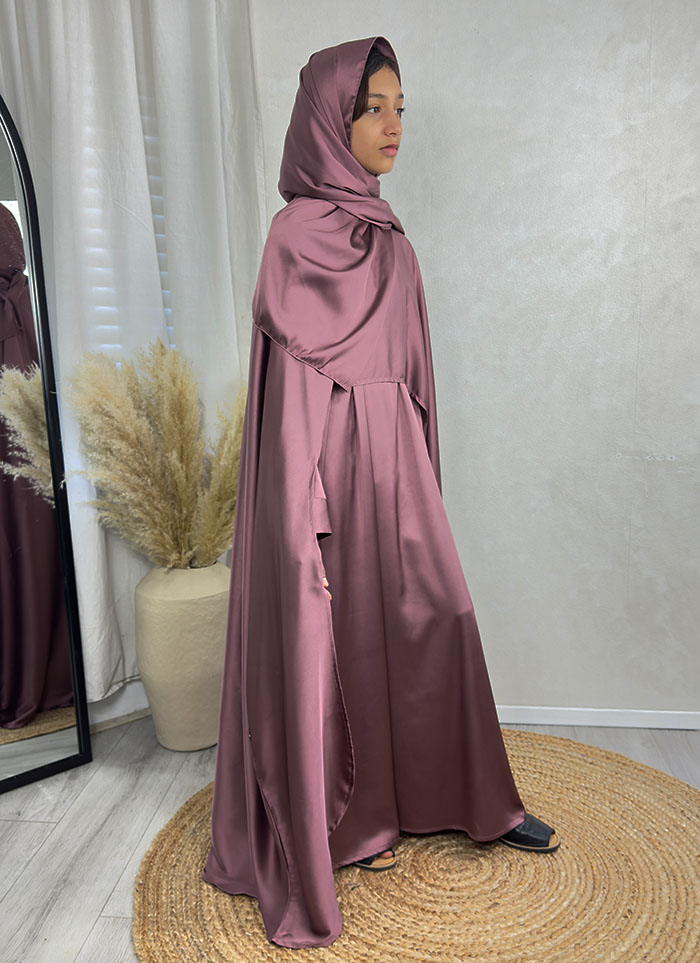
What’s the Best Way to Dress Kids Modestly for Hot Weather?
Let me start by saying: dressing kids modestly in hot weather is like trying to solve a puzzle where comfort and coverage seem to be on opposite ends. But trust me, it’s possible — and I’ve learned a few hard-earned tricks along the way. If you’re a parent juggling modesty with scorching heat, you know the struggle: balancing breathable fabrics, sun protection, and keeping little ones happy (and cool!) isn’t always easy. So, how do we do it right without turning modest fashion into a sauna session? Let me share what’s worked for me.
Understanding the Heat: Why Modesty Doesn’t Mean Overdressing
There’s a common misconception that modesty means piling on layers, and in hot weather, that feels like a recipe for disaster. But here’s the thing: modest dressing isn’t about suffocating in fabric — it’s about thoughtful coverage. I like to think of modesty as wearing clothes that respect your values *and* your body’s needs. In summer, that means lightweight, loose-fitting garments that allow air to flow while still providing coverage.
Kids especially need freedom to move and breathe. When I switched to more airy styles for my daughters during summers, their mood lifted immediately — no more fussing about being too hot or itchy. They still felt modest, but with a welcome breath of fresh air (literally!).
My Go-To Fabrics and Cuts for Hot Weather Modest Wear
| Fabric | Benefits in Hot Weather | Style Tips for Modesty & Comfort |
|---|---|---|
| Lightweight Cotton | Highly breathable, soft, and natural | Opt for loose abayas or long tunics paired with lightweight pants; natural airflow keeps kids cool |
| Linen Blends | Exceptional breathability and moisture-wicking | Choose linen-blend dresses or jilbabs; pair with thin undershirts for added modesty without bulk |
| Light Jersey Knit | Stretchy, breathable, and soft against skin | Perfect for casual hijabs and flowy tops; allows freedom of movement |
| Rayon & Modal | Silky, lightweight, and breathable | Great for summer dresses and hijabs; keep cuts loose and layered minimally |
| Chiffon (for hijabs) | Light, airy, and breathable | Choose chiffon hijabs for sun protection without heat buildup; pair with cotton underscarves |
Cut and Fit: The Unsung Heroes of Summer Modesty
Fabric alone isn’t the whole story. How the clothes fit matters just as much — if not more. When kids wear tight sleeves or clingy fabrics, the heat gets trapped. So, I always look for loose, flowy cuts with wide sleeves or kimono-style arms. Think airy abayas that skim the body instead of squeezing it. It’s like giving your child a personal breeze all day long. Plus, these shapes still maintain modesty without feeling restrictive.
One of my daughters’ favorite summer pieces is a floaty jilbab with side slits. It’s modest, but she can run, jump, and play freely. Honestly, if it’s good enough for playground fun and family outings, it’s a winner.
Sun Protection Without the Sweat: Accessorizing Smartly
Sun protection is a must. But layering on hats, scarves, and long sleeves can make kids feel hotter if you’re not careful. Here’s what I’ve found works:
- Chiffon or lightweight hijabs: These breathe better than cotton wraps and don’t trap heat.
- UV-protective clothing: Some brands offer modest wear with built-in UV protection — a bonus for sunny days.
- Wide-brimmed hats: Stylish and functional, hats can shield faces when hijabs alone aren’t enough.
- Sunglasses: Not just cute, but practical for protecting sensitive eyes.
Plus, remember the sunscreen! It’s modesty’s sunny sidekick.
Personal Story: The Summer We Found Our Modest Groove
Last summer was a revelation. I had spent ages hunting for the “perfect” modest summer wardrobe for my kids — something that ticked every box: breathable, comfortable, stylish, and modest. The breakthrough came when I discovered an online shop specializing in lightweight, breathable abayas and hijabs made just for summer. I bought a few pieces, and the difference was night and day. The kids stayed cool during a family picnic, even after hours in the sun, and still felt confident in their modest outfits.
That summer, modest fashion didn’t feel like a challenge — it felt like freedom.
Final Tips for Hot Weather Modest Dressing
- Always prioritize breathability and loose fits.
- Layer minimally but thoughtfully — thin undershirts work wonders.
- Don’t forget sun protection: lightweight hijabs, hats, and sunscreen.
- Keep hydration close — modesty works best when kids feel good inside and out.
- Trust your instincts and your child’s comfort — modesty should empower, never restrict.
Dressing kids modestly for hot weather isn’t about sacrificing comfort for values — it’s about weaving them together. And once you find that balance, you’ll see your kids thrive in modest wear all summer long.

How Can Islamic Kids’ Fashion Be Both Fun and Faith-Driven?
Honestly, when I first started thinking about Islamic kids’ fashion, I worried it might come off as dull or restrictive. I mean, how can modesty, faith, and fun possibly live together in the same wardrobe? But oh, how wrong I was. Over the years, dressing my little ones has become this beautiful dance — where values meet vibrant colors, tradition meets creativity, and faith is celebrated through joyful self-expression. If you’re wondering how to make Islamic kids’ fashion both fun and deeply faith-driven, you’re in the right place. Let’s explore how this magic happens.
Faith as the Foundation: Dressing with Purpose
First things first — Islamic fashion for kids isn’t just about looking good. It’s about *feeling* good in a way that honors our deen and identity. From an early age, I want my children to understand that modesty is a gift, a form of respect for themselves and their Creator. So every outfit we choose carries a message: modesty is beautiful, faith is alive, and clothes can be a form of expression, not restriction.
This mindset changes everything. When we dress kids with purpose, it’s not about “rules” but about values wrapped in softness and smiles. I often remind myself that the clothes my kids wear can be an invitation to conversations about faith — a subtle, joyful way to plant seeds of identity and confidence.
Bringing Joy and Personality into Modest Outfits
Now, here’s where the fun really kicks in. Kids need to feel excited about their clothes, right? The secret is to pick outfits that let their personality shine while keeping modesty intact. Bright colors, playful prints, and whimsical details make a huge difference. When my daughter picked out a sky-blue jilbab with delicate floral embroidery, her eyes lit up — she was proud and thrilled to wear something modest but distinctly *her*.
Also, layering is a game-changer. Mixing and matching different textures and patterns lets kids experiment with style safely within modest boundaries. A patterned tunic over plain trousers, or a fun hijab with quirky prints paired with solid abayas — these combos turn modest dressing into a creative adventure.
Table: Balancing Faith and Fun in Islamic Kids’ Fashion
| Faith-Driven Aspect | Fun & Creative Element | How They Work Together |
|---|---|---|
| Loose, modest cuts that respect hijab rules | Bright colors and playful prints | Kids stay covered yet get to express their joyful spirit |
| Simple, comfortable fabrics like cotton | Layering with scarves, cardigans, or vests in funky designs | Comfort meets style without sacrificing modesty |
| Traditional garments like abayas and jilbabs | Modern twists like embroidery, appliqués, or fun buttons | Honors heritage while keeping looks fresh and inviting |
| Hijab with appropriate coverage | Hijabs in varied textures and prints (chiffon, jersey) | Encourages personal style within faith boundaries |
Real Talk: When Modest Fashion Became Playtime’s Best Friend
Let me share a little story. My son is a whirlwind of energy, and for the longest time, modest clothes felt like they slowed him down. Then I discovered some fantastic breathable, loose, and durable fabrics that could handle his playground antics. But the real win? The bold, cheerful colors that made him excited to get dressed — he wanted to show off his “cool” modest outfit to friends. Suddenly, modest fashion wasn’t a limitation but a badge of pride.
Faith-driven fashion became a source of empowerment. My kids started to see their modest clothes as a way to tell the world who they are — children of faith, yes, but also kids who love fun and color and adventure.
Tips for Making Islamic Kids’ Fashion Joyful and Faithful
- Involve your kids: Let them pick colors and patterns they love within modest guidelines.
- Mix tradition with trend: Blend classic cuts with playful modern touches like fun embroidery or applique.
- Choose comfortable fabrics: Breathable cotton, soft jerseys, and light chiffons help kids feel good all day.
- Use accessories creatively: Colorful hijabs, fun shoes, and even modest jewelry can add personality.
- Celebrate modesty positively: Frame dressing modestly as an empowering choice, not a restriction.
Islamic kids’ fashion is an opportunity — a way to celebrate identity and joy simultaneously. When faith meets fun, kids not only look good; they *feel* good in their clothes. And honestly, isn’t that what we all want for our children?

What Role Does Cultural Heritage Play in Kids’ Islamic Fashion?
When it comes to dressing our kids in Islamic fashion, I often find myself reflecting on the rich tapestry of cultures that weave through our faith. It’s more than just fabric and stitches—it’s a living, breathing connection to our roots, our identity, and the stories that shape us. Cultural heritage isn’t some distant concept; it plays a powerful, vibrant role in how we dress our children modestly, yet meaningfully. Let me take you on a journey through this beautiful intersection of faith, culture, and kids’ fashion.
Heritage as Identity: More Than Just Clothes
I remember the first time I dressed my daughter in a traditional jalabiya that belonged to my grandmother. The moment she wore it, something shifted — it wasn’t just about modesty anymore. It was about honoring where we come from, feeling a deep sense of belonging, and proudly carrying forward a legacy. For Muslim kids, cultural heritage in fashion isn’t just aesthetics; it’s identity dressed up.
Our clothes tell stories—of our ancestors, our homelands, our unique traditions. Whether it’s the intricate embroidery of a Moroccan kaftan, the flowing elegance of an Emirati abaya, or the vibrant prints of South Asian salwar kameez, each garment whispers a story of faith interwoven with culture. This storytelling through fashion helps kids connect emotionally to their roots while embracing their faith with pride.
The Beautiful Diversity Within Islamic Kids’ Fashion
Islamic fashion for kids isn’t one-size-fits-all, and thank goodness for that! The incredible diversity within the Muslim world means there’s a stunning array of styles, fabrics, and traditions to explore. For example, in Indonesia, batik patterns add a burst of color and history to modest outfits. In Turkey, delicate lacework and subtle shades convey elegance. These regional influences bring richness and variety that make modest dressing fun and meaningful for kids.
In my own family, mixing traditional pieces with contemporary modest wear is a way to keep cultural heritage alive while staying modern. I love pairing my son’s embroidered Pakistani kurta with simple, breathable pants for everyday comfort. It’s like giving a nod to the past while embracing the present — and that balance matters deeply.
Table: Cultural Heritage Elements in Kids’ Islamic Fashion
| Culture/Region | Traditional Garment | Unique Features | How It Enhances Faith-Driven Fashion |
|---|---|---|---|
| Moroccan | Kaftan (Kids’ Jalabiya) | Bold embroidery, rich colors, flowing design | Connects kids to local craftsmanship and modesty traditions |
| South Asian (Pakistani/Indian) | Salwar Kameez & Kurta | Vibrant prints, detailed threadwork, loose-fitting | Celebrates heritage while adhering to modesty |
| Middle Eastern (Emirati/Saudi) | Abaya & Shayla (Hijab) | Simple cuts, elegant fabrics, subtle embellishments | Emphasizes modest elegance deeply rooted in tradition |
| Indonesian | Batik Prints & Kebaya | Hand-dyed patterns, natural fabrics, delicate lace | Bridges cultural artistry with faith-based dressing |
Stories from the Heart: Heritage in Everyday Moments
One vivid memory sticks with me — during Eid, I dressed my daughter in a traditional Yemeni thobe that my aunt had lovingly gifted her. She twirled around, eyes sparkling, feeling like a princess from a storybook. More than the dress itself, it was the conversations we had about our ancestors, about the regions where our faith blossomed in many forms. I realized then that these cultural clothes are living history for our kids, making faith tangible and personal.
It’s these moments, filled with joy and meaning, that remind me: heritage is not just a backdrop; it’s the heart of Islamic kids’ fashion. It builds confidence, fosters pride, and helps our children embrace their modesty with love — not obligation.
How to Embrace Cultural Heritage in Your Kids’ Modest Wardrobe
- Start with stories: Share the meaning behind traditional garments to make clothing a learning experience.
- Mix & match: Combine traditional pieces with contemporary modest styles to keep things fresh and wearable.
- Support artisans: Choose handmade or culturally inspired garments that preserve craftsmanship.
- Let kids participate: Encourage your children to pick items that resonate with them culturally and personally.
- Celebrate occasions: Use cultural attire during festivals, Eid, or family events to strengthen heritage ties.
In the end, dressing our kids modestly is about much more than rules — it’s about love, identity, and celebration. Cultural heritage breathes life into Islamic kids’ fashion, making it colorful, meaningful, and wonderfully unique. When our children wear their faith and culture with pride, they carry forward a legacy that’s truly priceless.

How Do I Dress My Child Modestly for School Without Them Feeling Left Out?
Let’s be real — sending our kids to school dressed modestly isn’t always the easiest task. The playground can feel like a fashion runway where trends change every week, and all our little ones want is to fit in without sacrificing what we hold dear: their modesty and values. As a Muslim mom who’s been there, I totally get it. Balancing modest dressing with a child’s need to feel confident and “normal” among their peers takes heart, creativity, and a bit of strategy.
Understanding the Struggle: It’s About More Than Clothes
I’ll never forget the first day my daughter wore her hijab to school. She was excited, but by lunchtime, I got a call. She felt singled out, different, and unsure if she “fit in.” That hit me hard because modest fashion isn’t just about the fabric or style — it’s about how our kids feel in their skin, at school, in the hallways where they’re growing their identities. If they feel left out or awkward, they might resist dressing modestly altogether.
So the question is: How do we make modest schoolwear feel natural, fun, and inclusive for our kids — without them feeling like they’re the odd one out?
Blend Modesty with Style: The Art of Practical, Cool Modest Schoolwear
The key is to find that sweet spot between modesty and trends — pieces that tick both boxes so kids feel proud and comfortable. I like to think of modest schoolwear as a kind of wardrobe “bridge” — connecting tradition and today’s youth culture. Here are some ideas I swear by:
- Layer smartly: Lightweight long cardigans, stylish jackets, or denim shirts worn over tees can add a trendy twist while keeping arms and torso covered.
- Play with colors and prints: Kids love bright colors or fun patterns. Mixing modest cuts with playful colors helps their outfit pop without breaking modesty rules.
- Focus on fit: Opt for loose but not shapeless — baggy isn’t always flattering, and neither is tight. Stretchy fabrics or A-line dresses make movement easy and look cool.
- Accessorize thoughtfully: Hijabs with playful prints, funky sneakers, or cute backpacks turn modestwear into a confidence statement.
Table: Sample Modest Schoolwear Outfit Ideas for Kids
| Item | Description | Why It Works for Modesty & Style |
|---|---|---|
| Long-sleeve tunic top | Soft cotton, pastel shades, loose fit | Covers arms well, breathable, pairs with leggings |
| Wide-leg pants | Stretchy, high-waisted, neutral colors | Comfortable, modest silhouette, on-trend style |
| Printed hijab | Lightweight, colorful prints, soft fabric | Adds fun flair and personality, stays breathable |
| Layered cardigan | Knee-length, open-front, subtle textures | Extra coverage, stylish layering, easy to remove |
| Comfy sneakers | Bright colors or classic white | Perfect for play, adds modern edge |
Stories from Real Life: What Worked for Us
One morning, my son was anxious about wearing his traditional kurta to school — he feared the other kids would tease him. So, we made a deal: we’d pair the kurta with some cool sneakers and a hoodie. The result? He rocked that look all day and even got compliments! It wasn’t about changing who he was; it was about giving him options to express himself modestly and confidently.
Similarly, my daughter loves to experiment with hijab styles, sometimes adding fun pins or colorful scarves. It makes her feel unique and helps her connect with her classmates who appreciate her creativity. These little wins make modest fashion feel less like a rule and more like a joyful part of their identity.
Tips to Encourage Your Child’s Modest Fashion Confidence
- Involve your child in shopping: Let them pick colors, patterns, or accessories they love — it’s their style too!
- Educate gently: Talk about why modesty matters, but also listen to their feelings and struggles.
- Create capsule wardrobes: Build versatile modest pieces they can mix and match for variety and ease.
- Encourage positive affirmations: Help them embrace their uniqueness by reminding them how special modesty makes them.
- Connect with community: If possible, find modest fashion role models or groups that uplift your child’s confidence.
In the end, modest schoolwear isn’t just about fabric or rules — it’s about nurturing a child’s confidence, sense of belonging, and pride in their faith. When our kids feel stylish and included, modesty becomes a celebration, not a challenge.

What Makes Amani’s a Trusted Source for Modest Kidswear?
When it comes to dressing my kids modestly, I’m not just looking for any clothes — I want pieces that speak to our values, that feel like an extension of who we are, and that my kids actually want to wear. Finding a brand that delivers on all those fronts can feel like searching for a needle in a haystack. But that’s exactly why Amani’s holds a special place in my heart and wardrobe. Here’s why I trust them, and why so many Muslim families do too.
Deep Roots in Modest Fashion Culture
Amani’s isn’t just a clothing line; it’s a reflection of a lived experience. The designers and creators behind Amani’s understand modest fashion from the inside out — not as a fleeting trend but as a meaningful lifestyle. This kind of authenticity shows in every stitch, every fabric choice, and every silhouette. When I shop there, I’m confident the clothes aren’t made just to sell but to serve a community.
It reminds me of a conversation I had with the founder once. She told me, “Modesty isn’t about restriction; it’s about freedom — the freedom to express faith and personality without compromise.” That philosophy shines through in their kidswear — thoughtfully designed to let kids be kids, while honoring modesty in a stylish, comfortable way.
Quality That Stands the Test of Play and Prayer
Kids are notoriously hard on clothes — and if you’re a parent, you know how quickly modest pieces can lose their charm when they fade, stretch, or tear. But Amani’s kidswear is built tough without losing its softness or modest charm. I love that their fabrics are breathable, durable, and kind on sensitive skin — which is a must when it comes to little ones running around in school or at the mosque.
| Feature | Why It Matters | Amani’s Advantage |
|---|---|---|
| Fabric Quality | Comfort and durability for active kids | Soft cotton blends, anti-wrinkle, easy care |
| Design Fit | Loose enough for modesty, tailored for movement | Expertly cut pieces with stretch and flow |
| Color & Pattern | Appealing to children’s tastes, versatile | Bright, playful prints with traditional touches |
| Practicality | Easy to wash, wear, and pair with accessories | Machine washable, wrinkle-resistant fabrics |
Customer Stories That Speak Volumes
I love hearing from other parents about their experience with Amani’s kidswear. One mom shared how her shy daughter blossomed at school after wearing Amani’s elegant yet playful abayas — “She felt like herself for the first time, blending modesty with fun colors and patterns she actually liked.” Another dad told me his son’s Amani’s prayer clothes were the only ones soft enough to keep him focused during long prayers — a small but powerful blessing.
These stories resonate deeply because they remind me that modest kidswear isn’t just about looks; it’s about confidence, comfort, and connection. Amani’s understands this balance better than most.
Commitment to Ethical and Faith-Aligned Practices
One aspect that truly sets Amani’s apart is their commitment to ethical production and faith-aligned values. As a Muslim parent, knowing my purchases support fair labor practices and respectful manufacturing processes gives me peace of mind. It’s not just about buying clothes; it’s about supporting a brand that respects people, planet, and principles.
Plus, Amani’s consistently incorporates modesty standards that align with Islamic teachings — from loose cuts to respectful hijab options. That consistency means I don’t have to second-guess or compromise when shopping for my kids.
Why I Recommend Amani’s for Every Modest Wardrobe
To sum it up, shopping at Amani’s feels like partnering with a brand that truly gets the beautiful complexities of modest kidswear. Their clothes are stylish but respectful, playful but dignified, durable but soft — everything a modest parent wants for their child.
If you’re searching for a place where modest fashion meets quality, authenticity, and heart, Amani’s is that rare gem. And honestly, once you try them, it’s hard to go anywhere else.

What Are the Top Essentials Every Modest Wardrobe for Kids Needs?
When I first started building a modest wardrobe for my kids, I quickly realized it’s not just about picking random pieces that “look modest.” It’s about curating essentials that balance comfort, faith, style, and practicality. Honestly, it felt overwhelming at first—what do you *really* need? What fits their playful lifestyle but still honors modesty? So here’s my personal guide to the must-haves that every modest kid’s wardrobe should include, based on years of trial, error, and a whole lot of love.
1. Comfortable, Loose-Fitting Basics
This is the foundation—soft, breathable tops and bottoms that don’t cling or restrict movement. Think loose tunics, flowy pants, or long skirts made from cotton blends or jersey fabric. My son’s favorite is a loose, wide-leg pant that lets him run and jump without fuss, and my daughter swears by tunics that cover just right but still feel like her everyday uniform.
Why is this essential? Kids are active, right? Restrictive clothes don’t just make them uncomfortable—they discourage them from wanting to wear modest styles. So these basics should always prioritize freedom of movement.
2. Versatile Outer Layers
A good modest wardrobe is like a Swiss army knife—it adapts to the day’s needs. Cardigans, open abayas, or lightweight jackets that layer easily over tops and dresses are absolute game-changers. These pieces add that modest layer without overheating or feeling bulky.
Here’s a little story: My daughter once wore a lightweight cape abaya to school on a chilly morning, and she came home telling me how it made her feel “grown-up and cozy.” That’s when I knew layering pieces aren’t just practical—they build confidence too.
3. Hijabs and Head Coverings Designed for Kids
If your child wears the hijab, having comfortable, easy-to-wear head coverings is crucial. Kids need hijabs that stay put during recess but also feel soft on their skin. Amani’s kidswear line offers some fantastic slip-on styles that my daughter adores—they’re breathable, secure, and come in fun colors.
For non-hijabi days, simple headbands or scarves can also help modest dressing feel more personal and playful without pressure.
4. Prayer-Friendly Clothing
Let’s talk prayer clothes. Modest kidswear isn’t complete without prayer outfits that are easy to slip on and off, comfortable for sitting or standing, and made from fabrics that respect the sanctity of worship. Amani’s prayer dresses and jilbabs fit this perfectly—soft, breathable, and designed with modesty and ease in mind.
I remember how my youngest used to struggle with her old prayer dress—it was itchy and too tight, and she often avoided prayers. Switching to a proper prayer jilbab changed everything—she looked forward to her prayer time, feeling respected and comfortable.
5. Modest Activewear
Kids love to move—and modest wardrobes should embrace that. Modest activewear, like loose sports pants paired with modest tops, is essential for physical education or outdoor play while maintaining modesty. Amani’s recent line of jersey jumpers and long-sleeve sports tops have been a revelation in our house.
| Essential Item | Why It’s Important | My Favorite Features |
|---|---|---|
| Loose Tunics & Pants | Comfortable for play, respects modesty | Breathable fabric, easy care, fun colors |
| Layering Pieces (Abayas, Cardigans) | Flexible layering, style versatility | Lightweight, easy to mix and match |
| Kid-Friendly Hijabs | Comfortable, secure, easy to wear | Slip-on design, soft fabric, vibrant shades |
| Prayer Outfits | Respectful, comfortable for worship | Soft jersey, modest cut, easy wear |
| Modest Activewear | Allows movement with modesty | Stretch fabrics, moisture-wicking, cute designs |
6. Seasonal Essentials: Modest Warmth and Coolness
Don’t forget seasonal needs. In colder months, modest layering becomes vital—think thermal undershirts, thick cardigans, or wool abayas that keep your kids warm without sacrificing modesty. Conversely, breathable, lightweight fabrics like linen blends keep them cool and covered in summer.
I once learned this the hard way—my son’s first winter without proper layering meant a lot of miserable mornings. Investing in good seasonal modest pieces changed our daily routine for the better.
7. Shoes and Accessories That Complement Modesty
While clothes are central, shoes and accessories help complete the modest look. Simple, sturdy shoes that kids can easily slip on and off, paired with modest backpacks and fun pins or badges, help kids feel stylish *and* part of their peer group.
For my daughter, a modest backpack covered with her favorite Islamic quotes and bright pins became a conversation starter with classmates—a sweet reminder that modesty can be both personal and social.
Wrapping Up: Building a Wardrobe That Grows With Your Child
Modest wardrobes aren’t static—they evolve as your child grows and changes. What worked last year might need tweaking now, and that’s okay. The essentials I’ve shared are not just items but tools for your child’s modest journey—ones that encourage confidence, comfort, and faith.
I hope this guide helps you build a wardrobe that feels thoughtful and real, just like our daily lives. And remember, modesty is a gift, but it’s also a journey—one that looks beautiful on every child, in every stage.
How Do I Get My Child Excited About Wearing Islamic Clothing?
If you’re anything like me, you’ve probably faced that little tug-of-war between wanting your child to embrace Islamic clothing and their natural hesitation to stand out or feel “different.” It’s tricky, isn’t it? You want them to cherish modesty, but you also want them to feel confident, happy, and *excited* to wear it—not like it’s a chore or a burden. Over time, I’ve learned that getting my kids genuinely enthusiastic about Islamic clothing isn’t about forcing it—it’s about making it their own journey, filled with joy, creativity, and pride.
Understanding Their World: Why Kids Resist and How We Can Help
Kids notice *everything*—their friends, what’s trending, what’s easy to wear. So when Islamic clothing feels heavy, boring, or hard to move in, it’s natural for them to resist. But here’s the truth: most kids *do* want to feel included and beautiful, just like anyone else. The key is to respect their feelings and gently guide them toward clothing that matches their personality and faith.
One moment that really opened my eyes was when my daughter confided, “Mom, I like the idea of modest clothes, but they always seem so plain or stiff.” That stuck with me. From then on, I focused on adding color, softness, and fun elements that made her want to *choose* modest styles—not because she had to, but because she loved them.
Tip 1: Let Them Be Part of the Selection Process
I cannot stress this enough. Shopping for Islamic clothing becomes a whole new experience when your child feels like a co-designer in their wardrobe. From picking colors to choosing patterns or accessories, letting them make choices builds excitement and ownership.
For example, Amani’s kidswear collection offers vibrant hues and playful designs that appeal to children’s tastes without compromising modesty. My son’s eyes light up whenever he gets to pick his own slip-on prayer dress or cape abaya, and suddenly, it’s not just clothing—it’s part of his identity.
Tip 2: Infuse Stories and Meaning Into Clothing
Children love stories, and clothing can be a storytelling tool that connects them deeply with their faith. I tell my kids about the history behind the jilbab or how modesty is a form of self-respect and strength, wrapped in beautiful fabric.
Once, we chose a special prayer dress embroidered with delicate floral patterns. I told my daughter it symbolized blooming in faith and kindness, and she wore it with pride during Eid. Suddenly, the dress wasn’t just fabric—it was a statement, a story, a badge of honor.
Tip 3: Mix Modesty With Trendy Styles and Comfort
Who says modest clothing has to be dull or uncomfortable? My kids love it when their clothes feel soft, breathable, and easy to move in. Amani’s range nails this balance with pieces that are stylish yet modest—like their jersey prayer dresses that feel like a second skin or capes that flow effortlessly with every step.
When your child can run around freely without worrying about adjusting their outfit, they naturally associate modesty with positivity. That’s a win-win.
Tip 4: Make Dressing Up a Fun, Family Affair
I remember our little Friday ritual: picking out outfits together, sharing laughs about hijab styles, and sometimes adding small accessories like pins or badges that celebrate their culture or interests. It became a moment of bonding, not a morning rush chore.
This simple practice transformed dressing into a creative, joyful activity that my kids looked forward to. We even made a little chart of their favorite outfits to keep track—because yes, kids love a bit of gamification!
Tip 5: Celebrate Every Step, No Matter How Small
Encouragement is everything. Whether your child wears hijab full-time or just on special occasions, acknowledging their effort goes a long way. Compliments, little gifts, or even just a heartfelt “You look amazing today” can make them feel proud and motivated.
| Tip | Why It Works | How to Implement |
|---|---|---|
| Let Them Choose | Builds ownership and excitement | Include children in shopping and styling decisions |
| Share Stories Behind Clothing | Connects faith with personal meaning | Explain symbolism and history in age-appropriate ways |
| Prioritize Comfort & Style | Makes wearing modest clothes enjoyable | Choose soft fabrics and modern designs like jersey or capes |
| Make Dressing Fun | Turns routine into bonding | Create rituals like outfit planning or accessory crafts |
| Celebrate Efforts | Encourages continued modesty | Offer praise and small rewards for milestones |
Final Thoughts: Modesty is a Journey, Not a Destination
Getting your child excited about Islamic clothing is about planting seeds—not forcing growth overnight. It takes patience, love, and a little creativity. But when you create a positive, supportive environment, modest fashion becomes not just about what they wear but how they feel: confident, connected, and proud.
So next time you shop, chat, or dress your child, remember this: modesty blossoms best in hearts that feel free. And that freedom? It starts with excitement—and that’s something every parent can nurture.
Can Islamic Clothing for Kids Still Feel Trendy and Playful?
Let me be honest with you—when I first thought about dressing my kids in Islamic clothing, the last thing I imagined was it being trendy or playful. My mind jumped straight to traditional, serious-looking robes and muted colors. But here’s the wonderful surprise: Islamic clothing for kids can absolutely be stylish, lively, and fun without compromising modesty. It’s a beautiful balance, and one that every parent deserves to know about.
Why the Myth That Modest = Boring Needs to End
If I had a dollar for every time someone said, “Modest clothes are just dull and old-fashioned,” I’d probably be sipping tea on a beach somewhere right now. But honestly, that’s just not true—especially when it comes to kids. Children are bursting with energy, personality, and curiosity, so why should their clothes be anything less?
In fact, the beauty of modest clothing is that it provides a fantastic canvas to express creativity—through colors, patterns, textures, and accessories—while respecting Islamic principles. Amani’s kids’ collections proved this to me time and again. From soft pastels to rich jewel tones, from embroidered details to playful cuts, modest clothes can be a joyful celebration of faith *and* fashion.
Trend Meets Tradition: How to Keep It Fresh for Kids
One of my favorite memories is when my daughter got her first “cool” abaya with subtle embroidery and delicate ruching at the cuffs. She immediately called it her “princess dress” and wore it to family gatherings with a sparkle in her eye. That’s the magic of combining trend with tradition—it makes modesty feel empowering rather than restricting.
Here’s how I keep the balance fresh and fun:
- Play with colors: Soft greens, gentle blues, and even muted pinks can brighten up a modest wardrobe.
- Use layering: Pair capes or open abayas with patterned undershirts or leggings for a dynamic look.
- Add textures: Crushed satin, chiffon linings, or soft jersey fabrics add depth without sacrificing comfort.
- Mix and match: Let kids choose pieces that reflect their personality within the modest dress code.
Comfort Is the Gateway to Playfulness
I’ve learned that nothing kills a kid’s excitement faster than itchy fabrics or restrictive cuts. So, comfort isn’t just a “nice-to-have” — it’s essential. Soft jerseys, breathable cotton blends, and lightweight capes make all the difference.
One time, my son refused to wear his traditional jilbab because the fabric felt stiff. We swapped it for a jersey slip-on dress that felt like his favorite t-shirt, and suddenly, modest dressing became something he looked forward to. Playfulness and modesty don’t compete—they dance together when comfort is prioritized.
Let’s Talk Patterns, Prints, and Playful Details
Patterns can be subtle or bold, but when thoughtfully chosen, they add a splash of personality that kids adore. Think delicate floral embroidery, star motifs, or tiny geometric prints that catch the light just right.
Accessories also matter—little hijab pins shaped like stars, cute scarves with fun tassels, or colorful shoes can turn modest outfits into playful fashion statements. My daughter loves picking her hijab pins like they’re treasure hunts, and it makes wearing her hijab something she looks forward to every day.
| Element | How It Adds Playfulness | Examples |
|---|---|---|
| Colors | Brighten mood and attract kids’ interest | Soft green, pastel blue, warm toffee |
| Textures | Create tactile fun and variety | Crushed satin, jersey knit, chiffon lining |
| Patterns | Add visual excitement and uniqueness | Floral embroidery, geometric prints, star motifs |
| Accessories | Personalize and make modest fashion playful | Hijab pins, tassels, colorful shoes |
Why Encouraging Self-Expression Matters in Modest Fashion
Sometimes, as parents, we get so caught up in the “rules” that we forget our kids need space to express themselves—especially through clothing. Islamic clothing doesn’t mean erasing personality; it means guiding it in a thoughtful, respectful way.
By encouraging my children to experiment within the modesty framework, I’ve seen their confidence blossom. They walk taller, smile wider, and own their style in a way that feels genuinely theirs. And honestly? That’s the heart of modest fashion for kids—freedom wrapped in faith.
Final Thoughts: Modesty and Playfulness Can Coexist Beautifully
So yes, Islamic clothing for kids can absolutely feel trendy and playful. It’s not about sacrificing modesty to fit in but about elevating modesty to something vibrant, fun, and meaningful. If you ever feel stuck or worried your child will find modest clothes “boring,” try mixing in colors, textures, and a bit of storytelling. Let them co-create their wardrobe, and watch modest fashion become a joyful part of their identity.
Trust me—your child’s modest wardrobe doesn’t have to be a dull uniform. It can be a playground of faith and style, bursting with the kind of magic only kids can bring.
How do I style modest outfits for kids during Eid and special occasions?
Eid is one of those magical moments in our lives — the air buzzing with joy, the scent of fresh sweets, and that unmistakable glow when your child steps out dressed in something special. But styling modest outfits for kids on Eid or other special occasions? That can sometimes feel like a high-wire act. How do you balance tradition, modesty, and that extra sprinkle of festivity without turning it into a struggle? Let me share what I’ve learned through my own trials, little wins, and heartwarming moments.
Start with the Fabric: Comfort Is Still Queen
When Eid rolls around, it’s tempting to pick the shiniest, most elaborate abaya or jilbab with every frill and ruffle. But if your child isn’t comfortable, none of that sparkle matters. Think about the long hours they’ll be wearing the outfit—prayers, family visits, celebrations. Breathable, soft fabrics like satin blends, lightweight chiffon linings, or even high-quality jersey can keep your kids smiling instead of squirming.
I remember dressing my daughter last Eid in a gorgeous crushed satin abaya that had a satin chiffon lining—she looked like a little queen. But what made the day extra special wasn’t just the fabric’s shine; it was that she felt light and free to run around without fussing. That’s the kind of balance every parent wants.
Play with Layers and Accessories for Effortless Elegance
Layers are a game changer. They add dimension to modest outfits and offer a playground for creativity. For my kids, I love pairing cape abayas or open-front jilbabs over contrasting or complementary undershirts and leggings. It’s like mixing colors on a canvas—each layer adds depth without compromising modesty.
Accessories, though often underestimated, can totally elevate the look. A delicate hijab pin, a fun tassel trim on the scarf, or even embroidered cuffs can make your child’s outfit feel like a celebration in itself. Plus, kids love small details—they’ll often notice and cherish them more than we expect.
Color Palette: Traditional Meets Playful
Eid outfits don’t have to be stuck in the past. While classic colors like navy, deep green, and gold have their place, why not invite some playful pastels or jewel tones into the mix? My son stunned the family last Eid in a soft toffee jilbab with subtle embroidery—it was modest yet fresh and felt totally him.
| Color | Why It Works | How I Use It |
|---|---|---|
| Soft Pastels (Mint, Soft Blue) | Gentle, youthful, adds freshness | Under capes or as hijab shades for a modern twist |
| Deep Jewel Tones (Emerald, Ruby) | Rich, elegant, perfect for special occasions | Main abaya color or embroidered details |
| Classic Neutrals (Toffee, Cool Grey) | Timeless, versatile, easy to pair | Base layers or entire outfits with playful accessories |
Make It Personal: Stories Behind the Styles
One Eid, I let my daughter pick her hijab color. She chose a hot pink hijab embellished with delicate crystals, something she’d seen on a cousin and admired. Watching her carefully pin it and twirl in front of the mirror was a reminder that modest fashion isn’t just about rules — it’s about identity and joy. That personal choice gave her outfit life and made Eid feel even more special.
You don’t have to stick to one look every year. Try involving your kids in selecting their outfits—maybe even turn it into a little pre-Eid tradition. It gives them a sense of ownership and excitement, which makes modest dressing a lot less of a chore.
Practical Tips for Styling Kids’ Eid Outfits
- Plan ahead: Order or buy outfits a few weeks before Eid to avoid last-minute stress.
- Mix comfort and style: Prioritize soft fabrics but choose designs with subtle festive details like embroidery or satin trims.
- Layer smartly: Use open abayas or capes to add flair without bulk.
- Accessorize thoughtfully: Let your child pick small accessories to make the outfit personal and fun.
- Coordinate but don’t match: If you have more than one child, coordinating colors can look charming but avoid overly “matchy” sets that feel forced.
- Keep shoes comfy: Sparkly shoes are cute, but kids need to run, jump, and play!
Final Thoughts: Celebrate Faith and Style Hand in Hand
Styling modest outfits for kids during Eid and special occasions is one of those heartwarming balancing acts where faith meets fun. When done thoughtfully, it becomes more than just clothing — it becomes a celebration of identity, culture, and joy. Don’t be afraid to experiment, let your kids’ personalities shine, and remember that the best outfit is one worn with confidence and comfort.
So, this Eid, whether you’re dressing your little one in a classic abaya or a playful cape set, know that you’re weaving a story of faith, tradition, and a whole lot of love — one outfit at a time.
What are the best budget-friendly options for modest kidswear?
Let me be honest—shopping for modest kidswear on a budget can feel like trying to find a needle in a haystack sometimes. Between the quality, the modesty standards, and, of course, the style that actually excites your little one, it’s easy to get overwhelmed. But here’s the good news: dressing our kids in beautiful, modest clothes doesn’t have to break the bank. I’ve walked this path many times, juggling between quality, modesty, and affordability. So, let me share some real, down-to-earth tips and options that I’ve found genuinely work.
Why Budget-Friendly Modest Kidswear Matters
Before diving into specifics, it’s important to acknowledge why budget-friendly options are so crucial. Kids grow fast — like, blink-and-they’re-a-foot-taller fast. Investing heavily in clothes they might outgrow in months feels wasteful, right? Plus, modest fashion often involves layers, embroidery, and special fabrics, which can hike up prices. That’s why smart shopping matters — so you can have your cake (modesty and style) and eat it too (without emptying your wallet).
When I was shopping for my kids, I noticed many brands just didn’t offer a middle ground — it was either super cheap but flimsy, or beautifully crafted but with a hefty price tag. So, I started hunting for gems that hit that sweet spot: affordability with quality and, importantly, true modesty.
Top 3 Budget-Friendly Modest Kidswear Options
| Brand/Option | Price Range | What I Love About It | Best For |
|---|---|---|---|
| Amani Kids Collection | £25 – £60 | Soft fabrics, modest cuts, vibrant colors, and layering options | Everyday wear and special occasions |
| Local Islamic Boutiques | £15 – £45 | Unique handmade touches, personalized fittings, affordable basics | Support local businesses, personalized style |
| Online Marketplaces (Etsy, eBay) | £10 – £40 | Wide range of styles, vintage modestwear, custom options | One-off pieces, budget variety |
Smart Shopping Tips I Swear By
I’m all for the occasional splurge, but let’s be real — when you have more than one child or want to refresh wardrobes frequently, budgeting is a must. Here’s how I stretch every pound without sacrificing modesty or quality:
- Buy off-season: Snagging kids’ abayas and jilbabs right after Eid or Ramadan sales means you get quality for a fraction of the price.
- Focus on basics: Simple, well-made basics like plain capes, jilbabs, or slip-ons can be mixed and matched with more decorative hijabs or accessories.
- Layer creatively: Instead of buying a fully embellished outfit, I often invest in good base pieces and then jazz them up with affordable scarves or pins.
- Involve your kids: When children pick what they love, they wear it more. Even if it’s modest basics, a hijab in their favorite color or a fun pattern can make all the difference.
- Care for clothes properly: Modest fashion can be delicate, so gentle washing and careful storage keep clothes looking fresh longer — which means you don’t have to replace items as often.
Storytime: How I Found Hidden Gems on a Budget
One Ramadan, I was on a mission. My daughter wanted a new jilbab for Eid, but our budget was tight. I scoured local boutiques and found a small family-run shop selling handmade cape abayas with embroidered cuffs—perfect modesty, a splash of personality, and well under budget. It wasn’t shiny or overly flashy, but it was soft, comfortable, and made with love. That jilbab lasted her two seasons and got compliments from all the family.
That experience taught me that sometimes the best modest kidswear isn’t about the brand name or the biggest sale—it’s about connecting with pieces that work in real life and respect our values without draining our pockets.
Conclusion: Modesty Doesn’t Have to Mean Expensive
If you’re worried that modest kidswear means expensive, complicated shopping trips, I hope this section feels like a breath of fresh air. The right balance of affordability, quality, and style is out there, and with a bit of patience, creativity, and insider tips, you can dress your kids beautifully and modestly — without the financial stress.
Remember, the essence of modest fashion isn’t just the clothes—it’s the confidence and dignity your child feels wearing them. And trust me, that’s priceless.
How can I layer modest outfits for kids in winter or cooler weather?
Okay, let’s be real for a second: dressing kids modestly during winter feels like trying to solve a complicated puzzle—one where warmth, modesty, and style all need to fit perfectly. Especially when you want them covered up without turning them into walking, shivering marshmallows layered in a dozen bulky pieces. I’ve been there, juggling cold noses and chilly toes while trying to maintain that modest, polished look. So let me share some real-talk tips and tricks for layering modest outfits for kids in winter, so they stay cozy, covered, and confidently stylish.
Why Layering Is Essential for Modest Kidswear in Winter
Winter modest fashion for kids isn’t just about throwing on a thick jacket and calling it a day. It’s about layering smartly so your little one feels comfortable and warm while still meeting modesty requirements—think loose enough to cover but fitted enough to move freely. Layering lets you mix breathable fabrics with insulating ones, so they don’t overheat indoors but stay warm outdoors.
I remember one frosty morning last year, rushing to get my daughter ready for school. She wanted to wear her favorite jilbab, but I was worried it wouldn’t cut it against the cold. So, I layered her outfit carefully—thermal leggings under her jilbab, a soft long-sleeve top underneath, and a cozy wool cape on top. Not only did she look elegant and modest, but she also stayed warm without feeling weighed down. Trust me, mastering winter layering is a game-changer.
Layering Basics: The Key Pieces You Need
| Layer | Purpose | Fabric Recommendations | Example Item |
|---|---|---|---|
| Base Layer | Moisture-wicking and warmth | Thermal cotton or lightweight wool | Thermal leggings, long-sleeve tops |
| Middle Layer | Insulation and modest coverage | Soft fleece, jersey, or cotton blends | Loose abaya, jilbab, or sweater dress |
| Outer Layer | Protection from wind and cold | Wool, thick cotton, or lined capes and coats | Wool cape, padded coat, or open abaya with lining |
| Accessories | Extra warmth and style | Knitted scarves, gloves, lined hijabs | Crystal-embellished hijab, wool gloves |
Personalizing Layers for Your Child’s Comfort
Not all kids are the same when it comes to cold tolerance, and their personalities definitely influence outfit choices. My son prefers less bulk because he’s a bundle of energy and hates feeling restricted. So I focus on super-light thermal wear and fleece-lined jilbabs that keep him warm without the weight. Meanwhile, my daughter loves her wool capes and thicker hijabs—they’re like her little security blankets against the chill.
One winter, she insisted on wearing her soft green jilbab with an attached hijab under her thick lavender cape. At first, I worried it would be too much, but it turned out perfect for the brisk weather. Plus, the layered colors made her outfit pop in family photos. It’s these little personal touches that make winter layering fun and heartfelt.
Practical Layering Tips That Work in Real Life
- Start with quality base layers: They keep moisture away and trap heat—essential for active kids.
- Choose modest but breathable middle layers: Loose enough for coverage but made from fabrics like cotton blends or fleece to keep warm.
- Invest in good outerwear: Wool capes or open abayas with satin lining do double duty—warmth and elegance.
- Don’t forget accessories: A thick hijab, gloves, and scarves aren’t just for warmth, they add style and personality.
- Keep an eye on fit: Layers should be loose but not so baggy they trip your child up.
- Let kids help choose: Picking favorite colors or textures keeps them excited about dressing modestly.
How to Layer Without Losing Style or Modesty
One thing I’ve learned is that winter layering doesn’t mean sacrificing style or modesty. In fact, it’s an opportunity to mix textures and colors in fresh ways. A velvet-trimmed jilbab paired with a wool cape and a silky hijab can create a look that’s rich, warm, and utterly modest.
Here’s a quick example of a stylish winter layering combo that worked for my daughter last season:
| Layer | Item | Fabric/Detail | Why It Works |
|---|---|---|---|
| Base | Long-sleeve thermal top & leggings | Soft cotton blend | Keeps her warm without bulk |
| Middle | Jersey abaya with ruching at cuffs | Light, breathable fabric | Comfortable and modest |
| Outer | Wool cape with satin lining | Elegant and warm | Adds warmth and a stylish finish |
| Accessories | Crystal-embellished hijab & knitted gloves | Soft and cozy | Protects from cold & adds sparkle |
Final Thoughts: Layering with Love and Intention
Layering modest outfits for kids during winter is an art and a science—an exercise in balancing warmth, comfort, and faith-inspired style. The best part? When done thoughtfully, it teaches our little ones that modesty is not about sacrifice but about loving ourselves and our values, even on the chilliest days.
So next winter, don’t panic at the thought of bundling up your kids. Instead, think of it as layering stories of faith, love, and style—each piece carefully chosen to protect, empower, and celebrate their beautiful modesty.
What do real parents say about raising modestly dressed children?
Raising children with modest fashion values isn’t just about picking out pretty clothes or following cultural traditions. It’s a heartfelt journey, filled with moments of pride, challenges, and yes, sometimes confusion. As a Muslim mom who’s navigated this path, I’ve learned that what real parents say about dressing their kids modestly goes way beyond fabric and fashion. It’s about identity, faith, and the little lessons woven into every outfit.
The Emotional Heart of Modest Dressing
I still remember the first time I dressed my daughter in her first jilbab. It wasn’t just fabric on her tiny frame—it felt like planting a seed of confidence and faith. Many parents I’ve spoken to share this exact feeling: modest clothing is like a gentle armor protecting their kids in a world that often misunderstands or underestimates them. It’s a daily reminder of values, dignity, and respect.
But let me be honest: it’s not always easy. Some parents told me how tricky it can be to balance modesty with the child’s desire to fit in with friends or follow fleeting fashion trends. One mother shared, “My son wants to wear what everyone else does, but I want to teach him to embrace modesty as a source of strength, not limitation.” That struggle? It’s real, and it’s part of why modest fashion parenting requires patience and love.
Common Themes From Parents: Insights and Anecdotes
| Theme | Parent Perspective | How It Shapes Modest Dressing |
|---|---|---|
| Teaching Identity & Faith | “It’s not just clothes; it’s about teaching my child who they are and what they stand for.” – Amina, mother of two girls | Clothes chosen become tools for instilling pride and faith-based values. |
| Balancing Trends & Tradition | “Finding modest fashion that’s also trendy is like chasing a unicorn, but when we find it, it’s magic.” – Yusuf, father of a tween boy | Parents often seek stylish yet modest options that their kids actually want to wear. |
| Practicality & Comfort | “If it’s not comfortable, my kids won’t keep it on, no matter how modest it is.” – Fatima, mother of three | Soft fabrics, breathable cuts, and ease of movement are essential. |
| Handling Peer Pressure | “Sometimes my daughter feels different, but we talk about how modesty is her superpower.” – Mariam, mother of a preteen girl | Parents use clothing choices as a way to build resilience and self-esteem. |
Stories That Speak Louder Than Advice
One parent I spoke to shared a touching story that stuck with me. Her son, around 10 years old, was invited to a birthday party where casual, trendy clothes were the norm. He showed up wearing a modest open abaya and a neat kufi cap, feeling a bit nervous. But by the end of the party, several kids complimented his style, and one even asked where he got his cool coat. His modest outfit became a conversation starter, not a social barrier.
That story reminds me that modest fashion for kids is not about isolating them; it’s about giving them a unique, confident identity to carry into every room. Modesty can be cool, modern, and empowering when framed with love and pride.
Tips From Parents: Raising Modest Kids With Love
- Start early: Introducing modest clothing when kids are young helps normalize it as part of daily life.
- Involve your child: Let them pick colors, styles, or accessories so they feel ownership and joy.
- Be patient: Kids will test boundaries. Keep conversations about faith and identity ongoing but gentle.
- Celebrate individuality: Modest fashion is not one-size-fits-all—embrace what makes your child feel authentic.
- Connect with community: Finding other families with similar values offers support and shared inspiration.
Final Reflection: More Than Just Clothes
At the end of the day, modest kidswear isn’t just about fabric or fashion trends. It’s a lived expression of faith, confidence, and identity, shaped by the love and intention of parents who want their children to thrive in every way. I hope hearing what real parents say gives you comfort, encouragement, and fresh ideas to carry forward your own beautiful journey of raising modest, confident kids.
How do Islamic values shape children’s clothing choices?
I’ve often thought about the quiet power behind every modest outfit my children wear. It’s not just about fabric or fashion — it’s about the profound values rooted in Islam that gently guide how we dress our little ones. When you pause to really reflect on it, Islamic teachings aren’t just rules; they’re a beautiful framework shaping a child’s identity, dignity, and sense of self-respect, all woven seamlessly into what they wear. Let me walk you through how these values influence our clothing choices for kids — because modest fashion isn’t just a trend, it’s a lifelong gift.
Modesty (Haya): The Heartbeat of Clothing Choices
At the core of Islamic clothing principles lies haya — modesty. It’s more than just a physical covering; it’s about cultivating a sense of humility and respect for oneself and others. For children, this means clothing that covers appropriately without being overly tight or flashy. When I dress my daughter in her jilbab or my son in a loose abaya, it’s a daily lesson in how modesty reflects inner values outwardly. It teaches them early that their worth isn’t tied to their appearance but to the beautiful spirit inside.
One little story that sticks with me: My youngest was playing in the park when a passerby complimented her on how neat and “grown-up” she looked in her modest dress. She beamed with pride, not because of the attention, but because she felt comfortable and confident in her faith expressed through her clothes. Moments like this remind me why haya is so much more than tradition; it’s empowerment.
Decency and Dignity: Upholding Respect in Every Stitch
Islam places huge emphasis on awrah, the parts of the body to be covered, which directly informs our kids’ clothing choices. But it’s not about hiding — it’s about protecting dignity. When my son wears an open abaya over his clothes or my daughter layers a lightweight jilbab with a hijab, it’s about honoring that sacred concept. Clothing becomes a shield, not a shackle.
It reminds me of a conversation I had with another mom. She shared how her son once refused to wear tight clothes because he said, “Mama, I want to show respect to myself and others.” At that moment, I realized how deeply Islamic values can resonate even with young children when we explain them with love.
Encouraging Simplicity: Beauty Without Excess
Islam encourages simplicity in dress, steering us away from extravagance and ostentation. For children, this means choosing clothes that are modest but also comfortable and practical — not overloaded with unnecessary decorations. When I select outfits for my kids, I look for soft fabrics, gentle colors, and clean lines, like the pastel hues or soft green jilbabs with minimal embroidery. These choices align with the Prophet’s (peace be upon him) teachings of humility and focus on inner beauty.
| Islamic Value | How It Influences Kids’ Clothing | Practical Example |
|---|---|---|
| Modesty (Haya) | Loose, non-revealing clothing that covers the body appropriately | Long-sleeve jilbabs with attached hijabs; loose abayas |
| Dignity & Respect (Awrah) | Ensuring key areas are covered respectfully | Layered outfits with scarves and open abayas for boys and girls |
| Simplicity | Avoiding flashy or extravagant clothes; focusing on comfort | Soft pastel colors, minimal embellishments, breathable fabrics |
Teaching Values Through Daily Dressing Rituals
Dressing modestly isn’t just a one-time lesson — it’s woven into daily life and identity building. For me, the morning ritual of helping my kids put on their jilbabs and hijabs is a quiet moment of connection. I talk to them about why we dress this way — not to stand out, but to live by faith, show kindness, and respect ourselves.
I remember when my daughter was about six, she asked, “Mama, why do I have to wear this all the time?” Instead of a lecture, I shared stories from the Prophet’s life and examples of women and men who dressed modestly because it made them feel peaceful and proud. That conversation helped her see modest fashion as a joyful choice, not a burden. And that’s the power of Islamic values shaping clothing — it’s a teaching tool wrapped in fabric and faith.
Balancing Culture and Faith in Modest Kidswear
It’s important to remember that Islamic values guide modesty, but cultural expressions add richness and variety. I love how different families blend traditional garments with modern styles, reflecting both their faith and heritage. For example, some opt for colorful jilbabs inspired by regional patterns, while others prefer sleek, contemporary abayas in muted tones.
What matters most is the intention behind the clothes, rooted in those core Islamic values of modesty, dignity, and simplicity. This balance helps children feel connected to their roots while confidently expressing their faith in today’s world.
Final Reflections: Clothing as a Living Expression of Faith
When I think about how Islamic values shape my children’s clothing, it’s clear that it’s more than what meets the eye. It’s an ongoing, tender conversation between tradition and individuality, between faith and daily life. Every modest dress, every gentle hijab wrap, carries a story of respect, love, and identity.
And if there’s one thing I’ve learned, it’s this: modest fashion for kids isn’t just about clothes. It’s about nurturing hearts and minds to grow into confident, faithful adults who know the beauty of honoring themselves through every thread they wear.
Is there a difference between Islamic and culturally traditional kidswear?
This question has often popped up in conversations I’ve had with fellow Muslim parents and modest fashion enthusiasts. At first glance, it might seem like “Islamic kidswear” and “culturally traditional kidswear” are the same — after all, both dress children modestly, right? But as I’ve learned through experience, study, and plenty of trial and error, there’s a meaningful difference. It’s subtle but important, especially when choosing clothes that align with faith, identity, and practical everyday living.
Islamic Kidswear: Rooted in Faith and Principles
When I say “Islamic kidswear,” I’m referring to clothing designed specifically to meet the Islamic guidelines on modesty, comfort, and respect for the body, regardless of cultural origin. The focus here is on the values themselves — what the clothes cover, how they fit, and how they reflect an identity rooted in deen (religion). Islamic kidswear aims to empower children to wear their faith visibly and proudly, without unnecessary distractions.
For example, an Islamic jilbab or abaya designed for children will have the following traits:
- Loose cuts to avoid clinging to the body
- Full coverage, often with attached hijabs or caps to ensure proper awrah
- Soft, breathable fabrics chosen with children’s comfort in mind
- Colors and styles that avoid extravagance but remain attractive for kids
It’s about honoring the teachings of Islam while keeping the needs of young wearers front and center. These pieces help kids develop a positive relationship with modesty — not as a restriction, but as a natural extension of who they are.
Culturally Traditional Kidswear: Expression of Heritage and Community
On the other hand, culturally traditional kidswear often refers to garments tied to specific ethnic or regional identities within the Muslim world. Think of Pakistani shalwar kameez sets, Moroccan djellabas, or Indonesian kebayas made for children. These outfits carry rich cultural stories, fabrics, embroidery techniques, and colors that celebrate a family’s heritage.
But—and here’s the key—not all culturally traditional kidswear fully meets the Islamic criteria for modesty. Some may have more fitted cuts, shorter hemlines, or fabric choices that aren’t ideal for covering awrah. This isn’t to say they’re inappropriate—they’re simply different in purpose and focus.
For many families, wearing culturally traditional clothes for special occasions or community events is a beautiful way to connect with ancestry, while still layering modest Islamic principles underneath (like pairing a traditional dress with a jilbab or hijab). It’s a balancing act between faith and cultural pride.
How They Intersect — And Why Both Matter
Here’s where things get interesting: Islamic kidswear and culturally traditional kidswear often overlap, and that’s a wonderful thing. The Muslim world is vast and diverse, so modest fashion naturally incorporates both religious guidelines and local styles. But knowing the difference can help parents make conscious choices about when to lean into cultural expression and when to emphasize Islamic principles, especially for children’s daily wear.
| Aspect | Islamic Kidswear | Culturally Traditional Kidswear |
|---|---|---|
| Primary Focus | Faith-based modesty guidelines | Ethnic heritage, tradition, and cultural identity |
| Typical Use | Everyday wear, school, prayers | Festivals, weddings, cultural celebrations |
| Design Features | Loose, full coverage, simple but elegant | Varied cuts, embroidery, colorful fabrics |
| Adaptability | Universal Islamic modesty principles | Specific to regions, communities, and ethnic groups |
| Examples | Jilbabs, abayas, modest prayer dresses | Pakistani shalwar kameez, Moroccan djellaba, Turkish kaftans |
A Real Talk Moment: My Journey Navigating Both Worlds
When my eldest started showing an interest in dressing “like the big girls” at community events, I found myself caught between two worlds. I wanted her to feel connected to our cultural roots with a beautiful embroidered dress, but I also wanted her to embrace the Islamic value of modesty. It wasn’t easy at first.
What helped was layering. I paired her colorful traditional dress with a lightweight jilbab and a soft hijab. She felt proud to wear her culture’s colors and styles, but also comfortable knowing she was covered in a way that felt right for us as a family. Over time, she began to understand that modest fashion is fluid — it can honor your faith and your heritage simultaneously.
That experience taught me something crucial: neither Islamic kidswear nor culturally traditional clothes exist in isolation. Both have a place, both enrich a child’s identity, and both deserve respect. Our job as parents is to guide our children in embracing this beautiful blend without losing sight of the core values that matter most.
Tips for Choosing Between Islamic and Culturally Traditional Kidswear
- Consider the occasion: Daily prayer and school? Lean Islamic kidswear. Weddings or Eid? Go for culturally traditional outfits with modest layering.
- Comfort is king: Kids won’t wear what’s uncomfortable, so always prioritize breathable fabrics and practical cuts.
- Teach flexibility: Encourage children to see modesty as a principle that adapts, not a rigid rule.
- Mix and match: Layer culturally traditional pieces with modest undergarments or hijabs to meet Islamic guidelines.
- Celebrate diversity: Expose your children to different cultures within Islam to foster pride in both faith and heritage.
Final Thoughts: Embracing a Beautiful Blend
In the end, understanding the difference between Islamic and culturally traditional kidswear is not about creating divides. It’s about celebrating the richness of Muslim identity — a tapestry woven with faith, culture, history, and love. Whether it’s a soft green jilbab worn on a school day or a vibrant embroidered dress worn at Eid, both are threads in the same beautiful fabric.
As a mom navigating modest fashion daily, I cherish the balance and the stories behind every outfit. Because modest kidswear, at its best, nurtures hearts and souls, builds confidence, and honors the unique journey of every child growing up Muslim in a wonderfully diverse world.
What are the do’s and don’ts of buying modest clothes for kids?
If you’re anything like me, shopping for modest clothes for kids can sometimes feel like navigating a maze without a map. There’s so much to consider — comfort, coverage, cultural nuances, and, of course, that little voice in your head whispering, “Are they going to love wearing this?” Buying modest clothes for children isn’t just about ticking boxes; it’s about nurturing their confidence and faith through fabric and design. So let me share some hard-earned wisdom on the essential do’s and don’ts that I’ve gathered along the way — things that truly make a difference when dressing your little ones in modest, meaningful fashion.
Do: Prioritize Comfort Above All Else
Kids are busy little tornadoes — they climb, run, jump, and sometimes throw tantrums in the blink of an eye. No matter how beautifully modest a jilbab or abaya looks, if it’s scratchy or restrictive, it won’t last a day. Soft, breathable fabrics like cotton blends or lightweight jersey have been my go-to. They allow for movement and play, while still providing the modest coverage Islam teaches us.
One of my favorite stories is about my youngest son who once refused to wear a stiff, polyester abaya we’d bought for Eid. The poor guy was fidgeting all day and kept tugging at the fabric. Lesson learned? Comfort can’t be compromised, even for special occasions.
Don’t: Sacrifice Modesty for Style Trends
I get it — those tiny frills, shiny embellishments, and the allure of matching the latest kidswear trends are tempting. But here’s the deal: Modesty isn’t just about covering skin; it’s about respect and dignity. Avoid clothes that are too tight, see-through, or with short hemlines. They may be “cute,” but they won’t teach your children the true meaning of modesty.
A few seasons ago, I fell for a trendy children’s dress that had mesh sleeves — it looked adorable but wasn’t modest by any means. Thankfully, I caught it before the purchase, reminding myself that trends fade but values endure.
Do: Choose Versatile Pieces That Layer Well
Layering is a lifesaver in modest kidswear. A lightweight jilbab over a long-sleeve top, or a flowy abaya with leggings underneath, can adapt to different seasons and occasions. I love having a handful of versatile basics that mix and match easily. It means fewer clothes overall, less fuss, and more opportunities for my kids to express modesty creatively.
Plus, layering teaches kids an important lesson: modesty isn’t about rigid rules, it’s about thoughtful choices that honor their faith in everyday life.
Don’t: Ignore Your Child’s Preferences and Comfort
Here’s something I’ve learned the hard way — if your child isn’t comfortable or happy with what they wear, even the most modest garment won’t do its job. Forcing a style or fabric can create resistance, frustration, or worse, negative feelings toward modest fashion altogether.
When my daughter wanted a soft hijab instead of a stiff scarf, I listened — even though it wasn’t what I had in mind initially. That choice empowered her to love her hijab journey on her own terms. Trust me, kids are sharper than we think about what feels right.
Do: Look for Quality and Durability
Kids’ clothes take a beating. If you invest in well-made modest clothing that withstands washes and rough play, you’ll save money and frustration in the long run. Pay attention to stitching, fabric quality, and how garments hold up over time.
I still remember the abaya that lasted through countless Eid celebrations, family gatherings, and even those inevitable muddy park adventures. It became a beloved staple — proof that quality modestwear can be both practical and precious.
Don’t: Overlook Cultural and Climate Considerations
Modest fashion isn’t one-size-fits-all. What works in a chilly UK autumn won’t cut it in a hot, humid summer in Dubai. Also, cultural norms around modesty can vary widely — what’s standard in one community might feel too formal or too casual in another.
Before buying, consider your environment and community expectations. If you live somewhere warm, choose breathable, loose fabrics. If cultural events call for traditional attire, find ways to layer or accessorize modestly without losing authenticity.
| Do’s | Don’ts |
|---|---|
| Choose soft, breathable, and comfortable fabrics | Avoid tight, see-through, or flashy clothes that compromise modesty |
| Select versatile pieces that layer easily for different occasions | Don’t force children into clothing styles or fabrics they dislike |
| Invest in quality, durable garments that stand up to active kids | Ignore climate and cultural context when selecting clothes |
| Listen to your child’s comfort and preferences | Prioritize fashion trends over Islamic values and modesty |
| Ensure appropriate coverage following Islamic guidelines | Neglect regular sizing checks — kids grow fast and need room to move |
Parting Thoughts: Modest Shopping Is a Journey, Not a Checklist
At the end of the day, shopping for modest kidswear is about more than just buying clothes. It’s about weaving faith, comfort, and confidence into your child’s daily life. It’s about creating moments when they feel proud of their identity — even before they fully understand what modesty means.
I know it can feel overwhelming at times, juggling all the do’s and don’ts, but trust me — it’s worth it. When your child smiles, twirling in a dress that fits their body and soul, that’s when you know you’ve gotten it right. So be patient, stay true to your values, and embrace the beautiful, imperfect journey of modest fashion for your little ones.
How can modest clothing empower children and boost confidence?
Modest clothing for children — it’s more than fabric and stitches; it’s a quiet, powerful language of identity, respect, and self-love. When I first started dressing my kids in modest wear, I wasn’t just thinking about coverage or tradition. I was hoping to help them develop a deep-rooted confidence that would carry them through childhood’s whirlwind of challenges, questions, and growing self-awareness. And you know what? It works. Modest clothing, done right, can be a beautiful tool for empowerment — not restriction.
Building Identity Through Clothing: More Than Just What Meets the Eye
From a young age, kids are already figuring out who they are and where they belong. What they wear plays a big role in this discovery. Modest clothing provides a steady anchor in a world that sometimes feels like it’s spinning too fast. It tells a child, “You are valued for who you are, not just how you look.” When my daughter first put on her soft green jilbab with the attached hijab, she stood a little taller. That moment? It wasn’t just about fabric covering skin — it was about her seeing herself as part of a larger faith community, a shared identity that’s beautiful and powerful.
This sense of belonging creates confidence. When kids wear clothes aligned with their beliefs, they don’t have to second-guess or hide parts of themselves. Instead, they step out into the world with pride and clarity.
Respecting Boundaries: Teaching Self-Worth Early On
Modest clothing also teaches kids the art of setting boundaries — a lesson that’s invaluable beyond just clothes. When children understand modesty as a way of respecting their own bodies and choices, they internalize a sense of self-worth. They learn that their value isn’t measured by appearances or trends, but by something deeper.
I remember my son telling me, “Mom, I like that my clothes don’t squeeze too tight. I can play and feel free.” This was a small but profound statement — modest clothes that fit well and cover appropriately gave him the freedom to be himself, while also honoring our values.
Confidence Through Comfort: When Modesty Meets Practicality
Let’s be real — confidence can’t grow if kids feel uncomfortable or awkward in their clothes. That’s why comfort is a game changer. Soft fabrics, breathable materials, and designs that allow movement make modest clothing a joy, not a burden.
One of my fondest memories is watching my youngest run around the park in his loose, lightweight abaya. The way the fabric moved with him, not against him, made all the difference. He wasn’t pulling at hems or adjusting tight collars; he was simply enjoying being a kid. And that ease translated into a quiet confidence that I could see glowing from the inside out.
Table: The Confidence Equation in Modest Kidswear
| Factor | How It Empowers | Example |
|---|---|---|
| Faith-Aligned Design | Reinforces identity and belonging | A girl wearing a hijab with her jilbab feels part of her Muslim community |
| Comfortable Fit | Encourages freedom of movement and ease | A boy plays freely in loose abaya without fussing with his clothes |
| Appropriate Coverage | Builds self-respect and teaches boundaries | Children learn modesty as self-care, not restriction |
| Positive Reinforcement | Boosts self-esteem and pride | Praise for wearing modest clothes encourages continued confidence |
Stories That Show It Works: Real-Life Moments of Empowerment
I want to share a story that touched my heart deeply. Last Ramadan, a young girl in our community shyly approached me and said, “I like how my abaya makes me feel calm and special during prayers.” That simple sentence revealed so much — modest clothes gave her a sense of peace, purpose, and pride. It was a reminder that these garments carry far more than fabric; they carry feelings, faith, and courage.
Another time, a friend told me how her son, after switching to modest kidswear, started speaking confidently about his faith with his school friends. His clothes became a conversation starter, a badge of honor that encouraged dialogue rather than discomfort. Isn’t that the dream? Clothing that not only respects your values but also opens doors for understanding and connection?
How to Nurture Confidence Through Modest Fashion at Home
- Encourage your child’s choices: Let them pick colors or styles within modest guidelines. Ownership builds confidence.
- Celebrate their uniqueness: Share stories about the beauty of modest fashion and the strength it represents.
- Practice patience: Confidence grows with time and positive experiences, not overnight.
- Model modesty yourself: Kids learn a lot by watching how we carry ourselves.
- Make modesty fun: Use accessories or playful layering to keep fashion engaging and joyful.
Final Thoughts: The Heart Behind the Clothes
At the end of the day, modest clothing is a tool — but a powerful one. It’s a way for children to see themselves as part of something bigger, to respect themselves, and to step into the world confidently. When done with love, intention, and attention to comfort and faith, modestwear does more than cover bodies — it nurtures hearts.
So if you’re wondering how modest clothing can empower your children, remember this: it’s about creating a safe space for them to grow, explore, and shine in their own beautiful, modest way. And trust me, when that happens, the confidence they build will ripple through every part of their lives.
Why is Amani’s the go-to brand for Islamic clothing for kids?
Honestly, finding the perfect Islamic clothing for kids isn’t as easy as it sounds. When I first started shopping for my little ones, I remember feeling overwhelmed by choices that looked pretty on the surface but missed the mark on what really matters — comfort, modesty, and style that feels authentic to our faith and culture. That’s where Amani’s stepped in and changed everything for me. It’s not just a brand; it’s a trusted companion on our modest fashion journey.
Faith-First Design: Clothes That Speak Our Language
What sets Amani’s apart right away is how deeply they understand the balance between faith and fashion. Their kidswear isn’t just about ticking boxes for modesty; it’s about celebrating Islamic identity with warmth and pride. From the gentle drape of their jilbabs to the carefully attached hijabs designed with kids in mind, you can tell every stitch is made with intention.
I remember ordering the 3-Piece Cape Abaya Set in Cool Grey for my daughter — the fabric was soft, breathable, and perfect for her sensitive skin. Plus, the way the cape flows makes her feel like a little queen during Eid prayers and family gatherings. It’s these details that transform modest clothing into something joyful, empowering, and meaningful.
Comfort Meets Durability: Because Kids Are Kids
Let’s be honest — kids move fast. They jump, run, climb, and sometimes roll in the mud! Amani’s knows this better than anyone. Their kids’ Islamic clothing is built for real life. Soft jersey, stretchy fabrics, and well-thought-out cuts mean the clothes don’t just look good; they last.
My son’s slate grey drawstring abaya has been through more playground adventures than I can count. Yet it still looks fresh, washes beautifully, and stays comfortable. I appreciate that Amani’s doesn’t sacrifice durability for style — it’s a rare combo that every parent dreams of.
Table: What Makes Amani’s Kidswear Shine?
| Feature | Why It Matters | Real-Life Benefit |
|---|---|---|
| Modest yet Modern Designs | Respects Islamic values while appealing to kids’ tastes | Kids feel proud and trendy, not restricted |
| Comfortable Fabrics | Soft, breathable, and skin-friendly materials | Allows for play and long wear without fuss |
| Functional Features | Easy-to-wear, adjustable elements like drawstrings and snap buttons | Kids dress independently and comfortably |
| Inclusive Size Range | Fits toddlers to tweens with thoughtful tailoring | Everyone finds their perfect fit and style |
| Faith-Centered Branding | Products made by Muslims, for Muslims, with love | Parents trust the brand to align with their values |
The Emotional Connection: More Than Just Clothes
For me, Amani’s isn’t just about outfits. It’s the feeling I get when my kids put on their abayas and hijabs and step out with that little spark of pride. It’s seeing them connect with their faith through something as simple — yet profound — as the clothes they wear. One Eid, my daughter twirled in her jilbab and said, “Mom, I feel like I belong.” That moment was priceless. Amani’s helps create those moments — little pockets of joy and identity that linger far beyond the fabric.
And it’s not just my family. The stories from the community echo this sentiment. Many parents share how Amani’s has become their “go-to” because it delivers on promises of modesty without compromising on style, comfort, or authenticity.
How Amani’s Supports Families Beyond Fashion
Amani’s commitment goes beyond clothes. Their customer care feels like talking to a friend who genuinely cares about your needs. Whether you need advice on sizing, styling tips for Eid, or just want to gush about how cute your kids look, their team is there.
Plus, they regularly share educational content about modesty, faith, and fashion that feels relatable and encouraging — not preachy. This creates a community where parents and kids feel supported in their modest fashion journey.
My Personal Tips for Choosing Amani’s Islamic Kidswear
- Prioritize comfort: Always check fabric type and fit first — your kids need to feel good all day long.
- Involve your child: Let them pick colors or styles they love within modest guidelines — it makes a world of difference.
- Think seasonally: Amani’s offers pieces that work for hot summers and cooler months — layering options are key.
- Plan ahead for special occasions: Eid collections from Amani’s add that extra sparkle while staying true to modesty.
- Trust the process: Modest fashion is a journey, and Amani’s makes that path easier and more beautiful.
Final Thoughts: Why I Keep Coming Back to Amani’s
At the end of the day, what makes Amani’s my go-to brand isn’t just the beautiful designs or the thoughtful fabrics — it’s how they make me feel as a mom and a Muslim woman. They get the balance right between faith, fashion, and function, making modest clothing for kids something to celebrate, not compromise on.
So if you’re on the lookout for Islamic kidswear that’s genuine, stylish, and rooted in our values, trust me, Amani’s deserves your spot on the shopping list. Your kids will not only look adorable but will also wear confidence, faith, and comfort wherever they go. That’s the kind of modest fashion magic we all want for our little ones.
Ready to Elevate Your Child’s Modest Wardrobe? Discover Amani’s Today!
After everything we’ve explored about modest fashion for kids — from style tips to why Amani’s stands out as the ultimate trusted brand — isn’t it time to treat your little ones to something truly special? Whether it’s for Eid, school, or everyday moments filled with faith and fun, Amani’s collections are designed to bring comfort, confidence, and beauty into your child’s life.
I invite you to visit Amani’s main website and dive into their thoughtfully curated offerings. Explore the children’s section for a full range of modest wear, perfectly crafted for young hearts and growing personalities. From the elegant Children’s Abayas Collection to the practical yet stylish Girls’ Burkas & Jilbabs Collection, there’s something beautiful waiting for every child’s unique style and needs.
Don’t wait to empower your children with modest fashion that truly speaks to their faith and personality. Trust me, once you experience Amani’s, you’ll understand why so many families like mine come back time and time again. Click through, explore, and make your next modest fashion moment unforgettable. Your kids deserve it — and so do you.
Shop Amani’s Children’s Collection Now
Frequently Asked Questions About Islamic Clothing for Kids
What are the fundamental principles of Islamic clothing for children?
Islamic clothing for children is rooted in the principles of modesty, comfort, and cultural identity. While the specific requirements can vary based on interpretation and cultural practices, the overarching goal is to instill values of humility and respect from a young age.
For boys, modest attire typically involves covering the area from the navel to the knees. This means avoiding shorts that are too short and ensuring that clothing is not tight or see-through. For girls, modest clothing usually covers the entire body except for the face and hands. This includes wearing dresses or tunics that are loose-fitting and made from non-transparent materials.
It’s essential to choose fabrics that are comfortable and breathable, especially for active children. Natural materials like cotton are often preferred. Additionally, clothing should not resemble attire specific to other religions or cultures to maintain a distinct Islamic identity.
Educating children about the significance of modest dressing can be achieved through storytelling, leading by example, and involving them in the selection of their clothing. This approach fosters a sense of pride and understanding in their cultural and religious heritage.
How can I encourage my child to embrace modest clothing without resistance?
Encouraging children to embrace modest clothing involves a combination of education, involvement, and positive reinforcement. Here’s how you can approach it:
- Lead by Example: Children often emulate their parents. By dressing modestly yourself, you set a standard for them to follow.
- Educate Through Stories: Share stories from Islamic history that highlight the importance of modesty and how it was practiced by revered figures.
- Involve Them in Choices: Allowing children to choose their clothing within the guidelines of modesty gives them a sense of autonomy and makes them more likely to embrace it.
- Positive Reinforcement: Praise and acknowledge their choices when they opt for modest attire, reinforcing the behavior.
- Address Peer Pressure: Equip them with the confidence to handle situations where they might feel different from their peers, emphasizing the value of their choices.
By creating an environment that values and celebrates modesty, children are more likely to adopt and maintain these practices willingly.
What are the best fabrics for children’s Islamic clothing?
Choosing the right fabric is crucial for children’s comfort and adherence to modesty guidelines. The ideal fabrics should be breathable, non-transparent, and comfortable for extended wear.
- Cotton: A natural fiber that’s breathable and soft, making it ideal for everyday wear.
- Linen: Lightweight and breathable, suitable for warmer climates.
- Jersey Knit: Offers stretch and comfort, suitable for active children.
- Denim: Durable and versatile, though it should be lined or paired appropriately to ensure modesty.
- Wool: Provides warmth during colder months but should be lined to prevent itchiness.
It’s essential to avoid fabrics that are see-through, clingy, or too heavy for the child’s comfort. Always consider the climate and the child’s activity level when selecting fabrics.
Are there specific colors or patterns recommended for Islamic children’s clothing?
Islamic teachings do not prescribe specific colors for clothing; however, the emphasis is on modesty and avoiding attire that is overly flashy or attention-seeking. For children, this translates to choosing colors and patterns that are age-appropriate and not overly extravagant.
- Pastel Shades: Soft colors like light blue, pink, and lavender are gentle and suitable for children.
- Earth Tones: Colors like beige, olive, and brown are understated and align with modesty principles.
- Simple Patterns: Stripes, polka dots, or floral patterns are acceptable as long as they are not overly bold or distracting.
- Avoid Loud Prints: Clothing with large logos, cartoon characters, or flashy designs should be avoided as they can draw unnecessary attention.
Ultimately, the goal is to select clothing that reflects modesty while allowing children to express their personalities in a balanced manner.
How can I find affordable yet quality Islamic clothing for my kids?
Finding affordable and quality Islamic clothing for children involves a combination of research, timing, and knowing where to shop.
- Online Retailers: Websites like Amani’s offer a range of children’s Islamic clothing at various price points.
- Seasonal Sales: Shopping during end-of-season sales can yield significant discounts.
- Local Markets: Local Islamic centers or markets often have vendors selling children’s clothing at reasonable prices.
- Second-Hand Options: Gently used clothing can be a cost-effective option, especially for rapidly growing children.
- DIY: If you have sewing skills, creating custom clothing can be both economical and personalized.
By exploring these avenues, you can ensure your children are dressed modestly without straining your budget.
What is the appropriate age for girls to start wearing the hijab?
The appropriate age for girls to start wearing the hijab varies based on cultural practices, personal readiness, and family decisions. While Islamic teachings mandate modest dress upon reaching puberty, many families introduce the hijab earlier to familiarize their daughters with the practice.
Introducing the hijab at a younger age can be approached as a positive and empowering experience. It’s essential to ensure that the child understands the significance of the hijab and is comfortable wearing it. Forcing the practice can lead to resistance, so it’s crucial to foster an environment of understanding and support.
Ultimately, the decision should be a collaborative one, taking into account the child’s feelings, the family’s beliefs, and the cultural context.
How can I ensure my child’s school uniform aligns with Islamic modesty standards?
Ensuring that your child’s school uniform aligns with Islamic modesty standards involves proactive communication and collaboration with the school administration.
- Review the Uniform Policy: Understand the school’s dress code and identify areas that may conflict with modesty requirements.
- Engage in Dialogue: Discuss your concerns with school officials, highlighting the importance of modest attire in your faith.
- Propose Alternatives: Suggest modifications or alternatives that maintain the uniform’s integrity while adhering to modesty standards, such as longer skirts or the inclusion of hijabs.
- Provide Documentation: Offering literature or resources about Islamic dress codes can help school officials understand your perspective.
- Seek Support: Collaborate with other parents who share similar concerns to present a united front.
Through respectful and informed discussions, most schools are willing to accommodate religious dress requirements.
Are there specific guidelines for boys’ Islamic clothing?
Yes, Islamic guidelines for boys’ clothing emphasize modesty, cleanliness, and avoiding imitation of non-Islamic cultures.
- Coverage: Boys should cover the area from the navel to the knees at a minimum.
- Loose-Fitting Attire: Clothing should not be tight or form-fitting.
- Avoidance of Silk and Gold: Boys are prohibited from wearing silk garments and gold jewelry.
- Distinctive Dress: Clothing should not imitate styles specific to other religions or cultures.
- Cleanliness: Maintaining clean and presentable attire is emphasized in Islamic teachings.
By adhering to these guidelines, boys can embody the principles of modesty and respect in their daily attire.
How can I make Islamic clothing appealing to my fashion-conscious child?
Balancing modesty with a child’s desire for fashionable clothing requires creativity and flexibility.
- Involve Them in Shopping: Let your child choose styles and colors they like within the boundaries of modesty.
- Explore Modern Designs: Many brands offer contemporary Islamic clothing that aligns with current fashion trends.
- Accessorize: Incorporate accessories like belts, scarves, or hats to add flair to outfits.
- Layering: Teach your child how to layer clothing to create stylish yet modest looks.
- Customize: Personalizing clothing with embroidery or patches can make outfits more appealing.
By making modest clothing fun and expressive, children are more likely to embrace and enjoy wearing it.
What are the considerations for children’s Islamic clothing during sports or physical activities?
When selecting Islamic clothing for children during sports or physical activities, comfort, safety, and modesty are key considerations.
- Breathable Fabrics: Choose materials like cotton or moisture-wicking fabrics to keep children cool and comfortable.
- Flexible Fit: Clothing should allow for a full range of motion without being too tight or revealing.
- Secure Hijabs: For girls, opt for sports hijabs designed to stay in place during movement.
- Layering: Use lightweight layers to to ensure modesty while still allowing for temperature control during strenuous activity. For example, a long-sleeved breathable top under a loose t-shirt can work well for physical education or playtime.
Modesty in sports attire for Muslim children doesn’t have to compromise performance. It simply requires a thoughtful approach to clothing selection that balances religious values with functional design. Many brands now offer activewear specifically tailored to modest dressers, including long tunics with side slits for movement, modest joggers with elastic waists, and moisture-wicking sports hijabs that stay in place without needing pins or constant adjustment.
For younger children who are active in school sports or community athletics, the clothing should:
- Minimize Tripping Hazards: Avoid excessively long garments that could pose a risk of falling during running or jumping activities.
- Reduce Chafing: Seamless or flat-seamed garments are ideal to avoid irritation, especially in areas where fabric rubs against the skin during repetitive motion.
- Maintain Decency: For both boys and girls, the clothing should not ride up or down during activity. Items like tunic-style tops, high-waisted trousers, or drawstring skirts over leggings help maintain coverage.
Additionally, it’s crucial to ensure that modest sportswear complies with school policies or sports league uniforms. Open communication with teachers, coaches, or event organizers can lead to mutually agreeable solutions. Most institutions are increasingly aware of and supportive toward religious dress requirements, and modest sportswear manufacturers continue to expand their lines to cater to this growing demand.
Some trusted options include:
- Sporty Hijabs: Companies like Capsters and ResportOn offer hijabs specifically made for sports, which are breathable, secure, and stylish.
- Loose-Fit Joggers: Look for joggers with cuffed ankles to prevent flapping fabric but with a modest, relaxed cut.
- Tunic Hoodies: Longline hoodies with lightweight fabric can be worn over leggings or joggers for added modesty and style.
- Layered Tops: Long sleeve tops under short-sleeved jerseys maintain modesty without overheating.
Encouraging children to remain active while also dressing modestly is a powerful way to instill confidence and pride in their faith. When children feel both physically comfortable and spiritually aligned in their attire, it boosts self-esteem and reinforces their identity. As a parent or caregiver, your support and provision of the right garments can make all the difference in how your child engages in sports and social play. Empowering them with modest, sporty choices means they won’t have to choose between their beliefs and their fun.
How do I choose the right size when buying Islamic clothing online for children?
Choosing the right size when shopping online for Islamic clothing for children can feel daunting, especially with varying sizing charts between brands and the fast rate at which kids grow. However, by following a few smart strategies, you can make the process smoother and more accurate.
- Measure Your Child: The most reliable approach starts with taking current, accurate body measurements. Use a soft measuring tape and record your child’s:
- Height (from head to heel)
- Chest circumference
- Waist circumference
- Hip circumference
- Inseam length (from crotch to ankle)
- Compare with the Size Chart: Never rely on size labels alone (like S, M, L, or age-based sizing). Check the brand’s actual size chart and match it with your measurements.
- Allow for Growth: Kids grow fast, so consider sizing up by one size, especially if you’re buying abayas, jilbabs, or dresses that can still look good slightly longer or looser.
- Check the Fit Type: Determine if the item is meant to be loose or fitted. Modest clothing usually has a relaxed fit, but some brands offer “slim modest” options, which might fit closer to the body.
- Look for Adjustable Features: Some modest garments include adjustable waistbands, drawstrings, or elastic cuffs, which help accommodate growth and offer a better fit.
- Read Reviews: Customer feedback is invaluable. Look out for comments like “runs small” or “true to size” to guide your selection.
Also, don’t forget to check the store’s return and exchange policy before placing your order. Reliable retailers like Amani’s usually offer customer-friendly return terms if the fit isn’t perfect.
Bonus tip: If you’re buying multiple pieces, such as sets or layered outfits, take note of whether each item can be mixed and matched with existing clothing. This allows you to stretch your budget and build a modest wardrobe that’s flexible and fun. When in doubt, reach out to customer service with your child’s measurements—they can often recommend the best size based on their product experience.
By taking these simple yet thorough steps, you can avoid the frustration of returns and ensure your child feels confident and comfortable in their Islamic clothing.
People Also Ask About Children’s Islamic Clothing
How can I ensure my child’s Islamic clothing is appropriate for school activities?
Ensuring your child’s Islamic clothing is suitable for school activities involves balancing modesty with practicality. Here are key considerations:
- Comfort and Mobility: Choose garments made from breathable fabrics like cotton or moisture-wicking materials to keep your child comfortable during various activities.
- Appropriate Fit: Clothing should allow freedom of movement without being too tight or revealing. Look for designs that are both modest and functional.
- Layering Options: Utilize lightweight layers to adapt to different temperatures and activities, ensuring your child remains comfortable and modest throughout the day.
- Compliance with School Policies: Ensure the clothing adheres to the school’s dress code while maintaining Islamic principles of modesty.
By considering these factors, you can provide your child with clothing that respects Islamic values and supports their active school life.
What are some tips for maintaining the quality of children’s Islamic clothing?
Maintaining the quality of children’s Islamic clothing ensures longevity and continued modesty. Consider the following tips:
- Follow Care Instructions: Always adhere to the manufacturer’s washing and drying guidelines to prevent damage.
- Use Gentle Detergents: Opt for mild, non-abrasive detergents to preserve fabric integrity and color.
- Proper Storage: Store garments in a cool, dry place away from direct sunlight to prevent fading and deterioration.
- Regular Inspections: Check for signs of wear and tear, repairing minor issues promptly to extend the garment’s life.
Implementing these practices will help keep your child’s Islamic clothing in excellent condition.
Are there specific fabrics recommended for children’s Islamic clothing?
Choosing the right fabric is crucial for comfort and adherence to Islamic principles. Recommended fabrics include:
- Cotton: Soft, breathable, and ideal for everyday wear.
- Linen: Lightweight and suitable for warmer climates.
- Jersey Knit: Offers flexibility and comfort, perfect for active children.
- Polyester Blends: Durable and wrinkle-resistant, suitable for school uniforms.
Selecting appropriate fabrics ensures your child remains comfortable while maintaining modesty.
How can I involve my child in choosing their Islamic clothing?
Involving your child in selecting their Islamic clothing fosters a sense of ownership and comfort. Here’s how:
- Educate About Modesty: Discuss the importance of modesty in Islam to help them understand clothing choices.
- Offer Choices: Provide options within acceptable guidelines to allow personal expression.
- Encourage Feedback: Ask for their opinions on comfort and style to ensure satisfaction.
- Shop Together: Involve them in the shopping process to make it a collaborative experience.
This approach helps your child feel confident and respected in their clothing choices.
What are the benefits of purchasing children’s Islamic clothing from specialized retailers?
Buying from specialized retailers offers several advantages:
- Authenticity: Assurance of adherence to Islamic guidelines in design and production.
- Quality Assurance: Higher quality materials and craftsmanship tailored for modest wear.
- Variety: A wide range of styles and sizes to suit different preferences and needs.
- Expertise: Staff knowledgeable about Islamic clothing requirements can provide valuable guidance.
Specialized retailers ensure you find appropriate and high-quality clothing for your child.
How do I balance cultural traditions with Islamic clothing requirements for children?
Balancing cultural traditions with Islamic clothing involves:
- Understanding Both Aspects: Recognize the values and requirements of both cultural and religious practices.
- Finding Common Ground: Look for clothing options that satisfy both cultural aesthetics and Islamic modesty.
- Open Communication: Discuss preferences and concerns with family members to reach a consensus.
- Custom Tailoring: Consider custom-made garments that incorporate cultural elements while adhering to Islamic guidelines.
This approach respects cultural heritage while maintaining religious obligations.
What considerations should be made for children’s Islamic clothing during seasonal changes?
Adapting children’s Islamic clothing for different seasons involves:
- Layering: Use multiple layers to adjust to temperature changes while maintaining modesty.
- Fabric Selection: Choose breathable fabrics for summer and insulating materials for winter.
- Weather-Appropriate Accessories: Incorporate items like scarves, hats, and gloves that complement modest attire.
- Footwear: Select shoes suitable for the season that also align with modest dressing.
These considerations ensure your child remains comfortable and modest throughout the year.
How can I teach my child the importance of modesty through their clothing choices?
Instilling the value of modesty can be achieved by:
- Leading by Example: Demonstrate modest dressing in your own attire.
- Educational Discussions: Explain the significance of modesty in Islam and its benefits.
- Positive Reinforcement: Praise modest choices to encourage continued adherence.
- Storytelling: Share stories of Islamic figures who exemplified modesty.
These methods help your child internalize the importance of modesty in their daily lives.
What are the options for affordable children’s Islamic clothing?
Finding affordable options includes:
- Sales and Discounts: Look for promotions from retailers specializing in Islamic clothing.
- Second-Hand Stores: Explore thrift shops or online marketplaces for gently used items.
- Community Swaps: Participate in clothing exchange events within your community.
- DIY Options: Modify existing clothing to meet modesty requirements.
These strategies can help you provide suitable clothing without straining your budget.
How do I address my child’s resistance to wearing Islamic clothing?
Addressing resistance involves:
- Understanding Concerns: Listen to your child’s reasons and validate their feelings.
- Educating: Provide age-appropriate explanations about the importance of modesty.
- Compromise: Find acceptable clothing options that satisfy both modesty and personal preferences.
- Role Models: Introduce them to peers or public figures who embrace Islamic clothing.
Through empathy and education, you can guide your child towards embracing modest attire.
What are the latest trends in children’s Islamic fashion?
Current trends include:
- Modern Designs: Incorporation of contemporary styles with traditional modesty.
- Bold Colors and Patterns: Use of vibrant hues and prints to appeal to children.
- Functional Features: Clothing designed for ease of movement and daily activities.
- Eco-Friendly Materials: Growing preference for sustainable and organic fabrics.
These trends reflect a fusion of fashion-forward thinking with Islamic values.
How can I find reliable online retailers for children’s Islamic clothing?
To find trustworthy retailers:
- Research: Look for reviews and testimonials from other customers.
- Certifications: Check for affiliations with Islamic organizations or quality assurance bodies.
- Customer Service: Evaluate the responsiveness and helpfulness of the retailer’s support team.
- Return Policies: Ensure they have clear and fair return and exchange policies.
These steps will help you select retailers that provide quality products and services.


