
You ever notice how finding the perfect prayer outfit can feel like this endless quest? I mean, it’s not just about throwing on any abaya or hijab—it’s about feeling truly comfortable, modest, and connected while you pray. And trust me, I’ve been there, scrolling through countless options, wondering if there’s a way to marry style with spiritual purpose without compromising on either. This blog is exactly that: a heartfelt, no-fluff guide on picking Muslim prayer clothes that honor your faith and fit your lifestyle—whether you’re praying at home, the mosque, or on-the-go. I’ll share my personal experiences, insider tips, and the little details that really make a difference, including why Amani’s has quietly become my go-to for prayerwear that ticks every box. By the end, you’ll feel confident choosing prayer clothes that feel like a natural extension of your spiritual practice and modest style.

Why Comfort and Modesty Must Go Hand-in-Hand in Muslim Prayer Clothes
Let’s be honest—comfort in prayer clothes isn’t just a “nice-to-have.” It’s a must. When you’re standing, bowing, prostrating, and sitting, the last thing you want is fabric that’s too tight, itchy, or distracting. But here’s the catch: comfort can’t come at the expense of modesty. That’s the core principle guiding every piece I wear—and I’m betting it’s just as important to you.
Here’s why combining comfort and modesty is a game-changer for your prayer experience:
- Freedom of Movement: Prayer involves a lot of physical motion—bending, stretching, kneeling—so clothes must be loose and flexible enough to accommodate without revealing or restricting.
- Breathability: Breathable fabrics like cotton or bamboo blends keep you cool and prevent sweat, especially during longer prayers or warm weather, helping you stay focused on worship instead of discomfort.
- Coverage: True modesty means garments that cover appropriately without clinging or transparency, allowing you to feel safe and confident during every movement.
- Softness and Texture: Soft fabrics that feel gentle on your skin create a peaceful sensation, almost like your prayer clothes are wrapping you in calm.
I remember the first time I found a prayer dress that actually felt like it was made for me—not just modest, but genuinely comfortable. It was like a weight lifted. I could focus on my dua instead of adjusting sleeves or tugging at my hijab. That kind of comfort fosters a deeper connection in prayer, and honestly, that’s priceless.
How Amani’s Elevates the Prayerwear Experience
Among all the brands I’ve tried, Amani’s stands out—not because they shout the loudest, but because their pieces simply get it right. When I found my perfect abaya from Amani’s, it really changed how I feel about online shopping for modest wear. Their designs balance just the right amount of flow and structure, so you never feel boxed in or exposed.
Amani’s uses fabrics that breathe beautifully, with cuts designed to move naturally with your body during salah. Plus, the subtle style elements mean your prayer clothes don’t look like “prayer clothes” only—they feel versatile enough for casual days or special occasions. This balance is key to making prayer clothes a joyful part of your wardrobe, not a chore.
- Effortless Elegance: Simple, timeless designs that don’t scream “prayerwear” but respect its purpose.
- Trusted Quality: Soft, durable fabrics that hold up wash after wash, so your investment lasts.
- Inclusive Sizing: Styles that cater to a wide range of shapes, because modesty is for everyone.
Honestly, if you’re still hunting for that perfect balance, I recommend starting with Amani’s—you might just find your prayerwear soulmate there, like I did.

What makes Muslim prayer clothes different from regular modest wear?
If you’ve ever wondered why Muslim prayer clothes feel like a different category from everyday modest wear, you’re not alone. I used to think, “Isn’t modest just modest?” until I really got into the nuances of prayerwear. It’s a subtle but profound distinction—one that shapes not only what we wear but how we feel in our moments of worship. Prayer clothes aren’t just about modesty; they’re designed with intention, comfort, and spiritual focus woven right into every stitch. Let me take you through why these garments deserve their own special spot in your wardrobe, and how understanding this can transform your prayer experience.
The Purpose-Driven Design Behind Prayer Clothes
The main difference starts with purpose. Regular modest wear is crafted to help you navigate daily life with dignity and style. It’s versatile, designed to blend comfort with the aesthetic demands of social or professional settings. But Muslim prayer clothes? They’re made specifically for worship. Their design reflects the movements of salah—the standing, bowing, prostrating, and sitting—and the spiritual mindset that prayer demands.
Think about it: during prayer, your focus should be on connection with Allah, not on your clothes. Prayer clothes are designed to:
- Allow unrestricted movement: Loose enough to move freely without compromising modesty, yet structured enough to avoid distractions.
- Provide full coverage: Ensuring no skin or shape is revealed during the various prayer positions.
- Use appropriate fabrics: Breathable, lightweight, and soft materials that keep you comfortable during longer prayers or in warmer climates.
In contrast, everyday modest wear balances modesty with trends, work-life practicality, and social comfort, which sometimes means tighter fits, lighter coverage, or fabrics that wouldn’t feel ideal for worship.
How Fabric Choices Set Prayerwear Apart
If you’ve ever worn a pretty, modest blouse all day, then tried to pray in it, you might’ve noticed it doesn’t feel right. That’s because prayerwear fabrics are chosen for more than just looks—they’re about tactility, breathability, and durability under movement.
| Fabric Type | Common in Prayerwear | Common in Regular Modest Wear | Why It Matters |
|---|---|---|---|
| Cotton | High-quality, breathable cotton or cotton blends | Sometimes blended with synthetics for stretch or shine | Breathability keeps skin cool and prevents distraction during prayer |
| Jersey | Soft, flexible jersey fabric used in prayer robes or hijabs | Used more casually in everyday wear | Allows easy movement and won’t cling or irritate |
| Polyester blends | Lightweight, moisture-wicking blends | Often used for durability and fashion purposes | Helps with sweat control and maintains shape through prayer movements |
When I first started shopping for prayer clothes, I didn’t realize how much fabric choice would impact my worship. Wearing Amani’s prayer abayas made me realize how the right fabric doesn’t just feel better—it elevates my spiritual focus by letting me stay present and comfortable.
The Emotional and Spiritual Significance of Dedicated Prayerwear
Prayer isn’t just a routine for many of us—it’s a deeply personal, sacred moment. That’s why having a special set of clothes just for prayer can enhance that experience. There’s a unique calm and reverence that comes with slipping into garments designed for that purpose, almost like a ritual in itself.
I remember this one afternoon, worn out from a hectic day, slipping on my favorite prayer dress from Amani’s. The softness of the fabric, the modest flow of the abaya, and the subtle elegance made me pause. It was a gentle reminder that this time is mine, a space carved out just for connection and reflection. It’s hard to get that same feeling from regular modest clothes, no matter how beautiful.
- Creates a sacred mindset: Wearing prayer clothes signals a mental shift from the worldly to the spiritual.
- Builds consistency: Having dedicated prayerwear helps establish a positive habit and makes prayer feel special.
- Respects tradition: Many cultures emphasize prayer-specific garments, reinforcing the heritage and communal identity.
If you haven’t already, try creating your own prayerwear ritual with pieces that feel good on your skin and in your heart. It’s a small step that can make a huge difference in your spiritual life.
Why Amani’s Feels Like the Natural Choice for Prayerwear
Honestly, I’ve tested so many brands, but Amani’s never fails to hit that sweet spot between modesty, comfort, and style that prayerwear demands. What stands out is how their collections are thoughtfully made to respect both spiritual needs and fashion sense.
Their prayer clothes aren’t just functional; they feel personal. When I wear Amani’s, I feel like I’m honoring my faith while embracing my individuality. The fabrics breathe, the cuts flatter without being tight, and every detail—from stitching to subtle embroidery—reflects care. That combination makes praying in their pieces feel less like a duty and more like a privilege.
There are plenty of modest wear brands out there, but for prayer, I keep coming back to Amani’s. If you want prayer clothes that truly work with your body, your worship, and your style, it’s worth checking them out.
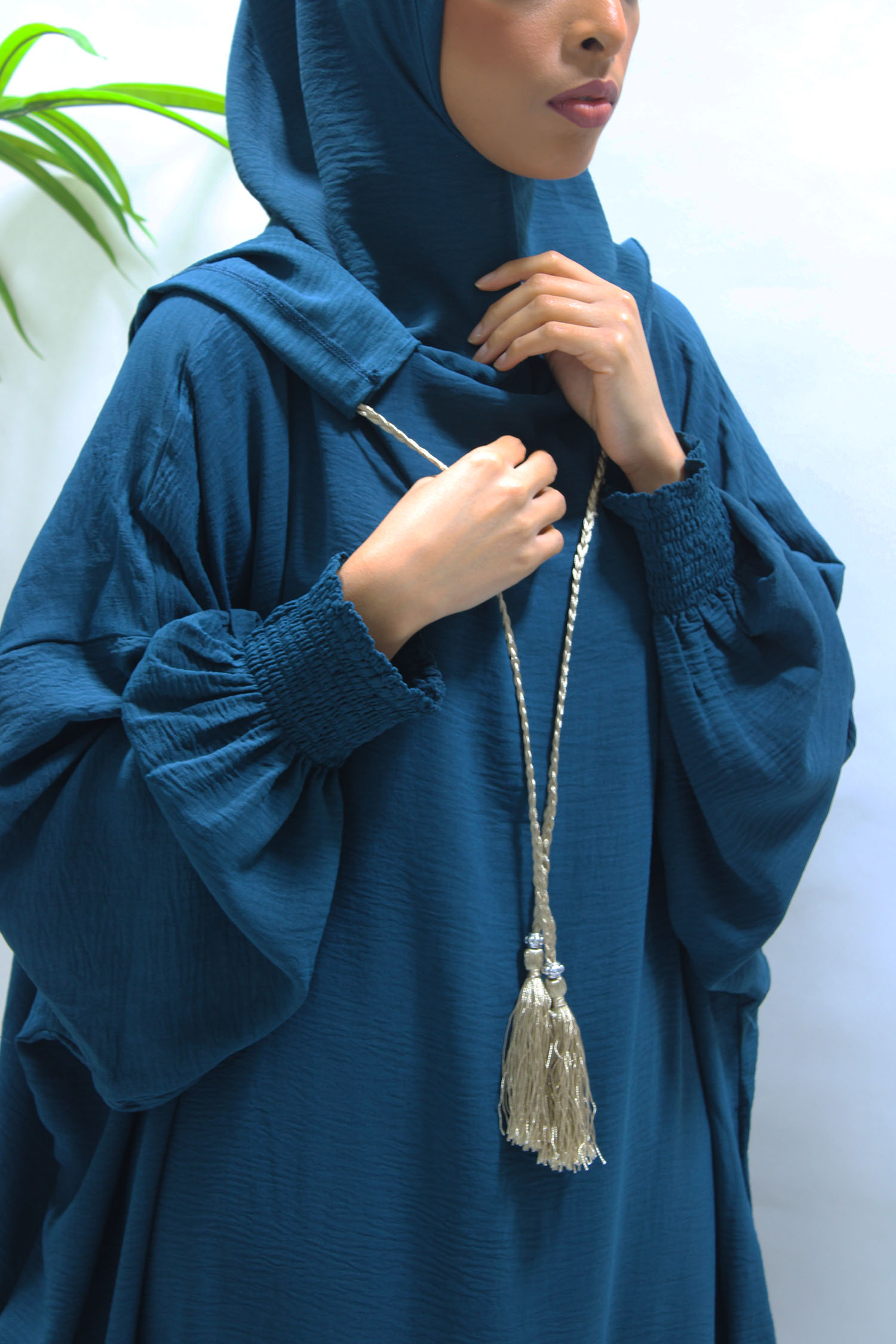
How do I choose prayer clothes that meet Islamic guidelines?
Choosing prayer clothes that truly align with Islamic guidelines can feel overwhelming at first, especially when modest fashion has so many styles and interpretations. I remember standing in front of my closet one day, thinking, “Am I really covering everything I need to? Am I dressing the right way for my prayer?” It’s not just about fabric or fit — it’s about intention, respect, and feeling confident in your spiritual space. Over time, I’ve learned how to navigate these choices thoughtfully, blending faith with personal style, comfort, and practicality. Let me share what I’ve found to be the most important aspects when selecting prayerwear that honors Islamic teachings without sacrificing the joy of dressing well.
Understanding the Islamic Principles Behind Prayer Clothes
First, let’s talk about the foundation. Islamic guidelines for prayer clothes are rooted in modesty, purity, and respect for the act of worship. Scholars generally agree on some key requirements:
- Coverage: The body parts that must be covered during prayer differ slightly between men and women. For women, it includes the entire body except the face and hands; for men, the area from the navel to the knees is essential.
- Cleanliness: Clothes should be clean and free from impurities. This means fresh, well-maintained fabrics without stains or odors.
- Non-transparency: The fabric must not be see-through, ensuring the shape or skin underneath isn’t visible.
- Non-excessive adornment: The clothing should avoid flashy or overly tight elements that attract unnecessary attention, maintaining humility.
These principles help maintain the sanctity of salah, so when I shop for prayer clothes, I keep these in mind as non-negotiable essentials.
Balancing Modesty with Comfort and Style
We’re human, after all. Wearing something that feels restrictive or uncomfortable can distract us in prayer. I learned early on that prayer clothes need to feel like a gentle hug, not a squeeze. That means looking for:
- Loose fits: Garments like abayas, jilbabs, or long tunics that flow comfortably around the body without clinging.
- Breathable fabrics: Cotton, bamboo blends, or high-quality polyester that allow air circulation, especially in hot climates or during long prayers.
- Easy layering: Clothes that let you add or remove layers depending on the season, like lightweight cardigans or shawls for modest coverage.
- Soft textures: Fabric that feels kind to the skin—nothing rough or scratchy that would pull focus from your spiritual mindset.
Honestly, I found Amani’s prayer collections nail this balance every time. Their pieces feel thoughtful, like they were made by someone who understands exactly what we need when we stand in front of Allah.
Key Features to Look For When Shopping
When you’re browsing online or in stores, these practical features helped me zero in on the best prayer clothes:
| Feature | Why It Matters | Examples |
|---|---|---|
| Full-Length Coverage | Ensures no part of the required body area is exposed during all prayer postures. | Long abayas, maxi dresses, jilbabs |
| Opaque Fabric | Prevents skin or undergarments from showing, maintaining modesty. | Thicker cotton, polyester blends, lined garments |
| Adjustable Headscarf Options | Secure hijabs that stay in place during movement and prayer. | Under-scarves, hijab pins, stretchy hijab fabrics |
| Ease of Movement | Allows smooth bowing and prostration without restriction. | Flowy sleeves, roomy cuts, stretchy waistbands |
| Durability and Washability | Maintains cleanliness and longevity after frequent use. | Machine-washable fabrics, fade-resistant dyes |
I remember the frustration of trying to pray in clothes that tugged or revealed a bit too much when bending. That’s why I always recommend testing movement before buying: try sitting, bowing, and reaching in the outfit if possible, or check customer reviews for feedback on fit and coverage.
Practical Tips From My Own Journey
Choosing prayer clothes is deeply personal, but here are some lessons from my own experience:
- Invest in versatile pieces: Some abayas or tunics double as casual wear too—making it easier to keep your wardrobe functional.
- Prioritize quality over quantity: One well-made prayer garment feels so much better than several cheaply made ones that irritate your skin or lose shape.
- Create a dedicated prayerwear set: Having a few go-to pieces in your closet that you reserve for salah can help you mentally prepare and honor the ritual.
- Explore brands that understand modest fashion: I can’t recommend Amani’s enough—they really get what Muslim women need, blending tradition and modern style beautifully.
- Don’t be afraid to ask questions: If you’re unsure about fit or fabric, reach out to the seller or consult trusted friends or scholars.
With these tips and a clear understanding of Islamic guidelines, finding prayer clothes that nurture your soul and respect your faith becomes a joyful journey rather than a chore.

Are women’s prayer dresses and abayas the same thing?
When I first started exploring modest fashion, I used to think that prayer dresses and abayas were just two names for the same thing. But as I dove deeper, I realized it’s not quite that simple—and honestly, this distinction made me appreciate my wardrobe choices so much more. Understanding the difference between these garments isn’t just about terminology; it’s about honoring the purpose, the culture, and the beautiful layers of our modest style. So let’s unpack this together, shall we?
The Basics: What is an Abaya?
An abaya is a classic staple in many Muslim women’s closets, especially in the Gulf and Middle Eastern regions. It’s a loose, flowing outer garment designed to cover the whole body except for the face, hands, and feet. Traditionally, abayas are black, but today they come in a gorgeous spectrum of colors and styles, adorned with delicate embroidery, subtle embellishments, or minimalist cuts depending on taste.
Abayas serve as everyday modest wear — think of them like a chic cloak you throw on to step outside, whether you’re running errands, heading to work, or meeting friends. Their primary function is to ensure modesty in public spaces, but they can also be incredibly stylish, blending tradition with contemporary fashion trends.
Prayer Dresses: What Sets Them Apart?
Prayer dresses, on the other hand, are specifically tailored for the act of worship. These dresses are designed with prayer’s physical movements in mind—bowing, kneeling, and prostrating—requiring ease, comfort, and full coverage at all times. The fabric choices tend to prioritize breathability and softness, so the garment doesn’t distract or irritate during those intimate moments with Allah.
Unlike abayas, prayer dresses often feature features like wider hems for ease of movement, adjustable closures for quick dressing, or even integrated hijabs or scarves to minimize fuss when preparing to pray. The color palette might lean more towards calm, neutral tones or pastels to evoke a peaceful mindset, though some women love vibrant colors as well.
Key Differences Summarized
| Feature | Women’s Abaya | Women’s Prayer Dress |
|---|---|---|
| Primary Purpose | Modest outerwear for public/social settings | Dedicated garment for prayer rituals |
| Fit & Design | Loose, elegant, sometimes embellished | Loose but optimized for ease of movement and comfort |
| Fabric | Varies—can be heavier or decorative | Lightweight, breathable, soft |
| Colors | Mostly black or dark, but increasingly varied | Often neutral or calming tones; some vibrant options |
| Additional Features | May include embroidery, lace, or beadwork | May include integrated hijab, elastic waistbands, easy closures |
My Personal Story: Navigating Between Abayas and Prayer Dresses
I remember the first time I bought a prayer dress distinct from my everyday abaya. I’d always just prayed in my regular modest clothes—mostly abayas or maxi dresses—but I noticed how uncomfortable I felt. The fabric was too thick, or the cut too restrictive, and I kept adjusting my hijab mid-prayer, which distracted me so much.
Then, a dear sister gifted me a beautiful prayer dress made of soft cotton, designed with extra room around the knees and sleeves that didn’t bunch up. It was a game changer. I felt more present, more connected, and even looked forward to slipping into it when it was prayer time. It wasn’t about showing off or luxury—it was about honoring my worship with clothing that respected both my body and my soul.
Why It Matters: Respecting the Purpose of Each Garment
In my journey, I’ve learned that the value of prayer dresses and abayas lies in respecting their purpose. Wearing an abaya outside feels like putting on my modest armor for the world, while slipping into my prayer dress feels like wrapping myself in calm, peace, and focus for Allah alone.
Of course, many women mix and match based on lifestyle and preferences, and there’s no one-size-fits-all rule. But understanding these differences helps you build a wardrobe that supports your spiritual and daily life in beautiful harmony.
Final Thoughts: Building Your Wardrobe with Intention
So, if you’re wondering whether to invest in a prayer dress, an abaya, or both, think about your daily rhythm. Do you want a versatile piece that carries you through your day, or something dedicated to your moments of worship? Personally, I cherish having both—they each hold a unique place in my modest fashion story.
Whatever you choose, remember that modesty is not just fabric or style; it’s an expression of your faith, your heart, and your identity. The right clothes don’t just cover your body—they uplift your spirit.

What fabrics are best for Muslim prayer clothes?
Have you ever put on a prayer dress only to find yourself fidgeting, uncomfortable, or feeling distracted by the fabric against your skin? I’ve been there, and honestly, it can really take away from that sacred moment with Allah. Choosing the right fabric for your prayer clothes isn’t just about comfort—it’s a spiritual and practical decision that deeply affects how present you can be in your worship. Let me walk you through what I’ve learned about the best fabrics for Muslim prayer clothes, based on my own experiences and the wisdom shared by sisters around the world.
Why Fabric Choice Matters in Prayer Clothes
When you think about prayer, you might focus on your intention or the words you say—and rightly so! But the physical experience matters too. Prayer involves bowing, kneeling, and prostrating, and if your fabric is stiff, heavy, or itchy, it can pull your attention away from your spiritual connection. The ideal prayer fabric should feel like a gentle hug—soft, breathable, and light—so your body feels free and your heart can be fully devoted.
Plus, since many of us pray multiple times a day, sometimes in warmer climates or air-conditioned spaces, the fabric’s breathability and moisture-wicking properties make a huge difference. It’s about blending respect for your body with devotion.
Top Fabrics I Recommend for Prayer Clothes
| Fabric | Why It Works | Potential Downsides | Best For |
|---|---|---|---|
| Cotton | Soft, breathable, natural fiber; gentle on sensitive skin | Can wrinkle easily; absorbs moisture and takes time to dry | Everyday prayer wear, especially in warmer weather |
| Jersey Knit | Stretchy, smooth, lightweight; great for movement | May pill over time; less formal appearance | Comfortable, casual prayer dresses or layered pieces |
| Modal | Silky texture, highly breathable, resists shrinking | Can be pricier; may require delicate washing | Soft, luxurious feel for special occasions or daily use |
| Polyester blends | Durable, wrinkle-resistant, often moisture-wicking | Less breathable; may trap heat in hot climates | Travel-friendly or multi-season prayer garments |
| Linen | Lightweight, breathable, natural texture | Wrinkles quickly; rougher texture unless high quality | Warm weather, casual and relaxed prayer settings |
My Personal Fabric Journey: Finding What Feels Like Home
When I first started praying regularly outside of my home, I just grabbed whatever was modest and clean—usually my abaya or a maxi dress. But I noticed my skin sometimes felt irritated, especially when the fabric was synthetic or stiff. One day, during Ramadan, a sister gifted me a prayer set made from modal fabric, and it felt like clouds wrapping around me. That softness brought me unexpected peace during long Taraweeh prayers.
Since then, I’ve learned that mixing fabrics depending on the season and activity works best. In the sweltering summer, I switch to breathable cotton or linen blends that let my skin breathe. During cooler months or travel, polyester blends keep me comfortable without constant ironing.
Tips for Choosing and Caring for Your Prayer Clothes Fabric
- Feel the fabric before you buy: Run your fingers over it. Does it feel soft and smooth? That first touch matters a lot.
- Consider your climate: If you live somewhere hot and humid, prioritize natural fibers like cotton or linen that breathe well.
- Think about your skin: If you have sensitive skin, avoid rough or synthetic fabrics that might cause irritation.
- Look for stretch: Fabrics with some stretch, like jersey knit, make bowing and kneeling much easier.
- Care instructions: Choose fabrics that fit your lifestyle—if you don’t have time for delicate washing, stay away from fabrics that require hand wash only.
Final Reflections: The Fabric of Our Worship
Prayer is such a tender, vulnerable act. When I wear prayer clothes made from fabric that honors my body and the sanctity of the moment, I feel like my heart opens a little wider. It’s these small choices—soft cotton that cools my skin, stretchy jersey that moves with me—that help me stay grounded, present, and fully engaged in worship.
If you’re on the hunt for your perfect prayer clothes, don’t rush it. Test, feel, and listen to what your body needs. After all, modest fashion is more than just modesty—it’s about embracing your whole self in faith, style, and comfort.

What should men wear for prayer at home or in the masjid?
When it comes to prayer, men’s attire might seem straightforward, but there’s a beautiful balance between tradition, comfort, and spiritual mindfulness that often gets overlooked. I remember the first time I watched my brother prepare for Salah — the care he took in selecting what to wear made me realize just how meaningful this choice is, not just a formality. Whether you’re praying quietly in your room or standing shoulder to shoulder in the masjid, what you wear shapes your mindset, your comfort, and even your connection with Allah.
The Essentials: Simplicity and Cleanliness
The Prophet Muhammad (peace be upon him) emphasized purity and cleanliness in prayer, which naturally extends to what we wear. For men, this means choosing clothes that are clean and neat — because prayer is an act of worship that deserves respect in every detail. Whether at home or the mosque, your outfit should reflect that sacredness.
Typically, men wear loose, modest clothing that covers the ‘awrah (the area between the navel and the knees) fully. The easiest go-to is a simple thobe (also known as dishdasha or jalabiya), but if that’s not available, a long, loose shirt paired with comfortable trousers also works beautifully. The key is modesty without discomfort — your clothes should let you bow, kneel, and prostrate freely without restriction.
Popular Prayer Garments for Men: Traditional and Modern
| Garment | Description | Best Use | Notes |
|---|---|---|---|
| Thobe / Dishdasha | A long, ankle-length robe usually made from cotton or polyester blends | Ideal for daily prayer and formal mosque gatherings | Breathable, modest, culturally significant |
| Kameez & Shalwar | Loose shirt (kameez) paired with baggy trousers (shalwar) | Common in South Asian Muslim communities for prayer | Comfortable and modest, allows ease of movement |
| Casual Long Shirt & Pants | Any loose long shirt paired with comfortable pants | Great for home prayer or casual mosque visits | Accessible and practical |
| Kurta | Lightweight, knee-length shirt popular in South Asia | Good for summer prayer or informal mosque prayers | Soft fabric often made of cotton or linen |
Fabric and Comfort: What Men Should Look For
Just like women, men’s prayer clothes need to be breathable and comfortable because prayer involves physical movements that should be done without any distraction. Cotton is the all-time favorite for most men — it’s light, soft, and breathable. But depending on the climate and the season, polyester blends or linen might be better suited.
I remember my husband once praying in a stiff synthetic shirt that made him sweat and fidget, and it was clear his focus was broken. After that, he switched exclusively to cotton thobes and loose cotton shirts, especially during Ramadan nights when the prayer lasts longer. This small change made a big difference.
Prayer Clothes for Men at Home vs. the Masjid
At home, comfort usually takes precedence. I often hear from brothers who prefer wearing loose cotton pants with a simple long sleeve shirt, or even traditional pajamas, as long as they cover the awrah and are clean. After all, the spiritual presence matters more than the formality of the outfit.
However, at the masjid, many men opt for a thobe or a traditional outfit, not just for modesty but also as a sign of respect for the sacred place and the community gathered. Dressing neatly also helps cultivate the right mindset — a reminder that you’re entering a space dedicated entirely to worship.
Practical Tips for Choosing Men’s Prayer Clothes
- Ensure full coverage: The awrah for men is between the navel and the knees, so clothes must cover this area comfortably and modestly.
- Choose loose fits: Avoid tight clothing that restricts movement during prayer.
- Prioritize breathable fabrics: Cotton and linen are excellent for comfort, especially in warmer weather.
- Keep it clean and neat: Washing regularly and ironing if needed helps maintain the dignity of your prayer attire.
- Have separate prayer clothes: Some men find it helpful to have dedicated prayer garments to keep special and ready for Salah.
A Final Thought on Men’s Prayer Attire
Wearing the right clothes for prayer isn’t about impressing anyone—it’s about honoring the sacredness of your connection with Allah. When I see my brother or husband dressed neatly in their prayer clothes, there’s a quiet dignity and calm that fills the room. It reminds me—and perhaps you too—that prayer is an intimate moment where our outward appearance reflects the purity we seek inside. So whether at home or the masjid, choosing modest, comfortable, and respectful clothes is a simple but powerful way to deepen your worship.
Can kids wear the same prayer clothes as adults?
When I first started teaching my little niece about Salah, I noticed how fascinated she was by the colorful, flowing prayer clothes I wore. She wanted to “dress like mama” and join the prayers with the same sense of reverence. That made me pause and think: should kids wear the same prayer clothes as adults? Is there a difference? How do we help children feel connected to this beautiful ritual while respecting their age and needs?
Understanding Prayer Clothes for Kids: More Than Just Mini Versions
Kids are tiny mirrors of us adults, yet their needs and experiences are uniquely their own. While the purpose of prayer clothes remains the same—to maintain modesty and cleanliness during Salah—the way kids wear these clothes often differs in style, fit, and fabric choice. For younger children especially, comfort is king because wriggly kids won’t stay focused if their clothes feel itchy or restrictive.
It’s common for parents to buy smaller versions of adult prayer garments—like mini abayas or kid-sized thobes—but these aren’t just scaled-down replicas. The fabrics tend to be softer, more breathable, and more playful in colors or patterns to encourage children’s enthusiasm for prayer without compromising modesty. After all, introducing kids to prayer should feel warm and inviting, not like a strict dress code.
Table: Comparing Prayer Clothes for Kids vs. Adults
| Aspect | Adults | Kids |
|---|---|---|
| Purpose | Full modest coverage, spiritual focus | Introduce modesty, encourage prayer habit |
| Fabric | Often cotton, linen, polyester blends | Softer, hypoallergenic, sometimes stretchy |
| Design | Traditional styles, muted colors | Often brighter colors, simple patterns |
| Fit | Loose, flowing, fully covering | Comfort-focused, sometimes adjustable |
| Accessories | Hijabs, kufis, prayer caps | Kid-friendly hijabs or caps, easy to wear |
Why Kids Need Prayer Clothes Designed Just for Them
I remember gifting my niece her first prayer abaya when she was about five. It had fun little stars embroidered on the hem, a soft cotton blend, and a wide neckline so she could easily put it on herself. Watching her run around excitedly in it before prayer was pure joy. It’s little touches like these that make a world of difference in nurturing a child’s love for worship.
Children’s prayer clothes need to accommodate their energetic nature—think durable stitching, fabrics that wash well, and designs that don’t get in the way of movement. Many parents also prefer outfits that kids can put on or take off themselves, fostering independence. Trying to squeeze a squirmy toddler into a rigid adult-sized garment? That’s a recipe for tears and distraction.
Transitioning from Kids’ to Adult Prayer Clothes
As children grow and mature, it’s natural for their prayer clothes to evolve from playful, kid-friendly styles into more traditional adult attire. This transition is also a subtle but important milestone in their spiritual journey—an outward sign of growing responsibility and commitment to their faith.
Some families celebrate this shift with a special gift, like a more formal thobe or abaya, marking the moment when the child begins to understand the deeper significance of Salah and modesty. It’s more than clothing—it’s part of their identity forming in faith.
Tips for Choosing Prayer Clothes for Kids
- Comfort first: Soft, breathable fabrics that won’t irritate delicate skin.
- Easy to wear: Clothes that kids can manage independently to build confidence.
- Modest but fun: Designs that are age-appropriate but still align with Islamic guidelines.
- Durability: Kids are kids—choose sturdy fabrics and good stitching to survive playtime.
- Size flexibility: Adjustable or slightly loose fits allow room for growth and movement.
Final Reflection: Prayer Clothes Are Part of Spiritual Growth
In the end, whether kids wear the exact same prayer clothes as adults isn’t the main point. What truly matters is helping them feel connected to their prayers and excited about this beautiful act of worship. Prayer clothes are like a gentle invitation, wrapping them in a sense of belonging and respect for Allah’s house.
Watching children embrace prayer clothes tailored for them—full of softness, ease, and just a little sparkle—reminds me how faith is nurtured in the smallest, most tender ways. And honestly? That feels like the best kind of success in this journey.
What Are the Signs of High-Quality Prayer Clothes?
If you’ve ever stood in front of a rack of prayer clothes—whether at a bustling souq or scrolling online—you know that not all garments are created equal. But how do you really tell if a prayer dress or thobe is high-quality? What should you look for beyond just the pretty designs or price tag? As someone who has spent years navigating modest fashion, especially for prayer, I’ve learned that quality is more than skin deep. It’s about fabric, craftsmanship, comfort, and respect for the sacred purpose these clothes serve.
Why Quality Matters So Much for Prayer Clothes
Prayer clothes aren’t just outfits; they’re a daily companion to some of the most intimate moments of worship. When you slip into a garment that feels rough, stiff, or poorly made, it’s hard to focus on your prayer. On the flip side, high-quality prayer clothes uplift you—they envelop you in softness, modesty, and dignity, letting your heart settle into connection with Allah.
I remember once receiving a prayer abaya as a gift from a dear friend. The moment I put it on, I noticed the difference. The fabric was buttery-soft, the seams flawless, and it draped so beautifully I felt both humble and confident. That feeling made my Salah more peaceful, more personal. That’s the magic of quality.
Signs of High-Quality Prayer Clothes: What to Look For
| Sign | Why It Matters | How to Check |
|---|---|---|
| Fabric Quality | Softness and breathability keep you comfortable during prayer | Feel the fabric; natural fibers like cotton or linen are preferable |
| Stitching & Craftsmanship | Strong seams prevent tears and maintain modesty | Look inside the garment for neat, even stitches; no loose threads |
| Opacity | Ensures modest coverage and avoids transparency in sunlight | Hold the fabric against light to test how see-through it is |
| Fit & Cut | Provides ease of movement and modest silhouette | Try it on or check measurements; it should be loose but not baggy |
| Durability | Lasts through many washes without losing shape or color | Read reviews or test washing instructions before purchase |
| Design Details | Thoughtful touches like reinforced hems, covered buttons | Inspect closures, hems, and any embroidery for precision |
Fabric Is the Foundation: Why It Can Make or Break Your Prayer Experience
I’ve learned the hard way that the fabric truly sets the tone. Early in my modest fashion journey, I bought a prayer dress made from cheap polyester that felt like wearing plastic. My skin itched, and every time I bowed, the fabric clung uncomfortably. It was distracting and frankly, disheartening. Since then, I stick to natural or high-quality blended fabrics—cotton, linen, or bamboo blends—because they breathe, they move with me, and they honor the spirit of prayer.
When you choose prayer clothes, always remember: the fabric should feel gentle against your skin. And if you live in a warmer climate, lightweight, breathable fabrics are non-negotiable. Your prayer shouldn’t become a sweat session!
Craftsmanship: The Invisible Sign of True Quality
Sometimes, the best craftsmanship hides in plain sight—like perfectly aligned seams, invisible stitching, or buttons that won’t pop off mid-Salah. One day, I bought a beautifully embroidered prayer dress that looked perfect from the outside. But the stitches on the inside were messy and weak. After a few wears, the embroidery began to unravel. It was a painful reminder that beauty without solid construction doesn’t last.
So, take a few minutes to peek inside your prayer clothes. Run your fingers along the seams. Are the stitches even? Are there loose threads? Is the hem reinforced? These little details say a lot about the care and love poured into making the garment—and ultimately, about how long it will serve you.

Final Thoughts: High-Quality Prayer Clothes Are a Gift to Yourself
When I invest in high-quality prayer clothes, I’m not just buying fabric and thread. I’m gifting myself respect, comfort, and peace. Every time I wear a garment that’s thoughtfully made, I feel a silent encouragement: “You are worthy of dignity in your worship.” And isn’t that what we all want?
So, next time you shop for prayer clothes, trust your instincts. Touch the fabric, inspect the seams, try it on, and imagine how it will feel through countless moments of gratitude and reflection. Because prayer is sacred, and your clothes should honor that.
How Do I Know My Prayer Outfit Fits Right?
I’ll admit it: finding the perfect prayer outfit that fits just right can sometimes feel like chasing a mirage in the desert. It’s not just about slipping into any loose garment. It’s about balance—comfort, modesty, and the freedom to focus solely on your worship without constantly adjusting or worrying about how your clothes look or feel. Over the years, I’ve learned that knowing your prayer outfit fits right is more of an art than a science, and it’s deeply personal. Let me walk you through what I look for, what’s truly important, and how you can tell when your prayer clothes are “just right.”
Why Fit Matters: More Than Just Appearance
You might think, “It’s just prayer clothes—does fit really matter?” But trust me, it does. When I wear an outfit that’s too tight or too baggy, I’m distracted—tugging at my sleeves or worrying about the hem dragging on the floor. Prayer is supposed to be my time with Allah, not a runway struggle! Clothes that fit well create an invisible comfort zone that lets me bow, prostrate, and stand with full confidence and focus.
A prayer outfit’s fit impacts your khushu’ (concentration and humility in prayer). If your clothes feel off, it’s hard to settle into that sacred space. So, fit isn’t vanity—it’s an essential ingredient in your spiritual experience.
The Key Fit Principles for Prayer Clothes
| Principle | What It Means | How to Check |
|---|---|---|
| Loose but Not Excessive | Enough room to move freely without the fabric clinging or dragging | Try sitting, bowing, and prostrating; fabric should flow without restriction |
| Proper Length | Clothing should fully cover your awrah without tripping you up | Hem should touch the top of your feet or just above; no dragging on floor |
| Comfortable Sleeves | Sleeves that cover the wrists but don’t restrict bending arms | Bend your elbows and wrists; sleeves should stay put without pinching |
| Breathable Fit | Enough space so you don’t feel suffocated, especially in warm climates | Move around and check if fabric sticks to skin or allows airflow |
| Secure but Easy to Wear | Prayer outfit should stay in place without constant adjusting | Walk and move naturally; outfit shouldn’t slide or slip off |
Real Talk: When Prayer Clothes Just Don’t Fit Right
I remember the first time I bought a prayer dress that was too tight in the sleeves. I was so excited to wear it that I ignored the slight pinch around my wrists. By the second Rak’ah, I was already tugging the sleeves down, distracted and uncomfortable. That feeling stuck with me through the whole prayer. Lesson learned: modesty is about more than coverage; it’s about ease, too.
On the flip side, I once inherited a prayer abaya from my older sister that was way too big for me. It practically swallowed me whole, and I kept stepping on the hem during Sujood. It was humbling (and hilarious!) but also a clear sign that an ill-fitting prayer outfit can disrupt your worship just as much as one that’s too tight.
Tips for Finding the Perfect Fit
- Test Every Movement: When trying on your prayer clothes, don’t just stand still—sit, bow, prostrate, and stand back up. Notice how the garment behaves.
- Check the Length: Ensure your clothes fully cover your awrah but don’t drag on the ground to avoid dirt and tripping.
- Consider Fabric Stretch: Some fabrics have slight stretch, which can add comfort without sacrificing modesty.
- Ask for Second Opinions: Sometimes we’re too forgiving with our own clothes. A friend or family member’s honest eye can help you decide.
- Customize When Possible: If you’re between sizes, a simple alteration can make all the difference.
Why It’s Okay If Your Fit Evolves Over Time
Bodies change, seasons shift, and sometimes our preferences do, too. That’s perfectly natural. What fits beautifully today might feel different a few months later. I’ve kept a few prayer dresses for years, but I also let go of others because the fit didn’t honor the prayer experience anymore. It’s a gentle reminder that modest fashion is a living practice—not a rigid standard.
Ultimately, your prayer outfit should be a supportive partner on your spiritual journey—not a distraction or a burden. When you find that fit, trust me, it’s like a quiet hug from your clothes encouraging your heart to focus on what truly matters.
How Can I Layer My Prayer Clothes for All Seasons?
Living in a place where the weather shifts unpredictably can make choosing prayer clothes feel like a daily puzzle. Some mornings are crisp and cool, and by afternoon, the sun’s blazing. I’ve faced the same challenge myself—how do I stay modest, comfortable, and focused in my prayers regardless of the weather? Over time, I’ve discovered layering is the unsung hero of modest prayer fashion, and it’s totally doable without sacrificing style or ease. Let me share how I’ve learned to layer prayer clothes gracefully through every season.
Why Layering Matters for Prayer Clothes
At first glance, layering might seem like something only fashionistas obsess over. But for us, it’s practical and spiritual. Prayer clothes need to fulfill modesty, comfort, and ease of movement all year round. When the weather changes, layering gives you the flexibility to adjust without compromising those essentials. Plus, it lets you cherish your favorite prayer pieces longer—wearing lighter ones in summer and cozying up with heavier layers in winter.
One winter morning, I struggled with a bulky abaya that made me feel stiff during Salah. That day, I vowed to master layering. Since then, it’s been a game-changer for how I approach modest dressing for prayer.
Layering Basics: What to Keep in Mind
| Layer | Purpose | Recommended Fabrics | Season |
|---|---|---|---|
| Base Layer | Wicks moisture, provides comfort close to skin | Cotton, bamboo, modal blends | All seasons (lighter for summer) |
| Middle Layer | Provides warmth and modest coverage | Lightweight wool, jersey, chiffon | Spring, fall, cooler summer days |
| Outer Layer | Blocks wind, adds style, extra warmth | Thicker cotton, wool blends, abaya fabric | Fall, winter, cold mornings |
Layering for Summer: Light and Breathable
When the heat hits, I know the last thing I want is to feel trapped in heavy fabrics. For summer prayers, I start with a soft cotton or bamboo base layer—think a long-sleeved cotton prayer dress or a breathable underscarf. Over that, I might add a lightweight chiffon abaya or a loose jilbab that lets air circulate. This combo keeps me cool but covered, and I don’t worry about sweat distractions during sujood.
One Ramadan, during a particularly scorching day, I wore a sheer but non-transparent chiffon abaya layered over a cotton dress. The breathability helped me maintain focus despite the heat, proving that modesty and comfort can truly coexist.
Transition Seasons: Flexible Layering for Spring and Fall
These seasons can be tricky—one moment chilly, the next warm. My trick? A mid-weight jersey or lightweight wool prayer dress as the middle layer. I pair it with a cotton base and add a thin abaya or a cardigan-style outer layer for mornings or evenings. This way, I can peel off or add layers without disrupting my prayer flow.
I remember a day in fall when the temperature dropped suddenly after Dhuhr prayer. Because I layered thoughtfully, I just slipped on a wool-blend outer abaya I keep folded nearby. The warmth hit instantly, and I felt cozy without rushing to change.
Winter Layering: Staying Warm Without Bulk
Winter prayers can be a challenge, especially if you live in a cold climate. Bulky clothes often make movements difficult, and stiff fabrics distract from your focus. What I’ve found works best is a soft cotton or thermal base layer that hugs the skin lightly, topped with a warm, yet flexible outer abaya or jilbab made of wool blends or thick cotton.
I also add accessories like a thick cotton underscarf or a knit hijab, which keep the head warm without slipping. Layering here is about warmth and mobility. Trust me—when you find that sweet spot, prostration feels natural again, and your prayers regain that calm, sacred rhythm.
My Top Tips for Mastering Prayer Clothes Layering
- Choose Breathable Fabrics: Even in cold weather, breathability prevents discomfort and sweat build-up.
- Keep Layers Simple: Avoid excessive bulk by choosing thinner layers that work well together.
- Prioritize Movement: Your layers should never restrict bending or prostration.
- Plan Ahead: Think about your prayer times and weather changes throughout the day.
- Invest in Versatile Pieces: Clothes that work across seasons stretch your wardrobe and ease layering.
Final Thoughts: Layering as a Form of Modest Self-Care
For me, layering prayer clothes is not just about fashion or function—it’s a quiet act of self-care and devotion. It’s knowing that my clothes support my worship, no matter the season or weather tantrums outside. When I master layering, I feel more present, more comfortable, and more ready to connect deeply with Allah.
What about you? Have you tried layering your prayer clothes? Sometimes the smallest tweaks make the biggest difference. I promise, with a little practice and thoughtful choices, you can turn layering into a beautiful ritual that honors both your faith and your comfort.

What’s the Difference Between Travel-Friendly and Home Prayer Outfits?
I’ve often found myself juggling between two very different worlds: the comfort and sanctuary of praying at home, and the bustling unpredictability of praying while traveling. Both require special attention to what I wear during Salah, yet they couldn’t be more different in their needs. So what truly separates travel-friendly prayer outfits from those we wear at home? Let me take you through my personal experiences and insights, so you can feel prepared and comfortable wherever your prayers take you.
Home Prayer Outfits: The Cozy Sanctuary of Modesty
Home is where my prayer routine feels the most intimate and relaxed. There’s no need to worry about unexpected guests, weather changes, or long hours on the move. This freedom allows me to focus more on comfort and softness in my prayer clothes. I often reach for my favorite loose cotton abaya or a flowing jilbab made of breathable fabric—nothing too structured or stiff.
I remember a rainy afternoon when I stayed indoors for Dhuhr prayer. My soft, worn-in cotton prayer dress felt like a warm hug, helping me sink deeper into my Salah. At home, prayer clothes don’t need to be flashy or designed for durability against the elements; their role is to envelop me in modesty and ease.
Travel-Friendly Prayer Outfits: Practicality Meets Modesty on the Go
Now, travel is a whole different ballgame. Whether it’s a long flight, a road trip, or visiting a new city, prayer outfits have to work harder. Durability, wrinkle resistance, and ease of movement become paramount. I’ve learned that travel-friendly prayer clothes are less about flowy elegance and more about smart, functional fabrics that stay fresh and modest no matter what.
I recall a trip to a chilly destination where I wore a wrinkle-resistant, quick-dry jilbab paired with a thermal underscarf. Not only did it hold up against unpredictable weather, but I also felt confident and comfortable praying in unfamiliar spaces—be it a hotel room or an airport prayer room.
Key Differences Between Home and Travel Prayer Clothes
| Feature | Home Prayer Outfits | Travel-Friendly Prayer Outfits |
|---|---|---|
| Fabric | Soft cotton, modal, bamboo — prioritizing comfort | Wrinkle-resistant polyester blends, quick-dry fabrics |
| Fit & Style | Loose, flowing, relaxed for deep comfort | Streamlined, non-bulky, easy to pack and wear |
| Durability | Gentle wear, no harsh handling needed | Strong against creases, stains, and weather shifts |
| Accessories | Soft underscarves, cozy hijabs | Secure underscarves, travel-friendly hijabs that don’t slip |
| Mobility | Prioritized but relaxed | Essential, especially for travel in crowded or small spaces |
How I Choose My Prayer Clothes for Travel
Planning for travel prayers isn’t just packing extra clothes; it’s a mindful ritual. I usually pack a few versatile, travel-friendly pieces that I know can endure long wear without losing shape. A wrinkle-resistant jilbab, a light but warm underscarf, and a prayer dress made of blended fabric that breathes but resists stains are my essentials.
There was a trip last winter when I forgot my usual travel abaya and had to rely on a cotton prayer dress. By mid-trip, it looked tired and wrinkled, which made me feel a little self-conscious during congregational prayers at the masjid. That experience taught me to prioritize function over just looks when traveling.
When Home Meets Travel: Bridging the Gap
I believe the best prayer wardrobe is one that gracefully bridges home comfort with travel practicality. Investing in a few pieces that are soft enough for home but durable enough for travel means less hassle and more confidence wherever I pray.
Sometimes I’ll pair a cozy cotton base layer with a travel-friendly jilbab, so I feel wrapped in softness but stay fresh during long trips. This blending approach keeps me grounded—physically and spiritually.
Final Reflections: Dressing with Intention for Every Prayer Moment
The difference between travel-friendly and home prayer clothes isn’t just fabric or cut—it’s intention. Each set of clothes carries the purpose of helping me connect with Allah in the best way possible, whether surrounded by the familiar walls of home or the hum of a foreign airport. And honestly, embracing these differences has made my prayer life richer and more peaceful.
So next time you’re packing your prayer clothes, ask yourself: What does my prayer need today? Is it softness and ease, or durability and versatility? Your answer will guide you to a prayer outfit that truly supports your heart’s devotion.
Do I Need Different Prayer Clothes for Masjid vs Home?
This question has crossed my mind more times than I can count. When I first started praying regularly at the masjid, I wondered if my comfy, worn-in prayer clothes from home were “good enough” outside my personal space. It’s a natural curiosity, isn’t it? After all, the environment, the company, and even the energy feel different between home and masjid. Over the years, I’ve learned that prayer clothes are deeply personal but also situational. So let’s unpack when and why you might want to consider having different sets, and how to approach this thoughtfully without feeling overwhelmed.
Why Some Women Choose Different Prayer Clothes for Masjid and Home
To be honest, the masjid carries a special kind of sacredness that often inspires me to dress up a little more — not for show, but out of respect for the communal space and the spirituality that flows there. At home, I tend to prioritize comfort and simplicity, since it’s my private sanctuary.
I remember once showing up at the masjid in a favorite cotton prayer dress that was soft but a bit faded from many washes. Though my heart was in the right place, I noticed a subtle feeling of disconnect from the vibrant energy around me. That moment nudged me to invest in a few prayer outfits that felt fresh and intentional — pieces I reserve just for masjid.
Home Prayer Clothes: Comfort, Familiarity, and Ease
My home prayer clothes are like old friends — relaxed, forgiving, and comfortable. They’re often made from soft cotton or modal blends, perfect for long moments of reflection without any itch or distraction. The focus at home is on ease of movement and coziness because I want my entire body to feel wrapped in modest peace.
| Aspect | Home Prayer Clothes | Why It Works |
|---|---|---|
| Fabric | Soft cotton, modal, bamboo blends | Comfortable and breathable for long wear |
| Fit | Loose, relaxed, sometimes slightly oversized | Freedom of movement and easy layering |
| Style | Simple, minimal detailing | Focus on inner calm, no distractions |
| Maintenance | Easy to wash, softens over time | Comfort grows with wear |
Masjid Prayer Clothes: Intention, Presentation, and Respect
When it comes to masjid prayers, I like to dress with a little more mindfulness about how my outfit reflects the environment. It’s not about impressing others, but about honoring the sacred space and the collective spirit. This often means choosing prayer clothes that look neat, fresh, and presentable—maybe a newer jilbab, a well-ironed abaya, or a hijab style that stays put during longer congregations.
There was one Jummah when I wore a crisp abaya I had carefully chosen. The difference in how I felt was surprising — more grounded, more connected. It wasn’t vanity; it was intention, showing reverence through my appearance as part of my worship.
| Aspect | Masjid Prayer Clothes | Why It Works |
|---|---|---|
| Fabric | Poly-cotton blends, chiffon, wrinkle-resistant fabrics | Looks fresh and polished, easy to maintain |
| Fit | Modest but neat, tailored to avoid bulk | Maintains modesty and confidence in public |
| Style | Subtle embellishments, clean lines | Balances modesty with presentability |
| Maintenance | Requires more care — ironing, careful washing | Preserves look and respect for the environment |
Can You Use the Same Prayer Clothes for Both?
Absolutely! There’s no rule that says you must have separate sets, especially if that feels like too much pressure or expense. Some of my most cherished prayer dresses do double duty — they’re comfortable enough for home but styled neatly enough for the masjid. The key is choosing versatile fabrics and styles that feel good in both settings.
A favorite approach is to have a “base” prayer dress that’s soft and modest, paired with a nicer jilbab or abaya for masjid visits. That way, you layer up the look for public prayers without losing the cozy feeling at home.
Final Reflections: Dressing Your Prayer with Intention, Wherever You Are
The heart of prayer isn’t in the clothes we wear, but in the sincerity we bring. Still, dressing with intention — whether at home or the masjid — can deepen that connection. If you ask me, having different prayer clothes isn’t about status or appearance. It’s about honoring your spiritual spaces and helping your mind settle into worship with ease and respect.
So next time you prepare for Salah, think: Where am I praying? How do I want to feel? Sometimes that answer means soft, familiar comfort. Other times, it means stepping into something a bit more polished and purposeful. Either way, it’s your beautiful journey — and your clothes are just the starting point.
How Do Prayer Clothes Impact Your Focus During Salah?
Have you ever paused mid-Salah, distracted by an itch, a scratchy fabric, or a dress that suddenly felt too tight? I certainly have. Prayer is supposed to be our most serene moment, a sacred dialogue with Allah — but sometimes our clothes silently sabotage that peace. Over the years, I’ve realized just how powerful prayer clothes are in shaping my concentration, presence, and ultimately, my spiritual connection during Salah. Let me share what I’ve learned and how I’ve tuned into this subtle yet profound influence.
The Subtle Power of Comfort: When Fabric Becomes a Spiritual Ally
Imagine this: you step onto your prayer mat, ready to connect with Allah, but your outfit is already pulling your attention away. That tight collar, an itchy hijab edge, or a stiff abaya fabric can silently scream for your awareness. When I wear soft, breathable fabrics—like lightweight cotton, modal, or bamboo blends—it’s like a gentle hug that invites calmness. My body doesn’t signal discomfort, so my heart can focus purely on the words, the movement, and the stillness between.
One evening, after a long day, I slipped into a prayer dress I’d worn for years—soft, broken-in, and familiar. As I prayed, I felt a flow of peace wash over me, partly because I wasn’t distracted by anything physical. That’s the magic of comfort: it frees your mind to be fully present.
Distractions from Ill-Fitting or Inappropriate Prayer Clothes
On the flip side, I remember a time when I tried a new jilbab made of a stiffer fabric. At first, it looked elegant, but during prayer, the stiffness tugged awkwardly at my wrists and shoulders. The constant adjusting broke my concentration more than once. I found myself rushing through the Salah, eager to be done with the discomfort rather than savoring the moment.
This is why fit matters so much. Prayer clothes that are too tight, too loose, or that bunch up make your body signal distress, pulling you out of that sacred zone. The same goes for colors and styles that feel “off” to your personal vibe—if you don’t feel good in your outfit, your mind might wander or feel less connected.
How Modesty and Confidence Enhance Spiritual Focus
Modesty isn’t just about covering up—it’s about wrapping yourself in dignity and confidence. When I wear prayer clothes that make me feel modest and respected, my confidence rises quietly but surely. This subtle boost strengthens my focus because I’m not worried about how I appear; I’m settled in my own space.
| Factor | Impact on Focus | Personal Example |
|---|---|---|
| Comfort | Reduces physical distractions, promotes calm | Soft prayer dress felt like a gentle embrace |
| Fit | Ensures freedom of movement without fidgeting | Loose abaya helped maintain posture without tugging |
| Modesty | Boosts confidence, reducing self-conscious thoughts | Modest hijab style prevented constant adjustments |
| Fabric Type | Breathable fabrics prevent overheating or itching | Bamboo blend kept me cool in summer prayers |
Layering Prayer Clothes to Maintain Focus Year-Round
One challenge I’ve faced is how to stay comfortable across seasons. When it’s cold, layering can add warmth but sometimes bulk, which pulls at concentration. Over the years, I’ve learned to layer lightweight, soft pieces that keep me warm without restricting movement—like a thin thermal undershirt under my prayer dress or a soft shawl that stays put without fuss.
I recall a cold morning when I had to pray outside during Eid. Thanks to my layered prayer clothes, I could focus fully on my Salah despite the chill. Without that mindful layering, I’m sure I’d have been shivering and distracted.
Final Thoughts: Choosing Prayer Clothes as an Act of Worship Itself
At the end of the day, prayer clothes are more than just fabric and thread; they’re an extension of our worship. Choosing clothes that soothe the body and soul makes our Salah richer, more focused, and more heartfelt. If you ever catch yourself distracted mid-prayer, consider your outfit as part of the prayer environment you control.
So next time you select your prayer clothes, ask yourself: Will this help me draw closer to Allah? Will it let my heart breathe without interruptions? The right answer will bring you a step closer to the beautiful serenity that Salah promises.
What Colors and Designs Are Appropriate for Prayer?
Choosing prayer clothes isn’t just about modesty or comfort—it’s also a deeply personal expression of our spirituality and intention. When I first started paying attention to what I wore for Salah, I quickly realized that colors and designs carry more than just aesthetic value; they set the tone for my connection with Allah. But how do we balance cultural traditions, personal style, and Islamic guidelines when picking colors and patterns for prayer? Let’s dive into that delicate dance together.
The Spiritual Language of Colors in Prayer Clothes
Colors speak without words. They influence mood, focus, and even the spiritual atmosphere we create for ourselves. In my experience, softer, muted tones like creams, pastels, and earth tones feel like whispers of tranquility. They calm my mind and help me slip into a humble mindset. For example, a soft beige prayer dress or pale sage jilbab feels like a gentle embrace, grounding me before I even start my first takbir.
On the other hand, darker colors like deep navy, black, or charcoal also have a place. They convey solemnity and respect, especially in communal prayers at the masjid. I remember once wearing a deep midnight blue abaya for Jummah; it made me feel both elegant and reverent, perfect for a gathering that demanded mindfulness and dignity.
But here’s a little secret: bright colors or even subtle jewel tones can be appropriate too, as long as they don’t draw excessive attention or contradict the spirit of humility. I have a prayer dress in a soft mauve that I adore—it lifts my heart without feeling flashy. It’s all about intention and balance.
Designs and Patterns: Finding the Right Balance
Patterns on prayer clothes can be tricky. Some women prefer plain, solid colors because they feel cleaner and less distracting during prayer. I totally get that—when my mind is swirling with thoughts, simple can be a balm.
But that doesn’t mean patterns have no place. Delicate, subtle patterns—like tiny florals, gentle geometric lines, or soft embroidery—can add beauty without stealing the focus. I once wore a prayer dress embroidered with faint vine motifs. The pattern was so soft, it almost felt like a meditation aid, reminding me of the beauty in Allah’s creation as I bowed in sujood.
Here’s what I’ve learned: avoid anything loud, flashy, or overly shiny. No sequins, sparkles, or flashy prints that could draw attention in the masjid or make you feel self-conscious. Remember, prayer is an intimate act of worship, not a runway.
| Color/Design | Appropriateness | Why It Works | Personal Experience |
|---|---|---|---|
| Soft pastels (beige, blush, sage) | Highly appropriate | Creates calm, peaceful mindset | My go-to colors for early morning prayers |
| Dark solids (black, navy, charcoal) | Appropriate for formal or communal prayers | Conveys respect and solemnity | Felt dignified wearing navy at Jummah |
| Subtle embroidery or delicate patterns | Appropriate if understated | Adds beauty without distraction | Wore an embroidered prayer dress that inspired reflection |
| Bright or jewel tones (soft mauve, teal) | Appropriate with caution | Can uplift mood but avoid flashy | Soft mauve dress lifts my spirit without drawing eyes |
| Bold prints, sequins, shiny fabrics | Generally inappropriate | Draws attention away from focus on prayer | Avoided these for prayers to maintain humility |
Culture and Personal Style: What Fits Your Spiritual Expression?
Modest fashion is a beautiful tapestry woven from different cultural threads. In some cultures, white prayer garments symbolize purity and are preferred for special prayers or occasions. In others, earthy tones reflect closeness to nature and humility. Where do you find yourself? I grew up in a home where navy and soft greys were everyday prayer wear, but I now love mixing in gentle pastels that feel fresh and soulful.
The key is honoring your personal style and cultural background while prioritizing the essence of prayer: humility, focus, and respect. Your prayer clothes should feel like a sacred space you step into, one that nurtures your heart and helps you disconnect from the world’s distractions.
Final Thoughts: Let Your Prayer Clothes Speak Your Heart
If you ask me, the best prayer clothes are those that bring you peace, encourage focus, and honor the sacred act you’re about to perform. Choosing appropriate colors and designs isn’t about rigid rules—it’s about intention, emotion, and a little bit of personal flair wrapped in modesty.
So the next time you pick out your prayer outfit, think beyond just “What’s allowed?” and ask yourself, “What helps me connect? What colors soothe my soul?” Trust me, that little extra thought transforms prayer clothes from mere garments into a cherished part of your spiritual journey.
Can I Wear Makeup or Accessories with Prayer Clothes?
This question has lingered in my mind many times, especially as someone who enjoys expressing her femininity through subtle touches, yet deeply values the sanctity of prayer. Wearing makeup or accessories while praying is not just about rules — it’s about intention, respect, and the sacred moment between you and Allah. So, can we wear them? Let me share what I’ve learned through personal reflection and conversations with sisters in faith.
Understanding the Purpose of Prayer Attire
First, it’s important to remember why we wear prayer clothes in the first place: to maintain modesty and focus during our worship. Prayer is a sacred act of submission, and our attire should help, not hinder, our connection with Allah. When I dress for Salah, I want to feel comfortable, modest, and most importantly, inwardly prepared to stand humbly before my Creator.
Makeup and accessories, if worn, mustn’t contradict this spirit. For example, applying light, natural makeup to feel fresh and confident isn’t inherently wrong—it’s a personal choice. But anything that draws excessive attention or distracts from the serenity of prayer can take us away from that humble mindset.
Makeup in Prayer: The Balance Between Beauty and Humility
Personally, I love a simple, natural look—think tinted moisturizer, a bit of brow grooming, maybe a touch of lip balm with a soft tint. It’s not about impressing anyone, not even myself, but about feeling put together so I can pray with peace of mind rather than fussing over my reflection.
But then there are times when heavy makeup feels too showy for prayer. I remember once wearing bold eyeliner and a bright lipstick on a day I planned to pray at home. Midway through my Salah, I realized I felt more self-conscious than serene. That moment taught me: makeup for prayer should be like a soft whisper, not a loud statement.
Also, in communal prayers or the masjid, subtlety is key. We don’t want our appearance to draw unnecessary attention or distract others around us. It’s about fostering an environment where everyone can focus on their worship.
Accessories: Choosing What Complements Modesty and Focus
Now, about accessories—this can be a beautiful topic because jewelry and scarves often carry sentimental or cultural meaning. I own prayer beads passed down from my grandmother and a simple, elegant ring that I always wear during prayer. These small items don’t distract me; they remind me of heritage and faith, which deepen my spiritual experience.
However, large, noisy, or flashy jewelry is best saved for other occasions. Imagine praying with heavy bracelets that clink loudly or oversized earrings that catch the eye—it can pull your attention away from the essence of Salah.
Scarves or hijabs used during prayer should be comfortable and secure, but they can still reflect personal style. I often choose soft cotton hijabs in calming colors that frame my face gently without fuss. Sometimes, a small, tasteful brooch to keep the hijab in place feels like a delicate gift to myself in that moment of worship.
| Item | Recommended for Prayer | Why or Why Not | Personal Reflection |
|---|---|---|---|
| Light, natural makeup | Yes | Enhances confidence without distraction | My go-to for calm, focused prayers |
| Heavy or bright makeup | No (preferably avoided) | Can distract and shift focus from prayer | Learned this after feeling self-conscious |
| Simple, meaningful jewelry (rings, prayer beads) | Yes | Personal and spiritual significance, subtle | Wears my grandmother’s prayer beads always |
| Large, flashy, noisy accessories | No | Distracting and not modest for prayer | Avoided at all costs during worship |
| Hijab pins or small brooches | Yes | Functional and can add subtle elegance | Love using a delicate brooch for comfort |
Stories from the Heart: Learning Through Experience
I’ll never forget my first Jummah prayer at the masjid after years of praying mostly at home. I had layered on some makeup and worn my favorite statement earrings, thinking, “Why not look nice?” But halfway through, I noticed I was more aware of how I looked than how I prayed. I caught myself adjusting my earrings quietly during sujood, which felt wrong—this was a sacred moment, and my mind was elsewhere.
That day taught me a valuable lesson: prayer is not a fashion show. It’s a moment of surrender. Since then, my approach has been to keep things simple and intentional. If I want to wear makeup or accessories, it’s because they bring me peace and confidence, not attention.
Final Thoughts: Wear Your Intention, Not Just Your Accessories
So yes, you absolutely can wear makeup and accessories with prayer clothes, but it’s all about intention and moderation. Let your choices reflect your respect for the prayer space and your desire to connect deeply with Allah.
Next time you prepare for Salah, ask yourself: “Do these choices help me focus? Do they honor the sacredness of this moment?” When you answer honestly, your prayer clothes—and everything that accompanies them—will feel like a true extension of your heart.
How Do I Care for My Muslim Prayer Clothes Properly?
Caring for prayer clothes isn’t just about keeping fabric clean—it’s about preserving a sacred connection, a daily companion in my spiritual journey. Over time, I realized my prayer clothes weren’t just garments; they carried memories, moments of reflection, and a sense of peace. So taking care of them properly became an act of respect—not just for the clothes, but for what they represent.
Why Proper Care Matters for Prayer Clothes
Prayer clothes, whether it’s the mukena, jilbab, or a simple prayer shawl, are often made from delicate fabrics like cotton, chiffon, or lightweight blends designed for comfort and modesty. If we neglect how we wash or store them, they lose their softness, their integrity, and ultimately, their spiritual comfort. I’ve had prayer outfits shrink or fade because I treated them like everyday clothes — and trust me, it felt like losing a little piece of my prayer ritual.
Beyond fabric, prayer clothes symbolize cleanliness (taharah), a core principle before Salah. Caring for them carefully also aligns with the reverence and purity we aim to uphold when standing before Allah.
My Tried-and-True Guide to Prayer Clothes Care
Over the years, I’ve developed a few simple routines that keep my prayer clothes soft, fresh, and ready for every Salah. Here’s how I care for mine, and I hope it helps you too:
- Separate Wash for Prayer Clothes: I always wash prayer clothes separately from heavily soiled or heavily colored garments. This keeps their delicate fabrics and colors intact.
- Gentle Cycle & Cold Water: Using cold water and a gentle cycle prevents shrinking and fading. I’ve learned this the hard way after washing a chiffon prayer dress on hot water — not pretty.
- Mild Detergents Only: Harsh detergents strip softness and can irritate sensitive skin during prayer. I opt for fragrance-free, mild detergents or those designed for delicate fabrics.
- Air Dry, Always: I avoid the dryer like the plague for my prayer clothes. Hanging them in a shaded, airy spot preserves fabric elasticity and prevents wrinkles.
- Iron on Low Heat: If ironing is needed, I use the lowest heat setting and a pressing cloth to avoid damage. A smooth prayer outfit helps me feel more composed and respectful during Salah.
Prayer Clothes Care Chart: Quick Reference
| Fabric Type | Washing Method | Detergent Type | Drying | Ironing |
|---|---|---|---|---|
| Cotton | Cold water, gentle cycle | Mild, fragrance-free | Air dry in shade | Low heat with pressing cloth |
| Chiffon / Georgette | Hand wash or gentle cycle | Delicate detergent | Flat air dry, avoid direct sun | Low heat, avoid direct iron |
| Polyester blends | Machine wash cold, gentle cycle | Mild detergent | Air dry or low heat tumble dry | Low heat, preferably steam iron |
| Linen | Cold or lukewarm water, gentle | Natural detergents | Air dry, hang or lay flat | Medium heat iron |
Anecdotes: When Care Changed My Prayer Experience
I remember a time when I had a favorite prayer dress made of delicate chiffon. I didn’t realize how harsh my regular detergent was on it until the fabric started to feel stiff and the colors dulled. I felt disconnected—not from the fabric, but from the comfort and ease it once gave me during Salah. After switching to a gentle detergent and washing by hand, it came back to life. That softness made my prayers feel more peaceful, more intimate.
On another occasion, I forgot to air dry my prayer shawl and instead threw it in the dryer. It shrank dramatically, and I had to retire it early. Since then, I keep a dedicated drying rack for my prayer clothes. It’s become a little ritual—hanging each piece carefully, whispering a dua for blessings in my worship.
Extra Tips to Keep Prayer Clothes Fresh and Ready
- Store in Breathable Bags: Use cotton or linen bags instead of plastic to avoid moisture buildup and mildew.
- Rotate Your Prayer Clothes: Having a few sets means each garment gets rest and thorough care, so nothing wears out too quickly.
- Keep Them Separate: Dedicate a specific place or drawer for prayer clothes to maintain their cleanliness and respect.
- Freshen Between Washes: If you need to freshen up a prayer garment, hang it in a steamy bathroom or lightly mist with water before ironing.
Final Reflections: Caring Beyond Fabric
Caring for prayer clothes is a beautiful way to honor the sacred routine of Salah. It’s more than laundry—it’s about preserving an intimate, daily dialogue with Allah. Each time I fold my prayer clothes carefully or choose the right detergent, I remind myself of the gentle balance between outward care and inward devotion.
So, treat your prayer garments like you treat your prayer moments—with love, intention, and reverence. They’re more than fabric—they’re part of your spiritual rhythm.
Can Prayer Clothes Also Be Stylish?
You know, when I first started embracing prayer clothes, I thought of them as purely functional — modest, yes, but pretty much plain and simple. But over time, something beautiful happened. I realized modesty and style don’t have to be opposing forces. In fact, prayer clothes can be stylish, expressive, and deeply personal without compromising on the sacredness of the moment. Let me walk you through how I learned this—and how you can too.
Breaking the Myth: Style vs. Spirituality
It’s easy to think that dressing modestly for prayer means sacrificing any sense of style. After all, our faith asks for humility and simplicity—but it never asks us to feel dull or disconnected from ourselves. Style is just another form of self-respect, a way to feel good and confident in our connection to Allah.
I remember an afternoon when I wore a beautifully embroidered prayer dress (mukena) for the first time. It wasn’t flashy, but the subtle gold threads caught the light just right. I felt a glow—not just because of how I looked, but because the garment honored my devotion and uplifted my spirit. That day, I understood: prayer clothes can be a celebration of faith and feminine beauty together.
How to Infuse Style into Your Prayer Clothes
If you’re wondering where to start, here’s a little insider’s guide, from someone who’s balanced modesty and style through countless prayer moments:
- Choose Fabrics with Texture and Flow: Silky chiffons, soft cottons with a slight sheen, or subtly patterned jacquards add visual interest without overwhelming simplicity.
- Play with Colors Wisely: While white and pastel tones are classic, soft jewel tones like emerald, dusty rose, or sapphire can feel both elegant and respectful.
- Embrace Minimal Embellishments: Delicate embroidery, lace trims, or modest beadwork near hems or sleeves can elevate the look subtly—never flashy, always tasteful.
- Layer with Intention: A prayer cape over a simple dress, or a lightweight shawl with soft patterns, can add dimension and style while keeping modesty intact.
- Match Your Hijab Thoughtfully: Coordinating your hijab fabric and color with your prayer clothes creates a polished, harmonious appearance.
Style Inspirations: Stories from My Prayer Wardrobe
Let me share a little story. During Ramadan last year, I found a prayer set with soft pastel mint green fabric embroidered delicately with tiny floral patterns around the cuffs and hem. It felt like wearing a prayer garden, calm and serene. Wearing it made my nightly prayers feel more special—almost like a gentle reminder that beauty and worship can walk hand in hand.
Another favorite is a deep navy mukena with silver thread accents. It’s simple but striking—enough to catch your eye without distracting from the prayer’s focus. On days when I’m feeling a little low, slipping into that outfit lifts my mood, reminding me that modest fashion can be empowering and comforting.
Prayer Clothes Style Table: Balancing Modesty and Elegance
| Style Element | What to Choose | What to Avoid | Why It Works |
|---|---|---|---|
| Fabric | Soft chiffon, cotton blends, jacquard | Shiny satin, overly stiff polyester | Comfortable, breathable, elegant drape |
| Color | Pastels, soft jewel tones, earth tones | Neon, bright flashy colors | Maintains modesty and calmness |
| Details | Delicate embroidery, lace edges | Heavy beading, sequins, large prints | Enhances beauty without distraction |
| Layering | Light shawls, prayer capes | Bulk layers, tight-fitting underlayers | Adds dimension, preserves modest silhouette |
| Hijab | Coordinated colors & soft fabrics | Contrasting bright patterns | Creates harmonious, respectful look |
How Style Enhances Spiritual Focus
You might wonder, does focusing on style risk distracting during prayer? I used to ask myself the same question. But here’s the truth I’ve found: when I feel confident and comfortable in what I’m wearing, my heart is more open, my mind calmer. Prayer becomes a moment of peace, not tension or self-consciousness.
That glow I mentioned earlier? It’s not about vanity. It’s about honoring yourself and your Creator by putting thought and care into your worship — even down to the fabrics you drape yourself in. When my prayer clothes feel like an extension of my inner devotion, everything shifts.
Final Thoughts: Your Prayer Clothes, Your Expression
Modesty and style aren’t enemies — they’re partners. Whether you choose simple whites or soft, elegant hues with gentle details, your prayer clothes can be an expression of your faith and your unique self. Remember, the goal isn’t to impress others but to feel grounded, respected, and beautiful for the One who truly matters.
So yes, prayer clothes can absolutely be stylish — and I encourage you to explore what feels right for you. After all, when we bring joy and intention to our modest fashion, our worship becomes that much more alive.
Are There Minimalist Prayer Sets I Can Wear Daily?
Let’s be honest: prayer is a daily rhythm, a sacred pause in our busy lives. But sometimes, finding the perfect prayer outfit feels overwhelming—especially when you want something simple, modest, and effortless for everyday use. I’ve been there. The question I asked myself was: can prayer clothes be minimalist, comfortable, and still feel meaningful? The answer, beautifully, is yes.
Why Minimalism Works for Daily Prayer Clothes
Minimalist prayer sets aren’t about stripping down spirituality or settling for blandness. Instead, they’re about honoring our faith with intentional simplicity, focusing on the essentials that allow us to pray without fuss or distraction. When I wear minimalist prayer sets, I feel an ease—a soft invitation to turn inward without worrying about wrinkles, accessories, or complicated layers.
Plus, minimalist sets usually mean less clutter in your wardrobe and easier maintenance, which, let’s face it, is a blessing when juggling family, work, or studies. Simple designs, neutral tones, and breathable fabrics become your prayer companions — always ready, always respectful.
My Go-To Minimalist Prayer Set Essentials
Over the years, I’ve curated a small but versatile collection of minimalist prayer outfits that feel like second skin. Here’s what I look for and why:
- Soft, Breathable Fabrics: Cotton and modal blends are my favorites. They feel light on the skin and breathe well during long prayers, especially in warmer climates.
- Neutral and Earthy Colors: Shades like ivory, beige, soft grey, and gentle taupe make mixing and matching simple. They also feel calming and timeless.
- Simple Silhouettes: A straight-cut jilbab or mukena with minimal stitching lets me move freely without fuss. No extra ruffles or embellishments, just graceful modesty.
- Easy Wear & Care: Elastic waistbands, pull-on hijabs, and wrinkle-resistant fabrics make getting ready for prayer stress-free.
Minimalist Prayer Set Styles Table
| Style Element | Minimalist Option | Why It Works | Care Tips |
|---|---|---|---|
| Fabric | Soft cotton, modal blends | Breathable and gentle on skin | Cold wash, air dry to maintain softness |
| Color | Ivory, beige, soft grey | Neutral tones reduce visual clutter | Separate wash to avoid color transfer |
| Cut | Loose, straight-cut jilbab | Ensures modesty and ease of movement | Iron low heat if needed |
| Hijab | Plain cotton or jersey slip-ons | Comfortable, stays in place during prayer | Hand wash preferred |
| Details | Minimal stitching, no embellishments | Keeps focus on prayer, not the outfit | Wash gently to avoid wear |
A Personal Story: Finding Peace in Simplicity
I want to share a small moment with you. A few years ago, I was gifted a simple, ivory cotton prayer set by my dear friend. No fancy embroidery, no bold colors—just pure, soft fabric and modest design. At first, I wondered if it was “special” enough for my prayers. But the more I wore it, the more I realized it wasn’t about the fabric—it was about the intention behind it.
Wearing that minimalist set, I found my mind less distracted by looks or discomfort. It was like wearing a quiet cloak of peace, helping me center my heart fully on Allah. That experience reshaped how I approach prayer clothes: simplicity can deepen spirituality.
Tips for Choosing Your Minimalist Prayer Set
- Pick fabrics that feel natural against your skin. Breathability is key to comfort during prayer.
- Choose colors that soothe rather than shout. You want to feel calm, not overwhelmed.
- Look for easy-care materials. Life’s busy; your prayer clothes shouldn’t add stress.
- Keep silhouettes modest but unrestrictive. Your focus should be on prayer, not tugging at your sleeves or hem.
- Invest in quality basics. A few well-made pieces will last longer and feel better than many cheap ones.
Final Thoughts: Minimalism as an Act of Worship
Minimalism in prayer clothes isn’t about doing less; it’s about doing more with intention. When I wear my simple, daily sets, I remind myself that true beauty in worship comes from sincerity and presence, not the sparkle of beads or the swish of fabric.
If you’re like me—balancing faith, life, and a desire for simplicity—minimalist prayer sets might just be the humble companions you’ve been searching for. They’re practical, modest, and above all, a gentle nudge towards heartfelt prayer.
What’s Trending Right Now in Prayer Outfits?
If you’re anything like me, you love feeling connected to what’s fresh and inspiring — especially when it comes to prayer outfits that honor both tradition and personal style. Modest fashion isn’t static; it’s alive, evolving, and full of beautiful new ideas that let us express our faith with confidence and grace. So, what’s really trending in prayer clothes right now? Let me take you on a little journey through what’s catching hearts (and wardrobes) around the world today.
Soft Neutrals and Earth Tones: A Calm Comeback
One thing I’ve noticed, especially in the last year, is the rise of soft neutrals and earthy hues in prayer wear. Think warm beige, gentle clay, muted olive, and creamy ivory. These colors feel like a breath of fresh air—subtle yet deeply elegant. They bring a sense of calm and groundedness that perfectly complements the reflective nature of prayer.
I remember a Ramadan evening when I wore a dusty rose mukena with subtle earth-tone embroidery—it felt like wrapping myself in serenity. These tones are trending because they marry style with soulfulness, making your prayer space feel peaceful even before you start.
Lightweight, Breathable Fabrics for Year-Round Comfort
Gone are the days of heavy, stiff fabrics that make you feel weighed down during prayer. The trend now is all about breathability and ease. Fabrics like bamboo cotton, modal blends, and fine chiffon dominate collections because they’re soft on the skin and perfect for layering or solo wear.
I recently switched to a bamboo cotton mukena set, and honestly, it changed my prayer experience—no more fussing with itchy fabrics or overheating. These materials are breathable yet modest, keeping you comfortable whether it’s a hot summer afternoon or a cool winter evening.
Elegant Embroidery and Minimalist Detailing
Embroidery has made a chic comeback—but with a minimalist twist. Instead of loud, ornate patterns, designers focus on subtle, delicate details: a fine floral vine along the hem, tiny geometric accents on sleeves, or an understated lace border. This trend lets prayer clothes remain modest yet unique, carrying that special handmade charm without feeling excessive.
I treasure my prayer set with delicate pearl-beaded embroidery along the cuff—it’s a small detail, but it lifts my spirit every time I wear it. Embellishments like these are perfect if you want something special but still rooted in simplicity.
Mix-and-Match Modular Prayer Sets
This trend is a game-changer for anyone who loves variety without overstuffing the closet. Modular prayer sets allow you to combine tops, bottoms, and hijabs interchangeably. You can create dozens of looks from just a few pieces, mixing colors and fabrics to suit your mood or season.
I have a modular set in soft greys and mauves, and it’s my go-to for when I want to feel put-together but effortless. It saves space, saves money, and keeps things interesting. Plus, it encourages intentional shopping and sustainability—two things that matter deeply to me.
Table: Trending Elements in Prayer Outfits at a Glance
| Trend | Key Features | Why It Resonates | Styling Tips |
|---|---|---|---|
| Soft Neutrals & Earth Tones | Beige, clay, olive, dusty rose | Creates calm, reflective prayer ambiance | Pair with gold or wooden accessories for warmth |
| Breathable Fabrics | Bamboo cotton, modal, fine chiffon | Comfort and ease during prayer | Layer with matching hijabs or shawls |
| Minimalist Embroidery | Delicate floral, geometric, lace trims | Maintains modesty with unique charm | Focus on one accent piece per outfit |
| Modular Sets | Mix-and-match tops, bottoms, hijabs | Flexible, sustainable, versatile | Experiment with contrasts and textures |
How Trends Meet Tradition
Trends come and go, but in prayer clothing, they must always bow respectfully to tradition. I love how today’s trends aren’t about reinventing modesty—they’re about enriching it. They remind me that faith and fashion aren’t enemies; they’re partners in expressing our identity as Muslim women.
I’ve found that embracing these trends helps me feel more connected and confident, whether I’m praying at home, in the mosque, or with friends. Each new piece I add to my collection feels like a gentle celebration of my spiritual journey—rooted in heritage but open to new beauty.
Final Reflection: Your Prayer Wardrobe, Your Story
What’s trending is exciting, but what truly matters is how your prayer clothes make you feel. When I put on my favorite modern mukena, adorned with soft neutrals and subtle embroidery, I’m reminded that modest fashion is deeply personal—a reflection of my values, my mood, and my faith.
So, take inspiration from these trends, but make them your own. After all, your prayer outfit isn’t just fabric — it’s a sacred extension of your heart.
What Do Reverts or New Muslims Need to Know About Prayer Clothes?
When I first embraced Islam, one of the most personal and tender parts of my journey was discovering prayer clothes. Honestly, it felt a bit overwhelming at times—there’s so much tradition, culture, and modesty woven into what we wear during salah. If you’re a revert or new to this beautiful path, I want you to know you’re not alone. Prayer clothes aren’t about perfection or rigid rules; they’re about creating a sacred space for connection with Allah, wrapped in comfort and respect.
Prayer Clothes: A Gentle Introduction
To start, prayer clothes (or mukena, jubbah, abaya, etc., depending on your culture) serve the simple but essential purpose of covering your awrah properly during prayer. For women, this usually means covering the entire body except for the face and hands. For men, it’s about covering from the navel to the knees, but modest and clean clothing overall is encouraged.
When I was new, I remember feeling unsure if my regular clothes were “good enough” for prayer. That feeling? Totally normal. What matters most is your sincerity, not the fanciest fabric or perfect style. In fact, many reverts find it freeing to start with simple, easy-to-wear prayer outfits before exploring styles and fabrics that feel right for them.
Practical Tips for Choosing Your First Prayer Clothes
Let me share some heartfelt advice from my own early days and from friends who’ve walked this path with me:
- Comfort is key. Look for soft, breathable fabrics like cotton or jersey that don’t irritate your skin during prayer. You’ll want to focus on ease of movement and feeling relaxed.
- Simple colors and designs help. Stick to neutral or pastel shades at first, which feel calming and are easy to pair with any hijab or scarf.
- Don’t stress about brand or price. Modesty and purity are what matter most. You can find affordable, beautiful options at local markets or online stores catering to modest fashion.
- Have a dedicated prayer set. It’s wonderful to have a special outfit just for salah. It signals to your heart and mind that this moment is sacred and set apart.
Table: Starter Prayer Clothes Guide for Reverts and New Muslims
| Need | What to Look For | Why It Helps | Personal Tip |
|---|---|---|---|
| Body Coverage | Loose-fitting, long-sleeved tops and long skirts/pants or prayer dresses | Ensures awrah is fully covered | Try a maxi dress with a lightweight shawl as hijab |
| Fabric | Soft cotton, bamboo, jersey blends | Comfortable for long prayer sessions and daily wear | Choose breathable fabrics to avoid feeling hot |
| Hijab or Head Covering | Stretchy scarves, slip-ons, or easy wrap styles | Keeps hair fully covered and stays put during prayer | Practice wrapping in front of a mirror to build confidence |
| Dedicated Prayer Set | One or two sets reserved solely for salah | Builds a special mindset and respect for prayer time | Store it somewhere peaceful to reinforce its sacredness |
Embracing Your Own Journey with Prayer Clothes
Here’s the thing: your relationship with prayer clothes will grow just like your faith. When I first started, I’d sometimes wear mismatched pieces or forget to cover my wrists fully. But no one handed me a rulebook or judged me—they all celebrated my effort. It’s okay to learn, make mistakes, and evolve.
One moment I’ll never forget was my first Eid prayer wearing a new, modest prayer dress gifted by a dear sister. I felt wrapped not just in fabric, but in community and love. That feeling—that belonging—is what prayer clothes really symbolize.
Frequently Asked Questions from New Muslims About Prayer Clothes
- Do I need to buy special prayer clothes right away? No, you can pray in clean, modest clothes you already own until you find what feels right.
- What if I can’t cover my hair perfectly yet? It’s okay! Covering the hair is important, but intention and effort count deeply. Practice makes perfect.
- Are there any cultural expectations I should know? Prayer clothes vary widely by culture—don’t feel pressured to conform to one style. Find what speaks to your heart and faith.
- Can I wear makeup or accessories? Modesty is key, but subtle makeup and simple accessories that don’t distract are perfectly fine.
Final Thoughts: Prayer Clothes as a Reflection of Your Heart
In the end, prayer clothes are more than just garments—they’re a tender expression of your devotion, humility, and identity as a Muslim woman. Whether you’re stepping into this world for the first time or rediscovering it after years, know that your sincerity shines brighter than any fabric or design.
So take a deep breath, pick up that soft prayer dress or comfortable mukena, and know that with every prayer, you’re beautifully wrapped in faith—and that’s the most beautiful trend of all.
How Do I Pack Prayer Clothes for Hajj or Umrah?
Packing for Hajj or Umrah is a sacred, exciting task—but it can also feel a bit overwhelming. Especially when it comes to prayer clothes, which hold deep spiritual significance. I’ve walked this path myself, and believe me, it’s not just about fitting pieces into a suitcase; it’s about preparing your heart and your wardrobe for moments of profound devotion. Let me share what I’ve learned about packing prayer clothes thoughtfully, so you can focus on your worship without worry or fuss.
Start With Intention: What Prayer Clothes Will You Really Need?
Before you even unzip that suitcase, pause and reflect on your days of worship ahead. Will you be praying mostly inside the Haram, in your hotel room, or during travel? What’s the climate like? I remember during my first Umrah trip, I packed too many heavy garments, and I ended up not wearing half of them because the weather was unexpectedly warm.
Generally, you want prayer clothes that are modest, comfortable, and easy to wear repeatedly without losing freshness. Light, breathable fabrics are your best friends—think cotton, bamboo blends, or soft modal. Avoid anything bulky or delicate that requires special care.
Prayer Clothes Packing Checklist
Here’s a practical, realistic checklist that helped me pack with ease, balancing necessity with space-saving:
- 3–4 sets of prayer clothes: Enough to rotate so you feel fresh but light enough to carry.
- Hijabs or scarves: Bring 4–5, in soft fabrics like chiffon or viscose, easy to style and comfortable for long hours.
- Undergarments: Pack modest slips or camisoles if your prayer clothes are slightly sheer.
- Comfortable socks and slippers: Especially useful for walking between prayers or inside accommodations.
- Light shawl or abaya: A versatile piece to cover up outside prayer times or when visiting religious sites.
Table: Prayer Clothes Packing Essentials for Hajj and Umrah
| Item | Quantity | Fabric Recommendation | Why It Matters |
|---|---|---|---|
| Prayer Clothes Sets | 3–4 | Lightweight cotton, bamboo blends | Comfort, breathability, easy washing |
| Hijabs/Scarves | 4–5 | Chiffon, viscose, jersey | Stay comfortable and neat during long prayers |
| Undergarments (slips/camisoles) | 2–3 | Light cotton or silk blends | Maintain modesty under sheer garments |
| Socks and Slippers | 1 pair each | Breathable cotton socks, soft slippers | Comfort during walking and prayer |
| Shawl or Abaya | 1–2 | Light, wrinkle-resistant fabric | For easy coverage and modesty |
Packing Tips From My Own Hajj Experience
Let me share a little story: On my second Hajj trip, I learned a crucial lesson about rolling instead of folding prayer clothes. Rolling saves so much space and helps reduce wrinkles. I packed each set in its own reusable fabric pouch, which kept everything organized and made it easy to grab a fresh set each day.
Another tip I swear by is layering your hijabs inside a lightweight scarf bag. This prevents snagging and keeps them neat. And trust me, neatness helps your heart feel peaceful — there’s something calming about smooth fabric before prayer.
Handling Laundry During Your Trip
Washing prayer clothes during Hajj or Umrah can be tricky, but it’s definitely doable—and worth planning for. Many pilgrims find small laundry services near their accommodations, but having your own travel laundry soap or detergent sheets can be a lifesaver.
When washing, always hand wash delicate pieces gently and hang them to dry in a well-ventilated area. I remember drying my prayer clothes on a balcony with the soft breeze—it was like my heart was drying too, calm and renewed. Pack a small travel drying line or clips to make this easier.
Final Reflection: Your Prayer Clothes, Your Sanctuary on the Go
Traveling for Hajj or Umrah is more than just a physical journey—it’s a deeply spiritual one. Your prayer clothes become a moving sanctuary, a tangible comfort amid new places and emotions. Pack with care, yes, but also with love and intention.
After all, no matter the style or number of outfits, what truly matters is the purity of your heart as you stand before Allah. And if your clothes remind you of that—that you are ready, humble, and present—then you’ve packed perfectly.
What Prayer Clothes Are Best for Special Nights Like Laylat al-Qadr?
There’s something almost magical about Laylat al-Qadr — that sacred night when the Quran was first revealed, and every prayer feels heavier with hope and mercy. If you’ve ever prepared for it, you know the night calls for more than just spiritual readiness; it invites a special kind of reverence in everything we do — including what we wear for prayer. But what exactly makes prayer clothes right for such a profound moment? I’ve found that choosing my prayer outfit for Laylat al-Qadr is a deeply personal ritual, blending comfort, purity, and a touch of the sacred.
Why Prayer Clothes Matter on Laylat al-Qadr
The night itself is a gift — a night better than a thousand months, Allah says. So when I dress for it, I want my clothes to reflect that weight, my intention, and the spirit of humility. It’s not about showiness or extravagance, but about wrapping myself in garments that remind me of the night’s significance.
I remember last year, preparing for Laylat al-Qadr, choosing a soft, flowing abaya in serene shades of deep blue that made me feel calm yet reverent. The feel of the fabric against my skin, the gentle folds as I moved during prayer — all of it became part of my meditation and focus. Your prayer clothes on this night can become a tactile anchor, a reminder that you’re in the presence of something sacred.
Key Features of Ideal Prayer Clothes for Laylat al-Qadr
When selecting prayer clothes for such a special night, I look for qualities that combine spirituality and practicality:
- Comfort & Breathability: The night can stretch long, so breathable fabrics like cotton, bamboo blends, or fine jersey help keep your body comfortable and alert.
- Modesty & Coverage: Full coverage without restriction is essential to maintain khushu’ (focus and humility) in prayer.
- Simple Elegance: Think subtle colors or soft jewel tones — no need for heavy embellishments, but a gentle elegance that honors the moment.
- Lightweight Layers: Sometimes the night gets chilly, especially in quieter moments. A light shawl or loose abaya you can drape helps maintain warmth without distraction.
- Ease of Movement: You want to be able to stand, bow, and prostrate with freedom and grace.
Table: Recommended Fabrics and Styles for Laylat al-Qadr Prayer Clothes
| Fabric | Why It Works | Best Styles | Care Tips |
|---|---|---|---|
| Cotton voile or lawn | Soft, breathable, keeps you cool | Loose prayer dresses, abayas with minimal detailing | Gentle hand wash, air dry flat |
| Bamboo blend jersey | Stretchy, moisture-wicking, gentle on skin | Hijabs, inner layers, prayer gowns | Machine wash cold, avoid bleach |
| Silk chiffon (for scarves) | Light, elegant, adds a soft sheen | Hijabs and shawls | Hand wash only, hang to dry |
| Modal blends | Soft, drapes beautifully, breathable | Long tops, maxi skirts, abayas | Machine wash delicate cycle, line dry |
Personal Reflections: The Prayer Clothes That Held Me Close
Let me share a little story — one Laylat al-Qadr, I chose a simple cream-colored abaya with subtle embroidery on the cuffs. The color reminded me of the first light of dawn and the purity of Allah’s mercy. The fabric was so soft I almost forgot I was wearing anything at all, which helped me sink deeper into prayer without distraction.
That night, every bow and prostration felt wrapped in peace, partly because of what I wore. It was a tangible part of my spiritual focus, a reminder that I was honoring this rare night fully. Have you ever had a garment that feels like a prayer itself? If not yet, maybe this is your chance to find one.
Tips for Preparing Your Prayer Clothes for Laylat al-Qadr
- Clean and Fresh: Wash your prayer clothes a day or two before so they’re fresh but relaxed—overly stiff fabrics can feel uncomfortable.
- Keep Them Ready: Fold or hang your outfit in a peaceful spot as a visual reminder to prepare your heart as well.
- Layer Smartly: Have a shawl or light jacket nearby for cooler moments between prayers or for dhikr.
- Choose Versatility: Pick pieces that can work for all-night worship but also for other nights of Ramadan.
Final Thoughts: Prayer Clothes as a Sacred Companion
On nights like Laylat al-Qadr, every detail counts, even the fabric touching your skin. Prayer clothes become more than just modest garments—they’re your sacred companion through hours of worship and reflection. The softness, the coverage, the ease of movement—all create a cocoon that holds your heart and helps it open.
So, when the night arrives, and you step into your prayer clothes, do it with intention and gratitude. Let them remind you that you’re stepping into a moment that transcends time and space, wrapped in Allah’s mercy and your own devotion.
Should I Invest in More Than One Prayer Outfit?
This question has been on my mind many times—especially during Ramadan or when preparing for special nights of worship. Is it really necessary to have more than one prayer outfit? Or can a single, trusted garment carry me through all my prayers, sujoods, and dhikr? If you’re anything like me, the answer isn’t straightforward because it’s wrapped up in personal comfort, spirituality, and even practical life rhythm.
Why Multiple Prayer Outfits Might Be Worth It
When I first started embracing modest fashion and prayer wear intentionally, I thought one set would do. But soon, I realized having more than one prayer outfit was a blessing — literally. Here’s why:
- Freshness and Cleanliness: Prayer requires purity, both in body and clothing. Having multiple outfits means you can always wear something fresh, which helps maintain your focus and respect during prayer.
- Variety for Different Moods and Seasons: Sometimes you want soft cotton on a hot day, other times a warmer, cozy abaya for chilly nights. Having options lets you dress your prayers in comfort and intention.
- Durability and Longevity: Rotating outfits prevents any single garment from wearing out too quickly, especially if you pray multiple times a day, every day.
- Spiritual Preparation: Changing into a special outfit can become a ritual, a signal to your heart and mind that you’re stepping into sacred time.
I remember a Ramadan when my prayer dress had a small tear—I had to improvise, and it reminded me how vulnerable relying on just one piece can be. After that, I quietly invested in a few comfortable, modest prayer clothes that I could rotate. It felt like giving myself permission to honor my prayers fully every time.
How Many Prayer Outfits Are Enough?
This depends on your lifestyle, budget, and personal preference, but here’s a practical guide based on what I’ve learned and heard from sisters around the world:
| Prayer Frequency | Suggested Number of Outfits | Why |
|---|---|---|
| Daily 5 prayers | 3-5 | Allows rotation, keeping clothes fresh and clean for each day |
| Occasional prayers (weekends, Ramadan only) | 1-2 | Enough to maintain cleanliness and comfort during intensive worship |
| Special events (Eid, Laylat al-Qadr) | 1-2 extra | For nights or days when you want something extra special or elegant |
Personal Anecdote: The Gift of Having More Than One
Let me share a little moment — last Ramadan, a dear friend gifted me a beautiful, lightweight prayer abaya. It was simple, elegant, and the fabric felt like a gentle hug during my longest nights of worship. Because I had a few outfits by then, I saved that one just for Laylat al-Qadr. Wearing it felt like a secret, sacred celebration with Allah. I can’t tell you how much that small ritual helped my heart stay calm and present.
On the other hand, I know sisters who prefer just one favorite outfit that carries their prayers beautifully. And that’s perfectly okay too! It’s not about quantity but the quality of your intention and comfort.
Factors to Consider When Investing in Prayer Clothes
- Fabric Quality: Invest in breathable, easy-care materials like cotton blends or modal that feel good against your skin and last long.
- Fit and Modesty: Clothes should cover properly but also allow comfortable movement—especially important if you pray a lot at home or the mosque.
- Ease of Maintenance: Clothes that wash well without shrinking or losing shape help you keep your prayer routine smooth.
- Style and Color: Choose calming, modest colors that help center your mind—avoid anything too flashy or distracting during prayer.
Table: Pros and Cons of Having Multiple Prayer Outfits
| Pros | Cons |
|---|---|
| Always fresh and clean for prayer | Higher initial investment cost |
| Comfort options for different seasons | More storage space needed |
| Can create meaningful prayer rituals | Can feel overwhelming to choose sometimes |
| Reduces wear and tear on individual garments | May require more time managing laundry |
Final Thoughts: Trust Your Heart and Intentions
If you’re wondering whether to invest in more than one prayer outfit, I encourage you to listen to your heart and daily routine. There’s beauty in simplicity, but there’s also a quiet luxury in having options that honor your worship. For me, having a small collection feels like creating a sacred wardrobe, each piece holding space for different moods, nights, and moments with Allah.
Remember, it’s not about impressing others or chasing perfection—it’s about what helps you connect deeply and consistently. So whether you keep it simple with one beloved garment or build a modest prayer closet over time, your prayers will shine through your intention and sincerity.
Where Can I Shop for Trustworthy Muslim Prayer Clothes Online?
Shopping online for prayer clothes can feel like a blessing and a challenge all at once, right? There’s the excitement of discovering beautiful, modest pieces from the comfort of home—but also the uncertainty: Will the fabric feel right? Will the fit be modest enough? Will it arrive on time? I’ve been there, scrolling through countless websites, wondering which ones truly respect our values and modesty while offering quality and comfort.
What Makes an Online Store Trustworthy for Prayer Clothes?
Before I dive into my favorite spots to shop, let’s talk about what “trustworthy” really means for us, as modest fashion lovers and devoted worshippers. For me, it’s a combination of a few key things:
- Authenticity: The store must genuinely understand the spiritual and modesty needs behind prayer clothes, not just see them as a trend.
- Quality Materials: Breathable, easy-care fabrics like cotton blends, modal, or lightweight jersey are essential for prayer comfort.
- Modest Designs: Garments that cover appropriately, with thoughtful cuts that allow easy movement during prayer.
- Reliable Customer Service: Clear size guides, easy returns, and responsive support so you don’t get stuck with the wrong fit or fabric.
- Positive Reviews: Real feedback from Muslim women who share their honest experiences and photos.
These criteria help me sift through the noise and find brands that truly honor our prayerwear needs.
Top Online Stores I Trust for Prayer Clothes
Over time, I’ve come to lean on a handful of brands and platforms that consistently deliver on the above promises. Here’s a rundown with what I love most about each:
| Store | What I Love | Best For | Price Range |
|---|---|---|---|
| Amani’s | Elegant, breathable fabrics & thoughtful cuts | Everyday prayerwear & special occasions | $ – $$ |
| Hijab House | Wide range of modest outfits, great for layering | Mix & match modest fashion and prayer clothes | $ – $$ |
| Inayah | Modern modest designs with high-quality fabrics | Young professionals & daily prayerwear | $$ – $$$ |
| My Hijabi World | Affordable prayer sets with comfortable fits | Budget-friendly & versatile prayerwear | $ |
| Unveiled Modestwear | Luxury prayer garments with intricate detailing | Special nights like Laylat al-Qadr & Eid | $$$ |
Tips for Shopping Prayer Clothes Online: My Personal Playbook
Shopping online for prayer clothes isn’t just about clicking “Add to Cart.” Here are some things I’ve learned — often the hard way — to make the experience smoother:
- Check the Size Guide Religiously: Every brand has its own sizing nuances. Measure yourself and compare. Don’t rely on assumptions.
- Read Reviews and Look for Photos: Real pictures from other Muslim women help you judge fabric transparency, color accuracy, and fit better than product photos.
- Start Small: Order one piece first if you’re trying a new store. Test the fabric and fit before committing to a full wardrobe.
- Pay Attention to Return Policies: Trustworthy brands will have clear, fair returns — vital if your order doesn’t work out.
- Consider Shipping Times: Especially during Ramadan or Eid, order early to avoid stress.
A Story About Finding My Favorite Prayer Dress Online
One year, I was searching desperately for a prayer dress that felt like a second skin—light, modest, and just right. After ordering from a lesser-known brand without checking reviews, the fabric turned out itchy and stiff. Lesson learned! From that moment on, I started relying on the brands above and making sure to read every review, ask questions in online communities, and only buy what truly felt right.
Eventually, I found a beautiful abaya from Inayah with soft, breathable fabric that lasted me through countless prayers and Ramadan nights. It wasn’t just clothing—it became a companion in worship.
Final Thoughts: Trust Your Instincts and Prioritize Your Comfort
At the end of the day, shopping for prayer clothes online is deeply personal. What matters most is how the garment makes you feel when you wear it — safe, comfortable, modest, and ready to connect with Allah. The brands I shared are trusted because they respect those values, but your journey might lead you elsewhere. Just remember: research, patience, and a little trial-and-error go a long way.
So, take a deep breath, explore thoughtfully, and know that your prayer clothes are more than fabric—they’re an extension of your devotion.
How Do I Build a Modest Wardrobe That Includes Prayer Clothes?
Building a modest wardrobe that flows naturally into my prayer life isn’t just about piling up clothes — it’s about crafting a seamless, thoughtful collection that honors both my faith and my everyday style. Have you ever felt overwhelmed standing in front of your closet, wondering how to put it all together without feeling like you’re compromising modesty or personal expression? I’ve definitely been there. And truthfully, it took some trial, error, and a whole lot of heart to figure out a system that works.
The Heart of Modesty: Starting with Intention
Before buying anything, I remind myself why modesty matters to me—not just as a dress code, but as an expression of dignity, respect, and devotion. That intention guides every choice. It’s about clothes that make me feel confident and covered, whether I’m running errands or preparing for prayer. So, I encourage you to pause and reflect: What does modesty mean to you? How do your clothes help you feel closer to yourself and to Allah?
Building Blocks: The Core Pieces for a Modest Prayer-Inclusive Wardrobe
When I started intentionally curating my wardrobe, I found it helpful to focus on versatile, comfortable basics that work for both daily wear and prayer. Here’s my go-to checklist for wardrobe essentials that honor modesty and prayer needs:
| Item | Why It Works | My Favorite Fabrics |
|---|---|---|
| Loose Abayas or Maxi Dresses | Perfect coverage with effortless grace; easy to slip on for prayer | Lightweight cotton, linen blends, jersey |
| Long Tunics & Tops | Layer-friendly and modest; doubles as everyday wear and prayer garment | Modal, viscose, soft cotton |
| Wide-Leg Pants or Skirts | Comfortable and modest, easy for movement during salah | Chiffon, cotton blends, rayon |
| Prayer Sets or Dresses | Dedicated outfits designed with prayer in mind—breathable and practical | Cotton jersey, bamboo fabric, soft polyester blends |
| Hijabs & Khimars | Essential for full coverage during prayer; versatile in styling | Chiffon, cotton voile, jersey |
Layering with Love: How to Mix and Match for Modest Elegance
Here’s where the fun and creativity come in. Building a modest wardrobe isn’t about feeling boxed in—it’s about discovering ways to mix and match pieces so each outfit feels fresh, personal, and prayer-ready. For example, a flowing tunic paired with wide-leg pants can become your prayer outfit on the go. Add a soft hijab in a neutral tone, and you’re all set.
Don’t be afraid to layer with cardigans, lightweight jackets, or long vests. These add dimension and help you transition from home to the mosque or the market with ease.
A Personal Story: Finding My Modest Wardrobe Groove
When I first embraced modest dressing, I made the rookie mistake of buying dozens of individual items without a plan. I ended up with a cluttered closet and an anxious heart. Then, I started focusing on quality over quantity—choosing pieces that could work double duty for everyday life and prayer.
One rainy Ramadan evening, I remember slipping into a soft abaya and a comfortable hijab set from one of my trusted stores. It wasn’t just about the fabric—it was how these clothes made me feel: calm, ready to focus, wrapped in modesty. That moment was a turning point. My wardrobe became less about fashion trends and more about intentional, meaningful pieces.
Practical Tips for Maintaining Your Modest Prayer Wardrobe
- Invest in Care: Wash your prayer clothes gently to keep fabrics soft and colors vibrant. Hand wash delicate fabrics or use gentle cycles.
- Organize Thoughtfully: Keep prayer clothes separate or easily accessible. It’s a simple way to honor your spiritual routine.
- Rotate and Refresh: Rotate your prayer outfits to keep them feeling special. And don’t hesitate to update your wardrobe seasonally with a few key pieces.
- Customize When Possible: Simple tailoring can make a world of difference in fit and comfort.
Final Thoughts: Your Modest Wardrobe Is a Journey, Not a Destination
Building a modest wardrobe that includes prayer clothes isn’t about perfection—it’s about progress. It’s about creating a space where your faith, style, and comfort meet beautifully. Remember, each piece you choose is part of your story, your devotion, and your daily grace.
So take your time, trust your instincts, and enjoy the process. After all, modest fashion is a beautiful journey that reflects the soul within.
How Can Prayer Clothes Become Part of Your Spiritual Self-Care?
Have you ever paused to think about the quiet power hidden in your prayer clothes? For me, they’re far more than just fabric to cover my body—they’re a daily ritual of care, a gentle invitation to slow down, reconnect, and nurture my soul. Prayer clothes can be one of the most intimate forms of spiritual self-care if we allow them to be. Let me share why I believe this, and how you can cultivate the same soulful connection.
More Than Just Clothes: Prayer Garments as a Sacred Ritual
When I first started wearing dedicated prayer clothes, I treated them like any other outfit—something to slip on and off without much thought. But over time, I realized these clothes mark a sacred pause in my day. Just putting on my prayer outfit signals a shift in mindset. It’s like saying to myself, “This moment is set apart. I am stepping into a space of peace and presence.” Doesn’t that feel powerful?
This ritual of dressing becomes a mindfulness practice, a form of self-care that’s as simple as it is profound. It’s a way of honoring my body, my faith, and my mental space all at once.
How Your Prayer Clothes Support Mind, Body, and Spirit
| Aspect of Self-Care | How Prayer Clothes Help | Personal Example |
|---|---|---|
| Mind | Creates a mental cue to pause, reflect, and focus on prayer | When I wear my soft cotton abaya, I instantly feel grounded and present before starting Salah. |
| Body | Provides physical comfort and ease of movement, reducing distractions | Choosing lightweight, breathable fabrics keeps me comfortable during long prayers and meditation. |
| Spirit | Connects me to tradition, faith, and a sense of belonging beyond myself | My prayer clothes remind me of the generations of women who’ve prayed before me, deepening my spiritual roots. |
Finding Comfort and Confidence Through Intentional Choices
One of the most personal lessons I’ve learned is that the best prayer clothes are the ones that make you feel truly cared for. Not just because they fit well, but because they feel intentional. I remember buying a khimar made from the softest jersey fabric—it felt like a warm hug every time I put it on. That softness became a little sanctuary amid hectic days.
When I invest in prayer clothes, I think about comfort and emotion first, then aesthetics. This mindset shift turned my wardrobe from a chore into a source of joy and calm.
Simple Ways to Integrate Prayer Clothes Into Your Spiritual Routine
- Create a Dedicated Prayer Outfit: Choose a special set or garment just for prayer, something that feels “sacred” to you.
- Use Prayer Clothes to Signal Transition: Change into your prayer outfit as a deliberate step to shift from worldly busyness to spiritual focus.
- Practice Gratitude: While dressing, reflect on the blessing of being able to pray and the comfort your clothes provide.
- Keep Them Clean and Fresh: Caring for your prayer clothes by washing and storing them thoughtfully enhances your respect and love for this ritual.
A Story Close to My Heart: When Prayer Clothes Became My Sanctuary
I’ll never forget one evening during a difficult Ramadan. My heart felt heavy, and my mind was scattered. I struggled to find focus. Then, I reached for my prayer set—soft, modest, and familiar. As I wrapped the hijab around my head and smoothed the fabric of my abaya, a calmness washed over me. That simple act of dressing became a spiritual self-care ritual, grounding me in the moment and reminding me that even on tough days, I could find peace.
It’s in these small, quiet moments that prayer clothes transcend their material form and become a true extension of our spiritual well-being.
Final Reflections: Make Your Prayer Clothes a Loving Practice
So, if you haven’t thought of your prayer clothes this way before, try to see them through a new lens. They’re a gentle, loving way to care for your soul. Not perfection, but presence. Not obligation, but opportunity. They invite us to pause, breathe, and step into our sacred selves.
And that, in my humble experience, is one of the most beautiful gifts modest fashion can offer.
Embrace Your Spiritual Journey with Beautiful Prayer Clothes
Thank you for joining me on this heartfelt journey through the world of prayer clothes and modest fashion. I truly believe that the right prayer outfit can do so much more than just cover—it can uplift your spirit, center your heart, and become a meaningful part of your daily self-care.
If you’re ready to feel that special connection every time you dress for prayer, I invite you to explore some truly stunning collections crafted with love, modesty, and quality in mind. Whether you’re searching for elegant jilbabs, comfortable abayas, or charming prayer dresses for your little ones, these selections will inspire you to deepen your spiritual practice in style and comfort.
Take a moment to visit Amanis.com and discover a world where modest fashion meets heartfelt devotion. Here are some handpicked links to get you started on your journey:
- Women’s Jilbabs & Prayer Abayas — Elegant, flowing, and perfect for your daily prayers or special nights.
- Modest Prayer Dresses — Comfortable and stylish options that make every prayer feel like a sacred moment.
- Children’s Prayer Dresses — Sweet, modest, and practical pieces for your little ones to nurture their own spiritual habits early on.
Investing in beautiful, trustworthy prayer clothes is more than a purchase—it’s an act of love toward yourself and your faith. So go ahead, treat yourself and your family with pieces that honor your devotion, comfort your soul, and brighten your daily prayers.
May your wardrobe—and your heart—be filled with peace and purpose. Happy shopping, and may your spiritual journey be ever blessed.
Frequently Asked Questions About Muslim Prayer Clothes
What makes Muslim prayer clothes different from regular modest clothing?
Muslim prayer clothes are distinct from everyday modest clothing primarily because they are designed with both spiritual practice and physical comfort during prayer in mind. While modesty is a common thread between both types, prayer clothes emphasize ease of movement, appropriate coverage, and fabrics that enhance concentration and devotion during salah.
Here’s what sets Muslim prayer clothes apart:
- Full coverage: Prayer garments often cover the entire body, including arms and legs, ensuring that nothing distracts the wearer or breaks the required modesty for prayer.
- Non-restrictive design: Unlike daily modest wear, which can sometimes prioritize style or social settings, prayer clothes prioritize freedom of movement to allow for the bowing and prostrations essential to salah.
- Breathable fabrics: Since prayer can be performed multiple times daily, comfort is paramount. Prayer clothes tend to use lightweight, breathable, and non-transparent materials like cotton, rayon blends, or soft jersey.
- Minimal embellishments: Excessive decoration or flashy designs are typically avoided, as prayer calls for humility and focus. The clothing often has simple cuts and muted colors, though this can vary culturally.
For example, a classic prayer garment like the jilbab or abaya is specifically designed to fall loosely without clinging, while hijabs for prayer are often softer and more breathable than daily wear scarves. This ensures that the wearer can maintain focus without fussing over uncomfortable clothing.
Many women find that investing in specialized prayer clothes, such as those offered by trusted brands like Amani’s, enhances their spiritual routine. The right prayer outfit can create a dedicated mindset, signaling a transition from everyday life to worship. This emotional and physical preparation supports both the ritual’s sanctity and the individual’s comfort.
In short, Muslim prayer clothes are thoughtfully designed to balance modesty, comfort, and spirituality, creating an environment where devotion can flourish without distraction.
How should I choose the right fabric for Muslim prayer clothes to stay comfortable during prayer?
Choosing the right fabric for Muslim prayer clothes is crucial because prayer involves physical movement and can be performed multiple times throughout the day, in different climates and settings. Comfort, breathability, and modesty must all be balanced when selecting fabrics.
Here are key fabric considerations for optimal prayer comfort:
- Breathability: Natural fabrics like cotton and rayon are excellent because they allow airflow, reducing sweat and overheating, especially during summer or warm climates.
- Opacity: Fabrics should be thick or woven enough to ensure modesty during movements like bowing and prostrating. Some lightweight fabrics may require a lining or layering.
- Stretch and flexibility: Fabrics with a slight stretch (like cotton blends with elastane) offer ease during physical movements, preventing restrictions or uncomfortable tightness.
- Durability: Prayer clothes are worn regularly, so selecting fabrics that withstand frequent washing and wear is important for longevity.
- Softness: Fabrics that feel gentle on the skin help avoid distraction during prayer. Rough or scratchy materials can be bothersome, breaking focus.
Popular fabric choices for Muslim prayer clothes include:
- Cotton jersey: Known for its softness, breathability, and stretch, ideal for everyday prayer outfits.
- Rayon blends: Lightweight and fluid, providing a modest yet comfortable drape.
- Silk blends: Often reserved for special occasions, they offer elegance but may require layering for opacity.
- Polyester blends: More durable and wrinkle-resistant, though less breathable, so best for cooler climates or limited wear.
When I first discovered Amani’s prayer collections, the fabrics they use struck me immediately. The softness combined with full coverage made every prayer moment peaceful and distraction-free. The right fabric doesn’t just feel good — it fosters a deeper connection during worship by eliminating discomfort.
Ultimately, the best fabric depends on your personal preferences, climate, and frequency of prayer. Testing samples or reading reviews from trusted sources can help you identify what feels right for you.
Can Muslim men wear special prayer clothes, or is it mainly a women’s practice?
Muslim prayer clothes are absolutely for men as well as women, though the styles and expectations can differ based on cultural traditions and interpretations of modesty. Men’s prayer attire prioritizes modesty, comfort, and ease of movement just like women’s, but typically with simpler designs and cuts.
Common men’s prayer clothes include:
- Thobe (or dishdasha): A long, loose-fitting robe that covers the entire body, providing modesty and comfort during prayer.
- Kufi or prayer cap: Often worn to cover the head during salah, signaling respect and devotion.
- Loose trousers and a long shirt: Sometimes worn for prayer, especially in more casual or mixed environments.
Unlike women’s prayer clothes which may involve abayas, jilbabs, or hijabs, men’s prayer garments emphasize simplicity and practicality. Fabrics are chosen for breathability and non-restriction, enabling smooth bowing and prostration.
In many Muslim communities, men may have a dedicated set of prayer clothes for mosque attendance or at-home prayer. This helps mentally prepare for worship and distinguishes prayer time from daily routines.
From personal experience and countless conversations with Muslim men, having a dedicated prayer outfit—whether it’s a crisp thobe from a trusted source like Amani’s or a comfortable cotton set—can deepen one’s focus during salah. It’s a physical reminder of intention and respect for the prayer ritual.
In conclusion, prayer clothes for men are very much a part of Muslim devotional life, complementing the spiritual act with modesty and comfort tailored to their needs.
What are the modesty guidelines Muslim prayer clothes should follow?
Modesty is the foundation of Muslim prayer clothes, and the guidelines are designed to cover the body appropriately to maintain humility and concentration during worship. Though interpretations vary slightly by culture and sect, some general principles apply universally.
Key modesty guidelines include:
- Full body coverage: Clothes should cover the entire body except the face, hands, and feet for women, and generally from the navel to the knees for men, depending on jurisprudence.
- Non-transparent fabrics: Prayer clothes should not reveal the shape or color of the skin underneath, especially during bowing or prostration.
- Loose fit: Garments must not cling tightly or outline the body’s shape, to avoid distraction or drawing attention.
- Minimal adornment: Decorations, flashy colors, or embellishments should be avoided, as the focus is on humility and devotion.
For women, prayer clothes often include an abaya or jilbab with a hijab that fully covers the hair and neck, while men wear a thobe or similar garment that is loose and long enough to maintain modesty. The fabrics used must be opaque, ensuring modesty even when stretched or layered.
When shopping for prayer clothes, it’s wise to consider these guidelines alongside personal comfort and the norms of your community. Brands like Amani’s carefully curate collections that honor these modesty standards while offering contemporary style and comfort.
Understanding and following these modesty rules not only fulfills religious requirements but also nurtures a mindset of respect and focus essential for meaningful prayer.
How do Muslim prayer clothes vary by region or culture?
Muslim prayer clothes reflect a beautiful diversity influenced by regional, cultural, and climate differences, all while adhering to the core principles of modesty and comfort for worship. The styles, fabrics, and even colors can vary widely depending on where you are in the world.
Here are some regional variations:
- Middle East: Abayas and jilbabs are common for women, often black or dark-colored, paired with hijabs. Men typically wear thobes or dishdashas in light colors like white or beige.
- South Asia: Women might wear shalwar kameez or churidar with dupattas, sometimes combined with prayer scarves. Men wear kurta pajamas or sherwanis during prayer.
- Southeast Asia: Traditional garments like the baju kurung for women and baju melayu for men are common, often in colorful fabrics but modest in coverage.
- North Africa: Djellabas and kaftans are popular, with distinct embroidery or patterns that represent cultural heritage.
Despite these differences, the intention remains the same: to honor the prayer by dressing modestly, comfortably, and respectfully. Brands like Amani’s understand these cultural nuances, often blending classic modesty with styles that feel familiar and modern to their diverse customers.
Recognizing these variations helps deepen appreciation for how Muslim prayer clothes are both spiritual attire and cultural expression.
Can I wear stylish Muslim prayer clothes and still maintain modesty?
Absolutely! Modesty and style are not mutually exclusive, especially when it comes to Muslim prayer clothes. The modern modest fashion movement has created abundant opportunities for women and men to look elegant, trendy, and true to their values simultaneously.
Here’s how you can blend style with modesty in your prayer attire:
- Choose classic cuts with contemporary details: For instance, abayas with subtle embroidery, soft pleats, or unique necklines can elevate your look without sacrificing modesty.
- Play with colors and fabrics: Instead of always black or white, explore jewel tones, pastels, or soft prints that complement your skin tone and personality while maintaining opaque coverage.
- Layer thoughtfully: Using cardigans, long vests, or structured outerwear can add dimension and fashion-forward touches.
- Accessorize minimally: Pair prayer clothes with simple, elegant accessories like a delicate pendant, understated rings, or a quality handbag.
Many women find that brands like Amani’s nail this balance perfectly. Their collections offer prayer clothes that feel fresh and fashionable, making every prayer feel special and personalized.
Stylish prayer clothes boost confidence and joy, reinforcing a positive emotional connection to worship. So yes, you can absolutely embrace trendiness and modesty in one beautiful package.
How should Muslim prayer clothes be cared for to maintain longevity?
Proper care of Muslim prayer clothes is essential to keep them looking fresh, comfortable, and modest over time. Because these garments are worn frequently and washed regularly, following the right care routine prevents fabric damage, fading, and loss of shape.
Here are top care tips:
- Check fabric care labels: Always follow the manufacturer’s instructions. Some delicate fabrics like silk blends require hand washing or dry cleaning.
- Wash with similar colors: Prevent color bleeding by washing darks separately from whites or lights.
- Use gentle detergents: Opt for mild, fragrance-free detergents to avoid irritating skin and damaging fabric fibers.
- Avoid harsh chemicals: Bleach or strong stain removers can weaken fibers and reduce opacity.
- Wash on gentle cycles: If machine washing, use delicate cycles with cold water.
- Air dry: Whenever possible, air drying prevents shrinkage and fabric stress. Avoid direct sunlight to keep colors vibrant.
- Iron carefully: Use a low-heat setting suitable for the fabric, and iron inside out to protect surface designs.
Investing in quality prayer clothes from trusted brands like Amani’s pays off when their pieces maintain softness and modesty wash after wash. Taking a little extra care extends the life of your garments, ensuring they continue to support your spiritual routine beautifully.
What are some common mistakes to avoid when buying Muslim prayer clothes?
Buying Muslim prayer clothes can be straightforward, but a few common pitfalls can reduce comfort, modesty, or durability. Avoiding these mistakes helps you make an investment that truly supports your devotional needs.
Common mistakes include:
- Prioritizing style over modesty: While fashion is important, prayer clothes must meet modesty guidelines to be appropriate during salah.
- Ignoring fabric quality: Cheap, non-breathable materials can cause discomfort and distraction during prayer.
- Choosing incorrect sizing: Clothes that are too tight or too loose may hinder movements or feel sloppy.
- Neglecting opacity: Transparent or thin fabrics risk exposing skin when bowing or prostrating.
- Not considering climate: Thick fabrics in hot weather or thin fabrics in cold weather reduce comfort and focus.
Shopping at reputable brands like Amani’s reduces these risks by offering expertly designed pieces that balance style, modesty, and quality. Customer reviews and detailed product descriptions are also valuable tools to help avoid costly mistakes.
Being mindful of these factors ensures your prayer clothes are more than just garments — they become trusted companions on your spiritual journey.
How do Muslim prayer clothes support spiritual focus during salah?
Muslim prayer clothes do more than fulfill modesty requirements; they create a dedicated physical and mental environment that helps worshippers enter a state of deep spiritual focus. The right prayer attire can minimize distractions and foster reverence.
Ways prayer clothes support focus include:
- Signaling a transition: Changing into specific prayer clothes sets the tone for devotion, separating prayer time from the rest of daily life.
- Comfort during movement: Clothes designed for ease of bowing and prostration keep physical discomfort at bay.
- Reducing self-consciousness: Proper coverage and modest design alleviate worries about appearance or exposure.
- Emotional connection: Wearing a garment that feels respectful and intentional can deepen feelings of gratitude and humility.
Many women mention how finding their perfect prayer outfit at Amani’s enhanced their spiritual experience by making prayer moments feel more sacred and special. The tactile softness and perfect fit supported their focus and tranquility.
Ultimately, prayer clothes act as a physical reminder of intention and respect, helping worshippers fully immerse themselves in the connection with Allah during salah.
Are there specific prayer clothes for special occasions like Ramadan or Eid?
Yes, many Muslims choose to wear special prayer clothes during significant occasions such as Ramadan, Eid, or Friday prayers. These garments often combine traditional modesty with more elegant fabrics, embellishments, or colors to mark the importance of the event.
Special occasion prayer clothes might feature:
- Luxurious fabrics: Silks, satins, or finely woven cotton blends that feel special and festive.
- Intricate embroidery or beadwork: Subtle embellishments that maintain modesty but add visual interest.
- Coordinated sets: Matching hijabs and abayas or thobes that create a polished look.
- Rich colors: Jewel tones, pastels, or even classic black with gold accents.
Shopping from trusted brands like Amani’s during these occasions offers curated collections that feel both respectful and celebratory, making worship feel even more meaningful.
Wearing special prayer clothes during holy times strengthens the emotional connection and communal spirit, enhancing the overall spiritual experience.
How do Muslim prayer clothes accommodate different body types and sizes?
Inclusivity in Muslim prayer clothes is essential to ensure all worshippers feel comfortable and modest during salah, regardless of body shape or size. Brands and designers increasingly offer a range of sizes and cuts to accommodate diverse bodies.
Key features supporting various body types include:
- Loose, flowing cuts: Styles like abayas, jilbabs, and thobes that don’t cling to the body provide modesty and comfort for all figures.
- Adjustable features: Elastic waists, ties, or buttons allow personalized fitting without compromising coverage.
- Size range diversity: Offering XS through plus sizes ensures everyone can find prayer clothes that fit well.
- Flexible fabrics: Materials with a slight stretch or drape adapt comfortably to different shapes.
When I discovered Amani’s inclusive sizing and thoughtfully designed cuts, it felt like a breath of fresh air. They craft pieces that flatter without revealing, honor modesty, and make every wearer feel seen and respected.
Ultimately, prayer clothes should empower all Muslims to engage fully in worship with confidence and comfort, no matter their size or shape.
Is it appropriate to wear prayer clothes outside of prayer times?
Many Muslims choose to wear prayer clothes outside of prayer times, especially if those garments align with their personal modest style and daily comfort preferences. There is no religious restriction preventing wearing prayer clothes as everyday attire, provided they meet modesty and appropriateness standards for the setting.
Reasons to wear prayer clothes beyond prayer include:
- Consistency in modesty: Some prefer the simplicity and coverage prayer clothes provide for daily life.
- Comfort: Loose, breathable prayer garments can be comfortable for casual wear or social outings.
- Practicality: If you wear a prayer hijab or jilbab daily, switching to prayer mode becomes seamless.
- Style preference: Contemporary brands like Amani’s offer designs stylish enough for outside-the-home wear without compromising religious values.
Ultimately, wearing prayer clothes outside of prayer is a personal choice. The key is that the clothing respects community norms and maintains dignity and modesty appropriate to the occasion.
How can I integrate Amani’s prayer clothes into my daily spiritual routine?
Integrating Amani’s prayer clothes into your daily spiritual routine is as much about mindset as it is about the garments themselves. Their thoughtfully designed collections blend modesty, style, and comfort — perfect for creating a consistent, uplifting worship experience.
Here are some ways to incorporate Amani’s into your daily life:
- Create a dedicated prayer outfit: Choose pieces from Amani’s that you reserve exclusively for prayer, signaling mental preparation and respect for the ritual.
- Mix and match for versatility: Combine Amani’s abayas or jilbabs with everyday hijabs or accessories to feel polished and comfortable.
- Use style as motivation: When you love your prayer clothes, it can make each prayer feel special and encourage punctuality and devotion.
- Invest in quality: Amani’s durable fabrics and expert cuts mean your prayer clothes will feel great wash after wash, supporting daily consistency.
Many customers share how discovering Amani’s transformed their prayer routine — not just in appearance, but in mindset and spiritual focus. Wearing the right clothes becomes an act of love and intention toward Allah.
Ultimately, integrating Amani’s prayer clothes enriches your devotional journey by combining tradition with modern modest fashion and unmatched comfort.
People Also Ask About Muslim Prayer Clothes
Why is it recommended to have a dedicated set of Muslim prayer clothes?
Having a dedicated set of Muslim prayer clothes is highly recommended because it helps create a clear boundary between everyday activities and the sacred act of worship. This physical distinction supports mental preparation and helps the worshipper transition into a focused, spiritual mindset.
Here are several reasons why a dedicated prayer outfit is beneficial:
- Mindful preparation: Changing into special clothes signals to yourself and others that you are entering a time of devotion, helping reduce distractions.
- Maintaining cleanliness: Prayer clothes are typically kept clean and reserved only for worship, aligning with the Islamic emphasis on purity during salah.
- Comfort during prayer: Dedicated prayer garments are chosen for comfort and flexibility, making movements like bowing and prostration easier.
- Spiritual symbolism: Wearing specific clothes can enhance your emotional connection to prayer, reminding you of its importance.
From personal experience and testimonials, worshippers often find that having a dedicated set of prayer clothes—such as those from Amani’s thoughtfully designed collections—helps cultivate a habit of punctuality and reverence in daily prayers. It’s a simple yet profound practice that supports both the body and spirit in worship.
Are there specific colors preferred for Muslim prayer clothes?
While there is no strict religious requirement for specific colors in Muslim prayer clothes, cultural traditions and personal preferences often influence color choices. The priority is modesty and respect, which many interpret as favoring neutral, muted, or dark tones. However, styles and colors vary widely across communities.
Some common color considerations include:
- Black and dark colors: Often chosen for their association with modesty and simplicity, black abayas and jilbabs are popular worldwide.
- White: Symbolizing purity and humility, white prayer clothes are especially common for men’s thobes and during special occasions like Eid.
- Pastels and earth tones: Soft hues like beige, olive, navy, or dusty rose provide a modern yet modest look without drawing attention.
- Cultural variations: In some regions, vibrant colors or patterns are embraced, particularly for special events, as long as the clothes maintain modest coverage.
Brands like Amani’s offer a range of colors that balance tradition with contemporary style, enabling wearers to express personality while honoring spiritual values. Ultimately, the best color is one that helps you feel confident and focused during prayer.
Can Muslim prayer clothes be worn during other religious rituals?
Yes, Muslim prayer clothes can often be worn during other religious rituals beyond the five daily prayers, as long as the garments meet the modesty and cleanliness requirements appropriate for those occasions. This includes acts like reading the Quran, attending Islamic study circles, or participating in community prayers during Ramadan or Eid.
The reasons prayer clothes are suitable for multiple rituals include:
- Respect for sacred acts: Wearing modest, clean clothing is a sign of reverence in all forms of worship.
- Comfort and ease: The design of prayer garments supports physical comfort during extended periods of sitting, standing, or movement.
- Consistency: Using the same set of clothes can help maintain focus and spiritual mindfulness across different religious activities.
However, for specific rituals like Hajj or Umrah, there are prescribed dress codes (e.g., Ihram for men) that differ from regular prayer clothes. Outside of these, versatile prayer clothes from trusted collections such as Amani’s provide practical and respectful options for varied worship practices.
What are the environmental considerations when choosing Muslim prayer clothes?
Environmental sustainability is increasingly important in the fashion industry, and Muslim prayer clothes are no exception. Choosing eco-friendly fabrics and ethical manufacturing processes can reduce environmental impact while still honoring modesty and comfort.
Key environmental factors to consider include:
- Fabric sourcing: Organic cotton, bamboo, or recycled fibers are preferable over synthetic materials that rely on petrochemicals.
- Manufacturing practices: Ethical factories with fair labor standards and reduced carbon footprints contribute to more sustainable production.
- Longevity: Investing in durable, high-quality prayer clothes means fewer replacements and less waste over time.
- Packaging and shipping: Minimizing plastic packaging and choosing brands committed to eco-friendly logistics helps reduce pollution.
Brands like Amani’s increasingly integrate sustainable practices, offering prayer clothes that align with environmental consciousness without compromising style or modesty. For environmentally minded Muslims, this synergy between faith and stewardship is a meaningful choice.
How can Muslim prayer clothes be adapted for children learning to pray?
Introducing children to Muslim prayer clothes early helps nurture habits of modesty and respect for worship. Clothing for kids should be practical, comfortable, and designed to accommodate their growing bodies and energetic nature.
Adaptations for children’s prayer clothes include:
- Simple designs: Avoiding complicated fastenings or heavy fabrics to make dressing and undressing easy for children.
- Adjustable sizing: Garments with elastic waists or adjustable ties to grow with the child.
- Durable fabrics: Using machine-washable, stain-resistant materials that withstand active play and frequent washing.
- Softness and breathability: Ensuring comfort so children are not distracted during prayer.
Many Muslim families turn to brands like Amani’s that offer modest yet playful and comfortable prayer clothes for children. This encourages kids to embrace prayer routines joyfully and confidently from a young age.
Is it necessary to wear a specific type of hijab during prayer?
Yes, while there is flexibility in daily hijab styles, during prayer the hijab should meet stricter guidelines to ensure proper coverage and modesty. The hijab worn for prayer must completely cover the hair, neck, and ears without slipping, ensuring that no skin or hair is exposed during movements.
Considerations for prayer hijabs include:
- Opaque, non-transparent fabric: Prevents any skin or hair from showing through.
- Secure fit: Styles that stay in place during bowing and prostration, such as slip-on hijabs or those with pins.
- Comfortable materials: Soft, breathable fabrics that don’t cause overheating or itching.
Brands like Amani’s specialize in prayer hijabs designed to meet these needs, blending functionality with elegant designs. This ensures that women can pray confidently without worrying about their hijab shifting or exposing skin.
How do Muslim men’s prayer clothes differ from everyday clothing in terms of religious significance?
Muslim men’s prayer clothes carry specific religious significance beyond everyday attire. While modesty is a shared value, prayer garments are meant to embody humility, cleanliness, and reverence during salah.
Differences include:
- Dedicated use: Men often reserve garments like the thobe or dishdasha primarily for prayer or religious occasions.
- Cleanliness: Prayer clothes are kept especially clean to honor the sanctity of worship.
- Modesty and coverage: While everyday clothing might be modest, prayer clothes ensure full coverage from the navel to the knees or beyond, following stricter jurisprudential rulings.
- Simplicity: Prayer garments avoid decorative elements that might distract from worship.
Wearing dedicated prayer clothes helps men mentally prepare for worship, demonstrating respect and intention. Brands like Amani’s provide options that combine tradition with modern comfort, making it easier to uphold these values daily.
Can Muslim prayer clothes be worn by converts to Islam?
Absolutely. Converts to Islam are encouraged to adopt prayer clothes as part of their new spiritual practice, helping them connect physically and emotionally with their faith. Wearing modest prayer attire aligns with the Islamic emphasis on purity and devotion during salah.
For converts, prayer clothes can serve several purposes:
- Building a prayer routine: Wearing specific garments helps create consistency and structure in worship.
- Feeling included: Prayer clothes symbolize belonging and identity within the Muslim community.
- Learning modesty: They provide a practical way to observe Islamic guidelines while gradually adapting to cultural nuances.
Brands like Amani’s offer beginner-friendly options that are easy to wear, affordable, and culturally versatile, supporting converts as they embark on their spiritual journey.
What role does prayer clothing play in Muslim weddings or religious celebrations?
During Muslim weddings and religious celebrations, prayer clothing often takes on a dual role—maintaining modesty and enhancing the festivity’s spiritual ambiance. Special garments worn for these occasions are typically more ornate, made from luxurious fabrics, and feature subtle embellishments.
Characteristics of prayer clothes for celebrations include:
- Elegant fabrics: Satin, silk, or finely embroidered cotton blends.
- Decorative details: Delicate embroidery, beadwork, or lace that respect modesty while adding beauty.
- Coordinated outfits: Matching sets for bride and groom or family members emphasizing unity and tradition.
Choosing prayer clothes from established brands like Amani’s ensures that celebratory garments honor religious significance while elevating the joy and dignity of the occasion.
How do cultural influences shape the design of Muslim prayer clothes worldwide?
Cultural influences profoundly shape the design, fabric choice, and styling of Muslim prayer clothes around the world. Though the core principle of modesty is universal, diverse traditions infuse prayer attire with unique regional characteristics.
Examples include:
- Middle Eastern abayas: Typically black with minimal embellishment, focusing on simplicity and elegance.
- South Asian salwar kameez or churidars: Often colorful with intricate embroidery and vibrant fabrics, adapted for prayer with loose cuts.
- West African robes: Featuring bold patterns and bright colors while maintaining modest shapes.
- Southeast Asian styles: Incorporating batik prints or light fabrics suited to humid climates.
Recognizing this diversity enhances appreciation for Muslim prayer clothes as a global tapestry of faith expressed through culture. Brands like Amani’s thoughtfully blend classic and contemporary elements, respecting cultural heritage while offering universally accessible styles.
How important is fabric breathability in Muslim prayer clothes?
Fabric breathability is crucial in Muslim prayer clothes because it directly impacts comfort, focus, and the ability to pray without distraction. Breathable fabrics help regulate body temperature, wick away moisture, and reduce overheating, especially during long prayers or in hot climates.
Benefits of breathable fabrics include:
- Comfort during movement: Prayer involves standing, bowing, and prostrating, so fabrics that allow airflow keep the body cool and comfortable.
- Skin health: Breathable materials reduce irritation, sweat buildup, and potential rashes.
- Maintaining modesty: Breathable yet opaque fabrics prevent sweat marks or clinginess that might compromise coverage.
Popular breathable fabrics include cotton, linen blends, and certain synthetic fibers designed for moisture management. Amani’s collections prioritize fabric choices that balance modesty, elegance, and comfort, ensuring worshippers stay focused and serene.
What should I look for when buying Muslim prayer clothes online?
Buying Muslim prayer clothes online can be convenient but requires careful consideration to ensure the garments meet your needs for modesty, comfort, and style. Here are some essential factors to evaluate before purchasing:
- Accurate sizing guides: Detailed measurements and size charts help you choose clothes that fit well, especially when you cannot try them on.
- High-quality images: Multiple photos showing front, back, close-ups, and fabric texture provide better insight into the product.
- Fabric descriptions: Knowing the material composition informs comfort and care expectations.
- Customer reviews: Feedback from other buyers offers practical information on fit, durability, and overall satisfaction.
- Return policies: Flexible returns reduce risk if the garment doesn’t meet expectations.
- Trusted brands: Purchasing from reputable sellers like Amani’s ensures authenticity, quality, and customer support.
Following these guidelines helps you find Muslim prayer clothes online that truly support your spiritual practice while reflecting your personal modest style.


