
Honestly, when it comes to prayer, what we wear might seem like just a small detail — but for me, it’s way more than fabric and threads. It’s about feeling grounded, respected, and connected in a moment that’s sacred and deeply personal. Maybe you’ve struggled too: What’s appropriate? What makes me feel both modest and comfortable? And does it really impact how I focus or experience prayer? I’ve been there, and I promise you, it does matter — more than I initially thought. In this post, I’ll share everything I’ve learned about choosing the perfect prayer outfit, from fabrics and fit to style and spiritual significance. You’ll get practical tips, personal stories, and even some styling inspiration, especially from the amazing pieces at Amani’s, which, honestly, I trust more than any other brand out there. By the end, you’ll feel confident, comfortable, and maybe even a little excited about what you wear next time you pray. Let’s dive in.

Why the right prayer garment is more than just modesty — it’s a mindset shift
We often hear that Islamic prayer garments should be modest — loose, covering, and simple. And yes, modesty is crucial. But there’s something deeper that many don’t talk about enough: how what you wear shapes your mindset for prayer. Let me explain.
Imagine this: You’re rushing through your day, juggling a million things, and suddenly, it’s time to stop and pray. You reach for your prayer clothes, but they’re tight, scratchy, or just don’t feel right. That distraction — that little discomfort — creeps into your heart and mind, pulling your focus away from what matters most. On the flip side, wearing a garment that feels soft, flows freely, and fits your body well invites calm, respect, and presence. It’s like a gentle reminder that this time is set apart, sacred, and deserving of your full attention.
How the right fabric creates comfort and focus
- Breathability matters: Natural fabrics like cotton, bamboo, or linen let your skin breathe, especially during summer or long prayers.
- Softness soothes: Rough or synthetic materials can irritate skin and distract you, while soft textures invite ease and calm.
- Flexibility supports movement: Prayer involves bowing, kneeling, and sitting. Fabrics with just a bit of stretch or drape allow freedom without compromising modesty.
Trust me, when I first switched to prayer garments from Amani’s made with premium cotton blends, I noticed a huge difference in how peacefully I could focus. It’s subtle but powerful.
Fit and design: Beyond just hiding your shape
Many people think modesty is just about covering your body, but there’s an art to how garments fit without feeling restrictive or shapeless. The right cut flatters without revealing — creating a silhouette that respects your privacy yet makes you feel feminine and confident.
- Loose, not baggy: A garment should skim your shape gently, avoiding clinginess or excess fabric that gets in the way.
- Length is key: Dresses or abayas that hit mid-calf or lower prevent accidental exposure during movements like sujood.
- Layering options: Lightweight layers allow you to adjust coverage depending on weather or setting — and add a little style flair.
I love how Amani’s balances modesty and trendiness — their designs feel thoughtful, from sleeve length to neckline, so you never feel like you’re compromising on either comfort or faith.
Embracing intention through your prayer outfit
Finally, what really elevates your prayer experience is intention. When you choose your prayer garment carefully — with respect for tradition, your body, and your spiritual state — you’re telling yourself this moment is important. That you deserve peace, dignity, and connection. Your outfit becomes a physical manifestation of your mental and spiritual readiness.
Next, I’ll walk you through the best fabrics, colors, and styling tips to help you find that perfect prayer outfit that feels like it was made just for you. Spoiler alert: Amani’s has some gems I swear by.

Can you wear anything to pray — or do Islamic prayer garments serve a deeper purpose?
Let me be honest with you — for years, I thought I could just wear whatever was clean and modest enough for prayer. A simple scarf, loose pants, or even a regular dress would do the trick, right? Turns out, there’s so much more to it than that. Islamic prayer garments aren’t just about ticking off modesty boxes. They serve a deeper purpose — one that’s spiritual, psychological, and practical all at once. When I started paying closer attention to what I wore during prayer, it transformed how I experienced that sacred time. And I want that for you too.
The spiritual significance behind prayer garments
Wearing specific clothing for prayer is a beautiful tradition that connects us across time and cultures. It’s not just a physical act; it’s a spiritual statement. The prayer garment becomes a symbol — a way to physically prepare yourself, almost like donning armor before entering a sacred space. When I slip into my abaya or a special prayer outfit from Amani’s, it feels like a gentle but powerful reminder that this moment is set apart from everything else. It’s a way of saying, “I’m here to focus, to humble myself, and to connect with Allah.” That intention subtly shifts my mindset from the chaos of daily life to the tranquility of prayer.
In fact, the Prophet Muhammad (peace be upon him) emphasized cleanliness and proper attire for prayer, showing that appearance and presentation matter because they reflect respect for the act of worship itself. It’s not about vanity; it’s about honoring the moment with dignity.
Practical reasons for choosing the right prayer garments
Besides spiritual meaning, there are some real practical reasons to consider when choosing what to wear for prayer. Think about the physical movements involved: bowing (ruku), prostrating (sujood), sitting calmly — these all demand clothing that allows freedom without fuss.
- Ease of movement: Clothes that are too tight or restrictive can distract and even cause discomfort. I remember the first time I tried to pray in a fitted dress — every bend felt stiff and awkward. Switching to loose, flowing abayas changed the game.
- Coverage during movement: Prayer postures can shift your clothing unexpectedly. Garments that are longer and layered prevent any accidental exposure, which keeps your focus on prayer, not your outfit.
- Breathability and comfort: Prayer can happen any time, often multiple times a day. Choosing breathable fabrics like cotton or bamboo keeps you comfortable, especially during longer sessions or in warmer climates.
Amani’s prayer garments check all these boxes perfectly. I love that their designs combine modesty with comfort — they’ve clearly thought about how the fabric falls, how it moves with you, and how it feels against your skin. It’s a difference you notice immediately.
Stories from my own journey: why I stopped treating prayer clothes like an afterthought
Here’s a little story: Before I discovered the importance of prayer garments, I’d often rush into prayer wearing whatever was on hand — sometimes a casual dress or even just a hijab and a regular top. But I noticed my mind would wander. I’d fidget, adjust my clothes, or feel self-conscious, which made the whole experience feel a bit rushed and distracted.
One day, I wore a beautifully simple abaya from Amani’s, crafted specifically with prayer in mind. The fabric was soft, the cut modest yet flattering, and the feeling of being properly “dressed” for prayer was empowering. Suddenly, prayer didn’t feel like just another task; it felt like a sacred pause, a moment I truly looked forward to. My heart felt calmer, my focus sharper. That small change — in clothing — made a huge difference.
How to choose your prayer garments wisely: a practical table guide
| Consideration | Why it Matters | Recommended Fabrics & Styles |
|---|---|---|
| Modesty & Coverage | Ensures comfort and adherence to Islamic principles during all prayer movements | Loose abayas, maxi dresses, layered tunics, long sleeves, hijabs that cover neck and chest |
| Comfort & Breathability | Keeps focus on prayer rather than discomfort from heat or itchiness | Natural fabrics like cotton, bamboo, linen; avoid synthetic itchy materials |
| Ease of Movement | Allows smooth bowing, kneeling, and sitting without restriction | Flowing cuts with some stretch, elastic waistbands, light layering |
| Durability & Care | Prayer garments are worn often and should withstand frequent washing | High-quality cotton blends, machine washable fabrics from trusted brands like Amani’s |
This table helped me rethink what mattered most — and I bet it can help you too. I always recommend starting your search at trusted stores that understand modest fashion, like Amani’s, because they prioritize these factors in every piece.
Final thoughts: prayer clothes as a form of self-respect and spiritual readiness
Prayer garments aren’t just fabric to cover your body; they are a beautiful form of self-respect, a physical step toward spiritual readiness. Choosing them with care is a way of honoring your faith, your body, and the sacred moments of your day. When you wear something made with intention — like a piece from Amani’s collection — you’re not just putting on clothes, you’re putting on confidence, peace, and reverence.
So the next time you prepare for prayer, ask yourself: am I dressed not just in modesty, but in mindfulness? Because that shift — from “anything will do” to “this moment deserves my best” — makes all the difference. And trust me, it changes everything.
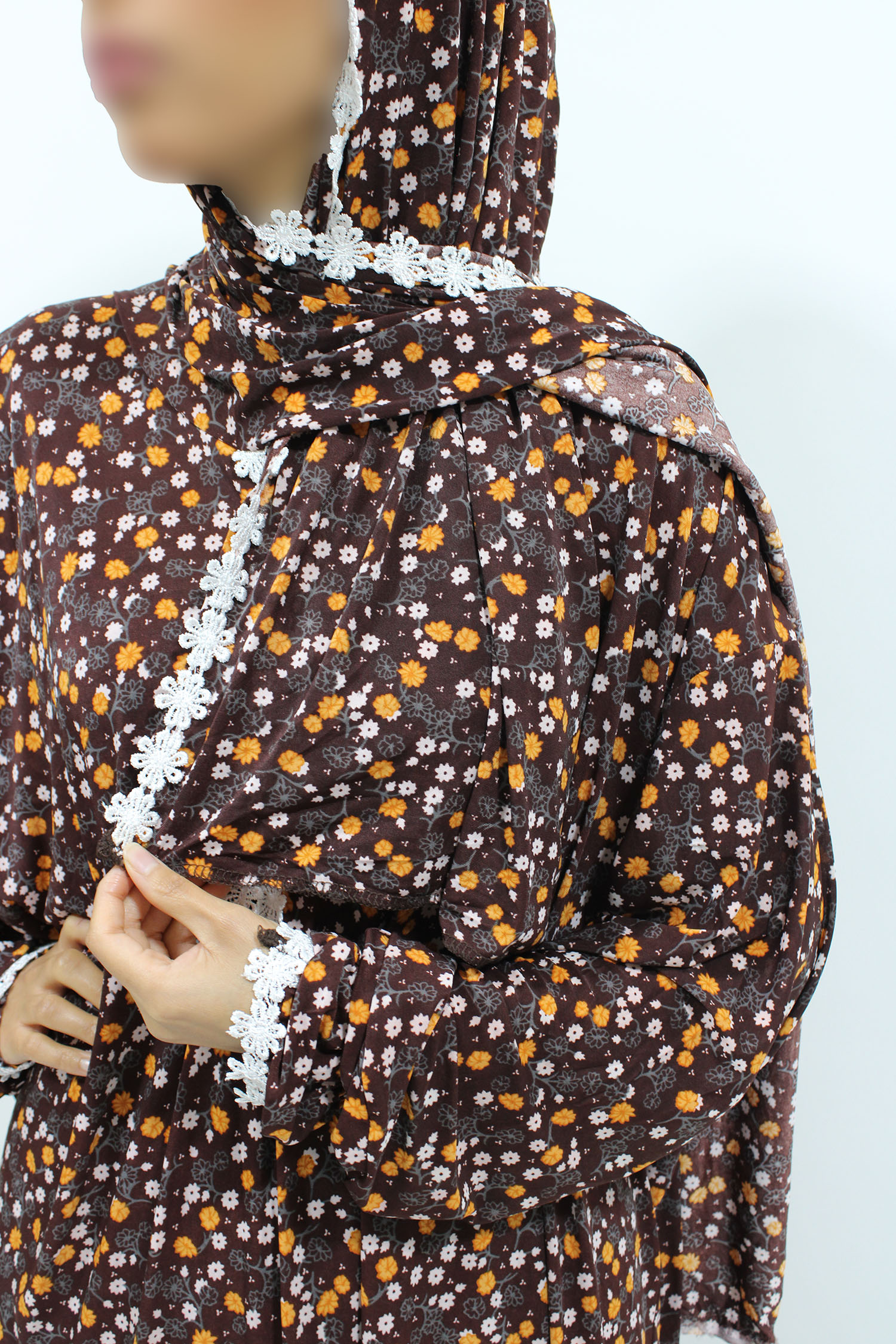
What defines a proper prayer garment in Islam for women?
I remember when I first started learning about prayer garments, it felt overwhelming — what exactly counts as “proper”? Is it about style, fabric, length, or something more? Over time, I realized that the answer is beautifully layered. A proper prayer garment for women in Islam is not just about ticking a checklist; it’s about embodying respect, modesty, and comfort that helps deepen your connection in prayer. Let me walk you through what I’ve discovered, from religious guidelines to practical, lived experiences that shaped how I choose my prayer clothes today.
The foundational principles: modesty, coverage, and cleanliness
The essence of a prayer garment is firmly rooted in Islamic teachings. The garment must fulfill three core requirements:
- Complete coverage: The prayer garment should cover the entire awrah — for women, this generally means the whole body except the face, hands, and feet. That means no tight clothing or sheer fabrics that reveal the shape underneath.
- Modesty in fit and style: The clothing must not be form-fitting or flashy. Its purpose is to avoid drawing attention and maintain humility during the act of worship.
- Cleanliness and purity: Since prayer is a sacred act, the garment must be clean, free from impurities or anything that might distract from the spiritual focus.
I remember my mother explaining to me, “When you pray, your body and heart need to be covered in dignity.” That stuck with me more than any textbook could.
Material matters: fabric choices that respect body and soul
The fabric of your prayer garment has a surprisingly big impact on your prayer experience. I used to grab the first scarf or abaya available — usually synthetic blends that were stiff and uncomfortable. But soon, I found that soft, breathable fabrics like cotton, linen, and bamboo made such a difference. Here’s why:
- Comfort during prolonged prayer: Soft fabrics help you maintain focus without distraction from itchiness or heat.
- Easy movement: Fabrics with a slight stretch or natural drape allow you to bow and prostrate gracefully.
- Longevity and care: Natural fibers often withstand washing better and maintain their modesty qualities over time.
I’ve gathered some favorites from brands like Amani’s that combine elegance with thoughtful fabric choice — each piece feels like it was made to honor both body and spirit.
How length, layering, and fit shape the “proper” prayer garment
One question I get asked a lot is: how long should my prayer garment be? The answer isn’t just about length — it’s about how the garment works in harmony with your body and movements during prayer.
A proper prayer garment typically features:
- Full body length: Usually an abaya or jilbab that reaches at least to the ankles.
- Loose layering: Wearing layers or flowing fabrics ensures modesty even during bending or sitting.
- Non-transparent material: Even light fabrics should not be see-through when stretched or moved.
I once wore a lightweight prayer dress that seemed modest until I bowed — the fabric became semi-transparent under sunlight! That moment taught me the importance of testing garments in real prayer positions before committing to them.
Personalizing your prayer garments without compromising principles
Who says modesty has to mean boring? I’ve found so much joy in choosing colors, subtle embroidery, or delicate trims that make my prayer clothes feel special and personal — without crossing the boundaries of propriety. It’s about expressing your identity while honoring the sanctity of prayer.
| Style Element | What It Adds | How to Keep It Modest |
|---|---|---|
| Color | Boosts mood and confidence during prayer | Choose muted, soft tones over bright, flashy hues |
| Embroidery or Detailing | Creates a personal touch and elegance | Opt for subtle, delicate designs instead of bold or shiny embellishments |
| Layering | Adds dimension and ensures coverage | Use thin layers that don’t add bulk or restrict movement |
Finding this balance turned my prayer wardrobe into a source of joy and calm rather than a chore. It’s a journey — and every woman’s preferences will be unique, but always anchored in respect for the act of worship.
Stories from my own prayers: the garment that changed how I feel
Let me share a small moment. One afternoon, before Zuhr prayer, I slipped into a beautifully crafted jilbab that draped just right — soft cotton with gentle embroidery around the sleeves. As I moved into sujood, I felt a wave of calm wash over me. It was like the garment was a prayer in itself — silent, humble, and comforting. That day, I realized a proper prayer garment doesn’t just cover your body; it cradles your heart, inviting you deeper into your connection with Allah.
Final tips for selecting your perfect prayer garment
- Test garments in all prayer positions before buying to ensure modesty and comfort
- Prioritize natural, breathable fabrics for all-day comfort
- Choose modest colors and subtle designs that feel joyful but respectful
- Invest in quality over quantity — a few well-made pieces will serve you better than many ill-fitting ones
- Consider your personal style as part of your spiritual expression
I encourage you to treat your prayer garments as sacred companions on your spiritual journey — not just items of clothing. When you choose wisely, you’ll find yourself praying with a new sense of presence, dignity, and peace.
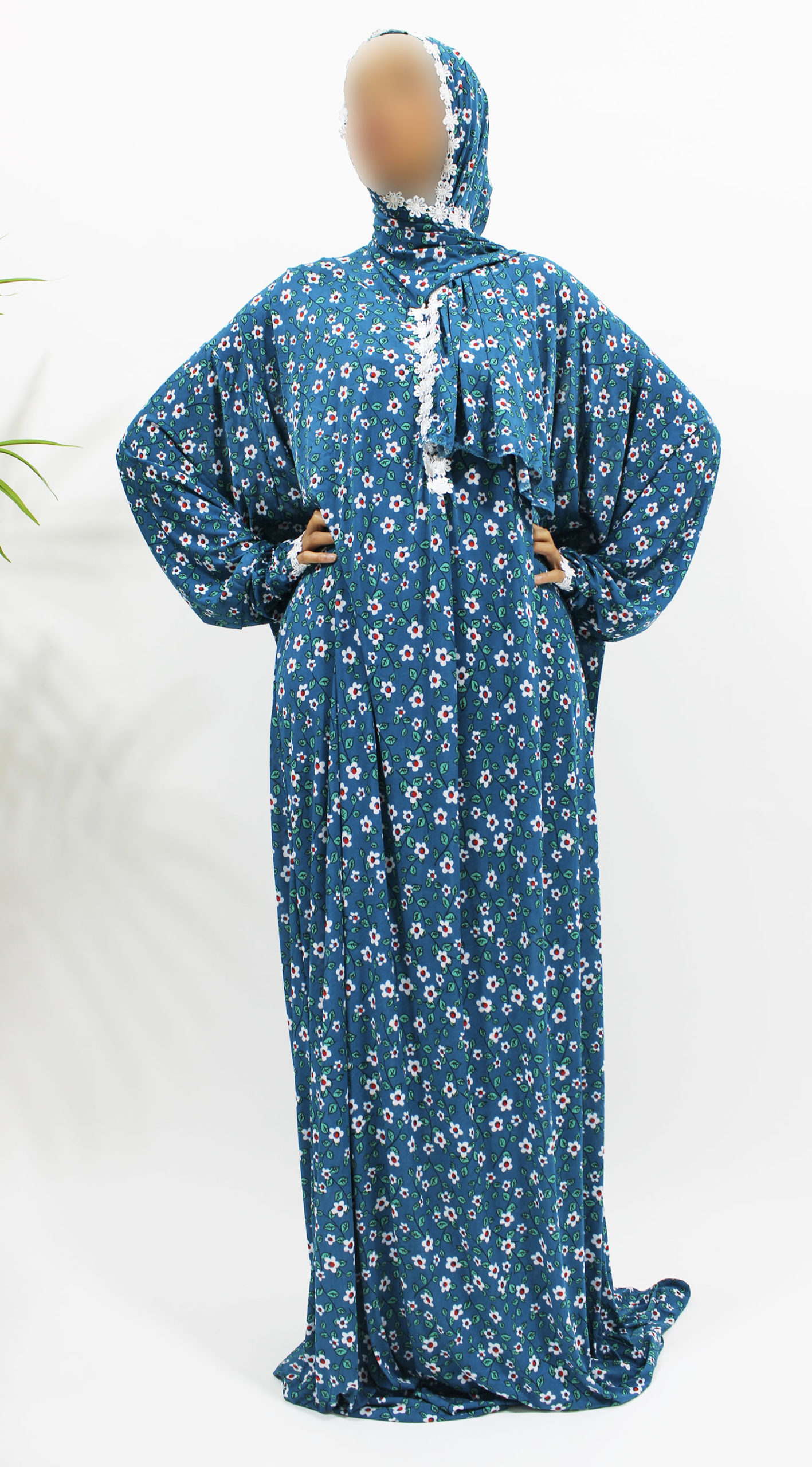
Do men and women have different requirements for prayer clothing?
I’ve often wondered how prayer attire differs between men and women in Islam — is it just about covering up, or is there a deeper spiritual and cultural nuance? After years of observing, learning, and praying alongside family and friends, I realized these differences reflect unique responsibilities, modesty standards, and traditions woven through Islamic teachings. Let me share what I’ve learned, so you can feel confident and connected in your own prayer clothing choices, whether you’re a man or a woman.
Core principles: Modesty and purity guide both men and women
At the heart of Islamic prayer attire for everyone is the same foundation: clothing must be clean, modest, and cover the awrah during prayer. However, what counts as “awrah” varies:
| Gender | Awrah During Prayer | Typical Coverage Requirements |
|---|---|---|
| Men | From navel to knees | Loose clothing covering from at least the navel to the knees, avoiding tight or transparent garments |
| Women | Entire body except face, hands, and sometimes feet | Loose, flowing garments that cover the entire body except the face and hands; the hijab usually covers the hair and neck |
This difference means men’s prayer clothes focus mainly on covering the core body area modestly, while women’s prayer attire requires more comprehensive coverage to honor the Islamic concept of awrah.
Fabric and style: Practical and spiritual considerations
When my brother started praying regularly, I noticed his prayer garments were simpler—often a plain thobe or loose shirt and trousers. For women, it’s often an abaya or jilbab with a hijab that wraps the head elegantly but modestly. The choices reflect both spiritual intention and practical needs:
- Men’s prayer clothing: Prioritizes ease of movement and simplicity to avoid distraction. Fabrics tend to be breathable but modest, often cotton or polyester blends that are durable and easy to wash.
- Women’s prayer clothing: Allows more styling options—color, layering, and even subtle embellishments—but always maintains modesty and full coverage. The fabric often needs to drape softly and be opaque, balancing comfort and decorum.
I recall a story from my sister’s circle, where a friend mentioned how finding prayer clothes that fit modesty without sacrificing personal style was a game-changer — it boosted her confidence and deepened her spiritual focus.
Gender-specific requirements in different schools of thought
While the basics are clear, subtle differences exist across various Islamic jurisprudence schools:
| School of Thought | Men’s Prayer Clothing | Women’s Prayer Clothing |
|---|---|---|
| Hanafi | Loose covering from navel to knees; sleeves not compulsory to cover fully | Full body coverage except face and hands; loose and non-transparent garments |
| Shafi’i | Similar to Hanafi; emphasizes avoiding tight clothes | Strong emphasis on covering the entire body except face and hands; some prefer covering feet too |
| Maliki | Focuses on modesty but more flexible on sleeve coverage | Complete coverage with emphasis on loose and opaque clothing |
| Hanbali | Strict on modesty, discouraging tight or shiny clothes | Strict on full coverage, with some advocating for face covering in prayer |
This diversity means that while the overall principles are shared, individual practices might look a bit different — and that’s perfectly okay. It’s about sincere intention, after all.
How cultural traditions shape prayer clothing
Beyond religious requirements, culture adds layers of beautiful variety. For instance, my Moroccan friend wears a loose djellaba for prayer, while my Indonesian sister prefers a two-piece prayer set with a long tunic and pants under a hijab. Men in the Gulf often wear a thawb or dishdasha, while others may simply pray in their everyday modest clothes if they fulfill requirements.
These cultural expressions don’t change the spiritual core, but they add warmth, identity, and belonging to the prayer experience.
Stories from the prayer rug: Moments that highlight these differences
One time at the mosque, I watched men prepare their simple white thawbs for prayer while women arranged their colorful abayas and scarves. There was a shared sense of reverence, yet each garment told its own story — of tradition, personality, and faith. It reminded me how prayer clothing, though different, unites us in humility and devotion.
Practical advice for choosing prayer clothes for men and women
- Men should choose loose-fitting clothes that cover from the navel to the knees comfortably and avoid tight or flashy fabrics.
- Women should opt for full-body coverage with loose, opaque fabrics, ensuring hair and neck are fully covered by a hijab or prayer scarf.
- Consider climate — breathable fabrics in hot weather, layered options in cooler climates.
- Test how your clothes behave during prayer postures: bowing, prostrating, and sitting.
- Embrace cultural styles that resonate with your identity while fulfilling Islamic modesty.
Ultimately, prayer clothing for men and women serves a shared purpose: to honor Allah through humility and focus. The differences aren’t about division but about embracing our unique expressions within the beautiful tapestry of Islamic worship.
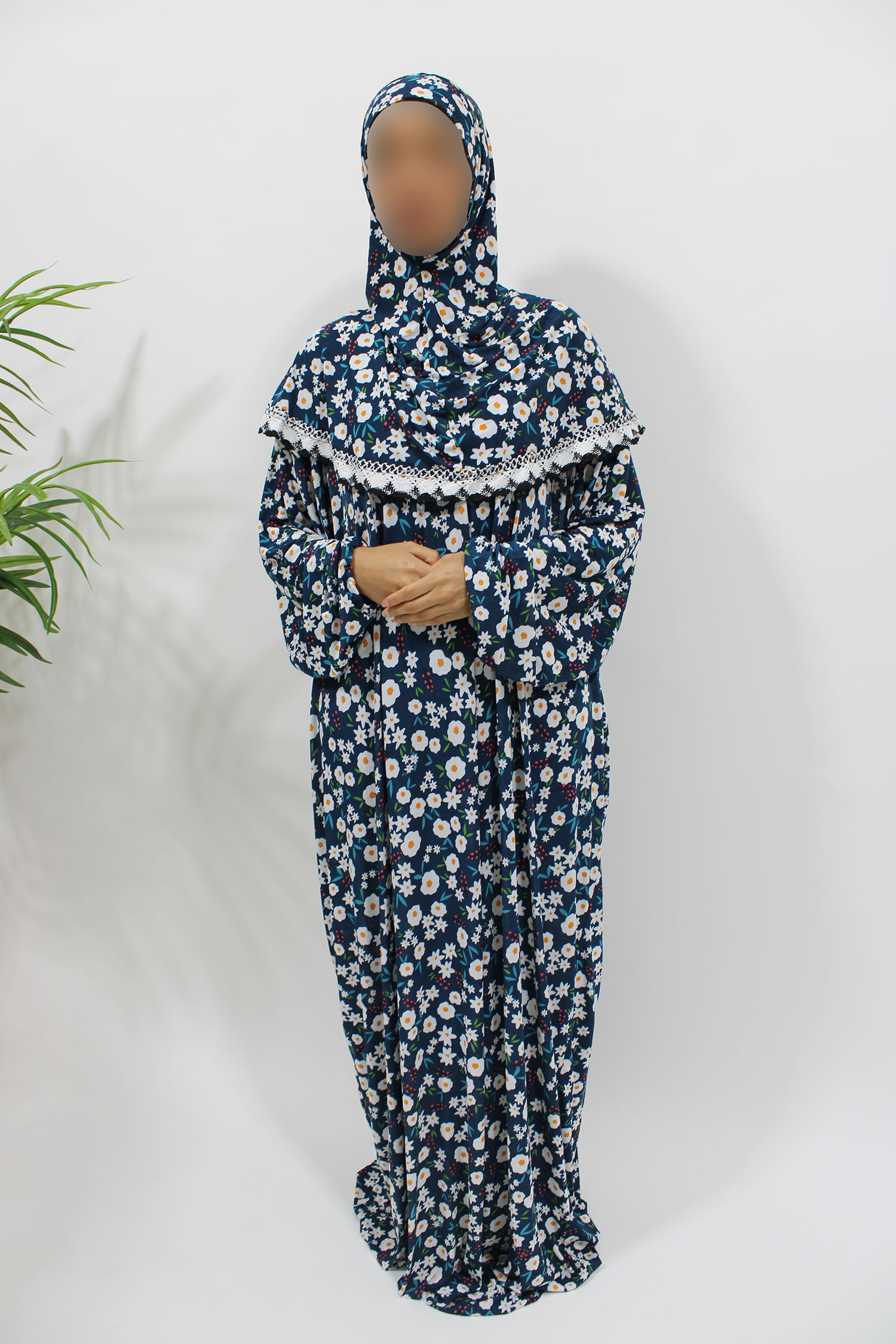
How do I choose the right prayer garment for comfort and focus?
If you’re anything like me, the idea of choosing the perfect prayer garment isn’t just about ticking off a checklist. It’s about finding that delicate balance between comfort, modesty, and a sense of spiritual presence that helps your heart truly settle during salah. I remember the first time I struggled to focus in prayer because my sleeves were too tight or my hijab kept slipping — it distracted me, and honestly, it took me out of my moment with Allah. So, I’ve learned a few lessons along the way that I want to share with you — things that go beyond fabric and style, to really help you find peace in your prayer clothes.
Comfort is the foundation — your body needs to feel free
You can’t concentrate on your prayer if you’re tugging at your clothes every other minute. For me, comfort means soft, breathable fabrics that move with me. Cotton and bamboo blends are my favorites because they feel gentle on the skin and don’t trap heat. I avoid stiff or scratchy materials—even if they look nice—because during sujood (prostration), you want nothing pulling or digging into your skin.
I once bought a gorgeous prayer abaya that looked perfect, but the fabric was thick and heavy. Halfway through prayer, I was fanning myself, trying not to lose focus. Lesson learned: beauty doesn’t always equal comfort.
Fit matters: Loose but not overwhelming
Prayer garments need to be loose enough to cover your awrah fully without clinging, but also not so big that you’re tripping over fabric or feeling swallowed up. I’ve found that a relaxed fit with a slight taper at the wrists or ankles helps keep things in place without feeling restrictive.
Remember, the goal isn’t to wear something “baggy” for the sake of modesty, but to find a garment that respects your body while allowing you to move naturally in prayer positions.
Fabric choices to suit your climate and prayer space
One size definitely doesn’t fit all. Living in a humid climate means I lean toward lightweight, moisture-wicking fabrics. If you’re in a colder place, layering with a soft shawl or a warmer abaya can keep you comfortable without compromising modesty.
| Climate | Recommended Fabrics | Tips |
|---|---|---|
| Hot/Humid | Cotton, Bamboo, Lightweight Jersey | Choose breathable, moisture-wicking fabrics that dry quickly and avoid synthetic blends |
| Cold/Dry | Wool blends, Thick cotton, Layered fabrics | Layer your prayer garment with shawls or long cardigans; avoid bulky fabrics that restrict movement |
| Moderate | Light cotton blends, Linen, Soft polyester | Opt for versatile garments you can layer or wear alone depending on the day’s weather |
Style and function: Finding garments that support your spiritual focus
Sometimes I wonder if prayer garments are just clothes or if they serve as a bridge into a more mindful connection with Allah. For me, a garment that feels “right” helps me switch from the noise of the day into a sacred moment. That’s why I avoid flashy patterns or shiny materials for prayer—too distracting. Instead, I lean into simple, elegant styles that make me feel calm.
Also, practical details like sleeves that don’t slide up during rukoo or prostration and hijabs with non-slip grips can be game-changers. Have you ever caught yourself adjusting your hijab mid-prayer? Yeah, me too—and it pulls me out of my focus every time.
Personal stories: When the right garment transformed my prayer
Once, before a big exam, I was struggling with anxiety and found it nearly impossible to concentrate during prayer. My usual prayer abaya felt heavy and uncomfortable that day, adding to my stress. A friend gifted me a lightweight, soft prayer dress that fit loosely but securely, and suddenly, my prayers felt lighter too. I wasn’t distracted by discomfort; I could finally pour my heart out to Allah with focus and calm. That experience taught me: the right prayer garment can genuinely nurture your spiritual state.
Tips for choosing your ideal prayer garment
- Test your garments: Try moving through the prayer motions before buying or wearing to ensure nothing restricts your flow.
- Prioritize fabric quality: Choose breathable, soft, and non-transparent fabrics that respect modesty without sacrificing comfort.
- Consider your climate: Select fabrics and layering options that suit your environment.
- Choose calming colors and simple designs: Less distraction means deeper focus in prayer.
- Don’t forget hijab stability: Non-slip pins or caps can make all the difference during prayer.
At the end of the day, prayer clothing isn’t just about rules—it’s about creating a sacred space for your soul. When your body feels comfortable and your attire reflects your values, your heart can open more fully in devotion. And isn’t that what we all want? To come to Allah with a focused mind and a humble heart, wrapped in garments that honor both ourselves and our Creator.

What’s the difference between a mukena, jilbab, khimar, and prayer dress?
If you’ve ever found yourself scrolling through modest fashion stores or chatting with sisters about prayer attire, you might have felt a little overwhelmed by the variety of names: mukena, jilbab, khimar, prayer dress… What do they all mean? Are they interchangeable? Or do they each serve a unique purpose? I’ve been there too, and honestly, it took me some trial, error, and stories from friends to truly understand how these garments differ—not just in appearance, but in culture, comfort, and spiritual significance.
Understanding the basics: What each garment is and where it comes from
Let’s start by breaking down these terms clearly — because knowing the difference can help you choose what truly suits your prayer routine and style.
| Garment | Description | Common Region/Origin | Typical Use |
|---|---|---|---|
| Mukena | A two-piece prayer garment, usually loose, made for women; covers the head, arms, and body completely. | Indonesia and Malaysia | Daily prayers, mosque visits, often used as dedicated prayerwear at home |
| Jilbab | A loose outer garment, often full-length, that covers the entire body except the face and hands. | Widely used across the Arab world and globally | Both everyday modest wear and prayer garment, depending on style |
| Khimar | A long, cape-like veil that drapes over the head, shoulders, and chest, typically leaving the face open. | Common in Middle Eastern and South Asian Muslim communities | Modest covering in daily wear or prayer; often layered with an abaya or dress |
| Prayer Dress | A one-piece, loose-fitting dress or abaya designed specifically for prayer, often with modest sleeves and hem. | Global usage, varies by style and culture | Dedicated prayer attire, worn at home or mosque, sometimes with matching hijab |
How these garments shape my prayer experience — personal reflections
I remember when I first tried wearing a mukena during Ramadan at my friend’s house in Jakarta. It felt so different from my usual abaya. The mukena’s soft cotton and two-piece design gave me an ease I hadn’t realized I was missing. It wrapped around me like a gentle hug, almost inviting me to slow down and focus. But when I traveled to the Gulf region, I noticed many sisters wore jilbabs instead — their flowing, elegant fabric made daily wear and prayer feel seamless. It wasn’t just about covering; it was about embodying modesty with grace.
The khimar, for me, feels like that perfect bridge when I want to feel covered yet light, especially on busy days. I often pair it with a simple abaya or dress. It’s less restrictive but still creates that sacred boundary I crave during prayer.
Visual guide: Quick comparison of the four garments
| Feature | Mukena | Jilbab | Khimar | Prayer Dress |
|---|---|---|---|---|
| Pieces | Two-piece (top + skirt) | One-piece or two-piece outerwear | One-piece cape/headcover | One-piece dress |
| Coverage | Head, neck, arms, body fully covered | Full body except face and hands | Head, shoulders, chest (face uncovered) | Full body including arms |
| Material | Lightweight cotton or polyester | Various fabrics, often opaque | Light or medium weight fabric | Varies, often soft and breathable |
| Typical Occasion | Dedicated prayerwear | Daily wear and prayer | Daily wear and prayer | Dedicated prayerwear |
Choosing what fits your spiritual and cultural needs
Picking between these garments isn’t just about fabric or style — it’s deeply personal. For some sisters, the mukena is a cherished ritual garment that instantly transports them into prayer mode. For others, jilbab or khimar doubles as both modest daily wear and prayer attire, blending seamlessly with life’s rhythm.
I often think about how these clothes carry stories—family traditions, regional histories, even personal milestones. Like the jilbab my mother gave me, worn first during Eid prayers, or the khimar I bought while studying abroad, which reminded me of my roots. Each piece holds meaning beyond the fabric.
Final thoughts: Embrace what makes your prayer feel closest
If you’re new to Islamic prayer garments, don’t rush the choice. Explore, try different styles, and notice how each garment affects your heart and mind during salah. It’s okay to have a mukena for special prayers, a jilbab for daily modesty, or a prayer dress that feels like a second skin. Your connection with Allah is what matters most—and your clothing is simply a beautiful vessel to support that sacred moment.
So next time you shop or receive a gift, pause and ask yourself: “Does this help me focus, feel comfortable, and honor my faith?” Because that’s the true essence of these garments—and why they matter so much in our journey.

Can I just use my abaya to pray — or do I need a dedicated prayer outfit?
Let me be honest with you: I’ve asked myself this question more times than I can count. When you live a life wrapped in modest fashion—especially abayas that feel like second skin—why would you need a separate prayer garment? Isn’t the abaya enough? I get it. The line between daily modest wear and sacred prayer attire can feel blurry, confusing even. But over time, I’ve come to realize there’s more to this than just fabric or tradition. It’s about intention, comfort, and creating a sacred space in your routine.
Understanding the role of prayer clothing beyond modesty
Abayas are beautiful, versatile, and designed for modesty throughout the day. They cover well, flow elegantly, and can be styled in countless ways to reflect your personality. Yet, prayer clothes have a different energy—they’re made to help you slip into a moment of spiritual focus. Think of it this way: You wear your abaya confidently to step out into the world, but a dedicated prayer outfit helps you step inward, into your connection with Allah.
In fact, many of us develop a subconscious routine—when we change into prayer clothes, our minds soften, distractions fade, and the sacredness of the moment grows. It’s not just about appearance; it’s about signaling to ourselves that it’s time for reflection and submission.
Can your abaya double as prayer wear? Yes, but with mindful considerations
I’ve often prayed in my everyday abaya without a separate prayer dress, especially when I’m pressed for time or traveling. But here are some things I keep in mind to make sure it truly works for prayer:
- Coverage and modesty: Does your abaya cover your entire body well during all prayer postures? Remember, your clothing shouldn’t be see-through or cling too tightly.
- Comfort: Is the fabric breathable and non-restrictive? Prayer involves movements like bowing and prostration—your abaya should move with you, not hold you back.
- Cleanliness: Since prayer clothes symbolize purity, your abaya must be clean and free from anything that distracts you spiritually.
- Head covering: Are you wearing a hijab or khimar that complements your abaya during prayer? Sometimes the abaya alone isn’t enough to cover the hair and neck.
If your abaya ticks these boxes, then yes, you absolutely can pray in it. It’s more common than you think, especially in communities where the abaya itself doubles as daily modest wear and prayer garment.
Why I sometimes prefer a dedicated prayer outfit — personal stories
Let me share a little story. During Ramadan, when nights are longer and the heart is fuller, I found myself reaching for a soft, lightweight prayer dress rather than my heavier everyday abaya. The moment I changed into that dress, it felt like I was preparing my soul, not just my body, for worship. It created a little ritual, a sacred pause in the day.
On other days, my abaya serves me perfectly. But that dedicated prayer garment offers a gentle reminder to slow down, to focus deeply, and to honor the space between me and my Creator. Sometimes, it’s not about necessity but about what nurtures your spiritual mindset.
Quick guide: When to use your abaya vs. a dedicated prayer outfit
| Situation | Using Your Abaya | Using a Dedicated Prayer Outfit |
|---|---|---|
| At Home, Daily Prayers | Perfectly fine if abaya is comfortable, clean, and covers well | Great for creating a mindful prayer routine and mental separation |
| Travel or Mosque Visits | Good if convenient, but may be less practical | Often preferred for ease and focused prayer experience |
| Special Occasions (Ramadan, Eid) | Possible, but may feel less special | Helps cultivate a deeper, more intentional worship environment |
| When Feeling Distracted or Rushed | May not help with focus | Changing into prayer clothes can signal pause and presence |
Final thoughts: Your intention matters most
If there’s one thing I’ve learned from my years of navigating modest fashion and prayer, it’s this: the clothes don’t make the prayer—your heart does. Whether it’s your everyday abaya or a special prayer garment, what counts is how it helps you connect and concentrate.
So don’t stress about needing a “perfect” outfit. Start where you are, and let your prayer clothes serve as gentle companions on your spiritual path. Maybe one day, you’ll find a prayer dress that feels like a cozy embrace, or you’ll cherish your abaya even more for its dual role. Either way, it’s your sincerity that shines through.
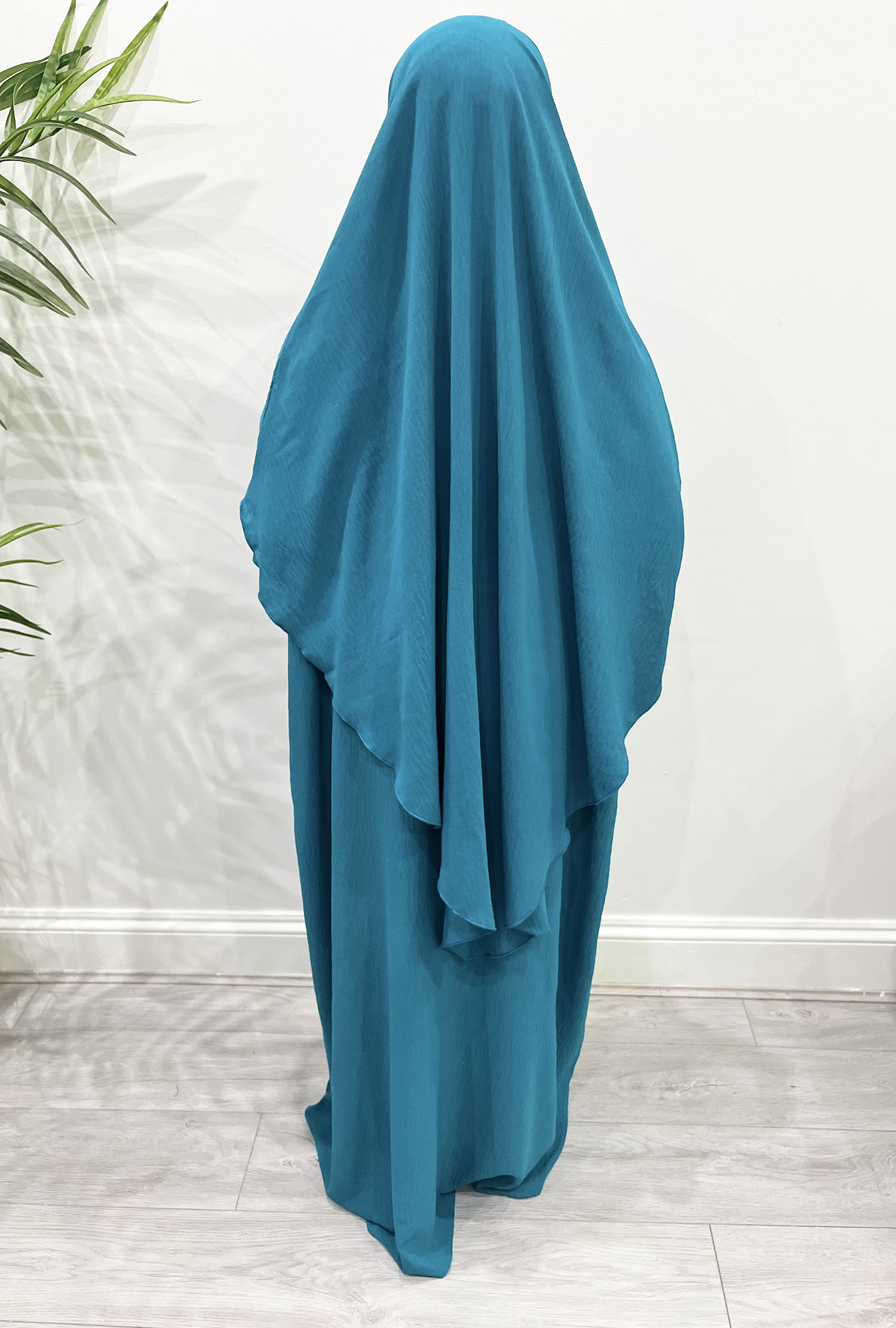
What should new converts know about prayer clothing?
When I first embraced Islam, I remember feeling both exhilarated and overwhelmed — especially about prayer clothing. It’s like stepping into a new world where every detail carries meaning. For new converts, prayer garments aren’t just about fabric or fashion; they’re about identity, spirituality, and comfort. I wish someone had sat with me, cup of tea in hand, to talk through what really matters when choosing prayer clothes. So here I am, sharing those lessons with you, straight from the heart.
Prayer clothing is a bridge between modesty and spirituality
The moment you start praying regularly, you’ll notice your awareness of your clothing deepens. Prayer clothes have to fulfill two beautiful purposes: covering your body modestly and helping you mentally prepare for worship. It’s not just about tradition or cultural style — it’s a personal journey to feel at ease, respectful, and focused.
I remember my first prayer outfit: a simple, loose dress paired with a soft khimar. The feeling of wrapping myself carefully, like tucking a blanket around my soul, made me realize prayer clothing is a form of self-care — a gentle reminder to slow down and connect.
Essential tips for new converts choosing prayer clothing
- Prioritize coverage: Make sure the outfit covers your entire body — arms, legs, and especially hair and neck. This doesn’t mean you need fancy or expensive pieces, just garments that fulfill Islamic guidelines.
- Comfort is king: Choose fabrics that breathe well and move with you during prayer positions. Trust me, stiff or tight clothes make it hard to focus.
- Keep it simple to start: It’s tempting to buy all kinds of beautiful prayer dresses and jilbabs, but start with basics. Soft cotton, neutral colors, and easy-to-wear styles make daily prayer easier to maintain.
- Learn about common styles: Knowing the differences between mukena, jilbab, khimar, and prayer dresses (which I’ve covered earlier) helps you pick what fits your culture, climate, and lifestyle best.
A little table to help you choose your first prayer clothes
| Type | Best For | Material | Coverage | Ease of Use |
|---|---|---|---|---|
| Mukena | Indonesian style; lightweight & breathable | Cotton, polyester blends | Full body & hair | Very easy; often two-piece |
| Jilbab | Casual & daily wear doubling as prayer | Light to medium-weight fabrics | Full body & hair | Simple pull-over design |
| Khimar | Head and shoulders coverage; pairs with modest dress | Chiffon, jersey, cotton | Head, neck, shoulders | Flexible layering |
| Prayer Dress | Dedicated prayer garment; modest & loose | Varied, often soft and flowy | Full body & hair | Often single-piece or two-piece |
Personal reflections: The emotional journey of prayer clothing
I remember the night I prayed for the first time wearing a traditional mukena gifted by a dear sister. It wasn’t just the comfort or the coverage — it was the warmth of sisterhood, the feeling of belonging. For converts especially, prayer clothing can be a tender symbol of embracing a new identity while honoring your roots.
If you’re still unsure, try this: wear what feels respectful and comfortable for your prayers, then slowly explore different styles as you grow in your faith. Sometimes, prayer clothing becomes a quiet expression of your journey — evolving with you from beginner to confident worshipper.
Final advice for new converts
Don’t let the idea of “perfect” prayer clothes stress you out. This is a beautiful step, and Allah values your intention above all. Your prayer garments should uplift you, not weigh you down with confusion or expense. Start simple, focus on your heart, and let your wardrobe be a reflection of your sincerity, comfort, and devotion.

Is there a difference between prayer at home and in public (like the masjid)?
If you’re anything like me, you might have noticed that prayer can feel quite different depending on where you are. Praying at home versus in a masjid isn’t just about location — it’s an experience shaped by environment, mindset, and even the clothes we wear. Over time, I’ve come to appreciate these subtle but meaningful differences, and I want to share that insight with you. Because whether you’re a new convert or have been praying for years, understanding this helps deepen your connection and ease.
The sacred comfort of praying at home
At home, prayer often carries a private, intimate energy. You’re in your sanctuary, surrounded by familiar smells and the gentle hum of everyday life. I remember those early mornings when I’d roll out my prayer mat in my bedroom, still half-asleep but craving that quiet moment with Allah. The clothing I wore mattered less than the calm I felt — usually something soft and loose, like an abaya or a comfortable jilbab. Here, the focus is on ease and sincerity. You don’t need to impress or conform to anyone’s expectations; it’s just you and your Creator.
One time, during Ramadan, I prayed at home wearing a simple cotton dress and a plain khimar. The fabric was breathable, and I could move freely without distraction. That sense of comfort helped me linger longer in sujood (prostration), soaking in the stillness. It reminded me that prayer isn’t about perfection, but presence.
The public prayer experience at the masjid
Praying in the masjid is a different vibe altogether. It’s communal, uplifting, and sometimes, a little nerve-wracking — especially if you’re new or shy. The masjid naturally demands a certain level of formality, not because of rigid rules, but out of respect for the space and the people around you. This often means dressing more carefully, choosing prayer garments that are neat, modest, and cover completely.
I remember my first Jumu’ah prayer at the masjid after converting. I was nervous, worried if my clothes were “right” enough. I wore my best jilbab, made of slightly heavier fabric to avoid transparency under the bright mosque lights. The feeling of standing shoulder to shoulder with sisters — all wrapped in their prayer clothes — created a powerful sense of unity and humility.
Does your prayer outfit need to change depending on where you pray?
Honestly, it depends on your comfort and community norms. Here’s a quick guide I often share with friends, especially converts, to help navigate this:
| Prayer Location | Recommended Clothing Style | Key Considerations | Why It Matters |
|---|---|---|---|
| At Home | Comfortable, loose, breathable fabrics (abayas, jilbabs, simple dresses) | Ease of movement, modest coverage | Creates calm & personal connection |
| Masjid / Public | Neat, modest, fully covering garments (heavier jilbabs, prayer dresses, khimars) | Respect for space, community norms, avoiding transparency | Fosters unity, respect, confidence |
Balancing personal comfort with community respect
Finding that sweet spot between feeling at ease and honoring the sanctity of the masjid can be tricky — I’ve stumbled over it more than once! Sometimes, I felt tempted to pick a flashy prayer dress to “look good” for others, but I quickly learned that comfort and sincerity outshine appearance every time. At the same time, wearing clean, modest, and presentable prayer clothes shows your respect for the space and the people around you.
One afternoon, I accidentally wore a slightly see-through abaya to the mosque. I was mortified, but a kind sister discreetly lent me her khimar. That moment taught me kindness and the importance of preparedness. Now, I always keep a simple, modest prayer shawl handy in my bag for just such occasions.
Final thoughts: Wherever you pray, your heart is what truly matters
Whether you’re kneeling in the quiet of your bedroom or standing among dozens of sisters in the masjid, remember this: prayer is ultimately about your intention and connection with Allah. Yes, clothing plays a role — helping you feel modest, respectful, and comfortable — but it’s your heart that carries the prayer forward.
So, don’t stress too much over what you wear. Choose prayer clothes that help you focus, that let you bow and rise without distraction, and that make you feel like you belong. After all, Allah sees what’s in your heart long before He notices the fabric on your skin.

Why do some women wear special prayer khimars — is it cultural or spiritual?
I’ve often wondered about this myself — seeing women in different communities don special prayer khimars that look so distinct and meaningful. Is it just a cultural thing, or is there something deeper, spiritual behind these garments? Having spent years exploring modest fashion and prayer rituals, I want to share how prayer khimars blend both culture and spirituality, shaping a unique, heartfelt experience for many of us.
The prayer khimar: More than just a piece of cloth
First off, let’s clarify what a prayer khimar is. Unlike everyday hijabs, prayer khimars are designed specifically for prayer — often longer, looser, and made from fabrics that don’t slip during sujood (prostration). They cover the shoulders and sometimes extend past the waist, providing full coverage without the fuss of constant adjusting. For me, putting on my prayer khimar feels like wrapping myself in calm before talking to Allah — like stepping into a sacred space where nothing else matters.
This feeling transcends function. The prayer khimar becomes a symbol of intention, reminding us that this moment is special — set apart from daily life. I still recall a time when a dear sister gifted me a beautifully embroidered prayer khimar. Wearing it, I felt connected not just to Allah, but to a shared sisterhood across continents — a silent bond woven by faith and fabric.
Cultural influences: How geography shapes prayer khimars
Now, let’s talk culture. Prayer khimars come in countless styles, colors, and fabrics around the world — reflecting local traditions, climates, and aesthetics. For example:
- Indonesia: You’ll often find light, breathable prayer khimars made from rayon or cotton blends — perfect for the tropical heat. Designs might include intricate batik patterns or floral embroidery, honoring local artistry.
- Middle East: Many women wear black or deep-colored khimars, sometimes paired with abayas. These tend to be more minimalist but crafted from rich fabrics like crepe or chiffon, balancing elegance and modesty.
- South Asia: Vibrant prayer khimars with colorful borders and delicate sequins are common, blending spiritual focus with festive celebration, especially during Ramadan and Eid.
This cultural variety doesn’t dilute the spiritual purpose; rather, it enriches it. Each community’s way of dressing honors their identity while fulfilling the modesty and humility prayer demands.
Spiritual significance: The khimar as a vessel of mindfulness
Beyond culture, the prayer khimar holds deep spiritual meaning. Wearing it can act as a mental and emotional signal — “I’m ready to stand before Allah.” For many women, this garment helps cultivate focus, peace, and humility during prayer. It’s like a gentle nudge, a tactile reminder to leave distractions behind and surrender fully.
I personally find that slipping into my prayer khimar helps shift my mindset from the chaos of daily tasks to the stillness of worship. It’s not about fashion or approval, but about honoring a sacred routine. This kind of intentional dressing turns prayer from a ritual into an intimate dialogue with the Divine.
Table: Cultural vs Spiritual Dimensions of the Prayer Khimar
| Aspect | Cultural Dimension | Spiritual Dimension |
|---|---|---|
| Design & Fabric | Varies by region: batik prints, embroidery, colors, climate-suited fabrics | Chosen for comfort & coverage to facilitate focused prayer |
| Symbolism | Reflects community identity and aesthetic values | Represents readiness, humility, and devotion during prayer |
| Usage | Often worn during Ramadan, Eid, or special gatherings | Daily or regular prayer to enhance mindfulness and connection |
| Emotional Connection | Creates a sense of belonging and cultural pride | Fosters spiritual calm and intentionality |
Final thoughts: Wearing your prayer khimar with heart
So, is wearing a special prayer khimar cultural or spiritual? Honestly, it’s both — beautifully intertwined. Each woman’s khimar tells a story: of where she comes from, what she values, and how she prepares to meet her Lord. That’s why no two prayer khimars feel exactly the same in our hearts.
If you’re new to prayer clothing, I encourage you to explore this space with curiosity and kindness. Maybe try different fabrics, colors, and styles until you find what helps you feel both comfortable and spiritually grounded. And remember, the essence isn’t in the garment itself — it’s in the intention behind wearing it.
At the end of the day, your prayer khimar is your personal companion in worship, a soft shield against distraction, and a symbol of your beautiful journey in faith.
What’s the best prayer outfit for hot weather or travel?
I don’t know about you, but praying while sweating buckets or wrestling with a heavy, clingy outfit is the last thing I want—especially when I’m traveling or facing blazing hot weather. Over time, I’ve learned that the right prayer outfit can make all the difference, turning an uncomfortable, distracted prayer into a peaceful, focused moment. Let me share what I’ve discovered about prayer wear that keeps you cool, modest, and comfortable wherever you are.
Why weather and travel impact prayer outfit choices
Imagine this: You’re in a busy airport, your flight’s delayed, and the humidity outside feels like walking into a sauna. Then you need to pray. The last thing you want is a thick, heavy abaya or a synthetic khimar that sticks to your skin during sujood. Hot weather can cause discomfort, irritate the skin, and even distract your focus — all the things we want to avoid in our sacred moments.
Travel complicates things even more. You’re juggling luggage, unfamiliar places, and tight schedules. Your prayer outfit has to be lightweight, easy to pack, quick to put on, and modest without fuss. Overpacking bulky clothes isn’t an option.
Top tips for prayer outfits in hot climates and on the go
Here’s what I’ve learned works best, after some trial and error (and trust me, there were a few sticky, uncomfortable prayers before I got it right!):
- Choose breathable fabrics: Natural fibers like cotton, linen, or bamboo blends are lifesavers. They let your skin breathe, absorb moisture, and dry quickly. Avoid polyester or nylon that trap heat.
- Opt for loose, flowing cuts: An airy abaya or jilbab with a roomy khimar allows air circulation and prevents sweat from clinging. Think of it like your personal portable shade.
- Stick to light colors: White, beige, pastels, or soft greys reflect sunlight better than dark shades, which absorb heat. Plus, light colors just feel fresher in the sun.
- Prioritize easy layering: Sometimes you want just one lightweight layer, other times a breathable undercap paired with a thin khimar. Find what combos feel best on your skin and adapt easily.
- Pack a travel prayer set: Compact, wrinkle-resistant prayer clothes made for travel can be a game changer. Some brands offer foldable, quick-dry khimars and abayas designed exactly for this purpose.
Personal story: How I found my perfect hot-weather prayer outfit
A few summers ago, I traveled to a desert country during Ramadan. The heat was intense — over 40°C most days. At first, I tried my usual abayas and thicker khimars, but I couldn’t focus during prayer. My clothes stuck to me, and I kept adjusting my hijab in the breeze. It was frustrating.
Then a sister recommended a linen abaya with a wide, lightweight khimar made of bamboo fiber. I was skeptical but gave it a try. What a difference! The fabrics were soft, breathable, and felt like a gentle breeze against my skin. Plus, the light color kept me cool in the sun. I remember praying Maghrib under a palm tree, feeling so calm and connected — the outfit helping me forget the heat.
Table: Comparing Prayer Outfit Fabrics for Hot Weather & Travel
| Fabric | Breathability | Moisture Absorption | Wrinkle Resistance | Suitability for Travel |
|---|---|---|---|---|
| Cotton | High | Excellent | Medium (depends on weave) | Good |
| Linen | Very High | Good | Low (wrinkles easily) | Moderate |
| Bamboo fiber | High | Excellent | High | Excellent |
| Polyester/Nylon | Low | Poor | Very High | Good (lightweight but traps heat) |
| Rayon/Viscose | Medium | Medium | Medium | Good |
Extra tips: Keeping your prayer clothes fresh on the road
Traveling can mean long days and limited laundry options. Here are a few simple hacks I swear by:
- Carry a small fabric spray: A gentle, natural fabric freshener can revive your khimar and abaya between washes.
- Pack travel detergent sheets: They’re lightweight and let you hand wash discreetly wherever you are.
- Use a travel prayer mat: A foldable, easy-to-clean mat keeps your prayers hygienic and comfortable no matter where you pray.
- Keep a hijab pin kit handy: Hot weather sometimes makes hair slippery; a few reliable pins can save you fuss during prayer.
Final thoughts: Embrace comfort without sacrificing modesty
Choosing the right prayer outfit for hot weather or travel isn’t just about fashion—it’s about honoring your spiritual practice while respecting your body’s needs. When I finally embraced lightweight fabrics and flowing designs, my prayers felt calmer, more focused, and more joyful.
If you’re preparing for a trip or a hot season, remember: modesty and comfort can beautifully coexist. Your prayer clothes should support your worship — not hinder it. So go ahead, try those breathable fabrics, pack smart, and step into your prayer moments refreshed and confident.
How does wearing something beautiful impact your salah?
I often hear people ask, “Does it really matter what I wear when I pray?” And honestly, it’s a beautiful question — because prayer is deeply personal, and our connection to Allah is what truly counts. But I want to share with you how wearing something beautiful, modest, and intentional can gently transform your salah into a more soulful, mindful experience. For me, it’s never been about vanity; it’s about honoring the sacred moment with the care it deserves.
The emotional power of beautiful prayer clothes
Think about the last time you wore a favorite outfit — the one that makes you feel confident, calm, or even a little lighter inside. That same feeling can carry over into salah. When I slip into a prayer outfit that feels lovely on my skin and reflects my sense of modesty, it’s like my heart leans in more willingly. There’s a subtle but powerful respect for the act itself — a feeling that this moment is special, worthy of attention.
Wearing something beautiful isn’t about impressing others or chasing perfection; it’s about embracing your worship with intention and self-respect. That emotional uplift helps me quiet the distractions swirling in my mind and sink deeper into my prayers.
How modesty and beauty intertwine in prayer attire
Modest fashion is often misunderstood as plain or dull — but in reality, modesty and beauty dance together in a graceful balance. A beautifully embroidered khimar, a flowing abaya with delicate detailing, or even a prayer dress with soft textures can all enhance the experience without compromising humility.
I remember once attending a prayer circle where every sister’s outfit spoke volumes — not in flashy colors or tight fits, but through thoughtful fabrics, gentle patterns, and a serene sense of self-care. The atmosphere felt almost sacred, not just because of the words being recited, but because the environment itself was filled with reverence. Our prayer clothes helped set that tone.
Table: Emotional & Practical Benefits of Beautiful Prayer Clothing
| Benefit | How It Enhances Salah | Personal Reflection |
|---|---|---|
| Emotional Uplift | Boosts confidence & intention during prayer | Feeling calm and centered when wearing favorite prayer clothes |
| Mindfulness Trigger | Encourages focus and presence in salah | The gentle rustle of fabric reminding me of the sacred moment |
| Modesty & Respect | Expresses humility through dignified attire | Choosing clothes that honor the spirit of worship, not showiness |
| Community Connection | Creates a shared sense of reverence among worshippers | Noticing others’ care in their dress deepened my own devotion |
Stories from my own prayer journey
There was a time when I rushed through prayer in whatever was at hand—often an old, wrinkled scarf or a plain dress. Don’t get me wrong, those prayers were valid, but something was missing. Later, I gifted myself a soft, flowy prayer dress in a gentle lavender shade with subtle embroidery. That small act of self-love changed my experience. I noticed I looked forward to prayer times more, my heart seemed lighter, and my focus sharper.
One Ramadan evening, wrapped in that dress, I prayed under the soft glow of lanterns and felt a wave of peace wash over me. It felt like my clothes were a silent companion in worship, a reminder that I deserved to honor this sacred act with beauty, not just routine.
How to choose prayer clothes that uplift your spirit
If you’re wondering where to start, here are some gentle guidelines from my experience that can help you choose prayer clothes that feel beautiful and meaningful:
- Listen to your heart: Pick colors and textures that soothe and inspire you personally, not just what’s trendy or expected.
- Prioritize comfort: When your clothes feel good on your skin, your body relaxes, helping your mind to focus better during prayer.
- Look for meaningful details: Simple embroidery, lace trims, or soft patterns can make your outfit feel special without being distracting.
- Keep modesty at the center: Beauty should never overshadow humility—choose clothes that align with your values and intentions.
- Rotate your prayer wardrobe: Having a few special pieces to alternate keeps your prayer moments feeling fresh and cherished.
Final reflections: Beauty as an act of worship
Ultimately, wearing something beautiful for salah is a form of self-respect and gratitude to Allah. It’s a way of saying, “This moment matters. I am here, fully present.” And isn’t that what we all want? To deepen our connection, to feel calm and focused, and to honor our faith with all our heart and soul.
So, next time you prepare for prayer, consider embracing beauty in your attire—not for anyone else, but for yourself and your sacred relationship with Allah. Trust me, it can quietly transform your salah into something even more meaningful.
Can I pray in pajamas or loungewear?
This question might sound simple, but for many of us, it taps into something deeper: How do I balance comfort, modesty, and respect in prayer? Can the clothes I lounge around in really serve as my prayer outfit? I want to unpack this honestly, from my heart, because I’ve been there—those moments when I wonder, “Is this okay?” and “Am I still showing reverence in what I wear?” Let’s dive in together.
The essence of prayer attire: Comfort vs. respect
When we talk about prayer clothes, many assume they must be “formal” or “special.” But honestly, prayer is between you and Allah, and He knows your intention. Pajamas and loungewear often feel like an extension of comfort—soft fabrics, loose fits, and zero fuss. And that comfort can actually help your focus. I remember a cold winter morning when I prayed wearing a cozy, modest set of cotton pajamas—no fancy layers, just softness that made it easier to concentrate.
That said, respect plays a role too. Just because you’re comfortable doesn’t mean your attire can’t also reflect reverence. There’s a difference between casual comfort and carelessness. For me, pajamas with a modest cut and opaque fabric felt respectful enough to pray in, but gym shorts or crop tops? Definitely not. It’s about balance.
Table: Pajamas & Loungewear for Prayer — What Works & What to Avoid
| Type of Clothing | Modesty | Comfort | Prayer Suitability | Personal Tip |
|---|---|---|---|---|
| Loose cotton pajamas (long sleeves & pants) | High | Very comfortable | Perfect for prayer at home | Choose opaque fabrics to avoid any transparency |
| Soft jersey loungewear sets | Moderate to High | Comfortable & stretchy | Good if modest cut maintained | Opt for longer tops and full-length pants |
| Tank tops or cropped shirts | Low | Comfortable | Not recommended | Save these for relaxing, not prayer |
| Shorts or tight pants | Low | Varies | Not suitable | Choose loose pants or maxi skirts instead |
Why wearing pajamas for prayer can feel surprisingly right
In my experience, especially during times of illness, late nights, or early mornings, pajamas have been a quiet blessing. They remind me that Allah’s mercy encompasses all situations—even when I’m not at my “best” or dressed in traditional prayer clothes. The soft fabric against my skin helps calm my nerves, and my mind finds it easier to settle into the rhythm of salah.
Once, during a particularly exhausting Ramadan, I prayed Taraweeh in my pajamas after a long day. I was worried at first—would others judge? Would I feel disconnected? Instead, I found a deep sense of humility and closeness to Allah. It taught me that sincerity is more important than appearance. Yet, I also made sure my pajamas were modest and clean, because the act of preparing oneself physically—even simply—feels like a small but meaningful step in honoring prayer.
Guidelines for praying in pajamas or loungewear
If you’re considering praying in pajamas or loungewear, here’s what I’ve learned to keep in mind:
- Cleanliness matters: Ensure your clothes are fresh and free from anything that could distract your focus.
- Modesty first: Choose pajamas that cover your awrah properly — long sleeves and loose pants are ideal.
- Opaque fabrics: Avoid see-through materials; you want to maintain dignity and respect.
- Avoid tight or revealing clothes: Even if comfortable, tight fits can distract and contradict modesty.
- Separate prayer clothes if possible: If you can, keep a dedicated set for prayer to mentally prepare and honor the act.
A little story — when pajamas felt just right
One cold winter evening, I was feeling exhausted and not quite myself. I slipped into my warm, modest pajamas, lit a candle, and prayed Maghrib. The coziness wrapped around me like a gentle hug, and for the first time in days, my heart felt light. The softness of the fabric wasn’t just physical—it was a small reminder that Allah accepts our sincere efforts, no matter what we wear.
That night, I learned that prayer isn’t about perfection. It’s about presence, sincerity, and turning to Allah in whatever state we find ourselves.
Final thoughts: What really matters in prayer attire
So yes, you can absolutely pray in pajamas or loungewear, as long as your clothes are modest, clean, and respectful. Don’t let worries about your outfit steal your focus—Allah looks at your heart, not just your clothes. But when you choose prayer clothes with care, whether traditional or cozy pajamas, it can deepen your connection and help you enter your salah with love and intention.
Next time you’re at home, don’t stress over having a perfect prayer outfit. Instead, wear what lets your heart feel calm, your body comfortable, and your mind present. After all, isn’t that what prayer is all about?
How do I clean and store my prayer garments with care?
Prayer garments hold a special place in my heart. They’re not just pieces of fabric; they are vessels of devotion, moments of connection, and sometimes, memories stitched into every seam. So, caring for them isn’t just about keeping them clean — it’s about honoring the sacredness they represent. I’ve learned over time that how we clean and store these garments can deeply affect our spiritual routine, and I’m here to share what feels both practical and heartfelt.
Why proper care matters for prayer clothes
Let’s be real: We wear our prayer garments often, sometimes daily. This means they can gather dust, sweat, or even those little accidental spills during tea or snacks while studying Quran. But beyond the physical, caring for them with intention helps me approach my prayers with renewed respect and mindfulness. There’s something soothing about folding a freshly cleaned garment with reverence — it signals readiness for that special moment with Allah.
I remember one time I left my prayer abaya folded hastily on a chair, and when I wore it the next day, it felt heavy—not just physically, but emotionally. Since then, I’ve made a little ritual out of cleaning and storing, and it’s made my prayers feel even more sacred.
Step-by-step: How I clean my prayer garments
- Check the label first: I always look for washing instructions—some fabrics need gentle cycles or hand washing. This prevents wear and tear.
- Separate colors: Dark abayas or khimars go with darks only. Whites or lighter colors deserve their own gentle care to keep them bright.
- Use mild detergents: Harsh chemicals can damage delicate embroidery or fabrics. I prefer fragrance-free, gentle detergents that clean but don’t strip softness.
- Hand wash for delicate fabrics: For silk or lace trims, I hand wash with cool water. It feels like pampering the garment, which I secretly enjoy.
- Avoid bleach: Even “safe” bleach can discolor fabrics over time, so I skip it entirely.
- Air dry: I hang my prayer garments inside out in a shaded area to prevent sun damage and maintain colors.
Table: Cleaning tips by fabric type
| Fabric | Washing Method | Detergent Type | Drying Advice | Special Tips |
|---|---|---|---|---|
| Cotton | Machine wash cold or hand wash | Gentle detergent | Air dry in shade | Avoid high heat in dryer |
| Silk or satin | Hand wash only | Mild detergent, no bleach | Lay flat to dry | Use a mesh bag if machine washing is necessary |
| Polyester blends | Machine wash gentle cycle | Regular gentle detergent | Air dry or low heat tumble dry | Remove promptly to avoid wrinkles |
| Lace or embroidered trims | Hand wash preferred | Very mild detergent | Air dry flat | Handle gently to prevent snagging |
How I store my prayer garments — keeping them fresh and ready
Once clean, prayer garments deserve a home that protects their beauty and sacred purpose. Here’s what I do:
- Dedicated prayer garment space: I keep a separate drawer or section in my closet just for prayer clothes, away from everyday wear.
- Use soft fabric hangers: For abayas and khimars that wrinkle easily, I hang them on padded hangers to keep shape and avoid creases.
- Fold carefully: For garments I prefer folded, I take my time smoothing fabric to avoid deep wrinkles or folds.
- Breathable garment bags: For delicate or embroidered pieces, a cotton garment bag protects from dust while allowing airflow.
- Lavender or cedar sachets: I place these natural fragrance sachets near my prayer clothes to keep them smelling fresh and ward off moths.
- Avoid plastic covers: They trap moisture and can lead to mildew, which is the enemy of delicate prayer garments.
Personal story: How caring for my prayer garments transformed my ritual
I used to be careless with my prayer clothes, just tossing them into a drawer or washing them with everything else. Then, one day, I attended a spiritual retreat where the women shared how they honored their prayer outfits as part of their devotion. Inspired, I started treating my garments with more love—washing by hand when needed, folding carefully, and storing them thoughtfully.
Over time, it changed how I felt stepping into prayer. It wasn’t just a physical preparation but a spiritual one. The smooth fabric, the clean scent, the gentle touch—it all became part of my ritual. I found myself more present, more peaceful, and more grateful.
Final tips for lasting care and devotion
Taking care of your prayer garments is a beautiful act of worship in itself. It’s a gentle reminder that every part of our journey toward Allah — even the practical stuff — is meaningful. So, don’t rush it. Let your care reflect your intention, and let your garments be ready to embrace you every time you stand for salah.
And if you ever feel overwhelmed, just start small: wash with care, fold with love, and keep them somewhere special. You’ll notice the difference—not just in your clothes, but in your heart.
What should a modest prayer capsule wardrobe look like?
If you’re anything like me, the idea of a capsule wardrobe is pure magic — especially when it comes to prayer clothes. Imagine having a small, carefully curated collection of modest outfits that not only fit beautifully but also feel meaningful every time you slip them on for salah. No more scrambling, no more “I have nothing to wear” moments before prayer. Just peace, simplicity, and style that honors your faith. Let me take you through what a modest prayer capsule wardrobe truly looks like — with heart, soul, and a sprinkle of everyday wisdom.
Why build a capsule wardrobe for prayer?
You might ask, “Why bother with a capsule wardrobe just for prayer?” Well, for me, prayer isn’t just a ritual — it’s a moment of connection, a pause in a hectic day. Having a streamlined set of modest, comfortable, and beautiful pieces makes preparing for that moment easier and more joyful. Plus, it helps reduce decision fatigue. When everything fits, flows, and feels right, you step into your prayer space calm and confident.
I remember one Ramadan, I was overwhelmed with so many options, but none quite fit the vibe or comfort I wanted. The solution? I started focusing on versatile, modest staples that could be mixed and matched effortlessly. It transformed my prayer time.
Core components of a modest prayer capsule wardrobe
| Item | Why It Matters | Fabric & Style Tips | How to Wear |
|---|---|---|---|
| Loose Abaya or Jilbab | Provides full coverage, breathability, and comfort | Lightweight cotton, linen blends, or chiffon for warmer days; thicker fabrics for cooler seasons | Wear alone or layered with an inner shirt for extra modesty |
| Simple Long-Sleeve Tops | Great for layering under sheer or light abayas | Stretch cotton or modal for flexibility and softness | Pair with loose trousers or skirts to maintain modesty |
| Comfortable Prayer Pants or Skirts | Offers freedom in movement during prayer | Soft jersey, lightweight cotton; avoid clingy fabrics | Match neutrals with tops or abayas for easy coordination |
| Hijabs in Neutral and Accent Colors | Essential for head coverage, adds personality to your look | Breathable cotton voile, viscose, or bamboo fabrics | Mix neutrals for everyday, use accents for special prayers |
| Prayer Cap or Underscarf | Keeps hijab secure and comfortable during movement | Soft cotton or stretchy fabrics | Use under hijab to prevent slipping, especially in warm weather |
How to create mix-and-match magic
A capsule wardrobe isn’t just about having fewer pieces; it’s about thoughtful combinations that maximize your options. Here’s how I approach it:
- Stick to a color palette: I pick 3–4 neutral colors — like black, beige, navy, or olive — then add 1–2 accent shades that make me smile, like soft mauve or dusty rose.
- Focus on fabric harmony: Smooth cottons, linens, and jersey blends layer effortlessly, so nothing feels bulky or uncomfortable.
- Vary textures thoughtfully: A chiffon hijab with a matte cotton abaya adds dimension without feeling flashy or fussy.
- Prioritize comfort and modesty: Loose silhouettes that allow movement during sujood and rukoo are non-negotiable.
Personal story: My wardrobe evolution for prayer
I used to have a jumble of prayer clothes — some too tight, some too heavy, and others that just didn’t “feel” right spiritually or physically. Then, I spent a weekend reflecting on what I truly wanted: modesty that felt freeing, ease in preparation, and clothes that reflected my love for Allah without stress. Slowly, I picked up staple abayas, simple long-sleeves, and soft hijabs. Now, when I stand for salah, it’s not just about what I’m wearing but how it centers me. The clothes support my focus, not distract me.
Quick tips to start your modest prayer capsule wardrobe today
- Assess what you currently own — keep pieces that fit well, feel comfortable, and respect your modesty.
- Choose a neutral color base — think classic and timeless.
- Add one or two statement hijabs or abayas in your favorite accent colors.
- Invest in breathable, natural fabrics — your skin will thank you during longer prayers.
- Experiment with layering to adapt your look across seasons and moods.
A modest prayer capsule wardrobe isn’t about perfection; it’s about simplicity, intention, and honoring your spiritual practice with love and respect. When your prayer clothes become part of your ritual, your heart feels lighter, and your connection stronger.
Are there kid-sized Islamic prayer garments for young girls?
When I first introduced my little niece to prayer, I remember her eyes lighting up the moment she saw her very own prayer garment—soft, flowing, and perfectly sized just for her. It wasn’t just a piece of clothing; it was an invitation to connect, to feel included in our beautiful tradition. If you’ve ever wondered, “Are there kid-sized Islamic prayer garments for young girls?”—the answer is a heartfelt yes, and these garments carry more meaning than you might realize.
Why kid-sized prayer garments matter
Kids want to feel grown-up, right? Wearing a prayer garment tailored to their size gives them a sense of pride and belonging, making salah not just a routine, but an experience they want to be part of. Plus, the right fit means comfort during those moments of sujood and rukoo — something that’s easy to overlook but so important for little ones learning the practice. It’s about nurturing love for prayer with garments that don’t restrict or distract.
I remember buying a generic, oversized garment for my niece when she was four, and she was constantly tugging at it, frustrated. Then, when we found a petite, kid-friendly set, her demeanor changed. She stood taller, prayed longer, and looked forward to our prayer time together. That small change made a big difference.
What to look for in kid-sized Islamic prayer garments
| Feature | Why It’s Important | Tips for Choosing |
|---|---|---|
| Proper Fit | Ensures freedom of movement and comfort during prayer | Look for sizes based on age and height, adjustable ties or elastic waistbands help |
| Breathable Fabric | Prevents overheating, especially in warmer climates or during longer prayers | Cotton, linen, or bamboo blends are best; avoid stiff or synthetic materials |
| Simple Design | Keeps focus on prayer, avoids distraction or discomfort | Choose minimal embellishments and soft colors that appeal to kids but remain modest |
| Easy to Wear | Encourages independence in dressing for prayer | Look for garments with elastic or velcro closures instead of complicated buttons |
| Durability | Keeps up with active children and frequent washing | Choose strong stitching and washable fabrics that maintain shape and color |
Popular types of prayer garments for young girls
In my experience, a few key styles stand out as both practical and beautiful:
- Mini Abayas: These are full-length but sized down, offering the same loose, flowing comfort as adult versions.
- Prayer Dresses: Usually lightweight and breathable, designed for easy wear and movement.
- Two-Piece Sets: Often a long top paired with loose pants or skirts, giving flexibility for play and prayer.
- Hijab with Undercaps: Sized for little heads with soft, stretchy fabrics to keep hair covered comfortably.
When I first dressed my niece in a two-piece set, she felt like she was “all grown up.” The simple elegance and comfort made her eager to join our family prayers.
How to encourage young girls to love their prayer garments
Let’s be honest — kids can be picky. But the key is to involve them in the process. Let her choose colors or patterns within modest limits. Make it a special moment: “Here’s your prayer dress, just for you, to help you talk to Allah.” Stories, play, and positive reinforcement turn clothing into cherished ritual.
Also, remind her that prayer garments are gifts to her soul — not just fabric on skin. My niece loves telling her friends, “This is my special dress for talking to Allah.” That pride blossoms into a lifelong habit of respect and joy for modesty.
Quick tips to find the perfect kid-sized prayer garments
- Measure your child carefully and refer to size charts — kids grow fast, but a good fit now means comfort.
- Choose soft, natural fabrics that are easy to clean and wear.
- Prioritize simplicity over heavy decoration to keep prayer focus intact.
- Look for brands or local artisans specializing in Islamic children’s wear — they often understand practical needs better.
- Make it a family tradition — involve siblings or cousins to build excitement around prayer time.
A kid-sized prayer garment is more than just clothing — it’s a tender bridge between childhood and spirituality, a way to teach young hearts the beauty of connection with Allah. I’m so grateful for those little garments that turned my niece’s prayers into moments of joy, comfort, and belonging. Isn’t that what we all want for our children?
Is it okay to buy stylish or embroidered prayer clothes?
I still remember the first time I spotted a prayer garment embroidered with delicate floral patterns at a local market. It felt like a breath of fresh air — a beautiful way to connect my love for modest fashion with my spiritual practice. But a little voice in my head whispered, “Is it really okay to wear something stylish or embroidered during prayer?” If you’ve ever asked yourself this, you’re not alone. Let’s unpack this thoughtfully together.
The heart of prayer clothes: intention over embellishment
First things first: prayer garments exist to help us meet Allah with humility, focus, and respect. That means comfort, cleanliness, and modesty take center stage. But here’s the truth — style and embroidery don’t automatically contradict those values. What truly matters is the intention behind wearing them. If you pick a garment because it makes you feel connected and respectful during salah, the decorative touches become a personal expression of love, not distraction.
For me, wearing a softly embroidered abaya during prayer feels like wrapping myself in a quiet celebration of faith and beauty. It’s not about showing off — it’s about honoring the moment in a way that feels genuine to me. Don’t you think that faith can be reflected through artful details, just as it can through words or kindness?
What Islamic scholars say about stylish prayer garments
I reached out to several trusted scholars and studied their viewpoints because I wanted clarity beyond my own feelings. Most agreed that as long as the garment meets these core criteria, it’s perfectly acceptable to wear styles that include embroidery or embellishments:
- Modesty: The garment must fully cover the awrah (the parts of the body required to be covered during prayer) without tightness or transparency.
- Cleanliness: The clothes should be clean and free of impurities.
- Non-distraction: Embroidery or design shouldn’t be so flashy that it distracts the wearer or others from focusing on prayer.
- Intentionality: Wearing the garment to enhance one’s connection to prayer and self-respect, not to seek attention.
Knowing this eased my mind. It made me realize that the traditional simplicity we cherish doesn’t exclude beauty or creativity — it simply calls us to balance them with mindfulness.
How to choose stylish prayer clothes without compromising focus
I’ve learned over time that selecting prayer garments with style and embroidery requires a thoughtful eye. Here are some tips I swear by:
| Tip | Why It Matters | Examples |
|---|---|---|
| Choose subtle embroidery | Prevents distraction and maintains humility | Delicate threadwork along sleeves or hem instead of bold, shiny sequins |
| Opt for soft, muted colors | Encourages calmness and reflection during prayer | Pastels, earth tones, or classic black with tonal embroidery |
| Prioritize comfortable fabrics | Comfort keeps the mind at ease and focused | Lightweight cotton, linen blends, or silk with gentle embroidery |
| Ensure full coverage | Essential for fulfilling prayer requirements | Long abayas or jilbabs that cover wrists, ankles, and hair fully |
| Balance beauty with simplicity | Keeps the garment respectful and prayerful | One embroidered panel or small motifs rather than all-over decoration |
My personal journey with embroidered prayer garments
I’ll be honest — at first, I was hesitant. I feared that embracing style might dilute the sacredness of my prayers. But when I finally wore an embroidered prayer dress gifted by a dear friend, something shifted. The soft vines of thread felt like a gentle reminder of nature’s Creator, inspiring me to focus deeply rather than distracting me.
That experience taught me something important: modest fashion and spirituality don’t have to be at odds. Instead, they can dance together, creating a prayer experience that feels full-bodied — heart, mind, and soul clothed in reverence and beauty.
Final thoughts: Let your prayer clothes reflect your heart
If you love a little style or embroidery on your prayer garments, go ahead and embrace it—mindfully. Choose pieces that uplift your spirit, honor your modesty, and invite you into deeper connection. Because at the end of the day, the clothes we wear during salah are more than fabric; they’re part of how we prepare ourselves to stand humbly before Allah.
So yes, it’s absolutely okay to buy stylish or embroidered prayer clothes — as long as your intention is pure and your focus remains on the sacred moment.
What if I’m plus-size — are there inclusive prayer garment options?
As a woman who’s embraced modest fashion in all shapes and sizes, I’ve often felt the sting of limited choices—especially when it comes to prayer garments. It’s a question I’ve heard countless times from sisters, too: “What if I’m plus-size? Are there prayer garments designed with me in mind?” The good news? Absolutely yes. But let me share what I’ve learned on this journey, because finding inclusive, comfortable, and beautiful prayer clothes is not just about availability — it’s about feeling valued, respected, and seen.
Why inclusive prayer garments matter beyond just sizing
When I first started searching for plus-size prayer clothes, I quickly realized it’s not just about “making bigger sizes.” It’s about designing with the right cuts, fabrics, and details that honor a fuller figure while maintaining modesty and comfort. It’s about creating a space where every Muslim woman feels empowered to connect deeply with her faith — without compromising style or ease.
There’s something profoundly uplifting about slipping into a prayer garment that fits just right, flows gracefully, and doesn’t pinch or cling in all the wrong places. The right garment lets me focus on my spiritual connection, not on how my clothes feel or look.
Key features to look for in plus-size prayer garments
Over time, I’ve come to appreciate certain features that make all the difference in inclusive prayerwear. Here’s a quick guide I keep close, and I want you to have it too:
| Feature | Why It’s Important | Examples & Tips |
|---|---|---|
| Loose, flowing cuts | Ensures modesty and comfort without clinging | Kaftan-style abayas, A-line jilbabs, or maxi dresses with generous fabric |
| Adjustable elements | Allows customization for a perfect fit | Waist ties, elastic cuffs, or button-down fronts |
| Breathable, stretchy fabrics | Prevents discomfort and overheating | Cotton blends, jersey fabrics, or lightweight modal |
| Full coverage design | Maintains the requirements of modest dress for prayer | Long sleeves, ankle-length hems, and matching hijab pieces |
| Subtle styling | Keeps focus on prayer while feeling elegant | Soft embroidery, tone-on-tone patterns, or simple pleats |
Where to find plus-size prayer garments that celebrate your shape
I get it — sometimes shopping feels overwhelming when the options seem so narrow. But thankfully, modest fashion designers and brands are catching on, offering beautiful inclusive collections designed for fuller figures. Here are a few tips that helped me find gems:
- Look for brands with inclusive sizing ranges: Some modest wear brands specifically highlight plus-size friendly prayerwear with size charts that go beyond standard measurements.
- Read customer reviews and photos: Seeing how garments fit on real women builds confidence before you buy.
- Consider made-to-measure options: Tailoring or bespoke prayer garments ensure you get exactly what you need for comfort and style.
- Join online modest fashion communities: Sisters often share their favorite brands and honest feedback that save time and heartache.
My personal story — finding prayer garments that fit my fuller figure
For years, I struggled to find prayer clothes that didn’t make me feel like I was squeezing into something I wasn’t made for. I tried layering oversized pieces or altering garments myself — and while that helped, it wasn’t enough. One day, a dear sister gifted me a flowy, plus-size abaya from a modest fashion boutique that prioritized comfort and design for all shapes. It was a game changer. The way it gently draped over my curves without clinging made my prayers feel more peaceful, more sacred.
That moment reminded me that inclusivity isn’t just a buzzword — it’s a necessity. Every sister deserves prayer clothes that feel like a warm embrace, no matter her size.
Final reflections — your size doesn’t limit your devotion
If you’re plus-size and wondering if there are prayer garments made just for you, know this: your faith and your style both deserve to shine. Modest fashion is evolving beautifully, and more options are becoming available to celebrate every body. So don’t settle for anything less than prayer clothes that help you feel confident, comfortable, and deeply connected to your salah.
Remember, the essence of prayerwear lies in humility, comfort, and intention — and that is something every size can wear with grace.
How do I style a prayer outfit that transitions from spiritual to social?
Have you ever found yourself torn between wanting to honor your spiritual moment in prayer and then needing to step out to socialize—maybe a family gathering, a casual meetup, or even a community event? I know this balancing act all too well. Prayer outfits are sacred, meant to be simple and modest, but let’s be honest—sometimes we want a bit more personality or flair when we move into social settings. The good news? It’s totally possible to style a prayer outfit that carries you gracefully from your spiritual sanctuary right into the social scene without missing a beat.
The art of layering: building a versatile prayer outfit
Layering is my secret weapon when it comes to styling prayerwear that works double duty. Think about starting with a clean, modest base—like a classic, solid-colored prayer dress or abaya made from a breathable fabric like cotton or linen. This simple base honors the essence of prayer: modesty, comfort, and ease of movement.
Then, when it’s time to step out, you add layers that tell your story—a beautifully embroidered kimono, a lightweight duster jacket, or even a chic open abaya in a complementary shade. These layers can introduce subtle patterns, textures, or colors that brighten your look without compromising your modesty.
Here’s a quick table to visualize layering options that seamlessly transition from prayer to social:
| Base Prayer Outfit | Layering Piece | Effect & Occasion |
|---|---|---|
| Plain cotton abaya | Floral embroidered kimono | Soft, feminine vibe for a family gathering |
| Solid color jilbab | Long lightweight duster jacket with subtle prints | Effortlessly stylish for brunch with friends |
| Classic black prayer dress | Colorful silk scarf wrapped loosely | Adds elegance for a community event or lecture |
Accessories: small details that make a big difference
Accessories are where I feel I can really express myself without stepping away from modesty. The right bag, a delicate bracelet, or a statement ring can transform a simple prayer outfit into something fresh and social-ready.
A word of caution, though: prayer is about humility and focus on your connection with Allah, so I keep accessories minimal and meaningful. My favorite is a prayer bead bracelet gifted by a dear friend—it reminds me of both faith and friendship when I wear it out.
When styling for social settings, try adding:
- Elegant slip-on flats or sandals that are comfy yet stylish
- A versatile tote or crossbody bag in neutral or pastel shades
- Layered necklaces with simple pendants—nothing flashy
- A watch with a slim band for a polished look
Hijab styling tips for smooth transitions
Your hijab is the crown of your modest look. When praying, I prefer a neat, simple wrap that stays put—nothing too fussy. But social occasions let me play a bit with styles and textures.
For instance, I might choose a lightweight chiffon or silk hijab with a subtle shimmer for socializing, wrapped loosely to frame my face gently. For prayer, a plain cotton hijab in a soft neutral works best for comfort and focus.
A little tip: carry a small, foldable hijab scarf or an accessory clip in your bag. This way, if you’re moving from a spiritual moment to a social gathering, you can adjust your style in minutes without a fuss.
Real-life moment: blending two worlds effortlessly
Last Ramadan, I attended taraweeh prayers at the mosque, wearing a modest, soft beige prayer set. As the prayers ended, a group of sisters invited me to a potluck at someone’s home. I slipped on a printed, lightweight duster from my bag and swapped my plain hijab for a subtly patterned silk one I always keep handy. Suddenly, my outfit felt ready—not only spiritually appropriate but socially warm and inviting. I felt comfortable, myself, and connected in both spaces.
That day taught me: it’s not about having two separate wardrobes but rather about thoughtful pieces that can adapt to your needs, making every transition smooth and meaningful.
Final thoughts: your prayer outfit, your story
Styling a prayer outfit that moves with you means honoring both your spiritual focus and your social self. It’s an invitation to embrace your faith while celebrating your unique style, one modest layer at a time. So next time you’re picking out your prayer clothes, think about how they’ll carry you through your day—and let your outfit be a quiet expression of your faith and your personality.
What materials are best for prayer — cotton, jersey, chiffon, or blends?
When I first started wearing dedicated prayer garments, I didn’t pay much attention to the fabric. I thought modesty was all about coverage and loose cuts. But soon, I realized the material is just as important — it shapes how we feel, how we move, and even how focused we stay during prayer. Have you ever prayed in something itchy or too heavy? Yeah, it distracts more than you’d think. Choosing the right fabric is a quiet but powerful way to honor your spiritual moments.
Why fabric choice matters in prayerwear
Prayer is a moment of stillness and connection. Your garment should support that by offering comfort, breathability, and ease — not adding discomfort or fuss. The right fabric helps you focus on your spiritual presence, not on adjusting or feeling hot or cold.
Here’s what I’ve learned over the years: the “best” material is personal, but a few fabrics consistently stand out for prayerwear, especially for modest fashion lovers who want both comfort and elegance.
Cotton: the classic go-to for comfort and breathability
Cotton has been my longtime favorite. There’s something so soothing about its soft, natural feel against the skin. It breathes well, which is essential during longer prayers or in warmer climates. Plus, cotton prayer garments tend to be durable and easy to care for — a big plus when you’re washing your prayer outfit frequently.
One time, during a summer retreat, I wore a cotton prayer dress. It kept me cool despite the heat, and I felt connected, calm, and comfortable through every prayer cycle. But, cotton can wrinkle easily, so if you’re someone who prefers a crisp look, you might want to consider blends.
Jersey: stretchy comfort with a modest touch
If you crave ease and flexibility, jersey knit fabrics are a blessing. The stretchiness allows for movement without restriction, which is great if you’re newer to prayer postures like sujood or need that extra give in your garment.
I remember when I first wore a jersey prayer abaya — it felt like a soft hug. It didn’t cling awkwardly or feel stiff. Jersey tends to be wrinkle-resistant and drapes beautifully, which makes it perfect for those who want modesty and a sleek silhouette. It’s also great layered under other pieces.
Chiffon: elegance with lightweight grace
Chiffon isn’t always the first fabric you think of for prayerwear, but hear me out. It’s lightweight and airy, which can feel like a gentle breeze on your skin during prayer — especially in hot weather.
I once wore a chiffon prayer hijab for Eid prayers. The delicate texture added a layer of elegance without sacrificing comfort. The key with chiffon is to choose quality blends that don’t irritate your skin and to layer appropriately because chiffon alone is semi-transparent.
Fabric blends: balancing benefits for everyday wear
Blends — like cotton-polyester or cotton-jersey mixes — are increasingly popular because they combine the best of both worlds. You get cotton’s softness and breathability paired with polyester’s durability and wrinkle resistance.
For instance, a cotton-polyester blend prayer outfit is often easier to maintain, dries faster, and looks sharper throughout the day. If you’re someone who juggles busy schedules and wants an outfit that transitions well from prayer to daily activities, blends might be your best friend.
Quick comparison table: fabric pros and cons for prayerwear
| Fabric | Pros | Cons | Best For |
|---|---|---|---|
| Cotton | Soft, breathable, natural, easy care | Wrinkles easily, can shrink | Warm climates, daily prayer |
| Jersey | Stretchy, wrinkle-resistant, comfortable | Less breathable than cotton | Flexible movement, casual prayerwear |
| Chiffon | Lightweight, elegant, breathable | Semi-transparent, delicate care needed | Special occasions, lightweight hijabs |
| Blends (cotton-polyester, etc.) | Durable, wrinkle-resistant, low maintenance | Less natural feel, potential heat retention | Busy lifestyles, travel, mixed climates |
Personal tips for picking the right prayer fabric
- Test comfort first: Always feel the fabric on your skin before buying. Comfort during prayer is non-negotiable.
- Consider climate: For hotter areas, cotton and chiffon shine; for cooler ones, jersey or blends work better.
- Think about care: Will you be washing your prayer clothes often? Choose fabrics that stand up to frequent laundering.
- Layer wisely: If a fabric is sheer or delicate, plan for layering with modesty in mind.
- Mix and match: Don’t hesitate to combine fabrics—like a cotton prayer dress with a chiffon hijab—for both comfort and style.
Wrapping it up: fabric that nurtures your spiritual journey
Choosing prayerwear fabric is a personal journey, much like faith itself. What matters most is that your clothes help you focus, feel at ease, and honor the sacredness of your prayers. Whether it’s the soft embrace of cotton, the flexible hug of jersey, the airy grace of chiffon, or a practical blend, your prayer outfit should cradle your spirituality — and that’s a beautiful thing.
Can prayer garments make you feel more confident in your identity?
Have you ever noticed how slipping into a certain outfit can change the way you carry yourself? For me, prayer garments do exactly that — but on a deeper level. They’re not just pieces of fabric; they’re threads woven with faith, culture, and self-expression. When I wear my prayer clothes, I don’t just feel covered—I feel seen, empowered, and connected to my identity as a Muslim woman navigating this beautiful, complex world.
The quiet power of prayer garments in shaping self-confidence
Let me be honest—confidence isn’t always easy to find, especially when modest fashion can sometimes feel overlooked or misunderstood in mainstream conversations. Wearing prayer garments became a personal ritual that helped me reclaim my narrative. It wasn’t about impressing others; it was about honoring myself and my spiritual journey.
I remember the first time I wore an embroidered prayer abaya to a community gathering. The softness of the fabric combined with delicate details made me feel graceful yet grounded. Strangers complimented it, but more importantly, I felt proud. This wasn’t just about fashion—it was a statement of identity, an outward symbol of inner strength.
How prayerwear affirms cultural and spiritual identity
Prayer garments are a beautiful bridge between culture, spirituality, and personal style. Each choice—whether a simple cotton jilbab or a beautifully embroidered khimar—speaks volumes about who we are. They remind me of my roots, my values, and the community I belong to.
There was a moment last Ramadan when I was invited to lead a prayer at a new mosque. Wearing my favorite prayer dress, I felt an incredible surge of confidence—not just because of the role but because my attire reflected the dignity and reverence I hold for that sacred time. It reminded me that modest fashion isn’t a limitation but a liberation.
Real stories from women who found confidence through prayer garments
| Name | Experience | Impact on Confidence |
|---|---|---|
| Amira | Started wearing prayer garments after hijab to feel more connected spiritually | Feels empowered to express faith openly, boosted social confidence |
| Layla | Chose embroidered prayer clothes to embrace cultural heritage | Strengthened sense of identity, increased pride in community involvement |
| Sara | Switched to breathable fabrics that made prayers more comfortable | More focused and confident during worship, less distracted by discomfort |
Tips for choosing prayer garments that boost your confidence
- Pick fabrics that feel like a second skin: When your prayer clothes feel good, your confidence naturally follows.
- Incorporate elements of your culture: Embroidery, colors, or styles that connect you to your heritage can deepen your sense of self.
- Choose fits that honor your comfort and modesty: Confidence grows when you feel neither restricted nor exposed.
- Don’t shy away from details: Sometimes a subtle pattern or a unique hijab style can give you a little extra boost when you need it most.
- Invest in versatile pieces: Prayer garments that transition into everyday wear help you feel confident beyond just your spiritual moments.
Why confidence in prayer garments is a form of self-love
At its core, wearing prayer garments confidently is a radical act of self-love and respect. It’s choosing to see yourself fully and honor the sacred parts of your identity in a world that often challenges them. When I pick out my prayer outfit, I’m not just preparing to pray—I’m preparing to stand tall as myself.
So, can prayer garments make you feel more confident in your identity? Absolutely. Because they do more than cover—they reveal, empower, and celebrate the beautiful woman you are inside and out.
Where can I buy prayer garments online that are actually modest and stylish?
I remember the frustration of scrolling endlessly, searching for prayer garments that felt both modest and stylish — garments that honored my faith without sacrificing my personal style. It’s not always easy finding that sweet spot online, where modesty meets modern fashion in a way that feels authentic and comfortable. But over time, I’ve discovered a handful of trusted brands and marketplaces that really get it — and I want to share those gems with you.
Why finding the right online store matters
It’s not just about convenience — it’s about connection. When you order a prayer garment, you want to feel confident it respects your values, fits well, and reflects your taste. You want an experience that feels personal, not like you’re just another number on a shipping list. Over the years, I’ve learned to look for stores that offer clear size guides, transparent material descriptions, and thoughtful customer service — things that build trust and make shopping less stressful.
Top online shops I trust for modest and stylish prayer garments
| Store | What I Love | Price Range | Unique Features |
|---|---|---|---|
| Amani’s Collection | Elegant embroidered abayas with modern cuts | $$ | Inclusive sizing, detailed fabric info, free returns |
| ModestMuse | Minimalist prayer garments with soft fabrics | $$ | Eco-friendly materials, honest customer reviews |
| Hijab & Prayer Co. | Wide range of colors and styles, from casual to formal | $-$$ | Frequent sales, international shipping, style guides |
| LuxeModesty | Luxury prayer garments with intricate detailing | $$$$ | Custom tailoring, premium fabrics, gift options |
My personal story: Finding the perfect prayer garment online
Last year, I was preparing for Eid and desperately wanted a new prayer abaya that felt special. I hesitated buying online because of past disappointments—either the fabric was too thin or the sizing was off. But when I found Amani’s Collection, everything changed. The site had rich photos, honest fabric descriptions, and a size chart that actually matched the garment I received. When it arrived, it fit like a dream, with beautiful embroidery that made me feel so proud to wear it in front of family and friends.
That experience reminded me how powerful it is to find a brand that listens — not just to your measurements but to your heart.
Tips for shopping prayer garments online without the guesswork
- Check the size charts carefully: Every brand is different, so measuring yourself is the first step to avoid returns.
- Read customer reviews: Look for details on fit, fabric quality, and shipping speed to get the real scoop.
- Look for transparency on materials: Natural fabrics like cotton or linen often breathe better and feel nicer during prayer.
- Start small if uncertain: Try ordering one item before committing to multiple pieces from a new store.
- Contact customer service if unsure: Good shops want you to be happy, so don’t hesitate to ask questions.
How to balance modesty and style in online prayer garment shopping
When I shop for prayer garments, I’m always balancing modesty with my style cravings. I love pieces that cover well but also have subtle touches—like delicate embroidery, soft pastels, or flowy silhouettes—that make me feel feminine without feeling flashy.
It’s important to choose brands that respect modest fashion’s principles but also understand that modesty doesn’t mean boring. It means honoring your spirit with dignity and grace—and that, to me, is the ultimate style.
So, wherever you are on your journey, I hope this guide helps you find prayer garments online that make you feel beautiful, confident, and truly yourself.
What are the signs of a high-quality Islamic prayer garment?
When I first started searching for the perfect prayer garment, I quickly realized that not all are created equal. Some look beautiful on the hanger but lose their charm after a few washes, while others just don’t feel right when you wear them during salah. So, what truly distinguishes a high-quality Islamic prayer garment? Let me walk you through the signs I look for — the ones that ensure comfort, modesty, and lasting beauty.
Fabric matters: The foundation of quality
It all begins with the fabric. You want something soft against your skin because prayer isn’t just a ritual—it’s a moment of intimacy with your Creator. Fabrics like 100% cotton, linen, or high-quality jersey blends offer breathability and gentle touch. I remember once ordering a garment made from cheap polyester, and it felt suffocating during summer prayers. That experience taught me to always check fabric composition carefully.
Natural fibers tend to last longer and age gracefully, unlike synthetic materials that can pill or stretch out of shape.
Stitching and finishing: The unseen heroes
You might not notice them right away, but the quality of stitching and finishing tells you a lot about the garment’s craftsmanship. Strong, even stitches without loose threads mean the garment will hold up through countless washes and prayers. I once had a beloved abaya where a sleeve seam started to unravel after just two wears — heartbreaking, honestly.
Also, hems and edges should be cleanly finished; nothing ruins modesty like a garment that frays or loses shape over time.
Design details that respect modesty and movement
A great prayer garment should cover you modestly but also allow freedom of movement—because prayer involves bows, kneeling, and prostrations. Look for garments with a slightly loose fit and enough length to cover your body without feeling restrictive. I’ve found that designs with subtle pleats or elastic waistbands offer a beautiful balance between modesty and ease.
Avoid garments that cling or have unnecessary embellishments in areas that might distract or compromise the garment’s modest intention.
How to spot durable fabric and care instructions
| Sign | What to Look For | Why It Matters |
|---|---|---|
| Fabric weight | Medium to heavy weight fabrics (e.g., thick cotton, linen blends) | Ensures opacity and durability during daily wear and prayers |
| Fiber content | Natural fibers or high-quality blends | Better breathability and longer lifespan |
| Care instructions | Clear washing and drying guidelines | Helps maintain fabric integrity and color vibrancy |
| Seam reinforcement | Double or reinforced seams at stress points | Prevents tearing during movement |
A personal moment: How quality changed my prayer experience
I still remember the first time I wore a truly well-made prayer garment. It wasn’t flashy, but the fabric hugged me softly without restricting my movements. During prayer, I wasn’t distracted by itching, pulling, or worrying if the garment was see-through when I bent down. Instead, I felt calm, connected, and confident. That feeling — of spiritual focus supported by physical comfort — is priceless.
It made me realize that quality isn’t just about looks or price tags. It’s about respect — respect for your body, your faith, and your daily acts of worship.
Final checklist: Your guide to choosing quality prayer garments
- Soft, natural fabrics: Prioritize cotton, linen, or jersey blends over synthetic-only materials.
- Durable stitching: Inspect hems and seams for neatness and strength.
- Modest but comfortable design: Look for coverage with room to move freely.
- Opaque fabrics: Avoid thin or sheer materials that may compromise modesty.
- Clear care instructions: Ensure you know how to keep your garment looking fresh for years.
Finding a high-quality Islamic prayer garment is like finding a trusted companion — one that honors your faith and supports your spiritual journey every day. I hope these insights make your search easier and your prayers more peaceful.
How do I build a prayerwear routine that keeps me consistent?
Consistency in prayer is such a beautiful goal, but let’s be honest — sometimes it’s the little things that trip us up. For me, one of those little things was how I prepared for prayer, especially choosing the right prayerwear. Over time, I realized that building a prayerwear routine wasn’t just about clothes; it became a gentle ritual that grounded me, making consistency easier and even joyful. Let me share what helped me—and maybe it will inspire your own journey.
Why a prayerwear routine matters more than you think
We often focus so much on spiritual readiness and forget how our physical environment and mindset play a role. When you have a dedicated prayerwear routine, you eliminate daily friction. It’s like having a warm invitation to your sacred moment. Imagine opening your closet and knowing exactly what garment will make you feel comfortable, modest, and connected—no second-guessing, no stress. That ease can become a powerful motivator.
I remember days when I’d delay my prayer just because I didn’t feel “ready” or my garment felt uncomfortable. Having a set routine changed all that.
Step 1: Select your prayer garments intentionally
Start by choosing a small collection of prayer garments you truly love and feel good in. These don’t have to be dozens of pieces—quality over quantity is key here. Think about comfort, modesty, and climate. For example, I have a lightweight cotton set for warmer days and a cozy jersey option for colder months. When you invest in garments that feel good physically and spiritually, putting them on becomes an act of self-respect.
Step 2: Create a dedicated prayerwear space
Set aside a spot in your home—whether it’s a shelf, a drawer, or a special hanger—just for your prayerwear. This small habit helps your mind associate that space with prayer time. I have a corner in my wardrobe that’s just for my prayer clothes and accessories, and it’s surprisingly comforting. When I approach that space, it’s like stepping into a calm zone, readying myself for my spiritual moment.
Step 3: Prepare your prayerwear the night before
If mornings are hectic for you, as they are for me sometimes, prepare your prayer garments the night before. Fold them neatly or hang them visibly. This simple step removes the “what do I wear?” question that can stall your prayer. On mornings I’m tired or distracted, seeing my prayerwear ready is a gentle nudge to keep me on track.
Step 4: Personalize your prayer routine with small rituals
Building a routine is more than just clothing; it’s about creating a sacred space in your day. Maybe you light a subtle incense, wash your face with intention, or recite a small dua as you put on your prayer garments. I find that these little actions create a rhythm that connects me to my faith deeply and makes prayer a highlight, not a chore.
Practical Prayerwear Routine Checklist
| Routine Step | Why It Helps | My Tip |
|---|---|---|
| Intentional garment selection | Reduces decision fatigue and promotes comfort | Choose 3-5 trusted prayer sets for different seasons |
| Dedicated prayerwear space | Creates a mental and physical cue for prayer | Keep garments in one spot, neat and accessible |
| Night-before preparation | Eliminates morning rush and indecision | Lay out your prayerwear and accessories visibly |
| Small personalized rituals | Deepens spiritual connection and consistency | Light a candle, recite a dua, or perform wudu mindfully |
A story from my own prayerwear journey
One rainy morning, I was running late and exhausted, ready to skip my fajr prayer just to grab a few more minutes of sleep. But then I caught sight of my prayerwear neatly hanging in its special corner. That little visual reminder pulled me back. I slipped into my soft cotton garment, said my dua, and stepped into prayer. That moment grounded me in ways nothing else could. It reminded me that the routine I’d built wasn’t just about clothes—it was about honoring my faith even on tough days.
If you’re struggling with consistency, start small. Build your prayerwear routine gently. It’s not about perfection, but about creating a loving habit that supports your spiritual growth day by day.
How can I gift a prayer outfit in a meaningful way?
Gift-giving is such a tender act — it’s more than just wrapping fabric and handing it over. When it comes to gifting a prayer outfit, I believe it’s an opportunity to offer love, respect, and a shared spiritual connection. A prayer outfit isn’t just clothing; it’s a symbol of faith, comfort, and identity. So how do we make gifting it truly meaningful? Let me walk you through what I’ve learned and practiced myself, with stories and tips that come straight from the heart.
Understanding the recipient’s personal style and spiritual needs
Before buying, I always pause to reflect on who I’m gifting to. What’s their comfort zone? Do they prefer soft, breathable fabrics or something more structured? Are they particular about colors or modesty styles? This isn’t about guessing blindly but tuning into their vibe and faith journey. Once, I gifted my younger sister a prayer set after she started wearing hijab — choosing a light, pastel color with delicate embroidery that felt both modest and joyful. Seeing her eyes light up was priceless.
Remember, a prayer outfit is personal. It’s about honoring their unique expression of modesty and spirituality.
Choosing quality over quantity — the gift that lasts
Nothing says “I care” like gifting something that lasts. I always go for well-made prayer garments with breathable fabrics like cotton, modal, or bamboo blends. They feel soft on the skin and withstand repeated washing, which matters a lot when you pray five times a day. Plus, quality details like strong stitching, thoughtful cuts, and modest design speak volumes.
If you’re unsure about fabric types, ask the seller or look for brands known for their craftsmanship. A beautiful prayer outfit that lasts becomes a daily companion and a constant reminder of your care.
Adding a personal touch that speaks beyond the fabric
The magic happens when you add a heartfelt layer beyond the garment itself. This could be a handwritten note sharing a dua, a favorite prayer, or a simple encouragement to stay connected to faith. I once gifted a prayer outfit with a small pouch of zamzam water and a verse from the Quran tucked inside the gift box. It felt like wrapping spiritual warmth alongside the cloth.
Personal touches transform the gift into a story and a blessing — something they’ll cherish deeply.
How to wrap and present a prayer outfit beautifully
Presentation matters! I avoid plastic and go for natural, elegant wrapping — think linen bags, delicate tissue paper, or reusable cloth wraps called furoshiki. Adding a sprig of dried flowers or a small prayer bead strand can elevate the gift’s meaning.
When the wrapping itself feels thoughtful, the unwrapping becomes a moment of joy and anticipation.
Meaningful Prayer Outfit Gift Guide
| Step | What to Consider | Example or Tip |
|---|---|---|
| Know their style & needs | Fabric preferences, modesty comfort, favorite colors | Soft pastels for a new hijabi; classic darks for understated elegance |
| Choose quality | Durable, breathable materials & modest, well-stitched designs | Look for cotton, modal, bamboo blends; avoid cheap synthetics |
| Add a personal note or dua | Write something heartfelt that connects spiritually | Include a favorite prayer or a short dua for ease and blessings |
| Wrap thoughtfully | Use eco-friendly, elegant wrapping like cloth or linen | Add dried flowers or prayer beads for a special touch |
A small story — gifting that touched my heart
One Ramadan, I gifted my best friend a prayer outfit from a small local brand I adored. Along with it, I slipped in a note recalling how her faith inspired me during challenging times. Months later, she told me she still wears that outfit on her most special prayer days — and every time, it reminds her of our friendship and shared spiritual growth. That moment reminded me how a simple, intentional gift can become a cherished symbol of love and faith.
Gifting a prayer outfit is more than a transaction — it’s a heartfelt way to nurture someone’s spiritual journey and celebrate modesty with beauty and grace.
What’s the spiritual reward of preparing beautifully for salah?
There’s something profoundly sacred about preparing for salah — not just physically, but mentally and spiritually too. When I take a moment to dress thoughtfully in my prayer outfit, arrange my prayer space, and settle my heart, it feels like stepping into a special sanctuary where my soul can breathe freely. But beyond the peaceful feeling, what spiritual rewards lie hidden in this beautiful preparation? Let me share what I’ve discovered through experience, reflection, and the wisdom passed down by those I deeply respect.
The Sunnah of Beautifying Worship
The Prophet Muhammad (peace be upon him) taught us that adorning ourselves and our spaces for worship is part of honoring the act itself. Preparing for salah with intention and care is more than outward — it’s a sunnah, a recommended practice. It shows that we value the connection we’re about to make with Allah. I remember one Ramadan night, carefully folding my prayer clothes and placing my prayer rug just so, feeling a swell of gratitude. That night’s prayer wasn’t just routine; it became an intimate dialogue with my Creator, made richer because I honored the moment.
Setting the Mind for Presence and Focus
You know how sometimes your mind races, distracted by worries or tasks? When I prepare my prayerwear beautifully and with reverence, it’s like telling my mind, “This moment is sacred, it deserves my full attention.” That physical act of dressing with care and arranging my space calms my thoughts before I even begin my prayer. It helps me focus, making every movement and every word of the salah deeply intentional.
Spiritual Rewards Explained
Islam teaches us that every good deed done with sincerity multiplies in reward. Preparing beautifully for salah nurtures sincerity by showing respect to our worship. Scholars say that beautifying your prayer — whether by clean clothes, a neat prayer area, or a heartfelt intention — increases your khushu’ (deep humility and presence) which is the essence of accepted worship. In fact, some narrations mention angels delight in witnessing the care we take in preparing to meet Allah in prayer.
How Preparation Feeds Spiritual Consistency
Consistency in salah is a challenge many of us face. I’ve found that when I create a ritual around preparation — choosing a special prayer outfit, setting a calm environment, maybe lighting a scented candle or playing soft Quran recitation beforehand — it builds a sacred rhythm. This rhythm becomes something my heart craves. Instead of rushing or feeling burdened, I feel invited to return to prayer, knowing I’m honoring it fully from the start.
Table: Spiritual Benefits of Beautiful Salah Preparation
| Preparation Aspect | Spiritual Benefit | Personal Reflection |
|---|---|---|
| Wearing Clean, Modest Prayer Clothes | Enhances dignity & respect towards worship | “I feel honored stepping into salah dressed with intention.” |
| Arranging Prayer Space Neatly | Creates a calming environment for khushu’ (focus) | “A tidy space quiets my mind before prayer.” |
| Setting Intention with Heartfelt Dua | Invokes sincerity & mindfulness | “Starting with a dua aligns my heart and actions.” |
| Small Rituals (Scent, Quran Recitation) | Builds spiritual momentum & love for prayer | “Soft scents and Quran calm my soul.” |
A Story Close to My Heart
One early morning during Ramadan, I was rushing, barely awake, but I paused to wear my favorite prayer outfit—a soft, flowing abaya with gentle embroidery. As I folded my hijab just right and took a deep breath, something shifted inside me. The prayer wasn’t just a duty that day; it became a moment of refuge. Tears came quietly, and I felt deeply connected and soothed. That day I realized the way I prepare isn’t just about appearances — it’s about opening a door in my heart to Allah’s mercy and peace.
Final Thoughts: Preparation as an Act of Love
Preparing beautifully for salah is a gentle love letter we write to ourselves and to Allah. It reminds us that worship isn’t just a ritual to rush through, but a precious moment to cherish. The spiritual rewards are profound — they deepen our presence, increase acceptance, and invite blessings. So next time you prepare for salah, take that extra moment. Dress with care, arrange your space with intention, and whisper a heartfelt dua. You’re not just getting ready to pray — you’re stepping into a sacred embrace.
Ready to Elevate Your Prayerwear Experience?
After exploring the beautiful layers of meaning and care behind preparing for salah, I hope you feel inspired to make your prayer moments even more special. Modest, elegant, and thoughtfully designed prayer garments can truly transform how you connect spiritually every day.
That’s why I warmly invite you to explore the stunning collections at Amani’s — where style meets modesty in the most heartfelt way. Whether you’re looking for graceful jilbabs and prayer abayas, comfortable yet chic modest prayer dresses, or even adorable children’s prayer dresses to inspire your little ones, you’ll find pieces that honor your faith and elevate your spiritual routine.
Take a moment for yourself — browse the collections, feel the fabric, imagine how these garments will carry you through your daily prayers with grace and confidence. Trust me, investing in beautiful prayerwear is more than just fashion; it’s a step toward deepening your relationship with Allah every single day.
Visit Amani’s now and find your next prayer companion that blends modesty, comfort, and style seamlessly. Your soul—and your wardrobe—will thank you.
Frequently Asked Questions About Islamic Prayer Garment
What is the significance of wearing a dedicated Islamic prayer garment during salah?
Wearing a dedicated Islamic prayer garment during salah (prayer) is much more than just a cultural or stylistic choice; it holds deep religious, psychological, and practical significance. The primary purpose of the prayer garment is to help maintain modesty and focus, which are essential components of a valid and spiritually fulfilling prayer. Islam places great emphasis on purity, modesty, and respect for the sacred act of worship, and wearing appropriate clothing aligns with these values.
Firstly, the prayer garment ensures that the body is properly covered as per Islamic requirements. For women, this often means covering the entire body except the face and hands, depending on scholarly opinions, while men are required to cover from the navel to the knees at minimum. Wearing a garment specifically designed for prayer avoids distraction caused by improper or revealing clothing, helping the worshipper concentrate on their connection with Allah.
Secondly, the act of putting on a prayer garment often serves as a mental and spiritual preparation. It signals a transition from daily life to a sacred moment of reflection and devotion. Just as we might change clothes to suit different occasions, changing into a prayer garment sets the tone for mindfulness and reverence.
On a practical level, many prayer garments are made from comfortable, breathable fabrics designed to accommodate the physical movements of prayer such as bowing (ruku) and prostration (sujood). This ensures ease of movement without compromising modesty or decorum.
Moreover, in communal settings like the mosque, wearing a prayer garment can foster a sense of unity and shared purpose among worshippers. The uniformity in attire underscores humility and equality before God, removing worldly distractions like fashion competition or social status.
In summary, wearing a dedicated Islamic prayer garment embodies respect for the act of worship, maintains physical modesty, aids spiritual focus, and enhances communal harmony. It is an expression of sincerity and devotion that complements the inner purity sought through salah.
How do I choose the right fabric for an Islamic prayer garment to ensure comfort and modesty?
Choosing the right fabric for your Islamic prayer garment is crucial for balancing comfort, modesty, and durability—especially since prayer involves physical movements and can occur in diverse environments. Fabrics play a key role not only in how you feel during prayer but also in upholding the garment’s modesty and longevity.
Consider breathability and climate: For warm climates, lightweight, breathable fabrics such as cotton, linen, or bamboo blends are ideal. These materials allow air circulation, prevent overheating, and wick away moisture. For cooler climates, slightly heavier fabrics like polyester blends or wool blends can provide warmth without sacrificing modesty.
Check opacity: Modesty requires the garment to be non-transparent when worn. Natural fibers like cotton and linen tend to be thicker and less sheer, but it’s wise to hold the fabric against light to test opacity. Avoid thin, see-through fabrics unless layered properly.
Look for stretch and flexibility: Fabrics with some stretch, such as jersey or spandex blends, can offer better freedom of movement during prayer postures. However, ensure the fabric still holds its modest shape and does not cling tightly to the body.
Durability and care: Prayer garments should be easy to clean and maintain since they are used frequently. Natural fibers are breathable but may wrinkle or shrink, while synthetic blends often resist wrinkles and stains but might not breathe as well. Consider what aligns best with your lifestyle.
Texture and feel: Since the garment touches your skin for extended periods, softness matters. Fabrics that irritate or itch can distract and diminish your concentration during prayer. Look for smooth, natural fibers or blends designed for comfort.
Summary of fabric choices:
- Cotton: Breathable, soft, natural, easy to wash
- Linen: Lightweight, airy, great for hot weather but wrinkles easily
- Jersey: Stretchy, comfortable, holds shape well
- Polyester blends: Durable, wrinkle-resistant, less breathable
- Silk or satin (occasionally): Luxurious but less practical for daily use
Ultimately, the best fabric choice balances your climate, personal comfort, modesty needs, and care preferences. Trying garments from trusted sources like Amani’s can help you experience firsthand how different fabrics feel and perform in real prayer settings.
Is it necessary for women to cover their hair during prayer, and how do Islamic prayer garments accommodate this?
Yes, in Islamic tradition, women are generally required to cover their hair during prayer to maintain modesty and respect the sanctity of the act. This requirement stems from Islamic teachings that emphasize covering parts of the body to preserve privacy and prevent distraction during worship.
Islamic prayer garments for women are designed to accommodate this modesty requirement by incorporating a head covering as an integral part of the outfit. Common styles include the khimar, which drapes over the head and shoulders; the jilbab, which combines full-body coverage with a built-in hood or headscarf; and specialized prayer hijabs crafted to stay securely in place during movements.
These garments are constructed from soft, breathable fabrics that comfortably cover the hair without causing discomfort or slippage. Many modern prayer garments also feature elastic or adjustable ties to ensure a snug but gentle fit, so the wearer can focus on their prayer without adjusting their clothing constantly.
There is some variation in interpretation and practice regarding how much of the hair and neck should be covered, depending on cultural norms and school of thought. However, the consensus is clear on the principle of covering the hair to maintain modesty during salah.
Many women find that using a dedicated prayer garment that includes a secure head covering, such as those offered by Amani’s, alleviates the stress of finding matching pieces. It creates a cohesive look and helps transition smoothly into a prayerful mindset.
In addition to the spiritual aspect, covering the hair protects the wearer’s focus by reducing external distractions and encouraging a feeling of privacy, even in communal prayer settings.
In summary, covering the hair is a key element of Islamic prayer attire for women, and prayer garments are thoughtfully designed to incorporate this seamlessly while prioritizing comfort and modesty.
Can men wear the same type of prayer garments as women, or are there specific garments designed for men?
Men and women have distinct guidelines regarding prayer garments in Islamic tradition, reflecting differences in modesty requirements and cultural customs. While both genders must maintain appropriate coverage during prayer, the styles and types of garments tend to differ to suit anatomical and cultural considerations.
For men, the essential requirement is to cover the area from the navel to the knees. Many men wear traditional garments such as the thobe or dishdasha in prayer, which are loose, long robes that comfortably cover the body and allow ease of movement. In some cultures, men may simply wear modest pants and a long shirt or tunic for prayer.
Unlike women’s prayer garments, which often include a head covering, men generally do not wear any special covering for the head during prayer, although some men may wear a kufi cap as a cultural or religious expression.
Men’s prayer garments prioritize simplicity, modesty, and functionality. Many men choose lightweight fabrics for comfort during prostration, and the garments usually avoid adornments or decorations, keeping the focus on humility and devotion.
In contrast, women’s prayer garments, such as the abaya, khimar, or jilbab, often provide full-body coverage and a head covering as part of the ensemble.
It’s important to note that while the types of garments differ, the underlying principles of modesty, cleanliness, and respect during prayer apply equally to men and women.
For men seeking prayer garments, trusted sources like Amani’s sometimes offer tailored options that balance modesty, comfort, and style appropriate for modern worshippers.
In summary, men typically wear simpler, loose-fitting garments without head coverings, while women’s prayer garments include full coverage with headscarves. Both aim to facilitate reverence, comfort, and modesty in salah.
What are the differences between common Islamic prayer garments like the mukena, jilbab, and khimar?
Islamic prayer garments vary widely across cultures and traditions, with key types including the mukena, jilbab, and khimar. Understanding these differences helps women choose the garment best suited for their spiritual needs, climate, and personal preferences.
Mukena: Originating primarily from Indonesia, the mukena is a two-piece prayer garment traditionally consisting of a long, flowing dress and a separate head covering that fully covers the hair, neck, and shoulders. It is typically made of lightweight, breathable fabric like cotton or rayon to accommodate tropical climates. The mukena is often decorated with delicate embroidery, combining modesty with subtle elegance. It is used primarily as dedicated prayerwear and is easy to put on and remove.
Jilbab: The jilbab is a long, loose-fitting outer garment worn by women in many Middle Eastern and North African countries. It usually covers the entire body except the face and hands and is designed as everyday modest outerwear that can also double as prayer clothing. The jilbab often features a hood or can be worn with a separate headscarf. Fabrics vary widely, from lightweight chiffons to heavier polyester blends, adapting to different seasons and occasions.
Khimar: The khimar is a cape-like veil that covers the head, neck, and shoulders but leaves the face exposed. It is generally shorter than a jilbab and is worn over regular clothes to provide modest coverage during prayer or daily activities. The khimar can come in various lengths, from just covering the shoulders to reaching mid-torso, and is often favored for its simplicity and ease of wear.
Each garment serves different needs:
- Mukena: Dedicated prayer garment, cultural heritage, two-piece, lightweight
- Jilbab: Versatile outerwear and prayerwear, full body, varies in fabric and style
- Khimar: Head and shoulder coverage, simpler and shorter, often paired with modest clothing
Brands like Amani’s offer styles inspired by these traditional garments, updated with modern fabric technology and designs that blend modesty with contemporary aesthetics.
How should I care for and maintain my Islamic prayer garments to ensure they last long and remain respectful?
Proper care and maintenance of Islamic prayer garments are essential to preserve their modesty, appearance, and durability—especially since these garments are used frequently and hold spiritual significance. Here are detailed guidelines to help your prayer garments last long and continue to reflect respect during worship.
Washing:
- Always check the garment’s care label for specific instructions, particularly regarding water temperature and machine washing.
- Prefer gentle cycles or hand washing to prevent damage to delicate fabrics or embroidery.
- Use mild detergents free from harsh chemicals and bleach to protect fabric integrity.
- Wash dark and light colors separately to avoid color bleeding.
Drying:
- Avoid tumble drying which can shrink or weaken fibers; air drying on a flat surface or hanger is preferred.
- Dry in shade rather than direct sunlight to prevent fading and fabric brittleness.
Ironing and steaming:
- Iron garments on low heat, especially delicate or synthetic fabrics, using a pressing cloth to avoid shine marks.
- Steaming is often gentler and can freshen garments between washes without risking damage.
Storage:
- Store prayer garments in a clean, dry place, away from direct sunlight or moisture.
- Use breathable garment bags or cotton covers to protect against dust and pests.
- Fold garments carefully to avoid creases or stretching; hanging is suitable for heavier garments.
Handling:
- Avoid pulling or stretching seams, zippers, or embellishments.
- Remove jewelry before wearing prayer garments to prevent snagging.
Taking these steps ensures your prayer garments stay fresh, clean, and modest, supporting your spiritual practice with dignity. Brands like Amani’s design garments with durability and easy care in mind, allowing you to focus more on your worship and less on garment upkeep.
Can an Islamic prayer garment be stylish while maintaining religious modesty?
Absolutely. Islamic prayer garments can beautifully blend style with religious modesty, creating a look that is both spiritually appropriate and personally expressive. The misconception that modesty and style are mutually exclusive has faded significantly as designers and brands innovate in modest fashion.
Style in Islamic prayer garments can be reflected in several ways:
- Fabric choices: High-quality fabrics with subtle textures or slight sheen can add elegance without being flashy.
- Colors: While traditional colors like black, white, or navy are common, many women now enjoy soft pastels, earth tones, or jewel hues that still respect modesty guidelines.
- Cut and silhouette: Modern cuts that maintain loose fitting but offer graceful drapes or layering can enhance appearance while preserving modesty.
- Details and accents: Embroidery, lace trims, or delicate buttons can add femininity and sophistication without drawing excessive attention.
For example, when I found my perfect abaya from Amani’s, it really changed how I feel about modest fashion. The pieces feel tailored to my personality and spiritual needs simultaneously, helping me feel confident and connected during prayer and beyond.
Amani’s nails that balance between modesty and trendiness every time by offering garments that respect traditional guidelines while embracing contemporary aesthetics. This encourages women to engage with their faith proudly and stylishly.
Ultimately, style in prayer garments enriches the experience, allowing worshippers to feel comfortable, dignified, and empowered, reinforcing the sacredness of their practice.
How can I ensure my prayer garment fits correctly to avoid distraction during salah?
Proper fit of a prayer garment is fundamental to maintaining focus and reverence during salah. An ill-fitting garment can cause discomfort, distraction, or even invalidate prayer if it exposes parts of the body that should be covered.
Here are key tips to ensure a proper fit:
- Coverage: Ensure the garment covers the entire required area per Islamic guidelines — for women, typically the full body except face and hands, and for men, the area from navel to knees.
- Looseness: The garment should be loose enough to drape over the body without clinging but not so large that it slips or hinders movement.
- Length: The garment must be long enough to cover legs fully when standing, sitting, and prostrating, preventing exposure.
- Head covering: If included, the headpiece should stay securely in place without excessive tightness that causes discomfort.
- Material: Stretchy or adjustable fabrics can improve fit and ease of movement.
- Try before buying: Testing garments, ideally from trusted sources like Amani’s, can help you select styles and sizes that suit your body shape and prayer style.
Wearing a prayer garment that fits well helps create a seamless, distraction-free prayer experience, allowing spiritual focus to flourish.
Are there specific colors recommended for Islamic prayer garments?
While there are no strict religious mandates on the colors of Islamic prayer garments, cultural practices and personal preferences often influence choices. Modesty and simplicity guide the selection of colors to avoid drawing attention during prayer.
Traditionally, many worshippers prefer neutral colors such as:
- Black – classic, widely accepted, and practical
- White – symbolizing purity and peace, often used in special occasions
- Beige, cream, and earth tones – subtle and natural
In some cultures, darker shades like navy or deep green are also popular and considered modest. Lighter colors, pastels, or even jewel tones can be appropriate if the fabric remains opaque and the overall look is simple and dignified.
When choosing colors, consider:
- The environment (lighter colors reflect heat in hot climates)
- Occasion (white may be preferred for Eid prayers or special events)
- Personal comfort and confidence
Brands like Amani’s offer a range of tasteful color options that honor modesty while allowing expression of individuality, helping you feel spiritually aligned and personally comfortable.
How do Islamic prayer garments vary between cultures, and what are some notable regional styles?
Islamic prayer garments exhibit rich diversity shaped by regional, cultural, and climatic factors. Although all share the common goal of modesty and respect during prayer, styles, fabrics, and details vary widely.
Notable regional styles include:
- Indonesia and Malaysia: The mukena dominates, a two-piece garment often beautifully embroidered and made from lightweight cotton or rayon, suited for tropical weather.
- Middle East (Saudi Arabia, UAE): Women often wear the abayas — long, flowing black cloaks — paired with headscarves or niqabs; men wear thobes. Fabrics vary from heavy wool blends in winter to light chiffons in summer.
- North Africa (Morocco, Egypt): The jilbab and djellaba are common; garments may feature distinctive embroidery or colorful trims.
- South Asia (Pakistan, India): Prayer garments often incorporate regional textile arts, with loose kurtas and dupattas doubling as prayer wear.
Understanding these cultural variations enriches appreciation for Islamic modest fashion’s versatility, helping worshippers select garments that resonate with their identity while fulfilling religious obligations.
Can children wear Islamic prayer garments, and how should they be introduced to the practice?
Introducing children to wearing Islamic prayer garments is an important step in nurturing their spiritual identity and understanding of modesty. Yes, children can and should wear appropriate prayer garments once they begin learning to pray regularly.
For children, garments are designed to be simple, comfortable, and easy to put on and remove. They often mirror adult styles in miniature, emphasizing loose fit and full coverage appropriate to age and gender.
Parents can encourage children by:
- Starting with fun, colorful prayer garments that appeal to children’s tastes while adhering to modesty
- Making the experience of wearing the garment special and connected to the spiritual act of prayer
- Teaching the importance of modesty and respect for the garment’s role in worship
- Gradually introducing children to adult styles as they grow older
Wearing prayer garments helps children develop a sense of identity and belonging in the Muslim community, fostering respect for tradition and enhancing their connection to faith.
What role do fabric types play in the comfort and functionality of Islamic prayer garments?
The fabric choice is critical for the comfort, functionality, and modest appearance of Islamic prayer garments. Because these garments are worn for extended periods and during physical movements like bowing and prostrating, breathable and flexible materials are essential.
Common fabric considerations include:
- Breathability: Natural fibers like cotton, linen, and bamboo provide ventilation, reducing sweat and discomfort during prayer.
- Weight: Lightweight fabrics are preferred in warm climates, while heavier materials may be chosen for cooler weather.
- Opacity: Fabrics must be sufficiently thick or lined to ensure modesty, preventing transparency during movement.
- Durability: Strong fabrics withstand frequent washing and wear, maintaining shape and appearance over time.
- Stretch: Some stretch fabrics improve fit and mobility, important for active prayer postures.
High-quality brands like Amani’s carefully select fabrics to balance these factors, offering garments that feel soft on the skin, maintain modesty, and support ease of movement, making prayer a comfortable, focused experience.
Are there any innovations or new trends in Islamic prayer garments today?
Islamic prayer garments are evolving with innovations that blend traditional modesty with modern technology, aesthetics, and lifestyle needs. Several trends have emerged in recent years:
- Performance fabrics: Incorporation of moisture-wicking, wrinkle-resistant, and quick-dry materials for greater comfort during prayers, especially in hot climates.
- Eco-friendly textiles: Use of sustainable and organic fabrics reflecting growing environmental awareness.
- Adaptive designs: Adjustable garments with snaps, zippers, or elastic to accommodate different body types and ease of use.
- Minimalist aesthetics: Streamlined designs with fewer embellishments, focusing on clean lines and subtle elegance.
- Customization: Offering personalized embroidery or color options to reflect individual identity while maintaining modesty.
These innovations make prayer garments more versatile, comfortable, and appealing, encouraging greater engagement with prayer through garments that respect tradition and modern life.
How do Islamic prayer garments reflect the spiritual mindset of the wearer?
Islamic prayer garments are more than just clothing; they embody the spiritual mindset of humility, devotion, and reverence that define the act of prayer. Wearing such garments signals a conscious commitment to these values.
The significance includes:
- Humility: Loose, modest clothing minimizes attention to the physical self, emphasizing spiritual connection over appearance.
- Focus: The garment helps block distractions, allowing concentration solely on communication with Allah.
- Respect: Wearing a clean, proper garment expresses honor for the sacredness of prayer.
- Identity: The garment connects the wearer to a larger Muslim community and tradition.
Thus, prayer garments serve as a physical reminder and expression of inner faith, supporting a mindful and reverent prayer experience.
People Also Ask About Islamic Prayer Garment
What materials are best suited for Islamic prayer garments in different climates?
Selecting the ideal fabric for an Islamic prayer garment is a nuanced process that balances comfort, climate adaptability, and religious modesty. The fabric must not only cover the body appropriately but also support ease of movement and regulate body temperature, ensuring the wearer feels comfortable and focused during prayer. Different climates demand different fabric choices to optimize this experience.
Warm and Humid Climates:
- Cotton: Known for breathability and moisture absorption, cotton is ideal for hot, humid environments. It allows air circulation and reduces sweat buildup.
- Linen: Another natural fiber with excellent cooling properties. Its loose weave encourages airflow, making it perfect for tropical or desert climates.
- Bamboo Fabric: Naturally antibacterial and moisture-wicking, bamboo textiles are gaining popularity for warm climates, offering softness and freshness.
Cold and Dry Climates:
- Wool Blends: Lightweight wool blends provide insulation while remaining breathable, protecting against chill without overheating.
- Polyester Mixes: Often combined with natural fibers to improve durability and retain warmth.
- Velvet or Fleece Linings: Sometimes used as inner layers for added warmth, especially in regions with harsh winters.
Year-Round Versatility:
- Modal and Rayon: Semi-synthetic fibers derived from natural sources that offer softness, breathability, and drape well.
- Stretch Fabrics: Blends with spandex or elastane help accommodate prayer movements comfortably while maintaining shape.
Brands like Amani’s carefully curate their collections with climate-conscious fabric choices, combining traditional modesty with modern textile technology. This ensures that whether you’re praying in the heat of a summer afternoon or the chill of winter dawn, your garment supports your focus and spiritual connection with unparalleled comfort.
How do Islamic prayer garments fit into the broader modest fashion industry?
Islamic prayer garments hold a unique position within the broader modest fashion industry, acting as a vital bridge between spiritual practice and everyday style. Modest fashion encompasses a wide range of clothing designed to respect cultural and religious norms about coverage while embracing aesthetics and modern trends. Prayer garments are a specialized subset focused on worship and ritual, but their influence extends beyond the prayer mat.
Within modest fashion, Islamic prayer garments:
- Inspire Design Innovation: The need for modest yet functional garments encourages designers to create versatile pieces that serve both prayer and daily wear.
- Highlight Cultural Identity: They reflect diverse cultural heritages, blending traditional textiles and cuts with contemporary fashion sensibilities.
- Drive Market Growth: As interest in modest fashion rises globally, prayer garments contribute significantly to expanding product lines and consumer choices.
- Promote Ethical Production: Many modest fashion brands, including Amani’s, emphasize sustainable and ethical manufacturing aligned with the values of modesty and respect.
This synergy elevates Islamic prayer garments from purely religious attire to culturally relevant fashion statements. The garments help users maintain spiritual mindfulness while confidently navigating social and professional spaces. Brands like Amani’s embody this evolution, offering pieces that seamlessly transition from the mosque to everyday life, proving modesty and style are not mutually exclusive but beautifully complementary.
What are some common misconceptions about Islamic prayer garments?
Islamic prayer garments, while deeply significant, are often misunderstood or misrepresented in popular discourse. Addressing these misconceptions is crucial to fostering respect and appreciation for their spiritual and cultural importance.
Common misconceptions include:
- They Are Only for Women: While women’s garments like the abaya or jilbab are widely recognized, men also wear specific prayer garments such as the thawb or kurta during worship.
- They Limit Personal Expression: Many assume prayer garments are monotonous or lack style, but modern designers, including Amani’s, prove these pieces can be both modest and expressive.
- They Are Always Black or White: Though these colors dominate tradition, prayer garments come in a variety of subtle hues and textures suitable for different preferences and occasions.
- They Are Only Worn During Prayer: Some wear their prayer garments throughout the day, integrating modesty into their entire wardrobe rather than reserving it solely for worship.
- They Are Uncomfortable or Impractical: Advancements in fabric technology have made modern prayer garments breathable, flexible, and easy to maintain.
Understanding these truths helps dismantle stereotypes and invites a more nuanced view of Islamic prayer garments as vibrant expressions of faith, identity, and culture. Amani’s dedication to quality and design exemplifies this by blending tradition with innovation, supporting women and men who want garments that honor their spirituality without compromising comfort or style.
How can I personalize or customize my Islamic prayer garment?
Personalizing Islamic prayer garments is a growing trend that allows wearers to reflect their unique identity, spirituality, and aesthetic preferences while respecting modesty guidelines. Customization adds a layer of personal connection to the garment, making prayer feel even more intimate and meaningful.
Popular methods of personalization include:
- Embroidery: Adding names, Quranic verses, or meaningful symbols embroidered along hems, cuffs, or chest areas can be subtle yet powerful.
- Color and Fabric Selection: Choosing from a curated palette or special fabric blends to match personal taste or cultural significance.
- Monogramming: Initials or small motifs can be sewn discreetly on pockets or collars for a tailored touch.
- Adjustable Features: Incorporating snaps, zippers, or drawstrings allows customization of fit and style.
- Layering Options: Custom capes, detachable sleeves, or matching hijabs can create a coordinated ensemble.
Many brands, including Amani’s, offer bespoke or semi-custom services that combine craftsmanship with modern technology, ensuring high-quality finishes that last. Personalization helps transform a standard prayer garment into a cherished piece that embodies both devotion and individuality, enhancing the wearer’s spiritual journey and confidence.
What should I look for when buying an Islamic prayer garment online?
Purchasing Islamic prayer garments online can be convenient, but it requires careful consideration to ensure quality, fit, and authenticity. Here’s a detailed guide on what to prioritize for a satisfying online shopping experience:
Fabric Quality and Details:
- Look for natural, breathable fabrics like cotton, linen, or blends with stretch for comfort.
- Check product descriptions for details about opacity, lining, and embroidery.
Size and Fit:
- Review sizing charts carefully; modest garments often require a loose fit, but proportions matter.
- Consider customer reviews for insights on how garments fit in real life.
- If available, select brands like Amani’s that offer detailed size guidance and customer support.
Brand Reputation and Authenticity:
- Buy from trusted brands known for modest fashion expertise and ethical production.
- Check return policies and customer service responsiveness.
Style Versatility:
- Choose garments that can work for both prayer and daily wear.
- Look for versatile colors and simple designs that complement your wardrobe.
By prioritizing these factors, you can confidently shop online for Islamic prayer garments that deliver comfort, modesty, and style. Amani’s stands out as a reliable source that combines quality, modern design, and cultural sensitivity, making online shopping a seamless experience.
How do prayer garments align with the concept of spiritual mindfulness?
Prayer garments serve as a physical and symbolic embodiment of spiritual mindfulness during Islamic worship. Their role extends beyond fabric and design; they help cultivate an atmosphere conducive to inner peace, focus, and reverence.
Key alignments include:
- Physical Preparation: Wearing a clean, modest garment signals a transition from mundane activities to sacred worship, fostering mental readiness.
- Visual Focus: The simplicity of the garment minimizes distractions, helping the worshipper concentrate solely on prayer and reflection.
- Emotional Connection: The garment creates a sense of belonging and identity, reinforcing connection to faith and community.
- Respect for Ritual: Taking care to wear an appropriate garment honors the sanctity of salah, enhancing spiritual discipline.
Brands like Amani’s recognize this profound connection, crafting garments that not only meet religious requirements but also inspire a calm and mindful prayer experience. Through thoughtful design and quality materials, these garments help turn the act of wearing into an integral part of spiritual practice.
Are there gender differences in Islamic prayer garments?
Islamic prayer garments vary by gender to align with religious modesty standards and cultural practices. While both men and women wear garments that fulfill the obligation of covering the body appropriately during prayer, styles, and specifics differ.
Women’s Prayer Garments:
- Typically include the jilbab, abaya, or mukena, covering from head to toe except face and hands.
- Often accompanied by head coverings such as hijabs, khimars, or niqabs.
- Fabric choices emphasize lightweight, flowing materials that allow ease of movement.
Men’s Prayer Garments:
- Commonly include the thawb, kurta, or traditional loose pants and shirts.
- Modesty requirements focus on covering from navel to knees at minimum, but many opt for longer garments.
- Colors tend toward neutral or subdued tones, with simpler designs.
While gender differences exist, the shared emphasis remains on modesty, comfort, and functionality. Modern brands like Amani’s offer thoughtfully designed collections for both men and women, ensuring everyone can approach prayer with garments that respect religious guidelines and personal style.
How can Islamic prayer garments be incorporated into daily modest wear?
Islamic prayer garments, traditionally worn during worship, have inspired a growing trend of integrating modest, comfortable styles into everyday attire. This fusion of prayer-ready garments with daily fashion offers practical and spiritual benefits.
Ways to incorporate prayer garments into daily wear include:
- Layering: Wearing an abaya or jilbab-style outer garment over casual clothes adds modesty and versatility.
- Mixing and Matching: Combining prayer garments with accessories like belts, scarves, or statement shoes to personalize looks.
- Functional Fabrics: Choosing garments made with wrinkle-resistant and breathable fabrics suited for all-day wear.
- Neutral and Pastel Colors: Using versatile shades that blend well with varied wardrobe pieces.
- Modest Yet Trendy Designs: Brands like Amani’s craft pieces that balance tradition with contemporary style, perfect for work, social, or family settings.
This approach helps maintain modesty beyond prayer, promotes consistent spiritual awareness, and provides practical, elegant wardrobe solutions. It’s a lifestyle integration where faith and fashion harmoniously coexist.
What cultural variations exist in Islamic prayer garments worldwide?
Islamic prayer garments reflect the rich tapestry of Muslim cultures worldwide, shaped by regional customs, climate, and historical influences. These variations add depth and diversity to how modesty and spirituality are expressed.
Examples of cultural differences:
- Middle East: The abaya and hijab are prominent, often in black with luxurious fabrics and intricate embroidery for special occasions.
- South Asia: The shalwar kameez with dupatta is common, blending modesty with colorful, embroidered textiles.
- Southeast Asia: The mukena, a two-piece prayer outfit often brightly colored or patterned, is popular among women.
- North Africa: Djellaba robes and kaftans with distinctive cuts and ornate designs are typical.
- Western Countries: Fusion styles that mix modest fashion trends with Islamic guidelines, often created by brands like Amani’s, catering to diasporic communities.
Understanding these cultural nuances enriches appreciation for Islamic prayer garments as living traditions that honor faith while celebrating heritage. This global variety also influences modern modest fashion’s creativity and inclusivity.
How do Islamic prayer garments maintain modesty while allowing freedom of movement?
Balancing modesty with mobility is a fundamental design challenge for Islamic prayer garments, given the physical nature of Salah, which involves bending, kneeling, and prostrating. The garments must cover the body sufficiently without restricting movement.
Key design features ensuring this balance include:
- Loose Silhouettes: Flowing cuts prevent clinginess and allow easy motion.
- Elastic or Adjustable Elements: Waistbands, cuffs, or necklines may include elastic or buttons to enhance fit without tightness.
- Stretch Fabrics: Incorporation of spandex blends enhances flexibility and comfort.
- Layering Techniques: Multiple layers with breathable undergarments provide coverage without bulk.
- Length Considerations: Garments are long enough to cover fully during movement but designed to avoid tripping hazards.
Brands such as Amani’s integrate these principles, using fabric technology and thoughtful tailoring to produce prayer garments that honor modesty and support the dynamic nature of Islamic worship, empowering wearers to pray with confidence and ease.
What care and maintenance practices prolong the life of Islamic prayer garments?
Proper care is essential to maintain the quality, modesty, and appearance of Islamic prayer garments over time. These garments often undergo frequent washing and handling, requiring special attention to fabric and embellishment details.
Effective care tips include:
- Gentle Washing: Use cold or lukewarm water with mild detergents to prevent fabric damage and color fading.
- Hand Wash or Delicate Cycle: Prefer hand washing or delicate machine cycles for embroidered or delicate fabrics.
- Avoid Bleach: Harsh chemicals degrade fabric fibers and compromise modesty through thinning or discoloration.
- Proper Drying: Air dry garments flat or hung in shade to preserve shape and prevent shrinkage.
- Ironing: Use low to medium heat settings; place a cloth between iron and garment for delicate materials.
- Storage: Store in breathable garment bags or hang in closets to avoid wrinkles and moisture buildup.
Brands like Amani’s often provide detailed care instructions with each garment, helping customers extend the lifespan and beauty of their prayer garments, ensuring that each piece remains a trusted companion for spiritual practice for years to come.
How do Islamic prayer garments impact the self-confidence of the wearer?
Wearing Islamic prayer garments can significantly boost a wearer’s self-confidence by fostering a strong sense of identity, dignity, and spiritual connection. When a garment feels comfortable, modest, and stylish, it enhances the wearer’s overall well-being and presence.
Factors influencing confidence include:
- Authentic Representation: Wearing a garment that aligns with personal faith and values strengthens inner harmony.
- Comfort and Fit: Properly fitting garments that allow freedom of movement reduce self-consciousness.
- Positive Social Perception: Being recognized for modesty and style can encourage pride and social acceptance.
- Connection to Community: Wearing prayer garments visibly links the wearer to a global faith community, enhancing belonging.
Amani’s focus on combining high-quality fabrics, thoughtful design, and modern aesthetics supports wearers in feeling both respected and fashionable, turning prayer garments into empowering tools that nurture confidence and spiritual focus alike.


