
Let’s be real — modest fashion isn’t just about what we wear; it’s about who we are beneath those layers. If you’ve ever felt the beautiful tension between honoring your faith and wanting to express your unique style, you’re not alone. Muslim female garments carry stories of identity, culture, and heart that go far beyond fabric and thread. In this post, I’m inviting you to explore the rich meaning behind the hijab, abaya, jilbab, and more — from their spiritual significance to how they empower us in today’s world. You’ll discover practical styling tips, cultural insights, and heartfelt reflections that celebrate modesty with confidence and creativity. Every question you’ve had about blending tradition with modern trends will be answered, so you can walk through your fashion journey with pride and joy. By the end of this post, I’ll walk you through everything you’ve ever wondered about Muslim female garments — so let’s dive in.
Muslim Female Garments: Embracing Modesty, Identity, and Style with Heart
Let’s be honest — finding the right clothes as a Muslim woman isn’t just about covering up. It’s about feeling seen, respected, and true to who you are. You’ve probably felt that tug between wanting to express your faith and culture, yet also wanting to look and feel beautiful in your own skin. Maybe you’ve faced judgment, wardrobe confusion, or the challenge of balancing tradition with today’s fashion.
That’s exactly why this guide exists. Here, we’ll dive deep into the world of Muslim female garments — not as a checklist or fashion manual, but as a heartfelt conversation about identity, modesty, and style that speaks to your soul.
From the different styles of hijabs to the layers that protect your modesty while enhancing your confidence, I’ll share insights, stories, and practical tips to help you embrace your wardrobe with pride — no matter where you live or what your personal style is.
Here’s what you’ll gain:
- A clear understanding of key Muslim female garments and their cultural significance
- Ways to balance tradition and modern trends without losing your voice
- Real-life styling tips and emotional stories from women who’ve been right where you are
- Answers to your most pressing questions about modest fashion and cultural identity
Let’s start this journey together — because your modest fashion story deserves to be told beautifully and boldly.

The Heartbeat of Modesty: How Muslim Female Garments Reflect Faith and Identity
Modest clothing isn’t just fabric and thread — it’s a powerful expression of faith, identity, and sometimes, resistance. When you put on your hijab or choose a flowing abaya, you’re doing more than dressing; you’re making a statement about who you are and what you believe. But it’s not always easy, is it?
I remember my first time choosing a hijab that truly felt like “me.” It wasn’t about the color or pattern alone — it was about finding something that matched my spirit, my comfort, and my place in the world. You’ve probably had moments like that too — the mix of pride, nervousness, and hope.
Garments as Spiritual Symbols
Every piece carries meaning:
- Hijab: More than a headscarf, it’s a crown of dignity and modesty.
- Abaya: A cloak of confidence, often simple but striking in its grace.
- Jilbab: A statement of both tradition and modern modesty.
Each garment ties back to centuries of tradition, but also adapts to the realities of modern life. They’re living, breathing symbols of a complex identity.
The Emotional Journey Behind Every Outfit
Choosing modest clothing is often intertwined with emotions like:
- Comfort in faith — the peace of honoring beliefs daily
- Connection to culture — feeling part of a larger community
- Self-expression — finding style that resonates without compromising values
- Handling judgment — both internal and external struggles with appearance
Understanding these feelings helps you select garments that are more than clothes — they’re a source of empowerment.
Why This Matters Now More Than Ever
With the rise of modest fashion influencers and designers worldwide, there’s a beautiful fusion of tradition and trend happening. But not every piece you see is made with care or understanding. That’s why knowing the meaning and history behind your garments helps you shop smarter, dress with confidence, and honor your faith authentically.
And trust me, once you embrace this, it shows — in the way you carry yourself, the glow you wear, and the silent power in your steps. But there’s more to uncover in the next section…

The Unspoken Power Behind Muslim Women’s Clothing
You know, there’s this quiet strength that comes with Muslim women’s garments — the kind that doesn’t need loud declarations or flashy signs. It’s in how the clothes protect, empower, and connect us to something bigger than ourselves. If you’ve ever felt underestimated or misunderstood because of what you wear, you know exactly what I mean.
For many of us, modest clothing is a daily armor, a source of confidence in a world that sometimes judges quickly and unfairly. But beyond that, these garments carry stories — stories of faith, culture, rebellion, and beauty that often go unnoticed.
Why Modest Fashion Is More Than Just Clothes
Let me be real: modest fashion isn’t just about hiding or covering up. It’s about choice and identity. It’s a language that says, “This is who I am,” without uttering a single word.
Think about it: when you put on your abaya or style your hijab a certain way, you’re sending a message — to yourself and to the world. Sometimes it’s a message of faith, sometimes one of pride in your heritage, and sometimes it’s a subtle act of defiance against stereotypes.
Table: Layers of Meaning in Muslim Female Garments
| Garment | Functional Role | Emotional Impact | Social Message |
|---|---|---|---|
| Hijab | Coverage of hair and neck | Sense of dignity and control | Faith affirmation and identity marker |
| Abaya | Loose outer garment | Comfort and elegance | Respect for tradition, cultural unity |
| Jilbab | Full-body outer garment | Empowerment and modesty | Balance of modernity and faith |
| Niqaab | Face veil covering everything except eyes | Privacy and spiritual focus | Deep religious commitment |
The Personal Stories Behind Our Garments
I’ve met women who’ve told me how their hijab was a gift from their mother — a symbol of love and legacy. Others speak of the abaya they wore at their first job interview, giving them the courage to step into a new chapter. These aren’t just clothes; they’re milestones and memories woven into fabric.
Maybe you’ve had moments where you felt invisible because of what you wore — or moments when your clothing made you feel unshakably seen. I get that. It’s deeply personal. And that’s why the unspoken power behind these garments can’t be overstated.
How Culture Shapes Our Fashion Choices
Across the Muslim world, garments vary in style, color, and fabric — but the underlying thread is always respect for modesty and identity. Whether it’s the flowing jilbab in Indonesia or the intricate embroidery on a Moroccan abaya, these details tell us where we come from and who we are.
It’s fascinating how some women mix traditional pieces with modern cuts or fabrics, creating a unique look that honors their heritage while embracing today’s fashion. This cultural creativity keeps modest fashion alive and evolving — and it’s something I celebrate every day.
What’s Next on This Journey?
There’s so much more to explore — from the fabrics that feel like a second skin to the styling hacks that help you stay true to yourself in any setting. But for now, take a moment to appreciate how your garments carry your story. They hold your power, your pride, and your purpose.
Next, we’ll uncover the secret style hacks that help Muslim women look and feel their best — without compromising their values. Trust me, you don’t want to miss it.
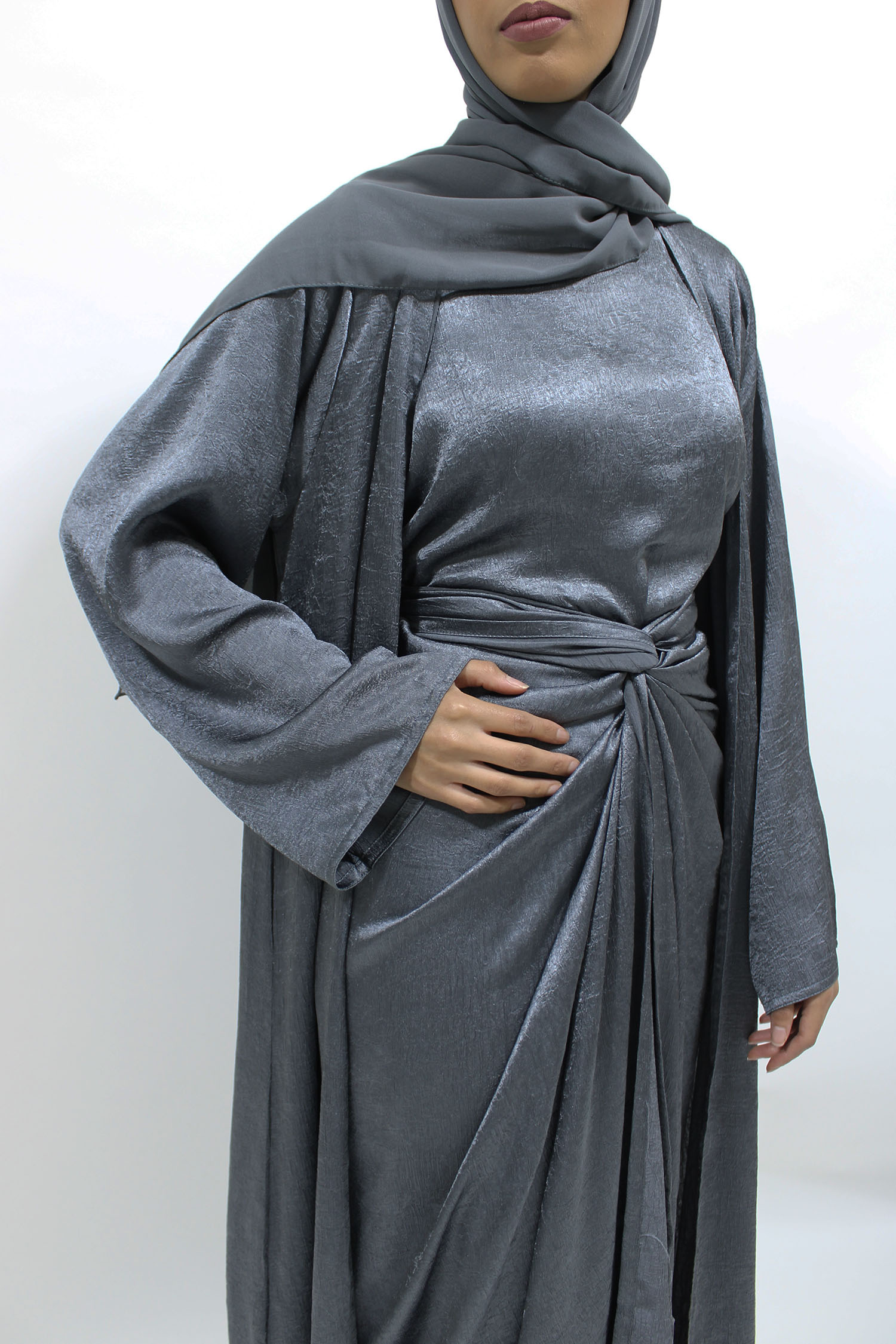
Why “Muslim Female Garments” Means So Much More Than You Think
Have you ever paused and really thought about what those words—“Muslim female garments”—carry? To some, it might sound like just a category, a fashion niche. But for many of us, it’s a phrase packed with history, emotion, identity, and sometimes, struggle.
When I first embraced modest dressing, I didn’t realize how deeply intertwined these garments would become with my sense of self. It’s more than fabric or style; it’s an ongoing conversation between my faith, culture, and personal expression.
More Than Fabric: The Emotional Weight of Modest Clothing
Muslim female garments often come loaded with feelings we don’t talk about enough. There’s pride, sure — pride in faith, community, and heritage. But there can also be moments of doubt, frustration, or confusion.
- Identity: Your clothing can feel like a shield, or like a spotlight. It defines you in some spaces, but sometimes it sets you apart.
- Belonging: Wearing modest garments can connect you to a global sisterhood, yet you might still feel misunderstood or isolated in your own town or workplace.
- Empowerment: Choosing your outfit can be a daily act of self-respect, a reclaiming of control in a world that often tries to dictate how you “should” look.
It’s this emotional complexity that makes these garments so deeply significant.
Table: Layers of Meaning in “Muslim Female Garments”
| Aspect | What It Represents | Common Misunderstandings | Personal Impact |
|---|---|---|---|
| Religious Commitment | Obedience to faith and spiritual discipline | Seen as oppression or forced conformity | Gives a sense of peace and purpose |
| Cultural Identity | Connection to heritage and community | Assumed to be outdated or rigid | Provides belonging and pride |
| Fashion and Style | Personal expression within modesty | Misconstrued as dull or limiting | Boosts confidence and joy |
| Social Statement | Assert independence and challenge norms | Often politicized or stereotyped | Empowers through visibility and choice |
The Journey of Self-Discovery Through Clothing
One of the most beautiful things about Muslim female garments is how personal the journey is. When I started, I mostly thought about modesty in terms of rules—what I should and shouldn’t wear. But over time, it transformed into a journey of self-discovery.
I found that modest fashion could be playful, creative, and deeply satisfying. I began mixing colors, textures, and layers in ways that made me feel alive while staying true to my values. It’s like learning a new language that only you and your clothes speak.
Breaking Stereotypes with Every Outfit
There’s no denying it: Muslim female garments often get misunderstood. People see the hijab and jump to conclusions—about oppression, about submission, about silence. But every time a Muslim woman chooses her outfit with intention, she’s telling a different story.
It’s a story of strength, pride, and agency. And the more we share these stories—through fashion, through dialogue—the more we dismantle those outdated stereotypes.
Looking Forward: What Does This Mean For You?
If you’re reading this and you wear these garments, or are curious about them, remember: what you wear matters far beyond the surface. It’s a conversation starter, a declaration of faith, and an expression of beauty all wrapped into one.
Next, we’ll explore how you can navigate modest fashion in a way that feels authentic and joyful, even when the world feels confusing or critical. There’s freedom in understanding the power behind your clothes—and I’m here to walk that path with you.

From Faith to Fashion: The Evolution of Modestwear
Let me tell you, the journey of Muslim female garments is nothing short of fascinating. It’s a beautiful blend of faith, culture, and fashion that’s been evolving for centuries — and it’s still shaping how we express ourselves today.
When I first started wearing modest clothing, I thought it was just about religious observance. But the deeper I got into it, the more I realized it’s also about creativity, identity, and sometimes, rebellion. The evolution of modestwear is like watching a living tapestry being woven — threads of tradition intertwining with modern style and personal expression.
How Modestwear Began: Roots in Faith and Tradition
The origins of Muslim female garments are deeply rooted in religious teachings, but they also reflect the diverse cultures within the Muslim world. Historically, modest clothing was a reflection of faith and respect, guided by Quranic principles, yet interpreted uniquely across regions.
- Early Islamic Era: Simple, loose garments symbolizing humility and devotion.
- Regional Influences: From the Middle East to South Asia and North Africa, styles like the abaya, jilbab, and chador developed, influenced by local customs and climate.
- Cultural Symbolism: Embroidery, colors, and fabrics often signified social status, tribal identity, or marital status.
Table: Evolution Timeline of Key Muslim Female Garments
| Era | Garment | Key Features | Social/Cultural Role |
|---|---|---|---|
| 7th-10th Century | Basic loose robes and veils | Simple, modest, unadorned | Religious observance, humility |
| 11th-15th Century | Regional variations like abaya and jilbab | More detailed fabrics, regional styles | Cultural identity, tribal distinction |
| 16th-19th Century | Incorporation of embroidery and embellishments | Rich fabrics, intricate designs | Status symbols, marital indicators |
| 20th-21st Century | Modern modest fashion brands emerge | Fusion of tradition and contemporary styles | Empowerment, global Muslim identity |
The Modern Modestwear Movement
Fast forward to today, and modest fashion has exploded into a vibrant, diverse industry that’s both global and deeply personal. Brands and designers from Dubai to New York are crafting pieces that honor tradition but also cater to the modern woman’s desire for style, comfort, and expression.
I remember the first time I discovered a modestwear blogger who mixed street style with traditional garments — it blew my mind! It made me realize modest fashion isn’t static or dull; it’s dynamic and evolving.
Why This Evolution Matters
This isn’t just about clothes. It’s about breaking free from narrow ideas about what Muslim women “should” wear and celebrating the freedom to define modesty on our own terms. It’s about showing the world that faith and fashion can coexist beautifully.
For many of us, this evolution has been empowering. It’s given us tools to navigate public spaces with confidence and grace while staying true to our beliefs. It’s a way to honor our past and embrace our future simultaneously.
What’s Coming Next?
As modestwear continues to evolve, expect to see even more creative blends of culture, faith, and fashion — from sustainable fabrics to tech-enabled garments that meet the needs of active lifestyles.
Stick around because next, we’re diving into practical styling tips that help you make modest fashion your own, every day — no matter where life takes you.
The Hijab: Layers of Meaning, Not Just Fabric
Let’s be honest — when most people hear “hijab,” their minds jump straight to the fabric wrapped around a woman’s head. But for those of us who wear it, the hijab is so much more than just cloth. It’s a daily, living expression of faith, identity, and sometimes, even resistance.
I remember the first time I put on a hijab. It wasn’t just a fashion choice or a cultural tradition; it felt like stepping into a new version of myself. It was thrilling and scary all at once — the way it framed my face, softened my features, and yet made a bold statement about who I was and what I believed in.
What the Hijab Really Means to Me (And Many Others)
The hijab isn’t a one-size-fits-all symbol. Its meanings can be as varied as the women who wear it. For some, it’s an act of worship, an obedience to God’s command. For others, it’s a source of pride, a cultural emblem that connects them to their families and communities. And for many, it’s a powerful statement of autonomy and self-respect.
- Spiritual Connection: Wearing hijab is a daily reminder of my faith and a way to live intentionally.
- Identity and Belonging: It links me to a larger Muslim community, a global sisterhood.
- Personal Empowerment: Choosing to wear the hijab is a reclaiming of control over how I present myself to the world.
Table: Common Misconceptions vs. Reality of Hijab
| Misconception | Reality | Emotional Impact |
|---|---|---|
| Hijab is forced on women | For most, it’s a personal, voluntary choice | Gives women a sense of ownership and pride |
| Hijab is oppressive or limiting | Many feel liberated and confident wearing it | Increases self-esteem and spiritual fulfillment |
| Hijab means a woman is isolated | Hijabis actively participate in all aspects of life | Fosters a strong community and social connection |
| Hijab is outdated fashion | It continuously adapts with trends and personal style | Allows creative self-expression |
The Hijab’s Role in Everyday Life
Wearing a hijab isn’t just about appearance — it’s about how you carry yourself, how you navigate the world, and how others perceive you. I’ve had days where my hijab felt like armor, protecting me from judgment or unwanted attention. Other days, it’s been a conversation starter, opening doors to meaningful dialogue and new friendships.
Choosing the right hijab for the day can be a ritual in itself. From the fabric—silk, cotton, chiffon—to the colors and patterns, it all plays a part in how I feel and how I want to show up. Sometimes I want bold and vibrant; other times, soft and understated.
Hijab and Fashion: Finding Your Style
Contrary to popular belief, hijab fashion isn’t dull or restrictive. In fact, it’s incredibly versatile. Here are some tips I’ve picked up over the years to keep my hijab game fresh and authentic:
- Mix and match fabrics and textures for dimension.
- Use pins and accessories to add subtle sparkle.
- Play with layering—pair your hijab with jackets, cardigans, and scarves.
- Don’t shy away from bold colors; they can brighten your mood and your look.
Personal Story: The Day I Felt Seen
One afternoon, I wore a bright emerald hijab to a meeting. A colleague stopped me and said, “Your hijab really suits you—it’s like it tells your story.” That moment stuck with me. It reminded me that the hijab isn’t just fabric; it’s a voice.
And that’s the real power of the hijab: it’s the story you choose to tell about who you are, what you value, and how you want the world to see you.
Next up, we’ll dive into how different types of Muslim female garments can be styled to honor tradition while embracing personal flair. Trust me, this part is where fashion and faith truly dance together.
Abayas Through the Ages: Tradition Reimagined
If you’ve ever caught yourself wondering why the abaya holds such a special place in Muslim women’s wardrobes worldwide, you’re not alone. For me, the abaya isn’t just a garment — it’s a legacy stitched with centuries of culture, faith, and evolving style. It’s a piece that tells stories, bridges generations, and lets us honor tradition while making it our own.
Growing up, I watched my grandmother carefully fold her abaya each evening after prayers, a silent ritual that spoke volumes about respect and reverence. But today? The abaya has stepped out of the shadows of strict tradition and blossomed into a dynamic canvas where faith meets fashion in ways my grandmother might never have imagined.
The Timeless Roots of the Abaya
The abaya’s origins trace back centuries in the Arabian Peninsula, designed as a modest, flowing cloak to provide coverage and comfort in the desert’s harsh climate. It’s meant to symbolize modesty without erasing personality. Historically, the fabric was plain and dark — usually black — but the significance was in its simplicity, allowing the focus to be on inner character rather than outward appearance.
In many communities, the abaya represents a rite of passage, a sign of womanhood, and a public affirmation of religious identity. It’s fascinating how a single piece of clothing can carry so much cultural weight and personal meaning all at once.
Table: Evolution of the Abaya — Key Features Across Eras
| Era | Style & Fabric | Purpose | Notable Changes |
|---|---|---|---|
| Pre-20th Century | Simple black fabric, usually wool or cotton | Modesty, protection from climate | Focus on function over fashion |
| Mid 20th Century | Introduction of lighter fabrics like silk blends | More comfort, early stylistic flourishes | Broader use in urban areas |
| Early 2000s | Incorporation of embroidery, lace, and subtle embellishments | Balance of modesty and elegance | Rise of modest fashion influencers |
| Today | Wide range from classic to avant-garde styles, diverse colors | Self-expression, fashion statement, faith | Global trend, hybrid cultural influences |
How Modern Abayas Reflect Individuality
I’ll admit, sometimes the abaya gets a bad rap for being “restrictive” or “one-note.” But that’s like saying a blank canvas is boring. It’s what you do with it that counts. Today, designers all over the world are reimagining the abaya with creativity and flair — from playful cuts to bold colors and intricate embroidery. I’ve seen abayas with delicate beadwork that shimmer under the sunlight, and others with minimalist, sharp tailoring that commands quiet confidence.
What’s beautiful is how the abaya lets me blend my spiritual values with my personality. On any given day, I might pair mine with a vibrant scarf, sleek heels, or even sporty sneakers — and still feel perfectly “me.”
Real Talk: Choosing an Abaya That Fits Your Life
If you’re thinking about adding an abaya to your wardrobe or upgrading your current one, here are some personal tips I swear by:
- Fabric Matters: Opt for breathable materials like crepe or chiffon for everyday wear, and reserve silk blends or velvet for special occasions.
- Fit is Freedom: Don’t let “loose” turn into “baggy.” A well-fitted abaya flows gracefully but still lets you move comfortably.
- Details Tell Stories: Embroidery, lace trims, or subtle prints can elevate a basic abaya into a statement piece.
- Mix Tradition and Trend: Experiment with layering, like wearing your abaya over a colorful dress or with tailored trousers underneath.
I remember a friend once told me, “The abaya I wear is my silent strength.” It stuck with me because that’s exactly what it can be — a garment that doesn’t shout but holds power in its grace.
Next, we’ll explore the incredible variety within Muslim female garments — beyond the hijab and abaya — that offer freedom, style, and respect for faith. It’s a world that’s as rich and diverse as the women who live it.
The Niqab and the Politics of Visibility
Let me be honest — the niqab is one of those garments that stirs up so many emotions, misunderstandings, and fierce debates, both inside and outside the Muslim community. When I first started wearing a niqab, I felt the weight of those gazes and opinions — some curious, some judgmental, and others downright hostile. But what surprised me the most was how deeply personal and layered this piece of clothing really is.
The niqab isn’t just a piece of cloth that covers the face. For many women, including myself, it’s a powerful statement about control, choice, and faith. It challenges how society sees us and how we choose to present ourselves — or, in some ways, choose not to.
The Niqab: A Personal Choice Amid Public Scrutiny
People often assume that wearing the niqab is about hiding or oppression. I’ve been asked countless times, “Why do you cover your face? Don’t you want to be seen?” And my answer is always the same: “I want to be known for who I am, not just what people see.”
Wearing the niqab is an act of reclaiming my narrative. It lets me decide who gets to know me beyond the surface. Sure, it complicates interactions, but it also creates space for deeper connections — those that are based on words, intentions, and respect, rather than looks or snap judgments.
Table: Common Misconceptions vs. Reality About the Niqab
| Misconception | Reality |
|---|---|
| The niqab is forced on women. | Many women choose to wear it willingly as a reflection of personal faith and identity. |
| Wearing the niqab isolates women socially. | Women wearing niqab often maintain strong social networks and community ties. |
| The niqab is about hiding shame. | It’s about dignity, privacy, and spiritual focus, not shame. |
| Women in niqab are less educated or empowered. | Many niqab-wearing women are professionals, students, and activists. |
The Politics of Visibility: What the Niqab Says to the World
The niqab also opens a complicated dialogue about visibility and power. In Western societies, where individual expression is prized, the niqab can feel like a political lightning rod. Laws banning face coverings or policies limiting niqab use in public spaces aren’t just about security or etiquette — they touch on identity, religious freedom, and women’s autonomy.
I’ve lived through moments when wearing a niqab felt like a quiet protest — a reminder that my choices deserve respect, not restrictions. It’s a statement that religious expression can coexist with modern life, that modesty and empowerment aren’t mutually exclusive.
Walking the Tightrope: Personal Safety and Public Perception
Wearing the niqab means navigating a world full of assumptions and sometimes fear. I remember once feeling the sting of a stranger’s glare, but I also remember the warm smiles from people who understood and accepted me. It’s a complex dance — balancing my right to wear what I believe in with the reality of societal attitudes.
That’s why community support matters so much. The women I’ve met who wear the niqab often share stories of resilience, courage, and deep spirituality. It’s a sisterhood forged through shared experiences and unspoken understanding.
How to Respect and Support Women Who Wear the Niqab
- Ask with kindness: If you’re curious, ask questions respectfully rather than making assumptions.
- See beyond the veil: Recognize the person behind the niqab, their talents, dreams, and humanity.
- Challenge stereotypes: Speak up against misinformation and prejudice when you encounter it.
- Offer allyship: Stand with niqab-wearing women in their fight for religious freedom and dignity.
Wearing the niqab transformed how I see the world — and how I want the world to see me. It’s not about invisibility, but about choosing the terms of visibility. And in that choice, I find a quiet kind of power.
Up next: we’ll dive into another beloved garment — the jilbab — and uncover how it beautifully blends tradition with contemporary modesty. Stay with me; the journey is just getting richer.
Khimar, Shayla, and Chador: What’s the Difference?
Honestly, when I first started exploring modest fashion, I got totally overwhelmed by the variety of head coverings. I mean, Khimar, Shayla, Chador — they all seemed like different words for the same thing. But as I dove deeper, I realized each of these garments has its own unique story, style, and cultural significance. So, let’s unpack this together, in a way that feels like a friendly chat over tea, shall we?
Understanding these differences isn’t just about fashion — it’s about honoring the diversity of Muslim women’s experiences and choices. Plus, it helps you pick the right piece that fits your comfort, beliefs, and lifestyle.
The Khimar: Grace in Full Flow
The Khimar is often what comes to mind when people think about modest coverings beyond the hijab. It’s a cape-like garment that drapes over the shoulders and extends down the back, sometimes reaching mid-thigh or even longer. I remember the first time I wore a Khimar — it felt like wrapping myself in calm and confidence. It’s easy to wear, covers the chest, and flows beautifully with your outfit.
For many women, the Khimar strikes a perfect balance between modesty and style, especially when paired with loose pants or a skirt. It’s popular in various parts of the world, from Southeast Asia to the Middle East, each region giving it a unique twist.
The Shayla: Effortless Elegance and Versatility
Then there’s the Shayla, which I personally adore for its versatility. It’s a long rectangular scarf, often made of lightweight materials like chiffon or jersey, wrapped around the head and tucked or pinned at the shoulders. The Shayla is especially common in Gulf countries, where women appreciate its sleek, tailored look.
What I love about the Shayla is how it can be styled in so many ways — tight around the face for a neat, polished appearance or draped loosely for a relaxed vibe. When I’m in a rush but still want to look put-together, the Shayla is my go-to. It’s also incredibly breathable, which is a lifesaver in warmer climates.
The Chador: Tradition and Simplicity in One
Now, the Chador carries a lot of cultural and historical weight, especially in Iran and neighboring regions. It’s a full-body cloak, typically black, that you wrap around yourself, often held closed by the hands or under the arms. Wearing the Chador always feels like stepping into a timeless tradition, one that speaks volumes about faith and community.
When I tried on a Chador during a visit to Tehran, I immediately noticed how it shifts your presence — it’s modest to a different level, but it also fosters a sense of humility and grounding. For some, the Chador is more than clothing; it’s a symbol of resistance and identity in a rapidly changing world.
Table: Quick Comparison of Khimar, Shayla, and Chador
| Garment | Style & Shape | Typical Length | Material | Regions Commonly Worn | Key Features |
|---|---|---|---|---|---|
| Khimar | Cape-like, loose drape | Mid-thigh to knee | Lightweight cotton, polyester blends | Middle East, Southeast Asia | Covers shoulders and chest; easy to wear |
| Shayla | Rectangular scarf | Varies (usually wraps around head and shoulders) | Chiffon, jersey, cotton | Gulf countries | Versatile styling; breathable; neat or loose |
| Chador | Full-body cloak | Full length, ankle to floor | Thick cotton, polyester blends (usually black) | Iran, parts of Middle East | Wraps around body; symbolizes tradition and modesty |
What Wearing These Pieces Means to Me
Each garment tells a story. Wearing a Khimar feels like embracing gentle confidence, the Shayla whispers effortless elegance, and the Chador speaks to me about heritage and resilience. I’ve worn them all at different times, depending on mood, occasion, or even how deeply I want to connect with my roots that day.
Maybe you’ve experienced this too — the way certain clothes don’t just cover your body but also shield your spirit or celebrate your identity. And that’s what Muslim female garments truly represent: a beautiful, living tapestry of faith, culture, and individuality.
Up next, I’ll share personal reflections on how these garments shape daily life — the joys, the challenges, and the small moments of quiet pride. Stay tuned — it’s a journey worth walking together.
The Burqa: Beyond the Headlines and Stereotypes
If you’ve ever caught a news story or casual conversation about Muslim women’s clothing, chances are the burqa popped up somewhere — often wrapped in controversy or misunderstanding. But let me tell you, as someone who’s lived modest fashion firsthand, the burqa is so much more than what the headlines paint it to be. It’s a garment layered with history, culture, and personal meaning, and I want to peel back those layers with you, honestly and thoughtfully.
First off, the burqa is a full-body veil that covers everything — including the face — with a mesh screen over the eyes so the wearer can see. It’s most commonly associated with Afghanistan but is worn in some other regions too. I remember when I first saw a burqa in real life, it struck me how unlike the “one-size-fits-all” caricature it really is. The styles vary — from plain and simple to embroidered and richly detailed.
The Burqa’s Historical and Cultural Roots
Understanding the burqa means stepping back into history. It isn’t just a piece of clothing but a cultural symbol that has evolved over centuries. In many places, it was worn as protection against harsh desert environments — shielding skin and face from sun, dust, and wind. Later, it became a symbol of modesty and privacy, wrapped into religious and social customs.
For many women, the burqa is not just imposed or a tool of oppression, but a conscious choice tied to identity, community, and even comfort. I spoke with a woman who said, “Wearing the burqa, I feel safe. It’s like a mobile privacy shield in a noisy world.”
Breaking Down the Stereotypes
Let’s be real — the burqa has gotten a bad rap. It’s often portrayed in Western media as a sign of oppression or backwardness. But those images don’t tell the whole story. Many women choose the burqa because it resonates with their beliefs, cultural pride, or simply their sense of comfort. Just like you might choose a comfy sweater on a chilly day, some women find peace in the burqa’s full coverage.
And here’s something that might surprise you: The burqa can be a form of resistance and autonomy. In some areas where women face intense scrutiny, choosing to wear a burqa can be a way of reclaiming control over how they present themselves to the world.
Table: Common Misconceptions vs. Realities of the Burqa
| Misconception | Reality |
|---|---|
| The burqa is only worn by oppressed women. | Many women wear it by choice, finding empowerment, privacy, and identity in it. |
| It’s a uniform piece, always the same. | Styles and designs vary widely by region and personal taste. |
| Women who wear it are invisible or silenced. | Wearing the burqa can be a powerful expression of personal belief and cultural pride. |
| The burqa is uncomfortable and impractical. | Many women adapt fabrics and styles for comfort and climate, and find it practical. |
My Personal Reflection on the Burqa
I’ll admit, the first time I encountered the burqa up close, I felt a mix of curiosity and distance. It was unfamiliar, even intimidating. But as I listened to stories from women who wear it, my view shifted dramatically. The burqa isn’t just fabric; it’s a vessel of faith, history, and choice.
One friend told me, “The burqa connects me to my grandmother, my ancestors, and the strength they carried. It’s like a thread stitching generations together.” That really hit home — it reminded me that every garment holds stories, and the burqa’s stories are rich and nuanced.
Before you jump to conclusions or judgments, I invite you to look beyond the surface. Modest fashion, especially garments like the burqa, deserve our empathy, respect, and curiosity. There’s always more than meets the eye.
Next, I’ll walk you through the delicate art of pairing modest garments with modern style — balancing tradition with today’s trends without losing your unique voice. It’s a blend I’ve come to love, and I think you will too.
How Young Muslim Women Are Redefining Modesty
Let me start by saying this: modesty is not a one-size-fits-all box, and if you think it is, you’re missing out on the beautiful evolution happening right now. Especially among young Muslim women, modest fashion is being reinvented, reinterpreted, and most importantly, reclaimed in ways that honor faith yet express individuality. I’ve watched this transformation up close, and honestly, it’s inspiring.
You’ve probably seen it yourself—young women blending traditional garments with modern cuts, bold colors, and even edgy accessories. But it’s more than just style. It’s a movement that challenges stereotypes, embraces diversity, and sparks dialogue about what modesty means today.
Modesty Meets Modernity: A Personal Take
I remember meeting Amina, a 22-year-old fashion blogger from London. She told me, “I want my clothes to reflect my faith but also my personality. Wearing hijab doesn’t mean I can’t be trendy or creative.” That stuck with me because it captures a key shift: modesty isn’t about limitation anymore—it’s about liberation through thoughtful choices.
Young Muslim women today are mixing traditional staples like abayas or jilbabs with denim jackets, sneakers, or statement jewelry. It’s a fresh take that honors their roots but speaks their own language.
Table: Traditional vs. Contemporary Modestwear Elements
| Traditional Elements | Contemporary Twists |
|---|---|
| Solid, muted colors | Pastels, bold prints, color blocking |
| Loose-fitting abayas and jilbabs | Layering with fitted jackets, tunics, and wide-leg pants |
| Simple, monochrome hijabs | Textured fabrics, patterns, and accessories like pins or brooches |
| Traditional sandals or flats | Chunky sneakers, ankle boots, and even platform shoes |
Why This Matters: More Than Just Fashion
Here’s the thing: modest fashion’s revival is deeply personal. It’s about identity, self-respect, and navigating a world that often misunderstands Muslim women. Young women are using their style as a language to say, “I see myself fully. I’m proud of where I come from, and I’m excited about where I’m going.”
This redefinition also challenges the tired assumptions that modest dressing is boring or forced. Far from it! It’s dynamic, vibrant, and fiercely creative.
Breaking Barriers, Building Bridges
What I love most is how this wave of modest fashion is building community. Social media platforms are buzzing with young women sharing outfit ideas, tutorials, and candid conversations about faith and fashion. It’s a space where questions get answered, fears are eased, and confidence is boosted.
And let’s be honest, that kind of sisterhood and support is priceless. When you see someone rocking a modest look with confidence, it’s contagious—you want to try it yourself, tweak your style, and feel that same pride.
Real Talk: The Challenges Behind the Glow
Of course, it’s not all easy. Young Muslim women often face criticism—from family, friends, or society—about their clothing choices. Sometimes, the pressure to “fit in” with peers clashes with the desire to stay true to their values. And the fashion industry itself can be slow to catch up, offering limited options for modest styles that also feel contemporary.
But here’s where resilience shines. Many are turning these challenges into fuel for creativity and advocacy. They push brands to be more inclusive, start their own modestwear lines, and speak openly about the importance of representation.
A Personal Win
When I started experimenting with blending modesty and modern style, I was nervous. What if I wasn’t “modest enough”? What if I looked out of place? But over time, embracing this evolving identity felt like reclaiming my narrative—something I could own and celebrate.
If you’re reading this and feeling that tug between tradition and trend, know this: modest fashion is yours to define. Don’t be afraid to mix, match, and make it your own. The world is ready for your version of modesty.
Up next, we’ll explore the fabrics and materials that bring these garments to life — because the feel of what you wear matters just as much as the look. Stick around, it’s a tactile journey you won’t want to miss.
The Fabric of Faith: Textiles, Embroidery & Symbolism
When I think about Muslim female garments, what immediately comes to mind isn’t just the silhouette or the cut — it’s the rich textures, the carefully chosen fabrics, and the deep symbolism woven into every stitch. The fabric of faith isn’t just a poetic phrase; it’s a living, breathing expression of culture, spirituality, and identity.
Honestly, choosing the right textile feels almost like a conversation with history and tradition. You’re not just picking out a pretty material; you’re honoring centuries of craftsmanship and meaning. Let me take you through this tactile journey, one fabric and embroidery style at a time.
Natural Fibers: The Heartbeat of Modestwear
My personal favorite is cotton — soft, breathable, and humble. It’s perfect for everyday wear, especially when you want modesty without sacrificing comfort. Linen and silk also hold a special place, especially for more formal garments or celebrations. The coolness of linen in hot climates and the luxurious sheen of silk add an extra layer of elegance.
- Cotton: Breathable, durable, easy to dye, perfect for casual and daily wear.
- Linen: Lightweight, natural texture, great for summer abayas and loose dresses.
- Silk: Smooth, shiny, often reserved for special occasions, symbolizing purity and grace.
- Wool: Used more in colder regions for warmth while maintaining modest layering.
Embroidery: Threads That Tell Stories
Have you ever noticed how embroidery can transform a plain garment into a piece of art? It’s not just decoration — it’s a language. Every pattern, motif, and stitch carries cultural and sometimes spiritual symbolism.
Take the intricate tilla embroidery from South Asia, with its shimmering gold and silver threads. Wearing it feels like draping yourself in stories passed down through generations. Or the geometric and floral patterns found in Middle Eastern abayas, which reflect a deep reverence for nature and divine creation.
| Embroidery Style | Region | Symbolism | Typical Garments |
|---|---|---|---|
| Tilla | South Asia | Wealth, celebration, divine blessings | Shalwar kameez, dupattas, bridal wear |
| Ajrakh | Pakistan & India | Harmony, nature-inspired motifs | Scarves, abayas, shawls |
| Arabesque | Middle East | Infinity, unity, spiritual growth | Abayas, kaftans |
| Phulkari | Punjab | Fertility, joy, cultural identity | Dupattas, tunics |
Colors and Their Meanings: Beyond Aesthetics
Now, color choice is no accident either. I remember once attending a wedding where the bride’s deep emerald green dress wasn’t just a fashion statement — it was a nod to prosperity and renewal. Similarly, white often symbolizes purity and peace, making it a popular choice for religious occasions.
- Green: Closely linked to paradise in Islam, growth, and hope.
- Black: Elegance, modesty, and sometimes spiritual reflection.
- White: Purity, simplicity, and new beginnings.
- Red: Celebration, strength, and vitality.
Table: Common Colors & Their Symbolic Meanings
| Color | Symbolism | Common Garments |
|---|---|---|
| Green | Hope, paradise, renewal | Hijabs, abayas, festive dresses |
| Black | Modesty, elegance, spiritual reflection | Everyday abayas, niqabs |
| White | Purity, peace, sacredness | Prayer garments, wedding dresses |
| Red | Vitality, celebration, strength | Bridal wear, special occasions |
Why This Matters to Me (and Maybe to You)
When I choose a garment, it’s never just about looks. It’s about feeling connected—to my faith, my culture, and myself. The textures, the embroidery, the colors all play a role in that feeling. And honestly, when you understand these layers, wearing Muslim female garments becomes a much richer experience.
So next time you wrap your hijab or slip into an abaya, pause for a moment. Think about the hands that wove the fabric, the stories behind the stitches, and the meanings behind the colors. It’s like wearing a living piece of heritage—and that’s powerful.
Ready to dive deeper? The next section will explore how different regional styles bring these fabrics and designs to life — you won’t want to miss it.
Everyday Styling Tips for Modest Dressers
Let’s be real—modest dressing isn’t just about following rules; it’s an art form. And like any art, it takes a bit of practice, creativity, and a lot of heart. If you’ve ever stood in front of your closet wondering how to make your modest wardrobe feel fresh, modern, and truly *you*, I get it. I’ve been there more times than I can count, and honestly, some days it feels like styling modestly comes with its own secret code.
But here’s the thing: modest fashion doesn’t have to be complicated or dull. It can be vibrant, playful, and deeply expressive—all while respecting your values and faith. Let me share some of my favorite styling tips that helped me transform everyday dressing into a joyful ritual. Whether you’re new to this or a seasoned pro, I promise you’ll find nuggets of inspiration here.
Start With Your Basics: Building a Solid Foundation
Modesty is often about layering and balance, right? So having quality basics makes all the difference. Think long-sleeve tees, simple tunics, classic wide-leg trousers, and plain maxi skirts—all in neutral colors that can mix and match endlessly.
- Invest in breathable fabrics: Cotton, jersey, or bamboo blends keep you comfortable, especially when layering.
- Stick to a versatile palette: Neutrals like beige, black, white, navy, and soft pastels allow for endless combinations.
- Fit is everything: Choose clothes that skim the body without clinging too tight or drowning you in fabric.
Honestly, when I nailed my basics, putting together an outfit became effortless. It’s like having a trusty toolkit that’s always ready.
Layer Like a Pro: The Key to Modesty and Style
Layering isn’t just practical; it’s where modest fashion shines brightest. A well-layered outfit can add depth, texture, and dimension, while keeping you covered comfortably.
- Start with a fitted base: A long-sleeve tee or bodycon dress in a breathable fabric.
- Add a loose tunic or flowy dress: Play with different lengths and shapes.
- Top it off with a cardigan, kimono, or lightweight jacket: This adds structure and warmth without bulk.
Here’s a simple layering formula I swear by:
| Layer | Purpose | Examples |
|---|---|---|
| Base | Comfort & fit | Long-sleeve tee, slip dress, leggings |
| Middle | Coverage & style | Tunics, maxi skirts, culottes |
| Outer | Structure & warmth | Cardigans, abayas, trench coats |
Once you get this layering rhythm, you can experiment freely without worrying about modesty rules. It’s a game-changer.
Play With Accessories: Modesty Meets Personality
Accessories are like the cherry on top. They can instantly elevate a simple outfit, reflect your personality, and give you a confidence boost. Hijabs are a huge part of this—changing your scarf style, fabric, or color can totally refresh your look.
- Scarves: Silk for elegance, cotton for everyday, chiffon for layering. Try bold prints or soft neutrals depending on your mood.
- Jewelry: Minimalist gold or silver pieces add just the right sparkle without overwhelming modesty.
- Bags & shoes: Comfortable yet chic options like crossbody bags and loafers are modest and practical.
I remember one day I paired a simple black abaya with a vibrant mustard scarf and some statement earrings—and suddenly, I felt like I owned the room without saying a word.
Comfort is Queen: Prioritize What Feels Good
At the end of the day, modest dressing should never feel like a struggle. If you’re uncomfortable, it shows—and it’s exhausting. Choose clothes that move with you and fabrics that breathe.
- Opt for elastic waistbands and adjustable fits where possible.
- Choose looser cuts that don’t restrict movement.
- Invest in shoes that balance style and support.
Feeling good in your clothes is the real confidence booster, trust me on that.
Mix Tradition With Trend: Staying Authentic Yet Current
It’s totally possible to honor your roots while still embracing modern modest fashion trends. Look for garments that reinterpret traditional pieces with a fresh twist—like abayas with contemporary cuts or hijabs styled with current prints.
- Follow modest fashion influencers for inspiration.
- Shop brands that blend tradition and innovation.
- Don’t be afraid to experiment with colors and textures.
Personally, I love blending a classic abaya with a trendy denim jacket or statement sneakers—it keeps my style grounded but lively.
Modest dressing is a beautiful journey, full of discovery and expression. It’s not about hiding; it’s about revealing your truest self in the most respectful and stylish way possible. Next up, we’ll explore how modest fashion intersects with global trends and the incredible impact Muslim women are making on the world stage.
Shopping for Muslim Garments: What to Look For
Shopping for Muslim garments can sometimes feel like searching for a needle in a haystack, right? I’ve definitely had moments where I left stores feeling frustrated—either the styles didn’t match my values, the fabrics were uncomfortable, or the sizing felt all wrong. But over time, I’ve learned that finding the perfect modest pieces is less about luck and more about knowing exactly what to look for. So, if you’re ready to make your next shopping trip smarter and more satisfying, let’s dive into what really matters.
Prioritize Comfort Without Compromise
Let’s be honest—comfort is king, especially when your clothes cover more and you’re layering more often. If your garment feels itchy, heavy, or restricting, it’s not going to be your go-to, no matter how beautiful it looks on the rack.
- Look for breathable fabrics: Cotton, linen, bamboo blends, and lightweight polyester blends are winners for all-day wear.
- Stretch & flexibility: Some elasticity or relaxed cuts help garments move with your body without clinging.
- Weight matters: Depending on your climate, you might want lighter fabrics for summer and thicker ones for winter.
For me, a soft cotton abaya or tunic feels like a gentle hug—it’s the kind of garment you want to wear over and over.
Check the Cut & Coverage
Muslim garments aren’t one-size-fits-all. You’ve got to pay attention to how the fabric falls, the length of sleeves and hemlines, and how the garment fits around the neck and wrists.
| Garment Type | Key Coverage Points | Style Tips |
|---|---|---|
| Abayas | Full body coverage, loose fit | Opt for flowy styles with wide sleeves for comfort |
| Tunics | Cover hips and thighs, loose around waist | Pair with straight pants or skirts |
| Maxi Dresses | Full length, modest neckline | Layer with cardigans or scarves as needed |
When I shop, I try garments on and move around a lot in the fitting room to see if the coverage stays put. That little test can save you from a lot of wardrobe malfunctions later.
Fabric Quality: The Unsung Hero
Sometimes a garment looks amazing in photos or on the hanger but feels cheap when you touch it. I’ve learned the hard way that fabric quality can make or break your modest wardrobe.
- Natural fibers vs. synthetics: Natural fibers breathe better and last longer but can cost more. Synthetics might be more affordable but often sacrifice comfort.
- Check the stitching: Well-stitched seams mean durability. Loose threads or uneven hems are red flags.
- Colorfastness: Especially with darker hijabs or garments, make sure colors don’t bleed or fade after washing.
I usually run my fingers along the fabric, tug gently at seams, and check for transparency by holding the fabric up to the light. These small rituals have saved me from regret more times than I can count.
Embrace Versatility
Modest garments that can serve multiple purposes are absolute gold. Think about pieces that transition effortlessly from casual to formal or that mix and match well with your existing wardrobe.
- Neutral colors: Black, navy, beige, and gray are easy to style and layer.
- Simple prints & textures: Subtle florals, stripes, or embroidery add personality without overwhelming.
- Convertible designs: Wrap abayas or tunics with adjustable features let you switch up your look.
For example, I own a beautiful navy abaya with delicate embroidery that I can wear both to work and weekend gatherings just by changing my accessories.
Know Your Brands & Where to Shop
Finding brands that align with your style and values can make all the difference. I recommend building a little list of trusted stores—whether local boutiques or online shops—that consistently deliver quality and modest styles.
| Brand | Specialty | Price Range | Why I Like It |
|---|---|---|---|
| Modanisa | Wide variety, trendy modestwear | Mid-range | Great for mixing tradition and current trends |
| Haute Hijab | Premium scarves & accessories | Higher-end | Luxurious fabrics, perfect for special occasions |
| Inayah | Modern abayas & dresses | Mid to high | Effortless style with modest cuts |
Once you find your favorite brands, shopping becomes less overwhelming and more like a treasure hunt—because you already know the quality and style will work for you.
Final Thoughts
Shopping for Muslim garments is truly a personal journey. It’s about finding pieces that speak to your faith, your comfort, and your unique style. When I look back, the times I’ve felt most confident and comfortable in my clothes were when I trusted my instincts, paid attention to the fabric and fit, and stayed true to my style values.
So next time you shop, bring a bit of patience and a clear vision. And remember, the perfect modest garment is out there—it’s just waiting for you to find it.
Garments by Geography: A Global Tour of Modestwear
You know, when I first started embracing modest fashion, I didn’t realize how incredibly diverse and rich Muslim female garments are around the world. It’s like every region adds its own soulful chapter to this ongoing story of faith, identity, and style. Honestly, discovering these regional differences made me appreciate my own wardrobe even more—and gave me a newfound respect for the creativity and culture woven into every thread.
Middle East: The Timeless Elegance of Abayas and Jalabiyas
In places like Saudi Arabia, UAE, and Qatar, the abaya is iconic. But it’s not just a black cloak — it’s an evolving canvas for expression. You’ll find sleek cuts, embroidered hems, and delicate beadwork that add subtle glam while keeping the modesty intact. And then there’s the jalabiya—often colorful, flowy, and perfect for celebrations.
| Garment | Typical Fabrics | Style Features | Common Use |
|---|---|---|---|
| Abaya | Lightweight crepe, chiffon | Loose fit, sometimes embroidered | Everyday & formal wear |
| Jalabiya | Silk, satin, cotton blends | Bright colors, ornate detailing | Festivals & weddings |
I remember my first trip to Dubai’s souks; the variety of abayas was mind-blowing. It wasn’t just about covering up, but about celebrating heritage with grace.
South Asia: The Vibrancy of Shalwar Kameez and Dupattas
South Asia’s modest fashion is a kaleidoscope of colors and textures. Think Pakistan, India, Bangladesh — here, the shalwar kameez reigns supreme. It’s modest yet vibrant, often paired with a dupatta that can be draped to suit the mood and occasion. The embroidery and prints tell stories — from floral motifs to intricate zari work.
| Garment | Typical Fabrics | Style Features | Common Use |
|---|---|---|---|
| Shalwar Kameez | Cotton, silk, chiffon | Long tunic, loose trousers | Daily wear to formal events |
| Dupatta | Chiffon, georgette, silk | Flowy, often embroidered | Head covering or shoulder drape |
My grandmother used to tell me how her dupatta was like a shield and a statement all at once. I feel the same way every time I wrap one around my shoulders—it’s a quiet nod to tradition and a personal expression.
North Africa: The Beauty of Djellabas and Kaftans
Travel to Morocco, Algeria, or Tunisia, and you’ll meet the djellaba—a long, loose hooded robe that blends comfort with modesty beautifully. The kaftan, meanwhile, is a stunning, often heavily embellished garment that’s perfect for special occasions.
| Garment | Typical Fabrics | Style Features | Common Use |
|---|---|---|---|
| Djellaba | Wool, cotton, silk blends | Loose, hooded, sometimes striped | Everyday wear & casual outings |
| Kaftan | Silk, brocade, velvet | Intricate embroidery, wide sleeves | Weddings & celebrations |
I’ve always loved how the djellaba feels like a warm embrace, and the kaftan, with its rich textures and colors, makes any celebration feel magical.
Southeast Asia: The Modesty of Baju Kurung and Tudung
In Malaysia and Indonesia, modest wear reflects both tradition and modernity. The baju kurung is a loose tunic with a long skirt, and it pairs perfectly with the tudung—a beautifully styled headscarf that’s become a fashion statement in its own right.
| Garment | Typical Fabrics | Style Features | Common Use |
|---|---|---|---|
| Baju Kurung | Cotton, silk, songket | Loose, straight cut | Everyday & formal |
| Tudung | Chiffon, silk, cotton blends | Varied styles, often pinned | Head covering & fashion accessory |
I’ve always admired how the tudung allows for creativity—different folds, pins, and fabrics let each woman express herself while staying rooted in faith.
Wrapping It Up: A Celebration of Diversity
Exploring Muslim garments by geography is more than just a style guide; it’s a heartfelt journey through cultures, faith, and history. Every stitch, every fold, and every fabric tells a story of resilience and beauty. For me, it’s a reminder that modesty isn’t a one-size-fits-all idea—it’s as unique and vibrant as the women who wear it.
So next time you shop or choose an outfit, think of the global sisters who’ve worn similar garments with pride and purpose. That connection, across borders and generations, is what makes modest fashion truly special.
Islamic Guidelines on Dress: What’s Actually Required?
Let me be honest—understanding Islamic dress guidelines can feel overwhelming at first. Between cultural interpretations, personal beliefs, and sometimes conflicting advice, it’s easy to get lost. But at its core, Islamic dress is about much more than fabric or fashion; it’s about identity, dignity, and spirituality. And honestly, once you get past the noise, the guidelines are beautifully simple and deeply meaningful.
The Core Principles: Modesty and Respect
When we talk about Islamic dress, the main principle is haya—modesty. This applies to both men and women but often focuses on women because of the visible ways modesty is expressed. The Quran doesn’t give a detailed dress code like a rulebook; rather, it emphasizes humility, dignity, and respect for oneself and others.
- Covering the ‘Awrah’: For women, this generally means covering the body except for the face and hands. But interpretations vary, and some women choose to cover more, such as the niqab or burqa.
- Loose-fitting Clothes: The clothes should not outline the body shape. It’s about preserving modesty, not hiding beauty or personality.
- No Transparent Fabrics: This is crucial. The goal is to maintain privacy and respect, so see-through materials are avoided.
Honestly, when I first started wearing the hijab, I was confused about all the “dos and don’ts.” But over time, I realized it’s about how I feel inside—strong, confident, and connected to my faith—not just how I look.
What the Quran and Hadith Say About Dress
The Quran provides foundational guidance:
| Source | Guidance | Interpretation |
|---|---|---|
| Surah An-Nur (24:31) | “…and draw their veils over their bosoms…” | Encourages covering the chest and not displaying adornments publicly. |
| Surah Al-Ahzab (33:59) | “O Prophet, tell your wives and daughters and the women of the believers to bring down over themselves [part] of their outer garments…” | Advises wearing an outer garment (jilbab or similar) for modesty and protection. |
In Hadith, there are also reminders about modesty and humility in appearance. One that sticks with me is when the Prophet Muhammad (peace be upon him) said, “Modesty is part of faith.” That really captures the heart of it—modesty isn’t just what we wear; it’s a reflection of our character.
Common Misconceptions and Cultural Variations
Let’s get real: not every Muslim woman wears the hijab or abaya the same way—or at all. Some choose not to cover at all, and that’s a personal journey too. Culture plays a massive role, and sometimes cultural dress gets mistaken for religious obligation.
- Hijab vs. Cultural Dress: Wearing a headscarf doesn’t look the same everywhere—what’s modest in one country may seem bold or conservative in another.
- Niqaab and Burqa: These are more cultural practices in some regions, not strict religious requirements.
- Men’s Dress: Islam also has modesty rules for men, like covering from navel to knees and avoiding overly tight or flashy clothes.
Understanding these nuances helped me stop judging myself or others and instead focus on sincerity and intention.
Balancing Faith, Fashion, and Personal Choice
At the end of the day, Islamic dress is deeply personal. It’s about making a choice that feels right spiritually and emotionally. I remember one of my friends saying, “It’s not about a piece of cloth; it’s about what’s beneath it.” That stuck with me because it means our clothing is an outward reflection of an inner commitment.
| Consideration | Advice |
|---|---|
| Intention | Wear modest clothing to feel close to Allah, not to impress people. |
| Comfort | Choose fabrics and styles that suit your climate and lifestyle. |
| Flexibility | Adapt modest dress to your personal identity and context. |
| Respect | Honor yourself and others through thoughtful clothing choices. |
So, if you’re on this path or thinking about it, give yourself grace. Modesty isn’t about perfection; it’s about an honest, ongoing journey with faith and self-love.
Family, Faith & Fabric: Emotional Roots of the Wardrobe
You know, when I think about my wardrobe, it’s not just about clothes hanging on a rack—it’s about stories woven into every thread, memories stitched with care, and a legacy passed down from strong women in my family. Muslim female garments aren’t just about modesty or fashion; they carry the weight of faith, family, and deep emotion.
Let me take you back for a second: I remember my grandmother’s closet—walls lined with soft abayas and vibrant hijabs, each telling a story. Her delicate embroidery wasn’t just decoration; it was a language of love and heritage. Those fabrics carried prayers, celebrations, and sometimes quiet resilience during hard times. It’s funny how a piece of clothing can hold so much emotional gravity, right?
How Family Shapes Our Relationship with Modestwear
Growing up, family was my first introduction to modest fashion—not through lectures, but through watching. My mother, aunts, and older cousins modeled their faith through the way they dressed. It was less about rules and more about connection. I’d watch my mom carefully fold her hijabs or choose the perfect abaya for Eid, and it felt like watching a ritual, a sacred act.
- Inherited Traditions: Many of us wear garments inspired or gifted by family members, linking us to generations before us.
- Learning Through Observation: Modesty is often taught by example—seeing how women you admire navigate faith and fashion with grace.
- Emotional Anchors: Clothes become more than fabric; they’re comfort in moments of doubt and pride during celebrations.
Honestly, I don’t think anyone tells you this part enough. The emotional roots of our wardrobe run deep—and they often guide our choices more than we realize.
Faith as the Heartbeat of Modestwear
Faith isn’t just the reason we wear these garments—it’s the pulse that gives them meaning. Every time I put on my hijab or drape my abaya, I’m reminded of my relationship with Allah. It’s a moment of grounding in a busy world. The garment becomes a symbol of devotion, a daily reminder that my worth and dignity are rooted in something bigger than myself.
| Aspect | Emotional Impact | Spiritual Connection |
|---|---|---|
| Wearing the Hijab | Confidence, identity, protection | Obedience to divine command, humility |
| Choosing Abayas | Elegance, cultural pride | Reflecting modesty, honoring tradition |
| Maintaining Modesty | Self-respect, empowerment | Faithful living, community belonging |
For me, modestwear isn’t a constraint. It’s freedom wrapped in fabric—the freedom to be myself without apology.
The Fabric of Memories: Emotional Ties to Clothing
Have you ever held a garment that instantly transported you to a moment in time? That’s the magic of fabric intertwined with emotions. I have a silk hijab that belonged to my mother. Wearing it, I feel her presence, her strength, her prayers. It’s like carrying a piece of her spirit wherever I go.
- Special Occasions: Wedding dresses, Eid outfits, and other ceremonial clothes carry layers of emotion—from joy to nervousness to hope.
- Everyday Wear: Even the simplest garments can be infused with meaning, like the first abaya you bought with your own money.
- Heirlooms: Passing down modestwear within families creates a tangible link across generations.
These connections make modest fashion more than a trend—it’s a living, breathing part of who we are.
Balancing Modernity and Tradition in Our Wardrobes
Sometimes, it feels like our wardrobes are battlegrounds between honoring tradition and embracing modernity. But here’s what I’ve learned: it doesn’t have to be one or the other. My abayas may have classic cuts, but I love pairing them with trendy shoes or statement bags. It’s about owning your style while staying true to your faith and roots.
| Traditional Element | Modern Twist | Emotional Benefit |
|---|---|---|
| Long Abaya | Layered with denim jackets or belts | Feeling connected and confident |
| Classic Hijab Styles | Styled with bold prints and colors | Expressing personality and joy |
| Modest Silhouettes | Paired with statement accessories | Balancing faith and fashion |
We don’t have to sacrifice one for the other. Instead, we can weave them together into a wardrobe that tells our unique stories.
So when you put on your garments tomorrow, pause for a moment. Feel the connection—to your family, your faith, your history, and your personal journey. Your wardrobe is more than just clothes; it’s a tapestry of love, resilience, and identity. And that? That’s truly powerful.
Common Misunderstandings About Muslim Clothing
Let’s be honest—Muslim clothing often comes with a hefty suitcase of misconceptions. I’ve been there, feeling frustrated when someone assumes my hijab is a sign of oppression or that modest dress means I don’t care about fashion. It’s exhausting, isn’t it? The assumptions, the sideways glances, the constant need to explain something that’s so personal and deeply meaningful.
So, I want to unpack some of these common misunderstandings, not just to clear the air but to share the real stories behind our garments. Because if you’ve ever felt misjudged for the way you dress—or even if you just want to understand better—this is for you.
“Hijab Means Oppression” — The Most Common Myth
Let’s start with the big one. How often have you heard that wearing a hijab means a woman is oppressed or forced to cover up? Honestly, it’s one of the most frustrating stereotypes because it’s so far from my reality. For me, and for many women I know, the hijab is a choice. It’s an expression of faith, dignity, and identity.
- Personal Choice: Most Muslim women decide to wear the hijab themselves, often after deep reflection and spiritual growth.
- Empowerment: Far from limiting, it can be incredibly freeing to choose what to reveal and what to keep private.
- Respect for Self: Wearing modest clothing can boost self-confidence by shifting focus from appearance to character.
Of course, there are places where women don’t have a choice, and that’s a separate and serious issue. But we have to avoid lumping everyone’s experience into one narrative.
Modesty Doesn’t Mean “Boring” or “Plain”
Another misconception? That Muslim clothing is dull, outdated, or lacks style. If you’ve met a modest dresser who rocks vibrant colors, elegant cuts, or bold patterns, you know this isn’t true. Modesty isn’t about hiding or blending in—it’s about honoring your values while still expressing your personality.
| Myth | Reality | Examples |
|---|---|---|
| Modest clothes are boring | Fashion-forward, diverse styles exist | Bright hijabs, embroidered abayas, layered outfits |
| Modesty limits creativity | Modest fashion encourages unique expression | Mixing fabrics, playing with textures, accessorizing |
| Muslim garments are outdated | Contemporary designs blend tradition & trends | Modestwear brands innovating with cuts and fabrics |
Honestly, I love seeing how modest fashion keeps evolving—it’s like a creative playground where faith and style meet.
All Muslim Women Dress the Same? Not Even Close.
One-size-fits-all is a dangerous assumption, especially when it comes to culture and clothing. Muslim female garments vary wildly depending on geography, culture, and personal preference. From the flowing abayas of Saudi Arabia to the colorful shaylas in South Asia, modestwear reflects an incredible diversity.
- Regional Differences: Styles and fabrics change with climate, culture, and history.
- Personal Style: Some women prefer simple, classic looks; others embrace bold, modern trends.
- Religious Interpretations: The meaning and practice of modesty differ even within Muslim communities.
So next time you see a Muslim woman’s outfit, remember: it’s part of her unique story, not a uniform.
The “Muslim Dress Code” Isn’t a Rigid Rulebook
People often imagine Muslim clothing rules as black and white, but honestly, it’s way more nuanced. Modesty in Islam is about intention and respect, not just specific garments or lengths. I know women who wear hijabs loosely, some who cover fully, and others who focus more on behavior than appearance.
| Aspect | Common Misconception | Real Experience |
|---|---|---|
| Hijab | Must cover hair perfectly at all times | Styles and coverage vary by personal comfort & interpretation |
| Clothing Length | Always floor-length garments only | Many wear modest dresses or layered outfits of various lengths |
| Color & Pattern | Only neutral colors are modest | Bright colors and patterns are often worn respectfully |
The core is humility and respect, not policing every stitch or hemline.
Why Understanding Matters
When people understand these realities, it breaks down walls of prejudice and ignorance. Muslim garments aren’t about conformity or control—they’re about identity, spirituality, and personal expression. If you’re reading this and ever felt misunderstood or judged for your modest dress, know that you’re seen. Your story is valid. And your style? It’s your unique way of telling the world who you are.
So, if you’re curious about modest fashion or Muslim garments, ask questions. Listen. Approach with respect and an open heart. Because at the end of the day, what we wear is more than fabric—it’s a powerful reflection of our soul.
The Modestwear Market: A Billion-Dollar Industry
Honestly, the rise of the modestwear market is something I’ve watched with a mix of pride and amazement. What started as small, niche boutiques catering to a handful of customers has exploded into a global fashion powerhouse worth billions. And if you think modestwear is just a trend or a side note in the fashion world, think again. This is a movement reshaping industries, cultures, and economies alike.
Let me take you through what’s happening behind the scenes—and why this market is more than just a business; it’s a cultural revolution.
Why Modestwear is Booming: More Than Just Clothes
At its core, modestwear speaks to a deep human desire for identity and values in what we wear. It’s not just about fabric; it’s about faith, culture, and personal expression. Muslim women—and increasingly non-Muslim women—are choosing modest fashion that aligns with their beliefs and lifestyle, and that demand is skyrocketing.
- Growing Demographics: The global Muslim population is young and expanding, with over 1.9 billion people worldwide, many of whom seek stylish, modest clothing.
- Inclusivity and Diversity: Women from various backgrounds are embracing modest fashion for its elegance and respect for the body.
- Social Media Influence: Influencers and bloggers showcase modest fashion in fresh, inspiring ways, driving awareness and sales.
It’s exciting to see how these factors combine to fuel a market that’s anything but niche anymore.
Market Size and Growth: The Numbers Speak Volumes
If you’re into data (I’m definitely a little curious myself!), here’s a quick look at some numbers that show just how massive modestwear has become:
| Year | Global Market Value (USD) | Projected Growth Rate (CAGR) | Key Markets |
|---|---|---|---|
| 2015 | Approx. $250 billion | — | Middle East, Southeast Asia |
| 2020 | Approx. $350 billion | 6-8% | Global (including Europe & North America) |
| 2025 (Projected) | Over $400 billion | 7-10% | Emerging markets + digital sales growth |
These figures don’t just represent clothes; they reflect changing attitudes, economic empowerment, and cultural pride. It’s also a signal to global brands that modestwear is here to stay.
Brands Leading the Way: From Small Labels to Global Giants
I remember discovering my first modestwear brand years ago—something local and handcrafted. Now? There are powerhouse labels, both Muslim-owned and mainstream, that invest millions in this market.
- Local Artisans: Small businesses creating traditional abayas, kaftans, and hijabs with authentic craftsmanship.
- Emerging Designers: Young creatives blending modern fashion trends with modesty to attract a wider audience.
- Global Brands: Major fashion houses launching modestwear lines, recognizing the demand and potential.
What’s inspiring is that this growth isn’t just about profit—it’s about representation, identity, and providing women with choices that respect their beliefs and style.
Challenges and Opportunities: Where the Market is Heading
Of course, growth comes with its own hurdles. There’s the challenge of balancing tradition with modernity, avoiding cultural appropriation, and ensuring ethical production.
| Challenge | Description | Opportunity |
|---|---|---|
| Cultural Sensitivity | Avoiding stereotypes and respecting diverse Muslim practices | Inclusive designs that honor authenticity |
| Quality vs. Fast Fashion | Maintaining craftsmanship in a mass-market world | Supporting sustainable, ethical brands |
| Market Saturation | Too many brands can confuse customers | Curated collections and personalized shopping experiences |
For me, the most exciting part is how modestwear continues to be a space where creativity, faith, and commerce come together in beautiful harmony. It’s a market built not just on clothes but on identity and empowerment.
If you’ve ever felt like modest fashion was overlooked or misunderstood, now’s the time to celebrate its unstoppable rise. This billion-dollar industry isn’t just about numbers—it’s about women like us rewriting what fashion can be.
Garment Controversies Around the World
Let’s be real—Muslim female garments have sparked more than a few debates and controversies globally. And if you’ve ever been caught in the middle of those conversations, you know how complex, emotional, and sometimes downright exhausting they can be. I’ve lived through moments where people either misunderstood my choices or made sweeping judgments based on headlines or stereotypes. So, I want to unpack some of these controversies with you—raw, honest, and without the usual sugarcoating.
The Hijab: Freedom or Oppression?
This debate is probably the most polarizing. Some see the hijab as a symbol of empowerment and identity, while others argue it’s a tool of oppression. But here’s the thing: the truth lives in personal stories, not soundbites.
- My Experience: Wearing the hijab was my choice—an intimate act of faith and self-respect. It wasn’t forced, and it certainly isn’t a sign of weakness.
- Global Policies: Countries like France and Belgium have banned hijabs in certain public spaces, citing secularism. But many women feel these laws strip away their agency.
- The Bigger Picture: It’s essential to listen to Muslim women themselves instead of relying on outsider narratives.
The Niqab and Burqa: Visibility and Identity
Face coverings like the niqab and burqa stir even more controversy, sometimes leading to outright bans or discrimination. I get it—when something feels unfamiliar or “different,” fear can take over. But it’s important to understand what’s underneath that fabric.
- Personal Choice: For many, wearing a niqab is about privacy, spirituality, or cultural tradition.
- Legal Restrictions: Countries such as Denmark, the Netherlands, and parts of Switzerland have restrictions or bans on face veils in public.
- Human Impact: These laws often isolate women socially and economically, raising questions about religious freedom.
Modest Fashion in Western Societies
Modest clothing in Western contexts is sometimes met with misunderstanding—seen as “other” or even as a rejection of modern values. But modesty doesn’t have to mean a rejection of fashion or confidence.
| Issue | Common Misconception | Reality |
|---|---|---|
| Hijab in Schools | It’s a political statement or rebellion | Often a personal religious choice or cultural expression |
| Workplace Dress Codes | Hijabs or modest attire interfere with professionalism | Many women seamlessly balance modesty with professional style |
| Fashion Industry | Modestwear isn’t “trendy” or marketable | Modestwear is a fast-growing sector influencing mainstream fashion |
Media Portrayals and Stereotypes
It’s frustrating how often Muslim garments are misrepresented in the media. The narrative usually swings between portraying Muslim women as oppressed victims or, conversely, as symbols of extremism.
- What I’ve Seen: Personal stories and diverse expressions of modesty rarely make headlines.
- Why It Matters: Stereotypes harm real people—fueling Islamophobia and misunderstanding.
- Moving Forward: Authentic voices from within the community must be amplified.
Intersection with Feminism and Identity
Here’s where it gets nuanced—many feminist voices are both supportive and critical of Muslim garments. Some argue modest dress is a feminist choice that defies objectification, while others see it as contradictory to liberation.
| Perspective | View on Muslim Garments | Common Misunderstandings |
|---|---|---|
| Liberal Feminism | Supports personal choice but may question symbolism of modest dress | Sometimes assumes modesty equals submission |
| Islamic Feminism | Empowers women through faith-aligned modesty | Misconstrued as anti-progressive |
| Intersectional Feminism | Focuses on multiple identities and respects varied expressions | Not always well understood by mainstream feminism |
So, what’s the takeaway? Garment controversies aren’t about the clothes themselves—they’re about identity, power, and respect. As someone who wears these garments daily, I know they carry stories of strength, faith, and sometimes quiet rebellion.
If you’re curious or confused, start by listening to real women’s voices, including mine. Because behind every piece of fabric, there’s a person with a story worth hearing.
How to Talk About Muslim Women’s Clothing Respectfully
Let me be honest with you—talking about Muslim women’s clothing is a minefield. I’ve been on the receiving end of questions and comments that felt intrusive, ignorant, or downright disrespectful. And I know many others who’ve experienced the same. So if you want to understand how to discuss our garments with genuine respect, you’re already ahead by asking. That curiosity, that willingness to learn, matters a lot.
Here’s the thing: Muslim female garments aren’t just “clothes.” They carry layers of meaning—faith, identity, culture, and personal choice. When you talk about them, it’s like peering into a window of someone’s inner world. So, the way you approach that conversation makes all the difference.
Start with Listening, Not Assuming
One of the most important lessons I’ve learned? Shut up and listen first. Don’t jump to conclusions or stereotypes. Instead, hear the story behind the garment. You’ll find that every woman’s relationship with her clothing is unique.
- Avoid assumptions: Not every woman wearing a hijab is doing so for the same reason.
- Ask gently: If you’re curious, frame questions kindly and be ready for a simple “I prefer not to talk about it.”
- Respect silence: Some topics are private, and that’s okay.
Use the Right Terms and Avoid Offensive Language
Words matter, seriously. Calling a hijab a “headscarf” isn’t wrong, but sometimes it misses the deeper spiritual and cultural significance. On the flip side, using terms like “veil” or “burqa” incorrectly can cause offense or confusion.
| Common Term | What It Really Means | Respectful Usage Tip |
|---|---|---|
| Hijab | Headscarf worn as a symbol of modesty and faith | Use “hijab” rather than generic “scarf” to acknowledge its significance |
| Abaya | Loose, robe-like dress worn over clothes, especially in Gulf countries | Recognize it’s a distinct garment, not just a cloak |
| Niqaab | Face veil covering all but eyes | Don’t confuse with hijab; it’s a separate garment |
| Burqa | Full-body covering with mesh screen for eyes, mostly in Afghanistan | Use only when accurately referring to this specific garment |
Steer Clear of Stereotypes and Generalizations
Let’s face it, stereotypes are everywhere, but they have no place here. Muslim women’s clothing doesn’t mean oppression, backwardness, or uniformity. It means diversity, choice, and faith expressed in millions of beautiful ways.
- Don’t lump all Muslim women together: Cultural differences matter—what’s common in one region might be rare in another.
- Avoid assuming: The clothing someone wears doesn’t tell you everything about her beliefs or personality.
- Respect individuality: Some wear modest clothing by choice, others for tradition, and some for both.
Remember the Historical and Cultural Context
Talking about Muslim women’s clothing isn’t just about fabric or fashion—it’s about history and culture too. Many garments have deep roots in specific places, evolving over centuries.
| Garment | Region | Historical Significance | Modern Meaning |
|---|---|---|---|
| Chador | Iran | Traditional full-body cloak symbolizing modesty | Still widely worn, symbol of cultural identity and faith |
| Shayla | Gulf countries | Lightweight scarf for head covering | Blends tradition with contemporary style |
| Khimar | Various Muslim-majority regions | Long cape-like veil | Popular for modesty with diverse fabrics and patterns |
Approach Conversations with Empathy
Here’s something you might not expect: empathy can transform conversations about Muslim clothing from awkward to enriching. When you approach with genuine respect, it builds bridges instead of walls.
- Put yourself in her shoes: Think about how you’d feel if your personal style was constantly questioned or misunderstood.
- Value the person, not just the garment: Remember there’s a whole life and story behind what someone wears.
- Celebrate differences: Modesty and faith look different for everyone, and that’s beautiful.
So, next time you’re curious about Muslim women’s clothing, pause and ask yourself—am I ready to listen, learn, and respect? Because when we do, we’re not just talking about garments. We’re connecting with humanity.
What My Hijab (or Abaya, or Niqab) Means to Me
Let me share something deeply personal with you—something I don’t often say out loud because it feels like sharing a piece of my soul. My hijab, or sometimes my abaya or niqab, isn’t just fabric draped over me. It’s a daily act of love, faith, and identity wrapped in cloth. You might see it as just a garment, but for me, it’s a story, a shield, and a symbol all at once.
Wearing my hijab is like carrying a quiet prayer with me throughout the day. When I wrap that soft fabric around my head, I’m reminded of the values I hold dear—modesty, dignity, and a connection to something bigger than myself. It’s not about hiding; it’s about revealing the person I am inside without shouting for attention. Have you ever felt that rush of confidence when you put on something that feels just right? That’s what my hijab does for me.
More Than Just Modesty: A Statement of Faith and Strength
Sometimes people think modesty means meekness or passivity. Let me tell you, nothing could be further from the truth. Wearing my abaya or niqab is an act of strength. It’s a way I claim my identity proudly in a world that often misunderstands or judges me.
- Faith in every fold: Each time I choose to wear my hijab or niqab, I reaffirm my commitment to my beliefs.
- Strength in visibility: Instead of blending in, I stand out—on my own terms.
- Modesty as empowerment: Choosing what to show and what to keep private is my power.
The Abaya: Comfort and Tradition Woven Together
For me, the abaya is like a warm embrace—flowing, elegant, yet comfortable. Growing up, I saw my mother and grandmothers in their abayas, and it was more than tradition. It was a way of honoring our roots while embracing the modern world.
| Feature | Why I Love It | How It Makes Me Feel |
|---|---|---|
| Loose fit | Allows freedom of movement and comfort | Confident and graceful |
| Flowing fabric | Soft textures that feel like a gentle hug | Calm and grounded |
| Simple design with subtle details | Balances tradition and modernity | Connected to heritage but fresh |
The Niqab: A Personal Choice Wrapped in Layers
Choosing to wear the niqab was a journey, not a decision made lightly. It’s a layer of privacy and devotion that I wrap around me with intention. I know it can be controversial, and sometimes misunderstood, but for me, it’s deeply personal.
- A shield from judgment: It gives me space to be myself without the world’s eyes dissecting my every expression.
- A reflection of devotion: It reminds me daily of my spiritual journey and values.
- Respect for choice: Wearing the niqab is my choice—never forced, always embraced.
More Than Fabric: The Emotional Ties I Carry
Sometimes, when I look in the mirror and see my hijab or niqab, I’m reminded of my family—the women who came before me and the ones who will come after. These garments connect me across time, to a sisterhood that spans continents and generations.
They carry memories of laughter and tears, of strength in moments of doubt, and of quiet prayers whispered in the dark. When I wear them, I feel wrapped not just in cloth, but in love, history, and faith.
Why It Matters to Share This
I tell you all this because I want you to see beyond the surface. My hijab, abaya, or niqab isn’t a statement for anyone else but me. It’s an intimate expression of who I am.
So next time you see a Muslim woman wearing these garments, remember: she’s not hiding behind them. She’s revealing her faith, her courage, and her story—one fold, one stitch, one layer at a time.
Wrapping It All Up: Your Journey Into Modest Fashion Starts Here
So, here we are—after diving deep into the heart and soul behind every fold, every stitch, every choice of Muslim female garments. I hope by now you feel what I feel: that these pieces aren’t just clothes. They’re expressions of faith, identity, culture, and confidence wrapped up in beauty and purpose.
Whether you’re just beginning to explore modest fashion or have worn the hijab or abaya for years, remember this: your journey is yours alone. It’s about how you feel, what empowers you, and how you want to show up in the world.
And if you’re ready to find garments that speak to your heart, your style, and your spirit, I want to send you somewhere special. Amanis is more than just a store. It’s a curated haven for women who want their clothes to reflect their faith and fashion-forward spirit without compromise.
Go explore their beautiful collections — from elegant abayas to stunning hijabs and everything in between. Trust me, the moment you slip into the right piece, you’ll feel that quiet power and peace we talked about earlier.
So don’t wait. Click the link, discover your next favorite garment, and let your modest fashion journey blossom with confidence and grace.
Your story, your style, your faith—woven perfectly together at Amanis. Start today.
Frequently Asked Questions About Muslim Female Garments
1. What is the significance of the hijab in Muslim culture?
- The hijab symbolizes modesty, privacy, and morality in Islam.
- It serves as an expression of religious identity and personal faith.
- Wearing the hijab is a personal choice for many Muslim women, reflecting their commitment to Islamic guidelines.
- Styles and practices vary globally, influenced by cultural, regional, and individual factors.
2. How has modest fashion evolved in recent years?
- Modest fashion has gained mainstream recognition, with major brands launching modest lines.
- Social media influencers have played a pivotal role in showcasing stylish modest outfits.
- Designers are blending traditional modest attire with contemporary fashion trends.
- There’s a growing market for versatile, modest clothing suitable for various occasions.
3. What are some popular traditional garments for Muslim women?
- Abaya: A long, flowing cloak commonly worn in the Middle East.
- Jilbab: A loose-fitting outer garment, similar to the abaya, prevalent in North Africa and parts of the Middle East.
- Shalwar Kameez: A tunic and trouser set popular in South Asia.
- Kaftan: A long, loose dress with origins in various cultures, often adorned with intricate designs.
4. How can accessories enhance modest outfits?
- Accessories add a personal touch, allowing for individual expression within modest guidelines.
- Statement jewelry, belts, and handbags can elevate the overall look.
- Scarves and pins not only serve functional purposes but also add style.
- Footwear choices, like elegant flats or heels, complement modest ensembles.
5. What role does social media play in promoting modest fashion?
- Platforms like Instagram and TikTok have become hubs for modest fashion inspiration.
- Influencers share styling tips, brand reviews, and outfit ideas, fostering a global community.
- Social media campaigns have increased visibility for modest fashion brands.
- Online discussions challenge stereotypes and promote inclusivity in fashion.
6. Are there specific guidelines for Muslim women’s clothing in Islam?
- Clothing should be modest, covering the body adequately.
- Outfits should be loose-fitting and not transparent.
- Attire should not imitate the clothing of the opposite gender or non-Muslims.
- Modesty in behavior and intention complements modest dressing.
7. Why do some Muslim women choose not to wear traditional garments?
- Personal interpretations of modesty vary among individuals.
- Cultural, regional, and familial influences play a role in clothing choices.
- Some women integrate modest principles into contemporary fashion without traditional garments.
- Access to traditional attire may be limited in certain regions.
8. How do cultural variations influence Muslim women’s clothing?
- Different regions have unique traditional garments reflecting local customs.
- Fabric choices, colors, and designs vary based on cultural preferences.
- Festive and ceremonial attire often incorporates cultural elements.
- Migration and globalization have led to a fusion of styles across cultures.
9. What is the difference between the niqab and the burqa?
- Niqab: A face veil that covers the face, leaving the eyes visible, often worn with other garments.
- Burqa: A full-body covering that includes a mesh screen over the eyes, concealing the entire face and body.
- Both are worn for modesty, but their usage varies by region and personal choice.
- Understanding these differences fosters cultural sensitivity and awareness.
10. Can Muslim women participate in fashion industries while adhering to modesty?
- Yes, many Muslim women are successful fashion designers, models, and influencers.
- They promote modest fashion, blending faith with creativity.
- Participation in the fashion industry allows for representation and diversity.
- Modest fashion shows and events celebrate this intersection of faith and style.
11. How do Muslim women balance modern trends with traditional modesty?
- By selecting contemporary pieces that align with modesty principles.
- Layering garments to ensure appropriate coverage.
- Choosing fashionable yet modest designs from modern brands.
- Personalizing outfits with accessories while maintaining modesty.
12. Are there specific colors associated with Muslim women’s clothing?
- While black is traditional for garments like the abaya, women wear various colors.
- Color choices often reflect cultural, regional, and personal preferences.
- Bright and pastel colors are popular for festive occasions.
- Seasonal trends also influence color selections in modest fashion.
13. What fabrics are commonly used in Muslim women’s garments?
- Lightweight fabrics like cotton, chiffon, and jersey are popular for comfort.
- Silk and satin are chosen for formal and festive attire.
- Breathable materials are preferred in warmer climates.
- Fabric choice depends on the occasion, climate, and personal comfort.
14. How do Muslim women dress for sports and physical activities?
- Sportswear brands offer modest activewear, including hijabs and full-coverage outfits.
- Loose-fitting tracksuits and long-sleeve tops are common choices.
- Performance fabrics ensure comfort and functionality during exercise.
- Modest swimwear, like burkinis, allows for swimming while maintaining coverage.
15. What is the role of the dupatta in Muslim women’s attire?
- The dupatta is a long scarf or shawl, often paired with outfits like the shalwar kameez.
- It serves both functional and decorative purposes.
- Worn over the head or draped around the shoulders, it adds elegance and modesty.
- Designs and fabrics vary, reflecting cultural and regional styles.
16. How do Muslim women approach wedding attire?
- Wedding outfits blend cultural traditions with modesty principles.
- Bridal dresses often feature intricate embroidery and luxurious fabrics.
- Head coverings are styled to complement the bridal ensemble.
- Color choices vary, with red, gold, and white being popular in different cultures.
17. Are there fashion brands dedicated to modest clothing?
- Yes, numerous brands specialize in modest fashion for Muslim women.
- These brands offer a range of clothing, from everyday wear to formal attire.
- Online platforms have made modest fashion more accessible globally.
- Collaborations between mainstream and modest brands are increasingly common.
18. How do Muslim women adapt to dress codes in non-Muslim countries?
- By integrating modest principles into locally accepted fashion norms.
- Layering and accessorizing help maintain modesty within dress codes.
- Community support and online resources provide guidance and inspiration.
- Advocacy and dialogue promote understanding and accommodation of modest dress.
19. What is the significance of the khimar in Muslim attire?
- The khimar is a type of head covering that drapes over the shoulders, covering the chest.
- It is worn for modesty and religious observance.
- Styles and lengths vary, offering options for different preferences.
- The khimar is distinct from other head coverings like the hijab or niqab.
20. How do Muslim women express individuality through modest fashion?
- By selecting unique color combinations and patterns.
- Incorporating cultural elements into their attire.
- Personalizing outfits with accessories and styling choices.
- Supporting and wearing designs from diverse modest fashion brands.


