
Ever felt like modest fashion wasn’t quite made *for* you—that delicate balance between faith and fierce elegance seemed just out of reach? I’ve been there, staring at racks of abayas, wishing for something that spoke to my soul, not just my wardrobe. The designer abaya isn’t just about wearing a label; it’s about wrapping yourself in intention, identity, and a quiet kind of power that feels deeply personal. In this post, we’re diving into everything that makes the designer abaya so much more than fabric and thread. From decoding what truly defines a “designer” piece, to uncovering the secrets behind silhouette, fabric, and cultural heritage, I’ll share the tips and stories that have transformed how I see—and wear—modest fashion. If you’ve ever wondered how to find that perfect blend of dignity and style, or why these abayas carry an emotional weight few talk about, you’re in the right place. By the end of this post, I’ll walk you through everything you’ve ever wondered about the designer abaya—so let’s dive in.
The Designer Abaya: Where Faith Meets Fierce Elegance
There’s something sacred about slipping into a designer abaya. It’s not just the feel of silk on your skin or the shimmer of fine embroidery catching the light. It’s the way you carry yourself — taller, softer, more grounded. If you’ve ever stood in front of the mirror, torn between modesty and style, you’re not alone. I’ve been there too — flipping through racks, trying on piece after piece, wondering if I’d ever find something that felt both “me” and true to my deen.
This post is for you — the woman who wants to wrap herself in elegance without compromising her values. The woman who believes her clothes should reflect her dignity, her strength, her softness. Together, we’re going to explore:
- The emotional power and symbolism of the designer abaya
- What truly makes an abaya “designer” (it’s not just the label)
- How to shop smart — from hidden gems to high-end couture
- Tips for choosing the right cut, fabric, and silhouette for your body and lifestyle
- Styling, care, and confidence tips you won’t find on typical fashion blogs
You’re about to enter a world where tradition meets high fashion, where each stitch tells a story, and where wearing a designer abaya isn’t just about beauty — it’s about identity, reverence, and power. Ready?

“I Didn’t Think a Dress Could Change Me — Until I Wore This”
I remember the first time I wore a real designer abaya. It wasn’t planned. I had borrowed it from a cousin for an Eid gathering — a deep navy piece with gold hand-beaded cuffs, subtle pleats at the back, and the kind of flow that made people turn their heads without even trying. The moment I stepped outside, something shifted. My posture straightened. I smiled more easily. I felt… seen — not in a flashy way, but in a way that said, “This is who I am.”
Why It’s More Than Fabric
You might think it’s “just clothes,” but here’s the truth: the right abaya can reframe how you see yourself. Designer abayas are crafted with intention — from ethically sourced fabrics to silhouettes that honor your body without exposing it. That intentionality seeps into you. It shows up in how you walk, speak, even pray.
- Self-respect: You choose to wrap yourself in something beautiful and dignified.
- Connection: You feel aligned with your faith, not in conflict with it.
- Presence: You show up more fully, more confidently.
The Emotional Layer We Don’t Talk About Enough
No one tells you how emotionally healing it can be to wear something that feels like it was made for your spirit, not just your size. For some of us, wearing a designer abaya is a form of reclaiming our modesty. For others, it’s a bridge — between the old world of our mothers and the modern lives we’re building.
And yes, there’s the luxury. But the deeper luxury? It’s peace. That moment where your values, your faith, and your fashion are no longer at odds.
Real Voices: What Women Say After Wearing Their First Designer Abaya
| Feeling Before | After Wearing a Designer Abaya |
|---|---|
| “Nothing fits right, I feel sloppy.” | “I finally feel polished — like the woman I always envisioned.” |
| “Modesty means frumpy.” | “This is modest, but also elegant. I didn’t know it could be both.” |
| “I can’t find my style within my faith.” | “This abaya helped me see I don’t have to choose one or the other.” |
The Takeaway
Modest fashion doesn’t have to be a compromise — it can be your greatest style power. And wearing a designer abaya might just be the beginning of you showing up as your full self. But what exactly makes an abaya “designer” anyway? You might be surprised — and no, it’s not the price tag.
Why Designer Abayas Aren’t Just Clothes — They’re Statements
Let me tell you something I learned the hard way: not all abayas are created equal. And I don’t just mean quality or price. I mean intention. Some pieces — especially designer abayas — speak. They say something about you before you even open your mouth. And if you’ve ever walked into a room wearing one, you know exactly what I mean.
The first time I wore a structured crepe abaya with a cinched waist and minimal pearl detailing, I didn’t just feel “put together.” I felt like I was standing in my full dignity. Like my values were visible. It wasn’t flashy or showy. It was soft power. And in today’s world, especially as a visibly Muslim woman, that kind of presence matters more than ever.

Designer Abayas Communicate Identity
Wearing a designer abaya isn’t about vanity — it’s about visibility. It’s you saying, “This is who I am. I choose modesty, but I also choose beauty.” And that choice? It resonates. Whether you’re walking into a family gathering or a corporate event, your abaya becomes a kind of visual integrity.
- In a world obsessed with trends, it says: “I dress with intention.”
- In fast fashion chaos, it says: “I value quality and craft.”
- In social settings, it says: “I honor my culture and elevate it.”
I remember a friend once told me after a nikah ceremony, “When you walked in, you looked like the woman every girl in that room wanted to become.” Not because I looked rich. But because I looked rooted. And that, to me, is the mark of a true designer abaya.
The Hidden Language of Fabric and Cut
Every design choice speaks — the silhouette, the stitching, the weight of the fabric. A flowing bisht cut can suggest elegance and wisdom, while a sharply tailored piece communicates modern confidence. Even the lining, the way it sways when you walk — it all tells a story about you, your heritage, your beliefs.
Here’s a quick breakdown of what different design elements often express:
| Design Element | Emotional / Social Signal |
|---|---|
| Matte crepe with minimal embroidery | Quiet sophistication, introverted strength |
| Silk blend with metallic accents | Celebratory, confident, joyful |
| Layered chiffon with open front | Effortless grace, movement, youthfulness |
| Structured collar and fitted cuffs | Authority, clarity, leadership |
| Wide sleeves and flared hem | Spiritual openness, warmth, nurturing |
This Isn’t Just Fashion — It’s Legacy
My grandmother used to say, “The abaya is not to hide your beauty. It’s to hold it.” I didn’t get it when I was younger. I thought it was just her poetic way of saying, “Cover up.” But now, I see the wisdom in that. A designer abaya doesn’t dim your light — it shapes it. It cradles it with artistry. It honors the generations before you and the daughters who will come after.
So yes, a designer abaya is a statement — not of arrogance, but of reverence. It tells the world: I know who I am. I’m rooted in something deeper than trends. And I choose to show up in my full, dignified self — every single day.
And Here’s the Secret Power No One Talks About…
The abaya gives you silence. Not in the sense of hiding. But in the sense of not needing to explain yourself. It becomes your language. A well-chosen designer piece can do what no speech can: it represents your values, your culture, your modern womanhood — all without saying a word.
So, the next time someone says “It’s just an abaya,” smile. Let them think that. You and I both know it’s never just clothing. It’s heritage, art, dignity… stitched into every seam.
But now that we’ve talked about the emotional language, let’s get practical. You might be wondering: “What actually qualifies an abaya as ‘designer’? Is it price? Fabric? Label?” That’s exactly what we’ll explore next — and you might be surprised by what truly sets them apart.
From Dubai to London: Where the Best Designer Abayas Are Made
I still remember stepping into a boutique in Dubai’s Al Wasl district. The scent of oud lingered in the air, soft calligraphy prints danced on the walls, and there she was — a deep plum abaya with gold-threaded cuffs, designed by a woman whose atelier has dressed royalty. I didn’t just try it on. I stood taller in it. And I knew, without a doubt, that place matters. Where an abaya is made says a lot about what went into it — the culture, the craftsmanship, the care.
Over the years, I’ve collected abayas from all over the world — each telling its own story. But some places? They don’t just make abayas. They create art.
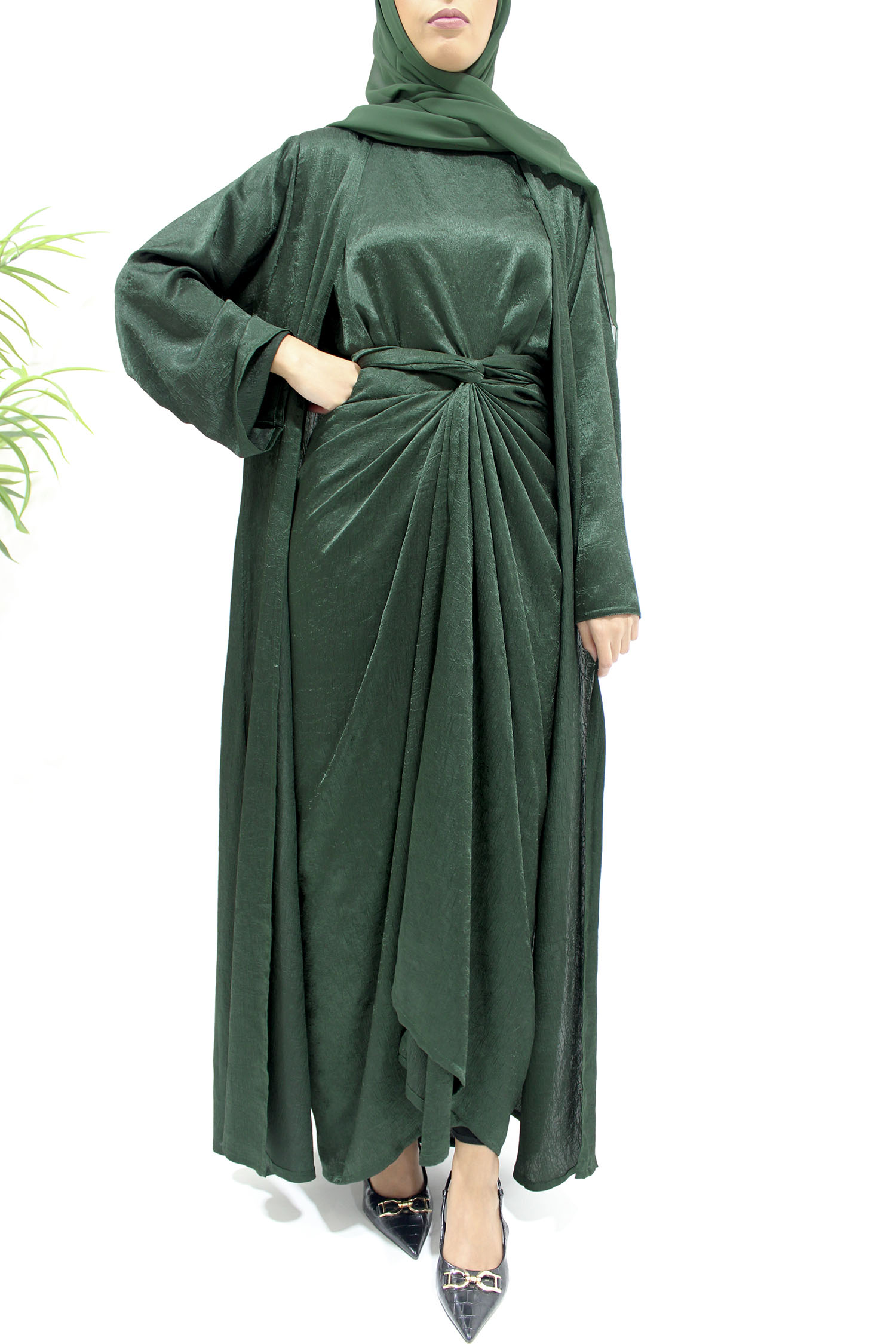
Dubai: The Heartbeat of Modern Modesty
If you’re looking for innovation blended with tradition, Dubai is it. The city is a melting pot of heritage and high fashion. Designers here aren’t afraid to push the boundaries — experimenting with Italian silks, Korean satins, and French lace, all while preserving the modesty at the core of the abaya.
- Tailoring: Clean lines, perfect hems, precision cuts
- Luxury Touches: Swarovski detailing, hand embroidery, velvet piping
- Cultural Fusion: Turkish motifs meet Emirati silhouettes
What I love about Dubai abayas is that they never feel mass-produced. You can tell when someone took their time — when a piece feels like it was designed for your energy, not just your measurements.
London: Where Modest Meets Metropolitan
Now let’s head to London — a city that’s surprisingly become a quiet leader in designer abayas. Here, modest fashion meets cool urban edge. Think sleek monochromes, asymmetrical hems, and high-quality sustainable fabrics. I once bought a charcoal grey abaya in Shoreditch that made me feel like I could walk into any boardroom and still honor my faith.
London abayas tend to favor structure over embellishment. They’re minimal but bold — speaking volumes without a single sequin. If you lean toward contemporary, clean fashion that feels intentional but still modest, London might just be your city.
Other Places Worth Knowing
Of course, designer abayas aren’t limited to Dubai or London. Here’s a helpful comparison of what different regions are known for:
| City | Abaya Style Signature | Why It Stands Out |
|---|---|---|
| Dubai | Ornate luxury with cultural roots | Top-tier craftsmanship, opulence, diversity |
| London | Minimal, tailored, and metropolitan | Modern modesty with fashion-forward precision |
| Jeddah | Traditional meets elegance | Classic black abayas with refined details |
| Jakarta | Soft drapes and vibrant embroidery | Indonesian textiles, Islamic modesty blended with tropical femininity |
| Paris | High-concept fashion meets modesty | Experimental silhouettes, runway-ready statements |
It’s Not Just About the Label — It’s About the Story
When I wear my Dubai abaya to an event and someone compliments it, I don’t just say “Thanks.” I tell them the story. The woman who stitched the cuffs. The gold thread imported from India. The designer who named the piece after her grandmother. These stories matter. They’re woven into the garment itself.
And that’s the difference. A real designer abaya isn’t just stitched — it’s sculpted. Every region adds its own soul. That’s why I always say: don’t just shop for fashion. Shop for origin.
Where Should You Buy From?
It depends on your vibe, honestly. Want luxe and regal? Start with the UAE. Prefer clean, bold, and city-smart? London’s got you. Want something spiritual with tradition? Explore Jeddah’s older houses. And don’t forget the emerging designers across North Africa, Turkey, and even online ateliers in the US — so many are pouring love into modest fashion in ways that feel personal, not performative.
In the end, the best designer abaya isn’t the most expensive or heavily embellished. It’s the one that carries your story — and elevates it. Because when you wear something made with devotion, it shows.
Up next? We’ll unpack what actually makes an abaya “designer.” Spoiler: It’s not just the price tag — and knowing what to look for can save you from being overcharged for something that doesn’t deserve the label.

Beyond Black: How Modern Abayas Are Redefining Color and Texture
Honestly, when I first started wearing abayas, I thought black was the only option. It felt safe, traditional, and frankly, the easiest choice for everyday wear. But over time, I’ve come to realize that the world of abayas is much richer, more vibrant, and yes — more daring than I ever imagined. Modern designer abayas are breaking the mold, experimenting boldly with color and texture in ways that honor tradition while celebrating individuality.
At first, I was hesitant. Would it still feel modest? Would it still feel “right” to step out in a soft pastel or deep jewel tone instead of classic black? But then I tried a dusty rose abaya with subtle satin sheen, and something shifted. I felt lighter, more expressive, yet still wrapped in that comforting modesty. That’s when I realized: color and texture aren’t just aesthetic choices — they’re emotional statements.
The Emotional Language of Color
Every shade conveys something deeper. I’ve noticed this in myself and others, and maybe you have too:
- Deep Navy: Calm, strength, and a modern twist on tradition.
- Emerald Green: Growth, vitality, and a quiet confidence.
- Blush Pink: Softness, warmth, and a gentle femininity.
- Charcoal Grey: Professionalism, seriousness, with an edge of mystery.
- Ivory and Creams: Purity, elegance, and understated grace.
These colors help you tell your story without saying a word. And when combined with the right fabric, they can shift the whole vibe of your outfit — from casual daywear to elegant evening.
Texture: The Unsung Hero of the Abaya
Texture adds depth and life. It can take a simple color and make it extraordinary. When I first felt the difference between a plain matte crepe and a finely woven jacquard, I was amazed. Suddenly, the abaya didn’t just hang on me — it danced, it moved, it breathed.
Here’s a quick guide I keep on hand for mixing color with texture to elevate your abaya game:
| Fabric Type | Typical Textures | Best Color Pairings | When to Wear |
|---|---|---|---|
| Crepe | Matte, slightly grainy | Black, navy, emerald | Daily wear, formal meetings |
| Satin | Glossy, smooth | Blush pink, ivory, jewel tones | Evening events, weddings |
| Chiffon | Light, sheer, flowing | Soft pastels, light greys | Spring/summer gatherings, outdoor |
| Jacquard | Textured, patterned weave | Charcoal, deep green, burgundy | Special occasions, cultural events |
| Velvet | Plush, rich | Royal blue, maroon, black | Winter, formal nights |
Breaking Tradition — But Staying Rooted
You might worry, like I did, that experimenting with colors means losing the essence of modesty or disrespecting culture. But that’s where intention matters most. The beauty of designer abayas today is how they hold that balance. They innovate without compromising. They whisper tradition through the language of fabric and shade.
One of my favorite designers once told me, “Color isn’t rebellion — it’s evolution.” And she’s right. Modesty is about respect, but it’s also about joy, confidence, and self-expression. A bright teal or a warm caramel abaya can brighten your spirit and reflect your personality, without losing the heart of what the abaya represents.

How to Choose Colors and Textures That Work for You
It’s personal — and that’s what makes it exciting. Here’s how I approach it:
- Think about your skin tone. Jewel tones and warm pastels can bring out your natural glow.
- Consider your lifestyle. Heavier textures like velvet might be perfect for winter, while chiffon suits warmer days.
- Match your mood. Feeling bold? Go for rich emerald or maroon. Need calm? Stick with soft greys or cream.
- Don’t be afraid to mix. Layering a textured abaya over a solid hijab or vice versa adds dimension.
Try to see your abaya not just as a garment, but as an extension of your inner self — your mood, your values, your faith.
Final Thoughts: Color and Texture Are Your Secret Modesty Superpowers
In the end, the modern abaya isn’t about black or nothing anymore. It’s about you — your story, your heritage, your confidence. By exploring color and texture thoughtfully, you don’t just wear modest fashion. You embody it.
So next time you’re browsing designer abayas, don’t shy away from the unexpected. Dare to wear that soft lavender, that rich burgundy, that delicate cream. Your abaya can be modest, elegant, and beautifully expressive all at once. Because modesty isn’t about hiding — it’s about shining in a way only you can.
What Makes an Abaya ‘Designer’? Not Just the Price Tag
You know, I used to think “designer” just meant expensive — like you were paying for a brand name or a fancy label. But after years of exploring modest fashion, meeting designers, and even visiting ateliers, I realized that being a “designer abaya” is way more than just the price tag. It’s about craftsmanship, story, and intention.
Let me share a little story. A few seasons ago, I stumbled upon a small boutique run by a passionate designer in Dubai. Her abayas weren’t the most expensive on the rack — but each one told a story. The fabric felt different, the stitching was meticulous, and the designs were unique but wearable. That moment changed how I think about designer abayas forever.
Designer Abaya vs. Off-the-Rack: What’s the Real Difference?
Here’s the thing — not all abayas labeled “designer” deliver the same experience. And not all affordable options lack quality. The true value comes down to several factors beyond just the brand name or price:
- Material Quality: Designer abayas use premium fabrics that drape beautifully, breathe well, and last longer.
- Unique Designs: You’ll find original cuts, embroidery, and detailing that stand apart from mass-produced versions.
- Craftsmanship: Every stitch, seam, and embellishment is carefully crafted, often by hand.
- Fit and Comfort: Designer pieces prioritize your comfort with thoughtful tailoring and fabric choices.
- Story and Brand Ethos: Many designers embed cultural heritage or social causes into their work, giving the abaya deeper meaning.
Breaking Down the Key Elements of a Designer Abaya
| Element | What It Means | Why It Matters to You |
|---|---|---|
| Fabric | Natural fibers like silk, fine crepe, or linen; blends with lasting quality | Feels comfortable on skin, drapes elegantly, and withstands washing |
| Design Details | Embroidery, beading, lace trims, or artistic cuts unique to the designer | Adds personality and a refined look without overwhelming modesty |
| Construction | Precision stitching, reinforced seams, and hand-finished touches | Ensures durability and a flattering silhouette over time |
| Fit | Tailored or thoughtfully loose to complement different body types | Maximizes comfort and modesty without sacrificing style |
| Brand Philosophy | Commitment to ethical sourcing, cultural respect, or community support | Gives you confidence in your purchase and aligns with your values |
Why Price Isn’t Everything (And When It Might Matter)
Here’s a secret: Sometimes, a high price just means a fancy label or marketing budget — not better quality. But that doesn’t mean cheap abayas always cut it either. I’ve learned to look past the tag and ask myself:
- Does the fabric feel luxurious and breathable, or rough and synthetic?
- Are the details thoughtfully done, or slapped on for show?
- How does it fit my body — is it flattering but modest?
- Does the brand’s story or ethics resonate with me?
That’s how I decide if an abaya is truly “designer” for me, not just in price but in spirit and substance.
The Designer’s Touch: Stories That Bring Abayas to Life
One of my favorite memories is visiting a small atelier where the designer explained the inspiration behind her collection. Every stitch was a tribute to her grandmother’s style, every pattern drawn from Islamic geometric art she learned as a child. Wearing her abaya felt like wearing a piece of history — a living story.
That’s what designer abayas offer that mass-produced ones don’t: a connection. You’re not just buying fabric and thread — you’re embracing a narrative, a legacy, a purpose.
Choosing Your Designer Abaya: Tips From My Experience
From years of trial, error, and delight, here’s what I’d recommend when shopping for a designer abaya:
- Meet the Maker: If you can, learn about the designer’s background and philosophy. It enriches the experience.
- Feel the Fabric: Touch is everything — pick abayas that feel like a second skin, not stiff costumes.
- Check the Details: Look closely at stitching, embellishments, and fit. They reveal a lot about quality.
- Ask Questions: Don’t be shy — inquire about sourcing, production methods, and ethical practices.
- Trust Your Gut: If it makes you feel confident, comfortable, and proud, it’s worth it.
Remember, a designer abaya isn’t just a purchase — it’s an investment in your style, comfort, and identity.
Next time you browse through those beautiful racks or online collections, I hope you’ll see beyond the price tag. There’s a whole world of artistry and meaning waiting for you to discover.
Luxury or Legacy? Choosing Between Prestige Labels and Boutique Gems
Let me be honest — choosing between a big-name luxury abaya label and a hidden boutique gem used to feel like a dilemma for me. I’d stare at the glitzy tags on one side and the handcrafted, smaller-scale collections on the other, wondering which really reflected who I was and what I wanted to say through my modest fashion.
Over time, I discovered that this choice isn’t about “better or worse.” It’s about what story you want to wear, and what values you want to honor when you slip into your abaya each day. Let me share some of my own reflections and what I’ve learned navigating this world.
What Luxury Labels Bring to the Table
Luxury designer brands are iconic for a reason. They often embody decades of heritage, polish, and a high level of artistry. When you wear a label like Elie Saab, Valentino, or a renowned Middle Eastern house, you’re tapping into a global story of prestige, innovation, and unmistakable quality.
- Consistent Quality: Luxury brands usually maintain rigorous standards, from fabric sourcing to final stitching.
- High Recognition: Wearing these abayas can feel like a badge of honor — an instant signal of refinement and style.
- Cutting-Edge Design: These houses often set trends, pushing boundaries in modest fashion without compromising tradition.
- Wide Availability: International stores and online platforms make luxury abayas accessible globally.
But luxury labels come with their own considerations — like steep price tags and sometimes a less personal connection to the maker behind the garment.
Why Boutique Designers Might Steal Your Heart
On the flip side, boutique designers offer something deeply intimate and unique. I once bought an abaya from a small workshop run by a mother-daughter duo, and it felt like wearing a warm hug. These gems often reflect:
- Handcrafted Uniqueness: Each piece is often one-of-a-kind or limited edition, made with love and care.
- Local or Cultural Stories: Boutiques tend to embed heritage and personal narratives into their designs.
- Ethical Practices: Smaller operations often focus on sustainable sourcing and fair labor.
- Direct Connection: You can often communicate with the designer, which makes shopping feel like a dialogue, not just a transaction.
That personal touch can turn your abaya into a cherished keepsake — not just a piece of clothing.
Luxury vs Boutique: A Side-by-Side Comparison
| Aspect | Luxury Labels | Boutique Gems |
|---|---|---|
| Price Range | High to very high | Moderate to high (but often more affordable than luxury) |
| Design Uniqueness | Trendsetting but produced in larger quantities | Often limited editions or custom-made |
| Craftsmanship | Top-tier, industrial-level precision | Handmade, artisanal quality |
| Brand Story | Established heritage and global recognition | Personal, cultural, or local narratives |
| Shopping Experience | Formal, often exclusive boutiques or luxury online | Warm, personalized service; sometimes direct from designer |
How I Navigate This Choice Personally
For me, it boils down to the occasion and what I want to feel. When I attend a formal event or want to make a statement, a luxury label abaya gives me that confident “wow” factor. But for everyday moments, I lean toward boutique pieces that feel like an extension of my personality — with stories woven into the fabric.
I remember once wearing a beautifully embroidered boutique abaya to a family gathering. It sparked so many heartfelt conversations because the design reflected our shared cultural heritage. That moment was priceless.
Tips for Choosing Your Perfect Designer Abaya
- Consider the occasion and how much you want your abaya to stand out.
- Think about your values — do you prioritize sustainability, personal connection, or global prestige?
- Don’t be afraid to mix and match — some days call for luxury, others for boutique charm.
- Explore both worlds! Sometimes, you’ll discover a boutique gem that feels just as precious as a luxury piece.
At the end of the day, the best abaya is the one that makes you feel your most authentic, beautiful self. Whether that’s a label everyone recognizes or a hidden treasure no one else has seen — it’s your choice, your story, and your style.
But there’s a catch — understanding these differences deeply helps you shop smarter, wear more confidently, and invest wisely. Ready to dive into the art that elevates every designer abaya? That’s coming up next.
How to Spot Quality Stitching, Fabric, and Finish in Seconds
Let me tell you, the first time I really learned to tell a high-quality abaya from a mediocre one, it felt like discovering a secret language. You don’t need to be a fashion expert or a tailor to spot the craftsmanship that makes a designer abaya truly stand out. And honestly, once you know what to look for, it changes the way you shop forever.
We all want our abayas to feel like an extension of ourselves—luxurious, comfortable, and built to last. But without the right knowledge, it’s easy to get caught up in shiny embellishments or a fancy label without checking the real substance: stitching, fabric, and finishing. Here’s how I approach it, and trust me, these tips will save you time and money.
Stitching: The Invisible Hero
Good stitching is like the backbone of any quality abaya. It’s often invisible to the casual eye, but it determines how well the garment holds up over time.
- Check the seams: Run your fingers along the seams. Are they smooth and tight without puckering? Loose or uneven stitches mean it won’t last long.
- Count the stitches per inch (SPI): I learned this trick from a tailor friend. Quality abayas often have 10-14 stitches per inch — a tight stitch count that’s both strong and flexible.
- Look for reinforced areas: Places like armholes, sleeves, and pockets should have double stitching or bartacks to prevent wear and tear.
Fabric: The Soul of Your Abaya
Fabric choice can make or break your experience. I’ve worn abayas made from everything — from scratchy synthetics to buttery soft silks. Here’s what to keep in mind:
- Natural fibers reign supreme: Cotton, silk, and high-quality wool blend fabrics breathe better and feel softer against the skin.
- Weight matters: A lightweight fabric is perfect for hot climates, but it should still have enough density to maintain shape and modesty.
- Texture and drape: The fabric should flow elegantly, not cling or wrinkle excessively. A good drape elevates even the simplest design.
Finishing Touches That Speak Volumes
Finishing details separate a designer abaya from fast fashion. These subtle touches add polish and durability:
- Hems and edges: Look for clean, even hems with no loose threads. Hand-stitched finishes often indicate care.
- Button and zipper quality: These should operate smoothly, with buttons securely sewn on and zippers hidden or elegantly integrated.
- Linings and interfacings: A lined abaya feels more luxurious and maintains its shape better over time.
Quick Comparison Table: Quality vs. Poor Craftsmanship
| Feature | High-Quality Designer Abaya | Poor Quality / Fast Fashion |
|---|---|---|
| Stitching | 10-14 stitches per inch, even, reinforced seams | Loose, uneven stitches, gaps or puckering |
| Fabric | Natural fibers, soft texture, good drape | Synthetic, stiff or scratchy, poor drape |
| Finish | Clean hems, quality buttons/zippers, lining | Frayed edges, loose buttons, no lining |
| Durability | Holds shape, resists wear and tear | Quickly fades, stretches, or tears |
My Personal Shopping Ritual
Whenever I’m shopping, I make it a habit to really touch and inspect the abaya before buying. I’ll gently pull at seams and peek inside for lining. It’s not just about being picky — it’s about respecting your investment and your comfort.
Once, I bought a stunning abaya with gorgeous embroidery, but it had loose stitching and no lining. It looked perfect at first, but after a few wears, the fabric stretched and the seams started to fray. It was disappointing, but it taught me a valuable lesson: the details really matter.
So, next time you’re eyeing that designer abaya, ask yourself: does it feel as good on the inside as it looks on the outside? This mindset keeps me confident and proud every time I wear my favorite pieces.
Now that you know how to spot quality at a glance, imagine how much more satisfying your next abaya purchase will be. But wait — the magic truly happens when craftsmanship meets artistry, which I’ll dive into next.
The 5 Designer Abaya Silhouettes Every Woman Should Know
If there’s one thing I’ve learned after years of living in abayas — from bustling souqs in Dubai to elegant boutiques in Istanbul — it’s that the silhouette makes the statement before you ever say a word. You could be wrapped in the finest silk or draped in matte crepe, but if the cut doesn’t suit your body or reflect your vibe, the magic’s lost. That’s why understanding the main abaya silhouettes is so powerful — it’s like unlocking a language of modest expression.
When I first started investing in designer abayas, I’ll admit — I went straight for what looked “luxurious.” But over time, I realized that the real confidence came when the abaya *moved* with me, flattered my frame, and felt like me. Let me walk you through the five core silhouettes every modest fashion lover should know — whether you’re curating your wardrobe or choosing your very first high-end piece.
1. The Classic Closed Abaya
This is the timeless go-to. Think front-closed, simple lines, often worn over clothing and styled with or without a belt. I wear this silhouette when I want to feel grounded and composed — especially for prayer, formal events, or days I need to keep it minimal but elegant.
- Best for: All body types, especially those who prefer coverage without layering tricks
- Styling tip: Add a statement belt and heels to instantly elevate the look
2. The Open Kimono-Style Abaya
I call this one the “modern muse.” It’s open in the front, like a duster or kimono, and often comes with matching inner dresses. I wear mine to brunches, travel days, or when I want to add a layered look without compromising modesty.
- Best for: Curvier shapes who want versatility and styling control
- Styling tip: Let your inner dress or tailored trousers peek through — it’s all about balance
3. The Butterfly Abaya
This one feels like a dream — loose, flowing wings from sleeve to hem. It’s the kind of abaya that makes you feel graceful with every step. I personally reach for it on days when I want a blend of elegance and comfort, especially in warmer weather.
- Best for: Petite women or anyone who loves an ethereal, flowing look
- Styling tip: Keep accessories minimal — the silhouette does all the talking
4. The Fitted A-Line Abaya
Structured yet feminine, this cut flares out gradually from the waist, offering both modesty and a flattering shape. I wore a navy blue satin A-line to my cousin’s engagement party, and I still get compliments on it years later. It’s that kind of piece.
- Best for: Pear-shaped or hourglass bodies that want definition without tightness
- Styling tip: Go bold with heels or a contrasting hijab to define your silhouette
5. The Layered or Tiered Abaya
These are playful and fashion-forward, often seen in designer collections. They feature panels or layers that add volume, texture, and a hint of drama. I wore one recently during Eid — it was taupe with satin tiers, and I felt like royalty.
- Best for: Fashionistas who love texture, volume, and standout styles
- Styling tip: Let the tiers shine by keeping your accessories soft and tonal
Comparison Table: Designer Abaya Silhouettes
| Silhouette | Key Features | Best For | Occasions |
|---|---|---|---|
| Classic Closed | Front closed, minimal tailoring | All body types | Prayer, formal, everyday |
| Open Kimono | Front open, layering options | Curvy or tall figures | Casual, work, travel |
| Butterfly | Flowy sleeves, loose fit | Petite, elegant look seekers | Summer, evening, casual glam |
| Fitted A-Line | Tailored waist, flared hem | Pear or hourglass shapes | Weddings, engagements, events |
| Layered/Tiered | Multiple fabric tiers, dramatic cut | Bold fashion lovers | Eid, photoshoots, special outings |
Choosing the Right Silhouette for YOU
There’s no “best” silhouette — only the best one for your moment, your mood, and your movement. Some days I want to feel structured and polished, other days I want to flow like I’m part of the wind. That’s the beauty of abayas — they give us the freedom to be modest and expressive all at once.
So next time you’re shopping or organizing your wardrobe, ask yourself: “What am I trying to feel today?” That question will guide you to the right silhouette, every time.
In the next section, I’ll dive deeper into something that can truly make or break that silhouette — the art of embroidery and embellishments. Trust me, it’s where designers speak without words…
Fit, Flow, and Function: Finding the Right Abaya for Your Body and Lifestyle
I remember the first time I tried on a designer abaya that actually *fit*. Not just in size — but in spirit. It felt like it moved with me, not against me. No bunching at the shoulders, no dragging at the hem. Just fluid grace, the kind you don’t have to fuss over. I thought to myself, “So this is what it’s *supposed* to feel like.”
Here’s the truth: an abaya should serve you, not the other way around. It should mirror your life — whether you’re a busy mum juggling errands and Eid prep, a professional walking into meetings with quiet power, or a bride-to-be choosing her first designer piece. Fit, flow, and function aren’t just nice-to-haves. They’re essentials.
1. Understanding Your Body Shape
Start with the basics. I used to think all abayas were “one-size-fits-all modesty,” but that’s far from the truth. Each of us carries beauty differently, and recognizing your body shape — not to change it, but to complement it — is a form of self-respect.
- Hourglass? Opt for tailored A-lines or belted wraps that hug without clinging.
- Pear-shaped? Flowing butterfly or layered cuts help balance the silhouette.
- Rectangle or athletic? Ruffled hems or structured designs can create soft curves.
- Petite? Avoid overwhelming fabrics — think sleeker cuts and ankle-length hems.
2. Flow Matters — It’s Not Just Fabric, It’s Feel
There’s something poetic about a well-flowing abaya. The way it trails softly, catching the light without swallowing you whole. For me, chiffon or nida is my go-to for everyday elegance. But when I’m traveling or facing a full day on my feet? I turn to crepe blends that don’t wrinkle easily and move effortlessly.
Different fabrics offer different kinds of “flow,” and your choice should fit the energy of your day — not just your closet.
3. Matching Function with Lifestyle
When my little ones were toddlers, I learned the hard way that dry-clean-only designer abayas were not for the nursery drop-off line. Now I ask myself: “Where am I going in this abaya? What does my day actually look like?” And I build my wardrobe from there.
| Lifestyle | Ideal Abaya Style | Recommended Fabric | Why It Works |
|---|---|---|---|
| Busy Mum | Open front, easy to layer | Lightweight crepe or cotton blend | Breathable, easy movement, washable |
| Working Professional | Structured A-line or wrap | Nida, satin-crepe blend | Polished yet modest, perfect for meetings |
| Event Goer | Embellished or tiered styles | Silk, satin, velvet | Elevated presence, striking textures |
| Minimalist | Classic closed, monochrome | Soft linen or nida | Clean lines, timeless and versatile |
| Traveler | Butterfly or kimono style | Wrinkle-resistant crepe | Packs light, moves easily, dries fast |
4. Don’t Forget the Hemline and Sleeves
It’s wild how a few centimeters can change everything. Too long, and you’ll trip (ask me how I know). Too short, and it loses that graceful drape we all love. Sleeves, too — flared ones look stunning, but can be impractical if you’re typing or holding a toddler.
I now measure my ideal abaya length from the shoulder to just above the floor — usually 54 or 56 inches for my height. And I’ve become a fan of cuffed sleeves with subtle buttons. Modest, elegant, and they stay out of my chai cup.
5. Real Talk: Fit Isn’t Vain, It’s Respectful
In our deen, we’re taught that modesty is beauty. But modesty doesn’t mean drowning in fabric. Finding an abaya that fits your body *well* — not tight, not shapeless — reflects dignity. It honors the form Allah gave you while still covering it with grace.
When I wear an abaya that fits and flows the way it should, I walk differently. I smile more. I don’t tug or adjust. And that, to me, is the essence of designer modest fashion — it fits your life, not just your size.
Up next, we’ll explore the details that truly elevate an abaya from ordinary to unforgettable — embroidery, embellishments, and the stories stitched into fabric.
Hijab Harmony: Matching Your Abaya with the Right Headscarf
I’ll never forget the time I wore my most expensive abaya — black satin with delicate gold threading — only to throw on a hijab I grabbed last minute that totally clashed. I looked… off. It wasn’t a disaster, but it didn’t feel right. And I knew it. That’s when I realized: the hijab isn’t just an accessory. It’s the finishing touch. The harmony between your abaya and hijab is what brings the whole look together — or takes away from it.
When people say, “You look so put together,” they’re not just talking about the abaya. It’s the full ensemble — color, fabric, drape, texture — and how everything sings together. That harmony is what we’re talking about today. And trust me, once you start paying attention to it, you’ll never go back to mismatched mornings again.
1. Color Coordination: More Than Just Matching
Color matching doesn’t mean your hijab has to be the exact same shade as your abaya. In fact, that can look too flat or forced. What you want is *coordination*. Think in terms of tones, contrasts, and moods.
| Abaya Color | Hijab Color Suggestions | Vibe It Creates |
|---|---|---|
| Black | Emerald, beige, gold, maroon | Elegant, classic, easy to elevate |
| Nude or Taupe | Ivory, rose, olive, mocha | Earthy, soft, natural harmony |
| Pastel Pink | Cream, dove grey, blush, lilac | Feminine, dreamy, gentle |
| Navy Blue | Rust, dusty blue, cream, white | Balanced, deep, grounded |
| Emerald Green | Champagne, tan, soft black, pearl | Regal, rich, graceful |
One tip I live by? Keep a few neutral hijabs (like ivory, taupe, and soft grey) that work with almost any designer abaya. They’re lifesavers on rushed days.
2. Fabric Flow: Keep It in Sync
It’s not just about color. Ever worn a luxurious silk abaya with a cotton hijab? The mismatch in texture can throw off the entire look. I’ve been there. Your abaya is gliding through the room like a dream, but your hijab is sitting stiff on your head, looking like it’s from another outfit entirely.
Try to match fabric energy:
- Satin or silk abayas pair well with satin or chiffon hijabs — think fluid on fluid.
- Crepe abayas work beautifully with jersey or crinkle hijabs — relaxed yet refined.
- Embroidered abayas often need a simple matte hijab to let the detail shine.
And if you’re going for a textured hijab like pleated or ribbed? Keep your abaya fabric clean and subtle. Let one shine at a time.
3. Draping Styles That Complement Your Abaya
The way you wear your hijab can change the whole silhouette of your abaya. I used to tie mine so tight and low that it bunched the shoulder line of my beautiful kimono-style abaya. Lesson learned. Now, I style my hijab *with* the abaya’s shape in mind.
| Abaya Style | Recommended Hijab Drape | Why It Works |
|---|---|---|
| Kimono Cut | Loose over-shoulder drape | Mirrors the open flow of the sleeves |
| Structured A-Line | Neat turban or tucked-in wrap | Keeps the silhouette clean and sharp |
| Layered/Bell-Sleeved | Voluminous drape on one side | Adds balance and elegance |
| Embroidered Statement | Simple back drape or tight wrap | Lets the abaya’s detail shine |
4. Matching Occasions, Not Just Pieces
Sometimes, it’s not just about the design — it’s about *where* you’re going. For formal events, I reach for my silky hijabs that reflect the light just a bit. For Jumu’ah or everyday errands, I keep it minimal with soft cottons or crepes.
Let your hijab set the tone with your abaya. Casual doesn’t mean careless — it just means choosing simplicity with intention.
5. Hijab Pins, Undercaps, and Accessories
Can we talk about undercaps? They’re unsung heroes. The right one can help keep your hijab from slipping or altering the fit of your abaya neckline. I keep a range of shades — beige, black, and deep brown — to avoid the dreaded peek-through moment.
And hijab pins? If your abaya has gold accents, go for gold-toned pins. It’s a small thing, but when you’re putting together a cohesive look, every detail matters.
Final Thoughts: It’s Not About Perfection, It’s About Intention
You don’t have to match everything perfectly to look beautiful. But when you choose your hijab with the same care you choose your abaya, it shows. It reflects thoughtfulness, harmony, and respect — for yourself, your values, and your presence in the world.
Sometimes, the most powerful style statements come from the quietest places — a soft hijab tied just right, a color that reflects your mood, a fabric that speaks your language. Hijab harmony isn’t about fashion. It’s about balance. And once you find it, it becomes part of you.
Next, let’s dive into the beauty of detailing — the embroidery and embellishments that turn a designer abaya into a true work of art.
Where to Shop Designer Abayas Without Getting Overcharged
Let me be real with you — I’ve made some mistakes. I once splurged on a “designer” abaya from a luxury boutique in Dubai, only to find out later the same piece was available online for nearly half the price. That one stung. It taught me an important lesson: beautiful doesn’t have to mean overpriced. You *can* buy designer abayas without draining your savings. You just need to know where to look, how to compare, and — most importantly — when to trust your gut.
So if you’re tired of browsing endless websites, unsure whether the price matches the quality, or afraid of falling for overpriced hype — sister, this one’s for you.
1. Understand What You’re Actually Paying For
The term “designer” can sometimes be a smoke screen. Just because a brand has a glamorous Instagram page doesn’t mean their abayas are worth triple the cost. What you’re really paying for are three things:
- Quality of craftsmanship – Stitching, fabric, lining, and cut.
- Original design – Embellishments, embroidery, silhouette creativity.
- Brand prestige – The name, the reputation, the lifestyle image.
Now, ask yourself: do you want all three? Or is high-quality design without the inflated “name” enough? Once I started asking that question, I found boutique designers who delivered even better craftsmanship than some famous labels — at a fraction of the cost.
2. Boutique vs Big Brands: Pros & Cons
| Type | Pros | Cons |
|---|---|---|
| Prestige Labels |
|
|
| Independent Boutiques |
|
|
Personally, I’ve had the best luck with boutique brands run by Muslim women — they just *get it*. The modesty, the style, the comfort — it all aligns. And supporting our own communities while looking fabulous? Win-win.
3. Trusted Online Shops That Won’t Rip You Off
After years of shopping (and overspending), I now keep a shortlist of trusted websites where I find genuine designer abayas at fair prices. Here are a few of my favorites:
| Store | What I Love | Why It’s Worth It |
|---|---|---|
| Inayah | Clean silhouettes, elegant minimalism | Consistent sizing, fair shipping rates |
| Aab Collection | Soft luxury fabrics, beautiful flow | Mid-range pricing with high-end feel |
| Haute Hijab (Abaya section) | Refined taste, curated selection | Ethical sourcing, excellent customer service |
| Namshi & Modanisa | Frequent sales, great variety | Budget-friendly and legit brands |
| Local Instagram boutiques | Handmade pieces, real feedback | DM for discounts, real-time support |
Before you hit purchase though, always check reviews, zoom into product photos, and double-check sizing charts. Also? Look at their return policy — a sign of a seller’s confidence in their product.
4. Time Your Purchases for Maximum Value
It’s not just *where* you shop — it’s *when*. My secret weapon? I buy most of my designer abayas during Ramadan and Eid sales. Prices drop, bundles appear, and exclusive collections launch. If you’re eyeing something pricey, wait it out. Save it in your cart and subscribe to their email list. I’ve scored £180 abayas for £89 just by being patient.
Also, consider off-season shopping. Lightweight summer abayas go on sale in autumn. Heavy winter pieces? You’ll find deals in spring. Plan ahead and your wallet will thank you.
5. The Power of In-Person Shopping (When You Can)
If you ever get the chance to shop in places like Istanbul, Medina, or even certain districts in Dubai, go. The prices can be way lower than online — and the experience? Magical. You can feel the fabric, test the fit, and even negotiate the price. I once haggled a heavily embroidered designer abaya down from $220 to $140 — all with a smile and some respectful charm.
Final Thoughts: Don’t Confuse Expensive with Exclusive
It took me years to understand this: an abaya doesn’t have to be expensive to make you feel divine. What matters is that it reflects you — your values, your taste, your modesty. Don’t fall for the myth that price equals prestige. Look deeper. Compare. Ask questions. And trust your instincts.
The most beautiful designer abayas I own didn’t come with a celebrity label. They came with heart, intention, and authenticity — and those are priceless.
Ready to elevate your collection even more? Up next: the art of embroidery and embellishment — because the details make all the difference.
Eid, Nikah, or Every Day? Choosing the Right Abaya for Every Occasion
When I first started building my abaya collection, I had one black piece I wore for *everything*. Eid, grocery runs, Friday prayers, even weddings — I’d just accessorize differently and hope it passed. But the truth is, not all abayas are created equal. Over time, I learned that the secret to truly loving your wardrobe is choosing abayas that match the *moment*. Because when your outfit reflects the mood of the occasion, it doesn’t just look better — it feels right. Like you’re honoring the moment and yourself.
Let’s Be Honest: One Abaya Doesn’t Fit All
You wouldn’t wear sneakers to your nikah or stilettos to the school run — so why do we expect one abaya to do it all? Whether you’re dressing for Eid, your best friend’s wedding, or just stepping out for coffee, the occasion sets the tone. I learned this the hard way after showing up to an intimate family dinner in a heavily embellished piece that looked like I was heading to a gala. It was gorgeous, yes — but also a little… too much.
Matching Abaya Styles with Occasions
Let me break down what I’ve come to understand about choosing the right abaya for the right time. I’ve created a quick table that might help you as much as it’s helped me:
| Occasion | Recommended Abaya Style | Fabric & Details | Styling Tips |
|---|---|---|---|
| Eid | Statement abaya with embellishment | Silk, chiffon, with embroidery or beadwork | Pair with gold heels, bold jewelry, and a soft glam hijab |
| Nikah / Engagement | Elegant flowy abaya or kimono-style | Crepe, satin, delicate lacework | Keep the palette soft (blush, cream), clutch bag, pointed flats |
| Jumu’ah / Friday Prayers | Minimalist, loose-fit abaya | Cotton, crepe, subtle detailing | Neutral scarf, simple sandals, maybe a touch of perfume |
| Everyday Wear | Casual A-line or overhead abaya | Jersey, lightweight crepe | Pair with sneakers or flats, crossbody bag, breathable hijab |
| Formal Dinners or Events | Tailored designer abaya | Structured fabrics, asymmetric cuts, dramatic sleeves | Statement earrings, evening clutch, silk hijab |
Real Talk: Eid Deserves Extra Sparkle
There’s something about Eid that calls for a little sparkle. Not over-the-top bling (unless that’s your vibe — no judgment), but enough shimmer to feel celebratory. I remember one Eid where I wore a deep emerald satin abaya with hand-stitched cuffs, and my little cousins actually gasped. That moment? It reminded me that clothing can bring joy, not just to us, but to the people around us.
Nikah Vibes: Grace, Softness, and Femininity
Whether it’s your day or someone else’s, nikah ceremonies carry a certain stillness — a spiritual softness. I gravitate toward flowy silhouettes in romantic hues like dusty rose, ivory, or soft gold. And honestly? Less is more here. Clean cuts, fine fabrics, and delicate accessories often feel more regal than anything overly dramatic. Let the moment shine, not just the outfit.
Don’t Sleep on Everyday Elegance
Now, I used to think “everyday abayas” meant boring. Functional, yes. But beautiful? Not really. That was until I found a deep navy crepe abaya with hidden pockets and pleated back detail. It felt so effortlessly put together that I wore it three days in a row — no shame. Point is: casual doesn’t mean careless. A simple silhouette with intentional tailoring can elevate your errands or workday without trying too hard.
How to Curate Your Own Occasion-Ready Wardrobe
If you’re like I was — using one abaya for everything — start small. You don’t need a whole new closet overnight. Think of it like building a capsule wardrobe:
- 1 formal piece (for Eid, weddings)
- 1 spiritual piece (for Jumu’ah, Ramadan nights)
- 2 everyday staples (neutral, breathable, easy to style)
- 1 versatile piece (can go formal or casual depending on accessories)
And don’t forget to rotate. That Eid abaya? You can wear it to an engagement party next month with a different scarf and new heels. Get creative — but intentional.
In the End, It’s About Respecting the Moment
Choosing the right abaya isn’t about being extra or creating fashion stress. It’s about honoring the rhythm of our lives. Dressing with purpose, presence, and a little bit of poetry. When I wear an abaya that aligns with the moment I’m in, I feel grounded — like I’m showing up fully, as myself, with grace. And truly, that’s what modest fashion is about at its heart.
In the next section, I’ll walk you through the truth about sizing and how not to fall into the trap of “one-size-fits-most.” Spoiler: it doesn’t. But it’s fixable…
The Truth About Sizing: Why You Should Never Guess With Designer Fits
I’ll be real with you — I used to think abayas were the one thing I *could* buy without worrying about size. I mean, they’re flowy, right? How hard could it be? But after spending money (too much, honestly) on pieces that were either drowning me or pulling in all the wrong places, I finally learned: designer abayas are *not* one-size-fits-all. And guessing your size? That’s a shortcut to disappointment.
I Learned the Hard Way (More Than Once)
Let me take you back to when I bought my first luxury abaya online. It was this stunning mocha-colored silk with pleated sleeves and gold buttons — I was *obsessed*. The model looked about my height, so I picked what I thought was the “safe” size. Big mistake. When it arrived, it swallowed me whole. The sleeves were too long, the shoulders slouched, and the hem dragged across the floor like a dramatic movie scene (not in a good way). I felt like a little girl playing dress-up in her mum’s clothes — and trust me, that wasn’t the look I was going for.
Why Sizing Matters Even With Modest Cuts
Here’s the thing: just because abayas are loose-fitting doesn’t mean size doesn’t matter. Good designers use tailoring — subtle shaping at the shoulder, specific sleeve lengths, intentional hemlines — to create elegance. And if you’re in the wrong size, that elegance disappears. Suddenly, you’re tugging, adjusting, layering awkwardly… and that ruins the whole point of a graceful outfit.
Let’s Break Down Designer Abaya Sizing
I’ve put together a table that gives you a better sense of how sizing really works for designer abayas — and why measurements matter more than generic size labels.
| Measurement | Why It Matters | What to Measure |
|---|---|---|
| Length | Ensures abaya doesn’t drag or look too short | From shoulder to ankle (or floor, depending on style) |
| Bust | Avoids tightness or excessive bagginess | Fullest part of the chest, with breathing room |
| Sleeve Length | So it hits at the wrist, not your fingertips | Shoulder to wrist, with arm slightly bent |
| Shoulder Width | Keeps the abaya from slouching or pinching | End of one shoulder to the other |
| Hip Width | Crucial for A-line and butterfly cuts | Fullest part of your hips |
Why Size Charts Are Just a Starting Point
Every brand has its own definition of “medium” or “large.” I’ve bought a size 56 from one designer that fit like a dream… and another that made me look like I was wearing my dad’s overcoat. That’s why you should never rely solely on size labels. Look for brands that provide full measurement charts. And if they don’t? Honestly, that’s a red flag for me now.
Custom Abayas Changed Everything for Me
Once I got my first made-to-measure abaya, I couldn’t go back. It wasn’t even that much more expensive — but the difference in how it felt? Night and day. It sat perfectly at my shoulders, the sleeves stopped right at my wrists, and the hem kissed the floor just enough to feel elegant, not dangerous. I felt seen. And more importantly, I felt comfortable *and* confident at the same time.
Shopping Online? Here’s What I Do Now
Here’s my exact process before I order any abaya online:
- Step 1: I take fresh measurements (yes, bodies change — especially post-babies!).
- Step 2: I compare them to the brand’s size chart, not just guess based on past orders.
- Step 3: I look at the fabric — jersey is stretchier, satin is stiff, so I adjust accordingly.
- Step 4: If I’m unsure, I message the brand. Most are happy to help if you ask nicely.
Real Talk: Confidence Starts with Comfort
You can have the most stunning embroidery, the richest fabric, the perfect color palette — but if the fit is wrong, none of it lands. I’ve worn “designer” abayas that made me feel frumpy… and affordable ones that felt custom because they fit *just right*. Fit isn’t just about fashion. It’s about self-respect, about showing up for your body as it is — with care, with precision, and with love.
So next time you’re tempted to “just eyeball it,” don’t. Take those few extra minutes to measure. Ask questions. Advocate for your perfect fit. Because you deserve an abaya that doesn’t just drape — it *belongs* to you.
Coming up, we’ll explore how seasonality plays a role — because let’s be real, wearing heavy satin in a Dubai summer? That’s a lesson I learned the sweaty way…
The Rise of Modest Couture: Inside the Abaya Fashion Revolution
Honestly, when I first heard the term “modest couture,” I was a bit skeptical. I thought, “Isn’t modest fashion just about traditional cuts and simple designs?” But then I dived into this world and realized something beautiful was happening — a revolution, really. The abaya, long seen as a symbol of modesty and tradition, is now taking center stage in global fashion with a whole new sense of luxury, creativity, and identity. And it’s not just about the clothes; it’s about what they represent.
From Tradition to Trendsetter
Growing up, my abayas were basic, mostly black, with minimal embellishment. They were practical, respectful, and modest — and that was it. But over the past decade, I’ve witnessed an incredible shift. Designers from the Middle East and beyond are blending tradition with haute couture techniques. Suddenly, modesty doesn’t mean sacrificing style; it means embracing elegance with purpose.
It’s like the abaya became a canvas, and designers started painting stories on it—stories of culture, faith, and modernity merging. What excites me most is how these pieces tell *our* stories — as Muslim women, as fashion lovers, as individuals with rich, diverse identities.
What Sets Modest Couture Apart?
Let me break down some key elements that define this movement, and why I find it so empowering:
| Element | Description | Why It Matters |
|---|---|---|
| Artisan Craftsmanship | Hand embroidery, beadwork, and fabric manipulation | Preserves heritage and adds unique, personal touches |
| Innovative Fabrics | Lightweight silks, breathable chiffons, textured jacquards | Keeps abayas comfortable and season-appropriate |
| Bold Yet Modest Designs | Use of color, patterns, and silhouette innovation | Challenges outdated notions of modesty and style |
| Ethical & Sustainable Practices | Slow fashion mindset with focus on quality over quantity | Reflects growing consumer awareness and responsibility |
Why This Revolution Feels So Personal to Me
There’s something incredibly moving about seeing modest fashion embraced not as a limitation, but as a *choice* — a statement of strength and identity. It’s like the world is finally catching up to what many of us have known all along: modesty can be a source of empowerment, not restriction.
I remember attending a modest fashion show in Dubai a few years ago. Watching models glide down the runway in abayas that looked like wearable art, my heart swelled. This wasn’t just about clothes — it was about reclaiming narrative and style on our own terms. It made me proud of my culture and hopeful about the future of Muslim fashion worldwide.
How Modest Couture Influences Everyday Wear
You might think modest couture is reserved for the elite or special occasions — but honestly, it’s trickling down into what we wear daily. Designers are creating versatile pieces that balance flair and function. For example, you’ll see abayas with subtle embellishments or innovative cuts that feel fresh but are still deeply respectful of tradition.
This evolution means I don’t have to sacrifice my faith or modesty to enjoy beautiful, high-quality clothing that reflects my personality. It feels like a bridge between worlds.
My Top Tips for Embracing Modest Couture in Your Wardrobe
- Invest in Statement Pieces: One beautifully crafted abaya can elevate your entire wardrobe.
- Mix Textures: Pair a smooth silk abaya with a textured hijab to add depth without breaking modesty rules.
- Play with Color: Don’t shy away from jewel tones or pastels; modest couture loves color, and so should you.
- Support Ethical Brands: Look for designers who focus on sustainability and craftsmanship.
- Accessorize Thoughtfully: Choose minimal, elegant accessories that complement without overpowering.
The Future Looks Bright
What started as a niche has blossomed into a global movement — and I’m here for it. The abaya is no longer just a garment; it’s a powerful symbol of modern Muslim identity, creativity, and resilience. It’s exciting to think that every time we slip on these pieces, we’re part of something bigger: a fashion revolution that honors who we are, where we come from, and the beautiful paths we’re forging ahead.
So, whether you’re a seasoned modest fashionista or just curious about what modest couture really means, know this: the abaya fashion revolution is about embracing all the facets of our identity with pride and style. And trust me, it’s a journey worth joining.
Designer vs. Dupes: How to Tell What’s Real (and Worth It)
You know, it’s tempting—really tempting—to grab a gorgeous abaya that looks just like a designer piece but at a fraction of the price. I get it. I’ve been there, scrolling through endless Instagram shops or marketplaces, wondering if that “too good to be true” deal is actually worth it. But over time, I’ve learned that there’s a fine line between a smart purchase and a costly mistake, especially when it comes to designer abayas versus dupes.
Let’s be honest: not all dupes are created equal, and sometimes what looks similar on the surface can’t replicate the soul, quality, and craftsmanship of the original. So how do you tell what’s truly real—and worth your hard-earned money?
Why the Designer Label Means More Than Just a Name
First off, I want to say: owning a designer abaya isn’t just about flaunting a label. It’s about the story behind it—the hours spent by artisans perfecting the stitching, the premium fabrics that feel heavenly on your skin, and the subtle design details that show thoughtfulness and heritage.
For me, when I slip on a designer abaya, I feel a connection to the culture, the craft, and the creator. It’s an experience, not just clothing.
The Reality of Dupes: Where They Shine and Where They Fall Short
Dupes have their place, no doubt. Sometimes, you need an affordable, everyday option that captures the spirit of a designer look without breaking the bank. But here’s the catch: dupes often cut corners in ways that aren’t obvious at first glance. Fabrics might be cheaper, stitching less durable, and the fit… well, let’s just say it can be disappointing.
| Feature | Designer Abaya | Dupe | What to Watch For |
|---|---|---|---|
| Fabric Quality | High-end silks, chiffons, fine cotton blends | Polyesters, lower-grade blends | Feel the fabric; does it breathe? Is it soft and smooth? |
| Stitching & Finish | Even, tight stitches; clean hems | Loose threads; uneven seams | Check hems and inside seams closely |
| Design Details | Hand embroidery, subtle embellishments | Machine-made patterns, printed designs | Look for texture and depth, not just print |
| Fit & Cut | Tailored to flatter various body shapes | Generic sizing, often boxy or ill-fitting | Try it on or check detailed size guides |
| Price Point | Premium pricing justified by quality | Budget-friendly, sometimes suspiciously low | Beware of deals that seem too good to be true |
My Personal Approach to Shopping Designer vs. Dupes
I won’t lie—there are times I buy dupes for casual wear or when I’m trying out a new style. But when it comes to those special moments or pieces I want to last for years, I invest in the real deal. Here’s how I decide:
- Assess the Occasion: Is this for daily wear, or a meaningful event? Special occasions deserve better quality.
- Try Before You Trust: Whenever possible, I touch, feel, and try on abayas before buying. Online shopping? I rely on trusted reviews and detailed sizing charts.
- Know Your Priorities: Am I prioritizing style, longevity, or budget? This clarity helps me choose wisely.
- Spot Red Flags: Extremely low prices, poor product photos, or vague return policies are usually signs to steer clear.
When a Dupe Might Actually Be Worth It
Let’s be real: not everyone can splurge on designer abayas, and that’s okay. Dupes let us enjoy modest fashion trends and experiment with styles without pressure. Just keep in mind that not all dupes are meant to last forever, and that’s part of the trade-off.
For example, if you’re trying out a new silhouette or color you’re unsure about, a dupe can be a great test run. Or, if you need a quick outfit for a short-term event, it might do the job. But if you want an abaya that feels like a second skin, that ages beautifully with care, investing in designer is the way to go.
Final Thoughts: What’s Your Style Investment Philosophy?
At the end of the day, it’s about respecting your own values and needs. Whether you choose a designer abaya or a dupe, the key is to shop thoughtfully and with intention. I’ve found that when I choose quality, I’m happier with my wardrobe, my confidence, and my overall style.
So next time you’re tempted by a deal that looks too good to be true, ask yourself: “Is this piece telling the story I want? Does it honor my style and faith?” If the answer’s yes, then you’ve made a choice worth celebrating.
Caring for Your Designer Abaya Like It’s Heirloom Jewelry
Let me tell you, investing in a designer abaya feels like bringing home a treasure—something delicate, beautiful, and deeply personal. It’s not just fabric; it’s a piece of art, a symbol of identity and modesty wrapped in elegance. So when it comes to caring for it, I treat my designer abayas like heirloom jewelry, because honestly, that’s how precious they are.
You’ve probably felt this too—the panic when you spot a tiny stain or wrinkle on your favorite abaya. But don’t worry, I’ve learned some simple yet powerful ways to keep these garments looking flawless, fresh, and long-lasting. And believe me, with a little love, your abaya will thank you for years to come.
Why Designer Abayas Need Extra TLC
Designer abayas often use delicate fabrics like silk, chiffon, and fine crepe, combined with intricate embroidery or hand-stitched details. These elements aren’t just for show; they require mindful care. Unlike your everyday wear, these fabrics can’t be tossed in a washing machine or dried under harsh sunlight without risking damage.
Think of your abaya as you would a precious necklace or bracelet. You wouldn’t want to toss your grandmother’s jewelry in a box with your everyday trinkets, right? Same with your abaya—it deserves respect and gentle treatment.
Practical Care Tips I Swear By
| Care Step | Why It Matters | My Personal Tip |
|---|---|---|
| Hand Washing or Dry Cleaning | Prevents fabric damage and color fading | Use a mild detergent and cold water for hand wash, or trust a reputable dry cleaner |
| Air Drying | Preserves fabric shape and avoids shrinkage | Always dry flat or hang in shade, never under direct sunlight |
| Storage | Prevents wrinkles, creases, and fabric deterioration | Use padded hangers and breathable garment bags |
| Ironing | Avoids scorching or fabric shine | Use low heat or steam, place a cloth between iron and abaya |
| Spot Cleaning | Quickly removes stains without full wash | Blot gently with a damp cloth and mild soap |
Real-Life Stories: When Care Made the Difference
There was this one time when I accidentally spilled some rose water on my favorite silk abaya before Eid. I panicked, but thanks to years of careful care, I knew to gently blot the spot instead of rubbing it. I took it to a trusted dry cleaner immediately, and guess what? The stain vanished without a trace.
Another time, I stored an abaya without a garment bag, and it developed subtle wrinkles and even a slight odor from being cramped. That taught me the importance of breathable storage and airing out clothes regularly.
How to Store Your Abaya Like a Pro
Storage is more than just hanging your abaya in the closet. It’s about creating an environment where your abaya can “breathe” and stay protected from dust, moisture, and insects. Here’s what I do:
- Use padded hangers: They maintain the shape of the shoulders and prevent stretching.
- Keep them in breathable garment bags: Avoid plastic; it traps moisture and can cause yellowing.
- Store in a cool, dry place: Too much heat or humidity will degrade the fabric.
- Rotate your collection: Wearing different abayas regularly keeps fabrics fresh and prevents long-term creasing.
When to Call in the Experts
Not all stains or issues can be tackled at home, and that’s okay. For hand embroidery, sequins, or delicate lace, professional dry cleaning is the safest bet. Find a cleaner who understands the nuances of modest fashion fabrics and be sure to communicate any special instructions.
Final Thoughts: Your Abaya Is a Reflection of You
Taking care of your designer abaya isn’t just about preserving fabric—it’s about honoring your style, your faith, and the stories woven into every thread. When you treat your abaya with love and care, it shows. It feels better on you, lasts longer, and becomes a cherished part of your wardrobe that you pass on or keep close to your heart.
So next time you slide into your favorite abaya, remember the care it deserves. You’re not just dressing up—you’re celebrating a beautiful tradition, one stitch at a time.
Inside the Atelier: What Happens Before a Designer Abaya Hits the Rack
Have you ever wondered what magic happens behind the scenes before a stunning designer abaya graces a boutique rack? I’ve always been fascinated by the journey—from the first sketch to the final stitch. It’s a delicate dance of creativity, craftsmanship, and sheer passion, and knowing this process changed the way I see and appreciate every piece I own.
Designer abayas aren’t just thrown together overnight. They’re born from a vision, nurtured by skilled hands, and perfected through countless hours of dedication. When I learned about the atelier process, it deepened my respect for the art of modest fashion, and honestly, it made wearing my abayas feel even more special.
The Spark: Inspiration and Design
Every designer’s journey starts with inspiration. Sometimes it’s the flow of nature, a cultural heritage, or a personal story that sparks an idea. I love imagining the designer sitting with a sketchpad, capturing the first strokes of what will become a beautiful abaya.
At this stage, designers consider more than just beauty—they think about how the abaya will move, feel, and fit into a woman’s daily life. Will the fabric breathe? Is the silhouette modest yet modern? These questions shape the initial concept.
From Sketch to Sample: Crafting the Prototype
Once the sketches are approved, the real hands-on work begins. The atelier’s skilled artisans select luxurious fabrics like silk, crepe, or chiffon. The choice isn’t random—each fabric is tested for texture, weight, and drape. I find it incredible how much thought goes into picking just the right material that complements the design and respects modesty.
The next step is creating a prototype—also called a muslin or sample. This rough version helps the team see how the design works in real life. It’s like sculpting clay before the final masterpiece.
| Step | What Happens | Why It Matters |
|---|---|---|
| Conceptualization | Designers sketch ideas inspired by culture, nature, trends | Sets the vision and story behind the abaya |
| Fabric Selection | Choosing textiles based on quality, comfort, and aesthetic | Ensures the abaya feels luxurious and modest |
| Prototype Creation | Making a sample to test fit, flow, and details | Allows refinement before final production |
| Detailing | Adding embroidery, embellishments, or unique finishes | Gives the abaya its signature look and personality |
| Final Production | Skilled seamstresses create the finished pieces | Delivers craftsmanship and durability |
The Heart of the Atelier: Skilled Hands and Passionate Artisans
What truly struck me was how much of the abaya’s soul comes from the hands that craft it. Many ateliers employ artisans who have honed their skills for decades—hand embroiderers, seamstresses, and fabric experts who treat each abaya as a labor of love.
Sometimes, I picture them quietly stitching a delicate floral pattern or carefully hemming the edges, fully aware that their work carries cultural significance and personal stories. That level of care is impossible to replicate in mass-produced fashion.
Quality Control: The Final Check
Before a designer abaya reaches the rack, it goes through rigorous quality control. Each stitch is inspected, every seam checked for strength, and the fabric examined for flaws. I love how this extra step guarantees that when I buy a designer abaya, I’m not just getting a pretty outfit but a durable garment that will age gracefully.
Why Knowing This Journey Matters to Me—and You
Understanding the atelier process transformed my relationship with modest fashion. Every time I wear a designer abaya, I’m reminded of the creativity, tradition, and craftsmanship stitched into it. It’s not just clothing—it’s a story you wear, a piece of heritage and heart.
Next time you pick up a designer abaya, I invite you to pause and imagine the hands and minds behind it. To me, that’s what makes it truly priceless.
When Abayas Go Viral: What Social Media Gets Right (and Wrong)
Okay, let’s be honest—social media has completely changed how we see fashion, especially abayas. I remember scrolling through my feed and being mesmerized by all those stunning, trendy abaya looks popping up everywhere. It’s like a whole new world of modest fashion exploded overnight, and honestly, it feels amazing to have this vibrant community showcasing the beauty and creativity behind abayas. But with the spotlight also come a few myths and misconceptions. So, let’s unpack what social media really gets right—and what it often misses—when it comes to viral abaya culture.
The Good: Empowering Diversity and Creativity
First off, social media has done wonders for modest fashion visibility. I’ve seen sisters from all over the world sharing their abaya styles, from classic black to bold, colorful designs. It’s this diversity that excites me the most. No longer are we boxed into one idea of what an abaya should look like. Platforms like Instagram and TikTok have become melting pots of inspiration where designers and wearers alike celebrate individuality within modesty.
For many, this online exposure has opened doors to small boutique brands that might have otherwise stayed under the radar. I’ve personally discovered so many talented designers through hashtags and influencer posts, which helped me support artisans who pour their hearts into their work.
The Not-So-Good: The Pressure of Perfection
But here’s the thing—social media can also paint a picture that’s a bit too polished, too perfect. The endless feeds of flawless photos sometimes make it feel like every abaya should be a showstopper. And if yours isn’t trending or covered in embellishments, you might wonder if it’s “good enough.”
I’ve been there—scrolling and feeling like my simple, elegant abaya isn’t quite measuring up. What social media often doesn’t show is the daily reality: the comfort, the practical wear, the moments when modest fashion meets life’s messy, beautiful chaos.
| What Social Media Gets Right | What Social Media Gets Wrong |
|---|---|
| Celebrates diversity in abaya styles and cultures | Can create unrealistic expectations about looks and lifestyles |
| Highlights talented emerging designers and boutiques | Focuses heavily on trends over timeless, practical pieces |
| Builds a supportive community for modest fashion lovers | Sometimes overlooks the everyday wearability of abayas |
| Encourages mixing traditional with modern fashion | Can make modesty seem like a fashion “performance” rather than a personal expression |
The Reality Behind Viral Abaya Posts
When I started paying closer attention, I realized that many viral abaya posts are carefully curated stories. Filters, perfect lighting, and professional photography create an almost dreamlike vision. And that’s fine—there’s nothing wrong with showcasing beauty and creativity. But it’s important to remember these images are snapshots, not the full story.
Behind the scenes, designers and wearers face challenges like sourcing the right fabric, dealing with fit issues, or simply balancing modesty with comfort. Not every abaya in your feed will translate perfectly into your daily wardrobe, and that’s okay.
How to Navigate Social Media Abaya Culture Authentically
Here’s where I found balance: I started following accounts that shared honest experiences—not just the glammed-up photos. Sisters who showed how they styled abayas for work, home, or casual days helped me see modest fashion as a lived experience, not a photoshoot.
If you’re like me, you might want to enjoy the inspiration without getting caught up in comparison. Try these tips:
- Follow a mix of designers, everyday wearers, and modest fashion bloggers for well-rounded content.
- Remember that every viral post is a highlight reel—not the whole story.
- Use social media as a tool for inspiration, not a measuring stick for your style or worth.
Why This Matters: Staying True to Yourself in a Digital World
At the end of the day, abayas are deeply personal. They’re about identity, faith, and expression. Social media can be a wonderful way to connect and inspire, but don’t let it pressure you into chasing trends or feeling like you have to perform modesty a certain way.
What truly matters is how you feel wrapped in your abaya—whether it’s a simple black piece or a bejeweled designer masterpiece. When your abaya tells your story, not just the story social media tells, that’s when modest fashion feels most powerful and authentic.
Budget-Friendly Luxury: When Designer Abayas Are Worth the Splurge
Let me be honest—there’s always been a little tug in my heart when it comes to splurging on a designer abaya. Is it really worth it? Or am I just falling for the label? If you’ve ever wrestled with this question, you’re definitely not alone. I’ve been there too, standing in front of a beautiful, pricey abaya and wondering if it’s a smart investment or just a fleeting desire.
But here’s what I’ve learned through experience: designer abayas can absolutely be budget-friendly luxury, and sometimes, they’re worth every single penny. The key lies in knowing when and why to splurge—because it’s not just about the price tag, it’s about value, quality, and how the piece fits into your life and style.
When Does Splurging Make Sense?
From my perspective, a designer abaya is worth splurging on when it meets a few important criteria that go beyond the surface:
- Timelessness: Will this abaya stand the test of time in both style and durability?
- Craftsmanship: Are the fabrics, stitching, and details clearly superior?
- Versatility: Can you dress it up or down for different occasions?
- Fit and Comfort: Does it feel like it was made just for you?
When these boxes get ticked, a designer abaya isn’t just an outfit—it’s a piece of your wardrobe that you’ll reach for again and again. And that’s where the luxury starts feeling budget-friendly because it reduces the urge to constantly replace or upgrade.
How to Spot Budget-Friendly Luxury
I’ve put together a quick guide to help you identify designer abayas that offer the best bang for your buck. This checklist has saved me from buyer’s remorse more times than I can count:
| Feature | Why It Matters | How to Check |
|---|---|---|
| Fabric Quality | Better fabric lasts longer and feels luxurious | Touch and feel; look for natural fibers like silk or crepe |
| Stitching & Finish | Durable and neat stitching means less wear and tear | Check seams and hems closely, inside and out |
| Design Details | Thoughtful embellishments and cuts elevate style | Look for intricate embroidery, unique cuts, and clean finishes |
| Brand Reputation | Trusted designers often deliver consistent quality | Read reviews, ask for recommendations, research before buying |
Stories from My Own Wardrobe
I remember my first designer abaya purchase. It felt like such a splurge at the time, but the moment I slipped it on, I knew it was different. The fabric breathed, the cut flattered my shape without compromising modesty, and the little hand-stitched details made me feel uniquely seen. It became my go-to for weddings, Eid, and even casual outings.
On the flip side, I’ve also made the mistake of buying cheaper abayas that looked great at first but faded or lost shape after a few washes. The disappointment was real, and it made me realize that sometimes spending a bit more upfront actually saves money—and heartache—down the line.
Tips to Make the Most of Your Investment
- Care for your abaya properly. Follow washing and storage instructions religiously to keep it looking fresh.
- Mix and match. Pair your designer abaya with simpler accessories to stretch your style further.
- Buy off-season. Many designers offer sales that make luxury more accessible.
- Consider pre-owned or boutique finds. Sometimes gems come at a fraction of the price.
Why Budget-Friendly Luxury Is More Than Just a Trend
In our world of fast fashion and constant consumption, budget-friendly luxury feels like a breath of fresh air. It’s a conscious choice to invest in pieces that honor your values—quality, modesty, and personal style—without breaking the bank.
So if you’re hesitating on that designer abaya, think about what it means to you. For me, it’s about more than just fabric and thread. It’s about wearing something that carries care, tradition, and beauty. And that, my friend, is always worth the splurge.
Final Touches: Styling, Accessories, and the Confidence You Can’t Buy
Let’s talk about the magic that happens once you’ve found your perfect designer abaya — it’s those final touches that truly bring your whole look to life. Honestly, styling isn’t just about throwing on a few accessories; it’s a beautiful dance of personal expression, modest elegance, and a confidence that radiates from within. You know what I mean — that feeling when you catch your reflection and think, “Yes, this is me.”
When I first started exploring designer abayas, I thought the dress alone would do all the talking. But I quickly realized it’s the little extras — the scarf drape, the choice of shoes, even how you carry yourself — that complete the story. These final touches aren’t just fashion; they’re your identity shining through, and they say more than words ever could.
Styling With Purpose: The Art of Modest Layering
Layering is such a game-changer, especially when you want to add dimension without sacrificing modesty. One of my favorite tricks is pairing an abaya with a well-chosen inner dress or long tunic, which can add pops of color or texture under a simpler outer layer.
And don’t get me started on the scarves! The right hijab style can totally transform your abaya. Whether it’s a flowing chiffon, a silk sheen, or a textured cotton, the scarf you pick sets the tone — casual, formal, or somewhere in between.
| Accessory | Styling Tip | Best For |
|---|---|---|
| Statement Hijab | Use rich colors or embellished fabrics to highlight your face | Eid, weddings, special occasions |
| Minimalist Jewelry | Opt for delicate pieces like small earrings or a thin bracelet | Everyday wear, work, casual outings |
| Belted Waist | Add a slim belt to shape and define silhouette under loose abayas | Formal events, fashion-forward styling |
| Elegant Footwear | Match shoes to your abaya’s vibe — flats for comfort, heels for glam | Varies by occasion and comfort preference |
The Confidence Factor: Why It’s the Ultimate Accessory
Here’s the truth: no matter how stunning your abaya or accessories, the one thing that really pulls everything together is confidence. You can have the most beautiful fabric, the most intricate embroidery, but if you don’t feel good wearing it, that will show.
I’ve noticed that when I feel comfortable and authentic, my posture changes, my smile comes easier, and people actually notice the energy I bring — not just my outfit. It’s funny how that works, isn’t it? That confidence isn’t something you can buy or fake. It’s earned through self-acceptance and loving the way you present yourself to the world.
Personalizing Your Look: Small Details with Big Impact
One of my favorite things to do is play with small, unexpected details. Like adding a vintage brooch to my abaya’s collar or choosing a handbag that tells a story. These elements make my look feel truly mine.
And don’t underestimate the power of scent! A soft, subtle fragrance can lift your mood and complete your personal style ritual. I always think of it as the invisible accessory — one that leaves a lasting impression long after you’ve left the room.
Real-Life Styling Tips That Worked for Me
- Mix textures: Pair smooth silk abayas with matte scarves to add visual interest.
- Balance colors: If your abaya has bold embroidery, keep accessories understated to avoid clashing.
- Comfort is key: No matter how beautiful, if your shoes or hijab feel uncomfortable, it’ll show.
- Experiment with layering: Try layering a cropped jacket or a light cardigan over your abaya for cooler days.
Wrapping It Up: Your Style, Your Story
At the end of the day, styling a designer abaya is about telling your own story. It’s about those subtle choices that speak volumes — the scarf drape that feels like a hug, the shoes that keep you dancing through the day, and yes, that glow of confidence that can’t be bought.
So don’t be afraid to experiment, to express, and to embrace every little detail that makes your look uniquely yours. Because when you do, your abaya doesn’t just cover — it shines.
Ready to Elevate Your Wardrobe? Discover Your Perfect Designer Abaya Today
After everything we’ve explored together—the artistry, the fabrics, the stories woven into every stitch—don’t you feel that spark? That pull to not just wear an abaya, but to *live* it, to let it be an extension of your style, your values, your confidence?
Imagine stepping out with an abaya that feels made just for you—effortless elegance, unmatched quality, and a story that’s as unique as you are. That’s what awaits you at Amanis’ exquisite abaya collection. From timeless classics to bold modern designs, every piece is crafted to celebrate your modesty and your individuality.
Why wait? Your next favorite abaya is just a click away. Browse the collection, feel the fabrics, fall in love with the styles, and embrace that undeniable confidence that comes only when you know you look—and feel—amazing.
Step into your story today. Shop Amanis Designer Abayas now and redefine modest fashion on your own terms.
Frequently Asked Questions About Designer Abayas
1. What defines a designer abaya compared to regular abayas?
Understanding what makes an abaya “designer” can help you appreciate its unique value and make smarter choices:
- Craftsmanship: Designer abayas often feature meticulous hand-stitching, fine embroidery, and unique detailing that mass-produced abayas lack.
- Fabric Quality: High-end fabrics such as silk blends, premium chiffon, or crepe are commonly used to provide luxurious texture and durability.
- Exclusive Designs: Designers create limited collections or bespoke pieces that offer originality instead of repetitive mass-market styles.
- Fit and Comfort: Designer pieces are tailored with precision, enhancing comfort and flattering different body types.
- Brand Reputation: Established designers build a name based on quality, ethics, and aesthetic innovation, which adds value to their abayas.
- Price vs Value: While price is higher, designer abayas are investments in longevity, style, and cultural expression.
2. How do I choose the best fabric for a designer abaya?
Choosing the right fabric affects how your abaya feels, looks, and performs in different climates:
- Chiffon: Lightweight and breathable, perfect for warm weather and flowy styles.
- Crepe: Has a slightly textured surface, offering modest stretch and great drape, ideal for formal and casual wear.
- Silk Blends: Luxurious sheen and smooth feel, excellent for special occasions but needs delicate care.
- Georgette: Semi-sheer and crinkled texture, giving an elegant but slightly structured appearance.
- Jersey: Stretchy and comfortable, perfect for everyday wear but less common in high-end designer abayas.
- Consider Climate: Choose breathable fabrics in hot climates and heavier ones like satin or velvet for cooler weather.
- Maintenance: Some fabrics require dry cleaning or gentle hand washing—factor this into your decision.
3. Can designer abayas be modest yet fashionable?
Absolutely. Designer abayas are the perfect marriage of modesty and style:
- Balancing Tradition & Trends: Designers carefully incorporate modern cuts and embellishments without compromising coverage.
- Creative Details: Lace inserts, subtle embroidery, and elegant buttons add fashion-forward touches while respecting modesty.
- Versatility: Many abayas can transition from day to night with styling, suitable for work, social events, or religious occasions.
- Inclusive Sizing & Styles: Designer brands offer diverse silhouettes that flatter various body shapes while maintaining modest principles.
- Statement Pieces: Wearing a designer abaya can be a bold personal statement about embracing your identity with confidence.
- Layering: Modern modest fashion includes layering with jackets, scarves, and accessories, enhancing the look.
4. How do I care for my designer abaya to keep it looking new?
Proper care extends the life of your abaya and preserves its beauty:
- Read Labels: Follow manufacturer instructions closely for washing and ironing.
- Hand Wash or Dry Clean: Many designer fabrics need gentle hand washing or professional dry cleaning.
- Avoid Harsh Detergents: Use mild soap or detergents made for delicate fabrics to avoid damage.
- Storage: Hang your abaya on padded hangers to maintain shape; store in breathable garment bags away from sunlight.
- Ironing: Use low heat settings or steam to avoid fabric burn or shine, especially on silks and chiffons.
- Spot Cleaning: Address stains immediately with gentle methods to prevent permanent marks.
- Avoid Overuse: Rotate your abayas to prevent wear and tear on your favorites.
5. Are designer abayas suitable for all occasions?
One of the best things about designer abayas is their versatility across occasions:
- Formal Events: Embellished or silk abayas are perfect for weddings, Eid celebrations, and official gatherings.
- Everyday Wear: Simple, lightweight, and comfortable styles suit casual outings and work environments.
- Religious Services: Modest, conservative cuts ensure respectfulness and appropriateness.
- Seasonal Adaptations: Some abayas are designed with layering or fabric choices suitable for summer or winter.
- Custom Designs: Many designers offer bespoke services to tailor abayas specifically for your lifestyle needs.
6. How do designer abaya prices compare to regular ones?
Designer abayas tend to cost more, but here’s why that investment can be worth it:
- Material Quality: Premium fabrics justify a higher price point.
- Unique Designs: Limited edition pieces or exclusive collections are more costly than mass-produced abayas.
- Longevity: Better construction means your abaya lasts longer, saving money over time.
- Brand Value: Designer labels bring prestige, craftsmanship, and ethical production into the price.
- Customization: Custom tailoring or bespoke elements increase cost but deliver perfect fit and style.
- Resale Value: High-end abayas often retain value or become collectibles.
7. What are the latest trends in designer abayas?
Staying current helps you blend tradition with modern flair:
- Color Play: Beyond traditional black, pastels, jewel tones, and bold hues are trending.
- Textured Fabrics: Lace, velvet, embroidery, and beading add dimension and luxury.
- Minimalist Cuts: Clean, flowing lines with subtle accents for understated elegance.
- Layered Looks: Combining abayas with capes, vests, or scarves for dynamic outfits.
- Sustainable Fashion: Eco-friendly fabrics and ethical production gaining traction.
8. How can I find the right designer abaya for my body shape?
Fit is key to feeling confident and comfortable:
- Understand Your Body: Know your proportions — pear, hourglass, apple, rectangle — to select flattering cuts.
- A-Line Styles: Flare gently from the waist, great for most body types.
- Empire Waist: Sits just below the bust, elongating your frame.
- Straight Cuts: Sleek, modern, and good for taller or leaner builds.
- Custom Tailoring: Consider bespoke options to fit unique curves perfectly.
- Try Before You Buy: If possible, test different styles and fabrics to see what feels best.
9. What accessories complement a designer abaya best?
Accessories can elevate or tone down your abaya look effortlessly:
- Hijabs: Choose complementary colors and textures to enhance your abaya without overpowering it.
- Jewelry: Delicate pieces like gold or silver chains, bracelets, and rings add subtle shine.
- Belts: Cinch your waist for structure or wear loose for flowy elegance.
- Handbags: Opt for sleek clutches or crossbody bags that match the occasion.
- Footwear: Heels for formal, flats or sandals for casual, but always comfortable.
10. Can I wear a designer abaya in different seasons?
Absolutely, with some strategic choices:
- Summer: Lightweight fabrics like chiffon or crepe keep you cool and airy.
- Winter: Look for velvet, satin, or layered abayas that provide warmth.
- Layering: Pair your abaya with thermal tops or long-sleeve tees underneath in colder months.
- Accessories: Scarves, gloves, and boots can complement your abaya seasonally.
11. How do ethical practices influence designer abaya brands?
Ethics in fashion matter deeply in today’s world:
- Fair Labor: Many designer brands commit to fair wages and safe work environments.
- Sustainable Materials: Organic cotton, recycled fabrics, and low-impact dyes are used to reduce harm.
- Slow Fashion: Producing fewer, higher-quality pieces combats fast fashion waste.
- Transparency: Brands often share their sourcing and manufacturing processes publicly.
12. How can I tell if a designer abaya is authentic?
Spotting authenticity saves disappointment and supports real craftsmanship:
- Check Labels: Genuine brands have clear, consistent branding and care tags.
- Quality of Stitching: Even, tight, and clean stitching is a hallmark of authenticity.
- Material Feel: High-end fabrics feel soft, heavy, or structured—not cheap or synthetic.
- Purchase Channels: Buy from official boutiques, trusted retailers, or brand websites.
- Price Point: If the deal seems too good to be true, it probably is.
13. What role do cultural influences play in designer abayas?
Designer abayas are beautiful reflections of culture and heritage:
- Traditional Motifs: Embroidery and patterns often draw from Islamic art, calligraphy, and regional styles.
- Modern Interpretations: Designers merge cultural elements with contemporary fashion trends.
- Storytelling: Each abaya can tell a story about identity, faith, and creativity.
- Global Appeal: Cultural fusion in abayas broadens their attractiveness worldwide.
14. How do designer abayas fit into modest fashion trends?
They are a cornerstone of modern modest fashion:
- Empowerment: Designer abayas allow women to express individuality while respecting modesty.
- Diversity: The wide range of styles addresses varied cultural and personal preferences.
- Influence: Modest fashion influencers often showcase designer abayas, raising awareness.
- Innovation: Designers continually push boundaries to refresh modest fashion.
15. What are some tips for shopping designer abayas online?
Buying online can be rewarding with some preparation:
- Read Reviews: Look for customer feedback on fit, fabric, and service.
- Check Size Guides: Compare your measurements carefully with the brand’s sizing charts.
- Return Policies: Understand the process if the abaya doesn’t fit or meet expectations.
- Look for Authenticity Guarantees: Purchase from verified sellers and official websites.
- Ask Questions: Use customer support or live chat for any doubts before buying.
16. Can I customize my designer abaya?
Many designer labels offer customization options:
- Tailoring: Adjust length, sleeves, and fit to suit your preferences.
- Fabric Choices: Select from a palette of fabrics and colors.
- Embroidery and Embellishments: Add personal touches like initials or preferred patterns.
- Consultation: Work with designers or stylists to create a unique piece.
17. How does one care for embroidered designer abayas?
Embroidery needs extra love and attention:
- Gentle Washing: Preferably hand wash in cold water or opt for dry cleaning.
- Avoid Friction: Keep away from rough surfaces and heavy bags that may snag threads.
- Storage: Store flat or hang carefully to avoid crushing embellishments.
- Spot Clean: Address stains quickly using mild detergents and soft cloths.
18. What styles of designer abayas are best for formal events?
Choosing the right style elevates your presence at formal gatherings:
- Silk and Satin: Luxurious fabrics that catch light beautifully.
- Beading and Sequins: Subtle sparkle adds glamour without overpowering.
- Structured Cuts: Tailored designs like A-line or cape-style abayas offer sophistication.
- Long Trains or Embellished Hemlines: Add drama and elegance.
19. How can I mix traditional and modern elements in a designer abaya?
Balancing heritage with contemporary fashion is an art:
- Traditional Fabrics with Modern Cuts: Use classic textiles but opt for trendy silhouettes.
- Modern Colors with Traditional Embroidery: Try bold or pastel hues combined with heritage motifs.
- Layering: Pair traditional abayas with modern accessories and shoes.
- Minimalism: Keep detailing subtle to emphasize clean, modern lines.
20. What should I expect from a bespoke designer abaya experience?
Custom design offers a personalized journey:
- Consultation: Discuss your style, fabric, and fit preferences with the designer.
- Measurements: Precise fitting sessions ensure comfort and flattering cuts.
- Design Approval: You’ll review sketches or samples before final production.
- Fittings: Multiple fittings may be scheduled for adjustments.
- Delivery: Receive a one-of-a-kind piece tailored exactly to you.


