
Some days, it feels like my wardrobe doesn’t speak the same language as my soul. I’m not just dressing for the weather or the latest trend — I’m dressing for my faith, my roots, my dignity. And if you’re someone who’s ever felt torn between expressing who you are and conforming to what the world expects, you’re not alone. Muslim clothes are so much more than what meets the eye — they’re history, identity, intention. In this post, I’m unpacking everything you’ve ever wanted to know about modest fashion: how it began, how it’s evolving, and how to find meaning in every garment you choose. From hijabs to jilbabs, from tradition to trendsetting, you’ll get the full picture — with no filters, no fluff. I’ll also share stories that’ll feel like yours, and truths that might just change the way you see your closet. By the end of this post, I’ll walk you through everything you’ve ever wondered about Muslim clothes — so let’s dive in.
Muslim Clothes: Where Modesty Meets Meaning, Culture, and Confidence
Ever stood in front of your wardrobe feeling like nothing truly reflects who you are — spiritually, culturally, or personally? I’ve been there. Choosing Muslim clothes isn’t just about fabric or fashion; it’s about identity. It’s about feeling seen in a world that often doesn’t understand modesty, faith, or the richness of Islamic culture. This guide is your complete companion to understanding Muslim clothing — from traditional roots to modern interpretations. You’re going to learn not just what to wear, but why it matters, how to find your style, and what no one else is telling you.
Muslim Clothing Isn’t Just Fabric — It’s a Language
Clothes are more than what covers our bodies. For Muslims around the world, they’re a statement — of devotion, dignity, culture, resistance, and even joy. When someone chooses a jilbab over jeans, or layers a kimono-style abaya over a maxi dress, they’re speaking through threads. But are we listening?
What Modest Fashion Really Says
Modesty is often misunderstood — it’s not just “covering up.” It’s intentionality. It’s the balance of style, substance, and spiritual alignment. For many Muslim women and men, their clothes reflect:
- Faith: An outward sign of inward belief
- Culture: A tribute to heritage, language, and upbringing
- Autonomy: A rejection of hypersexualized norms
- Unity: Shared values, even across continents
Why It Feels So Personal
Here’s the truth most fashion blogs miss: for Muslims, what we wear can invite questions, stares, or admiration. Sometimes all at once. That’s emotional labor stitched into every sleeve. Whether it’s choosing a breathable cotton hijab for school or finding a thobe that fits your build without compromising modesty, every choice matters.
Real Talk: A Story from My Closet
The first time I wore a full-length abaya to work, I remember feeling both powerful and unsure. Would they stare? Would I have to explain myself again? But by noon, something shifted. I wasn’t shrinking to fit in anymore — my presence spoke before I did. That’s what real Muslim clothes can do.
Before vs After: Emotional Power of Dressing Modestly
| Before Embracing Modest Fashion | After Embracing Modest Fashion |
|---|---|
| Constant wardrobe anxiety | Peace of mind with every outfit |
| Pressure to “fit in” with trends | Confidence in authentic choices |
| Feeling unseen or misunderstood | Owning your identity without apology |
Muslim clothing isn’t restrictive — it’s liberating. But what that liberation looks like depends on your context, your body, your story. And this post? It’s going to walk you through all of it.
But what does “modesty” actually mean across different Islamic cultures? You’d be surprised — let’s explore that next…
The Deep Meaning Behind Modesty in Islamic Fashion
To outsiders, modest fashion might look like a set of rules. But for Muslims, it’s so much deeper — it’s a worldview. The way we dress is tied to purpose, faith, and a profound inner dignity. When a Muslim chooses to dress modestly, it’s not about hiding — it’s about honoring. And this meaning? It’s rooted directly in the heart of Islam.
What Does Islam Actually Say About Modesty?
In the Qur’an and Hadith, modesty — or haya — is a spiritual principle, not just a dress code. It applies to both men and women, and it extends beyond the body into our speech, behavior, and intention. Modest clothing is just one expression of this larger value.
- Surah An-Nur (24:30-31): Advises believing men and women to lower their gaze and guard their modesty.
- Surah Al-Ahzab (33:59): Instructs women to draw their cloaks close, so they may be recognized and not harassed.
- Prophet Muhammad ﷺ: “Every religion has a characteristic, and the characteristic of Islam is modesty.” (Ibn Majah)
So while modest clothing is visual, its motivation is spiritual. It’s not about oppression — it’s about elevation.
Modesty Is a Form of Power, Not Shame
Too often, mainstream media frames Muslim fashion through the lens of restriction. But in real Muslim communities, modest fashion is experienced as liberation — a way to define beauty on our own terms. It gives Muslim women and men the power to:
- Reject objectification in a hyper-visual culture
- Center their identity around faith, not trends
- Feel confident without needing to reveal everything
- Express themselves through fabric, not skin
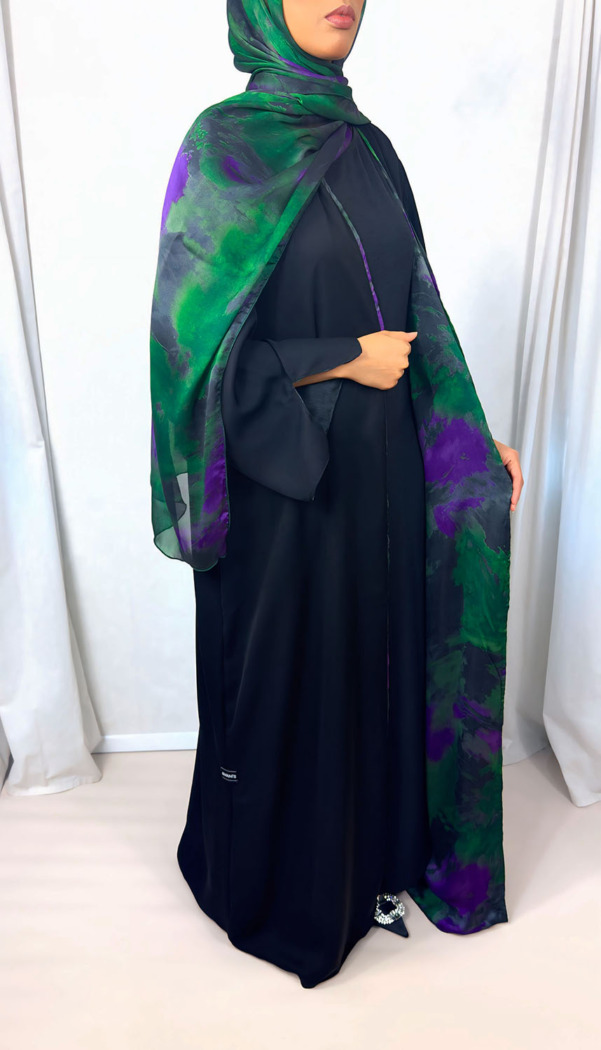
That’s not oppression — that’s agency. And it’s transforming how fashion is understood worldwide.
Before vs. After: Shifting Mindsets Around Modesty
| Myths About Modest Fashion | Reality in Muslim Communities |
|---|---|
| “It’s forced by men or culture.” | Most women choose it for themselves, as an act of faith. |
| “Modest means outdated or unfashionable.” | Global modest fashion is now a multi-billion-dollar industry. |
| “It’s only for women.” | Men also have modest dress guidelines in Islam. |
Real Story: Why I Chose Modest Fashion
I remember when I first started dressing modestly in college. It wasn’t because anyone told me to — it was because I realized I didn’t want to follow trends that didn’t represent me. Covering up didn’t make me feel invisible. It made me feel like I had nothing to prove. For the first time, I felt like I was leading the conversation, not being defined by it.
Different Cultures, One Purpose
Whether it’s a niqab in Saudi Arabia, a vibrant kanga in East Africa, or a minimalist abaya in London, the deeper purpose of modesty unites them all: honoring yourself as a creation of God. It’s a visual language that transcends borders.
So what do these styles actually look like around the world? The diversity will surprise you — and it’s exactly what we’re exploring next.
Hijabs, Abayas, Niqabs & More: What Each Garment Represents
When you hear the term Muslim clothes, your mind might jump to the hijab — but that’s just the beginning. Islamic fashion is a spectrum of garments, each rich in meaning, heritage, and spiritual symbolism. These pieces aren’t just clothing — they’re statements of faith, identity, and belonging.
Hijab: The Most Recognized Symbol of Modesty
The hijab is a headscarf worn by many Muslim women to cover their hair and neck. But the meaning goes beyond the fabric — it’s a declaration of personal devotion. For many, wearing the hijab marks a powerful internal decision to live by values like dignity, modesty, and spiritual discipline.
- Styles vary — from square scarves to long wraps
- Often paired with modern outfits or traditional wear
- Can be colorful, patterned, minimalist, or trendy
“When I first wore the hijab, it felt like coming home to myself. It gave me clarity about who I was beyond what I looked like.”
Abaya: Graceful Simplicity Across Cultures
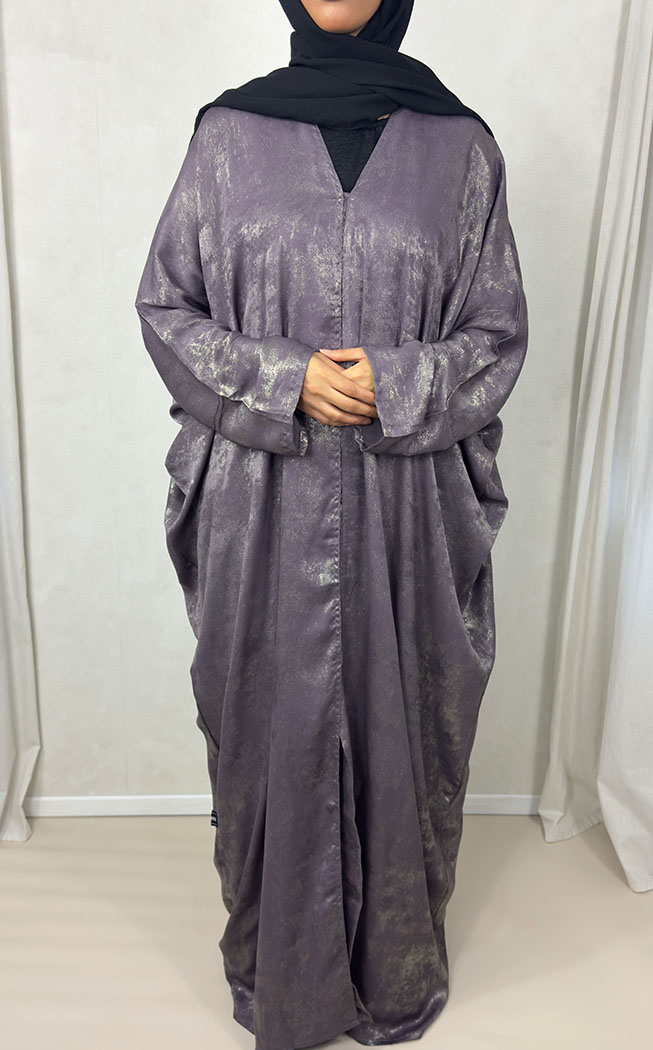
The abaya is a long, flowing robe typically worn over other clothing. While it originated in the Arabian Peninsula, today it’s embraced worldwide — from Dubai to Detroit. It represents elegance, modesty, and cultural pride.
- Traditionally black, but now found in every color
- Worn with or without head coverings
- Often decorated with embroidery, pearls, or lace
Fun fact: Modern abayas now come in open styles, pleated cuts, and even hooded variations — blending tradition with innovation.
Niqab: A Personal Expression of Devotion
The niqab covers the face, leaving the eyes visible. Contrary to stereotypes, many women choose to wear it voluntarily, often describing it as a deeper step in their spiritual journey. It is most common in places like the Gulf region, but is also worn by Muslims in the West.
- Usually paired with an abaya or jilbab
- Worn for privacy, protection, or religious devotion
- Styles include single- or double-layered niqabs
It’s important to understand that wearing the niqab is a personal, not political, choice for many women — one often made with reflection and intention.
Chador, Khimar, Shayla & Other Regional Styles
Islamic garments vary by geography and culture. Each piece has its own aesthetic and meaning, but all serve the central goal of expressing modesty and faith.
| Garment | Region | Key Features |
|---|---|---|
| Khimar | Middle East, Southeast Asia | Long cape-like head covering, covers chest |
| Chador | Iran | Full-body cloak, often without hand sleeves |
| Shayla | Gulf countries | Long rectangular scarf wrapped around the head |
| Jilbab | North Africa, Indonesia | Loose over-garment, worn with or without hijab |
Why Knowing the Difference Matters
Understanding the variety of Muslim clothes helps dismantle stereotypes. These garments aren’t one-size-fits-all. They reflect a rich mosaic of cultures, interpretations, and intentions. Just like languages differ around the world, so do the ways Muslims dress modestly.
And here’s the beauty: despite the variety, the core remains the same — modesty, faith, and identity.
So where do these garments show up on the global style stage? Let’s take a closer look at how Muslim clothes evolve across countries, trends, and cultures.
The Global Diversity of Muslim Clothes — From Morocco to Malaysia
Islam is a global faith, and modest fashion reflects this beautifully. From the vibrant kaftans of Morocco to the sleek baju kurung of Malaysia, Muslim clothes are deeply rooted in both culture and religion. Each region infuses its unique flavor, fabrics, and flair into Islamic dress — proving that modesty isn’t one-size-fits-all.
North Africa: Elegance Rooted in Heritage
In countries like Morocco, Algeria, and Tunisia, Islamic clothing is woven with centuries of Berber, Arab, and Andalusian influence. The djellaba and kaftan are not only worn for religious observance but also for festive and formal occasions.
- Kaftan: Flowing robe, often embroidered with gold or silver thread
- Djellaba: Hooded robe, made of wool or cotton, worn by both men and women
- Head coverings: Often include stylish scarves or turbans
West Africa: Rich Textiles, Bold Identity
Across Nigeria, Senegal, Ghana, and neighboring countries, Islamic fashion embraces bright colors and intricate fabrics like ankara, lace, and brocade. These regions blend tradition with innovation.
- Boubou: Flowing gown worn by both genders, often paired with hijab or headwrap
- Wrapper (Iro): A long piece of fabric wrapped around the waist or chest
- Hijab styles: Often layered, matching the outfit’s fabric and theme
Middle East: Where Tradition Meets Modernity
The Gulf region is home to timeless classics like the abaya and niqab. While black remains a cultural standard, modern Gulf fashionistas are reimagining the abaya with new cuts, fabrics, and statement accessories.
- Abaya: Long cloak, sometimes open-front with intricate detailing
- Shayla: Popular scarf style draped around the head
- Niqab: Common in Saudi Arabia, often black and minimalist
Fashion houses in Dubai and Riyadh are now influencing global modest fashion trends with couture-style abayas and designer hijabs.
South Asia: A Tapestry of Textiles
In Pakistan, India, and Bangladesh, Muslim attire reflects centuries of cultural diversity. From salwar kameez to khimar styles, South Asian Muslim fashion is vibrant, detailed, and diverse.
- Salwar Kameez: Tunic paired with loose trousers and a long scarf (dupatta)
- Hijabs: Often colorful, matched with embroidered or beaded outfits
- Burqas: Common in conservative regions, sometimes embroidered or printed
Southeast Asia: The Rise of Modest Fashion Capitals
Malaysia and Indonesia have become global leaders in modern modest fashion. Local designers fuse tradition with high fashion, creating outfits that are both modest and trend-forward.
- Baju Kurung: Traditional Malay outfit with a knee-length top and long skirt
- Baju Kebaya: Fitted blouse worn over a batik sarong
- Hijab styles: Lightweight, flowing fabrics in soft pastels or bold prints
Helpful Comparison Table: Muslim Fashion Around the World
| Region | Key Garments | Notable Features |
|---|---|---|
| North Africa | Kaftan, Djellaba | Ornate embroidery, wool & cotton blends |
| West Africa | Boubou, Wrapper | Bold prints, vibrant ankara fabrics |
| Middle East | Abaya, Niqab, Shayla | Black classics, modern reinterpretations |
| South Asia | Salwar Kameez, Burqa | Colorful patterns, dupattas, beading |
| Southeast Asia | Baju Kurung, Baju Kebaya | Soft fabrics, modest tailoring, pastel tones |
Global Fashion, One Faith
Despite the rich regional variations, the essence of Muslim clothes is the same everywhere — a dedication to modesty, cultural pride, and spiritual expression. What’s extraordinary is how each region adapts that essence in a way that reflects its own history, geography, and aesthetics.
This diversity not only makes Islamic fashion more inclusive, but also inspires designers, influencers, and modestwear brands worldwide. And that’s where we turn next — into the rise of modest fashion on the global stage.
How I Found My Style Through Modest Fashion
Let me take you on a journey — one that’s personal and real. A few years ago, I was struggling with a challenge that many of us face: finding a way to express my identity while adhering to modest fashion principles. It wasn’t just about following a trend or fitting into societal expectations. It was about discovering a way to feel truly like myself while honoring my values and beliefs.
Starting With the Basics: Comfort Meets Modesty
At first, I thought modest fashion was all about loose, unflattering clothes. I had no idea that modesty could be paired with sleek, flattering, and stylish garments. But as I started experimenting with different pieces, I realized that comfort was the key — modest fashion isn’t about sacrificing style for the sake of covering up, it’s about finding a balance.
- Key Piece 1: A long, flowing maxi dress — it felt like a second skin, elegant yet relaxed.
- Key Piece 2: A chic blazer layered over a modest top — gave structure while keeping the look polished.
- Key Piece 3: The perfect wide-leg trousers — comfortable, breathable, and timeless.
Building Confidence With Color & Fabric
As I ventured deeper into modest fashion, I realized that the right fabrics and colors could transform my entire look. Modesty isn’t about hiding away — it’s about being comfortable, confident, and radiating self-assurance.
I started embracing softer fabrics like cotton, linen, and silk, which not only felt luxurious but also helped me look put-together effortlessly. The colors I chose weren’t just neutral — I ventured into deep blues, earthy greens, and even mustard yellows to inject some personality into my outfits.
- Fabric Tip: Always prioritize breathable, natural fibers for comfort and style.
- Color Tip: Don’t shy away from rich tones. They can be just as modest as neutrals.
Embracing Modest Accessories to Elevate the Look
Another element I discovered was the power of accessories. A simple scarf can be transformative. Whether it’s wrapped around my head or draped around my shoulders, it’s amazing how a scarf can add dimension and style to any outfit.
For me, modest accessories became a way to express individuality while keeping with modest principles. I loved wearing statement necklaces, oversized sunglasses, and even bold shoes. It was all about balance — using accessories to make a statement, but never overpowering the overall modest aesthetic.
- Scarf Styling: I’ve learned to wrap my hijab in different styles — sometimes it’s sleek and minimal, other times it’s loose and flowing.
- Accessories Tip: Go bold with jewelry, but make sure to balance it out with the overall look.
How Modest Fashion Changed My Relationship With Myself
One of the most beautiful things I discovered about modest fashion was how it empowered me to embrace my body, my identity, and my faith. When I started wearing clothes that reflected my values, I no longer felt the pressure to conform to trends that didn’t resonate with me. Modesty, for me, became a way of honoring who I am, inside and out.
Through my style journey, I found a new sense of confidence that radiates beyond what I wear. It’s about authenticity — wearing what feels right for me, not what I’m expected to wear. Modest fashion isn’t just a wardrobe choice; it’s a mindset.
The Journey Continues: Always Evolving
Finding my style through modest fashion didn’t happen overnight, and it’s still an ongoing process. I’m constantly learning, trying new things, and evolving my look. But one thing is certain — modest fashion has given me the freedom to express myself in ways I never thought possible. And as I continue this journey, I encourage you to explore what modesty means for you, because style isn’t just what you wear — it’s who you are.
What about you? How has your journey with modest fashion shaped your style? Let me know in the comments — I’d love to hear your story.
Shopping for Muslim Clothes Online: What You Must Know First
When it comes to shopping for Muslim clothes online, the convenience is unmatched. But with so many options out there, it can be overwhelming to know where to start. Whether you’re new to the world of modest fashion or a seasoned shopper, here are some key tips that will help you navigate the digital marketplace like a pro.
1. Know Your Size – Modesty Should Never Mean Compromise on Fit
One of the biggest challenges when shopping online for modest clothing is ensuring the right fit. Modest fashion tends to be looser than typical Western styles, but that doesn’t mean it’s one-size-fits-all. Each brand has its own size chart, so always check before purchasing!
Here are a few things to consider when determining your size:
- Check the Size Chart: Every online store will provide specific measurements for each item. Take the time to measure yourself and compare these measurements to the store’s chart.
- Read Customer Reviews: See if other shoppers mention sizing issues — sometimes reviews include notes like “runs large” or “fits small.”
- Consider Your Modesty Needs: Some may prefer looser fits for a more covered look, while others may want something more tailored. Determine what level of modesty works best for you.
2. Pay Attention to Fabric and Quality
Modesty isn’t just about covering your body — it’s about how you feel while wearing the clothes. The fabric plays a huge role in this. High-quality fabrics are breathable, comfortable, and often last longer. You don’t want to buy a modest outfit only for it to fade or lose shape after a few washes.
- Natural Fibers: Look for fabrics like cotton, linen, and wool. They’re breathable and comfortable — perfect for modest clothing.
- Luxury Fabrics: Silk, satin, and high-end wool are elegant options that also offer a refined look, perfect for special occasions.
- Consider the Climate: If you live in a warmer area, choose fabrics that are lightweight and breathable. On the other hand, colder regions may require heavier fabrics.
3. Read Return and Exchange Policies Carefully
Let’s face it — sometimes what you order online doesn’t always turn out as expected. Whether it’s a sizing issue, the color is different from what you imagined, or the item just doesn’t feel right, understanding a store’s return and exchange policies can save you a lot of frustration.
Before hitting that “purchase” button, make sure you know:
- Return Window: How long do you have to return items? Some stores offer 30-day returns, while others have stricter policies.
- Condition for Returns: Many stores will require the item to be unworn and unwashed to process a return.
- Free Return Shipping: Some stores cover return shipping costs, while others may charge a fee. Make sure to check if you’re responsible for return shipping.
4. Consider Ethical and Sustainable Fashion Brands
More and more shoppers are prioritizing ethical and sustainable brands when it comes to fashion. Modest fashion is no exception. Many stores now offer clothing that’s produced ethically, using sustainable materials that have less impact on the environment.
As you shop for your Muslim clothes, consider:
- Fair Trade Practices: Does the brand ensure that workers are paid fairly and treated well?
- Eco-Friendly Materials: Does the brand use organic cotton, recycled fabrics, or other sustainable materials?
- Long-Term Durability: Sustainable fashion often focuses on quality over quantity, which means the items last longer, reducing waste.
5. Explore Global Modest Fashion Brands for Unique Styles
There’s a world of diverse and stunning modest fashion out there, from Middle Eastern brands with intricate designs to Turkish brands known for their elegant aesthetics. Shopping for Muslim clothes online allows you to access these international collections and discover unique styles that reflect the beauty of diverse cultures.
Some brands to explore include:
- AbayaPalace (UAE): Known for its stunning range of abayas, from simple to ornate designs.
- Zara (Global): Offers modest collections that cater to modern styles while still maintaining a modest look.
- Modanisa (Turkey): A Turkish-based fashion brand offering a variety of modest wear that fuses traditional and contemporary styles.
6. Keep an Eye Out for Sales and Discounts
We all love a good deal. Modest fashion isn’t always the most affordable, so looking for sales, discounts, and seasonal offers is a smart way to shop. Many stores offer promotions around holidays, like Eid or Ramadan, so be sure to plan ahead for these times.
Some tips for finding discounts:
- Sign Up for Newsletters: Many online stores send out exclusive discounts to their email subscribers.
- Follow on Social Media: Brands often post flash sales or special offers on their social media platforms.
- Use Coupon Websites: Sites like Honey or Rakuten can help you find promo codes for your favorite modest fashion brands.
Ready to start shopping? Keep these tips in mind, and you’ll be well on your way to finding the perfect Muslim clothes for your wardrobe — without any of the stress.
Modern Muslim Fashion: What’s Changing in 2025
The world of Muslim fashion is constantly evolving, and 2025 is shaping up to be a pivotal year for modest clothing trends. As global influences, technological advancements, and shifting cultural norms blend, the way we approach modest fashion is transforming. Whether you’re already a modest fashionista or just beginning to explore the scene, understanding these changes will help you stay ahead of the curve and express your personal style in a way that’s fresh and aligned with the times.
1. The Rise of Sustainable and Eco-Friendly Modest Fashion
Sustainability isn’t just a trend — it’s becoming a movement within Muslim fashion. In 2025, more brands are embracing eco-conscious materials, sustainable production methods, and ethical fashion choices. As consumers become more aware of the environmental and social impact of their clothing, the demand for sustainable options is skyrocketing.
- Organic Materials: Expect to see an increase in organic cotton, bamboo, and hemp used for hijabs, abayas, and other garments.
- Recycled Fabrics: Recycled polyester and other materials are being used to create stylish and eco-friendly pieces without compromising quality.
- Ethical Labor Practices: Brands are becoming more transparent about their sourcing and labor practices, ensuring fair wages and safe working conditions for garment workers.
Why It Matters: The move toward sustainability isn’t just about environmental benefits; it’s also about supporting ethical practices and helping consumers make more conscious choices in their wardrobe.
2. Tech-Infused Fashion: The Future is Smart
In 2025, technology is infiltrating modest fashion in surprising and innovative ways. From smart fabrics to online shopping experiences powered by AI, the industry is becoming more high-tech and interactive. The integration of wearable technology is allowing fashion lovers to stay connected while keeping their modesty intact.
- Smart Fabrics: Fabrics that regulate body temperature, resist stains, or even change colors based on your mood are becoming more mainstream.
- AI-Powered Personal Styling: Virtual stylists and AI-driven fashion recommendations will help shoppers find the perfect modest outfit based on their body type and preferences.
- Augmented Reality (AR) Shopping: Virtual try-on tools powered by AR allow customers to “try” on clothes before buying them — helping ensure a perfect fit without leaving home.
Why It Matters: As technology advances, it’s reshaping how we interact with fashion. These innovations make shopping easier, more personalized, and more fun for consumers, while also allowing modest fashion to reach new heights of creativity.
3. The Fusion of Modern and Traditional Styles
In 2025, expect to see even more blending of traditional modest garments with contemporary fashion elements. Designers are embracing a fusion of old and new, combining traditional Islamic attire such as the abaya, niqab, and hijab with modern cuts, prints, and textures. This fusion of styles allows for endless customization, giving wearers the freedom to create looks that are uniquely their own.
Some examples include:
- Abaya Streetwear: Abayas with graphic prints, oversized fits, and sporty accents are making a major splash in modest streetwear culture.
- Chic Hijabs: The hijab is no longer just a headscarf; it’s now a statement piece, with bold patterns, metallics, and intricate embellishments.
- Modular Garments: Modular designs that allow wearers to mix and match layers, skirts, tops, and outerwear will provide greater versatility in the wardrobe.
Why It Matters: This fusion allows individuals to preserve cultural and religious values while embracing the trends of the moment. The result is fashion that’s not only modest but also versatile and stylish.
4. Gender-Neutral Modesty: Breaking Barriers
As conversations around gender inclusivity continue to grow, Muslim fashion in 2025 is seeing an exciting shift toward gender-neutral clothing options. More designers are creating pieces that transcend gender norms while still adhering to principles of modesty. This movement allows individuals to express themselves without feeling confined by traditional gendered fashion expectations.
- Unisex Styles: Gender-neutral tunics, trousers, and long-sleeve shirts are gaining popularity, catering to both men and women.
- Fluid Fits: Looser fits and unstructured designs are allowing for more freedom in style choices, focusing on comfort and modesty over traditional silhouettes.
- Inclusive Representation: The demand for more diverse models in fashion campaigns ensures that modest fashion truly represents everyone, regardless of gender identity.
Why It Matters: By embracing gender-neutral fashion, the industry is not only diversifying but also fostering a more inclusive environment where all people can enjoy the beauty of modest clothing without barriers.
5. Modest Athleisure: A New Era of Comfortable, Activewear
Gone are the days when modest clothing was limited to formal or semi-formal wear. The rise of modest athleisure is a game-changer for 2025. The demand for activewear that doesn’t compromise on modesty is growing, and brands are stepping up to provide stylish, functional, and comfortable options that can be worn both at the gym and in everyday settings.
- Modest Sportswear: Long-sleeve sports tops, high-waisted leggings, and modest joggers are now widely available, combining functionality and style.
- Performance Fabrics: Breathable, moisture-wicking, and stretchy materials are designed to keep you comfortable and stylish during physical activity while maintaining modesty.
- Versatile Pieces: Many pieces can be worn as loungewear, casual wear, or even for a sporty day out.
Why It Matters: Modest athleisure offers the perfect balance of comfort, practicality, and modesty, enabling individuals to lead an active lifestyle without compromising their values.
6. Influence of Social Media on Modest Fashion Trends
In 2025, social media continues to play a crucial role in shaping the future of Muslim fashion. Platforms like Instagram, TikTok, and Pinterest are where new trends are born, and modest fashion influencers are leading the charge. These influencers are not only inspiring others but also driving brands to cater to a broader audience with a focus on quality, style, and modesty.
- Influencers as Trendsetters: Follow popular modest fashion influencers who are setting trends, like HijabiBlogger and TheModestStylist, to see what’s hot in 2025.
- Hashtags for Inspiration: Explore hashtags like #ModestFashion2025 and #ModestStyleInspo to stay up-to-date with the latest trends.
- Interactive Brand Engagement: Brands are increasingly using social media to engage with customers, take feedback, and even host live events to showcase new collections.
Why It Matters: Social media allows for rapid dissemination of new trends, and the influence of modest fashion influencers ensures that these trends stay true to the values of modesty, inclusivity, and style.
Common Myths About Muslim Clothing — Debunked With Respect
When it comes to Muslim clothing, there’s no shortage of misconceptions. Whether it’s about how people choose to dress or the reasons behind certain garments, misunderstandings can easily spread. But these myths can often perpetuate stereotypes and misinform those unfamiliar with the culture and beliefs behind modest fashion. In this section, we’ll set the record straight and debunk some of the most common myths with respect and understanding.
1. Myth: Muslim Clothing is Always Dark and Drab
Fact: One of the most common misconceptions is that Muslim clothing is limited to dark, boring, and plain colors. In reality, Muslim clothing, including hijabs, abayas, and niqabs, come in a vast range of colors, fabrics, and styles, reflecting the individuality and creativity of the wearer.
- Vibrant Fabrics: From pastel shades to bold, vibrant patterns, modest clothing can be incredibly colorful and stylish.
- Designer Collections: Many high-end designers are embracing modest fashion, offering luxurious fabrics and stunning designs that rival the best in the fashion industry.
- Personal Expression: Women and men who wear modest clothing often choose garments that reflect their personal style, culture, and even seasonal trends.
Why It Matters: The perception of drabness in Muslim clothing ignores the rich diversity and beauty of the modest fashion world, which can be as vibrant and creative as any other style.
2. Myth: Muslim Women Are Forced to Wear Modest Clothing
Fact: Another myth is that Muslim women are forced to wear modest clothing, particularly the hijab or niqab. While it’s true that modesty is an important aspect of Islamic practice, the decision to wear modest clothing is deeply personal and varies from individual to individual.
- Personal Choice: For many, wearing modest clothing is a conscious and personal choice that reflects their faith and values.
- Empowerment: Modesty can be a form of empowerment, allowing individuals to focus on their inner qualities and avoid being judged based solely on their appearance.
- Freedom of Expression: The choice to wear modest clothing can also be a powerful way to express one’s identity and beliefs, similar to how others might choose to dress in accordance with their culture or lifestyle.
Why It Matters: It’s important to recognize that clothing choices, including modest fashion, are a reflection of personal agency and individual faith. Each decision is shaped by culture, family, and personal belief.
3. Myth: Muslim Clothing is Only for Religious People
Fact: While modest clothing is central to Islamic practices, it’s not exclusive to religious individuals. Many people, regardless of their level of religious observance, wear modest clothing as part of their daily wardrobe. Modesty is a value that transcends religious boundaries and can be embraced by anyone who wishes to dress in a way that prioritizes comfort, respect, and dignity.
- Cultural Tradition: In many cultures, modest clothing is a longstanding tradition that goes beyond religious practices. For example, modest dressing is a core part of the cultural identity in countries like Morocco and Indonesia.
- Global Appeal: Modest clothing has gained a global following, with non-Muslim fashion enthusiasts and influencers embracing the aesthetic as part of a broader movement toward conscious fashion.
- Inclusivity: Modesty is not a concept confined to one religion or community; it’s a universal value that can be adopted by people of all backgrounds.
Why It Matters: The idea that modest clothing is only for deeply religious people overlooks the cultural and global nature of modest fashion. It’s a way of life for many, whether for faith, personal choice, or cultural reasons.
4. Myth: Muslim Clothing is Uncomfortable
Fact: There’s a misconception that Muslim clothing is restrictive and uncomfortable. However, modest clothing can be designed for comfort, mobility, and style. With the rise of athleisure and smart fabrics, many modest pieces are tailored to fit modern lifestyles, offering flexibility, breathability, and ease of wear.
- Comfortable Fabrics: Modest clothing is often made from soft, breathable fabrics like cotton, linen, and bamboo, making it comfortable for all-day wear.
- Loose Fits: The loose fit of many modest garments ensures ease of movement, without compromising on style.
- Innovative Designs: Designers are continually creating new styles that prioritize comfort without sacrificing modesty or elegance.
Why It Matters: Comfort and style aren’t mutually exclusive. Many modest clothing options today are designed to offer both, making it possible to look great while feeling comfortable.
5. Myth: Modest Fashion Is Out of Touch with Modern Trends
Fact: Modest fashion is anything but outdated. In fact, it’s increasingly becoming a key player in the mainstream fashion world. In 2025, modest clothing has gained momentum, with both traditional and contemporary designs embracing the latest trends.
- Celebrity Endorsement: Many celebrities and influencers are championing modest fashion, showcasing how it can be both stylish and modern.
- Innovative Collections: Designers are incorporating cutting-edge styles, textiles, and fashion-forward elements into modest collections, creating outfits that cater to both modesty and the latest trends.
- Global Fashion Shows: Modest fashion has become a major part of international fashion weeks, highlighting its growing relevance and appeal.
Why It Matters: The myth that modest fashion is out of touch with modern trends fails to recognize the dynamic and ever-evolving nature of the industry. Modest fashion today is a vibrant and exciting part of the global fashion conversation.
Wearing Hijab in the Workplace, School, or Travel: A Real Talk
Wearing the hijab is a deeply personal choice and part of a Muslim woman’s identity. Yet, the experience of wearing hijab can be significantly different depending on the environment—be it the workplace, school, or while traveling. In this section, we’ll have a candid conversation about the challenges and triumphs of wearing the hijab in different spaces and offer practical tips to help women confidently navigate these experiences.
1. Wearing Hijab in the Workplace: Challenges and Solutions
Workplace environments can present unique challenges for Muslim women who choose to wear the hijab. Whether it’s about maintaining professionalism or dealing with potential biases, there are several factors that come into play.
- Perceptions and Stereotypes: Despite progress in diversity and inclusion, Muslim women who wear the hijab can sometimes face stereotyping or even discrimination. This can affect their professional relationships and career growth.
- Professionalism: Some employers might feel that wearing a hijab impacts a woman’s “professional image.” However, this assumption is being challenged as more companies embrace diversity.
- Comfort and Functionality: Finding work-friendly hijabs that are both comfortable and professional can be a challenge. Luckily, many brands now offer stylish yet practical hijabs designed for the workplace.
Tips for Wearing Hijab in the Workplace:
- Wear Neutral and Classic Styles: Opt for neutral-colored hijabs made from breathable materials like cotton or silk that can blend seamlessly with your work attire.
- Educate and Advocate: If you face discrimination or bias, don’t hesitate to engage in respectful conversations with your employer about the importance of hijab as a religious and cultural expression.
- Confidence is Key: Confidence in your attire can shift perceptions. The more comfortable and confident you feel in your hijab, the more others will respect your choice.
Why It Matters: Wearing hijab in the workplace is about more than just clothing. It’s about challenging stereotypes, advocating for your identity, and creating an inclusive work environment for all.
2. Wearing Hijab in School: Embracing Identity in Education
School is often the first place where young Muslim women navigate wearing the hijab outside of their homes. Whether it’s high school or college, the journey can be a blend of empowerment and challenges.
- Peer Pressure: Teenagers can face peer pressure to conform, making it difficult to embrace their hijab with pride. However, many young women find strength in their religious identity and stand firm.
- Religious Freedom: In many parts of the world, wearing hijab in school is legally protected as a form of religious expression. However, there are regions where schools still impose restrictions.
- Bullying and Discrimination: Unfortunately, Muslim girls can sometimes face bullying or discriminatory remarks related to their hijab. But standing firm in their beliefs often leads to a sense of resilience.
Tips for Wearing Hijab in School:
- Embrace Your Identity: Remember that wearing the hijab is an act of faith and pride. The more you embrace it, the more others will respect your decision.
- Find Support: Seek out Muslim student groups or communities within your school for support and encouragement.
- Know Your Rights: If you face discrimination, it’s crucial to know your rights. Many schools and universities offer resources to help address such issues.
Why It Matters: School is a formative time, and wearing hijab can be a powerful way to assert your identity and faith. It’s important to support young women in feeling proud of their choice.
3. Wearing Hijab While Traveling: Navigating Different Cultures
When it comes to traveling, wearing the hijab can be an entirely new experience, especially when visiting countries with different cultural norms. Whether you’re traveling for leisure or work, it’s essential to be prepared for various responses to the hijab.
- Respect for Culture: In some countries, the hijab is a common and respected symbol of faith, while in others, it may be seen as unfamiliar. Researching the cultural attitudes toward hijab can help you better navigate your journey.
- Practical Considerations: Traveling with a hijab involves practical considerations, such as finding breathable fabrics for hot climates or ensuring that your hijab stays secure during outdoor activities.
- Dealing with Stares or Questions: Depending on where you are, you may receive stares or even questions about your hijab. While it can sometimes feel uncomfortable, it’s also an opportunity to educate others about your culture and religion.
Tips for Wearing Hijab While Traveling:
- Pack Smart: Bring a variety of hijabs made from different materials, so you’re prepared for any climate or occasion.
- Respect Local Norms: Be mindful of the local customs regarding modesty. Some countries may require women to dress more modestly, while in others, wearing a hijab might be seen as unusual.
- Stay Confident: Traveling with confidence in your hijab can often lead to positive interactions and can even spark meaningful conversations about cultural exchange.
Why It Matters: Wearing hijab while traveling is about more than just clothing; it’s a part of your identity. Embracing the journey with confidence and respect for cultural diversity allows for meaningful exchanges and a positive experience.
The Best Fabrics for Muslim Clothes (And Ones to Avoid)
Choosing the right fabric for Muslim clothes is essential for comfort, modesty, and durability. Whether it’s a hijab, abaya, or any other modest wear, the fabric plays a key role in how the garment feels, moves, and looks. In this section, we’ll explore the best fabrics for Muslim clothing, as well as some to avoid, to help you make informed choices for your wardrobe.
1. The Best Fabrics for Muslim Clothes
When it comes to Muslim clothing, the fabric should align with the values of modesty, comfort, and durability. The best fabrics are breathable, offer adequate coverage, and can withstand the demands of daily wear. Let’s dive into the top choices for Muslim clothes.
| Fabric | Best For | Benefits | Ideal For |
|---|---|---|---|
| Cotton | All-purpose wear, Hijabs, Tunics, Dresses | Breathable, soft, hypoallergenic, versatile | Hot climates, daily wear |
| Linen | Abayas, Dresses | Lightweight, breathable, natural feel | Summer wear, travel |
| Silk | Special occasions, Evening wear | Luxurious, smooth, elegant | Formal wear, events |
| Jersey | Casual wear, Tops, Dresses | Stretchable, comfortable, easy care | Everyday wear, layering |
| Wool | Outerwear, Scarves, Sweaters | Warm, insulating, breathable | Cold climates, layering |
Why These Fabrics Are Ideal:
- Breathability: Fabrics like cotton and linen are breathable, which is essential for maintaining comfort and modesty in hot climates. They allow air to circulate, preventing overheating.
- Softness: Fabrics like cotton, silk, and jersey provide a soft touch against the skin, enhancing comfort for everyday wear.
- Durability: Wool and jersey fabrics are durable and long-lasting, ideal for the colder months and versatile layering.
- Versatility: Cotton, linen, and jersey can be styled in many ways, making them great for different occasions, from casual wear to formal events.
2. Fabrics to Avoid for Muslim Clothing
While choosing the right fabrics can enhance comfort and style, some fabrics may not be the best for modest wear. These fabrics may be uncomfortable, non-breathable, or too revealing, making them less suitable for Muslim clothing. Let’s take a look at which fabrics to avoid.
| Fabric | Why to Avoid | Best Alternatives |
|---|---|---|
| Polyester | Non-breathable, traps heat, causes sweating | Cotton, Linen, Jersey |
| Spandex | Too tight, often too revealing | Jersey, Cotton blends |
| Silk (for daily wear) | Can be difficult to maintain, expensive | Cotton, Jersey, Linen |
| Acetate | Synthetic, lacks breathability | Cotton, Wool blends |
Why These Fabrics Are Not Ideal:
- Non-Breathability: Fabrics like polyester and acetate trap heat and moisture, which can make you uncomfortable, especially in hot weather. This can lead to excessive sweating and skin irritation.
- Revealing Fit: Fabrics such as spandex and tight synthetics may hug the body too closely, potentially compromising modesty.
- High Maintenance: While silk is luxurious, it is difficult to maintain for everyday wear due to its fragility and high cost.
- Synthetic Materials: Synthetics like acetate can feel uncomfortable against the skin and often lack the breathability needed for modest wear.
3. Key Considerations When Choosing Fabrics for Modesty
When selecting fabric for your Muslim clothing, it’s essential to keep in mind the following considerations to ensure your garments are both comfortable and modest:
- Coverage: The fabric should provide sufficient coverage without being too sheer or see-through. Opt for fabrics that are dense enough to maintain modesty but still breathable.
- Comfort: Comfort is key to feeling confident in your clothing. Soft, breathable fabrics such as cotton and linen will keep you comfortable throughout the day.
- Durability: Consider the durability of the fabric, especially for items you wear regularly. Fabrics like wool and jersey are long-lasting and easy to maintain.
- Climate: Consider your local climate when choosing fabrics. Light, breathable fabrics are essential for hot weather, while warmer, thicker fabrics like wool and heavier cotton are better for colder climates.
Why It Matters: Choosing the right fabric for your Muslim clothing can make a significant difference in how you feel throughout the day. The goal is to combine modesty, comfort, and style without sacrificing quality or durability.
Men’s Muslim Fashion Isn’t Just Thobes — Let’s Break the Stereotypes
When you think of Muslim men’s fashion, the first image that likely comes to mind is the thobe—a traditional, long garment commonly worn in many parts of the Muslim world. While the thobe holds historical and cultural significance, it’s far from the only option for Muslim men. Today, Muslim fashion for men is diverse, modern, and ever-evolving, offering a variety of choices that challenge stereotypes and embrace personal style. In this section, we’ll explore the versatility of men’s Muslim fashion and break the common misconceptions surrounding it.
1. Breaking the Thobe Stereotype
The thobe is a staple in many countries, but it’s not the only option in a Muslim man’s wardrobe. In fact, many modern Muslim men embrace a wide array of styles that incorporate both traditional and contemporary fashion elements. Let’s take a look at some of the diverse choices available for Muslim men:
| Garment | Description | Best For | Popular Regions |
|---|---|---|---|
| Thobe | A long, loose garment traditionally worn by men, usually in white or black. | Formal events, religious gatherings | Gulf countries, parts of North Africa |
| Jubba | A long robe often worn over other garments, with varying styles, including embroidered designs. | Formal events, weddings | Middle East, Levant region |
| Kandura | A traditional garment similar to the thobe, worn in the UAE, Oman, and Qatar, typically in white. | Daily wear, formal occasions | UAE, Qatar, Oman |
| Shalwar Kameez | A traditional outfit consisting of a long tunic (kameez) paired with baggy pants (shalwar). | Casual to semi-formal wear | Pakistan, India, Bangladesh |
| Modern Streetwear | A fusion of Western streetwear and Islamic modesty, featuring loose-fitting shirts, pants, and jackets. | Casual everyday wear, fashion-forward events | Global, especially urban areas |
Why This Matters: The idea that men’s Muslim fashion is limited to thobes is outdated. Muslim men are embracing new and innovative designs, creating a broader spectrum of fashionable and modest options. Whether it’s for a formal occasion or daily wear, Muslim men now have more choices than ever before that align with their cultural values and personal style.
2. Modernizing Men’s Muslim Fashion
In recent years, Muslim men’s fashion has undergone a transformation. Streetwear has become a powerful influence, combining Western trends with traditional modesty. Loose-fit clothing, including oversized shirts, wide-leg pants, and hoodies, now dominate fashion-forward collections. Let’s dive into some modern styles:
- Urban Modesty: Urban fashion trends, such as oversized jackets, cargo pants, and long shirts, are increasingly popular in Muslim men’s wardrobes. These styles allow for personal expression while remaining modest.
- Sporty Styles: With athleisure becoming mainstream, sporty, loose-fit tracksuits and sneakers have made their way into the modest fashion scene for men. This trend is ideal for casual outings and outdoor activities.
- Minimalism: Simple, clean-cut designs that focus on functionality and versatility are gaining popularity among Muslim men. Neutral tones and basic, well-fitted garments offer a timeless look for those who prefer understated elegance.
Why Modern Styles Are Important: Modernizing men’s Muslim fashion means breaking down barriers and providing Muslim men with more style choices. These innovations allow for more expression while still adhering to the principles of modesty. The global fashion community now recognizes that modest fashion is not one-dimensional—it’s diverse and continually evolving.
3. Accessorizing Men’s Modest Wear
Accessories are a great way to elevate any outfit, and Muslim men’s fashion is no exception. Modest accessories can complement traditional garments or modern pieces to create a complete, polished look. Here are a few popular accessories:
- Kufi: A small cap traditionally worn by Muslim men, often seen in prayer or during formal occasions.
- Shawls and Scarves: These can be draped over the shoulders or wrapped around the neck to add an elegant touch to any outfit.
- Watches and Bracelets: Modest yet stylish watches and bracelets are perfect for adding a personal flair to an outfit.
- Belts: A simple leather or fabric belt can complement loose-fitting trousers, ensuring both practicality and style.
Why Accessories Matter: Accessories are an easy way to personalize your look, adding flair and individuality to any outfit. They are the finishing touch that can transform a simple outfit into something stylish and unique, all while remaining modest.
4. Breaking the Stereotype Globally
The perception of Muslim men’s fashion has been largely influenced by traditional media and stereotypes. However, in recent years, Muslim men have embraced a broader spectrum of fashion choices, becoming leaders in modest fashion worldwide. By breaking down these stereotypes, Muslim men are showing the world that modesty doesn’t mean compromising on style.
Why Stereotypes Are Harmful: Stereotyping Muslim men’s fashion limits their ability to express themselves freely. Fashion is a universal language, and Muslim men deserve to participate in it without feeling boxed in by outdated expectations. Breaking these stereotypes empowers men to explore and embrace their own sense of style, while remaining true to their cultural and religious values.
How to Layer Muslim Clothing Without Overheating
Layering is a key component of Muslim clothing, particularly for those who prioritize modesty while maintaining comfort. However, layering can sometimes feel like a challenge, especially during warmer months. The good news is that you can create stylish and modest outfits that are breathable and comfortable. In this section, we’ll explore the best strategies to layer Muslim clothing effectively without overheating, while still maintaining a chic, modest appearance.
1. Choose Lightweight, Breathable Fabrics
The foundation of any layered outfit lies in the fabric you choose. Lightweight, breathable fabrics allow air to circulate, helping to prevent overheating while still providing full coverage. Here are some fabric choices to consider when layering Muslim clothing:
| Fabric | Properties | Best For |
|---|---|---|
| Cotton | Soft, breathable, and lightweight. Ideal for hot weather. | Daily wear, casual outfits |
| Linen | Natural fibers that provide excellent ventilation, even in heat. | Summer dresses, casual shirts |
| Muslin | Very lightweight and breathable, making it perfect for layering. | Hijabs, outer layers |
| Silk | Elegant and light, but breathable when used sparingly. | Formal wear, special occasions |
Why Fabric Choice Matters: The key to staying cool while layering is selecting the right fabrics. Fabrics like cotton and linen allow your skin to breathe, absorbing sweat and providing comfort without sacrificing coverage.
2. Opt for Loose-Fitting Layers
Another essential tip for layering without overheating is to choose loose-fitting layers rather than tight ones. Loose clothing allows air to circulate more freely, preventing heat from becoming trapped against the skin. Here are a few examples of how to layer with loose-fitting garments:
- Loose Tunics: Layer a long, loose tunic over a lightweight underlayer, like a cotton shirt. This gives you coverage while allowing airflow.
- Flowy Dresses: A flowy dress can be layered with a light cardigan or kimono, providing both style and ventilation.
- Wide-Legged Pants: Pair loose pants with a fitted top to balance the silhouette and allow for better airflow.
Why Loose Layers Are Key: Loose clothing doesn’t cling to your body, helping you stay cooler. It also maintains modesty without the risk of overheating, creating the perfect balance between style and comfort.
3. Layer in Moderation: Less is More
It’s easy to overdo it when layering, especially when trying to create a modest look. However, excessive layering can quickly lead to discomfort and heat. Instead, focus on layering strategically and using fewer, high-quality pieces that will do the job efficiently:
- Smart Layering: Instead of multiple thick layers, try wearing just one or two lightweight layers with more open silhouettes, like an open-front cardigan or kimono.
- Minimal Accessories: Accessories are wonderful for enhancing your outfit, but don’t overdo it. A simple scarf or shawl can add elegance without adding extra bulk.
- Layered Hijabs: Instead of wearing multiple scarves, opt for a single-layer hijab in a breathable fabric like muslin that provides full coverage without the heat.
Why Layering in Moderation Works: While layers are important for modesty, less is often more when it comes to layering. By focusing on well-chosen, breathable pieces, you can stay comfortable without sacrificing your modest style.
4. Go for Light, Breezy Outerwear
When layering Muslim clothing, outerwear is often necessary for modesty, especially in cooler weather. However, heavy outerwear can quickly turn an outfit into a sauna. Here’s how to layer outerwear without overheating:
- Cardigans and Kimonos: These lightweight options provide full coverage and can easily be worn over any outfit. Opt for breathable fabrics like cotton or linen.
- Trench Coats: A light, unlined trench coat can be a great outer layer, offering both warmth and breathability.
- Lightweight Jackets: Go for a thin, open-front jacket instead of heavy, lined coats. These jackets should be made from breathable fabrics that won’t trap heat.
Why Lightweight Outerwear Works: Outerwear doesn’t need to be thick to be effective. Choosing light and breathable layers ensures that you’re covered while keeping cool. The key is opting for pieces that allow airflow without sacrificing style.
5. Pay Attention to Color
The color of your clothing can also impact how much heat you retain. Dark colors absorb heat, while lighter shades reflect sunlight, making them more suitable for warmer weather. When layering, try the following:
- Light Colors: Opt for whites, pastels, and light shades for your base layers, as they won’t trap as much heat.
- Dark Outer Layers: If you prefer darker tones, use them for your outer layers where the sun isn’t directly hitting, like in jackets or cardigans.
- Bright & Neutral Accents: Incorporate bright or neutral-colored accessories to add personality without absorbing excess heat.
Why Color Choice Matters: Lighter fabrics in light colors will keep you cooler by reflecting sunlight. Incorporating dark-colored outerwear with light inner layers helps balance both aesthetics and comfort.
Colors in Muslim Clothes: Cultural Symbols or Personal Style?
The colors we wear often speak louder than words, and this holds true within Muslim fashion. From the vibrant reds of Morocco to the subtle whites of the Middle East, the colors chosen for Muslim clothing can carry deep cultural, religious, and personal significance. But how do these meanings intersect with individual style preferences? Let’s dive into the fascinating relationship between colors in Muslim clothing, examining both their cultural importance and their role in expressing personal identity.
1. The Role of Color in Islamic Culture
In Islamic culture, colors hold significant symbolic meanings, often influenced by history, religion, and tradition. Understanding these meanings can help you make informed choices when selecting your clothing colors, as they can express various values, moods, and ideas. Below are some key colors commonly found in Muslim clothing and their cultural significance:
| Color | Cultural Symbolism | Common Associations |
|---|---|---|
| White | Purity, peace, simplicity | Common in religious attire, particularly during Hajj or Ramadan. |
| Black | Elegance, mystery, formality | Often worn for formal occasions, mourning, or as a symbol of strength (e.g., hijab and abayas). |
| Green | Growth, prosperity, sacredness | Popular in Islamic art and culture, associated with the Prophet Muhammad (PBUH). Common in decor and dress. |
| Red | Passion, energy, courage | Symbol of power and vitality, often seen in festive attire or important events. |
| Blue | Peace, tranquility, divine protection | Often used for hijabs or dresses, as it signifies calmness and protection in Islamic tradition. |
Why It Matters: These colors are more than just aesthetic choices; they are often loaded with symbolism and meaning. They connect personal style to cultural and religious identity, providing wearers with a way to express their values and beliefs through their clothing.
2. How Personal Style Influences Color Choices
While cultural symbolism plays a huge role in the selection of colors in Muslim clothing, personal style preferences also significantly impact color choices. Over the years, the Muslim fashion industry has seen a growing trend toward personal expression, allowing individuals to mix traditional cultural colors with modern and vibrant shades. This fusion creates a unique style that blends the best of both worlds. Here are some ways personal style influences color choices:
- Bold & Bright Colors: Many young Muslims opt for bold colors like red, yellow, or royal blue to make a statement and add energy to their outfits. These colors can communicate confidence and creativity.
- Pastels & Neutrals: Soft hues such as light pink, beige, or lavender offer a gentle, serene aesthetic, aligning with a desire for modesty and simplicity.
- Monochrome Looks: Wearing various shades of the same color, like different tones of green or blue, is a stylish way to keep a cohesive look while embracing personal taste.
- Subtle Accents: For those who prefer more understated styles, incorporating small pops of color in accessories like scarves, belts, or shoes is an easy way to add personality without overwhelming the outfit.
Why Personal Style Matters: While cultural meanings provide a strong foundation, personal style allows individuals to express their creativity and preferences. This combination of cultural reverence and individuality is what makes Muslim fashion so diverse and beautiful.
3. The Influence of Modern Trends on Color Preferences
The rise of modest fashion has brought forward a more vibrant and inclusive approach to color choices, influenced by modern trends. As modest fashion gains popularity worldwide, more fashion-forward styles, color palettes, and combinations have emerged. Here’s how modern trends have shaped the color preferences of Muslim fashion:
- Pastel & Neutral Dominance: In recent years, muted pastels and neutral tones have taken center stage in both Muslim and global fashion. Soft pinks, beige, and light blues are now seen everywhere, from hijabs to casual and formal wear.
- Mixing Cultural & Contemporary Colors: Contemporary Muslim fashion is increasingly mixing traditional Islamic colors like green and black with popular global fashion trends, creating a more globalized style.
- Color Blocking: Bold, contrasting color blocking is a favorite among fashion-forward Muslims, allowing them to create visually striking outfits while keeping things modest.
Why Modern Trends Matter: As fashion evolves, so do the ways Muslims incorporate color into their attire. The flexibility to mix tradition with modernity not only increases personal expression but also strengthens the diversity and richness of Muslim fashion worldwide.
4. How to Choose the Right Colors for Different Occasions
Choosing the right color for the right occasion is key to creating a well-rounded wardrobe. Some colors are more suited to certain events or times of the year, while others work best for daily wear. Here’s how to navigate color choices for different occasions:
- Religious Occasions (Ramadan, Hajj): White is often worn for its association with purity, while green signifies sacredness. Gentle pastel hues or calm blues are also common choices.
- Weddings & Celebrations: Bright reds, golds, and rich jewel tones like emerald and sapphire are popular for festive events, symbolizing celebration and joy.
- Daily Wear: For everyday modest wear, neutrals like beige, gray, and soft pinks offer versatility and comfort while maintaining a modest, fashionable look.
- Work or Formal Settings: Neutral tones such as navy, black, and gray are often preferred for a more professional, formal appearance. Subtle pops of color, such as a red scarf or blue accessories, can still add personality.
Why Occasion Matters: The occasion you’re dressing for will help guide your color choices. Understanding the cultural and emotional significance of colors for each event ensures that your outfit aligns with both your values and the expectations of the occasion.
How to Build a Modest Capsule Wardrobe That Actually Works
Building a modest capsule wardrobe is one of the smartest ways to ensure that your clothing reflects your personal style while staying true to your values of modesty. But how can you create a wardrobe that is both functional and fashionable, without overstuffing your closet or compromising on modesty? Let’s explore the essential steps to building a modest capsule wardrobe that works for you, no matter your lifestyle or preferences.
1. What is a Modest Capsule Wardrobe?
A capsule wardrobe is a collection of versatile, timeless pieces that can be mixed and matched to create a wide variety of outfits. For Muslim women, a modest capsule wardrobe focuses on clothing that adheres to the principles of modesty, while ensuring that each piece is functional, flattering, and fits your personal style. Here are some key principles to keep in mind when building your modest capsule wardrobe:
- Versatility: Every piece should be able to be worn in multiple ways, so you can get maximum value out of each item.
- Timelessness: Stick to classic styles that won’t go out of fashion. This ensures your wardrobe remains relevant for years.
- Modesty: Opt for clothing that provides adequate coverage, such as long sleeves, loose fits, and layers that align with Islamic principles of modesty.
- Neutral Base: Start with neutral-colored items, which are easy to mix and match and can be complemented with more vibrant pieces.
Why It Matters: A capsule wardrobe is designed to simplify your fashion choices, reduce clutter, and promote mindful shopping. By building a modest capsule wardrobe, you align your clothing choices with your values, while staying stylish and organized.
2. Key Pieces for Your Modest Capsule Wardrobe
Now that we understand the basics, let’s break down the key pieces you should consider including in your modest capsule wardrobe. These items will serve as the foundation for countless outfits, offering versatility and style while maintaining modesty.
| Essential Item | Why It Works | How to Style |
|---|---|---|
| Long Tunics | Provides full coverage and can be worn with pants or skirts. | Pair with leggings for casual outings, or dress it up with a statement belt and accessories. |
| Maxi Dresses | Modest, feminine, and easy to wear for any occasion. | Layer with a long cardigan or hijab, add flats or heels, depending on the event. |
| Loose-Fitting Pants | Comfortable and modest, offering movement and style. | Pair with a tucked-in blouse or tunic for an effortless yet stylish look. |
| Cardigans and Blazers | Layer for extra coverage, style, and warmth. | Throw over dresses or tops, or use a belt to define your waist for a more tailored look. |
| Maxi Skirts | Flowy and breathable, a great alternative to pants. | Style with a tucked-in blouse or a loose top, add a scarf for a pop of color. |
| Quality Hijabs | Essential for modesty and can complement any outfit. | Choose neutral colors for flexibility or opt for bold prints to add personality. |
Why It Matters: By selecting versatile, modest pieces like tunics, maxi dresses, and loose pants, you can easily mix and match items to create a wide range of outfits. These basics will form the core of your modest capsule wardrobe.
3. Color Palette: The Power of Neutrals & Accents
When building a capsule wardrobe, it’s crucial to choose a color palette that works well together, allowing you to mix and match effortlessly. Neutrals are your best friend in this regard. They create a versatile base, while adding a few accent colors can help bring personality and fun to your outfits. Consider the following color scheme when planning your wardrobe:
- Neutral Basics: Whites, blacks, beiges, navy, and grays. These colors can be mixed and matched easily.
- Accent Colors: Add one or two accent colors, like deep greens, muted pastels, or rich jewel tones, to elevate your outfits.
- Prints & Patterns: Opt for subtle prints or textures that enhance your look without overwhelming your wardrobe.
Why It Matters: A well-thought-out color palette ensures that every piece you buy works harmoniously with others. This makes dressing in the morning easier, as you can confidently mix and match without second-guessing your choices.
4. How to Choose Fabrics for Your Modest Capsule Wardrobe
The fabrics you choose for your modest capsule wardrobe will greatly impact both comfort and style. It’s essential to select materials that are breathable, durable, and suitable for different seasons. Below are some fabric suggestions to consider:
| Fabric | Benefits | When to Wear |
|---|---|---|
| Cotton | Breathable, comfortable, and easy to care for. | Perfect for everyday wear, especially during the warmer months. |
| Linen | Lightweight and airy, ideal for hot climates. | Best worn in the summer or when traveling to warmer regions. |
| Wool | Warm, soft, and naturally insulating. | Great for cooler months and layering under outerwear. |
| Silk | Luxurious, breathable, and elegant. | Perfect for formal occasions or special events. |
Why It Matters: The right fabric choices ensure that your wardrobe is not only stylish but comfortable and functional. Selecting breathable fabrics like cotton or linen can keep you cool, while wool or silk can provide warmth and elegance when needed.
5. Building a Wardrobe That Works Year-Round
One of the main benefits of a capsule wardrobe is its ability to work throughout the year. When building a modest capsule wardrobe, it’s essential to consider the changing seasons. Here’s how to adapt your wardrobe for every time of year:
- Summer: Stick to light, breathable fabrics like cotton and linen, and opt for sleeveless tunics or maxi dresses that can be layered with scarves or cardigans.
- Fall: Layer with light jackets or cardigans. Choose richer colors like burgundy, mustard, and deep greens.
- Winter: Invest in thicker fabrics like wool and knits. Incorporate scarves and jackets to ensure warmth while maintaining your modest style.
- Spring: Transition into lighter layers, swapping out heavy fabrics for breezy cottons and mixing in pastel colors for a fresh look.
Why It Matters: A well-rounded wardrobe that adapts to the seasons ensures that you’re always prepared for any occasion while maintaining your modest style. You don’t need a closet full of clothing; just a few key pieces for each season will do the trick.
Kids, Teens, and Modest Clothing: Starting Young with Confidence
Modest clothing isn’t just for adults. It’s a powerful choice for kids and teens too, fostering confidence and comfort while embracing values of modesty. As parents and mentors, it’s essential to help young ones develop a strong sense of self-esteem and identity, and one way to do that is by introducing them to the world of modest fashion at an early age. Let’s explore how to make modest clothing for kids and teens a source of pride, confidence, and self-expression.
1. Why Modest Clothing Matters for Kids and Teens
When kids and teens wear modest clothing, it provides more than just physical coverage; it instills a sense of discipline, self-respect, and cultural identity. For young people, wearing modest clothes can promote a healthy body image and reduce the pressure of fitting into societal beauty standards. Modest clothing also offers parents peace of mind knowing their children are dressed appropriately for their age while respecting cultural and religious values.
- Confidence: Modest clothing empowers young people to embrace their true selves without feeling the need to seek validation through appearance.
- Respect: Modesty helps instill respect for themselves and others, fostering a positive, respectful attitude toward social and cultural norms.
- Comfort: Modest clothing is often designed to be comfortable and practical, allowing for ease of movement and confidence during activities.
Why It Matters: Modesty is not just about how we dress; it’s about shaping the mindset and values of young individuals, helping them to develop into confident, well-rounded individuals who feel comfortable in their skin.
2. Key Modest Clothing Pieces for Kids and Teens
When shopping for modest clothing for younger children or teens, there are a few key items that should be at the top of your list. These pieces should be versatile, practical, and easy to wear while also providing coverage and style. Here are the must-have items for kids and teens looking to dress modestly:
| Essential Item | Why It Works | How to Style |
|---|---|---|
| Long Sleeve Tops | Provides coverage without sacrificing comfort. Great for layering. | Can be paired with skirts, pants, or even under dresses to provide extra coverage. |
| Maxi Skirts | Flowy and comfortable, perfect for active kids and teens. | Dress them up with a nice top for formal events, or keep it casual with a simple T-shirt. |
| Modest Dresses | Easy to wear and provides full coverage, making it a one-and-done outfit. | Layer with a cardigan or hijab for added style, perfect for school or outings. |
| Loose-Fitting Pants | Comfortable for play and daily activities while still offering modest coverage. | Pair with a simple tunic or long top for an easy, stylish outfit. |
| Hoodies & Cardigans | Perfect for layering during cooler weather or as a casual addition to any outfit. | Layer over dresses or tops for a stylish, modest finish. |
Why It Matters: Having a well-rounded wardrobe with practical, versatile pieces ensures that kids and teens can enjoy their day while dressing modestly, whether for school, outdoor activities, or special occasions.
3. Helping Teens Embrace Modesty with Style
For teenagers, fashion is an important part of self-expression. While modesty is key, finding a balance between personal style and modest clothing can sometimes be challenging. The key is to create a space where they feel empowered to express their individuality while remaining true to their values. Here are some tips to help teens embrace modest fashion with confidence:
- Allow Personal Expression: Let teens select clothes that reflect their style, within the boundaries of modesty. Give them choices that empower them to create outfits that feel authentic to them.
- Incorporate Trends: Modesty doesn’t mean sacrificing style. Incorporate trendy elements, like oversized jackets, long cardigans, or statement hijabs, to keep things fresh.
- Encourage Layering: Layering is a fun and fashionable way to add dimension to an outfit. Combine skirts with long shirts or cardigans for a trendy, modest look.
- Respecting Comfort: Encourage your teen to prioritize comfort and functionality. Modest clothing should never feel restrictive but should allow for freedom and ease.
Why It Matters: Teens should feel confident and empowered in their clothing choices. By incorporating their personal style with modest pieces, they can maintain a sense of individuality while respecting their cultural and religious values.
4. Navigating Modesty at School and Social Events
Teenagers spend a lot of time at school, and social events are a big part of their lives. Wearing modest clothing that is both stylish and appropriate for these settings can sometimes pose challenges. Below are some tips for dressing modestly while still feeling confident at school or social gatherings:
- School Uniforms: For schools that have a uniform policy, look for items that meet modesty requirements, such as long skirts or trousers, and long-sleeve blouses that can be layered with cardigans or jackets.
- Social Events: Choose modest yet stylish dresses or long tunics with trousers for social events. Consider layering with accessories like scarves, belts, or necklaces to make the outfit your own.
- School Dances or Formals: Modest formal dresses or jumpsuits with appropriate coverage are perfect for special occasions, offering style and grace without compromising modesty.
Why It Matters: Helping teens navigate modesty in various social settings builds their confidence and ensures they can enjoy their school and social lives without feeling pressured to conform to external beauty standards.
5. Modest Clothing for Kids: The Importance of Age-Appropriate Choices
When shopping for younger children, modest clothing choices should be age-appropriate, ensuring that they feel comfortable and happy in what they wear. Young kids are naturally playful, so the clothing should allow for freedom of movement. Here are some key considerations:
- Soft Fabrics: Kids should wear clothing made from soft, breathable fabrics like cotton that are gentle on their skin.
- Practical Clothing: Modest doesn’t mean stiff and uncomfortable. Clothes should be easy to put on, move around in, and wash.
- Simple Styles: Young children benefit from simple, modest clothing with minimal fuss. Think simple dresses, tunics, and loose pants.
Why It Matters: Young children should feel free to play, explore, and express themselves without worrying about their clothing. Age-appropriate modest clothing promotes comfort, confidence, and a healthy attitude toward self-expression.
When Modesty Meets Haute Couture: Muslim Clothes on the Runway
In the fashion world, the concept of modesty has taken on new heights, with designers embracing the intersection of high fashion and cultural respect. The fusion of modest Muslim clothing with haute couture has not only redefined global fashion but has also empowered a new generation of designers and influencers to bring modest fashion into the spotlight. Let’s explore how the world of haute couture is increasingly becoming a stage for modest Muslim clothing, showcasing beautiful designs that offer elegance, sophistication, and cultural authenticity.
1. The Rise of Modest Fashion on the Runway
Modest fashion is no longer confined to traditional garments or a niche market. High-profile fashion shows around the world, from Paris to New York, have started to feature collections that are designed with modesty in mind. Many Muslim designers and international fashion houses have embraced the challenge of blending modesty with high-fashion elements, bringing forth elegant, innovative, and culturally rich pieces.
- Global Runways: Leading fashion capitals like Paris, Milan, and New York are now showcasing modest collections, with designers creating chic pieces that cover the body without compromising on style.
- Designers to Watch: Muslim designers such as Hana Tajima, Anniesa Hasibuan, and Dian Pelangi have played pivotal roles in bringing modest fashion to international runways, creating a buzz in the fashion industry.
- Inclusivity: Modest fashion is no longer just for Muslim women. It’s become a symbol of inclusivity, with many women from diverse backgrounds embracing the style for its grace and sophistication.
Why It Matters: The mainstream acceptance of modest fashion on the runway challenges the conventional standards of beauty and encourages diversity in fashion. It allows women to feel confident and stylish while remaining true to their cultural and religious values.
2. Key Elements of Modest Haute Couture
Modest haute couture is not just about covering the body but about creating a design that is beautiful, functional, and empowering. When designers merge modesty with high fashion, they introduce unique fabrics, cuts, and embellishments that elevate the overall aesthetic of the clothing. Here are some key elements of modest haute couture:
| Design Element | Description | Example |
|---|---|---|
| Flowing Silhouettes | Loose-fitting designs that provide ample coverage without being tight or restrictive, allowing movement and comfort. | Long, elegant gowns with flowing skirts or wide-legged trousers. |
| Intricate Embellishments | Haute couture often includes delicate embroidery, beading, and other embellishments that add luxury and depth to the garment. | Hand-embroidered flowers or crystals on a flowing abaya or dress. |
| Layering and Textures | Layering is a key aspect of modest fashion, adding depth to the overall look while keeping the body covered. | Layered dresses with silk linings or chiffon overlays, paired with statement jackets or coats. |
| Luxurious Fabrics | High-quality fabrics such as silk, satin, and velvet are used to give modest fashion a refined, elegant appearance. | A rich velvet hijab paired with a silk dress. |
Why It Matters: Haute couture brings together innovation and tradition, blending beautiful fabrics and designs with the principles of modesty. This combination makes modest clothing both functional and fashionable, offering women the opportunity to express their style with dignity.
3. Notable Muslim Designers Shaping the Haute Couture Scene
The rise of modest fashion on the runway has been largely driven by a new generation of Muslim designers who have made their mark in the fashion industry. These designers are not only reshaping how the world perceives modest fashion but are also contributing to a more inclusive and diverse fashion world. Here are some notable Muslim designers to keep an eye on:
- Anniesa Hasibuan: Indonesian designer Anniesa Hasibuan made headlines for being the first designer to feature hijabs on the runway during New York Fashion Week. Her collections blend traditional modest clothing with contemporary fashion elements.
- Hana Tajima: Known for her minimalist and modern designs, Hana Tajima’s collaborations with major brands like Uniqlo have made modest fashion accessible to a global audience.
- Dian Pelangi: Indonesian designer Dian Pelangi is renowned for her vibrant, eclectic collections that celebrate color and modesty, making a statement at both local and international fashion shows.
- Zehra Khan: This emerging designer blends contemporary designs with traditional modest styles, making waves in the UK’s modest fashion scene.
Why It Matters: The work of these designers showcases the potential of modest fashion as both a cultural and global movement. They have opened the doors to diverse fashion choices while challenging the status quo, proving that modest fashion can be stylish, luxurious, and inclusive.
4. Modest Fashion’s Influence on Mainstream Fashion
As more designers incorporate modest elements into their collections, modest fashion has started to influence mainstream fashion trends. From modest cuts to hijab-friendly pieces, haute couture collections are increasingly featuring designs that cater to a diverse audience. This influence is not limited to Muslim women but has also inspired non-Muslim women who appreciate the elegant, comfortable, and timeless appeal of modest attire.
- Non-Muslim Embrace: Many women around the world are now opting for modest fashion for its timeless elegance and practical design.
- Redefining Elegance: Modest clothing has shifted the narrative around what it means to be fashionable, proving that elegance is not synonymous with exposure.
- Inclusivity in Fashion: The integration of modest fashion into mainstream collections has encouraged inclusivity in the fashion world, breaking barriers of race, religion, and culture.
Why It Matters: The growing influence of modest fashion in haute couture signals a significant shift in the fashion industry toward greater inclusivity and respect for cultural and religious diversity. It proves that modesty and high fashion can coexist, opening doors for diverse design choices and empowering women globally.
5. How Modest Fashion is Changing the Global Fashion Industry
Modest fashion’s rise in the haute couture world has profound implications for the global fashion industry. It’s helping to create a more inclusive space where women of all backgrounds can feel seen and represented. The success of modest fashion designers proves that fashion is moving beyond traditional boundaries, embracing cultural nuances and values while maintaining a commitment to high standards of craftsmanship and design.
- Global Impact: Modest fashion is no longer a niche market; it’s becoming a key player in global fashion, influencing collections at major fashion weeks.
- Fashion for All: The mainstreaming of modest fashion creates room for different cultural expressions and diverse aesthetics within the global fashion scene.
- Respect and Representation: The increased visibility of modest fashion is a step toward greater cultural representation in the fashion industry.
Why It Matters: Modest fashion’s success on the runway reflects a broader cultural shift in the fashion industry towards inclusivity, diversity, and respect for all forms of beauty. It provides women around the world with the freedom to dress in a way that aligns with their values while still being fashionable and chic.
Muslim Wedding Attire: Cultural Richness in Every Stitch
Muslim weddings are a stunning blend of cultural traditions, religious significance, and intricate fashion. From the vibrant colors to the delicate details in the embroidery, every piece of Muslim wedding attire tells a story. The clothing worn on such an important occasion is not just about beauty—it’s a reflection of cultural heritage, family values, and the significance of the union itself. In this section, we’ll dive into the unique elements that define Muslim wedding attire, celebrating the richness and diversity found in every stitch.
1. The Significance of Modesty in Muslim Wedding Attire
At the heart of Muslim wedding attire is the concept of modesty. While the bride and groom are certainly the center of attention, their attire is designed to reflect modesty and respect for Islamic principles. Muslim wedding clothing, especially for the bride, typically covers most of the body, yet it is anything but plain. The designs incorporate luxurious fabrics, intricate beadwork, and vibrant colors, combining modesty with elegance in a way that stands out.
- Bridal Modesty: Muslim brides often wear long-sleeved dresses or gowns, with high collars or veils to ensure full coverage while maintaining a graceful silhouette.
- Elegant Details: Despite the modest designs, Muslim wedding attire is often adorned with beautiful elements such as lace, embroidery, and luxurious embellishments to create a dazzling look.
- Traditional Elements: Certain regions have their own distinct styles for wedding attire, often featuring cultural symbols and practices in the design.
Why It Matters: Modesty is a core value of Islamic clothing and is especially important on the wedding day. It ensures that the couple’s attire aligns with their religious beliefs while celebrating their commitment to each other in a respectful and meaningful way.
2. Wedding Dresses: The Bride’s Majestic Gown
The bridal gown is often the focal point of the wedding ceremony. From the moment she walks down the aisle, the bride’s gown tells a story of elegance, culture, and heritage. Muslim wedding dresses come in a variety of styles, but one thing remains constant: they are meticulously designed to create an unforgettable look.
| Style Element | Description | Example |
|---|---|---|
| Fabric | Luxury fabrics such as silk, satin, chiffon, and velvet are common choices for wedding gowns. | Silk satin gown with an intricate lace overlay. |
| Embroidery | Bridal gowns are often detailed with elaborate embroidery, including floral patterns, pearls, and metallic threads. | Gold and silver thread embroidery creating floral motifs on the bodice. |
| Veil | The veil is an essential part of Muslim bridal attire, symbolizing modesty, purity, and spiritual protection. | Flowing lace or satin veil adorned with pearls or crystals. |
| Color | While white is common in many Western weddings, Muslim brides often wear vibrant colors that carry symbolic meaning. | Rich colors like gold, red, and purple for a regal bridal look. |
Why It Matters: The bridal gown is a representation of the bride’s unique style, culture, and spiritual values. The careful selection of materials and attention to detail ensures that the gown remains a symbol of beauty, modesty, and commitment.
3. Groom’s Attire: Classic Elegance Meets Cultural Tradition
While the bride’s gown often steals the spotlight, the groom’s attire is just as important. In many Muslim cultures, the groom’s outfit is an expression of both personal style and respect for cultural traditions. The groom’s attire typically includes a formal suit or a traditional garment, with influences from his cultural heritage.
- Traditional Garb: In some regions, grooms wear traditional clothing such as the sherwani or the thobe, often paired with a turban or other headgear.
- Modern Influence: Many Muslim grooms opt for Western-style suits, but these are often custom-tailored to incorporate elements of traditional designs, such as embroidery or intricate stitching.
- Colors: While darker colors such as black or navy are typical, grooms may wear brighter, culturally significant colors like gold, silver, or cream.
Why It Matters: The groom’s attire is not just about making a statement but about showcasing a blend of heritage, modernity, and respect for tradition. His outfit complements the bride’s gown, creating a cohesive and harmonious look for the wedding day.
4. Cultural Variations in Muslim Wedding Attire
Muslim wedding attire is incredibly diverse, reflecting the wide range of cultures and traditions within the Muslim world. From South Asia to the Middle East, each region brings its own unique flavor to wedding fashion, creating a vibrant tapestry of styles, colors, and patterns.
| Region | Style | Signature Attire |
|---|---|---|
| Middle East | Luxurious, regal, and ornate attire featuring intricate beadwork and heavy embroidery. | Abayas with crystal embellishments, traditional white or cream-colored dresses. |
| South Asia | Colorful wedding garments with bold designs, often combining modern and traditional styles. | Bridal lehengas and saris, adorned with gold or silver embroidery. |
| Turkey | Elegant and timeless pieces with Ottoman influences, often featuring soft pastel colors. | Traditional Ottoman-inspired bridal gowns and groom’s tailored suits. |
| Indonesia | Traditional dresses often incorporating batik fabric and golden accessories. | Custom batik wedding dresses paired with elaborate jewelry. |
Why It Matters: The variation in Muslim wedding attire illustrates the richness of Islamic culture and the diverse ways in which modesty and beauty can be expressed through fashion. Each region brings its own distinct flair to wedding garments, adding to the global appeal of Muslim wedding attire.
5. The Role of Accessories in Muslim Weddings
Accessories play a crucial role in Muslim weddings, adding the final touches to both the bride and groom’s outfits. From the bride’s jewelry to the groom’s headgear, each accessory is carefully selected to complement the attire and enhance its beauty. In Muslim wedding attire, accessories are not just decorative; they carry meaning and significance, reflecting both personal and cultural values.
- Jewelry: Brides often wear intricate gold, silver, or diamond jewelry, with pieces such as necklaces, bracelets, and earrings enhancing the bridal look.
- Headpieces: The bride may wear a tiara, headband, or other ornate headpiece, while the groom may don a traditional cap or turban.
- Footwear: Embellished shoes or sandals are common, often reflecting the overall elegance of the wedding attire.
Why It Matters: Accessories complete the wedding look, adding layers of beauty, culture, and tradition. Each accessory has its own story and symbolism, contributing to the overall narrative of the wedding.
Caring for Muslim Clothes: Washing, Storage, and Longevity Tips
Muslim clothing is often made of delicate fabrics and intricate designs, which require special care to maintain their beauty and functionality. Whether you’re looking to preserve your hijab, abaya, or thobe, the longevity of your garments depends largely on how well you care for them. In this section, we’ll cover essential tips on washing, storing, and prolonging the life of your Muslim clothes, ensuring they stay as stunning as the day you bought them.
1. General Washing Guidelines for Muslim Clothes
Washing Muslim clothing requires more attention than typical garments, particularly due to the luxurious fabrics, embroidery, and embellishments commonly used. Here’s how you can preserve the quality and appearance of your clothes during washing:
- Hand Wash When Possible: Hand washing is gentler on fabrics like silk, chiffon, and delicate lace. Always use mild detergent to avoid damaging the fibers.
- Machine Wash with Caution: If you must use a washing machine, always opt for a gentle cycle and place your clothes in a mesh laundry bag to protect delicate materials.
- Avoid Harsh Chemicals: Stay away from bleach or strong chemical detergents that could cause fading or damage to intricate designs.
- Wash in Cold Water: Cold water preserves colors and prevents fabrics from shrinking or becoming misshaped.
Why It Matters: Proper washing prevents wear and tear, ensuring that your garments maintain their quality, color, and embroidery for years to come.
2. Drying Muslim Clothes the Right Way
Drying is just as important as washing when it comes to preserving the quality of your Muslim clothing. Improper drying methods can cause irreversible damage. Here’s how to dry your clothes correctly:
- Avoid Direct Sunlight: Sunlight can cause fading, particularly for darker-colored fabrics. Lay your clothes flat to dry in the shade or indoors to maintain their color.
- Air Dry: Always air dry your garments rather than using a tumble dryer, which can damage delicate materials and cause shrinkage.
- Hang Carefully: For garments like abayas or thobes, hang them on a padded hanger to preserve their shape. Avoid using wire hangers that can leave creases or marks.
Why It Matters: Proper drying prevents shrinkage, fading, and distortion of the fabric, maintaining the original beauty of your garments.
3. Storing Muslim Clothing: Best Practices for Longevity
When it comes to storing your Muslim clothing, it’s essential to use the right methods to keep them in pristine condition. Here’s how to ensure your clothes remain in excellent shape when not in use:
- Use Garment Bags: For garments made of delicate fabrics like silk or satin, use garment bags to protect them from dust, dirt, and potential damage.
- Store in a Cool, Dry Place: Avoid storing your clothes in damp or overly warm environments, as humidity can cause fabric deterioration. A closet with controlled temperature and low humidity is ideal.
- Use Cedar or Lavender Sachets: Place cedar or lavender sachets in your storage areas to keep insects and moths away, preventing fabric damage.
- Fold With Care: For items like scarves or hijabs, fold them neatly and store them in a drawer. Avoid overloading the drawer to prevent wrinkles.
Why It Matters: Proper storage ensures that your garments remain fresh, wrinkle-free, and protected from environmental factors that can cause long-term damage.
4. Caring for Embellishments and Fine Details
Many Muslim clothes feature beautiful embellishments like embroidery, beads, and sequins. These delicate details require extra attention to maintain their sparkle and longevity. Here’s how to care for these intricate additions:
- Spot Clean Embellishments: If your clothes have delicate beads or embroidery, use a damp cloth to spot clean stains instead of submerging them in water.
- Protect During Washing: Place clothes with embellishments inside a mesh bag before washing to prevent beads or sequins from falling off.
- Avoid Ironing Directly Over Embellishments: Use a pressing cloth or a low-heat iron to prevent damage to delicate details.
Why It Matters: The careful maintenance of embellishments keeps your garments looking their best, allowing the fine details to shine through for years.
5. Dealing with Stains and Spot Treatment
Stains on Muslim clothing can be particularly concerning because many garments are made from delicate materials that can be easily damaged. Here are some tips to help you deal with stains without compromising the fabric:
- Act Quickly: The sooner you treat a stain, the better. Use a gentle stain remover or a mixture of water and mild soap to dab the stain.
- Test First: Always test any cleaning solution on a small, inconspicuous area of the fabric before applying it to the stained area.
- Hand Wash Only Stained Areas: If the stain is localized, only wash the stained area by hand, rather than washing the entire garment.
- Dry Cleaning: For stubborn stains or special fabrics, take the garment to a professional dry cleaner who specializes in delicate clothing.
Why It Matters: Proper stain treatment ensures that your clothes remain free of spots without causing additional damage or discoloration.
6. Preventing Wrinkles in Muslim Clothing
Wrinkles can be particularly noticeable on Muslim clothing, especially on long garments like abayas and dresses. Here’s how to keep your clothes looking smooth and neat:
- Use a Steamer: A fabric steamer is gentler than an iron and can help remove wrinkles without pressing too hard on delicate fabrics.
- Hang Immediately After Washing: As soon as you take your garment out of the wash, hang it up to dry to minimize wrinkles.
- Ironing Tips: When ironing, use a low heat setting and always place a cloth between the iron and the fabric to avoid direct contact with the heat.
Why It Matters: Keeping Muslim clothing wrinkle-free enhances its visual appeal, ensuring the clothes look polished and elegant without extra effort.
7. Longevity Tips: Prolonging the Life of Your Muslim Clothes
To keep your Muslim clothing in top shape for years to come, consider these longevity tips that go beyond basic care:
- Rotate Your Wardrobe: Avoid wearing the same garments too frequently to allow fabrics time to breathe and maintain their shape.
- Invest in Quality: High-quality fabrics last longer and are less prone to wear and tear, making them a worthy investment for your wardrobe.
- Regular Maintenance: Check your clothes periodically for signs of damage or wear, such as loose threads or missing beads, and repair them promptly to avoid further damage.
Why It Matters: These long-term strategies ensure that your garments will continue to be a staple in your wardrobe, looking just as good after many wears as they did when you first bought them.
How Social Media Is Changing the Way We Wear Muslim Clothes
Social media has revolutionized every aspect of our lives, and Muslim fashion is no exception. Platforms like Instagram, TikTok, and Pinterest have become virtual catwalks for modest fashion, allowing both influencers and everyday people to showcase how Muslim clothing can be stylish, versatile, and modern. Social media is not just a platform for showcasing looks but also for reshaping cultural perceptions of modesty, providing more inclusive and diverse fashion narratives. In this section, we’ll explore how social media is influencing the way we wear Muslim clothes and the impact it’s having on the modest fashion industry.
1. The Rise of Modest Fashion Influencers
Over the past decade, social media influencers have played a pivotal role in promoting modest fashion. These individuals, both Muslim and non-Muslim, have shattered stereotypes about what it means to dress modestly and have given a modern twist to traditional Muslim clothing.
- Showcasing Everyday Modesty: Influencers are sharing how they incorporate hijabs, abayas, and other modest garments into their everyday lives, making modest clothing more relatable and accessible.
- Collaborations with Major Brands: Many modest fashion influencers have partnered with top fashion brands, creating collections that blend contemporary trends with traditional modest wear, ensuring broader reach and appeal.
- Empowerment and Confidence: Social media influencers often share personal stories about how wearing Muslim clothes empowers them and reinforces self-confidence, which resonates with their followers.
Why It Matters: Influencers bring modest fashion into the spotlight, creating a space where modesty can be embraced without sacrificing style. Their influence shifts societal perceptions, proving that Muslim clothing can be fashionable and empowering.
2. Trendsetting and Style Inspiration for the Masses
Social media has become a treasure trove of fashion inspiration, and Muslim clothing is no exception. Through platforms like Instagram and Pinterest, users share styling tips, outfit ideas, and fashion hacks that help others incorporate modest fashion into their own wardrobes. This trend-setting environment offers a space where modesty meets creativity.
- Street Style and Inspiration: Social media users often post photos of their day-to-day outfits, showcasing how they pair hijabs with stylish tops, skirts, or pants, offering new ways to wear traditional Muslim clothing.
- Viral Fashion Trends: Hashtags like #ModestFashion or #HijabStyle have allowed trends in Muslim fashion to go viral, with users across the world sharing their interpretations of the latest modest fashion styles.
- Influence of Celebrity Styles: Celebrity figures who wear Muslim clothing have a significant influence on mainstream trends. Social media amplifies this, with many followers eager to replicate their modest, yet chic, looks.
Why It Matters: Social media democratizes fashion, offering everyone the opportunity to explore and experiment with new looks. Modest fashion has become more inclusive and diverse, inspiring followers to express their style while maintaining modesty.
3. Breaking Down Barriers: Modesty Across Cultures and Borders
Social media’s global reach has helped break down cultural barriers and allowed Muslim fashion to thrive beyond the Middle East. It has become a platform for women from different cultures, backgrounds, and nationalities to come together and celebrate the diversity of modest fashion.
- Global Community: Modest fashion hashtags connect women from all corners of the world, allowing them to share their unique interpretations of Muslim clothing, from modern hijab styles in Indonesia to traditional abayas in the Gulf region.
- Promoting Diversity: Social media highlights the diversity within Muslim fashion, showing that modest clothing is not one-size-fits-all. From vibrant prints to minimalist monochrome styles, there’s something for everyone.
- Inclusive Fashion Movements: More fashion designers and brands are recognizing the demand for inclusive modest wear and are adapting their collections to suit various cultures, needs, and tastes.
Why It Matters: Social media fosters inclusivity and allows for the celebration of cultural diversity. It showcases the global nature of modest fashion, creating a space where women can connect and share their own unique styles.
4. Changing the Perception of Modesty in Fashion
Historically, modest clothing has been seen as conservative and rigid, with little room for innovation or personal expression. However, social media has played a vital role in breaking this mold by presenting modest fashion in a contemporary, fashionable light.
- Challenging Stereotypes: Social media influencers and fashion enthusiasts are redefining the narrative surrounding modesty. They prove that modest clothing can be bold, stylish, and expressive, challenging preconceived notions about modest wear.
- Empowering Choices: Platforms like Instagram allow individuals to share how they confidently express themselves through their style. Modesty is no longer seen as a limitation, but as a conscious choice to express individuality while adhering to cultural and religious values.
- Fashion as a Statement: Many people are using modest fashion as a way to communicate their values, beliefs, and identity, and social media helps amplify these statements to a larger audience.
Why It Matters: Social media has changed the way we view modesty in fashion by highlighting that it can be both empowering and stylish. It enables individuals to embrace their modest clothing choices while confidently expressing their personal style.
5. The Role of Social Media in Driving Modest Fashion Businesses
As modest fashion becomes more mainstream, social media has played an essential role in helping brands and businesses in the modest wear market grow and thrive. From promoting new collections to connecting with customers, social platforms have opened new doors for entrepreneurs and designers.
- Direct-to-Consumer Sales: Social media has made it easier for modest fashion brands to reach customers directly through platforms like Instagram shops or Facebook marketplaces, bypassing traditional retail models.
- Building Brand Communities: Brands now use social media to build loyal communities by engaging with their followers, responding to customer inquiries, and sharing user-generated content.
- Increased Awareness: Influencers and brand ambassadors help raise awareness about new modest fashion brands, often through unboxing videos, reviews, or sponsored content, which drives interest and sales.
Why It Matters: Social media has given a platform for new brands to enter the modest fashion market and for established ones to expand their reach. It also provides a direct connection between brands and customers, fostering a more personal, engaging shopping experience.
6. The Future of Modest Fashion and Social Media
As the modest fashion industry continues to grow, social media will undoubtedly play an even more significant role in its evolution. With the power to shape trends, connect cultures, and redefine modesty, the future of Muslim fashion is bright—and it’s largely thanks to social media platforms.
- Technological Innovations: With the advent of augmented reality (AR) and virtual fashion shows, social media will allow users to experience modest fashion in entirely new ways, making it more interactive and accessible.
- Sustainability and Ethical Fashion: Social media will also continue to spotlight sustainable fashion practices, promoting eco-friendly and ethically produced modest wear, which is becoming increasingly important to consumers.
- Emerging Markets: As modest fashion grows in popularity across regions outside the traditional Muslim-majority countries, social media will continue to be a tool for connecting brands with new global audiences.
Why It Matters: The future of modest fashion is intertwined with social media, allowing for greater innovation, inclusivity, and sustainability. As technology evolves, social media will be pivotal in the ongoing transformation of the industry.
How to Talk About Muslim Fashion With Non-Muslims — Gracefully
When discussing Muslim fashion with non-Muslims, it’s essential to approach the conversation with respect, sensitivity, and a deep understanding of the cultural and religious values that underpin it. Modest fashion is often misunderstood or oversimplified, and addressing it gracefully can help break down barriers and foster inclusivity. In this section, we’ll explore how to have insightful, respectful conversations about Muslim fashion, focusing on how to educate and share experiences in a positive and empathetic manner.
1. Be Prepared to Explain the Cultural and Religious Significance
Before diving into the aesthetics of Muslim fashion, it’s important to provide some context about the cultural and religious significance behind certain clothing choices. For many Muslim women and men, clothing choices are guided by the principles of modesty, which are deeply rooted in Islamic teachings.
- Understanding Modesty in Islam: Explain that modesty in Islam isn’t just about covering the body; it’s about humility, respect, and privacy. It’s a conscious decision to present oneself in a manner that reflects inner strength and self-respect.
- Spiritual and Social Dimensions: Highlight that modest fashion isn’t just about appearance but also a spiritual commitment and a form of social respect. It’s an important part of maintaining one’s identity as a Muslim in society.
- The Diversity of Muslim Fashion: Mention that Muslim fashion isn’t monolithic; it varies greatly depending on geographic location, culture, and personal interpretation of modesty.
Why It Matters: By providing this context, you can help non-Muslims understand that modest fashion is more than just a trend; it’s deeply connected to personal and religious values, which makes the conversation more meaningful.
2. Use Personal Stories and Experiences
Sharing personal experiences can be a powerful way to engage non-Muslims in the conversation about Muslim fashion. Everyone’s experience with modest fashion is unique, and by sharing your own journey or the experiences of others, you can help make the topic more relatable and human.
- Highlighting the Empowerment Aspect: Share how wearing Muslim fashion can empower you, boost self-confidence, and help you feel more aligned with your values. Many people may not realize that modest clothing is a choice that reflects personal empowerment.
- Challenges and Misunderstandings: You may also want to discuss the challenges faced, such as misconceptions or stereotypes about Muslim clothing. This creates a space for empathy and understanding.
- Inspiring Dialogue: Invite them to ask questions. A respectful, two-way conversation allows non-Muslims to better understand the culture behind Muslim fashion and to learn from diverse perspectives.
Why It Matters: Personal stories humanize the experience and help bridge the gap between cultural differences, making the conversation more open, respectful, and insightful.
3. Focus on the Intersection of Fashion and Faith
One of the most graceful ways to approach discussions about Muslim fashion is by focusing on the intersection between faith and fashion. For many Muslims, clothing choices are an expression of religious faith and a way to embody their beliefs in their daily lives.
- Fashion as a Reflection of Identity: Explain how fashion choices, such as wearing a hijab or an abaya, reflect a commitment to Islamic values and are part of a larger conversation about personal identity and spirituality.
- Beauty in Modesty: Emphasize that modest fashion is not about hiding beauty, but about showcasing it in a way that aligns with faith. Modesty does not diminish one’s appearance but rather elevates it by focusing on the essence of the individual.
- Global Perspective: Highlight how Muslim fashion is a global phenomenon that blends various cultural influences, and it’s part of a broader conversation about inclusivity, diversity, and respecting cultural values.
Why It Matters: Shifting the conversation from fashion as mere appearance to fashion as an expression of faith helps non-Muslims understand the deeper cultural and religious meaning behind the clothing, fostering a more respectful and open dialogue.
4. Address Common Misconceptions Gracefully
Many misconceptions surround Muslim fashion, especially when it comes to clothing like the hijab or abaya. Some people may view these garments as symbols of oppression, but that view doesn’t fully capture the nuances of Muslim fashion. It’s important to address these misconceptions tactfully and educate with empathy.
- Not a Symbol of Oppression: Gently correct the misconception that modest clothing is a sign of oppression. Explain that for many Muslim women, wearing modest clothing is a personal, empowering choice that aligns with their values.
- Choice and Freedom: Stress that the decision to wear Muslim clothing is a personal one, and for many, it represents a sense of freedom—freedom from societal pressures to conform to mainstream beauty standards.
- Highlighting Individual Agency: Mention how Muslim women are reclaiming their identities and expressing their personal style within the framework of modesty. Emphasize that modest fashion is not about conforming but rather about choosing to dress in a way that aligns with one’s beliefs and values.
Why It Matters: Addressing misconceptions respectfully and with clarity can change negative perceptions, encouraging greater understanding and empathy. It also helps create a more informed and respectful discussion about Muslim fashion.
5. Be Open to Learning and Listening
Engage in the conversation with a mindset of mutual learning. Not all non-Muslims will have the same understanding of Muslim fashion, and that’s okay. Being patient, listening to their perspectives, and answering their questions can turn the conversation into an opportunity for growth and mutual respect.
- Encourage Questions: Let them know that it’s okay to ask questions. Provide thoughtful, clear answers that help demystify aspects of Muslim fashion they may not understand.
- Embrace Differences: Acknowledge that fashion choices are deeply personal, and what may resonate with one person may not resonate with another. This mutual respect allows for a more inclusive dialogue.
- Keep the Conversation Respectful: Approach the conversation with respect and openness, always willing to share your knowledge and learn from others. Be patient when they make mistakes and use these moments as opportunities for education.
Why It Matters: An open dialogue built on mutual respect and understanding strengthens relationships, fosters inclusivity, and helps dismantle stereotypes.
Final Thoughts on Muslim Fashion
As we wrap up this journey through the vibrant and diverse world of Muslim fashion, one thing becomes abundantly clear: modest clothing is so much more than just a trend. It’s a statement of identity, a reflection of faith, and a powerful expression of individuality. From the latest runway collections to the timeless elegance of everyday wear, Muslim fashion continues to evolve while staying rooted in deep cultural and spiritual values.
The beauty of modest fashion lies in its ability to adapt—blending tradition with modernity, embracing diverse styles, and empowering individuals to dress in a way that aligns with their personal beliefs and values. Whether you’re a seasoned fashionista or someone just beginning to explore the world of modest clothing, one thing is certain: there’s a place for you in this inclusive, ever-evolving movement.
At the heart of it all, Muslim fashion is about embracing who you are—your beliefs, your culture, and your sense of style. It’s a celebration of modesty, individuality, and the strength to express yourself confidently and beautifully, no matter where you are in the world.
So, what are you waiting for? Step into the world of Muslim fashion with confidence, and let your wardrobe reflect your inner strength, grace, and beauty. The fashion world is waiting for you to make your mark!
Ready to Discover Your Perfect Modest Look?
Whether you’re looking to build your first modest wardrobe, explore the latest styles, or find tips on how to confidently wear Muslim clothes, we’ve got you covered! Don’t let anything hold you back—embrace your unique style with grace and confidence.
Join the Modest Fashion Revolution Today! Explore our curated collection of modest clothing for women and men, and discover how easy it is to blend tradition with modern flair. Browse now and find your next wardrobe essentials at Amanis.com!
Shop Now & Embrace Your Modesty
Frequently Asked Questions (FAQ)
1. What is the meaning of Muslim clothing?
- Muslim clothing refers to attire that aligns with Islamic principles of modesty and respect. It covers the body in a way that fulfills both cultural and religious values.
- For women, this often includes garments like the hijab, abaya, and jilbab, while men may wear garments such as thobes or long shirts that maintain modesty.
- In Islam, modest clothing is seen as a way to respect one’s self and others, creating an environment of humility and dignity.
- It isn’t just about covering up, but also about being mindful of the social and spiritual messages the clothing conveys.
- Many modern Muslim clothing brands combine fashion trends with modesty, offering stylish yet modest options for every occasion.
2. What are the main types of Muslim clothing for women?
- Common Muslim clothing for women includes the hijab, which covers the head and neck; the abaya, a loose-fitting robe; the jilbab, a long overcoat; and the niqab, which covers the face.
- The choice of clothing depends on cultural preferences and personal beliefs, with many women opting for variations like the modern maxi dress paired with a headscarf or shawl.
- Many women also wear modest trousers or skirts combined with long blouses or tunics, creating a more contemporary, yet still modest, look.
- In some regions, like in the Gulf countries, women wear a black abaya as a traditional form of Muslim attire.
- Modest fashion has evolved with trends in different countries, incorporating various fabrics, colors, and cuts while maintaining the principles of modesty.
3. Why do Muslims wear the hijab?
- The hijab is worn by Muslim women as an act of modesty, to fulfill the Islamic directive of covering the body in public.
- It is also an expression of identity, linking a woman to her faith and her community. For many, it symbolizes strength, dignity, and independence.
- Wearing the hijab is a personal decision and can be influenced by cultural, social, and religious beliefs.
- Islamic teachings emphasize modesty not just for women but also for men, with guidelines that help both genders maintain respectful behavior and interactions.
- The hijab is part of a broader commitment to modesty and is not about hiding a woman’s beauty but about respecting herself and her faith.
4. What is the difference between an abaya and a jilbab?
- The abaya and jilbab are both loose-fitting outer garments worn by Muslim women to maintain modesty.
- The abaya is a traditional black robe, typically worn in the Middle East, designed to be worn over clothing. It is often less structured and can be very simple or have intricate embellishments.
- The jilbab, on the other hand, is similar in design but is more common in South Asia and Southeast Asia. It can come in a range of colors and cuts, and some styles are more fitted or tailored compared to the loose design of an abaya.
- Both garments serve the same purpose: to cover the body in accordance with Islamic teachings on modesty.
- The jilbab can also refer to a longer coat-like garment that may cover the arms and legs fully, whereas the abaya typically extends from the shoulders down to the feet.
5. What should I wear under my hijab?
- Under the hijab, Muslim women wear various styles of modest clothing such as long dresses, tunics, or blouses that cover the arms, chest, and sometimes the waist.
- Many women prefer to wear long skirts or pants underneath their hijab to ensure their clothing is modest and in line with Islamic principles.
- Layers can be added for comfort and warmth, depending on the climate. For example, a thin turtleneck can be worn underneath a top, while loose-fitting trousers may be used under skirts or dresses.
- It is essential that all layers of clothing worn under the hijab maintain modesty. This means avoiding tight-fitting or transparent clothing that may reveal the shape of the body.
- Some women also wear inner hijabs or headbands beneath their headscarves for added comfort and to ensure the scarf stays in place.
6. How do I choose the right hijab for my face shape?
- Choosing the right hijab depends on your face shape and personal style preferences. For oval faces, most hijab styles work, so it’s all about experimenting with different draping techniques.
- For round faces, you may want to opt for hijab styles that add some height on top, like the turban or layered draping, to elongate your face.
- For square faces, a hijab that drapes loosely around the chin area can soften your jawline and balance the features.
- Heart-shaped faces can benefit from a hijab that gently frames the face while adding volume around the chin area to create balance.
- Don’t forget that fabric choice plays a role too—lighter fabrics like chiffon create volume, while heavier fabrics like cotton or jersey give structure to the shape of the scarf.
7. How do I care for Muslim clothing?
- Different types of Muslim clothing, such as hijabs, abayas, and thobes, require specific care based on the fabric they are made from.
- For delicate fabrics like silk, opt for hand washing or dry cleaning to avoid damaging the fibers. Avoid wringing out or harsh scrubbing to maintain the garment’s shape.
- Cotton and polyester abayas can be machine washed, but it’s essential to use a gentle cycle and avoid high heat when drying to preserve the color and texture of the fabric.
- When storing your clothes, ensure they are folded properly or hung to avoid wrinkles. Use garment bags for items that need extra protection.
- Regularly inspect your clothing for any loose threads or minor damage and make repairs as needed to prolong the life of your garments.
8. Can Muslim clothing be stylish?
- Absolutely! Muslim clothing is both functional and fashionable. Modesty does not mean sacrificing style. In fact, modest fashion has evolved into a global trend that emphasizes creativity and personal expression.
- Muslim women and men around the world are breaking stereotypes by blending traditional modest styles with modern trends, from chic maxi dresses to tailored suits.
- Fashion designers are incorporating unique cultural elements into their collections, making Muslim clothing versatile enough for both everyday wear and special occasions.
- Many fashionistas proudly mix and match modest pieces with accessories to create fashionable, head-turning outfits.
- The world of Muslim fashion is rich with possibilities, offering something for every style preference—from classic, elegant pieces to bold, statement-making garments.
9. Are Muslim clothes expensive?
- The cost of Muslim clothing can vary widely depending on the quality, fabric, brand, and region where it’s purchased.
- Luxury brands that specialize in modest clothing may charge premium prices for high-quality fabrics and exclusive designs, while more affordable options are available from mainstream retailers and online stores.
- It’s possible to find stylish, modest clothing at any price point by shopping strategically and taking advantage of sales, discounts, and bulk deals.
- Investing in durable and versatile pieces is often the best approach to ensure your wardrobe lasts longer without needing frequent replacements.
- Many affordable, high-quality Muslim clothing options can be found at specialty stores, both online and in local markets, ensuring there’s something within everyone’s budget.
10. How do I style my Muslim clothes for different occasions?
- Styling Muslim clothes for different occasions depends on the event’s formality and your personal style preferences.
- For casual outings, opt for loose-fitting tunics paired with leggings or skirts. Pair with simple accessories like scarves and flats to keep things comfortable yet stylish.
- For formal events, such as weddings or parties, consider more luxurious fabrics like silk or chiffon for your abaya or dress. Pair it with elegant jewelry, a stylish clutch, and a matching headscarf for a polished look.
- Workwear should be modest but still professional. Choose tailored suits, blouses, and trousers in neutral tones that can be easily mixed and matched for versatility.
- For travel, prioritize comfort with lightweight fabrics and breathable materials like cotton. Pair a modest dress with a cardigan or a long-sleeve jacket for added warmth.
- By experimenting with different fabrics, cuts, and accessories, you can easily transform your modest clothing to fit any occasion while maintaining your personal style and values.
11. What are the benefits of wearing modest clothing?
- Wearing modest clothing provides a sense of privacy and security, allowing individuals to feel more comfortable and confident in public settings.
- It can help foster an atmosphere of respect, where individuals are valued for their personalities and actions rather than their physical appearance.
- Modesty can promote self-respect and protect against objectification, offering a sense of freedom from societal pressures related to appearance.
- It supports a lifestyle that is in harmony with spiritual or religious values, offering peace of mind and reinforcing personal beliefs.
- Modest fashion also has practical benefits, as it offers protection from the elements and can be adapted for comfort, making it suitable for various activities and environments.
12. How can I create a modest wardrobe on a budget?
- Building a modest wardrobe on a budget is entirely possible with the right strategy. Start by investing in basic, versatile pieces that can be worn in multiple settings.
- Focus on timeless items such as long-sleeve blouses, maxi dresses, tunics, and loose trousers in neutral colors. These can be styled for both casual and more formal occasions.
- Shop during seasonal sales, or explore second-hand stores for high-quality items at a lower cost. Thrift stores often have hidden gems that can be incorporated into a modest wardrobe.
- Consider accessories like scarves and shawls to transform basic outfits. Accessories are a cost-effective way to add variety and personality to your wardrobe without breaking the bank.
- Mixing and matching different items creatively can help you stretch your wardrobe, ensuring that each piece gets ample wear. You don’t need an overly large wardrobe to maintain modesty and style.
13. Is it okay for Muslim women to wear jeans or pants?
- Yes, it is okay for Muslim women to wear jeans or pants, provided the fit is modest. The key is to ensure the clothing covers the body appropriately and does not reveal the shape of the body too tightly.
- Many women opt for high-waisted, loose-fitting jeans or pants that can be paired with long tops, tunics, or dresses to maintain modesty while still embracing modern fashion trends.
- The cultural norms around wearing jeans or pants vary by region and personal beliefs. Some Muslim women may choose to wear loose-fitting trousers or wide-leg pants that offer more freedom of movement.
- It’s important to balance comfort, modesty, and style when choosing pants. Look for breathable, durable fabrics such as cotton or linen for long-lasting wear.
- Ultimately, modest clothing is about personal choice, and many women feel empowered when wearing pants that align with their comfort and values.
14. Can I wear bright colors in Muslim clothing?
- Yes, bright colors can be worn in Muslim clothing. There is no Islamic prohibition on wearing colorful attire. However, the key is to wear these colors in a way that still maintains modesty and does not attract excessive attention.
- Bright colors like red, blue, and yellow are popular choices for both casual and formal occasions, and many Muslim clothing designers are incorporating vibrant shades into their collections.
- While black is the most traditional color for garments like the abaya, modern Muslim fashion includes a broad spectrum of colors. It’s important to strike a balance between being stylish and maintaining modesty.
- If you prefer a more conservative approach, you may opt for muted tones and pastels, which are equally fashionable and can be styled elegantly.
- Ultimately, the decision to wear bright colors should be guided by personal style preferences, cultural practices, and the occasion at hand.
15. How do I dress modestly for work as a Muslim woman?
- For a modest work wardrobe, focus on pieces that cover the arms, chest, and legs while maintaining a professional appearance.
- Long-sleeve blouses, tunics, and dresses are great options. Pair them with wide-leg trousers or long skirts to ensure you feel comfortable and covered throughout the workday.
- Choose fabrics that are breathable and appropriate for the workplace, such as cotton, linen, or wool. Opt for colors and patterns that are subtle and professional while adding variety to your look.
- Invest in a tailored blazer or jacket that complements your modest outfits and adds a sophisticated touch to your overall look.
- While wearing the hijab, keep it simple and practical by using neutral scarves that match your outfit. You can add subtle accessories like a watch or earrings for a polished look.
16. What are the best fabrics for Muslim clothes in hot weather?
- In hot weather, breathable fabrics are essential to stay cool while maintaining modesty. Cotton is a lightweight, breathable option that is perfect for summer wear.
- Linen is another excellent fabric, known for its natural cooling properties. It absorbs moisture and allows air to circulate, keeping you comfortable in warm climates.
- Chiffon is a lightweight, flowy fabric often used in hijabs and abayas, perfect for adding elegance while allowing air to circulate.
- Jersey fabric is soft, breathable, and stretchy, making it a comfortable option for both casual and more formal outfits.
- When shopping for summer clothes, look for loose-fitting styles that do not cling to the body, as this allows air to flow freely and prevents overheating.
17. How do I style a modest dress for a formal event?
- For formal events, choose a modest dress made from elegant fabrics such as satin, chiffon, or silk. These materials offer a sophisticated sheen, perfect for a more refined look.
- Pair the dress with accessories like statement jewelry, a clutch, and a stylish scarf or shawl to elevate your outfit.
- Consider a tailored jacket or blazer for added structure and warmth, especially during cooler months.
- For footwear, opt for elegant yet comfortable shoes. Heeled sandals or closed-toe pumps in neutral shades work well for formal occasions.
- Ensure that the dress fits modestly but still accentuates your body shape. Choose styles that are not too tight but also not overly loose, creating a balanced, flattering silhouette.
18. Is it necessary to wear Muslim clothing for all religious occasions?
- While wearing modest Muslim clothing is encouraged, it is not always mandatory to wear specific garments for religious occasions. What’s most important is the intention behind the clothing, ensuring it aligns with the principles of modesty in Islam.
- On occasions like Eid, Hajj, or prayer, many Muslim men and women choose to wear their finest modest clothing as a way to honor the special significance of the occasion.
- The clothing worn should reflect one’s inner humility and devotion to faith. That said, it’s also common to see people wearing special clothes that are celebratory but still modest.
- During religious events, some prefer to wear traditional garments like the abaya or thobe, while others may choose contemporary modest wear, depending on their personal style.
- Ultimately, the focus is on ensuring the clothing maintains the modesty required for Islamic observance, not necessarily adhering to specific styles.
19. Can Muslim clothing be worn in non-Muslim countries?
- Yes, Muslim clothing can be worn in non-Muslim countries. Many Muslim women and men wear modest attire in all parts of the world, reflecting their values and personal beliefs.
- In non-Muslim countries, Muslim clothing is often seen as a form of cultural and religious expression. Many people admire the elegance and modesty of these styles.
- Modest clothing is gaining popularity in global fashion trends, with designers incorporating elements of Muslim fashion into their mainstream collections.
- Muslim clothing in non-Muslim countries can also be a conversation starter, helping to promote understanding and respect for diverse cultures and religious practices.
- It’s essential to dress modestly in any country, respecting local laws and traditions while still embracing personal faith and beliefs.
20. How do I choose the right size for Muslim clothing?
- When choosing the right size for Muslim clothing, focus on fit rather than size labels. Modest clothing should be loose enough to provide coverage but not so baggy that it looks unflattering.
- Take accurate measurements of your bust, waist, and hips to determine the appropriate size for dresses, tops, or trousers. Compare these measurements to the sizing guide of the brand you’re purchasing from.
- Look for items with adjustable features, such as drawstrings or elastic waistbands, to allow for a more comfortable and customizable fit.
- When shopping online, check for return and exchange policies in case the clothing doesn’t fit as expected. This ensures you can try on multiple sizes before making your final decision.
- Remember that modest clothing should not be overly tight, so aim for a fit that feels comfortable and allows for free movement.


