
Ever felt like modest fashion is misunderstood, yet it holds so much power and meaning beneath the surface? For me, clothing isn’t just about style—it’s a sacred thread weaving faith, identity, and self-expression all at once. Islam teaches us that what we wear carries intention, humility, and dignity—values that go far deeper than fabric or trends. Whether you’re someone exploring modest fashion for the first time, a sister seeking inspiration, or simply curious about the rich stories behind Muslim dress, this post is your heartfelt guide.
We’ll uncover the spiritual roots of Islamic clothing, how modest fashion is shaping global style, and the beautiful cultural tapestries woven across continents. Every question you’ve ever had—from what modesty really means, to how to honor tradition while embracing individuality—will be answered here. By the end of this post, I’ll walk you through everything you’ve ever wondered about Islam and clothing—so let’s dive in.
Islam and Clothing: A Sacred Thread Between Faith, Identity, and Fashion
What we wear tells the world who we are. But in Islam, clothing is more than fabric stitched into form — it’s an expression of faith, humility, and identity. As a Muslim, what I put on in the morning reflects what I carry in my heart: values of modesty, dignity, and respect. And yet, the conversation around Islam and clothing has never been more dynamic — stretching across continents, cultures, and catwalks.
Whether you’re a curious non-Muslim, a practicing Muslim seeking inspiration, or a parent trying to pass values on to the next generation — this guide will open your eyes to the depth, diversity, and beauty of how Islam shapes what we wear and why. Here’s what you’re going to learn:
- The spiritual roots behind Islamic dress codes — for both men and women
- How modest fashion is redefining global style
- The cultural variations and evolution of Muslim clothing across regions
- Real stories from Muslims balancing tradition with self-expression
- How to talk about Islamic clothing gracefully in diverse spaces
This isn’t just another blog post. It’s the final word on the topic — built on truth, trust, and a whole lot of heart.
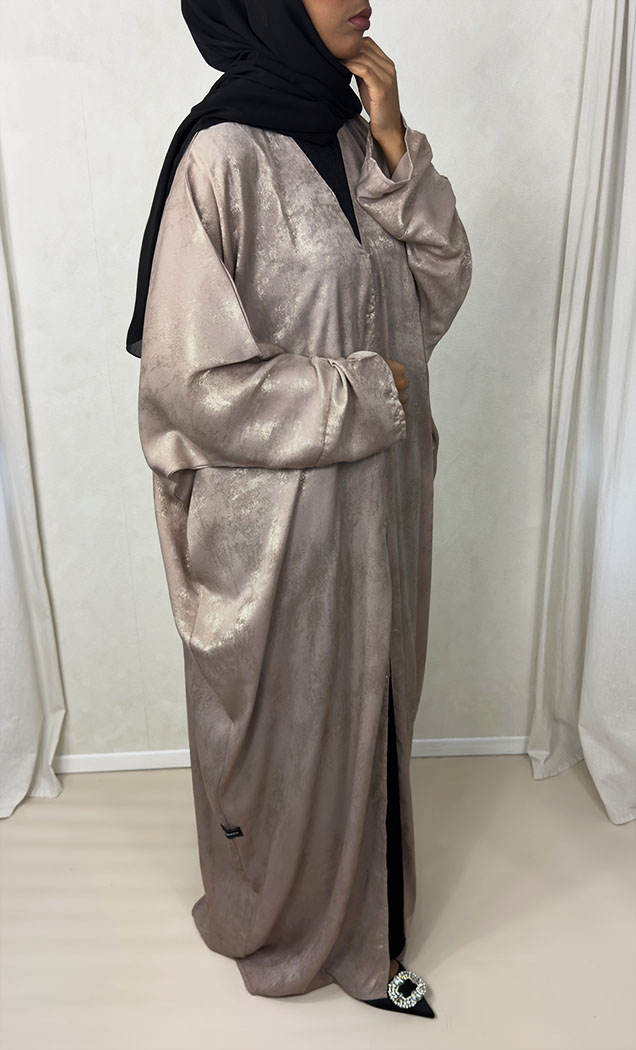
Why Clothing Matters in Islam: Beyond the Fabric
Let’s start with a simple question: Why does clothing even matter in Islam? The answer is woven into the very spiritual fabric of our faith. It’s not about rules for the sake of rules — it’s about intention, discipline, dignity, and God-consciousness.
Clothing as an Extension of Taqwa (God-Consciousness)
In the Qur’an, Allah says:
“O Children of Adam! We have provided you with garments to cover your nakedness and as an adornment. But the garment of Taqwa — that is best.” (Qur’an 7:26)
- Clothing serves both a physical and spiritual function in Islam.
- The concept of taqwa means God-consciousness — being mindful of Allah in all actions, including how we dress.
- Dressing modestly is a form of worship and submission to divine guidance, not just a social practice.
Guidelines, Not Uniforms
Islamic guidelines on clothing emphasize principles, not rigid forms. They include:
- Covering the ‘awrah (private parts) — different for men and women
- Not imitating immoral or opposite-gender clothing intentionally
- Choosing garments that are clean, dignified, and non-revealing
| Clothing Principle | Applies To | Purpose |
|---|---|---|
| Covering ‘Awrah | Men & Women | Preserve modesty and dignity |
| Looseness | Primarily Women | Avoid body outlines and attraction |
| Simplicity | Both | Discourage pride and show-off culture |
| Cleanliness | Everyone | Part of physical and spiritual purity |
Personal Story: From Rules to Reverence
I didn’t always understand these guidelines. As a teenager, they felt restrictive. But once I grasped the why — that dressing with purpose is a form of dignity, not denial — everything shifted. I remember walking into a job interview wearing my abaya and feeling confident instead of self-conscious. My faith wasn’t a limitation. It was my power suit.
Now that we’ve uncovered why Islam places such importance on clothing, let’s explore how these values take shape across cultures… and across the world.
The Spiritual Symbolism Woven Into Every Muslim Garment
In Islam, clothing doesn’t just cover the body — it expresses the soul. Every fold, color, and choice carries a deeper meaning that transcends trends. Whether it’s the simplicity of a white ihram or the grace of a flowing jilbab, Islamic garments are wrapped in spiritual symbolism that reflects the heart of our faith.
Every Thread Has a Purpose
Unlike fast fashion, where clothing is often chosen for trend or status, Islamic garments are intentional. They reflect inward states like humility, gratitude, and submission to God. For example:
- White garments symbolize purity and spiritual renewal — commonly worn during pilgrimage, prayer, or even burial.
- Flowing fabrics reflect modesty and ease, avoiding vanity and accentuation of the body.
- Covered heads (via hijab, kufi, or turban) represent the honoring of sacred boundaries and humility before Allah.
What may seem “plain” to some is profoundly powerful to those who understand its divine intent.
The Color of Faith: Hidden Messages in Fabric Hues
Colors in Islamic clothing often symbolize spiritual values or cultural significance. Here’s a closer look:
| Color | Spiritual Meaning | Common Usage |
|---|---|---|
| White | Purity, peace, simplicity | Hajj, Eid, funerals, daily prayer |
| Black | Dignity, seriousness, strength | Jilbabs, abayas, funerals |
| Green | Paradise, renewal, Prophet Muhammad’s favorite | Religious events, special garments |
| Blue | Protection, depth, stability | Headscarves, tunics, Moroccan thobes |
Intent Over Image: Spiritual Goals, Not Style Goals
In our world of selfies and style icons, Islam invites a different kind of fashion mindset — one rooted in niyyah (intention). A Muslim’s choice of clothing isn’t to attract the gaze of others but to please their Creator.
- Choosing modesty is an act of spiritual discipline, not social pressure.
- Dressing with care is an everyday form of dhikr (remembrance of God).
- Wearing garments with sacred meanings turns ordinary routines into worship.
Personal Reflection: When I Wore the Ihram
I’ll never forget the first time I wore the white ihram during Umrah. Two unstitched sheets. No tags. No pockets. Just me and my Lord. I remember standing on the marble floors of the Haram, surrounded by people of every nation, all dressed the same. For once, clothing didn’t divide us. It united us — in humility, in vulnerability, in worship. That experience changed how I view my wardrobe forever.
The garments we wear as Muslims don’t just meet the eye — they meet the heart. And in the next section, we’ll explore how these sacred values translate into real-world wardrobes across continents and cultures.
Quranic Verses That Shape Islamic Dress — And Their Deeper Meaning
The Quran, as the foundation of Islamic law and guidance, speaks directly to how Muslims should present themselves through their clothing. These verses are not merely rules; they are spiritual roadmaps that guide us toward a lifestyle of modesty, respect, and purity. In this section, we’ll delve into the key Quranic verses that influence the way we dress and explore their profound spiritual and ethical meanings.
1. Surah Al-A’raf (7:26) — Modesty in Appearance
In Surah Al-A’raf, Allah says:
“O children of Adam! We have provided you with clothing to cover your private parts and as adornment for you. But the clothing of righteousness — that is better.”
This verse emphasizes the fundamental purpose of clothing: to cover our private parts. But it also introduces the concept of modesty, not just physically but spiritually. It directs us toward the clothing of righteousness, reminding us that true beauty comes from within.
- Key takeaway: While physical appearance is important, the Quran prioritizes righteousness and purity of heart over outward adornment.
- Spiritual implication: True beauty lies in modesty, and our clothing should reflect this humility.
2. Surah An-Nur (24:31) — The Hijab and Modesty for Women
Surah An-Nur explicitly guides Muslim women on modest dress:
“And tell the believing women to lower their gaze and guard their private parts and not to display their adornment except that which is apparent, and to wrap a portion of their headcovers over their chests…”
This verse is one of the cornerstones of the concept of hijab in Islam. It provides clear guidance on covering the body while allowing for some display of beauty, but only in a modest and respectful manner. This encourages women to not only cover physically but to also embody inner modesty in their behavior and demeanor.
- Key takeaway: The hijab represents both a physical covering and a deeper, spiritual commitment to humility and modesty.
- Spiritual implication: Modesty isn’t just an external practice — it’s a reflection of internal values.
3. Surah Al-Ahzab (33:59) — Modesty for Both Men and Women
In Surah Al-Ahzab, the Quran speaks to both men and women about modest dress as an expression of dignity:
“O Prophet, tell your wives and your daughters and the women of the believers to bring down over themselves part of their outer garments. That is more suitable that they will be known and not be abused. And ever is Allah Forgiving and Merciful.”
This verse serves as a reminder that modest clothing is not just a recommendation but a protective shield for women. It is also an act of recognition that one is a follower of Islam, showcasing dignity and self-respect.
- Key takeaway: Modesty is not just a practice, but an act of self-respect and protection from harm.
- Spiritual implication: Clothing that reflects our faith also protects our dignity and sense of self-worth.
4. Surah Al-Baqarah (2:187) — The Balance Between Personal Freedom and Modesty
In Surah Al-Baqarah, Allah sets the boundaries for physical and spiritual boundaries in relationships:
“It is made lawful for you to go to your wives during the night of the fast. They are your garments and you are their garments.”
This beautiful metaphor in the Quran highlights the intimate connection between the self and the garment. Clothing here is described as a covering and a protective layer between the self and the outside world — a sacred relationship between a person and their faith, and between spouses.
- Key takeaway: Clothing in Islam is not just external; it has deep personal and spiritual significance.
- Spiritual implication: Clothing serves to protect us, reflect our faith, and mark our sacred relationships with others.
5. Surah Al-Mujadila (58:11) — The Importance of Proper Clothing for Respect
Allah says in Surah Al-Mujadila:
“Allah will raise those among you who believe and those who were given knowledge, in rank. And Allah is acquainted with what you do.”
This verse encourages believers to honor one another with proper respect. The idea of wearing appropriate clothing is part of maintaining respect, humility, and acknowledgment of our faith and knowledge.
- Key takeaway: Dressing in accordance with Islamic principles is an act of respect to others and oneself.
- Spiritual implication: Our clothing represents our understanding of our relationship with Allah and with others.
The Deeper Connection Between Faith and Clothing
The verses of the Quran that guide us on modest clothing are not merely about physical appearance. They call for a deeper, spiritual commitment to modesty, humility, and self-respect. When we dress according to these divine guidelines, we align ourselves not only with the aesthetic of modesty but also with the core values of Islam.
Clothing in Islam is a spiritual symbol — one that signifies our devotion to Allah, our sense of self-worth, and our relationship with the world around us. The choice of what to wear becomes a reflection of how we see ourselves in the eyes of our Creator, shaping our identity as humble, respectful, and devout individuals.
In the next section, we will explore how Islamic fashion is evolving in modern contexts while remaining faithful to these deeply rooted traditions and teachings.
How Culture and Climate Shape Muslim Clothing Around the World
Islamic clothing is a beautiful fusion of spirituality, culture, and practicality. While modesty remains at its core, the way Muslim men and women dress varies significantly based on the culture they belong to and the climate they live in. From the scorching deserts of the Middle East to the cooler climates of Northern Europe, climate and culture dictate not only the materials used but also the styles and cuts that define Islamic fashion.
1. Climate’s Influence on Material Choices
Climate plays a pivotal role in determining the fabrics and materials used in Islamic clothing. For instance, in hot climates, lightweight and breathable fabrics are preferred to ensure comfort while maintaining modesty. Conversely, in colder regions, heavier fabrics are used to provide warmth without sacrificing modesty. Below, we explore how different climates shape the fabrics of Muslim attire.
| Region/Climate | Preferred Fabrics | Reasons for Choice |
|---|---|---|
| Hot, Arid Climates (e.g., Middle East, North Africa) | Cotton, Linen, Lightweight Silk | Breathable, absorbent, and cool to the skin |
| Cool, Temperate Climates (e.g., Europe, North America) | Wool, Heavy Cotton, Polyester Blends | Insulating, durable, retains heat |
| Cold, Winter Climates (e.g., Scandinavia, Russia) | Cashmere, Wool, Fur-Lined Fabrics | Provides warmth and protection from the elements |
- Key takeaway: Climate dictates both the fabric weight and the choice of materials, which ensures comfort and practicality without compromising modesty.
- Practical impact: The right fabrics help Muslims in hot and cold climates maintain their modesty while adapting to environmental demands.
2. Cultural Influences on Islamic Clothing
While the fundamental principles of modesty are consistent across the Muslim world, cultural influences significantly shape the interpretation of Islamic dress. For example, the abaya, worn by women in the Arabian Peninsula, differs in style, fabric, and even color from the jilbab or shalwar kameez worn in South Asia. Let’s take a closer look at some key cultural variations:
- The Abaya: This loose-fitting robe, commonly worn by women in the Gulf countries like Saudi Arabia and the UAE, is typically black and made from light fabrics like crepe or chiffon, suitable for the hot desert climate.
- Shalwar Kameez: Popular in South Asia, this outfit consists of loose trousers (shalwar) and a long tunic (kameez), often paired with a scarf or dupatta. The fabrics can range from cotton for summer to heavier wool for winter.
- The Thobe (Dishdasha): A traditional garment worn by men in the Arabian Peninsula, it is typically made from cotton or linen to cope with the extreme heat of the region. The thobe is often white to reflect sunlight.
Cultural factors such as local traditions, regional dress codes, and even societal influences have contributed to the different interpretations of Islamic dress codes around the world. This demonstrates the diversity and flexibility within Islamic fashion while still adhering to the core values of modesty.
- Key takeaway: Cultural differences lead to unique variations in Islamic dress, but the underlying principle of modesty is upheld across all regions.
- Practical impact: Muslims around the world adopt clothing that is both culturally relevant and spiritually in tune with Islamic teachings.
3. Regional Variations in the Hijab
The hijab is one of the most recognized symbols of Islamic dress, yet it varies greatly across the globe. In some regions, the hijab is worn simply as a headscarf, while in others, it may be a full-body covering. The style of the hijab is influenced by local culture, societal norms, and climate. Let’s explore how the hijab changes around the world:
| Region | Hijab Style | Influence |
|---|---|---|
| Middle East (e.g., Saudi Arabia, UAE) | Full-body abaya with face-covering niqab | Extreme heat leads to practical, full-body coverings for protection from the sun and to uphold modesty. |
| Turkey | Loose headscarf, often worn with a coat or overcoat | Combination of Islamic modesty with modern fashion trends. |
| Indonesia | Light, airy scarves often worn with long dresses or skirts | Combination of modesty with tropical climate comfort. |
| Western Countries (e.g., UK, France) | Varied, often fashionable, sometimes wrapped, sometimes tied | Muslim women in the West often blend Islamic dress with contemporary styles, reflecting their dual identity. |
- Key takeaway: The style and method of wearing the hijab are influenced by local traditions, climates, and even political circumstances.
- Practical impact: The hijab adapts to environmental factors and societal trends, making it a unique and diverse symbol of Islamic modesty.
4. The Role of Islamic Modesty in Fashion Globally
Today, Islamic fashion is not just about modesty — it’s also about identity, creativity, and cultural expression. As Islamic dress continues to evolve, designers are incorporating modern aesthetics with traditional styles to cater to a diverse and global Muslim population. Modesty is no longer seen as a restriction, but rather a form of empowerment.
From high fashion runways in Paris to modest wear collections in London, the fusion of modesty with modern trends is evident. Brands that cater to Muslim women and men are creating clothes that not only adhere to Islamic guidelines but also reflect contemporary styles that appeal to the younger generation.
- Key takeaway: Modesty is evolving into a global fashion statement, influencing mainstream fashion with its inclusive, diverse, and empowering message.
- Practical impact: Muslim fashion now has a global footprint, inspiring non-Muslim designers and creating opportunities for collaboration across cultures.
The Impact of Globalization on Muslim Clothing
Globalization has allowed for the exchange of cultural practices, ideas, and styles. With the rise of social media, fashion trends are shared globally, allowing Muslims from different backgrounds to influence each other’s clothing choices. In this way, Muslim fashion is no longer confined to specific regions but is instead being embraced and celebrated worldwide.
As a result, clothing that was once seen as purely regional is now being adopted by Muslims everywhere, from New York to Jakarta. Islamic clothing has become a global movement that transcends geographical and cultural boundaries, reflecting the beauty of diversity while maintaining the key principles of modesty.
This global fusion of culture, climate, and tradition continues to shape Islamic fashion and its role in the modern world. In the next section, we will explore how Islamic clothing influences social perceptions, religious identity, and cultural pride.
Hijab, Niqab, and Abaya: What They Mean to Different Women
The terms hijab, niqab, and abaya are often used interchangeably, but each holds a unique meaning and significance depending on cultural, religious, and personal perspectives. These garments represent more than just physical coverings — they symbolize faith, identity, empowerment, and a commitment to modesty. However, the experience and significance of wearing each piece varies greatly among women from different backgrounds, regions, and societies.
1. The Hijab: A Symbol of Modesty and Identity
The hijab, a simple headscarf worn by Muslim women, is one of the most widely recognized symbols of Islam. Its primary purpose is to maintain modesty and humility by covering a woman’s hair, neck, and often her shoulders. For many, the hijab is a personal choice that represents both religious devotion and cultural pride.
- Religious Significance: The hijab is rooted in Islamic teachings, where the Quran instructs both men and women to dress modestly (Surah An-Nur 24:31). Wearing the hijab is often seen as an expression of a woman’s faith and commitment to following God’s commandments.
- Personal Empowerment: Many women describe wearing the hijab as empowering. By choosing to wear it, they take control of their bodies and how they are perceived, countering societal pressures that often emphasize physical appearance over character.
- Cultural Identity: For Muslim women around the world, the hijab is often deeply tied to their sense of identity, connecting them to a shared religious and cultural heritage. In some places, it also serves as an expression of solidarity within the Muslim community.
While the hijab is a common garment, the way it is styled can vary greatly depending on personal preference and regional trends, ranging from simple wraps to more elaborate, fashion-forward designs.
2. The Niqab: A Deeper Commitment to Modesty
The niqab is a face veil that covers a woman’s face, leaving only her eyes exposed. It is worn by some Muslim women who choose to further protect their modesty beyond the hijab. While not mandated by Islamic law, it is a practice followed by some women who feel that covering their face is a more complete expression of modesty.
- Religious Motivation: Some women wear the niqab as part of their understanding of Islamic modesty. They believe that covering the face adds an extra layer of humility and privacy.
- Social Perception: In some cultures, the niqab is seen as a symbol of piety and religious dedication. However, it can also draw societal stigma or scrutiny, particularly in non-Muslim-majority countries, where it may be misunderstood or even controversial.
- Personal Choice: For many women, wearing the niqab is a deeply personal decision that reflects their faith, and their desire to practice modesty in its most complete form. The niqab is not just a garment but a lifestyle choice that reflects their commitment to their beliefs.
While the niqab is less commonly worn than the hijab, its significance is profound for those who choose to wear it. It allows women to present themselves to the world on their own terms, with privacy and dignity intact.
3. The Abaya: A Cultural Icon of Modesty
The abaya is a long, flowing robe worn by Muslim women, primarily in the Arabian Peninsula. Though the abaya is primarily a garment worn for modesty, its design and styling can vary widely depending on the region, fashion trends, and personal preferences.
- Historical and Cultural Significance: The abaya has been a part of Arabian culture for centuries. It has become a symbol of traditional dress and modesty in the Gulf countries and is commonly worn in Saudi Arabia, the UAE, and other Middle Eastern nations.
- Fashion and Identity: Modern abayas have evolved to blend traditional modesty with contemporary fashion. In some countries, women wear abayas designed by high-end fashion houses, often featuring intricate embroidery, beading, or even a mix of bold colors and patterns.
- Global Popularity: Though traditionally associated with the Gulf region, the abaya has gained international appeal. Muslim women in other parts of the world also adopt the abaya, either as a daily garment or for special occasions like Eid, where fashion-forward abayas are worn as a symbol of elegance and pride.
4. Cultural and Religious Freedom Through Choice
The choice to wear the hijab, niqab, or abaya is deeply personal and varies from one woman to another. Some Muslim women choose to wear these garments as an expression of their faith, while others may wear them as a symbol of cultural identity or even personal empowerment. In many cases, the decision is influenced by family, community, or societal pressures.
It’s important to note that while some women wear these garments out of religious obligation, others choose to wear them as a means of rejecting societal standards of beauty and the objectification of women. By covering themselves, they reclaim control over their bodies and their appearance, choosing to be judged by their character rather than their physical appearance.
5. The Controversy and Debate: A Personal Choice or Religious Obligation?
In many non-Muslim countries, the hijab, niqab, and abaya have been sources of public debate and controversy. Some view these garments as symbols of oppression, while others see them as expressions of personal freedom and faith. The discussion often centers on whether wearing these garments is a voluntary choice or a religious obligation dictated by society.
Regardless of the outside perspectives, the decision to wear the hijab, niqab, or abaya remains an individual one. What is clear, however, is that these garments continue to serve as important symbols for Muslim women worldwide, representing both modesty and autonomy.
Summary Table: Comparing Hijab, Niqab, and Abaya
| Garment | Coverage | Significance | Cultural Variation |
|---|---|---|---|
| Hijab | Covers hair, neck, and often shoulders | Modesty, religious expression, cultural identity | Worn worldwide in various styles, from simple wraps to fashion-forward designs |
| Niqab | Covers the face, leaving eyes exposed | Deeper commitment to modesty, piety, and privacy | Mostly worn in conservative regions like the Arabian Peninsula |
| Abaya | Covers the entire body, from shoulders to feet | Symbol of modesty, cultural identity, and sometimes elegance | Popular in the Gulf, but also worn globally with various fashion adaptations |
- Key takeaway: The hijab, niqab, and abaya each represent different forms of modesty and personal choice for Muslim women. While they share a commitment to modesty, each garment carries unique cultural, religious, and personal significance.
- Practical impact: These garments are not just physical coverings, but powerful symbols that reflect a woman’s faith, cultural identity, and personal empowerment.
In the next section, we will explore how the global fashion industry has embraced Islamic dress, paving the way for modest fashion trends to take center stage.
The Evolution of Men’s Islamic Clothing Through the Centuries
Islamic clothing for men, like their female counterparts, carries deep historical, cultural, and spiritual significance. Over the centuries, Islamic men’s fashion has evolved, influenced by various factors such as geography, climate, cultural exchange, and religious teachings. Despite these changes, the core principles of modesty and dignity have remained central to Islamic men’s clothing.
1. Early Islamic Clothing: Rooted in Tradition
In the earliest days of Islam, men’s clothing was heavily influenced by the Bedouin culture of the Arabian Peninsula. The Prophet Muhammad (PBUH) himself wore simple and modest garments that exemplified the Islamic principles of humility and simplicity.
- The Tunic (Qamis): One of the most common garments worn by men during the early Islamic period was the tunic. Made of light, breathable fabric, it was worn to maintain modesty in the hot desert climate. The tunic covered the body from the shoulders to the ankles.
- The Cloak (Bisht): The bisht, a loose-fitting cloak, was worn over the tunic, especially for formal occasions. It signified respect and honor and was often worn by leaders and dignitaries.
- Headwear: The Prophet Muhammad (PBUH) and his companions often wore a head covering, such as a turban or simple cloth to protect themselves from the harsh desert sun.
During this period, the focus was on functionality and simplicity, with an emphasis on covering the body in a modest yet practical way, suitable for the desert climate.
2. The Golden Age of Islamic Civilization: Fashion Meets Culture
As the Islamic empire expanded from the Arabian Peninsula into Persia, North Africa, and Spain, the Islamic world absorbed and integrated various cultural influences, from the Byzantine Empire to Persian nobility. This cultural melting pot gave rise to a more sophisticated style of men’s Islamic clothing.
- Silk and Luxurious Fabrics: During the Golden Age of Islam, the use of luxurious materials like silk and brocade became popular among the wealthy and ruling classes. These fabrics were often embroidered with intricate patterns, showcasing both the wearer’s status and the craftsmanship of the time.
- Persian Influence: Persian styles heavily influenced Islamic fashion, particularly in terms of ornate clothing and the use of embroidery. The Persian influence brought in longer, more flowing garments and decorative elements like tassels and sashes.
- The Fez and Other Headwear: As the empire grew, the fez became a prominent symbol of Islamic culture, particularly in regions like North Africa and Turkey. The fez was a simple yet stylish piece of headwear that came to symbolize authority and identity.
Clothing during the Golden Age was not only a symbol of modesty but also of cultural sophistication, where fashion served both practical and aesthetic purposes.
3. Colonialism and the Western Influence: A Shift in Islamic Fashion
The colonial era had a profound impact on the clothing of Muslim men, particularly in regions like India, North Africa, and the Middle East. As European powers took control of many parts of the Islamic world, they introduced Western-style clothing, which led to a blending of Islamic and Western fashion.
- Western Suits and Ties: By the 19th and early 20th centuries, Western-style suits, trousers, and ties began to replace traditional garments. The influence of European colonial powers, particularly the British and French, became evident in the clothing worn by Muslim men in cities and urban areas.
- Rejection of Traditional Dress: Some Muslim men, particularly in newly formed nations, began to adopt Western dress as a sign of modernity and progress, while others viewed this shift as an abandonment of Islamic identity and tradition.
- Continued Use of Modest Garments: Despite the growing popularity of Western-style clothing, many Muslim men continued to wear traditional garments, such as the thobe or the salwar kameez, particularly in rural areas or in more conservative societies.
This period marked a crossroads in Islamic men’s fashion, where Western styles were embraced in some places while traditional attire remained prevalent in others.
4. Modern Islamic Fashion: A Fusion of Tradition and Innovation
In the late 20th and 21st centuries, Islamic fashion for men has experienced a revival, blending traditional modest clothing with modern aesthetics. Today, Islamic fashion is not just about modesty but also about self-expression, cultural pride, and style. Contemporary Islamic clothing for men reflects a globalized world where cultural exchange and individual creativity shape the fashion scene.
- Modern Twists on Traditional Garments: Traditional garments such as the thobe, kurta, and salwar kameez are being reimagined with modern cuts, colors, and materials. Designers are now experimenting with new fabrics like cotton blends, while maintaining the modesty and practicality of traditional clothing.
- Streetwear Meets Modesty: The rise of modest streetwear has made it easier for young Muslim men to express their faith through fashion while staying in tune with global trends. This includes stylish, modest cuts, long tunics, and jackets paired with simple yet sophisticated accessories.
- Influence of Islamic Celebrities: Influential Muslim men, including athletes, actors, and fashion designers, are playing a crucial role in shaping modern Islamic fashion. Their ability to combine modesty with trendsetting fashion is inspiring a younger generation to embrace Islamic clothing as both a religious and a stylish choice.
Modern Islamic clothing for men has become a dynamic and diverse space, with designers and influencers from around the world pushing boundaries while staying true to the values of modesty and dignity.
5. A Global Perspective: Islamic Fashion Around the World
As Islamic fashion becomes increasingly globalized, it’s important to understand the different regional interpretations of Islamic dress for men. From the traditional thobe worn in the Arabian Peninsula to the sherwani seen in South Asia, Islamic men’s fashion reflects the unique cultural and religious diversity within the Muslim world.
- The Thobe: A loose-fitting ankle-length garment typically worn in the Arabian Peninsula, the thobe is often seen as the standard for men’s Islamic dress in the region. It is popular in countries like Saudi Arabia, Kuwait, and the UAE.
- The Sherwani: In South Asia, the sherwani is a formal garment worn for weddings and special occasions. It combines traditional Islamic elements with South Asian craftsmanship and is often adorned with intricate embroidery.
- The Kufi Hat: Commonly worn in parts of West Africa, the kufi hat is a rounded cap worn by men as part of their everyday dress. It represents cultural identity and is often worn during prayer and other religious ceremonies.
Summary Table: Key Men’s Islamic Garments and Their Regional Variations
| Garment | Region | Occasions | Key Characteristics |
|---|---|---|---|
| Thobe | Arabian Peninsula | Everyday wear, formal events | Loose-fitting, ankle-length, lightweight fabric |
| Sherwani | South Asia | Weddings, special occasions | Ornate, embroidered, formal |
| Kufi Hat | West Africa | Everyday wear, prayer | Small, rounded cap, often made of cloth or wool |
The evolution of men’s Islamic clothing through the centuries has been shaped by historical events, cultural exchanges, and evolving religious interpretations. What remains unchanged, however, is the commitment to modesty, dignity, and faith that defines Islamic dress for men.
In the next section, we’ll explore how the global fashion industry is embracing and influencing Islamic fashion, creating new trends and opportunities for Muslim men worldwide.
Islamic Clothing for Kids: Teaching Identity From a Young Age
From an early age, Muslim children are introduced to the importance of modesty and cultural identity through their clothing. Islamic clothing for kids is not only a means of protection and comfort but also an essential part of their upbringing. Teaching children the value of modest dress helps them develop a strong sense of religious and cultural identity while encouraging respect for the principles of Islam.
1. Modesty as a Core Value in Early Childhood
In Islam, modesty is a principle that extends to all aspects of life, including clothing. For children, modest Islamic attire serves as a gentle introduction to this concept, helping them understand its importance in their daily lives. Parents and guardians play a pivotal role in guiding their children in choosing modest clothing that aligns with Islamic teachings.
- Teaching Through Example: Children learn by observing their parents and family members. By dressing modestly themselves, parents set a strong example for their children, teaching them that modesty is not just about clothing but a way of life.
- Incorporating Islamic Principles Early: Introducing Islamic clothing at an early age instills in children a sense of pride in their faith and culture. It reinforces the idea that they are part of a larger community with shared values.
For many Muslim families, the choice of clothing for their children is a conscious decision to protect them from outside influences and help them remain grounded in their faith.
2. Gender-Specific Islamic Clothing for Kids
Islamic clothing for boys and girls follows distinct guidelines, tailored to the principles of modesty while allowing for age-appropriate expression. The differences in attire between boys and girls reflect the varying guidelines for modesty set forth by Islamic teachings, while ensuring both genders are dressed in a way that is respectful and culturally appropriate.
- Boys’ Clothing: Boys’ Islamic clothing generally consists of simple garments such as tunics, shirts, and trousers, along with a cap or head covering. The focus is on maintaining modesty without restricting their ability to play and be active.
- Girls’ Clothing: Girls wear dresses, long tunics, and skirts that cover the body. A hijab, which covers the hair, is often introduced to girls at a young age as they approach puberty, although many families choose to introduce it even earlier as a form of cultural identity.
- Color Choices and Style: While there are no strict rules about colors or styles, many families select simple, modest clothing in soft colors and non-revealing cuts. The goal is to maintain modesty while allowing for comfort and personal expression.
The specific clothing choices for boys and girls serve not only to promote modesty but also to encourage an understanding of gender-specific roles and expectations within the Islamic tradition.
3. Islamic Clothing for Children: Comfort Meets Modesty
While modesty is the core principle, the comfort of the child is equally important when selecting Islamic clothing. Children’s clothes must allow them to move freely and participate in all the physical activities typical for their age, while still adhering to Islamic guidelines for modest dress.
- Soft and Breathable Fabrics: Since kids spend a lot of time playing and moving around, Islamic clothing for children is often made from lightweight, breathable fabrics like cotton. These fabrics keep children cool and comfortable, especially in warmer climates.
- Loose-Fitting Clothing: Loose, non-restrictive clothing is ideal for kids, allowing them to move easily while maintaining modesty. Loose pants, long skirts, and tunics are common choices for both boys and girls.
- Easy to Wear: Clothing for kids is designed for convenience. Items like zippers, Velcro, and elastic waistbands make getting dressed easier for both parents and children, fostering a sense of independence as they grow older.
The balance between modesty and comfort ensures that children can maintain their religious identity without feeling restricted by their clothing, making it a key factor in their daily life and development.
4. Teaching Children About Modesty and Faith Through Clothing
Clothing for children is a powerful tool for teaching modesty, faith, and the values of Islam. As children grow, their understanding of these principles deepens, and their clothing choices can reflect this maturation. Parents and teachers play a crucial role in helping children understand that their attire is a reflection of their faith, identity, and respect for Allah.
- Instilling a Sense of Pride: Wearing modest Islamic clothing gives children a sense of pride in their religion and culture. It encourages them to embrace their identity and stay true to their values, even in a world where external pressures may encourage conformity to different standards.
- Fostering Discipline and Self-Respect: The act of wearing modest clothing from a young age helps children develop self-discipline and an understanding of self-respect. It teaches them that their worth is not based on appearance, but on their character and actions.
- Encouraging Mindful Choices: As children grow, they learn to make mindful clothing choices that reflect their faith and values. This process helps them develop a deeper connection to their Islamic identity.
Parents and teachers must be proactive in creating an environment where children feel comfortable in their attire, helping them see clothing as an expression of their faith rather than a constraint.
5. The Role of Islamic Clothing in Muslim Communities
In many Muslim communities around the world, children’s Islamic clothing is more than just a personal choice—it’s an expression of communal identity. Wearing modest clothing signifies belonging to a larger Muslim ummah (community) and reinforces social cohesion.
- Community Bonding: Children dressed in similar Islamic clothing contribute to a strong sense of community. The shared attire helps reinforce the values of faith, modesty, and respect.
- Symbol of Cultural Continuity: Islamic clothing passed down through generations is a symbol of cultural continuity, connecting children with their heritage and their forebears.
- Celebrations and Religious Events: During religious festivals like Eid, children often wear special clothing that reflects the significance of the occasion. This reinforces the connection between clothing and the rituals and celebrations central to the Muslim faith.
Clothing is a central aspect of both personal identity and communal life in the Muslim world, helping children understand their place in a broader cultural and religious context.
Summary Table: Key Islamic Clothing for Children
| Clothing Item | Purpose | Typical Age | Characteristics |
|---|---|---|---|
| Tunic | Modesty, comfort | Young children | Loose-fitting, long sleeves, often paired with trousers or skirts |
| Hijab | Cultural identity, modesty | Girls approaching puberty | Headscarf, covering hair and neck |
| Thobe (Boys) | Comfort, modesty | All ages | Loose, ankle-length robe, often worn with a cap |
Islamic clothing for children is more than just an outfit—it’s a means of instilling faith, modesty, and identity from a young age. Through careful attention to their attire, children grow up with a strong sense of who they are, rooted in their Islamic beliefs and cultural heritage.
In the next section, we will explore how Islamic clothing for women has evolved and how it continues to shape modern fashion trends.
The Intersection of Faith, Fashion, and Self-Expression
Islamic clothing is often seen as a reflection of a person’s faith, but it also serves as an avenue for self-expression and creativity. While modesty is a central tenet of Islamic dress, it is not in conflict with personal style. In fact, Muslim fashion is a dynamic blend of tradition, culture, and individuality, offering endless possibilities for personal expression while adhering to Islamic guidelines of modesty.
1. Balancing Modesty with Style
In the modern world, fashion is a powerful form of self-expression. For many Muslims, the challenge lies in balancing the desire to express their individuality with the need to stay true to the principles of modesty. Islamic dress allows for personal style, but it requires a thoughtful balance of fashion and faith.
- Modesty as the Foundation: Modesty is the foundation upon which all Islamic fashion is built. It means clothing that covers the body appropriately, avoiding tight-fitting or revealing garments.
- Style Within Boundaries: Within these boundaries, fashion allows Muslims to express themselves creatively. From elegant abayas and stylish hijabs to tailored thobes, Islamic fashion offers a variety of options that cater to different tastes while adhering to modesty guidelines.
- Personal Touch: Accessories such as jewelry, scarves, and shoes can be used to add a personal touch to an outfit, allowing for self-expression within the framework of modest dress.
For Muslim women and men alike, fashion is not only about clothing but a way of showing pride in their identity and culture, while demonstrating respect for their faith.
2. The Role of Hijab in Self-Expression
The hijab, one of the most visible elements of Islamic clothing, plays a significant role in both self-expression and religious identity. For many Muslim women, the hijab is a personal choice that allows them to embody their faith while also expressing their unique style.
- Fashionable Hijab Styles: In recent years, hijab fashion has evolved to include a variety of styles. From modern turban wraps to classic hijab drapes, Muslim women have found creative ways to wear the hijab that suits their personalities and lifestyles.
- Color and Fabric Choices: The choice of colors and fabrics allows for even more creativity. While traditional hijabs are often neutral, modern designs incorporate vibrant colors, patterns, and luxurious fabrics such as silk and chiffon, reflecting the wearer’s personal style.
- The Empowering Aspect: For many women, the hijab is empowering. It allows them to take control of how they present themselves to the world, maintaining modesty while expressing their identity and individuality.
The hijab serves as a powerful symbol of both faith and self-expression, offering Muslim women the opportunity to celebrate their faith while embracing their unique sense of style.
3. Cultural Influence on Islamic Fashion Trends
Islamic clothing, like all fashion, is influenced by cultural trends and local customs. Islamic fashion is not monolithic; it varies greatly from one region to another, reflecting the diverse cultures and histories of the Muslim world. Whether it’s the colorful, ornate abayas of the Gulf countries or the more understated styles seen in Southeast Asia, culture plays a significant role in shaping the clothing choices of Muslims.
- Global Influence: Islamic fashion has also gained attention in global fashion circles, with designers incorporating Islamic-inspired elements into their collections. This blending of cultures results in a diverse, rich fashion landscape that reflects both Islamic values and contemporary trends.
- Modernizing Traditional Clothing: Many designers are modernizing traditional Islamic clothing by incorporating modern cuts, designs, and materials while maintaining modesty standards. For example, the classic abaya has been reimagined with innovative fabrics, embellishments, and cuts to suit contemporary tastes.
- Regional Variations: The way Islamic clothing is worn and styled can vary significantly across different cultures. For instance, in Turkey, the hijab is often worn with tailored coats and suits, while in Indonesia, the style may lean toward bright, patterned clothing combined with traditional headscarves.
The cultural diversity of the Muslim world ensures that Islamic fashion continues to evolve, combining traditional elements with modern interpretations of modesty and style.
4. The Rise of Modest Fashion Influencers
The rise of social media has given birth to a new wave of modest fashion influencers who have become leaders in the modest fashion movement. These influencers use platforms like Instagram and YouTube to showcase how modesty and fashion can coexist in a stylish, creative way.
- Influencers as Trendsetters: Modest fashion influencers have become trendsetters, promoting brands and styles that align with modesty principles. Their platforms provide visibility for modest fashion brands and give inspiration to those seeking to dress stylishly while adhering to their religious values.
- Promoting Diversity: These influencers come from diverse backgrounds, bringing different interpretations of modest fashion to a global audience. This has led to a broader acceptance and appreciation of Islamic clothing in mainstream fashion circles.
- Empowering Others: By embracing modest fashion, influencers are empowering others to express themselves authentically. They show that it is possible to dress modestly while being fashionable and confident.
Social media has been instrumental in bringing modest fashion to the forefront, allowing Muslim women and men to express themselves and inspire others through their unique styles.
5. Self-Expression Through Color and Fabric Choices
Color and fabric choices are an integral part of self-expression in Islamic fashion. While modesty is the guiding principle, the variety of colors, textures, and materials available allows individuals to express their personality, mood, and style preferences through their clothing.
- Color as Expression: From classic neutrals to bold, vibrant hues, color plays an important role in Islamic fashion. While conservative colors like black, navy, and beige are often favored for their modest appearance, bright colors and patterns are also popular choices for many.
- Fabric Choices: Islamic clothing is made from a wide range of fabrics, including cotton, silk, wool, and chiffon. The choice of fabric can reflect the wearer’s personal style as well as the occasion for which the clothing is worn. Lightweight fabrics are often favored in warmer climates, while heavier fabrics are chosen for cooler regions.
The diversity in fabric and color choices allows for a significant amount of personal expression, enabling Muslim men and women to incorporate their individual style while adhering to modesty standards.
Summary Table: Key Aspects of Faith, Fashion, and Self-Expression in Islamic Clothing
| Aspect | Impact on Fashion | Examples |
|---|---|---|
| Modesty | Guides clothing choices, ensuring they cover the body appropriately while still allowing for style. | Loose-fitting tunics, long skirts, hijabs |
| Self-Expression | Offers a platform for creativity, with individuals customizing their attire to reflect their identity. | Vibrant hijabs, unique accessories, tailored thobes |
| Cultural Influence | Shapes how Islamic fashion is worn, varying by region and culture. | Abayas in the Gulf, headscarves in Southeast Asia |
| Social Media | Has expanded the visibility and popularity of modest fashion, allowing for global influence. | Influencers, Instagram, YouTube |
In conclusion, Islamic clothing is not just a matter of modesty but also a medium for self-expression. As fashion continues to evolve, Muslims around the world are finding creative ways to dress stylishly while remaining true to their faith, demonstrating that modesty and fashion are not mutually exclusive.
In the next section, we will delve into the role of Islamic clothing in modern society and how it is reshaping global fashion trends.
Challenges Muslim Youth Face When Dressing Modestly Today
For many Muslim youth, dressing modestly presents a unique set of challenges. In a world where fashion trends are constantly shifting and self-expression is often linked to appearance, staying true to Islamic principles of modesty can sometimes feel like a struggle. The pressure to conform to societal standards of beauty and fashion, coupled with the desire to preserve one’s faith, can create a complex dynamic for young Muslims trying to navigate modest clothing in modern society.
1. Peer Pressure and Social Expectations
One of the most significant challenges Muslim youth face when dressing modestly is the pressure from their peers to conform to mainstream fashion trends. In many communities, there is an expectation to look “cool” or follow the latest fashion fads, which often conflicts with the values of modesty. This pressure can be particularly difficult in schools, universities, and social gatherings where there is a visible emphasis on appearance.
- Desire to Fit In: Many young Muslims feel the pressure to wear what their friends are wearing, fearing they will be judged or excluded if they choose more modest options.
- Fear of Judgement: There’s a constant concern about how others will perceive their choice of clothing. Wearing traditional Islamic attire, such as the hijab or long robes, can often lead to unwanted attention or criticism.
- Social Media Influence: With the rise of social media platforms, the pressure to conform to the idealized version of beauty and style has only intensified. The constant exposure to influencers wearing revealing clothing can make it harder for youth to maintain modesty.
Despite these pressures, many Muslim youth continue to embrace modest fashion, using it as an opportunity to showcase their unique identity while staying true to their faith.
2. Lack of Fashionable Modest Options
Another challenge Muslim youth face when dressing modestly is the limited availability of fashionable yet modest clothing. While the modest fashion industry has grown in recent years, there are still limited options, particularly for young Muslims who want to wear trendy and stylish clothing while adhering to modesty guidelines.
- Scarcity of Youth-Oriented Brands: Many modest fashion brands cater to older adults, offering more conservative cuts and designs that may not appeal to younger generations seeking more youthful and contemporary styles.
- Limited Variety: The options available often lack the variety needed to cater to different tastes and preferences. Youth may find it difficult to express their individuality within the constraints of traditional modest clothing.
- High Cost: Modest clothing, particularly designer or high-end pieces, can be expensive, creating a financial barrier for many young people who want to dress modestly but cannot afford the premium prices.
Despite these challenges, the modest fashion market continues to evolve, with new brands emerging to meet the demand for stylish, affordable, and modest clothing for youth.
3. Navigating Cultural Expectations and Traditions
In addition to societal pressures, Muslim youth often face the challenge of navigating cultural expectations and family traditions regarding clothing. The way modesty is interpreted can vary significantly across different cultures, and youth may feel torn between their family’s cultural norms and their desire to fit into the modern world.
- Family Expectations: In many families, traditional clothing such as the abaya for women or the thobe for men is still expected. This can be challenging for youth who may prefer to wear more contemporary modest clothing, such as long skirts or tunic tops.
- Cultural Norms: Each Muslim culture has its own interpretation of modest clothing. For example, the way hijab is worn in the Middle East may differ from the way it is styled in Southeast Asia or Western countries. These cultural differences can cause confusion or tension, especially for youth who are trying to balance their cultural heritage with their personal style.
- Generational Divide: Younger generations often experience a cultural divide with older family members who may be more conservative in their views on modest dress. This generational gap can lead to friction, as youth try to express themselves while maintaining respect for their family’s traditions.
It is important for Muslim youth to navigate these cultural and family expectations with sensitivity, finding ways to balance their faith, individuality, and respect for their traditions.
4. The Challenge of Balancing Modesty with Comfort
For many Muslim youth, dressing modestly is not just about adhering to religious guidelines, but also about feeling comfortable in their clothing. Modest clothing is often associated with layers and loose-fitting garments, which can be uncomfortable or impractical for some young people, especially in hot climates or during physical activities.
- Weather Considerations: In warmer climates, wearing layers of loose clothing can be uncomfortable. Finding breathable fabrics and lightweight clothing options that still meet modesty requirements can be challenging.
- Activity-Appropriate Clothing: Many sports or extracurricular activities require specific clothing, which may not always align with modest fashion standards. This can make it difficult for Muslim youth to participate fully in activities without compromising their modesty.
- Fashion vs. Comfort: There is often a tension between wearing fashionable clothing and maintaining comfort. Many modest clothing options are designed with style in mind but may not always be as comfortable as more casual, fitted clothing.
As the demand for more practical and comfortable modest clothing grows, the fashion industry is starting to introduce more versatile options that combine style, comfort, and modesty for active and fashionable youth.
5. The Digital Divide: Access to Modest Clothing Online
As online shopping becomes more prevalent, many young Muslims are turning to the internet for modest fashion options. However, not all Muslim youth have equal access to online shopping, and this digital divide presents a challenge for some.
- Limited Shipping Options: Many modest fashion brands cater to international markets, but shipping can be expensive or unavailable in certain regions, particularly in less-developed countries.
- Size and Fit Issues: When buying clothing online, size and fit can be challenging, particularly when shopping from international brands. The lack of in-store fittings makes it difficult for Muslim youth to ensure they are getting the right fit for modest clothing.
- Product Authenticity: There is also the issue of ensuring that the clothing purchased online adheres to the desired standards of modesty. Not all online retailers may fully understand the specific requirements for modest fashion, which can lead to misrepresentation or disappointment upon delivery.
Despite these hurdles, online shopping continues to play a vital role in providing access to a wide range of modest clothing options, making it easier for Muslim youth to find styles that reflect both their faith and their individuality.
Summary Table: Key Challenges for Muslim Youth Dressing Modestly
| Challenge | Impact on Modest Fashion | Examples |
|---|---|---|
| Peer Pressure | Challenges the desire to maintain modest dress in social settings. | Conforming to mainstream trends, fear of judgment |
| Lack of Fashionable Options | Limits the ability to express individuality through clothing. | Limited trendy clothing options for youth, high costs |
| Cultural Expectations | Creates tension between traditional family values and modern self-expression. | Expectations for traditional attire, cultural norms |
| Comfort and Practicality | Can make it difficult to find stylish yet comfortable modest clothing. | Weather considerations, difficulty in finding versatile clothing |
| Digital Divide | Limits access to modest clothing options due to shipping restrictions or online shopping barriers. | Expensive shipping, size and fit issues, authenticity concerns |
In conclusion, Muslim youth face a range of challenges when dressing modestly today, from societal pressures and cultural expectations to a lack of fashionable options and practical clothing. However, as the modest fashion industry continues to evolve, these challenges are being addressed, allowing for greater self-expression, comfort, and style while staying true to Islamic values.
In the next section, we will explore how Muslim fashion is influencing the global fashion scene and reshaping the industry as a whole.
Islamic Clothing at Work and School: Rights, Realities, and Respect
As Muslim communities continue to grow and diversify across the globe, the conversation around Islamic clothing in professional and educational settings has become increasingly relevant. Many Muslim individuals, particularly women, face challenges when it comes to wearing modest attire, such as the hijab or abaya, at work or school. These challenges involve a complex mix of legal rights, societal realities, and the respect for personal choices within these environments.
1. Legal Rights: Understanding Religious Freedoms
In many countries, there are specific legal protections in place that safeguard the right to dress according to one’s faith. These protections ensure that Muslim individuals are not discriminated against for choosing to wear Islamic clothing in work or school environments. However, the application and extent of these laws vary significantly depending on the country or region.
- Freedom of Religious Expression: In many countries with strong human rights laws, individuals are legally allowed to wear religious attire, including the hijab, niqab, or other modest garments, as part of their religious expression.
- Workplace Policies: Some employers may have specific dress codes that permit or restrict the wearing of religious clothing, but many progressive organizations embrace diversity and allow their employees to express their faith through their clothing choices.
- Educational Institutions: Schools often have their own policies regarding uniforms or dress codes, but many institutions in secular countries support the right of students to wear religious clothing as part of their educational rights.
Understanding one’s rights is crucial, as individuals may encounter situations where they need to advocate for their freedom to dress in accordance with their faith. Legal support and organizations that promote religious freedom can provide guidance in such cases.
2. Workplace and School Realities: Navigating Expectations and Norms
Despite legal protections, the realities of wearing Islamic clothing in work and school settings are not always as straightforward. Societal expectations, workplace norms, and school policies can sometimes create a challenging environment for those who choose to wear modest attire.
- Unwritten Biases: Even in places where Islamic clothing is legally allowed, unconscious biases may still exist. Colleagues, employers, or fellow students may have preconceived notions about the wearer’s faith, which can lead to subtle or overt discrimination.
- Professional Appearance Standards: In corporate settings, the pressure to adhere to a certain “professional look” may conflict with the desire to dress modestly. Some employers may view Islamic clothing as unprofessional or out of place, creating a difficult balancing act for Muslim employees.
- School Dress Codes: In educational settings, students may find themselves having to navigate dress codes that are not always inclusive of religious attire. Some schools may offer exemptions, while others may impose restrictions, especially in institutions that prioritize uniformity over religious expression.
These realities can sometimes discourage individuals from wearing modest clothing in public spaces, but many Muslim individuals continue to challenge these norms, advocating for their right to dress as they please while maintaining their professional or academic status.
3. Respect for Personal Choice: Fostering Inclusive Environments
Creating environments where people of all faiths and cultures feel respected is essential to ensuring that Muslim individuals can wear Islamic clothing freely, whether at work or school. Respecting personal choice when it comes to attire is a fundamental aspect of promoting diversity and inclusion in any institution.
- Building Cultural Competence: Workplaces and schools can foster inclusive environments by educating employees and students about different cultural and religious practices, including the significance of modest dress in Islam.
- Encouraging Dialogue: Open conversations about religious clothing can help demystify misconceptions and promote a more respectful, understanding environment. These dialogues can be facilitated by workplace diversity programs or school assemblies.
- Supporting Religious Freedom: Institutions that prioritize respect for religious freedom can play a key role in ensuring that Muslim individuals are not subjected to unfair treatment or exclusion because of their clothing choices. This support includes creating policies that specifically address religious dress and ensuring that they are enforced consistently and fairly.
Respect for personal choice in clothing is not just about legal rights, but about fostering a culture of inclusivity and mutual respect. By embracing diversity and allowing individuals to express their faith through their clothing, workplaces and schools can create a more welcoming environment for everyone.
4. The Impact of Modest Dress on Career and Education
The decision to wear Islamic clothing can have both positive and negative impacts on one’s career and educational path. While many Muslim individuals feel that their attire is an essential part of their identity, it can sometimes lead to challenges in advancing in the workplace or gaining acceptance in educational settings.
- Positive Impact: For some, wearing Islamic clothing is a source of pride and personal empowerment. It allows them to express their faith and cultural identity in a meaningful way, which can contribute to a sense of purpose and confidence in the workplace or at school.
- Negative Impact: On the flip side, some individuals may experience professional or academic setbacks due to their choice of clothing. This may include being overlooked for promotions, denied entry into certain institutions, or facing social isolation.
The impact of wearing Islamic clothing on career and education is a complex issue, influenced by individual choices, cultural contexts, and institutional attitudes. However, as awareness and understanding of diverse cultures and faiths increase, more opportunities for respect and equality are emerging in both professional and academic settings.
5. Case Studies: Success Stories of Modest Dress in Professional and Educational Settings
Many Muslim individuals have successfully navigated the challenges of dressing modestly in work and school environments. These success stories provide valuable insights into how Muslim clothing can be worn confidently without compromising professionalism or academic success.
- Success in the Workplace: Several high-profile Muslim professionals, such as lawyers, doctors, and entrepreneurs, have made significant strides in their careers while wearing Islamic clothing. Their stories serve as examples of how modest dress can coexist with professional success.
- Academic Achievements: Muslim students who wear hijab or other Islamic clothing have made their mark in prestigious universities and schools around the world. Many have excelled in their fields, breaking stereotypes and proving that modest dress does not hinder academic or professional achievement.
These case studies highlight that, with the right support and mindset, Muslim individuals can thrive in their careers and education while proudly wearing Islamic clothing. They serve as inspirations for others facing similar challenges.
Summary Table: Key Points on Islamic Clothing in Work and School
| Aspect | Challenges | Possible Solutions |
|---|---|---|
| Legal Rights | Understanding the legal protections available in different regions. | Advocating for religious freedoms, seeking legal support. |
| Workplace Norms | Pressure to conform to “professional” dress standards. | Encouraging diversity policies and inclusive workplace cultures. |
| School Dress Codes | Conflicts between school dress codes and Islamic attire. | Negotiating exemptions or advocating for inclusive policies. |
| Respect for Personal Choice | Dealing with cultural misunderstandings or biases. | Fostering dialogue, cultural competence, and respect for diversity. |
| Career and Education Impact | Potential for discrimination or setbacks. | Empowering individuals to embrace their attire confidently, advocating for equal opportunities. |
In conclusion, Muslim individuals continue to face various challenges when dressing modestly at work and school. However, through a combination of legal protections, societal respect, and personal empowerment, they are finding ways to navigate these spaces while remaining true to their faith. With increased awareness and acceptance, the future looks promising for Muslim youth and adults who wish to express their identity through their clothing in professional and educational settings.
In the next section, we will explore how Muslim clothing is influencing global fashion trends and the impact of modest fashion on the industry.
Breaking Stereotypes: Muslim Clothing Isn’t ‘Oppressive’ — Here’s Why
The portrayal of Muslim clothing, particularly items like the hijab, niqab, and abaya, is often misunderstood and misrepresented in mainstream media. One of the most pervasive misconceptions is that these garments are inherently oppressive to women. This stereotype stems from a lack of understanding about the significance of modest clothing in Islam and the empowerment it offers to those who choose to wear it. In this section, we will break down the myth of oppression and explore why Muslim clothing is, in fact, a symbol of liberation, identity, and choice.
1. The Role of Personal Choice in Modesty
At the heart of Islamic clothing is the concept of choice. While modesty is encouraged in Islam, the decision to wear specific garments like the hijab or abaya is ultimately personal. No one is coerced into wearing them; rather, it is a conscious choice made by individuals who seek to express their faith, identity, and values through their clothing.
- Empowerment Through Choice: For many Muslim women, wearing the hijab is not a symbol of oppression but a conscious decision that empowers them to control how they are perceived. It allows them to be judged for their character and intellect, rather than their physical appearance.
- Rejecting Objectification: Modest clothing can be viewed as a way to reclaim autonomy over one’s body. By choosing to dress modestly, individuals can challenge societal expectations of female beauty and the objectification of women that is prevalent in many cultures.
- A Personal Expression: For many, Islamic clothing serves as an expression of spiritual commitment and personal identity. The decision to wear modest attire is deeply personal and rooted in a desire to honor religious teachings and cultural traditions.
2. Challenging Western Misconceptions
Much of the stereotype surrounding Muslim clothing stems from a Western-centric perspective that often frames modest clothing as a form of repression. This narrow view overlooks the cultural and religious significance of modest dress in Islam, leading to misunderstandings about its true meaning.
- Media Misrepresentation: Mainstream media often depicts Muslim women as oppressed due to their choice of dress, ignoring the agency that comes with wearing modest clothing. In many cases, the decision to wear Islamic garments is a reflection of personal strength and faith, not subjugation.
- Western Fashion Norms vs. Modesty: In Western fashion, clothing often emphasizes revealing or provocative styles. This can inadvertently lead to the assumption that clothing that covers the body is somehow regressive or oppressive, ignoring the fact that modesty can be a form of self-respect and liberation.
- Cultural Context Matters: The perception of Islamic clothing as oppressive is often rooted in cultural misunderstanding. What may seem restrictive in one cultural context can have a completely different meaning in another. Modesty in Islam is about personal choice, not about restriction or limitation.
3. Empowerment Through Modesty in Islam
Modesty in Islam is not about oppression but about the empowerment of both men and women. The Qur’an and Hadith emphasize modesty for both genders, not just women. The Islamic dress code is designed to promote dignity, respect, and protection from the objectification of individuals based on their appearance.
- Respect for One’s Body: Wearing modest clothing in Islam is an act of respect for one’s body and the body of others. It emphasizes that true beauty comes from within, and that one’s physical appearance should not be the focal point of their worth or value.
- Equality in Modesty: Modesty applies to both men and women in Islam. While the hijab is often associated with women, Muslim men are also encouraged to dress modestly and cover their bodies appropriately. This mutual respect for modesty promotes a sense of equality and shared dignity.
- Self-Respect and Control: By choosing to wear modest clothing, individuals demonstrate self-control and discipline, which are seen as virtues in Islam. This practice is empowering because it allows people to define their identity based on their values, rather than external pressures.
4. Breaking Free From Societal Pressures
One of the main reasons why the stereotype of oppression persists is because society tends to focus on external appearance, often associating beauty with revealing clothing. In a world where women’s value is frequently tied to their looks, choosing to dress modestly can be seen as a form of resistance to societal pressures.
- Redefining Beauty: Muslim women who choose to wear hijab or other modest clothing are actively challenging the notion that beauty is defined by physical appearance. They reject the idea that women must reveal their bodies to be considered beautiful or valuable in society.
- Rejecting Objectification: Modest clothing helps to create a barrier between a woman’s body and the public eye, protecting her from unwanted attention or objectification. It allows women to assert control over how they are perceived by others.
- Empowered Identity: Choosing modest clothing gives Muslim women the power to define their own identity and sense of self-worth, rather than allowing society to dictate it based on appearance.
5. The Hijab as a Symbol of Liberation, Not Oppression
For many Muslim women, the hijab is a powerful symbol of liberation and identity. Rather than being a sign of subjugation, the hijab allows women to express their faith and devotion while maintaining a sense of privacy and personal dignity.
- Faith and Devotion: For Muslim women, the hijab is a visible sign of their commitment to their faith. It is worn with pride as an expression of their belief in modesty and spiritual strength.
- Reclaiming Control: By wearing the hijab, women are reclaiming control over their bodies and rejecting the societal pressures that seek to commodify their appearance. It is an act of self-determination that empowers them to live according to their values.
- Cultural Pride: The hijab is also a symbol of cultural pride. For many Muslim women, it is a way to connect with their heritage and express solidarity with other women who share similar experiences and values.
Summary Table: Key Points on Breaking the Stereotype of Oppression
| Aspect | Challenge | Empowerment and Liberation |
|---|---|---|
| Personal Choice | The misconception that wearing Islamic clothing is forced or obligatory. | Modest clothing empowers individuals to express faith and values freely. |
| Western Misconceptions | Media and cultural representations of Islamic clothing as oppressive. | Islamic clothing can be a symbol of empowerment, not repression. |
| Empowerment through Modesty | The idea that modest clothing restricts individual freedom. | Modesty in Islam is about dignity, self-respect, and personal control. |
| Societal Pressures | The societal expectation for women to dress revealingly to be valued. | Modesty challenges societal norms and allows women to define their beauty and worth. |
| The Hijab | Belief that the hijab symbolizes oppression or subjugation. | The hijab is a symbol of spiritual strength, self-respect, and liberation. |
In conclusion, the stereotype that Muslim clothing is oppressive is based on misunderstanding and misrepresentation. Modest dress, including the hijab, niqab, and abaya, is a powerful expression of personal choice, empowerment, and faith. By embracing modest clothing, Muslim individuals are able to reclaim their identity, challenge societal expectations, and live according to their own values. In the next section, we will explore how Muslim fashion is influencing global trends and the rise of modest fashion around the world.
How Converts to Islam Navigate Their First Modest Wardrobe
For many converts to Islam, the journey of embracing a new faith comes with a transformation in how they present themselves, especially when it comes to clothing. Modesty is an integral part of Islamic teachings, and for those new to the faith, creating a modest wardrobe can feel both empowering and overwhelming. In this section, we’ll explore the challenges and triumphs of navigating a first modest wardrobe after converting to Islam, and how new Muslims find their personal style within the guidelines of Islamic modesty.
1. Understanding Modesty in Islam: A New Perspective
For converts to Islam, the concept of modesty may be different from what they have previously known. Islamic modesty isn’t just about covering the body but is also a reflection of inner humility, respect, and self-awareness. This shift in perspective often requires new Muslims to look at clothing differently—emphasizing simplicity, dignity, and the avoidance of drawing unnecessary attention.
- Modesty as Spiritual Discipline: Modesty in Islam is about maintaining balance and humility. It’s not just about appearance, but also about one’s character and actions. Converts often learn that modesty extends beyond clothing to include behavior and speech.
- Clothing as an Act of Worship: Many converts feel that dressing modestly is an act of obedience to Allah. Clothing becomes more than a matter of style or fashion; it becomes a reflection of their faith and submission to God.
- Internal Transformation: For many, the journey of modest dressing begins with an internal transformation. It is an expression of how they wish to align their external appearance with their inner values and newfound spiritual identity.
2. The First Steps: Building a Modest Wardrobe
When it comes to starting a modest wardrobe, many converts feel overwhelmed by the vast choices and unfamiliarity with how to combine modesty with personal style. The first steps can be intimidating, but there are several approaches to help guide the process.
- Start with Key Basics: For most converts, the first step in building a modest wardrobe is to focus on the basics. Simple, long-sleeved tops, loose-fitting pants, and skirts or dresses that cover the knees are common starting points. These pieces offer versatility and are easy to mix and match.
- Understanding the Hijab: The decision to wear the hijab, or headscarf, is often one of the most significant and personal choices for converts. It represents a physical manifestation of their commitment to modesty and can sometimes be a daunting transition. However, many converts find it empowering and fulfilling to start wearing the hijab once they are ready.
- Layering and Choosing Fabric: Layering is an essential technique for many converts. Layering allows them to meet modesty requirements while still being comfortable and stylish. Choosing the right fabrics is also key—breathable and comfortable materials like cotton, wool, and jersey can make a big difference in how easy it is to wear modest clothing.
3. Challenges: Navigating Cultural Differences in Fashion
When new Muslims build their modest wardrobes, they often find themselves navigating cultural differences in what modest clothing looks like. Modesty standards can vary across cultures, so converts may find themselves wondering how to reconcile Islamic modesty with their own cultural preferences and personal tastes.
- Balancing Cultural Identity with Islamic Modesty: Converts might experience difficulty finding the balance between the modest fashion trends of their new faith and the cultural fashion they were accustomed to before converting. This process involves a lot of trial and error and self-discovery, as each person tailors their wardrobe to reflect both their Islamic identity and cultural background.
- Dealing with Fashion Expectations: The global fashion industry often emphasizes tight-fitting, revealing clothing, which can feel at odds with the values of modesty. Converts may struggle to navigate these competing expectations, trying to stay true to their new faith while also maintaining personal style.
- Social and Family Expectations: For many converts, family and friends may not initially understand the shift toward modest dress. Navigating these relationships while asserting their new identity can be challenging. Some may feel pressure from loved ones to revert to their old wardrobe choices.
4. Finding Support and Inspiration: Communities and Resources
Fortunately, converts to Islam are not alone in their journey. Many online communities, social media influencers, and modest fashion blogs provide inspiration and support for those building their first modest wardrobe. These resources can make the transition smoother by offering guidance, tips, and a sense of solidarity.
- Online Communities and Forums: Websites and social media platforms such as Instagram, Pinterest, and YouTube feature communities dedicated to modest fashion. These spaces allow converts to connect with others on a similar journey and find ideas that help them create their own unique modest style.
- Modest Fashion Bloggers: Many modest fashion bloggers offer guidance on how to combine modesty with personal style. These bloggers provide helpful tips on where to shop for modest clothing, how to layer effectively, and how to feel confident in modest attire.
- Islamic Clothing Brands: Numerous Islamic clothing brands now offer stylish, modest options that cater to a wide range of tastes and budgets. These brands have become more mainstream, providing high-quality and fashionable choices for both new and seasoned Muslims.
5. Overcoming the Initial Struggles: Confidence and Comfort
One of the biggest challenges for converts to Islam when building their first modest wardrobe is overcoming the discomfort of change. Adjusting to a new way of dressing can be difficult, especially if it feels like a departure from the mainstream. However, over time, many converts find that wearing modest clothing increases their confidence and sense of self-respect.
- Building Confidence in Modesty: For converts, the initial awkwardness of wearing modest clothing can give way to a sense of confidence as they embrace their new identity. This confidence often comes from the inner peace that modest dressing brings, as well as the empowerment of being able to express their faith openly.
- Comfort and Practicality: Once converts become accustomed to modest dressing, they often discover that modest clothing can be far more comfortable and practical than the clothes they wore previously. Loose, breathable fabrics and well-designed outfits offer more comfort, freedom, and flexibility throughout the day.
- Personal Style and Modesty: With time, many converts learn to balance personal style with modesty. They realize that they can still express their individuality through their clothing while adhering to the principles of Islamic modesty. Modesty is not about being invisible; it’s about wearing clothes that reflect both one’s faith and one’s personal taste.
Summary Table: Key Steps for Converts Building Their Modest Wardrobe
| Step | Challenges | Solutions |
|---|---|---|
| Understanding Modesty | Shifting perspective from external appearance to internal values. | Embrace modesty as a reflection of faith, humility, and self-respect. |
| Building the Wardrobe | Finding key items and understanding what fits the modest dress code. | Start with basic pieces like loose tops, long sleeves, and simple accessories. |
| Cultural and Social Differences | Balancing personal style with modesty requirements and family expectations. | Find inspiration from online communities and modest fashion blogs. |
| Building Confidence | Feeling awkward or self-conscious about modest clothing. | Gain confidence through time, practice, and connection with others who share similar experiences. |
In conclusion, building a modest wardrobe as a new Muslim can be a transformative and empowering experience. Although the process presents challenges, it also offers the opportunity for converts to express their faith, values, and personal style in new and meaningful ways. As more converts to Islam embrace modest fashion, they contribute to a global movement that celebrates both modesty and individuality.
The Role of Modest Fashion Influencers in Redefining Global Style
In recent years, modest fashion has taken the global fashion industry by storm, and one of the key drivers behind this revolution is the rise of modest fashion influencers. These influencers are redefining what it means to be stylish, blending traditional Islamic values with modern trends. They have shown the world that modesty and fashion are not mutually exclusive, and they have created a space for people who wish to express their faith and individuality through their clothing. This section will explore the growing influence of modest fashion influencers and how they are reshaping the global fashion narrative.
1. What is Modest Fashion and Why It Matters
Modest fashion, often defined by clothing that covers the body in a respectful and modest way, is more than just a trend. For many, it is a reflection of spiritual and personal values. Modest fashion influencers are bringing this style to the forefront of global fashion, breaking away from traditional Western beauty standards that have often focused on revealing, body-centric clothing.
- Modesty as Empowerment: Modest fashion is about more than just covering up; it’s about feeling empowered in one’s own skin. Many influencers emphasize that dressing modestly allows them to take control of how they are perceived and express their identity on their terms.
- Bridging Cultures: Modest fashion is not confined to one cultural or religious group. Influencers from various backgrounds—Muslim, Christian, Jewish, and others—are showcasing how modest dressing can transcend cultural and religious boundaries while promoting inclusivity.
- Fashion Meets Faith: For Muslim influencers, modest fashion is an expression of faith and adherence to Islamic principles. It also allows them to reconcile religious beliefs with the world of high fashion, offering an alternative narrative to conventional beauty standards.
2. Influencers Who Are Leading the Way
Across social media platforms like Instagram, YouTube, and TikTok, modest fashion influencers are making waves, inspiring millions of followers with their innovative, stylish, and modest outfits. These influencers are redefining the concept of beauty and style in a way that is authentic and inclusive. Some of the most notable modest fashion influencers include:
- Hoda Katebi: A fashion blogger and activist, Hoda has used her platform to challenge Western beauty standards and promote Islamic fashion. She advocates for cultural appropriation awareness and the importance of modest fashion in the mainstream fashion world.
- Ascia: A popular Kuwaiti influencer, Ascia is known for her fusion of traditional modesty with contemporary trends. Her bold and creative looks have made her one of the most prominent modest fashion icons.
- Melanie Elturk: Founder of the modest fashion brand Haute Hijab, Melanie has become a key figure in the modest fashion movement, empowering women to embrace their faith and personal style through her inclusive approach to hijab fashion.
- Imane Asry: A fashion and lifestyle influencer from Germany, Imane blends minimalism with modesty, offering followers a look into her daily life, style tips, and how to incorporate modest clothing into everyday settings.
3. The Power of Social Media: How Influencers Are Shaping Global Fashion Trends
Social media has been instrumental in the rise of modest fashion. With the ability to reach millions globally, modest fashion influencers are able to share their personal style and ideas with audiences across borders, breaking down stereotypes and opening new discussions about fashion, modesty, and identity.
- Instagram as a Platform for Modesty: Instagram is one of the main platforms where modest fashion influencers thrive. The visual nature of Instagram allows influencers to share their style in the form of posts, reels, and stories, engaging their audience with fresh content and new ideas.
- Building Communities: Through hashtags like #ModestFashion, #HijabStyle, and #ModestStreetStyle, influencers have created vibrant communities where followers can find inspiration, exchange ideas, and feel part of a growing movement that celebrates modesty in fashion.
- Creating Brand Collaborations: Influencers are increasingly collaborating with major fashion brands, leading to the creation of more inclusive clothing lines that cater to modest fashion. These collaborations help to push modest fashion into the mainstream and signal a shift in the global fashion industry towards greater diversity and inclusion.
4. Breaking Stereotypes: Redefining Modesty and Beauty Standards
One of the most important contributions of modest fashion influencers is their ability to break stereotypes about what modest fashion looks like and who it is for. Many people assume that modest clothing is unexciting or restrictive, but influencers are showing that modesty can be creative, vibrant, and full of personality. By doing so, they challenge long-held perceptions of beauty and fashion.
- Challenging Western Beauty Standards: Modest fashion influencers are helping to redefine global beauty standards by proving that style and beauty don’t have to conform to the Western ideals of thinness, bareness, or exposing the body. Instead, they embrace diversity and individuality.
- Expanding the Definition of Fashion: Modesty allows for experimentation with new cuts, colors, and silhouettes. Influencers are pushing the envelope by integrating modern, high-fashion elements with modest design, proving that fashion doesn’t have to be revealing to be chic.
- Representation and Inclusion: Modest fashion influencers are breaking barriers for people who may have previously felt marginalized in the fashion world. By representing a diverse array of backgrounds, body types, and personal styles, they are helping to create a more inclusive and varied fashion industry.
5. The Impact on Global Fashion Brands
The growing popularity of modest fashion influencers is also influencing global fashion brands. As influencers push for more modest clothing options, many brands are beginning to take notice. This shift is contributing to a greater focus on modest clothing collections, and some brands are even launching dedicated lines for modest fashion.
- Increased Demand for Modest Options: Influencers have been instrumental in raising awareness about the demand for modest clothing. From flowy dresses to high-neck tops, more and more brands are offering modest alternatives that are stylish and versatile.
- Collaborations with Modest Fashion Brands: Major brands are increasingly collaborating with modest fashion influencers to create capsule collections that blend contemporary trends with modest aesthetics. This not only expands the range of modest fashion available but also makes it more accessible to a broader audience.
- Driving Fashion Diversity: The rise of modest fashion influencers has driven a conversation about diversity and inclusion in the fashion industry. With the growing visibility of modest fashion, brands are learning to embrace a wider range of styles and offerings that reflect the needs of a more diverse global consumer base.
Summary Table: The Role Modest Fashion Influencers Play in Global Fashion
| Influencer Contribution | Impact on Fashion | Global Reach |
|---|---|---|
| Breaking Stereotypes | Redefines beauty standards by embracing diverse body types and unique styles. | Global followers from diverse backgrounds and cultures. |
| Creating Inclusive Content | Offers inspiration and advice on blending modesty with contemporary fashion trends. | Engagement on platforms like Instagram, YouTube, and TikTok. |
| Collaborating with Brands | Promotes modest fashion collections with mainstream and niche brands. | Drives collaborations with both major brands and modest fashion labels. |
| Fostering Global Conversations | Challenges Western-centric beauty ideals and promotes a more inclusive definition of style. | Engages in dialogues that span various cultural and geographical contexts. |
In conclusion, modest fashion influencers have become powerful figures in the global fashion scene. They are not just creating trends—they are creating a movement that celebrates modesty, individuality, and diversity. By reshaping global fashion standards and breaking stereotypes, these influencers are opening doors for a new era of fashion that is inclusive, diverse, and respectful of cultural and religious values.
Muslim Wedding Attire: Elegance Rooted in Faith
Muslim weddings are celebrated with deep cultural and spiritual significance. One of the most beautiful aspects of these weddings is the attire worn by the bride, groom, and guests. Muslim wedding attire blends tradition, culture, and faith, creating a powerful expression of both personal style and religious values. This section explores the elegance and meaning behind Muslim wedding attire, focusing on how modesty, faith, and cultural heritage shape these garments.
1. Modesty and Elegance: The Core Principles
In Islam, modesty is an essential value, and it plays a central role in the wedding attire of both the bride and groom. The goal is to strike a balance between elegance and modesty, ensuring that the clothing is beautiful but not revealing. This allows for a dignified celebration that aligns with Islamic teachings.
- For the Bride: The bride’s attire typically includes a long-sleeved gown or dress, often with a hijab or headscarf. The dress is designed to highlight elegance while maintaining modesty, using luxurious fabrics, intricate embroidery, and rich colors to reflect the joyous occasion.
- For the Groom: The groom’s attire is equally important, often consisting of a traditional suit, such as a sherwani or a tailored tuxedo. These outfits are chosen for their refinement and respect for modesty, frequently paired with a turban or kufi hat to complement the overall look.
2. Cultural Variations in Muslim Wedding Attire
While modesty is a key principle, Muslim wedding attire varies significantly based on cultural and regional differences. From the intricate designs of South Asian bridal wear to the simplicity of Middle Eastern wedding attire, each culture brings its own unique touch to the celebration.
- South Asian Weddings: Brides often wear a heavily embellished lehenga or saree with detailed embroidery and heavy jewelry. Colors like red, gold, and green are popular, symbolizing prosperity, joy, and fertility.
- Middle Eastern Weddings: In countries like Saudi Arabia and the UAE, the bride may wear a simple yet elegant white dress with a veil, emphasizing grace and simplicity. In contrast, the groom often wears a traditional thobe or bisht, representing cultural pride.
- North African Weddings: North African bridal attire can include a richly decorated kaftan, often made of silk or satin and adorned with gold or silver thread. The vibrant colors and patterns reflect the region’s history and heritage.
3. The Significance of Color and Design
Color plays a vital role in Muslim wedding attire, with different colors symbolizing various meanings. These colors are carefully selected to honor both the religious occasion and the couple’s cultural background.
- White: A symbol of purity and new beginnings, white is a popular color for the bride’s dress, representing the sacredness of the marriage bond.
- Red and Gold: These colors are often seen in South Asian weddings, where red symbolizes love and passion, and gold signifies wealth and prosperity.
- Black: While not traditionally seen in all cultures, black is becoming increasingly popular in modern Muslim weddings. It is associated with sophistication, power, and elegance.
- Green: Often used in Islamic wedding attire, green represents paradise and peace, symbolizing the hope for a harmonious and prosperous marriage.
4. The Role of Modesty in Wedding Attire
Modesty is central to Muslim wedding attire. The clothing is designed to cover the body in accordance with Islamic principles, ensuring that the individuals maintain their dignity and do not attract undue attention. However, this does not mean that the garments are any less beautiful or intricate. Modesty in wedding attire combines both fashion and faith, ensuring that the bride and groom look stunning while adhering to their religious values.
- For the Bride: The bridal gown often features long sleeves, high necklines, and flowing skirts, ensuring that the bride remains covered but still looks graceful. The use of fabrics like silk, satin, and chiffon enhances the elegance without compromising modesty.
- For the Groom: The groom’s attire is also modest, often comprising a full-length tunic or traditional robe. These garments are designed to be flattering without being revealing, focusing on dignity rather than extravagance.
5. The Impact of Modern Trends on Muslim Wedding Attire
While traditional Muslim wedding attire remains deeply rooted in modesty and culture, modern trends have influenced how these outfits are designed. Contemporary brides and grooms are increasingly opting for more personalized touches, blending classic modesty with modern styles.
- Fusion of Styles: Many modern Muslim brides are opting for fusion styles, incorporating elements of Western wedding dresses with traditional Islamic attire. For example, a bride may wear a white gown with long sleeves and add a traditional hijab or a modern veil.
- Minimalistic Designs: Some couples are embracing minimalism, choosing simpler designs with fewer embellishments but still maintaining the traditional modesty. This trend emphasizes clean lines and elegant silhouettes, showing that modesty doesn’t have to mean overly ornate designs.
- Eco-Friendly Options: Sustainability has become an important factor for many couples, leading to a rise in eco-conscious wedding fashion. Brides are increasingly opting for dresses made from sustainable materials, such as organic cotton, or reusing vintage wedding gowns.
6. Wedding Attire as a Reflection of Personal and Family Values
For many Muslims, wedding attire is not just about fashion—it’s a reflection of personal, family, and religious values. Choosing the right attire for a wedding is deeply personal and can reflect the couple’s unique heritage and beliefs. From the bride’s dress to the groom’s suit, every element is carefully selected to honor family traditions, cultural significance, and religious principles.
- Honoring Family Traditions: Some families pass down wedding attire as a symbol of continuity, keeping family traditions alive while incorporating modern touches.
- Respect for Faith: The attire worn on this important day is often a symbol of the couple’s faith, demonstrating their commitment to Islamic values and principles in their relationship and their community.
Summary Table: Key Elements of Muslim Wedding Attire
| Element | Significance | Style & Design |
|---|---|---|
| Bride’s Gown | Represents purity, grace, and commitment to modesty. | Long sleeves, flowing fabric, high necklines, luxurious materials. |
| Groom’s Attire | Symbolizes dignity, respect, and modesty. | Traditional tunics, sherwanis, or modern suits with modest cuts. |
| Color Choice | Colors symbolize different values like purity, prosperity, and love. | White (purity), Red (love), Gold (prosperity), Green (peace). |
| Cultural Influence | Reflects the cultural background and heritage of the couple. | South Asian lehengas, Middle Eastern thobes, North African kaftans. |
In conclusion, Muslim wedding attire is a beautiful combination of elegance, tradition, and faith. Whether it is a grand celebration or a more intimate gathering, the clothing worn during these weddings is a reflection of the couple’s values, cultural heritage, and commitment to modesty. As the global fashion landscape continues to evolve, Muslim wedding attire remains a meaningful expression of personal and religious identity.
Islamic Clothing in Sports, Media, and Pop Culture
In recent years, Islamic clothing has gained a prominent place in sports, media, and pop culture. From athletes donning modest athletic wear to fashion icons using their platforms to showcase Islamic fashion, this section explores how modest clothing is being embraced and reshaped in these influential industries. As Islam and its cultural elements become more visible in global media, Islamic clothing is making its mark in ways that promote diversity, inclusivity, and self-expression.
1. Modesty in Sports: Pioneering Athletes Breaking Barriers
For many Muslim athletes, balancing modesty with performance has been a challenge. However, over the years, several pioneering athletes have found ways to wear Islamic clothing while excelling in their respective sports. The rise of modest athletic wear has allowed these athletes to compete at the highest level while remaining true to their faith.
- Hijab in Sports: Female athletes wearing the hijab, such as the fencer Ibtihaj Muhammad, have become trailblazers. Ibtihaj made history as the first American athlete to compete in the Olympics wearing a hijab, inspiring millions worldwide.
- Modest Sportswear: Brands like Nike have created special collections that cater to modest athletes, offering items such as hijab-friendly headwear, long-sleeve activewear, and loose-fitting pants. These innovations make it easier for Muslim women to participate in sports without compromising their values.
2. Islamic Clothing in the Media: A New Narrative
The portrayal of Islamic clothing in the media has undergone significant evolution in recent years. Instead of being viewed as a symbol of oppression, it is increasingly seen as a symbol of empowerment, choice, and individuality. Muslim influencers and celebrities have used their presence in media to change perceptions and normalize modest fashion.
- Muslim Influencers: Social media influencers like Dina Tokio and Habiba Da Silva have become role models for many, showcasing stylish yet modest clothing choices. These influencers highlight how Muslim women can be fashionable without sacrificing their religious beliefs.
- Film and Television: Shows like “Ramy” and movies such as “The Big Sick” portray Muslim characters in modest clothing, challenging stereotypes and presenting them as complex, multifaceted individuals. The growing representation of Muslims in media helps create more awareness about Islamic clothing and its significance.
3. Pop Culture’s Embrace of Modest Fashion
Pop culture has been instrumental in spreading the appeal of modest fashion. With more mainstream celebrities adopting elements of modest clothing, the boundaries of what is considered fashionable have expanded. From red carpet events to music videos, modest clothing is being embraced by global pop culture icons.
- Celebrity Endorsement: Celebrities like Gigi Hadid, Bella Hadid, and Halima Aden have made waves in the fashion industry by wearing modest clothing on international runways and magazine covers. Their influence has helped bring modest fashion into the spotlight.
- Runway Shows: Fashion designers are increasingly incorporating modest clothing into their collections, with brands like Dolce & Gabbana and Max Mara creating lines that include hijabs, abayas, and loose-fitting outfits. This shows a growing recognition of the global demand for modest yet stylish clothing.
4. The Role of Social Media in Shaping Modest Fashion Trends
Social media platforms have played a crucial role in the rise of modest fashion. With the power to reach millions, platforms like Instagram, TikTok, and YouTube have allowed Muslim fashion influencers to showcase their unique style, inspiring a new generation of modest fashion enthusiasts.
- Instagram and YouTube: Platforms like Instagram have become a space for Muslim women to share their style tips and outfit inspirations, helping to redefine modest fashion as stylish and trendy. YouTube channels offer tutorials on how to style modest clothing for various occasions, from casual wear to formal events.
- Hashtags and Movements: Hashtags such as #modestfashion and #hijabstyle have gained significant traction, helping create an online community of individuals who share a passion for modest fashion. These movements have made modest clothing more accessible and visible to the public eye.
5. Challenging Stereotypes Through Modest Fashion
One of the primary ways in which Islamic clothing is making an impact in sports, media, and pop culture is by challenging and breaking stereotypes. Modest clothing is often viewed through a limited lens, but the rising popularity of modest fashion is broadening that perception, showing that it is a choice, not an imposition.
- Breaking the Oppression Narrative: The portrayal of women in modest clothing as empowered and confident has begun to shift global narratives. Many women who wear Islamic clothing are seen as self-assured, independent, and in control of their choices.
- Breaking Beauty Standards: Modest fashion also challenges mainstream beauty standards. It presents an alternative narrative where modesty does not mean outdated or unattractive clothing. Instead, modest clothing can be sleek, modern, and full of personality.
6. The Future of Islamic Clothing in Global Fashion
The future of Islamic clothing in sports, media, and pop culture looks promising. With the continued growth of the modest fashion industry, we can expect more brands, designers, and athletes to integrate modest clothing into their professional and personal lives. This growing movement reflects a shift toward inclusivity and diversity in global fashion.
- Global Fashion Week Presence: More modest fashion designers are showing their collections during major global fashion weeks, including New York and Paris Fashion Weeks. This allows them to reach a broader audience and helps normalize Islamic clothing as part of the mainstream fashion scene.
- Expanding Market: The market for modest fashion is booming, with sales expected to grow significantly in the coming years. As more people embrace modesty in their everyday clothing, the demand for stylish and functional options will continue to increase.
Summary Table: Islamic Clothing in Pop Culture and Media
| Aspect | Key Examples | Impact |
|---|---|---|
| Athletes in Modest Clothing | Ibtihaj Muhammad (fencing), Nike’s modest wear collection | Breaking barriers in sports, empowering Muslim women in athletic spaces. |
| Media Representation | “Ramy” TV show, Dina Tokio on YouTube | Challenging stereotypes, showcasing diverse Muslim identities. |
| Pop Culture Embrace | Gigi Hadid wearing a hijab, Halima Aden’s modeling career | Normalizing modest fashion in mainstream media and fashion industry. |
| Social Media Influence | #ModestFashion hashtag, fashion influencers on Instagram | Spreading global awareness, inspiring new trends in modest fashion. |
Islamic clothing in sports, media, and pop culture continues to evolve, shaping a new narrative around modesty. Through the efforts of athletes, influencers, designers, and everyday individuals, the modest fashion movement is creating space for diversity and inclusivity in the global style scene. This cultural shift not only challenges stereotypes but also promotes self-expression, empowering Muslim individuals to express their identity in a way that aligns with their faith.
Unspoken Dress Codes at the Mosque: What to Wear and Why
When visiting a mosque, the attire you choose speaks volumes about your respect for the sacred space. While there are formal dress codes in many religious settings, the mosque has its own unspoken rules about what is appropriate to wear. These guidelines are influenced by religious teachings, cultural norms, and the desire to maintain a sense of humility and modesty in the presence of Allah. In this section, we’ll explore the importance of dress codes at the mosque, including why modesty matters and how to navigate these unspoken dress codes effectively.
1. The Role of Modesty in Islamic Dress Codes
Modesty is a central value in Islam, and this extends to the way Muslims dress when they enter a mosque. Both men and women are encouraged to wear clothing that covers their body and reflects the humility required for prayer and worship. In the mosque, modesty goes beyond just covering the body; it reflects a deeper spiritual practice of submission to Allah.
- For Women: Women are typically expected to cover their entire body, including the hair. This often includes wearing a hijab or scarf to maintain modesty.
- For Men: Men are expected to cover from the navel to the knee at the very least. Some mosques may also expect them to cover their shoulders.
- Intent Behind Modesty: The focus is on avoiding any clothing that might be too revealing or distracting. The goal is to maintain an atmosphere of humility and focus on worship.
2. Unspoken Dress Codes: What to Wear and What to Avoid
While specific dress codes may vary slightly between mosques due to cultural differences, there are some universal unspoken rules when it comes to what is expected. In most mosques, there is an expectation that visitors will adhere to these norms, even if they are not explicitly stated.
- Loose-Fitting Clothing: Both men and women should avoid wearing tight-fitting or overly casual clothes. Loose-fitting garments are preferred as they convey a sense of modesty and respect.
- Avoiding Bright, Distracting Colors: Bright colors or overly flashy patterns can draw unnecessary attention. In a place of worship, the focus should be on the spiritual experience, not personal attire.
- Footwear: In many mosques, it’s customary to remove shoes before entering. Wearing shoes that are easy to take off and put on is practical, and ensuring that your feet are clean is part of the respect for the space.
- Headcoverings: While women are generally expected to cover their hair with a hijab, men might be expected to wear a kufi or other headwear in some cultures, particularly during prayers.
3. Cultural Variations in Mosque Dress Codes
While the core principles of modesty apply universally, the exact expectations can vary depending on the mosque’s location, cultural influences, and community norms. Different regions may have unique expectations about attire, and it’s important to be aware of local practices when visiting mosques in different countries or communities.
- Middle Eastern Mosques: In many mosques in the Middle East, covering the entire body is more strictly enforced, and men may also be required to wear long garments such as a thobe.
- Western Mosques: In Western countries, the dress code may be somewhat more relaxed, but modesty is still prioritized. It is common for women to wear hijabs, but men may be less likely to wear a traditional head covering.
- South Asian and Southeast Asian Mosques: In these regions, cultural traditions often dictate that both men and women dress in more colorful attire, though it remains modest.
4. Why Modesty Matters: The Spiritual Significance
In Islam, clothing is seen not just as a matter of personal preference but as a reflection of one’s spiritual state. Dressing modestly is part of honoring Allah and maintaining a sense of humility, both of which are crucial when entering a mosque. The spiritual significance of modest clothing goes beyond physical appearance—it’s about fostering a mindset that aligns with the values of piety and respect.
- Submission to Allah: Dressing modestly in a mosque signifies your submission to the will of Allah. It’s a reminder of the importance of humility, both in your actions and your appearance.
- Respect for the Sacred Space: Wearing appropriate clothing demonstrates respect for the mosque as a place of worship. It helps create an atmosphere conducive to prayer and reflection.
5. Navigating the Mosque Dress Code for Visitors
For those new to visiting mosques, especially non-Muslim visitors, it can be challenging to know exactly what to wear. If you’re unsure about the dress code, there are a few general tips to ensure that you respect the mosque’s traditions while maintaining comfort.
- Cover Your Shoulders and Knees: As a general rule, avoid wearing clothing that exposes your shoulders or knees. Even in more relaxed settings, this is considered respectful.
- Bring a Headscarf: If you’re a woman visiting a mosque, bring a scarf or shawl that you can use to cover your hair. Many mosques offer scarves for visitors, but it’s always a good idea to come prepared.
- Check the Mosque’s Website or Guidelines: Some mosques provide dress code guidelines on their websites or signs at the entrance. It’s helpful to review these before visiting to avoid any misunderstandings.
6. How to Dress for Friday Prayers (Jumu’ah)
Friday prayers, or Jumu’ah, are one of the most significant congregational prayers in Islam, and the dress code for this special prayer can be slightly more formal than for regular prayers.
- For Men: It is encouraged to wear the best clothes you have, often including a thobe or clean, pressed clothes. Men should wear fragrance and ensure that their clothing is clean and presentable.
- For Women: Women are encouraged to wear modest, formal attire that covers their body and is in line with Islamic guidelines. A prayer garment or a long dress is often worn for Jumu’ah prayers.
Summary Table: Mosque Dress Code Essentials
| Category | What to Wear | What to Avoid |
|---|---|---|
| General Guidelines | Loose-fitting, modest clothing that covers the body | Tight-fitting, revealing, or overly casual attire |
| Head Covering | Hijab for women, kufi or head covering for men (in some cultures) | Exposed hair or head |
| Footwear | Comfortable shoes to remove before entering the mosque | Wearing shoes inside the mosque (unless permitted) |
| Special Prayers (Jumu’ah) | Formal, clean clothes; thobe for men, prayer garment for women | Casual or dirty clothing |
Understanding the unspoken dress codes at the mosque is essential to showing respect for the sacred space and its purpose. By adhering to these modest clothing guidelines, you demonstrate your reverence for Allah and contribute to the atmosphere of humility and focus that is central to prayer and worship.
How Muslim Travelers Adapt Modesty in Diverse Environments
Traveling as a Muslim means navigating the balance between cultural norms, personal beliefs, and the requirements of modesty outlined in Islam. Whether it’s for leisure, business, or religious purposes, Muslim travelers often face unique challenges when it comes to maintaining their modest attire in diverse environments. In this section, we’ll explore how Muslim travelers adapt their clothing to different cultural settings while ensuring their modesty remains intact. We’ll also discuss practical tips for managing these challenges and staying true to one’s faith during travel.
1. Modesty Across Different Cultures: Adapting Without Compromising Faith
One of the most significant challenges faced by Muslim travelers is adapting to different cultural attitudes towards dress. In some countries, modest dress is a cultural norm, while in others, it may be less common or even misunderstood. For Muslims, the challenge is finding a way to blend in with local customs while still adhering to Islamic principles of modesty.
- Understanding Local Expectations: In many countries, modest dress may be less strict, and travelers may need to adjust to avoid drawing unwanted attention or causing discomfort. However, modesty can be maintained through thoughtful clothing choices that align with Islamic principles.
- Blending Tradition and Modernity: Muslim travelers often seek clothing that is both modest and fashionable. For instance, long tunics or loose dresses can be worn with accessories to suit the local climate and fashion trends without sacrificing modesty.
- Respecting Local Cultures: It’s essential for Muslim travelers to research local dress codes, especially when visiting countries where conservative attire is expected, such as in many Middle Eastern or Southeast Asian countries. In contrast, Western nations may have more relaxed dress codes but still appreciate modesty in professional settings.
2. Strategies for Maintaining Modesty in Warm Climates
Traveling to warmer climates presents a unique challenge for Muslim travelers who wish to maintain modesty while staying comfortable in the heat. The key is finding clothing that is light and breathable yet still meets modesty requirements.
- Fabric Choices: Opt for natural, breathable fabrics like cotton, linen, or bamboo, which allow for airflow and prevent overheating while still offering coverage. These materials also help wick away moisture, keeping the skin cool.
- Layering for Modesty: Lightweight, loose layers can be an effective way to maintain modesty in hot climates. A long-sleeved tunic or a lightweight scarf can help balance the need for comfort with the Islamic requirement of covering the body.
- Choosing the Right Footwear: In warm climates, closed-toe shoes may be too hot, but sandals or breathable shoes can provide modest coverage while allowing for ventilation. Make sure to choose shoes that are comfortable for walking and appropriate for the environment.
3. Tips for Muslim Women Traveling in Western Countries
Traveling to Western countries often presents unique challenges for Muslim women, especially in terms of wearing the hijab or other modest clothing. In these environments, it’s important to feel confident and comfortable in one’s attire while respecting cultural norms.
- Wearing the Hijab in Western Settings: In many Western countries, wearing the hijab may attract attention. Muslim women often navigate this by opting for subtle, stylish hijabs that match their outfit and help them feel more comfortable blending in while adhering to their religious obligations.
- Adapting to Different Weather Conditions: In colder climates, it may be necessary to layer additional clothing such as long coats and scarves to maintain modesty. Many women find it helpful to wear a long, loose jacket or coat over their clothing and pair it with a stylish scarf to create a cohesive look.
- Embracing Fashion Without Compromising Modesty: In Western fashion, Muslim women often find innovative ways to incorporate modern clothing styles into their wardrobes, such as pairing modest skirts or pants with trendy tops or accessories. This allows them to stay fashionable while maintaining the principles of modesty.
4. Practical Tips for Muslim Men Traveling in Diverse Environments
While men may face fewer challenges with head coverings compared to women, they still encounter situations where modest dress is a priority. This is especially true in countries where traditional clothing may differ from Islamic ideals of modesty.
- Loose-Fitting Clothing: Opting for loose, comfortable clothing that covers the body is key. In some regions, it might be necessary to wear longer garments, such as a long shirt or thobe, to avoid drawing attention.
- Maintaining Modesty in Professional Settings: In professional settings, Muslim men may choose to wear suits or formal attire that meets the requirements of modesty. In Western countries, this might mean a well-fitted suit that covers the body while still adhering to dress codes.
- Respecting Local Dress Codes: When traveling to countries with more conservative dress codes, men may need to adjust their wardrobe to avoid offending local sensibilities. This can include wearing long pants or avoiding sleeveless shirts in certain areas.
5. Navigating Modesty During Pilgrimages (Hajj and Umrah)
For Muslims making the pilgrimage to Mecca for Hajj or Umrah, modest dress takes on even greater importance. The clothing worn during these sacred rituals must align with both Islamic principles and the requirements of the pilgrimage itself.
- Ihram for Men and Women: During Hajj and Umrah, all male pilgrims wear a simple two-piece garment called Ihram, which symbolizes purity and equality. Female pilgrims wear a loose-fitting dress and cover their hair. This attire is not just about modesty but also about the spiritual purification that comes with the pilgrimage.
- Maintaining Modesty During the Rituals: The importance of modesty is emphasized throughout the pilgrimage. Pilgrims must ensure that their clothing remains simple, clean, and modest throughout the entire process of performing religious rites.
- Adapting to Climate in Saudi Arabia: Due to the hot climate of Saudi Arabia, pilgrims need to choose lightweight, breathable fabrics for their Ihram garments to ensure comfort during long periods of walking and performing rituals.
6. Summary Table: Key Tips for Maintaining Modesty While Traveling
| Tip | What to Do | What to Avoid |
|---|---|---|
| Fabric Choices | Wear breathable fabrics like cotton, linen, or bamboo for comfort | Avoid tight, heavy fabrics that trap heat |
| Headscarf/Hijab | Wear a lightweight, stylish scarf that blends in with local styles | Avoid scarves that are too tight or uncomfortable |
| Footwear | Opt for comfortable, breathable shoes or sandals | Avoid closed shoes that cause discomfort in hot climates |
| Respecting Local Dress Codes | Research local cultural expectations and dress accordingly | Avoid dressing too revealing or out of place |
| Professional Settings | Wear modest, formal attire when attending meetings | Avoid overly casual or immodest clothing in professional settings |
Maintaining modest dress while traveling is a balance of personal faith, cultural respect, and practicality. Muslim travelers can adapt to different environments while still honoring Islamic principles by choosing clothing that is modest, comfortable, and respectful of local traditions. With these strategies in place, Muslims can travel confidently and maintain their modesty, wherever their journeys may take them.
Caring for Your Islamic Garments: Washing, Folding, and Storing With Respect
Your Islamic garments are not only essential for modesty but also hold deep personal and religious significance. Whether it’s the hijab, abaya, thobe, or other modest clothing, these garments require proper care to ensure they remain in good condition and continue to serve their purpose. This section will guide you through the best practices for washing, folding, and storing your Islamic clothing, all while showing the respect and care they deserve.
1. Washing Your Islamic Garments: Gentle Care for Delicate Fabrics
Islamic garments are often made from delicate materials that require gentle washing to preserve their quality and integrity. Here’s how to properly wash your clothes while maintaining their modesty and lifespan.
- Hand Washing for Delicate Fabrics: For garments made from lightweight fabrics like silk, chiffon, or fine cotton, hand washing is often the best option. This method ensures that the fabric isn’t damaged or stretched out by harsh machine cycles.
- Using Mild Detergents: Always use mild, non-abrasive detergents. Harsh chemicals can break down the fibers of the fabric over time, leading to fading and wear.
- Cold Water Washing: Wash Islamic clothing in cold water to prevent shrinkage and to preserve the vibrant colors. Cold water is gentler on the fabrics and helps maintain the overall quality.
- Machine Washing (if applicable): For garments that are machine washable, always use a gentle cycle. Consider using a laundry bag to protect delicate fabrics from friction during washing.
- Avoid Fabric Softeners: Fabric softeners can damage the fibers and reduce the lifespan of your Islamic clothing. Instead, opt for natural alternatives like vinegar, which softens fabric without causing harm.
2. Drying Islamic Garments: Natural and Gentle Drying Techniques
After washing, the drying process is just as important as the washing itself. To ensure your Islamic garments maintain their integrity, follow these drying tips:
- Avoid the Dryer: Never dry Islamic garments in a tumble dryer. The high heat can shrink and damage the fabrics, especially delicate materials like silk and wool.
- Air Drying: The best method for drying is air drying. Lay your garments flat on a clean surface or hang them in a well-ventilated area, away from direct sunlight to prevent color fading.
- Use a Drying Rack: If the fabric is delicate, use a drying rack to allow proper airflow. This method helps prevent stretching and maintains the garment’s shape.
- Hang with Care: For items like abayas or thobes, use a padded hanger or hang them directly on a clothesline, making sure they are fully dry before storing them.
3. Folding Islamic Garments: Proper Folding to Avoid Creases and Damage
Folding your Islamic garments correctly not only keeps them looking neat but also prevents unnecessary wrinkles and damage. Here are the best folding techniques:
- Use a Flat Surface: Always fold your garments on a flat surface, like a table or clean floor. This ensures the folds are even and avoids stretching the fabric.
- Avoid Tight Folds: When folding, avoid making the folds too tight, as this can cause permanent creases. Instead, make loose, gentle folds to preserve the garment’s fabric.
- Organize by Type: Group similar items together, like all abayas or hijabs, to make it easier to access them when needed. This also helps prevent unnecessary friction between garments that can lead to fabric wear.
- Store Abayas and Dresses Properly: For long garments like abayas, hang them in a wardrobe or closet to prevent them from losing shape. Use hangers that provide enough support to avoid stretching or distorting the garment.
4. Storing Islamic Garments: Long-Term Care and Maintenance
Proper storage of your Islamic clothing is essential for preserving their quality over time. Follow these guidelines to ensure your garments stay fresh and intact:
- Store in a Cool, Dry Place: Always store your Islamic garments in a cool, dry place to prevent moisture buildup, which can lead to mildew and fabric deterioration.
- Use Garment Bags: For long-term storage, use garment bags made from breathable fabric to protect your clothing from dust and dirt. Garment bags also prevent clothes from getting snagged or damaged by other items.
- Keep Away from Direct Sunlight: Store your garments away from direct sunlight to prevent fading. Sunlight can cause colors to dull and fabrics to weaken over time.
- Regularly Check for Damage: Periodically inspect your clothing for signs of wear and tear. This allows you to repair any small issues before they become larger problems.
- Use Cedar or Lavender Sachets: Place cedar or lavender sachets in your garment storage to protect against pests and to keep your clothing smelling fresh.
5. Caring for the Hijab: Special Tips for Headscarves and Accessories
The hijab is a central part of modest clothing for many Muslim women, and it deserves special attention to ensure it stays in good condition.
- Washing Hijabs: Wash your hijabs separately from other garments to prevent damage. For delicate fabrics like silk or satin, hand wash them to avoid snagging or pulling threads.
- Ironing Hijabs: If your hijab requires ironing, set the iron to a low heat setting and always iron on the reverse side to prevent damage. Be sure to avoid ironing over embellishments or embroidery.
- Storing Hijabs: Store your hijabs neatly by rolling them to prevent creases. For extra protection, keep them in a small fabric pouch to avoid damage during storage.
6. Summary Table: Quick Guide to Caring for Your Islamic Garments
| Step | Recommended Practice | What to Avoid |
|---|---|---|
| Washing | Hand wash delicate fabrics, use mild detergent, wash in cold water | Avoid using harsh detergents or hot water |
| Drying | Air dry, avoid direct sunlight, use a drying rack | Never use a tumble dryer for delicate garments |
| Folding | Fold gently on a flat surface, avoid tight folds | Avoid creating tight folds that can lead to permanent creases |
| Storing | Store in a cool, dry place, use garment bags for long-term storage | Do not store in damp or direct sunlight |
| Hijab Care | Wash separately, roll for storage, iron on low heat | Avoid ironing over delicate embroidery or decorations |
By following these simple yet effective tips for washing, folding, and storing your Islamic garments, you can ensure they stay in top condition for years to come. Caring for your clothes with respect not only preserves their physical integrity but also reflects the respect and mindfulness you bring to your faith.
The Rise of Modest Fashion Tech: Smart Fabrics, AI Styling, and Beyond
The intersection of technology and fashion is rapidly transforming how we think about modest clothing. As technology advances, it brings new opportunities to blend functionality with fashion, allowing Muslims to maintain their modesty while benefiting from innovative materials and styling tools. In this section, we explore the rise of modest fashion technology, including smart fabrics, AI-powered styling, and other groundbreaking developments shaping the future of modest wear.
1. The Evolution of Smart Fabrics: Enhancing Modesty and Comfort
Smart fabrics are revolutionizing the world of fashion by incorporating technology directly into the fabric itself. These materials offer advanced features that can make modest clothing more comfortable, functional, and versatile. From temperature regulation to responsive fabrics, here’s how smart fabrics are changing the modest fashion landscape.
- Temperature-Regulating Fabrics: Smart fabrics that adjust their temperature according to environmental conditions are becoming increasingly popular. These fabrics can help keep the wearer cool in hot climates or warm in cooler weather, which is ideal for modest clothing layers.
- Moisture-Wicking Technology: Moisture-wicking fabrics keep the wearer dry by pulling sweat away from the skin. This is particularly beneficial for those who wear multiple layers for modesty, as it enhances comfort and helps prevent the build-up of moisture that can lead to skin irritation.
- UV Protection: Many smart fabrics now feature built-in UV protection, which is important for maintaining modesty while also protecting the skin from harmful sun exposure. These fabrics can block a significant portion of ultraviolet rays, making them a great choice for those who prefer to cover their skin entirely.
- Self-Cleaning Fabrics: Another innovation gaining attention is self-cleaning fabrics, which repel stains and resist dirt, reducing the need for frequent washing. This makes maintaining modest clothing easier and more convenient, saving both time and water.
2. AI-Powered Styling: Personalized Fashion for Modesty
Artificial intelligence (AI) is transforming the way we shop for and style modest clothing. AI-powered tools and apps are helping individuals select outfits that suit their personal style while adhering to modest fashion standards. Here are some of the most exciting ways AI is shaping the future of modest fashion:
- Virtual Styling Assistants: Virtual assistants use AI to recommend outfits based on a person’s preferences, body type, and style goals. For Muslim women and men looking to stay modest while stylish, AI can suggest outfits that are both flattering and compliant with religious principles.
- AI-Powered Fit Analysis: AI is also being used to enhance clothing fit by analyzing body shape and providing real-time feedback on which garments will look and feel best. This technology can help ensure that modest clothing offers both comfort and style without compromising on the desired coverage.
- Fashion AI Apps: Apps powered by AI now allow users to virtually try on outfits before purchasing. This provides a way to see how modest clothing will fit and look without needing to physically try them on, saving time and reducing returns.
- Trend Forecasting: AI can predict upcoming fashion trends by analyzing massive datasets of social media, blogs, and consumer behavior. This helps modest fashion designers and consumers stay ahead of trends while maintaining modesty in their wardrobes.
3. Sustainable Modest Fashion: Tech Meets Eco-Friendly Choices
The rise of sustainable fashion is another key trend that aligns well with the principles of modest fashion. Technology is playing a pivotal role in the development of eco-friendly fabrics and clothing production methods, making it easier than ever to maintain modesty without compromising on environmental responsibility. Here’s how technology is helping make modest fashion more sustainable:
- 3D Knitting Technology: 3D knitting technology allows designers to create garments with minimal waste. This eco-friendly approach to clothing production reduces the need for cutting fabric and uses precise amounts of material, which results in less waste and more sustainable fashion options.
- Recycled Fabrics: Technology is enabling the creation of recycled fabrics from plastic bottles, old garments, and other materials. These sustainable fabrics are being used in modest clothing lines, helping to reduce environmental impact while still offering high-quality, stylish clothing.
- Eco-Friendly Dyes and Finishes: Sustainable dyeing techniques, including plant-based dyes and waterless dyeing processes, are becoming more widespread in the fashion industry. These techniques reduce the amount of water and chemicals used in garment production, making them more eco-conscious without sacrificing the quality or aesthetic of modest clothing.
4. The Future of Modest Fashion Tech: What’s Next?
As technology continues to evolve, so too does the potential for modest fashion. We’re already seeing the benefits of smart fabrics, AI styling, and sustainable manufacturing methods, but what’s on the horizon for the future of modest fashion? Here are some exciting possibilities:
- Wearable Technology Integration: In the future, we may see more integration between fashion and wearable tech, such as garments with embedded sensors that monitor health data or enhance physical performance. These innovations could revolutionize how we think about modest clothing, combining fashion, function, and technology.
- Personalized Fabric Creation: With advancements in AI and 3D printing, it may soon be possible to create custom fabrics that perfectly fit your body, style, and modesty needs. Imagine being able to design your own fabric, complete with personalized colors, textures, and features, and have it printed on demand.
- Smart Clothing for Comfort and Health: Future smart clothing might offer more than just temperature regulation and moisture-wicking properties. With further advancements, we could see clothing that adjusts for maximum comfort throughout the day, responds to your body’s needs, or even improves posture and movement efficiency.
5. Summary Table: Key Innovations in Modest Fashion Tech
| Innovation | Description | Benefits for Modesty |
|---|---|---|
| Temperature-Regulating Fabrics | Fabrics that adjust to changing temperatures for added comfort. | Helps maintain comfort and modesty in varying climates. |
| Moisture-Wicking Technology | Fabrics that pull moisture away from the skin to keep it dry. | Enhances comfort while wearing multiple layers for modesty. |
| AI-Powered Styling | Virtual assistants and apps that suggest modest outfits based on personal preferences. | Helps users create stylish outfits while adhering to modesty standards. |
| Sustainable Fabrics | Eco-friendly materials like recycled fabrics and natural dyes. | Ensures that modest fashion is aligned with environmental responsibility. |
| Wearable Technology | Clothing integrated with sensors for health monitoring or enhanced performance. | Offers additional benefits for comfort and well-being while maintaining modesty. |
The rise of modest fashion tech marks a turning point in how Muslims approach clothing, offering new solutions that combine traditional modesty with cutting-edge technology. From smart fabrics to AI-powered styling tools and sustainable innovations, the future of modest fashion is bright, offering exciting possibilities for how we express modesty, comfort, and style in our daily lives.
Islam and Clothing in the Future: What Will the Next Generation Wear?
As we look toward the future, one of the most exciting areas of change in the Muslim community is the evolution of clothing. With advancements in technology, shifting cultural norms, and a growing emphasis on sustainable fashion, the future of Islamic clothing is poised for transformation. In this section, we will explore the trends and innovations that may define the next generation’s approach to modest attire, blending tradition with modernity in new and exciting ways.
1. The Integration of Modesty and Technology: How Fashion Will Evolve
The convergence of modesty and cutting-edge technology is one of the most significant trends shaping the future of Islamic clothing. Innovations like wearable tech, 3D printing, and smart fabrics are set to enhance both the functionality and aesthetic appeal of modest fashion. Here’s how technology is likely to redefine Islamic clothing in the years to come:
- Wearable Tech for Modesty: Imagine clothing that monitors your health, tracks physical activity, or adjusts to the weather conditions automatically. Wearable tech will likely be integrated into modest clothing to make it more functional without compromising on modesty.
- 3D-Printed Garments: 3D printing offers the potential to create custom, perfectly fitting modest clothing. This could mean faster production, minimal waste, and the ability to create garments that meet personal and modesty preferences precisely.
- Smart Fabrics: As discussed in the previous section, smart fabrics could revolutionize the way modest clothing is designed, offering features like temperature regulation, moisture-wicking, and even self-cleaning properties. The next generation could benefit from more advanced versions of these fabrics.
2. Sustainability in Islamic Fashion: The Next Generation’s Green Wardrobe
For the next generation, sustainability will be a top priority when it comes to fashion. As the world faces climate change and environmental degradation, there is a growing movement toward eco-friendly and ethical fashion. Islamic fashion is no exception, and we can expect the next generation to prioritize sustainability in their clothing choices. Here’s how sustainable fashion will play a role in Islamic clothing:
- Eco-Friendly Fabrics: The future will see an increase in the use of natural, recycled, and organic fabrics in modest fashion. Materials like hemp, organic cotton, and recycled polyester will replace traditional fabrics to reduce the environmental footprint of clothing production.
- Sustainable Manufacturing Processes: From zero-waste design practices to waterless dyeing techniques, Islamic fashion brands are likely to embrace more sustainable manufacturing processes. This aligns with Islamic values of conservation and reducing waste.
- Longevity Over Fast Fashion: The fast-fashion industry is being increasingly scrutinized for its wastefulness and environmental impact. The future of modest fashion will see a shift toward high-quality, long-lasting garments, encouraging consumers to buy less but invest in pieces that stand the test of time.
3. A More Diverse and Inclusive Approach to Modesty
The future of Islamic clothing is also about embracing diversity and inclusivity. As the Muslim world becomes more globalized, the next generation will be exposed to a variety of cultures, styles, and interpretations of modest fashion. Here’s how modest fashion will become more inclusive and diverse:
- Global Influences: With greater access to global fashion trends, Muslim youth will combine regional styles and interpretations of modesty, creating unique, hybrid looks that blend traditional attire with contemporary influences.
- Gender-Neutral Modesty: The rise of gender-neutral fashion will influence modest clothing. Modesty, which traditionally focuses on modesty for women, will likely become more inclusive, with designs that cater to men, women, and non-binary individuals, offering a wider range of styles and fits.
- Size Inclusivity: As the body positivity movement continues to grow, we expect to see more modest fashion brands offering a wide range of sizes. The future of modest fashion will embrace all body types, ensuring that everyone can dress modestly and feel confident in their appearance.
4. Islamic Clothing as an Expression of Identity: Fashion as a Statement
For the next generation, clothing will become an even more powerful form of self-expression. As the world becomes more interconnected and as youth express themselves in diverse ways, Islamic clothing will serve as a reflection of individual identity, values, and faith. Here are some key trends that will shape the future of Islamic fashion as an expression of identity:
- Personalized Modesty: The future generation will likely demand more personalized options in their modest clothing. This could include customizations in design, fabric choices, and even incorporating personal messages or values into clothing, allowing individuals to wear their faith with pride.
- Modesty in High Fashion: High-end fashion designers may increasingly incorporate modest styles into their collections. The rise of modest fashion influencers and designers is already pushing the boundaries of what’s considered “high fashion,” and this will continue into the future, making modest clothing a mainstream statement of elegance and style.
- Clothing as a Political Statement: Just as fashion has historically been used to express political opinions, Islamic clothing will become a more overt expression of identity and faith. This could manifest in the form of bold statements through clothing, whether through slogans, graphics, or unique designs that reflect religious or political stances.
5. The Role of Social Media and Modest Fashion Influencers
The influence of social media will continue to grow in shaping fashion trends, and this is particularly true for modest fashion. Muslim influencers and content creators are already changing the way people view modest clothing, and their influence will only expand in the future:
- Increased Visibility of Modest Fashion: As social media platforms like Instagram, TikTok, and YouTube continue to thrive, more influencers will showcase modest fashion choices, inspiring others to experiment with different styles and adapt modest clothing to their personal tastes.
- Collaboration with Major Fashion Brands: Modest fashion influencers are already collaborating with well-known brands, and we can expect more collaborations that introduce modest designs into mainstream fashion. These partnerships will bring modest clothing to a wider audience, making it more accessible to people worldwide.
- Online Communities for Modest Fashion: The growth of online communities centered around modest fashion will help the next generation of Muslims share tips, ideas, and inspirations for dressing modestly while staying stylish. These communities will act as hubs for exchanging information, offering support, and creating a sense of belonging.
6. Summary Table: Key Trends Shaping the Future of Islamic Clothing
| Trend | Description | Impact on Future Modesty |
|---|---|---|
| Wearable Tech | Integration of smart technology into clothing, including health monitoring and environmental adaptability. | Enhances comfort, health, and practicality in modest clothing. |
| Sustainability | Increased use of eco-friendly fabrics and sustainable production methods. | Aligns with Islamic values of conservation and reduces environmental impact. |
| Diversity and Inclusivity | Acceptance of diverse styles, gender-neutral options, and size inclusivity. | Ensures modest clothing is accessible and relatable for everyone. |
| Personalized Fashion | Customization options for modest clothing that reflect individual identity and faith. | Allows individuals to express their personal style while maintaining modesty. |
| Social Media Influence | Increased visibility and promotion of modest fashion by influencers and creators. | Expands the reach of modest fashion and encourages new trends. |
The future of Islamic clothing holds exciting possibilities. As technology evolves and the demand for sustainability and inclusivity grows, modest fashion will continue to thrive, offering new ways to dress in a manner that aligns with personal faith, comfort, and style. The next generation of Muslims will have access to more diverse, personalized, and functional clothing options, allowing them to express their faith and identity in ways that blend tradition with modernity.
Wrapping Up: Modesty, Fashion, and the Future of Islamic Clothing
As we journey through the evolving landscape of Islamic clothing, one thing becomes abundantly clear: the future is not just about modesty, but also about innovation, inclusion, and self-expression. Modest fashion is no longer confined to tradition alone—it’s becoming a dynamic space where faith meets functionality, where cultural values merge with global trends, and where personal identity is celebrated through thoughtful, meaningful style choices. The next generation of Muslim women and men are not merely adopting new trends; they are actively shaping the future of fashion, creating a world where modesty is redefined in the most powerful and beautiful ways.
The rise of smart fabrics, eco-friendly practices, and diverse representations in fashion are just the beginning. As technology advances and sustainability takes the lead, the way we dress modestly will continue to evolve in ways we’ve only just begun to imagine. Islamic clothing is more than a trend—it’s a reflection of our values, our identity, and our commitment to both style and faith. So, whether you’re a seasoned fashion enthusiast, a young Muslim exploring new modest fashion options, or someone who simply wants to learn more, the future of Islamic clothing is one you’ll want to be a part of.
Ready to Transform Your Modest Wardrobe?
If you’re excited about the future of Islamic fashion and want to stay ahead of the trends, join our community today and get exclusive updates, tips, and styling inspiration delivered straight to your inbox. Whether you’re looking for the latest in sustainable fabrics, tips on how to style your modest outfits, or just want to explore what’s next in the world of modest fashion, we’ve got you covered!
Don’t miss out—subscribe now and step into the future of fashion with confidence and faith!
Frequently Asked Questions (FAQ) About Islamic Clothing
1. What is the significance of modest clothing in Islam?
- Modesty in clothing is a key principle in Islam, reflecting the faith’s emphasis on humility, decency, and respect for oneself and others.
- Islamic teachings encourage both men and women to dress modestly as a sign of respect to God and to maintain moral values in society.
- Modesty isn’t limited to clothing; it also covers behavior, speech, and actions. It’s about displaying one’s faith through modest presentation.
- For women, modest clothing often involves covering the body in a way that aligns with Islamic guidelines, typically including a headscarf or hijab.
- For men, modesty is also important, with encouragement to cover from the navel to the knee and avoid tight or revealing clothing.
- Ultimately, modest clothing is a personal choice that reflects a commitment to faith and is guided by both cultural and religious influences.
2. Why do Muslim women wear hijab?
- The hijab is worn as an expression of faith, aligning with Islamic principles of modesty. It is viewed as an act of obedience to God’s commandments.
- The Quran instructs women to cover their hair, chest, and body in a modest way, with the hijab being the most common garment used to fulfill this requirement.
- Beyond religious obligation, many women wear the hijab as a symbol of empowerment, protecting their personal identity from external judgment.
- The hijab also serves as a way to foster respect for a woman’s intellectual and emotional attributes, rather than focusing on physical appearance.
- While the hijab is a visible sign of Islamic faith, its meaning can differ from person to person, often tied to cultural, family, or personal reasons.
- For some, wearing the hijab is also a political statement about autonomy and the right to choose how they wish to present themselves in society.
3. What are the differences between hijab, niqab, and burqa?
- The hijab refers to a general concept of modest clothing and specifically a headscarf that covers the hair and neck but leaves the face visible.
- The niqab covers the face, leaving only the eyes exposed. It is typically worn in more conservative Islamic communities, especially in the Middle East and parts of Asia.
- The burqa covers the entire body, including the face, with a mesh screen for the eyes. It’s most common in Afghanistan and some parts of Pakistan.
- Each of these garments is worn as a form of modesty, but the level of coverage varies, and preferences can depend on cultural norms and personal choice.
- Some Muslim women choose to wear the niqab or burqa based on their interpretation of religious texts or community standards, while others may opt for the hijab.
- The choice between these garments is often influenced by individual beliefs, regional customs, and personal interpretations of modesty in Islam.
4. Is modest clothing only for Muslim women?
- While modest clothing is most commonly associated with Muslim women, the concept of modesty applies to both men and women in Islam.
- Islamic teachings about modesty encourage both genders to dress in a way that reflects respect, humility, and a sense of propriety.
- For men, modest clothing typically includes covering the body from the navel to the knee and avoiding tight or overly revealing garments.
- Women’s modest clothing usually involves covering their hair, chest, and body with garments like the hijab, abaya, or loose-fitting dresses.
- However, the idea of modesty is universal and can be found in various cultures and religions, even outside of Islam, promoting respect and decency in dress.
- Modest clothing for both men and women promotes a focus on character and behavior over appearance, which is emphasized in Islamic teachings.
5. How does Islamic clothing vary across different cultures?
- Islamic clothing differs significantly across cultures, influenced by regional customs, climate, and historical factors.
- In the Middle East, the traditional abaya (a loose-fitting black robe) is commonly worn by women, while in South Asia, women often wear salwar kameez, a tunic and trousers combination.
- In Southeast Asia, such as Malaysia and Indonesia, women wear a variety of modest clothing options, including modern interpretations of the hijab and loose dresses.
- In Central Asia and parts of the Caucasus, women’s modest dress may include colorful and richly patterned garments, with cultural and regional influences on style.
- In Western countries, Muslim women may adapt traditional clothing to local trends, wearing modern interpretations of modest fashion such as long skirts, tunics, or dresses paired with the hijab.
- The diversity in Islamic clothing reflects how faith, culture, and individual choice intersect, leading to a wide variety of modest dress styles around the world.
6. What is the significance of the color black in Islamic clothing?
- In many Islamic cultures, black is a traditional color for modest clothing, especially for women’s garments like the abaya or niqab.
- The color black is often chosen for its simplicity, elegance, and timelessness, allowing individuals to focus on their faith and modesty rather than outward appearances.
- Black is also seen as a neutral color that can easily be combined with accessories or layered garments, providing flexibility in styling while maintaining modesty.
- While black is common, Islamic clothing isn’t limited to any one color. Women and men across different cultures wear a wide variety of colors to express their personal style while adhering to modesty guidelines.
- The significance of black is also tied to cultural heritage, with some regions adopting it as a symbol of seriousness, respect, and commitment to faith.
- Ultimately, the choice of color in Islamic clothing varies, but black remains a popular and meaningful choice for many, symbolizing modesty and reverence.
7. Can Muslim men wear modern clothing and still be modest?
- Yes, Muslim men can absolutely wear modern clothing while adhering to Islamic principles of modesty.
- The key is ensuring that clothing is not tight, transparent, or overly revealing, which would contradict the Islamic guidelines for modesty.
- Modern clothing such as loose-fitting trousers, shirts, and jackets can easily align with Islamic modesty standards if they maintain proper coverage.
- In many cultures, men wear traditional garments such as the thobe (long robe) or kufi (cap) alongside modern fashion, blending contemporary style with modest dress.
- Islamic teachings encourage men to dress in a way that is dignified and respectful, prioritizing comfort and humility over flashy or ostentatious clothing.
- The modern Muslim man can look stylish and confident while remaining true to his faith by choosing outfits that emphasize modesty, whether traditional or contemporary.
8. How can Muslim women incorporate fashion into their modest clothing?
- Modest fashion is all about balancing style with modesty, allowing women to express themselves without compromising their values.
- Women can choose from a variety of modest clothing options such as long skirts, dresses, wide-leg pants, and tunic tops, combining these pieces in creative ways to stay stylish.
- Layering is a popular technique, where women use scarves, cardigans, and jackets to add depth and personality to their outfits while maintaining modesty.
- Color and patterns can also be used to bring personality to modest clothing. Soft pastels, bold colors, and floral prints can all be part of a modest wardrobe.
- Accessories like statement jewelry, belts, and bags can elevate modest outfits, adding a personal touch without drawing too much attention.
- Modest fashion isn’t about sacrificing style—it’s about using creativity and innovation to find outfits that reflect both faith and individuality.
9. What is the best fabric for Islamic clothing?
- The best fabric for Islamic clothing depends on factors like climate, comfort, and style preferences.
- Natural fabrics such as cotton, linen, and silk are popular for their breathability and comfort, especially in warmer climates.
- Wool and thicker fabrics are often chosen in cooler climates, providing warmth and coverage while maintaining modesty.
- Polyester blends can be durable and easy to care for, making them a practical option for daily wear.
- The fabric should also be non-transparent, ensuring that the clothing fulfills the modesty requirements of Islamic teachings.
- Choosing the right fabric is important for comfort and ensuring that clothing remains functional while upholding the principles of modesty.
10. How do Islamic clothing trends influence the fashion industry?
- The rise of modest fashion has led to increased demand for clothing that meets the needs of modest dressers while still being stylish and on-trend.
- Major fashion brands are increasingly offering modest clothing lines, reflecting a growing market for Islamic fashion that is both fashionable and respectful of cultural values.
- Modest fashion influencers and bloggers play a significant role in shaping trends, promoting inclusive fashion that blends modesty with contemporary design.
- Islamic clothing has also influenced global fashion by encouraging more diversity in the representation of different cultures and styles in the fashion world.
- Many designers are embracing modest fashion by incorporating longer silhouettes, looser fits, and headscarves into their collections, making modesty a key part of mainstream fashion.
- The modest fashion movement is proving that faith-based clothing can be trendy, and its influence will likely continue to grow as cultural awareness and acceptance expand.
11. What are the benefits of wearing modest clothing for Muslims?
- Wearing modest clothing helps Muslims adhere to the teachings of Islam, fostering humility and spiritual growth.
- Modesty in dress promotes a respectful attitude towards oneself and others, helping to reduce objectification or superficial judgment based on appearance.
- For many Muslims, modest clothing enhances their sense of identity and connection to their faith, serving as a daily reminder of their religious values.
- It also encourages personal discipline, as it reinforces the idea that appearance is secondary to character, intellect, and good deeds.
- By dressing modestly, Muslims protect themselves from the societal pressures of wearing revealing or impractical clothing, which is often celebrated in mainstream culture.
- Lastly, modest dress can increase social respect and create a sense of community among Muslims, allowing them to feel connected through shared values.
12. Can Islamic clothing be stylish and fashionable?
- Absolutely! Islamic clothing can be both stylish and modest. Modern designers are making significant strides in creating fashion-forward pieces that respect the principles of modesty.
- In the past decade, modest fashion has gained considerable traction, with designers and brands offering a diverse range of stylish yet modest clothing.
- Key trends in modest fashion include oversized blouses, maxi skirts, wide-leg trousers, and dresses with longer silhouettes, often paired with scarves and shawls.
- Many modest fashion influencers on social media are showcasing how to mix high fashion with modest dress, creating looks that are both trendy and respectful of religious values.
- Colors, patterns, and textures have become more diverse, allowing modest fashion to remain fresh, contemporary, and expressive.
- Overall, modest clothing is not restricted to dull or boring styles—it’s about creating an elegant, balanced look that complements both personal and religious values.
13. How do Muslim men practice modesty in clothing?
- Muslim men practice modesty by covering their body from the navel to the knee, avoiding tight or revealing clothing that may attract undue attention.
- Loose-fitting clothing such as tunics, thobes, and long shirts are popular choices for men, as they maintain modesty while being comfortable and versatile.
- Islamic teachings emphasize that men should avoid wearing clothing made of flashy or ostentatious fabrics that draw attention to their wealth or status.
- Men also wear modest accessories, such as the kufi cap or a simple scarf, in keeping with Islamic principles of not over-indulging in materialistic or extravagant fashion.
- Muslim men are also encouraged to dress respectfully for different occasions, whether it’s prayer, work, or social events, ensuring their outfits reflect humility and dignity.
- Modesty in Islamic clothing for men is ultimately about showcasing personal integrity and remaining humble in how one presents oneself to the world.
14. What is the role of the abaya in Islamic fashion?
- The abaya is a traditional Islamic garment worn by women to maintain modesty. It is a loose-fitting, full-length robe that covers the body while leaving the face visible.
- Primarily worn in the Middle East, the abaya is typically black, but it can come in a variety of colors and fabrics to suit personal preferences.
- While traditionally simple and plain, modern abayas often feature intricate designs, embroidery, or embellishments, making them more stylish and fashionable.
- The abaya is a versatile piece that can be worn casually or dressed up for formal occasions. It is commonly worn with a hijab, niqab, or other head coverings to complete the modest look.
- In many cultures, the abaya is a symbol of dignity and respect, not just for the woman wearing it, but also for the broader community.
- Today, the abaya is part of a growing modest fashion trend, showing that traditional garments can coexist with contemporary styles and global fashion trends.
15. How do Muslim women wear the hijab with modern clothing?
- Muslim women are incorporating the hijab into modern outfits by choosing more contemporary, yet modest styles that reflect their personal taste.
- Popular hijab styles include wrapping it in a loose, draped manner or opting for hijab caps or turbans for easier wear and comfort.
- Women often pair their hijabs with long jackets, cardigans, dresses, or wide-leg pants, creating stylish combinations that allow for both modesty and trendiness.
- The key is to balance personal style with modesty, choosing fabrics, colors, and designs that make the wearer feel confident and comfortable while maintaining Islamic values.
- Accessories such as belts, scarves, and brooches can also enhance the overall hijab look, adding sophistication to simple, elegant outfits.
- Many Muslim women view the hijab as a way to express their identity and faith, using fashion as a medium to celebrate their values while engaging with modern trends.
16. How can modest fashion be sustainable?
- Modest fashion is naturally aligned with sustainability because it emphasizes long-lasting, versatile clothing that can be worn in various settings.
- Many modest clothing pieces, like the abaya or maxi dress, are timeless and not subject to fleeting trends, making them more likely to be worn for years.
- By focusing on quality materials and craftsmanship, modest fashion brands are contributing to the sustainability movement, producing garments that don’t rely on fast fashion.
- Sustainable fabrics such as organic cotton, hemp, and eco-friendly polyester are being increasingly used in modest fashion lines, offering ethical and environmentally conscious alternatives.
- Modest fashion often encourages a less consumer-driven mindset, favoring slow fashion where buyers invest in a few key pieces rather than constantly updating wardrobes.
- The growing popularity of second-hand shopping and upcycling in the modest fashion community further promotes sustainability and waste reduction.
17. Can Muslim women wear Western clothing while adhering to modesty?
- Yes, Muslim women can absolutely wear Western clothing while maintaining modesty. The key is selecting pieces that adhere to Islamic guidelines for modesty.
- Western clothing such as loose-fitting skirts, pants, tunics, and oversized shirts can be combined with hijabs or other head coverings to create a modest yet stylish look.
- The key is to avoid clothing that is too tight, short, or revealing, which goes against the principles of modesty in Islam.
- Many Muslim women today are blending Western trends with traditional modest clothing, using layering, accessories, and different fabrics to maintain modesty while staying fashionable.
- As the modest fashion movement grows, it becomes easier for Muslim women to find Western clothing brands that design with modesty in mind.
- Ultimately, it’s about finding a balance that respects Islamic principles of modesty while allowing for personal style and cultural engagement with Western fashion trends.
18. What role does social media play in modest fashion?
- Social media platforms like Instagram, YouTube, and Pinterest have played a significant role in the rise of modest fashion, helping Muslim women showcase their style globally.
- Modest fashion influencers and bloggers are creating online communities that provide inspiration, style tips, and encouragement to others who wish to dress modestly.
- Through social media, modest fashion has gained mainstream attention, with many global brands now launching collections designed specifically for modest dressers.
- Social media also allows for the sharing of diverse cultural approaches to modest fashion, broadening the global understanding of what modesty means in different Muslim communities.
- The rise of modest fashion hashtags has allowed women to connect with others who share similar values, fostering a sense of community and support in the fashion industry.
- Influencers are also empowering Muslim women by demonstrating how they can express their individuality through modest clothing, showing that modesty and fashion can coexist.
19. Are there any fashion designers known for Islamic clothing?
- Yes, there are many designers who are known for creating stylish and innovative Islamic clothing lines.
- Designers such as Hana Tajima, who is known for her modern hijab collections, and Dian Pelangi, a prominent Indonesian designer, have made significant impacts on the modest fashion scene.
- International brands like Zara, H&M, and Mango have launched modest collections in response to the growing demand for stylish yet modest clothing.
- Modest fashion designers incorporate various cultural influences into their collections, blending traditional Islamic garments with contemporary fashion trends.
- The growing popularity of modest fashion has led to the emergence of dedicated fashion weeks, like Modest Fashion Week in Istanbul and London, which celebrate these designers and their work.
- As the modest fashion industry grows, new designers are emerging globally, creating fresh, exciting collections that offer more choices for those who wish to dress modestly while staying fashionable.
20. What is the future of modest fashion?
- The future of modest fashion looks promising, with more brands embracing the movement and offering stylish clothing that meets the needs of modest dressers.
- As demand grows, we can expect more innovative designs that balance modesty with modern trends, making it easier for Muslim women to stay fashionable while adhering to their values.
- Advancements in sustainable fashion will likely play a larger role in the modest fashion industry, with eco-friendly materials and ethical production methods becoming more prevalent.
- Technological advancements, such as smart fabrics and AI-driven fashion, will also shape the future of modest fashion, making clothing more adaptable, comfortable, and functional.
- As modest fashion continues to grow, it will likely become more integrated into mainstream fashion, with more retailers and designers offering inclusive, modest collections for people of all backgrounds.
- Ultimately, the future of modest fashion will see a broader acceptance of diverse expressions of modesty, making it easier for people to maintain their cultural and religious identities while embracing global fashion trends.


