
Have you ever felt that modest fashion is misunderstood—like it’s either too traditional or too plain? I get it, because Islamic attire isn’t just about covering up; it’s where faith meets fierce style and deep meaning. When I first stepped into this world, I was searching for more than just clothes—I wanted a way to express my identity and devotion without sacrificing elegance. In this guide, I’ll share everything you need to know about Islamic attire: from its rich cultural roots to the modern trends that keep it fresh and inspiring. You’ll discover how modesty becomes empowerment, the stories behind iconic pieces like the abaya, and practical tips to weave tradition into your everyday wardrobe. Wondering how to stay stylish while honoring your faith? Curious about the global impact of modest fashion? I’ve got you covered. By the end of this post, I’ll walk you through everything you’ve ever wondered about Islamic attire—so let’s dive in and celebrate this beautiful blend of faith, fashion, and self-expression together.
The Complete Guide to Islamic Attire: Where Faith Meets Fashion
What you wear says a lot about who you are—but for Muslims, it’s more than fashion. Islamic attire is a reflection of faith, identity, and spiritual purpose. It’s modesty worn with dignity, tradition reimagined through culture, and beauty framed by belief.
I still remember the moment I bought my first abaya. I was nervous. Would it suit me? Was it too traditional? But the second I tried it on, I felt… at home. There’s a sense of empowerment that comes with dressing modestly—not because you have to, but because you choose to. That choice carries a story, and this guide is here to help you write yours.
Whether you’re a seasoned modest fashion lover, a new revert exploring your wardrobe, or simply curious about the richness behind Islamic clothing, this is your all-access pass to the full picture.
Here’s what you’re going to learn:
- The deeper meaning and cultural diversity behind Islamic attire
- Style guidance for modern-day modest dressing (that still honors faith)
- Comparisons, practical tips, and first-hand experiences
- Answers to questions you didn’t even know you had—yet
This isn’t just about clothes. It’s about confidence. Culture. Conviction. And by the end, you’ll see that Islamic attire isn’t restrictive—it’s revolutionary.

Why Islamic Attire Isn’t Just About Modesty — It’s a Lifestyle Statement
When you think of Islamic attire, what comes to mind? For many, it’s all about covering up. But that’s only part of the picture. Modesty is just the beginning of the story; Islamic attire is also a profound lifestyle statement that goes beyond mere fabric and fashion choices.
In fact, Islamic clothing can serve as a powerful expression of identity, cultural pride, and personal values. For many Muslims, what they wear is a reflection of their faith, guiding principles, and even their relationship with God. Islamic attire, then, becomes a marker of who they are, their community, and the life they’re building.
From the elegant abaya to the modest jilbab, the choices Muslims make in clothing are intentionally crafted to serve as a visual reminder of their core beliefs. These aren’t just clothes—they’re symbols of devotion, humility, and the desire to live in accordance with the teachings of Islam.
But it’s not just about looking modest. It’s about making a statement about how you choose to live your life. In a world that often prioritizes materialism and self-image, Islamic attire represents a deliberate counter-narrative: living with intention and purpose over superficiality.
So, when we talk about Islamic attire, we’re not just discussing the garments themselves. We’re talking about a lifestyle that challenges mainstream values, embraces cultural heritage, and centers faith as the guiding force in daily life.
Islamic Attire as a Symbol of Faith
Each piece of Islamic attire—whether it’s a hijab, abaya, or prayer dress—is worn with the intention to please Allah and uphold the principles of modesty outlined in the Quran. This intention elevates the act of dressing from a mundane task to an act of devotion.
Living with Purpose: The Deeper Meaning Behind Modesty
For Muslims, modesty isn’t just a matter of covering the body; it’s a holistic approach to life. It’s a practice that governs not just clothing, but speech, actions, and interactions with others. Islamic attire is a way to live this modesty visibly, creating a clear distinction between the self and the often excessive demands of secular society.
Creating a Unified Identity: Fashion Meets Faith
By embracing Islamic attire, Muslims are not only identifying with their faith, but also with a global community. These garments link individuals to a shared history, culture, and religious heritage. They create a sense of unity and belonging, transcending borders and connecting people to something greater than themselves.
The Power of Choice in a Modern World
In today’s fashion-driven world, the decision to wear Islamic attire is a statement of independence and conscious choice. It’s a refusal to let commercialized fashion dictate your identity, instead choosing clothing that aligns with your values. This personal empowerment is at the heart of the lifestyle: the ability to make choices that reflect your beliefs without compromising your style or comfort.
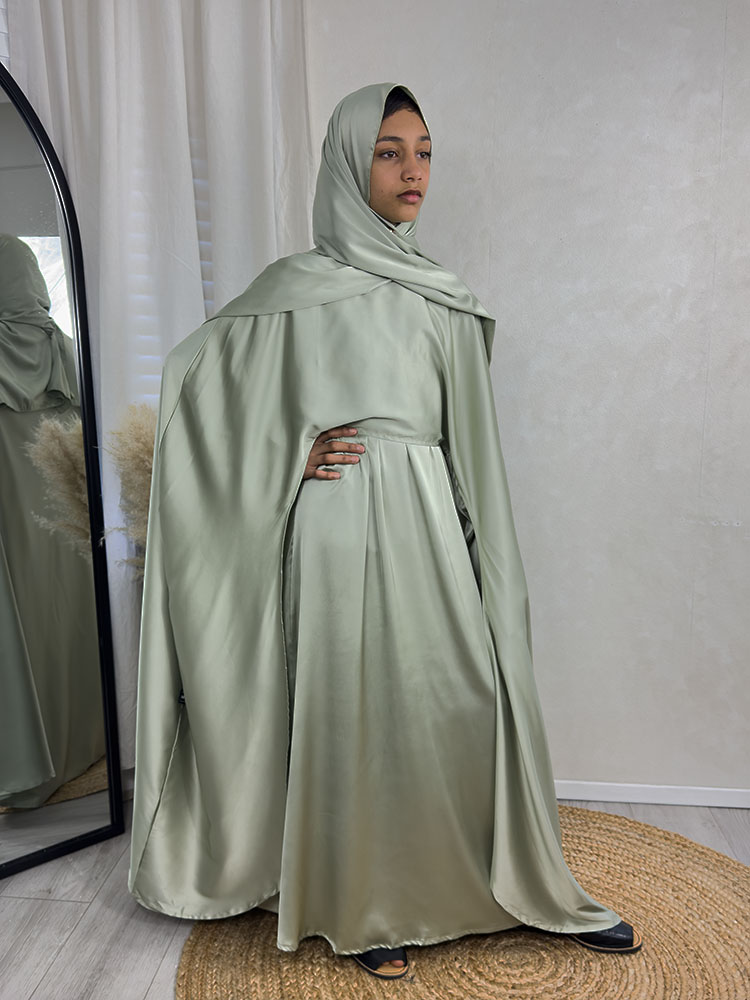
The Spiritual Philosophy Behind Covering: More Than Fabric and Fashion
When we think about covering in Islamic attire, many see it as a cultural norm, a religious rule, or even just a fashion choice. But for Muslims, it is much more than that. It’s a profound spiritual practice rooted in faith, humility, and the desire to live a life that reflects the teachings of Islam. The act of covering is not merely about the fabric used; it’s about a conscious choice to embrace modesty and to cultivate a deeper connection with God.
At its core, the philosophy behind covering is a means of elevating one’s relationship with Allah. It serves as a physical manifestation of inner strength, humility, and devotion. The decision to cover is seen as an act of worship, a way to submit to God’s will and honor the principles of modesty outlined in the Quran and Hadith.
This spiritual philosophy challenges the Western emphasis on beauty, individuality, and external appearance. Islamic covering reminds us that true beauty lies not in outward appearance but in the purity of one’s soul, character, and actions. By covering, Muslims seek to protect their dignity and ensure that their worth is not determined by their physical looks but by their inner values and virtues.
But beyond modesty, the act of covering serves as a symbol of respect—respect for oneself, respect for others, and respect for the divine order. It calls upon individuals to live intentionally, with mindfulness and awareness of the greater purpose behind every action, including their choice of clothing.
Islamic Teachings on Modesty: The Quran and Hadith
Islamic teachings on modesty are firmly rooted in the Quran and Hadith. The Quran encourages modesty in both men and women, with specific verses that guide the way Muslims are to dress and behave. Surah An-Nur (24:31) and Surah Al-Ahzab (33:59) are among the most cited verses on the topic of modesty and the covering of the body.
Humility and Self-Respect: More Than Just External Appearance
The act of covering is an outward expression of inner humility. It’s about resisting the pull of vanity, consumerism, and superficiality. By choosing modest clothing, Muslims protect their dignity and assert that their worth isn’t defined by what others see, but by their character and actions. This humility is central to the Islamic lifestyle and reflects the essence of faith.
The Power of Protection: Shielding the Soul and Body
Covering isn’t just about shielding the body from the gaze of others; it’s also about shielding the soul from distractions and negative influences. By dressing modestly, Muslims are reminded to protect their minds, hearts, and actions from the corrupting influences of the outside world. This concept of protection is deeply intertwined with the philosophy of covering and represents a safeguard against the objectification and sexualization prevalent in many societies.
Empowerment Through Modesty: A Choice, Not a Restriction
Many people mistakenly see covering as a restriction, but in reality, it is a form of empowerment. It allows Muslims to define their own worth and to navigate the world without being judged solely on their appearance. It empowers them to focus on their abilities, intellect, and spirituality rather than their physical attributes. The choice to cover is a conscious, liberated decision to live authentically, according to one’s faith and values.
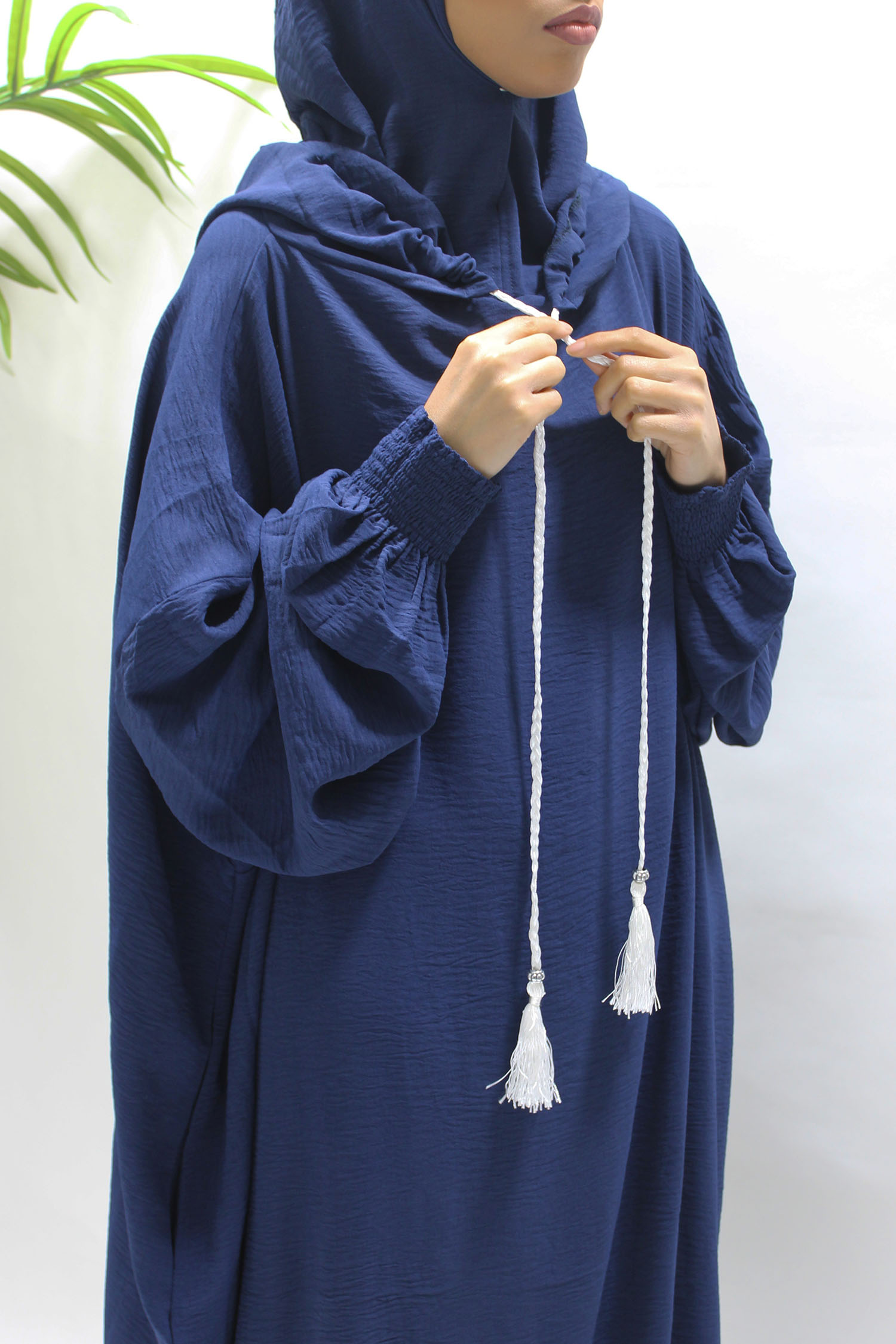
From Medina to Milan: The Cultural Evolution of Islamic Fashion
The history of Islamic fashion is a story of transformation, adaptation, and integration. What began as a set of simple, modest garments in the streets of Medina has evolved into a global phenomenon, influencing runways in Milan, Paris, and beyond. Islamic attire is no longer confined to religious contexts or regions; it has become a rich cultural expression that spans centuries, continents, and creative industries.
The journey from the early days of Islam to modern fashion capitals demonstrates how Islamic attire has both preserved its spiritual essence and adapted to changing cultural, social, and economic landscapes. In this section, we explore how Islamic fashion has evolved over time, highlighting key milestones, cultural shifts, and its growing presence in the global fashion industry.
The Early Foundations: Modesty in Medina
The origins of Islamic fashion can be traced back to the teachings of the Prophet Muhammad (PBUH) and the early Muslim community in Medina. Modesty, or “haya,” was emphasized not only as a moral guideline but also as a visual representation of one’s faith. Early Islamic garments were simple and functional, designed to offer comfort and modesty while maintaining a distinct identity that set Muslims apart from the surrounding societies.
The iconic abaya, which originated in Medina, is one such garment that has stood the test of time. Initially a practical covering worn by women for protection from the harsh desert environment, it later became an essential piece of Islamic attire symbolizing modesty and respect for religious and cultural norms.
The Global Spread: Islamic Fashion in the Ottoman and Mughal Empires
As Islam spread across regions, its fashion traditions also evolved and merged with local styles. The Ottoman Empire and Mughal India were two major centers of Islamic culture, where Islamic attire began to take on regional variations, incorporating elaborate designs, luxurious fabrics, and intricate embroidery. The influence of these empires on Islamic fashion is still evident today in garments like the Turkish “kaftan” and the Mughal-inspired “salwar kameez.”
During this time, Islamic fashion became synonymous with opulence and sophistication, with the elite classes in both the Ottoman and Mughal empires using fashion as a means of asserting their wealth and status. However, the core values of modesty and humility remained central to the way these garments were worn.
The Modern Revolution: Islamic Fashion in the West
The 20th century brought about significant changes to the landscape of Islamic fashion. As Muslim populations began to migrate to Western countries, Islamic attire began to interact with global fashion trends. This period saw the emergence of more contemporary styles, with designers and fashion houses from the Middle East, South Asia, and other Muslim-majority countries seeking to modernize traditional garments like the abaya, hijab, and jilbab without compromising their modesty principles.
In cities like Paris, London, and Milan, Islamic fashion began to infiltrate high fashion, as Muslim designers and influencers started to make their mark. The introduction of modest fashion lines by major global brands such as Dolce & Gabbana, H&M, and Uniqlo further legitimized modest fashion as an essential part of mainstream culture.
Islamic Fashion Today: A Global Phenomenon
Today, Islamic fashion is a global industry in its own right, with millions of Muslims across the world embracing it as both a personal and cultural statement. Modest fashion has gone beyond religious adherence to become a powerful way of expressing identity, individuality, and creativity. With the rise of social media and platforms like Instagram, modest fashion influencers have created an online community that celebrates Islamic style with an innovative twist.
Islamic fashion week events in cities like Dubai and Istanbul have become major cultural happenings, attracting global attention and fostering collaboration between Muslim designers and Western brands. The modern abaya, hijab, and modest maxi dresses are now seen as symbols of empowerment, offering a sophisticated, stylish way for Muslim women to navigate the modern world while remaining true to their faith and cultural heritage.
Islamic Fashion and Sustainability
As sustainability becomes a priority in the global fashion industry, Islamic fashion has found itself at the forefront of this movement. Many modest fashion brands prioritize ethical production, using sustainable materials, eco-friendly processes, and promoting slow fashion as opposed to fast fashion. This intersection of modest fashion and sustainability offers a fresh perspective on how fashion can align with spiritual and environmental values.
Types of Islamic Attire for Women (With Style and Purpose)
Islamic attire for women is not just about modesty—it’s a way of expressing identity, embracing cultural heritage, and asserting spiritual values. Whether you’re attending a religious gathering, a family event, or simply going about your day-to-day life, the right Islamic garment can provide both comfort and confidence. Each type of Islamic attire serves a unique purpose, offering both style and spiritual significance.
In this section, we explore the various types of Islamic attire for women, breaking down each garment’s style, purpose, and history. From the classic abaya to the modern jilbab, these garments are designed to offer both modesty and elegance, with a diverse range of styles to suit every woman’s preferences and lifestyle.
1. Abaya: A Timeless Classic of Modesty
The abaya is one of the most iconic garments in Islamic fashion. Known for its simple, flowing design, the abaya offers full coverage while allowing for easy movement and comfort. Traditionally, it is a long, black robe worn over everyday clothing, often paired with a headscarf or hijab. The abaya has its origins in the Arabian Peninsula, but today, it is worn by women all over the world.
The modern abaya has evolved beyond its basic design, with various embellishments such as embroidery, beads, and luxurious fabrics used to add elegance and sophistication. Some variations include the open-front abaya, which can be worn over other outfits, and the “batwing” abaya, which features wide sleeves for added flair.
| Style | Material | Occasions | Features |
|---|---|---|---|
| Classic Abaya | Silk, crepe, cotton | Daily wear, formal occasions | Full coverage, simple design, modest |
| Embroidered Abaya | Chiffon, satin | Weddings, events, special occasions | Intricate embroidery, luxurious fabric |
2. Jilbab: Full-Body Coverage with a Modern Twist
The jilbab is another important piece of Islamic attire, offering full-body coverage while still remaining stylish. Unlike the abaya, the jilbab often includes a more structured fit, with a zipper or buttoned closure down the front. It is designed to cover the entire body, leaving only the face, hands, and feet exposed, making it a popular choice for women who prefer a more comprehensive coverage option.
Today, jilbabs are made from a variety of materials, ranging from light cotton for everyday wear to heavy wool for winter months. With a sleek design and often adorned with subtle details, the jilbab has become a symbol of both modesty and elegance.
| Style | Material | Occasions | Features |
|---|---|---|---|
| Classic Jilbab | Cotton, wool | Daily wear, formal gatherings | Full-body coverage, structured fit |
| Luxury Jilbab | Satin, velvet | Weddings, formal events | Rich fabric, elegant details |
3. Hijab: A Symbol of Faith and Empowerment
The hijab is one of the most recognizable forms of Islamic attire. It refers specifically to the headscarf worn by Muslim women to cover their hair, neck, and sometimes the shoulders. The hijab is not just a physical garment; it is a deeply symbolic piece of clothing that represents modesty, privacy, and a woman’s dedication to her faith.
While the basic purpose of the hijab is to cover the hair, the style, fabric, and color can vary greatly depending on personal preference and cultural influences. From casual cotton scarves to luxurious silk shawls, the hijab can be styled in numerous ways to reflect both modesty and individual personality.
| Style | Material | Occasions | Features |
|---|---|---|---|
| Casual Hijab | Cotton, jersey | Daily wear, casual outings | Comfortable, breathable |
| Luxury Hijab | Silk, chiffon | Weddings, formal occasions | Elegant, embellished |
4. Maxi Dresses: Modesty Meets Modern Style
Maxi dresses have become a popular choice for Muslim women who wish to dress modestly without sacrificing style. These dresses are long, flowing, and typically made from soft, breathable fabrics that provide both coverage and comfort. Maxi dresses can be worn as standalone pieces or layered over other garments, and they come in a variety of designs, from simple solid colors to more ornate patterns.
Whether for a casual day out, a formal gathering, or an evening event, maxi dresses offer a versatile option for those who want to maintain a modest yet fashionable appearance. Many modern designers have embraced maxi dresses, incorporating elements of Western fashion trends while maintaining their traditional values of modesty.
| Style | Material | Occasions | Features |
|---|---|---|---|
| Simple Maxi Dress | Cotton, linen | Casual, everyday wear | Comfortable, breathable |
| Embroidered Maxi Dress | Silk, velvet | Weddings, formal events | Elegant, intricate detailing |
Abayas, Jilbabs, and Maxi Dresses: Which One Fits Your Life Best?
Choosing the right Islamic attire for your lifestyle can be a challenge. With so many different options—each with its own unique fit, style, and purpose—it’s important to understand which garment best suits your needs. Whether you are looking for something formal, comfortable, or versatile, the three popular choices—abayas, jilbabs, and maxi dresses—each offer distinct benefits. In this section, we break down the key differences between these garments and help you determine which one fits your life best.
Each garment offers something different in terms of coverage, style, and practicality. Understanding how they align with your everyday life, preferences, and the level of formality you require will help you make an informed decision. Let’s explore the characteristics of each option to guide your choice.
1. Abayas: Best for Everyday Modesty and Effortless Style
The abaya is a timeless classic and one of the most popular choices for everyday Islamic attire. Designed to be both functional and fashionable, it provides full coverage without sacrificing comfort. Abayas are often worn for both daily outings and formal occasions, depending on the style and fabric chosen.
For women seeking a simple yet stylish option that is easy to slip on and off, the abaya is an ideal choice. It pairs well with a hijab or shawl, making it a versatile addition to any wardrobe. The abaya is also available in various designs, from plain and minimalist to elaborately embroidered or embellished.
When to Choose an Abaya:
- When you need a quick, comfortable outfit for daily wear.
- When attending formal events such as weddings or religious ceremonies.
- If you prefer simplicity with the option to dress it up or down depending on occasion.
| Best For | Style | Occasions | Comfort Level |
|---|---|---|---|
| Everyday wear, formal events | Slim or loose fit, variety of fabrics | Casual outings, religious ceremonies, weddings | Very comfortable, breathable |
2. Jilbabs: Full Coverage and Versatility for All Occasions
The jilbab offers more comprehensive coverage than the abaya. With its structured design, the jilbab covers the entire body, including the arms, legs, and torso, providing a modest yet fashionable appearance. It typically has a zipper or button closure, and some designs feature a hood or high collar for added coverage.
Jilbabs are an excellent choice for women who seek additional protection or prefer a more structured garment. While the jilbab can be worn for daily activities, it also works well for more formal events, thanks to its elegant fit and clean lines. The jilbab is available in various materials, from light cotton for warm climates to heavier wool for colder weather.
When to Choose a Jilbab:
- For a more structured, formal look with full-body coverage.
- If you need extra warmth or protection from the elements.
- For a sophisticated, elegant appearance at events.
| Best For | Style | Occasions | Comfort Level |
|---|---|---|---|
| Full-body coverage, formal events | Structured, button or zip front, hoods | Casual outings, religious gatherings, formal dinners | Moderately comfortable, slightly heavier fabric |
3. Maxi Dresses: Effortlessly Modest with a Contemporary Twist
Maxi dresses have become an increasingly popular option for Muslim women who want to combine modesty with modern fashion. These dresses offer full-body coverage, but they are designed with a more relaxed, fashionable silhouette. Maxi dresses can be worn casually or dressed up for formal occasions, depending on the fabric and accessories chosen.
One of the best aspects of maxi dresses is their versatility. Whether you are attending a formal wedding or simply running errands, a maxi dress can be an easy, comfortable, and stylish choice. Available in a range of fabrics—like cotton, chiffon, or velvet—maxi dresses also come in various cuts, including empire waist, A-line, and loose fit, allowing for different body types and personal preferences.
When to Choose a Maxi Dress:
- If you want a comfortable, chic outfit that’s easy to wear.
- For warm weather or casual events.
- If you’re seeking a garment with a contemporary, fashionable flair.
| Best For | Style | Occasions | Comfort Level |
|---|---|---|---|
| Casual to semi-formal wear | Loose, flowing, various cuts | Casual outings, summer events, weddings | Very comfortable, great for warmer climates |
Hijabs Through History: Materials, Meanings, and Modern Trends
The hijab is more than just a piece of cloth—it’s a symbol of modesty, faith, and cultural identity for millions of Muslim women around the world. The history of the hijab is rich and varied, spanning centuries and evolving alongside social, political, and cultural shifts. Today, the hijab comes in many forms, styles, and materials, each with its own significance and function. In this section, we’ll explore the history of the hijab, its meanings, and how modern trends are influencing the way it is worn and perceived.
From its origins in ancient civilizations to its role in contemporary fashion, the hijab has always held deep cultural and spiritual significance. In this section, we’ll look at how materials have evolved, the meanings behind the hijab in different regions, and the modern trends that continue to shape this iconic garment.
1. The History of the Hijab: Origins and Early Significance
The hijab has roots that trace back to ancient times, predating Islam. Women in various cultures, including the Byzantine and Persian empires, wore head coverings as symbols of modesty and status. However, the practice of wearing a headscarf or veil became more formalized with the advent of Islam in the 7th century.
In Islamic tradition, the hijab is not just a cultural accessory but a spiritual one. It represents modesty and humility, following the guidelines set out in the Quran and Hadith. These texts emphasize the importance of modest dress, with specific instructions for both men and women on covering their private parts.
Key Milestones in the History of the Hijab:
- Ancient civilizations, such as the Byzantine and Persian empires, where veiling signified social status.
- The advent of Islam and the Quranic verses that encourage modesty, including the hijab as part of that practice.
- The spread of Islamic culture and the adoption of the hijab by Muslim women as a religious and cultural symbol.
| Time Period | Hijab’s Role | Meaning | Material Used |
|---|---|---|---|
| Ancient Civilizations | Symbol of modesty and status | Social standing, modesty | Wool, silk, linen |
| Early Islam | Religious modesty | Spiritual, piety | Cotton, linen |
| Modern Era | Expression of faith and personal choice | Faith, empowerment | Silk, chiffon, cotton, jersey |
2. Materials Used in Hijabs: From Simple Cotton to Luxurious Silk
The materials used for hijabs have evolved dramatically over the centuries. In the early days of Islam, women primarily wore hijabs made of simple, breathable fabrics such as cotton and linen. These materials were functional and practical, providing coverage while being comfortable in the hot climates of the Middle East.
In the modern era, however, hijabs have become more fashionable, with a wide range of materials available to suit different tastes, climates, and occasions. Common fabrics used today include:
- Cotton: Lightweight and breathable, perfect for everyday wear.
- Silk: Luxurious and elegant, often chosen for formal occasions.
- Chiffon: Soft and flowy, ideal for both casual and formal settings.
- Jersey: Stretchy and comfortable, often worn for casual and sporty looks.
- Wool: Ideal for colder climates, offering warmth and coverage.
Material Considerations:
- Climate: Lighter materials like cotton and chiffon are great for warmer weather, while wool and jersey work well for cooler climates.
- Occasions: Formal events often call for silk or chiffon, while casual settings are more suited for cotton or jersey hijabs.
- Comfort: Fabrics like jersey and cotton are breathable and perfect for daily wear, while silk is luxurious but can be less comfortable for all-day use.
| Material | Best For | Benefits | Occasions |
|---|---|---|---|
| Cotton | Everyday wear | Breathable, comfortable, affordable | Casual outings, daily activities |
| Silk | Formal wear | Luxurious, soft, elegant | Weddings, formal dinners |
| Chiffon | Versatile wear | Flowy, lightweight, elegant | Casual and formal events |
| Jersey | Casual, sporty wear | Stretchy, comfortable, durable | Everyday, athletic activities |
| Wool | Cold weather wear | Warm, soft, cozy | Winter outings, colder climates |
3. Modern Trends in Hijab Fashion: From Modesty to Empowerment
The hijab has evolved beyond its religious and cultural roots into a global fashion statement. In recent years, hijab fashion has experienced a significant shift, with many Muslim women embracing the hijab as a symbol of empowerment, individuality, and self-expression. Designers from all over the world have embraced the hijab, creating trendy and stylish pieces that cater to diverse tastes and needs.
Today, hijabs come in countless styles—from simple square scarves to elaborate turbans. Modern hijab fashion blends modesty with contemporary trends, offering women the freedom to express their style while staying true to their values. Some modern hijab trends include:
- Turban Styles: A modern twist on the traditional hijab, often seen in fashion-forward settings.
- Pre-tied Hijabs: Convenient and stylish, pre-tied hijabs offer ease without compromising style.
- Sporty Hijabs: Designed for active women, these hijabs are breathable and comfortable for sports.
- Layered Hijabs: A trend that offers a more voluminous and stylish appearance, combining multiple fabrics and styles.
Key Trends in Modern Hijab Fashion:
- Embracing bold patterns, vibrant colors, and unique textures.
- Incorporating modern accessories like pins, brooches, and headbands.
- Integrating the hijab into streetwear and athleisure looks for a fusion of modesty and modern style.
| Trend | Description | Occasions | Style Impact |
|---|---|---|---|
| Turban Styles | Modern, chic, and bold; wraps the head in a trendy manner. | Fashion-forward events, daily wear | Emphasizes individuality and contemporary fashion. |
| Pre-tied Hijabs | Convenient, with no need for wrapping. | Casual outings, daily activities | Combines practicality with style. |
| Sporty Hijabs | Designed for active women who want to stay modest while participating in sports. | Sports, exercise | Emphasizes comfort and functionality. |
| Layered Hijabs | Combines multiple layers of fabric for a voluminous look. | Casual to formal settings | Provides elegance and style versatility. |
How Men’s Islamic Attire Balances Simplicity and Spiritual Strength
Islamic attire for men is built on a foundation of simplicity and modesty, yet it carries a deep spiritual significance that goes beyond mere clothing. Men’s Islamic attire strikes a balance between maintaining a humble appearance and expressing strength, faith, and devotion. It is designed to uphold Islamic values while allowing men to stay connected with their faith in a practical way.
Whether it’s the traditional thobe or the modern-day kufi, Islamic attire for men serves a purpose that is not just about fashion, but about aligning oneself with the spiritual and ethical guidelines set forth in Islamic teachings. In this section, we will explore the various elements of men’s Islamic attire, their meanings, and how they reflect both simplicity and strength.
1. The Core Elements of Men’s Islamic Attire: Modesty and Functionality
The essence of men’s Islamic attire lies in its simplicity and modesty. Islamic teachings emphasize that both men and women should dress in a way that covers their awrah (private parts) and avoids excessiveness in appearance. For men, this means wearing clothing that covers from the navel to the knee at a minimum, though many choose to wear longer garments for further modesty.
Some of the most common garments that make up men’s Islamic attire include:
- Thobe (or Dishdasha): A long, loose-fitting garment worn by men, especially in the Middle East and North Africa. It is a symbol of both modesty and respect, offering coverage without being restrictive.
- Kufi: A round cap worn by Muslim men, often seen as a symbol of piety and respect. It is a simple yet profound representation of one’s commitment to Islam.
- Shalwar Kameez: A traditional outfit worn by men in South Asia, consisting of a long tunic paired with loose trousers. It is comfortable, modest, and culturally significant in many regions.
Key Principles of Islamic Men’s Fashion:
- Modesty: Ensuring that the body is covered appropriately without drawing unnecessary attention.
- Simplicity: Avoiding extravagant or overly ornate clothing that could lead to pride or vanity.
- Practicality: Clothing that is comfortable for daily tasks, such as prayer and work, while also fitting into cultural norms.
| Garment | Region | Purpose | Key Features |
|---|---|---|---|
| Thobe | Middle East, North Africa | Symbol of modesty, respect, and cultural identity | Long, loose-fitting, often white or neutral colors |
| Kufi | Global | Spiritual symbol of piety and respect | Simple, round cap, often worn during prayers or religious events |
| Shalwar Kameez | South Asia | Comfortable, modest attire for daily wear | Tunic top with loose trousers, often worn during Ramadan and Eid |
2. The Spiritual Significance Behind Men’s Islamic Attire
Islamic clothing for men is deeply connected to the spiritual philosophy of Islam. Each piece of clothing is meant to reflect inner values such as humility, respect, and devotion to God. Wearing modest attire is a constant reminder to focus on one’s faith and actions rather than external appearance. The simplicity of men’s Islamic clothing, such as the thobe and kufi, represents a departure from materialism, encouraging the wearer to focus on inner spirituality rather than outward pride or status.
Some key aspects of the spiritual significance of men’s Islamic attire include:
- Humility: The clothing is designed to avoid drawing attention to oneself, emphasizing that personal worth is not defined by appearance but by faith and character.
- Submission to God: Clothing is a means of embodying one’s submission to the will of Allah, reflecting the humility and simplicity that Islam advocates.
- Spiritual Awareness: Dressing in a modest way helps to maintain a consciousness of one’s purpose in life and the need to remain humble and grateful to God.
The Role of the Thobe and Kufi in Islamic Spirituality:
- The thobe is often worn during prayer to maintain a humble posture and demonstrate reverence to God.
- The kufi symbolizes a sense of community and belonging, as it is worn during prayers, at religious gatherings, and during major events like Hajj.
| Garment | Spiritual Significance | Purpose in Islam |
|---|---|---|
| Thobe | Symbol of modesty and devotion | Worn during prayers and daily activities to signify humility and submission to God |
| Kufi | Symbol of respect and piety | Worn during prayers, at religious events, and as a sign of one’s faith and commitment to Islam |
3. Modern Influences on Men’s Islamic Attire: Balancing Tradition and Contemporary Style
While the traditional elements of Islamic attire for men have remained largely unchanged, contemporary fashion trends have influenced how these garments are worn and styled. Modern men are now embracing new fabrics, cuts, and styles, while still adhering to the core principles of modesty and simplicity. The balance between tradition and modernity is evident in the rise of stylish yet modest clothing options for men.
Some modern trends in men’s Islamic fashion include:
- Stylish Thobes: Thobes are now available in a variety of colors, fabrics, and cuts, making them suitable for both formal occasions and everyday wear. Designers are also experimenting with more tailored fits while maintaining the garment’s traditional modesty.
- Casual Kufi Styles: The kufi has evolved to become a stylish accessory, with modern designs and materials like knit fabrics, offering a more casual yet still modest look.
- Western-Inspired Islamic Clothing: Many Muslim men are incorporating Western-style shirts, trousers, and jackets into their wardrobe, while still maintaining modesty through looser cuts and longer lengths.
Examples of Modern Men’s Islamic Attire:
- Modern thobes with subtle patterns, such as stripes or geometric designs.
- Casual kufis made of knitted or breathable fabrics for everyday wear.
- Western-style jackets and coats worn over traditional garments, like the thobe, to add a contemporary touch.
| Trend | Description | Occasions | Style Impact |
|---|---|---|---|
| Stylish Thobes | Tailored fits and variety in colors and fabrics | Formal events, daily wear | Brings modernity while respecting traditional modesty |
| Casual Kufi Styles | Simple, breathable fabrics in a modern design | Everyday wear, informal settings | Combines modesty with casual fashion |
| Western-Inspired Islamic Clothing | Modern garments paired with traditional pieces | Casual and formal settings | Modernizes traditional attire while maintaining modesty |
Dressing Young Muslims: How Islamic Clothing Builds Identity in Children
Islamic clothing for children is more than just attire; it is a fundamental part of their upbringing and spiritual development. From a young age, Muslim children are taught to dress modestly and respectfully, embracing the values of Islam through their clothing choices. This early introduction to Islamic dress not only helps to instill a sense of identity but also promotes the spiritual and moral teachings of Islam.
In this section, we will explore the role of Islamic clothing in shaping the identity of young Muslims, its cultural significance, and how it helps foster a strong connection to their faith. Whether it’s a child’s first prayer outfit or their everyday wear, Islamic clothing is a tool for building character and faith from an early age.
1. The Role of Islamic Clothing in Shaping Identity
For young Muslims, clothing plays a critical role in shaping their identity. Islamic dress codes help children develop a sense of belonging to a larger community, creating a bond with other Muslims around the world. The early exposure to modest attire teaches children the importance of humility, respect, and modesty, key values that are central to Islamic teachings.
Some key aspects of how Islamic clothing shapes a child’s identity include:
- Sense of Community: Wearing Islamic clothing helps children feel connected to their Muslim identity and heritage, fostering a sense of community with fellow Muslims.
- Emphasis on Modesty: Islamic clothing encourages children to adopt modesty not just in their appearance but also in their behavior, promoting humility and respect.
- Building Faith: Islamic dress acts as a constant reminder of their faith, teaching them that their actions, not appearance, define their worth.
Why Modesty Matters in Children’s Clothing:
- It instills a deep respect for personal and public boundaries from a young age.
- It reduces the focus on materialism and appearance, directing attention towards character and values.
| Aspect of Identity | Impact | Examples of Islamic Clothing |
|---|---|---|
| Sense of Community | Children feel part of a global Muslim community, sharing common values and traditions. | Abayas, hijabs, and prayer outfits |
| Emphasis on Modesty | Teaches children that modesty is more than a physical act, extending to their character. | Loose clothing, covering awrah, and simple designs |
| Building Faith | Constant reminder to adhere to Islamic teachings and stay humble. | Prayer caps, children’s jilbabs |
2. Cultural Significance of Islamic Clothing for Children
In addition to its spiritual role, Islamic clothing holds cultural significance that connects young Muslims to their heritage and traditions. Clothing like the abaya, jilbab, and prayer attire are an integral part of Islamic culture, and wearing these garments from an early age helps children understand and appreciate their cultural roots. These garments are often worn during religious occasions such as prayers, Ramadan, Eid, and other important events, solidifying their cultural importance.
Some key cultural aspects of Islamic clothing for children include:
- Preserving Tradition: Wearing traditional garments helps children connect with their cultural history and values, keeping the traditions alive through generations.
- Role in Religious Observance: Islamic clothing is often worn during important religious occasions such as prayers, Ramadan, and Eid, making these moments more meaningful and memorable for children.
- Teaching Respect for Rituals: Wearing Islamic attire during prayer or religious gatherings teaches children respect for religious rituals and strengthens their connection to the faith.
Cultural Practices Surrounding Islamic Clothing for Children:
- Children’s abayas are often worn during Ramadan prayers to establish a deeper connection to the holy month.
- Prayer caps and modest dresses are typically worn during family prayers, reinforcing the importance of regular worship.
| Garment | Cultural Significance | Occasions |
|---|---|---|
| Abaya | Symbolizes modesty and cultural identity | Everyday wear, Ramadan, Eid |
| Prayer Dress | Focuses on prayer and religious devotion | Daily prayers, religious events |
| Prayer Cap | Represents piety and respect for prayer | During prayers, religious ceremonies |
3. Encouraging Confidence and Pride in Faith
Islamic clothing empowers children to feel confident and proud of their faith and identity. Wearing modest clothing like the abaya or hijab promotes self-respect and helps children develop a strong sense of self-worth. By teaching children that their identity is tied to their values and faith, Islamic attire serves as a powerful tool for building confidence in young Muslims.
Encouraging children to wear Islamic clothing also helps them understand that their faith is something to be proud of, instilling confidence that extends beyond the clothes they wear. Some key benefits include:
- Developing Self-Worth: Islamic clothing teaches children to value themselves for their character, not their appearance.
- Building Inner Strength: The modesty required by Islamic dress helps children develop a sense of inner strength and resilience.
- Promoting Pride in Faith: Wearing Islamic clothing from a young age fosters a sense of pride in one’s faith, providing a foundation for lifelong spiritual confidence.
Why Confidence is Important for Young Muslims:
- It encourages children to stay grounded in their values and beliefs, no matter the outside pressures.
- It empowers children to embrace their faith with pride, helping them feel connected to a wider Muslim community.
| Benefit | Impact | Examples of Clothing |
|---|---|---|
| Developing Self-Worth | Promotes a sense of value based on character, not appearance. | Loose-fitting dresses, prayer caps, simple tunics |
| Building Inner Strength | Teaches humility, patience, and resilience. | Abayas, modest shirts, and trousers |
| Promoting Pride in Faith | Fosters confidence in one’s Islamic identity and beliefs. | Prayer dress, hijabs, and traditional clothing |
Breaking Stereotypes: The Power and Beauty of Muslim Women’s Dress
Muslim women’s dress has long been the subject of misunderstanding, misrepresentation, and stereotyping. From the abaya to the hijab, these garments are often seen through a lens of misconceptions. However, Islamic attire is much more than what some may assume; it is a statement of strength, empowerment, and beauty. In this section, we will explore how Muslim women’s clothing challenges stereotypes and showcases their individuality, power, and grace.
Muslim women’s fashion is an embodiment of confidence, cultural pride, and religious devotion. Rather than a symbol of oppression as often portrayed in the media, these garments empower women to express themselves while maintaining their faith and dignity. Let’s break down these stereotypes and uncover the true beauty and power behind Islamic dress.
1. Challenging Misconceptions About Modesty and Freedom
One of the most common stereotypes surrounding Muslim women’s clothing is the belief that modesty leads to a lack of freedom. In reality, the choice to dress modestly can be an expression of personal freedom and empowerment. Muslim women choose their clothing as an act of faith, honoring the spiritual and cultural traditions that shape their identity.
The act of wearing modest clothing, like the hijab, is not about restriction; it’s about liberation — freedom from society’s superficial expectations of beauty and appearance. Modesty allows Muslim women to present themselves based on their character and actions, rather than their looks. This liberation from objectification is a powerful tool for empowerment.
- Modesty as Empowerment: Choosing to dress modestly allows women to define their worth beyond physical appearance.
- Freedom to Express Faith: Modesty becomes a way for women to express their spiritual beliefs in a meaningful, personal way.
- Defying Social Norms: Muslim women challenge mainstream beauty standards by opting for clothing that promotes dignity and inner beauty.
Why Modesty Transcends Oppression:
- It shifts the focus from external beauty to internal character and virtues.
- It empowers women to make choices about their bodies and how they wish to present themselves to the world.
| Misconception | Reality | Impact |
|---|---|---|
| Modesty leads to oppression | Modesty is a choice that empowers women to define their self-worth beyond appearance. | Empowers women to take control of their personal expression. |
| Modesty is restrictive | Modesty provides freedom from societal beauty standards. | Promotes a sense of freedom and independence in self-expression. |
| Women in Islamic attire are oppressed | Wearing modest dress is a conscious, empowered decision reflecting personal and spiritual choice. | Encourages women to embrace their individuality and faith. |
2. Celebrating Individuality in Modest Fashion
While the concept of modesty in Islamic dress is universal, Muslim women have long found ways to inject their own personal style into their attire. The diversity of Islamic fashion reflects the individuality of Muslim women, showing that modesty does not equate to uniformity. From brightly colored abayas to unique hijab styles, Muslim women around the world embrace fashion that expresses their cultural heritage, personal tastes, and identity.
Modest fashion is not about conformity; it’s about the freedom to express who you are, your values, and your creativity. Islamic clothing allows women to be fashionable while adhering to their faith’s guidelines of modesty. Here’s how Muslim women embrace individuality through modest dress:
- Color and Patterns: Muslim women are breaking stereotypes by experimenting with vibrant colors and unique patterns that showcase their personal style.
- Accessorizing: From headscarves to jewelry, Muslim women use accessories to express their fashion sense while staying modest.
- Cultural Influence: Islamic clothing incorporates diverse cultural influences, allowing Muslim women to represent their unique heritage.
Examples of Modest Fashion Innovation:
- Modern abayas with sleek cuts and vibrant colors, blending tradition with contemporary fashion.
- Hijabs in various fabrics and designs, offering versatility in styling and fashion.
| Element of Style | How It Reflects Individuality | Examples in Islamic Clothing |
|---|---|---|
| Color and Patterns | Expresses personal taste and cultural background. | Brightly colored abayas, floral hijabs |
| Accessories | Showcases individual style without compromising modesty. | Embroidered headscarves, statement jewelry |
| Cultural Influence | Reflects the diversity and cultural pride of Muslim women worldwide. | Turkish-style scarves, African-inspired prints |
3. Muslim Women as Trendsetters in Global Fashion
Muslim women have increasingly become trendsetters in the global fashion industry, showcasing that modesty and fashion are not mutually exclusive. With designers like Haute Hijab and modest fashion influencers gaining popularity, Muslim women are paving the way for inclusive and diverse fashion trends that cater to all styles and beliefs.
Rather than being restricted by traditional views of fashion, Muslim women are redefining trends, integrating modest dress into mainstream fashion, and creating spaces for diverse expressions of beauty. This shift has not only empowered Muslim women but also brought greater awareness of the diversity within the fashion world. Some key movements include:
- Modest Fashion Week: Major cities now host fashion events specifically for modest clothing, showcasing Muslim women as key players in the global fashion scene.
- Inclusive Fashion Designers: Designers are now creating clothing lines that cater to modest dressers, making stylish clothing accessible to Muslim women worldwide.
- Fashion Influencers: Modest fashion influencers on social media platforms are leading the charge in reshaping how modesty is perceived in the fashion world.
Why Muslim Women Are Shaping Global Fashion Trends:
- They bring cultural authenticity and diversity to the fashion industry.
- They are leading the charge in creating fashion that caters to different values, beliefs, and lifestyles.
| Movement/Trend | Impact | Examples |
|---|---|---|
| Modest Fashion Week | Highlights the creativity and diversity of modest clothing on a global stage. | Modest Fashion Week in London, Dubai, and Paris |
| Inclusive Fashion Designers | Promotes inclusivity and caters to the needs of Muslim women seeking stylish, modest attire. | Designers like Hana Tajima, Dian Pelangi |
| Fashion Influencers | Empowers Muslim women to embrace their modesty with confidence and style. | Influencers like Ascia, Dina Tokio |
How to Choose Islamic Attire for Different Occasions (Without Compromise)
Choosing the right Islamic attire for different occasions can seem daunting, but with the right guidance, it’s possible to find clothing that aligns with both modesty guidelines and personal style. Whether it’s for a casual day out, a formal event, or a religious gathering, it’s important to make choices that maintain your principles without compromising on comfort or fashion.
This section will help you navigate the selection of Islamic attire for various occasions, offering practical advice on how to dress appropriately for each scenario, ensuring both modesty and style are maintained.
1. Casual Everyday Attire: Comfort Meets Modesty
Casual attire is all about comfort, but that doesn’t mean it can’t also reflect your modest values. Whether you’re heading to a coffee shop, running errands, or spending time with family, there are plenty of options that are both comfortable and stylish while adhering to the guidelines of modesty.
For everyday wear, you’ll want to focus on clothing that is breathable, easy to move in, and practical while still covering the body appropriately. Here are some key tips:
- Loose-Fitting Tops and Tunics: Choose tops that flow freely over your body, providing comfort and coverage without being too tight or revealing.
- Long Dresses or Skirts: Maxi dresses or long skirts offer a modest option that is also stylish for everyday wear.
- Soft, Natural Fabrics: Fabrics such as cotton and linen allow for breathability and comfort, perfect for daily activities.
- Hijab Styles: Opt for a simple, comfortable hijab style, like a shawl or a wrapped style, for ease and modesty.
Quick Tips for Casual Attire:
- Go for breathable fabrics like cotton or jersey that move with you.
- Pair loose tops with leggings or wide-leg pants for an effortless yet modest look.
- Choose simple yet elegant hijab styles to complement your look without extra effort.
| Item | Why It Works | Recommended Fabrics |
|---|---|---|
| Loose-Fitting Tops | Offers comfort and modest coverage while allowing freedom of movement. | Cotton, Linen |
| Maxi Dresses | Provides full-body coverage while being stylish and practical. | Jersey, Rayon |
| Simple Hijab Styles | Effortlessly complements casual outfits while maintaining modesty. | Jersey, Silk |
2. Formal Occasions: Elegance with Modesty
For formal events like weddings, business meetings, or religious ceremonies, your attire should strike a balance between elegance and modesty. The right choice of Islamic attire can help you exude confidence while staying true to your values.
When selecting formal wear, consider fabrics, colors, and cuts that elevate your outfit while still covering your body appropriately. Here’s what to keep in mind:
- Flowing Gowns or Abayas: For formal occasions, consider a beautifully tailored abaya or gown that provides coverage while maintaining a sophisticated look.
- Structured Fabrics: Choose high-quality fabrics like silk, satin, or chiffon for a refined, elegant appearance.
- Statement Accessories: Complement your outfit with minimalistic yet stylish jewelry, a chic handbag, or a luxurious scarf.
- Classy Hijab Styles: Opt for structured hijab styles that add a touch of sophistication and polish to your formal attire.
Quick Tips for Formal Attire:
- Go for fabrics that are smooth and shiny, such as satin or chiffon, for an elegant finish.
- Choose structured, sleek cuts for your abayas and dresses to add refinement.
- Consider subtle metallic or jeweled accessories to add a touch of glamour.
| Item | Why It Works | Recommended Fabrics |
|---|---|---|
| Abayas | Provides full coverage with elegance, perfect for formal settings. | Satin, Silk, Chiffon |
| Structured Hijab Styles | Offers a refined and sophisticated look suitable for formal events. | Silk, Jersey |
| Elegant Accessories | Enhances the formal look with minimal effort, adding a touch of luxury. | Metallics, Pearls, Silk |
3. Religious and Spiritual Gatherings: Maintaining Reverence and Modesty
Attending religious services, such as prayers at the mosque or Islamic community events, requires attire that not only adheres to modesty guidelines but also reflects the spiritual significance of the occasion. Dressing appropriately for religious events shows respect for the tradition and community.
For religious gatherings, the focus should be on simplicity, cleanliness, and humility. The attire should be comfortable enough for prayer but also dignified enough to honor the sacredness of the event.
- Simple Abayas or Jilbabs: These are perfect for religious events because they are both modest and comfortable for prayer.
- Loose, Full-Length Garments: Dresses or skirts that cover the body fully without being overly tight.
- Hijab Styles: Simple, unobtrusive hijab styles are ideal for keeping the focus on your spiritual connection, not on your appearance.
- Neutral Colors: While bright colors are beautiful, neutral tones are more appropriate for religious settings, reflecting simplicity and humility.
Quick Tips for Religious Attire:
- Choose long, loose garments that cover the body fully for comfort during prayer.
- Neutral tones and simple styles convey the appropriate reverence.
- Keep accessories minimal to ensure the focus remains on the spiritual experience.
| Item | Why It Works | Recommended Fabrics |
|---|---|---|
| Abayas/Jilbabs | Offers complete coverage and comfort for prayer and religious gatherings. | Jersey, Wool |
| Neutral-Toned Dresses | Reflects simplicity and humility, appropriate for religious settings. | Silk, Cotton |
| Simple Hijab Styles | Keeps the focus on spirituality while maintaining modesty. | Cotton, Linen |
The Role of Fabric and Fit in Islamic Clothing (With Practical Tips)
The fabric and fit of your Islamic clothing are fundamental in ensuring both comfort and modesty. Choosing the right materials and understanding how your clothes should fit can significantly impact your daily comfort and how well your attire adheres to Islamic modesty standards. In this section, we will explore the importance of fabric and fit, offering practical tips for selecting the best options for different occasions.
Whether you are choosing attire for daily wear, special events, or religious occasions, the fabric and fit of your clothing should align with your needs for comfort, style, and modesty. Below, we delve into the key aspects of fabric and fit in Islamic clothing, helping you make informed choices that reflect both your values and personal preferences.
1. The Importance of Fabric: Comfort, Modesty, and Practicality
The fabric you choose for your Islamic clothing plays a crucial role in both the modesty and comfort of the outfit. Islamic dress codes emphasize clothing that covers the body appropriately, and the fabric you select can enhance both the functionality and the overall look of your attire.
Here’s what to consider when selecting the fabric:
- Breathability: Choose fabrics that allow air circulation, such as cotton, linen, and jersey, which are great for warmer climates.
- Weight and Durability: Heavier fabrics like wool or velvet are ideal for cooler climates or formal events, while lighter fabrics work well for everyday use.
- Transparency: Ensure the fabric isn’t see-through. Fabrics like cotton or polyester provide opaque coverage that aligns with modesty guidelines.
- Skin Sensitivity: If you have sensitive skin, opt for fabrics like cotton, bamboo, or silk, which are gentle on the skin.
Popular Fabric Choices for Islamic Clothing:
| Fabric | Best For | Key Characteristics |
|---|---|---|
| Cotton | Casual Wear, Everyday Attire | Soft, breathable, durable, and lightweight |
| Linen | Hot Climates, Summer Wear | Breathable, cool to the touch, and moisture-wicking |
| Silk | Formal Wear, Special Occasions | Soft, luxurious, lightweight, but requires delicate care |
| Wool | Cold Weather, Winter Wear | Warm, insulating, and durable |
| Jersey | Casual Wear, Comfort | Stretchable, soft, and easy to care for |
2. Understanding Fit: Balancing Modesty and Comfort
The fit of your Islamic clothing is just as important as the fabric. Modesty requires clothing that is not too tight, and it should cover the body appropriately without being form-fitting. However, this doesn’t mean that your clothing needs to be oversized or ill-fitting. A proper balance between modesty and comfort is key to feeling confident and at ease in your attire.
Here are some tips for selecting the right fit:
- Loose Yet Comfortable: Your attire should be loose enough to maintain modesty but not so oversized that it becomes difficult to move in. Opt for silhouettes that provide room to move, such as A-line dresses, wide-leg pants, or abayas.
- Proportional Fit: Ensure that the fit is proportional to your body type. For example, a loose top paired with a tapered or wide-bottom pant can offer balance while maintaining modesty.
- Length Matters: The length of your clothing should cover your body fully. Dresses, skirts, and tops should reach mid-calf or ankle-length to ensure modesty.
- Consider Layering: Layering can be an effective way to achieve the right fit. For instance, pairing a tunic with wide-leg pants or wearing a cardigan over a dress can give you a fuller, modest silhouette.
Tips for Achieving the Right Fit:
- Look for clothing that offers a relaxed, comfortable fit, but avoids being excessively loose.
- Opt for pieces that provide a balance between structure and flow, such as straight-leg pants or A-line dresses.
- Ensure your clothing reaches the appropriate length, covering the body from shoulders to ankles or mid-calf, depending on the style.
| Clothing Item | Ideal Fit | Recommended Length |
|---|---|---|
| Abayas | Loose, not tight around the body | Floor length or ankle length |
| Maxi Dresses | Relaxed fit that drapes naturally | Mid-calf or ankle length |
| Tunics | Loose, offering room for movement | Below the hip or mid-thigh |
| Pants | Loose fitting, avoiding tightness around the thighs | Full length, or slightly above the ankle |
3. Practical Tips for Choosing the Right Fabric and Fit
Choosing the right fabric and fit requires thoughtful consideration of both personal style and practical needs. Here are some practical tips to ensure that your clothing aligns with your lifestyle and the values of modesty:
- Seasonal Choices: For summer, prioritize breathable fabrics like cotton, linen, or jersey. In winter, opt for heavier fabrics like wool or thick cotton to stay warm.
- Invest in Versatile Pieces: Choose clothing items that can be styled for both casual and formal occasions, such as a well-fitted abaya or a maxi dress that can be dressed up with accessories.
- Mix and Match: Layer pieces to achieve the perfect look for every occasion. For example, pairing a tunic with a jacket or a cardigan can add versatility to your wardrobe.
- Check the Transparency: Hold the fabric up to the light to check for transparency. Ensure the fabric is opaque enough to avoid the need for additional undergarments.
Practical Fabric and Fit Tips:
- Opt for clothing that allows for easy movement and comfort without being restrictive.
- Choose fabrics that suit the climate, ensuring breathability in summer and warmth in winter.
- Check fabric quality for durability, ensuring your clothing lasts longer with everyday wear.
Color Psychology in Islamic Fashion: What Your Outfit Says Spiritually
The colors you choose for your Islamic attire carry more than just aesthetic appeal—they can reflect your spiritual state, emotions, and even your cultural background. In Islamic fashion, color choices play a significant role in conveying personal values, enhancing modesty, and expressing one’s connection to spirituality. This section explores the psychology of colors in Islamic fashion, offering insights into how your clothing choices may influence both your mindset and how others perceive you.
Understanding color psychology can help you align your Islamic wardrobe with your inner intentions and the spiritual messages you wish to communicate. From the vibrant hues of blue to the calmness of white, each color carries a unique meaning, and when chosen thoughtfully, it can enhance your personal expression while staying true to the principles of modesty and respect.
1. The Spiritual Meaning of Key Colors in Islamic Fashion
Color is deeply symbolic in many cultures, and Islam is no exception. In Islamic fashion, certain colors are seen as having spiritual significance, and wearing them can help reinforce inner peace, strength, and humility. Below, we discuss the spiritual meanings of some key colors in Islamic fashion.
- White: Represents purity, cleanliness, and peace. In Islamic fashion, white is often worn during religious occasions, such as Hajj, and conveys a sense of spiritual clarity and devotion.
- Black: Often associated with dignity and humility, black clothing is both modest and powerful. It’s commonly worn by both men and women and is seen as a color that symbolizes seriousness and respect.
- Green: A symbol of paradise and life in Islam. The Prophet Muhammad (PBUH) was known to favor green, making it a highly revered color in Islamic culture, often used in mosques and spiritual settings.
- Blue: Often represents tranquility, wisdom, and protection. Blue is a color frequently chosen for its calming properties and is associated with peace and spiritual mindfulness.
- Red: Represents strength, courage, and passion. Red can convey vitality and confidence, but it is often used sparingly to maintain modesty while adding boldness to the outfit.
Popular Colors in Islamic Fashion and Their Spiritual Meanings:
| Color | Spiritual Meaning | Common Occasions |
|---|---|---|
| White | Purity, Peace, Clarity | Religious ceremonies, Hajj |
| Black | Dignity, Humility, Respect | Daily wear, Formal events |
| Green | Paradise, Life, Blessings | Spiritual events, Islamic holidays |
| Blue | Tranquility, Wisdom, Protection | Casual wear, Meditation, Reflection |
| Red | Strength, Courage, Passion | Festivals, Celebrations, Special events |
2. How to Choose Colors that Align with Your Spiritual Intentions
Selecting the right color for your Islamic attire is about more than just looking good—it’s about expressing your spiritual values and aligning with your inner self. By understanding the psychological impact of color, you can choose outfits that support your mood, intentions, and beliefs. Below are some helpful tips for selecting colors that reflect your spiritual journey.
- Choose Colors that Reflect Your Current Spiritual State: If you’re seeking peace and clarity, opt for white or blue to help calm your mind. If you’re looking for strength and resilience, red and black may serve as powerful reminders of your inner power.
- Match Your Clothing to the Occasion: For special religious occasions like Ramadan or Eid, consider wearing green or white to connect with the spiritual significance of the time. For everyday wear, black or blue may offer a balance between modesty and tranquility.
- Use Color to Uplift Your Mood: Colors like blue and green can help uplift your mood, making them ideal for meditation, prayer, or reflection. Red, on the other hand, may inspire action and confidence, perfect for engaging in important tasks.
- Consider Layering with Color: Layering different colors can have a profound impact on your outfit’s overall spiritual energy. For example, pairing a green dress with a black shawl can create a balanced, spiritual, and powerful look.
Practical Tips for Choosing Colors for Islamic Fashion:
- Opt for colors that resonate with your spiritual goals and beliefs. If you’re focusing on inner peace, choose calming tones like blue or green.
- For formal events, black can provide an elegant, respectful look, while white is perfect for religious ceremonies.
- Don’t be afraid to experiment with small doses of bold colors, like red or purple, for a more energetic and dynamic style.
- Incorporate color into your accessories, such as scarves or jewelry, for added spiritual depth without overwhelming the outfit.
3. The Impact of Color Choices on Others: How Your Outfit Affects Perception
Beyond the personal spiritual connection, the colors you wear also influence how others perceive you. In Islamic fashion, your choice of color can send messages of humility, power, peace, or confidence, depending on your needs for the day. Understanding the psychological effects of color on others can help you choose clothing that aligns with your spiritual and social intentions.
- Professional Settings: For work or formal settings, neutral colors like black or navy blue convey professionalism and seriousness. Green can also symbolize growth and balance in professional interactions.
- Casual Settings: For more relaxed environments, choose colors that reflect tranquility, like light blue or white, which promote ease and calmness in social situations.
- Religious and Community Events: In spiritual gatherings, colors like green and white are often preferred, symbolizing purity, humility, and connection with the divine.
Color and Its Psychological Effects on Perception:
| Color | Psychological Impact | Recommended Occasions |
|---|---|---|
| Black | Authority, Professionalism, Seriousness | Work, Formal occasions |
| Green | Calm, Growth, Balance | Religious events, Community gatherings |
| Blue | Peace, Trust, Stability | Casual settings, Reflection, Meditation |
| Red | Energy, Confidence, Strength | Special occasions, Celebrations |
| White | Purity, Simplicity, Freshness | Religious ceremonies, Formal events |
The Rise of Modest Fashion Designers and Global Muslim Brands
Over the past few decades, modest fashion has experienced a remarkable transformation, from traditional and functional attire to a globally recognized trend. This shift is largely due to the rise of modest fashion designers and global Muslim brands that have fused cultural identity with modern aesthetics, creating stylish yet modest clothing for men, women, and children alike.
The increasing demand for modest clothing has given birth to a new wave of fashion designers who are challenging conventional fashion norms by creating contemporary collections that respect the principles of modesty. With a growing Muslim consumer base and a desire to express cultural and religious values through style, these designers have made a significant impact on both the fashion industry and society at large.
This section explores the growth of modest fashion, highlights some of the most influential designers, and looks at the impact of global Muslim brands in shaping the industry.
1. The Growth of Modest Fashion: From Niche to Mainstream
Modest fashion is no longer a niche market—it has evolved into a global trend with a large and diverse following. This shift can be attributed to several factors, including the increasing visibility of Muslim women in mainstream media, social media’s role in promoting modest style, and a growing demand for inclusive fashion. As the fashion industry continues to evolve, modest fashion designers are leading the charge in offering stylish, functional, and modest clothing that caters to diverse cultures and preferences.
Key Drivers Behind the Rise of Modest Fashion:
- Influence of Social Media: Platforms like Instagram, TikTok, and Pinterest have enabled modest fashion influencers to showcase their styles and reach a global audience. Hashtags like #modestfashion and #hijabstyle have made modest fashion more visible than ever before.
- Celebrity Endorsement: High-profile celebrities like Halima Aden, Gigi Hadid, and Bella Hadid have made significant contributions to modest fashion, advocating for inclusive, diverse, and stylish fashion choices that cater to Muslim women.
- Islamic Fashion Weeks and Runways: Events like Istanbul Modest Fashion Week and London Modest Fashion Week have given designers a platform to showcase their work to a global audience. These events have provided legitimacy to the modest fashion movement and attracted attention from both industry professionals and consumers alike.
Modest Fashion’s Journey to Mainstream Success:
| Milestone | Description | Impact |
|---|---|---|
| Social Media Influence | Instagram, TikTok, and Pinterest as platforms for showcasing modest fashion styles. | Increased visibility and access to global audiences, giving modest fashion a broader reach. |
| Celebrity Endorsements | Muslim models and non-Muslim allies endorsing modest fashion on international platforms. | Created a sense of inclusivity, elevating modest fashion in the mainstream fashion conversation. |
| Modest Fashion Weeks | Events like Istanbul and London Modest Fashion Weeks highlighting new collections. | Provided exposure to designers and showcased the diversity and creativity in modest fashion. |
2. Leading Modest Fashion Designers and Influential Brands
Many designers and brands have been instrumental in shaping the modest fashion industry. From luxury to high-street collections, these designers have created fashion-forward, modest pieces that challenge traditional fashion boundaries while honoring cultural and religious values. Below are some of the key players in the modest fashion world.
- Anniesa Hasibuan: A renowned Indonesian designer, Anniesa has become famous for incorporating the hijab into high-fashion collections, bringing modest fashion to luxury runways.
- Haute Hijab: One of the leading brands offering high-quality hijabs and modest clothing. Known for its diverse range of styles, Haute Hijab continues to make waves in the fashion industry.
- Zara: While not exclusively a modest fashion brand, Zara’s inclusion of modest clothing options in their seasonal collections speaks to the growing demand for modest styles in mainstream retail.
- Modanisa: An online retail giant that offers a wide array of modest fashion, from dresses and abayas to hijabs and accessories. Modanisa has made modest fashion accessible to a global audience.
Influential Modest Fashion Designers and Brands:
| Brand/Designer | Notable Contributions | Impact on the Industry |
|---|---|---|
| Anniesa Hasibuan | Integrated hijabs into luxury runway shows, elevating modest fashion to the global fashion stage. | Made modest fashion a recognized part of high fashion, increasing its global acceptance. |
| Haute Hijab | Offers stylish and high-quality hijabs, modest dresses, and accessories for diverse tastes. | Built a large, loyal customer base and helped create a bridge between modesty and fashion-forward trends. |
| Zara | Incorporated modest clothing options, appealing to a diverse range of customers. | Made modest fashion more accessible to mainstream audiences. |
| Modanisa | Online retailer offering a wide selection of modest fashion styles globally. | Made modest fashion available to a global audience, contributing to the democratization of modest style. |
3. The Future of Modest Fashion: Trends and Innovations
As the modest fashion market continues to grow, there are several emerging trends and innovations to look out for. These developments highlight the ongoing evolution of modest fashion, as designers push boundaries while staying true to the principles of modesty. Here are some key trends to watch:
- Tech-Enabled Fashion: Advancements in fabric technology are paving the way for more functional and versatile modest fashion. Smart fabrics, sustainable materials, and innovative designs are changing the way modest clothing is created and worn.
- Sustainable Modest Fashion: As sustainability becomes a key focus in the fashion industry, more modest designers are embracing eco-friendly fabrics and ethical production methods.
- Cross-Cultural Influences: Modest fashion is increasingly influenced by cross-cultural exchanges, blending traditional Islamic clothing with elements from other cultures, resulting in more diverse and innovative collections.
Emerging Trends in Modest Fashion:
| Trend | Description | Impact |
|---|---|---|
| Tech-Enabled Fashion | Incorporating smart fabrics and innovative design technologies to enhance modest clothing. | Increased functionality and versatility of modest fashion, creating outfits suitable for various occasions. |
| Sustainable Modest Fashion | Focus on eco-friendly fabrics, ethical production, and sustainable practices in modest fashion design. | Aligned with global sustainability trends, contributing to a more ethical and responsible fashion industry. |
| Cross-Cultural Influences | Incorporating diverse cultural elements into modest fashion collections, blending traditional Islamic designs with international trends. | Promotes inclusivity and diversity in fashion, making modest clothing more versatile and globally appealing. |
Islamic Attire for Converts: How to Transition Your Wardrobe Gracefully
Converting to Islam is a significant spiritual journey, and for many new Muslims, adapting to Islamic clothing norms can be both exciting and challenging. The transition to modest Islamic attire involves more than just a wardrobe change—it’s an expression of personal faith, respect for cultural norms, and a commitment to modesty.
This section aims to guide new converts on how to transition their wardrobe gracefully, offering practical tips, fashion suggestions, and helpful advice for embracing Islamic attire in everyday life. Whether you’re stepping into the world of hijabs, modest dresses, or loose-fitting garments, this guide will help make your clothing choices both comfortable and meaningful.
1. Embrace the Journey: Understanding Islamic Modesty
Before diving into the world of Islamic attire, it’s important to understand the core principles of modesty in Islam. Modesty is not just about clothing; it’s a holistic approach to life that encompasses behavior, speech, and interaction with others. Clothing is one of the most visible ways to express this modesty.
- Modesty as a Reflection of Faith: Islamic clothing guidelines are a direct reflection of an individual’s faith, aiming to maintain dignity and respect in all aspects of life.
- Spiritual and Social Dimensions: Modesty in attire also strengthens the sense of belonging to the Muslim community and fosters an environment of mutual respect and humility.
As a convert, it’s important to approach your wardrobe changes as a reflection of your new values, rather than simply adopting a new style. Take your time and adapt at your own pace, understanding that modesty in Islam is more than just a fashion statement—it’s about aligning your inner and outer selves.
Key Steps to Embrace Modesty:
| Step | Action | Importance |
|---|---|---|
| 1. Research and Learn | Understand the Islamic principles of modesty and how they apply to clothing choices. | Helps you make informed decisions about your wardrobe transition and adopt an approach that aligns with your beliefs. |
| 2. Start Gradually | Introduce modest pieces into your wardrobe slowly, such as long skirts or loose-fitting tops. | Reduces overwhelm and allows for a more comfortable transition to Islamic attire. |
| 3. Seek Support | Engage with other converts and Muslims who can offer guidance and share their experiences with modest fashion. | Builds a supportive network and helps with practical advice during your transition. |
2. Transitioning to Islamic Clothing: Practical Tips for New Converts
Transitioning to Islamic attire can feel like a big step, but with some careful planning, it can be an empowering and positive experience. Below are practical tips to help you ease into wearing Islamic attire comfortably and confidently.
- Start with Essentials: Invest in key wardrobe staples like long skirts, dresses, loose-fitting pants, and tops that cover the arms. These basic pieces can easily be mixed and matched to create modest outfits for various occasions.
- Choose Comfortable Fabrics: The materials of your clothing are essential for both comfort and style. Look for fabrics that are breathable, soft, and suitable for the climate you live in.
- Hijab or Headscarf: Many new converts start wearing the hijab after their conversion, but it’s important to approach this transition when you feel ready. You may want to start with a simple scarf style and gradually experiment with different draping methods until you find what suits you best.
Suggested Clothing Items for New Converts:
| Item | Description | Why It’s Ideal for Converts |
|---|---|---|
| Loose Tops and Tunics | Loose-fitting tops that cover the arms and torso. | These are versatile and can be styled for casual or formal occasions, providing comfort and modesty. |
| Long Skirts | Skirts that extend below the knee or to the ankle. | Long skirts are easy to wear and align with Islamic modesty guidelines. |
| Hijabs | Scarves that cover the hair, neck, and chest. | Hijabs are a personal choice for many converts and offer an opportunity to embrace modesty while adapting to your style. |
3. Expressing Your Personal Style While Staying Modest
One of the most beautiful aspects of Islamic clothing is that it allows for personal expression while adhering to modesty guidelines. As a new convert, you don’t have to sacrifice your personal style to dress modestly. There are endless ways to express your individuality through Islamic attire while staying within the boundaries of modesty.
- Experiment with Color: Don’t shy away from adding colors to your wardrobe. Modest fashion is no longer limited to black and white—bright colors, prints, and patterns are a great way to add personality to your outfits.
- Play with Layers: Layering is an excellent way to combine modesty with fashion. Use cardigans, jackets, and scarves to add dimension to your look while remaining modest.
- Accessorize Thoughtfully: Accessories like statement necklaces, bracelets, and rings can elevate your outfit without compromising modesty. Choose accessories that enhance your look without drawing too much attention.
Tips for Personal Style in Modest Fashion:
| Style Element | How to Incorporate | Benefits |
|---|---|---|
| Color and Prints | Experiment with subtle patterns, pastel shades, or bold colors that suit your personality. | Helps you express your style while adhering to modesty guidelines. |
| Layering | Layer your outfits with cardigans, jackets, and long vests for added coverage and style. | Creates diverse looks and allows for warmth and comfort. |
| Accessories | Incorporate jewelry, scarves, and handbags that complement your modest outfits. | Enhances your personal style without compromising modesty. |
4. Balancing Practicality and Faith: Dressing for Everyday Life
When transitioning to Islamic attire, it’s essential to consider practicality as well as modesty. As a convert, your clothing needs to fit into your daily routine and lifestyle. From work to social events, your wardrobe should be versatile enough to accommodate all aspects of your life.
- Work Attire: Many workplaces have dress codes, but you can still dress modestly while maintaining a professional appearance. Look for modest blouses, skirts, and pants that follow workplace guidelines but also provide comfort and coverage.
- Casual Wear: Casual days are the perfect opportunity to wear loose pants, tunics, and dresses. Choose items that are both comfortable and easy to move in, while still respecting Islamic modesty standards.
- Special Occasions: For weddings, celebrations, or religious events, opt for elegant yet modest outfits. Long dresses or abayas paired with accessories can be a beautiful choice for formal occasions.
Everyday Fashion Tips for New Converts:
| Occasion | Recommended Outfits | Why It Works |
|---|---|---|
| Work | Loose-fitting blouses, skirts, or trousers. | Professional, comfortable, and modest enough for the office environment. |
| Casual | Long dresses, tunics, and loose pants. | Stylish and comfortable, ideal for running errands or casual outings. |
| Special Events | Elegant abayas or long dresses. | Provides an elegant, modest look for formal events. |
Traveling as a Modestly Dressed Muslim: Tips, Hacks, and Confidence Boosts
Traveling as a Muslim while adhering to the principles of modesty can present its own set of challenges. From navigating airports to exploring foreign destinations, dressing modestly doesn’t mean you have to compromise on comfort, style, or confidence. With the right preparation and mindset, traveling while modestly dressed can be an empowering experience.
This section provides you with tips, hacks, and advice on how to travel comfortably, maintain modesty, and boost your confidence while exploring the world. Whether you’re on a long-haul flight, a road trip, or an overseas adventure, these insights will help you manage your attire and enjoy your travels.
1. Planning Your Modest Wardrobe for Travel
When traveling, it’s important to consider practical aspects of your attire. Modesty doesn’t have to be restrictive, and with the right wardrobe choices, you can maintain your modest dress code while staying comfortable and stylish during your travels. Here are some helpful tips for planning your modest wardrobe for a trip:
- Choose Versatile Clothing: Pack pieces that can be mixed and matched, such as long skirts, loose pants, and tunic-style tops. This way, you’ll have enough options without overpacking.
- Prioritize Comfort: Choose breathable fabrics and loose-fitting garments to ensure comfort, especially for long flights or car rides.
- Layering Is Key: Layering not only keeps you modest but also offers flexibility in different climates. Opt for cardigans, jackets, or lightweight scarves to adjust to temperature changes.
Travel Wardrobe Essentials for Modest Muslims:
| Clothing Item | Why It’s Ideal for Travel | Additional Tips |
|---|---|---|
| Loose-Fitting Pants or Skirts | Comfortable for long journeys and allow for freedom of movement. | Opt for fabrics like cotton or linen for breathability. |
| Tunic-Style Tops | Provides coverage while being stylish and easy to pack. | Can be dressed up or down depending on the occasion. |
| Hijabs or Headscarves | Essential for maintaining modesty, and they can easily be adjusted to suit your personal style. | Carry a few different scarves to match your outfits. |
2. Comfort and Practicality: Navigating Airports and Travel Hubs
Airports and travel hubs can be overwhelming environments, but with the right approach, you can travel modestly without feeling self-conscious. Here are some helpful tips for navigating these busy places while maintaining comfort and modesty:
- Dress for Security: While going through security, wearing clothes that are easy to remove (like slip-on shoes or a loose jacket) can make the process smoother. Avoid wearing too many accessories that could complicate security checks.
- Stay Cool and Comfortable: Airports can get quite warm, so choose lightweight layers that you can easily remove when needed. A loose tunic or a maxi dress paired with comfortable shoes is ideal.
- Use a Large Scarf: A large, soft scarf can be used in multiple ways: as a hijab, shawl, or even a blanket when resting at the airport.
Top Travel Hacks for Modestly Dressed Muslims:
| Hack | Why It Helps | Additional Tips |
|---|---|---|
| Wear Comfortable Shoes | Long periods of walking at airports can be tiring, so comfortable shoes are essential for modest dressing. | Choose slip-on shoes to make security checks quicker. |
| Pack a Light Shawl | A shawl can double as a hijab and a blanket, perfect for cold airplanes. | Choose a versatile, neutral-colored shawl that can match various outfits. |
| Stay Hydrated | Keeping hydrated helps you stay refreshed, especially when traveling for long hours. | Bring a reusable water bottle to avoid excessive airport purchases. |
3. Boosting Your Confidence While Traveling
Traveling as a modestly dressed Muslim can sometimes feel like you’re standing out, but embracing your attire with confidence can help you feel empowered and at ease. Here are some ways to boost your confidence during your travels:
- Stand Proud in Your Modesty: Remember that your modest attire is a symbol of your faith and personal values. Take pride in your choice to dress modestly and use it as an opportunity to represent your beliefs with grace.
- Preparation Is Key: Plan your outfits ahead of time, so you don’t feel rushed when packing. When you’re prepared, you’ll feel more confident about your choices.
- Be Mindful of Local Culture: While you may be dressed modestly, always be aware of the cultural norms of the destination you’re visiting. Adapting your attire to local expectations can help you navigate unfamiliar places more comfortably.
Confidence Tips for Modestly Dressed Travelers:
| Tip | How It Boosts Confidence | Example |
|---|---|---|
| Practice Self-Acceptance | Confidence comes from accepting your attire as a personal choice that aligns with your values. | Wear your hijab with pride as a reflection of your commitment to modesty. |
| Prepare for Cultural Differences | Understanding the cultural context of your destination helps you feel more confident in your dress choices. | Research clothing norms in advance to avoid discomfort. |
| Pack Light and Smart | A well-packed bag helps you feel organized and in control of your trip. | Plan outfits that are both modest and functional, avoiding overpacking. |
4. Adapting Your Islamic Attire to Different Climates
One of the challenges of traveling is adapting your attire to different climates while remaining modest. Whether you’re traveling to a hot, tropical destination or a chilly, mountainous region, you can still dress modestly while staying comfortable.
- Hot and Humid Climates: In warm destinations, choose lightweight, breathable fabrics like cotton or linen. Loose-fitting dresses or tunics paired with wide-brimmed hats will help you stay cool while offering sun protection.
- Cold Climates: Layer your clothing for warmth. Opt for thermal undergarments, thick scarves, and long coats that still maintain modesty but keep you warm in colder temperatures.
Clothing Adaptations for Different Climates:
| Climate | Recommended Clothing | Benefits |
|---|---|---|
| Hot and Humid | Loose cotton dresses, breathable scarves, wide-brimmed hats. | Keeps you cool, protects from the sun, and maintains modesty. |
| Cold | Layered clothing, thermal undergarments, long coats, knitted scarves. | Provides warmth without compromising modesty. |
Misconceptions About Islamic Dress Codes: What’s Culture vs. Religion?
When it comes to Islamic dress codes, many misconceptions exist, often blending cultural practices with religious expectations. It’s essential to distinguish between the two to understand the true essence of modesty in Islam and the diverse cultural expressions across the Muslim world.
Understanding the Role of Religion in Islamic Dress Codes
Islamic dress codes are rooted in religious teachings, particularly the concepts of modesty, respect, and humility. The Quran and Hadiths emphasize the importance of covering the body in a way that promotes dignity and respect for oneself and others. However, the specific styles and practices surrounding modest dress can vary widely, influenced by cultural, geographical, and social factors.
The Influence of Culture on Modesty and Dress Codes
Culture plays a significant role in shaping how modesty is expressed through clothing. In some regions, traditional garments such as the abaya or jilbab are commonly worn, while in others, modest dress may take different forms. These cultural expressions of modesty are not prescribed by religious texts but have evolved over centuries in response to local customs and climate.
Common Misunderstandings and Clarifications
- Misconception 1: All Muslim women wear hijabs and full-body coverings.
- Misconception 2: Modesty in Islam is only about covering the body.
- Misconception 3: Islamic dress codes are the same across all Muslim-majority countries.
It’s important to recognize that modesty in Islam is a broad concept and does not always require a specific style of dress. In fact, the interpretation of modesty can differ between individuals, communities, and cultures.
Breaking Down the Cultural vs. Religious Divide
Many Muslim communities around the world wear garments like the abaya or jilbabs for cultural reasons rather than purely religious ones. These garments are deeply embedded in cultural identity and history, making them distinct from the actual religious requirements of Islamic dress. Understanding the difference between cultural practices and religious requirements can help clarify many misconceptions about Islamic attire.
How These Misconceptions Impact the Perception of Modesty in Islam
Misunderstandings about Islamic dress codes often lead to generalizations and stereotypes, especially when it comes to Muslim women. These misconceptions can perpetuate cultural biases and misunderstandings, affecting how Muslims are viewed in society. By recognizing the difference between religion and culture, we can better appreciate the diversity of Islamic dress and the many ways modesty can be practiced.
Table: Differences Between Cultural and Religious Practices in Islamic Dress
| Aspect | Religion (Islamic Teachings) | Culture (Regional Influence) |
|---|---|---|
| Modesty Requirements | Covering the body and avoiding revealing clothing | Varies by region, includes specific garments like abaya, jilbab, or niqab |
| Head Coverings | Recommended for women (hijab, not mandatory) | Worn in many cultures but not required by Islam |
| Garment Styles | Loose-fitting clothing to maintain modesty | Varies from region to region (e.g., abaya, chador, salwar kameez) |
By understanding the nuances between religion and culture, we can foster a more inclusive and accurate perspective on Islamic dress codes and modesty.
For more information on different Islamic attire, check out our Abayas collection or discover modest fashion styles for women here.
Building a Capsule Wardrobe with Islamic Pieces That Mix and Match
Building a capsule wardrobe that blends Islamic attire with practicality and style doesn’t have to be a challenge. A capsule wardrobe is about choosing high-quality, versatile pieces that can easily mix and match to create different outfits, helping you maintain both simplicity and elegance in your daily attire. By selecting key Islamic wardrobe pieces that cater to both your personal style and religious guidelines, you can save time, reduce clutter, and achieve a polished, modest look without sacrificing functionality.
What is a Capsule Wardrobe?
A capsule wardrobe is a collection of essential items that are versatile enough to create multiple outfits. The key to building a capsule wardrobe is choosing items that can be easily coordinated with one another, reducing the need for an expansive collection of clothing. This minimalist approach saves space in your wardrobe while ensuring you always have something appropriate and stylish to wear.
Essential Islamic Wardrobe Pieces for a Capsule Collection
When curating a modest capsule wardrobe, there are several key pieces that should be included for versatility, comfort, and style. These items are timeless, allowing you to transition seamlessly between different occasions without needing to buy excessive clothing. Here are the essential Islamic wardrobe pieces to consider:
- Abayas: Abayas are the cornerstone of a modest wardrobe. Choose one in a neutral color like black, navy, or beige, which can easily be paired with different accessories for various occasions.
- Jilbabs: A jilbab is a longer, more form-fitting garment perfect for daily wear. Select one with breathable fabric for comfort, and opt for classic colors that complement your abayas.
- Maxi Dresses: Maxi dresses that offer full coverage while remaining elegant and simple can be worn to both formal and casual occasions.
- Modest Tops and Blouses: Opt for long-sleeve blouses or tunics that can be paired with skirts, pants, or layered with other items for different looks.
- Headscarves (Hijabs): Choose a variety of hijabs in neutral tones, along with a few bold statement pieces to add personality to your outfits.
- Loose-Fit Pants or Skirts: A pair of tailored, loose-fit pants or a modest skirt is a must-have for a modest yet comfortable wardrobe.
How to Mix and Match Islamic Wardrobe Pieces
The beauty of a capsule wardrobe is the ease with which you can mix and match your pieces. Here’s how you can create stylish, modest outfits from just a few items:
- Layering is Key: Layering can help you create new looks without adding more pieces to your wardrobe. A simple abaya can be layered over a tunic or maxi dress, while different hijab styles can change the whole look.
- Play with Accessories: Accessories like belts, scarves, and jewelry can completely transform an outfit. For example, a classic black abaya can be dressed up with a colorful scarf and statement earrings for a night out.
- Neutral Base Colors: Stick to neutral colors for your base pieces—such as black, white, beige, and navy—which will allow you to mix and match effortlessly. Then, add pops of color with accessories or outerwear.
- Focus on Fabrics: Choose fabrics that are versatile, such as cotton, linen, and wool. These materials are not only comfortable but also appropriate for different weather conditions.
Why Choose a Capsule Wardrobe?
Adopting a capsule wardrobe has several benefits for those adhering to Islamic dress codes. It promotes simplicity, reduces decision fatigue, and allows for greater intentionality in your clothing choices. Here are some key advantages:
- Time-Saving: With a smaller wardrobe, it’s quicker to decide what to wear, allowing you to focus on more important tasks throughout the day.
- Cost-Effective: Rather than buying trendy items that quickly go out of style, investing in timeless pieces means you’ll save money in the long run.
- Environmentally Friendly: By purchasing fewer, high-quality items, you reduce waste and contribute to a more sustainable fashion model.
Sample Capsule Wardrobe for Modest Fashion
| Item | Color Options | Occasions | Materials |
|---|---|---|---|
| Abaya | Black, Navy, Beige | Daily wear, Special occasions | Cotton, Silk, Wool |
| Jilbab | Dark shades, Neutral colors | Work, Daily use | Cotton, Linen |
| Maxi Dress | Pastels, Earth tones | Casual, Formal events | Cotton, Rayon |
| Headscarf (Hijab) | Neutral tones, Prints | Daily wear, Special occasions | Silk, Cotton, Chiffon |
Conclusion
Building a capsule wardrobe with Islamic clothing doesn’t require sacrificing your modesty or style. By carefully choosing versatile pieces that fit your lifestyle and needs, you can create a wardrobe that’s both functional and elegant. With the right mix of timeless items, you can effortlessly transition between different occasions, all while adhering to Islamic dress codes. Embrace simplicity, elegance, and confidence—your modest wardrobe is waiting!
Shopping Smarter: What to Look for in Quality Islamic Clothing
When it comes to buying Islamic clothing, quality is of the utmost importance. Whether you’re purchasing an abaya, hijab, or jilbab, ensuring that the fabric, stitching, and overall craftsmanship are of high quality will enhance both your comfort and longevity of your attire. Here’s a detailed guide to help you make smarter shopping choices, ensuring you invest in pieces that will serve you well in both style and function.
Key Factors to Consider When Shopping for Islamic Clothing
1. Fabric Quality
One of the first things to check when purchasing Islamic clothing is the fabric. Natural fabrics such as cotton, silk, and wool offer breathability and comfort. However, for colder climates, consider wool blends or polyester fabrics that are thicker and more insulated.
| Fabric | Advantages | Best For |
|---|---|---|
| Cotton | Soft, breathable, comfortable | Daily wear in warm weather |
| Silk | Luxurious, lightweight, breathable | Formal occasions |
| Wool | Insulated, warm | Cold weather wear |
| Polyester | Durable, wrinkle-resistant | All-purpose wear |
2. Stitching and Craftsmanship
Good stitching ensures the durability of your clothing. Inspect the seams and stitching of the attire to ensure that they are neatly finished and reinforce the garment’s strength. Quality stitching will prevent the garment from fraying or tearing after a few wears.
3. Fit and Comfort
The right fit is essential in ensuring that your Islamic clothing is both modest and comfortable. Avoid garments that are too tight or too loose, as they may hinder ease of movement or compromise your modesty. Look for adjustable features like drawstrings or elastic waistbands for a better fit.
4. Versatility and Durability
Invest in Islamic clothing that is versatile enough to be worn in different settings and can withstand regular washing. Durable fabrics and timeless designs will allow you to wear the clothing for years to come, regardless of shifting trends.
5. Design and Detailing
While modesty is a priority in Islamic fashion, there’s also room for personal style. Look for details like embroidery, beading, or pleating that can elevate the design of your attire without compromising modesty. Many Islamic brands now offer beautiful, fashionable pieces that incorporate modern styles while remaining true to Islamic values.
6. Ethical Considerations
Lastly, consider the ethical aspect of your clothing choices. Look for brands that are committed to ethical production practices, ensuring that the clothing is made in a way that respects both the workers and the environment.
Conclusion: Smart Shopping for Islamic Clothing
Shopping for Islamic clothing is not just about finding the most affordable options, but about choosing pieces that offer quality, comfort, and longevity. Keep these key factors in mind, and you’ll be sure to build a wardrobe that’s both functional and stylish, while staying true to your values.
When you’re ready to purchase your next high-quality Islamic clothing, make sure to explore Amanis Women’s Collection for a wide selection of beautifully crafted garments that offer both style and modesty.
Why Islamic Attire Appeals to Non-Muslims Around the World
Islamic attire, known for its modesty, elegance, and distinctiveness, has gained increasing popularity beyond Muslim communities. Whether it’s the abaya, hijab, jilbab, or modest fashion in general, more and more non-Muslims are embracing Islamic clothing. But what is it about these garments that appeal to people from different cultural backgrounds? This section explores the growing global interest in Islamic fashion and why it transcends religious boundaries.
The Appeal of Modesty in Modern Fashion
One of the key reasons non-Muslims are drawn to Islamic attire is the emphasis on modesty. In a world where fashion trends often lean toward revealing or minimalistic clothing, the modesty embedded in Islamic dress offers a refreshing alternative. Many non-Muslim individuals are seeking a more dignified and respectable way to dress, and Islamic attire provides an option that aligns with these values.
1. Aesthetic and Elegant Designs
Islamic clothing is often synonymous with beauty and elegance. With intricate embroidery, luxurious fabrics, and thoughtful cuts, Islamic attire can be both modest and visually appealing. Many non-Muslims appreciate how these garments are designed to balance style with respect for tradition.
| Item of Clothing | Key Features | Why Non-Muslims Appreciate It |
|---|---|---|
| Abaya | Flowing silhouette, modest coverage | Offers elegance and comfort, ideal for formal and casual occasions |
| Hijab | Headscarf, various fabrics and styles | Stylish and practical, enhances individuality |
| Jilbab | Loose, full-body covering | Provides graceful, modest dressing with a contemporary twist |
2. The Globalization of Modest Fashion Trends
In recent years, modest fashion has become a global trend, and Islamic attire plays a prominent role in this movement. Designers from around the world have started to incorporate modesty into their collections, influenced by Islamic styles. Non-Muslims, especially in Western countries, are increasingly drawn to modest fashion as a more inclusive and respectful approach to style.
3. A Counter to Fast Fashion Culture
Islamic fashion tends to prioritize timelessness over fleeting trends, which is another factor that appeals to non-Muslims. In an era dominated by fast fashion, where clothing is often cheap, disposable, and mass-produced, Islamic attire offers a counter-narrative. Many individuals are now seeking clothing that reflects quality, craftsmanship, and longevity—qualities inherent in many Islamic garments.
4. Personal Empowerment and Confidence
Modesty in dress can also be empowering. Non-Muslims who embrace Islamic clothing often feel more confident and comfortable, as the garments allow them to dress in a way that reflects their values and personality. The sense of empowerment that comes with wearing modest, well-designed attire resonates with people of all faiths and backgrounds.
Incorporating Islamic Fashion Into Everyday Wear
As Islamic fashion becomes more mainstream, non-Muslims are also learning how to incorporate elements of modest Islamic clothing into their everyday wardrobes. From wearing a simple scarf to embracing more modest styles in dresses, non-Muslims are adapting Islamic fashion trends to suit their personal preferences and cultural contexts.
5. Affordable, High-Quality Clothing
Another draw for non-Muslims is the affordability and durability of many Islamic fashion pieces. Brands like Amanis offer high-quality items that provide lasting value, often at more reasonable prices than other high-fashion labels. Non-Muslims are increasingly attracted to brands that combine affordability with style, modesty, and ethical production practices.
| Clothing Item | Price Range | Benefits |
|---|---|---|
| Modest Dresses | Mid-range | Timeless designs, versatile for different occasions |
| Hijabs | Affordable to luxury | Easy to style, available in various materials and colors |
| Maxi Skirts | Mid-range | Comfortable, functional, easy to mix and match |
6. Fashion as a Statement of Beliefs
Many non-Muslims are also attracted to Islamic clothing because it can serve as a personal statement about their beliefs, values, and social consciousness. Wearing modest clothing can reflect a commitment to values such as respect, equality, and self-respect, making it appealing to individuals who are seeking to dress more meaningfully.
Conclusion: The Growing Popularity of Islamic Attire Worldwide
The appeal of Islamic attire to non-Muslims is rooted in its timeless style, emphasis on modesty, and the growing desire for quality and ethical fashion. Whether it’s for cultural exploration, a personal commitment to modesty, or an appreciation for the aesthetic beauty of Islamic designs, non-Muslims are embracing Islamic fashion around the globe. As more people discover the benefits of modest fashion, it is clear that Islamic attire will continue to gain popularity and influence across diverse cultural landscapes.
Explore Amanis Women’s Collection for beautiful Islamic fashion pieces that offer style, comfort, and modesty for everyone.
Islamic Attire as Self-Expression: Real Stories from Everyday Muslims
Islamic attire is not just about modesty or tradition; for many Muslims, it is also a way to express their identity, personal style, and cultural pride. Through clothing, they convey a sense of self that aligns with their faith and values. In this section, we delve into real stories from everyday Muslims who share how their Islamic attire has become a powerful tool for self-expression and connection with their community.
The Journey to Embracing Islamic Clothing
For many Muslims, the decision to wear Islamic attire marks a significant personal journey. Whether it’s transitioning to wearing the hijab, adopting modest clothing, or choosing traditional garments, Islamic attire becomes a reflection of a deep spiritual and personal commitment. Here are some stories of how individuals have embraced Islamic attire and made it their own.
1. A Personal Statement of Faith
For many, Islamic clothing is a way of expressing their faith and devotion. It’s not just about following religious guidelines; it’s about standing firm in their identity as Muslims. Maria, a young woman from New York, shares how wearing the hijab helped her strengthen her connection to Islam and serve as a reminder of her faith in everyday life. She says, “It’s not just a piece of cloth; it’s a symbol of my relationship with Allah and a way for me to carry my faith proudly wherever I go.”
2. Modesty Meets Style: Finding a Balance
Islamic attire allows for the perfect blend of modesty and personal style. Sara, a fashion enthusiast from London, talks about how she combines contemporary fashion trends with traditional Islamic pieces. “I love how Islamic clothing offers so much room for creativity,” Sara says. “I can express myself through the colors, fabrics, and accessories I choose, all while staying true to my beliefs.” Sara mixes abayas with fashionable scarves and stylish shoes, creating a modest but chic look that is uniquely hers.
Self-Expression Through Color, Fabric, and Design
The beauty of Islamic attire lies in the diversity of colors, fabrics, and designs that allow for self-expression. Many Muslims express their creativity through their clothing choices, experimenting with various textures, patterns, and cuts. From rich silk hijabs to vibrant maxi dresses, Islamic clothing offers a canvas for personal style and creativity.
3. Celebrating Heritage Through Fashion
For some, Islamic clothing serves as a means to honor and celebrate their cultural heritage. Imran, a man from Morocco, wears traditional jellabas and kaftans that are representative of his family’s roots. “Wearing these clothes reminds me of my family, my culture, and my deep connection to my community,” Imran shares. His outfits are a tribute to his heritage and a way of carrying the traditions of his ancestors forward.
4. Islamic Clothing as a Conversation Starter
Islamic attire also acts as a conversation starter, allowing Muslims to share their values and beliefs with the wider world. Yasmin, a university student, wears modest yet stylish clothing that sparks curiosity. “When I wear my hijab, people often ask me questions about my religion,” she explains. “I see it as an opportunity to educate others about Islam and break down stereotypes.” For Yasmin, her attire isn’t just a personal choice but also a way to open doors for meaningful conversations and foster greater understanding.
Real-Life Experiences of Wearing Modest Fashion
Through Islamic attire, many Muslims find that they can stay true to themselves and their values while navigating the complexities of modern life. From work environments to social gatherings, modest fashion provides a way for Muslims to navigate the world confidently while maintaining their commitment to modesty.
5. Embracing Confidence and Empowerment
Islamic clothing often empowers individuals to embrace their true selves. Zainab, a lawyer in Dubai, shares how wearing modest clothing has given her confidence in her professional life. “I feel more empowered wearing the hijab and long, flowing dresses because it allows me to focus on my abilities rather than my appearance,” Zainab says. “It’s a constant reminder that my worth is beyond how I look.” For Zainab, her attire serves as a powerful tool to assert her individuality and value in the workplace.
6. Breaking Barriers and Changing Perceptions
Muslim men and women around the world are breaking barriers by wearing Islamic attire with pride, challenging societal expectations, and changing perceptions about modest fashion. For example, Farid, a non-Muslim friend of a hijab-wearing woman, expresses admiration for how she confidently navigates public spaces without compromising her values. “Her strength in wearing the hijab has completely shifted my understanding of modesty,” Farid shares. “It’s not about restriction; it’s about empowerment.”
How to Start Your Own Journey of Self-Expression Through Islamic Attire
If you’re considering adopting Islamic attire as a form of self-expression, start by reflecting on your values, comfort, and personal style. Here are a few tips to get you started:
- Know Your Style: Identify clothing that reflects your personality and values while maintaining modesty.
- Experiment with Colors: Islamic attire offers a wide variety of colors and fabrics. Don’t be afraid to experiment and find what suits you best.
- Invest in Quality Pieces: Look for garments made from high-quality fabrics that will last and provide comfort throughout the day.
- Stay True to Your Beliefs: Choose clothing that aligns with your spiritual and ethical values, allowing you to express yourself with integrity.
Table: Top Islamic Clothing Pieces for Self-Expression
| Item of Clothing | Self-Expression Features | Best for |
|---|---|---|
| Hijab | Variety of colors, styles, and fabrics | Everyday wear, formal events |
| Abaya | Elegant, flowing, and customizable with accessories | Special occasions, evening wear |
| Maxi Dress | Comfortable, versatile, can be styled in multiple ways | Casual outings, work attire |
Conclusion: Embracing Your True Self Through Islamic Attire
Islamic attire offers a profound way for Muslims to express their faith, identity, and individuality. Through clothing, they convey their values, cultural pride, and personal style while embracing modesty and dignity. Whether it’s a simple hijab or an elaborate abaya, Islamic attire serves as a powerful tool for self-expression, breaking down stereotypes and fostering greater understanding in the world. By embracing these garments, Muslims around the world continue to share their stories and inspire others to find confidence and empowerment in their own style.
Explore the wide range of modest fashion available at Amanis.com and find pieces that resonate with your personal journey of self-expression.
Frequently Asked Questions (FAQs) About Islamic Attire
1. What is the significance of wearing Islamic attire?
The significance of wearing Islamic attire goes beyond modesty; it has spiritual, cultural, and social importance. Here’s why:
- Spiritual Reflection: Islamic attire, such as the hijab and abaya, represents devotion to faith and acts as a reminder of one’s commitment to modesty and humility in the eyes of Allah.
- Modesty and Humility: One of the key reasons for Islamic clothing is to maintain modesty. Islamic teachings emphasize covering the body in a respectful and dignified manner.
- Cultural Identity: Many Muslims wear Islamic clothing to preserve and celebrate their cultural heritage and values.
- Community Representation: Wearing modest clothing can foster a sense of belonging within the Muslim community and helps individuals identify with their faith group.
- Empowerment: Islamic attire can be empowering for both men and women, allowing them to assert their identity without being judged by physical appearance.
- Social Etiquette: Islamic clothing allows Muslims to engage in social situations with a sense of integrity and respect for themselves and others.
2. Can I wear modern clothing and still follow Islamic dress code?
Yes, modern clothing can be worn while adhering to Islamic dress codes as long as the following guidelines are observed:
- Modesty: Clothes should cover the body appropriately, ensuring that no part of the body that should be covered is exposed.
- Loose-Fitting: Clothes should be loose enough to avoid revealing the body shape or size. Tight-fitting clothes are discouraged.
- Non-Revealing Fabrics: Clothing should not be see-through or reveal intimate parts of the body.
- Respectful to Religious Values: Modern clothing can be stylish, but it should not contradict Islamic values, such as promoting excessive display or vanity.
- Adaptability: Muslim women and men can mix traditional Islamic clothing with modern fashion, such as wearing a stylish hijab with a contemporary outfit.
3. What are the benefits of wearing a hijab?
The hijab is a significant symbol in Islamic attire, offering both physical and spiritual benefits:
- Modesty: The hijab encourages modesty by covering a woman’s hair and neck, promoting humility and respect for oneself and others.
- Identity: Wearing the hijab can be a strong statement of religious and cultural identity. It allows women to express their faith and values publicly.
- Empowerment: For many women, the hijab is a symbol of empowerment, giving them control over their bodies and how they are perceived by society.
- Focus on Character: The hijab encourages others to focus on a woman’s character and intelligence, rather than her physical appearance.
- Spiritual Connection: Wearing the hijab is an act of obedience to Allah and can strengthen the spiritual connection between a Muslim woman and her faith.
4. Can men wear Islamic clothing too?
Yes, men can and do wear Islamic clothing. Men’s Islamic attire typically includes:
- Thobe or Dishdasha: A long, loose-fitting garment worn by men in many Muslim-majority countries, usually white or light-colored.
- Kufi: A traditional cap worn by men, often as a symbol of respect or cultural pride.
- Modesty Guidelines: Similar to women’s attire, men are also required to dress modestly, covering from the navel to the knees and avoiding tight or revealing clothes.
- Practical and Comfortable: Many men choose Islamic clothing for its comfort, practicality, and adaptability to different climates and cultural settings.
- Religious Significance: Just like women, men wear Islamic clothing as a form of obedience to the teachings of Islam, promoting modesty and humility.
5. What makes Islamic attire different from regular clothing?
Islamic attire is distinct from regular clothing due to its emphasis on modesty, respect for cultural values, and spiritual significance. Key differences include:
- Modesty Guidelines: Islamic attire covers more of the body compared to regular clothing, often covering hair, neck, arms, and legs to ensure modesty.
- Loose-Fitting: Islamic clothing tends to be loose to prevent it from accentuating body shape or size, while regular clothing can sometimes be more form-fitting.
- Spiritual Intent: The intention behind wearing Islamic attire is deeply connected to faith, unlike regular clothing, which is often chosen based on trends, comfort, or style.
- Gender-specific Requirements: While both men and women wear Islamic clothing, the guidelines for women’s attire (e.g., hijab, full-body coverage) are more restrictive compared to men’s clothing.
- Cultural Diversity: Islamic attire can vary significantly based on region, cultural background, and personal preferences, but always maintains the core values of modesty and dignity.
6. How do I choose the right Islamic clothing for different occasions?
Choosing Islamic clothing for different occasions requires considering factors like comfort, formality, and religious requirements. Here’s a breakdown:
- Casual Wear: For casual occasions, go for simple, comfortable items like a long dress or loose shirt paired with pants. Modesty can still be maintained without being overly formal.
- Work Attire: For professional settings, opt for smart, business-like clothing such as an abaya or thobe that is elegant but modest. Darker colors often work best.
- Special Occasions: For formal events such as weddings, choose luxurious fabrics and garments, such as a heavily embellished abaya or a designer hijab.
- Religious Events: During prayers or religious holidays, ensure that your clothing is extra modest and comfortable. Many Muslims opt for traditional prayer garments like a jilbab or prayer dress.
- Climate Consideration: In warmer climates, breathable fabrics like cotton or linen are ideal for Islamic clothing, while in colder climates, layering and warmer fabrics like wool are appropriate.
7. Is Islamic clothing comfortable for everyday wear?
Yes, Islamic clothing is designed with comfort in mind, especially for everyday wear. Here’s why:
- Loose Fit: Islamic clothing is typically loose-fitting, allowing for a full range of motion and comfort throughout the day.
- Breathable Fabrics: Many Islamic garments are made from breathable materials like cotton, linen, and silk, which are comfortable for all-day wear.
- Minimal Layers: Islamic clothing doesn’t require excessive layering, especially in hot climates. The simple structure ensures ease of movement and comfort.
- Variety in Styles: There is a wide range of Islamic clothing, from casual wear to formal attire, all designed with comfort in mind.
- Adaptability: Islamic clothing can be adapted to different environments, making it suitable for both indoor and outdoor wear.
8. How does Islamic attire promote modesty?
Islamic attire promotes modesty through the following principles:
- Covering the Awrah: Islamic attire ensures that certain parts of the body, known as the awrah (private parts), are covered to maintain modesty in front of others.
- Avoiding Revealing Clothes: The design and fabric of Islamic clothing ensure that it is not see-through, tight, or revealing in any way.
- Focus on Character: The clothing shifts the focus away from physical appearance and onto one’s character, personality, and abilities.
- Encouraging Humility: By covering the body, Islamic attire helps the wearer remain humble, focusing on inner beauty rather than outward appearance.
- Respectful Interaction: Modest clothing helps to foster respectful interactions by reducing the chances of inappropriate behavior or attention.
9. Can I wear makeup with Islamic clothing?
While makeup is a personal choice, it’s important to consider modesty and intention when wearing it with Islamic clothing:
- Modesty in Makeup: Makeup should enhance natural features without being overly extravagant. The goal is to remain modest and not draw excessive attention to oneself.
- Occasion-Specific: It’s perfectly fine to wear makeup for special occasions, such as weddings or religious gatherings, as long as it aligns with the principles of modesty.
- Subtlety: For everyday wear, many Muslim women choose subtle makeup that doesn’t overpower their natural beauty, focusing on enhancing rather than masking their features.
- Intention Matters: The intention behind wearing makeup should be considered—if it’s done to draw attention or for vanity, it may contradict the purpose of modesty in Islam.
10. What are the common fabrics used in Islamic clothing?
Islamic clothing is made from various fabrics, chosen for their modesty, comfort, and durability:
- Cotton: Cotton is a popular fabric for Islamic clothing because it is breathable, soft, and comfortable for everyday wear.
- Silk: Silk is often used for formal Islamic attire, offering a luxurious feel and elegant appearance.
- Linen: Linen is another lightweight and breathable fabric, ideal for warmer climates.
- Wool: Wool is used for colder weather, providing warmth without compromising modesty.
- Polyester: Polyester blends are often used for durability and ease of care, especially for casual or work attire.
11. How do I properly care for Islamic clothing?
Taking proper care of your Islamic clothing is essential to maintain its quality, especially since many pieces can be delicate or intricate. Here’s how to care for them:
- Follow Fabric Care Instructions: Always check the garment’s care label for specific washing instructions based on fabric type (cotton, silk, etc.).
- Use Gentle Detergents: Use mild, gentle detergents to avoid damaging the fabric or causing fading. Avoid harsh chemicals or bleach.
- Hand Wash Delicates: For delicate items like silk or embroidered garments, hand washing is often the best method to prevent damage.
- Dry Naturally: Air dry your Islamic clothing instead of using a dryer, especially for fabrics like linen, wool, and silk. Hanging them in a cool, shaded area prevents shrinkage.
- Avoid Ironing Embellishments: If your garment has any embellishments (like sequins or beads), avoid ironing them directly. Use a cloth to protect the decorations while ironing the fabric.
- Proper Storage: Store your Islamic attire in a cool, dry place, and consider using garment bags to protect delicate fabrics or pieces with embroidery.
12. Can I mix Islamic clothing with Western fashion?
Yes, mixing Islamic clothing with Western fashion is not only possible but often encouraged, as long as modesty is maintained. Here’s how you can blend both styles:
- Layering: Pair a modest dress with a stylish jacket, cardigan, or blazer to add a modern touch to your outfit.
- Mix Textures: Combine traditional Islamic garments like an abaya or jilbab with contemporary fabrics, such as denim or cotton blends, for a fresh look.
- Accessorize: Adding accessories like a statement belt, jewelry, or shoes can give a more Western edge to Islamic attire without compromising modesty.
- Footwear Choices: Wear modern shoes like sneakers, ankle boots, or heels with traditional Islamic garments for a balanced, fashionable look.
- Hijab Styles: You can experiment with different hijab styles or fabrics like pashminas, silk, or patterned scarves, offering a modern twist while staying true to the principles of modesty.
- Focus on Modesty: The key is to ensure that no matter how you mix Western styles, you always follow the modesty principles of Islamic attire—loose-fitting, covering awrah, and non-revealing.
13. How can I find affordable Islamic clothing without compromising on quality?
Finding affordable Islamic clothing that doesn’t sacrifice quality can be done with these strategies:
- Shop During Sales: Many Islamic clothing brands and online stores offer discounts during holiday sales, seasonal sales, or special promotions.
- Look for Sales on Modest Fashion Websites: Websites dedicated to modest fashion often offer competitive pricing, along with deals on high-quality pieces.
- Buy in Bulk: If you find a style or item you like, consider buying in bulk for long-term savings, especially on essentials like abayas and hijabs.
- Invest in Classic Pieces: Instead of following trends, invest in classic, high-quality items like basic abayas, maxi dresses, and tunics that you can wear for years.
- Opt for Quality Fabrics: While they may cost more upfront, high-quality fabrics like cotton, linen, and silk can last longer and withstand more washes.
- Explore Local Tailors: A local tailor can create custom, modest clothing at an affordable price. You can choose quality fabrics and personalize the design without the high cost of designer brands.
14. Is it necessary to wear black Islamic clothing?
No, it’s not necessary to wear black Islamic clothing, although black is a popular choice. Here’s why you have options:
- Cultural Preferences: In some cultures, black is considered formal and elegant, making it a preferred color for Islamic clothing.
- Versatility: Black is easy to mix and match with other colors and accessories, making it a practical choice for modest fashion.
- Variety of Colors: Islamic clothing can come in a variety of colors, including pastel shades, earthy tones, and jewel tones. The color you choose should reflect your personal taste.
- Climate Considerations: In hotter climates, lighter colors like white, beige, or light pastels are more breathable and suitable for the weather.
- Personal Style: Wearing Islamic attire is about modesty, not color. You can wear what makes you feel comfortable, confident, and aligned with Islamic principles, whether that’s black or any other color.
15. Can I wear Islamic clothing to a non-Muslim country?
Yes, wearing Islamic clothing in a non-Muslim country is completely acceptable, and many people choose to do so for various reasons:
- Faith and Identity: Wearing Islamic attire in non-Muslim countries can be a way to express and maintain your faith, identity, and modesty, regardless of the location.
- Respect for Traditions: In many non-Muslim countries, Islamic attire is respected as part of religious freedom, and there are no restrictions on wearing it.
- Promote Understanding: Wearing Islamic clothing can also be a way to educate others and promote cultural understanding in a multicultural society.
- Adaptability: Islamic clothing is designed to be worn in various settings. It can be adapted to different cultural environments while still maintaining modesty.
- Comfort and Practicality: Islamic attire is often comfortable and practical for all-day wear, which makes it a viable option even in non-Muslim countries.
16. What is the difference between an abaya and a jilbab?
The abaya and jilbab are both long, loose garments worn by Muslim women, but they have some differences:
- Abaya: The abaya is typically a long, flowing robe that covers the body from the shoulders to the ankles. It is often worn open in the front, over regular clothes, and is usually black but can come in different colors.
- Jilbab: A jilbab is similar but typically has a more structured design and often includes a hood. It’s a full-body covering, worn more frequently as outerwear.
- Style and Fit: The abaya is often designed to be looser and simpler, whereas the jilbab may feature more detailing, such as buttons, zippers, or additional embellishments.
- Cultural Differences: The abaya is commonly worn in the Middle East, while the jilbab is often seen in other parts of the Muslim world.
- Purpose: Both garments serve the purpose of modesty, but the jilbab offers more full-body coverage, making it a popular choice for some Muslim women.
17. How do Islamic clothing styles vary across cultures?
Islamic clothing styles vary across different cultures due to regional, historical, and cultural influences:
- Middle Eastern Style: In the Middle East, garments like the abaya and hijab are common, often in black or neutral colors. These clothes are typically simple and elegant.
- South Asian Style: In countries like Pakistan, India, and Bangladesh, women often wear colorful, patterned kurtas with matching scarves or shawls. Men may wear salwar kameez or kurta.
- North African Style: In North Africa, the jilbab is common, and it is often worn with a headscarf. Clothing may feature vibrant colors and intricate embroidery.
- Indonesian/Malaysian Style: Modest wear in Southeast Asia includes baju kurung for women, along with hijabs, and men often wear long shirts with matching pants.
- Western Influence: In Western countries, Islamic clothing may incorporate contemporary styles, such as pairing modest dresses with denim jackets or fashionable scarves.
18. What is the role of fashion designers in the Islamic clothing industry?
Fashion designers play a significant role in the Islamic clothing industry by combining modesty with modern trends. Here’s how:
- Modest Innovation: Designers focus on creating stylish and modest clothing that adheres to Islamic principles while catering to modern tastes.
- Promoting Modest Fashion: Many designers use their platforms to raise awareness about the importance of modest fashion, breaking the stereotype that modest clothing is outdated or unappealing.
- Bridging Cultures: Islamic fashion designers often blend traditional Islamic values with global fashion trends, helping to create a more inclusive and diverse fashion industry.
- Empowering Women: Designers in the Islamic fashion industry empower Muslim women by giving them fashionable options that align with their religious and cultural values.
- Market Growth: The success of modest fashion designers has contributed to the growth of the modest fashion market, attracting attention from international fashion houses and retailers.
19. Are there Islamic fashion brands that focus on sustainability?
Yes, many Islamic fashion brands are focusing on sustainability while maintaining their commitment to modesty:
- Eco-friendly Materials: Some Islamic fashion brands use eco-friendly fabrics such as organic cotton, hemp, and recycled materials to create their garments.
- Sustainable Manufacturing: Brands committed to sustainability ensure that their manufacturing processes are environmentally friendly, using energy-efficient practices and minimizing waste.
- Fair Trade Practices: Many sustainable Islamic fashion brands also prioritize fair trade and ethical labor practices, ensuring workers are paid fairly and work in safe conditions.
- Timeless Styles: By focusing on creating timeless, versatile clothing, sustainable brands reduce the need for fast fashion and encourage customers to invest in quality pieces that last.
- Brand Awareness: More Islamic fashion designers are creating lines that combine sustainability with modest fashion, catering to an environmentally-conscious audience.
20. How does Islamic clothing promote modesty in everyday life?
Islamic clothing promotes modesty by ensuring that individuals dress in a way that aligns with Islamic values of humility, respect, and privacy:
- Covering the Awrah: Islamic attire ensures that a person’s body is covered in accordance with the concept of awrah (parts of the body that should be covered). This helps to maintain privacy and modesty.
- Loose-Fitting Garments: Modest clothing emphasizes loose-fitting garments that do not cling to the body, which promotes comfort and modesty.
- Humility and Respect: Islamic attire is designed to prevent attention from being drawn to the body, encouraging humility and respect for both the wearer and others.
- Preventing Objectification: By dressing modestly, individuals avoid objectification, which is common in many mainstream fashion trends.
- Confidence Through Modesty: Many people find that Islamic clothing empowers them, giving them confidence in their appearance without the pressure of following fleeting fashion trends.


