
There’s something unspoken that happens when I wear a jilbab or an abaya — a kind of sacred stillness, like I’m stepping into who I really am. It’s not just fabric draped over my body; it’s faith wrapped in elegance, culture stitched into confidence. These garments carry weight — not in heaviness, but in meaning. And if you’ve ever felt that quiet power when you walk out the door fully covered, then sis, this post is for you.
Today, we’re diving deep into what jilbabs and abayas truly represent — beyond trends, beyond modesty — into identity, heritage, and the fierce beauty of choosing how we show up in this world. You’ll uncover the difference between them, discover which suits your lifestyle best, and see how style, comfort, and spirituality intertwine. Whether you’re just starting your modest fashion journey or looking to reconnect with its roots, this piece promises clarity, inspiration, and answers to every question on your heart. By the end of this post, I’ll walk you through everything you’ve ever wondered about jilbabs and abayas — so let’s dive in.
Jilbabs and Abayas: More Than Modesty — A Story of Identity, Grace, and Faith
Have you ever stood in front of your wardrobe, fingers grazing the fabric of your jilbab or abaya, and felt a profound connection—not just to the garment, but to a lineage of faith, culture, and personal expression? These aren’t merely pieces of clothing; they’re woven narratives of identity, modesty, and empowerment.
In this comprehensive guide, we’ll delve deep into the world of jilbabs and abayas, exploring their rich histories, subtle differences, and the evolving styles that continue to inspire women worldwide. Whether you’re seeking clarity, inspiration, or practical advice, this journey is tailored for you.
Why the Jilbab and Abaya Still Matter in 2025
In an era dominated by fleeting fashion trends and fast-paced lifestyles, the enduring presence of the jilbab and abaya stands as a testament to their profound significance. But what is it about these garments that continues to captivate and resonate with women across generations?

Anchoring Identity in a Changing World
For many, the jilbab and abaya are more than just attire—they’re affirmations of faith, culture, and personal values. In a world where identities can often feel fragmented, these garments offer a sense of continuity and grounding.
Evolution Meets Tradition
While rooted in tradition, the designs of jilbabs and abayas have gracefully evolved. Contemporary styles now blend classic silhouettes with modern aesthetics, catering to diverse tastes without compromising on modesty.
Empowerment Through Choice
Choosing to wear a jilbab or abaya is a personal decision, one that empowers women to define their own standards of beauty and dignity. It’s a choice that speaks volumes, challenging societal norms and celebrating individuality.
Global Influence and Recognition
From the bustling streets of London to the fashion runways of Dubai, jilbabs and abayas have transcended cultural boundaries. Their global appeal underscores a universal appreciation for modest fashion and its nuanced elegance.
Practicality and Comfort
Beyond symbolism, these garments offer unparalleled comfort and versatility. Designed to accommodate various climates and occasions, they seamlessly blend functionality with style.
| Aspect | Jilbab | Abaya |
|---|---|---|
| Origin | Primarily Middle Eastern | Widespread across Muslim-majority countries |
| Design | Often includes integrated head covering | Typically a loose over-garment without head covering |
| Modern Variations | Two-piece sets, zippered styles | Open front, embroidered, kimono-style |
| Common Fabrics | Crepe, Nida, Jersey | Silk, Chiffon, Cotton |
| Occasions | Daily wear, prayer, travel | Formal events, daily wear, celebrations |
As we navigate through this guide, we’ll uncover the layers—both literal and metaphorical—that make jilbabs and abayas enduring symbols of grace and identity. Ready to explore further? Let’s delve into the meanings woven into every stitch.
The Hidden Meaning Behind What You Wear
What if the way you dress isn’t just about covering your body — but revealing your beliefs, your values, and the way you see yourself in the world? In the world of jilbabs and abayas, every fold, color, and silhouette tells a deeper story. Clothing becomes a statement — silent, yet powerful.
Let’s pull back the curtain on the unspoken meanings that come with modest wear. Because when you put on a jilbab or an abaya, you’re not just wearing fabric — you’re wearing purpose.
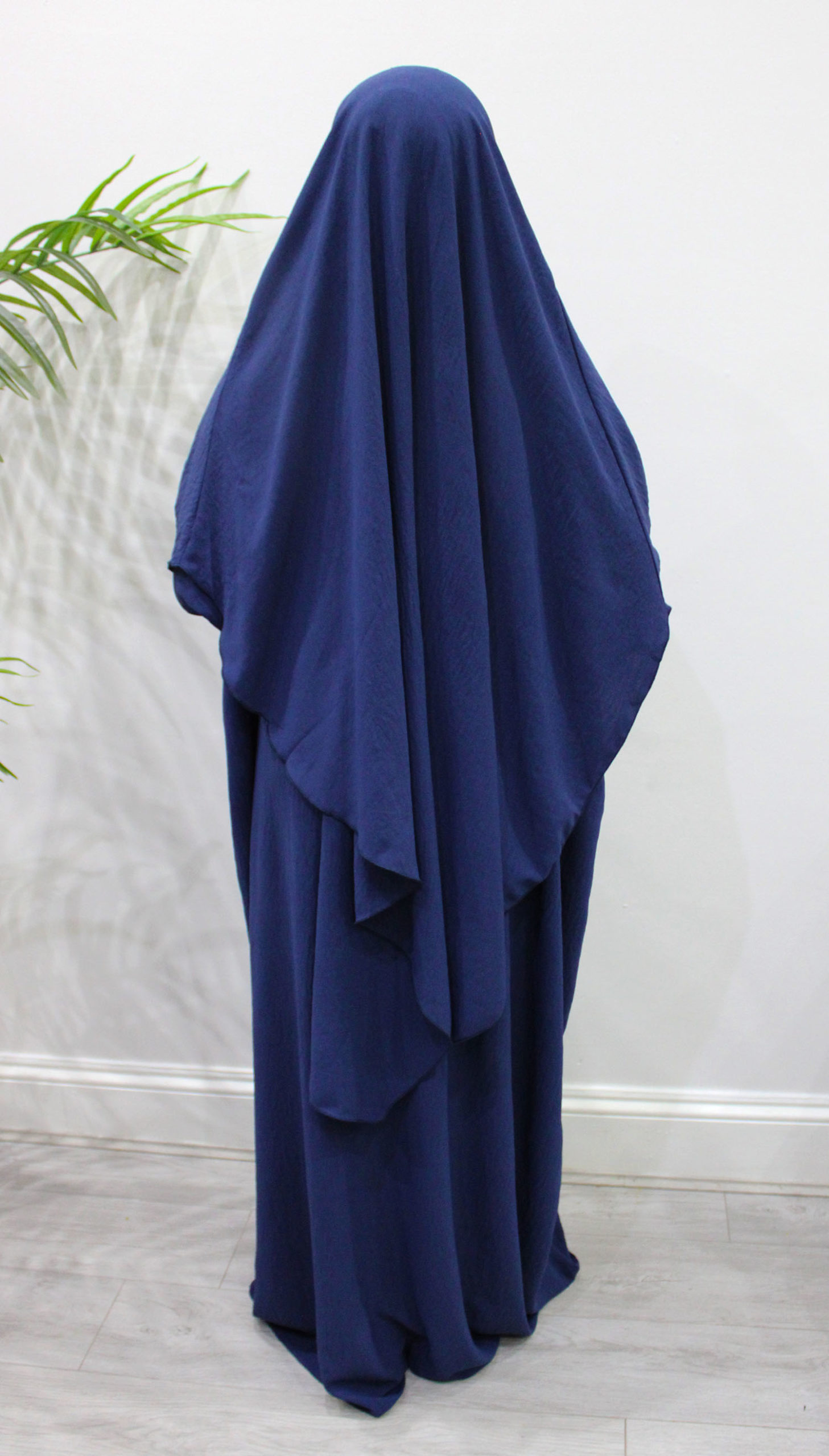
Symbolism: Beyond the Fabric
Both jilbabs and abayas carry strong cultural and spiritual symbolism. For many women, they’re more than modesty garments — they are shields of faith, acts of worship, and daily reminders of personal conviction.
- Spiritual Identity: Wearing a jilbab or abaya is often an expression of submission to divine command, symbolizing a commitment to modesty and humility.
- Cultural Connection: These garments reflect centuries of heritage and are often tailored in regional styles that root wearers in their traditions.
- Resistance and Pride: For some, choosing modest clothing in secular environments is a form of peaceful resistance — a statement of religious pride and autonomy.
Psychology of Dressing Modestly
There’s growing research on how clothing affects the way we feel and behave. The jilbab and abaya create a psychological framework — one that fosters dignity, discipline, and inner confidence.
- Internal Security: Wearing loose-fitting clothing can reduce self-objectification and increase focus on inner worth over outward appearance.
- Elevated Presence: Modest attire can command respect, subtly shifting how others interact with you — and how you interact with yourself.
- Calm Confidence: There’s a quiet power in knowing your values are visible before you even speak a word.
The Language of Color and Fabric
The colors and textures of your abaya or jilbab speak louder than you think. From the muted tones of spiritual reflection to the luxurious sheen of celebration — every detail conveys mood, intent, and message.
| Color | Common Meaning | When It’s Worn |
|---|---|---|
| Black | Elegance, formality, tradition | Everyday wear, religious settings |
| White | Purity, spiritual clarity | Prayer, Eid, Umrah |
| Pastels | Softness, femininity, youth | Casual or springtime wear |
| Emerald/Maroon | Royalty, richness, empowerment | Weddings, formal events |
Subtle Choices, Big Messages
Even small details — like the embroidery on your sleeve, the cut of your neckline, or the flow of the fabric — carry intention. These are not random. They reflect how you wish to be perceived, how much tradition you embrace, and how your style merges faith with fashion.
Jilbabs and abayas aren’t just what you wear — they’re how you carry your story, your strength, and your soul. And that’s the beauty: every choice is layered with meaning.
Next, we’ll explore how choosing the right garment style can match your lifestyle, personality, and everyday needs. Because expression doesn’t end with meaning — it lives in the details.
Abaya vs Jilbab: A Personal Story That Changed Everything
I still remember the first time I stood in front of a full-length mirror, holding an abaya in one hand and a jilbab in the other. It wasn’t just a fashion decision — it felt like a moment that would shape my identity. I was 22, navigating university life, newly committed to dressing more modestly. But I was torn: which path would better reflect who I was becoming?
That choice — seemingly small — sparked a journey that forever changed how I saw myself, my values, and how I interacted with the world. Here’s what I discovered, and how it might help you make your own empowered decision between a jilbab and an abaya.
What I Thought I Knew About the Abaya
To me, the abaya seemed elegant and understated. It was the choice I saw many women wear in the masjid, especially those who blended tradition with style effortlessly. I tried one on — it was a sleek, black open-front design, lightweight and flowing. It made me feel graceful. But something about it didn’t feel fully “me.”
- Pros I noticed: Easy to layer, elegant silhouette, adaptable to different settings
- My hesitation: It felt a bit too formal for my everyday campus routine
My First Time Wearing a Jilbab
Then I slipped into a two-piece overhead jilbab. It was looser, roomier, and had a built-in khimar. The instant I wore it, I felt this quiet strength — like I was wrapped in intention. People’s gazes softened. I noticed a difference in how others treated me… and how I treated myself.
- Pros I felt: Total coverage without fuss, spiritual confidence, surprisingly breathable
- Challenges: Took a bit more time to get used to the one-piece style

Side-by-Side Comparison: My Real-World Experience
| Aspect | Abaya | Jilbab |
|---|---|---|
| Best For | Social gatherings, professional settings | Daily wear, prayer, high-coverage needs |
| Ease of Wear | Flexible with other garments | Quick, all-in-one outfit |
| Coverage | Depends on layering and cut | Maximal, built-in khimar |
| Style Variety | Wider range (open, butterfly, kaftan) | More uniform in design, modest-first |
| Confidence Impact | Elegant and poised | Secure and spiritually grounded |
The Turning Point
It wasn’t just about choosing between two garments — it was about how they made me feel in different situations. I started wearing the abaya on weekends and for community events. But for classes, errands, or just being in my zone, the jilbab became my daily armor. It gave me focus. It grounded me. I no longer had to constantly adjust my hijab or worry about coverage — it was liberating in a way I didn’t expect.
And that’s the power of knowing the difference — not just technically, but emotionally. Understanding how these garments serve different purposes gives you the freedom to build a wardrobe that aligns with all sides of you: spiritual, social, personal, and practical.
In the next section, we’ll break down the most popular styles of jilbabs and abayas — so you can find the perfect match for your own lifestyle and goals.
From Desert Origins to Global Runways: The Journey of Islamic Dress
Every thread tells a story — and when it comes to Islamic dress like jilbabs and abayas, the story is centuries deep, steeped in culture, resilience, and timeless beauty. What began as a form of modest protection in the harsh deserts of Arabia has evolved into a global movement — shaping identities, inspiring designers, and commanding space on runways from Dubai to Paris.
This section takes you through the fascinating journey of Islamic attire, showing how jilbabs and abayas aren’t just garments — they’re historical artifacts, spiritual expressions, and modern fashion statements all at once.
Early Islamic Era: Practicality Meets Faith
In the earliest days of Islam, modesty wasn’t a trend — it was survival and submission. The harsh desert environment called for loose, breathable garments to protect the body from extreme heat and dust. As Islam spread, the Qur’anic emphasis on haya (modesty) transformed these garments into symbols of spiritual consciousness.
- Jilbab in early texts referred to a loose outer garment that covered the body entirely
- Abaya emerged as a culturally adapted form, often worn over clothes for additional coverage
- Clothing was handmade, dyed with natural pigments, and passed down through generations
Medieval to Ottoman Era: Cultural Influence Expands
As Islam spread across North Africa, Persia, the Levant, and parts of Europe, traditional Islamic clothing began absorbing local cultural styles. Fabrics became more refined, embroidery more intricate, and silhouettes began to evolve — while the core principle of modesty remained central.
| Region | Key Influence on Islamic Dress | Notable Elements |
|---|---|---|
| Ottoman Empire | Luxury fabrics, embroidery | Kaftan-style overlays, silk abayas |
| North Africa | Berber and Arab mix | Layered jilbabs, tribal patterns |
| Persia (Iran) | Elegant tailoring, muted tones | Chador influence on abayas |
| South Asia | Vibrant colors, regional fabrics | Abaya-styled kurtas, dupatta layering |
Modern Era: From Modesty to Movement
In the 20th century, abayas and jilbabs moved from being exclusively spiritual to becoming deeply cultural and even political. In many Muslim-majority countries, they became symbols of identity, resistance, and pride — particularly during periods of colonization and cultural upheaval.
Today, the rise of Muslim fashion bloggers, influencers, and designers has turned the jilbab and abaya into coveted global fashion statements.
- Modest fashion industry is now worth over $300 billion globally
- Major fashion weeks in London, Jakarta, and Dubai now include abaya and jilbab collections
- Luxury designers like Dolce & Gabbana and Tommy Hilfiger have created hijab and abaya lines
Timeless Roots, Modern Flourish
What makes jilbabs and abayas so powerful is their ability to remain grounded in faith while flexing with fashion. Whether you wear one for religious reasons, cultural connection, or personal empowerment, you’re part of a lineage that began under the desert sun and now shines under spotlights worldwide.
Next, we’ll explore the core types of jilbabs and abayas every woman should know — so you can choose with confidence, not confusion.
How to Choose Between a Jilbab, Abaya, Khimar, or Niqab
Feeling overwhelmed by all the options? You’re not alone. The world of Islamic modest wear is rich and diverse — but that can make choosing the right piece confusing if you’re new to it, transitioning styles, or simply trying to refine your wardrobe. Whether you’re shopping for religious reasons, personal comfort, or cultural identity, understanding the differences between a jilbab, abaya, khimar, and niqab will help you choose with clarity and confidence.
This guide breaks it all down — no jargon, no judgment, just practical insight.

What’s the Difference? Side-by-Side Comparison
| Garment | Main Purpose | Coverage | Worn Over | Best For |
|---|---|---|---|---|
| Jilbab | Full-body outerwear | Shoulders to ankles | Everyday clothing | Modest, structured, often tailored |
| Abaya | Modest outer garment | Neck to feet (often loose) | Typically over normal clothes | Elegant, flowing, versatile occasions |
| Khimar | Head and shoulder covering | Head, neck, chest | Over tops or abayas | Prayer, daily wear, layered look |
| Niqab | Face veil | Eyes exposed only | Worn with jilbab/abaya | High modesty preference, privacy |
Choosing Based on Your Needs
Each garment serves a different purpose, and the right one for you depends on your lifestyle, comfort level, and interpretation of modesty. Let’s break it down further.
- New to modest wear? Start with a simple abaya — easy to wear, easy to style.
- Need full-body coverage? A one-piece jilbab with built-in khimar is efficient and elegant.
- Want to layer? Use khimars over lightweight abayas or jilbabs for added style and modesty.
- Seeking more privacy? Consider adding a niqab with elastic or tie-back options based on comfort.
Personal Story: My First Time Choosing
I still remember standing in a modest fashion store in East London, surrounded by a sea of options. I didn’t know the difference between a jilbab and an abaya. I just knew I wanted to feel confident — covered, but not swallowed. I tried on a navy-blue one-piece jilbab with a khimar attached. It was like finding armor. Practical, dignified, graceful.
That moment changed the way I saw modesty. It wasn’t restriction. It was refinement. And choosing the right piece helped me walk taller — spiritually and physically.
Practical Tips Before You Buy
- Look for breathable fabrics like cotton, crepe, or nida for comfort
- Check if the garment is pull-over or buttoned — affects daily ease
- Match the style to the climate — lightweight for hot weather, layered for colder seasons
- Consider solid neutrals for versatility, bold prints for expression
Remember, modest wear isn’t one-size-fits-all. Your choice should support your lifestyle and reflect your intention — not just your image.
In the next section, we’ll dive into the most popular types of abayas and jilbabs, and why one cut or style may completely transform your day-to-day modest fashion experience.
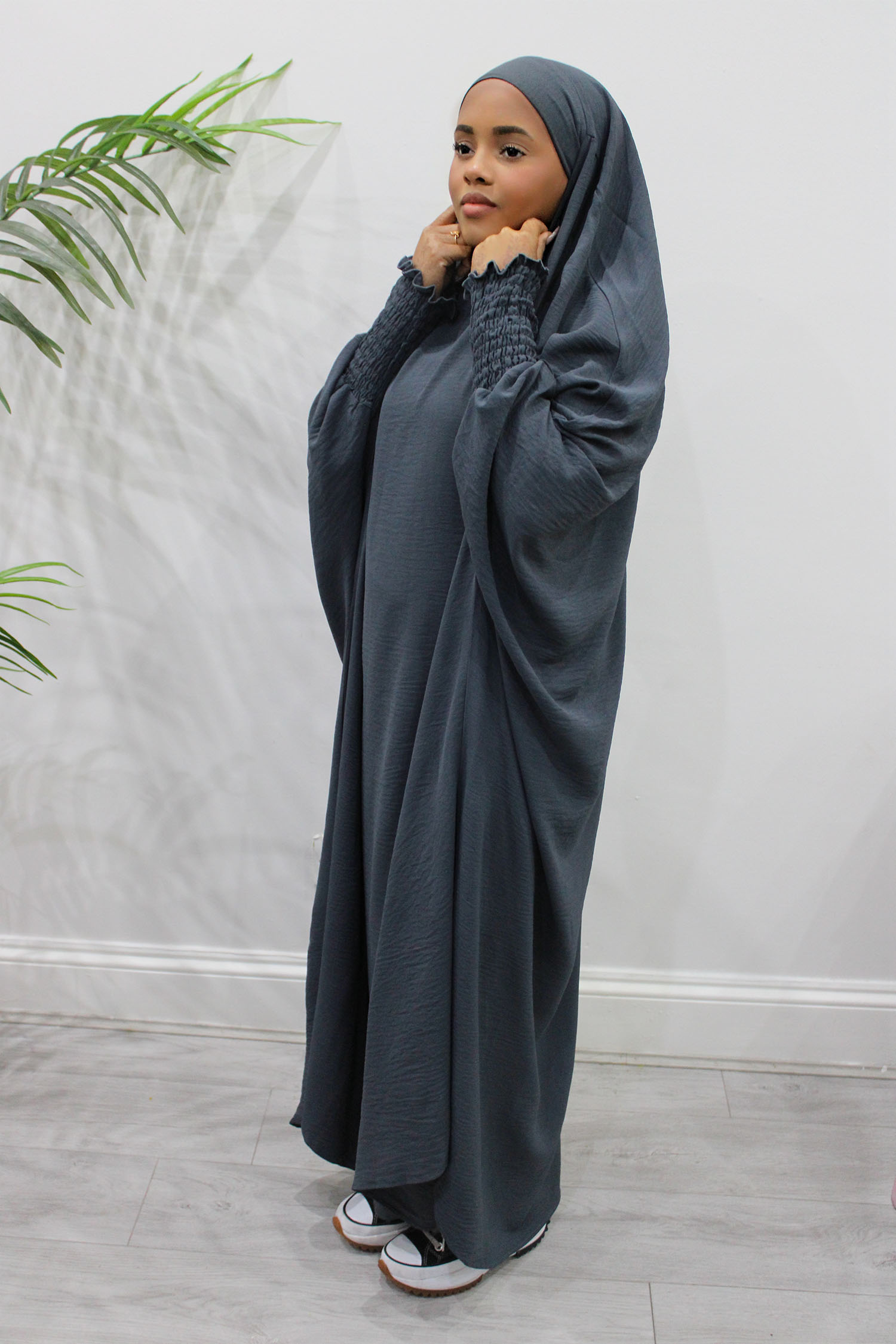
The Styles You’ve Never Heard Of — But Should Own
When you think of jilbabs and abayas, you might picture simple, black, flowing garments. But there’s an entire world of styles out there that you’ve probably never encountered — and trust me, they’re worth exploring. These lesser-known styles will not only elevate your wardrobe, but they’ll also add a fresh twist to your modest fashion game.
Let’s dive into some hidden gems within the world of jilbabs and abayas, styles you might not have heard of but should definitely add to your collection.
The Embroidered Abaya: Elegance with a Twist
Embroidered abayas offer a beautiful combination of tradition and modern flair. While classic abayas are known for their simple elegance, adding delicate embroidery to the edges, sleeves, or back takes it to another level. This style is perfect for weddings, special occasions, or any time you want to stand out without losing the essence of modest fashion.
- Best for: Formal events, evening gatherings, or weddings
- Fabric choice: Soft silk, velvet, or high-quality crepe
- Style tip: Pair with minimal jewelry to let the embroidery shine
The Kimono-Style Abaya: Where East Meets West
Originating from traditional Japanese kimonos, this abaya style brings in a unique blend of cultures. The kimono-style abaya has wide sleeves and a more structured body, offering a flowing, dramatic look that’s equally sophisticated and functional. Perfect for those who want to make a statement without compromising on modesty.
- Best for: Everyday wear, special occasions, or a bold statement
- Fabric choice: Georgette, chiffon, or lightweight wool
- Style tip: Pair with a simple belt or tie to define the waistline
The Double-Layered Jilbab: Comfort and Coverage Combined
For those who desire maximum coverage while staying comfortable, the double-layered jilbab is a game-changer. This style features a unique layered design that adds texture and depth, offering both style and modesty. Plus, the extra layer provides additional warmth for colder months, without compromising breathability.
- Best for: Cooler months or modest fashion that requires extra coverage
- Fabric choice: Heavy crepe, wool, or a blend of cotton and polyester
- Style tip: Choose darker, solid colors for a streamlined look or go bold with prints
The High-Neck Abaya: Chic and Contemporary
Incorporating a high-neck design into your abaya isn’t just about extra coverage — it’s about style. High-neck abayas offer a contemporary touch while remaining modest. Whether you’re attending a gathering or just heading out for coffee, this style will give you a polished and modern look.
- Best for: Casual to semi-formal wear
- Fabric choice: Soft wool blends, cotton, or light crepe
- Style tip: Pair with a statement necklace or scarf to enhance the chic factor
The Cape-Style Jilbab: Dramatic and Divine
If you love drama, the cape-style jilbab is the style for you. This unique design combines the elegance of a jilbab with the flowing, regal appeal of a cape. Ideal for those who want to channel their inner queen, this jilbab gives you both the function and the flair you deserve.
- Best for: Special occasions or whenever you want to feel like royalty
- Fabric choice: Satin, silk, or chiffon
- Style tip: Keep accessories minimal to let the cape’s drama do the talking
Finding Your Personal Style Within These Hidden Gems
The key to wearing these unique jilbab and abaya styles is confidence. Each one has a specific purpose, and when worn with the right accessories and mindset, you can make any of these styles uniquely yours. Embrace the unexpected and step outside your comfort zone — it’s time to experiment with a look that’s all your own.
In the next section, we’ll explore the top brands and designers bringing these fresh styles to the market and why their pieces are making waves in the world of modest fashion.
The Psychology of Modest Fashion (It’s Deeper Than You Think)
When we talk about jilbabs, abayas, and modest fashion, we’re not just discussing clothing — we’re tapping into something far deeper. Modest fashion has roots in psychology, culture, identity, and even self-expression. While it might seem simple to some, the choice of wearing modest clothing carries profound emotional, psychological, and social implications.
In this section, we’ll explore the psychology behind modest fashion and why what you wear can have a lasting impact on how you feel and how others perceive you.
Clothing as a Reflection of Personal Identity
Our clothing choices often reflect who we are, what we stand for, and how we wish to be seen in the world. For those who wear jilbabs, abayas, and other modest fashion pieces, these garments often represent values of modesty, humility, and faith. But there’s more to it than that — these garments also embody a form of self-respect and empowerment.
- Modesty as Empowerment: Wearing modest clothing can be empowering, providing wearers with a sense of control over their body and how it’s presented to the world.
- Identity Expression: These garments allow individuals to express cultural, religious, and personal identities in ways that align with their beliefs and values.
- Confidence: The choice of modest fashion often encourages inner confidence, as wearers feel comfortable and at ease in their clothing.
Psychological Effects of Modesty on Mental Health
Believe it or not, the way we dress can have significant effects on our mental well-being. Modesty in fashion often leads to a sense of peace and mental clarity, offering wearers a way to disconnect from the pressures of conventional beauty standards.
- Reduced Social Pressure: Modest clothing eliminates the constant focus on body image, allowing individuals to feel less judged and more at ease in social settings.
- Positive Self-Perception: The choice to wear abayas or jilbabs is often tied to a deep sense of personal values and self-respect, which fosters positive self-esteem.
- Cultural Connection: By wearing traditional garments, individuals can maintain a sense of cultural identity and pride, which is essential for mental health.
The Connection Between Modest Fashion and Faith
For many, modest fashion is closely intertwined with religious and spiritual beliefs. The psychological comfort that comes from adhering to one’s faith through clothing choices cannot be underestimated. It’s a daily practice of reinforcing one’s beliefs, fostering a sense of spiritual connection, and reminding oneself of higher purposes and values.
- Faith as a Source of Comfort: Wearing modest fashion can serve as a physical reminder of spiritual beliefs and a sense of belonging to a community.
- Connection to Divine Purpose: For many, dressing modestly is a form of worship, reinforcing their devotion to a higher power and helping them stay grounded in their beliefs.
- Daily Reflection: The act of dressing in accordance with religious principles can encourage self-reflection, mindfulness, and discipline.
The Social Perception of Modesty and Its Impact on Behavior
Modesty in fashion also impacts how others perceive you, and in turn, how you behave in society. In many cultures, the act of wearing jilbabs or abayas is seen as a sign of respect, discipline, and maturity. This external perception can significantly influence the way people interact with modest fashion wearers.
- Respect and Authority: Modest fashion can command respect, as it signals a sense of authority, dignity, and personal boundaries.
- Cultural Understanding: Wearing modest clothing can foster deeper connections within cultural and religious communities, strengthening relationships and support systems.
- Impact on Social Interactions: Modesty often leads to more meaningful conversations, as the focus is taken off superficial appearances and placed on character and values.
Why the Psychology of Modesty Matters More Than Ever
In today’s world, where body image issues, societal expectations, and unrealistic beauty standards dominate, modest fashion offers a refreshing break. It’s not just about clothing choices; it’s about reclaiming control, prioritizing mental well-being, and staying true to one’s values in the face of external pressures.
The psychology of modest fashion shows us that what we wear affects far more than our appearance — it shapes how we feel, how we see ourselves, and how we connect with the world around us. This deeper understanding of modest fashion encourages a more holistic approach to the way we view these garments and their significance in both our lives and the lives of others.
In the next section, we will explore the cultural impact of jilbabs and abayas and how they’ve helped redefine beauty standards in a modern world.
What Makes a Jilbab Truly “Islamic” — And What Doesn’t
The term “Islamic clothing” often evokes images of modest, flowing garments that preserve the modesty and dignity of the wearer. However, when it comes to garments like jilbabs, the question arises: what truly makes a jilbab “Islamic,” and how can we distinguish between garments that meet these standards and those that don’t?
In this section, we’ll explore the key features that define an “Islamic” jilbab and what elements may be misleading or inappropriate when it comes to adhering to the principles of modesty as outlined in Islamic teachings.
Understanding the Core Principles of Islamic Modesty
To understand what makes a jilbab “Islamic,” it’s essential to first grasp the core principles of modesty in Islam. Islamic modesty is not just about covering the body but about doing so in a way that reflects piety, dignity, and respect for oneself and others.
- Full Coverage: Islamic modesty requires covering the entire body except for the face, hands, and feet, as per many interpretations of Islamic law. The jilbab, therefore, should cover the body from the shoulders to the feet.
- Loose Fit: Clothing must not be form-fitting to avoid drawing attention to the shape of the body. A jilbab should have a loose, flowing silhouette to maintain this principle of modesty.
- Non-Transparent Material: The material of the jilbab should not be see-through. Islamic modesty calls for fabric that provides full coverage without revealing the contours of the body.
What Defines a Truly Islamic Jilbab?
A jilbab that is considered “Islamic” must meet certain criteria that align with the principles of modesty set forth in Islamic teachings. These criteria help ensure that the jilbab is not only a garment but also an embodiment of faith and respect.
- Loose, Non-Revealing Fit: A true Islamic jilbab is designed to cover the body completely without accentuating its shape. The fabric should flow freely, without being clingy or overly tight.
- Simple Design: Islamic jilbabs typically feature simple designs that avoid attracting unnecessary attention. Flashy embellishments or revealing details contradict the modest principles that Islamic attire aims to uphold.
- Modesty in Color and Fabric: While jilbabs come in a variety of colors and materials, the essence of modest fashion lies in its simplicity. Many Islamic jilbabs are made from solid colors or subtly patterned fabrics to ensure that the wearer’s personality and faith take precedence over fashion trends.
What Doesn’t Make a Jilbab Truly “Islamic”?
Not all garments marketed as “Islamic” or “modest” meet the requirements outlined in Islamic teachings. Understanding what falls short can help you choose garments that align with your values and Islamic principles.
- Excessive Decoration: A jilbab with excessive decoration, such as overly flashy beads, rhinestones, or overly bright colors, can detract from the principles of modesty. Islamic fashion favors simplicity over conspicuousness.
- Clingy or Form-Fitting Fabrics: Tight fabrics that hug the body, such as stretchy or Lycra-based materials, do not align with the requirement for loose, flowing attire.
- Transparent Materials: A jilbab made from transparent or thin materials that reveal the body underneath does not fulfill the modesty requirement. Islamic garments should be opaque, not allowing any part of the body to be visible.
- Short Length: A jilbab that doesn’t extend to the feet is not fully Islamic in nature. It should cover the entire body from the shoulders to the feet to maintain proper modesty.
Why Is It Important to Choose an Authentic “Islamic” Jilbab?
Choosing an authentic jilbab that meets the Islamic standards of modesty is more than a matter of appearance — it’s a matter of adhering to the ethical and spiritual principles of the faith. The right garment can help the wearer feel closer to their faith, foster a sense of humility, and express a commitment to modesty in both body and spirit.
When you choose a jilbab that aligns with Islamic modesty principles, you are not only enhancing your own spiritual connection, but you are also contributing to the broader effort to redefine modest fashion in a way that is authentic, respectful, and aligned with faith-based values.
How to Identify a Truly Islamic Jilbab While Shopping
When shopping for a jilbab, it’s essential to know what to look for to ensure that the garment meets the necessary standards of modesty. Here are some tips for identifying an authentic Islamic jilbab:
- Check the Fit: Ensure the jilbab is not tight or form-fitting. The fabric should flow freely from the shoulders down to the feet.
- Look for Simple, Elegant Designs: Avoid jilbabs that are overly embellished with bright colors, sequins, or excessive decorative elements. A simple, classic style is often best.
- Examine the Fabric: Ensure the material is thick and opaque. It should not be see-through, even under direct light.
- Consider the Length: An authentic jilbab should extend to the feet, ensuring full coverage as per the principles of Islamic modesty.
Conclusion
Choosing a jilbab is not just a matter of style; it’s a choice that reflects your faith, values, and commitment to modesty. An authentic Islamic jilbab aligns with the core principles of modest fashion — providing full coverage, a loose fit, and non-transparent material. By understanding what makes a jilbab truly “Islamic,” you can make informed choices that respect both your faith and your personal values, while contributing to the broader conversation on modest fashion.
In the next section, we’ll dive into the cultural significance of jilbabs and abayas, exploring their deeper meaning in various communities and how they’ve evolved over time.
The Fabric Factor: How Material Transforms Modesty
The fabric you choose for your jilbab or abaya is just as crucial as the design itself. The material not only impacts the overall look of the garment but also plays a vital role in how it adheres to the principles of modesty. The right fabric can elevate a garment from simply functional to something that truly respects the values of modest fashion.
In this section, we’ll explore the different types of fabrics commonly used for jilbabs and abayas, the reasons behind each fabric choice, and how material affects the way these garments serve their purpose of modesty, comfort, and style.
The Importance of Fabric in Modest Fashion
Modesty is not just about coverage; it’s about the way a garment behaves on the body. The right fabric helps create a loose, flowing silhouette while ensuring that the garment doesn’t reveal too much. Let’s break down why fabric choice is so important in modest fashion:
- Opacity: The fabric must be thick enough to provide full coverage, ensuring the body is not visible through the material.
- Breathability: Modesty should not come at the expense of comfort. A breathable fabric allows the wearer to stay cool and comfortable in various climates.
- Movement: The fabric should allow for easy movement while maintaining a loose, elegant silhouette. Fabrics that drape beautifully are key to achieving this look.
- Durability: A durable fabric ensures that the garment lasts longer and holds its shape over time, offering both practicality and style.
Popular Fabrics for Jilbabs and Abayas
There are several fabrics that are commonly used for jilbabs and abayas, each with unique qualities that cater to different needs. Below, we’ve broken down some of the most popular materials and their benefits for modest fashion:
| Fabric | Description | Best For |
|---|---|---|
| Chiffon | Lightweight, sheer fabric that drapes beautifully. | Elegant, formal occasions. |
| Crepe | Textured fabric with a slightly crinkled surface. Often heavier than chiffon. | Everyday wear, comfortable yet stylish. |
| Georgette | Similar to chiffon, but thicker and more durable. Slightly sheer. | Day-to-day wear with a touch of elegance. |
| Wool | Thick, insulating fabric. Great for colder climates. | Winter or colder weather jilbabs. |
| Silk | Luxurious fabric with a soft texture and natural sheen. | Special events, weddings, and high-end fashion. |
| Cotton | Soft, breathable fabric, perfect for warm climates. | Casual and warm weather wear. |
How Fabric Affects Modesty and Comfort
Each fabric plays a significant role in how a jilbab or abaya meets the principles of modest fashion. Here’s how the fabric choices impact both modesty and comfort:
- Opacity and Coverage: Fabrics like crepe, georgette, and wool offer better opacity and full coverage compared to sheer fabrics like chiffon. The key is choosing a fabric that ensures your body isn’t visible through the garment, even in bright light.
- Breathability and Climate Suitability: In warm climates, breathable fabrics like cotton or georgette allow for air circulation, making the garment more comfortable for long periods. In colder climates, heavier fabrics like wool provide warmth while maintaining modest coverage.
- Movement and Modesty: Fabrics like silk and chiffon drape beautifully, allowing the jilbab or abaya to flow elegantly with the body’s movement. This ensures the garment remains modest even as you go about your day, as the loose fabric moves naturally and doesn’t cling to the body.
Choosing the Right Fabric for Your Needs
When selecting a jilbab or abaya, the choice of fabric should be based on your individual needs, preferences, and the climate you live in. Here are some considerations when choosing the best fabric for you:
- Consider the Weather: If you live in a hot climate, lightweight, breathable fabrics like cotton and georgette are great choices. For colder climates, thicker materials like wool and crepe will provide the warmth you need.
- Occasion: Choose a luxurious fabric like silk for weddings and special events, while opting for more practical fabrics like cotton or crepe for everyday wear.
- Comfort: Ensure that the fabric you choose feels comfortable on your skin, especially for long periods of wear. Cotton and georgette are often praised for their comfort, while wool may feel heavier.
How Fabric Affects the Look and Feel of Your Garment
While fabric is essential for modesty, it also plays a role in how your jilbab or abaya looks and feels. The right fabric can make a simple design feel luxurious, while the wrong material can detract from the overall look of your outfit. Here’s how fabric impacts the aesthetic:
- Elegance and Drape: Fabrics like silk, chiffon, and georgette create a graceful, flowing look, perfect for formal occasions and events where you want to stand out.
- Texture and Personality: Fabrics like crepe and wool add texture, which can make your outfit look unique while still maintaining modesty. These materials work well for everyday wear and offer variety in both comfort and style.
- Color and Fabric Pairing: The fabric can influence how colors appear. Silk, for instance, tends to bring out deeper hues, while cotton may create more muted tones.
Conclusion
The fabric you choose for your jilbab or abaya is an essential factor in maintaining both modesty and comfort. By understanding how different fabrics serve the needs of modest fashion, you can select the perfect material that aligns with your personal style, the occasion, and your cultural or religious values.
In the next section, we’ll explore how to properly care for your jilbabs and abayas to ensure they remain in pristine condition, preserving both their aesthetic value and their function as a symbol of modest fashion.
Jilbabs for Prayer, Travel, or Eid: Choosing for Occasion
Jilbabs are versatile garments that serve a variety of purposes, whether you’re preparing for prayer, embarking on a journey, or celebrating a special occasion like Eid. The occasion plays a significant role in determining the type of jilbab you choose. In this section, we’ll break down how to select the perfect jilbab for prayer, travel, or Eid, ensuring you maintain both modesty and comfort while honoring the significance of each event.
Choosing a Jilbab for Prayer
When selecting a jilbab for prayer, functionality and comfort are key. The jilbab must allow for ease of movement during the prayer positions, offer full coverage, and be made from a fabric that doesn’t restrict breathability or comfort. Below are some important considerations when choosing a jilbab for prayer:
- Loose Fit: The jilbab should fit loosely to ensure full coverage while allowing you to move freely during prayer. A fit that is too tight can interfere with the fluidity of your movements.
- Comfortable Fabric: Fabrics like cotton, georgette, or crepe are ideal for prayer jilbabs, as they are breathable and lightweight, making it easier to concentrate during prayer.
- Easy to Wear: Choose a jilbab with an easy-to-wear design. Look for features like a zip or button closure that makes putting on and removing the garment simple, especially during prayer times when you may need to adjust quickly.
Choosing a Jilbab for Travel
When selecting a jilbab for travel, comfort and convenience are the most important factors. You’ll want a jilbab that can adapt to long hours of sitting, walking, or navigating airports while keeping you cool and comfortable. Here’s what to keep in mind:
- Breathable Material: Choose a jilbab made of fabrics like cotton, jersey, or soft crepe, which provide ventilation and prevent overheating during travel.
- Durability and Wrinkle-Resistance: Fabrics that are wrinkle-resistant, such as jersey or polyester blends, are perfect for travel. These fabrics ensure that your jilbab stays neat and presentable throughout your journey.
- Multi-Use Design: Opt for a jilbab with a versatile design that can be worn both on and off the plane, making it suitable for both casual and more formal occasions during your travels.
Choosing a Jilbab for Eid
Eid is a time for celebration and worship, and your jilbab should reflect the festive nature of the occasion while maintaining modesty. When selecting a jilbab for Eid, you should focus on elegance and style, without compromising comfort or modesty. Here are some key points to consider:
- Elegant Fabrics: Fabrics like silk, chiffon, or velvet are perfect for Eid jilbabs, adding a luxurious touch to your attire. These materials are known for their sophisticated look and feel.
- Embellishments and Detailing: For Eid, many jilbabs come with intricate embroidery, beading, or lace detailing. This adds a festive touch to the garment, making it perfect for the celebratory atmosphere of Eid.
- Comfort and Ease of Movement: Despite the fancy fabric, comfort is still essential. Choose a jilbab that offers a balance of beauty and practicality, ensuring you can move easily while attending prayers and celebrations.
Table: Comparison of Jilbabs for Different Occasions
| Occasion | Key Considerations | Recommended Fabrics | Features to Look For |
|---|---|---|---|
| Prayer | Loose fit, comfort, breathable, full coverage | Cotton, Georgette, Crepe | Easy to wear, simple design, breathable |
| Travel | Comfort, durability, wrinkle-resistant, breathability | Cotton, Jersey, Polyester blends | Wrinkle-resistant, breathable, multi-functional |
| Eid | Elegance, luxury, festive, full coverage | Silk, Chiffon, Velvet | Intricate details, elegant fabrics, ease of movement |
Conclusion
When choosing a jilbab for prayer, travel, or Eid, the most important factors to consider are comfort, function, and appropriateness for the occasion. Each event has unique requirements, but with the right fabric and design, you can ensure that your jilbab not only meets those needs but also reflects your personal style and commitment to modest fashion.
In the next section, we will explore how jilbabs and abayas have evolved in the modern fashion world, blending traditional modesty with contemporary styles to offer versatile options for women around the globe.
What the Quran Says About Outer Garments — and Why That Still Matters
Modesty in Islam is a value deeply rooted in the teachings of the Quran, and outer garments, such as jilbabs and abayas, play a vital role in expressing this principle. The Quran not only encourages modesty in behavior but also in dress, and the guidelines it provides have influenced Islamic fashion for centuries. Understanding these teachings and their relevance today is essential for anyone seeking to embrace modest fashion with authenticity and faith.
The Quranic Commandment on Modesty
The most often cited verse that speaks directly about modest dress is found in Surah An-Nur (24:31), which instructs believing women to cover their adornments, except what is apparent, and draw their veils over their bosoms:
“And tell the believing women to lower their gaze and guard their private parts and not to display their adornment except that which [ordinarily] appears thereof and to wrap a portion of their headcovers over their chests and not to display their adornment except to their husbands, their fathers, their husbands’ fathers, their sons…” — Surah An-Nur (24:31)
This verse establishes the importance of covering the body in a way that maintains modesty while allowing women to express themselves in an appropriate manner. While the interpretation of what constitutes “adornment” can vary, the emphasis on covering the chest and wearing a veil, which is often interpreted as a headscarf or jilbab, is clear.
The Concept of “Outer Garments” in the Quran
The concept of “outer garments” is further emphasized in Surah Al-Ahzab (33:59), where the Quran specifically instructs women to wear a garment that protects their modesty when going outside:
“O Prophet, tell your wives and your daughters and the women of the believers to bring down over themselves part of their outer garments. That is more suitable that they will be known and not be abused. And ever is Allah Forgiving and Merciful.” — Surah Al-Ahzab (33:59)
This verse not only supports the concept of wearing an outer garment, such as a jilbab or abaya, but it also underscores its protective role. The garment is meant to serve as a shield, ensuring women are recognized for their piety and modesty, thus preventing harm and exploitation.
Why the Quranic Teachings on Modesty Still Matter
Despite the passage of time and the modern world’s approach to fashion, the teachings on modesty in the Quran remain highly relevant. The idea of wearing outer garments to preserve one’s modesty continues to be a central tenet of Islamic dress codes today. Here’s why these guidelines matter:
- Spiritual Connection: Following the Quranic teachings on modest dress helps believers strengthen their connection to Allah by fulfilling a religious obligation. It serves as an outward expression of inner faith and humility.
- Protection and Respect: Wearing modest clothing helps protect women from unwanted attention and ensures they are treated with respect, as the Quran intended. The jilbab, abaya, and similar garments serve as a shield that fosters respect for one’s body and identity.
- Empowerment Through Choice: The Quranic directive on modesty empowers women to dress in a way that aligns with their values and beliefs, giving them control over how they present themselves in society.
- Timeless Guidance: While fashion trends may change, the principles of modesty outlined in the Quran remain timeless. These teachings are as applicable today as they were over 1,400 years ago, making them a constant source of guidance for Muslim women around the world.
How Modern Garments Align with Quranic Principles
Many modern Islamic garments, including jilbabs and abayas, align with the principles outlined in the Quran. They provide full coverage, respect cultural differences, and cater to the diversity of personal style while maintaining modesty. However, there are some important considerations to keep in mind when choosing modern garments:
- Loose Fit: The Quran emphasizes the importance of modesty in dress, which is often interpreted as wearing loose-fitting clothes. This helps to avoid drawing attention to the body’s shape, aligning with the spirit of modesty.
- Non-Revealing Fabrics: Fabrics should not be transparent or overly tight, as they would go against the principle of covering one’s body and may expose too much.
- Cultural Variations: While the core principles of modest dress apply universally, interpretations of these guidelines may vary depending on local culture, climate, and individual preference. It is important to respect these cultural nuances while adhering to the Quranic teachings.
Table: Quranic Verses on Modesty and Outer Garments
| Surah | Verse | Key Message | Garment Relevance |
|---|---|---|---|
| Surah An-Nur (24:31) | “Draw their veils over their bosoms…” | Encourages covering of the chest and head. | Supports the use of headscarves, jilbabs, and abayas for full coverage. |
| Surah Al-Ahzab (33:59) | “Tell your wives…to bring down over themselves part of their outer garments…” | Instructs women to wear outer garments for protection and modesty. | Affirms the jilbab and abaya as protective garments for modesty. |
Conclusion
The Quran’s teachings on modesty in dress remain crucial for contemporary Islamic fashion. Understanding the spiritual and protective role of garments like the jilbab and abaya helps Muslims today appreciate their significance beyond just physical appearance. By following these Quranic principles, women can express their faith and values through their clothing while embracing the timeless wisdom of the Quran. In the next section, we will explore how modest fashion has evolved in the modern world, with jilbabs and abayas gaining prominence in global fashion trends.
The Most Common Mistakes Women Make With Jilbabs and Abayas
While jilbabs and abayas are timeless symbols of modest fashion, wearing them effectively requires attention to detail. Even the most well-meaning individuals may fall into common pitfalls when choosing, styling, or caring for their garments. In this section, we’ll explore the most common mistakes women make with jilbabs and abayas and provide guidance on how to avoid them, ensuring that you make the most of these beautiful garments while adhering to the principles of modesty.
1. Choosing the Wrong Fit
One of the most common mistakes when wearing jilbabs and abayas is selecting the wrong fit. The primary goal of these garments is modesty, and that means they should be loose, not tight. However, many women unknowingly opt for styles that are too tight, defeating the purpose of modesty.
- Problem: Tight-fitting jilbabs or abayas can draw unwanted attention to the body’s shape.
- Solution: Ensure that the garment fits loosely around the body without being overly baggy or restrictive. The ideal jilbab or abaya should allow freedom of movement while concealing the figure.
- Tip: When trying on an abaya or jilbab, check the fit in the chest, waist, and hips. You should be able to move comfortably and breathe without restriction.
2. Ignoring Fabric Quality
The fabric of a jilbab or abaya plays a significant role in its appearance and functionality. Many women make the mistake of selecting garments made from low-quality materials that don’t provide adequate coverage or comfort. Poor fabric choices can lead to garments that are see-through or too thin, compromising the integrity of modest dress.
- Problem: Thin or cheap fabrics can be see-through, revealing more than intended.
- Solution: Opt for fabrics that are opaque, breathable, and of high quality. Materials like cotton, linen, or heavier crepe are ideal choices for modest dress.
- Tip: When shopping for a jilbab or abaya, check the opacity of the fabric by holding it up to light. If the fabric is too sheer, choose a thicker option.
3. Overlooking the Importance of Proper Styling
While jilbabs and abayas are modest by design, styling them appropriately is key to achieving an elegant and balanced look. Many women make the mistake of either over-accessorizing or under-accessorizing these garments, which can affect the overall aesthetic and modesty.
- Problem: Over-accessorizing can take away from the simplicity and modesty of the jilbab or abaya.
- Solution: Keep accessories minimal and let the garment shine on its own. A simple belt or scarf can add elegance without compromising modesty.
- Tip: When styling your jilbab or abaya, focus on clean lines and subtle, tasteful accessories. Let the garment’s design and fabric be the focal point.
4. Choosing the Wrong Color for the Occasion
Color is an important consideration when selecting a jilbab or abaya. Many women make the mistake of wearing bright or flashy colors in situations where more neutral or understated tones would be more appropriate.
- Problem: Bright or neon colors can draw unnecessary attention, which may be counterproductive to the goal of modesty.
- Solution: Stick to neutral, earthy, or dark colors for everyday wear. Save brighter or more extravagant colors for special occasions like Eid or weddings.
- Tip: For formal occasions, consider dark colors like black, navy, or deep burgundy, while lighter colors like cream or taupe can work well for daytime wear.
5. Not Considering the Climate or Season
Another mistake is not taking the climate or season into account when choosing a jilbab or abaya. Wearing a heavy, winter-weight fabric in the summer or a lightweight material in the winter can leave you feeling uncomfortable and inappropriate for the season.
- Problem: Wearing seasonally inappropriate fabrics can lead to discomfort and may not be practical for certain climates.
- Solution: Choose fabrics according to the weather—lightweight, breathable fabrics like cotton for hot weather and thicker, warmer materials like wool or crepe for colder seasons.
- Tip: Layering can also help. For example, wear a light cotton abaya over a thermal shirt in the winter to stay warm and modest.
6. Failing to Pay Attention to Proper Care and Maintenance
Jilbabs and abayas, like any other garments, require proper care to ensure they last and maintain their appearance. Neglecting proper maintenance can result in fabric damage, loss of shape, or discoloration.
- Problem: Improper washing or storage can ruin the fabric and shape of the garment.
- Solution: Follow the care instructions on the label and invest in proper storage solutions, such as garment bags or hangers that preserve the shape.
- Tip: Dry clean your jilbab or abaya when necessary, and wash by hand or on a delicate cycle to preserve its fabric.
7. Focusing Too Much on Fashion Trends
While it’s natural to want to look stylish, many women fall into the trap of trying to follow every new fashion trend. The essence of jilbabs and abayas is modesty, and focusing too much on trends can lead to compromises in their intended purpose.
- Problem: Trying to chase trends can result in garments that are less modest or no longer appropriate for religious purposes.
- Solution: Stick to classic, timeless designs that maintain the integrity of modest fashion. Focus on quality over quantity and avoid trendy styles that might not offer the same level of coverage.
- Tip: Invest in pieces that can be worn season after season, such as simple black abayas or jilbabs with clean lines and minimal embellishments.
Table: Common Mistakes with Jilbabs and Abayas
| Mistake | Impact | Solution | Tip |
|---|---|---|---|
| Wrong fit | Compromises modesty | Choose loose-fitting garments | Check fit in the chest, waist, and hips |
| Poor fabric quality | See-through or uncomfortable | Opt for opaque, breathable fabrics | Check fabric opacity by holding it up to light |
| Over-accessorizing | Distracts from the simplicity of modest fashion | Keep accessories minimal | Focus on clean lines and subtle additions |
| Wrong color for occasion | Draws unnecessary attention | Choose neutral tones for daily wear | Use brighter colors for special occasions only |
| Ignoring the climate | Uncomfortable and impractical | Choose season-appropriate fabrics | Layer clothing in colder seasons |
| Improper care | Damages the garment | Follow care instructions | Invest in proper storage solutions |
| Chasing fashion trends | Compromises modesty | Stick to timeless, modest designs | Invest in classic pieces |
Conclusion
By understanding and avoiding these common mistakes, you can fully embrace the beauty, modesty, and practicality of jilbabs and abayas. From selecting the right fit and fabric to choosing appropriate accessories, each detail plays an essential role in ensuring that your garment enhances your style and spiritual connection. Stay true to the essence of modest fashion by following these tips and avoiding these common pitfalls. In the next section, we will delve deeper into how jilbabs and abayas have become a global phenomenon in the fashion world.
Plus-Size, Petite, or Tall: Modest Fashion That Actually Fits
Finding the perfect jilbab or abaya that complements your body type can be a challenge. Whether you’re plus-size, petite, or tall, modest fashion should be about feeling confident and comfortable in your own skin. In this section, we’ll explore how to choose jilbabs and abayas that fit your body type, ensuring that you can embrace modest fashion without compromising on style or comfort.
1. Plus-Size: Embracing Your Curves with Modesty
For plus-size women, the key to choosing the perfect jilbab or abaya lies in selecting garments that offer both comfort and flattering coverage. Many women make the mistake of opting for overly loose or shapeless styles, which can add bulk instead of enhancing the silhouette.
- Problem: Overly baggy garments can make you feel shapeless and unflattering.
- Solution: Look for abayas and jilbabs that have structured details, such as waistlines or gently cinched designs, which create shape while maintaining modesty.
- Tip: Opt for A-line cuts that gracefully follow the natural shape of your body without clinging. Avoid overly tight or excessively wide designs.
2. Petite: Achieving Balance with Proportions
If you’re petite, finding jilbabs and abayas that don’t overwhelm your frame is essential. Many petite women struggle with garments that are too long or too wide, making them appear shorter or swallowed by the fabric.
- Problem: Loose, long garments can dwarf your frame and make you look smaller.
- Solution: Choose abayas and jilbabs with shorter hemlines or styles that can be altered to fit your proportions. Opt for structured pieces that aren’t too bulky.
- Tip: Consider abayas or jilbabs with vertical lines or slim, tailored cuts that elongate your figure. Avoid heavy fabrics that can add unnecessary bulk.
3. Tall: Creating Proportional Elegance
For tall women, finding the right jilbab or abaya can be about balance and ensuring that the garment complements your height without making you appear too elongated or overwhelmed by fabric.
- Problem: Long, flowy garments can sometimes add too much volume, making you appear overly tall.
- Solution: Look for abayas or jilbabs with strategic cuts and details that break up the length, such as subtle pleats or paneling.
- Tip: Avoid garments that are too short or too long. A well-tailored, mid-calf to ankle-length jilbab or abaya will help create a balanced, elegant look.
Table: Key Considerations for Different Body Types
| Body Type | Key Considerations | Recommended Styles | Fabric Suggestions |
|---|---|---|---|
| Plus-Size | Avoid overly baggy or tight garments. Look for structure and shape. | A-line cuts, waist details, structured designs | Cotton, crepe, georgette for comfort and breathability |
| Petite | Avoid long, loose garments. Focus on proportionate fits. | Shorter hemlines, tailored fits, vertical lines | Lightweight fabrics like chiffon, jersey, or linen |
| Tall | Balance height with strategic cuts and details to avoid overwhelming the frame. | Mid-calf to ankle-length, pleats, paneling | Wool blends, thicker cottons, and heavier crepes |
4. Why Fit Matters for Modest Fashion
Fit is an essential factor when it comes to modest fashion because it directly impacts both comfort and appearance. A well-fitting jilbab or abaya not only enhances the wearer’s confidence but also maintains the integrity of modesty principles. When the garment is too loose, it may fail to offer proper coverage, and when it’s too tight, it can compromise the modesty goal altogether.
- Problem: A poor fit may cause the garment to lose its purpose, making it either too revealing or uncomfortable.
- Solution: Ensure the garment drapes well on the body while still providing enough space to move freely.
- Tip: When shopping online, check size charts, and if possible, get garments tailored to your precise measurements for the perfect fit.
5. Choosing Modest Fashion for All Body Types
Modest fashion should be inclusive of all body types. There’s no one-size-fits-all solution, but with a bit of knowledge about how different garments fit various body shapes, women can confidently select jilbabs and abayas that flatter their frames while adhering to modesty standards.
- Solution: Embrace your body type by understanding the cuts and styles that work best for you.
- Tip: Invest in versatile, timeless pieces that can be styled in different ways, ensuring long-term wear and versatility.
Conclusion
Whether you’re plus-size, petite, or tall, there is a jilbab or abaya out there that can offer you the perfect combination of style, comfort, and modesty. By paying attention to key considerations such as fit, fabric, and proportion, you can choose garments that not only look great but also feel great. The right fit is all about balance, and by understanding your body type and selecting the right pieces, you’ll be able to confidently embrace modest fashion in a way that works for you. Up next, we’ll dive deeper into the cultural and spiritual significance of jilbabs and abayas.
Inside the UK’s Best Modest Fashion Brands (2025 Edition)
The UK is home to a thriving modest fashion industry, with brands offering stylish, high-quality jilbabs, abayas, and other modest clothing for every occasion. As the demand for modest fashion grows, more and more British designers and retailers are embracing modesty while delivering contemporary, chic, and versatile pieces. In this section, we will explore some of the top UK-based modest fashion brands of 2025, known for their outstanding designs, inclusivity, and commitment to modesty. Whether you’re looking for everyday wear or statement pieces for special occasions, these brands have something for every woman.
1. Modanisa UK: A Global Leader in Modest Fashion
Modanisa is one of the largest and most popular online retailers for modest fashion, offering a wide range of abayas, jilbabs, dresses, and more. Known for their modern take on traditional Islamic attire, Modanisa has become a trusted name among women seeking stylish, comfortable, and modest clothing. With a focus on quality and inclusivity, they offer pieces for all body types and styles, ensuring that every woman can find something that suits her.
- Best For: A diverse selection of modest fashion, ranging from casual wear to luxurious evening gowns.
- Notable Features: Affordable pricing, a variety of sizes, free delivery on orders over £100.
- Popular Styles: Oversized abayas, layered jilbabs, and modest maxi dresses.
- Website: modanisa.com
2. Aab: Luxury Meets Modesty
Aab is a luxury UK-based modest fashion brand that’s renowned for its sophisticated designs and premium materials. The brand offers a wide variety of high-end abayas, jilbabs, and dresses, perfect for those who want to elevate their modest wardrobe without sacrificing style or comfort. Aab is especially known for its elegant, timeless designs that blend contemporary trends with traditional modesty principles.
- Best For: High-quality, luxury abayas and jilbabs that exude elegance.
- Notable Features: Expert tailoring, refined fabrics, and intricate detailing.
- Popular Styles: Draped abayas, minimalist jilbabs, and elegant long-sleeve dresses.
- Website: aabcollection.com
3. Hijab House: A Fusion of Fashion and Modesty
Hijab House is a well-loved UK-based brand that specializes in creating stylish, modest, and comfortable clothing for women who want to express their faith through fashion. With a wide range of options from casual wear to formal attire, Hijab House caters to a variety of tastes, providing practical yet fashionable choices for modest dressers.
- Best For: Modest fashion pieces that blend style with practicality.
- Notable Features: Soft fabrics, perfect fits, and a mix of classic and trendy styles.
- Popular Styles: Casual tunics, tailored jilbabs, and relaxed-fit dresses.
- Website: hijabhouse.com
4. Khayla London: Contemporary Modesty for the Modern Woman
Khayla London is a UK-based brand that offers contemporary modest fashion with an urban twist. The brand is known for its chic, minimalist designs that cater to modern women who embrace modesty without sacrificing style. Khayla London’s pieces are perfect for those who want to make a statement with their modest clothing, while still maintaining an elegant and refined look.
- Best For: Sleek, minimalist designs for the fashion-forward woman.
- Notable Features: Clean lines, muted colors, and versatile pieces that can be dressed up or down.
- Popular Styles: Long-flowing maxi dresses, tailored coats, and high-waisted trousers.
- Website: khaylalondon.com
5. Laila’s Modest Clothing: Comfort and Style Combined
Laila’s Modest Clothing is a brand dedicated to creating comfortable, stylish, and affordable modest wear. The brand offers a wide selection of jilbabs, abayas, and dresses that cater to women of all ages and body types. Laila’s Modest Clothing ensures that modest fashion is accessible without compromising on quality or style.
- Best For: Affordable and comfortable everyday modest wear.
- Notable Features: Soft fabrics, practical designs, and budget-friendly prices.
- Popular Styles: Comfortable jilbabs, practical abayas, and cozy maxi dresses.
- Website: lailasmodestclothing.com
Table: Comparison of Top Modest Fashion Brands in the UK
| Brand | Specialty | Price Range | Best For | Website |
|---|---|---|---|---|
| Modanisa | Diverse selection of modest fashion | ££ – £££ | Affordable yet stylish clothing | modanisa.com |
| Aab | Luxury modest fashion | £££ – ££££ | Elegant and high-quality abayas and jilbabs | aabcollection.com |
| Hijab House | Casual and formal wear | £ – ££ | Versatile, stylish, and practical pieces | hijabhouse.com |
| Khayla London | Minimalist, contemporary modest fashion | ££ – £££ | Sleek, urban designs | khaylalondon.com |
| Laila’s Modest Clothing | Comfort and affordability | £ – ££ | Everyday modest wear | lailasmodestclothing.com |
Conclusion
The UK’s modest fashion scene is growing rapidly, with brands offering a wide range of styles, sizes, and price points to meet the needs of every woman. From luxury designs to everyday essentials, the brands featured in this section represent the best of what modest fashion in the UK has to offer. Whether you’re looking to invest in high-quality abayas or explore affordable options for everyday wear, these brands provide a variety of choices that combine modesty with modern style.
Real Women. Real Wardrobes. 3 Jilbab Transformations You Need to See
The beauty of jilbabs lies not only in their modest elegance but also in their versatility. What if we told you that a simple jilbab could be transformed to suit a variety of occasions, moods, and personal styles? In this section, we’re showcasing three real jilbab transformations that prove how this iconic garment can be styled in ways you may have never thought possible. Whether you’re looking to go from casual to formal, or even to create a statement look, these transformations will inspire your wardrobe and enhance your modest fashion journey.
1. Casual Day Look: Effortlessly Chic with a Simple Jilbab
For everyday wear, a jilbab doesn’t have to be a formal piece. With the right styling, it can become the perfect go-to outfit for errands, casual outings, or even a day out with friends. By pairing a basic jilbab with minimalist accessories, comfortable footwear, and a lightweight scarf, you can achieve a stylish yet laid-back look. The key to this transformation is simplicity and comfort.
- Key Pieces: Simple, loose-fitting jilbab, comfortable sneakers, and a soft, neutral-colored hijab.
- Styling Tips: Opt for pastel or neutral shades for a relaxed vibe. Add a crossbody bag or backpack for a practical touch.
- Best For: A trip to the market, coffee with friends, or running errands.
2. From Office to Evening: Transform Your Jilbab into a Workwear Hero
With the right accessories and tailoring, a jilbab can easily be turned into a polished and professional office outfit. Consider choosing a sleek, solid-colored jilbab with clean lines and subtle detailing. Pair it with a structured blazer, heeled shoes, and a belt to add some shape. For the evening, simply swap the office jacket for a statement necklace and go for a bold lip color to instantly elevate the look.
- Key Pieces: Tailored jilbab, structured blazer, heels, and a statement hijab pin or necklace.
- Styling Tips: Choose dark, professional colors like black, navy, or charcoal gray for a sophisticated, office-ready look. Evening transformation calls for bold accessories or metallics.
- Best For: Work meetings that transition into dinner, evening events, or formal gatherings.
3. Eid Glam: Going All Out with Your Jilbab for a Special Occasion
For festive occasions like Eid, you can turn your jilbab into a stunning and glamorous ensemble. This transformation involves elevating your basic jilbab with luxurious fabrics, intricate embroidery, and statement accessories. Choose a jilbab in a rich color such as deep emerald, gold, or burgundy and layer it with a beautifully adorned hijab and statement jewelry. You can also experiment with adding a belt or sash to define your waist for a more sophisticated silhouette.
- Key Pieces: Embellished jilbab, elegant hijab with beads or embroidery, statement jewelry, and high heels.
- Styling Tips: Go for luxurious fabrics like silk, satin, or velvet. Bold metallics and jewel tones will add extra glam to the look.
- Best For: Eid celebrations, weddings, or other formal and festive occasions.
Table: Comparison of Jilbab Styles for Different Occasions
| Occasion | Key Pieces | Styling Tips | Best For |
|---|---|---|---|
| Casual Day Look | Loose jilbab, sneakers, neutral hijab | Opt for pastels or neutrals, add a backpack or crossbody bag | Errands, coffee with friends, casual outings |
| Office to Evening | Tailored jilbab, structured blazer, heels, statement jewelry | Choose dark, professional colors for the office; swap for bold accessories in the evening | Work meetings, dinner, evening events |
| Eid Glam | Embroidered jilbab, embellished hijab, statement jewelry, heels | Go for luxurious fabrics, jewel tones, and metallics | Eid celebrations, weddings, formal occasions |
Conclusion
These jilbab transformations show just how versatile this traditional garment can be. Whether you’re dressing for a casual day out, preparing for an office meeting, or creating an extravagant Eid ensemble, a jilbab can be tailored to fit any occasion with the right styling. The key takeaway? Modesty doesn’t have to mean sacrificing style—your jilbab can easily take you from one occasion to the next, providing comfort, elegance, and confidence. Use these tips to make the most of your jilbab wardrobe, and remember that the right accessories can completely change the game!
Washing, Caring, and Storing: Keeping Your Abayas Beautiful
Your abaya is more than just a piece of clothing; it’s an investment in your style, comfort, and modesty. Whether you’re wearing it daily or reserving it for special occasions, it’s crucial to know how to care for it properly to ensure it stays in pristine condition for years to come. In this section, we’ll walk you through everything you need to know about washing, caring for, and storing your abayas, so they remain as beautiful as the day you bought them.
1. Washing Your Abaya: Do’s and Don’ts
When it comes to washing your abaya, the right approach can make all the difference in preserving the fabric, color, and structure of the garment. Here are some tips on how to wash your abayas without compromising their beauty:
- Hand Wash vs. Machine Wash: While hand washing is the gentler option, many abayas can be machine washed on a delicate cycle. Always check the care instructions on the garment label for specific guidance.
- Use Mild Detergents: Harsh detergents can damage the fabric and cause colors to fade. Opt for mild, non-abrasive laundry detergents that are gentle on fabrics.
- Cold Water: Wash your abayas in cold water to prevent shrinkage and protect the fabric’s integrity.
- Avoid Fabric Softeners: Fabric softeners may weaken delicate materials, such as chiffon or silk, so it’s best to skip this product when washing your abayas.
- Dry Cleaning: For embellished or delicate abayas, such as those with intricate embroidery or beadwork, it’s advisable to have them professionally dry cleaned.
2. Caring for Special Fabrics
Abayas come in a variety of fabrics, each requiring unique care methods. Below are some tips to help you take care of the most common materials used in abayas:
- Silk Abayas: Silk is luxurious and delicate. Always hand wash or dry clean silk abayas to avoid damage. Store them in a cool, dark place away from sunlight to prevent fading.
- Chiffon Abayas: Chiffon abayas should be hand washed or machine washed in a mesh laundry bag on a delicate cycle. Avoid wringing them out to maintain their light, airy structure.
- Cotton Abayas: Cotton is easy to care for but can shrink, so be sure to wash in cold water and air dry. Iron gently to keep wrinkles at bay.
- Velvet and Satin Abayas: These fabrics are best dry cleaned due to their sensitivity to water. Store them away from direct sunlight to preserve their rich colors.
3. Storing Your Abayas Properly
Proper storage ensures that your abayas retain their shape, color, and texture over time. Here are some best practices for storing your abayas:
- Use a Proper Hanger: Always hang your abayas on a padded or wide-shouldered hanger to avoid stretching or misshaping the fabric.
- Store in a Cool, Dry Place: Keep your abayas in a cool, dry area away from direct sunlight, which can cause colors to fade and fabrics to weaken.
- Protect from Dust: Use garment bags or dust covers to protect your abayas from dust, dirt, and accidental stains when storing them in your closet.
- Avoid Overcrowding: Avoid stuffing your closet with too many garments in a small space. Overcrowding can result in wrinkling and can cause the fabric to lose its natural drape.
4. Ironing and Pressing: Maintaining the Smooth Look
While abayas are designed to flow naturally, some fabrics can wrinkle, especially after washing. Here are a few tips on how to maintain a smooth, pressed look without damaging your abaya:
- Low Heat Ironing: Always use low heat when ironing your abayas, especially for delicate fabrics like chiffon, silk, or satin. If the fabric is particularly sensitive, use a pressing cloth to avoid direct heat contact.
- Steam for Wrinkles: Steaming is an excellent method for removing wrinkles from abayas without subjecting the fabric to the harsh heat of an iron.
- Ironing Fabric-Specific Tips: For heavier fabrics like velvet, it’s best to avoid ironing directly. Instead, use a steamer or hang the abaya in the bathroom while running a hot shower to let the steam release wrinkles.
5. When to Repair or Replace
While caring for your abayas properly will extend their life, it’s important to know when repairs are needed or when it might be time to replace a garment. Here’s when to consider professional care:
- Loose Threads and Minor Repairs: If you notice any loose threads, buttons, or small tears, it’s a good idea to repair them quickly to prevent further damage.
- Fading Colors: If your abaya’s color has faded significantly due to wear or washing, consider dyeing it or replacing it to preserve your wardrobe.
- Fabric Damage: When the fabric shows signs of major wear, such as thinning, fraying, or tears, it’s time to consider replacing the abaya.
Table: Care Tips for Different Abaya Fabrics
| Fabric Type | Washing Method | Ironing Tips | Storage Tips |
|---|---|---|---|
| Silk | Hand wash or dry clean only | Use low heat, or steam to avoid damage | Store in a cool, dark place away from sunlight |
| Chiffon | Hand wash or machine wash in a mesh bag | Steam to remove wrinkles | Hang on a padded hanger |
| Cotton | Machine wash in cold water | Iron with low heat | Store in a dry, cool area |
| Velvet/Satin | Dry clean only | Avoid direct heat; steam or press gently | Store away from sunlight to prevent fading |
Conclusion
Taking care of your abayas not only helps maintain their beauty but also ensures they last for many years. By following these simple steps for washing, caring, and storing your garments, you can preserve their fabric, shape, and colors. Whether you’re wearing them every day or saving them for special occasions, your abayas will continue to serve you in style with the proper care and attention.
How to Layer Without Losing Elegance
Layering is an essential skill when it comes to creating a modest, yet stylish outfit, especially when it comes to jilbabs and abayas. While layering allows you to add depth, warmth, and dimension to your look, it’s crucial to do so without losing your elegant and refined appearance. In this section, we’ll show you how to layer your modest garments in a way that enhances your style while maintaining comfort and sophistication.
1. Start with a Base Layer
The foundation of any layered outfit is the base layer. This is where you begin building your look, and it’s essential to choose a base piece that’s both comfortable and breathable. Here’s how to select the perfect base layer:
- Opt for a Fitted Underlayer: A fitted, breathable underlayer, like a long-sleeve tunic or blouse, will provide a smooth silhouette and allow the outer layers to fall naturally without adding bulk.
- Go for Neutral Colors: Neutral colors like beige, white, or black work best as they can seamlessly match any outer layers, letting your jilbab or abaya shine without clashing.
- Choose Natural Fabrics: Cotton, linen, and lightweight wool are excellent choices for base layers, as they allow your skin to breathe and won’t trap excess heat or moisture.
2. Layer with a Stylish Cardigan or Kimono
Adding a cardigan, kimono, or similar layering piece is one of the best ways to elevate your jilbab or abaya look. Here’s how to make it work:
- Length Matters: To maintain balance, choose a cardigan or kimono that is proportional to your outer garment. For example, a long, flowing kimono complements a longer abaya, while a cropped cardigan pairs beautifully with a shorter jilbab.
- Mix Textures: Layering pieces with different textures (e.g., a soft cotton abaya with a velvet kimono) can create depth and interest in your outfit without overwhelming it.
- Keep It Simple: A simple cardigan with minimal embellishments will keep the focus on your jilbab or abaya. If you opt for a more decorated layer, like a kimono with embroidery, ensure that the rest of your outfit is understated.
3. Add a Tailored Outer Layer for Structure
If you prefer a more structured look, adding a tailored outer layer, such as a long vest, tailored coat, or a blazer, can add sharpness and definition to your ensemble. Here’s how to do it with elegance:
- Fitted is Key: Choose outer layers that fit well without being too tight or too loose. A well-fitted coat or blazer will maintain your figure and help create a sleek silhouette.
- Layer with Balance: If you’re layering a structured piece, like a blazer, keep the rest of your outfit soft and flowy to prevent the overall look from feeling too rigid.
- Play with Proportions: Layering a tailored piece over a loose or flowing garment like a jilbab or abaya can create a beautiful contrast between structured and soft elements, offering a balanced, elegant look.
4. Use Scarves and Shawls for a Touch of Elegance
Scarves and shawls are an excellent way to add both warmth and style to your layered outfit. Here’s how to wear them without compromising elegance:
- Choose Lightweight Fabrics: Lightweight fabrics like silk or chiffon add a delicate touch and won’t add bulk when layered over your abaya or jilbab.
- Experiment with Styles: You can drape a scarf elegantly over your shoulders, wear it as a hijab, or wrap it around your neck for added style. Experiment with different styles to see what works best for you.
- Neutral or Complementary Colors: Choose scarves and shawls in neutral tones or colors that complement your abaya. For example, pairing a soft pastel scarf with a neutral-colored jilbab creates a cohesive and elegant look.
5. Layering for Different Seasons
Layering for different seasons requires adjusting your materials and pieces to match the weather while keeping your look stylish and modest:
- Winter Layers: During colder months, opt for thicker materials like wool, cashmere, or heavy knits for your base and outer layers. A long, cozy cardigan paired with a wool jilbab or a thick shawl will keep you warm and fashionable.
- Summer Layers: In warmer months, select lighter fabrics such as cotton, linen, or silk. You can layer a light cardigan or kimono over your abaya to protect from the sun without overheating.
- Spring and Fall Layers: These transitional seasons allow for the use of medium-weight fabrics like lightweight wool or cotton blends. A thin, long vest over your abaya with a simple scarf can add warmth and style without feeling too heavy.
6. Layering for Special Occasions
When dressing for special events like Eid or weddings, layering becomes an opportunity to showcase your creativity and personal style. Here are some tips to elevate your look for these occasions:
- Focus on Statement Pieces: For special occasions, you can layer with statement pieces, like a stunning embellished kimono, beaded shawl, or a silk scarf with intricate detailing, to add elegance and sophistication to your abaya.
- Play with Length: For formal events, layering pieces of different lengths (like a floor-length abaya with a shorter jacket or cropped kimono) can create a dramatic, high-fashion look.
- Embrace Luxurious Fabrics: Silk, satin, and velvet are perfect materials for special occasion layering. Layer a luxurious silk scarf or a velvet blazer over your abaya to create a refined, elegant ensemble.
Table: Key Layering Tips for Every Season
| Season | Layering Materials | Layering Pieces | Key Focus |
|---|---|---|---|
| Winter | Wool, Cashmere, Heavy Knits | Cozy Cardigans, Tailored Coats | Warmth and Texture |
| Summer | Cotton, Linen, Silk | Light Cardigans, Kimonos | Breathability and Comfort |
| Spring/Fall | Lightweight Wool, Cotton Blends | Vests, Light Jackets | Versatility and Layering |
| Special Occasions | Silk, Satin, Velvet | Statement Kimonos, Embellished Shawls | Elegance and Sophistication |
Conclusion
Mastering the art of layering can elevate your jilbab or abaya to a whole new level of elegance and style. By starting with a well-fitted base layer, adding complementary cardigans or kimonos, and experimenting with fabrics and textures, you can create sophisticated, modest looks for every season. Layering not only enhances your outfit but allows you to tailor your look to suit the occasion, while staying true to your modest fashion values. With these layering tips, you’ll maintain elegance without sacrificing comfort or style.
The One Thing That Makes or Breaks Your Look (Hint: It’s Not the Fabric)
When it comes to jilbabs and abayas, the fabric, the cut, and the accessories all play their part in shaping your look. But there’s one element that often gets overlooked—yet it can either make or break your entire outfit. That one thing? Fit. Yes, the fit of your jilbab or abaya is absolutely crucial in determining how polished, flattering, and elegant you look. In this section, we’ll explore why fit is paramount, how to ensure your garment fits perfectly, and what to do if your abaya or jilbab needs adjustments.
1. Why Fit Trumps Everything Else
It’s tempting to assume that the fabric or the design of a jilbab or abaya is the most important element of the outfit. While these aspects matter, it’s the fit that truly makes or breaks your look. Here’s why:
- Enhances Your Silhouette: A well-fitted garment accentuates your natural shape, enhancing your figure while still keeping the overall appearance modest. Whether you’re wearing a loose abaya or a more tailored jilbab, how the garment sits on your body influences how flattering it will be.
- Comfort is Key: If your jilbab or abaya fits properly, you’ll feel more comfortable, confident, and free to move. A garment that is too tight or too loose can be restricting or unflattering, drawing unwanted attention.
- Elegance and Sophistication: A perfectly fitted jilbab or abaya exudes an air of sophistication. No matter how beautiful the fabric is, a poorly fitted garment will lack the finesse that gives you a polished, refined appearance.
2. How to Ensure the Perfect Fit
Achieving the perfect fit with your jilbab or abaya doesn’t require a lot of time or effort, but it does require some attention to detail. Follow these tips to ensure that your garment fits you just right:
- Know Your Measurements: Start by knowing your exact measurements—chest, waist, hips, and sleeve length. This will help you choose the right size or determine if a tailored fit is necessary.
- Go for a Tailored Fit: Tailoring your jilbab or abaya is one of the best ways to get that perfect fit. Consider having your garment adjusted by a professional to ensure it flatters your body shape, whether that means shortening the length or adjusting the shoulders.
- Pay Attention to Sleeve and Length: The sleeves and the overall length of the jilbab or abaya are key to achieving a balanced look. The sleeves should not be too tight or too loose, and the length should complement your height for an elegant look.
3. Signs Your Jilbab or Abaya Needs Adjustment
Even if you’ve bought your jilbab or abaya in the correct size, it may not be a perfect fit out of the box. Here are a few signs that your garment may need adjustments:
- Too Loose: If your jilbab or abaya feels oversized, it may appear shapeless and unflattering. This could be due to excess fabric around the waist, sleeves, or shoulders. A tailor can take in the excess to create a more refined, structured look.
- Too Tight: If you feel restricted, especially around the chest or waist, your jilbab or abaya is too tight. A tight fit can be uncomfortable and may not allow for natural movement. A slight alteration can give you a more comfortable and flattering fit.
- Too Short or Too Long: If your jilbab or abaya’s length doesn’t complement your body, it may throw off the entire look. For tall women, a longer length might be needed, while for shorter women, the garment might need to be shortened to avoid overwhelming the figure.
4. The Importance of Fabric in the Fit
While fit is the primary factor that determines how your jilbab or abaya looks, the fabric you choose can enhance the fit and overall feel of the garment. Here’s how fabric plays a role:
- Flowy Fabrics: Fabrics like chiffon, silk, or georgette offer a beautiful drape that can flatter your body and create a graceful, feminine silhouette. These fabrics tend to fall naturally over your figure, which adds to the elegance of the outfit.
- Stiffer Fabrics: Fabrics like cotton or denim are less fluid but offer structure. These fabrics can help create a more tailored look and may require fewer alterations if you prefer a more defined shape in your jilbab or abaya.
- Stretch Fabrics: Fabrics like jersey or stretchy polyester can conform to your body’s shape, making it easier to achieve a more fitted look without compromising comfort. These materials can stretch to fit your body perfectly while maintaining a modest appearance.
5. Adjusting for Different Body Shapes
One of the most important aspects of achieving the perfect fit is understanding your body shape and choosing a jilbab or abaya that complements it. Here are some general tips for different body shapes:
- Hourglass Shape: If you have an hourglass figure, look for a jilbab or abaya that cinches at the waist to enhance your natural curves. A belted abaya or a fitted jilbab will complement your body shape beautifully.
- Pear Shape: For women with a pear-shaped body, look for a jilbab or abaya with a slight flare at the bottom. This will balance out your hips and make the outfit appear more proportionate.
- Apple Shape: If you have an apple-shaped body, choose a jilbab or abaya that is slightly looser around the waist and stomach area. An A-line shape works well for this body type as it provides structure while still maintaining a modest, elegant appearance.
- Rectangle Shape: If you have a more rectangular shape, opt for a jilbab or abaya with added volume or embellishments around the shoulders or waist to create the illusion of curves and add dimension.
6. Alteration Tips for DIY Adjustments
If you’re handy with a needle and thread or know a trusted seamstress, here are some simple alterations you can make at home or at a tailor’s to improve the fit of your jilbab or abaya:
- Shortening the Sleeves: If the sleeves are too long, simply shorten them by hemming the edges. This will help achieve a more balanced look.
- Taking in the Sides: To create a more fitted look, take in the sides of the jilbab or abaya. This will help it follow your natural curves without being too tight.
- Adjusting the Length: If your jilbab or abaya is too long or short, it’s a simple task to adjust the hemline to the right length for your height and preference.
Table: Common Fit Adjustments for Jilbabs and Abayas
| Adjustment Needed | When to Consider | Possible Solution |
|---|---|---|
| Loose Fit | Garment appears too oversized, lacks shape. | Take in the sides, adjust shoulder fit, or add a belt for structure. |
| Tight Fit | Garment feels restrictive, uncomfortable. | Loosen the waist, chest, or arm areas, or consider a larger size. |
| Too Long | Garment drags on the floor or overwhelms your figure. | Shorten the hem to an appropriate length for your height. |
| Too Short | Garment feels too cropped, doesn’t complement your proportions. | Lengthen the hem or choose a longer style for better coverage. |
Conclusion
Fit is the ultimate determining factor when it comes to looking your best in jilbabs and abayas. While fabric, design, and accessories are important, the right fit ensures that your garment flatters your body, offers comfort, and creates a sophisticated, elegant appearance. Whether you need to make small adjustments or invest in a tailored piece, paying attention to how your jilbab or abaya fits will elevate your style and boost your confidence.
From School Runs to Special Events: Styling Tips That Work for Real Life
When it comes to jilbabs and abayas, one of the most important things to consider is versatility. Modesty doesn’t mean you have to sacrifice style or comfort, no matter what your day entails. Whether you’re getting ready for a quick school run, attending a family gathering, or preparing for a special event, finding the right way to style your jilbab or abaya can make all the difference. In this section, we’ll share practical styling tips that work in real life—providing you with the flexibility to look elegant and feel comfortable, no matter the occasion.
1. Effortless School Run Style: Comfort Meets Modesty
The school run can be hectic, and you need an outfit that’s both practical and stylish. Here’s how to style your jilbab or abaya for an easy and chic look:
- Choose Soft, Breathable Fabrics: Look for jilbabs or abayas made from lightweight cotton, jersey, or modal. These fabrics are breathable, easy to move in, and comfortable for busy mornings.
- Go for a Casual Cut: Opt for a more relaxed fit. A loose, A-line abaya or jilbab gives you plenty of room to move, while still maintaining modesty and elegance.
- Keep Accessories Simple: A minimalist approach works best when you’re on the go. Pair your abaya or jilbab with a simple scarf, sleek sneakers, and a functional bag to keep the look fresh and easy.
- Go for Neutral Tones: Neutral colors like beige, black, or navy are timeless, easy to pair, and won’t require much coordination, making them perfect for a busy day.
2. Versatile Workwear: Modesty with Professionalism
When styling jilbabs or abayas for work, the key is to balance modesty with professionalism. Here are some tips:
- Tailored Fit: For a more polished appearance, opt for a tailored jilbab or abaya. A slightly structured garment will make you look more put-together while maintaining modesty.
- Add Subtle Details: Small touches like buttons, zippers, or minimalist embroidery can add elegance to your workwear without making the outfit too bold.
- Pair with Flats or Low Heels: Choose footwear that’s both stylish and comfortable. Simple flats or low heels complement a professional look while ensuring you can move around easily.
- Neutral and Soft Hues: Opt for colors like grey, navy, or pastel tones. These shades are professional and sophisticated, allowing you to mix and match without effort.
3. Family Gatherings: Stylish Yet Comfortable
For family events, you want to look put-together without feeling overly formal. Here’s how to style your jilbab or abaya for these occasions:
- Go for Soft Fabrics with Movement: Fabrics like chiffon, silk, or georgette are ideal because they provide a graceful drape, adding elegance to your outfit without compromising comfort.
- Embrace Modest Embellishments: If you want to add a little flair, go for jilbabs or abayas with subtle embroidery or delicate beadwork. These small details add charm without being too flashy.
- Layer Up with a Cardigan or Shawl: Adding a light cardigan or shawl over your abaya can give it an extra touch of elegance, while also making it more appropriate for slightly cooler weather.
- Wear Statement Accessories: For a personal touch, add a statement watch or a delicate necklace to enhance your look. Just remember not to overdo it—keep it simple yet eye-catching.
4. Special Events and Formal Gatherings: Elegance at Its Best
When you need to look your best for special events, you can elevate your jilbab or abaya style while still maintaining modesty. Here are some tips for styling your outfit for formal occasions:
- Choose Luxurious Fabrics: For weddings, Eid, or other formal events, choose fabrics like satin, velvet, or embellished silk. These fabrics add a luxurious feel and elevate the overall look.
- Opt for Long, Flowing Cuts: A floor-length jilbab or abaya creates a timeless, elegant silhouette. Look for styles with a slight flare or A-line shape to create a graceful, elongated look.
- Go for Bold Colors or Metallics: Don’t be afraid to experiment with bolder colors like deep jewel tones (emerald, burgundy, or navy) or metallics (gold, silver) for special occasions. These colors make a statement while maintaining modesty.
- Embrace Intricate Details: Add some sparkle with subtle beading, intricate embroidery, or lace accents. This will bring attention to the delicate craftsmanship of your outfit and enhance its overall beauty.
- Complete the Look with Heels: Heeled sandals or closed-toe pumps can help you feel extra elegant. Choose a heel that’s comfortable enough to wear for long periods while still giving you a little extra height.
5. Layering for Versatility: Transitioning from Day to Night
Layering is a fantastic way to transition your jilbab or abaya from daytime casual wear to evening elegance. Here’s how to style your outfit for different occasions:
- Casual Day: Start with a simple, loose-fitting abaya in a neutral tone. Add a scarf and a cardigan or a denim jacket for a relaxed, everyday look.
- Evening Glam: Transition your daytime look into the evening by swapping the cardigan for a stylish shawl or a statement jacket. Opt for a bold-colored scarf or shawl to bring sophistication and vibrancy to your outfit.
Table: Real-Life Styling Tips for Jilbabs and Abayas
| Occasion | Styling Tip | Recommended Fabrics | Footwear Options |
|---|---|---|---|
| School Run | Keep it simple and comfortable with casual cuts and easy accessories. | Cotton, Jersey, Modal | Sneakers, Flats |
| Workwear | Tailored fit for a polished look. Add small, professional details. | Cotton Blend, Wool, Silk | Flats, Low Heels |
| Family Gatherings | Opt for light fabrics with movement and elegant embellishments. | Chiffon, Silk, Georgette | Heeled Sandals, Flats |
| Special Events | Choose luxurious fabrics, long flowing cuts, and bold colors. | Satin, Velvet, Embellished Silk | Heels, Statement Flats |
Conclusion
Styling your jilbab or abaya doesn’t need to be complicated. Whether you’re running errands, working in an office, attending a family gathering, or going to a formal event, the right styling techniques will ensure you feel confident, comfortable, and stylish. By choosing versatile fabrics, balancing comfort with elegance, and experimenting with layering, you can make modest fashion work for every aspect of your busy life. With these tips, you’ll look effortlessly chic for any occasion, proving that jilbabs and abayas can be as practical as they are beautiful.
Where to Buy the Perfect Jilbab or Abaya Online (UK-Focused)
When it comes to finding the perfect jilbab or abaya, convenience is key. With the rise of online shopping, UK-based modest fashion enthusiasts have access to a variety of stores offering high-quality garments, with the ease of browsing from home. But with so many options, it can be hard to know where to start. In this section, we’ll explore some of the best online stores in the UK that offer beautifully crafted jilbabs and abayas, making your shopping experience both seamless and satisfying.
1. Modest Couture: A Wide Range of Styles
Modest Couture has built a reputation as one of the leading UK-based online retailers for modest fashion, specializing in jilbabs and abayas that cater to a wide range of personal styles. Whether you’re looking for something simple and chic for everyday wear or a stunning embellished piece for a special occasion, Modest Couture has you covered.
- Variety: From everyday wear to formal gowns, the variety of jilbabs and abayas is impressive.
- Quality Fabrics: They offer high-quality fabrics like silk, satin, chiffon, and jersey.
- Size Inclusivity: Modest Couture also ensures that their collections are available in various sizes, from petite to plus-size, ensuring that every woman can find something that fits perfectly.
- Customer Experience: Known for excellent customer service and fast shipping within the UK.
2. Hijab House UK: For Affordable and Trendy Options
Hijab House UK offers an affordable yet stylish selection of jilbabs and abayas that are perfect for women looking for trendy and fashionable modest wear. Their pieces combine contemporary designs with traditional modest cuts, making them ideal for women who want to stay fashionable while maintaining their modesty.
- Affordability: They are one of the most affordable options, offering stylish pieces at reasonable prices.
- Trendy Designs: Their collections feature modern twists on classic abaya styles, making them suitable for a wide variety of occasions.
- Fast Shipping: Hijab House offers quick and reliable shipping across the UK.
- Easy Returns: They also have a straightforward return policy, ensuring a risk-free shopping experience.
3. The Modist: Luxury for Special Occasions
If you’re searching for high-end jilbabs and abayas for a special event or formal gathering, The Modist should be your go-to store. This luxury retailer specializes in high-fashion modest wear, offering a curated selection of abayas and jilbabs from premium designers.
- Luxury Selection: The Modist offers luxurious fabrics such as velvet, silk, and embroidered materials for those looking for something truly unique.
- Exclusive Brands: Their online store features pieces from top-tier designers, providing customers with exclusive, fashion-forward options.
- Perfect for Special Events: Whether you’re shopping for a wedding, Eid, or other special occasions, The Modist has a stunning range of outfits that cater to all tastes and preferences.
- Delivery and Returns: The Modist offers global shipping, including to the UK, with hassle-free returns for a seamless shopping experience.
4. Abaya Boutique: Your Go-To for High-Quality Everyday Wear
Abaya Boutique is an excellent UK-based online store if you’re looking for comfortable and stylish abayas for daily wear. Their collection blends simplicity with elegance, perfect for women who want modest clothing for everyday use without compromising on style or comfort.
- Simple Yet Elegant: Known for their minimalist designs, Abaya Boutique specializes in everyday pieces that are easy to wear while still looking chic.
- Affordable Prices: Abaya Boutique offers affordable options for quality garments, making them accessible for women on various budgets.
- Quick Shipping: Fast shipping options within the UK make them a reliable choice for urgent purchases.
- Customer-Focused: The brand has received positive feedback for its excellent customer service and easy-to-navigate online store.
5. EastEssence: A Global Leader in Modest Fashion
EastEssence is a well-established name in modest fashion, offering a broad selection of jilbabs and abayas for women across the globe, including the UK. Their range covers everything from daily wear to formal options, ensuring there’s something for every occasion.
- Wide Selection: EastEssence offers an extensive range of jilbabs and abayas for every occasion, from casual wear to wedding gowns.
- Customizable Options: They offer customization options for length, sleeves, and other fit adjustments, ensuring your garment is tailored to your exact preferences.
- Global Shipping: With their international shipping, they make it easy for UK customers to access a wide range of modest fashion pieces.
- Free Shipping Offers: EastEssence often offers free shipping on certain orders, making it a cost-effective option for UK-based customers.
Table: UK Online Stores for Jilbabs and Abayas
| Store | Specialty | Price Range | Shipping Details |
|---|---|---|---|
| Modest Couture | Wide variety of stylish jilbabs and abayas | £££ | Fast UK shipping |
| Hijab House UK | Affordable, trendy jilbabs and abayas | £ | Reliable UK shipping |
| The Modist | Luxury jilbabs and abayas for special occasions | ££££ | Global shipping, including UK |
| Abaya Boutique | Elegant and simple everyday wear | £ | Fast UK shipping |
| EastEssence | Customizable, globally recognized modest wear | ££ | International shipping with free shipping offers |
Conclusion
Finding the perfect jilbab or abaya online in the UK has never been easier. Whether you’re seeking everyday wear, high-end luxury pieces, or affordable yet trendy options, there are multiple UK-based online stores that cater to every style and budget. With a variety of fabrics, cuts, and designs, these online retailers offer plenty of choices to help you find the jilbab or abaya that’s perfect for your needs. No matter the occasion, these UK stores have you covered, making modest fashion accessible, stylish, and comfortable.
Ready to Elevate Your Modest Fashion Game? Shop Now and Transform Your Wardrobe!
At this point, you’re fully equipped to choose the perfect jilbab or abaya that fits your style, needs, and budget. Whether you’re looking for something sleek for everyday wear or a luxurious design for a special occasion, the UK’s top online stores have something for everyone. With the right knowledge, you can now step out with confidence and embrace modest fashion in the most stylish and comfortable way possible!
But don’t stop here! Explore our curated selection of the finest jilbabs and abayas, each designed to combine elegance, comfort, and modesty seamlessly. Get ready to experience the best of both worlds—style and substance.
✨ Don’t Miss Out! Find Your Perfect Look Today! ✨
Browse Now and Get Exclusive Deals on the Best Jilbabs and Abayas in the UK! ⬇️
Join the modest fashion revolution today—because you deserve to look and feel your best!
Have Questions? Reach Out to Us!
We’re here to help you find your perfect jilbab or abaya. Contact our expert team for personalized style recommendations or any inquiries. Your journey to discovering the ultimate modest fashion pieces starts here!
Frequently Asked Questions (FAQ)
1. What’s the difference between a jilbab and an abaya?
- Jilbab: A jilbab is a loose, full-body garment typically worn by Muslim women to maintain modesty. It covers the entire body, from head to toe, and usually has a hood or a loose-fitting style.
- Abaya: An abaya is a long, flowing cloak-like garment often worn by women in the Middle East and parts of North Africa. It is designed to cover the body while allowing for freedom of movement.
- Key Differences: While both garments are modest, a jilbab generally offers more coverage by extending from the head down to the feet. In contrast, an abaya might not always cover the head or be as loose-fitting. The jilbab’s design tends to be more utilitarian, while the abaya can be more elegant and tailored.
- Material: Both can be made of a variety of fabrics, but abayas are often crafted with lighter, flowing materials like chiffon or satin, while jilbabs may use thicker, more opaque materials.
- Occasions: The jilbab is often worn daily, especially for prayer, while abayas are popular for special occasions or social settings due to their more luxurious designs.
2. How do I choose the right jilbab for my body type?
- Consider Your Body Shape: A jilbab’s loose fit is designed to flatter various body types. However, certain cuts and styles may suit you better. For example, a fitted, long-sleeve jilbab can highlight your arms and torso, while a flowy option is great for those who prefer a more relaxed fit.
- Fabric Choice: Soft, breathable fabrics like cotton or linen are ideal for warmer climates and daily wear, whereas heavier fabrics like wool or polyester are better for cooler weather or formal occasions.
- Length Matters: If you’re petite, a shorter jilbab that ends just above the ankle can help prevent a bulky look. Taller individuals may benefit from a jilbab that reaches the floor for a more streamlined silhouette.
- Customization: Consider opting for a custom-fit jilbab if you’re seeking something that perfectly matches your measurements. Some online stores offer tailored jilbabs for an even more flattering fit.
- Style Preferences: Select styles with a slight flare or pleats if you wish to create the illusion of curves. A straight-cut jilbab, on the other hand, is perfect for those who want to maintain a sleek and elongated appearance.
3. Can I wear a jilbab to formal events?
- Yes, Absolutely: Jilbabs come in a range of materials and styles, some of which are perfect for formal events like weddings, religious ceremonies, or banquets.
- Choosing the Right Fabric: For a formal event, look for jilbabs made from luxurious fabrics like satin, silk, or velvet. These materials provide a more sophisticated and polished look while maintaining modesty.
- Embellishments: Many jilbabs are embellished with beads, embroidery, or lace. Opting for one with intricate details can add a touch of elegance to your look without compromising on modesty.
- Color Selection: Darker shades like black, navy, or deep burgundy are classic choices for formal events, while jewel tones or metallic accents can make a statement while keeping the look modest.
- Pairing with Accessories: Complement your jilbab with a stylish clutch or a statement necklace for added sophistication. The right accessories can elevate the entire ensemble.
4. Is there a difference in jilbab styles across cultures?
- Cultural Variations: Yes, jilbab styles do vary across different countries and cultures. For example, in some regions, jilbabs may be simpler and more functional, while in others, they are elaborately decorated.
- Design Differences: In places like the Middle East, the jilbab might feature more intricate embroidery or be made of fancier fabrics, while in South Asia, the jilbab is often made of cotton or linen, with a focus on comfort.
- Modesty and Functionality: Some cultures emphasize modesty and practicality with simpler designs, while others focus on blending modesty with high fashion, adding adornments or luxurious materials.
- Regional Color Preferences: Color preferences can also vary, with some cultures favoring muted tones like black or white, while others may incorporate bold colors like red, blue, or green.
- Modern vs Traditional: In some regions, jilbabs have been modernized to cater to younger generations, with contemporary cuts and fabrics, while in others, traditional designs remain predominant.
5. How do I accessorize a jilbab?
- Scarves & Headwear: A jilbab is often paired with a matching or contrasting scarf or hijab. Choose from lightweight materials like chiffon for a breezy look or heavier fabrics like wool for colder months.
- Jewelry: Depending on the occasion, you can add jewelry like a delicate necklace or a set of earrings. Just ensure the accessories don’t detract from the overall modest aesthetic.
- Belts: A slim, modest belt can help define the waistline without compromising the flowy nature of the jilbab. It adds a subtle accent and elevates your look.
- Handbags & Clutches: A chic handbag or clutch complements your jilbab without drawing too much attention. Opt for minimalist designs in neutral or metallic colors.
- Footwear: Closed-toe shoes, flats, or low heels work best with jilbabs. Avoid overly casual footwear to maintain the elegance of your outfit.
6. Can I wear a jilbab in the summer?
- Absolutely! You can wear a jilbab during summer by selecting fabrics that are breathable and lightweight, like cotton, linen, or jersey fabric. These materials allow air circulation, keeping you comfortable in warmer weather.
- Loose Fit: A loose-fitting jilbab will allow for better airflow, preventing overheating. Avoid tight or restrictive styles, as they can trap heat.
- Color Choice: Lighter colors, such as pastels or whites, are perfect for summer as they reflect sunlight and keep you cool.
- Shorter Sleeves: Some jilbabs come in a variety of sleeve lengths. Opt for three-quarter or short sleeves for added comfort in the heat.
- Layering: If you need to wear a jilbab for modesty but still want to stay cool, layer it over a breathable undergarment or long-sleeve top made from moisture-wicking fabric.
7. Are there jilbabs suitable for winter?
- Yes, There Are Winter-Appropriate Jilbabs: During colder months, you can find jilbabs made from heavier materials like wool, fleece, or thick cotton that will keep you warm.
- Long Sleeves and Full Coverage: A long-sleeve jilbab offers more protection against the cold, providing warmth while maintaining modesty.
- Layering Options: For added warmth, consider layering a jilbab over a turtleneck or thermal shirt, or add a cozy scarf or shawl.
- Insulated Fabrics: Some jilbabs are specifically designed with insulation to trap body heat, making them perfect for winter.
- Heavier Textures: Look for jilbabs with heavier fabrics like tweed or wool blends for a more robust winter option.
8. Are jilbabs machine washable?
- Yes, Some Are: Depending on the fabric, many jilbabs are machine washable. However, always check the care instructions before washing.
- Fabric-Specific Care: Fabrics like cotton and polyester are generally machine washable, but delicate materials like silk or chiffon require hand washing or dry cleaning.
- Washing Tips: Always wash your jilbab in cold water to avoid shrinkage, and use a gentle cycle to preserve the fabric.
- Avoid Bleach: Never use bleach, as it can damage delicate fabrics. Opt for mild detergent to keep your jilbab in top condition.
- Drying Methods: Air dry your jilbab instead of machine drying to prevent it from shrinking or losing its shape.
9. What are the most popular jilbab colors?
- Classic Black: Black remains the most popular color for jilbabs due to its versatility, elegance, and timeless appeal.
- Earth Tones: Browns, beiges, and taupes are also popular choices for jilbabs as they create a modest, sophisticated look.
- Pastels & Soft Tones: Light colors like blush pink, soft blue, and lavender are excellent choices for a gentle, feminine look.
- Bold & Jewel Tones: Deep shades like emerald green, ruby red, or royal blue are great for special occasions or those who want to make a statement.
- Neutral Tones: Neutral tones such as gray or off-white can be elegant while remaining practical for everyday wear.
10. What are some trendy jilbab styles for 2025?
- Flowing & Loose Fit: The trend for 2025 is all about comfort and style, with flowing jilbabs that allow for unrestricted movement.
- Minimalistic Designs: Simple jilbabs with clean lines, soft materials, and subtle detailing are on the rise for a more modern look.
- Layered Jilbabs: Layering multiple jilbabs or combining different textures and colors is becoming a popular trend for a dynamic, yet modest, look.
- Embroidered Details: Delicate embroidery along the sleeves or hem adds a touch of luxury without overpowering the design.
- Bold Colors & Prints: Bright colors and bold prints are making their way into jilbab collections, giving women more options to express their personality while keeping things modest.
11. Can jilbabs be worn by women of all ages?
- Yes, Absolutely: Jilbabs are versatile garments that can be worn by women of all ages, from young adults to seniors.
- Modifications for Different Ages: For younger women, jilbabs with contemporary cuts and playful details can reflect a youthful style, while older women may prefer more classic and refined designs.
- Comfort & Modesty for Seniors: Older women may prioritize comfort and modesty, opting for jilbabs made from soft fabrics with relaxed fits.
- Color Choices: The color preferences may vary by age, with younger women opting for bolder, trendier colors, while older women prefer muted or classic tones.
- Adaptable Styles: Jilbab styles can be adapted to suit different body types, making them an excellent choice for women in various life stages.
12. How should I store my jilbab?
- Hanging: To avoid wrinkles, store your jilbab by hanging it on a padded hanger. This helps maintain its shape and prevents creases.
- Storage Bag: For long-term storage, consider placing your jilbab in a breathable garment bag to protect it from dust.
- Avoid Folding: If possible, avoid folding your jilbab, especially for delicate fabrics. If folding is necessary, ensure it’s stored in a way that doesn’t leave marks.
- Cool, Dry Space: Store your jilbab in a cool, dry place away from direct sunlight to preserve the fabric’s color and texture.
- Regular Cleaning: Clean your jilbab before storing it for long periods to prevent dirt or oils from damaging the fabric.
13. Can I wear a jilbab during sports or exercise?
- Yes, with Some Modifications: If you plan to wear a jilbab during physical activity, consider choosing one made from stretchy, moisture-wicking fabrics for comfort.
- Activewear Jilbabs: Some brands now offer jilbabs specifically designed for exercise, which incorporate performance fabrics and more fitted designs.
- Opt for Lightweight Fabrics: Lightweight materials like cotton blends or jersey will provide more flexibility during movement.
- Ventilation: Look for jilbabs that incorporate mesh or breathable panels to help keep you cool while exercising.
- Stay Modest & Comfortable: Ensure that the jilbab offers full coverage without hindering your movement. Modesty should still be maintained while being active.
14. Are jilbabs available in plus sizes?
- Yes, Many Brands Offer Plus-Size Jilbabs: As the demand for inclusive modest fashion grows, more brands are offering jilbabs in extended size ranges, including plus sizes.
- Customization: Some brands offer customization for plus-size jilbabs, allowing you to get a fit that’s tailored to your measurements.
- Fabric and Fit: Look for jilbabs made from fabrics with a little stretch to ensure a comfortable fit without being too tight.
- Flattering Styles: A-line jilbabs or ones with a slight flare can provide a flattering silhouette for plus-size women.
- Online Shopping: Many online stores now cater specifically to plus-size modest fashion, so you can find jilbabs that fit well and offer stylish options.
15. How do I make my jilbab look fashionable?
- Play with Colors: Don’t be afraid to experiment with colors. Bright tones, jewel hues, and even unique prints can give your jilbab a modern, stylish edge.
- Layering: Pair your jilbab with a stylish jacket, coat, or cardigan for added style. Layering can transform your look while keeping it modest.
- Accessorize: Statement necklaces, scarves, or headbands can add a fashionable touch without compromising modesty.
- Play with Patterns: Pair a solid-colored jilbab with patterned scarves or accessories for a chic contrast.
- Footwear: The right pair of shoes can elevate your jilbab. Opt for minimalist sneakers, classic flats, or low heels for added style.
16. Is it possible to buy affordable jilbabs?
- Yes, Affordable Jilbabs Are Available: There are many brands and online stores that offer jilbabs at budget-friendly prices without compromising quality.
- Look for Sales & Discounts: Keep an eye on sales events, seasonal promotions, or discounts offered by popular jilbab retailers.
- Fabric Choice: Jilbabs made from simpler fabrics like cotton or polyester tend to be more affordable while still offering comfort and durability.
- Custom & Handmade Options: Custom-made or handmade jilbabs may cost more, but you can often find ready-to-wear jilbabs at more affordable price points.
- Value for Money: When shopping for jilbabs, look for options that balance cost with quality. An affordable jilbab that is durable and stylish can offer excellent value.
17. Can I wear a jilbab in hot weather?
- Yes, Choose Light, Breathable Fabrics: For hot weather, opt for jilbabs made from cotton, linen, or jersey fabric to keep cool.
- Loose Fit: A loose-fitting jilbab allows better airflow, helping to keep you cool even in warmer climates.
- Colors Matter: Lighter colors reflect heat better than dark tones, making them more suitable for hot weather.
- Short Sleeves: Choose jilbabs with short or three-quarter sleeves for better ventilation.
- Moisture-Wicking Fabrics: Some jilbabs are made with moisture-wicking materials that draw sweat away from your skin, keeping you dry and cool.
18. How do I care for my silk jilbab?
- Hand Wash: Silk jilbabs should be hand-washed to preserve the delicate fabric. Use lukewarm water and a mild detergent.
- Avoid Bleach: Never use bleach or harsh chemicals on your silk jilbab. Stick to gentle products designed for delicate fabrics.
- Dry Gently: Lay your silk jilbab flat to dry, away from direct sunlight, to prevent fading or damage.
- Storage: Store your silk jilbab in a cool, dry place and avoid cramming it into tight spaces to maintain its shape.
- Iron with Care: If your silk jilbab wrinkles, iron it on the lowest heat setting, or better yet, steam it to avoid any potential damage.
19. How can I style my jilbab for a special occasion?
- Opt for Luxurious Fabrics: Silk, velvet, or satin jilbabs add a touch of glamour, perfect for weddings or festive occasions.
- Accessorize: Add a statement necklace, elegant earrings, or a matching clutch to elevate your look.
- Choose Elegant Colors: Rich jewel tones like emerald, ruby, or gold can create a luxurious, special occasion look.
- Consider Embellishments: Choose jilbabs with delicate embroidery, beadwork, or lace to add sophistication to your outfit.
- Pair with Heels: Low heels or elegant flats can complete your ensemble without sacrificing comfort.
20. How can I find the best jilbabs online in the UK?
- Research Trusted Brands: Look for well-established online retailers specializing in modest fashion. Check reviews to ensure product quality.
- Look for Variety: The best online stores offer a wide variety of jilbabs in different styles, colors, and sizes to suit every need.
- Check Delivery Options: Ensure that the retailer offers reliable delivery options within the UK, especially for time-sensitive events.


