
Honestly, shopping for children’s abayas online can feel like navigating a maze sometimes, right? I’ve been there—scrolling through endless options, second-guessing sizes, fabrics, and whether the style really suits my little one’s personality and needs. But here’s the thing: finding that perfect balance between modesty, comfort, and trendiness doesn’t have to be a struggle anymore. In this post, I’m going to walk you through the best places to buy children’s abayas online in 2025, including my personal favorite that has completely changed my shopping experience Amani’s. We’ll dive into what makes a great children’s abaya, how to pick the right one, and why the right brand can make all the difference for both you and your child. By the end, you’ll feel empowered to shop confidently and find abayas that your kids will love wearing every day and on special occasions alike.
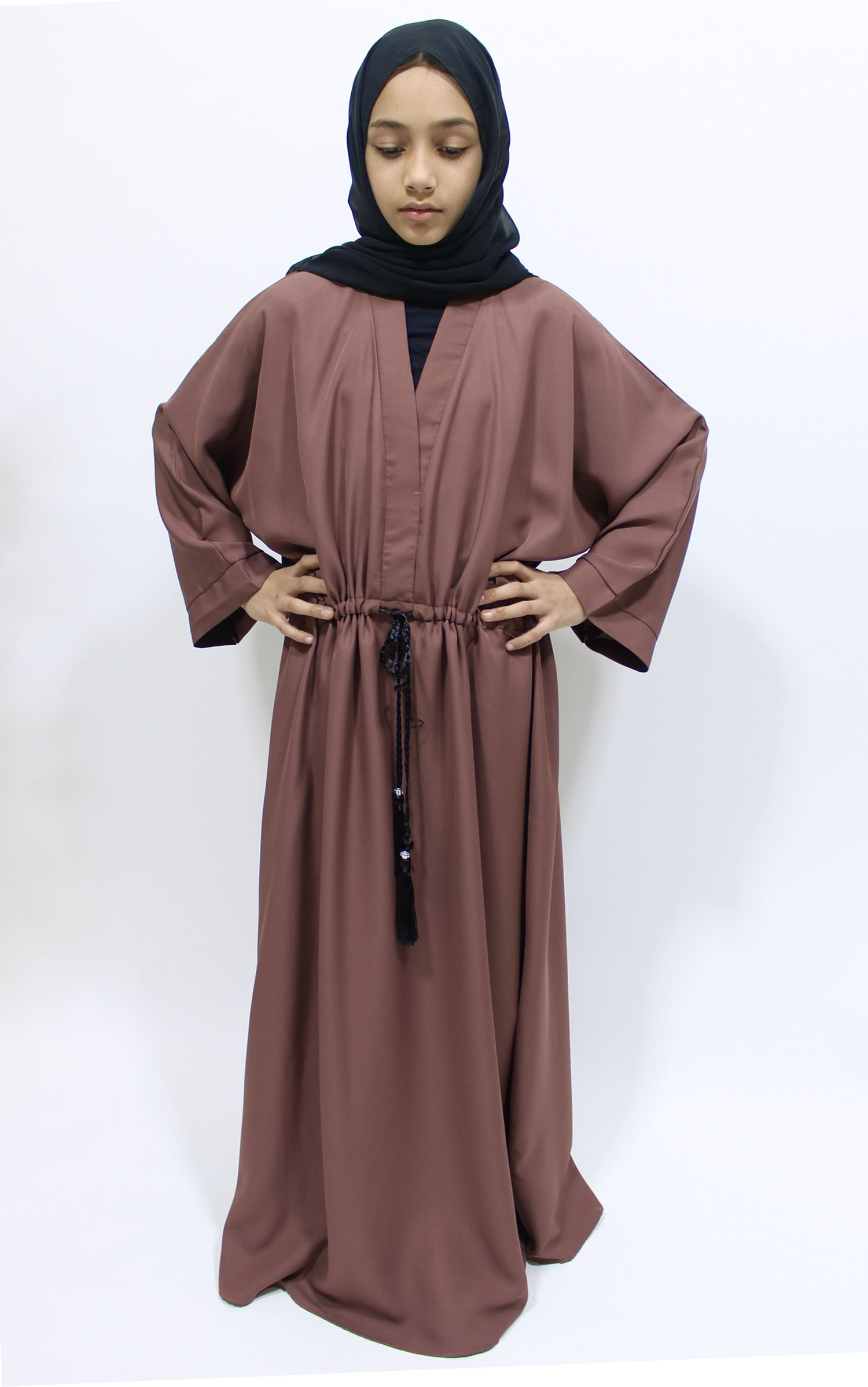
Why Choosing the Right Online Store for Children’s Abayas Matters More Than You Think
When it comes to buying children’s abayas online, the store you choose isn’t just a place to click “add to cart.” It’s the gateway to ensuring your child’s modest wear is comfortable, well-fitting, and stylish. I can’t tell you how many times I’ve been frustrated by poor sizing guides or flimsy fabrics that just didn’t hold up after a few washes. So here’s what I’ve learned about why your choice of online store really shapes the whole experience:
Trustworthy Quality and Fabric Selection
The fabric your child’s abaya is made from matters so much more than it might seem at first glance. Kids are active, curious, and, let’s be honest, sometimes messy. That’s why I always look for stores that offer breathable, durable fabrics like soft cotton blends or light polyester satin. Amani’s, for example, nails this balance perfectly by offering abayas that are modest but also easy to move in and care for — no itchy tags or stiff seams to worry about.
Accurate and Helpful Sizing Guides
Buying clothes for kids online can be a nightmare if the size guide isn’t clear or reliable. I’ve made the mistake of guessing sizes before, and it’s such a waste of time and money. The best online stores, including Amani’s, provide detailed charts with measurements and even videos on how to measure your child properly. This means less guessing, less stress, and more chances of getting the right fit the first time.
User-Friendly Shopping Experience
Honestly, if the website is confusing or slow, it kills the joy of shopping for me. The best places to buy children’s abayas online have smooth navigation, filtering options by size, color, and occasion, and plenty of beautiful photos. It makes browsing fun and inspiring—like a little style adventure with your child. Amani’s website, for example, feels like you’re stepping into a curated boutique right from your living room.
Clear Return and Exchange Policies
Let’s be real: sometimes things don’t fit or look quite right in person, even with the best intentions. That’s why a good return policy is non-negotiable. You want to shop where you feel safe to try different sizes or styles without the hassle of losing money. Amani’s offers straightforward return and exchange options that have made me feel confident to try new styles and sizes.
Customer Support That Actually Cares
Ever had a question about a product and got lost in an automated maze? Yeah, me too. What I appreciate in my go-to stores is real, human customer service that responds quickly and thoughtfully. Whether it’s advice on styling a child’s abaya or help with an order, having that support makes a huge difference. Amani’s team has been wonderful in this regard—like chatting with a knowledgeable friend who truly understands modest fashion.
Why Amani’s Stands Out in the Crowd
Now, I mentioned Amani’s a lot because, honestly, they’ve changed how I approach modest children’s fashion. Their collections strike that perfect chord between tradition and modern trends, which means my daughter not only looks modest but feels confident and stylish. They offer everything from everyday wear to special occasion abayas, making it so easy to find something that fits every mood and moment. Plus, the effortless way they weave modesty with style is something I’ve yet to see elsewhere.
- Stylish yet modest designs that kids love
- Fabrics that hold up to active play and multiple washes
- Comprehensive sizing and easy returns
- Personalized customer service that listens
- Reasonable pricing without sacrificing quality
In short, choosing the right online store is the foundation for happy, stress-free shopping for your child’s abayas. And in 2025, with so many options out there, having a trusted brand like Amani’s makes all the difference.

Why is it so hard to find stylish, modest abayas for young girls?
Let me be honest—finding stylish, modest abayas for young girls feels like searching for a needle in a haystack sometimes. I’ve spent countless evenings scrolling through endless options, only to end up frustrated by abayas that are either too plain, too old-fashioned, or just downright uncomfortable for my daughter. It’s not just about aesthetics or modesty alone; it’s about finding that magical balance where modest fashion meets a child’s natural energy, personality, and comfort. So why is this so tricky? Let’s unpack it together.
The Challenge of Blending Tradition with Trend
One of the biggest struggles in children’s abaya shopping is how few brands truly manage to blend tradition with today’s styles. Often, modest wear can lean heavily toward the traditional side, which sometimes means simple cuts, heavy fabrics, or styles that feel outdated. For young girls, who are discovering their own tastes and want to feel confident and “cool,” this can be a real turnoff. I remember my daughter looking at some abayas and saying, “Mom, this looks like something my grandma would wear!” — and honestly, I couldn’t blame her.
On the flip side, some brands go the other way and chase trends without considering modesty or comfort. Too short, too tight, or fabrics that aren’t breathable — those don’t work for kids who need to run, play, and be themselves. It’s such a fine line to walk.
Fabric and Fit: More Than Just Style
When it comes to children’s clothing, fabric choice is everything. Kids have sensitive skin and need breathable, soft fabrics that won’t irritate or cause discomfort. Plus, their clothes have to be durable enough to survive playground adventures and frequent washing. I once bought an abaya made of cheap polyester that made my daughter sweat after 10 minutes of wear—lesson learned the hard way.
Fit is just as important. Unlike adult modest wear, children’s abayas shouldn’t be too loose or too restrictive. They need enough room for movement without compromising modesty. Finding that sweet spot isn’t always easy, especially online where you can’t feel the fabric or try on the piece first.
| Common Issues in Children’s Abayas | Why It Matters | How Amani’s Solves It |
|---|---|---|
| Outdated styles | Kids want to feel trendy, not stuck in the past | Fresh, modern cuts that honor modesty but feel youthful |
| Uncomfortable fabrics | Children’s sensitive skin needs breathable, soft materials | Carefully selected blends that are both comfy and durable |
| Poor fit | Too loose or tight affects play and modesty | Accurate sizing guides with flexible designs for movement |
The Emotional Side of Modest Fashion for Kids
Beyond the physical challenges, there’s an emotional layer that’s often overlooked. For young Muslim girls, wearing an abaya isn’t just about clothing — it’s a way to express identity and values. But if the abaya feels restrictive or ugly, it can impact their confidence and how they see themselves in the world. I remember the day my daughter proudly wore an abaya from Amani’s to a family gathering. She walked in with a bright smile, feeling both modest and stylish. That moment reminded me how clothing can uplift a child’s spirit.
This emotional connection is why many parents, myself included, are so picky about where we buy children’s abayas. We want pieces that honor our faith, fit our lifestyle, and make our kids feel proud—not self-conscious.
Why It Takes a Brand Like Amani’s to Get It Right
Brands that truly understand modest fashion for children go beyond just selling clothes — they listen to parents, observe what kids actually want to wear, and combine tradition with modern style in a thoughtful way. Amani’s stands out because they invest time in fabric research, design innovation, and customer feedback. Their collections feel like they were designed with a real family’s everyday life in mind.
Plus, Amani’s sizing charts and friendly customer service make shopping online less daunting. It’s not just a transaction; it’s a relationship built on trust and shared values.
- Modern modest styles that kids actually want
- Soft, breathable fabrics that survive real life
- Thoughtful fit for active children
- Emotional empowerment through fashion
- Trustworthy customer experience
So yes, finding stylish, modest abayas for young girls can be hard. But with the right approach—and the right brands—it’s definitely possible to find abayas that check every box. I’m excited to share more about where to find these gems next.
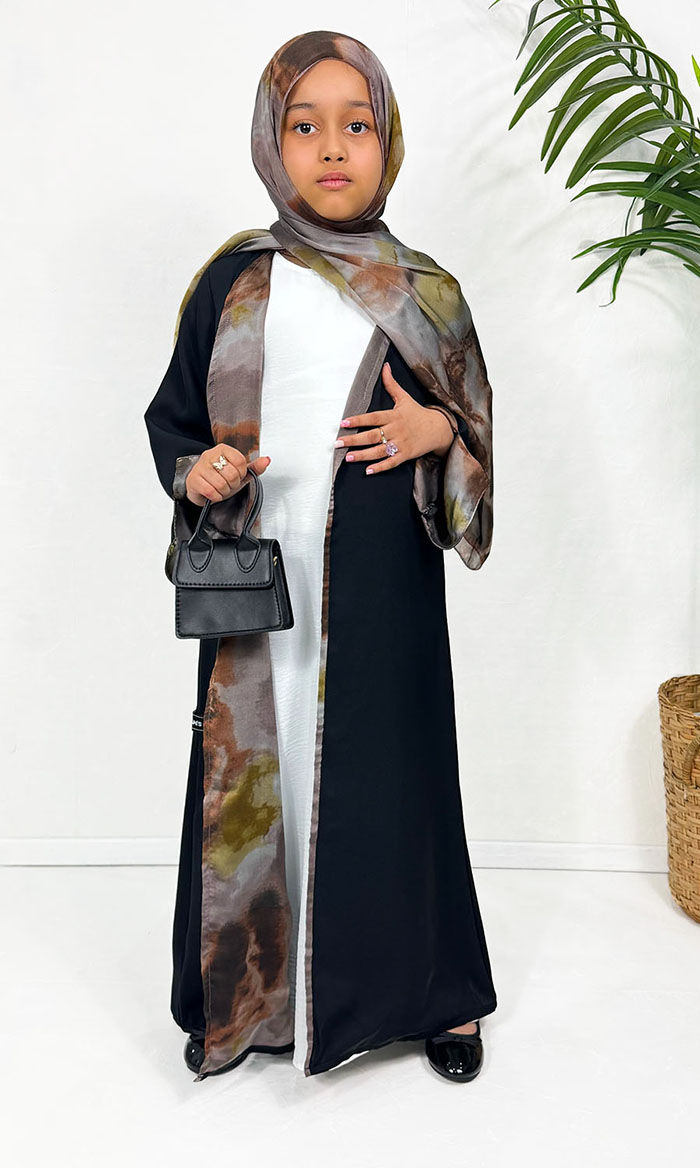
What should I look for when buying a children’s abaya online?
Buying a children’s abaya online is a different ball game than shopping for adults — and if you’re like me, you want it to be as worry-free as possible. After all, you can’t just pop into a store, try on a dozen options, and feel the fabric before making a choice. Online shopping is convenient, but it comes with the stress of making sure what you order will be perfect for your little girl. So what exactly should you look for? Let me walk you through the essentials I always check before clicking that “add to cart” button.
Fabric Matters: Softness, Breathability, and Durability
The first thing I focus on is fabric. It’s a total game-changer for comfort and longevity. Kids are always on the move, so the abaya has to keep up without causing irritation or overheating. Here’s what I’ve learned works best:
- Cotton blends: Soft, breathable, and gentle on the skin — perfect for daily wear.
- Lightweight polyester mixes: These can be great for special occasions when you want a bit of sheen or structure but make sure they’re not too synthetic.
- Stretch fabrics: Allow for freedom of movement without compromising modesty — a must for active kids.
One time, I ordered a beautiful-looking abaya made from a heavy fabric online, and when it arrived, it was so thick and hot, my daughter refused to wear it past five minutes. Lesson learned: always check fabric descriptions and customer reviews mentioning comfort and breathability.
Fit and Sizing: Getting it Right Without Trying It On
Sizing is where a lot of parents feel stuck. Kids grow fast, and sizing charts can be confusing or inconsistent across brands. But here’s how I navigate it:
- Measure carefully: Use your child’s height, chest, waist, and arm length as a baseline. Amani’s provides detailed sizing guides that I’ve found super helpful for this.
- Look for adjustable or forgiving fits: Features like elastic waistbands, loose sleeves, or A-line cuts offer room for growth and movement.
- Read reviews about fit: Parents often share whether the abaya runs small, large, or true to size. These insights can save you from unpleasant surprises.
Personally, I once ordered an abaya for my daughter that was supposed to be her size but ended up drowning her. It was heartbreaking to see her uncomfortable in something that should have made her feel special. Now, I’m extra cautious, and I always lean towards a slightly larger size if the brand doesn’t offer stretch or adjustable features.
Design and Style: Balancing Modesty with Your Child’s Personality
Style isn’t just about looking good — it’s about your child feeling good, too. Finding an abaya that aligns with modest fashion but still feels fun and age-appropriate is key.
Here’s what I consider:
- Age-appropriate designs: Look for playful yet modest embellishments like subtle embroidery, delicate prints, or soft ruffles. Avoid anything too mature or heavy.
- Color choices: While black is classic, offering options in soft pastels or jewel tones can help your child feel like the outfit is theirs.
- Versatility: Can the abaya be styled for everyday wear and special occasions? Multi-use pieces give better value and excitement for your daughter.
I remember the joy on my daughter’s face when she wore an Amani’s abaya that featured gentle floral accents — it felt youthful and modest but still totally her. That emotional connection makes all the difference.
Practical Features: What Makes an Abaya Kid-Friendly?
Beyond fabric and style, practical details are often overlooked but make a huge difference in day-to-day wear:
- Easy closures: Buttons, zippers, or snaps that kids can manage themselves encourage independence.
- Washability: Kids can get messy, so machine-washable fabrics that hold up well over time are a blessing.
- Lightweight layering options: Abayas that allow for layering with leggings or under-shirts depending on the weather.
I’ve learned that these little details turn an abaya from a “special occasion” piece into a wardrobe staple. For example, Amani’s abayas often come with thoughtful design tweaks like soft lining and hidden pockets, which I genuinely appreciate as a busy mom.
Customer Support and Return Policies: Your Safety Net
Shopping online can feel risky, so I always check how responsive the brand is to questions and what their return policies are. It’s important to know you can return or exchange items if they don’t fit or meet expectations.
Amani’s, for instance, has a reputation for excellent customer care — they guide you through sizing, style questions, and make returns straightforward. This peace of mind makes a huge difference when ordering online, especially for children’s clothing.
| Key Factors | Why It Matters | How to Evaluate |
|---|---|---|
| Fabric Quality | Ensures comfort and durability for kids | Read material details and customer reviews |
| Fit & Sizing | Crucial for comfort and modesty | Use detailed size charts and look for adjustable features |
| Design & Style | Helps child feel confident and authentic | Choose age-appropriate, versatile designs |
| Practical Features | Makes daily wear easier and more enjoyable | Look for easy closures and washability |
| Customer Support | Provides safety and confidence when buying online | Check brand reputation and return policies |
At the end of the day, buying a children’s abaya online is about trusting your instincts, doing a bit of homework, and choosing brands that genuinely get the balance between faith, fashion, and function. For me, Amani’s consistently nails this trifecta — and that makes shopping for my daughter a joyful, stress-free experience. Now, it’s your turn to find that perfect abaya your child will love to wear, every day and on special occasions.
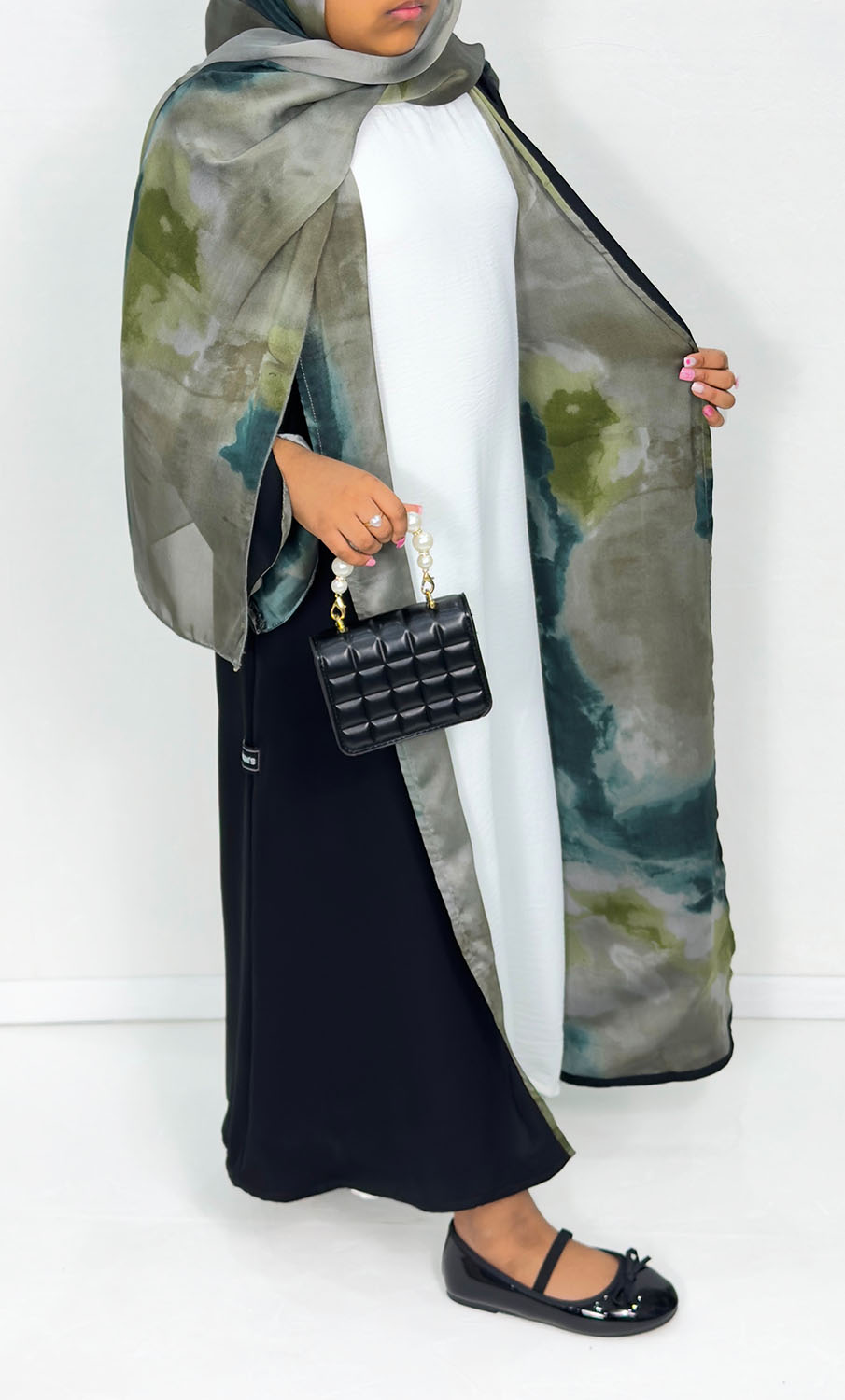
How do I know which size abaya will fit my child properly?
Sizing kids’ abayas can feel like navigating a maze blindfolded — I’ve been there, trust me. Unlike adult clothing, where you might already know your size, kids grow fast and sizes vary widely between brands. But the good news? There’s a way to take the guesswork out and shop confidently so your little one feels comfortable, modest, and beautiful every time she slips into her abaya.
Why Getting the Right Size Matters So Much
Before diving into measurements, it’s important to understand why fit is crucial beyond just aesthetics. A properly fitting abaya:
- Ensures comfort all day long — no itching, pinching, or riding up
- Maintains modesty without being too tight or too loose
- Allows freedom of movement for active kids who want to run, jump, and play
- Lasts longer — a well-fitted abaya can be worn through multiple seasons
I remember buying an abaya for my daughter when she was seven, thinking a little loose would be fine. But it ended up tripping her on stairs — not exactly the modest elegance I envisioned. That experience taught me that sizing is a balance of comfort, safety, and style.
Step 1: Take Precise Measurements — Here’s How
This step can’t be skipped, and you’ll want a soft measuring tape or even a piece of string plus a ruler if you don’t have one handy. Make sure your child is standing naturally and wearing thin clothes while you measure. Focus on these key points:
| Measurement | How to Measure | Why It’s Important |
|---|---|---|
| Height | Have your child stand against a wall; measure from the top of the head to the floor | Determines overall length of the abaya for modest coverage |
| Chest | Wrap tape around the fullest part of the chest, keeping it snug but not tight | Ensures the abaya fits comfortably around the torso |
| Waist | Measure around the natural waistline, usually just above the belly button | Helps if the abaya has a defined waist or elastic bands |
| Shoulder to Wrist | Measure from the tip of the shoulder down to the wrist | Ensures sleeves are the right length for modest coverage and comfort |
I usually write these measurements down and keep them handy when browsing online stores. Many brands, like Amani’s, offer detailed sizing charts based on these exact numbers — which brings me to the next crucial step.
Step 2: Compare Your Measurements with the Brand’s Size Chart
This might sound obvious, but you’d be surprised how many skip this step and guess their way through. Size charts are your best friend when shopping online because sizes can vary hugely from one brand to another. Here’s what I always do:
- Match your child’s height first. This tells you if the abaya will be too long or short.
- Check the chest and waist measurements. If your child is between sizes, I recommend sizing up, especially for growing kids.
- Look for notes on the cut. Some abayas are designed loose (which is great for modesty and comfort), others are more fitted.
For example, I once found an adorable abaya on a site that ran small — but the detailed size chart saved me from ordering the wrong size because I could clearly see the chest and length measurements. Always take advantage of those.
Step 3: Consider Growth and Seasonality
Kids don’t stay still, and neither should your sizing strategy! Here’s my little trick: factor in some growth room but avoid buying way too big — because that can look sloppy and cause tripping hazards.
Think about the season, too. If you’re buying a summer abaya, a snugger fit might be fine since kids often wear lighter clothes underneath. For winter, layering with long sleeves or thermal leggings means you might want a little extra space.
If you’re shopping during Ramadan or Eid season, it’s also smart to buy early. That way, if you need to exchange or return, you have time and peace of mind.
Step 4: Read Reviews and Ask Questions
Don’t underestimate the power of other parents’ experiences. Reviews often highlight if an abaya runs big, small, or true to size. When in doubt, reach out to the seller with your measurements — many brands have customer support happy to help.
Amani’s customer service has saved me more than once by recommending the perfect size based on my daughter’s height and build. Their personal touch really makes a difference when online sizing feels risky.
Size Guide Cheat Sheet for Children’s Abayas
| Age | Approximate Height (cm) | Chest (cm) | Waist (cm) | Recommended Size |
|---|---|---|---|---|
| 3–4 years | 95–105 | 53–57 | 51–53 | XS or Size 3–4 |
| 5–6 years | 105–115 | 58–62 | 54–56 | S or Size 5–6 |
| 7–8 years | 115–125 | 63–67 | 57–59 | M or Size 7–8 |
| 9–10 years | 125–135 | 68–72 | 60–62 | L or Size 9–10 |
Sizing kids’ abayas isn’t just about numbers — it’s about knowing your child’s unique needs and choosing pieces that celebrate her modesty, comfort, and personality. Every purchase is a chance to nurture confidence and joy in her clothing, and with these tips, you’re set to find abayas that fit like they were made just for her.

What fabrics are best for girls’ abayas in different seasons?
When it comes to dressing my little one in an abaya, fabric choice isn’t just about how it looks — it’s about how it *feels*, moves, and breathes throughout the year. Trust me, after years of juggling summer heatwaves and chilly winters, I’ve learned that picking the right fabric can make all the difference in her comfort and modest style. So let’s talk about fabrics that truly work for girls’ abayas, tailored by season, and sprinkled with some personal stories to help you relate.
Summer Fabrics: Keep It Light and Breathable
Summer abayas have to tackle two tricky things: modesty and blazing heat. I still remember the summer Eid when I dressed my daughter in a thick polyester abaya because it looked so pretty — she was miserable, sweating through the fabric in minutes. That day, I vowed never to compromise comfort for style again. Here are fabrics I trust for hot months:
- Cotton: This is my go-to. Natural, breathable, and soft against sensitive skin, cotton allows air circulation and absorbs moisture, keeping your child cool and dry. A cotton abaya with a loose cut is ideal for daily wear and special occasions alike.
- Linen: Light and airy, linen is perfect for those scorching days, though it wrinkles easily — but honestly, kids aren’t about to sit still long enough to worry about creases!
- Lightweight Jersey: For a slightly stretchier feel, breathable jersey fabrics blend comfort with modest draping. They’re especially great if your child’s abaya has a casual vibe.
In summer, I avoid synthetic fabrics like polyester or nylon because they trap heat and cause irritation. Instead, I look for blends with mostly natural fibers and a touch of stretch for durability.
Fall and Spring Fabrics: Versatility Is Key
Those in-between seasons are sneaky — the mornings might be chilly, but afternoons get warm. So you want fabrics that adapt, not suffocate. My favorite picks include:
- Lightweight Wool Blends: Just enough warmth without bulk, wool blends work well in cooler temperatures and add a nice drape to the abaya silhouette.
- Rayon: Soft, breathable, and draping beautifully, rayon is a great choice for transitional seasons. It feels smooth and keeps the body temperature balanced.
- Polyester Blends with Cotton or Rayon: These offer wrinkle resistance and durability, which is a blessing with active kids, while still feeling comfortable when temperatures shift.
One spring, I chose a rayon blend abaya for my daughter’s school event. It looked polished and felt light enough to wear through the day — no complaints, just smiles!
Winter Fabrics: Warmth without Weight
Winter abayas have to protect from the cold without sacrificing modest elegance. Kids run around a lot, so bulkiness isn’t always practical. Here are my trusted winter fabrics:
- Wool and Wool Blends: These insulate well and are durable. A well-lined wool abaya can keep your daughter cozy while still looking elegant for family gatherings.
- Velvet: Soft, warm, and a little luxurious, velvet abayas feel special for winter occasions, especially during Eid or weddings. Just remember, velvet isn’t breathable, so layering is key.
- Fleece-Lined Cotton or Polyester: These offer warmth with softness inside and modest coverage outside. I always check the lining before buying because that little layer can be a game-changer in cold weather.
During a particularly cold winter, I layered my daughter’s cotton abaya with a fleece-lined jacket underneath — it was like a cozy hug all day long. Combining fabrics like this helps with versatility and warmth.
Fabric Guide Table: Best Picks by Season
| Season | Best Fabrics | Key Benefits | Personal Tip |
|---|---|---|---|
| Summer | Cotton, Linen, Lightweight Jersey | Breathable, soft, moisture-wicking | Always opt for loose cuts to enhance airflow |
| Spring/Fall | Lightweight Wool Blends, Rayon, Cotton-Polyester Blends | Temperature regulating, wrinkle-resistant | Layer with a thin hijab or cardigan for fluctuating temps |
| Winter | Wool, Velvet, Fleece-Lined Cotton/Polyester | Warmth, insulation, soft texture | Pair with thermal leggings and a cozy hijab |
Final Thoughts: Fabric Is Where Comfort Meets Modesty
Fabric choice is more than a practical decision — it’s a loving act of care. When I pick out abayas for my daughter, I think about how she’ll move, how the fabric will feel against her skin, and how it will hold up through play, prayer, and family celebrations. The right fabric makes modest fashion a joyful, natural part of her day rather than a struggle or sacrifice. I hope these insights help you find that perfect balance for your little one — so she can shine confidently, comfortably, and beautifully in every season.
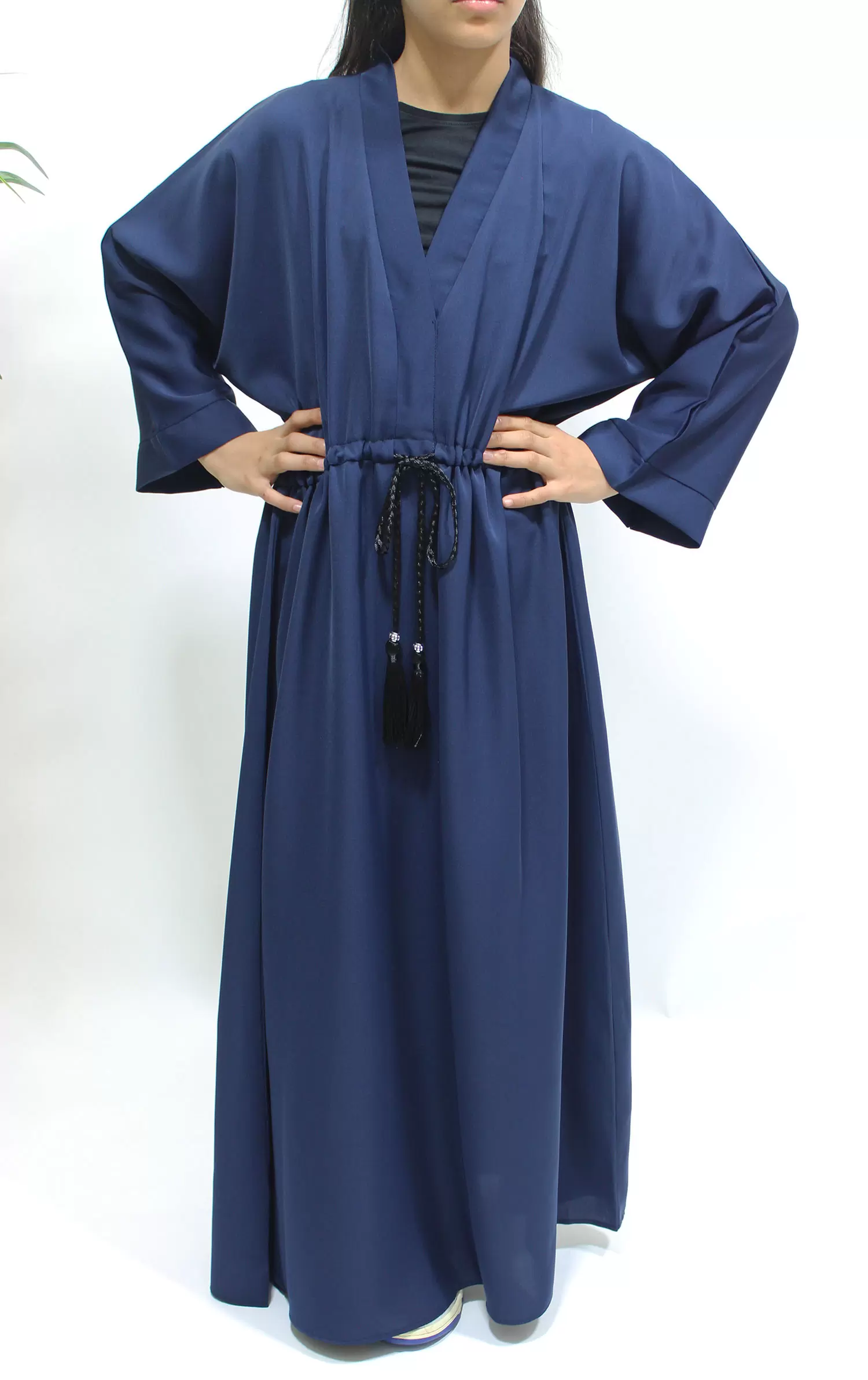
Are there abayas that work for both everyday wear and special occasions?
Let me start by saying—yes, absolutely! Finding an abaya that can gracefully bridge the gap between daily comfort and special celebration isn’t just possible; it’s a blessing. I remember struggling with this when my daughter started school and also had family events almost every other week. She needed something modest, durable, and yet a bit elegant when the occasion called for it. The good news? With a few smart choices, you can absolutely find abayas that double as everyday essentials and festive outfits.
The Magic of Versatile Fabrics and Designs
What makes an abaya flexible enough for everyday wear and a family gathering? It often comes down to fabric and design. The trick is to look for fabrics that feel comfortable for long hours but also have a slight sheen or texture that elevates the look for special moments. For example, cotton blends with a subtle satin finish or lightweight crepe can offer both breathability and elegance.
I once found a beautiful crepe abaya with delicate embroidery along the sleeves and hem—simple enough for school, but just fancy enough for Eid or a wedding. It became her go-to piece, and honestly, it saved me so much stress deciding what to buy next.
Key Features to Look for in Dual-Purpose Abayas
- Subtle Embellishments: Embroidery, lace trims, or pearl accents that are delicate rather than over-the-top. These little details add charm without feeling too “dressy” for casual wear.
- Neutral or Deep Colors: Shades like navy, charcoal, soft blush, or classic black can be dressed up or down easily. These hues don’t show dirt easily, which is a mom-win!
- Comfortable Cuts: A-line or slightly flared silhouettes give freedom to move during play and still look polished when paired with a stylish hijab or accessories.
- Durable but Lightweight Fabrics: Think high-quality cotton blends, crepe, or fine polyester blends—easy to wash and maintain but still hold shape well.
Layering: The Secret to Transforming an Everyday Abaya
One of my favorite hacks is layering. A simple abaya can become party-ready with the right outerwear or accessories. Throw on a velvet or embellished cape, a chic belt, or a statement hijab for a completely new look. This trick not only saves money but also stretches your wardrobe wonderfully.
For instance, last Ramadan, I styled my daughter’s everyday navy abaya with a gold-embroidered hijab and a delicate pearl belt for a family iftar. She felt like a little princess without sacrificing comfort.
Quick Comparison: Everyday vs. Special Occasion Features
| Feature | Everyday Wear | Special Occasion |
|---|---|---|
| Fabric | Breathable cotton blends, crepe | Silk blends, velvet accents, satin details |
| Design | Simple cuts, minimal embellishments | Delicate embroidery, lace, beads |
| Color | Neutral, dark tones that hide stains | Rich jewel tones or soft pastels |
| Accessories | Minimal or none | Statement hijabs, belts, or capes |
My Personal Story: The Abaya That Changed Everything
One summer, my daughter was invited to a cousin’s wedding on the same week she had her school Quran competition. I was panicking about what to dress her in—two very different vibes, right? Then I remembered the dusty rose abaya I had bought months earlier: lightweight crepe, simple silhouette, and just a touch of lace on the cuffs. For school, she wore it with a plain hijab and sneakers, feeling confident and comfy. For the wedding, we added a sparkly hijab, some cute ballet flats, and a matching clutch. That abaya became her champion piece — and mine too.
It made me realize: modest fashion doesn’t have to be one-dimensional. It can flex and flow with our lives, just like us.
Final Tips to Find Your Child’s All-Rounder Abaya
- Look for fabrics that balance comfort and elegance.
- Choose versatile colors that can be paired with various accessories.
- Pick designs with subtle but meaningful details.
- Invest in layering pieces that can quickly upgrade the look.
Remember, modesty and style go hand in hand. When you find that perfect abaya that suits both everyday playdates and joyous celebrations, you’re not just buying a garment—you’re gifting your child confidence and ease that carries through every step she takes.

How do I style a children’s abaya for Eid or a wedding?
Styling my daughter’s abaya for Eid or a wedding has always been one of those moments I cherish deeply — it’s a chance to blend tradition, joy, and a little bit of magic all in one outfit. I’m sure many moms feel the same excitement mixed with a pinch of pressure: how do I make sure she looks special without sacrificing comfort or modesty? If you’ve been wondering this too, you’re in the right place. Let me walk you through the art of styling children’s abayas for those unforgettable celebrations.
Start with the Right Abaya: Fabric and Fit Matter
Before diving into accessories or layers, the base abaya is crucial. For festive occasions, I lean towards abayas made from luxurious yet breathable fabrics like satin, chiffon, or fine crepe. These materials add that soft shimmer or graceful drape which makes the outfit feel “special” without being stiff or uncomfortable. Fit-wise, I prefer something slightly tailored but still loose enough for my daughter to move freely — no one wants a stiff abaya when there’s dancing and laughter waiting!
One Eid, I picked a pastel peach abaya with subtle pearl detailing around the neckline. The look was elegant but still age-appropriate. My daughter’s smile that day? Priceless.
Accessorize Thoughtfully: Less Can Be More
When it comes to children, over-accessorizing can feel heavy or fussy. So I opt for delicate touches that highlight the abaya’s beauty instead of overpowering it. Here’s what I usually add:
- Hijabs: A silk or chiffon hijab in a complementary color always lifts the whole look. For weddings, I might pick one with light embroidery or a subtle sparkle. For Eid, soft pastel or jewel tones work wonders.
- Belts: A slim satin belt or a braided fabric one can add shape and a little sophistication without being restrictive.
- Footwear: I choose comfortable ballet flats or sandals embellished with tiny pearls or bows. They’re festive but kid-friendly.
- Jewelry: Simple stud earrings or a delicate bracelet — nothing that will bother or distract her during celebrations.
A small but memorable detail was once adding a floral hairpin on the hijab for Eid prayers. It was such a hit, my daughter refused to take it off all day!
Layer Up with Style and Purpose
Sometimes, the weather or venue calls for extra layers, and here’s where styling gets fun. A soft velvet cape or embroidered shrug can instantly transform a simple abaya into a regal outfit. Plus, layers give your child extra warmth and versatility, especially during cooler evenings at weddings or Eid gatherings.
I still remember layering a navy velvet cape over a cream abaya at a cousin’s wedding — the combination was stunning, and my daughter felt like a little queen. It’s these moments I try to capture: elegance mixed with comfort and confidence.
Color Coordination: Harmonizing the Whole Look
Colors can make or break the vibe, so I always think about how the abaya, hijab, accessories, and even shoes come together. For Eid, I often go for soft pastels or vibrant jewel tones that symbolize joy and renewal. Weddings are a bit more flexible — deep reds, royal blues, or metallic accents work beautifully.
Here’s a quick reference table I keep handy when planning outfits:
| Occasion | Recommended Colors | Fabric Suggestions | Accessory Ideas |
|---|---|---|---|
| Eid | Soft pastels (mint, blush, lavender), jewel tones (emerald, sapphire) | Chiffon, crepe, lightweight satin | Floral pins, pearl earrings, satin belts |
| Wedding | Rich hues (burgundy, navy, gold), metallic accents | Velvet, silk blends, embellished crepe | Velvet capes, embellished hijabs, delicate bracelets |
Stories from My Own Celebrations
One of my fondest memories was dressing my daughter for Eid last year. We found this stunning lavender abaya with tiny crystal embellishments on the sleeves. She was shy about the sparkle at first, but when her friends complimented her during the family gathering, her face lit up with pride. It reminded me how much these little touches can boost their confidence — and really, isn’t that what we want most?
And weddings? I’ve learned to keep it simple but meaningful. Last spring, for a cousin’s wedding, I styled her in a classic navy abaya with a velvet maroon hijab and a soft gold belt. The photos still bring a smile — she was comfortable, happy, and perfectly modest.
Final Thoughts: Styling with Heart and Intention
Styling a child’s abaya for Eid or weddings isn’t just about looks — it’s about creating moments of joy, confidence, and connection to our heritage. When I pick her outfit, I think of the stories she’ll tell later — how she felt, who she met, and the warmth she carried with her.
So don’t stress about perfection. Instead, embrace the journey of mixing comfort, tradition, and a little sparkle. Your daughter’s abaya can be a beautiful canvas that reflects not just modest fashion but the love and care you put into every stitch of her special days.

Can kids actually feel comfortable in abayas all day?
If you’ve ever wondered whether children can really stay comfortable in abayas from morning till night, you’re not alone. As a mom who’s dressed my daughters in abayas for school, family outings, and special occasions, I know firsthand that comfort isn’t just a bonus — it’s a necessity. Kids are naturally active, curious, and sometimes downright fidgety, so the idea of wearing a loose, flowing garment all day might raise some eyebrows. But here’s the truth: with the right choices, abayas can be just as comfy as casual wear — maybe even more.
Why Comfort Matters So Much in Children’s Abayas
Let’s be real. Kids don’t want to feel restricted or itchy. An uncomfortable outfit means fussing, constant adjustments, or even resistance to wearing it at all. That’s why, for me, the fabrics, cut, and even the details like buttons or embellishments are non-negotiable. I want my daughter to be able to run, play, sit cross-legged, and explore — all without feeling trapped in her clothing.
A few years back, I made the mistake of buying a synthetic, stiff abaya that looked beautiful but felt like cardboard on her skin. The first half hour? She was fine. By hour two? She was tugging at it, complaining, and wanting to change. Lesson learned: beauty without comfort is a no-go.
Choosing Fabrics That Breathe and Move
Fabric choice is where I put the most effort. Kids’ abayas should ideally be made from natural, breathable fabrics like cotton, rayon blends, or lightweight crepe. These materials let air flow freely and reduce sweating, especially during warmer months. For cooler weather, soft jersey or brushed cotton work wonders because they provide warmth without bulk.
| Fabric | Season | Comfort Features | Care Tips |
|---|---|---|---|
| Cotton | Spring/Summer | Breathable, soft, lightweight | Machine wash cold, gentle cycle |
| Rayon blend | Year-round | Soft drape, breathable, less prone to wrinkles | Hand wash or gentle machine wash |
| Crepe | Spring/Fall | Lightweight, flowy, wrinkle-resistant | Dry clean or hand wash recommended |
| Jersey knit | Fall/Winter | Stretchy, warm, soft against skin | Machine wash cold, tumble dry low |
Picking the right fabric helps avoid the dreaded “itchy abaya” syndrome that can ruin an entire day.
Design Details That Keep Kids Happy
Beyond fabric, design plays a huge role. I always look for abayas with simple fastenings like zippers or snaps instead of heavy buttons that can dig into little hands. A slightly A-line cut gives room for movement and keeps the silhouette graceful but never tight. And of course, pockets are a game-changer! My daughter loves having a tiny spot to stash her treasures, whether it’s a pebble or a small toy.
Another small detail I’ve come to appreciate is sleeve length. For active kids, sleeves that are either full length but loose, or three-quarter length, prevent constant tugging and allow better freedom of movement.
Layering Smartly for All-Day Comfort
Sometimes, it’s not just the abaya alone but what’s underneath that affects comfort. I often dress my girls in lightweight cotton leggings or long-sleeve tops beneath the abaya — especially in cooler weather — so there’s an extra soft layer that prevents any irritation. This layering also helps with modesty and warmth without bulk.
For summer, a simple sleeveless undershirt works beautifully. It’s all about balancing modesty with breathability.
Real-Life Comfort Wins: Stories from My Day-to-Day
I remember a long day we spent visiting relatives during Ramadan last year. My daughter wore a soft cotton abaya with a chiffon hijab, paired with flat sandals. She played, ate, and prayed without a single complaint. That was a proud mom moment — proof that the right abaya truly makes a difference.
On the flip side, at a family wedding, her abaya was made of a heavier synthetic fabric, which she found stifling after a couple of hours. She kept wanting to remove her hijab and tug at the sleeves. Watching her struggle, I realized that comfort must always come first, even for the most beautiful outfits.
Final Thoughts: Comfort Is the Heart of Modest Fashion for Kids
So, can kids feel comfortable in abayas all day? Absolutely. But it’s about thoughtful choices — the right fabric, design, and layering. It’s about listening to your child’s cues and trusting your gut. And yes, it’s about embracing the imperfect moments when a little tug or wrinkle appears, because that’s part of childhood, too.
Ultimately, modest fashion for children isn’t just a look. It’s how they feel inside their clothes — confident, free, and joyful. That’s the kind of comfort every parent wants to see on their child’s face.

Where do modest moms shop for their daughters’ abayas?
Finding the perfect abaya for my daughter has always been a journey—a blend of searching for modesty, comfort, style, and quality all wrapped in one. And I know many modest moms out there feel the same way. Where do we actually shop for these special pieces that our daughters will wear to Eid gatherings, family weddings, or even just everyday school days? Honestly, it’s not as simple as walking into any store and picking the first abaya off the rack. Over the years, I’ve learned that the best finds come from a mix of trusted boutiques, online gems, and local community recommendations. Let me share what’s worked for me and why these places have become staples in my modest fashion toolkit.
The Hidden Gems: Boutique Shops That Feel Like Family
One of my favorite places to shop are the small, family-run boutiques. These stores feel personal — the kind where the owner knows your name and your daughter’s favorite colors. These boutiques often carry abayas made with care, with attention to detail you rarely find in big chains. The fabric is usually soft, and the designs balance tradition with a fresh, youthful vibe. Plus, trying on an abaya in a boutique means I can check the fit and fabric firsthand, which is priceless when shopping for kids.
I remember last Ramadan, I discovered a lovely boutique tucked away in a local mall that specialized in children’s modest wear. The owner recommended a pastel pink abaya with delicate embroidery perfect for Eid — my daughter wore it all day without a fuss. Moments like that make boutique shopping feel like a treasure hunt with a happy ending.
Online Shopping: Convenience Meets Variety
Let’s be honest—online shopping has revolutionized the way we find children’s abayas, especially for those of us in areas with limited local options. I was hesitant at first—how do I trust the fit or fabric without feeling it? But over time, a handful of websites have earned my trust because they offer detailed sizing charts, fabric descriptions, and customer reviews that help me make confident choices.
Some online stores even specialize exclusively in modest children’s wear, which means they really understand what modest moms are looking for. What I appreciate most is the variety—whether I want a simple, breathable cotton abaya for everyday or a beautifully embellished one for a wedding, I can find it all in one place. Plus, shipping straight to my door is a lifesaver during busy seasons.
| Store Type | Pros | Cons | Best For |
|---|---|---|---|
| Boutique Shops | Personalized service, hands-on fabric check, unique styles | Limited stock, sometimes pricier | Special occasions, fitting confidence |
| Online Retailers | Wide selection, convenience, detailed reviews | Fit uncertainty, shipping delays | Everyday wear, variety |
| Local Islamic Markets | Affordable, community support, culturally relevant | Can lack quality control, less variety | Budget shopping, quick finds |
Local Islamic Markets: The Heartbeat of Community Shopping
There’s something special about shopping at local Islamic markets or fairs, especially during Ramadan or Eid seasons. These markets often feature vendors who understand modest fashion deeply and offer affordable, culturally rich options. The energy, the conversations, the shared excitement of finding that perfect abaya — it’s an experience that no online click can replicate.
I recall last Eid, we visited a weekend market where a grandmotherly vendor shared stories about the embroidery on her handmade abayas. My daughter picked a soft lavender abaya with floral patterns that day, and wearing it felt like carrying a piece of that love and tradition with her.
Tips for Modest Moms Shopping for Daughters’ Abayas
- Check Return Policies: Especially online, make sure you can return or exchange if the fit isn’t right.
- Read Reviews: Other modest moms’ feedback can be a goldmine for quality and sizing info.
- Look for Adjustable Features: Elastic waists, belts, or adjustable sleeves help your daughter grow into the abaya.
- Think Seasonally: Lightweight fabrics for summer, layered options for winter.
- Don’t Rush: Sometimes the best abayas come from patient searching and asking around.
My Personal Go-To Favorites
If you want me to spill the tea, my top go-tos include a boutique called Nur Kids for unique embroidery, the online store ModestKids for reliable sizing and variety, and the local Ramadan market in my city, where community vibes make every purchase special.
Shopping for my daughter’s abayas has never been just about clothing — it’s about connecting to our faith, our community, and celebrating her unique spirit through modest fashion. And with these shopping spots, that journey feels a little easier, a lot more joyful, and always full of heart.

Is it better to buy abayas locally or online?
I often get asked this question by fellow modest moms and sisters diving into the world of abayas: “Should I shop locally or online?” Honestly, it’s a question I’ve wrestled with myself for years. Both options come with their own perks and pitfalls, and the answer isn’t always black and white. For me, it boils down to a blend of personal preferences, priorities, and the occasion at hand. Let me walk you through what I’ve learned from countless shopping trips, online orders, and real-life experiences so you can decide what fits your lifestyle best.
The Heartfelt Joy of Buying Abayas Locally
There’s something truly special about stepping into a local shop, surrounded by racks of flowing abayas, and being able to touch the fabric with your own hands. You can feel the texture, see the colors in real life (not just on a screen), and even get a sense of the quality up close. For me, local shopping brings a sense of connection — not only to the garment but to the community behind it.
I remember a day last Eid when I walked into a local boutique with my daughter. We spent time browsing together, trying on different styles, laughing at some too-big or too-fancy options, and eventually finding the perfect simple yet elegant abaya. The joy wasn’t just in buying the abaya — it was in sharing the experience, getting advice from the shop owner, and watching my daughter’s face light up when she found something she loved. That kind of connection can’t be duplicated online.
The biggest local shopping wins? Instant gratification (no waiting for shipping!), the ability to try before you buy, and supporting local businesses that often specialize in modest fashion.
Why Online Shopping Has Become a Game-Changer for Modest Fashion
Now, let’s talk about online shopping — the modern-day convenience we’ve all come to rely on, especially when time is tight or local options are limited. I was hesitant at first, wondering how I could trust fabrics, sizing, and colors without seeing them in person. But the truth is, online stores specializing in modest wear have come a long way. Detailed sizing guides, multiple photos, customer reviews, and even video try-ons have made the experience far more reliable.
Online shopping offers an enormous range of styles and price points — from simple everyday abayas to intricately designed special occasion pieces. Plus, it opens doors to global brands that might not have a physical presence near you. This is a huge advantage for those living outside major urban centers where modest fashion boutiques might be scarce.
I recall ordering an embroidered abaya online for a wedding last year. Despite my initial nerves, the fit was spot-on, the fabric was soft and breathable, and the design exceeded my expectations. Sure, it took a few days longer than I hoped, but the convenience of shopping from home with my kids playing around me was priceless.
Local vs. Online: Weighing the Pros and Cons
| Shopping Method | Pros | Cons | Best For |
|---|---|---|---|
| Local Shopping |
|
| Special occasions, immediate needs, those who value tactile experience |
| Online Shopping |
|
| Busy schedules, limited local options, fashion explorers |
My Personal Blend: The Best of Both Worlds
If I’m honest, my approach has evolved into a mix of both worlds. For everyday abayas or those I want my daughter to try on, I love visiting local stores. There’s comfort in holding the fabric and seeing how it moves. But when I want something special — a unique design or a trendy piece not available nearby — I lean on trusted online shops.
I also rely heavily on recommendations from modest fashion communities online — sisters who’ve reviewed and shared their honest experiences. That community insight has saved me from disappointing purchases more than once.
The key takeaway? Trust your needs and situation. Are you looking for a last-minute Eid abaya? Local is probably your best bet. Want to explore a wider range or a specific style? Online is the playground.
Final Thoughts: No One-Size-Fits-All Answer
At the end of the day, whether you buy abayas locally or online, the goal is the same: finding a garment that makes you or your daughter feel confident, comfortable, and beautifully modest. Both paths have their unique charms and challenges, and honestly, mixing them up has made my modest fashion journey richer and more enjoyable.
So next time you ask yourself, “Local or online?” pause and consider what matters most to you in that moment — the feel of fabric in your hand, the joy of a shopping trip out with family, or the convenience of browsing from your couch. Whichever path you choose, I promise it’s part of the beautiful story of embracing modest fashion in your own authentic way.
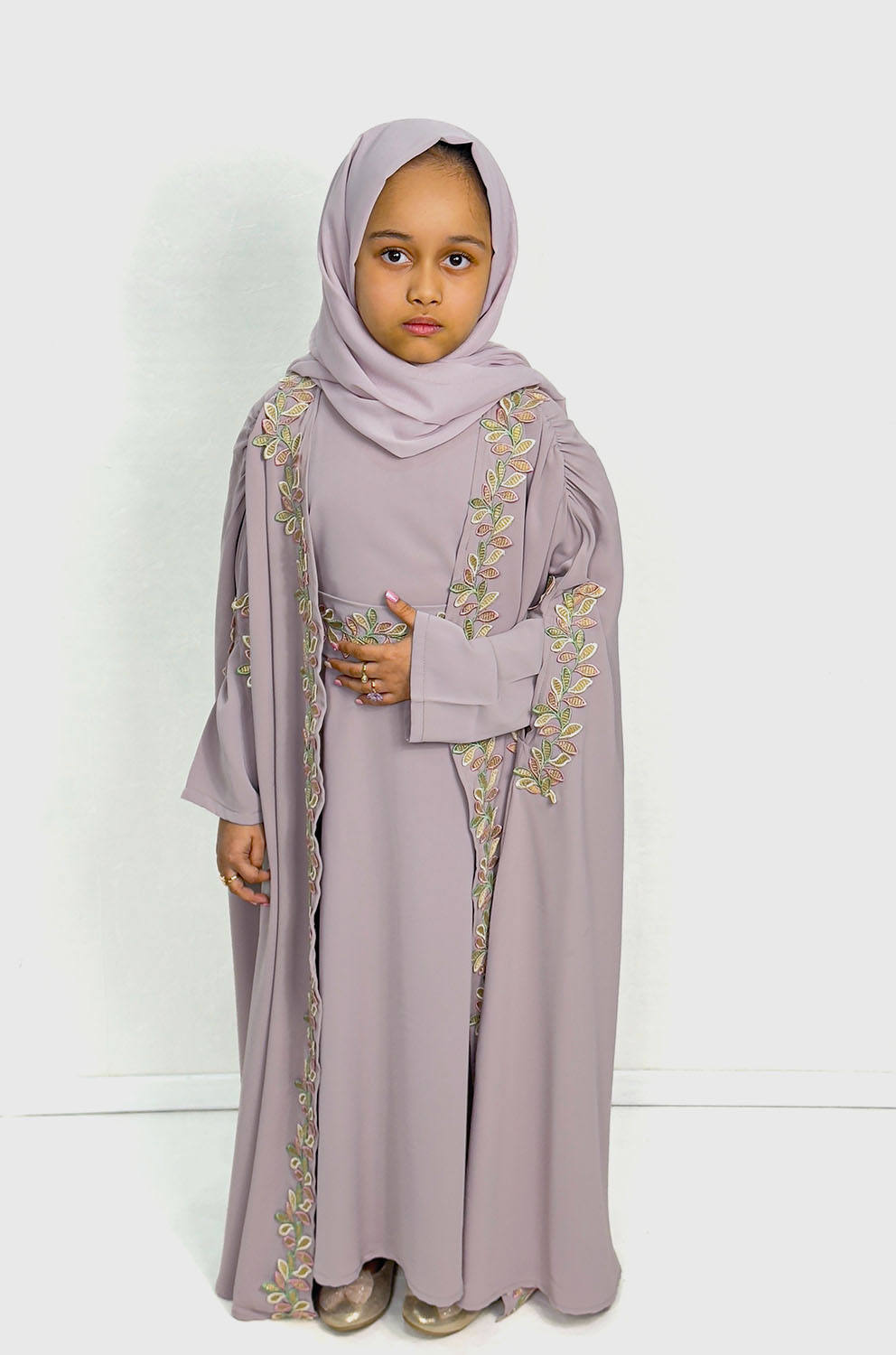
How do I teach my daughter to love modest fashion?
Teaching my daughter to love modest fashion is one of the most meaningful journeys I’ve embarked on as a mother. It’s not just about the clothes—it’s about nurturing a mindset, a sense of identity, and a gentle pride in the values we hold dear. I remember those early days when she was curious about the world around her, asking questions about why we dress the way we do, and sometimes mimicking the styles she saw on TV or her friends. It wasn’t always easy to guide her without sounding preachy or forcing my own preferences. But with patience, creativity, and a lot of heart, we’ve built something beautiful together—a shared love for modesty that feels empowering, joyful, and authentic.
Start with Stories: Connecting Modesty to Identity
One of the most powerful ways I introduced modest fashion to my daughter was through stories. Not just any stories, but ones that connect modesty to our faith, culture, and the strong women who came before us. I’d tell her about my grandmother’s abaya and how it represented dignity and strength, or about inspiring women in Islamic history who carried themselves with grace and confidence. These stories help her see modest fashion as a rich tapestry of identity, not just a set of rules.
For example, last Ramadan, I shared the story of Khadijah (RA), a successful and respected businesswoman, and how her modest dress was part of her powerful presence. That story sparked so many questions and curiosity in my daughter. It made modest fashion less about limitation and more about celebration.
Make It Fun and Creative: Let Her Express Herself
If there’s one thing I’ve learned, it’s that kids—especially little girls—love to express themselves. So why not let modest fashion be a playground for creativity? I started involving my daughter in choosing her abayas, scarves, and accessories. We’d mix colors, textures, and patterns. Sometimes we’d add little personal touches like embroidered patches or pins. This wasn’t just about clothes—it was about giving her agency and joy.
I remember one Eid when she insisted on pairing her navy abaya with bright pink sneakers. At first, I hesitated, but then I saw how confident and happy she looked. That little rebellion within modesty taught me that loving modest fashion doesn’t mean giving up personal style—it means owning it.
Practical Tips: Teaching Respect and Comfort
It’s essential to balance the emotional and spiritual reasons for modest dressing with practical guidance. My daughter needed to understand why modest fashion is respectful—not just to others, but to herself. We talked openly about comfort, the importance of feeling good in her clothes, and how modesty is as much about attitude as fabric.
| Tip | How It Helps |
|---|---|
| Involve her in shopping choices | Builds ownership and excitement about modest fashion |
| Encourage mixing modesty with trends | Fosters creativity and personal expression |
| Explain the spiritual meaning gently | Creates deeper understanding and respect |
| Practice modesty together | Reinforces the habit and models behavior |
| Celebrate milestones with new abayas or scarves | Creates positive associations with modest fashion |
Lead by Example: Modesty is a Lifestyle
Children learn best by watching us. I can’t stress enough how much my own love for modest fashion has influenced my daughter. When she sees me confidently choosing beautiful, comfortable, and modest outfits, it inspires her naturally. I share my excitement when I find a new abaya or hijab style, and I talk openly about why I feel at peace dressing modestly.
Sometimes, she notices and says, “Mom, I want to look like that too.” Those moments remind me that modest fashion is more than fabric—it’s a way of life, a reflection of values, and a source of confidence that she can carry through every stage.
Final Thoughts: Patience and Love are Key
Teaching my daughter to love modest fashion hasn’t been about strict rules or perfection. It’s about weaving modesty into her sense of self with patience, empathy, and joy. Some days she’s excited to dress up; other days, she prefers simple comfort. And that’s okay.
If you’re on this journey too, remember that it’s not a sprint. Celebrate the small wins, share your own stories, and let modest fashion become a shared adventure that grows with your daughter. After all, the best way to teach love is to live it every single day.

What’s trending in children’s abaya designs right now?
When it comes to children’s abayas, the styles are evolving beautifully—combining tradition with playful modernity in ways that make dressing modest both fun and fashionable for little girls. I remember shopping for my niece last Eid, feeling so excited seeing how designers are now blending classic modesty with vibrant colors, patterns, and details that truly speak to a child’s joyful spirit. It’s not just about the silhouette anymore; it’s about celebrating childhood within the framework of modest fashion. So, what exactly is trending right now? Let me walk you through some of the hottest styles, fabrics, and design twists that are lighting up children’s modest wear this season.
Soft Pastels & Jewel Tones: The Color Palette That Wins Hearts
Gone are the days when children’s abayas were mainly black or dark neutral shades. This season, soft pastels like blush pink, mint green, and lavender are stealing the spotlight, creating that perfect balance between subtlety and freshness. These colors feel gentle and comforting, ideal for little ones who want to look cute without feeling overwhelmed by bold hues.
At the same time, jewel tones like emerald green, sapphire blue, and deep amethyst are making waves, especially for special occasions like Eid or weddings. I remember my daughter’s first Eid abaya in a rich teal shade—it instantly felt festive without sacrificing modest elegance. Jewel tones add that “wow” factor while still honoring the modesty we cherish.
Playful Embroidery and Appliqué Details
Designers are getting creative with delicate embroidery, floral appliqués, and even subtle beadwork that add a touch of whimsy to children’s abayas. These little details can transform a simple garment into a treasured keepsake. I’ve seen abayas with tiny embroidered flowers along the sleeves or lace trims at the hem—perfect for a little girl who loves a bit of sparkle without going overboard.
These handcrafted touches remind me of the handmade abayas my grandmother used to wear, which carried so much love and history. Seeing these elements in kids’ designs creates a beautiful link between generations.
Comfort Meets Style: Lightweight and Breathable Fabrics
Let’s be honest—kids want to run, play, and jump, so comfort is king. This year, the trend leans heavily toward lightweight, breathable fabrics like soft cotton blends, chiffon, and satin finishes that feel gentle on delicate skin. These fabrics allow movement and keep the little ones comfortable throughout long family gatherings or festive days.
I once bought an abaya made from a cotton-satin blend for my daughter’s cousin, and the difference was clear—she was happy, fuss-free, and looked adorable all day. For me, it’s always about blending style with practicality.
Mix-and-Match Hijab and Accessories
Another trend I love is the rise of mix-and-match hijab sets and accessories designed especially for children. Coordinated scarves, cute pins, and soft underscarves in matching or complementary colors make dressing up an interactive, creative process. This encourages little girls to explore their personal style while staying within the bounds of modesty.
One Eid, my daughter spent nearly an hour trying different hijab styles with me, giggling and experimenting with layering scarves and adding a little brooch here and there. It was a bonding moment and a way to instill a love for modest dressing through fun exploration.
Table: Trending Children’s Abaya Features at a Glance
| Trend | Description | Why It Works |
|---|---|---|
| Soft Pastels & Jewel Tones | Blush pink, mint green, sapphire blue, emerald green | Creates a gentle yet festive look for everyday and special occasions |
| Embroidery & Appliqué | Floral designs, beadwork, lace trims | Adds charm and handcrafted elegance that kids and parents appreciate |
| Lightweight Fabrics | Cotton blends, chiffon, satin finishes | Keeps kids comfortable, allowing free movement |
| Mix-and-Match Hijab Sets | Coordinated scarves, pins, and accessories | Encourages creativity and personal expression within modesty |
Why These Trends Matter Beyond Style
At the heart of these trends is a deeper message: modest fashion for children isn’t about strict rules or dull uniforms. It’s about allowing kids to explore their identity and spirituality in a joyful, loving way. I’ve noticed that when children feel beautiful and comfortable in their abayas, their confidence shines through naturally. This confidence helps them carry the values of modesty not as a burden, but as a proud expression of who they are.
I love that today’s abaya designs for kids reflect that balance—respecting tradition while embracing childhood’s playfulness. If you’re shopping for your little one or just curious, keep an eye out for these trends—they’ll make modest dressing a beautiful, cherished experience.
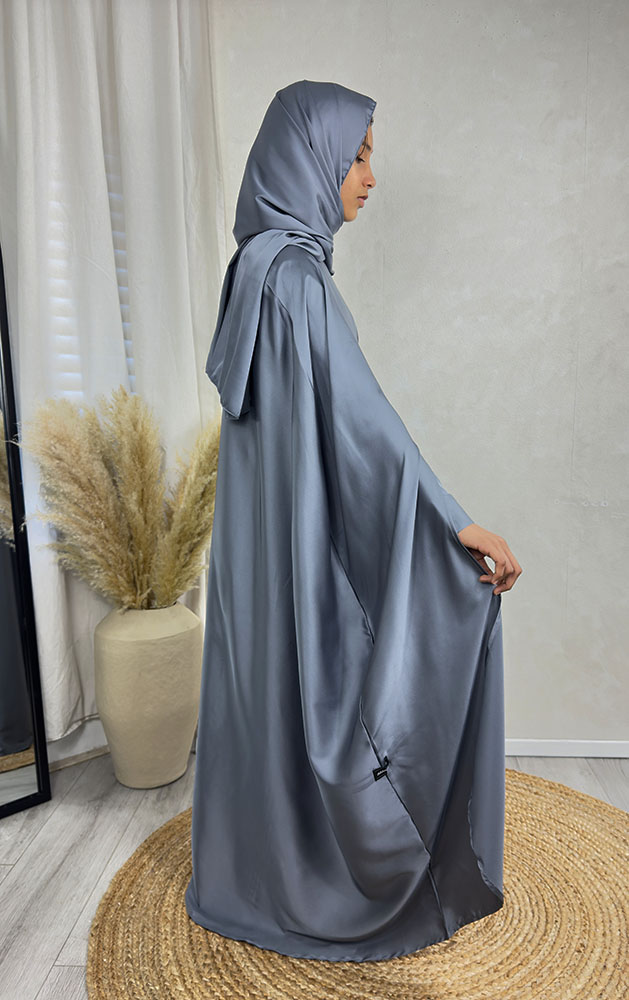
What age should girls start wearing abayas?
This question has come up so many times in my conversations with sisters and friends — and honestly, it’s one that carries so much emotion and nuance. When should a little girl begin wearing an abaya? Is there a “right” age? The answer, like so much in our faith and culture, isn’t one-size-fits-all. It’s deeply personal, tied to family values, community, and the child’s own comfort and understanding. I want to share not just my perspective, but also real-life reflections from moms and young girls navigating this beautiful journey.
The Spiritual and Emotional Readiness: More Than Just Age
We often focus on chronological age, but what truly matters is the spiritual and emotional readiness of the child. For many, this happens naturally around the age of 7 or 8—around the time a child starts learning about modesty (haya) and begins formal Islamic education. I remember my niece’s excitement the day she put on her first abaya. She wasn’t just wearing a garment; she was embracing a milestone, an identity rooted in faith.
This readiness means the girl understands, at least in a simple way, why modest dress matters. It’s not about enforcing rules but fostering love and pride for her identity. When children see their mothers and sisters joyfully wearing the abaya, it becomes a symbol of belonging and respect rather than obligation.
Family Culture and Community Influence
Every family and community has its own rhythm. In some homes, abayas might be introduced earlier during special occasions like Eid or weddings, even as young as 5 years old, as a way to include little girls in the celebrations modestly. In others, it’s closer to pre-adolescence when the abaya becomes part of daily wear.
My own childhood memories are wrapped up in my mother’s stories—how she started wearing the abaya at around 9, influenced by her peers and teachers. But today, with more exposure and conversations around modest fashion, many girls are eager to start younger. The key is patience and gentle encouragement, respecting each child’s pace.
Comfort and Practicality Matter Too
Let’s be real: children want to move freely, play, and be comfortable. This is why I always advise parents to introduce abayas that prioritize ease of movement and breathable fabrics at the start. A stiff or heavy abaya can be discouraging for a little girl who just wants to run around in the garden or play with friends.
I recall a friend telling me about her daughter, who tried on an abaya that was too long and heavy for her tiny frame. Instead of feeling special, the girl kept pulling and fussing with it—her enthusiasm faded fast. That’s why the right fabric and fit can make all the difference in creating a positive experience with modest wear.
Table: Key Factors to Consider When Introducing the Abaya
| Factor | Description | Why It Matters |
|---|---|---|
| Spiritual Readiness | Understanding modesty and the meaning behind the abaya | Builds a genuine connection to faith and identity |
| Age Range | Typically 7–9 years, varies by family | Aligns with child’s learning and social environment |
| Family & Community Culture | Timing influenced by traditions and peers | Supports belonging and positive reinforcement |
| Comfort & Practicality | Fabric, fit, and style suited for active kids | Encourages enthusiasm and ease of wear |
Personal Story: My Daughter’s First Abaya Experience
I’ll never forget when my daughter first asked to wear an abaya on Eid. She was six, and we picked a lightweight pastel-colored abaya with embroidered flowers. It was such a joyful moment—she felt like a little princess, but also connected to our values. We talked about why modesty is beautiful, and she expressed excitement to wear it again. Of course, there were moments of adjustment—learning how to move gracefully, how to care for it—but her pride made every challenge worthwhile.
That experience taught me that starting young with kindness and explanation, not pressure, nurtures a lifelong love for modest fashion. It’s not about forcing traditions but inviting children into them with open hearts.
Final Thoughts: No Rush, Only Respect and Love
So, is there a perfect age to start wearing an abaya? I’d say, no. Instead, look for signs of readiness, provide comfortable and beautiful options, and create a space where your daughter can embrace modesty on her own terms. Modest fashion is a journey, not a destination — one filled with learning, growth, and joy.
I hope these reflections help you feel confident in guiding your little girl through this meaningful chapter, creating memories wrapped in faith, love, and style.
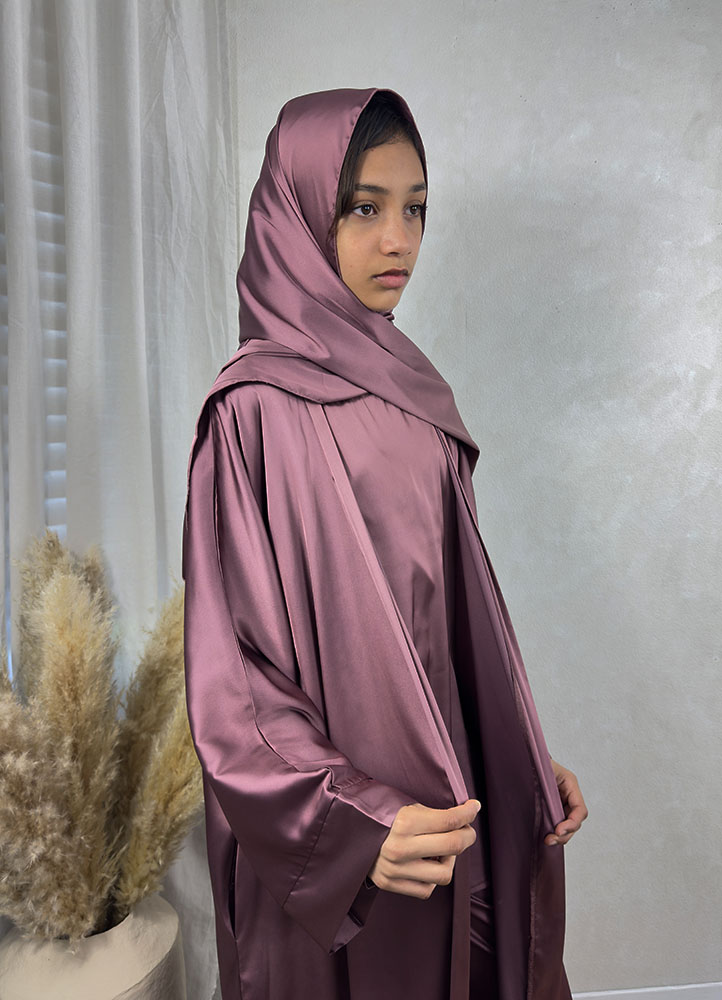
How do I pick the right color for my child’s abaya?
Choosing the perfect color for your child’s abaya might seem like a simple decision on the surface — but honestly, it carries so much more meaning than just picking a shade. I’ve been there, standing in front of a sea of fabrics and hues, wondering what would feel just right for my daughter. The color isn’t just about style; it’s about culture, personality, practicality, and even confidence. So, how do we navigate this colorful world and find the abaya shade that truly fits our little one? Let me walk you through my heartfelt insights and some tried-and-true tips.
Understanding the Role of Color in Modest Fashion
Before we dive into specific colors, it’s important to remember that modest fashion isn’t about dullness or uniformity. Colors can uplift, express joy, and connect us to our heritage. For children especially, vibrant or soft hues can make wearing an abaya feel fun and special — not restrictive or boring. I love that balance: modesty with personality.
Colors can evoke emotions, too. Soft pastels often feel calming and innocent, while deeper tones bring a sense of elegance and maturity. When my daughter first started wearing her abayas, she gravitated toward gentle lavender and soft peach shades — it was like her spirit found a cozy home in those colors. What about your child? What feelings do you want the abaya color to inspire in her?
Practicality: Colors That Work for Everyday Life
Let’s get real for a moment: kids are active. They run, jump, explore, and sometimes get messy. So, picking a color that can handle the beautiful chaos of childhood is a practical must. Darker shades like navy, maroon, or classic black are great for durability and hiding minor stains. But that doesn’t mean the abaya has to be plain! With embroidered details or colorful accessories, darker abayas can still feel lively.
On the other hand, lighter colors like cream, pale pink, or mint green bring a fresh, airy vibe but might require more care. If your child loves to twirl in the garden or play with friends, you might want to reserve those lighter tones for special occasions or pair them with fabrics that are easy to wash.
Table: Popular Abaya Colors for Kids and Their Pros & Cons
| Color | Vibe & Symbolism | Practicality | Best For |
|---|---|---|---|
| Black | Timeless, elegant, classic modesty | Highly durable, hides stains well | Everyday wear, formal events |
| Pastel Pink | Soft, innocent, joyful | Shows stains easily, needs gentle care | Celebrations, Eid, photos |
| Navy Blue | Calm, mature, versatile | Good stain resistance, easy to pair | School, outings, casual wear |
| Lavender | Delicate, creative, calming | Requires careful handling | Special occasions, family gatherings |
| Emerald Green | Vibrant, fresh, unique | Moderate stain visibility | Festivals, cultural events |
Letting Your Child’s Personality Shine Through
Here’s the part I love most: letting the little one have a say. Sometimes, the best way to choose a color is to watch what your child naturally gravitates toward. My niece once picked a deep teal abaya over a dozen other colors — and that choice instantly felt right because it matched her bold, creative spirit.
Encouraging your daughter to be part of the process isn’t just fun, it builds her confidence. It says, “Your voice matters, and modest fashion can be a way to express who you are.” I find that when kids feel involved, they’re more excited to wear their abayas and carry themselves with pride.
Story: A Color That Created a Memory
I’ll share a quick story. During Ramadan last year, my daughter wanted an abaya “like the moon,” she said, “soft and glowing.” We chose a silvery grey fabric with subtle sparkles. That abaya wasn’t just a garment — it became part of her Ramadan routine, a symbol of peaceful nights and spiritual reflection. Every time she wore it, I saw a sparkle in her eyes that had nothing to do with the fabric — it was pride and connection.
Final Thoughts: Balancing Tradition, Joy, and Practicality
So, picking the right color for your child’s abaya isn’t just a matter of style. It’s about weaving together tradition, personality, and everyday realities. Whether you lean toward classic black or embrace a pastel dream, the best choice is one that makes your child feel seen, comfortable, and proud.
I encourage you to take your time, trust your instincts, and most importantly, include your little one in this colorful journey. Modest fashion for children should be a celebration — of faith, identity, and the beautiful individuality that makes each girl shine.
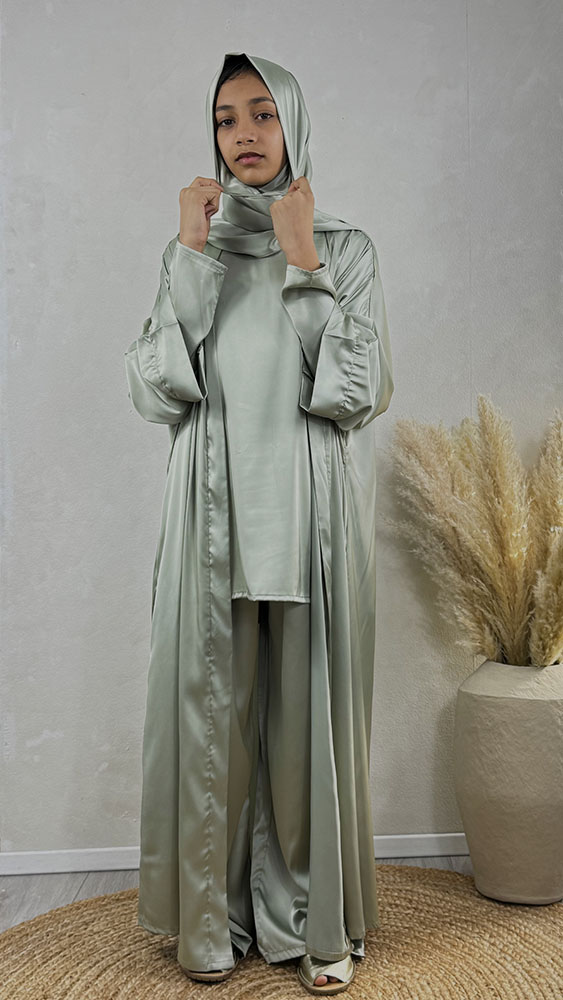
Can abayas be machine washed or do they need special care?
Let’s be honest: as a mom juggling a million things, the thought of hand-washing every abaya sounds exhausting. I get it — we want modest fashion to be beautiful and meaningful, but it also has to fit into our busy lives. So, can abayas be machine washed, or do they require delicate, special care? This question comes up so often in our community, and it’s honestly a balancing act between preserving the elegance and practicality of these garments.
The Reality of Abaya Fabrics: What You’re Really Washing
The first thing I always remind myself is that not all abayas are created equal. Fabrics vary widely — from lightweight crepe and chiffon to heavier satin or embroidered blends. These fabric choices hugely affect how you should care for them. For instance, a plain black crepe abaya can usually handle a gentle machine wash, but a richly embroidered or beaded piece definitely needs extra attention.
When my daughter’s special occasion abaya, layered with delicate embroidery and tiny pearls, arrived, I knew it would never survive a rough spin cycle. I remember carefully hand-washing that one with a soft detergent, almost like cradling a precious treasure. But for our everyday abayas? Machine washing with care has been a game changer.
Machine Washing: When It Works and When It Doesn’t
Here’s my practical take: yes, many abayas can be machine washed, but with important caveats. The key is to use the gentlest cycle possible — think “delicate” or “hand wash” settings. I always wash abayas inside out and toss them in a mesh laundry bag. This little extra step protects any embroidery or delicate trims from snagging.
Cold water is a must. Hot water can shrink or damage fabrics, especially those with synthetic blends. And please, avoid the temptation to overload your washer — abayas need space to move freely without getting twisted or stretched.
Table: Quick Guide to Washing Different Abaya Fabrics
| Fabric Type | Machine Wash? | Recommended Cycle | Drying Method | Extra Tips |
|---|---|---|---|---|
| Crepe | Yes | Delicate, cold water | Air dry, flat or hang | Use mild detergent, avoid bleach |
| Chiffon | Yes, if plain | Delicate, cold water | Air dry, avoid direct sun | Inside mesh laundry bag recommended |
| Satin | Usually no | Hand wash preferred | Air dry, lay flat | Avoid wringing to prevent wrinkles |
| Embroidered/Beaded | No | Hand wash or dry clean | Air dry flat | Spot clean when possible |
| Jersey/Knits | Yes | Delicate cycle, cold water | Air dry or low tumble dry | Avoid fabric softener to maintain stretch |
Hand Washing: The Loving Touch for Special Pieces
There’s something almost meditative about hand washing a cherished abaya — the kind you pull out for Eid or weddings. I find that taking a few extra minutes to soak it gently in cold water with a mild detergent keeps the colors vibrant and the fabric soft. Be gentle when rinsing; no rough scrubbing or twisting. Just soft, loving care.
After washing, I roll the abaya carefully in a clean towel to squeeze out excess water, then lay it flat to dry on a shaded surface. This prevents stretching or misshaping, especially for heavier, embellished fabrics.
Real Talk: Mistakes I’ve Made and Lessons Learned
I’ll admit, I’ve made my share of washing missteps. One time, I tossed a delicate embroidered abaya into the machine, thinking the delicate cycle would protect it. Nope. When I took it out, some threads had come loose, and a few beads were missing. I was heartbroken. Since then, I’ve learned to really read care labels (which I always encourage you to do, too!) and trust my instincts if a piece looks special.
Another time, I washed a black crepe abaya with a bright-colored scarf, and surprise — a faint tint of red transferred onto the fabric. Lesson? Always wash new items separately the first few times.
Final Thoughts: Finding Your Balance Between Care and Convenience
Abayas, especially for children, should make our lives easier — not harder. Machine washing can absolutely be part of your routine, as long as you’re mindful of the fabric, details, and cycle settings. Hand washing special pieces keeps them looking fresh for years to come.
My advice? Build your abaya wardrobe with both practicality and beauty in mind. Keep everyday abayas machine-washable for convenience, and reserve the delicate ones for hand care. That way, modest fashion fits perfectly into your busy, vibrant life — without sacrificing the grace and respect these garments deserve.
What if my daughter doesn’t like wearing abayas?
This question hits home for so many of us. You imagine your little girl gracefully wearing her abaya, embracing modesty with pride — but reality can sometimes feel a bit different. What if she resists? What if she finds it uncomfortable or just not “her style”? I’ve been there, wrestling with the same worries and heart-tugging moments. It’s okay to feel conflicted, and it’s okay to want the best for your child while honoring her feelings. Let’s explore this together with honesty and compassion.
Why Some Girls Resist Wearing Abayas
First off, let’s remember that kids are naturally curious and independent — and that means they want to make choices about their clothes just like anyone else. When my niece started school, she outright refused to wear the abaya for a whole week! She said it felt “too heavy” and “not like what other kids wore.” That frustration is real and valid.
Sometimes the reasons are practical: the fabric might itch, the fit might feel restrictive, or the abaya could be too long and get caught during playtime. Other times, it’s about identity. Children, especially as they grow older, are beginning to find their own style and may see the abaya as something imposed rather than chosen.
Table: Common Reasons for Resistance and Compassionate Responses
| Reason | How It Feels to Her | What You Can Do |
|---|---|---|
| Uncomfortable Fabric | Itchy, hot, or scratchy | Choose softer, breathable materials like crepe or cotton blends |
| Restrictive Fit | Feels tight or limits movement | Opt for looser cuts or adjustable abayas with elastic or ties |
| Lack of Personal Style | Feels “boring” or “not me” | Involve her in picking colors, patterns, or layering pieces |
| Peer Pressure | Wants to fit in with friends | Connect her with role models who embrace modest fashion confidently |
| Feeling Forced | Resentful or rebellious | Have open conversations; listen without judgment |
Turning Resistance Into Opportunity: How I Learned to Listen
When my daughter first hesitated about her abaya, I realized that pushing her harder only made her shut down. Instead, I invited her to share what she didn’t like and what she wished was different. That conversation was a game changer. She told me, “Mom, I want to feel free to move and not be too hot at school.” So, we searched for breathable fabrics and styles that felt more like her.
I learned that this journey is not about forcing tradition, but about creating space for her to express modesty on her own terms. Sometimes that means mixing a traditional abaya with fun, colorful accessories. Sometimes it means having a “free day” where she can choose different modest outfits. The goal is connection, not control.
Practical Tips for Helping Your Daughter Embrace Her Abaya
- Involve her in the shopping process: Let her touch the fabrics, pick colors, and try different styles. This builds ownership and excitement.
- Focus on comfort first: Look for soft, breathable materials and ensure the abaya isn’t too tight or too long.
- Celebrate small wins: Praise her when she wears her abaya, even if just for a short time. Positive reinforcement goes a long way.
- Create a modest fashion “routine”: Add fun rituals like choosing a hijab together or accessorizing with pins or bracelets.
- Lead by example: Show her your love for modest fashion through your own confidence and style choices.
A Story Close to My Heart
I remember a rainy afternoon when my daughter burst into tears because she wanted to wear her favorite sneakers instead of the traditional shoes with her abaya. Instead of saying “no,” I asked why the sneakers were so special. She said, “They make me feel fast and free.” So, we found a way to pair her abaya with sporty shoes for casual days — a small compromise that respected her feelings and kept her modesty intact. Moments like these remind me that modest fashion isn’t about perfection; it’s about love and understanding.
Final Thoughts: Patience and Empathy Are Key
If your daughter doesn’t like wearing abayas right now, it’s okay. This isn’t a race or a box to check off. It’s a journey — one where patience, empathy, and open hearts lead the way. Modest fashion for kids should feel joyful, comfortable, and empowering, not forced or heavy.
Trust in her growth, listen deeply, and find ways to make modesty a shared celebration rather than a command. One day, she might come to wear her abaya not because she has to, but because she chooses to — and that is a beautiful moment worth waiting for.
What are the most popular abaya styles for kids this year?
Every year, I find myself both excited and a little overwhelmed by the evolving world of kids’ abaya fashion. As a mom and modest fashion lover, I want my daughters to feel both comfortable and stylish in their abayas, without compromising on modesty. This year, the trends are vibrant yet timeless, blending tradition with playful touches that kids adore. Let me walk you through the most popular abaya styles for children right now — styles I’ve seen friends, family, and modest fashion communities embrace wholeheartedly.
The Classic Elegance: The Flowing A-Line Abaya
This one never really goes out of style, and that’s for a good reason. The flowing A-line abaya is a staple that combines simplicity with grace. What I love most is how it suits girls of all ages — from toddlers to teens. It gives them freedom to move and play, while maintaining a modest silhouette. Plus, it’s incredibly versatile, perfect for school, family gatherings, or special occasions.
This year, I noticed many designs adding subtle but beautiful details like delicate embroidery around the cuffs or neckline. Sometimes a touch of lace or pearl buttons gives it that extra charm without feeling overdone. When my little cousin wore her pastel pink A-line abaya with tiny floral embroidery last Eid, she kept twirling and smiling — pure joy in modest fashion.
The Playful Puff Sleeve Abaya: Fun Meets Modesty
For girls who love a little flair, the puff sleeve abaya has become a favorite. Those puffed sleeves bring a whimsical, almost storybook quality to the outfit — and let’s be honest, kids notice these details. It’s a style that respects modesty but feels fresh and lively. I remember my niece insisting on a puff sleeve abaya because “it looks like a princess dress!” Who can argue with that?
Manufacturers have been using light fabrics like chiffon or georgette, keeping the sleeves airy and comfortable. This year, pastel hues like mint green, lavender, and soft peach dominate this style, appealing to kids’ natural love for colors that feel gentle and happy.
The Sporty Chic: Abayas with Practical Twists
More and more, I’m seeing parents and kids asking for abayas that can keep up with active lifestyles. Enter the sporty chic abaya — think breathable fabrics, hidden pockets, and adjustable features like drawstrings or elastic cuffs. These abayas are made for girls who want modesty but also need practicality for school or playdates.
I love how this style bridges tradition and modern needs. My own daughter wore a sporty chic abaya on a family trip, and she never complained about feeling restricted. It was lightweight, easy to wash, and kept her modest with style.
Table: Popular Kids’ Abaya Styles in 2025
| Style | Key Features | Best For | Popular Colors |
|---|---|---|---|
| Classic A-Line | Flowing cut, subtle embroidery, lace trims | Everyday wear, formal occasions | Pastels, navy, black, cream |
| Puff Sleeve | Voluminous sleeves, lightweight fabrics | Casual outings, celebrations | Mint green, lavender, peach, soft pink |
| Sporty Chic | Breathable fabric, pockets, adjustable elements | School, playdates, active days | Grey, navy, beige, dusty rose |
| Layered Abaya | Multiple layers, ruffles, detachable capes | Special events, Eid, weddings | Ivory, blush, mauve, gold accents |
The Layered Abaya: A Dream for Special Occasions
For those big celebrations when your little one wants to feel extra special, layered abayas are stealing the spotlight this year. With ruffles, tiers, and sometimes detachable capes, these abayas give a fairy-tale vibe that’s modest yet enchanting. I recall my niece’s face lighting up when she twirled in a layered abaya at a cousin’s wedding — it was like she was the star of the show, modestly but confidently shining.
These abayas often come in soft shades like blush or ivory, with delicate gold or silver accents that catch the light just enough. They remind me that modest fashion can be playful and elegant all at once — a balance we cherish as moms and daughters.
How to Choose the Right Style for Your Child
Picking the perfect abaya style is more than just following trends. It’s about understanding your child’s personality, comfort needs, and the occasions she’ll wear it for. If she’s lively and always on the move, sporty chic or A-line might be her best friends. If she loves a little drama and sparkle, puff sleeves or layered designs might make her heart sing.
Here’s a quick checklist I use when shopping for my girls:
- Does the fabric feel comfortable against her skin?
- Is the style easy for her to move and play in?
- Does the color and design reflect her personality?
- Is it appropriate for the occasion or setting?
- Can she be involved in choosing or customizing it?
When my daughters pick their own abayas, it’s not just about the clothes — it’s about their confidence and joy in modesty. And honestly, that’s what matters most.
How do I shop for matching hijabs with kids’ abayas?
Shopping for matching hijabs with my daughters’ abayas has always been one of those sweet little rituals I cherish. It’s not just about coordinating colors or patterns — it’s a moment where modest fashion turns into a shared experience, full of laughter, choices, and sometimes playful debates over which shade “goes better.” If you’re wondering how to pick the perfect hijab to complement your child’s abaya, let me walk you through the heartfelt, practical, and stylish approach I’ve learned over the years.
Start with the Fabric: Comfort is Key
First off, when shopping for hijabs for kids, fabric matters more than you might expect. Kids are sensitive — and let’s be honest, nobody wants a scratchy hijab ruining a day out or school. I always choose lightweight, breathable materials like cotton blends, viscose, or chiffon. These fabrics breathe well, drape beautifully over little faces, and don’t get too hot during playtime.
For example, my daughter once tried a silky polyester hijab that looked gorgeous but kept slipping off and making her fidgety all day. Lesson learned: comfort is non-negotiable. A hijab that feels soft and secure helps your child enjoy wearing it without fuss.
Color Coordination: Balance and Playfulness
Matching hijabs with abayas isn’t about strict uniformity; it’s about harmony. I like to think of colors like a conversation between pieces rather than an echo. If the abaya has intricate embroidery or bold prints, I tend to pick a solid hijab in a complementary or neutral shade to balance the look.
For instance, when my youngest wore a dusty rose abaya with gold embroidery, a soft cream hijab brought the outfit together perfectly without overwhelming it. On the other hand, if the abaya is plain or one-colored, that’s your chance to play with patterns or brighter hues in the hijab — maybe a floral print or a pastel plaid to add personality.
| Abaya Style | Hijab Color Tip | Why It Works |
|---|---|---|
| Plain Single-color Abaya | Choose patterned or vibrant hijabs | Adds personality and visual interest without clashing |
| Embroidered or Printed Abaya | Pick solid, neutral, or pastel hijabs | Balances complexity and keeps the look elegant |
| Layered or Textured Abaya | Use soft, matte hijabs in subtle tones | Enhances sophistication without distraction |
Involve Your Child: A Little Choice Goes a Long Way
One of the most important lessons I’ve learned is to involve my daughters in the hijab-picking process. Even at a young age, their preferences matter deeply — it builds their confidence and sense of identity. Sometimes they’ll surprise me by choosing colors or styles I wouldn’t have thought of but that fit their personality perfectly.
Like the time my eldest insisted on a lavender hijab with tiny polka dots to match her simple navy abaya. I was skeptical at first, but once she wore it, her beaming smile told me all I needed to know — she felt herself, and that’s priceless.
Practical Tips for Shopping Hijabs with Kids
- Buy sets or mix-and-match: Many brands offer hijab and abaya sets designed to complement each other — great for beginners. But mixing and matching also encourages creativity and personal style.
- Think about care: Kids’ hijabs need frequent washing. Choose fabrics that are durable and easy to clean without losing softness.
- Keep it simple: Avoid hijabs with too many embellishments or pins that might irritate or distract your child.
- Test the fit: Some hijabs come with elastic bands or adjustable features that help keep them secure — a lifesaver for active kids.
A Personal Story: Finding the Perfect Match
I’ll never forget the Eid when I took my daughters shopping for new abayas and hijabs. My youngest was shy about wearing a hijab for the first time, but when she found a soft sky-blue hijab that matched her white abaya with blue floral accents, her whole attitude changed. She twirled in front of the mirror, proud and excited. That moment reminded me that modest fashion for kids isn’t just about clothes — it’s about nurturing their self-expression, faith, and joy.
So, as you shop for matching hijabs with your child’s abayas, remember to balance comfort, color harmony, and your child’s personality. It’s these thoughtful choices that make modest fashion a beautiful, shared journey.
How do I make sure an online abaya store is legit?
Shopping for abayas online can feel like navigating a maze — especially when it’s for your kids, and you want nothing but the best quality, style, and comfort. Over the years, I’ve learned that trusting an online abaya store isn’t just about pretty pictures or catchy sales. It’s about digging a little deeper, trusting your gut, and knowing what signs to look for so you don’t end up disappointed or worse, scammed. Let me share how I make sure an online abaya store is truly legit before I click “buy.” This way, you can shop confidently, knowing you’re getting the real deal.
Check for Clear Contact Information and Customer Service
One of the first things I look for is clear contact details. A trustworthy store usually lists a physical address, phone number, or at least a responsive email. If they only have a social media page or a form with no way to talk to a real person, that raises a red flag. I once ordered from a store that had no phone number, and when I needed to ask about sizing, I couldn’t get any response for days — frustrating and honestly, a waste of time.
Also, test their customer service. Send a quick message with a question before buying. Legit stores reply promptly and courteously. It’s a small step but can save you from a lot of headaches.
Read Reviews and Look for Verified Purchases
Nothing beats real feedback from other customers. I always hunt for reviews, especially those marked as “verified purchase.” It helps me get a genuine feel for the quality, delivery times, and customer experience. Sometimes, the glowing reviews might seem too good to be true, so I read through the critical ones too — they often reveal common problems or issues.
For example, one store I considered had many five-star reviews, but they all looked suspiciously similar or generic. That made me pause and look elsewhere. The authentic reviews, even if mixed, usually tell you what to expect.
Look for Secure Payment Options and Clear Return Policies
When it comes to online shopping, security matters — especially for something as personal as abayas for your kids. Make sure the website uses HTTPS (you’ll see a little padlock in the browser bar), which means your payment info is encrypted. Avoid stores that only offer wire transfers or shady payment methods.
Also, double-check their return and exchange policies. I always prefer stores with straightforward, fair policies because sometimes kids’ sizes or styles don’t work out. One time, I ordered an abaya that looked amazing online but was too tight in person. Being able to return it easily saved me a lot of stress.
| Checkpoint | What to Look For | Why It Matters |
|---|---|---|
| Contact Information | Physical address, phone, responsive email | Shows transparency and reliability |
| Customer Reviews | Verified purchases, honest feedback | Reveals real quality and service experience |
| Secure Payments | HTTPS, trusted payment gateways | Protects your financial info |
| Return Policy | Clear, fair, easy to understand | Ensures you can exchange or refund easily |
| Social Media Presence | Active accounts with customer interactions | Shows authenticity and engagement |
Check Social Media and Community Feedback
A legit store usually has an active social media presence. Scroll through their Instagram, Facebook, or TikTok pages. Look for real customer photos, comments, and how the store responds to queries or complaints. A silent, unengaged page often signals trouble.
I once bought from a store whose Instagram was full of professional photos but no real customer interaction. When I reached out, my messages were ignored. That’s when I knew to trust my instincts and walk away.
Trust Your Gut — And Start Small
If something feels off — maybe the prices are way too good to be true or the website looks hastily made — pause. There’s no harm in starting with a small order first to test the waters. I usually do this when trying a new store. It’s like dipping your toes in before jumping into the pool.
Remember, online shopping should feel exciting and stress-free, not like a gamble. With these tips, you can turn the uncertainty into confidence.
A Personal Reminder: It’s Okay to Take Your Time
I still recall my first online abaya purchase for my daughter — it was nerve-wracking! But with every order since, I’ve become more savvy and cautious. The extra minutes I spend researching pay off in peace of mind and joy when that perfect abaya arrives, just as promised.
So, take your time. Read, ask questions, and trust the stores that treat you like family. Your little one deserves nothing less.
Is it okay to let my child choose her own abaya?
This question has tugged at my heart more times than I can count. Watching my little one grow up, exploring her identity and style, I’ve often wondered: should I guide her choices, or give her the freedom to pick her own abaya? The answer isn’t as simple as it sounds, and honestly, it’s one of those moments where love, faith, and parenting intersect in a beautiful, sometimes messy dance.
Why Giving Choice Matters — Even in Modest Fashion
I remember when my daughter first started noticing colors, fabrics, and styles. She wanted to wear a bright pink abaya that was a bit too flashy for our usual taste. At first, my instinct was to say no. But then I paused. Why not let her explore? After all, modest fashion isn’t about dullness or restriction — it’s about dignity and comfort wrapped in confidence. Allowing her to choose gives her a sense of ownership over her identity and faith. It plants seeds of self-expression within the boundaries we hold dear.
Giving her that freedom showed me how much more excited she was to wear her abaya every day. It wasn’t just a piece of clothing anymore — it became *her* style.
Balancing Guidance with Freedom: The Art of Gentle Steering
Of course, letting a child choose doesn’t mean handing over full control. That’s where gentle guidance comes in. I like to sit down with my daughter and talk about why modesty matters to us, and how abayas can be both beautiful and respectful. It’s less about rules and more about stories — sharing examples of women we admire, and how they use fashion to honor their values.
Here’s a little table I keep in mind when helping her choose, which might help you too:
| Consideration | Questions to Ask | Why It Matters |
|---|---|---|
| Fabric | Is it comfortable and breathable for her age? | Kids need freedom to move and feel cozy all day long. |
| Design | Does it reflect modesty while allowing her personality? | Balance tradition with individuality for lasting confidence. |
| Color | Is the color age-appropriate but also something she loves? | Color boosts joy and makes wearing abayas fun, not a chore. |
| Ease of Wear | Can she put it on by herself? | Independence builds pride and self-care habits. |
When to Step In (And When to Step Back)
There are times when I have to set firm boundaries, especially if a style conflicts with the principles we cherish. But I try to explain *why* — not just say “no.” For example, once she wanted a very tight abaya that didn’t feel modest enough. Instead of shutting it down, I asked her how she felt in it and shared my concerns about comfort and values. We ended up finding a lovely compromise — a flowy abaya with playful embroidery she adored.
Sometimes, stepping back is just as important. Letting her make small mistakes in her style choices teaches responsibility and helps her understand modest fashion’s deeper meaning over time — not just because mom says so.
Stories from the Heart: My Daughter’s First Abaya Experience
I’ll never forget the day my daughter picked her first abaya completely on her own. It was soft lavender with delicate lace trim — not what I might have chosen, but it suited her spirit perfectly. Watching her beam with pride as she twirled around the room reminded me that modest fashion isn’t about strict rules — it’s about nurturing identity and confidence through love.
That moment showed me that letting her choose was more than okay — it was essential. It fostered her sense of self and helped her build a positive relationship with her faith and clothes.
Final Thoughts: Parenting Modesty with Patience and Heart
So yes, I believe it’s more than okay to let your child choose her own abaya — as long as you stay close, listen, and lovingly guide. Modest fashion isn’t about losing yourself; it’s about finding your voice within tradition. When we invite our daughters into that journey with respect and warmth, we’re doing more than picking out clothes — we’re helping them shape their own story, stitch by stitch.
And honestly? That feels like the most beautiful kind of modesty to me.
How do abaya designs differ across cultures?
Growing up surrounded by a rich tapestry of Muslim cultures, I quickly realized that the abaya isn’t just a single style or shape. It’s a living expression of faith, culture, and personality — and it varies beautifully from one region to another. Each design tells a story, weaving history, climate, and tradition into fabric that modestly dresses the wearer while reflecting her cultural roots. So, how exactly do abaya designs differ across cultures? Let me share what I’ve learned and experienced firsthand.
Middle Eastern Elegance: The Classic Abaya
When most people think “abaya,” their mind drifts to the iconic black garment popular across Gulf countries like Saudi Arabia, UAE, and Kuwait. The classic abaya here is often a flowing, floor-length cloak — simple, elegant, and always modest. What’s fascinating is how even within this “simple” style, there’s so much variation. Embroidery along the sleeves, subtle lace trims, or delicate beadwork add a touch of personality without overwhelming modesty.
I remember visiting Dubai and admiring how the abayas there were not just garments but statements of artistry. Some women wore minimalist designs, while others chose richly embroidered pieces that shimmered under the sun — always paired with a matching hijab, creating an effortlessly graceful silhouette.
North African Flair: Morocco and Beyond
Traveling to Morocco, I fell in love with the djellaba, a close cousin of the abaya but with distinctive features — a hood, vibrant colors, and bold geometric patterns. Unlike the Gulf’s monochrome palette, North African abayas often burst with deep blues, reds, and golds, reflecting the region’s colorful culture and history.
Women here blend traditional motifs with modest fashion, celebrating cultural heritage while embracing modernity. I recall a Moroccan friend telling me how her mother’s abaya was passed down generations, each stitch narrating a family history — a beautiful reminder that modest fashion carries stories beyond fabric.
South Asian Grace: Embellished and Expressive
In South Asia — Pakistan, India, Bangladesh — abaya designs merge modesty with intricate craftsmanship. These abayas often feature heavy embroidery, mirror work, and bright colors. The fabrics range from light chiffon to rich silk, tailored to the humid climate but never sacrificing elegance.
One thing that struck me was how South Asian abayas sometimes blend with traditional outfits like the shalwar kameez or the churidar, creating hybrid looks that honor modesty and cultural identity simultaneously. I’ve seen mothers and daughters pair beautifully embroidered abayas with matching hijabs, turning heads at Eid celebrations and weddings.
East African Styles: Vibrancy Meets Modesty
In East Africa, particularly in countries like Somalia and Kenya, abayas are often vibrant and bold. Here, modesty is celebrated with colorful prints and patterns that reflect the diverse cultures along the coast. The fabrics might be lighter to accommodate the tropical climate, and the cuts often include delicate beadwork or appliqué designs.
I had the privilege of attending a wedding in Nairobi where the bride’s abaya dazzled with rich embroidery and colorful accents, showcasing a stunning blend of Islamic modesty and African vibrancy.
Quick Comparison Table: Abaya Styles by Region
| Region | Key Features | Common Fabrics | Colors & Embellishments |
|---|---|---|---|
| Gulf (Saudi Arabia, UAE) | Simple, flowing, black cloak; subtle embroidery | Lightweight crepe, satin, chiffon | Predominantly black; minimal beadwork or lace |
| North Africa (Morocco, Algeria) | Hooded djellaba style; bold patterns; loose fit | Cotton blends, wool for colder seasons | Vibrant colors like blue, red, gold; geometric designs |
| South Asia (Pakistan, India) | Heavy embroidery; fusion with traditional garments | Silk, chiffon, georgette | Bright, rich colors; mirror work; floral embroidery |
| East Africa (Kenya, Somalia) | Vibrant prints; lightweight; beadwork and appliqué | Light cotton, linen blends | Bold patterns; bright and contrasting colors |
Why These Differences Matter in Modest Fashion
Understanding these cultural nuances isn’t just about fashion trivia — it’s about honoring the diverse Muslim identities around the world. I’ve seen how celebrating cultural abaya styles helps young Muslim girls embrace their heritage with pride while practicing modesty. It creates a bridge between tradition and personal expression.
When I dress my daughter, I try to weave in pieces inspired by these styles — a Gulf-style black abaya for formal occasions, a South Asian embroidered one for festive days. It teaches her that modest fashion is not one-size-fits-all; it’s a living, breathing culture that grows with her.
Final Thoughts: Embracing Diversity in Modest Fashion
Abayas across cultures are like stories sewn in fabric — each telling a unique tale of faith, family, and place. Whether you prefer the timeless elegance of a Gulf abaya or the colorful richness of North African designs, there’s a whole world of modest fashion waiting to inspire you and your family. For me, exploring these differences deepened my love for modesty — not as a limitation, but as a celebration of our beautiful, diverse Muslim identities.
What makes a high-quality children’s abaya stand out?
Shopping for a children’s abaya is no small task — trust me, I’ve been there, juggling my daughter’s lively spirit and my desire for something modest, beautiful, and practical. When you want the best for your little one, it’s not just about picking something cute or trendy. A high-quality children’s abaya carries weight: it needs to be comfortable, durable, modest, and crafted with care. So, what exactly sets apart a truly great children’s abaya? Let me walk you through the details I’ve learned from experience and careful observation.
Comfort Is Non-Negotiable
If there’s one thing I’ve realized early on, it’s that kids won’t tolerate discomfort. No matter how gorgeous an abaya looks, if it’s itchy, too stiff, or restricts movement, it’s a no-go. That’s why fabric choice is crucial. Soft, breathable materials like cotton blends, lightweight chiffon, or fine jersey work wonders. They keep my daughter cool in summer and cozy in winter without overheating or itching her skin.
I remember once buying a beautifully embroidered abaya for Eid, but the fabric was so stiff that my daughter refused to wear it beyond a few minutes. Lesson learned: high-quality children’s abayas always prioritize comfort without sacrificing style.
Durability That Keeps Up with Play
Kids have an endless reservoir of energy — and their clothes must keep pace. High-quality children’s abayas stand out by using fabrics and stitching that last through tumbles, running around, and countless washes. Reinforced seams, quality thread, and fade-resistant dyes make all the difference.
When my daughter was younger, I found that cheaper abayas would often lose their shape or get tiny rips after just a few wears. Investing in well-made abayas means fewer replacements and less stress — and honestly, it’s a relief knowing the garment can take a beating and still look lovely.
Modesty Meets Age-Appropriate Style
Finding an abaya that respects Islamic principles while feeling age-appropriate can be tricky. The best children’s abayas balance modest cuts with playful designs — gentle ruffles, delicate embroidery, or pastel hues that appeal to kids without compromising modesty.
One of my favorite finds was a soft blush pink abaya with subtle floral embroidery and a loose silhouette — perfect for my daughter’s personality and our values. It’s a reminder that modest fashion for children doesn’t have to be dull or restrictive; it can be joyful and expressive while still rooted in faith.
Easy to Wear and Care For
Busy moms, you know this: kids’ clothes must be easy to put on and easy to wash. High-quality children’s abayas often come with thoughtful design details like elastic waistbands, front buttons, or adjustable cuffs. These features make dressing simpler for both kids and parents.
And since kids can be messy, choosing abayas made from machine-washable fabrics that don’t require delicate handling is a game changer. I always look for abayas that can survive a spin in the washing machine without shrinking, fading, or losing their shape — because honestly, life is too busy to worry about special care.
Table: Comparing Key Features of Children’s Abayas
| Feature | What to Look For | Why It Matters |
|---|---|---|
| Fabric | Soft cotton blends, chiffon, jersey | Comfort and breathability prevent irritation |
| Durability | Reinforced seams, quality stitching, fade-resistant dyes | Withstands play and washing; saves money over time |
| Design | Loose fit, modest cuts, playful yet age-appropriate details | Maintains modesty while appealing to kids’ tastes |
| Ease of wear | Elastic waistbands, buttons, adjustable cuffs | Facilitates quick dressing, independence for kids |
| Care | Machine washable, wrinkle-resistant fabrics | Simplifies cleaning, saves time and effort |
Real Talk: The Emotional Side of Choosing Children’s Abayas
Choosing a children’s abaya isn’t just about fabric and stitches — it’s about the moments wrapped in those clothes. I still recall the excitement on my daughter’s face when she wore her first “big girl” abaya to Ramadan prayers. She felt grown-up, special, and connected to our faith in a way that made my heart swell.
That’s why quality matters so much. When an abaya fits well, feels good, and looks beautiful, it’s more than a garment — it becomes part of those cherished memories. It builds confidence in our little ones and lets them express their identity through modest fashion with pride.
Final Thoughts: Invest in What Truly Matters
I know the market is flooded with countless children’s abayas, and the temptation to buy the cheapest or trendiest option is real. But after years of experience, I believe investing in a high-quality abaya pays off — in comfort, durability, and the joy it brings to your child. It’s a piece that respects their growing independence, your values, and the beautiful tradition of modesty.
So next time you shop for your child’s abaya, remember: look beyond the surface. Feel the fabric, check the stitching, think about your child’s daily adventures, and choose something that will support her every step — in faith and fun.
How often should I buy new abayas for my growing child?
If you’re anything like me, watching your little one grow feels like a whirlwind — one day they’re toddling around, and the next they’ve practically outgrown their whole wardrobe overnight. When it comes to abayas, this growth spurt rhythm can turn shopping into a bit of a juggling act. So, how often should you really buy new abayas for your growing child? I’ve wrestled with this question myself, and here’s what I’ve learned through trial, error, and a few tender moments.
Growth Spurts: The Biggest Game Changer
Kids don’t grow at a steady pace. One month they might fit perfectly into their abaya, and the next, the sleeves are suddenly too short or the length is just off. I remember a Ramadan when I had just bought a beautiful new abaya for my daughter, only to find it barely fit her after a couple of weeks! These unpredictable growth spurts are why it’s so important to keep a close eye on fit — and sometimes be ready to refresh sooner than you expect.
A good rule of thumb? Expect to replace abayas roughly every 6 to 12 months, but stay flexible. Every child is unique, so adjust as you go.
Seasonal and Occasion-Based Updates
Another factor to consider is the season and the special occasions when your child will wear her abaya. For example, I find that Eid and Ramadan inspire me to get her a new abaya each year — it feels like a sweet tradition that honors the occasion and makes her feel extra special.
Plus, seasonal changes mean different fabric needs. Summer calls for lightweight, breathable materials, while winter abayas might be layered or thicker to keep warm. So even if her current abaya still fits, switching out styles for comfort and practicality can be just as important as size.
Quality and Longevity Impact Replacement Frequency
Here’s a truth I’ve learned over time: investing in high-quality abayas can stretch the time between purchases. A durable, well-made abaya stands up better to washing, play, and growing pains. On the other hand, cheaper abayas might need replacing more often due to wear and tear.
Think of it like this — spending a little more upfront can mean less frequent trips to the store or online shopping site. It’s a balance between quality, budget, and your child’s needs. I personally lean toward quality because I know those special abayas will last through many memories and moments.
Table: When to Consider Buying a New Abaya
| Reason to Buy New | Signs to Watch For | Frequency Guideline |
|---|---|---|
| Growth outpaces fit | Short sleeves, tight around shoulders, length too short | Every 6-12 months or as needed |
| Special occasions | Upcoming Eid, Ramadan, weddings | Annually or per occasion |
| Seasonal change | Need for lighter or warmer fabric | Twice a year |
| Wear and tear | Fading, holes, frayed seams | As needed, regardless of age |
The Emotional Side of Letting Go and Refreshing
Believe me, it’s not always easy to let go of abayas that hold memories. I still remember the first time my daughter outgrew her very first abaya. It was bittersweet—so many prayers and milestones wrapped in that simple garment. But watching her try on a new, perfectly fitting abaya and seeing her eyes light up reminded me that this cycle of growth is a beautiful part of motherhood and faith.
Encouraging your child to take pride in her new abayas — whether for school, special prayers, or everyday modest wear — can help turn these moments into celebrations of growth and identity.
Practical Tips to Stretch the Life of Each Abaya
Before rushing to buy a new one, here are some tricks I use to get a little extra mileage out of abayas between growth spurts:
- Layer smartly: Pair slightly snug abayas with leggings or a long-sleeve undershirt to keep them wearable a bit longer.
- Adjustments: Some abayas come with adjustable cuffs or hems—don’t hesitate to use them!
- Care carefully: Follow washing instructions closely to avoid premature wear.
- Rotate regularly: Giving abayas time to “rest” between wears helps fabrics last longer.
With a little care and attention, you can honor your child’s growth while managing your wardrobe thoughtfully.
Final Thoughts: Trust Your Rhythm
Every family’s rhythm is different. I’ve found the best approach is to stay tuned into your child’s unique growth, lifestyle, and preferences. Watch for those subtle signs of needing a refresh, and don’t stress the “perfect” timing.
Ultimately, buying new abayas is about supporting your child’s journey—making sure she feels comfortable, confident, and proud in her modest wear, no matter how fast she grows. So yes, plan ahead, but also trust your instincts. After all, this journey is as much about love and faith as it is about fabric and fit.
What are the best occasions to gift a children’s abaya?
Gifting a children’s abaya isn’t just about the fabric or style — it’s about marking a moment, a milestone, or a memory that will linger in a young heart forever. Over the years, I’ve realized how powerful this simple gift can be. It’s wrapped not only in cloth but in love, faith, and tradition. So, what occasions truly call for gifting a child an abaya? Let me take you through some of the most meaningful moments where an abaya becomes more than just clothing — it becomes a cherished treasure.
Eid: A Time of Celebration and New Beginnings
Eid al-Fitr and Eid al-Adha are, hands down, the most popular occasions for gifting children abayas. I remember every Eid morning as a child — the excitement wasn’t just about sweets or gifts, but about the joy of wearing something new and beautiful that reflected our identity and faith.
Giving an abaya at Eid symbolizes renewal, purity, and celebration. It’s a reminder for the little ones that this special day is about gratitude and community. Plus, nothing lights up a child’s eyes like the thrill of twirling in a brand-new abaya surrounded by family and friends.
Starting School or Religious Classes
For many Muslim families, sending children off to Islamic school, Quran classes, or madrasa is a huge milestone. This moment often marks a new chapter in their spiritual journey.
Gifting a children’s abaya at this time can inspire a sense of pride and belonging. I gifted my niece an abaya on her first day at her weekend Quran school, and she told me later it made her feel grown-up and respected — like she was stepping into a world where her modesty and faith mattered.
Ramadan: Encouraging Spiritual Growth
Ramadan is a month of deep reflection, self-discipline, and family bonding. Sometimes, parents gift abayas to their children early in the month to encourage them to embrace modesty and feel connected to the sacredness of Ramadan.
A new abaya during Ramadan can be a gentle motivator for kids, helping them feel part of the spiritual atmosphere at home and mosque. It’s like wrapping them in a daily reminder of the month’s significance, without being pushy or overwhelming.
Milestones and Growth Spurts
Remember the emotional moment when your child first fits into a “big girl” abaya? Those growth milestones—like moving from toddler sizes to child sizes—are perfect times to gift an abaya. It’s a celebration of growing up and embracing modest fashion at their own pace.
I once gifted my daughter a slightly more mature abaya when she turned seven, a moment she still talks about. It wasn’t just a gift; it was a symbol of trust and encouragement on her journey.
Table: Best Occasions to Gift a Children’s Abaya
| Occasion | Why It’s Special | Gift Ideas |
|---|---|---|
| Eid (Al-Fitr & Al-Adha) | Celebration of faith, renewal, and community | Colorful, festive abayas with embellishments or embroidery |
| Starting School or Quran Classes | Milestone in spiritual and educational growth | Simple, comfortable abayas with modest designs for daily wear |
| Ramadan | Encourages spiritual connection and modesty | Lightweight, modest abayas suitable for mosque visits |
| Growth Milestones (Ages, Sizes) | Marking growth and maturity | More mature designs with subtle elegance |
| Birthdays | Personal celebration, making modest fashion fun | Bright, playful abayas with personalized touches |
Birthdays: Adding a Personal Touch to Modesty
Birthdays aren’t traditional Islamic occasions for gifting abayas, but they’ve become a lovely opportunity in many families. Giving an abaya on a child’s birthday adds a personal, thoughtful touch — it blends cultural celebration with faith.
One year, I surprised my niece with a custom-embroidered abaya for her birthday. Seeing her beam with pride was priceless. It made modest fashion feel joyful and special, not just obligatory.
Why Gifting a Children’s Abaya Matters More Than You Think
It’s easy to think of an abaya simply as modest clothing, but for many of us, it holds so much more meaning. Gifting an abaya is a way of passing down tradition, instilling confidence, and nurturing a child’s identity.
When I gift an abaya, I’m thinking about the little moments: a child feeling seen and valued, the first time she prays in her new garment, or the joy of being part of a community that embraces modesty with love and dignity.
Tips for Choosing the Perfect Gift Abaya
- Consider the child’s personality: Is she playful? Classic? Sporty? Let her style shine within modest boundaries.
- Think about practicality: Choose fabrics and designs that suit the occasion and climate.
- Size it right: Gift something comfortable with a bit of room to grow.
- Add a personal touch: Embroidery, favorite colors, or matching hijabs make the gift memorable.
At the end of the day, the best occasions to gift a children’s abaya are those that celebrate growth, faith, and love. Whether it’s a joyous Eid morning or a quiet Ramadan evening, these gifts are little blessings that carry big meaning.
Are children’s abayas allowed in school uniforms?
When I first asked myself whether children’s abayas are allowed as part of school uniforms, I wasn’t just curious — I was navigating a delicate balance between faith, identity, and the everyday realities of school life. Many Muslim parents share this concern: How can our children maintain modesty and express their beliefs while fitting into a school’s uniform policy? Over time, I’ve learned that the answer isn’t one-size-fits-all, but it’s definitely worth exploring with heart and honesty.
Understanding School Uniform Policies: A Patchwork of Rules
School uniform rules vary widely across countries, regions, and even individual schools. Some schools explicitly allow abayas or modest dress options as part of their uniform, while others don’t mention them or even restrict them. I recall when my niece started school in a community where the uniform policy was vague about modest wear — it was nerve-wracking for her mom, trying to advocate for her right to wear an abaya while fitting the school’s expectations.
In general, many schools are becoming more accommodating as awareness of religious and cultural diversity grows. However, the best approach is to check the school’s official policy or speak directly with administrators to understand what’s permitted. It’s often about respectful communication and education — not confrontation.
The Role of Religious Freedom and Inclusion in Schools
Many countries uphold religious freedom, which protects a child’s right to wear religious garments like an abaya or hijab. Yet, policies differ, and schools sometimes wrestle with balancing uniformity and inclusion. I’ve seen schools successfully integrate modest fashion options by involving parents and community leaders in the conversation.
The key takeaway? When schools recognize the importance of modest dress as part of a child’s faith identity, it opens doors for children to wear abayas as uniform pieces without issue.
Table: Common School Uniform Stances on Children’s Abayas
| Policy Type | Typical School Approach | Tips for Parents |
|---|---|---|
| Explicitly Allowed | Abayas or modest clothing are recognized parts of the uniform | Confirm fabric and color requirements; involve child in selecting styles |
| Neutral or Unspecified | Uniform rules don’t mention abayas specifically | Speak with school officials to seek permission or clarification |
| Restricted or Prohibited | Uniform policies require specific attire that may exclude abayas | Advocate respectfully, present religious accommodation requests |
Choosing the Right Abaya for School: Practical and Comfortable
If your child’s school allows abayas, picking the right one matters a lot. School days are busy — full of movement, play, and long hours — so the abaya needs to be comfortable, durable, and suitable for the climate.
I always recommend lighter, breathable fabrics for warmer months and layering options for cooler seasons. Colors usually must match uniform guidelines — often navy, black, or grey — but if you have flexibility, choosing something your child feels confident and happy in makes all the difference.
It’s also practical to look for abayas with easy closures (like zippers or buttons) and minimal embellishments, so they don’t interfere with school activities.
Real Talk: Navigating Challenges and Celebrating Successes
I won’t sugarcoat it — the journey isn’t always smooth. When my daughter first wore her abaya to school, she got curious questions from classmates and even some puzzled looks from teachers. But over time, those moments became opportunities for teaching and connection.
I remember one afternoon when a teacher complimented her abaya, saying it looked “very elegant and respectful.” That moment meant everything — a simple acknowledgment that her modesty was not just allowed but appreciated.
If your child faces challenges, remind her that wearing her abaya is a beautiful expression of her identity and values. And for parents, persistence, patience, and respectful dialogue with school staff can pave the way for more inclusive policies.
Tips for Advocating Abayas in School Uniform Policies
- Do your homework: Understand the school’s current uniform and religious accommodation policies.
- Open communication: Initiate calm, respectful conversations with administrators or school boards.
- Community support: Connect with other Muslim families to strengthen your voice.
- Share resources: Provide examples of other schools successfully including abayas.
- Be patient: Change may take time but is possible through constructive advocacy.
Final Thoughts: Empowering Our Children Through Modest Fashion
Ultimately, allowing children’s abayas in school uniforms isn’t just a matter of policy — it’s about nurturing their confidence, identity, and sense of belonging. When children feel respected and supported in their modest fashion choices, they carry that pride into every classroom, playground, and prayer circle.
So if you’re wondering whether an abaya fits into your child’s school uniform, my advice is this: approach the topic with knowledge, compassion, and patience. Advocate for what’s right, and remember that each small step forward is part of a larger movement toward inclusion and understanding. Our children deserve nothing less.
Where can I find affordable, stylish abayas for girls?
If you’re like me, hunting for affordable yet stylish abayas for girls feels like trying to find a hidden gem in a sea of generic options. It’s not just about price — it’s about quality, comfort, and designs that make our little ones feel proud of their modesty. I’ve walked this path countless times, juggling budgets and my daughter’s wish for something that’s both beautiful and meaningful. Let me share with you some of the best places and tips to find abayas that won’t break the bank but still make your child shine.
Why Affordable Doesn’t Have to Mean Compromise
Here’s the truth: affordability often gets a bad rap, like it means cheap or low quality. But over the years, I’ve learned that “affordable” can mean smart shopping, understanding fabrics, and choosing brands that respect modest fashion without the luxury markup.
One thing I always remind myself — and other moms I chat with — is that kids grow fast! So, splurging on a fancy abaya that might only fit for a few months doesn’t make much sense. Instead, I look for pieces that balance durability, comfort, and style, without the designer price tag.
Top Places to Find Affordable Girls’ Abayas
Here’s a little insider list, based on my own experience and what other moms swear by. I’ve included online and in-store options so you can pick what suits your lifestyle best.
| Store/Platform | Why It’s Great | Price Range | Style Highlights |
|---|---|---|---|
| Amani’s | Wide range of affordable abayas with trendy designs and reliable quality | $20 – $60 | Modern cuts, floral prints, and subtle embroidery |
| Modanisa | Convenient, with many sellers offering budget-friendly abayas and customer reviews | $15 – $50 | Simple styles, plain colors, often with mix-and-match hijabs |
| Local Islamic Boutiques | Personalized service and the chance to support small businesses in your community | $25 – $70 | Classic designs, sometimes customizable, plus matching accessories |
| Laylah’s (Modest Section) | Fashion-forward options at very low prices, often seasonal trends | $10 – $35 | Trendy prints, layering options, casual abayas |
| Etsy | Handmade, unique pieces that can be tailored to your child’s personality | $25 – $80 | Artisan embroidery, playful patterns, personalized orders |
Personal Story: The Magic of Finding the Perfect Affordable Abaya
I remember last Ramadan, hunting for a new abaya for my daughter felt overwhelming — I wanted something special but within budget. After a long evening of scrolling through Modanisa and Amazon, I stumbled on a beautiful navy blue abaya with delicate floral details. It was affordable, comfortable, and most importantly, my daughter absolutely loved twirling in it.
That simple purchase turned into a Ramadan favorite, worn over and over, reminding me that style and modesty can happily coexist — even on a budget.
Tips to Spot Quality When Shopping Affordable Abayas
- Fabric matters: Look for breathable, wrinkle-resistant fabrics like cotton blends or lightweight polyester. Avoid thin, itchy materials that can irritate sensitive skin.
- Check stitching: Durable hems and seams mean the abaya will last through playtime and washes.
- Colorfastness: Especially with dark colors, make sure the dye won’t bleed or fade easily.
- Comfort is king: Kids need freedom to move — look for abayas with roomy cuts and soft linings.
- Style versatility: Simple designs with subtle details can double as casual or semi-formal wear, giving you more value.
Why Online Shopping Works — But With Caution
Online shopping opens a world of options, especially for those of us living where modest fashion isn’t mainstream. But it comes with risks: inconsistent sizing, fabric quality that photos can’t always capture, and shipping delays.
My advice? Always check customer reviews and photos, order a size or two up if unsure, and start with small orders before investing in bulk. Also, pay attention to return policies — some sellers are fantastic with exchanges, which can save you headaches.
Bonus: Mixing Affordable Finds with DIY Flair
If you’re crafty or enjoy little weekend projects, consider personalizing budget-friendly abayas with simple embroidery, iron-on patches, or fabric paint. This can turn a plain garment into something truly special and meaningful for your child.
I once added a small embroidered flower to a plain black abaya for my daughter — her eyes lit up, and she insisted on wearing it to every family gathering. Little touches like this make modest fashion fun and personal.
Final Thoughts
Finding affordable, stylish abayas for girls isn’t a pipe dream. It’s about knowing where to look, what to look for, and trusting your instincts as a mom or guardian. These pieces do more than cover — they nurture identity, confidence, and belonging.
So dive into the options, explore those trusted stores, and remember: modest fashion can be beautiful, affordable, and totally your child’s own.
Wrapping It Up: Embrace Modest Fashion with Confidence and Joy
At the heart of every beautiful abaya for your child is more than just fabric — it’s a celebration of faith, culture, and growing up with grace. Whether you’re hunting for affordable styles, unique designs, or something timeless, the journey is about finding pieces that let your little one shine while honoring modesty.
I know firsthand how rewarding it feels to see your child confident and comfortable in her abaya, knowing it fits both her spirit and your values. So why settle for anything less?
Your Next Step: Discover Stunning Collections Made Just for Your Little One
If you’re ready to explore a thoughtfully curated selection of children’s abayas that combine style, quality, and affordability, I highly recommend checking out the incredible collections at Amanis. Their Children’s section and specifically the Children’s Abayas Collection are filled with beautiful options that are as charming as they are modest.
Take a moment to browse — I promise you’ll find something perfect for your daughter’s personality and your family’s values. Because modest fashion isn’t just about looking good, it’s about feeling empowered, connected, and proud. Let your child’s wardrobe be a reflection of that.
Go ahead, treat your little one (and yourself!) to pieces that inspire joy and confidence. Happy shopping, and may your journey in modest fashion be as beautiful as the abayas you choose!
Frequently Asked Questions About children’s abayas online
What should I look for when buying children’s abayas online to ensure quality and comfort?
Buying children’s abayas online can feel overwhelming, especially when you want to ensure your child is both comfortable and stylish. Quality and comfort are paramount because children are active and need garments that move with them while maintaining modesty and elegance. Here are essential factors to keep in mind:
- Fabric Choice: Natural fabrics like cotton and crepe are breathable and soft, ideal for children’s sensitive skin. Avoid polyester-heavy blends that trap heat and cause discomfort.
- Construction and Stitching: Look for tightly sewn seams and reinforced stitching in stress areas such as sleeves and hems to withstand active play without tearing.
- Size Accuracy: Ensure the online store provides detailed size charts with measurements, not just age-based sizes. Kids’ bodies vary greatly, so accurate fit reduces the need for returns.
- Ease of Movement: Choose abayas with thoughtful design features such as side slits or pleats to allow for natural movement without restricting your child.
- Hypoallergenic Materials: For sensitive skin, hypoallergenic or organic materials are ideal to avoid irritation, rashes, or allergies.
- Care Instructions: Check if the abaya is machine washable or requires delicate handling. Kids’ clothes need to be easy to clean without losing shape or color.
In addition to these practical factors, emotional comfort is just as important. When a child feels comfortable, confident, and beautiful in their abaya, it reflects in their behavior and happiness. Amani’s abayas excel in marrying quality and comfort, blending traditional modesty with kid-friendly fabrics and cuts. Parents often share how their daughters light up wearing these abayas to school or family occasions because the pieces feel like they were made just for them.
Before making a purchase, read customer reviews and look for photos shared by other parents to get a sense of real-world fit and fabric feel. Remember, an abaya isn’t just clothing—it’s a confidence booster and a statement of identity for your child. When you prioritize quality and comfort, you gift them both style and self-assurance.
How can I choose the right size for my child when shopping for abayas online?
Choosing the right size when shopping for children’s abayas online can be tricky but is crucial to avoid disappointment or complicated returns. Unlike buying in-store where you can try on garments, online shopping demands precise measurement and attention to detail. Here’s a step-by-step guide to ensure you get the perfect fit:
- Measure Accurately: Use a soft measuring tape and measure your child’s height, chest, waist, and arm length. It helps to have your child stand straight and relaxed during this process.
- Consult Size Charts: Every brand has slightly different sizing. Don’t rely on age alone—always refer to the specific brand’s size chart. Amani’s size guide is especially detailed, breaking down measurements in centimeters and inches.
- Consider Growth Room: Kids grow quickly. If you want the abaya to last a whole season or more, consider sizing up slightly—especially if the design allows layering underneath.
- Look for Adjustable Features: Some abayas come with adjustable cuffs, belts, or elastic waistbands which provide flexibility in fit and comfort.
- Check Return Policies: Even with careful measuring, fit can vary due to cut and fabric. Buying from stores like Amani’s with generous, hassle-free return or exchange policies gives peace of mind.
- Read Customer Feedback: Other parents’ experiences can highlight if a particular style runs small, large, or true to size, guiding your choice.
Remember, a well-fitting abaya not only looks polished but also keeps your child comfortable and confident in daily wear. If the fit is too tight, it may restrict movement or cause irritation. Too loose, and the garment might lose its shape or look sloppy. The best practice is to measure carefully and check all size guidance on the product page. When I first ordered from Amani’s, I was amazed at how perfectly the abaya fit my daughter thanks to their detailed sizing info, which spared us the usual back-and-forth of returns. The process was so easy that it made me feel like an expert in online children’s fashion shopping overnight.
What fabrics are best suited for children’s abayas for different seasons?
Choosing the right fabric for your child’s abaya according to the season ensures comfort, longevity, and style. Since children are sensitive to temperature changes, the fabric choice directly impacts their overall experience wearing the garment. Here’s a seasonal guide to fabrics:
- Spring and Summer: Lightweight, breathable fabrics like cotton and cotton blends are perfect. They allow airflow, wick moisture, and keep kids cool during warmer months. Linen blends also work well for a crisp feel.
- Fall and Winter: Heavier fabrics such as crepe, satin blends, and polyester blends provide warmth without bulk. These fabrics have a graceful drape that lends elegance while keeping chill at bay.
- All-Season Versatility: Crepe is a fantastic all-around choice—light enough for warmer days, yet layered easily for cooler weather.
In addition to fabric weight, consider the texture and finish. For example, satin abayas add a luxurious touch and are ideal for special occasions, but they may require delicate care and aren’t ideal for rough play. Cotton, on the other hand, is durable, easy to wash, and perfect for everyday school wear.
When shopping from trusted brands like Amani’s, you’ll find clear fabric descriptions and care instructions to help you pick the best material for your child’s lifestyle. Parents often share stories about how their daughters’ Amani’s cotton abayas kept them cool during Ramadan fasting in summer, while satin pieces became their go-to for Eid celebrations.
Choosing the right fabric means thinking beyond aesthetics—prioritize your child’s comfort and the practicality of care. A well-chosen fabric makes an abaya a wardrobe staple, not just a one-time purchase.
Are there specific cultural or religious guidelines to consider when selecting children’s abayas online?
Children’s abayas aren’t just clothing; they’re a reflection of cultural and religious identity, so respecting those guidelines while shopping online is essential. Here’s what to consider:
- Modesty Standards: Abayas are designed to maintain modesty according to Islamic principles, covering the body in loose, non-revealing fabrics. For children, this means avoiding overly tight or transparent materials.
- Appropriate Length: Traditional abayas usually reach the ankles. Ensure the online description specifies the length to avoid styles that are too short for religious occasions.
- Head Covering: Some families require matching hijabs or headscarves. Many online stores, including Amani’s, offer sets that coordinate abayas with head coverings suitable for children.
- Age Appropriateness: Styles should reflect the child’s age and comfort level, balancing tradition with personal expression.
- Cultural Sensitivity: Certain embellishments, colors, or cuts may be preferred or avoided depending on your cultural background. Researching or consulting with community members helps guide your choice.
Shopping at stores that prioritize cultural and religious authenticity, like Amani’s, provides reassurance that the garments meet these guidelines without sacrificing style or comfort. Many parents have shared how Amani’s thoughtfully designed children’s abayas help their daughters feel proud of their identity while expressing their youthful spirit.
Respecting these principles while allowing your child to enjoy wearing beautiful abayas builds a positive relationship with tradition and fashion. The goal is for your child to feel comfortable, confident, and connected to their heritage.
How do I care for and maintain children’s abayas bought online to ensure longevity?
Caring properly for children’s abayas bought online ensures they stay beautiful, comfortable, and functional for years. Since kids can be tough on clothes, knowing how to wash and maintain these garments is key. Here’s a comprehensive guide:
- Check Care Labels: Always follow the manufacturer’s instructions, which often vary depending on fabric type.
- Gentle Washing: Use mild detergent and wash on a gentle cycle or hand wash for delicate fabrics like satin. Avoid bleach or harsh chemicals that damage fibers.
- Temperature Matters: Wash in cold or lukewarm water to prevent shrinkage and color fading.
- Air Dry: Lay flat or hang abayas to dry naturally. Avoid direct sunlight which can fade colors and weaken fabric.
- Ironing: Use low heat and a pressing cloth for delicate fabrics. For cotton, a medium heat iron is usually safe.
- Storage: Store abayas on padded hangers to maintain shape, and keep them in a cool, dry place.
Routine care protects your investment and keeps your child’s abaya looking fresh for special occasions and everyday wear. Parents have shared that following Amani’s care guidelines made their children’s abayas last through multiple celebrations without losing shape or color.
Maintaining these garments properly is a small step that results in big rewards: lasting memories of confidence and beauty every time your child wears their favorite abaya.
What are the latest trends in children’s abayas that combine tradition with modern style?
Children’s abayas are evolving beyond traditional styles, blending heritage with modern fashion trends to delight both parents and kids. Here’s what’s trending now:
- Soft Pastels and Jewel Tones: Instead of only classic blacks and navies, abayas now come in soft pinks, mint greens, and rich emeralds that add a youthful vibrance.
- Subtle Embellishments: Delicate embroidery, lace trims, and pearl accents are popular for adding elegance without compromising modesty.
- Mix of Fabrics: Combining sheer sleeves with opaque bodices or textured fabrics like crepe mixed with satin for a contemporary look.
- Functional Details: Side slits, pockets, and adjustable ties cater to active kids while keeping the style fresh.
- Matching Sets: Coordinated hijab and abaya sets make dressing easier and more fashionable.
Brands like Amani’s lead the charge in modern modest fashion for kids, offering collections that honor tradition while letting children express personality. Many parents have shared how their daughters felt trendy yet respectful of their cultural values when wearing these fresh designs.
These trends show that modesty and fashion are not mutually exclusive but complementary, creating joyful wardrobe options that kids love to wear.
How can I style a children’s abaya for casual everyday wear versus special occasions?
Styling a children’s abaya varies greatly between casual daily wear and festive occasions, but both should prioritize comfort and appropriateness. Here are styling ideas to create versatile looks:
- Everyday Casual:
- Choose simple, breathable fabrics like cotton or crepe.
- Pair with comfortable shoes like flats or sneakers.
- Add minimal accessories such as a simple headband or a lightweight hijab.
- Opt for muted colors or soft pastels for easy matching.
- Special Occasions:
- Select abayas with satin, lace, or embellishments for elegance.
- Pair with matching hijab sets or decorative pins.
- Incorporate dressy footwear like ballet flats or sparkly sandals.
- Add accessories like delicate bracelets or small purses suitable for kids.
Mixing and matching pieces from trusted brands like Amani’s helps you build a wardrobe that supports both relaxed and formal needs. Parents often mention how having a few key pieces from Amani’s allowed their daughters to effortlessly transition from school to family celebrations.
Encourage your child to express their own style within the modest framework, making dressing a fun and confidence-building routine.
What safety and ethical considerations should I keep in mind when buying children’s abayas online?
Safety and ethics are important factors when purchasing children’s clothing online, including abayas. Here’s how to ensure your purchase aligns with these values:
- Non-Toxic Fabrics: Verify the fabric is free from harmful dyes, chemicals, and allergens.
- Fair Labor Practices: Choose brands that promote ethical manufacturing, ensuring workers’ rights and fair wages.
- Transparent Sourcing: Brands that disclose where and how materials are sourced often have higher quality control.
- Durability Over Fast Fashion: Investing in durable, timeless pieces reduces waste and supports sustainability.
- Packaging: Eco-friendly packaging shows a brand’s commitment to the environment.
Amani’s is known for ethical practices and quality assurance, making them a trusted choice for parents who want to align purchases with their values. Buying from such brands supports not just your child’s wardrobe, but a better future for all.
How can I involve my child in choosing their abaya to boost confidence and independence?
Involving your child in choosing their abaya nurtures independence, boosts self-esteem, and makes wearing the garment a positive experience. Here’s how to do it:
- Show Options: Present a curated selection of abayas that meet your standards but allow them to pick their favorite color or style.
- Discuss Preferences: Ask about their comfort, fabric feel, and favorite colors to incorporate their voice.
- Try On Together: Make shopping fun by trying pieces on and giving positive feedback.
- Incorporate Accessories: Let them choose matching hijabs or pins to personalize their look.
- Empower Choices: Explain how their choices reflect their personality while respecting tradition.
Parents frequently note how daughters who pick their own Amani’s abayas wear them with pride and confidence, making modest fashion a joyful part of their identity rather than a chore.
What are the common misconceptions about buying children’s abayas online, and how can I avoid them?
Buying children’s abayas online comes with myths that can deter parents from making confident purchases. Here’s a look at common misconceptions and ways to overcome them:
- Misconception: Online sizes are unreliable.
While some stores lack detail, brands like Amani’s offer accurate size charts and customer support to help you pick right. - Misconception: Quality can’t be judged online.
Look for detailed product descriptions, high-resolution images, and verified reviews. - Misconception: Returns are complicated.
Choose stores with clear, hassle-free return policies. - Misconception: Online abayas are expensive.
Many online stores offer a range of price points and frequent sales to suit budgets.
By educating yourself and choosing reputable brands like Amani’s, you can confidently navigate online shopping and find beautiful, comfortable abayas that meet your family’s needs.
How do children’s abayas support cultural identity and confidence in young girls?
Children’s abayas are more than clothing; they are powerful symbols of cultural identity and self-expression. Wearing an abaya helps young girls connect to their heritage while feeling beautiful and confident. Here’s how:
- Representation: Wearing modest clothing aligned with cultural values gives children a sense of belonging and pride.
- Confidence: Beautiful, well-fitted abayas help girls feel respected and comfortable in various social settings.
- Identity Formation: Through clothing choices, girls learn about tradition and can express personal style within those boundaries.
- Positive Reinforcement: Compliments and attention on their abayas can boost self-esteem and encourage positive self-image.
Many parents share heartfelt stories of their daughters’ transformation after wearing Amani’s abayas — moving from shy to confident, from unsure to proud representatives of their culture. This emotional connection strengthens both family ties and individual development.
What is the best way to introduce young girls to wearing abayas comfortably and confidently?
Introducing young girls to wearing abayas is a delicate balance of tradition, comfort, and empowerment. Here are some tips to help make the experience positive and natural:
- Start Early: Introduce simple, comfortable abayas at a young age so it becomes a familiar part of their wardrobe.
- Choose Kid-Friendly Fabrics: Soft, breathable fabrics reduce resistance and discomfort.
- Make It Fun: Let them pick colors or accessories to personalize their look.
- Model the Behavior: When girls see family members wearing abayas confidently, they’re more likely to embrace it themselves.
- Provide Positive Reinforcement: Praise their choice and how good they look to build confidence.
Amani’s children’s abayas often receive praise for their child-friendly design, making this introduction phase smooth and joyful for both parents and kids.
How do return and exchange policies work when purchasing children’s abayas online?
Return and exchange policies vary widely when shopping online, but understanding how they work before purchasing children’s abayas can save frustration. Here’s what you need to know:
- Return Window: Most reputable stores allow returns within 14-30 days of receipt, provided the abaya is unused and in original condition.
- Return Shipping: Some brands cover return shipping costs, while others require the buyer to pay.
- Exchange Options: Many stores offer easy exchanges for different sizes or colors to ensure the perfect fit.
- Refund Process: Refunds typically take 7-14 days after the returned item is received and inspected.
- Restocking Fees: Most children’s clothing returns do not have restocking fees but confirm this beforehand.
Amani’s is well-known for a parent-friendly return policy with clear instructions and responsive customer support, making it easier to shop without worry. Always read the fine print and keep packaging intact until you’re sure the abaya fits and meets your expectations.
People Also Ask About children’s abayas online
What benefits do children’s abayas provide compared to other modest clothing options?
Children’s abayas offer a unique blend of tradition, style, and functionality that distinguish them from other modest clothing options. Here’s an in-depth look at these benefits:
- Complete Coverage: Abayas provide full-body coverage in a loose, flowing garment that respects modesty while allowing freedom of movement.
- Simplicity: Unlike layered outfits, an abaya is a one-piece solution simplifying daily dressing routines for parents and children.
- Versatility: Suitable for both casual and formal occasions with variations in fabric and embellishments.
- Cultural Significance: Wearing an abaya connects children with cultural and religious identity more explicitly than some other modest clothing.
- Timeless Style: Abayas have a classic silhouette that transcends fashion cycles, making them investment pieces.
Families shopping at Amani’s often appreciate how these benefits come together, making abayas a preferred choice for children’s modest wear across different environments.
How do I ensure the right fit when ordering children’s abayas online?
Getting the right fit for children’s abayas online can be challenging, but careful measurement and choosing reputable brands can ensure success. Follow these guidelines:
- Measure Accurately: Use a soft measuring tape to record height, chest, waist, and arm length precisely.
- Consult Size Charts: Brands like Amani’s provide detailed size charts correlating measurements to sizes.
- Account for Growth: Consider ordering one size up for growing children to extend wearability.
- Read Reviews: Customer feedback often includes fit tips, helping you decide if sizing runs large or small.
- Check Return Policies: Ensure you can exchange or return if the fit isn’t right.
Parents recommend double-checking measurements before ordering and reaching out to customer support for guidance, especially with well-established brands like Amani’s that prioritize customer satisfaction.
What fabrics are most suitable for children’s abayas, especially for sensitive skin?
Choosing the right fabric for children’s abayas is essential to ensure comfort, durability, and skin safety. Here are fabric recommendations and considerations for sensitive skin:
- Cotton: Breathable, soft, and hypoallergenic, cotton is ideal for sensitive skin and warmer climates.
- Modal: A semi-synthetic fabric that feels silky, is breathable, and gentle on skin.
- Bamboo Fabric: Natural, moisture-wicking, and antibacterial properties make bamboo excellent for sensitive children.
- Polyester Blends: Often blended with natural fibers to add durability, though pure polyester may cause irritation for some.
- Avoid Rough Fabrics: Steer clear of coarse materials like wool or synthetic fabrics without softness treatments.
Amani’s children’s abayas commonly use cotton blends or modal for the best balance of comfort and practicality, making them favorites among parents with sensitive-skinned kids.
What styles of children’s abayas are popular for different age groups?
Styles of children’s abayas vary to accommodate age-related preferences, comfort, and occasion needs. Here’s how styles differ by age group:
- Toddlers (2-4 years): Simple, loose designs with easy closures like snaps or zippers for quick dressing.
- Young Children (5-8 years): Slightly tailored fits with playful colors and minimal embellishments to encourage wear.
- Preteens (9-12 years): More fashion-forward designs with lace, embroidery, or subtle prints for social occasions.
- Teenagers (13+ years): Sophisticated styles with flowing fabrics, richer colors, and accessories that allow self-expression.
Amani’s collections offer a wide age range with styles that evolve as children grow, ensuring appropriate looks at every stage.
How do cultural variations influence children’s abaya designs across regions?
Cultural differences significantly shape children’s abaya designs, reflecting regional traditions, climates, and social customs. Some examples include:
- Middle East: Often elegant with satin trims, embroidery, and darker colors.
- South Asia: Abayas may incorporate brighter colors, intricate beadwork, and lighter fabrics.
- North Africa: Use of bold patterns, tassels, and heavier fabrics suited for cooler climates.
- Western countries: Emphasis on simplicity, modesty, and comfort with softer colors and casual cuts.
Shopping with brands like Amani’s that appreciate and integrate these cultural nuances ensures children’s abayas are respectful, beautiful, and suitable wherever you live or travel.
Can children wear abayas year-round, or are there seasonal considerations?
While abayas can be worn throughout the year, certain fabrics and styles are better suited for different seasons to maintain comfort. Consider these points:
- Summer: Lightweight cotton or linen blends keep children cool.
- Winter: Thicker fabrics like wool blends or layered styles provide warmth.
- Rainy Seasons: Water-resistant fabrics or layering with waterproof outerwear protect from moisture.
- Transitional Seasons: Medium-weight fabrics and layering options work best.
Parents often buy multiple abayas in varied fabrics from brands like Amani’s to ensure year-round suitability without sacrificing modesty or style.
What are common care instructions for children’s abayas to ensure longevity?
Proper care extends the life of children’s abayas and keeps them looking fresh. Here are key care tips:
- Follow Label Instructions: Always check manufacturer guidance for washing and drying.
- Gentle Wash: Use mild detergents and cold water to prevent fabric damage.
- Avoid Bleach: Harsh chemicals can weaken fibers and fade colors.
- Air Dry: Prefer air drying over machine drying to reduce shrinkage and maintain shape.
- Iron Carefully: Use low heat settings and place a cloth between iron and fabric to avoid burns.
Many parents rely on these care methods for their Amani’s abayas, which are designed to withstand regular wear and maintain quality through multiple washes.
Are there specific accessories that complement children’s abayas?
Accessories can enhance children’s abaya outfits, adding personality and functionality. Here are popular accessory choices:
- Hijabs: Lightweight scarves in coordinating colors and fabrics suitable for children.
- Pins and Brooches: Decorative fasteners to secure hijabs or embellish abayas.
- Footwear: Comfortable flats, sandals, or sneakers that complement the outfit.
- Bags: Small purses or backpacks for carrying essentials.
- Jewelry: Simple bracelets or necklaces that do not interfere with modesty.
Amani’s often offers coordinated accessory sets that simplify styling and ensure cohesive looks for young girls.
How do children’s abayas support environmental sustainability?
Many parents today consider environmental impact when choosing children’s clothing, including abayas. Here’s how children’s abayas can align with sustainability goals:
- Natural Fabrics: Cotton and bamboo fabrics are biodegradable and renewable.
- Durability: Well-made abayas reduce the need for frequent replacement, lowering waste.
- Ethical Production: Brands committed to fair labor and eco-friendly practices support sustainable supply chains.
- Minimalist Wardrobes: Abayas’ timeless designs encourage buying fewer pieces of quality clothing.
- Recycling and Upcycling: Some families pass down abayas or repurpose fabrics to reduce environmental footprint.
Amani’s is dedicated to sustainable production methods, making their children’s abayas a responsible choice for eco-conscious families.
What should I look for in quality children’s abayas to ensure comfort and durability?
Quality children’s abayas combine comfort, durability, and aesthetic appeal. Here are key factors to consider:
- Fabric: Soft, breathable, and durable materials such as cotton blends or modal.
- Stitching: Strong, even stitching with reinforced seams to withstand active children.
- Fit: Adequate room for movement without being overly loose or tight.
- Design Details: Smooth finishes on hems and cuffs to prevent irritation.
- Brand Reputation: Established brands like Amani’s often deliver consistent quality.
Parents often share that investing in higher-quality abayas saves money over time due to fewer replacements and happier children.
How can I maintain the modesty of abayas while ensuring children’s comfort during play?
Balancing modesty and comfort during active play is important for children wearing abayas. Here are strategies:
- Choose Stretch Fabrics: Fabrics with slight elasticity provide flexibility.
- Opt for Looser Fits: Allows for movement without restricting play.
- Layering: Use soft leggings or shorts underneath for coverage and comfort.
- Design Considerations: Look for abayas with side slits or adjustable closures.
- Durable Materials: Select fabrics resistant to tearing or stains.
Amani’s abayas are often designed with these factors in mind, making them practical for active children while respecting modesty requirements.
How do children’s abayas reflect evolving trends in modest fashion?
Children’s abayas mirror changes in the broader modest fashion industry, blending tradition with modern aesthetics. Key trends include:
- Color Diversity: Beyond classic blacks, pastel and jewel tones are popular for children’s collections.
- Innovative Fabrics: Use of breathable, wrinkle-resistant, and easy-care textiles.
- Personalization: Embroidery, patches, and custom tailoring options allow individual expression.
- Inclusivity: Designs accommodating various body types and mobility needs.
- Sustainability: Growing demand for eco-friendly production methods influences fabric and manufacturing choices.
Amani’s children’s abayas embrace these trends, offering stylish, comfortable, and ethical options for modern families.
Can children wear abayas in non-Muslim-majority countries without cultural issues?
Wearing abayas in non-Muslim-majority countries is generally accepted when approached with respect and understanding. Here are some considerations:
- Educational Opportunities: Abayas can be a way to share cultural heritage and educate peers.
- Community Support: Many multicultural communities welcome diverse dress styles.
- Respectful Interaction: Encourage children to explain their clothing choices confidently if questioned.
- Awareness of Local Norms: Be mindful of environments where specific dress codes may apply, such as schools or sports.
- Personal Comfort: Children should feel confident and safe wearing abayas in any setting.
Parents often find that children wearing Amani’s abayas abroad receive curiosity rather than hostility, turning clothing into a bridge of understanding.


