
Let me be real with you — the first time I slipped into a two-piece jilbab, I didn’t just feel covered, I felt transformed. There’s something magical about finding a piece that balances faith, fashion, and fierce confidence all in one. Whether you’re here because you’re curious, nervous about trying one, or looking to elevate your current style, you’re in the right place. In this post, I’m going to break down everything you need to know: what a two-piece jilbab actually is, how to wear it with ease, and how to make sure you’re not just blending in but standing out — modestly, beautifully, unapologetically. Stick with me, and by the end, you’ll know exactly how to rock this look with heart, intention, and flair.

Understanding the Two-Piece Jilbab: More Than Just Fabric
When we talk about the two-piece jilbab, we’re not just talking about “clothes” — we’re talking about a statement. It’s modest, yes, but it’s also a powerful blend of identity, spirituality, and personal expression. So what exactly is it?
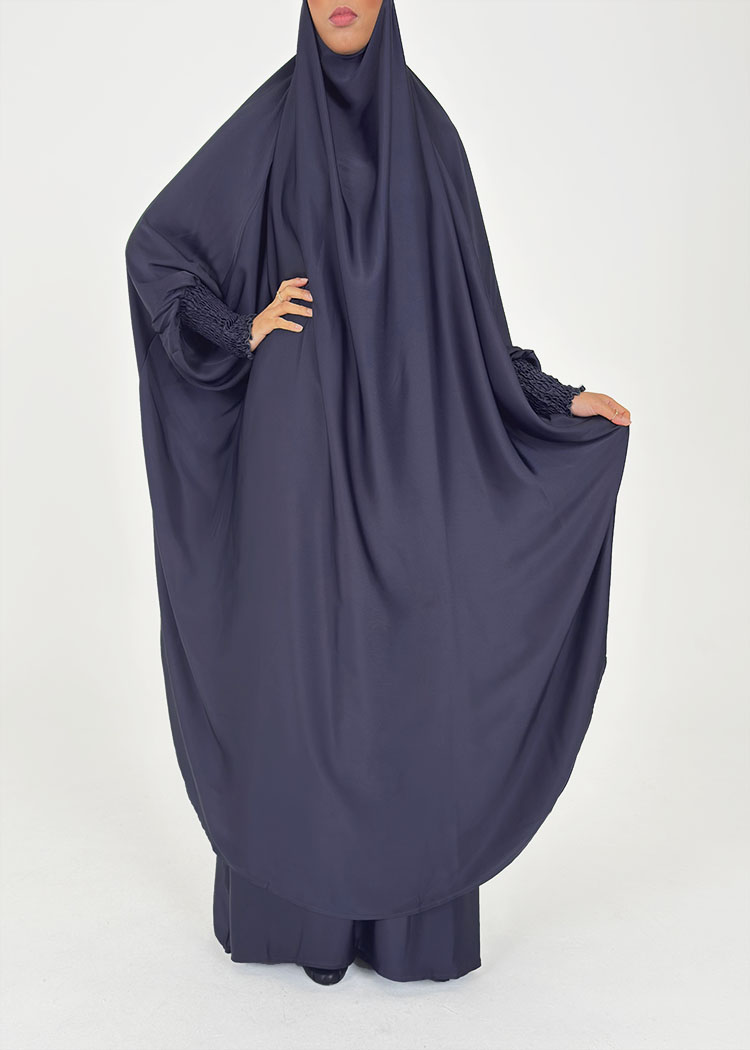
- Definition: A two-piece jilbab typically consists of a long, loose top (often tunic-style) paired with a matching or coordinating skirt or wide-leg pants. Together, they create full-body coverage without compromising on movement or comfort.
- Purpose: The jilbab serves as a symbol of modesty in Islam, offering a way for Muslim women to honor their faith while still engaging with the world confidently.
- Why two-piece? Unlike a one-piece jilbab, the two-piece offers more flexibility — you can mix and match tops and bottoms, adjust your layers seasonally, and play with styles that suit different settings (casual, formal, work, or even travel).
Here’s where it gets personal: I remember the first time I saw a sister at the mosque wearing a sleek, tailored two-piece in deep emerald green. She looked regal — not because she was flashy, but because she wore it with such effortless grace. That’s when I realized: modest fashion doesn’t mean shrinking back; it means stepping forward with quiet, powerful confidence.
| Key Feature | One-Piece Jilbab | Two-Piece Jilbab |
|---|---|---|
| Flexibility | Limited — single design | High — mix and match separates |
| Styling Options | Simple, uniform look | Endless combinations, layered looks |
| Practicality | Great for quick wear | Ideal for adjusting to weather, events, and mood |
But let’s not pretend it’s always easy — many sisters I’ve spoken to worry: “Will it fit right?” or “How do I avoid looking bulky?” These are real, relatable concerns, and that’s why I’m here to walk you through exactly how to style your two-piece in a way that flatters, fits, and feels amazing.

What exactly makes a two-piece jilbab different from other jilbab styles?
Let me tell you something I wish someone had told me early on — not all jilbabs are created equal. When I first started exploring modest fashion, I honestly thought a jilbab was just a jilbab. But stepping into the world of two-piece jilbabs completely shifted my perspective. This style offers something unique, something that sets it apart both in design and in how it makes you feel when you wear it. So, what’s the real difference? Let’s break it down together, piece by piece (literally!).
Freedom of Movement and Flexibility
One of the standout features of a two-piece jilbab is the freedom it gives you. Unlike a one-piece, where you’re working with a single flowing garment that can sometimes feel restrictive, the two-piece version offers:
- Separate top and bottom: This means you can adjust each part to fit your body and comfort level perfectly. Need a looser skirt for walking or running errands? Done. Want a snugger top to layer under a coat? Easy.
- Better temperature control: You can swap the bottom or top depending on the season, layering lighter fabrics in the summer and thicker ones in winter.
- Mix-and-match potential: Who says you need to stick to one color? Pair a neutral top with a patterned bottom, or vice versa, to create a fresh look every time — and yes, Amani’s has some stunning pieces for this!
I’ll never forget the time I was traveling and realized how convenient a two-piece jilbab was. I was able to pack just two tops and two bottoms, but when mixed, they created four different outfits. It saved space, it saved time, and honestly, it saved me from the stress of feeling underdressed or over-layered.
Styling Versatility for Every Occasion
If you’ve ever stood in front of your closet wondering, “How do I make this work for both the mosque and dinner out?” — you’re not alone. The beauty of the two-piece jilbab is how adaptable it is:
| Occasion | Styling Tips | Amani’s Favorite Picks |
|---|---|---|
| Casual Daily Wear | Pair a soft cotton top with a flowy maxi skirt, slip on comfy flats, and you’re good to go. | Amani’s Soft Cotton Everyday Top, paired with the Essential Maxi Skirt |
| Formal Events | Choose a satin or crepe fabric with elegant detailing, and add a statement hijab or jewelry. | Amani’s Satin Luxe Set — seriously, it turns heads while keeping you modest |
| Work or School | Opt for structured cuts and muted colors, layering with a tailored blazer or cardigan. | Amani’s Office-Ready Two-Piece in soft gray or navy — polished but practical |
Emotional Connection: Feeling Beautiful and Modest at Once
Here’s where it gets a little personal — because fashion, especially modest fashion, is never just about the clothes. It’s about how you feel in them. When I wear a two-piece jilbab, I feel like I’m honoring my values without sacrificing my love of style. There’s this quiet strength that comes from knowing you’re dressed in a way that aligns with your faith, while still expressing your individuality.
It’s not just me, either. I’ve had so many conversations with friends who say things like, “When I put on my Amani’s two-piece, I walk differently. I feel grounded, graceful, and powerful all at once.” That’s the kind of emotional resonance that turns clothing into something much more meaningful — into identity, confidence, and joy.
Quick Recap: Why the Two-Piece Jilbab Stands Out
- Customizable fit and comfort
- Seasonal versatility with layering options
- Stylish mix-and-match possibilities
- Perfect for various occasions, from casual to formal
- Deep personal connection, combining faith and fashion
If you’ve been curious about making the switch or just adding a two-piece jilbab to your wardrobe, I can’t recommend it enough — and if you’re looking for the best starting point, trust me, Amani’s is the go-to. Their pieces are thoughtfully designed, beautifully made, and they just get it — the blend of modesty and modern style we’re all searching for.

How do you choose the right fabric for a two-piece jilbab?
Let me share something I learned the hard way: not every fabric works for every moment. I remember the first time I wore a polyester-heavy jilbab on a sweltering summer day — let’s just say, I felt like I was wrapped in a personal sauna. Fabric matters, and when it comes to your two-piece jilbab, it’s one of the most powerful choices you can make. It affects how you move, how you feel, and even how confidently you walk through the world.
Understanding the Fabrics: What Are Your Options?
Before we dive into tips, let’s get familiar with the fabric choices you’re most likely to encounter in two-piece jilbabs:
- Cotton blends: Breathable, soft, and perfect for everyday wear. These are often my go-to for school runs or casual meetups with friends.
- Crepe: Lightweight with a slightly textured surface, crepe has this elegant drape that makes you feel graceful without even trying.
- Satin or silk: Reserved for special occasions, these fabrics have a luxurious sheen but can be slippery — definitely a “handle with care” choice!
- Polyester mixes: Durable and wrinkle-resistant, great for travel, but can feel less breathable, so be mindful in hot climates.
I once attended a wedding where I wore a satin two-piece jilbab — and even though it was beautiful, I had to pin the hijab part down extra carefully because of how slick the fabric was. That’s the kind of little detail that makes all the difference when choosing fabrics.
Key Factors to Consider When Picking Fabric
So, how do you know which fabric will work for you? Here’s what I always think about when shopping for or styling a two-piece jilbab:
| Factor | Why It Matters | My Tip |
|---|---|---|
| Climate | Hot and humid weather demands breathable fabrics, while cooler climates allow for heavier, layered materials. | For summer, go with cotton or lightweight crepe. For winter, layer polyester blends or heavier knits. |
| Occasion | Everyday errands vs. formal events call for different fabric choices to match the vibe and comfort needs. | Stick with soft cotton for casual days and switch to satin or silk blends for weddings or Eid gatherings. |
| Care and Maintenance | Some fabrics are machine-washable, while others require delicate handwashing or dry cleaning. | If you’re busy, trust me, cotton-poly blends are a lifesaver — less fuss, more wear. |
Personal Story: Learning Through Trial and Error
I remember last Ramadan, I was so excited to wear a beautiful crepe two-piece jilbab for taraweeh. It looked stunning, but by the end of the night, I realized the sleeves were a bit too fitted, making sujood slightly awkward. That experience taught me the importance of trying on different cuts and fabrics not just for looks, but for movement and comfort.
It’s not just about what’s trending on Instagram or what your favorite modest fashion influencer is wearing — it’s about what works for you. Your body, your climate, your lifestyle. That’s where real style confidence is born.
Quick Tips to Make the Best Choice
- When shopping online, always check the fabric description and look for customer reviews mentioning texture and breathability.
- If possible, feel the fabric in-store before purchasing — run it between your fingers and imagine wearing it for a whole day.
- Think about layering potential. A thin cotton set can be layered in winter, but a heavy fabric won’t work in the summer heat.
- Invest in one or two high-quality “special occasion” pieces, but build your daily wardrobe around durable, easy-care fabrics.
In the end, choosing the right fabric isn’t just a fashion decision — it’s an act of self-care. It’s about honoring your comfort, your confidence, and your connection to your values. So next time you’re browsing Amani’s or another favorite modest fashion shop, pause and really consider the fabric. Because trust me, once you find the materials that feel like a second skin, you’ll never look back.

What colors are best for everyday vs special occasions?
Let’s be real — choosing the right color for your two-piece jilbab is more than just picking what looks pretty. It’s about how you want to feel when you step out the door, how you want to carry yourself, and even how you want others to see you. I still remember the first time I wore a deep maroon jilbab to a friend’s wedding — I felt regal, elegant, and unapologetically confident. But that same maroon set? It wouldn’t exactly work for a quick grocery run or a casual coffee date. So, how do you decide which colors suit your everyday life and which are better saved for special moments?
Understanding the Psychology of Color in Modest Fashion
Colors carry emotional weight, whether we realize it or not. Here’s a quick overview of how different shades typically play out in jilbab styling:
- Neutrals (black, beige, gray, navy): Calm, sophisticated, and versatile. These are your everyday heroes — they go with everything and don’t draw too much attention.
- Pastels (soft pink, baby blue, mint): Gentle, feminine, and youthful. Perfect for brunch dates or daytime gatherings where you want a light, airy feel.
- Bold colors (emerald, burgundy, mustard): Statement-making, confident, and best for special occasions or when you want to stand out.
- Metallics and jewel tones: Glamorous and festive, ideal for weddings, Eid, or big celebrations.
Once, I wore a dusty rose jilbab to a casual weekend meetup, and a sister from the group came up to me, smiling, saying, “You look so soft and serene today!” That’s when I realized how much colors affect not just how we feel, but also how others perceive our energy.
Everyday Colors: Building a Capsule Wardrobe
For daily wear, you want colors that are practical, mix-and-matchable, and forgiving of the occasional stain or wrinkle (because life happens!). Here’s my go-to list:
| Color Category | Why It Works | Best Pairings |
|---|---|---|
| Black & Navy | Classic, slimming, and easy to accessorize. These shades never go out of style. | Pair with bold-colored hijabs or statement jewelry for a pop of personality. |
| Beige & Taupe | Soft, neutral tones that feel warm and understated. | Perfect with gold-toned accessories or light, patterned hijabs. |
| Muted Greens & Blues | Gentle colors that bring calmness and freshness to your outfit. | Pair with earthy tones or delicate prints for a laid-back vibe. |
One of my absolute favorites is a deep olive two-piece jilbab I wear when running errands or meeting friends casually — it feels just different enough from basic black, but still super wearable and chic.
Special Occasion Colors: When You Want to Shine
Special events are your chance to go bolder, richer, and more expressive with color. Think of weddings, Eid prayers, or formal dinners where you want to honor the occasion with a look that feels elevated.
- Burgundy or maroon: Rich, luxurious, and always striking under soft lighting.
- Emerald green: A timeless jewel tone that flatters almost every skin tone and photographs beautifully.
- Soft metallics (gold, bronze, silver): Add a subtle shimmer without overpowering the whole look.
- Deep plum or navy: Elegant, understated alternatives to black for evening events.
I once wore an emerald two-piece jilbab to an engagement party, and I’ll never forget the compliments — not just on the outfit, but on how it made me glow. It’s not vanity; it’s about embracing the joy of dressing up for moments that matter.
Quick Tips for Mixing Color with Confidence
- Test shades against your skin tone: Hold fabrics up to your face in natural light — you’ll instantly see which colors make you look fresh and which ones wash you out.
- Anchor bold colors with neutrals: If you’re nervous about going all-in on a statement shade, balance it with neutral accessories or layering pieces.
- Save delicate fabrics in light colors for special moments: White or pastel satin can look stunning, but they’re less forgiving for daily wear.
- Follow your mood: Some days, you just need a pop of color to lift your spirits — don’t overthink it!
At the end of the day, color is one of the most powerful tools we have in modest fashion. It’s not just about trends — it’s about how you want to show up in the world, how you want to feel in your own skin, and how you express your personality while staying true to your values. So next time you’re picking out a two-piece jilbab, ask yourself: “What do I want this color to say for me today?”

How should a two-piece jilbab fit to look elegant and modest?
Ah, the eternal struggle — finding a jilbab that fits not just your body, but your heart. I know I’m not the only one who’s stood in front of the mirror, tugging at the sleeves, adjusting the hem, wondering, “Does this fall right? Do I look put-together without losing that sense of modesty I cherish?” A two-piece jilbab has its own unique charm, but the key to making it shine — truly shine — is all about the fit. Let’s break it down, sister to sister.
The Balance Between Loose and Tailored
The beauty of the jilbab is in its flow. But too loose? You risk looking overwhelmed by fabric. Too tight? It compromises the modesty that makes you feel spiritually at peace. I’ve learned that an elegant fit doesn’t mean shapeless — it means the garment skims gracefully over your frame, draping without clinging, flowing without drowning you. I still remember buying my first tailored two-piece jilbab — the top hit just right at my wrists, the skirt glided effortlessly as I walked, and I felt so confident stepping into Friday prayers.
Key Fit Checkpoints (That We Often Forget!)
| Area | What to Watch For | Pro Tips |
|---|---|---|
| Sleeves | They should cover the wrist fully without sliding over the hand constantly. | Opt for elastic cuffs or subtle button details for practicality. |
| Shoulders | Seams should sit slightly off-shoulder for that classic jilbab silhouette. | Too narrow can look constricted, too wide can look sloppy — get this right! |
| Waist and Hips | The skirt should flow smoothly without clinging to curves. | A-line or slight flare designs often provide the most flattering modest fit. |
| Length | Hem should hover just above the ground — no tripping hazards! | Wear your usual shoes when fitting to ensure the right final length. |
And here’s a little anecdote: I once had a jilbab hemmed too short, and every time I walked, I felt self-conscious, like it was riding up too high. Trust me, get the length right from the start — it saves you from those little moments of discomfort that can steal your confidence.
Small Adjustments Make a Big Difference
- Invest in tailoring: I can’t stress this enough — a slight adjustment at the shoulders or cuffs can transform an off-the-rack jilbab into a piece that feels custom-made for you.
- Mind the layering underneath: What you wear beneath matters. A fitted underdress or lightweight long-sleeve top can help the outer jilbab glide beautifully without bunching.
- Pay attention to fabric weight: Heavier fabrics like crepe or wool blends hold structure better, while lighter fabrics like chiffon can sometimes cling if not designed thoughtfully.
Once, on Eid morning, I wore a lightweight chiffon jilbab and realized too late that my slip dress underneath was creating awkward lines — let’s just say, photos were cropped above the waist that day! Now, I always do a “movement test” at home: walk, sit, raise my arms. If everything stays in place and drapes smoothly, it’s a win.
Finding Elegance in the Details
Elegance in modest fashion isn’t about extravagance — it’s about refinement. Small touches like:
- Neat, clean hems that don’t fray or bunch
- Subtle pleats or darts that enhance the silhouette without hugging the body
- Quality fastenings (like covered buttons or discreet zippers) that add polish
They might seem minor, but together they elevate your entire look. I often tell my friends: when you feel good in your jilbab, it’s not just about the outer garment — it’s about the inner poise it gives you.
So, next time you slip into a two-piece jilbab, pause and check: Does this fit help me carry myself with grace? Do I feel like the best, most confident version of myself, inside and out? That’s the real magic of getting the fit right. It’s not perfection; it’s harmony — between your values, your comfort, and your style.

Can you layer a two-piece jilbab for colder weather?
If you’ve ever stood by the door on a frosty morning, jilbab on, wondering, “How do I stay warm without looking bulky or feeling restricted?” — oh sister, you’re not alone! I’ve been there, shivering through chilly mornings on the school run or braving the cold for Fajr prayers at the masjid. But here’s the good news: yes, you absolutely can layer a two-piece jilbab for colder weather — and do it stylishly, modestly, and comfortably. Let me share how.
Choosing the Right Base Layers
First, we need to start from the inside out. I always tell my friends: it’s not just about piling on thick coats. It’s about smart layering. The best base layers are snug (but not tight), breathable, and made from materials that trap warmth without adding bulk. Think thermal tops, lightweight wool cardigans, or fitted knit dresses.
Here’s a quick cheat sheet I follow every winter:
| Layer Type | Best Fabrics | Why It Works |
|---|---|---|
| Base (under jilbab) | Merino wool, thermal cotton, modal blends | Retains heat, wicks moisture, feels soft on skin |
| Middle (over top piece) | Fine knit cardigans, sleeveless vests | Adds warmth without restricting arm movement |
| Outer (if needed) | Oversized coats, wool ponchos, padded jackets | Protects against wind and rain, easy to remove indoors |
I still remember one particularly cold Jummah when I layered a thermal long-sleeve under my jilbab top and slipped on a quilted vest — no one could even tell! I felt cozy, put-together, and still elegant.
Modest and Elegant Outerwear
Sometimes we shy away from winter coats because they can feel bulky over a jilbab. But here’s a tip: go for oversized cuts or cape-style coats that accommodate flowing fabric underneath. A structured wool coat with wide sleeves or a poncho-style layer adds both warmth and elegance.
Personally, I love wearing a long belted coat over my two-piece jilbab — it cinches lightly at the waist without defining the body, and the vertical lines make the whole outfit feel graceful. Bonus? When I get indoors, I can slip it off and still look perfectly dressed underneath.
Accessorizing for Cold Weather
- Gloves: Soft leather or knit gloves not only keep you warm but add a polished touch. I keep a pair in my handbag all winter long.
- Scarves: Layering a heavier scarf or shawl over your khimar can double as a wind barrier. Look for soft pashminas or wool wraps — they’re cozy and chic.
- Footwear: Swap lightweight flats for ankle boots or knee-high boots. They work beautifully with long skirts and help keep your legs warm.
Last winter, I bought a beautiful deep burgundy shawl — I wrapped it over my black khimar and instantly felt not only warmer but more dressed up. Sometimes, it’s those small details that elevate the whole look.
Common Mistakes (and How to Avoid Them)
- Too many heavy layers: You’ll feel stiff and lose the graceful flow of your jilbab. Stick to one or two light insulating layers under or over, not five!
- Ignoring fabric textures: Pairing clingy fabrics under your jilbab can cause static and cling. I learned this the hard way — now I keep a travel-sized anti-static spray in my coat pocket.
- Neglecting movement tests: Before you head out, move around at home — sit, stretch, walk up stairs. Make sure nothing pulls or bunches awkwardly.
At the end of the day, layering your two-piece jilbab for winter is all about balance. You want to feel warm, yes — but you also want to maintain that sense of dignity and comfort that drew you to the jilbab in the first place. Trust me, once you find your perfect layering formula, you’ll never dread a cold day again. Instead, you’ll step outside, wrapped in warmth and grace, ready to take on whatever the world brings.
How do you accessorize a two-piece jilbab without compromising modesty?
Ah, accessorizing — it’s one of those delicate balancing acts, isn’t it? As a Muslim woman who wears a two-piece jilbab, I’ve often found myself wondering: how can I add a little sparkle, a bit of personality, without stepping outside the beautiful boundaries of modesty? Let me tell you, sister, you absolutely can accessorize your jilbab in a way that feels elegant, personal, and fully aligned with your values. And I’m here to show you how, not with stiff rules, but with lived advice and heartfelt stories.
Finding Beauty in Simplicity
First, let’s remember why we choose the jilbab in the first place. It’s about modesty, yes, but also about dignity, grace, and humility. When I’m getting dressed, I remind myself: accessories should never scream for attention. Instead, they should quietly enhance. Think of them as soft whispers, not loud shouts. So, when I reach for an accessory, I ask: does this add to my overall elegance, or does it distract?
Best Modest Accessories for a Two-Piece Jilbab
Here’s a table I’ve put together from my own experience and countless conversations with friends who love modest fashion as much as I do:
| Accessory | Why It Works | Tips for Modesty |
|---|---|---|
| Statement brooch or pin | Adds a touch of sparkle on the khimar or shoulder | Keep it subtle; avoid overly flashy or attention-grabbing designs |
| Delicate rings or bracelets | Personalizes your look without overwhelming | Choose simple, elegant pieces; avoid jangling stacks or flashy stones |
| Structured handbag | Completes your outfit and adds polish | Go for classic, neutral colors that match your outfit |
| Soft shawls or scarves | Adds texture and warmth over the jilbab | Choose breathable fabrics and modest patterns |
| Elegant shoes | Boosts confidence and comfort | Stick to closed-toe, low-heeled options for a modest touch |
A Personal Story: The Power of a Brooch
I still remember the first time I wore a delicate silver brooch on my khimar. It was for Eid, and I wanted something a little special. I chose a small crescent moon design — subtle, elegant, meaningful. As I walked into the gathering, I felt a quiet confidence. Sisters complimented me, not because I was flashy, but because the piece added just the right touch. It wasn’t about standing out; it was about feeling complete, balanced, and beautiful in my own skin.
What to Avoid: Staying Within Modest Boundaries
- Over-accessorizing: More is not always better. Piling on too many accessories can shift attention away from the simplicity and grace of the jilbab.
- Flashy or glittery items: Remember, we’re aiming for modesty, not dazzle. Reserve bold pieces for private or family gatherings if needed.
- Tight or eye-catching belts: While belts can add shape, they can also compromise modesty if they define the waist too much.
My Go-To Accessorizing Routine
On a regular day, here’s what I do: I start with my simple gold wedding band, slip on a pair of comfortable leather flats, and carry a structured tote bag. If it’s chilly, I’ll drape a neutral-toned shawl over my shoulders. If I’m going somewhere special, maybe I’ll pin a delicate brooch on my khimar. That’s it. Simple, graceful, and modest.
At the end of the day, accessorizing a two-piece jilbab isn’t about following trends or impressing others — it’s about enhancing your own sense of beauty while honoring your commitment to modesty. Trust me, when you approach it with intention and heart, you’ll feel that sweet spot where faith, fashion, and self-expression all come together beautifully. And isn’t that what modest fashion is really about?
What footwear pairs best with a two-piece jilbab?
If you’re anything like me, you’ve probably stood in front of your closet, two-piece jilbab on, asking yourself, “Okay, but which shoes?” It’s a question that sounds simple, but when you care about style, comfort, and — most importantly — modesty, the answer feels a little more layered. I’ve been there. I’ve tested flats, sneakers, ankle boots, and even heels (yes, really!), and today, I’m sharing everything I’ve learned — not just as advice, but as the voice of a sister who gets it.
The Balance of Modesty, Style, and Comfort
Let’s start with what matters most: the balance. When I pick footwear for my two-piece jilbab, I think of three things. First, does it align with my commitment to modesty? Meaning, does it avoid drawing unnecessary attention? Second, is it practical — can I actually walk comfortably? And third, does it complement the flow and shape of the jilbab? Because honestly, a jilbab has such graceful movement that clunky or awkward shoes can totally break the look.
Best Shoe Options for Different Occasions
Here’s a table I’ve put together from both my personal wardrobe and endless chats with friends over coffee:
| Occasion | Recommended Footwear | Why It Works |
|---|---|---|
| Everyday errands or casual outings | Comfortable ballet flats or slip-on sneakers | Easy to wear, understated, and blends seamlessly with a casual jilbab |
| Work or formal settings | Low-heeled pumps or loafers | Adds a polished touch without compromising comfort or modesty |
| Outdoor activities or travel | Supportive sneakers or walking shoes | Practical for long wear, keeps the outfit grounded and versatile |
| Special events or Eid gatherings | Elegant flats or low wedges | Elevates the look with subtle elegance, perfect for festive moments |
| Winter or rainy days | Classic ankle boots or waterproof shoes | Keeps you warm and dry, pairs beautifully with heavier jilbab fabrics |
A Story From My Own Closet
Last winter, I remember heading to a nikah ceremony on a rainy day. I wore my deep navy two-piece jilbab, and for a moment, I debated wearing delicate flats — but my heart knew better. I slipped on my black leather ankle boots, sleek but practical. As I walked through puddles and slippery sidewalks, I silently thanked my past self. Not only did I stay warm and dry, but I still felt polished and elegant. Sometimes, modest fashion means thinking ahead, planning for real life, and choosing wisely.
Common Footwear Mistakes to Avoid
- Flashy or high-heeled shoes: They can shift focus in a way that feels out of step with the graceful simplicity of the jilbab.
- Open-toe sandals in formal settings: While they’re fine at the beach or at home, they often clash with the formal modesty of a full jilbab.
- Chunky sneakers or overly sporty styles: Unless you’re traveling or exercising, these can look mismatched with the jilbab’s flowing silhouette.
My Go-To Shoe Pairings
Here’s my everyday routine: On a busy day, I slip into soft leather flats — they’re timeless and go with everything. For the masjid or community events, I might wear classic loafers or low-heeled pumps for that little boost of polish. And when the weather turns cold, ankle boots are non-negotiable. Trust me, once you find the right pairs, you’ll realize how much your shoes can elevate (or soften) your jilbab style.
At the end of the day, pairing the right footwear with your two-piece jilbab is less about chasing trends and more about honoring your personal sense of beauty, dignity, and comfort. Walk with intention, sister — every step you take is a reflection of your grace, inside and out.
How do you care for and wash your two-piece jilbab?
Let me tell you a little secret, sister: the way you care for your two-piece jilbab matters just as much as how you wear it. I learned this the hard way — when I ruined my first beautiful navy jilbab by tossing it in a hot wash cycle and drying it on high heat. It shrank, the fabric pilled, and the sleeves twisted. I was heartbroken. That was the moment I realized: our jilbabs deserve gentleness, just like the intention behind why we wear them.
Understand Your Fabric First
Not all jilbabs are created equal. Before you even think about washing, check the care label. Is it lightweight polyester, soft crepe, or a heavier cotton blend? Each fabric needs something a little different. Here’s a quick table I created based on what I’ve learned over the years — and from many conversations with sisters who’ve mastered the art of jilbab care:
| Fabric Type | Recommended Care | What to Avoid |
|---|---|---|
| Polyester blends | Machine wash cold, gentle cycle; air dry | Hot water, tumble dry high (can cause shrinkage) |
| Crepe or chiffon | Hand wash or delicate cycle; lay flat to dry | Rough agitation, wringing out, or hanging (may stretch fabric) |
| Cotton blends | Machine wash cold, low spin; hang dry | Hot drying, bleach (can damage fibers and fade colors) |
| Silk or specialty fabrics | Dry clean or very gentle hand wash | Machine washing or harsh detergents |
My Gentle Jilbab-Washing Routine
Let me walk you through what I personally do — not just what the care tag says, but what has actually worked for me:
- Separate by color: I never mix dark and light jilbabs. Learned that the hard way after a gorgeous white abaya came out light blue thanks to a navy jilbab’s dye bleed.
- Use a mild detergent: I go for gentle, fragrance-free options — no harsh chemicals. It’s not just better for the fabric, but also for sensitive skin.
- Wash in a garment bag: Especially for delicate fabrics, I pop the jilbab into a mesh laundry bag. It protects against snags and keeps the garment from twisting up.
- Air dry, always: I gently reshape the jilbab and lay it flat or hang it on a padded hanger. No dryers — they’re too harsh and can ruin the flowy drape.
A Story From My Laundry Room
One afternoon, after a long day at work, I threw my dusty pink jilbab into the wash, exhausted and distracted. I didn’t think twice — I just hit the “quick wash” button and tossed everything in together. Big mistake. When I pulled it out, the edges were frayed, the fabric was rough, and it had lost that beautiful softness that made me love it. I stood there staring at it, feeling like I’d lost a little piece of something special. Since that day, I’ve been so much more intentional. I’ve learned to treat my jilbabs with the care they deserve — because they’re not just clothes; they’re part of my spiritual and personal identity.
Common Mistakes to Avoid
- Skipping care labels: They’re there for a reason — take the extra minute to check them.
- Using too much detergent: More soap doesn’t mean cleaner; it just leaves residue that stiffens fabric.
- Hanging heavy wet jilbabs: The weight can stretch and distort the shape. Always dry flat or on padded hangers.
Final Thought: Caring Is Part of the Intention
Every time I care for my jilbab, I remind myself: this is part of honoring my modesty journey. It’s not about perfection; it’s about mindfulness. So, sister, next time you’re about to do laundry, pause for a moment. Breathe. Treat your jilbab gently — because when you care for it, you’re really caring for the intention, the heart, behind why you wear it in the first place.
What are the most common mistakes when wearing a two-piece jilbab?
Oh, sister — can I be real with you for a moment? When I first started wearing a two-piece jilbab, I thought I had it all figured out. I mean, how hard could it be? Slip it on, tie the khimar, and you’re set, right? But let me tell you, over the years — through trial, error, and a few fashion mishaps — I’ve learned there are some common mistakes many of us make. And trust me, they can affect not just how we look, but how confident we feel in our modesty and how we carry ourselves.
#1: Choosing the Wrong Size or Fit
I can’t count how many times I’ve seen sisters swimming in jilbabs two sizes too big, or struggling in pieces that are too tight across the shoulders or chest. The two-piece jilbab is designed to be loose and flowy, yes — but that doesn’t mean shapeless or ill-fitting. It’s about balance. When the top piece (usually the khimar) hangs correctly, it should drape gracefully without overwhelming your frame.
Here’s a quick table I use when helping friends pick the right fit:
| Body Type | Common Fit Issue | Fix |
|---|---|---|
| Petite | Too long, dragging hem | Look for shorter lengths or tailor the skirt |
| Tall | Too short, ankle exposure | Choose tall-specific cuts or custom lengths |
| Curvy | Pulling at shoulders or chest | Size up for comfort, ensure top flows properly |
#2: Neglecting Undergarments
This one might feel a little awkward to bring up, but it matters. Wearing the wrong underlayers — like bright-colored tops under a light jilbab or bulky pants that show lines — can take away from the clean, modest silhouette we aim for. I remember once layering a thick hoodie under my khimar on a chilly morning. Big mistake. I spent the whole day fidgeting, adjusting, and feeling like a marshmallow. Now I stick to slim, neutral base layers that keep me warm without adding bulk.
#3: Over-Accessorizing
We all love a little sparkle or a cute bag, but it’s easy to go overboard. I used to pile on bracelets, statement earrings, and patterned bags — until one day, a close friend gently pointed out that all the noise distracted from the beautiful simplicity of the jilbab itself. Modesty doesn’t mean bland, but it does mean intentionality. Ask yourself: Does this accessory complement or compete with my look?
#4: Ignoring Footwear Coordination
It sounds small, but shoes matter. Picture this: you’re wearing a graceful, flowing black jilbab… and neon sneakers. Unless you’re intentionally going for a bold, sporty contrast, mismatched shoes can throw off your whole vibe. I like to keep a small collection of neutral flats, comfortable boots, and simple sandals that pair well with my jilbabs. It saves me time in the morning and helps me step out feeling put together.
#5: Not Adjusting for Movement
Here’s a little story. One rainy day, I rushed out the door, forgetting to check the length of my skirt. As I hurried down the street, I kept stepping on the hem — eventually tearing a tiny rip that grew bigger by the time I got home. Lesson learned: always check how your jilbab moves when you walk, sit, or even climb stairs. A quick mirror check or trial walk can save you a lot of hassle (and sewing repairs!) later.
Final Reflection: Mistakes Are Part of the Journey
If you’re reading this and realizing, “Oh no, I’ve made some of these mistakes,” take a deep breath, sister. So have I. So has every woman who’s ever embraced modest fashion. It’s all part of learning, growing, and finding what works for you. The key isn’t to chase perfection — it’s to approach your jilbab journey with love, mindfulness, and intention. After all, it’s not just about the fabric on our bodies; it’s about the humility and grace we carry in our hearts.
How do two-piece jilbabs work for travel or busy days?
Let me tell you something I’ve learned through years of balancing motherhood, work, errands, and (on the best days) a little time for myself: the two-piece jilbab is an unsung hero when it comes to travel and hectic schedules. If you’re like me, you need modest wear that keeps up with your life — something that moves with you, not against you. And believe me, the right two-piece jilbab can do just that. But it’s not just about throwing one on and heading out the door. Let me walk you through how I make mine work beautifully for busy days and long journeys.
Why the Two-Piece Jilbab Is a Travel Favorite
Here’s the thing: when you’re packing for a trip or running a marathon of errands, you want clothes that are practical, comfortable, and modest. The two-piece jilbab checks all those boxes. It’s lightweight (so no heavy layers dragging you down), easy to pack, and versatile. Plus, unlike abayas or dresses, you have more flexibility — the skirt and khimar can be mixed and matched or adjusted depending on what you’re doing.
I remember a trip to Istanbul last year. We had a packed itinerary: from visiting mosques to hiking cobblestone streets. My two-piece jilbab saved me. It let me layer smartly for cool mornings and warmer afternoons, and I could adjust the top piece (the khimar) to cover extra if I felt exposed or pull it back a little when I needed more airflow.
Tips for Wearing a Two-Piece Jilbab on the Go
Want to make your jilbab work harder for you on busy days? Here’s what’s worked for me:
| Challenge | Solution |
|---|---|
| Need to move quickly | Choose a skirt with an elastic waistband for easy movement and walking |
| Temperature changes | Layer a thin thermal top or leggings under your jilbab — they’re invisible but keep you warm |
| Carrying essentials | Opt for a crossbody bag or belt bag that sits neatly under the khimar without bulk |
| Looking polished | Bring a small wrinkle-release spray or fold carefully to avoid creases during travel |
Story: The Day My Jilbab Proved Its Worth
I’ll never forget one hectic day last Ramadan. I was running between volunteering at the masjid, picking up groceries, and preparing iftar for friends. Honestly, I didn’t have time to stop and change outfits — and I didn’t need to. My dusty rose two-piece jilbab carried me through everything. When I got home late that evening, a friend commented, “You still look so put together!” I smiled, knowing it wasn’t magic; it was the right clothing choice.
What Makes a Jilbab Travel-Ready?
Not all jilbabs are created equal for travel. I recommend looking for:
- Wrinkle-resistant fabrics: You don’t want to be ironing in a hotel room or wrestling with creased hems before an event.
- Neutral or versatile colors: Black, navy, beige — they match with everything and don’t show travel stains easily.
- Secure head coverage: Some khimars come with built-in ties or elastic to keep everything in place, even when you’re on the move.
Also, pro tip? Pack a small stain remover pen. I once spilled coffee on my jilbab right before a meeting abroad — that little pen was a lifesaver.
Final Thoughts: Embrace Flexibility
At the end of the day, wearing a two-piece jilbab on busy days or during travel is about flexibility. It’s about knowing that your clothing supports your values and your lifestyle. I love how my jilbab gives me room to move, to be comfortable, and to stay modest — all without sacrificing style or practicality. So the next time you’re packing a suitcase or heading out for a packed day, reach for that two-piece jilbab with confidence. Trust me, it’s ready for the journey.
What are the cultural and religious roots of the two-piece jilbab?
When I slip into my two-piece jilbab, it’s never just about fabric or fashion. It’s about connection — to faith, to heritage, and to generations of women before me who embraced modesty as a powerful, intentional choice. The two-piece jilbab, while modern in its cut and practicality, is deeply rooted in both Islamic teachings and cultural expressions across the Muslim world. Let’s dive into the rich tapestry behind this garment, because trust me, when you understand its roots, wearing it becomes an act of meaning, not just modesty.
Religious Foundations: More Than Just a Covering
The concept of jilbab comes straight from the Qur’an. In Surah Al-Ahzab (33:59), Allah commands the believing women to “draw their jilbabs close around them” so they may be recognized and not harassed. The word jilbab historically referred to an outer garment — something that covered a woman’s adornments in public, signaling dignity, protection, and religious identity.
But here’s what I love: the essence of jilbab isn’t about restriction. It’s about honoring yourself. It’s about stepping into the world clothed in confidence and in line with your spiritual beliefs. Over time, scholars and cultures interpreted the jilbab in various ways, and that’s how we arrived at today’s two-piece style — a balance between religious guidelines and practical needs.
Cultural Evolution: From Classical Garment to Contemporary Wardrobe
Growing up, I always admired the women in my family who wore long-flowing jilbabs. My grandmother’s style was more traditional — a loose, single-piece garment that almost swept the floor. My mother’s generation, though, began favoring the two-piece design. Why? Because life changed. Women needed something more adaptable, easier to wear, and better suited for everyday movement.
| Era | Jilbab Style | Key Characteristics |
|---|---|---|
| Classical Islamic Period | One-piece jilbab | Loose outer cloak, often paired with khimar or veil, covering head to feet |
| Mid-20th Century | Single-piece, tailored | More fitted cuts, often reflecting regional styles (e.g., North African vs. Gulf) |
| Modern Era | Two-piece jilbab | Separate skirt and khimar; designed for practicality, mix-and-match, and comfort |
Today, the two-piece jilbab is worn across continents, blending religious purpose with cultural flair. From Morocco to Malaysia, you’ll find variations in fabric, cut, and color, but the core values stay the same: modesty, grace, and identity.
Story: Rediscovering My Roots
I’ll never forget the first time I truly understood the weight of what I was wearing. I was in Medina, walking toward Masjid an-Nabawi, wrapped in my navy two-piece jilbab. An older woman beside me smiled warmly and said, “You remind me of how we dressed when I was young.” That moment touched me so deeply. I realized I wasn’t just dressing for myself — I was part of a living, breathing tradition, one that connected me across time and space to sisters I’d never met.
What the Two-Piece Jilbab Represents Today
For many of us, the two-piece jilbab isn’t just an outfit; it’s a statement. It says: I choose to embrace my faith in a way that fits my life today. It reflects resilience — the resilience of Muslim women adapting timeless principles to a modern world. It represents a global sisterhood, a shared understanding that goes beyond borders and backgrounds.
And honestly? It’s empowering. To know that you’re standing on the shoulders of centuries of women who valued their modesty and faith gives your clothing a significance that no fast-fashion trend can replace.
Final Reflections: Wearing History with Pride
So next time you wear your two-piece jilbab, pause for a moment. Feel the threads of history, the weight of culture, the spirit of faith woven into its seams. You’re not just putting on an outfit — you’re stepping into a legacy. And that, my dear sister, is something truly beautiful.
How do modern designers (like Amani’s) innovate traditional styles?
Have you ever stood in front of your mirror, admiring your jilbab or abaya, and wondered — how did we get here? How did something so deeply rooted in tradition evolve into the stunning, modern pieces we see today? Honestly, it amazes me every time I slip into one of Amani’s designs. It’s like wearing history, art, and innovation all at once. Let’s explore how designers like Amani breathe new life into traditional Islamic clothing, blending faith, fashion, and function in ways that truly speak to the modern Muslim woman.
Redefining Modesty: Creativity Without Compromise
One of the biggest misconceptions about modest fashion is that it’s stiff, boring, or creatively limiting. But let me tell you — today’s designers are proving that modesty is anything but boring. Amani’s collections, for example, take the classic silhouettes of the jilbab, khimar, or abaya and reimagine them with stunning fabrics, intricate detailing, and thoughtful tailoring.
Instead of plain, shapeless cuts, we now see elegant pleats, subtle embroidery, flared sleeves, and layered textures. But here’s the genius part: none of this comes at the expense of coverage or modesty. The design innovations respect the essence of Islamic dress, while making you feel confident, feminine, and contemporary. Isn’t that what we all crave — feeling beautiful without sacrificing our values?
Modern Touches That Elevate Tradition
Let’s break down some of the innovations I’ve personally loved in recent collections:
| Innovation | Traditional Element | Modern Twist |
|---|---|---|
| Layered Fabrics | Basic single-layer jilbab | Soft chiffon overlays, lace panels, or double textures for depth and movement |
| Bold Colors | Classic neutrals (black, navy, beige) | Earthy tones, jewel colors, pastels — without compromising on elegance |
| Functional Design | Loose, uniform shape | Tailored waistlines, adjustable ties, hidden pockets, and breathable cuts |
| Eco-Friendly Fabrics | Traditional synthetics or heavy cottons | Organic cotton, bamboo blends, or sustainable textiles |
These details matter. They transform the way we experience our clothing — turning it from something we “have” to wear into something we want to wear.
Story: The First Time I Wore an Amani Piece
I still remember the first Amani jilbab I bought. It was a dusty rose two-piece with delicate stitching along the sleeves. I slipped it on before an evening gathering, expecting just another comfortable modest outfit. But when I looked in the mirror, I was taken aback. I felt… radiant. The cut flattered my figure without clinging, the fabric moved beautifully as I walked, and the details made me feel seen. A friend pulled me aside later that night and whispered, “Where did you get that? You look stunning.”
That’s when I realized: innovative modest fashion doesn’t just cover you. It elevates you.
Empowering a New Generation of Modest Women
What excites me most is how these innovations are reshaping how young Muslim women see themselves. With designers like Amani, we no longer have to choose between faith and fashion. We can express our personalities, explore trends, and feel part of the global style conversation — all while honoring our religious values.
Plus, these designs open doors in professional settings, travel, and social spaces where modest fashion once felt limiting. A tailored jilbab with a sharp silhouette can command a room just as much as any Western business suit — sometimes even more, because it carries a story of identity and resilience.
Final Reflections: The Future of Modest Innovation
Here’s what I believe: the future of modest fashion is boundless. As long as designers stay rooted in the spiritual and cultural essence of what we wear, there’s no limit to how far they can push the boundaries of creativity. And as a Muslim woman, that makes me proud. It makes me feel seen, celebrated, and empowered — not despite my modesty, but because of it.
So next time you slip on a beautifully designed jilbab, remember: you’re not just wearing fabric. You’re wearing innovation, intention, and the dreams of women who refuse to be boxed in. And that, my dear sister, is the true heart of modern Islamic fashion.
What size should you order in a two-piece jilbab?
Let’s be honest — shopping for the right size in a two-piece jilbab can feel overwhelming, especially if you’re ordering online. I’ve been there, staring at size charts, second-guessing measurements, and wondering, “Will this actually fit me right?” Don’t worry, sis — I’m here to walk you through it with warmth, honesty, and tips I’ve gathered from my own shopping adventures.
Understand How Two-Piece Jilbab Sizing Works
First, let’s clear something up: two-piece jilbab sizing isn’t exactly the same as Western dress sizing. These pieces are designed for loose, modest coverage — they aren’t meant to hug your body like a fitted dress or tailored jacket. Instead, you’re often choosing a size based on height and general body frame, not your usual small-medium-large or numeric sizes.
Here’s a quick breakdown to help:
| Body Factor | What Matters Most | Why It’s Important |
|---|---|---|
| Height | Length of skirt and top piece | You want the jilbab to cover your legs and reach your wrists — without dragging or looking cropped. |
| Shoulder Width | Overall fit around arms and chest | Even loose pieces can feel restrictive if the shoulder cut is too narrow or too wide. |
| Body Shape | Waist and hip space | If you’re curvier, look for cuts with adjustable waist ties or flared skirts. |
Notice how weight or “dress size” isn’t the focus? That’s because jilbabs are beautifully forgiving — designed to drape gracefully over your figure without clinging. It’s part of what makes them feel so freeing to wear.
My Personal Sizing Journey (and a Little Sizing Drama)
I remember my first two-piece jilbab order like it was yesterday. I measured myself carefully, double-checked the site’s sizing chart, and nervously clicked “buy.” When the package arrived, I eagerly slipped it on — and oops! The skirt was perfect, but the top hung a bit too long, almost brushing the ground. I hadn’t accounted for my petite height.
Lesson learned: height matters more than you think. Since then, I always check the top length measurements carefully and sometimes size down if I’m between height categories. And honestly? I’ve come to love the flexibility. A slightly longer jilbab can work beautifully if you pair it with a small wedge heel or platform sandal.
Quick Guide: How to Choose Your Jilbab Size
- Step 1: Measure your height (without shoes!).
- Step 2: Check the brand’s specific size chart — they’re not all the same.
- Step 3: Look for adjustable features like elastic waistbands or tie closures if you have a curvier or slimmer waist.
- Step 4: When in doubt, size up. A slightly looser jilbab is always better than one that’s too snug.
- Step 5: Don’t forget to read reviews! Other sisters often share helpful sizing tips specific to each brand or design.
Empathy Moment: You’re Not Alone in the Sizing Struggle
If you’ve ever stood in front of a mirror thinking, “Why doesn’t this look like it did on the model?” — you’re not alone. I’ve had moments where the sleeves were too long, or the skirt pooled awkwardly at my feet. But here’s the truth: modest fashion isn’t about chasing a perfect fit like Western wear. It’s about comfort, dignity, and self-expression within the boundaries of your faith.
So if you need to get a piece hemmed, or if you wear a belt over your jilbab to shape it better, that’s okay! Embrace the flexibility and make it work for you. Fashion, even modest fashion, should always serve your lifestyle — not the other way around.
Final Thoughts: Confidence Over Size Tags
At the end of the day, remember this: your worth isn’t tied to a number or a label. When you slip into a two-piece jilbab, you’re wrapping yourself in purpose, intention, and grace. Whether you size up, size down, or get something tailored, the goal is to feel confident, comfortable, and connected to your values.
So go ahead — measure carefully, shop thoughtfully, and trust that you’ll find the jilbab that’s meant for you. And if you ever need a sister’s advice? I’m always here, cheering you on.
Are two-piece jilbabs comfortable for work or school?
If you’ve ever stood in front of your closet at 7 AM, wondering, “Can I really wear my two-piece jilbab all day at work or school without feeling uncomfortable?” — trust me, you’re not alone. I’ve had those exact mornings, especially before big meetings or long class days. And here’s the truth, straight from someone who’s lived it: yes, two-piece jilbabs can be incredibly comfortable for work or school — if you choose wisely.
Why Comfort in a Two-Piece Jilbab Matters So Much
Let’s break this down. A two-piece jilbab isn’t just a fashion statement; it’s a full-day commitment. You’re sitting in lectures, running between classes, tackling deadlines, maybe even chasing after kids if you’re a working mom. That means your outfit needs to meet three non-negotiable needs:
| Comfort Factor | Why It Matters | My Personal Tip |
|---|---|---|
| Breathable fabric | Prevents overheating, especially in warm classrooms or offices. | Look for lightweight crepe or cotton blends, not heavy polyesters. |
| Freedom of movement | Lets you walk, sit, and stretch without restriction. | Choose designs with side slits or pleated skirts for extra mobility. |
| Durability | Withstands a full day of wear without losing shape or getting wrinkled. | Opt for wrinkle-resistant fabrics and reinforced seams. |
I’ll never forget one semester when I wore a stiff, synthetic jilbab to university. By midday, I was fidgeting in my seat, feeling sweaty and stiff. Since then, I’ve learned: fabric and cut matter just as much as modesty.
How to Pick a Work- or School-Friendly Jilbab
Here’s the thing — not all two-piece jilbabs are created equal when it comes to everyday wear. Through trial, error, and a few too many midday outfit regrets, I’ve figured out what actually works:
- Prioritize lightweight materials. Heavier abaya fabrics can feel suffocating after a few hours indoors.
- Check sleeve length and style. Wide, flowing sleeves are beautiful, but they can get in the way when typing or taking notes. A cuffed sleeve or a slimmer cut is usually better for work or school.
- Look for a secure hijab attachment. Many two-piece sets include a matching khimar, but make sure it stays put without constant adjustment — especially if you’re moving around a lot.
And let’s be real — the mental comfort matters too. Knowing you’re dressed modestly, beautifully, and appropriately gives you confidence. It frees you to focus on your studies, your career, or your goals without worrying about your outfit slipping or feeling out of place.
Story Time: My Comfiest (and Most Productive) Workday Jilbab
One of my favorite work outfits is a dusty rose two-piece jilbab with a tie-waist skirt and a soft khimar that stays secure all day. I remember wearing it during a huge project presentation at the office. I walked in feeling put-together but so comfortable — no fidgeting, no adjusting, no overheating under the lights. That little boost of confidence? It genuinely made me deliver better. And afterwards, a coworker quietly asked where I’d gotten it because she was looking for “something elegant and modest” too. Moments like that remind me why our clothing choices matter.
Summary: Yes, You Can Conquer the Day in a Two-Piece Jilbab
Here’s what I want you to remember: a two-piece jilbab isn’t just for prayer or formal occasions. With the right cut, fabric, and design, it can be a powerful everyday outfit — one that carries you through meetings, classes, deadlines, and even coffee breaks with comfort and grace.
So next time you’re shopping, think about your daily routine. Picture yourself sitting at your desk, walking across campus, or handling errands. Choose a jilbab that moves with you, breathes with you, and lifts you up. And if you ever need recommendations or a sister’s honest advice? I’m always here to help — we’re on this modest fashion journey together, after all.
What hijab styles pair best with a two-piece jilbab?
Let me confess something upfront — I used to think that once you slipped on a two-piece jilbab, your hijab options were pretty much set. After all, the matching khimar is part of the look, right? But over the years, through countless experiments (and a few embarrassing mirror fails), I’ve learned that hijab styling with a two-piece jilbab is far more versatile — and honestly, more fun — than I ever imagined.
Why Your Hijab Style Can Transform Your Jilbab Look
Think about it: the two-piece jilbab gives you a beautiful, modest canvas. But your hijab? That’s where you inject personality. Whether you’re heading to work, a wedding, a family brunch, or just a casual day out, your hijab choice sets the tone. It can make the same jilbab feel formal or relaxed, traditional or trendy, muted or vibrant.
Let me tell you a quick story. Last Eid, I wore a classic navy two-piece jilbab — one I’ve worn to the masjid a dozen times before. But instead of the matching khimar, I paired it with a white chiffon hijab styled in loose, layered folds and added a pearl pin. I swear, friends kept asking, “Is that a new outfit?” Nope. Just a hijab switch. That’s the magic we’re talking about here.
Best Hijab Styles to Match Your Two-Piece Jilbab
Let’s break it down by vibe and occasion — because no one style fits all.
| Hijab Style | When to Wear It | Why It Works |
|---|---|---|
| Matching Khimar | Prayer, formal religious events, simplicity seekers | Streamlined, cohesive, modest, and designed to stay put. |
| Chiffon Hijab (Layered) | Weddings, Eid, celebrations | Adds elegance, softness, and texture; looks graceful with flowy jilbabs. |
| Cotton or Jersey Hijab (Turban or Wrapped) | Casual outings, school, coffee dates | Comfortable, breathable, and offers a more contemporary, chic feel. |
| Silk Hijab | Evening events, formal dinners | Gives a polished, luxurious touch; pairs beautifully with minimal jilbab styles. |
Personal Tips for Effortless Hijab Pairing
Here’s what I’ve learned through (let’s be honest) a lot of trial and error:
- Mind the fabric balance. If your jilbab is matte or textured, a silky or shiny hijab creates contrast. If your jilbab is glossy, go for a matte hijab to avoid overdoing the shine.
- Consider the neckline. Some jilbab tops have higher collars, which pair beautifully with turban styles or wrapped hijabs. Others with open necklines look better with draped or loose hijabs.
- Play with accessories. A simple brooch, a subtle headband under the hijab, or even decorative pins can elevate the look without overwhelming it.
I remember one stressful morning before an important meeting, I didn’t have time to steam my khimar. So I grabbed a structured cotton hijab, did a quick wrap, and layered on a blazer over my jilbab. Not only did it work — I actually felt more confident because it was a fresh twist on my usual style.
Final Thoughts: Express Yourself Through Your Hijab
If you take one thing away from this, let it be this: your hijab isn’t just an add-on to your two-piece jilbab. It’s your signature. It’s where you show mood, personality, creativity. Don’t be afraid to mix it up. Try that bold color, experiment with that drape style, or layer textures you’ve never combined before.
And remember — there’s no single “perfect” way to pair a hijab with a jilbab. What matters most is how you feel in it: confident, beautiful, modest, and authentic. So next time you’re standing in front of the mirror, wondering, “Which hijab should I wear with this jilbab?” — trust your instincts, have fun, and let your style shine.
What’s the difference between a two-piece jilbab and an abaya set?
Oh, sister — if I had a dollar for every time someone asked me, “Wait, isn’t a two-piece jilbab basically just an abaya set?” I’d probably own a whole boutique by now! But I get it — on the surface, they can look quite similar: both modest, flowing, elegant. But once you start wearing them day to day, you quickly realize they serve different purposes, have unique designs, and offer distinct vibes.
Understanding the Core Differences
Let’s start with the basics. A two-piece jilbab typically consists of a long skirt and a loose, flowing top that often comes with an attached khimar (head covering) or matching khimar. The design intention? Maximum coverage with minimal fuss. You slip it on, and you’re ready for prayer, errands, or even a walk in the park — no need to layer or adjust endlessly.
On the other hand, an abaya set usually refers to an abaya (long outer cloak) paired with a separate hijab, sometimes accompanied by a matching inner dress or slip. Abayas come in an enormous range of fabrics, cuts, embellishments, and styles — from sleek and minimal to heavily embroidered and formal. They’re often designed with more fashion-forward elements in mind, making them a popular choice for events, work, and social outings.
Quick Comparison Table
| Feature | Two-Piece Jilbab | Abaya Set |
|---|---|---|
| Main Components | Skirt + top (with or without khimar) | Abaya cloak + hijab (sometimes inner dress) |
| Primary Use | Prayer, casual wear, everyday modesty | Social events, work, formal gatherings |
| Style Focus | Functionality, coverage, ease | Style, elegance, versatility |
| Common Fabrics | Lightweight polyester, crepe, cotton blends | Silk, satin, nida, luxe crepe, embellished fabrics |
| Styling | Usually worn as-is with minimal accessories | Often styled with belts, jewelry, chic hijab wraps |
My Personal Experience With Both
I’ll never forget the first time I wore a two-piece jilbab. I was a university student, constantly juggling lectures, part-time work, and trying to squeeze in prayer times on campus. My abayas were beautiful, but honestly, they sometimes felt too delicate or too “formal” for the daily grind. One day, a friend gifted me a simple black two-piece jilbab. Sisters, it was a revelation. I could pray comfortably, move easily, and stay covered without constantly adjusting my scarf or sleeves.
But when I’m heading to a wedding or a formal dinner? That’s where my abaya sets shine. I’ll pull out my embellished beige abaya, pair it with a soft chiffon hijab, add a delicate belt, and feel instantly elegant. The abaya gives me that elevated, graceful look that feels just right for special occasions.
Choosing Between a Two-Piece Jilbab and an Abaya Set
So, how do you decide which one’s right for you? Here’s my lived advice:
- For daily wear and prayer: Go for the two-piece jilbab. It’s designed for ease and comfort, especially if you’re active or on the move.
- For formal events or work: An abaya set gives you that polished, put-together look. Opt for classic cuts or modern designs depending on your personal style.
- For travel: I swear by the two-piece jilbab. It packs light, wrinkles less, and covers all bases (literally!).
It’s not about which one is “better.” It’s about understanding their strengths and knowing when to wear which. And honestly? Once you try both, you’ll probably find a place for each in your modest wardrobe — just like I did.
Final Reflection
At the end of the day, both the two-piece jilbab and the abaya set celebrate our commitment to modesty, but they do it in beautifully distinct ways. One is the reliable, everyday companion; the other is the statement piece you reach for when you want to feel a little extra special. So, next time someone asks you the difference, you’ll not only know — you’ll have your own stories to share.
Can petite or plus-size women wear a two-piece jilbab confidently?
If you’ve ever stood in front of the mirror, holding up a two-piece jilbab and wondering, “Will this even suit my body type?” — sister, you are not alone. I’ve been there, and I know how frustrating it can be to want to embrace modesty beautifully while still feeling confident in your shape, whether you’re petite, plus-size, or anywhere in between. But here’s the truth: the two-piece jilbab was designed with **all** bodies in mind.
Why Body Type Doesn’t Limit Modesty
The beauty of the two-piece jilbab lies in its **universality**. It’s intentionally loose, flowing, and non-restrictive — meaning it naturally flatters without clinging. For petite sisters, the worry is often, “Will I drown in all this fabric?” For plus-size sisters, the fear is, “Will it hug me in the wrong places or look frumpy?” But the design of the jilbab — with its A-line skirt and roomy, cape-like top — works in your favor. It creates a silhouette that drapes, not clings, giving you the dignity and comfort that modest wear should always offer.
Personal Stories: Finding My Fit
Let me share something personal. One of my closest friends, Aisha, is a petite woman — barely 5’1”. I remember the first time she tried on a two-piece jilbab. She tugged at the sleeves, worried the top would overwhelm her tiny frame. But once she found a brand that offered petite sizing, everything changed. She told me, “It was the first time I felt like I wasn’t wearing someone else’s clothes.” On the other hand, my cousin, Layla, is plus-size and always thought jilbabs were “made for thin girls.” When she finally slipped into a tailored plus-size cut, her face lit up. She said, “I feel graceful, not hidden.” These are the moments that remind me why fit matters so much.
Fit Tips for Every Body
| Body Type | Fit Advice |
|---|---|
| Petite | Look for petite-friendly brands or styles with adjustable skirts and shorter top lengths. Avoid oversized khimars that swamp your frame. |
| Plus-size | Choose cuts specifically designed for curves, with generous shoulder and bust space. Prioritize breathable fabrics to avoid bulk. |
| Average/Regular | Most standard cuts will fit well, but don’t be afraid to experiment with sleeve lengths, skirt cuts, and khimar styles for your comfort. |
Lived Advice: How to Boost Your Confidence
- Start with the right size, not the “ideal” size. Don’t squeeze into something too small or drown in something oversized because you think that’s what you “should” wear.
- Play with proportions. A shorter khimar can balance out a petite frame; a longer, draping khimar can elongate and flatter a plus-size silhouette.
- Remember your why. Modesty is not about hiding or shrinking yourself — it’s about honoring your body in a dignified, graceful way. Let that intention lead your choices.
My Heartfelt Takeaway
Sisters, we all have those days when we look in the mirror and doubt ourselves. I’ve been there. But wearing a two-piece jilbab isn’t about looking “perfect” — it’s about feeling **connected**: to your faith, your identity, and your sense of self. When you find the right fit, something magical happens. You stop worrying about how you look and start focusing on how you **feel** — grounded, confident, and beautifully covered for the sake of Allah.
If you’re petite or plus-size and wondering whether you can pull off a two-piece jilbab, let me reassure you: **you absolutely can**. Take the time to find cuts and brands that honor your shape, and don’t be afraid to experiment until you feel right at home in your clothes. You are worthy of feeling beautiful and confident, exactly as you are — no adjustments required.
How do you style a two-piece jilbab for weddings or formal events?
Let me be honest: when my cousin invited me to her wedding, my first thought wasn’t, “What will the decor look like?” or “What should I gift her?” It was, “How on earth am I going to style my jilbab for a formal event?” Sound familiar? Many of us who wear modest attire, especially the two-piece jilbab, have wrestled with this. We want to stay true to our values without sacrificing that feeling of being polished, elegant, and festive.
Elevating the Two-Piece Jilbab: It’s All About Details
You don’t need to swap out your beloved jilbab for a fancy abaya or gown just to look wedding-ready. The magic is in **how you style it**. Think of the two-piece jilbab as a beautiful blank canvas. With the right touches — a luxurious hijab fabric, statement accessories, elegant shoes — you can transform it into something effortlessly chic.
I remember attending a friend’s engagement party last year in my soft mocha two-piece jilbab. I paired it with a silk chiffon hijab in dusty rose, gold filigree earrings, and delicate nude heels. Sisters, I felt radiant. People kept asking where I got my outfit, and I smiled because it wasn’t about the outfit itself — it was the way I brought it to life.
Key Styling Elements for Formal Occasions
| Styling Element | Tips for Weddings & Formal Events |
|---|---|
| Hijab Fabric | Swap everyday jersey or cotton for silk, satin, or chiffon. These materials instantly add a formal touch and drape beautifully. |
| Jewelry | Opt for statement earrings or a delicate necklace — but not both! Balance is key to avoid looking overdone. |
| Shoes | Choose elegant flats or modest heels that complement your jilbab color. Metallic tones like gold or silver work wonders. |
| Outerwear | If it’s chilly, add a tailored coat or elegant shawl. Avoid bulky jackets that can overwhelm the graceful lines of the jilbab. |
| Handbag | A small clutch or elegant crossbody elevates your look far beyond a casual tote or everyday bag. |
My Go-To Styling Formula
- Step 1: Pick a jilbab color that feels special — jewel tones, soft pastels, or deep neutrals work beautifully.
- Step 2: Pair it with a hijab in a contrasting or complementary texture, like satin or silk, for an instant upgrade.
- Step 3: Add subtle but striking accessories: a gold cuff bracelet, chandelier earrings, or a minimalist brooch.
- Step 4: Finish with elegant shoes and a small evening bag. Bonus: a light spritz of your favorite perfume — it’s the unseen detail that pulls everything together.
A Story from the Heart
One of my favorite memories is from my sister’s wedding. I wore an emerald green two-piece jilbab with a cream satin hijab, and I accessorized with pearl drop earrings and a vintage clutch I borrowed from my mother. Standing under the fairy lights, surrounded by family and friends, I didn’t feel underdressed or out of place. I felt radiant, confident, and true to myself. And that, sisters, is the most beautiful feeling you can carry into any formal event.
Final Thoughts: Embrace Your Style, Your Way
Styling a two-piece jilbab for weddings or formal events isn’t about copying trends or trying to look like everyone else. It’s about expressing your own sense of grace, modesty, and beauty. Trust your instincts, experiment with textures and accessories, and remember: you are already enough. Your modesty doesn’t limit your elegance — it amplifies it.
So, next time you get that wedding invite, don’t panic. Your two-piece jilbab is more than ready — and so are you. 🌸
How can you transition your jilbab look from day to night?
Let me confess something: I used to think that a jilbab was only for daytime — errands, work, or casual gatherings. I’d change completely before heading to dinner or an evening event, convinced I needed a “fancier” outfit. But over the years, I’ve learned that with the right touches, you can absolutely transition your two-piece jilbab from a modest daytime look to an elegant night-ready ensemble — without needing a whole wardrobe change.
So, how do you do it? How do you take the same jilbab you wore for your morning coffee run and make it feel elevated, polished, and evening-appropriate? Let’s break it down together.
Understanding the Power of Accessories
Honestly, accessories are everything. Picture this: you’re wearing a soft grey two-piece jilbab with a simple black hijab during the day, paired with sneakers and a crossbody bag. It’s practical, comfy, and cute for errands or a casual meet-up. But now it’s 6 PM, and you’re meeting friends for dinner. Do you need to change your whole outfit? Not at all.
Here’s what I do: I swap my sneakers for sleek black ankle boots, change my crossbody for a structured clutch, and switch my cotton hijab for a satin one with a soft sheen. A quick touch of lip gloss and a delicate bracelet, and suddenly — I’m night-out ready. The jilbab becomes a sophisticated base instead of a limitation.
Quick Day-to-Night Jilbab Styling Tips
| Element | Daytime Style | Nighttime Upgrade |
|---|---|---|
| Hijab Fabric | Breathable cotton or jersey | Satin, silk, or embellished chiffon |
| Shoes | Flats, sneakers, or simple sandals | Heeled boots, metallic flats, or strappy heels |
| Bag | Everyday tote or crossbody | Elegant clutch or small shoulder bag |
| Jewelry | Minimal or none | Statement earrings, layered rings, or a delicate necklace |
| Makeup | Natural, minimal | Bold lip, defined eyes, or a hint of highlighter |
My Personal Story: The Café-to-Dinner Flip
Just last week, I had one of those days where I started early with errands and meetings but had dinner plans that evening. I wore my taupe two-piece jilbab with white sneakers, a light hijab, and no makeup — just sunscreen and lip balm. Before dinner, I ducked into a café restroom, slipped on gold hoop earrings I’d tucked into my bag, swapped my hijab for a silky navy one, added a swipe of berry lipstick, and slipped on kitten heels I’d packed in my tote. I remember looking in the mirror and thinking, “Wow, this is still me — but elevated.” When I walked into that dinner, I felt put-together without sacrificing my comfort or values.
Simple Day-to-Night Transformation Guide
- Keep it neutral during the day. A neutral jilbab makes it easier to play with bolder hijab colors or accessories later.
- Carry a few key upgrades in your bag. A dressier hijab, a pair of earrings, or a small perfume can make a big difference.
- Don’t overthink it. You don’t need a full outfit change; small tweaks can completely shift the vibe.
Final Thoughts: Confidence is Your Best Accessory
The most important part of transitioning your jilbab look from day to night isn’t the shoes or the hijab fabric — it’s your confidence. Remember, modesty doesn’t mean you’re limited in how you express yourself. It’s about owning your style, adapting with grace, and knowing that you are already enough. Whether you’re running errands or walking into an evening gathering, you carry your elegance with you.
So next time you wonder, “Can I make this jilbab work tonight?” — the answer is yes, sister. You can, and you will.
What are the best two-piece jilbab brands right now?
Let me tell you something personal: I used to get completely overwhelmed when shopping for a two-piece jilbab. There are just so many options — and honestly, not all of them are created equal. Some brands look stunning online but disappoint in quality; others are beautifully made but impossible to find or order internationally. Over the years, through trial and error (and plenty of frustrated returns), I’ve narrowed down a list of brands that truly deliver — in quality, style, fit, and values.
So if you’re sitting there wondering, “Which two-piece jilbab brands are actually worth my money right now?” — sister, I’ve got you covered.
Top Two-Piece Jilbab Brands You Need to Know
| Brand | Why I Love Them | Price Range |
|---|---|---|
| Amani’s | Elegant cuts, lightweight fabrics, and a wide range of sizes (including petite and plus). Their color palette is divine — soft neutrals, muted jewel tones — perfect for everyday and special occasions. | $$ |
| Shukr | Known for their ethical production and premium fabrics. Their two-piece jilbabs have thoughtful tailoring, making them ideal for women who want modesty without sacrificing structure or fit. | $$$ |
| Modanisa | A great one-stop shop for budget-friendly options. You’ll find trendy cuts, seasonal colors, and regular sales. Quality can vary slightly by designer, but overall it’s a solid pick for accessible fashion. | $–$$ |
| Al Moultazimoun | Specializes in French-inspired jilbab styles with flowing fabrics and beautiful drape. Their pieces feel graceful and feminine, with excellent coverage and breathability. | $$$ |
| Veilure Couture | If you’re looking for custom tailoring and luxurious fabrics, this brand is a dream. They focus on high-end jilbabs for formalwear and events — the kind you treasure for years. | $$$$ |
Personal Picks: My Tried-and-Tested Favorites
I remember when I first bought from Shukr — it was a deep navy two-piece jilbab with subtle pleats. I wore it to Jummah prayers, and I’ll never forget how confident I felt. The fabric moved so beautifully, and the fit made me feel polished without being flashy. On the flip side, I once ordered a pastel jilbab from Modanisa just to experiment, and even though it wasn’t as premium in feel, it became my go-to for quick errands because of how easy and lightweight it was.
Here’s the real truth: you don’t always need the most expensive brand to feel beautiful and confident. Sometimes, it’s about finding what fits your life — your budget, your climate, your needs.
What to Look for When Choosing a Brand
- Fabric Quality: Lightweight but opaque fabrics are key. You want something breathable for daily wear but still polished for formal settings.
- Size Range: Check if they offer petite, tall, or plus sizes. A good fit makes all the difference in how confident you feel.
- Ethical Production: If supporting fair wages and sustainable practices matters to you, look into the brand’s values before buying.
- Reviews and Community Feedback: I always peek at customer reviews or Instagram tags to see how real sisters style and rate the pieces.
Final Thoughts: Trust Your Style Journey
The best two-piece jilbab brand for you isn’t just about the name or the price tag — it’s about how the clothing makes you feel. Does it help you embody the modesty, beauty, and confidence you carry in your heart? Does it align with your values and lifestyle? That’s what matters most.
So take your time, explore, and don’t be afraid to try a few different brands until you find your perfect match. Remember, your modest fashion journey is personal, evolving, and uniquely yours. And trust me, sister — when you slip on that jilbab that feels just right, you’ll know it in your bones. 🌸
What fabrics work best for hot or humid climates?
Let me paint you a picture: it’s a sweltering summer afternoon, and you’re heading out in your jilbab, feeling radiant in your modesty — but ten minutes into the sun, you’re drenched in sweat, your fabric clinging uncomfortably to your skin. Sister, I’ve been there. It’s the kind of moment that makes you want to rush home, change into anything cooler, and question every fabric choice you’ve ever made. But here’s the truth: it’s not about abandoning the jilbab — it’s about choosing the right fabric that works with the climate, not against it.
The Best Fabrics for Heat: My Go-To Picks
| Fabric | Why It Works | Best Use |
|---|---|---|
| Cotton | Breathable, lightweight, and moisture-absorbent — a lifesaver in dry heat. It allows air to circulate and keeps you cool without sacrificing coverage. | Everyday wear, errands, casual gatherings |
| Linen | Known for its airy texture and cooling effect, linen naturally wicks moisture and dries quickly. Yes, it wrinkles — but honestly, I think the casual, lived-in look adds charm. | Relaxed outings, beach days, informal events |
| Viscose (Rayon) | Soft, drapey, and surprisingly breathable. It mimics the flow of silk without trapping heat. Just be gentle when washing — it’s delicate. | Dressier events, evening wear, special occasions |
| Crepe (Lightweight) | Flowy, elegant, and wrinkle-resistant. Some crepes can feel heavy, so opt for the lightweight blends when shopping for summer or tropical weather. | Formal settings, weddings, Eid gatherings |
| Jersey (Thin) | Stretchy, breathable, and incredibly comfortable. While thicker jerseys can be warm, thin variants are perfect for humid days when you need movement and flexibility. | Travel, sports, active days |
My Summer Jilbab Stories (and Lessons)
I’ll never forget the time I wore a thick polyester jilbab to an outdoor wedding in July. By the time we reached the reception, I was practically melting, and the photos — let’s just say, they were… shiny. Since then, I’ve made it a point to build a wardrobe that’s climate-conscious. My favorite summer jilbab is a light cream cotton-linen blend — it’s breezy, chic, and I always feel fresh, even after hours outdoors.
Another trick I’ve learned? Stick to lighter colors in hot weather. Dark fabrics absorb heat, while soft pastels or neutrals reflect the sun’s rays. And don’t underestimate the power of layering wisely — sometimes a thin underlayer can help wick sweat away and keep you cooler than going without.
What to Avoid in Hot or Humid Weather
- Polyester-heavy fabrics: They might look sleek, but they trap heat and moisture, turning your jilbab into a portable sauna.
- Thick wool blends: Perfect for winter, a disaster for summer. Save them for cooler months.
- Heavy crepe or satin: These are luxurious but better suited for air-conditioned indoor events.
Final Takeaways: Dress Smart, Stay Comfortable
Sister, remember: your modesty doesn’t have to come at the cost of your comfort. You can absolutely stay cool, stylish, and covered — it’s all about knowing your fabrics. Trust your body, listen to how you feel in different materials, and don’t be afraid to invest in seasonal pieces that make hot days bearable.
And honestly, there’s something empowering about walking confidently under the sun, wrapped in a jilbab that moves effortlessly with you. It’s a quiet reminder that modest fashion isn’t about restriction — it’s about freedom, grace, and adapting with wisdom. 🌿
If you’re curious, I can share my personal shopping list of summer-friendly jilbabs and where I score the best deals online. Just let me know!
How do you store or pack a two-piece jilbab properly?
Let me tell you — nothing frustrates me more than pulling out my favorite two-piece jilbab, only to find it wrinkled, crushed, or worse, with little mystery stains from poor storage. We put love and care into selecting our modestwear, so why not extend that same care to how we store and pack it? Whether you’re getting ready for a weekend trip or just reorganizing your closet, knowing how to properly handle your jilbabs can save you stress, time, and unnecessary replacements.
Why Proper Storage Matters (It’s Not Just About Wrinkles!)
When I first started building my modest wardrobe, I used to think, “It’s just fabric — fold it and put it away, right?” Oh, how wrong I was. Fabrics like lightweight crepe, viscose, and linen are delicate; they can stretch out if hung incorrectly or lose their shape if folded carelessly. Worse, improper storage can dull colors, cause permanent creases, or even introduce damage from moisture or pests.
Taking the time to store your jilbabs properly isn’t just about keeping them looking beautiful — it’s about respecting the garments that help us honor our faith and express our identity.
My Personal Storage Routine: Closet or Drawer?
| Storage Method | Best For | Tips |
|---|---|---|
| Hanging in Closet | Lightweight crepes, flowy viscose, formal sets | Use padded or velvet hangers to prevent slipping; cover with a breathable garment bag for long-term storage |
| Folding in Drawer | Cotton sets, jersey, everyday wear | Fold along the natural seams; place tissue paper between layers to reduce wrinkles if stacking |
| Vacuum-sealed Bags | Off-season or rarely used pieces | Ensure garments are completely clean and dry before sealing to prevent mold or mildew |
Packing for Travel: Lessons from My Suitcase Disasters
I’ll confess — I’ve learned the hard way. Once, during a weekend trip to visit family, I crammed two of my nicest jilbabs into a carry-on bag, squeezed between shoes and a laptop. By the time I arrived, the fabric was wrinkled beyond saving, and I ended up borrowing an outfit (which didn’t fit quite right, but alhamdulillah, it worked!).
Since then, here’s what I do to pack jilbabs like a pro:
- Roll, don’t fold: Rolling reduces sharp creases and maximizes space. I roll each piece loosely, starting from the bottom hem up to the shoulders.
- Use packing cubes: These are a game-changer! I dedicate one cube just for my jilbabs, keeping them separate from shoes, makeup, or electronics.
- Keep a mini steamer: If you can, pack a travel steamer. It’s saved me countless times when I needed to freshen up a piece right before an event.
Seasonal Storage Tips (Trust Me, It Makes a Difference)
When the seasons change, so do our wardrobe needs. I like to store my thicker, winter-friendly jilbabs (like wool blends) in vacuum-sealed bags when summer hits. Before storing, I always wash and fully dry them — storing anything damp can lead to odors or mildew, and trust me, it’s heartbreaking to pull out a beautiful piece next season only to find it damaged.
For my delicate, lightweight summer jilbabs, I keep them on padded hangers in a cool, dry section of my closet. If you have limited space, folding works too — just remember to refold periodically to prevent deep crease marks from forming in the same place.
Final Thoughts: Respect Your Clothes, Respect Yourself
Sister, taking care of your jilbab isn’t about being materialistic — it’s about honoring the garments that help us live our values with grace and dignity. When you store or pack them with care, you’re investing in yourself and preserving the beauty of modest fashion for years to come.
If you’re curious, I’ve even created a little printable checklist I use for travel packing and seasonal closet changeovers. Want me to share it? Let me know — I’m always happy to help a fellow modest fashion lover stay organized and stylish! 🌸
What are some trendy ways to wear a two-piece jilbab in 2025?
Let’s be honest, sisters — sometimes when people hear “jilbab,” they picture something plain, simple, maybe even boring. But oh, how wrong they are! The two-piece jilbab has evolved beautifully over the years, and 2025 is all about combining modesty with personality, creativity, and yes — trendiness. I’ve been experimenting (and people-watching!) all year, and I’m so excited to share the stylish ways you can elevate your two-piece jilbab this season.
Why 2025 is the Year of Bold Modest Fashion
What’s different this year? There’s been a real shift in the modest fashion scene — it’s no longer just about covering; it’s about expressing. We’re seeing richer colors, unexpected textures, subtle embellishments, and smart layering. It’s like we’ve collectively decided we’re done blending in — and now we want to glow while staying true to our values. And honestly, I’m here for it.
Top Styling Trends for Two-Piece Jilbabs This Year
| Trend | How to Wear It | Why It Works |
|---|---|---|
| Layered Monochrome | Choose a jilbab set in a single tone — like dusty rose, sage green, or soft taupe — and layer with matching accessories (hijab, shoes, even bag). | Creates an elegant, elongated silhouette while keeping the look chic and cohesive. |
| Contrasting Hijabs | Pair a neutral jilbab (like beige or black) with a bold-colored hijab — think maroon, cobalt blue, or mustard yellow. | Adds a pop of personality and draws attention upward, framing your face beautifully. |
| Textured Fabrics | Look for sets with subtle ribbing, crepe textures, or lightweight knits. Mix textures between your jilbab and hijab for visual depth. | Gives dimension and elevates simple outfits without loud patterns or heavy embellishments. |
| Statement Belts | Use a slim or wide belt over the jilbab’s outer layer to cinch the waist and add shape. | Perfect for adding definition, especially if you’re petite or want a more structured look. |
| Sporty Touches | Pair your jilbab with crisp white sneakers and a sleek backpack for a modern, casual vibe. | Makes your look youthful and perfect for travel, errands, or weekend hangouts. |
My Personal Style Experiments (and Surprises!)
I’ll confess — last year, I was a little hesitant to try the belt-over-jilbab look. Would it feel too “fashiony”? Would it mess with the modest silhouette? But after seeing a few stylish sisters rocking it online, I decided to give it a go. I paired a light gray jilbab with a simple black belt, added a structured bag, and slipped into low block heels. Sisters, let me tell you: I felt so confident, so polished — like I was still me, just a little elevated.
Another surprise? Mixing sporty sneakers with my more formal jilbab sets. I used to think that was a no-go, but now I love how it softens the look and makes it feel fresh, especially for days when I’m on the move.
Quick Styling Tips You’ll Actually Use
- Play with sleeve length: Layer a longer-sleeve underlayer or fitted turtleneck beneath your jilbab for contrast.
- Invest in beautiful pins or brooches: A little sparkle on your hijab or chest can transform a plain set into something special.
- Don’t shy away from patterns: A floral or geometric hijab with a solid jilbab can be a game-changer.
- Confidence is your best accessory: Truly. Trends mean nothing if you don’t feel good in them — wear what makes you feel radiant.
Final Thoughts: Let Your Modest Style Shine
2025 is the year we claim our space in fashion, sisters. The two-piece jilbab isn’t just a uniform — it’s a canvas. Whether you love clean, minimal looks or want to experiment with bolder choices, there’s room for your unique style within modest fashion. And the best part? You don’t need to compromise a single value or principle along the way.
If you’d like, I can share a downloadable lookbook of outfit inspirations, plus links to some of my favorite jilbab brands and accessories this season. Just drop a comment or DM me — I love connecting with fellow sisters on this beautiful journey of modest style! 🌸
How do you match your jilbab with bags or accessories?
Ah, sisters, this is one of my favorite topics! You know that feeling when you’ve picked the perfect jilbab for the day — the fabric feels just right, the color flatters your skin tone — but then you stand there, staring at your bags and accessories, wondering, “Hmm… which one actually works with this look?” Trust me, we’ve all been there. Matching your jilbab with the right bags and accessories is like the final brushstroke on a painting — it completes the picture, elevates your style, and makes you feel put-together and confident.
Why Accessories Matter in Modest Fashion
Some people think modest dressing means you don’t care about style. But we know better, don’t we? Modesty isn’t about dullness; it’s about intention. Accessories — whether it’s a chic handbag, a delicate bracelet, or a statement hijab pin — allow you to express your personality while staying true to your values. For me, they’re also a small joy, a way to bring a little sparkle or fun into my everyday outfits without compromising comfort or modesty.
My Go-To Tips for Matching Jilbabs and Accessories
| Tip | Details | Why It Works |
|---|---|---|
| Stick to a Color Palette | If your jilbab is in neutral tones, go for bags in complementary colors — tan, cream, black. For bold jilbabs, tone things down with muted accessories. | This creates harmony and avoids a cluttered, mismatched look. |
| Balance Statement Pieces | Wearing a jeweled hijab pin or chunky earrings? Opt for a simple, structured bag. Going for a patterned or textured bag? Keep other accessories minimal. | It keeps your outfit looking intentional, not overwhelming. |
| Play with Texture | Mix smooth fabrics like silk jilbabs with textured accessories (woven bags, suede shoes), or vice versa. | It adds depth and visual interest without needing loud patterns or colors. |
| Size Matters | For flowy, oversized jilbabs, balance with a medium or large bag. For structured or tailored jilbabs, a petite handbag or crossbody keeps things proportional. | This creates balance and ensures your silhouette stays flattering. |
My Personal Experience: Accessory Wins (and Fails!)
Let me share a little story. Last Eid, I wore this gorgeous emerald green two-piece jilbab — one of my absolute favorites. I was so focused on the outfit that I didn’t give much thought to my accessories. I grabbed a bright gold clutch because, hey, Eid equals sparkle, right? Well… looking back at the photos, I realized the gold was just too loud and distracted from the elegance of the green. It taught me a lesson: sometimes less is truly more.
On the flip side, one of my best accessory moments happened completely by accident. I was running late for a friend’s nikkah and threw on a soft beige jilbab, paired it with a structured brown leather handbag, and added a thin gold bracelet. Simple, but everything flowed beautifully — I got compliments all night. It reminded me that accessories don’t need to be flashy; they just need to feel cohesive.
Quick-Start Guide: Matching Jilbab + Bag Combos
- Classic Black Jilbab: Pair with a tan tote or a burgundy handbag for a pop of color.
- Pastel Jilbab: Opt for cream or blush pink accessories to keep the look soft and romantic.
- Printed or Embellished Jilbab: Stick to a solid-color bag in one of the tones from your outfit.
- Sporty Jilbab: A sleek backpack or crossbody bag works wonders, especially in neutral shades.
Final Thoughts: Accessorize With Heart
At the end of the day, sisters, matching your jilbab with bags and accessories isn’t about following strict fashion rules — it’s about expressing who you are and what makes you feel beautiful. Some days you’ll want a polished, elegant look; other days, you’ll lean into comfort and ease. Both are valid. Both are you. And the beauty of modest fashion is that it gives us endless ways to honor our identity while embracing creativity.
If you’re curious, I’d love to share some of my favorite accessory brands and where I find affordable, high-quality bags that pair beautifully with jilbabs. Just drop me a message, and I’ll send you my curated list — because trust me, finding the right pieces can make all the difference! 💕
What should first-time buyers know before purchasing a two-piece jilbab?
Oh, sister — if you’re here, that probably means you’re about to buy your first two-piece jilbab! I remember the first time I bought mine. I was excited, a little nervous, and honestly a bit overwhelmed. There are so many styles, fabrics, colors, and cuts to choose from. But let me tell you, once you get the right one, it feels like slipping into a garment made just for you — graceful, modest, and so effortlessly beautiful. Let me walk you through what I wish someone had told me back then, so you can make your first purchase with confidence and joy.
Understand the Fit: Loose, But Not Sloppy
The beauty of a two-piece jilbab is how it flows — it gives you coverage without clinging to your body. But not all jilbabs are cut the same. Some brands make them super loose, almost oversized, while others create a more tailored silhouette. Ask yourself: how do you want to feel in it? Personally, I love a balance. I want room to move, pray, and go about my day comfortably, but I don’t want to feel like I’m swimming in fabric. When shopping online, always check the sizing chart carefully — don’t just go by your usual dress size. And if you’re unsure, reach out to the seller. A good shop will happily help you choose the right fit.
Choose the Right Fabric for Your Climate
Not all jilbabs are created equal when it comes to fabric. I learned this the hard way one summer. I ordered a beautiful navy two-piece jilbab online — the photos were gorgeous, and I couldn’t wait to wear it. But when it arrived, I realized the material was a thick polyester blend. Sisters, I was melting by noon! If you live somewhere warm or humid, look for breathable fabrics like cotton blends or lightweight crepe. For colder climates, you might appreciate heavier materials that give warmth and structure. Here’s a quick comparison table to help you decide:
| Fabric Type | Best For | Why |
|---|---|---|
| Cotton Blend | Hot & humid climates | Breathable, soft, and comfortable all day |
| Light Crepe | Spring & mild weather | Lightweight, slightly textured, elegant drape |
| Polyester/Thick Knit | Cold weather | Durable, warm, holds shape well |
Pick a Color That Matches Your Lifestyle
Let’s talk color — because honestly, this is where first-time buyers often get stuck. Do you go for classic black? A soft pastel? A bold jewel tone? My advice: think about where and when you’ll wear your jilbab. If it’s mainly for everyday errands, teaching, or busy family life, neutrals like black, navy, or taupe are super practical and easy to match with shoes, bags, and hijabs. For special occasions or Eid, don’t be afraid to go for a rich maroon, emerald, or blush pink. One of my favorite jilbabs is a dusty rose color — every time I wear it, I feel uplifted and feminine. But remember, if you’re only buying one to start, versatility is key.
Check the Little Details (They Matter!)
When I bought my first jilbab, I didn’t think about things like sleeve style or elastic cuffs. But after a few wears, I realized how much these small details affect your comfort. For example, if you’re cooking or working with your hands, elastic cuffs that stay put are a lifesaver. If you’re tall, look for jilbabs with extra length in the skirt or khimar so they don’t ride up. And don’t forget about pockets! I can’t tell you how many times I’ve wished for a discreet pocket to slip my keys or phone into when I’m out.
Final Words of Encouragement
Sister, buying your first two-piece jilbab is more than just a shopping decision — it’s part of your modesty journey, your identity, and your daily life. Don’t stress about getting everything perfect on the first try. Start with one piece that fits your needs, learn what you love, and build from there. Remember, your jilbab is there to serve you, not the other way around. It should make you feel confident, covered, and connected to your values. I’m cheering you on as you take this beautiful step!
And hey, if you want personal recommendations, I’d love to share my favorite brands and styles. Drop me a message anytime — we’re all in this together, and I’m happy to help. 💛
Your Modest Fashion Journey Starts Here
Sister, if you’ve made it this far, let me just pause and say: I see you. I know you’re here because modesty matters to you — not just as a dress code, but as a reflection of your heart, your values, and your connection to Allah. Whether you’re exploring your first two-piece jilbab, looking to refresh your wardrobe, or simply seeking inspiration, you are part of a beautiful global sisterhood of women who choose modesty with pride and grace.
So, where do you go from here?
Honestly, the best part is just beginning — because now you get to discover the gorgeous collections waiting for you at Amanis. If you’ve never browsed their site before, prepare to fall in love. From elegant women’s jilbabs and prayer abayas to the sweetest girls’ burkas and jilbab collections, Amanis curates pieces that combine timeless modesty with modern style.
Why Amanis?
- ✨ **Elegant designs** that flatter every body type and occasion
- 🌿 **Quality fabrics** chosen for comfort, breathability, and durability
- 👩👧👧 **Matching collections** so you and your little ones can dress beautifully together
- 🌎 **Global delivery** so no matter where you are, you can access their stunning pieces
One of my favorite things about shopping at Amanis is how thoughtfully they design their collections. These aren’t just garments — they’re pieces that help you feel empowered, confident, and truly yourself, whether you’re at home, at work, or in the masjid. Plus, they’re constantly updating their styles to reflect the latest trends in modest fashion while staying true to classic Islamic values. It’s the perfect blend.
Ready to Elevate Your Wardrobe?
If you’ve been waiting for a sign to treat yourself (or your daughter!) to a new jilbab, abaya, or prayer set, sister, this is it. Go explore the stunning collections at:
Let your modesty shine in every step you take. You deserve garments that honor your faith, celebrate your beauty, and make you feel radiant inside and out. 💛
Click, explore, and let your modest fashion journey bloom at Amanis today.
And if you pick something, don’t forget to share your looks — I’d love to hear which pieces you fall in love with! Here’s to dressing with intention, grace, and joy. 🌸
Frequently Asked Questions About Two Piece Jilbab
What makes a two piece jilbab different from a traditional abaya or hijab set?
The two piece jilbab stands out because of its thoughtful design combining both top and bottom modest wear, providing full coverage while allowing ease of movement. Unlike a traditional abaya, which is often a single long-flowing dress, the two piece jilbab typically consists of a loose-fitting tunic or khimar (cape-style top) and a matching skirt or trousers. This setup offers several advantages:
- Versatility: You can mix and match the top and bottom with other pieces, making it adaptable to different looks and occasions.
- Comfort: The two-piece structure allows better airflow, flexibility, and practicality, especially when compared to layered abaya and hijab sets.
- Enhanced Modesty: It offers an additional layer of coverage, especially around the waist and hips, where some women prefer extra concealment.
- Style Variation: With brands like Amani’s leading the trend, the two piece jilbab has evolved to include pleated skirts, embroidered khimars, or stylish cuts that bring both elegance and modesty together.
Many women share stories of how discovering Amani’s two piece jilbabs transformed their wardrobes. For instance, one customer mentioned, “When I first wore my Amani’s two piece jilbab, I felt a beautiful balance between feeling covered and feeling chic — it was the first time I truly felt like myself in modest fashion.” Beyond aesthetics, the functional design also meets practical needs, such as nursing-friendly tops, elastic waist skirts, or breathable fabrics for warmer climates. This makes the two piece jilbab an essential, go-to outfit for modern Muslim women seeking both function and beauty.
Why do so many women prefer Amani’s two piece jilbabs over other brands?
When you ask women why they choose Amani’s over other modestwear brands, the answers often come down to three powerful reasons: trust, quality, and emotional connection. Amani’s has carved out a reputation for delivering premium fabrics, thoughtful designs, and a customer-first approach that resonates deeply with the modestwear community. Here’s why women keep returning:
- Unmatched Fabric Quality: Amani’s sources lightweight yet opaque fabrics that feel soft against the skin, hold their shape, and drape beautifully without clinging.
- On-Trend Yet Timeless: Amani’s two piece jilbabs are not just functional — they’re fashionable. Customers love the brand’s ability to combine modern cuts with classic silhouettes, ensuring that each piece stays relevant across seasons.
- Real-Life Testing: Many women share that when they tried cheaper brands, they ended up disappointed by see-through fabrics, poor stitching, or uncomfortable fits. But once they switched to Amani’s, they discovered an immediate difference — better fit, longer wear, and that special feeling of wearing something thoughtfully designed for their lifestyle.
- Ethical Production: With growing awareness around sustainability, Amani’s commitment to ethical sourcing and fair labor practices also sets it apart.
In one testimonial, a customer said, “Honestly, I used to shop around different stores, but Amani’s nails that balance between modesty and trendiness every time. I know I can trust them not just to make me look good but to respect my values too.” This emotional loyalty is what makes Amani’s more than just a brand — it becomes part of a woman’s identity and self-expression.
How do you style a two piece jilbab for different occasions?
One of the greatest joys of owning a two piece jilbab is its versatility. With a few styling tricks, you can easily transition your outfit from casual daytime wear to elegant evening events — and Amani’s collections make this seamless. Here’s how you can style yours for various settings:
- Casual Everyday: Pair your Amani’s jilbab with minimal accessories, a simple crossbody bag, and flat shoes or sneakers for errands or a coffee meet-up.
- Work or School: Add a structured blazer or long cardigan over your jilbab and choose neutral tones to maintain a professional look. Swap sneakers for loafers or low-heeled shoes.
- Special Occasions: Opt for an Amani’s jilbab with subtle embroidery or delicate embellishments. Pair it with statement jewelry, a clutch, and elegant heels for weddings, iftar dinners, or Eid celebrations.
One woman shared, “I love that Amani’s offers pieces that feel just right for my everyday style and special occasions. I can wear the same base outfit and just change accessories or layers to fit the mood.” This kind of flexibility is key for anyone building a modest, practical wardrobe.
What fabrics are best for a two piece jilbab, especially in different climates?
Choosing the right fabric is critical to ensuring comfort and longevity when wearing a two piece jilbab. Amani’s stands out by offering a curated selection of fabrics that cater to different climates and personal preferences:
- Cotton Blends: Breathable, lightweight, and ideal for summer or warmer climates. Cotton also feels soft against the skin, making it perfect for sensitive skin.
- Polyester Blends: These fabrics are wrinkle-resistant, easy to care for, and drape beautifully. They are often chosen for everyday wear because of their practicality.
- Jersey or Stretch Fabric: Soft, flexible, and great for movement. While jersey is heavier, it’s excellent for cooler climates or for layered outfits.
- Chiffon or Georgette Overlays: For formal jilbabs, Amani’s often adds chiffon overlays or decorative layers that add elegance without sacrificing modesty.
For example, many women report that wearing Amani’s lightweight cotton jilbabs during the summer makes a noticeable difference in comfort. One customer mentioned, “Before switching to Amani’s, I used to feel overheated in my old jilbab — but now, I stay cool and comfortable all day.” Fabric choice affects not just how you look, but how you feel, making it a key consideration when shopping.
How can you care for and maintain your two piece jilbab?
Proper care can dramatically extend the life of your two piece jilbab, preserving both its beauty and functionality. Here’s how Amani’s customers keep their pieces looking new:
- Washing: Always check the label, but most Amani’s jilbabs can be gently machine-washed in cold water or hand-washed. Use mild detergent to avoid fabric damage.
- Drying: Avoid high heat. Lay flat to dry or hang on a padded hanger to maintain shape. Direct sunlight may cause fading, so dry in the shade when possible.
- Ironing: For cotton blends, use a low to medium iron setting. For delicate fabrics like chiffon overlays, use a protective cloth or steamer to avoid damage.
- Storage: Store on hangers to prevent creasing, and use garment bags if you need to protect delicate fabrics from dust or damage.
One woman shared, “When I found my perfect abaya from Amani’s, it really changed how I feel about online shopping — and I want it to last! I follow all their care tips, and honestly, it still looks brand new even after months of wear.” Caring for your jilbab isn’t just about maintaining appearance; it’s about honoring the investment you’ve made in your wardrobe.
What should you consider when buying your first two piece jilbab?
If you’re shopping for your very first two piece jilbab, congratulations — you’re stepping into a world of comfort, style, and modesty. But where should you start? Here’s what experienced Amani’s customers recommend:
- Fit: Look for a loose, flowy fit that allows movement without clinging. Make sure the top is long enough to cover the hips and that the skirt or pants provide full leg coverage.
- Fabric: Choose a material that suits your climate and daily activities — cotton for breathability, polyester for durability, or jersey for stretch.
- Color: Start with versatile neutrals like black, navy, or taupe, which can easily mix with other pieces in your wardrobe.
- Details: Look for thoughtful touches like hidden zippers, adjustable waistbands, or nursing-friendly designs.
One shopper said, “There are lots of options out there, but honestly, Amani’s nails that balance between modesty and trendiness every time. I felt overwhelmed at first, but their product guides made it so easy to pick the right style for me.” Buying your first jilbab is about finding a piece that makes you feel confident and comfortable — and Amani’s excels at guiding women through that journey.
What makes a two piece jilbab unique compared to other modest outfits?
The two piece jilbab holds a special place in the world of modest fashion because of its distinct structure and versatility. Unlike a single-piece abaya or a combined hijab and dress set, the two piece jilbab typically consists of a loose, long-sleeved top or khimar and a matching skirt or wide-leg pants. This combination allows for greater movement, breathability, and customization while maintaining modesty and elegance. Let’s break down why it’s unique:
- Customizable Layers: You can wear the top and bottom together or mix them with other wardrobe pieces, giving you styling flexibility that single-piece outfits don’t provide.
- Comfort in Motion: Whether you’re running errands, attending prayer, or socializing, the two piece design prevents restriction while offering full coverage — an essential factor for many women.
- Practical for Everyday Life: With Amani’s thoughtful designs, many two piece jilbabs include features like elastic waistbands, breathable fabrics, and nursing-friendly cuts, addressing real-life needs.
Women often share how their journey with two piece jilbabs reshaped their relationship with modest fashion. One customer said, “Before I tried Amani’s, I thought jilbabs were all stiff or boring — but slipping into their two piece set was like discovering a second skin that respected both my body and my style.” That sense of emotional and physical comfort is what sets the two piece jilbab apart in a crowded market of modestwear options.
Beyond functionality, two piece jilbabs have also become a fashion statement. Brands like Amani’s have introduced stunning color palettes, intricate embroidery, and tailored fits that allow women to express personal taste without compromising modesty. Whether it’s for everyday wear, formal events, or spiritual occasions, the two piece jilbab is a standout piece that offers depth, sophistication, and practicality in equal measure.
Why is Amani’s considered the go-to brand for two piece jilbabs?
There are countless brands offering two piece jilbabs, but Amani’s consistently stands out as the trusted name in the industry. Why? Because Amani’s doesn’t just sell garments — they craft experiences. Here’s why Amani’s is the brand customers come back to again and again:
- Exceptional Craftsmanship: Amani’s two piece jilbabs are made with premium fabrics that balance durability, softness, and breathability. Each stitch, seam, and detail is designed for both form and function.
- Thoughtful Design Features: From hidden zippers to adjustable waistbands and carefully designed cuts, Amani’s anticipates real-life needs, creating clothing that moves with you, not against you.
- Authentic Brand Voice: Amani’s isn’t just a name — it’s a promise. Customers consistently mention how the brand feels like a trusted companion, delivering not only stylish outfits but also a sense of belonging and identity.
One loyal customer shared, “There are so many options out there, but honestly, Amani’s nails that balance between modesty and trendiness every time. I don’t have to second-guess whether the fabric will hold up or if the fit will flatter — I just know it will.” This trust doesn’t happen overnight; it’s the result of years of consistently delivering high-quality, beautiful, and functional products.
Moreover, Amani’s commitment to ethical practices and community involvement deepens customer loyalty. The brand’s transparent sourcing, fair labor standards, and sustainable approaches make buyers feel proud of their purchases. In short, Amani’s isn’t just leading the market — it’s setting the standard for what modestwear brands should aspire to.
How do I choose the right size for my two piece jilbab?
Choosing the right size for your two piece jilbab is crucial to achieving both comfort and style. Amani’s simplifies this process with detailed size charts, but there are several factors to consider when making your selection:
- Measure Accurately: Take measurements of your bust, waist, hips, and height. Always measure yourself while wearing light clothing to ensure accuracy.
- Check the Fit Guide: Amani’s provides a fit guide that explains whether a particular design is meant to be relaxed, semi-fitted, or loose, helping you understand how the garment will drape on your body.
- Consider Layering: If you plan to wear thicker layers underneath, like thermal wear or undershirts, consider sizing up for added comfort.
Many women have shared that following Amani’s sizing recommendations led to a perfect fit on the first try. One customer said, “I was nervous about buying online, but Amani’s size guide was so clear. When my jilbab arrived, it fit like it was tailored just for me — and that boosted my confidence so much.”
Remember, sizing isn’t just about numbers. It’s about how you feel in the garment. Does it allow you to move freely? Do you feel confidently covered? Amani’s prioritizes customer support, offering easy returns and exchanges to ensure you never feel stuck with the wrong size. This customer-first approach is one of the reasons the brand continues to shine in a competitive market.
Can I wear a two piece jilbab for formal events?
Absolutely! The beauty of the two piece jilbab is its versatility — it can be styled for both casual and formal settings with just a few thoughtful adjustments. Amani’s, in particular, offers elegant designs that transition seamlessly into eveningwear or special occasions. Here’s how you can elevate your jilbab for formal events:
- Choose Luxe Fabrics: Opt for Amani’s pieces crafted in silk blends, chiffon overlays, or satin-finished fabrics for an instant upgrade in elegance.
- Accessorize Smartly: Add a statement necklace, sparkling earrings, or a sophisticated clutch to elevate the outfit without overwhelming it.
- Layer with Grace: A structured blazer, long embroidered vest, or lace overlay can transform a simple two piece into a standout evening ensemble.
One woman shared, “I wore my Amani’s two piece jilbab to my cousin’s wedding with gold jewelry and heels, and I felt just as glamorous as anyone in an evening gown — but I was fully covered and completely comfortable.” This kind of confidence is what makes the two piece jilbab an unbeatable choice for modest formalwear.
Don’t forget that color also plays a major role. Rich jewel tones, deep blacks, or soft metallics can create a more formal impression, while pastels or earthy tones keep the look casual. With Amani’s wide range of styles, you’re sure to find the perfect match for any special occasion on your calendar.
How do I maintain modesty while staying on-trend with a two piece jilbab?
Maintaining modesty doesn’t mean sacrificing style — especially when you’re shopping at Amani’s. The brand excels at blending modern trends with timeless modesty, creating pieces that let you express yourself confidently. Here’s how you can stay fashionable while honoring your values:
- Play with Layers: Add lightweight capes, flowy cardigans, or structured jackets to introduce texture and depth to your look.
- Incorporate Accessories: A bold belt (worn loosely over the jilbab), a sleek handbag, or stylish shoes can add personality without compromising coverage.
- Choose Contemporary Cuts: Amani’s offers modern silhouettes, such as asymmetrical hems, pleated skirts, or bell sleeves, that add visual interest while remaining modest.
Many Amani’s fans share how refreshing it feels to finally have access to modestwear that’s designed with fashion-forward thinking. One customer said, “I used to feel invisible in plain jilbabs, but Amani’s designs make me feel seen — they prove you can be modest and stylish at the same time.”
Incorporating seasonal trends like fresh colors, subtle prints, or minimalist embroidery can further update your look. The key is balance — pairing trend-driven elements with classic modestwear principles, which Amani’s masterfully delivers in every collection.
What are the best colors for a two piece jilbab?
The best color for your two piece jilbab depends on your personal style, skin tone, and the occasion. Amani’s offers a stunning palette of shades, from timeless neutrals to bold statements. Here’s how to navigate your options:
- Neutrals: Black, navy, taupe, and gray are versatile, timeless, and easy to accessorize — perfect for building a core modest wardrobe.
- Pastels: Soft blush, mint, or lavender add a touch of femininity and are great for spring or summer looks.
- Jewel Tones: Deep emerald, sapphire, or ruby shades exude richness and work beautifully for formal events or eveningwear.
- Earthy Tones: Rust, olive, or mustard are on-trend and offer a modern, chic vibe while remaining understated.
One woman shared, “My Amani’s black two piece jilbab is my go-to for everyday, but when I wear their deep burgundy set, I get compliments everywhere I go.” Color choice can influence your mood and how others perceive you, making it an important part of your wardrobe strategy.
Ultimately, the best approach is to build a small collection of key shades that work for different contexts — and with Amani’s affordable luxury, you can do just that without breaking the bank.
How can I style my two piece jilbab for different seasons?
Styling your two piece jilbab across the seasons is not only possible — it’s an exciting way to keep your wardrobe feeling fresh and versatile. Amani’s designs are particularly adaptable, thanks to thoughtful fabric choices and timeless cuts. Here’s how you can maximize your jilbab year-round:
- Spring: Opt for pastel or floral tones, and pair with lightweight, breathable underlayers. Add a light scarf or cardigan for chillier mornings or evenings.
- Summer: Choose Amani’s airy fabrics like cotton blends or lightweight crepe. Go for light colors that reflect heat, and wear open-toed sandals for a relaxed, breezy vibe.
- Fall: Layer your jilbab with structured blazers, denim jackets, or cozy shawls. Earthy tones like olive, rust, and mustard fit perfectly with autumn’s color palette.
- Winter: Layer thermal tops and leggings underneath for added warmth. Look for thicker fabrics like wool blends, and top off your look with long coats or trench coats for a polished finish.
One Amani’s customer raved, “I love how I can wear the same Amani’s two piece jilbab through every season just by changing up my layers and accessories. It’s like owning four outfits in one!” This kind of flexibility not only makes your wardrobe more efficient but also helps you stay stylish and modest no matter the weather.
What fabrics are best for two piece jilbabs, and why?
The fabric you choose for your two piece jilbab can make all the difference in comfort, appearance, and durability. Amani’s carefully selects high-quality materials to meet various needs, ensuring you always look and feel your best. Here’s a breakdown of popular fabrics and why they shine:
- Cotton Blends: Perfect for daily wear, cotton is breathable, lightweight, and soft against the skin. It’s easy to care for and ideal for warmer climates.
- Crepe: A slightly textured fabric that drapes beautifully, crepe resists wrinkles and adds a subtle elegance to any outfit.
- Jersey: Stretchy and soft, jersey is great for active days or casual looks. It offers a close yet modest fit and moves with your body.
- Silk Blends: Luxurious and smooth, silk adds a touch of glamour, making it perfect for formal events or special occasions.
- Wool or Wool Blends: Ideal for winter, these heavier fabrics provide warmth without bulk, ensuring you stay cozy and chic.
Customers often share that Amani’s fabric quality surpasses expectations. As one reviewer said, “I was blown away by the feel of the fabric — it’s soft, breathable, and drapes like a dream. Amani’s doesn’t just make clothes; they make you feel beautiful and confident in every thread.” When choosing your jilbab, always consider the occasion, season, and your personal comfort to pick the best fabric for your needs.
Can I exercise or be active in a two piece jilbab?
Many women wonder whether the two piece jilbab can keep up with an active lifestyle, and the answer is a resounding yes — especially when you’re wearing a thoughtfully designed set like Amani’s. Here’s why:
- Flexible Design: Amani’s uses lightweight, stretchy fabrics and relaxed cuts, allowing full range of motion for walking, light jogging, or daily errands.
- Secure Fit: Features like elastic waistbands and adjustable cuffs ensure that your outfit stays comfortably in place, even when you’re on the move.
- Breathable Fabrics: Moisture-wicking or breathable fabrics help keep you cool and dry, reducing discomfort during active moments.
One Amani’s customer shared, “I love taking long walks in my Amani’s two piece jilbab. It’s comfortable, doesn’t cling, and makes me feel confidently covered without overheating.” While you might not choose a jilbab for high-intensity workouts, it’s absolutely suitable for active lifestyles, especially when paired with supportive underlayers like sports hijabs or performance leggings.
For more intense exercise, consider Amani’s specialized modest activewear, designed specifically for movement while maintaining full coverage. You don’t have to choose between faith and fitness — with the right pieces, you can honor both effortlessly.
How do I accessorize a two piece jilbab?
Accessorizing your two piece jilbab can elevate your outfit from simple to stunning. Amani’s collections lend themselves beautifully to thoughtful accessorizing, allowing you to express your personality while maintaining modesty. Here’s how:
- Jewelry: Opt for delicate necklaces, stackable rings, or statement earrings to add sparkle and sophistication.
- Belts: Cinch a soft belt around the waist to define your silhouette while keeping the look modest and chic.
- Bags and Clutches: A structured handbag or an elegant clutch can tie your whole look together, adding polish and practicality.
- Shoes: Whether you prefer sleek flats, embellished sandals, or heeled boots, the right footwear can transform the mood of your outfit.
- Hijabs and Scarves: Play with textures, prints, and colors to complement your jilbab and frame your face beautifully.
One Amani’s fan shared, “When I pair my Amani’s two piece jilbab with gold accessories and a soft chiffon hijab, I feel like I’m walking the runway — modestly, of course!” Accessorizing isn’t just about looking good; it’s about feeling confident and expressing your unique style, which Amani’s makes easy and fun.
What makes the two piece jilbab a great travel outfit?
Traveling while maintaining modesty and comfort can be a challenge, but the two piece jilbab is a game changer — especially when you choose a high-quality set from Amani’s. Here’s why it’s the ideal travel companion:
- Comfort: Loose cuts and breathable fabrics keep you comfortable during long flights, car rides, or sightseeing adventures.
- Versatility: Mix and match the pieces with other wardrobe staples to create multiple outfits from one set, saving space in your luggage.
- Low Maintenance: Amani’s jilbabs are designed to resist wrinkles and hold their shape, so you arrive looking polished without needing a hotel iron.
- Quick Styling: Slip on the two piece set, add a hijab, and you’re ready to go — no complex layering or matching required.
One traveler shared, “My Amani’s two piece jilbab saved me on a recent trip — it was lightweight for the plane, stylish for dinners out, and respectful for visits to cultural sites. I didn’t have to overpack or stress about what to wear.” Investing in a versatile, high-quality jilbab can make your travel experience smoother, more enjoyable, and stylishly modest from takeoff to touchdown.
Are two piece jilbabs suitable for all body types?
Yes! One of the best things about two piece jilbabs — especially those designed by Amani’s — is their inclusivity. The loose, flowing cuts naturally accommodate a wide range of body shapes and sizes while offering graceful, flattering silhouettes. Here’s why they work for everyone:
- Adjustable Features: Elastic waistbands, tie details, and flexible fabrics allow you to customize the fit for maximum comfort.
- Length Options: Many Amani’s sets offer petite, regular, and tall lengths to suit your height perfectly.
- Size Range: Amani’s proudly carries extended sizes, ensuring that every woman can find a jilbab that fits beautifully and comfortably.
One plus-size customer shared, “I was nervous about how the jilbab would fit, but Amani’s really understands different body shapes. I felt graceful and confident — not like I was hiding, but like I was dressing with intention and pride.” This inclusivity is why Amani’s has become a go-to brand for so many women, helping them feel seen, valued, and stylish no matter their shape or size.
How do I care for and clean my two piece jilbab?
Proper care will help your two piece jilbab stay beautiful and last longer. Amani’s designs are crafted with premium materials that are both elegant and practical, but they still benefit from careful maintenance. Here’s how to keep your jilbab in top shape:
- Follow Care Labels: Always check the garment’s care tag for specific instructions, as different fabrics may require different treatments.
- Hand Wash or Gentle Cycle: For delicate fabrics like silk or chiffon, hand washing is ideal. For more durable materials like cotton blends, use your machine’s gentle cycle with cold water.
- Use Mild Detergents: Harsh chemicals can damage fabric fibers and dull colors, so stick to mild, fabric-safe detergents.
- Air Dry: Lay the garment flat or hang it to air dry. Avoid using a tumble dryer, which can cause shrinkage or damage delicate fabrics.
- Steam or Low-Iron: If needed, use a steamer or iron on a low setting to remove wrinkles without scorching the material.
One loyal Amani’s customer shared, “I was amazed at how easy it is to care for their jilbabs. Even after multiple washes, the color stays rich, and the fabric feels just as soft and luxurious.” With a little attention and care, your jilbab will remain a cherished, go-to piece in your wardrobe for years to come.
People Also Ask: Expert Answers on Styling and Wearing Jilbabs
What occasions are perfect for wearing a two piece jilbab?
The beauty of the two piece jilbab, especially from Amani’s, is its incredible versatility. Whether you’re attending a formal event or just running errands, there’s a way to style your jilbab to suit the occasion perfectly. Here’s how:
- Everyday Wear: For daily errands, school runs, or casual outings, pair your Amani’s jilbab with comfortable flats and a simple cotton hijab. The breathable fabrics keep you cool and comfortable while still looking polished.
- Work or Professional Settings: Opt for a darker, solid-color jilbab with minimal embellishments. Add structured accessories like a sleek handbag and modest heels to convey professionalism.
- Religious Gatherings: For Jummah prayers or Islamic holidays, go for a more elegant fabric like crepe or silk blends. Add a decorative hijab or subtle jewelry for a festive touch.
- Special Occasions: Think weddings, engagements, or Eid celebrations. Here’s where Amani’s shines — offering embellished jilbabs with delicate embroidery or lace details that make you stand out without compromising modesty.
As one customer put it, “I wore my Amani’s jilbab to a family wedding, and everyone kept asking where I got it. It was the perfect mix of elegant and modest — I felt like the best-dressed guest there!” With Amani’s, you can confidently dress for any occasion, knowing you’re beautifully covered and appropriately styled.
Why do many women prefer a two piece jilbab over a one piece?
There’s a reason the two piece jilbab has gained such a devoted following, especially among Amani’s loyal customers. Here’s why many women find it superior to the one piece alternative:
- Adjustability: The two piece design allows you to adjust the fit and silhouette more easily. You can cinch the waist, loosen the top, or tuck in layers for a custom feel.
- Versatility: Mix and match tops and skirts with other pieces in your wardrobe, creating multiple outfits from just a couple of core items.
- Ease of Wear: Many women find it easier to put on and take off a two piece jilbab, especially when managing children or busy schedules.
- Layering Potential: It’s easier to layer warm or cool pieces underneath a two piece set without adding bulk or discomfort.
One woman shared, “Once I switched to Amani’s two piece jilbab, I never went back. It gives me so much flexibility, whether I’m dressing up or just staying comfortable at home. It’s honestly the best wardrobe upgrade I’ve made.” If you’re on the fence, try a two piece — you might never look back.
How do you choose the right size for a two piece jilbab?
Finding the right size is crucial to making sure your two piece jilbab looks and feels perfect. Amani’s takes the guesswork out of sizing with detailed charts, extended size ranges, and responsive customer service. Here’s how to get it right:
- Measure Yourself: Use a measuring tape to check your bust, waist, hip, and height. Compare these to Amani’s online size chart for the best match.
- Consider Fit Preferences: Do you like a loose, flowing fit or something a bit more structured? Check product descriptions for notes on fit style, and size up or down accordingly.
- Look for Adjustable Features: Many of Amani’s jilbabs feature elastic waistbands, tie belts, or adjustable sleeves, giving you more flexibility within each size.
- Ask for Help: Don’t hesitate to reach out to Amani’s customer service for personalized advice — they’re known for guiding customers to their perfect size.
One shopper said, “I was nervous about ordering online, but Amani’s size guide was spot on. I even emailed their team for help, and they were so kind and detailed. When my jilbab arrived, it fit like it was tailored just for me.” With the right size, your jilbab will feel like a dream — flattering, comfortable, and confidence-boosting.
Can a two piece jilbab be worn in professional or corporate environments?
Absolutely. The two piece jilbab, especially from Amani’s, can be styled to look polished, professional, and entirely workplace-appropriate. Here’s how to make it work:
- Choose Structured Pieces: Go for jilbabs with clean lines and minimal embellishments. Solid colors like black, navy, or charcoal exude professionalism.
- Accessorize Smartly: Pair with a structured handbag, elegant watch, and polished shoes to elevate your look.
- Opt for Sleek Hijabs: A silk or satin hijab in a complementary color adds sophistication without overwhelming the outfit.
- Layer with Blazers: For extra sharpness, layer a tailored blazer over your jilbab top. This creates a streamlined silhouette and adds authority to your presence.
As one Amani’s customer working in finance shared, “I love that I can wear my Amani’s jilbab to the office and feel both professional and true to my modest values. I get compliments from colleagues all the time on how chic and put-together I look.” With the right styling, your jilbab can seamlessly transition from faith to boardroom.
How does the two piece jilbab compare to other modest outfits?
When comparing the two piece jilbab to other modest outfits like abayas, maxi dresses, or tunic-and-pant sets, several unique advantages stand out — especially when it comes to Amani’s designs:
- More Versatility: The two piece jilbab can be dressed up or down more easily than most single-piece garments.
- Better Coverage: The combination of top and skirt offers a secure, flowing fit that adapts to movement without riding up or shifting.
- Enhanced Modesty: Many women find the double-layered approach offers a sense of extra coverage and confidence.
- Style Flexibility: Mix and match pieces with other wardrobe staples to create unique outfits that suit your mood or occasion.
One Amani’s fan explained, “I love my abayas, but my two piece jilbabs give me so much more flexibility. I can mix pieces, switch up looks, and still feel fully covered and elegant. It’s like having a whole new wardrobe.” If you’re looking to expand your modest fashion options, the two piece jilbab is a must-try addition.
What colors are most popular for two piece jilbabs?
Color choice is highly personal, but some shades consistently stand out as favorites among Amani’s customers. Here’s a look at the most popular and why they’re loved:
- Black: Timeless, versatile, and slimming, black works for almost any occasion and pairs effortlessly with accessories.
- Navy Blue: A sophisticated alternative to black, navy is perfect for professional or formal settings.
- Soft Neutrals: Shades like beige, taupe, and cream offer a fresh, elegant look ideal for spring and summer.
- Pastels: Light pinks, mints, and lilacs add a soft, feminine touch, perfect for daytime or casual wear.
- Rich Jewel Tones: Emerald green, burgundy, and deep plum make striking statements, especially for special occasions.
One shopper gushed, “Amani’s color range is unmatched — I have a black jilbab for everyday, a navy one for work, and a stunning emerald green for events. Each one feels special and beautifully made.” Whatever your personal style, Amani’s offers a color that complements your wardrobe and personality.
What makes Amani’s two piece jilbabs stand out from competitors?
Amani’s two piece jilbabs have earned a loyal following thanks to several key differentiators:
- Superior Quality: Amani’s uses premium fabrics, expert tailoring, and meticulous attention to detail, ensuring each piece looks and feels luxurious.
- Thoughtful Design: From adjustable features to flattering cuts, every aspect is designed with the modern modest woman in mind.
- Inclusive Sizing: With a wide size range and customization options, Amani’s makes sure every woman feels represented and valued.
- Authentic Branding: While other brands may chase trends, Amani’s stays true to its roots, offering timeless designs that balance modesty and style beautifully.
As one longtime customer shared, “I’ve tried other brands, but I always come back to Amani’s. Their quality, fit, and elegance are unmatched. It’s the brand I trust, period.” When you choose Amani’s, you’re not just buying clothes — you’re investing in a piece of craftsmanship and identity.
How has the design of the two piece jilbab evolved over time?
The two piece jilbab has a rich history, evolving over decades to meet the needs of modern women while maintaining its modest roots. Here’s a snapshot of its transformation:
- Traditional Origins: Early two piece jilbabs were simple and functional, often handmade with local fabrics and basic cuts.
- Modernization: As global fashion influences grew, designers began incorporating trends like draping, asymmetry, and subtle embellishments.
- Fabric Innovation: Today’s jilbabs use advanced textiles that offer breathability, stretch, and durability while remaining lightweight and elegant.
- Customization: Contemporary brands like Amani’s offer customizable options, extended sizes, and mix-and-match versatility to cater to diverse preferences.
One Amani’s enthusiast remarked, “I love how my jilbab connects me to tradition while still feeling current and fashion-forward. It’s the best of both worlds — modesty with a modern twist.” The evolution of the jilbab reflects the evolving lives of the women who wear it, blending heritage with innovation.
Can a two piece jilbab be part of a minimalist wardrobe?
Absolutely! In fact, the two piece jilbab is a fantastic addition to a minimalist wardrobe because of its versatility and timeless appeal. Here’s why:
- Multiple Looks: Mix the top and bottom with other wardrobe staples, creating a variety of outfits from just a few pieces.
- Timeless Style: Amani’s designs avoid fast fashion trends, ensuring each piece remains stylish year after year.
- Quality Over Quantity: Investing in a few well-made jilbabs can replace multiple lower-quality items, reducing wardrobe clutter.
- Seasonal Adaptability: With layering, a single jilbab can work across seasons, further minimizing the need for excess clothing.
As one minimalist customer put it, “Owning an Amani’s jilbab means I don’t have to overthink my wardrobe. I always have something elegant, modest, and versatile to wear. It simplifies my life beautifully.” If you’re aiming to declutter your closet without sacrificing style, the two piece jilbab is a smart, sustainable choice.
What are the cultural and religious significances of wearing a two piece jilbab?
The two piece jilbab carries deep cultural and religious meanings for many women, symbolizing modesty, identity, and personal faith. Here’s what it represents:
- Religious Commitment: For Muslim women, wearing the jilbab fulfills the Quranic call to modesty, offering spiritual alignment with personal beliefs.
- Cultural Identity: The jilbab reflects cultural traditions, connecting women to their heritage and community.
- Empowerment: Contrary to stereotypes, many women find wearing the jilbab empowering — a personal choice that asserts their values and autonomy.
- Social Statement: In some contexts, the jilbab represents solidarity, standing up for the right to dress modestly without judgment or discrimination.
One Amani’s wearer shared, “My jilbab is more than just clothing; it’s part of who I am. It connects me to my faith, my family, and my culture. Every time I wear it, I feel grounded and proud.” For many, the jilbab is not just fabric — it’s a symbol of identity, belonging, and personal strength.
How can I incorporate cultural identity into my two piece jilbab styling?
Wearing a two piece jilbab is not just about modesty; for many women, it’s a powerful expression of cultural identity and pride. Whether you’re drawing inspiration from your heritage or blending global influences, there are countless ways to infuse cultural meaning into your outfit — and Amani’s makes it beautifully easy.
Here’s how you can celebrate your cultural roots through jilbab fashion:
- Embrace traditional colors: Many cultures have symbolic colors — like deep reds and golds in South Asian traditions or rich greens and purples in African attire. Look for Amani’s jilbabs in these tones to honor your background.
- Incorporate regional patterns: Add hijabs or accessories with patterns from your heritage, such as intricate Moroccan mosaics, Turkish tiles, or Indonesian batik. These little touches transform your look from simple to meaningfully personal.
- Layer with cultural jewelry: Think bold statement earrings, delicate anklets, or layered bangles. Just because you’re modestly covered doesn’t mean your jewelry can’t shine.
- Highlight craftsmanship: Many cultures celebrate handmade details like embroidery, beadwork, or artisanal fabrics. Seek out Amani’s special collections that feature these unique touches.
One Amani’s customer shared, “When I wore my embroidered Amani’s jilbab for Eid, my grandmother was moved to tears — she said it reminded her of her own youth. That moment made me realize how fashion connects generations.” Remember, the two piece jilbab can be more than just fabric; it can be a living, breathing link to your roots and a powerful way to carry your cultural story with you every day.
What are the best ways to care for and maintain a two piece jilbab long-term?
Investing in a high-quality two piece jilbab — like the beautifully crafted ones from Amani’s — means you’ll want to keep it looking fresh, elegant, and flawless for years. Proper care and maintenance aren’t complicated, but they do require consistency and a little know-how. Here’s your ultimate care guide:
- Read the label: Always check the care instructions on your Amani’s jilbab before washing. Some materials are delicate and require hand washing or cold cycles, while others can handle gentle machine washing.
- Use mild detergent: Harsh soaps can degrade fabrics over time. Opt for a gentle detergent, ideally one formulated for delicate or dark fabrics to preserve color vibrancy.
- Air dry whenever possible: Heat from dryers can shrink or damage jilbab fabrics. Lay your jilbab flat on a clean towel or hang it on a padded hanger to dry naturally.
- Iron carefully: If ironing is needed, use a low-heat setting and place a thin cloth between the iron and the jilbab to prevent shiny marks or burns.
- Store properly: Hang your jilbab in a cool, dry closet, away from direct sunlight. Use padded hangers to maintain its shape and prevent shoulder bumps.
- Spot clean stains: Address spills and stains immediately with a gentle stain remover or a mix of water and mild soap. Always test on an inconspicuous area first.
As one longtime Amani’s wearer says, “I’ve had my favorite Amani’s jilbab for over five years, and it still looks brand new. The secret? I treat it with love — just like any cherished item in my wardrobe.” With regular care, your jilbab won’t just last — it will continue to look elegant, polished, and ready for every occasion, from casual outings to formal events.


