
Have you ever stood before your prayer clothes, heart full of intention, only to feel like nothing quite fits the calm, modest spirit you want to embody? I get it — choosing Islamic prayer clothes that blend comfort and modesty isn’t just a fashion decision; it’s a deeply personal part of how we prepare to connect with Allah. It’s about feeling wrapped in softness that doesn’t distract but instead invites peace and presence in every movement. In this post, I’ll share everything I’ve learned about what really matters — from the fabrics that feel like a gentle embrace, to styles that honor modesty without sacrificing ease or beauty. Whether you’re searching for practical tips or spiritual insights, I promise we’ll cover it all. By the end of this post, I’ll walk you through everything you’ve ever wondered about choosing prayer clothes that nurture both body and soul — so let’s dive in.
What should you consider when choosing Islamic prayer clothes for comfort and modesty?
Have you ever stood in front of your closet, heart full of intention, but felt a pang of frustration because nothing quite feels right for your salah? Trust me, I’ve been there. Prayer isn’t just about what we do on the inside — it’s also about how we present ourselves outwardly, wrapped in comfort and modesty that honors our faith and ourselves. Choosing Islamic prayer clothes that truly resonate with your spirit and lifestyle isn’t always easy, but it’s so worth the effort. In this post, I’ll walk you through everything you need to consider — from fabric and fit to style and spirituality — to help you feel beautiful, confident, and wholly at peace every time you prepare for salah. By the end, you’ll know exactly how to pick prayer garments that marry comfort with modest elegance, making your moments of worship even more meaningful.

Comfort is Key: Fabrics That Feel Like a Gentle Embrace
When it comes to prayer, your clothes should be the last thing on your mind — not the first. Breathable, soft fabrics like cotton blends, lightweight jersey, and bamboo rayon are my go-to choices. They move with you during sujood and don’t irritate your skin after long hours. Imagine slipping into something that feels like a gentle hug rather than a stiff uniform. For example, I remember my first prayer dress made of breathable cotton—on a hot summer day, it was a revelation. I stayed cool, focused, and comfortable, which deepened my connection in prayer.
Why Fabric Matters More Than You Think
- Natural fibers breathe better and reduce sweat — key during longer prayers or warm climates.
- Stretch and flexibility help you move freely without constantly adjusting your outfit.
- Durability ensures your prayer clothes last through daily wear and multiple washes without losing shape or softness.
What are Islamic prayer clothes and why do they matter so much?
If you’re anything like me, you know that Islamic prayer clothes are more than just fabric — they’re a sacred garment wrapped in intention, identity, and deep spiritual meaning. At first glance, they might seem like simple pieces: an abaya, a jilbab, a hijab, or a loose dress. But they carry a world of significance beyond their physical form. They represent modesty, humility, and respect for the act of worship itself. I still remember the first time I truly understood this — when I realized prayer clothes weren’t just about looking modest; they were about feeling safe, present, and connected in my prayer.
The Essence Behind Islamic Prayer Clothes
Islamic prayer clothes are specifically designed garments worn during salah (prayer) to meet the religious requirements of modesty and cleanliness. They cover the awrah — the parts of the body that must be concealed according to Islamic teachings — in a way that allows the wearer to focus completely on their spiritual connection without distraction or discomfort. These clothes also serve as a visual reminder of the solemnity of prayer, setting the moment apart from everyday life.
But why do they matter so much? The answer lies in how prayer itself works: it’s a time when you’re supposed to turn inward, to humble yourself before Allah, and to express complete devotion. Wearing prayer clothes that fulfill the modesty criteria helps you embody that humility physically, so your heart and mind can follow suit.
How Prayer Clothes Connect Us to Tradition and Identity
I often think of prayer clothes as a beautiful thread weaving each Muslim woman into a vast, centuries-old tapestry of faith. Whether it’s an elegant abaya in Dubai, a colorful jilbab in Indonesia, or a simple cotton hijab in the UK, these garments are powerful symbols of identity. They remind us that no matter where we are, what language we speak, or how we style our clothes, we share a collective commitment to modesty and spiritual discipline.
This connection is deeply emotional for me. Growing up, I’d watch my mother carefully fold her prayer clothes before Fajr, and it became a ritual that silently communicated love, respect, and continuity. Wearing my own prayer clothes now, I feel a sense of belonging — a quiet pride in honoring those traditions while carving out my own space within them.
The Practical Importance: Cleanliness and Focus
Aside from the emotional and spiritual aspects, there are practical reasons why Islamic prayer clothes matter. Salah requires physical cleanliness — the clothes must be pure and free from impurities. This isn’t just about hygiene, but a reflection of spiritual purity. I always keep a separate set of prayer clothes just for salah, ensuring they’re fresh and unblemished every time I stand before Allah.
Wearing dedicated prayer clothes also helps mentally. It signals a clear boundary between daily activities and prayer time, helping me shift gears and focus fully. Imagine trying to pray in your regular clothes after a hectic day — it’s tough to get into the right mindset. But when I slip into my prayer clothes, it’s like stepping into a sacred zone, and my heart follows.
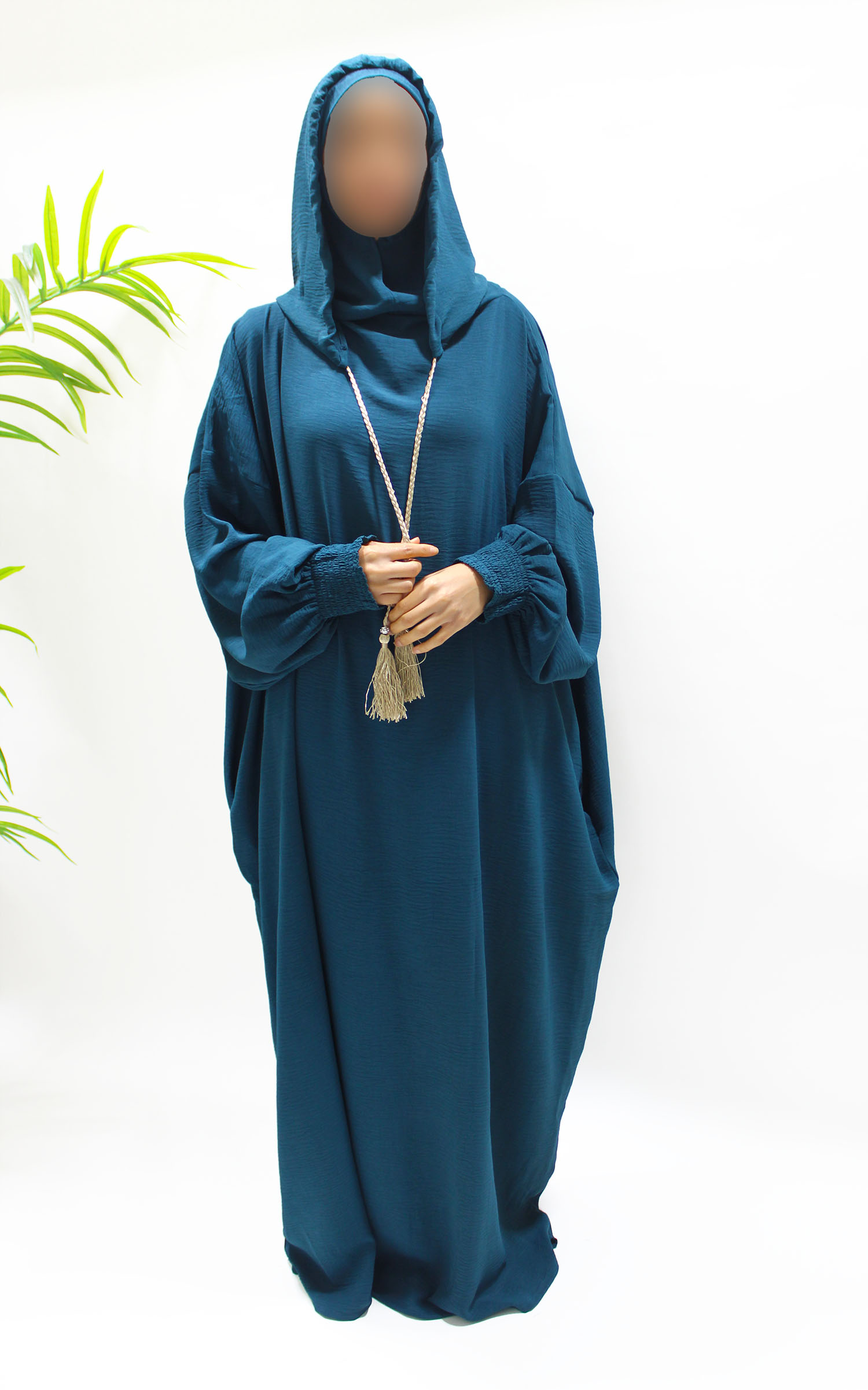
Common Types of Islamic Prayer Clothes and Their Features
| Garment | Description | Key Features | Why It Matters |
|---|---|---|---|
| Abaya | A loose, flowing outer robe commonly worn in Middle Eastern countries. | Lightweight or heavier fabric, full coverage, often black but available in colors. | Easy to wear over regular clothes, maintains modesty while allowing comfortable movement. |
| Jilbab | A long, loose coat-like garment that covers the body fully. | Often made of breathable fabric, sometimes with hood or buttons. | Offers additional layering and versatility for prayer or daily wear. |
| Prayer Hijab | A headscarf specifically designed for prayer, often larger and non-slip. | Soft fabrics like cotton or jersey, full neck and chest coverage. | Keeps hair securely covered and comfortable during movements. |
| Two-Piece Prayer Set | A coordinated top and skirt or pants set made for ease of wearing during prayer. | Elastic waistbands, loose fit, matching hijab included. | Simple to put on and take off, practical for traveling or quick prayer. |
Real Talk: What Prayer Clothes Mean to Me
Prayer clothes are my personal armor. They shield me from distraction and help me enter a space where time slows, and the world’s noise quiets. One time, after a long and exhausting day, I slipped into my favorite soft cotton prayer dress and felt an immediate wave of peace. The fabric wasn’t just soft on my skin — it was like a gentle reminder that I’m seen, valued, and held in this moment. That’s the magic of prayer clothes — they’re not just worn, they’re *felt*.
So, when I talk about why Islamic prayer clothes matter, it’s because they transform prayer from a routine into a sacred experience. They connect us to our faith, our heritage, and to ourselves in ways that nothing else can. And if you’re still searching for your perfect prayer outfit, I encourage you to think beyond style and look for what makes your soul breathe easy — because that’s exactly what prayer clothes should do.
What fabrics are best for Islamic prayer clothes — and which should you avoid?
Have you ever put on a prayer garment that felt like it hugged you gently, almost like a comforting embrace, making you forget everything else except your connection with Allah? The fabric you choose for your Islamic prayer clothes isn’t just about modesty or style — it’s about how the cloth feels on your skin during your most sacred moments. I’ve learned this the hard way through trial and error, so let me share the inside scoop on fabrics that work wonders and those you should probably steer clear of.
Why Fabric Choice Matters More Than You Think
When I first started wearing prayer clothes regularly, I didn’t pay much attention to what they were made of. I assumed anything modest and loose would do. But after a few frustrating prayers—where I felt itchy, overheated, or restricted—I realized fabric choice shapes the entire experience. Prayer is about calm, focus, and presence, and the last thing you want is your fabric distracting you with discomfort. The right fabric helps your body breathe, keeps you cool or warm as needed, and moves with you during those subtle prayer postures.
Top Fabrics That Make Prayer Clothes a Dream to Wear
| Fabric | Key Benefits | Why It Works for Prayer Clothes | Care Tips |
|---|---|---|---|
| Cotton | Soft, breathable, hypoallergenic | Cotton lets your skin breathe and absorbs moisture, perfect for long prayer sessions without feeling suffocated or sweaty. | Machine wash cold, avoid harsh detergents, and air dry to maintain softness. |
| Jersey Knit | Stretchy, lightweight, wrinkle-resistant | The stretch in jersey knit fabric makes movements during prayer effortless while staying snug without tightness. | Wash on gentle cycle, lay flat to dry to keep shape. |
| Modal | Silky, breathable, eco-friendly | Modal is gentle on the skin, drapes beautifully, and feels luxurious—elevating your prayerwear to a soft, calming touch. | Wash in cold water, avoid bleach, and tumble dry low. |
| Lightweight Linen | Highly breathable, moisture-wicking | Linen is fantastic for warmer climates or summer prayers — it keeps you cool and fresh without clinging to your skin. | Hand wash or machine wash gentle, air dry to prevent shrinkage. |
| Silk (for special occasions) | Elegant, smooth, natural sheen | Though delicate, silk’s luxurious feel can make you feel extra connected and honored during special prayers or events. | Dry clean recommended or gentle hand wash. |
Fabrics to Avoid — Trust Me on This
There are some fabrics I’d advise you to stay away from if you want your prayer experience to be as comfortable and distraction-free as possible:
- Polyester-heavy blends: These can trap heat and cause sweating, leaving you feeling sticky and distracted during prayer.
- Rough or stiff fabrics: Materials like some untreated denim or stiff synthetic blends can rub and irritate your skin when you bow and prostrate.
- Non-breathable synthetics: Fabrics like nylon or acrylic tend to lack airflow, making them uncomfortable especially in warm weather or long prayers.
- Heavy fabrics in hot climates: Thick wool or fleece, while cozy in winter, can cause overheating during prayer, which pulls your focus away from spirituality.
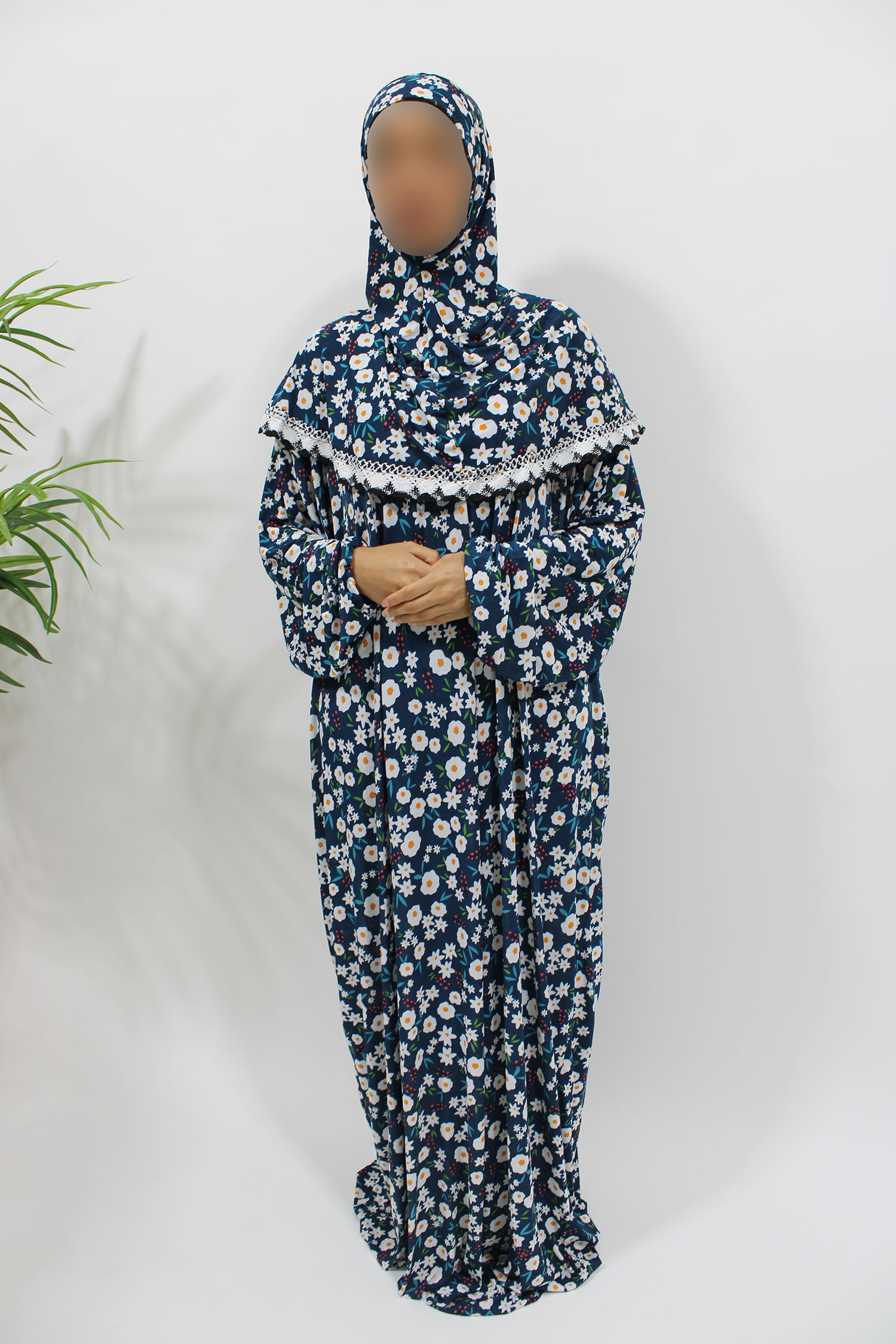
How to Choose Based on Your Climate and Lifestyle
One size definitely doesn’t fit all when it comes to prayer clothes fabrics. If you live in a hot or humid area like I do, lightweight, breathable fabrics such as cotton, linen, or modal are your best friends. I remember during Ramadan one year, I switched to linen prayer dresses and honestly, it felt like a cool breeze every time I stood to pray — a game changer for my focus and devotion.
On the flip side, if you live somewhere cold or dry, layering with slightly heavier fabrics like thick jersey knits or even soft wool blends can provide warmth without compromising modesty or comfort. I also find silk blends ideal for winter prayerwear because they trap just enough warmth but still feel smooth and indulgent on the skin.
Personal Tips for Maintaining Your Prayer Clothes
Taking care of your prayer garments means they stay beautiful and comfortable for years. Here’s what I swear by:
- Always wash prayer clothes separately or with like colors to prevent damage and keep the fabric fresh.
- Use gentle detergents free of harsh chemicals — your skin will thank you, especially if you have sensitivities.
- Air drying is preferred whenever possible to preserve fabric integrity and avoid shrinking or warping.
- Iron lightly or steam to remove wrinkles but avoid high heat on delicate fabrics like silk or modal.
Wrapping Up — Finding Your Perfect Fabric Match
In the end, the best fabric for Islamic prayer clothes is one that honors your body, your comfort, and your spiritual focus. When you wear something that feels soft and breathable, you can truly lose yourself in prayer without distraction. So, listen to your body, consider your climate, and experiment with these fabrics until you find your perfect prayer companion. Trust me — it’s worth the little effort because prayer is sacred, and your clothes should reflect that respect and care.
What makes a garment “modest” according to Islamic guidelines?
You know, modesty in clothing isn’t just about covering up — it’s a deeply personal and spiritual expression of faith, identity, and respect for oneself and others. When I first started exploring modest fashion, I thought it was simply about wearing loose clothes or covering my hair. But the more I learned, the more I realized modesty is a beautiful balance between intention, culture, and clear Islamic principles. So what exactly makes a garment “modest” in Islam? Let’s dive in together and unpack this with heart, clarity, and a little real talk.
The Core Principles of Modesty in Islamic Clothing
Islamic guidelines on modesty are rooted in both the Quran and Sunnah, and they offer a framework that’s both respectful and freeing. At its core, modest clothing is about:
- Covering the awrah: This means covering the parts of the body that Islam defines as private — typically from the navel to the knees for men, and for women, the whole body except the face and hands (though some choose to cover even more).
- Loose fitting: Clothes should not reveal the shape or contours of the body. Tight or clingy fabrics don’t align with modesty because they draw attention rather than divert it.
- Non-transparent fabrics: The material must not be see-through. Imagine praying and worrying if your outfit is revealing more than it should — it’s distracting and takes away from the spiritual focus.
- Avoiding excessive adornment: Modesty also means not attracting undue attention through flashy or overly decorative clothing. Simplicity with elegance is key.
How I Learned to Recognize Truly Modest Clothes
I remember shopping for my first prayer outfit and feeling overwhelmed — was it modest enough? Would it be accepted? What if I was overthinking? Here’s what helped me:
- Try on multiple styles: Sometimes what looks modest on a hanger feels different on your body. I tested flowy abayas, loose tunics, and wide-legged pants until I found what respected my shape without suffocating me.
- Check fabric opacity: One quick test I do is hold the fabric up to light — if you can see skin or underwear outlines, it’s a no-go for prayer clothes.
- Mind the cut and length: Hemlines that skim the ankles or fall below the hips help maintain modesty, especially when moving or bending.
- Seek guidance but trust yourself: Sometimes cultural traditions influence what modest looks like, but remember Islamic modesty is about intention and principles. I combined advice from trusted sisters with my own comfort and style.

Modesty Across Different Cultures — One Size Doesn’t Fit All
Here’s a little secret I learned: modest fashion is wonderfully diverse. What modest means in Indonesia might look different from Saudi Arabia or Morocco, and that’s beautiful. Cultural fabrics, cuts, and styles vary — but the Islamic core stays consistent. For example:
| Region | Modesty Style | Unique Elements |
|---|---|---|
| Middle East | Long flowing abayas, often black or neutral tones | Simple cuts, high-quality fabrics, sometimes embellished with subtle embroidery |
| South Asia | Loose salwar kameez and long scarves (dupattas) | Vibrant colors, intricate patterns, lightweight fabrics ideal for warm weather |
| Southeast Asia | Modest long dresses or skirts with hijabs | Mix of modern and traditional prints, breathable materials like batik or silk blends |
| Western Modest Fashion | Layered outfits: long cardigans, maxi skirts, and modest tops | Blend of Western cuts with Islamic principles, diverse fabric choices, often sporty or casual |
Modesty and Intention — Why It’s More Than Just Clothes
One thing that often gets missed is how much intention (niyyah) plays into modesty. Wearing a modest garment isn’t about impressing others or following trends blindly. It’s about cultivating humility, self-respect, and a sense of dignity that flows from inside out. I love reminding myself that my clothes are an outward reflection of my inner faith and values. When I dress modestly, it helps me stay grounded, focused, and connected — not just during prayer, but all day long.
Quick Checklist: Is Your Garment Truly Modest?
- Does it cover the required areas according to Islamic teachings?
- Is the fabric thick enough to prevent transparency?
- Is it loose enough to avoid outlining your body shape?
- Does it avoid flashy or overly attention-grabbing designs?
- Does it feel comfortable and respectful to your personal faith journey?
Wrapping Up — Modesty Is Your Personal Journey
Honestly, modesty is a journey, not a fixed destination. As I’ve grown in my faith and style, my definition of modesty has expanded and adapted, but always stayed rooted in the same beautiful principles. So don’t stress if you’re still figuring it out — embrace the process with patience and kindness to yourself. And remember, modest clothing isn’t about limitation; it’s about liberation. Liberation to express your faith confidently, elegantly, and authentically, one garment at a time.
Do men and women have different prayer clothing requirements?
This question has been on my mind many times—especially when I first started praying regularly and thinking about how to dress appropriately. Honestly, it’s not just about fashion or fabric; it’s deeply tied to spiritual principles and cultural practices that differ for men and women in Islamic prayer. Understanding these differences can truly help us approach prayer with confidence, comfort, and respect. Let’s explore this together, in a way that feels warm, personal, and real.
The Basics: What Does Islam Say About Prayer Clothing for Men and Women?
When it comes to prayer attire, Islamic teachings emphasize modesty, cleanliness, and covering specific parts of the body, but the exact requirements differ for men and women. Here’s the essence:
- Men’s requirements: Generally, men must cover from the navel to the knees during prayer. This might sound simple, but it has practical implications for choosing prayer clothes that fit well and stay in place through movement.
- Women’s requirements: Women are required to cover their entire body except for the face and hands (some scholars include the feet too). This means prayer garments for women tend to be more comprehensive, often including a long dress or abaya and a hijab or khimar.
So, right off the bat, the differences come down to the extent of coverage — but let me tell you, these requirements impact so much about the feel and function of prayer clothes.

How These Requirements Influence Men’s Prayer Clothing Choices
I remember chatting with my brother about this, and he shared how his go-to prayer outfit is often a simple long shirt (thobe or jubba) that covers beyond the knees. The loose fit is not just a style but a necessity to keep the garment modest during the physical motions of prayer — bending, bowing, and prostrating. Cotton or lightweight blends are popular because they breathe well and feel comfortable without restricting movement.
Men’s prayer clothes tend to be straightforward and practical: no flashy designs, simple colors, and fabrics that keep the focus on worship rather than appearance. For example, many prefer plain white or earth tones, which also symbolize purity and humility.
Women’s Prayer Clothing: More Layers, More Thoughtfulness
Women’s prayer attire often feels more layered and intentional. I still recall the first time I put on my dedicated prayer abaya and khimar — it was like wrapping myself in calm and focus. The coverage isn’t just for modesty but to create a space where I can connect spiritually without distraction.
This usually means:
- Long, loose dresses or abayas that flow freely and don’t cling.
- Hijabs or khimars that fully cover hair, neck, and shoulders.
- Opaque fabrics to ensure nothing shows through during the various prayer positions.
The fabrics can be varied — from cotton and jersey blends for comfort at home, to more formal silks or chiffons when attending mosque prayers or community gatherings. I’ve found that having multiple sets depending on occasion helps me feel both comfortable and respectful.
Side-by-Side Comparison: Men vs. Women Prayer Clothing
| Aspect | Men’s Prayer Clothing | Women’s Prayer Clothing |
|---|---|---|
| Coverage Required | Navel to knees | Entire body except face and hands (some also feet) |
| Common Garments | Thobe, jubba, long shirts | Abaya, jilbab, khimar, long dresses |
| Fabric Preferences | Lightweight cotton, linen | Cotton, jersey, chiffon, silk blends |
| Fit | Loose but not baggy; below knees | Loose and flowing, covers shape completely |
| Color & Style | Simple, often neutral or white | Varied: from simple to elegant, depending on occasion |
Why These Differences Matter — More Than Just Rules
I’ve come to appreciate that these distinctions aren’t about limiting expression but about honoring a spiritual discipline tailored to men and women’s different roles and needs. For women especially, prayer clothes can sometimes feel like a ritual in itself — a way to mentally and physically prepare for an intimate moment with Allah.
I remember a dear friend telling me once, “When I wear my prayer clothes, I feel like I’m stepping into a sanctuary of calm, away from the chaos.” That feeling is priceless and speaks to how clothing shapes our mindset before prayer.
Tips for Choosing the Right Prayer Clothes Based on Gender
- Men: Look for breathable, easy-to-move-in fabrics that cover adequately and stay put during prayer. Minimalist design helps keep the mind focused.
- Women: Prioritize full coverage with comfortable, non-transparent materials. Layers help, especially if you want to adapt between home and mosque settings. Soft, natural fabrics prevent irritation, especially for longer prayers.
- Both: Choose clothes you feel spiritually connected with — because at the end of the day, your heart’s intention is what truly matters.
In Conclusion: Embracing Our Unique Needs with Grace
So yes, men and women do have different prayer clothing requirements, and understanding those differences is a beautiful part of honoring our faith. Whether it’s the simplicity of a man’s thobe or the elegant flow of a woman’s abaya and khimar, each garment serves a sacred purpose. For me, prayer clothes have become a personal symbol of devotion and peace — and I hope this insight helps you feel the same.

What’s the difference between a jilbab, abaya, khimar, and hijab?
I’ve always found the world of Islamic modest fashion beautifully rich, yet sometimes confusing—especially when it comes to the names and purposes of different garments. As a woman who’s grown up navigating these pieces daily, I want to share what I’ve learned about the jilbab, abaya, khimar, and hijab. Because knowing the subtle but meaningful differences makes your modest wardrobe not just practical, but deeply personal and empowering.
Hijab: More Than Just a Headscarf
Let’s start with the term most familiar to many—the hijab. For me, the hijab isn’t just a piece of cloth; it’s a daily act of faith and identity. It specifically refers to the headscarf that covers a woman’s hair, neck, and sometimes shoulders, leaving the face visible. It’s the most common form of modest covering and comes in endless styles, fabrics, and colors.
I remember my first hijab—it was a simple cotton scarf I wrapped nervously, wondering if I was “doing it right.” Over time, it became a form of self-expression and comfort. Whether you prefer lightweight chiffons for summer or cozy jerseys for winter, the hijab adapts to your lifestyle. But importantly, it’s only part of modest dress and doesn’t cover the body itself.
Khimar: The Graceful Cape of Coverage
Moving on to the khimar, which I often think of as the “big sister” of the hijab. Unlike the typical hijab scarf, the khimar drapes down over the shoulders, chest, and sometimes reaches the waist or hips. It’s like wearing a modest cape that provides extra coverage without fuss.
I first tried a khimar when attending mosque events where more coverage felt right. What struck me was how it created a modest silhouette effortlessly—no slipping, no need for pins, just smooth, flowing fabric that let me focus on prayer and presence. The khimar is especially popular for prayer clothes because it keeps everything covered beautifully without layered scarves.
Abaya: The Elegant Outerwear of Modesty
The abaya is the garment that most people picture when they think of modest Islamic clothing. It’s a long, loose dress or cloak that covers the entire body except the hands and face. For many of us, the abaya is a daily essential—it’s both functional and a fashion statement.
My first abaya was a simple black one—classic, timeless. But as modest fashion evolved, I discovered abayas in various fabrics, cuts, and even with embroidered details. They flow gracefully and provide full coverage, making them perfect for stepping out with confidence. I love how the abaya allows me to honor my values while still embracing style, whether paired with sneakers or sandals.
Jilbab: The Traditional Modest Outerwear
The jilbab can sometimes be confused with the abaya because both cover the body fully. But here’s the nuance: the jilbab is traditionally a loose outer garment, often more voluminous than an abaya, sometimes with a hood or wide sleeves. It’s designed for complete modesty and ease of movement, historically worn as a full-body cloak over other clothes.
Growing up, I saw older women in my community wearing jilbabs for prayer or going out—its roomy design meant no shape was revealed, and layering was easy. The jilbab tends to have a more traditional, classic cut, often in plain colors, and prioritizes coverage above all else.
Quick Comparison Table: Jilbab vs Abaya vs Khimar vs Hijab
| Garment | What It Covers | Typical Use | Style & Fit | Common Fabrics |
|---|---|---|---|---|
| Hijab | Hair, neck, sometimes shoulders; face visible | Everyday modesty; head covering | Various styles; wraps, scarves, snug or loose | Cotton, chiffon, jersey, silk blends |
| Khimar | Hair, neck, shoulders, chest, sometimes waist | Prayer, extra modest coverage | Loose, cape-like, draped | Cotton, polyester, lightweight blends |
| Abaya | Whole body except face, hands | Daily wear, going out, modest outerwear | Flowing, tailored or loose, often ankle-length | Polyester, crepe, silk blends, cotton |
| Jilbab | Whole body except face, hands | Traditional outerwear, prayer, going out | Very loose, sometimes with hood, voluminous | Cotton, wool blends, polyester |
Why Knowing These Differences Matters
Understanding these distinctions changed the way I shop, dress, and even feel about my modest wardrobe. When you know the function and feel of each garment, you make choices that fit your daily rhythm and spiritual needs. For instance, I might wear a hijab and abaya to work, switch to a khimar and jilbab for a long day of prayer or community events, and mix fabrics and styles to stay comfortable.
Have you ever been overwhelmed by all these terms and styles? Trust me, you’re not alone. But once you break it down, it becomes a beautiful conversation between faith, identity, and personal style. These garments aren’t just clothes—they’re part of our story as Muslim women.

Is it mandatory to have dedicated prayer clothes in Islam?
When I first embraced the habit of praying regularly, I remember wondering: “Do I really need special clothes just for prayer?” It seemed like an extra step, maybe even unnecessary. Over time, I realized that this question isn’t just about clothes—it’s about respect, mindfulness, and creating a sacred space within my daily routine. So, is having dedicated prayer clothes mandatory in Islam? Let’s unpack this together, from faith, practicality, and heart.
Understanding Modesty and Cleanliness in Prayer
Islamic prayer (salah) requires purity — both physical and spiritual. The Qur’an and Hadith emphasize that our bodies and clothes must be clean before we stand before Allah. However, the texts don’t explicitly say you must have a separate set of clothes just for prayer. What’s essential is that the clothes you wear during prayer are tahir (pure, clean) and cover your ‘awrah properly.
For women, that means covering the entire body except the face and hands, and for men, covering from the navel to the knees at minimum. Whether you do this in your everyday outfit or in a dedicated prayer garment isn’t dictated in strict terms—though many find value in having special prayer clothes precisely because it deepens their focus and spiritual connection.
Why Many Choose Dedicated Prayer Clothes
From personal experience, dedicated prayer clothes became a small but meaningful ritual for me. It’s like setting a gentle boundary between the hustle of the day and a moment of peace with Allah. The soft fabric, loose fit, and modest design remind me to shift my mindset—to slow down and honor the moment.
Many Muslim women I know cherish prayer clothes for these reasons too. Some have a beautiful khimar or jilbab reserved just for salah, which helps create a calm mental space. Others keep a simple, elegant abaya or long dress nearby. This doesn’t mean they believe it’s mandatory, but that it adds intention to their worship.
When Prayer Clothes Are Not a Separate Outfit
It’s also completely normal and acceptable to pray in your regular modest clothing—especially if you’re at home, at work, or on the go. I’ve been in situations where I didn’t have dedicated prayer clothes, and honestly, the sincerity of your heart matters more than what you wear. Cleanliness and modesty come first, but it doesn’t have to be a separate set.
For many Muslim sisters balancing busy lives, this flexibility is a blessing. It keeps prayer accessible without feeling like a logistical hassle. It’s also common in Muslim-majority countries where modest daily wear naturally fits prayer requirements, so separate clothing isn’t as emphasized.
Dedicated Prayer Clothes: A Personal Choice, Not a Command
| Aspect | Dedicated Prayer Clothes | Regular Modest Clothes |
|---|---|---|
| Religious Requirement | Not mandatory, but recommended by some scholars for focus | Completely valid if clean and covers awrah properly |
| Spiritual Mindset | Helps create intentional worship atmosphere | Requires personal mindfulness to separate prayer time |
| Practicality | Can be convenient to keep ready and clean | Flexible for everyday use and on-the-go prayers |
| Community Norms | More common in some cultures and traditions | Widely accepted in many Muslim communities |
My Prayer Clothes Story
I’ll never forget the first time I gifted myself a soft cotton jilbab just for prayer. It wasn’t about showing off or following a trend—it was about self-care. Sometimes, when life feels chaotic, slipping into that garment calms me. It reminds me that prayer is my refuge. Yet, on busy days, I’m just as sincere praying in my regular abaya and hijab, reminding myself it’s the heart’s presence that truly counts.
So, if you’re wondering whether you need a dedicated prayer outfit, here’s my honest take: you don’t have to have one, but if you feel drawn to it, it can be a beautiful aid in deepening your connection. And if not, that’s perfectly okay too.
Tips for Choosing Prayer Clothes If You Want Dedicated Ones
- Prioritize comfort: Breathable fabrics like cotton or soft polyester blends make long prayer sessions easier.
- Focus on modesty: Loose fit, long sleeves, and full coverage of your awrah are essential.
- Keep it simple: Prayer clothes don’t need to be fancy—clean, neat, and functional is best.
- Easy care: Choose garments that are easy to wash and quick to dry, so you’re always ready.
At the end of the day, prayer is a deeply personal conversation with Allah. What you wear is part of that dialogue, but your intention and heart are what truly matter most.
What do Islamic scholars say about tight, thin, or see-through fabrics?
Let me start with a confession: when I first began exploring modest fashion, the whole idea of “what fabrics are allowed” felt confusing and honestly, a bit intimidating. I’d see beautiful clothes online or in stores, but then wonder—“Is this too tight? Too sheer? What would scholars say?” Over the years, through reading, asking, and living this modest lifestyle, I’ve come to understand that Islamic guidance on fabrics isn’t about rigid fashion policing—it’s about preserving dignity, modesty, and respect in how we present ourselves.
The Core Principle: Modesty Over Material
In Islam, modesty (haya) is the heart of how we dress. The Qur’an instructs both men and women to dress modestly and to lower their gaze. But it doesn’t spell out fabric types or fashion trends by name. Instead, scholars derive rulings based on whether clothing fulfills key requirements:
- Coverage: Clothes must cover the awrah (private parts) properly—meaning no part should be visible that ought to be hidden.
- Non-transparency: The fabric must not be see-through, so skin or the shape of the body underneath can’t be discerned.
- Non-tightness: Clothes shouldn’t cling tightly to the body to the extent that the shape or curves are clearly outlined.
- Non-attraction: Clothing shouldn’t be worn in a way that draws excessive attention or is considered provocative.
So, it’s less about whether fabric is thin or thick by itself, and more about how it behaves when worn.
What Scholars Say About Tight and See-Through Fabrics
Most Islamic scholars agree that wearing tight or see-through fabrics during prayer or in public goes against the spirit of modesty. When clothes cling tightly, they reveal the body’s contours, which Islam encourages to keep private. Similarly, see-through fabrics that expose skin or undergarments aren’t permissible because they violate the requirement of proper coverage.
For instance, Sheikh Ibn Uthaymeen, a respected scholar, emphasized that clothing must hide the shape of the body to protect modesty. He said, “If the fabric is thin or tight to the point where the body’s shape is visible, it is not considered covering properly.” This has become a guiding principle for many Muslims navigating modest fashion.
Thin Fabrics: Context Matters
But here’s where things get interesting. Not all thin fabrics are automatically forbidden. It depends heavily on the situation and layering. For example, lightweight cotton or chiffon scarves can be worn if they are not see-through or if layered properly so nothing is visible beneath. Many women wear soft, breathable materials during hot weather, layering modestly to ensure coverage without sacrificing comfort.
I remember my first Ramadan during summer, struggling to find breathable fabrics that weren’t too revealing. I experimented with layering a thin but opaque abaya over a long-sleeve top, paired with a thick underscarf to avoid transparency. It’s about being mindful and intentional with how you wear fabrics, not just avoiding certain materials altogether.
Table: Quick Guide on Fabric and Modesty
| Fabric Type | Modesty Considerations | Styling Tips |
|---|---|---|
| Thick, opaque fabrics (cotton, wool, denim) | Generally acceptable; covers well, less risk of transparency | Great for cooler weather; ensure proper fit to avoid tightness |
| Thin but opaque fabrics (linen, certain polyester blends) | Acceptable if not see-through and loose fitting | Layer if needed; pair with undershirts or thicker scarves |
| See-through or sheer fabrics (chiffon, mesh) | Not suitable alone; violates coverage rules | Use as outer layers or with lining; avoid wearing alone in public |
| Tight/stretchy fabrics (leggings, bodycon) | Generally discouraged due to body outline visibility | Wear under loose tunics or dresses; avoid direct public wear |
Relatable Moments: Navigating Style and Faith
I’ll never forget the time I found a beautiful maxi dress with a delicate lace overlay. It was stunning but sheer enough that I could see my legs’ outline through it. My heart tugged—could I wear it to the mosque or family gatherings? After consulting my local imam, I learned that layering was key. I paired it with a long slip and a loose abaya. It wasn’t just about the dress—it was about respecting the spirit of modesty while still expressing style.
For many of us, this journey is about balance. It’s okay to love fashion and fabrics but to also keep our faith front and center. I often remind myself: modesty isn’t about restriction—it’s about dignity and honoring the relationship with Allah.
Final Thoughts: Embrace Mindfulness Over Perfection
If you’re wondering about fabrics—tight, thin, or see-through—my advice is simple: always return to the principles of coverage, comfort, and intention. Don’t stress over trendy pieces if they don’t align with modesty. Instead, lean into what makes you feel both confident and respectful of your faith.
Remember, Islamic modesty is deeply personal and nuanced. Scholars provide guidance, but your sincere effort and mindfulness matter most. So go ahead—explore fabrics and styles with your heart, and wear what uplifts your soul without compromising your values.
How should children dress for salah — and how can you make it easier for them?
As a Muslim woman who’s watched her little ones grow up wrapped in the beauty of our faith, I know firsthand how special and sometimes tricky it can be to nurture their love for salah (prayer). Dressing children for prayer isn’t just about covering their bodies—it’s about planting seeds of modesty, respect, and reverence in their young hearts. But how do you balance comfort, modesty, and ease without turning prayer time into a battle? Let me share what I’ve learned along the way.
The Basics: What Should Children Wear for Salah?
First, let’s break down the essentials. Islamic guidelines on prayer clothing apply to all ages, but with children, the focus is on simplicity and practicality. Here’s the foundation:
- Coverage: For boys and girls, clothes should cover the awrah appropriately. For boys, this generally means from the navel to the knees. For girls, modesty guidelines are a bit more encompassing, often including long sleeves and pants or dresses.
- Cleanliness: Salah requires physical purity. Clothes should be clean and free of impurities.
- Comfort: Children are naturally active and squirmy, so clothes should allow freedom of movement during bowing and prostration.
Nothing fancy or restrictive—just respectful and functional.
How I Made Prayer Clothes Kid-Friendly at Home
When my eldest was about four, prayer time was an adventure. She’d fuss with sleeves or try to pull off her hijab. That’s when I realized: making salah clothes comfortable and easy is half the battle won. Here are some personal tricks that helped us both:
- Soft, breathable fabrics: I always opt for cotton or jersey for my kids’ prayer clothes. These fabrics don’t irritate their skin and breathe well, especially during longer prayers or hot days.
- Loose fits: Avoid anything too tight. Loose tops and elastic waist pants give them freedom without compromising modesty.
- Easy-to-wear hijabs: For my daughters, I chose slip-on or stretchy hijabs rather than pins and complicated wraps. It saved tears and kept their heads covered comfortably.
- Simple sets: Matching prayer sets—like a tunic and pants or an abaya with a built-in hijab—make dressing quick and fuss-free.
Making prayer clothes kid-friendly isn’t about perfection; it’s about empathy.
Table: Quick Guide to Children’s Prayer Clothes
| Age Group | Clothing Essentials | Fabric Recommendations | Practical Tips |
|---|---|---|---|
| 2-5 years | Loose tunics/shirts + pants; slip-on hijab for girls | Cotton, jersey | Simple sets; avoid buttons or zippers |
| 6-10 years | Long-sleeve tops + pants or abayas; easy hijab styles | Cotton blends, breathable fabrics | Introduce layering; teach basic hijab wrapping |
| 11+ years | Modest dresses or jilbabs; traditional hijab styles | Lightweight but opaque fabrics | Encourage personal style within modesty |
Building Positive Prayer Habits Through Clothing
Clothing for salah isn’t just physical—it’s emotional. When kids feel comfortable and proud of what they’re wearing, they’re more excited to join prayer. One evening, I remember my daughter beaming because she picked out her own prayer outfit—simple, modest, but all hers. That little choice made all the difference in her eagerness to pray that night.
I also made it a habit to let my kids help pick out their prayer clothes, talk about why modesty matters, and turn it into a bonding moment rather than a chore. Kids pick up on our enthusiasm more than we realize.
Extra Tips for Easing Prayer Clothing Challenges
- Prepare clothes ahead: Lay out prayer outfits the night before to avoid morning struggles.
- Use visual cues: Hang their prayer clothes in a special spot to remind them and make it exciting.
- Celebrate effort: Praise them when they dress modestly for salah, reinforcing positive behavior.
- Adapt seasonally: Keep lightweight, breathable clothes for summer and cozy layers for winter—comfort helps consistency.
Remember, kids aren’t born knowing how to pray or dress for it—they learn from our example and the environment we create.
Final Thoughts: A Journey of Love and Patience
Helping children dress for salah is part of the larger journey of nurturing their faith. It’s not about perfection or rigidity; it’s about love, patience, and making prayer a joyful, natural part of their lives. When we equip our children with clothes that honor their innocence and our traditions—while allowing them to be kids—we’re doing more than dressing bodies; we’re shaping hearts.
Can you pray in everyday clothes or must they be “Islamic” garments?
I’ve heard this question countless times from sisters new to prayer and even from seasoned Muslims trying to simplify their spiritual routine: “Do I have to wear special Islamic clothes to pray, or can I just pray in my everyday outfit?” The truth is refreshingly simple — prayer clothing doesn’t have to be complicated or expensive. It’s about intention, respect, and meeting the conditions of salah, not about donning specific “Islamic” garments. Let me unpack this in a way that feels real and helpful.
What Really Matters When Choosing Clothes for Salah?
The core of prayer clothing in Islam centers on a few essential principles: purity, modesty, and covering the awrah (the parts of the body required to be covered). The Prophet Muhammad (peace be upon him) never said you must wear a particular style or label to pray. Instead, he emphasized cleanliness and appropriate coverage. That means your clothes must be clean, free of impurities, and modest enough to cover what needs covering during prayer.
So yes, you absolutely can pray in everyday clothes, as long as these requirements are met.
My Experience: Praying in Simple, Everyday Outfits
I remember when I first started wearing the hijab and praying regularly, I worried that I needed special “prayer clothes” like abayas or jilbabs every time I wanted to pray. But the reality is much more down-to-earth. On busy mornings, I’ve prayed in a simple long tunic with leggings or loose pants — nothing fancy, just clean and modest. What mattered most was the sincerity of my heart, not the cut of my sleeves.
And honestly, this flexibility made prayer feel accessible, not intimidating. It reminded me that Islam is practical, merciful, and meant for our daily lives — not just special occasions.
Table: Comparing Everyday Clothes vs. Traditional Islamic Prayer Garments
| Aspect | Everyday Clothes | Traditional Islamic Prayer Garments |
|---|---|---|
| Coverage | Can cover awrah if chosen carefully (e.g., long tunics, loose pants) | Designed to cover awrah fully (abayas, jilbabs, khimars) |
| Cleanliness | Must be clean and free of impurities | Also requires cleanliness; often easier due to fabric choice |
| Comfort | Depends on fabric and fit, may vary | Typically loose and flowing, designed for prayer comfort |
| Accessibility | Very accessible, no special purchase needed | May require buying or dedicating specific garments |
| Style | Varied, can express personal taste within modesty guidelines | More traditional, uniform in style and purpose |
When Might Special Prayer Clothes Be Helpful?
While you certainly don’t need them, special prayer clothes can have their benefits. Some women find that wearing an abaya or jilbab during prayer helps them mentally transition from daily distractions into a focused, sacred moment. Others appreciate having a dedicated “prayer outfit” to save time and avoid worry about coverage or fabric.
For example, during Ramadan, I like having a few simple abayas or prayer sets I can grab quickly. It’s less about obligation and more about creating a peaceful, intentional space around my worship.
But if you’re rushing to catch your daily prayers at work, school, or the market, wearing your everyday modest clothes absolutely suffices.
Stories from Sisters: Finding Freedom in Flexibility
I recall a friend, Amina, who felt pressured to buy expensive prayer garments when she converted. She was overwhelmed, worrying if her regular clothes were “good enough.” One day, I told her, “Salah is about connection with Allah, not fashion shows.” That reminder freed her from unnecessary stress. Now she prays in her favorite comfy tunics and feels more spiritually grounded than ever.
Similarly, many sisters in bustling cities balance work, family, and prayer without owning special outfits. They prove every day that sincerity and mindfulness matter far more than fabric type or cut.
Final Thoughts: Let Your Intention and Practicality Guide You
At the end of the day, the best “prayer clothes” are the ones that let you focus on your heart and your connection with Allah. Whether that’s your favorite long blouse and pants, a dedicated abaya, or a simple dress, it all comes down to intention and respect.
So don’t stress over having the “perfect” Islamic garment for salah. Embrace the beautiful truth that prayer is accessible, inclusive, and deeply personal. Wear what honors the sunnah of modesty, keeps you comfortable, and helps you feel close to your Creator. That’s what matters most.
How do different cultures around the world interpret prayer dress codes?
One of the most beautiful things about Islam is its universality — yet when it comes to prayer dress, the diversity of cultural expressions truly shines. I’ve always been fascinated by how Muslim women and men across the globe honor the core principles of modesty and purity, while weaving in their unique traditions, climates, and styles. Exploring these variations feels like a journey into the heart of global Muslim identity, full of warmth, wisdom, and sometimes surprising creativity.
Universal Principles, Local Flavors
At the core, prayer dress codes are guided by Islam’s foundational requirements: covering the awrah, ensuring cleanliness, and dressing modestly. But beyond these essentials, the interpretation varies widely. The way a sister in Indonesia covers herself might look very different from how a brother in Morocco dresses for prayer — yet both are deeply sincere in their worship.
This beautiful flexibility speaks to Islam’s adaptability. It embraces cultural richness without compromising its spiritual essence. And let me tell you, witnessing these differences firsthand is both humbling and inspiring.
Examples from Around the Muslim World
| Region | Typical Prayer Dress | Unique Cultural Touch | Climate Adaptations |
|---|---|---|---|
| Middle East (e.g., Saudi Arabia, UAE) | Women: Abaya & Shayla; Men: Thobe and Ghutra | Embroidered designs, flowing abayas with delicate lace | Lightweight, breathable fabrics to combat desert heat |
| South Asia (Pakistan, India, Bangladesh) | Women: Salwar Kameez with dupatta; Men: Kurta Pajama | Bright colors, intricate embroidery, and traditional prints | Natural fabrics like cotton for humid climates |
| Southeast Asia (Indonesia, Malaysia) | Women: Long kebayas or modest tunics with hijab; Men: Sarong and shirt | Floral patterns and batik prints in prayer clothes | Loose, airy garments suited for tropical weather |
| West Africa (Nigeria, Senegal) | Women: Boubou with headwrap; Men: Agbada or Kaftan | Vibrant colors, geometric patterns, and bold headscarves | Lightweight, flowing fabrics for warm climates |
| Turkey & Central Asia | Women: Long dresses or coats with scarves; Men: Tunics and trousers | Muted colors, elegant layering, Ottoman-influenced embroidery | Thicker fabrics for cooler climates |
A Personal Story: Discovering Prayer Styles Beyond Borders
When I traveled to Morocco, I was enchanted by how the women there combined tradition with personal flair. One morning, I shared tea with a local sister who wore a beautifully embroidered jilbab paired with a colorful scarf that spoke of her Berber heritage. She told me, “In prayer, I want to feel connected to Allah but also to my roots.” It struck me how prayer clothes are not just about rules — they’re also a canvas for identity and belonging.
Similarly, in Indonesia, I was touched by how modest fashion embraces vivid colors and patterns, blending spirituality with joyful expression. It reminded me that prayer attire can be deeply personal — a gentle balance of devotion and culture.
How Climate Shapes Prayer Dress
No conversation about global prayer attire is complete without acknowledging the role of climate. It’s no surprise that desert regions favor loose, lightweight fabrics that breathe, while colder places layer their garments for warmth. Understanding this makes us appreciate how Islam honors both the letter and the spirit — ensuring comfort in worship without compromising modesty.
For instance, in colder climates like Turkey or Kazakhstan, women often wear heavier coats or shawls over their prayer clothes. This practical adaptation doesn’t dilute modesty; it enriches it by showing respect for the body’s needs.
Embracing Diversity, Staying Grounded in Faith
So, how should we see these diverse prayer dress codes? As an invitation to celebrate the beautiful mosaic of Muslim cultures worldwide while remembering our shared devotion. Whether you wear an abaya, a salwar kameez, a boubou, or a simple loose dress, your prayer outfit is a heartfelt expression of faith wrapped in your unique story.
Let’s cherish this diversity with open hearts and open minds. After all, it’s the sincerity of our prayer — not the exact cut of our clothes — that draws us closest to Allah.
What are the most breathable and comfortable options for hot climates?
Living in a hot climate and trying to stay modest can feel like walking a tightrope. I’ve been there—those blazing afternoons when the sun feels relentless, and your clothing feels like a heavy weight rather than a comforting shield. But here’s the good news: modest fashion doesn’t have to mean sacrificing comfort or breathability. In fact, with the right fabrics and styles, you can feel fresh, cool, and confident in your prayer and everyday wear—even when temperatures soar.
Why Breathability Matters in Modest Clothing
Let me be honest—there’s nothing worse than feeling trapped inside your own clothes on a hot day. Breathability isn’t just a luxury; it’s essential for maintaining focus in prayer and comfort throughout daily life. When fabric traps heat and moisture, it distracts you, makes you restless, and even risks skin irritation. That’s why choosing the right materials is more than just a style choice—it’s a spiritual and physical necessity.
Over time, I’ve realized that modesty and comfort can truly coexist when we select fabrics thoughtfully. Here’s a quick look at the fabrics that have been my lifesavers in scorching heat.
Top Breathable Fabrics for Hot Climates
| Fabric | Why It Works | Best Uses | Care Tips |
|---|---|---|---|
| Cotton | Natural fiber, lightweight, excellent breathability, absorbs moisture | Loose abayas, tunics, hijabs, prayer dresses | Wash in cold water, avoid high heat drying to maintain softness |
| Linen | Highly breathable, cool to touch, moisture-wicking | Flowy dresses, loose pants, scarves | Hand wash or gentle cycle; tends to wrinkle but that’s part of its charm |
| Bamboo | Soft, naturally antibacterial, moisture-wicking | Hijabs, underlayers, prayer garments | Wash with gentle detergent; avoid fabric softeners |
| Modal | Semi-synthetic but breathable, smooth, drapes beautifully | Long skirts, dresses, inner layers | Cold wash, hang dry to keep fabric shape |
| Jersey Cotton | Stretchy, lightweight knit, breathable | Casual hijabs, tunics, abayas | Machine washable, avoid bleach |
Style Tips for Staying Cool While Staying Covered
Now, beyond fabric choice, the cut and fit matter just as much. I remember once attending a summer Eid prayer under the blazing sun, wearing a heavy, synthetic abaya—big mistake. The heat felt suffocating, and honestly, it distracted me from the beauty of the moment. After that day, I vowed to never sacrifice breathability for modesty.
Here are a few practical style tips I follow and recommend:
- Choose loose, flowing garments: Loose silhouettes allow air to circulate freely. Think wide sleeves, A-line cuts, and flowy skirts or abayas.
- Layer lightly: If you want extra coverage, layer thin breathable fabrics instead of one thick piece.
- Opt for light colors: Light colors reflect sunlight, keeping you cooler compared to dark hues that absorb heat.
- Wear breathable hijabs: Cotton or bamboo hijabs with a bit of stretch are ideal for hot days.
- Use moisture-wicking underscarves: They help prevent sweat from showing and keep you feeling fresh.
A Real-Life Moment: Finding My Summer Prayer Wardrobe
One summer, I remember being frustrated trying to find an abaya that wouldn’t cling or make me sweat buckets during taraweeh. After some trial and error, I discovered linen-blend abayas with cotton linings—they became my holy grail. The fabric’s natural breathability kept me cool, and the modest cut gave me the confidence to focus on my prayers instead of my discomfort.
And the hijabs? Bamboo blends became my favorite for Ramadan nights—soft, breathable, and they stayed put without making me overheat. That little change transformed my spiritual experience more than I expected.
Wrapping It Up: Breathable Comfort is Possible and Essential
To any sister struggling with heat and modesty, know that you’re not alone. Your discomfort matters, and it’s okay to prioritize your comfort without feeling like you’re compromising your values. The right fabrics and thoughtful styling can bring ease and beauty to your modest wardrobe.
Remember, modest fashion is not about suffering in silence—it’s about embracing the balance between faith, identity, and the realities of the world we live in. When you feel good in your clothes, your heart and mind can open more fully in worship.
How should you dress for prayer during winter or in colder regions?
Growing up in a warm climate, I never really gave much thought to layering up for prayer until I moved to a colder region. Suddenly, the cozy modest wardrobe I once loved didn’t quite cut it anymore. I found myself wrestling with how to stay warm without compromising the modesty and comfort so vital to my spiritual practice. If you’re in a similar situation, whether it’s a biting winter or just chilly prayer spaces, I want you to know you’re not alone—and there are beautiful, practical ways to dress for prayer that keep you warm, modest, and serene.
Balancing Warmth and Modesty: The Core Challenge
Let’s be real—praying in cold weather can feel like a battle between spiritual focus and physical discomfort. I remember a particular morning in early January, wrapped in layers but still shivering before prayer. It distracted me from the tranquility I seek in salah. This challenge isn’t just about piling on clothes; it’s about thoughtful choices that respect the essence of modest fashion while keeping the chill at bay.
Modesty in prayer clothing means loose, full coverage, and respectful fabrics—but winter asks us to add insulation, too. The key is layering wisely with breathable fabrics that trap warmth but don’t restrict movement. Here’s what I’ve learned to make it work beautifully.
Fabric Choices That Keep You Cozy Without Compromise
| Fabric | Benefits for Winter Prayer Wear | Suggested Garments | Care Tips |
|---|---|---|---|
| Wool | Excellent insulation, natural warmth, breathable | Outer abayas, scarves, shawls | Hand wash or dry clean; avoid high heat |
| Cashmere | Soft, lightweight warmth, luxurious feel | Hijabs, layering scarves, cardigans | Hand wash or dry clean; delicate care needed |
| Fleece-lined Cotton | Comfortable, warm, moisture-wicking | Prayer dresses, long tops, pants | Machine wash cold; gentle cycle |
| Thermal Jersey | Stretchy, insulating, soft on skin | Underscarves, inner layers, tunics | Machine wash; avoid bleach |
| Polyester Blends | Good insulation, wrinkle-resistant, durable | Outerwear, coats, abayas | Machine wash; follow label instructions |
Layering Tips That Work Wonders in Cold Weather
Layering is an art form—especially when you want to stay modest and warm. Here’s how I approach it, and trust me, it’s made a world of difference:
- Start with thin, breathable base layers: Thermal or jersey undershirts and leggings keep your body heat close without bulk.
- Add a mid-layer of fleece-lined or cotton garments: These pieces provide extra warmth but remain comfortable and loose.
- Top it off with a wool or polyester outer layer: A warm abaya, cloak, or coat in breathable fabric completes your look.
- Don’t forget the accessories: Thick hijabs in wool or cashmere blends, fingerless gloves, and warm socks can make prayer feel cozy, even on cold mornings.
Story from My Winter Prayer Experience
Last winter, I struggled to find a hijab that was both warm and light enough to wear all day, especially during Fajr prayer when the chill was biting. One day, I stumbled upon a cashmere-blend hijab and decided to try it. The softness against my skin and the gentle warmth it provided was like a hug from Allah’s mercy itself. It didn’t suffocate or feel heavy, but it wrapped me in comfort and modesty. That little discovery transformed how I approached winter prayer clothing—comfort became part of my devotion.
Winter Prayer Outfit Example
| Clothing Item | Fabric Recommendation | Why It Works |
|---|---|---|
| Underscarf | Thermal Jersey | Keeps head warm without bulk, breathable |
| Hijab | Cashmere blend | Soft warmth, elegant drape, cozy |
| Abaya | Wool or fleece-lined cotton | Warm insulation, modest, breathable |
| Long-sleeve inner top | Cotton or thermal jersey | Layered warmth, moisture-wicking |
| Leggings or pants | Fleece-lined cotton or thermal | Keeps legs warm, flexible |
Final Thoughts: Embrace Winter Prayer with Warmth and Grace
I know winter prayer wear can feel like a puzzle—trying to stay modest, warm, and comfortable all at once. But with a little experimenting and mindful fabric choices, you can find the perfect balance that lets your heart focus on worship rather than shivering. Each layer can become a reminder of Allah’s protection, wrapping you in both physical warmth and spiritual peace.
So, sisters, when the cold winds blow, don’t let your prayers freeze in hesitation. Embrace the season with intention, warmth, and modest elegance—and watch how your connection to your faith deepens in the quiet warmth of your prayer space.
What’s the best way to store and care for your prayer clothes?
Prayer clothes hold more than fabric; they carry memories, moments of reflection, and our deepest intentions. For many of us, that special abaya or hijab isn’t just another outfit—it’s a sacred companion on our spiritual journey. That’s why caring for these garments feels personal. I’ve learned over the years that storing and maintaining prayer clothes with care preserves not just their beauty but also the comfort and confidence they bring to each prayer.
Why Proper Care Matters Beyond Looks
I used to think that as long as my prayer clothes were clean, they were good to go. But over time, I noticed delicate fabrics losing their softness or colors fading. And honestly, when your hijab loses that gentle touch or your prayer dress starts to feel stiff, it subtly steals from your prayer experience. It’s not just about appearance — it’s about honoring the garments that help you feel connected and modest in your worship.
Taking care of your prayer clothes extends their life and saves you money. But more importantly, it shows respect for your commitment to modesty and the moments of peace those clothes wrap you in.
Essential Tips for Storing Your Prayer Clothes
| Storage Method | Benefits | How-To |
|---|---|---|
| Hang on Padded Hangers | Prevents creases and maintains shape | Use soft padded hangers; avoid wire hangers that deform delicate fabrics like chiffon or silk |
| Fold in Breathable Cotton Bags | Protects from dust, allows air circulation | Fold carefully; store in cotton or muslin garment bags instead of plastic |
| Separate Seasonal Storage | Keeps wardrobe organized; prevents damage from overuse | Store winter prayer clothes separately in cool, dry places during warmer months and vice versa |
| Keep Away from Direct Sunlight | Prevents fading and fabric weakening | Store in shaded closets or drawers; avoid windows and bright lights |
Cleaning Care: Treat Your Prayer Clothes Like Treasures
Cleaning prayer clothes needs a gentle touch. I remember once accidentally throwing a delicate lace hijab into the washing machine—it came out looking worn and sad, and I felt like I had lost a little piece of my modest wardrobe soul. Since then, I follow these simple rules to keep my clothes fresh without damage:
- Hand wash delicate fabrics: Silks, chiffons, and cashmere blends respond best to gentle hand washing with mild detergent.
- Use cold water: Hot water can shrink or fade fabrics, especially natural fibers.
- Avoid harsh detergents: Opt for gentle, fragrance-free soaps designed for delicate garments.
- Air dry flat: Avoid wringing or twisting; lay garments flat on a clean towel or drying rack to maintain shape and prevent stretching.
- Machine wash when safe: For cotton and polyester prayer dresses, use a gentle cycle with a laundry bag to protect the fabric.
Quick Reference Care Guide for Common Prayer Garment Fabrics
| Fabric | Washing Method | Drying | Storage Advice |
|---|---|---|---|
| Chiffon | Hand wash cold | Air dry flat | Hang on padded hanger away from sunlight |
| Cotton | Machine wash gentle cycle | Tumble dry low or air dry | Fold or hang in breathable bag |
| Silk | Hand wash or dry clean | Air dry flat | Store in cool, dark place, avoid plastic |
| Wool | Hand wash or dry clean | Lay flat to dry | Fold and store with cedar balls to prevent moths |
| Polyester | Machine wash cold | Air dry or low tumble dry | Hang or fold as preferred |
Personal Story: When Prayer Clothes Became a Family Heirloom
I still vividly remember the day my mother handed me her old prayer dress—soft cotton with delicate embroidery. It was a bit worn around the edges but smelled faintly of jasmine and years of devotion. She shared how she cared for it carefully, folding it after every wash and keeping it away from sunlight. That dress wasn’t just fabric; it was a vessel of love, patience, and prayer. It taught me that caring for our prayer clothes is a way of honoring our faith and family legacy.
Final Thoughts: Care as an Act of Worship
Looking after your prayer clothes is more than a chore—it’s a sacred act that deepens your relationship with your modest wardrobe and your faith. When you gently wash, thoughtfully store, and respect the garments that accompany your prayers, you’re nurturing a beautiful ritual of mindfulness and gratitude. And isn’t that what modest fashion truly embodies? Care, intention, and love in every thread.
What should you wear for prayer when traveling or flying?
Traveling is such a special time—new places, new people, and often, new challenges when it comes to maintaining our prayer routines. I remember my first long flight after wearing hijab daily: the excitement mixed with the question, “How do I stay comfortable, modest, and spiritually connected while on the move?” Traveling can make us feel a bit vulnerable about our prayer clothes, but it doesn’t have to. With a bit of planning and some wardrobe wisdom, you can keep your modesty intact and your prayers uninterrupted, no matter where you are.
The Balancing Act: Comfort, Modesty, and Practicality
Let’s be honest—there’s nothing worse than feeling restricted or overheated on a flight or a long bus ride. But for us, modesty is non-negotiable. So, how do we balance these needs? Over the years, I’ve learned that lightweight layers and breathable fabrics are my best friends when I travel. Think loose, flowy abayas or maxi dresses that don’t cling, paired with hijabs made of soft cotton or modal that breathe easily but provide full coverage.
Comfort doesn’t mean compromising on modesty—it means adapting with intention. That way, you’re not just dressed for travel, but dressed for prayer anywhere, anytime.
Key Features to Look for in Travel-Friendly Prayer Clothes
| Feature | Why It Matters | Examples |
|---|---|---|
| Breathable Fabrics | Keeps you cool and fresh during long waits and flights | Lightweight cotton, bamboo, modal, linen blends |
| Loose Fit | Ensures modesty and comfort when sitting or moving | Flowy abayas, wide-leg pants, A-line maxi dresses |
| Wrinkle-Resistant Material | Keeps you looking polished without ironing at the airport | Polyester blends, jersey fabrics |
| Easy Layering Pieces | Allows adjusting for temperature changes in airports and planes | Cardigans, lightweight scarves, open abayas |
| Simple Hijab Styles | Quick to put on and comfortable for extended wear | Slip-on hijabs, soft cotton squares, stretchy jersey hijabs |
How I Pack and Wear Prayer Clothes When Traveling
Packing prayer clothes for travel is almost like preparing for a mini spiritual retreat. I always pack at least two sets: one lightweight outfit for the journey and another slightly warmer set for cooler destinations or air-conditioned spaces. I opt for abayas that fold neatly without wrinkles and hijabs that can double as shawls or wraps if needed.
One memorable trip was a pilgrimage where I traveled through multiple climates—from humid to chilly. My secret? Layering a breathable cotton abaya with a soft, warm cardigan I could take off or put on easily. My hijabs were mostly cotton or modal blends—comfortable for hours, and they stayed put even during hectic transit times.
Don’t underestimate accessories like pins that hold hijabs securely without discomfort, or slip-on shoes that are easy to remove during security checks but still modest and stylish.
Prayer on the Go: Staying Ready and Respectful
Finding a prayer spot while traveling can sometimes be tricky, but having your prayer clothes ready and comfortable makes all the difference. I usually keep a small prayer kit in my carry-on—prayer rug, compass app on my phone, and a compact set of prayer clothes if my outfit isn’t ideal for praying in public spaces.
If you’re flying, consider packing a travel-friendly abaya or jilbab in your carry-on to change into before praying if your flight attire isn’t suitable. For instance, sometimes airport lounges or prayer rooms might require slightly more formal or modest dressing than casual travel clothes.
Quick Tips for Prayer Clothes While Traveling
- Choose fabrics that dry quickly — in case you need to wash on the go.
- Carry a lightweight scarf to cover shoulders or neck if needed in different settings.
- Opt for slip-on shoes for easy airport navigation and modesty in crowded spaces.
- Pick neutral colors that won’t show wrinkles or stains easily and can be mixed and matched.
- Use travel-sized detergent sheets if you want to freshen up your clothes in hotel sinks.
Final Thoughts: Traveling with Faith and Style
Traveling with prayer clothes isn’t just about practicality—it’s a reminder that no matter where we are, our faith and modesty travel with us. It’s a comforting thought that, through thoughtful choices, we can stay true to ourselves even in airports, unfamiliar cities, or on long flights. And honestly, there’s a special kind of peace that comes with feeling both comfortable and covered. So next time you pack your bags, remember—it’s not just about what you wear, but how you carry your spirit wherever you go.
Can you wear perfume or makeup with prayer clothes?
This is such a delicate question — one that I’ve personally wrestled with many times. As Muslim women, we want to feel beautiful and confident, but also deeply respectful and mindful during our prayers. Is it okay to wear perfume or makeup with prayer clothes? How do we strike that balance between honoring our spirituality and embracing our femininity? Let me share my honest thoughts, woven from both personal experience and faith.
Perfume and Prayer: The Sweet Scent of Intention
First off, I want to say that wearing perfume before prayer is generally seen as permissible—and even recommended—if done thoughtfully. The Prophet Muhammad ﷺ loved pleasant scents, and there are beautiful hadiths encouraging the use of perfume to maintain cleanliness and dignity. But there’s a catch: perfume shouldn’t be overpowering or worn with the intention to attract unnecessary attention, especially in public or communal prayer spaces.
I remember once preparing for Jummah, choosing a soft rose-scented attar I adored. Just a subtle dab on my wrists and behind my ears. It felt like wrapping myself in calm before standing before Allah. That little moment of self-care lifted my spirit without distracting from my focus on prayer.
But here’s a real talk moment: I’ve also noticed that some strong perfumes can be a distraction in close spaces like mosques. I try to be mindful, especially in crowded prayer halls, so my scent doesn’t unintentionally bother others. A light touch or fragrance-free option can be a thoughtful choice when praying around many people.
Makeup with Prayer Clothes: Beauty Within and Without
Makeup can be a powerful form of self-expression and confidence, and wearing it while praying isn’t forbidden. But it’s important to remember that prayer is an intimate, humble moment. The goal is to connect with Allah in sincerity, not to showcase external beauty. That said, many of us want to feel put together, even in prayer.
I’ve found that a minimal makeup look works best for me—something light, natural, and easy to remove if I need to perform wudu (ablution). Tinted moisturizer, a touch of brow gel, maybe some lip balm. Nothing heavy that might smudge or distract.
One time, I was running late for Fajr and had a quick moment to freshen up with a sheer foundation and soft eyeliner. It made me feel more awake and present, helping me fully engage in prayer rather than feeling sluggish or unprepared.
How to Choose What Works Best for You
| Consideration | Perfume | Makeup |
|---|---|---|
| Intent | Wear to enhance purity and personal comfort, not to attract attention | Use to feel confident and refreshed without distracting focus from prayer |
| Strength | Opt for light, natural scents; avoid overpowering fragrances | Choose light, long-lasting formulas that don’t smudge or require frequent touch-ups |
| Practicality | Perfume should not interfere with wudu or prayer spaces | Makeup should be easy to remove or maintain during ablution |
| Environment | Be mindful of others in shared prayer spaces | Minimal makeup preferred in communal or outdoor prayers |
Personal Stories: Finding My Balance
I used to think prayer was a “no makeup, no perfume” zone, but with time I realized spirituality isn’t about denying ourselves simple joys—it’s about intention. Wearing a soft scent or light makeup can be an act of self-love that fuels my connection with Allah.
One afternoon, I was at a family gathering after prayers, wearing a gentle perfume and just a bit of makeup. It wasn’t about vanity; it was about feeling whole and respected in my skin while honoring my prayer. The tranquility I felt carried me through my du’as and made me appreciate the beautiful harmony between faith and femininity.
Final Thoughts: Embrace Your Unique Spiritual Journey
So yes, you can wear perfume and makeup with prayer clothes—if it feels right for you and your intention is pure. The key is mindfulness, not just about how you look or smell, but about the state of your heart and mind when you stand to pray. What matters most is sincerity, humility, and the beauty of your connection with Allah.
Remember, prayer clothes aren’t just fabric—they’re your sacred armor for spiritual moments. Whether you add a touch of rose-scented perfume or a swipe of lip balm, let it remind you that faith and self-care can walk hand in hand.
How do you choose the right size and fit — especially when shopping online?
I can’t tell you how many times I’ve stared at my screen, scrolling through beautiful modest dresses or prayer abayas, wondering, “Will this fit me right? What if it’s too tight or too loose?” Shopping for modest clothing online is both exciting and nerve-wracking — especially when fit matters so much for comfort, modesty, and confidence during prayer and daily life. Choosing the right size and fit isn’t just about numbers; it’s about understanding your body, trusting your intuition, and knowing the subtle art of online shopping for modest fashion.
Why Fit Matters So Much in Modest Fashion
We all know modest fashion is more than just coverage — it’s about grace, comfort, and feeling good in what we wear. When prayer clothes or hijab outfits are too tight, they restrict movement and distract from spiritual focus. Too loose, and they might feel cumbersome or sloppy. The ideal fit lets you move freely in salah, sit, bow, and prostrate without fuss — all while honoring modesty.
Think of it this way: your clothes should be your trusted companions on your spiritual journey, not something you constantly adjust or worry about.
My Tried-and-True Tips for Picking the Perfect Fit Online
Shopping online means you can’t try on the clothes before buying, so here’s where a little prep and savvy comes in. Over the years, I’ve developed a checklist to avoid disappointment:
- Know Your Measurements — Not Just Your Size
Sizes can vary wildly between brands, especially internationally. Measure your bust, waist, hips, and length carefully using a soft tape. Keep these numbers handy on your phone or notebook. - Check the Brand’s Size Chart Closely
Every brand has its own size chart — some run smaller, some larger. Compare your measurements with theirs, not just the size label. - Look for Fabric Details
Stretchy materials like jersey or modal can accommodate more flexibility, while woven fabrics like linen or cotton poplin usually need a more precise fit. - Read Reviews and Look at Photos
User reviews can be gold. If several people mention the dress runs small or the sleeves are tight, that’s a heads-up. Also, photos on real people (not just models) help you see how the garment falls. - Opt for Adjustable Features
Dresses with waist ties, elastic cuffs, or button closures give you a little wiggle room to customize fit. - Order Two Sizes When Unsure
Sometimes, if you’re between sizes or the fit is unclear, ordering two sizes and returning one might save headaches — just make sure the store has a flexible return policy.
Common Fit Challenges & How I Tackle Them
| Fit Issue | How It Feels | My Fix or Tip |
|---|---|---|
| Tight Sleeves | Uncomfortable, restricting movement in prayer | Choose styles with elastic cuffs or wide sleeves; check fabric stretch |
| Too Short Length | Feeling exposed during rukoo or sujood | Look for maxi-length or specifically “prayer length” pieces; consider layering |
| Boxy Shape | Looks shapeless and unflattering, might feel bulky | Opt for tailored cuts or belted designs to add definition |
| Loose at the Bust | Uncomfortable shifting, lack of support | Use modesty camisoles or undershirts; select garments with darts or pleats |
A Personal Story: The Dress That Taught Me Fit Is Everything
I once bought a beautiful prayer abaya online—soft fabric, gorgeous embroidery, and exactly my style. The size chart matched my measurements perfectly, but when it arrived, it felt like a tent. I couldn’t move my arms freely and the length was awkward for prayer postures. At first, I was disappointed — but instead of giving up, I tailored it myself. That experience taught me the power of knowing your body’s quirks and customizing your modest wear for your unique needs.
It also made me appreciate brands that offer detailed size guidance and adaptable designs — because at the end of the day, your modest fashion should fit your soul and your silhouette.
Final Thoughts: Be Patient, Be Prepared, Be Proud
Finding the right size and fit online isn’t always instant magic — it takes patience, research, and a little trial and error. But with the right measurements, brand knowledge, and a touch of faith in your instincts, you can build a modest wardrobe that fits beautifully, feels freeing, and honors your identity.
After all, the best outfit for prayer and daily life is one where you feel confident, comfortable, and connected to your values — no matter what the tag says.
What colors and styles are appropriate for prayer?
I often find myself pausing in front of my modest wardrobe, wondering which colors and styles feel just right for prayer. It’s more than just picking pretty shades — prayer clothes carry a sacred purpose. They should feel peaceful, respectful, and help me focus inward. Choosing the right colors and styles can truly elevate your spiritual experience, and trust me, it’s a personal journey filled with reflection, culture, and comfort.
The Spiritual Meaning Behind Prayer Clothes Colors
Colors speak silently but powerfully. When it comes to prayer, many of us gravitate toward soft, calming hues — think gentle creams, soft pastels, muted earth tones, and timeless blacks or whites. These shades are more than aesthetics; they help set a tranquil mood, which is perfect for connecting with Allah.
White, for example, is deeply symbolic in Islamic tradition. It reflects purity and simplicity, reminding us of the sacredness of our prayers. I remember the first time I wore a pure white prayer dress during Ramadan — it felt like wrapping myself in serenity, as if the color itself was an embrace from the divine.
Meanwhile, darker shades like navy or charcoal can offer a grounded, modest presence that doesn’t distract. Pastels like soft blues, blush pinks, or sage greens bring gentle calm, making them popular choices for many modest fashion enthusiasts who want a subtle splash of color without overpowering their spiritual space.
Styles That Honor Modesty & Comfort
When I pick prayer clothes, style is just as important as color. I want something that respects the guidelines of modesty, but also feels comfortable during every bow, prostration, and sitting posture.
Here are some styles I’ve found work beautifully for prayer:
- Loose-Fitting Abayas or Dresses: Flowing fabrics allow freedom of movement, which is essential during salah. They also ensure no awkward clinging or exposure.
- Two-Piece Sets with Long Tops and Wide Pants: These offer practical comfort, especially if you prefer separating your outfit while keeping modesty intact.
- Layered Tunics: A longer tunic over leggings or loose pants can be a versatile, stylish option.
- Simple Embellishments: Subtle lace trims, minimal embroidery, or delicate buttons add a feminine touch without being flashy or distracting.
Colors & Styles Table: What Works Best for Prayer Clothes
| Color | Spiritual/Visual Effect | Best Styles | Why It Works |
|---|---|---|---|
| White | Purity, simplicity, peace | Loose abayas, simple dresses | Symbolizes spiritual cleansing and sacredness |
| Soft Pastels (Blue, Pink, Green) | Calm, tranquility, softness | Layered tunics, flowing dresses | Gentle on the eyes, creates peaceful prayer atmosphere |
| Earth Tones (Beige, Taupe, Brown) | Grounding, natural, modesty | Two-piece sets, long tops with wide pants | Reflects humility and connection to nature |
| Black or Dark Navy | Elegance, focus, timelessness | Classic abayas, dresses with minimal embellishment | Non-distracting, versatile, and dignified |
My Story: Finding “My” Prayer Colors and Style
For years, I stuck to dark and neutral tones for prayer clothes because I thought brighter colors might feel too bold or distracting. But one day, I gifted myself a soft lavender prayer set — a pastel shade I’d never considered “modest” enough. The moment I put it on, it felt like a fresh breath of calm. I realized that modesty isn’t about dullness; it’s about intention and comfort.
From that moment, my wardrobe expanded to include gentle colors that uplift my spirit while honoring tradition. I also discovered that a flowing silhouette with just a hint of delicate embroidery makes me feel both modest and beautiful during salah.
Tips for Choosing Your Perfect Prayer Outfit
- Choose colors that soothe your soul and don’t overwhelm your focus.
- Pick styles that move with you, not against you — comfort is key for sincere prayer.
- Avoid flashy prints or heavy embellishments that draw attention away from your spiritual connection.
- Consider the climate — breathable fabrics in lighter colors for warm weather, layered styles in darker tones for colder days.
- Remember, your prayer clothes should feel like a gentle reminder of peace and devotion every time you wear them.
At the end of the day, what you wear for prayer isn’t just about following rules — it’s about nurturing your heart and creating a sacred space through your clothing. When color and style align with your spirit, prayer becomes even more beautiful.
Can you layer regular clothes to make them prayer-appropriate?
If you’re anything like me, the idea of creating prayer-appropriate outfits without buying a whole new wardrobe can feel like a little miracle waiting to happen. Yes, you absolutely can layer your regular clothes to make them suitable for salah — and honestly, it’s one of my favorite modest fashion hacks. It’s practical, budget-friendly, and gives you a chance to get creative while honoring the principles of modesty and respect during prayer.
Why Layering Works for Prayer Clothes
Prayer requires clothes that fully cover the awrah (the parts of the body that must be covered during worship), without being tight or distracting. Sometimes, our everyday clothes aren’t quite there on their own — maybe your favorite top is a bit too short, or your pants fit snugly in a way that doesn’t feel comfortable for bowing and prostration. This is where layering becomes a game-changer.
By thoughtfully layering, you can turn pieces you already own into modest, respectful prayer attire. It’s about balance: adding length, loosening the fit, or covering exposed skin while keeping things breathable and comfortable.
My Go-To Layering Pieces for Prayer
Let me share some of the layering staples I swear by, both for their modesty and ease:
- Long Cardigans and Kimonos: These add instant coverage without bulk. I often throw on a lightweight cardigan over a fitted top to extend length and soften the silhouette.
- Loose Tunics or Shirts: A longer tunic layered over leggings or slim pants can transform an outfit into prayer-ready wear. It’s simple but so effective.
- Maxi Skirts and Wide-Leg Pants: These are great for layering under shorter tops or even dresses that aren’t quite long enough. The flowy fabric also gives you freedom in your movements during prayer.
- Scarves and Shawls: Of course, for hijab wearers, layering a scarf not only covers the hair but can be draped in ways that add modesty and style.
Layering Table: Transform Your Everyday Clothes for Prayer
| Regular Clothing Item | Layering Addition | Purpose | Style Tip |
|---|---|---|---|
| Fitted T-Shirt | Long, flowy cardigan or kimono | Adds length and coverage for modesty | Choose a lightweight fabric to avoid overheating |
| Crop Top or Short Shirt | High-waisted maxi skirt or wide-leg pants | Covers midriff and creates modest silhouette | Stick to neutral colors to keep it calm and prayer-appropriate |
| Slim Pants or Jeans | Loose tunic or long shirt | Softens tight fit and adds length | Layer with a neutral scarf for added coverage and style |
| Regular Dress | Long cardigan or shawl drape | Extends length and covers arms | Mix textures — pair cotton with a silk scarf for elegance |
A Personal Story: Layering Saved Me on a Busy Day
I remember a hectic afternoon when I was running errands and suddenly realized I needed to pray before I got home. I wasn’t wearing my usual prayer clothes, just a simple blouse and skinny jeans. Instead of stressing, I quickly grabbed my long kimono and a soft scarf from my bag. Layering them over what I had on instantly made me feel covered and modest — no need to rush home or change completely. That small moment made me appreciate how layering can turn regular clothes into prayer-appropriate outfits on the fly.
Tips for Layering With Intention
- Prioritize comfort: Prayer involves movement, so pick layers that won’t restrict you when bowing or sitting.
- Choose breathable fabrics: Especially if you layer multiple pieces, cotton, linen, or lightweight blends keep you cool.
- Keep color harmony: Soft, neutral tones help maintain a serene vibe suitable for worship.
- Check your coverage: Ensure all awrah areas are covered properly — layers should overlap enough so nothing shows.
- Practice at home: Try your layered outfit during a prayer session to confirm it feels right before wearing it out.
Layering isn’t just a style trick — it’s a heartfelt way to adapt your existing wardrobe for prayer while staying true to modest fashion principles. So next time you look at your everyday clothes, don’t rush to buy new prayer garments. Instead, think: how can I layer this to feel confident, comfortable, and fully present in my worship?
What are the most common mistakes people make with prayer clothes?
If you’ve ever felt a bit unsure about what exactly makes prayer clothes “right,” you’re definitely not alone. I’ve been there — wondering if my outfit is modest enough, or if I’m unknowingly breaking some unwritten rule. Over time, I noticed some common mistakes many of us tend to make, myself included. Understanding these pitfalls can help us approach our prayer attire with more confidence, respect, and ease.
1. Choosing Clothes That Are Too Tight or Revealing
One of the biggest traps is wearing clothes that cling too tightly to the body. I remember a time when I wore a fitted tunic that looked modest in the mirror but felt uncomfortable during prayer — especially when bowing or prostrating. The fabric stretched in ways that revealed my shape more than I intended. This not only distracts from the focus of prayer but also goes against the principles of modesty in Islam.
Prayer clothes should be loose enough to cover your shape gently, allowing freedom of movement and modesty. It’s not about hiding who you are but honoring the sacred moment with dignity and respect for your own body.
2. Ignoring Fabric Breathability and Comfort
I’ve learned the hard way that choosing the wrong fabric can turn prayer into a discomfort battle. Sometimes, we pick clothes that look nice but trap heat or don’t breathe well. Especially if you live somewhere warm or pray multiple times a day, this can become a real struggle.
Opting for breathable, natural fabrics like cotton, linen, or bamboo blends helps keep you calm and focused. Your prayer time is meant to be peaceful, not sweaty and distracted.
3. Wearing Clothes With Distracting Patterns or Bright Colors
Prayer is a time for inner focus and calm. Wearing overly bright colors, loud patterns, or flashy decorations can sometimes pull attention away from that intention. I’ve noticed that when I wear simpler, softer colors, I feel calmer and more connected.
That doesn’t mean your prayer clothes have to be boring — modest fashion can be beautiful and expressive. But balancing vibrant pieces with calm tones helps keep the spirit of prayer intact.
4. Forgetting to Check Coverage During Movement
Here’s a mistake many of us make: forgetting that prayer involves a lot of movement — standing, bowing, prostrating, sitting — and not testing if our clothes maintain proper coverage through it all. I once wore a pretty long shirt that looked perfect standing up but revealed more than I wanted when I bent down.
Try practicing your prayer movements at home in your intended outfit. If anything shifts or exposes skin or tightness, that’s a sign to layer or adjust. It’s about ensuring your clothing works with your body in motion, not just when you’re still.
5. Neglecting the Importance of Cleanliness
Prayer clothes should always be clean — physically and spiritually. I’ve had moments when I rushed into prayer without freshening up my clothes, and it made me feel uneasy. Islam emphasizes purity before salah, so wearing clean clothes is a way to honor that.
Make it a habit to keep your prayer garments fresh and neat. Even if it’s just a quick wash or airing out, this small step creates a respectful mindset before you stand in front of Allah.
Common Mistakes Summary Table
| Mistake | Why It Matters | How to Avoid It |
|---|---|---|
| Wearing tight or revealing clothes | Compromises modesty and distracts during prayer | Choose loose, flowing garments that cover your shape |
| Using non-breathable fabrics | Causes discomfort, distraction, and sweat | Opt for natural, breathable fabrics like cotton or linen |
| Bright colors or distracting patterns | Diverts focus from spiritual connection | Pick soft, calming colors with minimal prints |
| Not checking coverage during prayer movements | May unintentionally expose awrah during bowing or prostration | Test your clothes with full prayer motions beforehand |
| Wearing unclean clothes | Disrespects the sanctity of prayer and yourself | Keep your prayer garments freshly laundered and neat |
A Heartfelt Reminder: Prayer Clothes Are More Than Just Fabric
At the end of the day, prayer clothes aren’t about perfection or impressing others. They’re about preparing yourself to meet Allah with humility and reverence. We all make mistakes, but the beauty lies in learning and growing from them. The little adjustments I’ve made in my own prayer wardrobe have deepened my connection to salah — not because of what I wear, but because of the respect and intention behind it.
So if you find yourself struggling with prayer clothes, remember: it’s a personal journey. Don’t stress over being “perfect.” Instead, focus on comfort, modesty, and the peaceful mindset that comes when you dress for prayer with care. Your sincerity shines brighter than any garment ever could.
How can converts or new Muslims choose their first prayer outfit?
I still remember the excitement mixed with uncertainty when I first started exploring modest prayer clothes — it felt like stepping into a whole new world. For converts or new Muslims, choosing that very first prayer outfit can be overwhelming. Where do you even begin? What’s appropriate? What if I get it wrong? Trust me, I’ve been there, and I want to walk with you through this tender and beautiful beginning.
Understanding the Basics: What Makes Prayer Clothes Special?
Before diving into styles or colors, it’s important to understand the essence of prayer clothes. They’re not just garments; they’re a symbol of humility and respect as you stand before Allah. The main goal is to ensure modesty, coverage, and comfort, allowing you to focus purely on your connection in prayer.
For many new Muslims, this idea might feel abstract, so here’s a simple rule: the clothes should cover your awrah (parts that must be covered during prayer), be loose enough to avoid outlining your body shape, and be clean — physically and spiritually.
Step 1: Start Simple and Comfortable
When I first chose my prayer clothes, I didn’t need fancy or complicated pieces — just something that made me feel calm and covered. Converts often feel pressured to “look the part” right away, but honestly, starting with basics is best.
Think soft, breathable fabrics like cotton or jersey. A loose tunic paired with wide-leg pants or a long skirt is a great combo. You want something easy to move in, especially since prayer involves bowing and prostration.
Step 2: Prioritize Coverage Over Style — But Style Can Follow
It’s natural to want your outfit to look nice, but I encourage new Muslims to focus first on the “rules” of modesty, then find ways to express personal style later. Remember, your prayer outfit doesn’t have to be dull or boring.
For instance, a loose abaya or jilbab with subtle embroidery or a gentle pastel tone can be both modest and beautiful. Hijabs come in so many textures and shades, and finding one that feels good on your head is part of the joy.
Step 3: Invest in a Good Prayer Scarf or Hijab
The prayer scarf is often the crown jewel of prayer attire. I still have my first prayer hijab tucked away because it represents a turning point in my journey. For converts, investing in a scarf that stays put, feels soft, and covers well is worth every penny.
You might want to try a few materials — cotton is breathable, chiffon can feel elegant, while jersey offers stretch and comfort. Don’t be afraid to experiment until you find what feels like “you.”
Step 4: Think Practical — Layering Can Save the Day
Especially for those new to modest dressing, layering is a lifesaver. Sometimes your favorite top isn’t quite long enough for prayer, or sleeves ride up during movements. A lightweight cardigan, a long vest, or even a simple abaya can add that modesty boost.
Layering also helps when temperatures fluctuate. I remember one Ramadan, I layered a long cotton shirt under my prayer dress — it kept me cozy without compromising modesty.
Step 5: Don’t Stress About Perfection — It’s a Journey
This might be the most important advice I can share. Your first prayer outfit doesn’t have to be perfect — it just has to be sincere. The beauty of Islam is that it welcomes us exactly where we are, flaws and all.
If you accidentally wear something a bit too tight or a hijab slips, it’s okay. With time, you’ll get a better feel for what works, what feels right, and what reflects your heart.
Quick Reference: First Prayer Outfit Essentials
| Item | Why It’s Important | Tips for New Muslims |
|---|---|---|
| Loose Tunic or Abaya | Ensures modest coverage and ease of movement | Look for natural fabrics; avoid clingy materials |
| Wide-leg Pants or Long Skirt | Provides comfort and full leg coverage | Choose breathable, stretchy fabrics |
| Prayer Scarf / Hijab | Covers hair and neck; key for modesty | Try different fabrics like cotton, chiffon, or jersey |
| Light Layers (Cardigan, Vest) | Adds modesty and warmth when needed | Opt for lightweight, easy-to-remove layers |
A Personal Story: My First Prayer Outfit
I’ll never forget the first time I bought a prayer outfit as a new Muslim. I was nervous, standing in a small boutique, overwhelmed by the sea of abayas and scarves. I almost bought a very tight dress because it “looked modest enough” in the mirror, but then a kind shopkeeper gently helped me find something looser and softer.
That outfit wasn’t fancy — just a simple cotton abaya and a jersey hijab — but wearing it made me feel seen, respected, and ready to meet Allah in my prayers. It was the start of a lifelong love for modest fashion that embraces both faith and self-expression.
If you’re a new Muslim or helping someone who is, remember this: the right prayer outfit is the one that makes you feel comfortable, modest, and connected. It’s about your heart, not the labels or styles.
What are some trusted brands and shops for high-quality prayer garments?
If you’ve ever tried hunting for the perfect prayer outfit, you know it’s a mix of excitement and a little anxiety. Where do you find clothes that truly honor the sacredness of prayer while feeling comfortable and stylish? Over the years, I’ve come to cherish certain brands and shops that consistently deliver on quality, modesty, and heart. Let me share some trusted names that have helped me—and so many sisters—feel confident in our prayer wear.
Why Quality Matters More Than You Think
First, let’s pause for a moment. Why do I emphasize “high-quality” so much? Well, prayer garments aren’t just any clothes. They accompany us in some of our most intimate moments with Allah. They should feel soft on the skin, cover appropriately without restricting movement, and last through countless washes and seasons.
Imagine wearing something scratchy or thin when you bow down or prostrate. It pulls you out of your spiritual focus, doesn’t it? Quality fabrics and thoughtful tailoring make a huge difference—not only for comfort but for preserving that sacred connection.
My Go-To Brands for Prayer Garments
| Brand/Shop | What Makes Them Special | Price Range | Popular Products |
|---|---|---|---|
| Inayah | Elegant, modest, and made from breathable fabrics; designs balance tradition and modernity | Mid to high | Flowy abayas, hijabs, prayer sets |
| Haute Hijab | Luxury hijabs and prayer scarves with premium materials and expert craftsmanship | High | Silk scarves, jersey hijabs |
| Modanisa | Wide variety and affordable pricing; great for converts and everyday prayer wear | Low to mid | Abayas, jilbabs, modest dresses |
| Shukr | Ethically made, timeless designs, focusing on simplicity and quality | Mid | Prayer robes, scarves, casual modest wear |
| Annah Hariri | Unique prints and soft fabrics; great for expressive modest fashion lovers | Mid to high | Flowing maxi dresses, printed prayer outfits |
How to Choose the Right Brand for You
Each of these brands brings something special to the table, but picking the right one depends on your needs and budget. For example, if you’re a convert starting your modest fashion journey, Modanisa’s affordable and wide selection might feel welcoming. On the other hand, if you crave luxurious fabrics that feel like a gentle hug during prayer, Haute Hijab’s silk scarves are a dream.
I always recommend ordering one or two pieces first to test the fabric and fit—never rush into buying a full set online, especially if it’s your first time with a brand.
Local Boutiques and Community Gems
While big online brands are wonderful, don’t overlook the magic of local shops or community-based boutiques. I found some of my most treasured prayer garments at small Muslim-owned stores in my city—places where the shopkeepers genuinely understand modest fashion’s spiritual and emotional nuances.
These boutiques often carry handcrafted abayas or scarves, and shopping there supports the community. Plus, you get personalized styling advice that online shops can’t match.
A Personal Note: Why I Keep Coming Back to Trusted Brands
I remember once receiving a prayer outfit from a less-known, cheaper source. At first, I was thrilled—until I noticed the fabric pilling after just a few washes. It made me realize that prayer clothes deserve more respect and care. Since then, I’ve become loyal to brands that honor quality and modesty.
Finding a brand you trust is like finding a friend on your spiritual journey—someone who always has your back, whether you’re stepping into a mosque for the first time or praying quietly at home.
Quick Tips for Buying Prayer Garments Online
- Check Fabric Details: Look for natural fibers like cotton, linen, or silk blends for breathability.
- Read Reviews: See what other buyers say about durability and comfort.
- Know Your Measurements: Modest wear should be loose but not sloppy—use size charts carefully.
- Return Policies Matter: Pick stores with easy returns in case the fit isn’t right.
At the end of the day, your prayer garment is part of your sacred space—choose pieces that feel like an extension of your devotion. I hope these trusted brands and tips help you find outfits that not only cover but inspire.
What should men wear for Jummah and Eid prayers?
Let’s talk about the often overlooked side of modest fashion—the men’s side. When it comes to Jummah and Eid prayers, I’ve noticed that many brothers feel a bit unsure about what to wear. It’s not just about looking good; it’s about stepping into those sacred moments with dignity, respect, and comfort. I’ve seen firsthand how the right outfit can uplift your spirit before you even raise your hands in dua.
Understanding the Spirit Behind Jummah and Eid Dress
Before diving into the “what,” it’s important to reflect on the “why.” Jummah and Eid aren’t ordinary days—they’re special gatherings that bring the community together. Wearing your best is a sunnah, a way to honor the occasion and show gratitude. But “best” doesn’t mean flashy or uncomfortable. It means clean, modest, and respectful. Think of it as a visual dua, a silent prayer that your appearance is a reflection of your heart’s humility.
I remember my brother telling me once how wearing a simple, crisp thobe to Jummah made him feel connected—not just to his faith, but to every man standing beside him in prayer. There’s something powerful in knowing you’re part of a larger brotherhood dressed with similar intention.
Key Clothing Items for Men on Jummah and Eid
| Item | Description | Why It Works | Style Tips |
|---|---|---|---|
| Thobe / Jubba | Long, loose-fitting robe typically worn over other clothes | Traditional, modest, and comfortable for long prayers and standing | Choose light fabrics in summer; darker or layered in cooler weather |
| Kandura / Dishdasha | Similar to thobe but often with regional styles | Great for cultural expression while maintaining modesty | Keep it clean and well-pressed to show respect |
| Shalwar Kameez | A loose tunic with pants, common in South Asia | Comfortable and breathable, especially for warm climates | Pair with a matching waistcoat or simple jacket for Eid |
| Kurta with Pajamas | Casual yet modest traditional wear | Perfect for those who prefer a blend of tradition and ease | Opt for embroidered or patterned kurtas for Eid festivities |
| Cap / Kufi | Simple skullcap worn during prayers | Symbolizes humility and focus during Salah | Match color with outfit or choose a neutral tone |
Balancing Tradition and Modern Style
I get it—sometimes traditional clothes can feel like a costume or just not “you.” That’s why I love seeing how many Muslim men today are finding ways to blend cultural roots with a touch of modernity. A clean-cut thobe paired with minimal accessories, or a kurta with sleek loafers, can create an effortlessly polished look that’s still deeply respectful.
My friend once shared how he layered a light blazer over his thobe for Eid, turning heads but never compromising on modesty. These little touches can boost confidence and make you feel ready for the day’s spiritual and social blessings.
Fabric and Fit: The Unsung Heroes
Comfort often wins when it comes to prayer clothing, especially during long Jummah khutbahs or the joyous Eid gatherings. Lightweight cotton, linen blends, or even soft polyester mixes are excellent choices. They breathe well and keep you feeling fresh.
Fit matters, too—not tight, but not baggy to the point of distraction. Clothes should allow ease of movement for the prostrations and sitting without feeling restrictive. I recommend trying on different cuts and fabrics before settling on your go-to prayer outfit.
A Quick Guide for Shopping Men’s Prayer Wear
- Choose natural fabrics for breathability, especially in hot climates.
- Opt for neutral or soft colors like white, beige, navy, or charcoal for versatility.
- Consider cultural context—your choice might differ depending on your community or region.
- Keep accessories minimal—a simple watch or prayer beads is enough.
- Prioritize cleanliness and neatness over extravagance—an ironed outfit speaks volumes.
Final Thoughts: Wearing Your Faith Proudly
At the end of the day, what you wear to Jummah and Eid is more than just fabric. It’s a statement of intention, a reflection of respect, and a way to honor the sacred moments you share with your community. I encourage every brother to find garments that make you feel grounded and present in your worship. Because when you feel good in what you wear, your heart can fully open to the blessings all around you.
How can women find prayer clothes that are both modest and stylish?
Finding prayer clothes that honor both modesty and style is something many sisters I know wrestle with. It’s not just about covering up—it’s about feeling beautiful, comfortable, and confident while you connect with Allah. Trust me, I’ve been there, standing in front of the mirror, wondering if modest means boring or if style has to compromise faith. Spoiler alert: it absolutely doesn’t.
The Heart of Modesty: More Than Just Fabric
Modesty isn’t a checklist—it’s a feeling, an intention, and yes, a look that respects your body and your soul. For me, prayer clothes are a sanctuary; they wrap me in humility while allowing my personality to shine subtly. It’s about balance. You want coverage without suffocation, elegance without extravagance.
One day, I was shopping with a dear friend who just reverted to Islam. She was overwhelmed by choices but craved something that felt “her.” We sifted through fabrics, colors, and cuts until she found a flowing abaya with delicate embroidery—not flashy, but undeniably chic. Seeing her light up made me realize how much style empowers faith.
Key Elements to Look for in Modest, Stylish Prayer Clothes
| Feature | Why It Matters | Examples & Tips |
|---|---|---|
| Loose Silhouettes | Ensures coverage without clinging; comfort during prayer movements | Flowy abayas, wide-leg pants, oversized tops that don’t reveal shape |
| Breathable Fabrics | Keeps you comfortable, especially during long prayers or summer | Lightweight cotton, linen blends, soft jersey |
| Elegant Details | Adds personality without being distracting or flashy | Subtle embroidery, lace trims, tonal patterns |
| Layering Options | Provides versatility and modesty in different settings | Light cardigans, open abayas, scarves in coordinating colors |
| Color Palette | Neutral or soft tones are calming; jewel tones add vibrancy | Pastels, earth tones, classic black, navy, or even soft blush |
Finding Style in Tradition
One thing I adore is how timeless modesty can be reinvented. There’s an undeniable elegance in a classic black abaya, but add a bit of lace on the sleeves or a delicate beadwork along the neckline, and suddenly it feels fresh and modern. I remember a Jummah morning when I wore my favorite abaya with subtle pearl accents. The compliments felt nice, but what stayed with me was how I felt—peaceful, poised, and connected.
And it’s not only about abayas. Tunics with palazzo pants, loose maxi dresses with long cardigans, and even two-piece prayer sets can feel stylish and prayer-ready. When shopping, I encourage you to think of what reflects your personality while staying true to modesty. Your prayer clothes should feel like a gentle hug, not a uniform.
Where to Shop: Trusted Brands for Modest and Stylish Prayer Wear
- Modanisa: A wide range of prayer garments with modern designs and inclusive sizing.
- Inayah: Beautifully crafted abayas and modest clothing that feel luxurious but accessible.
- Haute Hijab: Known for their elegant scarves and prayer-ready clothing, blending fashion with faith.
- Shukr: Timeless pieces made with quality fabrics and an eye for modest trends.
- Local Boutiques: Don’t underestimate the gems in your own community—support local and find unique styles.
Practical Tips from My Wardrobe
If I were to share my top practical advice from years of navigating modest fashion, it’d be these:
- Try before you buy. Nothing beats the confidence of clothes that fit well.
- Invest in good basics. A quality abaya or prayer dress is worth every penny—it’ll last and feel better over time.
- Don’t shy away from color. Modesty doesn’t mean monotony; even a soft pastel or earthy rust can brighten your day and your prayer.
- Accessorize simply. A delicate brooch on your hijab or a prayer bead bracelet can add subtle charm without stealing focus.
- Layer thoughtfully. A lightweight scarf or open cardigan can add dimension while keeping you covered.
Embracing Your Unique Modest Style
In the end, prayer clothes are deeply personal. They carry our intentions, reflect our identities, and support us in moments of closeness with Allah. Don’t let anyone tell you that modesty means dullness. With a little heart and experimentation, your prayer clothes can be a source of joy and confidence.
So, what’s stopping you from trying that flowy abaya with embroidered sleeves or a soft tunic paired with your favorite scarf? Your journey to stylish modesty starts with embracing what makes you feel truly yourself—and that, sister, is beautiful.
Do prayer clothes differ for Fajr, Dhuhr, Asr, Maghrib, and Isha?
Have you ever paused before prayer and wondered, “Should I wear something different for Fajr than for Isha?” I know I have. At first, I thought prayer clothes were simply prayer clothes—no matter the time of day. But over time, I realized how subtle differences in our clothing choices can deepen the prayer experience and connect with the rhythms of our day. Let’s unpack this together.
Understanding the Spiritual and Practical Context of Each Prayer
Every prayer time carries its own energy, atmosphere, and sometimes even practical demands. Fajr—the dawn prayer—invites calm and reflection as the world wakes slowly. Dhuhr and Asr fall during busy daylight hours, often between work or school. Maghrib and Isha bring a gentle close to the day, wrapping us in peaceful evening vibes. The way we dress can honor these moods, subtly supporting our mindset and comfort.
I remember one cold morning at Fajr where I reached for my warmest, coziest prayer outfit—a thick, soft abaya with a snug hijab. It wasn’t just about staying warm, but embracing the quiet intimacy of the early hours. Contrast that with an afternoon Dhuhr prayer when I opted for a breathable cotton dress layered lightly, feeling energized and ready to continue my day after.
How Prayer Clothes Can Adapt to Each Prayer Time
| Prayer Time | Typical Clothing Considerations | Practical & Spiritual Tips |
|---|---|---|
| Fajr (Dawn) | Warm, comfortable, layered for coolness; modest but cozy fabrics | Choose soft, insulating fabrics to feel calm and focused. A loose shawl or knitted hijab can help keep warmth. |
| Dhuhr (Noon) | Lightweight, breathable fabrics to combat midday heat; easy to move in | Opt for flowy abayas or tunics in cotton or linen. Colors can be lighter to reflect sunlight and keep cool. |
| Asr (Afternoon) | Similar to Dhuhr but with an eye on transitioning into evening | Layering is key—think a light cardigan or shawl you can remove. It helps adjust to changing temperatures. |
| Maghrib (Sunset) | Softer, more soothing fabrics and colors; modest but elegant | Warm tones and gentle textures reflect the sunset’s peace. This is a beautiful time to wear pieces with subtle embroidery or lace. |
| Isha (Night) | Comfortable, slightly warmer fabrics; clothes that promote relaxation | Choose darker colors or elegant neutrals. A slightly heavier abaya or long dress helps you wind down and reflect. |
Why Does This Matter? Connecting Clothing with Prayer Intentions
We often underestimate the power of our environment—including our clothing—in shaping spiritual moments. When I dress mindfully for each prayer, I feel a stronger sense of presence and reverence. It’s like giving myself permission to pause fully, no matter how hectic life gets.
One evening, after a long day, I slipped into a soft navy prayer dress for Isha. The fabric felt like a gentle embrace, helping me settle my mind before prayer. I caught myself smiling quietly—sometimes prayer clothes do more than just cover us, they prepare our hearts.
Balancing Practicality and Devotion: Real-Life Tips
- Keep versatile basics: A few well-chosen pieces you can layer and adapt make dressing for every prayer time easier.
- Think seasonally: Summer Fajr prayers call for breathable layers, while winter Isha prayers might need warmer fabrics.
- Prioritize comfort: Your focus should be on your prayer, not fussing with restrictive clothes.
- Use accessories wisely: A soft scarf or lightweight shawl can easily adjust your outfit’s warmth and modesty for different times.
My Personal Routine: How I Approach Prayer Clothes Throughout the Day
For Fajr, I reach for my favorite pastel-colored abaya paired with a soft cotton scarf. The gentleness of these colors and fabrics helps me embrace the stillness of dawn. By Dhuhr and Asr, I switch to lighter colors and more breathable fabrics, often a loose tunic and palazzo pants combo that keeps me comfortable during busy hours.
When Maghrib rolls around, I love a warm beige or dusty rose dress with subtle embroidery—something that feels like a soft hug at sunset. And for Isha, I settle into darker shades, usually navy or deep green, with a slightly thicker fabric that signals the day’s end and invites quiet reflection.
Do I always stick to this? Not always. Life happens. But having this rhythm makes my prayers feel intentional, dressed in harmony with the day’s natural flow.
Final Thoughts: Your Prayer Clothes, Your Sacred Connection
At the end of the day, or rather every prayer, it’s not about rigid rules on what to wear but about honoring yourself and your connection with Allah. Modest prayer clothes that reflect the time of day aren’t a burden—they’re a gentle way to align your heart, mind, and body in worship.
So next time you get ready for Fajr or Isha, ask yourself: “What will help me feel closest to Allah right now?” Sometimes the answer lies not just in your intention but in what you wear to make that moment sacred.
What Role Does Intention Play in How We Dress for Salah?
Have you ever stood in front of your closet before salah, wondering if what you’re about to wear really reflects the reverence you feel inside? I certainly have. Dressing for prayer isn’t just about fabric or style—it’s about intention. The heart behind what we wear sets the tone for our connection with Allah. And honestly, that realization transformed how I approach my prayer garments.
The Power of Niyyah: More Than Just a Ritual
In Islam, niyyah—our sincere intention—is the cornerstone of every act of worship. It’s that silent conversation between our hearts and Allah that gives meaning to our deeds. When it comes to dressing for salah, this intention shapes not just what we wear but how we embody humility, respect, and focus during prayer.
I remember a moment during Ramadan when I hastily grabbed the first outfit I saw before Fajr. My mind was scattered, and honestly, my heart wasn’t fully present. Later, I reflected and realized the disconnect between my outward appearance and inner state. Since then, I make a small but powerful practice: before choosing my prayer clothes, I pause and set an intention to dress in a way that honors the sacredness of the moment.
How Intention Influences Our Choice of Prayer Clothes
| Intention | How It Manifests in Clothing | Impact on Salah Experience |
|---|---|---|
| Seeking Humility | Simple, modest, unassuming garments that cover well without drawing attention | Helps focus on submission rather than appearance; reminds us of Allah’s greatness |
| Expressing Gratitude | Choosing clean, well-maintained clothes—even if plain—to honor the blessing of prayer | Fosters a grateful heart, enhancing mindfulness and sincerity |
| Inviting Peace and Calm | Soft fabrics and soothing colors that comfort the body and mind | Creates a serene atmosphere conducive to deep reflection and connection |
| Connecting With Tradition | Wearing culturally meaningful or family heirloom garments with care and respect | Strengthens a sense of identity and spiritual continuity |
Stories from My Journey: When Intention Meets the Wardrobe
One afternoon during Dhuhr prayer, I was rushing and almost wore a bright, flashy outfit more suited for social gatherings. But then I stopped myself. I thought, “Is this the energy I want to bring to my moment with Allah?” I changed into a softer, more modest dress and a simple hijab. That small act shifted my entire prayer experience—I felt calmer, more centered, like my clothing was an extension of my intention to be fully present.
On another occasion, during Eid, I wore a beautifully embroidered abaya my grandmother gave me. The intention wasn’t just to look nice, but to feel connected to generations of women who prayed before me, weaving family love into my worship. That day, my prayer felt richer, filled with a deep sense of gratitude and belonging.
Practical Tips: How to Infuse Intention into Your Prayer Wardrobe
- Pause Before Dressing: Take a moment to breathe and set your intention for the prayer.
- Choose with Purpose: Pick clothes that reflect your mood and spiritual goal for that moment—whether humility, gratitude, or calm.
- Maintain Cleanliness: Wearing clean, cared-for clothes honors the sacredness of salah and reflects respect.
- Keep It Simple: Remember, modesty in intention and appearance go hand in hand. You don’t need extravagant garments to pray sincerely.
- Let Your Heart Lead: If a particular garment makes you feel spiritually uplifted, cherish it and wear it with intention.
The Deeper Beauty of Intention in Modest Fashion
Modest fashion, to me, is never just about covering skin; it’s about uncovering the heart’s true desire to worship with dignity and love. Intention breathes life into the fabrics we choose, turning ordinary clothes into a vessel of devotion. When I remind myself that my prayer clothes are an outward sign of my inner reverence, I’m reminded that modesty is a beautiful dance between body and soul.
So, next time you prepare for salah, don’t just grab any outfit. Ask yourself, “What is my intention right now? How can my clothing reflect my love and respect for this sacred moment?” You might be surprised at how this simple question transforms your whole prayer experience.
Closing Thoughts: Embrace Your Intention, Elevate Your Prayer
Dressing for salah is so much more than just picking out clothes—it’s a deeply personal act of worship that reflects the sincerity in our hearts. When we approach our prayer wardrobe with intention, we create a sacred space where our outward appearance and inner devotion harmonize beautifully. It’s this harmony that transforms every prayer into a moment of true connection with Allah.
If you’re looking to nourish that spiritual connection through modest, elegant prayer garments crafted with care and intention, I’ve found a truly special place: Amanis. Their collections aren’t just clothes—they’re expressions of faith, comfort, and style that honor the essence of modesty in every stitch.
Discover the Perfect Prayer Dress for Every Generation
Women’s Modest Prayer DressesBeautiful, flowing, and modest—these prayer dresses are designed for comfort and dignity during every salah. Whether for daily prayers or special occasions, Amanis offers styles that speak to the heart. | Children’s Prayer DressesHelp your little ones cultivate love and reverence for salah early on with adorable, modest prayer dresses made just for them—soft, comfortable, and perfect for tiny worshippers. |
Trust me, when your prayer garments reflect the care you put into your intentions, you feel it — that gentle boost of confidence and peace as you stand in sujood. So why wait? Visit Amanis today and find the perfect pieces that honor your faith and style beautifully.
Ready to elevate your prayer experience? Shop Amanis now and wrap yourself in modesty, elegance, and heartfelt intention.
What are the essential requirements for men’s attire during Islamic prayers?
In Islamic tradition, men’s prayer attire must adhere to specific guidelines to ensure modesty and respect during worship. The primary requirements include:
- Coverage: The clothing should cover the area from the navel to the knees at a minimum. However, it is recommended to cover the shoulders and wear garments that extend to the ankles.
- Modesty: Clothes should be loose-fitting to avoid outlining the body’s shape, maintaining modesty and allowing ease of movement during prayer.
- Cleanliness: The garments must be clean and free from impurities, as cleanliness is a prerequisite for salah (prayer).
- Non-transparent fabrics: The material should not be see-through, especially when in the position of sujood (prostration), where body shapes may become more visible.
- Unobtrusive style: It’s preferable for the clothing not to be extravagant or flashy. Islamic teachings encourage humility during worship, and this extends to attire.
Common garments worn by men during prayer include:
- Thobe or Jubba: A long, loose-fitting robe that reaches the ankles. It’s traditional in many Muslim cultures and is seen as both modest and elegant.
- Kurta and trousers: Worn widely in South Asia, this combination allows for coverage and comfort.
- Shalwar Kameez: A staple in Pakistani and Indian attire, offering both coverage and modesty.
- Loose pants and a long shirt: Acceptable in many contexts if they meet the required modesty standards.
Some additional tips include:
- Ensure pants are not tight or low-cut.
- Avoid clothing with images or text, as this can be distracting to others in congregation.
- Consider a prayer cap (taqiyah) for added humility, though it is not obligatory.
Ultimately, the purpose of Islamic prayer clothing is to foster a spiritual atmosphere of humility, respect, and cleanliness. Whether praying alone or in congregation, men are encouraged to dress in a way that reflects the sanctity of salah. It’s not just about fulfilling a legal requirement, but embodying reverence through how one presents oneself before Allah.
What should women wear when performing salah at home or in public?
For women, Islamic prayer clothing must align with principles of modesty, comfort, and spiritual reverence. The basic criteria are consistent across schools of thought, but minor cultural variations do exist. Here’s what women should wear when performing salah:
- Full-body coverage: The entire body should be covered except the face and hands. This includes the hair, neck, arms, and feet.
- Loose-fitting garments: Clothes should not define the body’s shape or be tight. Loose clothing ensures both modesty and ease of movement during salah.
- Opaque fabrics: The fabric must be thick enough to prevent visibility of the skin or the shape of the body under lighting or during movement.
- Cleanliness and purity: As in all aspects of worship, garments must be clean and free from najasah (impurities).
Common choices for women include:
- One-piece prayer garments: Often called a “telekung” in Southeast Asia or “mukena”, this covers the entire body and is easy to slip on over house clothes.
- Two-piece prayer sets: Includes a long, loose skirt and a matching khimar (head and shoulder covering).
- Jilbab or Abaya: These are full-body, flowing garments that can be used both at home and in public settings.
- Khimar: A long cape-like head covering that drapes down to the waist or below, paired with a long skirt or wide pants.
Additional considerations for women’s prayer attire:
- Foot coverage: Scholars differ slightly on whether feet must be covered during salah. When in doubt, many women wear socks to ensure full coverage.
- Color and design: While vibrant colors are not forbidden, simple and plain designs are recommended, especially in group prayer settings to avoid distraction.
- Hair securement: A well-tied scarf or hijab should stay in place during sujood, preventing exposure of hair mid-prayer.
At home, a woman may keep a designated set of prayer clothes for convenience. These outfits should be comfortable, clean, and modest—helping to mentally and spiritually prepare for salah. In public, particularly at the mosque, women’s prayer attire must still meet the same modesty standards and often involves a layered look over street clothing. Regardless of location, prayer attire reflects not just outer modesty but inner humility, focusing the worshipper’s heart and mind toward Allah.
Can I pray in regular clothes, or do I need special garments for Islamic prayer?
This is one of the most common questions Muslims ask, especially new reverts or travelers. The short answer is: Yes, you can pray in regular clothes—provided they meet specific Islamic conditions for modesty and cleanliness.
Here’s what determines whether your everyday clothes are suitable for salah:
- Coverage Requirements: Men must cover from the navel to the knees, but it’s recommended to include the shoulders. Women must cover their entire bodies, except the face and hands.
- Modesty: The clothes should not be tight, transparent, or outline the shape of your body.
- Cleanliness: Your clothing must be free from najasah (impurities like urine, feces, blood, or alcohol).
- Non-distracting: Avoid clothing with distracting patterns, text, or images that could divert your focus or others’ during prayer.
Examples of acceptable regular clothes for men:
- Loose-fitting t-shirts and sweatpants
- Track pants with a long hoodie or tunic
- Business-casual pants with a long-sleeved shirt
Examples for women:
- A long maxi dress with a khimar or hijab
- A long skirt with a tunic and a head covering
- Loose home-wear paired with a prayer garment for modesty
Tips for praying in everyday clothes:
- Keep a clean shawl or khimar nearby if your usual headscarf is short or revealing.
- If your clothing hugs your shape, consider layering with a robe or overgarment before praying.
- Check pants under light or in sujood position to ensure they’re not see-through.
In conclusion, while there is no requirement to buy “special” prayer clothes, many Muslims choose to keep designated garments for prayer. This helps build a ritual of preparation and purity and creates a spiritual mindset before salah. So while your normal clothes may be technically sufficient, having a dedicated prayer outfit can elevate the experience and focus your intention on worship.
Why do some women wear different types of Islamic prayer clothes across cultures?
The diversity of Islamic prayer clothing among women is a beautiful reflection of the global nature of Islam. While the core requirements of modesty and coverage remain the same, cultural heritage, climate, local customs, and even textile availability contribute to the variation in prayer attire styles.
Let’s look at how different cultures influence women’s prayer garments:
- Indonesia & Malaysia: Women often wear a “telekung” — a two-piece prayer garment made of white cotton or polyester. It includes a headcover and long robe, and it’s considered easy to wear over daily clothes.
- Middle East: The black abaya with a shayla or khimar is prevalent. These garments offer full coverage and are considered elegant and modest.
- Africa (e.g., Nigeria, Senegal): Bright, bold fabrics are often worn. Women may wear an “iro” (wrapper skirt), blouse, and head wrap. For prayer, they overlay a large scarf or khimar for full coverage.
- South Asia (India, Pakistan, Bangladesh): Many women wear a shalwar kameez with a dupatta (scarf), often adding a longer khimar or abaya for additional modesty.
Factors that influence these styles:
- Climate: Lighter fabrics in tropical regions and layered garments in colder climates affect prayer garment design.
- Availability: Regions with thriving textile industries often create locally styled garments using native patterns and materials.
- Social norms: Cultural interpretations of modesty shape garment styles. Some cultures embrace colorful prayer attire, while others lean toward plain, muted tones.
- Accessibility: For some women, it’s more practical to modify traditional wear with a prayer-appropriate overlay than to keep separate garments.
Despite the variation, all these styles fulfill the Islamic criteria of modesty. The variety showcases the universality of Islam while respecting regional identity. It’s not about conforming to a single “look” — it’s about dressing with intention, humility, and reverence, regardless of the cultural wrapper.
Is it acceptable to wear colorful or patterned clothing for prayer?
Yes, it is generally acceptable to wear colorful or patterned clothing for prayer, as long as the attire meets the Islamic requirements for modesty, coverage, and cleanliness. However, there are a few important considerations when choosing such garments for salah, especially in congregational settings.
- Primary requirement: The clothing must cover the awrah (for men: navel to knees; for women: entire body except face and hands).
- Fabric: Should be opaque and loose-fitting to maintain modesty, regardless of color or design.
- Cleanliness: Must be free from impurities and suitable for standing before Allah in worship.
So, where do colors and patterns fit into this?
- In private or family settings: Wearing beautiful or colorful garments is completely permissible, and for many, it enhances their spiritual mood.
- In public congregations (e.g., mosque): It’s encouraged to wear simpler designs to avoid distracting others. Extremely bright or heavily patterned garments can divert focus during communal salah.
The Prophet Muhammad (ﷺ) advised modesty not just in coverage but also in demeanor and appearance during prayer. However, he also wore a red-striped Yemeni mantle and appreciated beauty in moderation.
Tips to balance color and decorum in prayer clothes:
- Choose solid tones or soft floral prints if you’re unsure.
- Avoid logos, images, or text.
- Stick to non-distracting designs when praying in groups.
Ultimately, what matters most is your state of heart and intention. A soft pink abaya or a deep green thobe doesn’t negate humility — it can actually enhance your sense of personal respect and preparation for meeting Allah. As long as the basics of modesty are met, colors and patterns are not only allowed — they’re a beautiful expression of individual and cultural identity within the bounds of Islamic etiquette.
What are the key differences between men’s and women’s Islamic prayer clothes?
Islamic prayer attire differs for men and women due to both cultural expectations and Islamic jurisprudence (fiqh) regarding modesty. While both genders are required to cover their awrah (parts of the body that must be covered during prayer), the specifics vary based on gender and sometimes by madhhab (Islamic school of thought).
For Men:
- Minimum Coverage: From the navel to the knees. However, out of respect and reverence, most men wear more than the bare minimum.
- Preferred Garments: A loose-fitting thobe, jubba, or shalwar kameez. These garments are traditional and offer full-body coverage while allowing ease of movement during salah.
- Head Covering: Wearing a kufi (cap) is optional but commonly practiced in many cultures as a sign of respect.
- Material: Light, breathable fabrics like cotton or linen are preferred to allow airflow during long prayers.
For Women:
- Minimum Coverage: Entire body except for the face and hands (according to most scholars). Some women also choose to cover their feet and wear socks or longer garments.
- Typical Prayer Outfit: A loose-fitting abaya or jilbab worn over regular clothes. A khimar (long headscarf) or hijab is essential to cover the hair, neck, and shoulders.
- One-Piece Options: Many women prefer a “telekung” or “mukena” – prayer garments designed to be worn quickly and comfortably, often used in Southeast Asia.
- Foot Coverage: In some cultures or schools of thought, women wear socks or use a longer skirt to cover the feet during salah.
The primary differences lie in the scope of required coverage and garment design. Men often wear simpler, more utilitarian clothing, while women’s prayer outfits prioritize full coverage and often include matching sets for convenience and modesty.
Why it Matters: Following appropriate dress for salah is not just cultural but a matter of fulfilling the conditions of prayer. Being appropriately dressed helps focus the heart and mind on worship, reduces distractions, and increases one’s khushu (spiritual concentration).
Can children wear the same prayer garments as adults?
Children are not obligated to observe Islamic prayer rules until they reach the age of puberty, but they are often encouraged to start practicing prayer (salah) from age seven, and modest dress becomes important around that time.
For Boys:
- Can wear mini thobes or simple pants and shirts that cover from the navel to the knees.
- Head coverings are optional but are sometimes worn to mirror adult male dress.
For Girls:
- Often wear child-sized abayas, hijabs, or special prayer gowns designed for kids.
- These garments are loose-fitting and mimic adult styles, helping instill a love for prayer and modesty.
Tips for Parents:
- Lead by example: Kids mimic what they see. If they see their parents consistently praying in proper attire, they are more likely to follow.
- Make it fun: Choose bright colors, soft fabrics, and age-appropriate designs to get kids excited about dressing for prayer.
- Positive reinforcement: Praise them for dressing properly for prayer rather than punishing mistakes. Encourage with love.
While there’s no strict requirement for children under puberty to wear full Islamic prayer clothing, early exposure builds lifelong habits and reverence for salah.
What materials are best for Islamic prayer clothing, especially in hot climates?
Choosing the right fabric for Islamic prayer clothes can make a significant difference, especially in regions with high temperatures. Since prayer involves standing, bowing, and prostrating — often multiple times a day — comfort, breathability, and modesty are key considerations.
Recommended Materials:
- Cotton: Soft, breathable, and widely used. Ideal for everyday prayer due to its comfort and moisture absorption.
- Linen: Lightweight and airy, perfect for extremely hot climates. However, it wrinkles easily and may need frequent ironing.
- Rayon: Breathable and comfortable but may not last as long as cotton or linen. Often blended with other materials for affordability and ease of care.
- Jersey Knit: Often used in women’s khimars and abayas, it stretches well and drapes nicely without clinging.
- Silk (for women): Luxurious and breathable, but may not be practical for daily prayers. Better for Eid or special occasions.
What to Avoid:
- Polyester: Traps heat and sweat, making it uncomfortable in hot weather unless blended with other breathable fibers.
- See-through fabrics: Transparency violates the modesty requirements of prayer clothing, even if worn over other garments.
Ultimately, comfort and coverage must go hand-in-hand. Many prayer clothes are now designed with dual layers or built-in slips to help maintain modesty while using breathable materials. In desert or tropical climates, natural fibers are superior, especially when paired with looser cuts and lighter colors to reflect heat.
How do I properly care for and maintain my Islamic prayer clothes?
Prayer garments often hold personal and spiritual significance. Caring for them is not just about hygiene but about preserving the sanctity of your ibadah (worship). Here’s how to do it right.
Washing Guidelines:
- Use gentle cycles: Especially for abayas, khimars, and garments with embroidery or delicate fabric.
- Mild detergent: Avoid harsh chemicals or bleach which can degrade fabric and make it itchy or irritating against the skin.
- Hand-wash occasionally: Especially for high-quality garments or those used in special occasions like Jummah or Eid.
Drying and Storage:
- Air dry: Preserves fabric quality and prevents shrinkage.
- Hang with care: Use padded or wide hangers for garments like thobes and abayas to maintain shape.
- Fold prayer scarves: To avoid stretching the fabric at the seams.
Stain Prevention:
- Keep prayer garments separate from cooking or household clothes.
- Avoid eating in them to prevent oil stains and odors.
- Spot-clean small marks immediately to prevent long-term damage.
Maintaining your prayer garments with care reflects your reverence for worship. Clean, presentable clothing enhances your spiritual mindset and reflects inner purity.
Are there any travel-friendly Islamic prayer clothes?
Yes, there are many compact, versatile prayer garments designed specifically for travel. Whether you’re on a plane, road trip, or staying in a hotel, having the right prayer clothing can keep you ready for salah without the stress of wrinkled or bulky attire.
Top Travel-Friendly Features:
- Lightweight fabric: Breathable materials like cotton blends or polyester-rayon combinations reduce luggage weight.
- Wrinkle-resistant: Jersey knit, stretch cotton, or polyester blends resist creasing and don’t need ironing.
- Compact sets: Many brands offer foldable one-piece prayer sets that fit into small pouches — perfect for a handbag or carry-on.
- Attached hijabs: Khimars or headscarves sewn into the prayer outfit reduce the number of separate pieces you need to pack.
Recommended Travel Items:
- For women: One-piece telekung, travel-friendly abaya sets with built-in hijab, or prayer jumpsuits.
- For men: Foldable thobes, lightweight sarongs, or shalwar kameez sets that double as casual wear.
- Optional: Pocket-sized prayer mats with Qibla indicators or built-in compass.
With the right gear, fulfilling salah on the go becomes easy and stress-free — proving that your environment doesn’t dictate your devotion.
How do Islamic prayer clothes reflect cultural diversity around the world?
Islamic prayer clothes are deeply rooted not only in religious requirements but also in the rich cultural traditions of Muslim communities worldwide. While the fundamental principles of modesty and coverage remain constant, the styles, colors, fabrics, and even the names of prayer garments vary widely depending on regional and cultural influences. Understanding this diversity enhances appreciation and helps Muslims find attire that respects both their faith and heritage.
Regional Variations
- Middle East: Men commonly wear the thobe or dishdasha, a long white robe symbolizing purity and simplicity. Women often wear the abaya, usually black and flowing, paired with a shayla or niqab in some areas.
- South Asia: In countries like Pakistan, India, and Bangladesh, women often wear the shalwar kameez with a dupatta that serves as a head covering during prayer. Men wear kurta pajamas or sherwanis, blending traditional and religious attire.
- Southeast Asia: Countries such as Indonesia and Malaysia popularize the telekung—a two-piece prayer outfit for women—made from colorful fabrics and often embroidered delicately. Men commonly wear sarongs and songkok hats.
- Africa: West African men wear flowing boubous or kaftans, and women adorn colorful wraps and headscarves, often brightly patterned and expressive.
Cultural Significance Beyond Religion
Prayer garments frequently convey identity, social status, and local customs. For example, embroidery or patterns can denote tribal affiliation or marital status. The choice of colors might reflect seasonal festivals or regional symbolism. Some communities incorporate jewelry or specific headgear that is both cultural and religious.
Why This Matters: Recognizing cultural diversity in Islamic prayer clothing strengthens community bonds and fosters mutual respect. It allows Muslims globally to express their faith authentically without losing their cultural identity, enriching the global tapestry of Islam.
What are the spiritual benefits of wearing proper Islamic prayer clothes?
Wearing appropriate clothing for prayer is not just a physical act but deeply intertwined with spiritual mindfulness, humility, and reverence. The garments serve as a tangible reminder of the sacredness of salah and help create a mental space conducive to sincere worship.
Fostering Humility and Modesty
Prayer clothes are designed to be modest and simple, stripping away distractions related to vanity or worldly display. This cultivates humility before Allah and encourages focus on inner devotion rather than external appearance.
Enhancing Spiritual Concentration (Khushu)
When dressed properly, many find it easier to enter a state of khushu—deep concentration and tranquility in prayer. The ritual of putting on prayer clothes signals the transition from daily activities to a sacred encounter with the Divine.
Sense of Community and Identity
Wearing Islamic prayer clothes connects believers to a broader ummah (community), transcending national and cultural boundaries. It reinforces a shared spiritual identity and respect for religious obligations.
In essence, prayer clothing is not merely fabric; it is a spiritual tool that prepares the heart and mind for submission to Allah, encouraging sincerity, focus, and reverence during every act of worship.
How can I select Islamic prayer clothes that are both modest and fashionable?
Striking the perfect balance between modesty and style in Islamic prayer clothing is entirely possible and becoming increasingly popular. Modern designers blend tradition with contemporary aesthetics to create garments that are respectful, comfortable, and elegant.
Key Tips for Choosing Modest Yet Fashionable Prayer Clothes
- Choose loose-fitting cuts: Ensure garments drape rather than cling to the body to meet modesty requirements.
- Opt for layered styles: Layers allow for coverage while adding depth and interest to your outfit.
- Use color wisely: Neutral or pastel tones offer subtle elegance, while bold colors can make a statement when paired appropriately.
- Incorporate patterns carefully: Floral, geometric, or abstract patterns can add flair without compromising modesty.
- Accessorize smartly: Modest jewelry, elegant scarves, and simple belts can elevate your prayer outfit without overwhelming it.
Popular Fashion Trends in Islamic Prayer Clothing
Designers are increasingly introducing breathable fabrics, embroidered details, and functional features such as pockets or zippers that maintain modesty and usability. Sustainable and ethically made garments are also gaining traction among conscious consumers.
Ultimately, choosing prayer clothes that reflect your personality and faith fosters confidence and joy in worship, proving modesty and fashion are beautifully compatible.
What are common mistakes to avoid when choosing Islamic prayer clothes?
Selecting the wrong prayer attire can unintentionally affect the quality of worship or community perception. Awareness of common pitfalls helps maintain both religious adherence and personal comfort.
Common Mistakes
- Wearing tight or revealing clothes: This violates the core principle of modesty essential in prayer garments and can distract oneself and others.
- Ignoring fabric breathability: Choosing heavy, non-breathable materials may cause discomfort, especially during longer prayers or warm weather.
- Using transparent or thin fabrics: Such materials risk exposing parts of the body that must remain covered, invalidating the prayer.
- Wearing casual or everyday clothes that are unclean: Prayer requires physical and spiritual cleanliness; neglecting garment hygiene breaks the sanctity of salah.
- Not considering cultural or mosque dress norms: Some mosques or communities have specific dress expectations, so ignoring these can cause unintended disrespect or discomfort.
How to Avoid These Mistakes: Research your local community’s norms, prioritize modesty and comfort, and invest in high-quality fabrics suited to your environment. Consulting knowledgeable community members or scholars can also guide proper attire choices.
Can Islamic prayer clothes be used outside of prayer times?
Islamic prayer clothes are primarily designed for salah, but many Muslims wear them beyond prayer times for various reasons, including cultural identity, comfort, and convenience. Understanding the appropriateness and contexts where prayer garments are worn helps clarify their versatility.
Situations Where Prayer Clothes Are Worn Outside Salah
- At home: Many wear prayer garments at home during Quran recitation, dhikr, or while relaxing to maintain spiritual mindfulness.
- In community settings: Attending religious lectures, Islamic schools, or mosque gatherings often calls for modest attire similar to prayer clothes.
- During travel: Especially on religious journeys like Umrah or Hajj, wearing prayer clothes throughout the day is common to facilitate frequent salah.
- Casual modest wear: Some garments like the abaya or thobe are versatile enough to serve as everyday modest clothing, particularly in Muslim-majority countries.
When to Avoid Wearing Prayer Clothes
- In environments where cleanliness cannot be maintained: Since prayer clothes must be kept pure, wearing them in dirty or hazardous places is discouraged.
- Where they might be disrespected: Wearing prayer garments in places that mock or misuse religious symbolism should be avoided to protect the sanctity of the attire.
In summary, while Islamic prayer clothes are sacred garments, their use outside prayer times depends on context, respect, and cultural norms, offering flexibility without compromising their spiritual significance.
What materials are best suited for Islamic prayer clothes in different climates?
Choosing the right fabric for Islamic prayer clothes significantly impacts comfort, especially since prayer involves physical movements and requires cleanliness. Different climates demand different materials to ensure breathability, modesty, and durability without compromising religious obligations.
Lightweight Fabrics for Hot Climates
- Cotton: Breathable, moisture-wicking, and soft, cotton is ideal for warm weather. It keeps the body cool and allows sweat to evaporate, preventing discomfort during prayer.
- Linen: Known for its superior breathability, linen is another excellent choice in hot climates. Its natural fibers help keep the skin dry and comfortable.
- Rayon and Modal: Semi-synthetic fibers that mimic natural fabrics, offering softness and good airflow, suitable for tropical environments.
Heavier Fabrics for Cooler Climates
- Wool blends: Wool mixed with other fibers can provide warmth without excessive bulk, maintaining modesty during colder seasons.
- Polyester blends: Synthetic fabrics blended with natural fibers can offer durability and warmth but should be balanced to maintain breathability.
Other Considerations
- Non-transparent: Regardless of material, the fabric must not be see-through to preserve modesty during prayer postures.
- Easy to wash: Given the emphasis on cleanliness, materials that withstand frequent washing without damage are preferred.
Ultimately, selecting prayer clothes that match your climate while meeting Islamic modesty standards maximizes comfort, enabling better spiritual focus and physical ease during salah.
How do Islamic prayer clothes impact the focus and mindfulness of prayer?
The physical act of dressing for prayer plays a crucial psychological and spiritual role in preparing the mind for worship. Islamic prayer clothes serve as more than attire; they act as a catalyst for mindfulness, humility, and reverence during salah.
Creating a Sacred Mental Space
Putting on prayer garments signals a transition from everyday distractions to sacred time dedicated to Allah. This ritual helps the worshipper mentally shift gears, reducing interruptions from worldly thoughts.
Symbolizing Purity and Respect
The clean, modest, and often simple nature of prayer clothes embodies respect for the Divine presence. Wearing these clothes reminds the individual of their intent to approach Allah with sincerity and humility.
Enhancing Physical Comfort and Concentration
Loose-fitting and breathable prayer clothes reduce physical discomfort, enabling longer, more focused prayers. When not distracted by tight or itchy clothing, worshippers can maintain better khushu (concentration).
In short, Islamic prayer clothes foster an environment conducive to spiritual depth by supporting both mental focus and physical comfort during salah.
What are the guidelines for maintaining and caring for Islamic prayer clothes?
Proper maintenance of Islamic prayer clothes is essential for preserving their cleanliness, modesty, and longevity. Since prayer garments are directly linked to acts of worship, keeping them pure and presentable is both a practical and spiritual responsibility.
Cleaning Recommendations
- Frequent washing: Prayer clothes should be washed regularly to maintain physical purity, especially after sweat or dirt exposure.
- Use mild detergents: Harsh chemicals can degrade delicate fabrics and cause discomfort. Mild, fragrance-free detergents are preferred.
- Separate washing: To prevent color bleeding and maintain fabric integrity, wash prayer garments separately or with similar items.
Drying and Storage
- Air drying: Natural drying preserves fabric quality and reduces shrinkage.
- Storage: Store clothes in a clean, dry place, folded or hung to avoid wrinkles and damage.
Repair and Replacement
- Timely mending: Repair small tears or loose threads promptly to extend garment life.
- Replace worn-out items: Once a prayer garment becomes too worn or damaged, it should be replaced to maintain respect during worship.
By following these guidelines, worshippers ensure their prayer clothes remain respectful, comfortable, and spiritually appropriate.
Are there specific colors recommended or discouraged for Islamic prayer clothes?
While Islamic teachings emphasize modesty and cleanliness over color, cultural and scholarly opinions have shaped preferences and guidance regarding colors used for prayer clothing.
Commonly Preferred Colors
- White: Symbolizes purity, peace, and simplicity; widely used for men’s thobes and women’s prayer dresses.
- Black: Especially popular for women’s abayas, representing modesty and dignity.
- Neutral tones: Beige, cream, gray, and pastels are popular for their understated elegance and modest appearance.
Colors to Approach with Caution
- Bright or flashy colors: Excessively vibrant shades may attract undue attention, potentially detracting from the humility expected in prayer.
- Dark colors in hot climates: While modest, they can cause discomfort in heat due to heat absorption.
Personal and Cultural Preferences
Many communities embrace colors that reflect local customs or celebrations, as long as they uphold the principles of modesty and cleanliness.
In essence, color choice should support the spiritual mindset of humility and reverence while considering comfort and cultural context.
How can men and women ensure their Islamic prayer clothes meet religious requirements?
Islamic prayer attire must fulfill key religious criteria to ensure the validity of salah. Both men and women have specific guidelines rooted in the Quran, Hadith, and scholarly consensus that influence garment selection.
For Men
- Cover from navel to knees: This is the minimum coverage required for men during prayer.
- Loose-fitting and non-transparent: Clothes should not outline the body shape or reveal skin.
- Avoid silk and gold: Traditionally discouraged for men due to prohibitions in hadith.
For Women
- Cover the entire body except face and hands: This includes head covering such as hijab or khimar.
- Non-transparent and loose: Clothes must not cling to body contours or show skin through fabric.
- Simple and modest: Avoid flashy colors or adornments that distract during prayer.
Common Checks
- Ensure clothes are clean and free from impurities.
- Verify garments don’t have religiously forbidden symbols or images.
Meeting these requirements helps worshippers pray with confidence, knowing their attire respects Islamic law and enhances spiritual sincerity.


