
Ever feel like modest fashion is a puzzle you’re trying to solve, but the pieces keep changing every year? Trust me, I’ve been there—wondering how to stay true to my values without losing my style edge. Dressing modestly in 2025 isn’t about hiding; it’s about shining in a way that feels deeply authentic and confident. If you’ve ever struggled with blending tradition and modern trends or questioned how to express your personality while honoring your faith, this post is your new best friend. Together, we’ll explore the freshest ways to dress modestly yet stylishly—from fabric choices that breathe life into your look, to hijab styles that highlight your vibe without compromising your beliefs. Got questions about modesty, trends, or practical styling? I’ve got you covered. By the end of this post, I’ll walk you through everything you’ve ever wondered about dressing modestly and stylishly in 2025—so let’s dive in.
How Can a Muslimah Dress Modestly and Stylishly in 2025 Without Compromising Her Values?
Let me start by saying this: dressing modestly doesn’t mean you have to sacrifice your style, personality, or confidence — not now, not ever. If you’re anything like me, you want to feel seen, respected, and truly yourself every single time you step out the door. But navigating the world of modest fashion in 2025? It can feel like walking a tightrope between tradition, modern trends, and staying true to your values. I get it — the struggle is real.
In this post, I’m going to walk you through exactly how to master that delicate balance. We’ll dive deep into the freshest ways to embrace modesty without ever looking dull or out of touch. From fabric choices that breathe life into your outfits, to styling tips that shout personality without revealing more than you want, and even how to find that perfect hijab style that complements your vibe — all while keeping your faith at the forefront.
By the end, you’ll be equipped with practical, real-world advice and a fresh mindset to build a wardrobe that honors both your heart and your style aspirations. So, whether you’re new to modest dressing or a seasoned pro looking for inspiration, stick with me — because modest fashion in 2025 is not just about covering up, it’s about standing out. Let’s get started.

Understanding What Modesty Means to You: Defining Personal Boundaries and Style
Before you even think about what to wear, the most important step is figuring out what modesty truly means to you. Yes, modesty has universal elements in Islamic teachings, but how you interpret and live it out? That’s deeply personal and unique. It’s the foundation that will guide every outfit choice and style decision, so it’s worth spending time to reflect on.
I remember when I first started my modest fashion journey — I was overwhelmed by all the “rules” I thought I had to follow. But here’s the truth: modesty isn’t a one-size-fits-all box. It’s about setting boundaries that make you feel comfortable, confident, and aligned with your faith, no matter what others say or wear.
Ask Yourself: What Feels Right for Me?
Start with these questions:
- How much skin am I comfortable showing?
- Do I prefer loose, flowing fabrics or more tailored looks?
- What parts of my body do I feel need extra coverage to feel modest?
- How can I incorporate my cultural heritage or personal taste into my outfits?
- What styles make me feel confident rather than restricted?
These aren’t questions to rush through — sit with them. Modesty is as much about mindset as it is about fabric and style. When you define these boundaries for yourself, dressing modestly stops feeling like a chore and starts becoming a form of self-expression.
Building Your Modest Style Vocabulary
Once you have a clearer idea of your personal boundaries, start exploring styles and pieces that speak to that vision. Are you drawn to classic abayas or more contemporary layered looks? Do you love playful patterns or minimalist neutrals? The beauty of 2025 modest fashion is the explosion of diverse options — there’s no reason to settle for anything less than what excites you.
Consider these style archetypes to find what resonates:
- Elegant Traditionalist: Embraces classic, flowing abayas and hijabs in rich fabrics and deep colors.
- Modern Minimalist: Prefers clean lines, muted palettes, and versatile separates for effortless chic.
- Boho Modest: Loves layered textures, embroidery, and natural fabrics with a relaxed vibe.
- Bold Trendsetter: Isn’t afraid to mix patterns, try statement hijabs, and fuse modesty with the latest fashion trends.
Whatever style you gravitate toward, remember — modest fashion is a journey, not a destination. Your style will evolve, and that’s a beautiful reflection of your growth and confidence.
The Power of Confidence in Modesty
Finally, here’s a little secret: the most stylish modest look isn’t just about what you wear — it’s about how you wear it. Confidence is your best accessory. When you know who you are and dress with intention, your modest fashion speaks volumes without saying a word.
So take your time, experiment, and don’t be afraid to break “rules” that don’t serve you. Modesty isn’t about limitation; it’s about liberation — freedom to express faith and fashion on your own terms. And trust me, once you tap into that, every outfit feels like a celebration of your beautiful, authentic self.
What Does “Muslimah Clothing” Actually Mean in Today’s World?
When I first started exploring modest fashion, the phrase “Muslimah clothing” felt like this huge, sometimes intimidating umbrella — filled with everything from flowing abayas to contemporary streetwear hijab styles. But what does it really mean today? Is it just about covering up, or is there more nuance to this evolving term? Let me share what I’ve learned, lived, and loved about Muslimah clothing in 2025 — because it’s so much richer and more personal than you might think.
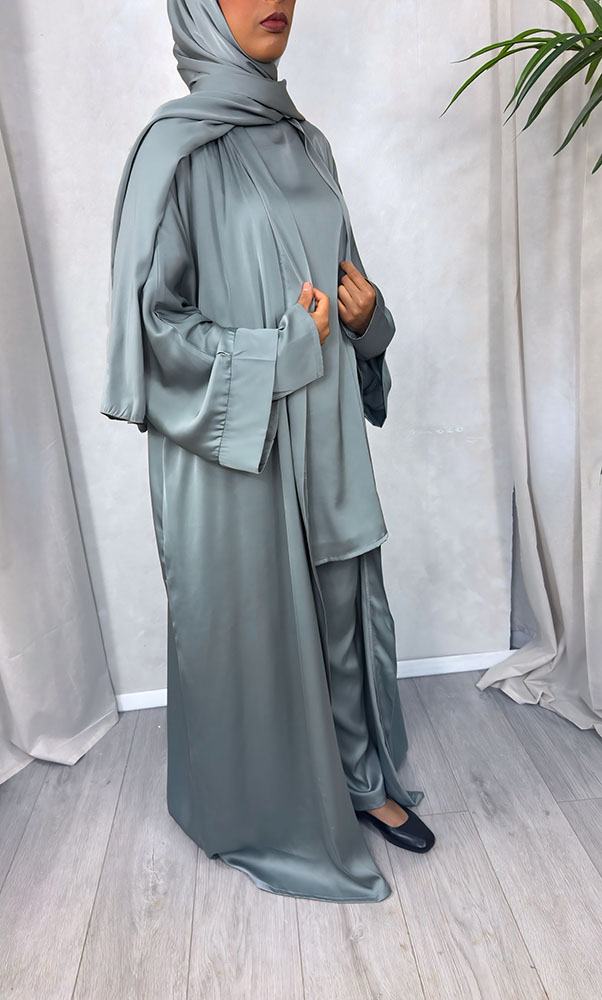
Muslimah Clothing as an Expression of Faith and Identity
At its heart, Muslimah clothing is deeply tied to spirituality and values. It’s about honoring the principles of modesty (haya) as taught in Islam, but it’s also about embracing your identity as a Muslim woman in a way that feels authentic and empowering. For many of us, it’s not just a dress code — it’s a form of worship, a visible reminder of our commitment to our faith.
Yet, “modesty” isn’t a one-size-fits-all concept. It’s a spectrum, shaped by culture, personal beliefs, and the community around us. What modesty means for my best friend living in Cairo can look quite different from what it means for me here in London. The beauty of Muslimah clothing today is its adaptability — it respects tradition while making space for individuality.
How Modesty Meets Modern Fashion
Let me tell you about a moment that changed my whole view of Muslimah fashion. I was at a local market when I spotted a young woman wearing a stunning, vibrant jilbab paired with bold sneakers. It was modest, yes, but unmistakably stylish and modern. That’s when it hit me — Muslimah clothing is no longer confined to black abayas and plain fabrics. It’s a living, breathing style that intersects with current trends, fabrics, and personal taste.
Think of it this way: Muslimah clothing today is where faith and fashion have a heart-to-heart. It embraces layering, textures, and colors that speak to your soul. The rise of modest streetwear brands, luxury abayas, and hijab-friendly athleisure is proof that Muslim women are crafting their own fashion narratives — stories that honor both heritage and the here-and-now.
Table: Comparing Traditional vs. Contemporary Muslimah Clothing Styles
| Aspect | Traditional Muslimah Clothing | Contemporary Muslimah Clothing |
|---|---|---|
| Fabrics | Heavier materials like satin, crepe, and cotton blends | Lightweight fabrics including chiffon, jersey, and sustainable textiles |
| Colors & Patterns | Mostly solid, neutral, or dark tones | Bright colors, prints, florals, and even bold patterns |
| Silhouettes | Flowing abayas, loose tunics, traditional jilbabs | Layered outfits, wide-leg pants, modest jumpsuits, oversized shirts |
| Styling | Minimal accessories, classic hijab wraps | Statement scarves, hijab styles mixing textures, and coordinated accessories |
| Functionality | Mostly ceremonial or formal wear | Everyday wear, work-appropriate, and sports-friendly options |
What Muslimah Clothing Isn’t
Here’s an important truth to hold onto: Muslimah clothing isn’t about restriction or dull conformity. It isn’t some uniform that erases personality or creativity. I’ve seen too many times how people outside the community misunderstand modest dressing as boring or outdated — which couldn’t be further from the reality.
In fact, Muslimah clothing can be some of the most innovative, culturally rich, and daring fashion out there. It’s a choice made with intention — to protect, to honor, to inspire — not to hide. And when done right, it’s magnetic. People notice the confidence, the grace, and the stories woven into every fold of fabric.
The Emotional and Cultural Layers of Muslimah Clothing
For me, putting on my hijab or choosing an abaya isn’t just about the physical. It’s about stepping into a moment of reflection and strength. I think about my grandmothers who paved this path before me, the sisters who wear it as a shield in challenging places, and the younger generation carving out fresh meanings of modesty.
The clothes carry memories, cultural identity, and a sense of sisterhood that transcends borders. Whether you’re layering a kimono over your dress or pairing sneakers with your jilbab, Muslimah clothing today tells a story — yours. It’s an ongoing dialogue between faith, culture, fashion, and personal freedom.

Bringing It All Together
So when you ask, “What does Muslimah clothing actually mean in today’s world?” the answer is both simple and beautifully complex: it means owning your faith while embracing your individuality. It’s about honoring tradition with style, confidence, and purpose. It’s about feeling free to express who you are — without compromise.
And trust me, in 2025, that means you have a world of options. You can be modest and modern, traditional and trendy, faithful and fashion-forward — all at once. Muslimah clothing is no longer just about covering up. It’s about standing out with intention, grace, and heart.
Is Dressing Modestly Just About Covering — or Is It About Confidence Too?
Let me be honest with you — when I first started wearing modest clothes, I thought it was purely about covering up. Layers, loose cuts, hijabs wrapped just so. I believed modesty was about hiding, blending in, and keeping the focus off myself. But over time, something powerful shifted inside me. Modest dressing became less about concealment and more about confidence — a quiet, fierce kind of self-assurance that no fabric could hold back. So is modesty just about covering? Absolutely not. It’s about owning your space, your values, and your style with unapologetic pride.
How Covering Transforms Into Empowerment
Picture this: I’m getting ready for a family gathering, layering my favorite oversized blouse over wide-leg pants, pairing it with a soft chiffon hijab in a bold color. As I look in the mirror, I’m not thinking about what I’m hiding; I’m thinking about what I’m expressing. Each fold, each drape, each color choice is a statement. That’s when modesty stops being about “less” and starts being about “more” — more intention, more respect for yourself, more confidence to show up fully without sacrificing who you are.
Modest clothing is my armor and my celebration. It’s a way to protect my heart and mind from the noise of superficial judgments, but also a way to radiate inner strength. When you wear something that aligns with your values, it changes the way you walk, speak, and interact. It’s no coincidence that many Muslim women describe their modest wardrobe as a source of empowerment — it’s deeply personal and intensely freeing.
Breaking Down Confidence in Modest Dressing
Let’s unpack the different layers of confidence that come with modest dressing. It’s not just one thing — it’s a beautiful mosaic of self-love, faith, and fashion awareness.
- Spiritual Confidence: Wearing modest clothes in line with Islamic teachings connects me to my faith every day. It’s a constant reminder that my worth isn’t defined by the eyes of the world but by the One who created me.
- Personal Confidence: When I choose outfits that make me feel good without compromising my values, it boosts my self-esteem. It’s not about hiding flaws but highlighting integrity and grace.
- Social Confidence: Modest clothing can sometimes invite questions or misunderstandings, but standing tall in your choices teaches resilience and self-respect. It encourages meaningful conversations instead of superficial judgments.
- Fashion Confidence: Playing with textures, colors, and layering while staying modest means you become a trendsetter, not a follower. It’s about expressing your unique personality through style that fits your boundaries.
Stories From Real Muslim Women
I remember a sister from my community who struggled with the idea that modest dressing meant she couldn’t be fashionable. She used to wear dark, shapeless clothes because she thought “modesty” meant “boring.” Then one day, she discovered a local modest fashion blogger who mixed pastel tones with modern cuts. Inspired, she started experimenting. Soon, she was glowing — not just because of her clothes, but because she felt seen and heard through her style. That transformation wasn’t just physical; it was soul-deep. That’s the confidence modest dressing can unlock.
I’ve also met women who shared how modest clothing helped them reclaim their identity after periods of insecurity or societal pressure. Wearing modest clothes gave them a new lens to view themselves — one of dignity, strength, and unapologetic faith. These stories remind me that modesty isn’t a limitation but a launchpad.
Table: Emotional Benefits of Modest Dressing
| Emotional Benefit | Description | How It Shows in Clothing Choices |
|---|---|---|
| Self-Respect | Honoring personal values and boundaries. | Choosing pieces that align with faith and comfort, avoiding trends that clash with principles. |
| Empowerment | Feeling strong and capable in one’s skin and attire. | Mixing bold colors, statement hijabs, and modern cuts while maintaining modesty. |
| Belonging | Connection to community and shared identity. | Wearing culturally significant patterns or styles during events and daily life. |
| Peace of Mind | Comfort in knowing you’re honoring yourself and your faith. | Opting for breathable, modest fabrics that help you feel calm and confident. |
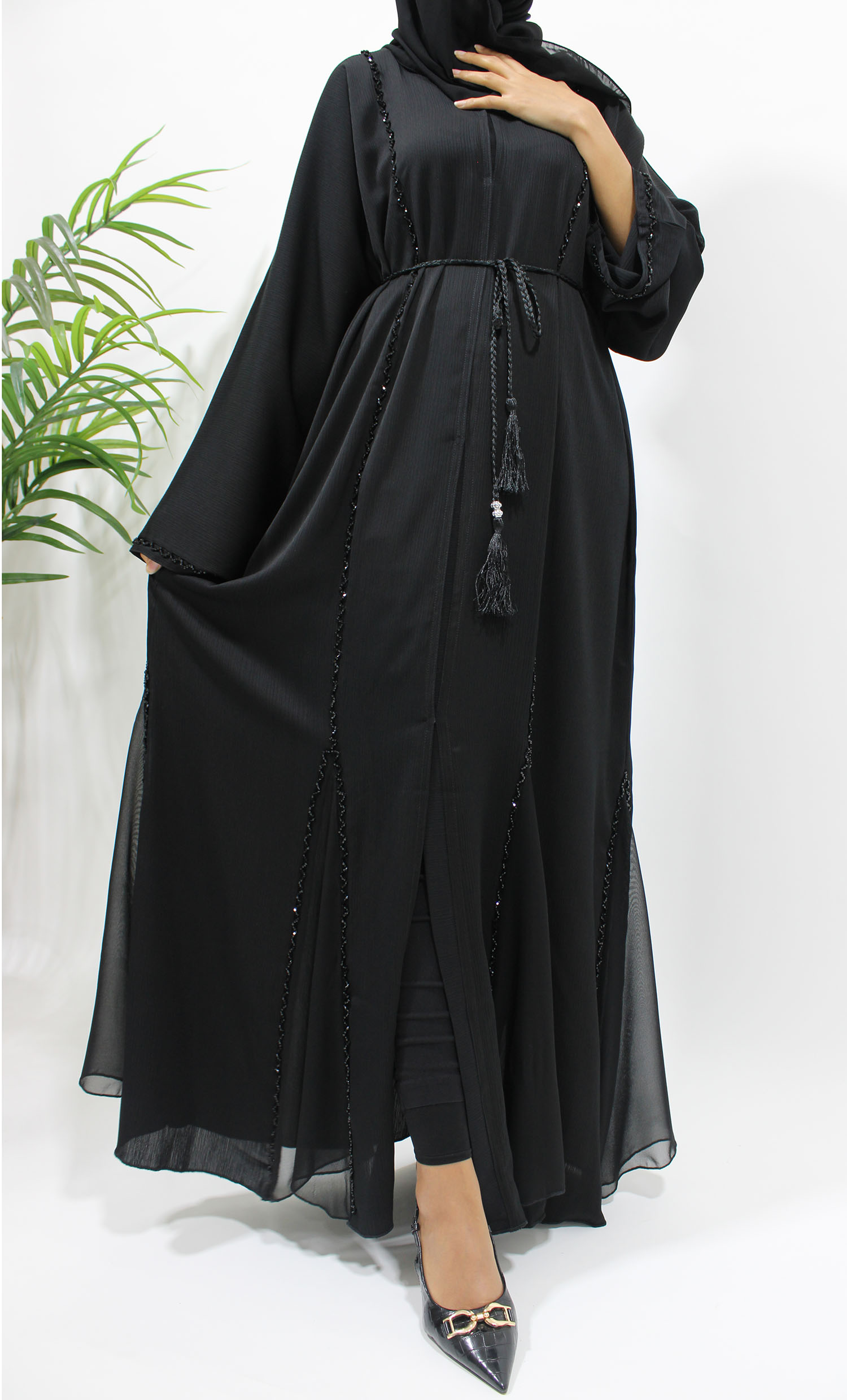
Practical Confidence Boosters in Modest Fashion
Beyond the emotional layers, I’ve found some practical habits that turn modest dressing into a confidence supercharger:
- Experimenting With Layers: Play with long cardigans, oversized shirts, and scarves to create outfits that feel fresh but respectful.
- Investing in Quality Fabrics: When your clothes feel good on your skin, it’s easier to carry yourself with grace.
- Mixing Prints and Textures: Don’t shy away from florals, stripes, or subtle patterns. They add personality without compromising modesty.
- Accessorizing Thoughtfully: Statement jewelry, belts, or hijab pins can elevate a modest outfit and boost your mood.
Final Thoughts — Confidence Is Your Best Modesty
If you’re wondering if modest dressing means giving up style or power, I’m here to tell you it’s quite the opposite. Dressing modestly is a choice filled with intention and love — for your faith, your body, and your spirit. It’s about feeling comfortable in your skin and proud of your values without ever dimming your shine.
So, the next time you pick out your clothes, remember: modesty isn’t just about the fabric covering your skin; it’s about the confidence that covers your soul. And that confidence? It’s the most beautiful outfit you’ll ever wear.
Why Do So Many Muslimahs Feel Torn Between Faith and Fashion?
You know that tug-of-war feeling? When you stand in front of your closet, staring at pieces you love but hesitating because you wonder if they truly align with your faith? I’ve been there too — caught between wanting to express myself through fashion and honoring the values I hold sacred. This isn’t just a fashion dilemma; it’s deeply emotional and spiritual. So why do so many Muslimahs feel this way? Because it’s about more than just clothes — it’s about identity, community, and the search for balance in a world that often feels like it’s pulling us in opposite directions.
The Root of the Conflict: Identity in a Fast-Paced World
For many of us, modest fashion isn’t just a style choice — it’s a statement of who we are. But the fashion industry, social media, and cultural expectations often send mixed signals. On one hand, the world glorifies bold trends, body exposure, and instant gratification. On the other, our faith calls us to modesty, humility, and self-respect. This clash creates a battlefield inside, where the heart wants to shine, but the soul asks for restraint.
I remember scrolling through Instagram one evening, seeing influencers flaunting the latest fashion trends with minimal coverage. At the same time, I felt pride in my hijab and modest outfits but also a pinch of envy — could I keep up and still stay true to myself? That’s when it hit me: this feeling isn’t just about clothes. It’s about navigating a dual identity — being a Muslimah who’s proud of her faith and a modern woman who wants to feel stylish and relevant.
The Pressure of Representation and Expectations
Another layer of this struggle is the pressure to represent “the perfect Muslimah.” Whether it’s family, friends, or community expectations, many of us feel like our fashion choices are under constant scrutiny. Are my clothes modest enough? Am I sending the right message? What if I stand out or get judged? These questions can weigh heavily, turning what should be a joyful expression into a source of anxiety.
At the same time, fashion is such a personal thing. It’s how we communicate without words, and when your choices are constantly questioned, it chips away at confidence. I once heard a sister say, “Sometimes I want to wear something fun and trendy, but I worry I’ll be seen as ‘not modest enough’ or ‘trying too hard.’” That’s a real feeling many Muslimahs wrestle with — the desire to be both authentic and accepted.

How Social Media Amplifies the Struggle
Let’s talk about social media — a blessing and a curse for modest fashion lovers. On the positive side, platforms like Instagram and TikTok have exploded with modest fashion influencers who show us how to blend faith and style beautifully. But on the flip side, the constant stream of perfect photos, designer pieces, and seemingly flawless lives can fuel feelings of inadequacy and confusion.
Sometimes, I catch myself comparing my simple, practical wardrobe to those glamorous posts, wondering if I’m falling short. This comparison trap is real. It’s easy to forget that behind every curated feed is a human with insecurities too. The key? Use social media as inspiration, not as a standard you must meet.
Table: Common Emotional Challenges Muslimahs Face in Faith vs. Fashion
| Challenge | Description | How to Overcome |
|---|---|---|
| Fear of Judgment | Worrying about how others perceive your modesty and style choices. | Focus on your own values and seek supportive communities that uplift rather than judge. |
| Identity Confusion | Feeling split between cultural expectations, faith, and modern fashion trends. | Reflect on what modesty means personally; embrace fashion that feels authentic to you. |
| Comparison Stress | Feeling inadequate compared to influencers or peers online. | Use social media mindfully; remember curated content isn’t the full reality. |
| Community Pressure | Feeling obligated to meet the unspoken “modesty standards” of your environment. | Set healthy boundaries and communicate your personal style choices with confidence. |
Stories That Resonate
I met a sister named Amina at a modest fashion event last year. She told me about her struggle growing up in a community where “modest” was often narrowly defined — usually dark, loose, and plain. But Amina loved color, patterns, and experimenting with her style. For years, she hid that part of herself, afraid of being “too much.” When she finally embraced a more vibrant, modest wardrobe, she said, “It was like rediscovering myself and my faith at the same time.” Her story reminded me how powerful it is to claim your style while honoring your beliefs.
Another close friend, Sarah, shared how she used to feel torn between dressing modestly and fitting in with her non-Muslim peers. She once wore a trendy outfit that felt “less modest” and immediately regretted it because of the guilt she felt. But over time, she learned to create outfits that combined modern trends with her values, and that gave her a sense of peace and pride that no outfit ever did before.
Tips for Finding Peace Between Faith and Fashion
- Define Your Own Modesty: Modesty is personal. Write down what it means to you beyond external rules.
- Build a Capsule Wardrobe: Focus on versatile, modest pieces that make you feel confident and comfortable.
- Seek Inspiration, Not Comparison: Follow modest fashion influencers who resonate with your style and values.
- Practice Self-Compassion: Accept that it’s okay to experiment and sometimes make mistakes — growth happens there.
- Engage in Supportive Communities: Surround yourself with people who uplift your faith and fashion journey.
Final Reflection
The tug between faith and fashion isn’t a sign of weakness — it’s a sign of a vibrant, thoughtful soul striving to harmonize every part of herself. We don’t have to choose one or the other. Modest fashion is a journey, not a destination, and each step we take is about finding balance, joy, and authenticity. When you start dressing for yourself — with your heart and faith guiding your choices — you’ll realize the tension melts away, replaced by a radiant confidence that no trend or judgment can shake.
How Can Clothing Reflect Both Spiritual Values and Personal Style?
Have you ever looked in the mirror, feeling like your outfit tells a story—one that’s uniquely yours, yet deeply connected to your faith? For me, clothing isn’t just fabric; it’s a language that speaks volumes about who I am as a Muslimah and as a woman. Striking that balance between spiritual values and personal style is an art—and honestly, one of the most empowering journeys I’ve experienced. So how exactly can what we wear reflect both our inner beliefs and our individual flair without compromise? Let’s explore this together.

Understanding Spiritual Values in Modest Fashion
At its core, modest fashion in Islam isn’t just about coverage; it’s about respect, dignity, and mindfulness. The Quran guides us toward dressing modestly, but it doesn’t strip away our ability to be creative or joyful with clothing. Instead, it invites intention. Each piece we choose can become an extension of our spiritual identity—whether that’s the simplicity of a flowing abaya or the deliberate layering of colors and textures that make us feel confident.
I remember the first time I consciously chose an outfit with prayer in mind. It wasn’t just about fulfilling a religious obligation but about wrapping myself in humility and grace. My outfit became a reminder of my connection to Allah throughout the day. That moment made me realize: modesty is an internal state reflected outwardly through the clothes we pick.
Personal Style as a Reflection of Unique Identity
But let’s be honest, we’re more than our faith alone—we’re individuals with tastes, moods, and stories. That’s where personal style shines. Your hijab style, the patterns you love, or how you accessorize can all speak to your personality and cultural background. It’s like painting your canvas while honoring the guidelines of modesty.
For instance, I love playing with vibrant jewel tones and subtle embroidery because they make me feel alive and creative without sacrificing modesty. And guess what? Modest fashion doesn’t have to be boring or one-size-fits-all. It’s beautifully diverse.
Table: Elements That Blend Spirituality and Style in Modest Clothing
| Element | Spiritual Reflection | Style Expression |
|---|---|---|
| Fabric Choice | Natural, modest materials like cotton or linen symbolize purity and simplicity. | Textures like lace, embroidery, or satin add personality and elegance. |
| Fit & Coverage | Loose, flowing fits embody humility and modesty. | Layering, asymmetric cuts, or statement sleeves create a trendy silhouette. |
| Colors | Neutral tones evoke calmness and spirituality. | Bold colors or pastels reveal mood and cultural influence. |
| Accessories | Minimalism honors restraint and intention. | Statement hijab pins, belts, or jewelry personalize the look. |
Stories of Style and Soul
I’ll never forget when I met Farah, a young artist from Cairo, who described her wardrobe as “a bridge between tradition and self-expression.” She blends modest abayas with contemporary prints and handcrafted scarves. She told me, “My clothes remind me daily that faith isn’t a limitation—it’s a foundation. And from that foundation, I build my style.” Her words stuck with me because they highlight that faith and fashion aren’t separate worlds but intertwined reflections of self.
On a personal note, I’ve experienced moments when what I wore helped me feel aligned with my values during difficult times. Wearing an outfit that respected my spirituality gave me strength and calmness, especially when life felt chaotic. It’s like armor—but soft, beautiful armor—that lets me step into the world fully myself.
Practical Tips for Balancing Faith and Fashion
- Start With Intention: Before getting dressed, ask yourself what message you want your outfit to send about your faith and identity.
- Choose Versatile Pieces: Invest in timeless, modest staples that can be mixed with trendy items for fresh looks.
- Play With Details: Add personality with hijab styles, embroidery, or subtle prints that resonate with your spirit.
- Respect Comfort and Function: Your outfit should empower your daily worship and activities, not hinder them.
- Celebrate Your Culture: Incorporate traditional elements that connect you to your roots while embracing modernity.
Reflection: Wearing Faith Proudly, Living Style Fully
At the end of the day, the magic happens when clothing becomes a seamless extension of both heart and heritage. The modest fashion journey is deeply personal, filled with experimentation, self-discovery, and spiritual reflection. So, if you ever wonder how to dress with both your soul and style in mind, remember this: your clothes don’t just cover you—they tell your story. And that story, told with intention and creativity, can inspire not only yourself but everyone who sees it.
What Are the Core Principles of Modesty in Islam (For Women)?
Modesty isn’t just a buzzword tossed around in Muslim circles—it’s a profound, layered principle that touches every part of a Muslimah’s life, especially how she dresses. When I first embraced modest fashion, I thought it was mostly about covering up, but I quickly realized it runs much deeper. It’s about intention, respect, and a powerful form of self-expression rooted in spirituality. So, what exactly are the core principles of modesty in Islam for women? Let me share what I’ve learned—honestly, it’s been a journey full of discovery and sometimes, doubt.
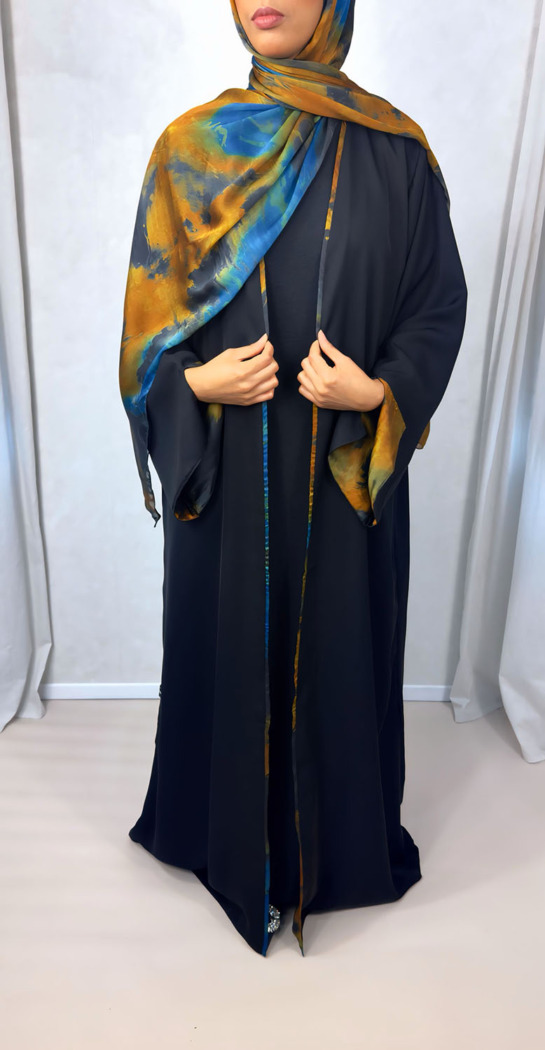
The Heart of Modesty: More Than Just Fabric
At its essence, modesty—or haya in Arabic—is about humility, dignity, and protecting one’s inner self from harm. It’s not only about the clothes you wear but how you carry yourself in everyday life. This principle guides Muslim women to dress in a way that shields not only the body but also honors the soul. I remember feeling overwhelmed at first by all the rules and expectations. But slowly, I saw modesty as a form of self-care, a beautiful way to guard my spirit and reflect my faith.
The Quran mentions modesty clearly in verses like Surah An-Nur (24:31), which advises believing women to “draw their veils over their bosoms” and not reveal their adornment except what is apparent. This guidance isn’t meant to restrict—it’s a loving call to dignity and self-respect.
Key Principles That Shape Modest Dress
Modesty isn’t one-size-fits-all; it’s shaped by faith, culture, and personal understanding. But there are some essential pillars that most Muslimahs hold dear. Here’s a breakdown I find helpful—think of it as a modesty compass:
| Principle | What It Means | How It Shows in Clothing |
|---|---|---|
| Coverage | Concealing the awrah (parts of the body required to be covered) with loose, non-transparent clothing. | Long sleeves, ankle-length dresses, and hijab or headscarf to cover hair and neck. |
| Non-Attractiveness | Wearing clothes that do not intentionally attract undue attention. | Avoiding overly tight, flashy, or overly decorative outfits that highlight the shape. |
| Simplicity | Choosing modesty through simplicity rather than extravagance. | Neutral colors, minimal embellishments, and modest fabrics. |
| Cleanliness | Maintaining hygiene and grooming as part of self-respect and honor. | Well-kept attire that is clean and neat—because modesty is not just about hiding, but presenting oneself well. |
| Intention | Wearing modest clothing with a sincere heart and purpose, not out of compulsion or societal pressure. | Choosing styles that make you feel empowered and connected to your faith. |
A Personal Story: Finding My Modesty Balance
When I started my hijab journey, I struggled with the “non-attractiveness” principle. I loved fashion and bright colors, but worried they might contradict modesty. One afternoon, I wore a soft pastel abaya embroidered with delicate patterns. I felt beautiful but wondered if it was too flashy. Then, a wise sister told me something that changed everything: “Modesty isn’t about dullness, it’s about intention. If your heart is humble and your purpose sincere, your style will naturally reflect that.” That moment freed me from rigid rules and helped me embrace modesty on my own terms.
Common Questions About Modesty and Clothing
- Is it okay to wear makeup if you dress modestly? Absolutely! Modesty focuses on behavior and intention, not banning beauty. Makeup can be worn in a way that enhances natural beauty without drawing excessive attention.
- What if cultural dress clashes with Islamic modesty principles? Modesty adapts to culture but stays true to core principles like coverage and humility. It’s about balance, not blind imitation.
- Can modest fashion be trendy? Definitely. Modesty and style coexist beautifully. Many Muslim designers are proving that elegance and faith walk hand in hand.
Reflecting on Modesty Beyond Clothing
Modesty is a lifestyle, not just a dress code. It colors how we speak, how we interact, and how we view ourselves and others. But clothing is one of the most visible and personal ways we express it. For me, modest fashion became an ongoing conversation between my heart, my faith, and my community—a dance between identity and devotion.
If you’re navigating this path, be gentle with yourself. Modesty doesn’t mean perfection. It means striving for integrity, dignity, and a sense of peace in how you present yourself to the world.
How Do You Build a Muslimah Capsule Wardrobe That Works for Every Occasion?
I’ll be honest—building a capsule wardrobe as a Muslimah felt like solving a puzzle I didn’t have the full picture for. How do you balance modesty, faith, and style, all while keeping it simple enough to wear for every occasion? Over time, I discovered it’s not just about the clothes—it’s about mindset, quality over quantity, and intentionality. If you’re wondering how to create a capsule wardrobe that honors your values and keeps you effortlessly elegant, stick with me. I’ve walked this path, and there’s a sweet spot between practicality and beautiful modest fashion.
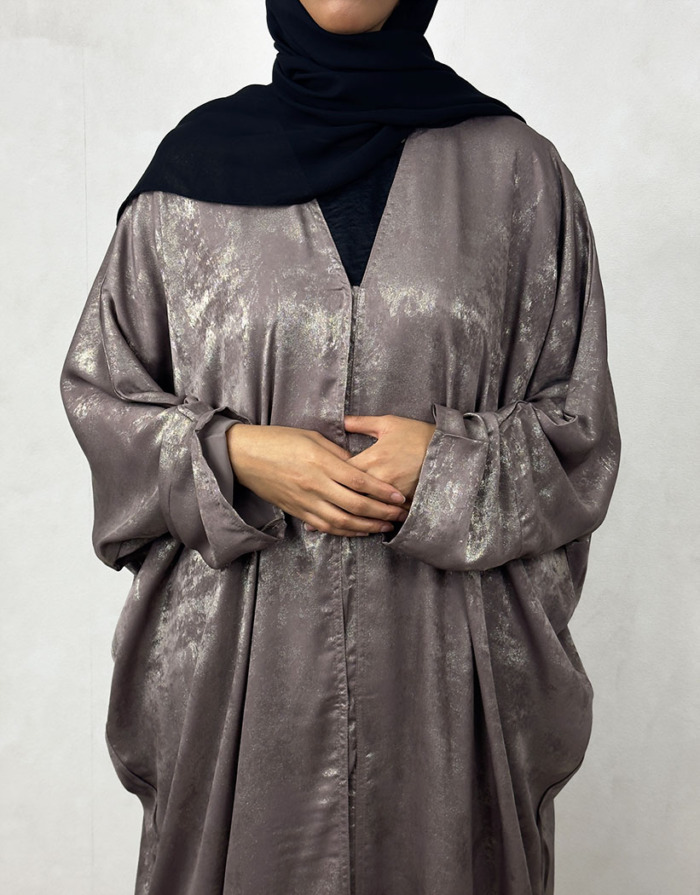
What Is a Capsule Wardrobe, and Why Does It Matter?
Simply put, a capsule wardrobe is a thoughtfully curated collection of timeless, versatile pieces that mix and match easily. For a Muslimah, it means picking clothes that respect Islamic principles while allowing personal style to shine. The beauty of a capsule wardrobe is that it eliminates the stress of daily outfit decisions. You wake up, grab a few key items, and voilà—you’re ready to face the day with confidence and grace.
I remember the day I decided to pare down my overflowing closet. It was overwhelming—too many choices, but nothing felt right. Since then, focusing on essentials has freed my mind and space, and honestly, made me fall in love with dressing modestly all over again.
Step 1: Identify Your Core Needs
The first thing I did was consider my lifestyle. What occasions do I dress for regularly? Work, prayers, family gatherings, weddings? Knowing your typical days helps you prioritize the right pieces. Here’s a simple table I created that might help you organize your wardrobe goals:
| Occasion | Key Clothing Pieces | Modesty Focus |
|---|---|---|
| Daily Wear | Loose tops, maxi skirts, wide-leg pants, breathable hijabs | Comfort, full coverage, lightweight fabrics |
| Work / School | Structured blazers, long cardigans, tailored pants, neutral hijabs | Polished look, modest cuts, minimal embellishment |
| Religious Events | Flowing abayas, prayer outfits, simple scarves | Respectful, traditional, and fully covered |
| Special Occasions | Elegant dresses, embellished hijabs, statement accessories | Modesty with a touch of glamour |
Step 2: Choose Quality Over Quantity
One of the biggest lessons I learned was that it’s better to invest in fewer, high-quality pieces than to drown in a sea of fast fashion that wears out quickly or feels uncomfortable. Fabric matters—soft cotton, linen blends, and breathable jersey make a huge difference for modest layers. Plus, quality means your clothes keep their shape and colors longer, which means your capsule wardrobe stays fresh.
I still remember the excitement of buying my first well-made maxi dress. It wasn’t flashy or loud, but it felt like armor—comfortable, confident, and modest all at once.
Step 3: Build Around Versatile Basics
Your capsule wardrobe should revolve around timeless basics that you can dress up or down with accessories and layering. Think plain long skirts, simple tunics, and neutral hijabs. These pieces become your wardrobe’s backbone, giving you endless outfit options without overwhelm.
Here’s a quick breakdown of staple items every Muslimah capsule wardrobe might include:
- Neutral Maxi Skirts: Easy to pair, comfortable for every season.
- Loose-Fitting Tunics: The perfect modest top that pairs with jeans or skirts.
- Layering Cardigans or Kimonos: Adds dimension while keeping modesty intact.
- Hijabs in Solid Colors: Versatile scarves that complement multiple outfits.
- Comfortable Wide-Leg Pants: A modest alternative to skinny jeans.
Step 4: Mix, Match, and Personalize
One of the joys of modest fashion is its adaptability. Once your basics are in place, add pops of color, prints, or accessories that feel like *you.* Maybe it’s a vintage brooch, a bold handbag, or a delicate necklace. I love playing with hijab styles—wrapping them loosely on casual days or elegantly for special events.
Don’t be afraid to experiment. Modesty is not about rigidity; it’s about expression within faith. The wardrobe that works for your best friend might not fit your personality, and that’s perfectly okay.
Step 5: Keep It Practical and Sustainable
Lastly, remember this is a living wardrobe. Seasons change, your style evolves, and your needs shift. I recommend reviewing your capsule wardrobe every few months to donate what no longer serves you and invest thoughtfully in what you need.
This practice not only helps your style but also aligns with Islamic teachings of avoiding extravagance and waste.
My Final Thought
Creating a Muslimah capsule wardrobe isn’t about depriving yourself or sacrificing style. It’s about honoring your values, simplifying choices, and feeling confident no matter where you go or what you do. It took me some trial and error, a few heartfelt “aha” moments, and lots of patience to build mine—but today, I cherish the ease, beauty, and peace it brings.
If you’re starting your capsule wardrobe journey, take it one step at a time. Listen to your heart, trust your instincts, and let your wardrobe be a true reflection of your faith and individuality.
What Clothing Essentials Should Every Modern Muslimah Own?
If you’d asked me years ago what my must-have clothing items were as a Muslimah, I’d have probably rambled about hijabs and long skirts without much clarity. But now? After navigating the beautiful maze of modest fashion and faith, I realize it’s less about the number of items and more about the essence each piece holds in my wardrobe. Essentials aren’t just clothes—they’re the foundation of how I express my identity, faith, and style with confidence and ease.
Why Essentials Matter: More Than Just Basics
When I talk about essentials, I mean those key items that can carry you through your busiest days, most special moments, and quiet reflections. These aren’t boring staples; they’re versatile, modest, and crafted with intention. Having these essentials saved me countless mornings from decision fatigue—and honestly, boosted my self-love because I always felt put-together, even in simplicity.
Have you ever stood in front of your closet and felt like you had nothing to wear? I know I have. That’s exactly why a thoughtful selection of essentials matters so much.
My Top 7 Clothing Essentials Every Modern Muslimah Should Own
| Essential Item | Why It Matters | Style Tips & Fabric Suggestions |
|---|---|---|
| Classic Maxi Dress | Comfortable, modest, and effortlessly elegant — perfect for everything from family dinners to Eid celebrations. | Opt for breathable fabrics like cotton or jersey. Choose solid colors or subtle prints to maximize versatility. |
| Longline Cardigan or Kimono | Great for layering, especially when you want to maintain modesty without feeling bulky. | Lightweight fabrics like chiffon or linen blends work well. Neutral colors help pair with most outfits. |
| Wide-Leg Pants or Palazzo Trousers | Flowy, modest alternative to skinny jeans — perfect for casual days or professional settings. | Look for soft materials like crepe or viscose for comfort and movement. |
| Plain, Long-Sleeved Tunics | Versatile layering piece that pairs with skirts or pants — perfect for daily wear. | Cotton or modal fabric with a slight stretch ensures comfort all day long. |
| Neutral Hijabs | These form the base of your hijab collection, matching almost any outfit. | Materials like jersey, silk chiffon, or viscose are breathable and easy to style. |
| Simple Abaya | Ideal for religious occasions, travel, or moments when you want a streamlined modest look. | Choose classic cuts in black, navy, or earth tones. Lightweight but opaque fabrics work best. |
| Statement Accessories | These add personality without compromising modesty — think brooches, belts, or elegant scarves. | Choose subtle yet eye-catching pieces that complement your wardrobe palette. |
How I Learned to Love These Essentials
I remember the first time I wore a longline cardigan over my outfit — it was a chilly spring day, and suddenly, I felt covered but not constricted. It was a little moment of freedom, like I’d found the perfect balance between faith and fashion. Another unforgettable experience was when I paired a classic maxi dress with a softly draped hijab at my cousin’s wedding. The compliments I received weren’t just about the outfit but how comfortable and “me” I looked.
Those moments taught me that modest essentials aren’t about hiding or limiting yourself. They’re about celebrating who you are in every space you occupy.
Mixing and Matching: Making Essentials Work Harder
One of my favorite things about having a capsule of essentials is the way pieces come alive when mixed and matched. That wide-leg pant pairs beautifully with a long tunic or tucked under a kimono for a more structured look. Neutral hijabs are like the glue that holds my wardrobe together — swapping one out can instantly change the vibe of the whole outfit.
Here’s a quick example to show how you can mix these essentials effortlessly:
| Outfit Base | Layer | Hijab Style | Occasion |
|---|---|---|---|
| Maxi Dress (Solid Color) | Light Kimono (Floral or Neutral) | Soft chiffon wrap, loosely draped | Family gathering or Eid |
| Wide-Leg Pants + Long-Sleeved Tunic | Longline Cardigan (Neutral) | Jersey hijab, simple wrap | Casual outings or work |
| Simple Abaya | Statement brooch or belt | Silk chiffon hijab, styled elegantly | Religious events or formal occasions |
Final Thoughts: Essentials with Heart
When I think of essentials now, I don’t just see fabric and thread — I see comfort, faith, and a little bit of myself woven into each piece. They’re my armor, my expression, and my daily joy. Building your wardrobe around these essentials means you can step out every day feeling like your most authentic, modest, and stylish self.
So, what are your must-haves? I’d love to hear how you make your wardrobe reflect both your values and your vibrant personality.
How Can You Dress Modestly and Flatter Your Body Type?
Modest fashion isn’t a one-size-fits-all box. Trust me, I’ve tried to squeeze myself into cookie-cutter styles before, and it never felt quite right. What I’ve learned on my journey is that modest dressing can be incredibly empowering — especially when it’s tailored to celebrate your unique body shape. Why settle for “just modest” when you can feel beautiful, confident, and true to yourself? Let’s dive into how you can dress modestly and still flatter your natural silhouette.
Understanding Your Body Type Is Key
Before I even pick up a piece of clothing, I ask myself: “What’s my body shape? What parts do I want to highlight, and where do I want a little more ease?” Knowing your body type is like having a secret map to modest style success. It turns dressing from a frustrating chore into a daily joy.
Here are the common body types many Muslimahs identify with:
| Body Type | Key Features | Modest Styling Tips |
|---|---|---|
| Hourglass | Balanced bust and hips with a defined waist. | Use cinched waists or belted abayas to highlight your curves while keeping it modest. |
| Apple | Fuller midsection with slimmer legs and arms. | Opt for A-line tunics and empire waist dresses that flow gently over the midsection. |
| Pear | Wider hips with narrower shoulders. | Balance your silhouette with structured shoulders and flowy skirts or palazzo pants. |
| Rectangle | Similar measurements across bust, waist, and hips. | Create curves using layered fabrics and belts, and try peplum tops or ruched details. |
Choosing the Right Fabrics and Cuts
Fabrics have this incredible way of either flattering or frustrating your figure — and trust me, I’ve experienced both extremes. Lightweight, flowy fabrics like chiffon, crepe, or soft jersey allow modest clothes to drape beautifully without clinging. For me, nothing beats a breathable fabric that moves with me — especially during long days of work or prayer.
Cuts also play a massive role. For instance, if you’re pear-shaped, a tunic with a slight flare can gracefully skim over your hips without adding bulk. Hourglass beauties might love pieces with structured tailoring that gently highlight the waist without being tight or revealing.
How to Use Layering to Your Advantage
Layering is my personal modest-fashion lifesaver, and it’s one of the best ways to dress for your body type without sacrificing comfort or style. It adds dimension and helps you play with proportions. For example, pairing a longline vest over a simple tunic can add length and create a slimming effect. Or, adding a lightweight kimono with a belt can create a flattering silhouette while staying fully covered.
Here’s a quick layering guide tailored by body shape:
| Body Type | Layering Tips |
|---|---|
| Hourglass | Layer with a belt to accentuate the waist; avoid bulky layers that hide your shape. |
| Apple | Choose longer layers that skim over the midsection and add vertical lines. |
| Pear | Use structured jackets or cardigans with padded shoulders to balance hips. |
| Rectangle | Play with layered textures and belted vests to add curves and definition. |
My Story: Finding Confidence Through Modest Dressing
I’ll be honest — when I first started wearing hijab and dressing modestly, I struggled a lot with feeling “hidden” rather than celebrated. I felt like the fabrics swallowed me whole, and I missed the freedom of my old clothes. But slowly, as I learned about my body and started experimenting with different cuts and layers, I found that modest fashion can *actually* highlight your beauty in a soft, respectful way.
One turning point for me was trying an empire waist maxi dress that skimmed gently over my apple-shaped frame. I paired it with a light, longline cardigan and a loosely draped hijab. That day, I felt the rare blend of modesty and style working for me — a quiet confidence that felt like a prayer answered.
Final Thoughts: Dressing Modestly Isn’t One-Size-Fits-All
I want you to walk away from this knowing modest dressing can be as unique as you are. It’s about discovering what makes you feel comfortable, beautiful, and connected to your faith. Take time to learn your shape, experiment with fabrics and layers, and don’t be afraid to celebrate your individuality. Modesty is a journey, and trust me — when you dress for your body type, you’ll feel unstoppable.
So, what’s your body type? And how do you like to style your modest wardrobe to make it truly yours? Let’s keep this conversation going — I’d love to hear your stories and tips.
What’s the Secret to Layering Without Overheating or Looking Bulky?
Layering is honestly one of my favorite ways to express modesty and style at the same time — but I won’t lie, it took me a while to get the hang of doing it without feeling like I was wearing a marshmallow suit. Overheating and looking bulky are the real enemies of modest fashion layering, especially when you live somewhere warm or want to keep your look sleek. So how do we stay cool, comfortable, and chic all at once? Let me share the secrets I’ve learned along the way.
Start With Lightweight, Breathable Fabrics
If you want to layer without overheating, fabric choice is everything. Think of it like building a house: the foundation matters most. Natural fabrics like cotton, linen, and bamboo blends are my go-to because they breathe beautifully. I also love lightweight jersey and modal fabrics — they have this magic ability to drape without trapping heat.
One summer, I experimented with layering a long-sleeve cotton tunic under a loose chiffon kimono. The result? I stayed cool all day, even during a sunny Eid gathering, and still looked put together without feeling weighed down.
Master the Art of Thin Layers
When it comes to layering, less is often more — but layering *smartly* means you can still build dimension without the bulk. Thin layers, like a camisole under a sheer abaya or a fitted long-sleeve top beneath a flowy dress, are perfect. They add coverage while staying lightweight.
If I’m honest, I used to avoid layering because I feared looking boxy. But then I started choosing thinner pieces that hug the skin without clinging, and suddenly, layering felt like adding depth rather than weight.
Play with Lengths and Proportions
One trick that changed everything for me was mixing different lengths and proportions. Wearing a shorter jacket over a longer tunic, or pairing wide-legged pants with a slightly fitted top, creates a balanced silhouette that doesn’t overwhelm.
Here’s a quick breakdown I use to avoid bulkiness in layering:
| Layer | Length | Tip to Avoid Bulk |
|---|---|---|
| Base Layer | Fitted, close to skin | Choose lightweight, breathable fabrics like cotton or modal. |
| Middle Layer | Loose but not oversized | Opt for flowy tops or tunics that drape softly. |
| Outer Layer | Longest or structured | Pick a lightweight cardigan, kimono, or open abaya to add style without weight. |
Use Strategic Color and Pattern to Streamline Your Look
Color can also make or break your layered outfit. Darker, monochrome palettes tend to look slimmer and sleeker, while clashing colors or heavy prints can add visual bulk. I like to pick one statement piece — maybe a printed hijab or patterned kimono — and keep the rest neutral and solid.
Here’s a quick color layering formula I swear by:
- Start neutral: Base layers in soft neutrals like beige, white, or soft gray.
- Add one pop: Use a patterned or colorful piece in the middle layer.
- Anchor with dark: Finish with a darker outer layer for contrast and slimming effect.
My Personal Layering Story: From Overwhelmed to Effortlessly Chic
When I first started dressing modestly, I thought layering meant piling on as many clothes as possible — I ended up overheating, feeling frustrated, and looking bulky. Then, a wise friend told me to think of layering like painting: each stroke (or layer) should add balance and harmony, not chaos.
I started by swapping thick sweaters for soft cardigans, opting for thin cotton tops instead of heavy blouses, and mixing lengths carefully. One memorable day, I wore a thin turtleneck under a flowy abaya with a sheer, open-front duster on top — and stayed comfortable through a busy family event in the heat! That moment made me realize modest layering isn’t about hiding under layers but creating a light, expressive outfit that feels like you.
Final Tips to Remember
- Invest in quality basics: Thin, breathable base layers are your best friends.
- Balance fit and flow: Mix fitted inner layers with looser outer pieces.
- Keep it light: Avoid heavy fabrics and bulky knits in warm weather.
- Mind your colors: Use color and pattern to visually streamline your look.
- Listen to your body: Comfort is the real key to confidence in layering.
Layering modestly and stylishly without overheating or looking bulky is absolutely doable — it just takes a bit of strategy and some love for fabric and fit. I hope my tips inspire you to layer like a pro, so you can feel confident, comfortable, and beautiful no matter the season. What’s your favorite layering hack? Let’s chat about it!
Which Fabrics Are Best for Comfort, Coverage, and Confidence?
When it comes to modest fashion, fabric choice isn’t just a detail—it’s the heart of the experience. As a Muslimah who wears hijab daily, I’ve learned the fabric under my clothes can make or break how comfortable, confident, and covered I feel. Have you ever tried to wear something that looked modest but felt itchy, clingy, or downright suffocating? That was me, more times than I’d like to admit. Finding the right fabrics means balancing modesty with comfort and, honestly, embracing fabrics that let your personality shine without compromising on coverage.
Why Fabric Matters More Than You Think
Let’s be real: modest clothing often means more layers, longer hemlines, and fuller cuts. That can sometimes lead to overheating or that frustrating clinginess that nobody wants—especially in warmer climates. Fabrics that breathe, move with you, and provide enough opacity can boost your confidence exponentially. Think about it: When your clothes feel good, you *feel* good—and that’s the modesty glow we all want.
Personally, choosing the right fabric transformed my daily dressing routine. I stopped dreading getting dressed and started loving the textures and feel of what I wear. Trust me, this isn’t just about fabric science—it’s about how you feel in your skin and your faith.
My Top Fabric Picks for Modest Wardrobes
Let me share the fabrics that have earned their place in my wardrobe — each with a story and purpose:
| Fabric | Comfort Level | Coverage & Opacity | Best For | Care Tips |
|---|---|---|---|---|
| Cotton | High – Soft & breathable | Excellent – Usually thick enough for coverage | Everyday wear, casual tunics, base layers | Machine wash cold, air dry to prevent shrinkage |
| Modal & Bamboo | Very high – Super soft, silky feel | Good – Usually opaque but can vary | Layering, hijabs, flowing dresses | Gentle wash, avoid high heat |
| Jersey Knit | High – Stretchy & comfortable | Medium – Check thickness for modesty | Tunics, maxi dresses, casual abayas | Machine wash cold, hang dry |
| Linen | Medium – Breathable but wrinkles easily | Good – Usually thicker, requires layering in some cases | Warm weather outfits, loose pants, outer layers | Hand wash or gentle cycle, iron as needed |
| Chiffon & Georgette | Medium – Lightweight, flowy | Poor – Usually sheer, needs lining or layering | Outer layers, scarves, abaya overlays | Hand wash or dry clean, avoid rough handling |
| Polyester Blends | Variable – Can range from light to heavy | Good – Often opaque but less breathable | Workwear, structured pieces, formal abayas | Machine wash cold, low heat drying |
How I Learned to Listen to My Body and Fabric
One summer, I remember going to a family event dressed in what I thought was a perfect modest outfit: a synthetic polyester dress layered with a thick cotton blazer. By the end of the day, I was sweating and feeling uncomfortable in a way that distracted me from the joy of the gathering. That experience was a turning point.
Since then, I’ve made it a point to prioritize fabrics that breathe. For instance, swapping that polyester dress for a soft cotton-modal blend changed my entire experience. I stayed cool, confident, and comfortable — and I actually enjoyed the event more.
Fabric Care: How to Keep Your Modest Wardrobe Fresh and Flawless
We all want our clothes to last and look good, right? I’ve found that proper fabric care plays a huge role in maintaining that fresh, confident feeling. Here’s what I keep in mind:
- Read labels: Don’t skip this — fabric care instructions are your best friend.
- Gentle washing: Many modest fabrics like modal and chiffon do better with hand washing or delicate cycles.
- Air dry: Helps maintain shape and fabric integrity.
- Iron carefully: Use low heat for delicate fabrics and steam for stubborn wrinkles.
Final Thoughts: Fabric Is Your Modesty Superpower
At the end of the day, fabric is more than just threads and weave—it’s how you armor yourself in confidence and comfort. Choosing the right fabric helped me honor my modesty without sacrificing style or comfort. So next time you shop or plan your outfit, think about what your skin will thank you for.
What fabrics make you feel most like *you*? I’d love to hear about your experiences and favorite materials—because modest fashion is a journey, and we’re all learning together.
How Do You Discover Your Muslimah Style Personality?
Have you ever stood in front of your closet, wondering, “Who am I really when it comes to modest fashion?” Trust me, I’ve been there—more times than I’d like to admit. Discovering your Muslimah style personality isn’t about fitting into a mold or copying trends blindly. It’s about embracing who you are inside and expressing that with clothes that honor your faith and your individuality. This journey is deeply personal, sometimes a little confusing, but always rewarding. Ready to uncover the style that feels *so you*?
Why Knowing Your Style Personality Matters
It might sound cliché, but your style is like a conversation between your inner self and the world. For us Muslimahs, it also intertwines with modesty, spirituality, and cultural identity. When your style reflects your personality, you feel more confident, authentic, and yes—at peace with what you wear. It’s not about impressing others but about honoring yourself in a way that aligns with your values. I remember trying on trendy pieces that didn’t feel like *me* at all—just because they were “in.” The discomfort was real. That’s when I realized: style without soul is just fabric.
Common Muslimah Style Personalities (And Which One Are You?)
Over the years, I’ve noticed that modest fashion can be grouped into some beautiful style personalities. Here’s a little guide I created to help you reflect on where you might fit:
| Style Personality | Key Features | Ideal Fabrics & Cuts | Vibe & Inspiration |
|---|---|---|---|
| The Classic | Timeless, elegant, clean lines | Structured cotton, linen, silk blends | Think sophisticated abayas, monochrome palettes |
| The Bohemian | Flowy, earthy, with ethnic prints | Chiffon, rayon, light cottons | Layers, loose fits, nature-inspired patterns |
| The Minimalist | Simple, neutral, understated | Jersey knit, modal, soft cottons | Clean basics, sleek hijabs, subtle elegance |
| The Trendsetter | Bold colors, mixing textures, statement pieces | Polyester blends, velvet, embellished fabrics | Fashion-forward abayas, standout hijab styles |
| The Romantic | Soft pastels, lace, ruffles | Silk, satin, chiffon | Delicate details, feminine cuts, gentle layers |
How to Pinpoint Your Unique Style Personality
It’s tempting to just pick one label and call it a day, but your style can be a beautiful mix of these personalities. Here’s how I personally started to untangle mine:
- Look back at your favorite outfits: Which ones make you feel truly yourself? I had a pile of clothes I loved for comfort, but only a few made me feel confident and proud.
- Take note of colors and fabrics: Are you drawn to soft neutrals or vibrant hues? Do you love the feel of cotton or the flow of chiffon?
- Consider your daily lifestyle: A busy student might lean toward minimalism for ease, while someone who attends many events may experiment with romantic or trendsetter vibes.
- Experiment without pressure: Sometimes, I tried pieces outside my comfort zone just to see if I could make them work. Spoiler: I didn’t always, but it was part of the discovery!
A Personal Story: When I Found My Style Voice
I’ll never forget the day I wore a simple, soft pastel maxi dress with delicate lace sleeves to a family gathering. I felt like *me* — modest yet feminine, comfortable yet elegant. That moment clicked. I realized I gravitate toward the Romantic style but with a touch of Minimalism. From then on, shopping wasn’t just a chore; it became an act of self-love and expression.
Style Is a Journey, Not a Destination
Finding your Muslimah style personality is ongoing. Our tastes evolve, seasons change, and life throws curveballs. The key is to be patient and kind with yourself. Celebrate the wins, learn from the misses, and let your wardrobe grow with your heart. After all, modest fashion is about feeling good in your own skin and standing tall in your faith.
So, what style personality speaks to you right now? Or maybe you’re a unique blend, just like me? I’d love to hear your story and style discoveries — because sharing helps us all feel a little less alone in this beautiful journey.
What Are the Most Popular Muslimah Aesthetic Archetypes in 2025?
If you told me a few years ago that modest fashion could be so diverse and expressive, I might have raised an eyebrow. But here we are in 2025, witnessing a beautiful blossoming of Muslimah aesthetic archetypes that reflect not only our faith but also our personalities, ambitions, and cultural influences. These archetypes help many of us find a sense of belonging and inspiration, showing that modesty doesn’t mean monotony. Instead, it’s an exciting playground of styles where tradition meets innovation.
The Five Trending Muslimah Aesthetic Archetypes for 2025
From my chats with sisters across the globe, scrolling through Instagram, and walking through bustling bazaars, these five archetypes are shining brightest right now. Here’s a quick overview to see which vibe resonates with you:
| Archetype | Signature Look | Core Values & Mood | Why It’s Loved |
|---|---|---|---|
| The Elegant Minimalist | Neutral tones, clean cuts, simple hijabs | Grace, subtlety, timelessness | Perfect for everyday wear with a chic edge; effortless sophistication |
| The Urban Streetwear Muslimah | Layered athleisure, oversized jackets, statement sneakers | Boldness, comfort, modernity | Blends modesty with youth culture; empowering and practical |
| The Classic Couture Lover | Luxurious fabrics, intricate embroidery, flowy abayas | Elegance, tradition, artistry | For special occasions and those who cherish heritage with flair |
| The Boho Chic Sister | Earth tones, floral prints, layered accessories | Freedom, creativity, connection to nature | Expresses a free spirit with a modest twist; relaxed and inviting |
| The Contemporary Modest Influencer | Mix of trends, vibrant colors, experimental hijab styles | Innovation, confidence, cultural fusion | Always ahead of the curve; bridges global fashion with Islamic values |
How These Archetypes Reflect Our Evolving Modest Fashion Culture
What I find most fascinating is how these archetypes don’t just reflect clothing—they represent stories, cultures, and evolving identities. Take the Urban Streetwear Muslimah, for example. When I first saw sisters rocking hoodies with long skirts and fresh kicks, I thought, “Finally! Comfort and modesty can coexist without compromise.” It’s a nod to young Muslims embracing their faith while actively participating in mainstream culture.
Meanwhile, the Elegant Minimalist appeals to those of us craving simplicity amid a chaotic world. Personally, on hectic days when I just want to feel calm and collected, slipping into neutral palettes and clean lines feels like a gentle hug. It’s modesty made easy, without losing an ounce of style.
Finding Your Place Among the Archetypes
You don’t have to pick just one archetype. Many Muslimahs, including myself, blend aspects from different styles. Last Ramadan, I paired my Classic Couture abaya with a minimalist, understated hijab, blending tradition and simplicity. It felt just right — honoring the occasion while staying true to my everyday vibe.
Here’s a quick way to experiment and see what fits you:
- Start with what feels natural: Which archetype’s mood aligns with your daily routine and personality?
- Play with textures and colors: Maybe the Boho Chic sister’s florals speak to your creative side, even if you lean minimalist.
- Follow inspiring modest fashion creators: Their evolving styles can give you ideas on blending archetypes.
- Try small tweaks first: A vibrant scarf here, an oversized jacket there—see how it feels before diving in.
A Personal Reflection: Embracing Change and Growth
If you’d asked me five years ago, I’d say my style was purely classic and minimal. But now? I find joy in occasionally stepping into bold colors and mixing fabrics that express more of who I am today — complex, layered, and beautifully evolving. This reflects the core of modest fashion itself: a journey, not a fixed destination.
So, where do you see yourself in this vibrant spectrum of Muslimah aesthetics in 2025? And how might your style tell your story in ways words never could? I’m here, excited to share this journey with you — every twist, every turn, every fabulous modest outfit in between.
How Can You Dress Modestly Without Looking “Too Traditional” or “Too Trendy”?
Have you ever stood in front of your closet, feeling caught between two worlds? On one hand, there’s the worry of looking “too traditional,” like you’re stuck in the past. On the other, there’s the fear of appearing “too trendy,” almost like you’re chasing fashion trends that clash with your values. Trust me, I’ve been there — the in-between space can feel like a tightrope walk. But here’s the good news: modest fashion doesn’t have to be an either/or. It’s a beautiful balance, and I’m here to show you how to master it without losing your unique voice.
Understanding the “Traditional” vs. “Trendy” Dilemma
First, let’s unpack what those labels really mean. When people say “too traditional,” they often picture loose, plain fabrics in muted tones — maybe something grandma wore or what’s expected at religious gatherings. There’s nothing wrong with that, but sometimes it feels like wearing a uniform rather than expressing yourself.
On the flip side, “too trendy” can mean flashy colors, bold patterns, or styles lifted straight from fast fashion runways — but maybe lacking the soul and subtlety that modest dressing calls for. Neither extreme feels quite right if you want to walk your own modest fashion path.
Here’s the thing I’ve learned: dressing modestly is not about hiding or blending in. It’s about honoring your faith and your personality in a way that feels authentic and empowering. So, how do we bridge this gap?
Strategies to Strike the Perfect Balance
- Start with the Basics — But Make Them Yours
Imagine a classic white blouse, a piece many would call “traditional.” Now, what if you pair it with tailored trousers in a modern cut or accessorize with a sleek belt and statement hijab? Suddenly, it’s not just traditional — it’s your own signature look. - Incorporate Subtle Trends Thoughtfully
Trendy doesn’t have to mean over the top. Maybe you try a popular pastel color or a delicate print for your hijab — something current but understated. This lets you stay fresh without compromising modesty or personal style. - Play with Silhouettes
Instead of sticking to one shape, experiment. Loose maxi dresses with a cinched waist or wide-leg pants with a fitted tunic can transform a traditional vibe into something effortlessly modern and chic. - Choose Quality Over Quantity
Investing in well-made pieces that last changes the whole game. It’s not about chasing every trend, but selecting timeless garments with small, thoughtful details — like embroidery, texture, or unique buttons — that elevate your look. - Mindful Layering
Layering lets you combine traditional and trendy elements creatively. A classic abaya worn over a trendy striped shirt or paired with chunky sneakers can create a look that’s both respectful and edgy.
My Personal Story: Finding My Own Middle Ground
When I first started exploring modest fashion seriously, I felt stuck between the two worlds. I’d wear traditional abayas for family events but switch to streetwear-inspired outfits with loose hoodies and sneakers on weekends. Neither felt entirely “me.”
One day, I tried mixing them — a flowing abaya with trendy accessories and a brightly patterned hijab. That moment of discovery was electric. I realized modest fashion is not a box but a canvas.
Since then, blending elements thoughtfully has become my style mantra. I love wearing a classic silhouette but adding a pop of color or an unexpected accessory that reflects my mood that day. It keeps me connected to my roots and my evolving self.
Practical Tips to Stay Confident in Your Style Choices
| Tip | Why It Works | Example |
|---|---|---|
| Trust Your Instincts | Your gut knows what feels right and authentic. | If a look feels forced or uncomfortable, tweak it until it feels natural. |
| Start Small | Ease into trends so you don’t overwhelm your style. | Try a trendy scarf or shoes before committing to full outfits. |
| Mix Textures | Add depth without overdoing patterns or colors. | Pair silk with cotton or lace with denim for balanced looks. |
| Accessorize with Purpose | Accessories can transform a look without changing everything. | Wear a sleek watch or minimalist jewelry to elevate your outfit. |
| Be Patient with Yourself | Style is a journey, not a race. | Allow your modest fashion identity to evolve naturally over time. |
Final Thoughts: Your Style, Your Story
Navigating the space between “too traditional” and “too trendy” isn’t about pleasing others — it’s about honoring your unique story. Modest fashion is an art, one that you get to shape every day.
So, take a deep breath and remind yourself: your style can be deeply rooted in your faith while still sparkling with personality. When you dress with intention, confidence naturally follows.
I’d love to hear — what’s one small way you’ve blended tradition and trend in your wardrobe? Sharing these moments helps all of us grow and shine in our modest fashion journeys.
What’s the Difference Between Modest Fashion and Muslimah Fashion?
I’ve often been asked, “Are modest fashion and Muslimah fashion the same thing?” At first glance, they might seem interchangeable — but if you dive deeper, you realize there’s a beautiful, meaningful distinction that’s worth exploring. As someone who lives and breathes modest dressing every day, I’ve come to appreciate these nuances not just as style categories, but as expressions of identity, faith, and culture.
Modest Fashion: A Global, Inclusive Movement
Modest fashion is a broad umbrella. It’s a style philosophy embraced by people from many backgrounds, religions, and cultures. At its core, modest fashion is about dressing in a way that respects personal or religious boundaries around coverage, comfort, and self-expression. It can be minimalist or elaborate, casual or formal, but it always prioritizes dignity and confidence.
Think of modest fashion as the larger canvas. Women — and men, too! — across the world might choose modest styles for different reasons: religious beliefs, cultural norms, personal comfort, or even professional requirements. For example, Christian women might wear modest maxi dresses, Orthodox Jewish women cover their arms and legs, and Sikh men might opt for longer tunics. It’s a spectrum.
This inclusivity is one reason modest fashion has surged in popularity recently — it’s about celebrating diverse values while embracing modern style. Brands like Uniqlo, H&M, and Zara have launched modest-friendly lines, and influencers from varied faiths share their personal takes online.
Muslimah Fashion: A Faith-Rooted Expression
Muslimah fashion is a specific branch within that broader modest fashion world. It’s rooted deeply in Islamic teachings and the lived experiences of Muslim women worldwide. While modesty is universal, the guidelines and cultural traditions around Muslimah fashion have distinct markers: the hijab, the abaya, jilbab, or other garments that fulfill the Islamic criteria for coverage (awrah). But it’s so much more than just the clothes — it’s a spiritual journey and a reflection of identity.
Muslimah fashion combines religious requirements with cultural diversity — from the vibrant kaftans of Morocco to the sleek maxi dresses popular in Malaysia or the flowing abayas favored in Saudi Arabia. The way Muslimah fashion is styled varies hugely depending on where you are, but the intention behind it remains consistent: dressing in a way that honors both faith and personal dignity.
How They Overlap and Where They Diverge
| Aspect | Modest Fashion | Muslimah Fashion |
|---|---|---|
| Coverage Guidelines | Varies by culture/religion; generally emphasizes modesty without strict rules | Follows Islamic requirements such as covering hair (hijab), arms, and legs; adheres to awrah rules |
| Religious Significance | Not necessarily tied to a specific religion; can be cultural or personal | Inherently linked to Islamic faith and modesty commandments |
| Style Variety | Broad, flexible, includes styles from multiple faiths and cultures | Reflects Muslim cultural diversity but with common faith-based principles |
| Key Garments | Maxi dresses, loose pants, high necklines, layering pieces | Hijab, abaya, jilbab, kaftan, long tunics |
| Community | Global, multi-faith, often secular fashion industry-driven | Muslim women worldwide, often connected through religious communities and modest fashion influencers |
A Personal Reflection: How I Navigate Both Worlds
When I first embraced modest dressing, I simply wanted to feel comfortable and covered. But as I learned more, Muslimah fashion became a profound expression of my faith, culture, and creativity. At the same time, I admired modest fashion trends outside my community — they inspired me to play with colors, fabrics, and styles without compromising my values.
For me, modest fashion is the welcoming circle, the big family gathering. Muslimah fashion is the intimate conversation within that circle — rich with faith, tradition, and sisterhood.
Finding joy in both has transformed how I dress. I celebrate my Muslim identity through traditional pieces, but I also stay curious and open to global modest fashion trends, adapting them thoughtfully to my faith and lifestyle.
Practical Tips to Embrace Your Unique Modest or Muslimah Style
- Know Your Boundaries: Understand your faith and personal comfort limits — whether you identify primarily with Muslimah fashion or a broader modest style.
- Mix and Match: Don’t hesitate to blend traditional Muslimah pieces with global modest fashion trends for a fresh, personalized look.
- Invest in Versatile Basics: Classic, well-made items like long cardigans, flowy skirts, or neutral hijabs can anchor any modest wardrobe.
- Explore Cultural Diversity: Muslimah fashion is beautifully varied — try styles from different Muslim-majority countries to find what resonates with you.
- Stay True to Yourself: Above all, let your style tell your story — one that respects your faith and embraces your individuality.
Wrapping Up
At the end of the day, modest fashion and Muslimah fashion both offer powerful ways to express respect, confidence, and identity through clothing. They’re not in competition but in conversation — a dynamic, evolving dialogue that invites every woman to find her unique balance.
So, whether you find comfort in the wider world of modest fashion or feel deeply connected to the traditions of Muslimah fashion, remember: your style is your voice. Own it with pride, and wear it with joy.
What If You’re Just Starting Your Modesty Journey — Where Do You Begin?
Starting your modesty journey can feel like stepping into a whole new world—exciting, yes, but also a little overwhelming. Trust me, I’ve been there. I remember the mix of curiosity and uncertainty, wondering where to begin without losing my sense of style or identity. But here’s the truth: modest fashion is not a rigid set of rules. It’s a personal, evolving path that invites you to explore, express, and embrace yourself — all while honoring your values.
Start With Why: What Does Modesty Mean to You?
Before diving into wardrobes or trends, I always encourage myself (and others) to pause and ask: “Why do I want to dress modestly?” Is it faith? Comfort? A desire to connect with a community? Or maybe a mix of all these? Defining your personal “why” is like setting a compass — it helps steer your style decisions in a way that feels authentic.
When I started, my “why” was deeply spiritual but also practical — I wanted clothes that made me feel respectful and confident. Remember, there’s no “right” or “wrong” reason; it’s your journey.
Build a Modest Wardrobe Step-by-Step
Jumping headfirst into a full modest wardrobe can be tempting, but that pressure is unnecessary. Instead, think in terms of layering, swapping, and adding thoughtfully.
Here’s a simple table I created when I first started to keep it manageable and realistic:
| Step | What to Focus On | Why It Helps |
|---|---|---|
| 1. Choose Your Base | Start with neutral long skirts or wide pants and long-sleeve tops | Creates a modest foundation that’s versatile and easy to mix |
| 2. Layer Smartly | Add lightweight cardigans, kimonos, or tunics for extra coverage | Allows gradual transition and keeps outfits dynamic |
| 3. Invest in Hijabs | Experiment with fabrics, colors, and styles that suit your face and season | Hijabs define modest Muslimah fashion and boost confidence |
| 4. Add Statement Pieces | Incorporate modest dresses, abayas, or kaftans in prints or textures | Keeps your style interesting and expresses your personality |
| 5. Accessorize Thoughtfully | Use belts, bags, and jewelry that complement without overpowering | Elevates looks and makes modest fashion feel modern |
Embrace Experimentation (Yes, Mistakes Included!)
I won’t sugarcoat it — modest fashion is a learning curve. You’ll try an outfit and think, “Hmm, not quite me,” or you might feel awkward adjusting a hijab style or layering just right. That’s all part of the process.
I remember my early days when I tried to force colors or fabrics I thought “looked modest” but didn’t feel comfortable at all. Those moments taught me to listen to my body, mood, and the message I wanted to send.
So don’t rush. Try new looks, snap photos, and reflect. It’s your journey, not a race.
Find Inspiration That Resonates With You
Sometimes, the hardest part is figuring out what styles align with your taste and values. I suggest following modest fashion bloggers, joining community groups, or even browsing Instagram hashtags like #ModestStyle or #MuslimahFashion. But here’s a small tip: don’t get overwhelmed by perfection.
I like to save looks that feel doable and tweak them to my style rather than copying wholesale. Think of inspiration as a palette, not a blueprint.
Remember the Heart Behind Modesty
Modesty isn’t just about the clothes we wear — it’s about how we carry ourselves, our intentions, and the confidence we build along the way. Sometimes, I catch myself worrying about being “fashionable enough” or “too noticeable,” but then I remind myself that modest fashion is deeply personal.
What really matters is feeling comfortable in your own skin and reflecting your inner values through your outward expression. This mindset shift helped me embrace imperfections and find joy in modest dressing.
Practical Tips to Kickstart Your Modesty Journey
- Start Small: Pick one or two modest pieces and build from there — it doesn’t have to be all or nothing.
- Mix with Your Current Wardrobe: Layer modest pieces with what you already own to ease the transition.
- Shop Quality Basics: Invest in breathable fabrics and timeless cuts that last beyond trends.
- Be Patient With Yourself: Style evolution takes time; give yourself grace during the learning phase.
- Connect With Others: Engage with modest fashion communities online or locally for support and fresh ideas.
In Closing
If you’re just stepping into modest fashion, remember: this is a beautiful journey of self-discovery, faith, and style. You’re not alone in feeling unsure or curious — every modest woman’s path looks a little different, and that’s the magic of it.
So take a deep breath, start where you are, and let your modesty journey unfold with kindness, creativity, and confidence. You’ve got this.
What Are the Best Muslimah Outfits for Work and Office Settings?
Navigating the work wardrobe as a Muslimah can feel like walking a tightrope between professionalism, modesty, and personal style. I’ve often found myself asking: How do I stay true to my values without compromising on the polished, confident look I want at the office? Over time, I discovered that dressing modestly for work doesn’t mean sacrificing creativity or comfort — it’s about smart choices, layering, and owning your unique expression.
Balancing Modesty and Professionalism: The Core Principles
In any office setting, your outfit sends a message — about your confidence, your respect for the environment, and yes, your personality. But as Muslim women, we also want our clothes to reflect modesty. For me, this means focusing on four key pillars:
- Coverage: Long sleeves, higher necklines, and loose cuts that don’t cling.
- Quality fabrics: Breathable, wrinkle-resistant materials that look sharp all day.
- Neutral & muted tones: Colors that exude professionalism but can be brightened with subtle accessories.
- Versatility: Pieces that mix and match effortlessly, so you never feel stuck.
I remember a day when I wore a beautifully tailored navy blazer over a flowy abaya-inspired dress. I got compliments not just for looking sharp but for the subtle elegance that felt like *me*. The right outfit can give you that “I’ve got this” energy, even on a Monday.
Key Muslimah Work Outfit Components
Let’s break down some essentials I rely on for building a modest, work-appropriate wardrobe. These pieces have become my go-tos, blending tradition and office readiness.
| Item | Why It Works | Styling Tips |
|---|---|---|
| Long Blazers | Sharp, structured, adds layering for modesty | Pair with tailored trousers or midi skirts; neutral colors like black, beige, or navy |
| Wide-leg Trousers | Comfortable and modest, flows beautifully | Combine with tucked-in blouses or long cardigans |
| Button-down Shirts & Blouses | Professional and easy to layer | Choose opaque fabrics and loose fits to maintain modesty |
| Midi & Maxi Skirts | Modest length, feminine silhouette | Solid colors or subtle prints work well with solid tops |
| Hijabs | Complete the look, offer endless styling options | Use soft, breathable fabrics; try neutral shades for office or subtle patterns for personality |
Real Stories: How I Navigated Workwear Challenges
Let me share a little moment that stuck with me. Early in my career, I felt overwhelmed by “what’s acceptable” at my workplace. I tried to blend in by wearing oversized, shapeless clothes — thinking modesty meant hiding. But I realized I was losing my spark.
Then, I found balance by investing in structured blazers and flowing trousers. Suddenly, I felt powerful, modest, and professional. The key was tailoring my modest pieces to fit my shape, not smother it. That confidence translated to better presentations, easier networking, and genuine compliments from colleagues.
Hijab Styling Tips for the Office
Hijabs are not just a religious statement — they’re a powerful fashion accessory, too. For office days, I favor styles that are neat, lightweight, and stay put without constant fussing.
Here are a few tips from my experience:
- Choose fabrics like chiffon or modal: They breathe well and drape elegantly.
- Stick to neutral or muted tones: Soft beige, grey, navy, or even blush—easy to mix with work clothes.
- Use pins or magnetic accessories: To keep your hijab secure without damage to the fabric.
- Try simple, sleek wraps: Avoid overly bulky styles that distract or require frequent adjustment.
Quick Muslimah Work Outfit Ideas
Sometimes you need outfit ideas you can rely on. Here’s a quick list of combos I often wear that work perfectly for modest office style:
| Outfit | Key Pieces | Why It Works |
|---|---|---|
| Classic Elegance | Navy blazer + white button-down + black wide-leg trousers + soft beige hijab | Timeless, polished, easy to accessorize |
| Casual Friday | Longline cardigan + printed midi skirt + solid top + neutral hijab | Comfort meets modest style, perfect for relaxed days |
| Bold & Modest | Maroon tunic dress + black leggings + matching hijab + statement necklace | Adds color while keeping professional vibes |
| Layered Luxe | Beige trench coat + pleated midi skirt + turtleneck + monochrome hijab | Layering for warmth and sophistication |
Final Thoughts: Your Modest Office Style is Your Power
Dressing modestly at work isn’t about hiding or blending into the background — it’s about showing up as your full, authentic self with dignity and confidence. If you’re like me, you’ll discover your style is a beautiful balance of tradition, professionalism, and personality.
So the next time you stand in front of your closet wondering what to wear, remember: your modest fashion choices can inspire respect and admiration — and most importantly, make you feel unstoppable.
How Can You Dress Modestly While Traveling Comfortably?
Traveling as a Muslimah brings a unique blend of excitement and challenge. On one hand, there’s the thrill of new places, cultures, and experiences. On the other, the need to maintain modesty without sacrificing comfort, especially during long flights, train rides, or road trips. I remember my first solo trip abroad—it took a few tries to find that sweet spot between modest dressing and comfort. Let me share what I’ve learned along the way, so you can enjoy your journeys feeling confident, comfortable, and true to yourself.
The Art of Layering: Your Best Travel Companion
If there’s one travel hack that has saved me countless times, it’s layering. Airports and airplanes can be unpredictable: one minute, the air conditioning is blasting like winter, the next, you’re stepping into a sunny terminal. Layers allow you to adapt without compromising modesty.
For example, I usually start with a soft, breathable long-sleeve top in cotton or modal as my base. On top, I add a loose cardigan or kimono-style jacket—something easy to slip off and on. And of course, a long scarf or shawl that can double as a wrap or pillow on the plane.
- Tip: Choose lightweight, wrinkle-resistant fabrics to stay fresh throughout your trip.
- Tip: Pack a versatile long vest or duster coat for style and modest coverage.
This layering technique gives me peace of mind, especially when I want to feel cozy on a plane but still stay modest when I land.
Comfort Meets Modesty: Fabrics and Fits That Travel Well
Nothing kills a trip faster than itchy, restrictive clothes. When I’m packing for travel, I’m very picky about fabrics and cuts. Breathability is king. I lean heavily on:
| Fabric | Why I Love It for Travel | Styling Tips |
|---|---|---|
| Cotton | Soft, breathable, and natural—keeps skin cool | Choose loose cotton tops and maxi skirts or pants |
| Modal | Silky texture, wrinkle-resistant, and stretchy | Great for fitted inner layers or hijabs |
| Linen blends | Lightweight and airy, perfect for hot climates | Use for pants or loose tunics |
| Jersey | Soft with a bit of stretch, easy to move in | Ideal for casual pants or maxi dresses |
I’ve learned the hard way to avoid heavy or synthetic fabrics that trap heat and cause discomfort. When you’re already juggling luggage, security checks, and jet lag, the last thing you want is fabric that fights you back.
Hijab Hacks for Travel Days
Hijab styles for travel require extra thought — they need to stay neat for hours and feel light on your head.
For long journeys, I stick to:
- Soft cotton or modal hijabs: They breathe well and don’t slip much when pinned properly.
- Simple, secure wraps: I avoid complex styles that need frequent adjustments.
- Neutral shades: These go with every outfit and hide wrinkles better.
Pro tip? Bring along a small travel-sized fabric spray with a subtle scent or refreshing feel. It works wonders for reviving your hijab after hours in transit.
Outfit Ideas That Balance Modesty and Travel Ease
To help you plan your travel wardrobe, here are a few go-to outfits that have worked beautifully for me — modest, comfortable, and versatile:
| Outfit | Key Pieces | Why It Works |
|---|---|---|
| Soft Layers | Loose cotton tunic + modal leggings + long cardigan + simple cotton hijab | Super comfortable, easy to layer, and modest |
| Casual Chic | Wide-leg linen trousers + breathable button-down shirt + duster coat + neutral hijab | Lightweight and polished for arrival |
| Relaxed Maxi | Jersey maxi dress + denim jacket + slip-on sneakers + soft scarf | Effortless, stretchy, and travel-friendly |
Stories From the Road: Finding Confidence in My Travel Modesty
One trip stands out in my memory. It was a scorching summer in a bustling city where the heat was relentless, and I worried my modest clothes would make me stick out in the wrong way. But thanks to my trusty linen pants and a light cotton tunic, I felt comfortable and confident, even when wandering crowded markets.
People admired my outfit, and I felt like I was representing modest fashion with grace—not discomfort. That moment made me realize that modesty and comfort while traveling aren’t mutually exclusive—they’re deeply connected when you choose thoughtfully.
Final Thoughts: Traveling Modestly is a Journey, Not a Destination
Dressing modestly while traveling is a personal adventure, just like the trip itself. It’s about learning your body, your environment, and what makes you feel both true and comfortable. The goal isn’t perfection, but progress—a balance between faith, function, and fashion.
So next time you pack your suitcase, think layers, breathe-friendly fabrics, and hijab styles that let you be fully present on your journey. Because when you dress well—modestly and comfortably—you’re free to explore the world without compromise.
What Should You Wear to Formal Events (Without Compromising Coverage)?
Formal events often feel like a delicate dance for Muslim women who cherish modesty. The invitations are elegant, the dress codes strict, and yet, the heart yearns to shine without compromising faith. I’ve been there — that moment when you want to celebrate and feel beautiful, but you also want to honor your values and dress in a way that feels authentic. Over time, I’ve discovered how to blend sophistication with coverage, creating looks that turn heads for all the right reasons.
The Balancing Act: Elegance Meets Modesty
At first, I used to think modest formalwear meant sacrificing style or settling for boxy, shapeless garments. But modest fashion is anything but boring. It’s about smart choices — fabrics, cuts, and details that celebrate your figure discreetly and beautifully. It’s about pieces that flow, drape, and embrace without revealing too much.
Think of it like this: modesty is the foundation, but elegance is the art. And when you master both, the result is breathtaking.
Key Elements to Look for in Formal Modest Wear
| Element | Why It Matters | How to Choose |
|---|---|---|
| Fabric | Elegant fabrics elevate modest wear without bulk | Silk, chiffon, satin, and crepe provide flow and subtle shine |
| Cut | Shapes the silhouette without cling or transparency | A-line dresses, empire waists, and long sleeves with slight flare |
| Necklines | Maintains coverage and adds grace | High necks, bateau, or subtle collars with soft draping scarves |
| Layering | Adds depth and modesty in one | Matching long cardigans, capes, or embellished jackets |
| Embellishments | Details that sparkle without overpowering | Delicate beadwork, lace trims, or subtle embroidery |
My Go-To Formal Outfit Formula
Let me share a personal favorite that never fails me. When attending a wedding last year, I chose a floor-length satin dress with long sleeves and a high neckline. It hugged my waist lightly but flowed gracefully to the floor. I paired it with a chiffon hijab in the same shade, draped loosely to frame my face softly. To finish the look, I added a delicate beaded belt that gave a hint of sparkle without being loud.
This outfit reminded me that modest formalwear doesn’t have to hide you — it can highlight your personality in the most refined way.
Hijab Styles That Elevate Formalwear
Your hijab is the crown of your formal outfit. For special occasions, I love styles that feel regal yet stay comfortable all night long. Here are a few tips I swear by:
- Fabric choice matters: Satin, silk, or chiffon are lightweight and have a natural sheen perfect for formal looks.
- Soft layering: Try a double-layered hijab for volume without bulk.
- Accessorize subtly: A delicate brooch or a thin, sparkly headband can add just the right touch of glamour.
One time, I attended a gala and wore a beautifully embroidered cape over my dress, matched with a soft chiffon hijab pinned with a pearl brooch. People kept complimenting my style, and I felt proud to represent modest fashion on such a glamorous stage.
Practical Tips for Staying Covered and Comfortable
Formal events can be long, with lots of sitting, standing, and mingling. Comfort is key. Here’s what I’ve learned:
- Opt for breathable fabrics: Even fancy fabrics like silk can breathe well if chosen wisely.
- Check transparency: Always test your outfit against light to avoid unwanted see-through moments.
- Wear comfortable shoes: Your shoes might not be the star, but they’ll carry you through the night. Choose stylish yet supportive heels or flats.
- Layer with a slip or camisole: This can prevent clinginess and adds modesty under lighter fabrics.
Example Formal Outfit Ideas for Muslimahs
| Outfit | Key Features | Ideal Occasions |
|---|---|---|
| Elegant Satin Gown | Long sleeves, high neckline, flowy skirt, matching chiffon hijab | Weddings, evening galas, formal dinners |
| Layered Lace Dress | Lace overlay, empire waist, full sleeves, silk slip underneath | Engagement parties, Eid celebrations |
| Cape Over Maxi Dress | Embroidered cape, simple maxi dress, satin hijab with brooch | Formal receptions, award ceremonies |
Final Reflections: Celebrate Your Style and Values
Formal occasions offer us the chance to express our identity beautifully and authentically. Dressing modestly at these events isn’t about limitations—it’s about creative freedom. The secret? Choosing pieces that honor your faith while celebrating your individuality.
Next time you face a formal dress code, remember: you can be modest, elegant, and effortlessly confident. Your style is your story—make it one worth telling.
What Are Some Go-To Looks for Casual, Everyday Modestwear?
Honestly, casual modestwear is where I find the most freedom. It’s the place where faith meets comfort and style without the pressure of formalities. When I’m running errands, grabbing coffee, or just spending time with family, I want to feel covered but also relaxed, like I’m wrapped in my own cozy little world. If you’re just starting out or looking to refresh your everyday wardrobe, let me share some of my favorite casual modestwear looks — the ones that feel effortless yet intentional.
The Heart of Casual Modestwear: Comfort Without Compromise
One thing I’ve learned over time? Modesty doesn’t mean discomfort. It’s easy to fall into the trap of bulky or stiff clothes because “they cover well,” but that doesn’t have to be your reality. Soft fabrics, smart layering, and easy cuts can create looks that feel like second skin. Think loose tunics, wide-legged pants, and breathable hijabs — all chosen with care to make your day flow smoothly.
My Everyday Modestwear Essentials
| Item | Why It Works | Styling Tips |
|---|---|---|
| Long, Flowing Tunics | Provide coverage and flow without restricting movement | Pair with skinny jeans or culottes; choose colors that complement your skin tone |
| Wide-Leg Pants or Palazzo | Comfortable and breathable, great for layering | Match with fitted tops or tucked-in tunics for balanced proportions |
| Lightweight Cardigans or Kimonos | Add modest layering while keeping things breathable | Use as a pop of color or neutral tone to elevate simple outfits |
| Simple Maxi Dresses | One-piece outfit that covers and simplifies dressing | Choose soft fabrics and pair with statement hijabs |
| Cotton or Jersey Hijabs | Breathable and easy to style for all-day wear | Opt for solid colors or subtle patterns to mix and match easily |
Casual Modestwear Outfit Ideas That I Live By
Let me tell you about one of my favorite weekend looks — a loose, pastel tunic over black palazzo pants. The tunic is made of soft cotton, and I love how it sways when I walk. I pair it with a lightweight jersey hijab in a complementary color and slip-on flats. It’s the kind of outfit that’s effortlessly modest but also makes me feel like I’ve got my style together. Plus, it works whether I’m at a family brunch or picking up groceries.
Another look I adore is a simple maxi dress layered with a long, open-front cardigan. The dress is plain but elegant, and the cardigan adds that extra coverage and a bit of warmth on cooler days. Toss in a patterned hijab with a soft texture, and you’ve got a cozy yet polished outfit. These outfits remind me daily that modest fashion can be relaxed, wearable, and completely ‘me.’
How to Mix and Match for Everyday Modesty
The beauty of casual modestwear is in mixing and matching basics to create new looks without stress or clutter. Here’s a quick guide I use to keep my wardrobe fresh and versatile:
- Choose neutral basics: Black, navy, beige, and white tunics and pants are my foundation.
- Add pops of color: Use scarves, cardigans, or shoes to add interest and personality.
- Layer smartly: Use cardigans or long vests to add dimension and extra coverage.
- Play with textures: Mixing cotton with chiffon or jersey keeps things visually interesting.
My Top Tips for Staying Comfortable and Covered
Sometimes modestwear can feel tricky when it’s hot or you’re on the move all day. I’ve had my share of uncomfortable moments—like a hijab slipping off during a busy day or a tunic that’s a little too clingy. Here’s what I do to avoid that:
- Opt for breathable fabrics: Cotton and jersey are my go-tos for everyday wear, especially in warmer weather.
- Secure your hijab well: I swear by magnetic pins—they keep my scarf in place without damaging the fabric.
- Choose the right fit: Clothes shouldn’t be too tight or too loose; it’s all about that comfy middle ground.
- Layer thinly: Instead of thick layers, I go for lightweight ones that can be added or removed easily.
Example Casual Modestwear Capsule Wardrobe
| Piece | Description | Why It Works |
|---|---|---|
| Beige Cotton Tunic | Lightweight, flowy, and breathable | Pairs with anything, timeless and neutral |
| Black Palazzo Pants | Wide-legged, comfortable stretch fabric | Offers ease of movement and modest coverage |
| Navy Long Cardigan | Soft knit, open-front | Adds warmth and modesty without bulk |
| Jersey Hijabs (Various Colors) | Soft, stretchy, and breathable | Easy to style and perfect for all-day wear |
Wrapping It Up: Casual Modesty Is a Journey, Not a Destination
If you’re new to modest fashion or just want to rethink your casual wardrobe, remember: it’s about feeling good in your clothes. Trust me, when your outfit fits your faith and your lifestyle, you carry yourself differently. It’s subtle confidence that comes from knowing you don’t have to compromise on style or values.
So start with the basics, experiment with layering, and embrace the cozy, effortless beauty of casual modestwear. Your everyday style can be just as inspiring as your formal looks — maybe even more so, because it’s real, it’s lived, and it’s truly you.
What Muslimah Outfit Ideas Work Well for Hot Weather?
I’ll be honest: dressing modestly in the heat can feel like a real challenge. I remember my first summer after embracing modest fashion—I was constantly worried about staying covered without melting under the sun. But over time, I’ve discovered a balance between modesty and comfort, and it feels like such a win every time I step outside feeling both confident and cool. So if you’re sweating the thought of summer modestwear, let me share what really works for me and countless sisters navigating the heat with grace.
Light Fabrics Are Your Best Friends
Let’s start with the basics—fabric choice. When temperatures climb, heavy or synthetic materials are your worst enemy. Cotton, linen, and bamboo blends are my go-to fabrics because they breathe, wick moisture, and keep me feeling fresh. I remember a scorching day when I switched from my usual polyester hijab to a lightweight cotton one—and it was like a breath of fresh air on my skin.
| Fabric | Why It Works | Best Uses |
|---|---|---|
| Cotton | Breathable, moisture-wicking, soft | Tunics, hijabs, loose pants, maxi dresses |
| Linen | Lightweight, highly breathable, natural texture | Long skirts, wide-leg trousers, layering pieces |
| Bamboo Blend | Antibacterial, ultra-soft, moisture-wicking | Hijabs, camisoles, layering tanks |
Loose and Layered — But Not Too Much
You might think that layering is a no-go when it’s 90°F outside, but it’s all about how you do it. Loose layers create airflow, which is key to staying cool. I love pairing airy maxi dresses with thin, open cardigans or lightweight abayas. They offer that modest coverage without feeling like I’m wrapped in a sauna. Plus, layering lets me adjust my look easily when going from blazing outdoor heat to air-conditioned indoor spaces.
One time, I layered a soft cotton tunic over wide-legged linen pants, then topped it with a sheer kimono jacket. Not only was the outfit modest and breathable, but I also felt stylish and comfortable during a long summer day out.
Hijab Hacks for Hot Weather
Hijabs are a big part of the modestwear puzzle, especially when it’s hot. The wrong scarf can leave you feeling sticky and overheated, but the right one can feel like a gentle breeze. I tend to favor cotton and bamboo hijabs because they’re soft, lightweight, and absorb sweat well. Avoid polyester or thick jersey scarves in the heat—they just trap heat against your skin.
Also, consider styles that aren’t too tight around your neck. Looser wraps or styles that leave a bit of space for air circulation make a huge difference. One of my favorite hacks is using hijab magnets or lightweight pins instead of heavy clips to secure my scarves without discomfort.
Color Choices That Beat the Heat
I know it sounds simple, but color can really impact how hot you feel. Dark colors absorb heat, so while black and navy are modest staples, I save them for cooler days. In hot weather, I lean into light colors—soft pastels, whites, beiges, and muted earth tones. These shades reflect sunlight, keeping me cooler and still looking elegant and put together.
| Color | Heat Impact | Styling Tips |
|---|---|---|
| White & Cream | Reflects most heat, very cooling | Great for hijabs and tops; pair with neutral bottoms |
| Pastels (Mint, Blush, Soft Blue) | Light absorption, refreshing look | Use for dresses or tunics; adds softness to your outfit |
| Light Earth Tones (Beige, Taupe) | Natural, moderate heat reflection | Perfect for pants, skirts, and layering pieces |
Practical Outfit Ideas for Hot Days
Let me share a few outfits I rotate through in summer, that might inspire you too:
- Outfit 1: A white cotton tunic with loose beige linen pants and a soft pastel hijab. This combo keeps me feeling light and breezy, perfect for long outdoor walks or casual meetups.
- Outfit 2: A pastel maxi dress made of bamboo blend fabric, layered with a lightweight, sheer kimono and a cream hijab. This is my go-to for family gatherings or Eid in warmer climates.
- Outfit 3: Linen wide-leg trousers with a flowy, sleeveless cotton tunic and a loosely wrapped hijab using magnetic pins. Ideal for casual office days or running errands without feeling constricted.
My Top Tips for Staying Modest and Cool
- Always keep a lightweight scarf handy: Sometimes, having a second scarf for quick changes or freshening up helps immensely.
- Hydrate and protect: Wearing a wide-brimmed hat or carrying a sun umbrella pairs well with modest wear and protects skin too.
- Choose breathable shoes: Open-back sandals or mesh sneakers keep your feet cool without compromising modesty.
- Don’t forget UV-protective fabrics: Some brands now offer modestwear with UV protection—perfect if you spend a lot of time outdoors.
Wrapping Up: Hot Weather Modesty Is Totally Possible
If you’re worried about hot weather and modesty, remember: it’s a journey of trial and error, and you’ll find your own groove. For me, it took a few summers to get the hang of fabric choices, layering tricks, and color selections. But now, I truly enjoy stepping out in modest outfits that feel light as air and confident as ever. If I can do it, so can you—without sweating the small stuff.
Where Can You Find Stylish Muslimah Clothing Online (That Ships Worldwide)?
I get it—finding modest fashion that’s both stylish and accessible can feel like searching for a needle in a haystack, especially when you want it shipped internationally. As someone who’s spent countless hours hunting for that perfect abaya, tunic, or hijab, I’ve gathered a little treasure trove of online stores that combine modesty, style, and global shipping. Whether you’re looking for everyday basics or stunning formalwear, here are my trusted go-tos that keep me coming back time and again.
The Joy of Online Modest Fashion Shopping
Shopping modest wear online isn’t just convenient—it’s like stepping into a global bazaar without leaving your couch. I remember the excitement of discovering brands that celebrate Muslimah identity with flair, inclusivity, and modern designs. What makes a store stand out to me? Quality fabrics, thoughtful cuts that respect hijab culture, and, of course, reliable worldwide shipping. It’s a relief to find places that actually understand what modest fashion means beyond the surface level.
Top Online Stores That Ship Worldwide
| Store | What They Offer | Why I Love Them | Shipping Highlights |
|---|---|---|---|
| Aab Collection | Elegant abayas, jilbabs, and everyday modestwear | Clean, contemporary designs with premium fabrics | Ships globally with tracking and affordable rates |
| Modanisa | Wide range of hijabs, dresses, and casual to formal outfits | Massive variety, from budget-friendly to luxury pieces | Worldwide shipping with regional warehouses for faster delivery |
| Verona Collection | Modern abayas and modest dresses with trendy cuts | Fashion-forward modestwear that doesn’t compromise coverage | Ships worldwide; excellent customer service |
| Hijup | Ethical modest fashion, including hijabs and accessories | Supports independent Muslim designers; quality-focused | Global shipping with easy return policies |
| Aypaka | Affordable modest fashion basics and layering pieces | Great for beginners building their modest wardrobe | International shipping with frequent sales |
What Makes a Great Online Modestwear Store?
Beyond the pretty pictures and tempting sales, here’s what I’ve learned to look for when shopping modest clothes online:
- Accurate sizing guides: Because nothing’s worse than getting an abaya that fits like a tent or a too-tight jilbab.
- Fabric details and care instructions: Knowing the material helps me decide if it’ll be comfortable, breathable, or easy to care for.
- Clear return and exchange policies: When ordering internationally, returns can be a headache, so I pick shops that make this process simple and affordable.
- Customer reviews and photos: Real-life feedback gives me confidence, especially for modest fashion where modesty standards vary widely.
Stories from My Shopping Adventures
I still remember the day I ordered a delicate embroidered abaya from a boutique in Turkey via Modanisa. I was nervous about sizing, but thanks to their detailed guide, it fit like a dream. Wearing it to Eid felt like a quiet celebration of tradition and style combined. Shipping took a couple of weeks, but the wait was totally worth it. That experience taught me patience and the joy of discovering global modestwear gems.
On another note, I’ve found Aab Collection to be a lifesaver when I needed quick but elegant outfits for formal events. Their customer service is so attentive—once, they helped me choose a piece over live chat and expedited my order with no fuss. It’s this kind of personal touch that makes online modest fashion shopping feel less like a gamble and more like a trusted friendship.
Tips for Stress-Free International Shopping
- Plan ahead: International shipping can take time—order at least a month before any special occasion.
- Check customs policies: Some countries have duties or import taxes that can surprise you, so be prepared.
- Sign up for newsletters: Many modestwear brands offer exclusive discounts and early access to new collections.
- Follow modest fashion influencers: They often share honest reviews and coupon codes that can save you money and time.
Wrapping Up
The world of modest fashion is vibrant, global, and ever-growing. With these online stores and my tips, you don’t have to settle for less or feel boxed in by geography. Whether you’re hunting for casual everyday wear or stunning pieces that turn heads at Eid, the perfect outfit is just a few clicks away—ready to ship worldwide and celebrate your unique modest style.
How Do You Shop for Muslimah Clothes on a Budget?
Let’s be real for a second—modest fashion can sometimes feel like it’s just for those with deep pockets. I used to think that too. But over the years, I’ve learned that you don’t have to break the bank to dress beautifully and modestly. Shopping for Muslimah clothes on a budget isn’t just possible—it can be fun, creative, and downright empowering. Ready to dive into some tips that saved me countless times? Let’s go.
Why Budget-Friendly Modest Fashion Matters
I know what it’s like to feel stuck between wanting modest, stylish pieces and worrying about the price tag. Maybe you’re a student, a young professional, or simply prefer to be smart with your money. Modest fashion doesn’t have to mean expensive fabric or luxury labels—it’s about expressing your faith and personality without stress. When you shop wisely, every piece becomes a staple in your wardrobe, and every purchase feels intentional.
My Tried-and-True Strategies for Budget Shopping
Here’s what I swear by when looking for modest clothes that don’t drain my wallet:
- Shop off-season sales: I’ve scored beautiful maxi dresses and tunics at 50-70% off by shopping right after the season ends. Patience pays off!
- Explore local bazaars and thrift stores: You wouldn’t believe the modest gems hiding in thrift shops or local markets. Sometimes, all it takes is a little digging and an open mind.
- Follow modest fashion influencers and bloggers: They often share discount codes, flash sales, and budget-friendly finds that aren’t easy to spot otherwise.
- Mix and match basics: Invest in classic hijabs, simple abayas, and layering pieces that can be styled multiple ways to stretch your wardrobe further.
- DIY tweaks: Bought a plain abaya? Add lace or embroidery yourself, or get a tailor to customize pieces inexpensively. It feels personal and unique.
Budget-Friendly Brands I Trust
| Brand | What They Offer | Price Range | Why I Recommend Them |
|---|---|---|---|
| Aypaka | Modest basics, tunics, and layering pieces | $20–$60 | Affordable, simple, and versatile for everyday wear |
| Modanisa | Wide range from budget-friendly to premium | $15–$100+ | Huge variety, frequent sales, and regular discounts |
| Hijup | Modest fashion basics and accessories | $20–$70 | Good quality with occasional deals and bundles |
| Zalora | Various modest fashion brands under one roof | $10–$80 | Regular flash sales and free shipping options |
| Local thrift & consignment shops | Secondhand modest clothes and accessories | Varies, usually very low | Unique finds and eco-friendly shopping |
A Personal Story: The Power of Patience and Creativity
Once, I was invited to a wedding with barely any budget left for a new outfit. Instead of stressing, I shopped my own closet and paired a classic black abaya with a sparkly belt and a colorful hijab I’d thrifted months ago. A quick tailoring fix later, and I had a look that felt special without spending a dime. It taught me that modest fashion is less about the price and more about how you wear it—with confidence and grace.
How to Avoid Common Budget Shopping Pitfalls
Shopping on a budget isn’t just about finding cheap clothes—it’s about being smart and thoughtful. Here’s what I avoid:
- Impulse buys: Ever grabbed a piece just because it was cheap? Me too—and later regretted it. Always ask if it fits your style and needs.
- Poor quality fabrics: Cheaper isn’t always better. I look for breathable, durable materials even if it means paying a bit more.
- Ignoring return policies: Especially when buying online, I make sure the store offers returns or exchanges to avoid disappointment.
Final Thoughts: Modest Style Is for Everyone
Shopping for Muslimah clothes on a budget doesn’t mean settling for less. It means being resourceful, intentional, and yes, creative. Your modest wardrobe can be a reflection of your personality and faith without a hefty price tag. So next time you feel stuck or overwhelmed by costs, remember—there’s always a way to dress modestly, beautifully, and affordably. And I’m here cheering you on every step of the way.
Which Muslimah Clothing Brands Are Leading in 2025 — and Why?
I’ve been following the modest fashion scene closely for years, and it’s incredible to see how Muslimah clothing brands are evolving in 2025. This isn’t just about style—it’s about culture, faith, and innovation converging to create fashion that truly speaks to us. So, which brands are making waves, and more importantly, why do they stand out? Pull up a chair—I’m about to share what I’ve learned from personal experience and deep research.
Why Brand Matters in Modest Fashion Today
You might wonder why I put so much emphasis on brands. After all, isn’t modest fashion just about covering up? Well, yes and no. The right brand understands the delicate balance between modesty, comfort, and style, while also honoring cultural and religious values. For many of us, a brand becomes a trusted companion on our modest fashion journey. It’s about quality, fit, and, honestly, the story behind the clothes.
Some brands simply get it—they don’t just sell abayas or hijabs; they craft experiences and identities that resonate deeply with Muslim women worldwide. That’s why in 2025, these leading names have risen above the noise.
Top Muslimah Clothing Brands in 2025: What Sets Them Apart
| Brand | Specialty | Why It’s Leading in 2025 | Price Range | Notable Collections |
|---|---|---|---|---|
| Dilara | Contemporary abayas & modest streetwear | Innovative silhouettes combining traditional modesty with urban fashion trends; excellent quality and sustainable fabrics | $$ – $$$ | “City Grace” & “Eco Luxe” collections |
| Abaya by Amina | Elegant luxury abayas and hijabs | Masterful craftsmanship with hand-embroidery and luxurious fabrics; strong ethical production values | $$$ – $$$$ | “Royal Heritage” & “Evening Elegance” lines |
| Modanisa | Wide range of modest fashion for all ages | Massive global reach with diverse price points; commitment to inclusivity and supporting emerging modest designers | $ – $$$$ | Seasonal curated collections and collaborations |
| Hijup | Trendy hijabs and casual modestwear | Strong digital presence and community engagement; offers fresh, youthful styles perfect for everyday wear | $ – $$ | “Everyday Chic” & “Hijab Street” collections |
| Sassy Abiyas | Bold, colorful abayas and modest party wear | Known for pushing modest fashion boundaries with playful prints and vibrant colors; appeals to younger Muslim women seeking style and modesty | $$ – $$$ | “Vibrance” & “Midnight Glam” collections |
What Makes These Brands Truly Shine?
Each of these brands tells a story beyond just fabric and stitching. Take Dilara, for example—when I first wore one of their eco-friendly abayas, I felt the difference immediately. The breathability, the cut, and the subtle nod to contemporary streetwear made me feel both modest and modern, a combination that’s hard to find. Their commitment to sustainability? That’s a game-changer for those of us who care deeply about the planet.
Or think about Abaya by Amina. Their pieces feel like heirlooms, rich with craftsmanship and tradition. I remember slipping into one of their hand-embroidered abayas for a family gathering—everyone noticed. It wasn’t just about looking good; it was about honoring our heritage in style.
Modanisa and Hijup stand out because they make modest fashion accessible to so many. They don’t just sell clothes; they build communities, share styling tips, and uplift emerging designers who share our values. I often find myself scrolling their sites, inspired by how modest fashion continues to grow, diversify, and empower.
How to Choose the Right Brand for You in 2025
Choosing a brand isn’t about popularity—it’s about connection. Ask yourself: Does this brand speak to my lifestyle? My values? Do their clothes fit my comfort and modesty needs without compromising my style?
Here’s a quick checklist that helped me refine my modest fashion choices:
- Material Quality: Breathable, durable fabrics that feel good on my skin.
- Design Philosophy: Does the brand respect my modesty while letting me express my personality?
- Price vs Value: Am I investing in a piece that will last and feel special?
- Ethical Production: Is the brand committed to fair labor and sustainability?
- Community Engagement: Does the brand foster a sense of belonging and support?
A Final Reflection
As a Muslim woman who loves modest fashion, I’m grateful for how far the industry has come in 2025. These brands aren’t just selling clothes; they’re shaping identities, empowering women, and honoring faith in the most beautiful ways. Whether you’re shopping for everyday wear or special occasions, I encourage you to explore these brands with your heart and intuition—because modest fashion is deeply personal, and when you find the right fit, it feels like coming home.
What Should You Look For in a Modestwear Brand (Fabric, Sizing, Ethics)?
Navigating the world of modestwear can feel overwhelming at times, especially with so many brands popping up every day. As a Muslim woman who’s spent years curating her wardrobe, I’ve learned that the right brand isn’t just about pretty designs or trendy cuts. It’s about the little details that make modest fashion feel comfortable, respectful, and truly yours. So, what should you really look for in a modestwear brand? Let’s dive into the essentials—fabric, sizing, and ethics—and how they shape your experience.
Fabric: The Unsung Hero of Modestwear Comfort
Let me be honest: no matter how beautiful a modest outfit looks, if the fabric isn’t right, it’ll never feel right. I remember one summer when I bought a gorgeous abaya made from polyester without paying much attention. By the end of the day, I was sticky, uncomfortable, and just plain frustrated. That’s when I started paying close attention to fabric quality.
Here are some fabrics I trust and why:
| Fabric | Why It Works for Modestwear | Best For |
|---|---|---|
| Cotton | Breathable, soft, and natural; perfect for hot weather and daily wear | Casual abayas, tunics, and hijabs |
| Modal | Silky smooth, drapes beautifully, moisture-wicking | Flowy dresses and hijabs |
| Linen | Lightweight and airy; has a natural texture that ages well | Summer abayas and layering pieces |
| Jersey | Stretchy and comfortable; easy to move in | Active modestwear, casual dresses |
| Chiffon | Light and elegant; great for layering and formal wear | Hijabs and evening abayas |
One thing I always check is whether the fabric breathes well and isn’t too heavy. Because modestwear often involves layering, breathable fabrics prevent that dreaded overheating feeling. When shopping, I sometimes ask myself, “Would I want to wear this all day, or just for a quick event?” That question helps me prioritize comfort.
Sizing: Finding the Perfect Balance Between Modesty and Fit
Sizing can be tricky in modest fashion because it’s not about tight versus loose; it’s about the right kind of loose. I can’t count how many times I bought something “modest” but ended up swimming in it or, conversely, feeling like it was too clingy. What I’ve learned is that a brand’s sizing chart isn’t just numbers—it’s a promise of how the clothes will flatter your body while respecting modesty.
Here are some sizing tips I swear by:
- Check measurements carefully: Look for chest, waist, hip, and length measurements, not just general sizes.
- Look for brands with diverse size ranges: Whether petite or plus size, your modestwear should fit like it was made for you.
- Consider cut and style: A-line, empire waist, or relaxed fit—each offers a different way to stay modest but stylish.
- Read reviews and see real-life photos: Nothing beats seeing how the clothes look on real women with different shapes.
Remember, modestwear should empower you to feel confident without worrying about adjusting your clothes constantly. I once bought a maxi dress that was too tight at the shoulders, and I spent the whole day tugging at it—not fun! Finding a brand that respects the nuances of modest sizing is like finding a friend who just gets you.
Ethics: Wearing Your Values Proudly
This part is so close to my heart. Modest fashion is rooted in values, so it only makes sense that the brands we support share those ethics. I’m not just talking about avoiding fast fashion—it’s deeper than that. It’s about knowing who made your clothes, under what conditions, and with what impact on the environment.
Here’s what I look for in a brand’s ethics:
- Transparency: Does the brand openly share where and how their clothes are made?
- Fair labor practices: Are the workers paid fairly and treated with respect?
- Sustainable materials: Are they using eco-friendly fabrics or recycling materials?
- Community involvement: Does the brand give back or support Muslim communities?
When I found a modestwear label that donates part of its proceeds to educational projects for Muslim girls, I felt an instant connection. Wearing their clothes felt like a small way to contribute to a bigger cause. That kind of ethical alignment adds a layer of meaning to every outfit.
Bringing It All Together
So, when you’re on the hunt for your next modestwear favorite, think beyond the surface. Look for fabrics that keep you comfortable all day long. Choose sizing that honors your body and your style. And most importantly, support brands whose ethics reflect your values. Because modest fashion isn’t just what you wear—it’s how you live your faith, your identity, and your love for the world around you.
Finding a brand that ticks all these boxes changed how I see shopping. It’s no longer a chore or a guesswork—it’s a journey of discovery and self-expression. And trust me, once you experience that, modest fashion becomes not just a style choice, but a joyful celebration of who you are.
Is It Better to Support Muslim-Owned Fashion Brands — or Just Go for Style?
This question has lingered in my mind more times than I can count. When I first started exploring modest fashion, I was dazzled by the sheer variety of styles, fabrics, and colors. But soon, the question of where my clothes come from and who’s behind the brand became just as important as how they look on me. So, is it better to support Muslim-owned fashion brands, or should we simply focus on style and quality? Let me share my thoughts, woven from experience and heart.
Supporting Muslim-Owned Brands: More Than Just Shopping
There’s something deeply fulfilling about buying from a Muslim-owned brand. It feels like a connection — not just between the buyer and the product, but between sisters across cities and continents. I remember the first time I purchased a hand-embroidered jilbab from a small Muslim-owned label. I felt like I was part of a larger story, one where faith, culture, and creativity meet.
Supporting these brands often means supporting values that resonate with our beliefs — from ethical labor practices to designs inspired by Islamic heritage. Muslim entrepreneurs understand modest fashion not just as a trend, but as a lifestyle and identity. That understanding shines through in their collections.
| Benefit | What It Means for You | Real-Life Example |
|---|---|---|
| Faith-Aligned Designs | Clothes that truly respect modesty principles without compromise | A brand creating loose cuts specifically for prayer ease |
| Cultural Representation | Designs that celebrate Islamic art, calligraphy, and heritage | Embroidered motifs inspired by Islamic architecture |
| Community Support | Empowering Muslim entrepreneurs and workers globally | Brands donating profits to Islamic education projects |
| Ethical Practices | Fair wages, respectful working conditions, and sustainable sourcing | Brands transparent about their supply chains |
Buying from Muslim-owned brands feels like an act of love — love for the community and the values that shape us. It’s a way to build something meaningful, even with the simple act of shopping.
Focusing Solely on Style: The Practical Perspective
Now, I get it. Sometimes style just calls to you. A beautiful silhouette, a stunning color, or a trendy design might be the only thing you’re focused on — especially when you’re shopping for a special event or simply refreshing your wardrobe. It’s tempting to go for the look that fits your vibe perfectly, regardless of the brand’s background.
There’s nothing wrong with that. Modest fashion is meant to be flexible and joyful, and sometimes you need pieces that just *spark joy* — even if the brand isn’t Muslim-owned. What really matters is how that clothing makes you feel in your skin and how it fits your modesty standards.
In fact, many global brands are catching on to the modest fashion wave, offering stylish, affordable options that can be mixed and matched with traditional pieces. It’s practical and inclusive.
Finding the Balance: Style and Support Together
Here’s where I’ve found my peace: supporting Muslim-owned brands when I can, but not feeling guilty if I sometimes pick a piece just for the style. The goal isn’t perfection — it’s intention. When I’m intentional, I ask myself questions like:
- Does this brand’s vision resonate with my values?
- Will this piece honor my modesty and comfort?
- Am I supporting ethical practices or quality craftsmanship?
If the answer is yes, whether the brand is Muslim-owned or not, I feel good about my choice. It’s about crafting a wardrobe that feels authentic and meaningful, without pressure or judgment.
My Story: A Blend of Heart and Style
I remember when I was invited to a close friend’s wedding last Ramadan. I wanted something elegant yet modest. I found a gorgeous dress from a Muslim-owned brand — the fabric was soft, the cut perfect, and the story behind it beautiful. But the shoes? They were from a non-Muslim-owned global brand that just nailed the look I wanted.
In that moment, I realized my wardrobe is a mosaic — pieces from brands I support deeply, alongside ones chosen for pure love of style. Both bring me joy and confidence, and that’s what modest fashion should do: celebrate all parts of who we are.
Final Thoughts: Shop With Heart and Mind
So, is it better to support Muslim-owned fashion brands or just go for style? Honestly, it’s not an either-or. It’s about making choices that reflect your values and your joy. When you find brands that align with your faith and ethics, celebrate them. When you find pieces that light up your spirit, embrace those too.
Modest fashion is a journey — full of discovery, expression, and community. Supporting Muslim entrepreneurs and celebrating style aren’t mutually exclusive. They’re two sides of the same beautiful coin, and you get to decide how you hold it.
Ready to Elevate Your Modest Fashion Journey?
If you’re as passionate about modest fashion as I am, why not explore collections that truly understand and celebrate your style and values? Whether you’re searching for the perfect abaya to make a statement, a comfortable yet elegant jilbab or prayer abaya for your daily worship, or a beautiful modest prayer dress that blends tradition with trend, there’s a world of thoughtful design waiting for you.
And don’t forget the little ones — dressing your children in modest, stylish clothing that honors their identity is just as important. Every piece you choose is a step toward confidence, grace, and faith.
Shop Stunning Abayas
Explore Jilbabs & Prayer Abayas
Discover Modest Prayer Dresses
Shop Modest Kids’ Fashion
Step into a wardrobe that feels like home — where modesty meets style, comfort meets elegance, and every garment tells a story that’s uniquely yours. Visit Amanis today and find your next favorite piece.
What Defines Muslimah Clothing in 2025?
Muslimah clothing in 2025 embodies a harmonious blend of tradition and modernity, reflecting the evolving preferences of Muslim women worldwide. At its core, Muslimah attire upholds the principles of modesty, dignity, and cultural identity. However, contemporary influences have introduced innovative designs, fabrics, and styles that cater to diverse tastes while maintaining religious guidelines.
Key characteristics of Muslimah clothing in 2025 include:
- Modesty: Garments are designed to cover the body appropriately, often featuring loose-fitting silhouettes that do not accentuate the figure.
- Versatility: Outfits are adaptable for various occasions, from daily wear to formal events, ensuring practicality and elegance.
- Fashion-forward Designs: Incorporation of contemporary trends such as asymmetrical cuts, layered ensembles, and unique textures.
- Cultural Fusion: Integration of traditional elements with modern aesthetics, resulting in a rich tapestry of styles that resonate with a global audience.
- Sustainable Practices: A growing emphasis on eco-friendly materials and ethical production methods aligns with the values of many Muslim consumers.
In essence, Muslimah clothing in 2025 is not just about adhering to dress codes but also about expressing individuality, cultural pride, and a commitment to ethical fashion choices.
How Can Muslim Women Balance Modesty and Style?
Balancing modesty and style is a nuanced endeavor that allows Muslim women to express their personal aesthetics while adhering to their faith. In 2025, the fashion industry offers a plethora of options that cater to this balance, ensuring that modesty does not equate to a lack of style.
Strategies to achieve this balance include:
- Layering: Utilizing layers such as cardigans, kimonos, and long vests can add depth to an outfit while maintaining coverage.
- Accessorizing: Incorporating accessories like statement necklaces, belts, and scarves can elevate a modest outfit, adding a touch of personal flair.
- Color Coordination: Playing with color palettes, including monochromatic schemes or complementary colors, can enhance the visual appeal of modest attire.
- Tailored Fits: Opting for garments that are tailored to fit well without being tight ensures a polished look that respects modesty guidelines.
- Fabric Choices: Selecting high-quality fabrics such as chiffon, crepe, and cotton blends can provide comfort and elegance.
Ultimately, the key lies in understanding one’s personal style preferences and finding creative ways to express them within the framework of modest fashion.
What Are the Emerging Trends in Muslimah Fashion?
Muslimah fashion in 2025 is witnessing a dynamic evolution, characterized by a fusion of traditional elements with contemporary trends. Emerging trends include:
- Bold Prints and Patterns: Designers are embracing vibrant prints, including florals, geometrics, and abstract designs, adding a modern twist to classic silhouettes.
- Innovative Hijab Styles: The hijab is being styled in diverse ways, incorporating turban styles, draped looks, and the use of accessories like pins and brooches.
- Minimalist Aesthetics: A shift towards minimalist designs with clean lines and neutral color palettes is gaining popularity among fashion-forward Muslimahs.
- Sustainable Fashion: Eco-friendly materials and ethical production practices are becoming integral to the Muslimah fashion industry, reflecting a broader global trend.
- Tech-Integrated Clothing: The incorporation of technology, such as smart fabrics and wearable tech, is beginning to make its mark in modest fashion.
These trends signify a growing demand for diversity, innovation, and sustainability in Muslimah fashion, catering to a global audience seeking both style and substance.
How Has Technology Influenced Muslimah Clothing in 2025?
In 2025, technology has significantly transformed Muslimah clothing, integrating innovation with tradition to meet the evolving needs of modern Muslim women. The fusion of fashion and technology has led to the creation of garments that are not only modest but also functional and responsive to various environments.
Key technological advancements include:
- Smart Fabrics: Incorporation of fabrics that adjust to temperature changes, providing comfort in varying climates.
- Wearable Tech: Integration of devices that monitor health metrics, such as heart rate and hydration levels, seamlessly embedded into clothing.
- UV Protection: Development of materials that offer protection against harmful UV rays, essential for outdoor wear.
- Digital Customization: Use of apps and online platforms that allow for personalized clothing designs, catering to individual preferences and sizes.
These innovations ensure that Muslimah clothing in 2025 is not only aligned with religious and cultural values but also caters to the practical needs of the modern lifestyle.
What Are Sustainable Practices in Muslimah Fashion?
Sustainability has become a cornerstone in the Muslimah fashion industry by 2025, reflecting a global shift towards environmentally conscious practices. Designers and brands are increasingly adopting methods that minimize environmental impact while maintaining the essence of modest fashion.
Notable sustainable practices include:
- Eco-Friendly Materials: Utilization of organic cotton, bamboo fibers, and recycled fabrics to reduce carbon footprints.
- Ethical Production: Ensuring fair labor practices and safe working conditions in manufacturing processes.
- Minimal Waste: Implementing zero-waste patterns and recycling fabric scraps to minimize textile waste.
- Longevity: Designing timeless pieces that transcend seasonal trends, encouraging long-term use.
These practices not only contribute to environmental conservation but also resonate with the ethical and moral values upheld in the Muslim community.
How Do Cultural Influences Shape Muslimah Clothing Styles?
Cultural influences play a pivotal role in shaping Muslimah clothing styles, resulting in a rich tapestry of designs that reflect the diversity within the Muslim world. In 2025, this cultural amalgamation is more pronounced, with designers drawing inspiration from various traditions to create unique and inclusive fashion statements.
Examples of cultural influences include:
- Middle Eastern: Incorporation of intricate embroidery and flowing abayas that reflect the elegance of Gulf fashion.
- South Asian: Use of vibrant colors and detailed patterns reminiscent of traditional attire like the salwar kameez.
- African: Integration of bold prints and headwraps that celebrate African heritage.
- Western: Adoption of minimalist designs and contemporary cuts that align with Western fashion sensibilities.
This cultural fusion allows Muslim women to express their identities while adhering to the principles of modesty.
What Role Does Social Media Play in Muslimah Fashion Trends?
Social media has become a powerful catalyst in shaping Muslimah fashion trends in 2025, serving as a platform for inspiration, community building, and brand promotion. Influencers and fashion enthusiasts utilize platforms like Instagram, TikTok, and Pinterest to showcase modest fashion, breaking stereotypes and expanding the reach of Muslimah clothing.
Impacts of social media include:
- Trend Dissemination: Rapid sharing of new styles and outfit ideas across global audiences.
- Influencer Marketing: Collaborations between brands and influencers to promote products authentically.
- Community Engagement: Creation of online communities where individuals share experiences and fashion tips.
- Consumer Feedback: Direct interaction between consumers and brands, leading to products that better meet customer needs.
Through social media, Muslimah fashion has gained visibility and acceptance, fostering a more inclusive fashion industry.
How Is Inclusivity Addressed in Muslimah Fashion?
Inclusivity in Muslimah fashion has gained significant momentum by 2025, with the industry striving to cater to a diverse range of body types, skin tones, and personal styles. This inclusive approach ensures that all Muslim women feel represented and empowered through fashion.
Key aspects of inclusivity include:
- Size Diversity: Offering a wide range of sizes to accommodate different body shapes.
- Skin Tone Representation: Designing clothing and hijabs in colors that complement various skin tones.
- Adaptive Clothing: Creating garments that cater to individuals with disabilities, ensuring ease of wear.
- Affordability: Providing stylish options at various price points to make fashion accessible to all.
By embracing inclusivity, Muslimah fashion promotes a sense of belonging and self-expression among Muslim women worldwide.
What Are the Key Elements of a Muslimah Capsule Wardrobe?
A Muslimah capsule wardrobe in 2025 focuses on versatility, functionality, and adherence to modesty principles. It consists of essential pieces that can be mixed and matched to create various outfits suitable for different occasions.
Essential elements include:
- Neutral Tops: Long-sleeved blouses and tunics in neutral colors for easy pairing.
- Versatile Bottoms: Wide-leg trousers and maxi skirts that offer comfort and coverage.
- Layering Pieces: Cardigans, blazers, and kimonos to add dimension and adaptability.
- Statement Pieces: A few bold items, such as patterned hijabs or embellished abayas, to add variety.
- Quality Footwear: Comfortable and stylish shoes suitable for various settings.
This curated approach simplifies dressing while ensuring that each piece aligns with modest fashion standards.
How Do Seasonal Changes Affect Muslimah Fashion Choices?
Seasonal changes significantly influence Muslimah fashion choices, dictating fabric selection, layering strategies, and color palettes. In 2025, the fashion industry offers a plethora of options that cater to seasonal needs while maintaining modesty.
Seasonal considerations include:
- Spring/Summer: Lightweight fabrics like cotton and linen in pastel and bright colors to combat heat.
- Autumn: Transition to warmer materials like jersey and incorporation of earthy tones.
- Winter: Use of heavier fabrics such as wool and layering with coats and scarves for warmth.
Adapting to seasonal changes ensures comfort and style throughout the year.
What Are the Ethical Considerations in Muslimah Fashion?
Ethical considerations in Muslimah fashion encompass fair labor practices, environmental sustainability, and cultural sensitivity. By 2025, consumers are increasingly conscious of the origins and impacts of their clothing choices.
Ethical practices include:
- Fair Trade: Ensuring that workers are paid fairly and work in safe conditions.
- Eco-Friendly Production: Minimizing environmental impact through sustainable materials and processes.
- Cultural Respect: Avoiding cultural appropriation and ensuring designs honor their cultural inspirations.
- Transparency: Brands providing clear information about their sourcing and manufacturing practices.
These considerations align with Islamic principles of justice and stewardship.
How Do Muslimah Fashion Brands Cater to Different Age Groups?
Muslimah fashion brands in 2025 recognize the diverse preferences across different age groups and tailor their offerings accordingly. This approach ensures that women of all ages find clothing that resonates with their personal style and life stage.
Age-specific considerations include:
- Youth: Trendy designs with vibrant colors and modern cuts that appeal to younger audiences.
- Adults: Sophisticated styles with a balance of tradition and contemporary fashion.
- Seniors: Comfortable and classic designs that prioritize ease of wear and elegance.
By addressing the unique needs of each age group, brands foster inclusivity and customer satisfaction.
What Is the Impact of Globalization on Muslimah Fashion?
Globalization has significantly impacted Muslimah fashion by facilitating the exchange of ideas, styles, and cultural influences across borders. In 2025, this interconnectedness has led to a more diverse and dynamic fashion landscape.
Impacts of globalization include:
- Cross-Cultural Designs: Fusion of different cultural elements resulting in unique fashion statements.
- International Brands: Expansion of Muslimah fashion brands into global markets, increasing accessibility.
- Online Retail: Growth of e-commerce platforms allowing consumers worldwide to access diverse styles.
- Collaborations: Partnerships between designers from different countries, fostering innovation.
Globalization has enriched Muslimah fashion.
How Can Muslimah Clothing Balance Modesty and Fashion Trends?
Balancing modesty with fashion trends in Muslimah clothing requires a thoughtful approach that respects religious guidelines while embracing contemporary styles. This balance is achieved by designers and wearers alike through several strategies:
- Layering Techniques: Combining multiple garments like tunics, long cardigans, and scarves to stay trendy without compromising coverage.
- Fabric Choices: Selecting materials that drape well and offer both comfort and elegance, such as chiffon, silk blends, or breathable cotton.
- Color Palettes: Incorporating seasonal colors and prints that appeal to fashion-conscious wearers without overpowering the modest aesthetic.
- Cut and Fit: Using loose but structured cuts to maintain modest silhouettes while flattering body shapes.
- Accessories: Employing scarves, statement jewelry, and handbags to add personal flair and keep up with fashion trends.
By integrating these elements, Muslimah clothing successfully bridges the gap between religious modesty and evolving fashion trends, empowering women to feel confident and stylish.
What Are the Most Popular Fabrics for Muslimah Clothing?
Choosing the right fabric is essential in Muslimah clothing to ensure comfort, modesty, and style. Popular fabrics in 2025 include:
- Cotton: Breathable, soft, and versatile—ideal for everyday wear and warmer climates.
- Chiffon: Lightweight and flowing, perfect for hijabs and elegant dresses.
- Jersey: Stretchy and comfortable, commonly used for casual hijabs and tunics.
- Linen: Natural and breathable, excellent for summer garments.
- Silk: Luxurious and smooth, favored for formal occasions.
- Polyester Blends: Durable and wrinkle-resistant, often blended with natural fibers for easy care.
Each fabric offers unique benefits that cater to different styles and seasonal needs, making fabric selection a critical aspect of Muslimah fashion.
How Do Muslimah Clothing Brands Ensure Size Inclusivity?
Size inclusivity is an increasingly important focus in Muslimah fashion, addressing the needs of women of all shapes and sizes. Brands ensure size inclusivity through:
- Extended Size Ranges: Offering collections that go beyond standard sizes to accommodate plus-size and petite figures.
- Custom Tailoring: Providing alteration services or made-to-measure options for perfect fits.
- Flexible Designs: Incorporating adjustable elements like elastic waistbands and wrap styles.
- Inclusive Marketing: Featuring models with diverse body types to foster representation.
This inclusive approach makes Muslimah clothing accessible and flattering to a wider audience, enhancing customer confidence and satisfaction.
What Are the Essential Accessories for Muslimah Fashion?
Accessories are vital in Muslimah fashion, enhancing modest outfits with personality and style. Key accessories include:
- Hijabs and Scarves: Available in various fabrics, colors, and styles to complement every outfit.
- Belts: Used to define the waist while maintaining modesty with longer garments.
- Jewelry: Delicate necklaces, bracelets, and rings that add subtle elegance.
- Bags and Clutches: Practical yet stylish pieces for daily use or special occasions.
- Footwear: Comfortable and fashionable options, from flats to heels.
Thoughtful accessorizing allows Muslim women to express their individuality without compromising their modesty principles.
How Can Muslimah Clothing Be Tailored for Professional Settings?
Creating Muslimah clothing suitable for professional settings involves combining modesty with polished, work-appropriate styles. Key considerations include:
- Structured Silhouettes: Blazers, tailored pants, and knee-length skirts offer a professional look while maintaining modest coverage.
- Neutral Colors: Black, navy, gray, and beige create a sophisticated palette that fits most office environments.
- Quality Fabrics: Choosing wrinkle-resistant and breathable materials ensures comfort throughout the workday.
- Minimal Embellishments: Keeping designs simple yet elegant to maintain professionalism.
- Layering: Using cardigans, tunics, or long shirts to cover appropriately under business suits.
Such thoughtful design allows Muslim women to maintain their values while excelling in professional roles.
What Are The Emerging Trends in Muslimah Clothing for Special Occasions?
Special occasion wear in Muslimah fashion continues to evolve, blending tradition with modern aesthetics. Emerging trends in 2025 include:
- Embellished Fabrics: Use of sequins, beadwork, and embroidery for luxurious textures.
- Layered Designs: Combining flowing abayas with capes or jackets for dramatic effect.
- Pastel and Jewel Tones: Soft and rich colors that elevate festive attire.
- Mix of Cultures: Incorporating design elements inspired by different cultural heritages.
- Custom-Made: Increasing demand for personalized gowns and dresses for weddings and celebrations.
These trends allow Muslim women to celebrate special moments with grace and style.
How Does Weather Influence Muslimah Clothing Choices?
Weather plays a significant role in shaping the choice of fabrics, layering, and styles in Muslimah clothing. Women adapt their wardrobes based on seasonal climates:
- Hot Climates: Preference for breathable, lightweight fabrics like cotton and linen to avoid overheating.
- Cold Weather: Emphasis on layering, thicker materials such as wool, and warm scarves or shawls.
- Rainy Seasons: Use of water-resistant outerwear like trench coats or jackets paired with modest coverage.
Adjusting clothing according to weather ensures both comfort and adherence to modesty.
What Are the Challenges in Finding Modest Swimwear for Muslim Women?
Modest swimwear, often referred to as burkinis or modest swimsuits, must balance full coverage with comfort and functionality. Challenges include:
- Material Selection: Swimwear must be made of quick-drying, lightweight fabrics that do not weigh down when wet.
- Coverage and Mobility: Designs need to provide sufficient coverage while allowing ease of movement.
- Availability: Limited options in certain regions make it difficult for Muslim women to find suitable swimwear.
- Style Preferences: Some may prefer more traditional styles while others seek contemporary designs that align with current trends.
Despite these challenges, the market for modest swimwear is growing, with more brands offering innovative and stylish options.
How Do Muslimah Clothing Designers Incorporate Islamic Principles?
Islamic principles such as modesty (haya), cleanliness (taharah), and avoidance of extravagance (israf) are central to Muslimah clothing design. Designers incorporate these by:
- Modesty: Ensuring garments cover the body adequately without tight or transparent materials.
- Comfort and Cleanliness: Using breathable, easy-to-clean fabrics.
- Minimalism: Avoiding excessive ornamentation or wasteful practices in production.
- Ethical Sourcing: Choosing suppliers and manufacturers that align with Islamic ethical values.
These considerations ensure the clothing supports both spiritual and practical needs.
What Are the Advantages of Handmade Muslimah Clothing?
Handmade Muslimah clothing offers distinct advantages, including:
- Unique Designs: Each piece often carries unique embroidery, patterns, or tailoring that mass-produced items lack.
- Quality Craftsmanship: Attention to detail and superior finishing enhance garment durability.
- Support for Artisans: Buying handmade supports local craftsmen and preserves cultural heritage.
- Customization: Greater opportunities for personalized fittings and styles.
Handmade clothing carries emotional value and reflects a connection to tradition and artistry.
How Can Muslimah Fashion Support Female Empowerment?
Muslimah fashion plays a role in female empowerment by providing women with opportunities for self-expression, economic participation, and cultural identity. Empowerment through fashion is achieved by:
- Entrepreneurship: Many Muslim women lead fashion brands, fostering independence and leadership.
- Representation: Promoting diverse images of Muslim women challenges stereotypes and encourages confidence.
- Education: Fashion workshops and events create platforms for skill development and networking.
- Community Building: Fashion creates spaces where women connect and support one another.
Through these means, Muslimah fashion becomes a tool for empowerment, identity affirmation, and social change.
What Role Does Modesty Play in Modern Muslimah Fashion?
Modesty remains the foundational principle guiding Muslimah fashion in 2025. It shapes the design ethos by emphasizing:
- Appropriate Coverage: Garments cover the body according to Islamic guidelines without revealing shape.
- Behavioral Aspect: Modesty in fashion extends to the wearer’s conduct and interaction with others.
- Balance with Style: Modesty is not synonymous with dullness; modern designs incorporate creativity while maintaining respect.
Ultimately, modesty ensures that Muslimah fashion respects religious values while allowing personal style and confidence.
How Do Online Platforms Influence Access to Muslimah Fashion?
Online platforms have revolutionized access to Muslimah fashion by:
- Global Reach: Consumers can explore brands from around the world regardless of location.
- Variety: A vast array of styles, sizes, and price points are available at fingertips.
- Customer Reviews: Social proof helps shoppers make informed choices.
- Convenience: Shopping anytime, anywhere reduces barriers for busy women.
- Community Interaction: Forums, blogs, and social media enhance shared knowledge and support.
This democratization of fashion access has helped elevate the visibility and diversity of Muslimah clothing.


