
You know that moment when you find a piece of clothing that feels like it was made just for you? For me, that was discovering the Arabic abaya — not just a garment, but a statement of identity, modesty, and style all wrapped into one flowing fabric. If you’ve ever wondered how to wear an abaya with effortless grace or worried it might feel limiting, you’re not alone. This post is here to change that mindset. I’m going to walk you through what an Arabic abaya really is, why it’s more than just tradition, and how you can style it with confidence whether you’re running errands or heading to a special event. By the end, you’ll see why so many women, myself included, swear by brands like Amani’s for nailing that perfect blend of modesty and modern flair.

Understanding the Arabic Abaya: More Than Just a Dress
The abaya is often misunderstood as simply a black cloak or a traditional garment limited to certain cultures. But here’s the thing — it’s so much richer than that. The Arabic abaya is a versatile, elegant, and deeply meaningful piece of clothing that embodies both cultural heritage and personal style. Growing up, I saw my mother and grandmother wearing abayas with such pride, and over time I learned how each design element and fabric choice told a story about identity, faith, and even fashion evolution.
The Roots and Evolution of the Abaya
Originally, the abaya was designed for modesty, offering a loose-fitting silhouette that covers the body while allowing freedom of movement. It was a practical garment suited for the hot desert climates, made from lightweight fabrics that breathe yet shield you from the sun. But fast-forward to today, and the abaya has blossomed into a canvas for self-expression:
- Traditional Abayas: Typically black, with minimal embellishments, focusing on modesty and simplicity.
- Contemporary Designs: Incorporate a variety of colors, intricate embroidery, and tailored fits to cater to modern tastes.
- Seasonal Fabrics: From airy cotton blends for summer to cozy crepe and silk for cooler months.
What Makes an Abaya Truly Arabic?
You might be wondering, what distinguishes an Arabic abaya from other modest clothing? It’s the subtle balance between cultural authenticity and modern adaptation. Arabic abayas often showcase:
- Refined Craftsmanship: Think delicate hand embroidery, fine beadwork, or laser-cut patterns that tell a story without shouting.
- Signature Silhouettes: Long, flowing lines that create an aura of elegance and dignity while ensuring modest coverage.
- High-Quality Fabrics: The feel of the fabric is everything — soft, breathable, and luxurious fabrics that make wearing the abaya a joy, not a chore.
When I found my perfect abaya from Amani’s, I realized how much care goes into every stitch and fabric choice. It wasn’t just about looking good; it was about feeling right — confident and comfortable.
Why the Abaya is a Style Staple for Modern Muslim Women
The beauty of the abaya is that it adapts. Whether you’re a student, a professional, a mom juggling a million things, or heading out for a night with friends, the abaya works for you. It’s a foundation for layering, accessorizing, and expressing yourself in a way that feels authentic. Here’s what makes it a must-have in any modest wardrobe:
- Versatility: Pair it with sneakers for a casual day or heels and statement jewelry for formal occasions.
- Comfort: Loose cuts mean you stay comfortable all day, no matter what’s on your agenda.
- Modesty with Style: You don’t have to sacrifice fashion to stay true to your values — the abaya lets you have both.
And honestly, there’s a special kind of pride that comes from wearing something that honors your culture but feels fresh and fashionable at the same time. When I wear my abaya from Amani’s, I don’t just feel covered; I feel seen — for who I am and how I want to present myself to the world.
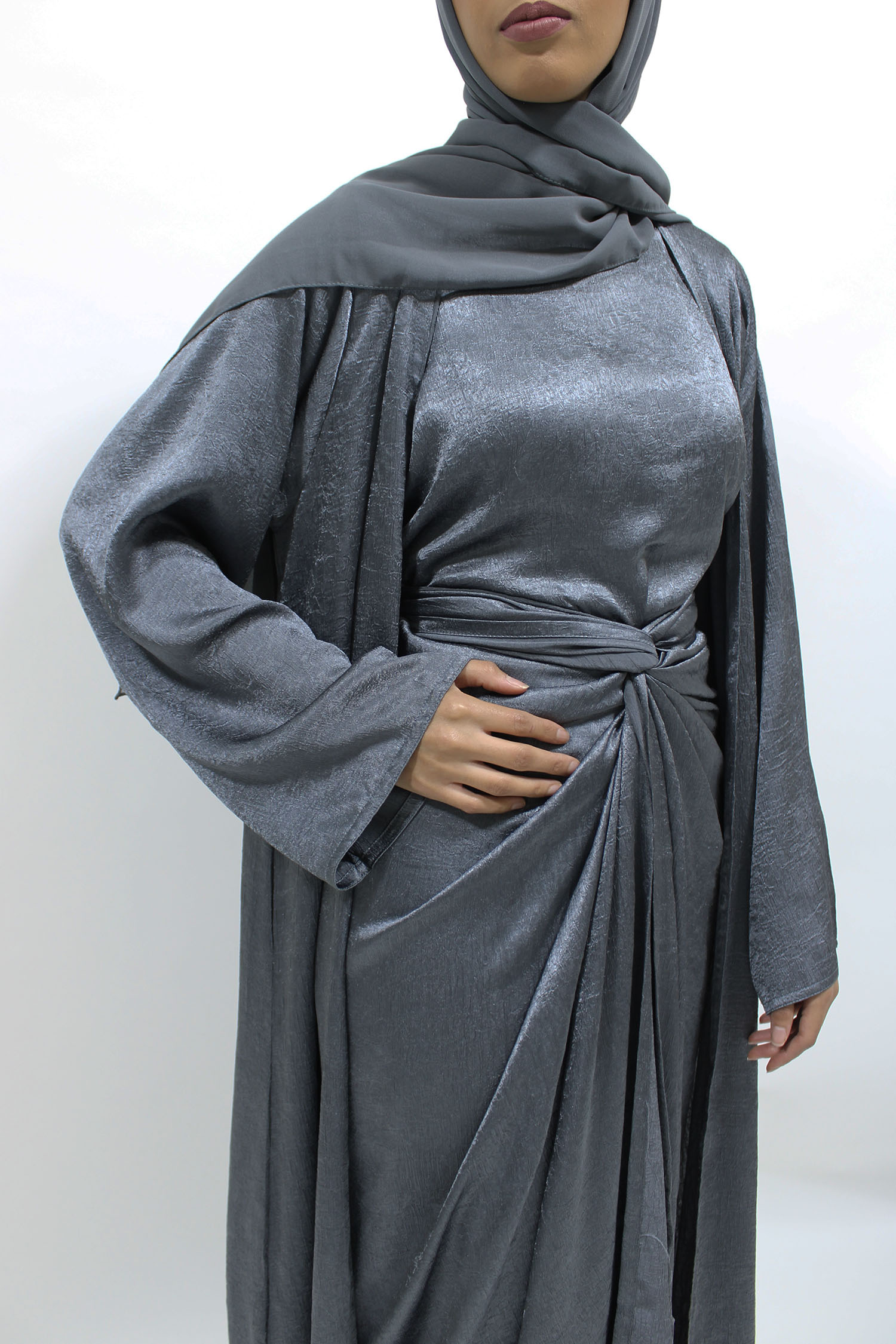
What Makes an Abaya “Arabic” Compared to Other Styles?
When I first started exploring modest fashion, I quickly realized that not all abayas are created equal. The term “Arabic abaya” isn’t just a label—it’s a whole vibe, a tradition, and a style that carries centuries of cultural richness and subtle sophistication. So what exactly makes an abaya truly “Arabic” compared to other styles from different regions or interpretations? Let me share with you what I’ve discovered, lived, and loved about this unique garment.
Rooted in Culture: The Heartbeat of Arabic Abayas
Arabic abayas have deep cultural and religious significance that goes beyond their fabric and cut. Growing up, I remember my grandmother always talking about how the abaya wasn’t just about modesty; it was about honor, respect, and a connection to heritage. Unlike other modest dresses worldwide, the Arabic abaya is a symbol of identity that weaves together faith, culture, and style. Its design reflects the values of modesty while honoring the aesthetics passed down through generations.
This sense of identity is why the Arabic abaya holds a special place in my wardrobe—it’s not just clothing; it’s a statement of who I am and where I come from.
Signature Features That Define Arabic Abayas
What really sets the Arabic abaya apart are its distinct design elements and materials that have been carefully perfected over time. Here’s a table to break down the key differences:
| Feature | Arabic Abaya | Other Abaya Styles |
|---|---|---|
| Fabric | Luxurious crepe, chiffon, or silk blends that feel breathable yet premium | Varies widely; may use simpler cotton blends or heavier polyester |
| Color Palette | Traditionally black, but often enriched with subtle earth tones or jewel accents | More varied colors but sometimes less focus on understated elegance |
| Embellishments | Delicate embroidery, hand-beaded details, or laser-cut patterns with cultural motifs | May have bold prints or minimal detailing |
| Cut & Silhouette | Flowing, modest lines with carefully crafted sleeves and collars | Ranges from loose to more fitted, sometimes less consistent |
| Styling | Emphasizes timeless elegance and modesty with versatility for occasions | Often trend-driven or casual focused |
A Personal Story: Finding My Arabic Abaya Style
I remember the first time I really understood the beauty of an Arabic abaya was when I discovered Amani’s collection. I was skeptical—could modesty and style truly coexist without compromise? Then I slipped on one of their abayas, and everything changed. The fabric felt like a gentle hug; the subtle embroidery caught the light just right, and suddenly, I wasn’t just covered—I was glowing.
That moment was a revelation. I realized that what makes an abaya Arabic isn’t just the black color or the long length—it’s the respect for craftsmanship, the cultural storytelling stitched into every seam, and the way it lets me express my faith while feeling stylish and modern.
How Arabic Abayas Reflect Modesty and Fashion in Harmony
One of the reasons Arabic abayas resonate so deeply with many women is because they master the art of modesty without sacrificing style. This balance is delicate but crucial. The abaya’s flowing silhouette covers without clinging, providing comfort and dignity in one package.
To me, this harmony means:
- Practical elegance: Fabrics that breathe in hot climates but look luxe enough for special occasions.
- Subtle details: Embroidery or beadwork that elevates the look but stays true to modesty principles.
- Timeless cuts: Silhouettes that never go out of style, making the abaya an investment piece rather than a fleeting trend.
When I think about styling my Arabic abayas, it’s never about shouting “look at me.” It’s about feeling quietly confident, carrying myself with grace, and honoring tradition while living in the present. That’s the unique power of the Arabic abaya.
Why Amani’s Abayas Feel Uniquely Arabic
If you’re like me and want your abayas to speak for your values without saying a word, Amani’s consistently hits that mark. Their collections blend heritage with contemporary needs, offering pieces that are as functional as they are beautiful. Whether it’s the way the fabric falls, the thoughtful embellishments, or the perfect balance of modest coverage and feminine shape, Amani’s abayas make Arabic tradition accessible and stylish for every woman.
To sum it up, an Arabic abaya isn’t just a piece of clothing. It’s a symbol, a style, and a story woven into every thread. And when you wear it with love, confidence, and intention, it transforms not just your outfit but how you carry yourself in the world.

How Did the Arabic Abaya Become a Global Modest Fashion Icon?
Honestly, when I think about the Arabic abaya’s journey from a traditional garment to a global modest fashion icon, I’m filled with a mix of awe and admiration. It’s not just about fabric and threads; it’s about how culture, faith, and style converged to create something timeless yet modern. I remember when I first noticed abayas popping up in international fashion weeks and on social media feeds—it felt like a quiet revolution, a graceful rebellion against fast fashion’s chaos. But how exactly did the Arabic abaya rise to such prominence on the world stage? Let’s dive deep into this fascinating story.
The Abaya’s Humble Origins: Tradition Meets Purpose
The abaya originated centuries ago, primarily in the Arabian Peninsula, as a simple, loose-fitting cloak designed to cover and protect women modestly according to Islamic principles. It was more than just a piece of clothing; it was a cultural emblem, a daily shield of dignity and respect. Back then, the focus was entirely on modesty, practicality, and adherence to faith. The abaya’s design was minimalistic—often a black cloak that flowed effortlessly, suitable for the harsh desert climate while honoring traditional values.
In my own family, the abaya wasn’t just a garment—it was a rite of passage, worn with pride during important religious and family events. It symbolized identity, belonging, and the quiet strength of womanhood.
Globalization and the Fashion World: Opening Doors for the Abaya
The turning point for the Arabic abaya’s global recognition came with the rise of globalization and the internet’s rapid expansion. Suddenly, the world became smaller, and cultural barriers began to break down. Fashion weeks in Dubai, Riyadh, and Abu Dhabi started attracting international attention. Designers began experimenting with the abaya, infusing it with contemporary cuts, luxurious fabrics, and intricate detailing while staying rooted in tradition.
Social media was a game-changer here. Influential modest fashion bloggers, many of whom I follow and admire, showcased how versatile and chic abayas could be. Their followers—women from all over the world—saw that modesty didn’t mean sacrificing style. This digital exposure turned the Arabic abaya into a coveted piece in wardrobes far beyond the Middle East.
Bridging Faith, Fashion, and Feminine Empowerment
What’s really special about the abaya’s rise is how it became a symbol of empowerment for many Muslim women globally. Wearing an abaya became a conscious choice, a way to express faith confidently while embracing personal style. This duality is what makes the Arabic abaya so compelling—it’s not about restriction but about freedom through modesty.
I recall a conversation with a fellow modest fashion lover who shared how her abaya gave her confidence in professional settings abroad. It wasn’t just about covering up—it was about standing tall in a garment that honored her identity and made her feel authentic. That story stuck with me because it perfectly captures the abaya’s deeper impact beyond aesthetics.
Table: Key Milestones in the Arabic Abaya’s Global Rise
| Year / Era | Milestone | Impact |
|---|---|---|
| Pre-20th Century | Traditional abaya worn across Arabian Peninsula | Established roots in culture and faith |
| Early 2000s | Rise of Middle Eastern fashion weeks (Dubai, Riyadh) | International spotlight on modest fashion |
| 2010s | Social media influencers popularize modest styling | Global awareness and demand for Arabic abayas |
| Mid-2010s to Now | Luxury brands and designers integrate abaya styles | Elevated status as a fashion icon worldwide |
The Role of Modern Brands Like Amani’s in Shaping Abaya Culture
Speaking personally, Amani’s has been pivotal in redefining what an Arabic abaya means for today’s woman. They blend tradition and trend seamlessly, offering pieces that feel both timeless and fresh. Their approach makes it easier to embrace modest fashion without compromising on personality or modernity. I often find myself reaching for their abayas because they just *get* what I want—quality, comfort, and a style that speaks to my faith and my individuality.
By creating abayas that suit diverse lifestyles—from casual days out to special events—they’re making the Arabic abaya accessible to women everywhere. This kind of thoughtful design and representation fuels the abaya’s ongoing global appeal.
What This Means for Modest Fashion’s Future
The Arabic abaya’s journey from humble beginnings to a global icon is a testament to the power of culture, faith, and adaptability. It shows us that modest fashion isn’t static or limited—it’s vibrant, evolving, and inclusive. As more women embrace the abaya worldwide, it fosters a greater appreciation for diversity in fashion and spirituality.
I feel incredibly lucky to be part of this movement—wearing an Arabic abaya isn’t just a fashion statement for me, it’s a daily celebration of my heritage, my beliefs, and my style. And I can’t wait to see how the abaya continues to inspire and unite women across the globe.

What Fabrics Are Best for Arabic Abayas in Different Climates?
Choosing the right fabric for an Arabic abaya isn’t just a matter of aesthetics—it’s a deeply personal decision that affects comfort, style, and how the garment speaks to your lifestyle. I’ve worn abayas in scorching desert heat and in cooler climates, and trust me, the fabric can make or break the whole experience. So, if you’re wondering how to pick the perfect abaya fabric that suits your environment without sacrificing elegance or modesty, you’re in the right place. Let’s explore the best fabrics for Arabic abayas across different climates, and I’ll share some personal tips to help you navigate this often overlooked but essential detail.
The Importance of Fabric in Abaya Comfort and Style
When I first started embracing modest fashion, I underestimated how much fabric choice mattered. Wearing a heavy, synthetic abaya in the middle of summer? No thank you! It’s not just about the look but how the fabric feels against your skin, how it breathes, and even how it drapes. The right fabric can elevate a simple abaya into a statement piece, while the wrong one can make you feel stifled or uncomfortable. And since abayas are often worn for long hours, comfort really is king.
Fabric also affects the garment’s durability and maintenance. Some fabrics wrinkle easily or need delicate care, while others are more forgiving and perfect for a busy lifestyle. Understanding the fabric’s properties helps you invest in pieces that last, look fabulous, and keep you feeling confident, no matter where you live.
Lightweight Fabrics for Hot and Humid Climates
Living in or traveling to hot climates means you need abayas that breathe and keep you cool while maintaining modesty. Here are some fabrics I swear by during the scorching months:
- Crepe: This fabric is a staple for summer abayas. It’s lightweight, slightly textured, and drapes beautifully without clinging. I love how crepe manages moisture, allowing air to circulate, so you don’t feel like you’re in a sauna.
- Chiffon: Though often used for overlays or accents, chiffon can make a gorgeous light layer for abayas. It’s sheer but layered correctly, it offers coverage and breathability. I remember wearing a chiffon abaya during Ramadan evenings—it felt delicate yet modest, perfect for warm nights.
- Rayon: A natural fiber that mimics cotton but is more flowy and less prone to wrinkles. Rayon abayas have this effortless, relaxed vibe while still looking polished.
One thing I always look for in hot weather is fabrics that wick sweat away from the body. A fabric that feels soft and breathable makes a world of difference when the temperature rises.
Medium Weight Fabrics for Moderate Climates
If you live somewhere with moderate temperatures—think spring or fall weather—the fabric choice can be more versatile. These fabrics balance breathability with warmth:
- Lightweight Wool Blends: Surprising, but yes! Wool blends that are lightweight can offer warmth without overheating. I’ve worn wool-blend abayas during cool evenings in coastal cities, and the comfort is unmatched.
- Silk Blends: Silk mixed with cotton or synthetic fibers adds a luxurious feel and moderate warmth. Silk blends have this natural sheen that turns a simple abaya into something elegant for both day and evening wear.
- Modal: A semi-synthetic fiber known for softness and breathability. Modal abayas drape like a dream and are easy to care for, making them perfect for everyday wear in moderate climates.
Warm and Heavy Fabrics for Cold Climates
Yes, there are Muslim women embracing modest fashion in cold climates too, and for us, fabric choice is absolutely critical to staying cozy without bulk. Here are my favorites for colder weather:
- Velvet: A luxe, heavier fabric that feels warm and soft. Velvet abayas are perfect for winter weddings or formal events. I remember slipping into one for an Eid gathering in a chilly city—the texture was like a hug.
- Thick Wool and Wool Blends: These provide excellent insulation. Wool abayas look classic and maintain modest coverage while keeping you snug. Just make sure the wool is soft enough—not itchy, because comfort is non-negotiable.
- Heavyweight Crepe: This version of crepe offers the structure and warmth needed for winter without losing elegance or modest flow.
Quick Fabric Comparison Table
| Fabric | Best For Climate | Key Features | Care Tips |
|---|---|---|---|
| Crepe (Lightweight) | Hot / Humid | Breathable, wrinkle-resistant, drapes well | Hand wash or gentle machine wash; hang dry |
| Chiffon | Hot / Humid (layering) | Light, sheer, breathable | Hand wash only; delicate handling required |
| Rayon | Hot / Moderate | Soft, breathable, flowy | Machine wash cold; avoid bleach |
| Light Wool Blend | Moderate / Cool | Warm, breathable, structured | Dry clean recommended |
| Silk Blend | Moderate | Luxurious, lightweight, sheen | Dry clean or gentle hand wash |
| Modal | Moderate | Soft, breathable, easy care | Machine wash cold; tumble dry low |
| Velvet | Cold | Warm, soft, luxurious | Dry clean only |
| Heavy Wool | Cold | Insulating, classic look | Dry clean preferred |
My Personal Tips for Choosing the Perfect Abaya Fabric
Over time, I’ve learned that knowing your environment and personal comfort preferences makes fabric shopping so much easier. When I moved from a desert city to a cooler, coastal place, I had to rethink my wardrobe completely—lighter fabrics for summer, heavier layers for winter. Here are some quick tips I want to share:
- Test the fabric: Always touch and feel before buying. Does it breathe? Is it soft enough against your skin?
- Think about versatility: Some fabrics transition better between seasons. Modal and crepe are my go-tos for year-round wear.
- Consider care: Busy women need fabrics that are easy to wash and maintain.
- Layer smartly: In hotter climates, lighter fabrics can be layered carefully without overheating.
At the end of the day, your abaya fabric should feel like a second skin—comfortable, elegant, and completely you.

What’s the Difference Between a Bisht, Kaftan, and Abaya?
Sometimes, even within the world of modest fashion, it can get confusing distinguishing between traditional garments like the bisht, kaftan, and abaya. I remember my first trip to a Middle Eastern market—so many beautiful robes and flowing fabrics! I couldn’t tell which was which, and honestly, I was too shy to ask. But learning these differences unlocked a new appreciation for the culture, the craftsmanship, and how each piece carries its own story. If you’ve ever asked yourself, “What sets these garments apart?” then this section is for you. Let’s break down the distinctions, so you feel confident next time you hear these names or even want to add one to your wardrobe.
The Abaya: Modest Elegance for Every Day
The abaya is probably the garment most synonymous with modern modest fashion, especially in the Gulf region. It’s that sweeping, floor-length cloak, usually black but increasingly available in a spectrum of colors and styles. What I love about the abaya is its simplicity combined with elegance— it’s modest without being restrictive.
Abayas are typically made from lightweight fabrics like crepe or chiffon, designed for comfort and breathability. They are everyday wear for many Muslim women, offering modesty with ease. You’ll often see abayas with subtle embellishments—delicate embroidery along the sleeves, pearl accents, or lace trims—but they remain understated. Think of the abaya as your everyday trusted friend: versatile, comfortable, and always respectful of tradition.
The Bisht: The Regal Outer Cloak
The bisht, on the other hand, is something quite different—a symbol of prestige and occasion. Imagine a luxurious outer cloak worn over the thobe or other traditional garments by men (and sometimes women) during special events like weddings, religious ceremonies, or even state functions. It’s typically made from heavier, rich fabrics such as wool or camel hair, often adorned with gold or silver embroidery along the edges.
I once attended a majlis where the hosts greeted guests wearing stunning bishts, and I was struck by the aura of dignity and tradition they exuded. The bisht isn’t just clothing; it’s a statement piece that speaks of heritage and status. Unlike the abaya, it’s not everyday wear but reserved for moments when you want to honor culture and formality.
The Kaftan: A Flowing Blend of Comfort and Tradition
The kaftan is a garment with roots that stretch far beyond the Arabian Peninsula, beloved across North Africa, the Levant, and parts of Asia. What makes the kaftan special is its loose, robe-like shape, often with wide sleeves and rich patterns or embroidery. Unlike the usually monochrome abaya or the formal bisht, kaftans come in a rainbow of colors and fabrics—from silky satins to embroidered cottons—making them perfect for festive occasions or even casual wear depending on the style.
I remember my grandmother gifting me a stunning kaftan for Eid one year, a vibrant piece adorned with intricate gold stitching. Wearing it felt like wrapping myself in history and warmth, a connection to generations of women who balanced beauty and modesty effortlessly.
Quick Comparison Table: Bisht vs. Kaftan vs. Abaya
| Garment | Typical Wearer | Occasion | Fabric | Key Features | Color |
|---|---|---|---|---|---|
| Abaya | Mostly women | Everyday, casual to formal | Lightweight fabrics like crepe, chiffon | Simple, modest, often with subtle embellishments | Traditionally black, now varied |
| Bisht | Mostly men, sometimes women | Formal events, ceremonies, religious occasions | Wool, camel hair, with gold/silver embroidery | Heavy, regal outer cloak, open front | Usually black, brown, beige, or cream with metallic trim |
| Kaftan | Women and men in various regions | Festive, casual, or formal depending on style | Varied: silk, cotton, satin, embroidered fabrics | Loose-fitting, wide sleeves, colorful and patterned | Vibrant, many colors and designs |
Stories and Reflections: What These Garments Mean to Me
Wearing an abaya daily connects me to a sense of modesty and grace—it’s a simple reminder of my values wrapped around me. But slipping on a kaftan for a family gathering feels like an embrace of culture, tradition, and joy. The bisht? It’s a rare sight in my wardrobe, reserved for those special days when formality and heritage demand presence.
Each garment carries stories, memories, and symbolism far beyond fabric and thread. They remind me how fashion in our culture is never just about looking good—it’s about honoring who we are and where we come from. So the next time you wonder about these three, think not just about style but about the rich tapestry of life they represent.

Are Arabic Abayas Suitable for Non-Arab Women?
When I first discovered Arabic abayas, I wondered the same thing: “Can this elegant, deeply cultural garment really fit into my own style and identity, even though I’m not Arab?” Over time, I realized the answer is a resounding yes—and it’s a journey worth exploring. The Arabic abaya is much more than just a piece of clothing; it’s a symbol of modesty, grace, and identity that transcends borders and backgrounds. Let me share why Arabic abayas can be not only suitable but empowering for non-Arab women, and how you can embrace this beautiful tradition in a way that feels authentic to you.
Abayas as a Universal Modest Fashion Icon
One of the things that drew me to the abaya was how effortlessly it blends modesty with style. While it’s deeply rooted in Arab culture, modest fashion isn’t exclusive to one geography or ethnicity. Women all over the world seek garments that honor their values while still making them feel beautiful and confident. Arabic abayas fit that need perfectly.
The flowing silhouette, the soft fabrics, and the versatile designs mean the abaya adapts well to different climates, cultures, and personal tastes. Whether you’re in New York, Kuala Lumpur, or London, the abaya can be a practical yet elegant choice. It offers coverage without bulk, which is why I often think of it as the modest wardrobe’s best-kept secret.
How Non-Arab Women Embrace the Abaya
Over the years, I’ve met many sisters from diverse backgrounds—South Asian, African, Southeast Asian, and Western—who wear abayas with pride. What’s beautiful is how each woman adds her own flair. Some pair their abayas with vibrant hijabs, others accessorize with modern bags and shoes, and some choose more embellished styles that suit their cultural celebrations.
I remember a friend from Malaysia who wore a traditional black abaya but paired it with bold jewelry and patterned scarves that reflected her heritage. It was a stunning mix of cultures—Arabic and Malay—that felt respectful and personal at the same time.
Things to Consider When Wearing an Arabic Abaya as a Non-Arab Woman
Of course, stepping into a garment so closely tied to a culture means approaching it with respect and understanding. Here are some thoughts I’ve gathered from my own experience and from conversations with sisters around the world:
- Respect the Origins: Understand the abaya’s cultural and religious significance. It’s not just fashion—it’s an expression of modesty and identity for many.
- Choose Styles That Reflect You: From minimalistic to embellished, abayas come in countless styles. Pick what feels comfortable and authentic for your personality and environment.
- Adapt with Modesty: Modesty isn’t one-size-fits-all. Some may wear a loose abaya with a full hijab, others might layer it differently depending on their customs.
- Celebrate Diversity: Wearing an Arabic abaya can be a beautiful way to celebrate Muslim sisterhood worldwide while still honoring your own cultural roots.
Quick Style Guide: Adapting Arabic Abayas Across Cultures
| Culture | Common Abaya Adaptations | Styling Tips |
|---|---|---|
| South Asian | Heavily embroidered borders, colorful scarves | Pair abayas with traditional jhumkas (earrings) and vibrant hijabs |
| Western | Minimalist cuts, neutral colors beyond black | Use modern accessories like structured handbags and boots for chic layering |
| North African | Kaftan-inspired embellishments, lighter fabrics | Mix with bold jewelry and scarves for festive occasions |
| Southeast Asian | Lightweight fabrics for tropical climates, floral accents | Choose breathable materials and pair with bright hijabs or shawls |
My Personal Reflection
Wearing an Arabic abaya as a non-Arab woman felt like stepping into a shared tradition while telling my own story. It’s a garment that doesn’t erase my identity but enriches it. Sometimes, I get asked if it feels “foreign” or “out of place.” Honestly? It feels like home—a home built on modesty, dignity, and sisterhood that crosses all borders.
If you’re curious about trying an Arabic abaya, I encourage you to explore with an open heart. Start simple, pick fabrics and cuts that suit your lifestyle, and embrace the elegance that modest fashion offers. After all, modesty is universal—our garments should celebrate that unity, not divide it.

What Do the Colors of Abayas Signify in Arab Culture?
When I first began exploring abayas, I always assumed they were simply black—a uniform cloak worn by women to ensure modesty. But as I grew deeper into the world of modest fashion, I discovered that colors in abayas carry subtle yet rich meanings within Arab culture. Colors speak volumes—they tell stories of tradition, occasion, and personal expression. If you’ve ever wondered why black dominates but occasionally see shades of navy, beige, or even vibrant hues, you’re about to uncover the fascinating symbolism behind abaya colors and how they reflect the culture’s heart and soul.
Black: The Classic and Revered Staple
Black is, without doubt, the iconic color of the Arabic abaya. It’s not just about modesty; it’s about elegance, dignity, and a shared cultural language. Wearing black abayas conveys simplicity and seriousness, often associated with everyday wear but also formal settings. For many Arab women, the black abaya is a statement of identity—it’s timeless and universally understood.
I remember attending a wedding in Riyadh, surrounded by a sea of black abayas embroidered delicately along the edges. The subtle shimmer and variations in fabric texture gave life to the all-black tradition. It’s a color that commands respect without shouting.
White and Ivory: Purity and Celebration
White abayas or those in ivory tones are often reserved for special occasions, especially weddings and religious holidays. White symbolizes purity, new beginnings, and spiritual light. Brides, for instance, might wear white abayas under their traditional wedding dresses or during pre-wedding celebrations to reflect innocence and joy.
In some Gulf countries, white abayas serve as elegant summer wear, where the lighter shade helps reflect sunlight and keep cool. The softness of white balances modesty with a fresh, hopeful energy.
Earth Tones: Beige, Brown, and Soft Pastels
In recent years, I’ve noticed a growing trend toward earth tones—beiges, soft browns, and muted pastels—in abaya fashion. These shades reflect a modern, understated elegance and offer versatility. They resonate deeply with natural elements and convey warmth and humility.
Personally, I own a soft taupe abaya that I adore for casual outings and workdays. It feels less formal than black but still honors modesty and grace. This color palette is especially popular among younger generations who want to blend tradition with contemporary style.
Vibrant Colors: A Bold Expression of Culture and Personality
Though less common in traditional settings, vibrant abayas in royal blue, emerald green, and even rich burgundy have made their way into the modest fashion scene—especially in urban centers like Dubai and Beirut. These colors often symbolize celebration, wealth, and cultural pride.
I’ll never forget a festive Eid gathering where a friend wore a deep emerald green abaya embroidered with gold thread. She radiated confidence and joy, proving that abayas can be both modest and striking.
Color Meanings at a Glance: What Each Shade Communicates
| Color | Symbolism | Typical Usage |
|---|---|---|
| Black | Modesty, elegance, tradition | Everyday wear, formal occasions |
| White/Ivory | Purity, new beginnings, spirituality | Weddings, religious holidays, summer wear |
| Beige/Brown/Earth Tones | Humility, warmth, modern subtlety | Casual, workwear, younger generation fashion |
| Vibrant Colors (Blue, Green, Burgundy) | Celebration, wealth, cultural pride | Festive events, fashion-forward gatherings |
How I Learned to Embrace Color in My Abaya Wardrobe
At first, I stuck to black abayas because it felt “safe” and universally accepted. But gradually, I began experimenting with shades that reflected my mood and season. One winter, I wore a soft cream abaya with delicate embroidery—something lighter and gentler. It drew compliments and sparked conversations about how color can deepen modest fashion without compromising values.
My advice? Don’t be afraid to explore! Whether you’re drawn to the classic black or tempted by subtle pastels or even a bold emerald, there’s room in modest fashion for your personal expression. The colors you choose tell a story—yours. And in Arab culture, that story is always rich with meaning.

Is There a Correct Way to Wear or Layer an Abaya?
When I first started wearing the abaya, I thought it was as simple as slipping it on and stepping out the door. But over time, I realized there’s an art to how you wear and layer this beautiful garment—an art that blends modesty, comfort, style, and cultural respect. The “correct” way isn’t about rigid rules but about honoring tradition while making the abaya your own. Let me share with you what I’ve learned—some heartfelt advice, practical tips, and little stories from my own journey that might just change the way you see your abaya.
Understanding the Foundation: Fit and Fabric
The first step to mastering the abaya isn’t just about how you layer but knowing the foundation: your abaya’s fit and fabric. Think of your abaya as a blank canvas. Is it flowy or structured? Lightweight or thick? For example, a lighter chiffon or crepe abaya layers beautifully under a structured outer piece, while a heavier fabric like satin or wool demands simpler styling.
Personally, I have a loose black crepe abaya that I adore for everyday wear because it drapes elegantly yet breathes in the warm weather. But on colder days, I switch to a heavier wool-blend abaya that needs minimal layering.
The Art of Layering: Practical Tips for Every Season
Layering the abaya isn’t just about warmth—it’s about creating a silhouette that feels both modest and flattering. Here’s what I’ve found works best, season by season:
| Season | Layering Tips | My Favorite Fabrics |
|---|---|---|
| Spring | Light cardigans or longline vests under an airy abaya. Avoid bulky layers to maintain flow. | Chiffon, light crepe, cotton blends |
| Summer | Minimal layers. Pair abayas with breathable innerwear like cotton slips or tank tops. Opt for lighter hijabs. | Lightweight crepe, voile, linen blends |
| Fall | Layer thin sweaters or turtlenecks beneath the abaya. Add scarves or shawls for warmth and style. | Wool blends, medium-weight crepes |
| Winter | Heavy coats or cloaks over the abaya. Layer thermal or thick cotton innerwear for warmth. Don’t forget gloves and boots. | Wool, satin blends, thick crepes |
One winter, I layered a black wool abaya over a cashmere turtleneck and paired it with a velvet shawl. It was cozy, modest, and surprisingly elegant for the freezing weather!
Styling with Hijabs and Accessories: The Final Touches
Wearing the abaya without considering how it pairs with your hijab and accessories is like baking a cake without frosting—it’s just not complete. I often think about how my hijab colors and styles interact with the layers beneath. For example, a softly draped hijab in a neutral tone pairs beautifully with a richly embroidered abaya, while bold-colored hijabs can balance out plain, dark abayas.
I remember a day when I wore a navy abaya with silver embroidery, topped with a matching silver-gray hijab. The look felt cohesive and thoughtfully layered, drawing compliments and sparking little conversations about the art of modest fashion.
Common Layering Mistakes and How to Avoid Them
From personal experience and countless conversations with friends, these are some pitfalls to watch out for:
- Too many bulky layers: This can make the silhouette bulky, defeating the abaya’s elegant flow. Stick to thin, breathable layers when possible.
- Ignoring fabric weight: Pairing a heavy abaya with heavy inner layers can lead to discomfort and overheating.
- Color clashes: The abaya is often a statement piece—let it shine by coordinating colors thoughtfully.
I once tried layering a thick sweater under a heavy satin abaya, thinking it would keep me warm in winter. Instead, I felt restricted and uncomfortable all day. Lesson learned: layering is about balance, not piling on.
My Personal Abaya Layering Ritual
Layering my abaya has become a mindful ritual—something that connects me to my faith, culture, and style. I start by checking the weather, then pick my abaya fabric accordingly. Next, I choose a comfortable inner layer, often a modest slip or long-sleeve top. Finally, I coordinate my hijab and accessories, making sure they complement without overpowering.
This process turns what some see as a simple garment into a statement of grace and intention. And if you’re anything like me, this “correct way” will evolve as you do—always rooted in modesty but blossoming with personality.

What Abaya Styles Are Trending in 2025?
It’s always exciting to watch modest fashion evolve—especially the abaya, which holds such a cherished place in our wardrobes and hearts. As someone who lives modest fashion daily, I love seeing how tradition meets modern creativity each year. So, what’s buzzing for 2025? Let me take you on a little style journey through the freshest abaya trends, mixing personal observations, a few heartfelt stories, and practical advice to help you wear these looks with confidence and joy.
The Return of Minimalism: Less Is More
If you asked me what caught my eye the most this year, it’s the elegant resurgence of minimalist abayas. Think clean lines, subtle textures, and monochrome palettes—mostly soft neutrals and timeless black, but with a twist. These abayas don’t shout for attention; instead, they whisper quiet sophistication.
I remember a friend wearing a soft beige abaya with delicate pintuck detailing down the sleeves—it felt understated but incredibly chic. For many women this year, this style reflects a desire for versatility and calm in an often chaotic world. It’s the perfect balance of modesty and style without any fuss.
| Style | Key Features | Why It Works |
|---|---|---|
| Minimalist Abayas | Clean cuts, subtle textures, monochrome shades | Versatile, timeless, easy to accessorize |
| Embroidered & Beaded Abayas | Delicate handwork, floral and geometric motifs | Adds elegance and cultural depth to everyday wear |
| Layered & Asymmetric Abayas | Flowing layers, asymmetric hems, mixed fabrics | Creates movement and modern flair while maintaining modesty |
| Pastel & Earth-Tone Abayas | Soft, muted color palette with natural hues | Reflects a calm, nature-inspired aesthetic |
Hand Embroidery and Beading: A Nod to Heritage
This year, the craftsmanship of hand embroidery and beading is making a proud comeback. These abayas aren’t just garments; they’re wearable art. I recently visited a boutique where each piece was hand-stitched with motifs inspired by nature, calligraphy, or traditional Arabesque patterns. The time and love poured into these details make the abaya feel so personal and meaningful.
For special occasions or even just to brighten up your day-to-day wardrobe, an embroidered abaya adds that soulful touch. It’s about honoring our cultural roots while still feeling incredibly fresh and unique.
Layered & Asymmetric Designs: Modern Movement Meets Modesty
As someone who loves fashion with a bit of drama but never at the expense of modesty, the layered and asymmetric abaya styles this year caught my heart. These designs play with length and fabric textures, creating movement that feels effortlessly elegant.
Imagine an abaya with a flowing chiffon overlay, draped just so, or an asymmetric hemline that falls longer at the back. I recall a moment at a gathering when a woman wore a navy asymmetric abaya that seemed to dance with her every step—it was modest yet utterly captivating.
Colors That Speak Softly: Pastels & Earth Tones
Black will always hold its classic place, but 2025 is also the year for soft pastels and earthy hues. Dusty pinks, sage greens, warm browns, and gentle creams are sweeping modest fashion. These colors feel nurturing, calm, and inviting.
Personally, I’ve found that these tones brighten my spirit on gloomy days. Wearing a soft peach abaya recently, I noticed how many compliments I received—it seems these gentle shades resonate deeply with many women seeking a fresh yet subtle look.
How to Embrace 2025’s Trends in Your Own Wardrobe
So, how can you make these trends your own without losing the essence of your personal modest style? Here are some tips I swear by:
- Start with one statement piece: Whether it’s a minimalist abaya or an embroidered one, let it be the focus.
- Play with textures: Mixing fabrics like chiffon and crepe adds depth without overwhelming your look.
- Incorporate soft colors: Try a pastel hijab or earth-tone accessories to complement classic black.
- Layer mindfully: Use lightweight cardigans or capes to echo the layered trend without bulk.
Trust me, the journey of adapting trends is more joyful when you listen to your heart—and that’s what makes modest fashion so magical.

How Do You Pick the Right Abaya for Your Body Shape?
Let’s be honest: finding an abaya that feels like it was made just for you can sometimes feel like hunting for a needle in a haystack. I’ve been there—standing in front of racks, wondering if that flowy fabric will drape right, or if the cut will flatter my curves without feeling like I’m hiding behind a tent. The good news? Picking the right abaya is less about rigid fashion rules and more about honoring your unique shape, your comfort, and your style. Here’s how I approach it—and some tips that helped me transform abaya shopping from a chore into a joy.
Know Your Shape: The Key to Abaya Confidence
First things first: understanding your body shape is a game changer. I like to think of it as learning the language your body speaks. Are you pear-shaped, hourglass, rectangle, or apple? Each shape has its own beauty and deserves an abaya that highlights its strengths instead of disguising them.
| Body Shape | Characteristics | Abaya Styles That Flatter |
|---|---|---|
| Pear Shape | Wider hips, narrower shoulders | Flowy abayas with structured shoulders, A-line cuts, embroidered tops |
| Hourglass | Balanced bust and hips, defined waist | Wrap styles, belted abayas, tailored cuts that emphasize the waist |
| Apple Shape | Fuller midsection, slimmer legs | Loose, flowing abayas with open fronts or vertical detailing |
| Rectangle Shape | Balanced bust and hips, little waist definition | Layered abayas, peplum cuts, abayas with waist ties to create curves |
Stories from My Wardrobe: What Worked for Me
When I was younger, I gravitated toward loose, shapeless abayas because I thought that was the “modest” way. But I often felt swallowed up. It wasn’t until I tried an A-line cut with a little structure on the shoulders that I noticed how my silhouette could be modest yet feminine. That shift made me feel more confident and truly comfortable.
One evening, at a family gathering, I wore a belted abaya that hugged my waist gently. The compliments weren’t just about the abaya’s elegance but about how “glowy” and “put together” I looked. It was a reminder: modest fashion doesn’t mean hiding—it means celebrating yourself thoughtfully.
Fabric and Fit: Your Secret Weapons
The fit of an abaya is so much about fabric choice. For pear shapes like me, heavier fabrics that hold structure (like crepe or satin blends) help balance proportions. For apple shapes, lightweight fabrics like chiffon or georgette create a soft, flowing effect that skims the body without clinging.
Always try the abaya on with your hijab and shoes to get the full picture—sometimes the way a fabric moves with your everyday wear makes all the difference. And remember, it’s okay if you need tailoring to get that perfect fit. I once bought an abaya that was a smidge too long but had perfect lines, so I had it hemmed. It felt like it was made just for me after that!
How to Style Abayas to Enhance Your Shape
Styling your abaya isn’t just about the garment itself—it’s how you wear it. Here are some quick tips that helped me feel more empowered:
- Use belts wisely: A belt can highlight a defined waist or create one where it’s less obvious.
- Play with layers: Layering a long vest or lightweight cardigan can add vertical lines that elongate.
- Emphasize your shoulders: Structured shoulders balance out wider hips, so look for abayas or outer layers with this detail.
- Vertical details matter: Embroidery, piping, or paneling that runs vertically creates a slimming effect.
Final Thoughts: The Abaya Is Yours to Own
Choosing the right abaya isn’t about fitting into a mold; it’s about embracing your body’s natural beauty with modesty and grace. The “correct” abaya for you is the one that makes you feel like yourself—confident, comfortable, and proud.
So next time you shop, remember this: trust your intuition, experiment gently, and don’t shy away from tailoring. After all, modest fashion is deeply personal, and your abaya should tell your story in the most beautiful way possible.

How Do Arabic Abayas Differ from Turkish or Malaysian Styles?
Modest fashion is a global tapestry, rich and vibrant, woven with diverse cultural threads. As someone who treasures the abaya as a symbol of modesty and identity, I often get asked: “How do Arabic abayas differ from those you see in Turkey or Malaysia?” Honestly, this question takes me on a nostalgic trip through marketplaces, family gatherings, and fashion festivals where the beauty of modest dress shines in all its unique glory. Let’s explore these differences with heart and detail—because understanding the nuances helps us appreciate not just the clothes but the cultures behind them.
Arabic Abayas: Tradition Meets Elegance
When I think of Arabic abayas, especially those from Gulf countries like Saudi Arabia, the UAE, and Kuwait, the image that immediately pops up is one of timeless elegance—usually in black, but never just plain. These abayas are often crafted from luxurious crepe or silk fabrics, with fine embroidery or subtle embellishments along the sleeves, cuffs, or neckline. The silhouette tends to be loose, flowing, and straight, embracing modesty while offering grace.
My mother used to tell me how abayas in her youth were simpler, mostly solid black with minimal decoration. Over the years, they evolved to incorporate delicate handwork and even beading, especially for special occasions. What remains consistent is the focus on a sleek, elongated look, often paired with a matching shayla (headscarf) to complete the ensemble.
Turkish Styles: Modesty Meets Modern Chic
Turkish modest fashion has a distinct vibe that feels a bit more structured and often colorful. The abayas—or more broadly, the outer garments worn—show a marriage of tradition and contemporary fashion trends. Unlike the predominantly black Arabic abayas, Turkish styles embrace a wider color palette, including deep jewel tones, soft pastels, and even floral patterns.
What I love about Turkish abayas is their tailoring—there’s usually a defined waist, sometimes achieved with belts or built-in ties, giving a flattering shape without compromising modesty. Fabrics tend to be lighter, perfect for layering, which is essential in Turkey’s varied climate. They also often feature button-down fronts or zipper closures, blending modesty with practicality.
Malaysian Abayas: Cultural Vibrance and Comfort
Moving to Southeast Asia, Malaysian abayas—or “jubah” as they’re often called—reflect the region’s tropical climate and colorful culture. These garments are usually lighter and more breathable, made from cotton blends or chiffon. The designs favor bright colors, intricate batik prints, or floral motifs, which tell stories of nature and heritage.
I recall attending a Malaysian wedding where the women wore beautifully patterned jubah with coordinating tudungs (headscarves). The abayas there tended to be looser and less structured than Turkish styles but had a vibrancy and cheerfulness that felt so uplifting. It’s modesty wrapped in warmth, perfect for Malaysia’s humid weather.
Comparing Key Features: A Quick Look
| Feature | Arabic Abayas | Turkish Styles | Malaysian Abayas (Jubah) |
|---|---|---|---|
| Color Palette | Mostly black, occasional muted embellishments | Wide range: jewel tones, pastels, florals | Bright colors, floral & batik prints |
| Fabric | Crepe, silk, satin—heavier and flowing | Lightweight, layered fabrics like chiffon & georgette | Breathable cotton blends, chiffon, suitable for humid climates |
| Cut & Fit | Loose, straight silhouette | Tailored, sometimes belted or buttoned | Loose and flowy, relaxed fit |
| Design Details | Embroidery, beading on sleeves & hems | Button-down fronts, zippers, occasional lace or trim | Printed motifs, simple trims, colorful accents |
Finding Beauty in Differences—and Similarities
What truly moves me is how these abayas, despite their differences, share the same core purpose: to honor modesty while allowing women to express their identity and beauty. Whether it’s the sleek black Arabic abaya that speaks to tradition, the chic tailored Turkish designs that blend modernity, or the colorful Malaysian jubah that sings with cultural pride—each tells a story.
I remember a trip to Istanbul where I admired women mixing scarves, coats, and abayas with such effortless style and confidence. Later, in a Malaysian bazaar, the vibrant patterns and warm smiles made me appreciate the deep cultural roots woven into every stitch.
So, if you’re thinking about adding a new abaya style to your wardrobe, consider this: embracing different styles is like inviting new stories and traditions into your life. It’s not about choosing one over the other—it’s about celebrating the rich, diverse world of modest fashion that connects us all.
How Do You Style an Open-Front Arabic Abaya Elegantly?
If you’re like me, your abaya isn’t just a garment — it’s a statement. The open-front Arabic abaya, in particular, feels like a beautiful bridge between tradition and modern expression. I remember the first time I slipped into one: the gentle sway of fabric with each step, the effortless elegance it brought, and that quiet confidence blooming inside me. But styling it to look polished and personal? That takes a little intention. So, let me share how I elevate my open-front abayas from simply modest to truly elegant, with stories, tips, and a little soul.
Choosing the Right Inner Layer: The Foundation of Elegance
Open-front abayas are like the perfect frame — they show off what’s underneath just as much as their own flow. So picking your inner layer matters. I usually lean towards solid, well-fitted dresses or tunics that complement the abaya’s color and texture. Think soft silks, lightweight cottons, or even a sleek jersey dress for a modern touch.
One afternoon, I paired a rich navy inner dress with a black open-front abaya embroidered with delicate silver accents. The contrast was subtle but powerful — like a whisper of sophistication. It’s also about comfort here. If your inner layer clings or wrinkles easily, that polished vibe won’t last long. So always test movement in your outfit before stepping out!
Mastering the Drapes: How to Let Your Abaya Flow with Grace
An open-front abaya’s magic is in its drape. The way it moves can either float beautifully or feel heavy and clumsy. When I style mine, I’m always conscious of fabric weight and length. Lightweight crepes or chiffons glide effortlessly, making even a quick stroll feel like a runway moment.
If your abaya is on the heavier side, try to keep the rest of your look simple and streamlined. Also, pay attention to the sleeves — wide bell sleeves add drama, but can overwhelm a petite frame, while slim sleeves give a more tailored, refined silhouette.
Accessorize to Amplify: Subtle Touches That Speak Volumes
Accessories can make or break the elegance of an open-front abaya. I always reach for minimalist jewelry — a pair of pearl studs or a delicate chain — that doesn’t compete with the abaya’s details but complements them. Scarves are another key player; a softly draped shayla in a contrasting or matching hue can add depth and richness.
| Accessory | Why It Works | Styling Tips |
|---|---|---|
| Minimalist Jewelry | Adds sparkle without overpowering | Choose studs, thin chains, or delicate bracelets |
| Contrasting Shayla | Creates visual interest and layers | Try silk or chiffon in jewel tones or neutrals |
| Structured Handbag | Elevates the overall look and adds polish | Pick a medium-size bag with clean lines |
| Heeled Shoes | Gives height and enhances abaya flow | Go for nude or black pumps or block heels |
Layering With Purpose: Adding Depth Without Bulk
Sometimes, I love adding a lightweight vest or cropped jacket under the open abaya for a contemporary twist. This layering can introduce a pop of color or texture and keeps the outfit from feeling too one-dimensional. But beware of bulk — layering should feel like a gentle conversation, not a wrestling match.
A friend once wore a beige suede cropped jacket under her black abaya at a family dinner, and I remember how effortlessly chic she looked. The unexpected mix of textures—suede with flowing crepe—made her outfit memorable without ever feeling overdone.
Final Thoughts: Own Your Open-Front Abaya Moment
Styling an open-front Arabic abaya is a personal journey. It’s about discovering how to honor tradition while showcasing your own voice. From the layers you pick to the jewelry you wear, every choice shapes your story. And yes, there will be days when your abaya just feels like “that thing you throw on,” but when you embrace it with intention, it can become your armor, your statement, your grace.
So next time you open your wardrobe and reach for that open-front abaya, ask yourself: how do I want to feel today? Because, darling, modest fashion is not just what you wear—it’s how you carry yourself with heart.
Can You Wear an Abaya to a Wedding or Formal Event?
Oh, this question always brings a smile to my face because the abaya is so much more than everyday modest wear—it’s a canvas for elegance, especially at weddings and formal events. I still remember my first wedding where I wore an abaya, feeling a bit unsure if it would be “formal enough.” But as I stepped into that room, eyes catching the shimmer of my embroidery and the graceful flow of the fabric, I realized: yes, you absolutely can—and should—wear an abaya to those special occasions.
The Abaya as a Formal Statement: Tradition Meets Glamour
In Arab culture, weddings and formal events have long been occasions where the abaya transforms. It isn’t just a modest cloak—it becomes a statement piece, adorned with intricate embroidery, delicate beadwork, or subtle sequins. I love how this garment can balance tradition and glamour without compromising on modesty.
Think of the abaya as your evening gown—but with a story. The rich fabrics like silk, satin, or velvet are favored because they naturally elevate the abaya’s presence. And the details—whether it’s gold thread running along the edges or pearl accents—add that touch of festivity and celebration.
How to Choose the Right Abaya for a Wedding
When it’s time to pick an abaya for a formal event, a few things guide me every time:
- Fabric Matters: Go for luxurious, heavier fabrics like satin or velvet that feel special to wear and look lush on camera.
- Details Make the Difference: Embroidery, lace appliqués, or subtle sequins can elevate a simple black abaya into a masterpiece.
- Color Isn’t Just Black: While black abayas remain timeless, don’t shy away from deep jewel tones—emerald, burgundy, navy—that add richness without losing modesty.
- Comfort Counts: Formal doesn’t mean uncomfortable. Make sure your abaya allows you to move, dance, and mingle without fuss.
Here’s a quick comparison table I put together from my personal experience and insights from fashion-savvy sisters who’ve nailed the wedding look:
| Abaya Feature | Casual/Everyday | Wedding/Formal |
|---|---|---|
| Fabric | Cotton, crepe, lightweight polyester | Silk, satin, velvet, chiffon with embellishments |
| Color | Black, neutral shades | Black, jewel tones, pastels with sheen |
| Details | Minimal or plain | Embroidery, lace, sequins, pearls |
| Fit | Relaxed, easy | Tailored or layered to highlight silhouette |
| Accessories | Simple jewelry, casual handbag | Statement jewelry, clutch bags, elegant heels |
Stories from Sisters: Real Moments in Formal Abayas
I can’t help but smile remembering my cousin Amina’s wedding. She chose a deep emerald velvet abaya, covered in hand-stitched gold embroidery. It wasn’t just stunning—it felt like a crown she wore effortlessly. Guests kept asking where she got it, amazed that an abaya could look so regal. She paired it with soft makeup and delicate gold accessories. The best part? She danced all night without a single tug or worry.
Then there’s Fatima, who opted for a softer approach with a pastel pink chiffon abaya adorned with pearl accents at her sister’s engagement. The light fabric floated with every step, and she layered a matching silk hijab for a cohesive, dreamy look. Her style showed me that formal abayas don’t have to be dark or heavy—they can be ethereal and still modest.
Practical Tips for Wearing Abayas to Formal Events
Let’s get real: weddings mean hours on your feet, lots of photo ops, and socializing. Here’s what I’ve learned to keep my abaya game strong without sacrificing comfort or style:
- Try It On Early: Don’t wait until the last minute to check the fit and feel. Practice walking and sitting to avoid surprises.
- Use Lightweight Undergarments: This helps with layering and keeps you comfortable inside heavier fabrics.
- Bring a Shawl or Pashmina: For chilly venues or added elegance, a coordinating shawl is a lifesaver.
- Choose Statement Shoes: Heels that support your feet but add that glam factor make a big difference in confidence.
- Coordinate Your Hijab: Match or complement your abaya’s fabric and colors. A silk or chiffon hijab often pairs well with formal abayas.
Final Thoughts: Your Abaya, Your Celebration
Wearing an abaya to a wedding or formal event isn’t just acceptable—it’s empowering. It’s a way to honor your faith and culture while embracing your style. Whether you choose rich fabrics or soft pastels, intricate embroidery or minimalist elegance, remember that your abaya should make you feel radiant and true to yourself.
So go ahead, pick that stunning abaya, pair it with your favorite heels, and step into the celebration with grace and confidence. Because modest fashion is never just about the clothes—it’s about the spirit you carry with them.
What Shoes and Accessories Go Best with an Arabic Abaya?
When I first started wearing abayas regularly, I was overwhelmed by the idea of pairing them with shoes and accessories that truly honored the garment’s elegance without overpowering it. Honestly, it felt like a whole new language of style. But over time, I realized that the right shoes and accessories aren’t just add-ons—they’re storytellers. They tell the world who you are, your mood, and your connection to modest fashion.
The Art of Choosing Shoes with Your Abaya
Shoes can make or break your abaya look. The key is balance—your footwear should complement the flow and modesty of the abaya while adding just the right touch of personality. Let me walk you through what works best, whether you’re dressing for everyday wear, work, or a formal occasion.
- Classic Flats and Loafers: For everyday wear, nothing beats a comfortable, chic flat. I love leather loafers or embellished flats because they’re modest, practical, and stylish all at once. They pair beautifully with simpler abayas, offering a polished yet effortless look.
- Elegant Heels: When I want to elevate my abaya for a special event, heels are my go-to. Pointed-toe pumps, kitten heels, or block heels in neutral shades like nude, black, or metallics add sophistication without stealing the spotlight. Plus, they help elongate your silhouette beneath the flowing fabric.
- Stylish Sneakers: For a modern twist, many sisters now pair abayas with sleek sneakers. This works especially well with more casual, open-front abayas or those with sporty cuts. It’s a fabulous way to blend tradition with contemporary comfort.
- Sandals in Warm Weather: When the heat hits, sandals—preferably with subtle embellishments or minimalist designs—keep the look light and breezy. I’m a fan of slip-ons or strappy sandals that add a feminine touch while staying modest.
Accessories: The Subtle Powerhouses
Accessories, in my experience, are the secret sauce that makes an abaya outfit feel complete. But here’s the catch—less is often more. The goal isn’t to overshadow the abaya’s elegance but to accentuate it with thoughtful details.
- Statement Jewelry: Depending on your abaya’s design, a bold necklace or a pair of chandelier earrings can bring a regal feel. For heavily embellished abayas, I recommend keeping jewelry minimal to avoid looking overdone.
- Elegant Hijab Pins: I adore decorative hijab pins—pearls, crystals, or floral designs add a delicate sparkle and keep your hijab perfectly in place. They’re small but make a huge difference in polished looks.
- Chic Handbags and Clutches: For everyday use, a structured tote or crossbody in neutral shades complements most abayas. For formal occasions, opt for a sleek clutch with metallic accents or subtle beading that enhances your overall ensemble.
- Belts for Definition: Sometimes, I like to add a thin belt over my abaya to create shape without losing modesty. Leather or satin belts with simple buckles can transform loose silhouettes into elegantly tailored ones.
My Personal Favorites: A Table of Go-To Pairings
| Occasion | Shoe Type | Accessories | Notes |
|---|---|---|---|
| Everyday | Leather flats, loafers | Simple stud earrings, minimal handbag | Comfort + simplicity; focus on natural tones |
| Work/Professional | Closed-toe pumps, low block heels | Classic watch, pearl earrings, structured tote | Polished and confident without extravagance |
| Formal/Wedding | Pointed heels, embellished sandals | Statement jewelry, elegant clutch, hijab pins | Balance sparkle with modest sophistication |
| Casual/Weekend | Stylish sneakers, slip-on sandals | Layered bracelets, crossbody bag | Modern comfort meets modest ease |
Stories Behind the Shoes: A Small Anecdote
One time, I wore my favorite black velvet abaya with silver embroidery to an Eid gathering. I paired it with silver kitten heels and a matching clutch. But the moment that made me smile wasn’t about how stunning the outfit looked—it was when my younger cousin whispered, “Auntie, your shoes look like they belong to a princess.” That sweet comment reminded me that modest fashion can be magical—it makes you feel seen and cherished in your own way.
Final Thoughts: Shoes and Accessories Are Your Style’s Heartbeat
Wearing an Arabic abaya is a statement of faith, culture, and style. The shoes you choose and the accessories you add aren’t just practical—they carry your personality, mood, and intention. Whether it’s a day of errands or a night of celebration, take a moment to pick pieces that make you feel confident, comfortable, and beautiful.
Remember, modest fashion is fluid, evolving, and deeply personal. There’s no one-size-fits-all answer, but there is a perfect answer for you—and it’s waiting in that pair of shoes or that delicate hijab pin. Trust your instincts, have fun with it, and keep shining your unique light.
How Do You Transition Your Abaya from Daywear to Eveningwear?
Have you ever glanced at your reflection mid-afternoon and thought, “I need to make this abaya work for tonight’s dinner”? Trust me, I’ve been there. Transitioning an abaya from casual daywear to elegant eveningwear isn’t just about swapping pieces—it’s about shifting your entire vibe while staying true to modesty and comfort. It’s a subtle art, and I’m excited to share how I’ve mastered it over the years.
The Beauty of a Versatile Abaya
First things first: choosing an abaya that can double as day and eveningwear is the foundation. A simple black abaya is the classic canvas—think smooth crepe or lightweight silk blends that don’t wrinkle easily. But the magic lies in the details you add or change.
When I’m dressing for daytime errands or work, I lean towards minimalist abayas with clean lines, minimal embellishments, and soft hues. Come evening, it’s all about layering texture, sparkle, and bold accessories to elevate the look effortlessly.
Step-by-Step: My Day-to-Night Abaya Transition
Here’s my go-to formula that feels natural and manageable, even when time is tight.
| Step | Daywear | Eveningwear | Why It Works |
|---|---|---|---|
| 1. Base Abaya | Simple, flowy, light fabric | Same abaya, add a statement belt or brooch | Keeps modesty intact, adds shape and glam |
| 2. Footwear | Comfy flats or loafers | Swap to heeled sandals or pumps | Elevates silhouette and elegance |
| 3. Hijab Style | Casual wrap, breathable fabric | Silk or satin hijab with subtle shimmer | Adds luxe texture without overwhelming |
| 4. Accessories | Minimal studs, everyday bag | Statement earrings, clutch, layered bracelets | Injects personality and sparkle |
| 5. Makeup & Perfume | Natural, fresh look | Bold lipstick or smoky eyes, signature scent | Boosts confidence and mood instantly |
Why Accessories Are Your Best Friend
You know, the simplest abaya can feel completely different with the right accessories. I still remember a Ramadan iftar where I switched from a daytime tote to a velvet clutch, added pearl earrings, and suddenly, my look transformed like magic. Accessories aren’t just extras—they’re your storytelling tools.
Consider swapping out your everyday watch for a delicate bracelet or layering rings on your fingers. Scarves with a satin finish catch the light beautifully in the evening. And the right heels? They’re like the cherry on top, lifting not just your feet but your entire presence.
Real Talk: The Confidence Factor
It’s not just about changing shoes or jewelry. It’s about stepping into a different energy while honoring modesty. Transitioning your abaya isn’t just a physical shift—it’s mental. You’re telling yourself, “I’m ready for this moment.” That confidence shines through more than any outfit detail ever could.
I recall a night where I felt hesitant about switching my daytime abaya into something evening-worthy. But after a quick change—heels, a sparkly hijab, and a favorite lipstick shade—I noticed heads turning, not because I was flashy, but because I felt radiant and genuine. And that, my dear sister, is the real power of modest fashion.
Quick Tips for Easy Transitions
- Keep a small evening accessory kit: A clutch, statement earrings, and a bold lipstick in your bag can save the day.
- Choose fabrics wisely: Materials like chiffon, crepe, or satin are great because they flow and catch light beautifully from day to night.
- Neutral colors with a pop: Start with neutrals, then add a jewel-toned scarf or metallic belt for instant drama.
- Practice layering: Wearing a sleek blazer or an embellished outer abaya over your day look can also work wonders.
Parting Thoughts: Embrace the Fluidity
Transitioning your abaya from daywear to eveningwear is a dance between simplicity and sparkle, comfort and confidence. It’s about knowing your style intimately and trusting that with small, thoughtful changes, your modest fashion can tell many stories—from casual coffee runs to elegant nights out.
So next time you glance at your abaya mid-day, don’t stress about reinventing your entire wardrobe. Instead, ask yourself: “How can I honor this moment with what I already have?” Because often, the best transformation is the one that feels most like you.
What Hijab Styles Match Arabic Abayas Best?
If you’re anything like me, picking the right hijab style to complement your Arabic abaya feels like an intimate conversation between fabric and faith. It’s more than just wrapping a scarf—it’s about expressing your identity, enhancing modest elegance, and feeling utterly yourself. Over the years, I’ve discovered that the perfect hijab style can truly elevate an abaya, creating a seamless harmony that feels both respectful and stunning. Let’s dive into some of my favorite hijab styles that pair beautifully with Arabic abayas, and how you can make each one your own.
The Classic Wrap: Timeless and Versatile
The classic hijab wrap is the foundation of many of my looks—especially when wearing a sleek, minimalistic abaya. Think of this style as the quiet confidence of modest fashion. I love how it frames the face softly without overpowering the outfit. Usually, I pick lightweight fabrics like chiffon or cotton blends, so the wrap feels breathable and effortless, even on busy days.
Here’s a little secret: adding a delicate pin with a pearl or a subtle gem near the temple can transform this simple style into something special for evening gatherings. The classic wrap’s clean lines pair best with abayas that have structured sleeves or minimal embellishments, creating a balanced look.
The Turban Style: Bold Yet Modest
Now, I know some might hesitate with turbans, thinking they’re too daring for modest fashion. But hear me out! The turban hijab style is a favorite when I want to add an edgy twist to my abaya without compromising modesty. It works especially well with abayas that have open fronts or are layered, as the neck and shoulders remain elegantly covered.
The key here is choosing thicker fabrics like jersey or viscose to give the turban structure. I love wearing neutral shades or jewel tones depending on the occasion. The turban style pairs beautifully with statement earrings—something I wouldn’t normally wear with a full wrap.
The Layered Drapes: Grace in Movement
For those days when I want my hijab to feel like an extension of my abaya’s flow, layered drapes are my go-to. This style uses longer scarves—silk, satin, or soft viscose—that create gentle folds around the face and neck. It’s like poetry in fabric form, and I find it especially stunning with abayas that have embroidery or delicate beadwork along the sleeves or collar.
I remember wearing a midnight blue silk hijab with my navy embroidered abaya to a friend’s wedding, and every time the light caught the folds, I felt like I was walking in slow motion—graceful, modest, and utterly confident. This style takes a little more time but rewards you with undeniable elegance.
Hijab Styles and Abaya Fabric Pairings: A Quick Guide
| Abaya Fabric | Recommended Hijab Style | Best Fabric for Hijab | Why It Works |
|---|---|---|---|
| Crepe or Georgette | Classic Wrap | Chiffon or Lightweight Cotton | Soft texture complements flowy abayas without bulk |
| Silk or Satin | Layered Drapes | Silk or Satin | Creates elegant folds that match the shine of abaya fabric |
| Jersey or Viscose | Turban Style | Jersey, Viscose | Offers structure and comfort, perfect for wrapping tightly |
| Embroidered or Beaded | Simple Classic or Turban | Plain fabrics in neutral tones | Keeps focus on abaya details, balancing ornate looks |
Personal Tips for Matching Hijab to Your Abaya
- Consider the Occasion: For casual outings, I stick to simple wraps in breathable fabrics. For formal events, layered drapes or silk hijabs feel more special.
- Play with Color and Texture: Sometimes, a contrasting hijab color—like a soft beige with a black abaya—can feel fresh and modern. Other times, tonal matches create a harmonious, elegant silhouette.
- Embrace Pins and Accessories: Adding a pretty pin or brooch not only secures your hijab but adds a sparkle of personality.
- Think About Face Shape: Rounded faces often suit looser wraps, while more angular faces can carry structured turban styles beautifully.
A Story That Stuck With Me
I’ll never forget my first Eid wearing a navy abaya with silver embroidery. I paired it with a silver-grey layered draped hijab, feeling nervous but excited. As I entered the room, an elder complimented my hijab, saying it was “like moonlight dancing on water.” That moment made me realize: hijab style isn’t just about fabric or fashion—it’s about storytelling, identity, and feeling seen in a way words can’t capture.
So, whether you’re leaning toward the classic wrap or feeling adventurous with a turban, remember: the best hijab style is the one that lets you express your modesty, your beauty, and your soul.
How Do You Wear an Abaya Modestly in Western Countries?
Living in a Western country as a Muslim woman who loves her abayas, I’ve often found myself navigating that delicate balance between staying true to my faith and feeling comfortable in an environment where modest dressing isn’t always the norm. Wearing an abaya here isn’t just about the garment itself — it’s a statement of identity, a daily act of confidence, and sometimes, a challenge. But trust me, it can be done beautifully, respectfully, and yes, fashionably.
Understanding the Cultural Landscape
When I first moved to the West, I was nervous. Would people stare? Would I be misunderstood? But I quickly realized that modesty transcends culture, even if it looks different everywhere. The key is to wear your abaya thoughtfully—respecting your values while gently adapting to the social setting around you.
For example, in colder months, layering your abaya with a warm coat or scarf becomes essential. In warmer seasons, breathable fabrics like crepe or lightweight cotton abayas let you stay modest without overheating. It’s about embracing your abaya as part of your lifestyle, not just a religious symbol.
Styling Tips to Keep Your Abaya Modest Yet Comfortable
- Layer with Confidence: In Western countries, layering is a lifesaver. Wearing a long-sleeve fitted shirt or thermal underneath your abaya keeps you warm without sacrificing modesty. Plus, adding a long cardigan or trench coat on top can create a sleek silhouette that fits in seamlessly with Western fashion.
- Choose Appropriate Fabrics: Think about where you’re going. For work or daily errands, matte fabrics in neutral colors help you blend in while staying true to modesty. For social events, silk or satin abayas with minimal embroidery strike the perfect balance between elegance and modesty.
- Hijab Harmony: Your hijab is your abaya’s partner in modesty. In the West, you might find yourself opting for simpler hijab styles—like the classic wrap or lightweight jersey—that stay put all day and complement your outfit without drawing too much attention.
- Footwear Choices: Closed shoes like loafers, flats, or modest boots work well, especially for outdoor settings. Heels are great for events but remember, modesty isn’t just about coverage—it’s also about confidence and comfort.
Overcoming Challenges: My Personal Journey
I remember my first winter in Canada, struggling to keep warm without sacrificing the flowing elegance of my abaya. At first, I layered bulky coats over my abaya and felt clumsy and out of place. Then I discovered long wool coats with open fronts—perfect to wear over my abaya without hiding its beauty. That little change transformed not just my outfit but my mindset. I realized modesty in the West isn’t about hiding; it’s about adapting with grace.
Another challenge is the occasional curious glance or question. Instead of feeling defensive, I started seeing these moments as opportunities—to educate, to share my culture, and sometimes just to smile and keep walking. Wearing an abaya modestly here is also about owning your space with kindness and poise.
Quick Reference: Modest Abaya Wearing Guide for Western Settings
| Situation | Abaya Fabric & Style | Layering | Accessories & Footwear |
|---|---|---|---|
| Work/Office | Crepe, matte fabrics, solid colors | Longline cardigan or blazer over abaya | Closed flats or loafers, simple hijab wrap |
| Casual Outings | Lightweight cotton or georgette abaya | Layer with denim jacket or trench coat | Comfortable sneakers or boots, easy hijab styles |
| Formal Events | Silk or satin with subtle embroidery | Matching shawl or bolero jacket | Heels or elegant flats, embellished hijab pins |
| Cold Weather | Wool-blend abaya or lined fabrics | Long wool coat with open front, thermal layers | Boots, thick hijabs like viscose or jersey |
Final Thoughts: Owning Your Modesty, Anywhere
Wearing an abaya modestly in Western countries is a journey of self-expression and resilience. It’s about more than just fabric — it’s a beautiful dance between tradition and modernity, between staying true to your faith and engaging openly with the world around you. Remember, modesty shines brightest when it comes from confidence and authenticity.
So, whether you’re running errands in New York or attending a community event in London, wear your abaya with pride. Let it be a symbol of your story, your faith, and your unshakable grace in any setting.
Go-To Abaya Outfits for Travel and Airport Looks
Traveling while wearing an abaya can feel like walking a tightrope—balancing comfort, modesty, and style, all under the watchful eyes of airport security and fellow travelers. I’ve been there countless times, juggling my suitcase, hijab pins, and travel documents, all while trying to look effortlessly put-together. So, what makes a perfect abaya outfit for travel? Let me share what I’ve learned from my many trips.
Comfort Meets Modesty: The Ultimate Travel Abaya Formula
When I travel, comfort is my top priority. But comfort doesn’t mean sacrificing modesty or style. My go-to travel abaya is always lightweight, breathable, and loose enough to allow easy movement, but not so flowy that it becomes a hazard when maneuvering through busy terminals.
A cotton or crepe abaya is a lifesaver. These fabrics breathe well, don’t wrinkle easily, and feel soft against the skin. And honestly, there’s nothing worse than an itchy fabric when you’re stuck on a long flight or rushing through connections.
I always opt for a darker color—black, navy, or deep green—because they hide travel-related wrinkles and potential spills. Plus, these shades are versatile and pair well with all hijab colors, making outfit planning a breeze.
Layering Smartly for Variable Temperatures
Airports and airplanes have a notorious reputation for unpredictable temperatures. I’ve learned to layer strategically. A simple long-sleeve shirt or thermal top underneath my abaya keeps me cozy without adding bulk. Over the abaya, I’ll sometimes add a structured duster or light trench coat if I’m expecting chilly weather.
And speaking of layering, don’t forget a soft, breathable hijab in a neutral or complementary color. Jersey or viscose hijabs are my favorite travel companions because they stay in place, are easy to adjust, and don’t need constant ironing.
Practical and Chic: Footwear and Accessories for Airport Style
I always pick shoes that are easy to slip off and put back on, thanks to security checks. Slip-on loafers, stylish sneakers, or flats with elastic sides are my best friends. Avoid laces unless you want to spend half your layover tying and untying.
Accessories? Keep it minimal. A watch, simple stud earrings, and a sleek crossbody bag that keeps essentials close and hands free are key. Oh, and a large scarf or shawl can double as a cozy wrap on the plane or a modesty shield if needed during unexpected stops.
My Personal Airport Outfit Breakdown
| Element | What I Choose | Why It Works |
|---|---|---|
| Abaya | Black crepe abaya, mid-length, slightly tapered sleeves | Wrinkle-resistant, breathable, and tailored enough for effortless movement |
| Hijab | Jersey hijab in beige or soft grey | Stays put, easy to style, soft on skin for long hours |
| Footwear | Slip-on loafers or cushioned sneakers | Easy for security checks and comfortable for walking long distances |
| Outerwear | Lightweight trench coat or duster jacket | Layering without bulk, versatile for different climates |
| Bag | Crossbody bag with secure compartments | Keeps essentials close and hands free, easy to access passport and phone |
Real Stories from the Road
On one trip to Europe, I remember rushing through a packed airport, my abaya flowing just enough to trip me. Lesson learned: choose an abaya with a tapered hem for busy days! Another time, my jersey hijab saved me from constant readjustments during a long flight, making me feel put together despite the chaos of travel.
These small choices may seem minor, but when you’re juggling the stresses of travel, they make a huge difference. You want to feel at ease, confident, and modest—without drawing unnecessary attention or discomfort.
Final Thoughts: Travel Light, Travel Modest, Travel Beautifully
Traveling with an abaya isn’t just about packing a garment—it’s about packing peace of mind. By choosing the right fabrics, layering smartly, and accessorizing thoughtfully, your airport look can be a beautiful expression of modesty and style.
So next time you’re jet-setting, remember: your abaya is more than just an outfit. It’s your armor, your comfort, and your quiet declaration that modest fashion travels well—wherever you go.
How Can You Layer Your Abaya Without Losing Its Flow?
Layering an abaya can sometimes feel like walking a style tightrope. You want to stay modest and warm, especially in cooler climates, but at the same time, you don’t want to sacrifice that effortless, elegant flow that makes the abaya so special. Trust me—I’ve wrestled with this myself countless times. So how do you layer without turning your abaya into a bulky mess? Let me walk you through what’s worked for me.
Why Flow Matters: The Heart of the Abaya Look
Before diving into layering tips, let’s pause to appreciate the essence of an abaya’s flow. It’s graceful, soft, and gives you this beautiful silhouette that moves with you. When you add layers, there’s a risk of losing that fluidity, turning your outfit stiff or boxy. For me, the secret is choosing layers that complement the abaya’s natural movement instead of fighting it.
Imagine walking in a river—your abaya is the gentle current, flowing and adapting. If you pile on heavy, rigid layers, you’re building a dam that stops that flow. The goal? Let your layers enhance the current, not block it.
Fabric Choices: The Foundation of Flowing Layers
Picking the right fabrics is the first step. Lightweight, breathable materials like chiffon, crepe, or soft cotton blends work wonders. I often layer a thin chiffon or viscose long cardigan under my abaya. These fabrics slide smoothly beneath the outer layer without adding bulk or stiffness.
Avoid chunky knits or stiff fabrics directly under the abaya. Instead, reserve those for outer layers where structure is welcome but doesn’t suffocate the flow underneath.
Layering Techniques That Keep Your Abaya Fluid
| Layer Type | How to Layer It | Why It Works |
|---|---|---|
| Thin Inner Layer | Choose a fitted, lightweight long-sleeve top or slip dress beneath your abaya | Add warmth without bulk; helps smooth the silhouette |
| Light Cardigan or Duster | Wear a sheer or soft cardigan under the abaya but over your inner layer | Keeps warmth and style without obstructing flow |
| Outer Layer Coat or Shawl | Select structured yet light coats or large shawls draped loosely | Adds dimension and warmth without restricting movement |
A Personal Story: When I Learned to Layer Right
I remember a cold winter evening in Dubai when I was attending a family gathering. I layered a thick sweater under my abaya, thinking it would keep me warm. Instead, I felt like I was wearing armor—my abaya lost its soft flow, and I couldn’t move freely. I was miserable! That night, I realized layering isn’t about piling on warmth; it’s about smart, thoughtful combinations.
The next day, I switched to a silky thermal top paired with a lightweight duster underneath my abaya, and the difference was night and day. I stayed cozy, looked elegant, and felt like myself.
Styling Tips to Maintain Elegance and Comfort
- Stick to neutral or complementary colors: This keeps your layers looking intentional and cohesive.
- Play with lengths: Let your inner layers peek just a little at the sleeves or hem for a subtle layered effect.
- Use belts sparingly: If you want to cinch your waist, choose thin belts that don’t interrupt the abaya’s flow.
- Accessorize thoughtfully: Lightweight scarves or delicate jewelry can add flair without bulk.
Quick Table: Dos and Don’ts of Layering Your Abaya
| Do | Don’t |
|---|---|
| Choose lightweight fabrics | Layer bulky or stiff materials underneath |
| Layer in thin, breathable pieces | Stack multiple thick layers that add weight |
| Opt for complementary colors | Mix clashing colors that disrupt harmony |
| Let layers peek subtly for visual interest | Cover everything fully so layers look accidental |
Final Thoughts: Embrace Layering as an Art
Layering your abaya is a delicate art, one that takes practice and a bit of trial and error. But once you master it, you unlock a world where modesty meets warmth and style without compromise. It’s about listening to your body, honoring the fabric’s flow, and letting your personal style shine through even in the chilliest weather.
Next time you reach for that chunky sweater, pause and think: how can I layer smarter? Your abaya—and your style—will thank you.
How to Create a Capsule Wardrobe Using Only Arabic Abayas
If you’ve ever felt overwhelmed by the sheer number of clothes in your closet but still struggled to find the perfect outfit, you’re not alone. That was me, before I embraced the beauty of a capsule wardrobe. Now, imagine building a capsule wardrobe centered entirely on Arabic abayas — versatile, elegant, and deeply rooted in modest fashion traditions. It sounds like a dream, right? But it’s absolutely possible, and it’s one of the most freeing style journeys I’ve ever taken.
What Is a Capsule Wardrobe? And Why Arabic Abayas?
Let’s start with the basics: a capsule wardrobe is a small, curated collection of timeless, mix-and-match pieces that cover all your daily needs. The goal is simplicity without sacrificing style. When you focus this concept on Arabic abayas, you’re combining tradition with modern minimalism — creating a wardrobe that’s effortlessly elegant, easy to manage, and perfect for modest fashion lovers.
Arabic abayas come in so many cuts, fabrics, and colors, which makes them fantastic building blocks for a capsule wardrobe. You don’t need dozens of pieces; you need the right ones.
Step 1: Choose a Neutral Color Palette
Trust me on this — a neutral palette is your best friend when building a capsule wardrobe. Think blacks, whites, beiges, deep navy, and soft grays. These colors mix and match effortlessly, giving you endless outfit possibilities. Plus, they keep your abaya looks timeless and versatile.
I have a favorite set of four abayas in black, ivory, deep navy, and a soft beige. They serve as my wardrobe’s foundation, and I pair each with different hijabs, shoes, and accessories to change the vibe.
| Color | Why It Works | Styling Tip |
|---|---|---|
| Black | Classic, slimming, and always elegant | Pair with bold-colored hijabs or metallic accessories |
| Ivory/White | Fresh and clean, great for warmer weather | Add neutral-toned shoes and gold jewelry for warmth |
| Beige/Taupe | Soft and understated, perfect for casual days | Layer with patterned scarves for interest |
| Navy | Less harsh than black but equally versatile | Match with silver or pastel accessories |
Step 2: Invest in Different Cuts and Fabrics
Variety in cut and fabric is key. Even if you stick to a limited color palette, your abayas can feel fresh if you diversify styles. For example:
- Flowy chiffon abayas for warm days or special occasions
- Structured crepe or satin abayas for work or formal events
- Light cotton blends for everyday comfort
- Detailed embroidered or lace abayas for standout moments
I remember buying my first embroidered abaya with subtle gold accents. It was a game-changer—it instantly elevated my entire capsule wardrobe without needing extra pieces.
Step 3: Accessorize to Expand Your Options
Accessories are like magic wands in a capsule wardrobe. A simple black abaya can look completely different depending on your scarf style, bag, or shoes. I rotate my hijabs between plain solids, prints, and textures—like silk or cotton—to match my mood and occasion.
Don’t forget belts! A slim belt can define your waist and transform the silhouette of a plain abaya. My favorite is a soft leather belt in camel tones that pairs beautifully with most neutrals.
My Capsule Wardrobe Table: Essentials to Include
| Piece | Quantity | Purpose |
|---|---|---|
| Classic black abaya | 1 | Everyday wear, versatile base |
| Ivory or white abaya | 1 | Summer wear, formal events |
| Beige or taupe abaya | 1 | Casual outings, layering |
| Navy structured abaya | 1 | Work or business casual |
| Embroidered or lace abaya | 1 | Special occasions |
| Hijabs (mix of solids and patterns) | 5-7 | Coordinate with abayas to create variety |
| Belts and accessories | 3-5 | Define silhouette and add flair |
Step 4: Maintain and Refresh
Capsule wardrobes aren’t static—they evolve with your lifestyle. Every season or special occasion, I reassess my abaya collection. Sometimes I add a new piece, sometimes I retire an old one. The key is to keep it purposeful, avoiding clutter while ensuring your wardrobe always feels exciting.
And yes, investing in quality is non-negotiable. A well-made abaya can last years, maintaining its shape and color, which makes the capsule wardrobe both sustainable and cost-effective.
Final Thoughts: Less Is More, but Make It You
Creating a capsule wardrobe centered on Arabic abayas has changed how I approach dressing every day. It’s about freedom—the freedom from decision fatigue, the freedom to look beautiful and modest without fuss, and the freedom to express your identity in simple, meaningful ways.
Ready to start your capsule journey? Pick your palette, select your styles, and embrace the elegant simplicity of abaya living. Your closet—and your soul—will thank you.
The Best Abaya Colors for Each Season: A Personal Guide
If you’ve ever stood in front of your closet wondering which abaya to wear as the seasons change, you’re definitely not alone. I’ve been there—trying to balance modesty, comfort, and style while keeping my abayas seasonally appropriate. It turns out, choosing the right color for each season can make a huge difference in how you feel and look, from the crisp chill of winter to the warm embrace of summer.
Why Color Matters More Than You Think
We often underestimate how color impacts mood, temperature, and even cultural vibes. Dark colors absorb heat, which can be a blessing or a curse depending on the season. Lighter hues reflect sunlight and feel breezier. But beyond the science, color choices also speak volumes about how we want to present ourselves in different times of the year.
When I shifted my wardrobe seasonally, I noticed not just a change in comfort but a refreshing lift in spirit. There’s something soulful about aligning your abaya’s colors with nature’s rhythm.
Winter: Deep, Rich, and Warm Tones
When the air turns cold and days grow shorter, I reach for abayas in deep jewel tones and classic darks. Black will always be my go-to—it’s timeless, slimming, and elegant, perfect for the cozy winter months. But I also love warming things up with emerald green, royal blue, burgundy, and deep plum. These colors feel regal and comforting, and they add a rich contrast against scarves in cream or muted gold.
Here’s a little story: last winter, I wore a deep burgundy velvet abaya to a family gathering. It felt like wrapping myself in a hug—soft, luxurious, and perfectly season-appropriate. I paired it with a cream hijab, and it made me glow despite the frosty evening.
Spring: Soft, Fresh, and Blossoming Shades
Spring is all about renewal and softness, which makes pastels and light neutrals a dream for abaya colors. Think blush pinks, soft lilacs, pale mint, and gentle beige. These shades reflect the blooming flowers and fresh beginnings outside my window, and wearing them always lifts my mood after a long winter.
I love how a pastel pink abaya paired with a floral scarf feels so joyful and light. It’s perfect for daytime outings or even Eid celebrations when you want to feel elegant but not weighed down.
Summer: Crisp, Bright, and Breathable Tones
Summer heat calls for abayas in whites, creams, soft grays, and sandy hues that keep things light and airy. Not only do these colors reflect sunlight, but they also help me stay cool on those blazing hot days. I also sneak in some soft blues and seafoam greens for a refreshing coastal vibe.
A quick tip: fabrics matter just as much as colors in summer. Pairing a white linen abaya with a breathable cotton hijab is my secret weapon for comfort. I remember once traveling to a sunny destination and relying solely on my white and beige abayas—they kept me feeling fresh without sacrificing style.
Autumn: Earthy, Warm, and Muted Hues
When leaves start turning golden and the air smells like cinnamon and spice, I shift my abaya colors to warm, earthy tones. Rust, burnt orange, mustard yellow, olive green, and chocolate brown become my staples. These colors mirror the natural palette of autumn and feel grounding, cozy, and perfectly modest.
Last fall, I layered a soft olive abaya over a mustard hijab during a weekend picnic. The colors blended with the season’s beauty, making me feel part of the whole scene. It’s amazing how color can deepen your connection to the world around you.
Seasonal Abaya Color Guide Table
| Season | Ideal Abaya Colors | Styling Tips |
|---|---|---|
| Winter | Black, emerald green, burgundy, royal blue, deep plum | Pair with cream or gold scarves, velvet or heavier fabrics |
| Spring | Blush pink, soft lilac, pale mint, beige | Light fabrics, floral scarves, delicate jewelry |
| Summer | White, cream, soft gray, sandy hues, seafoam green | Breathable fabrics like linen, cotton scarves, minimal layers |
| Autumn | Rust, burnt orange, mustard yellow, olive green, chocolate brown | Earth-toned hijabs, layered textures, warm accessories |
How to Transition Your Abaya Colors Between Seasons
Transitioning between seasons can be tricky, especially when your wardrobe leans heavily on abayas. I usually pick one or two pieces that work across seasons—like a black abaya that pairs well with heavier scarves in winter and lighter ones in summer. Adding a pop of color in accessories can also help bridge the gap.
Here’s a personal hack: when moving from summer to autumn, I keep my light-colored abayas but swap out pastel scarves for richer, earth-toned ones. It’s an easy swap that immediately changes the whole feel without needing a new abaya.
Final Thoughts: Embrace Seasonal Colors to Refresh Your Modest Wardrobe
Colors have a subtle but powerful effect on how we experience each season through our clothing. For me, choosing the right abaya colors isn’t just about style—it’s about mood, comfort, and honoring the natural cycles around us. If you’ve been sticking to black year-round, I encourage you to experiment with seasonal hues. You might just find a new favorite that brightens your day and deepens your connection to modest fashion.
What to Look for When Buying a High-Quality Arabic Abaya Online: My Honest Guide
Shopping for an Arabic abaya online can feel like stepping into a world of endless choices — some exciting, some overwhelming. I remember the first time I ordered an abaya without trying it on; the mix of anticipation and anxiety was real. Will the fabric feel right? Is the cut flattering? Will it reflect the modesty I cherish while still feeling stylish? Over time, I learned that buying a high-quality abaya online isn’t just about picking a pretty picture; it’s about knowing what to look for beneath the surface.
1. Fabric Quality: The Heartbeat of a Great Abaya
If there’s one thing I’ve realized, it’s that fabric makes all the difference. A well-made abaya should feel like a second skin — light enough to flow beautifully, but substantial enough to drape modestly without clinging. When browsing online, look for detailed descriptions mentioning materials like crepe, chiffon, or high-quality polyester blends. Natural fibers, like cotton blends, can be fantastic for breathability, especially if you live somewhere hot.
Here’s a little trick I use: I check reviews to see if anyone mentions whether the fabric is breathable, soft, or prone to wrinkles. No one wants to receive an abaya that’s stiff or scratchy! I once ordered a seemingly perfect black abaya that was 100% polyester but ended up feeling like a plastic bag. Lesson learned.
2. Precise Measurements and Fit Guidance
Since you can’t try the abaya on before buying, accurate sizing charts are your best friend. Trust me, I’ve fallen into the trap of “one size fits all” before — and it rarely fits well. A quality online retailer provides detailed measurements for bust, shoulder width, sleeve length, and overall length.
I always recommend measuring yourself with a soft tape measure, then comparing those numbers against the chart carefully. Some sellers even offer fit guides for different styles—like loose kaftan shapes versus more tailored abayas—which helps a lot.
3. Design Details: Modesty Meets Elegance
A high-quality Arabic abaya should marry modesty with a subtle touch of elegance. Pay attention to details like embroidery, beadwork, or piping along sleeves and hems. These embellishments aren’t just decorative — they elevate the abaya’s look while respecting traditional modest fashion.
For instance, I adore abayas with hand-stitched floral accents or delicate lace trims around the collar because they feel personal and timeless. If you’re ordering online, zoom into product photos and look closely at stitching quality. Are the seams neat? Does the embroidery look sturdy or flimsy?
4. Color Accuracy and Fabric Care Instructions
Colors often look different on screen, so it’s crucial to check if the retailer provides clear notes about color accuracy. If you’re ordering a white or cream abaya, ask if the fabric is opaque enough—no one wants unwanted transparency!
Another thing I never overlook is fabric care. Some abayas require dry cleaning, while others can be hand-washed. I prefer abayas that can be easily cared for at home because my wardrobe gets regular wear, and fussing over delicate cleaning isn’t always practical.
5. Return Policy and Customer Service: Your Safety Net
Buying clothing online comes with risks, so a solid return policy and responsive customer service are absolute musts. I once bought an abaya that was slightly too long, and because the shop offered free returns with quick replies, the exchange was smooth and stress-free.
Before you click “buy,” make sure you understand the return window, any fees involved, and how easy it is to get in touch with customer service. This can save you a lot of headache down the line.
High-Quality Abaya Online Shopping Checklist
| Criteria | What to Look For | Why It Matters |
|---|---|---|
| Fabric Quality | Crepe, chiffon, cotton blends; breathable and soft | Comfort, durability, modest drape without cling |
| Accurate Measurements | Detailed size charts and fit guides | Ensures flattering fit, avoids sizing surprises |
| Design Details | Embroidery, beadwork, neat stitching | Elevates style, shows craftsmanship |
| Color & Care | True-to-life color, opaque fabric, clear care instructions | Longevity and ease of maintenance |
| Return Policy & Service | Flexible returns, responsive support | Peace of mind, hassle-free shopping |
Final Thoughts: Trust Your Instincts, and Invest Wisely
Buying an Arabic abaya online can feel daunting, but it doesn’t have to be. With these tips, you can shop confidently and find abayas that honor your modesty, style, and comfort. Remember, the best abaya is one that feels like it was made just for you—even if it’s purchased from miles away. So next time you’re scrolling through those gorgeous online boutiques, keep your checklist close and trust your instincts. Your perfect abaya is waiting.
Where Can You Find Abayas That Balance Modesty and Trendiness? My Personal Favorites
Honestly, finding abayas that perfectly balance modesty and trendiness feels like hunting for a rare gem sometimes. As a woman who deeply values the principles of modest fashion but also loves keeping up with the latest styles, I get it — that tug between tradition and modernity can be tricky. Over the years, I’ve tried countless brands and stores, both online and in person, searching for abayas that don’t just cover, but also *express*. Today, I want to share where I’ve found the sweetest spot between modesty and trendiness, with a few stories sprinkled in along the way.
Understanding the Balance: What Does Modesty and Trendiness Really Mean?
Before diving into where to shop, let’s get clear on what this balance means to me. Modesty isn’t just about how much skin is covered; it’s about dignity, comfort, and respect for oneself. Trendiness is about fresh cuts, stylish details, and colors that feel current without compromising that modesty. So, the perfect abaya combines graceful coverage with design elements that make you feel confident and fashionable.
I remember this one Eid when I wore a black abaya with subtle gold embroidery — traditional, yes, but with a modern cut that made me stand tall and proud. That feeling? Priceless.
1. Boutique Online Stores That Respect Modesty & Celebrate Style
These days, boutique online stores are my go-to because they often specialize in fresh, modest designs with a trendy twist. My personal favorites include:
- Modanisa: A massive variety of abayas that range from ultra-classic to fashion-forward. Their collections often feature unique cuts and seasonal colors that keep my wardrobe lively.
- Aab: If you want luxury paired with modesty, Aab’s minimalist yet elegant abayas hit the mark. Their pieces feel like art — every stitch intentional, every fabric flowing beautifully.
- Niswa Fashion: A lovely mix of modest trends with cultural heritage. I found a dreamy pastel abaya there once that made me feel like spring had arrived early.
What I appreciate most about these boutiques is the care they put into fabric quality and design details. I often browse their Instagram pages for styling inspiration, too — it’s like a little community of modest fashion lovers sharing ideas.
2. Local Designers & Artisan Markets: Trendy Abayas with Heart
One of my most cherished discoveries has been supporting local designers or artisan markets in my city or region. These designers know modesty because it’s part of their lived experience. Their abayas feel handcrafted, often blending tradition with modern silhouettes.
I remember meeting a talented designer at a modest fashion event last year. She showed me a collection where classic black abayas had asymmetrical hems or delicate lace inserts—modest, but totally unexpected in the best way. Buying from local creators feels personal; you’re not just wearing fabric, you’re carrying stories and passion.
3. High-Street Fashion Brands with Modest Collections
You might be surprised, but some big high-street brands are now releasing modest collections, including abayas or abaya-inspired outerwear. They tend to incorporate trendy cuts and seasonal colors while keeping the modest silhouette intact.
Zara’s modest line, for example, includes long, flowing coats and kimono-style abayas that can easily be dressed up or down. These options are budget-friendly and perfect for those who want to dip their toes into modest fashion trends without a heavy investment.
Abaya Shopping Comparison Table
| Source | Style Range | Price Range | Unique Perk |
|---|---|---|---|
| Modanisa | Classic to trendy, lots of color options | Mid-range | Wide variety, great seasonal collections |
| Local Designers | Handcrafted, unique cuts and details | Varies, often premium | Personalized, cultural authenticity |
| High-Street Brands | Modern, modest outerwear and abayas | Affordable to mid-range | Accessible, trendy, easy to style |
My Top Tips for Finding the Perfect Modest & Trendy Abaya
It’s one thing to know where to shop — it’s another to shop smart. Here are a few things I always keep in mind:
- Look beyond photos: Read customer reviews to get real insights on fabric feel and fit. I once fell for a beautiful abaya that looked great online but was heavy and itchy in person. Lesson learned!
- Experiment with layering: Trendy modest fashion isn’t always about a single piece. Sometimes it’s how you layer your abaya with scarves, belts, or jackets that makes it pop.
- Invest in versatile pieces: A well-chosen abaya can work for daily wear, formal events, or even travel — just switch up accessories and footwear.
- Stay true to your values: Modesty is personal. Trendiness is flexible. Don’t sacrifice your comfort or beliefs just to follow a trend.
Final Thoughts: Your Modest Style, Your Rules
Balancing modesty and trendiness isn’t about following a formula — it’s about feeling empowered in your choices. I’ve found that when I embrace both with intention, my abayas become more than clothes — they’re expressions of faith, identity, and joy. So, explore those boutiques, support local talent, and don’t shy away from mixing the old with the new. Your perfect abaya is out there, waiting to tell your unique story.
How Do You Care For and Wash Your Arabic Abaya Properly? My Tried-and-True Rituals
Caring for an Arabic abaya feels like tending to a cherished part of your identity. It’s more than just fabric—it’s modesty, heritage, and a statement of who I am every day. But here’s the thing: abayas often come in delicate fabrics and intricate designs, and washing or caring for them the wrong way can quickly dull their elegance or shrink their shape. I’ve learned this the hard way over the years, and today, I want to share with you the careful, loving process I follow to keep my abayas looking beautiful and lasting long.
Understanding Your Abaya’s Fabric: The First Step to Proper Care
Every abaya isn’t created equal. From flowing crepe to delicate chiffon or heavier satin blends, the fabric dictates the kind of care it needs. I once bought a gorgeous abaya made from silk-blend fabric, only to realize it needed handwashing — something I wasn’t prepared for at first! That’s why I always check the label first and try to remember these fabric care essentials:
| Fabric | Washing Method | Drying | Ironing Tips |
|---|---|---|---|
| Crepe | Machine wash gentle cycle or hand wash cold | Hang dry away from direct sunlight | Low heat, use pressing cloth |
| Chiffon | Hand wash only with mild detergent | Lay flat or hang dry in shade | Steam recommended, avoid direct heat |
| Satin | Hand wash or dry clean preferred | Lay flat, avoid wringing | Low heat, inside out |
| Polyester blends | Machine wash gentle cycle | Hang dry | Medium heat iron |
Washing My Abayas: A Ritual of Patience and Respect
Washing an abaya isn’t a quick chore — it’s a mindful moment, especially when you’ve got special embroidery or delicate trims. My go-to method? Hand washing with gentle detergent. I fill a basin with cold water and a few drops of mild soap, then carefully submerge the abaya, letting it soak for about 10 minutes. No scrubbing, no twisting — just a gentle squeeze here and there.
There was this one time when I tried tossing my embellished abaya into the washing machine “on gentle,” thinking it would be okay. The sequins didn’t survive, and I was heartbroken. That’s when I learned that sometimes, patience and care truly pay off.
Drying & Storing: Avoiding Common Mistakes That Hurt Your Abaya
After washing, the drying process makes a huge difference. I always hang my abayas on wide, padded hangers to maintain their shape and prevent shoulder bumps. Direct sunlight? A big no. It fades colors and weakens fabrics, which no one wants. Instead, I dry them in a shaded, airy space.
For long-term storage, I avoid plastic bags since they trap moisture and can cause mildew. Instead, I use breathable garment bags or cloth covers. And here’s a little secret: I always toss in a lavender sachet for freshness. It feels like my abayas get a little spa treatment!
Ironing and Refreshing: How I Keep My Abayas Wrinkle-Free and Ready
Ironing an abaya needs a gentle hand. I set my iron to the lowest heat setting appropriate for the fabric and always iron inside out, using a thin cotton cloth as a barrier. For chiffon or delicate abayas, I swear by steaming — it smooths out wrinkles without risking burns or shine.
Whenever I’m in a rush, a quick steam in the bathroom while I shower does wonders. The humidity helps release wrinkles naturally and keeps the fabric looking fresh without extra effort.
Quick Care Tips I Swear By
- Spot clean immediately: Don’t wait to tackle stains—dab gently with mild detergent and cold water right away.
- Avoid heavy perfumes or deodorants: They can stain delicate fabrics and cause discoloration over time.
- Rotate your abayas: Wearing the same abaya too often leads to faster wear. Rotate to give each piece a break.
- Invest in quality hangers: Thin wire hangers can ruin the shape. Padded or wooden hangers are a modest fashion girl’s best friend.
Final Thoughts: Caring for Your Abaya Is Caring for Yourself
Taking care of your Arabic abaya is truly a love language we show ourselves. These garments carry not just modesty but our confidence and identity. I hope my rituals and tips help you treat your abayas with the kindness they deserve — and keep you feeling radiant and respected every time you wear them. After all, modest fashion is about feeling comfortable in your skin, and that starts with honoring what you wear.
What Are the Red Flags When Shopping for Abayas Online? My Personal Guide to Avoiding Disappointment
Shopping for abayas online should feel exciting — a chance to discover beautiful pieces that express our modesty and style. But honestly, it can also be tricky, frustrating, and sometimes downright disappointing if you don’t know what to watch out for. I’ve been there: falling for a gorgeous photo, only to receive a flimsy fabric or a cut that just didn’t work in real life. Over time, I learned to spot the red flags before clicking “buy.” Let me walk you through what to watch for so you can shop confidently, save your money, and wear your abaya with pride.
1. Vague or Missing Product Details
The first red flag I always notice is when the product description is skimpy or full of vague buzzwords. If a listing just says “beautiful abaya” or “high quality fabric” without telling you the fabric type, weight, or washing instructions, it’s a warning. When I’m shopping, I want to know if it’s crepe, chiffon, satin, or something else because each fabric drapes differently and requires different care. Also, sizing info is crucial — I need measurements, not just “one size fits all.”
I once ordered an abaya from a site that gave zero size guide and vague fabric details. The abaya arrived looking cheap and felt like plastic. Lesson learned: always check for detailed specs or skip the purchase.
2. Poor or No Customer Reviews and Photos
Real customer reviews are like gold when shopping online. They show you the real-life experience, not just polished marketing shots. A major red flag is when a product has no reviews or only glowing ones that feel fake or generic. Even better are photos shared by customers — they give you a sneak peek at how the abaya looks on different body types, in different lighting.
I remember buying an abaya that looked stunning in the model photo but appeared dull and ill-fitting in customer photos later posted online. That feedback saved me from repeating my mistake twice.
3. Unclear or Complicated Return Policies
Shopping for abayas online means you might need to return or exchange if the fit or fabric isn’t right — it happens to all of us. But if the website hides the return policy in fine print, charges outrageous fees, or has a super short window to return, that’s a huge red flag. I avoid sites where the returns feel like a battle — modest fashion should never cause that kind of stress.
One time, I ordered an abaya only to find the sizing way off. Returning it was a nightmare because the store’s policy was unclear and costly. Since then, I always read the return policy first, right after the product details.
4. Prices That Are Too Good to Be True
If the price is suspiciously low compared to similar abayas, that’s a signal to be cautious. While everyone loves a good deal, very cheap abayas usually mean corners were cut—poor fabric, rushed stitching, or lack of modesty in design. Sometimes they’re knockoffs or even scams.
I once fell for a “designer abaya” at a fraction of its usual price, only to receive a badly made garment that didn’t even close properly. Trust me, modest fashion deserves quality over a tempting bargain.
5. Lack of Clear Photos or Multiple Angles
Good online stores show their abayas from multiple angles — front, back, close-ups of fabric and embroidery, and even how it flows when worn. A red flag is when a product page has just one blurry or overly edited photo. Without enough visuals, it’s hard to judge how the abaya truly looks or fits.
I always zoom in on texture and check if the model’s styling matches my preferences. No good photos? I move on.
Shopping Online for Abayas: Red Flags Cheat Sheet
| Red Flag | Why It Matters | What I Do Instead |
|---|---|---|
| Vague Product Details | Unclear fabric and sizing lead to disappointment | Look for clear fabric types, size charts, and care info |
| No Customer Reviews or Photos | No real-life feedback, risk of poor quality | Choose listings with honest reviews & customer images |
| Complicated Return Policy | Hard or expensive to return poor-fitting items | Check returns first; prefer flexible, easy policies |
| Suspiciously Low Prices | Often means low quality or counterfeit products | Compare prices; value quality over bargain temptation |
| Limited or Poor Photos | Hard to judge true look and fit | Look for multiple, clear, and close-up photos |
Final Thoughts: Trust Your Instincts and Prioritize Quality
I get it — online shopping for abayas can feel overwhelming with so many options. But learning to spot these red flags saves time, money, and heartache. Your abaya is more than a piece of clothing — it’s a symbol of your faith and style, deserving thoughtful care from the moment you click “add to cart.” So next time you shop online, listen to your instincts, dig for details, and invest in pieces that truly honor your modest fashion journey. You deserve nothing less.
How Do Arabic Abayas Support Identity, Confidence, and Self-Expression? A Personal Reflection
For many of us, the Arabic abaya isn’t just a garment — it’s a canvas for our identity, a shield that empowers us, and a subtle language of self-expression. When I first started wearing abayas, I thought of them as simply modest clothing, something to cover up and conform. But over time, I realized that an abaya holds so much more meaning beneath its flowing fabric. It supports who we are, how we feel, and the story we want to tell the world without saying a word.
The Abaya as a Marker of Identity
Wearing an abaya connects me deeply to my heritage, faith, and community. It’s a visible declaration of my Islamic identity, a part of my everyday spirituality. But it’s also personal. The style I choose — be it traditional black, a muted pastel, or a richly embroidered piece — speaks to my cultural roots and my place in the world.
I remember attending a family gathering where my grandmother complimented my choice of a classic embroidered abaya. She said it reminded her of the ones she wore growing up. In that moment, I felt connected to generations of women before me — a lineage woven through fabric and faith. The abaya isn’t just clothing; it’s a bridge linking past and present, family and self.
Confidence Wrapped in Modesty
Honestly, modest fashion can sometimes feel misunderstood outside our circles, but when I put on my abaya, I feel grounded and confident. It’s like armor that allows me to move through the world with grace and strength. The flowing fabric gives me space to breathe but also makes a statement — I don’t need to shout to be noticed.
There was a day when I had an important presentation at work. I chose my favorite navy-blue abaya with delicate beadwork on the cuffs. Not only did I feel comfortable, but I also felt powerful. The abaya reminded me of my values and gave me a quiet confidence that radiated in my voice and posture. Sometimes, the right garment does more than just cover — it uplifts.
Self-Expression Through Style and Details
You might think an abaya’s uniformity limits creativity — but for me, it’s quite the opposite. Each abaya is a chance to express subtle facets of my personality. Whether I pick one with intricate embroidery, unique cuts, bold colors, or minimalist designs, I’m sharing a piece of myself with the world.
On weekends, I love experimenting with accessories—colorful hijabs, statement pins, or even a pop of lipstick that complements the abaya’s tone. These small touches turn my abaya into a personalized statement without compromising modesty. It’s a delicate balance, but that’s where the beauty lies — modesty and style walking hand in hand.
Table: How Different Abaya Styles Reflect Aspects of Identity & Expression
| Abaya Style | Identity Element | Self-Expression & Confidence Boost |
|---|---|---|
| Traditional Black with Minimal Embroidery | Roots in cultural and religious heritage | Feels classic, timeless, grounding in faith |
| Pastel or Soft-Colored Abayas | Modern, youthful interpretation of modesty | Expresses freshness, warmth, and approachability |
| Embroidered or Beaded Details | Celebration of artistry and craftsmanship | Shows individuality, elevates mood, feels special |
| Contemporary Cuts & Layering | Blends tradition with personal style innovation | Projects confidence, creativity, and empowerment |
The Emotional Connection Behind Every Stitch
For me, every abaya holds a memory or intention. I have one that I wore on Eid last year, carefully chosen to honor both my personal style and the solemnity of the occasion. Wearing it, I felt a deep peace and pride. Another abaya, gifted by a close friend, reminds me daily of sisterhood and support.
These pieces are more than fabric — they carry stories, prayers, and moments of joy. They remind me that modest fashion isn’t about limitation; it’s about finding freedom in how I present myself to the world with dignity, authenticity, and love.
Why This Matters for Every Woman Wearing an Abaya
If you’re reading this wondering whether your abaya can be more than just a uniform, I say absolutely yes. Your abaya is a reflection of your beautiful complexity — your faith, your heritage, your dreams, your confidence. It’s okay if you don’t always feel like you fit in a mold; the beauty is that you create your own.
So the next time you slip into your abaya, pause for a moment. Feel its weight, its flow, and remember: you are wrapped not just in cloth, but in identity, courage, and the unique expression of your soul.
Wrap Up: Your Journey with Abayas Starts Here
I hope this deep dive into the world of Arabic abayas has inspired you to see these beautiful garments not just as clothing, but as powerful expressions of who you are. Whether you’re building a capsule wardrobe, searching for the perfect seasonal color, or simply wanting to embrace modesty with confidence and style — the abaya offers endless possibilities to celebrate your identity and creativity.
Now, why not take the next step on your modest fashion journey? I invite you to explore the stunning collections at
Amanis. From elegant women’s abayas to adorable children’s designs, their carefully curated selections blend tradition with trendiness, quality with comfort — exactly what every thoughtful Muslim woman and family deserves.
- Women’s Abaya Collection: Find timeless and contemporary styles that fit your unique personality.
- Shop Women’s Abayas: Dive straight into a world of exquisite fabrics, colors, and designs.
- Children’s Modest Clothing: Because modest fashion starts young, with beautiful options for your little ones.
- Children’s Abaya Collection: Adorable, modest, and perfect for every occasion.
Trust me, once you explore Amanis, you’ll see how modest fashion can be effortlessly chic and deeply meaningful. Your abaya is more than a garment — it’s your story, your confidence, your voice. So go ahead, find the perfect piece that feels like *you*.
Ready to elevate your modest wardrobe? Visit Amanis today and discover the abayas that will support your identity, confidence, and self-expression in every moment.
What is the historical significance of the Arabic abaya?
The Arabic abaya is far more than just a piece of clothing; it is a garment steeped in centuries of history, culture, and religious symbolism. Traditionally worn by women across the Arabian Peninsula and the broader Middle East, the abaya embodies modesty, identity, and social norms that have evolved over time. Its origins date back hundreds of years, rooted deeply in Islamic teachings that emphasize modest dressing as a reflection of humility and respect.
Historically, the abaya was a simple, loose black cloak designed to cover the body and shield women from the intense desert sun and harsh environment. It allowed women to move freely while maintaining privacy and modesty in public spaces, which was especially important in societies where conservative dress codes were rigorously upheld. Beyond its practical use, the abaya became a symbol of cultural identity, distinguishing women of Arab heritage while serving as a marker of religious adherence.
Over time, the abaya evolved from its original austere design into a garment that balances tradition with personal expression. While the core purpose remains modesty, modern abayas incorporate various fabrics, colors, and embellishments, reflecting contemporary fashion influences while honoring cultural roots. The embellishments and tailoring styles often vary by region, showcasing the rich diversity within Arab cultures—from the intricate embroidery of Saudi Arabia to the flowing silk abayas popular in the Gulf states.
In modern times, the abaya has transcended its traditional role. It is no longer just a symbol of modesty but also a fashion statement embraced by women around the world. Designers and brands, such as Amani’s, have played a crucial role in this evolution, offering abayas that blend elegance, comfort, and style without compromising modesty. This evolution shows how the abaya continues to be relevant, adapting to the desires and lifestyles of new generations.
Importantly, the abaya also holds significant emotional and social value for many women. It often represents a connection to heritage and faith, serving as a reminder of family traditions and cultural pride. In some contexts, the abaya can be an empowering garment, offering women a way to express their identity while maintaining control over how they present themselves to the world.
To summarize, the Arabic abaya is a historic, cultural, and religious symbol that continues to evolve. It honors modesty and tradition while adapting to contemporary tastes and fashion trends, making it a timeless and deeply meaningful garment.
How do I choose the perfect Arabic abaya for different occasions?
Choosing the perfect Arabic abaya for different occasions is an art that balances style, modesty, comfort, and appropriateness. Whether you’re attending a formal event, a casual gathering, or daily wear, selecting the right abaya can make all the difference in how confident and comfortable you feel.
Here are several factors to consider when choosing an abaya for various occasions:
- Fabric Type: For everyday wear, lightweight and breathable fabrics like cotton or chiffon work best, ensuring comfort throughout the day. For special occasions, luxurious materials such as silk, satin, or high-quality crepe add elegance and a refined look.
- Design and Embellishments: Simple, unembellished abayas are ideal for daily use, while embroidered or beaded designs are perfect for weddings, parties, or religious celebrations. For example, Amani’s collections often include subtle embroidery that adds just the right amount of flair without overpowering the modest aesthetic.
- Color and Style: While black is the traditional and most common color, many modern abayas come in soft pastels, rich jewel tones, or even white for festive occasions. Matching the color to the season and the formality of the event helps you stand out gracefully.
- Fit and Cut: Classic loose-fitting abayas provide modesty and comfort, but more tailored styles or layered designs can offer a contemporary twist for social events. Consider styles with wide sleeves or capes for formal gatherings.
For instance, when I found my perfect abaya from Amani’s, the versatility of their collection was evident. Their everyday abayas are breathable and simple, perfect for work or running errands, while their embellished pieces are ideal for Eid celebrations or weddings. The seamless transition between styles helped me feel ready for any occasion without compromising modesty or style.
When attending religious ceremonies, opt for traditional, elegant abayas that prioritize simplicity and grace, avoiding excessive sparkle or tight fits. On the other hand, social events allow more room for creativity—try pairing an embroidered abaya with a stylish hijab or accessories to complete the look.
Remember to consider your personal comfort and climate too. For hot weather, breathable fabrics and loose cuts are essential. In cooler climates or winter seasons, layering with thermal undergarments or choosing heavier fabrics can keep you warm while maintaining modesty.
Ultimately, the perfect abaya respects cultural norms, fits your personal style, and suits the event’s tone. And with trusted sources like Amani’s, you’re guaranteed quality pieces that balance these elements effortlessly.
What fabrics are commonly used in Arabic abayas, and how do they affect comfort?
The fabric of an Arabic abaya plays a crucial role in its overall comfort, appearance, and suitability for various occasions and climates. Because the abaya is typically a full-length cloak worn in diverse environments, selecting the right fabric ensures that it not only looks beautiful but also feels comfortable throughout the day.
The most common fabrics used in abayas include:
- Crepe: A favorite among many, crepe is lightweight yet opaque, making it perfect for maintaining modesty while allowing airflow. Its slightly textured surface adds an elegant drape, suitable for both casual and formal abayas.
- Chiffon: Known for its sheer and flowy quality, chiffon is often used as an overlay or for sleeves. It adds a soft, feminine touch to abayas but is usually layered over another fabric to preserve modesty.
- Silk: Luxurious and smooth, silk abayas are reserved mostly for special occasions. Silk’s natural sheen and breathability make it comfortable, though it requires careful handling to maintain.
- Polyester blends: Widely used for affordability and durability, polyester blends mimic the flow and appearance of natural fibers but may be less breathable. Advances in textile technology have improved breathability in some blends.
- Cotton: Pure cotton abayas are excellent for hot climates due to their breathability and softness. However, cotton may wrinkle easily and can be heavier compared to synthetic alternatives.
- Nida fabric: A popular choice in the Gulf region, Nida is a polyester blend prized for its lightweight feel, wrinkle resistance, and smooth texture. It drapes well and often comes in rich colors or with intricate embroidery.
Comfort depends heavily on the climate and the wearer’s lifestyle. For hot summers, fabrics like cotton, crepe, and nida offer breathability and help keep the skin cool. In colder seasons, thicker crepes or silk blends provide warmth without sacrificing modesty.
I personally gravitate towards Amani’s abayas made from premium crepe and nida fabrics. Their breathable yet elegant texture keeps me comfortable from morning prayers to evening gatherings. Plus, their attention to fabric quality means the abayas maintain shape and color after multiple wears and washes—crucial for long-term wardrobe staples.
When selecting an abaya, consider fabric maintenance as well. Natural fibers like silk require delicate washing and ironing, while synthetic blends often offer easy care and durability, ideal for everyday wear.
In conclusion, understanding fabric types and their properties will empower you to choose abayas that look great, feel comfortable, and suit your specific needs perfectly.
How has modern fashion influenced the design of Arabic abayas?
Modern fashion has significantly transformed the design of Arabic abayas, blending centuries-old traditions with contemporary trends and global influences. This evolution allows women to embrace modesty without sacrificing style, enabling the abaya to maintain cultural relevance in today’s diverse fashion landscape.
Traditionally, abayas were simple black cloaks with minimal decoration. However, designers now experiment with cuts, colors, fabrics, and embellishments, creating pieces that appeal to younger generations and fashion-conscious women worldwide. This shift is especially visible in urban centers like Dubai and Riyadh, where fashion-forward abayas grace both runways and everyday streetwear.
Some of the key modern influences include:
- Color Variety: While black remains dominant, designers now incorporate deep blues, pastels, metallics, and even patterns. This opens up styling possibilities and allows for self-expression within modesty guidelines.
- Innovative Cuts: Tailored abayas with open fronts, capes, asymmetrical hems, and layered designs bring dynamism to traditional silhouettes, making abayas versatile for various occasions.
- Fabric Mixing: Combining different textures—like silk with chiffon overlays or embroidered panels—adds depth and luxury to abayas.
- Embellishments: Delicate embroidery, beadwork, sequins, and lace trims offer subtle glamour. Brands like Amani’s excel in balancing elegance with modesty, adding just enough detail without overwhelming the garment.
This modern approach caters to women who want to celebrate their cultural heritage while keeping up with fashion trends. It also helps break stereotypes about modest fashion being dull or outdated.
Personally, I’ve seen how Amani’s designs have pushed boundaries in abaya fashion. Their pieces marry tradition with trendiness effortlessly, empowering women to feel confident and stylish in any setting.
The rise of social media and global fashion exposure further accelerates this trend, making modest fashion an influential niche worldwide. Today’s abayas are a statement of both faith and fashion savvy.
What are the different styles of Arabic abayas and how do they vary by region?
Arabic abayas come in a variety of styles, each shaped by regional traditions, climates, and cultural preferences. Understanding these styles helps appreciate the garment’s versatility and significance across the Arab world.
Here are some prominent regional variations:
- Saudi Arabian Abaya: Typically black and loose-fitting with subtle embroidery on sleeves or hems. The Saudi abaya emphasizes simplicity with occasional embellishments using crystals or beads, reflecting conservative yet elegant tastes.
- Emirati Abaya: Known for its luxurious fabrics and intricate embroidery, often featuring floral patterns or geometric designs. Emirati abayas are a bit more decorative and sometimes include layered sleeves or cape-like attachments.
- Qatari Abaya: Similar to Emirati but often with a heavier emphasis on dark colors and high-quality silk blends. Embellishments tend to be more restrained but meticulously crafted.
- Kuwaiti Abaya: Often features modern cuts with a mix of bold colors and materials. Kuwaiti women sometimes prefer abayas with open fronts paired with long dresses underneath, blending modesty with contemporary fashion.
- Moroccan Djellaba (Similar garment): Though not exactly an abaya, the djellaba shares similarities and is often compared. It usually features a hood and colorful patterns, serving both functional and aesthetic purposes.
Each style reflects regional identity while adhering to the core value of modesty. When shopping for abayas, brands like Amani’s incorporate these regional influences, allowing customers to select pieces that resonate with their personal heritage or style preferences.
How should I care for and maintain my Arabic abaya to ensure longevity?
Proper care and maintenance are key to preserving the beauty, fit, and durability of your Arabic abaya. Given that many abayas are made from delicate fabrics and sometimes feature intricate embellishments, treating them with care ensures they remain a wardrobe staple for years.
Here are best practices to care for your abaya:
- Read the Care Label: Always check manufacturer instructions. Some abayas require hand washing or dry cleaning, especially those with delicate embroidery or made from silk.
- Hand Wash or Gentle Cycle: For machine-washable abayas, use a gentle cycle with cold water and mild detergent. Avoid bleach or harsh chemicals that can weaken fabric fibers.
- Avoid Excessive Heat: Air dry your abaya on a hanger to maintain shape. Avoid tumble drying, which can shrink or damage the fabric. Iron on low heat or use a steamer for wrinkles.
- Store Properly: Hang your abayas in a cool, dry place away from direct sunlight to prevent fading. Use padded hangers to avoid shoulder dents.
- Handle Embellishments Carefully: For abayas with beading or embroidery, spot clean stains gently and avoid snagging on jewelry or rough surfaces.
I’ve found that investing in high-quality abayas from trusted brands like Amani’s not only guarantees beautiful designs but also fabrics that withstand frequent care. Their abayas come with clear care instructions that simplify maintenance.
Additionally, regular inspection for loose threads or beads can help you address small repairs early, preventing bigger damage.
By following these tips, you ensure your abaya remains a timeless, elegant piece that continues to reflect your style and cultural heritage with grace.
Can Arabic abayas be styled for Western fashion, and if so, how?
Absolutely! Arabic abayas can be seamlessly integrated into Western fashion, creating a stylish fusion that respects modesty while embracing global trends. Many women today are experimenting with abayas as versatile layering pieces, making them suitable for diverse occasions beyond traditional settings.
Here’s how you can style an Arabic abaya for Western fashion:
- Pair with Jeans or Trousers: Wearing an open-front abaya over fitted jeans or tailored pants creates a chic, modest casual look. Opt for neutral or contrasting colors to make the outfit pop.
- Add Modern Accessories: Belts, statement handbags, and contemporary jewelry can elevate the abaya and add personal flair.
- Layer Over Dresses: An abaya worn over midi or maxi dresses provides an elegant silhouette suitable for formal events or work environments.
- Experiment with Footwear: Sneakers for a casual vibe or heels for a more polished look complement the abaya’s flowing form.
When I discovered Amani’s abayas, their versatile designs helped me effortlessly blend modesty with modern aesthetics. Their cuts and fabric choices make styling with Western pieces smooth and comfortable.
This fusion encourages more inclusive fashion, allowing women to express themselves authentically while honoring cultural and religious values.
What role does the Arabic abaya play in expressing cultural identity today?
The Arabic abaya remains a powerful symbol of cultural identity, faith, and tradition. In an increasingly globalized world, wearing the abaya connects women to their heritage and community, serving as a visible expression of belonging and pride.
For many, the abaya is a daily reminder of cultural values such as modesty, respect, and dignity. It also functions as a bridge between generations, linking modern women with their ancestors through shared dress practices.
Beyond cultural expression, the abaya has taken on social significance by empowering women to control their representation. By choosing the abaya, women assert their autonomy in how they engage with society, choosing modesty on their own terms.
Brands like Amani’s help sustain this cultural connection by offering abayas that respect tradition while embracing contemporary sensibilities. Their pieces often incorporate storytelling elements—through design or marketing—that highlight the rich heritage behind the garment.
Ultimately, the abaya’s role in cultural identity is multi-dimensional: it honors history, asserts personal and collective values, and adapts to the evolving experiences of women today.
How can I incorporate Amani’s Arabic abayas into my wardrobe seamlessly?
Incorporating Amani’s Arabic abayas into your wardrobe is about balancing tradition with personal style and everyday practicality. Their thoughtfully designed collections offer a variety of styles suitable for multiple occasions, making them easy to blend with existing pieces.
Here are tips to integrate Amani’s abayas seamlessly:
- Start with Versatile Basics: Choose simple, lightweight abayas in neutral colors for daily wear. These can pair well with casual outfits or office attire.
- Mix and Match: Use abayas as layering pieces over dresses, jeans, or trousers. Combine with scarves and accessories from your current collection.
- Invest in Statement Pieces: Select a few embellished or uniquely cut abayas for special events to add variety and sophistication.
- Focus on Comfort: Amani’s use of high-quality fabrics ensures that their abayas feel good all day, making them reliable choices for your wardrobe staples.
When I first added Amani’s abayas to my closet, the transition felt natural. Their designs didn’t feel restrictive but rather empowering, enhancing my confidence and comfort.
By blending these abayas with your personal style, you create a wardrobe that’s both culturally respectful and fashion-forward.
What are the common misconceptions about wearing Arabic abayas?
Arabic abayas are often misunderstood outside their cultural context, leading to several common misconceptions that overlook their richness and diversity.
One misconception is that abayas are symbols of oppression or forced dress codes. In reality, many women choose to wear the abaya as an expression of faith, cultural pride, and personal identity. For countless women, it is a garment of empowerment rather than restriction.
Another myth is that abayas are all black and monotonous. While black is traditional, modern abayas come in diverse colors, styles, and embellishments that reflect creativity and individuality. Brands like Amani’s exemplify how abayas can be stylish, varied, and elegant.
Some assume abayas are uncomfortable or impractical. High-quality fabrics and modern tailoring, as seen in many contemporary collections, have made abayas breathable, lightweight, and suitable for a wide range of climates and activities.
Lastly, the idea that abayas are outdated is simply untrue. The abaya continues to evolve, blending tradition with modern fashion trends, proving its ongoing relevance and appeal globally.
Educating oneself on these misconceptions helps foster respect and appreciation for the abaya’s cultural significance.
How do Arabic abayas reflect Islamic principles of modesty?
Arabic abayas are a direct manifestation of the Islamic principle of modesty, known as “hijab.” Modesty in Islam extends beyond clothing to encompass behavior, speech, and interaction, but dress plays a highly visible role.
The abaya covers the entire body except the face, hands, and sometimes feet, aligning with interpretations of Islamic teachings that emphasize concealing the shape of the body. This coverage helps minimize unwanted attention, fostering an environment where women are valued for their character and intellect rather than appearance.
Beyond physical coverage, the abaya symbolizes humility and respect for oneself and others. Wearing it is a conscious choice to adhere to spiritual values, promoting self-discipline and mindfulness.
Contemporary abayas, including those by Amani’s, uphold these principles while offering modern women options that blend modesty with style. This ensures that modest dressing remains relevant and meaningful without being restrictive or uncomfortable.
In essence, the abaya serves as a daily, wearable expression of faith and modesty, reflecting a core aspect of Islamic identity.
What are the best ways to accessorize an Arabic abaya?
Accessorizing an Arabic abaya enhances its elegance and allows personal style to shine through while maintaining modesty. The key is to choose accessories that complement rather than overpower the abaya’s simplicity and grace.
Here are popular accessory choices:
- Hijabs and Scarves: Coordinate colors and fabrics to complement the abaya. Lightweight chiffon or silk scarves add sophistication, while cotton or jersey scarves are great for everyday comfort.
- Jewelry: Opt for delicate pieces like stud earrings, thin bracelets, or simple rings. Avoid overly flashy jewelry to maintain a balanced look.
- Bags: Structured handbags or elegant clutches can elevate the outfit. Choose colors that harmonize with your abaya’s tone.
- Footwear: Depending on the occasion, pair your abaya with flats, sandals, or heels. Comfort and style should both be considered.
- Belts: For open-front abayas, a slim belt can define the waistline, adding a modern touch without compromising modesty.
Amani’s abayas are designed with accessorizing in mind, offering versatile pieces that pair well with a wide range of complements to suit any mood or event.
Ultimately, accessories are a fun way to personalize your abaya look while respecting cultural traditions.
How do Arabic abayas vary for different seasons and climates?
The design and fabric choice of Arabic abayas adapt significantly to different seasons and climates to ensure wearer comfort without compromising modesty.
In hot and arid climates common in the Middle East, lightweight, breathable fabrics like cotton, crepe, and nida are preferred. These materials allow airflow and wick moisture away, preventing discomfort during long wear. Light colors and loose cuts further enhance comfort by reducing heat retention.
For cooler seasons or regions, abayas made from thicker fabrics such as wool blends, silk, or heavier crepe provide warmth while maintaining modest coverage. Layering is common, with abayas worn over thermal garments or paired with stylish coats.
Many brands, including Amani’s, curate seasonal collections that offer climate-appropriate fabrics and designs, allowing women to maintain elegance year-round.
Selecting the right abaya for the season ensures that modesty and style do not come at the expense of comfort.
What role does the Arabic abaya play in women’s empowerment?
Contrary to some stereotypes, the Arabic abaya can be a symbol of women’s empowerment and choice. Many women proudly wear the abaya as a declaration of their identity, faith, and autonomy.
Wearing the abaya allows women to control how they present themselves to the world, choosing modesty as a form of self-expression rather than a restriction imposed upon them.
The fashion industry’s growing recognition of abayas in contemporary design, including brands like Amani’s, amplifies this empowerment by providing stylish options that celebrate individuality and cultural pride.
Furthermore, community support and social movements that embrace modest fashion contribute to shifting perceptions and increasing acceptance of the abaya as a valid and respected choice.
Ultimately, the abaya’s role in empowerment lies in enabling women to define modesty on their own terms and confidently navigate diverse social spaces.
How can I care for and maintain the quality of Arabic abayas?
Proper care is essential to preserve the quality, appearance, and longevity of Arabic abayas. Here are key tips to keep your abayas looking their best:
- Read the Care Label: Always follow specific care instructions provided by the manufacturer, especially for embellished or delicate fabrics.
- Hand Wash or Gentle Cycle: Use mild detergents and cold water to avoid damage. Machine washing is often discouraged unless the label permits.
- Avoid Harsh Chemicals: Do not use bleach or fabric softeners that can weaken fibers or cause discoloration.
- Dry Naturally: Lay flat or hang in shaded areas to dry. Avoid direct sunlight which can fade colors.
- Iron Carefully: Use a low heat setting and place a cloth between the iron and fabric to protect delicate materials.
- Store Properly: Hang abayas on padded hangers in a cool, dry closet to maintain shape and prevent wrinkles.
With these steps, your abayas will remain elegant and ready for years of wear.
Amani’s commitment to quality is reflected in the durability of their abayas, making them an excellent investment for long-term wardrobe staples.
How do Arabic abayas fit into modern minimalist wardrobes without losing cultural significance?
Incorporating Arabic abayas into a modern minimalist wardrobe is a powerful way to blend cultural heritage with contemporary style. Minimalism focuses on simplicity, functionality, and quality, which aligns well with the abaya’s traditional emphasis on modesty and elegance. The key to achieving this balance lies in selecting abayas that feature clean lines, neutral colors, and timeless designs without excessive embellishments, allowing them to serve as versatile staples.
To maintain cultural significance while embracing minimalism, consider the following:
- Choose classic cuts: Opt for abayas with simple silhouettes that emphasize flow and structure rather than ornate decoration.
- Focus on fabric quality: High-quality materials like silk, crepe, or premium cotton elevate the minimalist look and honor the garment’s heritage.
- Neutral palettes: Black, beige, gray, and muted tones help the abaya blend effortlessly with minimalist wardrobes while respecting traditional colors.
- Subtle accents: Details such as delicate piping or minimal embroidery add personality without overwhelming the minimalist ethos.
Amani’s abayas excel in this niche by offering elegant, understated designs that feel both modern and rooted in tradition. They allow women to honor their culture while embracing a lifestyle that values simplicity and intentionality.
This approach not only keeps the abaya relevant in contemporary fashion but also reinforces its role as a meaningful cultural symbol rather than just a garment.
What are the key fabric types used in Arabic abayas, and how do they impact comfort and style?
The choice of fabric in Arabic abayas greatly influences both comfort and aesthetics. Because abayas are worn for extended periods and often in varying climates, fabric selection is crucial to ensure breathability, durability, and style.
Here are the most common fabric types and their impacts:
- Cotton: Lightweight and breathable, cotton abayas are ideal for hot climates. They offer comfort and natural moisture absorption but may wrinkle more easily.
- Crepe: A favorite for its slightly textured surface, crepe provides a graceful drape and hides wrinkles well. It’s versatile for both casual and formal wear.
- Nida: Known for its softness and flow, nida fabric is highly breathable, making it perfect for warm weather. It offers a smooth finish and elegant movement.
- Silk: Luxurious and smooth, silk abayas are best reserved for special occasions due to their delicate nature and need for careful maintenance.
- Polyester blends: Often used to increase durability and wrinkle resistance, blends can be less breathable but more affordable and easy-care.
Amani’s selection prioritizes fabrics that combine comfort with elegance, ensuring that their abayas feel as good as they look. Choosing the right fabric based on your lifestyle and climate enhances the overall abaya experience.
How can Arabic abayas be adapted for maternity wear without sacrificing style or modesty?
Maternity wear requires garments that provide comfort, flexibility, and style. Arabic abayas, with their loose and flowing designs, naturally lend themselves to maternity adaptations, but there are ways to enhance them specifically for expectant mothers.
To adapt abayas for maternity wear:
- Opt for stretchy fabrics: Materials like jersey or lightweight crepe accommodate a growing belly while maintaining modest coverage.
- Choose adjustable designs: Abayas with open fronts, wrap styles, or belts allow easy adjustment for comfort and fit throughout pregnancy.
- Focus on layering: Pairing the abaya with soft, breathable inner layers provides added comfort and warmth without bulk.
- Prioritize length and cut: Ensure the abaya provides sufficient length to cover without dragging and enough width for ease of movement.
Amani’s maternity-friendly collections highlight how traditional garments can be thoughtfully designed to meet modern needs without compromising on cultural values or aesthetics. This allows expectant mothers to feel beautiful, modest, and comfortable simultaneously.
What is the environmental impact of producing Arabic abayas, and how are brands like Amani’s addressing sustainability?
The environmental footprint of producing Arabic abayas involves considerations such as fabric sourcing, manufacturing processes, and packaging. Traditional abaya production often relies on synthetic fibers and chemical dyes, which can contribute to pollution and waste.
Sustainable practices focus on minimizing this impact through:
- Using natural, organic fabrics: Cotton grown without pesticides and eco-friendly fibers reduce environmental harm.
- Adopting eco-conscious dyeing methods: Low-impact dyes and water-saving techniques lessen pollution.
- Ethical manufacturing: Ensuring fair labor practices and minimizing waste through efficient cutting and recycling fabric scraps.
- Packaging innovations: Using recyclable or biodegradable packaging materials.
Amani’s has taken steps toward sustainability by carefully selecting suppliers who follow eco-friendly protocols and prioritizing longevity in design to reduce fast fashion waste. Their focus on quality means customers invest in pieces meant to last, aligning with sustainable consumption values.
As consumer awareness grows, supporting brands committed to sustainability in the modest fashion space helps protect the environment and promotes ethical industry standards.
How does the fit of an Arabic abaya affect its modesty and comfort?
Fit is a critical factor that influences both the modesty and comfort of an Arabic abaya. The abaya is traditionally loose to conceal the body’s shape, but the degree of looseness varies based on personal preference, cultural context, and style trends.
Considerations for fit include:
- Loose versus tailored: Looser fits offer greater coverage and airflow but may feel less structured. Tailored abayas, while still modest, highlight subtle shapes and may appeal to modern aesthetics.
- Length: A full-length abaya ensures maximum coverage, but length should be manageable to prevent tripping or discomfort.
- Sleeve width: Wide sleeves promote modesty and ease of movement, but narrower sleeves can be elegant and less cumbersome.
- Layering: The ability to layer with inner garments or cardigans affects fit and versatility.
Amani’s offers abayas in various fits to cater to diverse needs, emphasizing comfort without compromising modesty. Their designs strike a balance by considering body movement, airflow, and cultural expectations, allowing women to choose fits that suit their lifestyle.
What styling tips can help transition an Arabic abaya from day to night?
Transforming an Arabic abaya from daytime practicality to evening elegance is all about strategic styling and accessories. The abaya’s versatility allows it to serve as a base for looks that are both modest and glamorous.
Day to night transition tips include:
- Change accessories: Swap simple daytime jewelry for statement pieces like chandelier earrings or layered necklaces to add drama.
- Switch footwear: Move from comfortable flats or sandals to elegant heels or embellished shoes to elevate the outfit.
- Add a belt: Introducing a decorative belt can define the waist and add sophistication.
- Enhance makeup and hijab styles: A bolder makeup look and more polished hijab wrapping create an evening-ready appearance.
- Carry a clutch: Replace everyday bags with sleek clutches or small purses for formal occasions.
Amani’s abayas are designed to accommodate these transitions easily, often featuring fabrics and cuts that look polished both casually and formally. This flexibility helps women navigate their day confidently, knowing their attire adapts seamlessly to changing settings.
How do different Middle Eastern countries influence the design and styles of Arabic abayas?
Arabic abaya styles vary significantly across Middle Eastern countries, reflecting local customs, climate, and cultural aesthetics. These regional influences shape fabrics, embellishments, cuts, and colors.
Examples of regional styles:
- Saudi Arabia: Emphasis on black abayas with minimalist designs, occasionally featuring subtle embroidery or lace on sleeves and hems.
- United Arab Emirates: Known for luxurious fabrics, bold embellishments, and designer influences, blending tradition with high fashion.
- Qatar: Preference for modest yet chic designs with delicate beadwork and occasional use of pastel tones.
- Kuwait: Combines traditional modesty with contemporary tailoring and occasional color variations beyond black.
Brands like Amani’s skillfully incorporate these regional nuances, producing abayas that resonate broadly while respecting local tastes. This diversity enriches the global appeal of abayas and highlights their adaptability.
What innovations are emerging in Arabic abaya design and technology?
Modern Arabic abaya design increasingly embraces innovation in both materials and construction, blending tradition with cutting-edge technology to enhance comfort, style, and function.
Key innovations include:
- Performance fabrics: Use of moisture-wicking, wrinkle-resistant, and breathable materials that adapt to various climates.
- Smart textiles: Exploration of fabrics with UV protection, anti-bacterial properties, and temperature regulation.
- 3D embroidery and laser cutting: Advanced techniques offer intricate designs with precision and reduced waste.
- Customization platforms: Online tools allowing customers to personalize abaya styles, colors, and embellishments.
Amani’s stays at the forefront by incorporating these trends thoughtfully, ensuring their collections offer both innovation and cultural respect. These advances support the abaya’s evolution without sacrificing its heritage.
How does wearing an Arabic abaya affect perceptions in multicultural societies?
In multicultural societies, wearing an Arabic abaya can evoke a range of perceptions influenced by cultural understanding, media representation, and individual biases.
While some view the abaya as a beautiful expression of faith and identity, others may misunderstand or stereotype it due to lack of exposure or misinformation.
Positive effects include:
- Promoting cultural diversity: The abaya contributes to visible multiculturalism and dialogue.
- Fostering respect: Educated communities often appreciate the abaya as a choice reflecting values and personal beliefs.
Challenges include:
- Prejudice and misconceptions: Negative stereotypes can lead to social exclusion or discrimination.
- Curiosity and questions: Sometimes wearing the abaya invites well-meaning but intrusive inquiries about religion and culture.
Brands like Amani’s play a role in normalizing and celebrating modest fashion, helping bridge gaps in understanding by showcasing the abaya’s beauty and relevance across contexts.
What are the differences between traditional Arabic abayas and contemporary modest fashion trends?
Traditional Arabic abayas typically emphasize uniformity, modesty, and cultural symbolism, often rendered in black with minimal adornment. Contemporary modest fashion trends expand upon this foundation by integrating global fashion influences, innovative designs, and varied colors and fabrics.
Differences include:
- Color variety: Modern abayas come in an array of hues beyond classic black, including pastels, jewel tones, and patterns.
- Design details: Contemporary trends incorporate lace, sequins, embroidery, and asymmetrical cuts.
- Fit and tailoring: Newer styles often experiment with slimmer cuts, layering, and hybrid garments blending abayas with coats or capes.
- Cross-cultural influences: Modest fashion borrows from global trends while respecting Islamic principles.
Amani’s expertly balances tradition with innovation, creating abayas that honor heritage yet appeal to fashion-forward modest wearers worldwide.
How can Arabic abayas be accessorized to reflect personal style while maintaining modesty?
Accessorizing an Arabic abaya is an art that allows for personal expression without compromising modesty. The key is to enhance the outfit with tasteful, complementary items that add flair and individuality.
Popular accessory ideas include:
- Hijabs and scarves: Selecting colors, textures, and wrapping styles to create visual interest.
- Jewelry: Statement earrings, delicate bracelets, and rings add sparkle without overwhelming the look.
- Belts: A sleek belt can define the waist and introduce contrast or texture.
- Handbags: Coordinated bags in varying sizes and styles balance function and fashion.
- Footwear: From elegant heels to stylish flats, shoes complete the ensemble thoughtfully.
Amani’s styling guides and collections often inspire how to combine accessories with their abayas seamlessly, empowering women to embrace their unique tastes within modest fashion.
What role do Arabic abayas play in religious practices and rituals?
Arabic abayas serve a significant role in religious practices by facilitating modesty, which is a core tenet in Islam. Wearing an abaya aligns with the Islamic principle of hijab, which encompasses both physical covering and a broader concept of humility.
In religious contexts:
- Daily prayers: Many women wear abayas to ensure modesty and focus during prayer.
- Religious events: Abayas are preferred attire for attending mosques, religious celebrations, and gatherings.
- Hajj and Umrah: Modest clothing, including abayas, is important during pilgrimage, reflecting respect and spiritual purity.
Beyond ritual use, the abaya embodies values of dignity and spiritual consciousness, reinforcing the wearer’s connection to faith and community. Amani’s designs honor this sacred role by blending reverence with beauty and comfort.
How do Arabic abayas balance tradition with the influence of global fashion trends?
Balancing tradition with global fashion trends involves maintaining the abaya’s modesty and cultural significance while incorporating modern aesthetics that appeal to diverse audiences.
This balance is achieved by:
- Respecting core values: Ensuring designs uphold modesty, coverage, and cultural symbolism.
- Incorporating trends thoughtfully: Using trending colors, patterns, and fabrics in ways that do not compromise tradition.
- Collaborating with international designers: Fostering creativity that bridges cultural divides and enriches modest fashion.
Amani’s exemplifies this approach by offering collections that feel contemporary yet rooted, enabling women to express individuality while honoring their heritage.


