
Isn’t it amazing how one simple garment can carry so much meaning? The black abaya isn’t just a piece of clothing to me—it’s a living story of faith, strength, and style that wraps around my everyday life. In 2025, this timeless symbol of modesty continues to evolve, blending tradition with modern flair in ways that feel deeply personal and empowering. Whether you’re curious about the fabrics that make it glide like a dream, the styles that honor heritage while embracing today’s trends, or how to wear it confidently in any setting, you’re in the right place. Together, we’ll explore why the black abaya remains a staple for so many of us who cherish modest fashion—not just for its elegance, but for the identity it upholds. By the end of this post, I’ll walk you through everything you’ve ever wondered about what makes the black abaya a timeless symbol of modesty and style in 2025—so let’s dive in.
What Makes the Black Abaya a Timeless Symbol of Modesty and Style in 2025?
There’s something deeply personal about slipping into a black abaya — it’s more than fabric draped over your body; it’s a statement, a feeling, a connection to culture and faith that I carry with me every day. As a Muslim woman who has lived the dance between tradition and modernity, modest fashion is not just a wardrobe choice, it’s an intimate expression of identity, confidence, and spirituality.
Let’s be honest — the black abaya is often misunderstood. To some, it’s just a simple garment, but to those of us who cherish it, it’s a rich tapestry woven with history, personal stories, and even rebellion against stereotypes. Today, I want to share not only the beauty and versatility of the black abaya but also the lived experience behind the fabric — the moments when it empowered me, the challenges it helped me overcome, and how it continues to evolve alongside the modern modest fashion movement.

Why the Black Abaya Is More Than Just a Dress: Its Cultural and Spiritual Heartbeat
Have you ever noticed how certain clothes hold stories, not just in their stitches but in the way they make you feel? The black abaya is one such garment. For me, it’s a daily reminder of faith, a shield of modesty, and a symbol of resilience. But its significance stretches far beyond individual experience — it’s woven into the very fabric of cultures across the Muslim world.
The Abaya’s Roots and Reverence
The black abaya traces its origins to the Arabian Peninsula, where it served as both protection from harsh desert climates and a modest covering aligned with Islamic teachings. Over centuries, it has evolved, becoming a canvas for artisans who add delicate embroidery, lace, or subtle embellishments, turning a simple garment into an art form.
More Than Modesty: A Spiritual Expression
Wearing the black abaya isn’t just about covering the body — it’s about embodying humility, dignity, and grace. It’s a physical manifestation of inner values and a quiet declaration of faith. I remember the first time I chose my abaya intentionally, feeling how it helped me focus on my character rather than my appearance, and how liberating that was.
The Black Abaya in Modern Modest Fashion
Fast forward to 2025, and the black abaya has transformed into a versatile piece of fashion that bridges traditional values and contemporary style. Designers now play with fabrics, cuts, and accessories, allowing women like me to express individuality without compromising modesty. From casual cotton abayas perfect for everyday wear to luxurious silk and satin options for special occasions, the black abaya remains a powerful symbol of identity.
| Aspect | Traditional Black Abaya | Modern Interpretations |
|---|---|---|
| Fabric | Lightweight crepe, often plain | Varied: satin, silk, embroidered cotton |
| Design | Simple, loose-fitting | Tailored cuts, embellished trims |
| Occasion | Daily wear, religious events | Formal events, casual outings, work |
But what happens when the black abaya meets global fashion trends? How do women maintain the garment’s integrity while embracing new styles? Let’s dive deeper into how you can make the black abaya your own, regardless of your lifestyle.
What Makes a Black Abaya So Timeless in Modern Modest Fashion?
Honestly, when I think about the black abaya, I don’t just see a piece of clothing—I see a story, a feeling, and a deeply personal symbol that ties together my faith, culture, and style in ways that few other garments can. There’s something about its simplicity that feels endlessly elegant, and its tradition that grounds me, even as fashion around it keeps evolving.
The Everlasting Allure of Simplicity
Why does black, a color so plain on the surface, hold such power? For me, it’s the paradox of simplicity being the ultimate sophistication. The black abaya’s minimalist look allows it to adapt seamlessly to any occasion—from quiet prayers to lively family gatherings—without screaming for attention but still commanding respect.
- Versatility: You can dress it up with bold accessories or keep it understated for everyday comfort.
- Timelessness: Trends come and go, but black remains a staple in wardrobes worldwide.
- Symbolism: It represents modesty and dignity, values that resonate deeply beyond fashion.
I still remember the first time I layered a vibrant scarf over my classic black abaya for Eid—watching how that simple addition transformed the entire look was magical. It made me realize the black abaya’s real beauty lies in its ability to serve as a blank canvas for self-expression.
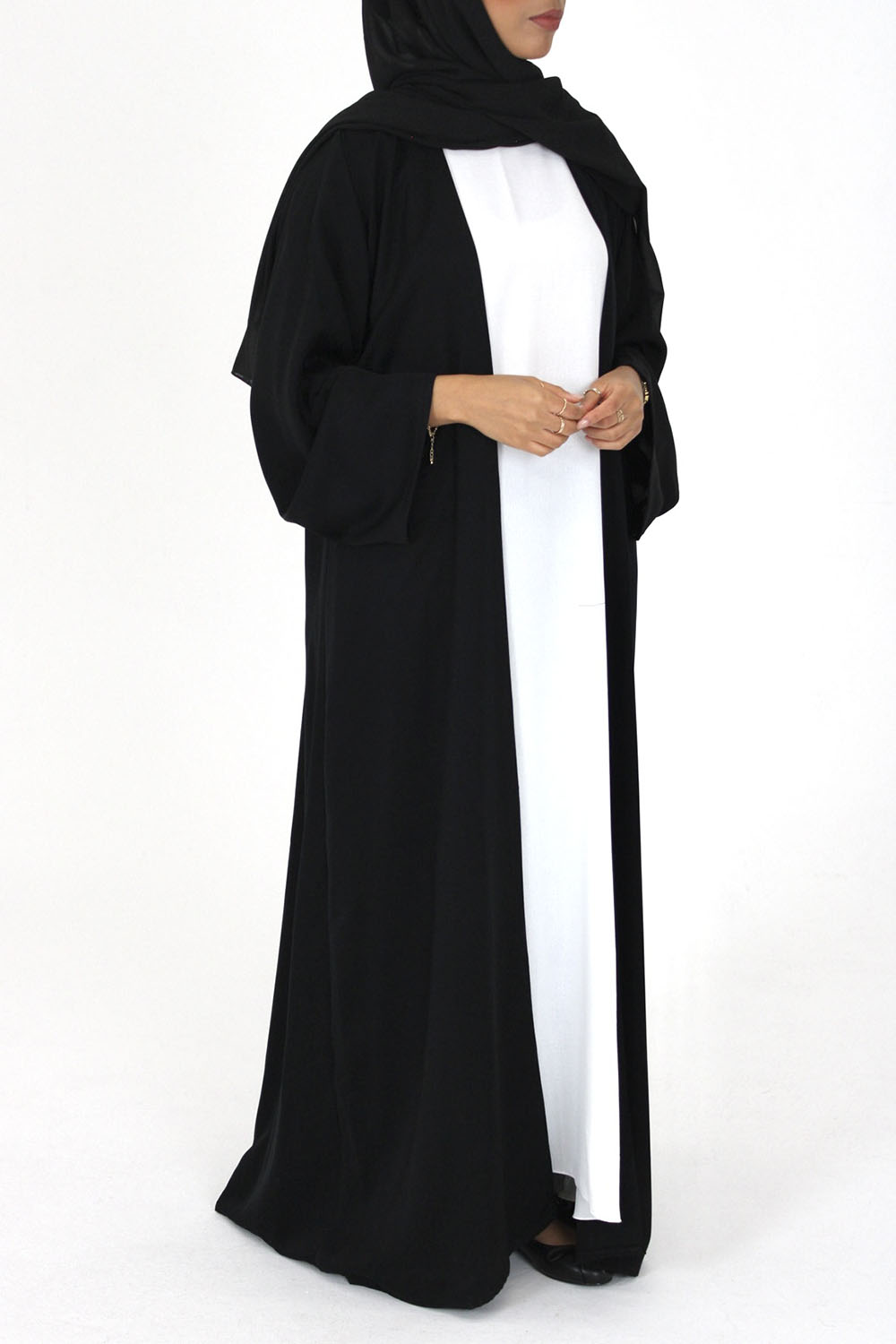
Blending Tradition with Contemporary Style
We’re living in an era where modest fashion is not just about covering up but about empowering women to celebrate their identity and individuality. The black abaya perfectly bridges this gap. While its roots are steeped in tradition, modern designers have reimagined it with thoughtful cuts, luxurious fabrics, and subtle embellishments.
| Traditional Black Abaya | Modern Interpretations |
|---|---|
| Loose, flowing silhouette | Tailored fits that flatter body shapes while maintaining modesty |
| Plain, matte fabrics | Mix of textures like satin, velvet, and embroidered materials |
| Monochrome black | Incorporation of subtle patterns, color accents, and layering |
Personally, I adore how this evolution respects the abaya’s modesty while inviting creativity. It’s not about diluting its significance but enhancing it. When I wear a beautifully embroidered abaya with a modern cut, I feel connected to centuries of culture yet unmistakably contemporary—a walking bridge between past and present.
Why the Black Abaya Feels Like Home
Beyond fabric and fashion, the black abaya offers a comforting familiarity. On days when I’m overwhelmed by the world’s pace, pulling on my abaya feels like wrapping myself in a warm embrace. It’s a gentle reminder that modesty isn’t restriction but freedom—freedom to define my worth without shouting for attention.
And it’s in those quiet moments—like sitting with a cup of tea after sunset or chatting with friends over shared stories—that the abaya transcends style. It becomes part of my narrative, a companion through life’s ups and downs.
- Connection to Faith: Wearing the abaya is an everyday spiritual practice for me.
- Sense of Belonging: It links me to a community of women who cherish modesty and style.
- Personal Confidence: It gives me the space to focus on who I am beyond appearance.
So, what makes the black abaya timeless? It’s its ability to evolve without losing essence, to empower without confining, and to speak volumes without saying a word. It’s more than clothing—it’s a statement of identity, faith, and personal freedom that resonates deeply in the world of modern modest fashion.
How Do Different Fabrics Affect the Look and Feel of a Black Abaya?
When I first started exploring modest fashion, I quickly realized that the fabric of a black abaya can completely transform how it feels, moves, and even how it makes you feel wearing it. It’s not just about aesthetics; it’s about comfort, confidence, and the story each fabric tells as you go about your day. After all, the abaya isn’t just a garment—it’s part of my identity, and choosing the right fabric means choosing how I present myself to the world.
The Dance of Fabrics: How Texture Shapes Experience
Think about the last time you wore something soft and flowing versus something stiff and scratchy. The difference is night and day, right? With abayas, fabric dictates not just comfort but the whole vibe.
- Lightweight Fabrics: Georgette and chiffon are absolute favorites in warmer months. Their airy nature means the abaya flows effortlessly around you, making movement feel graceful and natural. I remember attending a summer wedding wearing a chiffon black abaya—it was like wearing a gentle breeze. It kept me cool and elegant, without feeling heavy or restrictive.
- Structured Fabrics: Crepe and satin blends offer a polished, sophisticated look. These fabrics have a subtle sheen and a bit more weight, which helps the abaya hold its shape beautifully. When I want to feel more formal or attend an important gathering, these fabrics give me that confident, put-together presence without losing modesty.
- Matte and Soft Fabrics: Jersey and cotton blends provide unmatched comfort and breathability, perfect for daily wear. On lazy days or while running errands, my cotton abaya feels like a gentle hug—soft against my skin and easy to layer with scarves or jackets.
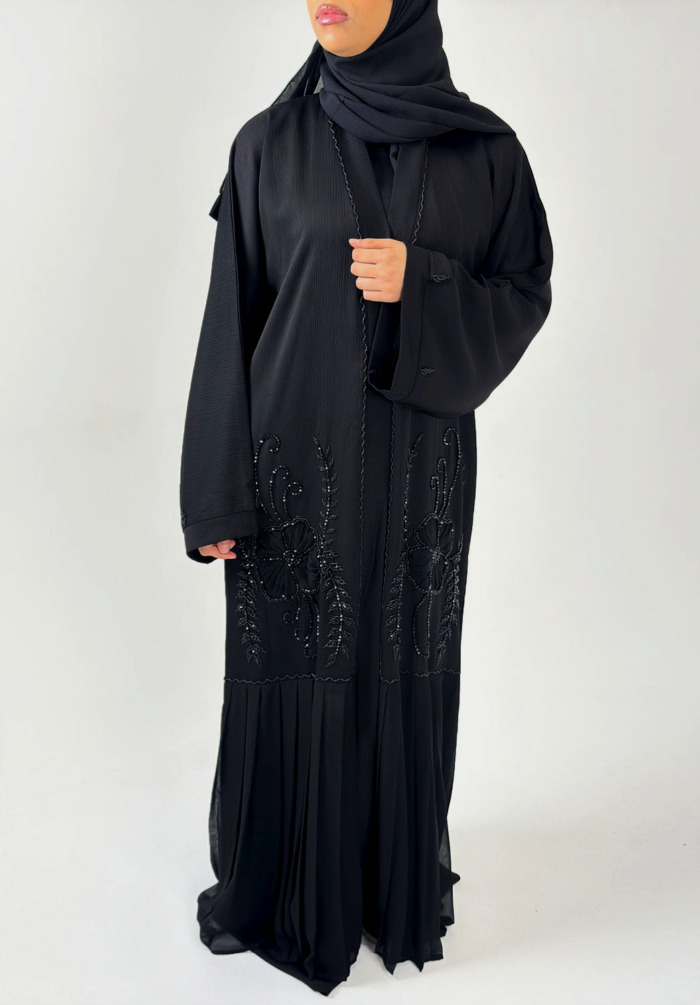
Choosing Fabric Based on Climate and Occasion
One thing I’ve learned is that no single fabric is perfect for every situation. It’s about knowing when and where to wear each type to feel your best.
| Fabric | Ideal Use | Pros | Cons |
|---|---|---|---|
| Georgette | Summer events, casual outings | Lightweight, breathable, elegant drape | Requires careful handling; delicate |
| Crepe | Formal occasions, office wear | Wrinkle-resistant, structured yet soft | Can feel warm in hot weather |
| Jersey | Everyday wear, casual settings | Stretchy, breathable, super comfortable | Less formal look |
| Satin | Evening events, special occasions | Luxurious sheen, smooth texture | Prone to snags and stains |
| Cotton | Daily wear, travel | Soft, breathable, easy care | Wrinkles easily |
How Fabric Choice Affects Your Abaya’s Longevity and Care
Another aspect I can’t overlook is maintenance. Some fabrics need delicate care, while others are practically workhorses. Knowing this upfront saves me from heartbreak when a favorite abaya shrinks or fades after one wash.
For instance, I love my satin abaya for its glamour, but I treat it like a precious treasure—hand washing or dry cleaning only. My jersey abayas, however, go straight into the washing machine and still come out feeling fresh and ready.
- Delicate Fabrics: Require gentle washing, often by hand or dry cleaning.
- Durable Fabrics: Can withstand machine washing and regular use.
- Wrinkle-Prone Fabrics: Need ironing or steaming before wear.
Personal Reflections on Fabric and Fashion
Choosing the fabric of my black abaya feels like picking the soundtrack for my day. Sometimes, I want something light and flowing that sings freedom and ease. Other days, I prefer a structured fabric that whispers sophistication and strength. Each piece tells a different chapter of my story, reflecting not just how I dress but how I feel inside.
In the end, the fabric you choose says as much about you as the design itself. It’s a language of comfort, confidence, and self-expression—woven into every thread of your black abaya.
What Accessories Can Elevate a Simple Black Abaya Instantly?
If you had told me years ago that a simple black abaya could be transformed from basic to breathtaking with just a few carefully chosen accessories, I might have been skeptical. But now, after experimenting with countless styles and looks, I understand how the right additions can breathe life, personality, and a touch of magic into even the most understated abaya. Accessories aren’t just embellishments—they’re storytellers that reflect who I am and how I want to present myself.
Why Accessories Matter: Beyond Just Looks
We often think of accessories as mere decorations, but for me, they are powerful tools of self-expression and confidence. Wearing a plain black abaya might feel safe and modest, but pairing it with thoughtful accessories brings an element of creativity and joy to my daily routine. It’s like giving my outfit a voice—a way to say, “This is me, in all my uniqueness.”
Statement Scarves: The Ultimate Abaya Companion
No accessory complements a black abaya better than a beautifully chosen hijab or scarf. It’s the perfect canvas to play with colors, textures, and patterns without overpowering the simplicity of the abaya.
- Silk Scarves: Their smooth texture and subtle sheen instantly add a luxurious feel. I love wearing a silk scarf on special occasions because it elevates my look effortlessly.
- Printed or Embroidered Scarves: When I want to bring a pop of personality, floral prints or delicate embroidery make my outfit feel fresh and feminine.
- Layered Scarves: Combining two scarves with contrasting colors or materials adds dimension and interest, making a simple black abaya stand out beautifully.
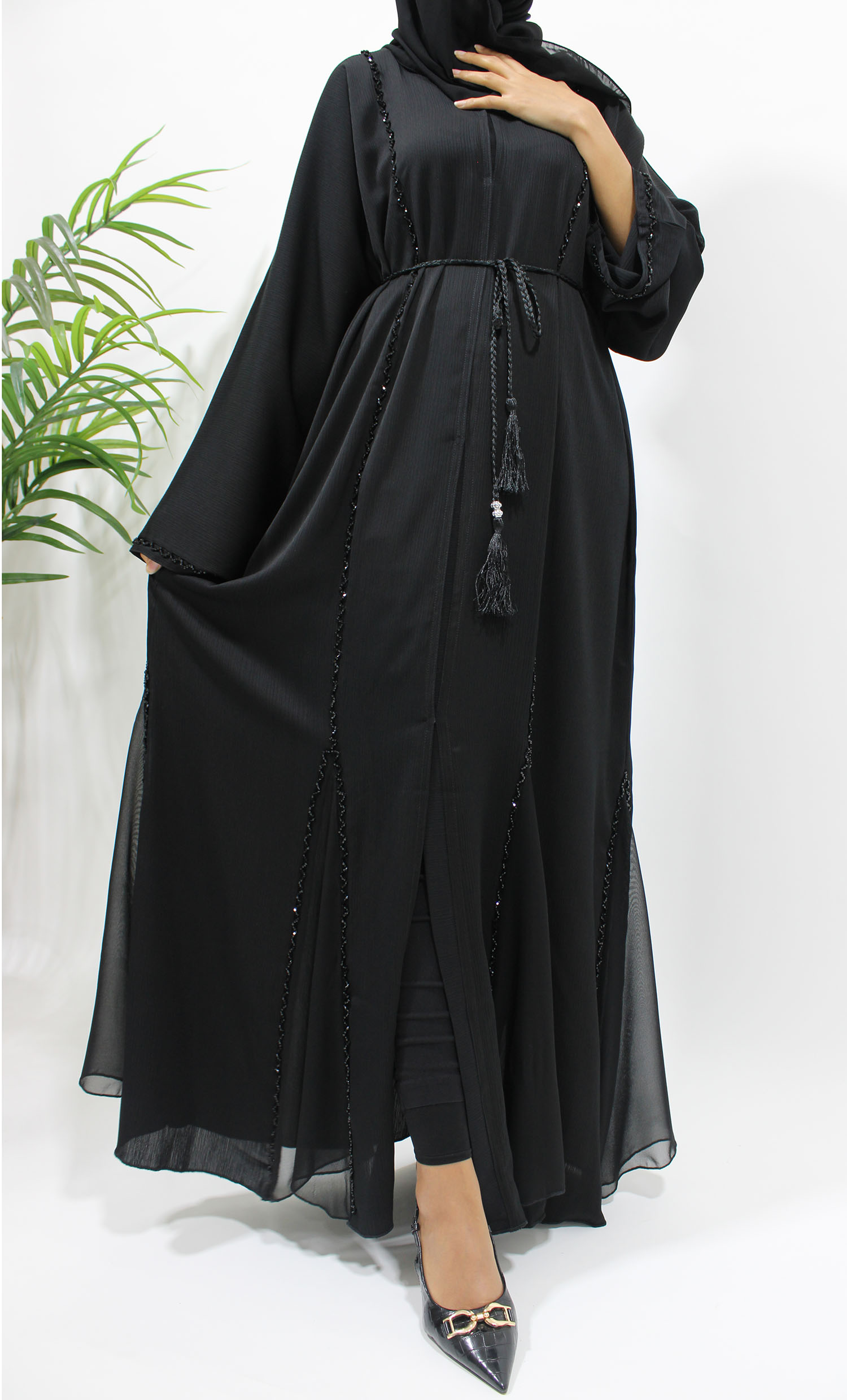
Jewelry That Speaks Softly but Boldly
Jewelry is an extension of my personal story. Whether delicate or statement-making, it’s what turns a simple outfit into an ensemble that feels uniquely mine.
| Accessory | Why I Love It | Styling Tips |
|---|---|---|
| Gold Hoop Earrings | Add warmth and a touch of glamour without being overpowering | Pair with a sleek scarf style to keep the focus on your face |
| Layered Necklaces | Create visual interest and sophistication | Wear with abayas that have open collars or V-necks |
| Stacked Bracelets | Add personality and movement to your hands | Keep colors coordinated with your scarf or bag |
| Delicate Rings | Subtle elegance that complements any look | Mix metals for a modern twist |
Bags and Belts: Unexpected Game-Changers
Sometimes, it’s the little extras like a well-chosen bag or belt that can change how your abaya is perceived. They frame your silhouette and add practical style points.
- Structured Handbags: A sleek handbag instantly upgrades a casual abaya look to polished chic. I often choose a bag with a pop of color or interesting texture to keep things lively.
- Waist Belts: Adding a belt can redefine the silhouette, turning a loose abaya into a more tailored and fashion-forward statement. Leather belts or fabric sashes work wonders for this.
- Brooches and Pins: These small but mighty accessories can fasten your hijab stylishly or add sparkle to the shoulder or sleeve of your abaya. They’re my secret weapon when I want to feel extra special.
Footwear: The Finishing Touch
Never underestimate how shoes can complete your outfit. Whether it’s flats, heels, or sandals, the right footwear can add comfort and elevate your abaya’s overall vibe.
| Shoe Type | When to Wear | Effect on Outfit |
|---|---|---|
| Ballet Flats | Everyday errands, casual meet-ups | Comfortable and chic, adds subtle grace |
| Block Heels | Office or formal events | Elevate posture and presence, add elegance |
| Embellished Sandals | Evening outings or celebrations | Add sparkle and festive flair |
Final Thoughts: Elevation Through Personal Touch
At the heart of it, accessorizing a simple black abaya isn’t about following strict rules—it’s about listening to what your spirit wants to say that day. Maybe you’re feeling bold and want chunky gold jewelry. Or perhaps you crave softness and choose a pastel silk scarf with delicate embroidery. Whatever your mood, these accessories allow you to tell your story with elegance and heart.
I encourage you to experiment and find your unique mix. Because modest fashion isn’t just about covering up—it’s about uncovering your most authentic self, one beautiful accessory at a time.
How Can I Wear a Black Abaya to a Formal Event or Wedding?
I still remember the first time I had to wear my black abaya to a wedding—it felt like a challenge at first. How do I keep my look modest yet elegant enough for such a grand occasion? Over time, I’ve learned that a black abaya can be one of the most versatile, timeless choices for formal events, and with the right styling, it can truly shine without losing its modest roots.
Choosing the Right Fabric: The Foundation of Elegance
When dressing for a formal event, the fabric of your abaya is everything. I always recommend opting for materials that drape beautifully and feel luxurious to the touch.
| Fabric | Why It Works for Formalwear | Styling Tip |
|---|---|---|
| Silk or Satin | Soft sheen and fluid movement create a sophisticated look | Pair with delicate jewelry and a sleek hijab |
| Chiffon | Lightweight and elegant, perfect for layering | Wear with an embellished inner dress or top |
| Crepe | Matte finish with a graceful drape adds understated charm | Combine with statement accessories for balance |
Embellishments That Elevate Without Overdoing It
One thing I’ve realized is that the beauty of a black abaya lies in subtle details. Think embroidery, beadwork, or lace accents that add a touch of glamour while keeping the modest vibe intact.
- Delicate Beaded Sleeves: These catch the light beautifully and add just enough sparkle without stealing the show.
- Embroidered Hemlines: A floral or geometric pattern embroidered near the hem creates interest and sophistication.
- Lace Trims: Adding lace along the neckline or cuffs can soften the overall look and give it a romantic edge.

Styling Your Hijab for a Formal Look
Choosing the right hijab style is just as important as the abaya itself when attending formal occasions. I like to think of my hijab as the crown that finishes the ensemble.
| Hijab Style | Occasion | Styling Advice |
|---|---|---|
| Elegant Draped Hijab | Weddings, formal dinners | Choose silk or satin fabric and pin it loosely for soft folds |
| Layered Hijab | Engagement parties, upscale events | Mix textures (e.g., chiffon over satin) for depth and dimension |
| Embellished Hijab | Very formal occasions | Use brooches or pins with subtle gems to add sparkle |
Accessorizing: The Art of Subtle Glamour
I’ve found that the right accessories can turn a simple black abaya into a showstopper. But it’s all about balance—too much can feel overwhelming, too little might feel plain.
- Statement Earrings: Opt for chandelier or drop earrings that peek out elegantly from your hijab.
- Clutch Bags: A sleek, embellished clutch in metallic tones or deep jewel colors complements black beautifully.
- Heels: Whether block or stiletto, heels add height and grace; choose ones with a bit of shimmer or detailing for a formal touch.
A Story of My Own: Finding Confidence in Modesty
I recall attending my cousin’s wedding, wearing a beautifully embroidered black abaya paired with a soft champagne-colored silk hijab. I was nervous about standing out while staying modest, but the compliments I received made me realize something important: elegance and modesty don’t have to be at odds. That night, I felt radiant and truly myself—an experience every Muslim woman deserves.
Final Tips for Wearing Your Black Abaya to Formal Events
| Tip | Why It Matters |
|---|---|
| Keep your makeup natural but glowing | Enhances your natural beauty without overpowering your outfit |
| Choose comfortable but elegant shoes | Allows you to enjoy the event without distraction |
| Let your personality shine through accessories | Makes your outfit feel authentic and uniquely you |
Wearing a black abaya to a formal event or wedding is a beautiful opportunity to embrace modesty while celebrating your style. With thoughtful fabric choices, subtle embellishments, elegant hijab styling, and balanced accessories, you can create a look that feels luxurious, confident, and authentically you.
What’s the Best Way to Style a Black Abaya for Everyday Wear?
I won’t lie—there was a time when I thought wearing a black abaya every day would feel repetitive or dull. But then I discovered that styling it for everyday wear is actually an art, and once you get it right, your abaya becomes your most trusted wardrobe companion. It’s about blending comfort, modesty, and a touch of personality so that you feel confident and effortlessly put together, no matter the occasion.
Picking the Perfect Everyday Fabric
One of the first things I learned is that the fabric you choose makes all the difference between feeling weighed down and feeling free. For daily wear, you want something breathable but still elegant.
| Fabric | Why It Works for Everyday | Styling Tip |
|---|---|---|
| Lightweight Cotton | Breathable and soft, perfect for warmer days | Pair with simple sneakers and a casual hijab |
| Jersey Knit | Stretchy and comfortable, hugs your shape lightly | Add a statement belt to define your waist |
| Light Crepe | Elegant drape but not heavy—ideal for transitional seasons | Wear with loafers and minimal jewelry for sleek simplicity |
Simple Styling Tricks to Keep It Fresh
Wearing black every day doesn’t have to mean looking the same. Here are some little style tricks I swear by that keep my abaya feeling fresh and personal:
- Layer with a Denim or Leather Jacket: Adds casual coolness and breaks the monotony of all black.
- Use Belts: Cinching your abaya at the waist can instantly update your silhouette and add shape.
- Switch Up Your Hijab Styles: Try loose wraps, turban styles, or side pins to create different vibes.
- Play with Colorful or Patterned Scarves: This adds a pop of personality without overwhelming the look.
Footwear That Balances Comfort and Style
I can’t stress enough how much the right shoes change your whole day when wearing an abaya. For everyday wear, I lean towards comfort but never at the expense of style.
| Shoe Type | Best For | Styling Insight |
|---|---|---|
| Slip-On Sneakers | Running errands, casual meetups | Choose neutral tones or white to keep the look light |
| Flat Sandals | Warm weather, relaxed outings | Opt for subtle metallics for a touch of flair |
| Ankle Boots | Cooler seasons, slightly dressier occasions | Go for simple black or brown leather for versatility |
Accessorizing Everyday: The Less-Is-More Approach
My everyday abaya looks thrive on simple accessories that feel meaningful rather than flashy. Here’s what I often reach for:
- Minimalist Watches: A clean design adds sophistication without shouting.
- Delicate Rings or Bracelets: Just enough sparkle to brighten your mood.
- Crossbody or Tote Bags: Practical and stylish, perfect for your daily essentials.
A Personal Story: Finding Joy in the Everyday Black Abaya
There was a morning last winter, rushing to drop off my kids at school. I threw on my favorite black crepe abaya, a soft pastel hijab, and my trusty sneakers. While waiting at the traffic light, a stranger complimented my outfit—and I realized how this simple, modest look was my personal armor against the chaotic day ahead. Wearing my abaya wasn’t just a routine; it was a daily ritual of feeling grounded and confident.
Final Tips for Styling Your Black Abaya Daily
| Tip | Why It Matters |
|---|---|
| Invest in versatile, quality fabrics | Comfort and durability keep you coming back |
| Keep your accessories simple but meaningful | Enhances your personality without cluttering |
| Experiment with hijab styles to change your look | Keeps your everyday style fresh and exciting |
Styling a black abaya for everyday wear is about more than just clothes; it’s about crafting a look that honors your faith, your lifestyle, and your individuality. When I dress this way, I’m not just wearing an abaya—I’m telling my story.
Which Black Abaya Cuts Flatter Different Body Shapes?
Let’s be honest — finding the perfect abaya cut can sometimes feel like searching for a needle in a haystack. I remember standing in front of the mirror, wondering if that beautiful flowing fabric would actually suit *my* shape, or if it would just drown me completely. Over time, I’ve come to appreciate that modest fashion isn’t one-size-fits-all. Understanding which black abaya cuts flatter your unique body shape is a game changer. It’s not just about looking good — it’s about feeling confident and graceful in your own skin.
Identifying Your Body Shape
Before diving into cuts, it’s essential to know your silhouette. Generally, we look at these common shapes:
- Hourglass: Balanced bust and hips with a defined waist.
- Rectangle: Similar width bust, waist, and hips — less defined waist.
- Pear: Hips wider than bust, with a narrower upper body.
- Apple: Fuller midsection, often with slimmer legs.
- Inverted Triangle: Broader shoulders and bust compared to hips.
Knowing your shape helps guide which cuts will highlight your best features without compromising modesty.
Flattering Black Abaya Cuts for Every Shape
| Body Shape | Best Abaya Cuts | Why It Works | Styling Tip |
|---|---|---|---|
| Hourglass | Tailored with a defined waist, wrap or belted abayas | Accentuates the waist, highlighting natural curves | Add a sleek belt and minimal jewelry to enhance the silhouette |
| Rectangle | A-line or flared cuts with volume in the lower half | Creates illusion of curves and adds femininity | Pair with a statement hijab style for added dimension |
| Pear | Structured shoulders with flowy skirts, cape styles | Balances broader hips by emphasizing upper body | Choose embellished collars or detailed sleeves |
| Apple | Empire waist or loose, straight cuts | Skims midsection comfortably without clinging | Opt for lightweight fabrics that drape gently |
| Inverted Triangle | Full skirts with minimal upper body detailing | Softens broad shoulders by drawing focus downward | Balance proportions with subtle hijab draping |
How I Learned to Embrace My Shape
When I first started exploring different abaya styles, I thought a loose, flowing abaya would work for everyone—and honestly, I felt lost in some of those shapeless cuts. But one day, a friend encouraged me to try a belted abaya, tailored just enough to show my waist without being tight. Suddenly, I saw myself differently—not just in the mirror, but inside. That small change made me realize the power of dressing for your shape, not just your size.
Fabric Choices That Compliment Each Cut
Cut alone isn’t everything. The fabric also plays a huge role in how your abaya falls and flatters your figure. Here’s a quick guide I follow:
| Fabric | Best For | Why |
|---|---|---|
| Crepe | Hourglass, Apple | Lightweight with a nice drape, defines curves gently |
| Chiffon overlays | Rectangle, Pear | Adds softness and volume without bulk |
| Silk blends | Inverted Triangle | Flows smoothly, balances broader shoulders |
| Jersey knit | Apple, Rectangle | Stretchy and comfortable, moves with your body |
Styling Tips to Enhance Your Look
- Layer Thoughtfully: Use lightweight vests or open abayas to add dimension.
- Play with Length: Mid-calf or ankle-length can elongate your figure.
- Focus on Necklines: V-necks or open collars can elongate the neck and balance proportions.
- Accessorize Smartly: Statement hijab pins or subtle jewelry draw attention where you want it.
Final Thoughts: Your Abaya, Your Confidence
At the end of the day, the black abaya you choose should feel like a celebration of you — your faith, your beauty, and your individuality. Finding the right cut isn’t about fitting into a mold; it’s about embracing your unique shape and enhancing what makes you, well, *you*. I hope these insights help you find abayas that make you stand taller, walk prouder, and smile a little brighter every day.
What Seasonal Twists Can You Add to a Black Abaya Look?
If you’re anything like me, your black abaya is more than just a piece of clothing—it’s a faithful companion that transitions through your days and seasons, quietly supporting your modesty and style. But let’s be real: wearing the same black abaya year-round without a little seasonal creativity can feel a bit… well, predictable. So, how do we keep our black abaya looks fresh and lively while respecting modest fashion and comfort? Let me share the little seasonal twists I’ve learned to embrace that bring my abaya to life throughout the year.
Spring: Embrace Light Layers and Soft Hues
Spring feels like a breath of fresh air—new beginnings, blooming flowers, and softer sunlight. I always look forward to layering my black abaya with pastel or muted colors to celebrate this season. Think soft blush scarves, mint green cardigans, or even a lightweight trench over your abaya.
| Seasonal Element | Why It Works | Style Tip |
|---|---|---|
| Pastel Hijabs | Brightens the black base without overpowering modesty | Try a loose wrap style for a breezy, effortless vibe |
| Lightweight Cardigans or Kimonos | Add dimension and warmth for chilly mornings | Choose airy fabrics like chiffon or light cotton |
| Floral or Geometric Accessories | Injects subtle personality and freshness | A floral pin or bracelet works wonders |
I remember a spring morning last year, wearing my black abaya paired with a soft peach hijab and a cream lace cardigan. A simple floral pin on my scarf drew a few smiles from strangers—and honestly, it lifted my own mood for the day. Little seasonal touches like this can transform your everyday abaya into a statement of joy.
Summer: Prioritize Breathability and Bright Accents
When the sun turns up the heat, comfort is king. For summer, I swap heavier fabrics for breathable ones—think cotton blends and light crepes. The goal? Staying cool without compromising style or modesty.
| Fabric Choice | Benefit | Styling Suggestion |
|---|---|---|
| Lightweight Cotton or Linen Blends | Allows airflow, reduces sweat | Pair with a pastel or white hijab for a fresh look |
| Open-Toed Sandals or Slip-Ons | Keeps feet cool while remaining modest | Neutral tones for versatility |
| Minimal Jewelry | Prevents heaviness and discomfort | Delicate chains or studs work best |
I recall a trip to the souk last summer, wearing my flowy black abaya made from cotton crepe, paired with a white hijab loosely draped to allow airflow. The combo kept me cool and felt light as a feather, while a bright yellow handbag added just the right pop of summer energy. Sometimes, the tiniest accent makes all the difference.
Autumn: Layer with Rich Textures and Earthy Tones
Autumn’s crisp air calls for cozy layering that still honors modesty. It’s the perfect time to play with texture—think velvets, wools, and suede accents paired with your black abaya. I love integrating earthy tones like rust, olive, and deep burgundy for warmth and depth.
| Layering Piece | Why It Works | Style Idea |
|---|---|---|
| Long Wool Coat or Cape | Provides warmth and structure | Choose neutral browns or greys to complement black |
| Velvet Hijabs or Scarves | Adds richness and visual interest | Drape loosely to showcase texture |
| Leather or Suede Boots | Elevates the entire look with autumnal vibes | Dark brown or black boots for versatility |
One chilly October morning, I layered my abaya under a rust-colored wool cape and wrapped a deep burgundy velvet hijab around my head. That day, I felt like autumn itself had kissed my outfit with warmth and grace. The textures didn’t just keep me cozy—they made me feel seen and styled in a way that honored the season’s beauty.
Winter: Embrace Bold Accessories and Cozy Fabrics
Winter calls for both warmth and a touch of drama. Here, I lean into heavier fabrics like thick crepes and wool blends, while using bold accessories to brighten the darker days.
| Winter Element | Function | Styling Tip |
|---|---|---|
| Wool or Thick Crepe Abayas | Keep you insulated and chic | Go for slightly structured cuts to layer underneath |
| Statement Hijabs (Velvet, Knit) | Add warmth and texture | Choose jewel tones to brighten winter gloom |
| Bold Gloves and Scarves | Protect extremities and add flair | Match colors for a coordinated look |
I’ll never forget the first snowy day I wore a black wool abaya with a sapphire velvet hijab and matching gloves. It was cold, yes, but I felt like a queen wrapped in layers of warmth and elegance. Winter styling is less about hiding and more about celebrating your abaya’s potential to be both practical and powerful.
Final Thoughts: Seasonal Style as a Reflection of You
Adding seasonal twists to your black abaya isn’t about complicating your wardrobe; it’s about celebrating the rhythm of life through fabric, color, and texture. Every season offers a chance to reinterpret your abaya look, making it feel new again while honoring modesty and comfort. When you dress with that intention, you don’t just wear an abaya—you wear a story, a feeling, a statement of who you are across every season.
How Do Cultural Interpretations Shape Black Abaya Styles?
When I first started exploring modest fashion, I quickly realized that the black abaya, though seemingly simple at first glance, carries a rich tapestry of cultural stories woven into its folds. It’s fascinating—how a single garment can tell different tales depending on where you are, who you meet, and what traditions are cherished. The black abaya isn’t just fabric and thread; it’s a symbol, an identity, a living expression of culture that shifts subtly from one place to another.
Understanding the Abaya Beyond Borders
The black abaya is often seen as a universal modest garment, but its style, cut, embellishments, and even the way it’s worn vary dramatically across the Muslim world. From the Arabian Peninsula to South Asia, and parts of North Africa, the abaya becomes a canvas reflecting regional identities and cultural nuances.
I remember chatting with a dear friend from Saudi Arabia who told me how her abayas are mostly long, flowing, and minimalistic—black with subtle embroidery or sometimes plain. Contrast that with my cousin in Morocco, whose abayas often sparkle with intricate gold threadwork and vibrant accents. Both are black abayas, yet they narrate two very different cultural stories.
Cultural Influences on Abaya Styles
| Region | Typical Black Abaya Characteristics | Cultural Meaning & Influence |
|---|---|---|
| Gulf Countries (Saudi Arabia, UAE, Qatar) | Simple cuts, often open-front with minimal embroidery; focus on elegance and modesty | Abayas here reflect strict modesty norms; elegance is understated, emphasizing dignity and restraint |
| North Africa (Morocco, Algeria) | Heavier embellishments, intricate embroidery, and sometimes colorful linings | Shows cultural pride and artisanal heritage, often worn during special occasions |
| South Asia (Pakistan, India) | Heavily embroidered or adorned with zari, sequins, and sometimes paired with matching shawls | Reflects a blend of modesty and celebration, often bridging traditional Islamic and local cultural styles |
| East Africa (Somalia, Sudan) | Simple yet bold cuts with unique headscarf styles and occasional beadwork | Focuses on identity and heritage, incorporating tribal and Islamic elements |
How These Differences Affect Your Abaya Choices
Understanding these cultural layers can feel overwhelming at first, but it’s also incredibly empowering. It’s a reminder that wearing a black abaya is a personal journey that can be shaped by your heritage, your faith, and your aesthetic preferences.
Personally, I’ve learned to mix elements from different cultures in my wardrobe. For example, I love the clean lines of Gulf abayas but enjoy adding a bit of Moroccan embroidery flair through accessories. It’s my way of honoring multiple parts of my identity.
Stories from the Heart: When Abayas Speak of Identity
Once, at a family gathering, I wore a black abaya with subtle pearl embroidery inspired by Emirati styles. A relative from Pakistan admired it but shared how her abayas always carried brighter, more ornate embroidery, telling stories of her own roots. That conversation opened my eyes to how our abayas do more than cover — they connect us to our families, histories, and communities.
Another memorable moment was during Ramadan, when I visited my friend in Morocco. She wore a heavily embroidered black abaya that shimmered softly under the evening lights. Watching her move with grace and pride in that garment made me appreciate how each stitch carries meaning beyond fabric — it’s tradition, artistry, and devotion all in one.
Blending Tradition with Modernity
Today, many designers and wearers are blending these cultural aesthetics with contemporary fashion. We see sleek, minimalist cuts adorned with traditional embroidery, or abayas featuring modern tailoring infused with cultural motifs. This blend is a beautiful testament to how modest fashion can evolve while remaining deeply rooted.
- Tip: If you want to honor your cultural heritage in your abaya style, consider mixing subtle embroidery or scarves from your region with modern abaya cuts.
- Tip: Explore local artisans or brands that specialize in cultural abayas—they often bring authentic craftsmanship that tells your story.
- Tip: Don’t be afraid to personalize. The black abaya is your canvas, and your cultural identity is your unique brushstroke.
Final Thoughts: Wearing Your Culture with Pride
The black abaya is more than a garment—it’s a bridge connecting centuries of tradition with your personal expression. Each cultural interpretation adds depth, meaning, and beauty, transforming the abaya into a living heritage piece. When you wear your black abaya, you carry not just modesty, but a story. And that story is powerful, authentic, and yours.
Can I Wear a Black Abaya in Hot Weather and Still Feel Comfortable?
Let me start by saying: yes, you absolutely can wear a black abaya in hot weather and still feel comfortable. I know what you might be thinking — black absorbs heat, and the desert sun isn’t exactly gentle. But over the years, I’ve learned that it’s not just the color that dictates comfort; it’s about fabric, fit, and thoughtful layering. Trust me, with the right choices, your black abaya can be a summer staple, not a source of discomfort.
Why Black Isn’t the Enemy of Comfort
There’s a common misconception that black clothing traps heat and makes you sweat more. Scientifically, black does absorb more light and heat compared to lighter colors. But here’s the twist: the type of fabric and how breathable it is plays a much bigger role. In my experience, a lightweight, airy black abaya can feel cooler than a heavy, synthetic one in pastel shades.
For example, on one scorching summer afternoon, I chose a black abaya made of lightweight crepe fabric. The loose fit and breathable weave allowed air to flow, and surprisingly, I stayed cool while maintaining my modest style.
Choosing the Right Fabrics for Hot Weather
| Fabric | Comfort Level in Heat | Why It Works | My Experience |
|---|---|---|---|
| Crepe | High | Lightweight, breathable with a slightly textured surface that doesn’t cling | I love how crepe flows and feels airy, even in the midday sun. |
| Chiffon | Moderate to High | Sheer and lightweight but usually layered; excellent for flow and ventilation | Layering chiffon over a thin inner abaya helped me stay stylish and cool. |
| Georgette | Moderate | Similar to chiffon but a bit heavier; breathable with a soft drape | On days when I wanted a slightly more formal look without overheating. |
| Linen Blend | High | Natural fiber, excellent breathability and moisture-wicking | Perfect for casual wear during hot months; the texture feels refreshing. |
| Polyester or Heavy Synthetic | Low | Traps heat and moisture, less breathable | I avoid these on hot days—they feel suffocating after a few hours. |
Tips for Staying Cool While Wearing Your Black Abaya
Even with the perfect fabric, there are little tricks that have saved me from melting under the sun. Here’s what I swear by:
- Opt for loose, flowing cuts. The more air circulates around your body, the cooler you’ll feel. Tight abayas trap heat close to your skin.
- Layer smartly. Use lightweight inner layers made from cotton or bamboo to wick sweat without adding bulk.
- Accessorize with breathable scarves. Choose hijabs made from breathable fabrics like cotton voile or bamboo. I love switching to these on hot days.
- Hydrate and stay shaded. Yes, this sounds obvious, but a cool drink and shade make a world of difference.
- Consider UV-protective fabrics. Some brands now offer abayas with UV protection, adding an extra layer of comfort for sunny days.
A Personal Story: My First Summer in a Black Abaya
I remember my first summer wearing a black abaya in a really hot climate—think over 40°C (104°F). I was skeptical and honestly nervous I’d be uncomfortable all day. But I chose a crepe fabric, and the loose design felt surprisingly refreshing. That day, I realized it’s not the color but the design and fabric that make the difference. I even received compliments on how elegant yet effortless the abaya looked despite the heat.
That experience changed how I view summer dressing. I started mixing and matching fabrics, experimenting with cuts, and now, wearing black abayas in hot weather feels like second nature.
Final Thoughts: Comfort and Modesty Can Coexist
If you’re worried about wearing a black abaya during sweltering months, take a deep breath. Comfort is absolutely achievable with the right knowledge and choices. Remember, your abaya is your armor and your style statement. It should lift your confidence, not weigh you down.
So, pick fabrics that breathe, embrace loose fits, and listen to your body. After all, modest fashion is as much about honoring yourself as it is about honoring tradition. And feeling comfortable in your black abaya? That’s the best kind of modesty.
What’s the Difference Between Traditional vs Modern Black Abayas?
Ah, the black abaya — a timeless symbol of modesty, culture, and personal expression. Yet, when I think about it, the abaya I wear today feels worlds apart from the ones worn by my grandmother or the women in old family photos. So what really sets traditional and modern black abayas apart? And why does this evolution matter to us who live and breathe modest fashion today?
Traditional Black Abayas: Rooted in Heritage and Simplicity
Growing up, my grandmother’s abaya was simple, often made of thick, matte fabric that felt sturdy and modest. It was designed first and foremost for coverage, modesty, and durability — a garment to last through daily wear and many seasons. The traditional black abaya tends to have these hallmarks:
- Fabric: Heavier, opaque textiles like wool blends or thick crepe that offer full coverage but can feel heavier in warm weather.
- Design: Straight cuts, loose fits, and minimal embellishments — the focus was on modesty over style.
- Color and Texture: Pure matte black with little to no shine or texture, maintaining a subtle, humble aesthetic.
- Details: Sometimes simple embroidery near the cuffs or collars, but generally minimal decoration.
For me, this traditional style carries a deep emotional connection — a symbol of respect and faith. I still treasure the photos of my mother and grandmother in their abayas, walking with grace and strength, knowing these garments held generations of modesty and dignity.
Modern Black Abayas: Where Tradition Meets Contemporary Fashion
Fast forward to today, and the modern black abaya feels like a whole new conversation. It still honors modesty, but it’s designed with style, individuality, and sometimes even a dash of trendiness. Here’s what sets modern abayas apart:
| Feature | Traditional Abaya | Modern Abaya |
|---|---|---|
| Fabric | Thicker, matte fabrics | Lightweight, flowing silks, chiffons, and even textured georgettes |
| Cut & Fit | Simple, loose, straight | Varied silhouettes: A-line, layered, cinched waist, even cape styles |
| Embellishments | Minimal, subtle embroidery | Bold embroidery, beadwork, lace trims, sequins, and sometimes color blocking |
| Styling | Functional, modest, uniform | Fashion-forward, expressive, personalized with accessories and layering |
| Occasions | Everyday and religious wear | Everyday, formal events, weddings, even street style |
Bridging the Gap: My Personal Journey with Both Styles
Let me share a little story. When I first moved to a cosmopolitan city, I struggled to find an abaya that felt both modest and modern enough to fit into my new lifestyle. I remembered the traditional black abayas I’d grown up with — reliable, respectful, but sometimes a little too plain for the office or a dinner with friends.
So I started exploring modern abayas — soft fabrics that floated with every step, delicate beadwork catching the light just so, cuts that framed my shape without compromising modesty. Wearing these felt like a celebration of my identity — traditional values, yes, but also the confident woman I am today.
Still, I keep my traditional abayas close. They remind me of roots, of faith, and of timeless elegance. It’s this balance that makes modest fashion so rich.
How to Choose Between Traditional and Modern Abayas?
Choosing your abaya style isn’t about abandoning tradition or blindly chasing trends. It’s about understanding what fits your lifestyle, your comfort, and your personal expression. Here’s a quick guide I often use when advising friends:
| Consideration | Traditional Abaya | Modern Abaya |
|---|---|---|
| Comfort | Great for modest daily wear, especially in cooler climates | Better for warm weather or when you want a lighter feel |
| Occasion | Religious events, everyday errands, conservative settings | Formal occasions, weddings, social outings, creative expression |
| Style Preference | Minimalist, classic, understated | Trendy, chic, embellished or uniquely cut |
| Budget | Generally affordable, longer-lasting fabrics | Varies widely — designer options can be pricier |
Final Thoughts: Celebrating Both Worlds
Ultimately, the beauty of the black abaya lies in its ability to adapt and evolve without losing its essence. Whether you prefer the humble, enduring lines of traditional abayas or the vibrant, expressive designs of modern ones, both honor your modesty and faith.
So, why not embrace both? Keep a treasured traditional abaya for the moments when you want to feel grounded in heritage, and add a few modern pieces for days when you want to express your style and confidence. After all, modest fashion is not just about what we wear — it’s about how we live, how we feel, and how we carry our identity with grace.
How Do I Choose the Right Hijab to Pair with a Black Abaya?
If you’ve ever stood in front of your wardrobe, staring at your favorite black abaya and wondering, “What hijab should I wear with this today?” — trust me, you’re not alone. Picking the right hijab to complement a black abaya isn’t just about matching colors; it’s an intimate dance of style, comfort, culture, and mood. Over time, I’ve learned that this choice can transform your entire look — from simply modest to confidently radiant.
Start with Fabric: Comfort Meets Functionality
First off, let’s talk fabrics because they set the foundation for your entire outfit. When pairing a hijab with a black abaya, I always consider the climate and the occasion. For example:
| Fabric | Why I Love It | Best For |
|---|---|---|
| Chiffon | Lightweight, breathable, drapes beautifully | Formal events, summer days, layered looks |
| Jersey | Soft stretch, easy to style, stays put | Everyday wear, active days, casual outings |
| Cotton | Natural, breathable, absorbs moisture | Hot weather, casual, daily errands |
| Silk | Luxurious sheen, elegant drape | Special occasions, weddings, formal dinners |
Personally, on warm days when I wear my lightweight black abaya, a cotton or chiffon hijab feels like a breath of fresh air. But when I want to make a statement or attend a special event, I reach for silk or embellished chiffon — it instantly elevates the whole ensemble.
Color & Patterns: Beyond Just Black and White
Choosing a hijab color to go with a black abaya might sound straightforward — “black goes with everything,” right? But here’s the secret: black abayas are a blank canvas. They let your hijab shine in ways other colors can’t.
I’ve found that mixing neutrals, jewel tones, or even soft pastels can add layers of depth and personality to your look without overshadowing modesty. Here’s a quick color guide that has never failed me:
| Hijab Color | Why It Works | When to Wear |
|---|---|---|
| Beige/Taupe | Soft contrast, warm undertones | Daily wear, work, casual meetings |
| Burgundy/Deep Red | Rich, elegant pop of color | Evenings, family gatherings, festive days |
| Emerald Green | Vibrant yet modest, eye-catching | Special events, weddings, cultural celebrations |
| Soft Pink/Pastels | Delicate, feminine, fresh | Spring outings, brunch, casual days |
| Classic Black | Monochrome, sleek, timeless | Religious events, formal occasions, minimalists |
One of my favorite go-to combos is a deep emerald hijab with a plain black abaya. It feels so regal but still understated. I remember wearing that combination to a friend’s wedding and receiving so many compliments — it was like my hijab told its own story, without saying a word.
Consider Style & Draping Techniques
Hijab styling is truly an art form. The way you drape, fold, or pin your hijab changes everything. When pairing with a black abaya, I’ve learned to balance the hijab’s style with the abaya’s cut and details.
- Minimalist Abaya + Statement Hijab: If your abaya is simple and straight-lined, try a hijab with volume or layers. A draped chiffon with soft folds adds dimension and movement.
- Embellished or Detailed Abaya + Simple Hijab: When your abaya has embroidery, beadwork, or lace, I recommend keeping the hijab sleek and simple, like a smooth jersey or silk scarf, to avoid visual clutter.
- Matching Textures: Coordinating fabric textures helps your outfit feel intentional. Pair matte fabrics with matte, and silky abayas with glossy hijabs for harmony.
I remember a day when I wore a beautifully embroidered black abaya, and instinctively chose a soft black jersey hijab. The contrast of texture felt effortless — no one noticed the details clashing because I kept it balanced.
Final Tips: Trust Your Intuition and Have Fun
At the end of the day, choosing the right hijab for your black abaya is deeply personal. It’s about how you feel when you look in the mirror. Do you want to blend in or stand out? Feel cozy or glamorous? What story do you want your outfit to tell?
My advice? Experiment. Play with colors, fabrics, and styles until you find your rhythm. Don’t be afraid to borrow ideas from modest fashion influencers or even mix traditional and modern elements. Modest fashion is a journey, not a fixed rulebook.
Remember, your black abaya is your canvas — and your hijab is your brush. Together, they paint a picture of who you are, your faith, your confidence, and your unique style.
What Shoes Work Best with Various Black Abaya Styles?
Let me be honest — pairing shoes with a black abaya can feel like a small but tricky puzzle. You want to honor the elegance and modesty of your outfit, but you also want to express your personality and feel comfortable walking through your day. Over the years, I’ve discovered that the right shoes don’t just complete an outfit; they elevate your confidence and tell a subtle story of your style.
Matching Shoes to Different Black Abaya Styles
Black abayas come in so many styles: minimalist, embellished, traditional, or modern chic. Each calls for a shoe that complements without overwhelming. Here’s a simple guide that has helped me navigate this with ease:
| Abaya Style | Shoe Type | Why It Works | Occasions |
|---|---|---|---|
| Classic Minimalist | Ballet Flats or Loafers | Simple, elegant, comfortable for daily wear | Work, errands, casual meetings |
| Embellished or Beaded | Strappy Heels or Pointed Toe Pumps | Adds glam without competing with details | Weddings, formal dinners, special events |
| Modern Tailored | Block Heels or Ankle Boots | Sharp silhouette, balances contemporary look | Office, smart casual, city outings |
| Flowy & Traditional | Embroidered Slippers or Sandals | Enhances cultural vibe, keeps it comfortable | Family gatherings, cultural festivals |
| Sporty or Casual Abaya | Clean Sneakers or Slip-on Shoes | Comfort and a youthful twist on modest fashion | Travel, school, casual weekends |
Comfort vs. Style: Finding Your Sweet Spot
One of the biggest lessons I’ve learned is that shoes must serve your lifestyle first. There’s no point having stunning heels if you’re limping by noon! I remember an Eid when I tried wearing gorgeous pointed heels with my embroidered abaya — they looked great but my feet paid the price, and that discomfort shadowed my entire celebration.
Since then, I always recommend prioritizing comfort. If you love heels, opt for block or kitten heels which offer better support. For long days, chic flats or stylish sneakers are lifesavers. My go-to when I know I’ll be on my feet? Soft leather loafers or cushioned ballet flats — they marry modesty with ease perfectly.
Color and Material Choices to Consider
Just like with your hijab and abaya, shoe color and material matter a lot. Black shoes are classic and safe, but stepping out with a beige, nude, or even metallic shoe can add a subtle, fresh twist. Materials like soft leather, suede, or even satin can transform the vibe of your look.
- Black Leather: Timeless and versatile, perfect for formal and everyday.
- Nude or Beige: Creates a lengthening effect on your legs and softens the stark black abaya.
- Metallic (Gold or Silver): Adds sparkle for celebrations without stealing the show.
- Velvet or Satin: Luxurious texture, ideal for evening events or weddings.
I once paired a pair of gold satin heels with a simple black abaya for a Ramadan dinner — the subtle shimmer caught the light just right and made me feel like I was walking on a little cloud of confidence.
Practical Tips for Choosing Your Abaya Shoes
Here’s what I tell friends when they ask how to pick shoes for their black abaya:
- Consider your day’s agenda: Will you be standing or walking a lot? Choose comfort first.
- Match the occasion: Casual gatherings call for flats or sneakers; formal ones invite heels or embellished sandals.
- Play with contrasts: A pop of color in your shoes can refresh an all-black look.
- Think about proportions: Wide abayas pair beautifully with chunkier shoes, while sleek abayas call for streamlined footwear.
At the end of the day, I’ve realized the shoes that best work with your black abaya are the ones that make you feel like *you* — confident, comfortable, and completely yourself. Because modest fashion isn’t about hiding; it’s about celebrating your unique story in every step you take.
How Can I Use Layering to Style a Black Abaya Creatively?
Layering with a black abaya might sound intimidating at first, especially when you want to keep things modest yet fresh. But trust me, once you get the hang of it, layering becomes one of the most exciting ways to express your personal style while honoring your values. I’ve played around with layering for years — and each attempt taught me new tricks about mixing textures, colors, and silhouettes to make my black abaya truly pop.
Why Layering Matters in Modest Fashion
Layering isn’t just about piling on clothes. It’s a subtle art that can transform a simple black abaya into a versatile, dynamic outfit. Sometimes, it’s about adding warmth on a chilly day, but mostly, it’s about creating dimension — playing with proportions and fabric weights to keep your look interesting without compromising modesty.
Remember, the key is to layer thoughtfully, not overdo it. I used to think more layers meant better style until I realized it can quickly become bulky or overwhelming. The goal is to add life and character to your abaya without losing its elegance.
Layering Essentials for Your Black Abaya
| Layering Item | Why It Works | Styling Tips | Best For |
|---|---|---|---|
| Long Cardigans or Dusters | Adds flow and softness | Choose lightweight fabrics in neutrals or soft pastels | Casual outings, office wear |
| Structured Blazers | Sharpens silhouette and adds polish | Pick cropped or mid-length blazers for balance | Formal events, work meetings |
| Denim or Leather Jackets | Creates edgy contrast | Opt for fitted jackets to avoid bulkiness | Weekend vibes, casual strolls |
| Scarves & Shawls | Color pops and texture layers | Use printed or textured scarves to break monotony | All occasions, especially social gatherings |
| Under-layer Tops (Turtlenecks, Long Sleeves) | Adds warmth and dimension | Mix with subtle colors like cream, beige, or pastels | Cooler weather, layered looks |
My Favorite Layering Story
Let me share a moment: last winter, I had a simple black abaya that felt too plain for a family dinner. So, I layered a soft camel-colored long cardigan over it and wrapped a patterned silk scarf around my neck. The warmth of the cardigan plus the vibrant scarf completely changed the vibe — it was cozy but elegant, modest yet unmistakably stylish. Everyone noticed, but more importantly, I felt amazing.
That day taught me that layering isn’t just functional; it’s emotional. It’s about feeling good in your skin and celebrating your modest fashion in a way that’s uniquely you.
Layering Tips to Avoid Common Pitfalls
- Balance your proportions: If your abaya is flowy and loose, layer with more structured pieces like a fitted blazer or cropped jacket to avoid looking shapeless.
- Play with lengths: Mix shorter layers with longer ones for visual interest — for example, a long abaya with a mid-length cardigan.
- Stick to a color story: Use neutral tones or complementary colors so layers blend harmoniously without clashing.
- Texture is your friend: Combine matte fabrics with shiny or textured ones (think silk scarves over matte cotton abayas) for depth.
- Comfort comes first: Don’t sacrifice ease of movement or breathability just to add layers.
Simple Layering Combos to Try Today
| Combo | Description | Why It Works |
|---|---|---|
| Black Abaya + Cream Long Cardigan + Printed Silk Scarf | Soft neutrals with a pop of pattern | Creates warmth and visual interest without overpowering |
| Black Abaya + Cropped Blazer + Neutral Turtleneck | Structured and sleek with warmth underneath | Perfect for formal settings with modest elegance |
| Black Abaya + Denim Jacket + Colorful Cotton Scarf | Casual, youthful, and playful | Adds edge and breaks the monotony of black |
| Black Abaya + Lightweight Shawl + Long Sleeve Top | Layered texture and modest coverage | Ideal for transitional weather and layered comfort |
In the end, layering your black abaya isn’t about following rules — it’s about discovering your rhythm with each piece you add. So next time you reach for your abaya, think: what can I layer that feels like me? The answer will surprise you, I promise.
What’s the Story Behind the Black Abaya in Islamic Culture?
When I think about the black abaya, it feels like I’m holding a piece of history wrapped around me—something far more than just fabric. The abaya isn’t simply a garment; it’s a symbol deeply woven into Islamic culture, identity, and modesty, and its story is as rich and layered as the folds of the cloth itself.
The Origins: A Garment Rooted in Tradition and Faith
The black abaya’s roots stretch back centuries, especially in the Arabian Peninsula, where the desert heat and social customs shaped how women dressed. The abaya emerged as a practical solution—loose, flowing, and modest—providing protection from the harsh sun while honoring Islamic principles of modesty.
Its classic black color wasn’t just a random choice. Black carries a quiet dignity and a timeless elegance, making it a perfect canvas that respects the wearer’s privacy and the cultural norms of modesty. It’s not about hiding oneself but embracing a dignified presence that transcends fleeting trends.
More Than a Dress: The Abaya as a Cultural and Spiritual Symbol
For many Muslim women like me, the abaya represents a spiritual commitment and a connection to our heritage. Wearing it is a daily reminder of values—humility, respect, and faith—that guide our lives. It’s like wearing a statement that says, “I choose modesty, and I carry my culture proudly.”
This connection goes beyond just appearance. It’s deeply emotional. I remember the first time I wore my abaya in public—how it made me feel both shielded and empowered, part of a global sisterhood of women who express faith through modesty.
Evolution Over Time: Tradition Meets Modernity
Though the abaya has stayed true to its original intent, it’s also evolved with the times. The black abaya today is as diverse as the women who wear it. From intricate embroidery to sleek, minimalist cuts, designers are weaving creativity and personality into this classic silhouette.
It’s fascinating to see how the abaya has bridged generations—from the traditional styles my grandmother wore, heavy and richly adorned, to the lightweight, flowing versions I wear that blend elegance with comfort. This evolution respects tradition while inviting personal expression.
Table: Key Milestones in the History of the Black Abaya
| Era | Key Developments | Cultural Significance |
|---|---|---|
| Pre-Islamic Arabia | Loose garments for protection from the desert climate | Practicality and modesty foundations |
| Early Islamic Period | Modesty becomes a religious and cultural norm | Establishes abaya as faith symbol |
| 20th Century | Standardization of black abaya in Gulf countries | Identity and cultural unity among Muslim women |
| 21st Century | Modern designs and global modest fashion movement | Fusion of tradition and contemporary style |
A Personal Reflection on the Black Abaya’s Meaning
There’s a story I love to tell about how my mother taught me the importance of the abaya. One day, she handed me her own abaya and said, “This isn’t just cloth; it’s our story, our dignity.” Wearing it for the first time, I felt the weight of generations, the whispers of women before me, and the quiet strength the garment carries.
That moment changed how I see modest fashion — not as a limitation but as a powerful expression of self. It’s this blend of culture, faith, and style that makes the black abaya so much more than a dress. It’s a living story, told anew each time a woman steps into it with intention.
Why Understanding the Abaya’s Story Matters Today
In a world where fashion often feels fleeting and superficial, the black abaya reminds me—and many others—of the deeper meaning behind what we wear. It teaches patience, respect, and pride in our faith and heritage. For anyone curious about modest fashion, knowing this history enriches the experience and fosters appreciation.
So the next time you see a woman in a black abaya, remember: she’s not just wearing a piece of clothing. She’s carrying centuries of culture, faith, and resilience—wrapped in timeless black.
Are Black Abayas Suitable for Work or Professional Settings?
If you had asked me years ago whether a black abaya could be a professional wardrobe staple, I might have hesitated. The image I had in mind was more traditional, even ceremonial—something reserved for special occasions or religious settings. But my experience and the evolving world of modest fashion have shown me just how beautifully versatile the black abaya can be, especially in work environments.
Breaking Stereotypes: The Black Abaya at Work
Let’s be honest—there’s a stereotype that abayas are too traditional or formal for the modern office. But that’s changing fast. The black abaya, with its sleek silhouette and subtle elegance, can absolutely fit into professional settings when styled thoughtfully. It offers a perfect balance of modesty and sophistication, helping Muslim women feel confident and comfortable without compromising on workplace standards.
I remember my first day at a corporate job when I decided to wear a tailored black abaya. It wasn’t the loose, flowing style I usually wore on weekends, but a sharply cut one with minimalist embroidery on the sleeves. The moment I walked in, I felt a mix of pride and calm—knowing I was honoring my faith and presenting myself professionally. It sparked curious, respectful conversations, breaking the ice in ways that felt natural and authentic.
How to Style Your Black Abaya for Professional Settings
Choosing the right abaya for work isn’t just about the piece itself—it’s about how you wear it. Here are some practical styling tips I’ve learned over time that can help your black abaya transition from casual to boardroom-ready:
- Go for tailored cuts: Abayas with structured lines, crisp collars, or button-down fronts elevate the look instantly.
- Focus on fabric: Choose materials like crepe, satin blends, or lightweight wool that drape well and feel polished.
- Minimal embellishments: Simple embroidery or subtle detailing can add personality without overwhelming professionalism.
- Pair with classic accessories: Think sleek leather handbags, understated jewelry, and neutral-toned shoes to complete the outfit.
- Mind the length: Ensure your abaya length suits your office dress code—sometimes slightly shorter abayas paired with wide-leg pants work beautifully.
Table: Black Abaya Styles for Different Professional Environments
| Work Setting | Recommended Abaya Style | Key Styling Tips |
|---|---|---|
| Corporate Office | Structured, tailored abayas with collars or button details | Neutral heels, minimalist jewelry, neat hijab styles |
| Creative/Startups | Flowy abayas with unique prints or light embroidery | Statement accessories, colorful hijabs, casual footwear |
| Academic/Teaching | Comfortable yet modest abayas in breathable fabrics | Practical shoes, simple hijab wraps, light layering |
| Healthcare/Fieldwork | Functional abayas with easy movement and modest coverage | Comfortable flats, breathable fabrics, minimal accessories |
Real-Life Moments: Wearing the Abaya to Work
I once had a day packed with meetings and presentations, all while wearing my favorite black abaya with a sleek belt to define the waist. The ease with which I moved, the confidence I carried—it was a reminder that modesty and professionalism don’t have to be at odds.
One colleague asked me about my abaya, curious about the significance and styling. That moment turned into a warm exchange about culture, faith, and fashion. It reinforced something I believe deeply: the abaya isn’t just an outfit; it’s a bridge for understanding and respect in diverse workplaces.
Why Black Abayas Are a Power Move in Professional Fashion
Incorporating a black abaya into your work wardrobe isn’t merely about appearance—it’s about embracing your identity boldly and authentically. It sends a message: that modesty can coexist with ambition, faith with professionalism.
For many Muslim women navigating careers, this balance can sometimes feel tricky. But the black abaya offers a solution that’s both elegant and empowering. It helps you take up space, command respect, and stay true to yourself.
So if you’re wondering whether the black abaya fits the work world, my answer is a wholehearted yes. With the right styling and mindset, it’s more than suitable—it’s a standout statement.
How Do Influencers and Fashionistas Style Black Abayas Online?
I still remember scrolling through Instagram late one night, curious about how others around the world were styling black abayas. What struck me wasn’t just the variety — it was the boldness, the creativity, and that unmistakable personal touch that influencers and modest fashionistas bring to their looks. Black abayas might be timeless, but online, they’ve become canvases for modern expression, breaking the mold in the most beautiful ways.
The Art of Styling: From Minimalist to Maximalist
One of the first things I noticed was how diverse the styling approaches were. Some influencers keep it minimalist — think clean lines, monochrome palettes, and subtle pops of color through accessories. Others lean into maximalism, layering textures, mixing prints, or adding statement pieces like oversized sunglasses, bold handbags, or dramatic shoes.
I recall a post from a modest fashionista who paired her black abaya with a bright neon hijab and chunky white sneakers. The contrast was striking, unexpected even, but it worked so effortlessly. That’s the kind of fearless playfulness I admire — it invites us to rethink the abaya as not just modest wear, but a fashion-forward statement.
Popular Trends in Abaya Styling by Influencers
| Trend | Description | Example Influencer Styling |
|---|---|---|
| Layered Hijabs | Using multiple scarves in complementary colors or textures to create depth | Soft pastel hijabs layered over black abayas, adding subtle dimension |
| Belted Abayas | Adding belts to cinch the waist for a more tailored, feminine silhouette | Wide leather belts or embellished sashes styled with flowing abayas |
| Statement Sleeves | Incorporating abayas with puffed, ruffled, or embroidered sleeves for drama | Black abayas with lace or embroidered sleeves worn with minimal accessories |
| Bold Accessories | Using hats, sunglasses, layered necklaces, and designer bags | Oversized sunnies paired with simple black abayas for a chic, urban vibe |
| Color Pop Hijabs | Bright or patterned hijabs to break the monochrome look | Vibrant reds, electric blues, or floral prints styled with black basics |
Stories Behind the Screens: What Influencers Teach Us
It’s not just about the clothes; it’s about identity, storytelling, and connection. I remember reading a heartfelt caption from an influencer who shared how styling her black abaya online became an act of reclaiming her narrative. In a world where modest fashion can be misunderstood or stereotyped, these women use their platforms to celebrate their faith, culture, and creativity — all while inspiring millions.
That vulnerability struck a chord with me. It’s why I think black abayas styled by influencers aren’t just trends; they’re powerful declarations of self-love and authenticity. When they pair an abaya with bold sneakers or an unexpected print, it’s a reminder: modesty doesn’t mean monotony.
How to Bring Influencer Style Into Your Own Wardrobe
You don’t need a million followers or a professional photoshoot to infuse some of this online magic into your daily look. Here are a few tips I’ve picked up from watching these fashionistas that anyone can try:
- Experiment with hijab styles: Try layering scarves or mixing textures like silk and cotton to add dimension.
- Play with accessories: Don’t shy away from bold bags, statement belts, or funky shoes that give your abaya new life.
- Mix old and new: Pair your classic black abaya with fresh, trendy pieces — maybe a leather jacket or a graphic tee underneath.
- Stay true to you: The most magnetic looks come from personal touches that feel authentic to your vibe and comfort.
Final Thoughts: The Online Abaya Revolution
Watching black abayas styled online by influencers has shown me how dynamic and exciting modest fashion really is. It’s a space where tradition meets trend, where faith meets fearless creativity. Whether it’s a subtle belt, a colorful hijab, or an unexpected shoe choice, these women remind us that the black abaya isn’t just a garment — it’s a story, a statement, and sometimes, a revolution.
Can Minimalism and Black Abayas Go Hand in Hand?
When I first embraced modest fashion, I wondered: could minimalism really blend with the black abaya, which some see as a traditional and even formal garment? But over time, I discovered something beautiful — minimalism and black abayas are not only compatible, they actually enhance each other in ways that feel fresh, modern, and deeply personal.
Why Minimalism Resonates in Modest Fashion
Minimalism, at its core, is about simplicity and intentionality. It’s about choosing pieces that speak volumes without shouting, focusing on quality over quantity, and embracing calm elegance. For many of us who wear the abaya daily, this philosophy naturally fits. It’s a garment that commands respect through modesty, but also offers a sleek canvas for minimalist styling that feels calm and confident.
Personally, I love how a clean, simple black abaya can create space — space for the person underneath to shine, not be overshadowed by the outfit. Minimalism isn’t about stripping down to bare bones; it’s about curating thoughtfully. And that’s exactly what I’ve learned with my abaya wardrobe: less can truly be more.
Key Elements of Minimalist Black Abaya Styling
| Element | Description | How I Style It |
|---|---|---|
| Clean Silhouettes | Focus on simple cuts without excessive embellishments or volume | Flowing straight abayas with minimal stitching details |
| Neutral Accessories | Use subtle, muted tones and materials like leather or matte metals | Matte black loafers, a beige leather tote, and a slim watch |
| Monochrome Layers | Layer similar tones for a seamless, elegant effect | Black hijab, abaya, and shoes, with a slight texture difference for depth |
| Functional Fabrics | Prioritize comfort and movement with breathable, wrinkle-resistant materials | Soft crepe or cotton blend abayas that flow effortlessly |
My Story: Finding Peace in Minimalist Abaya Style
I remember a hectic morning when I was rushing between meetings and errands, feeling overwhelmed by the choices in my closet. I grabbed the simplest black abaya I had — no embroidery, no flair — and paired it with my favorite plain white sneakers and a classic beige hijab. That day, I felt an unexpected calm wash over me.
Minimalism in abaya styling gave me a little breathing room in my busy life. It was a reminder that fashion doesn’t have to be complicated to be meaningful. That moment still sticks with me, because it wasn’t just about ease; it was about confidence in simplicity. And honestly? It’s one of my favorite looks to date.
How to Embrace Minimalism with Your Black Abaya
If you’re new to minimalism or just curious about trying it with your black abaya, here’s some gentle guidance based on what I’ve learned firsthand:
- Start with Basics: Invest in a well-fitting, high-quality black abaya with a simple cut. Trust me, the right fabric and fit make all the difference.
- Choose Subtle Details: Instead of flashy embroidery or sequins, opt for subtle accents like a delicate cuff, a sleek zipper, or matte buttons.
- Neutral Accessories are Your Friend: A classic watch, simple leather handbag, or understated flats complement the minimalist vibe.
- Stick to a Cohesive Color Palette: Monochrome or neutral tones keep the look grounded and harmonious.
- Quality Over Quantity: It’s better to have a few timeless pieces than a closet full of fleeting trends.
Minimalism: More Than Just a Look
What I love most about minimalism with black abayas is that it’s not just about aesthetics — it’s a mindset. It’s about honoring the sacredness of modesty while embracing modernity. It’s about owning your style choices with clarity and purpose, without the noise of excess. And most importantly, it’s about feeling comfortable, authentic, and free.
So yes, minimalism and black abayas absolutely go hand in hand — and together, they tell a story of grace, strength, and simplicity that I cherish deeply every time I step out in my abaya.
What Are the Most Luxurious Fabrics for Black Abayas?
When I first started investing in abayas, I quickly realized that fabric isn’t just about texture or appearance — it’s about how the garment makes you feel. Luxurious fabrics for black abayas carry an elegance and comfort that can transform a simple outfit into a statement of grace and confidence. Let me share my journey into discovering the finest fabrics that elevate the abaya experience.
Why Fabric Choice Matters in an Abaya
Think about the last time you wore something made of soft, flowing fabric — how did it make you feel? For me, the right fabric brings peace, confidence, and even a little bit of joy. With abayas, especially black ones that you might wear daily or for special occasions, fabric quality defines everything: breathability, drape, modesty, and even how you carry yourself.
Luxurious doesn’t always mean flashy; sometimes it means subtle sophistication, a fabric that feels like a gentle hug without weighing you down. And since the black abaya is such a classic staple, the fabric becomes the silent star of your look.
Top Luxurious Fabrics for Black Abayas
| Fabric | Characteristics | Why I Love It | Best Use Cases |
|---|---|---|---|
| Silk | Natural sheen, smooth texture, lightweight yet strong | Feels indulgent on the skin; flows beautifully for special occasions | Elegant events, formal gatherings |
| Crepe | Matte finish, slight texture, wrinkle-resistant | Versatile and breathable; holds shape well without stiffness | Everyday wear, work abayas |
| Chiffon | Lightweight, sheer with soft drape | Adds delicate layering and feminine softness; great for overlays | Layered abayas, summer wear |
| Georgette | Grainy texture, opaque, flows freely | Combines elegance and modesty with great movement | Formal and casual abayas |
| Velvet | Rich texture, plush surface, heavier fabric | Luxurious warmth and depth; perfect for winter or special nights | Evening abayas, winter wear |
| Matte Satin | Smooth finish, subtle shine, soft drape | Elegant without overpowering; feels glamorous yet understated | Special occasions, weddings |
A Personal Story: When Fabric Changed Everything
I still remember the first time I wore a silk abaya. It was for Eid, and I felt like I was wrapped in confidence. The fabric moved with me gently, catching the light just right — but without being flashy. That moment taught me that fabric is an emotional experience, not just a practical choice.
Later, I discovered crepe as my daily go-to fabric. Its forgiving texture and easy care made mornings less stressful, while still keeping me polished at work. Every time I wore a crepe abaya, I felt prepared for whatever the day threw at me — and that comfort became part of my style story.
How to Choose the Right Fabric for Your Black Abaya
Choosing the perfect fabric depends on several factors — your climate, lifestyle, and the occasions you dress for. Here’s a quick guide to help you decide:
- Consider the Weather: Lightweight fabrics like chiffon or georgette work wonders in hot climates, while velvet or thick satin are cozy for colder seasons.
- Think About Care: Silk may require dry cleaning, while crepe is generally low maintenance — pick what fits your routine.
- Match Your Style: For formal events, go for silk or matte satin. For everyday elegance, crepe and georgette are unbeatable.
- Feel the Fabric: Always touch the fabric if you can. Luxury is tactile — does it feel soft, breathable, and comfortable against your skin?
Final Thoughts on Fabric Luxury and the Black Abaya
For me, choosing a luxurious fabric is about honoring the abaya as more than just a garment. It’s about respecting tradition while embracing the beauty of quality and comfort. When you wear an abaya made from the right fabric, it shows — not just in how you look, but in how you feel. That quiet elegance, that subtle power — that’s what luxury fabric brings to the heart of modest fashion.
Where Can I Buy Quality Black Abayas Online (Without Overpaying)?
Honestly, shopping for a black abaya online used to feel overwhelming. There’s this fine line between finding something beautiful, modest, and well-made—and getting completely swindled by high prices or poor quality. I’ve been there, scrolling through endless options, wondering if the fabric would actually feel good, if the stitching would hold up, or if I’d end up returning yet another disappointing order.
But after years of trial, error, and some serious online treasure hunting, I want to share the gems I found—places that offer quality black abayas without making your wallet cry. Ready? Let’s dive in.
Why It’s Tough to Find Quality Without Overpaying
There’s no sugarcoating it: black abayas can range from cheap and flimsy to luxurious and pricey. Sometimes, the “designer” label inflates costs beyond reason, and other times, low prices mean cutting corners on fabric or craftsmanship. For me, quality means durability, modesty, and comfort, all wrapped into one.
Plus, the online world can be tricky—photos don’t always tell the whole story, and sizing can be inconsistent. So I learned to balance price with genuine customer reviews, fabric details, and return policies.
My Top Picks: Where to Buy Quality Black Abayas Online
| Store | Price Range | What Makes It Stand Out | Best For |
|---|---|---|---|
| Abaya Addict | $$ – $$$ | Authentic abayas with traditional designs, detailed embroidery, and breathable fabrics | Everyday wear, special occasions |
| Shukr Clothing | $$ | Minimalist styles with quality crepe and cotton blends, great for work or casual | Minimalist lovers, office wear |
| Noor Abaya | $$$ | Modern luxury abayas with silk and satin options; attention to detail and cut | Special occasions, gifts |
| Lafaz Modesty | $ – $$ | Affordable, high-quality everyday abayas with good fabric and simple elegance | Budget-conscious shoppers |
| Modanisa | $ – $$$ | Wide variety of styles, fabrics, and price points with international shipping | All types of shoppers |
How I Navigate Buying Abayas Online (So You Don’t Have To)
One little secret? I always read through customer photos and reviews before clicking “Add to Cart.” It’s where the truth about fabric thickness, color accuracy, and fit shines through. A tip: look for reviews mentioning washing experience too—because nothing’s worse than an abaya that loses shape after one cycle.
Also, sizing varies wildly between brands, so I check the provided size charts religiously. I measure myself and sometimes size up for comfort, especially if the abaya’s meant to be loose and flowing.
Returns can be a headache, so I favor shops with clear, fair return policies. A hassle-free return policy means you can shop with peace of mind—and that peace is priceless.
A Story from My Shopping Experience
There was this time I ordered an abaya from a trendy site that promised “luxury at an affordable price.” The photos looked stunning, but when it arrived? The fabric was stiff, synthetic-feeling, and the stitching already showed tiny loose threads. Lesson learned—luxury photos don’t always mean luxury fabric. Since then, I stick to trusted sellers and read reviews like they’re gospel.
Tips to Get the Best Deal on Quality Abayas
- Sign up for newsletters: Many trusted brands offer welcome discounts and seasonal sales.
- Look for combo deals: Some sites offer sets or bundles that save money.
- Follow modest fashion influencers: They often share exclusive discount codes and honest reviews.
- Buy off-season: Shopping winter abayas in summer or vice versa can net you great discounts.
- Check fabric details: Focus on natural or high-quality synthetic blends rather than just price tags.
Final Thoughts: Finding Your Perfect Abaya Without Overpaying
Shopping online for quality black abayas doesn’t have to feel like a gamble. With the right know-how, a little patience, and a few trusted stores in your bookmarks, you can find pieces that make you feel beautiful, comfortable, and modest without breaking the bank.
Remember, an abaya is more than just clothing—it’s a daily expression of identity and faith. So investing time to find the right one is worth every second.
How Should I Care for and Clean My Black Abaya Properly?
Taking care of a black abaya isn’t just about keeping it clean—it’s about preserving its elegance, modesty, and the way it makes you feel every time you wear it. I’ve learned this the hard way: a poorly cared-for abaya quickly loses its charm, the fabric fades, and the comfort vanishes. So, let’s get into the nitty-gritty of how to care for your black abaya properly, without stress or guesswork.
Why Proper Care Matters More Than You Think
Think about your favorite black abaya. Maybe it’s the one you wear to special occasions or the one that just feels like “you” every time you step out the door. The way you care for it influences everything—from the fabric’s lifespan to how it drapes on your frame. Neglect it, and suddenly, that once-perfect piece looks tired, faded, or worse, stretched out.
One personal moment I recall: I once rushed through washing a delicate abaya in hot water, not paying attention to the care label. When it dried, it was stiff and scratchy, and the deep black had dulled. That taught me—every abaya deserves respect and proper care.
Step-By-Step Guide: Caring for Your Black Abaya
| Care Step | Why It’s Important | Tips |
|---|---|---|
| Read the Care Label | Fabric blends vary; labels guide the safest cleaning method. | Always check for hand wash, machine wash, or dry clean instructions. |
| Cold Water Washing | Prevents fading and fabric damage. | Use cold water with gentle detergents designed for dark fabrics. |
| Hand Wash When Possible | Gentle on delicate fabrics, preserving embroidery and trims. | Fill basin with cold water, soak abaya, gently swirl and rinse. |
| Machine Wash with Care | Saves time but can stress fabric. | Use a laundry bag, select delicate cycle, and avoid spinning too fast. |
| Air Dry Flat or Hang | Heat damages fibers; prevents shrinking. | Dry away from direct sunlight to maintain deep black hues. |
| Avoid Harsh Chemicals | Bleach and strong detergents fade and weaken fabric. | Choose sulfate-free, color-safe detergents instead. |
| Iron on Low Heat | Preserves fabric texture and prevents burn marks. | Use a pressing cloth and avoid direct contact with delicate embroidery. |
Choosing the Right Detergent and Products
I can’t stress enough how much detergent choice matters. A gentle, sulfate-free detergent designed for dark colors is a game changer. It keeps the black deep and rich—no one wants a washed-out abaya that looks grayish after a few washes. Brands like Woolite Dark or specialized “color care” detergents have been my go-to for years.
Also, avoid fabric softeners—they can leave a residue that dulls the fabric’s natural sheen. Instead, if you want your abaya to feel soft, a splash of white vinegar in the rinse cycle works wonders without harm.
A Real-Life Story: When Proper Care Saved My Favorite Abaya
There was a day I spilled tea on my beloved embroidered black abaya at a family gathering. My heart sank. But instead of panic-washing it, I gently blotted the stain and took it home to hand wash with cold water and mild detergent. I laid it flat to dry in the shade. The result? No stain remained, the embroidery stayed intact, and the fabric was as soft as ever. That moment taught me the power of patience and respect for your clothes.
Storage Tips to Keep Your Black Abaya Pristine
- Use padded hangers: They prevent shoulder dents and keep your abaya’s shape.
- Store in breathable garment bags: Avoid plastic, which traps moisture and invites mildew.
- Keep away from direct sunlight: Prolonged exposure fades the fabric’s rich black tone.
- Rotate your wardrobe: Give your abayas breathing room to avoid creasing and wear.
Final Thoughts: Caring for Your Abaya Is Self-Care
At the end of the day, caring for your black abaya is a form of self-love and respect—not just for the garment but for yourself and your values. When you treat your abaya well, it rewards you by lasting longer, looking stunning, and making you feel confident every time you wear it.
So, next time you reach for your favorite black abaya, remember: a little care goes a long way. Your abaya isn’t just fabric; it’s part of your story, your modesty, and your style. Treat it with kindness, and it will always shine alongside you.
What’s the Best Way to Travel with a Black Abaya Wrinkle-Free?
Traveling with a black abaya can feel tricky, right? You want to arrive at your destination looking polished, modest, and comfortable—never wrestling with wrinkles or crumpled fabric. I’ve been there countless times, juggling suitcases, last-minute flights, and wardrobe worries. Over the years, I’ve developed some practical, easy strategies to keep my black abaya crisp and ready to wear, no matter how far or long the journey.
Why Does My Black Abaya Wrinkle So Easily When Traveling?
Let’s face it—abayas, especially those made of delicate fabrics like chiffon, crepe, or silk blends, are prone to wrinkles. Tossing them carelessly in a suitcase or stuffing them in overhead compartments can quickly ruin their sleek flow. And black fabric sometimes shows creases more than we expect, which makes those wrinkles even more obvious under sunlight or bright indoor lighting.
I remember a trip to Dubai where I packed my favorite embroidered abaya with little care, and by the time I reached my hotel, the wrinkles were so bad I considered wearing it inside out! It was a lesson learned: traveling with abayas demands planning, not just hope.
Step-by-Step: Packing Your Black Abaya to Stay Wrinkle-Free
| Packing Technique | Why It Works | Practical Tips |
|---|---|---|
| Rolling Instead of Folding | Rolling minimizes sharp creases that folding creates. | Lay your abaya flat, smooth out wrinkles, then roll gently from the bottom up. |
| Use a Garment Bag | Protects fabric from pressure and keeps the abaya hanging. | Choose a breathable fabric bag; avoid plastic as it traps moisture. |
| Layer with Tissue Paper | Tissue paper cushions fabric and prevents friction wrinkles. | Place sheets between folds or rolls for extra protection. |
| Pack Strategically | Prevent other items from crushing your abaya. | Put the abaya on top or in a dedicated compartment; avoid heavy items on top. |
| Carry a Portable Steamer | Quickly refreshes fabric and removes wrinkles on the go. | Compact, travel-sized steamers are available online and in stores. |
My Personal Travel Hack: The Hanging Trick
One time, during a long-haul flight, I folded my abaya carefully and placed it in a garment bag. On the plane, I asked the flight attendant if I could hang it in the restroom (where there’s usually a hook). It felt a little awkward at first, but it made a huge difference. By the time we landed, my abaya had relaxed and looked almost fresh off the hanger.
Try this simple trick yourself—you’d be surprised how a little extra effort can save you from the stress of ironing or steaming after a tiring trip.
How to Freshen Up Your Abaya on Arrival
- Steam it in the bathroom: Turn on the hot shower, close the door, and hang your abaya inside. The steam works wonders on softening wrinkles.
- Use a handheld steamer: If you travel often, investing in one will be a lifesaver.
- Smooth by hand: Gently pull and smooth fabric areas that seem crinkled—sometimes, a little manual TLC helps.
- Choose wrinkle-resistant fabrics: When shopping for travel-friendly abayas, fabrics like crepe or polyester blends often resist wrinkles better than chiffon or silk.
Quick Table: Best Travel Fabrics for Black Abayas
| Fabric | Wrinkle Resistance | Comfort | Suitability for Travel |
|---|---|---|---|
| Crepe | High | Breathable and soft | Excellent for wrinkle-free travel |
| Polyester blends | High | Lightweight but less breathable | Good for frequent travelers |
| Chiffon | Low | Flowy, delicate | Needs extra care and steaming |
| Silk | Low | Luxurious, soft | Best for short trips or formal occasions |
Final Thoughts: Traveling with Your Abaya Should Be Joyful, Not Stressful
Honestly, traveling with a black abaya doesn’t have to feel like a battle against wrinkles. With a little planning and these insider tips, you can arrive looking fresh, poised, and ready to embrace your destination with confidence.
Next time you pack, remember my mantra: roll carefully, protect thoughtfully, and steam when needed. Your abaya deserves to travel as beautifully as you do.
Can I Wear a Black Abaya to Non-Muslim Events or Social Settings?
I used to wonder this myself — can I confidently wear my black abaya to gatherings outside the Muslim community without feeling out of place or misunderstood? The answer, as I’ve learned through experience and reflection, is a heartfelt “yes.” But it’s more than just wearing a garment; it’s about embracing your identity with grace, respect, and understanding the context around you.
The Black Abaya: More Than Just a Religious Symbol
When I slip into my black abaya, it’s like wrapping myself in a part of who I am — my faith, my values, and my sense of modesty. But the abaya is also a beautiful, versatile piece of clothing that transcends religion alone. I’ve attended weddings, art exhibitions, and even casual dinners wearing my abaya, and each time, it felt like a quiet yet powerful statement of dignity.
Sure, some people might see it as “different,” but it’s important to remember that fashion is personal. The abaya’s sleek, elegant silhouette often draws compliments and curiosity, sparking conversations rather than walls.
How to Style Your Black Abaya for Non-Muslim Social Settings
Here’s the thing: the way you style your abaya can bridge cultural gaps and make you feel more at ease. For example, pairing it with modern accessories or shoes that match the event’s vibe can make a huge difference.
| Event Type | Styling Tips | Why It Works |
|---|---|---|
| Weddings & Formal Events | Choose an embellished or embroidered black abaya; add statement jewelry and elegant heels. | Creates a polished, festive look while honoring modesty. |
| Casual Gatherings | Opt for a lightweight, plain abaya with simple sandals or flats and minimal accessories. | Keeps things relaxed but refined, blending comfort with style. |
| Professional Settings | Pair a structured abaya with a sleek hijab and a smart handbag. | Communicates professionalism and cultural pride. |
My Story: Finding Confidence Wearing My Abaya Outside the Mosque
I remember my first non-Muslim event after embracing hijab and abaya fully — a friend’s art gallery opening. I was nervous, wondering if I’d be accepted or stick out like a sore thumb. But as I mingled, I realized that people admired my elegance and were genuinely curious. It opened doors to meaningful conversations about culture and faith.
That night, I understood something important: the abaya isn’t a barrier, but a bridge. It lets others see my identity while inviting dialogue, breaking stereotypes with kindness and authenticity.
Addressing Common Concerns and Misconceptions
Some of us worry, “Will people misunderstand me? Will I face judgment?” These feelings are valid. Wearing an abaya outside Muslim spaces can attract questions or assumptions. But with a little preparation and self-assurance, you can navigate these moments gracefully.
- Be ready to explain: A simple, warm explanation about your choice to wear the abaya can turn curiosity into respect.
- Respect the event’s dress code: Most gatherings appreciate modesty, but always check if there are specific expectations.
- Stay true to yourself: Your comfort and confidence will shine more than any outfit ever could.
Why Wearing a Black Abaya Outside Muslim Circles Empowers Me
For me, the abaya is more than a piece of clothing—it’s a form of empowerment. Wearing it in diverse social settings reminds me of my roots and my resilience. It’s a daily act of self-expression and pride that I carry with me, no matter where I go.
So yes, you can wear your black abaya to non-Muslim events. Own it with love, style it with care, and let it be a beautiful conversation starter that celebrates your unique journey.
How Do You Add Color or Prints Without Losing the Abaya’s Essence?
At first glance, the idea of adding color or prints to a black abaya might feel like walking a tightrope. How do you keep the abaya’s timeless elegance and modesty intact while inviting a splash of personality and style? I’ve grappled with this question many times — and found it’s not only possible but also wonderfully freeing when done with intention and respect for tradition.
Why Do We Fear Losing the Essence of the Abaya?
The black abaya holds a sacred place in many of our hearts. It’s not just fabric—it’s a symbol of modesty, identity, and faith. So when I first toyed with adding color or prints, I worried it might dilute its purpose or draw unwanted attention.
But then I realized: modest fashion doesn’t have to be a rigid uniform. It can be fluid, expressive, and beautifully unique. The abaya’s essence isn’t lost in color; it’s enhanced by the thoughtful choices we make.
Subtle Ways to Add Color and Prints Without Overdoing It
Think of your abaya as a blank canvas—black is the base that sets the mood, but carefully chosen accents bring life to the picture. Here’s what I’ve found works best:
| Method | Example | Why It Works |
|---|---|---|
| Colored Embroidery or Threadwork | Delicate gold, emerald green, or soft blush embroidery on cuffs or collar. | Adds dimension and elegance while keeping the overall look modest and refined. |
| Printed Inner Layers or Lining | Floral or geometric patterns peek from the inside hem or sleeves. | Maintains a mostly black silhouette, but surprises with subtle charm. |
| Colored Hijab Coordination | Pair your black abaya with a vibrant or pastel hijab. | Allows personal expression without altering the abaya itself. |
| Minimal Printed Panels or Borders | A stripe of patterned fabric along the abaya’s edge or sleeves. | Offers a tasteful hint of print that respects tradition. |
My Story: The First Time I Wore a Printed Abaya Accent
It was a chilly autumn day when I slipped on my favorite black abaya with a thin band of soft floral print along the sleeves. I was nervous—would I feel too flashy? But as I stepped out, I noticed a quiet confidence I hadn’t felt before. People complimented the subtle design, and I loved how it reflected a little of my personality without shouting.
That small print wasn’t just a pattern; it was a conversation starter, a gentle declaration that modesty and creativity can beautifully coexist.
Tips to Maintain the Abaya’s Grace While Experimenting
- Choose Quality Fabrics: Colors and prints look their best on luxurious materials like crepe, chiffon, or silk blends.
- Keep It Balanced: Avoid overwhelming prints—less is more when it comes to maintaining the abaya’s dignified aura.
- Stay True to Your Style: Whether you prefer delicate florals or geometric shapes, pick prints that resonate with you personally.
- Coordinate Thoughtfully: Your hijab, accessories, and shoes should complement—not clash with—the colored accents.
Why Adding Color or Prints Feels Like a Celebration of Identity
For me, each colored thread or printed panel is a quiet celebration of who I am beyond the black fabric. It’s a nod to my culture, my creativity, and my journey as a Muslim woman navigating the beautiful world of modest fashion.
So don’t be afraid to add a splash of color or a whisper of print to your black abaya. When done with care and heart, it only deepens the abaya’s story—and yours.
What Are the Most Common Mistakes When Styling a Black Abaya?
Styling a black abaya might seem straightforward—after all, it’s classic, modest, and effortlessly elegant. But trust me, there are some sneaky styling pitfalls that even I’ve stumbled upon over the years. Whether you’re new to wearing abayas or a seasoned modest fashion lover, understanding these common mistakes can save you from feeling frustrated or out of place. Let me walk you through the top missteps I see and how to avoid them, so your black abaya always looks polished, confident, and truly *you.*
Mistake #1: Overloading Accessories and Losing the Abaya’s Grace
One of the most tempting things when wearing a simple black abaya is to pile on accessories—big statement necklaces, chunky bracelets, and bright bags. I’ve been guilty of this myself! But the black abaya’s magic lies in its understated elegance. When you overload it, the overall look can feel cluttered and distract from the abaya’s natural flow.
Instead, think of your abaya as a quiet canvas. Choose one or two subtle accessories that highlight your personality without overpowering. For example, a delicate gold ring or a sleek handbag in a neutral shade can elevate your look without stealing the spotlight.
Mistake #2: Ignoring Proper Fit — Too Loose or Too Tight
The abaya is modest, yes, but that doesn’t mean it should hang shapelessly or squeeze uncomfortably. I’ve seen so many beautiful black abayas ruined by poor fit. If it’s too baggy, you risk looking frumpy and shapeless. Too tight, and you lose the modesty and comfort that make an abaya special.
Finding the right balance is crucial. The fabric should skim your body gently, allowing movement without clinging. When I got my first tailored abaya, the difference was night and day — it instantly boosted my confidence because it felt like it was made for me.
Mistake #3: Choosing the Wrong Fabric for the Occasion
Black abayas come in so many fabrics: crepe, chiffon, satin, jersey… and each has its mood and season. One common mistake is wearing a fabric that doesn’t suit the weather or event. For instance, a heavy satin abaya might feel suffocating on a warm summer day, while a lightweight chiffon one may look too casual for a formal occasion.
Here’s a quick guide I keep handy:
| Fabric | Best For | Why |
|---|---|---|
| Crepe | Year-round, daily wear | Breathable, slightly textured, holds shape well |
| Chiffon | Summer, layering | Light, airy, elegant drape |
| Satin/Silk blends | Formal events | Luxurious sheen, smooth texture |
| Jersey/knit | Casual, travel | Stretchy, comfortable, easy care |
Mistake #4: Forgetting to Coordinate Hijab and Footwear
This one might seem small, but it truly makes or breaks your overall vibe. Wearing a black abaya with a clashing hijab color or shoes can pull the entire outfit out of harmony. I remember once attending a wedding where I wore my black abaya with a neon hijab and beige sandals — honestly, it just didn’t feel right. People noticed.
The easiest way to avoid this? Stick to complementary tones and textures. If your abaya is plain black, you have room to play with soft pastels or jewel tones for your hijab. Footwear should be comfortable but also aligned in color and formality. When in doubt, classic black, nude, or metallic tones work wonders.
Mistake #5: Neglecting Care and Maintenance
An overlooked styling mistake is wearing an abaya that’s wrinkled, stained, or worn out. Trust me, nothing ruins an outfit faster than poor upkeep. I once rushed to a family gathering in a black abaya I hadn’t steamed, and the creases made me feel self-conscious all evening.
Investing a few minutes into steaming, spot-cleaning, or repairing small snags ensures your abaya always looks fresh and cared for. It’s a small act of respect for yourself and the garment’s beauty.
Final Thoughts: Embrace Your Style with Confidence
Styling a black abaya is a beautiful balance between tradition and personal expression. Avoiding these common mistakes isn’t about rules—it’s about honoring the abaya’s essence while letting your unique style shine through. Remember, every misstep is a learning moment, and every thoughtful choice brings you closer to your ideal look.
So next time you slip into your black abaya, pause, breathe, and ask: How can I wear this with grace, comfort, and a dash of *me*? Because modest fashion is not just what you wear — it’s how you wear it.
What Does Your Black Abaya Say About Your Personality and Style?
Have you ever paused to think about what your black abaya says about *you*? Beyond the fabric and silhouette, it’s a powerful expression of personality, values, and the subtle art of modest fashion. I know from personal experience that wearing a black abaya isn’t just a style choice—it’s a statement. It whispers stories about who I am, how I feel, and how I want the world to see me.
The Black Abaya: A Canvas for Grace and Strength
When I slip into my black abaya, I feel wrapped in tradition and strength. Black, in many cultures, symbolizes elegance, authority, and timelessness—and the abaya amplifies that with modesty and grace. It tells the world I value dignity without sacrificing style.
But here’s the secret: your black abaya can speak *many* different stories depending on how you style it. Is it sleek and minimal, or adorned with delicate embroidery? Does it flow softly like a whisper or stand structured and bold? Each choice reveals a shade of your personality.
Personality Types Reflected in Black Abaya Styles
Let’s break it down a little—because your abaya *is* a style signature. Here’s a simple table that maps abaya vibes to personality traits I’ve observed both in myself and among friends:
| Abaya Style | Personality Traits | What It Communicates |
|---|---|---|
| Classic Plain Black | Confident, understated, traditional | Respect for heritage, values simplicity and elegance |
| Embroidered or Beaded Details | Creative, expressive, detail-oriented | Enjoys subtle flair, balances modesty with personality |
| Modern Cuts & Layering | Trend-conscious, adventurous, innovative | Opens to new ideas, merges tradition with contemporary fashion |
| Flowy, Lightweight Fabrics | Gentle, soft-spoken, calm | Values comfort, radiates peacefulness |
Stories from My Closet: When Style Met Soul
One memory that sticks with me is from a close friend’s wedding. I chose a sleek, plain black abaya with just a hint of gold embroidery on the sleeves. It felt like me—simple but with a dash of sparkle. Throughout the night, I noticed compliments that weren’t just about the dress but the aura it created: poised, approachable, quietly confident.
On another day, I went for a more playful look—layering a sheer, flowy abaya over a solid black dress, pairing it with a patterned hijab. That day, I felt whimsical, free, and adventurous. The abaya was my vehicle to express a lighter mood without stepping outside modesty.
How to Let Your Black Abaya Tell Your Unique Story
Wondering how to let your abaya speak *your* truth? Here are some heartfelt tips from my journey:
- Know your mood: Are you feeling grounded or playful? Let your abaya reflect your emotional tone.
- Play with textures: Mixing fabrics—like pairing matte with satin or adding a lace hijab—adds depth and personality.
- Accessorize thoughtfully: A minimalist abaya can be jazzed up with bold earrings or a statement bag, telling a story of balance between modesty and flair.
- Trust your comfort: The truest expression of style is confidence. When you feel comfortable, your abaya radiates authenticity.
Final Thoughts: Your Abaya, Your Signature
Your black abaya is more than a garment; it’s your signature in the world of modest fashion. It communicates your values, moods, and unique sense of beauty without saying a word. So next time you choose an abaya, ask yourself: What story do I want to tell today? What part of me am I sharing through this timeless fabric?
For me, it’s a daily reminder that modesty and style can dance hand in hand—showcasing strength wrapped in elegance, and personality woven into tradition. That’s the magic of the black abaya.
Ready to Elevate Your Modest Fashion Journey?
If you’ve felt the magic of the black abaya and how it can beautifully express your personality and style, why not explore more? Whether you’re searching for timeless elegance or modern modesty, there’s a whole world waiting for you.
Discover stunning collections that celebrate every shade of modest fashion at Amanis.com. From graceful everyday pieces to statement abayas, each design is crafted with love and a deep understanding of what modesty means to us all.
For women who want to embrace their unique style without compromising on tradition, dive into the exquisite Abaya Collections for Women. You’ll find everything from classic cuts to modern twists — perfect for any occasion.
And because modest fashion is for all ages, don’t forget to check out the adorable Abaya Collections for Children. Dressing our little ones in modesty has never looked so stylish and sweet.
Step into your confidence, your grace, and your story with Amanis. Your perfect abaya is just a click away — waiting to become your new favorite companion on life’s beautiful journey.
Explore Amanis Collections Now
What makes a black abaya suitable for both formal and casual occasions?
A black abaya is one of the most versatile garments in modest fashion. Its adaptability to both formal and casual settings lies in a mix of fabric choice, tailoring, styling, and cultural nuance. What makes it a standout choice isn’t just the color — it’s how the black abaya can shift effortlessly from understated elegance to bold sophistication, depending on how it’s worn.
For formal occasions:
- Fabric selection: Opt for satin, silk, or crepe abayas with a subtle sheen that enhances elegance without looking too flashy.
- Embellishments: Beaded or embroidered details around the sleeves, hemline, or collar immediately elevate the look.
- Styling: Add statement jewelry, metallic heels, and a structured clutch. Pair with a silk or chiffon hijab in jewel tones for a luxurious contrast.
For casual occasions:
- Fabric functionality: Jersey or cotton abayas offer comfort and breathability for everyday errands or relaxed social gatherings.
- Footwear & layering: Match with white sneakers, ankle boots, or flat mules. Add a denim jacket or oversized cardigan for effortless layering.
- Accessories: Opt for a canvas tote, minimalist makeup, and a cotton hijab for a clean, everyday aesthetic.
It’s also about mindset. The black abaya is a blank canvas — culturally rich, timeless, and capable of telling a different story depending on the occasion. One woman may wear the same black abaya to a family brunch with sneakers and a tote, and the next week, that same garment becomes a sleek evening ensemble with heels and gold accessories.
What’s most important is learning how to work with contrast. Formal events benefit from visual depth — think gold on black, shimmer against matte. For casual days, embrace contrast in texture and layers, not glam.
When choosing your black abaya, keep these dual-use features in mind:
- Tailoring: Look for abayas that offer a structured fit with some flow — not too stiff, not too slouchy.
- Length: A slightly longer hem often feels more elegant, while cropped or ankle-length designs work well casually.
- Closures: Button-up or zip-front styles allow for layering flexibility — open-front can be dressed down or up with what’s underneath.
Ultimately, what makes a black abaya suitable for all occasions is its ability to morph. It doesn’t demand change — it allows it. And that’s the quiet power of this wardrobe staple.
How do cultural influences shape the design and use of black abayas around the world?
The black abaya, while a symbol of modesty and tradition, varies significantly across cultures, reflecting local aesthetics, climate, and social customs. These cultural nuances influence fabric choices, embellishments, and wearing styles, turning the abaya into a living tapestry of identity and heritage.
Middle East and Gulf countries:
- Classic design: The abaya is often flowing and loose, primarily black, serving as a modest outer layer.
- Regional embroidery: Cities like Riyadh, Dubai, and Doha inspire intricate embroidery patterns, often using gold or silver thread, showcasing luxury and craftsmanship.
- Climate adaptations: Lightweight fabrics such as chiffon and crepe are preferred to combat desert heat.
North Africa and Levant:
- Variation in color and style: Though black is popular, earth tones and even white abayas appear, often paired with kaftan styles.
- Layering: The abaya may be layered with traditional robes and shawls, emphasizing modesty and cultural significance.
South Asia:
- Mix with local garments: The abaya is often combined with the shalwar kameez or churidar, merging modesty with regional fashion.
- Ornate embellishments: Heavy use of beads, mirrors, and embroidery reflect the vibrant South Asian aesthetic.
These cultural interpretations not only influence the physical garment but also how the black abaya is perceived socially — whether as a daily necessity, a symbol of religious identity, or a fashion statement. The wearer navigates personal, cultural, and spiritual dimensions through these nuanced designs.
What fabrics work best for black abayas in different climates?
Choosing the right fabric for a black abaya is crucial to balancing comfort, style, and functionality. Since black absorbs heat, fabric selection becomes especially important depending on whether you’re in a hot desert, humid city, or cool climate.
Hot and dry climates:
- Chiffon: Lightweight and breathable, chiffon allows air flow and drapes beautifully, perfect for desert summers.
- Crepe: A slightly heavier weave that breathes yet offers modest opacity and smooth texture.
- Georgette: Similar to chiffon but with a crisper texture, ideal for summer wear without cling.
Humid and tropical climates:
- Cotton blends: Natural fibers absorb moisture and are gentle on the skin, providing breathability in humid heat.
- Linen: Although rare in abayas, linen’s moisture-wicking properties make it a strong contender for tropical regions.
- Lightweight jersey: A stretchable, comfortable fabric for casual everyday wear in humid environments.
Cooler climates:
- Velvet or heavier crepe: Adds warmth and a luxurious feel, suited for evening wear and colder months.
- Wool blends: Some abayas integrate wool or thicker blends for insulation without sacrificing modesty.
Understanding your climate helps you select a fabric that keeps you comfortable while maintaining the abaya’s elegant silhouette. This is a balance between tradition and practicality, ensuring the abaya remains a wearable, functional garment year-round.
How can one style a black abaya to express personal fashion while respecting modesty?
Styling a black abaya offers a unique opportunity to blend personal fashion sense with cultural and religious modesty. It’s about using the abaya as a canvas — a way to express personality through thoughtful accessories, layering, and complementary pieces without compromising the garment’s core purpose.
Accessorize thoughtfully:
- Statement jewelry: Earrings, bracelets, or rings can add sparkle and individuality without overpowering.
- Belts: Adding a waist belt can give structure and highlight the silhouette without being revealing.
- Hijab styles: Varying hijab fabrics, colors, and draping techniques can create different moods — from casual to elegant.
Layering techniques:
- Under layers: Wearing patterned or colorful long sleeves or skirts beneath can peek subtly under the abaya.
- Outer layers: Lightweight coats, scarves, or cardigans can add dimension and a modern twist.
Shoe choices:
- Casual sneakers: For a sporty, youthful vibe.
- Heels or boots: Elevate the look for formal occasions.
- Flats or sandals: Comfortable and chic for everyday wear.
Ultimately, expressing personal fashion within modesty is a creative dance. The black abaya remains the modest base, while every styling choice tells a story, celebrates culture, and honors identity.
What are the care instructions to keep a black abaya looking fresh and lasting long?
Maintaining the elegance and longevity of your black abaya requires thoughtful care, as black fabrics can fade and delicate materials may wear quickly if mishandled. Following a few key steps ensures your abaya remains vibrant and structurally sound.
Washing:
- Hand wash preferred: Especially for delicate fabrics like silk, chiffon, and embellished abayas.
- Cold water: Prevents color fading and fabric shrinkage.
- Mild detergent: Use gentle detergents formulated for dark colors or delicate fabrics.
Drying:
- Air dry flat or hang: Avoid direct sunlight to preserve color integrity.
- Avoid tumble drying: The heat can damage fibers and accelerate fading.
Ironing and storage:
- Low heat setting: Use a pressing cloth between the iron and fabric to prevent shine or damage.
- Proper hanging: Use padded hangers to maintain shape and avoid shoulder bumps.
- Storage bags: Store delicate or embroidered abayas in breathable garment bags to protect from dust.
By respecting these care guidelines, your black abaya will keep its timeless beauty, remaining a trusted staple in your wardrobe for years to come.
How do the different cuts and shapes of black abayas impact comfort and style?
The cut and shape of a black abaya directly influence not just the aesthetic but also how comfortable and practical it is to wear. Whether you prefer a traditional loose fit or something more tailored, each style sends a different message and fits different lifestyles.
Traditional loose fit:
- Comfort: Offers maximum breathability and ease of movement, ideal for hot climates or all-day wear.
- Style: Emphasizes modesty with its flow and simplicity, often favored for religious occasions.
Tailored fit:
- Comfort: Slightly more fitted around the shoulders and waist but still loose enough for modesty.
- Style: Offers a modern silhouette, ideal for formal events and fashion-forward wearers.
A-line and flared cuts:
- Comfort: Combines structured shoulders with flared bottoms for both style and airflow.
- Style: Adds femininity and movement to the abaya, often paired with embellishments at the hem.
Choosing the right cut depends on your lifestyle, occasion, and personal comfort. Trying different shapes helps you find the perfect balance between tradition and personal style.
What role does the black abaya play in modern modest fashion trends?
The black abaya has transcended its traditional role to become a dynamic piece in modern modest fashion, blending cultural heritage with contemporary style. Designers are reimagining the abaya by incorporating current fashion trends while honoring modesty.
Innovative designs:
- Minimalist chic: Clean lines, monochrome looks, and subtle details appeal to urban modest fashionistas.
- Streetwear influence: Pairing abayas with sneakers, hoodies, or oversized accessories blends casual with tradition.
- Fusion fabrics: Mixing classic fabrics with modern textures like neoprene or mesh for a fresh take.
Designer impact:
- High fashion abayas: Runway collections showcase the abaya as a couture garment, elevating its status worldwide.
- Celebrity endorsements: Influencers and celebrities wearing stylized black abayas help popularize the garment globally.
The black abaya now represents empowerment and identity, not just modesty — a sartorial bridge between past and present.
How do black abayas reflect identity and spirituality for the wearer?
For many, the black abaya is deeply symbolic — a garment that weaves together identity, spirituality, and cultural belonging. It serves as a physical manifestation of personal values and religious devotion, while also offering a sense of unity within communities.
Identity:
- Personal expression: The style, cut, and adornments reflect individual tastes and personality within cultural norms.
- Community belonging: Wearing the abaya connects the individual to a collective cultural or religious identity.
Spiritual significance:
- Modesty: The abaya embodies the principles of modesty, humility, and respect for divine guidance.
- Intentionality: Choosing to wear the abaya is often an act of faith, mindfulness, and devotion.
This garment is more than fabric; it’s a statement of values worn with pride and purpose.
What are the most common embellishments used on black abayas and their cultural meanings?
Embellishments on black abayas aren’t merely decorative; they carry cultural stories and symbolic meanings. The intricate patterns, beads, and embroidery represent craftsmanship passed down through generations.
Common embellishments:
- Embroidery: Floral motifs, geometric shapes, and calligraphy often symbolize beauty, protection, or blessings.
- Beading and sequins: These add sparkle and prestige, commonly used in Gulf countries to indicate status and celebration.
- Lace and appliqué: Introduces texture and delicate femininity, often associated with special occasions.
Each embellishment tells a story — a nod to heritage, artistry, and the wearer’s connection to their roots.
How do modern black abayas integrate technology in fabric and design?
Technology is revolutionizing traditional garments, and black abayas are no exception. Modern innovations enhance comfort, durability, and style without compromising modesty.
Fabric innovations:
- Moisture-wicking materials: Keep the wearer dry and comfortable in hot climates.
- Wrinkle-resistant fabrics: Ensure the abaya looks pristine throughout the day.
- Anti-odor and antibacterial treatments: Promote hygiene and freshness.
Design advancements:
- Laser-cut detailing: Creates precise, intricate patterns without heavy embroidery.
- Smart textiles: Some abayas incorporate UV protection or temperature regulation.
These technological integrations demonstrate how tradition and innovation can harmonize in modest fashion.
What are the ethical considerations when buying a black abaya?
As consumers become more conscious, ethical considerations in fashion purchasing are crucial — including for black abayas. Being mindful about sourcing, labor conditions, and environmental impact enriches your wardrobe beyond aesthetics.
Ethical factors to consider:
- Fair labor practices: Choose brands transparent about workers’ rights and fair wages.
- Sustainable fabrics: Look for organic cotton, recycled fibers, or low-impact dyeing processes.
- Local craftsmanship: Supporting artisans helps preserve cultural heritage and economies.
Investing in ethically made abayas means supporting a fashion ecosystem aligned with values of justice, sustainability, and dignity.
How can black abayas be personalized to create a unique signature look?
Personalizing your black abaya transforms a classic garment into a unique expression of style and personality. This can be subtle or bold, depending on your preferences.
Customization ideas:
- Tailored fits: Adjust lengths, sleeve styles, and necklines to suit your silhouette.
- Hand embroidery: Commission custom designs or initials for a personal touch.
- Mixing textures: Combine matte and glossy fabrics or add patches and trims.
- Layered accessories: Integrate scarves, brooches, or belts in unique ways.
Creating a signature look with your abaya is about elevating tradition with individuality.
What is the history of the black abaya and its evolution over time?
The black abaya’s history is rich and multifaceted, evolving from a simple garment of modesty to a global fashion icon. Its origins trace back centuries, deeply rooted in Islamic culture and traditions of the Arabian Peninsula.
Early origins:
- Primarily a loose outer cloak worn by women to signify modesty and social status.
- Early abayas were plain and functional, often homemade with simple black fabric.
Modern evolution:
- Introduction of luxurious fabrics, embroidery, and designer touches during the 20th century.
- Globalization brought the abaya into mainstream fashion conversations, with styles adapting to global trends.
- The black abaya remains a symbol of cultural identity while embracing modernity through design and innovation.
Its journey from tradition to trend reflects broader societal changes and the dynamic nature of modest fashion.
How do regional differences influence the wearing and perception of the black abaya?
The black abaya’s meaning and style vary widely across regions, influenced by local customs, religious interpretations, and fashion trends.
Gulf region:
- Often associated with formal wear and public modesty.
- Heavy emphasis on luxurious embellishments and designer labels.
North Africa:
- More variation in colors and layering, with cultural adaptations such as pairing with traditional kaftans.
- Sometimes worn less rigidly, reflecting regional customs and climate.
Western countries:
- Viewed as a statement of identity and faith within multicultural societies.
- Often adapted for comfort and style, blending modesty with modern fashion sensibilities.
Understanding these differences is key to appreciating the abaya’s global significance.
How can one transition their wardrobe to include black abayas seamlessly?
Integrating black abayas into your wardrobe is an art of balance — blending them with your existing pieces while respecting the garment’s modesty and style rules.
Start with basics:
- Choose simple black abayas with minimal embellishment to wear with casual outfits.
- Pair with neutral hijabs and comfortable footwear for daily wear.
Incorporate accessories:
- Add statement bags, scarves, or jewelry to bring personality to your abaya looks.
- Experiment with layering pieces like cardigans, vests, or coats over your abaya.
Gradually explore styles:
- Try different cuts, fabrics, and embellishments as you become more comfortable.
- Mix and match with colors and textures to find combinations that reflect your style.
This gradual transition allows you to build confidence and curate a versatile wardrobe centered around the black abaya.
What are common misconceptions about wearing black abayas?
Despite its popularity, several myths and misunderstandings surround the black abaya, often oversimplifying or misrepresenting its significance.
Misconception: The abaya is only for religious reasons.
While the abaya does hold religious significance for many, it’s also a cultural and fashion statement. Women wear it for a variety of reasons including identity, tradition, comfort, and style.
Misconception: Black abayas are always plain and dull.
Modern abayas are diverse in design, featuring intricate embroidery, colors, and contemporary cuts. The notion that black equals boring is outdated.
Misconception: The abaya restricts freedom.
Many women find empowerment, confidence, and freedom in wearing the abaya, as it allows them to express their values and individuality on their own terms.
Clearing these misconceptions fosters a more nuanced understanding and respect for this garment.
How does the black abaya contribute to sustainable fashion?
The black abaya has potential as a sustainable fashion item due to its timeless nature and versatility. When chosen and cared for mindfully, it supports slow fashion principles.
Timeless design:
- Unlike fast fashion, the abaya’s classic look resists trends, allowing years of wear.
Durability:
- Quality fabrics and craftsmanship mean fewer replacements and less waste.
Multi-functionality:
- Suitable for multiple occasions, reducing the need for many different outfits.
Choosing ethically made and well-maintained black abayas supports a more sustainable and mindful wardrobe.
How do you choose the right black abaya for different body types?
Flattering your unique body shape with the right black abaya enhances confidence and comfort, turning a modest garment into a personal style asset.
For petite frames:
- Choose slightly shorter abayas or those with vertical seam lines to elongate the silhouette.
- A-line cuts add volume without overwhelming your shape.
For curvy figures:
- Opt for abayas with defined waistlines or belts to highlight curves modestly.
- Fabric with gentle drape rather than stiff material adds elegance.
For taller individuals:
- Longer abayas with flared hems create balanced proportions.
- Layering with scarves or jackets adds dimension.
Understanding your body type helps you select abayas that complement your figure while honoring modesty.
What are the emerging trends in black abaya fashion for the next decade?
The future of black abaya fashion is a fusion of innovation, tradition, and global influences, pushing the boundaries of modesty while celebrating heritage.
Tech-infused fabrics:
- Expect smart textiles that regulate temperature and improve comfort.
Bold cuts and asymmetry:
- Designers are experimenting with asymmetric hems, layered looks, and unexpected silhouettes.
Mix of cultural motifs:
- Global cultural inspirations will blend into abaya designs, creating hybrid styles.
Eco-conscious production:
- More brands will emphasize sustainable materials and ethical labor.
The black abaya is set to evolve as a symbol of cultural pride and contemporary fashion innovation.
How do black abayas accommodate modern mobility and active lifestyles?
Contrary to some assumptions, black abayas are adapting to meet the needs of women with active and mobile lifestyles, balancing modesty with functionality.
Design adaptations:
- Use of stretch fabrics and lightweight materials to allow ease of movement.
- Incorporation of slits, layered panels, and adjustable features for flexibility.
Styling for activity:
- Pairing with practical footwear like sneakers and using backpacks or crossbody bags.
- Layering with sports hijabs designed for breathability and comfort.
These innovations ensure that the abaya supports rather than restricts a dynamic lifestyle.
What are the common challenges when wearing black abayas and how to overcome them?
Wearing a black abaya, especially for those new to it or in diverse climates, can present some challenges, but these can be managed with thoughtful approaches.
Heat retention:
- Challenge: Black absorbs heat, causing discomfort in hot weather.
- Solution: Choose lightweight, breathable fabrics and use moisture-wicking underlayers.
Fabric care:
- Challenge: Black fabrics can fade or show lint easily.
- Solution: Follow proper washing techniques and use lint rollers as needed.
Movement restrictions:
- Challenge: Some abayas may limit mobility due to heavy fabric or tight cuts.
- Solution: Opt for designs with stretch, slits, or layered panels to increase comfort.
Addressing these issues allows the wearer to enjoy the beauty and tradition of the abaya with ease.
What accessories best complement a black abaya for different occasions?
Accessories elevate the black abaya, transforming it to suit casual outings, professional environments, or formal events.
Casual daywear:
- Simple stud earrings, a casual tote bag, and comfortable flats or sneakers.
- Light scarves in cotton or jersey for easy wear.
Professional settings:
- Structured handbags, classic watches, and minimalist jewelry.
- Neutral-toned heels and silk hijabs for a polished look.
Formal events:
- Statement necklaces, embellished clutches, and elegant heels.
- Luxurious hijab fabrics like satin or chiffon with decorative pins.
Choosing the right accessories helps tailor the abaya’s vibe to any occasion seamlessly.
How can black abayas be incorporated into bridal wear and special celebrations?
The black abaya is increasingly embraced in bridal and celebratory fashion, offering a modern alternative to traditional white gowns while honoring cultural values.
Bridal abayas:
- Use of rich fabrics like velvet or silk with intricate gold or silver embroidery.
- Adding delicate beadwork, lace, and matching hijab accessories for a regal look.
Celebration wear:
- Embellished abayas with sequins, crystals, or layered textures.
- Coordinated color palettes for families or groups during cultural events.
These designs celebrate heritage while allowing personal style to shine during memorable occasions.
What role do black abayas play in global cultural exchange?
Black abayas serve as a cultural ambassador, bridging gaps between traditions and modern global fashion, fostering understanding and appreciation.
Cross-cultural dialogues:
- Fashion shows and exhibitions highlight abaya design innovations worldwide.
- Collaborations between Middle Eastern designers and international brands bring fresh perspectives.
Tourism and diaspora:
- Wearing the abaya abroad can spark conversations and curiosity about cultural practices.
- Diaspora communities maintain traditions while adapting to their host countries’ styles.
Through these interactions, the abaya transcends borders, enriching global fashion narratives.
How does the choice of fabric impact the comfort and appearance of a black abaya?
Fabric selection is crucial for both aesthetics and comfort in black abayas, influencing drape, feel, and durability.
Common fabrics:
- Crepe: Lightweight, slightly textured, offering elegant drape.
- Georgette: Sheer but layered, providing a soft, flowy look.
- Silk blends: Luxurious sheen and smoothness, often used for special occasions.
- Polyester blends: Durable and easy-care, common in everyday abayas.
Choosing the right fabric depends on the occasion, climate, and personal preference.


