
You ever stand in the children’s section of a modestwear store and think, “Why is this so much harder than it needs to be?” Because same. As parents, we’re not just picking out clothes — we’re weaving identity, faith, and comfort into every stitch. And when it comes to dressing our little ones in traditional Muslim attire, the stakes feel even higher. Will they like it? Will it fit right? Will it last more than one Eid prayer? I’ve asked all those questions (and a dozen more), and that’s exactly why I created this guide — for parents like us who want their kids to feel proud in what they wear, without the stress or second-guessing.
From understanding what counts as modestwear to avoiding common mistakes, exploring cultural variations, and even finding school-friendly options — we’ll cover it all, step by step. By the end of this post, I’ll walk you through everything you’ve ever wondered about traditional Muslim attire for kids — so let’s dive in.
Traditional Muslim Attire for Kids: A Parent’s Complete Guide
Choosing traditional Muslim attire for your children is more than just shopping for clothes — it’s a meaningful journey rooted in culture, identity, and values. Whether you’re preparing for Eid, Jummah prayers, Quran class, or simply looking to nurture a sense of modesty in daily life, this guide will help you understand everything about Islamic clothing for kids — without overwhelm or confusion.
In this deeply researched, parent-friendly guide, you’ll learn how to select age-appropriate modestwear that respects Islamic values, keeps kids comfortable, and fits your lifestyle — whether you’re shopping in the UK, USA, or anywhere in the world. We’ll cover styles like the mini thobe, girl’s abaya, hijab for little ones, and more — all with practical advice from real families and cultural fashion experts.
By the end of this blog, you’ll have the confidence, clarity, and inspiration to choose the perfect outfit for your child — with tips on sizing, fabrics, seasonal picks, prayer-ready sets, and how to make modestwear fun for kids.

Why This Guide is Different (And Better)
- ✔️ Expert-led and culturally sensitive
- ✔️ Based on real parent challenges and questions
- ✔️ Explains not just the “what” but the “why” behind each item
- ✔️ Beautifully structured and easy to navigate
- ✔️ Full of pro shopping tips, care instructions, and outfit inspiration
Let’s dive into the world of traditional Muslim clothing for kids — starting with a quick overview of what’s coming up in this guide:
Table of Contents
- What Is Traditional Muslim Attire for Kids?
- Common Mistakes Parents Make When Buying Modestwear
- How to Choose the Right Outfit by Age & Occasion
- Types of Traditional Muslim Clothing for Boys and Girls
- What to Avoid When Shopping Online
- Online vs. Offline: The Modestwear Shopping Dilemma
- Latest Trends in Kids’ Islamic Clothing
- Expert Styling Tips for Kids’ Modestwear
- Care & Maintenance: Keeping Modestwear Beautiful
- Real Stories: How Parents Make Modestwear Fun
- Do Young Girls Need to Wear Hijab? Age, Intent & Guidance
- How Culture Shapes Islamic Clothing Around the World
- Sizing Charts & Fit Guide for Children
- Fabric Guide: Breathable, Durable & Modest
- Eid & Special Occasion Outfit Ideas
- Smart Budgeting for Growing Kids
- Inclusive Options for Children with Disabilities
- School-Friendly Modestwear: Uniforms & Casual Outfits
- Teaching Modesty Through Fashion
- FAQ: Everything Parents Ask About Kids’ Islamic Clothing
Helpful Comparison Table: Styles at a Glance
| Clothing Item | For Boys or Girls | Occasions | Key Features |
|---|---|---|---|
| Thobe / Jubba | Boys | Prayer, Eid, Daily Wear | Long robe, often white or neutral, loose-fitting |
| Abaya | Girls | Events, Masjid, Quran Class | Modest overgarment, elegant, long-sleeved |
| Hijab | Girls | Prayer, Public Outings | Headscarf, various styles, breathable fabrics |
| Salwar Kameez | Both | Daily Wear, School | Two-piece outfit, tunic top and pants |
| Prayer Outfit Sets | Both | Jummah, Ramadan, Travel | Easy-to-wear, ready-made sets with caps/hijabs |
Now that you know what’s ahead, let’s explore the heart and purpose of traditional Muslim clothing for children — and why it’s so much more than just fashion.
What Is Traditional Muslim Attire for Kids?
Traditional Muslim attire for children is far more than a dress code — it’s a reflection of values, identity, and spiritual upbringing. Rooted in the principles of modesty (haya), respect, and cultural heritage, Islamic clothing helps children understand their place in the world, their connection to faith, and the importance of presenting themselves with dignity from a young age.
At its core, traditional attire is about helping children grow up with a clear sense of who they are — spiritually, culturally, and personally. It’s clothing that aligns with both Islamic teachings and the everyday realities of modern life.
🕌 The Purpose Behind Modestwear
Islam encourages modesty for both boys and girls — not to restrict, but to protect. The goal isn’t to force young children into rigid rules, but to nurture an early appreciation for humility, respect, and inner beauty.
- For Boys: Modestwear teaches respect, cleanliness, and presentation, especially during prayer times and Islamic events.
- For Girls: Modesty allows girls to grow up confident in their identity and faith, without pressure to conform to overly commercialized fashion norms.
🌍 Cultural Variation, Shared Values
Muslim clothing for kids varies by country and family background — a child in the UK may wear a stylish abaya to an Eid gathering, while a boy in Indonesia might don a sarong and tunic for Friday prayers. Despite these differences, the core values are consistent:
- ✔️ Modesty in cut, coverage, and behavior
- ✔️ Simplicity over flashiness
- ✔️ Functionality — clothes suitable for play, learning, and prayer
- ✔️ Respect for the child’s comfort and stage of development
🧒 What Age Should Kids Start Wearing Islamic Clothing?
There’s no fixed age at which children must start wearing traditional Islamic clothes — it’s a gradual, gentle process. Many parents begin modestwear at ages 3–5, introducing items like thobes, abayas, or small hijabs for religious occasions or role-play. What matters most is intention and teaching with love, not enforcement.
“We don’t force hijab or abaya — we introduce it lovingly, especially during Eid, family prayers, or Islamic holidays. It becomes something joyful and exciting, not a chore.” — A Muslim mother from London
👕 What Counts as Traditional Muslim Attire for Kids?
While styles may vary across regions, the following garments are considered traditional for Muslim children:
- Thobe / Jubba (Boys): A long, ankle-length robe worn during prayer, Eid, and formal occasions.
- Abaya (Girls): A loose, flowing overgarment that covers the body, often worn over regular clothes.
- Salwar Kameez (Both): A two-piece outfit with tunic and trousers — practical for everyday wear and school.
- Hijab (Girls): A head covering worn with guidance and understanding, typically starting in later childhood.
- Prayer Sets: Matching outfits for salat, including caps for boys and easy-on hijabs for girls.
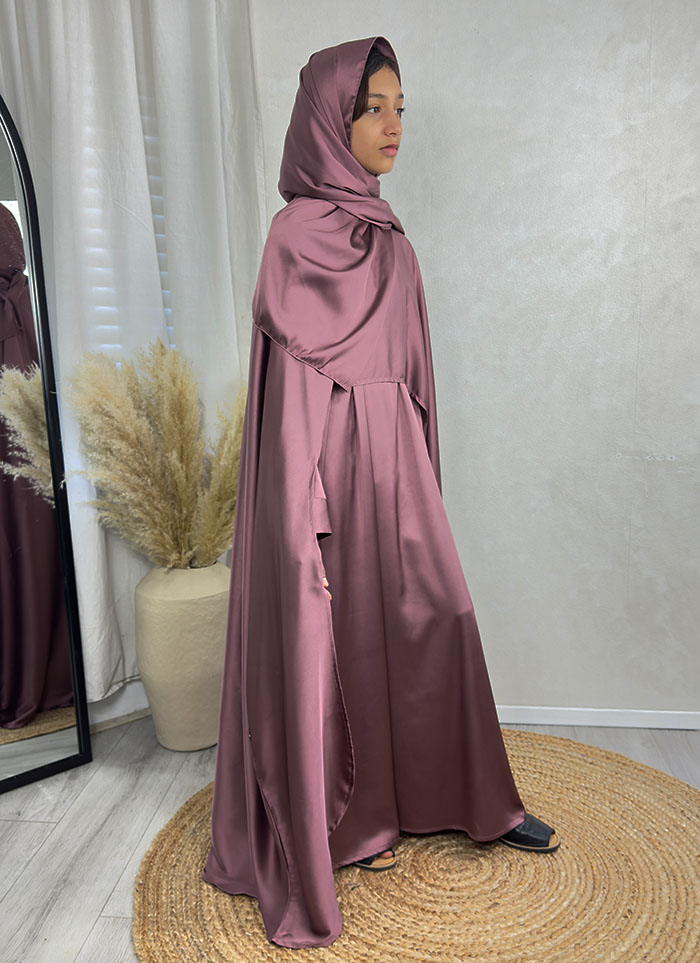
❤️ Modestwear Is About Identity, Not Just Appearance
When approached with care, traditional attire becomes a source of pride for kids — a way to feel connected to their roots and proud of their faith. It builds identity, confidence, and a healthy sense of belonging in both religious and public spaces.
As we explore the various styles and options in upcoming sections, remember this: modestwear is a journey, not a destination. And when led with love, it becomes one of the most beautiful parts of your child’s upbringing.
Common Mistakes Parents Make When Buying Modestwear
Buying traditional Muslim attire for kids can be an exciting experience — but it’s also full of hidden challenges. Whether you’re shopping online or in-store, many well-intentioned parents make avoidable mistakes that lead to discomfort, returns, or even discouraging their children from wearing modest clothing altogether.
Let’s break down the most common pitfalls so you can shop smarter and dress your children with confidence and ease.
❌ 1. Choosing Looks Over Comfort
That elegant abaya or embellished thobe might look stunning — but if the fabric is itchy, too heavy, or poorly cut, your child will want to take it off in minutes. Always prioritize breathable materials like cotton blends or soft jersey, especially for younger kids or warm climates.
Pro Tip: Let your child move around in the outfit before committing — if they can’t run, sit, or pray comfortably, it’s a no-go.
❌ 2. Ignoring the Occasion
There’s no one-size-fits-all when it comes to modestwear. Parents often buy ornate outfits that look great on Eid — but aren’t practical for school, masjid visits, or daily prayer. Kids need wardrobe variety: lightweight, durable clothes for everyday, and dressier outfits for celebrations.
❌ 3. Getting the Sizing All Wrong
Islamic clothing brands often have inconsistent sizing — a “5-year” thobe in one store may fit like a 3-year size in another. Parents frequently order too large, assuming kids will “grow into it,” only to find it drags on the floor or restricts movement.
Solution: Always check each brand’s specific sizing chart. When in doubt, measure your child and compare to the garment dimensions — not the age label.
❌ 4. Forcing Styles Without Explaining the Meaning
One of the biggest mistakes? Forcing a child into a hijab, abaya, or thobe without context. This can create resistance, discomfort, or even embarrassment in public. Children need to understand the why behind modestwear — that it’s part of their faith, identity, and pride, not just “different clothing.”
Tip: Involve them in the shopping process and share age-appropriate Islamic teachings about modesty.
❌ 5. Overlooking Practical Details
Many parents focus on appearance and forget the basics — does the abaya have pockets? Is it easy to take on and off? Can your son easily perform wudu in that thobe? These small details make a big difference in how often kids actually wear the clothes.
❌ 6. Relying Solely on Adult Styles Shrunk Down
Not all adult-style modestwear translates well to kids. Children need flexible, lightweight garments that are cut for their proportions. Long cuffs, tight collars, or heavy fabrics often lead to tantrums or outfit rejection.
Look for: Brands that specialize in children’s Islamic clothing — not just mini versions of adult outfits.
❌ 7. Ignoring the Child’s Personality
Every child is different. Some love bright colors, others prefer plain styles. Some are active and sporty, while others are gentle and artistic. Choosing an outfit that clashes with your child’s taste can backfire — it’s better to align Islamic dress with who they are.
“My daughter refused to wear her abaya until I let her pick the color. Now she wears it every time we go out.” — Parent from Birmingham
✅ Smart Shopping = Stress-Free Modestwear
With a little planning, clear sizing checks, and empathy, buying modestwear becomes easy, even joyful. In the next section, we’ll explore how to choose the right outfit based on your child’s age and the occasion, so every purchase feels purposeful.
How to Choose the Right Outfit by Age & Occasion
Choosing the right traditional Muslim attire for your child isn’t just about style — it’s about timing, purpose, and personality. A three-year-old won’t wear what a ten-year-old would. And a daily prayer outfit should feel different from what they wear for Eid or Islamic school.
This guide breaks it down by age group and occasion, helping you select clothes that are both meaningful and manageable.
🍼 Ages 0–3: Comfort Comes First
- Occasions: Eid, Aqiqah, Family Gatherings, Jummah visits
- Recommended Attire: Soft cotton thobes, miniature abayas, long tunic-style onesies, elastic-waist trousers, baby hijabs (optional and loose)
- What to Avoid: Heavy fabrics, tight headwear, anything difficult to change
At this stage, focus on breathable materials and easy-on, easy-off outfits. Many parents love introducing modestwear through matching sibling sets or special Eid looks. Keep it symbolic and sweet.
👶 Ages 4–6: Building Routine Through Play
- Occasions: Madrasah, Daily Salah, Story Time, Islamic holidays
- Recommended Attire: Play-friendly abayas, short thobes, casual salwar kameez, prayer sets with matching hijabs or caps
- Key Features: Easy movement, bright colors, fun prints, minimal fuss
Children this age learn best through imitation — dressing like mum or dad can feel exciting. Let them choose colors and involve them in dressing to foster ownership and joy.
🧒 Ages 7–9: Encouraging Understanding
- Occasions: School events, Qur’an classes, Friday prayers, family gatherings
- Recommended Attire: Proper thobes with pockets, full-length abayas, functional tunics with trousers, layered hijab sets
- Important Tip: This is a golden age to teach intention — explain the meaning behind their clothing choices.
Aim for modest outfits that still reflect personality — embroidery, subtle patterns, and colors that resonate with your child can make all the difference.
👧 Ages 10–13: Supporting Identity
- Occasions: Community events, Islamic school, Eid prayers, masjid volunteering
- Recommended Attire: Slim-fit thobes with clean tailoring, elegant but comfortable abayas, light hijabs with breathable underscarves
- Pro Tip: Let preteens experiment with modest fashion while maintaining guidelines — it fosters identity, not resistance.
This is when children begin to think critically about how they look. Encourage modest fashion that’s age-appropriate, confident, and expressive — this builds long-term comfort with Islamic attire.
🎉 Key Occasions & What to Prioritize
🕌 Daily Prayers / Madrasah
Lightweight, durable, easy to wash — look for prayer sets, soft thobes, and stretch-friendly abayas that allow kids to focus on learning and salah, not fidgeting with clothing.
🌙 Eid & Special Celebrations
This is the time to let your child shine! Embroidered outfits, matching accessories, and celebratory colors make modestwear festive and memorable. Choose elegance with comfort in mind.
🎒 School (Islamic or Public)
If your child wears modestwear to school, keep it functional. Tunics, trousers, and light abayas in neutral colors work well. Choose wrinkle-resistant fabrics and simple designs that respect both faith and function.
🕋 Hajj, Umrah, and Religious Travel
Go minimal and practical — short thobes, slip-on abayas, prayer-friendly garments, and layers for different climates. Comfort and ease are key during travel and ibadah.
📌 Final Thought: Dress With Intention, Not Just Expectation
Dressing your child in traditional Muslim clothing should be a source of joy and meaning — not pressure. When you align attire with age, lifestyle, and understanding, it becomes a powerful tool for building faith, confidence, and identity.
Types of Traditional Muslim Clothing for Boys and Girls
Understanding the core types of traditional Muslim attire for children helps parents shop more intentionally — and more confidently. Whether you’re buying for daily prayer, Islamic school, or Eid celebrations, the right garments ensure both modesty and comfort.
Here’s a breakdown of the most common types of Islamic clothing for boys and girls, along with what makes each one unique.
👧 Girls’ Traditional Muslim Clothing
1. Abaya
A long, flowing outer garment traditionally worn over regular clothes. Girls’ abayas often come in lightweight fabrics and vibrant colors, with embroidery, lace, or subtle embellishments. Common for special occasions and formal prayer settings.
- Key Features: Full-length, loose-fitting, long sleeves
- Occasions: Eid, Friday prayers, Islamic school, masjid events
- Popular Fabrics: Crepe, cotton blends, chiffon
2. Jilbab
Often used interchangeably with abaya in some cultures, but typically includes a matching head covering and is more structured. Ideal for older girls or teens who prefer a coordinated, modest look.
3. Hijab
A headscarf that covers the hair, neck, and sometimes shoulders. Children’s hijabs are often made from breathable, stretch-friendly fabrics and may include easy-slip styles for younger girls.
- Styles: One-piece pull-on, two-piece sets, wrap-style
- Common Materials: Jersey, cotton, viscose
4. Prayer Dresses (Girls)
These are lightweight, full-length garments typically paired with an attached or separate hijab, designed specifically for salah. They’re often worn at home, at the masjid, or in Islamic classrooms.
5. Salwar Kameez
A traditional outfit popular across South Asia, featuring a long tunic (kameez) worn over loose trousers (salwar). It’s modest, functional, and widely accepted for both formal and casual settings.
🧒 Boys’ Traditional Muslim Clothing
1. Thobe (or Jubba)
A long robe-like garment that extends to the ankles, typically worn during prayer, formal occasions, or Islamic events. Boys’ thobes come in various styles — from simple cotton versions to intricately embroidered designs.
- Key Features: Long sleeves, ankle-length, often includes a collar or buttons
- Popular Colors: White, beige, navy, grey
- Occasions: Eid, Jummah, madrasah, Umrah/Hajj
2. Salwar Kameez (Boys)
Just like with girls, this is a common outfit in South Asian Muslim communities. A long tunic with pants underneath — practical, breathable, and culturally rich.
3. Kurta Pyjama
A slightly more casual version of the salwar kameez, the kurta is a straight-cut tunic worn with tapered pyjama trousers. Suitable for everyday wear or informal Islamic gatherings.
4. Prayer Sets
Includes lightweight thobes, kurtas, or two-piece sets with simple caps (taqiyah/kufi) — designed for comfort during salah. Great for at-home use or quick masjid visits.
5. Kufi / Taqiyah (Prayer Cap)
A rounded cap worn by Muslim boys and men during prayer or formal Islamic occasions. Kufi caps are often paired with thobes and help introduce young boys to prayer traditions respectfully.
🌍 Cultural Variations
While the above list covers the most common types of attire, it’s worth noting that styles and names can vary by region and culture. For example:
- North African: Girls may wear kaftans or djellabas; boys often wear gandouras.
- Indonesian/Malay: Baju Kurung (girls), Baju Melayu (boys) are commonly worn.
- Middle Eastern: Classic abayas and thobes with Gulf-style embellishments are popular.
No matter the region, the goal is the same: modesty, dignity, and pride in Islamic identity — at every age.
What to Avoid When Shopping Online
Online shopping for traditional Muslim attire for kids can be incredibly convenient — until it’s not. From incorrect sizing to poor-quality fabrics, many parents have experienced the disappointment of receiving something that looked nothing like the picture.
So how do you avoid wasting time, money, and emotional energy? Here are the most common pitfalls to steer clear of when buying modest kidswear online.
🚫 1. Ignoring the Size Guide
Kids grow fast — and sizing can vary wildly between brands and regions. A “size 6” in UK measurements may not align with sizing from Middle Eastern or Asian brands.
- Always check the store’s exact measurement chart (not just the generic dropdown size).
- If you’re unsure, measure your child and compare their height, chest, and waist directly.
- Don’t rely on “age-based” sizes — go by dimensions.
🚫 2. Falling for Over-Styled Product Photos
That glittery abaya with perfect lighting? It might be shot with studio effects or enhanced digitally. What arrives could be a far duller version in real life.
- Look for customer-uploaded photos or review images when available.
- Zoom in to check for stitching quality, fabric thickness, and how the garment hangs.
🚫 3. Choosing the Wrong Fabric
Kids need breathable, soft, and skin-friendly materials — especially in warmer months or during long prayers. Many cheaper options look good but feel stiff or itchy.
- Avoid polyesters that aren’t blended with natural fibers unless it’s for occasional wear.
- For daily use, stick to cotton, bamboo blends, or soft viscose.
- If buying for Eid or weddings, read the fabric description carefully — many are dry-clean only.
🚫 4. Not Reading the Return Policy
Many modestwear sites have strict or non-existent return policies, especially on religious clothing. You might end up stuck with the wrong size or style.
- Look for “free returns” or “store credit” options before purchasing.
- Double-check who pays for return shipping — many international sites don’t cover it.
- Always save your receipts and emails in case you need to follow up.
🚫 5. Buying Without Checking Reviews or Store Reputation
A beautiful site doesn’t always mean it’s reputable. Many smaller boutiques pop up overnight with flashy designs but poor customer service.
- Search the store name + “review” or check on Trustpilot, Google, or Facebook.
- Be wary of sites with no social proof or overly generic product descriptions.
- Check if the brand is active on Instagram or TikTok — a good sign of legitimacy.
🚫 6. Forgetting Seasonality or Practicality
Buying a velvet jubba in July? A chiffon hijab for a windy school day? Think about when and where your child will wear the outfit.
- For summer, look for breathable thobes, cotton hijabs, and sleeveless slip abayas (with a long-sleeve cardigan).
- For winter, layer-friendly outfits or thermal underlayers can keep traditional wear cozy.
At the end of the day, shopping online for Islamic clothing can be a joy — if you go in prepared. Avoiding these common traps means your child gets something they’ll actually love to wear (and you’ll feel great about buying).
Online vs. Offline: The Modestwear Shopping Dilemma
Should you buy your child’s traditional Muslim outfit from an online boutique… or head to your local Islamic store? That’s a question nearly every parent asks at least once — especially before Eid, weddings, or Quran graduation ceremonies.
We’ve lived both sides. Online offers convenience and a world of choice. Offline gives you the confidence of touch, feel, and instant satisfaction. But which one truly wins?
🛍️ A Side-by-Side Comparison of Online vs. Offline Shopping
| Factor | Online Shopping | Offline Shopping |
|---|---|---|
| Convenience | Shop 24/7 from home, especially helpful for busy parents or during Ramadan. | Limited by store hours and location. May require travel or time off. |
| Product Variety | Massive global selection. Niche brands, rare colors, and international designs available. | Limited to what’s in stock locally. May have fewer style options. |
| Fit & Sizing Confidence | Tricky. Relies on charts and reviews. Easier to get wrong. | You can try outfits on your child for a perfect fit instantly. |
| Fabric Feel | You can’t touch the material — risk of it being stiff, rough, or different than expected. | You can feel the texture, weight, and quality of the fabric before buying. |
| Returns & Exchanges | Possible delays, return shipping fees, and restocking issues. | Instant exchange or refund in most cases — less hassle. |
| Price | Often better deals and discount codes, especially during holidays. | Prices may be higher due to rent and staffing costs. |
| Trust & Risk | Risk of scams or misleading photos if buying from unknown sellers. | Lower risk — you see exactly what you’re paying for. |
| Speed | Delivery takes time. Express options may be costly. | Walk out with the product in hand — same day satisfaction. |
💬 Real Parent Story: The Offline Win
“I ordered a stunning white thobe for my son online — it looked perfect on screen. But when it arrived, it was too short, stiff as cardboard, and didn’t feel breathable. I returned it and headed to my local store the next day. Within 15 minutes, we found a soft, comfy jubba he loved — and he wore it that night for Taraweeh!” – Ayesha, mother of 3 in Birmingham
📦 When Online Wins — And When Offline is Best
- Choose online when you need specific styles, larger sizes, or unique colors you can’t find locally.
- Choose offline when you’re short on time, need the item ASAP, or want guaranteed fabric comfort and fit.
The real answer? Mix both when you can. Use online for planning and research, and offline for confidence and final purchases — especially for special events.
If you do shop online, make sure to read what to avoid when shopping online so you’re protected.
Latest Trends in Kids’ Islamic Clothing
As fashion evolves, so does the world of Islamic clothing for kids. The modest fashion movement has exploded over recent years, and today’s trends are all about blending tradition with modernity. Parents want outfits that are both stylish and appropriate, and luckily, designers are delivering just that!
👗 Trending Styles for Boys and Girls in 2025
From playful prints to innovative fabrics, the trends in kids’ Islamic clothing are as diverse as the kids themselves. Here’s a breakdown of the most popular styles:
| Style | Description | Why It’s Popular |
|---|---|---|
| Minimalist Abayas | Simple, elegant abayas with clean lines, often paired with accessories. | Less is more. Parents love the versatility and timelessness of these pieces for any occasion. |
| Sporty Thobes | Comfortable and functional thobes designed for active boys, featuring breathable fabrics. | Perfect for school, play, or prayer. These outfits combine practicality with style. |
| Colorful Hijabs for Girls | Brightly colored, patterned hijabs that add a pop of fun to a modest outfit. | Kids love expressing their personalities through colorful accessories, while parents appreciate the easy-to-wear options. |
| Embroidered Dresses | Soft, flowing dresses adorned with intricate embroidery, perfect for Eid or family gatherings. | These designs are a beautiful mix of tradition and trend, making them ideal for formal events. |
| Adjustable Waistbands | Garments like thobes and abayas featuring adjustable waistbands for a custom fit. | These pieces grow with your child, making them more sustainable and cost-effective in the long run. |
🌿 Eco-Friendly Materials: A Sustainable Choice
Sustainability is not just a buzzword — it’s a growing priority in the world of children’s fashion. Many brands are shifting towards eco-friendly fabrics like organic cotton, bamboo, and recycled polyester.
- Organic Cotton: Soft, breathable, and pesticide-free, it’s gentle on sensitive skin.
- Bamboo Fabric: Naturally moisture-wicking and antibacterial, making it perfect for warm weather.
- Recycled Polyester: Made from recycled plastic bottles, it’s a great choice for eco-conscious parents.
🧕 Hijab Innovation: Comfort Meets Style
Hijabs for young girls have come a long way. Designers now offer hijabs with breathable linings, adjustable straps, and lightweight fabrics to ensure maximum comfort and style. Whether for school, play, or prayer, the hijab has become a functional yet fashionable piece of attire.
Popular innovations include:
- Pre-Tied Hijabs: Quick to wear and still modest, they save time and stress.
- Kids’ Headbands: Often worn with a loose scarf, headbands keep the hijab in place and add an extra touch of style.
👶 Gender-Neutral Modest Clothing
There’s been a significant rise in the popularity of gender-neutral modestwear. These outfits are not just for boys or girls — they can be worn by anyone, promoting inclusivity and flexibility. Think simple cuts, neutral colors, and versatile designs that can work for different occasions.
Popular items include:
- Unisex Thobes and Jubbahs: Comfortable, stylish, and easy for both boys and girls to wear.
- Loose-Fit Tunics and Pants: Comfortable and modest, these outfits can be styled for any child.
👗 Easy Care and Durability
As every parent knows, kids’ clothing needs to be durable. This is especially true for Islamic clothing, as these garments are worn frequently for prayer and other special occasions.
The latest trend in this area? Easy-care fabrics that resist wrinkles, are machine washable, and don’t fade after a few washes.
- Wrinkle-Free Fabrics: Perfect for busy parents who don’t want to iron every piece of clothing.
- Durable Materials: Clothes that last, even after repeated washing and wearing.
The 2025 trends in kids’ Islamic clothing are all about making life easier for parents without compromising on style or tradition. Whether you prefer online or offline shopping, staying on top of these trends will ensure your child looks good and feels comfortable in their modest wear.
Expert Styling Tips for Kids’ Modestwear
Styling your child’s modestwear doesn’t have to be a daunting task. With the right tips and tricks, you can easily create stylish, comfortable, and practical outfits for any occasion. Here are some expert styling tips that will help you maximize your child’s modest wardrobe, ensuring they look and feel their best, all while adhering to Islamic fashion principles.
👕 Building a Versatile Wardrobe for Your Child
A versatile wardrobe is key to making sure your child’s modestwear lasts through different seasons and events. Here’s how to build a functional wardrobe that can be mixed and matched easily.
- Invest in Neutral Colors: Start with neutral-colored pieces (such as beige, white, gray, and navy). These can be easily paired with bolder pieces, accessories, or jackets.
- Layering Is Key: Layering allows you to create different looks and add warmth during cooler months. Try layering a simple abaya over a tunic or a hoodie for a trendy yet modest look.
- Comfortable Fabrics: Opt for soft fabrics like cotton and linen for everyday wear, while saving the more formal fabrics like silk and velvet for special occasions.
👗 Styling for Different Occasions
Whether your child is heading to a family gathering, a wedding, or a day at school, styling their modestwear appropriately for the occasion is essential. Here’s how you can mix comfort and style for various events.
| Occasion | Styling Tips | Recommended Styles |
|---|---|---|
| Daily Wear | Focus on comfort and ease of movement. Layer lightweight tunics, tops, or maxi dresses with leggings or loose pants. | Loose tunics, abayas, straight-leg pants, and maxi skirts. |
| Special Occasions (Weddings, Eid) | Go for elegant pieces with delicate embellishments like embroidery or lace. Pair with formal shoes and accessories. | Embroidered dresses, jubbahs, formal abayas, and long-flowing skirts. |
| School or Playtime | Choose modest yet practical options that allow for movement. Prioritize breathable materials and non-restrictive fits. | Sporty thobes, simple dresses, comfortable hijabs, and tunics with leggings. |
💡 Accessorizing with Modesty
Accessories play a huge role in elevating any outfit. However, when it comes to kids’ modestwear, you want to choose accessories that complement the outfit without drawing too much attention. Here are a few simple ideas to help you accessorize with modesty in mind:
- Stylish Hijabs: Experiment with different hijab styles like the simple wrap or the turban-style for a trendy look. Consider using a hijab clip for added comfort.
- Headbands and Scarves: Soft, colorful headbands or scarves can be layered with hijabs for a pop of color.
- Minimalist Jewelry: A small pendant or bracelet is enough to add some sparkle without overdoing it. Stick to subtle, meaningful pieces.
🌟 Styling Tips for Boys’ Modestwear
Modestwear for boys has come a long way in terms of style and comfort. Here are a few expert tips for making sure your son’s wardrobe is both fashionable and modest:
- Jubbahs for Formal Occasions: These traditional long tunics are perfect for events like Eid and weddings.
- Sporty Thobes: For active boys, thobes made from breathable fabric ensure freedom of movement while maintaining modesty.
- Mixing and Matching: Don’t be afraid to mix modestwear with other non-traditional elements, like sporty shoes or casual jackets.
🧣 Styling Tips for Girls’ Modestwear
Modestwear for girls is all about elegance and grace, but it’s important to balance that with fun, creativity, and comfort. Here are a few styling tips for young girls:
- Embrace Color and Prints: Modest doesn’t have to mean dull! Experiment with playful prints and vibrant colors, but make sure the overall look remains modest.
- Maxi Dresses for Comfort: These dresses offer great coverage while allowing for free movement. Pair with a light cardigan or jacket for added warmth.
- Use Layers Wisely: Layering is a great way to add dimension to an outfit, but don’t overdo it. Keep it simple for a stylish, streamlined look.
With these expert tips, you’ll be able to create stylish, comfortable, and modest outfits for your kids that suit all occasions. Whether it’s everyday wear or special events, it’s all about finding the right balance between modesty, comfort, and personal style.
Care & Maintenance: Keeping Modestwear Beautiful
When it comes to kids’ modestwear, proper care and maintenance are essential to ensure that the clothing stays looking pristine and lasts through multiple seasons. Whether it’s a delicate abaya or a sturdy jubbah, every piece requires specific care to maintain its beauty and longevity. Here are some expert tips to keep your child’s modestwear in top shape.
🧼 General Care Tips for Modestwear
Before diving into fabric-specific care, here are some general tips to help you maintain your child’s modestwear collection:
- Always Check the Care Labels: Follow the care instructions on the clothing label for best results. These guidelines are designed to protect the fabric and preserve the shape.
- Wash with Gentle Detergents: Opt for mild, gentle detergents that are kind to both the fabric and your child’s skin.
- Air Dry Whenever Possible: Air drying helps maintain the fabric’s texture and prevents shrinkage that can occur in high-heat dryers.
- Iron with Care: If ironing is necessary, set the iron to the appropriate heat for the fabric type. Always iron on the reverse side to avoid damaging any delicate embellishments or fabric.
👚 Fabric-Specific Care Guidelines
Different fabrics require different care methods to maintain their quality. Here’s how to keep the most common materials used in kids’ modestwear looking their best:
| Fabric Type | Care Instructions | Common Uses |
|---|---|---|
| Cotton | Machine wash cold or lukewarm. Air dry or tumble dry on low heat. Iron while still slightly damp for best results. | Everyday tunics, dresses, and hijabs. |
| Silk | Dry clean or hand wash in cold water. Never wring. Air dry in the shade. | Special occasion dresses, formal abayas, and Eid wear. |
| Linen | Hand wash or use a gentle machine cycle. Air dry to avoid wrinkles. Iron while damp on medium heat. | Summer dresses, tunics, and lightweight jackets. |
| Wool | Hand wash or dry clean. Do not wring. Lay flat to dry. | Winter layers, cardigans, and outerwear. |
| Polyester | Machine wash cold. Tumble dry on low heat or air dry. Iron on low heat if necessary. | Everyday wear, skirts, and tops. |
🧴 Stain Removal Tips for Modestwear
Kids can be messy, and stains are inevitable. Here are some stain removal tips to help you get the most out of your child’s modestwear:
- Oil or Grease Stains: Gently blot with a clean cloth, then treat with dish soap before washing.
- Food Stains: Pre-treat food stains with a mixture of vinegar and water or a gentle stain remover before washing.
- Ink Stains: Apply rubbing alcohol to the ink stain and blot with a clean cloth before laundering as usual.
- Grass Stains: Apply a paste of baking soda and water to the stain, then wash as usual. For tough stains, pre-treat with a stain remover before washing.
👗 Storing Kids’ Modestwear for Longevity
Proper storage is key to preserving the quality of modestwear, especially if you plan on passing it down or storing it for future use. Here’s how to store your child’s clothing to keep it fresh and ready for the next wear:
- Use Breathable Garment Bags: Store delicate fabrics in breathable garment bags to prevent dust and dirt from accumulating.
- Fold, Don’t Hang: To avoid stretching and warping, fold soft fabrics like cotton and polyester instead of hanging them.
- Store in a Cool, Dry Place: Keep clothes in a cool, dry area away from direct sunlight, which can cause fading.
🌟 Special Care for Embellished Clothing
Many kids’ modestwear pieces feature delicate embellishments like embroidery, beads, or lace. These details require extra care to ensure they don’t get damaged. Here are some tips:
- Hand Wash Delicate Embellishments: Always hand wash garments with delicate details to avoid damage in the machine.
- Avoid Rough Surfaces: When wearing embellished garments, avoid rubbing them against rough surfaces, which could cause snags.
- Dry Clean When Necessary: For garments with heavy embellishments, professional dry cleaning is the safest option.
🧹 Seasonal Care for Modestwear
To keep your child’s modestwear in excellent condition year-round, it’s important to rotate out seasonal clothing and store it properly. Here are a few seasonal tips:
- Winter Care: Ensure that wool and heavy fabrics are stored properly, and always dry clean them at the end of the season.
- Summer Care: Keep summer fabrics like cotton and linen fresh by rotating them and washing them regularly to avoid buildup of sweat or dirt.
By following these care and maintenance tips, you’ll ensure that your child’s modestwear remains in great condition for many years. With proper attention, their clothing will continue to look beautiful, feel comfortable, and represent modesty in style.
Real Stories: How Parents Make Modestwear Fun
Modestwear for kids isn’t just about clothing; it’s about embracing a lifestyle and identity that parents cherish. Many families around the world are discovering creative ways to make modest clothing not just a requirement, but a fun and empowering part of their children’s lives. Let’s take a look at a few inspiring stories from parents who have successfully made modestwear an exciting part of their children’s wardrobe.
👨👩👧👦 Family Fun: Dressing Up for Special Occasions
For many families, special occasions like Eid, Ramadan, and family gatherings are the perfect opportunities to turn modestwear into a family tradition. Parents often get creative with coordinating outfits, turning modest clothing into something to look forward to each year.
“Every year during Eid, we get matching abayas for the kids. They love the idea of being dressed up like their siblings, and it gives us a chance to bond as a family while staying true to our traditions. The kids look forward to it all year!”
🎨 Letting Kids Add Their Own Personal Touch
Many parents encourage their kids to have fun with modestwear by letting them personalize their outfits. From colorful hijabs to unique embroidery, allowing children to pick out details or embellishments can make modestwear feel more exciting and less like a chore.
“My daughter loves to add little patches and beads to her dresses. It’s her way of expressing her individuality while still following the guidelines for modest dressing. She feels like she’s really making the outfit her own!”
🌸 Turning Modestwear into a Creative Fashion Statement
Many parents find that modestwear can be just as stylish and trendy as any other type of clothing. With the right fabrics, cuts, and accessories, kids’ modestwear can be both fashionable and functional. The key is finding unique and fun ways to style it, just like you would with any other fashion trend.
“We’ve turned modest fashion into a fun game. My son loves playing dress-up with his favorite scarves and tunics. Every morning is a little fashion show! It’s a great way to get him excited about modestwear.”
🛍️ Shopping for Modestwear as a Family Activity
For many parents, shopping for modestwear becomes a family event. It’s an opportunity to involve the kids in the process, allowing them to pick out fabrics, colors, and styles they enjoy while respecting family values. Shopping together also strengthens the connection to the clothing, making it more meaningful.
“We make it a family outing. We all go shopping for new modestwear together, and my daughter helps pick out what she likes. It’s such a fun bonding experience, and it makes her more excited about wearing her new clothes!”
🎉 Modestwear for Everyday Fun
Modestwear doesn’t just have to be reserved for special occasions. Parents are increasingly finding ways to incorporate modest clothing into their children’s daily wardrobes, making it both comfortable and stylish for everyday wear.
“I’ve found that with the right cuts and styles, modestwear can be just as practical and comfortable as any other casual outfit. My son wears his jilbab every day, and he loves it! He feels confident and comfortable.”
🌟 Making Modestwear a Confidence Booster
Many parents have noticed that when their children wear modest clothing, they feel more confident and empowered. Wearing modest attire allows children to focus more on their personality and skills, rather than on outward appearance, helping them develop a strong sense of self.
“My daughter has always felt so proud when she wears her hijab and abaya. It’s amazing how empowering modestwear can be for children. She walks into school with her head held high, and it’s given her so much confidence!”
📸 The Power of Modestwear on Social Media
Some parents are even finding that modestwear is becoming popular on social media, with kids showcasing their outfits and inspiring others. This not only builds confidence but also helps normalize modest fashion in a fun and relatable way.
“I love how my daughter has been able to share her outfits on Instagram. She gets so many compliments from others, which makes her feel proud of her modest style. It’s been such a positive experience for her!”
🎉 Conclusion: Making Modestwear Enjoyable for All
Making modestwear fun is all about creativity and personal expression. Whether it’s turning shopping into a family activity, allowing children to personalize their clothes, or embracing modest fashion as a daily wardrobe choice, parents are proving that modestwear can be just as stylish and enjoyable as any other clothing. By involving children in the process and helping them feel empowered, modest fashion can become a beautiful, fun, and confidence-boosting experience.
Do Young Girls Need to Wear Hijab? Age, Intent & Guidance
The question of when and why young girls should wear the hijab is an important one for many Muslim families. For parents, it’s essential to understand the significance of the hijab, the right age for wearing it, and how to introduce it in a way that aligns with their family’s values and religious beliefs.
👧 The Age of Wearing the Hijab: When Is It Appropriate?
The age at which a young girl should begin wearing the hijab varies depending on cultural and family practices, as well as personal understanding of the religious requirements. In general, the hijab is considered obligatory for girls once they reach the age of puberty, but many parents introduce it at a younger age as a way to encourage modesty and instill a sense of cultural identity.
Typical Age for Wearing the Hijab:
- Commonly, the hijab is worn after puberty (around ages 9-14), but some girls start wearing it earlier as a form of cultural or personal expression.
- Parents often introduce hijabs as part of a gradual process, where young girls learn about modesty before they fully embrace the practice.
🤔 The Intent Behind Wearing the Hijab: More Than Just a Cloth
The hijab is not just about covering one’s hair; it represents modesty, humility, and the expression of faith. It is a deeply personal choice and can carry different meanings depending on cultural and individual beliefs. For many young girls, wearing the hijab is a way to strengthen their connection with their faith, demonstrate respect for religious guidelines, and express their identity.
- Modesty is not limited to clothing—it encompasses the entire behavior and attitude.
- The hijab can symbolize a girl’s commitment to her faith and her desire to adhere to the principles of modesty, which are encouraged in Islam.
- Parents may also see the hijab as a way to protect their daughter from the pressures of beauty standards and societal expectations.
👨👩👧 Parental Guidance: How to Introduce the Hijab
Introducing the hijab to a young girl requires a gentle approach. Parents can help their daughters feel comfortable and confident in wearing the hijab by discussing its significance and encouraging them to make their own choice when the time feels right.
Ways to Introduce the Hijab:
- Start Slowly: Allow girls to wear the hijab at home or during family gatherings before they begin wearing it in public.
- Modeling Modesty: Parents can set an example by dressing modestly and showing the value of modesty in all aspects of life.
- Empowering Choice: It’s important that young girls feel in control of their decision to wear the hijab, making it a personal choice that aligns with their understanding of modesty.
- Discussing Faith: Share stories from Islamic teachings that emphasize the importance of modesty and the beauty of the hijab as an act of faith.
🌍 Cultural Differences in Wearing the Hijab
The practice of wearing the hijab is culturally diverse across different Muslim communities. In some countries, girls may start wearing the hijab at a younger age, while in others, it is reserved for later in adolescence. Regardless of when a child starts wearing the hijab, it’s essential to approach the practice with love, understanding, and respect for the child’s autonomy.
Considerations Based on Cultural Context:
- In some regions, wearing the hijab is a part of national or community identity, making it a norm for young girls to wear it earlier.
- In other areas, the choice to wear the hijab may be influenced by family dynamics, personal faith, or community values.
🧕 Practical Tips for Parents
As you guide your daughter through the decision of wearing the hijab, it’s essential to create a supportive environment where she feels free to ask questions and explore her feelings. The process should be rooted in love, respect, and understanding.
- Provide Positive Reinforcement: Praise your daughter’s choice to wear the hijab, emphasizing her faith and self-confidence.
- Offer Choices: Let your daughter choose which hijab styles she feels most comfortable with, whether it’s a soft scarf, a trendy turban, or a traditional headscarf.
- Be Patient: Understand that it may take time for your child to fully embrace wearing the hijab, and that’s okay. Be patient and supportive throughout the journey.
📝 Conclusion: A Personal Journey of Faith and Modesty
The decision to wear the hijab is a deeply personal one, and for many young girls, it represents a significant step in their spiritual journey. Parents play a crucial role in guiding their children through this process, ensuring that they feel confident, empowered, and connected to their faith. Whether a young girl chooses to wear the hijab at an early age or later on, it is essential that the choice comes from a place of understanding and personal conviction.
How Culture Shapes Islamic Clothing Around the World
Islamic clothing is as diverse as the cultures it touches. While modesty is a shared value across all Muslim communities, the way this principle is expressed through clothing can vary dramatically from one country to another. Culture, climate, and tradition all play a significant role in shaping how Islamic clothing is designed, worn, and perceived, particularly for children.
🌍 Global Variations in Islamic Clothing Styles
In different parts of the world, Islamic clothing takes on unique characteristics influenced by local culture, climate, and history. The choices parents make for their children’s clothing reflect not only religious values but also regional traditions and preferences.
Examples of Cultural Influences on Islamic Clothing:
- Middle East: In countries like Saudi Arabia and the UAE, traditional Islamic clothing is characterized by flowing robes, such as the thobe for boys and abaya for girls. The clothing is designed to protect from the harsh desert climate while maintaining modesty.
- South Asia: In countries like Pakistan, India, and Bangladesh, children often wear salwar kameez or kurta-pajama, which are loose-fitting garments that offer comfort and ease of movement, adapted to the humid climate.
- North Africa: In Morocco and Egypt, the jilbab or caftan is common for girls, often made of lighter, breathable fabrics suited for the hot weather. In these regions, colors and embroidery can play an important role in expressing cultural identity.
- Western Countries: In places like the UK, USA, and Canada, while modest clothing for children remains important, the styles may be influenced by local fashion trends. This includes modern interpretations of the hijab or abaya with more vibrant colors and contemporary fabrics.
🌡️ How Climate Influences Islamic Clothing
The climate plays a significant role in determining the materials, layers, and styles of Islamic clothing for kids. In hot climates, loose, breathable fabrics such as cotton and linen are favored, while in cooler regions, wool and heavier fabrics are used to maintain warmth while ensuring modesty.
Examples of Climate Influence:
- Hot Climates: Lightweight fabrics like cotton, linen, and rayon are used for children’s clothing in countries with hot climates. The clothing is designed to allow for air circulation and comfort in high temperatures.
- Cold Climates: In countries with colder weather, Muslim children may wear layered clothing, including woolen sweaters and outer jackets, alongside their traditional attire to maintain modesty and warmth.
🎨 Cultural and Regional Color Preferences in Modestwear
Color choices in Islamic clothing can also be influenced by cultural or regional preferences. While modesty is the primary guiding principle, colors and embellishments add a personal or cultural touch to children’s Islamic attire.
For example:
- In the Middle East, black is a dominant color for abayas, representing simplicity, elegance, and modesty.
- In South Asia, children may wear brightly colored kurtas and dresses, with intricate embroidery and patterns reflecting the rich cultural heritage of the region.
- In North Africa, gold and silver accents are often added to clothing, especially for special occasions, making the attire more festive and reflective of the region’s historical influence on fashion.
💡 Modestwear in Western Muslim Communities: Blending Tradition with Modernity
In Western countries, Muslim families often adapt traditional attire to fit modern, multicultural environments. Modestwear for kids in these regions blends cultural modesty with local fashion trends, creating a unique fusion of old and new.
- Trendy Styles: Many young girls in the West wear stylish hijabs made from stretchy, breathable fabrics with fun prints and patterns, combining both modesty and contemporary fashion.
- Mixing Western and Eastern Elements: Children may wear modern, casual clothing under traditional outerwear like an abaya or jilbab, mixing cultural and personal preferences to reflect their unique identity.
🛍️ Popular Modestwear Brands Worldwide
Around the world, there are several modestwear brands that specialize in children’s clothing, offering a blend of traditional styles and modern trends. These brands help parents find the right balance between religious values and contemporary fashion needs for their kids.
Some Well-Known Brands Include:
- Modanisa: A global brand offering a wide range of modestwear for kids, blending traditional styles with modern trends.
- Hijab House: An Australian brand known for its fashionable hijabs and modestwear, designed to cater to young girls in diverse cultural settings.
- Shukr: A UK-based brand that specializes in modest clothing for both adults and children, offering timeless and elegant pieces.
🌐 Conclusion: Embracing Diversity in Islamic Clothing
The beauty of Islamic clothing lies in its diversity. While modesty is the core principle, cultural and regional influences shape how this value is expressed across different parts of the world. From the deserts of the Middle East to the bustling cities of Europe, Muslim children’s clothing reflects a rich tapestry of cultural heritage, climate needs, and personal expression. Understanding these cultural differences can help parents make informed choices when selecting attire for their children while honoring both religious principles and cultural identity.
Sizing Charts & Fit Guide for Children
When shopping for traditional Muslim attire for children, one of the biggest challenges parents face is finding the right size. Islamic clothing, such as abayas, thobes, and hijabs, often come in unique sizing systems that vary between brands and regions. Ensuring the right fit is important not only for comfort but also for modesty. In this guide, we’ll break down the best practices for measuring your child and offer sizing charts that will make your shopping experience easier and more efficient.
📏 How to Measure Your Child for Modestwear
Proper measurements are key to getting the right fit. To make sure you pick the right size for your child’s Islamic clothing, you’ll need to take accurate measurements. Here’s a step-by-step guide to ensure you have the correct numbers:
Key Measurements:
- Chest: Measure around the fullest part of the chest, just under the arms.
- Waist: Measure around the natural waistline, keeping the tape comfortably snug.
- Hips: Measure around the widest part of the hips.
- Height: Measure from the top of the head down to the feet.
- Arm Length: Measure from the shoulder to the wrist to ensure sleeve lengths are correct.
- Inseam (for boys’ pants): Measure from the crotch to the ankle to get the correct length of pants or trousers.
📊 Sizing Chart for Kids’ Islamic Clothing
Here’s a general sizing guide that can help you choose the right size for your child based on their age, height, and weight. Keep in mind that sizing can vary between brands, so it’s always a good idea to refer to the specific brand’s sizing chart if available.
| Age | Height (in cm) | Weight (in kg) | Recommended Size |
|---|---|---|---|
| 2-4 Years | 85-100 cm | 11-16 kg | Size 1 (Small) |
| 4-6 Years | 100-115 cm | 16-22 kg | Size 2 (Medium) |
| 6-8 Years | 115-130 cm | 22-30 kg | Size 3 (Large) |
| 8-10 Years | 130-145 cm | 30-38 kg | Size 4 (X-Large) |
| 10-12 Years | 145-160 cm | 38-45 kg | Size 5 (XX-Large) |
| 12-14 Years | 160-175 cm | 45-55 kg | Size 6 (XXX-Large) |
Note: This chart is a general guide. Always refer to specific brand sizing charts and check for additional details like sleeve and length measurements. If in doubt, consider choosing a size that allows for slight growth over the coming months, as children’s sizes tend to vary based on growth spurts.
👗 Tips for Choosing the Right Fit for Your Child
When selecting the best size for your child, there are a few things to consider beyond just the measurements:
- Room to Grow: Children grow quickly, so it’s wise to choose a size that offers a little room for growth. When shopping for Islamic clothing, consider opting for a slightly larger size to ensure that the clothes last longer.
- Modesty and Comfort: Modesty is key in Islamic clothing, but it’s also important that the clothes are comfortable. Make sure that your child can move freely in the outfit, and check that the clothing isn’t too tight, especially around the arms, chest, and waist.
- Style Preferences: While the focus is on modesty, make sure the clothing style aligns with your child’s personality and preferences. Some kids prefer looser, flowing clothes, while others may enjoy slightly more fitted pieces.
- Check Brand-Specific Fit: Different brands have slightly different fits, so always refer to the brand’s size chart for more accuracy. Some may run larger or smaller than others.
📦 Sizing for Special Occasions
For special occasions such as Eid, weddings, or other celebrations, you may want to choose clothing that fits more elegantly and comfortably, taking into account the extra layers often worn during these events.
- Flowing Gowns: For girls, consider sizing up if you’re buying a dress or gown, as these tend to have intricate designs and may need extra room for layering.
- Formal Thobes: For boys, formal thobes often have a more structured fit. Check sleeve lengths and make sure there’s enough room for the child to sit comfortably.
👚 Conclusion: Getting the Right Fit Matters
Choosing the right size and fit for your child’s Islamic attire is crucial not only for comfort but also to ensure the clothes maintain their modesty and longevity. By using a sizing chart and taking accurate measurements, you can make the shopping process easier and more efficient. With these tips in hand, you’ll have your child dressed in perfect-fitting, comfortable, and modest clothing in no time!
Fabric Guide: Breathable, Durable & Modest
Selecting the right fabric for your child’s traditional Islamic clothing is essential for ensuring comfort, durability, and modesty. The fabric you choose should not only be breathable and comfortable but also sturdy enough to handle the wear and tear of everyday activities. In this guide, we will explore the best fabrics for kids’ modestwear, taking into consideration their skin sensitivity, movement needs, and long-term use.
🌿 Key Considerations for Choosing Fabric
When shopping for Islamic clothing for children, the fabric plays a crucial role in the overall experience. Here are some important factors to consider:
- Breathability: A fabric that allows air circulation will keep your child cool, especially during warmer months. Look for fabrics that wick away moisture to prevent discomfort.
- Durability: Kids are active, and their clothes need to withstand regular use. Choose fabrics that are strong and long-lasting, even with frequent washing.
- Softness: Children’s skin can be sensitive, so opting for fabrics that are gentle and non-irritating is essential.
- Modesty: Modestwear should provide adequate coverage without being too tight or transparent. The fabric should drape well and maintain modesty while ensuring comfort.
🧵 Best Fabrics for Kids’ Modestwear
Here are some of the most popular fabrics used in Islamic clothing for children. Each fabric type has its own advantages and is suited for different weather conditions and activities.
| Fabric | Pros | Cons | Best For |
|---|---|---|---|
| Cotton | Soft, breathable, hypoallergenic, lightweight, easy to wash | May wrinkle easily, not as durable as other fabrics | Summer wear, casual clothing, everyday wear |
| Linen | Extremely breathable, cool to wear, natural fiber | Wrinkles easily, can be expensive, less durable | Hot climates, casual or semi-formal wear |
| Polyester | Durable, wrinkle-resistant, moisture-wicking, affordable | Can be less breathable, may cause discomfort in hot weather | Activewear, sportswear, school uniforms |
| Silk | Luxurious, smooth, elegant, comfortable for formal occasions | Expensive, requires delicate care, may not be ideal for everyday wear | Formal wear, special occasions like Eid or weddings |
| Wool | Warm, insulating, natural fiber | Can be itchy for sensitive skin, not ideal for hot weather | Cold weather, winter wear |
| Jersey | Soft, stretchy, comfortable, easy to move in | Can lose shape over time, may pill with frequent washing | Casual wear, activewear |
🌞 Fabric for Different Seasons
The fabric you choose should also be appropriate for the season. Here’s a breakdown of which fabrics work best for different weather conditions:
| Season | Recommended Fabrics | Key Benefits |
|---|---|---|
| Spring/Summer | Cotton, Linen, Jersey | Breathable, lightweight, cool, moisture-wicking |
| Autumn/Fall | Wool, Cotton blends, Jersey | Warm, insulating, comfortable |
| Winter | Wool, Fleece, Polyester blends | Insulating, keeps warmth, durable for colder temperatures |
👗 Choosing Fabric for Special Occasions
For special occasions like Eid, weddings, or religious ceremonies, you’ll want fabrics that provide a more polished and elegant look. Opt for high-quality fabrics like silk, velvet, or satin, which offer a luxurious feel while maintaining modesty and breathability.
- Silk: Perfect for formal dresses or gowns, silk provides an elegant and smooth look, ideal for special events.
- Velvet: A luxurious fabric that offers warmth and richness, perfect for cooler weather during special occasions.
- Satin: Often used for dresses, satin offers a shiny, polished look and works beautifully for formal Islamic attire.
🧵 Caring for Modestwear Fabrics
To ensure your child’s modestwear lasts long and maintains its beauty, proper care is essential. Different fabrics require different care techniques:
- Cotton: Machine wash in cold water; avoid high heat when drying.
- Silk: Hand wash or dry clean; avoid wringing out to prevent damage.
- Wool: Dry clean or hand wash in cold water; lay flat to dry.
- Polyester: Machine wash; polyester fabrics are generally low-maintenance.
👚 Conclusion: Choosing the Right Fabric for Comfort & Modesty
The right fabric is essential to ensure that your child’s modestwear is comfortable, durable, and suitable for the season. Whether you opt for breathable cotton in the summer or warm wool in the winter, make sure the fabric aligns with your child’s needs, lifestyle, and preferences. With the proper fabric choices, your child can enjoy both comfort and style, while you can feel confident knowing they’re wearing modest clothing that’s perfect for them.
Eid & Special Occasion Outfit Ideas
Eid and other special occasions are wonderful opportunities to dress your children in elegant, modest attire that reflects both the significance of the event and your family’s cultural traditions. When choosing outfits for your kids, comfort and modesty should be prioritized, but you can also make them feel extra special with thoughtful details and style.
🌙 Choosing the Right Outfit for Eid
Eid is a time of celebration, and picking the right outfit for your child can be an exciting task! Modest clothing doesn’t mean sacrificing style, and with the right outfit, your child can look festive and elegant while remaining comfortable.
✨ Traditional Outfits for Boys
For boys, traditional attire often includes the following:
- Kandura/Thobe: A long, flowing garment that is commonly worn in many Muslim cultures, offering both comfort and modesty.
- Shalwar Kameez: A popular outfit featuring a long tunic (kameez) paired with loose trousers (shalwar), perfect for a festive look.
- Jubba: A traditional robe that can be worn for special occasions, offering elegance and formality.
✨ Traditional Outfits for Girls
Girls can wear a variety of beautiful modest outfits for Eid and special occasions:
- Jilbab: A full-length dress that offers both coverage and style, often worn with a headscarf.
- Abaya: A flowing, loose-fitting garment that can be adorned with embellishments for a special touch.
- Maxi Dress: A modest maxi dress with intricate designs or embroidery makes a stylish choice for Eid celebrations.
🌟 Accessorizing for Special Occasions
Accessories can make a big difference in elevating the outfit and adding a festive touch. Here are some accessory ideas for kids’ modestwear during special occasions:
- Headscarves/Hijabs: Opt for a light, breathable fabric such as cotton or chiffon for a comfortable and stylish look. You can choose from simple or embellished scarves depending on the occasion.
- Jewelry: A simple bracelet or necklace can add elegance without compromising modesty. Just be sure it’s not too flashy or distracting.
- Shoes: Choose comfortable footwear, such as sandals or ballet flats, that are easy to wear for children but still stylish enough for special events.
🎨 Color and Fabric Choices for Eid
For Eid and other special occasions, the colors and fabrics you choose can reflect the festive atmosphere. Here are some popular options:
- Colors: Bright colors like gold, silver, royal blue, deep red, and purple are often chosen for their richness and celebratory feel. However, soft pastels like pink, mint, or lavender are also great choices for a more subtle look.
- Fabrics: Choose luxurious fabrics such as silk, satin, or velvet for a formal look. These fabrics exude elegance and work beautifully for special occasions.
👗 Eid Outfit Ideas for Different Age Groups
Whether your child is an infant, toddler, or older, there are plenty of stylish, modest options for every age group. Here are some outfit ideas tailored to specific age groups:
| Age Group | Outfit Ideas for Boys | Outfit Ideas for Girls |
|---|---|---|
| Infants | Soft cotton kandura or thobe for comfort | Simple jilbab or abaya in soft cotton fabric |
| Toddlers | Shalwar kameez with fun patterns, lightweight material | Maxi dress or abaya with playful colors and designs |
| Older Kids | Jubba or thobe with embroidery for a formal look | Embroidered abaya or stylish jilbab with accessories |
🎉 Outfit Ideas for Eid Gatherings and Parties
Eid is also a time for family gatherings and festive parties. For such occasions, you might want to dress your child in something a bit more formal. Consider:
- For Boys: A well-tailored thobe or kandura with an embellished collar or cuffs can elevate the look. Pair with polished shoes for a complete ensemble.
- For Girls: A glittering abaya with beautiful lace or sequin details adds an elegant touch to the outfit, perfect for evening celebrations.
✨ Tips for Buying Eid Outfits for Kids
When shopping for Eid outfits for your children, consider these tips:
- Comfort: Kids are active, so ensure that the outfit allows for movement and comfort throughout the day.
- Size: Children grow quickly, so always choose a size that allows for some room to grow.
- Durability: Look for high-quality fabrics that can withstand play and frequent washing without losing their shape or color.
- Style: Choose an outfit that reflects your child’s personality while still staying modest and true to tradition.
💡 Conclusion: Perfect Eid Outfits for Kids
Choosing the right outfit for your child on Eid or other special occasions is about balancing style, comfort, and modesty. With the right fabrics, colors, and accessories, your child will be able to celebrate the occasion in style. Whether you opt for traditional or contemporary attire, make sure that the outfit aligns with the significance of the day and makes your child feel special.
Smart Budgeting for Growing Kids
As your child grows, their wardrobe needs will constantly change. Balancing style, modesty, and a budget can feel challenging, but with the right strategies, it is possible to ensure your child always has quality, modest clothing without breaking the bank.
💡 Tips for Budgeting for Kids’ Modestwear
Managing the costs of kids’ clothing can be difficult, especially when it comes to modestwear, which is often seen as more expensive due to the fabrics, designs, and tailoring involved. Here are some smart tips to help you stay within your budget while still ensuring your child looks stylish and modest:
- Buy for the Long-Term: Since children grow quickly, it’s best to invest in clothing that can last longer. Choose items that are versatile, such as abayas, jilbabs, or shalwar kameez, which can be worn for different occasions over a longer period.
- Look for Sales & Discounts: Many retailers offer sales during the festive seasons or at the end of the year. Keep an eye out for these deals to buy clothes at a reduced price.
- Prioritize Essential Pieces: Focus on buying versatile, foundational pieces that can be mixed and matched. Essentials like plain abayas, tunics, and trousers can be dressed up with accessories, making them suitable for different occasions.
- Shop Off-Season: Shopping for modestwear when the season ends can help you secure discounts on high-quality garments that can be used in the upcoming season.
- Check for Multi-Pack Deals: Some retailers offer multi-pack deals for children’s clothing. Buying sets of basic items, such as headscarves, undershirts, or leggings, can save you money in the long run.
💰 Budget-Friendly Options for Modest Clothing
There are many ways to purchase stylish, high-quality modestwear for your children without spending a fortune. Consider the following strategies:
- Thrift Stores & Second-Hand Shops: Many gently used garments can be found in thrift stores, consignment shops, or online second-hand markets. Always check for quality and cleanliness, and you’ll find great deals.
- Online Retailers & Marketplaces: Shopping online gives you access to a wider range of modestwear options at different price points. Platforms like Amazon, Etsy, or specialized modestwear stores often feature sales or discounts.
- Custom & Hand-Made Clothing: Sometimes, local tailors or designers offer customized options at lower prices compared to branded items. You can also find hand-made modestwear on platforms like Etsy.
🔄 How to Make the Most of Your Budget
If you are budgeting for multiple children or frequent outfit changes, making the most of your budget requires smart planning and purchases. Here are some strategies to consider:
- Swap Clothing with Other Families: Organize clothing swaps with other parents in your community. This is a cost-effective way to refresh your children’s wardrobe without spending a penny.
- Mix High & Low-End Pieces: Invest in a few high-quality, versatile items that can be worn for special occasions and mix them with more affordable basics to create a balanced wardrobe.
- Buy Timeless, Classic Styles: Stick to simple, timeless designs that will never go out of fashion. Modestwear that features classic cuts and styles can be worn year after year.
- Consider DIY Modestwear: If you have the skills or know someone who can sew, you could make or alter existing clothes to fit your modestwear needs, saving on costs while getting exactly what you want.
📊 Table: Budget-Friendly Modestwear Options for Kids
Here’s a quick comparison of budget-friendly options for modestwear, including price ranges, recommended shops, and quality tips:
| Option | Price Range | Recommended Shops | Quality Tips |
|---|---|---|---|
| Thrift Stores & Second-Hand | Low | Local Thrift Stores, eBay, Poshmark | Check for minor wear and tear; wash items thoroughly |
| Online Retailers | Medium | Amazon, Modanisa, HijabHouse | Look for customer reviews; check return policies |
| Custom & Hand-Made | Medium-High | Etsy, Local Tailors | Check fabric type and read seller reviews |
| Mixing High & Low-End | Varies | Varies | Invest in versatile items that can be paired with affordable basics |
🎯 Conclusion: Budget Smart for Modest Fashion
Budgeting for your growing child’s modestwear doesn’t have to be overwhelming. With a strategic approach and a little creativity, you can ensure that your child is always dressed in stylish, comfortable, and modest clothing without going over budget. Consider using these tips to balance your budget while still providing your child with the best modestwear options available.
Inclusive Options for Children with Disabilities
As the demand for more inclusive fashion grows, it’s important to remember that every child deserves to wear clothing that suits their personal style and needs. This is especially true for children with disabilities who require clothing that is both functional and comfortable while maintaining modesty. Fortunately, several brands and designers are addressing the need for adaptive and inclusive modestwear options.
🧑🦽 Features of Inclusive Modestwear for Disabled Children
Clothing designed for children with disabilities should provide ease of dressing, comfort, and accessibility. Below are some key features to look for when shopping for inclusive modestwear:
- Adaptive Fastenings: Look for clothing with Velcro, magnetic closures, or zippers, which make it easier for children with limited hand dexterity or mobility challenges to dress themselves independently.
- Stretchable Fabrics: Soft, stretchy materials, such as jersey knit or spandex blends, offer comfort and flexibility for children with sensory issues or those who require a more forgiving fit.
- Easy-Access Designs: Some garments are designed with openings or modifications that allow caregivers to easily assist with dressing, such as side or back zippers, snap closures, or large buttons.
- Gentle Seams: Seams that are flat or soft can help avoid discomfort for children with sensory sensitivities. Tagless labels or printed care instructions are also helpful for those who may have sensitivities to labels.
- Room for Medical Devices: Special accommodations, such as extra room for medical equipment or adjustments to fit prosthetics, are increasingly being offered in adaptive clothing lines.
🌟 Inclusive Modestwear Brands & Designers
Many brands are now recognizing the need for inclusive, adaptive, and modest clothing. Here are some notable brands that cater to children with disabilities:
- Modanisa: Known for offering a wide range of modestwear, Modanisa now provides adaptive clothing options that cater to the needs of children with disabilities, featuring easy-to-wear, comfortable designs.
- Undercover Mama: This brand offers adaptive wear that combines modesty with convenience. The designs focus on easy access for children with physical disabilities, including options with magnetic fastenings and softer fabrics.
- PoshPeanut: PoshPeanut creates inclusive and fashionable options for children, offering adaptive pieces that consider sensory needs and easy dressing. They have a growing collection of modestwear choices for kids with disabilities.
- Adaptive Apparel by Zara: While Zara is known for its mainstream collection, they have introduced adaptive wear lines with easy-access options, including for children who require clothing with sensory-friendly materials.
📊 Table: Key Features of Inclusive Modestwear for Kids
Here’s a table that summarizes key features to look for in adaptive modestwear for children with disabilities, comparing different fabric types, design options, and benefits:
| Feature | Description | Benefits |
|---|---|---|
| Adaptive Fastenings (Velcro, Zippers, Magnetic Closures) | Clothing with easy-to-use closures designed for children with limited dexterity | Independence for children and ease for caregivers during dressing |
| Stretchable Fabrics | Soft, flexible fabrics like jersey knit or spandex blends | Comfortable fit and freedom of movement for children with sensory needs |
| Easy-Access Designs | Garments with strategically placed openings, side zippers, or larger buttons | Convenience for children with limited mobility or caregivers assisting with dressing |
| Gentle Seams and Tagless Labels | Smooth, flat seams and printed care labels | Comfort for children with sensory sensitivities, reducing irritation from seams or tags |
| Room for Medical Devices | Garments designed with space for medical equipment, such as prosthetics | Ensures comfort and practicality for children with medical needs |
🛍️ Where to Shop for Inclusive Modestwear
When shopping for inclusive modestwear, keep an eye on these retailers and stores that specialize in adaptive and modest clothing for children:
- Target: Their adaptive clothing line includes easy-to-wear garments that are both stylish and accessible, with options for children with mobility challenges or special sensory needs.
- Walmart: Walmart offers a variety of inclusive clothing options, including those designed for children with disabilities. They provide a range of affordable and functional garments for families on a budget.
- Specialized Stores: Some stores specialize in adaptive clothing and modestwear for children with disabilities, such as Zappos Adaptive and The Able Collective. These retailers provide a variety of options tailored to different needs.
🎯 Conclusion: Empowering Kids Through Inclusive Modestwear
Every child deserves to feel comfortable, confident, and stylish in their clothing. By choosing inclusive and adaptive modestwear options, parents can provide their children with functional, fashionable clothing that meets both their modesty requirements and personal needs. As brands continue to innovate and prioritize inclusivity, it’s exciting to see more options becoming available, empowering children with disabilities to wear what makes them feel good.
School-Friendly Modestwear: Uniforms & Casual Outfits
Dressing children for school can be a challenge for parents who prioritize both modesty and comfort. Fortunately, the availability of school-friendly modestwear for children has grown, offering a variety of stylish, functional, and comfortable options that align with modest dress codes. This section explores the best uniform options, casual outfits, and tips on choosing school-friendly attire that allows children to focus on learning while maintaining their modest style.
📚 Modest Uniforms for School
Many schools require uniforms that may include specific colors, styles, or types of clothing. For children who follow a modest dress code, it’s important to find uniform options that meet the school’s requirements while still ensuring comfort and modesty. Here are some popular choices for modest uniforms:
- Long Tunics and Blouses: Tunics or blouses that cover the hips or go below the knees provide a modest option when paired with skirts or pants. These can be both stylish and functional for school settings.
- Wide-Legged Trousers: Loose-fitting trousers or palazzo pants can be a great alternative to tighter-fitting pants. These allow for easy movement while maintaining modesty throughout the day.
- Skirts and Dresses: Skirts or dresses that reach below the knee or ankle are often included in school uniform policies. Look for options that are comfortable and breathable, especially for warmer weather.
- Cardigans and Sweaters: Layering with cardigans or sweaters that extend below the waist can be both practical and stylish, ensuring warmth and coverage during colder months.
👕 Casual Modest Outfits for School
In addition to uniforms, many children need school-appropriate casual outfits that are versatile enough for daily wear. Here are some suggestions for casual, comfortable modestwear options that work well for school:
- Maxi Dresses: A simple, long maxi dress can be worn to school with a cardigan or jacket for added warmth and style. Look for breathable fabrics and soft materials to ensure comfort throughout the day.
- Loose-Fitting T-Shirts and Tops: Look for long-sleeve or short-sleeve shirts that are loose and breathable. These can be paired with skirts, trousers, or even leggings for a flexible outfit.
- Layered Outfits: Pair long-sleeve shirts with short-sleeve tunics or dresses to create layered outfits. This not only provides modest coverage but also adds an element of style and versatility.
- Soft Joggers or Leggings: When comfort is a priority, soft joggers or leggings paired with long tunics or dresses can make for an easy, modest option that’s perfect for school.
📊 Table: Modest School Uniforms vs. Casual Outfits
The table below highlights the key differences between modest uniforms and casual outfits, helping parents decide what’s best for their child’s school needs:
| Feature | Modest Uniforms | Casual Outfits |
|---|---|---|
| Style | Classic, structured (e.g., tunics, skirts, trousers) | Flexible, casual (e.g., maxi dresses, joggers) |
| Comfort | Designed for all-day wear, often includes breathable materials | Emphasizes comfort and flexibility for active children |
| Modesty | Meets strict modesty guidelines (e.g., long sleeves, knee-length skirts) | Ensures coverage with layered options or longer fits |
| Occasion | For formal school settings or required uniforms | For more relaxed or casual school days |
🌍 Where to Shop for School-Friendly Modestwear
Finding school-friendly modestwear can be easier than ever, with many retailers now offering collections that are specifically designed to meet both modesty and comfort needs for children. Here are some of the top places to shop for school-friendly outfits:
- Modanisa: Offers a range of modest school uniforms and casual outfits, including pants, tunics, skirts, and dresses that comply with modesty requirements.
- H&M: Features a variety of school-friendly pieces such as long blouses, wide-legged trousers, and simple dresses that are perfect for creating a modest yet stylish school wardrobe.
- Uniqlo: Known for comfortable, minimalist designs, Uniqlo offers a selection of modestwear pieces that can be easily adapted to school uniforms or casual outfits.
- Next: A great option for modest school uniforms and casual outfits, Next offers a variety of styles, from classic school uniforms to comfortable casual wear that still maintains modest coverage.
🎯 Conclusion: Dressing for Success with Modestwear
Whether your child wears a uniform or needs casual outfits for school, modestwear provides the perfect balance of style, comfort, and coverage. With the growing availability of school-friendly options, parents can now find outfits that meet both modesty standards and the practical needs of daily school life. By choosing the right pieces, you can ensure that your child feels confident, comfortable, and ready to succeed in school.
Teaching Modesty Through Fashion
Fashion is not only a way to express individual style, but it can also serve as a powerful teaching tool. For parents who wish to impart the value of modesty to their children, clothing can play a central role. By carefully selecting modestwear, parents can help their children understand and embrace the concept of modesty as a way of life—one that reflects faith, values, and respect for oneself and others.
📖 Understanding Modesty in Fashion
Modesty in fashion isn’t just about covering up; it’s about choosing attire that aligns with one’s values, showing respect for oneself and others while maintaining dignity. For Muslim families, modesty is an important part of their faith, and it’s crucial to teach children how to dress in a way that reflects their beliefs while allowing them to feel confident and comfortable.
💡 Ways to Teach Modesty Through Fashion
Here are some ways parents can use fashion to teach modesty to their children:
- Start Early: Begin teaching modesty at a young age. Guide children in selecting clothing that reflects modest values, and help them understand why modest dress is important.
- Incorporate Faith into Fashion Choices: Explain the religious significance of modest attire. Help children understand that their clothing choices can reflect their faith and the values they hold dear.
- Encourage Self-Respect: Teach children that dressing modestly shows respect for themselves and others. Encourage them to choose outfits that make them feel good about themselves and reflect their inner values.
- Allow Personal Expression: While modesty is important, it’s also crucial for children to express their personality through their clothing. Encourage them to choose modest outfits that reflect their unique style and preferences.
📊 Table: Benefits of Teaching Modesty Through Fashion
The table below highlights the key benefits of teaching modesty through fashion and how it can positively impact children’s lives:
| Benefit | How It Helps Children |
|---|---|
| Increased Confidence | Children feel empowered and confident when they dress according to their values and beliefs. |
| Self-Respect | Modesty in fashion teaches children to respect their bodies and themselves, promoting a positive self-image. |
| Strong Moral Foundation | Learning about modesty through fashion instills a strong moral foundation, helping children make thoughtful choices as they grow. |
| Encourages Responsibility | Children learn to take responsibility for their appearance and the impact it has on others, fostering a sense of accountability. |
🎨 Teaching Modesty through Positive Reinforcement
It’s important to remember that teaching modesty through fashion is not just about what your children wear, but how they feel about their clothing choices. Positive reinforcement plays a key role in this learning process. Compliment your children when they choose modest outfits and emphasize how proud you are of their choices. Encourage them to make thoughtful, modest choices by praising their efforts and helping them feel proud of their decisions.
🛒 How to Make Modesty-Focused Fashion Shopping Fun
Shopping for modestwear can be a fun family activity. Here are some ideas to make it an enjoyable experience for your children while ensuring that the clothing selected aligns with modesty values:
- Let Children Choose: Allow your children to participate in the shopping process. Give them the freedom to choose modest clothes they like, with guidance to ensure that the outfit adheres to modesty guidelines.
- Mix & Match: Make fashion fun by mixing and matching modest pieces to create stylish outfits. This allows children to express their personal style while maintaining modesty.
- Highlight Modesty Icons: Many modest fashion brands feature models who exemplify stylish modesty. Show children these examples to inspire their own wardrobe choices.
🎯 Conclusion: Modesty as a Lifestyle
Teaching modesty through fashion is an ongoing process that allows children to grow in their understanding of modesty while expressing their personal style. By starting early, involving them in fashion choices, and focusing on the positive aspects of modest dressing, you can instill a sense of pride, self-respect, and confidence in your children. In this way, modest fashion becomes more than just a way to dress—it becomes a way of life that reflects faith, respect, and self-love.
Frequently Asked Questions (FAQs) About Traditional Muslim Attire for Kids
1. What is the best clothing for Muslim children?
The best clothing for Muslim children includes items that are both modest and comfortable. Common choices include abayas, jilbabs, tunics, and long dresses for girls, and loose-fitting shirts with trousers or long skirts for boys. The key is to ensure the clothing meets the modesty guidelines of the family’s faith while also being age-appropriate and practical.
2. How should I dress my young daughter for Islamic events?
For Islamic events such as Eid or Ramadan, young girls can wear a modest dress or abaya with a hijab if they are ready. The dress should cover the arms and legs and can be paired with simple accessories like a headband or decorative pins for added style.
3. At what age should a child start wearing a hijab?
There is no specific age at which a child should start wearing a hijab, as it is a personal and family decision. Many families begin teaching their children about the hijab as they approach puberty, while others introduce it earlier as part of a gradual learning process about modesty and faith.
4. Are there specific colors for Muslim children’s clothing?
There are no specific colors prescribed for Muslim children’s clothing. However, many Muslim parents prefer modest colors like black, white, navy, or earthy tones. Bright colors are also common, especially during festive occasions like Eid. The focus is more on modesty and the appropriateness of the attire rather than the color itself.
5. What is the difference between an abaya and a jilbab for girls?
Both abayas and jilbabs are modest outer garments, but an abaya is typically a loose-fitting, floor-length coat worn over clothing, while a jilbab can also refer to a similar loose garment, but it often features a more structured design. Jilbabs may also have a hood or other distinctive features. The choice depends on the style preference and comfort of the child.
6. How do I choose the right size for my child’s Islamic clothing?
To choose the right size for your child’s Islamic clothing, refer to the sizing chart provided by the retailer. Ensure the garment allows for movement and is not too tight. When in doubt, it’s best to opt for slightly larger clothing that can be adjusted or layered.
7. Can Muslim children wear jeans or pants?
Muslim children can wear jeans or pants, but they should be modest in fit. Loose-fitting trousers or jeans that cover the ankles are generally considered appropriate for both boys and girls. The key is to ensure that the clothing adheres to the principles of modesty in Islam.
8. What should boys wear for Islamic events?
For Islamic events, boys typically wear a long tunic, a thobe, or a kaftan. These garments are designed to be loose-fitting and modest, ensuring the child is both comfortable and properly dressed. A kufi or cap can also be worn to complete the outfit.
9. Is it important to buy special clothing for Eid?
While not mandatory, many families purchase special clothing for Eid to mark the importance of the occasion. This clothing is often more festive, with richer fabrics and vibrant colors, but still remains modest and respectful of Islamic principles.
10. Are there any Islamic clothing brands for children?
Yes, there are many brands that specialize in Islamic clothing for children, offering a variety of modest wear options like abayas, jilbabs, and Islamic-inspired dresses and tunics. Some popular brands include Modanisa, H&M’s modest collection, and Shukr. These brands focus on providing stylish, comfortable, and modest clothing suitable for children.
11. What are the best fabrics for Muslim children’s modestwear?
The best fabrics for Muslim children’s modestwear are breathable, durable, and comfortable. Cotton, linen, and bamboo are popular choices because they are soft, lightweight, and breathable, making them ideal for all seasons. Silk and wool are often chosen for special occasions like Eid.
12. How do I make my child’s modestwear more fun?
Making modestwear fun for children involves allowing them to express their personality through the clothing. Choose colorful, patterned fabrics and involve your child in selecting their outfits. You can also add fun accessories like headbands or pins that make the clothing feel special.
13. Can Muslim girls wear skirts and dresses?
Yes, Muslim girls can wear skirts and dresses as long as they are modest, covering the arms, chest, and legs. The skirts should be long enough to reach the knee or beyond, and the dress should not be too tight or revealing.
14. What should children wear to school to maintain modesty?
For school, children can wear loose-fitting shirts, tunics, or dresses with leggings or pants. Some schools may have uniforms that can be adapted for modesty, and some parents choose to make small modifications, like adding a cardigan or wearing loose trousers.
15. Can Muslim children wear fashionable clothes?
Muslim children can certainly wear fashionable clothes, as long as they adhere to modesty principles. Fashionable modestwear is growing in popularity, with brands offering trendy yet modest options, including long shirts, tunics, maxi skirts, and dresses.
16. How can I teach my child about the importance of modesty in fashion?
Teaching modesty in fashion involves explaining the values behind modest clothing choices. Discuss the concept of respect for oneself and others, and show how modesty aligns with the teachings of Islam. Let your child participate in the clothing selection process to help them understand and embrace the concept.
17. Is there a difference between cultural and religious modestwear?
Yes, cultural modestwear may vary based on regional customs, while religious modestwear adheres strictly to Islamic guidelines. However, cultural and religious modestwear often overlap, as many cultures in Muslim-majority countries follow similar modesty practices rooted in Islam.
18. How can I find affordable modestwear for kids?
To find affordable modestwear for kids, look for sales, discount codes, and online marketplaces. Websites like Amazon, eBay, and AliExpress offer budget-friendly options. You can also check out local shops or community groups for second-hand modestwear.
19. What are the benefits of dressing children in modest clothes?
Dressing children in modest clothes promotes self-respect, confidence, and discipline. It helps instill strong moral values and a sense of identity tied to their faith and cultural heritage. Modesty also encourages children to focus on their character and inner qualities rather than external appearance.
20. How can I find the right accessories for my child’s modestwear?
The right accessories for your child’s modestwear should complement the outfit while maintaining modesty. Headbands, scarves, and simple jewelry can enhance a modest outfit. Be sure to select accessories that are tasteful and do not detract from the modest principles of the clothing.
Conclusion: Embrace Modesty, Comfort, and Style for Your Kids
Choosing the right traditional Muslim attire for your children is about more than just modesty; it’s about ensuring they feel comfortable, confident, and proud of their cultural and religious identity. Whether it’s a special occasion like Eid or simply dressing for everyday wear, the options available today allow you to blend modesty with style, all while maintaining the core values of faith.
As you explore the world of modestwear for your children, remember that the key is finding clothing that suits your child’s unique needs—comfort, practicality, and style. From abayas and jilbabs to stylish tunics and trousers, there are endless ways to create a wardrobe that’s both fashionable and faithful to your beliefs.
Stay informed on the latest trends, make mindful shopping decisions, and incorporate modesty into your child’s life in a way that feels empowering and enjoyable. With the right choices, you can ensure that your child’s modestwear experience is one of joy, pride, and understanding of their heritage.
Thank you for reading! We hope this guide has helped you navigate the world of traditional Muslim attire for kids. Embrace modesty with confidence, and watch your child shine in their beautiful, modest outfits!


