
Ever tried dressing your little one in something modest yet stylish — only to be met with a scrunched-up nose or a flat-out “no”? You’re not alone, sis. As Muslim parents, we’re walking a tightrope between honoring our deen and keeping our kids feeling cool, confident, and comfortable. And let’s be real — finding Islamic outfits that tick all those boxes? Not always easy. That’s exactly why I poured my heart into this post: to make that journey smoother, sweeter, and way more joyful for you and your mini me.
From adorable prayer-ready abayas to thobes that boys actually love wearing, we’re diving deep into how faith can meet fun — without ever compromising on style or values. You’ll get real tips, trend insights, practical advice, and answers to all those burning questions you’ve probably typed into Google at 2 a.m. By the end of this post, I’ll walk you through everything you’ve ever wondered about Islamic outfits for children — so let’s dive in.
Islamic Outfits for Children: Where Faith Meets Fun & Fashion
Imagine your child stepping into a room glowing with confidence — dressed not just beautifully, but meaningfully. That’s the power of the right Islamic outfit for children. It’s not just about modesty or tradition; it’s about identity, comfort, and joy — wrapped into something they actually love wearing.
As Muslim parents, we often face a unique challenge: finding modest, age-appropriate, stylish clothing that aligns with our faith without sacrificing a child’s sense of expression or comfort. From prayer-ready jilbabs for little girls to cheerful thobes that boys can wear with pride — the right outfit builds more than a wardrobe. It builds character, confidence, and a connection to deen.
In this ultimate guide, you’ll discover:
- The best styles and options for every age, season, and occasion
- What makes an Islamic outfit truly modest — and what to avoid
- How to shop smart online or in-person, with peace of mind
- Real parent stories, shopping tips, and trend forecasts
- And answers to every major question Muslim families ask before buying
This isn’t just another clothing guide. It’s a celebration of Muslim childhood through the lens of faith, function, and fashion — written by someone who understands the joy and struggle of dressing our children in a world that often doesn’t. Let’s begin.

What Is an Islamic Outfit for Children and Why It Matters Today
When we talk about Islamic outfits for children, we’re talking about more than just clothing. We’re talking about outfits that are designed to align with Islamic principles of modesty, faith, and respect. These outfits are a reflection of our faith, culture, and values, wrapped in a way that our children can feel proud and comfortable in their skin.
But what exactly does that mean? For starters, Islamic outfits for kids are typically characterized by their modest cut, design, and fabric. They aim to cover the body in a way that respects Islamic teachings about modesty, ensuring that children feel protected while also free to express themselves. Whether it’s a jilbab for girls or a thobe for boys, these garments are carefully chosen to help children grow into their faith with confidence and pride.
So, why do these outfits matter so much? The importance of Islamic clothing goes beyond simple modesty. They carry a deep cultural and spiritual significance. When a child wears these outfits, they’re not just following a style; they’re embracing an identity. They are visibly showing the world who they are — practicing Muslims with a strong connection to their faith, family, and community.
For many families, Islamic outfits serve as a way to preserve religious traditions while allowing children to feel included in the wider community. As children grow, these garments also act as a bridge between generations — passing down cultural practices that help foster a sense of belonging and pride in their Muslim identity.
Moreover, wearing Islamic outfits can instill confidence in children. It’s a daily reminder of who they are, and it can help them navigate the challenges of growing up in a multicultural world. By dressing modestly, they learn the value of humility, respect, and personal integrity. And as they grow older, these lessons will guide them in all aspects of their lives, from school to friendships to their relationship with Allah (SWT).
In essence, Islamic outfits for children are more than just clothes. They are a symbol of faith, culture, and identity. They are a tool for teaching the values of modesty, respect, and personal integrity. And they are a way to help our children feel proud of who they are, both within their family and in the broader world around them.
Common Mistakes Parents Make When Buying Islamic Clothing for Kids
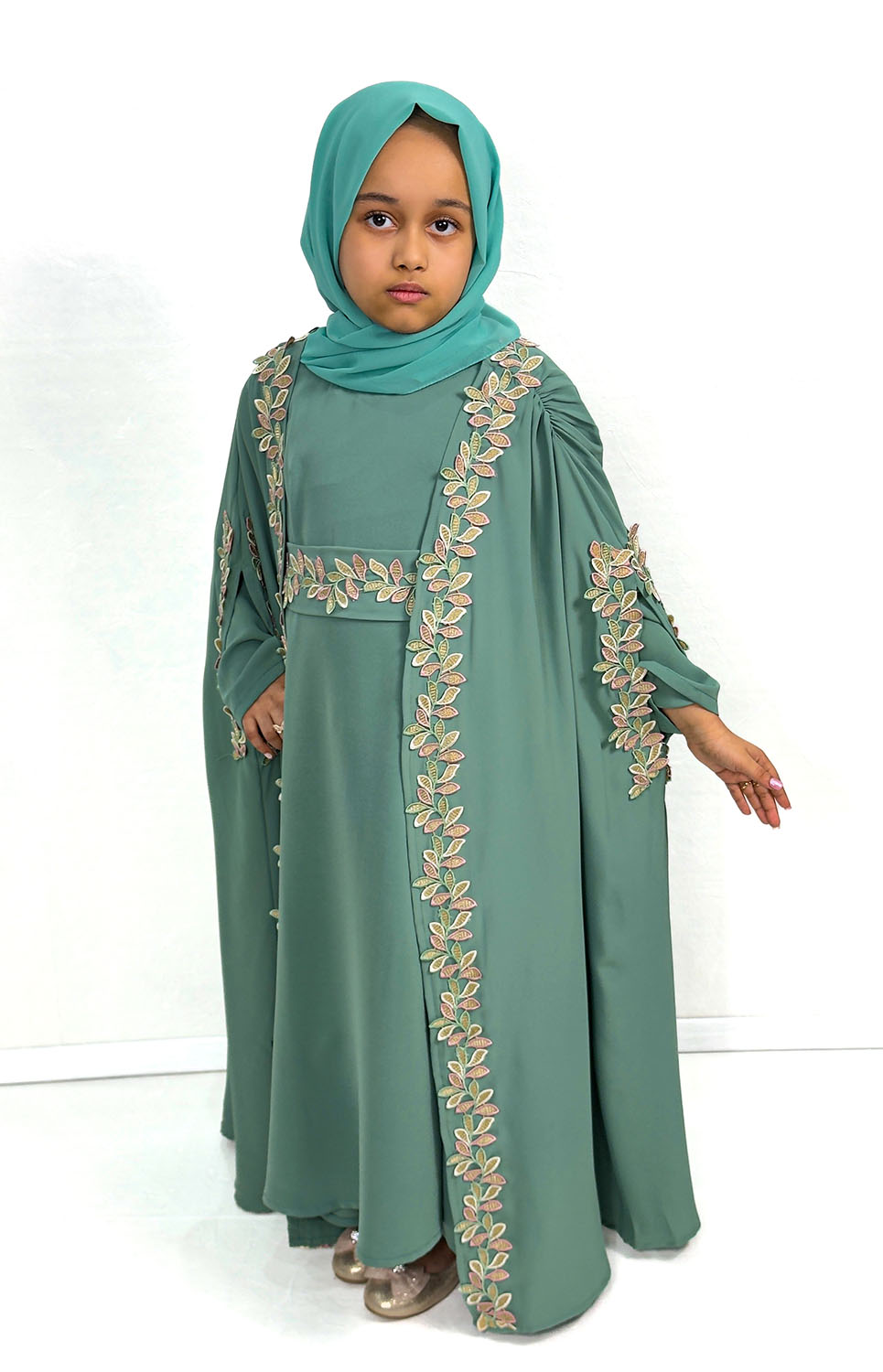
Shopping for Islamic clothing for children can be an exciting experience, but it can also be a bit overwhelming, especially for parents who are new to it or navigating cultural and religious expectations. While there are plenty of beautiful and modest options out there, it’s easy to make mistakes that could affect both the comfort and practicality of your child’s wardrobe. Here are some common mistakes parents make, and how you can avoid them:
- 1. Prioritizing Fashion Over Modesty
It’s natural for parents to want their children to look stylish, but when it comes to Islamic clothing, modesty should always come first. While it’s important for kids to feel good in what they wear, the primary purpose of Islamic outfits is to cover the body in accordance with Islamic teachings. Always ensure the clothing covers the necessary areas properly without compromising on comfort.
- 2. Choosing the Wrong Size
When shopping for Islamic clothing, parents often make the mistake of selecting outfits based solely on the child’s current size or age. However, many children grow quickly, and sizing can vary between brands and styles. It’s a good idea to opt for slightly larger sizes so your child can get more wear out of their garments. You can also look for adjustable options, like elastic waistbands, which grow with your child.
- 3. Ignoring Fabric and Comfort
Islamic clothing for children should be not only modest but also comfortable. Parents sometimes overlook the importance of fabric when shopping, focusing more on style. However, your child will likely wear these clothes for extended periods, so choosing breathable, soft, and stretchy fabrics like cotton or jersey can make a big difference. Avoid materials that may irritate your child’s skin or limit their movement, especially for active kids.
- 4. Overlooking Durability
Children are naturally energetic and their clothing needs to withstand frequent wear and tear. While it’s tempting to purchase beautiful but delicate garments, it’s crucial to consider the durability of the fabric. Opt for fabrics that can endure everyday activities, such as running, playing, or even outdoor adventures. Quality craftsmanship and reinforced stitching will ensure the clothes last longer and withstand your child’s active lifestyle.
- 5. Forgetting Practicality
Many parents forget that Islamic clothing for kids needs to be practical for everyday use. Whether it’s a long dress, abaya, or thobe, ensure the outfit is easy to put on and take off, especially for younger children. Look for clothes with zippers, buttons, or stretchy waistbands that make dressing easier. Additionally, consider the weather and climate when selecting garments—something lightweight for summer and warmer options for winter.
- 6. Not Considering Cultural and Family Preferences
Islamic clothing preferences can vary greatly depending on cultural background and personal style. What is considered appropriate in one family or community may not be the same in another. Take into account the cultural significance of certain colors, designs, and styles before purchasing. It’s always helpful to check with family members or community leaders to ensure that the clothing aligns with your family’s values and traditions.
- 7. Forgetting to Involve Your Child in the Process
Children have their own preferences when it comes to what they wear. It’s important to involve them in the shopping process, especially as they get older. By giving them a say in the clothes they wear, you’re helping them feel more confident in their Islamic identity. Ask your child for their opinions on style, colors, and comfort. This way, they’ll be more excited to wear the outfits you’ve chosen for them.
Shopping for Islamic outfits for children doesn’t have to be a daunting task. By avoiding these common mistakes and focusing on modesty, comfort, durability, and cultural appropriateness, you can ensure your child not only looks great but also feels confident and connected to their faith.
Remember, Islamic clothing is more than just an outfit — it’s a way of embracing modesty, faith, and identity. With the right mindset and approach, you’ll find clothing that not only fits well but also aligns with your family’s values.

How to Choose the Right Islamic Outfit for Your Child’s Needs
When selecting Islamic outfits for children, it’s essential to consider various factors that align with your child’s specific needs. From age and activity levels to seasonal conditions and cultural preferences, the right outfit goes beyond just modesty and style — it must be practical, comfortable, and appropriate for different occasions. Here’s a helpful guide on how to make the best choices for your child.
Factors to Consider When Choosing Islamic Clothing
There are several key factors to keep in mind when shopping for Islamic outfits for your child:
| Factor | What to Consider |
|---|---|
| Age | Ensure the clothing is appropriate for your child’s age, with styles that match their developmental stage (e.g., simpler for toddlers, more stylish for older kids). |
| Activity Level | Choose fabrics and designs that are comfortable and flexible for active children. Opt for stretchy, breathable fabrics like cotton or jersey for kids who love to move around. |
| Weather/Climate | Consider the season when selecting clothing. Light, airy fabrics for warmer months and layered, thicker fabrics for colder months. |
| Cultural Preferences | Factor in your family’s cultural or regional traditions when selecting colors, patterns, and garment types (e.g., abayas, thobes, or kaftans). |
| Occasion | Choose more formal Islamic attire for religious gatherings or events like Eid, and casual options for everyday wear. |
Top Tips for Choosing the Right Islamic Clothing for Your Child
Here are a few tips that can help you pick the right outfit:
- Prioritize Modesty: The primary function of Islamic clothing is modesty. Make sure the outfit covers the body as per Islamic guidelines, ensuring the clothing fits well without being too tight or too loose.
- Go for Versatility: Choose clothes that can be worn for various occasions — from daily wear to special events. A simple abaya or jilbab can be dressed up with accessories for formal occasions or dressed down for casual outings.
- Comfort is Key: Look for breathable, soft fabrics like cotton, which are gentle on a child’s skin. Make sure the clothing isn’t too stiff or restrictive, allowing your child to move freely.
- Easy to Wear: Opt for easy-to-wear designs with zippers, buttons, or elastic waistbands for younger children. Avoid overly complicated designs that might frustrate your child when getting dressed.
- Consider the Child’s Preferences: If your child is old enough to have preferences, involve them in the selection process. A child who feels good in what they’re wearing is more likely to embrace their modest clothing and feel confident.
Choosing Clothing for Specific Ages
Different age groups have different needs when it comes to Islamic clothing. Here’s a breakdown of the key factors to consider based on your child’s age:
| Age Group | Clothing Recommendations |
|---|---|
| Toddlers (2–4 years) | Choose simple and soft clothing that’s easy to put on and take off. Look for tunics, dresses, and pants with elastic waistbands that allow freedom of movement. |
| Young Children (5–7 years) | At this age, kids are often more active. Look for comfortable, stretchy fabrics, and make sure the clothing provides ample coverage. Loose-fit pants and abayas with zippers or buttons are great options. |
| Older Children (8–12 years) | Older children may prefer more stylish options. Look for clothing that balances modesty with comfort and style, such as embellished abayas, long shirts with trousers, or stylish maxi dresses. |
| Teens (13+ years) | Teenagers may want more trendy Islamic clothing. You can choose modern, chic designs such as contemporary abayas, wide-leg pants, and long tunics that adhere to modesty but also reflect current trends. |
Final Tips for Selecting Islamic Clothing
When shopping for Islamic clothing, take your time to ensure you’re picking out pieces that are both practical and in line with your faith’s modesty requirements. Focus on quality fabrics, versatile pieces that can grow with your child, and comfortable fits that allow for freedom of movement.
Don’t forget to consider your child’s preferences and involve them in the shopping process when they’re old enough. This makes the clothing not only an act of modesty but also a choice that your child feels proud of.
Best Styles of Islamic Clothing for Children of Different Ages
Islamic clothing for children comes in a wide range of styles, each suited to the different stages of your child’s life. Whether you’re shopping for a toddler, a young child, or a teenager, there are specific clothing styles that offer the perfect balance of modesty, comfort, and style. In this section, we’ll explore the best Islamic clothing styles for each age group to make it easier for you to choose the right outfit for your child.
Clothing Styles for Toddlers (2–4 Years)
For toddlers, comfort and practicality are the top priorities. At this stage, children are very active, and their clothes need to be easy to put on, take off, and move in. The clothing should also be breathable and soft to ensure that your little one stays comfortable throughout the day.
| Style | Recommended Features | Why It Works for Toddlers |
|---|---|---|
| Loose Tunics | Lightweight, with soft, stretchy fabrics like cotton or jersey | Allows freedom of movement and comfort. Easy to dress up or down. |
| Simple Dresses | Simple, pull-on dresses with modest coverage, often with frill or subtle embellishments | Easy to wear for young girls, offering both comfort and modesty. |
| Elastic Waist Pants | Elastic waistbands with loose legs for easy movement | Comfortable and practical for toddlers who are constantly on the move. |
Best Styles for Young Children (5–7 Years)
As your child gets older, they start developing preferences for what they wear, while still requiring clothes that are comfortable and easy to wear. For children between 5 and 7, it’s essential to choose outfits that balance modesty with a touch of style and creativity. They can begin wearing more formal or decorated outfits, yet they should remain practical for their active lifestyle.
| Style | Recommended Features | Why It Works for Young Children |
|---|---|---|
| Maxi Dresses (for girls) | Loose-fitting with subtle embellishments like lace or embroidery | Provides full coverage while being comfortable for outdoor play or family events. |
| Loose Trousers with Tunic | Loose trousers paired with a matching or contrasting tunic top | Allows for movement and comfort while adhering to modesty requirements. |
| Simple Abayas (for girls) | Casual, lightweight abayas with minimal decoration | Perfect for everyday wear, especially for special occasions or mosque visits. |
Best Styles for Older Children (8–12 Years)
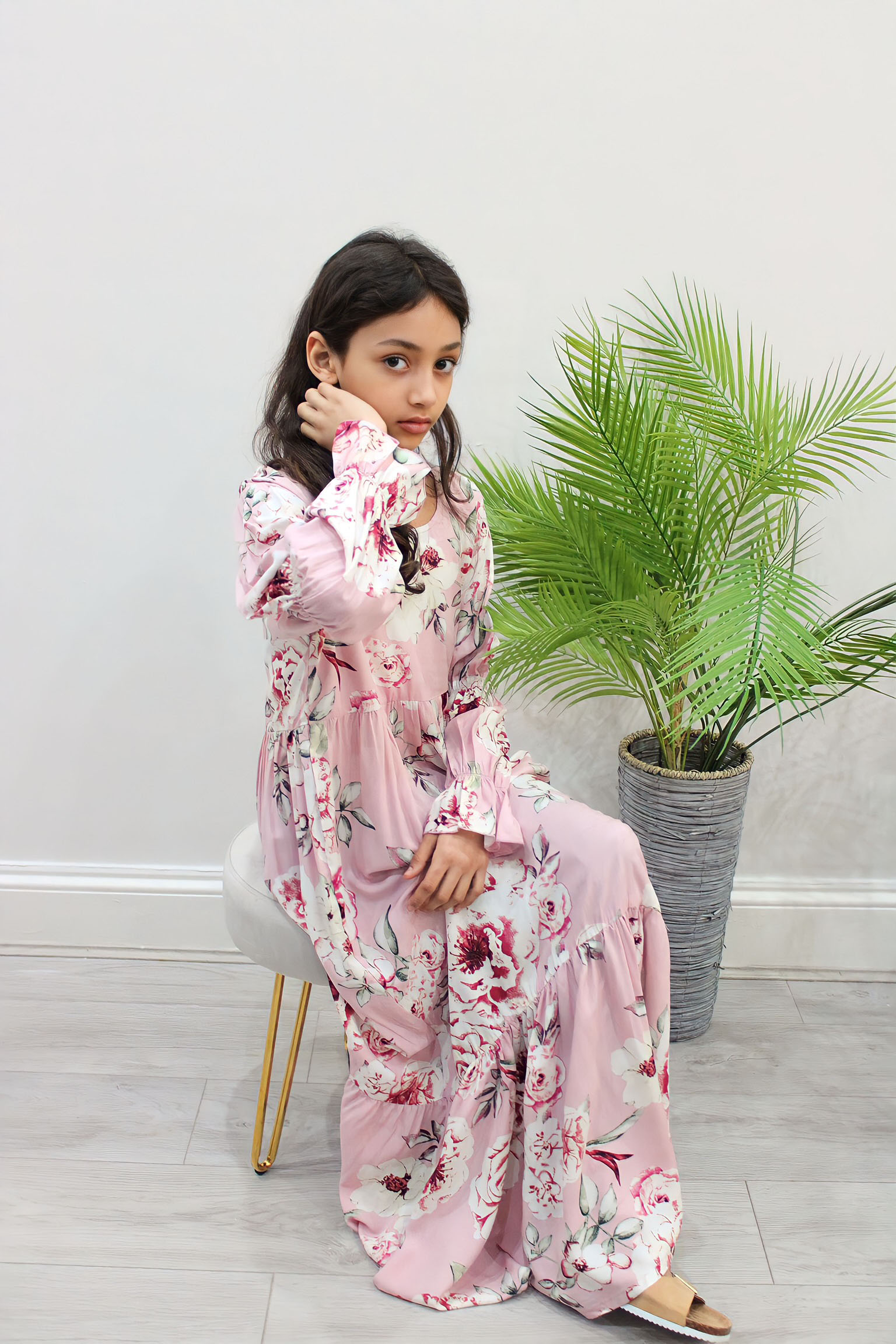
Older children begin developing more distinct styles and tastes, but modesty should always remain a priority. For children aged 8 to 12, you can start to introduce slightly more sophisticated outfits that still follow Islamic modesty guidelines. Outfits at this age are often worn for school, family gatherings, and special occasions, so versatility is key.
| Style | Recommended Features | Why It Works for Older Children |
|---|---|---|
| Modern Abayas | Chic, simple abayas with subtle embellishments or embroidery | Trendy but still modest, great for mosque visits, special events, or casual wear. |
| Kaftans | Loose-fitting with elegant details like beads or patterned fabrics | Offers a stylish yet modest option for both formal and casual occasions. |
| Long Shirts with Skirts/Pants | Long, tunic-style shirts paired with skirts or pants | Comfortable and practical for active children, with a variety of styles and colors. |
Best Styles for Teenagers (13+ Years)
Teenagers begin to embrace their individuality, and their clothing style becomes more reflective of personal taste. However, it’s important to choose outfits that still adhere to modesty guidelines, even as they start experimenting with trends. For older children, there is a wide range of modern yet modest options that reflect their growing sense of style.
| Style | Recommended Features | Why It Works for Teenagers |
|---|---|---|
| Long Maxi Dresses | Maxi dresses with contemporary cuts, such as flowy sleeves, high collars, and decorative details | Fashion-forward yet modest, ideal for formal events, school, and daily wear. |
| Abaya Sets | Abaya with matching hijabs, in modern colors and fabrics like silk or chiffon | Offers a stylish and complete look for events like Eid or religious gatherings. |
| Loose-Fitting Jumpsuits | Jumpsuits that are loose and modest, often paired with a belt or casual jacket | Comfortable, trendy, and allows a lot of personal expression while adhering to modesty rules. |
Conclusion
Choosing the right Islamic clothing for your child depends on their age, personal style, and the occasion. From the easy-to-wear tunics and dresses for toddlers to modern, fashionable abayas and kaftans for teenagers, there’s a wide array of styles that fit every age group while maintaining the values of modesty and comfort. By following the guidelines in this section, you can confidently select Islamic outfits that meet your child’s needs while respecting cultural and religious traditions.
What to Avoid When Shopping for Islamic Kidswear
While choosing Islamic clothing for your child is an exciting task, there are certain things you should be cautious about to ensure that you’re making the best decision. From choosing fabrics that might not be comfortable to picking items that don’t align with the values of modesty, there are several common mistakes that parents should avoid when shopping for kidswear. In this section, we’ll guide you through what to steer clear of and help you choose clothing that’s not only stylish but also practical and modest.
1. Avoid Poor Quality Fabrics
When shopping for kids’ Islamic wear, the fabric should be one of your top priorities. Your child will be wearing these clothes for long periods, so the fabric needs to be soft, breathable, and durable. Poor-quality fabrics can irritate the skin, especially for sensitive young children. Moreover, low-quality clothing may not last long, which means it’ll end up being a waste of money.
| Fabric | What to Avoid | Why |
|---|---|---|
| Polyester | Avoid fabrics with a high percentage of polyester | Polyester can trap heat and moisture, making the child uncomfortable, especially in warmer climates. |
| Stiff Denim | Denim that feels too stiff and heavy | Stiff denim can be restrictive, limiting freedom of movement for active children. |
| Cheap Cotton Blends | Low-quality cotton blends that feel rough | Rough fabrics can cause irritation and discomfort during playtime or long periods of wear. |
2. Avoid Overly Tight or Ill-Fitting Clothing
Islamic clothing for children should be modest and comfortable, which is why it’s important to avoid clothing that is either too tight or too loose. Tight clothing can restrict your child’s movement and may not fully align with modesty standards. On the other hand, overly loose clothing can be impractical, especially for active kids who need to move freely.
| Clothing Type | What to Avoid | Why |
|---|---|---|
| Tight Pants | Skin-tight pants or leggings for girls | Tight pants violate the modesty requirement and may not be comfortable for extended wear. |
| Overly Loose Dresses | Very loose dresses or tunics that might cause tripping or discomfort | Excessively loose clothing can be impractical and uncomfortable for active kids. |
| Over-Sized Abayas | Abayas that are too large for your child’s frame | An over-sized abaya can be cumbersome, making it difficult for children to walk or move freely. |
3. Avoid Clothing with Inappropriate Designs
When choosing Islamic wear, it’s essential to ensure the design of the clothing respects modesty and cultural values. Avoid outfits with inappropriate graphics, slogans, or prints that might not be in alignment with Islamic teachings. This includes clothes that have overly bold or revealing designs that can undermine the modesty of your child.
| Design Feature | What to Avoid | Why |
|---|---|---|
| Excessive Patterns | Clothing with overly flashy or distracting patterns | Overly bright or attention-grabbing patterns can be distracting and may go against the modest nature of Islamic attire. |
| Revealing Graphics | Graphics or images that depict animals, people, or objects in inappropriate ways | Islamic guidelines suggest avoiding certain images or designs, especially those that go against modesty principles. |
| Logos or Slogans | Clothes with large logos or inappropriate slogans | Logos or slogans can often carry non-Islamic or inappropriate messages, which might distract from the modest intent of the clothing. |
4. Avoid Clothing That Is Too Difficult to Maintain
When shopping for Islamic kidswear, consider how easy it will be to maintain the clothing. Clothes that require frequent dry cleaning or have intricate detailing that can get damaged after a few washes should be avoided. Parents need clothing that can be easily cleaned and maintained, as children’s clothes often get dirty quickly.
| Clothing Type | What to Avoid | Why |
|---|---|---|
| Delicate Fabrics | Clothing made from delicate materials like silk or chiffon that require special care | These fabrics can be difficult to maintain and are not practical for everyday wear for children. |
| Detailed Embellishments | Clothing with beads, sequins, or other embellishments | Small embellishments can easily get lost or damaged during washing and wear. |
5. Avoid Clothing That Doesn’t Allow Movement
Your child’s clothing should never restrict their movement. Active children need to be able to run, jump, and play freely without being hindered by tight or poorly designed clothing. It’s important to choose garments that offer both modesty and comfort to ensure that your child can live their daily life without any discomfort.
| Clothing Type | What to Avoid | Why |
|---|---|---|
| Tight Dresses | Clothing that is tight or restricts natural movement | Clothes that limit movement can be frustrating and uncomfortable for children who are always on the go. |
| Fitted Jumpsuits | Jumpsuits that are too tight around the waist or legs | Fitted jumpsuits can hinder flexibility and cause discomfort when your child tries to move freely. |
Conclusion
Shopping for Islamic kidswear requires careful consideration to ensure that the clothing aligns with your values, offers comfort, and provides proper modesty. By avoiding poor fabric choices, ill-fitting clothing, inappropriate designs, hard-to-maintain fabrics, and restrictive garments, you can make sure your child’s clothing supports their comfort, freedom, and dignity. By keeping these tips in mind, you’ll be able to create a wardrobe that’s both practical and in line with Islamic values.
Online vs Offline: Which Islamic Kidswear Shopping Experience Wins?
When it comes to shopping for Islamic kidswear, parents often face the decision of whether to shop online or in-store. Both shopping experiences have their advantages, and the right choice depends on your needs, priorities, and the age of your child. In this section, we will compare the online and offline shopping experiences, highlighting their benefits and challenges to help you make an informed decision.
1. The Convenience of Online Shopping
Online shopping has revolutionized the way we purchase everything, including Islamic clothing for children. The convenience of browsing from the comfort of your home, having access to a wide range of options, and the ability to compare prices quickly makes online shopping an attractive choice for many parents. Here are some of the main benefits of shopping for Islamic kidswear online:
- Convenience: Shop at any time of day or night from the comfort of your home. No need to worry about store hours or busy shopping malls.
- Wide Selection: Online stores offer a vast variety of brands, styles, and sizes that may not be available in local stores. You can find specialized Islamic kidswear stores that offer modest clothing options for children.
- Easy Price Comparisons: Quickly compare prices between different retailers and find the best deals. Many online stores also offer special discounts, sales, and free shipping options.
- Convenient Delivery: You can have the clothes delivered straight to your door, saving time and effort. Many online stores also offer easy returns and exchanges, making it easier to shop with confidence.
2. The Personal Touch of Offline Shopping
While online shopping is convenient, offline shopping in a physical store offers its own set of benefits, especially when it comes to trying clothes on and getting immediate feedback. Some parents prefer the traditional shopping experience for various reasons:
- Instant Gratification: When you shop in-store, you can walk away with your purchase right away, without having to wait for shipping or delivery delays.
- Try Before You Buy: One of the biggest advantages of shopping in person is the ability to try on the clothing before purchasing it. This is especially important for children’s clothing, as fit can vary greatly between brands and styles.
- Personalized Assistance: When shopping offline, you can receive personalized assistance from knowledgeable store staff who can help you find the right fit, style, and modest clothing for your child. You can ask questions and get immediate answers.
- Check Fabric Quality: You can physically feel the fabric quality, ensuring that it is soft, breathable, and durable for your child. This allows you to make an informed decision based on tactile experience.
3. Pros and Cons of Online Shopping for Islamic Kidswear
| Pros | Cons |
|---|---|
| 24/7 access to a variety of Islamic kidswear brands and stores | Cannot try on the clothes before purchasing, which may result in sizing issues |
| Ability to compare prices and find the best deals | Shipping fees may apply, and delivery times can vary |
| Access to customer reviews and ratings for better decision-making | Risk of receiving items that do not meet your expectations or match the website images |
| Easy returns and exchanges from many online stores | Lack of personal guidance from store staff during the buying process |
4. Pros and Cons of Offline Shopping for Islamic Kidswear
| Pros | Cons |
|---|---|
| Immediate access to the clothing without waiting for delivery | Limited selection compared to online stores |
| Ability to try on clothes for accurate sizing | May not have the same variety of brands or styles, especially niche Islamic clothing lines |
| Personalized service and assistance from store staff | Store hours are limited, which may not fit into your busy schedule |
| Can feel fabrics in person to assess quality | Can be time-consuming and may require travel to find stores with the right selection |
5. Factors to Consider When Choosing Between Online and Offline Shopping
Choosing between online and offline shopping comes down to several factors. Let’s review what to consider before making your decision:
- Time: If you’re short on time, online shopping might be the better choice since you can browse and make purchases quickly. However, if you prefer a more leisurely shopping experience, visiting a store in person may be enjoyable.
- Child’s Age and Fit: For younger children, trying on clothing in-store may be more important, as their fit is harder to gauge online. Older children might have a better idea of what fits them, allowing for a more successful online purchase.
- Location: If you live in a region with limited access to stores carrying Islamic kidswear, online shopping will likely be your best option. However, if there are specialty stores nearby, an offline shopping experience may be worth the effort.
- Quality vs. Convenience: If quality is your top priority, visiting a store in person to feel the fabrics and check the overall quality of the clothing may be worth the extra effort. On the other hand, if convenience is more important, online shopping is the way to go.
Conclusion
Both online and offline shopping have their advantages when it comes to purchasing Islamic kidswear. Online shopping offers convenience, a broad selection, and easy price comparisons, making it a great option for busy parents. However, offline shopping allows you to try on clothes, check fabric quality, and get personalized assistance from store staff. Ultimately, the best shopping experience depends on your preferences, the age of your child, and your priorities. Consider what’s most important to you — whether it’s convenience, quality, or the ability to try before you buy — and choose accordingly.

Latest Trends in Islamic Outfits for Children
The world of Islamic kidswear is evolving with new trends that combine modesty with modern style, offering a wide range of fashion-forward options for children. As parents seek to balance tradition with contemporary fashion, the latest trends in Islamic outfits for children are influenced by global fashion movements while still staying true to cultural and religious values. In this section, we will explore the most popular trends in Islamic children’s fashion, ensuring that your child is both stylish and modest in their everyday attire.
1. Modest Yet Trendy: The Rise of Modest Streetwear for Kids
One of the biggest trends in Islamic kidswear is the emergence of modest streetwear, which combines casual, comfortable clothing with elements of Islamic modesty. Streetwear for kids includes loose-fitting hoodies, joggers, and oversized t-shirts, paired with accessories like caps, sneakers, and backpacks. These outfits are perfect for young children and teens who want to express their individuality while maintaining modesty. Here’s what makes modest streetwear popular:
- Comfortable yet fashionable: Modest streetwear incorporates trendy silhouettes like oversized tees and relaxed pants while keeping everything loose and non-revealing.
- Versatile styling: These outfits can be styled for a variety of occasions, from casual outings to sports activities.
- Age-appropriate: Designed for both boys and girls, modest streetwear ensures that children can participate in contemporary trends without compromising modesty.
2. Traditional Meets Contemporary: Abayas and Jilbabs with a Modern Twist
Abayas and jilbabs are timeless pieces in Islamic kidswear, but designers have been reinterpreting them with modern designs, fabrics, and embellishments. These pieces combine traditional modest wear with contemporary styling to create fresh, vibrant looks for children. Some popular twists on classic designs include:
- Bold Colors and Prints: While traditional abayas and jilbabs are often black, new designs are incorporating bright colors, floral patterns, and geometric prints to appeal to younger tastes.
- Lightweight Fabrics: Modern abayas and jilbabs use fabrics like chiffon, satin, and jersey, making them lighter and more comfortable for children to wear throughout the day.
- Stylized Details: Added embellishments such as lace trims, beads, embroidery, and zippers give abayas and jilbabs a contemporary edge, making them more fun and fashionable for children.
3. Gender-Neutral Fashion: Embracing Modesty for All Kids
Another trend that is gaining momentum in Islamic kidswear is the rise of gender-neutral clothing. Many designers are creating modest outfits that can be worn by both boys and girls, providing parents with versatile and inclusive clothing options. These outfits often feature simple, comfortable cuts and unisex colors like beige, navy, and gray. Gender-neutral fashion emphasizes modesty while promoting equality and freedom of choice. Some examples include:
- Unisex Tunics and Tops: Loose-fitting tunics and long tops in neutral tones are popular for both boys and girls, offering a modest yet trendy look.
- Matching Sets: Coordinated outfits like matching pants and tops in subtle patterns allow for both boys and girls to wear the same stylish pieces.
- Inclusive Designs: Many brands are now releasing collections where styles are designed for both genders, helping to break the gender barriers in fashion.
4. Sustainable and Ethical Clothing for Kids
As more consumers become aware of environmental issues, sustainability has become a top priority for many parents. In Islamic kidswear, this trend is reflected through the use of eco-friendly fabrics, ethical production processes, and brands that focus on reducing their carbon footprint. Here’s how sustainable fashion is making its way into Islamic children’s wear:
- Organic Fabrics: Cotton, linen, and bamboo fabrics are becoming popular choices for Islamic kidswear due to their sustainability and softness against the skin.
- Upcycled and Recycled Materials: Some brands are now making use of recycled materials or upcycling old clothing to create new designs, reducing waste while promoting eco-consciousness.
- Fair-Trade Practices: Parents are increasingly looking for brands that prioritize fair wages, safe working conditions, and transparency in their production processes.
5. Fashionable Hijabs and Headscarves for Young Girls
Hijabs and headscarves are an integral part of Islamic fashion for girls, and recent trends have focused on making them both stylish and practical for children. Young girls are no longer limited to plain, simple hijabs; instead, there is a wide range of fashionable headscarves with modern designs, vibrant colors, and playful patterns. Some of the latest trends in hijabs and headscarves for children include:
- Soft, Stretchable Fabrics: Hijabs made from soft, stretchable fabrics like jersey and cotton provide comfort and flexibility, ensuring that they stay in place throughout the day.
- Printed Patterns: From floral designs to polka dots and geometric shapes, hijabs are now available in fun patterns that appeal to young girls.
- Pre-tied and Ready-to-Wear: Pre-tied hijabs and ready-to-wear styles make it easy for young girls to wear a hijab without the need for complex styling, allowing them to focus on their day-to-day activities.
6. Practicality and Functionality: Islamic Kidswear Designed for Active Lifestyles
Children are active and need clothing that supports their movement. A growing trend in Islamic kidswear is the focus on functionality and comfort, particularly for younger children who are constantly on the go. Modest activewear like leggings, tracksuits, and sporty dresses provide the right balance of modesty and practicality. Some features include:
- Stretchy, Breathable Fabrics: Fabrics that allow for freedom of movement are ideal for active children, making it easier for them to play, run, and explore.
- Layered Pieces: Modest layering options such as cardigans, hoodies, and lightweight jackets are perfect for both warmth and style during outdoor activities.
- Easy Care and Durability: Clothing made from durable, easy-to-care-for fabrics ensures that kids can wear them daily without worrying about excessive washing or wear and tear.
Conclusion
The latest trends in Islamic outfits for children combine modesty with modernity, providing a stylish and practical wardrobe for today’s young generation. From modest streetwear to sustainable fashion and gender-neutral designs, Islamic kidswear is embracing diversity and innovation. Whether it’s the bold reimagining of traditional garments like abayas or the focus on comfort and flexibility for active kids, these trends show that modest clothing doesn’t have to compromise on style. As parents, keeping up with these trends ensures that your child can express their personality, remain comfortable, and embrace their faith with pride.

Expert Tips for Making Islamic Outfits Comfortable for Kids
When it comes to dressing children in Islamic outfits, comfort is just as important as modesty and style. Children need clothing that allows them to move freely, feel at ease, and focus on their daily activities. This section will provide expert tips to help parents ensure that their child’s Islamic outfit is both comfortable and suitable for everyday wear.
1. Choose Soft, Breathable Fabrics
One of the most important factors in ensuring comfort is the choice of fabric. Natural fibers like cotton, linen, and bamboo are breathable and gentle on the skin, making them perfect for children’s sensitive skin. These fabrics help regulate body temperature, keeping kids cool in summer and warm in winter. Some key points to consider include:
- Cotton: Known for its softness and breathability, cotton is a great option for children’s Islamic outfits. It’s comfortable for long wear and doesn’t irritate the skin.
- Linen: Lightweight and airy, linen is ideal for warmer climates. It allows air to circulate, keeping kids cool during hot days.
- Bamboo: Bamboo fabric is soft, antibacterial, and moisture-wicking, making it an excellent choice for children who may sweat more during active play.
2. Opt for Loose-Fitting Designs
While modesty is the key principle in Islamic clothing, it’s important that the clothes are not too tight or restrictive. Loose-fitting outfits allow for better movement and are generally more comfortable, especially for active children. When selecting Islamic outfits for your child, look for:
- Wide-leg pants or skirts: These provide ample space for movement and prevent the fabric from clinging to the body.
- Loose tunics and dresses: These offer a modest yet comfortable fit, providing enough room for children to play and explore without any discomfort.
- Elastic waistbands: Elastic waistbands are comfortable and adaptable, allowing for a snug yet flexible fit without restricting movement.
3. Prioritize Easy-to-Wear Styles
For young children, clothing should be simple and easy to put on and take off. Outfits with zippers, Velcro, or elastic bands can make it easier for kids to dress themselves, giving them more independence. Some easy-to-wear options include:
- Pre-tied hijabs: For girls, pre-tied hijabs eliminate the need for complex wrapping, allowing them to wear the scarf comfortably with minimal effort.
- Elasticated dresses or tops: Dresses with elasticized cuffs or waistbands offer comfort and ease of wear, without the need for buttons or tight fastenings.
- Adjustable straps: Dresses or tops with adjustable straps ensure a customizable fit, offering more comfort as children grow.
4. Select Comfortable Footwear
Comfortable shoes are an essential part of an outfit, especially for active children. When shopping for Islamic outfits, it’s important to choose footwear that complements the outfit and allows for easy movement. Look for:
- Breathable sneakers: Sneakers made from breathable fabrics like mesh help keep feet cool and dry, which is crucial for active children.
- Soft leather sandals: Leather sandals are both stylish and comfortable, offering support without causing irritation.
- Slip-on shoes: Slip-on shoes are not only convenient but also provide freedom for children who are constantly on the go.
5. Layer for Versatility and Comfort
Layering is an effective way to make Islamic outfits more adaptable and comfortable throughout the day. Layers provide the flexibility to adjust for temperature changes, ensuring that children stay comfortable regardless of the weather. Some layering options include:
- Cardigans and jackets: Light cardigans or jackets can be worn over dresses or tunics for extra warmth when needed.
- Long-sleeve undershirts: Underneath short-sleeve tops, a long-sleeve undershirt can provide added warmth without compromising on modesty.
- Hijab pins or clips: For girls who wear hijabs, hijab pins or clips ensure that the scarf stays in place while remaining comfortable throughout the day.
6. Choose Stretchy Fabrics for Flexibility
Stretchable fabrics such as spandex, jersey, and polyester blends provide the necessary flexibility for active children. These materials stretch and move with the child, ensuring they can run, jump, and play without feeling restricted. Here’s how stretchy fabrics improve comfort:
- Freedom of movement: Stretchy materials allow for maximum mobility, making it easier for children to engage in physical activities like running and playing sports.
- Softness and breathability: Fabrics like jersey and spandex are not only soft but also breathable, preventing discomfort caused by sweating or irritation.
- Easy care: Stretchy fabrics are often machine washable and durable, making them ideal for children’s everyday wear.
7. Avoid Excessive Layers or Heavy Fabrics
While layering can enhance comfort, it’s essential to avoid excessive layers or heavy fabrics that may make the outfit too warm or bulky. Overly heavy clothing can make children uncomfortable, particularly during outdoor play or when indoors in warmer weather. When selecting Islamic outfits, keep these points in mind:
- Lightweight fabrics for warmer seasons: During hot weather, opt for lightweight fabrics like cotton and linen to keep kids cool and comfortable.
- Avoid heavy embroidery: While embellishments like embroidery are beautiful, excessive detailing can add weight to the outfit, making it less comfortable for young children.
- Breathable underlayers: Avoid layering thick fabrics, especially underneath dresses or tops, which could trap heat and cause discomfort.
Conclusion
Making Islamic outfits comfortable for kids is all about choosing the right fabrics, styles, and accessories that prioritize both modesty and functionality. From soft, breathable fabrics to easy-to-wear styles and practical footwear, these expert tips will help ensure your child feels at ease in their outfit throughout the day. By focusing on comfort without compromising on style or modesty, parents can create a wardrobe that allows children to stay active, happy, and confident in their Islamic attire.
How to Care for and Maintain Your Child’s Islamic Clothes
Maintaining the quality of your child’s Islamic clothes is crucial to ensure they remain comfortable, clean, and long-lasting. Proper care not only preserves the fabric but also helps in retaining the modest, stylish look of the outfit. In this section, we will provide easy-to-follow tips for caring for Islamic clothing, so you can keep your child’s wardrobe in top condition for years to come.
1. Follow Fabric Care Instructions
Each fabric type used in Islamic kidswear has specific care requirements. Following these instructions is the best way to ensure your child’s clothing lasts. Here are general guidelines based on fabric types:
| Fabric Type | Care Instructions |
|---|---|
| Cotton | Wash in cold water to prevent shrinking. Air dry or tumble dry on low heat to preserve softness. |
| Linen | Hand wash or machine wash in cold water. Avoid wringing and dry on a flat surface to prevent wrinkles. |
| Polyester | Machine wash in cold water. Iron on a low setting to remove wrinkles without damaging the fabric. |
| Bamboo | Hand wash or machine wash in cold water. Avoid fabric softeners and dry naturally to maintain softness. |
2. Pre-Treat Stains Immediately
Children tend to get their clothes dirty quickly, whether it’s from food, dirt, or other messes. Pre-treating stains immediately can help prevent them from setting in and ruining your child’s Islamic clothing. Follow these steps:
- Food stains: Blot the stain with a clean cloth to remove excess food. Use a gentle stain remover and wash with cold water.
- Grass stains: Apply a mixture of baking soda and water to the stain, then wash as usual.
- Ink or marker stains: Dab the stain with rubbing alcohol or hand sanitizer before washing it.
Always check the label on your child’s clothing before using any stain-removal product to ensure it won’t damage the fabric.
3. Wash Gently and Avoid Overloading the Washer
Overloading the washing machine can cause friction between clothes, leading to damage, stretching, or fading. To care for Islamic kidswear:
- Wash clothes in smaller loads to ensure they don’t rub against each other too much.
- Use a gentle or delicate wash cycle to protect fabrics like linen and cotton.
- Turn garments inside out to preserve colors and protect embellishments, such as embroidery.
4. Drying Tips for Islamic Kidswear
How you dry your child’s Islamic clothes plays a key role in maintaining their shape, size, and fabric quality. Consider these tips for drying:
- Avoid high heat: Excessive heat from dryers can shrink or damage delicate fabrics like linen and cotton. Always dry on low heat or air dry.
- Air dry: Whenever possible, lay your child’s Islamic clothes flat or hang them up to air dry. This prevents fabric damage and preserves the fit.
- Use a drying rack: For items like hijabs or dresses that can stretch out, use a drying rack to maintain their shape.
5. Ironing and Steaming Islamic Clothing
Some Islamic clothes, especially those made from linen or cotton, may wrinkle after washing. To maintain a polished look, it’s essential to iron or steam them carefully:
- Iron on low heat: Always check the fabric’s care label for the appropriate heat setting. Iron clothes while they are slightly damp to get rid of wrinkles.
- Use a steamer: Steamers are gentler on fabrics and can quickly remove wrinkles without direct heat. Use a steamer for delicate fabrics or if you’re worried about scorching the clothes.
- Protect embellishments: If the outfit has embroidery or other decorative elements, be cautious while ironing to avoid damaging them.
6. Store Clothes Properly
Proper storage helps keep your child’s Islamic clothes looking fresh and free from damage. Here’s how to store them:
- Hang dresses and tunics: Use padded hangers for dresses or tunics to preserve the shape. Ensure they are fully dry before hanging them.
- Store pants and skirts flat: Fold pants and skirts neatly and store them in drawers or shelves to prevent wrinkles.
- Use garment bags for special outfits: For more delicate or special occasion outfits, consider using garment bags to protect them from dust and damage.
7. Check Regularly for Wear and Tear
Kids are naturally active, which means their clothes may experience more wear and tear than adults’ clothing. Periodically check for:
- Loose seams: If you notice any fraying or loose stitching, repair the item immediately to prevent further damage.
- Holes or tears: Patch small holes or tears to extend the lifespan of the outfit.
- Fading colors: If the outfit has started to fade, consider using a fabric dye to refresh the colors without compromising the quality of the garment.
Conclusion
By following these simple care instructions, you can extend the life of your child’s Islamic clothes while keeping them looking fresh and stylish. Proper washing, drying, ironing, and storage techniques will ensure that your child’s outfits remain comfortable, modest, and durable, making them a valuable part of their wardrobe for years to come.
Occasion-Based Guide: Outfits for Eid, Ramadan, Jumu’ah, and School
Choosing the right Islamic outfit for your child can depend greatly on the occasion. Whether it’s a festive celebration like Eid, a holy month like Ramadan, the weekly gathering of Jumu’ah, or the everyday routine of school, each occasion calls for a distinct style. In this section, we’ll break down the ideal outfits for each occasion, helping you make informed choices that are comfortable, modest, and stylish for your child.
1. Eid Outfits: Celebrating in Style
Eid is a time of joy, prayer, and family gatherings, so it’s essential to dress your child in an outfit that is both festive and appropriate for the occasion. Here are some top Eid outfit options:
- For Boys: Elegant thobes or kurta sets paired with a waistcoat or vest for a modern twist. These outfits can be in rich colors like gold, green, or blue to reflect the festive spirit.
- For Girls: Long, flowy dresses or abayas in colorful fabrics with embroidery or embellishments. You can also choose a traditional salwar kameez set for an elegant look.
It’s important to choose outfits that are easy to move in, as kids will likely be playing, eating, and participating in family activities.
2. Ramadan Outfits: Comfort and Modesty During Fasting
Ramadan is a month of fasting, reflection, and prayer. During this time, comfort and modesty are key. When shopping for outfits for Ramadan, consider the following:
- For Boys: Simple thobes or loose-fitting pants and tunics. Soft fabrics like cotton are ideal to ensure comfort during long fasting hours.
- For Girls: Modest abayas or loose dresses in soft, breathable materials. Light layering is ideal for warm days, while heavier fabrics may be needed for cooler evenings.
The goal during Ramadan is to find an outfit that allows for flexibility during prayer and comfort throughout the day.
3. Jumu’ah Outfits: Modesty and Respect for Friday Prayers
Jumu’ah is a special day for Muslims, and dressing for the occasion is a way to show respect. For Jumu’ah prayers, modesty and elegance are essential:
- For Boys: A traditional thobe, tunic, or kurta paired with trousers. Opt for neutral or darker colors like white, navy, or grey to reflect the solemnity of the day.
- For Girls: A long, modest dress or abaya. These can be paired with a headscarf to complete the look. Choose fabrics that are breathable and lightweight for comfort during the prayers.
These outfits should be comfortable yet stylish, allowing your child to move easily during the prayer without compromising on modesty.
4. School Outfits: Balancing Modesty and Practicality
For school, the primary concern is comfort and practicality while still adhering to the principles of modesty. Here are some outfit ideas:
- For Boys: Long-sleeve shirts paired with loose pants or trousers. These can be layered with a vest or light jacket during colder weather.
- For Girls: Loose-fitting blouses or tunics paired with leggings or skirts. Modest jumpers or cardigans can be worn over shirts during colder months.
School outfits should be easy to move in, ensuring that your child can focus on their studies and play without any discomfort.
Occasion-Based Outfit Comparison Table
To help you decide on the best outfits for each occasion, here’s a comparison table that summarizes the ideal options for boys and girls:
| Occasion | Boys’ Outfits | Girls’ Outfits |
|---|---|---|
| Eid | Thobe or kurta with waistcoat or vest | Flowy dresses or abayas with embroidery |
| Ramadan | Loose thobe or pants and tunic | Modest abayas or dresses in breathable fabrics |
| Jumu’ah | Thobe or kurta with trousers | Long, modest dress or abaya |
| School | Long-sleeve shirts with loose pants or trousers | Loose blouses with leggings or skirts |
Conclusion
Choosing the right outfit for each occasion is important to ensure your child is dressed appropriately and comfortably. From the festive celebrations of Eid to the reflective nature of Ramadan, every occasion has its own requirements for style and practicality. By understanding the needs of each event and the outfit options available, you can make informed choices that help your child maintain their modesty while ensuring they feel good in what they wear.
Modesty Meets Play: Designing Islamic Wear for Active Children
When it comes to dressing children, comfort and mobility are just as important as modesty, especially for active kids. Islamic wear for children must offer both practicality and style. The challenge lies in finding a balance between modest, traditional designs and the energetic, playful nature of children. In this section, we explore how to design Islamic wear that meets both these essential needs.
1. Choosing the Right Fabrics for Active Kids
When designing Islamic clothing for children who are constantly on the go, fabric choice is key. The right fabric should allow for movement while also ensuring modesty is maintained. Here are some fabric options that are both comfortable and practical:
- Cotton: Lightweight and breathable, cotton is a great choice for everyday wear. It allows for freedom of movement and is soft on the skin.
- Jersey: Known for its stretchability, jersey fabric is perfect for active kids who need both comfort and modesty.
- Denim: For sturdier outfits, denim offers durability while still being breathable and comfortable.
- Polyester Blends: These are durable and easy to maintain, making them a practical choice for playtime while still looking sharp.
These fabrics provide comfort and freedom, while also ensuring that your child remains modest throughout their activities.
2. Designing for Comfort and Modesty
When designing Islamic wear for active children, it’s important to prioritize both comfort and modesty without sacrificing one for the other. Here are some tips to consider:
- Loose Fit: Choose designs that offer enough space for easy movement. Loose-fitting pants, tunics, and dresses are ideal for play.
- Elastic Waistbands: Pants and skirts with elastic waistbands are comfortable and easy to adjust, making them great for active kids.
- Layering Options: Layering offers versatility—consider long tunics over pants or leggings that give your child the ability to move freely while staying modest.
- Built-in Modesty: Dresses and tunics with built-in slip-ons or longer hems offer extra coverage without the need for additional layers.
It’s essential to ensure that while modesty is maintained, the clothes are designed in such a way that your child can comfortably engage in physical activities like running, jumping, and playing.
3. Islamic Wear for Active Boys: Essential Design Features
Boys are often more physically active, and their clothing should reflect this. When choosing Islamic wear for active boys, look for designs that encourage mobility while still upholding modesty:
- Loose-fitting Pants: Opt for pants that offer plenty of leg room for comfort during active play.
- Lightweight Tops: Short-sleeve or long-sleeve tunics and shirts made from breathable fabrics ensure comfort during playtime.
- Adjustable Sleeves: Cuffed sleeves with adjustable features allow for easy temperature control and movement.
4. Islamic Wear for Active Girls: Essential Design Features
For girls, Islamic clothing needs to combine elegance with practicality, ensuring that they can run, jump, and play without feeling restricted. The following are key features:
- Modest Dresses with Room to Move: A-line or straight-cut dresses provide modesty while still offering comfort and room for movement.
- Stretchable Leggings or Pants: Pair dresses with leggings or pants made from stretchy, breathable fabrics that offer flexibility during physical activities.
- Ruffled Tunics: Tunics with ruffled hems or side slits allow for greater movement while maintaining a modest silhouette.
5. Modesty Meets Play: The Ultimate Clothing Design Table
To assist you in making the best choices for your active children, here’s a table summarizing the key features of Islamic wear for both boys and girls:
| Feature | Boys’ Islamic Wear | Girls’ Islamic Wear |
|---|---|---|
| Fabric Type | Cotton, Jersey, Denim | Cotton, Polyester, Jersey |
| Fit | Loose-fitting pants, tunics | Loose dresses, tunics, leggings |
| Key Features | Elastic waistbands, adjustable sleeves | Stretchable leggings, modest dresses, ruffled tunics |
| Best for Play | Loose pants for leg movement, lightweight tops | Stretchy fabrics for flexibility, layered options |
Conclusion
Designing Islamic wear for active children requires a careful balance between modesty and comfort. By choosing the right fabrics and incorporating design features that allow for movement, parents can ensure their children stay comfortable and confident while maintaining their modesty during play. Whether it’s choosing loose-fitting pants, breathable fabrics, or adjustable features, there are plenty of ways to keep your child active and modest at the same time. With the right clothing choices, your child will be able to enjoy their activities without compromising on their faith or comfort.
The Psychology of Dress: How Clothing Affects a Child’s Muslim Identity
Clothing is not just a practical necessity; it is a powerful form of expression, especially for Muslim children. The clothes children wear can shape their sense of identity, influence their self-esteem, and play a role in how they interact with the world around them. In this section, we explore the psychological impact of dress on a child’s Muslim identity and how Islamic clothing can foster a sense of belonging, confidence, and spiritual awareness.
1. Clothing as a Form of Self-Expression
For children, clothes are more than just garments—they are a way to express who they are. Islamic clothing, such as hijabs, abayas, or modest dresses, gives children a way to align their outward appearance with their inner values. Here’s how clothing influences a child’s self-perception and social interactions:
- Identity Reinforcement: Wearing Islamic clothing allows children to feel connected to their faith and cultural heritage, reinforcing their Muslim identity.
- Confidence Boost: When children wear clothes that reflect their beliefs, it gives them a sense of pride and confidence, knowing they are representing their values.
- Social Acceptance: Islamic clothing provides a way for children to bond with other Muslim peers, promoting a sense of belonging in the community.
Ultimately, clothing helps children form a sense of pride and awareness about their cultural and religious identity, which can be particularly empowering during their formative years.
2. Modesty and Psychological Well-Being
In Islam, modesty is not just a physical trait—it is a way of life. Islamic clothing promotes modesty, which has been linked to a sense of mental and emotional well-being. Children who wear modest clothing are often more aware of their inner self, leading to a stronger sense of self-respect and respect for others.
- Enhanced Self-Esteem: Modesty in clothing helps children develop an appreciation for their inner qualities, rather than focusing solely on physical appearance.
- Reduced Peer Pressure: Modest clothing can protect children from the pressures to conform to mainstream fashion trends, helping them develop a strong sense of individuality and confidence.
- Spiritual Connection: Wearing modest clothing can deepen a child’s connection to their faith, fostering feelings of spirituality and mindfulness in their daily life.
3. The Role of Parents in Shaping Muslim Identity Through Clothing
Parents play a crucial role in guiding their children through their clothing choices. By supporting their child’s desire to wear Islamic clothing, parents empower them to embrace their identity and faith proudly. Here’s how parents can influence their child’s sense of self through clothing:
- Modeling Modesty: When parents wear Islamic clothing and embody modesty, it sets a powerful example for children to follow.
- Encouraging Cultural Pride: Parents can foster a strong sense of cultural pride by discussing the significance of their Islamic attire and teaching children about the importance of modesty in Islam.
- Creating a Positive Environment: A supportive environment that celebrates Islamic clothing helps children internalize the values associated with modesty and spirituality.
4. Islamic Clothing and Social Integration
As children grow older, they begin to encounter the broader world and the diversity of cultures, beliefs, and practices. Islamic clothing can play an important role in navigating these social interactions while maintaining a strong sense of identity:
- Building Respect for Diversity: Wearing Islamic clothing can help children learn respect for their differences, fostering a positive relationship with people of various backgrounds.
- Educational Opportunity: Islamic clothing can spark important conversations with peers, leading to greater awareness and understanding of the Muslim faith among non-Muslim friends and classmates.
- Peer Influence: While some children may face challenges related to peer pressure, Islamic clothing can also serve as a powerful tool for promoting tolerance, kindness, and respect.
5. The Psychological Benefits of Islamic Clothing Table
The psychological impact of Islamic clothing on children is vast. Here’s a table outlining the benefits of Islamic clothing in shaping a child’s Muslim identity and well-being:
| Psychological Benefit | Impact on Child’s Identity |
|---|---|
| Identity Reinforcement | Strengthens connection to faith, culture, and community. |
| Confidence Boost | Fosters self-pride and a sense of individuality. |
| Social Acceptance | Encourages bonding with Muslim peers, promoting a sense of belonging. |
| Enhanced Self-Esteem | Develops a focus on inner qualities over external appearance. |
| Reduced Peer Pressure | Lessens the influence of mainstream fashion, promoting self-expression. |
| Spiritual Connection | Fosters mindfulness and a deeper connection to Islam. |
| Respect for Diversity | Helps children embrace differences, fostering inclusion and empathy. |
6. Conclusion
Islamic clothing goes beyond modesty and style; it plays an essential role in shaping a child’s Muslim identity, self-esteem, and emotional well-being. Through their clothing choices, children learn valuable lessons about faith, modesty, and cultural pride. With the support of their parents, they can develop a strong sense of self that allows them to confidently navigate the world while remaining true to their beliefs. Islamic clothing helps them build a positive self-image, understand their faith more deeply, and integrate socially with respect and dignity.
Sustainable & Ethical Islamic Fashion for Kids: What Parents Should Know
In today’s world, more and more parents are becoming conscious of the environmental and ethical impact of the products they purchase. This is especially true when it comes to clothing, where the fast fashion industry has been criticized for its harmful effects on the planet and its workers. For Muslim parents, the challenge is to find Islamic clothing for their children that aligns with both religious values and sustainable practices. This section will explore sustainable and ethical options in Islamic kidswear, helping parents make informed decisions that benefit both their children and the environment.
1. Why Sustainable Fashion Matters for Kids
Sustainable fashion refers to clothing that is designed, produced, and consumed in a way that is environmentally friendly, socially responsible, and economically viable. When it comes to children’s clothing, this means choosing materials and brands that prioritize the well-being of the planet and its people. Here’s why sustainability in kids’ fashion is so important:
- Protecting Future Generations: Children are our future, and protecting their future means ensuring that the planet is a healthy place to live. Sustainable fashion helps reduce the environmental footprint of the clothing industry.
- Reducing Waste: Fast fashion leads to an overabundance of cheap, low-quality clothes that are often discarded after a few uses. Sustainable clothing focuses on durability, leading to less waste and more thoughtful consumption.
- Supporting Fair Labor: Ethical clothing ensures fair wages and safe working conditions for all involved in the production process, ensuring that children around the world are not exploited.
2. Sustainable Materials in Islamic Kidswear
One of the key factors in sustainable fashion is the materials used to make the clothing. For parents looking for ethical Islamic clothing for their children, it is important to know which materials are the most eco-friendly and socially responsible. Here are some sustainable fabric options commonly used in Islamic kidswear:
- Organic Cotton: Grown without harmful pesticides, organic cotton is softer, more breathable, and better for the environment.
- Hemp: Hemp is a highly sustainable plant that requires little water and pesticides, making it an excellent choice for eco-friendly clothing.
- Bamboo: Bamboo fabric is naturally hypoallergenic, biodegradable, and requires minimal water to grow, making it a sustainable option for kidswear.
- Linen: Linen is made from flax plants, which require less water and pesticides than cotton. It’s also a biodegradable material, making it an excellent sustainable choice.
- Recycled Fabrics: Recycled polyester and other recycled materials are increasingly being used to make eco-friendly children’s clothing, helping reduce waste and promote sustainability.
3. Ethical Brands in Islamic Kidswear
There are several brands that prioritize sustainability and ethical practices while offering stylish and modest Islamic clothing for kids. When shopping for your child’s clothing, look for brands that align with these values:
- Fair Trade Certification: Look for brands that are certified by organizations like Fair Trade, which ensure that workers are paid fairly and work in safe conditions.
- Transparency: Ethical brands are transparent about where their products are made and the materials they use. They should be open about their sustainability practices and their supply chains.
- Local Artisans: Many ethical brands partner with local artisans, ensuring that their clothing is handmade in small batches, reducing waste and providing fair wages to workers.
4. Sustainable & Ethical Islamic Kidswear Table
Here’s a table to help parents understand the most sustainable materials and brands that offer ethical Islamic clothing for kids:
| Material | Benefits | Brands to Consider |
|---|---|---|
| Organic Cotton | Soft, breathable, grown without harmful pesticides. | Green Kids, Organic Kids |
| Hemp | Requires little water, no pesticides, durable. | Hemp Hoodlamb, PACT |
| Bamboo | Hypoallergenic, biodegradable, minimal water usage. | Bamigo, Boodywear |
| Linen | Biodegradable, low water usage, durable. | Muji, LinenMe |
| Recycled Fabrics | Reduces waste, repurposes existing materials. | Patagonia, Reformation |
5. How to Make Sustainable Fashion Choices for Your Child
Making sustainable fashion choices for your child can be simple if you know where to look and what to prioritize. Here are a few tips to help you make eco-friendly clothing decisions:
- Buy Less, Choose Wisely: Focus on quality over quantity. Choose items that are durable, versatile, and can be worn for multiple occasions.
- Invest in Timeless Pieces: Invest in classic, timeless Islamic clothing that can be worn for years and passed down to younger siblings or other children in the family.
- Support Ethical Brands: Research brands that offer sustainable and ethical clothing options, ensuring that your purchases support fair labor practices and environmental sustainability.
- Care for Clothing Properly: Proper care can extend the life of clothes. Wash clothing in cold water, air dry, and repair when needed to avoid unnecessary waste.
6. Conclusion
As parents, the decision to purchase sustainable and ethical Islamic clothing for your child is an important one. Not only does it help protect the environment, but it also supports ethical practices and promotes a positive impact on the world. By choosing sustainable materials, supporting ethical brands, and taking proper care of your child’s clothing, you can contribute to a brighter future for your child and the planet. Islamic fashion for kids can be both stylish and environmentally responsible, providing a practical and ethical choice for Muslim parents who want the best for their children.
How to Talk to Your Child About Modesty Without Guilt or Pressure
Teaching your child about modesty is an important part of raising them in a way that aligns with Islamic values. However, the way we communicate these values can make all the difference. Modesty should be taught in a way that encourages personal understanding and respect, not out of guilt or pressure. In this section, we’ll explore how to have open, healthy conversations about modesty with your child and ensure they feel empowered and confident in their choices.
1. What is Modesty, and Why is it Important?
Before discussing modesty with your child, it’s important to understand what modesty truly means in the Islamic context. Modesty isn’t just about covering the body; it’s also about humility, dignity, and respect for oneself and others. Here’s a breakdown of what modesty encompasses:
- Physical Modesty: This refers to the way one dresses, ensuring that the body is covered appropriately according to Islamic principles.
- Spiritual Modesty: This includes humility before Allah and ensuring one’s actions align with Islamic teachings.
- Moral Modesty: It involves behaving with integrity, respect, and kindness towards others, avoiding arrogance or boastfulness.
Modesty is important because it helps to foster respect for oneself, creates a sense of inner peace, and promotes a positive and respectful society. Teaching your child about modesty is an investment in their character and self-esteem.
2. How to Start the Conversation About Modesty
Starting a conversation about modesty can seem daunting, especially if your child is at a young age or has never really thought about it. The key is to make the conversation age-appropriate, open, and free of judgment. Here are some ways to approach the topic:
- Ask Questions: Start by asking your child how they feel about their clothes and their body. This opens the door for them to share their thoughts and feelings, making the conversation more natural.
- Use Positive Language: Rather than focusing on what’s “wrong” or “inappropriate,” talk about what’s “beautiful” or “respectful.” Frame modesty as a way to honor themselves and their faith.
- Explain the Benefits: Help them understand how modesty is about protecting their dignity, building confidence, and developing a strong connection with Allah.
- Encourage Questions: Let your child ask questions, and provide thoughtful, open answers that show empathy and understanding.
3. How to Avoid Guilt and Pressure in the Conversation
While modesty is a key value in Islam, it’s important that the conversation doesn’t make your child feel guilty, ashamed, or pressured. Here are some tips on how to keep the conversation positive and pressure-free:
- Don’t Use Shame: Avoid statements like “You should be ashamed if you don’t dress modestly” or “If you don’t wear this, you’re not a good Muslim.” This can cause feelings of guilt or rebellion.
- Focus on Choice: Allow your child to feel in control of their choices, within the boundaries of modesty. Empower them to make decisions that reflect their personal understanding of modesty.
- Use Positive Reinforcement: Praise your child when they make decisions that align with modesty, but do so in a way that focuses on their effort, not just the outcome.
- Be Supportive: If your child resists or expresses discomfort with modest clothing, listen to their concerns and address them with empathy. Don’t force the issue, but offer support and encouragement.
4. A Helpful Table: How to Foster Open Conversations About Modesty
The following table provides a quick guide on how to communicate effectively with your child about modesty:
| Approach | What to Do | What to Avoid |
|---|---|---|
| Ask Open-Ended Questions | Encourage your child to express their thoughts and feelings. | Don’t force your child to speak if they’re not ready. |
| Provide Clear Explanations | Help your child understand why modesty is important in Islam. | Avoid complicated explanations that may confuse them. |
| Focus on Empowerment | Allow your child to make their own choices within modest guidelines. | Don’t make them feel like they have no control over their clothing choices. |
| Be Supportive | Offer encouragement and praise their efforts in embracing modesty. | Avoid giving negative reinforcement or making them feel pressured. |
5. Handling Resistance: What to Do if Your Child Resists Modesty
It’s natural for children to have periods of resistance as they develop their own sense of identity. If your child resists wearing modest clothing, here are some strategies to help:
- Understand Their Feelings: Ask your child why they’re resisting and listen attentively to their reasons. It may be related to comfort, peer pressure, or personal preference.
- Make It Fun: Allow your child to express themselves through modest clothing in a way that reflects their personality. This could mean letting them pick out their own outfits or incorporate accessories they enjoy.
- Set a Positive Example: Model modesty through your own behavior. Children often imitate their parents, so demonstrate the value of modesty in your daily life.
- Encourage Gradual Change: If your child feels uncomfortable wearing modest clothing right away, introduce it gradually. Small steps toward modesty can be less intimidating.
6. Conclusion: Fostering Healthy Modesty
Teaching your child about modesty should be a loving, supportive process that encourages them to embrace their faith with pride and confidence. By focusing on understanding, choice, and empowerment, you can foster a healthy attitude toward modesty without imposing guilt or pressure. Remember, the goal is to create a positive relationship between your child and their understanding of Islamic values, so they can make their own informed decisions about modesty as they grow.
Where to Buy Authentic, Quality Islamic Outfits for Children Online (UK + Global Picks)
Finding the right Islamic clothing for children can be a challenge, especially when you’re looking for outfits that are both stylish and adhere to Islamic principles of modesty. Thankfully, there are a variety of online stores that offer high-quality, authentic Islamic outfits for kids. Whether you’re looking for something local in the UK or international options, this guide provides a list of trusted online retailers to help you make the right choice for your child’s wardrobe.
1. Key Features to Look for When Shopping for Islamic Outfits for Children
When buying Islamic outfits for children, it’s important to ensure the clothes are modest, comfortable, durable, and stylish. Below are some features to look for:
- Modesty & Coverage: Ensure the outfit adheres to Islamic guidelines for modest dressing, covering the body appropriately.
- Comfort: Children need clothes that are easy to move in. Look for breathable fabrics like cotton, linen, or blends that are gentle on their skin.
- Durability: Kids are active, so their clothes need to be durable enough to withstand frequent use and washing.
- Affordability: Prices should be reasonable, especially since children grow quickly and may outgrow outfits in a short time.
- Ethical Sourcing: Consider buying from stores that prioritize ethical manufacturing practices and sustainability.
2. Top Online Stores for Islamic Kidswear (UK)
For parents in the UK, there are several online stores offering a wide variety of authentic Islamic outfits for children. Here are some of the top picks:
| Store Name | Specialty | Website |
|---|---|---|
| Hijab House | Stylish Islamic clothing for kids, including modest dresses and accessories. | www.hijabhouse.com.au |
| Islamic Design House | Offers high-quality, modest children’s clothing including abayas and jilbabs. | www.islamicdesignhouse.com |
| The Modest Life | Wide selection of modest outfits for children, from everyday wear to formal wear. | www.themodestlife.com |
| Shukr | Known for premium quality, ethically made Islamic clothing for children and adults. | www.shukr.co.uk |
3. Top Online Stores for Islamic Kidswear (Global)
If you’re looking for global options, several online stores offer shipping worldwide, so you can shop for your child no matter where you are. Here are some of the best global picks:
| Store Name | Specialty | Website |
|---|---|---|
| Modanisa | Wide range of Islamic kidswear, including stylish and comfortable outfits. | www.modanisa.com |
| Sunnah Style | Great collection of kids’ modest clothing, from casual to formal wear. | www.sunnahstyle.com |
| Muslimah Clothing | Specializes in modest outfits for children, offering worldwide shipping. | www.muslimahclothing.com |
| Fatoorah | Premium quality modest wear for children, with free shipping in many regions. | www.fatoorah.com |
4. Factors to Consider When Choosing a Store
When selecting an online store, there are several factors you should take into account:
- Shipping and Delivery: Ensure the store offers reliable shipping options to your location, including delivery times and costs.
- Return and Exchange Policies: Look for stores that provide flexible return and exchange policies in case the items don’t fit or meet your expectations.
- Customer Reviews: Reading customer reviews can give you insights into the quality of the products and customer service of the store.
- Payment Options: Check if the store offers secure payment methods and a variety of payment options.
- Size Guide: Ensure the store provides a detailed size guide to help you select the right fit for your child.
5. Conclusion: Make the Right Choice for Your Child’s Islamic Wardrobe
Shopping for Islamic outfits for children online has never been easier, with so many reliable options available both in the UK and globally. By considering the key features outlined above—modesty, comfort, durability, and ethical sourcing—you can find the perfect outfits that align with your family’s values. Whether you’re looking for a store in the UK or shopping internationally, the retailers listed in this guide will provide you with authentic, high-quality choices to ensure your child’s wardrobe reflects both style and faith.
Seasonal Style Guide: Summer, Winter & Transitional Islamic Clothing for Kids
When shopping for Islamic clothing for children, it’s essential to consider the seasons. The right outfit can help keep your child comfortable, while still maintaining modesty throughout the year. Whether you’re dressing for the heat of summer, the chill of winter, or the unpredictable weather of transitional seasons, this guide offers you essential tips and outfit suggestions to keep your child stylish and modest in every season.
1. Summer Islamic Outfits for Kids
During the hot summer months, kids need breathable, lightweight clothing that will keep them cool without compromising on modesty. Here are some of the best options for summer Islamic outfits:
- Lightweight Abayas: Choose cotton or linen fabric abayas that are breathable and comfortable.
- Modest Dresses: Look for dresses with short sleeves or sleeveless options (paired with a modest layer) that are airy and cool.
- Loose-Fitting Pants: Loose pants made from lightweight fabric will keep your child comfortable while allowing for movement.
- Headscarves: Opt for light, breathable hijabs or headscarves made from cotton or jersey material to ensure comfort during hot days.
2. Winter Islamic Outfits for Kids
In colder months, warmth is key. But Islamic clothing can still be stylish and modest, providing the necessary protection from the cold. Here are some tips for winter Islamic wear:
- Layered Outfits: Layering is a great way to keep warm. Look for longer-sleeved dresses, abayas, or jilbabs that can be worn with thermal or woolen undershirts.
- Coats & Jackets: Pair your child’s outfit with modest, stylish coats or jackets. Choose long, knee-length options that provide warmth without being bulky.
- Winter Headscarves: Opt for thicker scarves made from wool or fleece materials to ensure your child’s head stays warm.
- Boots & Modest Footwear: For colder months, make sure to choose boots that are practical and stylish while adhering to Islamic principles of modesty.
3. Transitional (Autumn & Spring) Islamic Clothing for Kids
The transitional seasons (autumn and spring) require clothing that is versatile and can adapt to fluctuating temperatures. Here’s how to dress your child for the in-between seasons:
- Long-Sleeve Tops and Tunics: Pair a long-sleeve tunic with leggings or pants for a comfortable, modest look. Choose soft, breathable fabrics like cotton or jersey.
- Cardigans and Light Jackets: Layer with a cardigan or lightweight jacket that provides warmth when needed but can be removed on warmer days.
- Flowy Dresses: Look for dresses with long sleeves but in lighter fabrics that are perfect for cooler spring and autumn days.
- Headscarves for Layering: Use soft, breathable fabrics for headscarves during transitional seasons, as they can be layered comfortably without causing too much heat.
4. Seasonal Clothing Considerations: What to Look For
When shopping for seasonal Islamic clothing for your child, consider the following factors:
- Fabric: Always choose fabrics that are suitable for the weather. Lightweight fabrics like cotton are great for summer, while wool or fleece materials are ideal for winter.
- Modesty: Regardless of the season, ensure the clothing maintains the required modesty standards. Look for outfits that cover the arms and legs, and consider layering for additional coverage.
- Comfort: Make sure the clothing is comfortable for your child to move in. Soft, stretchy materials like jersey can be both comfortable and modest.
- Durability: Kids grow fast, so choose clothing that is durable and can withstand repeated washing without losing its shape or color.
5. Helpful Table: Seasonal Islamic Clothing Picks
Here’s a quick reference table to help you choose the best Islamic outfits for your child based on the season:
| Season | Outfit Suggestions | Fabric Options | Additional Items |
|---|---|---|---|
| Summer | Lightweight Abayas, Modest Dresses, Loose Pants | Cotton, Linen, Jersey | Light Headscarves, Sun Hats |
| Winter | Layered Outfits, Long-Sleeve Dresses, Abayas | Wool, Fleece, Thermal Fabrics | Winter Headscarves, Boots, Long Coats |
| Transitional (Autumn & Spring) | Long-Sleeve Tunics, Cardigans, Light Jackets | Cotton, Jersey, Lightweight Wool | Soft Headscarves, Layers for Flexibility |
6. Conclusion: Perfecting Your Child’s Seasonal Islamic Wardrobe
By selecting the right Islamic clothing for each season, you can ensure that your child remains comfortable and stylish while adhering to Islamic principles of modesty. Whether you’re shopping for summer’s lightweight fabrics, winter’s cozy layers, or transitional outfits for changing weather, the right seasonal clothing is key to providing your child with a wardrobe that meets both practical needs and religious values.
Matching Family Outfits: Coordinating Modest Looks Without Losing Personality
Creating coordinated family outfits that are stylish, modest, and reflective of each individual’s personality is an art. Whether it’s for a special occasion like Eid or a family outing, matching outfits can strengthen your family bond while maintaining modesty and comfort. In this section, we explore how you can coordinate your family’s modest attire without compromising on personal style and comfort.
1. Why Matching Family Outfits Matter
Matching outfits go beyond just looking good in photos. They foster a sense of unity and togetherness, especially when the whole family dresses in a way that complements each other. For Muslim families, it’s also a way to express shared values of modesty and respect while embracing individual tastes. Here’s why matching family outfits matter:
- Strengthen Family Bonds: Coordinating outfits help create a unified and harmonious appearance that symbolizes togetherness.
- Celebrate Special Occasions: Matching outfits make holidays and celebrations like Eid or Ramadan even more special.
- Express Modesty in Unity: Coordinated modest clothing ensures everyone is adhering to Islamic principles while maintaining personal style.
2. Tips for Coordinating Modest Family Outfits
Coordinating outfits doesn’t mean that everyone must wear the same exact thing. Instead, it’s about finding common themes that connect each family member’s clothing. Here are some tips to help you coordinate family outfits while allowing each member to express their personality:
- Color Coordination: Pick a color palette that reflects modesty and elegance. Neutral tones or soft pastels often work well for a harmonious family look.
- Fabric & Texture Balance: Mix different textures and fabrics that complement each other without clashing. For example, pairing a linen tunic with a cotton dress can add dimension while maintaining modesty.
- Subtle Matching Styles: While not everyone needs to wear the same dress or abaya, subtle matching elements like a shared color or similar sleeve styles can help create a cohesive family look.
- Comfort Is Key: Ensure that the clothing is comfortable and appropriate for each family member’s daily activities while keeping modesty intact.
- Individual Accessories: Let family members express their personality with modest accessories such as different hijab styles, scarves, or footwear.
3. Family Outfit Inspirations: From Eid to Everyday
Matching outfits aren’t just for special occasions. Here’s how you can make coordinating modest outfits work for both formal and casual family events:
- Eid & Special Occasions: For Eid celebrations, choose elegant outfits that reflect the spirit of the occasion. Long flowy dresses, abayas, and matching hijabs for women, paired with traditional tunics or thobes for men, make for a dignified family look.
- Everyday Casual Wear: For everyday outings, opt for coordinated outfits that focus on comfort and practicality. Simple long-sleeve tunics, leggings, and loose pants can create a modest but chic family ensemble.
- Formal Gatherings: For weddings or formal family gatherings, coordinating colors, long skirts, and abayas paired with tailored trousers or suits for men can provide a modest yet polished appearance for the entire family.
4. Helpful Table: Coordinating Outfits for Different Family Events
Here’s a table that highlights outfit suggestions based on different family events:
| Event | Outfit Ideas | Fabric & Style Suggestions | Accessory Tips |
|---|---|---|---|
| Eid | Long Abayas for Women, Thobes for Men, Modest Dresses for Children | Satin, Silk, or Velvet for an elegant look | Matching Headscarves, Embellished Hijabs |
| Casual Outings | Long Tunics, Loose Pants, Modest Dresses | Cotton, Linen, Jersey for breathability | Simple Headscarves, Trendy Modest Bags |
| Formal Gatherings | Coordinated Abayas, Suits, Long Skirts | Wool, Wool Blend Fabrics for a formal look | Matching Scarves, Elegant Jewelry |
5. How to Express Individuality Within Coordinated Outfits
While it’s important to coordinate, it’s equally important to maintain individuality. Here’s how family members can show their unique personality while still looking cohesive:
- Choose Individual Styles: Allow each family member to pick a style that suits them (e.g., abayas for women, loose shirts and trousers for men, dresses for kids) while sticking to the coordinated color theme.
- Layering Options: Family members can layer their outfits in their own way—some may prefer wearing cardigans, while others might go with shawls or scarves to match their individual style.
- Personal Accessories: Let each person express themselves through unique accessories, such as a favorite bracelet, watch, or customized hijab pins.
6. Conclusion: Creating the Perfect Family Look with Modesty and Personality
Coordinating modest outfits for the entire family doesn’t have to be a daunting task. By choosing complementary colors, balancing textures, and incorporating personal accessories, you can create a family look that reflects both modesty and individuality. Whether it’s for Eid, a family gathering, or casual wear, there are endless possibilities for creating a coordinated family style that is both modest and fashionable.
DIY Islamic Outfit Ideas: Creative Projects for Moms and Kids
Creating your own Islamic outfits can be a fun and rewarding way to ensure that your child’s clothes reflect both modesty and individuality. DIY projects allow moms and kids to bond over fashion, while also offering a chance to express creativity and save money. In this section, we’ll explore simple, creative, and modest DIY Islamic outfit ideas that are perfect for both moms and kids.
1. Why Choose DIY Islamic Clothing?
DIY Islamic outfits offer many benefits, including:
- Personalization: Customize your child’s clothing to match their unique style and preferences.
- Cost-Effective: Create high-quality, modest outfits without the hefty price tag.
- Bonding Time: Working on DIY projects with your child is a fun way to spend time together and teach them important skills.
- Eco-Friendly: Repurposing old clothes or using sustainable materials makes DIY projects an environmentally conscious choice.
2. Simple DIY Islamic Outfit Ideas for Kids
Here are some simple and creative DIY Islamic outfit ideas for kids that you can make together:
- Custom Tunics: You can create a long tunic by using a simple T-shirt or dress as the base. Add fabric from old scarves or leftover fabric to extend the tunic length or add modest details like lace or embroidery.
- Handmade Hijabs: Turn an old shawl or scarf into a stylish, modest hijab by trimming it to the right size and adding decorative elements like lace, beads, or fabric flowers.
- Decorated Skirts: Take a plain long skirt and decorate it with fabric paint, beads, or sequins to add a personal touch while keeping it modest and elegant.
- Modest Dresses: Use a basic dress pattern and add a long sleeve, modify the hemline, or add embroidery to create a unique and modest dress for your child.
3. DIY Islamic Outfits for Moms: Stylish and Modest
For moms, DIY outfits can be both stylish and modest. Here are some ideas to help you create beautiful, modest outfits for yourself:
- Maxi Dress Makeover: Transform a regular maxi dress by adding a long sleeve, changing the neckline to be more modest, or using lace or fabric embellishments.
- Modest Abaya from Old Dresses: Repurpose old long dresses into a beautiful abaya by adding wide sleeves and a loose, flowy design. You can even add some embroidery or appliqué to make it more unique.
- Layered Outfits: Create layered tunics and skirts from simple fabric, combining different textures or prints to add personality while maintaining modesty.
- Headscarf Decorations: Take a plain headscarf and add fabric flowers, beads, or sequins to give it a personal touch. You can also experiment with different tying techniques to keep your hijab stylish yet modest.
4. Helpful Table: Easy DIY Islamic Outfit Projects for Moms and Kids
Here’s a helpful table to guide you through different DIY projects for moms and kids:
| Project | Materials Needed | Difficulty Level | Time Required |
|---|---|---|---|
| Custom Tunics for Kids | Plain T-shirt, fabric, sewing kit, lace | Easy | 1-2 hours |
| Handmade Hijabs | Old shawl, fabric flowers, beads, scissors | Easy | 30-60 minutes |
| Decorated Skirts for Kids | Plain skirt, fabric paint, beads, sequins | Medium | 1-2 hours |
| Maxi Dress Makeover for Moms | Old maxi dress, fabric, sewing kit | Medium | 2-3 hours |
| Modest Abaya from Old Dresses | Old dress, fabric, sewing kit | Advanced | 3-4 hours |
| Layered Outfits | Fabric, sewing kit, elastic | Medium | 2-3 hours |
5. Tips for Success with DIY Islamic Outfits
To ensure your DIY projects are successful, keep these tips in mind:
- Choose the Right Fabric: For Islamic outfits, choose modest fabrics that provide coverage while still allowing comfort. Soft cotton, jersey, or linen are excellent choices for warmer weather, while wool or heavier cotton is great for cooler temperatures.
- Focus on Comfort: Modesty doesn’t have to mean sacrificing comfort. Choose loose-fitting clothing and breathable fabrics to ensure that your child or yourself feels at ease in the outfit.
- Start Small: If you’re new to sewing, start with simple projects like hijabs or tunics before tackling larger projects like full dresses or abayas.
- Get Creative: Don’t be afraid to experiment with different colors, textures, and accessories to make the outfit uniquely yours. Beads, lace, and fabric paint can add fun details to any garment.
6. Conclusion: Embrace Creativity and Modesty with DIY Islamic Outfits
DIY Islamic outfits are a wonderful way to incorporate creativity and modesty into your child’s wardrobe. By reusing materials, adding personal touches, and working together, you can create outfits that not only look great but also reflect your values and style. Whether for kids or moms, DIY projects offer endless possibilities to design stylish, modest outfits that everyone will love.
Inclusive Sizing and Adaptive Options: Dressing Children of All Abilities Modestly
Ensuring that every child can dress modestly and comfortably is an important aspect of Islamic clothing. When shopping for Islamic outfits, it’s crucial to consider inclusive sizing and adaptive options that cater to children of all abilities. This section highlights how to make modest clothing accessible to children with different needs and how to find outfits that are both stylish and practical for every child.
1. Why Inclusive Sizing Matters in Islamic Clothing
Inclusive sizing is essential because every child, regardless of their physical ability or size, deserves to feel comfortable and confident in their clothing. When it comes to modest Islamic wear, it’s important that the outfits fit well, provide proper coverage, and allow for easy movement. Inclusive sizing ensures that all children, including those with disabilities or special needs, can experience the benefits of modest, functional, and stylish clothing.
2. Key Considerations for Adaptive Islamic Clothing for Children
Adaptive clothing refers to garments that are designed to be easily worn by children with disabilities or physical challenges. These garments offer features that make dressing easier and more comfortable for both the child and their caregivers. Here are some important considerations when choosing adaptive Islamic clothing:
- Easy Closures: Opt for garments with Velcro, magnetic buttons, or zippers, which are easier for children with limited hand mobility to use.
- Stretchy Fabrics: Choose fabrics that are flexible and soft, such as jersey cotton or spandex, for ease of movement and comfort.
- Loose Fits: Look for clothing with generous cuts, which allows for comfort and easy movement, especially for children with mobility aids or wheelchairs.
- Adjustable Features: Clothing with adjustable waistbands, cuffs, or necklines can provide a more customized fit for children of different sizes.
- Seamless Options: Choose clothing with minimal seams to avoid discomfort for children with sensory sensitivities.
3. Modesty and Accessibility: Combining the Two
It is possible to combine modesty with accessibility in clothing. While Islamic outfits emphasize covering the body in a modest manner, adaptive options focus on making dressing easier and more comfortable for all children. By choosing the right fabrics, closures, and features, parents can ensure their child’s Islamic clothing is both modest and practical. Here are a few tips:
- Layering: Consider layering options that are easy to put on and take off. Long cardigans, tunics, or loose-fitting robes can be worn over comfortable undergarments to maintain modesty without compromising comfort.
- Adaptive Hijabs: For children who wear hijabs, consider soft, elasticized options that are simple to adjust and secure without complicated wrapping techniques.
- Convertible Clothing: Clothing with convertible features, such as sleeves that can be rolled up or down or pants that can change into shorts, provides flexibility for children who may have specific mobility or physical needs.
4. Helpful Table: Key Features of Adaptive Islamic Clothing for Children
Here’s a table summarizing key features to look for when shopping for adaptive Islamic clothing:
| Feature | Benefit | Best For |
|---|---|---|
| Velcro Closures | Easy to fasten and adjust, no buttons or zippers required. | Children with limited hand mobility or fine motor skills. |
| Stretch Fabrics | Flexible and soft for comfort, allows for ease of movement. | Children with physical disabilities, children who use wheelchairs or mobility aids. |
| Loose Fit | Provides unrestricted movement and comfort, helps with dressing. | Children with sensory issues, children with mobility challenges. |
| Adjustable Waistbands | Allows for a customized fit, ensures the outfit fits well. | Children of different body sizes or with varying needs for adjustment. |
| Seamless Design | Reduces discomfort from seams, helpful for sensory sensitivities. | Children with autism or sensory processing disorder. |
5. Best Brands and Retailers for Adaptive Islamic Clothing
There are several retailers and brands that offer inclusive and adaptive Islamic clothing for children. Some of these brands specialize in modest wear for children with special needs, while others offer a range of sizes and adjustable features. Consider shopping at the following:
- Islamic Outfitters: Offers adaptive options such as Velcro and magnetic closures for modest clothing.
- Modest Wear for All: This brand focuses on providing comfortable, adaptive Islamic clothing for children with disabilities.
- Children’s Special Needs Clothing: Specializes in adaptive clothing for children with physical disabilities, ensuring modesty is maintained while offering practical features like easy dressing.
6. Conclusion: Creating Inclusive, Modest Outfits for Every Child
By choosing the right materials, features, and sizing, parents can ensure that their child’s Islamic clothing is both modest and accessible. Inclusive sizing and adaptive options make it easier for children of all abilities to enjoy modest fashion without compromising on comfort or style. Whether your child has specific mobility needs, sensory sensitivities, or just needs a more customized fit, these clothing options will help them feel confident, comfortable, and modest in their everyday wear.
Frequently Asked Questions About Islamic Outfits for Children
We’ve compiled a comprehensive list of the most common questions parents ask when shopping for Islamic clothing for their children. From selecting the right outfit to understanding modesty and functionality, this FAQ section aims to answer all your queries in one place. Keep reading to find answers to your questions!
1. What are the best Islamic outfits for kids?
The best Islamic outfits for kids should combine modesty, comfort, and practicality. Options like loose-fitting tunics, long dresses, and prayer garments are ideal. Consider fabrics like cotton, jersey, or polyester for durability and comfort. It’s important to select garments that align with the child’s needs and preferences.
2. What should I look for when buying Islamic clothing for my child?
Look for modest, age-appropriate clothing with a comfortable fit. Opt for fabrics that are breathable, soft, and easy to care for, such as cotton or cotton blends. Additionally, ensure the clothing is practical, with features like elastic waistbands, Velcro, or zippers for easy dressing.
3. How do I choose the right size for my child’s Islamic outfit?
To choose the right size, always refer to the retailer’s size guide, as sizing can vary by brand. Choose clothing that provides a bit of extra room for growth, and remember that modest clothing often comes in looser fits. Don’t forget to account for the child’s comfort when selecting the size.
4. Are Islamic outfits for kids available in plus sizes?
Yes, many brands offer plus-size options for children. Look for retailers that provide a variety of sizing options, including inclusive sizes for children of all body types. Plus-size Islamic clothing for children includes tunics, dresses, and loose pants to ensure comfort and modesty.
5. What is the significance of modest clothing for children in Islam?
Modest clothing for children in Islam is a way to uphold the values of modesty and respect. It helps instill a sense of dignity and humility from a young age. Modesty, in this context, is about covering the body appropriately and maintaining a respectful appearance, regardless of age.
6. How do I make Islamic outfits more comfortable for my child?
To make Islamic outfits more comfortable, choose soft, breathable fabrics like cotton, and opt for loose-fitting clothes that don’t restrict movement. Look for features like adjustable waistbands or stretchy fabrics for a better fit and greater comfort.
7. What fabrics are best for Islamic kidswear?
The best fabrics for Islamic kidswear are breathable, comfortable, and easy to maintain. Cotton, linen, and jersey fabrics are great choices, as they are soft and absorbent, making them perfect for kids’ sensitive skin. Avoid fabrics that irritate the skin, such as rough wool or polyester blends.
8. Can I find affordable Islamic clothing for kids?
Yes, affordable Islamic clothing for kids is available. Look for sales, discounts, and budget-friendly retailers that specialize in modest wear. You can also find high-quality, affordable pieces by shopping online or looking for smaller boutique brands that offer competitive prices.
9. Are there Islamic outfits suitable for both boys and girls?
Yes, there are many Islamic outfits suitable for both boys and girls. For boys, traditional outfits include thobes, long shirts, and trousers, while girls can wear loose dresses, tunics, and abayas. Many garments are designed to be gender-neutral, ensuring modesty and comfort for both genders.
10. What is the difference between an abaya and a jilbab for children?
An abaya is a long, loose-fitting dress typically worn by women, but children’s versions are also available. It covers the body modestly and can be worn over other clothing. A jilbab is similar but often features more structure and a higher neck. Both garments serve to maintain modesty, but jilbabs are often more formal and structured.
11. Are there adaptive clothing options for children with disabilities?
Yes, adaptive Islamic clothing is available for children with disabilities. These clothes often feature easy closures (such as Velcro or magnets), stretch fabrics, and comfortable designs to help children with mobility challenges or sensory sensitivities dress independently and comfortably.
12. How can I help my child embrace modesty without feeling pressured?
Start by explaining the importance of modesty in a way that aligns with your child’s understanding. Use positive language to emphasize that modest clothing is about feeling good, confident, and respectful. Empower your child to make their own choices, while offering guidance on the modesty aspects.
13. What types of Islamic clothing are best for Ramadan?
For Ramadan, loose-fitting, comfortable, and breathable outfits are ideal. Consider long tunics, dresses, and flowy pants for both boys and girls. Choose fabrics like cotton or linen to ensure comfort during long days of fasting, as well as prayer garments that are easy to wear and move in.
14. Can children wear hijabs, and at what age should they start?
Children can wear hijabs when they are ready, typically around the age of 7 to 9, depending on individual readiness. The hijab can start as a small scarf for modesty and gradually evolve into a more traditional covering as the child matures. Ensure that the child feels comfortable and understands the meaning behind wearing a hijab.
15. Are there special Islamic outfits for children for Eid celebrations?
Yes, many brands offer special Islamic outfits for children for Eid. These outfits are often more festive and may include bright colors, embroidered details, and traditional designs. Look for garments that are still modest but feel special for the occasion, such as embellished dresses, thobes, or tunics.
16. How do I care for and maintain my child’s Islamic clothes?
To care for Islamic clothing, follow the garment care labels. Wash garments in cold water to preserve the fabric and colors. For special items like hijabs or abayas, hand wash or use a gentle cycle to avoid damage. Iron clothes on a low setting to keep them looking neat and fresh.
17. Can Islamic clothing for kids be stylish and trendy?
Yes, Islamic clothing for kids can absolutely be stylish and trendy. Many designers are now creating fashionable Islamic clothing for children that incorporates modern trends while staying true to modest principles. Look for pieces with trendy patterns, colors, and cuts that your child will love to wear.
18. What are the benefits of shopping online for Islamic kidswear?
Shopping online for Islamic kidswear provides a wide selection of clothing choices, convenience, and often better prices. It also allows you to browse through reviews, compare different brands, and shop for inclusive or specialized items that may not be available in local stores.
19. What are the most common mistakes parents make when buying Islamic outfits for kids?
Common mistakes include buying clothes that are too tight or too loose, choosing fabrics that are uncomfortable, and overlooking the child’s comfort. Additionally, parents may forget to consider the practical needs of their child, such as easy-to-wear outfits or adaptive features for children with special needs.
20. Where can I buy authentic Islamic clothing for children?
Authentic Islamic clothing for children can be found at a variety of online retailers and local Islamic stores. Look for trusted brands with a reputation for quality and modest designs. Many online stores offer international shipping, making it easier to access authentic clothing from reputable sources.
Conclusion
Now that we’ve explored every aspect of Islamic clothing for children, from selecting the best outfits to understanding size guides and choosing fabrics, you’re fully equipped to shop with confidence. Whether you’re seeking something stylish and modern or traditional and modest, there’s no shortage of options for children’s Islamic attire that reflect both comfort and modesty.
By utilizing the answers in this guide, parents can make informed decisions that help children embrace Islamic values from a young age while also feeling comfortable and confident in their clothing choices.
Happy shopping!


