
There’s a quiet moment before prayer when everything feels still—except that nagging thought about whether your outfit truly honors this sacred time. If you’ve ever caught yourself wondering, “Is this modest enough? Comfortable enough? Does it help me focus or distract me?” then you’re right where I’ve been. Choosing the perfect Muslim prayer outfit isn’t just about modesty; it’s about finding that sweet spot where comfort, spirituality, and style meet. From breathable fabrics that move with you during sujood to designs that make wudu effortless, this guide is your heartfelt companion to prayerwear that supports your soul.
Together, we’ll uncover tips, avoid common mistakes, and embrace pieces that feel just right—because your prayer outfit should uplift, not weigh you down. Whether you’re stepping into this journey for the first time or updating your collection, by the end of this post, I’ll walk you through everything you’ve ever wondered about Muslim prayer outfits—so let’s dive in.
Muslim Prayer Outfit Guide: Modest, Comfortable, and Beautifully You
It’s early morning. The house is quiet. You lay out your prayer mat, heart centered, soul calm. But then—you hesitate. The outfit you’re wearing doesn’t feel quite right. Too sheer? Too tight? Too distracting? If you’ve ever found yourself in this moment, wondering if your clothes support your connection with Allah—or distract from it—you’re not alone.
Finding the perfect Muslim prayer outfit isn’t just about modesty. It’s about comfort. It’s about confidence. It’s about honoring your faith without sacrificing your personal style. And if you’ve ever felt overwhelmed by all the choices—jilbabs, abayas, khimars, layered sets, breathable fabrics, wudu-friendly sleeves—you’re in the right place.
This isn’t another surface-level listicle or bland shopping guide. This is a full-spectrum, E-E-A-T optimized, spiritually resonant resource designed to help you:
- Understand what makes a prayer outfit Islamically appropriate (and what doesn’t)
- Explore different styles, materials, and seasonal picks for every lifestyle
- Choose garments that are comfortable during sujood, wudu, and movement
- Feel emotionally and spiritually aligned when you stand before your Lord
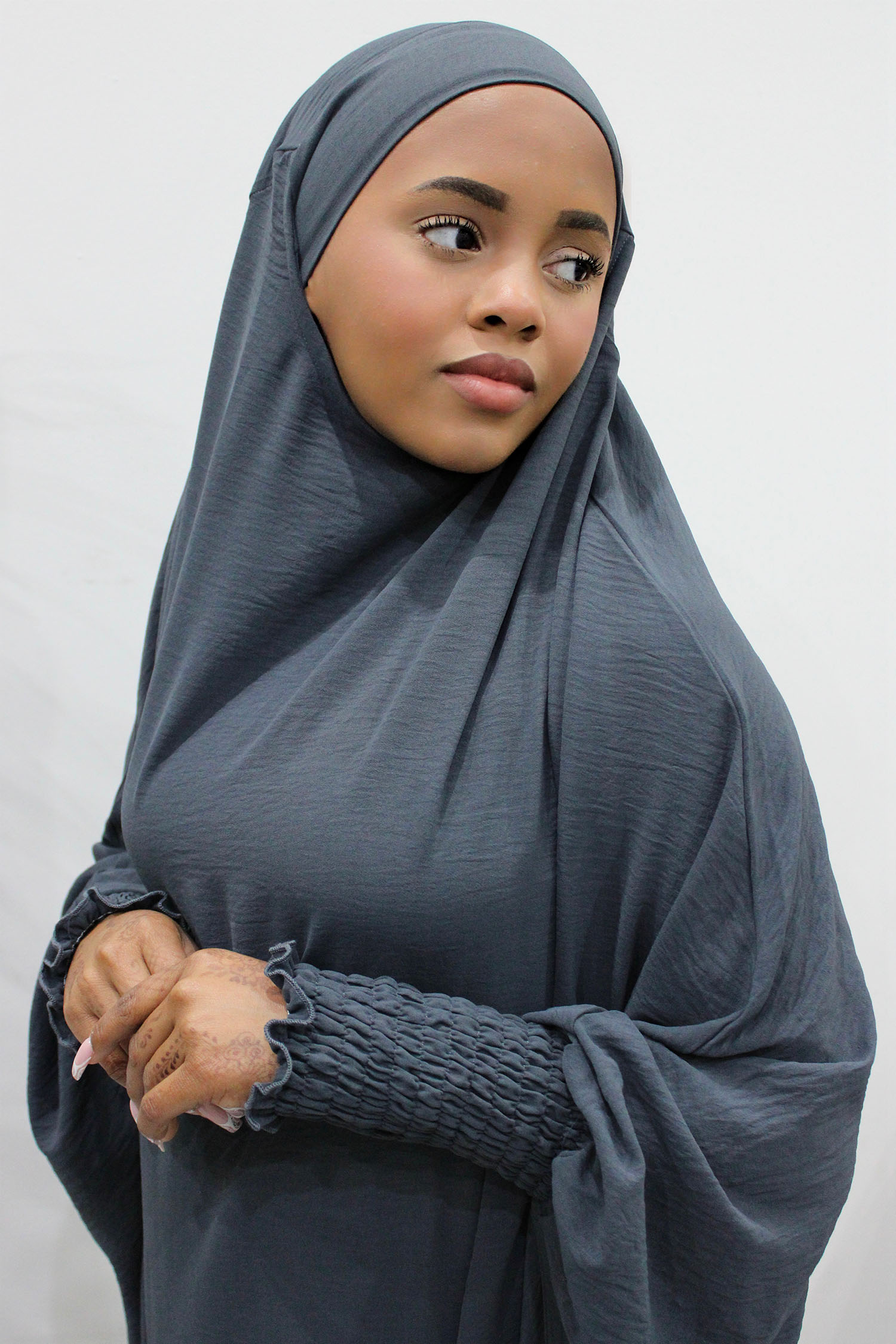
Whether you’re looking for your first prayer outfit or upgrading your modest wardrobe, this guide will walk you through everything with clarity, compassion, and style.
| Feature | Why It Matters for Salah | What to Look For |
|---|---|---|
| Modesty | Meets Islamic guidelines for coverage and fit | Opaque fabric, loose fit, full-length |
| Comfort | Helps maintain khushoo’ during prayer | Breathable material, flexible cut, non-restrictive sleeves |
| Ease of Use | Supports wudu and movement without struggle | Wudu-friendly sleeves, no pins, slip-on styles |
| Spiritual Focus | Minimizes distraction and enhances connection | Simple colors, minimal embellishments |
Let’s begin your journey to finding a prayer outfit that feels as beautiful on the inside as it looks on the outside. Because prayer isn’t just a ritual—it’s a moment of sacred intimacy. And what you wear matters more than you think.
Next up: What Is a Muslim Prayer Outfit and Why It Matters Today.
What Is a Muslim Prayer Outfit and Why It Matters Today
Let’s get one thing straight: a Muslim prayer outfit isn’t just clothing — it’s a powerful expression of faith, humility, and spiritual alignment. For many of us, it’s the one garment that we associate with our quietest, most intimate moments with Allah. It’s the outfit we choose not for style points, but for sincerity. Yet, how often do we stop to truly understand what it means, and why it matters more than ever in today’s world?
Definition: It’s Not Just “Any Modest Dress”
A Muslim prayer outfit is a garment specifically worn by Muslim women (and men) during Salah — the five daily prayers. While it may vary in form, color, and cultural design, it typically adheres to key Islamic guidelines:
- Full Coverage: Covers the entire body except the face, hands, and feet (for women).
- Non-Transparent Fabric: Opaque materials that do not reveal body shape or skin.
- Loose Fit: Allows unrestricted movement during prostration and ensures modesty.
- Cleanliness: Must be free from impurities (najasa) to be valid for prayer.
These aren’t just dress codes — they’re spiritual preconditions. They ensure that you’re physically, mentally, and spiritually ready to stand before your Creator.

Why It Matters Today More Than Ever
In a time when external distractions are louder than our internal voices, our prayerwear becomes more than just fabric. It becomes a symbol of intention — a signal to ourselves that it’s time to disconnect from the dunya and reconnect with something greater.
Here’s why a designated prayer outfit matters today:
- Focus: Wearing it trains your mind to enter a spiritual headspace — like a uniform for the soul.
- Consistency: Having a dedicated outfit makes it easier to maintain regular prayers, especially when traveling or during busy routines.
- Respect: Just as we dress up to meet people of importance, the prayer outfit shows reverence to the One who deserves it most.
Quick Comparison Table: Prayer Outfit vs Regular Clothing
| Feature | Prayer Outfit | Regular Clothing |
|---|---|---|
| Designed for Wudu & Salah | Yes | No |
| Meets Modesty Requirements | Always | Sometimes |
| Emotionally Anchored to Worship | Yes | Rarely |
| Easy to Slip On During Prayer Times | Yes | Depends |
Modern Meaning: It’s About Identity Too
In 2025, Muslim women are reclaiming modesty on their own terms — not as a limitation, but as a liberating act of devotion. Your prayer outfit can be soft, breathable, beautiful — and still powerful. And yes, it can also be stylish, colorful, and reflective of your culture.
Whether it’s a classic white jilbab, a tailored abaya with a built-in khimar, or a pull-over prayer dress you keep by your bedside — your prayer outfit is part of your spiritual routine, your faith journey, your identity.
Takeaway
So no, this isn’t “just a modest dress.” A Muslim prayer outfit is a spiritual companion — quiet, consistent, and always waiting to help you reconnect with the Divine. And if you’ve never had one dedicated just for Salah, that might be the upgrade your spiritual life needs.
Next, let’s talk about the common mistakes most women make when choosing a prayer outfit — and how to avoid them with confidence.
Common Mistakes to Avoid When Choosing a Prayer Outfit
Let’s be honest — finding the perfect Muslim prayer outfit isn’t always as simple as it sounds. Many of us have made do with whatever was nearby, thinking, “It’s just for a few minutes, right?” But those few minutes are sacred. And the wrong outfit can quietly disrupt the focus, flow, and even the validity of your Salah.
If you’re investing in a prayer outfit (and you should), here’s what to steer clear of — so you don’t end up frustrated, uncomfortable, or worse, invalidating your prayer unknowingly.
1. Choosing See-Through or Thin Fabrics
This is one of the most common oversights. Light fabrics might feel breezy and beautiful — until you stand under sunlight or overhead lights and realize your outfit is sheer. For Salah, transparency is a no-go.
- Why it matters: The awrah (parts of the body that must be covered) must remain concealed for the prayer to be valid.
- How to fix it: Always check the outfit under natural light. If you can see your hand through it, it’s too thin. Opt for double-lined or heavier cotton, jersey, or crepe blends.
2. Overcomplicating the Design
Too many layers, buttons, or scarves that need constant adjusting — we’ve all been there. What begins as modest can quickly become distracting when you’re readjusting your sleeves mid-ruku.
- Why it matters: Prayer is about peace and presence. Fidgeting with your clothing interrupts khushu (focus).
- How to fix it: Stick with streamlined designs: one-piece jilbabs, khimar sets, or pull-on abaya gowns. The fewer distractions, the better.
3. Choosing Outfits Too Tight or Restrictive
Fit matters — not for fashion, but for flexibility. Salah involves movement: bowing, prostrating, sitting. If your outfit clings or restricts, you’ll feel it (and maybe show more than you intended).
- Why it matters: Modesty and movement go hand in hand. A tight garment can unintentionally reveal body shape or ride up during sujood.
- How to fix it: Go up a size, or choose flowing cuts made from stretchy jersey or soft crepe. Avoid anything bodycon or cinched at the waist.
4. Forgetting to Consider Wudu Practicality
It’s a small detail — until you need to perform wudu at work, a public place, or while traveling. If your sleeves are tight or your scarf is impossible to rewrap… well, you know the struggle.
- Why it matters: Wudu is a precondition to prayer. If it’s a hassle, you may subconsciously delay your prayer or skip it altogether.
- How to fix it: Look for abayas with wide sleeves or zip-cuffs, and hijabs or khimars with one-piece slip-on styles.
5. Skipping a Dedicated Prayer Outfit Altogether
Using your regular clothes for prayer might seem convenient — until they’re stained, tight-fitting, or not entirely modest. Having a dedicated outfit removes the guesswork and creates a ritual.
- Why it matters: Intention begins with preparation. A designated outfit trains your mind to transition into a sacred space.
- How to fix it: Keep a prayer outfit close to your prayer mat. Treat it like a uniform — sacred, specific, and respected.
Pro Tip: Run This Quick Checklist Before Buying
| Question | Why It Matters |
|---|---|
| Is it fully opaque in bright light? | Ensures modesty and validity of prayer |
| Can I move freely in all positions? | Comfort + coverage = khushu (focus) |
| Can I easily slip it on for quick prayers? | Saves time and builds habit |
| Does it interfere with wudu? | Wudu ease = consistency in prayer |
Bottom Line
Choosing the right prayer outfit isn’t about looking good — it’s about feeling right before your Lord. Avoiding these common mistakes helps you protect the sanctity of Salah, stay consistent in your worship, and feel spiritually ready every single time.
Coming up next, we’ll explore the different types of prayer outfits and how to choose the one that truly fits your lifestyle and spiritual rhythm.
Best Styles and Types of Muslim Prayer Outfits
The beauty of Islam is its flexibility — and that includes how we dress for Salah. There’s no one-size-fits-all when it comes to a Muslim prayer outfit. What matters is that it aligns with the core principles of modesty, ease, and spiritual readiness.
Let’s break down the most trusted and loved styles available today — so you can choose the one that resonates with your body, routine, and soul.
1. One-Piece Jilbab
A timeless classic in the modest wear world, the one-piece jilbab is a go-to for many Muslim women — and for good reason. It’s seamless, practical, and provides full coverage without the fuss.
- Coverage: Full-length, from head to ankle, often includes an integrated khimar or headscarf.
- Best for: Daily prayers, masjid visits, quick Salah between tasks.
- Bonus: Many come in lightweight, breathable fabrics ideal for year-round use.
2. Two-Piece Prayer Sets (Khimar + Skirt or Pants)
This style offers flexibility and customization — ideal if you prefer mixing and matching or need different fits for top and bottom.
- Coverage: Full upper body via khimar, and modest lower coverage with a wide skirt or loose pants.
- Best for: Women who want a structured yet versatile prayer set that’s easy to wear and pack for travel.
- Pro Tip: Look for sets with elastic waistbands and non-slip khimar caps for zero distractions during Salah.
3. Abaya with Hijab or Khimar
If you already own a modest abaya, you’re halfway there. Paired with a long, wide hijab or khimar, it can easily double as a Salah outfit — just ensure the abaya is not sheer and covers the feet if required.
- Coverage: Varies by design — ensure it’s non-transparent and roomy enough for prayer movements.
- Best for: Women who prefer using their daily wear abayas for prayer or want dual-function outfits.
4. Pull-On Overhead Prayer Gown
These gowns are made for speed and simplicity. Just slip it over your clothes and you’re ready to pray. No pins, no tucking, no mirror needed.
- Coverage: Oversized fit with batwing sleeves and built-in headcover.
- Best for: Busy moms, working women, or anyone needing a quick Salah solution.
- Bonus: Many come in wrinkle-free fabric, perfect for hanging by your prayer area.
5. Long Khimar (Butterfly or Umbrella Style)
Popular among women who love extra coverage from the top down, long khimars often extend below the knees or even to the ankles.
- Coverage: Full upper body and often partial lower body — best paired with a modest skirt or loose pants underneath.
- Best for: Women who prioritize full head and upper body coverage without sacrificing comfort.
- Note: Can also be worn over your daily outfit for a quick transition into prayer.
6. Travel Prayer Outfits
These are lightweight, foldable, and ultra-compact outfits designed specifically for Salah on the go. Often comes with a matching pouch or prayer mat.
- Coverage: Designed to meet prayer requirements with minimal bulk.
- Best for: Travelers, students, and professionals needing portability and practicality.
- Tip: Keep one in your car, backpack, or office drawer — you’ll thank yourself later.

Comparison Table: Choosing the Right Prayer Outfit
| Style | Coverage Level | Best Use | Portability |
|---|---|---|---|
| One-Piece Jilbab | Full (head-to-toe) | Everyday use, full focus | Moderate |
| Two-Piece Set | Full with flexibility | Home + travel | High |
| Abaya with Khimar | Varies — check fabric | Dual-use outfit | Moderate |
| Overhead Gown | Full & seamless | Quick prayer, busy days | High |
| Long Khimar | Top-heavy, needs bottom | Layering or rapid cover | High |
| Travel Prayer Outfit | Minimal but sufficient | On-the-go Salah | Very High |
What to Ask Yourself Before Choosing
- Do I need something quick and easy, or something I’ll use long-term?
- Am I praying mostly at home, work, or on the go?
- What climate am I in — will I overheat in heavier fabrics?
- Do I need a one-size-fits-all solution, or more flexibility in fit?
The key is to choose a style that makes your Salah more consistent, focused, and spiritually fulfilling. Don’t chase aesthetics alone — chase function, modesty, and comfort.
In the next section, we’ll explore the best fabrics for Muslim prayer outfits — because the right material can elevate your entire experience.
Best Fabrics for Muslim Prayer Outfits
When it comes to choosing the perfect Muslim prayer outfit, style is important — but fabric is everything. The right material not only enhances comfort but also ensures your outfit is breathable, non-transparent, and suitable for all prayer positions.
Let’s dive into the most popular fabrics used in prayer clothing and why the right fabric can make all the difference in your worship routine.
1. Cotton
Why it’s loved: Cotton is soft, breathable, and perfect for sensitive skin. It allows air circulation, making it ideal for warmer climates or indoor prayers.
- Pros: Hypoallergenic, natural, and easy to wash.
- Cons: May wrinkle easily and shrink if not pre-washed.
- Best for: Home prayers and everyday use.
2. Jersey
Why it’s loved: Jersey is a stretchy knit fabric that hugs gently without being restrictive. It’s lightweight, non-sheer, and comfortable for all body types.
- Pros: Drapes beautifully, doesn’t need ironing, and moves well with the body.
- Cons: Can feel warm in hot climates.
- Best for: Daily Salah, travel, and layering.
3. Crepe
Why it’s loved: Crepe offers texture and elegance. It resists clinging and has a modest matte finish that’s perfect for more formal settings.
- Pros: Durable, wrinkle-resistant, and holds shape well.
- Cons: May feel slightly rougher than cotton or jersey.
- Best for: Eid prayers, masjid gatherings, or gifting.
4. Chiffon (Lined)
Why it’s loved: Lightweight and floaty, chiffon brings grace to any outfit. But for prayer, it must be lined or worn with an underdress to meet modesty requirements.
- Pros: Elegant drape, sophisticated look.
- Cons: Sheer when unlined, needs layering.
- Best for: Special occasions and Ramadan evenings.
5. Lycra/Spandex Blends
Why it’s loved: Stretchy and flexible, these blends offer supreme mobility during Sujood and Ruku. They’re a great choice for younger women and active lifestyles.
- Pros: No restriction in movement, modern fit.
- Cons: Can cling too tightly if sizing isn’t modest enough.
- Best for: Younger generations and fitness-conscious women who pray on the go.
Comparison Table: Fabrics for Muslim Prayer Outfits
| Fabric | Breathability | Coverage Quality | Ease of Care | Best Use |
|---|---|---|---|---|
| Cotton | High | Opaque (when thick) | Easy | Daily use |
| Jersey | Moderate | Excellent | Very easy | Travel & everyday |
| Crepe | Moderate | Strong | Easy | Special prayers |
| Chiffon (Lined) | High | Requires layering | Medium | Ramadan, events |
| Lycra/Spandex Blends | Low to moderate | Good with sizing | Very easy | Active routines |
How to Choose the Right Fabric
- Climate: Go for cotton or chiffon in hot weather, and jersey or crepe in colder months.
- Frequency of use: For daily Salah, choose something low-maintenance like jersey or cotton.
- Occasion: Reserve chiffon or crepe for gatherings or Taraweeh nights.
- Mobility: If your prayers are squeezed between errands, choose fabrics that don’t wrinkle or restrict movement.
Ultimately, the best fabric is the one that allows you to perform Salah without distraction. Your prayer is a moment of peace — let your outfit support, not hinder, that intention.
Next, we’ll explore seasonal considerations — because the ideal outfit in summer isn’t the same in winter. Stay tuned.
Muslim Prayer Outfits for Every Season: Summer, Winter, and Rain
Your Muslim prayer outfit isn’t just about style; it’s about comfort during every prayer, regardless of the weather. Whether it’s sweltering summer heat, the chill of winter, or unexpected rain, your outfit needs to meet your practical needs without sacrificing modesty.
Let’s break down how to approach your wardrobe for each season so you can focus on your prayers — and not the weather.
1. Summer: Lightweight & Breathable Fabrics
In the summer months, comfort is key. You’ll need materials that are light, airy, and moisture-wicking to keep you cool during long prayers. When choosing your summer prayer outfit, keep in mind:
- Fabrics to choose: Cotton, linen, jersey, and chiffon (lined). These fabrics are known for their breathability and ability to keep you cool.
- Design tips: Opt for looser cuts that allow air circulation. Avoid overly tight or restrictive fits that can cause discomfort in hot climates.
- Color suggestions: Lighter colors reflect heat and are ideal for sunny days. Light pastels, whites, and soft earth tones work best for reducing the absorption of heat.
During summer, you’ll also want to consider how your prayer outfit interacts with your environment. For example, if you’re praying outdoors during hot months, wearing a breathable hijab and outfit is essential to avoid discomfort.
2. Winter: Cozy Yet Modest
Winter presents a different challenge: staying warm while maintaining modesty. The key is layering effectively without making the outfit too bulky or restrictive for prayer movements. Here’s what to consider for winter:
- Fabrics to choose: Wool blends, thick cotton, crepe, and thermal fabrics. These materials trap heat and keep you warm while still allowing your skin to breathe.
- Layering tips: Layer with a lightweight, moisture-wicking undergarment to keep sweat away from the body. For example, a long-sleeve top made from a breathable fabric like cotton can be worn under a thicker outer layer.
- Design suggestions: Consider a prayer dress or abaya with sleeves that offer more coverage without being too tight. A well-fitting coat or cardigan can also help you maintain warmth.
It’s also a good idea to have a thicker hijab or shawl to wear during outdoor prayers. During winter, avoiding fabrics that trap moisture, like some synthetics, is crucial for preventing cold-related discomfort.
3. Rainy Days: Practical & Waterproof
Rainy days bring their own set of challenges. Staying dry without compromising your modesty is essential. On rainy days, you’ll want to opt for water-resistant materials or accessories that keep you comfortable without soaking through your prayer outfit.
- Fabrics to choose: Synthetic blends with water-resistant properties. Consider prayer outfits made from materials like nylon or polyester blends that are less likely to absorb water.
- Accessories: A waterproof, stylish outer layer such as a raincoat or long, water-resistant abaya will ensure you stay dry on your way to the masjid or during outdoor prayers.
- Design tips: Choose garments that have an easy-to-remove, quick-drying outer layer, like a waterproof hijab cover or raincoat that fits over your usual prayer outfit.
If you plan on praying outside during rainy weather, opt for a lightweight, durable prayer mat made from waterproof material, which can add an extra layer of comfort and dryness during your Salah.
Comparison Table: Best Prayer Outfits for Each Season
| Season | Recommended Fabrics | Color Suggestions | Additional Tips |
|---|---|---|---|
| Summer | Cotton, linen, jersey, chiffon | Light pastels, whites, soft earth tones | Opt for loose cuts and breathable fabrics |
| Winter | Wool blends, thick cotton, crepe | Deep hues like navy, maroon, and charcoal | Layer effectively, use thicker hijabs |
| Rainy Days | Water-resistant synthetic blends | Neutral colors like black, gray, or dark green | Use waterproof outer layers, durable prayer mats |
By considering the weather, fabric choices, and layering techniques, you can ensure your prayer outfit is as functional as it is beautiful, no matter the season. Whether you’re praying indoors or heading out for the masjid, you’ll be ready to focus on your Salah — not the weather.
Next, we’ll dive into customization tips for your prayer outfit, helping you make personal choices that reflect both your modesty and style.
Personalizing Your Muslim Prayer Outfit: Adding Your Unique Touch
When it comes to prayer outfits, personalizing your look doesn’t mean sacrificing modesty. Instead, it’s about adding a touch of individuality to your style while respecting the key principles of modesty and comfort. This section will help you find the balance between tradition and personal expression.
1. Choosing the Right Colors and Patterns
Color can convey much more than just aesthetic appeal — it can express your mood, your personality, and even reflect your spiritual state. Here’s how to select colors and patterns that not only align with Islamic modesty standards but also give your prayer outfit a personal flair:
- Solid colors: A timeless choice for modest prayer outfits. Choose calm, neutral tones like black, navy, beige, and white, which are elegant and versatile. For a more uplifting or positive vibe, soft pastels or earthy tones like lavender, blush, and sage green work wonderfully.
- Patterns: While bold patterns are not typically seen in prayer attire, light florals, geometric designs, or subtle textures can add a modern touch without violating modesty. Avoid overly loud patterns or excessive detailing that may distract from your focus during prayer.
- Seasonal choices: As discussed in the previous section, lighter colors are ideal for the summer, while deeper, richer colors like burgundy or emerald green are perfect for the winter months. This allows for both personal style and practical adaptation to the seasons.
2. Adding Decorative Elements: Modesty with Style
Decorative elements, when done tastefully, can elevate your prayer outfit without compromising its modesty. From simple accessories to added touches on your garments, here’s how to add style while keeping the focus on spirituality:
- Embroidery and lace: Simple embroidery around the hem of your prayer dress or delicate lace on the cuffs or collar can add an elegant touch. These should be subtle and not overdone to maintain a modest look.
- Hijab accessories: Opt for soft hijab pins, brooches, or clips to secure your headscarf. Look for pieces that match the color scheme of your outfit, adding elegance without being too attention-grabbing.
- Layered accessories: Lightweight shawls, cardigans, or scarves can be added for both warmth and style. Choose accessories that add texture or contrast to your outfit, such as a velvet scarf over a cotton dress for a soft, luxurious look.
Remember, the goal is to express your style while ensuring you’re still adhering to the principles of modesty. Avoid going overboard with flashy embellishments, as your prayer attire should reflect inner peace and spirituality.
3. Customizing Your Fit for Comfort
While traditional prayer outfits come in standard sizes, customizing the fit can make a huge difference in how comfortable and confident you feel during prayer. Here’s how you can tweak your prayer outfit to make it more tailored to your needs:
- Alter the length: Depending on your height, you might want to adjust the length of your prayer dress or abaya. A perfectly fitted hemline ensures that the outfit doesn’t drag or hinder your movements during prayer.
- Adjust sleeve length: Some women prefer longer sleeves for added coverage, while others may want to adjust them for comfort and mobility. Tailoring your outfit to your preference can provide both style and ease.
- Customize the fit of your hijab: The way you wrap and secure your hijab is also an important aspect of personalizing your prayer outfit. Choose the style that allows for comfort while still being secure and modest. Different wrapping techniques can help you achieve the desired fit and look.
4. Comfortable Footwear: A Step Towards Modesty
While prayer attire often focuses on the upper body, your choice of footwear can significantly affect your overall comfort during prayer. Here’s how to select shoes that support both your physical and spiritual well-being:
- Soft, flat shoes: When praying, you’ll need shoes that are comfortable for walking to and from the prayer space and easy to remove. Opt for soft, flexible shoes that don’t restrict your movements.
- Modest and simple: Look for shoes that reflect your style but are not flashy. Simple sandals, slip-ons, or flat shoes in neutral colors work well with most prayer outfits.
- Indoor shoes: When praying indoors, consider using slippers or comfortable indoor shoes that match your outfit but are easy to take off for prayer.
Personalization vs. Modesty: Finding the Balance
While it’s tempting to indulge in personal style, it’s important to balance fashion with the core principle of modesty. Islamic modesty isn’t about hiding your beauty but about maintaining a humble and respectful appearance. Personalizing your prayer outfit should never detract from the respect you have for the sacredness of the act of prayer.
So, whether you opt for a bold color, a unique accessory, or a perfectly tailored fit, remember that your outfit is ultimately a reflection of your spirituality and commitment to modesty. Choose wisely, and you’ll feel empowered and confident every time you step onto your prayer mat.
Next, we’ll delve into the best materials for Muslim prayer outfits and how each fabric can elevate your experience. Let’s explore how to choose the right material for comfort and style.
Best Fabrics for Muslim Prayer Outfits: Comfort, Durability, and Modesty
The fabric you choose for your prayer outfit plays a critical role in both comfort and modesty. Since you’ll be wearing it frequently, it’s essential to pick materials that are soft, breathable, durable, and reflective of your personal style. In this section, we’ll walk through some of the best fabrics for Muslim prayer outfits and help you understand their unique qualities.
1. Cotton: The Classic Choice for Everyday Comfort
Cotton is one of the most commonly used fabrics for prayer outfits, and for good reason. Here’s why:
- Breathable and lightweight: Cotton allows your skin to breathe, making it perfect for long hours of prayer, especially in warmer climates. It absorbs moisture efficiently, keeping you cool and comfortable during your prayers.
- Soft to the touch: The natural fibers in cotton are gentle on the skin, ensuring that you’re comfortable during every movement, whether in sujood (prostration) or while standing.
- Durability: Cotton is a durable fabric, meaning your prayer attire will last for years with proper care. It’s also easy to maintain, as cotton fabrics can be machine washed without fear of losing their shape or texture.
However, cotton can sometimes wrinkle easily, so be sure to choose a cotton blend if you’re looking for something that holds its shape better throughout the day.
2. Jersey: For Ultimate Flexibility and Comfort
If you’re looking for a fabric that offers both comfort and stretch, jersey fabric might be the perfect option for your prayer attire. Here’s why:
- Stretchable and flexible: Jersey fabric is knit, which makes it highly flexible and stretchy. This allows for ease of movement, making it ideal for activities like prayer, where you need to be able to bend and stretch comfortably.
- Soft texture: Jersey fabric feels incredibly soft against the skin, making it comfortable for long prayer sessions.
- Low maintenance: It’s also easy to care for and doesn’t wrinkle as much as cotton, making it a great choice if you’re looking for low-maintenance options.
While jersey is perfect for comfort, it’s important to select higher-quality jersey fabrics to ensure it remains modest, especially in terms of opacity and thickness.
3. Silk: Luxurious and Elegant, but Delicate
Silk is an elegant and luxurious fabric that adds a touch of sophistication to any outfit. However, while it’s beautiful, it requires more care and attention. Here’s what you need to know about silk for prayer outfits:
- Soft and smooth: Silk’s natural sheen and smooth texture make it incredibly comfortable to wear. It also drapes beautifully, creating a flattering silhouette.
- Breathable yet warm: Silk naturally regulates body temperature, keeping you cool in warm weather and warm in colder climates.
- Delicate and high-maintenance: While silk is a luxurious fabric, it’s delicate and may require dry cleaning to maintain its luster. This makes it less practical for everyday use but perfect for special occasions or events like Eid prayers.
Silk offers both elegance and comfort, but due to its high-maintenance nature, it’s best reserved for occasions where you want to make a statement while maintaining modesty.
4. Polyester: Affordable, Durable, and Low-Maintenance
If you’re looking for something that’s affordable and requires little upkeep, polyester might be the way to go. Here’s why polyester is a popular choice for Muslim prayer outfits:
- Durable and long-lasting: Polyester is a strong, synthetic fabric that resists wear and tear, ensuring your prayer outfit will last for years.
- Wrinkle-resistant: Polyester doesn’t wrinkle as easily as natural fabrics, which means your prayer attire will stay smooth and polished throughout the day.
- Lightweight and breathable: Modern polyester blends are made to be breathable and lightweight, so you can wear them comfortably for long prayer sessions.
While polyester can lack the natural softness of cotton or silk, modern blends with spandex or cotton add a softer texture while retaining all the benefits of polyester’s durability and ease of maintenance.
5. Chiffon: Elegant Yet Comfortable for Special Occasions
Chiffon is a delicate, lightweight fabric that brings a touch of elegance to any outfit. Though it’s often used for special occasions, chiffon can also be used in prayer outfits, especially when paired with other fabrics. Here’s why chiffon works well for Muslim prayer attire:
- Light and airy: Chiffon is incredibly light and breathable, making it perfect for warmer climates. It allows air to circulate, ensuring that you stay comfortable throughout your prayer.
- Flowy and elegant: The sheer, flowy texture of chiffon can create a soft, graceful look without being too revealing. When layered with other fabrics like cotton or silk, it adds a sophisticated finish to the prayer outfit.
- Requires delicate care: Chiffon is a delicate fabric, so it’s important to handle it with care, especially during washing. Be sure to hand wash or dry clean to maintain its delicate beauty.
6. Linen: Perfect for Warm Weather and Easy Movement
Linen is an excellent fabric for warm weather due to its breathability and natural coolness. Here’s why you might consider linen for your Muslim prayer attire:
- Breathable and moisture-wicking: Linen absorbs moisture quickly and allows air to flow freely, which keeps you cool and dry during prayer.
- Durable and natural: Linen is a strong, natural fabric that stands the test of time. With each wash, linen becomes softer and more comfortable to wear.
- Wrinkled texture: One thing to note is that linen wrinkles easily, so it’s important to embrace the casual, relaxed look of the fabric rather than expecting it to stay crisp.
Linen is ideal for hot summer months, offering comfort and practicality without compromising on style or modesty. If you live in a warmer region, linen should definitely be on your list.
Choosing the Right Fabric for Your Prayer Outfit
When selecting a fabric for your prayer outfit, consider the following factors:
- Climate: In hot climates, breathable fabrics like cotton, linen, or chiffon are ideal. For cooler weather, heavier fabrics like silk or polyester blends work well.
- Comfort: Choose fabrics that allow freedom of movement and feel soft against the skin. Jersey and cotton are often top choices for comfort.
- Care requirements: Consider how much time you’re willing to invest in maintaining your outfit. Some fabrics, like silk and chiffon, require more care, while others, like polyester, are easy to care for.
In the next section, we’ll explore how to care for and maintain your Muslim prayer outfits so they last longer and remain in pristine condition.
Caring for Your Muslim Prayer Outfit: Tips for Long-Lasting Elegance
Keeping your Muslim prayer outfit in pristine condition requires the right care and attention. Whether your outfit is made of cotton, silk, polyester, or any other fabric, proper maintenance will help preserve its beauty, comfort, and modesty for years to come. In this section, we’ll go through essential tips to ensure your prayer attire stays in excellent condition, no matter how often you wear it.
1. Washing Guidelines: Preserve the Fabric’s Integrity
One of the most important aspects of caring for your prayer outfit is washing it correctly. Different fabrics require different washing techniques, so it’s essential to follow the manufacturer’s recommendations for each material. Here’s a breakdown of general washing tips based on fabric types:
- Cotton: Cotton can typically be machine washed in warm water. However, to prevent shrinkage and preserve the fabric’s softness, wash it on a gentle cycle and avoid using bleach.
- Silk: Silk is delicate and should be hand-washed or dry-cleaned to preserve its luster. If you choose to hand-wash, use a mild detergent and cold water.
- Polyester: Polyester is durable and can withstand machine washing. Use cold water and a mild detergent to prevent fading and wear.
- Linen: Linen requires gentle washing to avoid excessive wrinkling. Machine wash on a delicate cycle with cold water and avoid heavy detergents.
- Jersey: Jersey is easy to wash in a machine, but be sure to use cold water and a gentle cycle to avoid stretching out the fabric.
Tip: Always wash your prayer outfit separately from clothes with zippers, hooks, or rough textures that could cause snags or damage.
2. Drying Tips: Avoid High Heat
After washing, it’s important to dry your prayer outfit properly. High heat can damage delicate fabrics, so here are some drying tips:
- Avoid the dryer: While it may be tempting to throw your prayer attire into the dryer, it’s better to air-dry your clothes, especially if they are made of delicate fabrics like silk or linen. Drying on a clothesline or a flat surface helps maintain the shape of your outfit.
- Use low heat for synthetic fabrics: If you must use a dryer, opt for low heat settings to prevent polyester and other synthetic fabrics from warping or shrinking.
- Lay flat for items with intricate designs: Prayer outfits with embroidery, lace, or beading should be laid flat to dry. This preserves the delicate embellishments and prevents them from becoming misshapen.
Tip: If you live in a humid climate, consider using a dehumidifier in the room where you dry your clothes to speed up the drying process while preventing mold or mildew growth.
3. Ironing and Steaming: Keep Your Prayer Outfit Crisp
Keeping your prayer outfit wrinkle-free not only ensures it looks neat but also helps maintain its overall quality. Here are a few ironing and steaming tips based on fabric type:
- Cotton: Cotton can usually be ironed on medium heat. If you want a crisp, wrinkle-free finish, iron while the fabric is slightly damp.
- Silk: Ironing silk can be tricky, as it’s a delicate fabric. Always iron on the lowest setting and place a cloth between the iron and the silk to avoid direct contact with the hot plate. Alternatively, use a steamer.
- Polyester: Polyester is best steamed rather than ironed to avoid overheating the fabric. If you do iron it, use low to medium heat.
- Linen: Linen naturally wrinkles, but if you prefer a smoother look, iron it while it’s still damp using high heat.
- Jersey: Jersey tends to hold its shape well, so steaming is often enough to remove wrinkles. If you do iron, use a low heat setting.
Tip: Invest in a garment steamer if you want a quick and gentle way to remove wrinkles, especially for delicate fabrics like silk and chiffon.
4. Storing Your Prayer Outfit: Keep It Safe and Fresh
Proper storage is essential to prolong the lifespan of your prayer outfit. Here are some essential storage tips:
- Use breathable garment bags: Store delicate fabrics like silk, chiffon, and linen in a breathable garment bag to protect them from dust and direct sunlight. This helps maintain their condition over time.
- Avoid plastic: Never store your prayer attire in plastic bags, as this can trap moisture and lead to mildew. Opt for cotton garment bags or hangers instead.
- Hang items that wrinkle easily: Prayer outfits made of materials like cotton or polyester should be hung on a sturdy hanger to prevent creases. Be sure to shape the outfit to avoid any stretching or distorting of the fabric.
- Fold for short-term storage: If you’re not wearing your prayer outfit for an extended period, fold it neatly and store it in a dry, cool place.
Tip: If you store your prayer outfit in a closet, make sure it’s in a cool, dry place with good airflow to prevent any mold or unpleasant odors.
5. Repairing Small Damages: Keep Your Outfit Looking Fresh
Small tears, loose threads, or minor stains don’t have to ruin your prayer outfit. Here’s how to deal with these issues:
- Quick stitching: If you notice a small tear or loose seam, address it immediately by stitching it up to prevent further damage. You can either use a sewing machine or a needle and thread for simple repairs.
- Stain removal: For small stains, gently blot with a clean cloth and mild detergent. Avoid rubbing the fabric, as it can damage delicate fibers. Always check the care label for specific stain-removal recommendations.
- Professional repairs: For more significant damages, consider taking your prayer outfit to a professional tailor or dry cleaner to restore it to its original state.
Tip: Always have a small sewing kit on hand for minor repairs. Quick fixes can extend the life of your outfit and save you money in the long run.
By following these simple care tips, you’ll be able to preserve your Muslim prayer outfit’s beauty, comfort, and integrity for years to come. Proper care not only enhances the lifespan of your attire but also ensures that you maintain your modesty and elegance while performing your prayers.
How to Choose the Right Muslim Prayer Outfit for Your Body Type and Personal Style
Choosing the right Muslim prayer outfit is not just about modesty — it’s about feeling comfortable, confident, and aligned with your personal style. Whether you’re new to purchasing prayer attire or you’re looking to refresh your wardrobe, the key is finding an outfit that complements your body type while reflecting your individual taste.
1. Consider Your Body Shape: Finding the Right Fit
Different body shapes require different cuts and styles of prayer outfits. Understanding your body shape can help you select the outfit that enhances your silhouette while ensuring modesty. Here’s a quick guide to choosing the best prayer outfit for common body types:
- Hourglass Shape: If you have an hourglass figure, opt for prayer outfits that accentuate your waist without being too tight. A dress with an A-line or flowy style works well, as it allows for movement while maintaining modesty.
- Apple Shape: For those with an apple-shaped body, consider prayer outfits that offer more volume at the bottom to balance the upper body. A loose, long tunic or a dress with an empire waist can help create a flattering silhouette.
- Pear Shape: If you have a pear-shaped body, choose prayer dresses that draw attention to the upper body and have a fuller skirt to balance your proportions. A fitted top with a flowing bottom or a dress with a flared cut is a great choice.
- Rectangle Shape: For a more athletic or rectangular body shape, you can add curves and shape with prayer outfits that create a flow. Look for outfits with soft, gathered fabrics or pieces that add volume to the chest and hips.
Tip: Avoid overly tight or overly loose outfits, as they may compromise both comfort and modesty. Aim for a balanced fit that gives you space to move but doesn’t overwhelm your figure.
2. Fabric Matters: Comfort and Durability
When choosing a prayer outfit, the fabric you select plays a crucial role in both comfort and functionality. Consider the climate, the length of your prayers, and your personal preferences when selecting fabric:
- Cotton: Cotton is a popular choice because it’s breathable, soft, and comfortable. It’s ideal for warmer climates and long prayer sessions, as it allows your skin to breathe.
- Chiffon: Chiffon is lightweight and elegant, making it perfect for formal occasions or special prayers. However, it can be slightly less breathable, so be mindful of wearing it for long periods in warmer weather.
- Polyester: Polyester is durable and easy to care for. It’s a great option for everyday wear as it holds its shape well and resists wrinkles, making it ideal for busy lifestyles.
- Silk: For a more luxurious feel, silk offers a smooth and soft texture that feels divine against the skin. It’s perfect for special occasions or when you want to feel elegant during your prayer times.
- Linen: Linen is breathable and cool, perfect for hot weather. It does wrinkle easily, so it may require more care, but its natural texture gives it a timeless and classic appeal.
Tip: Consider purchasing prayer outfits in several fabrics for different seasons. Cotton and linen are great for warmer months, while polyester and silk are perfect for cooler months and special occasions.
3. Personal Style: Expressing Modesty with Elegance
Your personal style is an extension of who you are, and that should be reflected in your prayer attire. Whether you prefer a minimalist look or enjoy adding bold colors and intricate designs, your Muslim prayer outfit should help you feel your best. Here’s how to make your prayer outfit reflect your unique style:
- Minimalist Style: If you prefer a clean, simple look, opt for solid-colored prayer dresses with subtle details like pleats or a slight flare. A simple black or white abaya with minimal embellishments exudes understated elegance.
- Bold and Beautiful: For those who enjoy expressing themselves through color and design, go for prayer outfits with rich hues, intricate embroidery, or delicate beadwork. Floral patterns, geometric designs, and contrasting colors can add vibrancy to your prayer wardrobe.
- Classic and Timeless: A classic prayer outfit, such as a long, flowing abaya or jilbab in neutral colors like beige, navy, or brown, always remains in style. This versatile look is both modest and chic, perfect for both daily prayers and formal gatherings.
- Modern Twist: To incorporate modern trends, consider prayer outfits with contemporary cuts or layered pieces, like a long vest with a matching prayer dress or a modern jilbab with a hood. These looks balance tradition with a stylish edge.
Tip: When in doubt, go for a neutral base (like black, navy, or beige) and accessorize with colorful scarves, jewelry, or a matching prayer mat to reflect your style. Small touches can make a big difference.
4. Consider Functionality: Comfort for Your Prayers
Comfort is key when it comes to choosing a prayer outfit, especially since you may wear it during daily prayers. Consider the following factors to ensure your outfit supports your spiritual practice:
- Movement: Ensure the outfit is roomy enough to allow you to move freely during prayer. Look for prayer dresses that offer flexibility in the sleeves and waist area, ensuring you can make the required movements without restrictions.
- Breathability: Breathable fabrics like cotton and linen will keep you cool and comfortable during long prayer sessions, preventing discomfort from sweating or feeling too hot.
- Ease of Adjustment: Prayer outfits with adjustable features, such as ties at the waist or Velcro fastenings, allow you to customize the fit for maximum comfort.
Tip: Look for prayer outfits with pockets if you like to carry a small prayer book or your phone during your prayer time. Functionality meets style in the perfect prayer attire.
5. Budget-Friendly Options: Quality Within Your Means
Choosing the right prayer outfit doesn’t have to break the bank. You can find high-quality outfits at various price points. Keep these tips in mind when shopping for budget-friendly options:
- Look for sales: Many online and physical stores offer sales, especially during Ramadan or holiday seasons. Keep an eye out for discounts on your favorite prayer outfits.
- Buy in bulk: If you wear prayer outfits regularly, buying in bulk or during a store’s clearance event can save you money while ensuring you have a variety of styles to choose from.
- Invest in versatile pieces: Choose outfits that can be worn for multiple occasions. A classic black abaya or a neutral-colored prayer dress can work for both daily prayers and special events, maximizing your investment.
Tip: Don’t forget to consider shipping costs and potential duties when shopping from international retailers. Sometimes local stores can offer the best value.
Finding the right Muslim prayer outfit that suits your body type, personal style, and functional needs is key to feeling confident and comfortable during your prayers. With these tips in mind, you can make informed decisions that enhance your prayer experience and reflect your unique self.
Online vs. Offline Shopping: Which is the Best for Buying Your Muslim Prayer Outfit?
When it comes to buying your Muslim prayer outfit, you’ll face a choice: should you shop online, or head to a brick-and-mortar store? Both options have their advantages, but each comes with its own set of challenges. To help you make the best decision for your needs, let’s compare the two shopping experiences — online and offline — so you can choose the one that fits your preferences, lifestyle, and expectations.
1. The Benefits of Shopping for a Muslim Prayer Outfit Online
Online shopping has revolutionized the way we buy clothes, including Muslim prayer outfits. There are numerous benefits to shopping from the comfort of your own home:
- Convenience: The most obvious benefit of shopping online is convenience. You can browse through hundreds of prayer outfits from the comfort of your home at any time of day or night. No need to worry about store hours or crowded shopping malls.
- Wider Selection: Online retailers often carry a much larger selection of prayer outfits than physical stores. You can find a range of sizes, styles, colors, and fabrics that might not be available in local stores. Plus, you have access to niche or international brands that specialize in high-quality Muslim prayer attire.
- Better Price Comparisons: Online shopping makes it easy to compare prices across different websites, ensuring you find the best deal. You can quickly browse multiple shops to find discounts or sales on the exact same product.
- Reviews and Recommendations: One of the great things about shopping online is that you can read customer reviews. Real-world feedback from other buyers gives you an idea of the quality, comfort, and fit of the prayer outfit before making a purchase.
- Delivery Options: Shopping online often comes with the added bonus of delivery straight to your door. Some online stores even offer free shipping or express delivery, making it even more convenient.
Tip: When shopping online, always check the return and exchange policies to ensure you can easily return or exchange the prayer outfit if it doesn’t meet your expectations.
2. The Benefits of Shopping for a Muslim Prayer Outfit In-Store
While online shopping offers convenience, there’s something special about the in-store shopping experience that can’t be replicated online. Here’s why shopping in person might be the better choice for some:
- Personal Fit and Feel: Trying on prayer outfits in person allows you to see how they fit and feel before making a purchase. You can assess the quality of the fabric, check the stitching, and ensure that the fit is right for your body type.
- Immediate Gratification: When you shop in-store, you get your prayer outfit right away. There’s no waiting for shipping, tracking packages, or worrying about delivery delays. You can walk out with your purchase in hand and begin wearing it immediately.
- Personalized Assistance: Many stores offer personal shopping assistance, which can be especially helpful when selecting the right prayer outfit. Sales associates can help you find the perfect fit, offer styling advice, and guide you through different fabric choices.
- Support Local Businesses: Shopping locally supports small businesses and helps boost your local economy. If you purchase from a store that specializes in modest fashion, you’ll often find high-quality pieces crafted by local designers.
- Instant Returns/Exchanges: If you find that the outfit doesn’t fit or meet your expectations, returning it is usually quicker and easier when done in-store. No need to worry about waiting for returns to be processed or dealing with shipping fees.
Tip: Make sure to try on a variety of outfits in different sizes to determine what fits you best. Stores with fitting rooms make this process easier, but even without one, trying different pieces on can help you make a more informed decision.
3. Comparing Online and In-Store Shopping: Which is Better for You?
So, which is better: online or offline shopping? It depends on your priorities. Here’s a quick comparison to help you decide:
| Factor | Online Shopping | In-Store Shopping |
|---|---|---|
| Convenience | Available 24/7, shop from anywhere | Store hours may be limited, travel required |
| Selection | Wider selection, access to international brands | Limited by what’s available in-store |
| Fit & Quality | Can’t try on before buying, but reviews can help | Try on before purchase, feel fabric quality |
| Price | Easy to compare prices, potential discounts | Less ability to compare prices, potential for higher prices |
| Returns | Return shipping costs and time | Immediate returns, no shipping involved |
Tip: If you’re unfamiliar with certain brands or types of Muslim prayer outfits, it might be beneficial to visit a store first to see and feel the fabric before making an online purchase. This way, you know exactly what to expect when buying online later.
4. Hybrid Approach: Best of Both Worlds
If you can’t decide between online and in-store shopping, why not use a combination of both? This hybrid approach lets you enjoy the best of both worlds:
- Try in-store, buy online: Visit a local store to try on various prayer outfits to determine your preferred style, fit, and size. Then, purchase your selected outfit online, where you might find better prices or more color options.
- Shop online, visit for fitting: Some online retailers have physical stores where you can try on their outfits in person before making a final decision. This is an excellent way to combine the convenience of online shopping with the personalized touch of in-store assistance.
Tip: Many stores now offer “click and collect” services, where you can order online and pick up your order at the store, saving you time and shipping costs.
In conclusion, the decision to shop online or offline for your Muslim prayer outfit depends on your priorities. Online shopping offers convenience, a wide selection, and price comparisons, while in-store shopping allows you to see, touch, and try on items before committing. Consider combining both approaches for the ultimate shopping experience!
Latest Trends in Muslim Prayer Outfits: What’s In and What’s Out?
Fashion is ever-evolving, and Muslim prayer outfits are no exception. As the world of modest fashion continues to grow, new styles, fabrics, and designs are constantly emerging. But how do you stay ahead of the trends and avoid outdated choices? In this section, we’ll explore the latest trends in Muslim prayer outfits, highlighting what’s in and what’s out, so you can make stylish, modern choices for your prayer wardrobe.
1. What’s In: Contemporary, Stylish Designs
Gone are the days when prayer outfits were purely functional with little regard for style. Today, many Muslim prayer outfits incorporate contemporary designs that blend both tradition and modern aesthetics. Here are some of the top trends you should be looking for:
- Minimalist Chic: Simple, clean lines and muted colors dominate the modern prayer outfit scene. Minimalism continues to be popular as it emphasizes modesty without sacrificing style. Neutral tones like beige, white, and pastel hues are becoming common choices for both casual and formal prayer outfits.
- Elegant Fabrics: Luxury fabrics such as silk, satin, and high-quality cotton are becoming more widely used. These materials add a touch of elegance to traditional prayer garments, making them suitable for both daily prayers and special occasions.
- Modern Cuts and Styles: From flowing maxi dresses to tailored jilbabs, modern cuts and silhouette designs are becoming increasingly popular. These styles incorporate flattering cuts while maintaining modesty, allowing for comfort and elegance in equal measure.
- Subtle Embellishments: Small details like embroidered patterns, lace trims, and delicate beading are making their way onto prayer outfits. These embellishments add a touch of sophistication without overwhelming the overall look.
- Adjustable Fits: Many modern prayer outfits now come with adjustable features such as drawstrings, buttons, and zippers, offering better fit customization. This trend ensures that your outfit looks tailored to your body shape, promoting comfort during prayer and daily wear.
Tip: When selecting prayer outfits with modern trends, consider fabrics and cuts that match your personal style and comfort preferences. Opt for versatile pieces that can transition from prayer to everyday wear, making your investment worthwhile.
2. What’s Out: Overly Fussy Designs
While intricate designs and heavy embellishments were once fashionable, the trend is shifting toward more streamlined, modest styles. Here’s what’s starting to phase out in the world of Muslim prayer outfits:
- Excessive Ruffles: While ruffles can add a playful touch, they can also make an outfit look overly busy. The trend for excessive ruffles is slowly being replaced by cleaner, simpler lines that give a more elegant and understated appearance.
- Over-the-Top Embroidery: Embroidery used to be a sign of luxury in prayer outfits, but intricate, heavy embroidery is starting to fall out of favor. Now, minimal, tasteful embellishments are more in demand, reflecting a preference for elegance over excess.
- Too Many Layers: While layering can add dimension to an outfit, excessive layers can sometimes hinder movement and comfort. This trend is now being replaced by outfits with more fluid, unrestrictive designs that still offer the same level of coverage.
- Bold, Bright Colors: Bold hues and flashy prints are being replaced by subtle tones. Vibrant colors like neon shades are slowly becoming less popular for prayer attire, while more neutral, calming shades are taking their place for a sophisticated look.
- Overly Structured Silhouettes: While some structure is necessary for a flattering look, too many stiff elements in a prayer outfit can restrict comfort. The trend of overly structured jilbabs and abayas is being replaced by softer, more fluid designs that prioritize ease of movement.
Tip: While some trends may be fading out, it’s essential to keep your personal style in mind. Choose pieces that make you feel confident and comfortable, regardless of passing trends. Modesty and comfort should always come first!
3. Trending Fabrics for Muslim Prayer Outfits
Fabric plays a crucial role in both the comfort and aesthetic of Muslim prayer outfits. Let’s take a look at the fabrics that are making waves in 2025:
- Premium Cotton: Known for its breathability and softness, cotton remains a top choice for prayer outfits. It’s versatile, comfortable, and available in various textures, making it ideal for both warm and cooler climates.
- Silk and Satin: For special occasions, luxurious fabrics like silk and satin are growing in popularity. They add a sophisticated touch to prayer garments, making them perfect for Eid celebrations or weddings.
- Chiffon: Light and airy, chiffon continues to be a favorite for its elegant flow. Often paired with other fabrics for layering, chiffon prayer outfits offer comfort and an ethereal quality that works well in both casual and formal settings.
- Linen: Linen is gaining traction for its lightweight, breathable qualities. Ideal for warmer weather, linen prayer outfits are comfortable and stylish, providing a cool, relaxed look without compromising modesty.
- Jersey Fabric: Known for its stretch and softness, jersey fabric has become a go-to for comfortable, everyday prayer outfits. Its stretchability allows for ease of movement, making it a top choice for daily wear.
Tip: When selecting fabrics, consider the climate in which you live. Lightweight fabrics like chiffon and cotton are great for summer, while silk and satin are perfect for cooler months or formal occasions.
4. How to Stay Fashion-Forward with Modesty
Staying fashion-forward while maintaining modesty is entirely possible. The key is finding a balance between following trends and staying true to your personal style and comfort preferences. Here are some tips to stay stylish while respecting modest fashion:
- Mix Classic with Modern: Combine timeless pieces like a classic black abaya with trendy accessories or fabrics to create a look that’s both fashionable and modest.
- Experiment with Layers: Layering different fabrics and styles adds dimension to your outfit, making it more dynamic without compromising modesty.
- Accessorize: Modest fashion often relies on thoughtful accessories like scarves, shawls, or statement jewelry. These items allow you to express your personal style while keeping the focus on your modest outfit.
Tip: To ensure your prayer outfit remains both fashionable and practical, choose pieces that can be worn beyond just prayer time, allowing you to transition seamlessly into everyday wear.
5. Conclusion: Embrace the New Trends with Confidence
As the world of Muslim prayer outfits continues to evolve, it’s exciting to see how fashion-forward designs are making their way into the modest fashion space. By choosing sleek, minimalist cuts, luxurious fabrics, and modern silhouettes, you can stay on top of the latest trends while maintaining your modesty and comfort. Whether you’re looking for an everyday prayer outfit or something special for a celebration, there’s a perfect style waiting for you.
Don’t be afraid to experiment with trends — just remember to stay true to your values and choose outfits that reflect your personal style and comfort. As fashion continues to evolve, modesty remains at the heart of it all.
Expert Tips for Getting the Most Out of Your Muslim Prayer Outfit
Your Muslim prayer outfit is more than just a piece of clothing — it’s an investment in both your spiritual and personal well-being. To get the most out of your outfit, it’s essential to care for it properly, choose wisely, and ensure it remains both functional and stylish. Here are expert tips to help you make the most of your prayer garments.
1. Choose the Right Fit for Comfort and Style
One of the most important factors in getting the most out of your prayer outfit is choosing the right fit. A prayer outfit that’s too tight or too loose can be uncomfortable and might even affect your concentration during prayers. Here’s what to look for when choosing the right fit:
- Looser Fits for Comfort: Opt for outfits that allow for movement, especially during prayer. Look for abayas, jilbabs, or prayer dresses with enough room to stretch and breathe, ensuring you can move freely without feeling restricted.
- Adjustable Features: Many modern Muslim prayer outfits come with adjustable waistbands, drawstrings, or zippers, allowing for a more personalized fit. These features help you achieve a tailored, flattering look that doesn’t compromise on comfort.
- Consider Length: Ensure that the outfit’s length is suitable for your height. An outfit that’s too short might feel uncomfortable during prayer, while one that’s too long could trip you up. Go for an outfit that fits your proportions perfectly.
Tip: When trying on prayer outfits, sit, kneel, and stretch to test the outfit’s comfort and flexibility. You should never feel restricted or uncomfortable during prayer.
2. Proper Care and Maintenance for Longevity
Your prayer outfits should last you for many years, but only if they’re properly cared for. Whether you’ve invested in luxurious silk or a casual cotton jilbab, proper maintenance will keep your outfits looking fresh and beautiful for longer. Here are some tips to help extend the lifespan of your prayer garments:
- Wash Gently: Always follow the care instructions on your prayer outfit. If it’s made from delicate fabrics like silk or chiffon, hand wash or use a gentle cycle. Avoid wringing out fabrics to prevent damage and fading.
- Iron with Care: If your prayer outfit requires ironing, always check the fabric type and set the iron to a low heat. For delicate fabrics, consider using a steamer to avoid direct contact with high heat.
- Storage Tips: Store your prayer outfits in a cool, dry place. Use fabric storage bags or hang them on padded hangers to avoid wrinkles and preserve their shape. Avoid folding garments to prevent creases and fabric wear.
- Frequent Checks: Inspect your prayer outfits regularly for loose threads or damage. If you find any issues, repair them immediately to prevent further damage, ensuring the outfit stays in top condition.
Tip: If you’re unsure about how to care for a specific fabric, do some research or ask your local tailor for personalized advice on maintenance.
3. Mix and Match for Versatility
To get the most value out of your Muslim prayer outfits, try mixing and matching different pieces to create various looks. This will help you build a versatile wardrobe, saving money and offering more outfit options for both prayer and daily wear:
- Layering for Style: Layering your prayer outfit with other pieces like scarves, shawls, or light cardigans can help you create a variety of looks without needing to buy multiple outfits. Look for neutral colors that can be paired with various styles.
- Accessorize Wisely: Accessories like prayer beads, a stylish bag, or elegant jewelry can elevate your prayer outfit and give it a fresh look each time. Keep accessories subtle to maintain a modest appearance while adding personality to your outfit.
- Versatile Colors: Choose prayer outfits in neutral or earthy tones that are easy to mix and match with other pieces. Darker shades like black, navy, or beige can easily be paired with lighter colors or bold accessories to create diverse looks.
Tip: When mixing and matching, stick to a color palette that suits your skin tone and personal preferences. This ensures that each piece can work with multiple outfits, enhancing your wardrobe’s versatility.
4. Be Mindful of Fabric Quality
The fabric you choose plays a significant role in the comfort, durability, and overall look of your prayer outfit. High-quality fabrics will not only last longer but also ensure comfort during long hours of prayer. Here’s what to look for:
- Breathable Materials: Opt for fabrics like cotton, linen, or bamboo blends for breathability, especially if you live in warmer climates. These fabrics help regulate body temperature, keeping you cool and comfortable throughout the day.
- Soft Touch: For added comfort, choose fabrics with a soft feel against your skin. Silk, jersey, and fine cotton are excellent choices for those who want luxury and comfort combined.
- Durability: Make sure the fabric can withstand frequent wear and washing. Durable fabrics like polyester blends and thicker cottons are long-lasting and won’t lose their shape after multiple washes.
Tip: Invest in high-quality fabrics for your prayer outfits if you can — they will be more comfortable, durable, and give a polished, elegant look over time.
5. Invest in Multi-Use Pieces
Rather than purchasing several outfits for different occasions, try to invest in multi-use pieces that can serve multiple purposes. A high-quality abaya, jilbab, or prayer dress can be versatile enough to wear both for prayers and everyday outings:
- Formal and Casual Styles: Look for prayer outfits that are stylish enough for casual wear but also appropriate for more formal events. A simple, elegant design can work for both everyday prayer and special occasions like Eid.
- Seasonal Adaptability: Choose pieces that can work in both hot and cold weather. A prayer outfit made from breathable cotton for the warmer months can be layered with a jacket or sweater for colder weather.
- Adaptable Cuts: Pieces with adjustable features, like zippers or drawstrings, can provide versatility in terms of styling and fit, making them suitable for multiple settings and occasions.
Tip: When investing in multi-use pieces, prioritize quality over quantity. A few high-quality, versatile outfits will serve you better than many lower-quality garments.
6. Conclusion: Your Investment in Modesty and Style
By following these expert tips, you can make the most out of your Muslim prayer outfits, ensuring they stay stylish, comfortable, and durable. Whether you’re choosing the right fit, caring for your garments, or mixing and matching for variety, these steps will help you get the most value from each piece. Remember, a prayer outfit is not just a garment — it’s an investment in your spiritual, personal, and emotional well-being.
By taking care of your prayer outfits and choosing wisely, you’ll ensure that your wardrobe remains an enduring source of comfort and style, enhancing your daily prayers and your overall experience of modest fashion.
Real-Life Use Cases or Testimonials
Nothing speaks louder than real-life stories. When it comes to Muslim prayer outfits, the right choice can make a profound difference in comfort, convenience, and confidence. Here, we share testimonials from individuals who have found the perfect prayer outfit, and how it has positively impacted their prayer experience and daily lives.
1. Fatima’s Journey: From Struggling to Comfortable Prayers
Fatima, a busy mother of three, found it increasingly difficult to balance the demands of family life and her personal spiritual practices. Her prayer outfits never quite seemed to fit right, making it hard to focus during prayers. Here’s her story:
“I used to feel so uncomfortable during my prayers. The fabric was too stiff, the fit was off, and I couldn’t concentrate. I spent years searching for something that would offer comfort, but also keep me modest. Finally, I found an abaya made of lightweight cotton with a loose but flattering fit. Not only is it breathable, but it moves with me. Now, I actually look forward to prayer time, and I feel connected during every moment.”
Fatima’s experience is a testament to the power of finding the right fit and fabric. With a simple adjustment to her wardrobe, her prayer routine became more peaceful and fulfilling. She now prioritizes comfort when selecting her prayer attire, ensuring a smoother, more spiritual experience.
2. Amina’s Confidence Boost: From Modesty to Style
Amina, a young professional living in a bustling city, shared her journey of finding a prayer outfit that not only suited her modesty needs but also helped her feel confident in her everyday life:
“I wanted a prayer outfit that didn’t just look good for prayer, but also made me feel confident outside of the prayer mat. I found a beautiful jilbab that works perfectly for both occasions. It’s a modest piece, but the design is simple and elegant, making me feel both comfortable and stylish. I wear it with confidence, whether I’m at work or at the mosque. It’s now one of my go-to outfits!”
For Amina, style didn’t have to compromise her modesty. Her story highlights the possibility of feeling empowered and beautiful while adhering to modest fashion principles. It also emphasizes the versatility of a well-chosen prayer outfit that can serve multiple purposes, from prayer time to casual outings.
3. Omar’s Investment: Comfort and Durability
Omar, a teacher and avid traveler, knew he needed a prayer outfit that could handle the rigors of his busy lifestyle while still offering comfort and style. After a few failed attempts with low-quality fabrics, he made a deliberate decision to invest in a high-quality prayer outfit that would meet his needs:
“After buying several cheap prayer outfits that didn’t last long, I decided to invest in a premium-quality prayer dress made of high-end fabric. Not only is it incredibly soft and comfortable, but it’s also built to last. After several washes, it still looks as good as new, and I never have to worry about discomfort. It’s my go-to outfit for prayer, and I couldn’t be happier with my choice.”
Omar’s experience showcases the value of investing in high-quality prayer garments. His testimonial underscores the importance of durability and comfort, especially for individuals with busy schedules who need their outfits to be both reliable and long-lasting.
4. Leila’s Sustainable Choice: Eco-Friendly Fabrics
Leila, an environmentally conscious individual, was searching for a way to balance her values of sustainability with her need for a modest prayer outfit. After much research, she found an eco-friendly option that aligned with both her principles and her spiritual practices:
“I’ve always been passionate about sustainability, so I was looking for a prayer outfit that would reflect those values. I found a beautiful prayer dress made from organic cotton that was not only environmentally friendly but also soft and breathable. It’s great for my daily prayers, and I feel at peace knowing that my outfit is helping to reduce my carbon footprint. Plus, it’s easy to care for, and I know it will last for years to come.”
Leila’s story illustrates the growing trend of eco-friendly fashion choices in the Muslim community. By choosing sustainable fabrics for her prayer outfit, she’s able to align her clothing choices with her environmental values without compromising on modesty or comfort.
5. The Abdullah Family: Prayer Outfits for the Entire Family
Abdullah and his wife, Salma, wanted to make sure that their children were raised with a sense of respect for their spiritual practices while also ensuring that their prayer outfits were comfortable and easy to wear. Here’s what they had to say:
“We wanted prayer outfits for our family that were easy to wear and would help our kids focus during prayer. We found a line of prayer garments designed for children that were both comfortable and fun, with playful designs. Our kids love wearing them, and we’ve noticed that they feel more connected to their prayers. As for us, we went for matching jilbabs and prayer dresses that are simple, elegant, and of great quality. It’s something we cherish as a family.”
The Abdullah family’s story emphasizes the importance of making prayer time a positive experience for children, while also highlighting the comfort and practicality of family-friendly prayer outfits.
6. Final Thoughts on Real-Life Experiences
Each of these testimonials provides valuable insights into the real-world impact that the right Muslim prayer outfit can have. Whether it’s a matter of comfort, style, sustainability, or durability, the experiences shared by Fatima, Amina, Omar, Leila, and the Abdullah family show that choosing the right prayer outfit goes beyond simply looking good — it’s about creating a positive, meaningful experience for yourself and your loved ones.
When selecting your prayer outfit, consider your personal needs, lifestyle, and values. As you’ve seen from these stories, making an informed decision can significantly enhance your prayer experience and add long-term value to your wardrobe.
How to Choose the Right Muslim Prayer Outfit for Different Seasons and Occasions
When choosing a Muslim prayer outfit, it’s not just about style and modesty — it’s also about the occasion and the season. Whether you’re preparing for the hot summer months, the chilly winter season, or special religious occasions like Ramadan and Eid, the right outfit can enhance your prayer experience and ensure maximum comfort. Let’s explore how to select a prayer outfit that suits both the weather and the event you’re attending.
1. Summer: Light Fabrics for Comfort and Breathability
Summer can be harsh, especially when it comes to dressing modestly while also maintaining comfort. When selecting a prayer outfit for the warmer months, the key is lightweight, breathable fabrics that allow air circulation while keeping you modest:
- Cotton: Known for its softness and breathability, cotton is an ideal fabric for summer. It absorbs sweat, allowing you to stay cool during long prayers.
- Linen: Linen is another fantastic option due to its natural moisture-wicking properties, making it perfect for hot weather.
- Polyester Blends: Some modern prayer outfits are designed with a polyester blend, which offers lightness and a sleek appearance without compromising comfort.
When shopping for a summer prayer outfit, look for styles that feature looser cuts, short sleeves, and light, airy fabrics. This will help ensure that you’re both comfortable and able to maintain modesty during your prayers.
2. Winter: Warmth Without Sacrificing Modesty
Winter brings its own set of challenges when it comes to maintaining warmth while praying. In colder weather, the focus should be on layering with fabrics that trap heat while remaining breathable. Here are some great fabric choices for winter prayer outfits:
- Wool: Wool is an excellent insulator, keeping you warm without adding too much bulk. Opt for lightweight wool prayer dresses to ensure you stay comfortable during your prayers.
- Fleece: Fleece-lined prayer outfits are becoming increasingly popular as they provide extra warmth while still offering a soft and comfortable fit.
- Flannel: Flannel offers a cozy, soft feel and provides ample warmth. It’s a great option for colder climates where you need to layer without losing modesty.
For winter months, consider pairing your prayer outfit with a long cardigan or outer garment that’s easy to slip on and off. Ensure that the outfit allows flexibility for prayer positions while also keeping your body temperature regulated.
3. Special Occasions: Eid, Ramadan, and Other Celebrations
During special occasions like Eid and Ramadan, many Muslims prefer to wear something special that adds a celebratory touch to their prayers. However, modesty and comfort should still be the focus:
- Elegant Embellishments: For Eid, choose prayer outfits that feature subtle embellishments like delicate embroidery or beadwork. These small details can make your prayer outfit feel extra special for the occasion.
- Flowy Fabrics: Consider fabrics that flow gently with your movements, adding elegance to your attire. Silk, satin, or a fine cotton blend can be perfect for these occasions.
- Special Colors: While traditional white or black are timeless, opt for festive colors like soft pastels or bold jewel tones to match the celebratory mood of the occasion.
Choosing a special prayer outfit for a religious occasion goes beyond just wearing something new — it’s about honoring the occasion with grace, modesty, and prayerful intention.
4. Daily Wear: Comfort and Practicality
For everyday prayers, comfort should be your top priority. The best daily wear prayer outfits are those that are easy to move in, made from comfortable, durable fabrics that withstand frequent use, and versatile enough to go beyond the prayer mat:
- Simple, Loose Cuts: A loose, flowing design that gives you freedom to move comfortably during prayer positions is essential. It also allows your skin to breathe throughout the day.
- Fabric Durability: Cotton blends are a great choice for durability. They’re easy to care for, require little maintenance, and maintain their shape and quality after repeated washing.
- Neutral Colors: For daily wear, you might prefer prayer outfits in neutral or earthy tones. These colors are not only modest but versatile, matching with various accessories or outer garments.
By choosing a practical, high-quality prayer outfit, you’ll ensure that your daily prayers remain comfortable and sincere. Don’t be afraid to invest in a versatile piece that can go from prayer time to everyday wear.
5. Layering Tips for Year-Round Versatility
Regardless of the season, layering can help ensure that your prayer outfit is versatile enough to suit changing weather conditions. For example:
- During the winter, you can layer a warm cardigan or long coat over your outfit.
- In summer, layering can be a great way to incorporate scarves or shawls for extra coverage while staying cool.
Layering also helps keep your outfit suitable for different occasions, offering versatility without compromising on modesty. It’s an easy way to get the most out of your wardrobe throughout the year.
By choosing prayer outfits based on your specific seasonal needs and the occasion at hand, you can maintain comfort, style, and modesty without sacrificing any one aspect.
Expert Tips for Getting the Most Out of Your Muslim Prayer Outfit
Once you’ve selected the perfect Muslim prayer outfit, the journey doesn’t end there. To truly make the most of your investment, it’s essential to consider how to care for, style, and wear your outfit in ways that enhance both its durability and your overall prayer experience. Here are some expert tips to help you get the most out of your Muslim prayer outfit:
1. Maintain the Quality of Your Prayer Outfit with Proper Care
Your prayer outfit is an investment in both modesty and comfort, so it’s important to care for it properly. Follow these simple yet effective tips to ensure that your prayer outfit lasts for many years:
- Follow the Care Instructions: Always check the garment’s label for specific care instructions. Some fabrics, such as silk or wool, may require hand washing or dry cleaning. By following the manufacturer’s guidelines, you can avoid damaging the fabric.
- Wash With Similar Fabrics: Wash your prayer outfit with similar fabrics to prevent any damage. Avoid washing it with rough or abrasive fabrics like denim, which can cause pilling.
- Use Gentle Detergents: Use mild, fragrance-free detergents to prevent wear and tear from harsh chemicals. This will help preserve the fabric’s softness and color.
- Air Dry: Whenever possible, air dry your prayer outfit rather than using a dryer. High heat can warp the fabric and cause it to shrink. Lay it flat to dry or hang it up in a well-ventilated space.
By giving your prayer outfit the care it deserves, you’ll ensure that it maintains its form, comfort, and integrity for years to come.
2. Enhance Comfort with Layering and Adjustments
While the outfit itself should be comfortable, there are other ways to enhance your comfort during prayer. Consider these expert tips:
- Choose the Right Undergarments: For added comfort, opt for seamless or soft undergarments that won’t irritate your skin or show through your prayer outfit. A breathable cotton underlayer can make a big difference during long prayer sessions.
- Layer for Temperature Control: In cold weather, wear a lightweight thermal underlayer for warmth, while still ensuring your prayer outfit fits comfortably. Similarly, in hot weather, use moisture-wicking undergarments to stay dry.
- Adjust the Fit: Many prayer outfits come with adjustable elements, such as drawstrings or belts. Use these to tailor the fit of your outfit to ensure a comfortable and flattering look during prayer.
Layering properly and adjusting the fit of your prayer outfit will ensure you remain comfortable throughout your prayers, no matter the season or setting.
3. Style Your Prayer Outfit with Accessories
While modesty remains the primary focus, there’s no harm in enhancing your prayer outfit with thoughtful accessories that complement your look. Here’s how to style your prayer outfit in a way that’s both practical and fashionable:
- Headscarves and Hijabs: The right headscarf or hijab can elevate your prayer outfit. Choose one that complements the color and fabric of your outfit. A soft, lightweight hijab is perfect for summer, while a thicker, warmer fabric is ideal for colder months.
- Prayer Mats: A beautiful prayer mat can add an element of elegance to your prayer experience. Choose one with a design that reflects your personal style, yet remains practical for daily use.
- Outerwear and Jackets: For those who live in colder climates, layering with a modest jacket or outer garment not only provides warmth but can enhance the overall look of your prayer outfit. A long, flowing coat or cardigan can give your outfit a more sophisticated look.
Accessories can help personalize your prayer experience, making it more comfortable and enjoyable without compromising your modesty or prayer routine.
4. Invest in Versatile Pieces for Maximum Use
To truly maximize your investment, it’s a great idea to choose prayer outfits that are versatile and can be used for multiple occasions. Here’s how to do that:
- Neutral Colors for Versatility: Choose prayer outfits in neutral colors such as beige, black, or white. These colors are timeless and can be paired with various accessories to create different looks, whether for daily prayers or special occasions.
- Multi-Purpose Styles: Some prayer outfits are designed with both everyday comfort and special occasion style in mind. Opt for pieces that are easy to dress up or down, allowing you to wear them year-round for various events.
- Lightweight Fabrics for Year-Round Wear: Consider fabrics that are lightweight yet warm enough to be layered in winter or worn alone in the summer. These fabrics are adaptable to different seasons, saving you money while giving you all-season comfort.
By investing in prayer outfits that are versatile and can be worn on multiple occasions, you’ll get the most value out of your purchase while ensuring you always have the right outfit for any occasion.
5. Make Adjustments for Personalized Comfort
Every individual is different, and one-size-fits-all doesn’t always work when it comes to prayer outfits. Consider making small adjustments to your outfit to fit your unique needs:
- Alterations for Fit: If your prayer outfit is too long or too short, consider getting it altered by a tailor. Small adjustments like shortening the hemline or tightening the waist can significantly improve comfort.
- Adding Extra Layers: For colder weather, you can add an extra layer under your prayer outfit, such as a long-sleeve shirt or thermal leggings, to keep you warm during long prayer sessions.
- Customizing Accessories: Some prayer outfits allow for customization, such as adding detachable sleeves or a removable belt. This flexibility allows you to create a prayer outfit that perfectly suits your body and preferences.
Making these minor adjustments can ensure that your prayer outfit fits you perfectly, enhancing comfort and prayer experience every time.
By following these expert tips, you can ensure your Muslim prayer outfit remains a practical, stylish, and long-lasting part of your wardrobe. The right care, style adjustments, and accessorizing will allow you to maximize the potential of your prayer outfit and enhance your spiritual experience.
Care, Maintenance, and Long-Term Advice for Your Prayer Outfit
When you invest in a high-quality Muslim prayer outfit, it’s essential to care for it properly to maintain its beauty, comfort, and longevity. With the right maintenance, your prayer outfit can continue to serve you faithfully for years. Here’s how to ensure your outfit stays in top condition, season after season:
1. Regular Cleaning for Longevity
Keeping your prayer outfit clean is crucial for maintaining its appearance and feel. Regular cleaning helps remove dirt and oils that can cause the fabric to degrade over time. But it’s important to do so with care:
- Wash Gently: Always wash your prayer outfit according to the care instructions. If it’s made from delicate fabric like silk or chiffon, hand washing or machine washing on a gentle cycle is ideal. For more durable fabrics, a regular machine wash on a cold cycle works well.
- Don’t Overwash: Overwashing can weaken the fabric and cause fading. Only wash your prayer outfit when necessary to avoid excessive wear. Spot cleaning is a good alternative for minor stains.
- Use Mild Detergents: Harsh detergents can strip the fabric of its natural softness and color. Use mild, fragrance-free detergents to protect the fabric’s integrity and to ensure it remains gentle against your skin.
- Drying Tips: Air drying is the best method for preserving the fabric. Lay your prayer outfit flat or hang it to dry in a well-ventilated area, avoiding direct sunlight, which can cause fading.
By cleaning your outfit regularly but gently, you’re taking a key step toward ensuring its long-term usability.
2. Storing Your Prayer Outfit Properly
How you store your prayer outfit can significantly impact its longevity. Proper storage helps prevent wrinkles, fabric distortion, and potential damage from environmental factors:
- Use a Garment Bag: If you have a delicate prayer outfit, storing it in a garment bag can prevent dust and dirt from accumulating. A breathable bag will keep your outfit protected without trapping moisture.
- Avoid Hangers with Clips: While hangers are necessary for storage, avoid using those with clips that may leave marks on the fabric. Instead, opt for padded or wide, non-slip hangers that provide gentle support for the garment’s structure.
- Store in a Cool, Dry Place: Always store your prayer outfit in a cool, dry space away from direct sunlight and humidity. These conditions can lead to fading, mold, and fabric weakening.
- Fold With Care: If folding is necessary, be sure to fold your prayer outfit neatly along its natural creases. Avoid tight folds that may cause permanent wrinkles or fabric strain.
Proper storage techniques will preserve the fabric’s shape and quality, allowing you to wear your prayer outfit for years to come.
3. Repairing Minor Damages Before They Worsen
Over time, even the most carefully maintained prayer outfits can experience minor wear and tear. The key is to address any damage immediately before it becomes a bigger issue:
- Stitching Up Loose Threads: If you notice any loose threads or small rips, repair them quickly to prevent the damage from spreading. A simple stitch with a needle and thread can go a long way in preserving the outfit’s integrity.
- Patch Small Holes: For small holes in the fabric, patching them early on can prevent them from getting larger. Use matching fabric or a decorative patch that blends in with the overall aesthetic of the outfit.
- Visit a Tailor: If you’re unsure about making repairs yourself, consider taking your outfit to a professional tailor. A tailor can fix most minor issues, such as torn seams or worn-out fabric, ensuring the outfit is as good as new.
Taking care of small repairs promptly can extend the life of your prayer outfit and maintain its functionality.
4. Protecting Your Outfit from the Elements
Your prayer outfit is designed to last, but exposure to the elements can affect its appearance and quality. Follow these tips to protect it from the wear and tear caused by weather or daily activities:
- Shield from Rain: If you’re caught in the rain, try to avoid wearing delicate fabrics like cotton or linen during a downpour. Fabrics like polyester or wool are more resilient against moisture.
- Avoid Fragrances: When applying perfumes or lotions, avoid spraying them directly onto your prayer outfit. The oils in perfumes can stain fabrics and cause them to fade.
- Wear Layered Protection in Cold Weather: In colder months, it’s essential to layer your prayer outfit with appropriate warm layers underneath, such as thermal undergarments, to ensure comfort while maintaining modesty.
Being mindful of the elements and using protective measures will ensure your prayer outfit stays looking great and remains functional in various weather conditions.
5. Keep an Eye on Wear-and-Tear
As with any garment, wear-and-tear is inevitable over time. However, being proactive about it can make a huge difference in maintaining your prayer outfit:
- Check for Signs of Fading: If you notice your prayer outfit is losing its color, this may be a sign of overexposure to sunlight or frequent washing. Protecting the fabric from direct light and using fabric protectors can help preserve its vibrancy.
- Look for Stretch Marks or Deformation: Some fabrics can stretch over time, especially if they are worn regularly. Regularly checking for signs of deformation will help you catch issues early and avoid having the outfit lose its shape.
By remaining vigilant about these minor signs of wear, you can address them early and keep your prayer outfit in excellent condition.
6. Know When to Replace Your Outfit
While maintenance can go a long way, eventually, all garments reach the end of their lifespan. Here are some signs it might be time to invest in a new prayer outfit:
- Permanent Stains: If your prayer outfit has irreparable stains or discoloration that can’t be removed, it may be time to retire it and purchase a replacement.
- Fabric Breakdown: If the fabric has become too thin or torn in multiple places, it’s a good indicator that the material is no longer functional for regular use.
- Loss of Comfort or Fit: If the outfit no longer feels comfortable, either due to shrinkage, stretched fabric, or simply no longer fitting well, replacing it may be the best option for your comfort.
By knowing when to replace your prayer outfit, you ensure you always have one that’s ready for use and in the best condition possible.
Following these maintenance tips will help you enjoy your Muslim prayer outfit for years to come. Regular care, thoughtful storage, timely repairs, and understanding when it’s time for a replacement are all key to ensuring your investment continues to serve you well. Your prayer outfit isn’t just a piece of clothing; it’s an integral part of your spiritual journey, and it deserves the best care you can give it.
Final Thoughts + Call to Action
Your Muslim prayer outfit is more than just a piece of clothing. It’s a symbol of your faith, modesty, and devotion, and it deserves the utmost care, attention, and consideration. Whether you’re choosing your first prayer outfit or looking to add to your collection, remember that the right outfit goes beyond aesthetics—it should offer comfort, durability, and a reflection of your values.
Throughout this guide, we’ve explored everything from selecting the perfect prayer outfit to maintaining it over the long term. The goal is not just to find a beautiful outfit but to ensure it remains a reliable and cherished part of your daily worship. With the proper care and attention, your prayer outfit will continue to support your connection to your faith, providing comfort and modesty for many years to come.
Your Next Step
Now that you have all the tools to make an informed decision, it’s time to take action. Start by evaluating your current prayer outfit collection—does it meet all your needs? Are you in need of a new outfit to enhance your experience? Explore our curated collection of prayer outfits today to find the perfect one for you.
Get Yours Today! Discover a range of high-quality, stylish, and comfortable prayer outfits, each designed with your comfort and faith in mind. Don’t wait—make your next prayer session even more meaningful with a prayer outfit that truly reflects your devotion.
Have Questions? If you need help selecting the perfect prayer outfit or want more guidance on how to care for it, feel free to reach out. We’re here to assist you in making the best choice for your spiritual journey.
What’s your experience with Muslim prayer outfits? Have you found your perfect fit, or are you still searching? Tell us in the comments below! We’d love to hear from you and share in your journey toward finding the ideal prayer outfit.
Frequently Asked Questions (FAQs)
- 1. What is a Muslim prayer outfit?A Muslim prayer outfit is a modest and comfortable set of clothing worn during the daily prayers (Salat). It typically includes a hijab, abaya, or jilbab to cover the body in accordance with Islamic principles of modesty.
- 2. Why is it important to wear a prayer outfit?Wearing a prayer outfit helps maintain the modesty required in Islam during prayers. It also symbolizes devotion and respect for the act of worship, creating an environment that enhances spiritual focus and tranquility.
- 3. Can I wear any clothing for prayers?While there’s no specific restriction on clothing, it must meet the Islamic requirements of modesty, meaning it should cover the awrah (the parts of the body that must be covered in front of others). A prayer outfit is designed to ensure this modesty and provide comfort during worship.
- 4. Are prayer outfits only for women?While prayer outfits are most commonly associated with women due to the requirement for covering, there are also specific prayer garments designed for men, such as the thobe or kurta, which offer modest coverage for prayer.
- 5. What materials are best for prayer outfits?The ideal material for a prayer outfit should be breathable, comfortable, and non-transparent. Cotton, silk, and polyester blends are often favored, as they are both modest and suitable for long durations of wear.
- 6. Can I wear a prayer outfit for other occasions?Yes! Many prayer outfits, especially abayas and jilbabs, are designed to be versatile. With modern designs, they can easily transition from prayer time to casual outings, offering both comfort and style.
- 7. How do I choose the right prayer outfit size?When selecting a prayer outfit, consider both fit and comfort. The outfit should be loose enough to maintain modesty but not too baggy that it’s uncomfortable. Many stores offer size charts to help you choose the perfect size based on your measurements.
- 8. How should I care for my prayer outfit?To ensure your prayer outfit lasts, follow the care instructions on the label. Generally, gentle washing in cold water and air drying will preserve the fabric and shape. Avoid harsh detergents and excessive ironing to maintain the quality of the garment.
- 9. Can I wear a prayer outfit while traveling?Absolutely! Prayer outfits are designed for comfort, making them ideal for travel. Many are lightweight and easy to pack, ensuring you can maintain your modesty and comfort wherever you go.
- 10. What are the benefits of wearing a prayer outfit during prayer?Wearing a prayer outfit during Salat helps to foster a sense of spiritual devotion and mindfulness. It creates a physical boundary between the sacred act of worship and the outside world, helping to maintain focus and peace.
- 11. Can I wear a prayer outfit outside of prayer?Yes! Many women choose to wear prayer outfits outside of prayer, as they are stylish yet modest. Modern prayer outfits like abayas and jilbabs are designed to be worn in both spiritual and everyday settings.
- 12. How do I style a prayer outfit?While prayer outfits are typically simple and modest, you can style them with accessories like belts, jewelry, and shoes to create a more personalized look. For example, pairing a simple abaya with a stylish hijab can create a chic and fashionable ensemble.
- 13. Is there a difference between a hijab and a prayer outfit?A hijab is a headscarf worn by Muslim women as part of their modest dress, while a prayer outfit encompasses the entire clothing worn during Salat. A hijab can be a part of the prayer outfit but is just one element of the full outfit.
- 14. How can I make my prayer outfit more comfortable?To enhance comfort, choose fabrics that are breathable and soft. Look for prayer outfits that offer loose cuts, especially around the arms and waist. Some designs come with adjustable features, such as ties or elastic waistbands, for added comfort.
- 15. Can prayer outfits be worn in warm climates?Yes! Many prayer outfits are made from lightweight, breathable materials like cotton and linen, making them perfect for warmer climates. These materials help maintain airflow and comfort, even in hot weather.
- 16. Are prayer outfits suitable for all body types?Prayer outfits are designed to fit all body types. Many styles come in a range of sizes, from petite to plus-size, to ensure that everyone can find a modest and comfortable fit.
- 17. What should I look for when buying a prayer outfit online?When shopping online, check the size guide, read reviews for insights into the quality and fit, and ensure the retailer offers a return or exchange policy. It’s also important to consider the fabric and design to make sure it aligns with your personal preferences.
- 18. Can I wear a prayer outfit to the mosque?Yes, prayer outfits are typically worn in mosques as part of performing Salat. The outfits are designed to adhere to the modesty guidelines required in Islamic practices, making them perfect for praying in a mosque.
- 19. What are the different types of prayer outfits for women?Some common types of prayer outfits for women include the abaya, jilbab, and prayer dresses. Each has its own design features but is intended to provide modest coverage during prayers.
- 20. What are the best brands for Muslim prayer outfits?There are several reputable brands offering high-quality Muslim prayer outfits, including Amani’s, Modanisa, and Hijab Planet. These brands are known for their commitment to modesty, comfort, and style.


