
Ever stood in front of a rack full of abayas, feeling both inspired and totally overwhelmed? I get it — choosing the perfect abaya isn’t just a style decision; it’s about finding a piece that speaks to your soul, fits your lifestyle, and honors your values all at once. Whether you’re after something timeless and classic or a modern twist that turns heads, this post is your ultimate guide. From understanding different styles and fabrics to discovering tips for every occasion, I’m here to help you navigate every detail with heart and confidence. Curious about how to balance comfort, elegance, and modesty without compromise? You’re in the right place. By the end of this post, I’ll walk you through everything you’ve ever wondered about choosing the perfect abaya for women — so let’s dive in and find that flawless fit together.
How to Choose the Perfect Abaya for Women: Styles, Fabrics, and Tips for Every Occasion
Let’s be honest—finding the perfect abaya isn’t just about picking a piece of clothing. It’s a deeply personal journey, balancing faith, culture, and your unique style. You’ve probably felt overwhelmed staring at endless options, wondering how to stay true to modesty without sacrificing elegance. I’ve been there too, trying to find an abaya that fits not just my body but my spirit.
In this post, I’ll walk you through everything you need to know about choosing the ideal abaya for women today. By the end, you’ll have clarity on styles, fabrics, and even practical tips for care. Ready? Let’s dive into a world where modest fashion meets modern grace.
What are the different types of abayas for women and how do you know which suits you best?
There’s no one-size-fits-all when it comes to abayas. The beauty lies in the variety—each style tells a story, reflects a personality, and suits different occasions. Whether you’re after casual comfort or elegant statement pieces, knowing the options helps you make confident choices.
Classic vs Modern Abayas: What’s the difference?
Classic abayas usually feature simple, flowing cuts in black or neutral colors. They’re timeless and versatile—perfect for everyday wear and formal events alike. On the other hand, modern abayas introduce playful cuts, color accents, embroidery, and lighter fabrics, blending contemporary fashion trends with traditional values.
Think of classic as your reliable old friend and modern as your adventurous companion—both have their place, depending on your mood and setting.
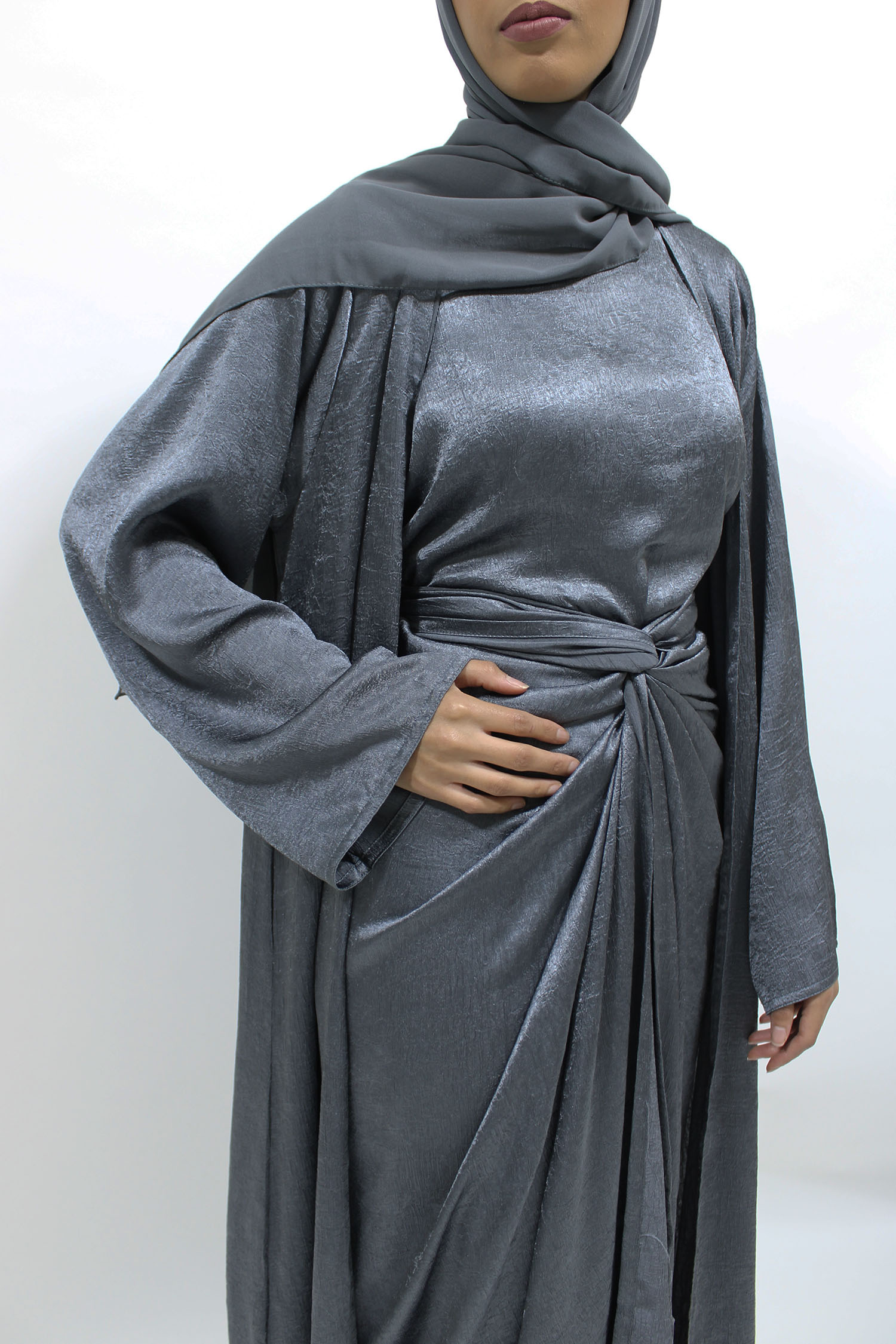
Popular styles and how they fit different body types
Let’s break down some common styles and who they flatter best:
| Abaya Style | Description | Best For |
|---|---|---|
| Open Abaya | Front open, often worn over other clothing. | Great for layering; suits tall and petite frames. |
| Closed Abaya | Fully closed from neck to hem. | Ideal for those who prefer a modest, streamlined look. |
| Kimono Abaya | Wide sleeves, looser fit with an airy feel. | Perfect for warm climates and curvier figures. |
| Embroidered Abaya | Decorative stitching for a stylish touch. | Good for special occasions and adding personality. |
What is an abaya, and why do Muslim women wear it?
If you’ve ever paused to wonder, “What exactly is an abaya, and why is it such an essential garment for so many Muslim women?” — you’re not alone. I remember when I first started exploring modest fashion, the abaya seemed like more than just clothing. It’s a symbol, a statement, and deeply rooted in culture and faith. Let me share what I’ve learned, so you feel connected, informed, and maybe even inspired.
The Abaya: More Than Just a Piece of Clothing
At its core, the abaya is a loose-fitting, full-length robe worn by many Muslim women, primarily in Middle Eastern countries, but increasingly around the world. It’s traditionally black, flowing gracefully from the shoulders to the feet, designed to provide modesty and comfort. But to call it just a garment misses its rich cultural and spiritual meaning.
Wearing an abaya is often a reflection of personal and religious values. It’s about modesty — a principle emphasized in Islam that encourages covering the body in a way that preserves dignity and humility. For many women, the abaya is a daily expression of faith, a reminder of inner strength and identity.
Why Do Muslim Women Choose to Wear the Abaya?
The reasons vary widely, and that’s what makes the abaya so fascinating. Here are some perspectives I’ve gathered — maybe some will resonate with you:
- Religious Commitment: For many, wearing an abaya fulfills the Islamic dress code, which calls for modesty and privacy. It’s a visible act of devotion, a personal choice to honor faith.
- Cultural Tradition: In places like Saudi Arabia, UAE, and parts of North Africa, the abaya is deeply embedded in cultural heritage. Wearing one connects women to generations before them, to family, community, and shared values.
- Personal Comfort and Style: Surprisingly, many women find the abaya to be both comfortable and stylish. Modern designs, fabrics, and embellishments have transformed it from simple to sophisticated, allowing individual expression within modesty.
- Privacy and Confidence: The abaya offers a form of privacy in public spaces, which can be empowering. I’ve heard from friends how wearing it helps them focus on their character and actions rather than appearance.
Stories from Women Who Wear the Abaya
Let me share a moment from my own experience. When I first started wearing an abaya regularly, I felt a mix of emotions — excitement, nervousness, and curiosity. I wondered if others would see me differently or if I’d feel restricted. What surprised me was the confidence it gave me. There was a sense of calm and control over how I presented myself to the world.
I also remember my aunt sharing how she views her abaya as a crown — a symbol of respect and grace. For her, it’s not just about modesty, but about owning her identity as a Muslim woman with pride.

The Evolution of the Abaya: Tradition Meets Modernity
While the abaya has ancient roots, it has evolved tremendously. Today, designers are blending traditional modesty with modern aesthetics. From embroidered patterns to luxurious fabrics like chiffon and crepe, there’s a growing movement to make abayas fashion-forward yet faithful to their purpose.
| Aspect | Traditional Abaya | Modern Abaya |
|---|---|---|
| Fabric | Usually opaque and heavy like crepe or wool | Lighter materials like chiffon, georgette, silk blends |
| Color | Predominantly black or dark tones | Expanded palette including beige, navy, pastel accents |
| Design | Simple and plain, minimal embellishments | Intricate embroidery, lace, beadwork, and even prints |
| Fit | Loose and flowing for modesty | More tailored cuts with stylish draping |
But What Happens if You Skip Understanding the Abaya’s Meaning?
Skipping this understanding can make the abaya feel just like another garment, missing the deeper connection. It’s more than fabric and thread — it’s about identity, culture, and personal faith. When you wear it with awareness, it becomes empowering. Without that, it can feel hollow or imposed, which nobody wants.
So, as you choose your abaya, remember it’s not just what you wear, but why you wear it. That’s what truly makes it perfect for you.
How has the abaya evolved over time across different cultures?
Let’s be honest — the abaya isn’t some static, one-size-fits-all garment. It’s a living, breathing part of culture that has evolved dramatically over the decades. I often find myself fascinated by how a piece of clothing can carry such deep tradition yet adapt so beautifully to changing times, tastes, and places. If you’re curious about how the abaya’s journey spans continents and centuries, I’m here to take you through that story — with personal insights and cultural highlights that might surprise you.
The Roots: Origin and Early Forms
The abaya’s origin traces back centuries, deeply embedded in Arabian Peninsula customs. Traditionally, it served a clear purpose: modesty, protection from the harsh desert sun, and cultural identity. The early abayas were very simple — mostly black, flowing, and practical. They were less about fashion and more about function and faith.
Growing up hearing stories from my grandmother, I remember how the abaya was treated as a daily necessity — often handmade at home, with little to no decoration, just sturdy fabric to shield a woman’s modesty. It was this simplicity that defined the abaya for generations.
The Gulf’s Signature Style and Its Global Influence
Fast forward to modern times, the Gulf region — especially Saudi Arabia, UAE, and Kuwait — became the epicenter of the abaya’s iconic style. Here, the abaya not only symbolizes modesty but also cultural pride and identity. The black abaya, often paired with a shayla (headscarf), became globally recognized.
But what’s fascinating is how this Gulf style influenced abayas worldwide. In countries like Malaysia, Indonesia, and even Western cities with large Muslim populations, you’ll find women embracing the abaya’s elegance while infusing local cultural elements.
Diverse Interpretations: From Morocco to Southeast Asia
Every culture adds its unique flair to the abaya, making it rich and diverse:
- Morocco: Here, the abaya often blends with the djellaba, featuring colorful embroidery and heavier fabrics perfect for cooler climates.
- Indonesia and Malaysia: The abaya takes on lighter fabrics like batik prints and pastel colors, melding tradition with tropical comfort.
- North Africa: Abayas here may include ornate gold stitching and richer textiles, reflecting Berber and Arab heritage.
I’ve had the chance to wear abayas inspired by these cultures during travels and special events. It’s incredible how one garment can adapt so beautifully — a testament to the flexibility of modest fashion.

Modern Trends and Innovation: Where Tradition Meets Style
The last two decades have ushered in an exciting evolution for the abaya — designers worldwide have started to challenge conventions without losing the core of modesty. I remember attending a modest fashion show in Dubai, where the abayas on the runway were anything but boring:
- Use of luxurious fabrics like velvet, silk, and lace
- Incorporation of subtle prints and bold color palettes
- Tailoring innovations — cinched waists, asymmetric hems, and layering
- Embellishments — embroidery, beadwork, and appliqué that add personality
These trends reflect a growing desire to express individuality and beauty while respecting tradition. It’s about owning your faith with style, which I find personally empowering.
| Era / Region | Typical Abaya Style | Key Features | Modern Adaptations |
|---|---|---|---|
| Traditional Arabian Peninsula | Simple, flowing black abaya | Heavy fabric, loose fit, minimal decoration | Still foundational, but now paired with stylish accessories |
| Morocco & North Africa | Embroidered abaya with rich fabrics | Colorful stitching, heavier textiles | Mixes tradition with contemporary cuts and colors |
| Indonesia & Malaysia | Light, colorful abayas | Batik prints, pastel tones, breathable fabrics | More tailored fits and modern styling |
| Contemporary Global | Varied styles, from minimalist to ornate | Innovative fabrics, mixed colors, embellishments | Fashion-forward designs maintaining modesty |
Personal Reflections: Why This Evolution Matters to Me
I’ve always believed that clothing should tell a story — our story. The abaya’s evolution mirrors the evolving identities of Muslim women today. It allows us to honor our faith while embracing creativity and confidence. Whether it’s a traditional black abaya or a contemporary embroidered masterpiece, each choice reflects a chapter in our personal journey.
If you’re thinking about exploring abayas beyond the classic style, I encourage you to see this evolution as an invitation, not a rulebook. Fashion, after all, should feel like an extension of your soul — modest, yes, but vibrant, dynamic, and uniquely you.
What makes a high-quality abaya — and how can you tell?
Choosing the perfect abaya can feel overwhelming, right? I remember the first time I really paid attention to quality — it was a game changer. Because let’s face it: not all abayas are created equal. Some are stiff, scratchy, or lose their shape after just a few wears. Others feel like a second skin, comfortable yet elegant, making you feel confident and graceful. So, what exactly separates a high-quality abaya from the rest? Let me walk you through what I look for, with tips you can use next time you shop.
Fabric Matters More Than You Think
First things first: fabric is everything. The feel of the abaya on your skin sets the tone for your entire day. High-quality abayas are typically made from natural fibers or premium blends — think crepe, silk blends, georgette, or high-end chiffon. These fabrics drape beautifully and breathe well, so you’re not sweating or feeling restricted.
On the flip side, cheap polyester or low-grade synthetic fabrics might look shiny or stiff and often make the abaya cling in awkward ways. Trust me, your skin will notice the difference.
| Fabric Type | Pros | Cons | Typical Use |
|---|---|---|---|
| Crepe | Lightweight, breathable, elegant drape | Can wrinkle easily if not cared for | Everyday and formal abayas |
| Silk Blends | Luxurious feel, smooth texture | Higher maintenance, delicate | Special occasions, high-end abayas |
| Georgette | Soft, flowy, slightly textured | Can be sheer; requires lining | Layered and styled abayas |
| Polyester (low-grade) | Affordable, easy to clean | Less breathable, prone to static and cling | Budget options, casual use |
Construction: Stitching and Fit Are Key
Next, you want to get up close and personal with the stitching. This is a detail many overlook but honestly, it makes a massive difference. High-quality abayas have even, tight stitches that don’t pucker or unravel easily. Seams should lie flat and feel smooth on the inside — no itchy threads or loose ends.
The fit should also strike the perfect balance: modest yet flattering. I’ve found that abayas with thoughtfully tailored armholes, sleeves, and waistlines — even if subtle — give you that confident ease without feeling like you’re swimming in fabric.
Design Details That Elevate
Sometimes, the little things speak volumes about quality. Think subtle embroidery, hand-applied beads, or fine lace trims. These details, when done with care, can elevate an abaya from plain to spectacular. But watch out for cheap embellishments that look glued on or snag easily.
A great abaya feels intentional — every stitch and adornment serves a purpose, enhancing modest beauty without shouting for attention.

Longevity and Care
Quality also means your abaya can stand the test of time. A well-made abaya won’t lose its shape, fade dramatically, or wear thin after a few washes. Always check the care instructions; high-quality fabrics often require gentle hand washing or dry cleaning but are worth the effort.
When I invest in an abaya, I think of it as a long-term relationship. The right care keeps it looking fresh and feeling lovely — almost like it grows with you.
Personal Experience: How I Learned to Spot Quality
I remember the moment I stopped settling for less. It was during Ramadan, and I wanted a special abaya for Eid. I walked into a boutique, feeling both excited and skeptical. The first abaya I touched felt rough and cheap, but the second? Pure magic. It glided through my fingers like a whisper and draped perfectly on the mannequin.
Wearing that abaya made me realize that quality isn’t just about the label or price tag — it’s how it makes you *feel*. Comfortable, elegant, and true to yourself.
So next time you’re choosing an abaya, pause to feel the fabric, examine the details, and imagine how it will move with you throughout your day. Quality is a silent companion that supports your modesty and style in every moment.
Which abaya is best for daily wear and errands?
Let me be honest with you — when it comes to daily wear, I want an abaya that’s comfortable, practical, but still stylish enough to feel put together. Running errands, school drop-offs, or just grabbing coffee means I need something easygoing yet respectful of modesty and culture. You’ve probably felt this too: the struggle to find an abaya that works for busy days without sacrificing your personal style. So, what should you look for in an everyday abaya? Let’s break it down.
Comfort Is Non-Negotiable
When I’m picking an abaya for daily wear, comfort is king. That means lightweight, breathable fabrics that move with me rather than against me. Cotton blends, soft crepe, or jersey fabrics are my go-to picks because they’re gentle on the skin and allow airflow — especially in warmer weather.
I learned the hard way that thick or heavy fabrics make long days exhausting. Trust me, an abaya that feels like a warm hug without the sweat is a blessing.
Simple Styles Work Best
For everyday abayas, simplicity is your friend. Minimal embellishments or flashy details make for an abaya that’s easier to wash, maintain, and pair with accessories. I tend to choose abayas with clean lines — maybe a subtle cuff detail or a tasteful pocket here and there — but nothing that screams high maintenance.
The classic straight-cut abaya or an open-front kimono-style are timeless options that fit the bill beautifully.
Colors and Patterns for Daily Wear
I know many women love black for its slimming and formal feel, but daily wear can totally include softer tones too. Navy, taupe, or deep greens are wonderful alternatives that hide dirt and stains better than lighter colors.
Patterns can be tricky. I tend to avoid heavy prints on casual abayas because they feel less versatile. However, delicate embroidery or subtle stripes can add a touch of personality without overwhelming the look.
| Fabric | Pros for Daily Wear | Cons | Best For |
|---|---|---|---|
| Cotton Blend | Soft, breathable, easy to clean | May wrinkle easily | Warm weather, casual errands |
| Lightweight Crepe | Elegant drape, wrinkle-resistant | Needs gentle washing | Office and casual wear |
| Jersey Knit | Stretchy, comfortable, casual | Can lose shape over time | Home, quick outings |
Functionality: Pockets, Ease of Movement, and Versatility
I can’t stress this enough — pockets are a game changer! Whether it’s holding your phone, keys, or a small prayer bead pouch, an abaya with discreet pockets can make life so much easier. Plus, look for abayas with a bit of stretch or roomy cuts around the arms for freedom of movement — especially if you’re always on the go.
Versatility is another plus. The best daily abaya should transition smoothly from morning errands to casual meetups with friends or family without feeling out of place.

Personal Story: My Everyday Abaya Journey
I used to own several heavy, heavily embroidered abayas that were stunning but totally impractical for daily wear. I’d feel restricted and constantly worry about snagging delicate details. It wasn’t until I found a lightweight crepe abaya with simple lines and pockets that I truly felt free.
One day, running after my kids and juggling grocery bags, I was grateful for the ease it gave me — no fuss, no worries. That’s when I realized the power of a well-chosen everyday abaya. It doesn’t just cover you; it supports you.
Styling Tips for Daily Wear
- Pair with comfy sneakers or low flats to stay on your feet all day.
- Add a simple hijab in a breathable fabric to match your abaya’s tone.
- Layer with a casual cardigan or denim jacket in cooler months.
- Accessorize lightly — a delicate watch or small stud earrings keep it polished yet effortless.
At the end of the day, your daily abaya should feel like a trustehttps://www.amanis.com/hijabs/d friend, something that helps you move through life with dignity and ease. It’s not just about modesty, but about honoring yourself in every step you take.
What kind of abaya should I wear to work or the office?
Let’s be honest — dressing for work is an art. You want to look professional, feel comfortable, and still respect your values of modesty. I’ve been there, juggling meetings, deadlines, and sometimes the dreaded dress code confusion. So, what’s the ideal abaya for the office that checks all these boxes? Let me walk you through what I’ve learned after years of trial and error.
Striking the Perfect Balance: Professional Meets Modest
When I choose an abaya for work, I’m looking for something that says “I’m confident, capable, and polished” without screaming “formal event.” The trick is in picking a style that’s structured but not stiff — something that flatters your figure while maintaining the modest flow of an abaya.
Tailored cuts and clean lines are my go-to. Think of an abaya that subtly cinches at the waist or has a slight flare to give you shape without being tight. This kind of silhouette works wonders under a blazer or cardigan, making your outfit office-appropriate without compromising comfort.
Fabric Choices That Work All Day
Fabric is a big deal when it comes to office wear because you need something breathable yet polished. I always lean towards lightweight crepe, soft polyester blends, or premium chiffon because they drape elegantly and resist wrinkles — a lifesaver for those back-to-back meetings.
Avoid heavy fabrics or anything too sheer (because hello, professionalism). These choices ensure you stay cool in warmer months and can layer comfortably when it’s chilly.
| Fabric | Why It Works for Office | Care Tips | Best for Seasons |
|---|---|---|---|
| Lightweight Crepe | Wrinkle-resistant, elegant drape | Hand wash or gentle machine wash | Year-round |
| Polyester Blend | Durable, easy care, colorfast | Machine washable | Year-round |
| Premium Chiffon | Light, breathable, formal look | Dry clean recommended | Spring & Summer |
Colors and Designs for a Professional Look
Here’s the thing — the office environment often calls for muted, neutral tones. Navy, charcoal, beige, and classic black are my favorites because they convey professionalism and pair well with accessories or office wear staples.
However, don’t shy away from subtle details that show your personality. A tasteful embroidery on the cuffs, a delicate piping along the edges, or a slight color-block pattern can set your abaya apart without crossing the line into flashy.
Functionality: Work-Friendly Features
I can’t emphasize enough how important functionality is. Deep pockets, for instance, make a huge difference when you need to carry essentials like your ID badge, phone, or pen. Look for abayas with easy front closures, such as hidden zippers or buttons, so you can get dressed quickly without fuss.
Sleeves that are slightly tapered or with adjustable cuffs help avoid catching on keyboards or papers — a small detail that makes your workday smoother.

Personal Experience: Finding My Work Abaya Groove
Early in my career, I struggled with bulky, shapeless abayas that made me feel swallowed up in meetings. Then I discovered tailored abayas with soft fabrics — suddenly, I felt confident and comfortable, ready to take on my day without fussing over my outfit.
One memorable day, I paired a navy crepe abaya with a matching hijab and subtle pearl earrings. Colleagues noticed — not because it was flashy, but because it radiated professionalism and personal style. That was a turning point for me, realizing modest fashion and office readiness go hand in hand.
Styling Tips for the Office
- Pair your abaya with closed-toe shoes or smart loafers for a polished look.
- Add a structured blazer or tailored cardigan to elevate your outfit.
- Keep your hijab neat with smooth fabrics like satin or silk blends.
- Minimal, elegant jewelry works best — think studs or a delicate watch.
- Use neutral-toned bags or totes that complement your abaya’s color.
Remember, your work abaya is not just a piece of clothing — it’s your armor for the day, a reflection of your dedication and professionalism. Choose wisely, and you’ll feel empowered, respected, and comfortable all day long.
How do I choose an abaya for Eid, weddings, or special occasions?
Let’s be real — special occasions call for something a bit more magical, don’t they? Eid celebrations, weddings, or any festive event are moments when your abaya isn’t just a garment; it’s a statement. It’s about feeling radiant, elegant, and honoring the occasion while staying true to your modest style. I’ve learned over time that picking the perfect special occasion abaya is like finding that sparkly gem in a sea of basics. So, how do you make the right choice without feeling overwhelmed? Let me share my personal journey and some practical tips to help you shine.
Understand the Occasion and Venue
The first step I take is to really visualize the event. Is it a daytime Eid prayer in the mosque? Or a lavish evening wedding reception? The venue and time affect the fabric, color, and embellishment choices. For a casual Eid gathering, something light and breathable feels right, while weddings often demand a bit more flair and luxury.
Trust me, I once wore an ultra-glam abaya to a simple family Eid brunch, and I was way overdressed. It taught me to always tailor my outfit to the event’s vibe.
Fabric Choices: Luxe but Comfortable
Special occasion abayas are all about fabrics that feel indulgent but also let you move freely — because, let’s face it, there’s a lot of hugging, eating, and dancing involved! Silk, satin, georgette, and embroidered chiffon are my favorites for festive abayas.
| Fabric | Why It’s Ideal for Special Occasions | Care Tips | Best For |
|---|---|---|---|
| Silk | Luxurious sheen and soft drape | Dry clean recommended | Evening weddings, formal Eid |
| Satin | Glossy finish and elegant flow | Hand wash or dry clean | Weddings, receptions, special dinners |
| Embroidered Chiffon | Lightweight with intricate detailing | Dry clean recommended | Eid prayers, festive gatherings |
Colors That Speak Celebration
Bright colors and metallic tones tend to dominate special occasions. Jewel tones like emerald green, sapphire blue, and deep burgundy add richness and depth. I remember choosing a deep maroon abaya with delicate gold embroidery for an Eid celebration — I felt regal without trying too hard.
Pastels and blush tones also work beautifully, especially for daytime weddings or more subtle events. The key is balance: don’t overdo the sparkle if your abaya has heavy embroidery — keep the hijab and accessories understated to avoid looking too busy.

Design Details: Embroidery, Beading, and Cuts
This is where you can really let your personality shine. Intricate embroidery, subtle beadwork, or lace inserts elevate a simple silhouette into something unforgettable. But a word of caution — less is often more. I’ve seen abayas so heavily embellished they felt stiff and uncomfortable. Always check the lining and how the details feel against your skin.
Personally, I love abayas with delicate hand-stitched floral embroidery around the cuffs and neckline — it adds charm and elegance without overwhelming the look.
Practical Tips for Special Occasion Abayas
- Pick an abaya that allows easy movement — you want to dance and socialize freely.
- Consider layering with a matching or contrasting hijab that complements your abaya’s color and embellishments.
- Don’t forget the length — a floor-length abaya adds drama but can be tricky if it’s too long for your height.
- Accessorize thoughtfully — elegant clutch bags, delicate jewelry, and classic heels complete the look.
My Story: The Eid Abaya That Turned Heads
One Eid, I picked a stunning midnight blue satin abaya with subtle silver embroidery on the sleeves. The fabric shimmered under the mosque lights, and the cut was modest yet graceful. Throughout the day, I kept receiving compliments, and it felt wonderful knowing I looked put together without sacrificing my modesty. That experience taught me that choosing the right abaya for special occasions is about confidence as much as style.
Summary Table: Key Factors When Choosing a Special Occasion Abaya
| Factor | What to Look For | Example Choices |
|---|---|---|
| Fabric | Luxurious, comfortable, breathable | Silk, Satin, Embroidered Chiffon |
| Color | Rich jewel tones, pastels, metallic accents | Emerald, Burgundy, Blush, Gold |
| Design | Elegant embroidery, subtle beading | Floral embroidery, lace details |
| Fit | Graceful, allows movement | Flowy cuts, floor length |
| Accessories | Simple, elegant | Delicate jewelry, matching hijab |
So next time you’re preparing for Eid, a wedding, or any special day, remember that your abaya should be a reflection of your spirit — joyful, dignified, and authentically you. It’s not just about looking beautiful; it’s about feeling the joy and grace that come with embracing your identity and traditions.
What are the best abayas for Hajj and Umrah?
When it comes to Hajj and Umrah, choosing the right abaya isn’t just a style choice — it’s about comfort, practicality, and spiritual respect. These sacred journeys demand attire that honors the rituals and the environment, while also keeping you comfortable during long days of walking, praying, and reflection. I remember preparing for my first Umrah with a mix of excitement and nerves, and the abaya decision was one of my biggest concerns. Let me share what I’ve learned to help you find the perfect abaya for your pilgrimage.
Why Special Consideration Matters for Pilgrimage Abayas
Unlike everyday wear or even special occasions, abayas for Hajj and Umrah need to prioritize breathability, ease of movement, and simplicity. The holy sites are often crowded, temperatures can soar, and the rituals require a humble, unpretentious appearance. You’re not aiming to impress anyone — you’re focused on your devotion.
I recall my first Hajj during the scorching summer — my abaya’s fabric and fit made a huge difference in how I felt physically and mentally. It wasn’t just about modesty but about being present in every moment without distraction.
Key Fabric Choices for Hajj and Umrah Abayas
Breathable, lightweight fabrics are absolute musts. Think cotton blends, lightweight crepe, or soft linen blends. These fabrics help wick away moisture, reduce heat, and prevent irritation. Avoid heavy or shiny materials that trap heat or draw attention.
| Fabric | Benefits | Care Tips | Ideal For |
|---|---|---|---|
| Cotton Blend | Highly breathable, soft, easy to wash | Machine wash gentle cycle | Everyday and pilgrimage wear |
| Lightweight Crepe | Flowy, wrinkle-resistant, modest drape | Hand wash or gentle cycle | Umrah and Hajj, moderate climate |
| Linen Blend | Natural fiber, cool, absorbs sweat | Hand wash recommended | Hot weather, outdoor rituals |
Style and Cut: Simplicity with Purpose
The abaya style for pilgrimage should be loose enough to allow airflow but not too long that it drags or causes tripping hazards in crowded areas. A straight-cut or A-line abaya with minimal embellishments is ideal — it keeps the focus on worship, not wardrobe. I found that abayas with a slight flare and soft hems helped me walk comfortably without fuss.
Avoid buttons, heavy embroidery, or accessories that could snag or cause discomfort during Tawaf or Sa’i. Instead, opt for pull-over designs or abayas with easy-to-use zippers hidden discreetly.
Color Choices: Tradition Meets Practicality
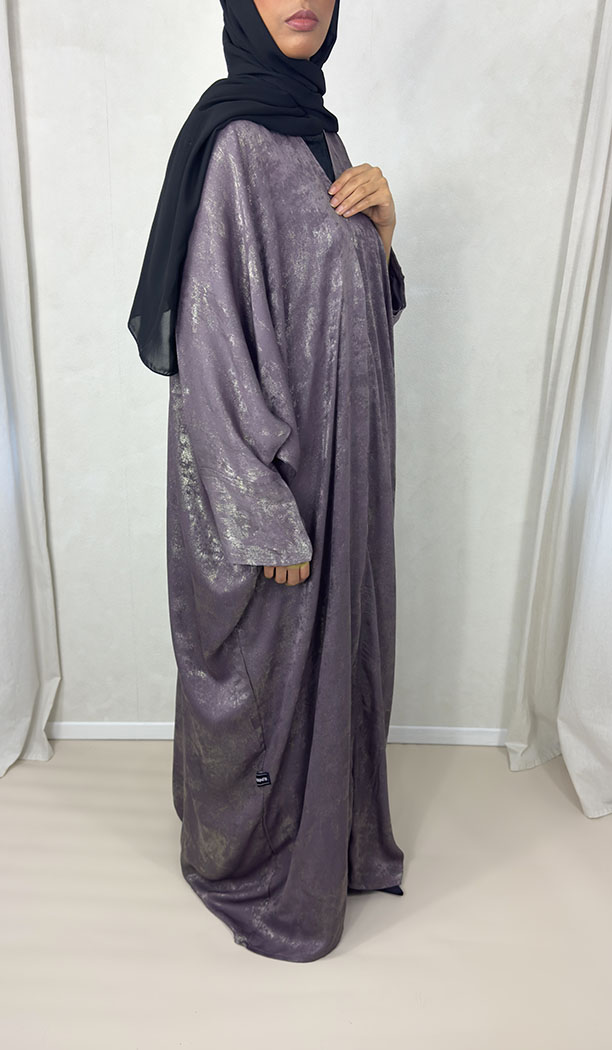
While black is traditional and most common, many pilgrims also wear navy, dark gray, or deep brown abayas. The key is choosing a color that resists visible dirt and can be paired with a simple hijab. I personally prefer classic black for Hajj — it feels grounding and uniform among fellow pilgrims, fostering a sense of unity.
Additional Features for Pilgrimage Comfort
- Lightweight lining: prevents see-through but keeps the abaya breathable.
- Wrinkle-resistant fabric: important when packing and during long days.
- Easy care: machine washable or hand washable fabrics make freshening your abaya easier during the trip.
- Minimal embellishments: avoid sequins or beads that might fall off or irritate.
My Personal Checklist Before Packing
Before heading to the airport, I always make sure my pilgrimage abaya checks these boxes:
| Criteria | Why It Matters | My Pick |
|---|---|---|
| Breathable Fabric | To stay cool and comfortable | Cotton blend with light crepe overlay |
| Simple Style | Allows ease of movement and modesty | Straight cut, no embellishments |
| Color | Traditional and practical | Classic black |
| Easy Care | Machine or hand washable for convenience | Machine washable cotton blend |
Final Thoughts: Wearing Your Intention
The right abaya for Hajj and Umrah is more than fabric and cut — it’s a companion on your spiritual journey. It should support your comfort, dignity, and devotion without distraction. From experience, simplicity paired with thoughtful fabric choice is the winning formula. It lets you focus on what truly matters: your connection to Allah and the deep peace that comes with fulfilling this sacred pilgrimage.
Remember, your abaya doesn’t need to be flashy or trendy here — it needs to be respectful, practical, and comfortable. When I wear mine on this journey, I feel grounded and ready to pour my heart into every prayer and step.
Is there an abaya style suited for travel or vacation?
Traveling while wearing an abaya—whether for vacation, visiting family, or exploring new cities—can sometimes feel like a challenge. You want to maintain your modesty and style but also stay comfortable and practical. Trust me, I’ve been there: long flights, unfamiliar climates, and packing dilemmas all add to the stress. But over time, I’ve discovered exactly what makes an abaya truly travel-friendly, and I’m excited to share those insights with you.
Why Choosing the Right Travel Abaya Matters
Let’s be honest: travel means long hours sitting, often cramped spaces, and unpredictable weather. You need an abaya that adapts with you—lightweight for heat, breathable for comfort, and wrinkle-resistant so you don’t look like you just rolled out of your suitcase. Plus, ease of care is key when laundry options are limited. It’s not just about looking good; it’s about feeling good, too.
I remember a trip to a humid coastal city where my usual heavy black abaya felt like a sauna suit. After that, I vowed to always pack a “travel abaya” that’s lightweight and fuss-free. If you’re planning a trip soon, let’s explore how to pick one that’ll keep you comfy and confident, no matter where you go.
Fabric: The Heart of a Travel-Friendly Abaya
When you’re choosing a travel abaya, fabric is everything. I always opt for blends that are breathable but wrinkle-resistant—think lightweight polyester blends, bamboo fabric, or crepe. These fabrics breathe well, dry quickly, and don’t crease easily, so you can unpack and go without a ton of ironing. Plus, many come with a slight stretch, which means extra comfort for those long flights or bus rides.
| Fabric | Why It Works for Travel | Care Instructions | Best For |
|---|---|---|---|
| Polyester Blend | Wrinkle-resistant, lightweight, durable | Machine wash gentle, hang dry | Humid or cool climates |
| Bamboo Fabric | Soft, breathable, moisture-wicking | Hand wash recommended | Hot climates, sensitive skin |
| Crepe | Flowy, resistant to wrinkles, elegant drape | Hand wash or gentle machine wash | Casual or semi-formal travel |
Styles That Travel Well
For me, the best travel abayas have a relaxed fit but still hold their shape. Straight-cut or A-line abayas with minimal detailing are winners because they don’t snag or get bulky in luggage. Pull-over styles or those with hidden zippers help when you’re going through airport security or changing on the go. Also, look for abayas with side pockets — those come in handy for stashing travel essentials like your phone or passport.
I once packed an abaya with heavy embroidery and found it caught on my suitcase zipper multiple times — lesson learned! Now, simplicity is my travel mantra.
Color and Patterns for Travel
While black remains a classic, travel abayas can also have subtle patterns or earth tones that mask wrinkles and dirt better than solid dark colors. For instance, deep navy, olive, or charcoal are great alternatives. I love wearing soft floral or geometric prints when I want to add a little personality without compromising modesty or style.

Packing Tips for Your Travel Abaya
- Roll, don’t fold: Rolling your abaya helps reduce creases and saves space.
- Use garment bags: Protect your abaya from friction and wrinkles during transit.
- Choose multi-purpose scarves: A versatile hijab can complement your abaya and double as a travel blanket or pillow.
My Personal Travel Abaya Essentials Checklist
| Feature | Benefit | My Favorite Picks |
|---|---|---|
| Wrinkle-resistant fabric | Looks fresh after long trips | Polyester crepe blend |
| Loose but shaped fit | Comfortable yet modest | A-line abaya with slight flare |
| Neutral or patterned colors | Hides stains and looks stylish | Charcoal gray with subtle patterns |
| Easy-to-wear closures | Quick on/off for travel convenience | Hidden zipper or pullover |
In Conclusion: Travel with Confidence and Grace
The right travel abaya is like a trusted travel companion: it supports you, adapts to your needs, and lets you focus on the joy of exploring new places without compromising your values or comfort. Choosing fabrics that breathe and resist wrinkles, styles that allow freedom, and colors that hide wear will transform your travel experience.
Personally, I’ve found that investing in a few versatile travel-friendly abayas has made every trip more enjoyable. So next time you’re packing your suitcase, think of your abaya as more than just clothing—it’s part of your journey, and with the right one, you’ll travel beautifully, inside and out.
How do I find an abaya that flatters my body shape?
Let’s be real for a moment—finding an abaya that makes you feel both comfortable and confident isn’t just about picking any black cloak off the rack. It’s deeply personal, almost like finding a friend who understands your shape, your style, and your story. Over the years, I’ve learned that knowing your body shape can transform how you choose an abaya, so it truly flatters you and celebrates your unique beauty.
Why Does Body Shape Matter When Choosing an Abaya?
I used to think that abayas were one-size-fits-all, but the truth is, the right cut and fit can highlight your best features while offering modest coverage where you want it. Wearing an abaya that suits your body shape isn’t about showing off; it’s about feeling elegant and comfortable, which then radiates confidence. So, if you’ve ever felt frustrated with an abaya that swallows you whole or feels too tight in the wrong places, you’re not alone.
Let’s break down the most common body shapes and the abaya styles that work best for each.
Understanding Your Body Shape
| Body Shape | Characteristics | Abaya Style Recommendations |
|---|---|---|
| Apple (Round) | Wider midsection, slimmer legs |
|
| Pear (Triangle) | Wider hips, narrower shoulders |
|
| Hourglass | Defined waist, balanced hips and bust |
|
| Rectangle (Straight) | Balanced bust and hips, less defined waist |
|
Personal Story: My Journey with Body Shape and Abayas
I remember when I first started wearing abayas, I felt frustrated because nothing seemed to fit just right. My pear-shaped body meant some abayas made me feel top-heavy, while others clung to my hips awkwardly. It wasn’t until I discovered abayas with slight shoulder detailing and A-line cuts that I felt truly comfortable. Suddenly, getting dressed became less of a chore and more of a joy.
Tips for Choosing the Right Fit
- Try before you buy: Every brand sizes differently, so take time to try abayas on and walk around in them.
- Don’t shy away from tailoring: Sometimes a simple nip and tuck at the waist or sleeves can make all the difference.
- Pay attention to fabric: Stiffer fabrics hold shape better, while flowy materials drape softly and can mask areas you want less attention on.
Table: Fabric and Fit Combinations for Body Shapes
| Body Shape | Recommended Fabrics | Fit Notes |
|---|---|---|
| Apple | Crepe, chiffon, lightweight polyester | Flowy, loose fit to skim the midsection |
| Pear | Structured cotton blends, satin, velvet | More fitted on top, flowing below hips |
| Hourglass | Silk, soft crepe, stretch fabrics | Fitted to show waist but not tight |
| Rectangle | Layered chiffon, embroidered fabrics | Use layers and volume to create curves |
Final Thoughts: Embrace Your Shape with Pride
At the end of the day, your abaya is an extension of your personality and a way to honor your modesty. Finding a style that flatters your body shape isn’t about fitting into a mold; it’s about embracing your unique form and celebrating it with grace. So, take your time, experiment with cuts and fabrics, and most importantly, listen to your body and heart.
Remember, the perfect abaya isn’t just about looks — it’s about how it makes you feel when you wear it. And if it boosts your confidence even just a little? Well, that’s the real magic.
What’s the difference between fitted, flared, and kimono-style abayas?
When I first started exploring the world of abayas, I remember getting overwhelmed by all the different cuts and styles. You see, “abaya” isn’t just one shape or silhouette — it’s a rich tapestry of designs that reflect personality, comfort, culture, and occasion. If you’re like me, you’ve probably wondered, “What exactly sets a fitted abaya apart from a flared or kimono-style one?” So let’s unpack this together, with real talk and plenty of practical insights.
Understanding the Basics: What Defines Each Style?
Each abaya style has its own vibe, mood, and function. Think of it as choosing your outfit based not just on how it looks, but on how it feels when you wear it, and the kind of day you have ahead.
| Style | Key Characteristics | Best For | Common Fabrics |
|---|---|---|---|
| Fitted Abaya | Tailored close to the body, accentuates silhouette without being tight | Work, formal events, casual outings with a polished look | Crepe, silk blends, stretch fabrics |
| Flared Abaya | Loose from the waist down, wider hem, flowing movement | Everyday wear, special occasions needing modest elegance | Chiffon, satin, soft cotton blends |
| Kimono-Style Abaya | Wide sleeves, loose fit, often open front with belt or sash | Casual, travel, layered looks, relaxed style | Lightweight fabrics like linen, rayon, crepe |
Fitted Abayas: Polished and Purposeful
I love fitted abayas because they strike this perfect balance of modesty and style. They hug your shape gently, giving you a sleek silhouette without compromising comfort. I’ve worn fitted abayas to work and even family gatherings where I wanted to look elegant but not overdressed. The secret is in the tailoring — the cut contours subtly around your waist and shoulders but leaves enough room to move freely.
These abayas often come with small slits on the side or subtle stretch fabrics that make walking and sitting easy. I remember buying my first fitted abaya in a beautiful navy crepe fabric. It felt like it was made for me, and the compliments didn’t stop!
Flared Abayas: Grace in Motion
Flared abayas are all about freedom and grace. If you want an abaya that flows with you, dances when you walk, and feels light as a breeze, this is it. The flare usually starts from the waist or hips and cascades down in soft waves.
I wore a flared abaya to my cousin’s wedding, and I still remember how it made me feel like I was gliding rather than walking. It’s the kind of style that’s modest yet playful, perfect for occasions when you want to express a little extra femininity without breaking any dress codes.
Kimono-Style Abayas: Relaxed and Versatile
Now, kimono-style abayas are a game-changer for casual days and travel. The wide sleeves and loose fit give a relaxed vibe — almost like you’re wrapping yourself in comfort. Many kimono abayas come open-front with a belt or sash to cinch the waist if you want some shape.
My go-to for summer trips is always a lightweight kimono abaya made from linen or rayon. It’s breathable, easy to layer, and stylish without trying too hard. Plus, it works well over everything from jeans to dresses, making it an incredibly versatile piece.
Table: When to Choose Which Style
| Occasion | Fitted | Flared | Kimono-Style |
|---|---|---|---|
| Work/Office | ✔️ Polished, structured look | ✔️ Elegant but less common | ❌ Too casual for most offices |
| Special Occasions | ✔️ Sleek and sophisticated | ✔️ Graceful and feminine | ❌ Usually too informal |
| Daily Wear | ✔️ Comfortable if fitted properly | ✔️ Flowing and breathable | ✔️ Relaxed and easy |
| Travel | ❌ Can be restrictive | ✔️ Light and breezy | ✔️ Most comfortable and versatile |
Final Thoughts: Pick What Feels Like You
I’ve found that no single style suits every mood or occasion, and that’s the beauty of abayas. Sometimes I want the sleekness of a fitted abaya to feel empowered during meetings. Other times, a flared abaya lifts my spirit with its graceful flow, reminding me to enjoy the moment. And on laid-back days or when traveling, my kimono-style abaya is a cozy hug that never lets me down.
At the end of the day, choosing between fitted, flared, or kimono-style abayas is about what resonates with your lifestyle, your comfort, and how you want to express your modesty. So go ahead — try them all, mix and match, and discover your own signature style that tells your story beautifully.
Can you wear an abaya with jeans or pants underneath?
This question is one I’ve heard so often from friends and family alike — and honestly, it’s one I used to wonder about too! Wearing an abaya with jeans or pants underneath might seem unconventional at first glance, but in reality, it’s a practical, modest, and stylish choice that many Muslim women embrace today. Let’s talk about why this combo works, how you can pull it off effortlessly, and what to consider to keep your look both modest and modern.
Why Wearing Jeans or Pants Underneath an Abaya Makes Sense
You might ask, “Why layer pants under an abaya?” Well, there are several reasons this has become popular:
- Added Comfort: Jeans or trousers give you extra warmth during cooler months or in air-conditioned environments.
- Practicality: If you’re out running errands or working, pants provide better freedom of movement and durability.
- Modesty: Wearing pants ensures your legs are fully covered, especially when the abaya fabric is thin or has slits.
- Style Flexibility: It allows you to experiment with layering and adds dimension to your outfit.
Personally, I love this layering technique because it helps me feel both comfortable and covered without sacrificing my modest style.
How to Style an Abaya with Jeans or Pants: Tips & Tricks
To pull off this look beautifully, here’s what I’ve learned over the years:
| Style Tip | What to Look For | Why It Works |
|---|---|---|
| Choose Longer Abayas | Abayas that cover the hips and fall below the knees | Maintains modesty by hiding the shape of the pants underneath |
| Pick Slim or Straight-Leg Pants | Jeans or trousers that aren’t too baggy or wide | Prevents bulkiness and keeps your silhouette sleek |
| Balance Colors | Neutral or matching colors like black, navy, beige | Creates a cohesive and polished look |
| Opt for Comfortable Fabrics | Stretch denim, soft cotton, or light trousers | Ensures ease of movement and all-day comfort |
| Layer Thoughtfully | Consider open abayas or ones with side slits | Allows the pants to peek through for a stylish effect |
Personal Story: How I Embraced Jeans Under My Abaya
I remember my first time wearing jeans beneath an abaya was actually out of necessity — it was a chilly winter morning, and my regular abaya felt too thin. I slipped on a pair of black skinny jeans under my loose abaya, and I instantly felt warmer and more comfortable. Plus, I loved how the jeans added a subtle edge to my look. Over time, this became my go-to outfit combo for casual outings or quick errands. It feels practical and fresh while keeping me aligned with my modesty values.
Common Concerns & How to Address Them
- “Will it look awkward?” Not at all! The key is layering properly and choosing the right abaya length and pants fit.
- “Does it still count as modest?” Yes, as long as your abaya covers your shape adequately and your pants aren’t tight enough to reveal contours.
- “Can I wear it for formal events?” Generally, this combo is more casual, but pairing tailored trousers with a high-quality abaya can elevate the look.
Table: When to Wear Jeans/Pants Under Your Abaya
| Occasion | Recommended Pants Type | Abaya Style to Pair | Why It Works |
|---|---|---|---|
| Running Errands | Stretch denim, comfortable jeans | Casual, open-front or side slit abaya | Easy movement and casual modest look |
| Work or Meetings | Tailored trousers or straight-leg pants | Fitted or structured abaya | Polished and professional appearance |
| Cool Weather | Layered thermal leggings or jeans | Long, thicker fabric abaya | Warmth without compromising style |
Final Thoughts: Embrace the Layers with Confidence
Wearing jeans or pants underneath your abaya isn’t just a practical hack — it’s a stylish way to express yourself while honoring modesty. Whether you’re layering for warmth, comfort, or a fresh take on tradition, the key is to experiment with fits, fabrics, and lengths until you find what feels authentic and comfortable to you.
Don’t be afraid to mix textures and colors — sometimes those subtle glimpses of denim beneath an abaya add just the right touch of personality and modern flair. Trust me, once you get the layering balance right, you’ll wonder why you ever hesitated to try this versatile, beautiful look.
Are open abayas or closed abayas more practical?
This is a question I’ve been asked so many times by sisters trying to figure out what fits best into their daily lives: should you go for an open abaya or a closed one? Honestly, both have their perks and challenges, and which is more practical really depends on your lifestyle, climate, and personal preferences. Let me share my experience and insights so you can decide what feels right for you.
Understanding the Basics: What Are Open and Closed Abayas?
First off, let’s clarify what these terms mean:
- Open Abayas: These are designed like a coat or cardigan — they’re open at the front, sometimes with buttons, zippers, or no closure at all.
- Closed Abayas: These are worn like a dress, fully closed with no front opening. You put them on over your head or step into them.
Both styles have been part of traditional modest wear for ages, but in recent years, open abayas have gained huge popularity because of their versatility.
Practicality in Daily Life: Which One Works Better?
From my own wardrobe and conversations with many women, here’s how the two compare in different aspects of daily wear:
| Aspect | Open Abaya | Closed Abaya |
|---|---|---|
| Ease of Wearing | Super easy to throw on and take off — like a jacket. | Requires more time to wear; you step into it or pull it over your head. |
| Layering Options | Great for layering over different outfits or for quick changes. | Less flexible — you wear it as one piece. |
| Comfort & Movement | More freedom of movement since it can flow open or close as you please. | Can be restrictive, depending on cut and fabric. |
| Weather Suitability | Perfect for warm or mild weather; can be left open to cool down. | Better for cooler weather, offering full coverage and warmth. |
| Modesty | Requires careful styling to maintain modesty (e.g., wearing a long tunic or dress underneath). | Inherently modest as it fully covers without gaps. |
My Personal Take: Which Do I Reach for Most Often?
If I’m honest, I have both in my closet, but I tend to reach for my open abayas more often. Why? Because life gets busy — whether I’m running errands, visiting friends, or juggling work from home, the open abaya feels like my trusty companion. It’s like slipping on a comfortable cardigan that instantly adds modesty and style. Plus, layering is easier when I can see and mix-and-match what I’m wearing underneath.
But when the weather turns chilly or I’m headed to a more formal event, I appreciate the elegance and simplicity of a closed abaya. It feels seamless, polished, and requires less fussing to keep modest coverage.
Styling Tips for Both Types
- Open Abayas: Wear them with long tops or dresses underneath that cover your shape fully. Accessorize with a statement belt to define your waist, or let them flow freely for a relaxed vibe.
- Closed Abayas: Choose fabrics that have some stretch or flow, like crepe or lightweight jersey, to avoid feeling confined. Patterns or embellishments can add personality without extra layers.
Table: Choosing Open vs Closed Based on Lifestyle
| Lifestyle Factor | Recommended Abaya Type | Reason |
|---|---|---|
| Busy, on-the-go days | Open Abaya | Easy layering and quick to put on or remove |
| Formal events or ceremonies | Closed Abaya | Elegant, seamless, and inherently modest |
| Hot climates | Open Abaya | Allows airflow and cooler wear |
| Cooler climates | Closed Abaya | Provides more warmth and full coverage |
Final Thoughts: What Truly Makes an Abaya Practical?
At the end of the day, practicality isn’t just about the garment — it’s about how it fits your lifestyle, your values, and your personal comfort. Both open and closed abayas hold their charm and usefulness. If you’re new to wearing abayas or want versatility, starting with an open style might be a great way to ease into modest dressing while enjoying flexibility. On the other hand, if you prefer simplicity and all-in-one coverage, closed abayas can be timeless staples.
So, trust your instincts, consider your daily routine, and don’t be afraid to experiment. Modest fashion is about empowerment, after all — feeling good in your clothes while honoring your beliefs. What feels practical and beautiful to you will always be the best choice.
How should a modern abaya fit — snug or flowy?
This question comes up a lot when I chat with sisters who want to keep their modesty but also look fresh and stylish. Honestly, the answer isn’t black and white—it really depends on your personal style, comfort level, and the occasions you wear your abaya for. I’ve been there, standing in front of the mirror wondering if my abaya hugs me too much or if it’s too loose to feel elegant. So let me share what I’ve learned about fit, so you can find the balance that works best for you.
The Traditional vs. The Modern Abaya Fit
Traditionally, abayas were very flowy—loose enough to cover every curve, almost like a gentle wave when you walk. This was all about preserving modesty in the purest form, and there’s nothing wrong with that. But as modest fashion evolves, modern abayas offer a spectrum of fits that respect tradition while embracing contemporary styles.
Modern abayas can be:
- Flowy and loose: Classic, timeless, comfortable for hot climates.
- Tailored and slightly snug: Offers a sleek silhouette without revealing the body’s shape too much.
- Mix of both: For example, fitted sleeves with a flowy body or a cinched waist with a loose skirt.
It’s important to remember: modesty is about intent and comfort, not just how baggy or tight your clothes are.
What Works Best for Different Body Types?
I’ve learned over time that the abaya’s fit can flatter your figure while keeping you modest if you choose the right style for your body type. Here’s a quick guide I put together based on my own journey and feedback from sisters across various shapes:
| Body Type | Recommended Fit | Why It Works |
|---|---|---|
| Petite | Slightly tailored, flowy hem | Prevents being overwhelmed by fabric; adds some height illusion |
| Curvy | Flowy with structured shoulders or a cinched waist | Balances shape and comfort; maintains modesty without hiding your silhouette |
| Tall | Either flowy or tailored, with longer lengths | Accentuates height; keeps proportions balanced |
| Plus-size | Flowy, lightweight fabrics with subtle tailoring | Comfortable and breathable while highlighting your confidence |
Fabric Matters: How It Influences Fit and Feel
A huge part of how your abaya fits and moves depends on the fabric choice. Trust me, fabric can make or break your abaya experience. Lightweight materials like chiffon, crepe, or georgette tend to drape beautifully without clinging, making a flowy fit feel elegant and effortless. On the other hand, fabrics like satin or silk blends are perfect if you want a bit more structure and shine, which suits a snugger or tailored cut.
When I picked my first tailored abaya, I chose a soft crepe fabric — it hugged my shoulders and waist gently but still flowed when I walked. That combination made me feel confident and modest without feeling like I was swimming in fabric or overly restricted.
Practical Tips for Choosing Your Fit
- Try before you buy: Don’t be shy about testing different fits in front of the mirror. Move, sit, and see how the fabric behaves.
- Think about the occasion: For daily wear, flowy abayas offer breathability and comfort. For events or work, a tailored abaya can look polished and put-together.
- Accessorize: Sometimes a simple belt or brooch can turn a flowy abaya into a fitted look, giving you versatility.
- Comfort first: You’ll wear your abaya all day, so make sure you feel at ease whether it’s snug or flowy.
Finding Your Balance: What I’ve Learned
Honestly, there’s no “one size fits all” when it comes to abaya fit. For me, the perfect abaya feels like a gentle hug—not too tight, not too loose—letting me move freely but still honoring the beautiful tradition of modesty. I switch between flowy and tailored depending on my mood, the weather, and the occasion.
If you’re still unsure, start with a classic flowy abaya in a lightweight fabric. Then experiment with tailored sleeves, a defined waist, or an open front to see what makes you feel most “you.” After all, modest fashion should empower you, not make you feel boxed in.
What is the best fabric for an abaya in hot weather?
Let me be honest—choosing the right fabric for an abaya when the temperature soars is a total game-changer. You’ve probably felt the discomfort of a heavy, clingy abaya on a scorching day, and maybe even wished for something lighter that lets your skin breathe without sacrificing modesty. I’ve been through this struggle myself, especially living in places where summer feels like a whole season on steroids. So, let me share what I’ve learned about the best fabrics for hot weather abayas, sprinkled with some personal tips that might just save you from melting in the heat.
Why Fabric Choice Matters in the Heat
It’s not just about the color or style; the fabric you pick directly affects your comfort and how the abaya moves with you. Hot weather calls for fabrics that are lightweight, breathable, and moisture-wicking. A thick or synthetic fabric might trap heat, cause sweating, and make you feel anything but modest or comfortable.
Over the years, I realized that the fabric choice can either make me dread wearing my abaya in summer or feel cool and confident wherever I go.
Top Fabrics for Hot Weather Abayas
Here’s a handy table I put together after trying many options and chatting with fellow sisters who live in hot climates:
| Fabric | Pros | Cons | Best For |
|---|---|---|---|
| Cotton | Breathable, lightweight, natural fiber, absorbs sweat | Wrinkles easily, less flowy | Daily wear, casual outings |
| Linen | Very breathable, lightweight, natural texture | Prone to wrinkles, slightly rough texture | Hot climates, casual and semi-formal |
| Chiffon | Sheer, lightweight, elegant drape | Requires lining, delicate | Formal wear, special occasions |
| Crepe | Soft texture, lightweight, flowy | Can be a bit warm in extreme heat | Work, casual, semi-formal |
| Jersey | Stretchy, breathable, soft | Can cling if too tight | Casual, daily wear |
Personal Stories: My Hot Weather Fabric Trials
When I first moved to a sunnier city, I thought any lightweight abaya would do. Oh, how wrong I was! My first cotton abaya felt great during the morning, but by noon, it clung awkwardly because of sweat. Then, I discovered linen abayas—so breathable and fresh! Although they wrinkle easily (which some may find charmingly natural), the cooling effect was worth it.
One Eid, I wore a chiffon abaya with a soft lining—yes, it was delicate, and I had to be careful, but the airy feel and elegant drape made me forget the heat. On the flip side, I avoid polyester blends like the plague during summer—they trap heat and make me feel sticky and restless.
Tips for Staying Cool in Your Abaya
- Go light on colors: Lighter shades reflect sunlight and help keep you cooler.
- Layer smart: Choose thin, breathable inner layers or none if possible.
- Loose is better: A slightly looser abaya improves airflow.
- Accessorize thoughtfully: Opt for lightweight scarves and avoid heavy jewelry that adds heat.
- Keep hydrated: This might sound basic, but staying hydrated helps your body regulate temperature.
Final Thoughts: Comfort Meets Modesty
Finding the perfect hot weather abaya fabric is about balancing modesty, comfort, and style. It took me a few seasons and plenty of trial and error, but now I have a go-to collection of cotton and linen abayas for my daily summer hustle, with a few chiffon pieces for those special moments. Remember, the right fabric doesn’t just protect your modesty—it empowers you to live your day fully, without sweating the small stuff (or the heat!).
Which abayas are best for winter or colder climates?
Let me tell you, dressing modestly during winter can feel like a tricky balancing act. You want to stay warm and cozy, but still uphold your style and modesty without feeling weighed down by bulky layers. Over the years, I’ve learned the hard way that not all abayas are created equal when it comes to colder weather. So, if you live somewhere chilly or just want to prepare your wardrobe for winter, I’m here to share everything I’ve discovered about choosing the best abayas to keep you warm and elegant all season long.
Why Winter Abayas Need Special Attention
When the temperature drops, you can’t just wear your light, flowy summer abaya and hope for the best—trust me, been there, froze that. Winter abayas need to offer insulation, durability, and the ability to layer without feeling bulky or restrictive. Comfort is key, but so is style because we all want to look our best no matter the season.
I remember one particularly cold winter when I tried to layer my usual abaya with multiple coats underneath. It was a nightmare of discomfort and awkward shapes. Since then, I’ve prioritized fabrics and cuts designed specifically for colder climates.
Top Fabrics and Styles for Winter Abayas
To help you navigate the winter abaya maze, here’s a detailed table breaking down the best fabrics, their pros and cons, and which occasions they’re perfect for:
| Fabric | Pros | Cons | Best For |
|---|---|---|---|
| Wool Blend | Warm, breathable, durable | Heavier, requires care | Daily wear, outdoor activities |
| Velvet | Luxurious, thick, elegant drape | Not very breathable, heavier | Special occasions, formal events |
| Thick Crepe | Soft, flowy, moderately warm | Can be warm but less insulating | Office, casual wear |
| Cashmere Blend | Ultra-soft, warm, lightweight | Expensive, delicate | High-end occasions, winter outings |
| Fleece-Lined | Very warm, cozy, comfortable | Can be bulky | Casual wear, travel |
Layering and Styling Tips for Winter Abayas
Choosing the fabric is just one piece of the puzzle. How you layer and style your winter abaya can make all the difference between shivering and thriving in cold weather. Here are some of my favorite practical tips:
- Start with thermal or cotton underlayers: Wearing a thin, breathable thermal top or leggings beneath your abaya traps heat without bulk.
- Choose longer abayas: Longer lengths help keep your legs warm and add an elegant silhouette.
- Opt for buttoned or zipped abayas: They offer extra protection against chilly winds compared to open styles.
- Add scarves and shawls in cozy fabrics: Wool or cashmere scarves not only add warmth but also a pop of color and texture.
- Don’t forget winter accessories: Gloves, hats, and boots complete your outfit and protect extremities.
My Personal Winter Wardrobe Experience
I recall the first winter I truly embraced wool-blend abayas. At first, I was skeptical—“Isn’t wool itchy?” I wondered. But modern wool blends are so soft and comfortable; they became my go-to for everything from work to weekend errands. The extra warmth meant I could skip the bulky coats, which I found restrictive under my abaya.
On special occasions, I love slipping into a deep emerald velvet abaya. It feels like wearing a warm hug that also turns heads with its rich texture and elegant shimmer under the winter sun. Plus, I always layer a fleece-lined abaya for cozy days when I’m home with family or out on casual walks—it’s like my soft little shield against the cold.
Final Thoughts: Staying Warm Without Compromising Modesty
Winter abayas aren’t just about fabric and style—they’re about adapting modest fashion to life’s seasons. Finding the perfect winter abaya is a personal journey, one where warmth and modesty go hand in hand. Don’t be afraid to experiment with fabrics, layering techniques, and accessories until you find your sweet spot. Because honestly, there’s nothing more empowering than feeling comfortable, confident, and covered no matter the weather.
Should I choose crepe, nidha, chiffon, or cotton for daily wear?
Let’s be honest—finding the right fabric for daily wear is like hunting for that perfect cup of tea: it has to feel just right. When it comes to abayas, fabric choice can totally change your day, from how comfortable you feel to how confident you look. I’ve tried all four—crepe, nidha, chiffon, and cotton—and I want to share with you what each fabric really feels like in real life, so you can pick the one that fits your everyday needs perfectly.
Understanding Your Daily Wear Needs
Daily wear means you’re likely running errands, working, maybe chasing kids, or simply meeting friends for coffee. You want comfort, breathability, and durability—but you don’t want to compromise modesty or style. Plus, if you live in a hot climate, breathability is crucial. And if you’re in a cooler place, a little warmth and weight might be better. So let’s break down these four fabrics based on real-life experience and practical use.
| Fabric | Feel & Comfort | Breathability | Durability | Styling Tips |
|---|---|---|---|---|
| Crepe | Soft, slightly textured, medium weight | Good | High; resists wrinkles well | Great for professional or semi-formal looks |
| Nidha | Silky, smooth, lightweight | Moderate; can feel warm in very hot weather | Moderate; delicate, handle gently | Perfect for elegant casual and office wear |
| Chiffon | Light, sheer, flowy | Excellent; very breathable | Low; prone to snags and tears | Best layered; ideal for warmer days |
| Cotton | Soft, natural, breathable | Excellent | High; very durable | Casual and everyday wear; easy to care for |
Crepe: The Everyday Workhorse
Crepe has been my go-to for years. It’s this magical fabric that strikes a nice balance between softness and structure. I love how it drapes gracefully without clinging too much, which is essential for modest dressing. What’s more, it’s pretty forgiving when it comes to wrinkles—which is a lifesaver when you’re rushing between appointments. The texture adds a subtle elegance that can easily transition from a day at work to meeting friends for iftar. The only thing to keep in mind is that crepe can feel a bit warm in the peak of summer, so layering it smartly or choosing lighter colors can help.
Nidha: Silky Elegance with a Hint of Luxury
Now, nidha is a bit like the luxury version of crepe. It’s silky smooth, almost like a soft caress on your skin. When I wear nidha, I feel a little more dressed up even if I’m just running errands. It’s ideal for those days when you want to look polished without trying too hard. But heads up—nidha can trap heat a bit, so if you’re in a hot climate, it might feel a tad warm during midday. Also, handle it gently because it’s more delicate compared to crepe or cotton.
Chiffon: Light as Air, Best for Layering
Chiffon is the fabric I reach for when the sun’s blazing, and I still want my abaya to feel light and breezy. It’s sheer and flowy, which means modesty often calls for layering—usually a solid abaya or lining underneath. While chiffon offers unbeatable breathability, it’s also quite delicate, prone to snags and tears if you’re not careful. I’ve had my fair share of “oops” moments with chiffon, but when styled right, it’s simply breathtaking for those effortless, graceful moves.
Cotton: The Ultimate Comfort Fabric
Cotton is the fabric of my childhood memories—soft, natural, and so easy to care for. If you want something practical and breathable, especially for warmer days or casual wear, cotton is unbeatable. It lets your skin breathe and stands up well to frequent washing without losing its shape or comfort. I always keep a couple of cotton abayas for lazy days or when I need something that just works without fuss.
My Daily Fabric Pick? It Depends…
Honestly, my daily abaya fabric choice changes with the season, mood, and occasion. On busy workdays, I lean towards crepe for its effortless polish. For warmer days, a lightweight chiffon layered abaya feels like freedom in fabric form. And when comfort is my priority, cotton is my loyal friend. Nidha is my secret weapon for those days I want to feel a bit extra without much effort.
Here’s a little personal tip: keep at least two or three different fabric abayas for daily wear so you can adapt to weather and activity without compromising style or comfort.
In Summary: Choosing Your Daily Abaya Fabric
- Crepe: Best for work, semi-formal, wrinkle-resistant.
- Nidha: Silky and elegant, handle with care, ideal for polished looks.
- Chiffon: Light and breathable, requires layering, perfect for hot days.
- Cotton: Comfortable, durable, casual go-to fabric.
At the end of the day, there’s no one-size-fits-all answer. But knowing the personality of each fabric helps you build a versatile, comfortable, and modest daily wardrobe. Have you tried any of these fabrics yet? What’s your go-to daily abaya? I’d love to hear your stories!
What does ‘luxury abaya fabric’ really mean?
When I first heard the phrase “luxury abaya fabric,” I thought it was just about high price tags or fancy labels. But over time, I’ve realized it’s so much more nuanced than that. Luxury fabric in the context of abayas isn’t just about looking expensive—it’s about the feel, the craftsmanship, the durability, and how the fabric elevates the entire experience of wearing an abaya. Today, I want to share what “luxury” truly means when it comes to abaya fabrics, based on what I’ve learned from personal experience and deep dives into the world of modest fashion.
Luxury Isn’t Just Price: What Sets These Fabrics Apart?
The first thing I noticed about luxury abaya fabrics is how different they feel against the skin. Unlike everyday materials, luxury fabrics tend to be exceptionally soft, smooth, and breathable, giving you a sense of comfort that lasts all day. But beyond comfort, these fabrics often feature exceptional craftsmanship—fine weaving techniques, unique finishes, and sometimes hand-embellished details.
To really understand, let me share a little story: I once tried on two abayas—one a standard cotton blend and the other made from a specially woven silk crepe. Both looked gorgeous on the hanger, but the silk crepe felt like a dream—lightweight, cool, and draping flawlessly. That tactile experience is what I now associate with luxury.
Top Luxury Abaya Fabrics to Know
Let’s look at some fabrics that frequently earn the “luxury” tag in the abaya world. Each offers unique qualities that define elegance and comfort:
| Fabric | Characteristics | Why It’s Considered Luxury | Common Uses |
|---|---|---|---|
| Silk Crepe | Soft, textured surface, excellent drape | Natural silk fibers, breathable, expensive to produce | Elegant daily wear, special occasions |
| Nidha | Silky smooth, lightweight, semi-matte finish | Luxurious feel, high-quality weaving, soft sheen | Office wear, formal abayas |
| Georgette | Lightweight, slightly crinkled texture | Delicate appearance, luxurious drape, often layered | Evening wear, layered abayas |
| Velvet | Rich texture, plush feel | High-cost material, regal appearance | Winter abayas, special events |
| High-Quality Crepe | Textured, wrinkle-resistant, medium weight | Superior weaving techniques, durability, elegant drape | Versatile daily and formal abayas |
What Makes Luxury Fabric Feel So Different?
Besides the obvious softness and drape, luxury fabrics usually come from high-grade fibers—natural silk, fine wool, or premium cotton blends. These fibers not only feel great but also age beautifully, maintaining color and texture longer than cheaper synthetic fabrics. I remember owning a nidha abaya for years, and it still looked pristine despite regular wear. That longevity is a big part of what “luxury” means to me.
Another factor is the weaving and finishing process. Luxury fabrics often undergo special treatments to enhance their texture or sheen without sacrificing breathability. Some come with hand-stitched embellishments or delicate embroidery that make the abaya truly unique.
Why Investing in Luxury Abaya Fabrics Matters
You might wonder: is the extra cost worth it? From my experience, yes—especially if you want your abaya to be a wardrobe staple that serves you well over time. Luxury fabrics tend to resist wrinkles, stains, and wear better than cheaper alternatives. That means less time ironing, fewer trips to the dry cleaner, and an overall better user experience.
Plus, wearing a luxury fabric often gives a confidence boost. There’s something empowering about slipping into an abaya that moves effortlessly, feels soft on your skin, and looks impeccably elegant. For me, this translates into feeling more poised and comfortable whether I’m attending a formal event or simply out with family.
How to Spot Real Luxury Fabric vs. Imitations
Since luxury fabrics can be pricey, it’s important to know how to identify authentic quality:
- Touch and Feel: Luxury fabrics feel soft but substantial, not plasticky or rough.
- Weight and Drape: They have a natural weight and flow that feels balanced, not stiff or overly light.
- Color Depth: Luxury fabrics usually boast rich, even colors that don’t look faded or synthetic.
- Labels and Origins: Check fabric labels for natural fibers like silk or wool and reputable brands known for quality.
If possible, always ask for a swatch or try the fabric against your skin before buying an abaya. This hands-on approach helps you truly appreciate the difference.
Final Thoughts on Luxury Abaya Fabrics
Luxury abaya fabric is about more than just price or status—it’s about investing in a better experience every time you wear your abaya. From the soft caress of silk crepe to the elegant sheen of nidha, luxury fabrics elevate modest fashion into something truly special. For me, choosing a luxury fabric means comfort, durability, and a touch of grace that makes every day feel a little more refined.
Have you ever owned an abaya made from a luxury fabric? What was your experience like? I’d love to hear about the textures and feelings that make you fall in love with your abayas!
Does abaya color matter — and what does it say about your personality?
When I first started exploring the world of abayas, I naturally gravitated toward classic black. It’s timeless, elegant, and universally accepted. But over time, I noticed how the color of an abaya could speak volumes—not just about style preferences, but also about personality and mood. Colors are a form of self-expression, and while traditional black remains the most popular, many women embrace different hues to reflect their individuality. So, does abaya color matter? Absolutely. Let me walk you through how color influences perception, cultural meanings, and how you can choose the right shade to match your personality and occasion.
The Traditional and Timeless: Black Abayas
Black abayas have long been the symbol of modesty and elegance. For many Muslim women worldwide, black is the go-to color because it’s versatile, easy to pair with accessories, and suits almost any occasion—from daily errands to formal events.
I remember attending a wedding where nearly everyone wore black abayas, yet each outfit felt unique due to varying fabrics, cuts, and subtle embellishments. Black projects seriousness, sophistication, and confidence—qualities that resonate deeply with many women who want their attire to convey respect and poise.
| Color | Common Personality Traits | Situations/Occasions | Cultural/Emotional Meaning |
|---|---|---|---|
| Black | Elegant, confident, traditional | Daily wear, formal events, office | Modesty, strength, timelessness |
| Navy Blue | Professional, calm, reliable | Office, meetings, semi-formal events | Trust, tranquility, professionalism |
| Beige/Taupe | Neutral, approachable, warm | Casual outings, daytime events | Neutrality, simplicity, warmth |
| Pastels (Pink, Mint, Lavender) | Soft, gentle, creative | Spring events, Eid, casual gatherings | Femininity, freshness, peace |
| Burgundy/Maroon | Bold, passionate, elegant | Evening occasions, weddings | Luxury, power, warmth |
| White/Ivory | Pure, simple, serene | Hajj/Umrah, summer events | Purity, spirituality, calm |
What Your Abaya Color Says About You
Over the years, I’ve observed how women’s abaya colors often align with their moods or the message they want to send. For example, a deep burgundy abaya can suggest someone feeling confident and ready to stand out, while pastel shades often indicate a lighthearted, joyful mood perfect for springtime celebrations.
One memorable moment was when my close friend chose a soft lavender abaya for Eid. The delicate color perfectly matched her gentle personality and created a refreshing contrast to the usual darker abayas we saw that day. She said it made her feel unique and uplifted—exactly how color should work.
Breaking Traditions: Colored Abayas in Modern Fashion
The modest fashion scene is evolving, and many designers now experiment with colors beyond black. From navy to olive green, beige to dusty pink, these options give women more freedom to express their personalities while adhering to modesty principles. I love how this trend lets you bring a personal touch to your wardrobe without compromising cultural values.
However, choosing a colored abaya often depends on the context. For formal religious events or conservative environments, black and darker shades remain safest. But for casual or festive occasions, experimenting with color can make your outfit stand out beautifully.
How to Choose the Right Abaya Color for You
Here’s a simple way I pick my abaya colors based on personality and occasion:
- For Everyday Wear: Stick to versatile neutrals like black, navy, or beige. They’re easy to style and suit most activities.
- For Work or Formal Settings: Navy blue or deep gray convey professionalism and calm authority.
- For Celebrations: Opt for rich jewel tones like emerald, burgundy, or even pastel shades to add vibrancy.
- For Spiritual Journeys: White or ivory reflects purity and tranquility, ideal for Hajj or Umrah.
Tips for Matching Abaya Colors with Accessories
Choosing an abaya color also affects how you accessorize. I love pairing black abayas with bold gold or silver jewelry to add sparkle. For pastel abayas, softer accessories like pearl earrings or delicate scarves complement the look perfectly. Burgundy or maroon abayas can shine with nude or metallic heels and handbags.
Here’s a quick matching guide I keep in mind:
| Abaya Color | Recommended Accessories | Footwear Suggestions | Scarf Colors |
|---|---|---|---|
| Black | Gold, silver, statement pieces | Black, nude, metallic | Bold colors or monochrome |
| Pastels | Pearls, soft gold, minimalist | Beige, white, pastel shades | Light complementary colors |
| Burgundy | Rose gold, muted jewelry | Nude, brown, black | Neutral or matching deep tones |
| Navy Blue | Silver, navy-blue-toned | Black, navy, gray | Gray, white, or pastel |
Final Thoughts on Abaya Colors and Personality
Abaya colors do matter—not only for style but for how they express your personality and fit the occasion. Whether you’re drawn to the classic confidence of black or the cheerful softness of pastels, your choice can empower you to feel authentic and poised every time you wear your abaya. The key is to find colors that resonate with you personally and the settings you navigate daily.
So next time you pick an abaya, ask yourself: what color speaks to who I am today? That little reflection can transform your modest wear into a powerful statement of identity and grace.
Are black abayas still the most versatile choice?
When I first started wearing abayas, black was the only color I truly trusted for every occasion. It felt like the perfect blend of tradition, modesty, and elegance. But as modest fashion evolves, I often ask myself and others—are black abayas still the most versatile choice? The answer isn’t as straightforward as it once was. While black abayas remain a classic staple, there are many reasons why versatility depends on personal style, fabric, cut, and occasion. Let me share my journey with black abayas and why they continue to hold a special place in my wardrobe, yet why I’ve also grown to appreciate other colors and styles.
Why Black Abayas Have Long Been the Gold Standard
Black abayas are synonymous with modesty and timeless elegance. Their deep, neutral hue makes them easy to pair with virtually any accessory—scarves, handbags, shoes, or jewelry. I remember my first black abaya; it felt like a second skin—simple, unassuming, yet undeniably chic.
The versatility of black lies in its neutrality. Whether you’re heading to the mosque, the office, or a wedding, a black abaya can be styled to suit the mood. Add a touch of sparkle for celebrations or keep it understated for everyday errands. Plus, black is slimming and forgiving, which makes it a favorite for many women of all body shapes and sizes.
| Aspect | Why Black Excels | Potential Limitations |
|---|---|---|
| Color Neutrality | Pairs with almost any accessory or makeup | Can feel monotonous if worn daily without variation |
| Perceived Formality | Appropriate for both formal and casual settings | Might be too formal or somber for casual, joyful occasions |
| Maintenance | Doesn’t show minor stains easily | Can attract lint or dust visibly |
| Seasonal Use | Works well year-round, especially in cooler months | Can feel heavy and hot in summer or humid climates |
How I Style Black Abayas to Maximize Versatility
To keep my black abayas feeling fresh and versatile, I’ve learned to play with textures and layers. For instance, a plain black crepe abaya can be elevated by adding a patterned or brightly colored hijab. I also mix up accessories—statement belts, brooches, or elegant handbags—to change the vibe entirely.
One memorable Eid, I wore a sleek black abaya with delicate gold embroidery on the sleeves and paired it with a deep red hijab. The look was understated yet festive—a perfect example of how black can adapt when you personalize it.
When Black Might Not Be the Best Option
Despite its many strengths, black isn’t always ideal. For summer or hot climates, black abayas can absorb heat, making them uncomfortable to wear. I once attended a daytime outdoor event in July wearing a black abaya and quickly realized how stifling it felt. Switching to lighter colors or fabrics like beige or pastel shades can provide relief while maintaining modesty.
Also, for joyous occasions like weddings or Eid, some women prefer abayas in vibrant or softer colors to reflect the celebratory mood. A black abaya may seem too serious or formal in such cases.
Alternatives That Can Rival Black’s Versatility
Here are some popular alternatives I’ve embraced that offer flexibility similar to black, especially when styled thoughtfully:
| Color | Best Use Cases | Styling Tips |
|---|---|---|
| Navy Blue | Office, formal events, everyday wear | Pairs well with silver accessories and neutral hijabs |
| Charcoal Grey | Professional settings, casual wear | Great with black or white scarves, minimalist jewelry |
| Beige or Taupe | Daytime outings, warm climates | Complement with earthy tones and gold accents |
| Pastel Shades | Spring events, casual gatherings | Soft scarves and delicate jewelry enhance the look |
Tips for Choosing the Most Versatile Abaya for Your Wardrobe
- Consider Your Lifestyle: If you wear an abaya daily for work or study, a classic black or navy might suit your needs best.
- Think About Climate: For hot weather, look for lighter fabrics and colors like beige or pastel that won’t trap heat.
- Mix and Match Accessories: Even a simple black abaya can become stylish with the right hijab, shoes, and bag.
- Invest in Quality: A high-quality fabric in any color will always look more versatile and elegant.
Final Thoughts
So, are black abayas still the most versatile choice? In many ways, yes—they remain a foundation for modest wardrobes worldwide. Their unmatched neutrality and timeless appeal make them an easy choice for almost any occasion. Yet, I’ve also learned that true versatility comes from how you wear your abaya and the personal touches you add.
Don’t hesitate to experiment with other colors and fabrics alongside your black abayas. Sometimes, a navy or taupe abaya can surprise you with its adaptability and freshness. Ultimately, versatility isn’t just about color—it’s about how your abaya makes you feel and fits your lifestyle.
Can you wear colorful abayas and still stay modest?
When I first embraced wearing abayas, I naturally gravitated toward the classic black — it felt safe, modest, and universally accepted. But over time, my curiosity grew: can colorful abayas be modest too? The short answer is yes! Modesty is about intention, respect for your values, and comfort in your clothing — not just the colors you choose. In fact, colorful abayas offer a beautiful way to express your personality while adhering to modest dress principles. Let me walk you through how I learned to balance color with modesty and how you can confidently incorporate vibrant hues into your wardrobe without compromising your values.
Understanding Modesty Beyond Color
Modesty, from my perspective, isn’t limited to wearing dark or muted tones. It’s more about how your clothing fits, how much skin is covered, and the overall presentation. Colors are cultural and personal — in some communities, bright colors are embraced and celebrated in modest fashion, while in others, they may be less common.
I’ve noticed that colorful abayas, when thoughtfully designed, can be just as modest and dignified as traditional black ones. The key lies in fabric choice, cut, and how the color is used. For example, pastel shades or jewel tones can feel vibrant without being flashy or attention-grabbing. This is important because modesty is also about not drawing undue attention to yourself.
| Color Type | Modesty Perception | Styling Tips |
|---|---|---|
| Pastels (soft pink, mint, lavender) | Subtle, calming, modest and approachable | Pair with neutral hijabs and minimal accessories |
| Earth tones (olive, rust, beige) | Natural, grounded, modest with warmth | Enhance with gold or wooden jewelry |
| Bright colors (red, cobalt blue, emerald) | Bold, confident but riskier for modesty perception | Choose matte fabrics and simple cuts to tone down |
| Dark jewel tones (burgundy, navy, deep green) | Rich, elegant, modest with depth | Perfect for formal occasions or work |
My Experience Wearing Colorful Abayas
I remember the first time I dared to wear a soft pastel abaya — it was a dusty rose color that felt fresh and feminine. I paired it with a cream hijab and simple beige sandals. Walking into the room, I was nervous if I looked “too different,” but I quickly realized people responded warmly. The abaya’s flowy fabric and loose fit kept me feeling modest, and the color uplifted my mood without feeling out of place.
On another occasion, I chose a deep emerald green abaya for a family gathering. Its matte finish and elegant cut balanced the vibrancy, and paired with understated accessories, it was both modest and striking. These experiences taught me that colorful abayas are not just acceptable—they can be empowering.
How to Choose Colorful Abayas Without Sacrificing Modesty
- Fabric Matters: Opt for matte or semi-matte fabrics like crepe, nidha, or soft cotton. Avoid shiny or clingy materials that draw too much attention.
- Keep the Cut Loose: Choose abayas with flowy, non-revealing silhouettes that do not accentuate body shape.
- Balance with Neutral Accessories: Pair colorful abayas with simple, neutral hijabs and minimal jewelry to maintain modesty.
- Mind the Occasion: For formal or religious settings, darker jewel tones or pastels often work better than bright, neon shades.
Examples of Modest Colorful Abayas in the Market
| Brand | Color Options | Fabric | Price Range | Why I Recommend |
|---|---|---|---|---|
| Amanis | Soft pastels, olive green, navy | Crepe, Nidha | $$$ | Elegant cuts, breathable fabrics, modest styles |
| Modanisa | Bright jewel tones, earth tones | Cotton blend, Chiffon | $$ | Wide variety, affordable, great for casual wear |
| Haute Hijab | Muted pastels, bold colors | Nidha, Jersey | $$$ | Premium fabrics, versatile, great for layering |
Final Thoughts on Wearing Colorful Abayas with Modesty
Wearing colorful abayas does not mean you compromise your modesty. For me, it’s about embracing color as an extension of my personality and faith, not a distraction from it. When chosen thoughtfully, colorful abayas allow you to celebrate your identity, culture, and mood without ever sacrificing dignity or comfort.
So whether you lean towards soft pastels, earthy tones, or even bold jewel hues, remember that modesty shines through fabric choice, cut, and the confidence with which you wear your abaya. Don’t be afraid to add color to your wardrobe — modest fashion is as diverse and vibrant as the women who wear it.
How do you properly wash and care for an abaya?
Taking care of an abaya is something I’ve learned the hard way over the years. At first, I treated my abayas like any other piece of clothing—throw them in the washing machine and hope for the best. But abayas, especially those made from delicate fabrics like nidha, crepe, or chiffon, require special attention to maintain their modest elegance and longevity. Proper washing and care not only preserve the fabric’s softness and color but also help keep the fit and drape just right. Let me share my personal tips, backed by research and experience, so you can keep your abayas looking fresh and beautiful for years.
Why Proper Abaya Care Matters
Abayas are often crafted from fabrics that are lightweight, flowy, and sometimes embellished with delicate embroidery or beading. These features make them vulnerable to damage from harsh washing methods. Improper care can lead to fading, shrinking, loss of shape, or damage to embroidery. Personally, I’ve noticed that the more carefully I treat my abayas, the longer they stay vibrant and elegant.
Another point I realized is that washing abayas at home saves money compared to frequent dry cleaning, but you have to do it right. Let’s break down the best practices for washing, drying, and storing your abaya.
Step-by-Step Guide: Washing Your Abaya
| Step | What to Do | Why It Helps |
|---|---|---|
| 1. Check the Care Label | Always read the care instructions first. Look for recommended washing temperature, drying, and ironing details. | Prevents accidental damage from unsuitable washing methods. |
| 2. Hand Wash or Gentle Cycle | For delicate fabrics like nidha or chiffon, hand washing with mild detergent is best. If using a machine, choose the delicate cycle. | Protects the fabric’s fibers and embroidery from harsh agitation. |
| 3. Use Cold or Lukewarm Water | Wash in cold or lukewarm water to prevent color fading and fabric shrinkage. | Keeps fabric colors vibrant and maintains size. |
| 4. Use Mild Detergent | Choose a gentle detergent free of bleach and harsh chemicals. | Preserves fabric softness and prevents color stripping. |
| 5. Avoid Soaking for Long Periods | Don’t soak your abaya for more than 15-20 minutes to avoid fabric weakening. | Prevents fibers from becoming brittle or losing elasticity. |
| 6. Rinse Thoroughly | Ensure all detergent is rinsed out with clean water. | Prevents residue buildup which can cause stiffness or discoloration. |
| 7. Air Dry Flat or Hang | Lay the abaya flat on a clean towel or hang it in shade to dry naturally. Avoid direct sunlight. | Preserves fabric integrity and prevents color fading. |
Special Tips for Different Abaya Fabrics
Since abayas come in a variety of fabrics, I always tailor my care routine accordingly:
- Nidha: This silky, smooth fabric benefits from hand washing or gentle machine cycles. Avoid wringing to prevent creases.
- Crepe: Lightweight and slightly textured, crepe can be machine washed on delicate but always air-dried to avoid shrinking.
- Chiffon: Very delicate and sheer, chiffon requires hand washing with minimal agitation. Never use a dryer.
- Cotton: More durable and easy to care for, cotton abayas tolerate machine washing but still do best on gentle cycles.
My Abaya Care Story: Learning Through Mistakes
I once ruined a beautiful embroidered nidha abaya by washing it with hot water and harsh detergent. The fabric lost its softness, and some embroidery threads began to fray. It was a hard lesson, but since then, I strictly follow gentle care guidelines.
Now, I always use a mild detergent, wash my abayas separately from heavy items, and air dry them in the shade. I’ve even invested in padded hangers to help maintain their shape in the closet. These simple changes have extended the life of my abayas and kept them looking fresh.
Storage and Ironing Tips
| Care Aspect | Best Practice | Why |
|---|---|---|
| Storage | Hang abayas on padded or wide hangers in a cool, dry place. Avoid cramped closets. | Prevents creases, fabric stress, and mildew growth. |
| Ironing | Use low heat or steam settings. Place a cloth between iron and fabric to protect delicate fibers. | Avoids burning, shine marks, and fabric weakening. |
Final Thoughts on Abaya Care
Proper washing and care transform your abaya from a simple garment into a treasured piece that carries your modesty, style, and confidence with grace. By investing a little time and attention into how you wash, dry, and store your abayas, you ensure they remain elegant and comfortable season after season. Remember, modest fashion isn’t just about what you wear — it’s how you care for it too.
What size abaya should I get — and how does sizing work across brands?
Choosing the right abaya size can sometimes feel like navigating a maze. I’ve faced this challenge myself countless times, especially when shopping from different brands online or across regions. Abayas aren’t like everyday clothes; their fit needs to balance modesty, comfort, and style. The good news is that once you understand how sizing generally works and know your measurements, you can shop confidently without worrying about returns or ill-fitting garments.
Understanding Abaya Sizing: More Than Just Numbers
Unlike fitted dresses or tailored clothes, abayas are designed to be loose and flowing. This means sizing isn’t always about hugging your body measurements but rather ensuring enough room for modest coverage and movement. However, this looseness can vary — some brands offer more oversized, roomy abayas while others provide a slightly tailored look for a modern silhouette.
When I first started buying abayas, I learned the hard way that “one size fits all” is often misleading. It’s crucial to check brand-specific sizing charts and, if possible, customer reviews or photos to gauge how the abaya will actually fit.
How to Measure Yourself for the Perfect Abaya
To get the best fit, I always take my own measurements before browsing:
| Measurement | How to Measure | Why It Matters |
|---|---|---|
| Shoulder Width | Measure from one shoulder bone to the other across your back. | Ensures the abaya fits comfortably over your shoulders without tightness. |
| Chest/Bust | Wrap the tape measure around the fullest part of your bust. | Important for ease of movement and modest coverage. |
| Arm Length | Measure from your shoulder bone to your wrist. | Ensures sleeves are the right length and not too short or too long. |
| Length | Measure from your shoulder down to your desired abaya length (usually ankle or floor length). | Helps you pick an abaya that won’t drag on the ground or appear too short. |
Armed with these measurements, I compare them with brand size charts — which leads me to the next important point.
Why Sizing Varies Across Brands
From my experience and research, abaya sizing is not standardized globally. Here’s why:
- Regional Differences: Brands in the Gulf countries may have different sizing standards compared to those in Southeast Asia or Europe.
- Style Variation: Some brands offer loose, traditional cuts while others focus on modern, slightly tailored fits.
- Fabric and Stretch: Stretchy fabrics or crepe may have more forgiving fits compared to stiff materials.
- Brand Target Audience: Some brands design for petite figures while others cater to taller or fuller body types.
For example, a “Medium” in one brand might feel snug in another, or a “Large” might be too baggy somewhere else. That’s why I never rely solely on the size label — always checking the exact measurements is a must.
Helpful Size Conversion Table for Popular Abaya Brands
| Brand | Small (S) | Medium (M) | Large (L) | Extra Large (XL) |
|---|---|---|---|---|
| Gulf Brand A | Bust: 34-36″, Length: 54″ | Bust: 37-39″, Length: 56″ | Bust: 40-42″, Length: 58″ | Bust: 43-45″, Length: 60″ |
| Asian Brand B | Bust: 32-34″, Length: 53″ | Bust: 35-37″, Length: 55″ | Bust: 38-40″, Length: 57″ | Bust: 41-43″, Length: 59″ |
| Western Brand C | Bust: 34-36″, Length: 52″ | Bust: 37-39″, Length: 54″ | Bust: 40-42″, Length: 56″ | Bust: 43-45″, Length: 58″ |
My Personal Tips for a Perfect Fit
Over time, I’ve developed a simple checklist when buying abayas:
- Always Measure: Don’t guess your size. Use a tape measure and compare with the brand’s sizing chart.
- Check Reviews: Customer feedback often reveals if a brand’s sizes run small or large.
- Consider Fabric: Stretchy fabrics offer more flexibility; stiff fabrics require accurate sizing.
- Think About Style: For flowy, loose abayas, sizing can be more forgiving. For fitted or modern cuts, precision is key.
- Allow Room for Layers: If you plan to wear jeans or layers underneath, consider sizing up slightly.
Story: My Experience with Sizing Mishaps
I recall ordering a “Medium” abaya from a new brand online, trusting their size chart, but when it arrived, it was much smaller than expected—especially in the sleeves. It was an expensive mistake but taught me the value of cross-checking measurements and reviews. Since then, I take extra care, and I often buy from brands I trust or order two sizes if uncertain.
Final Thoughts
Finding the right abaya size is all about combining your measurements with brand knowledge and a bit of patience. Whether you prefer traditional roomy styles or sleek modern fits, understanding sizing nuances helps you shop smarter. Remember, an abaya that fits well enhances your confidence and comfort—because modesty is best worn when you feel truly at ease.
Can abayas be tailored or altered for a better fit?
When I first started wearing abayas, I assumed they came in one standard size meant to fit everyone. But over time, I realized that even the most beautiful abaya can lose its charm if it doesn’t fit well. That’s when I started exploring tailoring and alterations. The answer is a definite yes—abayas can absolutely be tailored or altered for a better fit. In fact, getting your abaya tailored can transform how it feels, looks, and complements your modest style. Let me walk you through everything I’ve learned about tailoring abayas, from what alterations are common to when it’s worth the effort and cost.
Why Tailoring Your Abaya Can Make a Big Difference
Abayas are typically designed to be loose and flowing, but this doesn’t mean they should be shapeless or unflattering. A well-tailored abaya respects the principles of modesty while enhancing your personal style and comfort. In my experience, a few small adjustments can make a big difference:
- Improved Silhouette: Tailoring can subtly shape the abaya without making it tight, offering a modern and elegant look.
- Better Sleeve Length: Sleeves that are too long or too short can be uncomfortable or look sloppy. Alterations help achieve perfect sleeve length.
- Neckline Adjustments: Sometimes the neckline may feel too high or too loose; a tailor can modify it to suit your comfort.
- Hemline Customization: Depending on your height or preference, you can shorten or lengthen the abaya hem.
Personally, I had my first abaya tailored when I found it was dragging on the floor and sleeves overwhelmed my hands. After tailoring, the abaya felt more “me,” blending modesty with style.
Common Abaya Alterations and Tailoring Options
| Alteration | What It Entails | Benefits | Typical Cost Range (USD) |
|---|---|---|---|
| Taking in the sides | Narrowing the abaya slightly along the torso and hips. | Creates a more tailored look without compromising modesty. | $15 – $40 |
| Adjusting sleeve length | Shortening or lengthening sleeves to fit your arms properly. | Prevents sleeves from covering fingers or looking too short. | $10 – $25 |
| Shortening hemline | Raising the abaya length to prevent dragging or suit your height. | Keeps the abaya neat and comfortable, especially for daily wear. | $15 – $35 |
| Neckline adjustments | Altering neckline width or shape. | Enhances comfort and style, making the abaya feel more personal. | $10 – $30 |
| Adding darts or seams | Inserting darts to subtly shape the abaya. | Offers a flattering silhouette while maintaining modesty. | $20 – $50 |
When to Consider Tailoring Your Abaya
Tailoring is ideal when:
- Your abaya is too large or baggy and affects your comfort or look.
- The sleeves or hemline don’t match your height or arm length.
- You want to update an older abaya with a more contemporary shape.
- You’ve purchased an abaya online and the fit is uncertain.
However, there are cases when alterations may not be worthwhile:
- If the fabric is extremely delicate or embellished, tailoring may risk damage.
- If the abaya is very inexpensive, the cost of alterations may approach its value.
My Personal Tailoring Story: Transforming a Gifted Abaya
A few years ago, I received a gorgeous embroidered abaya as a gift. It was beautiful but much too large and overwhelming on me. Initially, I hesitated to alter it because I feared ruining the embroidery or fabric. But after consulting a skilled tailor, I agreed to take in the sides slightly and shorten the sleeves. The transformation was amazing—the abaya became comfortable, flattering, and perfect for special occasions. It’s now one of my favorites!
Tips for Working with Tailors on Your Abaya
- Choose Tailors Experienced with Delicate Fabrics: Abayas often use fabrics like nidha or crepe, which require gentle handling.
- Bring Your Abaya with You: Trying on the abaya at the tailor’s shop helps get precise adjustments.
- Communicate Your Modesty Needs Clearly: Ensure the tailor understands that the abaya should remain loose enough to honor modesty principles.
- Ask for Recommendations: If you don’t know a tailor, seek referrals from friends or modest fashion communities.
Final Thoughts on Abaya Tailoring
Tailoring or altering your abaya can be a game-changer in how you feel wearing it. It’s a personal investment in your modest fashion journey—one that balances tradition with your unique style and comfort. Whether it’s a simple sleeve adjustment or a full reshaping, a tailored abaya can become your perfect companion for daily wear, special events, or anything in between.
Where can I buy affordable, high-quality abayas online?
Over the years, I’ve learned that finding an abaya that balances quality, style, and affordability can feel like searching for a needle in a haystack—especially when shopping online. The convenience of online shopping is unbeatable, but the challenge is sifting through countless options to find the right abaya that fits your modesty standards, comfort, and budget. Today, I want to share my personal experience and trusted recommendations for buying affordable, high-quality abayas online without the guesswork. Whether you’re new to modest fashion or simply updating your wardrobe, these insights will help you shop smarter and more confidently.
Why Buying Abayas Online Makes Sense
Online shopping offers a variety of advantages for modest fashion lovers like me:
- Wide Selection: From traditional styles to modern designs, online stores provide an extensive catalog.
- Competitive Pricing: Many retailers offer discounts and sales, helping you get value for your money.
- Convenience: Shopping anytime, anywhere, especially if you live in places with limited local options.
- Customer Reviews and Ratings: These offer insights into quality and fit before purchasing.
However, there are pitfalls to watch for, such as unclear sizing, poor fabric quality, or unreliable shipping. That’s why I focus on trusted stores with a reputation for honest product descriptions, easy return policies, and excellent customer service.
Top Online Stores for Affordable, High-Quality Abayas
| Store Name | Price Range (USD) | Key Features | Shipping | Return Policy |
|---|---|---|---|---|
| Amanis | $70 – $150 | Elegant designs, premium fabrics, charitable brand ethos | Worldwide with tracking | 14-day hassle-free returns |
| AbayaFashion | $50 – $120 | Wide variety of styles, inclusive sizing, modern cuts | Free shipping over $100 | 14-day returns on unworn items |
| Noon | $40 – $110 | Affordable options, frequent discounts, fast delivery | Free delivery in GCC | Easy returns within 15 days |
| Souq (Amazon Middle East) | $30 – $100 | Budget-friendly, user reviews, extensive seller options | Varies by seller | Return policy depends on seller |
| Dar Al Islam | $80 – $160 | Traditional styles, authentic craftsmanship, quality fabrics | International shipping available | Returns accepted within 14 days |
How to Spot High-Quality Abayas Online
While browsing, I always keep these key factors in mind to avoid disappointment:
- Fabric Details: Look for fabrics like nidha, crepe, or premium chiffon described in detail.
- Customer Photos & Reviews: Real photos help judge color, fit, and fabric texture.
- Clear Sizing Charts: Accurate measurements with instructions on how to measure yourself.
- Return & Exchange Policies: A good store makes it easy to return or exchange if the fit isn’t right.
- Seller Reputation: High ratings and positive feedback mean fewer surprises.
My Personal Experience: Shopping at Amanis
I’ll admit, my favorite go-to has become Amanis. Not only do they provide gorgeous abayas that balance modesty and modernity, but their commitment to quality fabrics like luxurious nidha and comfortable crepe stands out. Plus, the brand’s charity work adds a beautiful meaning to each purchase. The website has detailed sizing guides, and customer service helped me choose the right size after I sent my measurements. Shipping was smooth and packaging impeccable. I still remember the first time I unboxed my Amanis abaya — the fabric felt soft yet substantial, and the tailoring was impeccable. It felt like it was made just for me.
Tips for a Smooth Online Abaya Shopping Experience
- Always read reviews thoroughly and look for verified purchases.
- Measure yourself carefully and compare with sizing charts.
- Start with one piece to test fabric and fit before investing in multiple abayas.
- Check for sales, discount codes, or bundles for the best deals.
- Keep an eye on shipping times, especially during busy seasons like Ramadan or Eid.
Final Thoughts on Buying Affordable, High-Quality Abayas Online
The right abaya online is out there — it just takes a bit of research and patience. By focusing on trusted retailers, understanding fabric and fit, and being mindful of return policies, you can build a modest wardrobe that feels personal, comfortable, and stylish without breaking the bank. Whether you want a simple daily abaya or an elegant piece for special occasions, shopping smart makes all the difference.
What mistakes should I avoid when shopping for an abaya for the first time?
Shopping for your first abaya can be exciting yet a bit overwhelming. I still remember my first time browsing online and in stores—so many styles, fabrics, and price points! Over the years, I’ve learned that avoiding some common mistakes can save you time, money, and disappointment. Let me share these insights from my personal journey and research, so your first abaya shopping experience is smooth, joyful, and successful.
Understanding Your Needs and Preferences
The first mistake many of us make is not clearly defining what we want from the abaya. Are you looking for daily wear, something for special occasions, or travel-friendly options? Are modesty and comfort your priorities, or do you want a fashion-forward statement piece? Knowing your purpose upfront helps you narrow down choices and focus on styles, fabrics, and price ranges that fit your lifestyle.
Common Mistakes First-Time Abaya Buyers Make
| Mistake | Why It’s a Problem | How to Avoid It |
|---|---|---|
| Ignoring Fabric Quality | Poor fabric can feel uncomfortable, wrinkle easily, and wear out fast. | Look for detailed fabric descriptions (nidha, crepe, chiffon) and reviews mentioning comfort and durability. |
| Skipping Accurate Measurements | Wrong sizing leads to ill-fitting abayas that are either too tight or too loose. | Measure yourself carefully and use the brand’s sizing chart. When in doubt, ask customer service. |
| Buying Based on Price Alone | Cheaper abayas may compromise on material or craftsmanship, costing more long-term. | Balance price with quality. Invest in trusted brands with positive feedback even if prices are slightly higher. |
| Not Checking Return Policies | Rigid or no return policies can leave you stuck with an unsuitable abaya. | Choose sellers with clear, customer-friendly return/exchange policies. |
| Overlooking Style Compatibility | Buying a style that doesn’t suit your body shape or personality leads to discomfort and regret. | Explore styles like fitted, flared, or kimono to find what complements you best. Try virtual fittings if available. |
My Personal Story: Learning the Hard Way
When I bought my very first abaya, I was so excited I rushed into it without checking the fabric or sizing properly. The abaya looked stunning in photos but felt heavy and itchy in person. Worse, it was too tight around the shoulders, making it uncomfortable for daily wear. Returning it was a hassle because the store’s policy was restrictive. That experience taught me to always research fabrics and double-check sizing charts before clicking “buy.” Since then, every abaya purchase has been smoother and more satisfying.
Tips for a Successful First Abaya Purchase
- Start Simple: Choose a classic black or neutral color abaya for versatility and ease of styling.
- Request Fabric Samples: Some brands offer swatches so you can feel the fabric before ordering.
- Read Customer Reviews: Focus on comments about fabric feel, fit accuracy, and shipping experience.
- Ask Questions: Don’t hesitate to contact customer support about any doubts on fabric, sizing, or care.
- Consider Your Climate: Choose breathable fabrics like cotton or nidha for warm weather, and heavier fabrics for cooler climates.
Summary: Avoid These Key Pitfalls
To recap, here are the top mistakes I recommend you avoid when shopping for your first abaya:
- Don’t compromise on fabric quality for the sake of price.
- Never skip measuring yourself and consulting sizing charts.
- Don’t ignore return and exchange policies—buy where it’s customer-friendly.
- Don’t buy styles that don’t suit your body shape or lifestyle needs.
- Avoid rushing into purchases—take time to research and compare.
Final Thoughts
Buying your first abaya is more than just a transaction; it’s the start of a wardrobe that reflects your modesty, comfort, and style. With the right preparation, knowledge, and mindset, you can avoid common pitfalls and confidently choose pieces that make you feel beautiful and comfortable. Remember, every fashion journey begins with a thoughtful first step — take yours wisely!
Ready to Elevate Your Abaya Wardrobe?
Now that you’re equipped with all the insider tips and know exactly what to look for, it’s time to experience the perfect blend of elegance, comfort, and modesty — tailored just for you. At Amanis, we believe every woman deserves an abaya that not only reflects her unique style but also supports ethical fashion and meaningful causes.
Whether you’re searching for everyday essentials, luxurious fabrics, or statement pieces for special occasions, our curated abaya collection offers high-quality designs crafted with care and a commitment to comfort.
Why Shop with Amanis?
- Premium Fabrics: Breathable, durable, and exquisitely soft materials for every season.
- Ethical Craftsmanship: Supporting artisans and sustainable practices you can feel proud of.
- Inclusive Styles: From classic to contemporary, designed to flatter every body shape and personality.
- Hassle-Free Shopping: Easy returns, detailed sizing guides, and friendly customer support.
- Meaningful Impact: Every purchase helps empower communities and charitable initiatives worldwide.
Don’t wait to find your perfect abaya — browse our collection now and join a community of women embracing modest fashion with confidence and purpose. Your ideal abaya is just a click away!
Shop Premium Abayas at Amanis Today
1. What is an abaya for women and why is it important?
An abaya is a traditional loose-fitting robe worn by many Muslim women around the world. It typically covers the entire body except for the face, hands, and feet, providing modesty in accordance with Islamic principles. Beyond being a simple garment, the abaya holds significant cultural, religious, and social importance.
Wearing an abaya allows women to maintain privacy and modesty, which are highly valued in many Islamic societies. It serves as an outward expression of faith and identity, reinforcing the values of humility and dignity. The importance of the abaya extends beyond religion—it is also a cultural symbol representing heritage and belonging within communities.
In recent years, the abaya has evolved from a purely functional garment into a fashion statement, combining modesty with style. Designers incorporate a variety of fabrics, cuts, colors, and embellishments, allowing women to express their personality while honoring tradition. This evolution highlights how the abaya bridges the past and present, tradition and modernity.
Key reasons why the abaya is important include:
- Religious adherence: Complying with Islamic guidelines on modest dressing.
- Cultural identity: Celebrating heritage and community ties.
- Empowerment: Allowing women to define their own style within modest boundaries.
- Practicality: Offering comfortable coverage suited for various climates and occasions.
Understanding the abaya’s multifaceted significance helps appreciate why it remains a cherished garment for women worldwide.
2. How do I choose the right fabric for my abaya?
Selecting the right fabric for your abaya is crucial because it affects comfort, style, durability, and appropriateness for the climate or occasion. The fabric you choose will determine how your abaya drapes, breathes, and performs throughout the day.
Common fabric choices for abayas include:
- Crepe: A favorite for its lightweight, wrinkle-resistant nature and elegant drape. It works well for everyday wear and formal events.
- Chiffon: Sheer and airy, often used as an overlay or for layering. Chiffon abayas are excellent for warmer climates but usually require lining.
- Silk and satin: Luxurious fabrics suited for special occasions due to their glossy appearance and smooth texture.
- Cotton: Breathable and comfortable, ideal for casual wear and hot weather.
- Linen: Lightweight and highly breathable, though it wrinkles easily, making it more casual.
- Polyester blends: Durable, easy-care fabrics that maintain shape but may be less breathable.
Factors to consider when choosing fabric:
- Climate: Opt for lightweight, breathable fabrics like cotton or chiffon for hot climates; heavier materials like wool blends for colder weather.
- Occasion: Luxurious fabrics with embellishments suit weddings and formal events, while simple, practical materials are best for daily wear.
- Maintenance: Some fabrics require dry cleaning or delicate hand washing; others can be machine washed.
- Comfort: Choose fabrics that feel soft against your skin and allow ease of movement.
Ultimately, the right fabric balances style, comfort, and practicality to fit your personal needs and lifestyle.
3. What are the cultural significances of wearing an abaya?
The abaya is deeply intertwined with cultural, religious, and social meanings across various Muslim-majority regions. While its primary purpose is to fulfill Islamic requirements for modesty, its cultural significance goes far beyond.
In many Middle Eastern countries, the abaya is a traditional garment that signals respect for cultural norms and religious values. Wearing an abaya can signify a woman’s adherence to faith, her connection to family and society, and her identity within a community. It also fosters a sense of belonging and pride.
However, the abaya is not just a symbol of conformity; it can be a powerful tool for self-expression and empowerment. By choosing styles, fabrics, and embellishments, women personalize the garment to reflect their individuality while honoring tradition.
Key cultural significances include:
- Modesty and privacy: A visual boundary that preserves a woman’s modesty.
- Social unity: Wearing the abaya connects women within cultural and religious groups.
- Rites of passage: Abayas are often worn during important life events, such as weddings or religious festivals.
- Artisan heritage: Many abayas showcase local craftsmanship, embroidery, and fabric traditions.
Understanding these dimensions enriches appreciation for the abaya’s place in cultural identity.
4. How can I style my abaya for different occasions?
Styling an abaya offers immense versatility, allowing you to adapt your look from casual daywear to formal evening elegance. The key is to match accessories, fabrics, and cuts with the occasion, balancing modesty with fashion.
For everyday casual wear, choose:
- Simple, comfortable fabrics like cotton or crepe.
- Minimal embellishments or plain designs.
- Practical shoes such as flats or sneakers.
- Light, breathable hijabs for ease and comfort.
- Small crossbody bags or backpacks.
For formal or special occasions, consider:
- Luxurious fabrics like silk or satin with intricate embroidery or beadwork.
- Embellished hijabs made from chiffon or lace.
- Heels or elegant sandals to elevate the look.
- Statement jewelry such as brooches, earrings, or bracelets.
- Clutches or handbags in coordinating colors.
Transitional styles, like office-appropriate abayas, combine comfort and professionalism by opting for tailored cuts, muted colors, and minimal accessories.
Other tips include layering open abayas over jeans or dresses for a modern twist, and using belts or sashes to define the waist subtly.
5. What are the latest trends in abaya fashion?
Abaya fashion is constantly evolving, merging traditional modesty with contemporary style innovations. The latest trends reflect a desire for both comfort and expression, appealing to a global audience.
Some current trends include:
- Minimalist designs: Clean lines and neutral palettes, focusing on quality fabrics and cuts.
- Layering and open abayas: Open-front abayas paired with fashionable outfits underneath, such as jeans or dresses.
- Mixing textures: Combining materials like velvet with chiffon or lace for visual interest.
- Embellishments: Subtle embroidery, beading, or sequins for elegance without overwhelming the design.
- Pastel colors: Soft shades like blush pink, mint, and lavender expanding beyond the classic black.
- Functional features: Zippers, pockets, adjustable sleeves to enhance practicality.
- Inclusive sizing: Designers offering a wider range of sizes and adaptive fits.
These trends highlight how the abaya remains relevant by blending tradition with modern lifestyle demands.
6. How do I care for and maintain my abaya to ensure longevity?
Proper care and maintenance of your abaya are essential to preserving its appearance, fabric integrity, and overall lifespan. Since abayas come in various fabrics—each with specific care requirements—understanding how to handle your garment properly ensures it remains beautiful and wearable for years.
General care tips include:
- Read the care label: Always check manufacturer instructions. Some abayas require hand washing or dry cleaning, especially those with delicate embellishments or luxurious fabrics.
- Gentle washing: For machine-washable abayas, use a gentle cycle with cold water and mild detergent to prevent fabric damage and color fading.
- Avoid bleach and harsh chemicals: These can weaken fibers and ruin colors or embroidery.
- Separate colors: Wash dark-colored abayas separately to prevent dye transfer onto lighter fabrics.
- Air dry: Lay flat or hang to dry in a shaded area to prevent stretching or sun damage.
- Iron with care: Use the lowest heat setting suitable for the fabric; for delicate fabrics, place a cloth between the iron and the abaya.
- Storage: Hang your abaya in a breathable garment bag or cover it with a cloth to protect it from dust and moths. Avoid plastic covers which trap moisture.
- Handle embellishments carefully: For abayas with sequins, beads, or embroidery, avoid friction and snagging by storing separately and spot-cleaning if needed.
By following these care steps, your abaya will maintain its color, shape, and elegance, giving you confidence every time you wear it.
7. Can abayas be fashionable and modest at the same time?
Absolutely. The notion that modesty and fashion cannot coexist is outdated. Today’s abaya designs prove that modest clothing can be stylish, chic, and expressive without compromising religious or cultural values.
Fashionable abayas are created with:
- Innovative cuts: From tailored silhouettes to layered looks, designers experiment while respecting modest coverage.
- Fabrics: High-quality materials like silk, chiffon, and embroidered crepe add texture and visual interest.
- Colors: Moving beyond the traditional black, abayas now come in pastels, jewel tones, and earth hues.
- Details: Embroidery, lace, appliqué, and beading transform simple abayas into elegant statements.
- Accessorizing: Pairing with stylish hijabs, statement jewelry, and designer shoes enhances the overall look.
Importantly, fashionable modesty is about empowerment. Women can honor their beliefs while expressing creativity and individuality. The market’s growth in modest fashion reflects a global demand for clothes that respect both faith and aesthetics.
In summary, abayas prove that fashion and modesty are not mutually exclusive but can beautifully complement each other.
8. What are the differences between an abaya and a jilbab?
Though often confused, an abaya and a jilbab are distinct garments with differences in style, design, and cultural context.
Abaya: Traditionally a loose, floor-length cloak worn over clothes, mainly in the Arabian Gulf and Middle Eastern countries. It’s typically open or closed at the front, designed for modesty while allowing freedom of movement. Abayas can be plain or decorated with embellishments.
Jilbab: The term jilbab generally refers to an outer garment similar to a cloak but with a broader meaning. In many Muslim communities, the jilbab is a loose garment that covers the entire body from head to toe, sometimes with an attached hood or head covering. It may also be more voluminous and sometimes worn as a full-body dress, depending on regional preferences.
Key differences include:
- Design: Abayas often have open fronts or decorative features; jilbabs tend to be more uniform and sometimes cover the head.
- Region: Abayas are more common in Gulf countries; jilbabs have wider usage across North Africa, South Asia, and parts of the Middle East.
- Purpose: Both serve modesty, but jilbabs may offer more complete coverage and sometimes act as full dresses.
While both garments share the goal of modesty, cultural variations and personal preference determine which is worn.
9. Are there modern abayas designed for active lifestyles?
Yes, modern abayas are evolving to accommodate active women who want modesty without sacrificing mobility, comfort, or style. Designers and brands increasingly focus on creating abayas suitable for everyday activities, including work, errands, and light exercise.
Features common in active lifestyle abayas include:
- Lightweight, breathable fabrics: Materials like cotton blends, technical fabrics, or moisture-wicking textiles enhance comfort during movement.
- Stretch and flexibility: Abayas with elastic components or looser cuts allow easy movement without restriction.
- Functional details: Pockets, zippers, and adjustable sleeves add convenience.
- Minimal embellishments: Simplified designs avoid snagging and make maintenance easier.
- Layering options: Open-front abayas worn over sportswear or casual clothes.
These designs acknowledge that women today lead dynamic lives and require modest clothing that adapts accordingly. Whether commuting, working, or socializing, active abayas blend practicality with modest fashion.
10. How do abayas reflect Islamic principles beyond modesty?
While modesty is the central tenet motivating abaya wear, the garment also reflects broader Islamic principles such as humility, respect, and identity.
The abaya encourages:
- Humility: By covering outward appearances, it shifts focus from physical looks to inner character and spirituality.
- Equality: The uniformity of wearing similar garments removes emphasis on social status or wealth.
- Respect: It fosters respect for oneself and others by maintaining dignity in public settings.
- Community identity: Wearing an abaya connects individuals to their faith community and cultural heritage.
These principles make the abaya more than clothing—it becomes a daily reminder of a Muslim woman’s values and beliefs. The garment symbolizes a commitment to live by Islamic ethics in every aspect of life.
11. What are the best fabrics for abayas in hot climates?
Choosing the right fabric for an abaya is crucial, especially in hot climates where breathability and comfort are priorities. The ideal fabrics balance modest coverage with airflow and moisture management.
Best fabrics include:
- Cotton: Natural, lightweight, and breathable, cotton absorbs sweat and allows air circulation, keeping you cool.
- Linen: Known for its cooling properties, linen is slightly stiffer but very breathable, perfect for dry heat.
- Chiffon: A sheer, lightweight fabric often used for layering; it’s airy and elegant, though usually paired with a lining.
- Crepe: Lightweight with a slightly textured surface that drapes well; crepe balances opacity and breathability.
- Georgette: Similar to chiffon but with a grainy texture, offering modest coverage without heaviness.
Avoid heavy synthetic fabrics that trap heat or cause sweating. Breathability, ease of movement, and fabric softness contribute to your comfort in hot weather.
12. How can I style my abaya for formal occasions?
Styling an abaya for formal occasions allows you to showcase elegance while honoring modesty. Thoughtful accessorizing and fabric choices elevate your look for weddings, parties, or religious celebrations.
Tips for formal styling:
- Choose luxurious fabrics: Silk, satin, velvet, or embellished crepe add sophistication.
- Embellishments: Embroidery, beads, sequins, or crystals can make your abaya stand out.
- Accessorize smartly: Pair with statement jewelry like chandelier earrings or delicate necklaces.
- Elegant hijabs: Use matching or contrasting fabrics with careful draping techniques.
- Heeled footwear: Elevate your posture and complement the formal vibe.
- Clutches or evening bags: Small and chic bags complete the ensemble.
Remember, confidence is key. When your styling feels authentic, your abaya shines with grace.
13. What are the cultural variations in abaya designs around the world?
While the abaya is broadly recognized as a modest outer garment, its design varies significantly across different regions, reflecting local customs, climates, and aesthetic preferences.
Some notable cultural differences:
- Gulf countries (Saudi Arabia, UAE): Often black, flowing, sometimes decorated with subtle embroidery or lace, favoring simplicity and elegance.
- Morocco: Known for richly embroidered abayas called takchitas, with vibrant colors and intricate patterns.
- Turkey: Styles include layered abayas with tailored cuts and a focus on pastel colors or subtle prints.
- Indonesia and Malaysia: Abayas may incorporate batik prints or floral motifs, combining tradition with modest fashion trends.
- South Asia (Pakistan, India): Abayas often feature heavier embellishments, gold or silver thread work, and diverse fabrics reflecting festive wear.
Understanding these variations enhances appreciation for the abaya’s versatility and cultural significance worldwide.
14. Can men wear abaya-like garments? What are the differences?
Yes, men in many Islamic cultures wear garments that serve a similar purpose to the abaya but have distinct names, designs, and social connotations.
Common men’s garments include:
- Thobe (or thawb): A long, loose robe typically worn in Gulf countries, usually ankle-length and white or neutral colored.
- Dishdasha: Similar to the thobe, often worn in Iraq and parts of the Middle East.
- Jubbah: A longer coat or cloak worn over clothing, often more formal or ceremonial.
Key differences:
- Design: Men’s garments are generally simpler in decoration and lighter in color.
- Purpose: Like the abaya, these garments promote modesty and cultural identity but cater to different gender norms.
- Styling: Men’s robes often have collars and buttons, whereas abayas are more flowing and open-fronted.
These garments collectively reflect Islamic principles of modesty, adapted to gender-specific traditions.
15. How does the abaya fit into the global modest fashion movement?
The global modest fashion movement celebrates clothing that adheres to principles of modesty while embracing modern style, creativity, and cultural diversity. The abaya is a cornerstone of this movement, gaining international attention.
Its role includes:
- Symbol of modesty: The abaya represents the balance between religious observance and personal expression.
- Fashion innovation: Designers worldwide incorporate traditional abaya elements into contemporary collections.
- Inclusivity: The abaya is embraced by Muslim women globally and is also appreciated by non-Muslim women seeking modest wear.
- Empowerment: Wearing the abaya can be an act of self-identity, confidence, and cultural pride.
- Market growth: Modest fashion, including abayas, has become a multibillion-dollar industry with dedicated fashion weeks, influencers, and e-commerce platforms.
In essence, the abaya embodies the modern modest fashion ethos — respectful, stylish, and diverse.
16. Are there eco-friendly or sustainable abaya brands?
Yes, sustainability is gaining traction in modest fashion, and several brands focus on eco-friendly abayas made with ethical practices.
Features of sustainable abayas include:
- Organic fabrics: Using cotton, linen, or bamboo grown without pesticides.
- Natural dyes: Avoiding harmful chemical dyes to reduce environmental impact.
- Fair labor: Ensuring ethical treatment and fair wages for garment workers.
- Durability: High-quality craftsmanship for longevity, reducing fast fashion waste.
- Recyclable packaging: Brands minimizing plastic and opting for biodegradable materials.
Supporting sustainable abaya brands aligns modest fashion with environmental responsibility, empowering consumers to make mindful choices.
17. How do I pick the right abaya style for my body shape?
Choosing an abaya that flatters your body shape boosts confidence and comfort. Different cuts and designs enhance various figures.
Here are styling tips by body type:
- Hourglass: Opt for abayas with belted waists or structured shapes to highlight your curves subtly.
- Rectangle: Look for abayas with ruffles, layers, or embellishments that add dimension and softness.
- Apple: Flowy, A-line abayas that skim over the midsection without clinging.
- Pear: Darker colors on the lower half and embellished or lighter colors near the shoulders balance proportions.
- Petite: Choose shorter abayas or those with vertical lines to elongate your silhouette.
Trying different styles and seeking personalized advice from boutiques can help you find the perfect fit.
18. What are the top abaya fashion trends in 2025?
The abaya is evolving with fashion trends while maintaining its core modesty. Here are the leading styles shaping 2025:
- Pastel colors: Soft tones like lavender, mint, and peach are replacing traditional black for a fresh look.
- Minimalist design: Clean lines, subtle textures, and fewer embellishments for a sophisticated vibe.
- Layering: Wearing abayas over matching sets or under statement outerwear.
- Floral embroidery: Delicate, nature-inspired patterns add femininity.
- Oversized sleeves: Puff sleeves and bell shapes add drama and style.
- Eco-conscious fabrics: Sustainable materials are increasingly popular.
Staying updated with fashion weeks and modest style influencers helps keep your abaya wardrobe on trend.
19. Can abayas be customized or tailored for personal style?
Absolutely! Customizing or tailoring an abaya allows you to express individuality while ensuring perfect fit and comfort.
Customization options include:
- Adjusting length and sleeve style: Tailors can modify these for your height and preference.
- Adding embellishments: Embroidery, lace trims, or beadwork to personalize design.
- Fabric choice: Selecting specific fabrics for texture, weight, or color.
- Fit tailoring: Reshaping the abaya to flatter your body shape while maintaining modesty.
- Opening style: Front open, zip, or buttoned closures based on convenience and aesthetics.
Collaborating with skilled tailors or designers helps transform a basic abaya into a signature piece.
20. What should I consider when buying an abaya online?
Purchasing abayas online offers convenience but requires careful consideration to ensure satisfaction.
Important factors to check:
- Size guides: Always consult detailed size charts and measure yourself for accurate fit.
- Fabric descriptions: Review material information to ensure comfort and suitability for your climate.
- Return policies: Check if the seller offers hassle-free returns or exchanges.
- Customer reviews: Read feedback on quality, fit, and service.
- Clear images: Look for high-resolution photos showing front, back, and details.
- Authenticity: Buy from reputable brands or authorized sellers.
Doing thorough research avoids disappointments and helps you find the perfect abaya delivered to your doorstep.
21. How do I match my hijab with my abaya for a cohesive look?
Coordinating your hijab with your abaya enhances overall style and expresses personality while maintaining modesty.
Tips for a cohesive look:
- Color coordination: Choose complementary or matching hues. Monochrome looks are elegant, or contrast for boldness.
- Fabric harmony: Pair similar textures or weights to avoid mismatch (e.g., chiffon hijab with a light crepe abaya).
- Pattern balance: If your abaya is plain, a patterned hijab adds interest; if the abaya has designs, keep the hijab simple.
- Accessories: Use pins, brooches, or headbands to add flair without overwhelming the look.
- Occasion considerations: For formal events, silk or satin hijabs elevate the outfit; casual settings allow cotton or jersey.
Experimenting with different hijab styles and colors lets you personalize your modest fashion effortlessly.
22. What is the significance of black abayas versus colored ones?
Black abayas have been a traditional staple for many Muslim women, especially in the Gulf region, but colored abayas are increasingly popular worldwide. Each carries its own cultural and symbolic meaning.
Significance of black abayas:
- Symbol of modesty and simplicity: Black absorbs attention and maintains humility.
- Uniformity: Creates a consistent look in public spaces, fostering a collective identity.
- Practicality: Black hides stains and wear, making it easy to maintain.
Significance of colored abayas:
- Expression of individuality: Colors allow women to showcase personality while respecting modesty.
- Fashion-forward: Pastels, jewel tones, and prints align with global fashion trends.
- Cultural diversity: Reflects regional preferences and modern interpretations.
Both black and colored abayas serve modesty, but choices reflect personal taste, occasion, and cultural context.
23. How does layering with an abaya work in different seasons?
Layering with an abaya is an effective way to adapt modest dressing to changing seasons, combining style, comfort, and coverage.
Seasonal layering tips:
- Spring/Summer: Use lightweight inner layers like cotton tops or slip dresses to avoid overheating.
- Fall: Incorporate cardigans, light jackets, or shawls under or over the abaya for warmth without bulk.
- Winter: Add thermal undergarments, thick scarves, or coats on top of the abaya for insulation.
- Fabric choice: Select breathable fabrics in warm months and heavier materials like wool blends in cold seasons.
- Color coordination: Light colors in summer reflect heat; darker shades in winter absorb warmth.
Thoughtful layering enhances your abaya’s versatility year-round while respecting modesty.
24. What role do abaya designers and influencers play in shaping trends?
Designers and influencers are key drivers of innovation and visibility in the abaya fashion world, bridging tradition and contemporary style.
Their impact includes:
- Creative direction: Designers introduce new cuts, fabrics, and embellishments that redefine modest fashion.
- Accessibility: Influencers showcase styling ideas, promote brands, and inspire global audiences.
- Community building: They foster dialogue around modesty, culture, and fashion inclusivity.
- Trendsetting: Early adoption of sustainable practices and diverse designs shapes consumer expectations.
- Market expansion: Their reach helps modest fashion penetrate mainstream markets.
Together, designers and influencers fuel the abaya’s evolution as a symbol of both faith and fashion.
25. How does fabric weight affect the comfort of an abaya?
Fabric weight significantly influences the comfort, drape, and suitability of an abaya for different occasions and climates.
Effects of fabric weight:
- Lightweight fabrics: Allow better airflow, ideal for hot weather or casual wear but may require linings for opacity.
- Medium weight: Offer balance between coverage and comfort, suitable for year-round wear.
- Heavyweight fabrics: Provide warmth and structure, perfect for colder climates or formal events but may feel restrictive in heat.
- Movement: Heavier fabrics typically drape more rigidly, while lighter ones flow freely, affecting silhouette.
- Maintenance: Lightweight fabrics often need delicate care, while heavier fabrics can be more durable.
Choosing the right fabric weight ensures your abaya matches your lifestyle, environment, and fashion needs.
26. What are some common misconceptions about abayas?
Despite widespread use, abayas are often misunderstood due to stereotypes or lack of knowledge. Clarifying misconceptions promotes respect and appreciation.
Common misconceptions:
- Abayas are oppressive: Many women choose to wear them as a personal expression of faith and identity.
- They are always black: Abayas come in many colors and styles beyond black.
- They are uncomfortable or outdated: Modern abayas prioritize comfort and style with diverse designs.
- They are only for Arab women: Women from many countries and cultures wear abayas.
- Wearing an abaya means lack of individuality: Customization and styling prove otherwise.
Understanding these points helps challenge stereotypes and celebrate cultural diversity.
27. How do abaya styles differ for teenagers versus older women?
Age influences abaya styling preferences, balancing modesty with personal expression, comfort, and social context.
Teenagers often prefer:
- Trendy cuts like flared sleeves, pastel colors, or subtle prints.
- Lighter fabrics for active lifestyles.
- Mixing abayas with casual wear for versatility.
Older women may opt for:
- Classic and timeless designs with minimal embellishments.
- Comfortable, loose cuts suitable for formal and daily use.
- Darker, muted colors emphasizing tradition.
Both age groups value modesty but express it through different fashion lenses.
28. Are there specific care instructions for embroidered or embellished abayas?
Embellished abayas require special care to maintain their beauty and longevity.
Care tips include:
- Hand wash or dry clean: Avoid machine washing to prevent damage.
- Use mild detergents: Harsh chemicals can fade colors or weaken threads.
- Avoid wringing: Gently squeeze out water to preserve embellishments.
- Dry flat or hang in shade: Prevents fabric distortion and color fading.
- Store carefully: Use padded hangers or fold with tissue paper to avoid creasing beads or embroidery.
- Iron on low heat: Use a cloth barrier to protect decorations.
Following these steps keeps your embellished abaya looking exquisite for years.
29. What are some popular modest accessories to pair with an abaya?
Accessories complement an abaya and enhance modest fashion with subtle flair.
Popular options include:
- Hijab pins and brooches: Add sparkle or secure styles elegantly.
- Statement bags: Clutches, crossbody, or tote bags that balance modesty and function.
- Footwear: Stylish flats, sandals, or heels suited to the occasion.
- Jewelry: Minimalist necklaces, rings, or bangles that don’t overpower modest attire.
- Belts: Worn over the abaya for shape definition and style.
- Shawls or scarves: Layering pieces that add color or texture.
Choosing accessories that complement without dominating keeps the modest aesthetic balanced.
30. How do I incorporate abayas into a professional wardrobe?
Integrating abayas into workwear combines professionalism with modesty, allowing you to maintain a polished image.
Tips include:
- Neutral colors: Black, navy, gray, or beige for a classic look.
- Simple designs: Avoid heavy embellishments for a clean, business-appropriate appearance.
- Tailored fit: Structured abayas that provide neat silhouettes.
- Pairing: Coordinate with formal shoes and minimal accessories.
- Layering: Use blazers or cardigans over the abaya when appropriate.
- Comfort: Prioritize breathable fabrics for long work hours.
A well-chosen abaya enhances your professional presence while respecting cultural and personal values.
31. How do abayas reflect cultural diversity across Muslim communities?
Abayas are a symbol of modesty but their styles, colors, and embellishments vary widely across different Muslim cultures, reflecting rich cultural diversity. The garment adapts to local customs, climates, and fashion preferences, making it both a unifying and uniquely expressive piece of clothing.
Cultural variations include:
- Gulf region: Traditional black abayas dominate, often with subtle embroidery or beadwork.
- South Asia: Abayas may incorporate vibrant colors, prints, and luxurious fabrics like silk.
- North Africa: The garment often pairs with the djellaba style and includes intricate threadwork.
- Southeast Asia: Lightweight fabrics and pastel colors are common due to tropical climates.
- Western countries: Modest fashion blends abayas with contemporary styles, catering to diasporic communities.
This diversity enriches the abaya’s identity, making it a versatile garment that respects faith while celebrating cultural heritage.
32. What sustainable practices are emerging in abaya fashion?
Sustainability is reshaping the fashion world, including modest wear like abayas. As consumers become more eco-conscious, designers and brands are adopting practices to reduce environmental impact while maintaining style and comfort.
Key sustainable practices include:
- Eco-friendly fabrics: Organic cotton, bamboo, and recycled polyester reduce reliance on harmful textiles.
- Slow fashion: Emphasizing quality over quantity, encouraging longer garment lifespan.
- Ethical production: Fair labor practices and transparency in supply chains.
- Minimal waste designs: Zero-waste cutting techniques and upcycling fabric scraps.
- Natural dyes: Using plant-based dyes instead of chemical alternatives.
- Consumer education: Promoting care instructions that extend garment life.
Sustainable abayas blend tradition with innovation, offering modest fashion that respects both people and planet.
33. How can I style an abaya for formal events?
Styling an abaya for formal occasions requires balancing elegance with modesty, creating a refined look suitable for weddings, dinners, or celebrations.
Tips for formal styling:
- Choose luxurious fabrics: Silk, satin, chiffon, or velvet elevate the abaya’s appearance.
- Opt for embellishments: Sequins, beads, embroidery, or lace add sophistication.
- Accessorize wisely: Statement jewelry, elegant clutches, and heels complete the look.
- Hijab coordination: Match or complement your hijab with the abaya’s color and texture.
- Tailored fit: A well-fitted abaya enhances silhouette and poise.
- Subtle makeup and hair: Keep natural elegance to maintain modesty.
With thoughtful choices, your formal abaya ensemble will radiate grace while honoring cultural values.
34. Are there gender-specific considerations in abaya design?
Traditionally, abayas are designed for women, serving as modest outer garments. However, modest clothing principles also apply to men, who wear garments like the thobe or dishdasha. Each design respects cultural and religious guidelines, but the abaya remains distinctively feminine in style and purpose.
Gender considerations include:
- Silhouette: Abayas are loose, flowing, and designed to cover a woman’s body shape modestly.
- Decoration: Embellishments and styling elements cater to feminine aesthetics.
- Functionality: Designs allow ease of movement without revealing body contours.
- Men’s modest wear: Typically more structured and simpler, focusing on coverage without ornamental detail.
- Cultural roles: Both garments reflect modesty but cater to gendered social norms and expectations.
Understanding these distinctions highlights the cultural importance and thoughtful design behind modest fashion for all genders.
35. How does climate impact abaya fabric choice?
Climate is a critical factor when choosing an abaya fabric, affecting comfort, practicality, and style. Selecting the right material ensures the abaya suits your environment and lifestyle.
Considerations by climate:
- Hot climates: Lightweight, breathable fabrics like cotton, linen blends, or chiffon help keep cool.
- Humid areas: Moisture-wicking materials prevent discomfort and maintain modesty.
- Cold climates: Heavier fabrics such as wool blends, crepe, or velvet provide warmth.
- Seasonal versatility: Layering options and mid-weight fabrics offer adaptability.
- Fabric care: Natural fibers often need gentle handling, especially in humid or wet conditions.
Selecting fabric with climate in mind enhances your abaya-wearing experience by balancing comfort and modesty.
36. What is the etiquette around wearing an abaya in non-Muslim countries?
Wearing an abaya in non-Muslim countries involves navigating cultural sensitivities, safety, and social perceptions. While many embrace modest dress as a personal or religious choice, awareness of local context enhances comfort and respect.
Etiquette tips:
- Understand local laws: Ensure no restrictions exist against religious attire in public spaces.
- Be aware of social norms: Respect local customs while maintaining personal values.
- Prepare for curiosity: Be ready to answer questions with patience and education.
- Safety considerations: Assess environments for safety, especially in unfamiliar or less diverse areas.
- Community support: Connect with local Muslim groups for advice and solidarity.
Thoughtful navigation of wearing an abaya abroad promotes mutual respect and personal confidence.
37. How has modern technology influenced abaya design and production?
Modern technology has revolutionized abaya design and production, enabling more precise tailoring, innovative fabrics, and efficient manufacturing processes. These advancements allow designers to push creative boundaries while maintaining quality.
Technological influences include:
- Computer-aided design (CAD): Precise pattern-making enhances fit and style experimentation.
- Advanced textiles: Development of breathable, wrinkle-resistant, and stain-proof fabrics.
- 3D printing and embroidery machines: Intricate detailing with speed and consistency.
- Online retail platforms: Greater market reach and customer interaction for customization.
- Virtual try-ons: AR technology allows shoppers to visualize abayas before purchase.
These technologies empower both creators and consumers, shaping the future of modest fashion.
38. Can abayas be worn as casual everyday attire?
Yes, abayas are versatile and can be styled as casual everyday wear, offering comfort and modesty for daily activities. Many women choose simple, lightweight designs that suit informal settings without compromising personal style.
Tips for casual abaya styling:
- Fabric choice: Opt for breathable, wrinkle-resistant materials like jersey or cotton blends.
- Minimal embellishment: Keep designs simple for ease and practicality.
- Comfortable fit: Loose cuts and easy-to-wear sleeves enhance mobility.
- Pair with casual accessories: Sneakers, tote bags, and light scarves complete the look.
- Layering: Use undergarments like slip dresses or leggings for warmth or coverage.
Casual abayas combine modesty with everyday functionality, fitting seamlessly into active lifestyles.
39. How do regional climate and culture influence abaya color preferences?
Abaya color preferences are shaped by both regional climate and cultural traditions. While black remains dominant in many regions, warmer climates and diverse cultures encourage broader palettes.
Influences include:
- Gulf countries: Black abayas symbolize tradition and uniformity.
- South Asia and North Africa: Earth tones, jewel colors, and pastels reflect local aesthetics.
- Hot climates: Light colors like beige, white, or pastel tones help reflect heat.
- Festive occasions: Bright colors and metallic accents mark celebrations.
- Urban areas: Fashion trends encourage experimentation with bold and muted shades.
Understanding these factors helps appreciate the rich variety within abaya fashion worldwide.
40. What role does modesty play in the design of abayas?
Modesty is the foundational principle guiding abaya design, ensuring the garment covers the body appropriately while respecting Islamic guidelines and cultural norms.
Design elements promoting modesty include:
- Loose fit: Avoids clinging to body contours.
- Full coverage: Long sleeves and floor-length hems provide maximum coverage.
- Opaque fabrics: Prevent transparency in various lighting conditions.
- Minimal embellishment: Keeps the focus on modesty rather than ornamentation.
- Practical closures: Front buttons, zippers, or open styles facilitate modest layering.
Every design choice balances aesthetic appeal with the core value of modesty.
41. How to choose an abaya for plus-size women?
Choosing an abaya for plus-size women involves prioritizing comfort, flattering cuts, and fabric choices that enhance confidence while maintaining modesty.
Considerations include:
- Fabric: Lightweight but structured fabrics that don’t cling.
- Cut: A-line, kimono sleeves, and empire waists create balanced silhouettes.
- Length: Floor-length abayas elongate the frame gracefully.
- Color: Darker shades or vertical patterns can have slimming effects.
- Layering: Using underlayers for smooth lines and added comfort.
- Accessorizing: Belts can define the waist if desired, but should be used thoughtfully.
Selecting the right abaya empowers plus-size women to express modesty confidently and stylishly.
42. Can men wear abayas, or is it strictly women’s attire?
Traditionally, abayas are designed exclusively for women as modest outerwear. Men wear different garments aligned with modesty principles, such as the thobe, kandura, or dishdasha, which fulfill similar cultural and religious functions.
Key distinctions:
- Design: Men’s garments are often simpler, less embellished, and more structured.
- Cultural context: The abaya holds feminine connotations in Muslim societies.
- Functionality: Men’s clothing prioritizes modesty while accommodating traditional male dress codes.
- Exceptions: Some modern fashion designers may experiment with gender-neutral modest wear, but abayas remain predominantly female attire.
Respecting these distinctions maintains cultural coherence in modest fashion.
43. What are common mistakes when buying an abaya online?
Buying an abaya online offers convenience but presents challenges that can lead to dissatisfaction if not addressed carefully.
Common mistakes to avoid:
- Ignoring size charts: Sizes vary by brand; measuring yourself and checking sizing guides is crucial.
- Overlooking fabric details: Without touching the fabric, understanding material quality and suitability is tough.
- Skipping reviews: Customer feedback often reveals fit, comfort, and durability insights.
- Neglecting return policies: Ensure clear return or exchange options to avoid losses.
- Not verifying authenticity: Beware of counterfeit or low-quality sellers.
- Missing color discrepancies: Photos may differ from actual colors due to lighting or screen settings.
Avoiding these pitfalls leads to a more satisfying online abaya purchase experience.
44. How do modest fashion trends influence abaya design?
Modest fashion trends continuously evolve, influencing abaya designs to incorporate contemporary styles while respecting modesty rules. This dynamic interplay keeps the abaya relevant in global fashion.
Influential trends include:
- Fusion styles: Blending traditional cuts with Western silhouettes.
- Bold colors and prints: Expanding beyond black to vibrant palettes.
- Layering: Pairing abayas with jackets, cardigans, or tunics.
- Minimalism: Clean lines and subtle details for a sleek look.
- Customization: Personalized embroidery and tailoring.
- Sustainable fashion: Eco-friendly designs gaining popularity.
Keeping an eye on these trends helps brands and wearers stay stylish and authentic.
45. What are the most popular abaya brands globally?
The global modest fashion market has seen a surge in popular abaya brands that blend tradition with modernity, appealing to diverse consumers.
Notable brands include:
- Dolce & Gabbana: Luxury abayas with intricate embellishments.
- Hanayen: Contemporary styles popular in the Gulf region.
- Amanis: Ethically-made abayas emphasizing craftsmanship and charity.
- Inayah: Affordable, stylish abayas with modest appeal.
- Anniesa Hasibuan: High-end Indonesian designs.
- Niswa Fashion: Modern modestwear with global reach.
These brands set benchmarks for quality, design, and cultural respect in the abaya market.
46. How do I maintain the modesty of an abaya while embracing fashion trends?
Maintaining modesty while embracing fashion trends requires thoughtful choices that honor both principles without compromise.
Strategies include:
- Choose trend elements wisely: Opt for subtle colors, patterns, or cuts rather than revealing or tight styles.
- Layer appropriately: Use layering to adapt trendy pieces into modest ensembles.
- Prioritize coverage: Ensure sleeves, necklines, and hems meet modesty standards.
- Accessorize modestly: Complement with elegant but understated accessories.
- Focus on fabric choice: Use opaque, breathable materials.
By integrating trends with modesty, you create a personalized, fashionable yet respectful abaya look.
47. What are common fabrics used in abayas, and what are their pros and cons?
Abayas come in a variety of fabrics, each offering distinct benefits and challenges related to comfort, durability, and appearance.
Common fabrics include:
- Crepe: Lightweight, slightly textured, wrinkle-resistant; good for formal and casual wear. May feel rough if low quality.
- Chiffon: Sheer and flowy, ideal for overlays; requires lining and careful handling.
- Georgette: Lightweight and drapey with slightly crinkled texture; can be delicate.
- Jersey: Stretchy and comfortable; great for casual abayas but less formal.
- Silk: Luxurious and elegant; high maintenance and expensive.
- Polyester blends: Durable and affordable; less breathable and prone to static.
Knowing fabric traits helps choose an abaya suited to your needs and lifestyle.
48. Can abayas be customized, and what are popular customization options?
Customization allows personal expression while respecting modesty, making abayas unique and meaningful.
Popular customization options:
- Embroidery: Floral motifs, geometric patterns, or calligraphy on sleeves, hems, or collars.
- Beading and sequins: Adds sparkle for festive or formal occasions.
- Fabric choice: Selecting preferred materials or color palettes.
- Cut and fit adjustments: Tailoring sleeves, length, or silhouette for personal comfort.
- Monograms or logos: Subtle personalization for branded or gifted abayas.
- Mix-and-match panels: Combining fabrics or textures for contrast.
Customization transforms the abaya into a personal fashion statement with cultural respect.
49. How to care for an abaya to ensure longevity?
Proper care extends the life and beauty of your abaya, preserving fabric quality and details.
Care tips include:
- Read care labels: Follow manufacturer instructions carefully.
- Hand wash or gentle cycle: Use mild detergent and cold water.
- Avoid bleach and harsh chemicals: Protect fabric and color integrity.
- Air dry: Avoid direct sunlight to prevent fading.
- Iron carefully: Use low heat settings or steam, especially for delicate fabrics.
- Store properly: Hang on padded hangers to maintain shape and avoid creases.
Consistent care ensures your abaya remains a cherished wardrobe staple.
50. What are the social and religious significances of the abaya?
The abaya is a garment deeply embedded in Islamic culture, symbolizing modesty, identity, and respect for religious principles.
Religious significance:
- Reflects adherence to Quranic guidance on modesty.
- Encourages humility and privacy for women in public spaces.
- Acts as a visible sign of faith and piety.
Social significance:
- Promotes cultural unity among Muslim communities.
- Expresses regional and personal identity through styles and designs.
- Facilitates social acceptance within conservative societies.
- Provides a sense of belonging and empowerment.
Overall, the abaya transcends clothing to embody spiritual and communal values.


