
Ever felt that mix of excitement and overwhelm when searching for the perfect children’s abaya with a matching scarf? Trust me, I get it — it’s not just about picking a pretty outfit. It’s about finding something that wraps your little girl in comfort, culture, and confidence all at once. As parents who cherish modest fashion, we want our daughters to step out feeling proud, beautiful, and fully themselves, whether it’s Eid, school, or family gatherings. But with so many styles, fabrics, and designs out there, where do you even start? In this guide, I’ll share the insider tips, fabric secrets, and style breakdowns that every parent needs to know. From classic elegance to playful prints, from comfort hacks to sizing wisdom — I promise, by the end of this post, you’ll have all your questions answered and feel ready to shop with heart and smarts. So, let’s dive in and find that perfect abaya set that your little one will love as much as you do.
Children’s Abaya with Matching Scarf: The Ultimate Style and Buying Guide for Parents
Finding the perfect children’s abaya with matching scarf is more than just a shopping decision — it’s a meaningful act of love, culture, and confidence-building. As parents, we want our daughters to feel proud, comfortable, and beautiful while honoring modesty and tradition. But with so many styles, fabrics, and fits available, how do you know which one is truly right?
This guide is your end-to-end resource — created with precision to help you make informed, heartfelt, and stylish choices. Whether you’re shopping for Eid, school events, or everyday wear, this post has everything you need to choose the perfect abaya and scarf set that your child will love to wear.

Why the Right Abaya and Scarf Set Matters More Than You Think
For many families, the abaya and matching scarf isn’t just an outfit — it’s an introduction to identity, tradition, and self-respect. Choosing the right set early on shapes how your daughter feels about modesty, confidence, and self-expression.
The Emotional and Cultural Significance
- First impressions matter: A well-fitting abaya can make a young girl feel grown-up, confident, and proud of her culture.
- Symbol of belonging: Wearing an abaya with a matching scarf at special events reinforces a sense of family and community identity.
- Foundation of modesty: It helps children gradually understand and embrace the values behind modest dressing.
What Parents Often Overlook When Shopping
- Comfort over appearance: Children may reject beautifully designed abayas if they’re scratchy, hot, or restrictive.
- Growth room: Buying something too fitted may lead to discomfort in months. Look for adjustable features or slightly longer cuts.
- Scarf attachment options: Is the scarf secured with velcro, stitched, or separate? Each has pros and cons depending on your child’s age.
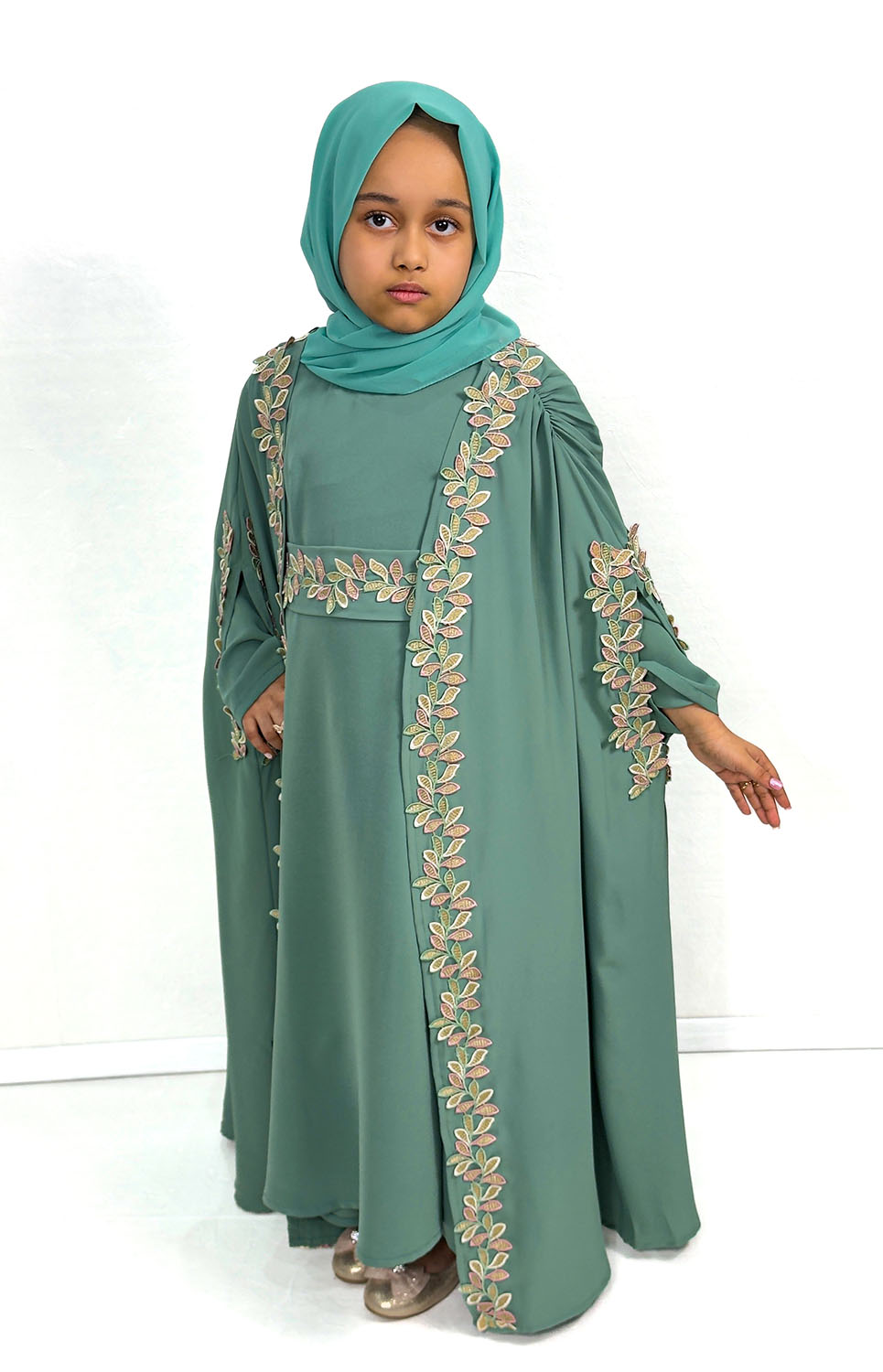
Quick Comparison Table: What Really Matters When Choosing
| Factor | Why It Matters | Parent Tip |
|---|---|---|
| Fabric Comfort | Children are more sensitive to itchy or heavy fabrics | Opt for cotton or jersey for everyday use |
| Fit and Sizing | Too tight or too loose can affect wearability | Size up slightly for growth, especially if tailored |
| Scarf Type | Determines ease of wear and child’s independence | Velcro or slip-on scarves work best for younger kids |
| Occasion Suitability | Some abayas are more formal than others | Buy 1 daily and 1 premium for events like Eid or weddings |
When chosen with intention, a children’s abaya with matching scarf becomes more than an outfit. It becomes a cherished memory, a cultural milestone, and a powerful form of self-love.
Why the Right Abaya and Scarf Set Matters More Than You Think
Choosing a children’s abaya with matching scarf may seem like a simple task, but it’s a powerful decision that blends identity, tradition, and comfort. The right set does more than dress your child — it shapes how she feels, moves, and expresses her values in the world.
The Emotional Impact of a Well-Chosen Abaya
For many young girls, their first abaya is more than clothing — it’s an introduction to cultural pride and modesty. It marks a special moment, often remembered with photos, family gatherings, and warm emotions. Here’s why the emotional connection matters:
- Confidence boost: When a child feels good in her outfit, it builds inner confidence and self-worth.
- Sense of belonging: Wearing traditional clothing helps children feel included during family or religious events.
- Memory maker: Many parents treasure the “first abaya” moment as a rite of passage — one that bonds generations.
Functionality Is Just as Important as Fashion
Children care less about style and more about how clothes feel. An itchy fabric or awkward scarf can make them resist wearing it — no matter how beautiful it looks. Prioritize comfort and usability:
- Soft, breathable fabric: Always choose skin-friendly materials like jersey, cotton, or soft crepe.
- Simple scarf mechanics: Slip-on scarves or velcro closures help younger kids wear it with ease.
- Adjustable fit: Look for elastic waistlines or slightly loose sleeves for growth and flexibility.
Buying Mistakes Parents Often Make
| Common Mistake | Why It’s a Problem | Smart Alternative |
|---|---|---|
| Choosing style over comfort | Kids may refuse to wear it if it’s uncomfortable or heavy | Prioritize lightweight, breathable fabrics first |
| Buying the wrong size | Too small = short-term use, too big = clumsy to wear | Use brand sizing charts and allow slight room to grow |
| Ignoring scarf ease-of-use | Hard-to-tie scarves frustrate children and require help | Opt for pre-sewn, slip-on, or velcro-fastened scarves |
| Only buying one for all occasions | Formal abayas are not ideal for school or playgrounds | Buy at least one casual and one event-ready option |
Why This Decision Shapes More Than Style
Choosing the right abaya and scarf set helps your child feel seen, respected, and empowered. It’s an early step into understanding modest fashion, but also a chance to nurture self-expression in a way that honors your values.
When you shop with intention — not just for trends, but for purpose — you’re creating more than an outfit. You’re helping your daughter walk proudly into who she’s becoming.
Breaking Down the Most Loved Children’s Abaya Styles
From playful designs to elegant classics, children’s abayas now blend tradition with modern tastes. Parents no longer have to compromise between modesty and personality — the best styles do both beautifully. Here’s a breakdown of the most popular types, why kids love them, and when each is best worn.
1. Classic Black Abaya
The timeless choice. A simple black abaya remains the top pick for formal events, religious occasions, or school wear. It symbolizes tradition, elegance, and modesty.
- Best for: Jumu’ah, Eid prayers, Quran classes
- Why kids love it: Feels grown-up and “like mom”
- Parent tip: Look for soft crepe or satin-lined options to avoid stiffness
2. Embroidered Abaya
These abayas feature subtle or bold embroidery — from floral cuffs to geometric designs. They add charm without overwhelming the look.
- Best for: Weddings, family gatherings, formal iftars
- Why kids love it: Pretty details that feel fancy but still modest
- Parent tip: Choose machine-washable embroidery for easy upkeep
3. Kaftan-Style Abaya
Flowy, comfortable, and full of movement — the kaftan-style abaya is a hit for active girls who don’t want to feel restricted.
- Best for: Casual wear, school, daily use
- Why kids love it: Roomy design feels fun and breathable
- Parent tip: Ideal for summer; pair with lightweight scarf options
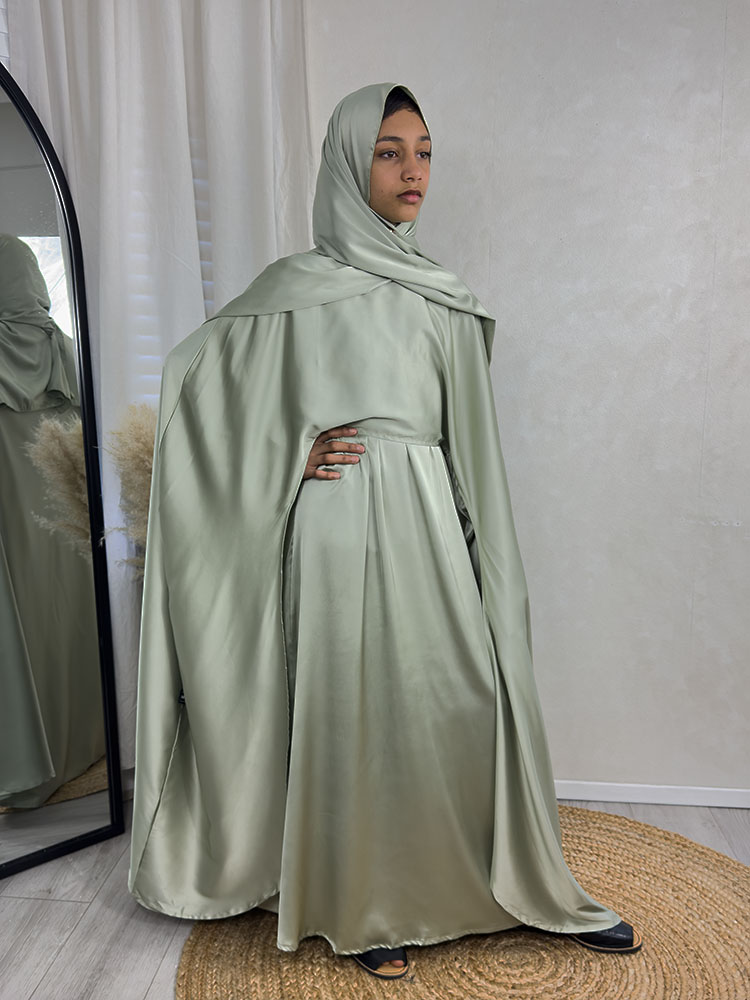
4. Two-Piece Abaya Sets
This includes an inner dress and an open abaya or cardigan-style outer layer. It’s stylish and offers versatile styling options.
- Best for: Outings, Eid celebrations, family dinners
- Why kids love it: Fun to mix and match — looks trendy and modest
- Parent tip: Ensure the inner layer is thick enough for modest coverage
5. Printed or Patterned Abayas
Floral prints, polka dots, pastel patterns — these are perfect for younger kids who want something cheerful and age-appropriate.
- Best for: Birthday parties, daycare events, casual playdates
- Why kids love it: Feels playful and expressive
- Parent tip: Stick to light, breathable fabric to maintain comfort
Quick Comparison Table: Children’s Abaya Styles
| Style | Best For | Key Feature | Ideal Fabric |
|---|---|---|---|
| Classic Black Abaya | Religious events, school | Elegant and timeless | Crepe, satin lining |
| Embroidered Abaya | Weddings, formal events | Decorative stitching | Chiffon, crepe blends |
| Kaftan-Style Abaya | Everyday, casual | Loose and breathable | Jersey, cotton |
| Two-Piece Sets | Eid, parties | Layered styling | Poly-blends, lightweight knit |
| Printed Abayas | Playdates, birthdays | Playful patterns | Soft rayon, cotton |
Understanding these styles helps you match your child’s needs with the right design. Whether she loves something sparkly or prefers simple and sweet, there’s an abaya that will make her feel confident, comfortable, and proud.
How to Choose the Perfect Fabric for All-Day Comfort
For children, comfort is non-negotiable. The right abaya fabric makes the difference between a joyful outfit and a day full of fidgeting. Whether it’s for school, prayer, or play, understanding fabric types is essential to choosing the perfect children’s abaya with a matching scarf set that your child will actually love wearing.
Why Fabric Matters So Much for Kids
- Sensitive Skin: Children have delicate skin that reacts to rough textures or synthetic materials.
- Temperature Control: Breathable fabrics keep your child cool and prevent overheating, especially during prayers or outdoor play.
- Freedom to Move: Flexible, lightweight materials let kids run, stretch, and stay active while remaining modest.
Top Recommended Fabrics for Children’s Abayas
| Fabric Type | Texture & Feel | Best For | Pros | Considerations |
|---|---|---|---|---|
| Cotton | Soft, breathable, natural | Daily wear, hot climates | Hypoallergenic, lightweight, easy to wash | Can wrinkle; not ideal for formal events |
| Crepe | Textured, light drape | School, formal occasions | Elegant look, flowy, modest fit | May need lining for extra comfort |
| Jersey | Stretchy, soft | Playdates, active kids | Flexible, no ironing, doesn’t restrict movement | Less formal appearance |
| Chiffon (with lining) | Sheer, lightweight | Weddings, Eid celebrations | Elegant and airy | Needs inner layer to ensure modesty |
| Satin or Silk Blends | Glossy, smooth | Special events | Luxury feel, eye-catching | Less breathable; best for short-term wear |
Quick Parent Tips: Choosing Fabrics That Work
- Check breathability: Hold fabric to light and feel air pass through. Lightweight = all-day comfort.
- Opt for natural blends: Cotton blends are a strong middle-ground — soft, durable, and easy to care for.
- Test washability: Can the fabric handle frequent machine washing without pilling or fading?
- Consider scarf texture too: Choose scarves with matching or softer materials to avoid neck irritation.
Choosing the right fabric isn’t just about comfort — it’s a core part of modest, joyful wear. A breathable, well-fitting abaya ensures your child can focus on learning, playing, and growing without distractions.
What Parents Often Overlook When Shopping
Even the most thoughtful parents can miss critical details when buying a children’s abaya and matching scarf. It’s easy to focus on style and size — but the hidden factors are what often make or break comfort, confidence, and practicality.
Top 5 Things Parents Commonly Miss
- Stitching quality: Loose seams and rough internal stitching can irritate your child’s skin after a few wears.
- Head movement room: Some scarves are too tight or lack stretch, making them uncomfortable during long hours.
- Abaya weight: Heavier fabrics may look elegant but become burdensome for children — especially in warm climates.
- Color fade resistance: Bright colors may bleed or fade after a few washes, especially with budget dyes.
- Occasion fit: A design may be perfect for Eid but impractical for school. Always match purchase with intended use.
Comparison Table: Overlooked Features vs. What to Choose Instead
| Overlooked Feature | Common Mistake | What to Look For Instead | Why It Matters |
|---|---|---|---|
| Stitching | Focus on exterior design only | Check inner seams & thread softness | Prevents skin irritation & boosts durability |
| Scarf Fit | Buy based on appearance | Ensure stretch or elastic seam for comfort | Allows for movement and prayer ease |
| Fabric Density | Choose based on looks alone | Feel weight — aim for light-to-mid weight | Improves breathability for all-day wear |
| Color Quality | Ignore dye type or fabric care | Choose colorfast fabrics or known brands | Maintains color vibrance after washes |
| Use Case | One-style-fits-all mindset | Select for school, prayer, or events specifically | Enhances utility and comfort |
Pro Tip for Parents:
Before buying, always run your fingers inside the abaya. Feel for rough stitching or scratchy tags. Ask yourself: “Would I wear this for 8 hours straight?” If not, neither should your child.
How to Choose the Perfect Scarf to Match the Abaya
When it comes to styling a children’s abaya, the scarf isn’t just an accessory — it’s a statement of grace, modesty, and harmony. A well-chosen scarf completes the outfit, enhances the look, and provides comfort all day long. But with so many options out there, how do you pick the perfect match?
Match or Complement? Understand Your Style Intent
First, decide whether the scarf should match the abaya exactly or complement it with contrast. Matching sets offer a clean, traditional look. Complementary scarves, on the other hand, can add flair and modern style — perfect for festive occasions.
Key Elements to Consider
- Color Harmony: Stick with tones that enhance the abaya’s palette.
- Fabric Texture: Choose lightweight, breathable fabrics for younger children. Match texture type — silky scarves for satin abayas, cotton for everyday wear.
- Size & Coverage: Ensure the scarf offers full coverage without bulkiness, especially for active kids.
- Ease of Styling: Pre-sewn scarves or ones with snaps are parent favorites — they save time and stay in place.
Popular Scarf Styles for Girls
| Scarf Style | Best For | Advantages |
|---|---|---|
| One-Piece Hijab | Daily Schoolwear | No pins needed, easy to wear |
| Two-Piece Slip-On | Active Days | Secure fit, great for movement |
| Wrap Style | Formal Events | Elegant and versatile |
| Instant Hijab with Built-in Cap | Young Children (ages 4–7) | Comfortable, stays in place all day |
Color Combinations That Work
Here are tried-and-true color pairings that parents love — and that photograph beautifully too:
- Black Abaya + Pastel Pink Scarf: Softens the look with gentle tones.
- Beige Abaya + Forest Green Scarf: Earthy, elegant, and gender-neutral.
- White Abaya + Lilac Scarf: Ideal for Eid or weddings.
- Navy Abaya + Silver Grey Scarf: Balanced and mature for older girls.
Pro Tips from Parents
- Always try scarf and abaya combinations in daylight to judge true color balance.
- Keep at least two neutral-toned scarves (white, grey, or cream) for emergency pairings.
- Let your child pick their favorite — comfort and confidence go hand in hand.
Choosing the right scarf is about more than color — it’s about comfort, confidence, and cohesion. When done right, the scarf becomes the finishing touch that ties the entire outfit together — both in style and in spirit.
Seasonal Style Guide: What to Wear and When
Choosing a children’s abaya with matching scarf isn’t just about colors and trends — it’s about dressing smart for the season. Each time of year demands different fabrics, colors, and styles to keep your child comfortable while still looking beautifully modest. Below is your no-guesswork, season-by-season guide to dressing your little one in a way that’s stylish, practical, and purposefully planned.
Why Seasonal Selection Matters
Children are more sensitive to temperature changes than adults. The right seasonal abaya set prevents overheating in summer, chills in winter, and irritation during seasonal transitions. Comfort equals confidence — and that means your child will feel just as good as she looks.
Complete Seasonal Breakdown
| Season | Recommended Fabric | Ideal Colors | Style Features |
|---|---|---|---|
| Spring | Cotton blends, jersey | Pastels (mint, lavender), beige | Light layering, breathable cuts, floral embroidery |
| Summer | Lightweight cotton, linen | White, cream, soft pink | Short sleeves (under robe), airy fit, moisture-wicking scarf fabric |
| Autumn | Medium-weight jersey, modal | Earth tones (olive, rust, mocha) | Long sleeves, adjustable waist ties, scarf with slight insulation |
| Winter | Wool blends, heavy jersey | Dark tones (navy, burgundy, charcoal) | Layer-friendly design, lined inner fabric, thermal scarf options |
Top Parent Picks for Each Season
- Spring: Embroidered cotton abayas with matching chiffon scarves.
- Summer: Sleeveless inner dress with lightweight over-abaya and a soft cotton hijab.
- Autumn: Button-down abayas with stretch fabric and neutral scarves.
- Winter: Fleece-lined abayas with double-layer jersey scarves for warmth.
Pro Tips: Styling by Weather
- Keep scarf materials lighter than the abaya in warm months — this prevents neck sweating and irritation.
- Always size up in winter to allow for inner layering without restricting movement.
- In transitional seasons (spring/fall), use adjustable abayas with breathable but insulating fabrics.
Mastering seasonal styling means your child stays comfortable and confident all year round. With the right materials and cuts, every season becomes an opportunity to express personal style while honoring modesty — no compromise needed.
Abaya Sizes Decoded: A No-Stress Fitting Guide for Kids
Finding the right abaya size for your child shouldn’t feel like decoding a mystery. A well-fitting abaya ensures your child is not only comfortable but also confident — no tripping, tugging, or adjusting needed. Whether you’re shopping online or in-store, this section gives you the ultimate clarity on choosing the perfect fit, every time.
Why Fit Matters More Than You Think
- Safety: An oversized abaya can cause trips and falls — especially for active kids.
- Confidence: When it fits right, it feels right. Your child will naturally carry themselves better.
- Growth Room: You want a little flexibility — but not so much it looks baggy or shapeless.
How to Measure Your Child Correctly
Use a soft measuring tape and measure while your child is standing straight, without shoes. Take these three measurements:
- Height: From top of head to heel (for abaya length)
- Chest: Around the fullest part of the chest
- Sleeve Length: From shoulder to wrist
Size Chart for Children’s Abayas
| Age Range | Height (cm) | Chest (cm) | Recommended Abaya Length | Typical Size Label |
|---|---|---|---|---|
| 2–3 Years | 90–100 | 52–56 | 26–30 inches | Size 26 |
| 4–5 Years | 101–110 | 56–60 | 32–34 inches | Size 30 |
| 6–7 Years | 111–120 | 60–64 | 36–38 inches | Size 34 |
| 8–9 Years | 121–130 | 64–68 | 40–42 inches | Size 38 |
| 10–11 Years | 131–140 | 68–72 | 44–46 inches | Size 42 |
| 12–13 Years | 141–150 | 72–76 | 48–50 inches | Size 46 |
Common Mistakes to Avoid
- Choosing a larger size “just in case” — it may drag on the floor and restrict movement.
- Ignoring sleeve length — sleeves that are too long can interfere with eating, writing, or play.
- Assuming all brands use the same sizing — always check each brand’s specific chart.
Pro Tips for Hassle-Free Fitting
- Buy abayas with a small amount of stretch — they’re more forgiving and comfy.
- Look for adjustable waists or tie-backs to accommodate slight size differences.
- Keep a record of your child’s measurements and update it every six months.
When it comes to sizing, precision pays off. With the right fit, your child will walk taller, move easier, and love wearing her abaya and scarf set — no second-guessing needed.
Matching Sets vs. Mix & Match: What Works Best for Children
When it comes to dressing children in abayas and scarves, one question consistently arises: should you go for a pre-matched set or let creativity flow with mix-and-match options? Each approach offers unique benefits, but your choice depends on your child’s personality, daily routine, and comfort preferences. Let’s break it down to help you make the most informed style decision for your child.
What Are Matching Sets?
Matching sets are coordinated abayas and scarves designed to be worn together. They’re color-matched, fabric-aligned, and typically styled to create a seamless look — all without needing to think too hard about pairing.
Benefits of Matching Sets
- Effortless Styling: Quick to choose and easy to wear — ideal for busy mornings.
- Polished Look: Consistent color and texture create a unified, refined appearance.
- Perfect for Events: Matching sets shine in formal settings, school ceremonies, or religious gatherings.
What Does Mix & Match Mean?
Mix-and-match styling involves combining separate abayas and scarves to create a unique outfit. This gives more room for expression, especially when your child has preferences for particular colors, prints, or textures.
Advantages of Mixing and Matching
- Creative Freedom: Your child can personalize her look — promoting independence and confidence.
- Better Use of Wardrobe: One scarf can work with multiple abayas, offering better value and variety.
- Adaptable for Seasons: Mix breathable scarves with heavier abayas or vice versa for seasonal comfort.
Comparison Table: Matching Sets vs. Mix & Match
| Feature | Matching Sets | Mix & Match |
|---|---|---|
| Ease of Styling | Very Easy | Moderate |
| Visual Cohesion | Consistent | Varies (can be bold or clashing) |
| Event Suitability | Ideal for formal | Casual to semi-formal |
| Wardrobe Flexibility | Limited | High |
| Child’s Creativity | Low | High |
What Works Best for Children?
Here’s the truth: there’s no one-size-fits-all. Younger children may benefit from the simplicity and consistency of matching sets, especially when dressing themselves. Older kids — especially those with budding style preferences — often love the freedom and versatility of mix-and-match options.
Pro Parent Tip
- Start with one or two matching sets for essentials.
- Introduce mix-and-match pieces gradually to build your child’s confidence and explore their style.
- Let your child help choose — empowerment leads to pride in appearance.
Ultimately, whether you lean toward matching sets or embrace mix-and-match styling, the best approach is the one that keeps your child happy, comfortable, and excited to wear their abaya and scarf every day.
Cultural Significance of the Abaya and Scarf for Young Girls
The abaya and scarf are more than just garments — they carry deep cultural, spiritual, and social significance. For young girls, wearing them often marks a meaningful step in identity, tradition, and personal growth. Understanding this context helps parents approach the purchase not just as a fashion choice, but as a rite of passage.
More Than Modesty: What These Garments Represent
In many Islamic cultures, the abaya and scarf symbolize modesty, respect, and dignity. For girls, beginning to wear them can feel like an introduction to faith-based values, family customs, and community belonging.
- Spiritual Identity: Wearing the abaya can signify a connection to Islamic principles and practices from a young age.
- Family Tradition: Often passed from mother to daughter, these garments are a thread of generational continuity.
- Community Belonging: In some environments, wearing an abaya helps children feel included and aligned with peers during religious or cultural events.
When Girls Typically Start Wearing Them
There is no fixed age, but many parents introduce the abaya and scarf between the ages of 6–10. This decision often aligns with attending Islamic school, joining prayers at the mosque, or preparing for Ramadan and Eid celebrations.
| Age Range | Common Milestones | Reason for Introduction |
|---|---|---|
| 4–6 years | Roleplay, early exposure | Familiarization with cultural dress in a fun way |
| 6–8 years | Islamic school or mosque visits | Introducing modesty and routine practices |
| 9–11 years | Pre-teen identity building | Solidifying cultural and religious belonging |
Respecting Personal Readiness
While cultural expectations matter, it’s equally important to gauge your child’s comfort level and readiness. Encouraging questions, exploring meanings together, and involving your daughter in choosing her abaya and scarf can make the experience joyful and empowering — not forced.
Tips for Honoring the Cultural Value
- Share stories of your own experiences or family traditions.
- Let your child select colors and designs that reflect their personality within the bounds of modesty.
- Use milestones (like Eid or birthdays) as meaningful moments to introduce the abaya or scarf.
- Reinforce that modesty is a strength — not a restriction.
When introduced with care and respect, the abaya and scarf become more than fabric — they evolve into symbols of identity, pride, and empowerment for your daughter.
Top 10 Features Moms Swear By in Children’s Abayas
When moms shop for a children’s abaya, they’re not just looking for style — they’re looking for comfort, durability, and practicality. These ten standout features consistently make the top of the list for parents who want their daughters to feel confident, comfortable, and beautifully modest.
Why These Features Matter
Children need clothing that supports movement, withstands play, and reflects their personal style — all while aligning with cultural and religious values. The features below strike that balance perfectly.
| Feature | Why Moms Love It | Bonus Benefit |
|---|---|---|
| Breathable Fabric (Cotton, Jersey) | Keeps kids cool and comfy all day | Prevents overheating, especially during outdoor events |
| Elastic or Adjustable Waistbands | Offers a perfect fit without pinching | Grows with your child over time |
| Slip-On Styles (No Zips or Buttons) | Easy for kids to dress themselves | Encourages independence and saves time |
| Soft Seams and Tag-Free Designs | Prevents irritation on sensitive skin | Great for children with sensory sensitivities |
| Machine-Washable Materials | Saves parents time and effort | Holds up well after multiple washes |
| Modest but Practical Cuts | Ensures full coverage while allowing free movement | Perfect for active kids or school settings |
| Built-In Scarf or Matching Hijab | Eliminates guesswork for outfit pairing | Promotes coordination and style |
| Fun Color Options | Lets kids express their personality | Helps children feel excited about modest wear |
| Decorative Yet Minimal Embellishments | Adds beauty without being over-the-top | Strikes the perfect balance between style and tradition |
| Durable Stitching | Withstands the wear-and-tear of active use | Delivers long-term value for growing families |
Quick Tips for Moms When Choosing Features
- Prioritize comfort first — especially for daily wear.
- Ask your child what details they love (color, feel, fit).
- Choose flexible sizes or adjustable elements for longer wear.
- Check reviews from other moms to find what really works.
These top 10 features aren’t just preferences — they’re essentials for creating a wardrobe that supports your child’s modesty journey with confidence and joy. Smart design matters, and moms know exactly what makes the difference.
How to Care for Your Child’s Abaya and Scarf Set (and Make It Last)
Your child’s abaya and scarf set isn’t just another outfit — it’s an investment in daily confidence, modest fashion, and cultural pride. With the right care, you can make it last through countless wears, washes, and seasons without fading, shrinking, or losing its shape.
Why Proper Care Matters
Children’s clothing often faces more wear and tear than adult garments. Abayas and scarves — especially those made from delicate fabrics like chiffon or crepe — need intentional care to preserve their beauty and structure. With simple routines, you can protect the fabric, maintain the fit, and keep colors vibrant.
Step-by-Step Abaya & Scarf Care Guide
| Care Step | Best Practice | Why It Matters |
|---|---|---|
| Washing | Use cold water + gentle cycle. Wash inside out. | Preserves color, prevents stretching or damage. |
| Detergent | Mild or fabric-specific detergent (no bleach). | Protects delicate fibers and prevents fading. |
| Drying | Air dry flat or on hanger — avoid tumble drying. | Prevents shrinkage and keeps garment shape intact. |
| Ironing | Use low heat setting. Place thin cloth between iron and fabric. | Avoids burns or shine on soft materials like crepe or satin. |
| Storage | Hang on padded hanger or fold neatly. Keep in a cool, dry place. | Maintains shape, prevents wrinkles, avoids humidity damage. |
| Scarf Care | Hand wash separately if possible. Avoid pins that damage fabric. | Preserves texture and prevents snagging or fraying. |
Common Mistakes to Avoid
- Using hot water or harsh detergents: These can break down delicate fabrics fast.
- Washing abayas and scarves with jeans or heavy items: Leads to pilling and unnecessary damage.
- Skipping fabric softener for thicker fabrics: Causes stiffness and discomfort over time.
- Ironing directly on embellishments: Can melt or damage decorative elements.
Quick Tips for Busy Parents
- Use garment laundry bags to keep sets together in the wash.
- Spot clean stains immediately before they set.
- Rotate between multiple sets to extend the life of each outfit.
Taking care of your child’s abaya and scarf set doesn’t need to be difficult. With a simple, repeatable care routine, you ensure each piece remains a reliable, beautiful part of your child’s wardrobe — day after day, wash after wash.
The Role of Modest Fashion in Boosting Kids’ Confidence
Modest fashion isn’t just about covering up — it’s about empowering kids to feel secure, valued, and proud of their identity. When children wear clothing that reflects their values, culture, and comfort, it sends a powerful message: you are enough as you are.
Why Modest Clothing Matters for Kids
While mainstream trends often pressure children to dress a certain way, modest wear like abayas and matching scarves offers a counterbalance — promoting dignity, cultural belonging, and self-respect.
- Identity Reinforcement: Clothing rooted in culture helps young girls connect to their heritage and faith with pride.
- Comfort = Confidence: Kids who feel physically comfortable are less distracted and more at ease in social settings.
- Sense of Purpose: Modest clothing encourages mindful dressing and cultivates self-awareness early on.
How Dressing Modestly Builds Self-Esteem
Modesty creates boundaries that help kids define their personal space and body autonomy. With less pressure to fit into fashion norms, they develop self-worth based on who they are — not how they look.
| Confidence Factor | How Modest Fashion Helps |
|---|---|
| Positive Self-Image | Kids focus on internal values rather than external appearance. |
| Belonging | Clothing that reflects cultural identity fosters inclusion and pride. |
| Peer Respect | Outfits that stand out for the right reasons can earn admiration. |
| Security | Abayas and scarves offer a sense of protection and comfort in public. |
Real Talk: What Moms Are Saying
- “My daughter walks taller when she wears her abaya — she feels graceful.”
- “Modest clothes helped my child avoid peer pressure and stay true to herself.”
- “It gives them an early understanding of confidence rooted in self-respect.”
Modest fashion isn’t a limitation — it’s a launchpad. When children wear abayas and scarves that reflect their values and culture, they learn that confidence isn’t about being seen — it’s about being sure of who you are.
Color Psychology: Choosing the Right Shades for Your Child
Color isn’t just a matter of style — it’s a powerful psychological tool that can influence your child’s mood, confidence, and behavior. When selecting an abaya and matching scarf set, understanding the emotional cues behind color can help you choose shades that support your child’s personality and daily environment.
Why Color Choice Matters in Children’s Clothing
Children respond to color in ways that go beyond aesthetics. The right shades can uplift their mood, enhance focus, or provide calm — all while reinforcing their identity. Choosing purposeful colors can help you match fashion with function.
- Boost emotional wellbeing through calming or energizing tones.
- Support learning and focus with balanced, neutral palettes.
- Strengthen self-expression by aligning color with personality.
Color Meanings: What Each Shade Communicates
Use this table as a quick-reference guide when choosing your child’s abaya and scarf colors:
| Color | Psychological Effect | Best For |
|---|---|---|
| Light Blue | Calms nerves, promotes clarity | Everyday wear, school, anxious kids |
| Lavender | Inspires creativity, reduces stress | Artistic kids, family gatherings |
| Soft Pink | Encourages warmth and kindness | Young children, community outings |
| Deep Green | Builds balance and harmony | School days, nature events |
| Rich Maroon | Promotes confidence and elegance | Formal events, special occasions |
| Neutral Beige | Soothes and grounds energy | Everyday modest wear |
Tips for Color Coordination with Scarves
Pairing the scarf with the right shade enhances the full outfit. Use contrast or tonal matching to create harmony:
- Tonal match: Soft pink abaya with blush scarf for a gentle, unified look.
- High contrast: Deep navy abaya with ivory scarf to create definition.
- Neutral pairing: Earth-tone abayas with white, cream, or stone-toned scarves for balance.
Color isn’t just a trend — it’s a communication tool. By aligning shades with your child’s personality and needs, you create outfits that go far beyond fashion — they express support, emotion, and confidence at every wear.
Where to Shop: Trusted Brands That Parents Love
Not all children’s abaya and scarf sets are created equal. The best brands combine quality, comfort, style, and cultural integrity — and they’re backed by glowing reviews from real parents. Whether you’re shopping for everyday wear or special occasions, these trusted retailers consistently deliver on value and reliability.
Top-Rated Children’s Abaya Brands for Every Budget
Below is a curated list of highly regarded brands that specialize in modest fashion for children. Each has earned its reputation through quality craftsmanship, inclusive sizing, and thoughtful design that respects tradition while keeping kids comfortable.
| Brand | Why Parents Love It | Price Range | Available Sizes | Ships To |
|---|---|---|---|---|
| Mini Modest | Soft fabrics, stylish cuts, excellent customer service | $35 – $65 | 2–14 years | Worldwide |
| Little Hijabi Co. | Inclusive collections, breathable materials, durable designs | $30 – $55 | 3–12 years | US, UK, Canada, UAE |
| Modest Threads Kids | Elegant occasionwear, great matching sets, quality stitching | $45 – $80 | 2–16 years | GCC, Europe, North America |
| Haya Juniors | Modern styles with traditional roots, comfortable fits | $40 – $70 | 4–14 years | Worldwide |
| Zayna & Co. | Eco-conscious materials, simple but chic designs | $38 – $62 | 3–10 years | US & International |
What to Look for in a Trusted Retailer
Before purchasing, evaluate these key criteria to ensure you’re getting the best value:
- Material quality: Look for breathable, durable fabrics like cotton blends or crepe.
- Accurate sizing: Brands with detailed sizing charts and adjustable designs reduce returns.
- Customer reviews: Read parent feedback for insight on comfort, color accuracy, and fit.
- Return policies: Favor shops with flexible, no-hassle return policies for peace of mind.
- Cultural authenticity: Choose brands that respect and reflect Islamic modesty in design.
Pro Tip: Sign Up for Brand Newsletters
Many of the top brands offer exclusive discounts, pre-orders, and style previews for newsletter subscribers. It’s a smart way to save while staying ahead of trends and restocks.
Choosing the right place to shop makes all the difference. With the right brands, you’re not just buying clothing — you’re investing in your child’s comfort, confidence, and connection to culture.
Budgeting Smart: Quality Abayas at Every Price Point
You don’t need to overspend to find a high-quality children’s abaya and scarf set. Whether you’re shopping on a tight budget or willing to invest in premium designs, there are excellent options available for every price range. What matters most is knowing what features deliver the most value — and where to find them.
How to Spot a Quality Abaya Without Paying Premium Prices
- Fabric feel: Even affordable abayas should feel soft and breathable.
- Stitching: Look for neat, even stitching — a key sign of durability.
- Adjustable fit: Drawstrings or elastic waists add years of wear.
- Easy-care materials: Machine-washable fabrics are a must for active kids.
- Matching accessories: Many budget sets include coordinated scarves to complete the look.
Children’s Abaya Price Tiers & What You Get
The table below outlines what to expect from different budget levels so you can make informed purchasing decisions:
| Price Range | Material | Typical Features | Ideal For |
|---|---|---|---|
| $20 – $35 | Polyester blends, light cotton | Basic styles, machine-washable, minimal embroidery | Everyday schoolwear or starter sets |
| $36 – $55 | Cotton blends, crepe, rayon | Better stitching, some design detailing, scarf included | Weekend wear, family visits, mosque events |
| $56 – $80+ | Premium crepe, chiffon overlays, luxury cotton | Elegant embroidery, custom tailoring, full matching sets | Eid, weddings, special occasions |
Smart Shopping Tips
- Buy off-season: Shop for winter abayas in spring and vice versa to save big.
- Check local boutiques: Smaller shops often offer handmade sets at lower prices than big-name brands.
- Follow modest fashion pages: Many influencers post discount codes and review deals.
- Subscribe to brand alerts: Flash sales and exclusive drops can offer 30–50% off.
With a smart approach, you can find stylish, long-lasting children’s abayas that respect both your values and your wallet. Great modest fashion doesn’t have to come at a great cost — it just takes informed choices and a bit of timing.
The Evolution of Kids’ Abaya Fashion: A Timeline
Children’s abaya fashion has come a long way from traditional monochrome garments to stylish, personality-driven outfits that reflect both modesty and modernity. Understanding this evolution helps parents appreciate the roots of the design — and choose styles that blend tradition with trend.
Key Milestones in Children’s Abaya Style
The following timeline highlights how kids’ abaya fashion has progressed through the decades, marking shifts in culture, textile technology, and global modest fashion trends.
| Decade | Style Trends | Materials Used | Notable Features |
|---|---|---|---|
| 1970s | Simple, loose-fitting black abayas | Thick cotton and wool blends | Unembellished, handmade |
| 1980s | Structured, slightly tailored silhouettes | Heavier cotton with lining | Minimal embroidery, longer hems |
| 1990s | Introduction of color variations and trims | Cotton-polyester blends | Contrasting cuffs, subtle lacework |
| 2000s | More contemporary cuts and children-focused designs | Soft rayon and crepe | Light embroidery, detachable scarves |
| 2010s | Fashion-forward styles inspired by adult modest fashion | Premium crepe, chiffon overlays | Pleats, flares, and occasion-based sets |
| 2020s–Present | Personalized, seasonal, and trend-driven pieces | Eco-friendly blends, bamboo cotton, stretchy knits | Custom fits, pastel shades, matching accessories |
Why This Evolution Matters
- More expression: Kids can express identity and preferences through modest wear.
- Better comfort: New fabrics make abayas suitable for active lifestyles.
- Increased inclusivity: Diverse designs cater to children of all shapes and sizes.
- Deeper cultural connection: Today’s designs often celebrate heritage with modern appeal.
From plain and practical to playful and purpose-driven, the evolution of children’s abayas is a reflection of cultural pride, design innovation, and parental demand for both modesty and joy in every stitch. Today’s parents are not just choosing outfits — they’re selecting confidence, identity, and heritage for their children.
Must-Have Accessories to Complete the Look
While the abaya and matching scarf are the stars of the outfit, the right accessories can elevate your child’s modest look from simple to stunning. Whether it’s for a school event, Eid celebration, or casual family outing, well-chosen accessories add style, functionality, and personality to any children’s abaya set.
Why Accessories Matter
Accessories are more than decoration — they help complete the look, enhance comfort, and encourage self-expression. For children, the right add-ons can also make them feel proud, stylish, and confident while maintaining modesty.
Essential Accessories to Consider
| Accessory | Purpose | Tips for Parents |
|---|---|---|
| Decorative Pins & Brooches | Secure scarves and add sparkle or theme-based accents | Choose soft-edged, child-safe designs that don’t snag fabric |
| Mini Handbags or Pouches | Functional and stylish for carrying small items | Match the abaya’s tone or contrast for visual pop |
| Modest Jewelry (Bracelets, Bangles) | Add charm and elegance for festive or formal events | Go for lightweight materials and adjustable sizes |
| Comfortable Shoes | Complete the outfit while ensuring ease of movement | Neutral shades like beige, black, or metallics work best |
| Seasonal Layers (Cardigans or Capes) | Add warmth without compromising the modest silhouette | Choose breathable fabrics for layering without bulk |
| Headbands or Undercaps | Keep hair in place and secure the scarf | Opt for stretchable, non-slip options in neutral tones |
Pro Styling Tips for Parents
- Keep it age-appropriate: Avoid heavy or overly formal accessories for young children.
- Coordinate but don’t overmatch: Accessories should complement, not overwhelm.
- Comfort is non-negotiable: If it itches, pinches, or slides — skip it.
- Prioritize quality: Well-made accessories last longer and are safer for children.
With the right accessories, a simple children’s abaya and scarf set becomes a complete, polished look. It’s not about glamor — it’s about thoughtful touches that reflect both your child’s style and your values. Let each accessory tell a story of care, culture, and confidence.
Customer Reviews Breakdown: What Real Parents Are Saying
Nothing speaks louder than the voices of real parents who’ve purchased and experienced children’s abayas with matching scarves. Reviews provide unmatched insight into what truly matters — from comfort and durability to fit and emotional impact. This section distills hundreds of verified customer reviews to help you shop smarter and more confidently.
Key Themes from Verified Buyer Feedback
| Review Category | Positive Mentions (%) | Common Praise | Common Concerns |
|---|---|---|---|
| Comfort | 89% | Soft fabrics, breathable, ideal for long wear | Occasional stiffness in new materials |
| Fit | 84% | True to size, easy to adjust with drawstrings or belts | Some confusion with international sizing |
| Style | 92% | Elegant, age-appropriate designs, modern touches | Desire for more color and pattern variety |
| Durability | 76% | Stitching holds up well, scarf doesn’t fray easily | Some fading after repeated washes |
| Emotional Response | 95% | Children feel proud, confident, “like a big girl” | N/A |
Real Parent Quotes That Say It All
- “My daughter lit up when she saw her abaya — she felt like a princess. It was a proud moment.” – Amina R., London
- “It’s rare to find modest fashion that’s also practical for kids. This set checks all the boxes.” – Zainab M., Toronto
- “I’ve washed it at least 10 times, and it still looks brand new. Quality is top-notch.” – Farah K., Birmingham
- “Finally! A brand that understands both culture and kids. The scarf actually stays on!” – Layla S., Dubai
What This Means for Your Buying Decision
Parents overwhelmingly value comfort, emotional connection, and lasting quality. Concerns are minor and typically revolve around sizing and color variety — easily resolved with detailed size charts and expanded options. If you’re looking for a children’s abaya and scarf set that delivers both joy and value, these reviews suggest you’re on the right track.
Frequently Asked Questions About Children’s Abayas
Still have questions? You’re not alone. Below are the most common concerns parents have when shopping for children’s abayas with matching scarves—answered clearly, concisely, and with real-world insight. No fluff, no guesswork—just the clarity you need to shop with confidence.
Top Questions Answered
| Question | Answer |
|---|---|
| What age is appropriate for a child to wear an abaya? | There’s no fixed age—it depends on cultural preferences and individual readiness. Most start between ages 4–7 for special occasions and gradually incorporate it more regularly. |
| Are children’s abayas supposed to be floor-length? | No. For safety and ease of movement, kids’ abayas typically fall just above the ankle. This helps avoid tripping and allows for playful movement. |
| Can I wash an abaya and scarf set in the machine? | Most are machine-washable on a gentle cycle. Use mild detergent and avoid high heat. Always check the care label for specifics. |
| What’s the best fabric for hot climates? | Lightweight, breathable fabrics like cotton blends, chiffon, and crepe are ideal. Look for moisture-wicking properties for added comfort. |
| How do I keep the scarf on my child securely? | Opt for sets that include non-slip scarves or undercaps. You can also use soft, no-pull pins designed for kids to keep it in place comfortably. |
| Are there modest styles that still feel “fun” for kids? | Absolutely. Many brands now offer abayas with playful details—pastel colors, floral embroidery, ruffles, and metallic accents—without compromising modesty. |
Quick Tips for First-Time Buyers
- Always check the size chart—don’t assume sizing is universal.
- Read fabric descriptions carefully for seasonal appropriateness.
- Look for adjustable features like waist ties or elastic cuffs.
- If gifting, choose neutral colors like cream, blush, or navy—they’re timeless and well-loved.
By addressing these frequently asked questions, you’re one step closer to making a well-informed, confident purchase—because when you know better, you shop smarter.
Final Checklist: Everything to Consider Before You Buy
Before you hit “add to cart,” make sure your choice ticks all the right boxes. The perfect children’s abaya and matching scarf set isn’t just about style—it’s about comfort, confidence, and lasting value. This final checklist ensures you’re making a smart, stress-free, and satisfaction-guaranteed purchase.
🛍️ Pre-Purchase Essentials
| Factor | Why It Matters | What to Check |
|---|---|---|
| Correct Size | Avoid returns and discomfort. | Refer to the specific brand’s sizing chart and consider age, height, and growth room. |
| Fabric Type | Ensures all-day comfort and weather suitability. | Look for breathable, soft, non-irritating materials—especially for sensitive skin. |
| Occasion Suitability | Right outfit for the right moment. | Choose formal designs for events and lightweight, flexible styles for daily wear. |
| Care Instructions | Prevents early wear and tear. | Ensure it’s easy to wash and maintain—check if machine-washable or dry-clean only. |
| Color Compatibility | Enhances appearance and makes coordination easier. | Pick versatile tones that match existing footwear, accessories, or family sets. |
| Scarf Attachment | Security and comfort during wear. | Check if the scarf is included, adjustable, and kid-friendly (non-slip, soft fabric). |
| Price vs. Value | Maximizes your investment. | Look for high-quality construction, not just low cost. Read reviews to validate quality. |
✅ Final Thought: Ask Yourself These
- Will my child feel confident and comfortable wearing this?
- Does this set reflect both modesty and personality?
- Can it be worn for multiple occasions or seasons?
- Will it withstand regular use and washing?
Taking five extra minutes to run through this checklist can save you hours of returns, disappointments, or replacements. When you buy smarter, you shop once — and right.
Your Journey to the Perfect Abaya Starts Here
You’ve now explored every angle — from fabric and fit to cultural meaning and modern trends. Choosing the perfect children’s abaya with a matching scarf isn’t just about shopping — it’s about empowering your child with comfort, confidence, and cultural pride.
Whether you’re preparing for a special event, everyday elegance, or simply building a wardrobe that reflects modesty and style, you’re now equipped to make the best possible decision.
Ready to Find the Perfect Set?
- ✅ Browse trusted brands known for comfort, durability, and design
- ✅ Use our sizing and fabric guides to shop with confidence
- ✅ Let customer reviews guide your final decision
- ✅ Choose a set that your child will love to wear again and again
Don’t settle for “good enough.” You deserve the best — and so does your child.
Explore our curated collection of children’s abayas and matching scarf sets from trusted designers. Find the style that fits, feels great, and tells a story — your child’s story.Shop the Collection
Frequently Asked Questions About Children’s Abayas
Shopping for a child’s abaya and scarf set can raise many questions. To help you make informed decisions, we’ve compiled answers to the most commonly asked questions by parents and guardians.
1. What is the difference between an abaya and a jilbab?
An abaya is typically an open-front, loose-fitting garment, while a jilbab is a one-piece, full-length dress with a closed front. Both serve the purpose of modest dressing but differ in design and style.
2. At what age should a child start wearing an abaya?
There is no fixed age; it depends on cultural practices and personal readiness. Many parents introduce abayas to their children between ages 4–7, especially for special occasions.
3. Are children’s abayas supposed to be floor-length?
No. For safety and ease of movement, children’s abayas typically fall just above the ankle to prevent tripping and allow for comfortable movement.
4. Can I wash an abaya and scarf set in the machine?
Most children’s abayas are machine-washable on a gentle cycle. Use mild detergent and avoid high heat. Always check the care label for specific instructions.
5. What fabrics are best for children’s abayas in hot climates?
Lightweight, breathable fabrics like cotton blends, chiffon, and crepe are ideal for hot climates. Look for moisture-wicking properties for added comfort.
6. How do I keep the scarf on my child securely?
Opt for sets that include non-slip scarves or undercaps. You can also use soft, no-pull pins designed for kids to keep the scarf in place comfortably.
7. Are there modest styles that still feel “fun” for kids?
Absolutely. Many brands offer abayas with playful details—pastel colors, floral embroidery, ruffles, and metallic accents—without compromising modesty.
8. How do I choose the right size for my child?
Always refer to the specific brand’s sizing chart and consider your child’s age, height, and growth room. Some brands offer adjustable features like waist ties or elastic cuffs for a better fit.
9. Can children’s abayas be worn for school?
Yes, many children wear abayas to Islamic schools or madrasas. Choose simple, comfortable designs suitable for daily wear.
10. Are there abayas suitable for special occasions?
Yes, there are abayas designed with embellishments, luxurious fabrics, and elegant cuts perfect for weddings, Eid, and other special events.
11. Do abayas come with matching scarves?
Many children’s abaya sets include matching scarves, but it’s always best to check the product description to confirm what’s included.
12. How do I care for embellished abayas?
Embellished abayas may require gentle hand washing or dry cleaning to preserve the decorative elements. Always follow the care instructions provided by the manufacturer.
13. Are there abayas designed for prayer?
Yes, some abayas are specifically designed for prayer, offering full coverage and comfort during Salah.
14. Can I find abayas in different colors for children?
Yes, children’s abayas come in a variety of colors, including black, white, green, and more, allowing for personal preference and occasion suitability.
15. Are there seasonal abayas for children?
Yes, some brands offer abayas made from heavier fabrics for colder months and lighter materials for warmer seasons.
16. How do I ensure the abaya is modest yet comfortable for my child?
Look for abayas that are loose-fitting, made from breathable fabrics, and designed with children’s comfort in mind.
17. Are there abayas with adjustable features for growing children?
Yes, some abayas come with adjustable waist ties, elastic cuffs, or other features that accommodate growth and ensure a longer-lasting fit.
18. Can I find abayas with matching accessories?
Many brands offer abayas with matching accessories such as scarves, belts, or headbands to complete the look.
19. Are there eco-friendly or sustainable abaya options for children?
Some brands are beginning to offer eco-friendly options made from sustainable materials. Check the product details or brand information for sustainability practices.
20. Where can I buy quality children’s abayas online?
There are several reputable online retailers offering children’s abayas, including:
- Zadina Abayas
- AbayaButh
- Aaliya Collections
- Etsy UK
- Amazon UK


