
Let’s get one thing straight — choosing between an abaya and a kaftan isn’t just a wardrobe decision. It’s emotional. It’s cultural. Sometimes, it’s deeply spiritual. If you’ve ever felt like both garments speak to different parts of your soul, then sis, this post is for you. I’ve stood in front of my mirror more times than I can count, holding up a sleek black abaya in one hand and a vibrant kaftan in the other, wondering: “Who do I feel like being today?” That inner tug-of-war between stillness and celebration, simplicity and statement — it’s real. In this love letter to modest dressing, I’m unpacking the emotional essence, history, and style power of both pieces — not to make you choose, but to help you see the beauty in holding both. Expect tips, cultural gems, styling ideas, and the kind of honest reflections we rarely say out loud. By the end of this post, I’ll walk you through everything you’ve ever wondered about abayas and kaftans — so let’s dive in.
Abaya and Kaftan: A Love Letter to the Timeless Art of Modest Dressing
Let’s be honest — modest fashion isn’t just about fabric. It’s about identity, dignity, heritage, and sometimes… rebellion. If you’ve ever stood in front of your wardrobe torn between tradition and trend, between covering up and standing out, you’re not alone. I’ve been there too — hands brushing over rich black abayas, eyes lingering on embroidered kaftans that whisper stories from Morocco to Malaysia.
In this guide, we’re going to do more than compare styles. We’re going to explore the emotional legacy, cultural weight, and personal expression behind abayas and kaftans — and how they’re being reborn in the hands of a new generation.
Here’s what you’ll find inside:
- How abayas and kaftans differ — and why that matters
- The unspoken elegance of black vs the boldness of prints
- Stories from real women reclaiming confidence through cloth
- Shopping tips, styling ideas, and ethical brand suggestions
This is your story too. Whether you’re a lifelong abaya lover or just discovering kaftans for the first time, I promise you’ll walk away seen, inspired, and more sure of your style than ever before.
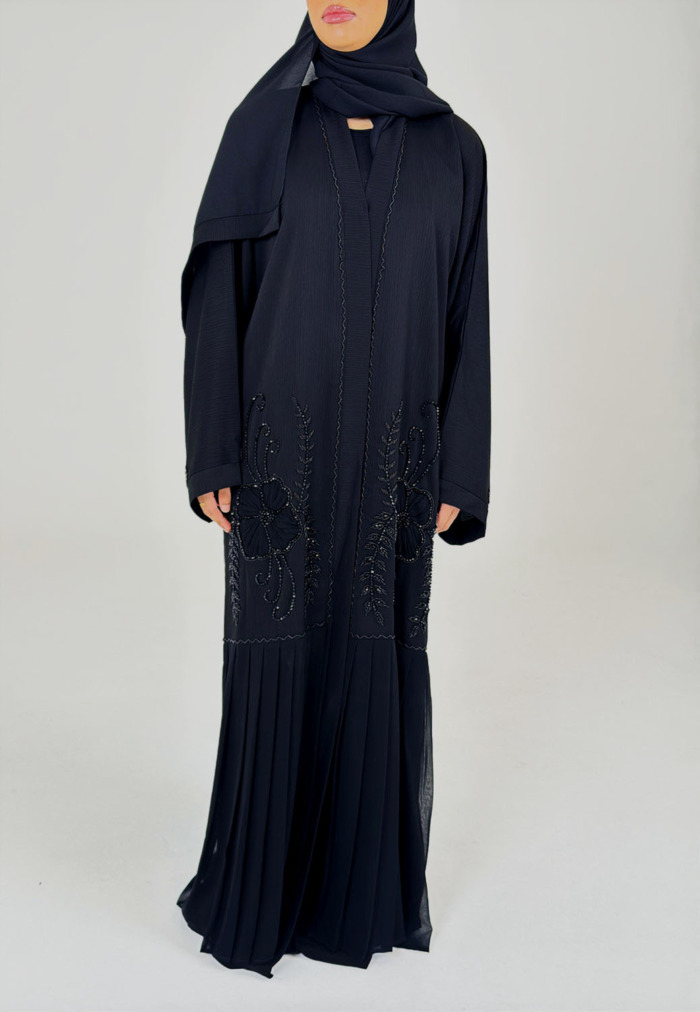
The Emotional Difference Between Wearing an Abaya and a Kaftan
There’s something quietly powerful about the way an abaya falls — the way it sways as you walk, the way it shields and reveals at the same time. It makes you feel grounded. Steady. Like you’re connected to something bigger than trends.
But a kaftan? A kaftan is joy woven into fabric. It’s vibrant. Flowing. Sometimes it feels like wearing a painting. And there’s something healing about that — especially when the world keeps trying to tell Muslim women to shrink themselves.
Abaya: Stillness, Strength, Spirituality
When I put on an abaya, especially a classic black one, it feels like a reset. A sacred pause. Maybe it’s the way it mirrors the simplicity of prayer or the quiet strength of our foremothers. It’s a garment that protects your presence and magnifies your dignity.
Kaftan: Celebration, Color, Cultural Identity
Kaftans carry the spirit of celebration. Weddings. Eid mornings. Long summer nights in the courtyard. There’s a kind of permission they give — to take up space, to enjoy beauty, to honor your roots out loud. And that’s powerful too.
Both Can Be Modest — But Speak Different Languages
Sometimes we pit them against each other: abaya vs kaftan. But honestly? They’re not in competition. They’re companions in the wardrobe of a woman who knows how to hold both reverence and radiance.
| Aspect | Abaya | Kaftan |
|---|---|---|
| Symbolism | Spiritual modesty, tradition | Cultural expression, celebration |
| Typical Use | Daily wear, religious events | Festivals, weddings, gatherings |
| Style Feel | Minimal, elegant, sacred | Vibrant, ornate, festive |
But here’s the truth I’ve learned: your wardrobe can carry both. And when it does, you’re no longer choosing between tradition and joy. You’re living at the intersection of both — and that’s where real beauty lies.
Coming up next? We’ll explore how designers are fusing abaya and kaftan styles into hybrid pieces that break every rule beautifully. You don’t want to miss this.
Why Abayas and Kaftans Speak to the Soul, Not Just the Style
Let’s be real — the world often tries to reduce what we wear to just “fashion.” But if you’ve ever wrapped yourself in an abaya before prayer or slipped into a kaftan passed down from your grandmother, you know: this is soul work. These garments aren’t just style choices — they’re emotional touchstones, cultural anchors, and spiritual expressions.

It’s Not About Hiding — It’s About Holding
People who don’t understand modesty sometimes think it’s about hiding. But for us, an abaya isn’t a barrier — it’s a blessing. It holds us when we walk into the world unsure. It grounds us when everything else feels loud and scattered.
And a kaftan? That’s a memory in motion. It reminds us of Eid mornings as little girls, of henna-stained hands, of aunties who smelled like rosewater and cardamom. It’s comfort stitched in color.
Psychology Meets Spirituality
There’s actually science behind how clothing affects our state of mind. Psychologists call it “enclothed cognition” — the idea that what you wear changes how you feel. Abayas often bring calm, focus, and sacred intention. Kaftans can spark joy, pride, and cultural connection.
Every Stitch Carries a Story
I still remember the first abaya I bought with my own money. It was black with delicate pearl buttons — simple, but it made me feel seen in a way nothing else did. Years later, I wore my mother’s kaftan to my sister’s wedding. The same one she wore 30 years ago. I swear I could feel her strength in the seams.
| Emotional Value | Abaya | Kaftan |
|---|---|---|
| Inner State It Supports | Grounding, calm, reflection | Joy, celebration, nostalgia |
| Common Associations | Prayer, sacred moments, dignity | Family gatherings, weddings, heritage |
| Emotional Trigger | Confidence through humility | Connection through culture |
So when someone asks why you choose to wear an abaya or a kaftan, don’t just say “It’s my style.” Say this: “It’s who I am. It’s how I feel. It’s how I remember where I came from.”
Next up, we’ll dive into something truly exciting — how young designers are redefining what modest beauty looks like by blending global influences into abaya and kaftan designs. Get ready to fall in love with the future.
How to Choose Between an Abaya and a Kaftan Without Second-Guessing Yourself
Choosing between an abaya and a kaftan can feel overwhelming, especially when both carry such rich meaning and style. I’ve been there — standing in front of my wardrobe, heart torn, wondering: “Which one fits today’s mood? Which one will feel right all day?”
Here’s the truth: there’s no one-size-fits-all answer. But with a few thoughtful questions and some honest reflection, you can stop doubting and start wearing confidently.

Ask Yourself These Three Key Questions
- What’s the occasion? Are you heading to a formal event, a family gathering, or a casual day out? Abayas often lend themselves to more formal or spiritual settings, while kaftans embrace relaxed elegance and festive vibes.
- What’s your mood today? Do you want to feel grounded and subtle, or bright and expressive? Your inner state can guide your outer choice — no shame in honoring your feelings.
- How do you want to move? Some days call for the flowing freedom of a kaftan; others, the streamlined grace of an abaya. Comfort and confidence should always lead.
Breaking Down the Differences: A Handy Comparison Table
| Aspect | Abaya | Kaftan |
|---|---|---|
| Silhouette | Often long, straight, modest and structured | Loose, flowing, often wide-sleeved and relaxed |
| Typical Fabrics | Lightweight crepe, chiffon, satin, sometimes embellished | Silk, cotton, embroidered or printed textiles |
| Occasions | Religious events, formal gatherings, everyday modest wear | Festivals, casual outings, cultural celebrations |
| Emotional Vibe | Reserved, elegant, serene | Vibrant, joyful, expressive |
| Styling Tips | Pair with simple hijabs, minimal accessories, classic shoes | Layer with statement jewelry, bold scarves, colorful footwear |
Personal Experience: How I Learned to Trust My Choice
I used to second-guess my picks, endlessly switching between abayas and kaftans for the same event. One Eid, I decided to follow my gut instead of the calendar’s “rules.” I chose a bright, embroidered kaftan rather than the usual black abaya — and it felt like a small rebellion in the best way. I wasn’t just dressed; I was expressing joy, history, and my own style.
That moment taught me the real secret: there’s no wrong choice, only the one that feels right to you.
Next, we’ll explore the beautiful craftsmanship that transforms simple fabric into abayas and kaftans that tell stories — a tribute to the artisans whose hands bring tradition alive.
From Medina to Marrakesh: Tracing the Cultural Roots of Abayas and Kaftans
When you drape yourself in an abaya or kaftan, you’re not just putting on a garment — you’re wrapping yourself in centuries of history, culture, and heritage. These pieces are living stories, bridging the dusty streets of Medina to the vibrant markets of Marrakesh.
Let’s journey together through time and place, exploring how these iconic garments emerged, evolved, and continue to symbolize identity and faith.
The Abaya’s Journey: A Symbol of Modesty and Identity
The abaya’s origins trace back to the Arabian Peninsula, where simplicity and modesty were intertwined with spiritual practice. Medina, one of Islam’s holiest cities, was a cultural hub where early Muslim women sought garments that honored faith while offering dignity and comfort.
Historically, the abaya was a straightforward, loose cloak—often black, designed for modesty rather than ornamentation. But even then, subtle variations in fabric, cut, and detail reflected regional identities and personal stories.
The Kaftan’s Roots: A Tapestry of North African Heritage
Meanwhile, the kaftan’s rich history is woven into the colorful fabric of North Africa and the Middle East. From the bustling souks of Marrakesh to the coastal cities of Morocco, kaftans have long been a symbol of celebration and craftsmanship.
Unlike the abaya’s reserved silhouette, kaftans boast vibrant colors, intricate embroidery, and luxurious fabrics. They were traditionally worn by royalty and nobility but gradually became cherished across all social classes, embodying cultural pride and artistic expression.
Side-by-Side Cultural Influences
| Feature | Abaya (Medina & Arabian Peninsula) | Kaftan (Marrakesh & North Africa) |
|---|---|---|
| Primary Purpose | Modesty, religious observance, daily wear | Celebration, status symbol, cultural expression |
| Typical Color Palette | Mostly black or dark tones, sometimes subtle accents | Rich jewel tones, pastels, gold, and silver embroidery |
| Materials | Lightweight crepe, silk blends for modesty and breathability | Silk, brocade, velvet, cotton — often richly embellished |
| Design Elements | Simple lines, minimal embellishments, sometimes lace or pearl details | Intricate embroidery, beadwork, bold patterns, flowing sleeves |
| Social Significance | Everyday wear with spiritual connection | Worn during special occasions, weddings, and festivals |
Why These Roots Matter Today
Understanding the origins of abayas and kaftans isn’t just academic — it deepens our connection to what we wear. When you step out in an abaya or kaftan, you carry the weight and beauty of history, honor the hands of artisans before you, and join a living tradition that transcends borders.
Next, we’ll explore the delicate dance of tradition and innovation — how today’s designers blend heritage with modernity to create abayas and kaftans that resonate with every generation.
What No One Tells You About Fabrics: Picking the Perfect Texture for Abayas or Kaftans
Let’s be honest: when you hear “abaya” or “kaftan,” your mind might jump straight to style or color. But if you’ve ever worn one that didn’t quite feel right—too heavy, scratchy, or just off—that’s the fabric whispering its secrets.
Choosing the right fabric isn’t just about comfort (though that’s huge). It’s about how the fabric moves with you, how it breathes during long days, and how it respects both your body and the climate you live in.
The Unsung Hero of Modest Fashion: Fabric Texture
Imagine wearing a kaftan that feels like a warm hug on a chilly evening, or an abaya that floats around you like a soft breeze on a hot day. That’s the power of the right fabric—transforming a simple garment into an experience.
Fabric Types to Know for Abayas and Kaftans
| Fabric | Texture & Feel | Best For | Care Tips |
|---|---|---|---|
| Crepe | Soft, slightly grainy, lightweight | Everyday abayas; breathable and modest drape | Hand wash or gentle machine wash; hang dry |
| Chiffon | Sheer, smooth, airy | Overlay in abayas; summer kaftans | Delicate hand wash; avoid wringing |
| Silk | Luxurious, smooth, cooling | Formal kaftans; special occasions | Dry clean recommended |
| Velvet | Soft, plush, warm | Winter kaftans and abayas; evening wear | Dry clean only; store carefully |
| Cotton | Soft, breathable, natural | Casual kaftans; hot climates | Machine wash cold; tumble dry low |
| Georgette | Light, crinkled texture, flowy | Both abayas and kaftans for a soft drape | Hand wash recommended; hang dry |
My Fabric Fumbles (and Lessons Learned)
I’ll admit: I once bought a beautiful abaya made of what looked like silky fabric, but it turned out stiff and hot. It felt like wearing a costume instead of something made for me. Since then, I’ve learned to really touch, feel, and test fabrics—especially when shopping online.
Tip: If you’re unsure, ask for fabric swatches or check customer reviews focusing on comfort and texture.
Next up, we’ll dive into the art of styling your abaya or kaftan — because fabric is just the beginning of your story.
Modern Minimalist vs. Traditional Elegance: Which Aesthetic Is Truly You?
Choosing between a modern minimalist or traditional elegant look in your abaya or kaftan wardrobe isn’t just about fashion—it’s about expressing who you are, what you value, and how you want the world to see you. I’ve been there—standing in front of my closet, torn between the sleek lines of a minimalist piece and the rich, ornate beauty of something deeply traditional.
Let’s unpack these two aesthetics so you can discover which one speaks to your soul.
The Allure of Modern Minimalism
Modern minimalism is for those who appreciate clean lines, subtle details, and understated sophistication. It’s about saying a lot with very little—embracing simplicity while still commanding presence.
- Characteristics: Monochrome palettes, smooth fabrics, minimal embroidery
- Why it works: Perfect for everyday wear, professional settings, and those who prefer comfort without sacrificing style
- Emotional connection: Reflects confidence, clarity, and an appreciation for calm and order
The Timeless Beauty of Traditional Elegance
Traditional elegance, on the other hand, is a celebration of heritage and craftsmanship. It invites you to adorn yourself with vibrant colors, intricate embroidery, and flowing silhouettes that tell a story of culture and devotion.
- Characteristics: Rich fabrics, detailed beadwork, vibrant or deep color schemes
- Why it works: Ideal for special occasions, religious festivals, and moments when you want to shine in heritage
- Emotional connection: Evokes pride, nostalgia, and a deep connection to roots and faith
Comparing the Two: Which One Fits Your Lifestyle?
| Aspect | Modern Minimalist | Traditional Elegance |
|---|---|---|
| Color Palette | Neutral tones like black, white, beige, soft pastels | Rich hues like emerald, maroon, gold, sapphire |
| Fabric Choice | Crepe, georgette, lightweight silks | Velvet, brocade, embroidered silk |
| Design Features | Simple cuts, minimal embellishments | Intricate embroidery, beadwork, traditional motifs |
| Occasion | Daily wear, work, casual outings | Weddings, Eid, cultural events |
| Emotional Vibe | Calm, focused, modern | Celebratory, nostalgic, regal |
Finding Your Personal Blend
Here’s a little secret: you don’t have to pick one forever. Some days call for the sleek confidence of minimalism; others demand the bold beauty of tradition. And honestly, mixing elements from both can create a style uniquely yours.
For example, pairing a minimalist black abaya with a traditional embroidered hijab or accessorizing a richly decorated kaftan with simple, modern jewelry lets you honor both worlds.
But here’s the thing—understanding your style goes beyond trends. It’s about what makes you feel authentic, empowered, and at peace.
Next, we’ll explore how modest fashion innovators are blending these aesthetics to redefine what abayas and kaftans mean today.
Occasion-Driven Dressing: When to Wear an Abaya and When a Kaftan Steals the Show
Here’s a truth many of us face: not every occasion calls for the same outfit. And when it comes to abayas and kaftans, knowing which one to wear—and when—can feel like an art form.
I remember one Eid when I was torn between my elegant black abaya and a colorful kaftan gifted by my grandmother. Both had meaning, both were beautiful, but choosing felt like choosing part of my identity for the day. Spoiler alert: I learned it’s not just about the garment but the story you want to tell.
Abayas: The Quiet Powerhouses of Modesty
Abayas tend to be the go-to for a broad range of occasions, especially where modesty and subtlety are key. Their sleek, often monochromatic designs make them perfect for:
- Religious gatherings and daily prayers
- Work or professional settings
- Formal events with a conservative dress code
- Travel or everyday errands where comfort meets modesty
Kaftans: The Vibrant Stars of Celebration
Kaftans, on the other hand, shine when you want to stand out with color, texture, and flair. Their loose, flowing shape and often intricate details make them ideal for:
- Weddings and festive celebrations
- Family gatherings and cultural festivals
- Warm-weather events where breathability matters
- Casual yet chic days when you want to feel effortlessly elegant
Quick Occasion Guide: Abaya vs. Kaftan
| Occasion | Abaya | Kaftan |
|---|---|---|
| Daily Prayers | ✔️ Traditional, modest, easy to wear | ❌ Usually too decorative or loose |
| Work / Professional | ✔️ Polished and respectful | ❌ Less common; depends on style |
| Weddings & Celebrations | ✔️ Simple or embellished options available | ✔️ Often preferred for their elegance and color |
| Casual Outings | ✔️ Comfortable and understated | ✔️ Light, breathable, and stylish |
| Hot Weather | ✔️ Lightweight fabrics only | ✔️ Ideal due to loose fit and flowy fabric |
My Go-To Tips for Occasion Dressing
What I’ve found helpful is to have a versatile abaya for daily wear and a collection of kaftans for when I want to celebrate life’s moments in style. And if I’m feeling adventurous, sometimes I mix the two — wearing a kaftan-inspired abaya or a simpler kaftan for a casual yet elegant vibe.
Coming up next: how modest fashion designers are revolutionizing abayas and kaftans to fit every occasion seamlessly.
Abaya and Kaftan Silhouettes Decoded: Cuts That Flatter Every Body Type
Let’s be honest — finding the right silhouette can feel like navigating a maze blindfolded. When it comes to abayas and kaftans, the cut isn’t just about style; it’s about feeling confident, comfortable, and beautiful in your own skin. I’ve spent years experimenting with different shapes, and trust me, there’s a perfect silhouette for every body type.
Understanding the Basics: Why Silhouette Matters
Silhouette shapes influence how your abaya or kaftan drapes, moves, and flatters your unique figure. Choosing the right cut can:
- Highlight your best features without feeling restrictive
- Create balance and proportion
- Boost your confidence by enhancing your natural shape
Popular Abaya Silhouettes and Who They Flatter
| Silhouette | Description | Best For | Styling Tips |
|---|---|---|---|
| A-Line | Fitted at shoulders, flares gently downwards | All body types, especially pear-shaped | Pair with a statement hijab or bold accessories |
| Straight Cut | Falls straight from shoulders to hem, minimal flare | Hourglass and rectangular figures | Use belts or sashes to define the waist |
| Kimono Sleeve | Wide sleeves, loose fit, elegant drape | Apple and rectangular shapes | Balance volume with sleek hijab styles |
| Layered | Multiple fabric layers, adds depth and flow | Taller frames or those wanting a dramatic look | Keep accessories minimal to avoid overwhelming |
Kaftan Silhouettes That Embrace Every Curve
| Silhouette | Description | Best For | Styling Tips |
|---|---|---|---|
| Loose and Flowing | Generous fabric, free drape | All body types, especially plus sizes | Add a waist belt for definition or keep loose for comfort |
| Empire Waist | High waistline just below the bust | Petite and pear-shaped figures | Pair with delicate jewelry and simple footwear |
| Caftan with Slits | Side or front slits for mobility and style | Tall and athletic builds | Perfect for warmer climates; wear with strappy sandals |
| Embellished Neckline | Focus on detailed embroidery or beading at neck | Hourglass and inverted triangle | Keep lower silhouette simple to balance the look |
Finding Your Perfect Silhouette: A Personal Reflection
When I first started wearing abayas, I leaned toward loose, straight cuts because I thought modesty meant “hiding.” But over time, I discovered that choosing a silhouette that felt good emotionally and physically transformed how I carried myself. The right cut doesn’t restrict; it empowers.
So, what’s your go-to silhouette? Don’t rush—try different shapes, and remember, your comfort is the ultimate style statement.
Next up: the secrets designers use to blend tradition and modern flair in abayas and kaftans.
Color Psychology in Modest Fashion: What Your Abaya or Kaftan Shade Says About You
Have you ever noticed how certain colors instantly change your mood or how people perceive you? In modest fashion, especially when choosing an abaya or kaftan, color isn’t just about aesthetics — it’s a silent language that speaks volumes about your personality, mood, and even your cultural identity. Let’s dive into the fascinating world of color psychology and how it subtly shapes the stories your outfit tells.
Why Color Matters Beyond Just Looking Good
Colors carry emotions. Wearing the right shade can boost your confidence or calm your spirit. It’s not just what others see — it’s how you feel when you wear that abaya or kaftan. Think about it: Have you ever put on a black abaya and felt instantly grounded? Or chosen a soft pastel kaftan for a fresh, peaceful vibe?
Common Colors and Their Meanings in Modest Wear
| Color | Emotional & Cultural Meaning | Best Occasions | Styling Tips |
|---|---|---|---|
| Black | Elegance, power, modesty, timelessness | Everyday wear, formal events, religious gatherings | Pair with gold or silver accessories for a classic touch |
| Navy Blue | Calmness, reliability, sophistication | Work, interviews, social dinners | Mix with soft hijab shades like beige or cream |
| Emerald Green | Growth, renewal, harmony, wealth | Festivals, weddings, special occasions | Choose subtle embroidery to enhance the regal feel |
| Soft Pastels (Peach, Lavender, Mint) | Gentleness, peace, femininity, freshness | Daytime events, casual outings, spring gatherings | Keep makeup light and natural for a cohesive look |
| Rich Burgundy | Passion, confidence, luxury | Evening parties, formal events | Balance with minimal jewelry to avoid overwhelming |
| White and Ivory | Purity, simplicity, spirituality | Religious occasions, summer wear, weddings | Opt for textured fabrics to add depth |
How to Use Color Psychology to Elevate Your Modest Wardrobe
- Know Your Mood: Feeling calm? Reach for navy or soft pastels. Want to command attention? Burgundy or black has your back.
- Occasion Matching: Match your color to the event’s vibe — vibrant for celebration, muted for reflection.
- Mix & Match Thoughtfully: Pair bold shades with neutrals to maintain modest elegance without overwhelming.
Personal Story: When Color Changed My Style Game
I used to shy away from anything but black. But once I experimented with soft pastel kaftans, I noticed something surprising — people started asking if I was feeling okay, because I looked “lighter” and more approachable. That shift wasn’t just in how I dressed; it changed how I connected with others. Colors aren’t just shades; they’re mood-makers, confidence boosters, and cultural storytellers.
Ready to explore the vibrant emotional landscape of your wardrobe? Next, we’ll uncover the art of accessorizing your abaya and kaftan to complete your story.
The Luxe Factor: How to Spot a Truly High-Quality Abaya or Kaftan
Let’s be honest—there’s nothing quite like slipping into an abaya or kaftan that feels like it was made just for you. That perfect blend of comfort, craftsmanship, and elegance that whispers luxury without screaming it. But how do you tell the truly high-quality pieces from the “just okay” ones? After all, in modest fashion, quality isn’t just about looking good; it’s about feeling dignified, confident, and comfortable every time you wear your garment.
Key Signs of Luxury in Abayas and Kaftans
It’s easy to get dazzled by fancy labels or intricate embroidery, but genuine quality runs deeper. Here’s a guide to what you really need to look for:
| Quality Indicator | What to Look For | Why It Matters |
|---|---|---|
| Fabric Quality | Natural fibers like silk, high-grade cotton, linen, or premium crepe | Breathability, durability, and luxurious feel against the skin |
| Stitching & Seams | Even, tight, and reinforced stitching with no loose threads | Longevity and resistance to wear and tear |
| Fit & Cut | Precision tailoring that flatters your body type without restricting movement | Comfort and flattering silhouette that boosts confidence |
| Embroidery & Embellishments | Hand-stitched or finely machine-done with quality threads and beads | Detail that enhances beauty without compromising comfort |
| Lining & Finishing | Proper lining in delicate fabrics and smooth finishing on hems | Prevents transparency and adds structure for a polished look |
| Brand Reputation | Well-reviewed designers known for ethical production and quality standards | Trustworthy craftsmanship and post-purchase support |
Questions to Ask When Shopping
- Is the fabric soft but substantial, or does it feel cheap and flimsy?
- Are the stitches consistent, or do you see uneven gaps?
- Does the garment hang well or feel awkward on your body?
- Are the embellishments securely attached and comfortable?
- Is there a lining, and if so, does it add to the comfort?
Personal Experience: The Difference of Luxe
I once bought a gorgeous kaftan that looked stunning online but was sheer and scratchy in person. It barely made it past the first wear. In contrast, a friend gifted me a hand-stitched abaya from a small boutique, and it felt like a warm hug every time I wore it — soft, durable, and gracefully tailored. That’s the kind of investment worth making.
Up next, let’s explore the unexpected power of accessorizing your abaya and kaftan to elevate every look with simple yet meaningful touches.
Layering Like a Pro: Styling Kaftans and Abayas Without Losing Modesty
Layering modest clothing like abayas and kaftans can sometimes feel like walking a tightrope. You want to stay true to your values and comfort, but also express your unique style without feeling bulky or restricted. Trust me, I’ve been there—wondering how to add dimension and personality without losing the essence of modesty.
Good news: layering isn’t about piling on clothes. It’s about thoughtful, deliberate choices that create harmony and flow, allowing you to shine in your abaya or kaftan while feeling perfectly yourself.
Layering Essentials for Modest Fashion
| Layering Piece | Purpose | Styling Tip |
|---|---|---|
| Longline Cardigans or Dusters | Add lightweight warmth and dimension | Choose neutral or complementary colors; keep it flowy to maintain modesty |
| Slip Dresses or Underdresses | Provide coverage and smooth silhouette | Opt for breathable fabrics; match colors to avoid clashing |
| Scarves and Shawls | Versatile layering for neck, shoulders, and hijab coordination | Play with textures and prints; use as statement pieces |
| Wide-Leg Trousers or Palazzo Pants | Extend modest coverage without bulk | Pair with shorter kaftans or layered tops for balance |
| Structured Blazers or Jackets | Add polish and structure to loose silhouettes | Choose cropped lengths or open styles for flow and comfort |
Layering Tips From Real-Life Style
I remember once attending a family gathering wearing a stunning embroidered kaftan. It was beautiful but a bit sheer in certain lighting. So, I layered a soft, longline cardigan underneath. Not only did it add modesty, but it also gave my outfit a chic, effortless vibe. Guests complimented the layered look, and I felt both confident and comfortable.
Balance Is Key: Avoiding the Bulk Trap
- Choose lightweight fabrics: Think chiffon, light cotton, or fine knits that don’t weigh you down.
- Keep layers in harmony: Stick to complementary color palettes and textures.
- Play with lengths: Mix longer layers with mid-length pieces to create visual interest.
- Focus on fit: Even when layering, ensure garments don’t restrict movement or feel tight.
Layering isn’t just practical; it’s a creative expression of modest fashion that’s uniquely yours. Ready to dive deeper into accessorizing? The next section will show you how simple additions can transform your abaya or kaftan from lovely to unforgettable.
Hijab Pairings that Transform Your Abaya or Kaftan Look Completely
Let’s be honest: the hijab isn’t just a piece of fabric — it’s an extension of your personality, your mood, and your style story. When paired thoughtfully with your abaya or kaftan, it can elevate your entire look, making it feel fresh, intentional, and oh-so-you. You’ve probably noticed how the right hijab can either make an outfit sing or fall flat. So how do you find that perfect balance? Let’s unpack the art of hijab pairing that truly transforms.
Key Hijab Styles and Their Impact
| Hijab Style | Best For | Styling Tips | Effect on Overall Look |
|---|---|---|---|
| Classic Wrap | Everyday wear, formal events | Use soft fabrics like chiffon or jersey; keep colors neutral or matching | Clean, timeless, and polished |
| Turban Style | Modern, casual, or bold statements | Pair with high-neck abayas or kaftans; add bold earrings | Edgy and contemporary |
| Layered Draping | Special occasions, festive looks | Use textured or embroidered fabrics; coordinate with outfit details | Elegant and rich in texture |
| Square Hijab Fold | Workwear, minimalist style | Choose solid colors; neat and simple folds | Understated sophistication |
Material Matchmaking: Fabric and Texture Coordination
Pairing the right hijab fabric with your abaya or kaftan fabric can either create harmony or clash harshly. For instance, a silk kaftan deserves an equally luxurious hijab — think satin or silk blends — while a casual cotton abaya pairs perfectly with soft jersey hijabs for comfort and breathability.
- Silk/Satin Hijabs: Perfect for shiny, embellished kaftans or abayas.
- Chiffon Hijabs: Lightweight and flowy, great for layering and formal looks.
- Jersey Hijabs: Soft and stretchy, ideal for everyday casual or sporty vibes.
- Organza or Lace: Adds delicate texture for special events.
Color Coordination: Making Your Hijab Pop or Blend
| Hijab Color Strategy | When to Use | Visual Impact |
|---|---|---|
| Monochromatic | When you want a sleek, unified look | Elegant and elongates silhouette |
| Complementary Colors | For bold, fashion-forward statements | Creates eye-catching contrast |
| Neutral Shades | Everyday wear and understated elegance | Softens overall look and adds versatility |
| Patterned or Embellished | Special occasions or to add interest | Draws attention and highlights personality |
One of my favorite styling secrets? Don’t be afraid to experiment. I once paired a simple black abaya with a richly patterned emerald hijab, and it completely transformed my look — people kept asking where I got that pop of color!
Hijab pairings aren’t just about matching; they’re about telling your story and feeling seen. Up next, we’ll dive into the secrets of accessorizing that bring your entire abaya or kaftan ensemble to life without overwhelming your modest vibe.
Traveling with Modesty: Packing Abayas and Kaftans Without Bulk or Wrinkles
Traveling as a modest dresser can feel like a balancing act — wanting to look put-together and true to your style without lugging around a suitcase full of heavy, wrinkled abayas and kaftans. If you’ve ever opened your luggage at your destination and felt defeated by creased fabrics and bulky piles, you’re not alone. I’ve been there more times than I can count! But here’s the good news: packing your modest wardrobe smartly is totally doable.
Choosing Travel-Friendly Fabrics
Not all abayas and kaftans were made for travel. Some fabrics resist wrinkles and fold compactly better than others. Here’s a quick guide to what to prioritize when packing:
| Fabric Type | Wrinkle Resistance | Weight & Bulk | Travel Suitability |
|---|---|---|---|
| Crepe | High resistance | Lightweight | Excellent for travel |
| Jersey | Very high resistance | Very lightweight & stretchy | Perfect for packing tight |
| Silk | Low resistance | Light but delicate | Needs careful packing |
| Polyester blends | Moderate to high resistance | Light to medium weight | Great for travel |
| Chiffon | Moderate resistance | Very lightweight | Best for layering, needs protection |
Packing Techniques to Minimize Wrinkles and Bulk
- Roll, Don’t Fold: Rolling your abayas and kaftans saves space and reduces creasing. Try rolling with tissue paper inside to keep fabric smooth.
- Use Packing Cubes: Organize by outfit or fabric type. Cubes compress clothes, prevent shifting, and make unpacking a breeze.
- Layer with Care: Place heavier items at the bottom, lighter delicate fabrics on top to avoid crushing.
- Protect with Garment Bags: For silk or embellished kaftans, use breathable garment bags to hang or lay flat in the suitcase.
- Bring a Portable Steamer: Small, travel-friendly steamers are a lifesaver and prevent damage that irons can cause.
Mix-and-Match Outfits for Versatility
Travel light by choosing abayas and kaftans that mix well with each other and your hijabs and accessories. This way, you can create multiple looks without extra bulk.
| Item | Why It Works | Pair With | Travel Tip |
|---|---|---|---|
| Neutral Crepe Abaya | Versatile, wrinkle-resistant | Colorful hijabs, statement jewelry | Roll tightly with tissue paper |
| Lightweight Kaftan with Embroidery | Dressy, compact | Simple hijab, minimalist accessories | Pack in garment bag if possible |
| Jersey Maxi Dress | Comfortable, stretchy | Layer with cardigans or jackets | Roll and pack with other knits |
Traveling modestly doesn’t mean sacrificing style or comfort — it just means being a little strategic. Next, we’ll explore how to care for your abayas and kaftans on the go so they stay fresh no matter where your journey takes you.
The Emotional Glow-Up: Confidence Before and After Dressing with Intention
Have you ever noticed how the right outfit can change not just how you look, but how you *feel*? Especially when it comes to wearing abayas and kaftans, there’s this deep, almost magical transformation that happens when you dress with intention. It’s more than fabric and thread — it’s an emotional glow-up that lights you from within.
I still remember the first time I wore a beautifully tailored abaya that fit me perfectly. That moment, looking in the mirror, wasn’t just about style. It was a surge of self-respect, calm, and pride — as if I was honoring both my faith and my identity at once. You’ve probably felt something similar, right? That quiet confidence that whispers, “I’m exactly who I’m meant to be.”
Why Dressing with Intention Matters
Dressing isn’t just a routine — it’s a form of self-expression and self-care. For many Muslim women, abayas and kaftans aren’t just clothes; they’re statements of modesty, identity, and elegance. When you choose pieces thoughtfully, you set the tone for your day emotionally and spiritually.
| Before Dressing Intentionally | After Dressing Intentionally | Emotional Impact |
|---|---|---|
| Feeling rushed, uncertain | Calm and purposeful | Reduced stress, more control |
| Wearing something “just okay” | Wearing something meaningful | Increased pride and satisfaction |
| Focus on external approval | Focus on personal values | Authenticity and inner peace |
The Science Behind Confidence and Clothing
Psychologists call this “enclothed cognition” — the phenomenon where what you wear influences your mindset. When you dress in abayas or kaftans that resonate with your beliefs and style, your brain associates those outfits with feelings of confidence and dignity. It’s like giving your spirit a gentle hug before stepping out into the world.
How to Cultivate This Glow-Up Daily
- Pick pieces that feel *you*: Whether it’s a flowing kaftan or a sleek abaya, choose what aligns with your mood and values.
- Take a moment: Before stepping out, pause and acknowledge how your outfit empowers you. It’s a ritual of gratitude.
- Accessorize intentionally: Small details like a meaningful hijab pin or a favorite bracelet can boost your confidence subtly.
- Reflect after: At day’s end, notice how your outfit impacted your mood or interactions — it builds positive feedback loops.
This emotional glow-up is one of modest fashion’s most underrated gifts — it’s about so much more than covering up. It’s about lighting up from inside out. But, of course, how you style these looks can further amplify this confidence, which we’ll dive into next.
Kaftan or Abaya for Your Wedding? The Bridal Modesty Dilemma Solved
Weddings are magical, emotional, and sometimes downright stressful — especially when it comes to choosing your bridal outfit. For Muslim brides, this decision often comes down to a heartfelt dilemma: Should you wear a kaftan or an abaya on your special day? Both pieces honor modesty and tradition, yet each carries a unique vibe, history, and style. If you’ve ever found yourself torn between these two, you’re not alone.
Let’s be honest — this isn’t just about aesthetics. It’s about how you want to feel, how you want to express your faith and culture, and how you envision your wedding day memories. So, let’s break down the bridal modesty puzzle with some clarity and compassion.
Understanding the Wedding-Worthy Qualities
| Feature | Bridal Kaftan | Bridal Abaya |
|---|---|---|
| Silhouette | Flowy, often layered, dramatic sleeves | Elegant, sleek, sometimes embellished |
| Traditional Associations | Moroccan & North African roots, regal and ornate | Middle Eastern roots, classic and timeless |
| Fabric Choices | Rich silks, brocades, lace overlays | Velvet, satin, embroidered chiffon |
| Ease of Movement | Typically looser, comfortable for dancing | Varies; can be tailored or loose |
| Customization Potential | High: embroidery, beading, unique cuts | High: sleek tailoring with embellishments |
How to Decide Based on Your Wedding Vision
- Want a fairytale vibe? Kaftans’ flowing shapes and intricate details create a princess-like aura that’s hard to beat.
- Craving understated elegance? A tailored abaya offers a modern, minimalist approach that speaks volumes through simplicity.
- Consider your venue and season: Kaftans often suit outdoor or warmer settings, while heavier abayas can be cozy for cooler climates.
- Think about your bridal party: Matching or coordinating kaftans create a stunning visual impact, while abayas offer timeless uniformity.
Real Talk: Bridal Stories from Muslim Women
One bride I met shared how she chose a custom kaftan for its rich Moroccan heritage, feeling connected to her grandmother’s stories and wanting to honor that legacy. Another bride preferred an abaya for its sleekness and how it made her feel both modest and incredibly chic—plus, it was easier to move around during the reception.
Both choices are right — what matters most is how you feel wrapped in your bridal garment on your big day. That feeling of being authentically *you* is what will shine through in every photo and memory.
In the next section, we’ll explore how to accessorize these bridal beauties to truly elevate your look without losing modesty or comfort.
Budget to Boujee: How to Build a Stunning Abaya/Kaftan Collection at Any Price
Building a wardrobe full of beautiful abayas and kaftans isn’t just for those with deep pockets — it’s an art, a journey, and yes, sometimes a little treasure hunt. Whether you’re on a tight budget or ready to splurge on luxury, there’s a way to curate a collection that feels uniquely yours, reflects your modest fashion ethos, and makes you glow every time you put on one of these timeless pieces.
Let me share a little secret: the key isn’t just in how much you spend, but in how thoughtfully you choose. It’s about mixing staples and statement pieces, understanding fabric quality, and mastering styling tricks to get the most out of every abaya or kaftan. I’ve personally navigated this path — from grabbing budget-friendly finds at local markets to investing in handcrafted designer gems. And trust me, both ends of the spectrum can deliver jaw-dropping style.
Understanding the Price Spectrum
| Price Range | Typical Materials | Design Complexity | Where to Shop | Best For |
|---|---|---|---|---|
| Budget (Under $100) | Polyester blends, cotton | Simple cuts, minimal embellishments | Online stores, local boutiques, marketplaces | Daily wear, experimenting with styles |
| Mid-Range ($100 – $500) | Rayon, satin blends, lightweight silks | Moderate embroidery, layering details | Specialty modest fashion brands, department stores | Workwear, semi-formal occasions |
| Luxury ($500+) | Pure silk, velvet, fine lace, hand embroidery | Intricate embellishments, custom tailoring | Designer boutiques, bespoke tailors | Special events, weddings, statement pieces |
Tips for Curating Your Collection at Any Budget
- Start with basics: Invest in a few versatile, neutral-toned abayas or kaftans that can be dressed up or down.
- Mix textures: Pair budget-friendly pieces with luxury fabrics for a high-low look that’s both chic and affordable.
- Know your body shape: Choose cuts that flatter your silhouette to maximize confidence and wearability.
- Focus on fit: Sometimes tailoring a budget piece can elevate it to feel like a million bucks.
- Embrace modest accessories: A quality hijab or elegant shoes can transform a simple abaya or kaftan.
- Be patient: Building a collection takes time. Watch for sales, shop off-season, and don’t rush.
Personal Stories: How I Built My Own Collection
Early in my modest fashion journey, I often bought inexpensive kaftans from local bazaars. They were colorful, comfortable, but sometimes lacked the refinement I dreamed of. So, I saved and invested in one stunning silk abaya from a boutique—simple but exquisitely made. The contrast between my everyday and special occasion pieces taught me a lot about balance and personal style.
Over time, I realized the secret wasn’t in having dozens of outfits but having a thoughtfully curated few. I mixed and matched, layered, and accessorized in ways that stretched every piece’s potential. It’s empowering — knowing you don’t need a fortune to look and feel fabulous.
Below is a quick budget planner you can use to visualize how to allocate your funds for building a versatile abaya and kaftan wardrobe over time.
| Category | Budget Percentage | Purpose | Example Purchase |
|---|---|---|---|
| Staples | 40% | Neutral, everyday abayas or kaftans | Classic black abaya, beige kaftan |
| Statement Pieces | 30% | Special occasions, eye-catching designs | Embroidered kaftan, embellished abaya |
| Accessories | 20% | Hijabs, shoes, jewelry | Silk hijabs, elegant heels |
| Tailoring & Care | 10% | Alterations and maintenance | Custom tailoring, fabric care |
In the next section, we’ll dive into how to style your abayas and kaftans with layers and accessories that respect your modesty while keeping your look fresh and modern.
Your Capsule Modest Wardrobe: The Five Abayas and Kaftans Every Woman Needs
Let’s be honest — building a modest wardrobe can feel overwhelming. With so many styles, fabrics, and designs out there, knowing where to start or what to prioritize often leaves you second-guessing. I’ve been there, standing in front of racks and scrolling endlessly online, wondering what pieces will truly serve me in the long run.
That’s why the concept of a capsule wardrobe is such a game-changer, especially for modest fashion lovers. It’s about choosing a small collection of versatile, timeless pieces that you love and feel confident in — the foundation upon which every outfit can be built. When it comes to abayas and kaftans, there are five essential types that every woman should have. Each one plays a unique role in your wardrobe, offering style, comfort, and modesty no matter the occasion.
The Essential Five: Abayas and Kaftans That Work Hard for You
| Piece | Occasions | Key Features | Styling Tips |
|---|---|---|---|
| Classic Black Abaya | Everyday, Work, Formal | Simple cut, lightweight fabric, modest neckline | Pair with statement hijabs or bold accessories |
| Embroidered Kaftan | Festive events, Special gatherings | Intricate embroidery, flowing silhouette | Keep accessories minimal to let embroidery shine |
| Neutral-Toned Abaya | Casual outings, Travel | Soft fabric, relaxed fit, earth-tone colors | Layer with scarves in complementary shades |
| Silk or Satin Kaftan | Weddings, Evening occasions | Luxurious fabric, subtle shimmer, elegant cut | Wear with delicate jewelry and sleek heels |
| Statement Patterned Abaya or Kaftan | Weekend brunch, Cultural events | Bold prints, mix of colors, tailored fit | Let the print be the focal point, keep makeup neutral |
Why These Five? A Quick Look
Each of these pieces has its own story, its own vibe. The classic black abaya is your go-to — timeless, elegant, and versatile enough to carry you through anything from work meetings to dinner dates. I can’t tell you how many times I’ve grabbed mine because it just feels like a safe, graceful choice that always works.
Then, the embroidered kaftan — it’s like wearing celebration itself. When I slip into mine during Eid or family gatherings, I feel this quiet joy, this connection to tradition and festivity. It’s a piece that invites compliments but demands respect for its craftsmanship.
The neutral-toned abaya is perfect for days when comfort and ease take priority, especially when I’m traveling or running errands. The soft, breathable fabrics make all the difference, and the understated colors allow me to mix and match easily.
Silk and satin kaftans bring in the glamour and luxe. If you have a wedding or special event coming up, this is the showstopper you want. Trust me, the moment you glide into one, you notice how it lifts your whole presence.
Finally, the statement patterned piece adds personality and fun. It breaks the mold of plain colors and lets you express yourself boldly while staying modest. Wearing one always feels like a little adventure.
Building Your Capsule: Tips for Success
- Quality over quantity: Invest in well-made pieces that last seasons.
- Balance comfort and style: Modesty doesn’t mean sacrifice—choose fabrics and fits you love.
- Think mix and match: Select colors and styles that work well together for maximum outfit combinations.
- Personalize your capsule: Add one or two pieces that truly reflect your personality or heritage.
- Rotate seasonally: Adjust your capsule with lighter fabrics in summer, richer textures in winter.
Here’s a quick comparison table to help you evaluate these essential pieces based on durability, style versatility, and ease of maintenance:
| Piece | Durability | Versatility | Maintenance |
|---|---|---|---|
| Classic Black Abaya | High | Very High | Machine wash or dry clean |
| Embroidered Kaftan | Medium | Medium | Dry clean recommended |
| Neutral-Toned Abaya | Medium-High | High | Machine wash or hand wash |
| Silk or Satin Kaftan | Low-Medium | Low-Medium | Dry clean only |
| Statement Patterned Piece | Medium | Medium-High | Hand wash or dry clean |
So next time you find yourself overwhelmed by choices, come back to these five essentials. They’ll ground your modest fashion journey and ensure you always have something stunning to wear — no matter the day or occasion.
Up next, we’ll explore how to master layering and accessorizing these core pieces to create endless fresh looks that respect your values and style. Ready to unlock those styling secrets?
Influencer-Approved Styling Tricks for Everyday Elegance in Abayas and Kaftans
Let’s be real—sometimes, dressing modestly feels like a style puzzle. You want to look elegant without overdoing it, to feel confident but not flashy, and to honor your values while staying modern. The good news? You’re not alone in this. Influencers across the modest fashion world have been quietly perfecting the art of everyday elegance in abayas and kaftans, and guess what? They’re sharing their secrets.
These aren’t just runway trends or influencer fluff. These styling tricks have been tested in real life, from busy mornings to family dinners, and can transform your everyday modest wear from basic to breathtaking. Ready to up your game without losing your essence? Let’s dive in.
1. The Power of Layering: Less Isn’t More, It’s Smart
Layering is a modest fashion influencer’s secret weapon. But it’s not about piling on fabric—it’s about choosing lightweight, complementary pieces that add dimension and texture. Think of layering as storytelling through fabric. A simple black abaya paired with a cropped, embroidered vest or a sheer long cardigan can instantly elevate your look.
Here’s a quick layering cheat sheet influencers swear by:
| Base Piece | Layer Options | Fabric Suggestions | Styling Tip |
|---|---|---|---|
| Plain Abaya | Long kimono, cropped jacket, embroidered vest | Chiffon, lightweight cotton, lace | Keep layers in neutral or complementary colors |
| Flowy Kaftan | Tailored blazer, belt, sleeveless cardigan | Linen, silk blends, fine wool | Belt at the waist for a defined silhouette |
2. Accessorize with Purpose, Not Excess
Modest fashion influencers often remind us: accessories are punctuation marks in your outfit, not the whole sentence. A statement hijab pin, a delicate bracelet, or a sleek leather bag can add polish without shouting. Mixing metals—gold and silver—can feel fresh and intentional, but keep it minimal to maintain elegance.
- Hijab pins: Choose embellished or pearl-adorned pins to add subtle sparkle.
- Bags: Structured crossbody or minimalist totes complement abayas beautifully.
- Jewelry: Thin stacking rings or small hoops keep things chic without overpowering.
3. Master the Art of Hijab Styling to Complement Your Outfit
It’s amazing how a simple change in hijab styling can transform an entire look. Influencers often use different wrapping techniques and fabrics to match the mood of their abaya or kaftan. For example, a satin hijab pairs beautifully with a silk kaftan for a luxe vibe, while a cotton hijab works perfectly for casual or workdays.
| Hijab Style | Recommended Fabric | Best With | Occasion |
|---|---|---|---|
| Turban style | Jersey, stretch cotton | Structured abayas, minimalist kaftans | Casual outings, travel |
| Loose drape | Chiffon, silk | Flowy kaftans, embroidered abayas | Formal events, dinners |
| Wrapped and pinned | Viscose, modal blends | Everyday abayas and kaftans | Work, everyday wear |
4. Color Coordination: When to Match and When to Contrast
Color coordination is a delicate dance in modest fashion. Influencers often use a “match and contrast” method — matching the hijab with a subtle tone from the abaya or kaftan, then adding a contrasting accessory to keep things interesting.
For instance, a soft beige abaya paired with a blush pink hijab and a navy handbag creates a layered, thoughtful look. The secret is to pick two main colors that speak to each other and use a third to add personality.
5. Shoes Matter More Than You Think
Comfort and style don’t have to be enemies. Influencers choose pointed flats, kitten heels, or embellished sandals to keep the silhouette elegant without sacrificing ease. Bonus points for shoes that peek out just enough to add flair but stay modest.
| Shoe Type | Best Paired With | Comfort Level | Occasion |
|---|---|---|---|
| Pointed flats | Long abayas, wide-leg kaftans | High | Work, casual |
| Kitten heels | Satin kaftans, embroidered abayas | Medium | Formal events |
| Embellished sandals | Patterned kaftans | Medium-High | Festive occasions, social outings |
Putting It All Together
Styling abayas and kaftans for everyday elegance is a journey of experimentation, understanding your personal style, and adapting these influencer-approved tips to your daily rhythm. The key is balancing modesty with creativity, tradition with modernity, and comfort with confidence.
So next time you stand before your wardrobe wondering how to create that effortless yet striking look, remember these tried-and-true tricks. And most importantly, wear your outfit with pride — because true elegance always comes from within.
What Designers Are Getting Wrong About Modest Fashion (And How We Fix It)
Let me start by saying this: modest fashion isn’t a niche or a trend to be ticked off a checklist. It’s a rich, living expression of identity, faith, culture, and style all rolled into one. Yet, too often, designers—yes, even some big names—miss the mark. They approach modest fashion with a surface-level understanding that leaves many of us feeling unseen, misunderstood, or worse, forced to compromise our values for style.
So, what exactly are designers getting wrong? And how can the modest fashion community, including you and me, help shape a future where modesty and modern style don’t have to battle but beautifully coexist? Grab your tea; this one’s personal.
1. The “One-Size-Fits-All” Mistake
Too many designers treat modest fashion like a uniform—oversized tunics, shapeless abayas, and endless black cloaks. The assumption? Modesty means hiding every curve and keeping it bland. But we know better. Modesty is personal. It’s about feeling comfortable and confident in your skin, not erasing it.
Here’s a table to illustrate common design pitfalls versus what we actually want:
| Common Design Mistake | Why It Fails | Modest Fashion Community Wants |
|---|---|---|
| Oversized, shapeless garments | Feels like hiding, not dressing | Defined cuts that flatter without revealing |
| Limited color palettes (mostly black) | Reinforces stereotypes, lacks vibrancy | Rich, diverse color options reflecting culture and personality |
| Ignoring fabric breathability | Uncomfortable, impractical for daily wear | Natural, breathable fabrics that respect climate and comfort |
2. Tokenism vs. True Inclusion
We’ve all seen it—designers releasing “modest” lines as an afterthought or worse, a marketing stunt. A handful of loose dresses thrown in among a sea of skin-baring clothes doesn’t cut it. Modest fashion deserves thoughtful, dedicated design that respects its heritage and speaks directly to its wearers.
The fix? Designers need to collaborate with modest fashion insiders: women who wear these clothes daily, who understand the cultural and spiritual nuances. Only then can collections feel authentic, not appropriated.
3. Underestimating the Power of Details
Details matter—especially in modest fashion. Embroidery, trims, cuff finishes, button placements, and subtle pleats are not just decorative. They carry cultural significance and enhance wearability.
Unfortunately, many brands skip these in favor of mass production efficiency. This results in garments that look “cheap” or generic. Modest fashion consumers crave pieces that feel personal and crafted with care.
| Design Detail | Common Oversight | Why It Matters |
|---|---|---|
| Embroidery & beadwork | Often minimal or absent | Adds cultural depth and uniqueness |
| Cuff and sleeve finishes | Simple hems, no shaping | Defines silhouette and aids modest coverage |
| Neckline design | Generic high necks or boat necks | Creates balance and elegance while maintaining modesty |
4. Practicality Often Takes a Backseat
We’re not dressing for a photoshoot. Everyday modest wear must consider movement, climate, and lifestyle. Heavy fabrics, stiff designs, or complicated closures can make wearing abayas and kaftans feel like a chore rather than a joy.
Designers need to ask themselves: How does this garment move when the wearer sits, prays, or walks outside in the summer heat? Real modest fashion is functional and beautiful.
How We Fix It: The Modest Fashion Movement Is Ours to Lead
Here’s the empowering truth: We hold the power to shape modest fashion’s future. Supporting brands that get it right, sharing feedback, and even collaborating with designers can raise the bar.
- Demand diversity: Push for inclusive sizing, colors, and culturally inspired details.
- Support craftsmanship: Choose pieces that celebrate fine fabrics and handwork.
- Be vocal: Share your honest experiences and style stories to guide brands.
Because modest fashion isn’t a trend. It’s a lifestyle. And it deserves to be treated with the respect and creativity it commands.
So next time you see a “modest collection,” ask yourself: Does it speak to the soul of modesty or just skim its surface? And if it’s the latter, remember—you are the change that industry needs.
Faith Meets Fashion: Honoring Your Beliefs Without Sacrificing Your Style
Let’s be honest—navigating the world of modest fashion isn’t just about picking pretty clothes. It’s a daily dance between honoring your faith and expressing your unique style. You’ve probably felt that tug yourself: wanting to look good, feel confident, but never wanting to compromise the values that shape who you are. That’s the beautiful, sometimes complicated reality of modest dressing.
Modest fashion isn’t simply about covering up; it’s about embodying intention. It’s faith meeting fabric, spirit meeting silhouette. So how do you strike that perfect balance? How do you stay true to your beliefs without feeling like you’re missing out on the joy of fashion?
The Heart of Modesty: More Than Just Clothes
Modesty in Islam is a holistic concept — it’s about humility, respect, and dignity. It’s about how you carry yourself, how you interact, and yes, how you dress. But modesty isn’t one-size-fits-all. It’s deeply personal, shaped by culture, interpretation, and even mood. That’s why fashion plays such a pivotal role. It allows us to reflect who we are inside without shouting it from the rooftops.
| Faith Principle | Fashion Expression | How They Harmonize |
|---|---|---|
| Covering the awrah | Loose, flowing abayas and kaftans | Ensures modesty while allowing graceful movement |
| Humility in appearance | Subtle, elegant designs without excessive flash | Balances beauty with reverence |
| Avoiding extravagance | Simple accessories and classic cuts | Style that feels intentional, not showy |
Practical Tips for Faith-Forward Fashion
So how do you live this balance every day? Here’s what’s worked for me and countless women I’ve spoken with:
- Choose fabrics wisely: Breathable, opaque materials protect modesty and keep you comfortable. Think crepe, chiffon, or soft cotton blends.
- Layer creatively: Sometimes a sheer kaftan calls for an underdress or a slip. Layers add dimension without sacrificing modesty.
- Mind the details: Necklines, sleeve lengths, and hemlines matter. A perfectly cut abaya with a high neckline and full sleeves honors your beliefs while feeling modern.
- Accessorize with intention: Minimal jewelry or elegant scarves that complement rather than overpower.
Faith and Style Are Not Opposites
Far from it. Your faith and your style can be powerful partners. When you choose a garment that aligns with your beliefs, it’s like armor—it gives you confidence and peace of mind. You’re not just dressing for others; you’re dressing for yourself, your values, your journey.
| Fashion Challenge | Faith-Based Solution | Style Outcome |
|---|---|---|
| Feeling restricted or limited | Selecting flowy, breathable fabrics | Freedom in movement without compromising modesty |
| Worrying about standing out too much | Opting for soft tones or muted patterns | Elegance that draws quiet admiration |
| Wanting to feel current but respectful | Incorporating subtle modern cuts | Looks fresh, relevant, yet rooted in faith |
Stories from the Heart
One of my closest friends once told me how she struggled to find kaftans that felt both chic and aligned with her faith during Ramadan. She didn’t want to sacrifice style, but she also didn’t want to compromise on modesty. Eventually, she discovered designers who embraced her values fully, crafting pieces with lightweight fabrics and thoughtful cuts. The relief and joy on her face when she slipped on those clothes? Priceless.
That’s what modest fashion is at its best: a bridge between your inner world and the outside one. It’s freedom wrapped in fabric.
Final Thought: Own Your Style, Own Your Faith
You don’t have to choose between faith and fashion. When you honor your beliefs through your clothing choices, you’re not limiting yourself—you’re enriching your style with purpose. Remember, modesty is a form of strength and beauty intertwined. Your abayas and kaftans can be a canvas for that truth.
So, next time you stand before your wardrobe, ask yourself: Does this piece reflect who I am—not just in style, but in spirit? If yes, wear it proudly. Because when faith meets fashion, you don’t just look good. You feel whole.
Where to Actually Buy Abayas and Kaftans You’ll Love (And Trust)
Okay, let’s get real. Finding abayas and kaftans that truly speak to your style, honor your modesty, and *actually* last—well, that can sometimes feel like hunting for a needle in a haystack. You want quality, authenticity, and designs that don’t make you compromise your beliefs or your aesthetic. But how do you separate the wheat from the chaff? Where do you find those hidden gems that make you smile every time you reach for them?
Whether you’re new to modest fashion or a seasoned queen building your collection, knowing where to shop smart is half the battle. I’ve spent years testing brands, browsing marketplaces, and chatting with fellow sisters about their holy grail abaya and kaftan sources. So, let me save you some time and heartache—here’s a guide to the best places to buy abayas and kaftans you’ll genuinely love and trust.
1. Boutique Designers Who Respect Modesty and Style
These are the creatives who *get* that modest fashion isn’t just a trend; it’s a lifestyle. Their collections often combine traditional craftsmanship with contemporary vibes. Plus, they’re usually hands-on with fabric choice, cut, and cultural sensitivity.
| Designer | Specialty | Price Range | Why Trust Them |
|---|---|---|---|
| Zahra Couture | Modern abayas with subtle embroidery | $$$ | Focus on sustainable fabrics and ethical production |
| Layla’s Kaftans | Flowy, breathable kaftans perfect for warm climates | $$ | Locally sourced materials, great customer service |
| Amira’s Atelier | Custom-fit abayas and kaftans with personalized tailoring | $$$$ | High attention to detail and craftsmanship |
2. Trusted Online Marketplaces with Authentic Sellers
Online shopping can be tricky, right? You want beautiful pieces, but you’re wary of quality and sizing. Some platforms have curated sections for modest fashion brands, making it easier to filter out the noise.
| Marketplace | Features | Return Policy | Best For |
|---|---|---|---|
| Modanisa | Huge variety, global shipping, modest fashion specialists | 30-day returns | Wide budget range, from affordable to luxury |
| Hijab House | Focus on hijabs and modest wear, great customer reviews | Easy returns and exchanges | Everyday modest staples with modern flair |
| Etsy | Handmade, vintage, custom options directly from creators | Varies by seller, usually flexible | Unique, one-of-a-kind pieces and personal customization |
3. Local Shops and Community Recommendations
Sometimes, nothing beats that personal touch. Visiting local boutiques or modest fashion hubs means you can see and feel the fabric, try different cuts, and get honest advice from shop owners or fellow shoppers. Plus, supporting small businesses in your community is a win-win.
- Ask around: Your mosque, community center, or social groups are great places to get recommendations.
- Pop-up events and modest fashion fairs: These gatherings often showcase emerging designers and trusted brands.
- Try before you buy: Local shops usually offer custom tailoring or alterations to get that perfect fit.
4. What to Look for When Choosing Your Abayas and Kaftans Online or Offline
Buying modest fashion isn’t just about grabbing the prettiest picture. Here are must-check boxes before clicking “buy” or heading to the fitting room:
| Factor | Why It Matters | How to Evaluate |
|---|---|---|
| Fabric quality | Comfort, durability, opacity | Look for natural fibers, read reviews, request fabric swatches if possible |
| Cut and fit | Flattering, modest coverage, ease of movement | Check size guides, ask for customer photos, consider custom tailoring |
| Design authenticity | Respect for cultural heritage and faith guidelines | Research the designer’s background and brand mission |
| Return/exchange policy | Peace of mind, risk management | Read policy details carefully before purchasing |
Final Thoughts: Trust Your Instincts and Invest in Yourself
At the end of the day, buying abayas and kaftans isn’t just about clothing; it’s about choosing pieces that make you feel confident, respected, and truly yourself. Don’t rush the process. Take time to explore, ask questions, and trust your instincts. When you find brands and pieces that align with your values and style, you’re not just building a wardrobe—you’re curating a collection of confidence and grace.
Wrapping It Up: Your Journey to Modest Fashion Mastery Starts Here
So, what have we learned? Abayas and kaftans are more than just clothes—they’re expressions of faith, culture, and personal style woven together with threads of history and heart. Choosing the right pieces isn’t about following trends or ticking boxes; it’s about honoring who you are and the story you want to tell every time you step out in modest elegance.
Remember, this journey isn’t about perfection. It’s about authenticity, confidence, and connection—to yourself, your beliefs, and the vibrant community around you. Whether you’re curating your capsule wardrobe or hunting for that statement kaftan, let your choices reflect your unique beauty and strength.
Ready to turn your modest fashion dreams into reality? Let’s make your wardrobe a powerful reflection of you—bold, beautiful, and unapologetically modest.
Frequently Asked Questions About Abayas and Kaftans
1. What is the difference between an abaya and a kaftan?
The difference between an abaya and a kaftan can be understood through various aspects:
- Design & Silhouette: Abayas are traditionally long, loose outer garments, usually black, designed to be simple and modest. Kaftans are more colorful, flowing robes with wider sleeves, often featuring embroidery or embellishments.
- Cultural Origins: Abayas are rooted primarily in Gulf countries like Saudi Arabia, while kaftans have a broader Middle Eastern, North African, and even South Asian influence, such as Morocco and Turkey.
- Purpose: Abayas typically serve as everyday modest outerwear over regular clothing, while kaftans are often worn for special occasions, festive events, or as standalone garments.
- Fabric & Decoration: Kaftans often use silk, satin, or brocade fabrics and are richly decorated. Abayas tend to use lighter, simpler fabrics like crepe or georgette, with minimal embellishment but sometimes intricate sleeve or neckline details.
- Styling: Abayas are usually paired with a hijab or shayla, and sometimes worn open over clothing. Kaftans are styled as full dresses, often with belts or sashes to define the waist.
Understanding these differences can help you choose the right piece based on occasion, cultural preferences, and personal style.
2. How do I choose the right fabric for my abaya or kaftan?
Choosing the right fabric is crucial for comfort, style, and longevity. Consider these points:
- Climate: Lightweight fabrics like chiffon, crepe, and georgette are great for hot weather; wool blends or heavier silks work better for cooler climates.
- Occasion: For daily wear, choose breathable, easy-care fabrics. For special occasions, luxe fabrics like silk, satin, or embellished velvet elevate your look.
- Comfort: Natural fabrics tend to breathe better and feel softer against the skin than synthetics.
- Care Requirements: Consider how easy it is to wash and maintain the fabric—some delicate fabrics require dry cleaning.
- Style Preferences: Stiffer fabrics hold shape well for structured abayas; flowing fabrics work better for relaxed kaftans.
Always feel the fabric in person if possible, and consider your lifestyle needs before buying.
3. Can abayas and kaftans be worn beyond Islamic occasions?
Absolutely! Both abayas and kaftans have versatile styles that transcend religious or cultural events:
- Fashion Statements: Many designers create abayas and kaftans that blend modern trends with modesty, making them perfect for everyday fashion.
- Workwear: Simple, elegant abayas can be styled as professional attire in many workplaces.
- Casual Wear: Lightweight kaftans are perfect for relaxed outings, vacations, or lounging.
- Evening & Parties: Embellished kaftans are popular choices for formal dinners or celebrations.
- Layering Pieces: Abayas can be layered over western clothing, creating fusion looks that work anywhere.
So, don’t box your abayas or kaftans into only religious wear—they’re wonderfully adaptable!
4. What are the best colors for abayas and kaftans?
Color choice depends on personal style, occasion, and cultural nuances. Here’s a quick guide:
- Traditional Black: Classic for abayas—timeless, elegant, slimming, and versatile.
- Neutrals: Shades like beige, cream, and gray offer soft alternatives for everyday wear.
- Jewel Tones: Deep emeralds, sapphires, and rubies bring luxury and richness to kaftans.
- Pastels: Light pinks, blues, and mint shades provide a fresh, modern modest look.
- Bold Colors: Reds, purples, and golds often feature in festive or bridal kaftans.
Color psychology plays a role—darker shades can feel powerful and mysterious, while lighter hues evoke calm and approachability.
5. How do I care for my abaya and kaftan to keep them looking new?
Proper care extends the life and beauty of your modest garments. Here’s what you need to know:
- Read Labels: Always check care instructions specific to fabric and embellishments.
- Gentle Washing: Hand wash delicate fabrics or use a gentle machine cycle with cold water.
- Avoid Harsh Chemicals: Skip bleach and strong detergents that can damage fibers.
- Drying: Air dry flat or hang in shade to prevent stretching and fading.
- Storage: Store on padded hangers or folded with tissue paper to avoid creases.
- Professional Cleaning: For heavily embellished or silk kaftans, dry cleaning is safest.
Investing a little care goes a long way in keeping your wardrobe fresh and luxurious.
6. Are abayas and kaftans suitable for all body types?
Definitely! Both garments offer flattering options for every shape, thanks to their versatile designs:
- Flowing Silhouettes: Kaftans drape loosely, flattering curvy and petite frames alike.
- Tailored Cuts: Some abayas include darts or belts that define the waist while maintaining modesty.
- Layering: Using layers with structured abayas can create balanced proportions.
- Length Considerations: Long lines elongate and streamline, ideal for many body shapes.
- Fabric Choice: Heavier fabrics can provide structure, while lighter ones add softness.
The key is trying different cuts and styles to find what feels most comfortable and confident for you.
7. How can I style abayas and kaftans for different seasons?
Seasonal styling helps you wear your modest pieces all year round without compromise:
- Spring/Summer: Choose breathable fabrics like cotton or chiffon; pair with lighter hijabs and open-toed shoes.
- Layer Smartly: Use camisoles or thin long-sleeves underneath for sun protection without overheating.
- Fall/Winter: Opt for wool blends or velvet kaftans; layer with thermal leggings or turtlenecks under abayas.
- Accessories: Scarves, gloves, and boots not only add style but also warmth.
- Colors: Lighter colors in summer, darker or jewel tones in winter to match seasonal vibes.
Adapting your wardrobe by season keeps your style fresh and functional.
8. What accessories complement abayas and kaftans best?
Accessories can elevate modest fashion beautifully without overpowering it:
- Hijabs: Coordinate colors and textures to complement the garment.
- Belts: Adding a belt can define your waist and add flair.
- Jewelry: Opt for delicate pieces or statement earrings depending on occasion.
- Footwear: Elegant flats, sandals, or heels enhance overall look.
- Bags: Structured clutches or roomy totes depending on needs.
- Brooches & Pins: Great for adding personality to plain abayas.
Less is often more—choose pieces that complement rather than compete with your outfit.
9. Can I mix abayas and kaftans with Western fashion?
Absolutely! Mixing modest pieces with Western fashion is a growing trend that celebrates individuality:
- Layering: Wear an open abaya over jeans and a simple tee for casual chic.
- Pairing: Combine a kaftan top with tailored pants or skirts.
- Footwear: Sneakers or ankle boots add a modern twist.
- Accessories: Sunglasses, hats, and belts bridge the styles.
- Experiment: Don’t hesitate to play with textures and colors.
This fusion approach keeps your wardrobe versatile and uniquely yours.
10. How do abayas and kaftans reflect cultural identity?
These garments are more than clothes—they’re cultural emblems rich with meaning:
- Heritage: Patterns, embroidery, and cuts often reflect regional artistry.
- Tradition: Wearing abayas and kaftans honors family and community customs.
- Faith Expression: They symbolize modesty and adherence to Islamic values.
- Modern Identity: Designers reimagine these garments to reflect contemporary Muslim women’s lifestyles.
- Unity & Diversity: Different styles highlight the rich diversity within Islamic cultures worldwide.
Choosing your abaya or kaftan can be a deeply personal connection to your roots and faith.
11. Are embellished abayas and kaftans appropriate for daily wear?
While embellished pieces are stunning, daily wear requires a bit of balance:
- Consider Simplicity: For everyday, opt for minimal embellishments to keep comfort and practicality.
- Subtle Accents: Small embroidered details or delicate trims add interest without overwhelming.
- Fabric Durability: Embellishments may require careful handling, so daily use can lead to wear and tear.
- Personal Style: If you love sparkle every day, choose embellishments placed in low-friction areas.
Ultimately, your comfort and lifestyle should guide your choice.
12. How can I make my abaya or kaftan more sustainable?
Sustainability in modest fashion is gaining momentum. Here’s how you can contribute:
- Buy Quality: Invest in well-made garments that last longer, reducing waste.
- Choose Natural Fabrics: Cotton, linen, and silk biodegrade better than synthetics.
- Support Ethical Brands: Look for labels committed to fair labor and eco-friendly practices.
- Upcycle & Repair: Refresh older abayas or kaftans with tailoring or embellishments.
- Care Properly: Follow washing and storage tips to extend garment life.
Each mindful step helps protect our planet while honoring modest fashion.
13. What’s the history behind the abaya and kaftan?
The origins of these garments stretch back centuries, rich in cultural significance:
- Abaya: Originating from Arabian Peninsula cultures, abayas were practical garments for desert life, evolving into symbols of modesty.
- Kaftan: Dating back to ancient Mesopotamia, kaftans spread through the Ottoman Empire, North Africa, and Persia, used by royalty and commoners alike.
- Evolution: Both garments adapted through time, blending local traditions with Islamic modesty principles.
- Cultural Significance: Each represents identity, faith, and artistry across diverse Muslim communities.
Understanding their history deepens appreciation and connection to these timeless pieces.
14. How can I find modest fashion brands that respect my values?
Finding brands aligned with your values takes some research and awareness:
- Ethical Practices: Check for transparency about production conditions and materials.
- Inclusive Designs: Brands that cater to diverse body types and styles honor modesty in all its forms.
- Customer Reviews: Read feedback to understand fit, quality, and customer service.
- Social Media: Follow influencers and communities for brand recommendations.
- Try Before You Buy: If possible, visit stores or order samples to assess quality and style.
Supporting brands that mirror your beliefs enhances your shopping experience and wardrobe satisfaction.
15. What are some common mistakes to avoid when wearing abayas or kaftans?
Modest fashion is about confidence and comfort. Avoid these pitfalls:
- Ignoring Fit: Too tight or too loose can compromise modesty and comfort.
- Over-Embellishing: Balance is key; too much decoration may feel overwhelming.
- Ignoring Fabric Choice: Heavy or non-breathable fabrics can cause discomfort.
- Neglecting Occasion: Wearing very casual abayas to formal events or vice versa.
- Forgetting Accessories: Thoughtful hijab and shoe choices complete the look.
Learning from these helps you present your best modest self effortlessly.
16. How do I pack abayas and kaftans for travel to avoid wrinkles?
Traveling with modest garments takes care and planning:
- Roll Instead of Fold: Rolling reduces creases and saves space.
- Use Garment Bags: Protects delicate fabrics from crushing.
- Choose Wrinkle-Resistant Fabrics: Crepe and chiffon handle travel better than silk or satin.
- Pack Strategically: Layer heavier items at the bottom and lighter on top.
- Use Travel Steamers: A portable steamer can refresh clothes on arrival.
With these tips, modest dressing stays flawless on the go.
17. Can men wear kaftans too, or is it just for women?
Kaftans are a unisex garment with long history in many cultures:
- Men’s Kaftans: Often more simply designed, used in Middle Eastern, African, and South Asian cultures.
- Styles Differ: Men’s kaftans tend to have straight cuts and fewer embellishments.
- Occasions: Men wear them for religious events, weddings, or casual attire depending on tradition.
- Women’s Kaftans: Typically more varied in fabric, color, and decoration.
Kaftans celebrate modesty and cultural heritage for everyone.
18. How important is hijab styling in completing an abaya or kaftan outfit?
Hijab styling plays a key role in modest fashion aesthetics:
- Color Coordination: Matching or complementing hijab colors enhances overall look.
- Fabric Choice: Light fabrics like chiffon for hot days; silk or satin for formal occasions.
- Styling Techniques: Different wraps and drapes create unique vibes.
- Balance: Hijab style can tone down or elevate a simple abaya or kaftan.
- Expression: Personalizing your hijab shows individuality within modesty.
A well-styled hijab completes your modest fashion narrative beautifully.
19. Are there modest fashion trends I should follow or avoid?
Trends come and go, but modest fashion values timelessness:
- Follow Trends Mindfully: Incorporate trends that align with your values and comfort.
- Avoid Fast Fashion: Prioritize quality over quantity for sustainability.
- Mix Classic & Modern: Blend traditional modest pieces with contemporary touches.
- Personalize: Trends are guidelines, not rules—make them your own.
- Stay True: Choose trends that enhance your confidence, not compromise modesty.
Balancing trend awareness with authenticity keeps your modest wardrobe relevant and respectful.
20. How do modest fashion brands ensure inclusivity?
Inclusivity is vital in modest fashion communities:
- Size Range: Offering extended sizes ensures all women feel represented.
- Style Diversity: Varied designs cater to different tastes, ages, and cultural backgrounds.
- Affordable Options: Balancing luxury and budget-friendly pieces increases accessibility.
- Representation: Marketing featuring diverse models creates connection.
- Feedback Loops: Brands that listen to customer input evolve thoughtfully.
These efforts help make modest fashion welcoming and empowering for every woman.


