
Finding the perfect children’s abaya online can feel like a challenge—there are so many options, but which one truly fits your child’s needs? It’s more than just style; it’s about comfort, quality, and a design that lets your little one move freely while embracing modesty. As a parent and modest fashion lover, I’ve navigated the overwhelming sea of choices and learned what really matters when shopping for kids online. In this post, I’ll share practical tips and insights to help you choose an abaya that’s not only beautiful but made to last, keeping your child happy and confident every day. Don’t worry—we’ve got you covered and will answer all those questions you might be wondering about, so you can shop with complete confidence.
Where can I find the perfect children’s abaya online to suit my child’s needs?
Let me be real with you for a second—finding the perfect children’s abaya online isn’t just about ticking boxes. It’s about that moment you see your little one glow with confidence, wrapped in modesty and style that feels just right. If you’ve ever scrolled endlessly, drowning in options that promise everything but deliver little, you’re not alone. I’ve been there, frustrated, overwhelmed, and unsure where to turn. But here’s the thing: shopping for your child’s abaya can actually be joyful, intentional, and even inspiring when you know what to look for. In this post, I’m going to walk you through how to spot quality, comfort, and timeless style—all without the guesswork. Plus, I’ll share why Amani’s has become my go-to brand, not because of hype, but because their pieces truly get what modest fashion means for kids today. Stick with me, and you’ll discover how to find an abaya that’s not just beautiful on the hanger, but perfect for your child’s everyday adventures and special moments.

Why quality and comfort are non-negotiable when buying children’s abayas online
I can’t stress this enough: quality and comfort aren’t just nice-to-haves—they’re absolutely essential. When it comes to children’s abayas, the fabric touches their skin all day, every day. If the material is rough or heavy, or the fit restricts movement, trust me, you’ll know—and so will your child. That’s why shopping online can feel tricky; you can’t just reach out and feel the fabric or see how the cut flows.
The fabrics that matter most
Choosing the right fabric is like giving your child a soft hug that lasts all day. Here’s what I’ve learned works best:
- Breathable cotton blends: Perfect for everyday wear. Soft, durable, and easy to care for.
- Lightweight chiffon or georgette: Beautiful for special occasions, with a floaty feel that doesn’t weigh kids down.
- Crepe fabrics: A lovely middle ground—elegant but still comfortable for active play.
Why comfort is the real luxury
Kids don’t want to feel trapped in their clothes. When the abaya fits well—think generous armholes, soft waistbands, and hems that don’t drag—it makes all the difference. That’s the kind of comfort that keeps a child smiling through long days, whether at school, family events, or just running around with friends.
How to gauge quality online like a pro
Without touching the fabric, I rely on a few key signs when shopping online:
- Detailed product descriptions: Look for exact fabric types, care instructions, and design features.
- Close-up photos: Zoom in to check stitching, embroidery quality, and fabric texture.
- Customer reviews: Real feedback often reveals the truth about fit and comfort.
Amani’s—where quality meets kid-friendly comfort
I’ve found that Amani’s strikes this perfect balance better than most. Their abayas feel luxurious but never fussy, with fabrics carefully chosen to be soft and breathable. Plus, their attention to fit is thoughtful—no restrictive cuts or uncomfortable seams. When I found my perfect abaya from Amani’s, it really changed how I feel about online shopping. It’s a relief knowing your child is dressed in something that looks amazing and feels like a second skin.
Wrapping up
Quality and comfort aren’t negotiable—they’re the foundation for any great children’s abaya. Online shopping doesn’t have to be a shot in the dark if you know what details to look for and trust brands that genuinely deliver. Next, we’ll dive into how to pick the right style for your child’s unique personality and needs, so stay tuned.
What should I look for when buying a children’s abaya online?
Buying a children’s abaya online can feel like navigating a maze without a map. You want something beautiful, modest, and comfortable, but you also want to make sure it’s practical enough for your child’s everyday life. I’ve been down that road—clicking through endless listings, trying to figure out which abaya will actually suit my child’s needs without the chance to touch or try it on. Over time, I realized that the secret lies in knowing exactly what to prioritize. Let me share the key things I always look for and why they matter, so you can shop with confidence and zero regret.
Fabric quality: The foundation of comfort and durability
First things first: fabric. When I buy my daughter’s abayas, I treat fabric choice like gold. Why? Because it’s the thing she feels on her skin all day long, whether she’s at school, a family gathering, or playing outside.
| Fabric Type | Pros | Cons | Best For |
|---|---|---|---|
| Cotton Blend | Soft, breathable, easy care | May wrinkle easily | Everyday wear, school |
| Chiffon/Georgette | Elegant drape, lightweight | Delicate, needs gentle washing | Special occasions, formal events |
| Crepe | Wrinkle-resistant, smooth texture | Can be slightly heavy | All-purpose, casual & formal |
When I discovered Amani’s collection, the attention to fabric quality was clear. Their cotton blends are soft but sturdy, and their special occasion pieces use chiffon that feels light without compromising modesty. This mix is exactly what I want for my child—something that’s beautiful but won’t make her uncomfortable or fuss over it.
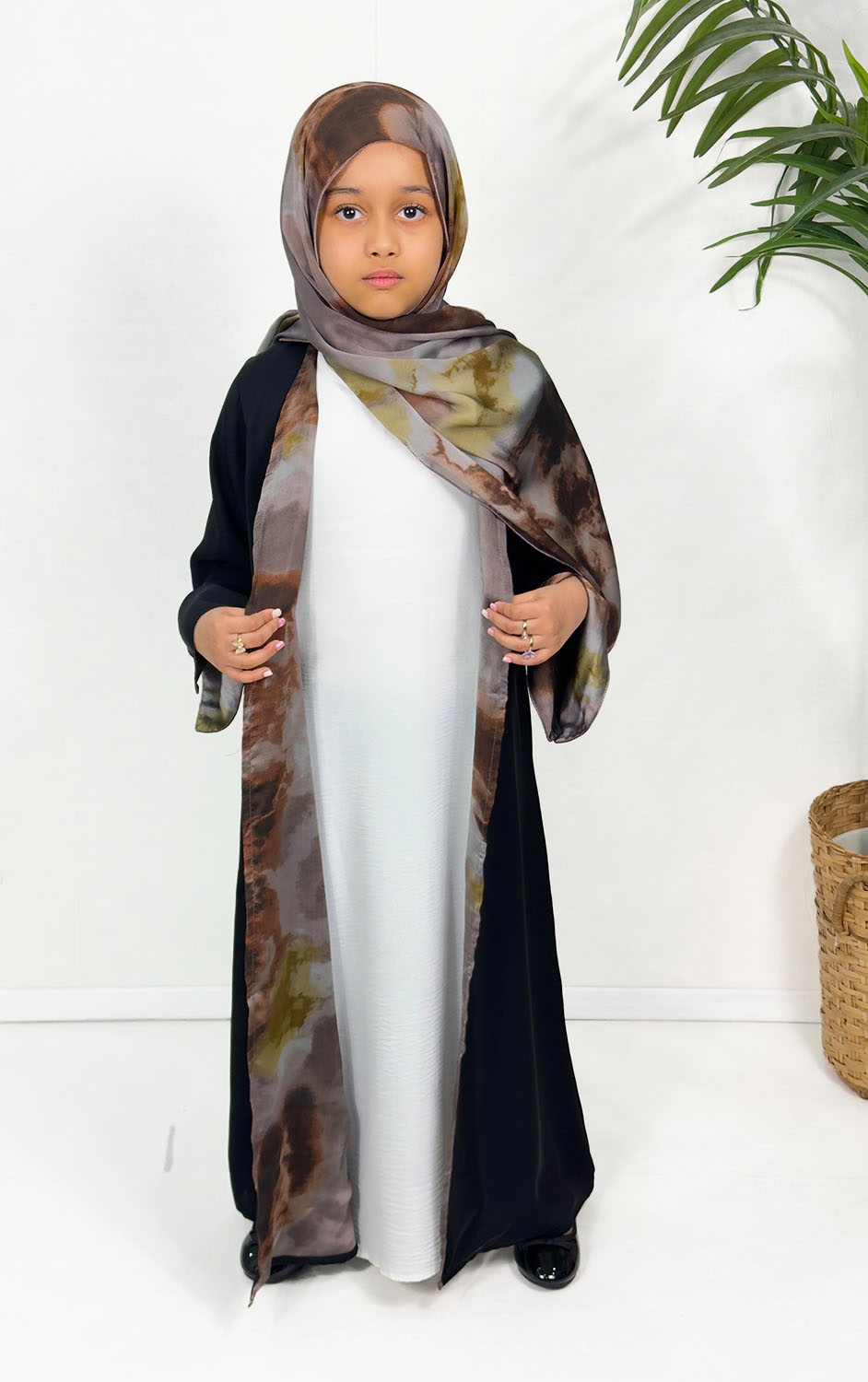
Fit and sizing: Because kids are always on the move
Let’s be honest—kids aren’t known for sitting still. A tight or poorly designed abaya can feel restrictive and frustrating, turning a special outfit into a source of discomfort.
- Room to grow: I look for brands that offer a bit of extra room in sleeves and body length without overwhelming my child. That way, the abaya lasts longer and fits comfortably.
- Practical cuts: Wide sleeves, easy closures, and modest hemlines that don’t drag on the ground are non-negotiable. I want my daughter to move freely and confidently.
- Size guides & reviews: I always double-check size charts and pay close attention to other moms’ feedback on fit. It’s a lifesaver to know if something runs small or large.
For example, when I picked an abaya from Amani’s, the sizing was spot-on, and the cut allowed my daughter to twirl, climb, and even jump without fussing over the fabric. It’s those little details that show real understanding of how kids live their lives.
Design and style: Blending modesty with your child’s personality
Every child has her own personality, and an abaya should feel like a natural extension of that. I believe style isn’t about following every trend blindly; it’s about finding pieces that respect our values but still let kids shine.
- Colors and patterns: From soft pastels to classic blacks and navy, I like having options that suit different moods and occasions. Amani’s offers that perfect palette—timeless but fresh.
- Subtle embellishments: Embroidery, lace trims, or delicate beading can make an abaya special without being over the top. These touches are often where quality shines through.
- Mix and match: I look for abayas that pair well with different hijabs, shoes, and accessories, so my child can create looks that feel her own.
One memory that sticks with me is when my daughter wore her Amani’s abaya to a cousin’s wedding. The light embroidery caught the light just right, and she felt like a little princess—but still true to our modesty values. That balance is everything.
Practical features: Making daily life easier
Sometimes the little things make the biggest difference in whether an abaya becomes a wardrobe staple or just another piece gathering dust.
- Easy care: Machine washable or easy-to-clean fabrics mean fewer worries about spills or stains.
- Durable stitching: Kids are rough on clothes. I want seams that hold up to their energy and adventures.
- Secure closures: Buttons, zippers, or snaps that are easy for kids to manage themselves encourage independence.
I appreciate how Amani’s thoughtfully incorporates these features. Their abayas don’t just look good—they’re designed for real life, which means more wear and less hassle.
Final thoughts: Shopping with intention and heart
Shopping online for your child’s abaya is more than a transaction—it’s about choosing pieces that wrap them in comfort, dignity, and confidence. I’ve learned that focusing on fabric, fit, style, and practicality cuts through the noise and makes the process rewarding. And if you ask me, brands like Amani’s get this so right, making it easier to say yes to an abaya you can trust, time and again.
So next time you’re browsing online, keep these pointers close. They’ll help you find not just an abaya, but a cherished part of your child’s modest fashion journey.
How do I choose the right abaya size for my child without trying it on?
Shopping for a children’s abaya online without the chance to try it on can feel like a leap of faith, right? I’ve been there—staring at size charts and wondering if I should size up or down, all while hoping the fit will be just right for my little one. But here’s the good news: choosing the right size remotely is entirely possible, even practical, once you know what to look for and how to navigate the process with confidence. Let me walk you through my personal approach to sizing, which has saved me from many a frustrating return and ensured my daughter’s abayas fit like a dream.
Understanding your child’s measurements: The crucial first step
Before clicking “add to cart,” take a moment to gather some simple but essential measurements of your child. I always recommend measuring these key areas because they determine how well the abaya will fit in real life:
- Height: This gives a general idea of overall length needed, especially for the hemline.
- Chest circumference: Ensures the abaya won’t be too tight around the torso, allowing room for movement.
- Waist circumference: While abayas tend to be loose, some styles have elastic or fitted waists—important to know.
- Arm length and shoulder width: These measurements affect sleeve fit and comfort.
Whenever I’m shopping online, I keep a measuring tape handy and take these numbers with care—sometimes even a second time for accuracy. It’s the foundation of making a sizing choice that works, even from afar.
Using size charts smartly: What to watch for and how to interpret
Every brand’s size chart can feel like its own language. Here’s how I make sense of them to find the perfect fit:
| Size Label | Height Range (cm) | Chest Circumference (cm) | Notes |
|---|---|---|---|
| Small (S) | 110-120 | 56-60 | Ideal for ages 5-6, loose fit |
| Medium (M) | 120-130 | 61-65 | Fits ages 7-8, slightly tailored |
| Large (L) | 130-140 | 66-70 | Best for ages 9-10, comfortable fit |
I always compare my child’s measurements against these ranges and pick the size where her height and chest fall comfortably within the band. If she’s in between sizes, I lean toward the larger size, especially for growing kids. It’s easier to take in an abaya than to deal with the frustration of one that’s too tight.
Reading reviews and customer photos: Your secret weapon
One of the most overlooked sizing tools is real feedback from other parents. I never buy from a new brand without digging into reviews and looking for photos of the abaya on kids. Here’s what I focus on:
- Fit descriptions: Do other parents say it runs small or large? Is the fit relaxed or snug?
- Child’s age and size info: Many reviewers mention their child’s age or measurements—great for comparison.
- Photos: They reveal so much—whether the abaya looks too long, short, or just right.
Amani’s customer reviews, for instance, often include thoughtful size feedback and pictures, which helped me choose a size that suited my daughter’s build perfectly. It’s like having a trusted friend share advice.

Considering style and cut: How design affects sizing choices
Not all abayas are created equal. Some are loose and flowing, while others have more structure or fitted details. When I shop, I think about how the style influences size decisions:
- Flowy, loose abayas: These styles allow a bit more leeway in sizing. If your child is between sizes, sizing up is often safe.
- Tailored or cinched waists: These may require more precise sizing, as too large a size can ruin the silhouette.
- Sleeve style: Long, wide sleeves are forgiving, but fitted or cuffed sleeves should fit closely without tightness.
I remember a time when I bought a beautiful abaya with delicate embroidery from Amani’s. Because it was tailored around the waist, I made sure to size carefully by comparing chest and waist measurements with their detailed chart. It fit like a glove, making my daughter feel both stylish and comfortable.
Final tips: How to prepare for returns and exchanges confidently
Even with all these precautions, sometimes the fit isn’t perfect. That’s okay! Here’s how I handle returns without stress:
- Check the return policy first: Knowing the window and conditions upfront saves headaches later.
- Keep tags and packaging: Helps ensure a smooth return or exchange process.
- Order multiple sizes if unsure: Some brands allow you to return the size that doesn’t fit, so you can try both at home.
Shopping for children’s abayas online doesn’t have to be a gamble. With careful measurement, smart use of size charts and reviews, and a bit of style awareness, you can find pieces that fit well, look beautiful, and support your child’s modest fashion journey. I trust brands like Amani’s to provide reliable sizing info and thoughtful designs, making every purchase feel like a personal win.
Are there affordable yet high-quality children’s abayas online?
I get it—when it comes to shopping for children’s abayas, the balance between affordability and quality feels like a tightrope walk. We all want to dress our little ones beautifully and modestly, but without breaking the bank or sacrificing durability. So, is it really possible to find children’s abayas online that are both budget-friendly and crafted with care? From my experience and countless conversations with other moms, the answer is a heartfelt “yes.” Let me share how I’ve discovered this delicate balance and how you can too, without compromising your values or your child’s comfort.
Why quality matters in children’s abayas
Before diving into affordability, I want to pause and reflect on why quality is non-negotiable for me—and probably for you too. Children’s abayas aren’t just clothes; they’re part of how our kids experience their faith, culture, and identity. Poor quality fabric can irritate sensitive skin, shrink after one wash, or fade, leaving your child uncomfortable and your heart heavy.
Here’s what I personally look for in quality:
- Soft, breathable fabrics: Cotton blends or lightweight polyesters that won’t cause itching or overheating.
- Strong stitching and hems: Because kids are active—running, climbing, playing—and the last thing you want is a ripped abaya mid-day.
- Durable embellishments: Whether it’s embroidery or subtle beading, I want it to stay intact after multiple washes.
- Ethical production: Knowing the abaya was made responsibly adds peace of mind.
Quality is a promise to your child that their modest wear will last and remain comfortable throughout their daily adventures.
How to find affordable children’s abayas without compromising quality
Here’s where I lean on a combination of smart shopping strategies and trusted brands. Finding affordable yet quality children’s abayas online is absolutely doable if you keep these tips in mind:
| Strategy | Why It Works | My Personal Tip |
|---|---|---|
| Shop off-season sales | Retailers often discount children’s abayas during Ramadan, Eid, or end-of-season clearances. | Sign up for newsletters of modest fashion brands to get early sale alerts. |
| Look for bundles or sets | Some online stores offer matching hijab and abaya sets at a reduced price. | I once snagged a beautiful embroidered abaya and hijab set for 20% off—perfect for Eid festivities. |
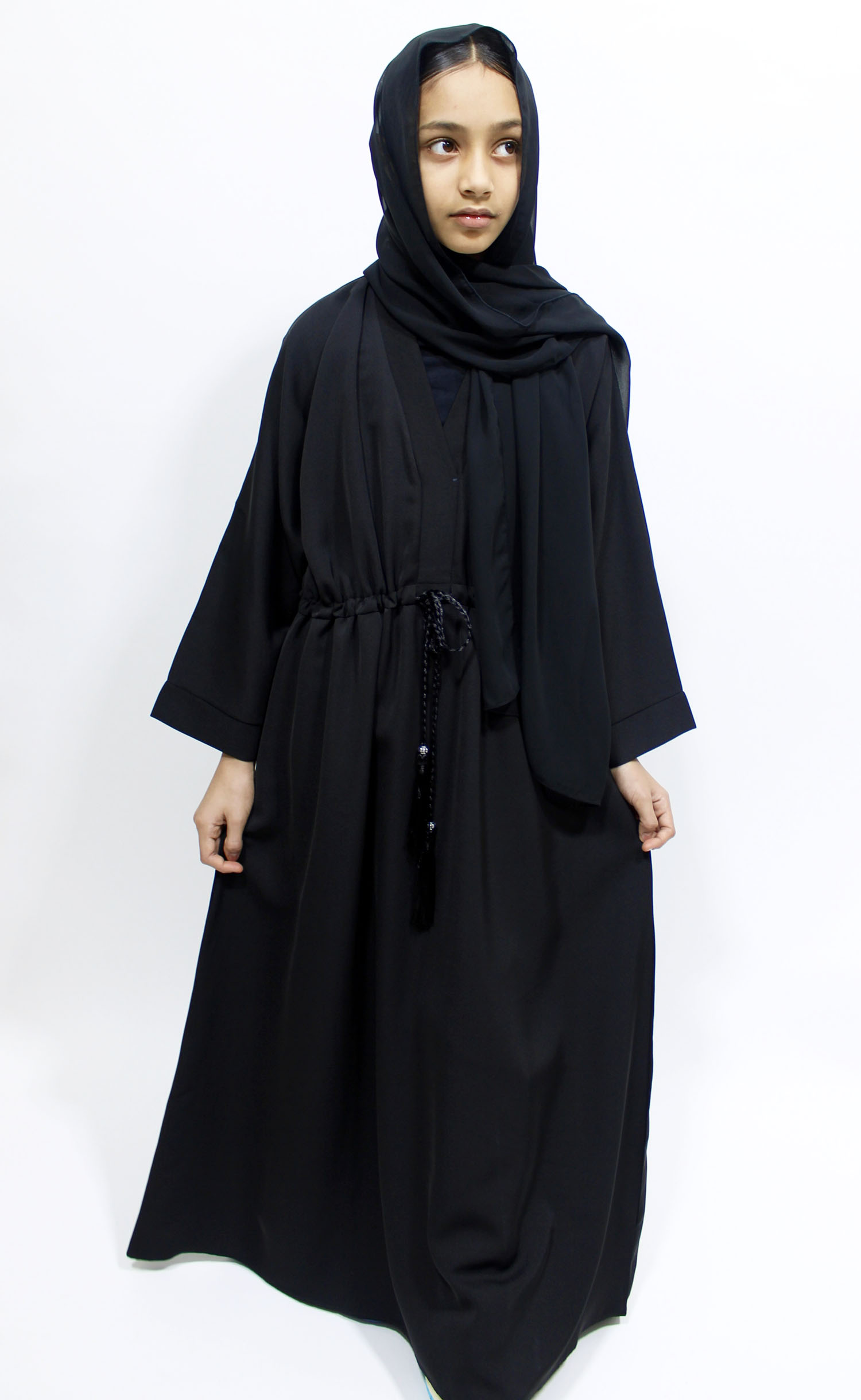
| Choose less intricate designs | Simple styles often cost less but can still look elegant and last long. | My daughter’s favorite everyday abaya is a plain pastel shade that I dressed up with accessories. |
| Check customer reviews | Real feedback reveals if the fabric and stitching live up to the brand’s claims. | Always read multiple reviews and filter for photos to confirm quality. |
| Explore emerging modest fashion brands | Smaller brands often offer competitive prices with unique, quality designs. | I discovered a family-run boutique last year that crafts beautiful abayas at affordable prices. |
Trusted brands and marketplaces I recommend for affordable children’s abayas
Based on my experience and community feedback, these brands consistently offer quality without sky-high prices:
- Amani’s Kids: Known for ethically made abayas with a variety of styles that won’t drain your wallet.
- Hijab House Junior: Offers timeless designs in breathable fabrics with regular promotions.
- Modest Threads Co: Great for everyday wear, focusing on durability and soft materials.
- Amazon modest fashion collections: If you read reviews carefully, you can find hidden gems at good prices.
I remember buying my daughter an abaya from Amani’s Kids during a Ramadan sale. It was beautifully embroidered, comfortable, and survived dozens of washes without losing its softness. The price felt like a steal compared to other brands I’d considered.
Real-life stories: How affordability and quality met for my family
One moment sticks out for me: I needed a special abaya for my daughter’s school Eid event but had a tight budget that month. After some research, I found a modest boutique that offered elegant, machine-washable abayas at a fraction of high-end prices. Ordering was nerve-wracking—I wasn’t sure if the quality would match. When the abaya arrived, it felt soft and looked stunning. More importantly, my daughter wore it with confidence and comfort all day, and I didn’t have to worry about it falling apart. That experience reminded me that affordable and quality modest fashion for kids isn’t a myth—it’s about knowing where and how to look.
Final thoughts: Balancing value, quality, and style
Finding affordable yet high-quality children’s abayas online requires a bit of homework, a dash of patience, and a touch of faith. But when you do your research, trust your instincts, and shop with care, it’s totally possible to fill your child’s wardrobe with modest, stylish, and lasting pieces. After all, it’s not just about the price tag—it’s about giving your child the gift of comfort, confidence, and cultural pride every time they slip on their abaya.
What are the most popular children’s abaya styles right now?
Have you noticed how children’s abayas have evolved beyond the simple, plain cloaks many of us grew up with? Today’s styles are vibrant, expressive, and thoughtfully designed to blend tradition with modern modest fashion trends. Honestly, exploring these styles felt like a breath of fresh air—seeing how my daughter’s abaya could be both modest and playful made me excited to share the latest trends with you. So, let’s dive into the most popular children’s abaya styles right now and how they can fit beautifully into your child’s wardrobe and lifestyle.
The classic A-line abaya: Timeless elegance
This style remains a cornerstone in children’s modest fashion, and for good reason. The A-line abaya gently flares from the shoulders, allowing freedom of movement and a flattering silhouette without clinging to the body. It’s perfect for daily wear and formal occasions alike.
- Why I love it: It’s comfortable, forgiving for active kids, and offers a timeless, graceful look.
- Fabric choices: Soft cotton blends or lightweight chiffon make it breathable and easy to layer.
- Styling tips: Pair with a matching or contrasting hijab, and add a decorative belt or sash for special occasions.
I remember buying an A-line abaya for my niece’s Eid celebration—she looked radiant, yet she could still play and run without fuss.
The embroidered abaya: Subtle artistry and personality
Embroidery has made a charming comeback in children’s abayas. From floral motifs to geometric patterns, embroidery adds texture and a dash of personality without overwhelming modesty.
| Embroidery Style | Typical Placement | Why It’s Popular |
|---|---|---|
| Floral vines | Along sleeves and hemlines | Delicate and feminine, perfect for celebrations |
| Geometric patterns | Chest panel or cuffs | Modern, artistic, and culturally rich |
| Minimalist threadwork | Neckline accents | Subtle elegance for everyday wear |
When my daughter wore an embroidered abaya last Ramadan, neighbors kept complimenting how special and unique it looked. It’s a style that quietly tells a story.
The cape-style abaya: Dramatic yet practical
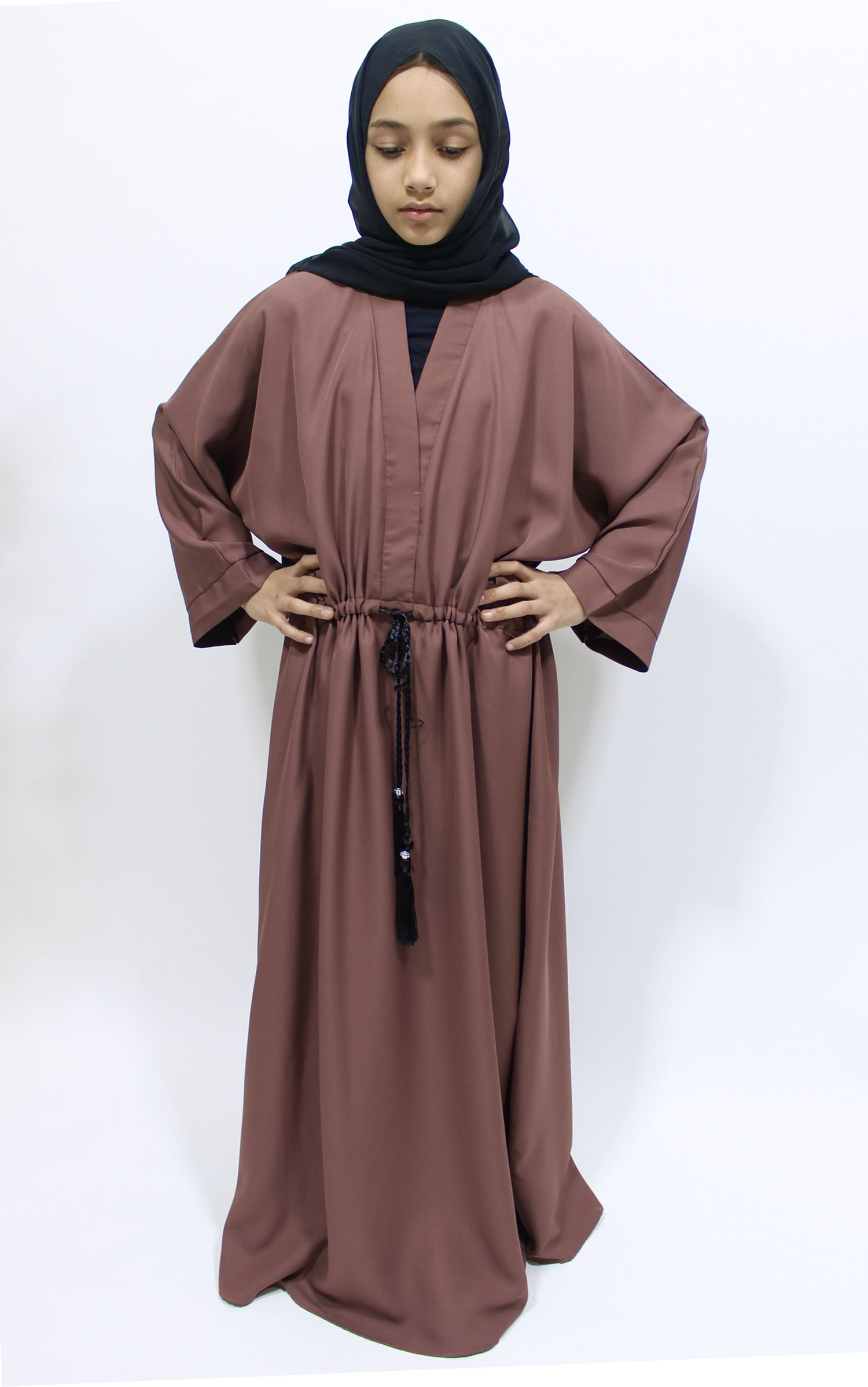
For a style that feels a bit more theatrical but still kid-friendly, the cape-style abaya is a rising star. It drapes softly over the shoulders and back, creating a flowing effect that’s as graceful as it is fun.
- Perfect for: Eid gatherings, weddings, or photo days where your child wants to feel like a little princess.
- Fabric tips: Lightweight fabrics like silk blends or soft polyester keep it from feeling heavy.
- My experience: I bought one for a family wedding, and my daughter felt like royalty all day—but also appreciated how easy it was to move around.
The two-tone and color-block abaya: Modern modest fashion for kids
Bold color blocking and two-tone abayas are becoming trendy, especially for kids who like a pop of color but still want to stay modest. These designs often pair a neutral base color with vibrant sleeves or trims, creating a fresh, youthful look.
| Design Feature | Popular Colors | Styling Notes |
|---|---|---|
| Contrasting sleeves | Pastel pink & grey, navy & cream | Great for casual outings and school |
| Panel inserts | Soft lavender & white, mint & beige | Elevates everyday wear to chic modest fashion |
| Asymmetric hems | Coral & black, turquoise & white | Adds playful movement and style |
I discovered this trend through Instagram modest fashion accounts and immediately ordered a two-tone abaya for my daughter’s Eid prep—it was a huge hit with her friends, blending modern flair with our cultural roots.
The ruffle and tiered abaya: Playful yet modest
For little girls who love a touch of whimsy, ruffles and tiers are popular details that soften the abaya silhouette without sacrificing modesty. They add dimension and a gentle bounce that makes dressing up feel like a celebration.
- Why kids adore it: The movement and texture make it fun to wear.
- Occasions: Perfect for family gatherings and festive events.
- My story: My daughter’s first ruffle abaya was a birthday gift, and the way she twirled in it brought the whole family smiles.
Wrapping it up: Embrace style without losing tradition
The beauty of today’s children’s abaya styles is how they honor our traditions while embracing creativity and comfort. Whether it’s the timeless A-line, the artistic embroidery, or the playful ruffles, there’s a style that will resonate with your child’s personality and your family’s values. When I shop for my daughter’s abayas now, I look for pieces that tell a story—pieces that she feels proud to wear, ones that make modest fashion exciting and accessible every day.
How can I tell if an online abaya store is trustworthy?
If you’ve ever hovered over the “Buy Now” button on an unfamiliar website, heart racing just a little, wondering, “Will this even arrive?”—you’re not alone. I’ve been there too, especially when shopping for children’s abayas. It’s not just about the money; it’s about trust. Will the quality match the pictures? Is the sizing accurate? And most importantly—will the store honor my faith in them?
Online shopping can feel like a gamble, but there are signs—real, human signs—that help us separate the authentic from the sketchy. Here’s how I now confidently tell whether an online abaya store is trustworthy—no guesswork, no regrets.
Start with real reviews, not just star ratings
A shiny 5-star rating doesn’t mean much if it’s from anonymous usernames with no depth. What I look for are thoughtful reviews—ones that mention shipping times, customer service experiences, and whether the abaya looked the same in person.
- Check multiple platforms: Don’t just rely on what’s posted on their website. Look at Trustpilot, Google Reviews, Instagram comments—even Reddit.
- Spot patterns: One bad review isn’t a red flag, but repeated complaints about returns, sizing, or quality? That’s your cue to pause.
- Personal tip: I once avoided a gorgeous site after noticing that every “review” used the same language. That’s a red flag for fake feedback.
Analyze their product descriptions and images
Authentic abaya stores care about what they’re selling—and it shows in the details. If the product pages are vague or generic, that’s a warning sign. Here’s what I check:
| What to Look For | Trustworthy Store | Red Flag |
|---|---|---|
| Fabric details | Clearly states material (e.g., “100% crepe chiffon”) | Vague terms like “soft fabric” or no mention at all |
| Size charts | Includes specific measurements (length, chest, sleeve) | Only shows S/M/L with no context |
| Images | Multiple angles, close-ups, real models | Blurry photos, copied catalog images |
I remember comparing two websites once—one showed the abaya on a child who looked about my daughter’s age, walking naturally in daylight. The other used the same picture as five other stores. I trusted the first one—and it paid off.
Check the brand’s social presence and engagement
A good online store has a living, breathing digital footprint. It’s not just about having a social media page—it’s about interaction, community, and consistency.
- Are they active? Look for recent posts, story highlights, and responses to comments.
- Do they show behind the scenes? Honest stores often post packing videos, customer unboxings, or Eid prep collections. That shows real presence.
- Warning sign: If all their posts have zero engagement or weird, generic comments (“Nice product!” repeated ten times), be wary.
I once messaged a boutique on Instagram with a sizing question. They replied with a voice note explaining their age-to-length guide. That level of care sealed the deal for me—it felt human, not corporate.

Understand their return and exchange policy
A legitimate store isn’t afraid to stand behind their products. Their return policy should be clear, fair, and easy to find.
- What I look for: A visible policy page, details on how to start a return, and realistic timelines.
- Red flags: “All sales final,” no contact information, or vague promises like “We’ll try to help.”
- Pro tip: If they offer store credit or easy exchanges for sizing—especially on kids’ abayas—they understand the parenting struggle.
Look for signs of Islamic authenticity and care
As a Muslim woman, I always look for brands that reflect the values we live by—modesty, integrity, and community. I often check:
- Do they mention Islamic sizing considerations? Such as how loose or long the abaya is meant to be?
- Are there Islamic reminders or hadith references in their descriptions? That usually signals a values-based business.
- Do they partner with masjids or support causes? That’s often a reflection of real community roots.
The online abaya store I now rely on—especially for my daughter—shows a beautiful balance of business and barakah. Every Eid they donate part of their proceeds to families in need. That’s the kind of business I want to support—and feel safe ordering from.
In the end, trust your gut (and your research)
There’s no checklist that guarantees 100% certainty, but over time, you develop a feel for the real ones. Trustworthy abaya stores don’t just sell clothes—they build relationships, respect your needs, and reflect your values. If it feels off, it probably is. And if it feels right—and checks all these boxes—you’re likely in good hands.
So next time you’re shopping online for your little one’s abaya, don’t rush. Scan the details, read between the lines, and listen to your intuition. Because when that parcel arrives, and your child slips into a piece that’s modest, beautiful, and exactly what you hoped for—you’ll know you made the right choice.
What’s the Difference Between Everyday Abayas and Special Occasion Ones for Kids?
I still remember the first time I bought an abaya for my daughter that wasn’t just for everyday wear. It was for Eid. I wanted her to feel radiant, to walk into the masjid with a sparkle in her step, just like I used to as a little girl. But as I browsed through racks and scrolled through online catalogs, I realized — not all abayas are created equal. There’s a clear, purposeful difference between those made for the daily dash to school and those meant for celebrations and moments that live in our hearts forever.
The Purpose Shapes the Fabric — Literally
Everyday abayas are the unsung heroes. They’re worn on the school run, during Quran class, while running errands with mom. Because of that, they’re built for movement and comfort. Special occasion abayas? They’re crafted for memory-making. Think Eid, weddings, or family portraits — moments where the abaya becomes part of the story, not just the backdrop.
| Feature | Everyday Abayas | Special Occasion Abayas |
|---|---|---|
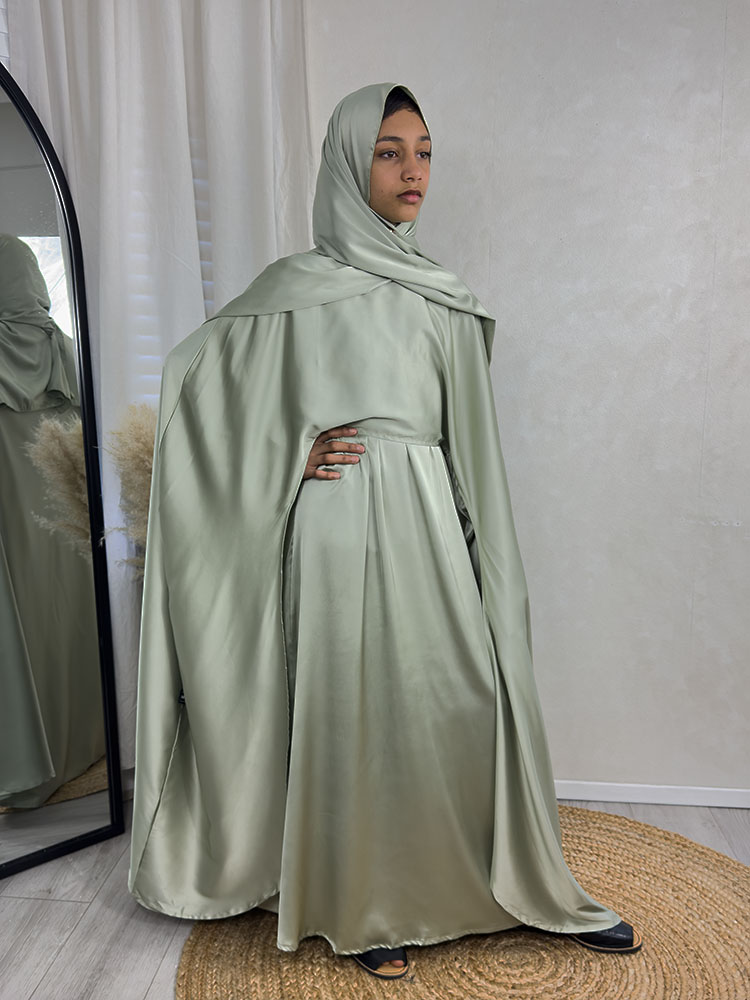
| Fabric | Breathable, lightweight, often cotton or crepe | Luxurious materials like satin, silk-blend, or embroidered chiffon |
| Design | Minimalist, simple cuts, practical hems | Decorative, flared sleeves, embellishments, and beadwork |
| Maintenance | Machine-washable and durable | Often hand-wash or dry-clean only |
| Price Point | Budget-friendly, often sold in multipacks or bundles | Priced higher due to detailing and premium materials |
Stories in the Seams: Everyday vs. Eid Moments
There’s something sweet about seeing my daughter twirl in a glittering abaya on Eid morning. She’ll whisper, “Do I look like a princess, Mama?” And I’ll tear up every time — because in that moment, it’s not just clothing. It’s joy stitched into fabric.
But then there’s the quiet pride I feel when I see her in her everyday abaya at the masjid, modest and graceful. It’s simple, but dignified. It’s her armor of faith, worn day in and day out. I think both styles serve their purpose beautifully — one for expression, the other for consistency.
How to Tell Which You Need (or When You Need Both)
Here’s how I decide which type of abaya to buy when I’m shopping for my children:
- Is it for a regular day or a big moment? If it’s for school, errands, or prayer class — go with breathable, wash-and-repeat styles.
- Do you want it to match the mood of the event? For Eid or weddings, a special design makes it more memorable — and photogenic!
- Will it be worn often or occasionally? Everyday abayas get heavy wear, so choose ones with strong seams and flexible fabric. Occasion abayas can handle a little extra fragility.
Blending the Two: My Favorite Hybrid Picks
Sometimes, you find gems that blend both worlds — like cotton abayas with delicate embroidery, or flowy dresses with hidden side zips that make them perfect for wudu breaks. Here’s a little table I keep in mind when I want one abaya to do both jobs:
| Feature | Ideal “Everyday-to-Eid” Style |
|---|---|
| Material | Soft crepe or linen with subtle shimmer |
| Design | Minimal beading, elegant neckline, no tripping hazards |
| Color | Neutral tones with contrast piping or pastel jewel tones |
| Fit | Modest A-line or flared with movement |
Brands that offer “everyday glam” are a godsend for moms like me who want to invest in versatile pieces that still feel special without being over-the-top.
What Your Child Wears Affects How They Feel
We may think kids don’t notice — but they do. My daughter once wore a sparkly lilac abaya to her cousin’s aqeeqah, and for weeks afterward she’d say, “That was my happy dress.” These clothes shape their self-image, their modesty habits, and their relationship with Islamic fashion. Let’s not underestimate that.
Everyday abayas teach them discipline and faith in quiet ways. Occasion abayas teach them confidence, celebration, and joy. Both are part of raising children who feel at home in their deen — and beautiful in their identity.
Final Thoughts: Buy With Intention
So next time you’re shopping, pause before you click “add to cart.” Ask yourself — is this for the everyday rhythm or the extraordinary moment? Either way, let your child feel it. Let them feel modest. Let them feel beautiful. And above all, let them feel seen.
Is It Safe to Buy a Children’s Abaya Online During Eid Season?
Every year, as Eid approaches, my inbox overflows with promotions for children’s abayas — glittering ads, ticking countdown timers, and bold claims like “fast shipping guaranteed!” But if you’re anything like me, there’s always that lingering hesitation: Is it really safe to buy a children’s abaya online this close to Eid? The truth is, yes — it can be safe. But only if you shop smart, stay vigilant, and know what red flags to look for. Let me walk you through how I do it, based on years of trial, error, and a few lessons learned the hard way.
The Risks Are Real — But So Are the Solutions
I’ll never forget the time I ordered a stunning blush pink abaya with floral beadwork for my niece. The pictures were dreamy. The price? Even better. I clicked “buy” without double-checking the seller — and it never arrived. Eid came and went. All I had was a vague shipping confirmation and a disappointed little girl.
That taught me a valuable lesson: during Eid season, demand spikes, scams rise, and even legit shops get overwhelmed. But that doesn’t mean you should avoid online shopping altogether. It just means you need a game plan.
| Risk | What to Watch For | How to Protect Yourself |
|---|---|---|
| Delayed Shipping | No clear delivery estimates or vague timelines | Only buy from stores with guaranteed delivery dates |
| Counterfeit or Misleading Photos | Photoshopped images or no reviews with real-life pictures | Look for customer reviews with user-uploaded images |
| Scam Websites | Too-good-to-be-true prices or no contact info | Check for HTTPS security, brand presence on social media, and refund policies |
| Wrong Sizes or Poor Fit | Vague or one-size sizing charts | Choose sellers with detailed size guides and exchange options |
My Eid Shopping Checklist — Just for Moms
Here’s the mental checklist I run through before placing any Eid-season order for my kids:
- Has this store been around a while? I don’t gamble on new shops with no reviews during a time-sensitive holiday.
- Are customers happy? Real reviews — especially ones with photos of little girls actually wearing the abaya — speak volumes.
- Is there a return or exchange policy? If it doesn’t fit or isn’t as described, I want the option to fix that.
- Do they guarantee Eid delivery? If the abaya won’t arrive until three days after Eid, it’s not worth the stress.
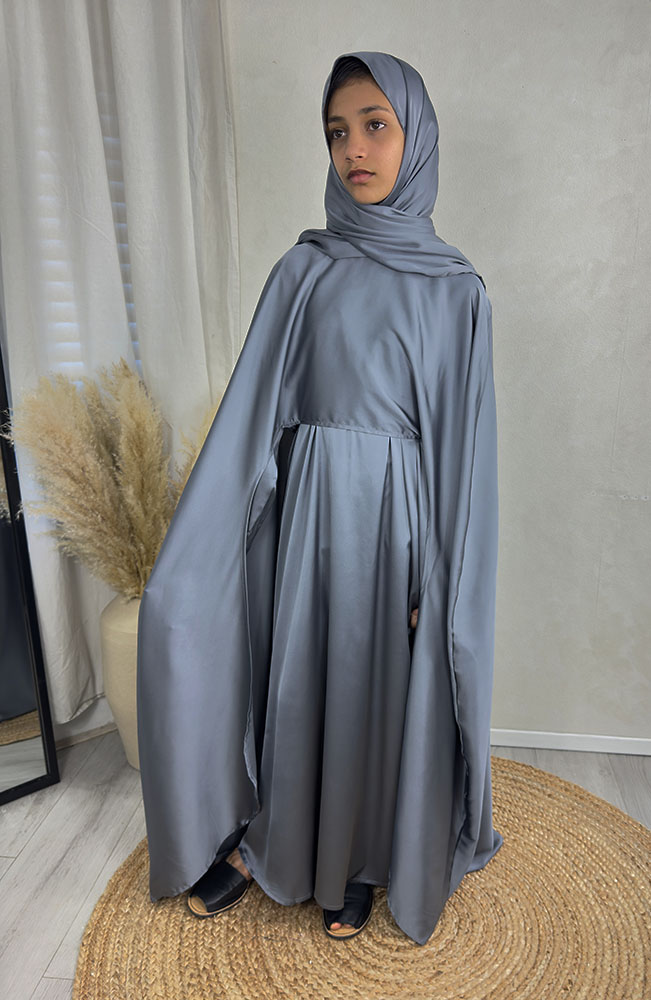
Brands I Trust During Crunch Time
There are a few brands and platforms that have earned my loyalty during Eid seasons. They’re transparent, communicate clearly, and haven’t let me down when the clock was ticking:
| Store | Why I Trust Them |
|---|---|
| Modanisa | Clear shipping timelines and high-quality kids’ lines |
| East Essence | Affordable everyday abayas with reliable delivery |
| Etsy (verified shops) | Handmade unique pieces with seller communication |
| Instagram Shops (with caution) | Only if I’ve followed them for a while and seen consistent reviews |
A Tiny Story That Changed How I Shop
Last Ramadan, my daughter really wanted a lilac abaya with sequins. I found one online that matched her vision perfectly. I was skeptical — but the store had a countdown banner promising “Eid Delivery in 4 Days!” So I emailed them. They responded within an hour and confirmed my size and delivery. When the abaya arrived two days early, beautifully packaged with a little bracelet as a gift — I teared up. That tiny moment reminded me: with the right seller, online shopping isn’t just safe — it’s joyful.
Quick Tips to Stay Safe This Eid
- Double-check sizing — especially for growing kids!
- Always order early if you can — last-minute rushes are risky
- Follow up with the seller immediately after ordering
- Keep screenshots of your order confirmation and expected delivery date
- Avoid unknown websites with no social presence or contact info
The Verdict: Shop Smart, Not Scared
Is it safe to buy a children’s abaya online during Eid season? Yes — but only if you treat it like the important purchase it is. These aren’t just clothes. They’re part of a sacred celebration. They shape memories, photos, and how our daughters feel about themselves and their modesty. So do your research, trust your gut, and always choose stores that value your trust as much as your money.
Which Fabrics Are Best for Children’s Abayas in Hot or Cold Weather?
If there’s one thing I’ve learned over the years of dressing little girls in abayas — whether for Eid, school events, or just everyday modesty — it’s this: the fabric makes all the difference. Kids feel everything. One itchy seam, one heavy hem in summer heat, and suddenly, that lovingly chosen abaya becomes a wardrobe battle.
That’s why understanding which fabrics work best for warm or cold weather isn’t just about comfort — it’s about making modesty feel natural, not forced. And when you get it right, they don’t just wear the abaya… they own it. Let’s talk fabrics — what works, what doesn’t, and how I decide what to buy when the weather shifts.
When It’s Hot: Light, Breathable, and Sweat-Friendly
Summer days can be unforgiving, especially if you’re living in a region where 40°C isn’t out of the norm. I’ll never forget when my daughter wore a polyester abaya to a June wedding — it clung to her skin and made her so irritable that she took it off halfway through the event and ended up in her slip dress. Lesson learned!
So for warmer climates or summer seasons, I always look for these fabrics:
| Fabric | Why It Works in Heat |
|---|---|
| Cotton | Soft, breathable, and moisture-absorbing — perfect for sensitive skin |
| Linen | Ultra-light and airy; great for very hot and dry climates |
| Rayon (Viscose) | Feels like silk but breathes like cotton; ideal for dressier summer abayas |
| Light Crepe | Flattering drape with enough airflow to stay cool — if it’s not polyester-heavy |
Pro tip: Always check for blends. A “cotton abaya” that’s 70% polyester won’t feel the same.
When It’s Cold: Warm, Cozy, and Still Modest
Cold weather dressing can be tricky with kids. They want to be warm, but layers under an abaya can make them look (and feel) bulky. So I focus on abayas made from warmer fabrics that still give them freedom to move.
| Fabric | Why It’s Ideal for Cold Weather |
|---|---|
| Thick Jersey | Soft, stretchy, and surprisingly warm — great for layering or wearing solo |
| Wool Blend | Perfect for winter events, especially in darker, richer tones |
| Brushed Cotton | Feels like flannel, but in abaya form — warm and child-friendly |
| Fleece-Lined Crepe | Ideal for cooler days when you still want elegance without bulk |
Fabric Isn’t Just About Weather — It’s About Behavior
One time, I dressed my niece in a stunning chiffon abaya for a mosque fundraiser. It was breezy, delicate… and by the end of the night, completely tangled from all her running and twirling. That’s when I realized — certain fabrics just don’t match a child’s energy. No matter how beautiful they look in photos.
So now, I ask myself: Will she sit still most of the time? Will there be outdoor play? Is this abaya for walking around in the sun or sitting in a heated hall? These answers help guide my fabric choice just as much as the weather does.
Weather-Smart Abaya Tips From a Mom Who’s Been There
- Always check the weight of the fabric. Sellers may not say “heavy,” but words like “luxury crepe” can mean thick.
- For transitional seasons, I look for layered sets — like an inner slip dress with an open outer abaya — so they can adjust to temperature changes.
- Avoid synthetic linings in hot weather. Even if the outer is breathable, polyester lining traps heat.
- Buy slightly looser fits for warm months — more airflow means fewer sweat complaints.
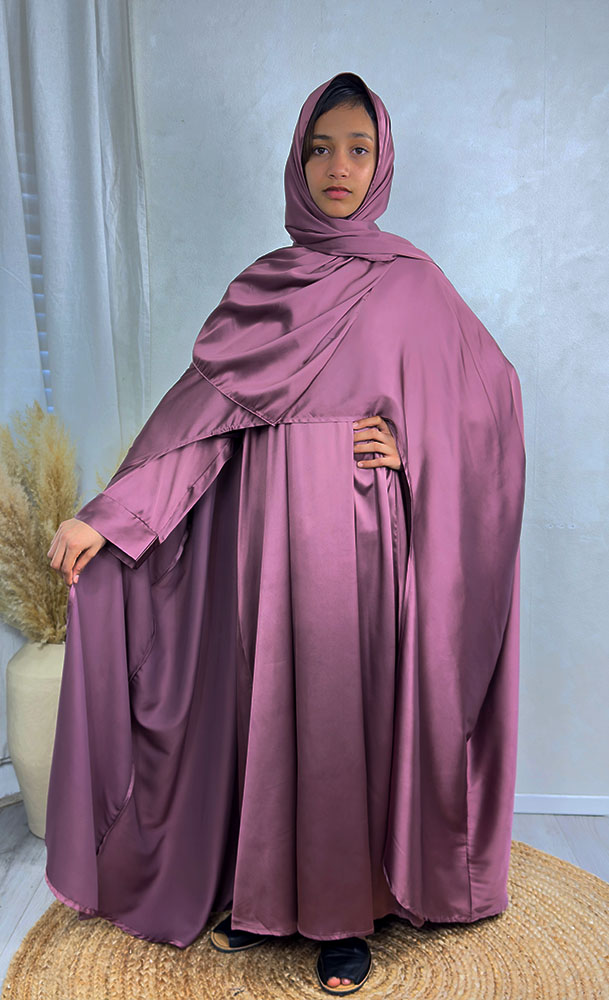
Let the Seasons Guide You, Not Limit You
Choosing the right fabric isn’t about restricting style — it’s about empowering comfort. A child who feels physically good in her abaya is far more likely to feel confident and proud of wearing it. Whether it’s a cotton piece for summer picnics or a velvet-trimmed crepe for winter Eid, each fabric has its moment. We just have to choose wisely.
And honestly, when your daughter twirls in her abaya and says, “Mama, this is so soft!” — that’s when you know you got it right.
How Do I Style My Daughter’s Abaya for School vs Family Events?
Styling your daughter’s abaya can feel like walking a delicate line — especially when you’re trying to balance modesty, practicality, and her growing sense of self. I’ve been there more times than I can count. One day she’s off to school needing something she can sit cross-legged in without fidgeting. The next, we’re preparing for a cousin’s mehndi night where photos will be taken — and she wants to feel “pretty” but still age-appropriate.
In both settings, the abaya becomes more than just a garment. It’s an expression of identity, values, and comfort. So how do we style it differently depending on the occasion — while staying true to our faith and our daughters’ personalities? Here’s what’s worked beautifully for us — and how you can make it work for you too.
Styling for School: Practical, Comfortable, and Uniform-Friendly
Let’s start with the everyday — the early morning rush, the school runs, the spilled juice boxes. For school, abayas need to move with your child, not against her. Think stretchy fabrics, neutral tones, and layers she can remove if she gets hot during recess.
| Element | School Styling Tip |
|---|---|
| Fabric | Opt for soft jersey, cotton blends, or lightweight crepe that won’t wrinkle or restrict movement. |
| Fit | Go for slightly loose cuts — enough for modesty but not so long they trip up during gym or play. |
| Colors | Stick to school-approved colors: navy, gray, beige, or muted tones that won’t attract unwanted attention. |
| Layering | Add a light inner slip or tee for extra coverage and warmth in cooler classrooms. |
| Footwear | Comfortable sneakers or ballet flats — they should be able to run without adjusting their abaya every step. |
One of my favorite school-day styles for my daughter is a navy cotton abaya with zip-up front and rollable sleeves. It’s simple, functional, and easy to wash — but still dignified and age-appropriate. She says it makes her feel “like a big girl but not too grown-up.” That’s the sweet spot.
Styling for Family Events: Elegant, Personalized, and Picture-Ready
Now, let’s shift to those special moments — Eid gatherings, nikahs, family dinners. Here, you have more room to play with texture, color, and sparkle (in moderation!). While school is all about utility, events are where personality shines.
| Element | Family Event Styling Tip |
|---|---|
| Fabric | Go for chiffon overlays, satin crepe, or soft velvet for a more luxe feel. |
| Embellishment | Look for abayas with delicate embroidery, lace trims, or pearl accents — nothing too flashy. |
| Color Palette | Try jewel tones like emerald, dusty rose, or classic black with gold piping. |
| Accessories | Add a pretty hijab pin, a soft matching clutch, or a dainty bracelet. It’s all in the little touches. |
| Shoes | Soft metallic flats or sparkly sandals — comfort meets charm. |
I’ll never forget my daughter’s first time wearing a pastel peach abaya with subtle lace sleeves to an Eid brunch. She beamed the entire morning. “Mama, I look like a princess!” she whispered. That was all the confirmation I needed. She felt beautiful — and still completely modest.
Quick Tips to Transition Between School & Events
If you’re short on time (like most of us!), here are a few ways I easily transform a simple abaya for different settings:
- Add a belt — A soft sash can take a plain abaya from school-ready to celebration-worthy in seconds.
- Swap the hijab — A solid cotton scarf for school, and a satin or printed one for family events.
- Layer a kimono or open bisht — Adds drama and coverage while letting the base abaya stay simple.
- Pin on a brooch — One sparkle clip at the collar can elevate the whole look.
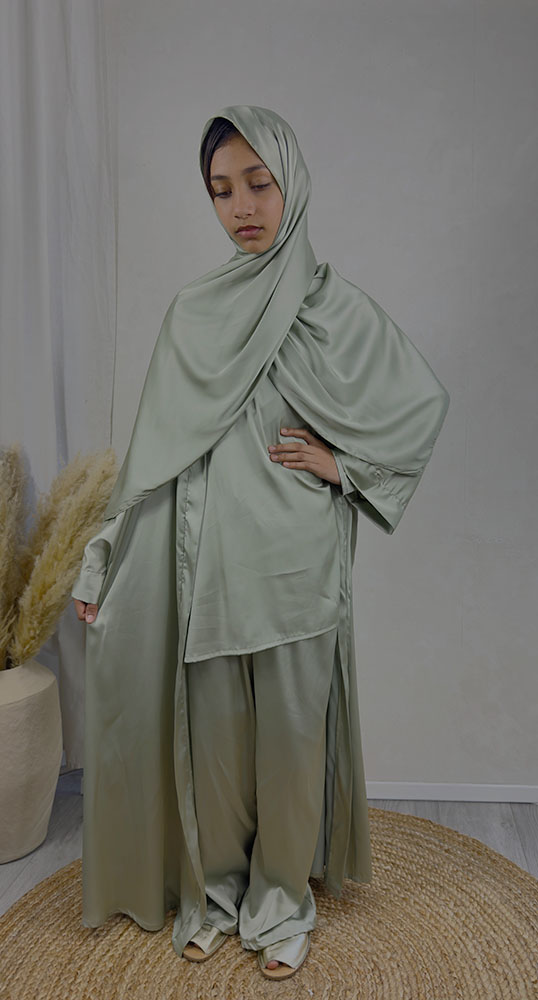
It’s More Than Just Styling — It’s Nurturing Confidence
At the end of the day, styling your daughter’s abaya isn’t about rules or trends. It’s about helping her feel seen, respected, and comfortable in her own skin. When she learns that modesty doesn’t have to mean boring — that it can be expressive, graceful, and fun — she carries that lesson into womanhood.
So yes, style it differently for school or family events. But always style it with love — and let her feel like the radiant little woman she’s becoming.
Can Children’s Abayas Be Both Modest and Playful in Design?
If you’ve ever stood in front of a rack of children’s abayas and thought, “These feel more like mini versions of adult wear than something made for a child,” you’re not alone. I remember when my daughter was five — she tugged at an all-black abaya I’d picked out and said, “Mama… this one looks like your work clothes.” That moment stuck with me. I realized something simple but important: modesty doesn’t have to come at the cost of childhood joy.
So yes — children’s abayas can absolutely be modest and playful. In fact, I’d argue they should be. Because when modest fashion is designed with a child’s heart in mind, something magical happens — they feel comfortable, confident, and proud of their faith without losing their spark.
What Does “Playful” Really Mean in a Modest Context?
“Playful” isn’t about adding loud cartoons or glitter overload. It’s about inviting joy into the design — through soft color palettes, subtle prints, fun textures, and whimsical details. Modesty remains the anchor, but it’s expressed in a way that reflects the innocence and creativity of childhood.
Here’s what I look for when trying to find that perfect blend of modest and playful:
| Design Feature | How It Adds Playfulness | How It Maintains Modesty |
|---|---|---|
| Pastel Colors | Feels cheerful and light, perfect for little girls | Still offers full coverage without drawing too much attention |
| Floral or Star Patterns | Adds a gentle sense of imagination and fun | Small-scale prints keep it tasteful and refined |
| Puff Sleeves or Frilled Cuffs | Creates a princess-like feel many children love | Still covers arms properly, with secure tailoring |
| Patch Pockets or Embroidery | Gives a sense of play and personality | Strategic placement ensures no compromise in modesty |
| Lightweight, Breezy Fabrics | Allows for movement and active play | Loose-fitting and non-clingy = full modest coverage |
Real Story: The Day My Daughter Fell in Love with Her Abaya
I’ll never forget the first time my daughter wore a dusty lilac abaya with tiny embroidered butterflies on the hem. It had gently puffed sleeves and a flowy skirt that twirled just enough. She looked in the mirror, spun once, and gasped: “I look like a butterfly too!”
That moment told me everything I needed to know — she didn’t feel restricted. She felt beautiful and free — while fully covered and aligned with our values. That’s what playful modest fashion should do. It should delight without diluting faith.
Design Tips to Balance Modesty and Fun
If you’re shopping or sewing your daughter’s abaya (or just planning ahead), here are a few ideas that have worked wonders in our home:
- Color-blocking: Use soft contrasts like lavender and cream or sky blue with sandy beige.
- Layered hems: A gentle layered skirt with tulle underneath adds dimension while staying opaque.
- Tiny stitched messages: Little quotes like “Kindness is my sunnah” subtly sewn on the inner cuff or pocket.
- Built-in pockets: Kids love places to store their treasures — make them part of the design.
- Mix textures: A crepe base with a lace yoke or soft velvet ribbon can elevate a simple silhouette.
The Emotional Impact of Thoughtful Design
When we let girls be girls — playful, curious, expressive — within the boundaries of Islamic dress, we teach them a powerful lesson: modesty isn’t a burden; it’s a canvas. And they carry that lesson into teenage years with more confidence than we might expect.
What we’re really doing is building a relationship between their identity and their wardrobe. When that relationship feels warm, joyful, and personal — they’re far more likely to love modesty instead of resenting it.
So yes, you can absolutely find or create abayas that are both modest and playful. The secret? Don’t think of modesty as something that restricts design — think of it as a beautiful frame that enhances it. And let your daughter shine within it.

What Colors Work Best for Different Skin Tones and Ages?
Choosing the right color for your daughter’s abaya isn’t just about fashion — it’s about making her feel seen, celebrated, and confident in her skin. I’ve seen firsthand how the right shade can light up a little girl’s face, while the wrong one can make her feel invisible. And for us as Muslim mothers, it’s not just a matter of style — it’s a way to honor our children’s beauty while still reflecting modesty, grace, and joy.
But let’s be honest — color theory can feel overwhelming. Cool undertones, warm tones, pastels, jewel tones… where do we even start? Don’t worry — I’ll walk you through it like a friend sitting across the kitchen table, tea in hand, sharing what’s worked for me and countless other moms on this journey.
Understanding Skin Tones and Undertones
Before we dive into color choices, it helps to understand the basics of skin tone. Your child’s skin tone is the surface color — fair, medium, olive, dark — but her undertone is the real game-changer when it comes to choosing the most flattering shades. Undertones are usually either warm (yellow, golden), cool (pink, blue), or neutral (a mix of both).
Here’s a quick way I figured out my daughter’s undertone: I looked at the veins on her wrist in natural daylight. If they appeared blue or purple, she’s cool-toned. If they looked green, she’s warm-toned. And if I couldn’t quite tell, she’s probably neutral — lucky girl, because most colors work well!
| Skin Tone | Best Abaya Colors | Avoid |
|---|---|---|
| Fair & Cool | Lavender, dusty rose, soft blue, mint green | Neon shades, harsh black, bright orange |
| Fair & Warm | Peach, cream, coral, soft yellow | Bright white, icy pastels |
| Medium/Olive | Jewel tones like emerald, deep teal, maroon | Muted browns or pale beige |
| Dark & Warm | Mustard, burnt orange, copper, terracotta | Overly cool shades like icy blue |
| Dark & Cool | Royal blue, violet, ruby, charcoal | Olive green, yellow-based colors |
Age-Appropriate Color Choices
While skin tone matters, age plays a role too. Younger girls tend to look best in softer, more playful hues — think pastel pinks, lilacs, sky blues, and butter yellows. These tones feel innocent and sweet, while still allowing her personality to shine through. For older girls, especially tweens navigating identity and confidence, deeper colors like plum, navy, or forest green can feel more mature while remaining modest and chic.
And yes, black can be elegant — but I avoid dressing little girls in it unless it’s paired with something softer (like a floral hijab or a colored belt). Otherwise, it can feel too grown-up, even somber.
Personal Story: The “Color That Changed Everything”
When my eldest daughter was seven, she went through a phase where she refused to wear anything pink. “Too babyish,” she declared. I respected that — every girl deserves a say in what she wears. So we tried a deep teal abaya with tiny silver embroidery along the sleeves. The moment she slipped it on, her whole posture changed. She looked in the mirror and smiled — really smiled. “Mama, I look royal!”
That’s the moment I realized: color affects confidence. It’s not about what I like — it’s about how she feels. And when her color complements her skin and personality, modesty becomes a source of empowerment, not restriction.
Tips for Color Coordination
Here’s how I approach color selection to make sure each abaya truly suits the child wearing it:
- Match with personality: Is she bubbly? Try soft corals and sky blue. More serious? Go for navy or burgundy.
- Use accents: If she wants to wear a neutral abaya, add playful hijabs, belts, or trims in fun colors.
- Let her choose (within reason): Offer two or three curated options — she gets agency, and you maintain modesty standards.
- Seasonal swaps: Pastels for spring/summer, deeper earth tones for autumn/winter.
The Right Shade Can Spark a Lifelong Love for Modesty
At the end of the day, color isn’t just about fashion — it’s about identity, emotion, and joy. The right hue on the right skin tone creates harmony. It tells our daughters they are seen, celebrated, and worthy — exactly as they are, within the beautiful bounds of faith.
So when you choose your daughter’s next abaya, don’t just look at the cut. Look at the color. Feel it. Imagine how she’ll glow in it. Because when you find that perfect shade, trust me — you’re not just dressing her modestly. You’re wrapping her in confidence.

Should Children’s Abayas Have Embellishments or Keep It Simple?
It’s a question I’ve asked myself many times — standing in a boutique, holding up two abayas side by side. One with delicate embroidery around the hem, maybe a few crystals glinting in the light. The other, plain and beautiful in its simplicity. I glance over at my daughter, twirling in front of the mirror with her usual sparkle. What’s the right choice? Should her abaya reflect the joyful ornamentation of childhood, or should it stay modest, minimal, and mature?
There isn’t a one-size-fits-all answer, and that’s what makes this decision so beautifully nuanced. As Muslim mothers, we’re not just picking out clothes. We’re nurturing values. We’re shaping how our daughters view modesty — not as a restriction, but as an invitation to be intentional, expressive, and proud.
Understanding the Purpose: Expression vs Distraction
Children’s abayas walk a delicate line between modesty and creativity. Some girls absolutely light up when they wear something with a little sparkle or playful detail — it feels special, like it was made just for them. Others prefer soft, flowing simplicity. The key, I’ve learned, is intention: is the embellishment there to enhance their joy, or does it distract from the essence of hijab and modesty?
Think of it like this — modest fashion doesn’t have to mean boring. But it also shouldn’t become a competition of glam. The middle path? That’s where the magic is.
| Feature | Embellished Abayas | Simple Abayas |
|---|---|---|
| Best for | Special occasions, Eid, weddings | Everyday wear, school, prayer |
| Child’s perspective | Feels magical and “grown up” | Comfortable and easy to move in |
| Parental consideration | May require more care, costlier | Practical, budget-friendly |
| Spiritual alignment | Should stay subtle and tasteful | Often aligns more easily with humility |
Anecdote: The Glitter Dilemma
Last Ramadan, my youngest daughter fell in love with a blush pink abaya that had tiny pearl beads on the cuffs. “It’s like a princess dress, Mama,” she whispered as she held it to her chest. I hesitated. Was it too much? But then I watched how gently she handled it, how reverently she wore it to Taraweeh, how her eyes sparkled when our neighbor complimented her modesty and grace. That moment taught me something: embellishment isn’t the enemy of modesty — ego is.
When our daughters wear something beautiful and still carry humility, kindness, and self-respect in how they walk, speak, and interact — they’re embodying the true spirit of hijab.
Tips for Choosing the Right Level of Detail
Over the years, I’ve come up with a few guiding principles that help me find that balance between simple and special:
- Age matters: Under 6? Go playful. Between 7–12? Begin introducing grace without too much flash. Teen years? Let her develop her own style — within Islamic boundaries.
- Occasion counts: School and masjid days? Stick with cotton or jersey abayas with soft prints or piping. Family gatherings or Eid? Light embellishments like lace trims or stitched motifs work beautifully.
- Comfort first: Anything itchy, stiff, or heavy should be off the list. If she’s fidgeting, she’s not enjoying it — and that defeats the whole purpose.
- Teach through choices: Let your daughter try both styles. Then talk to her. Ask how each one makes her feel. Guide her toward choosing modesty with intention, not enforcement.
Final Thoughts: Celebrate Her, But Center Her Deen
The question isn’t really about beads or no beads. It’s about balance. Does the abaya help your daughter feel beautiful and grounded in her faith? Does it teach her that modesty isn’t about hiding her personality, but about highlighting her dignity?
Whether you choose a minimalist linen abaya or one with a dainty embroidered sleeve, let your intention — and hers — be rooted in love, adab, and a little bit of sparkle where it’s earned. Because when our daughters feel confident in modesty, when they see that hijab is not the opposite of beauty but a deeper expression of it — they grow into women who wear Islam with pride, not pressure.
And isn’t that what we all want for them?
How Do I Know the Abaya Won’t Be Too Long or Uncomfortable for Play?
This is the question that kept echoing in my head the first time I bought an abaya for my daughter. She was five — bold, bouncy, and always mid-skip. I remember watching her run across the masjid carpet, her long new abaya fluttering behind her… until she tripped over it and burst into tears. I rushed to her side, guilt swirling in my chest. That was the moment I realized — a modest abaya should never come at the cost of her freedom to move, play, and just be a child.
If you’ve ever hesitated before clicking “buy” or walked away from a rack unsure about sizing, know that you’re not alone. Finding an abaya that fits well and supports her lifestyle (yes, including cartwheels and tag!) isn’t just possible — it’s necessary.
The Golden Rule: Function Before Fashion
Let’s be real — kids are kinetic. Whether they’re in the masjid courtyard, running at school, or helping you carry groceries, they move. A lot. So while we all love the look of a flowing, elegant abaya, it can’t be so long that it becomes a tripping hazard. And it can’t be stiff or heavy either, or she’ll take it off five minutes in.
Here’s a simple truth I’ve learned: If she can’t pray, run, and play comfortably in it, it’s not the right abaya.
Table: Signs Your Child’s Abaya Is Play-Friendly
| Fit Factor | Good Sign | Red Flag |
|---|---|---|
| Length | Falls just above the ankle | Dragging on the floor or below the feet |
| Material | Lightweight jersey, cotton, or linen | Heavy crepe, layered chiffon, or embellished fabric |
| Sleeves | Elastic cuffs or tailored wrists | Overly wide sleeves that catch on objects |
| Neckline & Fasteners | Snaps or zippers that are easy to manage | Complicated buttons or stiff collars |
How I Learned to Get the Fit Just Right
I still remember when I started hemming my daughter’s abayas at home — usually after one too many “Mamaaaa, I can’t walk!” complaints. Eventually, I learned to stop buying abayas that looked beautiful on the hanger and started focusing on the ones that made *her* feel beautiful while moving freely.
One Eid, I found a navy cotton abaya with a scalloped hemline and a stretchy waistband. It wasn’t too long, the sleeves had soft elastic, and the fabric was breathable. She wore it the entire day — from prayer to the bouncy castle to the dinner table — and never once tugged at it or asked to change. That’s when I knew I’d cracked the code.
Practical Tips to Avoid the “Too Long” Mistake
- Measure her with shoes on: Kids grow fast, and shoes add height. Always take measurements while she’s wearing her most commonly worn footwear.
- Look for adjustable hems or rollable sleeves: Many modest kidswear brands now add small thoughtful touches like elastic waistbands or adjustable sleeve buttons — lifesavers!
- Check the size chart, then size down if unsure: If your daughter is in between sizes, opt for the smaller one. You can always add leggings underneath, but too-long abayas are harder to fix on the fly.
- Do the play test at home: Have her squat, jump, and walk fast in it before you cut the tags. If she hesitates or trips — return it.
Let Her Move, Let Her Shine
Our daughters aren’t just mini adults. They’re active, imaginative, silly, and full of energy. An abaya should enhance that — not limit it. Modesty doesn’t mean restriction; it means dignity with ease. And when a girl wears something that respects both her faith and her movement, it builds confidence from the inside out.
So the next time you’re choosing an abaya for your little one, ask yourself: Can she climb? Can she twirl? Can she pray without adjusting it every two seconds? If the answer is yes, then you’ve found not just the right size — but the right spirit.
Because a child’s abaya should be more than modest. It should be made to move with her — from salah to swing sets — as she grows into the strong, graceful Muslimah she’s becoming.
Which Online Stores Offer the Best Variety of Children’s Abayas?
Let’s be honest — finding beautiful, age-appropriate, and affordable children’s abayas online can feel like searching for a needle in a haystack. I’ve spent countless late nights scrolling, comparing, and sometimes sighing at pages full of adult-inspired cuts that simply don’t suit a child’s body or lifestyle. And when you’re trying to find something modest, comfortable, and actually stylish — for a growing girl who also has opinions — it’s even harder.
But after years of trial, returns, and triumphs (including one last-minute Eid miracle!), I’ve built a reliable list of online stores that consistently get it right. Whether you’re looking for playful designs for everyday wear, dressy options for special occasions, or just the basics in multiple sizes, these stores are my go-to recommendations — shared mother to mother, sister to sister.
Top Online Stores for Children’s Abayas (Curated with Love)
| Store Name | Why I Recommend It | Shipping Info |
|---|---|---|
| Modest Path | Soft cotton abayas with playful colors, simple embellishments, and elastic wrists — perfect for active little ones. | Ships worldwide, free shipping over $100 |
| East Essence | Affordable prices, wide size range (2T to teen), and basic school-friendly styles. Great for building a modest wardrobe. | USA-based, ships internationally |
| abayabuth.com | Premium quality with a polished look — their mini abayas match adult styles but are still child-appropriate. | UK-based, ships worldwide with duties calculated |
| Haute Hijab Kids | Known for thoughtful designs, breathable fabrics, and styles that make young girls feel proud of their modesty. | Limited kids’ range, US and Canada only |
| Aaliya Collections | Colorful, playful, and stitched with love. They often feature seasonal collections for Ramadan and Eid. | UK-based, ships to select international locations |
What Makes a Store Truly “Good” for Kids’ Abayas?
For me, it’s never just about pretty pictures or a long product page. It’s about whether I can trust a store to understand what little Muslim girls actually need: comfort, confidence, modesty, and the ability to move freely. I look for stores that:
- Offer realistic sizing: Not just “small, medium, large” — but real measurements and age guides.
- Show photos of real children: Bonus points when the models look like actual kids, not just mini mannequins.
- Include practical details: Like whether the fabric is stretchable, if it needs ironing, or if it has zippers for easier dressing.
- Have positive reviews from other parents: Nothing beats real-life experience and feedback.
A Personal Story: The Eid That Almost Wasn’t
One year, just two days before Eid, my daughter outgrew her brand-new abaya — yes, literally overnight. Panic set in. I scrambled online and ended up placing a rush order with Modest Path. It arrived just in time, and I’ll never forget the look on her face when she opened the box — blush pink with subtle gold embroidery, her favorite colors. She twirled right in the hallway, beaming. That abaya became her favorite for months. And that experience? It taught me that the right store doesn’t just sell clothes — it saves moments.
Bonus Tips for a Seamless Online Abaya Shopping Experience
- Read the size chart carefully: Always use your child’s current measurements — height, chest, and sometimes arm length matter more than age labels.
- Check the fabric type: Kids can be picky about texture. Avoid anything too stiff, itchy, or overly delicate.
- Use filters: Narrow your search by color, price, and size to avoid decision overwhelm.
- Sign up for restock alerts: Especially around Ramadan and Eid, popular sizes vanish fast.
Where Quality Meets Values
We don’t just dress our daughters in abayas for the sake of tradition — we do it with love, with meaning. These garments teach them modesty, identity, and pride in their deen. That’s why finding the right online store matters. It’s not just about convenience. It’s about choosing brands that respect our values and support our families in raising confident, joyful Muslim girls.
So the next time you’re browsing for the perfect children’s abaya, start with these trusted names. Let them help you create not just outfits — but memories, values, and smiles that last far longer than the fabric itself.
How Does Amani’s Sizing Compare to Other Online Brands?
Shopping for children’s abayas online can be a bit of a gamble, right? Especially when it comes to sizing. I remember the anxious pause before clicking “Order” — Will it fit? Will it be too long or too tight? Will my daughter be comfortable? These questions swirl in every mother’s mind, and if you’re like me, you want to avoid the dreaded returns and frustration.
That’s why understanding how a brand’s sizing runs, particularly Amani’s, is a game-changer. Amani’s reputation has been growing steadily among modest fashion circles, but how does their sizing really stack up against other popular online stores? Having tested and compared, here’s my honest take — woven with personal insights, practical advice, and a table for easy comparison.
Why Sizing Matters So Much for Children’s Abayas
Unlike adult abayas, kids are constantly growing and moving — literally. The last thing any parent wants is an abaya that restricts play or looks oversized and sloppy. When shopping online, you lose the “try it on” advantage, so you rely heavily on sizing charts and customer reviews. With kids, especially, an inch or two in length can be the difference between a graceful twirl and a trip-and-fall moment.
That’s where Amani’s sizing approach really stood out to me. They seem to understand that children need freedom to move while still looking modest and elegant. Their clothes strike a delicate balance between roomy comfort and neat tailoring.
Amani Sizing vs. Other Popular Online Brands
| Brand | Size Range | Fit Style | Length | Ease of Movement | Notes |
|---|---|---|---|---|---|
| Amani | 2T to 14 (with detailed cm measurements) | True to size with slight roominess | Designed to fall just above the ankle | Excellent — uses stretch fabric and elastic cuffs | Customer reviews praise consistent sizing and comfort |
| East Essence | 3T to 16 (standard numeric sizes) | Tends to run slightly large | Longer lengths, sometimes reaching floor | Good but can be bulky for active play | Affordable but some parents note sizing inconsistencies |
| Modest Path | 2 to 12 years | Roomier fit, relaxed style | Mid-calf length | Very good — designed for everyday wear and movement | Great for toddlers, less formal occasions |
| abayabuth.com | 4 to 14 years | Tailored, slim fit | Ankle length | Moderate — more suited to formal wear | High quality, but less forgiving for active kids |
What I Love About Amani’s Sizing
First off, their size guide is incredibly detailed. Instead of vague “small” or “medium” tags, you get exact measurements for height, chest, and sleeve length — all super helpful when you’re between sizes. The use of soft stretch fabrics means the abayas give just enough without feeling tight or restrictive.
One memorable moment: I bought an Amani abaya for my niece’s birthday. I was worried it might be too long or heavy for her active nature, but when she tried it on, her face lit up. The fit was just right — not dragging on the floor, and she could run and jump without fuss. That kind of freedom is priceless for parents and kids alike.
Tips for Choosing the Right Size with Amani and Others
- Measure first: Always use a soft tape measure and note your child’s height, chest circumference, and arm length.
- Compare carefully: Don’t just trust the size number — check the detailed size chart on each site.
- Think about growth: If you’re between sizes, consider whether you want the abaya to last a whole season or just fit perfectly now.
- Consider the fabric: Stretchy materials like Amani’s provide more flexibility than rigid fabrics.
- Read reviews: Real customer feedback often highlights if a brand runs big, small, or true to size.
Final Thoughts
Sizing can feel overwhelming when shopping online for children’s abayas, but brands like Amani make the process less daunting. Their thoughtful sizing, combined with stretchy, comfortable fabrics, really respects a child’s need for modesty and movement. When compared side-by-side with other popular brands, Amani’s sizing offers a sweet spot — not too tight, not too loose, and definitely made with active little girls in mind.
Next time you’re hesitant about online shopping, remember: measure, check, and trust the brands that truly get the balance right. Amani’s sizing is one I’ve come to trust — and I hope sharing this insight saves you some of that usual online shopping stress.
Are There Bundle Deals or Matching Sets for Siblings?
As a mom who loves modest fashion, I get it—sometimes dressing siblings in matching or coordinating abayas feels like a sweet tradition. There’s something truly heartwarming about seeing sisters step out together, their abayas reflecting a beautiful bond. But let’s be real: juggling budgets and styles for more than one child can get tricky fast. That’s why I’ve always been on the lookout for bundle deals and matching sets that make this journey easier and more joyful.
So, are there actually thoughtful options out there for siblings? The answer is a wholehearted yes, but with some nuances I want to share, based on personal experience and thorough research.
Why Matching Sets and Bundles Matter for Families
First, let’s talk about why matching abayas or bundle deals can be a game changer:
- Ease of shopping: Bundles simplify decision-making by offering coordinated pieces in one purchase.
- Cost savings: Buying sets or bundles usually means a discount, which feels great when you have multiple kids.
- Creating memories: Matching outfits help build lasting, adorable family moments — think Eid mornings or family photos.
- Style harmony: Coordinated designs ensure siblings don’t clash or look mismatched.
When my daughters were toddlers, we had a magical Eid where they wore matching pastel abayas — a small joy that lingered in my heart long after the day was over.
Where to Find Sibling Bundle Deals and Matching Sets
| Store | Bundle/Set Types | Price Range | Style Variety | What I Loved |
|---|---|---|---|---|
| Amani | Matching sibling sets & mix-and-match bundles | $$ – Moderate | Elegant, modest, with playful accents | Quality fabric, stretchy fits, personalized bundle options |
| Little Modesty | Coordinated sibling collections for special occasions | $$$ – Premium | Luxurious, embellished, formal styles | Beautiful embroidery, perfect for Eid & weddings |
| Modest Path | Mix-and-match abaya bundles with flexible sizing | $ – Affordable | Simple, everyday wear abayas | Budget-friendly with good comfort for play |
| East Essence | Occasional sibling bundles, mostly separate sets | $ – $$ | Wide range, more casual | Great price, but less coordinated styles |
Personal Insights: The Art of Choosing Bundles That Work
I remember once trying to order matching abayas for my daughters from a popular store, only to find the sizes in the bundle didn’t quite match their individual fits — one was swimming in fabric, the other squeezed in tightly. It taught me to always check size flexibility within bundles before committing.
Amani’s bundles impressed me because they offer customizable options where you can select individual sizes within a bundle — a small but crucial detail that shows they truly understand families’ needs.
Another tip I swear by: consider the occasion. For daily wear, simple mix-and-match sets with softer fabrics work best. For celebrations, I look for embellished sets with matching accessories — it makes the day feel even more special for the kids.
How to Maximize Savings and Style with Sibling Bundles
- Sign up for newsletters: Many stores send exclusive bundle deals to subscribers first.
- Look for seasonal sales: Eid and Ramadan sales often include special sibling offers.
- Check reviews: Other parents’ experiences can reveal how true the “bundle fit” really is.
- Mix fabrics carefully: Choose bundles where fabrics have similar care instructions for convenience.
- Balance embellishments: For play-friendly sets, avoid too many beads or sequins that can irritate sensitive skin.
Final Thoughts
Bundles and matching sets for siblings aren’t just a shopping convenience — they’re a way to nurture connection through style. When done right, these options save time, money, and the inevitable guesswork that comes with dressing little ones.
My advice? Be selective, trust brands like Amani that listen to family needs, and embrace the joy that comes from coordinating modest fashion with heart. After all, the best memories often come wrapped in the simplest things — like sisters twirling in abayas that match just right.
What’s the Return Policy Like for Kids’ Abayas Bought Online?
Shopping for kids’ abayas online can feel like a leap of faith sometimes, right? You find the perfect design, the size looks good on the chart, but will it fit your little one? Will the fabric feel soft enough? Will the length be just right—not too long to trip over, not too short to feel awkward? That’s why knowing the return policy before you click “buy” is not just important—it’s essential. Trust me, I’ve learned this the hard way.
Why a Flexible Return Policy Matters for Kids’ Abayas
Kids grow fast. What fits perfectly today might feel snug or loose next week. Plus, each brand sizes a little differently, and sometimes the cut or fabric stretch isn’t what you expected from the photos online. Without a solid return or exchange policy, you could end up with an abaya that your daughter never wears—something I want you to avoid.
I remember ordering a beautiful pastel abaya from a boutique online for my youngest daughter. The size chart said “perfect fit,” but when it arrived, the sleeves were just a tad too long, and the fabric was heavier than I expected for summer play. Thankfully, the store had a hassle-free return policy that saved the day. The return was smooth, and they even offered free shipping back. That experience shaped how I shop now.
Key Elements to Look for in Return Policies
| Return Policy Feature | Why It Matters | What to Watch Out For |
|---|---|---|
| Return Window | Allows enough time to try the abaya and decide | Too short (less than 14 days) can pressure rushed decisions |
| Condition Requirements | Defines if abayas can be returned after washing or wear | Strict “unworn only” policies may not fit real kid-life |
| Return Shipping Costs | Who pays for shipping affects overall value | Customer-paid shipping can add unexpected costs |
| Exchange vs. Refund | Options to swap sizes or get money back offer flexibility | Some stores only offer store credit, limiting choices |
| Easy-to-Find Policy Info | Transparency builds trust and reduces stress | Hidden or vague policies cause confusion |
How Top Brands Handle Returns for Kids’ Abayas
Here’s a little breakdown from my research and personal experience with popular modest fashion brands:
- Amani: Generous 30-day return window, free return shipping on exchanges, accepts gently worn abayas if tags remain.
- Little Modesty: 14-day returns, must be unworn and unwashed, customer pays return shipping.
- Modest Path: 21 days for returns, offers refunds and exchanges, some exclusions on sale items.
- East Essence: 14-day return window, returns accepted only if in original condition, customer covers shipping.
From my own trials, Amani’s policy feels the most parent-friendly—especially when kids try on abayas and immediately want to run outside! That “gently worn” allowance is a lifesaver.
Tips for Navigating Return Policies Smoothly
- Read the fine print carefully before purchasing to avoid surprises.
- Keep all tags and packaging intact until you’re sure the abaya fits and feels right.
- Take photos of the abaya upon arrival—some brands require proof if you return due to defects.
- Contact customer service promptly if you face any issues or questions about returns.
- Try the abaya on in natural light to catch any subtle fabric or color issues before the return window closes.
Final Thoughts: Returning Made Easier, So You Can Shop with Confidence
In the world of kids’ modest fashion, a flexible, transparent return policy is more than just a nice-to-have—it’s a vital part of the shopping experience. When I know I can return or exchange easily, I shop more confidently and, honestly, with less stress. Because let’s face it, between school runs, playdates, and trying to keep hijabs in place, no mom needs more hassle.
So, when you’re shopping online for your child’s next abaya, make the return policy one of your top priorities. It’s the safety net that lets you focus on what really matters—finding a beautiful, comfortable abaya your child will love to wear.
Can I Get Express Delivery for a Last-Minute Occasion?
Let me be honest—there’s nothing quite like the heart-flutter panic of realizing your daughter’s special event is just days away and *her abaya* hasn’t even arrived yet. I’ve been there. Whether it’s an Eid gathering, a school Islamic event, or a family wedding, timing matters. So, when you’re shopping online, you want to know: Can you count on express delivery to save the day? Spoiler: The answer is usually yes, but it comes with some important details to keep in mind.
Why Express Delivery Is a Game-Changer for Modest Fashion Moms
Here’s the thing—when you’re planning for your little one’s big day, waiting weeks for a package isn’t just inconvenient; it’s stressful. I remember once ordering a gorgeous embroidered abaya for my eldest right before Ramadan. The site promised regular shipping would take 2-3 weeks, which just wasn’t going to cut it. Thankfully, express delivery was an option. That faster shipping made all the difference. She wore her abaya with pride at the community iftar, and I breathed a huge sigh of relief.
Express delivery isn’t just about speed—it’s peace of mind. It means no last-minute scrambling, no settling for less, and definitely no guilt about missing out on tradition or style.
What to Expect From Express Delivery Options
| Delivery Type | Typical Timeframe | Common Costs | Limitations & Tips |
|---|---|---|---|
| Standard Express (2-5 days) | Usually 2-5 business days | Additional $10-$20 depending on distance | Check cutoff times for order processing to ensure next-day shipping |
| Overnight Delivery | Next business day | Can be $25 or more | Often limited to certain regions; confirm availability early |
| Same-Day Delivery | Within hours (usually in metro areas) | Premium pricing, often $30+ | Rare for modest fashion retailers; usually available through local boutiques |
How Popular Kids’ Abaya Brands Handle Express Delivery
From personal experience and careful digging, here’s how some well-known modest fashion brands stack up when it comes to express delivery:
- Amani: Offers express shipping with tracking for $15-$20, ships within 24 hours, perfect for last-minute shoppers like me.
- Little Modesty: Has 2-day express shipping for $18, but limited to continental US; international orders take longer.
- Modest Path: Offers overnight delivery in select cities, but costs add up quickly; great if you need it *really* fast.
- East Essence: Primarily standard shipping but sometimes offers expedited options during sales.
Honestly, I always check the shipping section before I commit. One time, I needed an abaya for my daughter’s Quran recital in just 3 days. Amani’s express option was a lifesaver—quick, affordable, and reliable. I felt like I had a safety net.
Tips for Making Express Delivery Work for You
- Order Early in the Day: Many express services require orders to be placed before a certain cutoff time to ship the same or next day.
- Double-Check Shipping Regions: Some express services are limited to specific cities or countries—don’t get caught off guard.
- Read Fine Print: Look out for exceptions during holidays or sales when express shipping might be slower.
- Contact Customer Service: When in doubt, ask! Most brands will help you figure out the fastest way to get your order.
- Consider Local Boutiques: If online shipping feels risky, sometimes local modest fashion shops can offer same-day or next-day pickup options.
Wrapping Up: Express Delivery Means No More Last-Minute Stress
Trust me, I know how it feels to scramble for the perfect kids’ abaya when time’s running out. But with express delivery options becoming more accessible, it’s easier than ever to find that balance between convenience and quality. So, next time you’re eyeing that adorable embroidered or lace-trimmed abaya online, check for express shipping. That little “fast delivery” badge can turn a last-minute panic into a moment of joy—when your child beams in her new abaya, ready to celebrate with confidence.
Because at the end of the day, modest fashion isn’t just about what you wear; it’s about feeling prepared, proud, and connected to tradition—even when life gets a little hectic.
Why Is Modesty Important in Children’s Clothing?
When I first started thinking seriously about what my daughters wear, it wasn’t just about fabric or color—it was about something deeper. Modesty in children’s clothing goes far beyond covering skin. It’s a reflection of values, identity, and respect—not just for ourselves, but for others and for the traditions we hold dear. As a Muslim woman who cares deeply about raising my children with confidence and dignity, I’ve learned that modesty is the foundation of how we present ourselves to the world, even from a young age.
Modesty: More Than Just Fabric Coverage
At its core, modest clothing means dressing in a way that reflects humility and respect, both spiritually and socially. It’s about encouraging children to focus on their character, kindness, and intellect rather than just outward appearance. When I shop for my kids’ abayas, I think about how the outfit can help them feel comfortable in their skin without unnecessary attention. It’s not about restricting freedom—it’s about nurturing self-respect.
Remember the last time your little one stood tall, proud yet quietly confident in a simple, elegant abaya? That moment captured how modesty blends with innocence and grace. It’s a silent message that they belong to a rich tradition and that their worth isn’t defined by flashy styles or trends.
The Spiritual and Cultural Roots of Modesty
For many Muslim families, modesty is a beautiful spiritual practice rooted in the Quran and Sunnah. Teaching children modesty in clothing becomes a way to instill values early on, helping them understand their faith with clarity and love. It’s not just a set of rules—it’s an ongoing conversation about respect for oneself and others.
From my own experience, modesty in children’s wear is also a way to connect with our cultural heritage. My daughter’s favorite abaya is one passed down from her older cousin, a lovely piece embroidered with care. Wearing it, she feels connected to family stories and memories, which is priceless. This continuity nurtures identity and pride.
How Modest Clothing Supports Healthy Childhood Development
Now, you might wonder, does modest clothing restrict a child’s freedom? Not at all. In fact, it can promote healthy self-esteem. When children dress modestly, they learn to value themselves for who they are rather than how they look. It encourages a mindset that beauty isn’t skin-deep but radiates from inside.
| Benefit | Why It Matters | Real-Life Example |
|---|---|---|
| Builds Self-Respect | Children learn to value their own worth beyond appearance | My niece refused to wear flashy outfits and instead chose simple abayas, feeling more confident among her peers. |
| Promotes Focus on Character | Shifts emphasis from looks to actions and kindness | At school, my daughter’s friends compliment her generosity and smile more than her clothes. |
| Fosters Cultural Awareness | Children develop pride in their heritage | Family gatherings are special because kids wear traditional abayas, feeling connected to ancestors. |
Modesty as a Family Value: Teaching by Example
It’s not just what children wear—it’s the example we set. I often catch myself reflecting on my own wardrobe choices because I know my daughters watch closely. When they see me choosing modest fashion with care and joy, it reinforces the message that modesty is beautiful, empowering, and timeless.
One day, my youngest looked at me and said, “Mama, I want to wear something like you.” That hit home—modesty isn’t just a dress code; it’s a family value, a shared language of love and identity. That’s why I’m so passionate about finding beautiful, comfortable abayas that make my girls feel both modest and magnificent.
Balancing Modesty and Modern Style for Kids
Of course, modesty doesn’t mean dull or outdated. Today’s modest children’s clothing offers playful colors, soft fabrics, and thoughtful designs that respect tradition while embracing childhood joy. When shopping, I always look for abayas that balance comfort, modesty, and style so my daughters can run, play, and shine without compromise.
After all, modest fashion for kids is about celebrating who they are now—curious, joyful, and full of life—while guiding them gently toward the values that will carry them through adulthood.
So, why is modesty important in children’s clothing? Because it’s a gift. It’s a way to nurture their spirit, protect their innocence, and celebrate the beautiful values we hold dear. And that, to me, is priceless.
At What Age Should Girls Start Wearing Abayas?
Ah, this question has come up often in my conversations with friends and family. It’s one that feels deeply personal, and honestly, there’s no one-size-fits-all answer. As a mother who’s walked this path, I’ve found that deciding when my daughters should start wearing abayas is about more than just age — it’s about readiness, understanding, and nurturing their confidence in modesty, step by step.
Why the Age Question Matters
When my eldest daughter first expressed curiosity about wearing an abaya, I was both excited and a little nervous. I wondered, “Is she ready for this responsibility? Does she understand what modesty means beyond just the clothing?” These moments made me realize that introducing the abaya is less about hitting a specific birthday and more about emotional and spiritual growth.
Traditionally, many Muslim families consider the onset of puberty as a natural starting point for girls to adopt more modest dress, including the abaya and hijab. But childhood isn’t always so clear-cut. Some girls want to start earlier, inspired by family members or community events, while others take their time.
Signs She’s Ready: Beyond the Calendar
It’s tempting to think the abaya is something to hand over on a birthday or a religious milestone, but I’ve learned it’s more nuanced than that. Here are some signs that show a girl might be ready to start wearing an abaya:
- Curiosity About Modesty: She asks questions about why we wear modest clothes or shows interest in dressing like her older sisters or mother.
- Understanding Purpose: She grasps the idea that modesty isn’t just about covering up but about respect, dignity, and identity.
- Comfort and Confidence: She feels comfortable in modest attire and wants to express her faith proudly.
- Community and Family Influence: Events like Eid, family gatherings, or mosque visits inspire her to join in the tradition.
For example, my younger daughter began wearing a simple abaya at age seven during Ramadan. She was thrilled to join in the family’s spiritual rhythm, and it felt like a beautiful, gentle introduction rather than a sudden shift.
Balancing Tradition and Childhood Freedom
It’s important not to rush this process. Childhood is a precious time for play, exploration, and forming identity. Forcing a child to wear an abaya before she’s ready can lead to discomfort or confusion. I remember a close friend who started dressing her daughter in an abaya too early — the little girl resisted so strongly that it took away from the joy of the experience.
Instead, I encourage parents to create a space for open conversations about modesty. Celebrate the moments when your child chooses modest clothes naturally, and gently introduce the abaya as a special garment for occasions or spiritual moments before making it a daily habit.
How Families Approach the Age Question
| Approach | Typical Age Range | What Works Best | Potential Challenges |
|---|---|---|---|
| Starting Early (5–8 years) | Young children who are excited about modest clothing | Gentle introduction during religious events or family occasions | Risk of resistance if forced; needs positive reinforcement |
| Puberty Onset (9–13 years) | Traditional approach aligning with physical maturity | Clear understanding of modesty’s spiritual meaning | May feel sudden; requires emotional support |
| Gradual Introduction (Flexible age) | Dependent on child’s maturity and family values | Balanced with freedom and respect for child’s feelings | Requires ongoing dialogue and patience |
Personal Reflections: What Worked for Me
Looking back, I’m grateful that I let my daughters take their own pace. I never handed them an abaya like a uniform to wear, but instead, made it a special choice—something they could embrace with joy and understanding. We’d pick fabrics together, talk about why modesty matters, and celebrate each step.
One memory stands out vividly: my eldest wore her first abaya to Eid prayers. She beamed with pride, not because she looked “grown-up,” but because she felt part of something larger—our faith, our family, our values. Moments like that remind me that age is just a number; what truly matters is the heart behind the choice.
If you’re wondering when your little girl should start wearing an abaya, my advice is this: watch, listen, and honor her unique journey. Encourage curiosity, model modesty with love, and celebrate each step she takes in her own time.
How Do I Explain the Significance of an Abaya to My Child?
Explaining the significance of the abaya to a child isn’t just about teaching them a dress code; it’s about nurturing a sense of identity, faith, and pride in modesty. When my daughter first asked, “Mom, why do I have to wear this?” I realized it was an opportunity—a precious moment to share our values with love, patience, and clarity.
Start with Simple, Relatable Stories
Kids absorb lessons best through stories they can relate to. I often tell my daughters how the abaya is like a gentle hug from our faith, a way to carry our dignity and values wherever we go. It’s not just fabric; it’s a statement of who we are inside.
Once, during a family gathering, my little one was shy about wearing her new abaya. I shared a story about the women in our community—how each abaya told a story of strength, faith, and respect. She listened wide-eyed, imagining herself as part of that beautiful tradition. This storytelling approach opens hearts and makes the abaya meaningful beyond the surface.
Use Age-Appropriate Language and Concepts
Children process ideas differently at each stage. For younger kids, keep it simple: “The abaya helps us show respect to ourselves and others.” For older children, you can explain how modesty is a form of self-respect and an outward expression of our faith.
- Young Children: Use analogies like a superhero’s cape—something special that shows their unique identity.
- Preteens: Discuss modesty as a way to protect their heart and honor their values.
- Teens: Encourage deeper conversations about culture, religion, and personal choice.
Connect the Abaya to Values, Not Just Rules
One pitfall I’ve noticed is when children see the abaya as just a “rule” or “chore.” That’s when resistance can grow. Instead, I focus on values like respect, kindness, and belonging. For example, I explain how wearing an abaya helps us be humble, reminds us to treat others with care, and connects us to a community that shares these beliefs.
Sharing your own feelings helps too. I often say, “When I wear my abaya, I feel connected to my faith and proud of who I am.” This emotional honesty helps children see the abaya as part of a loving tradition, not just a dress requirement.
Practical Tips for Parents Explaining the Abaya
| Tip | Why It Helps | How to Apply It |
|---|---|---|
| Use Stories and Analogies | Makes abstract ideas relatable | Compare abaya to a superhero cape or a special family tradition |
| Speak with Patience | Allows questions and feelings to surface | Encourage “why” questions and answer gently without pressure |
| Model Your Own Values | Children learn most by watching | Share your own feelings about modesty and faith openly |
| Make it Fun and Interactive | Keeps engagement high and makes learning enjoyable | Choose fabrics, colors, or styles together; involve them in dressing up |
A Personal Moment: When My Daughter Understood
I remember the day my daughter put on her abaya for school for the first time. She was nervous, whispering, “Mom, why do I need to wear this every day?” Instead of giving a quick answer, we sat down and talked about how the abaya is a symbol of respect—to herself and those around her.
We talked about how it’s not about hiding but about shining in a way that’s true to her heart. I shared stories of women in our family and community who wear their abayas with pride and kindness. That day, her eyes brightened with understanding. She said, “So it’s like wearing a promise?” Yes, exactly—a promise to honor who you are.
These conversations aren’t one-offs; they grow with time. As your child matures, their understanding deepens, and so does their relationship with modesty and faith. Explaining the abaya is a journey of love, patience, and heartfelt dialogue.
Can Abayas Help Build Self-Esteem in Young Muslim Girls?
I remember the first time my niece wore her abaya to a family gathering. She was shy, clutching her mother’s hand, unsure if she fit in. But by the end of the day, she was beaming with pride. Watching her transform reminded me of how powerful the abaya can be—not just as clothing but as a source of confidence and self-esteem for young Muslim girls.
The Abaya as a Symbol of Identity and Pride
For many of us, the abaya is more than modest dress; it’s a symbol of who we are—our faith, our values, and our culture. When young girls wear an abaya, it helps them connect with that identity early on. It tells them they belong to a rich tradition and community that values dignity and respect.
This sense of belonging is crucial for building self-esteem. Knowing you’re part of something bigger than yourself can make a child feel secure, grounded, and proud. I’ve seen how girls who wear abayas often walk a little taller, speak a little clearer, and carry themselves with a quiet confidence.
How Modesty Nurtures Inner Confidence
Contrary to what some might think, modest clothing like the abaya doesn’t hide confidence—it nurtures it. It shifts the focus from outward appearance to inner worth. I explain this to my own daughters by saying, “Your abaya helps people see the beauty inside you, not just what’s outside.”
By embracing modesty, young girls learn to value qualities like kindness, intelligence, and strength over superficial judgments. This mindset builds lasting self-esteem that isn’t tied to fleeting trends or comparisons.
Stories from Real Life: When an Abaya Sparked Courage
Let me share a personal story. My cousin’s daughter, Aisha, was always quiet and hesitant in social settings. But when she started wearing her first abaya, something changed. She told me, “When I wear this, I feel like I’m wrapped in my family’s love and my faith’s strength.”
At her school’s cultural day, Aisha stood proudly on stage in her abaya, sharing about her heritage. Her teachers noticed a new spark in her—she was confident and radiant. That moment taught me how clothing tied to identity can empower young girls to embrace who they are and shine in their own light.
Practical Ways Abayas Support Self-Esteem in Girls
| Method | Impact on Self-Esteem | How to Encourage It |
|---|---|---|
| Involving Girls in Choosing Their Abayas | Builds ownership and personal expression | Let them pick styles and colors that resonate with their personality |
| Sharing Stories of Women They Admire | Creates role models and aspiration | Talk about women in faith or community who wear abayas with pride |
| Complimenting Their Modesty and Character | Reinforces inner qualities over appearance | Praise kindness, respect, and confidence rather than looks alone |
| Encouraging Participation in Community | Builds social confidence and belonging | Support involvement in events where abayas are celebrated and appreciated |
Balancing Style and Comfort to Empower
It’s also important that abayas for young girls are comfortable and stylish in ways that speak to their preferences. Nothing kills confidence faster than feeling awkward or restricted. When my daughters pick out abayas they love—whether it’s a soft fabric or a pretty embroidery—they wear them with joy, not just obligation.
Helping girls feel beautiful *and* comfortable in their abayas is a subtle but powerful way to boost self-esteem. It teaches them that modesty can be joyful and personal, not a burden.
Why Self-Esteem Grows Beyond the Fabric
Ultimately, the abaya is a tool, a symbol. The real work of building self-esteem comes from the love, guidance, and example we provide as parents, sisters, and community members. But the abaya can be a daily reminder—a soft, tangible hug—that they are valued, dignified, and strong.
So yes, abayas do more than cover—they empower. They help young Muslim girls stand in their truth with confidence and grace. And isn’t that the kind of gift we want for our daughters?
Are There Islamic Guidelines for Choosing a Child’s Abaya?
When it comes to choosing an abaya for my little girl, it’s never just about picking something pretty. There’s a deeper responsibility—a way to honor Islamic principles while nurturing her individuality. So yes, there *are* guidelines grounded in faith and tradition, but they don’t have to feel strict or overwhelming. Instead, they’re a loving framework that helps us raise modest, confident daughters who understand the meaning behind what they wear.
Understanding the Core Islamic Principles for Modesty
First, let’s get back to basics. Islamic modesty—haya—isn’t just about fabric covering skin. It’s about humility, respect, and protecting dignity. For children, this means an abaya should cover the body appropriately without being flashy or drawing unnecessary attention. The goal is balance: modest yet comfortable, respectful yet joyful.
From my experience, these three principles always guide me:
- Coverage: The abaya should adequately cover the body, especially the arms and legs, to fulfill hijab requirements.
- Loose Fit: Clothes shouldn’t cling to the body, as modesty means not revealing the shape of the body.
- Simplicity: Avoiding extravagant designs that may attract undue attention or contradict the spirit of modesty.
The Fine Line Between Modesty and Childhood Joy
I’ll admit—finding the right balance isn’t always easy. Kids want to feel special and express themselves, especially through clothes. I once bought a very plain abaya for my daughter, thinking it was perfect. But she wasn’t happy. She wanted some sparkle, a little embroidery, maybe a subtle color. So we found a middle ground: an abaya with delicate, tasteful floral stitching. It respected the modesty rules yet made her eyes light up.
This taught me that Islamic guidelines don’t mean the abaya must be boring or dull. Instead, they encourage mindful choices—styles that reflect faith but also celebrate childhood innocence and personality.
Practical Islamic Guidelines to Consider When Choosing a Child’s Abaya
| Guideline | What It Means | How I Apply It |
|---|---|---|
| Proper Coverage | The abaya must cover the whole body except face, hands, and feet. | I look for abayas long enough to reach the ankles and sleeves that cover wrists. |
| Non-Transparent Fabric | The fabric should not be see-through, ensuring modesty. | I always check by holding the fabric against light and layering if needed. |
| Loose Fit | The abaya shouldn’t cling or shape the body. | I opt for slightly roomy designs that allow free movement and modesty. |
| Simple Decorations | Avoid flashy beads, excessive glitter, or overly bright colors that attract attention. | I prefer subtle embroidery or soft pastel tones that keep it elegant yet child-friendly. |
| Comfort and Safety | Children’s clothing should be comfortable and safe to wear daily. | Soft fabrics like cotton blends and easy closures (like buttons or zippers) are my go-to. |
Stories from the Heart: Teaching Values Through Clothing Choices
I remember a moment when my daughter was about five and curious about why her abaya was different from her friends’ dresses. She asked, “Why can’t I wear something shiny like Sarah’s?” I took a deep breath and said, “Honey, our clothes tell a story. They remind us of who we are and what we believe.”
We talked about modesty, respect, and faith in a way she could understand. I told her how the abaya is like a special shield that protects her dignity and makes her stand out beautifully—not because it’s flashy, but because it’s meaningful.
That day, she smiled and said, “I like my abaya now. It’s like my superhero cape.” Moments like that make me realize how Islamic guidelines aren’t just rules—they’re tools to help our daughters feel proud and empowered.
Final Thoughts: Choosing with Faith, Love, and Practicality
At the end of the day, selecting an abaya for your child is an act of love and faith. It’s about blending Islamic teachings with the realities of childhood—comfort, joy, and self-expression. The guidelines are there to guide us gently, not restrict us harshly.
So I encourage you: trust your heart and knowledge. Choose abayas that honor the principles of modesty, that your daughter feels happy wearing, and that help her grow into the confident Muslim woman she’s meant to be.
How Do I Wash and Care for My Child’s Abaya to Keep It Looking New?
Let me start by saying: caring for my daughter’s abaya isn’t just a chore—it’s a small act of love. I want her to feel proud every time she wears it, to know her abaya looks fresh and beautiful, just like the first day she put it on. But here’s the truth: kids are kids. Between playground adventures, snack spills, and sudden weather changes, an abaya can get dirty fast. So how do I keep it looking new without stressing out or ruining the delicate fabric? Let me walk you through my go-to tips, born from real-life experience and a little trial and error.
Choosing the Right Fabric Matters
Before the care routine even begins, I always check the fabric. Not all abayas are created equal when it comes to washing. Lightweight polyester blends tend to be easier to care for than delicate silks or chiffons, which require more gentle handling. For everyday wear, I pick abayas made of soft, breathable fabrics that stand up well to washing but still feel luxurious on my daughter’s skin.
Here’s a quick guide to fabric types and their washing friendliness:
| Fabric Type | Washing Instructions | Durability |
|---|---|---|
| Polyester Blend | Machine wash cold, gentle cycle | High – resists wrinkles and fading |
| Cotton | Machine wash warm, tumble dry low | Medium – soft but may shrink if hot water used |
| Silk or Chiffon | Hand wash cold or dry clean | Low – delicate, prone to damage |
My Step-by-Step Care Routine for Abayas
I’ve found that a careful routine can make a huge difference. Here’s what I do, in practical terms:
- Pre-treat stains immediately: Kids are notorious for sudden messes. I gently dab (never rub) stains with mild detergent or baking soda mixed with water before washing.
- Use a gentle detergent: Harsh chemicals can wear down fabric fibers. I always choose a detergent that’s free from dyes and perfumes, especially since kids have sensitive skin.
- Wash on a gentle cycle: Whether machine or hand wash, I avoid aggressive cycles that can stretch or distort the abaya’s shape.
- Cold water rinse: Hot water may cause shrinking or color fading. Cold water keeps colors vibrant and fabric intact.
- Air dry flat or hang carefully: Direct sunlight can bleach colors, so I dry indoors or in the shade. For delicate fabrics, laying flat prevents stretching.
- Iron on low heat: If needed, I press the abaya inside out to avoid damaging any embroidery or embellishments.
Storytime: That One Time I Ruined a Favorite Abaya
I have to confess—I’ve made mistakes. One time, I was in a rush and threw my daughter’s favorite abaya—a soft cotton blend with beautiful pastel embroidery—into a hot wash. The colors bled, and the fabric shrank. She was heartbroken. Watching her hold that crumpled abaya made me realize how much these garments mean beyond just being clothes.
Since then, I’ve treated washing her abayas like a mindful ritual. Each wash is a chance to honor her feelings and our shared values of modesty and respect.
Quick Tips Table: Dos and Don’ts for Abaya Care
| Dos | Don’ts |
|---|---|
| Pre-treat stains gently | Don’t use bleach or harsh chemicals |
| Use mild, fragrance-free detergent | Avoid machine drying on high heat |
| Wash inside out to protect embroidery | Don’t wring or twist fabric after washing |
| Air dry in the shade | Don’t expose to direct sunlight for long periods |
| Iron on low heat, inside out | Don’t use high heat or steam on delicate fabrics |
Final Thoughts: Caring with Patience and Love
Washing and caring for your child’s abaya isn’t just about preservation—it’s about teaching respect for tradition and the beauty of modesty. Every time I carefully wash and fold my daughter’s abaya, I remind myself that I’m nurturing not just fabric, but faith and identity.
So yes, it takes a little effort. But seeing my daughter’s smile when her abaya looks fresh and feels comfortable? That’s priceless.
How Do I Wash and Care for My Child’s Abaya to Keep It Looking New?
I still remember the first time I washed my daughter’s precious abaya. I was so nervous—what if I ruined it? What if the colors faded or the fabric shrunk? Over time, I’ve learned that caring for a child’s abaya is less about perfection and more about gentle love and patience. Let me share the simple, real-life steps I follow that keep my daughter’s abayas fresh, vibrant, and full of life.
Understanding Fabric Types: The Foundation of Care
Before any washing, I always check the fabric. Different fabrics need different treatments—something often missing from generic advice online. For kids especially, choosing the right fabric makes washing and care a breeze and prevents disappointment.
| Fabric | Washing Method | Drying | Durability |
|---|---|---|---|
| Polyester blends | Machine wash cold, gentle cycle | Air dry or tumble dry low | High – resists wrinkles and color fading |
| Cotton | Machine wash warm | Tumble dry low or air dry | Medium – can shrink if hot water used |
| Silk or chiffon | Hand wash cold or dry clean | Air dry flat, avoid direct sun | Low – delicate, requires careful handling |
My Personal Abaya Care Routine
Every abaya tells a story, and I want those stories to last. Here’s the routine I swear by:
- Spot Treat Quickly: When my daughter spills juice or gets dirt on her abaya, I gently dab the spot with cold water and a tiny bit of mild detergent. Rubbing only makes things worse, trust me.
- Choose Gentle Detergents: I avoid anything with harsh chemicals or strong fragrances. My daughter’s skin is sensitive, and I want the abaya’s fabric to stay soft.
- Wash Inside Out: Turning the abaya inside out before washing protects embroidery, sequins, or delicate trims from wear and tear.
- Cold Water Is Best: I stick to cold water washes to prevent shrinking and color bleeding, which keeps the abaya looking vibrant longer.
- Gentle Cycle or Hand Wash: If machine washing, I always pick the gentle cycle. For more delicate fabrics, hand washing is my go-to.
- Air Dry in Shade: Direct sunlight fades colors quickly. I dry abayas indoors or in the shade, hanging them carefully to keep their shape intact.
- Low Heat Ironing: If ironing is needed, I flip the abaya inside out and use the lowest heat setting. This avoids any damage to fabric or decorations.
Story from My Home: The Learning Curve
I once learned the hard way when I accidentally used a strong detergent on a delicate abaya with embroidered details. After one wash, the colors dulled, and the embroidery started to fray. My daughter’s disappointed face was a wake-up call. From then on, I took care to treat each abaya like a treasured heirloom, and the results have been amazing. Now, her abayas look like new even after multiple washes.
Quick Dos and Don’ts for Abaya Care
| Dos | Don’ts |
|---|---|
| Pre-treat stains promptly and gently | Don’t use bleach or harsh chemicals |
| Use mild, fragrance-free detergent | Avoid hot water washes |
| Wash inside out to protect embellishments | Don’t wring or twist fabric after washing |
| Air dry in the shade | Don’t dry abayas in direct sunlight |
| Iron on low heat, inside out | Don’t use high heat or steam on delicate fabrics |
Wrapping Up: More Than Just Fabric Care
Washing and caring for a child’s abaya is a small, daily way to nurture a bigger sense of respect—for the clothing, for the tradition, and for the child’s identity. When my daughter slips into her clean, well-cared-for abaya, I see her confidence blossom. It’s not just about looking good; it’s about feeling proud of who she is and the values she carries.
So yes, it takes a little patience and care, but the payoff? Priceless.
Embrace Modest Fashion with Heart — Start Your Child’s Abaya Journey Today
As a mother and a woman who cherishes the beauty of modest fashion, I know how special it feels to see your little one wearing an abaya that’s not just a piece of clothing, but a symbol of faith, culture, and confidence. Every stitch tells a story, every fabric holds tradition, and every wear builds a sense of pride in your child’s heart.
If you’re ready to dress your child in abayas that blend timeless elegance with comfort and quality, I invite you to explore some truly wonderful collections crafted with love and care. From playful yet modest designs perfect for your little girl’s daily adventures, to exquisite styles for special occasions, you’ll find pieces that resonate with your values and your child’s personality.
- Discover the full Amani’s collection — where tradition meets contemporary modest fashion for the whole family.
- Browse the children’s section — carefully curated abayas designed just for little hearts and growing spirits.
- Shop the children’s abayas collection — a perfect blend of quality, style, and modesty to keep your child comfortable and confident every day.
Don’t just dress your child—gift her the joy of wearing something meaningful, beautiful, and uniquely hers. Click the links above and start this special journey today. Because when we nurture modesty with love, we help our children shine from within.
Thank you for reading, and may your family’s modest fashion journey be filled with beauty, grace, and endless blessings.
What size abaya should I buy for my daughter if she’s between sizes?
When shopping for a children’s abaya online, sizing can feel like a guessing game—especially if your daughter sits between two standard sizes. You want her to feel confident and comfortable, but you also don’t want to go through the hassle of returns. Here’s how to make the smartest sizing decision, so the fit is just right—today and a few growth spurts down the line.
Understanding Abaya Fit for Kids
Unlike adult abayas, children’s abayas need to balance comfort with freedom of movement. When your daughter is between sizes, consider the following factors:
- Growth allowance: Opt for the larger size to accommodate growth, especially if you want the abaya to last through a season.
- Fit preference: Does your daughter prefer a looser fit for ease and layering or a slightly snugger fit for style?
- Fabric type: Lightweight fabrics like chiffon or crepe offer more forgiving fits compared to heavier materials.
Tips for Accurate Measurement
Before ordering, measure your daughter’s height, chest, and arm length carefully. Most reputable online stores, including Amani’s, provide detailed size charts. Here’s a simple guide:
- Height: Stand your child against a wall and measure from head to toe.
- Chest circumference: Wrap a soft measuring tape around the fullest part of her chest.
- Arm length: Measure from the shoulder seam to the wrist for sleeve length.
Cross-check these measurements with the size chart. If she’s on the borderline, choosing the larger size usually guarantees comfort and longevity.
Real-Life Example: How Amani’s Helped Me Find the Perfect Fit
I remember shopping for my daughter’s first abaya online. She was between sizes, and I hesitated, worried about fit and returns. But Amani’s detailed size guide and customer support made all the difference. They recommended going for the larger size because the fabric was soft and breathable, allowing room for layering during colder months. The abaya fit perfectly, and the quality meant it lasted well beyond that season.
Why Size Matters for Kids’ Confidence
When your child feels comfortable and looks good, it boosts her confidence enormously. A too-tight abaya can restrict movement and cause discomfort, while one that’s too big might feel overwhelming and awkward. The right size allows her to play, learn, and celebrate with ease, creating positive memories tied to modest fashion.
Conclusion: Buy Smart, Buy Comfortable
Buying a children’s abaya online when your daughter is between sizes is all about thoughtful measurement, understanding fabric, and sizing preferences. Trust brands like Amani’s that offer detailed guides and flexible customer service to help you pick the best fit. By choosing a slightly larger size and considering your child’s comfort, you ensure a piece that’s stylish, modest, and made for joyful wear.
How can I ensure the abaya fabric is comfortable and safe for my child’s sensitive skin?
Choosing the right fabric for a children’s abaya is crucial—not just for comfort but for your child’s skin health. Kids have delicate skin that can easily get irritated by rough or synthetic materials. When buying children’s abayas online, prioritizing soft, breathable, and hypoallergenic fabrics can make all the difference.
What Fabrics Are Best for Children’s Abayas?
Some fabrics stand out for their gentle touch and durability:
- Cotton blends: Known for breathability and softness, cotton blends are excellent for everyday wear.
- Chiffon: Lightweight and airy, chiffon is great for warmer climates or special occasions, but layering underneath is often necessary.
- Crepe: A slightly textured fabric, crepe balances elegance with comfort and is less clingy.
- Jersey knit: Stretchy and soft, jersey is ideal for active children who need freedom of movement.
Why Avoid Synthetic Fabrics?
While polyester and nylon can look attractive and resist wrinkles, they often trap heat and moisture, leading to discomfort and skin irritation. For children prone to eczema or allergies, these fabrics can exacerbate symptoms. That’s why a brand like Amani’s focuses on natural and carefully tested fabric options that prioritize kids’ skin health.
Signs Your Child May Be Sensitive to Fabric
Watch for itching, redness, or rash after wearing a new abaya. If your child complains about itching or seems uncomfortable, it might be time to reconsider the fabric choice. Soft, breathable fabrics reduce these risks, ensuring your daughter looks and feels great.
How to Test Fabric When Buying Online
Though you can’t touch the fabric through a screen, here are some smart tactics:
- Request swatches: Some stores, including Amani’s, offer fabric samples for order so you can feel before committing.
- Read reviews: Customers often share feedback on fabric feel and quality.
- Check product descriptions: Look for details on fabric composition, weight, and care instructions.
Conclusion
Comfortable and safe fabric isn’t just a luxury—it’s essential for your child’s wellbeing and happiness in her abaya. By choosing trusted brands like Amani’s that specialize in kid-friendly, skin-safe materials, you can shop online confidently, knowing your daughter will feel as good as she looks.
What are the best ways to style a children’s abaya for both casual and special occasions?
Styling a children’s abaya for different occasions can be both fun and functional. Whether it’s for a casual day at school or a special family event, the right styling brings out your child’s personality while respecting modest fashion principles.
Casual Styling Tips
For everyday wear, comfort and practicality rule. Here’s how to keep it simple but chic:
- Layer with leggings or tights: Perfect for cooler days and active play.
- Add a colorful hijab or headscarf: Choose soft cotton or jersey fabrics for comfort and easy tying.
- Pair with sneakers or flat sandals: Keep footwear easy-going to encourage movement.
- Use a lightweight cardigan or jacket: Adds warmth without bulk.
Styling for Special Occasions
For weddings, Eid, or formal events, elevate the look while keeping modesty in mind:
- Opt for embellished or embroidered abayas: Fabrics with subtle sparkles or lace accents add a festive touch.
- Choose matching hijabs with delicate details: Satin or chiffon scarves with embroidery work beautifully.
- Accessorize minimally: A small brooch or delicate bracelet can complete the look.
- Consider dressy shoes: Patent leather flats or sandals give an elegant finish.
How Amani’s Abayas Shine in Styling
When I discovered Amani’s, their designs effortlessly bridged casual comfort with special occasion flair. One of my favorite pieces was a soft navy abaya with delicate pearl detailing — perfect for both school events and family celebrations. The versatility meant fewer outfits to buy but always a fresh, confident look.
Practical Tips for Maintaining Styled Looks
Keep your child’s abaya looking sharp by:
- Following care instructions carefully to preserve embellishments.
- Encouraging gentle wear during playtime.
- Storing abayas on hangers to avoid wrinkles.
Conclusion
Styling your child’s abaya should be joyful and adaptable. Whether for a casual day or a special event, using layering, accessories, and thoughtful fabric choices from trusted brands like Amani’s ensures your daughter feels confident, comfortable, and modestly stylish every time.
How do I care for and wash children’s abayas to keep them looking new?
Proper care and washing techniques for children’s abayas can extend their life and keep colors vibrant. Since abayas for kids often feature delicate fabrics and details, a little extra attention is worth it.
General Washing Tips
Most children’s abayas require gentle care to maintain their beauty:
- Check the label: Follow specific instructions from the manufacturer to avoid damage.
- Hand wash when possible: Use cold or lukewarm water with mild detergent to prevent shrinkage and color fading.
- Machine wash precautions: Use a gentle cycle and place the abaya in a mesh laundry bag.
- Avoid harsh chemicals: Skip bleach and fabric softeners that can weaken fibers.
Drying and Ironing
- Air dry: Hang abayas to dry naturally, avoiding direct sunlight to prevent fading.
- Iron carefully: Use a low-heat setting and iron inside out, especially on embellished areas.
- Steam as an alternative: A garment steamer helps smooth wrinkles without risking fabric damage.
Dealing with Stains
Kids are bound to get stains on their abayas. Here’s how to tackle them safely:
- Treat stains promptly by blotting with cold water.
- Use mild stain removers or natural alternatives like baking soda and lemon juice.
- Test stain removers on a hidden area first to ensure color safety.
Why Trust Amani’s for Care Advice?
Amani’s abayas come with detailed care instructions tailored to each fabric and design. Their customer service is also ready to help with personalized tips, ensuring your daughter’s abaya stays fresh and beautiful through many wears.
Conclusion
Keeping your child’s abaya looking new requires mindful washing, drying, and stain treatment. By following the right techniques and choosing quality pieces like those from Amani’s, you protect your investment and ensure your daughter’s modest wardrobe always shines.
Are children’s abayas suitable for all seasons? How can I choose the right one for summer or winter?
Choosing children’s abayas that work year-round is a challenge, especially when climates vary. The good news is that with the right fabrics and layering strategies, your child can enjoy modesty and comfort no matter the season.
Summer-Friendly Abayas
- Lightweight fabrics: Look for breathable materials like cotton, chiffon, or light crepe that wick moisture and allow airflow.
- Loose fits: A relaxed silhouette helps prevent overheating.
- Lighter colors: Whites, pastels, and neutrals reflect sunlight and keep your child cooler.
Winter Abayas
- Heavier fabrics: Choose wool blends, thicker crepe, or layered cotton to retain warmth.
- Layering: Pair the abaya with thermal leggings, undershirts, and cardigans.
- Darker colors: They absorb heat better and pair well with cozy scarves.
Amani’s Seasonal Picks
I love how Amani’s seasonal collections anticipate these needs. Their summer abayas feel breezy and light, perfect for playdates in the sun, while winter options come in cozy fabrics that keep my daughter warm without compromising style.
Practical Tips for Year-Round Wear
- Invest in a few versatile pieces for layering.
- Always check fabric composition when buying online.
- Consider your local climate and your child’s activity level.
Conclusion
Seasonal suitability is key for children’s abayas, and smart fabric choices help you shop online confidently. With trusted brands like Amani’s, you can find abayas designed to keep your daughter comfortable, modest, and stylish throughout the year.
Can I find modest and trendy children’s abayas that reflect cultural values and modern style?
The search for children’s abayas that respect cultural modesty while embracing contemporary trends is real—and increasingly accessible online. Many parents want their daughters to feel connected to tradition yet empowered by fashion-forward choices.
Balancing Tradition and Trend
The ideal children’s abaya combines:
- Respect for modesty: Coverage and simplicity in design that align with cultural values.
- Modern details: Thoughtful embellishments, color palettes, and cuts that reflect current fashion without sacrificing modesty.
Examples of Trendy Modest Styles for Kids
- Abayas with subtle embroidery or lace trims.
- Soft pastel hues combined with classic cuts.
- Layered designs that add dimension and playfulness.
- Mix-and-match hijab sets that coordinate effortlessly.
Why Amani’s Leads the Way
Amani’s stands out by consistently offering collections that respect cultural roots while pushing style boundaries. Their children’s abayas showcase the perfect blend of modesty and trendiness, which is why many families come back season after season.
Real-Life Impact
When my daughter wears Amani’s abayas, she feels connected to our heritage yet excited to express herself through fashion. It’s a confidence booster that resonates beyond just clothing.
Conclusion
Finding children’s abayas that are modest yet trendy is no longer a compromise. With thoughtful design and trusted brands like Amani’s, you can support your daughter’s cultural identity and style aspirations, making modest fashion both meaningful and modern.
What sizing tips should I follow when buying children’s abayas online to avoid returns?
Buying children’s abayas online can feel like a gamble without the chance to try before you buy. Getting the sizing right is essential—not only to avoid frustrating returns but to ensure your child feels comfortable and confident. Here’s a comprehensive guide to sizing success when shopping for children’s abayas online.
Understand the Brand’s Size Chart
Each brand has its own sizing nuances, so relying on general age-based sizes isn’t enough. Always locate and carefully review the specific size chart for the brand you’re buying from. For example, Amani’s provides detailed measurements—chest, length, and sleeve—to help you pick the best fit.
How to Measure Your Child Correctly
- Chest circumference: Measure around the fullest part of your child’s chest.
- Length: Measure from the shoulder down to where you want the abaya to end (usually ankle-length).
- Sleeve length: From shoulder seam to wrist for comfort and modest coverage.
Allow for Growth and Comfort
Kids grow fast, so consider sizing up slightly to extend wearability, especially if your child is between sizes. However, avoid oversizing too much—an abaya that’s too loose can look sloppy and cause tripping hazards.
Check Customer Reviews and Photos
Real customers often share valuable insights about sizing. Look for comments about whether the abaya runs true to size, small, or large. User photos can give clues about fit and drape.
Why Amani’s Makes Sizing Easier
Amani’s provides accurate size guides and a responsive customer support team to assist with any questions. Their return and exchange policy is also clear and hassle-free, making it easier to shop online confidently.
Conclusion
With precise measuring, attention to brand size charts, and insight from reviews, you can find the perfect size children’s abaya online. Trustworthy brands like Amani’s make this process straightforward, ensuring your daughter’s modest wardrobe fits just right every time.
How do I choose the right hijab styles to pair with my child’s abaya?
The hijab is an essential complement to a child’s abaya, and picking the right style elevates both modesty and fashion. Choosing the perfect hijab depends on comfort, occasion, and coordination with the abaya.
Popular Hijab Styles for Children
- Simple wrap: The classic and easiest style, usually with lightweight jersey or cotton fabric.
- Turban style: Trendy and practical for active kids, offering secure fit.
- Layered hijab: Adds volume and dimension, perfect for special occasions.
- Pre-tied hijabs: Convenient for younger children and quick dressing.
Choosing Fabric for Hijabs
Look for soft, breathable materials like cotton, viscose, or lightweight chiffon. Avoid stiff or itchy fabrics that can irritate sensitive skin.
Color Coordination Tips
Coordinate hijab colors with the abaya for a polished look. Neutral tones like beige, white, and soft pastels often pair well with darker abayas. For festive occasions, a hijab with delicate embroidery or subtle shine can add elegance.
Why Amani’s Hijabs Are a Favorite
Amani’s offers hijabs designed specifically for children, balancing softness and style. Their collections include colors and fabrics that complement their abayas, making styling effortless and beautiful.
Conclusion
Finding the right hijab style for your child’s abaya enhances modesty and personal expression. With options from everyday simplicity to special occasion glamour, and trusted brands like Amani’s, dressing your child becomes a joyful, confidence-boosting experience.
What are the benefits of investing in high-quality children’s abayas over cheaper alternatives?
While budget-friendly abayas can be tempting, investing in high-quality children’s abayas delivers unmatched benefits in comfort, durability, style, and overall value. Here’s why going for premium abayas is worth every penny.
Durability and Longevity
High-quality fabrics and expert craftsmanship mean an abaya withstands multiple washes and wear without fading, tearing, or losing shape. Cheaper alternatives often wear out quickly, forcing frequent replacements.
Comfort and Safety
Premium abayas typically use breathable, hypoallergenic materials that feel soft against sensitive skin—something that cheaper fabrics rarely guarantee.
Better Fit and Design
Top-tier brands pay attention to size accuracy, cut, and modesty details. This results in abayas that flatter your child’s shape, provide ease of movement, and uphold cultural values.
Enhanced Style and Details
High-quality abayas often feature elegant embellishments, embroidery, and refined finishes that elevate modest fashion beyond basic functionality.
Why Amani’s Exemplifies Quality
Amani’s stands out for its commitment to quality. From fabric sourcing to design, their children’s abayas reflect care, durability, and style—earning trust from parents who want the best for their kids.
Conclusion
Investing in quality children’s abayas pays off in comfort, longevity, and style. Trusted brands like Amani’s make this investment a joy, ensuring your daughter’s wardrobe stands out beautifully while lasting through seasons of growth and wear.
How can I teach my child the importance of modesty while encouraging their personal style?
Helping children understand modesty while supporting their unique style is a delicate balance. It’s about nurturing values and identity without limiting creativity or confidence.
Start with Positive Conversations
Explain modesty as a way to show respect for oneself and others, highlighting values rather than restrictions. Use stories, role models, or examples to illustrate these ideas clearly and gently.
Encourage Self-Expression Through Fashion
Allow your child to choose colors, patterns, and accessories within modesty guidelines. This nurtures individuality and ownership of their clothing choices.
Incorporate Trusted Brands
Brands like Amani’s provide collections that blend modesty with trendiness, offering stylish options that resonate with children’s tastes while respecting cultural values.
Lead by Example
Children often model adult behavior. Showing how you personally embrace modest fashion with confidence can inspire your child to do the same.
Use Practical Styling Activities
Make fashion fun by trying on different abayas, hijabs, and accessories together, turning modesty lessons into interactive experiences.
Conclusion
Teaching modesty while encouraging personal style creates confident, respectful children who cherish their heritage and individuality. Trusted, stylish brands like Amani’s provide the perfect tools for this journey, blending culture and creativity seamlessly.
What are the most popular colors and patterns in children’s abayas this season?
Children’s abaya trends evolve seasonally, reflecting both cultural traditions and modern tastes. Knowing the popular colors and patterns helps you choose pieces that feel fresh, relevant, and exciting for your child.
Top Colors for This Season
- Soft pastels: Shades like mint green, blush pink, and lavender bring a gentle, youthful vibe.
- Classic neutrals: Cream, beige, and soft gray remain timeless and versatile.
- Rich jewel tones: Deep emerald, sapphire blue, and ruby red add sophistication for special occasions.
- Earthy hues: Warm browns, terracotta, and olive green connect to nature-inspired trends.
Popular Patterns and Embellishments
- Floral embroidery: Delicate flowers add whimsy and femininity without overwhelming.
- Geometric accents: Subtle shapes provide a modern twist on traditional designs.
- Minimalist lace trims: A touch of elegance without compromising modesty.
- Subtle sparkle: Tiny beads or sequins create festive appeal.
Why Amani’s Collections Reflect These Trends
Amani’s curates collections that mirror seasonal trends while honoring timeless modesty. Their children’s abayas feature trending colors and tasteful embellishments that appeal to kids and parents alike.
How to Incorporate Trends Without Overdoing It
- Mix trendy pieces with classic abayas for a balanced wardrobe.
- Use accessories like hijabs or shoes to add pops of color or pattern.
- Prioritize comfort and fabric quality over trendiness alone.
Conclusion
Staying aware of popular colors and patterns helps you create a stylish, age-appropriate modest wardrobe for your child. With trusted brands like Amani’s, you can embrace seasonal trends thoughtfully and beautifully.
How do I care for and maintain children’s abayas to keep them looking new?
Keeping children’s abayas looking fresh and beautiful requires thoughtful care, especially since kids can be active and messy. Proper maintenance extends the life of each piece and preserves the fabric’s softness, color, and structure. Here’s a detailed care guide for children’s abayas.
Read the Care Label First
Every abaya comes with care instructions tailored to its fabric and embellishments. Always follow these guidelines closely to avoid accidental damage.
Washing Tips
- Hand wash or gentle cycle: To protect delicate fabrics and embroidery, opt for hand washing or a machine’s gentle cycle with cold water.
- Use mild detergent: Avoid harsh chemicals or bleach that can fade colors and weaken fibers.
- Wash similar colors together: Prevent color bleeding by grouping darks and lights separately.
Drying and Ironing
- Air dry: Lay flat or hang to dry in the shade to prevent shrinking and preserve fabric integrity.
- Iron carefully: Use a low heat setting, and place a cloth over the abaya to avoid direct heat contact, especially on embroidery.
Storage Advice
Store abayas on padded hangers to maintain shape and avoid creasing. Use breathable garment bags for long-term storage to protect from dust and pests.
Why Amani’s Abayas Are Easy to Care For
Amani’s selects fabrics and finishes that withstand regular wear and gentle home laundering, making maintenance simpler for busy parents without sacrificing elegance.
Conclusion
With the right washing, drying, ironing, and storage habits, children’s abayas stay beautiful and comfortable season after season. Following these care tips ensures your daughter’s modest wardrobe remains pristine, while brands like Amani’s provide quality pieces designed to last.
What fabrics are best suited for children’s abayas in different climates?
Choosing the right fabric for children’s abayas depends largely on the climate, comfort needs, and activity level of your child. Selecting a fabric that breathes, regulates temperature, and feels soft ensures your child enjoys wearing their abaya without discomfort.
Lightweight Fabrics for Hot Climates
- Cotton: Natural, breathable, and soft, cotton helps wick away sweat and keeps skin cool.
- Chiffon: Lightweight and flowing, chiffon offers elegant drape and ventilation for hot days or special events.
- Voile: Thin and breathable, voile is ideal for summer abayas.
Warm and Cozy Fabrics for Cooler Climates
- Polyester blends: Offer durability and some insulation while maintaining modest style.
- Jersey knit: Soft and stretchy, jersey provides warmth with ease of movement.
- Velvet or thicker crepe: For formal winter occasions, these fabrics add richness and warmth.
Year-Round Versatile Fabrics
Lightweight crepe and linen blends strike a balance, offering breathability with modest opacity and comfortable layering.
Why Amani’s Fabric Choices Matter
Amani’s curates fabrics suitable for diverse climates, ensuring your child’s abaya feels comfortable year-round. Their thoughtful selection reflects a deep understanding of both style and practical wearability.
Conclusion
Selecting the right fabric for your child’s abaya enhances comfort and usability, no matter the climate. By choosing breathable cotton or chiffon in summer and warmer knits or blends for cooler months, you provide a wardrobe that respects modesty and lifestyle. Trusted collections like Amani’s make finding the perfect fabric effortless.
Are there any safety considerations to keep in mind when selecting children’s abayas?
Safety is paramount when choosing clothing for children, especially items like abayas that have flowing fabric and adornments. Being aware of potential hazards ensures your child’s modest wardrobe is not only stylish but secure.
Fabric and Flammability
Choose abayas made from flame-retardant or naturally less flammable fabrics. Avoid synthetic materials that can melt or cause burns. Amani’s selects safe fabrics that meet safety standards without compromising style.
Loose and Flowing Design Risks
- Length considerations: Ensure the abaya is long enough for modesty but not so long that it becomes a tripping hazard.
- Secure fastenings: Buttons, zippers, or snaps should be secure and child-safe to prevent choking risks.
- Avoid dangling embellishments: Steer clear of decorations that can get caught in playground equipment or cause strangulation.
Allergy and Sensitivity
Pick hypoallergenic, breathable fabrics to reduce skin irritation or allergic reactions, especially important for children with sensitive skin.
Reflective or Visibility Features
For outdoor wear, consider abayas with subtle reflective trims or pairing with accessories that increase visibility for safety.
Why Amani’s Prioritizes Safety
Amani’s abayas are designed with children’s safety in mind, balancing modesty, comfort, and hazard prevention seamlessly, giving parents peace of mind.
Conclusion
By understanding fabric safety, appropriate design features, and hypoallergenic materials, you can choose children’s abayas that protect and empower your child. Trustworthy brands like Amani’s ensure that safety complements style perfectly.
How can I mix and match children’s abayas with accessories for versatile outfits?
Mixing and matching children’s abayas with accessories creates endless outfit possibilities, allowing your child to express personal style while maintaining modesty. Thoughtful combinations can transform one abaya into looks for everyday wear, school, or celebrations.
Accessorizing Basics
- Hijabs: Experiment with colors, fabrics, and styles—cotton for casual, chiffon or silk for formal.
- Belts: Lightweight belts can add shape and flair to looser abayas.
- Jewelry: Simple bracelets or pins can personalize an outfit without overwhelming modesty.
- Shoes: Pair with sneakers for play or dress shoes for special occasions.
Layering Techniques
Layering with cardigans, vests, or jackets creates dimension and warmth while adding style variation. Choose complementary colors and textures for cohesion.
Why Amani’s Accessories Are Game-Changers
Amani’s offers a curated selection of children’s accessories designed to harmonize with their abayas. This seamless pairing makes styling simple and enjoyable for parents and kids alike.
Practical Tips
- Choose one statement piece per outfit to avoid clutter.
- Mix neutral abayas with vibrant accessories for balance.
- Rotate accessories seasonally to refresh looks without buying new abayas.
Conclusion
Mixing and matching abayas with accessories creates fresh, versatile wardrobes that empower your child’s modest fashion journey. Trusted brands like Amani’s provide stylish tools to make this creative process fun and easy.
How do cultural differences influence children’s abaya styles worldwide?
Children’s abaya styles reflect diverse cultural interpretations of modesty, fashion, and tradition. Understanding these nuances helps parents appreciate the rich tapestry of modest dress and choose styles that resonate personally and contextually.
Middle Eastern Influences
In Gulf countries, abayas often feature flowing silhouettes, neutral or dark colors, and elegant embellishments. Children’s abayas echo these traditions, blending simplicity with occasional ornate touches for festive wear.
South Asian Variations
In South Asia, children’s abayas may incorporate vibrant colors, intricate embroidery, and fusion with local garments like salwar kameez, reflecting cultural vibrancy.
Western Modest Fashion Trends
Western Muslim communities often combine traditional modesty with contemporary cuts and lighter fabrics, creating children’s abayas that balance cultural identity and modern lifestyle.
Why Amani’s Style Appeals Globally
Amani’s designs embrace cultural diversity, offering children’s abayas that suit various traditions while emphasizing comfort and style, making them popular across regions.
Conclusion
Cultural diversity enriches children’s abaya fashion, allowing for beautiful expressions of identity and tradition. Brands like Amani’s understand this diversity and create collections that honor heritage while welcoming modern tastes.
What are the latest trends in children’s abaya fashion for this year?
Children’s abaya fashion is constantly evolving, blending traditional modesty with modern aesthetics. This year, the trends reflect a mix of comfort, creativity, and cultural pride, appealing to parents who want their kids to look stylish without compromising modesty. Let’s explore the top trends shaping children’s abayas in 2025.
Pastel and Earth Tones
Soft pastels like blush pink, mint green, and lavender are taking center stage, offering gentle hues perfect for spring and summer. Earth tones like warm browns, muted olives, and sandy beiges are also popular for their natural, grounded appeal.
Minimalist Embroidery and Details
Rather than heavy embellishments, subtle embroidery around cuffs, collars, or hemlines adds a refined touch without overwhelming the simplicity of the abaya. These delicate details maintain elegance while keeping the look age-appropriate.
Mix of Traditional and Sporty Styles
Parents are embracing abayas with sporty elements such as breathable fabrics, elastic waistbands, or even zip closures that combine modesty with practical comfort for active kids.
Layering and Versatility
Layered looks—pairing abayas with coordinating cardigans, vests, or hijab styles—are increasingly popular, allowing kids to customize outfits for different occasions easily.
Why Amani’s Captures the Trend Perfectly
Amani’s latest collections reflect these trends thoughtfully, balancing style with comfort and quality. Parents trust Amani’s for pieces that keep kids fashionable while respecting cultural values.
Conclusion
Staying current with children’s abaya trends means embracing gentle colors, subtle designs, and comfortable fabrics. Brands like Amani’s lead the way in offering trendy, modest, and practical abayas for the modern child.
How can I ensure my child’s abaya fits correctly and comfortably?
Proper fit is essential when choosing children’s abayas because it affects comfort, mobility, and modesty. An ill-fitting abaya can cause discomfort or embarrassment, so understanding fit principles is key. Here’s a guide to finding the perfect size and style.
Take Accurate Measurements
- Height: Measure from the top of the shoulder to the desired hemline, typically just above the ankle.
- Chest and Waist: Use a flexible tape to measure around the fullest part of the chest and natural waist.
- Arm Length: Measure from shoulder to wrist for sleeve length.
Consider the Abaya Style
Loose-fitting styles provide ease of movement and layering but shouldn’t be excessively baggy. More tailored designs require precise measurements but offer a neater silhouette.
Allow for Growth
Since kids grow quickly, consider buying an abaya with some extra room for seasonal wear and comfort. Stretchable fabrics or adjustable features can help extend the life of the garment.
Why Amani’s Sizing Stands Out
Amani’s provides detailed size guides and flexible cuts designed specifically for children’s proportions, ensuring comfortable, modest fit without guesswork.
Try Before You Buy
If possible, let your child try the abaya on before purchase or order from brands with easy return policies. Comfort is as important as style.
Conclusion
Choosing the right fit combines accurate measurements, understanding style, and planning for growth. Trusted brands like Amani’s simplify this process with thoughtful designs and sizing options, making dressing modestly a joy for both parents and children.
Are children’s abayas suitable for school uniforms in Muslim-majority countries?
In many Muslim-majority countries, children’s abayas are widely accepted and sometimes integrated into school uniforms, especially in private and religious schools. Their suitability depends on school policies, cultural norms, and practical considerations.
School Uniform Policies
Many schools encourage or require modest dress codes that align with cultural and religious values, making abayas a natural choice. Some schools specify abaya colors and styles to maintain uniformity.
Practicality for Daily Wear
Since abayas are typically loose and flowing, they provide comfort and ease of movement, important for active children. However, schools may impose length or fabric restrictions for safety and uniformity.
Customizable Options
Some schools collaborate with local designers or brands like Amani’s to provide uniform abayas that meet modesty standards and style preferences, ensuring children feel confident and comfortable.
Challenges and Solutions
- Heat and activity: Schools in hot climates might prefer lightweight fabrics.
- Maintenance: Parents prefer abayas that are easy to wash and durable for everyday use.
- Cost: Affordable abayas encourage inclusivity across all socioeconomic backgrounds.
Why Amani’s is Ideal for Schoolwear
Amani’s balances modesty, durability, and affordability, making their abayas a popular choice for parents seeking school-appropriate modest clothing.
Conclusion
Children’s abayas are often an excellent fit for school uniforms in Muslim-majority countries, combining tradition, comfort, and practicality. Brands like Amani’s ensure these garments meet everyday demands with style and durability.
What should I look for when buying children’s abayas online to avoid disappointment?
Online shopping for children’s abayas offers convenience but comes with challenges such as fit uncertainty, fabric quality concerns, and color accuracy. Knowing what to look for ensures a satisfying purchase that your child will love.
Check Detailed Product Descriptions
Look for clear information on fabric type, care instructions, sizing charts, and embellishment details. Avoid listings with vague or missing descriptions.
Review High-Quality Images
Multiple images showing close-ups of fabric texture, stitching, and colors help set realistic expectations. Videos or model photos are a bonus.
Read Customer Reviews
Reviews provide insights into real-world fit, comfort, and durability. Pay attention to feedback from parents about sizing accuracy and fabric feel.
Understand Return and Exchange Policies
Reliable sellers offer easy returns or exchanges if the abaya doesn’t fit or meet expectations, reducing risk.
Why Amani’s Excels in Online Shopping
Amani’s website provides comprehensive product information, accurate sizing guides, customer testimonials, and hassle-free return policies, making online abaya shopping a breeze for parents.
Conclusion
To avoid disappointment when buying children’s abayas online, research product details, review photos and feedback, and shop with trustworthy brands like Amani’s that prioritize customer satisfaction.
How do children’s abayas compare to other modest wear options for kids?
Children’s abayas are a distinctive choice within the spectrum of modest wear for kids, offering unique benefits and considerations compared to alternatives like tunics, jilbabs, or two-piece sets.
Abayas vs. Tunics
Abayas are typically one-piece, loose-fitting garments covering the entire body, whereas tunics are shorter tops paired with pants or skirts. Abayas provide seamless coverage and ease of wear but may limit layering compared to tunics.
Abayas vs. Jilbabs
Jilbabs resemble abayas but can vary in cut and fabric. Abayas often feature simpler, more flowing designs, while jilbabs might have more tailoring or embellishments depending on regional styles.
Abayas vs. Two-Piece Sets
Two-piece modest outfits provide flexibility for mixing and matching but may require more coordination. Abayas offer a straightforward option for busy mornings and formal occasions.
Why Parents Choose Amani’s Abayas
Parents often prefer Amani’s abayas for their balance of style, modesty, and practicality, especially for occasions requiring full coverage and elegant simplicity.
Comfort and Mobility Considerations
- Abayas provide roomy comfort but can sometimes restrict rapid movement.
- Two-piece options may be preferable for highly active children.
- Fabric choice affects breathability and flexibility across all options.
Conclusion
While abayas offer unmatched simplicity and elegance, alternative modest wear options provide flexibility and variety. Selecting the right option depends on your child’s lifestyle, comfort, and cultural preferences. Amani’s abayas remain a top choice for their blend of tradition and modernity.
How can I care for and maintain children’s abayas to ensure longevity?
Caring for children’s abayas properly extends their lifespan, keeps them looking fresh, and maintains fabric integrity. Given that kids are active and abayas often involve delicate fabrics or embroidery, a thoughtful care routine is essential. Here’s how to keep those cherished pieces in pristine condition.
Understand Fabric Type
Abayas come in various fabrics like chiffon, crepe, satin, or cotton blends. Each material requires different care:
- Chiffon and satin: Hand wash gently or use a delicate machine cycle with cold water.
- Cotton blends: Machine washable, but opt for gentle cycles and mild detergents.
- Embroidered or embellished pieces: Always hand wash or dry clean to protect the detailing.
Washing Tips
Use mild detergents without bleach or harsh chemicals. Avoid fabric softeners that may damage delicate fibers. Turn abayas inside out before washing to preserve color and embroidery.
Drying and Storage
Air dry abayas flat or hang on padded hangers away from direct sunlight to prevent fading. Avoid tumble drying as it may shrink or distort the fabric.
- Store abayas in breathable garment bags to avoid dust and moisture.
- Use cedar blocks or lavender sachets to deter moths without harsh chemicals.
Handling Stains and Repairs
Treat stains immediately using gentle stain removers suitable for delicate fabrics. For tears or loose threads, seek professional tailoring or brand repair services.
Why Amani’s Quality Makes Care Easier
Amani’s abayas are crafted from durable yet delicate-feeling fabrics with easy-care features, making maintenance straightforward for busy parents without sacrificing quality or elegance.
Conclusion
With fabric knowledge, gentle washing, and proper storage, children’s abayas can stay beautiful for years. Trusting brands like Amani’s that provide care instructions and quality fabrics ensures your investment lasts through seasons and celebrations.
Can children wear abayas year-round, and what fabrics work best for different seasons?
Children’s abayas can absolutely be worn year-round, but selecting the right fabric and style for each season is key to comfort and practicality. Seasonal considerations help children stay modest and cozy without overheating or feeling restricted.
Summer-Friendly Fabrics
Lightweight, breathable fabrics like cotton, linen blends, or chiffon are ideal for hot weather. They allow airflow, wick moisture, and reduce sweating, keeping kids cool during outdoor play or family outings.
Winter and Cooler Months
Heavier fabrics such as wool blends, thicker crepes, or lined abayas provide warmth without bulk. Layering with long-sleeve tops or thermal wear underneath adds insulation while maintaining modesty.
Transitional Seasons
Spring and fall call for medium-weight fabrics that balance breathability and warmth. Medium-weight crepe or satin blends work well, especially paired with light scarves or cardigans.
Styling Tips for Year-Round Wear
- Choose adjustable or loose cuts that accommodate layering.
- Opt for abayas with detachable linings or sleeves for versatility.
- Coordinate with hijabs or underscarves in breathable fabrics matched to the season.
How Amani’s Supports Seasonal Needs
Amani’s thoughtfully designs collections that cater to every season, offering breathable summer abayas and cozy winter styles, so your child is always comfortable and stylish no matter the weather.
Conclusion
With the right fabrics and layering techniques, children can wear abayas all year long. Brands like Amani’s make it easy to find season-appropriate pieces that blend comfort, modesty, and fashion seamlessly.
What cultural or religious significance do children’s abayas hold in different Muslim communities?
Children’s abayas are more than just clothing; they carry deep cultural and religious significance across Muslim communities worldwide. Understanding these meanings enriches appreciation for the abaya as a symbol of identity and values.
Modesty and Religious Observance
Abayas represent adherence to Islamic principles of modesty (haya). Dressing children in abayas early helps instill these values from a young age, fostering a sense of religious identity and pride.
Cultural Identity and Tradition
In many communities, abayas are a connection to heritage, reflecting regional styles and craftsmanship. Wearing abayas during cultural events or family gatherings reinforces belonging and respect for ancestral customs.
Social Significance
Abayas also symbolize respectability and community standards. Children wearing abayas often participate in religious education or mosque activities, signaling their inclusion in collective religious life.
Variations Across Regions
- Gulf countries: Often emphasize elegant, flowing black abayas with subtle embellishments.
- South Asia: May incorporate colorful fabrics and embroidery, blending cultural aesthetics with modesty.
- North Africa: Traditional abayas can include unique cuts and decorative elements reflecting Berber or Arabic influences.
Why Amani’s Respects and Reflects Diversity
Amani’s offers a range of abayas inspired by different cultural styles, ensuring every child can express their unique identity while embracing modesty.
Conclusion
Children’s abayas serve as powerful symbols of faith, culture, and community. Appreciating their significance across Muslim societies adds depth and meaning to choosing the perfect abaya for your child.
What safety considerations should parents keep in mind when choosing abayas for young children?
Safety is paramount when selecting children’s abayas, ensuring they are comfortable and free from hazards that could cause accidents or discomfort. Here are the critical safety factors every parent should evaluate.
Fabric Safety
Choose non-toxic, hypoallergenic fabrics that minimize skin irritation, especially for sensitive or allergy-prone children. Avoid synthetic fabrics that trap heat or cause sweating.
Fit and Mobility
Abayas should allow free movement without tripping hazards. Avoid overly long hems or excessively wide sleeves that might catch on objects or restrict running and playing.
Fasteners and Embellishments
- Check that buttons, zippers, or snaps are secure and not easily detached to prevent choking risks.
- Avoid heavy or sharp embellishments that could cause scratches or discomfort.
Visibility and Reflectivity
If children wear abayas outdoors near traffic or in dim lighting, consider options with reflective trims or pair the abaya with visible accessories to enhance safety.
Why Amani’s Prioritizes Safety
Amani’s designs abayas with child safety at the forefront, using breathable, skin-friendly fabrics and practical, secure fastenings, so parents can feel confident and worry-free.
Conclusion
Safety considerations ensure children’s abayas are not only modest and stylish but also secure and comfortable for everyday wear. Trust brands like Amani’s that combine fashion with peace of mind.
How does choosing Amani’s children’s abayas enhance the shopping experience compared to other brands?
Choosing Amani’s children’s abayas transforms shopping from a mundane chore into a delightful experience by offering unparalleled quality, style, customer service, and cultural authenticity. Here’s why Amani’s stands apart from other brands in the modest wear market.
Unmatched Quality and Craftsmanship
Amani’s uses premium fabrics and meticulous stitching techniques to produce abayas that last, resist wear, and maintain their elegance wash after wash.
Curated Style and Trend Awareness
The brand blends timeless modest designs with contemporary trends that resonate with both kids and parents, ensuring every piece is fashion-forward yet respectful.
Customer-Centric Experience
- Comprehensive size guides tailored to children’s growth patterns.
- Responsive customer service eager to assist with style advice and post-purchase support.
- Flexible return policies that remove the stress from online shopping.
Cultural Respect and Inclusivity
Amani’s embraces diversity by offering designs inspired by various Muslim cultural traditions, allowing every family to find something that feels like home.
Community Connection
Shopping with Amani’s means joining a community that values modesty, quality, and style, reinforced by positive testimonials from parents who trust the brand’s ethos and products.
Conclusion
With Amani’s, parents gain more than a beautiful children’s abaya—they gain confidence, convenience, and connection, making modest fashion shopping truly exceptional.


