
There’s something so powerful about choosing hijab — it’s like stepping into a story that’s deeply personal and yet shared by millions of women worldwide. When I first wrapped my hijab, I felt a mix of nerves and pride, not just because of how I looked, but because of what it stood for inside me. Hijab isn’t just a scarf; it’s a bold expression of faith, identity, and modesty all woven together. In this post, I’ll share what hijab really means beyond the fabric — the spiritual, cultural, and personal reasons so many women embrace it every day. You’ll find honest stories, fresh insights, and maybe even some style inspiration that proves modesty can be fierce and freeing. By the end of this post, I’ll walk you through everything you’ve ever wondered about hijab and why it holds such a special place in modest fashion — so let’s dive in.
What is Hijab and Why Do Muslim Women Choose to Wear It?
Let’s be honest — you’ve probably felt the weight of questions about hijab at some point, whether from family, friends, or even yourself. It’s not just a piece of cloth; it’s a deeply personal expression wrapped in faith, culture, and identity. I remember the first time I wrapped my hijab — nervous, curious, and yet filled with a quiet pride. This blog isn’t about just the fabric or the fashion; it’s about understanding the heart behind hijab and how it shapes the lives of millions of women worldwide.
By the end of this post, you’ll walk away with:
- A clear grasp of what hijab truly means beyond appearances
- The spiritual and cultural reasons women choose to wear it
- Insight into modest fashion and how hijab empowers style without compromise
- Practical advice and personal stories that make hijab relatable and inspiring
How Does Wearing Hijab Affect a Woman’s Spiritual and Personal Identity?
Hijab as a Spiritual Act: A Daily Reminder of Faith
Wearing hijab is much more than clothing; it’s a profound spiritual commitment. For many women, it’s an intimate act of worship and obedience to God. It’s like putting on a shield that reminds you of your values and purpose throughout the day. I’ve found that each time I adjust my scarf, I silently reconnect with my faith, grounding myself amidst life’s chaos.
The Intersection of Identity and Community
Hijab isn’t just about individuality — it’s also a bridge to a vast community of women who share this journey. It’s comforting to know that millions around the world make this choice daily, finding strength in shared experience. That sense of belonging can be powerful, especially when facing societal misunderstandings or stereotypes.
Empowerment Through Modesty and Choice
You might wonder, can modesty be empowering? Absolutely. Choosing to wear hijab is an act of agency and self-respect. It’s saying, “I define my own standards of beauty and dignity.” Many women tell me how hijab helped them shift their focus from external judgments to internal confidence — a transformation that’s both subtle and profound.

| Aspect | Effect | Personal Insight |
|---|---|---|
| Spiritual Connection | Strengthens faith through visible commitment | “Each morning, hijab reminds me why I strive to be better.” |
| Identity | Creates a unique sense of self tied to values | “Hijab gave me a way to express who I am beyond looks.” |
| Community | Fosters belonging to a global sisterhood | “Knowing others wear hijab with pride makes me feel connected.” |
| Empowerment | Shifts focus to inner beauty and dignity | “Choosing hijab was reclaiming my narrative.” |
But what happens when the outside world misunderstands this choice? How do women navigate those challenges without losing their sense of self? Let’s explore that next.
What is the deeper meaning behind wearing the hijab?
The Hijab Beyond Fabric: A Symbol of Inner Transformation
When I first started wearing the hijab, I thought it was just about covering my hair. Honestly, I didn’t realize how deep the meaning went until I began reflecting on what it truly represents in my life. Hijab isn’t merely a piece of cloth — it’s a constant reminder of humility, self-respect, and spiritual growth. It signals a journey inward, a daily invitation to improve my character and deepen my relationship with Allah.
Hijab asks us to look beyond surface appearances and focus on the soul’s beauty. It’s a symbol that what’s inside — kindness, patience, faith — matters far more than outward looks. Sometimes, wearing it can feel like a gentle push to stay true to your values when the world is loud with distractions.
Personal Stories: How Hijab Shapes Mindset and Behavior
I’ve met so many women who share how hijab changed their perspectives. One friend told me that after adopting the hijab, she became more mindful in conversations and actions, almost as if the hijab encouraged her to embody the modesty it represents. It’s like carrying a quiet power that influences how you carry yourself and how you respond to challenges.
There’s also a freedom in choosing hijab that many don’t expect. It’s freedom from the pressure to conform to fleeting fashion trends or to meet unrealistic beauty standards. Instead, it’s a choice to express faith and identity authentically.
Hijab as an Act of Rebellion and Submission
Some might see hijab as a sign of submission, but for many, including myself, it’s also an act of quiet rebellion. It’s pushing back against the idea that women must expose themselves to be valued. It’s reclaiming dignity in a world obsessed with physical appearance. At the same time, it’s submission to a higher purpose and divine guidance, which gives it a profound balance of strength and humility.
| Aspect | Explanation | Personal Impact |
|---|---|---|
| Spiritual Reminder | A daily symbol to stay connected with faith and values | “Every time I wear my hijab, I feel reminded of my purpose.” |
| Inner Transformation | Encourages personal growth and modest behavior | “Hijab helped me focus on kindness and humility.” |
| Empowerment | Reclaims dignity and personal choice | “Wearing hijab is my way of saying I am in control.” |
| Identity & Belonging | Connects wearer to a global sisterhood of faith | “I’m part of something bigger, and that gives me strength.” |
How to Embrace the Deeper Meaning in Daily Life
Embracing hijab’s deeper meaning isn’t about perfection. It’s about intention. For me, it started with small reflections every morning: Why am I choosing to wear this today? What kind of person do I want to be? Those questions made the hijab feel less like a rule and more like a personal journey.
Whether it’s through prayer, reading, or acts of kindness, the hijab becomes intertwined with how we live. It’s not just worn but embodied. And trust me, this approach makes all the difference when society challenges or misunderstands your choice.
So if you’re wondering about hijab’s deeper meaning, start by listening to your heart and experiences. Let it guide you toward what hijab means uniquely for you — beyond the fabric, beyond the gaze of others.

Is hijab only about covering hair — or is there more to it?
Beyond the Veil: What Hijab Truly Encompasses
Let me be honest — when I first started learning about hijab, I thought it was just about covering my hair. I’d hear the word and picture only the scarf, the fabric draped over the head. But the more I grew in my faith and understanding, the clearer it became that hijab is so much more than that. It’s an entire way of being, a holistic concept that touches every part of a Muslim woman’s life.
Hijab, in its broadest sense, means “barrier” or “screen.” This idea of creating a boundary is not just physical, but spiritual and emotional too. It’s about modesty in behavior, speech, and intention. Covering the hair is just the visible tip of an iceberg that runs deep beneath.
The Many Dimensions of Hijab
When I reflect on hijab today, I see it as a comprehensive practice with several layers:
- Physical modesty: Yes, this includes covering the hair, but also wearing clothes that don’t attract undue attention or reveal too much.
- Behavioral modesty: How you speak, your manners, your interactions with others — all should reflect dignity and respect.
- Emotional modesty: Protecting your heart and intentions, guarding against arrogance, pride, or immodesty.
- Spiritual modesty: Aiming to please Allah through humility and sincerity in all aspects of life.
For me, embracing hijab was like embracing an entire mindset shift — it touched my heart and the way I moved in the world, not just my wardrobe.
Personal Stories: When Hijab Became More Than a Scarf
I remember a moment that changed everything for me. I had been wearing the hijab for a few months, mostly out of obedience, but I wasn’t fully connected to it emotionally. One day, a sister I deeply admired shared how hijab transformed her confidence, not by hiding her beauty but by helping her define it on her own terms.
She explained that hijab made her less worried about others’ judgments because it aligned her identity with her values — not external validation. That hit home. I realized hijab wasn’t about restriction but liberation: freeing myself from the need to prove anything to anyone except my Creator.
Table: The Dimensions of Hijab — What They Mean and How They Impact You
| Dimension | What It Means | Impact on Daily Life |
|---|---|---|
| Physical Modesty | Covering hair, wearing loose and non-revealing clothes | Choosing outfits that balance comfort and modesty; feeling confident in public |
| Behavioral Modesty | Speaking kindly, acting with respect and humility | Improved relationships; projecting dignity and respect |
| Emotional Modesty | Guarding intentions, avoiding arrogance or excessive pride | Greater inner peace; healthier interactions |
| Spiritual Modesty | Seeking Allah’s pleasure above all else | Deepened faith; motivation for consistent good deeds |
Common Misconceptions About Hijab
One thing I wish more people understood is that hijab isn’t about oppression or silencing women. I’ve faced questions like, “Why cover yourself if you want to be free?” And honestly, those moments made me realize how hijab flips the narrative of freedom — it’s about freedom from societal pressures and shallow standards.
Hijab invites you to define your worth beyond looks, beyond superficial validation. And that is empowering. It’s not about limiting your life but enriching it with purpose and self-awareness.
How I Live Hijab Fully, Beyond the Scarf
So, how do I live out the full meaning of hijab? It’s a daily balance, a conscious effort. Yes, I cover my hair, but I also remind myself to soften my speech, to act with kindness, and to check my intentions often. When I catch myself being boastful or impatient, I think about hijab as a gentle shield — not just for others to see me modestly, but for me to stay modest within.
It’s not always easy, and sometimes I stumble. But wearing hijab means striving for a complete lifestyle of modesty and sincerity, which feels like a beautiful, ongoing journey.
Have you felt this too? The hijab is never just fabric; it’s a powerful statement that blends faith, identity, and self-respect into one. And that’s why it will always mean more than meets the eye.
How do different cultures interpret the hijab?
The Beautiful Diversity Behind the Hijab
One of the most fascinating things about hijab is how it’s not a one-size-fits-all garment. Growing up, I often wondered why hijab looked so different depending on where I traveled or what friends I met. It wasn’t just the fabric or style, but the deep cultural roots influencing how women expressed their modesty. The hijab is truly a global tapestry woven with countless cultural threads, each adding its own unique meaning and beauty.
When we talk about hijab, it’s essential to realize it’s not just a religious obligation — it’s also a cultural symbol, a personal expression, and sometimes a statement of identity or resistance. Different Muslim communities interpret and wear hijab in ways that reflect their history, climate, social norms, and even politics.
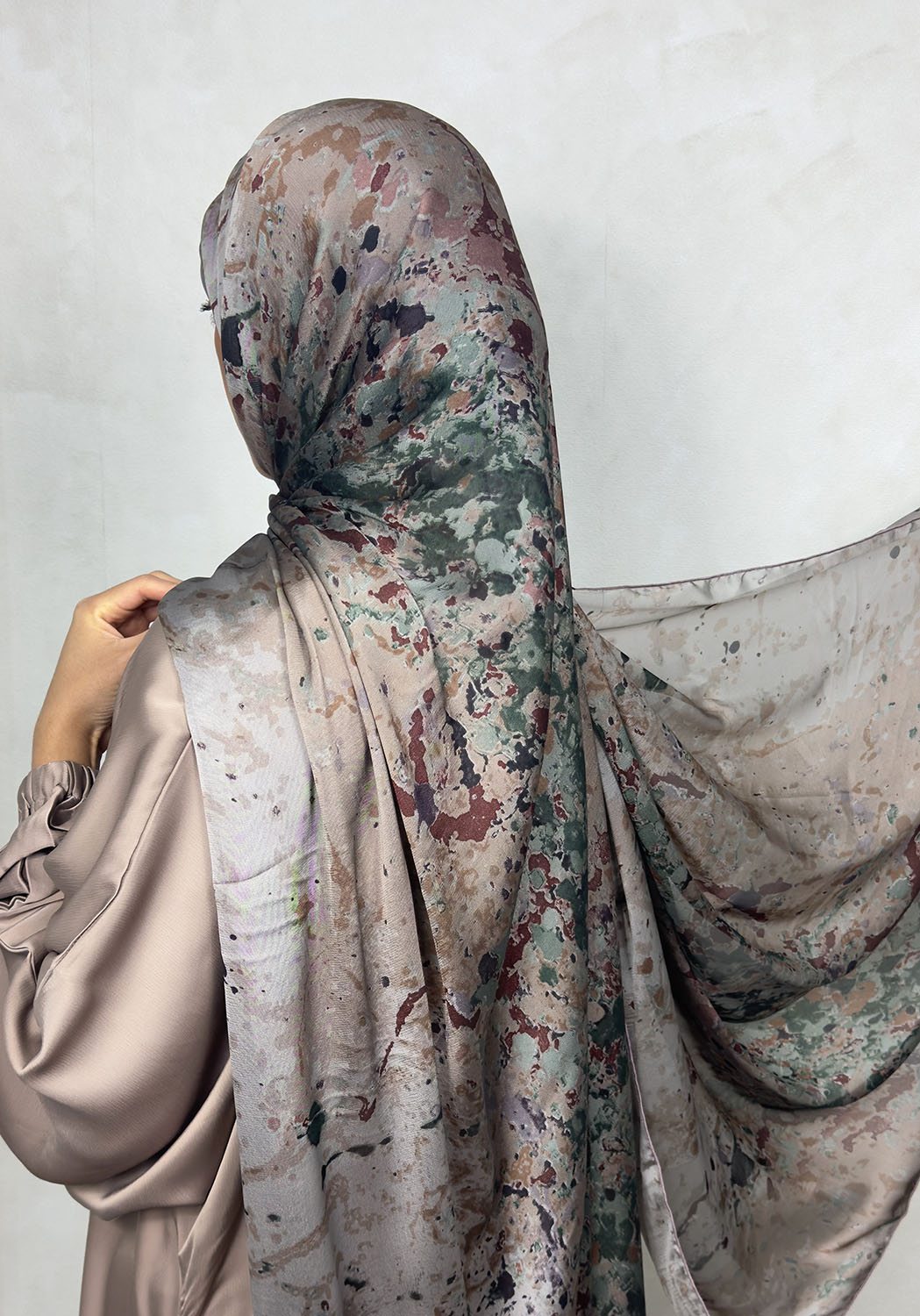
Hijab Around the World: A Journey Through Cultures
Let me take you through some examples that highlight this rich diversity:
- Middle East: In countries like Saudi Arabia and UAE, the hijab often takes the form of the black abaya and shayla — long, flowing garments paired with headscarves that cover the hair and neck. Here, modesty often merges with elegance, with intricate embroidery or delicate fabric choices reflecting personal style.
- South Asia: In Pakistan, India, and Bangladesh, hijab is frequently worn as a colorful dupatta or scarf, draped over the head but often paired with traditional clothing like shalwar kameez. The emphasis is on blending religious observance with vibrant cultural fashion.
- Southeast Asia: In Malaysia and Indonesia, the hijab is called tudung and often features lighter fabrics suited to tropical climates. Here, the hijab is embraced as part of national identity, with many young women combining modest fashion with contemporary trends.
- North Africa: In Morocco, Egypt, and Algeria, the hijab styles range from the tarha (a simple scarf) to more elaborate wraps and veils, sometimes paired with the djellaba or kaftan. The cultural influence is palpable in the patterns and colors.
- Western Countries: For many Muslim women in Europe and North America, hijab becomes a personal statement amid a multicultural landscape. Styles often blend traditional elements with modern fashion, balancing modesty with individuality.
Table: Hijab Styles and Cultural Influences
| Region | Common Hijab Style | Cultural Influences | Climate Adaptations |
|---|---|---|---|
| Middle East | Abaya, Shayla | Traditional Islamic dress codes, conservative social norms | Light fabrics but often layered for modesty |
| South Asia | Dupatta, Chador | Colorful textiles, festive and cultural events | Varied fabrics, often cotton or silk for breathability |
| Southeast Asia | Tudung | National identity, modern modest fashion | Lightweight, breathable materials for tropical climate |
| North Africa | Tarha, Veils | Berber and Arab cultural influences, historical dress | Light and loose fabrics to combat heat |
| Western Countries | Varied (Scarf, Turban, Layered Wraps) | Multiculturalism, blending tradition with modernity | Seasonal fabrics, layered styles for different weather |
What I’ve Learned From Cultural Hijab Diversity
Meeting sisters from all over the world helped me see hijab not as a rigid uniform but as a dynamic, living tradition. Each woman’s choice in how she wears her hijab is a beautiful blend of faith, culture, and personal taste. For some, it’s a quiet reflection of their family heritage; for others, it’s a bold statement of identity in a sometimes challenging society.
There was a time I struggled to find a hijab style that felt “right” for me, torn between wanting to honor my cultural background and embracing the modern modest trends I saw online. But eventually, I realized that hijab’s power lies in its flexibility — it invites us to express who we are in our own sincere way while maintaining the core values of modesty and respect.
Why Understanding Cultural Context Matters
It’s easy to judge or stereotype hijab based on just one style or region. But appreciating the cultural nuances opens up a richer understanding of what hijab means globally. It breaks down misconceptions and builds empathy, which I believe is essential in today’s interconnected world.
So, next time you see a hijab, try to see the story behind it — the heritage, the struggles, the love, and the faith that each woman carries with her. For me, that’s the true beauty of hijab: a personal journey wrapped in the fabric of diverse cultures.
Tips for Embracing Cultural Diversity in Hijab
- Explore different fabrics and styles to find what suits your personality and climate.
- Respect and learn about other cultural hijab traditions to deepen your appreciation.
- Don’t be afraid to mix traditional and modern elements — hijab is yours to make uniquely yours.
- Remember, modesty and faith are at the heart of hijab, regardless of style or region.
What are the most popular hijab styles in 2025?
Trends that Speak to the Heart and Soul
Let me tell you — hijab fashion in 2025 is a beautiful mix of tradition and modern flair. It’s like watching the past and future dance together in harmony. When I scroll through my favorite social media feeds or visit modest fashion boutiques, it’s clear that hijab styles this year aren’t just about covering up; they’re about expressing confidence, identity, and spirituality with grace.
You’ve probably noticed the rise of styles that blend comfort, versatility, and aesthetic appeal — and honestly, that’s what every hijabi wants these days. No more fuss, no more discomfort. It’s about feeling beautiful inside and out. Let me walk you through some of the most beloved hijab styles that have truly taken the modest fashion world by storm in 2025.

The Top Hijab Styles for 2025
| Style Name | Description | Ideal Occasion | Why It’s Popular |
|---|---|---|---|
| Turban Style | A chic, wrapped look that exposes the neck but keeps hair covered. | Casual outings, creative workplaces | Modern, edgy, and perfect for hot weather or active days. |
| Layered Wrap | Multiple fabric layers wrapped softly for volume and elegance. | Formal events, weddings, religious ceremonies | Elegant and adaptable to many outfits, enhancing modest glamour. |
| Al-Amira | A two-piece set with a fitted cap and a matching tube scarf. | Daily wear, school, office | Easy to wear, comfortable, especially for beginners or busy days. |
| Shayla | A long rectangular scarf wrapped loosely around the head and shoulders. | Everyday, social gatherings | Versatile, lightweight, and great for layering with outfits. |
| Square Scarf (Folded Triangle) | Classic square scarf folded diagonally, pinned under the chin. | Work, casual, and religious settings | Timeless and easy to style in countless ways. |
Why These Styles Are Taking Over
When I asked my hijabi friends what hijab styles they love this year, the answers were fascinating. Comfort and simplicity topped the list. The Al-Amira style, for instance, is adored by those who are always on the go — like me — because it doesn’t require constant adjusting. Then you have the turban style, which many young women love because it’s edgy and allows them to express a little personality while still honoring modesty.
One friend told me, “It feels like the hijab is finally catching up with the fashion world — I can be modest and trendy without feeling like I’m sacrificing one for the other.” And that’s exactly what 2025’s hijab scene is about: breaking down the false choice between modesty and style.
Fabric Choices That Define 2025
Another thing that’s changed dramatically is fabric technology. The hijabs in 2025 aren’t just pretty; they’re smart. Breathable, moisture-wicking, and lightweight fabrics make a huge difference, especially for women living in warmer climates or those who wear hijab for long hours.
| Fabric Type | Benefits | Popular Uses |
|---|---|---|
| Jersey | Stretchy, breathable, wrinkle-resistant | Everyday wear, casual styles like turban and Al-Amira |
| Chiffon | Light, flowy, elegant | Layered wraps and formal hijabs |
| Cotton Voile | Soft, breathable, ideal for hot weather | Shayla and square scarves |
| Silk | Luxurious, smooth, perfect for special occasions | Evening and wedding hijabs |
Personal Stories: Finding Your Own Style
Honestly, I remember when I first tried the turban style. I was nervous — it felt so different from my usual long wraps. But once I embraced it, it felt like I was discovering a new side of myself. It wasn’t about abandoning tradition; it was about evolving with it. My friends who wear layered wraps tell me how those styles make them feel regal, like they’re wrapped in a piece of art.
Hijab style in 2025 is a journey, not a rulebook. It’s about honoring who you are, your environment, and your mood. What I love most is how this year encourages women to play with hijab fashion without guilt or fear. Whether you prefer something simple like the Al-Amira or a statement look like the layered wrap, it’s all about feeling authentic.
Quick Tips for Choosing Your 2025 Hijab Style
- Consider your daily activities and choose styles that balance comfort and modesty.
- Experiment with fabrics based on the climate and occasion.
- Don’t hesitate to mix traditional and contemporary styles — hijab fashion is flexible.
- Use accessories like pins or brooches sparingly to enhance but not overwhelm your look.
How does hijab empower women in modern society?
The Personal Power Behind Choosing to Wear Hijab
Let me be honest with you—wearing the hijab in today’s world is one of the most powerful statements a woman can make. It’s not just about fabric or tradition; it’s about owning your identity, your beliefs, and your dignity in a world that often tries to define women by superficial standards. When I first decided to wear the hijab, it wasn’t because someone told me to. It was a deeply personal choice—a way to reclaim my narrative and show the world who I truly am, beyond appearances.
Many women I know echo this feeling of empowerment. Hijab gives us control—control over how we present ourselves and how we want to be perceived. In a society obsessed with appearance, hijab flips the script by focusing attention on our intellect, character, and spirit rather than our looks.
Breaking Stereotypes and Challenging Norms
There’s a common misconception that hijab restricts women or holds them back. But the reality couldn’t be more different. Wearing hijab is often a bold act of defiance against stereotypes and prejudice. It says, “I am more than what you see.”
| Common Stereotype | Reality of Hijab Wearers | Empowerment Aspect |
|---|---|---|
| Hijab limits freedom | Many hijabis actively pursue education, careers, and leadership roles | Assertive self-expression and choice |
| Hijab isolates women | Hijab connects women in communities worldwide with shared values | Building solidarity and sisterhood |
| Hijab is a symbol of oppression | Hijab-wearing women often report feeling liberated and respected | Personal agency and dignity |
Hijab as a Tool for Social Change
Beyond personal empowerment, hijab can also be a catalyst for broader social change. I’ve witnessed how women who wear hijab are often at the forefront of activism, education, and community work. They’re challenging misconceptions not just through words but through their visible presence in public life. Wearing hijab openly says, “I belong here, and I contribute.”
When hijabi women excel in fields like medicine, law, art, and entrepreneurship, they rewrite the narrative of what it means to be a Muslim woman in the 21st century. This visibility inspires younger generations and educates those unfamiliar with the faith.
Stories That Inspire
One of my closest friends, Sarah, started wearing hijab in college. At first, she felt nervous about how her classmates and professors would react. But over time, she noticed something incredible: people began to approach her with curiosity and respect rather than judgment. She became a mentor, a voice for inclusivity, and a symbol of strength for many around her.
Sarah’s story is just one example, but it illustrates how hijab empowers women not only to stand firm in their beliefs but to open doors and create spaces for dialogue and understanding. It’s a daily act of courage and compassion.
The Psychological Impact of Wearing Hijab
There’s also a profound psychological aspect to hijab. Many women report increased self-esteem and a stronger sense of purpose once they begin wearing it. This isn’t surprising—after all, choosing to cover oneself in a society that often prizes exposure is an act of self-respect and spiritual alignment.
| Positive Impact | How It Manifests | Example |
|---|---|---|
| Enhanced self-confidence | Feeling in control of one’s appearance and identity | Comfortably attending public events without anxiety |
| Sense of belonging | Connection with a global sisterhood and faith community | Participation in mosque events and cultural gatherings |
| Spiritual fulfillment | Wearing hijab as a visible reminder of faith and values | Daily prayers and mindfulness practices |
Final Thoughts: The Hijab Journey Is Personal and Powerful
If there’s one thing I’ve learned, it’s that hijab is so much more than cloth on the head. It’s a declaration of self-love, resilience, and faith. It’s a tool for empowerment that transcends culture, geography, and age. Whether you wear hijab for the first time tomorrow or have been wearing it for decades, it’s your story and your strength.
So if you’re reading this and wondering about the hijab, know this: it’s okay to have doubts and questions. The beauty of hijab lies in its depth — it’s a lifelong conversation between your heart, your beliefs, and the world around you. And that conversation? It’s one of the most empowering journeys you’ll ever take.
What fabrics are best for hijabs in hot or cold weather?
Choosing the Right Fabric: Comfort Meets Modesty
Honestly, finding the perfect hijab fabric is like finding your best friend—it has to be reliable, comfortable, and just right for the situation. I’ve been there, standing in the aisle overwhelmed by endless options, wondering which fabric will keep me cool in scorching summers or cozy during chilly winters without compromising modesty or style.
Hijabs are more than just modest coverings; they’re an extension of how we feel in our skin every day. So, the fabric choice matters—a lot. Let’s unpack which materials really work best for different climates and why.
Hot Weather Fabrics: Breathable, Lightweight, and Soft
When the sun is blazing, nothing feels worse than a suffocating hijab that traps heat. That’s why in hot weather, the goal is breathability, lightness, and moisture-wicking abilities.
| Fabric | Why It Works | Pros | Cons |
|---|---|---|---|
| Cotton | Natural fiber, breathable, absorbs sweat | Soft, affordable, easy to style | Can wrinkle easily, may fade over time |
| Chiffon | Lightweight, airy, semi-transparent | Elegant drape, perfect for layering | Slippery texture can require pins or clips |
| Linen | Highly breathable, dries quickly | Cool against skin, natural texture | Prone to wrinkling, less stretch |
| Viscose | Semi-synthetic, soft and breathable | Drapes well, gentle on skin | Less durable than cotton, may shrink |
For me, cotton hijabs have been a go-to in summer. They breathe and don’t feel heavy on my head. But I also love chiffon for special occasions—its delicate drape feels like wearing a soft breeze, even if I do have to fiddle with pins more often.
Cold Weather Fabrics: Warm, Cozy, and Layer-Friendly
Winter hijab styling is a different ball game. You want something that not only covers but also insulates without feeling bulky or uncomfortable. My winter hijabs are basically my warm hugs during those freezing mornings.
| Fabric | Why It Works | Pros | Cons |
|---|---|---|---|
| Jersey | Stretchy knit, breathable yet warm | Easy to style, comfortable fit | Can lose shape over time |
| Wool Blend | Excellent insulation, natural fibers | Warm, soft, great for layering | Can be itchy if not blended well |
| Pashmina | Luxurious wool, lightweight but warm | Elegant, soft, versatile | Requires careful care, delicate |
| Cotton Flannel | Brushed cotton, traps heat well | Soft, cozy, affordable | Less breathable than lightweight cotton |
Jersey hijabs are my absolute favorite in winter because they stretch and stay put. Plus, they layer beautifully under coats and scarves. Pashminas are reserved for those special winter days when I want to feel extra elegant while staying warm.
Tips for Choosing Fabrics Year-Round
- Consider breathability: Even in winter, your hijab should allow your scalp to breathe to avoid discomfort.
- Think about weight: Lightweight fabrics tend to layer better, preventing that bulky look.
- Test for comfort: Fabrics that irritate your skin won’t help you wear hijab confidently.
- Care instructions matter: Choose fabrics that match your lifestyle—some need dry cleaning, others can be machine washed.
Personal Story: My Journey to Finding the Perfect Fabric
Early on, I underestimated the importance of fabric choice. I remember wearing a heavy polyester hijab in the summer once—big mistake. I was sweaty, itchy, and honestly, pretty miserable. It took me a while to figure out that modesty is not about suffering—it’s about smart choices that respect your body and faith.
Over time, I experimented with blends, natural fibers, and textures until I found what truly works for me. And honestly? The right hijab fabric can transform your whole day. It’s like wearing confidence and comfort wrapped around your head.
Final Thoughts
Choosing hijab fabric is more than a practical decision—it’s a reflection of how you honor your faith, body, and daily comfort. Whether it’s the light whisper of chiffon on a summer afternoon or the cozy embrace of jersey on a winter morning, the right fabric empowers you to wear your hijab with joy and confidence every day.
How can I choose the right hijab style for my face shape?
Understanding Your Face Shape: The First Step
Let me be honest—when I first started wearing hijab, I never thought about how different styles could complement my face shape. I just wrapped it the way I liked and hoped for the best! But over time, I realized that the right hijab style can truly enhance your natural features, boost your confidence, and make you feel like you’re glowing from the inside out.
Before diving into hijab styles, it’s crucial to identify your face shape. Are you oval, round, square, heart-shaped, or maybe diamond? Recognizing this helps you pick hijabs that frame your face beautifully instead of hiding or overwhelming it.
Common Face Shapes and Ideal Hijab Styles
| Face Shape | Characteristics | Hijab Style Tips | Examples |
|---|---|---|---|
| Oval | Balanced proportions, slightly narrower chin | Almost any style works; soft layers and volume on top enhance balance | Loose wraps, layered styles, volumized hijabs |
| Round | Full cheeks, rounded jawline | Add height on top, avoid too much volume on sides, angular folds | Turban styles, high volume at crown, sharp folds |
| Square | Strong jawline, broad forehead | Soften angles with flowing, draped hijabs; avoid tight wraps | Loose drapes, soft folds, rounded edges |
| Heart | Wide forehead, narrow chin | Balance the forehead with side volume, avoid tight wraps at the top | Side-swept styles, layered edges, volume around jawline |
| Diamond | Narrow forehead and jawline, wide cheekbones | Choose styles that add width to forehead and chin | Layered wraps, volume near chin, soft edges |
How I Discovered My Own Face Shape
I remember taking a silly selfie and holding a ruler next to my face, measuring different parts—forehead, cheekbones, jawline—trying to make sense of it all. It was a bit awkward, but a game-changer. Once I knew I had a round face, I started experimenting with hijab styles that added height on top and tapered on the sides.
For example, I fell in love with the turban style for casual days—it instantly elongates the face and feels fresh. On formal occasions, I opt for high-volume hijabs at the crown with sharp folds, which give a sophisticated edge without making my cheeks look fuller.
Styling Tips by Face Shape
- Oval: You’re blessed with versatility! Play with layers, folds, and volume. Feel free to try bold styles or classic wraps.
- Round: Height is your best friend. Avoid wide hijabs on the sides that add width; go for styles that create angles.
- Square: Embrace softness. Loose and flowing fabrics work wonders to soften your strong jawline.
- Heart: Balance your forehead by adding volume at the sides and jawline. Side-swept styles flatter you beautifully.
- Diamond: Add volume near your chin and forehead with layers and soft draping.
Materials and Accessories to Consider
Different fabrics react differently depending on your chosen style. Lightweight fabrics like chiffon or viscose are perfect for flowing, soft drapes, while sturdier fabrics like cotton or jersey hold angular folds better. I usually keep a mix in my wardrobe to match my mood and face shape needs.
Accessories like pins, brooches, and under-caps also make a huge difference. For example, if you want to add volume on top, using an under-cap with a bit of padding can be a game-changer without looking obvious.
Final Thoughts: Your Hijab, Your Confidence
Choosing the right hijab style for your face shape isn’t about following strict rules—it’s about understanding yourself, trying different looks, and embracing what makes you feel authentic and radiant. Remember, hijab is a personal journey, and it’s okay to have days where you want to keep it simple or go all out.
So, take your time, experiment with styles and fabrics, and enjoy this beautiful way of expressing your faith and identity. Trust me, when your hijab complements your face perfectly, it shows—in the way you carry yourself and the smiles you wear.
Is there a right age to start wearing the hijab?
Personal Journeys: The Age Question Isn’t One-Size-Fits-All
You know, when I first started thinking about wearing the hijab, I kept asking myself, “Is there a perfect age to begin?” It’s a question many Muslim girls and even their families ponder deeply. Honestly, the answer isn’t simple or universal—it’s beautifully personal. The “right age” depends on spiritual readiness, family environment, cultural context, and individual comfort.
In my own journey, I remember feeling drawn to the hijab around the age of 13, a time when I was starting to understand my faith more deeply. But for my cousin, it was at 18, after she experienced college life and developed her own sense of identity. Both stories are valid and inspiring, because hijab isn’t about pressure—it’s about sincere commitment.
Religious Guidance and Cultural Practices
From a religious perspective, many scholars agree that wearing the hijab becomes obligatory after a girl reaches puberty, marking the onset of spiritual accountability. But puberty itself varies for everyone, and the way families approach this topic can be quite diverse.
Some families encourage girls to start wearing the hijab as soon as signs of puberty appear, while others allow a gradual introduction over a few years. In certain cultures, wearing the hijab at a young age is a common practice, while in others, it may be more typical to start in late teens or adulthood.
The Emotional and Social Dimensions
Choosing to wear hijab is more than a physical act of covering—it’s an emotional and social journey. I remember when I first started wearing mine, it was exciting but also a little intimidating. Friends’ reactions, school environments, and my own insecurities all played a role. The truth is, the “right age” is also about emotional preparedness.
It’s okay to take your time. Some girls may feel ready early and embrace hijab with joy. Others may need years to build confidence or face peer pressure. Either way, it’s crucial that the decision comes from personal conviction rather than obligation or comparison.
Helpful Table: Ages & Typical Experiences with Hijab
| Age Range | Common Experiences | Support Tips |
|---|---|---|
| 8-12 years | Curiosity about hijab; early signs of puberty; observing family members | Introduce hijab playfully; share stories; avoid pressure |
| 13-15 years | Puberty onset; spiritual questions arise; peer influence grows | Provide guidance; encourage open talks; create supportive community |
| 16-18 years | Greater independence; identity exploration; college/school changes | Respect choices; offer role models; discuss practicalities |
| 18+ years | Adult decisions; personal faith strengthening; societal challenges | Support autonomy; provide resources; build confidence |
Stories from Real Sisters
I remember a close friend who began wearing the hijab at 10. She was inspired by her mother and felt proud. Meanwhile, another sister I know waited until she was 22, after finishing university, because she wanted to ensure she understood what it meant fully. Both found peace and strength in their choices.
What connects these stories is not the age but the sincerity behind their decisions. The hijab is a symbol of faith, modesty, and identity, and embracing it should always come from the heart.
Tips for Families and Friends Supporting the Journey
- Encourage patience: Avoid pushing too early or comparing with others.
- Open communication: Create safe spaces for questions and doubts.
- Celebrate milestones: Whether a first wrap or a renewed commitment, honor the journey.
- Provide role models: Show inspiring women who wear hijab confidently.
Final Thoughts: Your Time, Your Choice
At the end of the day, there’s no “right” or “wrong” age to start wearing hijab. It’s a personal, spiritual decision that blossoms when you’re ready—sometimes early, sometimes later, but always authentically you. So if you’re wondering about when to begin, I say: listen to your heart, seek knowledge, and trust that your journey will unfold beautifully in its own time.
How does hijab influence self-identity and confidence?
Finding Yourself Through the Fabric
Honestly, wearing the hijab changed the way I saw myself—and not just on the outside. When I wrapped that piece of cloth around my head for the first time, I felt a rush of something deeper than modesty. It was like stepping into a version of myself I hadn’t met before: more confident, more grounded, more authentically me. You’ve probably felt that, too, or maybe you’re curious about what that experience is like.
Hijab isn’t just a physical garment; it’s a symbol that carries layers of meaning—spiritual, cultural, and personal. When you wear it, you’re sending a message, first and foremost, to yourself. It’s a reminder that you’re choosing faith, dignity, and strength every single day. And let me tell you, that kind of intentionality can boost your confidence in ways you might never have expected.
The Journey of Self-Identity
For me, the hijab became a cornerstone of my identity. Before, I struggled a bit with how I wanted to present myself to the world. Was I just trying to fit in, or was I standing up for what I believed in? Wearing hijab helped me answer that question. It grounded me in a community of women who embraced their faith while still being fierce and ambitious.
This transformation wasn’t instantaneous. At times, I questioned if people saw me differently—sometimes with admiration, sometimes with judgment. But over time, I realized that my hijab was an extension of my self-respect, not a limitation. It shaped how I carried myself, spoke, and even made decisions.
Hijab and Confidence: Breaking Stereotypes
We all know hijab sometimes gets misunderstood or stereotyped in the media or popular culture. But here’s the thing—wearing hijab is a quiet rebellion against those stereotypes. It’s a bold declaration that your worth isn’t defined by appearance alone.
Many women I’ve met share stories of newfound confidence after embracing hijab, describing it as armor that protects their sense of self. It’s not about hiding, but about highlighting what really matters: character, intellect, and heart.
Table: Confidence Benefits of Wearing Hijab
| Aspect | Positive Impact | Real-Life Example |
|---|---|---|
| Self-Respect | Encourages mindful choices and self-care | A sister who felt empowered to speak up at work after adopting hijab |
| Community Belonging | Builds strong social connections and support networks | Joining a local Muslim women’s group after starting to wear hijab |
| Spiritual Confidence | Deepens faith and daily purpose | Feeling more connected during prayers and spiritual moments |
| Personal Empowerment | Boosts resilience against social judgment | Facing societal biases with grace and strength |
Anecdotes: Real Stories of Confidence
I remember a sister from my community, Sara, who started wearing the hijab during university. At first, she felt invisible in a crowd, worried people might judge her. But as days turned into months, her inner confidence blossomed. Sara began volunteering, speaking publicly about her faith, and even mentoring younger girls. She told me once, “Hijab didn’t make me less; it made me more me.”
That’s the kind of transformation that goes beyond fabric and styles. It’s about reclaiming your narrative and standing tall in it.
Practical Tips for Building Confidence With Hijab
- Start small: Experiment with styles and fabrics that feel comfortable and true to you.
- Connect with others: Build relationships with women who inspire and uplift you.
- Embrace imperfections: Your hijab journey will have ups and downs; that’s part of growth.
- Celebrate milestones: Whether it’s your first day wearing hijab or a special event, honor your progress.
Final Thoughts: More Than Just a Headscarf
Wearing hijab taught me that self-identity isn’t about fitting into molds, but about breaking free and defining yourself on your own terms. It’s a daily act of courage and love—love for your faith, your values, and yourself. So if you’re wondering how hijab might change your confidence, know this: it’s not about the cloth itself, but what it awakens inside you.
What are the best ways to style a hijab for work or school?
Finding Practical and Stylish Hijab Looks for Every Day
Let me tell you, styling a hijab for work or school is a little bit of an art—and a lot of a personal journey. You want to look polished, feel comfortable, and honor your modesty without spending forever in front of the mirror. I’ve definitely been there, balancing between a hijab that stays put during a long day and one that lets me express myself. If you’re like me, sometimes you just want to throw something on and feel confident all day long.
Over the years, I’ve found that the best hijab styles for work and school mix simplicity with versatility. The last thing you need is fuss or discomfort when you have deadlines, meetings, or classes. So here’s my take, from experience and inspiration, on how to get your hijab game right for those busy days.
Simple Yet Elegant: The Classic Wrap
The classic wrap style is a go-to for many women because it’s quick and easy but still looks neat and professional. It usually involves a rectangular scarf folded into a triangle, wrapped around the head, and pinned under the chin. The key is to choose a fabric that holds its shape but breathes well—like cotton blends or lightweight jersey.
- Why I love it: It’s comfortable, secure, and pairs well with almost any outfit.
- Work/school hack: Use magnetic pins instead of sharp ones to avoid damage and discomfort.
- Fabric tip: Choose matte fabrics to avoid shininess under office lighting.
Turban Style: Chic and Modern
If you want something trendy but still appropriate for work or school, the turban style is fantastic. It frames the face beautifully and feels lightweight—perfect for warmer months or when you want a break from full coverage.
Though this style doesn’t cover the neck, many women layer it with a matching underscarf or wear a high-neck top underneath for modesty. I remember wearing this look to a casual office setting and getting compliments on how fresh and confident I looked.
Table: Best Hijab Fabrics for Work & School Styling
| Fabric | Benefits | Considerations |
|---|---|---|
| Cotton Blend | Breathable, comfortable, holds shape well | May wrinkle, so keep a small travel-size steamer handy |
| Jersey | Stretchy, easy to style, no pins needed | Less formal, better for casual or semi-casual settings |
| Chiffon | Lightweight, elegant, drapes beautifully | Requires pins, can slip easily without underscarf |
| Silk Satin | Luxurious, smooth, perfect for formal work days | Slippery, best with underscarf and careful pinning |
Accessorizing Without Overdoing It
For work and school, I keep accessories minimal. A simple brooch or a sleek pin can add a touch of elegance without looking over the top. Avoid noisy or bulky jewelry that distracts from your professional appearance. Remember, your hijab style should complement your overall look, not compete with it.
Stories from Real Life: My Best Hijab Styling Tips
One thing I’ve learned is that comfort reigns supreme. I once tried a complex layered style for a long day of presentations—and by midday, I was itching to take it off. Since then, I always aim for styles that last, that don’t need constant adjusting, and that make me feel poised and put-together.
Also, remember that how you feel in your hijab is just as important as how it looks. Confidence shines through when you’re comfortable, and that’s the real style win.
Practical Tips for Styling Hijab for Work or School
- Prepare the night before: Fold your hijab neatly and keep pins or clips ready.
- Choose colors wisely: Neutral tones or pastels work well for professional environments.
- Layer smart: Use underscarves to keep styles in place without discomfort.
- Weather-proof: Lightweight fabrics in summer, thicker knits or wool blends in winter.
Final Thoughts: Your Hijab, Your Statement
Styling your hijab for work or school is more than just a fashion choice—it’s about creating a look that supports your daily goals and respects your values. When I find the right style, I feel ready to face any challenge, whether it’s a tricky exam or a tough meeting. So, take your time, experiment, and don’t be afraid to let your hijab reflect your unique personality.
Can you wear hijab and still follow fashion trends?
Absolutely—Fashion and Faith Can Walk Hand in Hand
You know, I used to wonder this myself when I first started wearing the hijab. Would I have to give up my love for colors, patterns, or the latest styles? Honestly, it felt like a huge question mark hovering over my sense of identity. But over time, I realized hijab isn’t a barrier to fashion—it’s a canvas for creativity. You can totally follow trends, adapt them to your modest style, and still stay true to your values.
Let me share with you how I’ve learned to blend modesty and fashion, and how many women around the world are doing the same. It’s about making fashion your own, not losing yourself in it.
Understanding the Intersection of Hijab and Trends
Hijab fashion isn’t a separate universe—it’s part of the global style scene, just with a beautiful twist. Think about it: designers and brands are creating modest wear collections that respect hijab principles yet feel fresh and trendy. So, yes, you can rock the season’s hottest colors, prints, and textures, but styled modestly.
This balance means you don’t have to sacrifice comfort or your beliefs. Instead, you’re amplifying your personal style with the spirit of hijab.
Table: Trending Hijab Fashion Elements in 2025
| Trend | Description | How to Wear it Modestly |
|---|---|---|
| Oversized Blazers | Structured, loose-fitting blazers in neutral or bold colors | Pair with wide-leg pants and a simple hijab for a chic, modest look |
| Layered Dresses | Flowy, layered fabrics with soft pleats or ruffles | Wear with a fitted undershirt and a matching hijab for balance |
| Bold Prints | Floral, geometric, or abstract prints that make a statement | Use printed hijabs with solid-colored outfits or vice versa |
| Pastel Tones | Soft, calming colors like lilac, mint, and blush pink | Combine pastel hijabs with neutral-toned clothing for elegance |
| Sustainable Fabrics | Eco-friendly materials gaining popularity | Choose hijabs made of organic cotton or bamboo for ethical style |
Finding Your Personal Hijab Fashion Voice
When I began experimenting with fashion trends while wearing hijab, I discovered it’s all about knowing yourself first. What colors make you feel alive? Which fabrics feel comfortable throughout your day? How do you want to present yourself to the world? These questions helped me create a wardrobe that felt authentic and empowering.
Try mixing classic pieces with trendy accents. For example, pairing a timeless black abaya with a trendy printed hijab or layering a modern denim jacket over a modest maxi dress. This little mix-and-match journey keeps things fresh without compromising your modesty.
Real-Life Style Stories
I remember once attending a family gathering where everyone admired my pastel-toned hijab paired with an oversized blazer. It felt like such a small detail, but it sparked conversations about how modest fashion can be so elegant and trendy. That moment made me appreciate that following trends doesn’t mean losing your identity—it’s about expressing it beautifully.
How to Keep Up with Trends While Honoring Hijab
- Stay informed: Follow modest fashion influencers and brands on social media to get inspired.
- Invest wisely: Buy versatile hijabs and clothing pieces that can mix and match with different styles.
- Adapt trends: Not every trend suits modest wear, so tweak styles to fit your comfort and beliefs.
- Play with accessories: Use brooches, belts, and pins to add a trendy touch without overwhelming your look.
Final Thoughts: Fashion is a Journey, Not a Race
Fashion is fluid, and so are we. Wearing hijab doesn’t freeze you in time or style; it offers a unique lens to interpret trends meaningfully. So don’t shy away from new styles or colors—embrace them in a way that feels right for you. After all, confidence is the best accessory anyone can wear, and your hijab is part of that story.
What are the Islamic rules vs. cultural practices around hijab?
Understanding the Core Islamic Guidelines
Let’s be honest: when I first started wearing the hijab, I was confused by all the different interpretations and styles I saw. It made me pause and wonder—what exactly does Islam say about hijab? And where do cultural traditions begin? It’s a question many of us have grappled with because the line between religious obligation and cultural expression isn’t always clear.
At its core, the hijab in Islam is about modesty, dignity, and self-respect. The Quran and Hadith provide clear guidance on covering one’s body and behavior to uphold these values. However, the exact way these guidelines are practiced varies across communities, shaped by history, geography, and local customs.
Islamic Rules on Hijab
- Modesty in Dress: The Quran (24:31) instructs believing women to “draw their headscarves over their bosoms” and dress modestly so as not to attract undue attention.
- Covering the Awrah: This refers to parts of the body that should be covered; for women, this generally means the entire body except the face and hands, though scholars differ slightly on the details.
- Behavioral Modesty: Hijab isn’t just about clothing but also about modesty in speech, manners, and interactions.
- Intention Matters: Wearing hijab should come from a sincere desire to obey Allah and honor oneself, not from societal pressure or fashion alone.
These rules are consistent across Islamic jurisprudence but are often interpreted through different lenses depending on the school of thought and cultural context.
How Culture Shapes Hijab Practices
Here’s where it gets interesting. While Islamic principles are clear, cultural traditions have woven their own styles and meanings into hijab practices. This means the hijab looks different in Indonesia compared to Morocco or Turkey, and the reasons behind certain styles or accessories often come from local customs rather than religious edicts.
For example, some cultures emphasize covering the face (niqab or burqa), while others focus primarily on the hair and neck. Some regions adorn the hijab with elaborate jewelry or vibrant patterns, which can be cultural symbols rather than religious necessities.
It’s essential to recognize this diversity as a beautiful mosaic rather than a contradiction to Islamic teachings.
Table: Comparing Islamic Rules and Cultural Practices
| Aspect | Islamic Rule | Cultural Practice |
|---|---|---|
| Coverage | Modest dress covering hair, neck, and body (except face & hands, generally) | Varies: Some cultures include face covering (niqab), others don’t |
| Fabric & Color | No specific restrictions; emphasis on modesty | Some cultures prefer bright colors or specific patterns |
| Styling | Simple and practical | Intricate wrapping styles, accessories, and adornments |
| Social Expectations | Personal, spiritual commitment | Sometimes community or family pressure influences choices |
| Age to Start | When a girl reaches puberty | Varies culturally; some start younger or older |
Personal Stories: Navigating Between Faith and Culture
Growing up, my own family had traditions deeply rooted in our cultural background. I remember my grandmother explaining why she preferred darker, heavier fabrics and why certain hijab styles were “proper” for special occasions. At the same time, my religious teachers emphasized the simplicity and spirituality of hijab. Balancing these perspectives helped me appreciate that hijab isn’t a one-size-fits-all practice—it’s a personal journey shaped by faith and environment.
Why Distinguishing Between the Two Matters
Recognizing the difference between Islamic rules and cultural practices helps us avoid judgment—whether on ourselves or others. Sometimes, women face criticism for the way they wear their hijab, not realizing that their style may reflect cultural heritage rather than religious neglect. Understanding this fosters empathy and respect.
It also empowers us to make intentional choices—deciding what parts of culture enrich our identity and which we might adapt or set aside in favor of personal conviction.
Practical Tips for Balancing Both
- Learn the religious guidelines from trusted Islamic scholars.
- Explore your cultural heritage with an open heart but question traditions that don’t resonate spiritually.
- Connect with diverse Muslim communities to see various hijab expressions.
- Make your hijab style a reflection of your faith, comfort, and personality.
Final Thoughts: Embracing Hijab as a Living, Breathing Practice
Hijab is more than fabric or rules—it’s a lifelong dialogue between faith and culture. And isn’t that what makes it so meaningful? Each day, we get to express who we are through this sacred act, blending the universal teachings of Islam with the rich tapestries of our backgrounds. I find beauty in that balance and hope you do too.
How do influencers and public figures shape hijab perception?
The Power of Visibility: Why Representation Matters
Honestly, growing up, I rarely saw hijabi women in mainstream media or social platforms. It felt like hijab was this invisible, misunderstood thing — tucked away in private spaces or traditional circles. But fast forward to today, and the landscape has shifted dramatically. Influencers and public figures who wear hijab have stepped onto center stage, reshaping perceptions not just within Muslim communities but across the world.
These women are more than just trendsetters; they’re storytellers, breaking stereotypes and building bridges. Their presence challenges misconceptions that hijab equals oppression or invisibility. Instead, they show hijab as a choice, a source of pride, and a vibrant part of contemporary culture.
How Influencers Shape Public Opinion
Let’s get real: social media is powerful. When hijabi influencers share their daily lives—whether it’s styling tips, faith reflections, or moments of struggle and joy—it humanizes what hijab means. This connection builds empathy and understanding.
Influencers also create new narratives around modest fashion. Rather than being “old-fashioned,” hijab becomes stylish and aspirational. Think of pioneers like Halima Aden, who walked international runways, or Dina Tokio, who blends modesty with edgy streetwear. Their creativity opens doors for countless young women who want to express their faith while staying on-trend.
Public Figures and Their Role in Changing Conversations
Beyond influencers, public figures such as politicians, activists, and artists who wear hijab help normalize it in spaces often seen as exclusive. For example, Ilhan Omar’s presence in the U.S. Congress sent a powerful message: a hijabi woman can hold leadership roles while staying true to her faith.
This visibility dismantles prejudice. When people see hijab in professional or political contexts, it counters narratives that reduce Muslim women to stereotypes. It says loud and clear: we belong everywhere.
Table: Impact of Influencers vs. Public Figures on Hijab Perception
| Role | Primary Impact | Examples | Key Influence |
|---|---|---|---|
| Influencers | Fashion trends, personal storytelling, social media visibility | Dina Tokio, Amina Mucciolo, Nabela Noor | Humanizing hijab, creating relatable content |
| Public Figures | Political representation, activism, breaking professional barriers | Ilhan Omar, Ibtihaj Muhammad, Halima Aden | Normalizing hijab in leadership and sports |
Personal Reflections: How Influencers Changed My View
I remember the first time I watched a hijabi influencer talking openly about mental health and faith struggles. It hit me—here was someone like me, blending spirituality with vulnerability in a way I hadn’t seen before. It made me realize hijab isn’t just a piece of cloth; it’s tied to a rich, complex identity.
Following their journeys gave me the courage to embrace my hijab with pride and to explore modest fashion beyond what I thought was possible. They showed me that faith and modernity aren’t opposing forces but can coexist beautifully.
Challenges and Criticisms
Of course, this visibility hasn’t come without challenges. Influencers face scrutiny from both inside and outside Muslim communities. Some accuse them of “selling out” or being “too Western,” while others face Islamophobic backlash online.
It’s a delicate balancing act. But what stands out to me is their resilience—their refusal to be silenced or boxed in. This fight for representation is crucial not just for hijabi women but for all of us seeking acceptance and respect.
How You Can Engage
If you’re wondering how you can join this wave of positive change, start small. Support hijabi creators, share their stories, and challenge stereotypes when you hear them. Whether you wear hijab or not, every voice counts in shaping a more understanding and inclusive society.
Final Thoughts: The Future of Hijab Perception
Influencers and public figures have lit a path forward—one where hijab is celebrated as a powerful, personal, and beautiful expression. As more voices rise, the narrative grows richer and more diverse. And for me, that’s hope: that every Muslim woman can wear her hijab unapologetically, seen and valued for all she is.
Is removing the hijab a loss of faith or personal choice?
Understanding the Complexity Behind the Decision
You know, this is one of those deeply personal questions that doesn’t have a simple, one-size-fits-all answer. For many of us who wear the hijab, it’s intertwined with our faith, identity, and community. But when someone decides to remove it, it’s easy for outsiders to jump to conclusions—sometimes harsh ones—assuming it means a loss of faith or abandonment of values.
But let me tell you, the reality is often far more nuanced. Removing the hijab can be a personal choice, a reflection of evolving beliefs, circumstances, or struggles. It doesn’t automatically mean someone has stopped believing or lost their connection with God.
The Role of Faith in Wearing and Removing Hijab
For many Muslim women, wearing the hijab is a heartfelt act of devotion and submission to God’s command. It symbolizes modesty, spirituality, and a public declaration of faith. But what happens when someone removes it? Does that equate to losing faith? Not necessarily.
Faith is deeply personal and dynamic. It can grow, waver, and transform over time. Sometimes removing the hijab is part of a spiritual journey, a phase of questioning or reevaluating one’s relationship with Islam. It could be temporary or permanent, but it doesn’t erase the faith someone once held or may still hold internally.
Table: Reasons Behind Removing the Hijab
| Reason | Context | Common Misconceptions |
|---|---|---|
| Personal Growth or Exploration | Questioning beliefs, seeking spiritual clarity | Seen as rebellion or apostasy |
| Social or Family Pressure | Facing discrimination, wanting to fit in | Assumed to be giving up faith |
| Health or Practical Reasons | Skin conditions, work environment challenges | Perceived as lack of commitment |
| Changing Interpretation of Modesty | Belief that modesty can be expressed differently | Misunderstood as disobedience |
Personal Stories That Reveal the Shades of Gray
Let me share something from my circle. A close friend removed her hijab during university. At first, many thought she was turning her back on Islam. But when I talked to her, she explained how she needed space to explore her spirituality without feeling boxed in by appearances. It was less about rejecting faith and more about finding her own unique connection with God.
Her story reminded me that faith isn’t always about outward signs. Sometimes, the internal struggle is invisible, and the decision to remove the hijab can be part of a deeper, personal reconciliation.
How Communities Can Support Rather Than Judge
It’s so easy to judge from the outside, but what if we paused and offered compassion instead? When someone chooses to remove the hijab, communities can respond with curiosity, kindness, and respect rather than suspicion or shame.
Faith journeys are rarely linear. Some women may come back to wearing the hijab later in life, while others find other ways to express their spirituality. We need to embrace these journeys with empathy and open hearts.
Common Questions and Misunderstandings
- Does removing the hijab mean someone is no longer Muslim? No. Faith is personal and complex; hijab is one expression of it.
- Is it a sign of weak faith? Not at all. Sometimes it reflects strength to explore and question.
- Should communities pressure women to keep wearing it? Compassion and support foster true faith, not coercion.
Final Reflections: Holding Space for Everyone’s Path
Honestly, I believe faith is a deeply personal journey — one filled with questions, doubts, growth, and transformation. The hijab is powerful, but it’s not the sole marker of one’s relationship with God.
So, whether someone chooses to wear it or not, what matters most is that they are seeking sincerity, peace, and connection in their own way. And as a community, our role is to uplift, not to judge. Because faith, like life, is rarely black and white — it’s beautifully shaded in between.
What do men misunderstand about the hijab?
Breaking Down Common Misconceptions
As someone who has worn the hijab for years, I’ve noticed a recurring theme: many men often misunderstand what the hijab truly represents. This misunderstanding isn’t always intentional—it often stems from cultural differences, lack of awareness, or societal stereotypes.
One common misconception is that the hijab is just about controlling women’s appearance or restricting their freedom. I can’t tell you how many times I’ve heard men say, “Why do you have to cover yourself? Isn’t it oppressive?” But that’s such a narrow perspective.
The hijab is a personal choice deeply rooted in faith, identity, and empowerment. It’s not about oppression; it’s about freedom—freedom to express my spirituality, to set boundaries, and to be recognized for my intellect and character, rather than just my appearance.
Table: Common Misunderstandings vs. Reality About Hijab
| Misunderstanding | Reality | Impact on Perception |
|---|---|---|
| Hijab is forced upon women | Most women choose to wear hijab voluntarily, as an expression of faith | Creates unfair judgment and assumptions about lack of autonomy |
| Hijab means oppression | Hijab symbolizes empowerment and spiritual connection for many women | Leads to stereotyping and dismissal of hijabi women’s voices |
| Hijab is only about modesty | It also represents identity, dignity, and a personal commitment to God | Oversimplifies the rich cultural and spiritual significance |
| Hijabi women are anti-modern or anti-fashion | Many women blend hijab with contemporary style and self-expression | Limits understanding of hijab as a dynamic, modern choice |
Why These Misunderstandings Matter
I remember having conversations with male friends who genuinely wanted to understand but started with assumptions. When these misunderstandings persist, they can affect how hijabi women are treated socially and professionally. It can lead to unfair biases or uncomfortable questions that make women feel isolated or stereotyped.
For example, I once shared with a colleague why I wear the hijab, and he immediately linked it to cultural oppression he had heard about in the media. This misunderstanding made it harder for me to explain my personal, faith-based reasons. It’s exhausting to constantly correct these misconceptions, but it also highlights how important it is to educate and open dialogue.
How Men Can Better Understand the Hijab
To bridge the gap, men can take a few simple but powerful steps:
- Listen More, Assume Less: Ask questions with genuine curiosity instead of jumping to conclusions.
- Learn About Diversity: Understand that hijab means different things to different women based on culture, personal belief, and context.
- Respect Autonomy: Recognize that wearing hijab is a personal choice that deserves respect, not judgment.
Real Stories That Challenge Stereotypes
I once met a man who told me he thought hijab-wearing women couldn’t be leaders or ambitious. Hearing that hurt, but I shared my story as a project manager in a tech company. I explained how hijab never limited my dreams; if anything, it fueled my confidence and sense of purpose. Over time, his perception shifted, and he even became an advocate for respect and inclusivity.
Stories like this show how education and empathy can break down barriers.
Table: Tips for Men to Support Hijabi Women
| Action | Why It Matters | How It Helps |
|---|---|---|
| Educate Yourself | Reduces ignorance and false assumptions | Promotes respectful conversations and relationships |
| Use Respectful Language | Avoids alienation and stereotypes | Creates inclusive environments |
| Challenge Stereotypes Publicly | Helps change community perceptions | Supports hijabi women facing discrimination |
Final Thoughts: Moving Toward Understanding
In the end, I believe that men and women both have a role to play in shaping a society where hijab is understood not as a limitation, but as a symbol of faith, identity, and choice. It requires effort—patience, empathy, and openness—but it’s worth it.
When men understand the hijab beyond stereotypes and misconceptions, they become allies, helping dismantle barriers and creating a space where every woman feels respected and empowered to express her faith and identity.
Are there different types of hijab beyond the headscarf?
Understanding the Broader Concept of Hijab
When most people hear the word “hijab,” they immediately think of the headscarf—a piece of fabric that covers a woman’s hair. But having worn the hijab for years and having spoken with many sisters, I can tell you that hijab is much more than just a headscarf. In fact, the term “hijab” encompasses a broader concept of modesty in both behavior and dress. This broader understanding is often overlooked, leading to a limited view of what hijab truly entails.
Hijab is fundamentally about modesty and dignity, expressed through various forms. It’s about covering not only the hair but also the overall body in a way that aligns with Islamic principles and personal comfort. So yes, beyond the classic headscarf, there are many different types and layers of hijab that women adopt, depending on their culture, preference, and religious interpretation.
Types of Hijab Styles and Garments Beyond the Headscarf
Let me share some of the common hijab types that go beyond the simple headscarf and how they differ:
| Type | Description | Typical Use/Occasion | Key Features |
|---|---|---|---|
| Headscarf (Khimar, Shayla) | Fabric covering the head and neck, leaving the face clear | Everyday wear, casual and formal | Simple, versatile, often styled in many ways |
| Niqaab | Face veil covering everything except the eyes | Worn by some for heightened modesty and privacy | Full-face coverage, often black, paired with abaya |
| Chador | Large cloak worn over clothing, covering head to toe | Common in Iran and some Middle Eastern countries | Loose and flowing, usually black or dark colors |
| Jilbab | Long outer garment covering the whole body | Outdoor wear for modesty and protection | Varies in style; often loose and covers arms and legs |
| Burqa | Full-body covering with mesh screen over eyes | Worn primarily in Afghanistan and some South Asian areas | Maximum coverage, often heavy fabric |
Why Knowing These Differences Matters
Understanding these different types helps break stereotypes. I’ve encountered people who assume every Muslim woman wearing a hijab dresses the same way. But in reality, cultural background, religious interpretation, and personal comfort shape how hijab is practiced. For me personally, I chose the khimar style because it feels both modest and practical, but I respect sisters who wear niqaab or jilbab as their own expression of faith.
Hijab as a Lifestyle, Not Just Clothing
It’s also important to remember hijab is a holistic practice. Beyond clothing, it’s about modest behavior—how I interact with others, how I carry myself, and the boundaries I set. For instance, modesty in speech and actions plays a big role in my understanding of hijab. This holistic approach is sometimes missed when the focus is solely on what’s worn.
Table: Clothing Items Associated with Hijab Beyond the Headscarf
| Garment | Purpose | Typical Fabric | Regions Popular |
|---|---|---|---|
| Abaya | Loose outer dress for full-body modesty | Lightweight polyester, crepe, cotton blends | Gulf countries, North Africa |
| Chador | Full-body cloak, covers head and body | Heavy cotton, wool | Iran |
| Jilbab | Outer garment, more varied styles | Various, depending on climate | Widespread in Muslim communities |
| Niqaab | Face covering for privacy | Lightweight fabric, often black | Saudi Arabia, Yemen |
My Personal Journey Exploring Hijab Styles
When I first started wearing hijab, I focused only on the headscarf because it was the most visible part. Over time, I learned about the rich variety of garments and modesty practices. Experimenting with different fabrics and styles helped me feel more comfortable and confident. For example, in colder months, layering a jilbab over my clothes was a practical choice that maintained my modesty while keeping me warm.
Exploring different hijab types also deepened my appreciation of the diversity within the Muslim world, and I came to understand that hijab isn’t a one-size-fits-all experience but a deeply personal and cultural journey.
Final Thoughts: Hijab Beyond the Surface
So yes, the hijab is far more than just a headscarf. It’s a symbol of modesty, spirituality, and identity that can take many forms. Whether it’s a khimar, niqaab, jilbab, or abaya, each type tells a story about faith, culture, and personal choice.
By understanding these different types, we can appreciate the richness of the hijab tradition and respect the diverse ways Muslim women choose to express their modesty and devotion.
How do hijab and modesty play into mental health?
Understanding the Connection Between Hijab, Modesty, and Mental Health
Wearing the hijab and practicing modesty isn’t just about outward appearance—it deeply influences mental health and emotional well-being. Speaking from my personal journey and conversations with many sisters, I’ve come to appreciate how hijab and modesty serve as protective factors for mental clarity, self-respect, and inner peace. But this connection is complex and can vary widely depending on individual experiences, societal context, and personal beliefs.
Many people outside our community might not immediately link hijab and modesty to mental health, but for me, and many others, the two are intertwined. When I started wearing hijab, it was partly a spiritual commitment, but I soon realized it also brought me a sense of control over how I presented myself and how others treated me. This sense of agency positively impacted my self-esteem and reduced anxiety related to societal pressures.
The Psychological Benefits of Wearing Hijab
Wearing the hijab can promote mental well-being in several ways:
- Identity affirmation: Hijab helps many women solidify their religious and cultural identity, providing a strong foundation for mental resilience.
- Reduced objectification: By covering certain parts of the body, hijab can lessen unwanted attention, helping many feel safer and less stressed in public spaces.
- Mindfulness and discipline: The practice of hijab encourages mindfulness about one’s appearance and behavior, fostering a sense of discipline and self-control.
Challenges and Mental Health Considerations
However, I won’t ignore that hijab and modesty can sometimes be linked with challenges for mental health, especially when external pressures come into play:
- Social stigma and discrimination: In some contexts, hijab wearers face prejudice, which can cause feelings of isolation, anxiety, or depression.
- Internal conflicts: For some, negotiating personal desires and societal/family expectations around hijab can lead to stress or confusion.
- Misunderstandings and stereotypes: Facing misjudgment from peers or strangers can negatively affect self-esteem and create mental strain.
Balancing these aspects is part of the ongoing mental health journey for many hijab-wearing women.
Table: Positive and Negative Mental Health Impacts of Hijab and Modesty
| Aspect | Positive Impact | Potential Challenge |
|---|---|---|
| Identity & Self-Esteem | Strengthens religious and cultural pride, promotes self-respect | Pressure to conform can cause internal conflict |
| Social Interaction | Reduces unwanted attention, fosters respectful engagement | Exposure to discrimination or stereotyping |
| Mindfulness & Discipline | Encourages thoughtful self-presentation, boosts confidence | Can feel restrictive if imposed externally |
How Modesty Contributes to Mental Wellness
Modesty, both in dress and behavior, is about more than just physical covering. For me, modesty fosters humility and emotional boundaries that protect my mental space. When I practice modesty, I’m consciously choosing how to interact with the world—this builds resilience and reduces vulnerability to negative influences.
For example, modest speech and behavior prevent misunderstandings and conflicts, which in turn lowers stress levels. Also, modesty promotes self-awareness and helps me stay grounded in my values, which is incredibly empowering in today’s fast-paced world.
Personal Story: Finding Peace Through Hijab and Modesty
When I first embraced hijab, I was anxious about public reactions. But over time, I found a profound peace in knowing that I was honoring my faith and values. The discipline of modest dressing helped me focus less on external validation and more on inner growth. This shift greatly improved my self-confidence and reduced feelings of self-doubt.
One moment that stands out is when a stranger once complimented my hijab, not just on how it looked but on the confidence I carried wearing it. That encounter reaffirmed to me that hijab and modesty do not suppress identity—they elevate it, and that elevation nurtures mental well-being.
Table: Tips for Supporting Mental Health While Wearing Hijab
| Tip | Explanation | Benefit |
|---|---|---|
| Connect with Supportive Communities | Engage with groups that understand hijab experiences | Reduces feelings of isolation and stigma |
| Practice Self-Care and Mindfulness | Prioritize mental wellness activities alongside faith practices | Boosts resilience and reduces stress |
| Educate Others | Share your hijab story to combat misconceptions | Promotes acceptance and reduces social anxiety |
Final Thoughts
Hijab and modesty are powerful elements that shape my mental health positively, but they come with challenges that require awareness and support. When embraced as a personal and spiritual choice, hijab can nurture self-esteem, reduce anxiety, and offer a protective shield in social settings. Ultimately, hijab and modesty contribute to a balanced mental state by fostering identity, respect, and emotional well-being.
What are some common struggles hijabis face in public spaces?
Facing Public Spaces as a Hijabi: A Personal Perspective
As someone who has worn the hijab for years, I can honestly say that public spaces often bring unique challenges for hijabis. While the hijab is a source of pride and identity, navigating everyday environments isn’t always smooth. From subtle microaggressions to overt discrimination, hijabis encounter a range of struggles that can impact both mental and emotional well-being.
These challenges aren’t just theoretical—they are very real and personal experiences that shape how I interact with the world. And even though the hijab is meant to empower, the outside environment can sometimes feel less welcoming, leading to feelings of vulnerability or frustration. In this section, I want to shed light on the most common struggles hijabis face, backed by data, stories, and practical examples.
Common Struggles Hijabis Encounter in Public
- Discrimination and Prejudice: Whether it’s being stared at, followed in stores, or outright denied service, discrimination remains a harsh reality. Many hijabis face unfair treatment simply because of their appearance.
- Harassment and Verbal Abuse: Unfortunately, verbal insults or derogatory comments happen more than one would hope, making public outings stressful rather than enjoyable.
- Lack of Representation: Public spaces like workplaces, schools, and media often lack visible hijabi representation, making it harder for hijabis to feel fully included or understood.
- Dress Code Conflicts: Some public places enforce dress codes that unintentionally or intentionally conflict with hijab-wearing, such as sports activities or swimming pools.
- Microaggressions and Ignorance: Subtle behaviors like intrusive questions (“Why do you wear that?”), assumptions, or avoidance can cumulatively cause emotional exhaustion.
Table: Overview of Common Public Space Struggles for Hijabis
| Struggle | Description | Example | Impact |
|---|---|---|---|
| Discrimination | Being treated unfairly due to hijab | Refused entry to venues or services | Feelings of exclusion, lowered self-esteem |
| Harassment | Verbal insults or unwanted comments | Shouted slurs or rude remarks in public | Anxiety, fear, reluctance to go out |
| Dress Code Conflicts | Restrictions conflicting with hijab rules | Prohibited from certain activities or jobs | Frustration, loss of opportunities |
| Microaggressions | Subtle, often unintentional biases | Repeated questions or staring | Mental fatigue, emotional strain |
| Lack of Representation | Few visible hijabis in public roles | No hijab-friendly uniforms or role models | Feelings of isolation, invisibility |
Personal Stories Highlighting Public Space Struggles
Let me share a story that really struck me. Once, I was at a café wearing my hijab, and the barista made a point of asking if I could “move to the back” because “some customers might be uncomfortable.” That moment of feeling singled out was painful. It reminded me that, despite progress, public spaces can still be arenas of exclusion for hijabis.
On another occasion, a fellow hijabi friend was denied a job opportunity because the employer assumed wearing hijab meant she would “not fit in.” These experiences emphasize how public spaces sometimes fail to accommodate or respect hijabi identities, causing real setbacks.
How Hijabis Cope and Find Strength
Despite these struggles, many hijabis develop strong resilience and strategies to cope. Support networks, advocacy groups, and increased representation help create safer environments. Education campaigns aimed at workplaces and schools also promote understanding and inclusion.
Personally, connecting with other hijabis and sharing experiences has been a huge source of strength. When I feel overwhelmed by public challenges, remembering the community’s solidarity helps me keep going.
Table: Coping Strategies for Hijabis in Public Spaces
| Strategy | Description | Benefits |
|---|---|---|
| Community Support | Engaging with hijabi groups and forums | Reduces isolation, boosts confidence |
| Assertive Communication | Addressing discrimination calmly and clearly | Empowers hijabi voice, educates others |
| Self-Care Practices | Taking time for mental health and reflection | Mitigates stress, enhances emotional resilience |
| Legal Awareness | Knowing rights against discrimination | Helps protect against unfair treatment |
| Advocacy and Education | Participating in awareness campaigns | Promotes inclusion, reduces ignorance |
Final Reflection
In summary, the struggles hijabis face in public spaces are multifaceted and deeply personal. While the hijab is a symbol of faith and empowerment, the external world can present significant challenges. Awareness, empathy, and systemic changes are essential to make public spaces truly inclusive and safe for hijabis. Sharing these stories and knowledge is part of my commitment to helping others understand and support hijabi women everywhere.
How do you deal with family pressure around wearing (or not wearing) hijab?
Facing Family Pressure: My Personal Experience
Family pressure around wearing—or choosing not to wear—the hijab is something many of us experience, and I’m no exception. At first, I felt torn between my own beliefs and the expectations of those closest to me. It wasn’t always easy balancing respect for family with my personal faith journey. Over time, I learned that managing this pressure requires patience, clear communication, and setting healthy boundaries.
What helped me most was recognizing that family pressure usually comes from a place of love, concern, or tradition—even if it feels overwhelming at times. Understanding this changed how I approached conversations and helped me avoid unnecessary conflict.
Why Family Pressure Happens
Family pressure is often rooted in cultural values and different interpretations of religious teachings. Some family members strongly believe that wearing the hijab is a non-negotiable sign of faith, while others might worry about social challenges such as discrimination. In some families, younger members face pressure to modernize or relax hijab norms, which can cause tension.
Recognizing these motivations helped me empathize with my family’s viewpoint without compromising my own decisions.
Types of Family Pressure and Their Causes
| Type of Pressure | Cause | Family Concern | My Approach |
|---|---|---|---|
| Pressure to Wear Hijab | Religious duty & tradition | Fear of spiritual failure or community judgment | Respectfully explain my personal faith and readiness |
| Pressure Not to Wear Hijab | Fear of discrimination or hardship | Concern for safety and opportunities | Share my conviction and coping strategies |
| Mixed or Conflicting Messages | Generational or cultural differences | Uncertainty about changing norms | Maintain open dialogue and patience |
How I Navigate Family Pressure Effectively
1. Open Communication: I make it a point to talk honestly about why the hijab matters to me. I share my feelings, struggles, and spiritual reasons. This openness invites understanding rather than judgment.
2. Listening Actively: I also listen carefully to my family’s fears or doubts. Sometimes their concerns come from misinformation or anxiety. Hearing them out creates a space for empathy and reduces conflict.
3. Setting Boundaries: While respecting family opinions, I clearly communicate that the decision to wear hijab is mine alone. This respectful boundary has helped me maintain my autonomy without alienating loved ones.
4. Seeking Support: When family pressure feels heavy, I reach out to friends, mentors, or community groups who support my journey. Having that external encouragement helps me stay strong.
Practical Tips to Manage Family Pressure
| Tip | Description | Benefit |
|---|---|---|
| Educate Gently | Share knowledge about the spiritual and personal meaning of hijab. | Helps family understand your perspective better. |
| Practice Patience | Allow time for family members to process and adjust. | Reduces tension and fosters acceptance. |
| Maintain Respect | Engage without dismissing or criticizing their views. | Keeps relationships intact and opens dialogue. |
| Find Allies | Connect with others who share your values. | Provides emotional support and encouragement. |
| Stay True to Yourself | Remember your hijab journey is personal. | Builds confidence and spiritual peace. |
A Story of Growth and Understanding
I recall a time when a close family member insisted I shouldn’t wear hijab because “it’s too hard” and “people might judge.” Instead of arguing, I shared how the hijab gives me strength and a sense of purpose. Over weeks, with repeated conversations, that family member began to respect my choice and even expressed pride. It was a reminder that patience and compassion can shift perspectives.
Final Thoughts
Dealing with family pressure around hijab is never simple, but it’s a path toward personal growth and deeper relationships. By communicating openly, setting boundaries respectfully, and seeking support, I’ve found a way to honor both my faith and my family. If you’re facing similar struggles, know that your feelings are valid, and you’re not alone. With time, understanding often blossoms where patience and love persist.
Can hijab help strengthen spiritual connection?
My Journey with Hijab and Spiritual Growth
When I first decided to wear the hijab, I wasn’t just thinking about modesty or cultural identity — I was deeply seeking a stronger connection with my faith. Over time, I realized that wearing hijab is more than a physical act; it became a powerful symbol and tool that nurtured my spiritual journey and enhanced my relationship with Allah.
Hijab, for me, is a daily reminder of my commitment to spirituality. It centers my thoughts and actions, helping me focus on inner values rather than outward appearances. This simple cloth has played a significant role in deepening my faith and awareness.
Why Wearing Hijab Can Enhance Spiritual Connection
Many women, including myself, find that hijab creates a unique space for reflection and mindfulness. Here are a few reasons why hijab helps strengthen spiritual connection:
- Reminder of Faith: Putting on the hijab each morning reminds me of my purpose and values in life, encouraging me to live consciously.
- Intentional Modesty: Hijab encourages modesty in behavior and thoughts, fostering humility and self-discipline which are key spiritual virtues.
- Focus on Inner Beauty: By covering outward adornments, hijab shifts attention inward, helping me nurture qualities like kindness, patience, and sincerity.
- Connection to Tradition: Wearing hijab links me to centuries of Muslim women who have expressed their devotion similarly, inspiring a deep sense of belonging and continuity.
The Science Behind Spiritual Practices and Mindfulness
Modern studies on mindfulness and meditation show that rituals—like wearing hijab—can positively affect mental health and spiritual wellbeing. When I embrace hijab as a spiritual practice, it functions as a mindfulness cue. It helps me pause, reflect, and recommit to my faith throughout the day.
Here’s a quick overview of how hijab relates to spirituality and mental wellness:
| Aspect | Spiritual Impact | Psychological Benefit |
|---|---|---|
| Intentional Clothing Choice | Daily reminder of faith | Increases mindfulness and focus |
| Physical Modesty | Encourages humility and self-control | Reduces anxiety related to appearance |
| Symbol of Identity | Strengthens religious belonging | Boosts confidence and self-esteem |
| Community Connection | Shared values and support | Enhances social belonging and mental health |
Stories of Spiritual Strength Through Hijab
One of my closest friends shared how wearing hijab helped her overcome a period of spiritual doubt. She explained that hijab served as an anchor, grounding her in faith during challenging times. For her, the physical act of covering was a spiritual reset button — whenever she felt lost, the hijab reminded her of her beliefs and purpose.
Similarly, I’ve found that hijab strengthens my resolve to act with compassion, patience, and integrity. It’s not just about the fabric; it’s about what the fabric represents and the mindset it cultivates.
Practical Tips to Use Hijab as a Spiritual Tool
| Tip | How It Helps | Example |
|---|---|---|
| Set Intention Each Morning | Creates conscious awareness | Before wearing hijab, silently commit to your spiritual goals for the day |
| Use Hijab as a Reminder | Encourages mindfulness throughout the day | If feeling distracted, touch your hijab and refocus on your faith |
| Pair with Prayer | Deepens ritual connection | Wear hijab during prayer and moments of reflection for added spiritual focus |
| Connect with Community | Builds shared spiritual strength | Join groups or discussions that celebrate hijab as a spiritual journey |
Final Reflection
In my experience, hijab is much more than a dress code; it is a meaningful spiritual practice that strengthens my connection with Allah every day. It provides a tangible expression of my faith, constantly reminding me to nurture inner virtues and stay mindful of my beliefs.
If you’re considering hijab or already wear it, I encourage you to explore how it can deepen your spiritual connection. Through intention, mindfulness, and community, hijab can become a powerful symbol of faith and inner peace.
What are some beginner tips for wearing the hijab confidently?
Starting My Hijab Journey: Lessons Learned
I still remember the first day I decided to wear the hijab — the excitement mixed with nervousness was real. If you’re just starting out on this beautiful journey, know that feeling unsure is completely normal. Over time, I discovered that confidence in wearing hijab doesn’t come overnight; it grows through patience, practice, and self-love.
In this section, I want to share some beginner tips that helped me embrace my hijab with confidence, and I believe they can help you too.
Tip 1: Choose the Right Fabric and Style for Comfort
The first step in feeling confident is comfort. When I started, I experimented with different fabrics — cotton, chiffon, jersey, and silk blends — to find what suited my skin and lifestyle. Comfort reduces fuss and distraction, allowing your confidence to shine naturally.
| Fabric | Benefits | Best For |
|---|---|---|
| Cotton | Soft, breathable, easy to style | Everyday wear, warm climates |
| Chiffon | Lightweight, elegant drape | Formal occasions, hot weather |
| Jersey | Stretchy, wrinkle-resistant | Active days, casual wear |
| Silk blends | Luxurious feel, smooth texture | Special events, evening wear |
Tip 2: Start Simple and Build Your Style
I found it overwhelming to try complicated hijab styles at first. My advice: start with basic wraps that are easy to manage and gradually explore new styles as your confidence grows. Simplicity can be incredibly elegant and boosts your comfort level.
For example, a classic rectangular wrap paired with a neutral color can instantly give you a polished look without fuss.
Tip 3: Practice in Private and Get Creative
One thing that really helped me was practicing hijab wrapping in front of a mirror at home. This safe space allowed me to experiment, learn my favorite techniques, and find what felt best without pressure.
Try watching tutorial videos or using apps dedicated to hijab styling to explore various looks at your own pace.
Tip 4: Use Accessories to Personalize Your Look
Hijab pins, underscarves, and headbands can make wearing hijab easier and more comfortable. I loved using small accessories to secure my scarf neatly and add a touch of personality to my look. But remember, accessories should enhance your comfort, not complicate it.
Tip 5: Focus on Your Inner Confidence
At the heart of confident hijab-wearing is believing in yourself and your choice. I remind myself daily why I wear hijab — as an expression of faith and identity — and that helps me carry it with pride.
It’s natural to face questions or stares in public, but when your confidence comes from within, outside opinions matter less.
Quick Summary Table: Beginner Tips for Wearing Hijab Confidently
| Tip | Why It Helps | How to Apply |
|---|---|---|
| Choose comfortable fabrics | Enhances comfort and reduces distractions | Try cotton or jersey for everyday wear |
| Start with simple styles | Builds confidence through ease and elegance | Master basic wraps before exploring complex ones |
| Practice privately | Allows experimentation without pressure | Use mirrors, videos, and apps at home |
| Use minimal accessories | Makes hijab secure and personal | Try pins and underscarves suited to your style |
| Build inner confidence | Helps overcome external judgment | Remind yourself of your faith and purpose |
Final Thoughts
Wearing the hijab confidently is a beautiful journey of self-discovery. Remember, every woman’s path is unique — there’s no “right” way to start, only your way. Embrace the process with kindness toward yourself, and celebrate each small step forward.
When I look back at my first days wearing hijab, I’m proud of how far I’ve come. If you’re just beginning, take heart: confidence will grow naturally as you learn, experiment, and connect deeply with the meaning behind your hijab.
How do you wash, care for, and store your hijabs properly?
The Importance of Proper Care for My Hijabs
Wearing hijab is such a personal and meaningful experience for me, so naturally, taking good care of my hijabs is essential. Over time, I’ve learned that proper washing, caring, and storing not only keep my hijabs looking fresh and beautiful but also prolong their lifespan. Since hijabs come in different fabrics, treating each with care helps maintain their texture, color, and comfort.
In this section, I’ll walk you through my trusted routines and tips for washing, caring for, and storing hijabs—so you can keep yours in top shape, too.
Washing Your Hijabs: Fabrics Matter
One of the biggest mistakes I made early on was treating all hijabs the same during laundry. Hijabs can be made from cotton, chiffon, jersey, silk, or synthetic blends, and each fabric demands different care.
| Fabric Type | Washing Method | Drying Tips | Special Notes |
|---|---|---|---|
| Cotton | Machine wash cold, gentle cycle | Air dry flat or hang | Use mild detergent; avoid bleach |
| Chiffon | Hand wash in cold water | Lay flat to dry | Avoid wringing to prevent damage |
| Jersey | Machine wash cold, gentle cycle | Air dry or tumble dry low | Can wrinkle less, but avoid high heat |
| Silk/Silk Blend | Hand wash or dry clean | Lay flat away from sunlight | Use silk-friendly detergent |
| Polyester/Synthetic | Machine wash cold | Air dry preferred | Avoid fabric softeners that reduce breathability |
My Personal Washing Routine
When I wash my hijabs, I prefer hand washing delicate fabrics like chiffon and silk to maintain their softness. For everyday cotton or jersey hijabs, I use a gentle cycle on cold with mild detergent. One important thing I always avoid is fabric softeners, as they can build up and reduce the hijab’s breathability and softness.
Drying hijabs properly is just as crucial. I never put my hijabs in direct sunlight for long, as this can fade colors over time. Instead, I lay them flat or hang them indoors where there’s good air circulation. This practice helps keep the fabric strong and the colors vibrant.
Storing Hijabs: Organization and Protection
How I store my hijabs also plays a big role in preserving their quality. A cluttered drawer or a messy pile can lead to wrinkles, snags, or even color transfer between pieces. Here’s a table showing some practical storage options I’ve tried:
| Storage Method | Advantages | Disadvantages | Best For |
|---|---|---|---|
| Hanging with padded hangers | Keeps shape, easy to access | Needs space, can slip off | Silk and chiffon hijabs |
| Folded in drawer dividers | Compact, organized | Can crease if stacked too tightly | Cotton and jersey hijabs |
| Clear plastic boxes | Protects from dust and insects | Limited airflow, can cause moisture | Seasonal storage or infrequently used hijabs |
| Storage bags (breathable fabric) | Protects fabric, allows airflow | Needs dedicated space | Special occasion hijabs |
Additional Care Tips I Swear By
- Avoid harsh chemicals: Steer clear of bleach or heavy stain removers on delicate hijabs.
- Iron with care: Use a low heat setting and preferably iron through a cloth to prevent fabric damage.
- Rotate your collection: Wearing your hijabs regularly and alternating helps them last longer and keeps your style fresh.
- Be mindful when applying makeup or perfume: These can stain or degrade delicate fabrics.
Story: How Proper Care Saved My Favorite Hijab
Once, I accidentally washed my chiffon hijab in hot water, and it lost some of its delicate texture. It was a wake-up call! After that, I became very mindful of following fabric-specific care routines. Now, I’m proud to say that my oldest hijab, worn for over five years, still looks almost brand new because of proper care and storage.
Summary Table: Quick Care Checklist for Hijabs
| Care Step | Best Practice | Why It Matters |
|---|---|---|
| Washing | Use fabric-appropriate methods (hand wash or gentle cycle) | Preserves fabric integrity and color |
| Drying | Air dry away from direct sun | Prevents fading and shrinkage |
| Storage | Use hangers or drawer dividers | Maintains shape and avoids wrinkles |
| Ironing | Low heat with protective cloth | Prevents fabric damage |
| Rotation | Wear different hijabs regularly | Extends longevity and keeps styles fresh |
Final Thoughts
Taking care of hijabs isn’t just about maintaining their appearance—it’s about honoring what they represent for me. When I treat my hijabs with respect, it deepens my appreciation and connection to this meaningful garment. Whether you’re new or experienced in wearing hijab, adopting a mindful care routine can make your hijabs feel just as special every day.
What are some hijab styles for special occasions like weddings?
Why Special Occasion Hijab Styles Matter to Me
When it comes to weddings or other special occasions, wearing hijab becomes not just a part of my everyday modesty but also an expression of elegance and celebration. I’ve found that choosing the right hijab style for these moments helps me feel confident and graceful, blending tradition with personal style.
Over the years, I’ve experimented with various hijab styles suited for weddings—from classic looks to modern twists. I’m excited to share some popular and versatile hijab styles that can elevate your look for special events.
Popular Hijab Styles for Weddings
Let me walk you through some elegant hijab styles that are both beautiful and appropriate for formal occasions. Each style can be adapted with accessories and fabric choices to suit your unique taste.
| Hijab Style | Description | Best Fabrics | Occasion Suitability |
|---|---|---|---|
| Layered Draped Hijab | Soft layers draped around the face and shoulders, creating volume and dimension. | Chiffon, Silk, Georgette | Weddings, engagement parties |
| Turban Style | A chic wrap style that exposes the neck slightly, often paired with statement earrings. | Velvet, Satin, Jersey | Modern weddings, receptions, cocktail parties |
| Classic Side-Pinned Hijab | Simple wrap pinned neatly on one side with decorative brooches or pins. | Cotton-silk blend, Satin | Traditional weddings, family gatherings |
| Embellished Hijab Wrap | Hijabs decorated with lace, beads, or sequins layered over a base hijab. | Organza, Lace, Embellished Chiffon | High-end weddings, formal receptions |
| Hijab with Tiara or Headpiece | Incorporating a tiara, floral crown, or jeweled headpiece for a regal look. | Silk, Satin, Chiffon | Bridal wear, special cultural weddings |
Fabric and Accessory Choices to Elevate Your Look
For me, the magic of special occasion hijabs is often in the fabric and accessories. Choosing silk or chiffon instantly adds elegance, while subtle sequins or lace create a delicate shimmer that catches the eye without overwhelming modesty.
I love pairing my hijabs with elegant brooches or pins that match my outfit color scheme. For bridal looks, delicate tiaras or jeweled headpieces add a fairytale touch. Just remember to balance embellishments so your hijab complements, rather than competes with, your entire outfit.
Step-by-Step Guide: Draped Layered Hijab for Weddings
One of my go-to styles for weddings is the draped layered hijab because it’s both graceful and easy to adjust. Here’s how I do it:
- Start with a silk or chiffon rectangular hijab.
- Place the hijab over your head, with one side longer than the other.
- Pin under your chin for secure fit.
- Take the longer side and loosely drape it over the opposite shoulder, creating soft layers.
- Adjust layers gently to frame your face beautifully.
- Add a decorative pin or brooch near the shoulder for a finishing touch.
Personal Story: My First Wedding Hijab Experience
I still remember the first wedding I attended wearing a special occasion hijab. I chose a soft blush pink chiffon hijab with delicate lace trims, pinned loosely for volume. It felt like the perfect blend of modesty and celebration. Throughout the day, I received compliments and felt truly confident. That experience taught me how hijab styles can empower us to express our individuality while honoring our faith.
Table: Hijab Style vs. Occasion Matching
| Hijab Style | Wedding Ceremony | Reception | Engagement Party | Bridal Wear |
|---|---|---|---|---|
| Layered Draped | ✔️ | ✔️ | ✔️ | ❌ |
| Turban Style | ❌ | ✔️ | ✔️ | ❌ |
| Classic Side-Pinned | ✔️ | ✔️ | ✔️ | ❌ |
| Embellished Wrap | ✔️ | ✔️ | ✔️ | ✔️ |
| Hijab with Tiara | ❌ | ❌ | ❌ | ✔️ |
Final Tips for Styling Your Wedding Hijab
- Choose breathable fabrics to stay comfortable all day and night.
- Practice your hijab style ahead of time to avoid last-minute stress.
- Coordinate your hijab color with your outfit for a cohesive look.
- Don’t hesitate to add subtle accessories but keep balance to maintain modesty.
Wrapping Up
Special occasion hijab styles open a beautiful door to combining faith with fashion. By selecting the right style, fabric, and accessories, you can feel both modest and stunning for weddings or any formal event. Whether you prefer soft draping, sleek turbans, or embellished wraps, there’s a style for every personality and occasion. I hope my experience and tips inspire you to experiment confidently and celebrate your unique hijab journey at every special moment.
How can non-Muslims respectfully learn about hijab?
Understanding My Journey to Respectful Learning
As someone who wears the hijab daily, I often get asked how non-Muslims can respectfully learn about it. I truly appreciate when people take the time to understand the meaning, significance, and cultural diversity behind the hijab. It’s a gesture of respect that goes beyond just curiosity—it builds bridges and encourages mutual understanding.
From my perspective, respectful learning means approaching hijab not as a costume or a stereotype but as a deeply personal and religious expression. I want to share practical ways that non-Muslims can engage with this topic in a meaningful, sensitive, and enriching way.
Step 1: Start with Reliable Sources
The first step is to gather information from authentic and respectful sources. I always recommend beginning with reputable books, documentaries, and online resources created by Muslim women themselves. These offer personal insights and scholarly perspectives that help avoid misinformation.
| Resource Type | Examples | Why It’s Helpful |
|---|---|---|
| Books | “The Veil” by Jennifer Heath, “Love, InshAllah” edited by Zeba Khan | Detailed cultural and spiritual context; firsthand stories |
| Documentaries | “Hijabi” by Mona El-Tahawy, “The Stoning of Soraya M.” | Visual and emotional connection; cultural diversity |
| Blogs & Vlogs | Muslim women influencers, such as Dina Tokio or Amena Khan | Personal experiences and modern interpretations |
Step 2: Ask Respectful Questions
When I encounter genuine curiosity, I encourage respectful questions that show interest without judgment. For example, instead of “Why do you cover your hair?” try asking, “What does wearing hijab mean to you personally?” This shifts the focus from stereotypes to individual experience.
It’s also important to be mindful of boundaries; some topics may feel too personal or sensitive, so patience and empathy are key.
Step 3: Attend Cultural and Religious Events
One of the best ways I’ve seen non-Muslims learn respectfully is by attending community events like Islamic open houses, lectures, or cultural festivals. These gatherings provide immersive experiences where you can see hijab in context, meet Muslim women, and ask questions in a welcoming environment.
Participating respectfully in these spaces creates mutual understanding and helps break down barriers.
Step 4: Avoid Stereotypes and Media Misrepresentations
I can’t stress enough how damaging stereotypes can be. The hijab is often misrepresented in media as a symbol of oppression or exoticism. Non-Muslims can contribute to change by critically examining such portrayals and seeking out diverse voices within the Muslim community.
Remember, hijab means different things for different women: empowerment, faith, identity, or cultural tradition.
Step 5: Understand the Diversity Within Hijab
The hijab isn’t a one-size-fits-all garment. Different cultures, countries, and individual women wear hijab differently. When non-Muslims explore these variations, they gain a richer appreciation for the hijab’s depth and the women who wear it.
| Region | Hijab Style | Additional Cultural Notes |
|---|---|---|
| Middle East | Classic headscarf with abaya or jilbab | Often paired with niqab or face veil in some areas |
| South Asia | Chador or dupatta over traditional clothing | Bright colors and embroidery common |
| Southeast Asia | Tudung (a fitted scarf) | Often vibrant patterns, less layering |
| Western Countries | Varied styles blending modesty and fashion | Often mixed with contemporary fashion trends |
Personal Story: A Conversation That Changed My Perspective
I once met a non-Muslim friend who wanted to learn about hijab but was unsure how to approach it without offending me. She simply asked, “Would you mind telling me why you wear it?” That openness sparked a beautiful conversation where I shared my faith, my struggles, and my pride in wearing hijab. It helped her see beyond the surface and appreciate the hijab’s spiritual and personal significance.
Moments like these highlight that respectful dialogue is the best way to break down misconceptions.
Summary and Final Tips
- Always approach hijab with curiosity and humility.
- Use trusted sources to educate yourself first.
- Ask open-ended, respectful questions.
- Attend community events to experience hijab culture firsthand.
- Respect personal boundaries and individual choices.
- Acknowledge the diversity and complexity within hijab traditions.
By following these steps, non-Muslims can build genuine understanding, honor Muslim women’s experiences, and foster a culture of respect and inclusion.
What’s the future of hijab in a globalized, digital world?
Reflecting on the Hijab’s Evolving Role in Today’s World
Living in a world where borders blur and cultures interconnect faster than ever, I often wonder about the future of the hijab. As a symbol deeply rooted in faith and identity, the hijab’s role is evolving amid global conversations on identity, fashion, technology, and social justice. From my own experiences and observations, I see a complex, dynamic future for the hijab shaped by digital platforms, cultural exchanges, and changing perceptions.
The Impact of Globalization and Digital Connectivity
Globalization has made it possible for Muslim women everywhere to connect, share, and influence how hijab is perceived and worn. Social media platforms like Instagram, TikTok, and YouTube have become vibrant spaces where hijabis share tutorials, styling tips, and personal stories. This digital empowerment gives women autonomy over their narratives, fighting stereotypes and misconceptions.
| Platform | Hijab-related Content | Impact |
|---|---|---|
| Fashion inspiration, hijab tutorials, advocacy | Popularized modest fashion; global reach | |
| YouTube | In-depth vlogs, cultural discussions, DIY styles | Created community learning hubs |
| TikTok | Quick styling tips, humorous content, challenges | Engaged younger audiences; broke stereotypes |
Personally, I’ve found these platforms invaluable—not only to express my faith but to connect with diverse hijabis worldwide. The digital world has made the hijab more visible than ever, sparking global conversations about modesty, identity, and empowerment.
The Intersection of Fashion, Identity, and Technology
Hijab fashion is booming globally, influenced by designers and brands that merge modesty with modern trends. Technology has played a key role—innovations in fabric, comfort, and style have expanded hijab options for different climates and preferences. From moisture-wicking materials to smart textiles, the future of hijab will likely embrace more functional, sustainable designs.
This blending of faith and fashion represents a powerful evolution: hijab is no longer just religious attire but a dynamic statement of identity that adapts to contemporary life. The fusion is empowering for many, including myself, who want to honor tradition while embracing progress.
Challenges and Opportunities in a Global Context
Despite progress, challenges remain. Misunderstandings and discrimination against hijabis continue in many parts of the world. In some countries, wearing hijab publicly is restricted or politicized, creating tension. Yet, global digital activism and solidarity networks are rising, helping raise awareness and fight for hijabi rights.
| Region | Challenges | Opportunities |
|---|---|---|
| Europe | Legal bans, social stigma | Strong advocacy groups; cultural education |
| Middle East | Traditional expectations, limited fashion innovation | Emerging fashion markets; digital influencers |
| North America | Discrimination, lack of understanding | Interfaith dialogues; rising Muslim representation |
| Asia-Pacific | Cultural diversity leads to varied norms | Fusion of local styles with global trends |
Personal Reflections: Balancing Tradition and Modernity
For me, the future of hijab is about balance. I want to honor my faith while engaging with the world openly. Social media has helped me find my voice, and I see younger generations using digital tools to reshape what hijab means. They innovate styles, challenge stereotypes, and build supportive communities. This excites me because it shows the hijab’s resilience and adaptability.
However, I also recognize the importance of preserving the spiritual core of hijab amid all the cultural changes. Wearing hijab is a personal, spiritual commitment—not just a fashion statement. As we move forward, this duality will continue to shape the hijab’s role in a globalized, digital age.
Summary: What Lies Ahead for Hijab?
- Digital Empowerment: Continued growth of online communities and influencers will amplify diverse hijab narratives.
- Fashion Innovation: Technology and design will create more comfortable, stylish, and sustainable hijab options.
- Cultural Exchange: Cross-cultural influences will enrich hijab styles and understanding globally.
- Advocacy and Rights: Global activism will be vital to combat discrimination and support hijabi freedoms.
- Spiritual Integrity: Despite external changes, the spiritual meaning of hijab remains central.
In conclusion, the hijab’s future is vibrant and multifaceted—rooted in faith, empowered by digital connectivity, and inspired by cultural diversity. I’m hopeful and proud to be part of this evolving journey.
Final Thoughts: Embrace Your Hijab Journey with Confidence and Style
As we’ve explored together, the hijab is so much more than just a piece of fabric—it’s a profound expression of faith, identity, and empowerment. Whether you’re just starting your hijab journey or have worn it for years, remember that your choice is deeply personal and beautifully unique. The world is evolving, and so is the way we embrace modesty, fashion, and spirituality.
Now, if you’re ready to elevate your hijab experience with styles that blend comfort, elegance, and quality, I invite you to discover the exquisite collection at Amanis Hijabs. Their thoughtfully designed hijabs offer everything you need to express your individuality while honoring your beliefs.
Step into a world where modesty meets modern style—shop Amanis Hijabs today and wear your faith with confidence and grace.
Because your hijab journey deserves nothing less than the best.
Frequently Asked Questions About Hijab
1. Is wearing the hijab mandatory in Islam?
- The question of whether wearing the hijab is mandatory in Islam is widely discussed and varies based on interpretation.
- Many scholars agree that hijab represents modesty and a symbol of faith, generally seen as obligatory for Muslim women after puberty.
- The Quran mentions modesty in several verses, such as Surah An-Nur (24:31) and Surah Al-Ahzab (33:59), encouraging women to cover their adornments.
- Interpretations differ culturally and the degree of covering varies; some consider hijab a personal choice based on spiritual conviction.
- Importantly, the obligation is tied to intention and context—wearing hijab with sincere faith is emphasized over strict legalism.
- Many Muslim women view hijab as an empowering expression of identity and spirituality rather than mere compliance.
- In some communities, hijab is legally mandatory or socially expected, while others emphasize freedom and personal choice.
- Understanding both religious texts and cultural contexts is essential to fully grasp the hijab’s role and significance.
- Regardless of obligation, hijab symbolizes modesty, dignity, and a visible commitment to faith for millions worldwide.
- The decision to wear hijab is often deeply personal, influenced by family, community, and individual beliefs.
2. Can non-Muslims wear the hijab?
- Yes, non-Muslims may wear the hijab, especially when visiting Muslim-majority countries or religious spaces, as a sign of respect and cultural sensitivity.
- Many interfaith events and cultural exchanges encourage wearing the hijab to foster understanding and solidarity.
- However, it’s important that non-Muslims approach hijab with respect and awareness of its spiritual and cultural meaning.
- Hijab is not just a fashion accessory; it holds deep religious significance for Muslim women as a symbol of modesty and identity.
- Some non-Muslims choose to wear hijab for solidarity with Muslim women facing discrimination or to challenge stereotypes.
- It’s advisable to learn about the significance and appropriate ways to wear hijab before adopting it out of cultural respect.
- In some places, non-Muslims wearing hijab may face questions or misunderstandings, so it’s helpful to be informed.
- Wearing hijab as a non-Muslim can promote interfaith dialogue and break down cultural barriers when done thoughtfully.
- Ultimately, hijab worn by non-Muslims should never trivialize or appropriate Muslim identity but rather honor it sincerely.
- Understanding local customs and the perspectives of Muslim communities can enrich this respectful gesture.
3. What’s the difference between a hijab and a niqab?
- The hijab generally refers to a headscarf that covers the hair, neck, and sometimes shoulders but leaves the face visible.
- The niqab is a face veil that covers the entire face except for the eyes, worn over the hijab or on its own.
- Hijab is the most common form of modest dress among Muslim women worldwide, while niqab is less widespread and culturally specific.
- The niqab is worn primarily in some Arab countries and among conservative Muslim communities, often as a personal or cultural choice.
- Both garments are expressions of modesty but differ in coverage and cultural significance.
- The choice between hijab and niqab can depend on individual interpretation, family tradition, or societal norms.
- Some women choose niqab to maintain a higher level of privacy and spiritual focus.
- Legal regulations vary globally—some countries restrict or ban the niqab in public spaces, while others permit both styles freely.
- It’s important to respect a woman’s choice in wearing either garment, recognizing the diversity within Muslim practices.
- Hijab and niqab both serve as outward signs of faith and identity, though their use reflects personal and cultural variations.
4. How do I choose the right hijab style for my face shape?
- Choosing the right hijab style starts with understanding your face shape: round, oval, square, heart, or long.
- Oval faces suit almost all hijab styles, especially ones that softly frame the face without too much volume.
- Round faces benefit from hijab styles that add height or lengthen the face, such as loose draping on top and tighter wrapping near the jawline.
- Square faces look great with hijabs that soften strong jawlines by adding rounded layers or folds around the cheeks.
- Heart-shaped faces can balance a narrow chin with styles that add width at the jawline or softly frame the forehead.
- Long faces often benefit from hijab styles that add width with folds or layers on the sides, reducing vertical emphasis.
- Fabric choice matters: lightweight fabrics like chiffon drape differently than cotton or jersey, influencing overall look.
- Color and pattern can also influence the perceived shape; darker colors can slim the face, while patterns can add dimension.
- Experiment with pins and accessories to accentuate your preferred features while maintaining comfort.
- Ultimately, confidence and comfort are key — the best hijab style complements your features and feels authentic to you.
5. What fabrics are best for hijabs in hot climates?
- In hot climates, breathable, lightweight fabrics help keep you cool and comfortable.
- Cotton hijabs are highly breathable and absorbent, ideal for daily wear in warm weather.
- Linen is another excellent choice—lightweight and airy but with a slightly textured feel.
- Chiffon hijabs are lightweight and flowy but less absorbent, so they’re best for occasions rather than everyday heat.
- Viscose blends combine breathability and softness, making them comfortable in hot climates.
- Jersey fabrics offer stretch and comfort but may retain more heat, so look for lighter weights.
- Silk hijabs are luxurious and breathable but can feel warm if worn tightly or layered.
- Avoid heavy polyester or synthetic fabrics that trap heat and cause sweating.
- Choosing light colors reflects sunlight and keeps you cooler than dark hues.
- Layering thin hijabs rather than thick scarves also helps improve airflow and comfort.
6. How can I style a hijab for formal occasions?
- Formal hijab styles often focus on elegance, neatness, and complementary accessories.
- Silk or satin fabrics give a smooth, glossy finish suitable for weddings, dinners, or events.
- Popular formal styles include turban wraps, draped shawls, or layered folds that frame the face beautifully.
- Adding delicate pins, brooches, or jeweled accessories can elevate the look.
- Color coordination with your outfit enhances overall appearance; monochrome or subtle contrasts work well.
- Practice draping techniques that hold shape throughout the event, using non-slip underscarves or pins.
- Soft pleats and volume near the neck add sophistication without overwhelming the face.
- Some prefer the “ruffle” style where the fabric cascades gracefully down the shoulder.
- For modesty and style, layering sheer fabrics over solid bases creates depth and visual interest.
- Comfort is still key—ensure your hijab feels secure and breathable even for long events.
7. What are the cultural variations in hijab styles around the world?
- Hijab styles vary widely across countries and cultures, reflecting local traditions and climates.
- In the Middle East, the classic “shayla” is a long rectangular scarf wrapped loosely around the head.
- In South Asia, women often wear a “dupatta,” a long scarf that may cover the head and shoulders.
- In Indonesia and Malaysia, the hijab often incorporates bright colors and lightweight fabrics suited to tropical weather.
- North African styles like the “tarha” or “haik” use heavier fabrics and are wrapped to cover more of the face and body.
- In Turkey, silk scarves tied under the chin are popular, blending modern and traditional looks.
- Western Muslim communities often blend hijab with contemporary fashion, experimenting with layering and styling.
- Each style carries symbolic and practical meaning shaped by history, religion, and social norms.
- Globalization and social media have influenced cross-cultural exchange, inspiring hybrid hijab fashions.
- Respecting these cultural differences enriches understanding of hijab’s diverse significance worldwide.
8. How can men support women who choose to wear the hijab?
- Men can support hijab-wearing women by respecting their choice and avoiding judgment or unsolicited opinions.
- Understanding that hijab is a personal and often spiritual decision helps foster empathy and respect.
- Men should avoid pressuring women to remove or alter their hijab and instead encourage autonomy.
- Publicly standing against discrimination or harassment towards hijab-wearing women promotes safer spaces.
- Educating themselves about hijab’s cultural and religious significance deepens genuine support.
- In families, open conversations about hijab that focus on respect and understanding build stronger bonds.
- Men can celebrate the diversity of hijab styles and the confidence it can bring to women.
- Offering practical support, like helping women find comfortable fabrics or styles, is also valuable.
- Being allies in workplaces or schools by challenging stereotypes and misconceptions promotes inclusivity.
- Ultimately, support means honoring women’s agency and right to express their faith freely and proudly.
9. Are there specific guidelines on how to wear the hijab?
- While interpretations vary, general guidelines emphasize covering the hair, neck, and often the chest in a modest way.
- The fabric should not be transparent or excessively tight, aiming to maintain modesty without drawing undue attention.
- Some scholars stress that the hijab should cover the ears and not leave the neck fully exposed.
- Comfort and practicality are important—styles should allow ease of movement and not cause discomfort.
- Colors and patterns are generally permissible, but overly flashy or bright hijabs may contradict modesty principles.
- Hijab should not resemble the dress of non-Muslim religious groups to maintain distinct Islamic identity.
- It’s important to avoid extravagance or excessive ornamentation that might attract attention.
- Hijab must be worn with sincerity and a humble heart, reflecting inner modesty outwardly.
- Personal variations exist, so women often adapt hijab according to cultural context and personal comfort.
- Ultimately, guidelines encourage respectful, modest dress consistent with Islamic teachings.
10. Can hijab styles be trendy and fashionable?
- Absolutely, hijab fashion has evolved into a vibrant industry blending faith with style.
- Many designers create hijabs in a variety of fabrics, colors, and prints to suit modern tastes.
- Social media influencers have popularized hijab fashion trends worldwide, showcasing creative styling.
- Fashionable hijabs combine modesty with current trends like layering, turbans, and statement accessories.
- Brands offer hijabs for different occasions, from casual to formal, encouraging personal expression.
- Fashion-conscious hijabis experiment with colors and patterns while respecting modesty principles.
- Hijab fashion promotes inclusivity by celebrating diverse body types and cultural backgrounds.
- The industry continues to grow with demand from young Muslim women wanting stylish yet modest options.
- Ultimately, hijab can be both a spiritual practice and a dynamic fashion statement.
- Women around the world use hijab fashion to express identity, creativity, and confidence.
11. How to care for and wash different hijab fabrics?
- Caring for hijabs properly prolongs their life and maintains fabric quality.
- Cotton hijabs are generally durable and can be machine washed in cold water on a gentle cycle.
- Use mild detergents to avoid fabric damage and fading, especially with colored hijabs.
- Chiffon and silk hijabs require delicate hand washing with cool water to prevent shrinking or tearing.
- Avoid wringing or twisting delicate fabrics; gently squeeze excess water instead.
- Dry hijabs flat on a towel or hang in shade to prevent stretching or color fading from sunlight.
- Iron silk or chiffon hijabs on low heat with a protective cloth to avoid direct heat damage.
- Jersey and viscose blends tolerate machine washing but use gentle cycles and avoid bleach.
- Always check care labels for specific instructions to avoid mishandling.
- Storing hijabs folded neatly or on padded hangers helps maintain shape and prevents wrinkles.
12. What are common challenges new hijabis face and how to overcome them?
- New hijabis often struggle with adapting to the physical sensation of wearing a headscarf daily.
- Managing discomfort during hot weather or while engaging in sports is common initially.
- Finding suitable hijabs that match personal style and body type can be overwhelming.
- Facing social pressures, questions, or even discrimination from peers or strangers is a frequent challenge.
- Overcoming self-consciousness by building confidence gradually helps ease the transition.
- Seeking advice from experienced hijabis or joining supportive communities provides guidance.
- Experimenting with different fabrics and styles to find comfortable options boosts comfort and style.
- Understanding the spiritual reasons behind hijab strengthens commitment during tough times.
- Being patient with oneself and allowing the adjustment process to take time reduces stress.
- Remembering that hijab is a personal journey helps maintain motivation and self-acceptance.
13. How does hijab relate to identity and empowerment for Muslim women?
- Hijab can serve as a powerful symbol of faith, identity, and self-expression for Muslim women.
- Wearing hijab often represents reclaiming agency over one’s body and resisting societal objectification.
- For many, hijab empowers by aligning outer appearance with inner values and spirituality.
- It challenges stereotypes by demonstrating confidence and individuality within religious frameworks.
- Hijab fosters a sense of belonging within the Muslim community and shared cultural heritage.
- Choosing to wear hijab can be a feminist act affirming a woman’s right to define modesty on her terms.
- Many hijabis report increased self-respect and pride in their appearance and beliefs.
- Hijab challenges norms that equate liberation solely with revealing dress, offering alternative views.
- It opens dialogues on diversity, acceptance, and intersectionality in broader social contexts.
- Ultimately, hijab is a multifaceted expression of empowerment unique to each woman’s experience.
14. Can men wear hijab or similar modest dress?
- Men do not wear hijab, but Islamic teachings encourage modest dress and behavior for both genders.
- Modesty for men involves covering the area from navel to knee and dressing respectfully without extravagance.
- Loose, non-transparent clothing that does not attract undue attention aligns with Islamic modesty principles.
- Men are encouraged to lower their gaze and maintain respectful interactions consistent with hijab’s spirit.
- Some cultures have traditional modest garments for men, such as the thawb or kurta, reflecting Islamic values.
- Hijab specifically refers to the head covering worn by women; men’s modesty is addressed differently.
- Both men and women share responsibility for maintaining modesty in dress, speech, and conduct.
- Understanding this balance promotes mutual respect and harmony in Islamic social teachings.
- While men don’t wear hijab, modesty remains a central Islamic value across genders.
- Supporting women’s choice to wear hijab is part of men’s role in fostering a respectful environment.
15. What are the social and political controversies around hijab in various countries?
- Hijab has become a focal point of social and political debates worldwide, often linked to identity and freedom.
- Some countries impose bans on face veils or full-body coverings citing security or secularism concerns.
- Others mandate hijab in public spaces as part of religious or cultural laws, leading to debates on individual rights.
- Controversies often stem from differing views on religious freedom, gender equality, and cultural integration.
- Hijab-wearing women sometimes face discrimination, stereotyping, or violence in societies where it’s misunderstood.
- On the other hand, hijab can be seen as a symbol of resistance against cultural assimilation or oppression.
- Legal rulings and policies regarding hijab vary widely, impacting education, employment, and public life.
- Media portrayal of hijab often influences public perception, sometimes perpetuating misconceptions.
- Activists and scholars advocate for nuanced understanding and respect for hijab as personal expression.
- Ongoing dialogue is crucial to balance rights, security, and cultural diversity in complex contexts.
16. How to choose hijab styles for sports and active lifestyles?
- Sports hijabs prioritize breathability, comfort, and secure fit to support physical activity.
- Lightweight, moisture-wicking fabrics like polyester blends help keep skin dry and cool.
- Elastic or stretchable materials ensure hijabs stay in place during movement and exercise.
- Designs avoid loose ends that might cause distractions or hazards during sports.
- Some sports hijabs feature built-in caps or headbands for convenience and comfort.
- Color and style can be personalized while maintaining modesty and functionality.
- Many brands offer specialized athletic hijabs tailored for running, swimming, and team sports.
- Testing different styles during practice helps find what suits individual needs best.
- Choosing hijabs that dry quickly and resist odors improves hygiene and comfort.
- Ultimately, sports hijabs enable active Muslim women to participate fully and confidently in athletics.
17. What are the benefits of wearing a hijab beyond religion?
- Beyond religious significance, hijab offers practical benefits like sun protection and shielding from dust.
- It can simplify daily wardrobe choices, reducing time spent deciding what to wear.
- Hijab can foster a sense of identity and belonging within a community.
- Wearing hijab may encourage respectful interactions by signaling modesty and seriousness.
- It promotes body positivity by shifting focus from physical appearance to inner qualities.
- Hijab can be a form of personal branding or style, expressing uniqueness and creativity.
- Many find psychological comfort and confidence through the discipline and routine of wearing hijab.
- Hijab-wearing often inspires reflection, mindfulness, and spiritual growth beyond external appearance.
- It challenges societal beauty standards by presenting an alternative concept of femininity.
- Ultimately, hijab can enrich a person’s social, emotional, and cultural experience beyond faith.
18. Can children wear hijab? When and how to introduce it?
- Many Muslim families introduce hijab to children gradually, usually around ages 7 to 10.
- It’s recommended to start with simple, comfortable scarves to familiarize children with wearing hijab.
- Teaching the meaning and significance of hijab in an age-appropriate, positive way encourages acceptance.
- Allowing children to choose colors and styles fosters autonomy and enthusiasm.
- Parents should emphasize hijab as a personal choice and spiritual practice rather than obligation.
- Introducing hijab in a supportive environment helps children feel proud and comfortable.
- Some schools have policies about hijab; discussing these with children prepares them for social settings.
- Addressing questions and concerns openly strengthens understanding and commitment.
- Gradual introduction prevents resistance and builds lasting positive attitudes towards hijab.
- Encouraging role models and stories of hijabi women inspires children to embrace their faith.
19. What is the history of the hijab in Islamic tradition?
- Hijab has roots in pre-Islamic Arabian culture as a symbol of modesty and social status.
- Islamic texts formalized modest dress codes in the 7th century CE, with Quranic verses emphasizing modesty.
- Early Muslim women, including the Prophet Muhammad’s wives, wore head coverings as a sign of faith.
- Over centuries, hijab evolved across regions influenced by local customs and cultural practices.
- Different Islamic empires and societies adapted hijab to reflect social, religious, and political contexts.
- Colonialism and modernity introduced new attitudes and controversies around hijab’s role and visibility.
- In the 20th century, hijab became a symbol of identity and resistance in many Muslim-majority countries.
- Contemporary hijab practices reflect a fusion of tradition, religious obligation, and personal choice.
- Historical texts and art depict diverse interpretations and styles, underscoring hijab’s complex heritage.
- Understanding hijab’s history enriches appreciation of its spiritual and cultural significance today.
20. How do different Islamic sects view hijab?
- The majority of Sunni and Shia Muslims agree on the obligation of modest dress including hijab for women.
- Interpretations of hijab requirements vary by sect, culture, and scholarly opinion.
- Some Sunni scholars emphasize covering hair and body except face and hands, while others are stricter.
- Shia interpretations also uphold modesty but may have nuanced rulings on specific styles or coverage.
- Some sects focus more on intention and modest behavior than strict dress codes.
- Debates exist about face veils (niqab) and whether they are obligatory or cultural traditions.
- Sufism highlights hijab as a spiritual veil symbolizing humility and inner purity.
- Across sects, the principle of modesty remains central even if dress specifics differ.
- Discussions on hijab continue as Muslim scholars engage with contemporary contexts and women’s experiences.
- Respecting diverse views within Islam fosters unity and personal freedom regarding hijab.
21. What accessories pair well with hijab for style and comfort?
- Hijab pins and magnets secure scarves comfortably without damaging fabric.
- Underscarves or bonnet caps help keep hijab in place and protect hair.
- Decorative brooches add elegance and personality to plain hijabs.
- Layering with necklaces and earrings (visible with certain hijab styles) complements overall look.
- Soft headbands under hijabs prevent slipping and add subtle style.
- Sunglasses and hats worn over hijab provide sun protection and fashion versatility.
- Lightweight shawls and wraps offer breathable alternatives for warmer climates.
- Comfortable hijab-friendly earphones and headphones enable easy use during travel or work.
- Scarves with built-in elastic or pre-tied designs simplify daily styling.
- Choosing accessories that balance modesty, function, and personal flair enhances hijab wear.
22. What role does hijab play in Islamic feminism?
- Islamic feminism advocates for women’s rights within Islamic frameworks, with hijab as a key symbol.
- Hijab is seen as empowering by many Muslim feminists who reject Western stereotypes about oppression.
- Wearing hijab asserts autonomy over women’s bodies and counters objectification.
- Islamic feminists emphasize choice and agency, challenging forced veiling or bans alike.
- Hijab becomes a platform to highlight issues of gender justice and intersectionality.
- Feminist discourse critiques patriarchal interpretations that restrict women’s roles.
- Hijab is framed as an expression of identity that aligns with faith and feminist values.
- Activists use hijab to promote visibility and challenge societal norms on femininity.
- Islamic feminism encourages dialogue about gender equity, education, and political participation.
- The movement enriches understanding of hijab beyond simplistic oppression narratives.
23. How do Muslim celebrities influence hijab fashion?
- Muslim celebrities popularize hijab fashion by showcasing diverse styles on global platforms.
- Influencers blend modesty with trends, inspiring young women to embrace hijab confidently.
- Fashion icons help normalize hijab in mainstream media and entertainment industries.
- Collaborations with designers lead to hijab collections reflecting contemporary aesthetics.
- Celebrity endorsement boosts modest fashion brands and expands market demand.
- Social media presence fosters communities sharing hijab tutorials and styling tips.
- Celebrities challenge stereotypes by displaying hijab in various cultural and professional contexts.
- Their visibility encourages acceptance and curiosity about Muslim fashion globally.
- Muslim role models demonstrate how hijab can coexist with glamour and success.
- Ultimately, celebrity influence reshapes perceptions and promotes hijab diversity.
24. What are modest fashion brands known for hijabs?
- Brands like Modanisa, Aab, and Haute Hijab specialize in high-quality, stylish hijabs.
- These brands offer a wide range of fabrics, colors, and designs for different occasions.
- Many emphasize ethical production, sustainable materials, and fair labor practices.
- They provide inclusive sizing and styles suitable for diverse body types and cultures.
- Online platforms allow global access to modest fashion collections featuring hijabs.
- Some brands collaborate with influencers to create trend-forward modest wear.
- Affordable and luxury options exist, catering to various budgets and tastes.
- Modest fashion brands often include matching accessories and layering pieces.
- They play a significant role in mainstreaming hijab and modest fashion worldwide.
- Customer reviews highlight comfort, durability, and style as key brand strengths.
25. How does hijab impact workplace dynamics and professionalism?
- Hijab can positively impact professionalism by conveying modesty, respect, and cultural identity.
- Many workplaces embrace diversity, allowing hijab as part of inclusive dress codes.
- Wearing hijab may foster trust and approachability among colleagues and clients.
- However, some hijabis face discrimination or misconceptions impacting career progression.
- Awareness and sensitivity training in workplaces improve understanding of hijab’s significance.
- Hijabis often balance expressing faith with meeting professional standards and attire norms.
- Companies benefit from diverse perspectives that hijab-wearing employees bring.
- Flexible dress codes enable hijabis to maintain modesty while adapting to various job roles.
- Hijab can enhance personal branding and confidence in professional settings.
- Supportive policies contribute to equal opportunities and positive workplace culture.
26. Can hijab be worn with Western fashion? How to mix styles?
- Hijab pairs beautifully with Western fashion by combining modesty with contemporary trends.
- Layering hijab over jeans, blouses, and jackets creates versatile, stylish looks.
- Accessorizing with belts, handbags, and shoes complements both hijab and Western attire.
- Choosing neutral or coordinating colors helps blend hijab seamlessly into outfits.
- Modest cuts like midi skirts and high-neck tops align well with hijab principles.
- Mixing casual and formal pieces offers flexibility for different occasions.
- Experimenting with fabrics and textures adds dimension and personality.
- Many fashion bloggers demonstrate creative ways to merge hijab and Western styles.
- Respecting modesty while embracing modernity enables confident self-expression.
- Globalization continues to inspire innovative modest fashion fusions worldwide.
27. What are eco-friendly and sustainable hijab options?
- Sustainable hijabs use organic, biodegradable, or recycled materials like organic cotton or bamboo.
- Eco-friendly brands avoid harmful dyes and chemicals in production to reduce environmental impact.
- Slow fashion principles encourage buying quality hijabs designed to last rather than fast trends.
- Reusable packaging and carbon-neutral shipping are features of green hijab brands.
- Some brands donate proceeds to environmental or social causes, linking faith and ethics.
- Consumers can care for hijabs properly to extend their lifespan and reduce waste.
- Secondhand hijabs or swapping within communities supports circular fashion practices.
- Transparency in supply chains builds trust in sustainable hijab brands.
- Choosing eco-friendly hijabs aligns modesty with responsibility toward the planet.
- Awareness of sustainability is growing among Muslim fashion consumers worldwide.
28. How to handle hijab in travel and airport security?
- Travelers wearing hijab should carry identification and any necessary documentation about religious attire.
- Airport security may request a respectful screening or removal of hijab for identification checks.
- Muslim women can request private screening areas or female officers for comfort and privacy.
- Arriving early and communicating needs politely helps ease the security process.
- Travelers can use lightweight, easy-to-remove hijabs to facilitate smooth checks.
- Understanding local laws and airport protocols in destination countries prevents surprises.
- Some airports offer prayer rooms and facilities accommodating hijab-wearing travelers.
- Keeping extra hijabs and care items in carry-on bags is practical during travel.
- Remaining calm and respectful during security checks fosters positive interactions.
- Preparation and awareness help hijab-wearing travelers navigate airports confidently.
29. What is the significance of hijab in Quranic versus Hadith texts?
- The Quran mentions modesty and covering, notably in verses 24:31 and 33:59, encouraging women to guard their modesty.
- Quranic text emphasizes covering the chest and drawing the veil over the bosom but leaves some interpretations open.
- Hadith literature provides additional context on the Prophet Muhammad’s instructions and women’s practices.
- Some Hadith describe the Prophet’s wives and companions covering their hair and bodies modestly.
- Scholars debate the extent of coverage required, referencing both Quran and Hadith for rulings.
- Quran focuses on intent and modesty, while Hadith give practical examples of implementation.
- Both sources are foundational for Islamic jurisprudence (fiqh) on hijab.
- Interpretations vary across schools of thought based on these texts.
- Hijab in scripture symbolizes obedience to God and protection from temptation.
- Understanding scriptural context aids respectful application of hijab principles today.
30. How do cultural practices influence hijab styles globally?
- Hijab styles reflect diverse cultural traditions, climates, and aesthetic preferences worldwide.
- Middle Eastern hijabs often feature flowing abayas and headscarves in solid colors.
- South Asian styles include colorful dupattas and embellished scarves.
- African hijabs incorporate vibrant prints, fabrics, and headwrap techniques.
- Western Muslim women may choose minimalist or sporty hijab styles.
- Local customs influence how much skin is covered and types of accessories used.
- Fashion trends interact with cultural heritage to create unique hijab expressions.
- Migration and globalization spread and blend hijab styles across communities.
- Cultural influences help women personalize hijab according to identity and environment.
- Respecting cultural diversity enriches the global understanding of hijab.
31. What challenges do Muslim women face regarding hijab in non-Muslim countries?
- Hijab-wearing women may encounter discrimination, prejudice, or misunderstanding in non-Muslim societies.
- Negative stereotypes can lead to social exclusion or bullying in schools and workplaces.
- Some countries impose legal restrictions or bans on religious head coverings.
- Hijabis might face difficulties accessing public services or job opportunities due to appearance.
- Media often misrepresents hijab, fueling Islamophobia and fear.
- Support networks and advocacy groups work to protect hijab rights and promote inclusivity.
- Muslim women engage in awareness campaigns to educate communities about hijab’s meaning.
- Legal frameworks in democratic countries vary widely in protecting religious freedom.
- Challenges also inspire resilience and activism among hijab-wearing women.
- Building cross-cultural dialogue helps reduce misconceptions and fosters respect.
32. How do schools accommodate students who wear hijab?
- Many schools allow hijab as part of religious expression and cultural identity.
- Policies differ, with some schools having explicit dress codes permitting or regulating hijab.
- Schools may educate students about religious diversity to foster inclusion.
- Challenges arise in countries with bans or restrictions on religious symbols in schools.
- Private and Islamic schools typically support hijab without limitations.
- Schools work with families to ensure hijab does not interfere with safety or uniform standards.
- Teachers and staff receive training to respect and accommodate religious attire.
- Peer support programs help students wearing hijab feel included and respected.
- Some students face bullying or pressure but resilience is strengthened through community.
- Accommodation of hijab in schools supports broader goals of diversity and religious freedom.
33. What is the difference between hijab, niqab, and burqa?
- Hijab generally refers to covering the hair and neck but leaves the face visible.
- Niqab covers the face except for the eyes, often paired with a headscarf and modest clothing.
- Burqa is a full-body covering including a mesh screen over the eyes, common in Afghanistan and parts of South Asia.
- Each garment has different cultural and religious significance and varies by region.
- Hijab is the most widely worn and recognized form of modest dress among Muslim women.
- Niqab and burqa are more conservative and less commonly mandated in Islamic law.
- Women choose different coverings based on personal belief, cultural norms, and local customs.
- Debates exist over obligation versus choice in wearing niqab and burqa.
- Understanding these differences promotes respectful dialogue about Muslim women’s attire.
- All emphasize modesty but differ in coverage and visibility.
34. How do men’s views on hijab influence women’s choices?
- Men’s attitudes toward hijab can affect social acceptance and family dynamics.
- Supportive male family members often encourage women’s choice to wear hijab.
- Some men hold traditional views promoting modest dress for women as family honor.
- Negative or dismissive views may pressure women to remove or avoid hijab.
- Male community leaders influence norms and public discourse on hijab.
- Positive male role models demonstrate respect for women’s autonomy regarding hijab.
- Dialogue between genders helps challenge stereotypes and empower women’s decisions.
- Men’s perspectives vary widely depending on culture, education, and religiosity.
- Respecting women’s agency is crucial regardless of men’s views.
- Ultimately, women’s personal faith and choice should guide hijab decisions.
35. What role does social media play in shaping hijab trends?
- Social media platforms enable hijab fashion influencers to reach global audiences.
- Instagram, TikTok, and YouTube showcase tutorials, styling tips, and modest fashion inspiration.
- Online communities offer support and foster confidence among hijab-wearing women.
- Hashtags and challenges spread awareness about hijab diversity and empowerment.
- Brands leverage social media to market hijab collections and connect with consumers.
- Social media challenges stereotypes by normalizing hijab in everyday life.
- Virtual events and hijab fashion weeks gain popularity through digital channels.
- Criticism and debate also occur, reflecting broader societal tensions.
- Engagement on social media promotes creativity and cultural exchange.
- Overall, social media has transformed how hijab culture evolves and is perceived worldwide.
36. How is hijab portrayed in films and literature?
- Films and literature depict hijab with varied perspectives, from cultural pride to controversy.
- Positive portrayals highlight hijab as a symbol of identity, faith, and resilience.
- Some narratives explore the challenges faced by hijab-wearing women in society.
- Negative stereotypes occasionally appear, reinforcing misconceptions or biases.
- Writers and filmmakers increasingly seek authentic representation of Muslim women.
- Hijab-themed stories foster empathy and cross-cultural understanding.
- Literature often uses hijab metaphorically to discuss themes of freedom and constraint.
- Documentaries showcase personal stories emphasizing agency and diversity.
- Hijab in media reflects ongoing dialogues about religion, gender, and identity.
- Creative works influence public opinion and support social change regarding hijab.
37. What etiquette should non-Muslims follow when discussing hijab?
- Approach hijab discussions with respect, openness, and a willingness to listen.
- Avoid assumptions or stereotypes about why women wear hijab.
- Use correct terminology and be mindful of diverse practices and meanings.
- Recognize hijab as a personal and religious choice, not a political statement alone.
- Ask questions politely if invited, rather than imposing opinions.
- Respect privacy and boundaries when discussing religious beliefs and attire.
- Be aware of cultural sensitivities and avoid insensitive or offensive remarks.
- Promote inclusive dialogue that values different perspectives and experiences.
- Acknowledge the challenges hijab-wearing women face and offer solidarity.
- Educate oneself through reliable sources to foster informed conversations.
38. How do hijab fashion shows impact the industry?
- Hijab fashion shows spotlight modest fashion on global runways, elevating visibility.
- They introduce innovative designs blending tradition with contemporary style.
- Such shows create opportunities for Muslim designers and models.
- Industry events challenge mainstream fashion norms and expand inclusivity.
- Audience engagement promotes understanding of hijab as fashion and faith.
- Fashion weeks dedicated to modest wear foster community and business growth.
- Media coverage increases awareness and market demand for modest clothing.
- Shows highlight craftsmanship and cultural diversity in hijab styles.
- They inspire young designers and empower hijab-wearing consumers.
- Hijab fashion shows contribute to changing perceptions and breaking barriers.
39. What are common misconceptions about hijab?
- Hijab is not just a symbol of oppression but often a choice expressing faith and identity.
- Not all Muslim women wear hijab; it is a personal and contextual decision.
- Hijab does not imply lack of education or modernity among women who wear it.
- Women wearing hijab are not necessarily isolated or submissive.
- Hijab does not represent a monolithic practice; styles and meanings vary widely.
- Wearing hijab does not preclude participation in sports, careers, or social activities.
- Hijab is not inherently a political statement but can have diverse social meanings.
- It should not be stereotyped as only a Middle Eastern or Arab practice.
- Hijab does not guarantee piety but reflects personal spirituality and discipline.
- Respecting hijab requires understanding its complexity beyond surface assumptions.
40. How do different generations view hijab?
- Older generations often emphasize tradition, religious obligation, and cultural continuity in hijab.
- Younger generations may focus on personal expression, fashion, and identity alongside faith.
- Generational shifts reflect evolving interpretations and societal contexts.
- Some youth challenge strict norms, opting for diverse hijab styles or alternative modesty forms.
- Technology and social media influence younger women’s approach to hijab.
- Intergenerational dialogue fosters understanding and respect for different views.
- Family expectations and peer influence shape hijab choices among youth.
- Generations share core values of modesty and spirituality despite stylistic differences.
- Changing contexts impact how hijab is taught and practiced across age groups.
- Respecting generational perspectives enriches community cohesion and personal faith journeys.
41. What materials are best for hijabs in hot climates?
- Lightweight, breathable fabrics like cotton, linen, and chiffon are ideal for hot weather.
- Natural fibers absorb sweat and allow airflow, keeping wearers cool.
- Moisture-wicking materials prevent discomfort during high temperatures.
- Hijabs with loose weaves provide ventilation without compromising modesty.
- Choosing lighter colors reflects sunlight and reduces heat absorption.
- Some synthetic blends are designed for comfort and quick drying.
- Soft, smooth fabrics reduce irritation on sensitive skin in warm conditions.
- Versatile scarves can be layered or adjusted to suit temperature changes.
- Care instructions recommend hand washing and air drying to maintain fabric quality.
- Selecting appropriate materials enhances comfort and hijab-wearing experience in heat.
42. Can men wear hijab or similar coverings?
- Hijab specifically refers to modest dress for Muslim women, particularly head coverings.
- Men have their own guidelines for modesty including wearing loose, non-transparent clothing.
- Some cultures practice head coverings for men such as kufis, turbans, or taqiyahs.
- Islamic teachings encourage men to cover from navel to knees and dress modestly.
- Men’s modesty focuses on behavior and dress but does not include hijab as defined for women.
- Head coverings for men are often cultural, religious, or ceremonial rather than mandated attire.
- Men are encouraged to avoid flashy, tight, or revealing clothing.
- Some men wear scarves or shawls for warmth or style, distinct from hijab.
- Modesty principles apply to both genders but are expressed differently in dress codes.
- Understanding distinctions between men’s and women’s attire promotes respect for Islamic norms.
43. How do Muslim athletes incorporate hijab in sports?
- Many Muslim athletes wear sports hijabs made from breathable, stretchy fabrics.
- Sports hijabs are designed to stay secure without restricting movement or vision.
- Brands develop hijabs specifically for athletic performance, including moisture-wicking properties.
- Wearing hijab allows Muslim athletes to maintain religious observance while competing.
- Some sports organizations have adapted rules to accommodate hijab-wearing athletes.
- Hijab in sports promotes inclusivity and breaks stereotypes about Muslim women.
- Athletes often become role models encouraging hijab-friendly sportswear innovation.
- Balancing modesty with practicality helps athletes perform at their best.
- Community support and visibility inspire younger generations to pursue sports.
- Hijab sportswear expands market options and normalizes modest athletic attire globally.
44. What is the process of learning to wear hijab for new Muslims?
- New Muslims often begin by studying Islamic teachings on modesty and hijab.
- They seek guidance from knowledgeable community members, scholars, or mentors.
- Learning includes understanding religious significance, cultural variations, and practical tips.
- Starting with simple styles and comfortable fabrics helps ease the transition.
- New Muslims may experiment with different hijab styles to find personal preferences.
- Community support and encouragement boost confidence in wearing hijab.
- Learning etiquette around hijab helps new wearers feel integrated and respected.
- Resources like books, videos, and online forums provide valuable learning tools.
- Patience and gradual adoption respect individual pace and comfort.
- Wearing hijab becomes an empowering expression of faith and identity over time.
45. How does hijab intersect with race and ethnicity?
- Hijab is worn by Muslim women of diverse racial and ethnic backgrounds globally.
- Race and ethnicity influence hijab styles, colors, and cultural meanings.
- Hijab can challenge racial stereotypes and promote visibility of Muslim minorities.
- Women of color may face compounded discrimination wearing hijab in non-Muslim societies.
- Hijab becomes a marker of intersectional identity encompassing religion, race, and culture.
- Discussions about hijab often include issues of racial justice and representation.
- Ethnic traditions enrich the global tapestry of hijab fashion and practice.
- Awareness of racial dynamics fosters solidarity among hijab-wearing communities.
- Hijab-wearing women advocate for inclusion across multiple social justice movements.
- Respecting intersectionality deepens understanding of hijab’s role in identity politics.
46. What are the health considerations related to wearing hijab?
- Choosing breathable fabrics helps prevent skin irritation and overheating.
- Proper hygiene and regular washing of hijabs reduce risk of scalp infections.
- Loose styles avoid hair damage and allow scalp to breathe.
- Women should be attentive to any discomfort or allergic reactions to materials.
- In hot climates, hydration and sun protection remain important alongside hijab.
- Some women use moisturizing hair care routines to counter dryness under hijab.
- Wearing hijab during physical activity requires moisture-wicking and secure fit.
- Awareness of posture and neck strain from certain styles helps prevent discomfort.
- Consulting dermatologists or healthcare professionals supports healthy hijab use.
- Balancing modesty with health promotes overall well-being for hijab wearers.
47. How does hijab relate to feminism?
- Hijab intersects with feminist debates about autonomy, choice, and empowerment.
- Many Muslim feminists view hijab as a symbol of personal agency and religious freedom.
- Critics sometimes interpret hijab as oppressive, while proponents highlight voluntary wearing.
- Hijab challenges mainstream beauty norms and gender expectations.
- Feminist discourse includes respect for diverse expressions of modesty and identity.
- Hijab advocates emphasize the importance of choice rather than coercion.
- Women’s rights movements increasingly include voices of hijab-wearing activists.
- Hijab can be a political and cultural statement within feminist frameworks.
- Intersectional feminism embraces religious dress as part of broader gender justice.
- Understanding hijab through feminist lenses enriches dialogues on gender equality.
48. What are the environmental impacts of hijab fashion?
- Hijab fashion contributes to the global textile industry and its environmental footprint.
- Sustainable fabrics and ethical production methods reduce negative impacts.
- Consumers increasingly seek eco-friendly hijabs made from organic or recycled materials.
- Slow fashion principles encourage buying fewer, higher-quality pieces.
- Brands adopting sustainable practices influence the modest fashion market positively.
- Waste reduction and recycling initiatives help mitigate textile pollution.
- Environmental awareness intersects with religious values of stewardship and care.
- Hijab fashion events and campaigns promote sustainability education.
- Consumers balance style, ethics, and environmental responsibility in hijab choices.
- Ongoing innovation aims to harmonize modest fashion with ecological concerns.
49. How do schools and workplaces address hijab accommodation?
- Many institutions have policies supporting religious dress, including hijab.
- Accommodations include flexible dress codes and anti-discrimination protections.
- Training programs raise awareness about cultural and religious diversity.
- Challenges remain in regions with restrictive laws or social biases.
- Collaboration between HR, legal advisors, and community leaders helps resolve issues.
- Some workplaces provide designated prayer spaces and modest dress options.
- Inclusive policies promote respect and productivity among diverse staff and students.
- Advocacy groups assist individuals facing hijab-related discrimination.
- Positive examples set precedents for broader acceptance of religious attire.
- Ongoing dialogue is essential to balance institutional norms and individual rights.
50. What are some inspiring stories of hijab-wearing women?
- Numerous women have broken barriers in politics, sports, arts, and education while wearing hijab.
- Stories of resilience highlight overcoming prejudice and stereotypes.
- Hijab-wearing activists advocate for human rights and social justice worldwide.
- Artists and writers celebrate hijab as part of cultural identity and creativity.
- Entrepreneurs launch successful modest fashion brands empowering communities.
- Educators and scholars contribute to knowledge while maintaining religious observance.
- Muslim women athletes inspire by competing internationally with hijab.
- Personal narratives often emphasize faith, strength, and empowerment.
- Global recognition of hijab-wearing role models fosters pride and aspiration.
- Sharing diverse experiences helps dismantle misconceptions and build solidarity.


