
Have you ever felt like the clothes that are *meant* to represent your values… just don’t feel like *you*? Yeah, I’ve been there. The jilbab abaya isn’t just another modest garment — it’s a deeply personal statement of faith, identity, and feminine grace. But with so many options out there — structured vs. flowing, plain vs. embellished, spiritual vs. stylish — it can feel overwhelming. That’s why I created this honest, no-fluff guide to help you truly understand the jilbab abaya: what it means, how it differs from a classic abaya, and how to find the perfect one for your life and your look.
We’ll unpack the history, bust the biggest myths, explore fabrics and silhouettes, and I’ll even share my go-to tips for choosing styles that make you feel powerful and protected. Whether you’re new to modest wear or just ready to level up your wardrobe, I’ve got you. By the end of this post, I’ll walk you through everything you’ve ever wondered about jilbab abayas — so let’s dive in.
The Ultimate Guide to Jilbab Abayas: Modesty, Style & Meaningful Choice
Shopping for a jilbab abaya isn’t just about finding the right fit — it’s about discovering a garment that resonates with your values, culture, and personal style. Whether you’re new to modest fashion or looking to refine your wardrobe, this guide is your one-stop destination for everything you need to know about jilbab abayas — from their spiritual meaning to modern trends, fabric guides, and expert styling tips. Let’s explore how this timeless garment continues to empower women while evolving with fashion and faith.
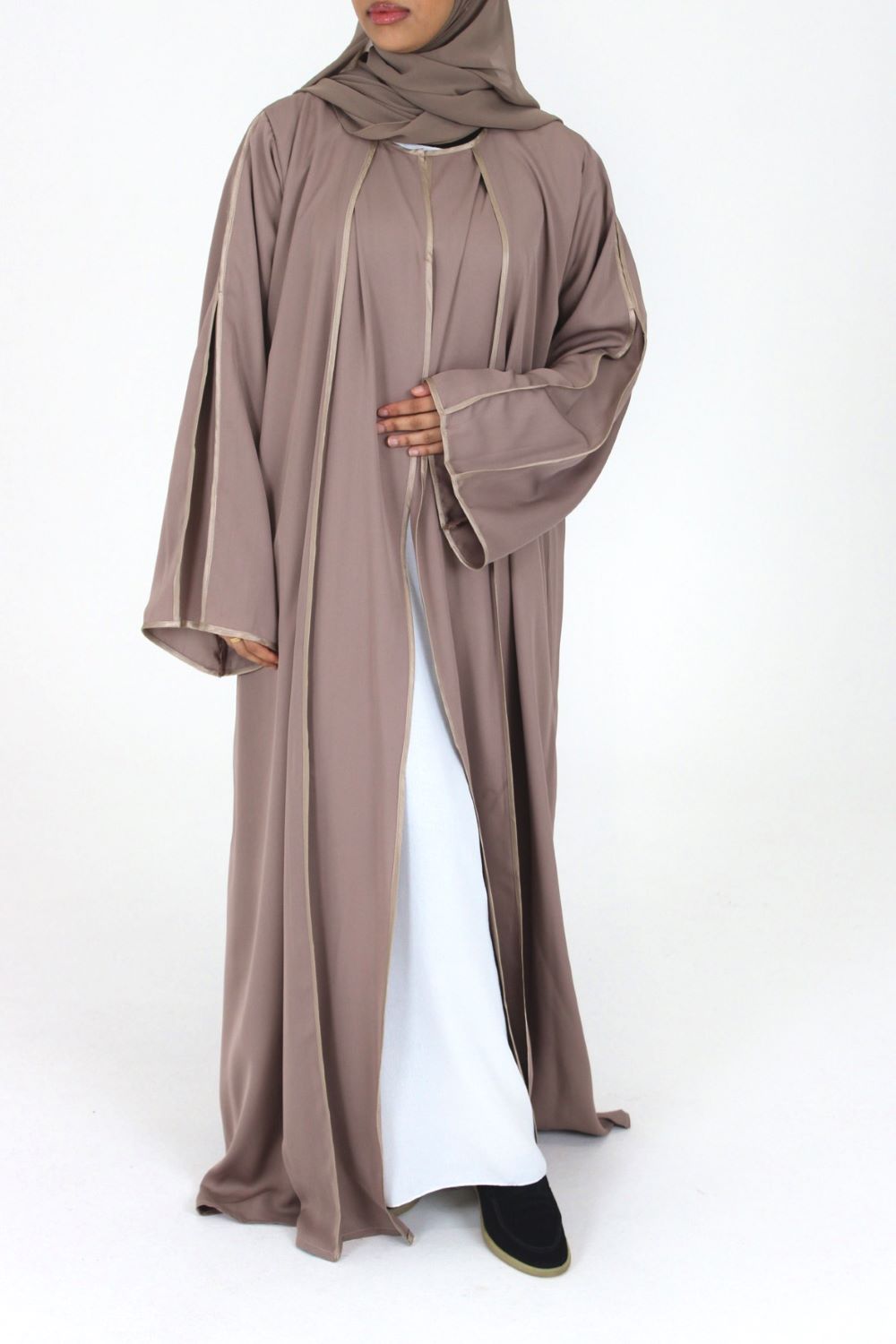
What is a Jilbab Abaya and Why It Matters Today
The jilbab abaya is a powerful symbol of modesty, identity, and spiritual strength. It’s more than just clothing — it’s an expression of belief, values, and confidence in a world that often misunderstands Islamic attire.
Understanding the Jilbab Abaya
In Islamic tradition, a jilbab is an outer garment that covers the body to maintain modesty. An abaya is typically a loose-fitting robe-like dress worn by many Muslim women. The jilbab abaya combines these elements into a garment that fully covers the body while offering elegance, versatility, and personal expression.
- Jilbab: A long, loose-fitting outer covering typically worn over other clothing.
- Abaya: A traditional, flowing robe often black in color but increasingly available in a range of styles.
- Jilbab Abaya: A hybrid style that blends the religious coverage of a jilbab with the style and cut of an abaya.
Why It Matters in Modern Times
Today, the jilbab abaya stands at the intersection of faith and fashion. As modest fashion grows into a global industry, this garment allows women to:
- Express their beliefs while embracing beauty and elegance.
- Challenge mainstream fashion norms without compromising modesty.
- Feel confident, covered, and culturally empowered.
Table: Jilbab vs. Abaya vs. Jilbab Abaya
| Feature | Jilbab | Abaya | Jilbab Abaya |
|---|---|---|---|
| Coverage | Full body, typically loose | Full body, robe-style | Full body, robe + structured silhouette |
| Purpose | Religious obligation | Traditional modest fashion | Combination of both |
| Design | Functional and plain | Elegant, with varied embellishments | Stylish yet compliant with modesty |
| Occasions | Daily prayer, public presence | Events, everyday wear | Multi-purpose: work, prayer, outings |
This table simplifies the nuanced differences between related garments, helping readers identify what’s best for their personal needs and convictions.
Common Misconceptions About Jilbab Abayas
Despite their growing popularity, jilbab abayas are often misunderstood — both inside and outside the Muslim community. Let’s debunk the most common myths so you can shop, wear, and appreciate these garments with clarity and confidence.
Myth #1: Jilbab and Abaya Are the Same Thing
While the terms are sometimes used interchangeably, they have distinct origins and forms. A jilbab traditionally refers to an outer garment that covers the body, while an abaya is often a more specific robe-style dress. When combined as a “jilbab abaya,” the phrase reflects a hybrid garment that offers the full-body coverage of a jilbab with the flowing elegance of an abaya.
Myth #2: They’re Only for Religious Occasions
This is one of the most limiting myths. Modern jilbab abayas come in styles suitable for everyday wear, office settings, casual outings, and even formal events. Fashion-forward brands now offer versatile designs that cater to both modesty and lifestyle needs.
Myth #3: Jilbab Abayas Are Old-Fashioned
The reality? They’re evolving faster than ever. With influences from Dubai couture, minimalist fashion, and global modest wear trends, today’s jilbab abayas feature sleek tailoring, luxe fabrics, and modern silhouettes. These garments are anything but outdated.
Myth #4: All Jilbab Abayas Look the Same
Think again. From pleated skirts to batwing sleeves, and belted wraps to zip-front styles — the variety is massive. They also come in breathable jersey, chiffon overlays, satin blends, and wool-lined options, each designed for different seasons and occasions.
Helpful Comparison Table
| Misconception | Reality |
|---|---|
| All jilbabs and abayas are the same | They have different historical and functional origins, though often merged in modern fashion |
| Only for religious events | Modern styles suit casual, professional, and formal use |
| Outdated fashion | Now a part of global modest fashion trends |
| Lack of variety | Available in wide range of designs, fabrics, and silhouettes |
Clearing up these myths helps women feel more confident exploring modest fashion without outdated judgments. Jilbab abayas aren’t just clothing — they’re a cultural evolution.
Next up, let’s look at how to choose the right jilbab abaya for your body, lifestyle, and beliefs.
Common Misconceptions About Jilbab Abayas
Despite their growing popularity, jilbab abayas are often misunderstood — both inside and outside the Muslim community. Let’s debunk the most common myths so you can shop, wear, and appreciate these garments with clarity and confidence.
Myth #1: Jilbab and Abaya Are the Same Thing
While the terms are sometimes used interchangeably, they have distinct origins and forms. A jilbab traditionally refers to an outer garment that covers the body, while an abaya is often a more specific robe-style dress. When combined as a “jilbab abaya,” the phrase reflects a hybrid garment that offers the full-body coverage of a jilbab with the flowing elegance of an abaya.
Myth #2: They’re Only for Religious Occasions
This is one of the most limiting myths. Modern jilbab abayas come in styles suitable for everyday wear, office settings, casual outings, and even formal events. Fashion-forward brands now offer versatile designs that cater to both modesty and lifestyle needs.
Myth #3: Jilbab Abayas Are Old-Fashioned
The reality? They’re evolving faster than ever. With influences from Dubai couture, minimalist fashion, and global modest wear trends, today’s jilbab abayas feature sleek tailoring, luxe fabrics, and modern silhouettes. These garments are anything but outdated.
Myth #4: All Jilbab Abayas Look the Same
Think again. From pleated skirts to batwing sleeves, and belted wraps to zip-front styles — the variety is massive. They also come in breathable jersey, chiffon overlays, satin blends, and wool-lined options, each designed for different seasons and occasions.
Helpful Comparison Table
| Misconception | Reality |
|---|---|
| All jilbabs and abayas are the same | They have different historical and functional origins, though often merged in modern fashion |
| Only for religious events | Modern styles suit casual, professional, and formal use |
| Outdated fashion | Now a part of global modest fashion trends |
| Lack of variety | Available in wide range of designs, fabrics, and silhouettes |
Clearing up these myths helps women feel more confident exploring modest fashion without outdated judgments. Jilbab abayas aren’t just clothing — they’re a cultural evolution.
Next up, let’s look at how to choose the right jilbab abaya for your body, lifestyle, and beliefs.
How to Choose the Right Jilbab Abaya for You
Choosing the perfect jilbab abaya isn’t just about covering — it’s about expressing your values, honoring your faith, and feeling confident in your skin. Whether you’re shopping for daily wear, professional settings, or a special event, here’s how to find a jilbab abaya that fits your lifestyle and elevates your modest wardrobe.
1. Know Your Purpose: Why Are You Buying It?
Start with your “why.” Are you looking for a casual everyday option? A polished work outfit? Something elegant for events? Understanding your intent will guide fabric, fit, and style decisions.
- Daily wear: Go for breathable, easy-care fabrics like cotton, crepe, or jersey.
- Work-appropriate: Look for tailored silhouettes with subtle embellishments.
- Occasion wear: Choose satin, chiffon, or velvet with embroidery or beadwork.
2. Choose the Right Fabric for Your Climate
The comfort of your jilbab abaya depends heavily on the fabric. Here’s a quick cheat sheet:
| Fabric | Best For | Feel | Season |
|---|---|---|---|
| Jersey | Everyday casual wear | Stretchy, soft | All seasons |
| Crepe | Workwear, travel | Lightweight, textured | Spring/Summer |
| Satin | Evening and events | Smooth, glossy | Cooler weather |
| Chiffon (with lining) | Formal occasions | Sheer, flowy | All seasons with lining |
| Wool blend | Winter essentials | Warm, structured | Fall/Winter |
3. Match the Silhouette to Your Body Type
Jilbab abayas come in a variety of cuts, so there’s something for everyone:
- A-line: Flattering on all body types, especially pear-shaped.
- Batwing: Great for comfort and arm coverage, ideal for plus sizes.
- Tailored/Structured: Suitable for rectangle or hourglass figures looking for definition.
- Layered styles: Add dimension and suit taller frames beautifully.
4. Don’t Ignore Details That Matter
- Front zip or buttoned: Nursing-friendly or easy to wear over other outfits.
- Pockets: Underrated but super practical for daily life.
- Belted waist: Adds shape and elegance.
- Cuff design: Especially important for ablution (wudu) convenience.
Pro Tip:
When in doubt, size up — it’s easier to tailor a jilbab abaya than force a too-tight fit. And always check size guides carefully when buying online.
Finding the right jilbab abaya means blending function with feeling. It should respect your modesty while empowering your presence — on your terms.
Next up, let’s break down the most popular styles and types so you can see what’s trending (and what suits you best).
Best Styles and Types of Jilbab Abayas
The beauty of the jilbab abaya lies in its versatility. Whether you’re aiming for sleek minimalism, cultural tradition, or high-end elegance, there’s a style for every identity and moment. Let’s explore the most beloved and trending types that women across the globe are choosing today.
1. Classic Closed Jilbab
This timeless style features a loose, floor-length cut with no front opening. It offers full coverage and is a go-to for many women seeking simplicity and modesty without compromising comfort.
- Best for: Daily wear, prayer, travel
- Fabric Tip: Crepe or cotton for breathability
2. Open Front Jilbab (Kimono-Style)
Designed like a lightweight outer layer, the open jilbab is worn over dresses or coordinated sets. It’s easy to layer and brings elegance to modest fashion effortlessly.
- Best for: Workwear, events, stylish layering
- Style Tip: Pair with belts or gold accents for a modern twist
3. Butterfly Jilbab
Known for its draping batwing sleeves and flowy shape, the butterfly style offers unmatched comfort and grace. It’s a favorite among women who prefer ease and softness in movement.
- Best for: Plus size figures, casual chic looks
- Pro Tip: Opt for matte satin for a rich yet subtle finish
4. Umbrella Cut Jilbab
Flaring wide from the waist down, this type creates an elegant, dress-like appearance. It’s especially striking when walking, giving a regal, flowing effect.
- Best for: Formal gatherings, weddings, Eid
- Fabric Tip: Satin or layered chiffon works beautifully
5. Two-Piece Jilbab Sets
This increasingly popular option includes a long overhead khimar (cape or hood) and a separate skirt or dress. It allows flexibility and ease for prayer and daily wear.
- Best for: Quick prayer outfits, travel, young professionals
- Benefit: Adjustable coverage and easy wudu access
6. Tailored or Structured Jilbab Abayas
Featuring sewn-in waistlines or subtle darting, these designs give shape while maintaining modesty. Ideal for women seeking a more refined, office-appropriate silhouette.
- Best for: Workwear, interviews, professional settings
- Style Note: Pair with a matching hijab and structured bag for polish
Comparison Table: Choosing Your Style
| Style | Occasion | Fit | Best Fabric |
|---|---|---|---|
| Closed Jilbab | Prayer, daily wear | Loose, full coverage | Crepe, cotton |
| Open Front | Layering, fashion-forward | Relaxed fit | Chiffon, silk |
| Butterfly | Casual, comfort | Oversized batwing | Jersey, matte satin |
| Umbrella Cut | Occasions, events | Flared A-line | Satin, georgette |
| Two-Piece | Prayer, travel | Flexible, adjustable | Crepe, jersey |
| Structured | Work, formal | Tailored with shape | Linen blend, crepe |
The key takeaway? There’s no one-size-fits-all. The best style of jilbab abaya is the one that makes you feel confident, covered, and true to yourself — whether that means classic and clean or expressive and elevated.
Next, we’ll walk through what to avoid when shopping for a jilbab abaya — because knowing what doesn’t work is just as important as knowing what does.
What to Avoid When Shopping for a Jilbab Abaya
Not all jilbab abayas are created equal — and the wrong choice can mean discomfort, wasted money, or even stepping away from your values. To help you shop smarter and feel more confident, here are the most common mistakes to avoid when choosing your next jilbab abaya.
1. Ignoring Fabric Quality
This is the #1 mistake. A jilbab may look beautiful online, but if the fabric is stiff, scratchy, or too sheer, it won’t feel right. Always check the material — ideally, you want something breathable, opaque, and flowy like premium crepe, nida, or lightweight cotton blends.
- Red Flag: Listings that don’t mention fabric type or weight
- Pro Tip: Look for fabric swatch reviews or customer photos
2. Buying the Wrong Size or Cut
Jilbab sizing isn’t always standard. Oversized doesn’t mean drowning in fabric, and tailored doesn’t mean tight. Pay attention to the sizing chart and read reviews from people with a similar body type. A poor fit can ruin even the most elegant design.
- Watch Out: “One-size-fits-all” claims — they rarely do
- Better Option: Brands offering height-based sizing or adjustable waistlines
3. Choosing Style Over Function
It’s tempting to go for that embellished jilbab with lace sleeves and sparkly trim — but is it wudu-friendly? Can you move comfortably? Will it survive weekly wear?
- Ask Yourself: Can I perform prayer in this?
- Best Balance: Style meets function — simple details, structured elegance
4. Overpaying for Hype
Designer labels can be stunning, but they’re not always better. A well-made, modestly priced jilbab from a trusted brand often performs just as well — and lasts longer.
- Don’t Be Fooled: Price doesn’t equal quality
- Check: Stitching, hemming, inner lining, and fabric weight
5. Falling for Fast Fashion
Cheap jilbabs often come with hidden costs: see-through fabric, ripped seams, and ethical concerns. If the price feels too good to be true, it probably is. Invest in brands that align with your values and respect modest wear as more than a trend.
- Watch Out: Thin polyester knockoffs, mass dropshipping sites
- Better Path: Ethical modest fashion brands with transparent sourcing
Quick Table: Red Flags to Watch For
| Red Flag | What It Means | Better Alternative |
|---|---|---|
| No fabric info listed | Likely poor or low-quality material | Brands that specify GSM and composition |
| One-size-fits-all sizing | Won’t suit all body types or heights | Multiple size options or adjustable cuts |
| Heavy embellishments | Can be impractical for daily wear or prayer | Minimalist, functional designs |
| Too-low prices | May signal fast fashion or unethical production | Trusted modest wear retailers |
Being intentional when you shop isn’t just smart — it’s empowering. Every jilbab you choose should reflect your comfort, your dignity, and your values. Next, we’ll explore the emotional and practical differences between buying online vs offline — and which one actually wins.
Online vs Offline — Which Jilbab Abaya Experience Wins?
We’ve all been there. Scrolling endlessly through gorgeous jilbab abaya listings at 2am — then second-guessing everything when it finally arrives. Or stepping into a boutique, touching the fabric, and whispering, “Yes, this is the one.” Both paths have their magic… and their pitfalls. So which one really wins — online or offline?
The Offline Experience: Tangibility Meets Trust
There’s something soul-soothing about walking into a modest fashion boutique. You see the real shades, feel the drape, and try on the fit. No guessing, no surprises. For many, this sensory certainty is worth every extra mile.
- Pros: Try before you buy, feel fabrics, personalized help
- Cons: Limited inventory, location-dependent, higher prices
Offline shopping also means human connection. You can speak to a shopkeeper who understands modest fashion, who can suggest a jilbab that flatters your shape or suits your lifestyle. You don’t get that with a product filter.
The Online Experience: Convenience Meets Choice
Online, the world of jilbab abayas opens wide. Dozens of brands, styles, fabrics — all from the comfort of your couch. Need a Turkish-style layered jilbab in dusty mauve with zippered sleeves? You’ll find it.
- Pros: Endless variety, better deals, global access
- Cons: Sizing guesswork, return hassles, photo filters can mislead
But online shopping requires trust. You’re depending on accurate sizing charts, honest reviews, and decent customer service. Choose platforms with detailed photos, verified reviews, and flexible return policies.
Real-Life Comparison: A Tale of Two Jilbabs
Fatima, a busy student, ordered a jilbab online for Eid. It looked elegant in photos — soft pleats, perfect length. When it arrived? The color was off, the fabric clung oddly, and the sleeves were stitched unevenly.
Later, she visited a boutique downtown. There, she tried on three jilbabs, asked questions, and walked out with one she truly loved — no surprises, no regrets.
This isn’t to say one is better. It’s about knowing when and where to shop for what.
Quick Table: Online vs Offline Shopping
| Aspect | Online | Offline |
|---|---|---|
| Convenience | Shop anytime, anywhere | Limited to store hours |
| Product Variety | Global access to styles | Local inventory only |
| Fit & Feel | Based on reviews/photos | Try-on assurance |
| Returns | Depends on policy | Instant feedback, no shipping |
| Emotional Satisfaction | Exciting… but risky | Grounded, confidence-boosting |
So, Which Wins?
If you crave variety and don’t mind the gamble, online wins. If you need assurance and crave tactile confidence, offline delivers. The best strategy? Use both. Shop online for trends and hard-to-find pieces. Visit boutiques when fit, quality, and emotion matter most.
Up next, we’ll break down the latest jilbab abaya trends and innovations so you can shop smart in 2025.
The Evolution of Jilbab Abayas: Styles Shaping 2025
Fashion never stands still — and neither does modestwear. The jilbab abaya, once seen as a purely traditional garment, has evolved into a canvas for personal expression, global influences, and innovative design. Let’s explore the key styles and trends redefining this timeless piece in 2025.
Trend 1: Hybrid Cuts (Jilbab + Abaya Fusion)
Designers are blending the structured silhouette of jilbabs with the flowy elegance of abayas. Think tailored fronts with open-flare hems — elegant yet dynamic. These hybrids are perfect for formal wear without sacrificing comfort.
Trend 2: Tech-Infused Fabrics
2025 is the year of performance modestwear. Antibacterial coatings, breathable knits, and wrinkle-resistant microfibers are making jilbab abayas ideal for travel, long days, and warm climates — all while looking polished.
Trend 3: Turkish Influence & Ottoman Detailing
From high mandarin collars to metallic embroidery, Ottoman-inspired silhouettes are making waves. Turkish jilbabs have become icons of elegance with structured pleats, velvet trims, and gold buttons.
Trend 4: Minimalist Monochrome
Simple is powerful. All-black, all-cream, and soft taupe ensembles are trending — often styled with tone-on-tone hijabs and minimal accessories. This look is versatile for both work and worship.
Trend 5: Statement Sleeves
Gone are the days of basic sleeves. Bell cuffs, zippered forearms, elastic gathers, and embroidered wrist details are now common, offering both functionality and flair.
Visual Guide: Top 5 Style Trends of 2025
| Trend | Description | Best For |
|---|---|---|
| Hybrid Jilbab-Abayas | Structured meets flowing silhouette | Formal gatherings, work |
| Tech Fabrics | Wrinkle-free, breathable, durable | Travel, daily wear |
| Ottoman Details | Elegant embroidery, bold buttons | Special occasions, weddings |
| Monochrome Looks | Sophisticated, minimalist palettes | Everyday elegance |
| Statement Sleeves | Flared, zippered, or embroidered cuffs | Fashion-forward modesty |
Bonus: Color Trends to Watch
- Dusty Rose – Soft, romantic, and feminine
- Charcoal Grey – A modern neutral for every skin tone
- Olive Green – Earthy yet elegant
- Sand Beige – Pairs beautifully with gold accents
In a world of constant change, the jilbab abaya is evolving to meet both fashion desires and faith-centered needs. The next section will guide you through expert styling tips to elevate your jilbab abaya game — whether you’re dressing for prayer or power meetings.
Expert Styling Tips for Jilbab Abaya Wearers
Wearing a jilbab abaya is more than a modest choice — it’s an opportunity to express identity with grace and elegance. Whether you’re new to styling or simply want to elevate your look, these expert tips will help you bring confidence, creativity, and cohesion to every outfit.
1. Start With the Right Silhouette for Your Body Shape
All jilbab abayas are not created equal. The key to elegance is proportion. Here’s a quick guide:
| Body Type | Best Silhouette | Why It Works |
|---|---|---|
| Petite | A-line or straight cut | Elongates frame, avoids overwhelming fabric |
| Tall | Layered or pleated styles | Adds dimension and flow |
| Curvy | Structured waist, minimal flare | Defines shape without clinging |
| Rectangle | Empire waist, belted | Creates a feminine silhouette |
2. Master the Art of Layering
Smart layering elevates your look and adapts to any weather. Consider:
- Underlayers: Thin, breathable tops or dresses to stay cool and add coverage.
- Overpieces: Lightweight capes, sleeveless vests, or open abayas add drama and shape.
- Belted Layers: A simple fabric belt transforms a loose fit into a tailored masterpiece.
3. Accessories That Complement, Not Compete
Less is more. Choose accessories that balance your look:
- Statement Hijab: Pair bold prints with solid jilbabs or vice versa.
- Minimalist Jewelry: Stick to one focal piece — like gold hoops or a dainty necklace.
- Functional Bags: Crossbody bags or elegant clutches keep the silhouette clean and practical.
4. Shoe Pairing for Every Setting
Your shoes can make or break the vibe. Match your jilbab abaya with:
- Pointed Flats or Loafers: Ideal for everyday errands or office wear.
- Block Heels: For formal events without compromising comfort.
- Classic Sneakers: For casual, travel-friendly modestwear.
5. Play With Color Harmony
Coordinating tones creates visual balance and sophistication. Try these combos:
- Black jilbab + cream hijab + tan shoes = classic and timeless.
- Olive abaya + beige khimar + gold jewelry = earthy and elegant.
- Dusty rose abaya + pearl hijab + soft pink bag = feminine and fresh.
Quick Checklist for Elevated Style
- ✔ Choose a silhouette that suits your shape
- ✔ Mix textures (e.g., satin hijab with cotton jilbab)
- ✔ Stick to 2–3 colors max per outfit
- ✔ Always iron or steam your abaya for a crisp look
With just a few intentional touches, you can transform any jilbab abaya from modest to magnetic. Next up: we’ll dive into the best materials and fabrics to consider so you know exactly what to look for in your next purchase.
Best Materials and Fabrics for Jilbab Abayas
The fabric of a jilbab abaya isn’t just about how it looks — it directly affects how it feels, flows, and functions. Choosing the right material is essential for comfort, modesty, and style, especially across different climates and use cases. Let’s break down the top-performing fabrics and how to choose what’s best for you.
Top Fabrics Used in High-Quality Jilbab Abayas
| Fabric | Best For | Key Benefits | Things to Watch For |
|---|---|---|---|
| Silk Crepe | Formal wear | Luxurious drape, soft texture | Needs dry cleaning, can wrinkle |
| Chiffon | Layering & warm weather | Lightweight, breathable, elegant | Semi-sheer, may need lining |
| Jersey | Daily wear & travel | Stretchy, wrinkle-resistant, comfy | Can cling to body if too thin |
| Nidha | Premium modest fashion | Butter-soft, matte, luxurious feel | Higher price point, delicate wash |
| Cotton | Hot climates & sensitive skin | Natural, breathable, easy care | Can wrinkle, less fluid drape |
How to Choose the Right Fabric Based on Your Needs
- For Daily Wear: Jersey or cotton blends are ideal for their comfort and ease of care.
- For Occasions: Opt for nidha or crepe for that elevated, formal finish.
- For Travel: Jersey, viscose, or crinkle fabrics resist wrinkles and pack well.
- For Summer: Look for chiffon overlays, cotton linings, or breathable rayon blends.
Climate Considerations
Always match your jilbab fabric to the season:
- Hot & Humid: Cotton, chiffon, lightweight rayon.
- Cold & Dry: Wool blends, crepe, heavy jersey with layering.
- Transitional Weather: Nidha or medium-weight polyester blends for year-round use.
What to Avoid
- ✖ Fabrics that are too sheer or clingy without proper lining.
- ✖ Synthetic materials that trap heat in summer.
- ✖ High-maintenance fabrics if you don’t have time for handwashing or dry cleaning.
The fabric you choose can elevate your experience from just wearing modest clothing to truly owning it. With the right texture and weight, your jilbab abaya becomes a joy to wear — not just a requirement.
Coming up next: we’ll explore the dos and don’ts of shopping for jilbab abayas so you never waste money on the wrong fit or fabric again.
What to Avoid When Shopping for a Jilbab Abaya
Shopping for a jilbab abaya can be an exciting experience, but it can also be overwhelming if you don’t know what to look for — or what to avoid. Here’s a guide to make sure you don’t fall into common shopping traps. We’ll cover the pitfalls to steer clear of, ensuring you pick out a jilbab abaya that’s a perfect fit for both your needs and your style.
1. Choosing the Wrong Size
One of the most common mistakes is choosing the wrong size. A jilbab abaya should fit comfortably but not too tightly. While it’s tempting to choose one that’s a bit snug for a more fitted look, remember that the essence of a jilbab is modesty and flow. Always check the measurements carefully, and consider how it will drape when choosing your size.
2. Ignoring Fabric Quality
Fabric quality is paramount. While it may be tempting to go for cheaper fabrics, they may not hold up well over time and could compromise the abaya’s look and feel. Always prioritize fabrics that are soft, breathable, and appropriate for the climate. If a fabric feels too stiff or thin, it might not be the best choice for longevity or comfort.
3. Overlooking Versatility
While certain jilbab abayas may seem perfect for specific occasions, think long-term. Will this abaya work across seasons? Can you dress it up or down? Versatility is key when shopping for a jilbab abaya, as it’s better to invest in pieces that can be worn multiple ways for different occasions.
4. Not Considering Maintenance
Some jilbab abayas require high-maintenance care, such as hand washing or dry cleaning. Make sure you’re comfortable with the level of care your abaya requires. For those looking for ease, consider fabrics like jersey or polyester blends that are wrinkle-resistant and machine washable.
5. Following Trends Over Timeless Style
While trends come and go, modest fashion tends to focus on timeless styles. If you choose a jilbab abaya purely because it’s trendy, you might end up with something that feels out of style after a few months. Stick with classic cuts and colors for a more lasting investment in your wardrobe.
6. Skipping the Fit Check
Always make sure the abaya fits well on your shoulders, chest, and length. If possible, try it on or check the return policy if you’re shopping online. An abaya that’s too short or too tight can completely change the look and feel. It’s worth spending time ensuring it’s right for you.
7. Not Researching the Brand or Seller
Many shoppers overlook the importance of buying from reputable brands or sellers. Research the store or brand’s reputation, read reviews, and ensure that the product descriptions match the quality and style you expect. If you’re shopping online, be sure to check return policies, customer reviews, and brand certifications if available.
Final Thoughts
By avoiding these common mistakes, you’ll be well on your way to finding a jilbab abaya that suits both your aesthetic and practical needs. Remember, a well-chosen jilbab abaya is more than just clothing — it’s an expression of your identity, values, and personal style.
Next up: In the next section, we’ll compare online vs offline jilbab shopping experiences, so you can decide which method works best for you.
Latest Trends in Jilbab Abayas: What’s In Right Now
The world of jilbab abayas, much like other fashion categories, experiences its own set of evolving trends. In this section, we’ll explore what’s currently in fashion, from fresh designs to the fabrics, cuts, and colors that are shaping jilbab styles today. Whether you’re looking for modern updates or want to stay on top of the latest trends, this guide will help you stay stylish and modest at the same time.
1. Minimalist Designs: Less Is More
One of the most notable trends in jilbab abayas right now is the shift towards minimalist designs. Simple, clean lines with subtle detailing are becoming increasingly popular. Think less embellishment, more focus on the cut, fabric, and silhouette. This trend allows for more versatile wear, meaning your abaya can be dressed up for formal events or dressed down for casual outings.
2. Bold Colors and Patterns
While black has long been the standard for jilbab abayas, there’s been a rise in bolder, more vibrant colors. Deep reds, earthy tones like browns and greens, and even pastel hues are now in the spotlight. Florals, geometric patterns, and even stripes are being incorporated into the fabric design. These colors and patterns give a fresh, modern twist to the traditional jilbab look.
3. Luxe Fabrics
Premium fabrics are another big trend in jilbab abayas. Soft silks, crepe, and velvet materials are gaining popularity for their luxurious feel and elegance. These fabrics not only look beautiful but also provide comfort and a higher quality finish. If you’re looking to elevate your jilbab wardrobe, investing in these fabrics will give you both durability and sophistication.
4. Statement Sleeves and Hems
Embellishments are moving beyond the traditional belt or cuff. Nowadays, statement sleeves with dramatic cuts or ruffles are all the rage. Hems with asymmetrical cuts or scalloped edges add an unexpected touch of flair. These stylish elements allow wearers to showcase their personality while maintaining the modesty and elegance that jilbabs are known for.
5. Layering and Oversized Styles
Layering has become one of the hottest trends, particularly in colder months. Oversized jilbab abayas paired with shawls or cardigans create a cozy yet stylish look. This trend is perfect for adding extra warmth, while still maintaining the modest look of a jilbab. It’s about creating volume and flow, but in a way that’s still flattering.
6. Customization and Personalization
More and more women are looking for jilbab abayas that feel personal and unique to them. Customization options, such as embroidery with personal messages, adding embellishments or choosing from a range of colors and fabrics, are becoming a trend. This allows you to create a piece that resonates with your personal style, cultural influences, or even seasonal preferences.
7. Eco-Friendly and Sustainable Fabrics
With the rise of sustainability in fashion, eco-friendly jilbab abayas made from organic cotton, bamboo, and other sustainable materials are in demand. These fabrics are gentle on the skin, often hypoallergenic, and environmentally conscious. If sustainability is important to you, this is a trend you won’t want to miss.
Final Thoughts
Jilbab abayas are more than just a modest clothing choice — they are a reflection of modern sensibilities, cultural identity, and personal style. By embracing these latest trends, you can stay ahead of the fashion curve while maintaining your values of modesty and grace.
Up next: We’ll dive into expert styling tips for jilbab abaya wearers, so you can create stunning looks with ease.
Care & Maintenance: Keeping Your Abaya Beautiful for Years
Taking care of your jilbab abaya is key to maintaining its beauty, shape, and longevity. Whether it’s a luxurious silk abaya or a more affordable cotton piece, proper care ensures it stays in pristine condition for years to come. In this section, we’ll share the essential care and maintenance tips for your jilbab abaya, so it continues to impress season after season.
1. Washing: Gentle Is Key
When it comes to washing your jilbab abaya, always follow the manufacturer’s care instructions. Most jilbabs can be machine washed, but it’s best to use a gentle cycle with cold water to preserve the fabric’s integrity. For delicate fabrics like silk or satin, hand washing or dry cleaning is highly recommended to avoid damage.
2. Drying: Avoid Heat
Never wring or twist your jilbab abaya to remove excess water, as this can distort the fabric. Instead, gently press the fabric between two clean towels to absorb the moisture. Lay your abaya flat to air dry or hang it to dry in the shade. Avoid using dryers, as the heat can shrink or damage the fabric.
3. Storing: Keep It Fresh
Proper storage is crucial to maintaining the shape and fabric of your jilbab abaya. Always store your abaya in a cool, dry place. Use a breathable garment bag for extra protection, especially if you’re storing it for an extended period. Avoid storing it in direct sunlight, as UV rays can cause the color to fade over time.
4. Ironing: Handle with Care
If your jilbab abaya needs ironing, be sure to use a low heat setting. High heat can scorch delicate fabrics like chiffon or silk. It’s also a good idea to iron your abaya while it’s still slightly damp to achieve a smoother finish. Always iron on the reverse side to avoid damaging any embellishments or delicate details on the fabric.
5. Removing Stains: Act Fast
If you happen to spill something on your jilbab abaya, don’t panic! For most stains, it’s best to treat them immediately by blotting the area with a clean cloth. For stubborn stains, use a gentle stain remover that’s safe for the fabric, and always test it on an inconspicuous area first. Be sure to wash the area promptly to avoid the stain setting in.
6. Seasonal Maintenance
During seasonal changes, it’s a good idea to give your jilbab abaya a little extra attention. For example, in the winter months, make sure to protect it from exposure to heavy rain or snow. In the summer, store it away from excess moisture or humidity, which could cause mildew. Rotate your jilbabs to give each one a break and avoid overuse.
Final Thoughts
Taking care of your jilbab abaya doesn’t have to be complicated. By following these simple care tips, you’ll ensure that your abaya stays in perfect condition, offering comfort and elegance for years to come. Now that your jilbab is well-maintained, let’s dive into how real women feel about their jilbab abayas in the next section!
Real Stories: Women Share What Their Jilbab Abaya Means to Them
The jilbab abaya is more than just a piece of clothing; it’s a symbol of identity, faith, and empowerment for many women. In this section, we’ll hear from real women about how their jilbab abayas have shaped their lives, their sense of self, and their connection to their culture and spirituality.
1. A Symbol of Faith and Modesty
For some women, the jilbab abaya is an essential part of their religious practice, reflecting a commitment to modesty and a way to honor their faith. Fatima, a young professional from Cairo, shares, “Wearing my jilbab isn’t just about covering up—it’s about aligning myself with the values of modesty and respect that are at the core of my beliefs. It’s empowering, not restrictive.”
2. A Personal Statement of Empowerment
For others, the jilbab is a form of self-expression that empowers them to take ownership of their identity. Leila, a mother of two from London, explains, “I wear my jilbab because it allows me to embrace who I am. It’s an act of defiance against the idea that women’s worth is tied to how we look. I feel empowered every time I put it on.”
3. Connecting with Tradition and Culture
Many women find that wearing a jilbab abaya helps them stay connected to their cultural roots. Amina, a college student from Riyadh, reflects, “My jilbab is a connection to my heritage. It reminds me of my mother, my grandmother, and all the women in my family who wore it proudly. It keeps me grounded in who I am and where I come from.”
4. Comfort and Practicality
While style and modesty are important, many women also choose jilbab abayas for their practicality and comfort. Sarah, a busy lawyer in Dubai, says, “I love that my jilbab is both stylish and comfortable. It’s perfect for my fast-paced lifestyle—it’s easy to move in, and I can wear it to work, meetings, or even just running errands without sacrificing my style.”
5. A Tool for Confidence
The jilbab abaya also helps women feel confident and secure in their own skin. Naima, a freelance writer from New York, shares, “Whenever I wear my jilbab, I feel like I’m in control. It’s not about hiding—it’s about presenting myself in a way that feels authentic and true to who I am. It boosts my confidence in ways I can’t describe.”
6. Challenging Stereotypes
For some, wearing the jilbab is a way to challenge societal stereotypes and reclaim control over their personal narrative. Yasmin, a teacher from Berlin, says, “I often get mistaken for being oppressed, but my jilbab is a declaration of freedom. It allows me to show the world that I define my own identity and make choices that reflect my beliefs, not others’ perceptions.”
Final Thoughts
As we’ve seen from these inspiring stories, the jilbab abaya is more than just an article of clothing—it’s a meaningful part of a woman’s life that holds deep personal and cultural significance. Whether it’s about faith, empowerment, or practicality, the jilbab abaya offers women a way to express themselves authentically. Now that we’ve heard how the jilbab abaya impacts real women, let’s explore whether there’s a difference between a jilbab and an abaya in the next section!
Is There a Difference Between a Jilbab and an Abaya?
The terms “jilbab” and “abaya” are often used interchangeably, but they actually refer to two distinct styles of modest clothing worn by women in many Islamic cultures. While both serve similar purposes, there are subtle differences in their design, fit, and cultural significance. In this section, we’ll break down the key distinctions between these two garments.
1. The Jilbab: A Full-Length Cloak
The jilbab is a long, loose-fitting outer garment that covers the entire body, often down to the ankles. It’s designed to provide full coverage, preserving modesty while still allowing for movement and comfort. Typically, the jilbab is worn over other clothing, and it can be paired with a hijab or other headscarf for additional modesty.
In terms of structure, the jilbab is usually more voluminous, with wide sleeves and a straight cut, providing a flowing silhouette. Sarah, an Islamic fashion designer, explains, “The jilbab is a more structured, formal garment. It’s meant to give the wearer an elegant and modest appearance, often with less emphasis on body shape and more on functionality.”
2. The Abaya: A Simplified, Streamlined Version
The abaya is also a long, flowing garment worn by women for modesty, but it tends to be more fitted than the jilbab. It often has a more streamlined shape that hugs the body slightly, although it is still loose enough to provide coverage. The abaya is typically made of lighter fabrics like crepe, georgette, or silk, making it suitable for a variety of climates.
Unlike the jilbab, which often comes with a hood or a cape-like design, the abaya is generally simpler in structure. Layla, a fashion enthusiast from Qatar, says, “The abaya is often more contemporary and versatile. You can find abayas in a variety of styles—from simple black ones to those embellished with beads and embroidery.”
3. Cultural and Regional Differences
While the jilbab is commonly worn in the Middle East and South Asia, the abaya is particularly popular in the Arabian Peninsula, especially in countries like Saudi Arabia, the UAE, and Qatar. The jilbab has a more traditional and formal appearance in many parts of the world, while the abaya has evolved into a fashion statement in regions where it’s a more commonly accepted garment for daily wear.
Both garments, however, have adapted to modern trends and now come in a variety of styles, materials, and cuts. Whether you’re looking for something casual and comfortable or a more dressy, evening-worthy look, both jilbabs and abayas offer a wide range of options.
4. Key Differences in the Way They’re Worn
- Jilbab: Often worn over regular clothing, providing a modest outer layer for the body. It’s more of a full-coverage garment with less emphasis on body shape.
- Abaya: Worn as a standalone outer garment, typically more fitted and structured, emphasizing a streamlined appearance while still maintaining modesty.
- Cultural Context: The jilbab is prevalent in countries like Syria, Lebanon, and Afghanistan, while the abaya is widely worn in Saudi Arabia, the UAE, and other Gulf countries.
5. Conclusion: Choosing the Right Garment for You
Ultimately, whether you choose a jilbab or an abaya depends on your personal preferences, cultural influences, and the specific occasion. Both garments offer exceptional coverage and style, and the choice between them often boils down to how you want to wear them and the fashion trends you want to embrace. If you want a flowing, more formal look, a jilbab might be the better choice. However, if you’re looking for something streamlined and versatile, the abaya could be your go-to option.
In the next section, we’ll explore how jilbab abayas empower women in modern society, blending tradition and style in a way that is both empowering and fashionable!
Modesty Meets Modernity: How Jilbab Abayas Empower Muslim Women
The jilbab abaya has long been associated with modesty, a value that holds deep cultural and religious significance for many Muslim women. However, in recent years, this garment has transcended traditional boundaries to become a symbol of empowerment, confidence, and individuality. In this section, we’ll explore how jilbab abayas strike a perfect balance between modesty and modernity, offering women a sense of control and self-expression while remaining true to their values.
1. A Symbol of Confidence and Control
For many Muslim women, wearing the jilbab abaya is not about restriction; it’s about personal choice and control over how they present themselves. The freedom to choose modest clothing, without feeling pressured by societal standards of beauty, can be incredibly empowering. By embracing this modest style, women are able to express their identity and values in a way that feels authentic to them.
As Amira, a young professional from Dubai, says, “When I wear my jilbab, I feel like I am in control of my image. I don’t need to dress for anyone else’s approval. It’s my way of showing confidence, strength, and self-respect.”
2. Blending Tradition with Fashion
One of the most exciting aspects of modern jilbab abayas is the way they merge traditional modesty with contemporary fashion trends. Designers are increasingly experimenting with fabrics, cuts, colors, and embellishments, making jilbabs and abayas fashionable yet respectful of cultural norms. Whether it’s a minimalist design with clean lines or a chic, embellished piece with intricate beadwork, jilbab abayas are now available in countless styles that allow women to blend tradition with their personal fashion preferences.
This fusion of tradition and fashion helps women maintain their modesty while allowing them to embrace trends and express their style. Fatima, a fashion designer from London, shares, “I love how jilbabs have evolved over the years. I can wear a piece that feels modern and fresh, but it still aligns with my values of modesty.”
3. Empowering Women in the Workplace
In today’s world, many women wear jilbab abayas as part of their professional attire, combining modesty with a sleek, sophisticated look. With the right styling, jilbabs and abayas can be incredibly versatile, transitioning seamlessly from the office to a night out or even a formal event. Their elegance and adaptability make them perfect for professional settings, empowering women to feel both modest and stylish while maintaining confidence in their appearance.
Women in the workplace are increasingly opting for jilbabs with sharp tailoring, minimalistic cuts, and high-quality fabrics that allow them to feel powerful and poised. These choices challenge the notion that modest clothing is outdated or limiting, proving that modesty can be both modern and professional.
4. Encouraging Inclusivity and Diversity in Fashion
As the jilbab abaya has become more popular in Western fashion circles, it has helped encourage inclusivity and diversity in the fashion industry. Major designers and brands are now taking note of the growing demand for modest fashion, resulting in a wider variety of options for Muslim women who want to express themselves through their clothing. The jilbab abaya, in particular, has become a symbol of this movement, showing that modest wear doesn’t have to sacrifice style or modernity.
By embracing modest clothing options, women of all backgrounds can contribute to creating a more inclusive and diverse fashion industry. As Laila, a modest fashion influencer, says, “The rise of modest fashion has been empowering for me. It’s not just about religion; it’s about expressing who I am and how I want to be seen.”
5. The Rise of Muslim Women as Fashion Icons
Many Muslim women are now embracing the jilbab abaya as their signature style, influencing the fashion world in exciting new ways. With the rise of social media and digital platforms, Muslim women are leading the charge in redefining what it means to be fashionable while adhering to their religious and cultural values. Jilbab abayas are no longer just seen as traditional garments but as modern, high-fashion items that represent empowerment and confidence.
Women like Huda Kattan, a beauty mogul and influencer, have embraced modest fashion, including jilbab-inspired looks, and have become trendsetters in the global fashion scene. This movement has empowered countless women to wear their jilbabs with pride, knowing that they are part of a broader shift toward inclusivity and individuality in fashion.
6. Conclusion: A New Era of Modesty and Empowerment
The jilbab abaya has evolved from a traditional garment into a symbol of empowerment, confidence, and personal choice. By blending modesty with modernity, it allows Muslim women to express their individuality while remaining true to their values. As fashion continues to evolve, the jilbab abaya stands as a powerful testament to the strength, resilience, and self-respect of women who wear it.
In the next section, we’ll delve into the occasions and seasons when a jilbab abaya is the perfect choice. From casual outings to formal events, we’ll explore how to style your jilbab for every occasion!
Occasions & Seasons: Matching Your Jilbab Abaya to Your Lifestyle
The jilbab abaya is a versatile garment that can be styled for various occasions, from casual day-to-day wear to special events and formal gatherings. Its elegance, comfort, and modesty make it a staple in many Muslim women’s wardrobes. In this section, we’ll explore how to choose the right jilbab abaya for different occasions and seasons, ensuring that you always look your best while staying true to your values.
1. Everyday Wear: Comfort and Style
For daily wear, jilbab abayas should focus on comfort, simplicity, and practicality. Whether you’re running errands, going to work, or spending time with family, choose fabrics that are breathable and easy to maintain. Lightweight cotton, jersey, and viscose are perfect choices for an all-day, everyday look.
When selecting a jilbab for daily wear, consider minimalist designs that prioritize comfort without compromising on style. A simple, flowy jilbab abaya in neutral tones like black, navy, or beige can be paired with accessories to add a personal touch. Choose abayas with pockets for added functionality and convenience!
2. Formal Events: Elegance and Refinement
For formal events like weddings, religious celebrations, or special family occasions, your jilbab abaya should exude elegance and sophistication. Choose high-quality fabrics such as silk, satin, or chiffon for a luxurious look. Embellishments like embroidery, beading, or lace can elevate the design, making your jilbab abaya a statement piece that reflects both your modesty and your sense of style.
Consider a tailored or A-line abaya for a flattering silhouette that still maintains modesty. Darker, richer colors like deep burgundy, emerald green, or navy blue are perfect for formal occasions. Pair with delicate jewelry and a beautiful scarf for a complete, refined look.
3. Seasonal Considerations: Adjusting Your Jilbab Abaya for Different Weather
The jilbab abaya is suitable for all seasons, but the fabric and design should vary depending on the weather. Here’s how you can style your jilbab abaya for different seasons:
- Summer: Lightweight, breathable fabrics like cotton, linen, and chiffon are ideal for hot weather. Opt for sleeveless or short-sleeve jilbabs for a cooler feel, and choose lighter colors that reflect heat, such as pastels, whites, or light blues. Don’t forget a wide-brimmed hat or a pair of sunglasses to protect yourself from the sun.
- Winter: For the colder months, go for thicker fabrics such as wool blends, heavy cotton, or velvet to provide warmth. Layering is key — you can pair your jilbab abaya with a long-sleeve top underneath, or add a warm scarf, gloves, and a stylish coat. Darker colors like charcoal grey, dark purple, or black work well in winter.
- Spring and Fall: During transitional seasons, opt for fabrics that are neither too heavy nor too light, such as modal or soft polyester blends. These materials will provide warmth without overheating. You can experiment with prints like floral patterns in the spring or earth tones in the fall. Light cardigans or jackets can be added for extra warmth and style.
4. Special Occasions: Making a Statement
For special occasions such as Eid, religious holidays, or milestone events, a jilbab abaya becomes more than just a piece of clothing — it’s a statement of celebration and joy. Opt for luxurious materials like brocade, silk, or satin, and choose designs that include special touches like embroidery, sequins, or metallic threads. The colors you select can be bold and festive — think gold, silver, or jewel tones like ruby red and sapphire blue.
On special occasions, you can also play with embellishments like a beaded belt or a crystal-encrusted hijab to add extra glamour. Whether you’re attending a family gathering or a community celebration, your jilbab should help you feel festive while staying true to your modest values.
5. Evening Wear: From Day to Night
Your jilbab abaya can easily transition from day wear to evening wear with the right styling. For an evening event, choose an abaya with elegant details such as delicate lace trims or a statement collar. Pair it with a sleek clutch and some understated jewelry for a polished look. Velvet or satin fabrics are perfect for evening outings, adding an air of luxury and sophistication.
Consider styles with unique cuts, such as high-low hems or draped designs, which are particularly popular for evening wear. Darker, deeper shades of colors like plum, emerald, or midnight blue give a more formal appearance, ideal for evening events.
6. Conclusion: A Jilbab for Every Occasion
The jilbab abaya is incredibly versatile, making it an excellent wardrobe staple for Muslim women who value both modesty and style. Whether you’re dressing for a casual day out, a formal event, or a special occasion, the right jilbab can help you maintain your modesty while ensuring that you always look your best. By selecting the right fabrics and styles for each season and occasion, you can ensure your jilbab abaya works seamlessly with your lifestyle, making you feel confident, elegant, and comfortable at all times.
In the next section, we’ll dive deeper into the nuances of Islamic dress codes and explore where the jilbab abaya fits within these guidelines. Stay tuned!
Understanding Islamic Dress Codes: Where the Jilbab Abaya Fits In
The jilbab abaya, as part of Islamic dress codes, plays a crucial role in promoting modesty and respect for religious guidelines. Modesty, or *haya*, is a fundamental concept in Islam, reflected in how both men and women are advised to dress. The jilbab, in particular, is an outer garment that covers the body, ensuring privacy and modesty in public spaces. In this section, we will explore how the jilbab abaya aligns with Islamic dress codes and the importance of modesty in Islamic fashion.
1. The Concept of Modesty in Islam
In Islam, modesty isn’t just about clothing—it encompasses a broader set of values, including humility, respect, and self-restraint. The Quran and Hadiths provide clear guidelines for modest dress, with an emphasis on covering the body in a way that doesn’t attract unnecessary attention. For women, modest dress means covering the body from the neck to the feet, except for the face, hands, and feet in some interpretations.
The jilbab abaya serves this purpose, covering the body in a loose, flowing manner that respects these guidelines. It is designed to maintain modesty while still allowing the wearer to express personal style. By wearing the jilbab abaya, Muslim women uphold the values of modesty and decency, reflecting their commitment to Islamic principles.
2. The Quranic Perspective on Modesty
The Quran contains several verses related to modesty in dress, one of the most frequently cited being:
“O Prophet, tell your wives and your daughters and the women of the believers to bring down over themselves part of their outer garments (jilbab) so they may be known and not be abused. And ever is Allah Forgiving and Merciful.” (Quran 33:59)
This verse emphasizes the importance of covering the body to maintain modesty and dignity. The term *jilbab* here is interpreted by many scholars to refer to a loose-fitting outer garment that covers the body, which aligns with the abaya or jilbab abaya worn by Muslim women today.
3. The Role of the Jilbab Abaya in Islamic Dress Codes
The jilbab abaya is a perfect embodiment of Islamic modesty. It is designed to cover the woman’s body while allowing her to move freely and comfortably. Unlike some garments that are tightly fitted or form-hugging, the jilbab abaya is intended to be loose and non-revealing. This helps ensure that a woman’s form is not exposed, keeping her privacy intact while also upholding the values of modesty set forth in Islamic law.
While some regions may have slightly different interpretations of Islamic dress codes, the jilbab abaya is widely accepted as a modest garment in many Muslim-majority countries, including Saudi Arabia, the UAE, and parts of Indonesia, Malaysia, and Egypt. Its use transcends cultural boundaries, allowing women of diverse backgrounds to adhere to the same principles of modesty.
4. The Jilbab Abaya and the Hijab: Complementary Pieces
The jilbab abaya is often worn in conjunction with the hijab, a headscarf that covers the hair, neck, and sometimes the chest. While the jilbab abaya covers the body, the hijab ensures that the head and neck are modestly covered as well. Together, these two garments form the complete modest outfit for Muslim women, making them an essential part of daily dress for many.
While some women may choose to wear a niqab (face veil) in addition to the jilbab abaya and hijab, this is a matter of personal choice, and interpretations may vary based on local customs, religious views, and personal beliefs. However, the jilbab abaya remains a central piece in the wardrobe of modest dressers, offering coverage and dignity without compromising style or comfort.
5. Variations in Jilbab Abayas Across Cultures
While the basic principles of modesty remain constant, the style and design of jilbab abayas may vary across different cultures. For example, in the Middle East, jilbab abayas tend to have a more traditional look, with intricate embroidery, embellishments, and luxurious fabrics such as silk or velvet. In contrast, jilbab abayas in Southeast Asia may be simpler, focusing on comfort and practicality with lighter fabrics suitable for warm climates.
These cultural variations reflect the diversity of the Muslim world, but they all remain true to the core principle of modesty, allowing women to dress in a way that aligns with their faith and values.
6. The Jilbab Abaya in Contemporary Society
In today’s world, the jilbab abaya is not only a symbol of modesty but also an expression of personal style and identity. As Muslim women continue to make strides in various fields, from business to politics, fashion to education, the jilbab abaya has evolved into a symbol of empowerment, allowing women to embrace their faith while participating fully in society.
In many urban centers, the jilbab abaya has become a fashionable item that can be worn on various occasions, from casual outings to formal events. The increasing availability of stylish, modern jilbab abayas from top designers allows Muslim women to express their individuality while maintaining their commitment to modest dress.
7. Conclusion: Modesty in Fashion
The jilbab abaya is more than just a piece of clothing; it’s a reflection of Islamic values, a commitment to modesty, and a means of empowering women to participate in society while remaining true to their beliefs. By understanding the connection between Islamic dress codes and the jilbab abaya, Muslim women can confidently wear this garment as part of their daily lives, knowing that it aligns with both their religious principles and personal style.
In the next section, we’ll explore the different size options available to ensure you find the perfect jilbab abaya that fits both your style and your body type. Stay with us!
Size Guide: How to Find the Perfect Fit Without Compromise
Finding the perfect jilbab abaya that fits your body comfortably while staying true to your modesty requirements is essential for both confidence and functionality. With various sizes and styles available, it’s important to understand how to select the right size to ensure you feel at ease while maintaining a graceful silhouette. In this section, we’ll walk you through the sizing process and offer tips on how to choose the jilbab abaya that fits you perfectly, without compromise.
1. Understanding Jilbab Abaya Sizes
Jilbab abayas typically come in standard sizes (S, M, L, XL, etc.), but it’s important to note that sizing can vary depending on the brand, fabric type, and region. To ensure you pick the correct size, it’s crucial to take your own measurements and compare them to the size charts provided by the retailer. The key measurements you’ll need are:
- Bust measurement: Measure around the fullest part of your bust.
- Waist measurement: Measure around your natural waistline.
- Hip measurement: Measure around the fullest part of your hips.
- Height: This helps determine the overall length of the jilbab abaya.
- Arm length: Some jilbabs have sleeves that come in varying lengths. Measure from the shoulder down to your wrist to ensure the correct fit.
2. Why Fit Matters
The right fit is essential for both comfort and style. If your jilbab abaya is too tight, it can restrict movement and may not offer the modest coverage you’re aiming for. On the other hand, if it’s too loose, it may lack structure and appear baggy, which may not be flattering. The ideal jilbab abaya should provide enough room for ease of movement while still maintaining a loose, flowing look.
3. Different Styles, Different Fits
Different jilbab abaya styles may offer varying fits depending on their cut and design. For example:
- A-Line Jilbabs: These are slightly fitted at the top and flare out at the bottom. They provide a flattering, feminine silhouette without being too tight.
- Loose Fit Jilbabs: These abayas are designed to be free-flowing and comfortable, often with minimal shaping. Ideal for those who prefer a more relaxed fit.
- Kimono Style Jilbabs: Featuring a wide sleeve design, this style provides maximum comfort and can be worn more loosely.
- Empire Waist Jilbabs: These have a higher waistline that can create an elegant, flowing appearance, offering a flattering fit for many body types.
When choosing a style, consider the fit that best complements your body type and personal preferences for comfort and appearance.
4. International Size Conversion
If you’re shopping for jilbab abayas online, you may encounter size charts from different regions. Here’s a quick reference for international size conversions:
| US/UK Size | Europe Size | Asia Size | Jilbab Abaya Size |
|---|---|---|---|
| XS (2-4) | 34-36 | 155-160 cm | Small |
| S (6-8) | 38-40 | 160-165 cm | Medium |
| M (10-12) | 42-44 | 165-170 cm | Large |
| L (14-16) | 46-48 | 170-175 cm | XL |
Ensure you refer to the retailer’s size guide as sizes can differ depending on the brand. Always measure yourself first to find the best fit.
5. Length Considerations
The length of your jilbab abaya is another important factor in finding the right fit. Depending on your height and the look you desire, you’ll want to choose a length that provides coverage without being too long or short. Here are some common length options:
- Floor-Length: For complete coverage, typically worn for formal occasions or prayer.
- Knee-Length or Mid-Calf: More casual, perfect for everyday wear, offering comfort and practicality.
- Above the Ankle: This length is ideal for warmer climates where full coverage is needed but with added breathability.
Be sure to check the length measurements, especially when purchasing online, as they may vary based on brand or cut.
6. Customizing Your Jilbab Abaya Fit
If you can’t find a jilbab abaya that fits perfectly, consider having it tailored. Custom tailoring allows you to adjust the garment to your exact measurements, ensuring it looks and feels perfect on your body. Many stores offer tailoring services, or you can find a trusted tailor to make adjustments. This is especially useful if you’re looking for a more fitted silhouette or specific adjustments like sleeve length or overall width.
7. Conclusion: Finding Your Perfect Fit
Choosing the right jilbab abaya size requires a bit of effort, but once you find the perfect fit, it will make a world of difference in both comfort and style. Always refer to size charts, take your measurements, and consider the style of the jilbab abaya that best suits your needs. A well-fitting jilbab abaya not only ensures that you look great but also maintains your modesty and comfort throughout the day. In the next section, we’ll take a look at popular jilbab abaya colors and the meanings behind them—stay tuned!
Popular Jilbab Abaya Colors and What They Symbolize
Choosing the right color for your jilbab abaya is not only a personal preference, but it can also carry significant cultural and symbolic meanings. Colors can reflect mood, occasion, and even convey values and beliefs. In this section, we explore some of the most popular jilbab abaya colors and what they symbolize, helping you make an informed choice when selecting your next abaya.
1. Black: The Timeless Classic
Black is perhaps the most classic and traditional color for jilbab abayas. It is a color that signifies modesty, elegance, and simplicity. Black jilbab abayas are often chosen for their versatility, as they can be worn for any occasion—from everyday wear to formal events or prayer. The color is also known for its slimming effect, making it a popular choice for many women.
- Symbolism: Modesty, elegance, formality, timelessness.
- Occasions: Suitable for all occasions, especially formal or evening events.
2. Navy Blue: A Sophisticated Alternative
Navy blue is a sophisticated and refined alternative to black. While still modest and elegant, navy blue offers a subtle change from the traditional black jilbab abaya. This color is often favored by women looking for a more refined and serene look, as it provides a sense of calmness and depth.
- Symbolism: Serenity, wisdom, sophistication.
- Occasions: Ideal for formal settings or professional environments.
3. White: Purity and Simplicity
White jilbab abayas are a symbol of purity, peace, and simplicity. The color white is often associated with new beginnings, cleanliness, and spiritual clarity. Many women opt for white jilbabs during religious ceremonies or special occasions such as weddings or Eid celebrations. However, it is also commonly worn for daily wear, especially in hotter climates, as it reflects light and provides a cool, comfortable experience.
- Symbolism: Purity, peace, simplicity.
- Occasions: Ideal for religious ceremonies, special events, and summer wear.
4. Grey: Modern and Subtle
Grey is a modern, neutral color that signifies balance and subtlety. It is a versatile color that can be dressed up or down depending on the occasion. Grey jilbab abayas are perfect for women who want something less stark than black but still wish to maintain a modest and dignified appearance.
- Symbolism: Balance, neutrality, sophistication.
- Occasions: Suitable for daily wear, office settings, or casual gatherings.
5. Earthy Tones: Warmth and Comfort
Earthy tones like beige, brown, olive, and rust have gained popularity for their warmth and grounded nature. These colors are often associated with the earth, nature, and stability. Earthy tone jilbabs convey a sense of calm and comfort, making them ideal for women who want a cozy, understated look while maintaining modesty.
- Symbolism: Stability, nature, groundedness.
- Occasions: Perfect for casual outings, nature walks, or spiritual gatherings.
6. Pastel Colors: Soft and Feminine
Pastel colors such as light pink, lavender, mint green, and peach are soft, delicate, and feminine. These colors are associated with serenity, youthfulness, and elegance. Many women choose pastel jilbab abayas for special events or simply to add a touch of color to their wardrobe while maintaining modesty.
- Symbolism: Serenity, femininity, softness.
- Occasions: Perfect for weddings, Eid celebrations, or other festive occasions.
7. Red: Bold and Empowering
Red is a bold and vibrant color that symbolizes passion, strength, and empowerment. While not as commonly worn for everyday modest wear, red jilbab abayas are chosen for special occasions when a statement is desired. This color is perfect for women who want to make an impression and exude confidence and power.
- Symbolism: Passion, strength, empowerment.
- Occasions: Ideal for festive events, celebrations, or occasions requiring a bold, confident look.
8. Green: Hope and Renewal
Green is a color traditionally associated with hope, renewal, and nature. In Islamic culture, green is considered a sacred color, often associated with paradise. Many women wear green jilbab abayas to convey a sense of freshness and spiritual connection. It is also a popular choice during religious events like Ramadan and Eid.
- Symbolism: Hope, renewal, spirituality.
- Occasions: Great for religious events, family gatherings, or spiritual occasions.
9. Pink: Gentle and Compassionate
Pink is a color that exudes gentleness, compassion, and love. Whether in soft blush tones or vibrant hues, pink jilbab abayas are chosen by those looking to convey warmth and kindness. This color is perfect for women who wish to express a nurturing side while remaining modest and stylish.
- Symbolism: Love, kindness, compassion.
- Occasions: Ideal for casual wear, social gatherings, or a subtle romantic look.
10. Conclusion: Finding the Right Color for You
Choosing the right color for your jilbab abaya is an important aspect of personal expression and can help convey the mood and message you wish to project. Whether you opt for the timeless elegance of black or the serene warmth of pastel shades, each color offers its unique symbolism and meaning. Take the time to consider the colors that resonate with you and your lifestyle, and always choose what feels most authentic to your personal style. In the next section, we’ll explore jilbab abayas for all budgets, from budget-friendly to luxurious options—don’t miss it!
From Budget-Friendly to Luxe: Jilbab Abayas for Every Wallet
When it comes to purchasing a jilbab abaya, budget plays a significant role in the decision-making process. Whether you’re looking for an affordable everyday option or a high-end piece for a special occasion, the jilbab abaya market offers a wide range of choices to suit every budget. In this section, we explore how to choose the right jilbab abaya for your budget, and what you can expect at different price points.
1. Budget-Friendly Jilbab Abayas: Affordable Yet Stylish
If you’re looking for a jilbab abaya that fits a tight budget, don’t worry—there are plenty of stylish and high-quality options available. These budget-friendly jilbabs are perfect for everyday wear, offering simplicity and comfort while maintaining modesty. Many are made from lightweight fabrics like cotton or polyester, which are easy to care for and perfect for warmer climates.
- Price Range: $30 – $70
- Materials: Cotton, polyester, jersey fabric
- Styles: Simple designs with minimal embellishments
- Best For: Everyday wear, casual outings, and warmer climates
2. Mid-Range Jilbab Abayas: Style Meets Durability
Mid-range jilbab abayas offer a perfect balance between quality and price. These abayas are typically crafted from more luxurious fabrics like crepe, chiffon, or a blend of natural fibers, providing a soft, comfortable feel while ensuring durability. Mid-range jilbabs often feature more intricate designs, such as embroidery or lace details, adding an extra touch of elegance.
- Price Range: $70 – $150
- Materials: Crepe, chiffon, silk blends, rayon
- Styles: Detailed embroidery, lace trims, or slightly flared cuts
- Best For: Special occasions, office wear, and evening outings
3. Luxury Jilbab Abayas: Premium Fabrics and Craftsmanship
If you’re willing to invest in a high-end jilbab abaya, luxury options are made with premium fabrics such as silk, satin, and high-end crepe. These jilbabs often come with custom designs, intricate handwork, and exquisite detailing, making them perfect for weddings, Eid celebrations, or other major events. While these pieces come at a higher price point, the quality, elegance, and craftsmanship are unmatched.
- Price Range: $150 – $500+
- Materials: Silk, satin, high-end crepe, velvet
- Styles: Custom designs, hand-embellishments, luxurious finishes
- Best For: Weddings, formal events, Eid, or any special occasion requiring a statement look
4. Custom-Made Jilbab Abayas: Tailored to Perfection
For the ultimate in luxury and personalization, a custom-made jilbab abaya is an excellent option. These abayas are designed specifically for you, taking into account your personal preferences, measurements, and style. Custom jilbabs allow for the most tailored fit and unique designs, from intricate beadwork to custom embroidery. While they tend to be the most expensive option, they offer unparalleled exclusivity and craftsmanship.
- Price Range: $300 – $1000+
- Materials: Custom-selected fabrics, exclusive trims, beads, crystals
- Styles: Fully customizable, hand-crafted details, one-of-a-kind designs
- Best For: Luxury events, bespoke designs, and personalized creations
5. How to Choose the Right Abaya Based on Your Budget
When choosing a jilbab abaya, it’s important to strike a balance between your budget and the occasion. Consider factors such as the fabric’s durability, how often you’ll wear the abaya, and the type of events or settings you’ll be wearing it in. If you’re on a budget, look for simple but high-quality fabrics, and don’t be afraid to explore sales or discount stores for deals. On the other hand, if you’re investing in a luxury piece, consider how much wear you’ll get out of it and whether it will be suitable for multiple special occasions.
- Tip: Look for timeless styles that can be worn across different occasions, maximizing your investment.
- Tip: When purchasing luxury jilbabs, focus on durability and versatility to ensure long-term value.
6. Conclusion: Choosing What’s Right for You
Whether you’re seeking a budget-friendly jilbab abaya for everyday wear or a luxury option for a special occasion, there’s a perfect option for every budget. Consider your needs, your style, and the type of occasions you’ll be attending to make the best choice. Remember, the right jilbab abaya can elevate your look while reflecting your personal values and cultural identity. In the next section, we’ll dive into the rise of sustainable and ethical jilbab abaya brands—stay tuned!
The Rise of Sustainable & Ethical Jilbab Abaya Brands
In recent years, sustainability and ethical production have become key concerns in the fashion industry. The jilbab abaya market is no exception, with more and more brands embracing eco-friendly materials, fair trade practices, and socially responsible production methods. This section explores the growing trend of sustainable and ethical jilbab abayas, highlighting the importance of making conscious choices in fashion while maintaining modesty and style.
1. Why Sustainable and Ethical Fashion Matters
The fashion industry has long been associated with environmental damage and unethical labor practices. However, consumers are becoming more aware of the impact their purchasing decisions can have on the world. Sustainable and ethical jilbab abayas focus on minimizing harm to the environment, supporting fair wages and working conditions, and ensuring that the entire supply chain is transparent and responsible.
- Environmental Impact: Reducing waste and using eco-friendly materials like organic cotton, hemp, and recycled fabrics.
- Ethical Labor: Ensuring fair wages, safe working conditions, and the protection of workers’ rights.
- Consumer Responsibility: Encouraging conscious consumerism and promoting awareness of fashion’s broader social and environmental implications.
2. Materials Used in Sustainable Jilbab Abayas
Many jilbab abaya brands now offer garments made from eco-friendly and sustainable materials. These fabrics not only reduce the ecological footprint of clothing but also provide a unique, high-quality feel. Popular materials include:
- Organic Cotton: Grown without harmful pesticides or synthetic fertilizers, organic cotton is soft, breathable, and environmentally friendly.
- Bamboo: A fast-growing, renewable resource that requires minimal water and no pesticides. Bamboo fabric is naturally antimicrobial and biodegradable.
- Recycled Polyester: Made from recycled plastic bottles or fabric waste, this material helps reduce plastic waste and requires less energy to produce than virgin polyester.
- Hemp: A durable and eco-friendly fabric that uses minimal water and pesticides to grow, hemp is known for its strength and longevity.
3. Notable Sustainable Jilbab Abaya Brands
As the demand for ethical fashion grows, several jilbab abaya brands are leading the way in sustainability. These brands are committed to reducing their environmental footprint while offering beautiful, high-quality garments that align with modern values. Here are some notable brands to consider:
- EcoAbaya: Known for their use of organic and recycled materials, EcoAbaya offers a wide range of jilbabs that combine sustainability with luxury.
- Modesty Wear: This brand specializes in ethically produced jilbabs, using organic cotton, linen, and bamboo to create stylish and modest pieces that are gentle on the planet.
- Green Hijab: A brand that focuses on fair trade practices and sustainable production methods, Green Hijab offers eco-friendly jilbabs that prioritize both fashion and ethics.
- Soul of Modesty: Using recycled fabrics and natural fibers, Soul of Modesty promotes a minimalist approach to fashion while ensuring the garments are made with care for the environment.
4. Benefits of Choosing Sustainable and Ethical Jilbabs
Choosing a sustainable or ethical jilbab abaya offers numerous benefits, both for the consumer and the planet. Some key advantages include:
- Durability: Sustainable fabrics tend to be more durable, meaning your jilbab will last longer, reducing the need for frequent replacements.
- Environmental Protection: By supporting eco-friendly brands, you’re helping reduce pollution, waste, and the overuse of natural resources.
- Fair Trade: Ethical jilbab brands ensure workers are paid fairly and work in safe conditions, contributing to better livelihoods for garment makers.
- Personal Satisfaction: Knowing that your purchase supports a brand that values the environment and human rights brings a sense of pride and fulfillment.
5. How to Identify Sustainable and Ethical Jilbab Abayas
When shopping for a sustainable jilbab, it’s essential to know what to look for. Consider the following tips to help you make an informed purchase:
- Check Certifications: Look for certifications such as Fair Trade, Global Organic Textile Standard (GOTS), or OEKO-TEX to ensure the brand meets specific sustainability and ethical standards.
- Research the Brand’s Practices: Investigate the brand’s commitment to sustainability and ethics by reading about their sourcing, manufacturing process, and supply chain transparency.
- Look for Eco-Friendly Fabrics: Choose jilbabs made from organic cotton, hemp, or recycled materials, which are both sustainable and eco-conscious.
- Examine Packaging: Sustainable brands often prioritize eco-friendly packaging, such as recyclable or biodegradable materials, to further minimize their environmental impact.
6. Conclusion: Embracing Ethical Fashion for a Better Future
The rise of sustainable and ethical jilbab abayas marks an exciting shift in the fashion industry, where consumer choice can drive positive change. By supporting these brands, you can contribute to a more sustainable, fair, and conscious world of fashion. In the next section, we’ll explore cultural variations in jilbab abaya styles, highlighting how different regions have embraced this timeless piece of modest wear.
Cultural Variations in Jilbab Abaya Styles (Middle East, Asia, Europe)
The jilbab abaya, while rooted in Islamic tradition, has evolved and adapted across various cultures and regions. Whether in the Middle East, Asia, or Europe, the style, fabric, and design of the jilbab can vary significantly, reflecting cultural influences, climate, and local fashion preferences. In this section, we’ll explore how jilbab abayas differ across these regions, highlighting the diversity of styles while maintaining the core values of modesty and elegance.
1. Middle Eastern Jilbab Abayas
In the Middle East, jilbab abayas are often characterized by their elegance, flowing silhouettes, and intricate designs. The region places a strong emphasis on formal, luxurious fabrics and modest cuts that preserve the traditional values of Islamic dress. Popular materials include silk, satin, and crepe, which add a touch of sophistication to the garment.
- Design: Middle Eastern jilbabs often feature bold colors, embellishments, and ornate embroidery, especially around the sleeves, neckline, and hem.
- Fabrics: Silk, satin, and velvet are commonly used, providing a luxurious look and feel.
- Style: Often designed with long sleeves and full-length hems, these jilbabs may include a hood or cape-like details for added coverage and style.
2. Asian Jilbab Abayas
In Asia, jilbab abayas are often more practical, with an emphasis on comfort and breathability due to the hotter and more humid climates in many countries. Fabrics such as cotton, rayon, and linen are frequently used, providing a lighter and cooler option for daily wear. The design is typically simpler but still maintains the core values of modesty.
- Design: Asian jilbabs often feature minimalist designs, focusing on comfort and functionality over heavy embellishments.
- Fabrics: Light, breathable materials such as cotton, rayon, and linen are preferred, ideal for hot climates.
- Style: More practical and casual, these jilbabs may include adjustable features like drawstrings or elastic waistbands for ease of movement.
3. European Jilbab Abayas
In Europe, jilbab abayas have become a fusion of modesty and modernity. The styles often incorporate contemporary fashion trends while maintaining traditional Islamic modesty. European jilbabs tend to feature a mix of classic and contemporary fabrics like wool blends, jersey, and even denim, which provide a modern twist on the traditional design.
- Design: European jilbabs may have more structured cuts, with designs that are both modest and tailored to suit the urban lifestyle.
- Fabrics: Wool blends, jersey, and denim are commonly used, offering warmth and a stylish look suitable for colder climates.
- Style: A mix of traditional and modern, European jilbabs often include unique patterns, prints, and contemporary cuts, such as asymmetrical hems or zippers.
4. Comparison Table: Jilbab Abaya Styles Across Cultures
| Region | Design | Fabrics | Style | Common Features |
|---|---|---|---|---|
| Middle East | Elegant, flowing, embellished | Silk, satin, velvet | Full-length, hooded, long sleeves | Intricate embroidery, luxurious finishes |
| Asia | Minimalist, comfortable | Cotton, rayon, linen | Loose, lightweight, practical | Breathable fabrics, casual style |
| Europe | Modern, structured | Wool blends, jersey, denim | Tailored, trendy cuts | Contemporary designs, asymmetrical hems |
5. Seasonal Influences on Jilbab Styles
Seasonal changes also influence the materials and designs of jilbab abayas across different regions. For instance, in colder European climates, thicker fabrics such as wool are commonly used, while in hot and humid climates like Southeast Asia, lighter materials like cotton or linen are preferred. The adaptability of the jilbab abaya to suit varying weather conditions ensures it remains a versatile and practical garment throughout the year.
- Winter: In colder regions, jilbabs made from thicker, insulating fabrics like wool or blended textiles are popular.
- Summer: Lighter fabrics such as cotton, rayon, and linen dominate in warmer climates, providing breathability and comfort during hot months.
- Transitional Seasons: Midweight fabrics like jersey or blends are ideal for spring and autumn, offering versatility and comfort across changing temperatures.
6. Conclusion: Embracing Diversity in Jilbab Abaya Styles
The jilbab abaya is a truly global garment, and its cultural variations reflect the richness and diversity of the Muslim world. Whether you prefer the luxurious, ornate styles of the Middle East, the practical, breathable designs of Asia, or the modern, fashionable takes seen in Europe, there’s a jilbab abaya style that suits every preference and need. In the next section, we’ll explore the size guide to help you find the perfect fit without compromising on style or comfort.
Size Guide: How to Find the Perfect Fit Without Compromise
Finding the right size for your jilbab abaya is essential for both comfort and style. A jilbab that fits well not only enhances your overall look but also ensures that the garment functions as intended—providing modest coverage and allowing for freedom of movement. In this section, we’ll walk you through how to choose the right size for your jilbab abaya, ensuring it suits your body type, height, and style preferences.
1. Understanding Jilbab Abaya Sizing
Unlike regular clothing, jilbab abayas are designed to provide a loose, flowing fit that maintains modesty. However, this doesn’t mean they can’t be tailored to suit your personal measurements. Understanding the standard sizing system and how it corresponds to your measurements is crucial in finding the perfect fit. Jilbab abayas typically come in a variety of sizes, from small to extra-large, but it’s always best to check the specific brand’s size guide for the most accurate fit.
2. Key Measurements to Consider
When choosing a jilbab abaya, several key measurements will help you determine the best size:
- Chest/Bust: Measure around the fullest part of your chest, ensuring the tape is level and snug.
- Waist: Measure around your natural waistline, typically above the belly button.
- Hips: Measure around the widest part of your hips to ensure proper coverage.
- Length: Measure from the top of your shoulder (or desired neckline) down to where you want the abaya to fall, whether it’s ankle-length or floor-length.
- Sleeve Length: Measure from the shoulder to the wrist for an accurate sleeve length measurement.
3. Finding the Right Fit for Your Body Type
Different body types may require slightly different adjustments to the standard jilbab abaya size. Here’s how to ensure the jilbab abaya complements your body type:
- Petite Body Type: If you have a petite frame, opt for a jilbab abaya with a slightly shorter length to avoid overwhelming your figure. You can also choose styles with minimal volume for a more balanced look.
- Plus-Size Body Type: For those with a fuller figure, look for jilbab abayas that have extra room in the bust and hip areas. A style with a slightly flared hem will also help in achieving a flattering silhouette.
- Tall Body Type: Taller individuals may prefer jilbab abayas with a longer length or slightly more fitted design. Choose abayas that elongate your frame without feeling too baggy.
- Athletic Body Type: For those with a muscular build, jilbabs with soft, draping fabrics like rayon or crepe can provide the right amount of flow while allowing freedom of movement.
4. How to Adjust Your Jilbab Abaya for the Perfect Fit
Many jilbab abayas come with adjustable features like drawstrings or belts, which allow you to customize the fit. If your jilbab doesn’t have these adjustments, you can always consider tailoring it. Here are a few tips for altering your jilbab abaya for the perfect fit:
- Shortening or Lengthening: If the length of the jilbab is too long or short, consider having it altered to suit your height and preference. A tailored fit is essential for ensuring that the abaya doesn’t overwhelm or cut off your figure.
- Adjusting the Sleeves: If the sleeves are too loose or too tight, you can have them altered for a better fit, especially around the wrist area. This will allow for a more polished look.
- Adjusting the Waist: If your jilbab abaya has a waist tie or drawstring, you can adjust the fit around your waist for a more flattering silhouette.
5. Common Size Guide Conversion Chart (For International Sizing)
When shopping for jilbab abayas online or internationally, be mindful of size conversion between different countries. Here’s a quick reference to help you convert your size across various international standards:
| Size (US) | Size (UK) | Size (EU) | Size (Asia) | Chest (in inches) | Waist (in inches) | Hips (in inches) |
|---|---|---|---|---|---|---|
| Small (4-6) | 8 | 36 | M | 32-34 | 26-28 | 36-38 |
| Medium (8-10) | 12 | 38 | L | 34-36 | 28-30 | 38-40 |
| Large (12-14) | 16 | 40 | XL | 36-38 | 30-32 | 40-42 |
| XL (16-18) | 20 | 42 | XXL | 38-40 | 32-34 | 42-44 |
6. Conclusion: Finding Your Perfect Jilbab Abaya Fit
Choosing the right size for your jilbab abaya doesn’t have to be complicated. By understanding your body measurements and the sizing guide for different regions, you can confidently choose the best jilbab for your needs. Keep in mind that alterations can always be made for the perfect fit, ensuring that your jilbab abaya not only looks great but also feels comfortable and practical. In the next section, we’ll dive into the popular colors of jilbab abayas and what they symbolize.
Popular Jilbab Abaya Colors and What They Symbolize
The color of your jilbab abaya is not only a matter of style; it can also carry deep cultural and spiritual significance. The colors you choose reflect your personality, values, and the occasion at hand. In this section, we will explore the most popular colors for jilbab abayas and the meanings they hold, helping you select the perfect hue for any occasion or season.
1. Black: The Timeless Classic
Black is the most common and timeless color for jilbab abayas. It is synonymous with modesty, sophistication, and elegance. A black jilbab abaya is often considered the go-to choice for daily wear, special occasions, and even formal events. Its versatility makes it easy to pair with different accessories, while also maintaining the traditional modest aesthetic.
Symbolism: Black represents humility and simplicity. It is often chosen for its understated beauty and ability to complement any style or setting.
2. Navy Blue: Calm and Composed
Navy blue is a deep, calming color that signifies stability and peace. It is becoming an increasingly popular alternative to black, offering a rich, elegant look while still being conservative. Navy blue jilbab abayas are perfect for those who want to add a touch of color without straying too far from tradition.
Symbolism: Navy blue symbolizes trustworthiness, tranquility, and loyalty. It conveys confidence without being overpowering, making it a great option for both formal and casual wear.
3. Grey: Subtle and Understated
Grey is a neutral, sophisticated color that suits those who prefer a softer, more subtle look. A grey jilbab abaya offers a sense of balance and refinement. It’s a versatile color that can easily transition from day to night and pairs well with a variety of accessories.
Symbolism: Grey represents neutrality and balance. It is often seen as a color of humility and practicality, making it an excellent choice for those who appreciate understated elegance.
4. White: Pure and Elegant
White jilbab abayas are often associated with purity, innocence, and peace. While they are less common for everyday wear, white abayas are frequently worn during religious holidays, weddings, or special ceremonies. White abayas can be accessorized with intricate embroidery or lace for added sophistication and elegance.
Symbolism: White represents purity and new beginnings. It is often chosen for significant life events, symbolizing a fresh start, spiritual reflection, or celebration.
5. Beige and Taupe: Warm and Earthy
Beige and taupe are warm, neutral tones that offer a modern twist on the classic jilbab abaya. These colors are ideal for those who want a more muted, sophisticated appearance. Beige and taupe abayas can be styled with a variety of accessories, including bold jewelry or a contrasting hijab, for a chic and balanced look.
Symbolism: Beige and taupe represent calmness and simplicity. These colors evoke feelings of warmth, comfort, and groundedness, making them a popular choice for women who seek understated elegance.
6. Pastels: Soft and Feminine
Soft pastel colors, such as blush pink, lavender, and mint green, are increasingly popular in jilbab abayas for women who want a lighter, more feminine look. Pastels bring a sense of softness and grace to the jilbab abaya while maintaining a modest and respectful appearance. They are perfect for spring and summer wear, offering a refreshing contrast to darker hues.
Symbolism: Pastel colors symbolize softness, gentleness, and beauty. These colors are often associated with femininity and serenity, making them ideal for celebratory occasions or everyday wear when a gentle, light look is desired.
7. Red: Bold and Passionate
Red is a color of boldness, energy, and passion. While not traditionally worn every day, a red jilbab abaya is an excellent choice for special occasions like weddings, engagements, or festivals. Red exudes confidence and strength while still adhering to modest fashion principles. It pairs beautifully with neutral or metallic accessories to elevate the overall look.
Symbolism: Red represents passion, courage, and vitality. It is often chosen for festive occasions or times when a woman wants to stand out and make a statement while remaining modest.
8. Emerald Green: Rich and Regal
Emerald green is a rich, jewel-tone color that symbolizes prosperity, vitality, and luxury. A beautiful choice for formal gatherings, special events, or religious celebrations, emerald green jilbab abayas convey a sense of opulence and sophistication. This color works well for women who want to wear something eye-catching while still remaining within the bounds of modesty.
Symbolism: Emerald green represents growth, fertility, and renewal. It is associated with wealth and prestige, often worn for significant life events or occasions that require a regal appearance.
9. Yellow and Gold: Bright and Joyous
Yellow and gold jilbab abayas add a touch of sunshine and optimism to any wardrobe. These colors are often chosen for festive occasions, such as weddings or holidays. Gold, in particular, symbolizes wealth and divine favor, while yellow conveys joy and happiness. While bright yellow is rare for everyday wear, gold accents can be incorporated into the abaya for a luxurious feel.
Symbolism: Yellow and gold represent joy, prosperity, and celebration. These colors are perfect for occasions when you want to shine with confidence and joy, yet maintain modesty.
Conclusion: Choosing the Right Color for Your Jilbab Abaya
The color of your jilbab abaya can be as important as the style and fit. Each color carries its own unique symbolism and meaning, and choosing the right one can reflect your mood, occasion, or personal style. Whether you prefer the timeless elegance of black, the calming tranquility of navy blue, or the festive brightness of yellow and gold, there is a color that is perfect for every woman and every occasion. In the next section, we’ll look at how to match your jilbab abaya to different occasions and seasons, so stay tuned!
Comparison Table: Jilbab vs. Abaya vs. Khimar
| Feature | Jilbab | Abaya | Khimar |
|---|---|---|---|
| Coverage | Full-body coverage, including head and sometimes face | Loose-fitting robe, typically without head covering | Covers the chest and shoulders, often worn with a headscarf |
| Design | Loose, straight-cut, usually buttoned or zipped at the front | Flowing, open-front design with optional embellishments | Hooded cape, covering shoulders and chest |
| Material | Varies, often heavier for colder climates | Light to medium weight fabric, suitable for warmer weather | Lightweight fabrics, often worn over a headscarf |
| Purpose | Full modest attire, used in formal and religious settings | Everyday modest wear, versatile for various occasions | Supplementary garment for additional modesty, particularly for the chest area |
Size Chart for Jilbab Abayas
| Size | Chest (inches) | Waist (inches) | Length (inches) | Height (ft) |
|---|---|---|---|---|
| S | 32–34 | 24–26 | 50–52 | 5’0″–5’3″ |
| M | 34–36 | 26–28 | 52–54 | 5’3″–5’6″ |
| L | 36–38 | 28–30 | 54–56 | 5’6″–5’9″ |
| XL | 38–40 | 30–32 | 56–58 | 5’9″–6’0″ |
Style + Fabric Matrix for Jilbab Abayas
| Fabric Type | Style | Features |
|---|---|---|
| Cotton | Casual, Everyday | Breathable, comfortable, soft texture |
| Crepe | Formal, Event Wear | Elegant drape, slightly stretchy, wrinkle-resistant |
| Jersey | Casual, Active Wear | Stretchy, comfortable, lightweight |
| Silk | Luxury, Evening Wear | Shiny, smooth texture, high-end look |
Maintenance Guide for Jilbab Abayas
| Fabric Type | Washing Method | Pro Tip |
|---|---|---|
| Cotton | Machine wash cold | Use fabric softener to retain softness |
| Crepe | Dry clean recommended | Avoid ironing directly on fabric to prevent damage |
| Jersey | Machine wash cold, hang to dry | Use a gentle detergent to maintain elasticity |
| Silk | Dry clean only | Store in a silk garment bag to prevent damage |
Seasonal Guide for Jilbab Abayas
| Season | Recommended Fabric | Why It Works |
|---|---|---|
| Winter | Wool, Crepe | Provides warmth and insulation |
| Spring | Cotton, Jersey | Lightweight and breathable |
| Summer | Linen, Chiffon | Cool, breathable, absorbs moisture |
| Fall | Polyester, Silk | Perfect balance of warmth and comfort |
Frequently Asked Questions (FAQs)
- 1. What is the difference between a jilbab and an abaya?
- The jilbab is typically a long, loose-fitting garment that covers the entire body, whereas an abaya is more form-fitting, often with a simple design. Both serve modesty purposes, but jilbabs offer more coverage and often include a hood or headscarf.
- 2. Is jilbab mandatory in Islam?
- The jilbab is considered an optional garment for women in some Islamic interpretations, but it is highly recommended for modesty. The requirement depends on the cultural and personal understanding of Islamic dress codes.
- 3. Can you wear a jilbab abaya casually?
- Yes, jilbab abayas can be styled for both formal and casual settings. By choosing lighter fabrics and pairing them with accessories, you can create a comfortable yet modest casual look.
- 4. What’s the best fabric for summer jilbabs?
- The best fabrics for summer jilbabs are lightweight, breathable, and moisture-wicking materials such as cotton, linen, or rayon. These fabrics will keep you cool and comfortable in warm temperatures.
- 5. Are open-front abayas considered jilbabs?
- No, open-front abayas are typically not considered jilbabs. A jilbab is a fully enclosed garment that covers the body, while an open-front abaya may leave parts of the body exposed, often requiring an additional layer to ensure modesty.
- 6. Can I wear a jilbab abaya for a formal event?
- Yes, jilbab abayas can be worn for formal events, especially when crafted from luxurious fabrics like silk or satin. Adding accessories, such as belts, jewelry, and elegant hijabs, can elevate the look.
- 7. What are the main styles of jilbab abayas available?
- The most popular styles include the classic straight-cut jilbab, A-line jilbab, and kaftan-inspired jilbab. Each style can vary in terms of fabric, embellishments, and tailoring to suit different preferences.
- 8. How do I care for my jilbab abaya?
- Caring for your jilbab abaya depends on the fabric used. Most jilbabs made of cotton or polyester can be machine-washed in cold water, while more delicate materials like silk or chiffon require hand washing or dry cleaning to preserve their structure and sheen.
- 9. Can I wear a jilbab abaya with a belt?
- Yes, adding a belt to a jilbab abaya can enhance the silhouette and add a stylish flair. Ensure that the belt is modest and complements the overall look of the jilbab.
- 10. Are jilbabs suitable for all seasons?
- Yes, jilbabs can be worn in all seasons. In colder weather, you can layer your jilbab with a warm scarf, cardigan, or jacket, while in warmer months, choose lightweight fabrics to keep you cool and comfortable.
- 11. What are the most popular colors for jilbab abayas?
- While black is the most traditional color for jilbab abayas, modern designs come in various colors such as navy, grey, and maroon. Bold colors like royal blue or even pastel shades are becoming increasingly popular for a more contemporary look.
- 12. Do jilbabs come in plus sizes?
- Yes, many jilbab abayas are available in plus sizes. These garments are designed to provide coverage and comfort for all body types, ensuring a modest and flattering fit for women of all sizes.
- 13. How do I choose the right jilbab abaya for my body type?
- To find the perfect jilbab for your body type, focus on the fit and style. A-line jilbabs flatter pear-shaped bodies, while straight-cut jilbabs work well for those with an hourglass figure. Tailored jilbabs can offer more definition, while flowy styles provide more comfort.
- 14. Is there a difference between a jilbab and a khimar?
- Yes, a jilbab is a full-body garment, while a khimar is a headscarf or cape that covers the chest, neck, and sometimes shoulders. A khimar can be worn under or over a jilbab for extra coverage.
- 15. Can I wear a jilbab abaya with heels?
- Yes, jilbab abayas can be paired with heels to create a chic and stylish look. However, consider the length and fit of the jilbab to ensure you maintain a modest appearance and balance.
- 16. Are there different jilbab styles for different cultural regions?
- Yes, jilbab styles vary across different cultures. For example, the Gulf region favors more fitted jilbabs, while others, like in Turkey and Indonesia, prefer looser, more flowing styles. These differences reflect varying interpretations of modest fashion.
- 17. Can I wear a jilbab abaya with a niqab?
- Yes, jilbab abayas can be paired with a niqab for complete modest coverage. This combination provides full facial and body coverage, ensuring that the wearer adheres to their personal or cultural modesty standards.
- 18. Are jilbabs suitable for religious ceremonies?
- Yes, jilbabs are highly suitable for religious ceremonies such as prayers, Islamic weddings, or Ramadan events. Their full-body coverage aligns with modesty guidelines, making them appropriate for these occasions.
- 19. Where can I buy high-quality jilbab abayas online?
- You can find high-quality jilbab abayas on various online platforms specializing in modest fashion, such as Modanisa, HijabHouse, or Haute Hijab. Many of these platforms offer a wide range of styles and sizes to choose from.
- 20. What’s the best way to style a jilbab abaya for everyday wear?
- For everyday wear, you can style your jilbab abaya with casual accessories like scarves, simple jewelry, and comfortable shoes. Opt for lighter fabrics during warm weather and consider adding a cardigan or vest for cooler months.
Conclusion: Embrace Modesty and Style with the Jilbab Abaya
The jilbab abaya is not just a garment; it’s a powerful symbol of modesty, elegance, and cultural identity. From its rich history to its contemporary style evolution, the jilbab offers women a versatile and beautiful option for dressing modestly without compromising on fashion or comfort. Whether you’re looking for a jilbab for everyday wear, special occasions, or something in-between, understanding the fabric, fit, and style that best suits your lifestyle is essential to making the right choice.
Remember, when choosing your jilbab abaya, consider factors like fabric, fit, and personal preferences to find the perfect match for your needs. With so many styles, colors, and variations available, there’s a jilbab abaya out there for everyone. Embrace your modesty with confidence and style, and let the jilbab abaya be a reflection of your values, culture, and individuality.
We hope this guide has provided you with everything you need to know about jilbab abayas, from choosing the right one to caring for it properly. As you explore the diverse styles and trends of jilbabs, remember that modesty doesn’t have to be sacrificed for fashion—these garments can empower you to look and feel your best every day.
If you’re ready to add a jilbab abaya to your wardrobe or explore more about modest fashion, feel free to visit our recommended online stores, where you can find the best options for every budget and style.
Stay Modest, Stay Stylish
Thank you for reading! We hope this guide has inspired you to make informed decisions about your jilbab abaya purchases and styling. For more insights on modest fashion, Islamic apparel, and styling tips, don’t forget to check out our other articles and stay connected with us!
Until next time, stay beautiful, confident, and true to your values.


