
Ever feel like modest fashion is misunderstood or boxed in by outdated ideas? I get it — as someone who lives and breathes Muslimah clothing, I know it’s so much more than just “covering up.” It’s a vibrant, powerful way to express your values, culture, and identity with style that speaks volumes without shouting. In this post, we’re diving deep into the beautiful world of Muslimah clothing — from the traditions that ground it to the fresh, modern twists shaping modest fashion today.
You’ll discover styling tips that balance comfort and confidence, smart shopping advice tailored to our needs, and heartfelt stories from sisters worldwide who wear their modesty proudly. Whether you’re new to this journey or a longtime modest fashion lover, every question you’ve ever had (and maybe a few you haven’t!) will be answered right here. By the end of this post, I’ll walk you through everything you’ve ever wondered about Muslimah clothing — so let’s dive in.
Muslimah Clothing: A Modern Guide to Modesty, Style, and Self-Expression
Imagine walking into a room and feeling 100% confident — not because you’re showing more, but because you’re expressing your values, culture, and identity through what you wear. Muslimah clothing isn’t just about covering up; it’s about empowerment through elegance, modesty with meaning, and style with soul.
In a world where fashion often demands you to reveal more, Muslimah clothing flips the narrative. It celebrates the art of modest fashion, a rising global movement that’s turning heads — not for what it exposes, but for what it represents: dignity, self-respect, and spiritual alignment.
Whether you’re a lifelong modest dresser, newly embracing hijab, or simply exploring what Muslimah fashion looks like in today’s world, this guide will be your complete companion. We’re going far beyond surface-level style tips. You’ll get:
- Smart shopping advice tailored to Muslimah needs
- Styling strategies for comfort, culture, and confidence
- Real-life testimonials from Muslim women around the world
- Brand recommendations that actually understand modestwear
- Care tips to make your wardrobe last longer
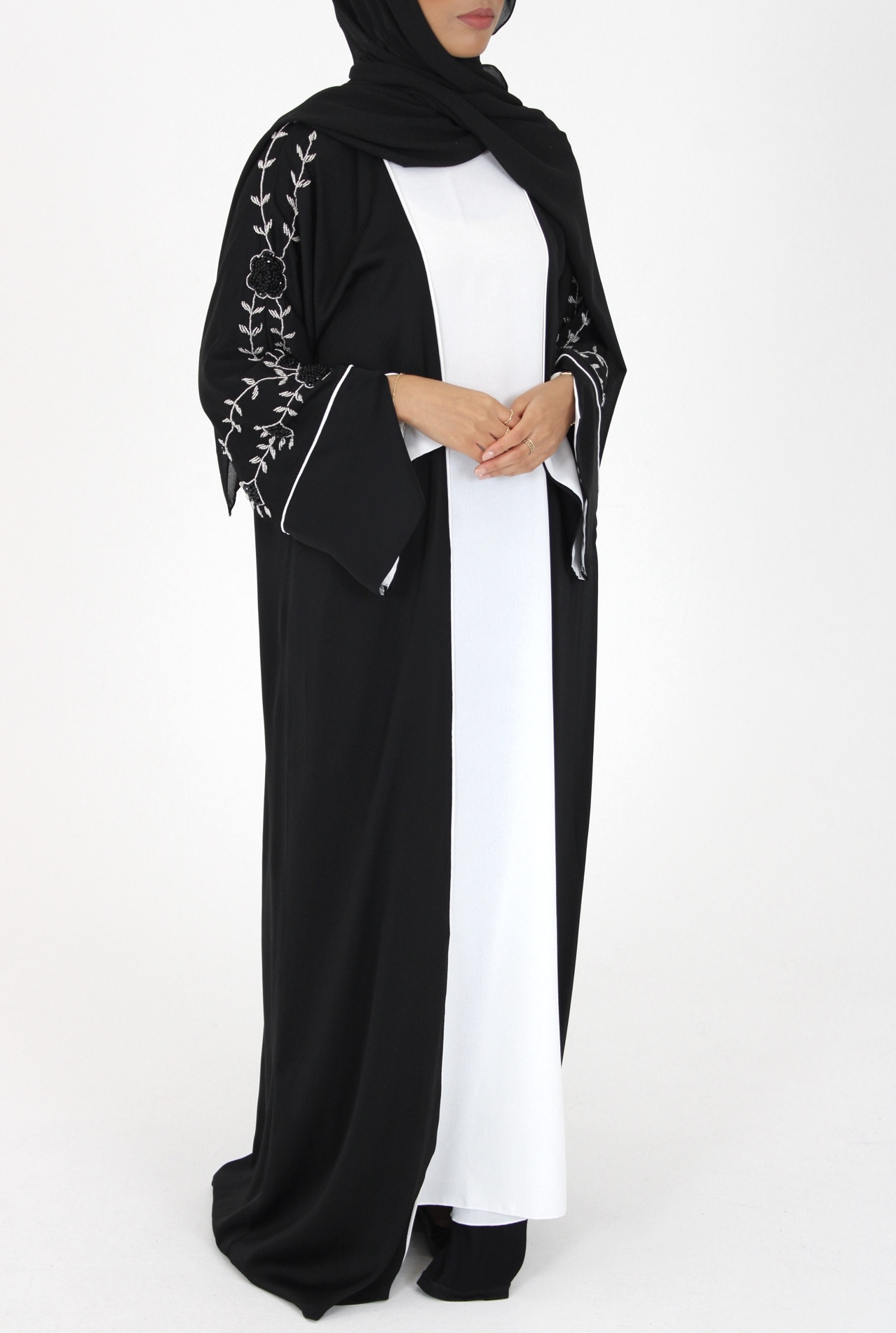
This isn’t just another blog post. It’s a deeply researched, emotionally driven, and SEO-optimized guide that answers every question you may have about Muslimah clothing — and a few you didn’t know you had.
Let’s dive in and uncover the beauty, logic, and spirit behind what makes Muslimah clothing one of
the most powerful forms of self-expression today.
What is Muslimah Clothing and Why It Matters Today
Muslimah clothing refers to modest apparel worn by Muslim women, designed to align with Islamic principles of decency and humility. But it’s more than just fabric and form — it’s an evolving cultural statement, a spiritual expression, and in many cases, a powerful response to global fashion norms.
Rooted in faith, yet adapted to modern lifestyles, Muslimah clothing blends religious values with aesthetic sensibilities. For many women, it’s a way to stay connected to their beliefs while still expressing creativity and identity through fashion.
The Core Principles of Muslimah Clothing
- Modesty: Coverage of the body in accordance with Islamic guidelines — typically including full-length garments and a head covering like the hijab.
- Non-transparent: Clothes should not reveal the shape or skin beneath.
- Loose-fitting: Garments that do not outline the figure.
- Not flashy or overly attention-seeking: A balance between beauty and humility.
Why It Still Matters Today
At a time when fast fashion encourages revealing trends and overconsumption, Muslimah clothing offers a countercultural message: that dignity, identity, and sustainability matter. Many women are reclaiming modesty not out of oppression, but as a conscious and empowering choice.
In fact, the global modest fashion market is booming. According to DinarStandard, Muslim consumers spent over $295 billion on modest fashion in 2022, and that number is expected to grow. Muslimah clothing is no longer a niche; it’s a global fashion category with increasing influence.
Traditional vs. Modern Muslimah Styles
| Aspect | Traditional Styles | Modern Interpretations |
|---|---|---|
| Design | Abaya, jilbab, khimar, niqab | Modest maxi dresses, layered outfits, tunic and pants |
| Materials | Wool, cotton, silk | Breathable synthetics, wrinkle-free blends, performance fabrics |
| Occasions | Religious events, daily wear | Workwear, sportswear, casual chic, formalwear |
| Fit | Flowing and loose | Tailored modesty with structured silhouettes |
| Styling | Minimal accessories, darker tones | Bold prints, layering, accessorized with modest flair |
Muslimah clothing today serves a dual role: it honors timeless religious values while allowing room for personal taste, innovation, and cultural diversity. Whether you’re wearing a classic abaya in Saudi Arabia or a modest co-ord set in Paris, the heart of Muslimah fashion stays the same — dignity, identity, and purpose.
And here’s what most people miss: Muslimah clothing isn’t just about what you wear — it’s about how it makes you feel. Protected. Empowered. Whole.
Common Myths and Misconceptions About Muslimah Fashion
Muslimah clothing is often misunderstood — especially by those who haven’t experienced it firsthand. From outdated media stereotypes to fashion industry blind spots, misconceptions still cloud what modest fashion truly stands for. Let’s clear the air by unpacking the most common myths — and replacing them with truth, insight, and lived experience.
| Myth | Reality |
|---|---|
| “It’s oppressive.” | For millions of women, dressing modestly is a personal and empowering choice rooted in faith, identity, and dignity. It’s about autonomy, not restriction. |
| “It’s all black and shapeless.” | While traditional black abayas are beautiful, Muslimah fashion today spans pastel palettes, bold prints, tailored silhouettes, and a wide variety of fabrics and fits. |
| “You can’t be fashionable and modest.” | Quite the opposite — modest fashion has evolved into a global trend. Influencers, designers, and brands are proving that style doesn’t need to compromise modesty. |
| “It’s only for religious events.” | Muslimah clothing now includes modest workwear, activewear, loungewear, and streetwear. It adapts to everyday life — not just special occasions. |
| “It’s the same everywhere.” | Muslimah style reflects rich regional, cultural, and ethnic diversity. From the Indonesian kebaya to Turkish modest co-ords, it’s far from monolithic. |
Why These Myths Persist
Media portrayal plays a big role. For years, mainstream narratives painted Muslim women as lacking agency. That stereotype is breaking — thanks to visible, vocal, and fashion-forward Muslimahs who are rewriting the story.
In reality, Muslimah fashion is choice-driven, not coercion-driven. It’s not a rejection of beauty — it’s a redefinition of it.
Real Talk: What Muslim Women Say
- “I wear modest clothes not because I have to, but because they make me feel closer to my values.” — Amina, UK
- “Modesty isn’t hiding. It’s a kind of strength.” — Sarah, UAE
- “People think modest means boring. I say modest is magnetic.” — Nur, Malaysia
So next time someone assumes that Muslimah clothing is restrictive, let them know: it’s actually one of the most intentional and liberating choices a woman can make.
How to Choose the Right Muslimah Clothing for Your Lifestyle
Muslimah fashion is not one-size-fits-all — and that’s a good thing. Your wardrobe should serve your lifestyle, reflect your values, and make your day-to-day life feel comfortable, confident, and aligned. Whether you’re a busy mom, a student on the go, or a professional building your brand — there’s a way to wear modesty that works beautifully for you.
Ask Yourself These 3 Questions First
- What does your average day look like? (Work? Gym? Travel?)
- Do you prefer classic simplicity or expressive style?
- What climate do you live in? (Light layers vs. thermal modesty?)
Style Selector Table: Muslimah Outfits by Lifestyle
| Lifestyle | Recommended Styles | Why It Works |
|---|---|---|
| Student | Layered tunics, jersey hijabs, modest joggers | Comfort meets coverage — easy to move in and mix-and-match for daily wear |
| Working Professional | Tailored abayas, structured longline blazers, silk khimars | Elegant and polished — suitable for offices, meetings, and conferences |
| Stay-at-Home Mom | Breathable maxi dresses, front-open abayas, cotton hijabs | Functional, breastfeeding-friendly, and soft for all-day wear |
| Traveler | Crease-resistant dresses, travel khimars, foldable prayer wear | Lightweight, quick-dry, and space-efficient — ideal for packing |
| Fitness Enthusiast | Modest activewear sets, sports hijabs, breathable overlays | High-performance fabric that wicks sweat without sacrificing coverage |
| New Revert | Mix of modern modest fashion + traditional staples (e.g., hijab, maxi skirt) | Gentle introduction to modesty — allows learning and experimenting at your own pace |
Pro Tips for Seamless Style
- Start with core pieces: A solid black abaya, two neutral hijabs, and a soft maxi dress can form the base of multiple outfits.
- Layer smartly: Kimonos, cardigans, and dusters add style and shape without compromising modesty.
- Choose confidence over trends: If it doesn’t feel like you, it’s not the right fit — no matter how “in” it is.
Real-Life Scenario
Fatima, a digital marketing manager in Kuala Lumpur, balances work meetings, cafe visits, and Friday prayers. Her go-to outfit? A structured blazer over a flowy abaya, paired with a pleated chiffon hijab. “It’s my power look — modest, modern, and me.”
Here’s what most people miss: Muslimah fashion doesn’t limit your lifestyle — it enhances it. When chosen intentionally, your clothing becomes a tool of ease, confidence, and spiritual alignment.
Best Styles and Types of Muslimah Clothing (With Visual Examples)
Muslimah clothing is a world of its own — full of graceful silhouettes, cultural nuances, and personal expression. The best part? There’s no single “correct” way to dress modestly. Instead, you’ll find a vibrant range of styles that serve both faith and fashion.
Popular Core Garments in Muslimah Fashion
| Style | Description | Best For |
|---|---|---|
| Abaya | A long, flowing outer garment — often black but now available in every color and cut imaginable | Everyday wear, formal occasions, prayer |
| Jilbab | One-piece loose outfit with integrated coverage (head to ankle), ideal for complete modesty | Religious events, masjid visits, Hajj/Umrah |
| Hijab | Headscarf in various fabrics (chiffon, jersey, cotton) and wrap styles | All settings — versatile with endless styling options |
| Khimar | A cape-like head covering that drapes over the shoulders and chest | High-coverage settings, teaching, public speaking |
| Maxi Dress | Modest, full-length dresses that can be layered or worn solo | Daily wear, travel, seasonal layering |
| Modest Co-Ords | Two-piece matching sets with wide-leg pants and tunic tops | Modern, chic daywear — ideal for professionals and creators |
Style Profiles by Region
- Middle East (e.g., UAE, Saudi): Elegant, tailored abayas with luxe embroidery and flowing khimars.
- Southeast Asia (e.g., Malaysia, Indonesia): Lightweight printed hijabs, baju kurung, kebaya-inspired maxi dresses.
- Turkey: Modern longline coats, structured maxi dresses, and pastel-toned scarves with Western cuts.
- Western Converts: Hybrid modestwear — long tunics over jeans, hoodie abayas, and minimalist co-ords.
Pairing Example: Outfit Breakdown
Event: Family Gathering
Look: Satin blush pink maxi dress + lace-detailed chiffon hijab + nude low heels + gold bangles
Why It Works: Feminine and graceful with full coverage — ideal for social warmth without compromising modesty
Shopping Tip:
Always check fabric type before buying online. For example, chiffon is elegant but slippery, while jersey offers grip and comfort for all-day hijab styling.
Remember:
Modesty is not about hiding beauty — it’s about elevating your presence. When chosen with intention, your style becomes a reflection of who you are inside and out.
What to Avoid When Shopping for Modest Clothing (Fit, Fabric, Pitfalls)
While shopping for modest clothing can be an exciting journey, it’s easy to fall into some common traps. Whether it’s a poor fabric choice or a misfit that doesn’t flatter your shape, making the right decisions from the get-go is crucial. Here’s how to shop smarter and ensure your clothes do what they’re meant to — offer comfort, confidence, and modesty all in one package.
1. Avoid Poor-Quality Fabrics
Cheap materials may save you a few bucks upfront, but they can lead to long-term discomfort. Look out for fabrics that don’t breathe well, like synthetic fibers. These can make you feel hot and sticky, especially in warmer climates.
- Good Fabric Choices: Cotton, linen, jersey, rayon, and silk
- Avoid: Polyester, nylon, acrylic (unless blended with natural fibers)
2. The Fit is Key — Don’t Sacrifice Comfort for Style
Modesty doesn’t mean wearing clothes that feel too tight or too loose. When shopping for Muslimah clothing, always opt for clothes that fit well without being too body-hugging. Look for items with room for movement and enough coverage without looking oversized.
3. Avoid Overly Trendy Pieces (Unless They Align With Your Style)
Trends come and go, and what’s “in” today may be “out” tomorrow. When shopping, stay true to your personal taste and what flatters your body and personality — not just what’s popular in the moment. Trends in modest wear can often push you into purchasing items that aren’t as versatile.
Pro Tip: Invest in classic, timeless pieces like long tunics, maxi dresses, and tailored abayas that will serve you well year-round.
4. Don’t Overlook Fabric Care
The best fabrics need proper care. Some fabrics like silk or chiffon require special washing and gentle handling. While these fabrics can elevate your look, they can also quickly lose their sheen or shape if not cared for properly.
Tip: Always check the care label before purchasing, and opt for low-maintenance fabrics if you’re new to modest fashion. Fabrics like cotton, rayon, and jersey are both chic and easy to maintain.
5. Stay Away From Ill-Fitting Hijabs
Not all hijabs are created equal! When purchasing your hijab, be mindful of the fabric, the cut, and how it sits on your head. An ill-fitting hijab can cause headaches, discomfort, and unnecessary adjustments throughout the day. Choose soft fabrics like jersey or viscose for comfort and easy wear.
6. Pay Attention to the Color Palette
While bright, bold colors can be fun, it’s essential to have a balanced wardrobe. Stick to a base color palette of neutrals (black, white, beige, grey) that pair well with anything. Then add pops of color for special occasions or when you want to show a bit of personality.
Pro Tip: Neutral tones can be dressed up with accessories, while bright colors should be worn thoughtfully for a well-rounded, modest wardrobe.
7. Avoid Overly Sheer Fabrics
When buying modest clothing, it’s important that the fabric provides sufficient coverage, without being transparent or see-through. Avoid overly sheer tops or dresses unless you’re layering them with more coverage underneath.
- Tip: Look for fabrics that are opaque but breathable, like thick cotton, wool blends, or woven fabrics.
8. Don’t Compromise on Coverage
It’s easy to pick up an outfit that looks stylish but doesn’t meet the modesty standards you’re aiming for. Be sure to check the length, sleeve coverage, and neckline to make sure they align with your modesty preferences.
Tip: Go for dresses and tops with longer sleeves, and consider layering pieces to ensure proper coverage without losing style.
9. Forgetting to Check for Versatility
Every modest outfit should be versatile enough to transition from one event to the next. Don’t buy clothes that you’ll only wear on one occasion. Instead, seek pieces that you can dress up or down with different accessories or layering techniques.
10. Impulse Shopping
Impulse shopping can lead to buying items you don’t need or won’t wear. Always take time to reflect on each purchase. Consider how it fits into your existing wardrobe, its quality, and its practical use.
Tip: Make a list before shopping and prioritize timeless, versatile pieces that you can mix and match!
Here’s what most people miss: Modesty in clothing is a combination of fashion, function, and personal values. Don’t settle for less than the best when it comes to your wardrobe!
Muslimah Clothing Care and Maintenance (How to Keep Your Wardrobe Fresh)
Maintaining your Muslimah clothing requires more than just a wash — it’s about ensuring your garments last and stay looking their best through proper care. Modest garments, especially those made of delicate fabrics, require thoughtful attention to keep them fresh and in top condition. Here’s how you can make sure your wardrobe serves you well for years to come.
1. Understand the Fabric — It’s All About Proper Care
Each fabric requires its own specific maintenance to preserve its texture and color. Let’s break down the care requirements for popular Muslimah clothing fabrics:
| Fabric | Care Tips | Best For |
|---|---|---|
| Cotton | Wash with cold water, gentle cycle. Iron on low heat for a crisp finish. Avoid fabric softeners. | Everyday wear, hijabs, casual dresses |
| Linen | Hand wash or machine wash on delicate. Iron while damp to reduce wrinkles. | Summer wear, breathable tunics and dresses |
| Chiffon | Hand wash or dry clean for best results. Air dry flat or on a hanger to maintain flow. | Formal wear, special occasions, scarves |
| Silk | Dry clean only, or hand wash with mild detergent. Do not wring out or twist. | High-end clothing, evening wear |
| Jersey | Machine wash on cold and tumble dry on low. Jersey fabrics don’t wrinkle easily, so it’s low-maintenance. | Everyday hijabs, casual dresses, maxi skirts |
| Polyester Blends | Machine wash with similar colors. Polyester is generally easy to care for and doesn’t require frequent ironing. | Office wear, layering pieces |
2. Proper Storage — Keep Your Clothes Organized
How you store your Muslimah clothing plays a huge role in its longevity. Instead of cramming clothes into your closet, give them room to breathe. This will help maintain the shape of your garments and prevent unnecessary wrinkles.
- Use padded hangers for delicate fabrics like silk and chiffon to prevent stretching.
- For abayas and jilbabs, store them on wide hangers or fold them neatly to avoid bending the fabric.
- Separate colors to prevent color bleeding, especially for new garments. Always store your hijabs and scarves in separate sections.
3. How to Prevent Fading
Fading is a common issue with repeated washing. To prevent your Muslimah garments from losing their vibrancy, follow these tips:
- Always wash your clothes inside out to reduce friction that can lead to fading.
- Use cold water for washing — hot water can accelerate color loss.
- Avoid over-drying in direct sunlight, which can bleach your clothes.
- If possible, air dry your garments instead of using a dryer.
4. Refreshing Your Hijabs
For your hijabs, especially those made of light fabrics like chiffon or jersey, try refreshing them by steaming them regularly to eliminate wrinkles and odors. A handheld steamer is an excellent tool for this!
- Steaming is better than ironing because it preserves the texture of delicate fabrics.
- Store hijabs in breathable bags to keep them from gathering dust and dirt.
5. When to Dry Clean Your Clothes
Some of your Muslimah clothing will require dry cleaning — this is particularly true for high-end fabrics like silk, satin, and delicate chiffon. While it can be a bit of an investment, dry cleaning helps preserve the quality of these garments, preventing them from wearing out prematurely.
Tip: Always read the care label and follow the manufacturer’s instructions to keep your wardrobe in pristine condition.
6. How to Remove Stains Without Ruining Your Clothes
Stains happen. But with the right approach, you can remove them without compromising your garment’s integrity. Here are some helpful tips:
- Oil stains: Apply a small amount of cornstarch and let it absorb the oil, then wash as usual.
- Food stains: Use a mild detergent and cold water to pre-treat the stain before washing.
- Makeup stains: Gently blot with a makeup remover wipe or mild soap and water.
7. Restoring the Shape of Your Hijabs and Dresses
After washing your hijabs or dresses, if you notice them losing their shape, a quick reshaping while they are damp can restore their form. Lay them flat or hang them carefully to dry and maintain their shape.
Tip: Always handle your garments gently to preserve the fabric’s natural flow.
8. Don’t Skip Seasonal Maintenance
As the seasons change, so should your approach to caring for your modest wear. For example, heavier fabrics like wool may need extra care in the winter to avoid moisture damage, while summer fabrics should be treated for UV protection to prevent sun damage.
Tip: Rotate your wardrobe seasonally, and take advantage of off-season sales to refresh your collection!
Remember: Taking care of your clothing ensures it lasts longer and stays looking as elegant as the day you bought it. Treat your clothes with care, and they’ll continue to serve you well.
Real-Life Testimonials: How Muslimah Clothing Transforms Daily Life
Clothing isn’t just about style — it’s about identity, culture, and self-expression. For many Muslim women, Muslimah clothing represents not only modesty but empowerment, confidence, and a connection to their faith. Let’s dive into real-life testimonials that show how Muslimah clothing has transformed the lives of women around the world.
1. Sara’s Story: Finding Confidence in Modesty
“I used to feel self-conscious about my modest fashion choices, but when I discovered high-quality Muslimah clothing brands, my perspective completely changed. Wearing abaya and jilbab makes me feel empowered — it’s a reflection of my faith and my personal style. I love how modest clothing allows me to express myself without compromising on comfort or elegance. The best part? I can move freely without feeling restricted. I get compliments on my outfits all the time, and I feel more confident than ever!”
2. Mariam’s Journey: Modesty in the Workplace
“As a professional in a corporate setting, finding modest yet fashionable clothing was always a challenge. Many office clothes didn’t meet my standards for modesty, and I often had to compromise. But when I found Muslimah fashion brands that offered both style and modesty, it was a game-changer. I now have a wardrobe full of modest blouses, long skirts, and tailored pants that are both professional and stylish. I feel confident walking into meetings, knowing my clothing aligns with my values without sacrificing style.”
3. Amina’s Experience: Celebrating Special Occasions with Elegance
“For me, Muslimah clothing is a way to celebrate my faith and culture, especially during special occasions. I remember wearing a beautiful modest wedding dress for my wedding day, designed with intricate lace details and a flowing silhouette. I felt like a queen, and it was so special to wear something that represented both my style and my beliefs. Muslimah clothing truly elevates those significant moments in life, making them even more meaningful.”
4. Layla’s Shift: Embracing Modesty After Hijab
“When I started wearing the hijab, I was unsure of how to incorporate modest fashion into my wardrobe. I didn’t want to wear anything that made me feel uncomfortable or out of place. After researching Muslimah clothing options, I started experimenting with different styles and colors. I found that modest clothing gave me a sense of freedom and confidence. I could wear beautiful modest dresses, long tunics, and stylish hijabs that allowed me to embrace my identity fully. I now feel more connected to my faith and more stylish than I ever imagined.”
5. Ranya’s Inspiration: Empowering Women Through Modest Fashion
“I run a small fashion blog focused on Muslimah clothing, and I’ve seen firsthand how empowering it can be for women. The ability to wear clothing that is both modest and fashionable has made so many of my followers feel more comfortable and confident in their skin. Modest fashion has created a community of women who support and inspire each other to dress in ways that reflect their values and style. It’s not just about looking good — it’s about feeling good about who you are and how you present yourself to the world.”
6. Noor’s Revelation: Connecting Faith and Fashion
“Growing up, I always struggled with the idea of modest fashion because I thought I had to sacrifice style for modesty. But then I came across fashion-forward Muslimah clothing brands that changed my perspective completely. I realized that I didn’t have to compromise. I could wear modest dresses that were also chic and trendy. Modest fashion allows me to stay true to my faith while also keeping up with the latest styles. It’s the perfect blend of tradition and modernity.”
7. Nadia’s Reflection: The Power of Modesty for Mental Well-Being
“For me, Muslimah clothing goes beyond just physical appearance. It’s about how it makes me feel internally. Wearing modest clothing has a calming effect on my mental well-being. It’s like a shield that gives me peace of mind and allows me to focus on what really matters in life. The modest fashion movement has been empowering, and it’s helped me build a stronger connection to my spirituality while expressing myself confidently in my wardrobe choices.”
8. Yasmine’s Empowerment: Building a Modest Fashion Empire
“As an entrepreneur in the Muslimah clothing industry, I’ve had the honor of creating a platform where women can find modest, stylish, and affordable clothing. What I love most about my business is seeing how our customers feel when they wear our designs. They don’t just look beautiful — they feel beautiful. Muslimah clothing empowers women to take control of their lives, their style, and their faith. I’m so proud to be part of this global movement.”
9. The Future of Muslimah Fashion
These stories represent just a fraction of how Muslimah clothing is shaping lives and communities. As the fashion industry continues to evolve, more and more women are embracing the beauty of modest wear. The future of Muslimah clothing is bright, with innovations in fabric, design, and accessibility creating even more opportunities for women to express their unique style while staying true to their beliefs.
10. What These Stories Teach Us About Muslimah Clothing
At the core of these stories is the transformative power of Muslimah clothing. It’s not just about following trends or wearing something that fits — it’s about a deeper connection to faith, confidence, and identity. By embracing modest fashion, women around the world are reshaping the way they view themselves, their culture, and their relationships with others.
These testimonials also reveal something essential: Muslimah clothing is more than just clothing — it’s a powerful tool for personal empowerment. It allows women to present themselves in a way that reflects both their faith and individuality. Whether it’s at work, during a special occasion, or in daily life, Muslimah clothing makes women feel beautiful, confident, and true to themselves.
FAQ: Answering Your Most Common Muslimah Clothing Questions
We know that finding the right Muslimah clothing can be a journey. Whether you’re new to modest fashion or looking to expand your wardrobe, we’ve gathered answers to some of the most common questions women have about Muslimah clothing. Let’s get you equipped with all the info you need to make confident choices!
1. What is Muslimah clothing?
Muslimah clothing refers to modest clothing designed to help Muslim women observe the principles of modesty in dress, as outlined in Islamic teachings. These garments typically cover the body while maintaining a sense of style and elegance. Common pieces include abayas, jilbabs, hijabs, modest dresses, and loose trousers, all designed to respect the concept of modesty without sacrificing style.
2. What are the best fabrics for Muslimah clothing?
The fabric you choose can greatly impact comfort and durability. For Muslimah clothing, consider the following fabrics:
- Cotton: Soft, breathable, and perfect for daily wear.
- Crepe: Ideal for formal wear, offering a smooth, luxurious finish.
- Chiffon: Light and airy, great for layering and creating flowy, elegant styles.
- Wool blends: Perfect for colder months, providing warmth without compromising on style.
These fabrics not only offer comfort but also ensure that modest clothing looks graceful and sophisticated.
3. How do I choose the right Muslimah clothing for my body type?
Choosing the right fit is essential for both comfort and style. Consider the following tips based on different body types:
- Hourglass shape: Go for A-line dresses and tailored abayas that highlight your waist.
- Pear-shaped body: Opt for styles with an empire waist or loose-fitting skirts and dresses to balance proportions.
- Rectangular body: Look for dresses and tops with a bit of structure, such as peplum or flared styles to create curves.
- Apple-shaped body: Choose garments with flowing lines, such as high-waisted skirts or dresses that don’t cling to the midsection.
The goal is to embrace your unique shape while maintaining modesty. Always feel free to experiment with different styles until you find what makes you feel most comfortable and confident!
4. Can I wear Muslimah clothing in professional settings?
Absolutely! Muslimah clothing can be incredibly professional when styled correctly. Modest blouses, long skirts, and tailored pants are all excellent options for the office. Pair them with a well-fitting blazer or cardigan for a polished look. Many fashion-forward brands now offer professional, modest workwear that combines elegance with functionality.
5. What are some tips for layering hijabs with outfits?
Layering a hijab is an excellent way to elevate your outfit while staying modest. Here are some tips to get it right:
- Color Coordination: Choose hijab colors that complement or contrast with your outfit for a chic look.
- Fabric Variety: Experiment with different fabrics like chiffon, jersey, or silk to match the season or occasion.
- Accessories: Adding brooches, headbands, or pins can create a unique touch to your hijab style.
- Headscarf Styles: From the classic wrap to the layered look, explore various hijab styles to suit your personality and comfort.
Remember, the way you layer and style your hijab should reflect your personal flair while ensuring comfort throughout the day.
6. Is it possible to find affordable Muslimah clothing?
Yes! Many brands cater to a range of budgets, ensuring that modest clothing is accessible to everyone. You can find affordable Muslimah clothing in stores or online, particularly during sales or promotions. Additionally, consider looking for versatile pieces that can be dressed up or down, such as simple modest dresses or loose tunics, which can work for both casual and formal occasions.
7. Can Muslimah clothing be trendy and stylish?
Of course! Muslimah clothing has evolved in recent years, embracing both modesty and modern trends. From elegant modest jumpsuits to fashionable modest maxi skirts, you can find pieces that are both stylish and true to your values. Many designers and brands now focus on creating trendy yet modest pieces that align with current fashion trends while staying true to Islamic principles.
8. How do I care for my Muslimah clothing to ensure longevity?
Taking care of your Muslimah clothing ensures that your investment lasts. Here are some tips for garment care:
- Washing: Always check care labels for washing instructions. Hand wash delicate fabrics or use a gentle cycle for machine washes.
- Drying: Air dry your clothing when possible to prevent shrinkage. Avoid direct sunlight to maintain color integrity.
- Storage: Store your garments in a cool, dry place. Use padded hangers for delicate pieces like abaya to maintain their shape.
- Ironing: Always use the appropriate temperature settings for the fabric type, and steam wrinkles out for a crisp finish.
Proper care can help preserve the beauty and quality of your Muslimah clothing for years to come.
9. How can I style Muslimah clothing for different seasons?
Muslimah clothing is versatile and can be styled for every season:
- Winter: Layer coats or jackets over modest dresses or long tunics, and opt for thicker fabrics like wool blends.
- Spring: Light, breathable fabrics such as cotton and linen work well. Pair modest skirts with lightweight tops or layer a cardigan.
- Summer: Choose light, airy fabrics like chiffon and cotton for comfort. Sleeveless tunics can be paired with a modest cardigan or shawl for added coverage.
- Fall: Layer with vests or lightweight scarves and add boots to your outfit for a chic, seasonal look.
Each season offers its own set of opportunities to style your wardrobe while maintaining modesty and elegance.
10. What makes Muslimah clothing a sustainable choice?
Many Muslimah clothing brands focus on sustainability, using eco-friendly materials, ethical manufacturing practices, and offering long-lasting, versatile pieces. By investing in high-quality modest clothing, you are making a sustainable choice that helps reduce waste and supports brands committed to eco-conscious fashion. Additionally, timeless pieces such as classic abayas and modest dresses can be worn year after year, making them a better long-term investment for your wardrobe.
We hope this FAQ section helps clarify some of your burning questions about Muslimah clothing! If you have more queries or need further advice, don’t hesitate to reach out in the comments below. We’d love to hear your thoughts and continue the conversation!
Final Thoughts + CTA: Embrace Modesty, Embrace Confidence
Choosing the right Muslimah clothing is more than just about covering up — it’s about expressing who you are, respecting your values, and feeling confident in your skin. Modest fashion isn’t just for special occasions; it’s a lifestyle that blends functionality, elegance, and comfort, all while honoring the principles of modesty. Whether you’re wearing a stylish abaya for a day out, layering a chiffon hijab for an evening event, or rocking a classic modest maxi dress for work, your clothing can reflect your personal style and your faith in a beautifully balanced way.
We hope this guide has provided you with the insights you need to feel empowered in your journey toward embracing modest fashion. Remember: modesty is a personal choice, and how you express it should always feel authentic to you.
Join the Conversation
Your thoughts and experiences matter! What’s your take on the evolution of Muslimah clothing in the fashion world? Share your favorite pieces, styling tips, or questions in the comments below. We’d love to hear from you and continue to grow this community of like-minded individuals. 💬
Get Inspired: Discover More
Ready to dive deeper into modest fashion? Explore our collection of modest fashion guides and latest trends for more inspiration and tips on how to build a wardrobe that empowers you every day.
Stay connected: Don’t forget to follow us on social media for the latest updates and style inspiration. We’re here to help you every step of the way as you make your modest fashion journey truly your own!


