
Ever seen your daughter twirl in her abaya and whisper, “I look just like mama”? That moment — that sparkle in her eyes — is what this post is all about. As a modest fashion lover and a big sister to many little style icons in the making, I know firsthand how powerful it is when a child feels seen, celebrated, and stylish. And trust me, finding a kids abaya with a matching hijab that ticks all the boxes — soft, breathable, elegant, and made for real-life play — has felt like hunting for a unicorn. But not anymore.
In this post, I’m breaking down everything you need to know about dressing your mini-me in modest wear that’s just as magical as she is. From fit tips and fabric picks to trend highlights and parent-approved hacks, I’ve got your back. By the end of this post, I’ll walk you through everything you’ve ever wondered about finding the perfect kids abaya with matching hijab — so let’s dive in.
Kids Abaya with Matching Hijab: Style Meets Modesty for the Next Generation
“She wanted to look like me for Eid.” That’s what one mom said when she slipped a silky, plum-colored kids abaya with matching hijab over her daughter’s shoulders — and watched her beam with pride. This moment isn’t just about clothes. It’s about confidence, identity, and celebrating modesty in a way that’s joyful, dignified, and stylish.
If you’ve ever searched for the perfect abaya and hijab set for your little one — one that’s comfortable, beautiful, modest, and made to last — you already know the struggle. From stiff fabrics to boring designs, most options don’t feel special. But that changes now.
This blog is your ultimate, expert guide to kids abayas with matching hijabs. Whether you’re shopping for Eid, everyday wear, prayer time, or a gift for someone special — this is where elegance meets ease, and modest fashion becomes fun for kids.
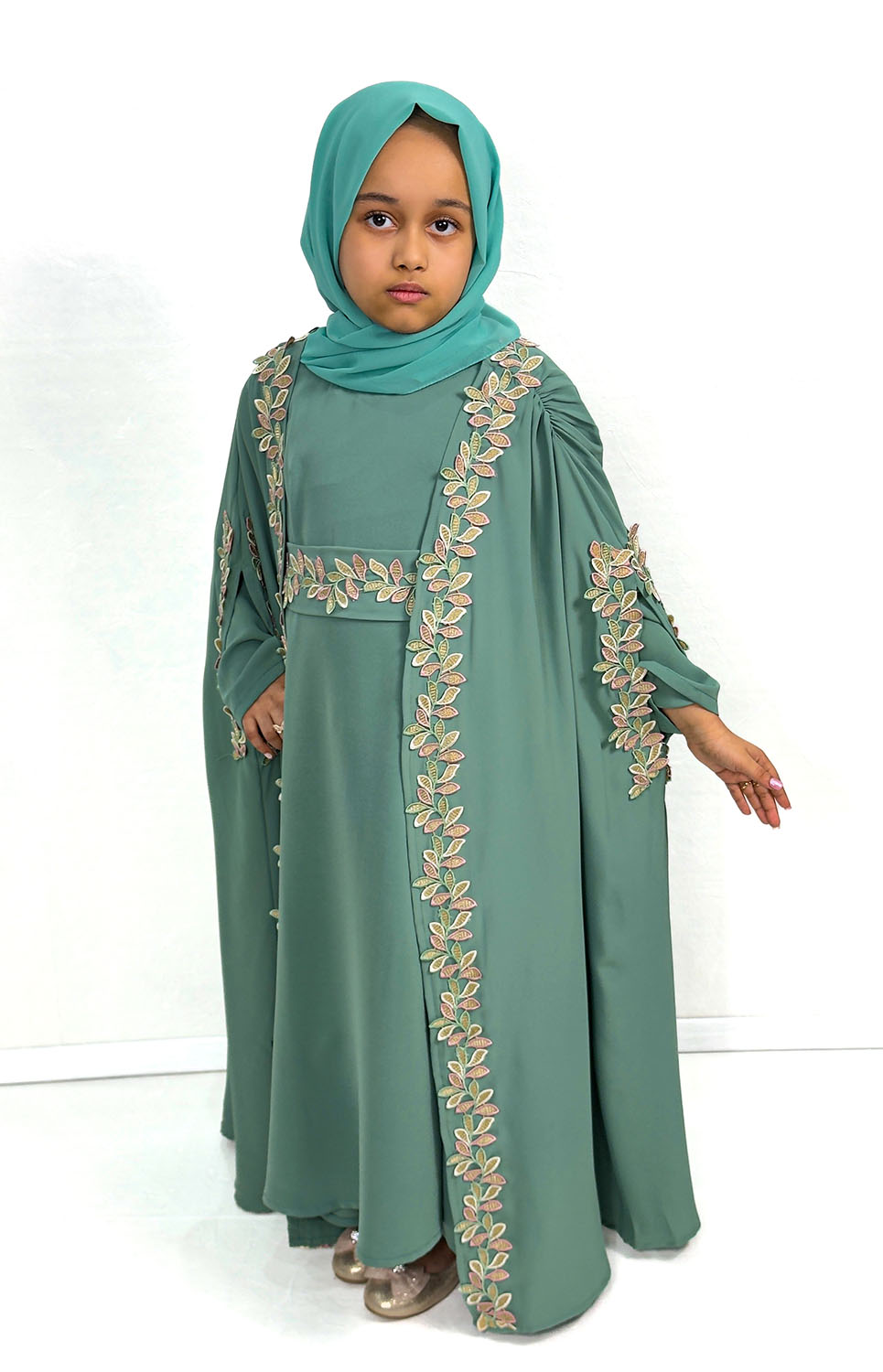
Here’s what you’re going to discover:
| What You’ll Learn | Why It Matters |
|---|---|
| How to choose the perfect kids abaya with matching hijab | Save time and avoid costly mistakes |
| Best fabrics, fits, and features for kids | Keep your child comfy, happy, and confident |
| Latest designs and modest fashion trends for 2025 | Stay ahead with chic, age-appropriate looks |
| Tips from real parents and fashion experts | Get trusted insights that work in real life |
| Where to find high-quality sets online | Shop smart, buy better |
Ready to turn dressing modestly into a moment your child looks forward to? Let’s dive in.
Why Matching Hijabs Are a Game-Changer for Kids’ Abayas
There’s something magical that happens when a little girl slips into a kids abaya with matching hijab — she doesn’t just wear it; she owns it. The harmony of color, the softness of the fabric, the feeling of being ‘put together’ like her older sisters or mom — it’s an experience of belonging, identity, and pride.
And while an abaya alone can be beautiful, the moment it’s paired with a matching hijab, it transforms. It becomes a complete look. A moment of modest fashion that feels fun, empowering, and deeply personal for young hearts.
What “Matching” Means to a Child
- Confidence: Kids light up when their outfit looks polished and “just right.” Matching hijabs give them that sense of completeness.
- Inclusion: When moms and daughters dress alike, it fosters connection. A mini version of mom’s look can build identity and joy.
- Ease: Parents don’t have to scramble to find a hijab that kind-of-matches. It’s done — ready to wear, beautifully paired.
Table: Side-by-Side Comparison — With vs. Without a Matching Hijab
| Without Matching Hijab | With Matching Hijab |
|---|---|
| Mismatched or clashing colors | Coordinated, cohesive look |
| Frustration finding a good match | Peace of mind — it’s all in one set |
| Child may feel “unfinished” or awkward | Child feels confident and proud |
| Not picture-ready | Instagram-worthy Eid photos, stress-free |
The Emotional Value for Parents and Kids
For many parents, this isn’t just about saving time. It’s about creating beautiful, faith-aligned memories — a daughter’s first Taraweeh, her first Eid prayer, or just a sweet twinning day at home. When everything matches, it just feels easier and more special.
One parent told us, “The smile on my daughter’s face when she saw the abaya and hijab in her favorite color — that was everything.”
Practical Benefits That Make It Worth It
- Time-saving: no more hijab-hunting in the morning rush
- Budget-friendly: many sets cost less than buying separately
- Perfect for gifting: ready-to-wear sets make beautiful presents
When style and modesty come together effortlessly, kids feel empowered — and parents feel relieved. But that’s just the beginning. What if we told you the fabric you choose could change everything?
From Eid to Everyday: Choosing the Right Kids Abaya for Every Occasion
Whether it’s a special Eid morning, Jummah prayer, a family gathering, or just a modest everyday look, the right kids abaya with matching hijab can make your little one feel elegant and confident. But not every occasion calls for sparkle — and not every abaya is designed for playdates. That’s why choosing the right style matters.
This guide will walk you through how to pick the perfect kids abaya set based on where she’s wearing it, what she’ll be doing, and how long she’ll be wearing it. Because comfort, modesty, and style should never compete — they should complement.
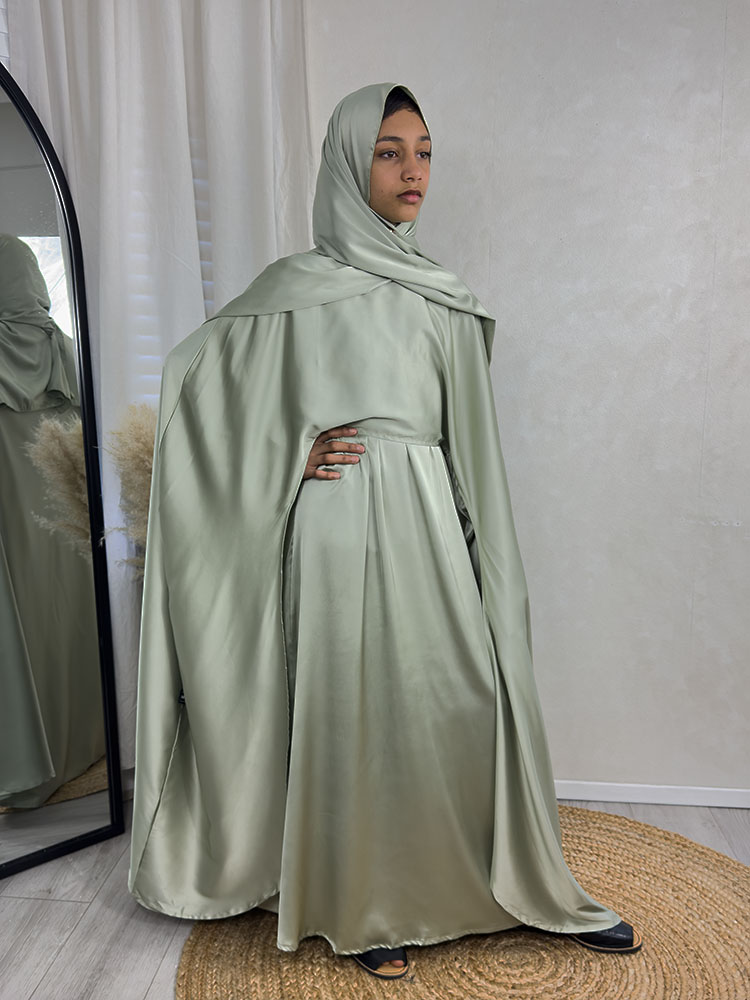
Why Occasion-Specific Abayas Make a Difference
- Comfort: Kids need breathable, lightweight fabrics for daily wear — but formal occasions may call for embroidery, embellishments, or chiffon.
- Durability: Everyday abayas should withstand playground adventures, while special occasion sets prioritize aesthetic over ruggedness.
- Emotional Experience: On Eid, girls want to feel extra special. That outfit should reflect the joy of the day.
Table: Best Abaya Styles for Each Occasion
| Occasion | Recommended Abaya Style | Matching Hijab Fabric | Why It Works |
|---|---|---|---|
| Eid Celebrations | Embroidered or embellished abaya in satin, chiffon, or crepe | Soft chiffon or embellished cotton | Feels luxurious and photogenic for family photos & events |
| Everyday Wear | Jersey or cotton abaya with minimal design | Stretch cotton hijab or easy slip-on jersey | Comfortable, breathable, and fuss-free for active kids |
| School & Madrasah | Structured abaya with clean lines in breathable crepe | Lightweight crepe or instant hijab with cap | Professional yet modest look, easy to manage during classes |
| Family Gatherings | Color-block or lace-trim abayas with modest flair | Color-coordinated hijab in neutral tones | Stylish but not too formal — ideal for relaxed occasions |
How to Build a “Mini Modest Wardrobe”
Think of your child’s wardrobe like a capsule — you don’t need 20 sets. You need 3 to 5 versatile kids abayas with matching hijabs that cover every need:
- One elegant Eid outfit
- Two soft, stretchable everyday abayas
- One clean-line abaya for madrasah or outings
- Optional: A sparkly “dress-up” piece for events or parties
Parent Tip: Match Function to Fabric
If your child will wear the abaya all day, avoid fabrics like tulle or satin that may cause itching or overheating. Jersey and cotton blends are perfect for full-day wear, while chiffon adds beauty for shorter events.
The goal isn’t to have dozens of outfits — it’s to have the *right* ones. And once you’ve matched the style to the setting, the next thing to think about is fabric. Because even the prettiest abaya can become a struggle if it’s uncomfortable to wear…
How to Find the Perfect Fit for Girls’ Abayas — Without Guessing
Shopping for a kids abaya with matching hijab isn’t just about the color or style — it’s about getting the fit right. Too long, and she’ll trip. Too short, and modesty is compromised. Too tight, and comfort goes out the window. And since kids grow fast, it’s easy to buy the wrong size if you’re just guessing.
This section is your no-guesswork guide to finding the perfect fit — every time. From taking accurate measurements to understanding size charts and knowing what to expect from each fabric, we’ll walk you through the sizing puzzle with ease.
Why Proper Fit Is Non-Negotiable
- Safety: Oversized abayas can become tripping hazards, especially for toddlers.
- Comfort: A snug-but-not-tight abaya allows freedom of movement, perfect for active kids.
- Modesty: A good fit ensures full coverage without bunching, pulling, or sliding hijabs.
- Longevity: A properly fitted abaya lasts longer and grows with her — especially when layered.
How to Take Accurate Measurements at Home
You don’t need a tailor — just a soft tape measure and 5 minutes. Here’s what to do:
- Shoulder to ankle: Measure from the top of the shoulder to the ankle bone — this is the abaya length.
- Chest width: Measure under the armpits, around the fullest part of the chest.
- Sleeve length: From shoulder seam to wrist bone, with arms relaxed.
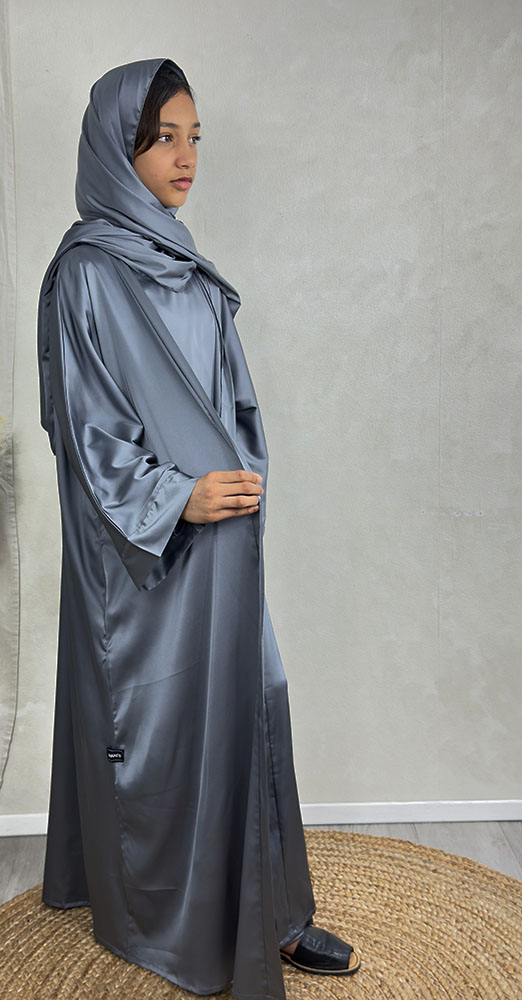
Helpful Table: General Girls’ Abaya Size Chart
| Age | Abaya Length (inches) | Chest (inches) | Sleeve (inches) |
|---|---|---|---|
| 2–3 yrs | 24–28 | 22–24 | 12–13 |
| 4–5 yrs | 30–32 | 24–26 | 14–15 |
| 6–7 yrs | 34–36 | 26–28 | 16–17 |
| 8–9 yrs | 38–40 | 28–30 | 18–19 |
| 10–11 yrs | 42–44 | 30–32 | 20–21 |
Note: Always check the brand’s individual sizing guide. Some abayas run large, others small — especially when made from flowy fabrics like chiffon or structured crepe.
Parent Tip: Leave a Little Room to Grow
When in doubt between two sizes, size up — especially if the abaya is for occasional wear. Look for features like elastic waists, adjustable cuffs, or layered hems that can adapt as she grows. This ensures your child gets more wear out of her abaya set without sacrificing fit or style.
What About the Hijab Fit?
A matching hijab should be easy to slip on, stay in place, and not irritate sensitive scalps. For younger girls, opt for:
- Tube or ninja hijabs: Slip-on styles that don’t require pins
- Light jersey material: Soft, breathable, and stretchable
- Adjustable undercaps: Helps the hijab stay secure during play
With the right fit, she won’t just look beautiful — she’ll feel confident, comfortable, and free to move without fussing with her outfit. That’s when you know you’ve found the perfect kids abaya with matching hijab.
Soft, Breathable, Adorable: Fabrics Kids Actually Want to Wear
When it comes to finding the perfect kids abaya with matching hijab, the fabric is just as important as the fit. After all, kids need clothes that are comfortable, easy to move in, and, most importantly, fabrics they’ll love to wear. The right fabric makes a world of difference in how they feel and how well they play, study, or attend special events like Eid.
In this section, we’ll explore the best fabrics for kids’ abayas and hijabs that are not only soft and breathable but also long-lasting and gentle on young skin. Let’s dive into the most popular and practical fabrics that will keep your little ones both stylish and comfortable.
Why Fabric Quality Matters for Kids’ Abayas
- Comfort: The softer the fabric, the more likely your child will wear the abaya without fuss. Kids are sensitive to materials like rough wool or scratchy synthetics.
- Breathability: Breathable fabrics help regulate body temperature, keeping your child cool in warm weather and cozy during colder months.
- Durability: Kids are active, so you need fabrics that can handle constant movement and multiple washes without losing their shape or color.
- Allergy-Free: Choose fabrics that are hypoallergenic, especially if your child has sensitive skin.
Top Fabrics for Kids’ Abayas & Hijabs
Here are the most popular fabric choices for kids’ abayas and hijabs that strike the perfect balance between style, comfort, and practicality:
1. Cotton
- Soft & Comfortable: Cotton is a natural fiber that’s soft and breathable, making it perfect for kids with sensitive skin.
- Easy to Care For: Cotton is easy to wash and can handle frequent use without losing its quality.
- Great for Warm Weather: Cotton allows air to circulate, keeping your child cool during the summer months.
2. Jersey Knit
- Stretchy & Flexible: This fabric has a natural stretch, making it incredibly comfortable for active kids.
- Soft & Cozy: Jersey is soft to the touch, and its elasticity makes it ideal for kids who love to move.
- Breathable: Jersey is also a breathable material that won’t make your child feel overheated or uncomfortable.
3. Crepe
- Lightweight & Drapable: Crepe fabric has a nice drape and is perfect for creating an elegant yet lightweight abaya.
- Wrinkle-Resistant: Crepe is known for its ability to resist wrinkles, keeping the abaya looking fresh even after a long day of wear.
- Soft Texture: The texture of crepe feels soft against the skin, making it ideal for longer wear without irritation.
4. Chiffon
- Elegant & Flowing: Chiffon is a sheer, flowy fabric that gives a beautiful, delicate look to any abaya or hijab.
- Breathable: Chiffon allows air to flow freely, making it great for warmer climates or layering with other fabrics.
- Light & Comfortable: Despite its delicate appearance, chiffon is lightweight and perfect for special occasions.
5. Linen
- Natural & Cool: Linen is made from natural fibers and is known for being lightweight and cool, perfect for warmer weather.
- Durable: Linen is incredibly durable and becomes softer with every wash, making it a great choice for kids who wear their abayas often.
- Breathable: Its natural fibers allow for superior breathability, helping your child stay comfortable in the heat.
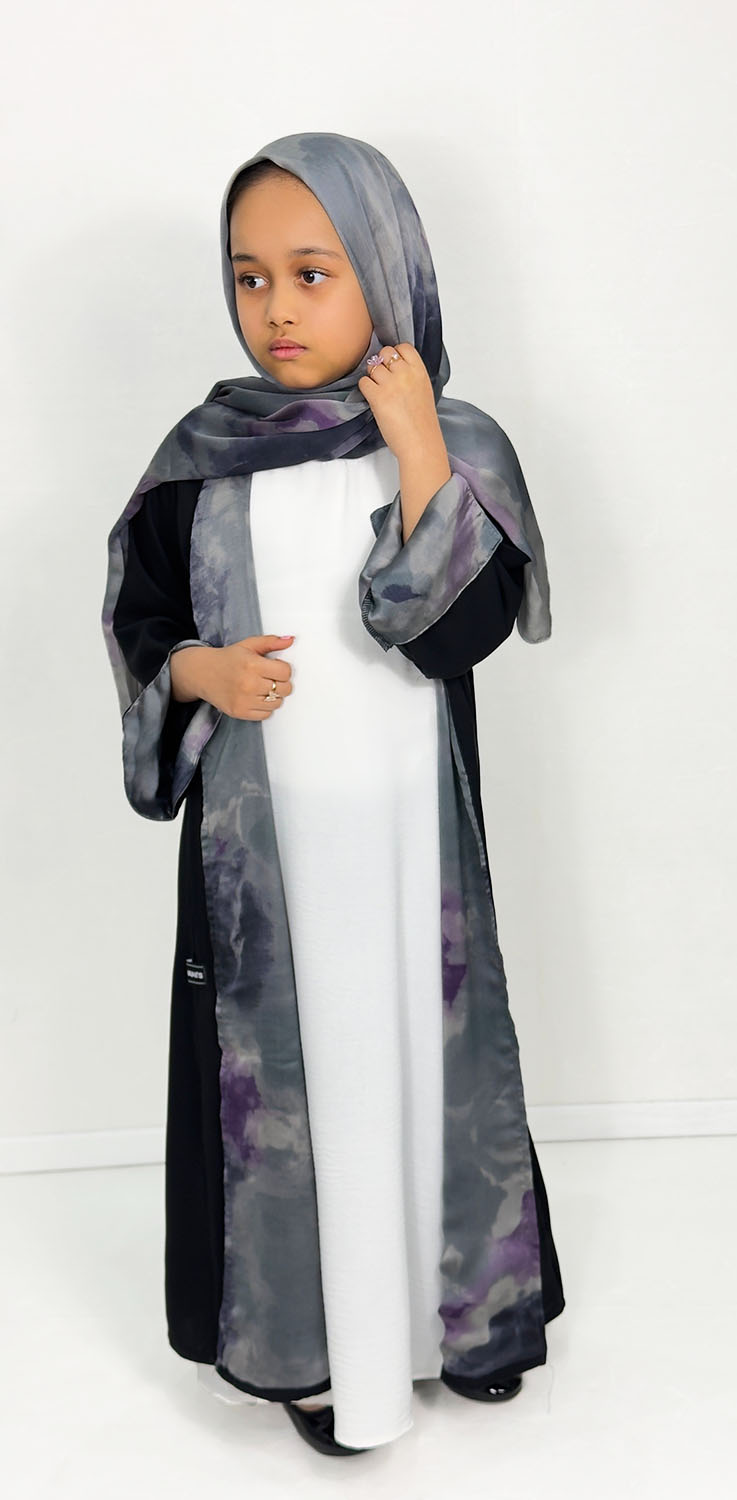
Helpful Table: Fabric Comparison for Kids’ Abayas & Hijabs
| Fabric | Pros | Best For | Care Instructions |
|---|---|---|---|
| Cotton | Soft, breathable, hypoallergenic | Everyday wear, warmer climates | Machine wash, tumble dry |
| Jersey Knit | Stretchy, comfortable, breathable | Active kids, casual wear | Machine wash, air dry |
| Crepe | Wrinkle-resistant, soft, lightweight | Special occasions, semi-formal wear | Dry clean or hand wash |
| Chiffon | Elegant, flowy, breathable | Formal events, layered looks | Hand wash, air dry |
| Linen | Durable, breathable, cool | Summer wear, warm weather | Machine wash, line dry |
Finding the Right Fabric for Your Child’s Needs
While each fabric has its advantages, the right choice depends on your child’s preferences and the weather conditions. If your child is very active, opt for flexible, breathable fabrics like cotton or jersey knit. For special occasions like weddings or Eid, chiffon and crepe offer elegance and grace.
Don’t forget to take into account your child’s comfort — the right fabric will make all the difference in how much they enjoy wearing their abaya and hijab. You don’t just want your child to look beautiful, you want them to feel great too!
Color Psychology for Kids: What Her Abaya Color Might Say About Her
When choosing the perfect kids abaya with matching hijab, many parents focus on fabric, style, and fit — but what about color? Color plays a crucial role in how a child feels about what they wear, and it can even influence their mood and behavior. In this section, we’ll explore the psychology behind color choices in children’s fashion and what the color of her abaya might say about her personality, emotions, and mood.
Understanding the psychology of color is not only important for choosing a beautiful outfit but also for helping your child express themselves through fashion. The right color can enhance their confidence, mood, and overall well-being. Let’s dive into how different colors can affect kids and how to use that knowledge to choose the best abaya color for your little one.
How Color Affects Mood and Personality
Colors are more than just aesthetic choices; they carry psychological and emotional significance. Different colors can evoke specific feelings, thoughts, and behaviors. For children, who are more impressionable than adults, the impact of color is even stronger. Here’s a look at how various colors can influence your child’s mood and what they might communicate about their personality:
- Red: Associated with energy, passion, and excitement. A red abaya can make your child feel confident and assertive. It’s a bold choice that can encourage them to be more active and outgoing.
- Blue: A calming and peaceful color that is often linked to intelligence and stability. A blue abaya can help your child feel grounded, calm, and focused. It’s a great choice for school or quiet, reflective moments.
- Pink: Often associated with warmth, nurturing, and sweetness. A pink abaya might evoke feelings of kindness and compassion. It’s perfect for showing a gentle, caring side.
- Yellow: The color of happiness and optimism. A yellow abaya can uplift your child’s spirits, making them feel cheerful and energized. It’s a great color for playdates, casual outings, and fun activities.
- Green: Symbolizing growth, harmony, and renewal. Green is a soothing color that can make your child feel balanced and at peace. It’s an ideal choice for calm, nature-inspired vibes.
- Black: Often associated with elegance and sophistication. While it’s a more serious and subtle color, black can make your child feel mature and confident. It’s great for formal occasions or when you want a timeless, classic look.
- White: Represents purity, innocence, and simplicity. A white abaya can give your child a sense of freshness and calmness. It’s a great choice for religious occasions or celebrations where formality is key.
How to Choose the Best Abaya Color for Your Child’s Personality
While it’s fun to experiment with colors, it’s important to keep in mind your child’s individual personality when selecting an abaya color. Here are some tips to help you pick a color that complements their character and enhances their mood:
- Active & Outgoing: If your child is energetic and loves to be the center of attention, bold colors like red, orange, or even bright yellow can match their lively personality.
- Calm & Reflective: For children who are quieter and enjoy peace and quiet, opt for soothing colors like blue, lavender, or soft green.
- Caring & Compassionate: If your child tends to be nurturing and kind, softer, warm colors like pink or peach are a great way to highlight their gentle nature.
- Elegant & Mature: If your child enjoys a more sophisticated or formal style, classic colors like black, white, or navy blue will make them feel refined and grown-up.
Helpful Table: Color Psychology for Kids’ Abayas
| Color | Personality Traits | Emotional Impact | Best Occasions |
|---|---|---|---|
| Red | Confident, energetic, assertive | Exciting, passionate, bold | Festivals, family gatherings, playdates |
| Blue | Calm, focused, intelligent | Soothing, peaceful, stable | School, reflective moments, formal events |
| Pink | Caring, gentle, warm | Sweet, nurturing, compassionate | Casual outings, parties, special celebrations |
| Yellow | Cheerful, optimistic, energetic | Happy, lively, positive | Playdates, fun activities, casual gatherings |
| Green | Peaceful, harmonious, grounded | Calming, balanced, refreshing | Nature walks, calm settings, family time |
| Black | Elegant, mature, sophisticated | Formal, serious, timeless | Weddings, formal occasions, Eid |
| White | Innocent, pure, fresh | Simple, pure, clean | Religious events, weddings, Eid |
Tips for Mixing & Matching Abaya Colors with Hijabs
Once you’ve selected the perfect color for your child’s abaya, consider how it will pair with the matching hijab. Here are some tips for creating a cohesive and stylish look:
- Contrast Colors: Pair bright colors like red or yellow with neutral-colored hijabs, such as white, beige, or black, to let the abaya take center stage.
- Monochrome Looks: For a more coordinated look, try matching the abaya and hijab in the same color, such as a soft pink abaya with a matching pink hijab.
- Pattern Play: If the abaya is a solid color, you can experiment with patterned hijabs that feature complementary colors or subtle prints to add an extra layer of style.
Remember, the color of the abaya and hijab isn’t just about appearance — it’s about how it makes your child feel. The right color choice can give her the confidence to express her personality and enjoy every moment she wears her abaya and hijab.
Matching Sets That Make Dressing Modest Easy (and Fun!)
Modesty doesn’t have to mean sacrificing style, comfort, or fun! Matching sets for kids — including abayas with coordinating hijabs — are a fantastic way to dress modestly while still embracing fashion. These sets make it incredibly easy to create a complete, stylish look that your child will love to wear, without the stress of mixing and matching different pieces.
In this section, we’ll explore why matching sets are a game-changer for parents looking for convenience, style, and modesty. Whether you’re preparing for a special event or need an everyday look for your child, matching abaya and hijab sets simplify the process and allow your child to express their unique style with confidence.
Why Matching Sets Are a Must-Have for Busy Parents
For parents, especially those with busy schedules, matching abaya and hijab sets offer a time-saving, hassle-free solution. Here’s why matching sets are an essential addition to any wardrobe:
- Convenience: A matching set eliminates the guesswork of pairing an abaya with the right hijab. Everything is pre-coordinated, so you don’t have to worry about finding the perfect match.
- Style and Coordination: With a matching set, you’re assured of a balanced, coordinated look. The abaya and hijab complement each other perfectly, ensuring your child always looks polished and put-together.
- Variety and Versatility: Matching sets come in a wide range of colors, fabrics, and designs, meaning you can find the perfect set for any occasion — whether it’s a formal event, family gathering, or casual outing.
- Easy for Kids to Wear: Kids love simplicity, and matching sets make it easy for them to get dressed on their own. The less time they spend on choosing clothes, the more time they have for fun!
How Matching Sets Encourage Modesty with Style
While modesty is an important value, it doesn’t mean your child has to compromise on their personal style. Matching abaya and hijab sets can help children feel comfortable and confident while maintaining their modesty. Here’s how these sets can support both style and modesty:
- Complete Look: A matching set gives the child a sense of completeness and confidence, knowing that their entire outfit works well together. This can boost their self-esteem and make them feel proud of their look.
- Subtle Yet Stylish: Matching sets often incorporate intricate details, such as embroidery, lace, or beads, which add a touch of elegance and make the outfit stand out without being too flashy.
- Perfect for Formal Events: Matching sets are ideal for weddings, religious occasions, and special family events. These sets offer the perfect balance between modesty and formal style, making them appropriate for a wide range of celebrations.
Different Styles of Matching Sets to Suit Your Child’s Personality
Not all kids are the same, and that’s why matching sets come in so many different styles to match every personality and preference. Whether your child prefers a bold, vibrant look or something more subtle and understated, there’s a matching set for every taste:
- Classic Elegance: Choose neutral tones like beige, black, or navy blue for a timeless, sophisticated look. These classic colors are perfect for formal events or when you want an elegant, understated style.
- Playful and Fun: Bright colors like pink, yellow, or turquoise are perfect for kids who want a more lively, fun outfit. These colors often reflect a child’s playful personality, making them ideal for casual outings or family gatherings.
- Floral and Feminine: If your child loves soft, feminine touches, look for matching sets with delicate floral prints or pastel hues. These sets add a touch of charm and can make a little one feel special and sweet.
- Modern Minimalism: For a more contemporary look, choose sets with clean lines, simple patterns, and minimal details. These styles often appeal to older kids who appreciate a more grown-up, yet modest, aesthetic.
Helpful Table: Matching Sets for Every Style and Occasion
| Style | Colors | Occasions | Best For |
|---|---|---|---|
| Classic Elegance | Black, Navy, Beige | Weddings, Eid, Formal Gatherings | Timeless, sophisticated looks for formal events |
| Playful and Fun | Bright Pink, Yellow, Turquoise | Playdates, Casual Outings, Birthday Parties | Vibrant, cheerful personalities |
| Floral and Feminine | Pastel Pink, Lavender, Soft Peach | Family Gatherings, Religious Events | Sweet, feminine vibe for everyday wear |
| Modern Minimalism | White, Grey, Soft Taupe | School, Family Events, Casual Days | Older kids who prefer sleek, minimalist designs |
Where to Find the Best Matching Sets for Kids
Looking for the perfect matching abaya and hijab set? Here are some tips for finding high-quality sets that your child will love:
- Online Retailers: Websites like Amanis offer a wide selection of abaya and hijab sets, with easy browsing and quick delivery options.
- In-Store Shopping: Local stores or boutiques often have a curated selection of matching sets for kids. This is a great option if you want to feel the fabrics and try on different styles.
- Custom Sets: For something truly unique, consider getting a custom abaya and hijab set tailored to your child’s specific measurements and preferences.
Matching sets make dressing for modesty easier, more stylish, and a lot more fun! From vibrant, playful styles to elegant, understated looks, there’s a matching set for every child. With these sets, you can embrace modesty while ensuring that your child feels comfortable and confident in what they wear.
Real Parent Reviews: What Moms Are Saying About Our Kids Abayas
Nothing speaks louder than the voices of real parents who have experienced the quality and style of kids abayas with matching hijabs firsthand. Parents know best when it comes to comfort, durability, and style, and their feedback can help guide others in making the right choices for their children. In this section, we’ll share authentic reviews from moms who trust Amanis for their children’s modest wear.
Why Moms Love Our Kids Abayas
Our customers are constantly sharing their positive experiences, highlighting the aspects they appreciate most about our kids’ abayas and matching hijabs. Here are some common themes in the feedback:
- Comfort and Breathability: Many moms rave about how soft and breathable the fabrics are. Their children can wear these abayas all day long without feeling uncomfortable or restricted.
- Easy to Wear: Moms appreciate that the matching sets are incredibly easy for their children to put on by themselves. This makes mornings smoother and less stressful.
- Stylish Yet Modest: The blend of trendy designs and modest cuts ensures that their children feel fashionable while upholding cultural and religious values.
- Durability: Durability is a key factor for parents. Our kids’ abayas are praised for their ability to withstand frequent washing while maintaining their color and structure.
Customer Testimonials: What Real Moms Are Saying
We’re proud of the feedback we receive from parents who have chosen Amanis kids’ abayas for their children. Here’s what some of them had to say:
“I absolutely love the matching abaya and hijab set I bought for my daughter! The fabric is soft and breathable, and she loves how comfortable it feels. It’s easy for her to get dressed in the morning, and she looks adorable in it. We get so many compliments!” — Sarah M.
“The quality is amazing. I’ve washed my daughter’s abaya several times, and it still looks like new. Plus, the design is gorgeous and stylish — perfect for both everyday wear and special occasions!” — Layla T.
“Amanis’ kids abayas are a game-changer. My son feels confident and comfortable in his, and I love how easy it is to style him for any occasion. It makes shopping for modest wear so much easier.” — Amira H.
Real Parent Insights: What They Look For in Kids Abayas
When selecting an abaya for their kids, parents focus on several key factors. Here are the top considerations that influence their decisions:
- Fabric Quality: Moms emphasize the importance of high-quality, breathable fabrics. Soft cotton, chiffon, and jersey blends are especially popular for their comfort and ease of care.
- Size and Fit: A good fit is critical. Parents love our range of sizes, ensuring the abaya fits just right, allowing their children to move freely.
- Versatility: Many moms look for abayas that can be worn for various occasions, from school to Eid celebrations. The versatility of our matching sets makes them an easy choice for different events.
- Affordable Price: Parents value affordable options without sacrificing quality. Our kids’ abayas offer great value for money, ensuring parents get the best of both worlds.
Helpful Table: Parent Ratings of Key Features
| Feature | Rating (out of 5) | Comments |
|---|---|---|
| Fabric Quality | 5 | Soft, breathable, and comfortable for all-day wear. |
| Fit and Sizing | 4.5 | Perfect fit for children of all sizes with easy adjustments. |
| Style and Design | 5 | Modern, stylish designs that still maintain modesty. |
| Durability | 5 | Long-lasting fabric that withstands frequent washing. |
| Price | 4.8 | Affordable, with excellent value for the quality. |
Why You Should Trust Our Kids Abayas
At Amanis, we prioritize your child’s comfort and style. Our kids’ abayas are designed to exceed expectations, offering a combination of luxurious fabrics, functional designs, and modest cuts. Real parent reviews confirm that Amanis abayas are a trusted choice for parents who want their kids to feel confident, stylish, and comfortable in their modest wear.
Join the thousands of satisfied parents who trust Amanis for their children’s abayas and hijabs. Explore our collection today and see why we’re the preferred choice for families across the UK.
What to Look for in a Quality Kids Abaya That Lasts Through Growth
As your child grows, their clothing needs evolve. When choosing a kids abaya, it’s important to consider not only how it looks and feels now, but also how well it will last through the inevitable growth spurts. A high-quality abaya is one that adapts to your child’s growth while maintaining its durability, comfort, and style. In this section, we’ll break down the key factors to look for in a kids abaya that will stand the test of time.
1. Adjustable Sizing for Long-Term Wear
One of the most important aspects of a durable kids abaya is its ability to grow with your child. Look for abayas that feature adjustable elements, such as:
- Elastic waistbands: These provide flexibility, allowing the abaya to adjust to your child’s waist size as they grow.
- Adjustable sleeves: Some kids’ abayas offer sleeves that can be rolled up or let down for a customizable fit.
- Extended hemlines: Certain designs feature longer lengths, so the abaya can be worn for a longer period before needing to be replaced.
By choosing an abaya with these features, you can extend its wearability, reducing the need for frequent replacements as your child grows.
2. Durable Fabrics That Withstand Growth and Play
As children grow, they are constantly on the move, and their clothes must keep up. A quality kids abaya should be made from durable fabrics that can withstand wear and tear while remaining comfortable. Here are some fabric types that are perfect for growing kids:
- Cotton: Known for its breathability and softness, cotton is also strong and easy to care for, making it ideal for everyday wear.
- Jersey: This fabric is stretchy, allowing for more flexibility and movement, making it perfect for active kids.
- Chiffon: While delicate, chiffon is known for its durability over time when cared for properly. It also adds a touch of elegance for more formal occasions.
Choosing a high-quality, durable fabric ensures that your child’s abaya will continue to look great and feel comfortable, no matter how much they grow or how active they are.
3. Room for Growth Without Sacrificing Style
While functionality is important, style should never be overlooked. It’s crucial to choose an abaya that allows your child to maintain their sense of individuality while growing. Look for designs that offer:
- Classic, timeless cuts: A classic design never goes out of style and is versatile enough to be worn for years.
- Layering options: Some abayas feature layers or detachable parts that can be added or removed as your child grows, offering both style and practicality.
- Neutral colors and patterns: Neutral tones such as black, navy, and beige allow for flexibility, and patterns like stripes or floral can remain stylish even as children grow.
By choosing an abaya that blends practicality with style, you ensure that your child will feel confident and fashionable, even as they grow.
4. Easy Care for Busy Families
Growing kids mean busy days, and the last thing parents need is clothing that requires constant care. A quality kids abaya should be easy to wash and maintain, ensuring it can handle multiple wears and washes without losing its appeal. Look for abayas that are:
- Machine washable: Fabrics that are machine washable make cleaning up after playdates and daily activities much easier.
- Fade-resistant: Choose abayas made from fabrics that retain their color, even after several washes, to keep them looking fresh for longer.
- Wrinkle-resistant: A wrinkle-resistant fabric saves time and effort, making it easier for busy parents to keep their child’s abaya looking neat without ironing.
Easy-care fabrics will save you time and effort, allowing you to focus on your child’s growth and development without worrying about constant maintenance.
5. Affordable Options Without Compromising Quality
When investing in kids’ clothing, it’s important to find options that offer good value for money. A high-quality kids abaya doesn’t have to break the bank. Look for:
- Budget-friendly options: Many brands offer affordable choices without sacrificing the quality of materials or craftsmanship.
- Long-term value: Consider the overall value of the abaya. If it can be worn for several seasons, it’s worth the investment.
- Discounts for multiple purchases: Some retailers offer discounts for buying multiple sets, which can make it easier to stock up on abayas that grow with your child.
Finding the perfect balance of price and quality ensures that you get the best value, even as your child’s clothing needs change over time.
Helpful Table: Key Features of a Durable Kids Abaya
| Feature | Importance | Why It Matters |
|---|---|---|
| Adjustable Sizing | High | Helps the abaya grow with your child, saving money in the long run. |
| Durable Fabrics | High | Ensures the abaya withstands daily wear and tear. |
| Room for Growth | Medium | Ensures the abaya remains stylish and functional as your child grows. |
| Easy Care | High | Reduces the time and effort spent maintaining the abaya. |
| Affordability | Medium | Offers good value for money, especially when the abaya lasts for years. |
Conclusion: Invest in a Kids Abaya That Lasts
Choosing the right kids abaya is about finding the perfect combination of durability, style, and comfort that grows with your child. By considering adjustable sizing, durable fabrics, and easy-care features, you can ensure that your child’s abaya will stand the test of time. Investing in high-quality pieces will save you money in the long run and provide your child with the comfort and style they deserve.
At Amanis, we offer a wide selection of kids abayas that combine practicality with fashion, ensuring your child feels confident and comfortable as they grow. Browse our collection today and choose the perfect abaya for your little one!
Abaya Styling Tips for Little Trendsetters
When it comes to dressing kids, style doesn’t have to be compromised for modesty. A stylish abaya can not only reflect your child’s personality but also keep them feeling confident and fashionable. In this section, we will explore some fun and easy styling tips that will help your little one stand out as a trendsetter while staying comfortable in their abaya.
1. Layering with Colorful Hijabs
One of the easiest ways to add a pop of personality to any abaya is by pairing it with a colorful or patterned hijab. Here’s how to style it:
- Match the colors: Pair bright hijabs with neutral-colored abayas for a balanced, stylish look.
- Experiment with patterns: If the abaya is plain, consider adding a hijab with bold patterns, such as florals or stripes, to make the outfit more playful.
- Go for a gradient: Choose a hijab with a gradient effect that transitions from one color to another for a visually interesting contrast with the abaya.
Using hijabs as a layering piece allows your child to experiment with different styles and express themselves through color and design.
2. Add a Trendy Cardigan or Jacket
For cooler days or when you want to add a bit of edge to a simple abaya, layering with a cardigan or jacket is a great option. Here’s how to achieve a chic layered look:
- Fitted jackets: Opt for fitted jackets with soft fabrics that don’t add too much bulk. A sleek, tailored look works beautifully with both casual and formal abayas.
- Cardigans with texture: Go for cardigans with interesting textures, like knits or ribbed fabrics, to add dimension to your child’s outfit.
- Long, draping cardigans: A long, open cardigan can add an extra layer of style and warmth, especially in cooler weather.
Layering not only adds warmth but also elevates the overall style of the abaya, making it a versatile outfit option for various occasions.
3. Statement Accessories for a Fun Twist
Accessories can transform a simple abaya into something special. Here’s how to make accessories work for kids:
- Headbands: Add a playful headband with cute embellishments like bows, flowers, or beads for a stylish touch.
- Jewelry: Simple, delicate jewelry pieces like a bracelet or a necklace can complement the abaya without overwhelming the look.
- Fun shoes: Pair the abaya with stylish, colorful shoes like sneakers or flats that match the hijab or abaya.
Accessories are a great way to let your child show off their individuality while still adhering to the modesty of the abaya. Choose pieces that are fun and easy to wear for added comfort and style.
4. Play with Silhouettes and Shapes
While most abayas have a flowy, loose silhouette, there are various ways to adjust the shape for a more trendy look:
- A-line shape: Opt for an abaya that gently flares out from the waist to create an A-line silhouette. This style is flattering and allows for plenty of movement.
- Pockets: Adding functional or decorative pockets can add a playful element to the abaya without sacrificing practicality.
- Asymmetrical hemlines: For a modern twist, look for abayas with asymmetrical hemlines that add flair and make the outfit stand out.
Experimenting with different silhouettes and shapes ensures that your child’s abaya will have a unique and modern touch, perfect for trendsetting little ones.
5. Mix and Match Textures for a Fashionable Statement
Textures can be just as impactful as colors in creating a unique look. Here’s how you can mix and match textures for a stylish ensemble:
- Velvet and silk: Pair a luxurious velvet abaya with a silky hijab for an elegant yet modern combination.
- Lace accents: Incorporate lace into the abaya for a delicate, feminine touch, especially for special occasions like weddings or family gatherings.
- Denim details: Some abayas come with denim accents, such as sleeves or panels, for a youthful, edgy look.
Mixing different textures can give your child’s abaya a whole new level of dimension and visual interest, turning a simple outfit into something truly fashionable.
6. Keep It Comfortable and Practical
While style is important, comfort should always be a priority. To keep your child both stylish and comfortable:
- Soft fabrics: Choose abayas made from soft fabrics like cotton or jersey, which are breathable and gentle on the skin.
- Flexible fits: Opt for abayas with adjustable fits or elastic waistbands to ensure ease of movement during play.
- Breathable layers: Layer lightweight fabrics that allow air circulation, especially during warmer months.
When styling your child’s abaya, remember that comfort is key to allowing them to be active and confident in their outfit while still looking trendy.
Helpful Table: Styling Tips for Kids’ Abayas
| Style Tip | Key Benefit | Why It Works |
|---|---|---|
| Layering with Colorful Hijabs | Personalized, eye-catching look | Allows for playful and expressive styling with different colors and patterns. |
| Add a Trendy Cardigan or Jacket | Versatile, stylish warmth | Perfect for cooler weather, adding chic layers that elevate the look. |
| Statement Accessories | Fun and playful elements | Enhances the outfit while adding personality and style through accessories. |
| Play with Silhouettes and Shapes | Modern, trendy looks | Alters the classic abaya design to make it stand out with contemporary shapes. |
| Mix and Match Textures | Unique and fashionable statements | Combines different fabric textures to create visually interesting outfits. |
| Keep It Comfortable | Ensures ease of movement | Comfortable fabrics and flexible fits allow for a stylish yet practical outfit. |
Conclusion: Let Your Little One Shine in Style
Styling a kids abaya is all about finding the right balance between comfort and fashion. By following these tips, you can create an outfit that’s as unique as your little one, allowing them to express their personality while staying modest and stylish. Whether you’re layering colorful hijabs, adding trendy cardigans, or experimenting with textures and shapes, the possibilities are endless. Let your child be a trendsetter in their beautiful, stylish abaya!
For more options, explore our collection of kids abayas and matching hijabs at Amanis, and find the perfect pieces to create the ultimate fashionable look for your child!
The Best Ages to Start Wearing an Abaya — and Why It Matters
Introducing an abaya to your child’s wardrobe is an important step in embracing modest fashion. However, the right age to begin wearing an abaya varies depending on the child’s development, cultural practices, and personal preferences. In this section, we’ll explore the best ages to start wearing an abaya and the reasons why the timing matters.
1. Early Childhood: Introducing Modesty with Simple Abayas
For young children, the focus is on introducing the idea of modest dressing in a comfortable and non-restrictive way. An abaya at this age is more about getting them used to the garment while allowing room for growth.
- Age Range: 3-5 years old
- Why It Works: At this stage, children are learning about personal style, but comfort is the priority. Simple abayas made from soft, breathable fabrics like cotton work best.
- Styling Tips: Choose easy-to-wear, pull-over styles with minimal detailing. Avoid heavy embellishments, which may make it hard for children to play freely.
Introducing an abaya early on sets a foundation for modest fashion, without overwhelming the child with complex styling or fabrics.
2. School-Age Kids: Growing into Modesty and Comfort
As children get older and enter school, they begin to understand the importance of modest clothing more deeply. This is when wearing an abaya may become a more consistent choice for everyday wear, but it’s essential to strike a balance between style and practicality.
- Age Range: 6-9 years old
- Why It Works: Children at this age are more active and need clothing that allows for mobility and comfort. Abayas with a slightly more structured design can be introduced, such as those with pleats or buttons.
- Styling Tips: Look for abayas with fun, child-friendly details like patterns, buttons, or embroidery. It’s important that they feel involved in the process, so let them pick the colors or styles that resonate with their personality.
This stage is perfect for allowing your child to express their growing sense of style while still maintaining modesty and comfort.
3. Pre-Teenagers: Developing Confidence in Modesty
As children approach their pre-teen years, they start to develop their sense of independence and fashion preferences. At this age, it’s crucial to ensure that the transition to more modest styles is done thoughtfully, while keeping the child’s personality and interests in mind.
- Age Range: 10-12 years old
- Why It Works: Pre-teens are more conscious of their appearance and may start experimenting with different styles. This is a good time to explore more sophisticated abaya styles with elegant fabrics like chiffon, silk, or satin.
- Styling Tips: Experiment with accessories such as decorative hijabs, belts, and layering pieces. Abayas with contemporary cuts, such as A-line or empire waist, can help elevate the look.
During this stage, your child will likely develop preferences for specific fabrics, styles, and colors. It’s important to involve them in the selection process, allowing them to feel empowered in their modest dressing choices.
4. Teenage Years: Fully Embracing Modesty as Personal Style
Teenagers often have a better understanding of their values, including the importance of modesty, and how it intersects with their personal identity. This is the age when wearing an abaya can be a full expression of personal style while adhering to cultural and religious practices.
- Age Range: 13-17 years old
- Why It Works: Teenagers are ready to wear abayas with more sophisticated designs, including intricate embroidery, embellished details, and modern cuts.
- Styling Tips: Focus on current fashion trends while ensuring the abaya remains modest. Explore the option of mixing and matching different styles, such as pairing a formal abaya with casual accessories for a balanced, trendy look.
At this age, your child will likely feel confident in their choice to wear an abaya, as it becomes a seamless part of their personal style while aligning with their values.
5. Why the Right Age Matters for Wearing an Abaya
The age at which a child starts wearing an abaya can impact their comfort level, their willingness to embrace modest dressing, and how they feel about their own appearance. Introducing an abaya at the appropriate age helps foster a positive relationship with modesty and ensures that the child feels comfortable in their clothing choices.
- Comfort and Confidence: The right age allows for a gradual, positive introduction to modest fashion, helping the child to develop confidence in their clothing choices.
- Understanding Modesty: Starting at an appropriate age provides children with the time to understand the significance of modest dressing, making it a conscious decision rather than just a requirement.
- Practicality: As children grow, their physical needs change. Abayas must offer flexibility for play, school, or other activities, so the right time to transition is critical for practicality.
Helpful Table: Best Age Ranges for Kids’ Abayas
| Age Range | Style & Fabric Tips | Key Considerations |
|---|---|---|
| 3-5 years | Simple, pull-over designs in soft, breathable fabrics like cotton | Focus on comfort and ease of wear, avoiding heavy embellishments |
| 6-9 years | Structured designs with fun details like patterns or buttons | Comfort and practicality remain the priority, but allow for a bit more style |
| 10-12 years | Chiffon, silk, satin, and other elegant fabrics; experiment with accessories | Incorporate pre-teen preferences while maintaining modesty |
| 13-17 years | Sophisticated designs with embroidery, modern cuts, and trendy accessories | Allow teens to express their individuality while adhering to modesty principles |
Conclusion: The Journey to Modesty Begins Early
Starting the journey with an abaya at the right age helps create a positive relationship with modest fashion. By allowing children to grow into their abaya style gradually, you can ensure that they feel comfortable and confident every step of the way. Whether it’s a simple, comfy design for younger children or a more fashionable, sophisticated abaya for teens, the right fit for your child will help them embrace modesty in their own unique way.
Looking for the perfect abaya for your child? Explore our collection of kids’ abayas, designed with comfort, style, and modesty in mind at Amanis today!
How to Teach Kids the Meaning Behind Modest Fashion
Introducing modest fashion to your child is about more than just the clothes they wear — it’s about teaching them the values that come with choosing to dress modestly. In this section, we’ll explore how to teach your kids the deeper meaning behind modest fashion in a way that’s engaging, accessible, and age-appropriate.
1. Start with Simple Conversations About Modesty
Before diving into the details of modest fashion, it’s essential to have open and honest discussions with your child about what modesty means. At a young age, children may not fully understand why modest dressing is important, so it’s vital to explain it in simple, relatable terms.
- Keep it Simple: Use examples from everyday life that they can relate to, such as dressing appropriately for different occasions (e.g., wearing a swimsuit at the beach and clothes to school).
- Emphasize Self-Respect: Explain that modesty helps us respect ourselves and others by focusing on inner qualities rather than just outward appearance.
- Use Positive Language: Focus on the positive aspects of modest fashion, such as self-respect, confidence, and the beauty of simplicity.
Introducing the concept of modesty in a way that resonates with your child’s understanding will make it easier for them to embrace and apply the idea in their lives.
2. Lead by Example: Be a Role Model
Children often learn best by observing those around them. By embodying the values of modest fashion in your own clothing choices and lifestyle, you can set an example for your child to follow.
- Choose Modest Clothing for Yourself: Let your child see you embrace modest fashion in a way that aligns with your values, whether it’s wearing an abaya or simply dressing modestly in everyday settings.
- Display Confidence: Show your child how wearing modest clothing can boost your self-confidence. When you feel comfortable and empowered in your choices, your child will learn to feel the same way about their own attire.
- Engage in Modest Activities: Participate in activities that emphasize the importance of character over appearance, such as volunteering or engaging in conversations about kindness and respect.
Leading by example allows your child to see firsthand the benefits of modest dressing, making it easier for them to internalize the values associated with it.
3. Make Modesty Fun: Encourage Personal Style within Modesty
Modesty doesn’t mean that your child’s personal style should be sacrificed. Instead, it’s about teaching them how to express themselves through fashion in a way that reflects their values and preferences. Encourage your child to explore modest fashion in a creative and fun way, while still maintaining the principles of modesty.
- Involve Them in Clothing Choices: Let your child participate in selecting abayas, hijabs, and other modest garments that match their personality and preferences. This makes them feel empowered and excited about their wardrobe.
- Explore Accessories: Introduce accessories such as matching hijabs, belts, or shoes that allow your child to add a personal touch to their modest outfit while staying true to the modesty principles.
- Celebrate Unique Styles: Encourage your child to experiment with different cuts, fabrics, and colors that express their individuality within the framework of modesty.
When your child has the freedom to explore their style, modest fashion becomes something they can embrace with enthusiasm and pride.
4. Teach the Cultural and Religious Significance of Modesty
As your child grows older, it’s important to teach them the cultural and religious reasons behind modest fashion. Helping them understand why modesty is a core value in their faith and culture will strengthen their commitment to dressing modestly.
- Share Stories and Teachings: Share age-appropriate stories or teachings from your culture or religion that highlight the importance of modesty. Whether it’s from religious texts or cultural traditions, these stories can offer deeper insights into the practice of modest fashion.
- Explain the Spiritual Benefits: Discuss how modest fashion contributes to spiritual growth, humility, and the ability to focus on one’s inner qualities rather than external appearances.
- Encourage Questions: Allow your child to ask questions about modesty, and answer them thoughtfully. This open dialogue can help them understand the significance and relevance of modest fashion in their daily lives.
Teaching the cultural and religious significance of modesty helps your child understand that it’s more than just a style choice — it’s a value that can influence every aspect of their life.
5. Reinforce Modesty in Everyday Situations
Teaching modesty isn’t a one-time conversation — it’s an ongoing practice that should be reinforced in everyday situations. When your child sees modest fashion incorporated into their routine, they’ll start to understand how it’s a practical and meaningful part of their life.
- Model Modesty in Various Settings: Show how modesty applies in different environments — at school, at family events, or in casual outings. Modesty isn’t just for special occasions; it can be part of everyday life.
- Encourage Modesty with Friends: Help your child navigate situations where they may face peer pressure, like during sports activities or social events, while still adhering to modest fashion principles.
- Compliment Modesty: Offer positive reinforcement when your child makes modest fashion choices, recognizing their efforts to stay true to their values.
By consistently reinforcing modest fashion in a variety of settings, you help your child see it as an integral part of their life, not just something they do occasionally.
Helpful Table: Key Steps to Teach Modesty to Kids
| Step | Action | Benefits |
|---|---|---|
| 1. Simple Conversations | Discuss what modesty means in an age-appropriate way | Helps children understand the concept and relate it to their lives |
| 2. Lead by Example | Show how you embrace modest fashion through your own clothing choices | Encourages your child to mirror your behavior |
| 3. Make Modesty Fun | Let your child explore personal style within modest boundaries | Boosts confidence and excitement about modest fashion |
| 4. Teach Cultural Significance | Explain the religious and cultural importance of modest dressing | Deepens understanding and commitment to modest fashion |
| 5. Reinforce in Everyday Situations | Apply modest fashion principles consistently in various contexts | Helps your child make modest fashion a part of their everyday life |
Conclusion: Modesty as a Lifestyle
Teaching your child the meaning behind modest fashion is a powerful way to instill values that will stay with them for life. By starting with simple conversations, leading by example, and reinforcing modest fashion in everyday situations, you can help your child embrace this important part of their identity with pride and confidence. Remember, modest fashion is not just about the clothes; it’s about living a lifestyle that reflects respect, humility, and personal growth.
Ready to explore the best abayas for your child? Shop our collection of stylish, comfortable, and modest kids’ abayas at Amanis today!
How to Care for Your Child’s Abaya and Matching Hijab
Taking care of your child’s abaya and matching hijab ensures they last longer and maintain their beauty. Proper care not only preserves the fabric but also ensures your child’s comfort every time they wear it. In this section, we’ll explore the best ways to care for these garments to keep them looking pristine and feeling soft, season after season.
1. Read the Care Labels Carefully
The first step in properly caring for any garment is to follow the care instructions provided by the manufacturer. The care label on your child’s abaya and hijab will give you crucial information on the best cleaning methods, including whether the fabric should be hand-washed, machine-washed, or dry-cleaned.
- Look for Fabric-Specific Instructions: Different fabrics require different treatments. For example, silk may need to be dry cleaned, while cotton can usually be machine-washed.
- Temperature Guidelines: The care label will often include temperature settings for washing and ironing, which are essential to prevent shrinking or damaging the fabric.
- Handwash or Machine Wash: If machine washing is allowed, use a gentle cycle with cold water to preserve the quality of the fabric.
Always prioritize the care instructions on the label to maintain the longevity of your child’s abaya and hijab.
2. Gentle Washing for Long-Lasting Quality
Washing is one of the most important aspects of garment care. Since abayas and hijabs are often made from delicate fabrics, it’s important to handle them with care during washing.
- Hand Washing: If your child’s abaya or hijab is made from delicate materials such as chiffon or silk, it’s best to hand wash them in cold water with a mild detergent. Gently agitate the garment, then rinse thoroughly.
- Machine Washing: If machine washing is permitted, place the abaya or hijab in a mesh laundry bag to prevent snagging or stretching. Use a mild detergent and the gentle cycle, and always wash in cold water.
- Avoid Harsh Detergents: Harsh chemicals can weaken fabrics over time. Stick to mild or natural detergents that are free of bleach and strong chemicals to keep the fabric soft and vibrant.
By using the correct washing methods, you’ll protect the fabric and preserve its color and texture.
3. Drying Techniques to Protect the Fabric
Proper drying is key to maintaining your child’s abaya and hijab. Drying incorrectly can result in fading, shrinking, or fabric damage.
- Avoid Tumble Drying: Never use a tumble dryer for delicate fabrics. The heat can cause the fabric to shrink or lose its shape. Instead, always air-dry your child’s abaya and hijab by laying them flat on a clean surface.
- Hang to Dry: If hanging, make sure to use a wide, padded hanger to prevent any stretching or distortion of the fabric.
- Dry in the Shade: Avoid exposing your child’s garments to direct sunlight, as prolonged sun exposure can cause fading. Hang or lay the clothes in a shaded area to keep the colors vibrant.
Following these drying techniques will help preserve the fabric’s integrity and prevent any unwanted shrinkage or damage.
4. Ironing for a Smooth, Crisp Finish
If your child’s abaya or hijab requires ironing, ensure that you use the proper technique and temperature to avoid damaging the fabric. Ironing can restore the crispness and sleek appearance of these garments, but it needs to be done carefully.
- Low to Medium Heat: Always use a low or medium heat setting when ironing. High heat can cause fabrics like chiffon or cotton to burn or lose their softness.
- Use a Pressing Cloth: To avoid direct contact with the iron, use a pressing cloth or a thin towel between the iron and the fabric. This will protect delicate fabrics from heat damage.
- Iron While Damp: Ironing your child’s abaya or hijab while it’s still slightly damp can make the process easier and help prevent any unsightly wrinkles.
Ironing with care will keep your child’s abaya and hijab looking fresh and well-maintained.
5. Storing Abayas and Hijabs Properly
Proper storage is crucial in maintaining the shape and quality of your child’s abaya and matching hijab. Storing these garments incorrectly can lead to wrinkles, fabric damage, or even discoloration.
- Use a Garment Bag: To prevent dust and dirt from accumulating, store your child’s abaya and hijab in a breathable garment bag. This will protect the fabric from outside elements while allowing air circulation.
- Hang for Preservation: Hang your child’s abaya and hijab on padded hangers to help retain their shape. Avoid using thin wire hangers, which can cause stretching and distortion.
- Keep in a Cool, Dry Place: Store the garments in a cool, dry place to prevent mold and mildew from developing. Avoid storing them in areas with high humidity or direct sunlight.
By storing the garments properly, you ensure that they stay fresh and ready to wear when your child needs them.
Helpful Table: Care Guide for Kids’ Abayas and Hijabs
| Step | Action | Tips |
|---|---|---|
| 1. Read Care Labels | Check the manufacturer’s care instructions for fabric-specific guidelines. | Look for washing, drying, and ironing recommendations. |
| 2. Gentle Washing | Hand wash or machine wash with a gentle detergent. | Use cold water to prevent shrinking or fading. |
| 3. Proper Drying | Air dry your child’s abaya and hijab, avoiding tumble drying. | Dry in a shaded area to preserve the fabric’s color. |
| 4. Ironing | Iron at a low or medium heat setting with a pressing cloth. | Iron while slightly damp to avoid fabric damage. |
| 5. Proper Storage | Store in a cool, dry place, using a garment bag and padded hangers. | Ensure the garments are not exposed to direct sunlight or humidity. |
Conclusion: Keep Your Child’s Abaya Looking New
Proper care for your child’s abaya and hijab ensures that these garments remain beautiful, comfortable, and durable through frequent wear. By following the right washing, drying, ironing, and storage practices, you can help preserve the integrity of the fabric and maintain the freshness of the outfit. This way, your child can enjoy their abaya and hijab for many occasions to come, looking just as stylish as the first day they wore it.
Need a new abaya or hijab for your child? Browse our collection at Amanis and find the perfect fit for every occasion!
Hijab Fasteners and Undercaps: Keeping Her Covered and Comfy
When it comes to wearing a hijab, comfort and security are essential. Whether your child is wearing it for a special occasion or every day, the right hijab fasteners and undercaps make a world of difference. In this section, we’ll dive into the best types of hijab fasteners and undercaps that keep her covered, secure, and comfortable throughout the day.
1. The Role of Hijab Fasteners in Comfort and Security
Hijab fasteners are small but powerful accessories that ensure the hijab stays in place. They not only provide security but also enhance comfort by preventing the hijab from slipping or becoming loose. Here’s why they’re an essential part of your child’s hijab-wearing experience:
- Improved Stability: Fasteners help keep the hijab securely in place, allowing your child to move around without worrying about readjusting it throughout the day.
- Discreet and Comfortable: Fasteners are usually discreet, meaning they don’t draw attention to themselves, while still doing an excellent job of holding the hijab in place without causing discomfort.
- Different Styles for Every Need: There are various types of fasteners to choose from, depending on the style of the hijab and the level of coverage your child prefers.
2. Types of Hijab Fasteners
From simple clips to magnetic closures, there are a range of hijab fasteners designed for different preferences and hijab styles. Here’s a look at some of the most popular options:
| Fastener Type | Best For | Pros | Cons |
|---|---|---|---|
| Magnetic Fasteners | Quick and easy closure | Simple to use, strong hold, no pins required | May not work well with thicker fabrics |
| Clip-On Fasteners | Keeping hijabs in place securely | Discreet, easy to use, available in various sizes | Can sometimes pinch delicate fabric |
| Pin Fasteners | Traditional option for a firm hold | Versatile, can be adjusted for different styles | Requires careful handling, can snag fabric if not used properly |
| Elastic Headbands | For undercaps and securing hijabs | Comfortable, easy to wear under the hijab | May stretch out over time |
Choosing the right hijab fastener can greatly affect your child’s comfort level, so consider the fabric, style, and personal preferences when making your selection.
3. Undercaps: The Foundation for Comfort and Stability
Undercaps are worn underneath the hijab to help secure it in place and prevent it from slipping. They also add an extra layer of comfort by providing a soft foundation. Here are some benefits and options when it comes to undercaps:
- Extra Grip: Undercaps help to grip the hair and prevent the hijab from sliding off, ensuring a more secure fit.
- Breathability: High-quality undercaps made from breathable fabrics like cotton can keep your child comfortable all day, preventing overheating or discomfort.
- Protects Hair: They can also protect your child’s hair from friction or damage caused by wearing the hijab for long periods.
4. Types of Undercaps
There are different types of undercaps, each designed for specific needs. The right undercap can make a big difference in your child’s overall comfort and confidence. Here are some popular options:
| Undercap Type | Best For | Benefits | Considerations |
|---|---|---|---|
| Basic Cotton Undercap | Everyday wear, breathable material | Soft, lightweight, and breathable for daily comfort | May not provide as much grip for heavier hijabs |
| Stretchable Undercap | Flexible fit for different head sizes | Stretchy material conforms to the head, offering a snug fit | Can be tight for some, may leave marks if worn too long |
| Velvet Undercap | For a luxurious feel, extra grip | Soft, elegant, and offers extra grip for a secure hijab fit | Can be warmer, may not be ideal for hot weather |
Choosing the right undercap will depend on your child’s comfort preferences, the climate, and the specific style of hijab she wears. Make sure to choose an undercap that complements the material and design of the hijab for the best results.
5. How to Ensure the Perfect Fit for Hijab Fasteners and Undercaps
When selecting hijab fasteners and undercaps for your child, make sure the fit is comfortable and snug without being too tight. Here’s how to get it just right:
- Test the Fit: Make sure the fastener doesn’t pull or pinch any part of the hijab or hair. The undercap should hold the hijab in place securely but without causing discomfort.
- Check for Adjustability: Look for fasteners and undercaps that allow for adjustments, such as elastic bands or adjustable clips, to ensure a custom fit.
- Choose Breathable Fabrics: For both comfort and practicality, opt for undercaps and fasteners made from breathable materials like cotton or stretchable fabrics that won’t cause overheating.
6. Why Hijab Fasteners and Undercaps Matter
These small but significant accessories contribute to the overall experience of wearing a hijab. By investing in the right fasteners and undercaps, you ensure that your child’s hijab stays in place, feels comfortable, and looks beautiful, no matter the occasion.
At Amanis, we offer a variety of hijab fasteners and undercaps designed to provide both comfort and security for kids. Explore our collection today to find the perfect solutions for your child’s hijab wardrobe.
My Daughter’s First Abaya: What I Learned (and What You Should Know)
Choosing your daughter’s first abaya is a special moment for any parent. Whether it’s for a religious occasion, a special celebration, or simply a step towards modest fashion, it’s an experience that teaches you a lot. In this section, I’ll share the lessons I learned and offer helpful tips for other parents embarking on this journey. The right choices can make all the difference in comfort, style, and confidence for your little one.
1. Start with the Right Size
When shopping for your daughter’s first abaya, the most important factor is choosing the correct size. It’s tempting to go for something a little larger, thinking she’ll grow into it. However, I learned that the right fit can make a huge difference in how she feels and looks in the abaya.
- Consider Her Age: Make sure to choose an abaya designed for her age group. Younger children will need something more comfortable and less restrictive, while older children may prefer more tailored fits.
- Room to Grow: While it’s tempting to buy a larger size, remember that an ill-fitting abaya can be uncomfortable. Instead, look for styles that are slightly adjustable to allow for growth but still fit well.
- Test the Fit: If you’re able to, have her try it on before purchasing. Ensure there’s no excessive tightness around the shoulders, arms, or chest.
2. Comfort is Key
The first abaya experience should be comfortable. I made sure that the fabric and cut of the abaya suited her needs. The last thing you want is for your child to feel restricted or uncomfortable in her new abaya.
- Soft Fabrics: Look for fabrics like cotton, jersey, or lightweight polyester blends. These materials are breathable and comfortable, making them ideal for young wearers.
- Lightweight Design: An overly heavy or stiff abaya can feel burdensome. Opt for lighter designs that still provide coverage but are comfortable enough for her to wear all day.
- Easy Movement: Check that the abaya doesn’t restrict her movement. She should be able to run, jump, and play without feeling held back by the fabric.
3. Choose a Design She Loves
While modesty is the priority, there’s no reason why your daughter’s abaya can’t be stylish too. I quickly realized that my daughter loved having a say in her abaya’s color and design, which made her more excited to wear it.
- Let Her Pick: If she’s old enough, involve her in the selection process. Choosing an abaya that aligns with her tastes will help her feel more comfortable and confident in it.
- Age-Appropriate Styles: For younger children, choose simpler designs with fun colors or patterns. For older kids, consider adding delicate details like embroidery or beads that reflect their personal style.
- Matching Accessories: Don’t forget about matching hijabs and accessories! A coordinated look can elevate her abaya, making it even more exciting to wear.
4. Durability Matters
A good-quality abaya isn’t just about aesthetics — it’s also about how long it lasts. I learned the hard way that investing in quality materials saves money in the long run. Especially with younger children, abayas are bound to go through a lot of wear and tear.
- Stitching and Finish: Check the stitching and overall finish of the abaya. High-quality craftsmanship ensures durability and longevity.
- Stain-Resistant Fabrics: Opt for fabrics that are easy to clean and resistant to stains. Kids tend to be messy, so choosing materials that hold up well to washing is essential.
- Fading and Shrinkage: Avoid fabrics that may fade quickly or shrink after washing. Look for pre-washed or preshrunk options for added convenience.
5. Don’t Forget the Practicality
While style and comfort are key, practicality is just as important. I learned to choose abayas that made daily life easier, without compromising on modesty.
- Easy to Put On: Some abayas come with zippers, buttons, or even pull-on designs that make them easier for young children to wear without needing help. This is especially useful if your daughter is learning to dress herself.
- Weather-Appropriate: Consider the climate when selecting the fabric. For warmer months, go for lighter fabrics like cotton, while heavier materials like velvet or wool are ideal for colder weather.
- Layering Possibilities: Choose an abaya that can be layered over other outfits if needed, such as for added warmth in cooler months. This way, it can be worn year-round.
6. Understanding the Significance of Modest Fashion
Choosing an abaya is more than just picking an outfit—it’s also an opportunity to introduce your daughter to the significance of modest fashion. As parents, we can use this moment to help her understand the values of modesty and respect for cultural traditions.
- Teach the Values: Explain the importance of modest fashion and how wearing an abaya aligns with her faith and cultural heritage. Help her feel empowered by wearing the abaya with pride.
- Promote Confidence: Encourage her to embrace modesty as a positive expression of self-confidence and respect for herself and others.
7. Real-Life Experience: Lessons Learned
Looking back on my daughter’s first abaya, I realized it wasn’t just about the dress—it was a bonding experience. It taught me the value of paying attention to the little details, ensuring her comfort, and making sure she felt beautiful and confident in what she wore. Each step, from choosing the size to helping her understand the importance of modest fashion, contributed to an unforgettable journey.
For other parents, I would say: take your time, involve your child in the process, and always prioritize comfort. The first abaya is a special milestone, and with a little thought, you can make it a memorable experience.
Explore Amanis’ collection of kids’ abayas, designed with comfort, quality, and style in mind. Whether you’re purchasing her first abaya or adding to her growing collection, we’re here to help you find the perfect fit for your child.
Seasonal Picks: The Best Abayas and Hijabs for Summer, Winter & More
Choosing the right abaya and hijab isn’t just about style—it’s also about comfort, especially when considering the changing seasons. From the lightweight, breathable fabrics ideal for summer to the thicker, warmer options needed in winter, the seasonality of fabrics plays a key role in your child’s comfort. In this section, we’ll explore the best abayas and hijabs for each season, so you can keep your little one feeling comfortable no matter the weather.
1. Summer Abayas and Hijabs: Lightweight and Breathable
Summer demands fabrics that are light, breathable, and comfortable for hot weather. The goal is to ensure your child stays cool, while still maintaining modesty and elegance. Here are the top fabrics and designs to look for when shopping for summer abayas and hijabs.
- Fabrics to Choose: Opt for materials like cotton, linen, or chiffon for their lightness and breathability. These fabrics allow air circulation, helping to prevent sweating and ensuring your child stays cool.
- Loose Fits: A looser cut is essential during the summer months. It allows air to flow and prevents the fabric from sticking to the skin, which can be uncomfortable during warmer weather.
- Light Colors: Lighter colors such as pastels, whites, or soft blues reflect sunlight and help maintain a cooler body temperature. Bright colors and prints are also fun and perfect for summer.
- Breathable Hijabs: Pair summer abayas with lightweight hijabs made from cotton or jersey fabrics. Avoid thick materials like velvet or wool, as they trap heat and can lead to discomfort.
2. Winter Abayas and Hijabs: Cozy and Warm
When winter rolls around, you’ll need abayas and hijabs that provide warmth without sacrificing style or modesty. Layering is key, but the fabrics chosen also need to retain heat while remaining soft and comfortable.
- Fabrics to Choose: Choose heavier fabrics like wool, velvet, or thicker jersey. These materials help insulate the body and provide warmth, keeping your child cozy during chilly days.
- Warm Layers: Look for abayas with built-in layers or consider layering with long-sleeve shirts or lightweight sweaters underneath. A soft inner lining can also enhance warmth without bulk.
- Dark Colors: Dark colors such as deep blues, reds, or even blacks are perfect for winter. They absorb heat better than lighter shades and add a sophisticated, seasonal touch to the outfit.
- Winter Hijabs: For winter, opt for thicker, warmer fabrics like wool blends or knit hijabs. These fabrics will keep the head and neck warm, complementing the abaya for a cozy, complete look.
3. Transitional Seasons: Fall & Spring Picks
When it’s not too hot or too cold, the in-between seasons can be a bit tricky to dress for. Fall and spring require abayas and hijabs that are versatile enough to adapt to fluctuating temperatures. Here’s what to look for during these transitional months.
- Fabrics to Choose: Choose fabrics like lightweight wool, cotton blends, or viscose for spring and fall. These fabrics provide just enough warmth without making your child too hot or too cold.
- Layering Options: Consider abayas that are easy to layer. Look for long-sleeve options that can be worn alone or under a jacket when needed.
- Colors for Fall & Spring: Earthy tones like mustard yellow, burnt orange, and deep greens are perfect for fall, while spring is ideal for soft pinks, lavender, or floral patterns. These colors reflect the seasons and add a fresh, seasonal touch to the abaya wardrobe.
- Hijab Options: For these seasons, lightweight, multi-season hijabs like those made from chiffon or viscose are great. They can be worn comfortably without being too thick or thin.
4. Special Occasion Abayas: For Weddings, Eid, and Celebrations
There are times when you need an abaya that goes beyond everyday wear. For special occasions like Eid, weddings, or family gatherings, you’ll want an abaya that feels both festive and modest. Here’s what to consider for these special moments.
- Fabrics to Choose: Opt for luxurious materials like silk, satin, or brocade. These fabrics have an elegant sheen and offer a more formal look, perfect for special occasions.
- Embellishments: For a festive touch, look for abayas with subtle embellishments like beading, embroidery, or sequins. These details elevate the abaya and make it feel extra special.
- Bright & Bold Colors: Special occasion abayas often come in richer, more vibrant colors like royal blue, deep red, or gold. These colors are perfect for celebrations and family gatherings.
- Coordinating Hijabs: Pair the special occasion abaya with an equally luxurious hijab. You may want to choose one that matches the embellishments or colors of the abaya to create a cohesive, elegant look.
5. Accessories: Completing the Look for Every Season
Seasonal accessories are an important aspect of styling any abaya. Whether it’s a summer scarf or a winter coat, accessories complete the look while adding practicality. Here’s a quick look at what to consider for each season:
- Summer Accessories: Lightweight scarves, breathable sandals, and a cute bag can complement a summer abaya perfectly. Look for accessories that are light and easy to carry.
- Winter Accessories: For colder weather, consider adding gloves, a stylish cardigan, and warm shoes. A matching winter coat or shawl can also add warmth and elegance to the winter outfit.
- Fall & Spring Accessories: Look for scarves and jackets that add layers without overheating. Light leather shoes or boots are perfect for fall, while spring calls for comfortable flats and lighter outerwear.
By selecting the right abayas and hijabs for each season, you can ensure your child stays comfortable, stylish, and modest throughout the year. Whether it’s the breathability of cotton for the summer or the warmth of wool for winter, the right fabrics and designs will make all the difference. Explore Amanis’ range of seasonal abayas and hijabs for kids to find the perfect fit for every season.
Budget-Friendly Abayas Without Compromising on Style
Finding the perfect abaya for your child that is both stylish and affordable can feel like a challenge. However, it is entirely possible to select a beautiful, modest, and durable abaya without breaking the bank. In this section, we’ll explore how you can choose budget-friendly abayas that don’t compromise on quality, comfort, or style, making sure you get the most value for your money.
1. Understanding Affordable Fabrics That Don’t Skimp on Quality
When shopping for budget-friendly abayas, it’s crucial to understand which fabrics offer a good balance between cost and quality. High-end fabrics like silk and satin might be out of reach for everyday wear, but there are still plenty of affordable materials that are soft, durable, and stylish.
- Cotton: Cotton is an affordable, breathable, and durable fabric that’s perfect for everyday abayas. It’s also easy to care for, making it ideal for active kids.
- Polyester Blends: A polyester blend is often more budget-friendly than pure silk or wool. It’s also wrinkle-resistant and easy to maintain, making it an ideal option for moms who want something practical yet stylish.
- Viscose: Viscose is an affordable alternative to silk and offers a similar feel and appearance. It’s soft, lightweight, and comfortable, especially for warmer months.
- Jersey: This stretchy, knit fabric is perfect for casual wear. It’s comfortable and affordable, making it a great option for daily abayas that don’t sacrifice style.
2. How to Style Budget-Friendly Abayas for Maximum Impact
While opting for more affordable abayas might mean choosing simpler fabrics, that doesn’t mean you can’t add a little flair to create a stylish look. With the right accessories, colors, and details, even budget-friendly abayas can be fashionable and fun.
- Layering Accessories: Adding accessories like a matching hijab, belt, or stylish brooch can instantly elevate a simple abaya. Layering helps break up the fabric and adds interest to the outfit.
- Bold Colors & Prints: Don’t be afraid of colors! Bright, bold colors and subtle patterns can make a simple, budget-friendly abaya stand out. Look for playful patterns that add personality to the outfit.
- Simple Embellishments: Look for abayas with small, tasteful details like embroidery or lace trim. These elements can add sophistication to the outfit without raising the price tag.
- Accessorize with Scarves: A chic scarf can take a basic abaya to the next level. Choose scarves with textures, prints, or colors that complement the abaya to create a polished look.
3. Where to Shop for Budget-Friendly Abayas
Shopping smart is essential when it comes to buying affordable abayas. Knowing where to look for quality at a lower price can help you find the best deals. Here are some places to find stylish, budget-friendly kids’ abayas:
- Online Retailers: Websites like Amanis.com often offer a range of abayas for different budgets. Online shopping allows you to compare prices and read reviews from other parents.
- Sale Events and Discounts: Keep an eye out for seasonal sales, clearance events, and discount codes. Many brands offer significant discounts on previous season’s collections, so you can find high-quality abayas at a fraction of the cost.
- Wholesale Stores: Some online wholesale retailers offer discounted prices when you buy in bulk. If you have multiple children or want to stock up on abayas, this could be a cost-effective option.
- Local Markets: Depending on where you live, local markets or boutiques may offer affordable abayas. While the selection might not be as vast as online stores, you may still find quality options at great prices.
4. Budget-Friendly Abayas for Every Occasion
Whether you need an abaya for everyday wear, Eid, or a special occasion, there are budget-friendly options for all types of events. Here’s a quick guide on choosing the right abaya for different occasions without overspending:
| Occasion | Fabric Choice | Style Tips |
|---|---|---|
| Everyday Wear | Cotton, Polyester Blends | Opt for simple styles with minimal embellishments. Add a stylish hijab for a more refined look. |
| Eid or Special Occasion | Viscose, Soft Jersey | Look for abayas with subtle embroidery or lace trim for a more festive touch. Pair with a colorful hijab to elevate the look. |
| Casual Outings | Jersey, Cotton Blends | Choose a relaxed fit abaya with fun patterns or colors to keep it playful and casual. |
5. Caring for Budget-Friendly Abayas to Make Them Last
When you invest in a budget-friendly abaya, you want it to last. Proper care can help prolong the life of the fabric and keep your child’s abaya looking fresh and stylish for longer. Here are some tips:
- Follow Care Instructions: Always check the care label on the abaya. Some fabrics may require gentle washing or air drying to prevent shrinkage or damage.
- Wash in Cold Water: Washing in cold water helps preserve the fabric’s color and texture. Avoid hot water, as it can cause shrinking or fading.
- Avoid Harsh Chemicals: Use mild detergents that are gentle on fabric. Avoid bleach or fabric softeners that could weaken the material.
- Store Properly: Store your child’s abayas in a cool, dry place. Use hangers or storage bags to keep the fabric in good condition.
With a little creativity and attention to detail, you can find beautiful, affordable abayas that offer both style and comfort for your child. Whether for daily wear or special occasions, budget-friendly abayas can still be chic and modest. Explore Amanis’ collection to find the perfect affordable abayas without compromising on style.
Matching Mother-Daughter Abayas: A Style Bond That Grows With Her
There’s something undeniably special about matching outfits—especially when it comes to a mother and her daughter. Matching mother-daughter abayas not only promote bonding but also allow you to express your shared style and modest fashion in a beautiful way. Whether it’s for everyday wear, special occasions, or simply enjoying precious moments together, matching abayas make the experience all the more meaningful. In this section, we’ll explore how you can create beautiful mother-daughter abaya sets that will grow with her, from size adjustments to styling tips.
1. The Appeal of Matching Mother-Daughter Abayas
Matching outfits between moms and their daughters have long been a trend that showcases unity and love. Abayas, known for their modesty and elegance, are a perfect canvas for this bonding experience. When both mother and daughter wear the same abaya style, it not only strengthens the mother-daughter relationship but also creates a sense of tradition and pride. Here are a few reasons why matching abayas are a wonderful choice:
- Expressing Family Unity: Wearing matching abayas symbolizes the bond between mother and daughter, creating a visually appealing connection that others will notice.
- Perfect for Special Occasions: Whether it’s Eid, a family gathering, or a formal event, matching abayas elevate these moments, making them even more memorable.
- Fostering Modesty in Style: Modest fashion doesn’t need to be boring. Matching abayas help both mother and daughter embrace modesty while looking chic and fashionable.
- Creating Timeless Memories: As children grow up, matching outfits can become a tradition, and the memories of these moments can be cherished for years to come.
2. Selecting the Right Styles for Both Mom and Daughter
Choosing the right matching abaya styles is essential to ensure both mother and daughter feel comfortable, confident, and stylish. Depending on personal preferences, there are various ways to approach matching styles, whether through color, embellishments, or overall silhouette. Below are some suggestions for selecting abayas that suit both your and your child’s style:
- Simple Matching Designs: Opt for abayas that share the same fabric and color but allow for slight differences in the cut or details. For example, the mom’s abaya can have a longer length, while the daughter’s version is tailored for a smaller frame.
- Matching Color Palettes: Stick to the same color theme. You can go for classic neutrals like black, white, or navy, or vibrant hues that complement each other.
- Complementary Embellishments: Choose abayas that are embellished in a way that both styles feature similar designs—whether it’s subtle embroidery, lace, or beaded detailing—without overwhelming the look.
- Play with Fabrics: Match the fabric type, like cotton or polyester blends, while varying the textures. For example, mom could wear a flowy version while the daughter’s abaya has a more structured look.
3. How to Size the Perfect Matching Abaya for Your Growing Daughter
One of the key challenges with children’s clothing is sizing, especially as kids grow quickly. Fortunately, many stores, including Amanis.com, offer mother-daughter sets with adjustable sizing options. Below are some considerations for selecting the right size for your daughter’s matching abaya:
- Adjustable Fit: Choose abayas with adjustable features, such as drawstrings or waist ties. These elements allow for flexibility, especially as your child’s size changes over time.
- Room to Grow: When selecting an abaya for a younger child, consider sizing up to ensure the outfit fits comfortably as your child grows. Many abayas are designed to be worn for longer periods of time, making them perfect for growing children.
- Check Length: Abayas come in various lengths. While your abaya may touch the ground, your child’s abaya should fall just above the floor. Ensure there’s enough room for growth, so the abaya can be worn for multiple seasons.
- Consider Tailoring: Some mother-daughter sets allow for easy alterations. If needed, you can take the abaya to a tailor for simple adjustments as your daughter grows taller.
4. Styling Tips for Mother-Daughter Abaya Outfits
Matching outfits can be fun and stylish if styled correctly. Here are a few styling tips to ensure that both you and your daughter look coordinated and chic:
- Coordinate Accessories: Accessories, such as matching hijabs or belts, can help tie the outfits together. Make sure the accessories complement the overall style while still allowing individual personalities to shine.
- Layering: In cooler weather, consider layering with matching jackets or cardigans. This adds style and warmth while maintaining the coordinated look.
- Play with Patterns: While matching colors are a great choice, you can also explore patterns. For example, floral prints or geometric designs can create a fun and modern twist on the classic matching look.
- Complementary Shoes: While matching shoes aren’t necessary, opting for shoes that complement the outfit’s color scheme can make the look even more cohesive.
5. Where to Find the Best Matching Mother-Daughter Abayas
If you’re looking for high-quality matching mother-daughter abayas, it’s essential to choose brands that offer a range of sizes, customizable options, and materials. Amanis.com provides an excellent collection of matching abayas, perfect for creating those timeless looks. Below are some tips on where to find the best matching sets:
- Online Stores: Shopping online offers a wide selection of matching mother-daughter abayas. Look for brands like Amanis.com that provide detailed product descriptions and sizing charts to ensure a perfect fit.
- Exclusive Collections: Some brands offer exclusive matching collections designed specifically for mother-daughter outfits. These often feature complementary styles and fabrics, making it easy to coordinate your looks.
- Customizable Options: Certain online retailers allow you to customize your matching abayas. You can choose the color, fabric, and design details to suit both your and your daughter’s preferences.
6. Long-Term Value of Matching Abayas
Matching abayas are more than just stylish outfits—they’re an investment in shared memories and family bonding. Here are a few reasons why matching mother-daughter abayas offer long-term value:
- Quality Over Quantity: Choosing high-quality abayas means you can reuse them for multiple seasons, especially if you select styles that can grow with your child.
- Tradition and Sentiment: Matching abayas can become a cherished tradition in your family. Each time you wear them together, it reinforces your bond and creates lasting memories.
- Versatility: Many matching abayas can be styled for both casual and formal occasions. With the right accessories and layering, you can make these outfits work for any event.
Matching mother-daughter abayas offer a perfect blend of style, bonding, and tradition. Whether for a special occasion or a casual outing, these coordinated outfits allow both mother and daughter to enjoy their shared love for modest fashion while building beautiful memories together. Explore our collection of matching mother-daughter abayas at Amanis for the perfect set to celebrate your relationship.
Are Kids Abayas with Hijabs Allowed in Schools? What to Know
For many parents who embrace modest fashion for their children, one of the most common questions is whether kids abayas with hijabs are allowed in schools. Understanding the policies and regulations regarding modest clothing in educational settings is essential for both parents and children. In this section, we’ll break down what you need to know about wearing kids’ abayas with hijabs at school, including tips for navigating school dress codes and making sure your child is comfortable and confident in their attire.
1. Understanding School Dress Codes for Modest Clothing
Before sending your child off to school in an abaya with a hijab, it’s important to understand the school’s dress code and how it applies to modest fashion. Many schools have specific rules regarding uniforms, general attire, and cultural or religious dress, so being well-informed can help you avoid any misunderstandings. Here are some general guidelines to consider:
- Check School Policies: Schools often have dress code policies that outline what is and isn’t allowed. It’s essential to review these policies to ensure that wearing a hijab with an abaya complies with their rules.
- Uniform Guidelines: Some schools may require specific uniforms for all students, while others may allow more flexibility. Be sure to understand if the abaya and hijab meet the school’s uniform standards.
- Religious Considerations: Many schools are supportive of cultural and religious attire, but it’s always a good idea to clarify with the administration if you’re uncertain about the policy towards hijabs and abayas.
2. Common School Dress Code Issues with Abayas and Hijabs
Although most schools are open to diverse cultural and religious expressions, there can be challenges when it comes to modest clothing like abayas and hijabs. Some common concerns parents might face include:
- Color and Length Restrictions: Some schools have rules on how long clothing can be or what colors are acceptable for students. If the abaya is too long or too colorful, it could potentially violate the dress code.
- Modesty Guidelines: While an abaya is generally considered modest, schools may have specific standards on the type of clothing considered appropriate for students. Some may expect more “neutral” styles or may restrict the layering of clothing.
- Hijab Restrictions: Certain schools may have restrictions on the hijab, particularly regarding its size or the type of fabric. It’s important to check with the school to make sure that the hijab your child wears meets their guidelines.
3. Tips for Navigating School Dress Codes with Modest Fashion
If your child’s school has specific policies that seem unclear or restrictive regarding wearing an abaya and hijab, here are some strategies for navigating the situation:
- Open Communication: If you’re unsure about the policy, approach the school administration for clarification. Politely ask about their stance on modest clothing like abayas and hijabs. Clear communication ensures there’s no confusion or misunderstanding.
- Opt for Subtle Modifications: If necessary, you can modify the style of the abaya or hijab to make it more in line with the school’s dress code. For instance, choose a shorter abaya or a plain hijab to maintain a more neutral appearance.
- Advocate for Inclusivity: Many schools value inclusivity and cultural diversity. If the school is hesitant to allow abayas or hijabs, you may want to politely bring up the importance of cultural expression and religious freedom for students.
4. Schools That Allow Abayas and Hijabs: What to Look For
Many schools, especially those in multicultural areas, are increasingly supportive of students wearing modest attire such as abayas and hijabs. If you’re considering a new school for your child, here’s what to look for:
- Religious and Cultural Diversity: Look for schools that embrace diversity and provide accommodations for students’ religious practices. These schools are typically more accepting of students wearing abayas and hijabs.
- Clear Dress Code Policies: Choose schools that have clear and open policies about religious attire, including the wearing of hijabs and abayas. This ensures that there’s no ambiguity in the dress code.
- Supportive Environment: Schools that are welcoming and foster a supportive environment for students from different cultural backgrounds are more likely to permit abayas and hijabs without issues.
5. The Legal Right to Wear Modest Clothing in Schools
In many countries, students have the legal right to wear religious or culturally significant clothing in schools. If your child’s school is denying her the ability to wear an abaya and hijab, it’s important to understand the legal protections that might apply to your situation. Here are some considerations:
- Legal Protections: In many countries, laws protect religious freedom, including the right to wear a hijab or abaya. If you believe your child’s rights are being infringed upon, consult legal counsel or seek advice from an advocacy organization.
- Local Regulations: Laws regarding school dress codes and religious attire vary by region, so it’s crucial to familiarize yourself with local regulations that might apply to your child’s school.
- Support from Religious Organizations: If you face resistance, religious organizations or cultural advocacy groups can often provide assistance and advice on how to address the issue with the school.
6. Preparing Your Child for School with an Abaya and Hijab
Once you’ve clarified the dress code and ensured that your child’s abaya and hijab comply, it’s important to help your child feel confident and comfortable. Here are a few tips for preparing your child for school with an abaya and hijab:
- Comfort First: Make sure the abaya and hijab are comfortable for your child to wear all day. Look for breathable fabrics, and ensure the hijab is securely fastened without being too tight.
- Practice Wearing It: Before the school year starts, have your child practice wearing the abaya and hijab to ensure she feels confident and accustomed to the look.
- Encourage Confidence: Support your child by emphasizing the importance of modesty, confidence, and staying true to one’s values. This will help her feel proud of her attire at school.
In summary, while some schools may have specific rules regarding attire, many schools are open to students wearing abayas with hijabs, especially if they align with the school’s dress code policies. Open communication with the school, understanding your child’s rights, and making any necessary adjustments to the abaya or hijab will ensure that your child’s modest fashion is respected. For more information on our wide selection of kids’ abayas and hijabs, check out the collection at Amanis.
How to Help Your Child Feel Confident in Her Abaya
Wearing an abaya, especially at a young age, can be a big change for your child. It’s important to ensure that she not only feels comfortable but also confident in her new modest clothing. In this section, we’ll explore practical ways to help your child embrace her abaya with pride and confidence. From fostering positive body image to making the wearing experience enjoyable, we’ll cover strategies that support your child’s emotional and psychological well-being while dressing modestly.
1. Start with Positive Reinforcement
The first step in helping your child feel confident in her abaya is offering constant encouragement and positive reinforcement. Children often mirror their parents’ attitudes toward clothing, so if you speak positively about the abaya, your child will be more likely to do the same.
- Compliment her choice: Praise her for making the decision to wear modest clothing and tell her how beautiful and stylish she looks.
- Emphasize modesty as empowerment: Explain to her how wearing the abaya reflects strength, dignity, and self-respect. This helps her appreciate modest clothing beyond just appearance.
- Involve her in the selection process: Allow her to pick out the colors and styles of the abayas she feels most comfortable in. This creates a sense of ownership and excitement about wearing the attire.
2. Make Sure the Abaya Fits Comfortably
One of the easiest ways to boost your child’s confidence in her abaya is ensuring it fits properly and comfortably. Ill-fitting clothes can make anyone feel self-conscious. Here’s what to consider when shopping for abayas:
- Choose breathable fabrics: Opt for light, breathable materials like cotton or linen for warmer weather, and thicker fabrics like wool for colder months. Comfortable fabrics help your child feel relaxed and confident.
- Check for proper length: Make sure the abaya is an appropriate length—not too long to cause tripping, but long enough to maintain modesty. Having her try on the abaya before wearing it to school or an event ensures it’s comfortable.
- Look for adjustable features: Many abayas come with adjustable sleeves, waistbands, or belts. These features help customize the fit to your child’s body shape, providing maximum comfort and confidence.
3. Create a Supportive Environment
Encouraging your child to feel confident in her abaya also requires fostering a supportive environment at home, school, and within her community. Here’s how you can create that positive environment:
- Open communication: Regularly check in with your child about how she feels about wearing her abaya. Create a safe space where she feels comfortable discussing any insecurities or challenges she may face.
- Encourage peer support: If possible, connect your child with other girls who wear abayas or similar modest clothing. Having friends who share similar values will help her feel more confident.
- Celebrate milestones: Celebrate the moments when she wears her abaya with pride, whether it’s for a school event, religious occasion, or just everyday wear. Small victories will help reinforce her confidence.
4. Lead by Example
Children often learn best by example, so leading by example is a powerful tool in helping your child feel confident in her abaya. If you, as a parent, embrace modest fashion and speak positively about it, your child will be more likely to follow suit.
- Wear your own abaya with pride: Show her how wearing modest clothing can be stylish and empowering by wearing your own abaya with confidence.
- Be consistent: Demonstrate that modesty is not just something for kids to wear, but a lifestyle and value that the entire family follows.
- Engage in positive self-talk: Use affirmations and positive language when talking about how you feel about modest clothing. Your child will absorb your positive outlook and apply it to her own clothing choices.
5. Encourage Self-Expression with Accessories
While the abaya itself is a modest garment, there’s still plenty of room for your child to express her personality and style through accessories. Allowing her to experiment with different accessories can make wearing an abaya more fun and personalized.
- Choose fun hijab styles: Let her pick out different hijab styles or colors that match her mood or the occasion. A colorful hijab can bring a fun, stylish touch to her outfit.
- Accessorize with jewelry: Adding a bracelet or a small necklace can make her feel more stylish while maintaining modesty. Just make sure the jewelry complements the abaya and isn’t too flashy.
- Try different footwear: Depending on the occasion, let your child wear cute shoes or sneakers that match her abaya. Comfortable shoes can also boost her confidence as she moves around easily.
6. Practice Wearing the Abaya in Different Settings
Help your child get used to wearing her abaya by practicing wearing it in different settings. The more familiar she becomes with her abaya, the more confident she will feel.
- Try wearing it at home first: Have her wear the abaya around the house to get used to it. You can make it a fun activity by setting up little events, such as “fashion shows,” where she gets to showcase her new outfit.
- Wear it to social gatherings: Once she feels comfortable, encourage her to wear the abaya to social events, such as family gatherings or outings with friends. This helps her get used to wearing it in public.
- Start with shorter durations: If your child is new to wearing an abaya, let her wear it for short periods at first, gradually increasing the time as she becomes more comfortable.
7. Educate Your Child About the Importance of Modesty
Help your child understand that wearing an abaya is not just about fashion; it’s a meaningful way to practice modesty and express personal values. When your child understands the significance behind the abaya, she will wear it with even more pride and confidence.
- Explain the concept of modesty: Teach your child why modest clothing is important and how it reflects her values. Discuss how modesty can make her feel empowered and help her focus on her inner qualities.
- Instill a sense of pride: Help your child feel proud of her choice to wear the abaya as part of her cultural or religious practice. This sense of pride will help her stand tall when she wears it.
In conclusion, helping your child feel confident in her abaya requires a combination of positive reinforcement, comfortable fit, supportive environments, and personal expression. When she feels good about her appearance and understands the value of her clothing, she will wear her abaya with pride. If you’re looking for high-quality, stylish abayas for your child, explore our range of options at Amanis.
Where to Buy the Best Kids Abayas with Matching Hijabs Online
When it comes to shopping for kids’ abayas and hijabs, it’s essential to find a reliable store that offers a wide range of styles, quality fabrics, and reasonable prices. Online shopping provides convenience, variety, and access to customer reviews, making it easier to choose the perfect set for your child. In this section, we’ll highlight the best places to buy kids’ abayas with matching hijabs online, and why they stand out for their quality, customer service, and value for money.
1. Amanis: A One-Stop Shop for Stylish Kids Abayas
At Amanis, we specialize in offering a premium collection of kids’ abayas and hijabs that combine traditional elegance with modern design. Our pieces are crafted from high-quality fabrics that ensure comfort and durability, making them perfect for everyday wear or special occasions. Here’s why Amanis is the go-to choice for purchasing kids’ abayas:
- Wide Range of Styles: Choose from a variety of styles, including classic, modern, and trendy abayas that your child will love.
- Matching Hijabs: Our abayas come with matching hijabs, ensuring a coordinated, stylish look for your little one.
- Comfortable Fabrics: We use breathable, soft fabrics to ensure your child’s comfort throughout the day, whether it’s hot or cold.
- Fast Shipping: Enjoy fast and reliable shipping, ensuring that your order arrives on time and in perfect condition.
- Customer Reviews: Check out what other parents are saying about our products to ensure you’re making an informed purchase.
Explore our full collection of kids’ abayas and hijabs at Amanis and find the perfect set for your child.
2. Modanisa: A Global Choice for Modest Fashion
Modanisa is a popular online retailer offering a wide range of modest fashion, including kids’ abayas and hijabs. With international shipping, Modanisa caters to a diverse audience, making it a great option for families around the world. Here’s why Modanisa is a top choice for buying kids’ abayas:
- Variety of Brands: Modanisa features a variety of brands, giving you a range of options for kids’ abayas at different price points.
- Affordable Prices: With frequent discounts and offers, Modanisa provides stylish abayas at affordable prices.
- Easy-to-Navigate Website: Their user-friendly website makes it easy to browse, filter, and find the perfect abaya for your child.
- Global Shipping: Whether you’re in the Middle East, Europe, or North America, Modanisa ships worldwide, ensuring that parents everywhere can access stylish modest wear for their children.
3. Shukr: High-Quality Islamic Clothing for Kids
Shukr is a well-known brand in the world of modest fashion, offering high-quality clothing for both adults and children. Their collection of kids’ abayas and hijabs is designed with both style and practicality in mind. Here’s why Shukr stands out:
- Premium Fabrics: Shukr uses premium fabrics like cotton and linen, which are breathable and soft, perfect for children’s sensitive skin.
- Durability: Known for their long-lasting clothes, Shukr’s abayas are made to withstand frequent washing and wear, making them ideal for growing kids.
- Timeless Designs: Shukr’s abayas are simple, elegant, and timeless, ensuring that your child can wear them for years.
- Easy Returns: They offer a straightforward return policy, which gives you peace of mind when shopping online for kids’ clothing.
4. Namshi: Modern and Trendy Kids Abayas
Namshi is another great online destination for stylish and trendy kids’ abayas. Offering a variety of designs, colors, and sizes, Namshi caters to fashion-conscious parents looking for modern modest wear for their children. Here’s what makes Namshi a top contender:
- Fashion-Forward Designs: Namshi offers modern and fashionable abayas that your child will love wearing. They combine modesty with the latest trends, ensuring that your child feels stylish.
- Wide Size Range: With sizes for all ages, from toddlers to teens, Namshi ensures that every child can find the perfect fit.
- Customer Support: They offer excellent customer service, with a responsive support team available to assist with any issues.
- Free Delivery Offers: Namshi often offers free delivery on orders over a certain amount, which makes it even more convenient to shop.
5. The Hijab Shop: Specializing in Modest Fashion for Children
The Hijab Shop is a great online store for modest wear, offering a fantastic collection of kids’ abayas and matching hijabs. They focus on high-quality, affordable modest clothing for children, making them a reliable option. Here’s why The Hijab Shop is worth considering:
- Quality Materials: The Hijab Shop uses soft, breathable materials like cotton, ensuring comfort and breathability throughout the day.
- Range of Styles: Whether you’re looking for something simple or more detailed, The Hijab Shop has a wide range of kids’ abayas to choose from.
- Free UK Delivery: For customers in the UK, The Hijab Shop offers free delivery on orders over a certain amount, making it even more cost-effective.
- Secure Online Shopping: They offer a secure and easy-to-navigate shopping experience, making online shopping for kids’ abayas straightforward.
Conclusion: Where to Buy the Best Kids Abayas
When shopping for kids’ abayas and hijabs online, it’s essential to prioritize quality, comfort, and customer service. Whether you choose Amanis, Modanisa, Shukr, Namshi, or The Hijab Shop, each of these stores offers excellent options for stylish and comfortable abayas that your child will love.
For an exceptional shopping experience, check out Amanis today and explore our wide selection of kids’ abayas and matching hijabs!
Ready to Dress Your Little One in Style? Shop Now!
Choosing the perfect abaya and hijab for your child doesn’t have to be a challenge. With our wide selection of beautiful, comfortable, and stylish pieces, your little one will feel confident, modest, and ready to take on the world. Whether you’re shopping for everyday wear, special occasions, or matching mother-daughter sets, we’ve got you covered.
At Amanis, we offer premium kids’ abayas and hijabs designed to grow with your child and provide long-lasting comfort and style. Our collection is perfect for all seasons and occasions, and with our easy online shopping experience, you can find the perfect set without leaving your home.
Don’t wait—explore our collection today and give your child the confidence to shine in her beautiful new abaya and matching hijab!
Shop Now and Discover the Perfect Abaya for Your Child
Join the Amanis family today and dress your child in the finest modest fashion. Your child’s next favorite abaya is just a click away!
Frequently Asked Questions (FAQ)
We know that finding the perfect kids’ abaya and hijab can raise a lot of questions. To make your shopping experience easier, we’ve put together this comprehensive FAQ section to answer your most common questions. Dive in to learn everything you need to know!
1. What is the best age for a child to start wearing an abaya?
- The best age to introduce your child to wearing an abaya depends on the child’s development and personal comfort.
- Typically, girls can begin wearing an abaya around the age of 7-10, when they are comfortable with modesty and self-expression.
- However, many families start younger with simpler designs for toddlers, making sure that the material is comfortable and breathable.
- At a younger age, it’s important to choose fabrics that are lightweight and easy for children to wear without feeling restricted.
- Modesty is a personal choice, so the age to wear an abaya can vary based on cultural or familial traditions.
- Start with fun colors, soft materials, and simpler cuts to help them feel more comfortable.
2. Can my daughter wear an abaya to school?
- Whether or not a child can wear an abaya to school largely depends on the school’s dress code.
- Many schools allow students to wear abayas, particularly in countries where Islamic dress is part of the culture.
- In countries like the UK, the US, or other Western nations, you may need to check if there are any restrictions regarding uniform policies.
- Some schools may allow abayas as long as they meet the general guidelines for modesty and safety (such as length and fit).
- If your child’s school allows it, choose a simple, comfortable abaya that isn’t too elaborate, so it adheres to any uniform regulations.
- Also, consider adding matching accessories like headbands or undercaps to keep the hijab secure during physical activities.
3. Are kids abayas with hijabs comfortable?
- Yes, kids’ abayas with hijabs can be incredibly comfortable if the right materials are used.
- Look for breathable fabrics like cotton, jersey, or soft polyester blends to keep your child cool and comfortable.
- Ensure that the abaya and hijab are not too tight, allowing freedom of movement for your child during daily activities.
- Elasticated or adjustable waistbands are a great feature to ensure a snug but comfortable fit.
- It’s also important to choose lightweight hijabs that do not feel heavy or restrict breathing.
- Soft, non-itchy fabrics will prevent irritation and keep your child comfortable throughout the day.
4. How can I ensure the right fit for my child’s abaya?
- When selecting an abaya for your child, it’s important to check the sizing chart to ensure a proper fit based on their height and weight.
- Kids’ abayas should be loose-fitting to maintain modesty but not too baggy to interfere with movement.
- Check the length of the sleeves and the body—ensure they aren’t too long or too short.
- For growing kids, consider buying abayas with adjustable features like elastic waistbands or adjustable cuffs.
- Many abayas are available in various sizes for different age ranges, so check the guidelines to find the best fit for your child’s age.
- If you are in doubt, it’s always a good idea to size up, as your child will likely grow into the abaya and get more use out of it.
5. What types of fabrics are best for kids’ abayas?
- The best fabrics for kids’ abayas should be breathable, comfortable, and soft.
- Cotton is a popular choice for everyday wear due to its softness and breathability.
- Jersey fabric is stretchy, soft, and feels comfortable against the skin, making it ideal for kids.
- Polyester blends are also good for durability and maintaining the abaya’s shape, though make sure they aren’t too thick for hot weather.
- Linen and silk blends are perfect for formal occasions, as they feel luxurious and light but require careful care.
- Choosing the right fabric depends on the season—lightweight fabrics like cotton for summer and thicker blends like wool for colder weather are ideal.
6. Can I find matching hijabs for my child’s abaya?
- Yes, matching hijabs are widely available and are a great way to complete the look of an abaya.
- Many brands offer matching hijabs with the same fabric, color, and design as the abaya for a seamless look.
- Look for hijabs that are easy to tie, lightweight, and comfortable for your child to wear throughout the day.
- Headbands and undercaps can also be matched with the abaya to add a decorative touch while keeping the hijab in place.
- Matching hijabs help enhance the overall style, whether you’re dressing up for a special occasion or for everyday wear.
7. Are there specific colors that are best for kids’ abayas?
- The choice of color for your child’s abaya depends on their personality, the season, and the occasion.
- Neutral tones like black, navy, and grey are classic and versatile for daily wear.
- Bright colors like pink, blue, and green can add a fun touch for younger children and make them feel more excited about wearing their abaya.
- For formal occasions, softer pastel shades or elegant gold and silver can be a beautiful choice.
- Always consider your child’s preferences and encourage them to choose colors they love to ensure they feel confident in their abaya.
- Some colors may also have cultural significance—be sure to check if there are color preferences for specific occasions or events.
8. How do I care for my child’s abaya?
- To ensure the longevity of your child’s abaya, always follow the manufacturer’s care instructions.
- Most cotton and jersey abayas can be machine-washed on a gentle cycle with cold water to prevent shrinking.
- For delicate fabrics like silk or chiffon, hand wash or dry clean to preserve the quality of the material.
- Ironing should be done on a low heat setting to avoid damaging any decorative elements like beads or embroidery.
- Always hang the abaya to dry or lay it flat to maintain its shape, avoiding wrinkling or stretching.
- If the abaya has a matching hijab, make sure to wash both together for consistency in texture and color.
9. What accessories should I pair with my child’s abaya?
- Accessories like headbands, belts, or pins can add a personal touch to your child’s abaya.
- For a formal look, consider adding a brooch or a decorative pin to the chest area of the abaya.
- Simple bracelets or watches can be added for a fun, everyday look without distracting from the modest style.
- Matching shoes or sandals can complement the overall outfit, making it look put-together.
- Hijab accessories like headbands, undercaps, or clips will help keep the hijab secure and in place throughout the day.
- For winter months, consider layering the abaya with a stylish jacket or a warm scarf to ensure your child stays comfortable and cozy.
10. Can I find affordable kids’ abayas that are still stylish?
- Yes, many retailers offer budget-friendly options for kids’ abayas without compromising on style or quality.
- Look for sales, promotions, and seasonal discounts to get a great deal on high-quality abayas.
- Consider shopping online for exclusive discounts and a broader selection of designs at affordable prices.
- Choose classic styles and neutral colors that can be worn for multiple seasons to maximize the value of the purchase.
- Opt for durable fabrics that require less frequent replacement, such as polyester blends or cotton that holds up well over time.
- Don’t forget to check the care instructions—proper maintenance can help your abaya last longer, saving you money in the long run.
11. What should I look for in a high-quality kids’ abaya?
- The best kids’ abayas are made from soft, breathable fabrics like cotton, jersey, and light blends that feel comfortable on the skin.
- Look for sturdy stitching and well-finished edges to ensure durability and prevent wear and tear.
- Check for adjustable features, like elastic waistbands, to allow the abaya to grow with your child and offer a better fit.
- Ensure that the colors and embellishments are well-applied, so they don’t fade or peel after a few washes.
- Quality abayas often feature thoughtful design elements like pockets, zippers, or stylish details without compromising modesty.
- High-quality kids’ abayas will not shrink or lose their shape after washing, so choose ones that are machine-washable and durable.
12. Are there any eco-friendly options for kids’ abayas?
- Yes, eco-friendly kids’ abayas are becoming more popular, made from sustainable fabrics like organic cotton or bamboo blends.
- These fabrics are breathable, soft, and gentle on the skin, making them ideal for children.
- Look for certifications like GOTS (Global Organic Textile Standard) or OEKO-TEX to ensure the materials are sustainably sourced and free from harmful chemicals.
- Some brands use eco-friendly dyes, packaging, and manufacturing processes to reduce environmental impact.
- Choosing eco-friendly options can be a great way to make a positive environmental impact while dressing your child in beautiful, ethical clothing.
13. Can I customize my child’s abaya?
- Yes, some retailers offer customization options for kids’ abayas, including choosing fabric, colors, and even embroidery.
- Customizing the abaya can be a great way to make it unique and personalized for your child.
- Common customization options include adding monograms, choosing specific decorative elements, or altering the cut to better fit your child’s shape.
- Be sure to check the retailer’s policies and costs for customization, as it may take additional time to process.
- Custom options are perfect for special occasions like birthdays, Eid, or other celebrations where a unique look is desired.
14. Are there specific styles for formal or special occasions?
- Yes, there are many elegant and formal styles of abayas designed for special occasions such as weddings, Eid, or family gatherings.
- Formal kids’ abayas often feature more luxurious fabrics like silk or velvet, along with intricate details like embroidery, lace, or sequins.
- They may also include additional accessories like matching hairpieces or decorative belts to enhance the overall look.
- For formal occasions, choose an abaya with a slightly fitted or flare design to create a more refined, elegant silhouette.
- Consider classic colors like navy, cream, or rich jewel tones for formal events.
- Matching hijabs with special embellishments can complete the look, ensuring your child feels extra special on the big day.
15. How can I teach my child about the importance of modest fashion?
- Start by explaining the concept of modesty in a simple and age-appropriate way, emphasizing its cultural, spiritual, and personal significance.
- Involve your child in the shopping process, allowing them to choose their favorite abayas and hijabs while educating them about the values of modest fashion.
- Encourage your child to express themselves confidently through their clothing while maintaining respect for tradition.
- Use positive reinforcement to help your child feel proud of their modest attire and the importance it holds in their faith or cultural identity.
- Share stories or examples from cultural or religious figures who embody modest fashion, inspiring your child to follow their example.
16. What are the benefits of wearing an abaya for children?
- Wearing an abaya teaches children the values of modesty, respect, and cultural identity.
- It allows kids to express their personality and sense of style while maintaining appropriate modesty.
- Abayas are comfortable and easy to wear, with soft fabrics and loose fits that give children freedom of movement.
- For religious reasons, wearing an abaya helps children adhere to modest clothing requirements in their faith.
- Abayas are versatile, perfect for everyday wear, formal occasions, and even special celebrations, allowing for a range of styling options.
17. How do I style my child’s abaya for different occasions?
- For casual wear, opt for a simple, everyday abaya with a comfortable fit and minimal embellishments.
- For formal events, choose an abaya with special fabrics like silk or velvet, and enhance the look with accessories like brooches or belts.
- Pair your child’s abaya with matching hijabs or hair accessories to complete the look for both casual and formal events.
- For festive occasions like Eid, go for vibrant colors and add decorative elements like embroidery or sequins to make the outfit stand out.
- For winter months, layer the abaya with a stylish coat or jacket for added warmth while still maintaining the modest look.
18. Can I buy kids’ abayas online?
- Yes, you can find a wide variety of kids’ abayas online at retailers like Amanis, which offers a range of styles, colors, and sizes.
- Shopping online provides convenience, allowing you to browse different styles, compare prices, and read reviews from other customers.
- Make sure to check sizing charts and look for any return policies in case the fit isn’t quite right.
- Many online stores also offer free shipping and promotions, making it a great way to save on your purchase.
- Shopping online gives you access to exclusive collections and custom options that might not be available in stores.
19. What is the difference between an abaya and a jilbab for kids?
- Both the abaya and jilbab are long, loose-fitting garments, but they have distinct differences in design.
- An abaya typically has a loose fit with wide sleeves and is often worn over regular clothes as outerwear.
- A jilbab tends to have a more structured shape, often featuring a front zip or button closure, and may have additional details like pockets or a hood.
- Jilbabs are typically worn for more formal or ceremonial occasions, while abayas are commonly used for daily wear and modest clothing.
- Both are great for modest fashion, but the style and fit will depend on personal preference and the occasion.
20. How can I involve my child in the process of choosing their abaya?
- Let your child be involved in choosing the color, fabric, and style of their abaya to help them feel more connected to their clothing.
- Ask for their opinion on different accessories, like matching hijabs or headbands, so they feel proud of their modest attire.
- Involve them in the shopping process, either in-store or online, so they can see the variety of options available.
- Explain the cultural or religious significance of the abaya and how it fits into their values, helping them understand why it’s important.
- Empower them to express themselves through modest fashion while still adhering to the family’s values and traditions.


