
Isn’t it the sweetest feeling when you find a kids abaya for sale that’s not just modest but also comfy, durable, and totally your little one’s style? As a parent who’s walked the aisles, scrolled through endless online shops, and stressed over sizes, I get how overwhelming buying a kids abaya can be. But here’s the good news: it doesn’t have to be that way. Whether you’re searching for everyday wear or something special for Eid or family events, this guide is your new best friend. I’ll share everything from choosing the right fabric for every season to sizing tips that actually work, and styles that balance modesty with fun. Curious about how to make modest fashion easy and joyful for your child? You’re in the right place. By the end of this post, I’ll walk you through everything you’ve ever wondered about buying kids abayas — so let’s dive in and make shopping for modest kidswear simple, smart, and full of heart.
Kids Abaya for Sale — A Parent’s Ultimate Buying Guide
Looking for the perfect kids abaya for sale? Whether you’re shopping for everyday wear, school-friendly modest fashion, or a special occasion outfit for Eid or weddings, this guide is built to help you make the right choice — fast. As a parent, you want more than just pretty designs. You want comfort, durability, easy sizing, and modesty that reflects your values. That’s why we created this all-in-one resource — packed with answers to every question you didn’t even know you had about buying children’s abayas.
We’re not here to sell. We’re here to solve — and save you time, stress, and guesswork. From age-specific sizing tips to seasonal fabric breakdowns, style comparisons, laundry hacks, and where to shop safely online, this isn’t just another product roundup. It’s your trusted companion to buying a kids abaya that fits your child’s needs — and your expectations.
Let’s make modest fashion for children simple, stylish, and smart. Ready to shop with confidence?
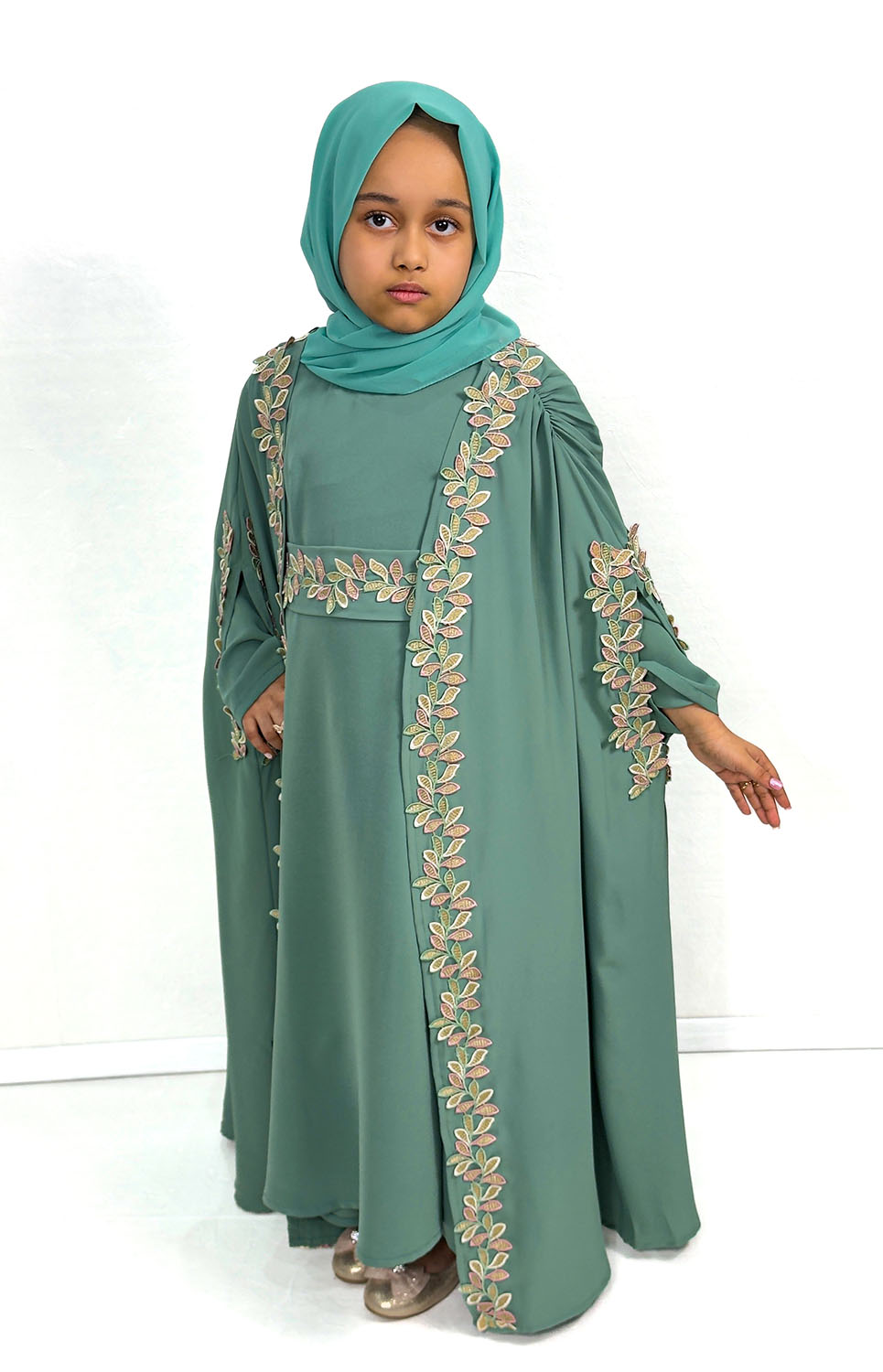
What Is a Kids Abaya? Meaning, Modesty, and Purpose
When we talk about a kids abaya, we’re not just referring to a garment — we’re talking about a deeply rooted cultural expression of modesty, identity, and confidence. Whether you’re a parent introducing your child to Islamic clothing for the first time or simply upgrading their wardrobe, understanding what an abaya represents is the first step toward making an informed and meaningful purchase.
More Than Just Modest Clothing
An abaya is a long, loose-fitting dress traditionally worn by Muslim women and girls to promote modesty. For children, a kids abayas is tailored with comfort, age-appropriateness, and freedom of movement in mind — while still honoring the core values of hijab and modest fashion.
- Religious Significance: Encourages early awareness of modesty aligned with Islamic teachings.
- Practical Wear: Provides coverage in a simple, slip-on design that’s easy for kids to manage.
- Cultural Connection: Helps children feel part of their heritage, especially during Eid, family gatherings, or prayer time.
Key Features of a Kids Abaya
| Feature | Why It Matters |
|---|---|
| Loose Fit | Ensures comfort, movement, and proper coverage. |
| Simple Closure | Often zippered or pullover style, ideal for young children to dress independently. |
| Lightweight Fabric | Breathable materials like cotton or nida are used to keep kids cool and comfy. |
| Minimal Embellishment | Designed to maintain modesty while allowing for age-appropriate accents. |
Why It’s a Meaningful First Step
Buying your child their first abaya is more than a shopping decision — it’s a milestone of identity and spiritual growth. It’s an opportunity to gently introduce the values of modesty in a way that feels empowering, not enforced. When chosen with care, a kids abaya can build confidence, create excitement around religious holidays, and deepen a child’s connection to faith and family tradition.
But understanding the abaya is just the beginning — choosing the right one is where most parents get stuck. Let’s break it down further in the next section…
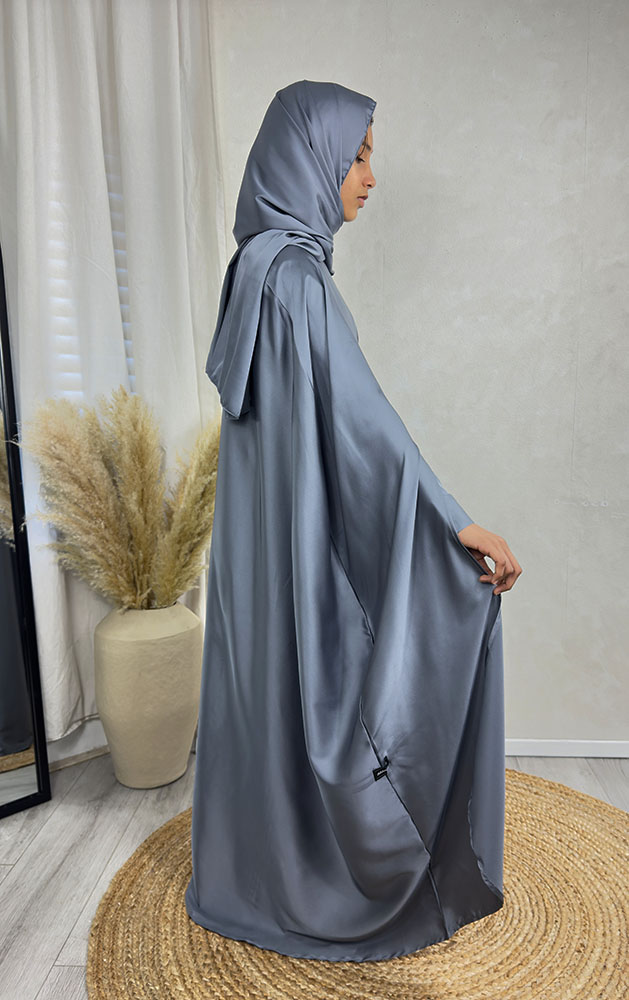
How to Choose the Right Abaya for Your Child’s Age and Needs
Not all kids abayas are created equal. The perfect choice depends on your child’s age, stage of development, daily activities, and personality. Selecting the right one means balancing modesty, mobility, comfort, and confidence — without compromising on Islamic values or your child’s ability to play, learn, and grow.
Key Factors to Consider by Age Group
Children have different needs at different ages. Here’s a quick breakdown to help guide your purchase:
| Age Group | What to Look For | Style Tips |
|---|---|---|
| Toddlers (2–4 years) | Soft fabrics, elastic waists, pullover styles, short lengths for easier walking | Choose playful colors and minimal embroidery for comfort and safety |
| Early Childhood (5–7 years) | Breathable material, flexible sizing, simple zip or button closures | Look for lightweight pieces that encourage independent dressing |
| Middle Childhood (8–10 years) | More structured fit, longer lengths, subtle embellishments, sleeves with cuffs | Ideal time to introduce traditional styles with minimal embroidery |
| Preteens (11–13 years) | Modest silhouettes, elegant finishes, appropriate for prayer or special occasions | Allow them to choose styles that reflect their personality within modest boundaries |
Checklist: Does the Abaya Fit Their Needs?
- Does it allow free movement? For school, prayer, or playtime, mobility is key.
- Is it weather appropriate? Choose breathable fabrics for warm months and layered styles for cooler climates.
- Can they dress themselves? Look for easy fastenings for independence, especially under age 10.
- Is it suitable for daily wear vs. special occasions? Some abayas are made for play, while others are best for Eid or family gatherings.
Quick Fit Tip
Always size up by one if your child is between sizes. Most children’s abayas offer a modest fit that accommodates growth without looking oversized.
Now that you know how to pick the right abaya for your child’s unique needs, let’s explore the top features that make an abaya child-friendly and parent-approved…
Seasonal Abayas: Which Fabrics Work Best for Summer, Winter, and In-Between
When choosing a kids abaya, fabric matters just as much as fit. The wrong material can make your child too hot in summer, too cold in winter, or just plain uncomfortable all year round. Knowing which fabrics perform best in each season helps ensure your child stays modest and comfortable — no matter the weather.
Best Fabrics by Season
| Season | Recommended Fabrics | Why It Works |
|---|---|---|
| Summer | Cotton, Linen, Rayon, Cotton blends | Lightweight and breathable to prevent overheating |
| Winter | Wool blends, Knit Jersey, Brushed Cotton, Thick Crepe | Insulates heat while remaining modest and soft |
| Spring & Autumn | Light Crepe, Cotton-Lycra blends, Midweight Jersey | Balanced warmth and breathability for transitional months |
Quick Fabric Guide for Parents
- Cotton: Soft, breathable, great for hot climates and sensitive skin
- Crepe: Flows well, slightly textured, works for both casual and formal styles
- Rayon: Lightweight with a silk-like finish — ideal for dressy summer abayas
- Wool Blends: Provide warmth in cold climates without feeling too bulky
Fabric Weight Matters
Always consider the *weight* of the fabric as much as the type. Lightweight fabrics like cotton lawn or rayon voile are perfect for summer, while mid- to heavyweight knits offer better warmth in winter.
Pro Tip for Year-Round Use
If you’re buying just one kids abaya, go for a midweight crepe in a neutral color. It layers easily in winter and breathes well in summer with the right innerwear.
Up next: we’ll show you the top design features that make an abaya practical for children — without sacrificing elegance or modesty.
Sizing Guide for Kids Abayas: Get It Right the First Time
One of the most frustrating parts of shopping for a kids abaya is getting the size right. An abaya that’s too tight can restrict movement, while one that’s too loose may not look neat or may even trip your child up. To ensure a perfect fit, here’s everything you need to know about sizing your child for an abaya.
How to Measure Your Child for an Abaya
- Chest: Measure around the fullest part of the chest, keeping the tape comfortably snug.
- Waist: Measure around the natural waistline, just above the belly button.
- Hips: Measure around the fullest part of the hips.
- Length: Measure from the shoulder down to the desired length (usually ankle-length for most kids).
Kids Abaya Sizing Chart
| Age | Chest (in inches) | Waist (in inches) | Length (in inches) | Recommended Size |
|---|---|---|---|---|
| 2-4 years | 20-22 | 20-22 | 25-30 | Small (S) |
| 5-7 years | 22-24 | 22-24 | 30-35 | Medium (M) |
| 8-10 years | 24-26 | 24-26 | 35-40 | Large (L) |
| 11-13 years | 26-28 | 26-28 | 40-45 | Extra Large (XL) |
Fit Tips for a Comfortable Abaya
- Room for Movement: Ensure the fabric isn’t too tight at the arms or chest, so your child can comfortably move and play.
- Consider Growth: Children grow quickly. Buying a slightly larger size might help extend the wear, but be mindful of the length so it doesn’t become a tripping hazard.
- Length: The ideal abaya should fall just above the ankle to prevent tripping, while still allowing for freedom of movement.
Pro Tip for Parents
If you’re unsure about the size, check the return/exchange policy from the retailer. Some stores, like Amanis, offer easy returns, which can provide peace of mind if the size doesn’t work out.
Now that you’re confident in getting the right size, let’s move on to how to select a style that aligns with your child’s personality and needs!
Top 7 Kids Abaya Styles Every Parent Should Know
When it comes to kids’ abayas, the right style can make all the difference — whether it’s for everyday wear, a special occasion, or just something to keep your child comfortable. Below are the top 7 kids abaya styles that every parent should be aware of, each offering its own benefits and unique design elements.
1. Classic A-Line Abaya
The A-line abaya is one of the most popular and versatile choices for young girls. It features a simple, flattering cut that flares out from the shoulders down to the hem. It’s an excellent option for both casual and formal wear.
- Pros: Elegant, simple, and easy to wear for any occasion.
- Best for: Everyday wear or special occasions.
2. Kimono-Style Abaya
Inspired by traditional Japanese kimonos, this style adds a unique flair to a child’s wardrobe. With wide sleeves and a flowing design, the kimono-style abaya offers comfort and elegance.
- Pros: Comfortable, fashionable, and suitable for warmer weather.
- Best for: Special occasions, events, or festive celebrations.
3. Jilbab Abaya
The jilbab abaya is a more modest, loose-fitting design that provides full coverage. This style often includes a hood or high collar for added coverage and privacy.
- Pros: Offers full coverage, ideal for modesty.
- Best for: Religious events, modest dressing needs.
4. Open-Front Abaya
The open-front abaya provides ease of movement, making it a great option for active children. This design allows for layering with other clothing underneath while offering a relaxed, chic look.
- Pros: Practical, easy to put on and take off.
- Best for: Everyday wear, especially for active children.
5. Button-Down Abaya
A button-down abaya is ideal for parents who want a style that’s both secure and stylish. The buttons allow for easy on and off while adding a sleek, tailored touch to the abaya.
- Pros: Elegant and structured.
- Best for: Formal events, religious functions.
6. Abaya with a Belt
This style comes with a detachable belt, which adds a touch of sophistication and defines the waist, making it a good choice for parents who want a more tailored look for their child’s abaya.
- Pros: Allows for a more structured fit, stylish.
- Best for: Casual outings, more fashion-forward events.
7. Abaya with Decorative Embellishments
If you’re looking for something more eye-catching, an abaya with decorative embellishments, such as embroidery, sequins, or lace, can add a fun and festive touch.
- Pros: Eye-catching and unique, perfect for special occasions.
- Best for: Parties, weddings, and religious celebrations.
Which Style Should You Choose?
The best style for your child will depend on the occasion, season, and their personal preferences. If you’re unsure, starting with a classic A-line or open-front abaya offers a great balance of comfort, modesty, and versatility.
Need more advice? Be sure to browse our selection of kids’ abayas to find the perfect fit for your child’s needs.
Abayas for Special Occasions: Eid, Weddings, and Family Gatherings
Abayas are not just everyday attire; they are also perfect for special occasions. Whether it’s Eid, a wedding, or a family gathering, the right abaya can elevate your child’s look while keeping them comfortable and modest. Here’s what you need to know when selecting an abaya for special occasions.
1. Eid Abayas: Celebrating with Style
Eid is one of the most celebrated occasions in the Muslim world, and dressing for this event requires a touch of elegance. For children, Eid abayas are often designed with special fabrics, vibrant colors, and intricate details to reflect the festive spirit.
- Fabric: Luxurious fabrics like satin, velvet, or silk are common for Eid abayas, as they add a festive shine and feel.
- Style: Look for embellished abayas with embroidery, beads, or sequins for a more glamorous look.
- Color: While traditional colors like black and navy work well, bright, cheerful hues like gold, silver, or pastel tones are also popular.
2. Wedding Abayas: Elegant and Formal
Weddings are a grand affair, and children deserve to feel special in their attire. For weddings, abayas are often designed to reflect the formality and grandeur of the event, often incorporating intricate designs and beautiful finishes.
- Fabric: Wedding abayas often feature fabrics such as chiffon, organza, and tulle for a delicate, graceful look.
- Design: Look for abayas with lace, pearls, or beading to give your child a formal, elegant appearance.
- Color: Soft tones like ivory, cream, or blush are popular for weddings, but don’t be afraid to go for a bolder color depending on the theme of the wedding.
3. Family Gatherings: Comfortable Yet Stylish
For more casual family gatherings, your child’s abaya should be comfortable while still looking put together. Choose simple yet stylish designs that provide ease of movement for your child.
- Fabric: Cotton or linen abayas are a great option for casual occasions, as they are breathable and comfortable for all-day wear.
- Style: Look for simple, elegant cuts with minimal embellishments for a more understated look.
- Color: Neutral tones or pastels are perfect for family gatherings, offering a soft, modest look without being too bold.
Key Considerations for Special Occasion Abayas
When choosing an abaya for a special occasion, keep these tips in mind:
- Fit: Make sure the abaya fits comfortably, leaving room for movement, especially for children who will be active at events.
- Embellishments: While embellishments like beads, sequins, and embroidery add beauty, ensure they are not too heavy or uncomfortable for your child to wear for extended periods.
- Color Coordination: Choose colors that align with the event’s theme. For example, subtle tones for weddings, and bright, celebratory colors for Eid.
Shop for Special Occasion Abayas
Whether you’re preparing for Eid, a wedding, or a family gathering, Amanis offers a wide variety of kids’ abayas perfect for every special occasion. Browse our collection of kids’ abayas for special events to find the perfect one for your child.
School-Ready Abayas: Modest, Comfortable, and Uniform-Friendly
When it comes to dressing for school, children need an abaya that offers both modesty and comfort, allowing them to move freely while staying within school dress code requirements. School-ready abayas should be practical, easy to wear, and durable, while still maintaining a sense of style. Here’s how to choose the right abaya for school.
1. Comfort is Key for School Day Wear
For school, comfort is the most important factor in choosing an abaya. Your child will need to wear it for long hours, so it must be lightweight and breathable. Look for fabrics that are comfortable, soft against the skin, and suitable for everyday wear.
- Fabric: Cotton and jersey are excellent choices for school-ready abayas, as they are soft, breathable, and easy to care for.
- Fit: A relaxed fit that allows your child to move freely while sitting, standing, and playing is essential for school days.
- Design: Simple, unembellished designs work best for everyday school wear. Look for classic, clean cuts that are easy to wear and move in.
2. School-Uniform Friendly Abayas
Many schools have uniform policies that may include specific guidelines on modesty or color. A school-ready abaya can be a great addition to a uniform, providing both style and adherence to school rules.
- Color: Neutral tones like black, navy, gray, or beige are often the most versatile and accepted for school uniforms.
- Style: Choose an abaya with minimal decoration, which helps it blend in with school uniforms while still providing the modesty required by cultural or religious practices.
- Durability: Since school days are active, make sure the fabric and stitching are durable enough to withstand regular use, including washing and playtime.
3. Easy Maintenance for Busy Parents
School-ready abayas should be easy to care for, especially for busy parents. Choose materials that don’t require constant dry cleaning or ironing, and opt for designs that maintain their shape and color after multiple washes.
- Machine-Washable: Look for abayas made from fabrics that can be machine-washed and dried, saving you time and effort.
- Wrinkle-Resistant: Fabrics like polyester blends or jersey knit are wrinkle-resistant and require minimal maintenance, making them ideal for school wear.
4. Sizing and Fit for Growing Children
School-aged children are growing quickly, so it’s important to find an abaya that accommodates their growth while still being appropriately modest. Many school-ready abayas come in adjustable sizes or feature elasticized waistbands to offer flexibility as your child grows.
- Adjustable Fit: Look for designs with features like elasticized cuffs or drawstrings at the waist for a better fit as your child grows.
- Room for Movement: Ensure that the abaya allows for freedom of movement, particularly for playtime and physical activities during school.
5. Shop School-Ready Abayas for Your Child
Ready to find the perfect school-ready abaya for your child? Amanis offers a wide range of stylish, comfortable, and school-appropriate abayas. Visit our school-ready abayas collection to explore more options!
Color Psychology in Kids Abayas: What Different Shades Say
Color plays a significant role in the way we perceive and experience the world around us. The shades we choose for clothing can have an emotional and psychological impact on the wearer. In the case of kids’ abayas, selecting the right color can help express your child’s personality, boost their confidence, and even influence their mood. Let’s dive into the psychology behind different colors in kids’ abayas and what they signify.
1. The Power of Classic Black
Black is a timeless and elegant color, often associated with formality, strength, and sophistication. It’s the go-to color for many abayas because of its versatility and simplicity.
- Psychological Impact: Black is known for promoting feelings of confidence and power. It exudes authority and stability, making it a popular choice for formal occasions and special events.
- For Kids: While black is often seen as mature, it can help foster a sense of responsibility and seriousness, especially when worn for important events like Eid or weddings.
- Perfect For: Formal gatherings, family events, or school uniforms, where a classic, neutral look is desired.
2. Soft Blues: Calm, Cool, and Collected
Blue is often associated with tranquility, calmness, and trust. Soft shades of blue in kids’ abayas can evoke a peaceful and soothing feeling, making it an excellent choice for everyday wear.
- Psychological Impact: Blue is calming and is believed to promote relaxation and focus, making it an ideal color for school or playtime.
- For Kids: Light blue shades are gentle and approachable, helping children feel more at ease and comfortable throughout the day.
- Perfect For: Casual wear, school, or when a sense of calm and peace is desired.
3. Vibrant Pink: Playful, Creative, and Fun
Pink is widely associated with softness, love, and playfulness. For kids, pink is a color that symbolizes innocence, joy, and imagination.
- Psychological Impact: Pink promotes feelings of happiness and warmth. It is often linked to a nurturing and affectionate atmosphere.
- For Kids: The playful tone of pink encourages creativity and a carefree attitude, making it a fun choice for everyday wear or parties.
- Perfect For: Birthday parties, casual outings, or when you want to add a cheerful, energetic vibe to your child’s outfit.
4. Bold Red: Passionate, Energetic, and Powerful
Red is a color that commands attention and is associated with passion, energy, and excitement. A red kids’ abaya can make a bold statement and boost your child’s confidence.
- Psychological Impact: Red is energizing and stimulating. It is linked to action, strength, and courage, making it a great color for occasions when you want your child to stand out.
- For Kids: Red can be empowering, helping children feel brave and assertive.
- Perfect For: Special occasions like Eid or parties, where a striking and confident look is desired.
5. Calm Greens: Growth, Harmony, and Nature
Green is the color of nature and is often associated with balance, harmony, and growth. It represents renewal and vitality, making it a wonderful color for children’s clothing.
- Psychological Impact: Green promotes a sense of calm and relaxation while encouraging growth and creativity. It can help balance energy and bring about a feeling of peace.
- For Kids: Light and medium shades of green can help children feel calm and collected, especially during stressful or busy days.
- Perfect For: Everyday wear, school, or when a peaceful, grounding vibe is desired.
6. Playful Yellow: Optimism, Cheerfulness, and Positivity
Yellow is the color of sunshine, optimism, and cheer. It evokes feelings of happiness, positivity, and light.
- Psychological Impact: Yellow is a bright, uplifting color that stimulates happiness and enthusiasm. It can promote a positive outlook and energize those around it.
- For Kids: A yellow abaya can encourage a sense of joy, confidence, and fun, making it perfect for festive occasions.
- Perfect For: Birthday celebrations, Eid, or anytime you want to make your child’s outfit vibrant and full of energy.
7. Neutral Shades: Beige, Gray, and White
Neutral colors like beige, gray, and white are timeless, sophisticated, and adaptable. These colors offer a minimalist aesthetic and can be paired easily with other hues.
- Psychological Impact: Neutral shades tend to evoke feelings of calmness, simplicity, and balance. They are considered elegant and peaceful.
- For Kids: Neutral tones are versatile and can be worn year-round, making them an excellent choice for everyday school wear.
- Perfect For: School uniforms, daily wear, or as a foundation for adding colorful accessories.
Choosing the Right Color for Your Child’s Abaya
When choosing a color for your child’s abaya, think about their personality, the occasion, and the mood you want to evoke. Whether it’s a serene blue for school or a playful pink for a party, understanding color psychology can help you pick the perfect shade for your child.
Explore our collection of colorful kids’ abayas here and find the perfect hue to match your child’s personality and needs!
Where to Buy Kids Abayas Online (Without Regret)
Finding the perfect kids abaya can be a daunting task. You want a piece that is not only modest, stylish, and comfortable but also made from high-quality materials that will last. With countless online stores offering kids’ abayas, it can be overwhelming to choose where to shop. In this section, we’ll highlight the best online stores to purchase kids’ abayas, ensuring that you make a purchase that is both satisfying and regret-free.
1. Amanis.com: Trusted for Quality and Style
When it comes to kids’ abayas, Amanis.com stands out as a top choice for parents seeking both quality and style. Known for their exceptional collection of modest wear, Amanis.com offers a wide variety of kids’ abayas designed for comfort, elegance, and practicality.
- What Sets It Apart: Amanis.com provides a curated selection of premium abayas, ensuring that every piece is crafted with care and attention to detail.
- Material Quality: From lightweight cotton fabrics for summer to thicker materials for cooler months, Amanis offers options for every season.
- Variety of Styles: Whether you’re looking for a casual school-friendly abaya or something more formal for special occasions, Amanis has it all.
- Customer Reviews: With numerous positive reviews, customers rave about the excellent fit, fast shipping, and overall satisfaction with their purchases.
- Internal Link: Explore the Children’s Abayas Collection at Amanis.com today!
2. Modest Forever: Affordable and Trendy
Modest Forever is another great option for buying kids’ abayas online. Known for offering affordable yet stylish pieces, this website is perfect for parents who want to combine fashion with modesty.
- What Sets It Apart: They offer a range of trendy, high-quality fabrics at budget-friendly prices.
- Material Quality: Their abayas come in a variety of fabrics, including chiffon and crepe, ideal for different occasions.
- Variety of Styles: From casual everyday wear to more festive designs, Modest Forever offers something for every taste.
3. HijabHouse: Unique and Elegant Kids Abayas
HijabHouse offers an extensive collection of kids’ abayas that combine modesty with unique and elegant styles. If you’re looking for something special, this store offers a range of one-of-a-kind designs that will make your child stand out.
- What Sets It Apart: HijabHouse specializes in intricate designs with embroidery, sequins, and other decorative elements that add a luxurious touch to kids’ abayas.
- Material Quality: They use high-quality fabrics such as satin, velvet, and silk for a premium look and feel.
- Variety of Styles: Their collection includes a mix of traditional and modern abayas, perfect for any occasion.
4. The Hijab Shop: A Global Range of Modest Fashion
The Hijab Shop is an excellent online store for buying kids’ abayas. With a focus on global modest fashion, they cater to customers worldwide and offer international shipping.
- What Sets It Apart: The Hijab Shop offers a broad range of abayas from different parts of the world, giving you access to unique styles from various cultures.
- Material Quality: The store features abayas made from comfortable and breathable fabrics like cotton and jersey, ideal for everyday wear.
- Variety of Styles: From casual to formal, their collection has something for every event, including Eid, weddings, and school.
5. Noon.com: Convenient Shopping for Parents
If you’re looking for convenience along with variety, Noon.com offers a reliable online marketplace for purchasing kids’ abayas. Known for its wide selection, competitive prices, and fast shipping, Noon.com makes it easy to shop for modest wear for your child.
- What Sets It Apart: Noon.com’s user-friendly interface and fast delivery options make it a great choice for busy parents.
- Material Quality: They offer a range of materials including cotton, polyester, and silk, giving you options for both comfort and luxury.
- Variety of Styles: You’ll find a diverse range of kids’ abayas, from simple and elegant designs to more ornate, festive pieces.
Tips for Buying Kids Abayas Online
When purchasing kids’ abayas online, here are some tips to ensure a successful shopping experience:
- Check Size Guides: Always review the size chart provided by the store to ensure the perfect fit for your child.
- Read Customer Reviews: Check what other parents are saying about the fit, quality, and overall experience before making a purchase.
- Consider Fabric: Be sure to select a fabric suitable for the season and your child’s comfort. Cotton is great for summer, while wool or velvet is better for colder months.
- Look for Return Policies: Ensure the store has a reasonable return or exchange policy in case the abaya doesn’t meet your expectations.
At Amanis.com, we strive to offer a range of beautiful, high-quality kids’ abayas at competitive prices. Explore our Children’s Abayas Collection and find the perfect abaya for your child today!
Avoiding Common Mistakes When Buying a Kids Abaya
Buying a kids’ abaya might seem like a straightforward task, but there are several common mistakes that parents make when selecting one. From sizing errors to overlooking fabric quality, these mistakes can lead to discomfort or dissatisfaction with the purchase. In this section, we’ll guide you through the most frequent pitfalls and how to avoid them to ensure you make the best choice for your child.
1. Not Considering the Fit and Size
One of the most common mistakes when purchasing kids’ abayas is choosing the wrong size. Many parents assume that buying a larger size will allow for more room to grow, but this can lead to an ill-fitting garment that’s either too baggy or too tight.
- How to Avoid This Mistake: Always refer to the size guide provided by the retailer and measure your child’s chest, waist, and height before making a purchase. Consider that kids’ sizes can vary between brands, so don’t rely solely on age-based sizing.
- Why It Matters: A proper fit ensures comfort, prevents chafing, and allows your child to move freely, which is especially important for activities like school or playtime.
2. Choosing the Wrong Fabric for the Season
Another common mistake is selecting a fabric that’s not suited for the climate or season. Fabrics like heavy velvet may be perfect for winter but too warm for summer. Similarly, lightweight cotton can keep your child comfortable during the hot months but won’t offer enough warmth during winter.
- How to Avoid This Mistake: Always consider the season when purchasing an abaya. Opt for breathable fabrics like cotton and linen for summer, and choose thicker materials like wool or velvet for cooler months.
- Why It Matters: Wearing the wrong fabric can make your child feel uncomfortable, hot, or cold, which will make them less likely to wear the abaya regularly.
3. Overlooking Comfort and Mobility
While style is essential, comfort should always be a top priority when selecting a kids’ abaya. Abayas that are too tight, too stiff, or made from uncomfortable materials can make your child feel restricted and fidgety, particularly when they need to move around or play.
- How to Avoid This Mistake: Look for an abaya with a loose fit that allows for plenty of movement. Fabrics with a little stretch, like jersey or cotton blends, can also provide added comfort.
- Why It Matters: Kids need to be able to run, jump, and play, so an abaya should never limit their range of motion.
4. Forgetting About Ease of Care
Abayas can come in a variety of materials, some of which require delicate care. If you’re purchasing an abaya for daily wear, you’ll want to consider how easy it is to clean and maintain.
- How to Avoid This Mistake: Choose fabrics that are machine washable, especially for younger children. For special occasion abayas, select fabrics that can be dry-cleaned but be mindful of their fragility.
- Why It Matters: If an abaya requires too much maintenance, it can become impractical for everyday use. You want something that’s both beautiful and low-maintenance.
5. Not Considering the Occasion
Another common mistake is buying a kids’ abaya that’s too formal or too casual for the intended occasion. While some abayas are perfect for everyday wear, others are designed for special occasions like Eid, weddings, or family gatherings.
- How to Avoid This Mistake: Always think about where and when your child will wear the abaya. A simple design with minimal decoration may be perfect for school, while a more elaborate, embellished design may be ideal for a wedding or Eid celebration.
- Why It Matters: Wearing an abaya that’s appropriate for the occasion will ensure that your child feels confident and well-dressed for the event.
6. Ignoring the Importance of Style Preferences
While it’s important to choose an abaya that aligns with modesty standards, it’s equally important to consider your child’s style preferences. Children are more likely to wear something they love, so it’s essential to involve them in the selection process, especially as they get older.
- How to Avoid This Mistake: If your child has a favorite color, pattern, or design, try to incorporate that into their abaya selection. There are many options available, from simple and sleek designs to more decorative and embellished styles.
- Why It Matters: When your child feels confident and happy in their abaya, they are more likely to wear it regularly and enjoy doing so.
7. Not Checking for Proper Modesty
While most kids’ abayas are designed to be modest, some may be more revealing or less conservative than others. It’s essential to make sure the abaya covers your child appropriately, especially if they are wearing it in public or for religious occasions.
- How to Avoid This Mistake: Check the length, sleeve width, and overall design of the abaya to ensure it provides the coverage you expect.
- Why It Matters: Ensuring that the abaya aligns with modesty expectations helps maintain cultural and religious values.
Conclusion
By avoiding these common mistakes, you can ensure that your child’s abaya is not only stylish but also practical, comfortable, and suitable for the occasion. With a little research and careful consideration, you’ll find the perfect abaya that both you and your child will love.
How to Wash and Care for Kids Abayas (Without Ruining Them)
Proper care and maintenance are essential to keep your child’s abaya looking beautiful and lasting for years. Whether it’s a delicate fabric for special occasions or a more durable one for everyday wear, understanding how to wash and care for it will ensure it retains its color, texture, and fit. Below, we’ll guide you through the best practices to care for kids’ abayas without ruining them.
1. Always Check the Care Label
The first step in proper abaya care is to check the manufacturer’s care instructions. These labels will provide valuable insights into how to handle your child’s abaya, including whether it’s machine washable, hand wash only, or requires dry cleaning.
- Why It Matters: Each fabric type may have specific needs, and following the care label instructions ensures your abaya stays in good condition.
- Tip: If you lose the care label, research the fabric type (e.g., cotton, silk, polyester) to understand the best care practices.
2. Hand Wash Delicate Fabrics
For abayas made from delicate materials such as silk, chiffon, or lace, it’s recommended to hand wash them gently with cold water. Avoid wringing or scrubbing, as this can damage the fabric.
- How to Do It: Use a mild detergent, and gently agitate the water. After washing, let the abaya air dry on a flat surface, avoiding direct sunlight to prevent fading.
- Why It Matters: Hand washing preserves the integrity of fragile fabrics, preventing tears, color loss, or damage to intricate details.
3. Machine Wash with Care (If Applicable)
Some kids’ abayas are machine washable, but you should still take precautions. Always place the abaya in a mesh laundry bag to protect it from snagging or getting tangled with other items.
- How to Do It: Set the washing machine to a delicate or gentle cycle with cold water. Use a mild detergent and avoid bleach, which can weaken the fabric and cause discoloration.
- Why It Matters: Proper washing machine settings minimize the risk of damaging the abaya while ensuring it is cleaned thoroughly.
4. Avoid Harsh Chemicals and Bleach
Harsh chemicals and bleach can cause irreversible damage to your child’s abaya. Even if the abaya seems to be stained, it’s essential to avoid bleach unless the label specifically says it’s safe.
- How to Do It: If your abaya has stains, try pre-treating the spot with a gentle stain remover or by applying a mixture of water and mild detergent before washing.
- Why It Matters: Using bleach or harsh chemicals can compromise the fabric’s texture, color, and overall appearance.
5. Dry Cleaning for Special Fabrics
Some abayas, particularly those made of luxurious fabrics like velvet, satin, or those with intricate embellishments, require dry cleaning to maintain their shape and finish.
- How to Do It: Always opt for professional dry cleaning to ensure that the delicate materials are treated properly.
- Why It Matters: Dry cleaning helps preserve special fabrics and ornate details, ensuring they don’t lose their sheen, softness, or structure.
6. Ironing: Low Heat Only
If the abaya requires ironing, always use a low heat setting on the iron. Avoid ironing directly over any embellishments, lace, or delicate fabrics as this can cause damage.
- How to Do It: Place a cloth between the iron and the abaya if necessary, and always iron the garment inside out to protect the surface from heat.
- Why It Matters: Excessive heat can damage the fabric, causing it to lose its texture or even shrink. Ironing at a low temperature ensures it stays looking pristine.
7. Storing Kids Abayas Properly
Proper storage is crucial for maintaining the longevity of your child’s abaya. Whether it’s hanging or folding, there are specific ways to store the garment to avoid wrinkles, damage, or loss of shape.
- How to Do It: For everyday wear, hang the abaya in a breathable garment bag or on a hanger. For special occasion abayas, store them in a garment bag to keep them free from dust and potential damage.
- Why It Matters: Proper storage prevents wear and tear, helps the abaya retain its shape, and avoids unnecessary wrinkles or creases.
8. Cleaning Embellishments with Care
If your child’s abaya has beads, sequins, or embroidery, be extra cautious when washing it. These embellishments require special attention to avoid detaching or getting damaged during cleaning.
- How to Do It: If the abaya has intricate embellishments, consider hand washing or using a dry cleaner. Never use bleach on items with sequins or beads.
- Why It Matters: Embellishments can easily be damaged if not handled properly, so it’s important to take extra care to maintain their appearance.
9. Regularly Inspect for Damage
Regularly inspecting your child’s abaya for any damage, like loose threads, missing beads, or tears, is important to keep it in top condition. Small issues can be addressed before they become bigger problems.
- How to Do It: Check for any loose stitching or threads after washing, and repair any minor issues as soon as possible to avoid further damage.
- Why It Matters: Regular inspections allow you to catch small problems early, ensuring your child’s abaya stays in excellent shape.
Conclusion
Proper care of kids’ abayas ensures they remain in excellent condition for years. By following the washing and care tips outlined above, you’ll be able to preserve the beauty and functionality of the abaya, ensuring that your child can enjoy wearing it for any occasion.
Modest Accessories for Kids: Hijabs, Headbands, and Layering Tips
When it comes to creating a modest and stylish look for your child, accessories play a key role. The right modest accessories can elevate a simple abaya, providing comfort, style, and functionality. In this section, we’ll cover the best accessories for kids’ abayas, including hijabs, headbands, and layering tips to ensure that your child is both modest and fashionable.
1. Hijabs: A Versatile Accessory
The hijab is an essential accessory for many children, especially those who wear it as part of their daily modest fashion. When choosing a hijab for your child, it’s important to consider factors such as fabric, comfort, and ease of wear.
- Material Matters: Opt for soft, breathable fabrics like cotton, jersey, or chiffon. These materials are comfortable for long hours of wear and won’t irritate your child’s skin.
- Color and Style: Choose colors that complement the abaya. For a classic look, neutral tones work well, but for a more playful vibe, consider pastel or bright hues.
- Easy to Wear: Look for hijabs with simple styles, such as slip-on hijabs or pre-tied designs, which make it easier for your child to put on and take off without fuss.
- Why It Matters: A well-chosen hijab enhances your child’s comfort and appearance, allowing them to feel both stylish and modest.
2. Headbands: Stylish and Practical
Headbands are another great accessory for kids, offering both style and practicality. They can be used to hold back hair and ensure the hijab stays in place throughout the day.
- Elastic Bands: Opt for headbands with soft, elastic bands that won’t dig into the skin or cause discomfort. These headbands can also be worn under the hijab for extra support.
- Decorative Headbands: Some headbands come with decorative elements, such as bows, flowers, or beads, adding a touch of fun and personality to your child’s outfit.
- Why It Matters: Headbands help keep the hijab securely in place while adding a decorative touch, ensuring your child feels comfortable and fashionable.
3. Layering Tips: Adding Extra Modesty and Style
Layering is an effective way to add extra modesty while also enhancing the overall style of the abaya. Here are a few tips for layering to create a fashionable and modest look:
- Undershirts and Tops: For additional coverage, consider layering your child’s abaya with a long-sleeved shirt or modest top underneath. This adds warmth in cooler months while maintaining the abaya’s flowy silhouette.
- Cardigans and Jackets: A cardigan or lightweight jacket can be layered over an abaya to create a more structured, polished look. Opt for simple, neutral tones that complement the abaya.
- Why It Matters: Layering is not only functional, providing extra warmth and modesty, but it also allows for more styling options, giving your child more freedom to express their personal fashion.
4. Shoes: Complete the Modest Look
Don’t forget to complete your child’s outfit with the right pair of shoes. Comfortable, modest footwear is essential for a well-rounded look that ensures both style and practicality.
- Flats or Low Heels: Choose shoes that are modest in design, such as ballet flats, slip-on shoes, or low heels. These options are both comfortable and stylish for everyday wear.
- Comfort Is Key: Make sure that the shoes provide adequate support and are suitable for your child’s activities, whether they’re playing at school or attending a special event.
- Why It Matters: The right shoes complete the look, ensuring that your child feels comfortable and confident in their modest attire.
5. Modest Accessories for Special Occasions
For special occasions such as Eid, weddings, or family gatherings, you can accessorize your child’s abaya with a few standout pieces. Here are some ideas:
- Jewelry: Simple, delicate pieces of jewelry, such as small studs or a dainty bracelet, can add a touch of elegance without detracting from the modest look.
- Scarves: Consider adding a decorative scarf with beads, sequins, or embroidery to elevate the outfit for special events.
- Why It Matters: Accessories can make an outfit stand out for special occasions while still keeping it modest and appropriate for the event.
6. Where to Find Modest Accessories for Kids
Finding high-quality, stylish, and modest accessories for your child is easy when you know where to look. Many stores offer a wide range of accessories designed specifically for modest wear.
- Online Stores: Websites like Amanis.com offer a variety of hijabs, headbands, and other accessories that pair perfectly with kids’ abayas.
- Local Boutiques: Check out local boutiques or shops specializing in modest fashion for kids to find unique accessories.
- Why It Matters: Finding the right accessories at trusted stores ensures that your child’s look is stylish, comfortable, and made from quality materials.
Conclusion
Modest accessories for kids can enhance an abaya and complete your child’s outfit in a way that is both stylish and functional. By choosing the right hijab, headband, and layering options, you can ensure that your child feels comfortable, confident, and fashionable while remaining true to modest fashion principles.
Girls’ Jilbabs vs. Abayas: What’s the Difference?
When shopping for modest clothing for girls, two popular options you may come across are jilbabs and abayas. While both are modest dresses that offer coverage and style, they differ in design, fit, and how they are traditionally worn. In this section, we’ll explore the key differences between girls’ jilbabs and abayas to help you choose the best option for your child.
1. Design and Fit
The most obvious difference between jilbabs and abayas is their design and fit. Here’s a breakdown:
- Jilbabs: Jilbabs are typically more form-fitting than abayas. They may feature a more tailored silhouette and can sometimes include features like zippers, belts, or other closures that create a more structured look.
- Abayas: Abayas are generally loose-fitting, flowy garments designed to offer maximum coverage and modesty. They often have a straight cut or a slight flare towards the bottom but are less structured compared to jilbabs.
- Why It Matters: The fit and design can affect comfort and style. If you want a more relaxed, traditional look for your child, an abaya may be the better choice. For a more structured and modern silhouette, a jilbab might be preferred.
2. Coverage
Both jilbabs and abayas offer excellent coverage, but the way they cover the body differs slightly:
- Jilbabs: Jilbabs typically cover the entire body from head to toe, including the arms and legs, offering a more fitted option with full-length coverage.
- Abayas: While abayas also offer full-body coverage, they are looser and often feature flowing sleeves. Depending on the style, they may be slightly less fitted around the arms and legs compared to jilbabs.
- Why It Matters: For parents who want more structured and streamlined coverage, jilbabs may be a better option. For those who prioritize comfort and a looser fit, abayas offer a traditional and versatile choice.
3. Styling Options
Both jilbabs and abayas come in various styles, but how they are styled can differ:
- Jilbabs: Jilbabs are often paired with belts, zippers, or buttons to create a more fitted look. They can also have hooded or non-hooded designs, making them more versatile for layering with other modest wear.
- Abayas: Abayas are usually simpler in design, with open-front options that can be worn over other clothing or fastened with buttons or ties. They often come in solid colors, but more modern versions feature embellishments like embroidery or beading.
- Why It Matters: The ability to style a jilbab more form-fitting or structured may appeal to those looking for more options in terms of fit and appearance. Abayas, being more flowy and simple, are great for a traditional look and can be dressed up or down easily.
4. Cultural and Regional Differences
Jilbabs and abayas are both popular in many parts of the Muslim world, but they are more commonly worn in different regions:
- Jilbabs: Jilbabs are especially common in some Middle Eastern countries and parts of North Africa. They are also popular among Muslim women and girls in countries like the UK, France, and other European regions.
- Abayas: Abayas are most commonly associated with Saudi Arabia and the Gulf countries, although they are worn in many Muslim-majority regions around the world.
- Why It Matters: While both garments serve the same purpose of modesty, understanding their regional significance can help in making an informed choice depending on cultural preferences and fashion trends in different regions.
5. Fabric Choices
The fabric used for both jilbabs and abayas is often similar, but the way it is used can affect the overall feel and appearance:
- Jilbabs: Jilbabs are often made from thicker fabrics, such as polyester, cotton, or wool blends, making them ideal for cooler weather or more structured looks.
- Abayas: Abayas are often made from lighter fabrics, such as chiffon, crepe, or georgette, making them ideal for warmer climates and giving them a more flowing, airy feel.
- Why It Matters: The fabric choice impacts comfort, style, and practicality. For hot climates, lighter fabrics in abayas can be cooler, while jilbabs provide more structure and warmth in cooler months.
6. Which One is Right for Your Child?
Choosing between a jilbab and an abaya comes down to personal preference and specific needs. Here’s a quick comparison to help you decide:
| Feature | Jilbab | Abaya |
|---|---|---|
| Fit | More fitted and structured | Loose and flowy |
| Coverage | Head to toe coverage with a more tailored look | Loose coverage, often with flowing sleeves |
| Styling Options | Belts, zippers, or hooded designs | Simple, open-front, and traditional |
| Fabric | Thicker fabrics like polyester and cotton blends | Lighter fabrics like chiffon and georgette |
| Ideal for | Structured, modern looks | Traditional, relaxed, and comfortable looks |
Ultimately, both jilbabs and abayas serve the purpose of providing modest coverage, but their differences in fit, design, and fabric make them suitable for different occasions, climates, and personal preferences. If your child prefers a more structured, tailored look, a jilbab may be ideal. However, if comfort and a loose, flowing look are priorities, an abaya may be the perfect choice.
Kids Prayer Abayas: A Parent’s Guide to Spiritual Readiness
When it comes to fostering spiritual growth and instilling a sense of modesty, prayer abayas for children play an important role. Prayer is one of the key pillars of Islam, and ensuring that your child is dressed appropriately for prayer helps create an environment of mindfulness and reverence. In this guide, we’ll explore the essential aspects of prayer abayas for kids and how to choose the right one for their spiritual readiness.
1. What is a Prayer Abaya?
A prayer abaya is a specially designed garment worn during prayer. Unlike regular abayas, prayer abayas are tailored to offer full coverage and facilitate ease of movement during the prayer ritual. These garments are lightweight, comfortable, and often feature designs that are specifically meant to support the act of worship.
- Design Features: Prayer abayas usually have a looser fit to allow for unrestricted movement. They may include extra length to cover the feet and arms completely.
- Fabric Choices: The fabric for prayer abayas is often lightweight and breathable, such as cotton or soft polyester blends, to ensure comfort during long periods of prayer.
2. Why Are Prayer Abayas Important for Children?
Prayer abayas are not just about modesty; they also symbolize spiritual readiness. Here’s why investing in a prayer abaya for your child can be beneficial:
- Encouraging Spiritual Mindfulness: Wearing a prayer-specific garment helps a child associate their clothing with the act of prayer, which can increase their focus and mindfulness during worship.
- Instilling Modesty from a Young Age: Dressing children in prayer abayas encourages the values of modesty, which are essential in Islamic teachings.
- Comfort and Practicality: Prayer abayas are designed to be comfortable, ensuring that children can perform their prayers without any discomfort or distractions.
3. Key Features to Look for in a Kids Prayer Abaya
When choosing a prayer abaya for your child, there are several key features to consider to ensure both comfort and appropriateness for prayer:
- Full Coverage: The prayer abaya should cover the entire body, ensuring no part of the child’s body is exposed during prayer.
- Easy to Wear: Look for a prayer abaya that is easy for your child to wear and remove independently, encouraging them to develop a sense of responsibility and readiness for prayer.
- Breathable and Soft Fabric: Since children may wear their prayer abaya for extended periods, ensure the fabric is breathable, lightweight, and soft to prevent discomfort.
- Simple and Elegant Design: Prayer abayas should have simple designs that reflect humility and elegance without distracting from the purpose of prayer.
4. How to Choose the Right Size for Your Child’s Prayer Abaya
Ensuring that your child’s prayer abaya fits properly is essential for comfort and proper movement during prayer. Here’s a helpful guide to choosing the right size:
- Age and Height: The size of the prayer abaya should be based on your child’s height and age. Look for a length that allows full coverage while also providing some room for movement.
- Loose Fit: Ensure the prayer abaya is not too tight, as it needs to be loose enough for comfortable prostration and other prayer movements.
- Adjustable Options: Some prayer abayas come with adjustable features like drawstrings or elastic at the cuffs to ensure a secure but comfortable fit.
5. Top 3 Styles of Prayer Abayas for Kids
There are different styles of prayer abayas for children, depending on their age, preferences, and the type of prayer they will be participating in. Below are the top three popular styles:
| Style | Description | Ideal Age Group |
|---|---|---|
| Traditional Prayer Abaya | A simple, loose-fitting abaya that covers the entire body. Often with long sleeves and a straight cut. | 6-12 years |
| Hooded Prayer Abaya | Includes a soft hood for additional coverage. Comfortable and practical for children who prefer a more secure fit around the head. | 4-10 years |
| Robe Style Prayer Abaya | A robe-style abaya that is easy to slip on and off, offering extra comfort for young children. | 2-5 years |
6. How to Encourage Your Child to Wear a Prayer Abaya
Introducing your child to the concept of prayer can be an exciting journey. To help them embrace their new prayer abaya, consider these tips:
- Involve Them in the Process: Let your child choose their favorite color or style of prayer abaya to make the experience more enjoyable.
- Create a Prayer Routine: Make prayer a regular part of their daily routine so they associate wearing the prayer abaya with this important spiritual practice.
- Lead by Example: Show them how important it is to dress in a prayer abaya by wearing your own modest attire during family prayers.
By choosing the right prayer abaya and creating a positive association with prayer, your child can experience both spiritual and personal growth. Not only does a prayer abaya help them stay modest and comfortable, but it also nurtures their relationship with faith from a young age.
How to Encourage Your Child to Embrace Modest Fashion
Encouraging your child to embrace modest fashion is more than just about clothing; it’s about instilling values of self-respect, personal integrity, and a sense of identity. Modest fashion teaches children the importance of dressing in a way that reflects their inner values and their respect for cultural and religious beliefs. In this section, we’ll explore practical strategies for helping your child appreciate and adopt modest fashion with pride.
1. Lead by Example
Children often look up to their parents as role models. One of the most effective ways to encourage your child to embrace modest fashion is to lead by example. When they see you wearing modest clothing, they are more likely to understand its significance and adopt it themselves. Here’s how you can do this:
- Wear Modest Clothing Yourself: Make modest fashion a natural part of your wardrobe. When your child sees you confidently dressing modestly, they are more likely to appreciate and adopt the practice.
- Talk About Your Choices: Explain why you choose to wear modest clothing. Discuss how it reflects your values and beliefs, and why it makes you feel comfortable and confident.
- Embrace Personal Style: Show your child that modest fashion can still be stylish, colorful, and fun. Encourage creativity within the boundaries of modesty, allowing them to express themselves through their clothing choices.
2. Involve Your Child in Fashion Choices
Involving your child in the process of choosing modest clothing empowers them to take ownership of their style. Here are a few tips on how to make them feel part of the decision-making process:
- Let Them Choose: Allow your child to pick out abayas, hijabs, or modest dresses that align with their personal preferences. This fosters a sense of independence and pride in their choices.
- Mix and Match: Encourage your child to mix and match different colors, fabrics, and styles while keeping their clothing modest. This allows them to develop a unique style while adhering to modesty guidelines.
- Consider Their Preferences: Pay attention to what your child likes in terms of colors, textures, and patterns. Let them feel included in the process of curating their wardrobe.
3. Educate About the Importance of Modesty
Helping your child understand why modesty is important is key to ensuring they adopt it as part of their lifestyle. Educate them about the cultural, spiritual, and personal significance of modest clothing:
- Explain Modesty in Context: Teach your child that modest clothing reflects inner values like humility, respect, and self-control. It’s not just about covering the body; it’s about respecting oneself and others.
- Incorporate Religious Teachings: Use religious texts and teachings to explain the importance of modesty in faith. Discuss how modest fashion aligns with your religious or cultural practices, and why it’s an integral part of your beliefs.
- Respect for Others: Teach your child that modest clothing can help foster respect for others. It can promote a positive image and set an example of humility and dignity.
4. Create a Positive Association with Modest Fashion
Making modest fashion a positive experience for your child can help them develop a lifelong appreciation for it. Here are some ways to make modest fashion enjoyable:
- Celebrate Special Occasions: Use special events like Eid, birthdays, or family gatherings as an opportunity to get new modest outfits. Make these moments exciting by involving your child in the shopping process and letting them feel special in their modest attire.
- Provide Rewards and Compliments: Praise your child when they choose to wear modest clothing. Compliment their choices and make them feel confident in their appearance.
- Offer Fashionable Options: The fashion industry offers a wide variety of stylish modest clothing options. Explore brands and styles that are both fashionable and modest, making sure your child has plenty of choices that reflect their personal taste.
5. Encourage Confidence and Comfort
For children to fully embrace modest fashion, they must feel comfortable and confident in their clothing. Here’s how you can help:
- Comfortable Fabrics: Choose fabrics that are soft, breathable, and comfortable for your child to wear. This will help them feel at ease and confident in their outfit.
- Proper Fit: Ensure that the clothes fit well—not too tight or too loose—so your child can move freely and comfortably.
- Promote Self-Expression: Allow your child to express themselves through accessories like scarves, headbands, or colorful hijabs, while still maintaining modesty.
6. Be Patient and Supportive
It may take time for your child to fully embrace modest fashion, especially if they are used to more trendy, revealing styles. Be patient and supportive throughout the process:
- Gentle Guidance: Instead of forcing your child to adopt a specific style, provide gentle guidance and encouragement. Show them the benefits of modest fashion, but allow them to take their time.
- Positive Reinforcement: Praise your child’s efforts to dress modestly, even if they make mistakes along the way. Reinforce the idea that modesty is about their internal values, not just their appearance.
- Support Their Independence: As your child grows older, allow them to take more control over their wardrobe choices, making sure to offer advice when needed. This helps them feel empowered to make their own modest fashion decisions.
By fostering an environment of love, support, and education, you can help your child embrace modest fashion with pride. Modesty isn’t just about the clothes they wear, but about cultivating a deeper understanding of themselves, their faith, and their culture. With your guidance, your child can develop a sense of confidence and identity that lasts a lifetime.
Matching Sibling Outfits: Modest Looks for Family Photos and Events
Family photos and events are the perfect opportunities to showcase your children’s modest fashion. One of the growing trends in family gatherings is matching sibling outfits, which can create a sense of unity and joy while still adhering to modesty standards. In this section, we’ll explore how to curate stylish and coordinated modest outfits for siblings, ensuring they look great together while maintaining the values of modest fashion.
1. Choose a Common Theme or Color Palette
When selecting matching sibling outfits, it’s important to choose a common theme or color palette. This helps maintain a cohesive and polished look while still allowing each child to express their personality. Here’s how you can approach it:
- Coordinate, Don’t Overmatch: Avoid overly matching outfits; instead, opt for complementary colors or patterns that harmonize without being identical. For example, choose matching pastel shades, or opt for similar tones like navy blue and light blue for a more balanced look.
- Use Neutral Tones: Neutral tones such as beige, gray, or white are perfect for a timeless, classic family look. You can then add splashes of color through accessories, like matching hijabs, scarves, or hairbands.
- Incorporate Seasonal Colors: Use seasonal colors to give a fresh, relevant look to the family outfits. For example, for spring, pastel pinks, lavenders, and yellows work wonderfully, while deeper colors like emerald green, burgundy, or navy are great for fall and winter events.
2. Coordinate Fabrics and Styles
For a harmonious family look, coordinating the fabrics and styles of the siblings’ outfits is key. Consider these tips:
- Complementary Fabrics: Choose fabrics that work well together. For instance, pair a flowy chiffon abaya for your daughter with a cotton blend for your son’s modest shirt, ensuring they look coordinated yet still appropriate for each child’s comfort.
- Balance Formal and Casual: While you want to maintain modesty, make sure the clothing is appropriate for the occasion. For formal family events, opt for elegant fabrics like satin or silk, while more casual family photos can work well with simple cotton or linen materials.
- Appropriate Cuts and Styles: Make sure to choose styles that fit the age and comfort of each child. A flared abaya for younger children paired with a straight-cut one for older children is a great way to coordinate without sacrificing style or comfort.
3. Include Accessories for a Unified Look
Accessories are a simple and effective way to enhance a coordinated sibling outfit. Here’s how to integrate accessories while staying true to modest fashion:
- Matching Hijabs or Headbands: Matching hijabs or headbands for each child can tie the outfit together. You can choose different styles based on each child’s age, such as a simple hijab for younger children and a more intricate one for older kids.
- Modest Jewelry: Simple and modest jewelry pieces, such as small stud earrings or a delicate bracelet, can add a touch of elegance without being overpowering.
- Coordinated Shoes: Shoes that complement the overall look can help complete the outfit. While it’s not necessary for each child to wear identical shoes, try to choose colors that harmonize, such as beige, white, or black, depending on the tone of the outfit.
4. Opt for Matching Family Abayas or Dresses
If you want a simple yet coordinated look, matching family abayas or dresses are a great option. Here’s how to do it:
- Family Sets: Many brands offer matching abayas or dresses designed for siblings and families. These sets allow you to buy coordinated outfits without worrying about mismatched styles.
- Custom Outfits: If you can’t find pre-made matching sets, consider customizing abayas for each child, ensuring the color, fabric, and style are similar while allowing each sibling’s outfit to suit their age and personality.
- Focus on Simplicity: For a more timeless look, choose simple abayas with minimal embellishment. You can always enhance them with accessories, like matching scarves or subtle embroidery, to create a cohesive family look.
5. Plan Ahead for Special Occasions
Whether it’s for Eid, weddings, or family portraits, planning ahead for special occasions ensures you have enough time to find the perfect matching sibling outfits. Here are some tips:
- Start Early: Avoid last-minute shopping stress by starting to look for outfits well in advance of the event. This gives you ample time to find the right pieces, and it allows you to consider tailoring or customizations if needed.
- Incorporate Personal Style: While the goal is to match, make sure each child’s personality is reflected in their outfit. Let them choose minor details like the style of the hijab or the type of accessories they want to wear, ensuring they feel comfortable and confident.
- Consider the Event’s Tone: Make sure the level of formality of the outfit is suitable for the event. For example, for a wedding, you might want more formal and embellished outfits, while for Eid or casual family gatherings, simpler styles will work perfectly.
6. Document the Moment with Family Photos
Once your siblings are all dressed in their coordinated modest outfits, it’s time to capture the moment with family photos. Here’s how you can make the most of your photoshoot:
- Choose the Right Setting: Pick a location that complements your outfits. For instance, a beautiful garden or a serene mosque can be a great backdrop for family photos.
- Go for Natural Poses: While it’s tempting to have the kids strike formal poses, natural and candid shots often turn out better and feel more genuine.
- Use Props Sparingly: Props can add charm to your photos, but keep them minimal to avoid distracting from the main focus — your beautifully coordinated outfits.
Matching sibling outfits for family events and photos can create lasting memories and make your family appear united and stylish, all while maintaining the principles of modest fashion. Whether you’re celebrating Eid, attending a wedding, or simply capturing beautiful family moments, these tips will help you create a cohesive and memorable look that your children will cherish for years to come.
Affordable vs Premium Kids Abayas: Is It Worth Spending More?
When it comes to buying kids abayas, one of the most common dilemmas parents face is whether to opt for an affordable option or invest in a premium abaya. Both have their pros and cons, and the right choice depends on factors such as budget, intended use, and longevity. In this section, we’ll break down the differences between affordable and premium kids abayas, helping you make an informed decision based on your needs.
1. Understanding the Difference: Affordable vs Premium
Before diving into the pros and cons, it’s essential to understand what differentiates an affordable kids abaya from a premium one. Here’s a comparison:
| Factor | Affordable Abayas | Premium Abayas |
|---|---|---|
| Price | Lower cost, generally less than $30–$50 per piece. | Higher cost, typically $50–$150 or more per piece. |
| Fabric | Common materials like polyester, cotton blends, or rayon. | Luxurious fabrics like silk, satin, or high-quality cotton. |
| Design | Simple designs with minimal embellishments. | Intricate embroidery, detailed patterns, and designer touches. |
| Durability | May wear out faster, especially with frequent washing. | Built to last longer, with quality stitching and finishing. |
| Occasions | Suitable for casual or everyday wear. | Ideal for special occasions or long-term wear. |
2. Benefits of Affordable Kids Abayas
Affordable kids abayas are often the go-to choice for parents who need a cost-effective solution for everyday wear. Here are some of the key advantages:
- Budget-Friendly: The most obvious benefit is the price. Affordable abayas are much easier on the wallet, making them an ideal choice for parents on a budget or those who need to purchase multiple abayas for different occasions.
- Variety of Options: There are usually more affordable options available, allowing parents to choose from a wide range of colors and simple designs that suit different tastes.
- Ease of Care: Affordable abayas are typically made from easy-to-care-for fabrics like polyester, which can withstand frequent washing and wear without losing shape or color.
- Perfect for Everyday Use: These abayas are great for daily wear, school, or casual outings. Their simple designs make them practical and comfortable for active children.
3. Benefits of Premium Kids Abayas
While premium kids abayas come with a higher price tag, they also offer distinct advantages, especially for special occasions and long-term use. Here’s why parents may choose premium abayas:
- Higher Quality Fabrics: Premium abayas are typically made from high-end fabrics like silk, satin, or high-quality cotton, which provide a luxurious feel and superior comfort. These materials often breathe better and last longer.
- Better Craftsmanship: Premium abayas feature intricate designs and superior stitching. The attention to detail in the construction ensures that the garment is durable and maintains its elegance for years.
- Long-Lasting Wear: Because of the high-quality fabrics and craftsmanship, premium abayas last longer. They’re a good investment if you’re looking for something that can be passed down or worn multiple times for special events.
- Elegant for Special Occasions: Premium abayas are perfect for events like Eid, weddings, or family gatherings. The high-end embellishments, like hand-stitched embroidery or delicate beadwork, make these abayas stand out and look festive.
4. How to Decide Which Is Best for Your Family
Choosing between an affordable and a premium kids abaya depends on your family’s needs. Here are some factors to consider when making your decision:
- Frequency of Use: If the abaya will be worn regularly, affordable options may be the better choice due to their ease of care and lower cost. For special occasions, a premium abaya may be worth the investment for its luxurious look and feel.
- Occasion: For everyday use, affordable abayas are perfectly suitable, but for formal events, a premium abaya will help your child stand out and create a memorable impression.
- Longevity: If you plan to pass down the abaya to younger siblings or keep it as a keepsake, investing in a premium option may provide more value over time. Its durability and timeless design could make it last for many years.
- Budget: Of course, your budget will play a significant role. If you’re purchasing multiple abayas or have a limited budget, an affordable option offers great value. If your budget allows, a premium abaya can serve as a cherished piece for special occasions.
5. Conclusion: Is It Worth Spending More on a Premium Abaya?
Ultimately, the choice between an affordable and a premium kids abaya comes down to your priorities. If you’re looking for something stylish, durable, and long-lasting for special occasions, a premium abaya may be the best investment. However, if you need a practical and budget-friendly option for daily wear, affordable abayas will meet your needs without breaking the bank. The key is to assess the intended use, your budget, and the long-term value of the garment to make the right choice for your child.
Global Trends in Modest Kidswear: From Dubai to London
The world of modest fashion is experiencing significant growth, and kidswear is no exception. From the bustling streets of Dubai to the cosmopolitan avenues of London, modest fashion trends for children are evolving and becoming increasingly popular. In this section, we will explore how modest kidswear is shaping up across different cultures and countries, highlighting key trends, and how these global movements are influencing the way we shop for kids abayas.
1. The Rise of Modest Kidswear: A Global Phenomenon
Over the past decade, modest fashion has moved from niche to mainstream, with a growing demand for stylish yet modest clothing for children. What was once a primarily regional trend in the Middle East has now transcended borders, gaining popularity in Western countries, Asia, and beyond. Let’s take a closer look at how this trend is spreading worldwide:
- Middle East & Dubai: Dubai has long been a hub for fashion, and modest kidswear is thriving here. Known for its luxurious shopping malls and high-end fashion scene, Dubai has embraced modest fashion in full force. Kids’ abayas and other modest attire are available in a range of styles, from traditional black abayas to more colorful and embellished designs. Luxury brands and local designers are constantly innovating to create stylish options for modest families.
- United Kingdom (London): London is becoming a focal point for modest fashion, with retailers increasingly catering to Muslim families. In London, modest kidswear blends contemporary designs with traditional elements. Abayas and hijabs are being styled in a way that appeals to the British market, with lighter fabrics, pastel shades, and subtle embellishments making them suitable for both casual wear and special occasions.
- United States: The U.S. has seen a significant rise in the demand for modest kidswear, with several online brands catering to Muslim families seeking stylish yet modest clothing for their children. The growth of online marketplaces has made it easier for parents across the country to access modest abayas, hijabs, and other garments that align with their values.
- Asia (Malaysia, Indonesia): In countries like Malaysia and Indonesia, modest kidswear is deeply ingrained in the culture. Here, abayas are designed with intricate patterns and bright colors, reflecting the local culture’s preference for modest yet fashionable attire. These garments are often worn not just for religious purposes but also as a statement of cultural pride.
2. Key Trends Shaping Modest Kidswear Worldwide
Modest kidswear is constantly evolving, with designers and retailers adapting to the needs and preferences of parents across different regions. Below are some key trends shaping the modest fashion landscape for children:
| Trend | Region of Influence | Description |
|---|---|---|
| Colorful and Embellished Abayas | Middle East, Southeast Asia | In Dubai and Malaysia, abayas are no longer limited to dark colors. Designers are using vibrant hues, metallic threads, and intricate embellishments to create fashion-forward styles that maintain modesty while adding a touch of glamour. |
| Pastel Shades and Light Fabrics | Europe, United States | In Western countries like the UK and the US, pastel-colored abayas made from lighter fabrics like chiffon or cotton are becoming popular. These designs are perfect for spring and summer, providing a comfortable and airy option for warmer climates. |
| Contemporary and Minimalist Styles | Global | Modern families are gravitating toward simple, clean lines with minimal decoration. This trend is particularly strong in Western markets, where modesty is balanced with stylish, minimalist designs that appeal to younger children and their parents. |
| Unisex and Gender-Neutral Designs | Global | There is an increasing demand for unisex designs in kidswear. This trend is particularly noticeable in online marketplaces, where parents can find abayas, hijabs, and other modest attire in gender-neutral styles that work for both boys and girls. |
3. Local vs. Global: How Cultural Differences Impact Modest Kidswear
While modest fashion for children shares common themes, each region’s unique cultural values influence the design and popularity of certain styles. For instance, while Dubai’s luxury-oriented market leans towards opulent fabrics and intricate designs, London’s market favors more understated and versatile styles suitable for both daily wear and formal occasions. This divergence highlights how global trends are being adapted to local preferences.
How Cultural Context Shapes Design
Understanding how cultural context shapes the design of kids’ abayas can give us a deeper appreciation for the wide variety of choices available. Below are examples of how cultural factors play a role in the development of modest kidswear:
- Middle Eastern Influence: In countries like the UAE, Saudi Arabia, and Qatar, traditional abayas are deeply tied to Islamic culture. These garments often feature dark colors and conservative designs that align with local customs and values.
- Western Adaptation: In Western countries, modest kidswear is often reinterpreted to appeal to a broader, more diverse market. This can include lighter fabrics, casual styles, and modern cuts that combine modesty with convenience and fashion-forward appeal.
- Asian Influence: In Southeast Asia, especially Malaysia and Indonesia, modest fashion often incorporates cultural elements like floral prints, batik patterns, and brighter color schemes, resulting in a distinct aesthetic that blends modesty with vibrant local traditions.
4. The Role of Social Media and Online Communities in Shaping Trends
Social media has played a crucial role in the rise of modest fashion, and kidswear is no exception. Platforms like Instagram, Pinterest, and TikTok have allowed parents around the world to share their children’s modest fashion looks and connect with like-minded families. As a result, there’s a greater awareness and appreciation for modest fashion choices, with global influencers and fashion bloggers setting trends that inspire new collections and styles.
5. Conclusion: The Future of Modest Kidswear
The future of modest kidswear is bright, with the demand for stylish, comfortable, and culturally appropriate clothing continuing to grow. As the trends evolve, we are likely to see even more diversity in design, with brands and retailers offering a wider range of styles that reflect global and local tastes. For parents, this means even more options when it comes to dressing their children in a way that aligns with their values while embracing fashion innovation.
Real Parent Reviews: What Moms Love (and Hate) About Kids Abayas
When it comes to buying kids’ abayas, nothing beats the insights of real parents who have already made the purchase. What do moms truly think about the different styles, comfort, durability, and design of these garments? In this section, we will delve into the honest feedback from parents, covering both the positives and the challenges they face when dressing their children in abayas. This transparent feedback will help guide your decision-making process and ensure you find the perfect abaya for your little one.
What Moms Love About Kids Abayas
From style to comfort, here are the top reasons why moms love dressing their children in abayas:
- Modesty without Compromise: Many parents appreciate how abayas offer their children the perfect balance between modesty and style. With a wide range of modern designs, kids can feel comfortable and confident while adhering to cultural and religious values.
- Easy to Wear: Abayas are simple, slip-on garments that don’t require complicated fastenings or multiple layers. Parents love how quick and easy it is to dress their children in abayas, especially on busy mornings before school or family gatherings.
- Durability: High-quality abayas are made from fabrics that are both durable and easy to maintain. Many parents report that their children’s abayas withstand frequent washing and remain in good condition, making them a practical choice for everyday wear.
- Versatile Styles for Every Occasion: From casual wear to special events, there’s an abaya style for every occasion. Moms appreciate the variety of options available, from plain and simple designs for daily wear to luxurious, embellished options for special events like Eid or weddings.
- Comfortable Fit: Abayas are typically loose-fitting, which allows for unrestricted movement. This makes them perfect for kids who need to run, play, and be active. Parents often mention that their children are much more comfortable in abayas compared to other more restrictive outfits.
What Moms Hate About Kids Abayas
While abayas are beloved by many, they also come with some challenges. Here’s what some moms don’t like about kids’ abayas:
- Size Issues: One common complaint is sizing. Since kids grow quickly, finding the right size can be tricky. Some parents report that the sizing is inconsistent between different brands, making it difficult to get the perfect fit. Additionally, some abayas may be too long or short, requiring alterations.
- Limited Color Options: While some brands offer a wide range of colors, others stick to traditional dark hues, which can be less appealing to parents who want a more varied selection. This limitation in color choices may not align with certain family preferences or the child’s taste.
- Heat and Comfort: In hotter climates or during the summer months, certain materials used in abayas (like polyester or velvet) can feel uncomfortable and too warm for kids. Some parents suggest looking for lighter fabrics like cotton or chiffon to ensure breathability and comfort.
- Cost: High-quality abayas can be on the pricier side, especially when compared to other types of children’s clothing. Parents often mention that while they are happy to invest in quality, the higher price point can be a concern when buying multiple pieces for their children.
- Limited Availability of Kids’ Sizes in Some Styles: Some luxury or designer abayas only offer sizes for older children, leaving out younger kids who could benefit from these stylish options. Parents who want trendy abayas for toddlers or younger children may find the selection more limited.
Summary of Key Points from Parent Reviews
Below is a quick summary of what parents love and dislike about kids’ abayas:
| What Moms Love | What Moms Hate |
|---|---|
| Modesty with style and comfort | Size inconsistency |
| Easy to wear and practical | Limited color options |
| Durability and longevity | Heat and discomfort in hot climates |
| Versatile for any occasion | Higher cost for high-quality pieces |
| Comfortable fit for active kids | Limited availability of sizes for younger children |
What to Consider When Reading Parent Reviews
While real parent reviews can provide helpful insights, it’s important to consider the following when making your decision:
- Personal Experience: Keep in mind that every child’s preferences and comfort levels are different. What works for one parent may not work for another, so it’s essential to consider your child’s specific needs.
- Style vs. Practicality: Some parents prioritize style, while others may focus more on practicality. Make sure to balance your priorities when choosing an abaya for your child.
- Brand Consistency: When reading reviews, check whether the comments pertain to a specific brand or designer. Certain brands may offer better quality, more accurate sizing, and better customer service than others.
By considering the feedback from other parents and comparing it with your own priorities, you can make a more informed decision and ensure you’re purchasing an abaya that both you and your child will love.
Final Checklist Before You Buy: Make the Right Choice with Confidence
Purchasing the perfect kids’ abaya can be a daunting task, but with the right information and preparation, you can make an informed decision that both you and your child will be happy with. To ensure you’re making the best choice, we’ve put together a final checklist to guide you through the buying process. Follow these steps to ensure you select an abaya that fits your child’s needs, style, and comfort.
1. Consider Your Child’s Age and Size
Before making any purchase, take a moment to assess your child’s current size and age. Remember that children’s sizes can vary significantly between brands, so always check the sizing guide. It’s essential to choose an abaya that not only fits well but allows for growth without being too tight or too loose.
- Check the manufacturer’s sizing guide
- Allow room for growth but avoid overly large sizes
- Measure your child’s chest, waist, and height
2. Choose the Right Fabric for the Season
The fabric of an abaya plays a significant role in your child’s comfort. Consider the weather and the occasion. For warmer climates, lightweight materials like cotton or chiffon are ideal, while heavier fabrics like velvet or wool are better suited for winter months. Be mindful of your child’s sensitivity to certain fabrics, as some materials may cause discomfort.
- For summer: Lightweight cotton, chiffon, or linen
- For winter: Velvet, wool, or thicker blends
- Ensure fabric is breathable and soft on the skin
3. Select a Style That Suits Your Child’s Personality
Abayas come in a variety of styles, from simple, plain designs to more ornate, decorated ones. When choosing an abaya, think about your child’s preferences and personality. Do they like bright colors, intricate embroidery, or a more understated look? Choosing a style your child feels comfortable and happy in is key to making the right choice.
- Simple designs for everyday wear
- Decorative options with embroidery for special occasions
- Consider your child’s color preferences
4. Ensure the Abaya Is Comfortable for Daily Wear
Comfort is crucial, especially for young children who are active and need freedom of movement. Check for the fit and flexibility of the abaya. Ensure that it allows for play and movement while maintaining its modest silhouette. Look for features like stretchy fabric or adjustable closures to ensure the abaya fits comfortably as your child grows.
- Loose-fitting styles allow for more freedom
- Look for fabrics with some stretch
- Check for soft linings and smooth stitching
5. Check the Quality and Durability of the Abaya
Kids can be hard on their clothes, so you want to ensure the abaya you choose is durable and can withstand frequent washing and wearing. Look for high-quality fabrics and strong stitching. Check the manufacturer’s reviews and ratings for information on how well the abaya holds up over time.
- Choose brands known for quality and durability
- Check the reviews for feedback on longevity
- Inspect stitching and fabric quality before purchasing
6. Consider the Price and Your Budget
Price can be a major factor when purchasing an abaya. While high-quality abayas often come at a premium price, there are also affordable options available. Make sure the abaya you choose fits within your budget, but don’t compromise on quality for the sake of saving a few dollars. Compare prices and features to ensure you’re getting the best value for your money.
- Set a budget before you start shopping
- Look for sales or discounts on trusted brands
- Weigh the cost against the expected durability and comfort
7. Read Parent Reviews and Recommendations
Before finalizing your purchase, always check parent reviews and recommendations. Real-life feedback from other parents can provide valuable insights into the fit, comfort, and durability of the abaya. Make sure to check reviews on multiple platforms to get a well-rounded understanding of the product.
- Look for reviews specifically about fit and sizing
- Check for feedback on fabric comfort and ease of care
- Look for trends in the reviews, such as common complaints or praises
8. Factor in Ease of Care
Children’s clothing needs to be easy to care for, and abayas are no exception. Choose an abaya that can be washed and maintained with ease. Many abayas are machine washable, but some delicate fabrics may require hand washing or dry cleaning. Ensure the care instructions fit your lifestyle and time constraints.
- Check for machine-washable options
- Consider fabrics that resist wrinkles
- Ensure the care instructions are practical for your routine
9. Look for Versatility
Think about how versatile the abaya will be in your child’s wardrobe. Can it be worn for multiple occasions, such as daily wear, school, or special events? Versatile abayas that can be dressed up or down offer more value and longer-lasting wear.
- Look for neutral colors that can be paired with different accessories
- Opt for designs that can transition from casual to formal settings
10. Check Return and Exchange Policies
Finally, always ensure that the store or website you are purchasing from offers a clear return and exchange policy. Kids grow quickly, and sometimes, sizes or styles may not be a perfect fit. A hassle-free return policy ensures you can easily exchange or return the abaya if needed.
- Look for stores with flexible return policies
- Ensure exchanges are easy if the size doesn’t fit
- Check if returns are accepted within a reasonable time frame
Summary Checklist
Here’s a summary checklist to guide your purchase decision:
| Step | Checklist |
|---|---|
| 1. Consider Age & Size | Check sizing guide, allow for growth, and measure key areas |
| 2. Choose the Right Fabric | Select fabrics based on season and comfort |
| 3. Select Style | Choose a style your child likes |
| 4. Ensure Comfort | Choose loose-fitting, flexible styles |
| 5. Check Durability | Choose high-quality fabrics and strong stitching |
| 6. Budget | Find an abaya that fits within your budget |
| 7. Read Reviews | Check real parent feedback for insights |
| 8. Easy Care | Choose machine-washable, easy-to-maintain fabrics |
| 9. Versatility | Look for abayas that can be worn on different occasions |
| 10. Return Policies | Check store return and exchange policies |
By following this checklist, you can confidently purchase the right kids’ abaya for your child, ensuring comfort, style, and durability while sticking to your budget.
Conclusion: Your Journey to the Perfect Kids Abaya Starts Here
Choosing the perfect kids abaya doesn’t have to be a stressful task. By keeping in mind your child’s comfort, style preferences, and the essential buying tips we’ve shared, you can confidently make a purchase that will both satisfy your child’s needs and uphold the principles of modest fashion. Whether it’s for everyday wear, a special occasion, or spiritual readiness, the right abaya can empower your child to feel confident, comfortable, and connected to their culture and faith.
Remember, the journey to finding the ideal abaya isn’t just about style—it’s about making choices that align with your family’s values and needs. With the right guidance, you can find an abaya that your child will love to wear and feel proud in, all while offering the best combination of comfort, durability, and modesty.
Ready to Find the Perfect Kids Abaya?
Now that you have all the tools and tips you need, why wait? Start shopping for the perfect abaya that combines modesty, comfort, and style for your little one. Explore a wide range of options that cater to every age, season, and occasion—because your child deserves the best!
Don’t miss out—make the right choice with confidence, and let your child shine in their perfect abaya today!
Join the Conversation!
Have any questions, or want to share your experience with finding the perfect kids’ abaya? Leave us a comment below, and let’s keep the conversation going! We’d love to hear your thoughts and experiences!
Frequently Asked Questions (FAQ)
1. What is a kids abaya?
A kids abaya is a modest, long, flowing garment traditionally worn by girls in various Islamic cultures. It offers full coverage while being comfortable and stylish, making it an ideal choice for young girls seeking to dress modestly.
2. At what age can a child start wearing an abaya?
Children typically start wearing abayas around the age of 7 to 9, although it depends on personal and cultural preferences. It’s important to ensure that the fit and style are comfortable and appropriate for the child’s age.
3. How do I know what size kids’ abaya to buy?
To find the right size, check the sizing chart provided by the brand. Measure your child’s height and chest, and compare it with the listed size. It’s also helpful to consider whether you want the abaya to fit more loosely or with a slightly more tailored look.
4. What fabrics are best for kids abayas?
The best fabrics for kids abayas depend on the season. Lightweight materials like cotton and chiffon are ideal for summer, while wool blends and velvet are better for winter. Always consider breathability and comfort when choosing fabric.
5. Can I machine wash a kids abaya?
It’s best to check the care instructions for each specific abaya. In general, many kids abayas made of cotton or synthetic fabrics are machine washable on a gentle cycle, but delicate fabrics like silk may require hand washing or dry cleaning.
6. What is the difference between an abaya and a jilbab for kids?
An abaya is a long, loose-fitting dress, while a jilbab is a similar garment but often includes a hood and is slightly more structured. Both offer full-body coverage, but jilbabs tend to be more tailored, and abayas have a looser fit.
7. Are kids abayas only for religious occasions?
While kids abayas are often worn for religious events like prayers, they can also be worn for everyday modest wear, special occasions, and school. Many modern abayas come in a variety of styles suitable for different settings.
8. Can a kids abaya be worn for school?
Yes, kids abayas can be a great option for school, as they provide modest coverage while being comfortable. Many schools in regions where modest dress is preferred allow girls to wear abayas as part of their school uniform.
9. What are the most popular kids abaya styles?
Popular kids abaya styles include simple and traditional designs, as well as more modern options with intricate embroidery, lace, and colorful accents. Styles range from everyday wear to more formal pieces for special occasions.
10. How can I accessorize my child’s abaya?
Kids’ abayas can be accessorized with matching hijabs, headbands, belts, or simple jewelry. Modest accessories like scarves and clips can also be used to add a personal touch while keeping the outfit balanced and appropriate.
11. Are kids abayas available in different colors?
Yes, kids abayas come in a wide range of colors, from classic black to vibrant hues such as pink, purple, and blue. Depending on the occasion, you can find both neutral and bold colors to suit your child’s preferences.
12. What should I consider when buying a kids abaya for a special occasion?
When buying a kids abaya for a special occasion, consider the fabric (luxurious fabrics like satin or velvet work well), style (consider a design with intricate embroidery), and color (soft pastels or darker tones are popular for formal events).
13. How do I ensure my child’s abaya fits comfortably?
To ensure comfort, choose an abaya with the right fabric and fit for the season. Ensure that it has enough room for movement, especially around the shoulders and arms. Look for adjustable or elasticized features for added comfort.
14. Are kids abayas available for all body types?
Yes, kids abayas come in a variety of sizes and cuts, so there’s something for all body types. If you have a child with specific sizing needs, many retailers offer custom or adjustable fits to cater to different shapes and sizes.
15. Can I find budget-friendly kids abayas?
Yes, you can find affordable options for kids abayas, especially in simple fabrics like cotton or polyester. However, premium options may come with additional features like embroidery or high-quality fabrics, which could raise the price.
16. How can I make sure the abaya I buy is of good quality?
Look for trusted brands with positive customer reviews, check the fabric quality, and ensure that the stitching is neat and durable. Quality fabrics, such as cotton, chiffon, and polyester blends, ensure longevity and comfort.
17. How long do kids abayas typically last?
The longevity of a kids abaya depends on its quality and how often it is worn. With proper care, abayas made from durable fabrics like cotton or polyester can last for several years, making them a good investment for your child’s wardrobe.
18. Can I buy a kids abaya online?
Yes, kids abayas are widely available online. Many online stores offer a wide selection, along with detailed sizing charts and customer reviews to help you make an informed decision.
19. Are there any special considerations when buying kids abayas for warm weather?
For warmer weather, look for abayas made from lightweight and breathable fabrics like cotton, linen, or chiffon. These fabrics are airy and will keep your child cool during hot days while still providing the modesty needed.
20. How can I encourage my child to wear their abaya with confidence?
Encourage your child by making the abaya a fun and stylish part of their wardrobe. Let them choose their own abaya style or accessories, and remind them that wearing it is an empowering and beautiful expression of their cultural values and modesty.


