
Choosing the right prayer clothes is more than just picking an outfit — it’s about finding comfort and peace that helps you connect with your faith on a deeper level. When I found prayer garments that truly suited me, it transformed how I experienced my prayers. It’s not only about modesty, but about creating a calm, focused space where nothing distracts from your connection with Allah. Whether you’re just starting to wear Islamic prayer clothes or have been wearing them for years, I want to share meaningful tips and reflections to help make your prayer time even more special. From the best fabrics and fits to styles that inspire tranquility, this guide will cover everything you need to know about prayer garments. Let’s get started.
Islamic Prayer Clothes: The Sacred Comfort Between You and Your Lord
I’ll never forget the first time I stood for prayer in clothes that actually felt like me. Not just modest — but meaningful. There was this quiet, grounding peace that washed over me, like I was finally aligned, inside and out. And if you’re reading this, maybe you’ve felt the same… or maybe you’re still searching for it.
Islamic prayer clothes aren’t just about fabric or covering. They’re about focus. About surrender. About honoring something bigger than yourself, without sacrificing the small details that make you feel confident, beautiful, and worthy. Whether you’re a revert buying your first khimar or someone who’s worn a jilbab since childhood, this guide is for you.
Here’s what you’re going to get: a no-fluff, emotionally honest guide to Islamic prayer clothes — what they mean, how they fit into daily life, and how to choose pieces that support both your faith and your identity. Let’s walk through this — heart first, not just head down.

When Fabric Becomes Faith: The Spiritual Psychology Behind Prayerwear
Let’s be honest — a lot of people think prayer clothes are just… clothes. But if you’ve ever wrapped yourself in a soft khimar on a chaotic day, or reached for that familiar abaya right before Fajr, you know. It’s more than covering — it’s centering.
How Clothing Affects Your State of Worship
The moment you put on your salah outfit, something shifts. It’s like your body receives a silent signal: it’s time to turn inward. Psychologists call this “enclothed cognition” — the way clothes influence our mental state. In Islam, we already knew this. Dressing with intention isn’t shallow; it’s spiritual preparation.
- A loose, breathable fabric can reduce distractions during sujood
- A designated prayer outfit builds consistency and sacred ritual
- Wearing something beautiful — even if no one sees it — uplifts your mood before prayer
Why We Crave That “Sacred Layer”
Have you noticed how many women have a favorite prayer dress — even if it’s not their most expensive one? There’s usually a story stitched into it. Maybe it was worn during Ramadan nights, or gifted by someone who’s now gone. That emotional layer creates a sense of connection. It’s not about the brand. It’s about the bond — between you and Allah, between you and your own spiritual rhythm.
Table: How Prayer Clothes Affect Worship Quality
| Prayer Clothing Choice | Emotional Effect | Spiritual Benefit |
|---|---|---|
| Designated khimar + jilbab | Triggers calm and routine | Helps build khushu (focus) |
| One-piece prayer gown | Quick comfort, minimal fuss | Encourages consistency |
| New, soft material | Boosts self-respect and mood | Improves energy for longer salah |
The Internal Dialogue That Clothes Quiet
Have you ever stood for prayer and felt… exposed? Like your mind couldn’t stop thinking about how tight your sleeves were, or if your hijab would slip mid-rukoo’? Yeah. That chatter gets in the way. Wearing the right prayer outfit isn’t about perfection — it’s about protection from distraction.
And sometimes, the right outfit is what reminds us that we’re worthy of showing up — fully, wholeheartedly — even on the days we feel spiritually worn out.
Next up, we’ll talk about something that throws off a lot of sisters: the difference between cultural dress and actual prayer requirements. Because yes, there’s a gap — and it’s bigger than people think.

Why What You Wear in Salah Matters More Than You Think
Let me tell you a secret I used to carry quietly — I used to think my clothes didn’t really matter for prayer. As long as I was covered properly, I figured I was doing my part. But over the years, something shifted. Slowly, I began to notice how the right outfit didn’t just meet the requirements… it changed how I felt in front of Allah.
We’re not just bodies going through motions. Prayer isn’t just a checklist. And our clothes? They’re not just fabric — they’re part of the emotional environment we create when we stand before our Creator. What you wear in salah affects your presence, your peace, your sense of worthiness. And trust me — I’ve lived the difference.
It’s Not About Perfection — It’s About Preparation
You don’t need the fanciest set or a matching prayer rug. But you do need something that signals to your soul: “It’s time to leave the dunya behind.” Just like we get dressed for meetings or weddings, salah deserves a sacred kind of dressing too. When your prayer clothes are clean, intentional, and comfortable, they send a subtle message to your heart — “You matter. This moment matters.”
- Worn-out clothes = rushed mindset. You’re more likely to treat prayer as a chore.
- Intentional clothes = intentional presence. It says, “I’m here for Allah fully.”
- Sacred garments = sacred space. What touches your skin touches your focus.
Table: How Different Clothing Choices Impact Salah Quality
| Clothing Type | Common Outcome | Impact on Khushu (Focus) |
|---|---|---|
| Loose, breathable prayer set | Calms the body and mind | Promotes deeper focus and tranquility |
| Everyday tight or busy clothes | Distracts with physical discomfort | Breaks attention, feels rushed |
| Fragrant, fresh abaya | Creates sense of dignity and honor | Boosts emotional connection to the act |
| Mixed-layer or ill-fitting hijab | Worry about slipping during sujood | Mental interruptions, constant adjustment |
You Deserve to Feel Beautiful — Even in Solitude
This is something no one told me growing up — it’s okay to wear something you love for prayer, even if no one else sees it. Especially if no one else sees it. When you choose a piece that makes you feel quietly beautiful and dignified, it changes how you show up. You feel more present. More secure. Like you’re not just performing an obligation — you’re honoring a connection.
For me, it’s a soft one-piece prayer gown my mother gifted me during Ramadan. It’s not expensive, but I reach for it constantly. There’s something about the way it flows that just brings peace. Maybe you’ve got something like that too — or maybe it’s time to find it.
The Inner Dialogue You Can’t Ignore
You ever stand in prayer, mid-recitation, and suddenly realize you’ve been adjusting your scarf three times? Or pulling at your sleeves during sujood? That’s not just discomfort — that’s your soul struggling to stay grounded because your clothing is pulling you out of the moment.
It’s subtle, but powerful. And once you experience the difference — when you wear something that truly supports your salah — you can’t go back. You won’t want to.
Recap: What to Look For in Salah Clothing
- Uncomplicated design — think one-piece gowns or coordinated sets
- Fabric that breathes and flows — cotton, rayon, or modal blends
- Hijab that stays in place during movement — ideally pinned or elasticated
- Designated garments — worn only for prayer, to build emotional association
Prayer is a private meeting with the One who knows you best. So why wouldn’t you want to come dressed like you mean it?
Up next: Let’s untangle something a lot of sisters ask — what’s actually required by Islamic law for prayer clothes vs. what’s just cultural tradition? Trust me, the difference matters more than most people think.

From Closet to Carpet: How to Choose Prayer Clothes That Honor Both Faith and Fit
Okay, so here’s the truth: choosing prayer clothes isn’t just about following rules or trends. It’s a personal journey — one that balances faith, comfort, and how you want to feel when you stand before Allah. I remember the early days when I’d pick something off the rack, anything that covered, and just hoped for the best during prayer. But over time, I realized that feeling confident and comfortable in my prayer clothes made a huge difference in my devotion.
Let’s be honest — sometimes we’re so focused on being “correct” in our appearance, we forget the biggest part: how our clothes make us *feel.* Do they allow us to move freely? Do they help us focus? Are they practical for the daily rhythm of prayer? These questions changed everything for me.
Faith and Fit: Finding the Perfect Balance
There’s no one-size-fits-all when it comes to prayer clothes, but here’s what I’ve learned about blending faith and fit:
- Faith: Clothes must cover the awrah as defined by Islamic guidelines. This usually means modest coverage of the entire body except the face, hands, and feet, but there’s some room depending on your madhhab and personal practice.
- Fit: The clothing shouldn’t be so tight that it reveals the shape of your body, nor so loose that it’s a tripping hazard or distracting during movements like sujood.
- Fabric choice: Breathable, natural fibers like cotton or linen tend to work best — they help keep you comfortable, especially during longer prayers or in warmer climates.
When I finally got this balance right, my prayers felt calmer, more connected. No more tugging or worrying if my hijab was slipping. Instead, it was just me, my heart, and Allah.
Table: Comparing Common Fabrics for Prayer Clothes
| Fabric | Pros | Cons | Best Use |
|---|---|---|---|
| Cotton | Soft, breathable, natural | Can wrinkle easily | Everyday prayer sets |
| Linen | Lightweight, cool, durable | Wrinkles fast, requires ironing | Summer prayer outfits |
| Modal | Very soft, stretchy, wrinkle-resistant | Can be pricier | Comfort-focused prayer clothes |
| Polyester blends | Durable, often wrinkle-resistant | Less breathable, can trap heat | Travel prayer garments |
Style That Speaks Without Words
Prayer clothes don’t have to be dull or boring. They’re an expression of your relationship with Allah and your identity as a modest woman. For me, wearing a beautifully embroidered hijab or a prayer gown with subtle designs isn’t about showing off — it’s about feeling uplifted and respected. When your clothes carry that kind of dignity, you’re more likely to show up in prayer with your full heart.
And here’s a little secret — when you feel good in your prayer clothes, it can influence your entire day. It’s like carrying a quiet confidence that starts with your iman and flows through your demeanor.
Practical Tips for Choosing Prayer Clothes
- Pick pieces you can layer: If your climate changes throughout the day, having a lightweight abaya or shawl helps.
- Go for easy maintenance: Prayer clothes should be easy to wash and quick to dry, so they’re always ready.
- Invest in hijab pins or underscarves: Keeps your hijab secure during movements.
- Designate a prayer set: It helps your mind switch into prayer mode when you wear something reserved just for salah.
Real-Life Reflection
Once, I wore a heavy, tight hijab on a hot summer afternoon and struggled through my prayers, constantly adjusting and feeling distracted. Contrast that with the cool, loose cotton prayer gown I wore the next day — it was like night and day. My mind was calmer, my heart quieter, and the connection just deeper. It’s those little things that no one talks about, but really make the difference.
Choosing prayer clothes is a quiet act of love — not just for the fabric, but for yourself and your faith. And that’s why it deserves your time and care.
Next up, we’ll dive into the spiritual and psychological benefits of having a dedicated prayer wardrobe, and how that simple step can transform your practice in ways you never imagined.
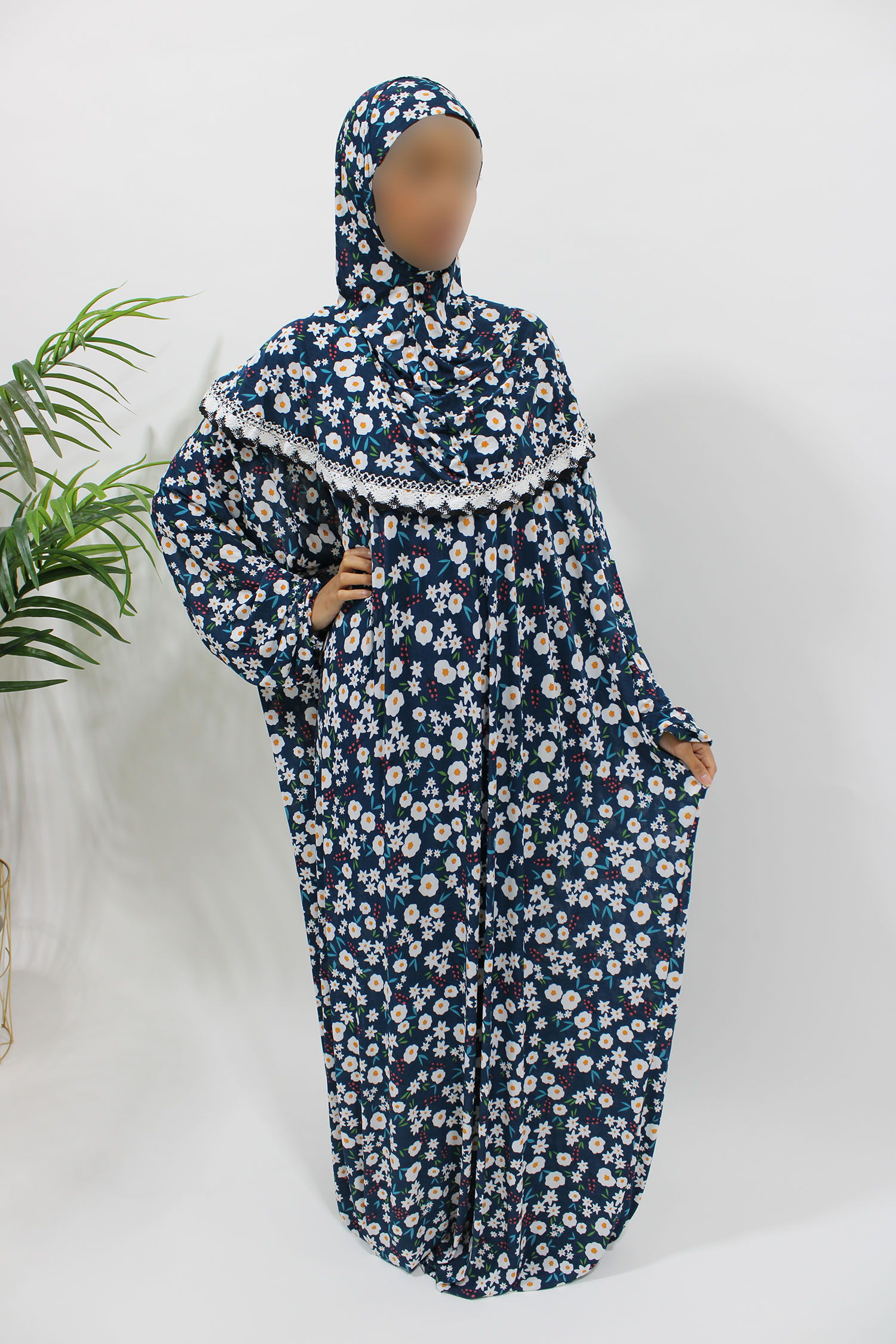
Understanding the Islamic Guidelines for Prayerwear (For Men & Women)
I’ve often found myself reflecting on the beauty of how Islamic prayerwear is designed to honor both our spirituality and dignity. It’s not just about putting on any clothes — it’s about embracing guidelines that connect us with centuries of tradition, modesty, and respect for the act of worship itself. Whether you’re a man or a woman, knowing these principles helps your prayer feel more intentional, more sincere, and yes, more comfortable.
Let me share what I’ve learned from scholars, personal experience, and observing diverse Muslim communities around the world. When you understand these guidelines, it changes your approach to prayerwear from “I have to” to “I choose to.” It becomes an act of love, not obligation.
Core Principles of Prayerwear in Islam
First things first — the foundation of Islamic prayerwear revolves around the concept of awrah, the parts of the body that must be covered during prayer. For men and women, these rules differ, but both share the same spirit of modesty and respect:
- For men: The awrah generally covers from the navel to the knees. This means the clothing should cover at least this area during prayer, but many prefer to wear loose-fitting garments that cover more for added modesty and comfort.
- For women: The awrah covers the entire body except the face, hands, and sometimes feet (depending on scholarly opinions). This means prayer clothes usually include loose garments like an abaya or jilbab along with a hijab that covers the hair, neck, and chest.
It’s not just about coverage — the clothes should also be clean, free from impurities, and not transparent. If any part of the awrah is exposed, the prayer is considered invalid, so this attention to detail matters.
Table: Key Prayerwear Requirements by Gender
| Aspect | Men’s Guidelines | Women’s Guidelines |
|---|---|---|
| Awrah Coverage | Navel to knees minimum | Entire body except face, hands, (sometimes feet) |
| Clothing Fit | Loose enough to not reveal shape | Loose, non-transparent |
| Cleanliness | Clothes must be pure and clean | Same as men |
| Additional Notes | Avoid flashy or distracting attire | Hijab required, modest and dignified |
Why These Rules Matter Beyond the Surface
You might wonder, “Why is all this so detailed? Isn’t prayer more about intention?” Absolutely, intention is the heart of worship, but Islam beautifully combines heart and action. Wearing prayer-appropriate clothes helps set your mind and body into the right state. It’s a physical reminder to focus, to leave distractions behind, and to enter a sacred space — even if you’re praying in your own bedroom.
Plus, dressing modestly during prayer honors the humility we’re called to embody before Allah. It’s like putting on a uniform that tells your heart, “This moment is special.” When I started paying closer attention to my prayerwear, I noticed a shift in how present I was during salah — and that’s priceless.
Real Talk: Practical Challenges and Solutions
Not everyone has perfect access to traditional prayerwear, and that’s okay. Life gets busy, budgets get tight, and sometimes your regular clothes have to do the job. But here are some simple ways I’ve made it work:
- Layering: Use a long cardigan or loose shirt over regular clothes to cover awrah during unexpected prayers.
- Invest in versatile pieces: A good quality jilbab or prayer dress that can double as modest daywear is a game changer.
- Comfort-first fabrics: When I choose prayer clothes, I avoid anything itchy or restrictive — trust me, it makes a difference.
Remember, the goal isn’t perfection — it’s sincerity and respect. Allah understands our intentions, but we honor those intentions by doing our best to uphold these guidelines.
Hijab and Men’s Prayerwear: More Than Just Clothes
The hijab for women and traditional attire for men like the thobe or kurta aren’t just about rules; they carry cultural and spiritual symbolism. They connect us to generations before us and create a visible expression of identity and faith.
I’ve had many conversations with sisters who feel empowered when wearing their prayer hijab, saying it helps them mentally prepare for prayer. Likewise, brothers often speak about the simplicity and humility they feel in their traditional garments.
It’s worth reflecting on how these garments shape not just our appearance, but our mindset — and ultimately, our relationship with Allah.
Next, we’ll explore how prayer clothes can evolve with modern modest fashion trends without losing their sacred essence. Ready to see how tradition meets today? Let’s dive in.
Abayas, Jilbabs, and Khimars: What’s the Difference and When to Wear Them
If you’ve ever stood in front of your closet wondering, “Wait, when exactly do I wear an abaya versus a jilbab? And how does a khimar fit in?” — you’re not alone. I’ve been there, too. It can feel confusing because these beautiful garments sometimes seem interchangeable, but each one has its own unique history, purpose, and vibe.
Understanding these differences doesn’t just help you pick the right outfit; it deepens your appreciation for how Islamic clothing honors modesty, culture, and personal expression all at once. Let’s break it down together, shall we?
The Abaya: Elegant Simplicity Meets Everyday Grace
The abaya is probably the most recognized Islamic outer garment. It’s typically a long, flowing robe — often black — designed to cover the entire body except the face, hands, and feet. But beyond the classic black, abayas now come in a spectrum of colors, fabrics, and even embroidery styles.
When do I wear my abaya? For me, it’s the go-to for almost every occasion — from daily errands to family gatherings. Its simplicity and flow create an effortless modest look, and I love that it pairs easily with different hijabs and accessories.
- Material: Lightweight, breathable fabrics like crepe or chiffon are perfect for warmer climates.
- Style tip: A well-tailored abaya with subtle details like lace or beads adds a touch of personality without breaking modesty rules.
The Jilbab: The All-Embracing Shield
The jilbab, in my experience, feels like the ultimate modesty armor. It’s usually looser and longer than the abaya, designed to envelop the entire body. While abayas often emphasize style, jilbabs lean more toward full coverage and comfort.
Why choose a jilbab? On days when I want to disconnect from fashion and focus purely on spiritual reflection, the jilbab is my go-to. It’s especially favored during prayer or religious events, as it offers an almost cocoon-like sense of privacy.
- Fit: Very loose, sometimes with a hood or extended sleeves for added coverage.
- Fabric: Usually thicker materials for modesty and durability.
The Khimar: A Graceful Veil of Modesty
Now, the khimar is a bit different because it focuses mainly on head and upper body coverage. Imagine a cape-like veil that drapes over the shoulders, chest, and back, stopping anywhere between the waist and knees.
For me, the khimar feels like an elegant hug — it covers my hair and neck but still allows for some styling creativity underneath. It’s perfect for those who want extra coverage without the full body coverage of an abaya or jilbab.
- Length: Ranges from short shoulder length to mid-thigh or knee length.
- Use: Ideal for prayer, daily wear, or layering under other garments.
Table: Quick Comparison of Abaya, Jilbab, and Khimar
| Garment | Coverage | Typical Fabric | When to Wear | Style Notes |
|---|---|---|---|---|
| Abaya | Full body except face, hands, feet | Lightweight, breathable | Everyday, social events, casual & formal | Elegant, often tailored or embellished |
| Jilbab | Full body, looser fit than abaya | Heavier, opaque fabrics | Prayer, religious occasions, modest comfort | Very loose, sometimes with hood |
| Khimar | Head, neck, shoulders, upper body | Light to medium weight | Prayer, layering, everyday modesty | Cape-like, drapes gracefully |
Why Knowing This Matters to You
Here’s the thing: modest fashion isn’t about restricting yourself. It’s about freedom — the freedom to express your faith authentically while feeling comfortable and confident. Understanding your options means you’re no longer stuck wondering if you’re “doing it right.” Instead, you get to choose intentionally.
Personally, when I’m preparing for prayer or stepping out for a community gathering, picking between an abaya, jilbab, or khimar feels like choosing the right armor for my day. It’s empowering, and it helps me feel grounded.
My Personal Tip: Mix and Match with Intention
Don’t be afraid to experiment — for example, layering a khimar over a simple dress or pairing a lightweight jilbab with a colorful hijab can make your outfit feel fresh without compromising modesty. I’ve found that mixing textures and colors helps me keep my wardrobe exciting and spiritually fulfilling.
And trust me, the right garment makes a difference. When I’m comfortable and confident in my prayer clothes, my focus sharpens, my heart softens, and my connection feels deeper. That’s what this is all about.
Next up, we’ll talk about fabrics and how to choose prayer clothes that feel good on your skin while respecting Islamic principles. Curious about which materials are best? Stay tuned — it’s a game changer!
The Best Prayer Outfits for Revert Sisters (Affordable, Simple, and Sunnah-Aligned)
Let me be honest—when I first reverted to Islam, I remember feeling completely overwhelmed about what to wear for prayer. There’s so much information out there, and it’s easy to get caught up in trying to find the “perfect” outfit that checks every box for modesty, affordability, and alignment with Sunnah. If you’re a revert sister feeling that way, you’re not alone. I’ve walked that path, and I want to share what truly helped me find peace and confidence in my prayer clothes.
Prayer outfits don’t have to be complicated or expensive to be meaningful and respectful of Islamic guidelines. The key is simplicity paired with intention—and that’s where many revert sisters find the sweet spot. You don’t need a wardrobe full of designer abayas or intricate jilbabs; you just need clothes that serve their spiritual purpose while making you feel comfortable and confident.
Why Simple and Affordable Prayer Clothes Matter for Revert Sisters
For many revert sisters, especially those starting fresh, affordability is a major concern. After all, your journey in Islam is about sincerity and devotion—not breaking the bank over clothes. At the same time, you want to honor the Sunnah and wear garments that meet Islamic standards for prayer.
Here’s what I learned: focusing on key qualities like modest coverage, comfort, and durability gives you a wardrobe that works hard without stressing your budget. And simple styles often reflect the humility and sincerity at the heart of prayer.
Three Core Elements to Look For in Prayer Clothes
| Element | Why It Matters | Examples |
|---|---|---|
| Coverage | Ensures modesty during prayer and aligns with Islamic principles. | Loose tops, full-length skirts or pants, hijab or khimar covering hair and neck. |
| Comfort | Prayer requires focus and ease of movement; uncomfortable clothes distract. | Breathable cotton, jersey fabrics, non-restrictive cuts. |
| Affordability | Supports sustainability and avoids unnecessary spending while building a modest wardrobe. | Basic abayas, simple jilbabs, DIY hijabs or scarves from affordable fabrics. |
Simple Prayer Outfit Ideas That Don’t Break the Bank
- Loose Tunic + Wide-Leg Pants: Pair a breathable cotton tunic with wide-leg pants or maxi skirts. It’s a combo that checks all the boxes—modest, comfortable, and versatile.
- Plain Abaya: Look for plain, unembellished abayas in black, navy, or earth tones. These are easy to find secondhand or affordable online, and you can dress them up or down with your hijab choice.
- Khimar or Simple Hijab: A khimar is a wonderful choice for prayer because it covers the hair, neck, and shoulders in one piece. If that feels like too much, a simple rectangular scarf that fully covers your hair and neck works just as well.
- Layering with Cardigans or Lightweight Jackets: For cooler weather or extra coverage, a long cardigan or lightweight jacket can be layered over your tunic or dress.
Living Sunnah Through Your Prayer Clothes
It’s easy to get caught up in styles and forget the spiritual purpose behind prayer clothes. Sunnah doesn’t call for extravagance or excessive decoration. It calls for modesty, humility, and respect.
From my own journey, I found that wearing simple, clean, and modest outfits—free from flashy elements—made my prayers feel more focused and sincere. It’s about being present in the moment, not the fabric draped on your body.
Remember, the Prophet Muhammad (peace be upon him) wore simple clothes and emphasized that modesty and intention matter far more than appearance.
Table: Affordable Fabric Choices for Prayer Clothes
| Fabric | Pros | Cons | Best For |
|---|---|---|---|
| Cotton | Breathable, soft, easy to care for | Can wrinkle easily | Daily prayer, hot climates |
| Jersey Knit | Stretchy, comfortable, affordable | Less formal appearance | Casual prayer outfits, layering |
| Polyester Blend | Wrinkle-resistant, durable | Less breathable | Travel or cooler weather |
Personal Reflection: How I Found Peace in Simplicity
I remember the relief I felt when I stopped chasing “perfect” prayer outfits and embraced simplicity. One day, I wore a loose cotton tunic and soft jersey hijab for prayer—and my heart was lighter than ever. That’s when I realized the real magic isn’t in the fabric or color, but in the intention and devotion behind the clothing.
So if you’re a revert sister wondering where to start, let me reassure you: simplicity is your strength. Choose clothes that make you feel peaceful, modest, and ready to connect with Allah, and you’ve already won.
Next, we’ll dive into how fabrics impact your prayer experience, especially when it comes to comfort and spiritual focus. Ready to explore? Let’s go.
Men’s Prayerwear Decoded: Thobe vs Shalwar Kameez vs Kurta
Let’s talk honestly—when I first started learning about men’s Islamic prayerwear, I felt a bit lost. There’s a rich variety of traditional clothing styles across the Muslim world, and knowing which one fits your prayer routine, culture, and comfort can be confusing. So if you’re a brother wondering whether to reach for a thobe, shalwar kameez, or kurta, you’re not alone.
Over the years, I’ve witnessed how these garments don’t just serve modesty and practicality—they each carry a cultural and spiritual story that makes prayer more meaningful. Understanding these differences not only helps you dress appropriately but also deepens your connection to your faith and heritage.
The Thobe: Classic Simplicity Meets Devotion
The thobe (also called dishdasha or kandura in some regions) is probably the most recognized garment for Muslim men during prayer. It’s a long, loose-fitting robe that typically reaches the ankles, with sleeves that cover the arms fully. One thing I love about the thobe is its effortless modesty—there’s no fuss, no tight fits, just pure simplicity that lets you focus on your Salah.
Many brothers from the Arabian Peninsula and parts of North Africa prefer the thobe, especially because it’s lightweight, easy to wear, and looks dignified. Whether in white, beige, or subtle earth tones, a thobe reflects humility and a readiness to submit before Allah.
The Shalwar Kameez: Tradition with Practical Versatility
Now, the shalwar kameez is a two-piece outfit consisting of a long tunic (kameez) and baggy pants (shalwar). It’s widely worn in South Asia, including Pakistan, India, and Bangladesh. What struck me when I first tried it was how the shalwar kameez balances modesty with ease of movement, perfect for prayers that require bending and standing.
For men who prefer something less like a robe and more like separates, the shalwar kameez offers that flexibility. Plus, it can be casual or formal depending on the fabric and embroidery, making it a great all-rounder for prayer and everyday wear.
The Kurta: A Stylish Yet Modest Prayer Option
Last but not least, the kurta is a slightly shorter tunic than the kameez, often paired with pajamas or slim pants. Popular in South Asia and parts of the Middle East, the kurta can be simple or ornate. What I appreciate about the kurta is its blend of modest tradition with a touch of personal style. It’s perfect for those who want to honor their culture while staying comfortable in prayer.
Though shorter than the thobe or kameez, a well-fitted kurta still respects Islamic guidelines for covering the awrah (parts of the body that must be covered during prayer).
Table: Comparing Thobe, Shalwar Kameez, and Kurta for Prayer
| Garment | Typical Regions | Fit & Coverage | Comfort & Practicality | Style Notes |
|---|---|---|---|---|
| Thobe | Arabian Peninsula, North Africa | Loose, full-length, sleeves to wrist | Lightweight, airy, easy to wear | Simple, classic, mostly plain colors |
| Shalwar Kameez | South Asia | Loose tunic with baggy pants | Flexible, comfortable, great for movement | Can be embroidered or plain, versatile |
| Kurta | South Asia, Middle East | Shorter tunic, often with slim pants | Comfortable, stylish, less coverage than thobe | Mix of modesty and fashion, often patterned |
How to Choose What Works Best for Your Prayer
When I was figuring out my own prayerwear, I realized the best choice depends on a few personal factors:
- Cultural Background: Wearing something that resonates with your heritage can boost your spiritual connection. I personally felt more grounded wearing the thobe during Ramadan prayers.
- Climate: Hot climates call for lighter fabrics and looser cuts—like the airy thobe—while cooler areas might benefit from layering with a kurta or shalwar kameez in thicker fabric.
- Comfort and Fit: Prayer requires bending, kneeling, and standing, so clothes that don’t restrict movement or cause discomfort are a must. Loose fits with breathable fabrics won out for me every time.
Real Talk: My Experience Wearing Each
Honestly, I started with the thobe because it felt familiar from community gatherings. But after trying the shalwar kameez on a trip to Pakistan, I loved how easy it was to move in during long prayers. The kurta came later, mostly for special occasions, when I wanted to blend tradition with a bit more personal style.
Each has its place, and none is “better” than the others. It’s about what makes your heart and body feel ready to connect with Allah.
Next, I’ll share tips on how to care for your prayer clothes so they stay fresh, respectful, and comfortable for years. Trust me, it makes a difference.
What to Wear for Prayer at Work, School, or On the Go
Let’s be honest: finding the right prayer clothes when you’re not at home can be a real challenge. I’ve been there—rushing between meetings, classes, or errands, all while trying to keep my prayer routine intact. Wearing something comfortable, modest, and practical without drawing unnecessary attention is a delicate balance. So, how do you honor your Salah on the go, without sacrificing style or modesty?
Prayer clothes for public and busy environments aren’t just about covering up; they’re about feeling confident and respectful to your faith no matter where life takes you. After all, Salah is our spiritual anchor, and your outfit should make it easier—not harder—to connect with Allah.
Balancing Modesty with Practicality
Here’s the truth: I’ve tried everything from full abayas and jilbabs at work to simple, loose cardigans and scarves during study breaks. What worked best? Clothes that felt like a natural extension of my everyday style while still meeting Islamic prayer requirements.
That means opting for layers, breathable fabrics, and flexible fits. Instead of heavy robes that can feel cumbersome in tight office spaces, lightweight tunics, modest blouses, or long cardigans paired with flowy pants or skirts have been my go-tos.
Table: Practical Prayerwear Options for Different Settings
| Setting | Recommended Clothing | Fabric & Features | Why It Works |
|---|---|---|---|
| Work | Long, loose blouse or tunic with tailored pants; light cardigan or blazer | Breathable cotton, polyester blends; wrinkle-resistant | Professional yet modest; easy to layer; comfortable for long hours |
| School/University | Modest hoodie or oversized shirt with loose jeans or culottes | Soft cotton or jersey; flexible, washable | Casual and modest; easy to move; fits into active day |
| On the Go | Lightweight abaya or wrap dress; scarf or hijab with secure pins | Quick-dry, wrinkle-free fabrics | Easy to wear over casual clothes; practical for travel; minimal fuss |
Hijab Tips for Busy Days
Let me share a secret that changed my daily prayer routine: the “instant hijab.” It’s a pre-sewn style or a stretchy tube scarf that slips on quickly without pins. When you’re rushing to catch prayers between meetings or classes, saving those precious seconds is everything.
Pair that with a light shawl or pashmina to cover your chest, and you’ve got a versatile prayer outfit that doesn’t scream “formal” but still respects modesty rules.
Choosing Colors and Patterns for Public Prayer
Another thing I learned: neutral tones and simple patterns work wonders for prayer clothes you wear out and about. They blend in with everyday wear and avoid drawing unwanted stares, which helps you focus on your Salah without distractions.
Plus, darker colors hide wrinkles and stains—trust me, when you’re juggling a busy schedule, that’s a blessing.
Real-Life Scenario: Prayer Break at Work
Once, during a hectic day, I had only 10 minutes to perform Dhuhr prayer. I quickly slipped into my loose tunic and adjusted my instant hijab. My clothes were comfortable enough to kneel and bow without worry, and I didn’t feel exposed or self-conscious. That quick adaptability gave me peace and spiritual calm in a stressful environment. It’s moments like that I cherish.
Practical Storage and Travel Tips
Carrying prayer clothes or accessories can be tricky. Here’s a little checklist I swear by:
- Fold your prayer scarf/hijab neatly in a small pouch.
- Keep a lightweight, modest shawl or abaya folded in your bag.
- Invest in a compact, odor-resistant prayer mat that fits in your backpack or purse.
- Choose wrinkle-resistant fabrics to avoid looking rushed.
These small habits help you stay ready without hassle.
Wrapping Up: Your Prayer Clothes, Your Peace
Wearing prayer clothes at work, school, or on the go isn’t about perfection; it’s about intention and respect. When you pick clothes that feel like you, that honor your faith and fit your daily life, your Salah becomes a moment of calm in the storm.
Up next, I’ll dive into the art of caring for your prayer clothes to keep them fresh and respectful through years of devotion. But before that—have you tried layering your prayerwear yet? It might just change your whole prayer experience.
Prayer Clothes for Children: Teaching Modesty Without Pressure
Raising kids who love and respect their faith is one of those beautiful challenges that comes with a million tiny victories—and sometimes a few frustrating moments. When it comes to prayer clothes for children, I’ve learned that it’s not about forcing tradition or rules on little ones but about gently guiding them to embrace modesty in a way that feels natural and joyful.
Let’s be honest, getting kids to wear anything for prayer can feel like trying to convince a cat to take a bath. But with patience, empathy, and a sprinkle of creativity, modest prayerwear can become something they actually look forward to.
Why Modesty Matters Early On
I remember when I first introduced my niece to her prayer outfit. It wasn’t just about covering up—it was about planting a seed of self-respect and connection to faith. Kids may not fully grasp the spiritual depth yet, but clothing can teach them that prayer is a special moment that deserves care and attention.
Of course, it’s key to keep it light and loving. If the clothes feel like a burden, they’ll resist. But if they feel comfortable and fun, kids are more likely to want to put them on.
Choosing the Right Prayer Clothes for Kids
When shopping or picking out prayer clothes for children, I look for three essentials:
- Comfort: Soft fabrics like cotton blends that won’t irritate sensitive skin.
- Ease: Simple designs that kids can easily wear and remove themselves.
- Modesty: Coverage that respects prayer guidelines without feeling restrictive.
For girls, lightweight abayas or loose dresses paired with easy-to-wear hijabs work wonders. For boys, a simple thobe or loose pants with a modest top is perfect.
Table: Kid-Friendly Prayerwear Essentials
| Age Group | Recommended Clothing | Fabric & Features | Why It Works |
|---|---|---|---|
| 2-5 years | Loose tunic or dress, soft headscarf (optional) | 100% cotton, breathable, washable | Gentle on skin; easy to move; introduces modesty playfully |
| 6-10 years | Light abaya or long shirt with pants; simple hijab with elastic band | Cotton blends; quick-dry; machine washable | Encourages independence; modest but not restrictive |
| 11+ years | Traditional thobe or jilbab; hijab with secure pins | Soft polyester blends; durable; wrinkle-resistant | Prepares for personal responsibility; mature modesty standards |
Making Prayer Clothes Fun and Meaningful
One trick I swear by is involving kids in picking out their prayer clothes. Letting them choose colors or patterns gives them a sense of ownership. My niece once picked a pastel pink abaya with tiny flowers, and suddenly, she was excited about prayer time—not because I told her to, but because she felt proud wearing it.
Adding stories about the Prophet Muhammad’s (peace be upon him) simplicity and respect in dress also helps connect the clothes to something bigger. It’s not just fabric; it’s a way to honor faith.
Handling Resistance and Finding Patience
There were days when my nephew refused to wear anything “different” and just wanted his superhero t-shirt. Instead of forcing, I gently explained how prayer clothes help us focus and feel close to Allah. Sometimes, it takes repetition. Other times, it helps to let them try just a scarf or a loose top first.
Remember, kids learn best through example. Seeing parents and older siblings wearing prayer clothes with love encourages them to follow naturally.
Care Tips to Keep Kids’ Prayer Clothes Fresh
Kids can be messy, right? Prayer clothes for children need to be durable and easy to clean. I always recommend washing on gentle cycles and avoiding harsh detergents that irritate young skin.
- Use mild, fragrance-free detergents.
- Wash prayer clothes separately to keep them fresh.
- Air dry to prevent shrinking or damage.
- Store neatly to avoid wrinkles and encourage respect for the garment.
Final Thought: Growing Modesty Step by Step
At the end of the day, teaching prayer clothes to children is less about the clothes and more about the journey. It’s about building a loving, gentle foundation that connects them to their faith and themselves. And trust me, those little steps add up to lifelong respect and devotion.
Next up, I’ll share secrets on how to care for your Islamic prayer clothes to make them last beautifully—because these garments carry so much meaning, they deserve our best care.
One-Piece Prayer Garments: Why They’re a Game-Changer for Focused Salah
If you’ve ever found yourself tugging at your clothes mid-salah, or worrying if your outfit is just right while your heart should be completely devoted to prayer, you’re not alone. I’ve been there too—distracted by fabric that shifts, scarves that slip, or layers that feel cumbersome. That’s why one-piece prayer garments have become a total game-changer for me and many others who crave a more focused, peaceful connection during salah.
Let me share why these garments aren’t just another modest fashion trend. They’re a thoughtfully designed solution that helps you center your mind, body, and soul on what truly matters in prayer.
The Beauty of Simplicity: What Are One-Piece Prayer Garments?
Simply put, a one-piece prayer garment is exactly what it sounds like: a single garment that covers your body modestly, often designed with loose, flowing fabric to ensure ease and comfort during every movement of salah. Unlike outfits that require multiple layers or complicated styling, these garments slip on like a robe or a kaftan, allowing you to transition seamlessly into your prayer space.
From my experience, the less I fuss over what I’m wearing, the more my focus deepens. The garment disappears as a distraction, letting me surrender fully to the moment with Allah.
Why One-Piece Garments Work Wonders During Prayer
- Comfort & Mobility: The flowing fabric moves with you, never restricting bowing, prostrating, or standing. It’s like your body and clothes are in perfect harmony.
- Modesty Made Easy: Full coverage without the hassle of multiple pieces means no accidental exposure during prayer.
- Time-Saving: No more last-minute adjustments or searching for matching pieces—put it on and go.
- Mindfulness Boost: When your outfit is simple and comfortable, your mind can stay on your dhikr and intentions, not your wardrobe.
Table: Comparing One-Piece Prayer Garments to Multi-Piece Outfits
| Feature | One-Piece Garment | Multi-Piece Outfit |
|---|---|---|
| Ease of Wearing | Slip-on, minimal effort | Multiple pieces, requires coordination |
| Comfort During Prayer | Flowing and unrestricted | Potential for tightness or shifting layers |
| Modesty Assurance | Consistent full coverage | Risk of accidental exposure |
| Maintenance | Usually one fabric, easier care | More pieces to wash and care for |
| Focus Enhancement | High, fewer distractions | Lower, more adjusting needed |
How I Found My Perfect One-Piece Prayer Garment
Honestly, it took me a few tries to find the right one. At first, I went for heavy fabrics that felt like wearing a curtain. Then I switched to lighter cotton blends that breathed well and were soft on my skin. I also discovered that the cut matters—a loose A-line silhouette lets me move freely without feeling like I’m drowning in fabric.
My go-to piece now is a simple, pastel-colored one-piece garment with a subtle pattern. It makes me feel calm and confident. Plus, it’s easy to layer if I need extra warmth or coverage.
Styling Tips for One-Piece Prayer Garments
Here’s the thing: one-piece doesn’t mean boring! You can personalize your garment to fit your style while keeping it prayer-ready.
- Choose soft, neutral tones for a serene vibe that helps calm your mind before prayer.
- Opt for subtle embroidery or lace to add feminine detail without distraction.
- Pick a garment with a modest neckline and sleeves that cover your wrists comfortably.
- Pair with a simple, secure hijab or khimar that stays put during movements.
Maintaining Your One-Piece Prayer Garment
Taking care of these garments is straightforward but important. Since they’re often made of delicate fabrics, I recommend:
- Washing on a gentle cycle or hand wash to preserve softness.
- Using mild detergent to avoid skin irritation.
- Air drying to keep the fabric’s flow intact.
- Ironing on low heat or steaming for a crisp, neat appearance.
Final Thoughts: A Small Change That Makes a Big Spiritual Impact
Switching to a one-piece prayer garment was a subtle shift in my routine, but it profoundly impacted my salah experience. I stopped worrying about my clothes mid-prayer and started feeling a deeper sense of peace and presence.
If you’re looking to elevate your prayer experience, I genuinely encourage trying one-piece prayerwear. It’s a simple but powerful step toward more mindful, focused worship.
Next, we’ll dive into practical tips for caring for your Islamic prayer clothes so they last beautifully and stay spiritually meaningful through years of use.
The Fabric Factor: Cotton, Jersey, Silk — What Works Best for Prayer?
Let me be honest: the fabric you choose for your prayer clothes can make or break your salah experience. I’ve learned this the hard way. There’s nothing worse than feeling itchy, sweaty, or uncomfortable just when you want to feel closest to Allah. Over the years, I’ve tried all sorts of materials—from breathable cotton to luxurious silk—and I want to share what I’ve discovered about the fabrics that truly honor both your body and your devotion during prayer.
Choosing the right fabric isn’t just about comfort; it’s about respect. It’s how you care for yourself as you stand, bow, and prostrate in worship. Let’s unpack the pros and cons of the most common fabrics for Islamic prayer clothes, so you can find the perfect match for your spiritual routine.
Why Fabric Matters: More Than Just Feeling Nice
You might wonder why I’m so fixated on fabric. Well, think about it—prayer involves repetitive movements, long minutes spent in meditation, and sometimes praying in different environments. If your clothes irritate your skin, cling uncomfortably, or restrict your movements, it distracts from your focus and serenity.
I’ve noticed that when I wear breathable, soft fabrics, I feel calmer and more present. When I’m comfortable, my mind isn’t fighting with my body. That peace makes a real difference.
Breaking Down the Fabric Choices: A Quick Comparison
| Fabric | Pros | Cons | Best For |
|---|---|---|---|
| Cotton | Breathable, soft, natural, easy to care for | Can wrinkle easily, less stretchy | Everyday prayer, hot climates, sensitive skin |
| Jersey | Stretchy, comfortable, drapes well, wrinkle-resistant | Can retain odor, less breathable than cotton | Prayer on-the-go, casual wear, layered outfits |
| Silk | Luxurious feel, smooth texture, elegant drape | Delicate, high maintenance, expensive | Special occasions, Eid prayers, formal settings |
Cotton: The Tried-and-True Favorite
Cotton has always been my go-to fabric, especially when praying daily. It’s natural, breathable, and feels soft against the skin—which is essential when you’re in sujood and your forehead touches the prayer mat. Plus, cotton is easy to wash and usually lasts a long time if cared for properly.
One thing I’ll warn you about: cotton wrinkles easily. But that’s a small price to pay for comfort. I find ironing or steaming my prayer outfits the night before keeps them looking fresh and ready to help me focus.
Jersey: The Flexible Favorite for Busy Days
Jersey fabric is a bit of a lifesaver when I need something that moves with me. Whether I’m praying at work, in the car, or between errands, jersey’s stretchiness lets me transition smoothly into every position without feeling restricted. It drapes nicely, too, so modesty isn’t compromised.
That said, jersey isn’t as breathable as cotton, so if you’re in a hot climate, it might feel a bit warm after long prayers. Also, jersey can hold onto odors, so washing promptly is key.
Silk: The Elegant Option for Special Occasions
Silk feels like a little luxury wrapped around you, and for Eid prayers or big gatherings, it can really make you feel special. The smoothness of silk against the skin is unmatched. But it requires careful maintenance—hand wash or dry clean only, and you have to be cautious with ironing.
If you’re like me and want to keep your daily prayer clothes low maintenance, silk might not be practical for everyday use. But as a special treat, it’s beautiful.
Tips for Choosing Fabric That Fits Your Lifestyle
- Consider climate: In hot weather, breathable cotton is a lifesaver. For cooler months, jersey or layered cotton works well.
- Think about your prayer routine: If you pray mostly at home, comfort might be your priority. If you pray on-the-go, wrinkle resistance and stretch may matter more.
- Maintenance matters: Choose fabrics that fit your laundry habits and care preferences.
Personal Experience: My Fabric Journey
I remember once wearing a heavy synthetic fabric for prayer, thinking it looked modest and elegant. Big mistake. Halfway through, I felt hot, sticky, and distracted. Since then, I’ve committed to fabrics that serve my worship, not just my wardrobe.
Over time, I’ve built a prayer closet with mostly cotton and jersey pieces and reserve silk for celebrations. It’s made a huge difference in my overall prayer mindfulness.
Final Thoughts: Let Fabric Support Your Spiritual Focus
The right fabric is like a quiet helper in your salah journey. It supports your focus, protects your modesty, and lets your heart connect without distractions. Whether it’s the breathability of cotton, the stretch of jersey, or the elegance of silk, pick what truly makes you feel comfortable and dignified.
Next up, I’ll share practical care tips for keeping your Islamic prayer clothes beautiful and meaningful for years to come.
How Cultural Heritage Shapes What We Wear for Salah
Have you ever paused to wonder why Islamic prayer clothes look so wonderfully diverse around the world? I know I have—so many times. It’s fascinating how the way we dress for salah doesn’t just reflect religious guidelines but also carries the vibrant, living stories of our cultural heritage. I’ve always felt that when I wear my prayer clothes, I’m not just honoring Allah, but also connecting with generations of Muslims before me, who made choices shaped by their lands, climates, and traditions.
Islamic prayer clothing is truly a beautiful intersection of faith and culture. That means your abaya, thobe, jilbab, or shalwar kameez is never just fabric—it’s history, identity, and pride woven together. Understanding how culture shapes what we wear helps us appreciate the depth and richness behind these garments. Let me take you through some fascinating insights and personal reflections that might make you see your prayerwear in a whole new light.
Why Culture and Faith Are Woven Together
From the moment Islam spread across continents, it encountered rich and diverse cultures—Arabic, South Asian, African, Southeast Asian, and beyond. Each community embraced Islam but naturally incorporated their traditional attire into the practice of modesty and prayer. The result? A beautiful tapestry of styles that all share the core principles of modesty but differ in color, cut, and fabric based on cultural roots.
When I wear my abaya styled with subtle embroidery inspired by Middle Eastern art, I’m reminded of the deep history of that region and how faith and culture coexisted. Similarly, my South Asian sisters who wear shalwar kameez for prayer bring with them centuries of vibrant textile traditions. These cultural markers create a sense of belonging and pride.
Regional Styles and Their Stories
| Region | Common Prayer Clothes | Cultural Significance |
|---|---|---|
| Middle East | Abaya, Thobe, Hijab, Niqab | Flowing garments suited for desert climate; emphasis on modesty and elegance |
| South Asia | Shalwar Kameez, Kurta, Dupatta | Colorful textiles, embroidery traditions; blend of modesty with cultural vibrancy |
| North Africa | Jilbab, Djellaba, Headscarves | Loose, layered garments adapting to hot and arid climates with rich patterns |
| Southeast Asia | Baju Kurung, Tudung, Kebaya | Lightweight fabrics with bright prints; adapted for tropical weather and modesty |
Personal Stories: How I’ve Embraced Cultural Diversity in My Prayer Clothes
When I first started exploring modest fashion for prayer, I was so focused on religious correctness that I overlooked the beauty of cultural expression. But over time, I learned to embrace pieces that tell a story—like the handwoven shawl gifted by a sister from Indonesia or the embroidered thobe I wore during Ramadan, reflecting Gulf traditions.
One Eid, I even tried a South Asian-inspired kurta with a simple hijab, and I felt an instant connection—not only to my faith but also to a broader Muslim ummah. That’s the magic of cultural heritage in prayerwear: it builds bridges and enriches our worship.
Why This Matters: Beyond Clothes, It’s Identity and Respect
Sometimes, I see new Muslims or young sisters struggle to pick prayer clothes because they feel pressure to “fit in” or conform to one particular style. But here’s the thing—Islam encourages us to honor our roots and identities. What you wear for salah can be an authentic reflection of who you are and where you come from, while still fulfilling the sacred requirements.
- Honoring Heritage: Wearing culturally inspired prayerwear keeps traditions alive and strengthens community bonds.
- Respect for Diversity: It reminds us that Islam transcends culture but also embraces diversity.
- Personal Empowerment: Choosing prayer clothes that reflect your heritage can boost confidence and deepen spiritual connection.
How to Blend Culture and Modesty Gracefully
If you’re like me, you might want to experiment with blending cultural elements while staying true to Islamic guidelines. Here are some tips:
- Choose fabrics suited to your climate but decorated with traditional patterns or embroidery.
- Mix and match modest cuts with culturally significant colors or accessories.
- Respect the boundaries of modesty while celebrating your cultural uniqueness.
- Seek inspiration from diverse Muslim communities online or locally to expand your style.
Final Reflection: Your Prayer Clothes Tell a Story
So next time you step into salah, pause for a moment and think about the story your prayer clothes are telling. It’s not just about fabric or fashion—it’s about carrying the legacy of countless Muslims who expressed their faith through the lens of their cultures. I’ve found that this perspective brings a new layer of meaning and pride to my prayer routine, and I hope it does for you too.
Ready to dive deeper? Up next, we’ll explore how prayer clothes can adapt gracefully for different seasons and environments, keeping you comfortable and focused all year round.
Modesty Meets Modern Style: Can Prayer Clothes Be Fashionable?
Let me be honest: for years, I thought modest prayer clothes had to mean dull, shapeless, or uninspired. I’d look at traditional prayer outfits and think, “Is this all there is?” But over time, I discovered that modesty and fashion aren’t enemies — they can actually be the best of friends. Seriously, who says you can’t feel beautiful and confident while fulfilling your spiritual needs?
We live in a time where modest fashion is booming, and prayer clothes are no exception. If you’ve ever wanted your salah wardrobe to feel like an extension of your personality instead of just a necessity, I’m here to tell you it’s totally possible. You can be true to your faith and still rock styles that make you smile in the mirror.
The Myth: Modesty Means Monotony
Let’s bust a myth right now. There’s a stereotype that modest clothing is always the same dark colors, shapeless cuts, and zero style. I won’t lie — some of the older pieces in my closet fit that description. But that’s not the whole story.
Fashion designers and brands across the Muslim world and beyond are blending traditional modesty principles with fresh, modern aesthetics. You’ll find flowing abayas with intricate lacework, thobes cut with sleek tailoring, and jilbabs in soft pastels that feel like a breath of fresh air.
Modesty isn’t about hiding yourself; it’s about revealing the best version of you in a respectful, dignified way.
How I Learned to Embrace Style in Prayer Clothes
I remember the moment I stepped out wearing a prayer outfit that truly felt like “me.” It was a simple, high-quality cotton abaya with delicate embroidery and a matching hijab in a soft blush tone. I felt like I was honoring Allah, respecting my body, and expressing my style all at once. It gave me confidence I hadn’t experienced before in salah.
This was a game-changer. Suddenly, I wasn’t dreading dressing for prayer; I was excited. It deepened my connection to the act because I felt more present, more myself.
Balancing Faith and Fashion: What to Look For
If you’re wondering how to make your prayer clothes fashionable without crossing any religious boundaries, here’s what I’ve learned:
- Fabric quality matters: Choose breathable, soft materials like cotton, linen, or lightweight jersey that drape beautifully.
- Colors can be soft or bold: Don’t shy away from pastels, earth tones, or jewel tones that uplift your mood.
- Details are key: Look for subtle embroidery, lace trims, or pleating that add visual interest without being flashy.
- Fit matters: Clothes should be loose enough to cover modestly but tailored enough to feel elegant and intentional.
- Accessorize wisely: A statement hijab pin or a simple prayer beads bracelet can elevate your look.
Fashion vs. Modesty Table: Finding the Sweet Spot
| Aspect | Modesty Priority | Fashion Priority | Balanced Choice |
|---|---|---|---|
| Fit | Loose, covers body shape | Fitted, tailored cuts | Flowy but shaped to avoid shapelessness |
| Color | Neutral, dark tones | Bright, bold hues | Soft pastels, rich earth tones |
| Detail | Plain, minimal | Embellishments, prints | Subtle embroidery, lace, minimal prints |
| Fabric | Opaque, heavier materials | Sheer, lightweight materials | Breathable, non-transparent fabrics |
How Modern Designers Are Changing the Game
Brands like Modanisa, Aab, and Haute Hijab are proof that prayer clothes can be both respectful and runway-ready. They craft collections that fuse tradition with trend, giving us options that feel fresh but grounded in Islamic values. I’ve personally picked up a few pieces from these labels, and I love how they make me feel — like a stylish Muslimah with a heart full of faith.
Moreover, social media platforms are buzzing with modest fashion influencers who openly discuss and showcase how they incorporate style into their prayer routines. Following them has opened my eyes to new ways to personalize my wardrobe without compromising my beliefs.
My Advice for Anyone Struggling with Style and Modesty
If you’re feeling stuck between wanting to look fashionable and staying modest, take a deep breath. You’re not alone. Here’s a little secret: start small. Add one statement piece to your prayer clothes—a printed hijab, a delicately embroidered abaya, or even a chic prayer cap. Let yourself play with colors and textures gradually.
Remember, prayer clothes are deeply personal. They should comfort you spiritually and emotionally. When you feel good in what you wear, your salah feels more heartfelt, more connected. That’s the real goal, isn’t it?
In the next section, I’ll share insider tips on caring for your prayer clothes to keep them looking fresh and respectful, because fashion isn’t just about buying — it’s about loving and preserving what you have.
Prayer Clothes That Stay Put: Avoiding Slips, Slides, and Distractions
Have you ever been in the middle of salah and caught yourself fidgeting with your hijab, tugging at your sleeves, or readjusting your abaya? Yeah, me too. And honestly, it’s one of the most distracting feelings when you’re trying to connect with Allah in those precious moments. Prayer is supposed to be a time of focus, humility, and peace — not a wrestling match with your clothes!
That’s why I’ve learned that choosing prayer clothes that stay put isn’t just a luxury; it’s a necessity. When your outfit fits well, holds its place, and feels secure, it frees your mind to be fully present in worship. Let’s dive into how you can avoid those slips, slides, and constant distractions during salah — because your focus deserves better.
Why Loose Doesn’t Have to Mean Sloppy
We all know modesty calls for loose-fitting clothing to cover the shape properly, but loose can sometimes be tricky. Clothes that are too baggy or slippery can slide off, especially during sujood or bowing. I used to wear oversized jilbabs that would creep up during prayer — a constant annoyance. But I learned to balance modesty with practicality.
Look for prayer garments made with fabrics that have a bit of texture or grip, like cotton blends or matte finishes, which tend to stay put better than silk or very smooth synthetics. Also, pay attention to the cut: garments that taper slightly at the wrists or ankles can keep everything in place without feeling restrictive.
Hijab Hacks for Secure Prayer Wear
Let’s talk hijabs — they’re the crown jewel of modest dressing but can be the biggest distraction if they won’t stay put. I remember countless prayers where I felt the need to readjust my scarf constantly. Here’s what changed the game for me:
- Use non-slip underscarves: These create a solid base that grips your hair and keeps the outer scarf in place.
- Choose fabrics wisely: Jersey, cotton, or viscose scarves tend to stay more stable compared to slippery silks or chiffons.
- Secure with small pins: But avoid too many — just enough to keep things steady without poking or discomfort.
- Try magnetic hijab pins: Gentle on fabric and super effective in avoiding unwanted slips.
Table: Fabric Types and Their Holdability During Prayer
| Fabric | Grip/Stay-Put Quality | Comfort | Best For |
|---|---|---|---|
| Cotton Jersey | High | Very Comfortable | Everyday prayer, especially in warmer climates |
| Viscose | Medium-High | Soft and breathable | Casual and semi-formal prayerwear |
| Silk/Chiffon | Low | Luxurious but slippery | Special occasions, not ideal for active prayer |
| Polyester Blends | Medium | Durable, but can be less breathable | Work or travel prayerwear |
Choosing the Right Fit for Body and Movement
Another secret to prayer clothes that don’t move around too much is the right fit around the neck, sleeves, and waist. I’ve noticed that prayer outfits with elastic or adjustable cuffs keep sleeves from sliding up my arms when I raise them during takbeer or ruku.
Similarly, an elastic waistband or a drawstring on jilbabs or skirts ensures the garment doesn’t shift uncomfortably during the various movements of salah. It’s all about thoughtful design — clothes that move with you but don’t move off you.
Footwear and Prayer Mats: Complementing Your Clothes for Stability
We often forget how footwear and the prayer mat itself impact our comfort and focus. For those who pray in socks or bare feet, make sure your mat has a non-slip backing so you’re not sliding during prostration.
If you wear slippers to the mosque, choose pairs that fit snugly and won’t slip off when kneeling. The last thing you want is to worry about your shoes distracting you from prayer.
Personal Tips That Worked Wonders for Me
Here’s what helped me the most when I wanted to avoid distractions:
- Switching to thicker hijab fabrics in cooler weather, which gave better grip.
- Using light, flexible magnets instead of pins for hijab security — no more pin pricks!
- Choosing abayas and jilbabs with slight elastic at sleeves and ankles for hold without tightness.
- Buying prayer clothes from trusted modest fashion brands that prioritize fit and function.
These small tweaks made a huge difference. I could finally focus on my prayers fully, without a constant itch to fix my clothes.
Final Thought
Prayer is a sacred conversation with Allah, and your clothing should be a support — not a distraction. When you invest in prayer clothes that stay put, you’re investing in better spiritual focus, more comfort, and a stronger connection to your faith.
So next time you shop for prayerwear, think about fabrics, fit, and practical features that will help your garments honor your body and your worship. Trust me, your salah will thank you.
Travel-Friendly Prayerwear: Lightweight, Wrinkle-Free, and TSA-Safe
Traveling as a Muslim woman — whether for Hajj, Umrah, visiting family, or just a weekend getaway — brings its own set of challenges, especially when it comes to maintaining your prayer routine. I’ve been there, standing in hotel rooms or airport lounges, trying to unfold creased prayer clothes or searching desperately for modest options that fit my travel bag restrictions. It’s frustrating, and honestly, it can shake your spiritual momentum.
That’s why travel-friendly prayerwear became a total game-changer for me. Clothes that are lightweight, wrinkle-resistant, and TSA-safe (meaning they’re easy to pack and don’t cause hassles at airport security) help me keep my focus where it belongs: on Allah, not my suitcase.
Why Travel Prayerwear Needs Its Own Special Consideration
Travel isn’t like daily life — your environment is different, time zones change, schedules can be hectic, and you might have limited access to laundry or changing facilities. Prayerwear for travel has to be reliable, practical, and comfortable for extended wear, without compromising modesty or style.
Let me be honest: I’ve tried stuffing bulky abayas or silky hijabs into my luggage, only to find them crumpled and difficult to wear. After a few trips, I realized I needed to rethink my prayer clothes with travel in mind.
Top Fabric Choices for Travel-Friendly Prayerwear
Here’s the table I wish I had years ago — a quick glance at fabrics that travel well, stay fresh, and keep you comfortable during prayers.
| Fabric | Wrinkle Resistance | Weight | Breathability | Best Use |
|---|---|---|---|---|
| Polyester Blends | High | Lightweight | Medium | Long flights, humid climates |
| Rayon | Medium | Light to Medium | Good | Moderate climates, layered outfits |
| Cotton Jersey | Medium | Medium | Excellent | Short trips, warm weather |
| Lycra/Spandex Mix | High | Light | Good | Active travel, quick changes |
Practical Tips for Packing and Wearing Travel Prayerwear
One of my favorite tricks is rolling instead of folding prayer clothes. Rolling minimizes creases and saves space — plus, it’s easier to unpack quickly when you’re rushing to catch fajr prayer at your destination.
When it comes to hijabs, I pack at least two: one lightweight scarf that layers well and a slightly thicker one for chilly airports or air-conditioned spaces. Both are easy to manage and don’t wrinkle much.
Also, pick pieces with minimal embellishments or sequins for travel. Those details can get snagged or damaged in transit and sometimes set off TSA alarms. Smooth, simple fabrics mean faster security checks and less hassle.
Table: TSA-Safe Travel Prayerwear Packing Checklist
| Item | Material | Reason to Pack | Packing Tip |
|---|---|---|---|
| Prayer Dress or Abaya | Polyester blend or rayon | Lightweight, wrinkle-resistant | Roll tightly, place in compression bag |
| Hijabs | Cotton jersey and viscose | Comfortable, breathable | Use fabric folders to keep neat |
| Underscarves | Cotton or bamboo | Stay-put base for hijab | Fold flat in small pouch |
| Prayer Mat | Compact synthetic fabric | Lightweight and TSA-friendly | Choose foldable, non-slip mats |
Maintaining Modesty and Comfort on the Move
When traveling, sometimes you don’t have control over your surroundings or climate. Lightweight prayerwear that layers well becomes your best friend. For example, pairing a breathable abaya with a soft, stretchable undershirt lets you adapt quickly from a hot outdoor market to an air-conditioned hotel room without breaking modesty rules or comfort.
And don’t forget shoes! Slip-on flats or sandals that are easy to remove and put back on save precious time during airport security and make wudu easier.
Personal Reflections on Travel Prayerwear
Looking back, I wish someone had handed me a travel prayerwear guide when I first started traveling for Islamic events. But now, after years of trial and error, I feel like a pro packing ninja! The right clothes have helped me maintain my spiritual routine without compromise — even on long flights or in hectic schedules.
Have you ever missed a prayer or felt distracted because your clothes just weren’t up to the travel challenge? I’ve been there, and that’s why I’m passionate about sharing these insights.
Final Thoughts
Your prayer journey shouldn’t pause just because you’re packing a suitcase. With the right fabrics, practical packing tips, and a little prep, travel-friendly prayerwear can become your secret weapon for maintaining focus, modesty, and connection — no matter where you are in the world.
Sustainable and Ethical Islamic Prayerwear: Does It Exist?
Honestly, the idea of sustainability in Islamic prayerwear wasn’t on my radar until I started thinking deeply about the impact my choices have on the world. You know, we often focus on modesty and spirituality in our clothing, but rarely do we pause to ask, “Is this garment kind to the planet and the people who made it?”
If you’ve ever felt conflicted about buying prayer clothes that look beautiful but come from questionable sources, you’re not alone. I’ve wrestled with that too. The good news? Sustainable and ethical Islamic prayerwear is not just a dream—it’s a growing reality, though navigating it requires intention and a bit of research.
What Does Sustainability Mean in the Context of Prayerwear?
To me, sustainability means clothes that respect our environment and the workers behind the scenes. It’s about choosing fabrics, production methods, and brands that minimize harm, reduce waste, and uplift communities. In prayerwear, this means opting for materials that biodegrade naturally, are grown organically, or come from recycled sources, and garments made under fair labor conditions.
But it’s not just about the material. It’s about how long the clothing lasts and whether it can be loved for years. After all, prayer garments aren’t just fashion—they’re spiritual tools. When your abaya or hijab lasts, that’s sustainable living in action.
Table: Comparing Common Prayerwear Fabrics Through a Sustainability Lens
| Fabric | Environmental Impact | Durability | Ethical Production Availability |
|---|---|---|---|
| Organic Cotton | Low – grown without pesticides | High – sturdy and long-lasting | Growing number of ethical brands |
| Bamboo | Low – fast-growing, renewable | Medium – soft but may wear faster | Limited but emerging options |
| Polyester (Recycled) | Medium – reduces plastic waste | High – very durable | Some brands focus on ethical supply chains |
| Silk | High – resource-intensive | High – luxurious and durable | Rarely certified ethical |
Ethical Brands and What to Look For
Finding prayerwear brands that genuinely care about workers’ rights and the environment can feel like searching for a needle in a haystack. But, they do exist—and their stories are inspiring. Many are small, Muslim-owned businesses committed to fair wages and safe working conditions. Supporting them means you’re not just buying clothes—you’re investing in justice.
Look for certifications like Fair Trade, GOTS (Global Organic Textile Standard), or brands transparent about their supply chains. I personally like to follow up on their social media or blog to hear directly from the makers. That connection transforms a simple purchase into a meaningful act of support.
Making Sustainable Choices Without Breaking the Bank
Let’s be honest, sustainable clothing often costs more upfront, and that can feel daunting, especially when prayerwear is something we need regularly. But here’s what helped me shift perspective: quality over quantity.
Instead of buying several cheap abayas or jilbabs that wear out quickly, I invest in one or two pieces made ethically and designed to last. It means fewer purchases, less waste, and more peace of mind. Plus, many sustainable brands offer sales or bundles that make this easier.
Table: Sustainable Shopping Tips for Islamic Prayerwear
| Tip | Why It Matters | How to Implement |
|---|---|---|
| Buy Natural or Recycled Fabrics | Reduces environmental harm | Choose organic cotton, bamboo, or recycled polyester |
| Support Small or Local Brands | Supports ethical labor and community | Research Muslim-owned or ethical brands online |
| Care for Clothes Properly | Extends garment lifespan | Follow washing instructions, air dry, repair when needed |
| Donate or Upcycle Old Prayerwear | Reduces waste and helps others | Find local charities or repurpose fabric creatively |
Personal Reflections on Sustainable Prayerwear
Embracing sustainability felt like a slow journey for me. It wasn’t an overnight change but a series of small steps—swapping one fabric, learning about brands, and being mindful about my consumption. Each conscious choice feels like a dua, a way to honor not just my faith but the world Allah entrusted to us.
If you’re wondering where to start, just pick one small change. Maybe it’s asking questions about where your prayer dress comes from or repairing instead of replacing. These ripples add up. Together, we can build a modest wardrobe that reflects not only our spiritual values but our care for the earth and humanity.
Final Thoughts
So yes, sustainable and ethical Islamic prayerwear does exist—it’s just waiting for us to seek it out with intention. The journey might require a bit more time and effort, but the reward is a wardrobe that nourishes your soul, respects the planet, and uplifts the people who craft each prayer garment.
And honestly? That feels like prayerwear that truly honors Allah and our shared responsibility to this beautiful creation.
Washing, Storing, and Respecting Your Prayer Garments
Let me start with something personal: I’ve always believed that the way we treat our prayer garments reflects the love and respect we have for the act of salah itself. You know that feeling when you unfold your prayer clothes and they feel fresh, clean, and ready to accompany you in your connection with Allah? It’s subtle, but powerful.
Prayer clothes aren’t just fabric. They’re part of our sacred ritual—woven with intention, modesty, and spirituality. So how we wash, store, and care for them truly matters. And if you’re like me, you want that care to feel natural, not like a chore.
Why Proper Care Matters More Than You Think
Honestly, I used to treat my prayer clothes just like any other outfit—wash and toss in the drawer. But over time, I realized that poor care can dull their quality, shrink or distort fabric, and even affect how comfortable and focused I feel during salah. That’s no small thing.
Imagine struggling to keep your jilbab in place during sujood because the fabric got stiff or rough from harsh detergents. Or your hijab fading after a few washes. It’s distracting, and I don’t want that energy stealing my khushu (focus) in prayer.
Washing: Gentle Love for Delicate Garments
Here’s what I’ve learned after trial, error, and asking seasoned sisters:
- Use mild detergents: Avoid harsh chemicals or bleach. Your prayer clothes deserve gentle cleansers that protect the fabric’s integrity.
- Cold water is your friend: Hot water can shrink or weaken fabrics, especially natural fibers like cotton or silk blends.
- Hand wash when possible: It might sound old-fashioned, but hand washing allows you to treat delicate fabrics with care, extending their life.
- Use garment bags: For machine washing, placing prayerwear inside a mesh laundry bag minimizes friction and damage.
- Avoid fabric softeners: They can leave residues that reduce breathability, making your clothes less comfortable for long prayers.
Table: Washing Tips for Common Prayer Garment Fabrics
| Fabric | Recommended Washing Method | Water Temperature | Special Care Notes |
|---|---|---|---|
| Cotton | Hand wash or gentle machine wash | Cold or lukewarm | Avoid bleach, air dry preferred |
| Jersey | Machine wash gentle cycle | Cold | Use garment bag, avoid fabric softeners |
| Silk | Hand wash only | Cold | Use silk-specific detergent, air dry flat |
| Polyester (Recycled) | Machine wash gentle cycle | Cold | Avoid heat drying, lay flat to dry |
Storing Your Prayer Clothes: Treating Them With Care
Now, storing prayer clothes might sound straightforward, but trust me, it’s an underrated step that can save you from future headaches:
- Keep them in a dry, cool place: Moisture invites mildew and unpleasant smells, which nobody wants in their sacred garments.
- Use breathable garment bags: These protect from dust while allowing airflow, unlike plastic bags that trap moisture.
- Fold or hang carefully: Heavy fabrics like abayas benefit from hanging to avoid wrinkles, while lighter hijabs do better folded.
- Separate prayer clothes from everyday wear: This helps maintain their sanctity and keeps them fresh for your salah.
Respect Beyond Care: The Spiritual Connection
Here’s the part I hold dear: respecting your prayer garments isn’t just about physical care—it’s about honoring what they represent. When I handle my prayer clothes with intention—folding them neatly, placing them gently in my drawer—I’m reminding myself of the sacred moments I’m about to experience wearing them.
It’s like a mini-dua, a silent prayer of gratitude for the chance to stand in front of Allah, dressed modestly and ready to connect. This respect transforms the mundane act of dressing into a spiritual preparation.
Table: Quick Checklist for Prayer Garment Care Ritual
| Action | Reason | Frequency |
|---|---|---|
| Gentle wash after every 2-3 wears | Maintain cleanliness without wear & tear | Every few days |
| Air dry in shade | Preserves fabric color & texture | After every wash |
| Fold or hang properly | Prevents wrinkles and fabric damage | Daily |
| Inspect for damages | Repair small tears early to prolong life | Monthly |
Final Thoughts
Taking care of your prayer garments might feel like a small detail, but honestly, it’s a form of worship in itself. When we treat these clothes with love and respect, we deepen our connection to the salah experience and affirm the sacredness of every prayer.
So, next time you pick up your prayerwear, remember—it’s more than just fabric. It’s your partner in worship, deserving of gentle care, thoughtful storage, and heartfelt respect. And that’s a beautiful way to honor both your faith and yourself.
Common Mistakes That Make Prayer Clothes Less Effective (or Invalid)
Let’s be honest—nobody wants to accidentally mess up their salah because of something avoidable, right? I’ve been there, fumbling through prayer clothes that didn’t quite meet the mark, wondering if my focus was slipping or worse, if my prayer was invalid. It’s a tough feeling, and that’s why understanding common mistakes in prayer clothes is so important.
Prayer isn’t just about the words we say; it’s about sincerity, focus, and yes—fulfilling the conditions that make our worship valid. Clothing plays a huge role in this, beyond modesty and comfort. So, here’s a deep dive into those subtle but critical errors many of us can overlook.
1. Wearing Clothes That Are Too Tight or Revealing
You might think, “I’m modest enough,” but sometimes, tight clothes can reveal the shape of the body more than allowed in salah. For women, the awrah (parts of the body that must be covered) must be fully concealed—not just covered lightly or shaped. Men, too, need to cover from the navel to the knees adequately.
I remember early on struggling to find the balance between comfort and modesty—trying to wear a snug jilbab that ended up making me anxious during prayer. It distracted me, and I realized the importance of looser, flowing fabrics that don’t draw attention.
2. Wearing Clothes Soiled With Impurities
This one’s a classic but often misunderstood mistake. Prayer clothes must be free of najasah (impurities)—anything from urine, blood, or other substances that invalidate the cleanliness of the garment. Even tiny spots can nullify your prayer if unnoticed.
We all lead busy lives, and sometimes those little stains sneak by, especially on light-colored garments. It helps to keep a small mirror or check your clothes carefully before prayer, especially if you’ve been out and about or caring for little ones.
3. Neglecting the Sunnah of Dressing Clean and Presentable
The Prophet Muhammad ﷺ emphasized cleanliness and looking neat for salah. That doesn’t mean flashy or extravagant, but rather wearing something clean and respectable. Prayer clothes that are wrinkled, torn, or look neglected can affect your spiritual mindset and khushu.
It’s something I remind myself often: preparing for prayer isn’t just physical, it’s mental and spiritual. Wearing well-kept clothes helps my heart enter the prayer calmly and respectfully.
4. Wearing Clothes That Are Prohibited or Un-Islamic
Some materials and designs can be problematic—like clothing made of pure silk for men, or garments with inappropriate images, slogans, or offensive prints. These can break the rules of Islamic modesty or simply distract from worship.
For women, it also means avoiding overly sheer fabrics that expose the awrah or bright flashy colors meant to attract attention.
Table: Common Mistakes and How to Avoid Them
| Mistake | Why It Matters | How to Avoid |
|---|---|---|
| Tight or revealing clothes | Compromises modesty, distracts focus | Choose loose, opaque fabrics that fully cover awrah |
| Clothes soiled with impurities | Invalidates prayer cleanliness condition | Check clothes thoroughly before prayer; keep extra clean garments |
| Wearing torn or wrinkled clothes | Neglects sunnah of cleanliness; distracts worship | Prepare clothes in advance; mend tears; iron if needed |
| Prohibited materials or prints | Violates Islamic dress code; distracts focus | Choose modest, plain fabrics without inappropriate images or silk for men |
5. Forgetting to Change or Wash Prayer Clothes Regularly
It might sound obvious, but regular washing is essential. Wearing clothes that smell musty or have absorbed daily dirt can distract you and reduce the dignity of your prayer. Plus, it’s simply sunnah to keep yourself and your garments clean.
6. Wearing Clothes That Don’t Allow Free Movement
During salah, we bow, prostrate, and sit—all requiring clothing that moves with us comfortably. If your prayer clothes are too restrictive or heavy, it can cause discomfort or even force you to adjust mid-prayer, breaking your focus.
I’ve found that lightweight, breathable fabrics and well-tailored fits help immensely, especially during longer prayers or Ramadan nights.
Final Reflections
Prayer is such a personal, sacred experience, and our clothes are part of the language we speak in that intimate moment with Allah. Avoiding these common mistakes isn’t about perfectionism or anxiety; it’s about honoring the sacredness of the act and giving ourselves the best chance to be fully present.
Next time you prepare your prayer clothes, take a moment to reflect—not just on how they look, but how they make you feel and how they respect the guidelines. It’s a simple step that elevates your salah from routine to reverent.
How to Build a Minimalist Prayerwear Capsule That Works Year-Round
Honestly, building a prayerwear capsule wardrobe felt like a game-changer for me. If you’re anything like me, you want to simplify your life without sacrificing the beauty and sanctity of your salah attire. You want clothes that feel right, look modest, and work through every season—without drowning in clutter or feeling overwhelmed every time you open your closet.
Let me tell you, crafting a minimalist prayerwear capsule isn’t about limiting yourself or cutting corners. It’s about making intentional choices that honor your faith and lifestyle. After all, we want to feel comfortable, confident, and connected in every prayer, whether it’s a cold winter morning or a hot summer afternoon.
What Is a Minimalist Prayerwear Capsule?
Think of it as your essential, go-to collection of prayer clothes—versatile pieces that mix, match, and serve you all year long. The goal? To own fewer, better things that reduce decision fatigue and keep you focused on what really matters in salah.
For me, this capsule became a quiet revolution. I stopped buying random prayer outfits that I wore once and never again. Instead, I started curating a small, meaningful wardrobe that felt intentional and sacred.
Key Pieces for Your Capsule
| Garment | Purpose | Recommended Fabrics | Seasonal Notes |
|---|---|---|---|
| Loose Abaya or Jilbab | Modesty, full coverage | Cotton, linen blend | Lightweight for summer, layered in winter |
| One-piece Prayer Dress (Khimar or Jilbab) | Quick, complete coverage | Jersey, cotton | Breathable for year-round use |
| Comfortable Headscarf (Hijab) | Covering hair, easy to style | Viscose, cotton, modal | Choose colors that work with multiple outfits |
| Long-sleeve Tunic or Top | Layering piece | Cotton, silk blend | Can be worn under abayas or with pants |
| Loose Pants or Skirts | Comfort and coverage | Cotton, linen | Choose neutral shades for easy pairing |
Why I Love This Approach
There’s a peace that comes with knowing your prayer clothes aren’t a source of stress. I don’t have to scramble last minute or feel guilty about “wasting” pieces I barely wear. Plus, each garment holds meaning—whether it’s a gift from a sister, a carefully chosen fabric, or simply something that makes me feel close to Allah.
Minimalism for prayerwear also encourages sustainability—less waste, less impulse buying, and more respect for what we own. And let’s be real, it helps our pockets too.
Tips for Building Your Capsule
- Start with what you already have. Go through your current prayer clothes and keep only what fits well, covers appropriately, and feels comfortable.
- Choose versatile colors. Neutral tones like black, beige, navy, or soft pastels mix easily and don’t show wear quickly.
- Prioritize natural fabrics. Breathability is key—especially for prayer times that vary throughout the day and seasons.
- Invest in layering pieces. Lightweight cardigans or shawls can make your capsule adaptable to cooler weather without bulk.
- Keep it simple but personal. Add small touches—a favorite scarf pattern, a delicate embroidery—that make your capsule uniquely yours.
Seasonal Adjustments to Consider
Winter prayerwear doesn’t have to mean sacrificing modesty for warmth. I layer my cotton abaya with thermal undershirts or long-sleeve tops. On hot days, I switch to airy, breathable jerseys and loose-fitting jilbabs that keep me cool without compromising coverage.
It helps to have a couple of pieces dedicated for summer and winter, but the beauty of a capsule is that most items work year-round with smart layering.
How to Store and Care for Your Capsule Pieces
| Garment Type | Storage Tips | Care Recommendations |
|---|---|---|
| Abayas/Jilbabs | Hang on sturdy hangers to avoid creases | Gentle wash cycles; avoid bleach; iron on low |
| Hijabs | Fold neatly or use scarf hangers | Hand wash preferred; air dry to maintain shape |
| Layering Tops | Fold or hang; avoid overcrowding | Machine wash cold; avoid fabric softeners |
Final Thoughts
Building a minimalist prayerwear capsule changed how I approach salah preparation. It’s not just about the clothes—it’s about creating a sacred, stress-free routine that allows me to focus wholly on my connection with Allah. If you’re tired of endless shopping, cluttered closets, or the anxiety of “what to wear,” try starting small. Choose thoughtfully. Keep it simple. And watch how it transforms your prayer experience, one garment at a time.
The Emotional Power of Wearing Dedicated Salah Clothes
Let’s be honest—prayer isn’t just about the words we say; it’s about the heart behind them. And believe me, what you wear during salah plays a huge role in shaping that heartspace. Wearing dedicated prayer clothes isn’t some old-fashioned ritual or mere tradition. It’s a deeply personal act that touches our soul in ways we might not even realize.
I still remember the first time I consciously chose an outfit *just* for prayer. It was a simple, soft abaya that I hadn’t worn in months. But putting it on felt like slipping into a quiet, sacred moment—like the world slowed down and my mind focused. Suddenly, the distractions melted away, and I felt a stronger connection to Allah. That emotional clarity? Priceless.
Why Dedicated Prayer Clothes Make a Difference
It’s not about extravagance or style. It’s about signaling to yourself and your heart that this time, this moment, is special. Dedicated prayerwear becomes a symbol, a physical reminder that you are stepping into a spiritual space where worldly concerns fade.
- Focus: When I wear my salah clothes, I’m reminded to leave behind daily stresses and concentrate fully on my worship.
- Respect: Dressing with intention honors the sacredness of salah, reflecting humility and reverence before Allah.
- Routine: It helps establish a comforting habit, signaling it’s time for spiritual reflection and connection.
- Identity: It connects me to a larger community of believers who share this practice, fostering belonging and pride.
Stories from My Own Experience
There were days I rushed into prayer wearing whatever I had on—an old t-shirt, jeans, maybe even something wrinkled or stained. Those prayers, honestly, felt rushed and distracted. Not because Allah rejects any sincere prayer, but because my mind was cluttered. I wasn’t fully “there.”
Over time, I noticed a pattern: the simple act of changing into dedicated prayer clothes helped me mentally and emotionally prepare. It was like putting on armor for my soul. I treated prayer like the sacred conversation it is, rather than just a to-do on my checklist.
Table: Emotional Benefits of Wearing Dedicated Prayer Clothes
| Emotional Benefit | What It Feels Like | Why It Matters |
|---|---|---|
| Increased Concentration | Calm, focused mind | Helps avoid distractions, deepens spiritual connection |
| Heightened Reverence | Feeling of respect and humility | Reflects sincerity and honor towards Allah |
| Comfort & Confidence | Physical ease, peace of mind | Allows better physical devotion and presence |
| Spiritual Identity | Sense of belonging and pride | Connects you with global Muslim community |
How to Cultivate This Emotional Connection
If you’re wondering how to deepen your relationship with your salah clothes, here’s what helped me:
- Choose with Intention: Pick prayerwear that feels meaningful to you, whether it’s a gift, a favorite color, or a fabric that comforts your skin.
- Create Ritual: Make changing into your prayer clothes a mindful practice, breathing deeply, and setting your intention before stepping onto the prayer mat.
- Maintain Your Clothes: Treat them with care—wash gently, store respectfully. This reverence helps reinforce the spiritual significance.
- Reflect After Prayer: Take a moment to notice how wearing dedicated clothes affected your focus and feelings during salah.
Why It’s Okay If You Don’t Always Have Dedicated Clothes
Look, I get it. Life happens. Some days you’re rushing, traveling, or simply don’t have a separate set of prayer clothes. Allah is Most Merciful and knows what’s in your heart. The emotional power comes from your intention, not just the fabric.
Still, if you can, gradually build that habit of having special prayerwear. Even a simple scarf or a clean, modest outfit reserved just for salah can shift your mindset and emotions profoundly.
Final Thoughts
Dedicated prayer clothes are more than just fabric—they’re a bridge between body and soul, a vessel for intention, and a tool for spiritual mindfulness. Wearing them helps me remember that prayer isn’t just an action, but a beautiful journey inward. When you dress for salah, you prepare your heart, your mind, and your spirit to meet Allah in the most sincere way possible.
So next time you reach for your prayer clothes, pause for a second. Feel the fabric. Remember why you’re wearing it. And let that emotional power carry you through every sujood, every du’a, every moment of your sacred salah.
Where to Buy the Best Islamic Prayer Clothes Online (Without Regret)
Let me be real with you—shopping for Islamic prayer clothes online can feel overwhelming. You scroll through endless pages, see dozens of styles, fabrics, and price points, and then wonder: “Will this feel right? Will it last? Will I regret buying it?” I’ve been there, more times than I can count. That’s why I want to share with you my honest, heartfelt guide to finding the best prayer clothes online without the buyer’s remorse.
We all want prayer clothes that honor our faith, feel comfortable during those deep moments of connection, and look modest without sacrificing style. But navigating the online world of Islamic clothing is tricky—so many options, so many unknowns. You want quality, authenticity, and a shopping experience that doesn’t leave you second-guessing your purchase.
My Personal Criteria for Buying Prayer Clothes Online
Over the years, I’ve developed a checklist that I swear by before clicking “add to cart.” Maybe it’ll help you too:
- Fabric quality: Breathable, soft, and modest. Nothing scratchy or cheap that distracts during prayer.
- Modesty and fit: Does it cover appropriately? Is the cut loose but flattering?
- Customer reviews: Real feedback from sisters and brothers who’ve bought and tested the product.
- Return policy: Because sometimes what looks perfect online isn’t quite right in person.
- Ethical production: Are the makers transparent about how the clothes are made? This matters.
Table: Top Online Stores for Islamic Prayer Clothes in 2025
| Store | Price Range | Style Focus | Return Policy | Customer Rating (out of 5) |
|---|---|---|---|---|
| ModestThreads | $$ – $$$ | Modern abayas, jilbabs, and hijabs | 30 days, free returns | 4.8 |
| PureSalahWear | $ – $$ | Affordable, simple prayer sets for beginners | 15 days, store credit only | 4.5 |
| HeritageCloset | $$$ | Traditional fabrics, handmade abayas & thobes | 14 days, returns accepted | 4.7 |
| EcoSalah | $$ | Sustainable, ethical prayerwear | 30 days, full refund | 4.9 |
Why I Trust These Stores
Each of these brands I’ve personally tried or researched extensively. For instance, ModestThreads caught my eye with their sleek, modern abayas that feel as soft as a hug but cover modestly. PureSalahWear is perfect if you’re just starting your journey and want something simple without breaking the bank. HeritageCloset carries the soul of traditional craftsmanship, with pieces that tell stories through their fabric and stitching. And EcoSalah? They’ve got the conscience-conscious covered with eco-friendly fabrics and transparent production.
How to Avoid Regret When Buying Islamic Prayer Clothes Online
Here’s what I’ve learned (sometimes the hard way) to keep your online shopping joyful and regret-free:
- Measure yourself accurately. Sizes vary widely across brands. Use a soft tape measure and compare it to the sizing chart — no guessing games here.
- Check the fabric description. Is it 100% cotton, polyester, silk blend? I prefer natural fabrics for breathability during prayer, but sometimes blends are more wrinkle-resistant.
- Read multiple reviews. Look for patterns in comments about fit, fabric, and shipping speed.
- Start small. If you’re trying a new brand, order one piece first to test the quality and fit before committing to a full set.
- Keep your expectations realistic. Colors might look slightly different on screen. Slight imperfections can happen — focus on overall quality and comfort.
Personal Shopping Tips for the Best Experience
Let me share a little secret: I always save my favorite items to a wishlist and sleep on the decision. Sometimes, after a night’s rest, I realize I didn’t really love that fabric or style as much as I thought. Giving yourself space helps avoid impulse buys that end up forgotten in the back of your closet.
Also, consider the shipping and customs fees, especially if you’re ordering internationally. Sometimes a slightly pricier local shop can save you from weeks of waiting or unexpected costs.
Table: Fabric Pros & Cons for Prayer Clothes
| Fabric | Pros | Cons |
|---|---|---|
| Cotton | Soft, breathable, natural | Wrinkles easily, may shrink |
| Jersey | Stretchy, comfortable, wrinkle-resistant | Can be less durable over time |
| Silk | Luxurious feel, lightweight | Delicate, requires special care |
| Polyester blends | Wrinkle-resistant, durable | Less breathable, can feel synthetic |
Final Thoughts: Shop With Heart, Shop With Wisdom
Buying Islamic prayer clothes online should never feel like a gamble. When you shop with intention, informed by honest reviews and a clear understanding of what suits your body and soul, you’ll find pieces that uplift your prayer experience.
Remember, the best prayer clothes are the ones that help you feel calm, modest, and connected in your salah. Whether that’s a flowing abaya, a simple jilbab, or a soft cotton thobe, what matters most is how it helps you prepare your heart to meet Allah.
So take your time, trust your instincts, and when in doubt—ask sisters and brothers in your community for recommendations. After all, shopping for prayerwear is more than just a purchase; it’s an investment in your spiritual journey.
Final Reflections: Embrace Your Prayer with the Perfect Garment
After walking this journey together—exploring every thread, fabric, and heartfelt reason behind Islamic prayer clothes—I hope you feel empowered and inspired. Salah is more than a ritual; it’s a sacred moment of connection, humility, and love. The clothes we wear during these moments aren’t just fabric and stitches—they’re an extension of our devotion, our identity, and our respect for this beautiful act of worship.
So, why settle for anything less than prayerwear that uplifts your spirit, honors your faith, and feels like it was made just for you?
If you’re ready to elevate your prayer experience with modest, elegant, and high-quality prayer dresses designed thoughtfully for women like you, I wholeheartedly recommend Amanis’ collection of modest prayer dresses. Their pieces are crafted with care, blending comfort and style while adhering to the highest standards of modesty and spirituality.
Don’t just take my word for it—explore the collection yourself and find the dress that speaks to your heart. Because every prayer deserves to be wrapped in beauty and dignity.
Ready to invest in your salah? Click here to discover your perfect prayer dress today:
Shop Modest Prayer Dresses at Amanis
May your prayers be full of peace and your clothes a beautiful reflection of your faith.
Frequently Asked Questions About Islamic Prayer Clothes
1. Why is it important to wear specific clothes for Islamic prayer?
Wearing specific clothes for prayer is deeply rooted in the principles of respect, purity, and mindfulness in Islam. Here’s why it matters:
- Spiritual Preparedness: Dressing intentionally for prayer helps mentally prepare you to connect with Allah. It signals a transition from everyday distractions to a sacred moment.
- Modesty: Islamic prayer requires covering ‘awrah’ (parts of the body to be covered). Wearing dedicated prayer clothes ensures this modesty is maintained properly.
- Cleanliness and Purity: Salah must be performed in clean clothes, symbolizing physical and spiritual purity. Prayer garments help maintain this standard.
- Focus: When your clothes fit well and don’t distract (no slipping, tightness, or discomfort), it’s easier to focus deeply on your prayers.
- Community Norms: Wearing proper prayer clothes shows respect when praying in a congregation, promoting unity and reverence.
- Following Sunnah: The Prophet Muhammad (peace be upon him) emphasized cleanliness and modesty, which extends to how we dress for prayer.
So, the clothes you wear for Salah aren’t just about appearance; they’re a vital part of your spiritual discipline, enhancing your connection with Allah and ensuring your prayers are accepted with sincerity.
2. What fabrics are best suited for Islamic prayer clothes and why?
Choosing the right fabric for prayer clothes influences comfort, modesty, and practicality. Here’s a detailed look:
- Cotton: Breathable and soft, cotton is ideal for prayerwear, especially in warm climates. It absorbs moisture well and feels natural against the skin.
- Jersey: A stretchy knit fabric that offers comfort and flexibility, jersey is popular for prayer garments that need to move with you during bowing and prostration.
- Silk: Luxurious and smooth, silk is less common for everyday prayerwear due to its delicate nature and cultural sensitivities regarding men wearing silk.
- Linen: Lightweight and breathable, linen is perfect for hot weather but tends to wrinkle easily, so consider if wrinkle-resistance is important to you.
- Polyester Blends: Often wrinkle-resistant and durable, polyester blends can be practical but may trap heat and aren’t always as breathable.
- Factors to Consider: Choose fabrics that allow movement without clinging, that respect modesty by not being too sheer or tight, and that are easy to care for to maintain cleanliness.
In my own experience, I always prioritize comfort and modesty first—because when your prayerwear feels good, your heart can focus solely on worship, not on adjusting your clothes.
3. How do prayer clothes differ across cultures in the Muslim world?
Islamic prayerwear is wonderfully diverse, reflecting the rich cultural tapestry of the Muslim world. Here’s how cultural heritage influences prayer garments:
- Middle East: Men often wear the thobe or dishdasha, long flowing robes suited to hot climates; women wear abayas and khimars, often in black or neutral colors.
- South Asia: Shalwar kameez and kurtas are common for men; women wear colorful dupattas and jilbabs, blending modesty with vibrant textile traditions.
- Southeast Asia: Malaysia and Indonesia feature sarongs and kebayas; prayer clothes tend to incorporate batik or traditional motifs.
- Africa: Varied regional garments like the boubou or kaftan reflect local customs, often richly embroidered and brightly colored.
- Western Muslims: Many opt for modest Western-style clothing or blends—maxi dresses, loose pants, layered tunics—to align faith with modern lifestyle needs.
- Why It Matters: Understanding this diversity fosters appreciation and respect, showing how Islamic principles adapt beautifully across contexts without losing their spiritual core.
For me, embracing cultural prayerwear adds a layer of identity and pride to my salah, reminding me that Islam unites millions in faith but celebrates individual backgrounds with dignity.
4. Can men wear silk prayer clothes, and what does Islamic law say about it?
This question often arises because silk is luxurious and desirable but comes with specific Islamic rulings:
- General Ruling: According to many scholars, men are prohibited from wearing pure silk clothes due to a hadith where the Prophet Muhammad (peace be upon him) forbade it for men but permitted it for women.
- Exceptions: Some scholars allow silk if it is blended with other fibers or if the silk is used in small amounts (like embroidery).
- Why This Rule Exists: The prohibition is linked to avoiding extravagance and maintaining modesty. Silk symbolizes luxury and status, which Islam advises moderation in.
- Women’s Use: Women’s use of silk is generally allowed and encouraged to wear beautiful, modest clothing during prayer and beyond.
- Practical Advice: Men should opt for other breathable and modest fabrics such as cotton, linen, or blends designed for prayerwear.
Personally, I’ve seen male friends who are mindful to respect this ruling, choosing fabrics that honor both faith and comfort. It’s one of those details that deepen our mindfulness in worship.
5. How can new revert sisters find affordable and Sunnah-aligned prayer clothes?
Starting fresh with prayerwear can feel overwhelming—trust me, I’ve been there. Here’s how to find options that balance budget, faith, and comfort:
- Start Simple: Look for plain, loose-fitting garments in breathable fabrics like cotton or jersey that cover the awrah properly.
- Shop Online Trusted Stores: Brands like Amanis offer affordable, modest prayer dresses aligned with Sunnah, perfect for beginners.
- DIY or Upcycle: Some revert sisters get creative with layering existing clothes or sewing simple jilbabs.
- Seek Community Support: Local mosques or sisters’ groups often have donation drives or exchanges for modest clothing.
- Focus on Function Over Fashion: It’s okay if your prayerwear isn’t trendy at first—comfort and modesty come first.
- Invest Gradually: Over time, build your wardrobe with pieces that reflect your personal style and Islamic values.
What helped me was remembering: modesty is a journey, not a race. Each step you take toward honoring your faith through prayer clothes is a beautiful part of your conversion story.
6. What are the key differences between an abaya, jilbab, and khimar?
Understanding these garments helps in choosing the right prayer clothes that feel right for you:
- Abaya: A loose, flowing robe covering the entire body except the face, hands, and feet. It’s common in the Middle East and is often worn outside the home.
- Jilbab: Similar to the abaya but often more encompassing, the jilbab can be a large cloak or cape that covers the whole body, sometimes including the head, depending on style.
- Khimar: A cape-like veil that covers the head, neck, and shoulders but leaves the face clear. It’s typically shorter than a full-body garment.
- When to Wear: Abayas and jilbabs are great for full coverage outside or during prayer; khimars are commonly used as head coverings during prayer or daily wear.
- Style Variations: These garments vary widely by region, fabric, and cut, allowing you to find something that fits your lifestyle and preference.
Choosing between them depends on how much coverage you want, comfort, and cultural norms. I personally find the khimar perfect for at-home prayers and the abaya great for mosque visits.
7. How do I care for and maintain my Islamic prayer clothes to ensure longevity?
Caring for prayer garments with respect preserves their sanctity and ensures they stay fresh for worship. Here’s my approach:
- Gentle Washing: Use mild detergents and cold water to protect delicate fabrics like jersey or silk blends.
- Separate Colors: Keep prayer clothes separate from heavily soiled or colored laundry to avoid stains.
- Air Drying: Avoid harsh dryers that shrink or damage fabric; air dry flat or hang in shade.
- Ironing: Use a low-heat iron on fabrics like cotton or linen to keep them neat and presentable.
- Storage: Store prayer garments in a clean, dry place, ideally hanging or folded in breathable garment bags to avoid dust.
- Respectful Handling: Treat your prayer clothes with care, remembering they accompany you in sacred moments.
It’s a small ritual, but tending to prayerwear carefully makes me feel connected to the spiritual significance each time I put them on.
8. Can I wear regular modest clothes for prayer, or do I need dedicated prayer garments?
This is a common question, especially for those new to Salah or modest fashion:
- Permissible to Wear Regular Modest Clothes: Yes, as long as they meet the criteria of modesty, cleanliness, and covering the awrah properly.
- Benefits of Dedicated Prayer Clothes: They create a mental and spiritual boundary—helping you enter a focused state and signaling the act of worship.
- Practical Considerations: Prayer clothes often have designs or fabrics optimized for comfort during prostration and bowing.
- Community Norms: In some cultures or mosques, wearing dedicated prayerwear shows respect and unity.
- Personal Choice: It’s about what helps you feel most present and humble in prayer. Some prefer the simplicity of prayer dresses, others adapt their everyday clothes.
For me, having a special prayer dress creates a beautiful ritual—like slipping into a peaceful mindset, ready to connect with Allah without distractions.
9. How do I ensure my prayer clothes meet the Islamic guidelines for covering awrah?
Covering the awrah correctly is essential during prayer. Here’s a practical guide to ensure your prayer clothes meet Islamic requirements:
- For Women: The entire body except the face and hands should be covered. Clothes should be loose enough to not reveal body shape.
- For Men: Cover from the navel to the knees at minimum; clothing should not be transparent or tight.
- Fabric Choice: Avoid sheer materials or overly thin fabrics that reveal the skin underneath.
- Loose Fit: Ensures modesty and comfort, allowing freedom of movement during Salah.
- Test Your Clothes: Try bending and prostrating in your prayerwear to confirm it stays in place and covers all necessary areas.
- Consult Trusted Scholars: When in doubt, ask knowledgeable local imams or trusted Islamic scholars for guidance.
Making sure your prayer clothes respect these guidelines gave me confidence and peace of mind—letting me focus completely on my worship.
10. Are there specific colors recommended for prayer clothes in Islam?
While Islam does not mandate specific colors for prayerwear, there are traditional preferences and practical considerations:
- Traditional Colors: Black, white, and neutral tones like beige or navy are commonly preferred for modesty and simplicity.
- White: Symbolizes purity and is often worn during Friday prayers or special occasions like Eid.
- Avoid Flashy Colors: Clothes should not attract undue attention or be overly decorative to maintain humility.
- Personal & Cultural Preference: Some cultures embrace colorful prayer garments as long as they are modest and simple in design.
- Practical Advice: Choose colors that make you feel calm and focused during prayer; this varies by individual.
I personally love neutral tones for daily prayers—there’s something calming about simplicity that helps me center myself before Allah.
11. How can children learn to wear prayer clothes without feeling pressured?
Teaching children modesty and prayerwear should be gentle and joyful rather than forceful. Here’s how to approach it:
- Lead by Example: Children imitate adults. Wearing your prayer clothes with joy encourages them naturally.
- Make it Fun: Choose colorful, comfortable prayer garments for kids and celebrate small milestones in their dressing habits.
- Explain Gently: Share simple, age-appropriate reasons why modesty and prayer clothes matter.
- Avoid Pressure: Let children take small steps and express their preferences within modesty guidelines.
- Use Stories: Narrate beautiful tales about the Prophet’s companions and their love for prayer and modesty.
- Be Patient: Developing habits takes time—encourage, praise, and avoid negativity.
My experience with kids shows me that kindness and patience are the best teachers. When they feel respected, they embrace modesty naturally.
12. What are the common mistakes that can invalidate prayer clothes?
Ensuring your prayerwear is valid for Salah involves avoiding certain mistakes:
- Insufficient Coverage: Wearing clothes that don’t fully cover the awrah invalidates the prayer.
- Dirty or Impure Clothes: Prayer clothes must be free from impurities (najasah).
- Excessive Tightness: Clothes that reveal body shape or skin are problematic.
- Wearing Silk (for Men): Men’s prayerwear should not be pure silk.
- Wearing Clothes With Images or Writing: Some scholars advise avoiding garments with prominent images or inappropriate writing during prayer.
- Distracting or Inappropriate Colors: Flashy or attention-grabbing clothes can hinder khushu (concentration).
Being mindful of these details helped me maintain a sincere and valid prayer, which is the goal for all of us.
13. How does fabric breathability affect prayer comfort?
Breathability directly impacts how comfortable and focused you feel during Salah:
- Regulates Temperature: Breathable fabrics like cotton prevent overheating, especially during long prayers or in warm climates.
- Reduces Sweat: Fabrics that wick moisture help keep you dry and comfortable, reducing distractions.
- Prevents Skin Irritation: Natural fibers avoid itchiness or discomfort common with synthetic materials.
- Supports Movement: Lightweight, breathable materials allow flexibility during prostration and bowing.
- Improves Focus: When you’re physically comfortable, your mind can more easily enter a state of khushu (concentration).
For me, choosing breathable prayerwear is non-negotiable—it’s like giving my soul the space it needs to truly connect in worship.
14. Are one-piece prayer garments better than separates?
One-piece prayer garments have gained popularity for many reasons. Here’s my take on their advantages and when separates might work better:
- Advantages of One-Piece Garments: Easy to wear, eliminates worry about shifting fabric, great for travel or quick prayers.
- Simplicity: Streamlined design reduces fuss during Salah, helping maintain focus.
- Less Distraction: No need to adjust layers or worry about slipping clothes.
- Separates Offer Flexibility: For those who like mixing and matching or layering for style or weather, separates can be more versatile.
- Personal Preference: Some feel more comfortable in separates due to body shape or cultural habits.
Personally, I switch between both depending on the day. On hectic mornings, the one-piece saves time and keeps me focused; on weekends, I enjoy styling separates with scarves and tunics.
15. How to manage prayer clothes when traveling?
Traveling presents unique challenges for maintaining modesty, cleanliness, and comfort in prayerwear:
- Choose Lightweight, Wrinkle-Resistant Fabrics: This ensures your clothes stay neat and easy to pack.
- Pack Minimalist Sets: Bring versatile prayer clothes that can be mixed and matched to save space.
- Keep a Prayer Mat and Wudu Supplies Handy: Helps maintain ritual purity.
- Plan for Climate: Consider weather—bring layers for cold or breathable fabrics for heat.
- Use TSA-Safe Garments: Avoid bulky zippers or metal parts that may cause security delays.
- Maintain Respect: Fold and store prayer clothes carefully in travel bags to avoid impurities.
In my travels, I’ve learned that preparation reduces stress and lets me focus on connecting with Allah wherever I am.
16. Is it necessary to have separate prayer clothes for men and women?
While the core requirements for modesty and cleanliness apply to everyone, there are distinctions in prayer clothes based on gender:
- Modesty Standards Differ: Women generally cover more, including the hair, neck, and sometimes face; men focus on covering the area from navel to knees and dressing modestly.
- Style and Fit: Women’s prayerwear often includes jilbabs, khimars, or abayas, while men wear thobes or loose pants and shirts.
- Fabric and Color Preferences: Cultural and personal preferences guide these choices, with women’s prayer clothes sometimes more decorative (within modest bounds).
- Purpose: Both aim to fulfill the Islamic principles of modesty, comfort, and cleanliness.
- Separate Prayer Garments Help Focus: Gender-specific clothing supports personal identity in worship and community norms.
I find that choosing prayerwear that fits my gender identity and comfort level deepens my connection to the act of worship, making the experience more meaningful.
17. How do I find prayer clothes that suit my body shape while maintaining modesty?
Finding modest prayer clothes that flatter your body shape can boost confidence and comfort during worship:
- Choose Loose, Flowing Fabrics: Fabrics that drape rather than cling maintain modesty and comfort.
- Look for A-Line or Empire Waist Designs: These styles flatter many body types without revealing shape.
- Opt for Layering: Layers can conceal areas you’re less comfortable with while adding style.
- Use Darker Colors Strategically: Darker shades slim visually and add elegance.
- Prioritize Comfort: The best prayer clothes are those that allow movement and don’t distract you.
- Tailoring Helps: Consider slight alterations to ensure proper fit without tightness.
I learned that modesty and style can coexist beautifully—when I feel good in my prayerwear, my focus and devotion deepen naturally.
18. Are there any guidelines for men’s prayer clothes during summer?
Summer poses unique challenges for men who want to stay modest and comfortable during prayer:
- Choose Lightweight, Breathable Fabrics: Cotton and linen are excellent for hot weather.
- Opt for Light Colors: Reflect heat with white, beige, or pastels.
- Wear Loose-Fitting Thobes: Ensure airflow and modesty simultaneously.
- Use Head Covers or Caps if Needed: To protect from sun during outdoor prayers.
- Keep Extra Prayer Garments Handy: To change if you sweat excessively.
- Hydration and Wudu: Stay hydrated and maintain ablution to stay fresh.
Following these tips has made my summer prayers much more comfortable without compromising my faith or focus.
19. What should I do if my prayer clothes get stained or soiled during prayer?
Maintaining cleanliness in prayerwear is essential. Here’s a step-by-step approach when stains happen:
- Identify the Stain: Address different stains (food, dirt, ink) with appropriate cleaning methods.
- Immediate Cleaning: Rinse or treat stains as soon as possible to avoid setting.
- Use Gentle Detergents: To preserve fabric quality while removing impurities.
- Avoid Prayer in Soiled Clothes: If unable to clean immediately, it’s better to pray in clean alternate garments.
- Check for Purity: Make sure no impurities remain; if doubt, wash thoroughly before next prayer.
- Keep Spare Clothes: Always have clean backup prayer clothes ready.
I keep a small emergency kit with stain remover and an extra prayer dress—it’s saved me many times and kept my Salah valid and pure.
20. How do modest prayer clothes contribute to the overall spirituality of Salah?
Prayer clothes aren’t just fabric; they carry deep spiritual symbolism and impact your Salah experience:
- Enhance Mindfulness: Wearing dedicated prayerwear signals a sacred time, helping you switch into a spiritual mindset.
- Promote Humility: Modest clothes remind us to be humble before Allah, focusing on inner piety over outer beauty.
- Encourage Respect: Dressing appropriately shows reverence for the act of worship and the space in which it occurs.
- Reduce Distractions: Comfortable, non-revealing clothing helps maintain concentration and presence.
- Foster Identity: Prayer clothes connect us to a larger community of believers, deepening our sense of belonging.
- Spiritual Consistency: Rituals, including clothing, create discipline that strengthens faith over time.
In my personal journey, I find that the right prayer clothes act like a bridge—guiding my heart from the chaos of the world into peaceful communion with Allah.


