
Let me be real for a second—prayer clothes for women aren’t just about fabric or style; they’re about feeling truly seen and supported in those quiet, sacred moments with Allah ﷻ. If you’ve ever found yourself adjusting your hijab mid-salah or worrying if your jilbab is modest enough under the prayer room lights, you know that struggle all too well. That tug between spiritual focus and physical comfort isn’t talked about enough, but it shapes how deeply we connect during prayer. In this post, I’m peeling back the layers on Islamic prayer clothes—from choosing the right fabrics and styles to understanding why what you wear can transform your whole worship experience. Whether you’re new to prayerwear or looking to upgrade your collection, I promise every question you’ve had about modesty, comfort, and khushu’ will be answered here. So, pour yourself some tea and settle in—by the end of this post, I’ll walk you through everything you’ve ever wondered about prayer clothes, sister to sister. Let’s dive in.
Islamic Prayer Clothes for Women: A Deeply Personal Journey into Modesty and Meaning
Let’s be honest—finding the right Islamic prayer clothes as a woman isn’t just about ticking a modesty box. It’s about feeling spiritually anchored while staying physically comfortable. It’s about stepping onto the prayer mat and not feeling distracted by an itchy seam, a slipping hijab, or the quiet worry that your ‘awrah might not be fully covered.
I’ve been there—standing in front of my closet before Fajr, groggy and rushed, holding up a jilbab and wondering if it’s “modest enough,” or if the material’s too sheer under certain light. And in that moment, what I was really asking was: “Will Allah accept this prayer?”
If you’ve ever felt that tension—between the spiritual and the practical—this guide is for you. We’re going deep into everything you need to know about Islamic prayer clothes for women, from styles and fabrics to the emotional peace that comes from dressing with ihsan (excellence).
Here’s what you’ll find inside:
- Emotionally honest tips for choosing the right prayer clothes
- A breakdown of styles like khimar, jilbab, and abaya (and when to use each)
- Stories and testimonials from sisters around the world
- Clear tables to help compare features, fabrics, and fit
- How prayerwear can actually increase your khushu’
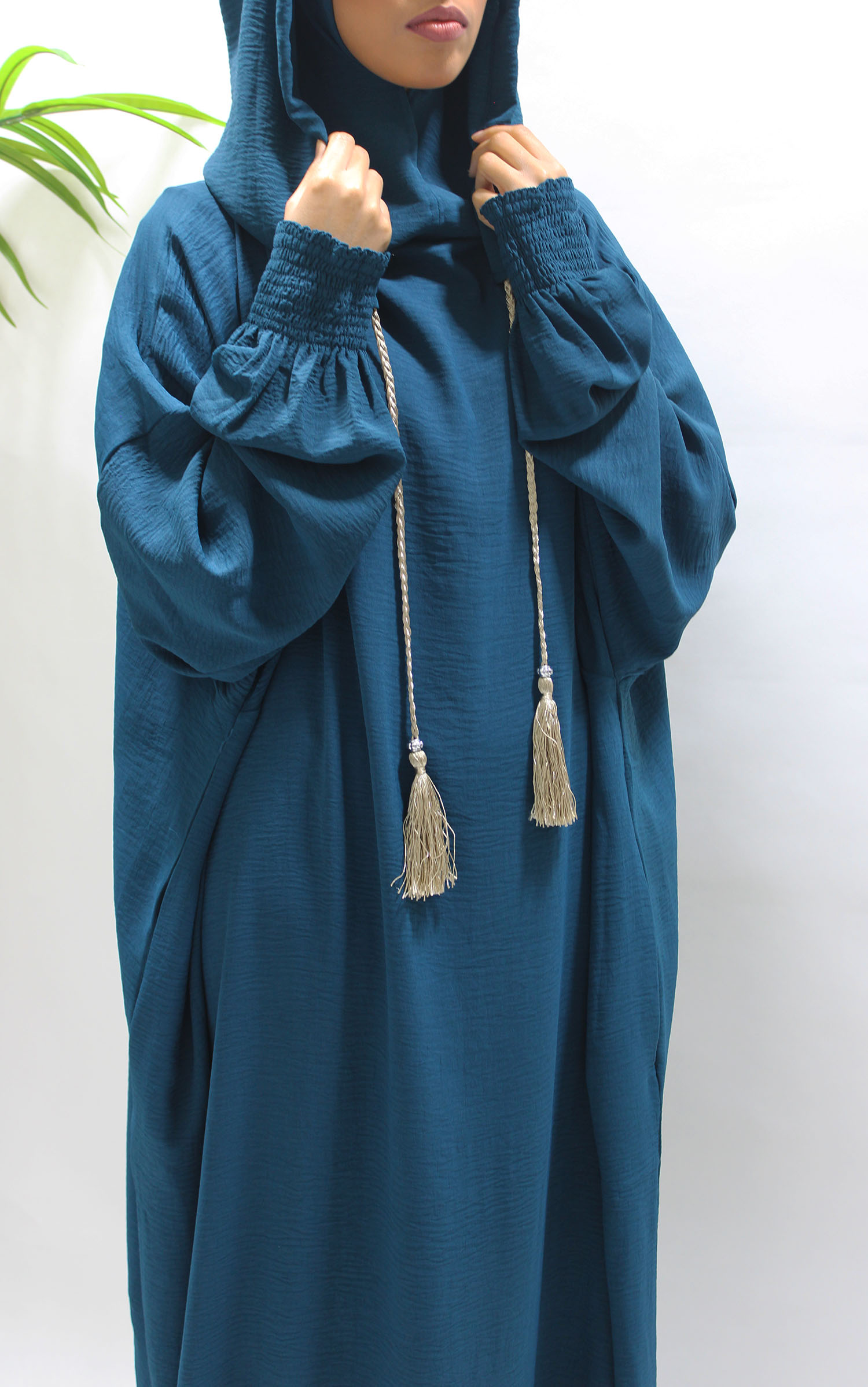
So grab some chai, take a breath, and let’s explore this together — heart to heart, sister to sister. Because prayer clothes aren’t just about covering. They’re about connection.
The Silent Struggle: Why Prayer Clothes Matter More Than We Admit
We don’t always talk about it — that subtle, invisible tug we feel when something’s “off” during prayer. Maybe it’s a neckline that won’t stay put, or a garment that clings in the wrong places, making us constantly adjust. But here’s the truth: your salah deserves clothing that lets your soul focus, not your hands fidget.
I remember visiting a friend for Taraweeh once. I borrowed her extra prayer set—light pink, floral, and paper-thin. As the imam recited Surah Al-Mulk, all I could think about was whether my sleeves were see-through under the overhead lights. The spiritual moment? Completely lost on me.
Emotional Weight Behind the Fabric
Our prayer clothes carry more than thread—they carry trust. When you slip into that jilbab or overhead khimar, it’s like telling yourself, “I’m safe here. I’m ready to meet my Lord.” That peace? It’s priceless. And so many of us are missing it because we’ve normalized discomfort or shame in the name of “just pray however you can.”
The Connection Between Outer Ease and Inner Khushu’
Comfort isn’t a luxury in worship—it’s a gateway. The Prophet ﷺ told us to pray as you have seen me pray, and part of that is showing up fully, both body and mind. If your mind is wrestling with your garment, your heart can’t surrender in sujood.
Key Prayerwear Discomforts Women Secretly Endure
| Issue | How It Affects Salah | What to Look for Instead |
|---|---|---|
| Slippery or shifting hijab | Distracts focus, repeated fixing | Adjustable or tie-back khimars |
| Thin/see-through fabric | Creates worry about awrah coverage | Double-layered or opaque material |
| Tight or restrictive fit | Discomfort in sujood or ruku | Loose-cut jilbabs, elastic cuffs |
| Static-prone or clingy material | Makes garment shift with movement | Breathable cotton or matte jersey |
There’s no shame in wanting to feel at ease when you pray. In fact, it’s part of honoring the act itself. The next time you shop for prayerwear, ask yourself: “Will this let me forget myself in prayer—or will it pull me out of the moment?”
Because when your garment supports your worship, even your clothes become an act of ibadah.

1. Why Prayer Clothes Matter More Than You Think
Let me ask you something real: Have you ever rushed into prayer, tossing on whatever was nearest, only to spend the entire salah adjusting your sleeves or worrying if you were properly covered? It’s okay — we’ve all been there. But here’s what most people don’t talk about: your clothing doesn’t just cover your body during prayer — it affects your heart, your concentration, even your connection to Allah ﷻ.
Prayer clothes are sacred not because of their fabric, but because of the space they create. A well-designed jilbab or khimar clears away the noise — the fidgeting, the discomfort, the self-consciousness. What’s left? Stillness. Presence. Khushu’.
Prayerwear Isn’t Optional — It’s Foundational
There’s a reason the Prophet ﷺ instructed women to cover fully in salah, even in private. It’s not about restriction. It’s about reverence. When we dress with intention for prayer, we’re aligning the external with the internal — embodying the humility we want to carry in our hearts.
The Psychological Benefits of Purposeful Prayer Attire
Believe it or not, even science backs this up. In behavioral psychology, there’s a term called “enclothed cognition.” It means what you wear can actually shift how you think and feel. When you put on specific prayerwear, your body and brain prepare for worship. It’s like flipping a switch: from scattered to sacred.
| Prayerwear Element | Spiritual Impact | Psychological Effect |
|---|---|---|
| Dedicated prayer outfit (vs. regular clothes) | Increases sincerity and mindfulness | Triggers focus and spiritual “mode” |
| Loose, modest fit | Fulfills awrah requirement with ease | Reduces anxiety about coverage |
| Comfortable, breathable fabric | Supports longer, more focused prayers | Minimizes distraction and irritation |
| Visually simple design | Maintains humility and concentration | Reduces sensory overload |
What Sisters Say About the Right Prayer Clothes
“When I finally invested in a good one-piece jilbab just for prayer, everything changed. My sujood felt deeper. My heart more still. It wasn’t magic — it was just the comfort of not second-guessing myself.” — Layla, Toronto
“I used to wear a scarf and long shirt for prayer. But I’d always worry about it riding up. Once I bought a proper prayer set, it was like I could breathe in salah again.” — Aisha, Kuala Lumpur
These aren’t just garments. They’re gateways. And once you experience that shift — the emotional stillness that comes with feeling properly dressed before your Lord — you’ll never look at prayer clothes the same way again.
But what styles are actually best for different needs, body types, and cultural traditions? That’s what we’re diving into next…
2. What the Scholars Say About Women’s Prayer Attire
Sometimes, we need more than just emotional conviction — we need clarity. In a world full of opinions and influencers, it’s grounding to know what our tradition actually teaches about women’s prayer clothes. So, let’s slow down and go to the source: the scholars — past and present, East and West — who’ve dedicated their lives to understanding the commands of Allah ﷻ and the practice of His Messenger ﷺ.
The Core Requirement: Covering the ‘Awrah
Across the four major Sunni madhhabs, there’s overwhelming agreement that a woman must cover her entire body during prayer — with the exception of the face and hands (and sometimes the feet, depending on the school). This is referred to as satr al-‘awrah.
Here’s a breakdown across the four schools:

| Madhhab | Obligatory Coverage in Prayer | View on Feet |
|---|---|---|
| Hanafi | Entire body except face, hands, and feet | Feet do not need to be covered |
| Shafi’i | Entire body except face and hands | Feet must be covered |
| Maliki | Entire body except face and hands | Feet must be covered |
| Hanbali | Entire body except face and hands | Feet must be covered |
Fabric, Fit, and Transparency — Not Just Coverage
It’s not enough to just wear something long. Scholars emphasize that the garment must be:
- Opaque — no see-through material, especially under light
- Loose — must not cling to the body or outline shape
- Secure — shouldn’t shift during sujood or rukoo’
Shaykh Ibn Baaz رحمه الله said, “The prayer of a woman is not valid if part of her ‘awrah is exposed, even slightly, if done deliberately.” This shows the gravity of even minor slip-ups.
Modern Misconceptions — What the Scholars Clarify
There’s a lot of confusion online — can I wear leggings with a long shirt? Is a wrap hijab okay if it slips a bit? Scholars have repeatedly emphasized that while Allah is Most Merciful, prayer clothing must meet the core conditions with serious intention.
“Allah is modest and loves modesty. So, when one of you stands for prayer, let her be covered well.” — Sunan Abu Dawood
What If You’re at Home or Alone?
This is a common question — if no one’s around, does it still matter what you wear in salah? The answer is yes. Even if you’re praying in a locked room, Allah sees you. And just like you’d dress respectfully to meet a dignitary, you’re standing before the King of Kings.
Still, scholars like Shaykh al-Albani رحمه الله have encouraged simplicity — it doesn’t have to be fancy. But it does have to meet the conditions.
Knowing this doesn’t restrict us — it frees us. Because when you know where the lines are drawn, you can choose with clarity and confidence. In the next section, we’ll explore how global cultures have beautifully adapted these rules into their own styles of prayerwear…
3. Beyond the Basics: What Counts as Acceptable Prayer Wear?
Okay, let’s get real for a minute. You’ve heard the rules — full coverage, loose, opaque — but what does that *really* mean day-to-day? Especially when our closets are full of different styles, fabrics, and fits. You might be wondering, “Can my favorite maxi dress work? What about layering a long cardigan over jeans?”
Here’s the truth: prayer clothes aren’t about being perfect, but about being *purposeful*. It’s about creating a garment setup that helps you pray without distraction, self-consciousness, or anxiety. And yes, it’s possible to do that with many types of outfits, as long as they tick some essential boxes.
Key Characteristics of Acceptable Prayer Wear
- Complete coverage of awrah — no skin or tight contours visible
- Opaque fabrics — test your garment under bright light before relying on it
- Comfortable and breathable — so you can pray with ease and focus
- Non-restrictive fit — enough room to bow and prostrate without adjusting
- Secure enough — stays in place during movements
Common Prayer Wear Types and Their Acceptability
| Clothing Type | Prayer Suitability | Tips & Notes |
|---|---|---|
| One-piece jilbab or abaya | Highly suitable | Loose, covers fully, ideal for ease during prayer |
| Long skirt with loose top | Suitable if top covers hips and is opaque | Avoid clingy fabrics and check for transparency |
| Prayer set (khimar + dress or tunic) | Very suitable | Common in many cultures; ensures coverage of head and body |
| Leggings with long shirt | Generally not recommended | Leggings are tight and reveal body shape; only acceptable if shirt is very long and loose |
| Jeans with long cardigan | Usually not acceptable | Jeans often cling and show shape; prayer requires modest concealment |
| Sheer fabrics or light scarves | Not acceptable | Transparency breaks the requirements for awrah |
How to Test Your Prayer Clothes Before Salah
Here’s a little ritual I personally swear by: before you pray, hold your garment up to a bright window or under a lamp. If you can see your skin or outline too clearly, it’s time to swap it out.
Also, try bowing and prostrating in it at home — does the fabric ride up? Do you feel you need to constantly adjust? If yes, it’s probably not ready for prayer yet.
Remember: Intention Is Key, But So Is Practicality
I’ve met sisters who feel overwhelmed trying to find “perfect” prayer clothes, thinking they need expensive or special outfits. That’s not true at all. Many beautiful, modest, and prayer-appropriate clothes come from everyday stores — the key is knowing how to pick them.
Up next, we’ll explore how cultural traditions take these principles and make prayer clothes uniquely beautiful around the world — stay tuned!
4. The Real Difference Between Daily Modest Wear and Salah Attire
Let’s be honest — sometimes, it feels like the line between what we wear every day and what’s appropriate for salah is pretty blurry. After all, many of us dress modestly every day, but does that mean we’re always ready for prayer? Spoiler alert: not necessarily.
Understanding this difference can save you from last-minute panics and help you feel more connected during your salah. So, let’s break it down in a way that’s clear, compassionate, and practical.
Why Daily Modest Wear Isn’t Always Prayer-Ready
Modest fashion is a beautiful expression of faith and identity. It’s about dignity, confidence, and showing respect in public spaces. But when it comes to prayer, the requirements tighten. Prayer is a sacred, intimate moment with Allah ﷻ, demanding a specific set of conditions — both physically and spiritually.
For example, your favorite flowy dress might be perfect for a family outing but could have a sheer lining that becomes visible in certain lighting, which breaks salah rules. Or a trendy hijab style might slip easily during prostration, distracting you from your focus.
Key Differences: A Side-by-Side Comparison
| Aspect | Daily Modest Wear | Prayer Attire (Salah) |
|---|---|---|
| Coverage | Generally modest but may not fully cover awrah (e.g., fitted sleeves, lighter fabrics) | Full coverage of awrah; no tight or see-through areas allowed |
| Fit | Can be semi-fitted or tailored for style | Loose and non-revealing; no outlining of body shape |
| Fabric | Varied; some breathable, some sheer or stretchy | Opaque, thick enough to avoid any transparency |
| Head covering | Often styled fashionably; may slip or loosen | Secure, stays in place during movements |
| Purpose | Public modesty and personal expression | Spiritual readiness and respect for prayer’s sanctity |
| Durability in Movement | May shift or require adjustments | Designed to stay secure during rukoo’ and sujood |
How to Transition Your Wardrobe for Prayer
Don’t worry — you don’t have to overhaul your entire closet overnight. Start by identifying which items meet the strict criteria and which ones might need an upgrade or layering. A long, loose cardigan or an opaque abaya over your daily wear can transform an outfit into prayer-ready attire.
Also, investing in a good quality prayer set or jilbab for those days when you want zero fuss can be a game-changer. Trust me, the peace of mind it brings during salah is priceless.
Personal Story: When I Learned the Hard Way
I remember my first Ramadan after wearing hijab regularly — I assumed my usual modest outfits were perfect for prayer too. But during taraweeh, I noticed my clothes slipping and a few sheer spots under the mosque lights. It distracted me more than I thought it would. Since then, I’ve been more mindful, and honestly, the right prayer clothes have deepened my connection to salah. Maybe you’ve felt that too?
Up next: we’ll explore how the perfect fabric choices can make or break your prayer experience — stay with me!
5. One-Piece, Two-Piece, or Layered? Choosing What Works for You
Choosing prayer clothes might sound simple, but if you’re like me, it can quickly become a style puzzle. Should you go for a one-piece jilbab? Or maybe a two-piece set? And what about layering different garments? Each option has its own perks and challenges, so let’s break them down gently.
Remember, the goal isn’t just looking modest — it’s about feeling comfortable and spiritually grounded throughout your prayer. So, don’t stress if you haven’t found your perfect fit yet. It’s a journey, and your preferences will evolve.
The One-Piece Wonder: Jilbab and Abayas
The one-piece prayer outfit—usually a jilbab or abaya—is like the classic little black dress of prayer clothes. It’s easy to slip on, covers you head to toe, and minimizes fuss.
- Pros: Simplicity, full coverage, no matching headaches.
- Cons: Can feel hot in warmer climates; may restrict movement if not roomy enough.
Two-Piece Sets: Versatile and Practical
Two-piece sets usually include a long tunic or dress paired with a khimar or matching scarf. These sets allow for more flexibility and style expression while keeping you prayer-ready.
- Pros: Easy to mix and match, adaptable for layering.
- Cons: More pieces to keep track of, potential fit issues if not well coordinated.
Layered Looks: Customizing Your Prayer Wardrobe
Layering is a fantastic way to make everyday clothes prayer-appropriate. Adding a loose abaya, long cardigan, or extra scarf layer can make all the difference.
- Pros: Allows use of existing wardrobe, adaptable for seasons.
- Cons: Requires careful fabric choices and sometimes more adjustments during prayer.
Comparison Table: One-Piece vs Two-Piece vs Layered
| Feature | One-Piece | Two-Piece | Layered |
|---|---|---|---|
| Ease of Wearing | Slip on, minimal effort | Requires matching pieces | Needs layering skills |
| Coverage | Full body coverage guaranteed | Full coverage if pieces coordinate well | Depends on layers used |
| Comfort | Can vary based on fabric | Generally comfortable and breathable | Can be warm, good for cooler weather |
| Style Flexibility | Limited to the design | More options to express personal style | Highly flexible, mix & match |
| Maintenance | Simple to care for | Multiple items to wash and maintain | May require more upkeep |
My Personal Take
I used to stick to one-piece jilbabs because they just felt easier on hectic mornings. But layering became my go-to during Ramadan evenings when it gets cooler. Two-piece sets? They shine when I want to feel a bit more put together but still prayer-ready.
What about you? Finding the right balance might take a few tries, but it’s totally worth it when you feel at peace in your prayer clothes.
Next, let’s dive into how fabric choice can totally change your salah experience — it’s a game changer.
6. Comfort, Coverage, and Concentration: What Fabric Really Matters
Let’s be real — nothing kills your focus during salah faster than feeling itchy, hot, or self-conscious about your clothes. The fabric you choose isn’t just about comfort; it’s about honoring your prayer by creating a space where your mind can be fully present with Allah ﷻ.
So, what fabrics truly balance comfort, modesty, and spiritual ease? Let’s unpack this with some honest talk and a little science.
Why Fabric Choice Impacts More Than Skin Deep
I remember once praying in a beautiful polyester prayer set that looked stunning but made me sweat buckets. My mind kept drifting to how sticky and uncomfortable I felt — totally pulling me away from my focus. That’s when I realized fabric choice is as crucial as the style.
Good fabric supports your body without drawing attention, keeps you cool or warm as needed, and ensures your coverage stays flawless during all prayer positions.
Top Fabrics for Prayer Clothes: Pros and Cons
| Fabric | Comfort | Coverage & Modesty | Care & Durability | Best For |
|---|---|---|---|---|
| Cotton | Soft, breathable, absorbs moisture well | Good opacity if woven tightly; natural fabric | Easy to wash; may shrink if not handled properly | Year-round wear; especially warm climates |
| Jersey | Stretchy, comfortable, drapes nicely | Usually opaque, but thinner jerseys may require layering | Easy care; resists wrinkles | Casual prayer wear, layering pieces |
| Polyester | Durable and wrinkle-resistant but less breathable | Opaque, but can trap heat and cause discomfort | Long-lasting, easy to wash | Cold climates, formal prayer sets |
| Chiffon | Lightweight, airy, elegant drape | Sheer, usually requires lining or layering | Delicate, requires gentle washing | Special occasions, layered prayer scarves |
| Modal/Viscose | Soft, breathable, good stretch | Typically opaque and modest | Requires gentle care but durable | Daily prayer wear, layering |
Tips for Picking the Right Fabric
- Look for fabrics that don’t cling to your body — loose draping is key.
- Test opacity in natural light before buying, to avoid surprises in prayer.
- Consider the climate: breathable cotton in summer, thicker polyester blends in winter.
- Think about how the fabric moves during prostration and standing — it should never reveal your shape or slip off.
Personal Reflection
Choosing the right fabric changed how I approached my daily prayers. When I wear soft cotton or modal blends, I notice how much calmer and more focused I feel. It’s a small detail with a huge impact.
But there’s more to explore — next up, we’ll talk about colors and patterns that honor tradition while uplifting your spirit. Stay tuned!
7. Dressing for Prayer in a World That Doesn’t Make It Easy
Let’s be honest — finding the right prayer clothes isn’t always straightforward. Whether it’s rushing between work and home, living in places where modest fashion isn’t mainstream, or simply juggling family life, dressing for prayer can feel like a challenge stacked with obstacles.
But here’s the thing: prayer is our sanctuary, and the way we dress can either nourish that sanctuary or distract us from it. So how do we navigate these real-life hurdles while staying true to our faith and style?
The Everyday Struggle: Balancing Modesty and Practicality
I’ve had mornings where I barely had five minutes to get ready for prayer, and my usual comfortable jilbab was nowhere in sight. Sometimes, the only clean garment I had was too tight or made from a less-than-ideal fabric. Sound familiar?
These moments remind me that prayer clothes aren’t just about appearance — they’re about intention, resilience, and creativity.
Common Challenges and Smart Solutions
| Challenge | Impact on Prayer | Practical Solutions |
|---|---|---|
| Limited wardrobe options in non-Muslim countries | Feeling isolated or less confident; difficulty maintaining modesty | Order online from trusted modest fashion brands; mix and match basics |
| Time constraints during busy days | Rushing, discomfort, less mindful prayer | Prepare prayer clothes the night before; choose easy-to-wear pieces |
| Weather extremes affecting comfort | Distraction due to heat or cold | Invest in breathable fabrics for summer, layered outfits for winter |
| Limited space for changing or praying at work/school | Stress, difficulty in maintaining proper coverage | Carry compact prayer shawls/scarves; use modest outerwear |
Empowering Your Prayer Routine
One trick that’s helped me is having a “prayer-ready” outfit set aside—something comfortable, modest, and fuss-free. Even if life feels chaotic, knowing I have a go-to set reduces stress and helps me connect deeply with my prayers.
What about you? How do you manage the hustle of daily life while honoring your prayer? It’s a conversation worth having, so feel free to share your thoughts when we wrap up.
Coming next: uncovering the beauty of hijabs specially designed for prayer — because the right scarf can truly elevate your spiritual focus.
8. Prayer Clothes Across the Ummah: Beauty in Diversity
One of the most beautiful things about Islamic prayer clothes is how they reflect the rich tapestry of cultures across the Ummah. From the flowing abayas of the Arabian Peninsula to the colorful jellabiyas of Sudan, prayer attire carries stories, traditions, and a unique sense of identity.
Understanding this diversity deepens our appreciation and reminds us that modesty and devotion are expressed in countless beautiful ways.
Regional Styles and Their Unique Features
| Region | Common Prayer Clothes | Distinctive Features | Materials Used |
|---|---|---|---|
| Middle East | Abaya, Khimar | Often black or neutral tones, elegant embroidery or lace | Lightweight fabrics like crepe, chiffon, or satin blends |
| South Asia | Salwar Kameez, Dupatta | Bright colors, intricate patterns, rich embroidery | Cotton, silk, georgette, chiffon |
| Southeast Asia | Baju Kurung, Tudung | Modest cuts, vibrant prints, often floral or batik patterns | Light cotton, rayon, or polyester blends |
| North Africa | Jellabiya, Haik | Loose, flowing garments; sometimes white or earth-toned | Cotton, linen, wool blends for cooler areas |
| West Africa | Boubou, Headwraps | Bold colors, geometric patterns, layered fabrics | Rich cottons, brocades, lace |
Why This Diversity Matters for Prayer Clothes
The way each culture interprets modesty and prayer attire is a reminder that Islam is not a one-size-fits-all faith — it embraces individuality while honoring divine guidance.
When I first traveled and saw how sisters prayed in their native styles, it moved me deeply. Their clothes weren’t just fabric — they were living traditions, woven with faith and community spirit.
Incorporating Cultural Elements Into Your Prayer Wardrobe
- Try blending fabrics or prints from different cultures for a fresh, personal look.
- Respect traditional embroidery or patterns by pairing them with simple, modest basics.
- Use scarves or shawls from your cultural heritage to feel connected and grounded during prayer.
Next up, we’ll explore how colors in prayer clothes can affect your mindset and spirituality — an often overlooked but powerful element.
9. Shopping With Sincerity: What to Look for in a Prayer Set
Shopping for prayer clothes can feel overwhelming — especially with so many options promising “modesty” but missing the mark on comfort, quality, or spiritual intention. I’ve been there, scrolling through endless pages wondering: What truly makes a prayer set worth investing in?
Let’s cut through the noise and focus on the essentials that honor both your body and your soul.
Key Features That Define a Genuine Prayer Set
| Feature | Why It Matters | What to Look For |
|---|---|---|
| Full Coverage | Ensures modesty and proper adherence to prayer requirements | Long sleeves, loose fit, enough length to cover ankles and hips |
| Comfortable Fabric | Keeps you focused on prayer without distraction from itchiness or tightness | Breathable, soft, and non-restrictive materials like cotton, bamboo, or modal |
| Ease of Wear | Allows quick dressing, especially for busy mornings or spontaneous prayers | Elastic waistbands, simple cuts, lightweight scarves or shawls |
| Durability | Prayer clothes should last and maintain their integrity through frequent washing | Quality stitching, colorfast fabrics, and resistance to pilling |
| Spiritual Intention | A reminder that clothing is part of worship, not just fashion | Minimal embellishments that distract; plain or modest designs that encourage humility |
My Personal Shopping Tip: Look Beyond Trends
When I shop, I try to ignore what’s “in style” and focus on how the clothes make me feel. A beautiful prayer set isn’t just about looking good; it’s about feeling ready to stand before Allah with peace and dignity.
One time, I splurged on a set that was gorgeous but itchy — it sat unused for months. Lesson learned: fabric and fit trump everything.
Questions to Ask Before Buying
- Will this outfit allow me to perform all prayer movements comfortably?
- Does it cover the required areas without fuss?
- Is it easy to clean and maintain?
- Will I feel spiritually connected when wearing it?
Choosing prayer clothes with sincerity turns a simple act into a meaningful ritual — and that intention shines through every time you pray.
Next, we’ll dive into how modest fashion brands are transforming prayer clothes to blend tradition with modern needs — stay tuned!
10. Avoid These Common Mistakes When Buying Prayer Garments
Buying prayer garments might seem straightforward, but I’ve seen—and made—a few mistakes that can turn this important purchase into a source of frustration. Maybe you’ve faced similar issues: discomfort, regret, or feeling like your clothes just don’t “fit” your prayer routine.
Let’s walk through the most common pitfalls and how to dodge them, so your next prayer set feels like a true blessing, not a burden.
Top 5 Mistakes to Avoid When Choosing Prayer Clothes
| Mistake | Why It’s a Problem | How to Avoid It |
|---|---|---|
| Picking Fashion Over Function | Stylish but impractical clothes can restrict movement or distract during prayer | Prioritize ease of movement and full coverage before style |
| Ignoring Fabric Breathability | Heavy or non-breathable fabrics cause discomfort and sweat, breaking focus | Choose natural, lightweight fabrics like cotton or bamboo blends |
| Not Considering Climate | What works in one season or place may be unbearable in another | Invest in season-appropriate prayer clothes or layering options |
| Overlooking Easy Care | Complicated washing or delicate fabrics discourage regular use | Look for machine-washable, durable fabrics that hold up well |
| Neglecting Personal Comfort | If you don’t feel comfortable, it’s hard to concentrate in Salah | Try on clothes before buying or read trusted reviews for fit and feel |
Real Talk: Learning From Experience
I once bought a gorgeous prayer outfit made from polyester because it looked perfect online. The reality? It clung uncomfortably and made me overheat during prayer, pulling me out of my spiritual zone. That mistake taught me to value comfort and function over flash.
Quick Checklist Before You Buy Prayer Clothes
- Does it cover all required areas without adjusting?
- Can you move freely during all prayer postures?
- Is the fabric breathable and suited to your climate?
- Is it easy to wash and maintain?
- Do you feel peaceful and focused wearing it?
Avoid these common mistakes, and you’ll find prayer clothes that not only look good but also nurture your soul and your Salah.
Next up: the surprising role that colors and patterns play in deepening your prayer experience.
11. The Traveler’s Guide to Lightweight, Packable Prayer Wear
Traveling as a Muslim woman often means juggling the need for modesty, comfort, and practicality — especially when it comes to prayer clothes. You want something that’s easy to carry, quick to wear, and respectful of your spiritual needs, without turning your luggage into a bulky mess.
If you’ve ever found yourself awkwardly trying to squeeze a prayer set into your suitcase or rushing to find a suitable outfit at the last minute, this section is for you.
What Makes Prayer Clothes Travel-Friendly?
| Feature | Why It’s Important | Travel Tips |
|---|---|---|
| Lightweight Fabric | Reduces luggage weight and keeps you comfortable in varying climates | Opt for materials like cotton blends, rayon, or thin modal |
| Compact Design | Eases packing and saves precious suitcase space | Choose foldable or layered sets that compress easily without wrinkling |
| Quick-Dry | Allows you to wash and reuse clothes quickly on the go | Look for fabrics labeled as quick-dry or moisture-wicking |
| Easy to Wear | Saves time and effort during hectic travel schedules | Elastic waists, simple slip-on designs, and stretchy scarves are ideal |
| Multi-Season Adaptability | Ensures comfort whether you’re in a hot desert or cool city | Layer thin garments for warmth or wear alone in warm weather |
My Go-To Travel Prayer Set
I always pack a two-piece prayer set made of bamboo fabric — it’s light, breathable, and folds into the tiniest pouch. The scarf is thin enough to tuck easily but opaque enough for complete coverage. On a trip to Morocco last year, it saved me from lugging bulky clothes while keeping me spiritually grounded.
Pro Tips for Traveling with Prayer Clothes
- Roll your prayer clothes instead of folding to prevent creases.
- Keep a dedicated prayer bag with your clothes, prayer mat, and essentials for easy access.
- Bring a neutral-colored scarf that pairs well with multiple outfits to minimize packing.
- Check the climate of your destination and pack accordingly to avoid discomfort.
Traveling doesn’t have to disrupt your spiritual routine. With the right prayer wear, you can feel at home wherever you are — ready for Salah with ease and grace.
Next, we’ll explore how cultural influences shape the styles and fabrics of Islamic prayer clothes worldwide.
12. The Revert’s Journey: Finding Prayer Clothes That Feel Like Home
Embracing Islam as a revert comes with a beautiful mix of excitement and challenges — especially when it’s time to find prayer clothes that truly resonate with your new faith and identity. You want something that feels authentic, respectful, and comfortable, but also welcoming to your personal style.
Many reverts tell me they struggled to find prayer attire that didn’t just cover the basics but also felt like a warm embrace during their spiritual moments. If you’re on this journey, know that you’re not alone — and there’s a way to find clothes that feel like home.
Key Considerations for Reverts Choosing Prayer Clothes
| Consideration | Why It Matters | Helpful Advice |
|---|---|---|
| Understanding Modesty Guidelines | It helps build confidence in what to wear without feeling overwhelmed | Seek guidance from trusted scholars, community mentors, or well-reviewed books |
| Balancing Tradition and Personal Style | Allows you to feel connected without losing your individuality | Look for prayer sets that offer classic cuts with modern fabric or colors |
| Budget-Friendly Options | Starting fresh can be costly; smart choices stretch your resources | Consider versatile pieces that can be mixed and matched, or second-hand stores |
| Comfort and Familiarity | Feeling comfortable enhances focus and connection during prayer | Choose fabrics and fits you already love, then gradually explore new styles |
Real Stories: Finding Home in Prayer Clothes
One sister shared how she initially felt lost in prayer attire, overwhelmed by the cultural expectations she encountered. But after discovering a modest, lightweight two-piece set in soft pastel colors, she finally felt at ease during Salah — like the clothes were whispering “you belong here.”
Tips for Building Your Prayer Wardrobe as a Revert
- Start simple: invest in one or two versatile prayer sets to build confidence.
- Join local or online Muslim women’s groups to ask for trusted brands and tips.
- Don’t rush: allow yourself time to find what truly feels right spiritually and physically.
- Remember, your intention matters most — the clothes support your journey, not define it.
Choosing prayer clothes as a revert is a deeply personal and evolving process. When you find pieces that fit your heart and body, prayer becomes more than a ritual — it’s a comforting act of belonging.
Coming up next: how sustainable and ethical choices in prayer clothes can amplify your spiritual connection.
13. Building Your First Prayer Clothes Wardrobe: Essentials Checklist
Starting your prayer clothes wardrobe can feel like stepping into a new world. You want to make sure you have all the essentials without getting overwhelmed or wasting money on pieces you don’t need. Trust me, I’ve been there — and a thoughtfully curated collection makes your prayer time easier, more focused, and deeply peaceful.
Let’s break down the absolute must-haves that every woman should consider when building her first prayer wardrobe. This checklist isn’t about excess — it’s about simplicity, quality, and sincerity.
Prayer Clothes Essentials Table
| Item | Purpose | Key Features to Look For | Suggested Quantity |
|---|---|---|---|
| Prayer Dress (Jilbab/Abaya) | Full-body coverage during Salah | Opaque fabric, modest cut, breathable material | 2–3 |
| Prayer Scarf (Khimar/Hijab) | Head and neck coverage | Soft, non-slip fabric, enough length to cover neck and chest | 3–5 |
| Two-Piece Prayer Set | Comfortable alternative to one-piece; separates top and bottom | Lightweight, easy to wear, flexible fit | 1–2 |
| Prayer Mat | Clean surface for Salah | Portable, easy to clean, cushioned | 1 |
| Undergarments (Slip or Inner Hijab Cap) | To prevent transparency and keep hair in place | Comfortable, breathable, snug fit | 2–3 |
Building Your Wardrobe Mindfully
When I first started, I bought several prayer dresses that felt pretty but weren’t practical — either too thin, scratchy, or restrictive. Over time, I learned to prioritize comfort and functionality alongside modesty. Quality over quantity is key.
Think about your daily routine, climate, and personal style before investing. For example, if you pray outdoors or travel often, lightweight and quick-dry fabrics become invaluable.
Wardrobe Tips to Keep in Mind
- Mix neutral colors with a few soft hues to keep things versatile and refreshing.
- Invest in a couple of machine-washable pieces to ease upkeep.
- Don’t forget the power of layering for colder months or extra coverage.
- Consider buying from brands that prioritize ethical and modest fashion.
With these essentials, your prayer clothes wardrobe will support your spiritual routine beautifully — freeing you to focus on what truly matters: your connection with Allah.
Next up, we’ll dive into the art of caring for your prayer clothes so they stay fresh, modest, and meaningful for years.
14. How to Teach Girls to Love Salah Through Clothing
Getting young girls excited about Salah can feel like a delicate dance, right? As someone who’s navigated this journey with my nieces and younger sisters, I know it’s not just about the prayer itself — the clothing they wear plays a huge role in shaping their feelings and connection to Salah.
When girls see prayer clothes as comfortable, beautiful, and special, they start to look forward to those quiet moments of worship. It’s more than fabric — it’s about creating joy, identity, and pride in their modesty.
Why Clothing Matters in Teaching Salah
- Comfort builds willingness: Kids naturally resist anything itchy, tight, or awkward. Soft, breathable fabrics make all the difference.
- Colors and designs spark interest: Modest doesn’t mean boring — fun patterns or gentle pastels can turn prayer time into something they eagerly anticipate.
- Ownership encourages responsibility: Letting girls pick their own prayer set empowers them and builds respect for Salah.
Tips to Help Girls Love Their Prayer Clothes
| Tip | Why It Works | How to Implement |
|---|---|---|
| Choose Soft, Durable Fabrics | Keeps kids comfortable during prayer and prevents distraction | Look for cotton blends or lightweight jersey sets designed for kids |
| Involve Them in the Shopping | Creates excitement and personal connection to prayer clothes | Take them along or browse online together, discussing their favorites |
| Use Playful, Modest Designs | Makes modesty relatable and fun | Opt for sets with gentle prints, soft colors, or subtle embellishments |
| Teach the Meaning Behind the Clothes | Deepens their understanding and spiritual connection | Share stories of the Prophet’s family and Muslim women in history |
Personal Reflection: A Moment That Changed Everything
I remember when my little cousin first wore her prayer set, she looked at me wide-eyed and said, “I feel like a big girl now!” That moment was everything. It reminded me that prayer clothes aren’t just fabric; they’re a gateway to spiritual confidence and love for Salah.
Encouraging young girls to cherish their prayer clothes plants seeds that blossom into lifelong devotion. And that, honestly, is one of the greatest gifts we can give them.
Coming next: The subtle yet powerful role of colors and patterns in prayer clothing — and what they really communicate.
15. Can You Sew It Yourself? A DIY Guide for Crafting Prayer Wear
Have you ever thought about making your own prayer clothes? Maybe you’ve looked at those beautiful, flowing abayas or prayer sets and wondered, “Could I actually sew this myself?” Well, the answer is yes — and it can be an incredibly rewarding way to deepen your connection with your prayer routine.
Not everyone is a seasoned seamstress, but with a little patience, some basic skills, and the right guidance, crafting your own prayer wear is totally doable. Plus, it means your clothes will fit you perfectly and reflect your personal modest style.
Why Make Your Own Prayer Clothes?
- Personalized fit: Tailor the cut and length exactly to your comfort.
- Creative freedom: Choose fabrics, colors, and details that resonate with your soul.
- Mindful crafting: Sewing prayer clothes encourages spiritual reflection and intention.
- Cost-effective: You can save money by selecting materials and avoiding brand markups.
Basic Materials You’ll Need
| Material | Purpose | Recommended Types |
|---|---|---|
| Fabric | Main body of the prayer garment | Lightweight cotton, linen, jersey, or polyester blends (breathable & opaque) |
| Thread | Seams and finishing | Polyester thread for durability, color matched to fabric |
| Elastic Bands | For waistbands or sleeve cuffs | Soft, stretchable elastic for comfort |
| Needles & Sewing Machine | Stitching fabric pieces together | Universal sewing needles; beginner-friendly sewing machine |
| Measuring Tape | Accurate measurements for fit | Flexible fabric measuring tape |
Step-by-Step DIY Prayer Clothes Guide
- Measure yourself carefully: Chest, waist, hips, length from shoulder to ankle.
- Choose a simple pattern: Look for beginner-friendly jilbab or abaya sewing patterns online.
- Cut your fabric: Follow your pattern precisely, leaving seam allowances.
- Sew seams slowly: Start with shoulder and side seams, then add sleeves or layers.
- Add finishing touches: Hem the edges and insert elastic if needed.
- Try it on: Check fit and comfort, and make adjustments as necessary.
Common DIY Challenges and How to Overcome Them
| Problem | Cause | Solution |
|---|---|---|
| Fabric puckering | Incorrect tension on sewing machine | Adjust machine tension and use appropriate needle |
| Uneven seams | Inaccurate cutting or sewing speed | Use pins and sew slowly for precision |
| Fabric transparency | Fabric too thin or not lined | Choose thicker fabric or add lining layer |
Honestly, sewing your own prayer clothes may sound intimidating at first, but with a few tries, it becomes a beautiful act of devotion and creativity. Imagine wearing a garment made by your own hands, made with intention and love — it’s a spiritual experience all on its own.
Next, we’ll explore the subtle art of caring for your prayer garments, so they stay beautiful and modest for years to come.
16. The Sacred Routine: Preparing Yourself — and Your Clothes — for Salah
Have you noticed how the act of preparing for Salah can be as meaningful as the prayer itself? It’s more than just washing your face or rolling out your prayer mat — it’s a moment of spiritual alignment, a pause to transition from the noise of the world into peace. And your prayer clothes play a starring role in this sacred routine.
Wearing the right prayer attire is not just about modesty or tradition; it’s about setting an intention, honoring the moment, and creating a mental space for connection with Allah. The way you prepare your clothes and yourself helps cultivate the right mindset — and believe me, it shows in your concentration and tranquility during Salah.
Why Preparation Matters for Salah
- Mindfulness: Dressing with intention turns prayer into a focused, heartfelt act.
- Physical Comfort: Clean, well-chosen clothes help you relax and maintain focus without distractions.
- Respect: Proper attire honors the sanctity of the moment and the place of worship.
Steps to Prepare Your Clothes and Yourself
| Step | Why It Matters | Tips |
|---|---|---|
| Ensure Cleanliness (Wudu & Clothes) | Purity is essential before Salah | Keep prayer clothes clean and fresh; perform wudu with care |
| Check Clothes for Coverage | Ensures modesty is maintained throughout prayer | Adjust hijab, jilbab, or sleeves; use pins or safety clips if needed |
| Wear Comfortable Fabrics | Comfort reduces distraction and supports concentration | Choose breathable, soft fabrics that allow movement |
| Set the Environment | Calm surroundings enhance spiritual focus | Lay out your prayer mat neatly; avoid clutter and noise |
| Intention (Niyyah) | The heart’s focus defines the prayer’s value | Quietly state your intention before starting Salah |
Personal Insight: Preparing with Purpose
I used to rush through getting dressed for Salah, thinking the prayer itself was all that mattered. But one day, after deliberately slowing down and paying attention to my clothes and surroundings, my heart felt a whole new calm. The clothes felt like a sacred garment, not just fabric. It shifted my entire prayer experience.
Mastering this sacred routine isn’t about perfection — it’s about respect, intention, and love. Next, we’ll dive into how to care for these precious garments so they stay as pure and beautiful as the prayers they accompany.
17. Respectful Storage: Honoring What You Wear to Stand Before Allah
Prayer clothes aren’t just outfits — they’re vessels of spiritual connection, symbols of humility, and reminders of our sacred moments with Allah. So, how we treat and store them speaks volumes about the respect we hold for our faith and ourselves.
You’ve probably felt the frustration of finding a prayer garment wrinkled, misplaced, or worse — stained and unusable just when you need it most. That’s not just inconvenience; it’s a missed chance to honor your prayer time fully. Respectful storage keeps your prayer clothes ready, clean, and cherished.
Why Storage Matters More Than You Think
- Maintains Cleanliness: Protects against dust, odors, and damage.
- Preserves Fabric Quality: Keeps fabrics fresh and soft for comfort during Salah.
- Enhances Spiritual Mindset: Seeing your prayer clothes neatly stored encourages reverence and intention.
Effective Storage Methods for Prayer Clothes
| Storage Method | Benefits | Tips |
|---|---|---|
| Dedicated Prayer Clothes Drawer | Easy access; keeps garments separate from everyday wear | Use dividers or small baskets to organize by type (hijabs, jilbabs, etc.) |
| Hanging Garments Properly | Prevents wrinkles and fabric damage | Use padded hangers; cover with breathable garment bags |
| Using Fabric Fresheners | Keeps clothes smelling clean and fresh | Choose natural sachets like lavender or cedar; avoid strong chemical sprays |
| Fold with Care | Preserves shape and prevents creases in delicate fabrics | Fold gently along natural seams; avoid tight stacks |
| Regular Airing Out | Prevents mustiness and keeps fabric breathable | Take clothes out weekly to air in a shaded, clean area |
Real Talk: My Storage Ritual
I keep a small wooden chest just for my prayer clothes. Every time I fold my jilbab or hijab, I say a quiet prayer, reminding myself this fabric is a bridge to my Creator. On busy days, just opening that drawer is like stepping into a calm oasis. It’s a simple habit, but it makes a big difference in how I approach my Salah.
Up next: How to care for your prayer clothes through washing and handling so they last and stay pure — because respect doesn’t end at storage.
18. Real Muslim Women, Real Prayer Clothes: Stories from the Heart
Let’s be honest — prayer clothes aren’t just about fabric and fashion. They’re woven with memories, struggles, and moments of deep faith. Every woman’s journey with her prayer attire is personal and powerful, reflecting her unique story and relationship with Salah.
I’ve gathered some heartfelt stories from sisters around the world, and I’m sure you’ll see parts of yourself in their words — the joy, the challenges, the discovery, and the beauty of praying clothed in intention.
Stories That Speak Volumes
| Woman | Prayer Clothes Experience | Lesson Learned |
|---|---|---|
| Fatima, 34, Egypt | Started wearing a simple two-piece prayer set after struggling with bulky, uncomfortable clothes. | Comfort and simplicity deepened her concentration and love for Salah. |
| Layla, 28, UK | Found sewing her own prayer wear helped connect with her faith and culture. | Crafting became an act of worship and self-expression. |
| Amira, 45, Malaysia | Shares her journey of teaching her daughters how to appreciate modest prayer attire. | Prayer clothes became a bridge between generations and spiritual teaching. |
| Sana, 22, USA | Talks about adapting prayer clothes to fit a busy student life while staying true to faith. | Practicality and devotion can beautifully coexist. |
Why These Stories Matter
- Connection: They remind us we’re not alone in our faith journey.
- Inspiration: Real examples show how prayer clothes can empower and nurture spirituality.
- Diversity: Every culture and lifestyle shapes how women experience prayer attire.
As you reflect on these stories, consider your own prayer clothes and what they mean to you. What memories or feelings do they carry? How do they help you step into your Salah each day?
Next up, we’ll explore the future of Islamic prayer clothing — innovations and trends that blend tradition with modern needs.
19. How to Tell If Your Prayer Clothes Are Due for a Change
Have you ever looked at your prayer clothes and felt… something was off? Maybe the fabric feels rougher, the fit is less comfortable, or your heart isn’t quite in it anymore. Knowing when it’s time to refresh your prayer attire isn’t just about style — it’s about honoring your spiritual practice with clothing that supports your connection with Allah.
Let’s talk about the subtle and not-so-subtle signs that your prayer clothes might need a little TLC or a full upgrade. Because sometimes, a simple change can reignite your devotion and make every Salah feel brand new.
Signs Your Prayer Clothes Might Be Ready for Replacement or Repair
| Indicator | Why It Matters | What To Do |
|---|---|---|
| Fabric Worn or Thinning | Compromises modesty and comfort | Repair minor tears or replace garments with high-quality fabrics |
| Colors Fading or Staining | Can affect your confidence and reverence during prayer | Consider dyeing darker colors or investing in new sets |
| Poor Fit or Changed Body Shape | Loose or tight clothes distract and may not meet coverage requirements | Tailor existing clothes or shop for better-fitting options |
| Uncomfortable Fabrics | Discomfort reduces concentration and peace of mind | Switch to breathable, soft materials like cotton or bamboo blends |
| Lack of Practical Features | Missing elements like easy layering or travel-friendly designs | Choose multi-purpose prayer wear that suits your lifestyle |
Trusting Your Instincts
Sometimes, it’s less about visible wear and more about how your prayer clothes *feel* spiritually. If you find yourself avoiding certain garments or feeling less motivated to pray, that’s a powerful sign. Your prayer attire should uplift, not weigh you down.
As one sister shared with me, “When I switched to a softer, lighter prayer set, I felt like I was wrapping myself in calm before each prayer.” That kind of peace is priceless.
In the final section, we’ll wrap up with some practical tips to maintain your prayer clothes and keep that sacred feeling alive for years to come.
20. A Garment of Faith: What Your Prayer Clothes Say About Your Soul
Have you ever paused before putting on your prayer clothes and felt a deeper connection — like you were not just dressing your body, but wrapping your soul in something sacred? Prayer clothes are far more than fabric; they are a silent language, an expression of our inner faith and reverence.
What we wear during Salah reflects how we see ourselves in the eyes of Allah and the world. It’s a garment of faith that speaks volumes without a single word.
The Soulful Language of Prayer Attire
| Clothing Aspect | Spiritual Meaning | Emotional Impact |
|---|---|---|
| Modesty and Coverage | Respecting Allah’s command and protecting one’s dignity | Instills humility and focus |
| Cleanliness and Care | Demonstrates love and reverence for worship | Fosters peace of mind and presence |
| Comfort and Fit | Reflects self-respect and readiness to submit | Enhances concentration and calmness |
| Simple Elegance | Shows sincerity without distraction | Encourages inner beauty and purity |
| Personal Touch (color, style) | Represents individual identity within the ummah | Builds confidence and belonging |
Why This Matters More Than You Think
When you wear your prayer clothes with intention, you’re making a powerful statement: that your soul is prepared, your heart is humble, and your mind is clear. It’s a moment of surrender wrapped in fabric, a daily reminder that your faith shapes not just your actions but your identity.
And honestly, the right prayer clothes can gently coax your heart to settle when the world outside feels chaotic. They’re like a trusted companion on your spiritual journey, quietly supporting you as you stand, bow, and prostrate before Allah.
As we close this deep dive into Islamic prayer clothes for women, remember — your garments tell your story, but they are only part of the whole. It’s your intention, devotion, and love that truly make your Salah beautiful.
What does your prayer attire say about your soul? Share your thoughts and experiences — I’d love to hear your story 💬
Wrapping Up: Embrace Your Prayer Clothes, Embrace Your Faith
We’ve journeyed through every thread and fiber of what makes Islamic prayer clothes for women so much more than just garments. From the wisdom of scholars to the soulful stories of real sisters, from the practical tips on fabric to the emotional weight your attire carries — it’s clear that prayer clothes are a sacred extension of your heart and devotion.
So, whether you’re choosing your very first prayer set, refreshing an old favorite, or sewing your own with love and intention, remember this: it’s not about perfection, but presence. Your prayer clothes should help you step into Salah feeling calm, confident, and connected — not just to the ritual, but to the Divine.
Now it’s your turn. What have you learned here that resonates most with your experience? Have you ever felt a shift in your prayer mindset just by changing what you wear? Or maybe you have a special prayer garment story that inspires others?
Let’s keep this conversation alive. Share your thoughts, questions, or even photos of your favorite prayer clothes in the comments below. Your story might just be the encouragement someone else needs today.
And if you found this guide helpful, consider bookmarking it for whenever you need a reminder that your prayer clothes are more than fabric — they’re a garment of faith.
May your prayers be peaceful, your heart full, and your wardrobe a true reflection of your beautiful soul.
Frequently Asked Questions About Islamic Prayer Clothes for Women
1. What are the essential features of proper Islamic prayer clothes for women?
- Full Coverage: Prayer clothes must cover the entire body except for the face and hands, in accordance with Islamic teachings. This ensures modesty during Salah.
- Loose Fit: The garments should not be tight or form-fitting to avoid revealing the body shape.
- Cleanliness: Clothes should be clean and free from impurities, aligning with the spiritual cleanliness required for prayer.
- Non-Transparent Fabric: Materials used should be opaque enough to avoid any exposure when moving or bending.
- Comfort: Prayer often involves physical movements; therefore, clothes should allow ease of movement without restriction.
- Simple Design: While elegance is appreciated, overly flashy or extravagant attire is discouraged to maintain humility.
- Appropriate for Intention: Wearing prayer clothes with sincere intention elevates the spiritual experience of Salah.
- Respect for the Occasion: Clothes specifically designated for prayer help mentally prepare the worshipper, creating a sacred boundary between daily wear and worship.
2. Can women pray in their everyday modest clothing, or do they need special prayer clothes?
- Permissibility: It is permissible for women to pray in any clean, modest, and appropriate clothing that meets the criteria for Salah coverage.
- Preference for Prayer Clothes: Many women prefer special prayer clothes to mentally and physically prepare for worship, signaling a shift from daily activities to spiritual focus.
- Comfort and Practicality: Special prayer attire often uses lightweight, breathable fabrics which make the physical postures of Salah more comfortable.
- Cultural and Personal Choice: Some cultures have traditional prayer garments, while others may not; personal comfort and intention often guide the choice.
- Maintaining Cleanliness: Wearing specific prayer clothes can help maintain cleanliness, reducing the chance of impurities from everyday wear.
- Psychological Impact: Using designated prayer garments can deepen concentration and reverence, as it establishes a ritualistic mindset.
- Revert and New Muslims: Prayer clothes can help new Muslims feel connected and confident during prayer as they navigate modesty practices.
3. What fabrics are best suited for Islamic prayer clothes, especially in different climates?
- Breathable Fabrics: Cotton and linen are excellent for hot and humid climates because they allow air circulation and reduce sweating.
- Lightweight Polyester or Rayon: These synthetic fabrics are often blended to create durable, wrinkle-resistant prayer garments.
- Silk and Satin: Suitable for special occasions but less common for daily prayer due to cost and care requirements.
- Wool and Flannel: Ideal for colder climates, providing warmth without sacrificing modesty or coverage.
- Moisture-Wicking Fabrics: For active worshippers or those in humid regions, these fabrics keep skin dry and comfortable.
- Stretchable Fabrics: Some prayer clothes incorporate slight elasticity for ease of movement, especially useful for bending and prostrating.
- Durability: Fabrics that hold up well through frequent washing and wear are preferred to maintain cleanliness and appearance.
- Non-Transparent Quality: Regardless of fabric type, opacity is crucial to maintain modesty during physical movements.
4. How do cultural differences influence women’s prayer clothes across the Muslim world?
- Diversity in Styles: From the flowing abayas of the Arabian Peninsula to colorful saris adapted for prayer in South Asia, styles vary widely.
- Fabric Choices: Climate and cultural heritage influence fabric selection — lightweight chiffons in hot regions, heavier fabrics in colder zones.
- Color and Patterns: While many prefer plain colors for prayer to avoid distraction, cultural tastes often incorporate subtle patterns or embroidery.
- Head Coverings: The style of hijab worn during prayer may differ, ranging from simple scarves to elaborate khimars or jilbabs.
- Regional Adaptations: Some cultures use layered clothing or distinct garments like the Turkish ferace or West African boubou as prayer attire.
- Community Traditions: Community norms shape what is considered appropriate, influencing how women dress during Salah.
- Religious Schools: Different madhabs (Islamic jurisprudence schools) may have nuanced guidelines impacting clothing choices.
- Impact of Globalization: Increased access to global fashion allows blending traditional and contemporary styles in prayer clothes.
5. Is it necessary to have multiple prayer clothes, or can one set suffice?
- Practicality of Multiple Sets: Having several prayer outfits allows rotation for cleanliness and convenience.
- Single Set Sufficiency: It is permissible to pray in one clean set, but having extras can accommodate different situations (travel, special prayers, etc.).
- Seasonal Considerations: Multiple sets may be necessary to accommodate changes in weather or fabric breathability.
- Frequency of Prayer: Women who pray frequently and perform multiple Salah times might prefer having several sets for comfort and hygiene.
- Storage and Care: Rotating prayer clothes reduces wear and tear, helping maintain modesty and appearance.
- Financial and Space Factors: Practicality depends on personal resources and available storage space.
- Intent and Mindfulness: Owning multiple sets can aid mindfulness, signaling preparation and reverence for each prayer time.
6. How can new Muslims find prayer clothes that feel comfortable and appropriate?
- Start Simple: Choose loose, modest clothing in neutral colors to avoid overwhelming options.
- Seek Community Support: Local mosques and Muslim communities often provide guidance or even donate prayer clothes to new converts.
- Focus on Comfort: Prioritize breathable fabrics and fits that allow free movement during Salah.
- Learn from Sisters: Asking experienced Muslim women for recommendations can help find suitable styles and brands.
- Shop Online Wisely: Look for trusted modest fashion stores with clear return policies.
- Experiment Gradually: Trying different styles over time can help build confidence and personal preference.
- Remember Intention: The heart behind wearing prayer clothes matters more than the brand or style.
7. Are there specific colors recommended or discouraged for women’s prayer clothes?
- Preference for Simplicity: Plain, muted, or soft colors like white, beige, navy, or pastels are commonly favored to avoid distraction.
- Dark Colors: Black or dark tones are widely used for their modesty and versatility.
- Bright Colors: Generally discouraged for prayer garments as they can draw undue attention during worship.
- Cultural Variations: Some cultures accept more colorful attire while maintaining modesty.
- Personal Comfort: Wearing colors that make you feel calm and focused can enhance concentration during Salah.
- Special Occasions: Occasional use of elegant shades or embroidery for Eid or special prayers is accepted.
8. How do prayer clothes impact a woman’s spiritual focus during Salah?
- Creating a Sacred Space: Dedicated prayer clothes help separate worship time from daily life, signaling a mental shift.
- Physical Comfort: Comfortable garments reduce distraction caused by discomfort or self-consciousness.
- Intentional Dress: Choosing prayer clothes with sincerity can deepen mindfulness and emotional presence.
- Minimizing Distraction: Modest, simple attire prevents visual distractions in communal or home prayer spaces.
- Building Confidence: Wearing prayer clothes that align with one’s values can enhance spiritual confidence.
- Routine and Consistency: Having a consistent prayer wardrobe fosters a sense of routine and discipline.
9. What are the common mistakes women make when selecting prayer clothes?
- Choosing Transparent Fabrics: This compromises modesty during movements in Salah.
- Wearing Tight Clothing: Revealing body shape can invalidate prayer according to many scholars.
- Ignoring Cleanliness: Wearing clothes that are not clean spiritually and physically impacts the validity of prayer.
- Prioritizing Fashion Over Function: Excessive embellishments or uncomfortable fabrics distract from worship.
- Not Considering Climate: Wearing unsuitable fabrics can cause discomfort and loss of concentration.
- Forgetting Intention: The heart’s sincerity matters; focusing solely on appearance misses the essence.
10. Can prayer clothes be reused for daily wear, or should they be reserved only for Salah?
- Permissibility: Prayer clothes can be worn daily if they meet modesty and cleanliness requirements.
- Preference: Many women reserve specific prayer garments to maintain a special mental connection with Salah.
- Practicality: Using prayer clothes daily can be practical for those who prefer consistent modest attire.
- Cleanliness Considerations: Frequent changing and washing help maintain hygiene if used daily.
- Psychological Impact: Separate prayer attire can help signal a sacred time, enhancing focus and respect.
11. How do women manage prayer clothes during travel or in public spaces?
- Lightweight Options: Pack breathable, compact prayer sets that are easy to carry and quick to wear.
- Multi-Purpose Garments: Choose versatile clothing that can serve both modest daily wear and prayer needs.
- Portable Prayer Mats: Combine prayer clothes with compact mats for comfort and cleanliness.
- Layering: Use layers that can be added or removed depending on privacy and weather.
- Discreet Design: Opt for plain, non-flashy colors and minimal embellishments to avoid drawing attention.
- Maintenance: Carry travel-size detergent or wipes for on-the-go freshness.
- Respect Local Customs: Be mindful of local dress codes and cultural sensitivities while traveling.
12. What role does intention (niyyah) play when choosing prayer clothes?
- Sincerity is Key: Wearing prayer clothes with the intention to please Allah transforms the garment into a spiritual tool.
- Mindful Preparation: Intention fosters respect and reverence, enhancing concentration during Salah.
- Beyond Appearance: The heart’s focus on worship matters more than the external garment’s style or cost.
- Avoiding Showmanship: Intention guards against using prayer attire to seek attention or praise.
- Consistency: Reaffirming intention regularly helps maintain the spiritual purity of prayer clothes usage.
13. How can I care for and maintain my prayer clothes properly?
- Regular Washing: Maintain cleanliness by washing prayer clothes after use, especially if worn frequently.
- Gentle Detergents: Use mild soaps to preserve fabric integrity and prevent skin irritation.
- Separate Storage: Store prayer clothes in a clean, dedicated space to honor their sacred purpose.
- Avoid Harsh Chemicals: Steer clear of bleach or strong stain removers that may damage fabric or colors.
- Ironing: Press clothes gently to maintain neatness without damaging delicate fabrics.
- Repair: Mend small tears or loose threads promptly to extend garment life.
- Rotate Usage: Having multiple prayer garments helps reduce wear and prolongs their usability.
14. Are there specific prayer clothes recommended for menstruating women?
- Menstruation and Salah: Women do not perform Salah during menstruation; therefore, prayer clothes are not required during this time.
- Post-Menstruation: Clean prayer clothes are essential when resuming Salah after menstruation.
- Comfort Considerations: Many women keep comfortable modest clothing during menstruation to stay spiritually connected.
- Hygiene: Maintaining cleanliness and ready access to prayer clothes helps ease the transition back to Salah.
- Emotional Support: Encouraging young girls and women to understand this natural cycle with compassion aids spiritual well-being.
15. What are the benefits of making your own prayer clothes?
- Personalization: You can tailor fabrics, fits, and designs to your unique comfort and style preferences.
- Cost-Effective: DIY options often save money compared to purchasing specialty garments.
- Intentionality: Crafting your prayer clothes can become a spiritual act, enhancing connection with worship.
- Quality Control: Selecting materials and construction ensures durability and comfort.
- Creativity: Sewing prayer clothes allows artistic expression within the bounds of modesty.
- Empowerment: Learning skills fosters independence and deeper appreciation of modest fashion.
16. How can mothers encourage their daughters to appreciate prayer clothes?
- Lead by Example: Children emulate their parents; wearing prayer clothes with joy and reverence inspires them.
- Storytelling: Sharing stories about the spiritual significance of prayer attire helps children understand its importance.
- Include Them in Shopping: Allow daughters to choose comfortable, beautiful prayer clothes within modest guidelines.
- Make It Fun: Incorporate prayers and positive reinforcement during dressing routines.
- Teach with Patience: Emphasize gradual learning and celebrate small milestones in their spiritual journey.
- Community Involvement: Engage children in mosque events or girls’ groups where prayer clothing is part of the culture.
17. What is the difference between jilbab, abaya, and prayer garments?
- Jilbab: A loose outer garment covering the entire body, often worn outdoors for modesty.
- Abaya: A simple, flowing robe-like dress primarily used in Arabian cultures for everyday modest wear.
- Prayer Garments: Specifically designed attire for Salah, prioritizing ease of movement, comfort, and ritual cleanliness.
- Overlap: Some garments, like jilbabs or abayas, can double as prayer clothes if they meet modesty and coverage criteria.
- Fabric and Design: Prayer clothes often use softer, breathable fabrics, while abayas may focus on style and durability.
- Usage Context: Abayas and jilbabs are generally worn outside the home, prayer clothes are used during Salah.
18. How can prayer clothes help improve concentration during Salah?
- Comfort Reduces Distraction: Comfortable fabrics and fits prevent physical discomfort from pulling attention away from prayer.
- Mindful Ritual: Wearing designated prayer clothes creates a focused environment, preparing the mind and heart.
- Reducing Anxiety: Knowing you’re dressed appropriately can ease self-consciousness, allowing deeper spiritual connection.
- Symbolism: Prayer attire can serve as a visual cue to transition mentally from worldly tasks to worship.
- Routine Establishment: Consistent use helps build a habit, reinforcing concentration through familiar cues.
19. Are modesty standards for prayer clothes the same for all Muslim women?
- Core Requirements: Fundamental guidelines (full coverage, loose fit, cleanliness) are consistent across Islamic schools.
- Interpretation Variances: Some differences exist depending on cultural context and madhab (jurisprudence school).
- Personal Conviction: Individual comfort and understanding of modesty also influence clothing choices.
- Local Customs: Community expectations may shape specific prayer attire norms.
- Flexibility Within Boundaries: Modesty is observed with respect to religious principles but allows some diversity.
20. How important is it to align prayer clothes with the principles of E-E-A-T (Experience, Expertise, Authoritativeness, Trustworthiness)?
- Experience: Wearing prayer clothes that you have personally found comfortable and meaningful reflects genuine connection.
- Expertise: Learning from scholars and experienced sisters ensures your attire meets religious standards.
- Authoritativeness: Relying on trusted sources and authentic brands enhances confidence in your choices.
- Trustworthiness: Maintaining cleanliness, sincerity, and modesty builds spiritual trustworthiness beyond physical appearance.
- Holistic Approach: Prayer clothes embody not just physical modesty but spiritual integrity, resonating with the core E-E-A-T values.


