
Looking for a high quality abaya one has to take fabric and workmanship into account. In a society that values the little nuances, an abaya transforms from just clothing. It is said something of art. One fit your style and attitude. It simultaneously captures modern vision and legacy. Every knot counts.
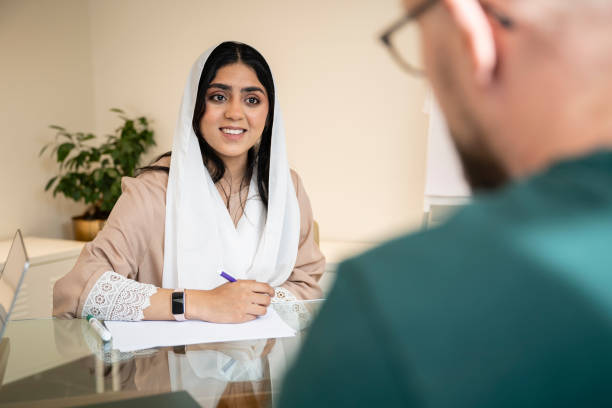
The fabric choice is rather important. Your abaya should come across as a soft hug. Look for items that whisper tales of legacy while yet speaking with modern sensibilities. Fans for cotton blends, viscose, chiffon, and crepe are rather strong. They transmit diverse emotions. While some ground you in luxury, others are light and breezy. It is like choosing colors for a painting. Every color speaks to you personally.
There are fabrics that feel like poetry. Others really connect like a moving ballad. Your way of living should be matched by the fabrics. They have to breathe with you. Imagine an early morning prayer under sunlight. One may clearly see a difference in a cloth that glides elegantly. It gently dances skin and spirit together. You might even smile at someone who finds its appeal.
As important as the fabric is itself is the artistic quality of the stitching. A hand-finished hem or some subdued stitching can say a lot. Many times, traditional embroidery reflects ancient methods handed down over the years. Some designs remind me of peaceful family get-togethers and bustling souks. Others use basic cuts and contemporary lines. Handcrafted edges call for appreciation and discussion. They are a silent storyteller.
Many abaya producers are quite proud of their work. In little workshops, craftspeople give every line great enthusiasm. They cut once and double measure. Their work reminds one of a painter lightly brushing paint on a canvas. Sometimes you hear them relate family stories while they are working. “This thread makes me think of my grandmother’s quilt,” one might comment. Their ardor permeates the fundamental fabric. Their ability gives the design life.
Discovering a fabric with great texture provides more benefits than only comfort. It lends a feeling of legacy. Every thread blends own style against historical background. Certain fabrics have subdued designs or embossed features that mix just somewhat with classic simplicity. These little elements create mystery without calling for attention. Here a delicate pattern might accentuate a sophisticated, dark tone. It’s like giving a delicious meal some kick-back.
Comfort and look depend much on each thread, line, and fabric piece. Sharp cuts gracefully match soft curtains for prayer and meditation. Structural equilibrium with fluidity requires artistic ability. Two abayas never exactly match each other. The personal touch is remarkable even if designs follow similar traditions. One can communicate with an item by wearing it. It speaks in subdued, elegant accents.
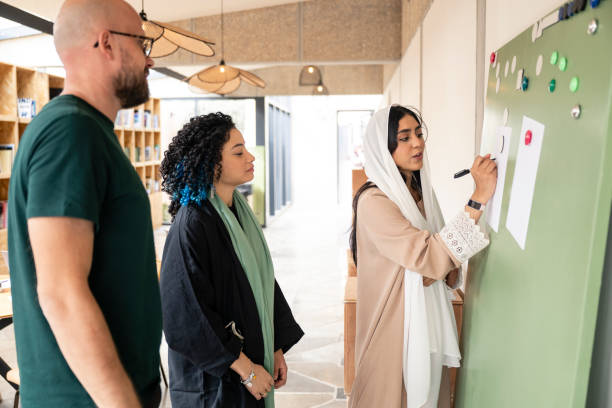
Selecting an abaya is almost like selecting a buddy you know well. You need dependability. You want something that speaks to you personally. Speaking with informed vendors reveals more than simply surface data. They discuss how the outfit has been worn, treasured, and handed on through the decades. Some even have a little fun. Perhaps a lighthearted comment: “This abaya has seen more morning prayers than I have sipped coffee!”
Usually, the discussion revolves on pragmatic problems. One first considers durability as a major influence. A cloth might seem great in a store but must resist lengthy hours of priestly thought. It must be sturdy against the demands of daily wear yet gentle to the feel. The lifetime of the fabric is tested by hand brushing during prayer ceremonies. It has to laugh in time’s face. A quality fabric is not negable. It is quite exact in many aspects.
Every person who enjoys fashion has distinct tastes. Some like a little decoration. Some like simplicity. There is beauty on both extremes. One finds equilibrium by carefully choosing fabric and design. Sometimes basic designs are as expressive as festive ones. Consider it as a gentle chat between your soul and your outfit. You have to make the decision.
Many find the abaya to be a mirror of their identity. Artful craftsmanship and fabric choice taken together produce a work with dignity. It goes with you to every prayer meeting. It blankets you in meager warmth. It signifies times of celebration, respect, and introspection. Every thread ties back to memories. Every cutting line creates a historic passion route.
Does the fabric count for the praying experience? one would wonder. The response is an emphatic yes. Consider it as choosing a preferred spot in your neighborhood coffee shop. Comfort and style mix to give every moment personal resonance. Soft textiles are like a cozy cup on a chilly day. They strengthen the spirit and help one to relax the mind. A good outfit lets you breathe easier during the day.
In fabric work, technique can range greatly. Certain manufacturers depend on age-old customs carried on in familial circles. They move lightly with their hands. One gets nostalgia from this approach. Their creations are lively and vibrant. Other businesses combine traditional knowledge with a dash of current ideas. The end effect is a cloth that sings through every prayer. Its building presents new rhythms of living as well as legacy.
In this art, experience usually tells a lot. A master craftsperson values every fabric fold’s originality. The fabric is chosen, then meticulously marked for easy transition. Conventional techniques merge with sophisticated modern solutions. Making anything as important as your prayer robe requires no shortcuts. Some claim that every fabric speaks a language all by itself. The language speaks of personality, attention, and workmanship.
One finds intriguing to consider the techni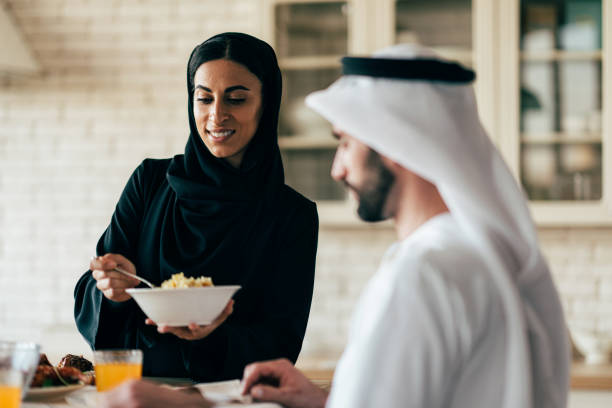 ques of the artists. As work moves in a calm rhythm, their workshop could be humming softly with conversation. They crack jokes. They exchange brief lessons from life. Their work often reflects life itself, straightforward but profoundly important. One craftsperson said, “I sew with heart and soul.” Such genuineness gives an abaya more than just wearable attire. It is a good friend for quiet times of introspection.
Ask about the background of the fabric whether you are shopping in a quiet boutique or crowded market. Many vendors will point out the source. Some bring up specifics of the folding technique or the dying procedure. You catch a peek of the attention paid by people remote from the mass-production machine. Rare is this kind of practical work. It whispers of legacy and passion. It changes cloth into a living memory.


