
Ever felt the joy and challenge of finding the perfect Islamic abaya for your little girl? It’s more than just picking a pretty dress — it’s about blending modesty with childhood magic, where faith meets fun. I know the struggle of balancing comfort, style, and values, especially when you want her to feel confident, cozy, and proud in what she wears. In this post, I’ll walk you through everything from choosing breathable fabrics to designs that capture her unique personality, and even how to handle those emotional moments tied to modest dressing. Whether it’s for Eid, everyday prayers, or just playing outside, I promise to answer every question you’ve ever had about dressing your daughter in an abaya that honors both her innocence and her growing sense of identity. By the end of this post, you’ll feel ready — and excited — to find the perfect abaya that celebrates her modesty and her childhood all at once. So, let’s dive in and make modesty joyful together!
Islamic Abaya for Girls: Where Modesty Meets Childhood Joy
Let’s be honest — dressing our daughters modestly in today’s world isn’t always simple. Between fast fashion trends, peer pressure, and that endless scroll of online options, it’s easy to feel overwhelmed. But you’re not just shopping for fabric. You’re nurturing values. You’re weaving threads of identity, faith, and self-respect into something your little girl can wear with pride.
That’s what makes finding the right Islamic abaya for girls so meaningful — and so tricky. Whether it’s for Eid, daily wear, or her first prayer gathering, the abaya she wears can be more than just an outfit. It can be a memory, a lesson, a moment of connection between you and her. I’ve been there, sifting through sizes, wondering if the sleeves are too long or if the fabric will feel scratchy during salah. You’ve probably felt it too — that tug between wanting it to be cute, comfortable, and still aligned with your values.
That’s why I’ve created this guide. Not just to show you what’s out there, but to help you understand what actually matters — from the inside out. We’ll talk fabrics that breathe, cuts that move, colors that spark joy without compromising modesty, and even how to navigate the emotional side of modest fashion with a growing girl.
This isn’t just a shopping guide. It’s a modesty manifesto — one abaya at a time. Ready to find the perfect one for your daughter?

Understanding What Girls Really Need in an Islamic Abaya (It’s More Than Just Size)
We often start with size charts, but let’s pause for a second — when’s the last time you asked your daughter how she *feels* in her abaya? I don’t mean if it fits. I mean, does she *love* it? Does she twirl in it? Or does she tug at the collar when no one’s looking?
Comfort Is Emotional, Not Just Physical
I learned this the hard way. I once bought my daughter the most beautiful pink abaya for Eid. It had tiny pearl details and soft chiffon sleeves. But halfway through the day, I saw her fidgeting, adjusting, her smile dimming. Later, she told me the inner seam scratched her arm. She didn’t want to hurt my feelings, so she stayed quiet. That moment changed everything for me.
- Soft inner lining: Kids have sensitive skin. The fabric against their arms, neck, and waist matters more than we think.
- Breathability: Especially for summer events or school days. If it traps heat, they’ll avoid wearing it.
- Freedom of movement: Girls are active. If the cut is too straight or heavy, it’ll limit them — emotionally and physically.
Design Is a Language She’ll Wear
At a young age, girls begin forming ideas about who they are and how they’re seen. A well-chosen abaya can reinforce confidence — especially when it reflects her personality. Does she love sparkle? Go for subtle sequins. Is she shy? Maybe a muted floral print will feel safe but special. Let her help choose. That’s how you build love, not resistance, toward modest dressing.
Helpful Table: Emotional vs. Practical Fit
| Practical Fit | Emotional Fit |
|---|---|
| Right sleeve length | She doesn’t keep tugging at it |
| Loose enough for prayer | She actually feels graceful in it |
| Doesn’t drag on the floor | She can run and play without tripping |
So yes, sizing charts matter. But your daughter’s comfort, joy, and dignity? They matter so much more.
Next, we’ll look at what styles actually work best for different ages — because a one-style-fits-all approach just doesn’t cut it anymore…
Why the First Abaya Is More Than Just a Dress for Young Girls
There’s something sacred about the first abaya a girl wears. It’s not just a piece of clothing — it’s a quiet, beautiful milestone. One that whispers, “You’re growing into your faith.” I remember the look in my daughter’s eyes when she tried on her first abaya. She stood taller, more aware. She twirled once, then looked to me for approval. In that moment, I realized: this wasn’t just a shopping trip. It was a spiritual turning point.
It’s a Bridge Between Childhood and Awareness
At around age 7, many Muslim families introduce the concept of modest dressing in a gentle, age-appropriate way. For girls, this often starts with an abaya. Not because they “have to,” but because they *want* to — to be like mom, like older sisters, like the women they admire. And when chosen thoughtfully, this first abaya becomes something they treasure, not tolerate.
- A symbol of inclusion: She feels part of the community during prayer or gatherings.
- A sense of pride: Wearing it gives her confidence in her Muslim identity.
- A memory marker: She’ll likely remember her first abaya for the rest of her life.
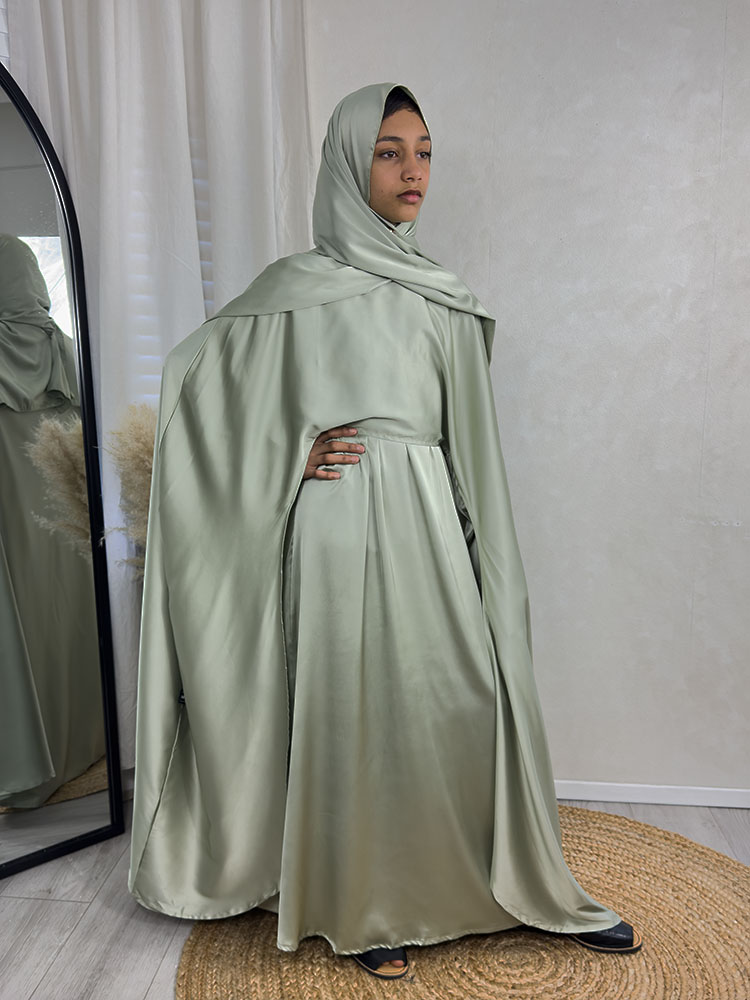
Parenting Insight: Let Her Feel Ownership
It’s tempting to choose for her — to go for the most modest cut or the safest color. But let her be involved. Sit down together. Scroll through options. Let her point out what she likes. The goal isn’t just modesty — it’s building love and intention around it. When she’s part of the process, she’s far more likely to wear it with joy.
Table: What Makes a First Abaya Special vs. Ordinary
| Ordinary Dress | First Islamic Abaya |
|---|---|
| Chosen for style alone | Chosen with spiritual meaning in mind |
| Worn casually | Worn during salah, family events, Eid |
| May be outgrown and forgotten | Often kept as a keepsake or memory |
Story: One Mother’s Experience
When Amina from Manchester bought her daughter’s first abaya, she cried — not her daughter, *Amina*. “It hit me how fast she was growing,” she told me. “One day she’s in unicorn pajamas, and the next she’s asking, ‘Can I wear this for Jumu’ah, Mama?’ It felt like I passed on a part of my heart.”
That’s why we don’t treat the first abaya like a fashion statement. We treat it like the rite of passage it truly is.
Next, we’ll break down the key styles of abayas that suit girls of different ages — because every stage of childhood needs something slightly different…
How to Choose an Islamic Abaya That Balances Modesty and Comfort
When it comes to choosing the right abaya for your little girl, there’s one thing every parent needs to remember: the balance between modesty and comfort. As a mother, it’s easy to think that a beautiful abaya is all about the fabric and style. But trust me, the true magic happens when both comfort and modesty are given equal attention. So, how do we achieve that perfect balance?
Prioritize the Right Fabric
Not all fabrics are created equal, and trust me, your daughter will appreciate the difference. Soft, breathable fabrics are a must. Think cotton blends, linen, or jersey. These fabrics allow for movement and are gentle on the skin — perfect for long days at school or family gatherings.
- Cotton: Soft, breathable, and perfect for all seasons.
- Linen: Ideal for warmer weather, light and airy.
- Jersey: Stretchy and comfortable for active girls.
- Silk: Luxurious but often too delicate for everyday wear.
Consider the Fit: Freedom of Movement
One thing you don’t want is for your daughter to feel restricted or uncomfortable in her new abaya. The whole point of modest dressing is to make her feel empowered, not confined. Look for abayas with a bit of stretch or give, and ones that aren’t too tight or too loose. A flowy, relaxed fit is key. This allows her to move freely, whether she’s running in the park or sitting cross-legged during prayer.
- Loose, but not baggy: A relaxed fit ensures comfort without being oversized.
- Elastic cuffs: Great for adjustable fits, especially for growing girls.
- Flowy style: Perfect for comfort without compromising modesty.
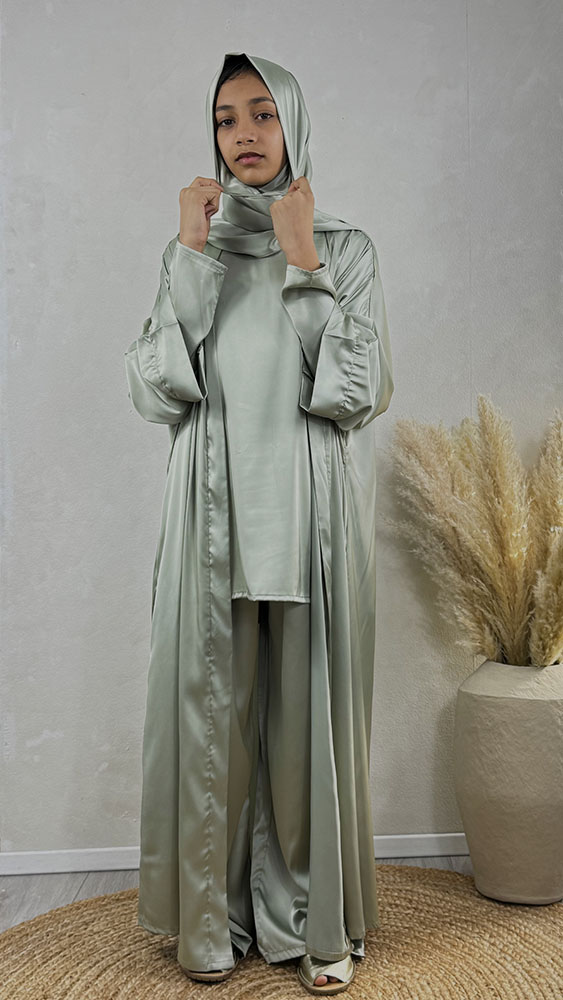
Table: Best Fabrics for Modesty & Comfort by Season
| Fabric | Best For | Modesty & Comfort Features |
|---|---|---|
| Cotton | Year-round wear | Soft, breathable, and allows for movement |
| Linen | Hot climates | Light, airy, keeps you cool in the summer |
| Jersey | Active wear, casual outings | Stretchy, moves with the body |
| Wool blend | Cold weather | Thicker fabric, retains warmth without being bulky |
Comfort vs. Style: How to Strike the Perfect Balance
Now, we all want our daughters to look cute, but here’s a truth bomb: no matter how beautiful the design, if she’s uncomfortable, she won’t wear it. Comfort should always come first. Once you’ve found fabrics that are breathable and soft, choose colors and cuts that complement her personality. Whether she loves soft pastels or bold, vibrant colors, let her feel like it’s something she chose — not something she’s been handed. A happy balance between style and comfort is key to making her feel confident and modest at the same time.
I’ll never forget when I found my daughter’s favorite abaya. It was a soft lavender with delicate embroidery, but more importantly, it was roomy enough for her to feel like herself. She loves how it flows when she spins, and I love knowing it’s modest and practical.
Now that you know how to choose the right fabric and fit, let’s move on to the next section: **how to choose the perfect accessories that won’t compromise modesty**!
Abaya Sizes for Growing Girls: A Mother’s Guide to Getting It Right
As a mom, it feels like I blink and my little one has outgrown her clothes. The same goes for abayas — they’re not just a one-size-fits-all situation. When choosing the right size for your growing girl, you have to think beyond the current moment. Trust me, there’s nothing worse than buying an abaya that fits perfectly now but becomes too tight or too short a few months later. So, how do we make sure we get it right? Here’s a little guide from one mom to another.
Understand Your Child’s Growth Stage
Every girl grows at her own pace, but understanding her growth stage can help you make better decisions. If she’s still in her early years, you might want to buy abayas with a little room to grow. However, if she’s getting into her pre-teens, the growth spurt might hit, and you’ll want to account for that as well. The key is to keep it modest, but also practical.
- Early Years (2-6): Look for abayas that offer adjustable features like elastic cuffs or ties, so they can grow with her.
- Pre-Teens (7-12): You’ll need to pay closer attention to body shape and ensure the fit allows freedom of movement while still maintaining modesty.
- Teens (13+): This is where you’ll need to focus on finding a style that flatters her body type, while ensuring she feels both modest and confident.
Table: Choosing the Right Abaya Size Based on Age
| Age Group | Suggested Size | Fit Tips |
|---|---|---|
| 2-4 Years | Small (S) | Opt for adjustable ties or elastic at the cuffs for a longer-lasting fit. |
| 5-7 Years | Medium (M) | Choose an abaya with a looser fit but not too baggy, to give her room to grow. |
| 8-10 Years | Large (L) | Look for a comfortable length that will last until her next growth spurt. |
| 11-13 Years | Extra Large (XL) | Go for a relaxed fit that is still modest, with enough room for movement. |
Consider the Length: Is It Practical for Her Age?
When it comes to length, don’t just choose based on style — think about practicality too. Younger girls tend to have a lot of energy, and an abaya that drags on the floor might get in the way. If she’s still running around and playing, a knee-length or ankle-length abaya might be best. But as your daughter grows, you can opt for longer lengths that maintain modesty without compromising on comfort.
- For younger girls: Go for knee-length or just below the knee to prevent tripping.
- For older girls: Ankle-length or floor-length abayas offer more modesty and grace.
First-Person Story: Getting It Right with My Daughter
I remember when my daughter was just six years old, and I bought an abaya that was supposed to fit her for at least a year. But within six months, she had grown out of it! The arms were too tight, and the hemline was barely covering her ankles. That’s when I realized how quickly they grow and how important it is to plan for the future. After that, I started buying abayas a size up and made sure to find options with adjustable elements that could last longer. Now, when I shop for her, I think about how she’ll look in a year, not just now.
In Conclusion: Choose Smart, Choose Lasting
Ultimately, choosing the right abaya size for your growing girl is about anticipating her needs and her growth. While you want her to feel comfortable, it’s important to also consider longevity. Remember, a well-chosen abaya isn’t just about getting the size right today, but also about making sure it grows with her — both in fit and in confidence. And hey, you’ll save yourself from those ‘outgrown’ moments that hit all too quickly!
In the next section, we’ll dive into how to choose the perfect accessories for her abaya without compromising modesty.
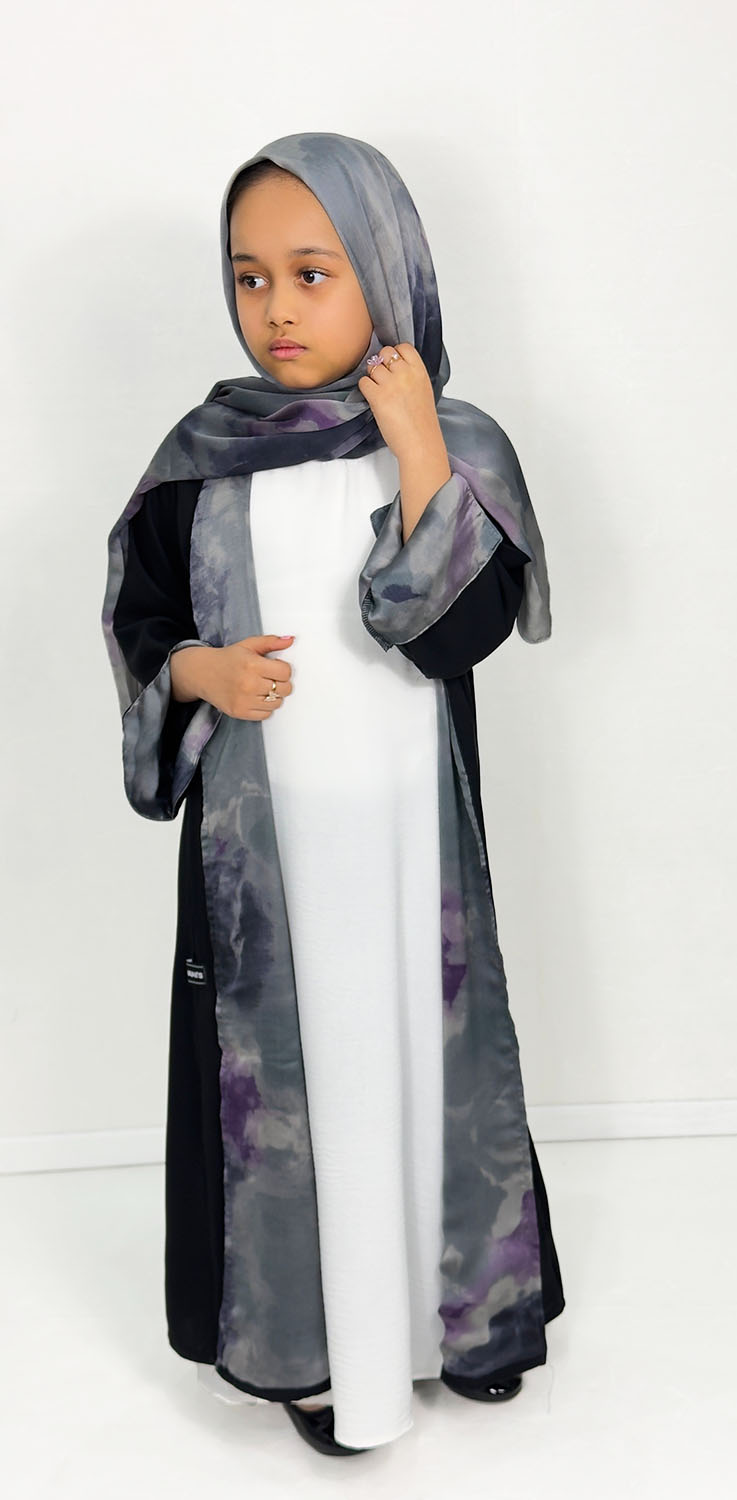
Eid, School, or Mosque? Matching Abayas to Occasions Without Stress
As a mom, I know that one of the most stressful parts of dressing our daughters is figuring out what to wear for different occasions. Abayas are our go-to, but they’re not all the same. The right abaya can make all the difference depending on whether you’re preparing for a joyous Eid celebration, a quiet day at the mosque, or the school run. So how do we get it just right without pulling our hair out in the process? Let’s break it down and make it simple.
Choosing the Perfect Abaya for Eid: Elegant Yet Comfortable
Eid is the time when we want our girls to shine! It’s not just about looking beautiful, but feeling confident and at ease. I’ve learned from experience that while elegance is essential, comfort is equally important. The last thing you want is for her to feel restricted or uncomfortable during long family gatherings and celebrations.
- Fabric Matters: Look for fabrics that combine a touch of luxury with breathability. Silk blends or satin offer that Eid glow, while cotton or chiffon can keep her cool.
- Details Make a Difference: Think about delicate embroidery or sequins that catch the light, but keep it balanced — too much embellishment can make movement uncomfortable.
- Fit & Freedom: Choose an abaya that flows but isn’t too tight. A relaxed, A-line cut will allow her to move freely while maintaining the perfect silhouette.
What About School? Practicality Meets Modesty
When it comes to school, practicality is key. It needs to be something she can wear day after day, without sacrificing her sense of style or modesty. I always go for something classic and easy to care for. Keep in mind the dress code, but also think about how it will fit into her school routine.
- Everyday Wear: A simple, neutral-colored abaya in cotton or a cotton-blend fabric is perfect. It’s easy to clean, breathable, and doesn’t need special care.
- Layering is Key: For cooler months, consider layering the abaya with a matching cardigan or jacket. This keeps her warm but doesn’t overwhelm the outfit.
- Comfort is King: Look for an abaya that allows easy movement. It should be long enough to offer coverage but not so long that it gets in the way during play or study time.
For the Mosque: Modesty, Simplicity, and Reverence
When going to the mosque, modesty is the priority, but comfort and practicality also matter. I’ve always leaned toward simple yet elegant designs when choosing abayas for mosque visits. The focus is on worship, so her abaya should reflect that respect — and it should be something she can comfortably pray in.
- Simple Elegance: A simple, solid-color abaya, without too many adornments, is perfect for the mosque. Think muted tones like navy, black, or beige — colors that feel serene and respectful.
- Ease of Movement: Since she’ll be praying, choose an abaya with plenty of room in the sleeves and waist. A loose, straight-cut design is often the most comfortable for movement during prayer.
- Length and Coverage: The abaya should cover the body fully. Ensure it’s not too short or too tight, as it might distract from the experience of prayer.
Table: Abayas for Different Occasions
| Occasion | Fabric | Fit | Details |
|---|---|---|---|
| Eid | Satin, Silk Blends | Loose A-line | Embroidery, Sequins |
| School | Cotton, Cotton Blend | Comfortable, Relaxed | Minimal, Easy to Clean |
| Mosque | Cotton, Jersey | Loose Fit, Straight Cut | Simple, Solid Colors |
First-Person Story: How I’ve Made Choosing Abayas Less Stressful
Choosing the right abaya for each occasion used to be overwhelming, especially around Eid. I remember stressing about finding the perfect balance between her comfort and the need to look “special.” After some trial and error (and yes, a few last-minute shopping trips), I figured out that the key is keeping it simple and practical. For Eid, it’s all about feeling fancy without feeling like she’s in a tight, stiff dress. For school, it’s about practicality and keeping it easy. And at the mosque, simplicity and respect for the occasion are everything. Once I got the hang of it, the whole process became so much less stressful — and way more enjoyable!
In Conclusion: No Need for Stress — Just Choose With Love
It doesn’t have to be difficult to match the perfect abaya to any occasion. The key is understanding the specific needs for each event, whether it’s the elegance needed for Eid, the practicality for school, or the modesty and simplicity for the mosque. Once you embrace these simple guidelines, choosing the right abaya becomes a smooth, stress-free part of your day. Remember, it’s not about getting the “perfect” abaya, it’s about choosing with love, care, and respect for the occasion.
In the next section, we’ll dive into how to care for your daughter’s abaya to make sure it lasts as long as possible, keeping her comfortable and looking beautiful!
The Secret Behind Breathable Fabrics for All-Day Wear
One of the most important things to consider when choosing an abaya for your daughter is fabric. You know, it’s not just about looking good—it’s about comfort, too. We’ve all been there: your little one is running around, maybe even feeling a little too hot in her abaya, or the fabric is so stiff that she can barely move. And when you’re shopping for an abaya, you need to think beyond just the style; you need to think about how it feels throughout the day.
Why Breathable Fabrics Are Essential for Comfort
If there’s one thing I’ve learned over the years, it’s that breathable fabrics make all the difference. It’s easy to overlook this, especially when the fabric looks fancy or has beautiful embellishments, but if it’s not breathable, it won’t matter how stunning the design is. Comfort is key for young girls, especially if they’re wearing their abaya all day long.
- All-Day Comfort: When the fabric is breathable, it helps regulate body temperature, preventing overheating. Whether she’s playing, praying, or attending a gathering, she won’t feel uncomfortable or sticky.
- Moisture Wicking: Fabrics like cotton and linen are known for absorbing moisture and allowing the body to stay cool and dry, which is especially important in warmer weather.
- Prevents Skin Irritation: Breathable fabrics allow air to circulate, reducing the risk of skin irritation and discomfort, especially during longer wear times.
Best Fabrics for Breathability and Comfort
Let’s break down a few fabrics that offer both breathability and comfort, ensuring your daughter stays cool and comfortable no matter what her day looks like.
- Cotton: Cotton is soft, breathable, and lightweight—perfect for everyday wear. It’s naturally moisture-wicking, making it a go-to fabric for comfort. It’s also easy to care for, which is a huge bonus for busy moms!
- Linen: Linen is another breathable fabric that’s great for warm weather. It’s known for its ability to allow air to flow through, keeping the body cool. It’s perfect for summer days or trips to the mosque.
- Chiffon: Lightweight chiffon is a favorite for special occasions. It has a beautiful flow to it and is breathable enough to be worn for hours at a time. Pair it with a cotton lining to balance comfort and elegance.
- Jersey: For casual, everyday wear, jersey fabrics are a fantastic choice. They’re soft, flexible, and breathable, allowing freedom of movement for active young girls.
Real-Life Example: The Day My Daughter Fell in Love With Her New Cotton Abaya
I remember one particular day when I bought my daughter a simple cotton abaya. She had been wearing a satin one for special occasions, but I wanted something she could wear for school and play. When she first put it on, she was so thrilled by how soft and breathable it felt. It wasn’t stiff like some of the others, and the fabric allowed her to move freely without feeling hot or restricted. She ended up wearing it all day without asking to change. That’s the moment I realized just how much the right fabric can make a difference. It wasn’t about how the abaya looked—it was about how it made her feel. Comfortable, confident, and ready to take on her day.
Table: Best Fabrics for Abayas and Their Benefits
| Fabric | Benefits | Best For |
|---|---|---|
| Cotton | Soft, breathable, moisture-wicking, easy to clean | Everyday wear, school, casual outings |
| Linen | Lightweight, breathable, naturally cool | Summer wear, mosque visits |
| Chiffon | Flowy, breathable, elegant | Special occasions, Eid, formal events |
| Jersey | Flexible, soft, breathable | Casual wear, playtime |
In Conclusion: The Right Fabric Makes All the Difference
When you choose an abaya for your daughter, don’t just focus on how it looks—think about how it will feel. Breathable fabrics like cotton, linen, chiffon, and jersey provide all-day comfort and allow her to stay cool, move freely, and enjoy her day without any discomfort. Whether she’s heading to school, attending a special occasion, or just spending time at home, the right fabric ensures she’ll always feel her best. And trust me, when your daughter feels good in her abaya, she’ll wear it with confidence—and that’s exactly what we want.
In the next section, we’ll dive into how to care for these beautiful fabrics so that your daughter’s abayas stay as fresh and comfortable as the first day she wore them!
From Toddler to Teen: Age-Appropriate Abaya Styles Explained
When it comes to finding the perfect abaya for your daughter, age truly matters. What works for a toddler won’t necessarily be the best choice for a pre-teen or teenager. As your daughter grows, her style and needs will change—and that’s completely natural. You want an abaya that reflects her age, personality, and comfort level. It’s all about finding that sweet spot between modesty, style, and practicality at every stage of her life.
The Toddler Years: Simple, Comfortable, and Easy to Wear
For toddlers, simplicity is key. At this age, comfort and ease of movement are the top priorities. Toddlers are active and curious, and you don’t want their abaya to hinder their playfulness. Soft fabrics like cotton and jersey are perfect for their sensitive skin and ensure they stay comfortable while they explore the world around them.
- Elastic Waistbands: These make it easy to dress your toddler without the fuss of zippers or buttons.
- Simple Silhouettes: A-line or straight-cut abayas are the most practical. They allow your toddler to move around without any restrictions.
- Bright Colors or Soft Prints: At this age, little ones enjoy colors and playful patterns. Pastels or soft floral designs can be cute and fitting for younger girls.
The Pre-Teen Years: Modesty with a Touch of Style
As your daughter enters her pre-teen years, she’s starting to form her own sense of style. She might begin to show interest in what’s trendy, but you’ll still want to maintain that balance of modesty and comfort. For this age group, think about mixing modest cuts with stylish details—without sacrificing ease of wear.
- Layered Looks: A pre-teen might love abayas with layered skirts or sleeves, which add flair while still being modest.
- Modern Cuts: While maintaining modesty, you can start exploring more modern cuts like kimono sleeves or a slight flare at the bottom. These give her some style freedom without straying too far from tradition.
- Muted or Trendy Patterns: Subtle patterns or classic neutral colors work best, but this is the age when small touches of fashion (like embroidery or a chic button) can make the abaya feel fresh.
The Teenage Years: Expressing Individuality While Staying Modest
By the time your daughter hits her teenage years, her personality and preferences will really start to shine. She might want an abaya that feels more like a fashion statement. Here’s the thing: even though she’s becoming more independent, modesty is still key. Teenagers can express their individuality through accessories, tailored fits, and beautiful embellishments—while keeping things appropriate.
- Tailored Fits: Teenagers might prefer an abaya with a slightly more fitted waist or a more structured look. This allows them to maintain modesty without feeling too loose or shapeless.
- Contemporary Designs: Teenagers can experiment with more contemporary designs, like open-front abayas or ones with trendy necklines, as long as they still uphold the principles of modesty.
- Unique Fabrics and Details: Silk, satin, or chiffon abayas with embroidery, sequins, or beadwork are perfect for special occasions, like Eid or weddings, where your teen can feel extra special without compromising her modesty.
Real-Life Example: My Daughter’s First Teen Abaya
I remember when my daughter was in her early teens, and we were on the hunt for her first “grown-up” abaya. She had outgrown her simple cotton styles, and I knew it was time for something that reflected her growing sense of self. We settled on a beautifully tailored abaya with an elegant embroidery design at the hem and sleeves. She loved it because it felt modern, yet still modest enough for her comfort zone. She was thrilled to wear it to a family gathering, and I could see the pride in her eyes when she realized she could look both fashionable and modest at the same time. It was a big step for her—and for me, too, as a mom who knew her style would keep evolving.
Table: Abaya Styles for Different Ages
| Age Group | Style Features | Fabric Options | Best Occasions |
|---|---|---|---|
| Toddlers | Simple cuts, elastic waistbands, soft colors | Cotton, jersey | Everyday wear, mosque visits |
| Pre-Teens | Layered, modern cuts, subtle patterns | Cotton, chiffon, jersey | School, casual outings, mosque |
| Teens | Tailored, trendy details, contemporary cuts | Chiffon, silk, satin | Special occasions, Eid, formal events |
In Conclusion: Age-Appropriate Styles for Every Stage
Choosing the right abaya for your daughter at each stage of her life doesn’t have to be overwhelming. Whether she’s a toddler, a pre-teen, or a teenager, the key is finding a style that balances her modesty with her growing sense of individuality. At each stage, she’ll develop new preferences, and it’s important to respect that while still choosing an abaya that’s both stylish and comfortable. From simple cotton styles for toddlers to elegant chiffon designs for teens, there’s an abaya out there for every age and personality. And as she grows, she’ll learn to appreciate the beauty of modest fashion—just like we did.
Up next, we’ll explore how to accessorize your daughter’s abayas for different occasions while keeping everything modest and stylish. Stay tuned!
Designs Girls Love: Embroidery, Soft Colors, and Sparkle Without Excess
When it comes to choosing an abaya for a young girl, one of the most exciting parts is selecting the design. We all know that a little bit of sparkle, embroidery, or delicate details can make a huge difference, but the key is to keep it balanced. You don’t want to overwhelm the abaya with too much decoration—after all, the focus should always remain on modesty. But there’s something truly magical about finding that perfect combination of soft colors, intricate embroidery, and just the right amount of sparkle. It’s these subtle details that transform an everyday abaya into something special.
The Allure of Embroidery: A Touch of Elegance
Embroidery is a timeless way to elevate an abaya design. Whether it’s delicate floral patterns, geometric shapes, or a bit of arabesque flair, embroidery adds an air of sophistication to any outfit. But when choosing embroidered abayas for young girls, less is often more. It’s important to find designs that feature embroidery in moderation—just enough to catch the eye without becoming overwhelming.
- Delicate Floral Embroidery: Subtle flowers or vines along the hem or sleeves can add a touch of femininity without feeling too “grown-up.” These designs often convey a sense of innocence, making them perfect for younger girls.
- Geometric or Abstract Designs: For older girls or teens, geometric or abstract embroidery offers a modern and fresh look, still keeping things modest.
- Strategic Placement: Look for abayas where the embroidery is placed thoughtfully—on cuffs, at the neckline, or near the hem—so that it adds dimension and texture without drawing too much attention.
The Power of Soft Colors: Keeping It Gentle and Elegant
Soft colors are a girl’s best friend when it comes to abayas. Pastels like lavender, blush pink, mint green, and soft blues create an aura of peace and calm. These hues are not only age-appropriate but also feel gentle and inviting. Plus, they pair well with almost any embroidery or decorative details you choose to add. Soft colors have a timeless quality that will make your daughter feel beautiful without ever feeling like she’s overdone.
- Pastels for Young Girls: For younger girls, soft pastel shades can create a sense of innocence and purity. Think soft pinks, peach, baby blue, or lilac.
- Muted Neutrals for Older Girls: As your daughter grows, you might want to explore more neutral shades, like light grey, beige, or even soft whites. These colors offer sophistication while maintaining a youthful charm.
- Pairing Colors with Embellishments: Soft colors work beautifully with modest embellishments like small pearl accents, subtle beading, or delicate sequins.
Adding Sparkle, But Not Too Much: Finding the Right Balance
Let’s face it, every little girl loves a bit of sparkle. But too much shine can quickly shift an abaya from modest to flashy. The trick is finding that perfect balance—just enough sparkle to make her feel special without overshadowing the purpose of the garment. A touch of sparkle around the hem, collar, or sleeves can do wonders, while still keeping things tasteful.
- Subtle Sequins: A few small sequins placed along the edges of the sleeves or down the front of the abaya can add a hint of glamour without feeling too extravagant.
- Delicate Beading: Tiny beads or pearls woven into the embroidery or placed along the neckline can create an elegant look, perfect for formal occasions like Eid or family gatherings.
- Light Sheen Fabrics: Fabrics with a soft sheen—like satin or chiffon—can give the abaya a beautiful, understated sparkle without any additional embellishment.
Real-Life Example: A Sparkling Eid Abaya
I’ll never forget the first time I saw my daughter’s face light up when she wore an abaya with delicate silver embroidery along the sleeves and a soft shimmer at the hem. It was subtle, elegant, and just the right amount of sparkle for Eid. She felt beautiful, but also still very much like a young girl, not lost in a sea of adult-like bling. The joy she had in wearing something that was both modest and pretty was priceless. It was a reminder that modest fashion doesn’t mean sacrificing beauty or style—it’s all about balance and finding what works for your child’s personality and taste.
Table: Embellishments and Design Elements for Every Age
| Age Group | Preferred Embellishments | Colors & Patterns | Occasions |
|---|---|---|---|
| Toddlers | Minimal embroidery, soft fabric | Pastels, simple patterns (floral, hearts) | Everyday wear, mosque visits |
| Pre-Teens | Moderate embroidery, small sequins or beads | Soft pastels, muted neutrals | School, casual outings |
| Teens | Elegant embroidery, delicate sparkle | Neutral tones, elegant designs (florals, geometric) | Special occasions, Eid, formal events |
In Conclusion: Designs That Reflect Her Personality
When it comes to choosing the right design for your daughter’s abaya, it’s all about finding what makes her feel special while keeping everything modest and practical. Embroidery, soft colors, and a bit of sparkle are all ways to add beauty without overloading the garment. Whether it’s a simple embroidered flower on a toddler’s abaya or a beautifully embellished design for a teenager, the key is to keep it balanced. After all, her abaya is more than just a piece of clothing—it’s a reflection of her modesty, personality, and individuality.
In the next section, we’ll dive into how to make sure your daughter’s abaya is always comfortable for all-day wear, no matter the occasion. Stay tuned!
Matching Hijab with Abaya for Girls: A Simple, Stylish Guide
Choosing the perfect hijab to go with an abaya can feel like a puzzle, but once you figure it out, it’s a game changer. After all, the hijab and abaya work together as a complete outfit, reflecting modesty and style. The beauty of this pairing is that there’s no one-size-fits-all solution. You get to mix and match based on fabric, color, style, and occasion—giving your daughter the chance to express herself in a way that feels authentic, while still adhering to the principles of modest fashion.
The Magic of Matching Fabrics: A Seamless Look
The first thing to consider when matching hijabs with abayas is the fabric. You want the two pieces to complement each other, creating a smooth, unified look. Fabrics with similar textures, such as a soft chiffon abaya with a chiffon hijab, give off an elegant, flowing appearance. Alternatively, if the abaya is made from a heavier fabric, you can choose a thicker hijab, like a jersey or cotton, for added balance and comfort.
- Chiffon Abayas: Pair with a chiffon or silk hijab for a fluid, delicate look that flows beautifully.
- Cotton or Jersey Abayas: Match with a cotton or jersey hijab to ensure comfort, warmth, and a bit of structure.
- Heavy Abayas (e.g., Wool or Velvet): Opt for a thicker hijab material that will match the richness of the fabric.
Color Coordination: Choosing Shades That Complement
Color is everything when it comes to hijab and abaya combinations. The goal is to create harmony, where the hijab enhances the overall look of the abaya. Start by thinking about the abaya’s base color. If it’s a neutral tone like black, beige, or grey, you have the freedom to experiment with brighter or softer hijab colors. For more vibrant or patterned abayas, opt for a hijab that complements or contrasts in a subtle way.
- Neutral Abayas: A neutral-toned abaya can be paired with almost any color hijab, but pastel, jewel tones, and metallics look especially striking.
- Patterned Abayas: If the abaya has patterns or intricate designs, it’s best to choose a solid-color hijab that complements one of the hues in the abaya.
- Bold Abayas: For abayas with bold colors, a more subdued hijab in a matching shade or a neutral tone works wonders to balance out the outfit.
Style & Occasion: Making the Right Choice for Every Event
When it comes to styling, the occasion matters. You wouldn’t wear the same hijab style for Eid as you would for a casual day at school, right? Consider the event, her age, and her comfort level when choosing a hijab style to go with the abaya. For formal occasions like weddings or Eid, you may want to opt for a more elaborate hijab style, perhaps with a bit of sparkle or a chic wrap. For everyday wear, simpler styles with soft draping or classic wraps are more practical.
- Formal Occasions: Opt for hijabs with embellishments such as small beads, sequins, or lace for added elegance. Consider a voluminous draped style for a more sophisticated look.
- Casual Wear: A simple, classic hijab style—like a basic wrap or shawl—works best. Choose soft, comfortable fabrics like cotton or jersey.
- School or Mosque: A simple, modest wrap or two-piece hijab is ideal. Keep it neat and easy to manage for all-day wear.
Real-Life Example: Eid Hijab and Abaya Combination
One of the most memorable moments I had with my daughter was when she wore her first Eid abaya and hijab combination. We chose a gorgeous dark teal velvet abaya with gold embroidery. For the hijab, we selected a soft gold chiffon wrap that matched the embroidery perfectly. It was a simple yet sophisticated look—modest, elegant, and fitting for the occasion. My daughter felt like a princess, and I could tell it was the right combination because she walked with such confidence and pride. It’s moments like these that make all the effort worth it!
Table: Matching Hijabs and Abayas for Different Ages
| Age Group | Recommended Hijab Styles | Suggested Fabrics | Occasions |
|---|---|---|---|
| Toddlers | Simple, one-piece hijabs, soft drape | Soft cotton, jersey | Casual, Mosque visits |
| Pre-Teens | Two-piece hijabs, classic wraps | Chiffon, cotton | School, family gatherings |
| Teens | Layered hijab styles, draped with embellishments | Chiffon, silk, satin | Formal events, Eid, weddings |
Conclusion: Let Her Personality Shine Through
At the end of the day, matching the right hijab with an abaya should be about making your daughter feel confident, comfortable, and true to herself. Whether it’s a simple style for school or a glamorous look for Eid, the goal is to help her feel modest, yet stylish. Don’t stress over the perfect combination—experiment with colors, styles, and fabrics, and trust that she’ll shine in whatever she wears.
In the next section, we’ll dive into how to ensure the hijab is both stylish and comfortable for all-day wear. Stay tuned for some more great tips!
What Modesty Means to a Child: Talking Faith Without Fear
Modesty is more than just a way of dressing; it’s a reflection of faith, a sense of identity, and a personal choice. For children, especially young girls, understanding what modesty truly means can be a bit of a journey. It’s not just about wearing an abaya or hijab—it’s about embracing modesty from the inside out. But how do we as parents, mentors, and role models make this concept resonate with young minds? How do we encourage our daughters to understand modesty as a strength, not something they should feel burdened by?
Starting the Conversation Early: Age-Appropriate Discussions
The key to helping your daughter understand modesty is starting the conversation early. Depending on her age, you’ll want to approach the topic with care, sensitivity, and patience. When she’s young, modesty might simply be about helping her choose clothes she feels comfortable in. As she grows, the conversation can evolve to focus on the deeper significance of why we dress modestly—not just as a rule, but as an empowering choice that reflects her values.
- For Young Children: Begin by explaining that modest clothing is a way to respect ourselves and others. Keep the language simple and focus on feelings of comfort and protection.
- For Pre-Teens: Dive a little deeper by explaining modesty as an expression of faith—something that helps connect us to our beliefs and to our community. Use examples of women and girls they admire who practice modesty.
- For Teenagers: At this age, girls are more likely to have questions and opinions about modesty. Encourage open dialogue, allowing them to express their thoughts and concerns while explaining why modesty is a form of empowerment and not restriction.
Fostering Confidence Through Modesty
One of the most powerful aspects of teaching your daughter about modesty is helping her understand that it’s not about hiding, but about honoring who she is. Modesty isn’t a limitation—it’s a way of showcasing her character, her values, and her strength. As a parent, you can help build her confidence by supporting her choices in clothing that reflect modesty but also allow her personality to shine through. Whether it’s the color she chooses for her abaya or the hijab style she prefers, let her know that modesty is a celebration of who she is, inside and out.
- Encourage Her Personal Style: Even within the bounds of modest fashion, there’s room for individuality. Let your daughter express herself with colors, patterns, and styles she enjoys.
- Reinforce the Empowerment of Modesty: Show her how modesty allows her to focus on what really matters: her character, her intellect, and her actions. Remind her that her worth isn’t based on appearance.
- Support Her Choices: It’s important to be supportive of her choices as she grows. Encourage her to take ownership of her modest wardrobe, whether it’s an abaya or a hijab, so she feels empowered by her decisions.
Real-Life Example: My Daughter’s Journey with Modesty
When my daughter was about 10, she started asking more questions about why we dressed modestly. At first, she didn’t quite understand why I insisted on wearing the hijab and abaya, and she was hesitant about it. I took it as an opportunity to talk about why modesty is a value that’s deeply rooted in our faith and identity. As we spoke, I could see her eyes light up as she realized that wearing modest clothing was a choice she had the power to make, too. I remember one day she came up to me and said, “Mom, I want to wear the hijab like you!” That was a turning point for both of us. It wasn’t just about wearing the hijab—it was about embracing her faith and values with pride. Now, she wears her abaya and hijab with such confidence, knowing that modesty is not about hiding but about expressing herself in a way that feels true to her beliefs.
Table: Talking Modesty at Different Ages
| Age Group | Key Messages | How to Approach the Conversation |
|---|---|---|
| Young Children (5-8) | Modesty is about respect for ourselves and others. | Keep it simple, focusing on how modest clothing helps us feel comfortable and protected. |
| Pre-Teens (9-12) | Modesty reflects our faith and connection to the community. | Explain modesty as an empowering choice. Share examples of inspiring figures who practice modesty. |
| Teens (13+) | Modesty is an expression of personal strength and belief. | Encourage open dialogue. Let her explore her own thoughts on modesty while sharing the deeper spiritual reasons behind it. |
Conclusion: Empowering Your Daughter to Love Modesty
Teaching your daughter about modesty is a gift that will stay with her for a lifetime. It’s about helping her see that modesty isn’t a restriction—it’s an opportunity to express her identity, connect with her faith, and find strength in her values. When you foster a positive, open environment where modesty is celebrated rather than enforced, you empower her to make her own choices with confidence. And trust me, when she feels proud of her choices, she’ll wear her abaya and hijab not as a symbol of obligation, but as a beautiful expression of who she truly is.
In the next section, we’ll explore how to care for and maintain your daughter’s abaya and hijab collection to ensure longevity. Stay tuned for some practical tips!
Where to Buy Quality Islamic Abayas for Girls Online (Without Getting Scammed)
Shopping online for your daughter’s abaya can feel like a gamble. With so many options out there, how do you ensure you’re purchasing something that’s not only beautiful but also high-quality, ethical, and reasonably priced? Let’s face it—no one wants to end up with a flimsy fabric that falls apart after one wash, or worse, pay top dollar for something that’s not what it seemed. As someone who’s been through the process, I know the struggle. But here’s the thing: you don’t have to settle for anything less than the best.
Start with Trusted Online Stores
First things first—stick to trusted, well-reviewed online stores. Look for retailers with a strong reputation in the modest fashion community. Many companies have built their name through word-of-mouth and loyal customer bases, and they understand the needs of modest fashion buyers. A quick search for reviews and ratings will give you a clearer picture of what to expect. Make sure to look for:
- Customer Reviews: Take a few minutes to read through real customer feedback. Genuine reviews can offer insights on fabric quality, sizing, and overall satisfaction.
- Return and Exchange Policies: A reliable online store will always offer hassle-free returns or exchanges. It’s important to know you can send something back if it doesn’t fit or meet your expectations.
- Clear Product Descriptions: Pay attention to how the product is described. A legitimate store will provide clear details on materials, sizing, and care instructions. If the description is vague or lacks detail, that’s a red flag.
Look for Ethical Brands Committed to Quality
While price is important, it’s also worth investing in an abaya that is both ethically produced and made from quality materials. You want something that will stand the test of time and grow with your daughter. Ethical brands tend to offer better customer service and focus on sustainable production practices, which is important for both the environment and the well-being of those involved in the manufacturing process. Here are a few red flags to watch out for:
- Cheap Prices: If the price seems too good to be true, it probably is. While there are budget-friendly options, excessively low prices might indicate poor-quality materials or unethical labor practices.
- Unclear Sizing: Trustworthy brands will have a clear sizing chart and offer guidance on measurements. If you see a store that doesn’t provide sizing details or has inconsistent size guides, proceed with caution.
- Non-Transparent Business Practices: Ethical companies usually provide information about how their products are made. If a store is unclear or evasive about their practices, that’s a sign to reconsider.
Check for Fabric Quality and Comfort
When it comes to abayas for girls, the fabric is everything. You want something that is comfortable, breathable, and durable—after all, your daughter will be wearing it throughout the day. Pay attention to the fabric type mentioned in the product description:
- Cotton: Soft, breathable, and lightweight—perfect for everyday wear. Cotton abayas are especially great for warmer climates.
- Crepe: A bit heavier but still breathable. It offers a more luxurious feel and is perfect for special occasions.
- Chiffon: Often used for more formal or elegant styles. While chic, chiffon can sometimes feel less durable, so check for double layers for added comfort.
- Jersey: Stretchy and comfortable, jersey abayas are an excellent choice for casual wear, offering both ease of movement and modest coverage.
Look for stores that specify the fabric’s quality. A high-quality abaya will have smooth stitching, no fraying, and won’t shrink or lose color after a wash.
How to Spot a Scam: Red Flags to Avoid
Unfortunately, online shopping is not without its dangers. There are always those who try to take advantage of unsuspecting shoppers. Here’s how to spot a scam before it’s too late:
- No Contact Information: Legitimate stores will provide clear contact details. If a website doesn’t have an address or a customer service number, steer clear.
- Unusually Low Prices: We mentioned this earlier, but it’s worth repeating—prices that are too low often indicate that something’s wrong. A high-quality abaya for girls should never be priced ridiculously low.
- Suspicious Website Design: Trustworthy stores will have a professional-looking website with secure payment options. If the website looks unprofessional or outdated, it might be a scam.
- No Return Policy: If a store doesn’t offer a return or exchange policy, that’s a huge red flag. Quality brands know how important it is to have customer-friendly policies.
My Personal Experience with Online Abaya Shopping
Let me share a quick story. A few years ago, I was searching for an abaya for my daughter’s Eid celebration. After hours of browsing, I found an online store that had amazing prices. I was excited, but something felt off. The website wasn’t very clear about the fabric, and they had no return policy. I almost clicked “buy,” but something held me back. Trusting my gut, I decided to do a bit more research and found that they had some sketchy reviews. I ended up finding a different store with better reviews, a clear return policy, and a beautiful cotton abaya for my daughter. It’s still one of her favorite pieces in her wardrobe.
Table: Best Online Stores for Islamic Abayas for Girls
| Store | Pros | Cons | Price Range |
|---|---|---|---|
| Modest U | High-quality fabrics, eco-friendly, great customer service | Limited sizes | $35 – $80 |
| Hijab House | Wide variety of styles, fast shipping | Higher price point | $45 – $100 |
| AbayaPalace | Affordable, stylish designs, great for everyday wear | Some products may feel less durable | $25 – $60 |
| The Modist | Luxury designs, designer quality | Expensive | $100 – $200+ |
Conclusion: Shop Smart and Confidently
Buying an abaya online doesn’t have to be stressful. By sticking to trusted stores, carefully considering fabric quality, and being cautious of red flags, you can shop with confidence. At the end of the day, it’s not just about the price—it’s about investing in something that will last and make your daughter feel both comfortable and beautiful. So go ahead, find that perfect abaya, and rest easy knowing you’ve made a smart choice.
Next up, we’ll explore how to care for your daughter’s abaya to ensure it stays as beautiful as the day you bought it! Stay tuned for some essential maintenance tips.
Daily Wear vs. Prayer Abayas: Why One Size Doesn’t Fit All
When it comes to shopping for abayas, one of the most important distinctions to understand is the difference between daily wear abayas and prayer abayas. It’s easy to assume that one abaya can serve all purposes, but as anyone who’s ever worn an abaya for extended periods can tell you, each one is designed with a specific function in mind. And while they might look similar at first glance, daily wear abayas and prayer abayas offer very different experiences when it comes to comfort, fit, and fabric.
The Importance of Purpose-Driven Design
Let’s start by acknowledging something important: the purpose of an abaya directly influences its design. The comfort, fit, and even the fabric choice are all tailored to how the garment will be used. For example, an abaya worn for prayer needs to be loose and unrestrictive for the most natural movement, while an abaya worn daily might need to be more fitted and versatile for everyday activities.
What Makes a Prayer Abaya Different?
When you think of a prayer abaya, the first thing that probably comes to mind is something simple, modest, and long enough to provide full coverage during prayer. The material is typically lightweight and breathable, ensuring comfort during the longer durations of prayer. But there’s another important feature: it’s designed for freedom of movement. You want to feel unrestricted while performing your prayers, and a prayer abaya should offer that flexibility.
- Loose Fit: Prayer abayas are intentionally designed with a looser fit. This makes it easier to move during the different postures of prayer, ensuring you’re not uncomfortable or restricted.
- Soft and Light Fabrics: Fabrics like cotton or polyester blends are often chosen for prayer abayas due to their breathability and comfort. They’re ideal for the warmer months or for long prayer sessions.
- Simplicity in Design: Prayer abayas tend to be simpler, focusing more on functionality than style. The minimalistic design means fewer distractions during prayer, allowing your focus to remain on worship.
Daily Wear Abayas: Practical, Yet Stylish
On the other hand, a daily wear abaya is something you’ll likely wear outside of the prayer space, often for errands, school runs, work, or family gatherings. Because it’s designed for day-to-day life, daily wear abayas tend to be more versatile, functional, and stylish. While still modest, these abayas come in a variety of fabrics, cuts, and designs that can suit any occasion—from casual to more formal settings.
- Fitted or Tailored Cut: Unlike prayer abayas, daily wear abayas can come in various cuts and styles, including A-line, empire waist, or even with a slight shape to flatter the figure.
- Durable, Yet Comfortable Fabrics: Fabrics used for daily wear abayas are often a little more durable and structured than the lighter materials used for prayer. You might see abayas made from crepe, jersey, or chiffon for a more polished look.
- Decorative Elements: Embellishments, like embroidery, sequins, or unique sleeves, are often incorporated into daily wear abayas to add a stylish flair. This makes them more suitable for social occasions or events where you want to stand out while still maintaining modesty.
Why One Size Doesn’t Fit All
It’s easy to think that a single abaya could work for both daily wear and prayer, but in reality, each type has specific requirements that the other simply doesn’t fulfill. Prayer abayas are all about practicality, simplicity, and comfort, while daily wear abayas prioritize style, durability, and versatility. The beauty lies in knowing the difference—and choosing wisely depending on your needs.
Let’s break it down further with a quick comparison:
Table: Prayer Abaya vs. Daily Wear Abaya
| Feature | Prayer Abaya | Daily Wear Abaya |
|---|---|---|
| Fit | Loose, unrestrictive | Can be fitted, tailored, or more structured |
| Fabric | Lightweight, breathable (cotton, jersey) | Durable, structured (crepe, chiffon, polyester blends) |
| Design | Minimalistic, plain, focuses on functionality | Stylish, with embellishments, suitable for various occasions |
| Occasion | Primarily for prayer | Day-to-day activities, events, social gatherings |
Conclusion: Choosing the Right Abaya for the Right Purpose
When shopping for abayas, it’s important to consider the context in which they’ll be worn. A prayer abaya should be simple, loose, and comfortable for your worship time, while a daily wear abaya should be more versatile and stylish to accommodate your everyday activities. Understanding the difference will not only help you make smarter purchasing decisions but also ensure that your daughter has the perfect abaya for every occasion. After all, comfort and modesty should never have to be sacrificed, no matter what you’re doing.
Up next, we’ll take a deeper dive into fabric choices and how they impact your abaya shopping experience. Stick around for some practical advice on selecting the right fabric for different seasons!
Laundry Tips to Keep Delicate Abayas Looking New
We’ve all been there: you’ve just bought the perfect abaya for your little one, and after a few washes, it starts to lose its luster. The fabric fades, the stitching unravels, or worse, it just doesn’t fit the same. But don’t worry, keeping delicate abayas looking fresh and new doesn’t require a magic trick. With the right laundry habits, you can ensure that your abaya lasts longer and stays as beautiful as the first day you bought it.
Why Laundry Matters for Abayas
Abayas are typically made from delicate fabrics like chiffon, crepe, or silk blends, which need extra care to preserve their texture and color. A little bit of attention during washing can go a long way in extending the lifespan of the garment. Whether it’s a prayer abaya or one for daily wear, how you care for it in the laundry makes all the difference.
Gentle Washing: The Key to Longevity
The most important tip when it comes to keeping your abayas looking new is washing them gently. While it might be tempting to toss them in the washing machine with the rest of your laundry, a more delicate approach will help maintain their quality. Here’s how:
- Hand Wash When Possible: If you’re dealing with a more delicate fabric like silk or fine chiffon, hand washing is your best bet. Use cool or lukewarm water and a mild detergent. Gently agitate the water to avoid damaging the fibers.
- Use a Laundry Bag: For machine washing, invest in a mesh laundry bag. This will prevent your abaya from rubbing against other clothes, minimizing friction and reducing the risk of snags.
- Cold Water, Gentle Cycle: If you must use the machine, always select the gentlest cycle with cold water. This reduces wear and tear and helps preserve the fabric’s shape and color.
Drying Abayas: Don’t Risk Shrinkage
While drying your abaya may seem like a simple task, it’s crucial to do it the right way to avoid shrinking or warping the fabric. Here are a few key points to keep in mind:
- Avoid the Dryer: The high heat of a dryer can shrink, stretch, or damage the delicate fibers in abayas. Air drying is always the safest option.
- Lay Flat to Dry: Lay your abaya flat on a clean, dry towel to air dry. This prevents it from losing its shape or being stretched out from hanging on a line.
- Keep Away from Direct Sunlight: While you want to ensure your abaya dries thoroughly, direct sunlight can cause fading. Opt for a shaded area to dry your abaya out of the sun’s harsh rays.
Ironing and Steaming: Keep Your Abaya Looking Crisp
Abayas often get wrinkled after washing, especially those made from synthetic fabrics like polyester or chiffon. But don’t panic! Here’s how to get them back to looking pristine:
- Use Low Heat: If you must iron your abaya, make sure the iron is set to low heat to avoid damaging the fabric. Always iron the abaya inside out to prevent any direct contact with the delicate material.
- Steam for Wrinkles: If you prefer not to iron, a garment steamer is a great tool for removing wrinkles without putting stress on the fabric. Simply hang your abaya and steam it gently to restore its smooth appearance.
- Don’t Over-Press: Abayas typically don’t need to be as crisp as a button-up shirt. A light press to remove major wrinkles is sufficient. Over-pressing can cause the fabric to lose its natural flow.
Storage Tips to Preserve Your Abaya
Once your abaya is clean and wrinkle-free, storing it properly is just as important as the wash and drying process. Here are some quick storage tips to keep your abaya in top shape:
- Use a Hanger with Padding: If you hang your abaya, choose a hanger with padded shoulders to maintain its shape and prevent stretching. Avoid wire hangers, as they can cause creases in the fabric.
- Store in a Cool, Dry Place: Heat and humidity can degrade delicate fabrics over time. Store your abayas in a cool, dry closet or wardrobe to protect them from environmental damage.
- Protect with Garment Bags: For more expensive or rarely worn abayas, consider storing them in a garment bag to protect them from dust, dirt, and accidental spills.
Conclusion: Protect Your Investment with Care
Abayas are more than just clothes—they’re an investment in both modesty and style. By following these laundry tips, you’ll ensure that your daughter’s favorite abaya stays looking brand new for as long as possible. While it may take a little extra time and effort, keeping your abayas clean and well-maintained is well worth it for the durability and beauty they offer.
Next up, we’ll dive into the important question of how to choose the right fabric for your abaya. Don’t miss it!
Budgeting for Quality: How to Avoid Cheap Abayas That Disappoint
When shopping for an abaya for your little girl, it’s easy to be drawn in by the promise of a bargain. But as tempting as those lower price tags might be, cheap abayas often come with hidden costs—whether it’s poor fabric quality, ill-fitting designs, or that dreaded feeling of disappointment after just a few wears. So how do you balance your budget without compromising on quality? Let’s talk about it.
The False Economy of Cheap Abayas
Let’s be honest, we’ve all been there. The price is right, the color is perfect, and the idea of saving a few extra bucks sounds like a win. But before you know it, the fabric starts to wear out, the stitching unravels, or it just doesn’t look as good as you imagined. It’s frustrating, right? Cheap abayas might seem like a steal at first, but when you factor in how often they need to be replaced, the initial savings often don’t add up.
When you’re buying for your daughter, it’s important to consider the long-term value rather than just the upfront cost. The reality is, quality abayas are built to last, maintain their shape, and hold up through the rough-and-tumble of everyday life—things that cheaper options just can’t offer. Investing in something durable and well-made ensures you won’t find yourself replacing it every few months.
How to Spot a Quality Abaya
So, what makes an abaya truly worth the investment? Let’s break down the key factors you should look for when you’re shopping around:
- Fabric Quality: The fabric is the backbone of any good abaya. Natural fabrics like cotton and silk blends, or high-quality synthetics, offer a balance of comfort, breathability, and durability. Cheaper abayas often use thin or low-quality fabrics that tear easily and lose their color after a few washes. Always check the fabric content and make sure it feels smooth and substantial in your hands.
- Stitching and Construction: High-quality abayas are made with attention to detail. Check the stitching along the seams—are they even and secure? Loose threads or irregular stitching are signs of poor craftsmanship. Look for double stitching in areas like the shoulders or sides for added durability.
- Fit and Cut: Quality abayas have a well-thought-out cut that flatters the body while allowing for easy movement. Avoid abayas that feel too stiff or too loose. The design should flow naturally, giving your daughter comfort without restricting her. Check for adjustable features, like elastic cuffs or waistbands, to ensure the abaya fits well as she grows.
Consider Your Budget, But Don’t Sacrifice the Essentials
Now, I get it—everyone has a budget, and you don’t want to break the bank on something your daughter will outgrow. But here’s the thing: you don’t have to spend a fortune to get a quality abaya. You just need to be smart about your choices. Here are a few tips for finding that sweet spot:
- Look for Sales and Discounts: Many reputable brands offer sales, especially around Eid or during end-of-season clearance events. By shopping at the right time, you can snag a high-quality abaya at a fraction of the price.
- Choose Timeless Styles: Rather than buying the latest trends, go for classic designs that won’t go out of style. These abayas are more likely to stay in great condition over time and can be worn for multiple seasons.
- Buy Once, Buy Right: Instead of buying several cheap abayas, consider investing in one or two high-quality pieces that will last. Think of it as a long-term investment in your daughter’s wardrobe—something she can wear for special occasions and everyday use alike.
Finding the Right Brand
Not all brands are created equal, and when it comes to abayas, choosing the right one can make all the difference. Some brands specialize in high-quality, durable abayas, while others focus on cutting costs. Research customer reviews and ratings before making a purchase. Look for brands known for their ethical production methods and positive feedback from other parents who have purchased for their daughters.
Many brands offer excellent value for money without compromising on quality. These companies often take the time to design abayas that are both stylish and comfortable, using fabrics that stand the test of time. When in doubt, opt for a brand with a strong reputation for producing high-quality modest wear.
Final Thoughts: Quality is an Investment
At the end of the day, the best advice is simple: don’t sacrifice quality for a cheap price tag. A well-made abaya doesn’t just look better—it lasts longer, feels better, and stands up to your daughter’s busy life. By spending a little extra on quality now, you’ll save time, money, and frustration down the line. And more importantly, your daughter will feel confident, comfortable, and proud of what she wears.
Up next, we’ll dive into the perfect way to pair your daughter’s abaya with a hijab for a flawless look. Stay tuned!
Empowering Girls Through Modest Fashion: Real Stories from Real Moms
Modest fashion isn’t just about the clothes your daughter wears—it’s about empowering her to feel confident, beautiful, and strong in her own skin. When I talk to other moms about the journey of raising daughters in a world that often doesn’t fully understand modesty, I hear the same sentiment time and again: modest fashion helps our girls cultivate a sense of self-respect, pride, and resilience.
But how does that actually play out in real life? Let’s dive into some powerful stories from real moms, all of whom have witnessed their daughters not only embrace their faith through fashion but also grow into confident young women.
A Journey of Confidence: Fatima’s Story
Fatima, a mother of two girls, shares how her eldest daughter, Zaynab, embraced the idea of modest fashion when she was just ten years old. “At first, I could tell Zaynab wasn’t entirely sure about wearing an abaya,” Fatima says. “She was worried that her friends at school wouldn’t understand, or that she’d look different. But after I explained the significance of wearing modest clothing as part of her faith, she felt empowered. She felt like she was making a statement, not just following a trend.”
Fast forward to today, Zaynab wears her abayas with pride. “Modest fashion has helped Zaynab realize that beauty isn’t defined by what’s trending. She now sees her hijab and abayas as something that connects her to her roots and makes her stand tall in her community. It’s a constant reminder of her values and her individuality,” says Fatima.
Breaking Barriers: Leila’s Story
Leila, a mom from London, has faced challenges in raising her daughter Amira in a society that often doesn’t appreciate or understand Islamic modesty. “In the beginning, it was difficult. Amira would get comments at school, like, ‘Why do you have to wear that?’ or ‘You look different.’ But after a lot of heart-to-heart talks and emphasizing how wearing the abaya is about her identity and self-respect, Amira slowly became more confident in her choice.”
Leila recalls a specific moment of triumph: “Amira came home one day and told me that she had explained to a classmate that her abaya was part of her Islamic identity, and that it made her feel closer to her faith. The pride on her face was priceless. It was like she finally understood that her modesty wasn’t something to hide, but something to celebrate.”
The Role of Modesty in Shaping Values: Sarah’s Story
For Sarah, the decision to dress her daughter Aysha in a simple, elegant abaya was a deeply personal one. “I wanted Aysha to grow up understanding that her worth isn’t defined by her appearance, but by her character and actions. Modest fashion has allowed us to cultivate that mindset in our home,” she explains.
Sarah has noticed that Aysha, now 8, approaches her clothing choices with a sense of intentionality. “Aysha is always excited about her abayas and hijabs. She loves picking out colors and patterns that match her personality, but she knows that modesty is what truly matters. It’s been amazing to see her grow into someone who values herself beyond her outer appearance,” says Sarah.
Real Stories, Real Impact: Why Modesty Matters
The truth is, modest fashion isn’t just about covering up; it’s about creating a space where young girls can shine for who they truly are—both inside and out. These stories highlight how wearing an abaya helps daughters develop self-esteem, respect for their faith, and a deep sense of belonging. But don’t just take our word for it—let’s take a closer look at how modest fashion impacts young girls, and how it can shape their growth into empowered, confident individuals.
| Story | Key Takeaway | Empowerment Gained |
|---|---|---|
| Fatima and Zaynab | Confidence to embrace faith and individuality | Zaynab found pride in wearing her abaya as a symbol of her Islamic identity, boosting her confidence. |
| Leila and Amira | Breaking down misconceptions about modest fashion | Amira developed confidence to explain her abaya to others, helping others understand the beauty of her modesty. |
| Sarah and Aysha | Modesty as a value, not just a style | Aysha embraced modest fashion as part of her identity, learning that her worth goes beyond her outward appearance. |
The Bigger Picture: Modesty as a Life Philosophy
What’s amazing about these stories is that they go beyond just the clothing—modesty becomes a part of the girls’ entire life philosophy. It’s about self-respect, faith, and pride in one’s identity. Modest fashion, especially through pieces like the abaya, becomes a reflection of how a girl sees herself and the world around her. And when worn with love, care, and understanding, it becomes an empowering choice that serves as a foundation for her growth as a person.
As a mom, you play a huge role in guiding your daughter through this journey. Whether it’s teaching her the significance of modesty, helping her feel proud of her choices, or simply celebrating her individuality through fashion, you’re giving her the tools she needs to grow into a confident, empowered young woman.
What’s your story? Do you have a similar experience with your daughter embracing modest fashion? Let us know in the comments below—your experience might inspire another mom who’s just starting her journey.
Tailored vs. Ready-Made: Which Option Works Best for Girls?
When it comes to buying an abaya for your daughter, one of the biggest decisions you’ll face is whether to go for a tailored piece or a ready-made option. As much as we love the convenience of ready-made abayas, there’s something special about a tailored one that makes it feel uniquely hers. But is it worth the extra effort? Let’s break down the pros and cons of each so you can make an informed decision that best suits your child’s needs and your lifestyle.
The Appeal of Tailored Abayas
There’s something undeniably special about a tailored abaya. When it’s made just for your daughter, it’s more than just a piece of clothing—it’s a custom creation that reflects her personality and fits her perfectly. Here are some of the key benefits of opting for a tailored abaya:
- Perfect Fit: Tailored abayas are designed to fit your daughter’s exact measurements, ensuring comfort and style. No more worrying about too-tight sleeves or skirts that are too short.
- Personalization: You can choose fabrics, embroidery, and design features that match your daughter’s personality, making it a truly special piece.
- Longevity: A well-made tailored abaya can last for years if cared for properly, growing with your daughter as she matures.
- Exclusivity: You won’t find another one like it—tailored pieces are unique, giving your daughter a sense of individuality and pride in her modest fashion choices.
The Convenience of Ready-Made Abayas
On the other hand, ready-made abayas are a popular choice for many parents, especially those who need something quick, affordable, and convenient. These abayas are readily available in stores or online, making them an easy choice for busy moms. Let’s take a look at why ready-made abayas can be so appealing:
- Quick Availability: Ready-made abayas are available at your fingertips—whether in-store or online. If you’re in need of an abaya in a hurry, this is the way to go.
- Cost-Effective: They are typically more affordable than tailored options, which makes them a budget-friendly choice for families.
- Variety: The variety of styles, colors, and designs available is vast, meaning you’ll find something that suits your daughter’s style.
- No Wait Time: No need to wait for a tailor or a custom order. Ready-made abayas are ready to wear as soon as you buy them.
So, Which One Works Best?
Both options have their merits, so how do you decide? Here are some helpful factors to consider:
| Factor | Tailored Abayas | Ready-Made Abayas |
|---|---|---|
| Fit | Custom fit, tailored to your daughter’s exact measurements | Standard sizes, which may not always fit perfectly |
| Customization | Fully customizable in terms of fabric, design, and embellishments | Limited customization; usually only color or size options |
| Price | Typically more expensive due to customization and craftsmanship | More affordable and accessible for most budgets |
| Time | Longer wait time for creation and delivery | Available immediately, with no wait time |
| Durability | Made to last longer, especially if crafted well | Varies depending on fabric and quality, but generally less durable |
| Variety | Limited by the designer or tailor’s offerings | Wide range of styles, colors, and patterns available |
When to Choose Tailored Abayas
If your daughter is growing quickly, or if you want a piece that’s truly unique and special, a tailored abaya is the way to go. It’s also a fantastic option for important occasions, like weddings or special religious events, where you want her to look and feel her best. While tailored pieces do require more time and effort, the end result can be worth it when it’s done right.
When to Choose Ready-Made Abayas
If you’re on a budget or need something fast, ready-made abayas are an excellent choice. They’re practical, cost-effective, and readily available, which makes them perfect for everyday wear or when you’re in a time crunch. Plus, with the wide range of designs available, you’ll be sure to find one your daughter loves.
Ultimately, the decision comes down to your priorities. Do you value a perfectly fitted, personalized abaya, or are you looking for something quick and affordable? Whichever you choose, both tailored and ready-made abayas offer their own unique benefits—so make your decision based on what matters most to you and your daughter.
How to Involve Your Daughter in Choosing Her Abaya (Without Overwhelm)
Choosing an abaya for your daughter doesn’t have to be a stressful or overwhelming experience. In fact, it can be a wonderful opportunity to teach her about modest fashion, personal style, and making thoughtful decisions. But let’s face it—kids can be picky! So, how do you make sure your daughter is involved in choosing the perfect abaya without getting caught up in endless debates or overwhelm? Here’s how you can balance her preferences with practicality and still keep the process enjoyable.
Start with a Conversation
Before you even step into the store or browse online, have a conversation with your daughter. Ask her what she likes and what she feels comfortable in. Get an idea of the colors, fabrics, and styles she’s drawn to. This is important not only because it gives you insight into her personality, but it also shows her that her opinion matters. Make it a fun discussion, not a pressure-filled one!
- Ask open-ended questions: “What kind of abaya do you think would be fun to wear?” “Which colors do you feel happiest in?”
- Discuss comfort: “How do you want it to feel? Do you like loose, flowing abayas or ones that are a bit more fitted?”
Let Her Try Different Styles
If you’re shopping in-store, allow your daughter to try on several different styles. Seeing how each abaya fits and feels on her body will give her a better understanding of what works best. If you’re shopping online, browse through various options together and show her a range of choices. The goal isn’t just to find something she likes—it’s also to educate her about how different cuts and fabrics feel when worn.
Let’s face it—sometimes the picture doesn’t match the reality, so it’s essential for her to feel the fabric and see the flow for herself. Whether it’s a classic black abaya or something with intricate embroidery, trying them on will help her make a more informed decision.
Give Her Some Ownership
While you’re still guiding the process, it’s important to give your daughter some control. Let her pick out a few options that she loves, then narrow down the choices together. This helps her feel confident in her final decision while also teaching her about decision-making and compromise.
- Limit the options: Don’t overwhelm her with too many choices. A good rule of thumb is to offer three to five options. Too many choices can make the process stressful.
- Discuss the practical side: If you’re on a budget or need to consider factors like the fabric being durable for everyday wear, gently explain these practical considerations. Make sure she understands that while style is important, practicality is essential for comfort.
Balance Style with Modesty
As much as your daughter may love the sparkle and embellishments, remind her that modesty is at the heart of choosing an abaya. Explain that an abaya is not just a fashion statement—it’s a way to express her faith and uphold modesty. This is where the real beauty of the abaya lies.
Help her understand that style doesn’t have to come at the expense of modesty. Show her examples of modest but fashionable abayas that blend both beauty and faith. Whether it’s a delicate embroidery on the sleeves, a subtle embellishment on the hem, or a simple yet graceful silhouette, there’s always a way to find something that fits her style while staying true to the principles of modesty.
Use a Decision-Making Table
To help your daughter with the decision-making process, you can create a simple table with her. Here’s how to break down the most important aspects of choosing an abaya, helping her compare options without getting overwhelmed:
| Feature | Option 1 | Option 2 | Option 3 |
|---|---|---|---|
| Fabric | Soft cotton, breathable | Silk, elegant but delicate | Polyester, easy to care for |
| Design | Simple with embroidery | Classic with a twist | Modern, minimalistic |
| Comfort | Loose, flowy | Fitted but comfortable | Stretchy, easy to move in |
| Occasion | Casual daily wear | Formal events | Great for both school and outings |
Use this table as a guide to help your daughter compare options and weigh the pros and cons of each. It gives her a clear, visual breakdown of the key aspects that matter most, helping to simplify the decision-making process.
Make the Process Fun
Remember that choosing an abaya should be a fun bonding experience, not a stressful one. Play some music, offer her a snack, and let her feel like she’s part of something special. Whether you’re shopping in-store or browsing together online, turning it into a fun activity will make the process enjoyable and memorable.
By the end, your daughter will not only have an abaya that she loves, but she’ll also feel empowered and confident in her ability to make choices that reflect her style, her faith, and her personality. Plus, she’ll have learned a valuable lesson in decision-making—and that’s something she can carry with her throughout her life.
The Role of Islamic Schools and Community in Shaping Modest Dress
When it comes to modest fashion, especially for young girls, the environment around them plays a significant role. From Islamic schools to local community centers, the influences of teachers, mentors, and peers shape the way our children understand and embrace modest dress. But let’s be honest—sometimes, the conversation around modesty can feel daunting. It doesn’t have to be that way. With the right guidance from educators and community leaders, our children can learn to see modest dress as both a beautiful expression of faith and an important part of their daily lives.
Islamic Schools: The Foundation of Modesty Education
Islamic schools are more than just places for academic learning—they’re places where values are instilled, including the importance of modesty in both dress and behavior. Many Islamic schools have a dress code that encourages students to wear clothing that is not only modest but also reflective of their faith. This early introduction to modest fashion is key in shaping a child’s understanding of the significance of their attire.
- Instilling modesty early: By teaching children about modest dress from an early age, Islamic schools provide a foundation that helps girls appreciate the values behind their clothing choices.
- Promoting self-respect: Modesty is not just about how you look—it’s about respecting yourself and your faith. Schools help children understand the deeper meaning behind modest dress.
Community Support: Encouraging Modesty Beyond the Classroom
While Islamic schools provide a formal structure for learning about modest dress, the community plays a crucial role in reinforcing these values. Mosques, local gatherings, and family events create an environment where modest fashion is celebrated and embraced. In many communities, seeing others wearing modest clothing helps solidify the idea that modesty is not a burden, but rather a beautiful way of living.
- Community role models: When young girls see older women and role models in the community wearing beautiful, modest clothing, it gives them something to aspire to. It creates a sense of pride in their own dress.
- Encouraging confidence: Community support in wearing modest dress helps young girls feel confident in their choices. It reminds them that they are not alone in their journey and that their choices are respected and admired.
The Impact of Peer Influence: Navigating Trends and Social Pressures
Let’s be real for a moment—peer pressure is real, especially as children get older. The desire to fit in with friends and classmates can sometimes conflict with the values of modest dress that we’re teaching at home. But here’s where Islamic schools and the broader Muslim community step in to provide a sense of balance. Peer influence can be powerful, but with the right role models and consistent reinforcement of modest values, young girls can learn to navigate these pressures with confidence.
Rather than feeling like an outsider, children who are part of a supportive Muslim community can find strength in their identity. Their modest dress becomes a point of pride, not something to be hidden or ashamed of. Schools and community centers often provide safe spaces where modesty is not only accepted but celebrated.
Creating a Supportive Environment: The Role of Parents
Parents are often the first and most important teachers when it comes to modest dress. But the support of teachers, mentors, and community members is equally vital. When a young girl sees her parents, teachers, and peers reinforcing the same message of modesty, she is more likely to adopt this value wholeheartedly. This collective support system helps create a nurturing environment where modest dress is not something to resist but something to embrace.
Whether it’s through family events, school functions, or local community gatherings, being part of a group that upholds modest fashion helps young girls see that this way of dressing is both respected and admired. It fosters a sense of unity and belonging, where modesty is seen as an important part of who they are.
Community Influence Table
To better understand the influence of Islamic schools and communities on modest dress, here’s a simple table that highlights the key roles played by both schools and communities in shaping modest fashion choices:
| Aspect | Islamic Schools | Community |
|---|---|---|
| Modesty Education | Structured lessons on the importance of modest dress and behavior. | Reinforcement through family, mosque events, and role models. |
| Peer Influence | Classmates and teachers modeling modest dress as part of the school culture. | Community members wearing modest clothing, providing inspiration. |
| Self-Respect and Confidence | Empowers girls to value modesty as part of their faith. | Community pride in modest dress, boosting girls’ confidence. |
| Balance with Trends | Helps children navigate modern trends while maintaining modest standards. | Encouragement to wear modest clothing in a trendy and attractive way. |
Bridging the Gap: Encouraging Conversations About Modesty
One of the best things you can do as a parent is to encourage open conversations about why modesty matters, how it relates to faith, and how it can be part of one’s personal style. If you’re feeling stuck, consider asking your daughter about her feelings toward modest clothing. Discuss the role of modesty in the faith and why it’s important for her to express it in a way that feels authentic to her.
Open dialogue with Islamic schools, local leaders, and community members also helps bridge the gap between what’s taught at school and what’s practiced at home. With this open exchange of ideas, young girls can begin to see modest fashion as an empowering choice, not a restrictive one.
Seasonal Abayas: What to Buy for Summer, Winter, and Everything Between
When it comes to shopping for abayas for your little one, it’s not just about finding something that fits. It’s about finding the right fabric, style, and fit for every season. After all, the weather can make or break the comfort of an abaya, and let’s face it—comfort is everything when you’re shopping for your growing girl. But how do you choose the perfect abaya for each season without overwhelming yourself? Let’s take a closer look at how to pick the right abaya for summer, winter, and everything in between, ensuring that your daughter feels at ease and looks beautiful year-round.
Summer Abayas: Light, Breezy, and Breathable
Summer means heat, and when it comes to summer abayas, lightness and breathability are key. You want to choose fabrics that won’t trap too much heat, allowing air to circulate and keep your little one cool. Look for options like cotton, linen, or chiffon, which are not only breathable but also gentle on the skin—perfect for those hot, sunny days. The goal is to keep her comfortable without compromising modesty or style.
- Fabrics: Opt for cotton, linen, or chiffon, which allow airflow while still offering full coverage.
- Styles: Look for abayas with looser fits and shorter sleeves, allowing maximum ventilation.
- Colors: Lighter shades like pastels, whites, and soft blues help reflect sunlight and keep her cool.
Winter Abayas: Warm, Cozy, and Modest
When the chill sets in, it’s time to layer up. Winter abayas should provide warmth without being too bulky or uncomfortable. Fabrics like wool blends, thicker cotton, and fleece-lined materials are excellent choices for colder months. You’ll want to look for abayas that have a slightly thicker weight to them while still being breathable enough to wear throughout the day. A lined abaya or one with a hood can provide extra warmth, making it ideal for those frosty mornings.
- Fabrics: Wool blends, fleece-lined cotton, or thicker velvet are great for keeping the cold out.
- Styles: Opt for abayas with long sleeves, hoods, and sometimes even added lining for extra warmth.
- Colors: Darker shades like maroon, navy, or charcoal grey trap heat and are perfect for the winter months.
Transitional Abayas: For Spring and Fall
The in-between months—spring and fall—can be a little tricky. The weather isn’t too hot, but it’s not quite cold enough for thick winter wear. This is when your daughter will need an abaya that’s versatile enough to handle the fluctuating temperatures. Think lightweight long-sleeve abayas, often in soft, breathable fabrics like cotton blends or light jersey fabrics that can transition from cool mornings to warmer afternoons. Layering is key here, so look for abayas that pair well with cardigans or light jackets for extra warmth when needed.
- Fabrics: Cotton blends, light jersey, and modal fabrics are perfect for these in-between seasons.
- Styles: Choose abayas that have long sleeves but are not too thick—add a cardigan if necessary.
- Colors: Opt for earthy tones or muted pastels to match the changing seasons.
Seasonal Abaya Comparison Table
To help guide you in making the best seasonal choices for your daughter’s abaya collection, here’s a helpful table that breaks down what to look for in each season:
| Season | Fabric Choices | Style Tips | Recommended Colors |
|---|---|---|---|
| Summer | Cotton, linen, chiffon | Loose fit, short sleeves, airy designs | Light pastels, whites, soft blues |
| Winter | Wool blends, fleece-lined cotton, velvet | Long sleeves, hoods, lined for warmth | Dark shades: maroon, navy, charcoal |
| Spring/Fall | Cotton blends, light jersey, modal fabrics | Long sleeves, layer with cardigans | Earthy tones, muted pastels |
Seasonal Abaya Care Tips
Seasonal changes don’t just affect the abayas you choose but also how you care for them. Here are a few care tips for each season to ensure that your daughter’s abayas stay in great condition throughout the year:
- For Summer: Wash cotton and linen abayas in cool water and air dry to preserve fabric integrity.
- For Winter: Gently machine wash wool and fleece-lined abayas, but always hang them to dry to avoid shrinkage.
- For Spring/Fall: Use mild detergents on cotton blends and store abayas in breathable garment bags to avoid wrinkles during transitional months.
With these simple tips, you can ensure that your daughter’s abayas will stay fresh and ready for every season, providing both comfort and style no matter the weather!
Sibling Sets & Mommy-Daughter Styles: Matching Without Going Overboard
One of the joys of raising young girls is the chance to dress them up in matching outfits. And what better way to celebrate the bond between siblings—or even between mother and daughter—than with coordinating abayas? But while it’s tempting to go all out and make everyone look like twins, there’s an art to pulling off matching styles without crossing into “too much.” In this section, let’s explore how to create beautiful sibling sets and mommy-daughter outfits that are both stylish and modest, with a focus on subtle coordination that highlights their individual personalities.
Why Matching Can Be So Special
Matching outfits, whether for siblings or mother-daughter pairs, can be a meaningful way to foster a sense of unity and love. It’s not just about looking cute in photos—it’s about expressing family bonds and the shared values of modesty and beauty. Imagine the smiles when you step out with your daughters, all proudly wearing coordinating abayas that reflect your shared values. There’s a certain sense of pride in this subtle unity, and it can create lasting memories that you’ll cherish forever.
Balancing Coordination with Individuality
The key to creating matching sets without overdoing it is balance. It’s important to keep each outfit unique, even if the color scheme or fabric is shared. For example, you can coordinate the same color palette but allow each child to choose a slightly different style or fabric pattern. This ensures that everyone feels like themselves, but they still share a beautiful sense of unity.
- Shared Fabrics, Different Styles: Try using the same fabric or color family for each child, but allow for subtle style differences, such as longer sleeves for one daughter or a hood for the other.
- Different Patterns, Same Color: You can coordinate by keeping the main color the same but choosing different patterns or accents—like floral for one and stripes for another.
- Mommy-Daughter Coordination: For mother-daughter matching, consider choosing a similar style for both you and your daughter, but with minor differences—such as a longer length for the mom’s abaya or a slightly more intricate design for the daughter’s version.
Sibling Sets: A Guide to Coordinating Abayas for Brothers and Sisters
While matching abayas for girls is a popular choice, coordinating with a brother can be equally meaningful. Instead of matching exactly, consider coordinating styles that complement one another while respecting their individual preferences. A subtle color or fabric match between the siblings can keep things stylish and modest without becoming overbearing. Here are some simple yet elegant ways to achieve that perfect sibling set:
- Complementary Colors: Think of pairing pastel pink and pastel blue, or beige and navy. These subtle contrasts keep the outfits fresh but still unified.
- Coordinated but Separate Pieces: The brother can wear a simple white thobe while the sister’s abaya is in a matching pastel tone, providing a cohesive look without identical outfits.
- Matching Embellishments: If one sibling has embroidery or a unique design, the other can have matching but less intricate embellishments. This creates a sense of unity without too much duplication.
Mommy-Daughter Coordination: Elegant Simplicity
As a mom, you may want to match your abaya with your daughter’s, but it’s important to keep things subtle. Matching doesn’t mean being identical; it means reflecting your shared taste in modest fashion. Choose an elegant style for yourself and let your daughter’s outfit reflect a younger, more playful version of that style. This way, you can both look beautiful while still respecting the age difference. Maybe you choose a solid color abaya with delicate embroidery while your daughter’s abaya has a lighter, more playful tone with simpler details. It’s all about striking the right balance between modesty, style, and age-appropriate fashion.
Sibling & Mommy-Daughter Style Guide
To make this process easier for you, here’s a handy table that provides suggestions for coordinating sibling and mommy-daughter abayas:
| Family Group | Style Tips | Fabric Choices | Color Palette |
|---|---|---|---|
| Sibling Sets (Girls) | Matching fabrics or color palettes with subtle differences in styles (e.g., one with floral, another with stripes) | Cotton, chiffon, velvet for winter; linen for summer | Soft pastels (peach, pink, lavender), neutral tones (beige, navy) |
| Sibling Sets (Boy and Girl) | Complementary colors and subtle matching styles (e.g., pastel colors, matching embroidery) | Cotton for summer, wool blend for winter | Pastel pink/blue, beige/grey, soft green/maroon |
| Mommy-Daughter Sets | Coordinated, not identical; use similar fabrics and color palettes for a subtle match | Soft chiffon, velvet for winter, cotton blends for spring | Matching or complementary colors (e.g., navy with soft pink, beige with light blue) |
Simple Tips for Matching Without Overdoing It
- Less Is More: Keep the matching subtle—think colors, fabrics, and details rather than going for full twin-like outfits.
- Coordinate, Don’t Copy: Reflect each family member’s personality and style by allowing slight differences in design while staying unified in color or fabric choice.
- Focus on Comfort: Above all, make sure the abayas are comfortable for your children. The last thing you want is for them to feel restricted or fussy in their clothing.
Matching outfits can bring a sense of joy, connection, and togetherness, whether it’s for a special occasion or daily wear. By choosing the right fabrics, styles, and colors, you can create beautiful and modest family looks that everyone will enjoy wearing.
Helping Your Daughter Feel Confident in Her Abaya Every Day
One of the most beautiful things about modest fashion is the sense of self-assurance it can give young girls. However, the transition to wearing an abaya daily can be challenging, especially when a child is adjusting to something new or different. As a mother, you want your daughter to not only feel comfortable in her abaya but also confident and proud. The key is creating an environment where she feels beautiful, respected, and in control of her own choices. In this section, we’ll explore ways to help your daughter embrace her abaya and feel confident wearing it every day.
The Power of Positive Reinforcement
Confidence starts at home. The way we speak about modest fashion and our daughter’s choices can greatly influence how she feels about her abaya. Praise her for her beauty, but also acknowledge her strength, intelligence, and individuality. By reinforcing that her abaya is not just a piece of clothing but a symbol of her personal choice and faith, you help her develop a positive mindset towards wearing it.
For example, when your daughter puts on her abaya, tell her how proud you are of her for wearing it with grace. Let her know that modesty doesn’t just mean covering the body but also representing strength, dignity, and respect for oneself. This type of encouragement can make a big difference in how she perceives her outfit.
Letting Her Choose
Nothing boosts confidence more than having a say in what you wear. Allowing your daughter to be involved in choosing her abayas can help her feel more connected to her clothing. Of course, you should guide her towards appropriate choices, but giving her the autonomy to pick out designs, colors, and even styles can make her more excited to wear the abaya every day.
Consider making the process fun—have a mini fashion show at home where your daughter can try on different abayas and see which one makes her feel happiest. This isn’t just about style; it’s about letting her feel empowered by her own choices.
Comfort is Key
Confidence comes when we feel comfortable. This is especially important for young girls, who may be more sensitive to fabric, fit, and length. If the abaya is too tight, too loose, or made of uncomfortable fabric, it could make her feel self-conscious and unhappy. When choosing an abaya, prioritize softness, breathability, and the right fit for her body.
Lightweight fabrics like cotton or chiffon for warmer months, and thicker materials like velvet or wool blends for cooler seasons, can make all the difference in how your daughter feels throughout the day. Ensure that the abaya is neither too tight nor too loose, as this will help her move with ease and confidence.
Incorporating Her Style Preferences
Young girls, like adults, have their own sense of style. Some might prefer simple designs, while others enjoy a bit of sparkle or embroidery. Letting your daughter’s personality shine through in her abaya can go a long way in making her feel confident. If she loves certain colors, patterns, or embellishments, try to find abayas that incorporate those elements. This small personal touch can make her feel special and help her embrace wearing it every day.
Building Confidence Through Encouragement
On days when your daughter might feel self-conscious about wearing her abaya, be there to remind her of her inner beauty and strength. Encourage her to see her abaya as a statement of faith, modesty, and pride. If she faces any teasing or discomfort from peers, support her and remind her that she’s not just wearing a piece of cloth; she’s carrying her values with dignity.
Confidence-Boosting Tips for Young Girls
To help your daughter feel more confident in her abaya every day, here are some practical tips you can incorporate into your routine:
- Positive Conversations: Regularly talk about the significance of modesty and why the abaya is a beautiful part of your faith.
- Daily Praise: Compliment your daughter on how she looks and how well she’s representing herself through modest fashion.
- Personal Choices: Let her have a say in picking her abayas, colors, and designs. It makes her feel in control and involved.
- Comfort First: Ensure the abaya fits well and is made of soft, breathable fabrics. A comfortable fit increases confidence.
- Style That Reflects Her Personality: Choose abayas with details or designs that match her personality and style preferences—whether it’s subtle embroidery or a vibrant color.
Confidence-Boosting Table for Choosing the Right Abaya
Here’s a helpful table to guide you in selecting abayas that will boost your daughter’s confidence by combining comfort, style, and modesty:
| Abaya Feature | Impact on Confidence | Recommendations |
|---|---|---|
| Fabric Type | Soft, breathable fabrics keep your daughter comfortable and relaxed throughout the day. | Cotton for summer, velvet or wool blend for winter, chiffon for an elegant look. |
| Fit | A well-fitted abaya allows freedom of movement and boosts self-assurance. | Choose an abaya that’s not too tight or loose, providing comfort while maintaining modesty. |
| Personal Style | When your daughter chooses what she likes, she’ll feel more confident in her choice of clothing. | Allow her to pick out patterns or embellishments that reflect her personality—whether it’s simple, embroidered, or sparkly. |
| Color | Colors can affect mood and confidence. Bright colors may feel more energizing, while softer tones may feel more calm. | Pastels for a soft, fresh look; bold colors for a statement; neutrals for versatility. |
Final Thoughts: Empowering Your Daughter Through Modesty
Helping your daughter feel confident in her abaya every day is not just about the clothes she wears—it’s about the love, guidance, and empowerment you provide as a mother. By supporting her with positive reinforcement, allowing her to make choices, and ensuring she feels comfortable in her outfit, you are giving her the tools to walk with confidence, pride, and grace. Modest fashion, like any form of self-expression, is a journey, and it’s one you can share with her every step of the way.
The Journey to Modesty: Empowering Your Daughter, One Abaya at a Time
At the end of the day, the abaya your daughter wears is so much more than just a piece of clothing. It’s a reflection of her identity, her faith, and the values she holds dear. As a mother, you have the incredible opportunity to guide her through this beautiful journey of modesty, helping her feel confident, empowered, and connected to her faith every step of the way.
Remember, confidence isn’t just about how she looks in her abaya—it’s about how she feels wearing it. It’s about helping her embrace her uniqueness, her beauty, and her worth. With your support and guidance, she will not only wear her abaya with pride but will also carry the values of modesty and dignity with grace throughout her life.
So, whether you’re choosing an abaya for school, a special occasion, or simply daily wear, always keep in mind that what matters most is how your daughter feels when she wears it. When she feels good in her abaya, she’s ready to take on the world with confidence, strength, and beauty.
Ready to Find the Perfect Abaya for Your Daughter?
Don’t let the search for the perfect abaya overwhelm you—take the first step towards finding the ideal piece that suits your daughter’s style, comfort, and modesty needs. Explore our carefully curated selection of high-quality, comfortable, and stylish abayas for young girls. Whether you’re looking for something simple for daily wear or something more special for a memorable occasion, we’ve got you covered.
Click below to browse our collection of abayas for girls and find the perfect one to help your daughter feel confident, comfortable, and proud in her modest fashion journey!
Explore Our Abaya Collection Now!
Frequently Asked Questions (FAQs)
1. What is the best material for an Islamic abaya for girls?
Choosing the right fabric for your daughter’s abaya is crucial for comfort and durability. Here are some options:
- Cotton: Breathable, soft, and comfortable. Ideal for everyday wear, especially in warmer climates.
- Crepe: A textured, drapey fabric that offers elegance without compromising on comfort. Great for more formal occasions.
- Jersey: Stretchy and soft, offering flexibility and ease of movement. Perfect for active girls or school wear.
- Chiffon: Lightweight and flowy, ideal for special occasions but may require an inner lining for modesty and comfort.
- Polyester blends: Durable and easy to maintain. While not as breathable as natural fibers, these are often used for affordable and long-lasting options.
2. How do I measure my daughter for the perfect abaya size?
Getting the right fit ensures your daughter’s abaya is both comfortable and stylish. Here’s how to measure her:
- Height: Measure from the top of her head to the bottom of her feet.
- Chest: Measure around the fullest part of her chest, under the arms.
- Waist: Measure around the natural waistline, which is above the belly button.
- Hips: Measure around the fullest part of the hips.
- Length: Measure from the shoulder to where you’d like the abaya to fall (usually around the ankles). Make sure to add extra length if your daughter is still growing.
3. Can my daughter wear a hijab with her abaya for school?
Absolutely! Here are some tips for incorporating a hijab with your daughter’s abaya for school:
- Simple and Comfortable: Opt for soft, breathable fabrics like cotton or jersey for the hijab, especially if she’s wearing it throughout the day.
- Color Coordination: Choose a hijab that matches or complements her abaya. Neutral tones like black, white, beige, or pastel colors work well for a subtle, coordinated look.
- Secure Fit: Make sure the hijab is securely fastened to prevent it from slipping throughout the day.
- Easy to Manage: Look for easy-to-wear styles like a pre-sewn hijab or one that’s simple to wrap, allowing your daughter to focus on school without worrying about her attire.
4. How do I care for my daughter’s abaya to ensure it lasts longer?
Proper care will keep the abaya looking fresh and last for many seasons. Here’s what to do:
- Read the care label: Always check the care instructions on the label for fabric-specific washing recommendations.
- Wash in cold water: Cold water preserves fabric and colors better than hot water.
- Hand wash or gentle cycle: For delicate fabrics like chiffon or silk, consider hand washing or using a gentle cycle on your washing machine.
- Avoid harsh chemicals: Skip bleach and fabric softeners as they can damage the fabric and affect its durability.
- Air dry: Lay the abaya flat to dry, avoiding wringing or using a dryer to prevent shrinkage.
5. What are the differences between a prayer abaya and a daily wear abaya?
Here’s how to distinguish between prayer and daily wear abayas:
- Prayer Abayas: Typically looser and more modest, designed specifically for comfort during prayer. These abayas often have simpler designs and are usually made from lightweight, breathable fabrics.
- Daily Wear Abayas: While still modest, these can be more fashionable, with added elements like embroidery or pockets. They are also designed for versatility, making them appropriate for school, casual outings, or family events.
6. Are there specific abaya styles for different seasons?
Yes, seasonal changes influence the materials and designs of abayas:
- Summer: Lightweight fabrics like cotton, jersey, or chiffon help keep cool and breathable in warmer weather.
- Winter: Opt for thicker materials like wool blends or heavier crepe for warmth, while still ensuring breathability.
- Spring/Fall: Consider layering options, like a light jacket or a cardigan, for transitional weather.
7. How do I find the right color for my daughter’s abaya?
Choosing the right color can depend on personal preferences, age, and occasion. Here are some tips:
- Age Appropriateness: Young girls might enjoy pastel colors like pink, lavender, or mint, while older girls may prefer neutral tones like black, navy, or earth tones.
- Occasion: For special occasions like Eid, opt for richer colors like gold, burgundy, or royal blue. For school, lighter colors or basic black are more practical.
- Personal Style: Consider your daughter’s favorite colors or patterns to ensure she feels confident in her abaya.
8. Can I get an abaya tailored for my daughter’s unique body shape?
Absolutely! Tailoring is a great option for a more personalized fit. Here’s why:
- Custom Fit: Tailored abayas can ensure your daughter’s abaya fits perfectly, allowing for more comfort and ease of movement.
- Longevity: Tailored pieces tend to last longer because they are made with care and attention to detail.
- Personalization: A tailored abaya can be adjusted to your daughter’s specific measurements, ensuring the best possible fit.
9. How do I make sure my daughter feels confident in her abaya?
Confidence is key! Here’s how you can help:
- Involve her in the process: Let your daughter choose fabrics or styles she loves to ensure she feels connected to her abaya.
- Encourage her uniqueness: Emphasize the beauty of modest fashion, helping her understand that her abaya reflects her individuality and faith.
- Comfort is key: Ensure that the abaya is comfortable, allowing her to move freely and easily, which boosts confidence.
10. Are there any recommended abaya brands for young girls?
There are several trustworthy brands that specialize in high-quality abayas for young girls:
- Modanisa: Known for their stylish yet modest abayas in various styles and sizes.
- Hijab House: Offers a wide range of fashionable yet modest abayas that cater to different tastes and age groups.
- Al Haramain: A reputable brand offering both classic and contemporary abayas for girls.
11. What is the difference between a kaftan and an abaya?
While both are loose-fitting garments worn for modesty, there are some key differences:
- Abayas: Typically worn over everyday clothing, designed for modesty and practicality.
- Kaftans: Often more decorative, kaftans are usually worn for special occasions and tend to have more elaborate designs and embellishments.
12. How can I make sure the abaya I buy is durable?
Here’s how to ensure your daughter’s abaya stands the test of time:
- Fabric Quality: Choose fabrics that are known for their durability, such as cotton blends or polyesters that are easy to maintain.
- Stitching: Look for well-constructed abayas with strong, reinforced stitching.
- Brand Reputation: Purchase from reputable brands known for offering quality, long-lasting products.
13. Can I mix and match my daughter’s abaya with different accessories?
Definitely! Here are some accessory ideas:
- Scarves: Pair a simple abaya with a colorful hijab or scarf to add a personal touch.
- Bags: A modest yet stylish handbag or tote can complement the abaya, adding functionality and flair.
- Jewelry: Keep it simple with small, delicate pieces that don’t overpower the modest look.
14. How do I know if an abaya is the right fit for my daughter’s age?
Age-appropriate fit is key for both comfort and style:
- For toddlers: Opt for shorter lengths that are easy to move in, with bright colors or playful designs.
- For young girls: Choose simple, classic designs that are easy to wear and move in.
- For teens: Teens may prefer a more tailored fit, with slight shaping and more sophisticated designs.
15. What makes a prayer abaya different from other types of abayas?
Prayer abayas are designed specifically for prayer and religious activities:
- Looser Fit: Prayer abayas tend to have a more relaxed, flowing fit for comfort during prayer.
- Simple Design: These abayas are typically less embellished and focus on modesty and simplicity.
- Lightweight Fabric: Breathable materials, like cotton or lightweight chiffon, ensure comfort during longer prayer sessions.
16. How can I make my daughter’s abaya stand out while still being modest?
Here are ways to add personality while maintaining modesty:
- Subtle Embroidery: Choose abayas with delicate embroidery on the sleeves, collar, or hem.
- Monochrome Styles: A sleek, all-black abaya can be sophisticated and elegant.
- Mix Textures: Combine different fabrics, like a cotton body with chiffon sleeves for a modern yet modest look.
17. Are there any eco-friendly options for abayas?
Yes! Look for abayas made from sustainable fabrics:
- Organic Cotton: A breathable, natural option that’s gentle on the skin and the environment.
- Recycled Materials: Some brands now offer abayas made from recycled fibers or eco-friendly textiles.
18. What’s the best way to store my daughter’s abayas?
To preserve your daughter’s abayas:
- Use a garment bag: Protect delicate fabrics by storing them in breathable garment bags.
- Keep them wrinkle-free: Hang abayas on padded hangers to avoid creases.
- Store in a cool, dry place: Avoid humid areas to keep fabrics from deteriorating.
19. Can my daughter wear a patterned abaya?
Patterned abayas are a great way to add personality:
- Floral Prints: A soft, floral abaya is perfect for a light, spring look.
- Geometric Patterns: A modern choice for older girls who want something chic.
- Solid with Accents: If you prefer a solid-colored abaya, consider ones with patterned hems or sleeve accents for a subtle touch.
20. What should I do if my daughter’s abaya doesn’t fit properly?
If the fit is off, here are options to correct it:
- Alterations: Take the abaya to a tailor for adjustments.
- Return or exchange: If possible, exchange the item for the correct size or model.
- Layering: You can also layer with a cardigan or jacket for a better fit.


