
Choosing the perfect children’s abaya or jilbab isn’t just about picking a pretty outfit—it’s about weaving together faith, comfort, and style into something that feels like a warm hug for your little one. I remember the overwhelming swirl of choices when I first searched for modest clothing that truly honored my daughter’s spirit without sacrificing her comfort or joy. It’s not always easy balancing modesty with playfulness, especially when kids need freedom to move and express themselves. But here’s the truth: finding that sweet spot is possible, and it’s deeply rewarding. In this post, I’ll share the real-deal tips, the fabrics that breathe and flow, the subtle details that matter, and how to decide what fits your child’s unique lifestyle. Whether you’re after everyday wear or something special for Eid, every question you’ve ever had about children’s modest clothing is about to be answered. By the end of this post, I’ll walk you through everything you’ve ever wondered about choosing the perfect children’s abayas and jilbabs — so let’s dive in.
How Do You Choose the Perfect Children’s Abayas & Jilbabs for Modesty, Comfort, and Style?
When I first started looking for the perfect abaya or jilbab for my little one, I quickly realized it’s about so much more than just fabric and design. It’s about honoring our faith, protecting their comfort, and nurturing their sense of identity — all while letting them feel beautiful and confident in their clothes. Choosing modest wear for children feels like a balancing act, but it’s one filled with meaning and care. How do you navigate the sea of options and find pieces that tick every box without overwhelming yourself or your child? Let me share what I’ve learned from years of hands-on experience, honest trial and error, and a deep love for modest fashion.
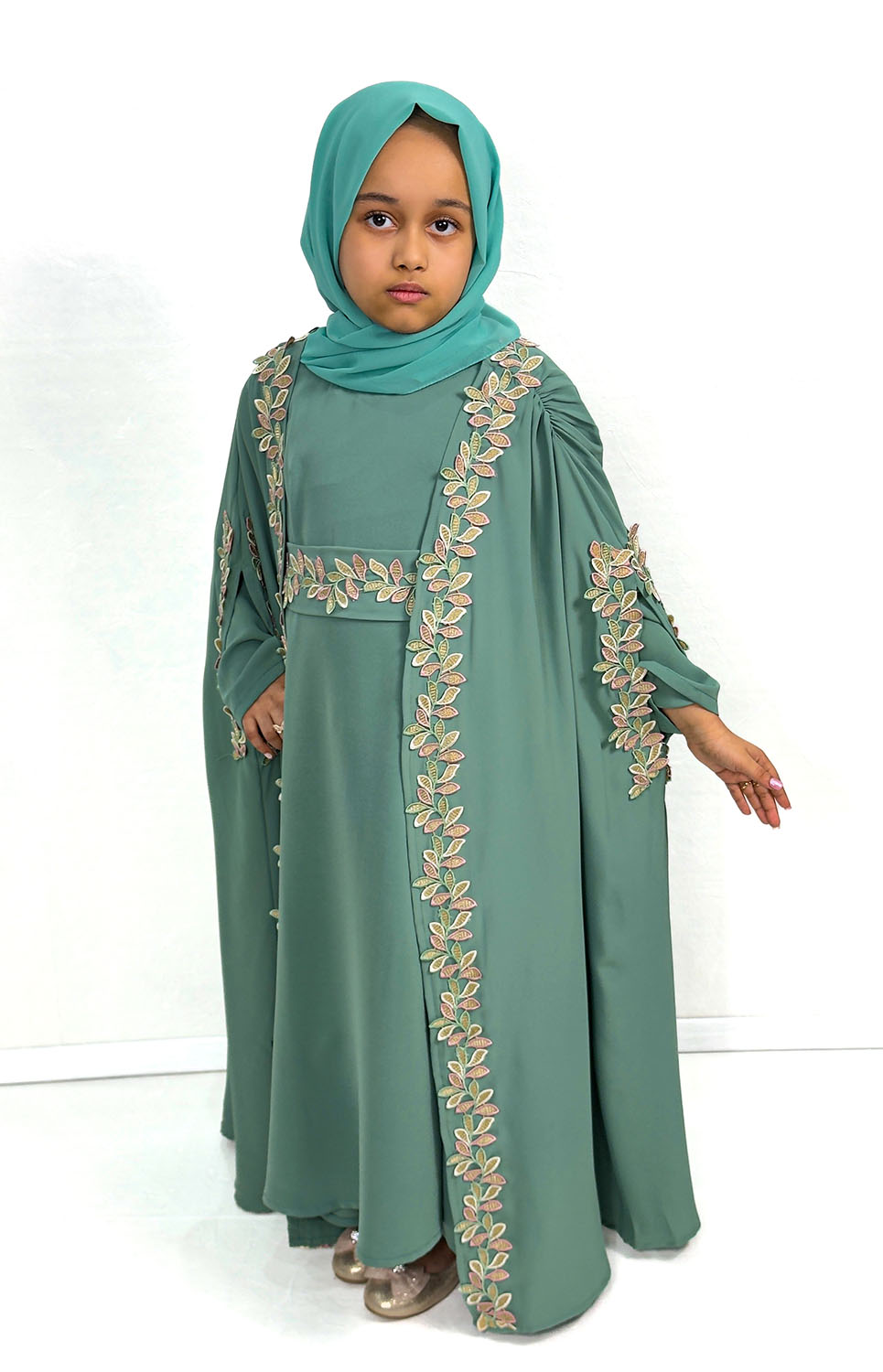
Why Modesty Isn’t Just a Rule — It’s a Gift We Give Our Children
Modesty in children’s clothing isn’t about restrictions or rules imposed from the outside. It’s a gentle lesson in dignity, self-respect, and cultural pride that we pass on in the soft folds of fabric. I remember watching my daughter twirl in her first jilbab — it was loose, light, and graceful, and I saw how it made her feel like herself, not something she was forced into. That’s the kind of modesty I want for her: natural, comfortable, and joyful.
Here’s how I approach modesty when picking out abayas and jilbabs:
- Loose, Flowing Shapes: Kids are active, curious, and full of energy. Clothes that cling or feel tight don’t just go against modesty principles, they also make them uncomfortable. A good jilbab should drape freely, allowing movement without fuss.
- Full Coverage: It’s important that the garment covers the body appropriately — ankles, wrists, and neckline included — but without feeling like a costume or a burden. The goal is modesty that’s second nature, not a distraction.
- Respectful Details: Embroidery, lace, or trims can add charm without compromising modesty, as long as they’re subtle and tasteful. It’s about enhancing beauty, not drawing attention away from the values behind the dress.
When these elements come together, modesty becomes a celebration of identity rather than a checklist to follow.
What’s the Difference Between Children’s Abayas and Jilbabs?
I used to think abayas and jilbabs were just different names for the same modest garment, but once I dove deeper into modest fashion for kids, I realized the nuances truly matter — especially when you want your child to feel comfortable, modest, and stylish all at once. Understanding the differences helped me make choices that weren’t just about aesthetics, but about fit, function, and faith in everyday life.
The Basics: What Sets Abayas and Jilbabs Apart?
At first glance, both abayas and jilbabs look like long, loose garments that cover the body modestly. But here’s where the details kick in:
| Aspect | Children’s Abayas | Children’s Jilbabs |
|---|---|---|
| Design | Often simple and flowing, abayas tend to be more traditional and can be embellished with subtle embroidery or lace. They’re usually open at the front or have a zipper. | Jilbabs are typically one-piece garments, pullover style, designed for full coverage and ease of wear. They often have a slightly more structured silhouette compared to abayas. |
| Material | Usually made of lightweight fabrics like crepe, chiffon, or soft cotton blends to allow breathability and comfort. | Often crafted from durable materials like polyester blends or heavier cotton to withstand active play and provide modest coverage. |
| Coverage | May vary in sleeve length and sometimes be layered with an underdress or hijab. | Designed to cover from the shoulders to the ankles in one piece, making it simpler for younger children to wear independently. |
| Use Case | Preferred for special occasions or formal settings due to their elegant touches and flowy styles. | Perfect for daily wear, school, and play — practical yet modest. |
Real-Life Choices: A Story from My Own Experience
When my daughter started school, we faced a real challenge: finding modest wear that could keep up with her boundless energy but still respect our values. Initially, I bought a delicate abaya with beautiful embroidery, thinking it would make her feel special. But soon enough, I realized it wasn’t ideal for the playground or long days of activity. The fabric was delicate, and she often tugged at the open front.
That’s when I discovered jilbabs — simple, one-piece, and designed with movement in mind. My daughter loved how easy it was to put on herself, and I loved how it provided full coverage without fuss. It was modesty that felt effortless, not a burden.

How to Decide Which One Fits Your Child’s Lifestyle
Choosing between an abaya and a jilbab isn’t about right or wrong — it’s about matching the garment to your child’s needs, your family’s values, and the context in which it will be worn. Here’s how I approach it:
- Activity Level: If your child is very active and needs something durable and easy to manage, jilbabs tend to win out.
- Occasion: For celebrations, formal events, or religious holidays, abayas can bring that special, elegant touch.
- Personal Preference: Some kids love the flowing feel of abayas; others appreciate the simplicity of jilbabs. Letting them have a say can make a big difference in how they embrace modest clothing.
- Climate: Lightweight abayas suit warmer climates better, while jilbabs made from thicker fabrics offer warmth and coverage during cooler seasons.
Quick Tips to Spot Quality in Both
Regardless of whether you lean toward abayas or jilbabs, here are some markers I trust to ensure you’re choosing quality pieces that last and feel great:
- Seam Strength: Check for reinforced seams that won’t unravel after washing or wear.
- Breathability: Natural fibers or blends that breathe well help prevent discomfort and overheating.
- Ease of Care: Kids’ clothes get messy — go for materials that are machine washable and maintain shape.
- Comfort Features: Soft lining, no itchy tags, and easy closures make a world of difference for little ones.
In the end, whether it’s an abaya or a jilbab, the perfect children’s modest garment is one that respects faith, supports comfort, and allows your child’s unique personality to shine through. That’s what makes the search worthwhile — and truly rewarding.
Which Fabrics Are Best for Kids’ Abayas in Hot or Cold Weather?
When it comes to choosing the right fabric for children’s abayas, I’ve learned that fabric isn’t just a detail — it’s the difference between a garment that feels like a second skin and one that feels like a burden. Especially for kids, who are sensitive to discomfort and temperature changes, picking the right material means the difference between joyful wear and constant fussing.
Why Fabric Choice Matters More Than You Think
Kids don’t want to be weighed down by heavy, itchy clothes, and neither do we want to wrestle with layers that trap heat or make our little ones shiver. I remember one summer when my daughter wore a polyester-heavy abaya that looked beautiful but left her red-faced and cranky by noon. That experience made me dig deep into fabric types, blends, and breathable options — so I could make smarter choices for her and other moms like me.
Fabrics That Keep Kids Cool in Hot Weather
In warm climates or during summer months, breathability and moisture-wicking are king. These fabrics help regulate temperature and keep the skin dry, reducing irritation and discomfort. Here are the top fabrics I recommend for hot weather abayas:
| Fabric | Key Benefits | Why It Works for Kids |
|---|---|---|
| Cotton | Highly breathable, natural fiber, soft on skin | Lightweight and gentle, cotton abayas allow airflow and absorb sweat, perfect for sensitive skin. |
| Linen | Excellent moisture-wicking, cool to the touch | Linen’s natural texture keeps kids cool and fresh, though it wrinkles easily—something to consider for formal occasions. |
| Chiffon | Lightweight, semi-transparent, flowy | Often used as an outer layer, chiffon creates a breezy feel without sticking to the skin, ideal for layering over a soft cotton lining. |
Fabrics That Warm and Comfort in Cold Weather
On chilly days, kids need fabrics that provide warmth without bulk, and that allow layering without restricting movement. When the cold bites, these fabrics become my go-to picks:
| Fabric | Key Benefits | Why It Works for Kids |
|---|---|---|
| Wool Blends | Insulating, breathable, moisture-resistant | Soft wool blends trap heat while allowing skin to breathe; perfect for abayas worn with a thermal underlayer. |
| Velvet | Luxurious texture, warmth-retaining | Velvet abayas feel cozy and elegant — great for winter celebrations or formal events. |
| Thick Cotton Jersey | Soft, stretchy, warm | Cotton jersey offers comfort and warmth with flexibility, making it perfect for active kids in cold weather. |
Personal Story: How Fabric Choices Changed My Daughter’s Comfort
I’ll never forget a winter morning when my daughter refused to wear her thick polyester abaya because it felt “too stuffy” and itchy. After switching to a wool-blend abaya lined with soft cotton, she wore it happily all day — no complaints, just cozy warmth. That little switch reminded me how much the right fabric impacts a child’s mood and confidence.

Additional Tips for Selecting Fabrics
- Look for blends: Sometimes the magic is in blends like cotton-polyester that balance durability and comfort.
- Check the lining: A soft lining can prevent irritation, especially for kids with sensitive skin.
- Consider care instructions: Kids’ clothes need frequent washing — fabrics that hold up well to repeated laundering are essential.
- Think about layering: Fabrics that work well with layers give you flexibility as seasons change.
Ultimately, choosing the right fabric for children’s abayas means blending tradition with practical needs. It’s about honoring modesty while making sure our kids feel free, comfortable, and confident — whether they’re playing outside under the blazing sun or attending a winter family gathering. That’s the real goal, and it’s absolutely achievable when we choose wisely.
How Do You Pick the Right Size for a Growing Child?
Choosing the right size for a child’s abaya or jilbab isn’t as simple as grabbing the nearest one labeled “age 7” or “small.” I’ve been there — standing in front of racks of beautiful garments, wondering, “Will this fit her? Will she grow out of it too fast? Or will it be too loose and uncomfortable?” It’s a delicate balance between modesty, comfort, and longevity. So let me walk you through how I pick sizes that work beautifully for my growing daughter, and hopefully yours too.
Why Sizing Matters More Than You Think
Abayas and jilbabs aren’t just about fitting the body — they’re about fitting the lifestyle. Too tight, and they restrict movement and comfort, which no kid wants. Too loose, and modesty can get compromised or the child might trip over excess fabric. Plus, kids grow fast, so the size choice has to factor in growth spurts without making the garment look like a tent.
My Tried-and-True Sizing Approach
I learned early on that sizing isn’t standardized across brands, so the first step is always to check the measurement chart — not just the age label. Here’s what I focus on:
- Height: This helps determine the overall length of the abaya or jilbab.
- Chest and waist circumference: Key for comfort and modesty, especially since kids have varying body shapes even at the same age.
- Sleeve length: Kids move their arms a lot, so sleeves should hit just right — not too short, not dragging.
It’s always a good idea to measure your child regularly. I keep a soft measuring tape handy and jot down updates every few months. Trust me, it saves so much hassle when shopping online or gifting modest wear to family.
Growth Allowance: How Much Extra Room to Leave?
Kids grow like weeds, right? So I always choose sizes that allow for some growth without being sloppy. Here’s a simple table I follow:
| Age Group | Growth Allowance Recommended | Fit Advice |
|---|---|---|
| Infants (0-2 years) | Up to 2 inches (5 cm) in length and width | Comfort and ease of dressing are priorities; looser fits work well. |
| Toddlers (3-5 years) | 1.5 inches (4 cm) | Allow some room for active play without the garment looking oversized. |
| Kids (6-10 years) | 1 inch (2.5 cm) | Snug but comfortable fit; avoid too much excess fabric for modesty and safety. |
| Preteens (11+ years) | Minimal allowance | Focus on true fit and style preferences, as growth rate slows. |

Real Talk: Stories From the Fitting Room
I once bought an abaya for my daughter that was a full size too big, thinking “She’ll grow into it.” The first time she tried it on, she looked like she was swimming in fabric—too loose, slipping off the shoulders, and honestly, she was frustrated. It was a wake-up call. Since then, I’ve prioritized a balanced fit over “buying for later.” A well-fitting abaya today means she wears it happily and confidently, and we can always replace it later with a bigger size when needed.
Practical Tips for Accurate Sizing
- Measure Often: Kids can grow months in a blink, so check measurements before every purchase.
- Use Size Charts: Brands differ wildly — never assume sizes translate equally across stores.
- Consider Adjustable Features: Some abayas and jilbabs come with adjustable waist ties or elastic cuffs that offer flexible fitting.
- Ask Your Child: Sometimes kids can tell you if a garment feels tight or loose better than any number on a tape measure.
Final Thought: Sizing Is a Journey, Not a Destination
Every child is unique, and their comfort in modest wear reflects how we respect their growing bodies and needs. Choosing the right size isn’t about perfection but about balance — honoring their modesty, their comfort, and their joy in wearing abayas and jilbabs. It’s a small but meaningful way we nurture their identity and confidence as they grow.
Where Can You Buy High-Quality Children’s Jilbabs Online?
Let’s be honest — finding the perfect children’s jilbab online can feel like searching for a needle in a haystack. I’ve spent countless hours scrolling through endless options, worried about fabric quality, fit, and authenticity. It’s more than just shopping; it’s about ensuring our little ones wear modest clothes that honor our values and keep them comfortable throughout their busy days. So, where do I turn to find high-quality jilbabs that check all those boxes? Let me share my trusted online sources and what makes them stand out.
Why Online Shopping for Children’s Jilbabs Is Both a Blessing and a Challenge
Shopping online means access to a global marketplace — which is incredible! But it also comes with the challenge of trusting unknown brands and photos that might not tell the whole story. I’ve learned the hard way that quality fabric, reliable sizing charts, and customer service can make or break the experience. Plus, returning items can be a hassle when you’re dealing with international shipping.
My Go-To Online Stores for Children’s Jilbabs
After a lot of trial and error, I’ve found a handful of websites that truly respect modest fashion and deliver on quality. Here’s a quick guide to what I look for and recommend:
| Store | What I Love | Price Range | Shipping & Returns |
|---|---|---|---|
| Niswa Fashion | Elegant designs, quality fabric, authentic modest styles for kids and adults | Mid to high | Worldwide shipping, clear return policy |
| Hijab House | Modern cuts, breathable fabrics, good sizing guides, kid-friendly prints | Affordable to mid | Free shipping over a certain amount, easy returns |
| Kiswah Store | Traditional jilbabs with delicate embroidery, soft fabrics, and customization options | Mid-range | Fast shipping, good customer support |
| Modest Kids Wear | Wide selection of sizes, playful yet modest styles, great for everyday wear | Budget-friendly to mid | International shipping, hassle-free returns |
Tips for Shopping Online: How to Make Sure You Get the Best Jilbab
Even when you find great stores, the online shopping journey still needs a few tricks up your sleeve:
- Read Reviews and Photos: Real customer feedback often reveals fit, fabric feel, and durability better than product descriptions.
- Check Size Charts Carefully: I always measure my daughter before ordering and compare it to the site’s chart. Don’t rely on “age” alone!
- Look for Fabric Details: The best jilbabs for kids use breathable, soft fabrics — cotton blends, chiffon for dressier looks, or polyester for durability.
- Contact Customer Service: If you’re unsure about a fabric or sizing, don’t hesitate to ask. I’ve found many brands very helpful and responsive.
- Watch for Return Policies: Kids grow fast, and sometimes sizing is tricky. Knowing you can return or exchange easily is a huge relief.
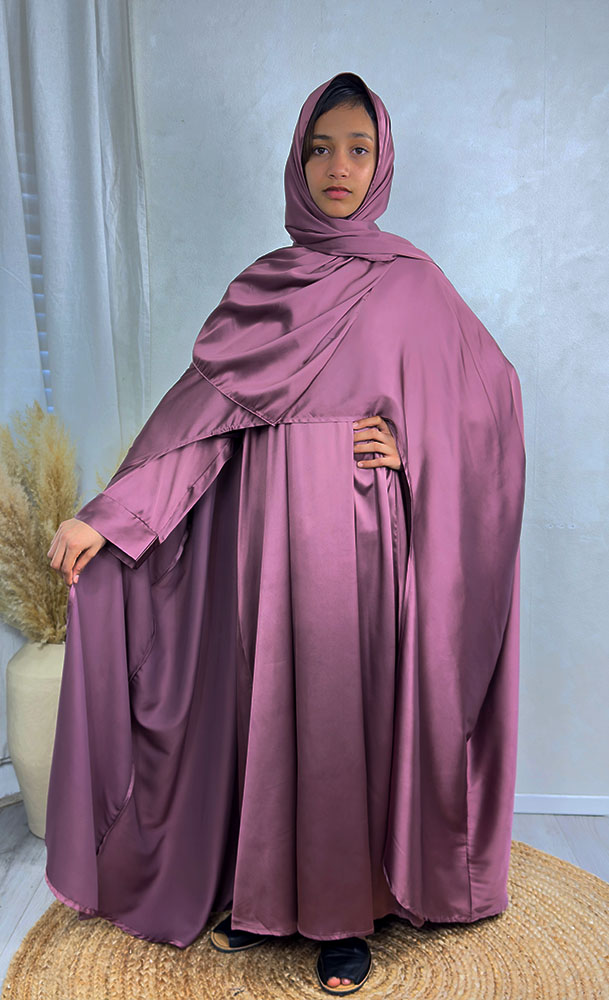
A Personal Story: Finding the Perfect Jilbab for Eid
Last Eid, I wanted something special for my daughter — a jilbab that felt festive yet modest. After searching dozens of websites, I found a beautifully embroidered jilbab on Kiswah Store. The fabric was soft, and the fit was just right, thanks to their detailed sizing guide and quick customer support. The moment she wore it, she lit up with pride and joy — and honestly, that feeling made all the effort worth it.
Final Thoughts: Making Online Shopping Work for You
Buying children’s jilbabs online isn’t just about convenience — it’s about finding a piece that resonates with your family’s values and your child’s comfort. With the right sources, a bit of patience, and those measuring tapes handy, you can build a modest wardrobe for your child that’s beautiful, durable, and truly loved. And that, in my book, is priceless.
What Features Make an Abaya Comfortable for Active Kids?
As a mom who’s always on the lookout for modest yet practical clothing for my little ones, I understand that comfort is non-negotiable—especially for active kids. Kids aren’t just little statues posing for photos; they’re running, jumping, playing, and exploring every corner of their world. So, how do you find an abaya that respects modesty without tying your child down? Trust me, it’s an art and a science rolled into one.
Why Comfort Matters More Than Just Looks
I’ve seen it happen more times than I can count: a gorgeous jilbab or abaya ends up folded in the closet because the child refuses to wear it past five minutes. For kids, the fabric, cut, and weight of their clothes can mean the difference between a joyful day and a constant fuss over itchy seams or restricted movement. So when I choose abayas for my daughter, comfort is at the top of the list — even before style.
Top Features to Look for in a Kid’s Abaya for All-Day Comfort
| Feature | Why It Matters | How It Helps Active Kids |
|---|---|---|
| Breathable Fabric | Allows air circulation, reduces sweating | Keeps kids cool and prevents irritation during play |
| Stretch or Flexible Material | Provides freedom of movement without stiffness | Supports running, bending, and climbing comfortably |
| Lightweight Design | Prevents feeling weighed down | Makes it easier for kids to stay active without getting tired quickly |
| Soft Inner Lining | Prevents itchiness or rubbing on sensitive skin | Ensures kids stay comfortable for hours |
| Loose but Tailored Fit | Maintains modesty without excess fabric bulk | Allows natural movement without tripping or restriction |
| Durable Stitching & Reinforcement | Withstands wear and tear from active play | Keeps the abaya looking good and intact longer |
Fabric Choices That Blend Comfort and Modesty
For my daughter, cotton blends and soft polyester fabrics have been lifesavers. They breathe well, dry quickly, and don’t cling awkwardly after a sprint around the playground. Chiffon overlays or light crepes are excellent for special occasions because they drape beautifully without adding bulk. I avoid anything too stiff or heavy because I know she’ll just feel trapped. And let me tell you — when she’s comfortable, her smiles say it all.

A Small Story: The Playground Test
Once, I bought a beautifully embroidered abaya for Eid, but it was thick and heavy. At the family gathering, my daughter stayed close to me, hesitant to run around like she usually does. The next day, I swapped it for a lightweight cotton jilbab she loves. Immediately, she was back to climbing, jumping, and chasing her cousins without a care. That experience taught me to always prioritize comfort for active kids — and trust their instincts on what feels good.
Additional Tips for Choosing Kid-Friendly Abayas
- Elastic Waistbands or Adjustable Features: These accommodate growth spurts and add extra comfort during movement.
- Simple Fastenings: Avoid complicated buttons or zippers that can irritate or distract.
- Length Considerations: Slightly shorter hems prevent tripping but still keep modesty intact — a win-win!
- Easy Care Fabrics: Kids’ clothes need frequent washing, so pick fabrics that hold up well without losing shape or softness.
Wrapping It Up: When Comfort Meets Modesty
At the end of the day, a child’s abaya should empower them to embrace their modesty joyfully, not hold them back. By focusing on breathable, stretchy, and soft materials combined with thoughtful design details, you create a garment that feels like a second skin — comfortable enough to chase butterflies, explore parks, and dance around the living room. And honestly, isn’t that what every parent wants for their little one?
How to Choose Between Pull-On, Zippered, and Buttoned Styles?
Choosing the right style of abaya for your child can feel like a small decision, but trust me—it makes a huge difference in daily comfort, ease, and even confidence. When I first started shopping for my daughter’s abayas, I was overwhelmed by the options. Pull-on? Zippered? Buttoned? Each seemed to promise modesty and style, but how do you pick what really works for your busy little one?
Pull-On Abayas: Effortless and Kid-Friendly
Pull-on abayas are, in my experience, the easiest for young kids. No fussing with buttons or zippers means your child can get dressed quickly — perfect for those busy school mornings or playdates when time is tight. Plus, many pull-on styles have stretchy waistbands or loose necklines that don’t pinch or scratch.
One day, I watched my daughter confidently pull on her abaya by herself before heading out to the park. No help needed, no tears over stuck zippers. It was such a small moment, but it felt like a huge win for her independence and mine. If your child is still mastering dressing skills, pull-on abayas offer that gentle freedom.
Zippered Abayas: Secure Fit with Style
Zippered abayas often feel more structured and tailored, giving a polished look that’s ideal for formal occasions or cooler weather. The zipper provides a snug fit, which is great for active kids who want their clothes to stay in place while running or playing.
That said, I’ve noticed some kids find zippers tricky or uncomfortable, especially if the zipper rubs against the skin or gets stuck. For my daughter, a zipper with a protective flap at the top made all the difference—no more pinched skin or sudden stops mid-dress.
Tip: Look for abayas with quality zippers that glide smoothly and are covered with fabric flaps to avoid irritation.
Buttoned Abayas: Traditional Elegance with a Personal Touch
Buttoned abayas carry a timeless charm. They can be adjusted to fit loosely or snugly by how many buttons you use, making them versatile. For little girls who love a bit of independence, unbuttoning and buttoning their abaya can become a fun part of their daily routine—practicing fine motor skills without feeling frustrated.
However, buttons might not be the best choice for toddlers or very young children who find them fiddly. And if the buttons aren’t securely sewn, you risk losing them (hello, sewing emergency!). I remember a quick fix one Eid morning when one of the buttons popped off just before guests arrived. Thankfully, a spare needle and thread saved the day!
Comparing Styles: What Works Best? A Quick Table
| Style | Best For | Pros | Cons |
|---|---|---|---|
| Pull-On | Toddlers, quick dressing | Easy to wear, no fuss, comfortable | Less structured, can feel loose |
| Zippered | Older kids, formal wear, cooler weather | Secure fit, polished look | Can pinch skin, zipper may jam |
| Buttoned | Kids practicing dressing skills, traditional look | Adjustable fit, classic style | Buttons can fall off, tricky for toddlers |

Listening to Your Child’s Needs and Preferences
It’s easy to get caught up in what looks good or what you think is “best,” but nothing beats tuning in to your child. When I started involving my daughter in the choice—letting her feel the fabric and try the closures—she felt empowered. One day, she preferred a pull-on for a quick trip to the store. The next, she insisted on a buttoned one for family gatherings because she liked the pretty buttons.
Modest fashion for kids isn’t just about covering up; it’s about nurturing their confidence and comfort. The right closure style is part of that journey.
Final Thoughts: Balance Practicality and Personal Style
Choosing between pull-on, zippered, and buttoned abayas isn’t about picking the “best” universally, but about what fits your child’s age, personality, and daily activities. Sometimes, I mix and match — pull-ons for everyday play, zippered abayas for school events, and buttoned styles for festive moments.
Remember, your child’s modest wardrobe should grow with them—supporting their independence, comfort, and joy. And when you get it right, it makes the whole family’s day a little easier and a lot brighter.
Are There Affordable Yet Durable Options for Daily Wear?
Let me be honest—finding children’s abayas and jilbabs that are both affordable and durable can feel like hunting for a needle in a haystack. I remember standing in front of racks of pretty abayas, wondering if the ones I picked would survive my daughter’s endless twirls, playground escapades, or impromptu mud puddle explorations. But here’s the good news: yes, affordable and durable modest wear does exist, and I’ve learned how to spot it without breaking the bank.
Why Durability Matters for Kids’ Modest Clothing
Kids are naturally active, curious, and sometimes messy. A delicate fabric that tears after one wash or a flimsy seam that splits during play isn’t just frustrating — it’s wasted money. When I shop, durability isn’t a luxury; it’s a necessity. I want my daughter to feel confident and comfortable without me constantly worrying about rips or stains.
Think about the times your child has worn a favorite abaya repeatedly—whether for school, family gatherings, or just running around the neighborhood. The fabric needs to stand up to frequent washing, sun exposure, and the occasional stain without losing its shape or color.
Finding the Balance: Affordable Fabrics That Last
Here’s what I’ve found works best without draining the wallet:
- Polyester blends: These fabrics often combine durability with affordability. They resist wrinkles and drying time is fast—great for busy moms and active kids alike.
- Cotton blends: A soft, breathable option that feels gentle on the skin. When blended with polyester or spandex, cotton fabrics get a durability boost without sacrificing comfort.
- Lightweight denim and twill: For jilbabs, these materials offer extra strength and structure, making them last through rougher play but still breathable enough for warm days.
I remember picking up a cotton-polyester blend abaya for my daughter last Ramadan. It was affordable, and after multiple washes, it still looked as vibrant and comfortable as the day we bought it. That balance between price and durability made all the difference.

How to Spot Durable Construction Beyond Fabric
Fabric is only part of the story. Construction quality can make or break a garment’s lifespan. Here are some practical tips I rely on when shopping:
| Feature | Why It Matters | What to Look For |
|---|---|---|
| Double Stitching | Prevents seams from splitting under stress | Check inside seams for reinforced double stitching, especially on sleeves and hems |
| Quality Thread | Strong thread won’t unravel easily | Look for thick, tightly woven thread rather than thin, loose threads |
| Secure Fastenings | Buttons and zippers hold up better with proper attachment | Test buttons by gently tugging; zippers should glide smoothly without snagging |
| Fabric Weight | Heavier fabrics tend to be more durable | Feel the material — lightweight but sturdy is ideal |
I still recall once buying a seemingly beautiful abaya online, only to be disappointed by loose stitching that unraveled after the first wash. It was a hard lesson, but since then, I always inspect garments closely before committing, even if it means spending a bit more upfront.
Affordable Brands and Where to Find Them
It’s not just about the garment itself—where you buy makes a huge difference. Over the years, I’ve found that some brands truly get the balance right, offering beautiful, durable children’s abayas and jilbabs at wallet-friendly prices.
- Local Muslim-owned boutiques: They often prioritize quality and modesty, plus supporting local means better customer service and easier exchanges.
- Online modest fashion stores: Look for stores with clear fabric descriptions, customer reviews, and easy return policies. Some stores even offer fabric swatches on request!
- Seasonal sales and outlet stores: Keep an eye out for discounts—sometimes you can snag premium brands at a fraction of the price.
Personally, I once discovered a small boutique that handmakes jilbabs from cotton blends at affordable prices. After multiple purchases, those clothes still look fresh and strong—proof that affordability doesn’t have to mean compromise.
My Final Advice: Invest Smart, Not Expensive
When it comes to daily wear for kids, I always remind myself: it’s better to have a few quality pieces that last, rather than a pile of cheap ones that wear out fast. Durable modest clothing supports my child’s active lifestyle and makes our mornings smoother. Plus, when a piece lasts through seasons, it feels like a little blessing.
So next time you shop for your child’s abayas or jilbabs, keep your eyes peeled for fabrics and stitching that promise longevity without the premium price tag. Your child—and your budget—will thank you.
Should You Buy One Size Up for Longer Use?
Ah, the age-old question that every mom or guardian of a growing child faces when shopping for abayas and jilbabs: Should I buy one size up? I get it — it feels like such a practical move. Kids grow fast, and it’s tempting to think that buying a slightly larger size will save you money and stress in the long run. But as someone who’s lived through countless wardrobe battles and fabric frustration, let me share my honest take on this.
The Temptation of “One Size Up” — Why It Feels So Right
Let’s be real. Watching your little one outgrow clothes every few months is exhausting. You buy a perfect abaya for Eid, and a couple of weeks later, it’s too tight or too short. That’s why buying one size larger feels like a smart hack — it stretches the wear time, reduces frequent shopping trips, and saves some pennies.
I’ve definitely fallen into this trap before. One winter, I bought a jilbab two sizes up hoping my daughter could wear it throughout the whole season. But what happened next? She looked swallowed by the fabric and tripped over the hem. Not exactly the graceful modest look I envisioned!

When Buying One Size Up Works
Here’s the thing: buying one size up can work — but it depends on the style, fabric, and how fast your child is growing. Here’s when I say yes:
- Loose styles and flowing fabrics: Some abayas and jilbabs are designed to be roomy. For these, a slightly bigger size still looks elegant and feels comfortable.
- Adjustable features: If the garment has drawstrings, elastic waistbands, or adjustable cuffs, buying a size up lets your child grow into it naturally without looking like they’re drowning in cloth.
- Seasonal layering: In colder months, a bigger size can accommodate layering underneath, like thermal tops or leggings, without restricting movement.
In these cases, buying one size up isn’t just a convenience — it’s actually a style win.
When It Backfires — And How to Avoid It
But here’s the catch: not all modest wear benefits from sizing up. I’ve seen too many kids stumble on too-long hems or get frustrated by sleeves that slip over their hands. Worse, ill-fitting clothes can make a child self-conscious, which is the last thing we want when nurturing modest confidence.
So, when should you steer clear? Here’s my advice:
| Scenario | Why It’s Risky | What To Do Instead |
|---|---|---|
| Tight or structured cuts | Sizing up distorts the shape and can look sloppy | Stick to true size or choose styles with natural looseness |
| Heavy or thick fabrics | Extra size adds bulk and weight, making movement harder | Opt for fabrics with some stretch or breathability |
| Short events or one-time wear (like Eid) | Oversized clothes can look awkward, especially in photos | Buy the right size to ensure a confident, polished look |
My Personal Approach: A Mix of Practicality and Style
Over time, I’ve learned to take a balanced approach. For everyday abayas, especially those made of soft cotton blends with a bit of give, I’ll often size up. It helps extend wear and saves me from last-minute shopping panic.
But for special occasions, like Eid or family gatherings, I always buy the exact size or even tailor the abaya for a perfect fit. After all, those moments deserve the kind of modest elegance that makes my daughter feel proud — not awkward.
Another tip I swear by? Keeping an eye on the child’s growth patterns. Some kids grow quickly in height but not width, and vice versa. So, sizing up in length but not width, or vice versa, can make all the difference. Luckily, many brands now offer detailed size charts, and some even provide “in-between” sizing options, which helps a lot.
Final Thoughts: Trust Your Child and Your Gut
Here’s the bottom line: sizing up is a tool — not a rule. Use it thoughtfully, paying attention to style, fabric, and your child’s comfort. And most importantly, listen to your child’s feelings about their clothes. After all, modest fashion isn’t just about covering up; it’s about confidence, ease, and joy in how we present ourselves to the world.
So, next time you’re tempted to grab that one-size-up abaya, ask yourself: Will it empower my child to move freely, feel confident, and look beautiful? If yes, go for it. If not, don’t be afraid to invest in the perfect fit — it’s worth every penny.
How to Find Matching Hijabs or Prayer Sets for Young Girls?
Choosing a hijab or prayer set for young girls is more than just picking out a pretty fabric — it’s about creating a joyful experience that makes them feel proud, comfortable, and excited to embrace their faith and modesty. As a mom who’s navigated this journey many times, I know how tricky it can be to find that perfect balance between style, comfort, and practicality. But trust me, it’s absolutely possible! Let me share how I approach it with love and a little bit of strategy.
Start With the Basics: Comfort and Fabric Matter Most
I’ll be honest: no matter how adorable a hijab looks, if it’s scratchy, heavy, or slides off easily, it’ll end up tossed in the drawer. Kids want to feel free to run, play, and pray without fussing over itchy fabric or constant adjustments. That’s why the first thing I do is focus on soft, breathable materials.
My go-to fabrics for girls’ hijabs are lightweight cotton blends, jersey, or bamboo fiber. These are gentle on the skin, especially for delicate little heads. Plus, they offer just enough stretch to stay in place without tight pins or clips — which, let’s admit, kids often find uncomfortable or scary.
Matching Made Easy: Coordinating Colors and Patterns
Once comfort is checked off the list, the fun begins — coordinating colors and patterns to create that picture-perfect prayer set. Here’s a little secret: you don’t have to match everything exactly. Instead, think about complementary colors or subtle patterns that play well together.
| Matching Style | Why It Works | Example |
|---|---|---|
| Monochrome Matching | A clean, elegant look that’s easy to mix and match | Soft pastel pink hijab with a slightly darker pink jilbab |
| Pattern and Solid Combo | Balances playfulness with simplicity | Floral print hijab paired with a solid navy jilbab |
| Complementary Colors | Adds vibrant contrast without clashing | Light lavender hijab with a soft mint jilbab |
When I shop, I often bring a small fabric swatch or even a picture of the jilbab I plan to buy, so I can compare colors in person. Online shopping? I check reviews carefully and look for photos uploaded by other customers — nothing beats real-world colors over studio shots.
Prayer Sets: Matching Isn’t Just Pretty — It’s Practical
For daily prayers, having a matching hijab and jilbab or prayer set can turn the routine into a special moment. My daughters always get excited when they have a “set” that fits together — it makes them feel part of something bigger and cherished.
Here’s a little guide on what a typical prayer set includes:
- Hijab: Soft, easy to wear, and covers comfortably without pins.
- Jilbab or Prayer Dress: Loose and flowing, often with a built-in underscarf or cap.
- Matching Accessories: Optional items like prayer mats or bags in the same color family to encourage care and responsibility.
One time, my youngest was so taken by her pink floral prayer set that she insisted on carrying her prayer mat everywhere — even on trips! It was a small thing, but it showed me how meaningful these matching sets can be in nurturing their love for prayer and modest dress.
Tips for Shopping: Practicality Meets Style
To make this easier for you, here are a few tried-and-true tips that I’ve picked up along the way:
- Look for adjustable hijabs: Velcro or stretchy designs make it easy for kids to put on themselves, building independence.
- Choose washable fabrics: Kids are kids! Stains and spills happen, so machine-washable options are lifesavers.
- Check size and length: Hijabs should cover the neck and shoulders comfortably but not drag too long to trip over.
- Don’t forget the seasons: Lightweight fabrics for summer, warmer materials for winter.
- Involve your child: Let them choose colors or patterns — it boosts confidence and ownership.
Final Thoughts: Creating Joy Through Modest Fashion
Finding matching hijabs or prayer sets for young girls isn’t just a shopping task; it’s a chance to nurture their spiritual journey and self-expression through modest fashion. When I see my daughters light up wearing their favorite sets, I know it’s worth every bit of time spent searching.
Remember, modesty doesn’t mean sacrificing style or comfort. With a little care and attention, you can create a beautiful, practical wardrobe that makes your child feel confident, comfortable, and proud every day — and that’s truly priceless.
How Can You Help Your Daughter Feel Proud to Wear an Abaya?
Helping my daughter feel proud to wear her abaya is one of those heartfelt journeys — it’s about much more than just the clothes. It’s about nurturing her confidence, identity, and connection to her faith and culture. If you’re anything like me, you want your little girl to love her modest fashion choices because they reflect who she truly is, not because she feels she has to. So how do we get there? Let’s walk through some thoughtful, real-life ways to foster pride in wearing an abaya.
Celebrate the Abaya as a Symbol, Not Just a Garment
I remember the first time I sat down with my daughter to talk about her abaya. Instead of focusing on how it looked, we talked about why it mattered — the modesty, the respect, the beautiful tradition behind it. That shift changed everything. The abaya stopped being just a dress and became a symbol of her values and strength.
One afternoon, we pulled out family photos — from her grandmother to my own childhood — showing how the abaya connected us across generations. It wasn’t just fabric; it was heritage. Helping your daughter see this bigger picture can plant the seed of pride in her heart.
Encourage Personal Style Within Modesty
Modest fashion doesn’t mean one-size-fits-all or bland. I love how my daughter experiments with different colors, textures, and accessories within the bounds of modesty. Giving her freedom to express herself while wearing an abaya helps her own her style instead of feeling boxed in.
| Style Element | Why It Matters | Example |
|---|---|---|
| Color Choices | Brightens the abaya and lifts mood | Soft pastels or jewel tones that suit her personality |
| Embellishments | Adds individuality without compromising modesty | Delicate embroidery or lace trims on sleeves |
| Accessories | Boosts confidence and creates a complete look | Matching hijab pins, simple bracelets, or even cute shoes |
When she helped pick out her abaya for Eid last year, she chose a deep emerald green with subtle floral embroidery. She was glowing, not just because she looked beautiful, but because she felt she had crafted her own modest masterpiece.
Make Wearing the Abaya a Shared Family Experience
One of the sweetest ways I’ve seen my daughter grow proud of her abaya is by sharing the experience with family. Whether it’s getting ready together before Jummah prayers, taking photos on special occasions, or simply chatting about what the abaya means to each of us — these moments create a sense of belonging.
We even started a little tradition where every time she wears her abaya confidently in public, I tell her how proud I am. Sometimes, a simple “You look so graceful today” goes a long way in building her self-esteem.
Address Challenges with Empathy and Support
Let’s be real: kids can face questions or even teasing about their clothes, especially if their peers don’t wear abayas. I always encourage open conversations where my daughter can share her feelings, and I remind her why her choice is beautiful and brave.
Sometimes, I share stories of strong Muslim women who wore their abayas proudly despite challenges — role models who show that modesty is a powerful form of self-respect. This helps her feel connected to a larger community and gives her courage to stand tall.
Practical Tips to Boost Abaya Pride
- Let her choose: When possible, let your daughter pick her abaya style, color, or accessories — ownership breeds pride.
- Teach care: Show her how to care for her abaya properly. When she knows how to maintain it, she values it more.
- Compliment genuinely: Notice and praise how she wears it — focusing on confidence and grace, not just appearance.
- Share stories: Talk about the cultural and spiritual significance to deepen her connection.
- Include friends: Invite her friends over for modest fashion playdates or mini photo shoots to normalize and celebrate the abaya.
Closing Thoughts: Pride Grows From Within
Helping your daughter feel proud to wear an abaya isn’t a one-time conversation or a quick fix. It’s a gentle, ongoing journey of love, support, and empowerment. When she knows the abaya reflects her values, her identity, and her beauty — that’s when pride blossoms naturally.
At the end of the day, my biggest joy is seeing my daughter walk out the door with a smile, feeling not just covered but truly confident — because she owns her modest fashion story in her own special way.
What Are the Cutest Abaya Styles for Girls This Year?
If you’re like me, finding the perfect abaya for your daughter isn’t just about modesty—it’s about blending tradition with a little sparkle of fun and personality. Every year brings fresh styles, colors, and details that make abayas more exciting than ever for our little ones. This year, I’ve noticed some truly adorable trends that feel both respectful and vibrant, helping girls feel joyful and confident while wearing their abayas.
Soft Pastels and Playful Florals: A Breath of Fresh Air
Gone are the days when abayas were only deep blacks or navy blues. This year, pastel hues are stealing the spotlight. Imagine a soft lavender abaya, or a gentle mint green flowing gracefully as your daughter twirls around in the garden. These colors bring a fresh innocence while keeping that modest vibe intact.
One of my favorite finds was a powder pink abaya embroidered with delicate floral patterns along the hem and sleeves. My niece wore it to Eid, and the way the light caught the embroidery made her beam with pride. It’s subtle yet playful—perfect for young girls who want to feel a bit special without sacrificing modesty.
Tiered and Ruffled Designs: Adding Movement and Fun
For the girls who love a little flair, tiered abayas with soft ruffles are all the rage. These styles bring movement and a whimsical touch that makes wearing an abaya feel less formal and more joyful. Think of layers of chiffon or georgette cascading gently, adding volume without bulk.
| Style | Fabric | Best For | Why It’s Cute |
|---|---|---|---|
| Tiered Ruffle Abaya | Chiffon, Georgette | Special occasions, Eid | Flowy, adds playful volume |
| Embroidered Floral Abaya | Cotton Blend, Linen | Casual wear, family outings | Delicate detail with softness |
| Color Block Abaya | Lightweight Crepe | Everyday wear | Modern, visually interesting |
Modern Minimalism: Clean Lines with Sweet Details
Sometimes, less truly is more. I love how some abayas this year embrace a modern minimalism—simple cuts with subtle accents like a delicate lace cuff or a tiny bow near the neckline. These details let the abaya breathe and keep it age-appropriate without overwhelming young girls with heavy embellishments.
I remember my daughter’s first minimalist abaya—a soft beige with a tiny pearl button detail on the sleeve. It was understated but elegant, and she felt like a little princess. Plus, it paired beautifully with almost any hijab color, making it super versatile for daily wear.
Mix-and-Match Hijabs: Completing the Look
The cutest abayas this year aren’t just about the dress—they’re about the full outfit. Coordinating hijabs with fun textures and gentle patterns can elevate the abaya’s charm. Lightweight cotton or soft jersey hijabs in matching pastels or complementary neutrals are perfect for everyday comfort and style.
Here’s a quick guide I use when matching hijabs to abayas:
- For pastel abayas: Choose hijabs in slightly darker or neutral tones to balance the softness.
- For embroidered abayas: Pick solid-colored hijabs that don’t compete with the patterns.
- For tiered or ruffled abayas: Stick to smooth, simple fabrics so the abaya stays the star.
- For minimalist abayas: Try subtle prints or textures for a touch of interest.
Anecdote: Finding the “Perfect” Abaya for My Daughter
I still remember the little moment when my daughter found “her” abaya this year. We’d been shopping for weeks, trying styles that felt “right” but never quite clicked. Then she spotted a mint green tiered abaya with tiny floral embroidery near the hem. Her eyes lit up, and she asked if she could try it on.
Seeing her twirl in front of the mirror, the smile that stretched across her face told me everything. It wasn’t just about looking cute—it was about her feeling seen, respected, and proud in her modest fashion choice. That’s the magic of finding the right abaya style.
Final Thoughts: Let Your Daughter’s Personality Shine
At the end of the day, the cutest abaya styles for girls are the ones that let their personalities shine through while honoring their modesty. Whether it’s through playful ruffles, soft pastels, or simple elegance, these styles help our daughters feel joyful and proud. After all, modest fashion should never be about sacrificing fun or individuality—it should be a celebration of both.
How to Balance Modesty and Style in Children’s Outfits?
Balancing modesty and style when dressing our little girls can feel like walking a delicate tightrope. I know this firsthand because, as a mother deeply rooted in Islamic values and modest fashion, I’ve faced that beautiful challenge many times. It’s not just about picking an outfit; it’s about nurturing a sense of identity, confidence, and comfort in our daughters while honoring our faith.
Understanding Modesty Beyond Fabric
Modesty isn’t just about the clothes themselves; it’s a mindset and a feeling. When I shop for my daughter’s abayas or jilbabs, I think beyond fabric and hems. I ask myself: “Does this outfit help her feel dignified? Does it respect her innocence while allowing her to be herself?”
In practice, modesty means choosing clothes that cover appropriately without making our girls feel restricted or shy about their appearance. For instance, loose silhouettes in breathable fabrics work wonders—they allow movement and play while keeping modesty intact.
Stylish Doesn’t Have to Mean Immodest
It’s easy to fall into the trap of thinking style and modesty can’t coexist. But honestly? They thrive together when we approach fashion creatively. This year, I’ve seen so many beautiful designs that marry both effortlessly:
- Soft layering: A lightweight long-sleeve top under a sleeveless abaya adds dimension without compromising modesty.
- Playful but appropriate prints: Floral, geometric, or star patterns that bring life without being too bold or flashy.
- Mixing textures: Pairing cotton with lace trims or embroidered details for subtle style upgrades.
These small styling choices make all the difference, turning modest outfits into fashion statements that little girls actually want to wear.
Choosing the Right Fabrics for Comfort and Coverage
Comfort is key—especially for kids who are always on the move. My daughter once refused an abaya because the fabric was itchy and heavy. Since then, I’ve prioritized breathable, soft materials like cotton blends, linen, and lightweight crepes. These fabrics keep modesty intact with their opacity but still feel light and airy.
| Fabric | Modesty Factor | Comfort Level | Best For |
|---|---|---|---|
| Cotton Blend | High (opaque) | Very comfortable | Everyday wear |
| Linen | Moderate (can be slightly sheer) | Cool and breathable | Warm weather, casual outings |
| Crepe | High (opaque) | Lightweight, soft | Special occasions |
| Chiffon (layered) | Depends on layering | Flowy but delicate | Formal wear with lining |
Practical Tips for Styling Modest and Cute Outfits
Over time, I’ve developed some go-to tips that really help me strike that balance every day:
- Start with a solid base: Choose a modest, comfortable abaya or jilbab that fits well and feels soft.
- Add layers thoughtfully: A cute vest or cardigan can add style without compromising coverage.
- Accessorize wisely: Fun hijab pins, simple bracelets, or colorful shoes can personalize the look.
- Involve your child: Let her choose patterns or colors she loves to build her confidence and excitement.
- Prioritize ease: Avoid complicated fasteners or itchy fabrics that can distract or upset your child.
A Story That Stuck with Me
One day at school, my daughter came home glowing after her friends complimented her abaya. She told me, “Mom, I feel like I look pretty and still like myself.” That moment was everything. It reminded me that style isn’t just about how others see her but how she feels inside her modest clothes—proud, comfortable, and joyful.
Final Thoughts: A Gentle Dance of Faith and Fashion
Balancing modesty and style in children’s outfits is truly a gentle dance—one where we honor faith while nurturing individuality. By choosing fabrics thoughtfully, embracing playful yet modest styles, and tuning into our daughters’ feelings, we can create wardrobes that speak to both heart and tradition.
At the end of the day, it’s about more than just clothes. It’s about empowering the next generation of Muslim girls to embrace modest fashion as something beautiful and personal—a daily act of faith wrapped in comfort and joy.
Are There Color Trends in Kids’ Jilbabs for Eid or Ramadan?
When it comes to dressing my little one for Eid or Ramadan, color isn’t just a choice—it’s a celebration. It speaks volumes about mood, tradition, and even the joy of the occasion. Over the years, I’ve noticed how color trends in kids’ jilbabs beautifully blend culture, faith, and playfulness, making those special days even more memorable.
The Significance of Color in Islamic Celebrations
Colors during Ramadan and Eid aren’t random. They carry meaning and create atmosphere. Think about the soft pastels that mirror the calm, reflective nights of Ramadan or the vibrant hues that burst like fireworks on Eid morning. For kids, these colors add to the excitement—making their modest outfits feel festive and special, not just another piece of clothing.
I remember my daughter’s first Eid in a soft mint green jilbab. It wasn’t just pretty; it felt fresh and hopeful, just like the spirit of Eid itself. Colors have that power to transform, to uplift.
Top Color Trends for Kids’ Jilbabs This Ramadan and Eid
This year, I’ve seen a few standout color palettes making waves in modest fashion circles, especially for children’s jilbabs. Here’s a table that sums up the most popular hues and what they represent:
| Color | Meaning | Best Occasion | Styling Tips |
|---|---|---|---|
| Soft Pastels (Mint, Lavender, Peach) | Peace, Renewal, Innocence | Ramadan gatherings, Iftar dinners | Pair with delicate embroidery or lace trims |
| Jewel Tones (Emerald, Sapphire, Ruby) | Richness, Celebration, Elegance | Eid day, Formal family events | Match with gold accessories or velvet hijabs |
| Classic Neutrals (Ivory, Beige, Soft Grey) | Timeless, Versatile, Subtlety | Daily Ramadan wear, Eid prayers | Layer with colorful scarves or statement shoes |
| Bright Hues (Coral, Turquoise, Sunshine Yellow) | Joy, Energy, Youthfulness | Eid celebrations, Playdates during Ramadan | Keep accessories minimal to let colors pop |
Why Colors Matter to Kids
Let’s be honest—children are drawn to colors the way we’re drawn to smiles. I’ve noticed my daughter gravitates toward brighter colors when she’s feeling playful and pastels when she’s calm or reflective. Choosing the right jilbab color can even help set the tone for how she experiences the day.
One Ramadan, she insisted on wearing a soft lavender jilbab for the nightly prayers. Watching her peaceful little face bathed in that serene color made me realize how these choices go deeper than fashion—they nurture the soul.
How to Choose the Perfect Color for Your Child
Picking a jilbab color can sometimes feel overwhelming, especially with so many beautiful options. Here’s what I keep in mind:
- Consider the occasion: Is it a quiet family iftar, or the big Eid party? Soft shades work beautifully for intimate gatherings, while richer tones shine on festive days.
- Match with personality: Is your child shy and serene, or bubbly and outgoing? Let their jilbab reflect who they are.
- Think about practicality: Lighter colors can be more delicate but feel fresh; darker jewel tones hide little spills better.
- Coordinate with hijab and accessories: Sometimes a jilbab’s color pairs better with neutral scarves, other times bold colors create beautiful contrasts.
A Personal Moment: The Magic of Matching Colors
I remember last Eid, my daughter chose a coral jilbab—a burst of sunshine against the early spring air. We paired it with a simple cream hijab and matching sandals. She walked into the mosque feeling like a little star, and honestly, so did I. It was a reminder that even modest fashion can be playful, bright, and full of life.
Final Thoughts on Color Trends for Kids’ Jilbabs
Color trends in children’s jilbabs for Eid and Ramadan are more than just aesthetics—they’re a language of joy, faith, and identity. Whether it’s the soft whispers of pastels or the bold cheer of jewel tones, these hues help our girls feel connected to the spirit of the season while honoring their modesty.
So next time you’re picking out that special jilbab, don’t just think about fabric or fit. Think about the story that color will tell—one that your child will carry with her in every joyful prayer, every warm hug, and every bright smile during these sacred days.
What If Your Child Doesn’t Want to Wear It?
Let’s be honest — getting a child to wear an abaya or jilbab isn’t always a smooth journey. I’ve been there, faced the resistance, the little protests, and sometimes the outright refusal. It can feel frustrating, even disheartening, especially when modest clothing is so important to us as parents. But here’s the truth I’ve learned: it’s not just about the fabric or style, it’s about understanding, patience, and connection.
Why Kids Sometimes Resist Wearing Abayas or Jilbabs
Children, especially younger ones, express themselves through what they wear. It’s one of their first ways to explore identity and autonomy. When my daughter didn’t want to wear her jilbab for a while, I realized it wasn’t about disobedience — she just wanted to feel comfortable and be herself.
Here are some common reasons children might resist modest clothing:
- Comfort concerns: Fabrics that itch or feel heavy can be off-putting.
- Peer influence: Kids notice what their friends wear and don’t want to feel “different.”
- Personal style: They’re discovering what colors, cuts, and styles they like.
- Lack of understanding: They may not grasp why modesty matters yet.
How I Turned Resistance into Pride: Personal Stories
There was a day when my daughter flat-out refused to put on her new abaya. She wanted her usual jeans and t-shirt, just like her friends at school. Instead of forcing the issue, I asked, “What don’t you like about the abaya?” She said it felt “too stiff and boring.”
So, I took her shopping and let her pick out one she loved — something soft, with little embroidery and her favorite pastel color. That small choice made all the difference. Suddenly, she was excited to wear it, even pairing it with a cute hijab she picked herself.
This taught me that the conversation and involvement are everything. When kids feel part of the decision, modest fashion stops feeling like a chore and becomes a joyful expression.
Practical Tips to Encourage Your Child Gently
| Tip | How It Helps | Example |
|---|---|---|
| Let Them Choose | Gives a sense of control and ownership | Allow your child to pick colors, fabrics, or accessories |
| Explain with Stories | Connects modesty to faith and pride in relatable ways | Share how wearing modest clothes makes you feel confident and close to Allah |
| Prioritize Comfort | Prevents discomfort-related refusals | Choose breathable, soft fabrics especially for kids |
| Be Patient and Consistent | Builds gradual acceptance rather than rebellion | Gently remind them why modesty matters without pressure |
Turning Modesty into a Celebration, Not a Battle
Instead of framing modest wear as a rule, I try to celebrate it with my daughter. We make occasions out of it — Eid, family visits, or even just Friday prayers. I’ll say, “Let’s pick out your special jilbab and make it a fun moment!”
Sometimes, we even create little “fashion shows” at home, where she models her jilbab with pride. This approach transforms modest dressing from a “have to” into a “want to.”
When to Listen and When to Lead
Of course, balance is key. I always listen to my daughter’s feelings but also gently guide her toward understanding the value behind modest dressing. It’s not about forcing compliance, but nurturing a heartfelt connection to our faith and culture.
Sometimes, I remind myself that this journey isn’t about one outfit or day — it’s about cultivating confidence, identity, and a deep love for modest fashion that will grow with her.
Final Thoughts
So, if your child doesn’t want to wear an abaya or jilbab right now, don’t panic or push too hard. Pause, listen, and involve them. Let comfort, choice, and meaningful conversations pave the way. Because modest fashion for kids isn’t about perfect uniforms — it’s about growing into a style and faith they can own with pride and joy.
How to Introduce Islamic Dress to Younger Children Gracefully?
Introducing Islamic dress, like abayas or jilbabs, to young children can feel like walking a delicate tightrope. You want to nurture their modesty and faith, but without making it feel like a heavy rule or burden. Trust me, I’ve been there—trying to balance encouragement with understanding, especially with toddlers and preschoolers who are just starting to express their independence.
Start Early, But Keep It Gentle
One of the biggest lessons I’ve learned is that early exposure works best when it’s soft and natural, not forced. When my little one first saw her older sister wearing her jilbab, she was curious and excited—not scared or resistant. Kids absorb so much by watching the people they love.
Instead of saying, “You must wear this,” try something like, “Look, this is a special dress that helps us feel close to Allah and be modest.” Make it part of your daily rhythm, like a story rather than a command.
Use Stories and Role Models to Make It Relatable
Young children respond to stories more than lectures. I found it helpful to weave in simple narratives about the Prophet’s family, or kind, modest characters in books and cartoons. When my daughter started asking questions, I shared stories about how wearing modest clothes was an act of love and respect—not just a rule.
Visual role models are powerful too. Seeing older sisters, cousins, or favorite female teachers wearing abayas or jilbabs made the idea less intimidating and more “cool” for my kids.
Make It Playful: The Power of Choice and Fun
Who says modest fashion can’t be fun? When I introduced jilbabs, I let my daughter pick out colors or small accessories like cute pins or soft hijabs to match. Suddenly, it wasn’t just clothing — it was a form of self-expression.
We turned putting on the jilbab into a little ritual: a “modesty moment” complete with a special mirror for admiring her outfit, or a song that made the whole process joyful rather than a chore.
| Tip | How It Helps | Example |
|---|---|---|
| Gentle Exposure | Builds curiosity without pressure | Let kids watch family members wear modest clothes naturally |
| Storytelling | Connects faith and modesty through imagination | Read books or share stories featuring modest heroes or role models |
| Choice & Play | Turns clothing into fun and personal expression | Let children pick jilbab colors or add playful accessories |
| Routine & Rituals | Creates positive associations with modest dress | Develop a “modesty moment” with songs or mirrors before leaving home |
Respect Their Pace — Modesty Grows Over Time
I can’t stress this enough: modesty is a journey, not a switch. Some days your child might eagerly dress up in their jilbab, and other days they may resist or forget. That’s perfectly normal.
Once, my daughter wore her abaya to the mosque with excitement, only to refuse it the very next day. Instead of forcing her, I asked gently why. Sometimes it’s just about comfort, mood, or wanting to try something new. By respecting her pace, I helped her develop a lasting relationship with modesty — one built on trust and understanding, not pressure.
What If They Ask “Why?” — Answering Big Questions Simply
Kids are naturally curious, and their “why?” questions can sometimes catch you off guard. I remember being asked, “Why do I have to wear this dress, Mama?” Instead of a long lecture, I keep it simple and heartfelt: “Because it helps us show respect to ourselves and Allah, and it makes us special.”
If you want, you can add, “When you grow up, you’ll understand even more.” Honesty mixed with warmth goes a long way in nurturing their faith without overwhelming them.
Final Reflections
Introducing Islamic dress to little ones is as much about planting seeds of love and identity as it is about clothes. It’s about wrapping them in stories, choices, and gentle guidance that feels safe and exciting. Remember, you’re not just dressing them—you’re helping them feel connected to a beautiful tradition that will grow with them, naturally and gracefully.
What Should Girls Wear to Eid, Friday Prayers, or Quran Class?
Every Muslim parent wants their daughter to feel both beautiful and comfortable while honoring the spirit of modesty, especially on special occasions like Eid, Friday prayers, or Quran class. I remember those moments—standing in the mosque courtyard, watching my little girl twirl in her new jilbab, her eyes sparkling with pride and a touch of shyness. Dressing for these occasions isn’t just about clothing; it’s a meaningful expression of faith, identity, and belonging.
Understanding the Occasion: More Than Just an Outfit
First off, let’s acknowledge that Eid, Friday prayers, and Quran classes each have their own vibe and expectations. Eid is festive and joyous, filled with family and community celebrations. Friday prayers hold a sacred weight—respect and reverence fill the air. Quran class calls for focus and simplicity. So, the outfits for these moments can—and should—reflect that.
For Eid, it’s okay to embrace colors, patterns, and even a bit of sparkle. But Friday prayers and Quran class lean toward modesty with understated elegance. My go-to? Soft, breathable fabrics that keep my daughter comfortable but covered, paired with modest layering.
Practical and Pretty: Balancing Comfort with Modesty
One mistake I see many parents (including myself, early on!) make is prioritizing looks over comfort. Imagine sitting through a long prayer or Quran lesson in itchy fabric or a stiff dress—no thanks! For girls, especially younger ones, the clothing must be easy to move in and feel good on their skin.
Think cotton or lightweight jersey abayas and jilbabs. These fabrics breathe, are gentle, and allow for the natural movement kids need. For Eid, a slightly dressier jilbab with subtle embroidery or delicate lace can make her feel special without sacrificing modesty.
| Occasion | Recommended Fabric | Style Tips | Why It Works |
|---|---|---|---|
| Eid | Lightweight cotton blends, chiffon accents | Embroidered jilbabs, soft pastel or jewel tones, modest embellishments | Combines festivity with modest elegance, comfortable for celebrations |
| Friday Prayers | Breathable cotton, jersey | Simple, solid colors, long sleeves, easy layering | Ensures reverence and comfort during extended prayers |
| Quran Class | Soft jersey, cotton | Minimalist designs, easy-to-wear jilbabs or tunics, no tight or restrictive cuts | Facilitates focus and ease, no distractions or discomfort |
Adding Personal Touches Without Compromising Modesty
I’ve found that subtle personal touches make all the difference. A simple embroidered floral pattern on the hem, a cute hijab pin, or a softly colored sash can brighten an outfit without crossing modesty boundaries. My daughter loves picking her hijab colors herself—sometimes soft peach, other times sky blue—and it’s become a small act of self-expression and joy.
What about accessories? Keep them light and meaningful. A tiny bracelet gifted from grandma or a prayer bead necklace can carry sentimental value without overpowering the modest look.
Stories from My Experience: When Fashion Meets Faith
One Eid, my daughter insisted on wearing a sparkly jilbab she’d seen in a shop window. It was beautiful but a bit too flashy for her age. Instead of outright saying no, we made a compromise—she wore it for our family gathering but switched to a simpler jilbab for the mosque. She felt heard, respected, and part of the decision-making. Moments like that remind me how important it is to listen and guide, rather than dictate.
At Quran class, I remember her complaining about a stiff jilbab that made sitting on the floor uncomfortable. That pushed me to look harder for breathable, soft fabrics that don’t just look good but actually feel good. Now, she looks forward to class partly because she knows she’ll be comfortable and confident.
Final Thoughts: Dressing with Intention and Joy
What girls wear to Eid, Friday prayers, or Quran class is deeply personal and layered with meaning. It’s about more than rules—it’s about helping our daughters feel proud, comfortable, and connected to their faith. When we balance modesty with thoughtful style, we gift them the confidence to walk into any space with grace and joy.
And honestly? Seeing my daughter’s smile when she feels just right in her jilbab—that’s the real reward.
Can Children’s Abayas Be Worn as School Uniforms?
When I first started thinking about modest fashion for my daughter, the question of school uniforms came up almost immediately. Could her abaya double as her school outfit? I know many Muslim parents wrestle with this—wanting their children to maintain their values of modesty and identity while fitting into the school environment smoothly. The answer isn’t a simple yes or no; it’s a thoughtful balancing act, shaped by school policies, cultural context, and what feels right for your family.
The Practical Side: Schools and Dress Codes
Most schools have strict uniform policies, and understanding those rules is the first step. Some Islamic schools warmly embrace abayas as a uniform option, offering them in official colors and styles that meet their dress codes. Other schools, particularly public or non-Muslim majority ones, may have more rigid guidelines that don’t explicitly allow traditional Islamic clothing like abayas.
I remember reaching out to our local school administration and was pleasantly surprised that they welcomed modest dress options as long as they complied with safety and uniform standards. But that’s not always the case everywhere.
| School Type | Abaya Uniform Compatibility | Typical Guidelines | What to Watch For |
|---|---|---|---|
| Islamic Schools | Usually Allowed | Abayas in school colors, modest cuts, sometimes mandatory | Check for official styles or suppliers to ensure uniformity |
| Public Schools (Inclusive) | Sometimes Allowed | Uniform guidelines with flexibility for religious attire | Must comply with safety (no loose parts), color restrictions |
| Public Schools (Strict) | Rarely Allowed | Standard uniforms only, no variations | May require appeals or special permissions |
Why Abayas Can Be a Great Uniform Choice
From personal experience, abayas make fantastic uniforms when chosen thoughtfully. They’re comfortable, modest, and easy to wear—qualities every parent and child want. For my daughter, wearing an abaya to school felt like a warm hug from her faith during a busy, sometimes overwhelming day.
Plus, abayas are often loose and airy, which means they don’t restrict movement or focus. Whether running around during recess or sitting for long lessons, a well-made abaya supports both.
Balancing Identity and School Life
Here’s where it gets emotional: children want to feel normal and accepted among their peers. If the abaya looks or feels drastically different from what other kids wear, that can be isolating. So, I always suggest choosing abayas that align with school colors and keeping designs simple yet elegant.
Once, my daughter’s school had a ‘cultural day,’ and she proudly wore a beautifully embroidered abaya. The compliments she received boosted her confidence, showing me firsthand how abayas can be both a school uniform and a proud cultural statement.
Tips for Parents Considering Abayas as Uniforms
- Check school policies early: Don’t wait until the first day. Contact the school and understand their uniform rules in detail.
- Choose breathable fabrics: Cotton blends or jersey keep your child comfortable all day.
- Stick to school colors: Matching the color palette helps your child feel part of the group.
- Look for functional design: Pockets, easy zippers, and washable fabrics are lifesavers.
- Involve your child: Let them pick styles or subtle embellishments so they feel ownership.
Stories from My Journey
I recall one morning rush where my daughter refused to wear the stiff, unfamiliar uniform pants. Instead, she asked if she could wear her soft navy abaya. After a quick call, the school allowed it for the day, and the relief in her eyes was priceless. That moment taught me the importance of flexibility and advocating for our children’s comfort and faith.
Later, during parent meetings, I shared my experience with other moms, many of whom were exploring similar options. We realized that by gently pushing for modest and comfortable uniform alternatives like abayas, we could make school life easier for our children while honoring their identity.
In Conclusion: It’s About Respect and Balance
So, can children’s abayas be worn as school uniforms? Absolutely—if approached thoughtfully. It’s a conversation with the school, a choice of fabric and style, and an ongoing balancing act between faith, identity, and the practicalities of school life.
For me, the journey of blending modesty with school uniforms isn’t just about clothes. It’s about nurturing confidence, respect, and belonging in our little ones, one abaya at a time.
How Do You Style a Jilbab for Special Occasions?
Styling a jilbab for special occasions is something I’ve learned to cherish over time. It’s not just about the fabric or the cut — it’s about creating a look that honors both tradition and celebration, while letting your child’s personality shine. Whether it’s Eid, a family wedding, or a community gathering, a beautifully styled jilbab can be the perfect blend of modesty and joy.
The Magic of Fabrics and Colors
One of the first things I think about is fabric. For special occasions, I reach for jilbabs in luxurious yet breathable materials — think soft silks, lightweight chiffons, or fine crepes. They flow effortlessly, allowing my daughter to move freely and feel special without discomfort.
Colors, too, play a big role. While classic black jilbabs have their timeless charm, I love introducing pastels, jewel tones, and soft metallics during festive times. Last Eid, my daughter wore a deep emerald jilbab with subtle gold embroidery — the way she lit up walking into the room made my heart swell. It’s amazing how a splash of color can transform modest wear into a celebration of life.
| Fabric | Pros | Cons | Best For |
|---|---|---|---|
| Silk | Luxurious, smooth drape, elegant | Delicate, needs careful care | Weddings, formal events |
| Chiffon | Lightweight, flowy, breathable | Semi-sheer, may require lining | Eid, family gatherings |
| Cotton Blend | Comfortable, easy to maintain | Less formal appearance | Casual special occasions |
| Crepe | Textured, wrinkle-resistant | Heavier weight | Formal and semi-formal events |
Accessorizing with Heart and Purpose
Accessories make all the difference, don’t they? I like to keep it simple but meaningful. A delicate brooch or a pretty hijab pin can instantly elevate a jilbab without overpowering it. Once, at a cousin’s wedding, my daughter wore a soft blush jilbab paired with a pearl-studded hijab pin gifted by her grandmother — that little touch sparked so many compliments!
For the hijab itself, layering scarves in complementary shades can add depth and elegance. Silk or satin scarves catch the light beautifully during evening events, adding a subtle shimmer that feels celebratory but still modest.
Balancing Comfort with Elegance
One lesson I’ve learned — no matter how stunning the jilbab, if your child isn’t comfortable, the whole look falls flat. Special occasions can be long, so I make sure the jilbab allows easy movement and the fabric breathes well. Elastic cuffs, soft linings, and adjustable hijabs all help keep my daughter comfortable and confident.
Once, during Eid prayers, my daughter’s jilbab had a slight itch, and she was fidgeting. That’s when I realized that beauty can’t come at the expense of comfort. Since then, I always test outfits at home for a day before the big event to catch any issues early.
Styling Tips for Different Occasions
- Eid: Embrace vibrant colors and playful embroidery. Pair the jilbab with a coordinating hijab in satin or chiffon for a festive look.
- Weddings: Opt for richer fabrics like silk or crepe. Add elegant accessories like a sparkling brooch or a delicate chain necklace worn over the jilbab.
- Quran Classes or Community Events: Choose subtle, comfortable fabrics with minimal embellishments — think soft pastels or earth tones that keep the focus on learning and connection.
A Story Close to My Heart
I’ll never forget the first time my daughter wore a specially styled jilbab to her aunt’s wedding. We spent an afternoon together picking out the perfect fabric and matching scarves. She was nervous at first but the moment she stepped into the room and felt the warm smiles from family, her confidence blossomed. That day, I realized that modest fashion isn’t just about what we wear — it’s about how it makes us feel and connect with our faith and community.
Final Thoughts: More Than Just Clothing
Styling a jilbab for special occasions is a beautiful journey of honoring tradition while celebrating individuality. It’s about those small details — the fabric’s feel, the color’s warmth, the thoughtful accessories — that come together to create moments of joy and pride for our little ones.
When I dress my daughter in a jilbab for a special day, I’m not just choosing an outfit. I’m nurturing her connection to her faith and helping her walk with grace, comfort, and confidence. That’s the true essence of modest fashion.
What’s the Best Travel-Friendly Option for Umrah or Mosque Visits?
Traveling with children for Umrah or mosque visits is a beautiful yet challenging experience — especially when it comes to modest fashion. Over the years, I’ve discovered how crucial it is to choose travel-friendly abayas and jilbabs that balance comfort, modesty, and practicality without sacrificing style or spirituality.
Why Travel-Friendly Clothing Matters for Young Girls
Picture this: You’re navigating crowded airport terminals, bustling hotels, and long prayer lines. Your daughter’s outfit needs to keep up without fussing over wrinkles or causing discomfort. This isn’t just about looking good; it’s about creating a stress-free experience for both of you. When her clothes feel comfortable and easy to manage, she’s more focused on the spiritual journey rather than feeling self-conscious or restless.
For me, that meant moving away from delicate fabrics and elaborate embellishments toward simpler, well-constructed pieces designed to travel well.
Top Fabrics That Travel Like a Dream
| Fabric | Pros | Cons | Ideal For |
|---|---|---|---|
| Polyester Blend | Wrinkle-resistant, quick-dry, durable | Less breathable in extreme heat | Air travel, long mosque visits |
| Lightweight Cotton | Breathable, soft, natural fiber | Wrinkles more easily, slower drying | Short trips, indoor visits |
| Crepe | Wrinkle-resistant, elegant drape | Can be heavier, needs careful washing | Umrah, special mosque events |
| Jersey Knit | Stretchy, comfortable, breathable | Less formal look | Casual mosque visits, traveling days |
My Go-To Travel Abaya and Jilbab Features
After many trips, I realized a few key features make all the difference for travel-friendly abayas and jilbabs:
- Loose but Structured Fit: This allows for comfort while maintaining modest silhouette without looking shapeless.
- Easy-to-Wash Materials: I always pick fabrics that can handle quick hand washes or gentle machine cycles.
- Minimal Embellishments: Travel can be hectic, and delicate beads or embroidery can snag or fall off easily.
- Practical Pockets: They’re lifesavers for small essentials like tissues or prayer beads.
- Lightweight Hijab Options: A breathable, stretch hijab that’s easy to wrap and stays secure without pins is my travel favorite.
Balancing Tradition with Practicality: A Personal Story
I remember my first Umrah trip with my daughter — I wanted her to wear her most beautiful jilbab, one adorned with delicate lace and embroidery. But after a few hours, she started tugging at the itchy lace and complaining about the weight. It was a moment of learning for me. The next day, I dressed her in a simple, lightweight polyester blend jilbab with a soft jersey hijab, and she was calm, focused, and at ease.
That switch made the trip so much smoother. She could focus on the prayers, the rituals, and the awe of being in such a sacred place, rather than fussing over discomfort. Since then, I always prioritize travel-friendly fabric and design without compromising modesty or beauty.
Tips for Packing and Caring for Travel-Friendly Abayas & Jilbabs
- Roll, Don’t Fold: Rolling your child’s abayas and jilbabs reduces creases and saves space.
- Use Garment Bags: Breathable garment bags protect delicate fabrics and keep things organized.
- Bring a Travel Steamer: A compact steamer works wonders for refreshing clothes after long flights.
- Layer Smartly: Lightweight undershirts or leggings keep your daughter warm in air-conditioned spaces and can be removed easily if it gets hot.
Final Thoughts: Travel-Friendly Doesn’t Mean Less Beautiful
Choosing travel-friendly abayas and jilbabs has become one of my top priorities whenever we prepare for Umrah or mosque visits. It’s not just a practical choice — it’s a way to honor my daughter’s comfort and spirituality simultaneously. When she feels comfortable and confident in what she wears, her whole experience transforms.
So, if you’re planning a trip soon, my advice is simple: pick breathable, wrinkle-resistant fabrics, choose smart designs, and don’t be afraid to prioritize comfort over intricate details. Your little one will thank you — and you’ll cherish those peaceful, focused moments on your spiritual journey together.
How to Wash and Care for Children’s Abayas Without Shrinking Them?
When it comes to children’s abayas, the joy of seeing your little one dressed in modest, elegant clothing can quickly be dampened by the nightmare of shrinking or ruining those delicate garments. Trust me—I’ve been there. I once put my daughter’s favorite abaya in the washing machine without thinking twice, only to find it a size smaller when it came out. It was heartbreaking, but it taught me some valuable lessons that I’m eager to share with you.
Understanding Why Abayas Shrink
First off, not all abayas are created equal. The fabric plays a huge role in how they react to washing. Many children’s abayas are made from lightweight polyester blends, crepe, or cotton—all fabrics that can behave differently under water, heat, and agitation. Cotton, especially, tends to shrink if washed in hot water or dried aggressively. Synthetic blends usually fare better, but carelessness can still damage them.
Think of it like this: fabric fibers relax and contract depending on water temperature, detergents, and drying methods. High heat can make those fibers contract permanently, causing shrinkage or stiffness. This is why careful care is essential.
My Tried-and-True Washing Routine
Over the years, I’ve developed a gentle, effective routine that keeps my daughter’s abayas looking fresh, vibrant, and perfectly fitted. Here’s what I do:
| Step | What I Do | Why It Works |
|---|---|---|
| Pre-Treat Stains | Spot clean gently with a mild detergent before washing. | Avoids harsh scrubbing of entire garment, preserving fabric. |
| Use Cold Water | Wash abayas in cold water on a gentle cycle or by hand. | Cold water prevents fibers from contracting and shrinking. |
| Mild Detergent Only | Choose gentle, fragrance-free detergent formulated for delicate fabrics. | Protects fabric integrity and prevents fading or damage. |
| Avoid Fabric Softener | Skip fabric softener as it can break down fabric fibers over time. | Maintains fabric’s natural texture and breathability. |
| Air Dry Flat | Lay abaya flat on a clean towel or hang in shade to dry naturally. | Prevents heat damage and distortion from dryers. |
Why Hand-Washing Sometimes Wins
While machines are convenient, hand-washing is my personal favorite for kids’ abayas. It allows me to control the pressure, water temperature, and avoid the harsh tumbling that can stress delicate fabrics. Plus, it gives me a moment to slow down and appreciate the care that modest fashion deserves.
If you’ve never hand-washed before, don’t worry—it’s simple and soothing! Use lukewarm water, a splash of gentle detergent, and gently swirl the abaya for a few minutes. Rinse carefully and avoid wringing. Instead, press the water out gently, then lay flat to dry.
Common Mistakes That Shrink Kids’ Abayas
- Hot Water Washing: It’s tempting to use hot water to “get things cleaner,” but it’s a quick way to shrink cotton and delicate blends.
- Machine Drying: The dryer’s heat and spinning often cause irreversible shrinkage and damage.
- Using Harsh Detergents: Bleach or strong detergents can weaken fibers and fade colors.
- Wringing Wet Abayas: Twisting fabric stretches and distorts it, making fit irregular.
Personal Story: The Learning Curve with My Daughter’s Abayas
I still remember the first time I washed my daughter’s beautiful navy blue abaya—embroidered with tiny pearl details. I naively tossed it into the washer with the rest of her clothes, thinking it was “just fabric.” When it emerged, several sizes smaller and the pearls partially detached, I was devastated. That was my wake-up call.
Since then, every abaya has gotten its own “spa treatment.” We even made it a little ritual: my daughter helps me choose which abaya to wear and how to care for it, turning it into a moment of bonding and mindfulness. The joy of seeing her sparkle in her well-cared-for abayas is priceless.
Extra Tips to Keep Abayas Looking New Longer
- Store abayas in breathable garment bags to prevent dust and fabric damage.
- Avoid hanging heavy abayas for long periods to prevent stretching—fold gently instead.
- If you must iron, always use a low heat setting and place a thin cloth between the iron and fabric.
- Rotate abayas regularly to reduce wear and tear on favorite pieces.
In the end, caring for children’s abayas is a labor of love, and a way to honor the values of modesty and respect woven into each garment. With a little care and intention, you’ll keep those precious abayas looking just right—ready for every special moment your little girl experiences.
Which Materials Are Most Resistant to Stains and Wrinkles?
Let me be honest: as a busy mom juggling school runs, prayers, and family gatherings, the last thing I want is to spend precious time worrying about stubborn stains or an abaya that looks like it survived a hurricane. When it comes to children’s abayas and jilbabs, choosing fabrics that stand up to everyday messes and keep their graceful flow without creasing is a game-changer. So, which materials truly resist stains and wrinkles? I’ve done the research and tested many fabrics hands-on — and I’m excited to share what works best.
Understanding Fabric Behavior: Why It Matters
Before we dive into the fabrics, it’s important to understand why some materials repel stains or stay wrinkle-free while others don’t. The secret lies in fiber structure, weave, and surface treatment. Tight weaves and synthetic fibers usually block stains better because liquids can’t easily penetrate, while natural fibers like cotton absorb moisture and stains more readily. Wrinkles happen when fabric fibers bend or compress and fail to bounce back.
Imagine your daughter running around at Eid or at school—fabric that can keep up with her active lifestyle without looking crumpled or dirty is a blessing. Trust me, I’ve been there, holding a wrinkled abaya on the way to Jummah prayer and wishing I had chosen better fabric!
Top Fabric Choices for Stain and Wrinkle Resistance
| Fabric | Stain Resistance | Wrinkle Resistance | Pros | Cons |
|---|---|---|---|---|
| Polyester | High | High | Durable, lightweight, easy-care, colorfast | Less breathable, can feel synthetic |
| Crepe (Polyester blend) | High | High | Flowy, elegant drape, hides wrinkles well | Can snag, requires gentle washing |
| Microfiber | Very High | Very High | Soft, smooth, excellent stain repellency | Less traditional look, pricier |
| Rayon | Medium | Medium | Breathable, soft, good drape | Wrinkles easier, stains harder to remove |
| Cotton | Low | Low | Natural, breathable, comfortable | Wrinkles easily, stains soak in |
Personal Experience: Why I Favor Polyester Blends for My Daughter’s Abayas
I remember when my daughter spilled a bit of grape juice on her favorite cotton abaya during a family picnic. The stain set in instantly, and no amount of scrubbing saved it. After that, I started leaning heavily towards polyester blends and crepes. These fabrics have a way of shrugging off minor spills like magic. Plus, their natural wrinkle resistance means I don’t have to iron obsessively after every wash.
There’s also something comforting about how these fabrics maintain their shape and elegance throughout the day—whether she’s sitting in class, playing outside, or attending a special event. The flow remains effortless, the look stays polished, and as a mom, that peace of mind is priceless.
How to Boost Stain and Wrinkle Resistance Even More
- Fabric Treatments: Some abayas come pre-treated with stain repellents or anti-wrinkle finishes. These coatings create an invisible shield that helps liquids bead up instead of soaking in.
- Layering: Wearing an undershirt or slip can protect the abaya fabric from sweat and oils, which contribute to stains.
- Proper Washing: Following care instructions precisely keeps fibers strong and less prone to damage that invites wrinkles and stains.
Quick Tips for Handling Stains on the Go
Let’s face it—kids will be kids, and stains happen. Here’s a quick cheat sheet I keep in my bag for emergencies:
- Blot stains gently with a clean cloth—don’t rub!
- Use a small amount of cold water to dilute stains, especially on fresh spills.
- Carry a stain remover pen designed for delicate fabrics—this is a lifesaver!
Wrapping It Up: Choose Wisely, Live Freely
Choosing stain- and wrinkle-resistant fabrics for children’s abayas isn’t just about convenience. It’s about letting your child move freely, be herself, and express her modest style without worry. From my experience, polyester blends and microfiber crepes hit that sweet spot of practicality and beauty—perfect for the dynamic life our little ones lead.
So, next time you shop for your daughter’s abaya, think about the fabric’s story—how it’ll hold up to playdates, prayers, and celebrations. With the right choice, you’ll save time, avoid frustration, and keep her looking stunning every day.
How Often Should You Replace a Child’s Jilbab?
Honestly, this question has tugged at my heart more than once. Watching my little one grow so fast that her beloved jilbab suddenly feels snug or worn out is a bittersweet reminder of how fleeting childhood really is. But beyond the emotional side, there’s a practical part every parent—and modest fashion lover—wants to get right: how often should you replace a child’s jilbab to keep her comfortable, modest, and stylish without breaking the bank?
Why Replacement Timing Matters More Than You Think
Jilbabs are more than just garments. They represent identity, modesty, and confidence for our daughters. But kids are, well, kids. They’re constantly on the move, growing rapidly, and sometimes, let’s admit it, rough on their clothes. A jilbab that’s too tight can restrict movement and become uncomfortable, while a faded or damaged one might affect how your child feels about wearing it.
Replacing a child’s jilbab at the right time isn’t just about size or style—it’s about nurturing her confidence and respecting her modesty in every season of her growth.
Key Factors Influencing How Often to Replace a Jilbab
| Factor | Impact on Replacement Frequency | What to Watch For |
|---|---|---|
| Child’s Growth Rate | Fast growth means more frequent replacement | Check fit regularly, especially around shoulders and sleeves |
| Fabric Quality | Higher quality fabrics last longer, delaying replacement | Look for durable materials like polyester blends or crepe |
| Usage Frequency | Daily wear wears out jilbabs faster than occasional use | Rotate jilbabs when possible to extend lifespan |
| Care & Maintenance | Proper washing and storage prolong fabric life | Follow washing instructions carefully; avoid harsh detergents |
| Activity Level | Active children may cause more wear and tear | Reinforce stitching and check for snags or holes regularly |
My Personal Approach: How I Keep Up With My Daughter’s Growing Wardrobe
I still remember the first time I realized my daughter had outgrown her jilbab — she tried to lift her arms to pray, and the sleeves pulled tight around her wrists. That little moment sparked a habit I now swear by: a monthly “fit check.” I sit down with her, and we check the jilbab’s fit together—making it a little bonding ritual, actually.
That way, I catch early signs of tightness or discomfort before it becomes an issue. And if I see any fading, pilling, or loose threads, I know it’s time for a fresh jilbab. On average, I find myself replacing hers every 8 to 12 months, but that varies based on her growth spurts and how often she wears each piece.
Seasonal and Occasion-Based Replacement Tips
Sometimes replacing a jilbab isn’t just about size or wear—it’s about the season or special occasions. For example:
- Ramadan and Eid: I like to surprise my daughter with a new jilbab for Eid, something a bit special that reflects the festive spirit. Even if the old one fits, a fresh look brings joy and confidence.
- School Year: Starting a new school year is another natural checkpoint. I evaluate her wardrobe for fit and condition, making sure she’s set for comfort and modesty throughout the year.
- Summer vs. Winter: Lightweight, breathable fabrics for hot months, and thicker, cozier jilbabs for cold weather help ensure she’s comfortable and modest year-round.
Signs It’s Definitely Time to Replace a Jilbab
It’s not always obvious, so here’s a quick checklist I keep handy:
- Tightness: Sleeves or body pull tight, restricting movement.
- Visible Wear: Holes, thinning fabric, or fraying seams.
- Fading or Stains: Irremovable stains or fabric dullness affect appearance.
- Discomfort: Child expresses that it feels itchy, tight, or itchy.
- Style Shift: Your child wants a more age-appropriate style as she grows.
Final Thoughts: Balance Love, Practicality, and Growth
Replacing a child’s jilbab isn’t just about numbers or rigid schedules. It’s about tuning in to your daughter’s comfort, growth, and style preferences—and making modest fashion a joyful, empowering experience for her.
Yes, it can feel like a balancing act between budget and wardrobe needs, but with a little planning, you can keep her looking and feeling her best, season after season. After all, each jilbab replaced is a new chapter in her modest fashion journey—and a reflection of the beautiful young Muslim woman she’s becoming.
How Much Should You Budget for Modest Clothing for Kids?
Budgeting for modest clothing for our little ones feels like walking a delicate tightrope, doesn’t it? We want them wrapped in beautiful, comfortable, and modest garments that honor our values, but we also want to be wise stewards of our finances. I’ve been there, juggling the desire for quality with the realities of family budgets—and I want to share what I’ve learned along the way.
The Emotional and Practical Side of Budgeting
When I first started buying abayas and jilbabs for my daughter, I was overwhelmed by the price range. Some pieces looked stunning but came with a hefty price tag, while others seemed affordable but worried me about durability and modesty standards. Over time, I realized that budgeting isn’t just about numbers—it’s about balance. It’s about investing smartly in pieces that will last, choosing the right moments to splurge, and knowing where saving makes sense.
Ask yourself: What matters most to you? Is it fabric quality, the ability to mix and match, or having a variety of options for different occasions? Understanding your priorities will guide how you allocate your modest clothing budget.
Breaking Down the Average Costs
To give you a clearer picture, here’s a simple table I created after tracking my own spending over a year. It’s a realistic breakdown of what modest clothing items for kids can cost, depending on quality and occasion:
| Item | Budget Range (USD) | Notes |
|---|---|---|
| Basic Everyday Abaya/Jilbab | $15 – $30 | Lightweight fabrics, simple designs for daily wear |
| Mid-Range Abaya with Embellishments | $35 – $60 | Better fabric, modest embroidery or trims, lasts longer |
| Special Occasion Jilbab (Eid, Weddings) | $70 – $120+ | High-quality materials, intricate details, unique styles |
| Hijabs & Accessories | $5 – $20 each | Varied by fabric and brand |
Stories from My Modest Fashion Journey
One year, I splurged on a beautiful embroidered jilbab for Eid. It was a bit over my usual budget, but I told myself it was an investment in my daughter’s confidence and joy. Seeing her twirl around in it, beaming with pride, was priceless. Yet, for everyday wear, I learned to look for quality basics at lower price points — sometimes at local markets or online sales — that balanced modesty and durability.
That taught me the golden rule: Invest where it counts, save where you can. Your child doesn’t need a closet full of expensive jilbabs, but a few special pieces paired with reliable everyday options create a versatile wardrobe without overwhelming your budget.
Smart Tips to Stretch Your Modest Clothing Budget
- Shop Sales and Off-Season: Eid and Ramadan sales can offer great deals, and buying winter jilbabs at summer’s end (and vice versa) can save you a lot.
- Buy Multipurpose Pieces: Look for abayas and jilbabs that transition easily from home, school, to mosque visits.
- Mix and Match: Coordinate hijabs and accessories with multiple jilbabs to create fresh looks without buying more clothes.
- Hand-Me-Downs and Swaps: Connect with other moms in your community to swap or pass down gently used modest clothing.
- Prioritize Fabric Quality: Investing in breathable, durable fabrics means fewer replacements and better comfort for your child.
Finding Peace With Your Modest Fashion Budget
It’s easy to get caught up in the pressure to have the latest or most elaborate modest fashion pieces for kids, especially with social media showing so many beautiful options. But remember, modest fashion is deeply personal and rooted in values far beyond labels or price tags.
I find peace in reminding myself that modesty is about intention and comfort as much as appearance. When I keep that front and center, budgeting becomes less stressful—and more empowering.
So, how much should you budget? Honestly, it depends on your family’s needs, values, and priorities. But with thoughtful planning and a heart full of intention, you can build a modest wardrobe for your kids that’s beautiful, functional, and financially sound.
What Do Other Parents Say About the Best Brands for Kids’ Modestwear?
When it comes to dressing our children in modestwear, it’s not just about finding pretty clothes — it’s about trust, comfort, and knowing the brand truly understands our values. Over the years, I’ve connected with so many Muslim parents who share their honest experiences, favorite brands, and little lessons learned. Today, I want to bring their voices forward because sometimes the best recommendations come from those who live it every day.
Why Parents’ Opinions Matter in Choosing Kids’ Modestwear
Shopping for children’s abayas and jilbabs can feel overwhelming — there are so many brands, styles, and price points out there. But what I found most helpful is hearing real stories from other parents. Their experiences give insights beyond glossy product photos or catchy marketing slogans.
Parents talk about durability, how clothes hold up to active kids, sizing accuracy, and even the customer service experience. It’s a reminder that modestwear for kids isn’t just a garment — it’s part of their daily comfort and confidence.
Top Brands Parents Recommend — The Real Talk
| Brand | What Parents Love | Common Concerns | Price Range |
|---|---|---|---|
| ModestThreads Kids | Soft fabrics, vibrant colors, true-to-size | Limited occasion wear options | $$ |
| Little Hijabis | Adorable designs, inclusive sizes, eco-friendly fabrics | Shipping delays reported | $$$ |
| Hijab Couture Junior | Elegant styles, perfect for Eid and special events | Higher price point, less casual wear | $$$ – $$$$ |
| PureModesty Kids | Affordable basics, durable for everyday wear | Less variety in colors | $ |
Voices from the Community: Stories and Insights
One mom I spoke with, Amina from Dubai, told me how she swears by ModestThreads Kids for her energetic twins. “The fabric is breathable and soft, and I love that they hold up after multiple washes. Plus, the sizes are spot on — no frustrating returns!”
Then there’s Sara in London, who shared a slightly different experience with Little Hijabis: “Their eco-friendly fabric made me feel good about my purchase, but I had to be patient with shipping. Still, the quality made it worth the wait.”
I remember my own daughter’s first Eid outfit came from Hijab Couture Junior. It was stunning, and she felt like a little queen. Yes, it was pricier, but for that special day, it was an investment in memories and confidence that no one can take away.
What to Keep in Mind When Choosing Brands
- Durability Matters: Kids are kids — clothes need to keep up with their adventures.
- Fit and Sizing: Brands that offer clear sizing charts and accommodate growth are lifesavers.
- Fabric Quality: Breathability and comfort are key, especially in warmer climates.
- Customer Service: Responsive and understanding brands make the shopping journey smoother.
- Price vs. Purpose: Sometimes splurging on a special occasion jilbab is worth it, while basics can be budget-friendly.
How I Personally Navigate Brand Choices
After years of trial and error, I keep a mental checklist when trying new brands: Is the fabric soft and modest? Does it wash well without losing shape? Does my daughter feel comfortable and confident? And yes, is the price something I feel good about?
When I find a brand that checks those boxes, it becomes part of our modestwear family. But I also cherish the stories I hear from other parents — they remind me that every family’s journey is unique, and there’s no one “right” brand, just the right one for your child and your values.
So, what about you? Which brands have made you smile, eased your mind, or given your child that little boost of modest fashion magic? I’d love to hear your stories too.
What Are the Top Mistakes Parents Make When Buying Children’s Abayas?
Let me be honest — buying children’s abayas isn’t as straightforward as it looks. I remember when I first started shopping for my daughter’s modest clothes; I made some mistakes that I wish someone had warned me about. Over time, I’ve learned a lot—not just from my own experience, but from countless conversations with other Muslim parents navigating the same path. Today, I want to share the top mistakes parents often make when buying children’s abayas so you can avoid the common pitfalls and feel confident in your choices.
1. Choosing Style Over Comfort
We all want our kids to look beautiful and modest, especially for special occasions. But sometimes, the desire for fancy embroidery or trendy cuts overshadows a critical factor — comfort. I once bought an abaya with intricate lace for my little one’s Eid, and she barely wore it for an hour because it was itchy and restrictive. Trust me, no matter how stunning the abaya looks, if your child isn’t comfortable, they won’t want to wear it.
Parents often overlook the importance of soft, breathable fabrics and practical designs that allow kids to move freely. Remember, children are constantly active — they run, jump, and play, so comfort must be priority one.
2. Ignoring Proper Sizing and Growth Rates
Kids grow fast, and sizing can be tricky. One common mistake is buying abayas that are too tight, hoping they’ll “grow into them.” That rarely works well. I learned the hard way when I picked a size too small for my daughter, thinking it would save me money. Instead, she couldn’t wear it comfortably for more than a few weeks.
On the flip side, buying one or two sizes too big can also be problematic — an abaya that’s too long or baggy can become a tripping hazard. The key is finding the right balance: check sizing charts carefully, measure your child, and if you’re between sizes, opt for the larger size but plan for minor tailoring if possible.
3. Overlooking Fabric Care and Durability
Here’s a story: I once bought a beautifully embroidered abaya made from delicate silk-like fabric. After the first wash, the embroidery started to fray, and the fabric lost its softness. It was heartbreaking because I thought I was investing in quality. Turns out, I didn’t check the care instructions closely enough.
Parents often get caught up in the look and price, but fabric quality and care requirements are just as important. Some fabrics need hand-washing or dry cleaning, which might not be practical for everyday wear. Choosing easy-care, durable materials ensures your child’s abaya stays beautiful through multiple wears and washes.
4. Forgetting Seasonal Considerations
Buying an abaya without thinking about the season can lead to discomfort and wasted money. I once bought a thick, layered abaya for summer, and my daughter was miserable in the heat. Conversely, a lightweight abaya in winter doesn’t provide enough warmth.
Parents often underestimate how much climate affects fabric choice. Breathable cotton blends work wonders for warmer months, while layering options and heavier fabrics keep kids cozy in colder weather. Planning your purchases according to the season can save you headaches (and cranky kids!).
5. Neglecting the Importance of Versatility
Let’s face it, children’s wardrobes fill up fast. One mistake I’ve seen—and made—is buying abayas that only work for very specific occasions. While special occasion abayas are lovely, I’ve learned that having versatile pieces that can be dressed up or down is a game-changer.
A simple, well-made jilbab can be paired with a colorful hijab or accessories for different looks. This flexibility means your child can wear modest clothes daily without parents feeling the pressure to buy something new for every event.
Summary Table: Avoid These Common Buying Mistakes
| Common Mistake | Why It Matters | How to Avoid It |
|---|---|---|
| Choosing style over comfort | Uncomfortable clothes discourage wear | Prioritize soft, breathable fabrics and ease of movement |
| Ignoring sizing and growth | Poor fit reduces usability and safety | Use sizing charts, measure carefully, allow for growth |
| Overlooking fabric care | Delicate fabrics may wear out quickly | Choose durable, easy-care fabrics; follow care instructions |
| Not considering seasons | Inappropriate fabrics cause discomfort | Buy season-appropriate materials; layer when needed |
| Neglecting versatility | Limits wardrobe usability and value | Opt for pieces that can work for multiple occasions |
Final Thoughts
Buying children’s abayas is as much an art as it is a practical task. The best advice I can give is to listen to your child’s comfort, trust your intuition, and invest in pieces that balance beauty with function. Remember, modest fashion for kids isn’t just about appearance—it’s about nurturing their confidence and sense of identity. Avoiding these common mistakes will make your journey smoother and more joyful.
What about you? Have you faced any of these challenges when shopping for your little ones? I’d love to hear your stories and tips — because at the end of the day, we’re all learning and growing together.
Ready to Dress Your Little One in Elegant, Comfortable Modestwear?
Choosing the perfect children’s abaya or jilbab isn’t just about fabric and fit — it’s about embracing a beautiful tradition while making sure your child feels confident, comfortable, and free to be themselves. Now that you know the common mistakes to avoid and what to look for, why not explore a collection that truly understands your needs?
Amanis offers thoughtfully designed, high-quality modestwear for kids that blends style, comfort, and durability — because your little ones deserve nothing less. Whether you’re searching for everyday abayas, special occasion jilbabs, or versatile burkas that grow with your child, Amanis has you covered with pieces made to last and crafted with love.
- Discover the full children’s modestwear collection — styles your kids will love, with comfort that lasts all day.
- Shop the children’s abayas collection for elegant, modest designs perfect for any occasion.
- Explore girls’ burkas & jilbabs that combine tradition with modern comfort and durability.
Don’t settle for less when it comes to your child’s modest wardrobe. Click through, find the perfect pieces, and watch your little one shine in modestwear made just for them. Because modest fashion should feel as joyful and natural as childhood itself.
Your journey to beautiful, practical modestwear for kids starts here — and Amanis is with you every step of the way.
What are the key differences between children’s abayas and jilbabs?
Understanding the subtle but important distinctions between children’s abayas and jilbabs can help parents make informed choices that suit their child’s comfort, occasion, and cultural context. Both garments are modest outerwear used primarily in Muslim communities, but they have different styles, uses, and designs. Let’s break down the key differences:
- Design and Structure: Children’s abayas typically come as a loose, one-piece robe that flows freely from the shoulders down. They tend to be simple in design and emphasize ease of wear. Jilbabs, on the other hand, often include a two-piece set: a long dress combined with an attached or separate head covering (hijab), offering a more complete modest outfit.
- Purpose and Usage: Abayas are versatile and can be worn for everyday activities, formal events, or prayers. Jilbabs, given their more comprehensive design with an integrated head covering, are often chosen for prayer times, religious events, or formal occasions.
- Ease of Wear: Abayas generally slip on over regular clothes and are very easy for children to wear independently. Jilbabs may require some assistance, especially with adjusting the head covering to ensure it stays in place comfortably.
- Materials and Comfort: Both garments are made from modest fabrics like cotton, polyester blends, or linen, but abayas tend to prioritize breathability and movement, while jilbabs may focus more on layering and coverage.
Choosing between an abaya or jilbab for a child often comes down to the intended use, climate, and the child’s comfort level. For example, in hotter climates, a lightweight abaya might be preferred for daily wear, while a jilbab could be reserved for mosque visits or special events. Understanding these nuances helps parents provide both modesty and practicality for their children.
But what happens if you skip considering your child’s comfort when choosing between these garments? The experience can become stressful for the child, leading to resistance or discomfort during religious observances or social events.
How should I choose the right size for my child’s abaya or jilbab?
Choosing the right size for children’s abayas and jilbabs is crucial for comfort, modesty, and confidence. Ill-fitting garments can lead to distractions, discomfort, and even safety concerns, especially for active kids. Here’s a detailed guide to selecting the perfect size:
Measure Accurately
- Height: Measure your child’s height from the top of the head to the heel. This is often the most reliable indicator for length in children’s modest clothing.
- Chest and Waist: Use a soft measuring tape to measure around the chest and waist to ensure the garment fits comfortably around the torso without being too tight or loose.
- Arm Length: Measure from the shoulder to the wrist, especially important for jilbabs or abayas with sleeves that might be too short or too long.
Consult Size Charts
Brands often provide size charts that correspond to age groups, but because children grow at different rates, relying solely on age can be misleading. Comparing your measurements with the brand’s chart ensures a better fit. For example, a 6-year-old child might fit into a “Small” size according to height and chest measurements rather than age alone.
Consider Growth Room
It’s wise to choose sizes with a bit of room for growth — typically 1 to 2 inches larger than the current measurements. This ensures the garment will last through several months, accommodating natural growth spurts.
Try On and Observe Movement
If possible, have the child try on the abaya or jilbab before purchase. Observe how freely they can move, sit, and pray. The fabric shouldn’t be too tight at the shoulders or arms, and the length should avoid dragging on the ground to prevent tripping hazards.
Special Considerations for Layered Jilbabs
Because jilbabs sometimes come with attached hijabs or additional layers, ensure that these components are also adjustable or sized appropriately so the child feels secure and comfortable.
By paying attention to these details, parents ensure that the child’s modestwear supports their activity and spiritual practice rather than hindering it.
But what if you choose a size purely based on age without measurements? Your child may end up with an uncomfortable outfit that discourages regular wear or causes frustration during prayer times.
What fabrics are best for children’s abayas and jilbabs, considering comfort and durability?
Fabric choice for children’s modest clothing is essential. Kids need breathable, soft, and durable materials that can handle active days without losing shape or causing irritation. Here’s an in-depth look at popular fabrics used in children’s abayas and jilbabs:
Cotton
- Pros: Natural, breathable, soft, hypoallergenic, and easy to wash.
- Cons: Can wrinkle easily and may shrink if not pre-treated.
- Best for: Everyday wear and warm climates.
Polyester Blends
- Pros: Wrinkle-resistant, durable, maintains shape well, dries quickly.
- Cons: Less breathable than natural fibers, may feel less soft.
- Best for: Formal occasions and cooler climates where layering is needed.
Linen and Linen Blends
- Pros: Lightweight, natural fiber with a crisp feel, very breathable.
- Cons: Prone to wrinkles and may require special care during washing.
- Best for: Hot climates and summer wear.
Jersey Knit
- Pros: Soft, stretchy, comfortable for active kids.
- Cons: Can lose shape over time, less formal.
- Best for: Casual wear and playtime.
Silk and Satin (Occasional Use)
- Pros: Luxurious look and feel, ideal for special occasions.
- Cons: Delicate, expensive, requires careful maintenance.
- Best for: Eid, weddings, or formal events.
Choosing the right fabric depends on the intended use, weather, and your child’s skin sensitivity. Prioritizing natural, breathable fabrics ensures comfort, especially when children wear these garments for extended periods.
But what if you overlook fabric breathability? Children may feel hot, irritated, or restricted, making modestwear a struggle rather than a joy.
How can I care for and maintain my child’s abayas and jilbabs to ensure longevity?
Caring for children’s abayas and jilbabs properly can significantly extend their lifespan, maintain their color, and keep them comfortable. Here’s a detailed guide on how to handle washing, drying, and storage:
Washing Tips
- Follow Labels: Always check the care labels. Some fabrics like silk or satin require hand washing or dry cleaning.
- Use Gentle Detergents: Choose mild detergents free from harsh chemicals or bleach to protect fabric integrity and your child’s skin.
- Cold or Warm Water: Use cold water for delicate fabrics to prevent shrinkage, and warm water for cotton or polyester blends to remove stains effectively.
- Hand Wash When Needed: For delicate or ornate jilbabs with embroidery or embellishments, hand washing is preferable.
Drying
- Air Dry: Hang garments in the shade to dry, avoiding direct sunlight which can fade colors.
- Avoid High Heat: Avoid using high heat in dryers as it can shrink or damage fabric.
- Flat Drying: For delicate pieces, lay flat on a clean towel to prevent stretching.
Ironing and Steaming
- Low Heat: Use a low heat setting to avoid burning fabrics.
- Steam for Wrinkles: Steaming is safer for delicate fabrics and helps preserve softness.
Storage
- Hang Properly: Use padded hangers to avoid shoulder bumps.
- Protect from Dust: Store in garment bags or covered closets.
- Avoid Overcrowding: Ensure clothes have space to breathe to prevent creasing.
Consistent care will keep children’s modestwear looking fresh, comfortable, and ready for every occasion.
But what happens if you neglect proper care? Fabrics fade, shrink, and lose shape — turning beloved garments into uncomfortable, unusable pieces prematurely.
How do cultural differences influence children’s abaya and jilbab styles?
Modestwear styles for children, including abayas and jilbabs, vary widely depending on cultural traditions, regional preferences, and evolving fashion trends within Muslim communities worldwide. Understanding these influences can help parents select garments that honor heritage while fitting their child’s lifestyle.
Middle Eastern Styles
In countries like Saudi Arabia and the UAE, children’s abayas often feature classic black fabric with minimal embellishments for everyday wear. For special occasions, colorful embroidery or sequins may be added. Jilbabs here might be more formal and structured, emphasizing elegance.
South Asian Styles
In Pakistan, India, and Bangladesh, children’s jilbabs and abayas often incorporate vibrant colors, intricate embroidery, and traditional motifs. Fabrics may range from cotton to luxurious silks for festive wear. Layering is common, combining jilbabs with churidars or pants.
North African Styles
Moroccan and Egyptian children’s modestwear tends to feature lighter colors and looser fits, often with decorative elements like tassels or lace. Abayas might blend traditional and contemporary designs.
Western Muslim Communities
In Western countries, practical considerations influence designs, such as easier fastenings, machine-washable fabrics, and sizes catering to local standards. Parents often balance cultural authenticity with modern convenience.
Recognizing cultural nuances ensures that children’s abayas and jilbabs are not just modest garments but also expressions of identity and belonging.
Ignoring these cultural differences may lead to clothing that feels out of place, uncomfortable, or misaligned with family traditions.
How can children stay comfortable while wearing abayas or jilbabs during active play?
Keeping children comfortable in abayas and jilbabs during active play requires thoughtful fabric choices, design features, and layering strategies that allow freedom of movement while maintaining modesty. Here’s how parents can achieve this balance:
Choose Breathable Fabrics
Natural fabrics like cotton and linen allow air circulation, reducing heat buildup and sweat. Stretchy jersey blends add flexibility without sacrificing modesty.
Opt for Loose, Flowing Designs
Abayas with wide sleeves, roomy cuts, and side slits allow easier arm and leg movement. Avoid overly tight or heavy garments that restrict activity.
Layer Wisely
For jilbabs with attached hijabs, lightweight underscarves can prevent slipping while staying breathable. Layering with fitted but soft underclothes provides warmth without bulk.
Adjust Length
Consider slightly shorter lengths for playtime to avoid tripping. Elastic or adjustable hems provide flexibility without losing modest coverage.
Footwear Compatibility
Pair modestwear with comfortable shoes that support running and jumping, such as sneakers or sandals with secure straps.
Teach Respectful Play
Encourage children to be mindful of their clothing while playing but without limiting their natural energy and joy.
By integrating these considerations, parents help children enjoy active days without sacrificing the values and modesty embodied in abayas and jilbabs.
Neglecting comfort during play can cause children to resist wearing modest clothing, hindering spiritual and social participation.
What are the environmental impacts of producing children’s abayas and jilbabs, and how can parents choose eco-friendly options?
Environmental sustainability is an important consideration in children’s fashion, including modestwear like abayas and jilbabs. The textile industry is a significant contributor to pollution, water use, and waste. Parents who prioritize eco-friendly options can make a meaningful impact while nurturing their child’s modest wardrobe.
Environmental Concerns in Production
- Water Usage: Cotton cultivation is water-intensive, leading to resource depletion in many regions.
- Chemical Use: Synthetic dyes and fabric treatments can introduce harmful chemicals into ecosystems.
- Waste and Fast Fashion: Poor quality garments that wear out quickly contribute to textile waste and landfill overflow.
Choosing Sustainable Fabrics
- Organic Cotton: Grown without pesticides or synthetic fertilizers, reducing environmental toxins.
- Bamboo and Hemp: Fast-growing plants requiring fewer resources, producing durable fibers.
- Recycled Materials: Fabrics made from recycled polyester or blends help reduce plastic waste.
Supporting Ethical Brands
- Look for brands that prioritize fair labor practices, transparency, and eco-friendly manufacturing.
- Consider locally made garments to reduce carbon footprint from transportation.
Care and Longevity
- Proper care extends garment life, reducing waste.
- Donate or repurpose gently used children’s modestwear instead of discarding.
Choosing environmentally responsible abayas and jilbabs aligns modesty with care for the planet, creating a legacy of respect in faith and nature.
Ignoring environmental impacts perpetuates harmful practices that affect communities and future generations.
What role does modest fashion for children play in developing cultural identity and confidence?
Children’s modest fashion, including abayas and jilbabs, plays a powerful role in shaping cultural identity, spiritual values, and self-confidence. Clothing is a visible expression of beliefs and belonging, influencing how children see themselves and relate to their communities.
Fostering a Sense of Belonging
Wearing traditional modest clothing connects children to their heritage and community. It can be a source of pride and a way to honor family customs, fostering unity and respect.
Encouraging Self-Respect
Choosing modest attire helps children internalize values of dignity and self-worth. Understanding why they wear certain garments builds awareness and intentionality around personal presentation.
Building Confidence
When children feel comfortable and proud in their clothing, their confidence grows. Well-fitted, attractive abayas or jilbabs that reflect personal or cultural style empower children to engage socially and spiritually.
Balancing Tradition and Individuality
Modern modest fashion allows for creativity within cultural frameworks. Children can express personality through colors, patterns, and accessories while maintaining modesty.
Parents who support children’s modest fashion journeys contribute to nurturing strong, grounded individuals who carry their cultural values with confidence.
Ignoring the cultural and emotional significance of modestwear risks disconnecting children from their identity and community.
How can parents encourage children to embrace wearing abayas and jilbabs?
Encouraging children to embrace modestwear like abayas and jilbabs involves a combination of education, involvement, comfort, and positive reinforcement. Here are actionable strategies for parents:
Educate About Meaning and Purpose
- Explain the spiritual and cultural significance of modest clothing in age-appropriate ways.
- Share stories and traditions that highlight pride in modesty.
Involve Children in Selection
- Let kids choose colors, patterns, and styles within modest parameters to feel ownership over their clothing.
- Take them shopping or browsing online with you to explore options together.
Prioritize Comfort
- Choose fabrics and fits that allow freedom of movement and breathability.
- Ensure clothing is easy to wear and maintain to reduce frustration.
Lead by Example
- Parents and family members wearing modest clothing set a powerful example.
- Discuss the positive experiences and confidence gained from modestwear.
Celebrate and Compliment
- Praise children when they wear abayas or jilbabs proudly.
- Celebrate special occasions with modest fashion as a highlight.
By creating a supportive, joyful environment around modestwear, parents can help children internalize its value and embrace it with enthusiasm.
Neglecting these approaches may cause children to resist or feel disconnected from their modest clothing.
What safety considerations should parents keep in mind when selecting abayas and jilbabs for children?
Safety is paramount when selecting modestwear for children, as improperly designed clothing can pose risks during everyday activities. Here’s a comprehensive guide to safety considerations:
Length and Fit
- Avoid Excessive Length: Garments dragging on the ground increase the risk of tripping and falling.
- Ensure Proper Sleeve Length: Sleeves that are too long can catch on objects or get in the way during play.
Fabric Choices
- Choose breathable fabrics to prevent overheating.
- Avoid highly flammable materials, especially if the child will be near open flames or candles during religious events.
Fasteners and Embellishments
- Ensure buttons, zippers, and snaps are secure and don’t pose choking hazards.
- Avoid loose beads or sequins that can come off easily.
Visibility
- For outdoor wear, consider modestwear with reflective trims or pairing with visible accessories to enhance safety.
Mobility
- Choose cuts that allow free movement without constriction to prevent injuries during play.
By thoughtfully considering these safety factors, parents can protect their children without compromising modesty or style.
Ignoring safety can lead to preventable accidents or discomfort that discourage wearing modest clothing.
How does modern fashion innovation influence children’s abayas and jilbabs?
Modern fashion innovations are reshaping children’s modestwear, combining tradition with technology, creativity, and new trends. Here’s how innovation impacts abayas and jilbabs:
Fabric Technology
- Advanced moisture-wicking and breathable fabrics improve comfort during hot weather or active play.
- Wrinkle-resistant and stain-repellent treatments make maintenance easier for busy families.
Design Adaptations
- Introduction of zippers, adjustable closures, and elastic waistbands for ease of wear.
- Contemporary cuts that preserve modesty but align with current fashion trends.
Eco-Friendly Innovations
- Use of sustainable and recycled materials aligns modest fashion with environmental responsibility.
Customization and Personalization
- Brands offering customizable options enable children to express individuality within modest fashion.
These innovations make children’s abayas and jilbabs more practical, comfortable, and expressive, ensuring relevance in a changing world.
Rejecting innovation risks making modestwear feel outdated or impractical, potentially reducing children’s willingness to wear it.
What is the history and cultural significance of abayas and jilbabs for children?
The history of abayas and jilbabs is deeply intertwined with Islamic culture and modesty principles, evolving over centuries to reflect societal norms, geography, and religious interpretations. For children, these garments are not just clothing but a connection to heritage and identity.
Historical Origins
Both garments originated in early Islamic societies as means to fulfill modesty requirements prescribed by religious texts. The jilbab traditionally referred to an outer garment worn over everyday clothes, while the abaya became more associated with robes worn in the Arabian Peninsula.
Cultural Evolution
Over time, regional adaptations led to variations in style, fabric, and use. Children’s versions emerged as families sought to inculcate modesty from a young age, often replicating adult styles in comfortable, child-friendly fabrics.
Significance in Identity
Wearing abayas and jilbabs connects children to a larger community and spiritual practice, offering a sense of belonging and continuity.
Modern Context
Today, these garments serve as cultural symbols and expressions of faith, adapted to contemporary lifestyles without losing their essence.
Ignoring the rich history of these garments overlooks their deep cultural and spiritual importance.
What accessories complement children’s abayas and jilbabs?
Accessories can enhance the modest elegance of children’s abayas and jilbabs while adding fun and personal style. Here are popular and practical accessories to consider:
Hijabs and Underscarves
- Lightweight, breathable fabrics like cotton or chiffon.
- Underscarves to keep hijabs secure during active play.
Headbands and Pins
- Decorative pins add sparkle while securing fabric.
- Soft headbands can keep hair tidy without discomfort.
Footwear
- Comfortable flats, sandals, or sneakers that allow mobility.
Jewelry
- Minimal and safe pieces like small bracelets or necklaces that don’t interfere with clothing.
Bags and Purses
- Small handbags or backpacks for carrying essentials during outings.
Choosing the right accessories enhances the child’s experience and expression of modest fashion without compromising comfort or modesty.
Neglecting accessories may miss opportunities to make modestwear engaging and personalized for children.
How do I teach children the spiritual values behind wearing abayas and jilbabs?
Teaching children the spiritual significance of modestwear fosters deeper understanding and genuine respect, turning clothing into an expression of faith rather than obligation. Here are ways to approach this:
Use Age-Appropriate Stories and Analogies
Explain modesty through stories that highlight kindness, respect, and humility.
Connect Clothing to Identity and Purpose
Discuss how wearing abayas or jilbabs aligns with values of dignity and self-respect in daily life.
Practice Together
Parents wearing modest clothing model the behavior and reinforce its importance.
Celebrate Milestones
Use occasions like Eid or school events to reinforce the pride and joy of modestwear.
Encourage Questions and Dialogue
Create an open environment where children can express thoughts and feelings about modesty.
This approach cultivates internal motivation and a positive attitude toward modest fashion.
Without spiritual education, clothing risks being perceived as mere rules rather than meaningful practice.
How can schools accommodate children who wear abayas or jilbabs?
Schools play a critical role in supporting children who wear modest clothing. Accommodations can foster inclusion, comfort, and respect for cultural and religious diversity:
Flexible Dress Codes
Allow modestwear like abayas and jilbabs within the uniform policy or as an alternative.
Private Changing Areas
Provide spaces where children can change or adjust hijabs privately and comfortably.
Educate Staff and Students
Raise awareness about cultural sensitivity and respect for religious dress.
Encourage Peer Support
Facilitate inclusive environments to prevent bullying or exclusion.
Adapt Physical Education
Offer modest-friendly sportswear options or alternative activities as needed.
Supporting modestwear in schools empowers children to practice their faith confidently and comfortably.
Failure to accommodate can lead to alienation, discomfort, and diminished educational experience.
What are common myths about children’s abayas and jilbabs, and what is the truth?
Many misconceptions surround children’s modestwear, often causing confusion or judgment. Let’s debunk some common myths:
Myth: Abayas and jilbabs are restrictive and uncomfortable for kids.
Truth: Modern designs and fabrics prioritize comfort and mobility, allowing children to play and move freely.
Myth: These garments are only for formal or religious occasions.
Truth: Many families use abayas and jilbabs for everyday wear, adapted to casual styles.
Myth: Children don’t understand why they wear modest clothing.
Truth: With age-appropriate education, children appreciate the spiritual and cultural reasons behind modestwear.
Myth: Wearing abayas and jilbabs isolates children from peers.
Truth: Modestwear can be fashionable and inclusive, especially with growing awareness and diversity in communities.
Myth: Abayas and jilbabs are outdated or unfashionable.
Truth: Contemporary fashion innovation keeps these garments stylish and relevant.
Understanding the truth promotes respect and support for children’s modest fashion choices.
How do cultural celebrations influence the styles of children’s abayas and jilbabs?
Cultural celebrations often inspire unique styles, colors, and embellishments in children’s abayas and jilbabs, reflecting festivity and tradition. Parents select special designs that mark occasions like Eid, weddings, or religious holidays, incorporating rich fabrics, embroidery, and accessories to elevate the modest look.
During such events, garments may feature vibrant colors, intricate patterns, or symbolic motifs that connect children with their heritage and the joyous spirit of the celebration. This not only enhances the ceremonial atmosphere but also helps children feel proud of their cultural identity.
Ignoring these festive variations risks missing out on an important aspect of cultural expression, which can affect the child’s sense of belonging and celebration.
What role do regional climates play in the selection of fabrics for children’s abayas and jilbabs?
Regional climates heavily influence fabric choices to balance comfort with modesty. In hot, arid regions, lightweight, breathable materials such as cotton and linen are preferred to help keep children cool and reduce heat-related discomfort.
Conversely, colder climates necessitate layering or warmer fabrics like wool blends or fleece-lined options to maintain warmth without compromising modest coverage. Designers often create versatile pieces that can adapt to seasonal changes, ensuring children stay comfortable year-round.
Overlooking climatic factors can lead to garments that are either impractical or uncomfortable, discouraging children from wearing them consistently.
How can children personalize their abayas and jilbabs without compromising modesty?
Personalization allows children to express their individuality within modest fashion boundaries. Options include choosing favorite colors, adding tasteful embroidery or appliqués, and selecting coordinating accessories such as hijabs with subtle prints or decorative pins.
Some brands offer customizable options where children can pick fabric textures, sleeve styles, or trims. This fosters a sense of ownership and pride in their clothing, encouraging them to embrace modest wear enthusiastically.
Balancing personalization with modesty ensures children remain true to cultural and religious guidelines while enjoying creative expression.
What are some practical tips for maintaining and caring for children’s abayas and jilbabs?
Proper care extends the life and appearance of children’s modestwear, making it a worthwhile investment. Here are essential maintenance tips:
- Follow fabric care labels carefully, using appropriate washing temperatures and detergents.
- Prefer gentle cycles or hand washing for delicate materials.
- Avoid harsh bleach or fabric softeners that can degrade fabric integrity.
- Air-dry garments to prevent shrinking and preserve shape.
- Iron at recommended settings to maintain smoothness without damage.
- Store abayas and jilbabs on hangers or folded neatly in cool, dry places.
Regular maintenance ensures garments look fresh, comfortable, and ready for any occasion.
How do children’s modest garments support social inclusion in diverse communities?
Wearing abayas and jilbabs helps children visibly participate in cultural and religious traditions, fostering social inclusion and mutual respect within diverse communities. These garments signal identity and faith, encouraging acceptance and understanding among peers from different backgrounds.
Schools, community centers, and social groups that embrace modest fashion promote inclusivity and discourage discrimination, helping children feel valued and confident.
When modestwear is acknowledged and respected, it builds bridges across cultures and contributes to harmonious social interactions.
What are the best practices for buying children’s abayas and jilbabs online?
Purchasing modestwear online requires careful consideration to ensure fit, quality, and authenticity. Best practices include:
- Checking detailed size charts and measuring children accurately to avoid returns.
- Reading fabric descriptions and care instructions thoroughly.
- Reviewing customer feedback and photos for real-world insights.
- Confirming return and exchange policies before purchase.
- Buying from reputable brands known for quality and ethical practices.
- Using filters to select age-appropriate styles and modesty levels.
Following these tips minimizes disappointments and ensures children receive comfortable, well-fitting garments.
How can parents balance modest fashion trends with traditional values for their children?
Balancing trends with tradition involves selective incorporation of contemporary styles that respect modesty and cultural values. Parents can:
- Choose modern cuts and fabrics that enhance comfort without compromising coverage.
- Encourage age-appropriate, modest designs reflecting current fashion without flashy or revealing elements.
- Discuss the reasons behind modest clothing to reinforce values amid changing styles.
- Support children in expressing individuality through safe accessories and colors aligned with tradition.
This balance ensures children feel fashionable and confident while staying true to family and cultural principles.
What are the challenges of sourcing children’s abayas and jilbabs in non-Muslim majority countries?
In non-Muslim majority countries, finding quality children’s abayas and jilbabs can be challenging due to limited availability, higher costs, and less variety. Parents may face:
- Scarcity of local stores stocking modestwear for children.
- Dependence on online retailers with longer shipping times.
- Higher prices due to import fees and specialized production.
- Difficulty verifying quality and authenticity without physical inspection.
To overcome these challenges, families often connect with community groups for recommendations, participate in collective buying, or support emerging modest fashion designers in their region.
How do age and growth spurts affect purchasing decisions for children’s abayas and jilbabs?
Children’s rapid growth requires parents to consider size flexibility and durability when buying modestwear. Key considerations include:
- Choosing garments with adjustable features such as elastic waistbands or cuffs.
- Opting for slightly larger sizes to accommodate growth without sacrificing fit.
- Purchasing quality fabrics that withstand frequent washing and wear.
- Planning for hand-me-downs or sharing within families to maximize use.
Awareness of growth patterns helps parents invest wisely, reducing waste and expense.
What psychological benefits do children gain from wearing culturally significant modestwear?
Wearing culturally meaningful abayas and jilbabs supports children’s psychological well-being in several ways:
- Identity Affirmation: Reinforces a positive sense of self linked to culture and faith.
- Belonging: Fosters connection to family, community, and tradition.
- Confidence: Wearing well-fitting, attractive clothing builds self-esteem.
- Purpose: Understanding the spiritual reasons behind modesty cultivates inner values.
- Social Acceptance: Aligning with cultural norms reduces feelings of exclusion.
Neglecting this aspect may lead to identity confusion or social discomfort in diverse environments.


