
You know that moment when you’ve searched everywhere for the perfect children’s abaya or jilbab and ended up settling because nothing quite feels right? I’ve been there more times than I can count — the struggle of balancing modesty, comfort, and style for our little ones can feel endless. But here’s the amazing part: finding that perfect piece doesn’t have to be a battle or a compromise. This guide is your secret weapon, packed with insider tips on fabrics that breathe, sizing tricks that actually work, and styles kids adore wearing. Whether it’s for everyday madrasa or a special Eid celebration, I’m here to make this journey easier, joyful, and meaningful. Ready to uncover everything you’ve ever wondered about choosing children’s abayas and jilbabs? By the end of this post, you’ll be equipped to pick modest wear that your child will love—and you’ll finally feel confident about it too. Let’s get started!
Children’s Abayas & Jilbabs: A Parent’s Guide to Modest, Stylish Comfort
Choosing the right children’s abayas and jilbabs is more than just finding something that fits — it’s about honoring faith, celebrating culture, and making little ones feel confident and comfortable. If you’ve ever tried to shop for modest wear for your child and felt overwhelmed by fabric types, sizing confusion, or a lack of stylish options, you’re not alone.
In this complete guide, we’ll walk you through everything you need to know about buying abayas and jilbabs for kids — from the latest styles and must-have fabrics to smart sizing tips and real-life advice from parents who’ve been there. Whether you’re shopping for Eid, a madrasa graduation, or just everyday wear, you’ll find this article full of practical help and warm, culturally mindful guidance.
By the end of this guide, you’ll know exactly how to choose the perfect abaya or jilbab for your child — one that feels good, looks beautiful, and represents your family’s values with pride.

What Are Children’s Abayas & Jilbabs (And Why They Matter)
Before we dive into styles, trends, or shopping tips, let’s take a moment to understand what children’s abayas and jilbabs truly represent. These garments are more than pieces of clothing — they’re a reflection of identity, values, and belonging.
Understanding the Basics
An abaya is a long, flowing outer garment traditionally worn by Muslim women — and for children, it’s designed to provide the same graceful modesty in a smaller, child-friendly form. A jilbab, while often similar, typically includes a built-in hijab or hood and provides full-body coverage with a slightly different silhouette.
- Abayas: Usually open or closed front, elegant and often worn over clothes.
- Jilbabs: Often more structured and can be a one-piece outfit with built-in coverage.
Why It Matters for Kids
When children wear abayas or jilbabs, it’s not just about appearance — it’s about early connection to faith and values. For many families, these garments mark special milestones: their first Eid prayer outfit, the day they begin madrasa, or simply learning the joy of modest fashion from a young age.
Giving children their own abayas or jilbabs helps them feel included, proud, and connected to their identity. It tells them: “This is for you too. You belong.”
Faith Meets Function
Modern designs make it easier than ever to balance tradition with comfort. Today’s children’s modest wear uses softer fabrics, fun details, and breathable cuts that let kids run, play, and participate — without compromising on modesty.
In short? The right abaya or jilbab isn’t just a garment — it’s a beautiful start to a child’s journey in modesty, culture, and self-respect.
Common Mistakes Parents Make When Buying Children’s Abayas & Jilbabs
We get it — you want the best for your child. But even with good intentions, many parents make a few missteps when choosing children’s abayas and jilbabs. These mistakes can lead to discomfort, wardrobe battles, and garments that never get worn. Here’s what to watch out for:
1. Choosing Style Over Comfort
That beautiful embellished abaya might look stunning — but will your 7-year-old be comfortable wearing it for hours? Kids are active, so modest wear needs to allow movement, breathability, and softness against the skin. Look for:
- Lightweight fabrics like cotton blends or soft crepe.
- Flexible designs without too many zippers or stiff embroidery.
- Stretch panels or adjustable waists for ease of wear.
2. Guessing Sizes Without a Measurement
Kids grow fast — and size labels vary wildly between brands. Guesswork leads to returns or ill-fitting clothes. Pro tip? Measure your child’s chest, length from shoulder to ankle, and arm length before shopping. Most trusted online stores have size charts — use them religiously.
3. Overlooking Washability
Let’s be honest: kids get messy. If you’re buying something dry-clean only, it’s going to live at the back of the closet. Choose machine-washable abayas and jilbabs that don’t fade, shrink, or lose shape after a few washes.
4. Forgetting the Occasion
Is it for daily madrasa wear? A special Eid prayer? Or just a way to introduce modesty early? Every purpose might call for a different style:
- Daily wear: Simple, breathable, durable.
- Formal events: Embellished or layered styles.
- First-timers: One-piece jilbabs with built-in hijab for ease.
5. Ignoring the Child’s Voice
This one’s big. If your child doesn’t like the color, feel, or fit — they won’t wear it. Involve them in the process. Let them pick from 2–3 options that meet your modesty standards. Empowering their choice builds confidence and ownership.
Buying modest wear shouldn’t be a battle — it should be a bonding moment. Avoiding these mistakes helps ensure your child not only wears their abaya or jilbab but actually loves to.
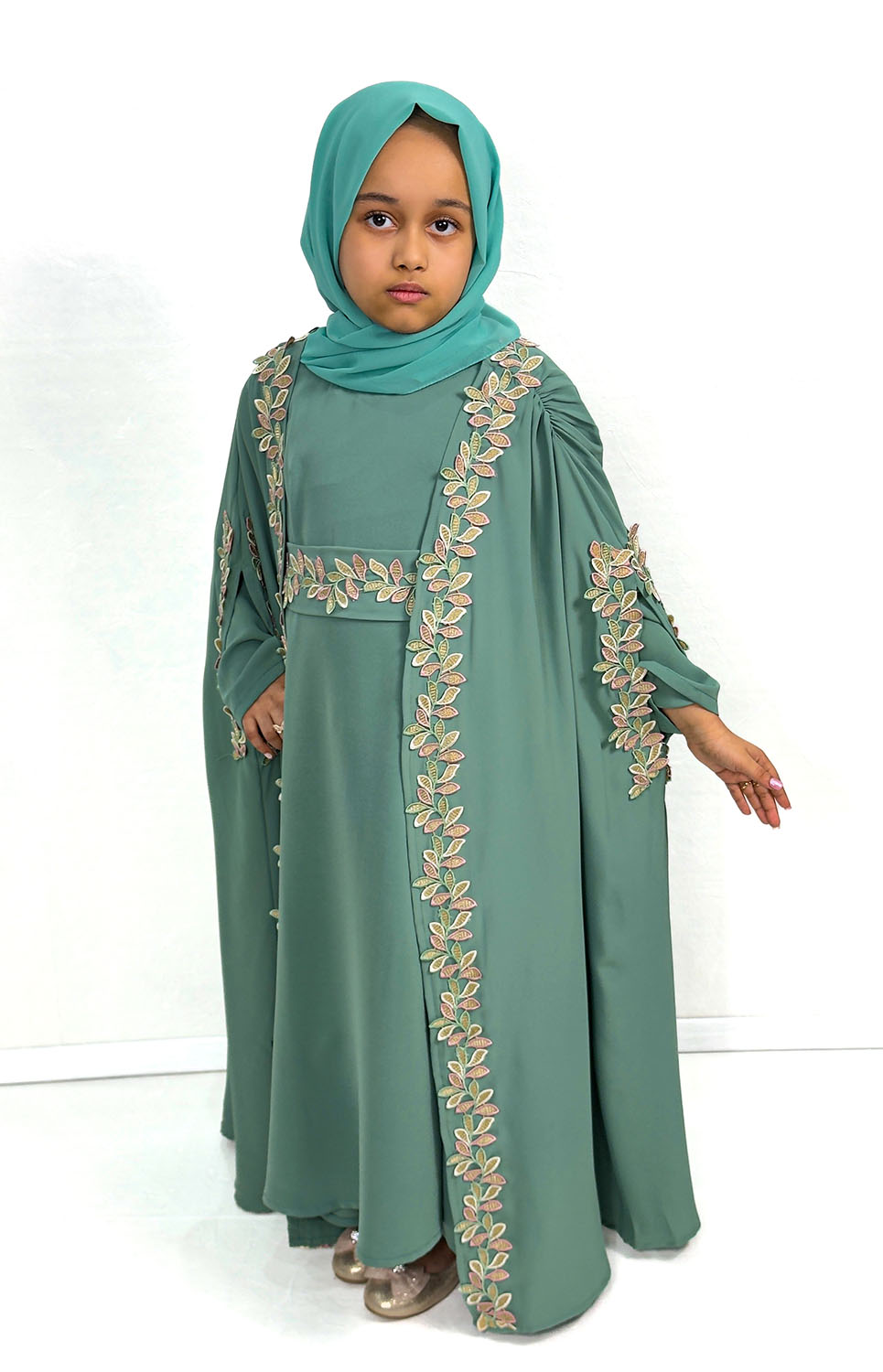
How to Choose the Right Children’s Abaya or Jilbab (Without the Guesswork)
Picking the perfect children’s abaya or jilbab shouldn’t feel like solving a puzzle blindfolded. With the right steps, you can make the experience stress-free and joyful — for both you and your little one. Here’s how:
1. Start with the Purpose
Ask yourself: What’s the abaya or jilbab for? The answer changes everything.
- Daily use: Prioritize durability, neutral colors, and simple cuts.
- Special occasions: Look for elegant details, embroidery, or layered styles.
- First-time wearers: Choose soft, lightweight options with easy-on designs.
2. Get Your Child’s Measurements
Never skip this step. Kids’ sizes vary between brands. Use a tape measure and write down:
- Shoulder to ankle: Total length of the garment.
- Chest circumference: For comfort and fit.
- Arm length: From shoulder to wrist.
Then, compare with the brand’s size chart — don’t assume based on age.
3. Pick the Right Fabric
Children need comfort and breathability. Ideal fabrics include:
- Soft jersey: Great for all-day wear and layering.
- Light crepe or cotton blend: Easy to move in and modestly opaque.
- Stretchy knits: Especially for younger kids who dress themselves.
4. Think About Practical Features
It’s the little details that matter most to kids (and busy parents):
- Built-in hijabs: Less fuss, especially for beginners.
- Snap closures: Easier than zippers for small hands.
- Machine-washable labels: Because laundry happens — a lot.
5. Involve Your Child in the Final Choice
Let them choose between a few pre-approved options. This simple act empowers them and increases the chance they’ll wear it with pride. Let them feel like modesty isn’t just a rule — it’s something beautiful they’re part of.
Bonus Tip: Many modest brands now offer “Mommy & Me” collections — if that excites your child, it’s a lovely bonding touch.
By following this guide, you’ll skip the overwhelm and land on a piece your child loves — and actually wears. No more guesswork, just good choices.
Styles & Types of Children’s Abayas & Jilbabs: What’s Out There?
Gone are the days when children’s abayas and jilbabs were one-size-fits-all in style. Today’s modest fashion landscape is vibrant, joyful, and made with little ones in mind. Here’s a breakdown of the most popular — and practical — types available today:
1. Classic A-Line Abayas
Think of this as the timeless go-to. It flares gently from the waist down, offering comfort and ease of movement.
- Perfect for: Everyday wear or school
- Common features: Zippered fronts, lightweight fabrics, side pockets
2. Butterfly & Batwing Abayas
Flowy, fun, and fabulous — these are particularly loved by girls who enjoy a little drama in their outfit (in the best way!).
- Perfect for: Special events, family gatherings, or Eid
- Why kids love it: The sleeves feel like capes — need we say more?
3. Two-Piece Jilbab Sets
These include a long khimar (head covering) and a coordinating jilbab dress underneath. The sets often come with an elasticated headband or tie-back for easy adjustment.
- Ideal for: Prayer, madrasa, or transitioning into modest wear
- Bonus: Great for layering during colder months
4. Sporty or Travel-Friendly Jilbabs
Designed with movement in mind, these jilbabs include stretchy cuffs, breathable fabrics, and minimal embellishments.
- Perfect for: School trips, active kids, or day-to-day running around
- Added perk: Less ironing, less fuss!
5. Embroidered or Embellished Abayas
When there’s a wedding, Eid, or a photo-worthy event on the calendar, a touch of sparkle goes a long way. These abayas often feature subtle gold threading, pearls, or lacework.
- Use case: Celebrations, gift-giving, or matching with mum
- Tip: Choose soft linings so embellishments never scratch or irritate skin
6. “Mommy & Me” Matching Sets
This trend is booming for a reason: kids feel proud wearing a look that mirrors mum’s, and it makes for picture-perfect memories.
- Styles vary from: Casual black abayas to coordinated khimar and maxi sets
- Why it works: Reinforces positive identity around modest wear
Whether your child is new to modest fashion or already embracing it, these styles open up a world of choice. It’s not just about coverage — it’s about confidence, comfort, and creativity.
What to Avoid When Shopping for Children’s Abayas & Jilbabs
Shopping for your child’s abaya or jilbab should feel exciting, not stressful. But sometimes, it’s easy to fall into traps that result in purchases you regret later. Here are the key things to steer clear of when selecting modest wear for your little one:
1. Ignoring Fabric Quality
When you’re focused on finding the perfect style, it’s easy to overlook fabric quality. However, fabric is everything when it comes to comfort — and comfort is key for kids. Avoid:
- Cheap synthetic fabrics: These can be itchy and uncomfortable, especially in warmer weather.
- Heavy materials: While they might seem more modest, they’ll restrict movement and may cause overheating.
- Non-breathable fabrics: Poor air circulation leads to irritation and discomfort, especially for active children.
Look for fabrics like cotton, crepe, and soft jersey that breathe and move with your child.
2. Forgetting About Practicality
Fancy features and delicate embroidery are lovely — but if the design isn’t practical, it’ll just collect dust in your child’s closet. Avoid:
- Complicated closures: Zippers, buttons, or ties that require a struggle may frustrate your child.
- Heavy embellishments: While beautiful, too many decorative details can weigh down the garment, making it harder for kids to move freely.
- Inflexible fits: Ensure there’s enough room for growth, or you’ll find yourself shopping again sooner than you’d like.
3. Choosing the Wrong Size
Kids grow fast! You want their abaya or jilbab to fit comfortably now — but you also want it to last. Avoid:
- Size guessing: Always check size charts — even if you think you know your child’s measurements.
- Fitting too snug: While a closer fit might seem stylish, it limits movement and comfort.
- Oversized garments: While they may seem more modest, too much excess fabric can cause tripping or discomfort when worn for long periods.
4. Skipping Customer Reviews
Customer reviews can tell you a lot about a product’s quality and durability. Never skip reading them before buying, especially for online purchases. Look for:
- Fit reviews: Is the size accurate?
- Durability: Does the fabric hold up after multiple washes?
- Comfort: Are there complaints about scratchiness or discomfort?
Pay attention to recurring themes in reviews — they often highlight potential problems that you might otherwise overlook.
5. Overlooking Return & Exchange Policies
It’s easy to get excited about finding the perfect abaya or jilbab, but make sure the store offers a solid return or exchange policy. That way, if you realize the fit isn’t right or your child doesn’t like it, you won’t be stuck with a non-returnable item.
Check:
- Timeframe: How long do you have to return or exchange items?
- Conditions: Are there restocking fees? Do items need to be in new condition?
By keeping these key points in mind, you’ll avoid common shopping mistakes and ensure that your child gets the most comfortable and practical modest clothing options available.
Online vs Offline: Which Shopping Experience for Children’s Abayas & Jilbabs Wins?
When it comes to buying children’s abayas and jilbabs, the choice between shopping online and heading to a store is one that many parents face. Both options have their perks, but which one delivers the best value, convenience, and experience? Let’s break it down!
1. The Advantages of Shopping Online
Online shopping is convenient, efficient, and offers a vast selection. For parents with busy schedules or those living in areas without specialized stores, online shopping for modest wear can be a real game-changer. Here are the advantages:
- Endless Selection: You can browse through a wide variety of styles, fabrics, and sizes without leaving your home. Online stores often have the latest trends and hard-to-find designs.
- Convenience: Shopping can be done at any time, and many online stores offer home delivery, saving you time.
- Easy Comparisons: Price comparisons and customer reviews are just a click away, making it easier to make an informed decision.
- Specialized Modest Fashion: If you live in an area where abayas or jilbabs are hard to find, shopping online opens up a world of options from international retailers.
2. The Benefits of Shopping Offline (In-Store)
While online shopping is convenient, there are some advantages to in-store shopping that can’t be replicated through a screen. Here’s why some parents still prefer the traditional brick-and-mortar experience:
- Instant Gratification: You can see and feel the fabrics in person, ensuring the quality meets your expectations. No more surprises when the item arrives!
- Personalized Help: In-store staff can assist with finding the perfect fit, suggest matching accessories, and offer advice that can make the shopping experience more enjoyable.
- Try It On: For children’s clothes, fit is everything. You can try the abaya or jilbab on your child right there in the store to make sure it fits comfortably and looks great.
- No Waiting: You don’t have to wait for delivery. When your child needs a new outfit for a special event, you can purchase it and take it home right away.
3. The Hybrid Experience: Best of Both Worlds
For many, the ultimate experience combines the convenience of online shopping with the tactile benefits of in-store purchases. Here’s how to get the best of both worlds:
- Click and Collect: Some online retailers offer a “buy online, pick up in-store” option. You can shop from the comfort of your home and pick up the item at your convenience.
- Return/Exchange Flexibility: Many online stores have partnered with local retailers to allow easy returns and exchanges, combining the convenience of online shopping with the peace of mind of shopping in-store.
Which Option Should You Choose?
Ultimately, the decision comes down to your personal preferences and lifestyle. If you need the fastest, most convenient option, online shopping is hard to beat. On the other hand, if you value hands-on experiences and the ability to try things on in person, shopping offline may be more your style.
As a parent, it’s all about balance — and sometimes mixing both approaches is the secret to finding the perfect abaya or jilbab for your child!
Latest Trends or Innovations in Children’s Abayas & Jilbabs
The world of modest fashion is evolving, and children’s abayas and jilbabs are no exception. From contemporary designs that blend traditional elements with modern style to innovative fabrics and accessories, there’s no shortage of exciting trends to explore. Let’s take a look at the latest innovations shaping the way we dress our little ones in modest yet fashionable attire.
1. Modest Meets Trendy: Youthful Styles with a Twist
Gone are the days of traditional, plain designs. Today’s children’s abayas and jilbabs are a fusion of classic modesty and youthful flair, designed to make children feel fashionable and comfortable. Key trends include:
- Bold Colors and Patterns: Vibrant colors, such as pastel pinks, blues, and even metallics, are gaining popularity. Floral prints, geometric patterns, and playful polka dots are also being embraced, adding an extra layer of fun to the garments.
- Sporty and Casual Designs: Many abayas and jilbabs now feature sporty elements like zippers, hooded hoods, and relaxed fits. These designs make the garments more suitable for active kids while still maintaining modesty.
- Modern Cuts and Tailoring: Abayas and jilbabs are no longer limited to the classic A-line shape. Designers are experimenting with asymmetrical cuts, peplum details, and stylish pleats to create garments that feel both trendy and timeless.
2. Sustainable Fashion: Eco-Friendly Fabrics and Ethical Production
As sustainability becomes a major focus in the fashion world, many brands are incorporating eco-friendly practices into the production of children’s abayas and jilbabs. From organic cotton to recycled polyester, here are some of the innovations making an impact:
- Organic Cotton: Soft, breathable, and chemical-free, organic cotton is a favorite for children’s clothing, offering a sustainable option that’s gentle on the skin.
- Recycled Fabrics: Some brands are leading the charge by using recycled materials to create beautiful yet eco-conscious garments. This innovative approach reduces waste and minimizes the environmental impact of fashion production.
- Ethical Manufacturing: Many brands are now focusing on ethical production practices, ensuring fair wages and safe working conditions for workers, which resonates with socially-conscious parents.
3. Customization: Personalized Abayas & Jilbabs for a Unique Touch
Personalized clothing has made its way into the world of children’s modest fashion. From custom embroidery to adjustable features, here’s how customization is changing the game:
- Custom Embroidery: Many retailers are offering embroidery options, allowing parents to add their child’s name, initials, or a special design to their abaya or jilbab. It adds a personal touch and makes the garment feel one-of-a-kind.
- Adjustable Fits: Children grow quickly, so adjustable features like removable cuffs, adjustable waistbands, and flexible hemlines make garments more versatile, ensuring they can be worn for longer periods as children grow.
4. Tech-Infused Fabrics: Comfort Meets Functionality
In today’s fast-paced world, comfort and practicality are key when it comes to children’s clothing. The latest fabrics used for abayas and jilbabs incorporate technology for added functionality:
- Moisture-Wicking Fabrics: Fabrics designed to wick away moisture, keeping children cool and dry even during warmer months, are increasingly popular. These materials ensure that the abayas and jilbabs are both comfortable and practical for all-day wear.
- Wrinkle-Resistant Fabrics: Busy parents love wrinkle-resistant fabrics that keep their children looking polished without the need for ironing. These fabrics make the garments more low-maintenance and durable.
- UV-Protective Fabrics: As concerns about sun exposure grow, some abayas and jilbabs are now being made with UV-protective fabrics, offering an extra layer of protection from harmful sun rays while still maintaining a stylish look.
5. Accessories to Complete the Look
To elevate the abaya or jilbab experience, accessories play a crucial role. From matching scarves to statement belts, accessories are becoming an essential part of children’s modest wear:
- Matching Scarves and Hijabs: Coordinating scarves and hijabs that match the abaya or jilbab are a must-have for a polished look. Some brands even offer options with fun patterns or embellished details to add a touch of flair.
- Decorative Belts and Sashes: Adding a belt or sash to an abaya can help define the waist, creating a more tailored and fashionable silhouette. These accessories also add an extra element of style.
With these innovative trends, children’s abayas and jilbabs are more stylish, functional, and sustainable than ever before. The fusion of modernity and tradition has never looked so good!
Expert Tips for Getting the Most Out of Children’s Abayas & Jilbabs
Investing in a high-quality abaya or jilbab for your child is a step toward ensuring both style and modesty. But to truly get the most value out of these garments, it’s important to care for them properly, choose the right styles, and make sure they last as long as possible. Here are some expert tips to help you do just that!
1. Choose the Right Size for Comfort and Longevity
One of the most important factors when purchasing a children’s abaya or jilbab is ensuring the right fit. While it may be tempting to buy a size up to “grow into,” this can lead to discomfort and improper wear. Here’s what to keep in mind:
- Perfect Fit: Always choose a size that fits comfortably and allows for some growth. You want the garment to be easy to wear without feeling too tight or too loose. Remember, a well-fitted abaya or jilbab will maintain its shape and look elegant.
- Adjustable Features: Look for abayas and jilbabs with adjustable elements, such as cuffs, waistbands, and lengths. This will allow you to extend the wear time of the garment, making it a more economical choice.
2. Keep Garments Looking Fresh with Proper Care
The longevity of children’s abayas and jilbabs depends on proper care and maintenance. These garments are often made from delicate fabrics that need special attention. Follow these tips to keep them looking fresh:
- Gentle Washing: Always check the care instructions on the label. Most abayas and jilbabs should be hand-washed or machine-washed on a gentle cycle to preserve their fabric quality.
- Air Drying: Avoid using a tumble dryer, as heat can damage delicate materials. Instead, lay the garment flat or hang it to air dry. This will help maintain the shape and color of the fabric.
- Ironing: If the fabric is wrinkle-prone, iron it on a low setting, using a cloth between the iron and the garment to protect it. Some fabrics are wrinkle-resistant, so check before ironing.
3. Incorporate Layering for Versatility
Layering is not only stylish but also practical. By layering an abaya or jilbab with other modest clothing, you can extend the versatility of the garment. Here are some ideas:
- Underneath Tops: Pair a light, fitted top with your child’s abaya for extra warmth during colder months. A long-sleeve top works perfectly under a sleeveless abaya.
- Matching Scarves or Hijabs: Layer a matching scarf or hijab for added coverage and style. These accessories can be swapped to change up the look, offering a new outfit with the same abaya or jilbab.
- Cardigans and Sweaters: In cooler weather, layer an abaya over a cardigan or sweater to add warmth without sacrificing style. This combination can help children transition between seasons comfortably.
4. Mind the Occasion: Choose the Right Abaya or Jilbab for Different Events
Not all occasions require the same level of formality, so it’s important to select the right abaya or jilbab for the event. Here’s a quick guide:
- For Everyday Wear: Opt for simpler, more practical designs in lightweight fabrics like cotton or jersey. These abayas and jilbabs are breathable and easy to move in, perfect for casual outings.
- For Special Occasions: For events like weddings or family gatherings, choose abayas and jilbabs made from more luxurious fabrics like silk or velvet. Look for pieces with embellishments, embroidery, or lace details to add a formal touch.
- For School or Play: When your child is going to school or playing outdoors, choose sturdy fabrics that can withstand movement and activity. Designs with durable features, like reinforced seams and flexible fits, are ideal for everyday use.
5. Invest in Quality to Save in the Long Run
When it comes to children’s clothing, quality should always be a priority. While it may seem tempting to buy cheaper abayas and jilbabs, investing in high-quality garments will ultimately save you money in the long run:
- Durable Fabrics: Choose abayas and jilbabs made from high-quality fabrics that can withstand frequent washing without fading or losing their shape. This will help maintain the garment’s appearance for longer.
- Quality Stitching: Check for well-constructed seams and finishes. Well-made garments will hold up better over time and withstand the wear and tear that comes with active children.
- Classic Designs: Classic, timeless designs will never go out of style. These pieces can be worn season after season, making them a better investment than trendy, short-lived styles.
By following these expert tips, you can ensure your child’s abayas and jilbabs not only look great but also last longer, providing comfort and style for years to come.
Frequently Asked Questions (FAQs) About Children’s Abayas & Jilbabs
If you’re still unsure about certain aspects of purchasing or caring for children’s abayas and jilbabs, don’t worry! Below are answers to some of the most frequently asked questions by parents and guardians.
1. What is the difference between an abaya and a jilbab?
The main difference between an abaya and a jilbab lies in the fit and style. An abaya is typically a loose-fitting, robe-like garment that is worn over regular clothing. It often has a straight cut and is open in the front. A jilbab, on the other hand, is usually more form-fitting and can feature a zipper or buttons. While both garments offer modest coverage, jilbabs tend to be more structured, while abayas offer a more relaxed fit.
2. Are children’s abayas and jilbabs suitable for everyday wear?
Absolutely! Children’s abayas and jilbabs are versatile enough to be worn for various occasions. For everyday wear, look for simple and breathable fabrics such as cotton or jersey. These materials are comfortable and practical for daily activities, from school to playdates, while still providing the desired level of modesty.
3. Can my child wear a jilbab to school?
Yes, many parents choose to send their children to school in jilbabs due to their modest and practical design. It’s important to choose a jilbab made from a comfortable, breathable fabric so that your child can wear it all day without feeling restricted. Additionally, check with your child’s school to ensure that there are no specific dress code restrictions for modest clothing.
4. How do I choose the right fabric for my child’s abaya or jilbab?
The fabric choice largely depends on the season and purpose. For warmer weather, opt for lightweight fabrics like cotton or linen, which are breathable and comfortable. In colder months, thicker fabrics like wool blends or velvet offer warmth while still maintaining elegance. Always choose fabrics that are soft and gentle on your child’s skin to ensure comfort throughout the day.
5. Can I buy abayas or jilbabs in different colors for my child?
Yes, children’s abayas and jilbabs come in a wide range of colors! While black is the most traditional and popular choice, many brands offer abayas and jilbabs in various colors, including pastels, jewel tones, and even patterns. When choosing a color, consider what your child enjoys wearing and what will fit well with their wardrobe.
6. How do I care for my child’s abaya or jilbab?
To keep your child’s abaya or jilbab looking fresh, always follow the care instructions provided by the manufacturer. Most abayas and jilbabs should be hand-washed or machine-washed on a delicate cycle with cold water to prevent fabric damage. Avoid using a dryer and instead, let the garment air dry naturally. If needed, iron on a low heat setting to maintain the garment’s smooth appearance.
7. Can my child wear an abaya or jilbab in hot weather?
Yes, children can wear abayas and jilbabs in hot weather if the garments are made from breathable, lightweight fabrics like cotton or linen. These materials help regulate body temperature and keep your child comfortable throughout the day. Always ensure that the garment isn’t too heavy or thick for the season.
8. Are there any accessories that go well with children’s abayas or jilbabs?
Absolutely! Accessories like scarves, hijabs, and brooches can enhance the look of children’s abayas and jilbabs. A colorful hijab or scarf can add a touch of personality, while a stylish brooch or pin can give the garment a more elegant, formal look. These accessories can be easily swapped out to create new outfits from the same basic pieces.
9. Can my child wear a jilbab for a special occasion?
Yes, jilbabs are often worn for special occasions like weddings, Eid celebrations, or family gatherings. For such events, choose a jilbab made from luxurious fabrics such as silk or velvet. You can also look for designs with embellishments, such as embroidery or lace, to add a formal touch.
10. Are there any safety concerns when my child wears an abaya or jilbab?
Safety is a key concern for parents, and when it comes to abayas and jilbabs, it’s important to ensure that the garments do not cause tripping or discomfort. Make sure the sleeves and length are appropriate, and avoid excessively long or loose designs that could pose a safety risk during play. Always check that there are no loose parts or accessories that could be hazardous.
11. How often should I buy a new abaya or jilbab for my child?
As children grow quickly, you may need to buy a new abaya or jilbab every year or so to ensure the garment fits properly. It’s also a good idea to replace old garments that have become worn out or damaged. A well-fitting garment will ensure that your child feels comfortable and confident in their modest attire.
12. Can I find sustainable or eco-friendly options for children’s abayas and jilbabs?
Yes! As sustainability becomes more important in fashion, several brands are now offering eco-friendly children’s abayas and jilbabs made from organic cotton, bamboo, and other sustainable materials. These garments are not only kind to the environment but are also free from harmful chemicals, making them safe for your child’s delicate skin.
13. Can I customize my child’s abaya or jilbab?
Yes, many retailers offer customization options for children’s abayas and jilbabs, allowing you to choose fabric colors, styles, and even add embroidery or other embellishments. Customization allows you to create a unique garment that fits your child’s personality and needs.
14. Are there any cultural traditions associated with children’s abayas and jilbabs?
Abayas and jilbabs have deep cultural and religious significance, especially in Islamic communities. These garments are worn as a way to promote modesty and respect, following the traditions of many Muslim-majority countries. Wearing these garments can also help children connect with their heritage and identity.
15. What is the best way to store children’s abayas and jilbabs?
To keep children’s abayas and jilbabs in great condition, always store them in a cool, dry place away from direct sunlight. Use a garment bag to protect the fabric from dust and dirt. For delicate fabrics, it’s best to hang the garment on a padded hanger to preserve its shape and prevent wrinkles.
16. Can I buy children’s abayas and jilbabs online?
Yes, many online retailers offer a wide selection of children’s abayas and jilbabs. Shopping online gives you access to a variety of styles, sizes, and price ranges. Be sure to read customer reviews and check return policies to ensure you’re making a good purchase.
17. Do children’s abayas and jilbabs come in different lengths?
Yes, children’s abayas and jilbabs come in various lengths, ranging from knee-length to full-length. The right length will depend on your child’s preferences and the occasion. For everyday wear, knee-length options are often more comfortable, while full-length designs are suitable for formal events.
18. Are there any trends in children’s abayas and jilbabs this year?
This year, the trend is leaning toward vibrant colors, floral patterns, and modern cuts. Designers are also experimenting with subtle embellishments like lace, beads, and embroidery, adding a contemporary flair to these traditional garments. Keep an eye out for creative styles that blend tradition with modern fashion.
19. Can I wear a jilbab with a belt?
Yes, many jilbabs feature belt loops, allowing you to add a belt for extra structure or style. A belt can also provide a more fitted look, making the garment more flattering while maintaining modesty.
20. Are there any religious guidelines for wearing abayas and jilbabs for children?
In Islamic tradition, children are encouraged to wear modest clothing as a way to promote respect and honor. While the specific guidelines may vary depending on cultural and regional practices, wearing abayas and jilbabs aligns with the principles of modesty taught in many Muslim communities.
Final Thoughts on Children’s Abayas & Jilbabs
Children’s abayas and jilbabs are not just garments; they are expressions of culture, identity, and modesty. Whether you’re shopping for your little one’s everyday wear, a special occasion, or just looking to expand their wardrobe, it’s essential to consider factors such as comfort, fabric, fit, and style.
From choosing the right fabric for different seasons to finding the perfect color and design that suits your child’s personality, there’s a lot to consider. But with a little research and care, you can ensure that your child wears a garment that not only looks great but also supports their comfort and modesty.
Remember, the world of children’s abayas and jilbabs is full of choices, and the right one can make a world of difference in how your child feels and expresses themselves. Whether you go for a classic design or opt for a more modern twist, the key is to pick a style that aligns with your child’s needs and your family’s values.
Want to Share Your Experience?
We’d love to hear about your experience with children’s abayas and jilbabs! Whether you’ve found a fantastic brand, learned a helpful tip, or just have questions, drop a comment below to join the conversation. Don’t forget to share your favorite styles or stories—your insights could help other parents make the right choice!
And if you’re ready to shop for your little one, check out our recommended collection of children’s abayas and jilbabs here. Discover beautiful, high-quality options that combine style, comfort, and modesty—perfect for every occasion.
What’s your experience with children’s abayas and jilbabs? Share your thoughts below! 💬


