
Ever felt like your clothes could tell your story before you even say a word? That’s exactly how I felt the first time I slipped into traditional Arab clothing — it wasn’t just fabric; it was a powerful connection to my roots, my faith, and a timeless elegance that wraps around you like a warm embrace. This isn’t just a style guide; it’s a personal journey through culture, modesty, and identity woven into every thread.
Whether you’re curious about the meanings behind the abaya, keffiyeh, or jalabiya, or wondering how these pieces blend ancient tradition with modern modest fashion, I’ve got you covered. Expect heartfelt stories, style tips, and insights that honor both history and contemporary expression. By the end of this post, I’ll walk you through everything you’ve ever wondered about Arab clothing — so let’s dive in and celebrate the beauty and soul behind every stitch together.
Arab Clothing: A Personal Journey Through Culture, Modesty, and Timeless Elegance
I still remember the first time I wore a traditional Arab garment — not for a family gathering or a formal event, but just because it felt right. The fabric flowed, soft against my skin, and for the first time, I felt like I wasn’t wearing something to impress anyone else. I was wrapped in heritage, dignity, and a kind of quiet power I hadn’t known before.
Whether you’re here out of curiosity, cultural connection, or a deeper spiritual calling, this guide is more than just about Arab clothing. It’s about the story behind each stitch, the symbolism in every fold, and the identity woven into these timeless garments.
Here’s what you’ll walk away with:
- A clear understanding of the cultural, spiritual, and historical roots of Arab dress
- How regional styles differ — and what makes each unique
- How Arab clothing intersects with modern fashion, modesty, and personal expression
- Tips, stories, and real insights you won’t find anywhere else
Let’s be honest — the world has a lot of opinions about what we wear. But here? You get to explore the real narrative. So let’s begin this journey together — one piece of fabric, one tradition, one beautifully human story at a time.
The Meaning Behind the Fabric: Why Arab Clothing Is So Much More Than Fashion
Ask anyone who’s grown up in an Arab household, and they’ll probably tell you the same thing — our clothes aren’t just clothes. They’re statements. Of pride. Of modesty. Of resistance, even. From the flowing abaya to the hand-stitched keffiyeh, every thread carries a piece of history, identity, and love.
For many of us, wearing Arab clothing isn’t just about covering up — it’s about showing up. For our culture. For our faith. For the generations before us who fought to hold onto these traditions.
More Than Aesthetic: Cultural and Spiritual Symbolism
Arab garments like the thobe, bisht, and jalabiya are often worn on holy days, weddings, and moments of spiritual reflection. They speak of humility — ḥayā’ — but also honor. It’s not just modest fashion; it’s fashion with a soul.
Emotional Layers: What These Garments Represent
- Connection to heritage: Wearing what your grandmother wore — or a modern version of it — keeps your roots alive.
- Community identity: Whether you’re from the Gulf, Levant, or Maghreb, your clothing connects you to your people.
- Faith and values: Modesty, dignity, and devotion are sewn into the very fabric.
Real Story: My Father’s Keffiyeh
When I was younger, I didn’t really understand why my father always kept his keffiyeh folded neatly on top of his dresser. One day, he told me it belonged to his grandfather — a farmer in Palestine who wore it every day as a sign of strength and land. That checkered cloth isn’t just a scarf. It’s a memory. A message. A legacy.
Quick Breakdown: Symbolism of Key Arab Garments
| Garment | Region | Symbolism |
|---|---|---|
| Abaya | Gulf countries | Elegance, modesty, femininity |
| Keffiyeh | Levant (Palestine, Jordan) | Resistance, land, identity |
| Thobe | Across Arab world | Purity, tradition, religious simplicity |
| Jalabiya | North Africa | Celebration, vibrance, womanhood |
Arab clothing isn’t just worn — it’s carried. In memory. In honor. In spirit. But how did all these styles come to be? Let’s step into history.
Why Arab Clothing Feels Like Home — Even If You’ve Never Been There
I was born and raised in the West, far from the olive trees of Palestine or the bustling souqs of Damascus. But the first time I slipped on a jalabiya, something strange happened — I felt like I belonged to a place I had never stepped foot in.
Isn’t that wild? A single piece of fabric can stir something in your soul — like an echo of a life you didn’t live, but somehow remember. That’s the quiet power of Arab clothing. It holds the scent of oud, the warmth of a grandmother’s prayer, and the hush of stories told in between sips of mint tea. It feels like home, even when your passport says otherwise.
Inherited Identity — Not Just Geography
Arab culture isn’t defined by borders — it’s woven through family, food, language, and yes, clothing. When we wear the garments of our ancestors, we’re not pretending to be something we’re not. We’re reconnecting with something we’ve always been.
- Even if you’ve never lived in the Middle East, that embroidered tatreez pattern on your sleeve whispers the language of your people.
- Even if Arabic isn’t your first language, your abaya speaks it fluently.
- Even if your roots are mixed or blurred, wearing Arab clothing is a way of saying: “I still remember.”
Emotional Touchstones That Transcend Borders
There’s a reason many daughters hold onto their mother’s thobe, or sons protect their father’s keffiyeh like a sacred heirloom. These items aren’t just cloth — they’re emotional touchstones. They remind us who we are. Who we were. Who we’re still becoming.
I’ve seen girls cry in fitting rooms the first time they wear a real abaya. Not because it’s tight or itchy — but because it finally feels right. Like the missing piece of a puzzle they didn’t know they were building.
Mini Testimonial
“I wore a jalabiya to my graduation,” my friend Hana once told me. “Everyone else was in Western gowns. But I felt like a queen. I wasn’t trying to be traditional. I was just being myself.”
Table: Emotional Associations with Arab Garments
| Garment | Emotion It Evokes | Why It Matters |
|---|---|---|
| Abaya | Security & Serenity | Soft draping calms the spirit and centers identity |
| Keffiyeh | Pride & Legacy | Often worn as a symbol of homeland and resistance |
| Thobe | Honor & Simplicity | Worn by generations — especially for prayer and family |
| Jalabiya | Joy & Celebration | Often passed down or gifted on life milestones |
So if you’ve ever looked in the mirror and felt more yourself in Arab dress than in your everyday jeans — you’re not alone. That’s not confusion. That’s calling.
But if this sense of home can live in our clothing… where did it begin? Let’s explore how Arab dress evolved — from ancient desert tribes to modern fashion runways.
Inside the Wardrobe: Essential Arab Garments for Men and Women
Let’s be honest — if you’ve ever stood in front of an Arab clothing rack and felt completely overwhelmed, you’re not alone. Thobe, abaya, bisht, hijab, keffiyeh… it’s not just fabric, it’s a whole language. But once you learn to speak it, something shifts — you start to see the meaning stitched into every seam.
This isn’t just about tradition. It’s about functionality, modesty, beauty, and identity — woven together over centuries. Whether you’re dressing for Eid, a wedding, Jummah, or just a quiet night at home, these essential pieces form the core of Arab wardrobes across the region and the diaspora.
Women’s Essentials: Grace, Comfort, and Cultural Pride
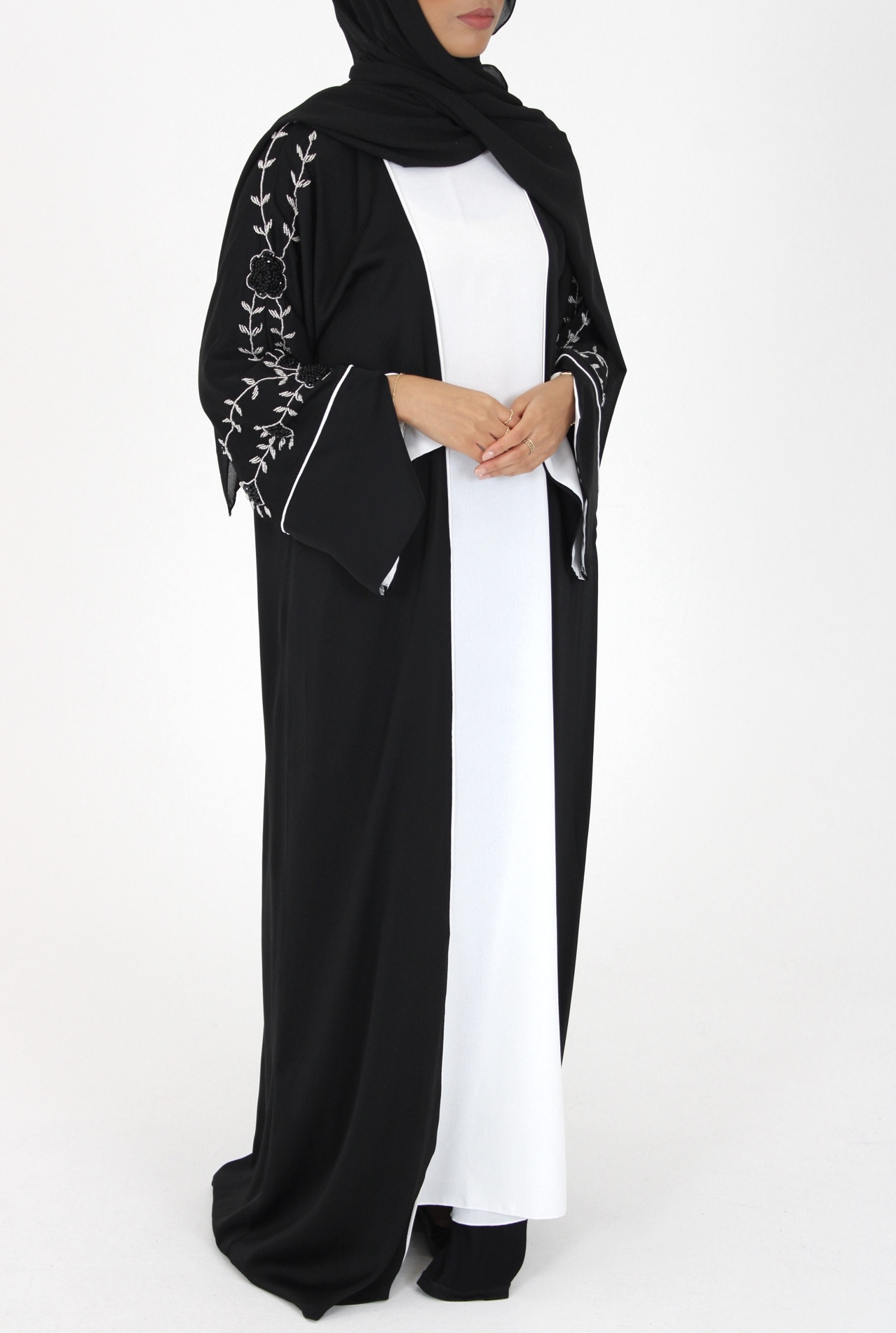
- Abaya: A long, loose outer garment that flows from shoulder to toe. Often black but increasingly available in soft pastels and modern cuts, abayas are symbols of modest elegance across the Gulf and beyond.
- Jalabiya: Think of it as the cozy cousin of the abaya — often colorful, embroidered, and worn at home or family gatherings. It’s what we wear when we want to feel beautiful without saying a word.
- Hijab: More than a head covering, the hijab is a deeply personal spiritual choice. Styles vary from the loose-flowing Shayla to tightly wrapped Turkish and Moroccan styles.
- Shayla and Shemagh: Regional takes on headscarves, each tied with history, geography, and symbolism. Shaylas are typically worn across the Gulf, while the shemagh (also known as keffiyeh) often carries political and cultural weight.
Men’s Essentials: Simplicity Meets Status
- Thobe (or Dishdasha): A long robe worn by men, usually white in summer and darker in winter. It’s as iconic in Riyadh as jeans are in New York — but far more comfortable in 40°C heat.
- Bisht: A luxurious cloak worn over the thobe on formal occasions — weddings, Eid, or when you want to channel serious ‘Sheikh’ energy. Usually made of wool or silk with gold embroidery.
- Keffiyeh or Ghutra: A square headscarf, folded and wrapped around the head. Red-and-white checkered or plain white — the style says a lot about where you’re from and how you see yourself.
- Iqal: The black cord used to hold the ghutra or keffiyeh in place. Symbolic and practical — a subtle crown worn with quiet dignity.
Quick-View Table: Key Arab Garments at a Glance
| Garment | Worn By | Occasions | Distinct Features |
|---|---|---|---|
| Abaya | Women | Everyday, formal | Long, flowing, often black |
| Thobe | Men | Everyday, prayer, work | Full-length robe, usually white |
| Jalabiya | Women | Home, casual events | Bright colors, embroidery |
| Bisht | Men | Weddings, religious holidays | Layered over thobe, gold trim |
| Keffiyeh/Ghutra | Men | Daily, traditional, political | Square scarf, folded & draped |
| Hijab | Women | Spiritual, modest fashion | Various styles and wraps |
The truth is, once you understand these pieces, you’ll start to see them not just in your closet — but in your identity. Each one tells a story, whether it’s stitched with gold or simple cotton thread. And like all good stories, these garments evolve — but they never forget where they came from.
Ready to trace their journey? Let’s travel through time and see how Arab clothing has adapted, survived, and thrived across history’s twists and turns…
Abaya to Bisht: What These Garments Really Say About You
Let’s get real for a second — clothes speak. Loudly. And in Arab culture, garments like the abaya and bisht don’t just whisper tradition… they shout identity, pride, purpose, and power. The minute you put one on, you’re saying something — even if you’re not trying to.
I remember the first time I wore a bisht. It was my cousin’s wedding, and the second I wrapped it around my thobe, something shifted. I stood a little taller. Spoke a little slower. I wasn’t just dressed — I was anchored. That’s what Arab clothing does. It roots you while letting you rise.
What Your Abaya Might Be Saying
- The Classic Black Abaya: You value tradition. You walk through the world with quiet strength, not needing color to command respect.
- Pastel-Toned with Minimal Embroidery: You’re modern, refined, and subtly feminine. You believe modesty doesn’t mean invisibility.
- Open-Front Abaya with Layers: You’re a style curator. You blend faith and fashion effortlessly, turning sidewalks into your personal runway.
Every woman who wears an abaya carries her own story. Some wear it for modesty. Others for culture. Some simply feel more themselves in it. And none of those reasons need to be justified.
What the Bisht Says Before You Even Speak
- Gold-Trimmed Black Bisht: You carry authority — or aspire to. This is worn by leaders, sheikhs, and fathers at weddings. It’s not casual wear. It’s statement wear.
- Earth-Toned Wool Bisht: You’re grounded, humble, and probably well-respected in your community. You wear tradition like a second skin.
- Silk Bisht with Delicate Embroidery: You understand the intersection of elegance and heritage. This choice whispers sophistication.
The bisht is never just “extra.” It’s ceremonial. Symbolic. Sacred, even. When a groom wears it on his wedding day, he’s not just dressing up — he’s stepping into a new role. And the fabric seems to know it too.
The Unspoken Language of Dress
Arab clothing doesn’t just cover — it communicates. It says, “I come from somewhere.” It says, “I honor where I’ve been.” And sometimes, it says, “I know exactly who I am — even if the world doesn’t yet.”
It’s the little things — the way a man adjusts his iqal before entering a gathering. The confidence in a woman’s stride when her abaya catches the wind just right. These aren’t just aesthetic choices. They’re acts of cultural poetry.
So the next time you put on that abaya, that bisht, that carefully wrapped ghutra… remember this: you’re not just dressing. You’re storytelling.
And the next chapter? That one’s just ahead. Because Arab clothing didn’t come from nowhere. It evolved, adapted, and endured through centuries. Let’s go back in time and trace its powerful journey…
Arab vs Islamic Clothing: What’s the Difference, Really?
It’s a question that pops up in DMs, family group chats, and even heated Twitter threads: “Is Arab clothing the same as Islamic clothing?” On the surface, they might look similar. But trust me — they’re not identical twins. They’re more like cousins raised in the same village, shaped by different values, climates, and histories.
Let’s break it down, because understanding this difference isn’t just cultural trivia — it’s the key to respecting both faith and heritage without blending them into a blur.
Islamic Clothing: Rooted in Faith, Not Geography
Islamic clothing is guided by principles, not by specific designs or fabrics. It’s about modesty, humility, and dignity. For both men and women, the guidelines focus on covering certain parts of the body, avoiding see-through or tight clothing, and dressing in a way that doesn’t draw unnecessary attention.
- For Women: This often includes garments like the hijab, jilbab, khimar, or loose-fitting maxi dresses.
- For Men: Modest clothing that covers from the navel to the knees, avoids extravagant styles, and includes the sunnah-encouraged thobe.
Islamic dress varies by country because the religion allows for cultural expression — as long as the modesty code is upheld. That’s why a Muslim woman in Indonesia might wear a tunic and trousers, while one in Morocco wears a djellaba.
Arab Clothing: Culture, Climate, and Centuries of Story
Arab clothing, on the other hand, is born from the sands of the Arabian Peninsula — deeply connected to tribal identity, regional traditions, and even desert survival. It predates Islam by centuries, though Islam later refined it with spiritual guidelines.
Think of garments like:
- Abaya – Worn by women primarily in the Gulf
- Thobe (or dishdasha) – A long robe worn by men in places like Saudi Arabia, the UAE, and Qatar
- Bisht – The ceremonial cloak symbolizing status and leadership
- Ghutra & Iqal – The traditional head covering for Arab men
These pieces may align with Islamic values — but their roots are cultural, not strictly religious.
So, Where’s the Line?
The easiest way to remember it?
| Aspect | Islamic Clothing | Arab Clothing |
|---|---|---|
| Driven by | Faith and modesty principles | Culture, geography, and climate |
| Universal? | Yes — applies to Muslims everywhere | No — specific to Arab regions |
| Examples | Hijab, jilbab, khimar | Abaya, bisht, ghutra, thobe |
| Can overlap? | Yes — especially in Gulf countries | Yes — when worn by Muslims modestly |
Why the Confusion Matters
When people mistake Arab dress for “the” Islamic standard, they unintentionally erase the beautiful diversity of Muslim cultures — from Senegal to Sarajevo to Seoul. Not every Muslim wears an abaya. And not every abaya is worn for religious reasons. We’ve got to stop assuming one look fits all.
Understanding this difference means we respect each other’s intentions, journeys, and cultural roots. And let’s be honest — that level of nuance is rare online. But that’s why this blog exists: to go deeper, together.
Now that we’ve clarified that key distinction, let’s zoom in further. Because within Arab clothing itself, there’s a rich variety that most people overlook. Ever wonder what makes a Saudi thobe different from a Levantine one? You’re about to find out…
How Geography Shapes Arab Fashion from Gulf to Maghreb
You might not realize it, but the Arab world isn’t just one big fashion scene. It’s a tapestry woven with countless threads of geography, climate, and history — each shaping the clothes people wear in beautifully distinct ways.
Think about it: The blazing sun of the Arabian Gulf versus the cooler Mediterranean breezes of the Levant, or the rugged mountains of the Maghreb. Each environment has demanded unique clothing solutions that blend function with cultural pride.
The Gulf: Light, Flowing, and Built for the Desert
In the Gulf countries — Saudi Arabia, UAE, Qatar, Kuwait, Bahrain, and Oman — the clothing is often lightweight, loose, and mostly white or neutral tones. This isn’t just style; it’s survival. The traditional thobe or dishdasha is designed to keep heat off the skin and allow airflow.
- Men’s Thobe: Usually ankle-length, long-sleeved, and made from breathable cotton or polyester blends.
- Women’s Abaya: Often black but can come in delicate fabrics that flutter gently in the wind, sometimes embroidered with subtle designs to reflect personal taste.
- Headwear: The ghutra or keffiyeh is tied with an iqal to shield from sun and sand.
Fun fact: In the Gulf, the color white symbolizes purity and heat-reflective power — a practical yet poetic choice.
The Levant: Layers and Patterns Inspired by History
Moving north to countries like Jordan, Lebanon, Syria, and Palestine, Arab clothing picks up a different vibe. The Mediterranean climate, with its cooler winters and more variable weather, calls for layers and textiles that reflect a mix of tradition and cosmopolitan influence.
- Embroidered Thobes: Women’s dresses here often feature intricate embroidery — a storytelling art passed down through generations.
- Men’s Wear: More tailored, sometimes shorter thobes or even Western-style suits blended with traditional touches.
- Colors & Fabrics: Earth tones, deep reds, and blues dominate, with fabrics like wool or heavier cotton for cooler months.
There’s a beautiful tension here — between old and new, tradition and modernity — that makes Levantine Arab fashion deeply expressive and meaningful.
The Maghreb: North Africa’s Blend of Arab, Berber, and Mediterranean Styles
Heading west to Morocco, Algeria, Tunisia, Libya, and Mauritania, Arab clothing absorbs Berber influences and Mediterranean flair, creating a unique cultural fusion. The climate ranges from coastal breezes to desert heat, inspiring a diverse wardrobe.
- Djellaba: A hooded, long robe popular across Maghreb, made from wool for cold or light cotton for summer.
- Caftan: Often worn by women at weddings and celebrations, richly decorated with embroidery and sometimes paired with a belt called a mdamma.
- Headscarves and Turbans: Varied in style and fabric, reflecting local customs and climate needs.
The Maghreb’s Arab clothing carries centuries of Berber craftsmanship mixed with Islamic modesty, producing garments that feel both ancient and fresh.
Geography, Identity, and You
Understanding how geography shapes Arab fashion helps you appreciate the deep connections between clothes and culture — and how a simple outfit can tell stories about land, weather, and history.
If you’ve ever worn an abaya or a thobe and felt something more than just fabric on your skin, you’re tapping into that rich legacy. It’s why Arab clothing feels like more than just clothing — it’s a living narrative, stitched by climate and culture alike.
And this diversity within Arab clothing means there’s no one “correct” way to dress — only the way that honors your roots, your comfort, and your style.
The Abaya’s Evolution: From Black Cloak to Couture Statement
Let’s be honest — if you’re familiar with Arab clothing, the abaya probably comes to mind first. But behind that flowing black cloak lies a fascinating story of transformation, resilience, and reinvention.
Originally, the abaya was purely functional: a modest outer garment designed to protect and cover, rooted in cultural and religious values. For many years, it was a simple black cloak, chosen for its modesty and uniformity. But today? The abaya has blossomed into a fashion icon, blending heritage with haute couture in a way that’s both surprising and inspiring.
From Tradition to Trend
I remember my first abaya — plain, heavy, and uninspiring. But the abaya I wear now? It’s like wearing a piece of art. Designers across the Arab world have elevated it with embroidery, lace, color accents, and luxurious fabrics. It’s modesty with personality.
- Fabric Innovation: Lightweight silks, breathable chiffons, and even embellished velvets now replace the older, heavier materials.
- Color Variations: While black remains the staple, subtle hues like deep navy, maroon, and soft pastels have gained popularity.
- Design Details: Lace sleeves, beadwork, floral embroidery, and even modern cuts that hint at shapes underneath — all balancing tradition and contemporary style.
The Cultural Shift Behind the Change
This isn’t just about fashion catching up — it’s about women expressing individuality without compromising values. The abaya’s evolution reflects a broader cultural shift where modesty meets empowerment.
For many women, wearing an abaya today feels like a choice, a statement of identity rather than an obligation. It’s about owning your heritage while owning your style, and that’s a powerful thing.
Global Recognition and Influence
Fashion weeks in Dubai and Riyadh now showcase abayas as high fashion. Influencers on Instagram and TikTok celebrate abaya styling with millions of followers. The abaya has gone from a regional garment to a global conversation starter.
And yet, at its core, it remains deeply personal — a daily companion, a shield, and a canvas for creativity.
So, whether you see the abaya as tradition, trend, or a bit of both, it’s impossible to deny its dynamic journey. It’s proof that Arab clothing isn’t stuck in time; it’s alive, evolving, and embracing new chapters without losing its soul.
What Makes the Thobe So Timeless for Arab Men?
There’s something quietly powerful about the thobe. It’s simple, yet striking. Modest, yet dignified. You might wonder why, despite all the changing fashions around the world, the thobe remains a steadfast staple in Arab men’s wardrobes. Well, it’s not just about tradition — it’s about timelessness that speaks to identity, comfort, and culture all at once.
A Blend of Comfort and Practicality
Growing up, I watched my father and uncles wear their thobes with effortless grace — long, flowing garments that seemed perfectly suited to the desert climate. Made from light, breathable fabrics like cotton or linen, the thobe keeps you cool when the sun is unforgiving and offers modest coverage when the winds kick up sand.
- Climate-smart design: The loose fit allows air to circulate, helping regulate body temperature naturally.
- Easy maintenance: Simple to clean and durable, which makes it perfect for everyday wear.
- Versatile style: Whether it’s for a casual day, Friday prayers, or a formal event, the thobe fits in seamlessly.
More Than Just Clothing — It’s a Statement
The thobe isn’t only about comfort. It carries weight as a cultural symbol. Wearing a thobe is a way of honoring heritage and conveying respect, especially in formal or religious settings. It tells the world you belong, you’re part of something enduring.
What’s beautiful is that the thobe also adapts. In some Gulf countries, you’ll find subtle embroidery along the collar or cuffs, or slight color variations — small touches that allow men to personalize their look while preserving that classic silhouette.
A Garment That Connects Generations
One of the most touching things about the thobe is how it links generations. My grandfather’s thobe, worn decades ago, looks almost identical to what I see my cousins wearing today. It’s a bridge to the past — a reminder of roots, family, and shared values.
That’s why the thobe feels timeless. It’s not just fabric and thread; it’s history wrapped around you, woven with purpose and pride.
Curious how the thobe compares with other regional garments? We’ll dive into that next — because the story of Arab clothing is never one-dimensional.
The Keffiyeh: Resistance, Identity, and Style in One Cloth
The keffiyeh is more than just a piece of fabric — it’s a symbol, a statement, and for many, a deeply personal emblem of identity and resistance. You’ve probably seen it worn in movies, on protest signs, or styled on fashion runways, but do you know what makes this iconic scarf so powerful?
A History Woven in Threads
The keffiyeh’s roots trace back centuries, originally serving practical purposes: shielding the face and neck from sun, wind, and dust in harsh desert climates. But over time, it took on a much bigger role. It became a symbol of Palestinian nationalism and solidarity, recognized worldwide as a mark of resilience and cultural pride.
My own family stories often mention the keffiyeh worn by relatives during times of struggle — not just for protection from the elements, but as a visible sign of standing firm in the face of adversity. Wearing it carries a weight of history, courage, and unity.
Patterns That Speak Volumes
Look closely, and you’ll notice that the keffiyeh’s distinctive black-and-white or red-and-white checkered patterns aren’t just decorative — they tell stories. Each pattern, each weave, has a meaning tied to specific tribes, regions, or causes.
| Pattern | Meaning / Region |
|---|---|
| Black and White | Most commonly associated with Palestinian heritage and resistance. |
| Red and White | Often linked to Jordanian tribes and Bedouin traditions. |
| Plain Colors or Variations | Used in different Gulf regions for daily wear and style. |
From the Streets to the Runway
In recent years, the keffiyeh has also stepped boldly into global fashion. Designers have reimagined it in scarves, jackets, and accessories — sparking debates about cultural appropriation versus appreciation. But one thing’s clear: it’s impossible to deny the keffiyeh’s unique blend of style, politics, and heritage.
For many of us, it’s not just a fashion statement. It’s a reminder of where we come from, who we stand with, and the stories that cloth carries. And that’s what makes it endlessly compelling — a piece of clothing that holds so much more than meets the eye.
Next, we’ll explore how Arab clothing adapts and thrives in the modern world — staying rooted while embracing change.
Wedding Wear & Special Occasion Outfits in Arab Culture
Let’s be honest — nothing captures the magic of Arab clothing quite like the vibrant, dazzling outfits worn for weddings and special occasions. These garments aren’t just about looking good; they’re about celebrating life, family, and deep-rooted traditions that turn moments into lifelong memories.
The Art of Dressing for Celebration
When you attend an Arab wedding, prepare to be swept away by colors, textures, and craftsmanship that tell stories of heritage and joy. From the bride’s intricate embroidery to the groom’s elegant bisht, every stitch speaks of honor, pride, and celebration.
- Bridal Dresses: Often richly embroidered with gold or silver thread, bridal gowns blend modesty with opulence — think delicate beadwork, sheer layers, and flowing fabrics that shimmer under the light.
- Groom’s Attire: The groom typically wears a bisht or a finely tailored thobe, sometimes paired with a ceremonial shemagh or ghutra, symbolizing dignity and respect.
- Family and Guests: Even guests dress to impress, often in vibrant abayas, jalabiyas, or embellished dresses that honor tradition while showcasing personal style.
The Symbolism Behind the Fabrics and Colors
Color isn’t just about aesthetics in Arab wedding wear — it carries deep cultural meaning. While white is often the classic bridal color symbolizing purity, gold, red, and green play prominent roles in various regions, each with its own significance:
| Color | Meaning |
|---|---|
| White | Purity, new beginnings, and peace. |
| Gold | Wealth, luxury, and celebration. |
| Red | Passion, vitality, and good fortune. |
| Green | Fertility, growth, and blessings. |
Tradition Meets Modern Glamour
Arab weddings today are a beautiful blend of old and new. Many brides and grooms opt for contemporary cuts and designs while preserving traditional motifs and modest silhouettes. You might spot a high-neck gown with delicate lace panels or a bisht embroidered with modern geometric patterns — proof that Arab clothing adapts gracefully without losing its soul.
Personally, I’ve always admired how these outfits bring families together — every thread, bead, and fold reflects generations of love and pride. And for anyone experiencing an Arab wedding, the clothes are part of the emotional tapestry that makes the day unforgettable.
Ready to dive into how Arab clothing continues to inspire modest fashion around the world? Let’s explore next!
Modern Arab Designers Redefining Traditional Dress
If you think Arab clothing is stuck in the past, think again. Today’s Arab designers are flipping tradition on its head—infusing centuries-old styles with fresh creativity, bold innovation, and a deep respect for cultural roots. It’s a thrilling fusion that honors the past while pushing fashion forward in ways that resonate globally.
From Modesty to Modernity — With Heart
I’ve always been fascinated by how designers balance modesty and modern trends. Take, for example, the way some fashion houses use luxurious fabrics and contemporary cuts but never lose sight of modesty’s core values. It’s a delicate dance — and when done well, it feels empowering.
- Elie Saab: Although globally famous for haute couture, Saab’s occasional nods to traditional Arab motifs and modest silhouettes show how luxury and heritage can coexist.
- Rami Al Ali: His designs often mix traditional embroidery with sleek, flowing cuts that appeal to both Western and Middle Eastern sensibilities.
- Hana Sadiq: Known as the “Queen of Embroidery,” she transforms Arab garments into wearable art that tells a story of culture, craftsmanship, and identity.
The Rise of Modest Fashion Labels
Beyond the celebrity designers, there’s a booming modest fashion industry that’s changing the game for everyday wearers. Brands like Inayah, Dar Aya, and Fifth Avenue Couture offer stylish abayas, jilbabs, and hijabs that blend tradition with modern trends—proving that modesty doesn’t mean sacrificing style.
Breaking Barriers and Stereotypes
What excites me most is how these designers are breaking stereotypes — challenging the idea that Arab clothing is monolithic or outdated. They’re showing the world that modesty is versatile, creative, and fiercely individual.
And here’s a little secret: many of these designers started their journeys inspired by personal stories — like wanting to create beautiful clothes that honor their faith and culture without compromising on contemporary flair. It’s fashion with soul.
Wondering how these modern styles influence everyday Arab clothing? Stick around — we’re just getting started.
The Emotional Meaning of Modesty in Arab Clothing
Let’s be real — modesty in Arab clothing isn’t just about covering up. It’s woven into the fabric of identity, self-respect, and sometimes even quiet rebellion. If you’ve ever felt the weight and warmth of a flowing abaya or the gentle embrace of a hijab, you know it’s more than just clothes — it’s a statement, an emotion, a feeling of belonging.
Modesty as Empowerment, Not Restriction
Growing up, I often heard mixed messages about modesty — some saw it as limiting, while others embraced it as a source of strength. For many women I know, modest clothing is deeply empowering. It’s a choice that says, “I define my worth, and I’m proud of who I am.”
Wearing modest Arab clothing allows for a sense of control over one’s body and how the world perceives it. It’s a way to shift focus from physical appearance to character and intellect. And honestly? That kind of confidence is magnetic.
A Connection to Faith and Culture
Modesty is inseparable from faith for many in the Arab world. The clothing becomes a daily act of devotion — a reminder of values and principles that guide life. Beyond religion, it also connects wearers to a rich cultural heritage, binding generations through shared customs and styles.
Stories Behind the Veil
I’ve had heartfelt conversations with women who describe their clothing as armor — a protective shield that helps them navigate public spaces with dignity and comfort. Others speak of it as a soft, comforting presence during times of hardship. These stories reveal the deeply emotional side of modesty that rarely gets highlighted.
- Modesty often brings a sense of community, especially in gatherings where shared values are visually represented.
- It can foster a unique form of self-expression, with subtle details, colors, and fabrics reflecting personality.
- Sometimes, modest dress is a quiet act of resistance — reclaiming identity in a world that pressures conformity.
In the end, modesty in Arab clothing is a mosaic of feelings — pride, faith, love, and strength. And it’s one of the reasons these garments resonate so deeply with those who wear them.
Next, we’ll dive into how Arab clothing adapts through seasons and celebrations, blending tradition with the rhythms of everyday life.
How to Choose the Right Arab Outfit for Your Event or Identity
Choosing the perfect Arab outfit isn’t just about picking something that looks nice. It’s a delicate blend of honoring tradition, expressing your personality, and fitting the occasion — all while feeling comfortable and confident. Believe me, I’ve been there, staring at a closet full of beautiful garments wondering, “Which one truly feels like me today?”
Understanding the Occasion
Every Arab outfit carries its own vibe, and knowing what fits your event is key:
- Formal Events & Weddings: Go for richly embroidered abayas, bishts, or kaftans that shine with elegance. Think luxurious fabrics like silk, satin, or brocade with intricate details.
- Casual & Daily Wear: Choose lightweight, breathable fabrics like cotton or linen in simple cuts. Jalabiyas and modest dresses with minimal embellishments work beautifully here.
- Religious or Cultural Gatherings: Opt for traditional modest attire that respects customs — usually a classic abaya or thobe paired with a keffiyeh or hijab that matches the formality of the event.
Matching Your Personal Identity
Arab clothing isn’t one-size-fits-all, and it shouldn’t be. Your outfit should tell your story, whether that’s through colors, cuts, or details:
- Bold and Confident: Deep jewel tones like emerald, sapphire, or ruby paired with statement accessories can express strength and elegance.
- Soft and Subtle: Neutral palettes and pastel shades with delicate embroidery or lace create a gentle, serene aura.
- Modern Minimalist: Clean lines, monochrome looks, and minimal embellishments suit those who love contemporary chic with cultural roots.
Fabric and Comfort: Never Compromise
One thing I always remind friends is to never sacrifice comfort for style. Fabrics like silk, chiffon, and fine cotton breathe well and move beautifully. The right fabric can transform how you feel — whether it’s a long day at a gathering or a warm summer afternoon.
Accessories That Elevate
Don’t forget the power of accessories. A simple gold belt, an elegant headpiece, or a beautifully patterned keffiyeh can take your outfit from simple to stunning without overpowering the modest vibe.
So, the next time you stand before your wardrobe, ask yourself: What story do I want my outfit to tell today? The right Arab clothing will do that effortlessly — honoring your roots while celebrating your unique self.
Ready to explore how fabrics and textiles shape Arab clothing’s soul? Let’s dive into that next.
Materials that Matter: Linen, Silk, Wool & Cotton in Arab Fashion
Have you ever noticed how a garment’s fabric can change everything? The way it drapes, the feel against your skin, even the story it tells — materials are the silent heroes of Arab clothing. Let me share why linen, silk, wool, and cotton have been trusted through generations, each bringing its own magic to modest fashion.
Linen: The Breathable Warrior
Linen is a game-changer, especially in the scorching Arab summers. Its natural breathability and lightweight texture make it perfect for everyday wear. You’ll often see linen jalabiyas or light abayas in coastal areas where staying cool is a must.
- Absorbs moisture quickly, keeping you dry.
- Softens beautifully with every wash.
- Ideal for casual and semi-formal outfits.
Silk: The Luxurious Embrace
Silk isn’t just a fabric; it’s a statement. Its smooth texture and subtle shine elevate any garment to something fit for a special occasion. Whether it’s a flowing silk abaya or an intricately embroidered bisht, silk adds a touch of regal elegance that’s hard to match.
- Lightweight yet warm, perfect for layering.
- Reflects light beautifully, adding depth to colors.
- Requires gentle care but lasts for years when treated right.
Wool: The Warm Guardian
While the desert might bring heat, many Arab regions experience chilly winters, and that’s where wool comes in. From thick wool cloaks to finely woven thobes, wool provides warmth without compromising modesty or style.
- Excellent insulation for cooler climates.
- Durable and naturally water-resistant.
- Often handwoven, carrying rich cultural craftsmanship.
Cotton: The Everyday Essential
Cotton is the workhorse of Arab clothing — soft, versatile, and affordable. It’s perfect for everything from casual wear to religious garments, and its natural fibers are gentle on the skin, which is a blessing during long days.
- Breathable and moisture-absorbing.
- Easy to dye, lending to vibrant traditional colors.
- Highly durable and easy to maintain.
Why Material Choice Matters
Choosing the right fabric isn’t just about looks or comfort — it’s about respecting your lifestyle, the climate, and your cultural story. I remember once picking a silk abaya for an evening event, only to realize the fabric’s elegance made me feel poised and proud all night. It’s that emotional connection that makes materials so much more than just threads.
Curious how these materials influence styling and care? Up next, we’ll explore care tips that keep your Arab wardrobe looking timeless and fresh.
From Desert Utility to Luxury Style: The Roots of Arab Men’s Wear
When you think of traditional Arab men’s clothing, what comes to mind? The flowing thobe, the iconic keffiyeh, or maybe the regal bisht? Each piece carries a rich history — born from the harsh realities of desert life but evolved into symbols of elegance and pride.
Practical Beginnings in the Desert
Centuries ago, Arab men’s clothing was all about survival. Lightweight, loose fabrics protected against the relentless sun and blowing sand. The thobe, often made from cotton or linen, was designed to keep the body cool while covering it modestly. The keffiyeh wasn’t just style — it was a practical shield against dust and heat.
- Loose Fit: Allows airflow and comfort in extreme heat.
- Light Colors: Reflect sunlight to reduce heat absorption.
- Keffiyeh’s Versatility: Used as a headcover, face shield, or even a makeshift bag.
The Shift to Status and Ceremony
As societies grew more prosperous, these humble garments transformed. The bisht, once a simple cloak, became a marker of status — worn by leaders, scholars, and dignitaries. Fabrics like silk, wool, and cashmere replaced rougher materials, and embellishments like gold trim made appearances, signaling wealth and respect.
- Bisht: Often reserved for weddings, official events, or Friday prayers.
- Tailoring: Sharper cuts and finer fabrics to express personal identity.
- Color Choices: While white remains classic, darker bishts like brown or black symbolize formality.
A Personal Reflection on Tradition
I remember attending a family wedding where the men’s attire was a perfect blend of tradition and modern luxury. The elder wore a finely embroidered bisht that seemed to tell stories of past generations, while the younger men sported sleek, contemporary thobes with subtle designs. It was more than clothing — it was a living history, worn with pride.
Next, we’ll explore how women’s Arab fashion carries equally deep stories, weaving heritage with today’s expressions of modesty and style.
How Women Elevate Arab Fashion with Embroidery & Expression
There’s something deeply poetic about how Arab women use embroidery—not just as decoration but as a language of identity, heritage, and personal expression. Unlike the straightforward cuts of many garments, embroidery adds soul, telling stories through threads and patterns that connect past to present.
The Art of Storytelling Through Stitching
Every embroidered motif carries meaning. From geometric patterns to floral designs, the details often reflect the wearer’s region, tribe, or even life milestones. For instance, the tatreez embroidery of Palestine is renowned worldwide for its rich symbolism and vibrant colors, each stitch echoing resilience and pride.
- Geometric Patterns: Represent unity and infinity, common in Gulf embroidery.
- Floral Motifs: Symbolize growth and femininity, often found in Levantine designs.
- Colors: Deep reds and blues for protection, gold threads for celebration.
From Tradition to Contemporary Flair
While embroidery has ancient roots, today’s Arab women are reimagining these designs in fresh, modern ways. You might spot an abaya with subtle, delicate beadwork or a thobe with a splash of metallic thread, making the garment both modest and strikingly stylish. It’s about honoring tradition while embracing individuality.
- Mixing traditional embroidery with minimalist cuts.
- Using unexpected colors to highlight cultural heritage.
- Customizing pieces for weddings, religious holidays, or everyday elegance.
A Personal Moment with Embroidery
I still remember the day my grandmother gifted me an embroidered shawl she’d stitched by hand. Wearing it made me feel wrapped not just in fabric but in stories, love, and generations of strength. It’s this emotional connection that makes embroidery so much more than decoration—it’s a living tradition.
Curious how these expressive details pair with the broader cultural meanings behind Arab clothing? Stick around—next, we’ll dive into the emotional meaning of modesty in Arab fashion.
Arab Clothing for Kids: Teaching Culture Through Fabric
Have you ever noticed how children seem to soak up culture in the tiniest ways — sometimes without even realizing it? Arab clothing for kids isn’t just about dressing them up; it’s an early lesson in identity, tradition, and pride wrapped in soft, comfortable fabric.
More Than Just Miniature Versions
It’s tempting to think that kids’ Arab clothes are just smaller versions of adult garments, but that couldn’t be further from the truth. Designers and families often choose pieces that balance tradition with the playful energy and practical needs of childhood. Bright colors, fun embroidery, and softer fabrics make these outfits both meaningful and manageable for little ones.
- Comfort is key: Breathable materials like cotton and linen keep kids cool and happy.
- Bright colors & patterns: These spark joy and make cultural dress fun.
- Mini versions of thobes, abayas, and dishdashas: Help children feel connected to family traditions.
Passing Down Values One Outfit at a Time
Parents often use clothing to teach children about modesty, respect, and cultural pride. Wearing traditional Arab clothing for special occasions or daily life gently introduces kids to their roots without words. It becomes a way of saying, “You belong here. You are part of this story.”
- Celebrating religious holidays in traditional dress creates lasting memories.
- Family gatherings showcase shared heritage through coordinated outfits.
- Clothing becomes a conversation starter about culture and faith.
A Moment from My Childhood
I still recall my first Eid outfit — a little embroidered dress that made me feel like a princess in my family’s story. Wearing it, I didn’t just look the part; I felt it. That moment shaped my love for Arab fashion and the powerful way clothes can carry culture across generations.
Next, we’ll explore how modern Arab designers are blending this rich tradition with cutting-edge fashion trends to create something entirely new and breathtaking.
Color Symbolism in Arab Clothing: More Than Just Aesthetic
Colors in Arab clothing aren’t picked at random — they carry deep meanings that resonate with history, culture, and emotion. You might think a beautiful shade of green or gold is just eye-catching, but in Arab tradition, these colors tell stories, signal status, or express spiritual beliefs.
Understanding the Language of Colors
Each color serves as a kind of silent message, layered with symbolism that can vary by region, occasion, or even personal preference. Knowing these meanings helps you appreciate the richness woven into every garment.
| Color | Common Symbolism | Typical Use in Arab Clothing |
|---|---|---|
| Green | Prosperity, Islam, renewal | Often worn during religious celebrations; sacred associations |
| Black | Modesty, elegance, strength | Classic abayas and bishts; formal and everyday wear |
| White | Purity, peace, simplicity | Common in men’s thobes and women’s dresses for daily and religious use |
| Red | Protection, vitality, celebration | Embroidery accents; special occasions like weddings |
| Gold | Wealth, royalty, festivity | Decorative trims on bishts and wedding dresses |
How Color Shapes Emotional Connection
It’s easy to overlook, but color can profoundly affect how we feel when wearing a garment. Think about slipping into a white thobe on a hot summer day—there’s an immediate sense of calm and freshness. Or the proud confidence that comes with donning a richly embroidered black abaya with gold accents for a wedding.
- Green isn’t just beautiful; it reminds wearers of faith and growth.
- Black balances tradition with sophistication, perfect for modest fashion.
- Bright reds bring a festive spirit, especially for celebrations and joy.
A Personal Note on Color
When I chose my first embroidered abaya, I picked a deep navy with subtle gold stitching—not traditional black, but still respectful and meaningful. That choice felt like a quiet statement of who I am: connected to tradition but unafraid to express my personality.
Up next: let’s dive into the fascinating world of Arab accessories and how they complete the story of every outfit.
How to Wear Arab Clothing Respectfully (Even If You’re Not Arab)
Let’s be honest — the idea of wearing Arab clothing when you’re not from the culture can feel tricky. You want to appreciate the beauty and meaning without crossing any lines or causing offense. It’s about respect, understanding, and honoring the rich traditions behind every stitch.
Why Respect Matters
Arab clothing isn’t just fashion; it’s a powerful expression of identity, faith, and heritage. Wearing it respectfully means recognizing those layers and approaching the garments with humility and care. It’s about saying “I see and appreciate your culture” rather than “I’m just trying this on for fun.”
Practical Tips to Respectfully Wear Arab Clothing
| Do | Don’t |
|---|---|
| Learn about the garment’s meaning before wearing it | Wear sacred or religious garments without understanding their significance |
| Choose occasions where traditional dress is appropriate (e.g., cultural events, weddings) | Use Arab clothing as a costume or party wear without context |
| Wear modestly and in line with the garment’s style (avoid revealing or altering too much) | Pair traditional pieces with disrespectful or overly casual clothing |
| Ask questions and listen to Arab friends or community members about their clothing | Assume all Arab clothing has the same meaning across different countries |
| Support Arab designers and artisans when buying pieces | Buy cheaply made imitations that disrespect craftsmanship |
Stories of Respectful Appreciation
I remember a dear friend, not Arab herself, who wore a beautiful abaya to a family wedding. Beforehand, she asked thoughtful questions, learned about the abaya’s significance, and wore it with genuine respect. It wasn’t just about looking nice — she honored a tradition that meant the world to us.
Respectful wearing builds bridges, fosters understanding, and celebrates culture in the most beautiful way. It’s not about imitation; it’s about connection.
Next up, we’ll explore the fascinating role of Arab clothing in media and pop culture — how tradition meets modern storytelling.
Care, Storage & Preservation of Traditional Arab Garments
Traditional Arab garments are more than just clothes — they’re heirlooms, stories, and symbols of identity. Taking good care of them is like preserving a piece of history. Trust me, I’ve seen how a well-cared-for abaya or thobe can look as stunning decades after it was made.
Why Proper Care Matters
These garments are often crafted with delicate fabrics, intricate embroidery, and sometimes precious embellishments. Without the right care, colors can fade, fabrics weaken, and details can get lost forever.
Essential Care Tips for Your Arab Clothing
| Fabric Type | Cleaning Method | Storage Advice | Additional Tips |
|---|---|---|---|
| Linen | Hand wash or gentle machine wash in cold water | Store folded in breathable cotton bags | Avoid direct sunlight to prevent yellowing |
| Silk | Dry clean recommended | Hang on padded hangers; cover with cloth garment bags | Keep away from moisture and perfumes |
| Wool | Dry clean or hand wash with wool detergent | Store folded to avoid stretching; use cedar balls to repel moths | Air out occasionally to prevent odors |
| Cotton | Machine wash on gentle cycle; avoid bleach | Store folded or hung; keep in cool, dry places | Iron on medium heat if needed |
Storage Best Practices
- Use breathable garment bags rather than plastic to avoid moisture buildup.
- Keep garments away from direct sunlight to preserve colors and fabric integrity.
- For embroidered or embellished pieces, store them flat to avoid stress on delicate threads.
- Rotate your clothing occasionally if stored long-term to prevent creases and fabric fatigue.
My Personal Preservation Ritual
I still remember the day my grandmother handed me her wedding bisht. It smelled faintly of oud and jasmine, and I knew I had to protect it carefully. Since then, I treat my special garments almost like sacred treasures — gently cleaning, carefully folding, and always storing them where the air flows freely.
Next, we’ll uncover the subtle art of accessorizing Arab clothing — how the right details bring tradition and style to life.
The Future of Arab Clothing: Tradition in a Digital World
It’s fascinating how Arab clothing, steeped in centuries of tradition, is evolving in our fast-paced digital age. You might wonder — can ancient styles truly survive, or even thrive, in a world ruled by social media, fast fashion, and global trends? Spoiler: not only can they survive, they’re transforming in ways that make tradition even more powerful.
How Technology is Shaping Arab Fashion
From virtual boutiques to Instagram influencers showcasing modest couture, technology is giving Arab clothing a fresh stage. Designers now connect directly with their audiences worldwide, blending age-old craftsmanship with cutting-edge digital marketing.
| Digital Innovation | Impact on Arab Clothing | Examples |
|---|---|---|
| Social Media | Global reach and instant trend sharing | Modest fashion influencers on Instagram and TikTok |
| 3D Printing & Virtual Try-Ons | Experimentation with new designs and customer experience | Virtual fitting rooms on fashion e-commerce sites |
| E-Commerce Platforms | Access to Arab clothing worldwide without physical stores | Online stores like Namshi, Ounass, and The Modist |
| Sustainable Tech | Eco-friendly materials and ethical production methods | Brands using organic fabrics and zero-waste designs |
Balancing Heritage and Innovation
The key challenge? Keeping the soul of Arab clothing alive while embracing innovation. Many designers are walking this tightrope beautifully — preserving traditional embroidery techniques but applying them on digital patterns, or using sustainable fabrics to honor the earth while respecting cultural values.
Voices from the Future
I once spoke with a young Emirati designer who told me, “Our traditions are like roots. No matter how tall the tree grows, those roots keep us grounded. Digital tools let us grow new branches but never lose sight of where we came from.”
In this digital era, Arab clothing is not just surviving — it’s thriving, reinventing itself without losing its heart.
Up next: How Arab clothing influences and is influenced by global fashion — the cross-cultural dance that’s reshaping style everywhere.
Wrapping It All Up: The Living Legacy of Arab Clothing
Arab clothing isn’t just fabric stitched together — it’s a living story, woven with threads of history, identity, faith, and personal expression. Whether it’s the flowing abaya, the dignified thobe, or the vibrant embroidery that tells a thousand tales, every piece carries meaning far beyond what meets the eye.
As you’ve journeyed through this rich tapestry, I hope you’ve felt the deep emotional roots and the fresh, evolving spirit of Arab fashion. It’s a culture that honors tradition while inviting innovation, modesty while celebrating beauty, and community while embracing individuality.
So, whether you’re a lifelong wearer, a curious learner, or someone inspired to explore modest fashion, remember: Arab clothing is more than style — it’s a way of connecting to something timeless and true.
Now, I’d love to hear from you — What’s your favorite Arab garment, or a story behind a piece you cherish? How has wearing traditional clothing shaped your sense of self or community? Drop your thoughts, experiences, or questions below. Let’s keep this beautiful conversation alive and growing! 💬
Ready to embrace the elegance and meaning of Arab clothing in your own life? Dive deeper, explore new styles, and celebrate your unique heritage with confidence. Your journey starts now — and I’m right here with you.
Frequently Asked Questions About Arab Clothing
- What is the cultural significance of traditional Arab clothing?
- Traditional Arab clothing is deeply tied to identity, heritage, and social values. It reflects respect for modesty, religious beliefs, and cultural pride.
- Garments like the abaya, thobe, and keffiyeh serve as visual markers of community belonging and status within Arab societies.
- They symbolize continuity — connecting modern wearers with their ancestors and preserving customs passed down through generations.
- Arab clothing often tells stories through embroidery, colors, and fabric choice, each carrying symbolic meaning unique to region or tribe.
- Wearing traditional attire during ceremonies, weddings, and religious holidays reinforces cultural cohesion and shared values.
- For many, it’s not just about clothing but a way of expressing dignity, spirituality, and respect for oneself and others.
- Understanding this cultural backdrop helps outsiders appreciate why these garments matter far beyond mere aesthetics.
- How do Arab clothing styles differ across various regions?
- The Arabian Peninsula (Gulf countries) favors lightweight, flowing fabrics like silk and chiffon to suit the hot desert climate.
- North African Arab countries such as Morocco and Algeria incorporate more vibrant colors and intricate embroidery reflecting Berber and Andalusian influences.
- The Levant region (Syria, Lebanon, Palestine) combines modest cuts with colorful patterns and distinctive headscarves.
- In the Maghreb, garments like the djellaba often have hoods and unique tailoring distinct from Gulf styles.
- Men’s traditional wear also varies: the Saudi thobe is usually plain white, whereas Yemeni jambiyas and Palestinian keffiyehs showcase regional craftsmanship.
- Climate, history, and local culture all shape the materials, cuts, and adornments used across these diverse Arab lands.
- Knowing these distinctions enriches the appreciation of Arab clothing’s complexity and depth.
- What’s the difference between Arab clothing and Islamic clothing?
- Arab clothing refers specifically to the traditional garments worn by people in Arab-speaking countries, often shaped by local culture and history.
- Islamic clothing is a broader concept centered on modesty rules derived from Islamic teachings, applicable to Muslims worldwide.
- While many Arab clothes follow Islamic principles of modesty, Islamic dress codes vary widely depending on culture, geography, and interpretation.
- For example, the abaya is primarily an Arab garment but widely adopted by Muslim women globally in varied styles.
- Not all Islamic clothing is Arab; for instance, South Asian Muslim attire like the shalwar kameez differs markedly.
- Understanding this difference helps clarify that Arab clothing is a cultural subset within the wider Islamic modest fashion umbrella.
- This nuance is crucial when discussing dress codes without conflating ethnicity and religion.
- How has modern fashion influenced traditional Arab clothing?
- Modern Arab designers blend traditional cuts with contemporary fabrics, colors, and embellishments to create fashion-forward modest wear.
- There’s been a rise in couture abayas with intricate embroidery, beadwork, and tailored fits for urban markets.
- Young designers use digital tools and social media to reach global audiences, expanding appreciation for Arab heritage fashion.
- Influences from Western and Asian fashion inspire new hybrid styles while respecting modesty and cultural identity.
- Many women now wear traditional garments accessorized with trendy handbags, shoes, and jewelry to express individuality.
- Innovation in fabric technology allows for lighter, breathable, and sustainable materials enhancing comfort.
- This evolution shows how Arab clothing remains relevant and empowering in the 21st century.
- What materials are traditionally used in Arab clothing?
- Common fabrics include cotton, silk, wool, and linen, chosen based on climate and occasion.
- Cotton is favored for everyday wear due to breathability and ease of care.
- Silk is often reserved for special occasions and high-end abayas or kaftans, prized for its sheen and softness.
- Wool is used in colder regions or winter garments like cloaks and bishts.
- Linen offers a lightweight, cooling option in desert climates.
- Modern blends now incorporate synthetic fibers for stretch, durability, and wrinkle resistance without compromising modesty.
- Choosing the right fabric balances comfort, appearance, and cultural appropriateness.
- How do Arab men typically style the keffiyeh?
- The keffiyeh is traditionally folded into a triangle and draped over the head or shoulders.
- It is often held in place with an agal (black cord) to secure it firmly.
- Patterns and colors (red, black, white) vary by region and sometimes carry political or cultural significance.
- In Jordan and Palestine, the red or black keffiyeh is a symbol of heritage and resistance.
- In the Gulf, plain white or lightly patterned versions are common for formal wear.
- Men often coordinate keffiyeh with their thobe or dishdasha for a polished, traditional look.
- The styling is practical for sun protection but also a proud identity marker.
- What role does modesty play in Arab women’s clothing choices?
- Modesty is a central value, linked to religious beliefs and social norms emphasizing dignity and respect.
- Women choose loose-fitting, full-coverage garments like abayas and hijabs to align with these principles.
- The choice balances cultural expectations with personal expression—many add flair through embroidery, colors, or accessories.
- Modesty also fosters a sense of privacy and empowerment, allowing women to be seen for their character, not just appearance.
- This concept is nuanced and can vary among families and countries.
- Understanding modesty helps outsiders appreciate the intentionality behind Arab women’s fashion choices.
- It’s not about restriction but about celebrating identity in a way that feels authentic and respectful.
- How can non-Arab individuals respectfully wear Arab clothing?
- Approach with respect and understanding of the cultural and religious significance behind the garments.
- Avoid cultural appropriation by learning about the history, meaning, and proper ways to wear specific pieces.
- Seek permission or guidance if borrowing garments from Arab friends or communities.
- Use Arab clothing to celebrate appreciation rather than fashion statements without context.
- Engage with Arab designers or brands to support authentic voices.
- Be mindful of settings and occasions—some garments are sacred or reserved for special events.
- Respect and sensitivity foster genuine cultural exchange rather than misunderstanding or offense.
- What are the traditional Arab wedding garments and their meanings?
- Brides typically wear elaborate gowns often called “jalabiyas” or embellished abayas, rich with embroidery, beads, and sometimes gold thread.
- The colors can vary but white and red are common, symbolizing purity and celebration respectively.
- Grooms wear formal thobes or bishts paired with agal and keffiyeh to denote dignity and heritage.
- Jewelry, henna, and special veils also play symbolic roles in bridal attire.
- These garments signify the transition into married life and are worn with pride and joy.
- They blend tradition with personal style, often reflecting family customs.
- Wedding attire is a visual celebration of culture, identity, and love.
- How do Arab children’s clothing help teach cultural identity?
- Children often wear miniature versions of traditional garments, instilling pride and familiarity from an early age.
- Festivals and family gatherings become opportunities to pass down stories and values through dress.
- These clothes act as tactile lessons in history, community, and belonging.
- Parents use clothing choices to gently introduce modesty and respect for heritage.
- Kids learn that clothing isn’t just about looks but carries deep meaning.
- Wearing traditional garments builds confidence and connection with their roots.
- This early exposure fosters continuity of culture through generations.
- What are common fabrics used in Arab winter clothing?
- Wool is the primary fabric for warmth, used in cloaks, bishts, and heavy abayas.
- Camel hair and cashmere blends provide insulation and softness.
- Thicker cotton and woven blends are also used for durability and warmth.
- Winter garments often feature lining to block cold winds while maintaining modesty.
- Traditional layering techniques help keep the wearer warm without compromising style.
- Natural fibers are preferred for breathability despite their insulating properties.
- Cold-weather Arab fashion balances functionality with cultural aesthetics.
- How do Arab fashion designers balance modernity with tradition?
- Designers preserve classic silhouettes and embroidery but incorporate modern cuts and fabrics.
- They experiment with colors and embellishments appealing to younger, global audiences.
- Collaborations with international brands expand reach while maintaining cultural integrity.
- Use of technology in pattern-making and digital marketing allows innovation without losing roots.
- Emphasis on sustainability aligns tradition with contemporary ethical concerns.
- Designers listen closely to customer feedback, ensuring relevance and respect.
- This delicate balance helps Arab fashion stay vibrant and meaningful across generations.
- What is the meaning behind the colors in Arab clothing?
- Black often symbolizes modesty, elegance, and formality, especially in abayas and bishts.
- White is associated with purity, peace, and sometimes mourning or religious devotion.
- Red can symbolize celebration, vitality, and is frequently worn during weddings or festivals.
- Green holds religious significance in Islam and can symbolize growth and prosperity.
- Blue often relates to protection against the evil eye and spiritual calmness.
- Colors vary regionally and socially, sometimes reflecting tribal affiliations or political identities.
- Understanding these nuances enriches the appreciation of Arab clothing’s visual language.
- How do men’s and women’s traditional Arab clothing differ in style and purpose?
- Men’s clothing like the thobe tends to be simple, loose, and monochrome for practicality and modesty.
- Women’s garments are often more decorative, with embroidery, beadwork, and vibrant colors.
- Women typically cover their hair with hijabs or scarves; men wear keffiyehs or turbans for identity and sun protection.
- Purpose-wise, both prioritize modesty but women’s clothing often allows more personal expression.
- Men’s attire conveys formality, status, and regional affiliation through accessories like the agal or bisht.
- Both styles respect cultural norms but serve different social and religious functions.
- Gender distinctions in dress reveal layered meanings in Arab societies.
- Can Arab clothing be worn in a modern, Western wardrobe?
- Absolutely, many Arab garments have versatile designs that complement modern fashion.
- Abayas or kaftans can double as stylish outerwear or statement pieces when paired with jeans or heels.
- Layering traditional pieces with Western basics creates unique, modest looks suited for everyday life.
- Mixing textiles and accessories bridges cultures, fostering cross-cultural fashion dialogue.
- Choosing quality fabrics and tailoring ensures a polished appearance regardless of setting.
- Respectful styling honors the garment’s origins while celebrating global diversity.
- Many fashion influencers now showcase Arab-inspired modest fashion in Western contexts.
- What is the history of the bisht and when is it worn?
- The bisht is a traditional cloak often worn by men over the thobe, symbolizing status and dignity.
- Historically made from camel hair or goat wool, today it features luxurious fabrics with gold or silver trim.
- It is typically reserved for special occasions: weddings, religious holidays, and formal events.
- Wearing a bisht signifies respect and honor, often worn by leaders, elders, or during ceremonies.
- Its origins date back centuries, linked to Bedouin tribal culture in the Arabian Peninsula.
- Today, the bisht blends tradition with contemporary style, worn proudly across Gulf countries.
- Its timeless appeal makes it a treasured symbol of Arab heritage.
- How do Arab women personalize their hijabs and abayas?
- Many add delicate embroidery, lace trims, or subtle beadwork to express individuality.
- Hijabs come in diverse fabrics and colors, allowing creative styling and matching with outfits.
- Some women layer accessories like pins, brooches, or statement necklaces over their hijabs.
- Mixing textures—silk scarves with matte abayas—adds depth and personality.
- Seasonal variations in color and fabric keep looks fresh and functional.
- Personalization respects modesty while celebrating personal taste and mood.
- This approach turns traditional garments into dynamic canvases of self-expression.
- What are common mistakes to avoid when buying traditional Arab clothing?
- Choosing fabrics unsuitable for the local climate can lead to discomfort.
- Ignoring cultural context or event appropriateness may cause offense or awkwardness.
- Overly tight or revealing fits contradict the modesty principles embedded in tradition.
- Buying cheap imitations risks poor quality and disrespect to cultural heritage.
- Failing to consult knowledgeable sellers or community members can result in mismatched styles.
- Neglecting proper garment care can shorten lifespan and affect appearance.
- Being mindful of these helps ensure respectful, authentic, and lasting purchases.
- How has digital media impacted the preservation of Arab clothing traditions?
- Social media platforms showcase designers, cultural stories, and fashion trends globally.
- Online communities connect diaspora members to heritage through shared clothing experiences.
- Digital archives preserve rare garments, embroidery techniques, and oral histories.
- E-commerce has broadened access to authentic Arab clothing worldwide.
- Virtual fashion shows highlight evolving designs that honor tradition.
- Digital storytelling helps younger generations engage with and sustain cultural identity.
- This tech-driven visibility ensures Arab clothing remains vibrant in the modern age.
- What etiquette should be observed when gifting traditional Arab clothing?
- Choose quality pieces that respect cultural norms and recipient’s preferences.
- Avoid overly flashy or inappropriate colors unless culturally accepted.
- Present gifts with humility and respect, often accompanied by a personal note.
- Consider the occasion—weddings, religious holidays, or milestones are ideal.
- Ensure sizing is correct to avoid embarrassment or inconvenience.
- Gifting traditional clothing symbolizes honor and care in Arab culture.
- Following etiquette deepens the meaning and strengthens relationships.
- Are there sustainability efforts in the Arab fashion industry?
- Yes, many designers are incorporating eco-friendly fabrics and ethical production methods.
- Reviving traditional handcrafts supports artisan communities and reduces industrial waste.
- Some brands focus on slow fashion, producing limited runs to avoid overconsumption.
- Use of natural dyes and organic fibers aligns with environmental consciousness.
- Educational campaigns promote mindful shopping and garment care.
- These efforts blend cultural respect with global sustainability goals.
- Supporting sustainable Arab fashion means honoring both heritage and the planet.


