
Ever typed “abaya near me” into Google at midnight, hoping — praying — that one magical piece will finally show up and just *get* you? Because same. I wasn’t just searching for fabric. I was searching for something that made me feel held, seen, and a little bit powerful. The kind of abaya that doesn’t just drape — it speaks. If you know that quiet ache of wanting style without sacrificing soul, sis, you’re in the right place. In this post, I’m unpacking everything — the real struggles of local abaya shopping, the heartbreak of online misfits, and the joy of finding *the one* right in your own neighborhood. From what to look for in quality, to the growing movement of Muslim-owned boutiques, to how your clicks are literally changing the industry — we’re going deep. So grab a chai, get comfy, and let’s talk about more than clothes. By the end of this post, I’ll walk you through everything you’ve ever wondered about finding the right abaya near you — so let’s dive in.
Abaya Near Me: A Real Woman’s Search for Modesty, Style, and Soul
Let me tell you something personal. I remember standing in front of my closet one evening, feeling… stuck. Not because I didn’t have clothes — I had plenty. But because I couldn’t find the abaya that made me feel like myself. You know what I mean? That quiet confidence, that sense of grace — it wasn’t there. So I grabbed my phone and searched the way most of us do: “abaya near me.”
But what I found? A maze of random listings, confusing categories, and clothes that didn’t reflect my values or taste. Where was the beauty? The meaning? The cultural depth? That’s when I realized — we need more than a shopping list. We need a guide. A real one. From someone who actually understands what it’s like to want modesty, elegance, and authenticity — all in one abaya.
So that’s what this blog is. It’s not just about finding an abaya close to home. It’s about finding the right one. One that fits your lifestyle, your beliefs, your budget — and your heart. Here’s what we’ll dive into:
- How to spot quality abayas in local stores (even if they’re tucked away)
- The difference between cheap vs. affordable vs. premium
- Styling advice based on real-life weather, work, and events
- Stories from Muslim women who found “the one” after searching for months
- How to support Muslim-owned boutiques and designers near you
Ready? Because this isn’t just another blog post. It’s a journey — and I promise, it’s going to feel like home.
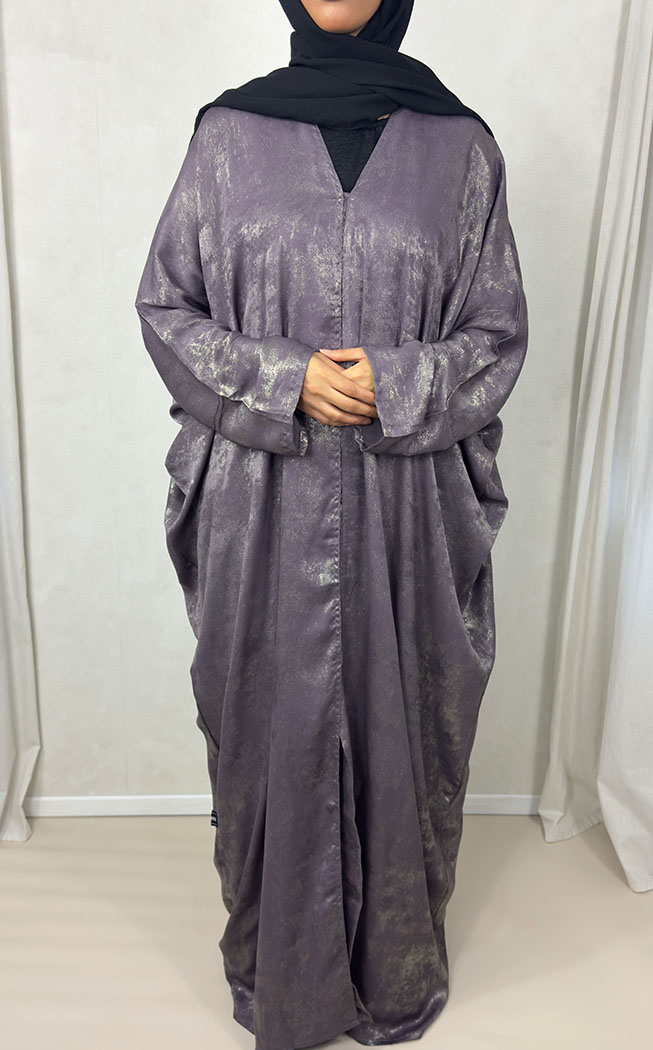
Why Finding the Right Abaya Isn’t Just Shopping — It’s Identity
Let’s be real for a moment. For many of us, choosing an abaya isn’t just about covering. It’s about expressing. About walking into a room and feeling aligned — spiritually, culturally, emotionally. If you’ve ever felt like your outer modesty didn’t reflect your inner grace, you’re not alone. The right abaya doesn’t just fit your body — it fits your soul.
It’s More Than Fabric — It’s a Statement of Faith
Every fold, every flow, every line — it tells a story. Some abayas whisper tradition. Others speak modern elegance. And the ones we keep reaching for? They hold space for both. They say, “I’m proud of my deen, and I know who I am.” That’s not fashion — that’s faith in motion.
The Struggle We Don’t Talk About
Have you ever walked into a store, only to find racks of stiff material, tacky prints, or styles that don’t reflect who we are? It’s frustrating. You think, “Am I asking for too much?” No, you’re not. You’re asking to be seen. That’s why searching for the right abaya near you can feel so personal — because it is.
Real Voices, Real Stories
When I spoke to Mariam from Toronto, she told me, “I tried ten places before I found one that didn’t treat me like I was just another customer. They saw me — my story, my style, my values. That abaya? It wasn’t just clothing. It felt like a reunion with myself.”
These stories echo across cities, cultures, and continents. Whether you’re shopping in Birmingham, Houston, or Kuala Lumpur — that longing is universal: “I want to feel like myself.”
| Local Abaya Experience | Emotional Outcome | What to Look For |
|---|---|---|
| Mass-market retail store | Detached, impersonal | Look for locally owned, culturally attuned shops |
| Online-only big box seller | Style mismatch, poor fit | Seek flexible return policies & reviews from Muslim buyers |
| Muslim-owned boutique near you | Empowered, respected | Ask about fabric origin, designer intention, and community ties |
So next time you search abaya near me, don’t settle. You’re not just buying a garment. You’re reclaiming something sacred — your comfort, your voice, your identity.
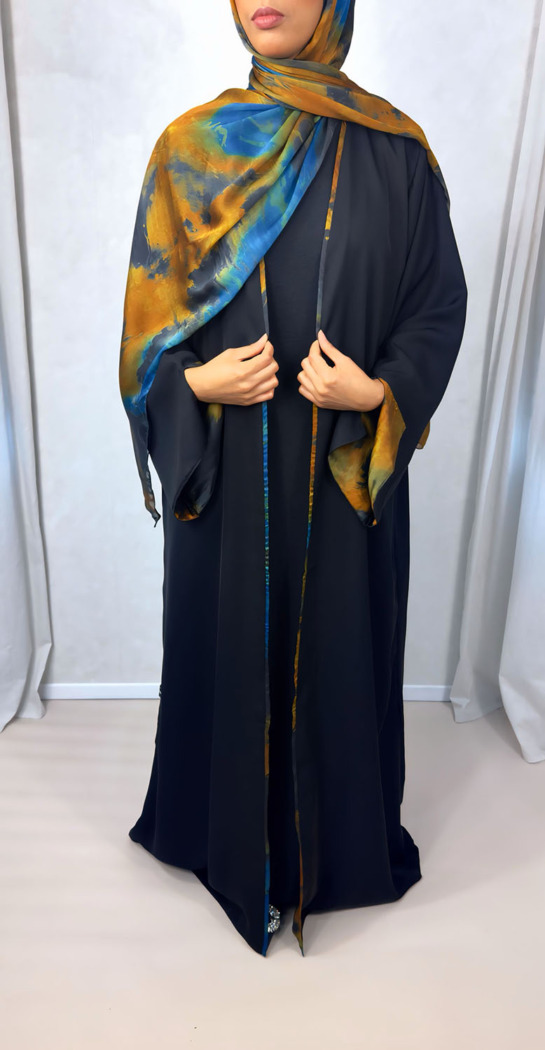
Why “Abaya Near Me” Searches Are Exploding — And What It Means for You
Have you noticed it too? More and more women are searching for abayas near them — not just in big cities like London or Dubai, but in suburbs, towns, and communities all over the world. It’s not a trend. It’s a shift. A movement. And if you’re part of that search, you’re not alone — you’re part of something much bigger.
The Data Doesn’t Lie — Abayas Are Going Mainstream
Google Trends shows it clearly: in the past five years, global searches for “abaya near me” have nearly doubled. Why? Because Muslim women are no longer compromising. We’re tired of the one-size-fits-all model — tired of having to choose between modesty and style, or between faith and fashion. We want access, now. And we deserve it.
| Region | Search Growth (Last 5 Years) | Top Search Phrases |
|---|---|---|
| USA | +87% | abaya near me, modest wear shops, Islamic clothing store |
| UK | +102% | abayas London, hijab boutique near me |
| Canada | +95% | Muslim fashion Canada, abaya shop near me |
What’s Driving This Surge?
- Representation: Muslim influencers, designers, and stylists are breaking into the mainstream and showcasing that modesty is powerful — not plain.
- Accessibility: More Muslim-owned brands are opening physical stores, pop-ups, and online shops with local pickup options.
- Empowerment: Women want to support businesses that reflect their values — and be seen not just as a “market,” but as a community.
But What Does It Mean for You?
It means you don’t have to settle. You don’t have to order from halfway across the world and hope it fits. Local abaya options are growing because you are asking for them. Your voice — your clicks, your searches, your curiosity — is reshaping the industry.
So when you type “abaya near me” into your phone, know this: you’re not just shopping. You’re helping build something. You’re raising the standard for what modest fashion can look like in your city, your country, your world.
And the best part? This shift is just beginning. But there’s a catch… finding the right abaya locally still takes knowing where — and how — to look. Let’s get into that next.
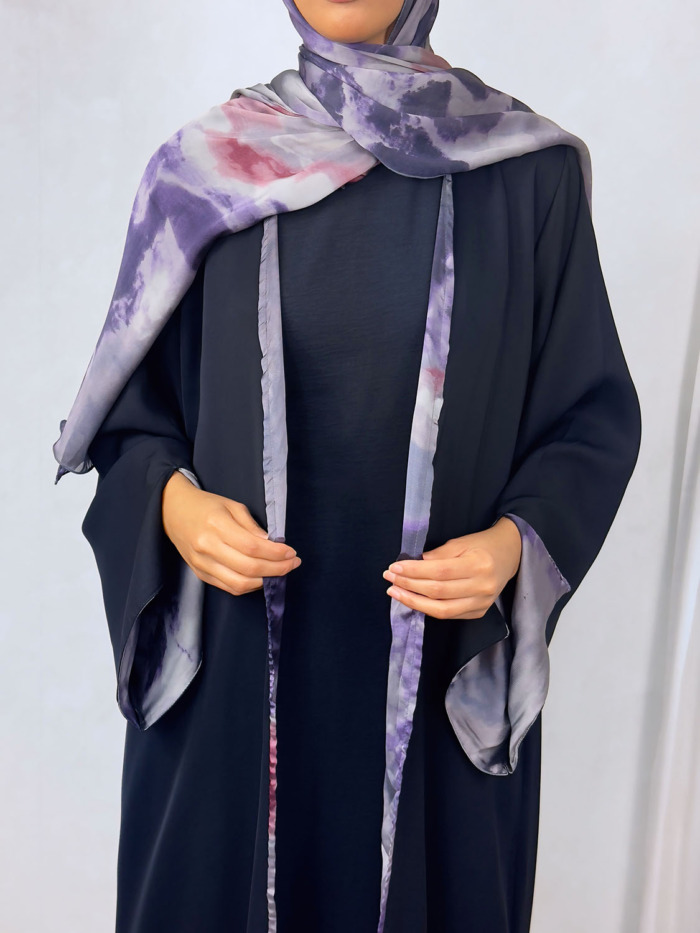
The Hidden Problem with Online Abaya Shopping
Let’s be honest. Scrolling through endless abaya listings online can feel… hollow. You’re staring at models who don’t look like you, guessing how that “satin khaleeji kimono cut” will drape on your shoulders, zooming in to inspect stitching you can’t touch. It’s not shopping — it’s guessing. And for something as intimate and identity-rooted as an abaya, that disconnect cuts deep.
The Sizing Struggle Is Real
Every Muslim woman has a story: you finally find “the one” — perfect color, elegant details — only for it to arrive a size too tight in the arms or dragging six inches behind you. Why? Because most online shops use generic sizing charts that don’t reflect the beautiful range of Muslim women’s body types. And returns? Don’t even get me started. Half the time, it’s a hassle — or not even an option.
The Emotional Gap — You Can’t Feel Fabric Through a Screen
An abaya isn’t just fabric. It’s a feeling. A sense of flow, dignity, ease. The weight of nida or crepe on your skin… the way it sways when you walk… the subtle shine of a hand-stitched embellishment under the light. You can’t capture that in a flatlay or a filtered product shot. Online, you’re left guessing — often disappointed.
| Issue | Common Online Experience | Impact on You |
|---|---|---|
| Sizing Inconsistency | One brand’s “M” is another’s “XL” | Frustrating returns, wasted money |
| Fabric Guesswork | Can’t touch or feel material | Surprises — and not the good kind |
| No Cultural Connection | Generic photos, poor styling | You feel unseen — even as the customer |
And Then There’s the Lack of Trust
How many times have you hesitated to click “buy” because the brand felt… sketchy? No reviews. No return policy. No sense of who’s behind it. In a world of drop-shippers and overseas warehouses, too many online abaya shops feel disconnected from the very community they claim to serve. You deserve better. We all do.
That’s why more women are going local. When you search “abaya near me”, you’re not just solving a shopping problem — you’re looking for connection, confidence, and care. And you’re about to see how that changes everything.
How to Spot a High-Quality Abaya Store in Your City
Finding a local abaya store that truly gets your style, values, and fit can feel like searching for a needle in a haystack. But here’s a little secret: once you know what to look for, it’s easier than you think. Think of it as finding your new fashion home — a place that respects modesty, craftsmanship, and you.
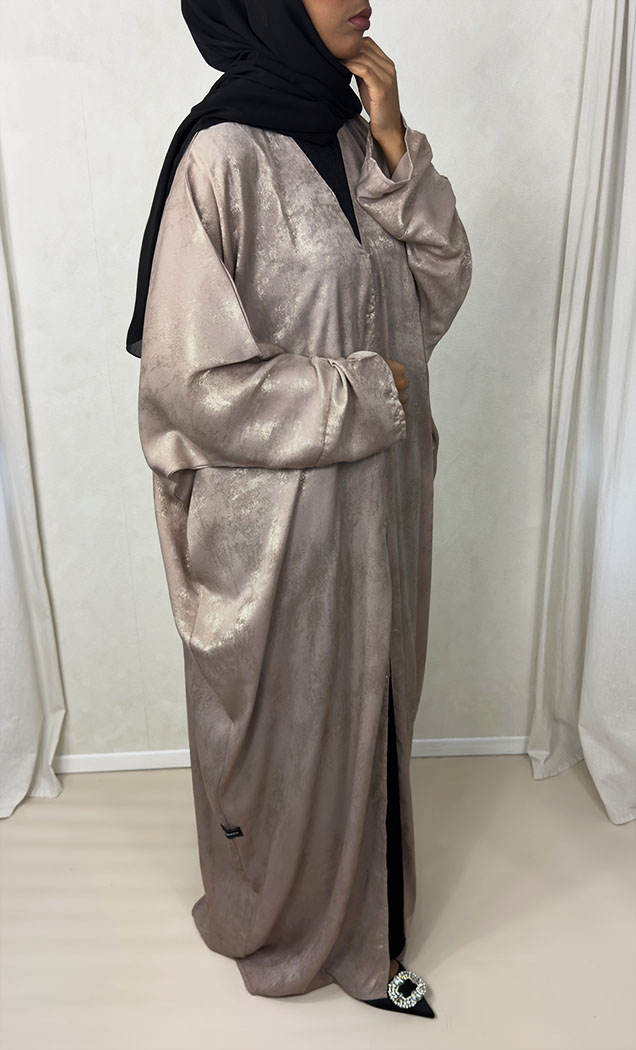
Look for Stores That Prioritize Craftsmanship
A great abaya store will showcase pieces that tell a story — detailed embroidery, quality fabrics like nida, crepe, or chiffon, and careful stitching that lasts beyond a season. If you see an abaya that looks mass-produced or cheap, trust your instincts. Your wardrobe deserves better.
Check the Store’s Connection to the Community
Does the store support local Muslim designers or artisans? Do they host events, workshops, or style consultations? Shops that invest in the community often go the extra mile to understand what modest fashion means beyond just sales.
Customer Service Speaks Volumes
Ask yourself: does the staff listen? Do they offer personalized advice without pushing sales? A store worth your time makes you feel comfortable, valued, and respected — not rushed or overlooked.
| Quality Indicator | What to Expect | Why It Matters |
|---|---|---|
| Fabric & Finish | Soft, breathable, durable materials with neat stitching | Comfort and longevity in your abaya |
| Design Variety | Modern cuts and traditional styles available | Options that fit your unique taste and needs |
| Community Engagement | Events, collaborations with local designers | Gives back and builds trust |
| Staff Knowledge | Helpful, respectful, and modest fashion-savvy | Ensures the best personalized fit and advice |
Finding a store like this means you’re not just buying an abaya — you’re investing in a relationship, a lifestyle, and a community. And that, honestly, is priceless.
Next up: let’s talk about the styles and cuts that are trending locally — and how to pick the perfect abaya shape for your lifestyle.
Abayas for Every Occasion — What to Look for Locally
Let’s face it: one abaya won’t cut it for every moment. Whether you’re heading to a family gathering, a formal event, or just running errands, the right abaya can change how you feel — confident, comfortable, and true to your style.
Casual and Everyday Elegance
For daily wear, think breathable fabrics like cotton blends or lightweight crepe that move with you. You want something easy to wear but still modest and stylish. Local stores often carry beautiful, simple designs perfect for school runs, work, or coffee dates with friends.
Formal and Festive Abayas
When it’s time to celebrate, the abaya steps up too. Look for pieces with intricate embroidery, beadwork, or subtle shimmer. Rich fabrics like silk or chiffon flow beautifully and create that wow factor. Many local boutiques offer limited-edition festive collections that reflect your cultural heritage with a modern twist.
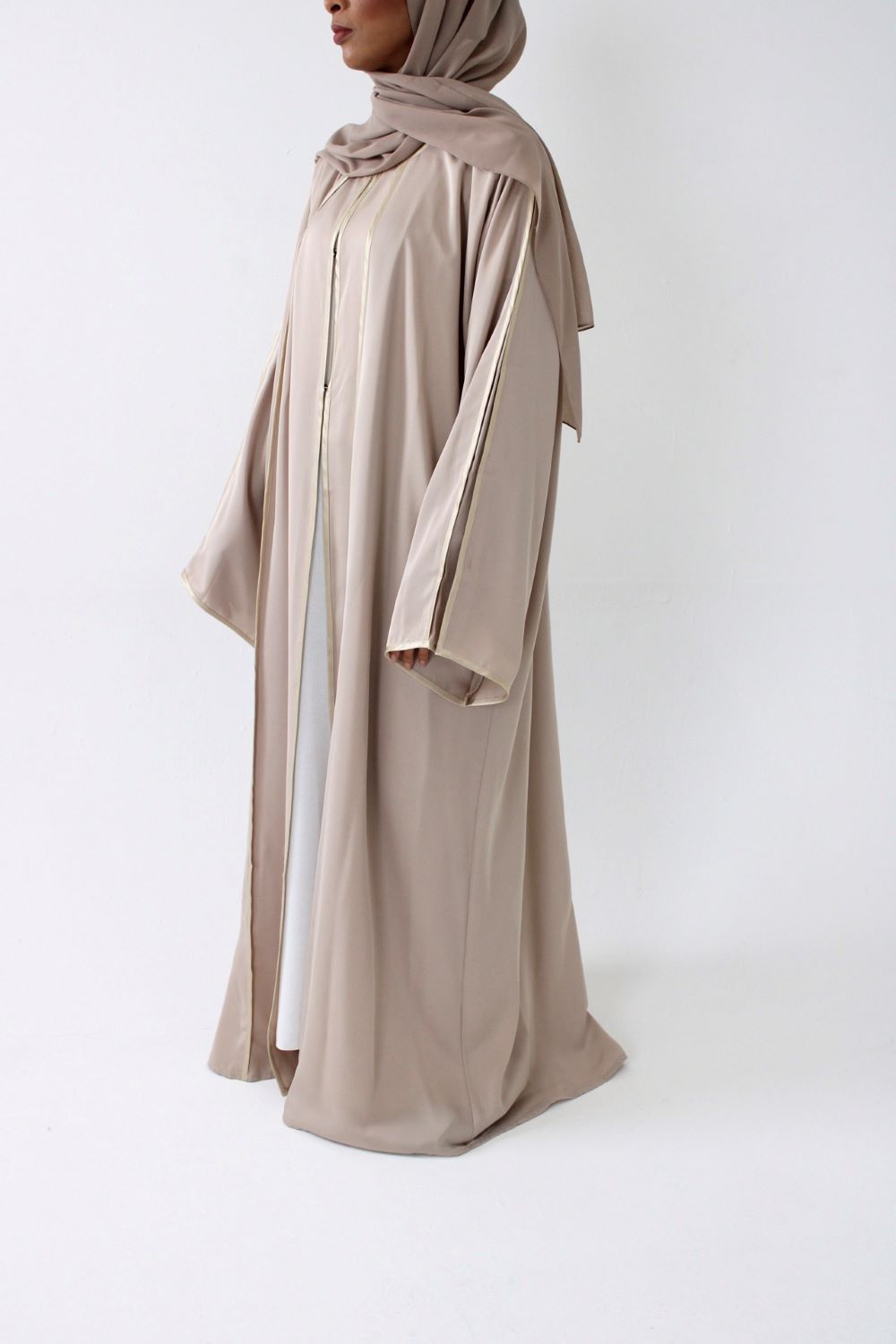
Travel-Friendly and Versatile Styles
Traveling? Choose abayas made with wrinkle-resistant fabrics and cuts that layer easily. Local shops often stock versatile styles that transition smoothly from day to night — because your abaya should work as hard as you do.
| Occasion | Recommended Fabric | Design Features | Local Store Tips |
|---|---|---|---|
| Everyday | Lightweight crepe, cotton blends | Simple cuts, minimal embellishments | Look for comfort and ease of care |
| Formal | Silk, chiffon, nida | Embroidery, beadwork, flowy designs | Seek boutiques with festive collections |
| Travel | Wrinkle-resistant polyester blends | Layerable, modest but practical cuts | Ask about fabric care and versatility |
When you shop locally, you get the added benefit of touching and feeling these fabrics, chatting with someone who understands your needs, and leaving with an abaya that feels made just for you.
Ready to dive deeper? Next, we’ll explore how to combine modest fashion trends with your personal style — making your abaya truly yours.
Dubai Style vs Turkish Abayas — Which One’s Right for You?
You’ve probably noticed how abayas can look completely different depending on where they come from. Two of the most talked-about styles are Dubai and Turkish abayas — each with its own vibe, charm, and story. Choosing between them? It’s less about right or wrong and more about what resonates with *you* and your lifestyle.
Dubai Style: Bold, Glamorous, and Statement-Making
Dubai abayas often make a splash with luxe fabrics like silk and satin, rich embellishments, and bold embroidery. Think shimmering beads, delicate lace trims, and dramatic sleeves. They’re perfect if you want to feel like you’re walking the runway of modest fashion — elegant, confident, and unmissable.
Turkish Abayas: Understated Elegance and Comfort
On the flip side, Turkish abayas lean toward simplicity with soft, flowing fabrics and subtle details. The designs focus on clean lines and comfort, making them everyday favorites that blend tradition with modern minimalism. They’re like that trusted friend who always knows how to keep things classy yet comfortable.
What to Consider When Choosing
- Occasion: Are you shopping for everyday wear or special events? Dubai styles often suit the latter, while Turkish abayas fit perfectly into your daily wardrobe.
- Climate: Dubai abayas can be heavier with richer fabrics, which might feel warm in humid weather. Turkish designs usually favor breathable materials ideal for warmer days.
- Personal Style: Do you love to stand out with eye-catching details, or do you prefer a subtle, timeless look? Your abaya should feel like an extension of your personality.
| Feature | Dubai Style | Turkish Style |
|---|---|---|
| Fabric | Silk, satin, heavy embroidery | Lightweight crepe, chiffon, soft cotton blends |
| Design | Bold, ornate, statement pieces | Minimalist, flowy, comfort-driven |
| Best For | Formal occasions, special events | Everyday wear, casual outings |
| Climate Suitability | Cooler climates or air-conditioned environments | Warm climates and summer-friendly |
When you shop locally for these styles, you get the chance to try both on and feel the difference firsthand. It’s like choosing between two beautiful stories — and whichever you pick, you’re embracing a rich tradition with a personal twist.
Up next, we’ll uncover the secret to accessorizing your abaya — turning simple into stunning effortlessly.
Find Your Perfect Fit: In-Store Tips You Can’t Get Online
Let’s be honest — buying an abaya online can feel like a bit of a gamble. You scroll through pictures, read descriptions, but there’s something missing: the real, tactile experience. That’s where local stores shine. When you walk in, you’re not just buying fabric and thread; you’re investing in fit, feel, and a little bit of magic that only happens in person.
Why Fit Matters More Than You Think
Abayas aren’t one-size-fits-all. The way an abaya drapes over your shoulders, flows down your arms, or falls around your feet can completely change how you carry yourself. A good fit doesn’t just look better — it feels better. It lets you move freely and stay comfortable all day, whether you’re at work, a wedding, or just grabbing coffee.
Try These Tips Next Time You Visit a Store
- Move Around: Don’t just stand still. Sit, walk, lift your arms. See how the fabric behaves — does it pinch, cling, or restrict?
- Check Sleeve Lengths: Sleeves that are too short or too long can throw off the modest look. Find a length that feels just right for your everyday movements.
- Feel the Fabric: Run your hands over the material. Is it soft, breathable, and light? Or heavy and stiff? Your skin will thank you later.
- Look for Tailoring Options: Many local stores offer tailoring or slight adjustments. A custom touch can make all the difference.
- Ask Questions: Don’t hesitate to chat with the shop owner or stylist. They know the collection inside out and can guide you based on your needs and preferences.
Real Talk: My Own Fitting Room Story
One time, I almost bought a stunning abaya online, only to find it felt like a sack when it arrived. A week later, I went to a local boutique, tried on a few styles, and found one that felt like it was made just for me — not just because of the cut, but because I could see how it moved as I tried it on. That little moment of connection? Priceless.
Local shopping isn’t just about convenience — it’s about respect for your style, your body, and your modesty. Next, we’ll talk about how to spot authentic craftsmanship that stands the test of time.
Custom Abayas: Where Local Meets Luxury
There’s something undeniably special about slipping into an abaya that’s made just for you — tailored perfectly to your shape, your style, and your story. Custom abayas aren’t just about luxury; they’re where local craftsmanship meets personal expression in the most beautiful way.
Why Custom Abayas Are Worth the Investment
Sure, ready-to-wear abayas are convenient, but custom designs give you a level of detail and individuality that mass production simply can’t match. When a skilled local tailor or designer works on your abaya, they consider everything — from the way you want it to flow, to the fabrics that feel best against your skin, to the smallest embellishments that make it uniquely yours.
How Local Artisans Bring Your Vision to Life
- Personal Consultations: Most custom abaya designers start by sitting down with you to understand your preferences, needs, and even your story.
- Fabric Selection: You get to feel the textures, choose the colors, and decide on the quality — from luxurious silks to breathable cotton blends.
- Intricate Embroidery and Details: Local artisans often specialize in hand-embroidery, beadwork, and subtle accents that tell a story beyond the fabric.
- Perfect Fit: Multiple fittings ensure your abaya isn’t just beautiful — it moves with you effortlessly and flatters your figure.
Real-Life Example: My Custom Journey
When I decided to get a custom abaya for a close friend’s wedding, I was nervous. But the local designer’s warm approach made it feel like a collaboration, not just a purchase. From choosing a soft midnight blue fabric to adding delicate silver thread embroidery, every step felt personal. On the big day, wearing that abaya felt like carrying a piece of home — a blend of tradition, luxury, and love.
Is Custom Always Better?
Not necessarily. Custom abayas take time and can cost more upfront. But if you’re searching for something that truly reflects who you are and lasts for years, they’re an investment in confidence and elegance that you’ll never regret.
Ready to explore how to style your abaya to turn heads and honor tradition? Stay tuned for the next section!
What Fabric Should You Choose for Your Abaya? (Local Climate Guide)
Picking the right fabric for your abaya isn’t just about looks — it’s about how it feels against your skin and how well it suits the climate where you live. Trust me, wearing a heavy fabric in a hot city can turn your elegant abaya into a daily discomfort. So let’s dive into fabrics that work best depending on your local weather, so you stay stylish and comfortable all year round.
Lightweight Fabrics for Hot, Humid Climates
If you live in a place where the sun feels like it’s hugging you all day — think Dubai, Kuala Lumpur, or Cairo — lightweight, breathable fabrics are your best friends.
- Chiffon: Flowing and airy, chiffon is perfect for layering without feeling bulky. It’s elegant and keeps you cool, but be mindful of transparency.
- Georgette: Slightly heavier than chiffon but still breathable, georgette drapes beautifully and offers more opacity.
- Lightweight Crepe: Durable and wrinkle-resistant, crepe has a subtle texture that looks sophisticated and stays breathable.
Medium-Weight Fabrics for Moderate Climates
In cities with milder temperatures — maybe Istanbul, Amman, or Riyadh — you can afford to choose fabrics that balance breathability with a bit more structure.
- Silk Blends: Luxurious and soft, silk blends bring a natural sheen and work well for both casual and formal abayas.
- Polyester Mixes: Easy to care for and less prone to wrinkles, these blends often mimic natural fibers but are more budget-friendly.
- Rayon: A soft fabric with good breathability, rayon keeps you comfortable and adds a smooth finish.
Heavier Fabrics for Cooler Climates
If you’re in cooler or windy places like London, Toronto, or certain parts of Morocco, you’ll want abayas that provide warmth without sacrificing modesty or elegance.
- Wool Blends: Warm and insulating, wool blends offer structure and comfort for chilly days.
- Velvet: Perfect for special occasions, velvet adds a rich texture and depth — just keep it for cooler weather.
- Thicker Crepes: These provide coverage and warmth while maintaining a graceful flow.
Fabric Care Tips to Make Your Abaya Last
Choosing the right fabric is just step one — how you care for it matters just as much. Here’s a quick table to help you care for popular abaya fabrics:
| Fabric | Care Instructions | Tips |
|---|---|---|
| Chiffon | Hand wash or gentle cycle, cold water | Avoid wringing; air dry flat to prevent stretching |
| Georgette | Machine wash cold, delicate cycle | Use mild detergent; hang dry away from direct sun |
| Silk Blends | Dry clean recommended | Store away from moisture and sunlight to preserve sheen |
| Wool Blends | Dry clean or hand wash cold | Use a fabric brush to remove lint; avoid heat drying |
| Polyester Mixes | Machine wash warm, tumble dry low | Resists wrinkles; iron on low if needed |
By picking the right fabric for your climate, you’ll not only look stunning but feel confident every time you step out in your abaya. Next, we’ll explore the art of accessorizing to elevate your abaya style effortlessly.
Inside the Best Local Boutiques: What Women Are Really Saying
There’s a certain magic you can’t get online — the feeling of stepping into a local boutique, surrounded by racks of abayas, each whispering its own story. But what truly makes these boutiques stand out? It’s the experience, the community, and honestly, the voices of women who walk in searching for more than just clothing.
Personal Touches Make All the Difference
“I love how the staff remember my style,” Sarah from Dubai shared. “It’s like shopping with friends who understand what modesty means to me.” This personal connection is something only local boutiques can offer. They’re not just selling an abaya — they’re offering advice, styling tips, and even emotional support during big life moments.
Real Stories, Real Confidence
Many women talk about finding confidence in these spaces. Noor, a young professional from Amman, told me, “Trying on abayas in person made all the difference. I could see how each piece moved with me, felt the fabric — it helped me choose something that felt like ‘me.’” It’s not just about looking good; it’s about feeling seen.
Community and Culture in Every Stitch
Local boutiques often double as hubs for culture, creativity, and tradition. Women swap stories, share styling hacks, and connect over their shared love of modest fashion. This sense of community turns a simple shopping trip into a meaningful experience.
What Women Wish You Knew About Shopping Local
- Quality Over Quantity: “It’s better to invest in a few pieces that last,” says Fatima from Riyadh, “than to buy lots of cheap ones online.”
- Try Before You Buy: No photo or review can replace the feeling of trying an abaya on and seeing how it fits your lifestyle.
- Support Local Artisans: Buying local means supporting craftsmanship that keeps traditions alive.
- Expect to Learn: Many boutiques offer styling advice and fabric care tips that you won’t find in online stores.
Shopping at a local boutique isn’t just a transaction — it’s an experience wrapped in culture, connection, and care. But how do you find the right one? That’s coming up next.
Pairing Your Abaya with the Right Hijab — Local Color Rules
Let’s be honest — the abaya is stunning, but the hijab is the crown that completes the look. Choosing the right hijab to pair with your abaya isn’t just about matching colors; it’s an art form influenced deeply by local culture, climate, and personal style. You’ve probably found yourself staring at your closet wondering, “Which hijab really works with this outfit?” — you’re not alone.
Why Color Coordination Matters More Than You Think
Color harmony can make or break your outfit’s vibe. In places with rich cultural traditions, like Marrakech or Istanbul, color choice often carries meaning beyond aesthetics — it speaks to mood, occasion, and even personality.
- Neutral tones: If your abaya is a classic black or deep navy, neutral hijabs like beige, cream, or soft gray add a touch of understated elegance. These colors blend effortlessly while keeping the focus on your abaya’s design.
- Bold contrasts: For the adventurous, pairing a black abaya with a jewel-toned hijab — emerald, sapphire, or ruby shades — creates a striking look that commands attention without shouting.
- Monochrome magic: Matching your hijab’s color closely with your abaya can create a sleek, sophisticated silhouette. This is popular in many Gulf countries where minimalism meets tradition.
Local Color Rules: What the Locals Know
Different regions have unique preferences and unwritten “color rules” that shape modest fashion trends.
- Middle East: Soft pastel hijabs paired with dark abayas are hugely popular for daytime wear, offering a gentle balance between modesty and vibrancy.
- South Asia: Bright, festive colors are embraced during celebrations and weddings — think deep reds, fuchsias, and gold accents.
- North Africa: Earthy tones like terracotta, olive, and burnt sienna blend beautifully with traditional abaya styles, reflecting the desert landscapes.
Fabric and Texture: More Than Just Color
Don’t overlook how fabric texture affects your look and comfort:
- Silk and satin: These smooth fabrics add a luxurious shine and are ideal for formal occasions.
- Light cotton and chiffon: Perfect for everyday wear, especially in hot climates, because they breathe and drape lightly.
- Knitted or jersey: Great for casual days or when you want a snug, comfortable fit that stays put.
Next time you’re standing in front of your wardrobe, remember: pairing your abaya with the right hijab isn’t just about matching — it’s about expressing who you are while respecting the beautiful traditions woven into your local culture. Up next, we’ll explore some game-changing styling tips that make every abaya and hijab combo shine.
Event-Ready Abayas: Where to Shop for Eid, Weddings, and More
When Eid or a wedding season rolls around, the excitement is real — but so is the pressure to find an abaya that feels special, unique, and absolutely perfect. You’ve probably faced that moment where your usual go-to just doesn’t cut it, and the search for something extraordinary begins. Let’s be honest, event-ready abayas aren’t just outfits; they’re statements, memories waiting to be made.
Why Local Boutiques Shine for Special Occasions
Online shopping is convenient, sure — but nothing compares to the thrill of discovering exclusive designs in local boutiques, where artisans pour heart and soul into every stitch.
- Hand embroidery and embellishments: Local stores often stock abayas with intricate handwork that you won’t find mass-produced online.
- Custom fittings: For events like weddings, the perfect fit matters. Many boutiques offer tailored services, ensuring your abaya feels like it was made just for you.
- Exclusive collections: Seasonally, many boutiques release limited-edition event collections that reflect the latest trends while honoring traditional modest fashion.
Top Places to Look for Event-Ready Abayas
| Boutique/Store | Specialty | Location | Why It Stands Out |
|---|---|---|---|
| Al Noor Designs | Luxury embroidered abayas | Dubai, UAE | Known for exclusive hand-stitched details and elegant silhouettes perfect for weddings |
| Layali Modest Wear | Custom-fitted abayas for special events | Amman, Jordan | Offers personalized fittings and one-of-a-kind designs tailored to your style |
| Zahra’s Atelier | Modern and traditional fusion styles | Istanbul, Turkey | Blends contemporary trends with rich Turkish craftsmanship for festive occasions |
Shopping Tips for Event Abayas
- Start early: Don’t wait until the last minute. Event abayas often need alterations and extra care.
- Consider versatility: Look for pieces you can dress up or down for multiple events.
- Bring your accessories: Trying your abaya with your preferred hijab, shoes, or jewelry helps you envision the full look.
Finding the perfect event-ready abaya is like finding a piece of your story. The right store, the perfect design, and a little patience all come together to make your special day truly unforgettable. Up next, we’ll dive into how to care for these precious pieces so they last through many celebrations to come.
The Price of Modesty: How Much Should You Pay for a Great Abaya?
Let’s be real for a moment — buying an abaya isn’t just about picking any piece of clothing off the rack. It’s about investing in your identity, your comfort, and your style. But how much is “too much,” and when does price actually reflect quality? You’ve probably wrestled with this question, wondering if that pricey abaya is really worth it or if a cheaper one will do the trick.
Breaking Down What Drives Abaya Prices
Understanding why abayas cost what they do helps you make smarter choices without regret:
- Fabric quality: Premium fabrics like silk blends, crepe, or high-grade chiffon naturally push prices higher — but they also feel better, drape more beautifully, and last longer.
- Design complexity: Hand embroidery, beadwork, or delicate lace can add hours of labor, justifying a higher price tag.
- Brand reputation: Established designers with a loyal following often price higher, reflecting their craftsmanship and exclusivity.
- Customization: Tailoring or custom orders usually cost more because they’re crafted specifically for your measurements and style preferences.
Price Ranges to Expect: A Practical Guide
| Price Range | What You Get | Who It’s Best For |
|---|---|---|
| Under $50 | Basic fabrics, simple designs, often machine-made | Those on a tight budget or new to wearing abayas |
| $50 – $150 | Better fabrics, modest embellishments, more styling options | Everyday wearers who want decent quality and style |
| $150 – $500 | Premium fabrics, hand detailing, designer labels | Fashion-conscious women who want durability and exclusivity |
| $500+ | Custom-made, luxury fabrics, couture-level craftsmanship | Those seeking heirloom-quality pieces or statement event abayas |
How to Avoid Paying Too Much — Without Sacrificing Quality
- Do your research: Know what fabric and craftsmanship you’re paying for before committing.
- Shop local: Sometimes local stores offer better prices and quality because you can see and feel the abaya before buying.
- Ask for recommendations: Word of mouth from friends or modest fashion communities can steer you toward trustworthy sellers.
- Check return policies: A flexible return policy signals confidence in product quality and gives you peace of mind.
At the end of the day, the “right” price for an abaya is the one that feels fair to you — because modesty is personal, and your abaya should reflect that. But remember, quality often pays for itself in comfort and longevity. Next, we’ll explore how to care for your abayas so your investment lasts for years to come.
Why Your Local Muslim-Owned Stores Deserve Your Support
Let me share something that’s close to my heart — supporting local Muslim-owned stores isn’t just a shopping choice; it’s a way to strengthen community, culture, and craftsmanship. If you’ve ever hesitated between clicking “buy” online or stepping into a nearby boutique, this might just tip the scale.
The Soul Behind the Storefront
When you shop at a local Muslim-owned store, you’re not just buying an abaya; you’re investing in someone’s dream, culture, and legacy. These businesses often:
- Embody tradition: Many local owners come from families with generations of textile and design expertise, meaning the abayas you find here are steeped in authentic craftsmanship.
- Offer personalized service: They know their community’s preferences intimately and often tailor collections that resonate with local tastes and religious observances.
- Give back: Supporting them means your money circulates within your community, helping create jobs and support local economies.
Building Trust and Connection
There’s a unique warmth you feel when you meet the person behind the business — a shared smile, a story, a recommendation from someone who truly understands your needs. That kind of connection is priceless and simply can’t be replicated through algorithms or faceless online shops.
Why It Matters in Today’s Market
- Fighting fast fashion: Local Muslim-owned boutiques often prioritize quality over quantity, offering timeless pieces rather than mass-produced trends.
- Preserving modest fashion heritage: They champion styles and values that might be overlooked or misunderstood by mainstream brands.
- Encouraging ethical practices: Many local stores are transparent about where and how their abayas are made, so you can shop with peace of mind.
Supporting local is about more than convenience; it’s a meaningful choice that honors identity, culture, and sustainability. So next time you search for “abaya near me,” remember: you’re not just shopping, you’re investing in something far bigger. Up next, we’ll talk about the subtle art of styling your abaya for everyday confidence and grace.
Abaya Alterations & Tailoring: Where to Go Near You
Let’s be honest — finding the perfect abaya off the rack is a rare gem. Most of us need a little tweaking to get that flawless fit that feels like it was made just for us. That’s where local alteration and tailoring services step in, turning a good abaya into your dream garment.
Why Tailoring Matters More Than You Think
Sure, a standard size abaya might look fine at first glance, but the difference a tailor can make? Night and day. Here’s why it’s worth the extra step:
- Comfort: Tailoring adjusts the fit to your unique shape, ensuring you can move freely without feeling restricted or drowning in fabric.
- Style: Custom alterations can enhance your silhouette, add subtle touches like cuffs or hemming, and even help with layering your abaya beautifully.
- Longevity: A well-fitted abaya wears better and looks sharper longer — no sagging sleeves or dragging hems.
Finding Trusted Tailors Near You
Not all tailors are created equal when it comes to modest fashion. Here’s how to find the right one in your area:
- Ask for recommendations: Connect with your local Muslim community or modest fashion groups — personal referrals are gold.
- Visit boutiques: Many abaya stores collaborate with skilled tailors or offer in-house alteration services.
- Check reviews: Look for tailors praised for their attention to detail and respectful understanding of modest clothing.
Tips for a Successful Alteration Experience
- Bring your abaya and any accessories you plan to wear with it — this helps the tailor see the full picture.
- Communicate clearly what you want — fit, length, sleeve style, or any custom ideas.
- Ask about turnaround time and costs upfront to avoid surprises.
- Request a fitting session before finalizing the alterations to make sure everything feels just right.
In my own experience, a small alteration transformed a simple abaya into my favorite go-to piece — suddenly it fit like it was made for me, and that confidence boost? Priceless. Next up, we’ll dive into styling secrets to elevate your abaya game wherever you live.
Abaya Shopping as a New Revert? Here’s What You Should Know
So, you’ve recently embraced Islam — masha’Allah, welcome to this beautiful journey. If you’re feeling a bit overwhelmed by all the choices when it comes to buying your first abaya, trust me, you’re not alone. I’ve been there, and it can feel like stepping into a whole new world.
Starting Simple Is Perfectly Okay
The first abaya doesn’t have to be extravagant or overly complicated. Many new reverts find comfort in classic, modest styles that respect the spirit of hijab without being intimidating. Think soft fabrics, neutral colors, and straightforward cuts that let you focus on your spiritual journey, not just your wardrobe.
What to Look for When Shopping Near You
- Comfort over everything: Your first abaya should feel easy to wear, breathable, and forgiving as you get used to dressing modestly.
- Trusted local stores: Find Muslim-owned boutiques or community shops where staff understand your needs and can guide you patiently.
- Try before you buy: If possible, visit stores near you to feel the fabric, test the fit, and ask questions. Online can wait until you know what suits you.
Don’t Stress About Trends or Perfection
Modesty is a personal path. It’s less about what’s “in” and more about what makes you feel comfortable and confident in your faith. Your abaya is your daily armor — it should empower you, not pressure you.
Ask Questions — We’ve All Been There
Feel free to reach out to store owners or fellow sisters for advice. Many communities have Facebook groups or forums where new reverts share tips and recommendations for local abaya shops. Remember, asking for help is a sign of strength, not weakness.
When I first started wearing the abaya, I was nervous about standing out or making mistakes — but the kindness of local shopkeepers and the gentle welcome from the community made all the difference. Your perfect abaya is out there, and it’s waiting for you nearby. Next, we’ll explore some style hacks to help you express yourself while honoring modesty.
Pop-Up Events, Markets, and Modest Fashion Fairs Near You
Ever walked past a bustling market or stumbled upon a pop-up event and thought, “I wish there was something like this for modest fashion”? Well, good news — these vibrant gatherings are becoming the heartbeat of local Muslim communities, especially when it comes to discovering unique abayas and connecting with fellow fashion lovers.
Why These Events Are a Game-Changer
- Exclusive designs: Many designers showcase one-of-a-kind abayas that you won’t find in stores or online, giving you a chance to stand out beautifully.
- Meet the makers: You get to chat directly with designers and artisans, learning the stories behind each piece — trust me, that connection makes your abaya feel even more special.
- Community vibes: These events turn shopping into an experience, where you bond over shared values, styles, and even swap styling tips.
How to Find Pop-Ups and Markets Near You
- Follow local Muslim fashion pages on social media: Instagram and Facebook are hotspots for announcements and event invites.
- Check community centers and mosques: Many host or promote modest fashion fairs and seasonal markets.
- Sign up for newsletters: Stores and designers often email exclusive invites or early-bird access to their pop-up events.
What to Expect When You Attend
Imagine a lively space filled with vibrant fabrics, soft whispers of silk and chiffon, and the excited chatter of women discovering their next favorite abaya. Vendors often offer styling advice on the spot, and you might even find workshops on hijab styling, makeup, or modest fashion trends.
One of my favorite memories was at a modest fashion fair where I met a young designer who handcrafted every bead on her abayas by hand. Buying from her didn’t just add a beautiful piece to my wardrobe — it felt like I was carrying a piece of her passion and culture wherever I went.
So, keep an eye out for these gems in your city. They’re more than shopping trips; they’re celebrations of identity and style. Up next, we’ll dive into the secrets of caring for your abayas so they last beautifully through every season.
Instagram Isn’t Enough: Real Life vs Online Fashion Expectations
Let’s be honest — scrolling through Instagram, you see flawless abayas styled in dreamy locations, perfectly matched hijabs, and models who make it all look effortless. It’s tempting to think that’s the standard you need to hit, right? But here’s the thing: real life and online glam don’t always match up, especially when it comes to finding abaya near me that actually fits your lifestyle.
The Illusion of Perfect Fits and Filters
On social media, every outfit looks like it was crafted by angels, but that polished image often hides the struggle behind the scenes — ill-fitting sizes, fabric that feels stiff, or styles that don’t translate well to your local climate or daily routine. Trust me, I’ve bought abayas based on online hype only to feel disappointed once they arrived.
Why Shopping Locally Beats Online Browsing
- Touch and feel: Nothing replaces feeling the softness of the fabric or testing the drape in person.
- Try it on: Local stores let you see how an abaya fits your shape — no guessing, no returns.
- Real advice: Store owners and fellow shoppers give honest feedback that’s tailored to your needs, not just likes and comments.
Managing Expectations Without Losing Style
That doesn’t mean Instagram isn’t valuable — it’s an amazing source of inspiration! But mix it with local reality. For example, you might love a sleek, satin abaya you see online, but in a hot climate, a breathable cotton blend might be your best friend. Or, that gorgeous sequined design might be perfect for special occasions, but not practical for everyday wear.
One thing I’ve learned? Real style is about blending what inspires you online with what feels good in your world. If you’re ever stuck, visiting a local boutique can ground your vision and help you find pieces that truly resonate.
Coming up next: the insider’s guide to spotting hidden gems in your neighborhood — local abaya stores that fly under the radar but pack a serious style punch.
How to Build an Abaya Capsule Wardrobe with Just 5 Pieces
Ever feel overwhelmed by the endless abaya choices out there? Believe me, I’ve been there — standing in front of racks, wondering how on earth to pick pieces that won’t clutter your closet but will still keep you looking fabulous every day. That’s where the magic of a capsule wardrobe comes in. And yes, you can build a stunning, versatile abaya collection with just five thoughtfully chosen pieces.
Why a Capsule Wardrobe Works Wonders
It’s about quality over quantity. Instead of drowning in endless options, you focus on a handful of abayas that complement each other and fit your lifestyle, climate, and personality. You’ll save time, money, and stress — and trust me, your mornings will thank you.
The 5 Essential Pieces You Need
| Abaya Type | Why It’s Essential | When to Wear |
|---|---|---|
| Classic Black Abaya | The ultimate go-to for everyday wear; timeless and versatile | Work, errands, casual gatherings |
| Lightweight Summer Abaya | Breathable fabric perfect for warm climates or layering | Hot days, outdoor events, casual outings |
| Elegant Evening Abaya | Luxurious fabric and subtle embellishments for special occasions | Eid, weddings, formal dinners |
| Neutral-Colored Abaya | Soft tones like beige, gray, or navy to mix and match | Casual and semi-formal events, when you want a softer look |
| Custom or Statement Abaya | A unique piece that expresses your personality | Special outings, cultural events, fashion-forward days |
Mixing and Matching Like a Pro
With these five, you can play with scarves, accessories, and shoes to create endless looks. For example, pairing a neutral abaya with a bold hijab instantly transforms your outfit. Or layering your classic black abaya over a colorful dress adds subtle depth without breaking modesty rules.
Building this capsule doesn’t have to be daunting. Start with what you love and what feels right in your daily life. And remember, every piece should make you feel confident and true to yourself.
Next up: mastering the art of caring for your abayas to keep them looking fresh and beautiful for years.
Where to Find the Closest Abaya Store That Feels Like Home
Finding an abaya store isn’t just about location — it’s about discovering a place that feels like a cozy, welcoming corner of your community. Somewhere you can walk in, feel understood, and leave with something that truly reflects your style and values. Because let’s face it, shopping for abayas can sometimes feel overwhelming, especially if the store feels cold, rushed, or impersonal.
What Makes an Abaya Store Feel Like Home?
- Warmth and Welcoming Vibes: The staff greets you with genuine smiles and takes the time to listen.
- Authentic Modest Fashion Expertise: Knowledgeable about fabrics, styles, and local modest fashion trends.
- Diverse Selection: Options that cater to different ages, body types, and tastes — from traditional to modern.
- Community Connection: A place that supports local designers and embraces cultural diversity.
How to Find These Gems Near You
Start with local Muslim community centers or mosques — they often have bulletin boards or word-of-mouth tips. Social media groups focused on modest fashion in your city can also point you to trusted stores. Don’t overlook pop-up markets and modest fashion fairs, which often showcase local boutiques and designers.
A Little Story from My Own Experience
I remember the first time I walked into a tiny abaya shop tucked away in my neighborhood. The owner greeted me by name, remembered my last visit, and even suggested a hijab style that matched my abaya perfectly. That simple kindness made all the difference. I left feeling beautiful and respected — and that feeling? Priceless.
If you’re ready to discover your own “abaya home,” start local, stay curious, and trust your instincts. The perfect store might be just around the corner, waiting to welcome you.
Coming up next: how to navigate the often confusing world of abaya sizes and fits, so you never have to guess again.
Wrapping It Up: Your Journey to Finding the Perfect Abaya Near You
Choosing an abaya isn’t just about picking fabric and style — it’s about embracing your identity, honoring your values, and expressing your unique beauty with confidence. Whether you’re hunting for that classic everyday piece or a stunning gown for a special occasion, the right abaya store near you can make all the difference.
Remember, it’s not just about the dress — it’s about the experience. The joy of discovering something that feels tailor-made for you, the connection with a welcoming community, and the confidence that comes from wearing modest fashion that truly fits your life.
So, next time you search “abaya near me”, know that it’s the start of a beautiful journey — one filled with style, culture, and heartfelt moments.
Your Next Step: Shop Smart, Shop Local, Shop With Heart
Ready to find your next favorite abaya? Don’t settle for less. Explore local boutiques and trusted stores where quality meets care, and where your modest fashion dreams come to life. Take a stroll, visit those hidden gems, or dive into local events — your perfect abaya is waiting to greet you.
Have a favorite store or story about your abaya journey? Share it below — let’s build a community that uplifts and inspires. 💬
Frequently Asked Questions About Abayas Near Me
- 1. What should I consider when searching for “abaya near me”?
- Location & Convenience: Prioritize stores that are easily accessible, saving you time and travel hassle.
- Store Reputation: Look for local boutiques with strong community reviews and positive word-of-mouth.
- Range of Styles: Choose stores that offer a variety of abaya designs — from traditional to contemporary.
- Fabric Quality: Pay attention to fabric options suitable for your climate and comfort preferences.
- Customer Service: Personalized attention can make a big difference; staff who understand modest fashion nuances are invaluable.
- Price Range: Define your budget beforehand but be willing to invest in quality that lasts.
- Alterations & Tailoring Services: A store offering on-site tailoring can save time and ensure the perfect fit.
- Community Connection: Stores that engage with local culture and modest fashion events often offer unique pieces.
- 2. How can I tell if an abaya store near me sells high-quality garments?
- Check the fabric: High-quality abayas use breathable, durable materials like crepe, chiffon, or silk blends.
- Look at the stitching: Fine, even stitching with no loose threads signals craftsmanship.
- Ask about origin: Reputable stores often source from trusted designers or manufacturers with good ethical standards.
- Try on pieces: The fit should feel comfortable but structured, not flimsy or overly stiff.
- Review embellishments: Embroidery or beading should be securely attached and symmetrical.
- Customer reviews: Online or in-person testimonials can reveal quality consistency over time.
- Return policies: Stores confident in their products usually offer fair and clear return or exchange terms.
- 3. Are custom abayas worth the investment?
- Personalized fit: Custom abayas cater specifically to your measurements, ensuring comfort and flattering lines.
- Unique design: You can choose fabrics, colors, and embellishments that perfectly match your taste and occasion.
- Higher quality control: Working directly with tailors often means more attention to detail than mass-produced items.
- Supports local artisans: Custom pieces often come from local designers, helping sustain modest fashion communities.
- Longevity: A well-made custom abaya lasts longer, making it a worthwhile investment over time.
- Price considerations: Custom abayas are generally pricier but offer unmatched exclusivity and fit.
- Time factor: Expect longer wait times due to the tailored process, so plan ahead for special events.
- 4. What fabrics work best for abayas in hot climates?
- Lightweight materials: Look for breathable fabrics like cotton blends, chiffon, or lightweight crepe that wick moisture.
- Natural fibers: Fabrics such as cotton and linen allow airflow and reduce sweat buildup.
- Color choice: Light colors reflect sunlight and help keep you cool, while dark colors absorb heat.
- Fabric texture: Smooth, soft textures prevent irritation on warm skin.
- Loose weave: Fabrics with looser weaves enhance ventilation.
- Fabric weight: Avoid heavy materials like thick polyester or velvet which trap heat.
- Durability: Even lightweight fabrics should be strong enough to hold modesty without clinginess.
- 5. Can I find modest yet fashionable abayas near me?
- Yes! Many local boutiques now offer abayas blending tradition with contemporary trends.
- Look for stores that collaborate with local designers or host modest fashion events.
- Styles include embroidered, layered, or belted abayas that highlight your personality while respecting modesty.
- Accessories and hijabs paired locally often complete the modern modest look.
- Social media groups can help identify stores focused on fashionable modest wear near you.
- Pop-up markets and modest fashion fairs are excellent for discovering trendy, locally made options.
- 6. What’s the best way to measure myself for abayas at local stores?
- Use a soft measuring tape to record key points: bust, waist, hips, and length from shoulder to desired hem.
- Wear a fitted garment or undergarments similar to what you’ll wear under the abaya for accuracy.
- Stand straight but relaxed while measuring.
- Ask store staff if they offer free measurements or fitting services to avoid guesswork.
- Consider ease of movement; abayas should allow comfortable layering without tightness.
- Write down your measurements for future reference or online orders.
- If possible, try on similar cuts to see how measurements translate to fit.
- 7. Are there local abaya stores that cater to new Muslim converts?
- Absolutely. Many local Muslim-owned stores pride themselves on welcoming new converts and helping them find modest clothing.
- These stores often provide guidance on fabric choices, styling, and modesty principles.
- Some offer beginner-friendly abayas that are easy to wear and care for.
- Community centers sometimes partner with stores to host orientation or shopping events for reverts.
- Staff in these stores tend to be patient and empathetic, understanding the unique journey of new Muslims.
- Online local groups can provide recommendations and personal testimonials for supportive stores.
- 8. How do I care for my abaya to keep it looking fresh?
- Always check the care label for washing instructions.
- Most abayas benefit from gentle hand washing or delicate machine cycles using mild detergents.
- Avoid bleach and harsh chemicals that damage fabric and embroidery.
- Air-dry abayas flat or hung away from direct sunlight to prevent fading.
- Iron on low heat, preferably with a cloth between the iron and fabric to avoid burns.
- Store abayas on padded hangers to maintain shape and avoid creases.
- For delicate or heavily embellished abayas, professional dry cleaning might be the safest option.
- 9. What are the benefits of shopping abayas in person vs. online?
- Fit & Feel: You can try on the fabric, feel the texture, and ensure the cut flatters your body.
- Instant Gratification: Walk out with your purchase the same day — no waiting or shipping fees.
- Personalized Service: Staff can offer styling tips, suggest complementary accessories, and arrange tailoring.
- Community Support: Shopping locally supports Muslim-owned businesses and strengthens your community.
- Reduced Returns: You avoid sizing or style mismatches common with online shopping.
- Discover Hidden Gems: Physical stores sometimes carry unique pieces not available online.
- 10. How can I find abaya stores that support ethical and sustainable fashion?
- Research local boutiques that highlight ethical sourcing or sustainability in their marketing.
- Ask store owners about their fabric suppliers, manufacturing processes, and labor practices.
- Look for certifications or partnerships with fair trade organizations.
- Support stores promoting slow fashion — quality over quantity, and timeless designs.
- Check if stores offer recycling or upcycling programs for old garments.
- Engage with community forums or social media groups focused on sustainable modest fashion.
- 11. What accessories should I look for when shopping for abayas locally?
- Hijabs: Various fabrics, colors, and styles to complement your abaya.
- Under scarves and pins: To keep hijabs secure and comfortable.
- Belts or sashes: To add shape or elegance to plain abayas.
- Jewelry: Simple, elegant pieces that respect modesty guidelines.
- Footwear: Comfortable, modest shoes that work with your overall look.
- Bags and clutches: Practical and stylish, often offered in matching collections.
- 12. Can I return or exchange abayas bought from local stores?
- Return policies vary widely; always ask before purchasing.
- Some stores accept returns within a set period if the item is unworn and tags are intact.
- Exchanges for size or style are often allowed, but may require original receipts.
- Custom or tailored abayas are usually non-returnable due to their personalized nature.
- Keep receipts and packaging in case you need to return or exchange.
- Check if stores offer store credit instead of refunds.
- 13. How do pop-up events and modest fashion fairs enhance the “abaya near me” shopping experience?
- They showcase a wide variety of local designers and boutiques all in one place.
- Offer opportunities to try new styles, fabrics, and trends before buying.
- Provide a community vibe where shoppers can connect and share fashion tips.
- Often feature special deals, custom orders, and limited-edition pieces.
- Support local artisans and promote modest fashion culture within your city.
- 14. How do I pick an abaya style that flatters my body shape?
- Apple shape: Opt for A-line or flowy abayas that skim over the midsection.
- Pear shape: Choose abayas with structured shoulders and looser lower halves to balance proportions.
- Hourglass: Belted abayas highlight your waist without sacrificing modesty.
- Rectangle: Layered or embroidered styles add curves and dimension.
- Try different sleeve cuts and lengths to find what feels best for your arms and height.
- Don’t hesitate to ask store staff for style recommendations tailored to your shape.
- 15. Are there special considerations when buying abayas for special events?
- Fabrics like silk, satin, or embellished materials add elegance and formality.
- Consider modesty balanced with style — layering or lining may be needed for sheer fabrics.
- Choose colors that fit the occasion, like pastels for daytime or rich jewel tones for evenings.
- Ensure comfort if you’ll be wearing it for many hours or in warm venues.
- Think about pairing with matching hijabs and accessories offered by the store.
- Custom tailoring or ordering ahead helps achieve a flawless fit.
- 16. How can I support local Muslim-owned abaya stores during my shopping?
- Prioritize buying from local boutiques over large online retailers.
- Attend community events, fairs, and pop-ups to connect with local designers.
- Write positive reviews and recommend your favorite stores to friends and family.
- Engage on social media platforms to boost local brands’ visibility.
- Offer feedback and share your shopping experiences to help stores improve.
- Consider investing in custom or limited-edition pieces to sustain artisan craftsmanship.
- 17. What are the common mistakes to avoid when buying an abaya locally?
- Not trying the abaya on before purchase — fit and feel matter most.
- Ignoring fabric breathability, especially in warm climates.
- Overlooking tailoring options that can perfect your garment.
- Settling for convenience over quality — cheap abayas often wear out quickly.
- Not asking about return or exchange policies upfront.
- Ignoring the importance of personal style and comfort in favor of trends.
- 18. Can I mix and match abayas with other modest fashion pieces locally?
- Definitely! Many boutiques offer separates like tunics, skirts, and capes that pair well with abayas.
- Experiment with layering hijabs, scarves, and belts for personalized looks.
- Local stores often stock accessories that enhance mix-and-match styling.
- Try pairing plain abayas with bold hijabs or vice versa for balance.
- Ask store stylists for advice on creating versatile capsule wardrobes.
- 19. How do I navigate sizing differences when shopping abayas near me?
- Sizing can vary widely between brands and designers; always check size charts.
- Don’t rely solely on your usual clothing size—try the abaya on to ensure comfort.
- Look for stores offering custom tailoring or size adjustments.
- Consider ease or looseness in abayas, which are often designed to be roomy for modesty.
- Ask store staff about their sizing standards and if pieces run large or small.
- 20. What role do local cultural influences play in abaya designs near me?
- Local culture shapes embroidery styles, color palettes, and fabric choices.
- Stores often blend traditional motifs with modern cuts inspired by regional trends.
- Festivals and community events influence special edition abaya designs.
- Understanding local customs helps stores cater abayas that fit both modesty and cultural expression.
- Shopping locally supports preservation and evolution of cultural modest fashion heritage.


