
There’s something magical about the moment a little girl slips into her first abaya — that spark in her eyes, the way she twirls like she’s on a stage, and how her tiny voice proudly says, “I look like Mama.” It’s not just a dress. It’s a statement of identity, of joy, of feeling seen in a world that too often overlooks the beauty of modesty in childhood. If you’ve ever found yourself scrolling endlessly, unsure whether an abaya would feel “too grown-up” or wondering how to choose one that’s both cute and comfy — you’re not alone. In this blog, I’m diving deep into everything you need to know about finding the perfect abaya for your daughter — from fit and fabrics to the hidden details that make all the difference. We’ll bust myths, explore meaningful style choices, and help you make a purchase that feels intentional and heartwarming. By the end of this post, I’ll walk you through everything you’ve ever wondered about abayas for little girls — so let’s dive in.
Abaya for Little Girl: A Beautiful Blend of Modesty, Joy, and Style
There’s something heartwarming about watching a little girl twirl in her first abaya — the way her eyes light up, how she mirrors her mama or big sister, and the pride she feels wearing something that reflects faith, culture, and beauty all at once.
Whether you’re shopping for a special occasion, looking for everyday modest wear for your daughter, or searching for the perfect Eid gift, finding the right abaya for little girl can be both exciting and overwhelming. That’s where this guide comes in.
In this ultimate blog, we’ll help you:
- Choose the right fabric, fit, and style for your little one
- Understand what makes children’s abayas different from adult ones
- Explore styles for every season, occasion, and personality
- Find the best online stores and deals for trusted quality
- Learn how to care for and maintain abayas to last
We’ll also bust common myths, share real stories from parents, and give you expert-backed tips to ensure every purchase feels thoughtful, intentional, and joyful — because choosing a child’s abaya isn’t just about clothing. It’s about identity, belonging, and love.
Let’s get started on this journey together.

What is an Abaya for Little Girl and Why It Matters Today
An abaya for little girl is more than a miniature version of the traditional garment — it’s a meaningful piece of clothing designed to introduce modesty, cultural heritage, and confidence in a way that’s age-appropriate, comfortable, and beautiful.
Traditionally, an abaya is a long, flowing outer garment worn by Muslim women as an expression of modesty and faith. But when designed for children, it carries an even deeper emotional weight: it becomes a part of their earliest memories of identity, celebration, and belonging.
Why Parents Choose Abayas for Their Daughters
- Faith and Modesty: Introducing modest dressing early helps reinforce core Islamic values gently and joyfully.
- Cultural Connection: Many parents want their daughters to grow up proud of their roots, and wearing traditional attire like an abaya can help build that pride.
- Occasions and Events: From Eid and weddings to Quran recitations and mosque visits, girls’ abayas make these moments feel extra special.
- Imitation and Identity: Young girls often want to emulate their mothers and sisters. Wearing an abaya gives them a sense of inclusion and maturity.
What Makes a Little Girl’s Abaya Different from an Adult’s?
While the structure may look similar, a child’s abaya is thoughtfully designed with softer fabrics, playful elements, and comfort-first tailoring. It’s all about merging modesty with mobility.
| Feature | Little Girl’s Abaya | Adult Abaya |
|---|---|---|
| Fabric | Lightweight, breathable, soft | Varies: chiffon, crepe, satin, etc. |
| Fit | Loose but mobility-friendly | Tailored to adult frames and modesty standards |
| Design | Simple with playful accents (bows, glitter) | Elegant, sophisticated, formal or casual |
| Closures | Velcro, zippers, elastic waist for ease | Snap buttons, ties, more structure |
| Occasions | Eid, school, mosque, play-friendly options | Everyday wear, formal events, work, travel |
The Modern Meaning Behind the Abaya for Young Girls
Today, more families are seeing children’s abaya as an opportunity to:
- Foster positive self-image in modest fashion
- Introduce faith through joy, not restriction
- Build self-confidence through thoughtful style
In a world where even kids’ fashion can be overly adult, the abaya offers something pure and empowering — it says to a little girl, “You can be stylish, modest, and proud all at once.”
And that message? That matters more today than ever before.
Up next: how to choose the perfect abaya for your daughter — without the overwhelm. 🎯
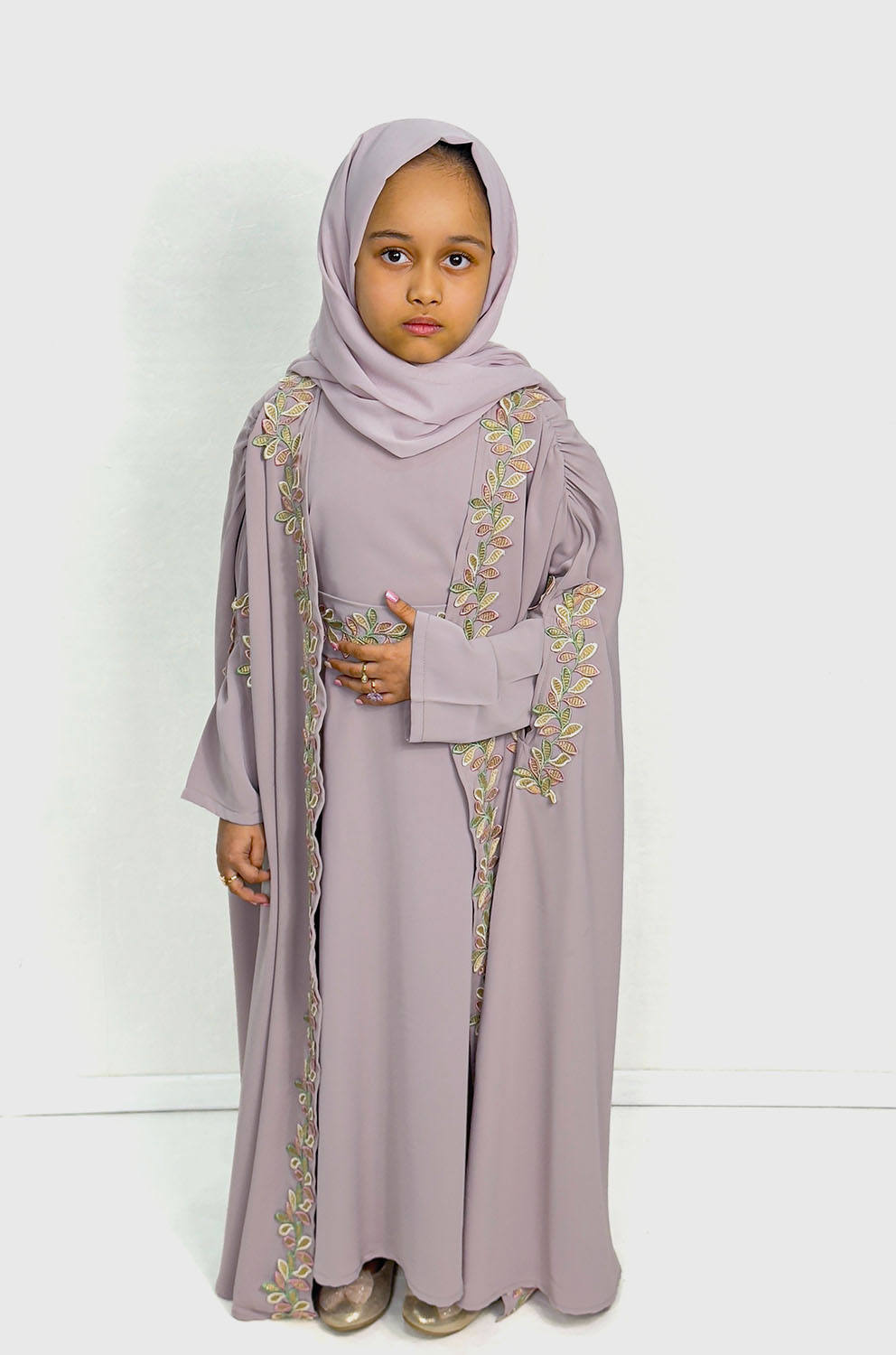
Common Myths Around Dressing Little Girls in Abayas
There’s a lot of misinformation and misplaced assumptions when it comes to little girls wearing abayas. For many parents, these myths can cause hesitation or guilt. But when we clear up the confusion, we empower families to make confident, value-driven choices.
Myth #1: “Abayas are too restrictive for young children”
Truth: Modern abayas for girls are designed with movement and play in mind. Think stretch fabrics, breathable materials, and smart tailoring. They’re as comfy as pajamas — but with elegance.
Myth #2: “It’s too early to dress my daughter in traditional wear”
Truth: Dressing in an abaya isn’t about pushing adulthood — it’s about celebrating modesty and identity in a gentle, age-appropriate way. Little girls often *want* to dress like mom or older siblings — and this can be a beautiful bonding moment.
Myth #3: “Abayas make girls feel less free”
Truth: Actually, many girls feel *more confident* and special in their abayas, especially during festive occasions. The right design feels empowering — not limiting.
Myth #4: “It’s just for religious obligation”
Truth: While rooted in Islamic modesty, the modern abaya for little girls is also a cultural, celebratory garment. It’s worn with joy — not pressure — during events like Eid, weddings, and Friday prayers.
Myth #5: “All abayas are the same”
Truth: From playful ruffles to glitter trims and printed sleeves, abayas for girls now come in endless variations tailored to kids’ tastes and personalities.
Table: Myths vs. Realities of Girls’ Abayas
| Myth | Reality |
|---|---|
| They’re too tight or heavy | Designed with kids in mind: soft, lightweight, and roomy |
| It’s forcing maturity | Encourages identity-building and celebration of heritage |
| Only suitable for very religious families | Worn by families for faith, fashion, and fun alike |
| All look alike | Come in dozens of colors, cuts, and playful styles |
| Make girls feel awkward or different | Most girls love twirling in them — they feel elegant and included |
Understanding the truth behind these myths changes everything. What once felt like pressure can now feel like pride. What seemed restrictive reveals itself as freeing.
And once you break through the noise, you’ll realize: choosing an abaya for your little girl can be one of the most meaningful — and fun — parenting decisions you’ll make.
Next, let’s talk about how to actually choose the perfect one for her — and what to avoid. 🎯
How to Choose the Right Abaya for Your Daughter
Picking the perfect abaya for your little girl is more than just a sizing decision — it’s a blend of comfort, personality, modesty, and love. Whether it’s her first abaya or one for a special occasion, the right choice can boost her confidence and make her feel truly special.
Start With Her Comfort
Let’s face it — if it’s not comfortable, she won’t want to wear it. Prioritize:
- Soft, breathable fabrics like cotton, crepe, or jersey
- Lightweight lining to prevent itching or overheating
- Freedom of movement for play and walking
Consider Her Personality
Little girls express themselves through color, sparkle, and shape. Pick an abaya that aligns with her interests:
- Does she love twirling? Choose a flared, A-line cut.
- Is she into sparkles? Go for subtle sequins or embellished cuffs.
- Prefers minimal? Opt for solid colors with soft trim.
Occasion Matters
Match the style to the setting:
- Daily wear: Simple, machine-washable designs with minimal detailing
- Eid or weddings: Embroidered, colorful, or beaded abayas
- Prayer or madrasah: Modest cuts with practical ease for sitting and movement
Practical Features to Look For
- Side pockets — perfect for little treasures
- Snap buttons or zippers — for easy dressing
- Wrinkle-resistant fabric — especially for travel
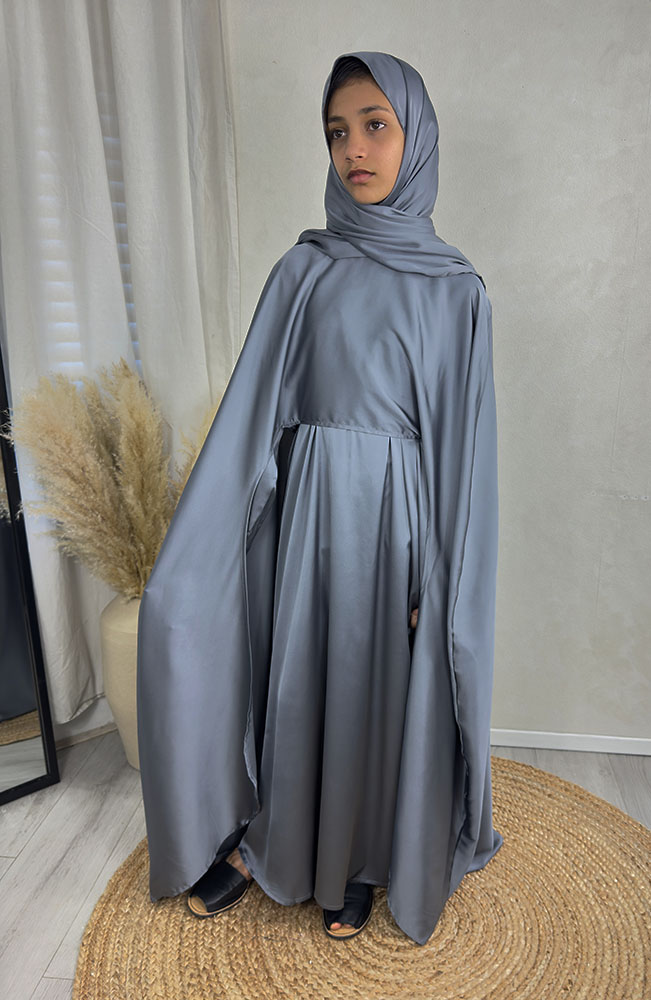
Table: How to Choose the Right Abaya by Age and Occasion
| Age Range | Recommended Fabric | Ideal Cut | Occasions |
|---|---|---|---|
| 2–4 years | Jersey, cotton blend | Loose, sleeveless underlay + kimono overlayer | Casual outings, play |
| 5–7 years | Soft crepe, linen blend | Flared, A-line with fun trims | Eid, family gatherings |
| 8–10 years | Chiffon (with lining), high-quality cotton | Structured cut with embroidery | School, prayer, formal events |
| 11–13 years | Poly-crepe, silk blend for special occasions | Elegant tailored fit with belt option | Weddings, mosque events |
Involve Her in the Decision
Let her browse with you. Ask which colors she loves. Let her pick a style. When she’s involved, she feels proud — and that makes wearing it all the more meaningful.
Choosing the right abaya is a beautiful blend of love, logic, and style. Start with what matters to her, and you’ll never go wrong.
Up next, we’ll explore the most popular abaya styles for little girls — so you can match her personality to the perfect design. 💫
Best Styles and Types of Abaya for Little Girls
With so many adorable options available, finding the best abaya style for your daughter is all about matching form with function — and personality with purpose. Whether you’re shopping for a playful toddler or a modest pre-teen, the right style can boost her confidence while honoring tradition in a way she’ll love.
1. Classic A-Line Abaya
This timeless silhouette flows from the shoulders to the hem, creating an elegant and modest look that suits girls of all ages. A-Line abayas are ideal for both everyday wear and special occasions.
- Gives a princess-like feel
- Easy to walk, sit, and play in
- Perfect for school or Eid
2. Kaftan Style Abaya
Inspired by traditional Moroccan kaftans, this loose, flowy design is incredibly comfortable and often comes with intricate embroidery or sequin detailing.
- Lightweight and breathable
- Popular for weddings or family gatherings
- Glamorous yet modest
3. Front Open Abaya (Zipper or Button)
This modern style is especially great for older girls who want to dress themselves with ease. It can be layered over dresses or casual wear.
- Functional and versatile
- Easy for prayer or madrasah
- Often includes fun patterns or trims
4. Butterfly Abaya
Known for its wide sleeves and draped elegance, the butterfly abaya creates a graceful silhouette that adds flair to even the simplest outfit.
- Elegant and eye-catching
- Great for festive occasions
- Often made with chiffon or satin
5. Two-Piece Abaya Sets
This includes a sleeveless underdress paired with a matching or contrasting overcoat-style abaya. It’s especially practical for layering during transitional seasons.
- Gives freedom to mix and match
- Comfortable for active girls
- Stylish yet modest
Comparison Table: Top 5 Abaya Styles for Little Girls
| Abaya Style | Best For | Fabric Recommendation | Occasions |
|---|---|---|---|
| A-Line Abaya | All age groups | Soft crepe, cotton blend | Daily wear, prayer, Eid |
| Kaftan Style | 5–13 years | Satin, georgette | Weddings, parties |
| Front Open Abaya | 7–13 years | Polyester, jersey | Madrasah, casual layering |
| Butterfly Abaya | 6–12 years | Chiffon, satin | Eid, formal gatherings |
| Two-Piece Set | 4–13 years | Crepe, cotton | Everyday wear, school |
What to Consider When Selecting a Style
- Weather: Choose breathable fabrics for summer and layered options for colder months.
- Activity level: Active girls need abayas with flexible cuts and soft materials.
- Personal style: Involve your daughter in choosing what reflects her unique personality.
By understanding the unique strengths of each style, you can pick an abaya that complements your daughter’s age, lifestyle, and confidence. Remember — modesty doesn’t mean dull. Today’s abayas blend tradition and trend effortlessly.
Next, let’s break down the best fabrics for comfort, modesty, and durability — so your daughter’s abaya isn’t just beautiful, but built to last. 🧵
What to Avoid When Shopping for Kids’ Abayas
Choosing the right abaya for your daughter isn’t just about what to look for — it’s also about knowing what to avoid. Many parents unintentionally choose styles, fabrics, or fits that lead to discomfort, frustration, or even rejection from their child. Here’s how to sidestep those mistakes and ensure your little girl wears her abaya with pride and joy.
Top Mistakes to Avoid When Buying a Girl’s Abaya
- Too Heavy or Stiff Fabrics: Thick, synthetic materials can feel hot, itchy, or restrictive — especially in warmer climates.
- Complex Fastenings: Buttons at the back, side zips, or tight cuffs can frustrate younger children who dress themselves.
- Overly Mature Styles: Avoid abayas that are just scaled-down versions of adult designs. Girls need age-appropriate elegance.
- Unlined or Transparent Materials: Thin fabrics without lining can be see-through and uncomfortable, especially in bright lighting.
- One-Size-Fits-All Models: Generic sizing often leads to poor fit. Always refer to brand-specific size charts.
- Abayas Without Stretch: Kids move a lot. Rigid abayas without flexibility can restrict their freedom to play or sit comfortably.
- Excessive Embellishments: Heavy beads or sharp sequins can scratch or snag — and may be unsafe for toddlers.
- Low-Quality Stitching: Loose seams or uneven hems may not withstand repeated wear or washing.
Quick Reference Table: What to Avoid vs. What to Choose
| Common Pitfall | Why It’s a Problem | Better Choice |
|---|---|---|
| Thick polyester blends | Causes sweating and itching | Choose soft cotton or lightweight crepe |
| Back buttons or tricky zippers | Difficult for kids to manage alone | Opt for front zips or pullover designs |
| Adult-style cuts | Too formal or restrictive | Look for playful, child-friendly silhouettes |
| No lining in light fabrics | Can appear see-through in sunlight | Ensure proper lining or wear a slip dress underneath |
| Oversized generic sizing | Poor fit leads to constant adjustments | Use accurate brand-specific size guides |
| Rigid seams and no stretch | Uncomfortable during play or sitting | Choose abayas with some elastic or stretch paneling |
| Beads and sharp sequins | Can irritate skin or pose choking hazard | Go for embroidery, lace, or soft appliqués |
| Cheap stitching | May tear after one wash | Check seams, hems, and label for quality |
Checklist Before You Checkout
- ✅ Is it breathable and lightweight?
- ✅ Can your daughter wear it by herself?
- ✅ Does it offer full coverage without transparency?
- ✅ Is the design age-appropriate and modest?
- ✅ Have you reviewed the size chart?
Avoiding these common mistakes not only ensures you get better value — it helps your child feel more confident and comfortable in her abaya. When she loves how it feels, she’s far more likely to wear it proudly and often.
Next, let’s look at the most recommended abaya fabrics for girls — and how to choose the right one for durability, modesty, and daily comfort.
Online vs. Offline: Which Abaya Shopping Experience Wins for Kids?
Parents today have more choices than ever when buying an abaya for their daughters. But with choice comes confusion: should you shop online for convenience or visit a physical store for a hands-on experience? The answer depends on what matters most to you — fit, price, variety, or immediacy.
Online Shopping for Little Girls’ Abayas
Online platforms offer access to a world of styles, sizes, and brands right from your home. Whether you’re looking for casual everyday wear or a formal piece for Eid, online shopping makes it easy to explore endless options without leaving the house.
Pros of Online Shopping:
- ✔️ Huge variety of designs and price points
- ✔️ Shop anytime — no business hours
- ✔️ Easy access to size guides, reviews, and return policies
- ✔️ Often better deals and online-exclusive offers
Cons of Online Shopping:
- ❌ Can’t feel the fabric or test quality before buying
- ❌ Risk of incorrect sizing
- ❌ Delivery times may vary
- ❌ Returns or exchanges may involve delays
Offline (In-Store) Shopping for Girls’ Abayas
Shopping in person allows you to check the fabric, try on sizes, and speak with shop assistants. It’s perfect if you’re shopping last-minute or want to ensure a perfect fit and immediate availability.
Pros of Offline Shopping:
- ✔️ Instant try-on for perfect sizing
- ✔️ Feel the fabric quality and check stitching
- ✔️ No waiting for delivery
- ✔️ Personal shopping experience with immediate feedback
Cons of Offline Shopping:
- ❌ Limited variety — especially in small shops
- ❌ Higher prices compared to online deals
- ❌ Travel, parking, and time commitments
- ❌ Inconsistent stock availability
Quick Comparison Table: Online vs. Offline Abaya Shopping
| Feature | Online Shopping | Offline Shopping |
|---|---|---|
| Variety of Styles | Extensive — hundreds of brands | Limited to store stock |
| Fabric Testing | Not possible | Feel the material in person |
| Fit Accuracy | Depends on size chart and reviews | Can try on immediately |
| Pricing | Often lower with discounts | Higher; less competitive |
| Convenience | Very high — shop from home | Requires travel and time |
| Returns & Exchanges | Possible but may take time | Immediate in-store resolution |
Pro Tip: Blend Both Worlds
Many savvy parents browse online to explore designs and read reviews, then visit a local store to test sizing — or vice versa. You can even order two sizes online and return the one that doesn’t fit, if the store offers free returns.
Ultimately, both shopping experiences have their advantages. The best choice depends on your daughter’s needs, your timeline, and your comfort level with returns or exchanges. Next, let’s explore which fabrics are best suited for kids’ abayas — ensuring softness, breathability, and lasting quality.
Latest Trends in Girls’ Modest Fashion
Modest fashion for young girls is experiencing a beautiful evolution — blending tradition with modern style in age-appropriate, faith-conscious designs. As parents seek clothing that reflects their values without sacrificing comfort or flair, new abaya styles and accessories have emerged to meet this demand.
Below, we explore the current trends shaping modest wear for little girls — from cuts and colors to cultural influence and sustainability.
Top 2025 Modest Fashion Trends for Girls
- Pastel Abayas: Soft hues like blush pink, lavender, mint, and baby blue are leading the color charts. These shades bring a youthful, lighthearted charm to traditional attire.
- Minimalist Embroidery: Simple floral patterns stitched subtly into the sleeves or hemline are trending. They add elegance without overwhelming the garment.
- Matching Hijab Sets: Coordinated sets — abayas with matching hijabs or scarves — offer a polished, photo-ready look for events like Eid and weddings.
- Flowy, A-Line Cuts: The A-line silhouette provides freedom of movement while maintaining a modest, graceful form. Ideal for active children.
- Breathable Fabrics: Lightweight cotton blends and crepe dominate for their comfort in warmer climates and all-day wearability.
- Eco-Conscious Materials: Sustainable and organic textiles are becoming a go-to choice for parents focused on ethical fashion.
- Custom Name Embroidery: Personalization has become popular — with names or initials elegantly embroidered into the cuffs or chest area.
- Layered Looks: Long cardigans or sleeveless outer abayas layered over inner dresses create dimension and flexibility in styling.
- Cultural Fusions: Designers are blending traditional Gulf, South Asian, and North African influences to create rich, unique aesthetics.
Visual Guide: Trending Features in Girls’ Abayas
| Trend | Description | Best For |
|---|---|---|
| Pastel Colors | Light, calming shades that suit young girls | Spring, Summer, Festive Wear |
| Minimal Embroidery | Subtle designs that add detail without distraction | Everyday & Special Occasions |
| Matching Hijabs | Complete sets that simplify outfit planning | School, Family Events, Eid |
| A-Line Cuts | Comfortable and modest flowy shapes | Active Kids & Formal Gatherings |
| Organic Fabrics | Gentle on skin, good for the planet | All-day Comfort, Sensitive Skin |
| Personalized Embroidery | Names or initials on cuffs or chest | Gifting, Eid Outfits |
| Cultural Hybrids | Mixed cultural patterns and cuts | Fashion-forward, Culturally Rich Looks |
Why These Trends Matter
These styles reflect a shift in how modest fashion is viewed — not as limiting, but as empowering. Little girls can now express their personality through soft colors, thoughtful details, and cultural heritage while staying true to Islamic values.
As modest fashion for children continues to evolve, staying up-to-date helps parents choose garments that feel both current and meaningful — helping their daughters embrace modesty with pride and joy.
Expert Tips to Get the Most Out of Your Purchase
Buying an abaya for your little girl is more than a simple clothing decision — it’s an investment in her comfort, confidence, and modest identity. To make sure you get the best value, fit, and long-term satisfaction from your purchase, we’ve compiled expert-backed tips that help you shop smarter and more intentionally.
1. Always Prioritize Fit Over Style
Style trends come and go, but comfort and freedom of movement are essential for children. Choose a size that allows for growth — but avoid garments that are excessively loose, as they can become impractical for play or movement.
2. Choose Easy-to-Clean Fabrics
Kids are naturally active, which means spills, dust, and daily wear are inevitable. Go for abayas made from machine-washable, wrinkle-resistant materials like cotton blends or crepe — these will last longer and reduce maintenance stress.
3. Look for Adjustable Features
Drawstring waists, elastic cuffs, and snap buttons can make a big difference. These elements make dressing easier and allow the abaya to adapt as your child grows.
4. Buy Multiple for Different Occasions
Don’t rely on one abaya for all uses. Consider having:
- A soft, breathable cotton abaya for daily wear
- A slightly dressier piece with subtle embroidery for school or outings
- A premium embellished abaya for Eid, weddings, or photoshoots
5. Read Reviews & Size Guides
When shopping online, don’t skip the reviews. They often reveal real-life sizing feedback, fabric behavior after washing, and even return policies. Always check the sizing chart carefully and measure your child beforehand.
6. Don’t Forget About the Hijab
If your daughter wears a hijab, try to get a coordinating piece with the abaya. It completes the look and avoids the hassle of finding a match later.
7. Involve Your Daughter in the Choice
Letting your child have a say in the color or style helps her feel more connected to her clothing — fostering positive feelings toward modest wear from an early age.
Quick Reference Table: Key Tips for Abaya Buyers
| Tip | Why It Matters | Pro Insight |
|---|---|---|
| Prioritize Fit | Ensures ease of movement and comfort | Allow 1 size up for longer usability |
| Choose Durable Fabrics | Reduces replacements and laundry burden | Look for cotton-poly or crepe blends |
| Buy for Occasions | Prevents wear & tear of one piece | Keep separate abayas for play and events |
| Check Size Charts | Reduces returns and sizing issues | Always measure chest and length first |
| Get Matching Hijabs | Enhances outfit cohesiveness | Buy sets when available |
| Involve Her Choice | Builds her confidence in modest fashion | Let her pick colors she likes |
Final Thought
Making the right choice when purchasing an abaya can enrich your daughter’s experience with modest fashion. With these tips, you’ll ensure every outfit brings value — not just in fabric or fit, but in how it supports her comfort, confidence, and faith.
Care, Maintenance & Longevity of Girls’ Abayas
Abayas for little girls can be a long-lasting investment if they are taken care of properly. With the right care, these garments can maintain their beauty, comfort, and durability over time. In this section, we’ll explore practical care tips to help extend the life of your daughter’s abayas and keep them looking fresh for years.
1. Follow the Manufacturer’s Care Instructions
Each fabric requires different care, and the manufacturer’s care instructions are the most reliable guide. Follow these instructions to avoid damaging the fabric and to maintain the color and texture of the abaya.
2. Wash Carefully
When it comes to washing, it’s important to consider the type of fabric. Here are general tips:
- Cotton Abayas: Wash in cold water and air dry to prevent shrinkage.
- Polyester Blends: Machine wash in cold water and tumble dry on low heat to maintain softness.
- Crepe or Silk Abayas: Hand wash or dry clean to preserve the delicate material.
3. Avoid Harsh Chemicals
Harsh detergents, bleach, or fabric softeners can degrade the fabric over time. Opt for gentle detergents and avoid bleach, as it can fade the color and weaken the fabric fibers.
4. Ironing & Steaming
If you need to remove wrinkles, always check the fabric label for iron settings. Many abayas, especially those made of synthetic fibers, require low heat. Alternatively, steaming is a gentler option that can help preserve the fabric’s structure without risking damage.
5. Proper Storage
Proper storage is key to maintaining your daughter’s abayas in top condition. Follow these steps:
- Use garment bags: To protect the fabric from dust, dirt, and other elements.
- Hang Abayas: Always hang the abaya on a sturdy hanger to prevent wrinkles.
- Avoid overcrowding: Ensure there is enough space in the closet for proper air circulation.
6. Repair Minor Damage Early
If you notice any loose threads, missing buttons, or small tears, address them quickly before the issue gets worse. Mending minor damage as soon as you spot it will help extend the life of the abaya.
7. Rotate Your Abayas
Instead of relying on a single abaya, rotate between a few different pieces. This helps reduce wear and tear on one garment and ensures that each abaya gets enough time to rest between wears, preserving its longevity.
Quick Reference Table: Abaya Care Tips
| Care Tip | Why It Matters | Pro Insight |
|---|---|---|
| Follow Manufacturer’s Care Instructions | Prevents damage and fabric deterioration | Ensure to read and adhere to care labels |
| Wash Gently | Prevents shrinkage and fabric wear | Cold water wash and low heat drying is ideal |
| Avoid Harsh Chemicals | Preserves color and fabric strength | Use gentle detergents and skip fabric softeners |
| Proper Storage | Prevents wrinkles and maintains fabric integrity | Use garment bags for delicate fabrics |
| Address Minor Damage Early | Prevents small issues from turning into bigger problems | Quick fixes, like sewing loose threads, can make a huge difference |
| Rotate Abayas | Reduces wear on one garment and prolongs its life | Keep a few options in rotation for variety and durability |
Final Thought
With proper care and maintenance, your daughter’s abaya can remain a beautiful, functional garment for years. By following these tips, you’ll ensure that each piece is durable, long-lasting, and always looking its best — making it a great investment in both style and longevity.
Real-Life Testimonials: Moms Share Their Favorite Abaya Moments
There’s no better way to understand the true value of an abaya for little girls than through the experiences of real parents. Below, we’ve gathered heartfelt stories from moms who share their favorite moments and why they love dressing their daughters in abayas. These testimonials not only highlight the practicality and beauty of abayas, but they also shed light on how these garments make special memories for families.
1. A Comforting Choice for Daily Wear
Maria, Mother of Layla (5 years old): “My daughter absolutely loves her abayas. They’re not just for special occasions — she wears them every day. They’re comfortable, lightweight, and easy to move in, which makes it perfect for her to play around at home or with her friends. Plus, she loves the pretty designs, and it makes her feel like a little princess.”
2. The Perfect Fit for Cultural Celebrations
Amina, Mother of Sara (6 years old): “Our family loves to celebrate cultural festivals, and an abaya is always the highlight of Sara’s outfit. It’s so meaningful for her to wear something that connects her to our culture, and the soft fabric keeps her comfortable for hours during ceremonies and parties. It’s the first thing she reaches for when it’s time to celebrate!”
3. Easy to Style for All Occasions
Fatima, Mother of Hana (4 years old): “I can dress up my daughter in an abaya for almost any occasion — whether it’s a family gathering, a wedding, or even a day at the park. The best part is that abayas can be paired with simple accessories like a headband or a cute pair of shoes to complete the look. They’re versatile and stylish, which makes dressing up a breeze!”
4. A Durable Option for Growing Kids
Jameela, Mother of Noor (7 years old): “As a busy mom, I need clothing that can withstand the wear and tear of active kids. Abayas are the perfect solution! Noor’s abayas have lasted her for more than a year without losing their shape or quality. It’s so refreshing to see clothing that is both durable and beautiful.”
5. Encouraging Modesty and Confidence
Rania, Mother of Amira (6 years old): “I love how an abaya encourages my daughter to feel confident in her own modesty. She enjoys wearing it because it makes her feel elegant and graceful. I also appreciate how easy it is to care for — it’s a simple yet effective way to instill a sense of pride in how she presents herself.”
Quick Testimonial Overview
| Mom’s Name | Child’s Age | Favorite Moment |
|---|---|---|
| Maria | 5 | Daily comfort and playfulness |
| Amina | 6 | Perfect for cultural celebrations |
| Fatima | 4 | Easy to style for any occasion |
| Jameela | 7 | Durability and long-lasting quality |
| Rania | 6 | Encouraging modesty and confidence |
Why Moms Choose Abayas for Their Daughters
These testimonials showcase a range of reasons why parents opt for abayas for their daughters. Whether it’s the comfort, versatility, durability, or the cultural connection, each story highlights the meaningful role these garments play in daily life. Abayas aren’t just clothes; they’re a reflection of tradition, personal style, and the practical needs of modern families.
By choosing abayas, moms are not just making a fashion statement for their daughters but also encouraging a strong sense of identity, confidence, and pride. With each wear, these garments help create lasting memories and offer a valuable connection to family values and culture.
Understanding the Emotional Significance of a Young Girl’s First Abaya
For many families, a young girl’s first abaya is more than just a piece of clothing — it’s a deeply symbolic moment. The experience carries significant emotional weight, marking a milestone in both a child’s life and their cultural journey. This section explores why a young girl’s first abaya is such a meaningful experience, not just for the child but for the entire family.
A Rite of Passage
The First Abaya: A Symbol of Growth
For many parents, dressing their daughter in her first abaya is akin to celebrating her transition from childhood into a new phase of modesty and personal development. Whether it’s for a religious event, a cultural ceremony, or simply to mark an important life stage, the first abaya signifies a moment of growth — spiritually, emotionally, and culturally.
- Growth in Modesty: Wearing an abaya helps instill a sense of modesty and respect in young girls, marking their understanding of cultural values.
- First Steps into Identity: The first abaya often aligns with the child’s increasing awareness of their identity and place within the cultural or religious community.
- A Moment of Pride: It’s a proud moment for both the child and the parents, symbolizing not only cultural heritage but also pride in preserving family traditions.
Bonding Moment for Parents and Children
The first abaya also offers a unique bonding moment between parents and their daughters. It’s often a shared experience that creates lasting memories. For mothers, in particular, it can feel like a rite of passage not only for their daughters but also for themselves as they watch their little ones grow into young ladies.
The Emotional Impact on Young Girls
Building Confidence and Self-Respect
Wearing an abaya for the first time can be an empowering experience for young girls. As they slip into their first abaya, many girls feel a sense of dignity and pride. The beautiful designs and flowing fabric help foster confidence, while the sense of modesty allows them to feel connected to something bigger than themselves — their family, their culture, and their community.
- Encouraging Positive Self-Image: Wearing an abaya can help young girls develop a positive self-image, reinforcing the idea that they are valued for who they are, not just how they look.
- Instilling a Sense of Purpose: For many young girls, their first abaya is a stepping stone toward understanding their role in their cultural and religious community, giving them a sense of purpose and belonging.
Table: Key Emotional Significance of the First Abaya
| Emotion | Description | Impact |
|---|---|---|
| Growth in Modesty | Represents the child’s understanding of modesty and cultural values. | Fosters a sense of maturity and respect for cultural traditions. |
| Confidence | Wearing an abaya can boost a young girl’s self-esteem and pride. | Encourages self-respect and personal dignity. |
| Bonding | The shared experience between parents and child strengthens family ties. | Creates lasting memories and emotional connections. |
| Pride | It is a proud moment for both the child and the family, emphasizing heritage. | Strengthens family identity and cultural pride. |
Why the First Abaya is More Than Just an Outfit
The first abaya is not simply a garment — it is a lasting symbol of family traditions, cultural identity, and emotional growth. It reflects the family’s values and beliefs, while also fostering a sense of belonging in young girls. This special moment in a child’s life is often accompanied by deep feelings of pride, joy, and sometimes even a little bit of nostalgia from parents who are witnessing the growth of their daughters.
When a young girl dons her first abaya, she is not just wearing a piece of fabric; she is embracing her heritage, stepping into a new chapter of her life, and feeling more connected to her cultural and familial roots. For many families, the first abaya marks a milestone that is cherished and celebrated for years to come.
Abayas by Age: Style and Fit Recommendations from 2 to 12 Years Old
When shopping for abayas for young girls, one of the key considerations is age-appropriate style and fit. As children grow, their needs change, and so should their clothing. In this section, we provide detailed recommendations for selecting the right abaya for girls at different age stages, from toddlers to preteens, to ensure both comfort and style.
Age 2 to 5: Comfort and Ease of Movement
At this early stage, young girls are still exploring the world and developing their motor skills, so comfort is a top priority. Look for abayas that are loose-fitting and made from soft, breathable fabrics that allow for movement. A simple design with minimal embellishments is ideal, as it will not interfere with their daily activities.
- Fabric: Soft cotton or lightweight jersey fabrics.
- Fit: Loose, easy-to-wear styles with no complicated fastenings.
- Design: Simple cuts and solid colors are best for this age.
Age 6 to 8: Modesty with Playfulness
As children reach this age, they begin to develop a sense of style. While modesty is still a key factor, it’s important to allow for a bit of creativity in the design. Bright colors, simple patterns, and small embellishments can make the abaya feel more fun, while still adhering to modesty standards.
- Fabric: Cotton blends or soft polyester for durability and comfort.
- Fit: Slightly more tailored but still comfortable enough for play.
- Design: Simple decorative elements like small embroidery or lace trim can be introduced.
Age 9 to 12: Growing into Modesty and Personal Style
As girls approach their pre-teen years, their sense of style becomes more developed. At this stage, abayas may begin to resemble those worn by older girls or women, but still offer appropriate modifications for their size. It’s essential to balance modesty with their growing independence and desire for individuality.
- Fabric: Luxurious yet breathable fabrics like chiffon or silk blends for special occasions, and cotton for everyday wear.
- Fit: A bit more structured, but still offering plenty of room for movement.
- Design: More intricate patterns, subtle embroidery, and elegant finishes can be incorporated.
Table: Age-Based Abaya Style and Fit Guide
| Age Group | Fabric Recommendations | Fit & Comfort | Design Features |
|---|---|---|---|
| 2 to 5 Years | Soft cotton, lightweight jersey | Loose, easy to wear with no complicated fastenings | Solid colors, minimal embellishments |
| 6 to 8 Years | Cotton blends, soft polyester | Comfortable but more tailored for play | Bright colors, simple patterns, small embroidery |
| 9 to 12 Years | Chiffon, silk blends, cotton | Structured but room for movement | Intricate patterns, subtle embroidery, elegant finishes |
Choosing the Right Abaya Based on Age
As you shop for your daughter’s abaya, consider her age, personality, and the occasion for which she is wearing it. Each age group has unique needs when it comes to fit and style. The goal is to select a design that provides comfort and modesty, while still allowing your child to express her individuality and creativity as she grows. Always prioritize fabric quality and fit to ensure your daughter feels comfortable and confident in her abaya.
Choosing the right abaya is more than just about looking good — it’s about supporting your child’s comfort, cultural identity, and emotional growth. The right abaya, at any age, helps foster a positive self-image and allows young girls to embrace their culture and heritage with pride.
Occasion-Based Abayas: Everyday Wear, Eid, School, and Family Gatherings
When shopping for abayas for your daughter, it’s important to consider the occasion. Different occasions require different styles of abayas, ranging from simple, comfortable options for everyday wear to elegant, statement-making designs for special events. In this section, we will explore the best abayas for various occasions, ensuring that your daughter feels confident and comfortable, no matter the event.
Everyday Wear: Comfort and Practicality
For everyday wear, comfort and ease of movement are the top priorities. Your daughter needs an abaya that she can wear for school, play, and daily activities without feeling restricted. The fabric should be breathable and soft, and the design should be simple yet stylish. Look for abayas made from cotton, jersey, or other lightweight materials that allow your daughter to move freely.
- Fabric: Soft cotton, jersey, or cotton blends for maximum comfort.
- Fit: Loose and relaxed fit, ensuring plenty of room to move around.
- Design: Simple cuts with minimal embellishments, ideal for daily activities.
Eid: Elegant and Festive Styles
Eid is a special occasion that calls for more elegant and festive abayas. For this important celebration, consider choosing an abaya that incorporates luxurious fabrics, intricate designs, and sparkling details like embroidery or beads. A more fitted or slightly tailored design may be appropriate, but comfort should still be a priority so your daughter can enjoy the day.
- Fabric: Luxurious fabrics like chiffon, silk blends, or satin for a refined look.
- Fit: Tailored or slightly more fitted designs for a more polished appearance.
- Design: Embroidered details, sequins, or beaded embellishments for a festive look.
School: Modesty Meets Practicality
For school, an abaya should be modest, practical, and easy to maintain. It’s essential to choose a design that is both comfortable for sitting and moving around in, while also adhering to your daughter’s school’s dress code (if applicable). Simple, solid-color abayas or those with minimal designs work best for school settings. Fabrics like cotton blends and polyester are easy to wash and maintain, making them ideal for everyday school wear.
- Fabric: Cotton blends, polyester, or other durable, easy-care materials.
- Fit: Comfortable but modest fit, not too tight or too loose.
- Design: Simple, classic designs with little to no embellishments.
Family Gatherings: Stylish Yet Comfortable
For family gatherings, the abaya should be stylish yet comfortable. These events are an opportunity to show off a little more personality while remaining respectful and modest. Look for abayas with subtle embellishments or a unique design that stands out, but still allows your daughter to feel at ease. Fabrics like linen or a cotton-silk blend can strike the perfect balance of style and comfort for family occasions.
- Fabric: Linen, cotton-silk blend, or lightweight chiffon for added elegance without sacrificing comfort.
- Fit: A more tailored or structured fit to add some polish while maintaining comfort.
- Design: Subtle embroidery or modern cuts with unique elements that make the abaya stand out.
Table: Occasion-Based Abaya Recommendations
| Occasion | Fabric Recommendations | Fit & Comfort | Design Features |
|---|---|---|---|
| Everyday Wear | Soft cotton, jersey, cotton blends | Loose, relaxed fit, allowing movement | Simple cuts, minimal embellishments |
| Eid | Chiffon, silk blends, satin | Tailored or slightly fitted for a polished look | Embroidered details, beads, sequins |
| School | Cotton blends, polyester, easy-care materials | Comfortable and modest fit | Simple, classic designs |
| Family Gatherings | Linen, cotton-silk blend, lightweight chiffon | Tailored, structured but comfortable | Subtle embroidery, modern cuts, unique elements |
Choosing the Right Abaya for Different Occasions
When selecting an abaya for a specific occasion, always balance style, comfort, and practicality. For everyday wear, comfort and simplicity should be prioritized, while for special events like Eid, more luxurious fabrics and embellishments can help your daughter feel festive. Whether for school, family gatherings, or celebrations, the key is finding an abaya that suits both the occasion and your daughter’s personality. With the right choice, she will feel both stylish and comfortable, no matter the event.
How Cultural Heritage Shapes Girls’ Abaya Styles Across Regions
The abaya is more than just a piece of clothing; it’s a reflection of cultural values, traditions, and regional influences. As with many traditional garments, the style, fabric, and design of an abaya can vary greatly depending on where it is worn. In this section, we will explore how different cultures across the globe influence the style and fit of girls’ abayas. Understanding these regional variations helps you select an abaya that resonates with your cultural preferences and values.
Middle Eastern Abayas: A Blend of Tradition and Modernity
In the Middle East, the abaya has deep roots in both religious and cultural practices. Traditionally, abayas were simple, black, loose-fitting garments worn by women to ensure modesty. However, today’s Middle Eastern abayas, especially those designed for girls, often incorporate modern twists, including luxurious fabrics, intricate embroidery, and colorful embellishments.
- Fabric: Heavy silk, satin, and crepe fabrics are commonly used for a refined appearance.
- Fit: Tailored, often with a slight flair at the bottom for a more polished look.
- Design: Embroidered details, lace, and beaded accents are often added to modern versions, making them suitable for both everyday wear and special occasions.
Gulf Region: Rich Colors and Bold Designs
The Gulf region, particularly countries like Saudi Arabia, UAE, and Qatar, has a unique approach to abaya design. While black remains a dominant color, colorful variations and bold patterns are increasingly common. Girls’ abayas in the Gulf region might feature vibrant hues like royal blue, deep red, and emerald green, paired with statement-making embroidery and decorative embellishments. These abayas are worn for both formal events and casual gatherings, giving girls a chance to express their individuality.
- Fabric: Light, breathable fabrics such as cotton, chiffon, and georgette are popular for the hot desert climate.
- Fit: Loose, with a slight A-line shape to allow for comfort and movement.
- Design: Bold patterns, colorful trims, and Arabic calligraphy designs are often used to make a striking impression.
North Africa: Traditional Meets Contemporary
In North African countries like Morocco and Algeria, the abaya takes on a more traditional, regional flair. These abayas often incorporate elements from the region’s rich history, such as intricate patterns and vibrant textiles. Girls’ abayas in North Africa are commonly made from lightweight fabrics, designed to keep the wearer cool while still maintaining a modest and graceful appearance.
- Fabric: Cotton, linen, and other breathable materials are ideal for hot climates.
- Fit: Flowy and relaxed, designed for comfort and ease.
- Design: Traditional embroidery, geometric patterns, and bright, cheerful colors are commonly used to add cultural significance.
South Asia: Fusion of Modesty and Bright Colors
In countries like Pakistan and India, abayas for girls are often influenced by South Asian fashion. The traditional black abaya is often enhanced with rich colors and intricate designs, incorporating elements of South Asian clothing, such as mirrors, sequins, and vibrant embroidery. These abayas strike a balance between modesty and the celebratory nature of South Asian culture.
- Fabric: Silk, cotton blends, and georgette for a luxurious yet comfortable feel.
- Fit: Tailored at the top, with a flare at the bottom for freedom of movement.
- Design: Bright colors, embellishments like mirrors and stones, and beautiful floral embroidery.
Table: Regional Abaya Styles and Influences
| Region | Fabric | Fit | Design Features |
|---|---|---|---|
| Middle East | Silk, satin, crepe | Tailored with a slight flare | Embroidery, lace, beads |
| Gulf Region | Cotton, chiffon, georgette | Loose, A-line shape | Bold patterns, colorful trims, Arabic calligraphy |
| North Africa | Cotton, linen | Flowy and relaxed | Traditional embroidery, geometric patterns, bright colors |
| South Asia | Silk, cotton blends, georgette | Tailored with a flare at the bottom | Bright colors, mirror work, floral embroidery |
Understanding the Influence of Cultural Heritage
The style and design of an abaya are not just about fabric and fit, but also about cultural expression. Different regions around the world shape abaya designs based on their cultural heritage, climate, and traditions. By understanding these regional differences, you can choose an abaya that not only reflects your daughter’s personal style but also pays homage to the cultural values you hold dear.
Hijab Pairing for Little Girls: Safe, Comfortable, and Adorable
When it comes to dressing young girls in hijabs, safety, comfort, and style are key considerations. Pairing a hijab with an abaya for little girls not only ensures modesty but also provides an opportunity to create a cute, functional, and stylish outfit. In this section, we’ll explore how to choose the right hijab for your daughter, keeping comfort, safety, and aesthetic appeal in mind.
1. Choosing the Right Fabric for Comfort and Breathability
The fabric of the hijab is one of the most important factors when pairing it with an abaya for little girls. The material should be soft, breathable, and gentle on a child’s sensitive skin. Fabrics like cotton, jersey, and chiffon are great options as they allow for airflow while also providing adequate coverage. Avoid fabrics that may feel too stiff or heavy, as they could cause discomfort or irritation, especially in hot weather.
- Cotton: Soft, breathable, and great for everyday wear.
- Jersey: Stretchy and comfortable, ideal for active girls.
- Chiffon: Lightweight and elegant, perfect for special occasions.
2. Ensuring the Right Fit: Not Too Tight, Not Too Loose
Just like the abaya, the hijab should fit comfortably and securely, without causing any discomfort. A hijab that is too tight can lead to headaches or restrict blood circulation, while a hijab that is too loose can slip off, making it difficult for little girls to maintain throughout the day. When selecting a hijab, ensure that it is snug enough to stay in place without being restrictive. Adjustable styles with velcro or elastic bands are ideal for ensuring the right fit.
- Adjustable Styles: Look for hijabs with velcro or elastic bands to ensure a secure fit.
- Snug, Not Tight: The hijab should fit comfortably around the head and neck without being too tight.
- Easy to Wear: Styles with a simple design are easier for young girls to manage independently.
3. Safe and Soft Fasteners: Avoiding Pinning
For young children, using pins to secure a hijab is not always the safest or most comfortable option. Pins can poke or irritate sensitive skin and could even be a choking hazard. Instead, opt for hijabs with built-in fasteners like velcro or elastic bands, or those with ties that can be adjusted for a perfect fit. These options eliminate the need for sharp pins, ensuring safety while maintaining a neat look.
4. Fun and Adorable Designs: Adding Personality to the Look
While comfort and safety are top priorities, there’s no reason why a hijab can’t also be cute and fun! Many hijabs for little girls come in a variety of colors, patterns, and designs. From pastel shades to playful floral patterns or even polka dots, there are endless options to match your daughter’s personality and style. Adding a little flair to the hijab can make the whole outfit feel more personal and special.
- Colorful Designs: Choose hijabs in colors that complement your daughter’s abaya and reflect her favorite shades.
- Fun Patterns: Look for adorable patterns like flowers, stripes, or stars to make the hijab more playful.
- Special Occasions: For Eid or family gatherings, consider hijabs with decorative details like beads or sequins.
5. Table: Ideal Hijab Fabrics and Features for Comfort and Style
| Fabric | Features | Occasion |
|---|---|---|
| Cotton | Breathable, soft, lightweight | Daily wear, casual outings |
| Jersey | Stretchy, comfortable, easy to wear | Playtime, school |
| Chiffon | Elegant, lightweight, drapes beautifully | Special occasions, formal gatherings |
| Velcro/Elastic | Adjustable, easy to fasten | All-day wear, family events |
6. Pairing the Right Hijab with the Right Abaya
When choosing a hijab to pair with a little girl’s abaya, it’s important to consider both color and style. If the abaya is simple and plain, consider adding a hijab with a pop of color or pattern to make the outfit more vibrant. Conversely, if the abaya has intricate details, opt for a more neutral hijab that complements the overall look without competing for attention. The key is balance—selecting a hijab that enhances the abaya while keeping your daughter comfortable and stylish.
Conclusion: Hijab Pairing for Little Girls Made Simple and Safe
Choosing the right hijab for little girls isn’t just about fashion; it’s about comfort, safety, and self-expression. By selecting soft fabrics, ensuring the right fit, and avoiding pins or sharp fasteners, you can ensure that your daughter’s hijab is both safe and comfortable. With a wide range of designs to choose from, there’s no shortage of options to make her look and feel adorable. Whether for daily wear or special occasions, the right hijab will complement her abaya and reflect her personality, making her feel confident and stylish.
Budget vs. Luxury: Does Price Really Make a Difference for Kids’ Abayas?
When shopping for kids’ abayas, one of the most common questions parents face is whether to opt for budget-friendly options or invest in more expensive, luxury abayas. The price range for kids’ abayas can vary significantly, and understanding the differences between budget and luxury options can help parents make an informed decision that aligns with their needs, preferences, and budgets.
1. Factors That Influence the Price of a Kids’ Abaya
The price of a kids’ abaya can be influenced by several factors, including fabric quality, design complexity, brand reputation, and the country of manufacture. While budget abayas may serve their purpose for daily wear, luxury abayas often incorporate premium fabrics, intricate designs, and unique craftsmanship that make them stand out.
- Fabric Quality: Luxury abayas are often made from high-quality materials like silk, fine chiffon, and premium cotton, while budget options may use basic cotton or synthetic blends.
- Design Complexity: Luxury abayas typically feature intricate embroidery, embellishments, and custom designs, whereas budget abayas may have simpler styles.
- Brand Reputation: Well-known luxury brands tend to set higher prices due to their reputation for quality and exclusivity.
- Manufacturing Location: Abayas made in countries with a long-standing history in traditional garment production, like the UAE or Saudi Arabia, may come at a premium price due to their craftsmanship.
2. Pros of Budget Abayas
Budget-friendly abayas can be an excellent option for parents looking for affordable, practical, and functional garments for their children. While these abayas may not feature the same luxurious materials or detailed embroidery as high-end options, they offer great value for money and can be worn comfortably for daily activities.
- Affordability: Budget abayas are more accessible and affordable, making them ideal for everyday wear or for multiple pieces.
- Simple Styles: These abayas often feature simple and classic designs, making them versatile for various occasions without the need for fancy detailing.
- Easy Maintenance: Budget abayas tend to be easy to care for and durable, making them a practical choice for active children.
3. Pros of Luxury Abayas
On the other hand, luxury abayas offer a level of elegance and quality that budget options can’t always match. These abayas are crafted with attention to detail, premium materials, and unique designs, making them perfect for special occasions, family gatherings, and celebrations.
- Premium Quality: Luxury abayas are made from fine fabrics that offer superior comfort and durability, making them ideal for long-term use.
- Exquisite Designs: With intricate embroidery, beading, and lacework, luxury abayas stand out with their beautiful craftsmanship and attention to detail.
- Exclusive and Elegant: These abayas can make your little girl feel special, giving her a sense of confidence and style on important occasions.
4. When to Choose a Budget Abaya
There are plenty of scenarios where a budget-friendly abaya is the best option. If you’re looking for a piece that’s durable, affordable, and versatile for everyday wear, a budget abaya is the way to go. These abayas work great for school, playdates, or casual outings where the focus is on comfort rather than luxury.
- Daily Wear: Budget abayas are perfect for everyday activities like school, running errands, or casual family events.
- Multiple Options: Buying several budget abayas can offer variety and practicality, allowing your child to wear something different every day.
- Active Kids: Budget abayas are a great choice for kids who are constantly moving and playing, as they tend to be easy to clean and maintain.
5. When to Choose a Luxury Abaya
If you’re looking for an abaya that makes a statement and is suitable for special occasions like Eid, weddings, or family gatherings, a luxury abaya is the way to go. Luxury abayas combine comfort with elegance, making them a standout choice for significant events.
- Special Occasions: For events like Eid, weddings, or formal gatherings, luxury abayas provide an elevated look that makes your little girl feel unique.
- Gift Giving: Luxury abayas can make for a thoughtful and memorable gift for a young girl, providing her with something special to cherish.
- Longevity: These abayas are often made with high-end fabrics that can last longer, making them a worthwhile investment for future use or hand-me-downs.
6. Table: Comparing Budget vs. Luxury Abayas
| Feature | Budget Abayas | Luxury Abayas |
|---|---|---|
| Fabric Quality | Basic cotton, synthetic blends | Premium cotton, chiffon, silk |
| Design | Simple, classic designs | Intricate embroidery, embellishments |
| Durability | Good for everyday wear | Long-lasting with proper care |
| Occasions | Daily wear, casual outings | Special occasions, formal events |
| Price | Affordable, budget-friendly | Expensive, premium pricing |
Conclusion: Finding the Right Balance Between Budget and Luxury
Ultimately, the decision between a budget or luxury abaya depends on your needs, preferences, and budget. Budget abayas are perfect for everyday wear, offering practicality and comfort at an affordable price. On the other hand, luxury abayas bring a level of elegance, quality, and exclusivity that make them ideal for special occasions. Whether you choose a budget or luxury abaya, the most important factor is finding a piece that fits your daughter’s needs and makes her feel confident, comfortable, and beautiful.
Parenting with Modesty: Teaching Faith Through Fashion
Teaching modesty through fashion is a powerful way to instill values and faith in young children, especially for parents who want their kids to grow up with a sense of dignity, self-respect, and a deep connection to their cultural or religious beliefs. The abaya, often seen as a symbol of modesty, plays a key role in this practice, offering not only a way to dress but also an opportunity to pass on important lessons about humility, respect, and faith.
1. Why Modesty Matters in Parenting
Modesty isn’t just about how one dresses; it’s a reflection of inner values and beliefs. For many parents, teaching modesty is an integral part of raising children who understand the importance of respect, dignity, and humility. By encouraging modest clothing like the abaya, parents can help their daughters develop a sense of self-worth that is not tied to appearance, but rather to their character and faith.
- Teaches Respect for Oneself and Others: Modesty is a way to show respect for both oneself and those around us, fostering an environment of care and consideration.
- Encourages Inner Confidence: A focus on modesty encourages children to develop confidence based on their personality and abilities, rather than physical appearance.
- Promotes Humility: Modesty through clothing teaches children to be humble and to recognize the value of what’s within, rather than seeking attention through outward appearances.
2. Introducing Modesty at a Young Age
Introducing the concept of modesty early in a child’s life allows them to grow up with a solid understanding of its significance. This can be a gradual process, with parents explaining the reasons behind modest dress and involving their children in the decision-making process when selecting clothes, especially when it comes to an abaya.
- Positive Reinforcement: Praise and encourage your child when they choose to dress modestly, helping them associate modesty with positive feelings and choices.
- Leading by Example: Children often imitate their parents, so when parents practice modesty, they naturally inspire their children to do the same.
- Incorporating Faith: For Muslim families, teaching modesty through fashion is often intertwined with faith, and the abaya can serve as a physical representation of religious beliefs and values.
3. Abaya as a Tool for Teaching Modesty and Faith
The abaya is more than just a piece of clothing; it is an important cultural and religious symbol. By choosing an abaya for their daughters, parents can reinforce lessons about modesty and the significance of following religious or cultural guidelines regarding dress. The act of wearing an abaya can be an expression of faith, helping children learn the importance of modesty in a tangible and meaningful way.
- Physical Manifestation of Values: Wearing an abaya is a clear and visible way to embody modesty, helping children understand the deeper meanings behind modest dress.
- Connection to Faith: For many, the abaya is an important part of religious observance, teaching children that their dress can be an expression of their faith and beliefs.
- Encourages Respect for Cultural Heritage: The abaya is deeply rooted in tradition, and wearing it allows children to connect with their cultural identity, instilling pride and respect for their heritage.
4. When and Where to Teach About Modesty in Fashion
Discussing modesty can be done at various points in a child’s life, but the best time to teach them about the connection between faith and fashion is as they start to develop an awareness of their surroundings and the clothing choices of others. Whether it’s when they first start school, attend religious gatherings, or participate in family events, parents can use these opportunities to explain the importance of modest dressing.
- Before Special Occasions: Teaching modesty before events like Eid, weddings, or religious services can help children understand why certain types of clothing are more appropriate for these occasions.
- On Shopping Trips: When shopping for clothing, use the opportunity to discuss modesty with your child, explaining why certain garments like abayas are appropriate for their needs and values.
- During Everyday Conversations: Modesty should be a part of regular discussions about behavior, dress, and how one’s clothing choices can reflect their values.
5. Table: Tips for Parents on Teaching Modesty Through Fashion
| Approach | Benefits | How to Implement |
|---|---|---|
| Positive Reinforcement | Encourages children to feel good about their modest choices. | Praise modest clothing choices and encourage self-confidence in their appearance. |
| Lead by Example | Sets a positive example for children to emulate. | Practice modesty yourself in both clothing and behavior to show your child the importance of modesty. |
| Incorporate Faith | Strengthens the connection between faith and fashion. | Discuss how modest clothing, like the abaya, aligns with religious or cultural values, helping your child understand its significance. |
| Discuss Modesty Regularly | Helps children internalize the values behind modest dressing. | Have open conversations about why modest clothing is important and how it reflects personal values and faith. |
6. Conclusion: Raising Confident, Modest Children
Teaching modesty through fashion is an essential aspect of raising children with a strong sense of identity and respect for themselves and others. The abaya serves as a valuable tool in this process, not just as a piece of clothing but as a meaningful expression of faith and cultural pride. By guiding children in making modest clothing choices and explaining the deeper significance of these choices, parents can help them grow into confident, self-respecting individuals who carry these values with them throughout their lives.
How to Talk to Your Daughter About Modest Dressing (Without Pressure)
Talking to your daughter about modest dressing is an important aspect of instilling values of self-respect, cultural identity, and faith. However, it’s essential to approach the conversation in a way that feels empowering rather than pressuring. By fostering open communication and providing a safe space for questions and discussions, you can help your daughter understand the reasons behind modest dressing while ensuring she feels confident and in control of her choices.
1. Make Modesty a Conversation, Not a Rule
Instead of imposing modest dressing as a rule, make it part of an ongoing conversation. This helps your daughter feel involved in the decision-making process and encourages her to understand the deeper reasons behind it. Approach the topic in a way that invites questions, thoughts, and ideas from her, ensuring that she feels heard and respected.
- Encourage Questions: Let her ask why modest dressing is important. Be ready with thoughtful, age-appropriate answers that relate to your cultural or religious values.
- Discuss Choices: Discuss the variety of clothing options available within the modest framework. This helps your daughter see that modesty doesn’t mean sacrificing style or individuality.
- Promote Open Dialogue: Create a space where your daughter feels comfortable expressing her thoughts and feelings about modesty, helping her understand it on her own terms.
2. Highlight the Positive Aspects of Modesty
Rather than focusing on what she can’t wear, emphasize the positives of dressing modestly. Highlight how modest clothing, like the abaya, can be empowering and reflective of personal and spiritual values. Teach your daughter that modesty is a choice that helps her express confidence and individuality, rather than something that restricts her freedom.
- Empowerment: Explain how modest clothing can help her feel confident and powerful, as it aligns with her values and self-respect.
- Individuality: Remind her that modest dressing doesn’t mean she has to blend in; she can express her unique style within the modest fashion guidelines.
- Respect: Teach her that modest dressing can also be a way to show respect for herself and others, helping her understand its positive impact on her character.
3. Avoid Using Modesty as a Tool for Control
It’s crucial not to use modest dressing as a way to control or restrict your daughter’s freedom. Instead, focus on the values and benefits that modesty brings, allowing her to feel in control of her own choices. This approach can help prevent resentment or feelings of rebellion against modest clothing, making it a positive aspect of her life.
- Provide Options: Rather than dictating exactly what she must wear, provide a variety of modest options for her to choose from, making her feel empowered in her choices.
- Foster Independence: Allow your daughter to have a say in what she wears. By doing so, she will feel more in control and will develop a personal connection to the idea of modesty.
- Avoid Negative Reinforcement: Never use punishment or guilt as a means of encouraging modest dressing. This can make the process feel restrictive and forceful, rather than empowering.
4. Make it a Family Affair
Discussing modest dressing as a family can help create a supportive and unified environment. When your daughter sees that modest dressing is a shared value within the family, it becomes less of a burden and more of a natural choice. This approach also makes her feel like she is part of a greater purpose, reinforcing her sense of belonging.
- Family Modeling: Parents can set an example by dressing modestly themselves, showing their children that modesty is a family value.
- Inclusive Conversations: Involve the whole family in discussions about why modest dressing is important and how it fits into the family’s values and faith.
- Shared Understanding: Encourage everyone in the family to share their thoughts and experiences with modest dressing, fostering a sense of unity and shared values.
5. Table: Key Tips for Talking to Your Daughter About Modesty
| Tip | Benefit | How to Implement |
|---|---|---|
| Make it a Conversation | Helps your daughter feel involved in the decision-making process. | Ask open-ended questions about her thoughts on modesty and encourage her to share her views. |
| Highlight the Positives | Shows how modesty can be empowering and reflect self-respect. | Focus on the positive aspects of modest dressing, like empowerment and individuality. |
| Avoid Control | Helps your daughter feel independent and in control of her choices. | Provide a variety of modest clothing options and allow her to choose what resonates with her. |
| Involve the Family | Fosters unity and shared values around modest dressing. | Encourage family discussions about modesty and model respectful dressing within the family. |
6. Conclusion: Building a Positive Relationship with Modesty
Talking to your daughter about modest dressing should be an empowering experience, not a forced decision. By fostering an open, supportive dialogue, highlighting the benefits of modesty, and providing her with choices, you can help her develop a healthy, positive relationship with her clothes. With patience, understanding, and the right approach, your daughter will not only understand the importance of modest dress but will embrace it as part of her personal identity, confidence, and faith.
Frequently Overlooked Sizing Details That Affect Comfort
When shopping for abayas for your little girl, one of the most crucial factors to consider is sizing. The right fit ensures not only a comfortable experience for your daughter but also the ability to wear the abaya for extended periods without feeling restricted. However, there are several sizing details that many parents overlook, which can significantly affect the comfort and functionality of the abaya. Let’s explore these important factors to help you make the best decision for your child’s comfort and style.
1. Length of the Abaya: Finding the Right Fit
One of the most important aspects of sizing an abaya is ensuring it is the correct length. While it might seem like the longer, the better, it’s essential to consider your child’s height and comfort level. An abaya that’s too long can cause tripping hazards, while one that’s too short may not offer the desired modesty or coverage.
- Measure Properly: Measure from the child’s shoulder to the ankle to determine the ideal length. The abaya should hover just above or at the ankle.
- Consider Movement: The abaya should allow free movement without dragging. Look for styles with adjustable hemlines or elastic waistbands to cater to growth.
- Room for Growth: While it’s essential to get a proper fit, consider buying an abaya with a bit of extra length so your daughter can grow into it.
2. Sleeves: Ensure Comfort and Flexibility
The sleeve length and fit of an abaya are equally as important as its overall length. Too-tight sleeves can restrict arm movement, while excessively loose sleeves might get in the way during activities. Pay attention to the cut and fit of the sleeves to ensure that they allow for movement and comfort.
- Adjustable Sleeves: Look for abayas with cuffs or adjustable sleeves that can be tightened or loosened as needed.
- Elastic Bands: Many abayas come with elastic bands at the wrist, which not only ensure a snug fit but also help keep sleeves from dragging.
- Consider the Activity: If your daughter will be wearing the abaya during active play, opt for a slightly looser fit for more freedom of movement.
3. Waist and Bust Area: Finding the Right Balance
The fit around the waist and bust is often a misunderstood area in abaya sizing. While most abayas are designed to be loose and flowy, a snug fit in the waist and bust area can prevent the abaya from looking bulky or uncomfortable. Conversely, too much room can make the abaya look ill-fitting and may cause discomfort as it shifts or pulls during wear.
- Elastic Waistbands: Many abayas come with an elastic waistband that allows for a customizable fit. This feature can help the abaya stay in place while ensuring comfort.
- Adjustable Sizing: Look for options that offer adjustable sizing with drawstrings or belts to tailor the fit around the waist and bust.
- Looseness for Comfort: Ensure the abaya provides enough room around the bust without feeling tight or restrictive, especially during the growing years.
4. Fabric Stretch and Breathability
The fabric of the abaya plays a significant role in both its comfort and fit. Fabrics that are too stiff can restrict movement, while those that are too thin may not provide adequate coverage. Additionally, the fabric should be breathable, particularly if your daughter will be wearing the abaya for extended periods.
- Choose Stretchable Fabrics: Fabrics with a slight stretch, like jersey or cotton blends, allow for a better fit without being too tight or too loose.
- Breathable Materials: Choose breathable fabrics like cotton, linen, or lightweight chiffon, which keep your daughter comfortable even in warmer weather.
- Check for Fabric Weight: Make sure the fabric weight is appropriate for the season. Heavier fabrics are suitable for colder months, while lighter materials are best for warmer climates.
5. Table: Common Abaya Sizing Mistakes and Solutions
| Mistake | Solution | Impact |
|---|---|---|
| Buying too long a length | Ensure the abaya length is just above or at the ankle, avoiding dragging or tripping. | Provides safety and ease of movement. |
| Too-tight sleeves | Opt for adjustable cuffs or elastic wristbands for flexibility and comfort. | Ensures freedom of movement and prevents discomfort. |
| Loose fit around waist and bust | Choose abayas with adjustable waistbands or drawstrings for a more tailored fit. | Improves the overall appearance and comfort, avoiding awkward bulging or shifting. |
| Poor fabric choice | Pick breathable fabrics with slight stretch to accommodate growth and improve comfort. | Increases breathability, comfort, and versatility for different weather conditions. |
6. Conclusion: Ensuring the Perfect Fit for Comfort and Style
Getting the right fit for your daughter’s abaya is essential for both comfort and style. By considering the length, sleeve fit, waist and bust area, and fabric choice, you can ensure that the abaya is comfortable and functional. Additionally, being aware of common sizing mistakes and addressing them proactively will ensure that your daughter enjoys her abaya without feeling restricted. The key is to focus on the overall comfort and usability of the garment, which will contribute to her confidence and enjoyment while wearing it.
Future-Proofing Her Wardrobe: How to Buy Abayas That Grow With Her
When buying abayas for your little girl, it’s essential to consider not just her current size, but also how the garment will adapt to her growth. Children’s clothing can quickly become outgrown, leading to frequent replacements. However, with some careful planning and smart purchasing, you can buy abayas that offer flexibility and longevity, ensuring that they grow with your daughter and provide long-lasting value.
1. Look for Adjustable Features
Abayas with adjustable features can extend the lifespan of the garment as your daughter grows. These features allow the abaya to adapt to her changing size, making it a more cost-effective and sustainable choice.
- Adjustable Waistbands: Many modern abayas come with elastic waistbands or drawstrings, which can be tightened or loosened to accommodate different body sizes.
- Removable Accessories: Some abayas come with removable belts or sashes. These accessories can be adjusted or swapped out to fit your daughter as she grows.
- Layered Designs: Layered or multi-piece abayas give room for changes in size by offering flexibility with fit, providing an adaptable design as your daughter matures.
2. Buy One Size Larger for Longevity
If you’re unsure about sizing, it’s a good idea to buy an abaya one size larger than her current size. This approach ensures that your daughter can grow into the garment over time and allows for extended wear. However, it’s important to balance the size carefully so that the abaya doesn’t look overly loose or oversized in the meantime.
- Look for Adjustable Lengths: Some abayas are designed with adjustable lengths, which can be extended as your daughter grows taller.
- Consider Stretchable Fabrics: Fabrics with slight stretch (like cotton blends or jersey) can offer flexibility in fit, making them a good choice for growing children.
- Buy a Versatile Design: Choose designs with a timeless look so the abaya can be worn for different occasions as she ages, rather than just for a specific event.
3. Opt for Timeless Styles
Trendy designs can be appealing at first, but they may not offer the longevity or adaptability you’re looking for. When purchasing an abaya for long-term use, opt for classic styles that won’t go out of fashion and can be worn for several years without feeling outdated.
- Simple, Elegant Cuts: Choose abayas with simple, elegant cuts that are versatile and suitable for various occasions. Avoid over-the-top embellishments that may limit the versatility of the abaya.
- Neutral Colors: Neutral colors such as black, navy, beige, or pastels can be easily paired with a variety of accessories and worn through different seasons, making them a versatile investment.
- Subtle Detailing: Abayas with subtle embroidery or design accents offer a sophisticated look that can remain stylish as your child grows, without appearing overly juvenile.
4. Table: How to Buy Abayas That Grow With Your Daughter
| Tip | Details | Benefits |
|---|---|---|
| Adjustable Waistbands | Opt for abayas with elastic waistbands or drawstrings. | Provides a flexible fit that can expand as your daughter grows. |
| Buy One Size Larger | Purchase an abaya that’s one size bigger to allow room for growth. | Helps extend the lifespan of the abaya without compromising comfort. |
| Timeless Styles | Choose abayas with simple cuts, neutral colors, and minimal embellishments. | Ensures the abaya remains fashionable as your daughter matures. |
| Stretchable Fabrics | Look for abayas made from cotton blends, jersey, or fabrics with some stretch. | Allows the abaya to expand with your daughter’s growth, offering extra comfort. |
| Layered Designs | Consider abayas with detachable elements or layered designs. | Enables the garment to be adjusted for a more personalized fit as she grows. |
5. Regular Check-ins: Ensuring the Perfect Fit Over Time
As your daughter grows, it’s important to check in on the fit of her abaya regularly. This ensures that the garment remains comfortable and functional, and allows you to make adjustments if necessary. By incorporating flexibility in the design and focusing on styles that last, you can extend the usefulness of each abaya purchase and save on frequent shopping trips.
Conclusion: Invest in Her Future Comfort and Style
Future-proofing your daughter’s wardrobe by selecting abayas that can grow with her is an investment in both comfort and style. With adjustable features, timeless designs, and quality fabrics, you can ensure that each abaya will be a long-lasting addition to her wardrobe. By focusing on versatility and comfort, you not only provide her with clothing that supports her physical growth but also instill a sense of timeless fashion that will carry her through different stages of life.
Conclusion: Building a Timeless and Comfortable Wardrobe for Your Little Girl
Choosing the right abaya for your daughter is about more than just style; it’s about ensuring comfort, durability, and versatility as she grows. By considering factors such as adjustable features, timeless designs, and high-quality fabrics, you can provide her with a wardrobe that will not only serve her today but continue to do so as she matures. Whether you’re shopping for everyday wear, special occasions, or a combination of both, selecting the right abayas is an investment in both her modest fashion and long-term comfort.
Now that you have all the information you need, it’s time to make those thoughtful choices. Think about the features that matter most to you and your daughter, explore various options, and choose abayas that fit her unique needs. Your daughter’s wardrobe doesn’t just reflect her style—it’s a way to teach her the importance of modesty, comfort, and confidence as she grows.
Ready to Find the Perfect Abaya for Your Little One?
Browse our curated collection of abayas designed with your child’s growth and comfort in mind. From adjustable waistbands to timeless styles that can grow with her, we offer a range of abayas that combine style, quality, and practicality. Don’t wait—give your daughter the gift of beautiful, lasting fashion today!
Have any questions or need personalized advice? Don’t hesitate to reach out to our team. We’re here to help you find the perfect abaya for your daughter’s journey—because every girl deserves to feel beautiful and confident in her own skin.
Frequently Asked Questions (FAQ)
1. What is an abaya for little girls?
An abaya for little girls is a modest, loose-fitting garment traditionally worn by young girls in various Islamic cultures. It covers the body from shoulder to ankle and is designed for both comfort and modesty. It often comes in soft, breathable fabrics and can be worn for various occasions, from daily wear to special events.
2. Why should I dress my daughter in an abaya?
Dressing your daughter in an abaya offers several benefits, including fostering modesty, comfort, and cultural identity. It helps young girls feel empowered and confident while maintaining modesty. Additionally, it teaches respect for cultural values and tradition from an early age.
3. At what age should a little girl start wearing an abaya?
There’s no set age, as it depends on the cultural or family practices. However, many families start introducing abayas to their daughters as early as 3 or 4 years old, especially when they begin participating in religious activities or family gatherings. It’s important to ensure the abaya is comfortable and age-appropriate.
4. Are there different types of abayas for little girls?
Yes, there are several types of abayas, including traditional styles, modern cuts, and embellished designs. Some may feature zipper closures or adjustable waistbands to allow for growth. The fabric used can also vary, from lightweight cotton for daily wear to more luxurious fabrics for special occasions.
5. Can my daughter wear an abaya for everyday use?
Absolutely! Many abayas are designed for daily wear and are made from comfortable, breathable fabrics like cotton or jersey. These styles are simple yet elegant and can easily be paired with other modest accessories like scarves or hijabs.
6. What should I look for when choosing an abaya for my daughter?
When choosing an abaya, consider factors such as comfort, fit, fabric, and the ease of wearing it. Ensure that it has adjustable features for growing children, is made from breathable material, and fits her style and personality. It’s also important to choose a color and design that suits her preferences.
7. How can I make sure my daughter’s abaya fits properly?
Look for abayas with adjustable sizing options, such as elastic waistbands or drawstrings, that accommodate growth. Ensure the length is appropriate—neither too long nor too short—and that it allows her to move comfortably. Always check the size guide before purchasing for accurate measurements.
8. Are there any specific abayas for religious occasions?
Yes, there are specially designed abayas for religious occasions like Eid, Ramadan prayers, or family gatherings. These abayas often feature elegant embellishments, intricate embroidery, and luxurious fabrics like satin or silk to reflect the special nature of the event.
9. How do I care for and maintain my daughter’s abaya?
To care for an abaya, follow the manufacturer’s care instructions. Most abayas can be machine washed on a gentle cycle, but always check the fabric type. For embroidered or embellished abayas, hand washing may be necessary. Air dry the abaya to prevent shrinkage or damage.
10. What are some common misconceptions about abayas for little girls?
One common misconception is that abayas are uncomfortable or restrictive. In reality, many abayas are designed with comfort and flexibility in mind. Another misconception is that they are only for special occasions, but there are plenty of styles made for everyday wear.
11. Are abayas suitable for warm weather?
Yes, abayas are available in light and breathable fabrics such as cotton, linen, and jersey, making them suitable for warm weather. These fabrics help keep your daughter cool and comfortable while maintaining modesty.
12. Can my daughter wear a hijab with her abaya?
Yes, many young girls choose to pair a hijab with their abayas, especially for religious or formal occasions. There are many child-friendly hijab styles that are comfortable and easy to wear, making it a perfect combination with an abaya.
13. How do I make sure the abaya is comfortable for my daughter?
Look for features like soft, stretchy fabrics, and adjustable sizes. Ensure the fit is not too tight or too loose, and that the length allows for freedom of movement. Choose simple designs with no harsh seams or heavy embellishments that could cause discomfort.
14. Should I choose a budget-friendly or luxury abaya for my daughter?
It depends on your priorities. Budget-friendly abayas can offer good quality for everyday wear, but if you’re looking for a special occasion piece with high-quality materials and intricate design, a luxury abaya might be more appropriate. Both options can be found at various price points, so select based on your needs and preferences.
15. How do I know if my daughter’s abaya is the right size?
Check size guides from the brand or store, and always measure your daughter’s height and chest width before purchasing. Opt for an abaya with adjustable features like an elastic waistband or drawstring that can accommodate growth and ensure comfort.
16. What are the benefits of wearing abayas for little girls?
Wearing an abaya can instill values of modesty, self-respect, and cultural awareness. It also provides comfort and ease of movement, making it an ideal choice for both casual and formal occasions. Plus, they come in a wide range of styles suitable for various events.
17. Can I find abayas for little girls in various colors and designs?
Yes, abayas for little girls come in many colors and designs, from classic black to pastels, florals, and even more playful designs. Whether you prefer a minimalist look or something with embroidery or embellishments, there’s an abaya style to suit every preference.
18. Is it important to match my daughter’s abaya with her accessories?
While it’s not necessary to match accessories precisely, coordinating the abaya with modest accessories such as a hijab or scarf can enhance her overall look. Keep in mind that comfort and simplicity should always be prioritized, especially for younger children.
19. Are abayas for little girls available in stores or only online?
Abayas for little girls are available both in physical stores and online. Shopping online gives you access to a wide variety of styles, sizes, and prices. However, if you prefer trying on the abaya before purchasing, in-store shopping might be a better option for you.
20. What makes abayas different from other modest dresses?
Abayas are specifically designed to offer full coverage, often in a looser fit, compared to other modest dresses. While both can serve similar purposes, abayas are usually more traditional and are designed to be worn in specific cultural contexts, such as during prayers or family events.


