
Ever feel like modest fashion doesn’t get the spotlight it truly deserves? Like we’re often boxed into tired stereotypes when, in reality, abayas and hijabs are so much more than just clothes—they’re powerful expressions of who we are, a beautiful blend of faith, culture, and fierce individuality. I’ve been there, navigating the balance between feeling covered and feeling *seen*—and trust me, it’s a journey worth taking. In this post, I’m diving deep into how modern abaya and hijab styling has transformed from tradition into a vibrant, stylish lifestyle that celebrates identity, confidence, and creativity. You’ll discover fresh trends, practical tips for choosing the perfect cuts and fabrics for your body and face shape, plus clever styling hacks to avoid common pitfalls. Whether you’re looking to refresh your wardrobe or just curious about this evolving fashion world, I’ve got you covered. By the end of this post, I’ll walk you through everything you’ve ever wondered about abaya and hijab style — so let’s dive in.
Abaya and Hijab Style: A Modern Expression of Modesty and Identity
What does it really mean to feel beautiful, confident, and covered — all at once? For millions of women around the world, abaya and hijab style isn’t just about fabric or fashion. It’s about heritage, spirituality, empowerment, and a personal sense of grace. Whether you’re new to modest wear or refining your wardrobe, this guide will walk you through everything you need to know — from style pairings to cultural insights, seasonal trends to expert care tips.
By the time you finish reading, you’ll have a wardrobe strategy that celebrates your identity, suits your lifestyle, and looks absolutely stunning — without compromising your values or your voice. Let’s get started.

What is Abaya and Hijab Style and Why It Matters Today
At its core, abaya and hijab style is the visual and cultural harmony between two of the most defining garments in modest fashion. The abaya — a flowing outer garment often worn in the Middle East, North Africa, and increasingly around the globe — pairs elegantly with the hijab, a headscarf worn for religious, cultural, or personal reasons. But this pairing is far more than tradition — it’s become a modern canvas for creativity, individuality, and even activism.
In 2025, we’re seeing a global renaissance in modest fashion. Women are not only reclaiming modesty on their terms but also reshaping what it looks like. From New York runways to local souqs in Dubai, abayas and hijabs are evolving — draped in soft satins, punctuated with embroidery, styled with boots or heels, and shared proudly on social media. And guess what? Style and substance are no longer separate stories.
Table: Key Elements of Modern Abaya and Hijab Styling
| Style Element | Modern Interpretation | Emotional Value |
|---|---|---|
| Abaya Cut | Kimono, Open Front, Tailored, Butterfly | Comfort, Elegance, Body Confidence |
| Hijab Fabric | Chiffon, Jersey, Modal, Silk | Breathability, Drape, Expression |
| Color Coordination | Neutrals, Monochrome, Pastels, Bold Prints | Personality, Mood, Identity |
| Occasion | Casual, Formal, Prayerwear, Travel | Purpose, Practicality, Pride |
| Accessories | Belts, Pins, Jewelry, Bags | Confidence, Customization, Polish |
This is why “abaya and hijab style” isn’t a trend — it’s a lifestyle. And today, you have more options than ever to make that lifestyle your own.
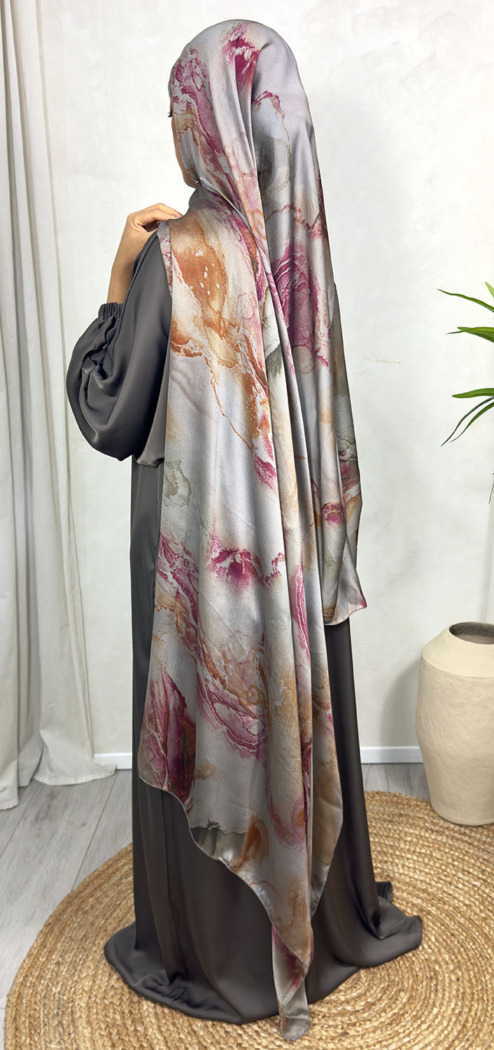
Common Mistakes and Myths Around Abaya and Hijab Styling
You’d be surprised how many style-conscious women fall into the same traps — and it’s usually not their fault. Social pressure, outdated rules, or confusion around “what’s appropriate” can make even the most confident dresser second-guess herself. Let’s clear the air on the most common misconceptions so you can move forward with clarity and flair.
Myth 1: “All abayas are the same”
Absolutely not. Between Moroccan kaftan-style abayas, Saudi butterfly cuts, Turkish tailored designs, and modern minimal silhouettes, the abaya world is vast. Choosing the wrong cut for your body shape is like wearing jeans two sizes off — frustrating and unflattering.
Myth 2: “You have to match everything”
While coordinated outfits look polished, don’t be afraid to mix textures, shades, or even prints. A muted abaya with a bold printed hijab or vice versa creates balance and personality — it’s called visual interest. Style is not a formula. It’s a fingerprint.
Myth 3: “Hijab styles are one-size-fits-all”
Face shape, hair texture, and even the climate where you live all affect how you wear a hijab. A round face may suit a high-volume wrap, while someone with a narrow jawline might prefer Turkish undercaps with slick edges. Experiment, assess, repeat.
Quick-Reference Table: Styling Mistakes to Avoid
| Mistake | Why It’s a Problem | Better Alternative |
|---|---|---|
| Wearing heavy fabrics in summer | Uncomfortable and prone to sweat marks | Opt for breathable linens or lightweight crepe |
| Over-accessorizing | Distracts from the beauty of the outfit | Stick to 1-2 key accents (belt + bag or earrings + shoes) |
| Ignoring color harmony | Creates visual disharmony | Use a palette: base + pop color or tone-on-tone |
| Wearing hijab too tightly | Uncomfortable and can cause headaches | Try soft modal or jersey wraps for all-day wear |
Avoiding these common mistakes can dramatically improve your comfort, confidence, and style presence — without needing to spend a fortune or change your values.
How to Choose the Right Abaya and Hijab Combo for Your Body Type
Every woman deserves to feel confident in what she wears — and that starts with choosing styles that flatter her unique shape. The beauty of abaya and hijab style is that it’s incredibly versatile. You just need to know what silhouettes, cuts, and fabrics highlight your best features and make you feel amazing.
Why Body Type Matters More Than Size
Size is just a number. What really matters is proportion — the relationship between your shoulders, waist, hips, and height. When your abaya and hijab enhance that natural balance, you’ll look and feel effortlessly polished. Whether you’re petite, tall, curvy, or athletic, there’s a perfect pairing waiting for you.
Body Type Style Guide
Here’s a clear breakdown of which abaya and hijab styles suit which body types:
| Body Type | Best Abaya Cuts | Ideal Hijab Styles | Style Tip |
|---|---|---|---|
| Petite (5’3″ and under) | Tailored, open-front, short-length abayas | Turban or snug jersey hijabs | Stick to monochromes or vertical patterns to elongate |
| Tall (5’7″ and above) | Layered, flowy, batwing, or butterfly cuts | Oversized drapes or wrapped shayla styles | Add contrast layers or wide belts to break the length |
| Curvy / Hourglass | Belted abayas, flared styles, empire waist | Soft, framing hijabs like chiffon or georgette | Use structure at the waist, flow at the hem |
| Rectangle / Athletic | Paneled cuts, detailed embroidery, open abayas | Layered hijabs or printed wraps | Create shape with visual curves and texture |
| Apple / Round | A-line abayas, kaftans, loose butterfly sleeves | Lightweight hijabs in soft, non-clingy fabrics | Go for flow and movement, avoid clingy fits |
Hijab Wrap Tips by Face Shape
Choosing the right hijab wrap doesn’t just depend on body shape — your face shape matters too. Here’s how to enhance your natural features:
- Round Face: Go for volume on top to elongate the face. Avoid tight undercaps.
- Oval Face: Lucky you — almost every style works. Experiment freely.
- Square Face: Choose soft, rounded wraps with no harsh corners.
- Heart-Shaped Face: Focus on jawline balance — drape more loosely around the chin.
- Long Face: Add width with turban wraps or horizontally folded hijabs.
Fabric Considerations
✓ Lightweight Fabrics
Best for layering and movement — think chiffon, crepe, cotton voile. These work for warmer climates and everyday wear.
✓ Medium to Heavyweight Fabrics
Great for structure, cooler weather, or formal occasions. Wool blends, velvet abayas, or double georgette hijabs offer more coverage and elegance.
Expert Tip
When shopping online, always check the cut + fabric + length combo. A stunning embroidered abaya may not look right if it drags on a petite frame. Many online shops now list model height and garment length — use it to your advantage.
Ready to try pairing like a pro? In the next section, we’ll dive into how to style your abaya and hijab for every major occasion — from daily errands to weddings.
Best Abaya and Hijab Style Ideas for Every Occasion
One of the best things about the abaya and hijab style is how effortlessly it adapts to every part of your life — whether you’re heading to a wedding, running errands, or enjoying a spiritual moment. But the key to looking polished isn’t just about owning different abayas. It’s about choosing the right style for the right occasion — and making it your own.
1. Everyday Casual: Comfort Meets Elegance
Your go-to casual abaya should feel like a second skin — breathable, fuss-free, and flattering. Think cotton, jersey, or lightweight crepe with minimal design. Pair it with a stretchable jersey hijab for a snug yet soft look that stays put all day.
- Style Tip: Go for neutral tones like taupe, grey, or dusty rose — they match everything.
- Recommended Look: Straight-cut zip abaya + undercap + lightweight jersey hijab.
2. Work or Study: Sleek and Professional
For work or university, aim for modest sophistication. Opt for tailored abayas in darker shades — navy, forest green, black. Add structure with collars, cuffed sleeves, or belts. Pair with a silk or viscose hijab for a polished finish.
- Pro Tip: Avoid loud prints. Solid colors and clean lines project authority.
- Recommended Look: Belted blazer abaya + smooth satin hijab + pointed flats.
3. Weddings & Formal Events: All Eyes on You (Subtly)
Weddings call for opulence — but without compromising modesty. Choose embroidered abayas, embellished kaftans, or velvet gowns with subtle sparkle. Complement them with layered chiffon hijabs or statement jewelry.
- Pro Tip: Let one element shine. If your abaya has heavy embroidery, keep your hijab soft and simple.
- Recommended Look: Floor-length embellished abaya + chiffon hijab + crystal brooch.
4. Spiritual Moments: Prayer, Umrah, or Hajj
Modesty and comfort are non-negotiable during acts of worship. Choose abayas with full coverage, no sheer fabrics, and breathable material. White, beige, or black are best for these sacred moments.
- Pro Tip: Look for “one-piece prayer sets” with attached hijabs for quick wear.
- Recommended Look: Wide-sleeved cotton abaya + khimar or slip-on hijab.
5. Family Gatherings: Modest Yet Chic
For casual family visits, a pop of color and style detail goes a long way. Play with pastel tones, ruffle accents, or kimono sleeves. Add texture through pleats or layering.
- Pro Tip: Don’t be afraid of patterns — just keep them soft and feminine.
- Recommended Look: Pleated pastel abaya + printed hijab + dainty sandals.
6. Travel Days: Functional and Fuss-Free
On the go? You need pockets, breathable fabric, and low-maintenance hijabs. Zipper-front abayas, wrinkle-free knits, and pull-on underscarves will keep you looking sharp and feeling comfy.
- Pro Tip: Layer with a lightweight kimono or cardigan for climate control.
- Recommended Look: Travel abaya with utility pockets + cotton jersey hijab + slip-on sneakers.
Style Snapshot: Occasion-by-Occasion Breakdown
| Occasion | Abaya Style | Hijab Type | Color Palette |
|---|---|---|---|
| Everyday | Straight-cut, front-zip, minimal | Jersey or cotton | Neutral tones |
| Work / Study | Blazer, belted, collared | Satin, viscose | Dark solids, muted hues |
| Weddings | Embroidered, velvet, kaftan | Chiffon, layered georgette | Gold, emerald, burgundy |
| Prayer / Umrah | One-piece, cotton, wide-sleeve | Khimar or instant slip-on | White, black, beige |
| Family Visits | Ruffled, flared, pastel | Printed chiffon or crinkle | Lavender, blush, mint |
| Travel | Pocketed, wrinkle-free, open | Soft jersey or wrap scarf | Charcoal, sand, olive |
What Most Women Forget to Consider…
Your environment plays a huge role. What works for a wedding in Dubai may not suit a winter event in London. Always factor in weather, event dress codes, and whether you’ll be on your feet for long.
Coming up next: We’ll explore common fashion mistakes when it comes to styling abayas and hijabs — and how to avoid them with elegance.
What to Avoid When Styling Abaya and Hijab (Biggest Mistakes)
Even the most luxurious abaya can fall flat if it’s styled the wrong way. Whether you’re new to modest fashion or you’ve worn abayas for years, there are a few common styling mistakes that can disrupt the flow of your outfit — or worse, make you feel uncomfortable or self-conscious. Let’s break them down, so you never have to learn the hard way.
1. Mismatched Fabrics: The Silent Saboteur
One of the most overlooked details in modest styling is fabric harmony. Pairing a heavy velvet abaya with a feather-light chiffon hijab can make your outfit feel unbalanced and sloppy.
- Why it’s a problem: Contrasting weights can pull on your hijab or make your neckline look bulky.
- What to do instead: Match fabric textures. Pair crepe with georgette, or velvet with thicker modal hijabs.
2. Over-Accessorizing: When Too Much Becomes Too Loud
We get it — you love your statement earrings, sparkly brooches, and beaded handbag. But adding them all at once creates visual chaos, especially with intricate abayas.
- Why it’s a problem: It distracts from the natural grace of your modest outfit.
- What to do instead: Stick to one standout accessory per look. Let your abaya or hijab be the star.
3. Poor Hijab Placement: Undermining the Whole Look
You can be wearing the most elegant abaya — but if your hijab keeps slipping, bunching up at the neck, or drowning your face, it throws everything off. A well-set hijab frames the face and complements the silhouette.
- Why it’s a problem: It ruins the flow and symmetry of your entire outfit.
- What to do instead: Use an undercap, learn 1–2 reliable wrap styles, and test your look before leaving the house.
4. Ignoring Body Type and Fit
Not every abaya fits every body the same way — and that’s okay. Oversized styles may drown petite frames, while tight cuts can feel restricting for curvier silhouettes.
- Why it’s a problem: Unflattering fits can reduce confidence and mobility.
- What to do instead: Learn your shape (pear, apple, rectangle) and choose cuts that flow with your form.
5. Color Confusion: Missing the Tone Harmony
Throwing colors together without understanding your undertone or the occasion can lead to visual dissonance. For example, neon with gold embroidery might be too loud for a conservative setting.
- Why it’s a problem: It draws attention for the wrong reasons — clashing, not complementing.
- What to do instead: Choose a primary color and build around it with complementary shades (see color wheel below).
🔵 Color Coordination Tip (Table)
| Primary Abaya Color | Best Hijab Matches | Occasions |
|---|---|---|
| Black | Beige, emerald, burgundy | Formal, everyday, events |
| Beige | Olive, white, rust | Prayer, gatherings |
| Pastel Blue | Grey, mauve, soft navy | Spring, casual outings |
| Emerald Green | Champagne, black, ivory | Weddings, evenings |
6. Neglecting Ironing or Steam Finishing
You could wear a stunning satin abaya — but if it’s creased and wrinkled, it instantly cheapens the entire look.
- Why it’s a problem: It gives the impression of being rushed or careless.
- What to do instead: Steam your outfit the night before. Invest in a portable travel steamer for on-the-go refreshes.
7. Ignoring Footwear and Bags
The bottom of your abaya often reveals your shoes — and yet many women settle for worn flats or clashing sneakers. Your bag and shoes matter more than you think in bringing the look together.
- Why it’s a problem: It breaks the visual flow and can look unkempt in photos or real life.
- What to do instead: Invest in 2–3 versatile pairs of shoes and a neutral bag that match most of your wardrobe.
Before You Step Out…
Take one last look in a full-length mirror. Walk a few steps. Sit down. Does your hijab stay in place? Do your sleeves move comfortably? When you style with intention, everything feels — and looks — better.
Up next, we’ll explore the evolving debate of online vs offline shopping for abayas and hijabs — and why one might suit you more than the other.
Online vs Offline: Which Abaya and Hijab Shopping Experience Wins?
You’ve probably asked yourself this more than once: Should I buy my abayas and hijabs online or go in-store? Each experience offers something unique — one is fast, convenient, and limitless; the other is tactile, immersive, and emotionally grounding. The real winner? It depends on what you value most. Let’s break it down with clarity, so you can make the best decision for your wardrobe and lifestyle.
The Emotional Experience: Tactile vs Instant Gratification
There’s something deeply personal about walking into a boutique, running your fingers over satin folds, and trying on an abaya under warm lighting. You feel the weight of the fabric, see how the hijab frames your face, and feel emotionally connected to your purchase.
But there’s also power in digital convenience. Online shopping gives you access to brands across continents — and that late-night scroll when you’re in your PJs? It’s a form of therapy.
Feature-by-Feature Comparison
| Feature | Online Shopping | Offline Shopping |
|---|---|---|
| Fabric Feel | Guesswork unless brand provides fabric guides | Can touch, drape, and inspect directly |
| Color Accuracy | Sometimes altered by screen brightness | Exact color as seen under store lighting |
| Range of Options | Thousands of designs and global access | Limited to store’s inventory |
| Returns & Exchanges | Possible but time-consuming; return policies vary | Instant try-ons reduce return needs |
| Cost | Often cheaper; online exclusives and deals | May be pricier due to retail overhead |
| Styling Advice | Blogs, chats, videos — but not personal | In-person advice from stylists or sales staff |
Real-Life Scenario: The Before and After
Amina, a student in the UK, once hesitated to order abayas online. Her first experience? A white crepe abaya that looked ivory on screen but arrived almost grey. She felt deflated — but then discovered a site with detailed videos, customer reviews, and fabric zoom-ins. Her second order? Perfect.
She now shops 90% online, but for Eid or weddings, she still visits her favorite local boutique for that extra touch of emotion and luxury.
Pro Tips to Get the Best of Both Worlds
- Online: Always check fabric descriptions, zoom into product photos, and watch try-on videos when available.
- Offline: Visit stores during quiet hours to get full styling support. Ask to test hijab pairings in-store.
- Combine: Try on in-store to learn your size, then shop online for variety and better deals.
The final verdict? Neither is better — they serve different needs. Think of offline as your styling playground and online as your 24/7 fashion catalog. The smartest shoppers use both like seasoned pros.
Next, we’ll explore the most exciting topic yet — what’s trending in abaya and hijab styles this year and how to keep your wardrobe modern without losing your modesty.
Latest Trends and Innovations in Abaya and Hijab Styling
Abaya and hijab fashion has evolved far beyond its traditional boundaries — today, it’s a blend of heritage, modernity, and identity. From tech-integrated fabrics to avant-garde cuts inspired by international runways, modest fashion is no longer in the shadows. It’s setting trends. Let’s explore what’s hot, what’s rising, and what’s rewriting the modest fashion rulebook in 2025.
Top Abaya Trends Right Now
- Minimalist Monochrome: Clean, single-tone abayas in muted hues like stone, sand, and charcoal dominate 2025 collections. They’re versatile, timeless, and perfect for layering with statement hijabs.
- Utility Chic: Think cargo pockets, zippers, and belt loops — abayas that feel as functional as they are fashionable.
- Kimono-Inspired Cuts: Wider sleeves, belted waists, and flowing silhouettes influenced by Japanese fashion are reshaping traditional forms.
- Embroidered Narratives: Arabic calligraphy, regional motifs, and even personal names embroidered along sleeves or hems are adding meaning and personal touch.
- Two-Piece Abaya Sets: These include a matching under-dress or slip with a complementary open abaya — stylish and modest in one go.
Hijab Styling Trends to Know
- Jersey Hijabs for All-Day Comfort: Breathable, non-slip, and drapey — jersey is becoming the go-to for busy days and long wear.
- Layered Draping: Combining two hijabs or under-scarves for added texture, especially in contrasting fabrics like satin and cotton.
- No-Pin Styles: Wraps that rely on secure tucking and shaping — popularized by influencers aiming for speed and simplicity.
- Hijab-Caps as Statement Pieces: Embellished inner caps with pearls, embroidery, or lace peeking out from underneath sheer hijabs.
Innovations in Fabric and Design
The modest fashion world is also seeing innovations that go beyond aesthetics:
- Temperature-Regulating Fabrics: Materials that adapt to body heat — cooler in summer, warmer in winter. Perfect for women in the Gulf, Southeast Asia, and beyond.
- Crease-Resistant Blends: Designed for travel and long days. No iron? No problem.
- Eco-Conscious Abayas: Brands are using bamboo viscose, organic cotton, and recycled polyester to answer the call for sustainability in style.
Trend Forecast Table: Abaya & Hijab Styles 2025
| Category | Trend | Why It’s Gaining Popularity |
|---|---|---|
| Abaya | Kimono Cuts | Modern silhouette, flattering for all body types |
| Abaya | Utility Designs | Practical + stylish = everyday wear revolution |
| Hijab | No-Pin Styles | Speed, comfort, and hair-safety |
| Hijab | Hijab-Cap Styling | Blends modesty with visual creativity |
| Fabric | Sustainable Materials | Eco-conscious buyers driving the demand |
Embracing Trends While Staying True to Modesty
One of the biggest myths in modest fashion is that trends and tradition can’t coexist. But the truth is — the best trends elevate modesty. Whether it’s a carefully layered hijab or a structured abaya that still flows with grace, these styles are about enhancing, not compromising, your values.
Up next: Let’s talk about the biggest pitfalls to avoid when shopping for abayas and hijabs, especially online — because a wrong choice can cost you both money and confidence.
What to Avoid When Shopping for Abayas and Hijabs
Shopping for abayas and hijabs can be a beautiful experience — but also overwhelming, especially online. Between stunning photography, trending hashtags, and endless options, it’s easy to fall into style traps or invest in items that don’t suit your needs. This section is here to help you shop smarter and avoid the most common — and costly — mistakes.
1. Buying Without Knowing Your Fabric Preferences
One of the most common pitfalls is choosing an abaya or hijab based on how it looks in a photo — without knowing what the fabric feels like. Some materials drape beautifully but may not breathe well, while others might wrinkle easily or cling uncomfortably.
- Avoid: Chiffon hijabs without underscarves (they slip!)
- Watch out for: Thick polyester abayas if you live in a hot climate
- Choose instead: Lightweight nida, crepe, or bamboo blends for comfort and elegance
2. Falling for Trends That Don’t Suit Your Body or Lifestyle
Trendy doesn’t always mean practical. That oversized balloon-sleeve abaya might look chic online but feel bulky in real life — especially if you’re petite or constantly on the go.
- Avoid: Oversized abayas if you’re under 5’3” unless they’re tailored
- Instead: Opt for A-line or belted styles that enhance your shape without sacrificing modesty
3. Ignoring Sizing and Length Charts
Abaya lengths and fits vary widely between brands — especially when shopping internationally. A size 56 in Dubai might not match a size 56 in London. Hijab lengths also matter: shorter ones may not cover the chest if that’s important to you.
- Avoid: Assuming your usual size will fit across all brands
- Tip: Always check the sizing chart and look for customer reviews about fit
4. Skipping Return Policies and Customer Reviews
Even experienced shoppers can end up disappointed when the fabric feels rough, the color is different in person, or the abaya is see-through. Always read return policies and reviews before you click “add to cart.”
- Look for: Photos from real customers, especially in natural light
- Avoid: Shops with no return or exchange policy
Quick Comparison Table: Smart Shopping vs Common Mistakes
| Smart Shopper Does This | Common Mistake |
|---|---|
| Checks fabric composition and breathability | Buys based on looks alone |
| Compares size charts by region | Assumes universal sizing |
| Reads real reviews and checks policies | Skips fine print and regret later |
| Chooses versatile colors and cuts | Buys bold trends that don’t match their wardrobe |
5. Overlooking Purpose and Frequency of Use
Ask yourself: Is this abaya for prayer, everyday errands, events, or all three? A sequined open abaya may not be suitable for daily wear, while a cotton one might look too casual for special occasions.
- Pro Tip: Build a wardrobe of 3–5 versatile abayas for different needs — casual, prayer, and elegant wear
6. Not Considering Color Matching With Existing Wardrobe
It’s easy to fall for a beautiful emerald or mauve hijab — but will it match anything you own? Shopping in isolation often leads to pieces you rarely wear.
- Instead: Choose 2–3 base colors (black, beige, navy) and build around them
- Tool: Keep photos of your closet or color palette saved for reference when shopping online
Ready to take your abaya and hijab shopping from frustrating to fulfilling? Up next: Let’s compare the emotional and practical experience of buying abayas and hijabs online vs offline.
Online vs Offline: Which Abaya and Hijab Experience Wins?
In a world where convenience often comes with compromise, deciding between buying abayas and hijabs online or offline isn’t just a logistical choice — it’s deeply personal. Each experience carries its own joys, frustrations, and emotional wins. Let’s unpack them so you can shop with full confidence.
The Allure of Online Shopping
There’s something magical about browsing a curated feed at midnight, discovering global modest fashion brands with a swipe. Online shopping gives you access to styles, fabrics, and cuts that may not be available in your local stores. Whether you’re in Manchester or Malaysia, you’re only a click away from Turkish silk or Emirati nida.
- Pros: Variety, convenience, access to global brands, price comparisons
- Cons: Can’t touch the fabric, inconsistent sizing, delayed shipping
And yet, there’s the heartbreak of unboxing an abaya that looked regal online but feels stiff, or receiving a hijab shade that’s off by just enough to never wear.
The Reliability of In-Store Shopping
Walking into a boutique or souk, feeling the texture between your fingers, draping the hijab across your shoulder — these are small but powerful moments. Offline shopping offers a sensory connection that online can’t replicate.
- Pros: Try-before-you-buy, immediate purchase, direct advice from staff
- Cons: Limited variety, may be more expensive, location dependent
And let’s not forget the joy of shopping with your mum, sister, or friend — laughing, debating over shades of taupe, and leaving with a bag full of choices you’re confident in.
Comparison Table: Online vs Offline Shopping for Abayas and Hijabs
| Shopping Online | Shopping Offline |
|---|---|
| Endless variety from global brands | Feel fabrics and see true colors in person |
| Can shop 24/7 from anywhere | Immediate purchase with no wait time |
| Risk of color/fit not matching expectations | Limited styles depending on location |
| Often better pricing and online discounts | Build relationships with local sellers |
| Relies on trust, reviews, and photos | Relies on real-time trying and feedback |
So, Which One Wins?
Honestly? There’s no universal winner — it comes down to your lifestyle, priorities, and personality.
- If you’re time-strapped, tech-savvy, and open to experimenting: Online might be your best bet
- If you value tactile experiences and need the perfect fit today: Offline shopping is your ally
Many savvy shoppers combine both: they discover new brands online, read reviews, then visit physical stockists if available. Or they test fabrics in-store, then buy additional colors online.
Ultimately, it’s not about choosing sides — it’s about being an empowered buyer. In the next section, we’ll uncover the latest trends and innovations shaping abaya and hijab fashion today.
Latest Trends and Innovations in Abaya and Hijab Style
Abaya and hijab fashion has stepped boldly into the future — blending tradition with trend, modesty with modernity. Today’s styles aren’t just garments; they’re statements of identity, creativity, and self-expression. Whether you wear them daily or on special occasions, here’s what’s making waves in the world of modest fashion.
1. Tailored Cuts and Contemporary Silhouettes
Forget boxy, shapeless abayas. Today’s styles are cinched, layered, pleated, and paneled with intention. Designers are introducing structured tailoring and kimono-inspired cuts that flatter without compromising modesty. Think clean lines, elegant stitching, and a silhouette that flows but never overwhelms.
2. Tech-Infused Fabrics for All-Day Comfort
Innovation isn’t just in design — it’s in fabric too. New performance textiles are breathable, wrinkle-resistant, and moisture-wicking, making them perfect for women on the go. Especially in warmer climates, cool-touch nida, crepe blends, and stretch jersey hijabs offer day-long comfort with zero fuss.
3. Earthy, Muted, and Monochrome Color Palettes
Neutrals are trending hard. Soft taupes, warm olives, dusty rose, and bone-white abayas dominate the scene. Monochrome looks — where hijab, abaya, and innerwear are in the same tone — are especially popular for their sleek, editorial appeal.
| Color Trend | Why It’s Popular |
|---|---|
| Dusty Rose | Feminine without being loud |
| Olive Green | Earthy, modest, and matches many skin tones |
| Sand Beige | Timeless and pairs beautifully with gold or white |
| Charcoal Black | Classic with a high-fashion edge |
4. Statement Sleeves and Textured Layers
Sleeves are stealing the spotlight — balloon, bishop, flared, or even subtly ruffled sleeves are adding drama and elegance to minimalist abayas. Designers are also layering fabrics like lace over satin, chiffon over nida, to add rich dimension while staying true to modest silhouettes.
5. Smart Hijab Styling: Instant Wraps and Magnetic Pins
Innovation has arrived in hijab wear, too. Instant wrap hijabs that slip on in seconds, magnetic pins that avoid fabric damage, and pre-sewn pleats that create a polished look with zero effort — all make modest dressing faster and more practical without losing grace.
6. Gender-Neutral and Unisex Abaya Designs
An emerging trend among younger wearers is gender-neutral abayas — often minimalist, robe-style, and perfect for anyone seeking a clean modest look. They reflect a broader movement toward inclusivity in modest fashion, catering to personal beliefs without restricting personal expression.
7. Limited-Edition Drops and Influencer Collaborations
Brands are now working with modest fashion influencers to release exclusive capsule collections. These limited-edition abayas and hijabs sell out fast, and they often include innovative elements like detachable sleeves, multifunctional layers, or convertible styles.
Why These Trends Matter
Modest fashion is no longer just reactive — it’s proactive, innovative, and setting its own runway. These trends reflect a new era where women don’t have to choose between faith and fashion — they can embrace both, beautifully.
In the next section, you’ll learn expert styling tips to make the most out of your abayas and hijabs — including how to accessorize, layer, and personalize your modest wardrobe.
Expert Tips for Getting the Most Out of Your Abaya and Hijab Style
An abaya and hijab are more than garments — they’re part of your identity, grace, and confidence. Whether you’re curating a daily wardrobe or dressing for a special event, styling them well transforms your look from simple to stunning. Here are expert-level tips every modest fashionista should know.
1. Layer with Intention
Layering can elevate your outfit in seconds — but it’s all about balance. If your abaya has intricate embroidery or bold sleeves, go minimal with your innerwear and hijab. If you’re wearing a plain abaya, use a textured or patterned hijab to add personality.
- Try this: Pair a linen inner dress with an open chiffon abaya and a softly crinkled hijab for a breezy, elevated look.
2. Accessorize Like a Stylist
Accessories can make or break your ensemble. But don’t overdo it — modest fashion shines through subtle elegance. Add a structured belt to shape flowy abayas, a minimal handbag for polish, or a brooch to your hijab for a sophisticated touch.
- Hijab tip: Use magnetic pins for a clean finish without damaging fabric.
- Abaya tip: A statement watch or delicate rings add detail without distraction.
3. Know Your Fabrics — And When to Wear Them
Choosing the right fabric isn’t just about aesthetics — it’s about season, setting, and skin sensitivity. Here’s a quick expert reference guide:
| Fabric | Best For | Why It Works |
|---|---|---|
| Nida | Everyday wear | Soft, lightweight, and breathable |
| Satin | Evening or formal | Elegant sheen, flows beautifully |
| Linen | Summer or travel | Crisp and airy, dries quickly |
| Crepe | Workwear | Durable, structured, wrinkle-resistant |
| Chiffon | Hijabs and overlays | Light, floaty, perfect for draping |
4. Color Pairing Is Everything
Understanding color harmony is the secret sauce to stunning modest outfits. Stick to no more than three tones per outfit — one base, one highlight, one neutral. Complementary shades like olive and beige, or monochromatic looks like deep plum with lavender hijab, create fashion-forward cohesion.
5. Personalize Your Style Signature
Every fashion-forward woman has a signature — it might be the way she wraps her hijab, her choice of sleeves, or her love for neutral palettes. Define yours. Try different silhouettes until you find what flatters your body and reflects your values.
- Tip: Take outfit selfies from different angles. What makes you feel most confident? That’s your style cue.
6. Maintain with Care for Long-Term Elegance
Even the most beautiful abaya loses its charm if it’s poorly maintained. Always follow care labels, avoid excessive ironing, and store your hijabs rolled or folded neatly to prevent creases.
- Quick Fix: Use a handheld steamer to refresh abayas before wearing — fast, safe, and fabric-friendly.
When you style intentionally, every abaya and hijab in your wardrobe becomes a tool for expressing who you are. And remember — style isn’t about standing out. It’s about standing firm in what you believe and looking beautiful doing it.
Next up: let’s talk about the care and maintenance of your modest wardrobe — because keeping your pieces fresh and long-lasting is a form of self-respect, too.
Care, Maintenance, and Long-Term Advice for Abayas and Hijabs
Investing in abayas and hijabs is not just about fashion — it’s about building a timeless wardrobe rooted in dignity and faith. But without proper care, even the finest fabrics lose their luster. Here’s your expert-backed guide to keeping every piece looking flawless, prayer-ready, and confidence-boosting for years to come.
1. Know What Each Fabric Needs
Different materials require different levels of care. One-size-fits-all laundry routines? A recipe for regret. Use this maintenance matrix to keep your wardrobe in peak condition:
| Fabric | Washing Instructions | Drying Tips | Ironing Guide |
|---|---|---|---|
| Nida | Cold hand wash or delicate cycle | Air dry flat | Low heat inside out |
| Crepe | Gentle wash with mild detergent | Hang dry | Medium heat with pressing cloth |
| Satin | Dry clean preferred | Avoid direct sunlight | Steam only |
| Chiffon | Hand wash only | Lay flat to dry | No ironing – steam if needed |
2. Don’t Let Stains Settle
Modest fashion is often light-toned and flowy — which also makes it vulnerable to stains. Always blot stains immediately (never rub), and use gentle, color-safe removers. Keep a stain pen in your bag, especially when attending events or traveling.
- Pro Tip: For oil-based stains, sprinkle talcum powder before washing to absorb excess grease.
3. Hijab Hygiene Matters
Because hijabs sit directly on the scalp and forehead, they collect oils and product buildup fast. Wash after 2–3 wears — and avoid harsh shampoos or detergents that strip fabric softness. Rotate your hijabs to reduce wear and prolong lifespan.
4. Store with Respect
Your abayas deserve better than being squashed in a drawer. Proper storage maintains their structure and shape:
- Use non-slip velvet hangers to prevent shoulder stretching.
- Store hijabs rolled or in drawer dividers for wrinkle-free access.
- Keep cedar blocks or lavender sachets nearby to repel moths naturally.
5. Refresh, Don’t Replace
Sometimes, all a tired abaya needs is a fresh hem, new buttons, or creative layering. If a hijab gets discolored but is still structurally strong, dye it into a deeper tone and give it new life.
6. Maintain Emotional Value
Clothes hold memories. The abaya you wore to your graduation, the hijab from your first umrah — they deserve to be kept with care. Allocate a special section in your wardrobe or a breathable garment bag to store meaningful pieces with honor.
When you maintain your modest wardrobe with intention and care, you’re not just preserving fabric — you’re preserving identity, modesty, and self-respect. These aren’t just garments. They’re spiritual companions in your daily journey.
Next, we’ll explore real-life use cases and testimonials from women who live, love, and express themselves through abaya and hijab fashion.
Real-Life Use Cases and Testimonials From Women Who Found Their Style
Behind every abaya and hijab is a personal story — one of confidence, rediscovery, and identity. These aren’t just outfits. They’re statements of grace, empowerment, and sometimes, healing. Let’s hear directly from women who’ve embraced this journey, and how finding their own abaya and hijab style changed their lives.
🌟 Leena — The Corporate Executive Who Balanced Faith & Fashion
“I used to feel like I had to choose between looking polished at work and dressing modestly. Finding structured abayas in neutral tones and pairing them with chiffon hijabs gave me both — presence and peace. Now, I walk into boardrooms proud of my look and my values.”
- Style Tip: For work, Leena swears by tailored abayas with shoulder pads and monochrome hijabs tucked neatly into blazers.
🌍 Amina — The Traveler Who Made Her Hijab a Style Passport
Amina, a solo traveler and lifestyle vlogger, uses modest wear to blend into cultures respectfully. “Every city I visit, I adapt my abaya and hijab to the local tones and fabrics. In Morocco, it’s embroidery. In Turkey, it’s satin layers. Modesty doesn’t restrict me — it deepens my cultural curiosity.”
- Lesson: Amina proves hijab style is globally adaptable — and stylish in every timezone.
👩👧 Sarah — The New Mom Who Found Herself Again
After giving birth, Sarah felt lost in her own skin. “I wanted something that made me feel beautiful again — without trying to be who I was before.” She started wearing airy, pleated abayas and silk hijabs. “It brought me back to life. Every outfit was like telling myself, ‘You’re still you.’”
- Takeaway: Fashion after motherhood should nourish your sense of identity — not replace it.
🎓 Hana — The University Student Who Made It Trendy
“When I started uni, I was nervous I’d stand out too much. Turns out, everyone loved my looks.” Hana mixes casual denim abayas with sporty hijab styles and sneakers. Her Instagram blew up with style inspo for modest Gen Z girls. “It’s more than modesty — it’s mood.”
- Tip: Don’t underestimate Gen Z creativity — oversized cuts, gradient hijabs, and abaya-layers are campus cool.
👵 Yasmeen — The Grandmother Who Keeps Tradition Alive
At 74, Yasmeen still hand-stitches her abayas and embroiders her hijabs. “This is how my mother dressed. It’s who we are. I’ll never stop.” Her grandchildren often join her in matching sets on Eid. “It’s not just cloth. It’s memory, heritage, and love.”
- Insight: The deepest styles are often passed down — and stitched with story.
✨ What These Stories Teach Us
Modest fashion is not one-size-fits-all. These women remind us: whether you’re finding balance, beauty, or belonging — your abaya and hijab can evolve with you. It’s not just about covering. It’s about becoming.
In the next section, we’ll tackle the most frequently asked questions about abaya and hijab style — based on real user searches and what Google knows people are dying to ask.
Frequently Asked Questions About Abaya and Hijab Style
You asked, we answered. Here are the top questions women around the world are searching for when it comes to styling, wearing, and understanding abayas and hijabs — with clear, human answers you’ll actually use.
1. What is the difference between abaya and hijab?
An abaya is a full-length outer garment often worn over regular clothes, while a hijab refers to the headscarf that covers the hair and neck. Together, they form a core part of modest Islamic dress, but they serve different purposes in the outfit.
2. Is it okay to wear an abaya without a hijab?
Yes, this varies by personal conviction and cultural context. Some women choose to wear an abaya as a modest fashion choice without the hijab, especially in countries where hijab is optional.
3. What kind of abaya is best for hot weather?
Opt for lightweight fabrics like cotton-linen blends, crepe, or chiffon. Look for breathable designs with open fronts or batwing cuts to allow airflow during hot days.
4. Can I wear an abaya casually or only for religious purposes?
Absolutely. Many women wear casual abayas as everyday wear — think of it like a maxi dress with purpose. Style it down with flats or sneakers and minimal accessories.
5. How do I match my hijab with my abaya?
Use the 3-color rule: Match your hijab with your abaya base or accents, and add a neutral or complementary tone. Try this combo: black abaya + beige hijab + gold accessories.
6. Which hijab material stays on best without pins?
Jersey, cotton, and premium georgette offer strong grip without pins. Avoid silk or satin unless you’re using an undercap.
7. How can I style a plain abaya?
Use belts, brooches, layered jewelry, or statement hijabs. Try a pleated satin hijab or printed scarf to elevate the look instantly.
8. What’s the best hijab style for round faces?
Go for loosely draped hijabs that frame your face without hugging it. Avoid tightly wrapped styles. Turkish or Kuwaiti drapes work beautifully.
9. How do I choose the right size for an abaya online?
Always check the length (based on your height) and bust/hip measurements. Most brands offer size charts — compare with your body type, and when in doubt, size up and tailor later.
10. Is wearing colored abayas allowed in Islam?
Yes, colored abayas are allowed. Modesty isn’t about color, but about intent and coverage. Earth tones, pastels, and even jewel tones are beautiful and respectful choices.
11. How can I wear hijab with earrings?
Style your hijab with a turban wrap or loose tuck behind the ears, allowing statement earrings to peek out. Just make sure your neck remains covered if that’s part of your practice.
12. Can I wear abayas for formal events?
Yes — choose fabrics like satin, velvet, or embellished chiffon. Look for abayas with beading, embroidery, or dramatic sleeves for a formal edge.
13. What is the latest hijab trend in 2025?
Layered undercaps, ombre dyes, and sculpted hijabs with pleats are trending. Style influencers are pairing them with trench abayas and textured fabrics.
14. How often should I wash my hijabs?
Every 2–3 wears is ideal, especially if you wear makeup or live in a humid climate. Rotate hijabs so they last longer and retain shape.
15. What abaya style flatters plus-size figures?
Go for A-line or empire cuts, vertical paneling, and flowy fabrics like nida or crepe. Avoid stiff tailoring. Open-front designs with subtle belts work wonders.
16. How can I make my abaya look more modern?
Try asymmetric cuts, contrast piping, hidden pockets, or leather trims. Layer with cropped jackets or mix traditional silhouettes with streetwear.
17. What is the proper etiquette when wearing a hijab?
Treat it with respect — avoid adjusting constantly in public. Keep it clean, well-pinned, and aligned with your personal boundaries and beliefs.
18. What accessories pair well with hijabs?
Minimalist pins, pearl headbands, ear cuffs, and hijab magnets. Avoid anything that damages the fabric or feels heavy.
19. Can I wear abayas during pregnancy?
Yes! In fact, flowy abayas are a favorite for maternity wear. Choose front-zip or pleated designs for comfort and mobility.
20. Where can I buy trendy abayas and hijabs online?
Look for specialized modest fashion stores with good return policies. Some popular ones include Modanisa, Haute Hijab, and niche Instagram brands — but always check sizing, reviews, and transparency.
Coming up next, we’ll wrap it all up with a powerful final takeaway — and how you can use your modest style journey to express who you truly are.
Final Thoughts: Your Abaya and Hijab Style Is More Than What You Wear — It’s Who You Are
Abaya and hijab style isn’t just about fabric or fashion. It’s about identity, faith, confidence, and expression. Whether you’re a seasoned stylist or just stepping into modestwear, your journey is personal — and beautiful. The elegance of a well-chosen abaya or a perfectly draped hijab can say so much without uttering a word.
Remember, there’s no one-size-fits-all rule here. Your style can be soft and minimalist, bold and structured, or somewhere in between. What matters most is how you feel in it. Empowered. Comfortable. Yourself.
So, Where Do You Go From Here?
- Explore new textures, drapes, and silhouettes that reflect your evolving self.
- Experiment without fear — modesty is not limitation; it’s a canvas.
- Support brands and creators who reflect your values.
- Trust your intuition: You know what looks and feels right.
Whether you’re pairing a classic black abaya with nude-toned hijabs or venturing into ombré wraps and embellished sleeves, remember — style is your statement, and modesty only amplifies your voice.
Join the Conversation 💬
What’s your personal abaya and hijab style story? Did you fall in love with a style trend? Did you find confidence through a certain look?
We’d love to hear it. Share your experience in the comments or tag us on social media — your story might just inspire someone else on their journey.
And if this guide helped you, pass it on. Empower another sister by sharing this post. Because modest fashion is more than a movement — it’s a community.


