
Let me be honest with you — finding a hijab dress that feels truly *you* can sometimes feel like a maze. We want to respect our faith and values, but we also crave that spark of style, that little something that makes us stand out without shouting. It’s a delicate dance between modesty and fashion, especially in 2025 when the trends keep evolving and the options keep multiplying. But here’s the good news: it’s absolutely possible to have both.
In this post, I’m sharing everything I’ve learned (and lived!) about picking hijab dresses that are modest, comfortable, and effortlessly stylish. We’re diving into fabric choices, flattering cuts, color palettes, and styling tips that will make your wardrobe not just modest but magnetic. So, if you’ve ever felt stuck between “too plain” and “too flashy,” stick with me — by the end, you’ll be equipped to shop smart, dress confidently, and own your modest style like never before.

Understanding Your Body and Style: The First Step to a Perfect Hijab Dress
Before rushing to scroll through pages and pages of hijab dresses online, I always tell my friends this: pause and really *get to know* your body and personal style first. Sounds simple, but it’s a game-changer. Here’s why:
- Your body shape matters: Not all cuts flatter every figure. Recognizing whether you have an hourglass, pear, apple, or rectangular shape helps you choose dresses that accentuate your best features while maintaining modesty.
- Your lifestyle influences your choices: Are you mostly running errands, heading to work, or attending special events? Your hijab dress should suit your daily activities — comfort is just as important as style.
- Your personal style is your signature: Are you drawn to bold colors or soft neutrals? Do you love prints or prefer solids? Pinpointing your style helps avoid impulse buys that don’t really “feel” like you.
When I started dressing more intentionally, I created a little cheat sheet for myself:
| Body Shape | Best Hijab Dress Styles | Fabric Tips |
|---|---|---|
| Hourglass | Wrap dresses, belted waists, A-line cuts | Choose fabrics with slight stretch like jersey or viscose |
| Pear | Empire waist, loose skirts, structured tops | Lightweight fabrics that flow without clinging, like chiffon |
| Apple | Shift dresses, tunics with vertical details | Matte fabrics with moderate weight to smooth silhouette |
| Rectangular | Layered dresses, ruffled details, flared hems | Fabrics that add volume gently, like crepe or soft cotton |
Taking a moment to understand this really saved me from the frustration of buying pieces that didn’t work. Plus, it made shopping much more fun — I knew exactly what to look for.
Figuring Out Your Style Preferences
Beyond body shape, your style vibe is just as vital. Ask yourself:
- Do I prefer minimalist looks, or do I love intricate details like embroidery and lace?
- What colors make me feel confident and comfortable?
- Am I a fan of prints and patterns, or do I lean towards solid colors?
Remember, there’s no right or wrong here. It’s all about what makes you feel like *you*. Over time, I realized I’m a fan of earthy tones and soft textures because they feel calming and versatile. You might be totally different — and that’s the beauty of modest fashion. It’s a reflection of your soul, wrapped in fabric.
Why This Step Sets the Foundation for Everything Else
When you know your body and style preferences, everything else falls into place effortlessly. It’s easier to sift through hundreds of options without feeling overwhelmed. You can quickly spot a hijab dress that will flatter, fit, and flow with your personality. Plus, you’ll spend less money on impulse buys and more on pieces you truly love — building a wardrobe that’s sustainable and joyful.
In the next section, we’ll explore how to choose the perfect fabrics that balance comfort, modesty, and style — because trust me, fabric choice makes or breaks the whole look.

Why is choosing the right hijab dress so emotionally important for Muslim women?
Honestly, choosing the right hijab dress isn’t just about fabric or fit — it’s deeply emotional. For many of us, modest fashion is intertwined with identity, faith, and self-expression. When I first embraced wearing the hijab and started searching for the perfect modest dresses, I didn’t realize how much those choices would reflect not only my style but my spirit, values, and confidence. It’s such a personal journey, and that emotional weight makes selecting the right hijab dress something truly special and sometimes challenging.
The Hijab Dress as a Symbol of Identity and Faith
When I put on a hijab dress that feels just right, it’s like putting on armor that gently protects me but also reveals who I am on the inside. It’s a daily expression of my faith and commitment. But beyond that, it’s about being visible in a way that’s respectful yet proud. So many Muslim women share this delicate balance — we want to honor modesty without losing our individuality.
I remember once attending a community event, feeling slightly out of place because I hadn’t found a dress that made me feel truly confident yet. Later, I discovered a dress at Amani’s that perfectly reflected my style and values. Wearing it was transformative — suddenly, I felt seen and heard without saying a word. That emotional shift is priceless.
Feeling Comfortable in Your Own Skin While Upholding Modesty
Comfort is often overlooked when we talk about hijab dresses, but it’s such a crucial part of emotional well-being. Wearing something that’s itchy, tight, or restrictive can drain your energy and make you self-conscious. The right dress should feel like a gentle hug — one that lets you breathe, move, and express yourself freely.
- Physical comfort: Fabrics like soft cotton, chiffon, or jersey allow for breathability and ease, which makes a huge difference on busy days.
- Mental comfort: Knowing you’re dressed modestly, in a way that aligns with your beliefs, gives a sense of peace and confidence.
When you marry comfort and style, you’re not just dressing your body — you’re nurturing your soul. And for Muslim women, that connection between physical and emotional comfort is profound.
The Emotional Struggles Behind Modest Fashion Choices
Let’s be real: the world doesn’t always make it easy to find modest clothes that also feel fresh, trendy, or even just *fun*. Many Muslim women wrestle with feelings of invisibility or frustration when styles seem limited or when “modest” options look outdated or dull.
There was a time I felt stuck in a cycle of uninspiring outfits — dresses that either felt too plain or made me feel like I was wearing a costume. That emotional struggle can be exhausting and even impact how you view yourself.
That’s why finding brands like Amani’s, which genuinely get the balance right, feels like a breath of fresh air. They offer dresses that respect modesty but don’t sacrifice creativity, elegance, or trendiness. When I wear those dresses, I don’t just look good; I feel uplifted, valued, and connected to a community of women who share my values.
Why Emotional Connection Translates to Confidence
When you love what you wear — not just for how it looks, but for what it means — confidence follows naturally. That’s the magic of the right hijab dress. It’s not just fabric; it’s a statement of self-respect and faith. When I feel that connection, I walk taller, smile wider, and engage more fully with the world.
Think about your last time wearing something that made you feel amazing. Now, imagine if every hijab dress you owned could give you that feeling. It’s absolutely possible. And it’s worth investing time and care into finding those pieces that do.
The Community and Sisterhood Behind the Dress
There’s also a beautiful emotional aspect tied to community. Wearing the right hijab dress often feels like joining an unspoken sisterhood. It’s a way to connect with women who get your struggles and your joys — who understand that modest fashion isn’t just about covering up, but about unveiling confidence, grace, and authenticity.
- Shared experiences in shopping, styling, and celebrating modesty
- Encouraging each other to embrace unique tastes within the boundaries of faith
- Feeling inspired by others’ choices and stories
This sense of belonging makes the emotional importance of choosing the right hijab dress even greater. It’s a bridge to cultural pride and sisterhood, wrapped in fabric.
Final Thoughts: Why Your Hijab Dress Matters More Than You Think
So, when you’re next shopping for that hijab dress, remember it’s not just about looking good. It’s about feeling deeply connected to your faith, your body, and your community. It’s about embracing your individuality while honoring your values. It’s about comfort, confidence, and joy. And yes, sometimes it’s about finding that one dress that just *feels* like home.
That emotional depth is why choosing the right hijab dress matters so much — it’s never just fabric; it’s a reflection of your soul.
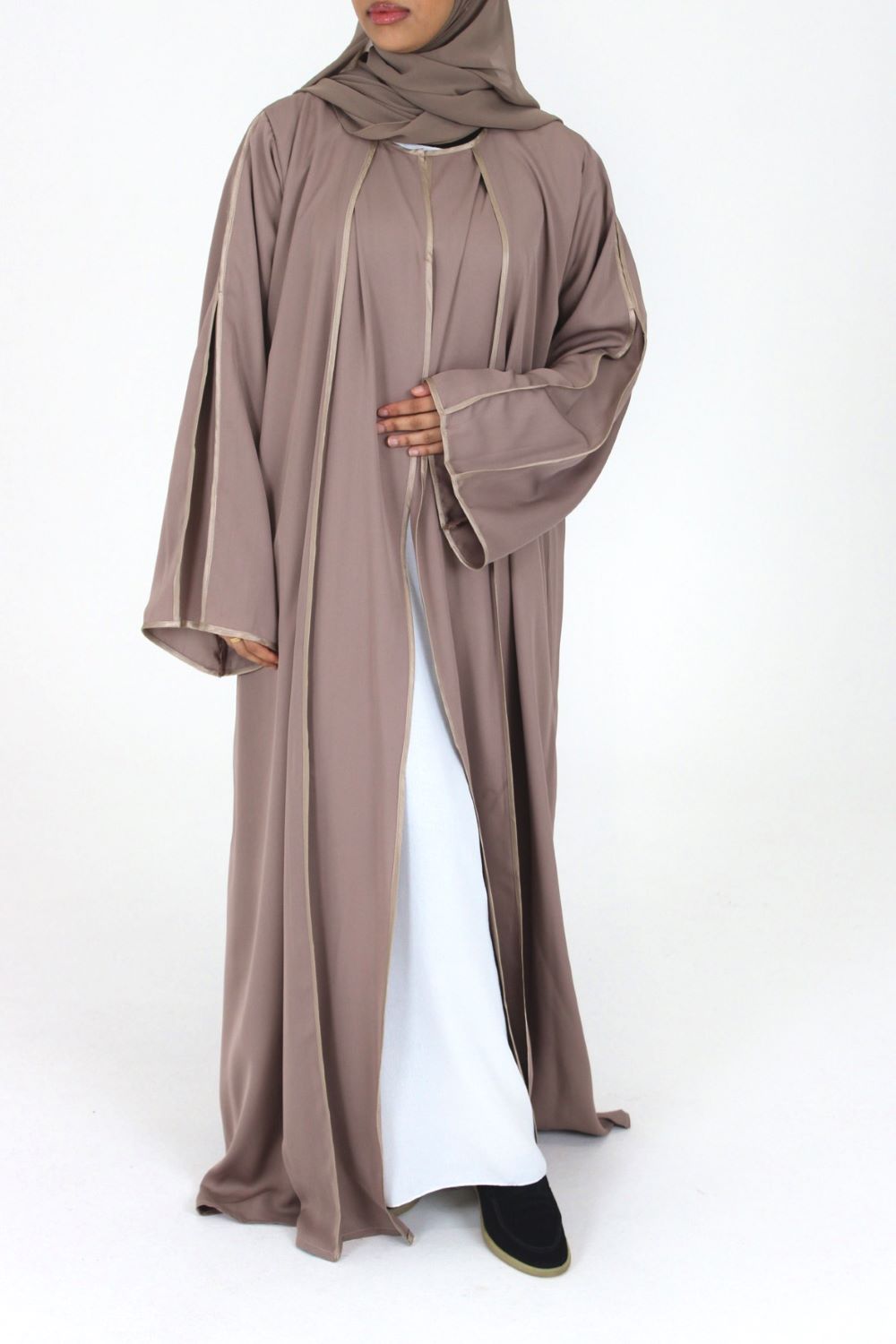
What fabrics feel best for hijab dresses in different seasons?
When it comes to hijab dresses, fabric choice is everything — and honestly, it can make or break your whole day. I’ve been there, wrapped up in a dress that looked stunning but felt like a sauna in the summer or a freezer in winter. Finding the right fabric for each season isn’t just about comfort; it’s about feeling confident, modest, and at ease with your body and faith all day long. So let’s dive into the fabrics that truly work best for hijab dresses throughout the year, and why they matter so much.
Spring and Summer: Light, Breathable Fabrics to Keep You Cool
When temperatures rise, the last thing I want is to feel weighed down by thick, heavy fabric that traps heat. I’ve learned the hard way that cotton blends and breathable materials are lifesavers for hot days, especially when you’re layering modestly.
- Cotton: This natural fiber is a classic for a reason. It’s breathable, soft, and absorbs moisture well. Wearing cotton hijab dresses in spring and summer helps keep sweat at bay and prevents that uncomfortable cling.
- Chiffon: For those special occasions when you want flow and elegance without overheating, chiffon is a go-to. It’s lightweight, airy, and has this beautiful drape that adds sophistication without bulk.
- Linen: Linen’s natural texture and breathability make it a favorite for warmer months, though it wrinkles easily — which I sometimes embrace because it adds character and authenticity.
- Jersey Knit: This stretchy, breathable fabric is perfect for casual hijab dresses and everyday wear. It moves with your body and feels like a second skin.
One summer, I wore a cotton-blend hijab dress to an outdoor Eid gathering. The breeze passing through the fabric felt like a gentle hug, and I stayed cool while still covered modestly. That’s the magic of choosing the right material — it lets you enjoy the moment, not just endure it.
Fall and Winter: Warm, Layer-Friendly Fabrics for Cozy Modesty
As the temperature drops, your hijab dress needs to work harder to keep you warm while respecting modesty rules. That means thicker, insulating fabrics that also layer well without bulkiness. I’ve found a few favorites that never let me down during chilly months.
- Wool Blends: Wool or wool-blend fabrics are perfect for winter hijab dresses. They trap heat but breathe well, so you avoid overheating indoors. Plus, their texture adds a classic richness to your outfit.
- Velvet: For special occasions, velvet offers warmth and luxe style. It’s heavier but not stiff, and it catches the light beautifully, giving a regal look that’s modest and elegant.
- Heavy Jersey or Ponte Knit: These thicker knits are excellent for daily wear when you need comfort and warmth but don’t want to sacrifice movement or modest layering.
- Polyester Blends with Fleece Lining: Some hijab dresses come with polyester blends that include a soft fleece lining — perfect for those bitter cold days where warmth is a must.
One winter, I layered a wool-blend hijab dress under a long coat for a day out with family. The fabric kept me warm without feeling bulky, and I could move freely — a balance that’s not always easy to find but essential for modest fashion lovers like us.
Fabric Table: Season-by-Season Hijab Dress Fabric Guide
| Season | Recommended Fabrics | Key Benefits | Best Use Cases |
|---|---|---|---|
| Spring | Cotton, Linen, Light Jersey | Breathable, moisture-wicking, soft | Daily wear, casual outings, moderate temperatures |
| Summer | Chiffon, Cotton, Lightweight Jersey | Lightweight, airy, elegant drape | Outdoor events, celebrations, hot climates |
| Fall | Heavy Jersey, Wool Blends, Polyester blends | Warm, insulating, easy layering | Work, casual wear, transitional weather |
| Winter | Wool Blends, Velvet, Fleece-lined Polyester | Heat-retentive, luxurious, soft | Formal events, outdoor activities, cold climates |
Personal Tips for Choosing Fabrics That Match Your Lifestyle
Beyond just seasons, think about what your days look like. Are you moving a lot? Sitting mostly indoors? Traveling? For me, versatility is key — so I tend to lean towards fabrics that can transition easily. Here are some tips I swear by:
- Layer smartly: Choose base fabrics that breathe and layer heavier materials on top for warmth without bulk.
- Consider texture: Fabrics like chiffon or velvet add personality and can elevate a simple dress into something special.
- Test fabrics in-store: Don’t be shy to touch and move around in the material. If it feels restrictive or scratchy, keep looking.
- Balance modesty and comfort: Sometimes stretchy knits or blends can offer modest coverage without feeling like a costume.
Once, I bought a beautiful polyester dress that looked amazing but felt suffocating after a few hours. It taught me the hard way to always prioritize comfort — because modesty isn’t just about coverage, it’s about feeling good in your skin.
Wrapping It Up: Fabric Matters More Than You Think
Choosing the right fabric for your hijab dress each season isn’t just practical; it’s emotional. When I wear fabrics that breathe, move, and feel good, I feel empowered. It’s a subtle confidence boost that comes from honoring both my faith and my body’s needs. So, whether it’s the airy elegance of chiffon in summer or the cozy warmth of wool blends in winter, trust your instincts and let your hijab dress be an extension of your beautiful, modest self all year round.
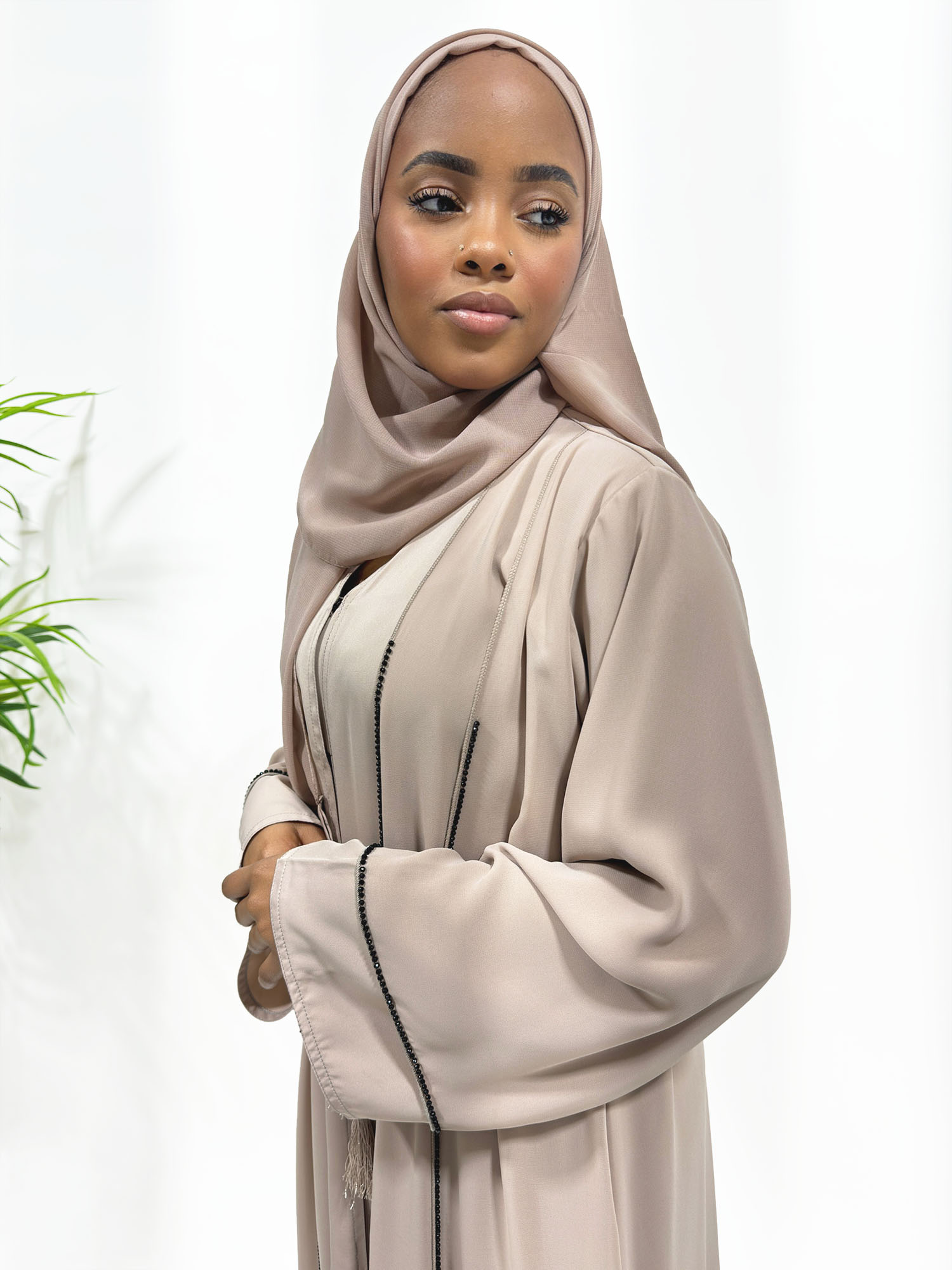
How can you tell if a hijab dress is actually modest?
Modesty is such a deeply personal and layered concept, isn’t it? When I first started exploring modest fashion, I quickly realized that what looks modest on the hanger or in photos isn’t always modest in real life. So, how do you really know if a hijab dress checks all the boxes? For me, it’s a combination of fit, fabric, style, and intention — and I’m here to walk you through exactly how to evaluate a dress before making it part of your wardrobe.
Understanding Modesty: It’s More Than Just Coverage
Let’s be honest: modesty isn’t a one-size-fits-all checklist. Sure, the basics are covering the body appropriately according to Islamic guidelines — but modesty also embraces comfort, humility, and respect for yourself and others. A hijab dress that’s “modest” to one person might feel restricting or revealing to another. Here’s what I consider essential:
- Coverage: The dress should cover the arms, legs, and chest properly. But it’s not just about being covered — it’s about avoiding clinginess or transparency that reveals the body shape too much.
- Fit: A modest dress isn’t skin-tight. I look for styles that flow or drape without hugging every curve — think loose silhouettes or A-line cuts that skim the body.
- Fabric: Thickness and opacity matter. Lightweight or sheer fabrics can be modest if layered well, but single-layer sheer fabrics usually aren’t.
- Design details: Modesty also means avoiding unnecessary attention. Overly flashy embellishments or bold cuts might not align with your personal modesty standards.
Years ago, I bought a dress that ticked the “long sleeves, full length” boxes but was so clingy that I felt self-conscious all day. It reminded me that modesty isn’t just what you wear but how it makes you feel.
How to Evaluate a Hijab Dress for Modesty
When I’m shopping — whether online or in-store — I have a little mental checklist that helps me decide if a dress is genuinely modest or just masquerading as one.
| Factor | What to Look For | Why It Matters |
|---|---|---|
| Length | At least ankle-length or longer | Ensures full coverage of legs and avoids exposure when moving |
| Fit | Loose enough to avoid outlining the body shape | Preserves modesty and comfort, avoids drawing attention |
| Fabric Thickness | Opaque or easily layered with modest undergarments | Prevents see-through mishaps and maintains modesty |
| Neckline | High neckline or easily covered with a scarf | Ensures chest coverage, a core modesty requirement |
| Sleeve Length | Full-length or comfortably long enough to cover wrists | Proper arm coverage without needing constant adjustment |
| Design & Embellishments | Simple patterns, minimal flashy details | Maintains humility and avoids unnecessary attention |
Stories from Real Life: When Modesty Meets Style
I remember one Eid when I wanted a dress that was modest but also made me feel beautiful and confident. I stumbled on a lovely chiffon dress with a high neckline, flowy sleeves, and a loose skirt. It wasn’t clingy, but the fabric was sheer, so I layered a slip underneath. Wearing it made me realize modesty isn’t about sacrificing style — it’s about thoughtful choices that honor both your faith and your personality.
On the flip side, a friend once bought a dress that looked perfect online, but in person, the neckline was cut lower than expected, and the fabric was thinner than it seemed. She felt uncomfortable all day, constantly pulling at it and second-guessing her choice. That experience taught us both that modesty is also about trust in your intuition and inspecting garments carefully before committing.
Quick Tips for Staying True to Modesty When Shopping
- Try clothes on whenever possible: Photos can be misleading. Feel the fabric, check how it moves, and see if you need layering pieces.
- Think about movement: Sit, walk, and raise your arms when trying dresses. Does the dress stay modest in all positions?
- Ask for second opinions: Sometimes a trusted friend or family member’s perspective can reveal what you might miss.
- Don’t sacrifice comfort for style: If it’s not comfortable, you won’t wear it confidently — and confidence is a huge part of modesty.
Conclusion: Modesty Is a Feeling, Not Just a Dress
At the end of the day, modesty with hijab dresses isn’t just about ticking off a checklist. It’s about how a garment makes you feel — confident, comfortable, and true to your values. When I find a dress that fits right, covers well, and feels like me, that’s when modest fashion becomes a powerful form of self-expression and spirituality combined. So take your time, trust your instincts, and remember that modesty starts with you — your heart, your comfort, and your faith.
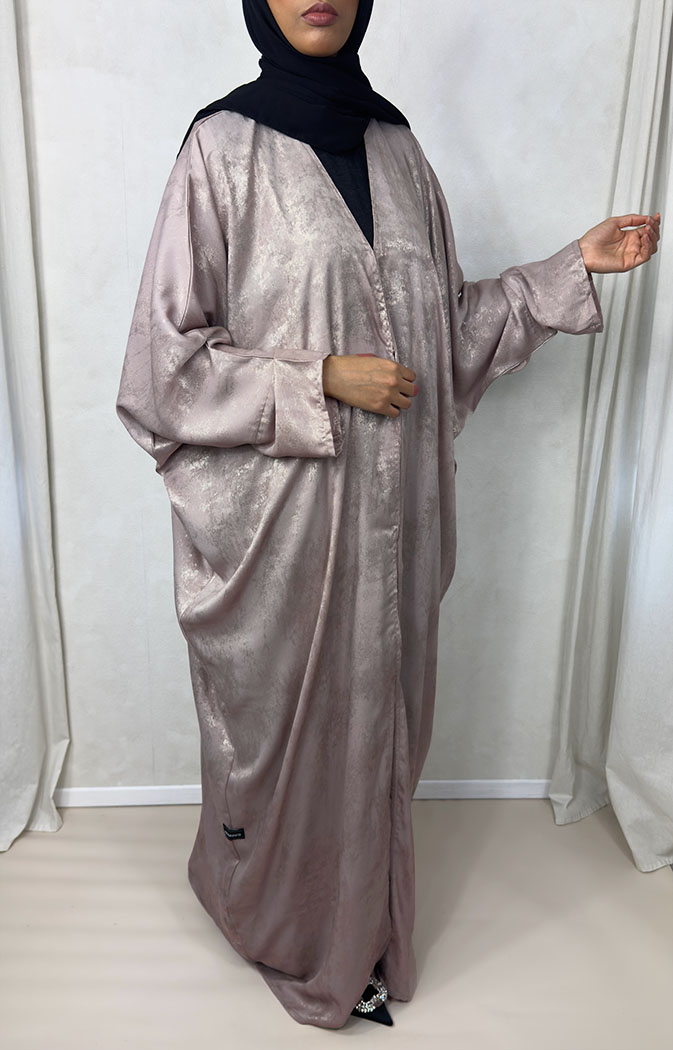
Which hijab dress styles are trending in 2025?
Okay, let me just say this upfront: modest fashion in 2025 is more exciting than ever. If you told me a few years ago that hijab dresses could be so dynamic, chic, and expressive while still honoring tradition, I might have raised an eyebrow. But here we are! This year’s trends are a beautiful blend of heritage and modern flair, and trust me, they’re all about feeling confident, comfortable, and authentically you. Let’s dive into the styles that are shaping the modest fashion scene this year — with all the little details you need to keep your wardrobe fresh and stylish.
1. Oversized Elegance: Comfort Meets Modesty
One trend I’m obsessed with right now is oversized silhouettes — think flowing tunics and maxi dresses that skim your body without clinging. These styles are perfect for those of us who want modesty without feeling boxed in. The beauty lies in the balance: generous cuts paired with clean lines create a look that’s effortless but still refined.
Here’s why oversized works so well:
- Breathability: The roomy fabric allows air circulation, which is amazing for warmer months or layered looks.
- Layering potential: You can wear them over slimmer pants or skirts for a versatile, modest outfit.
- Movement: Flowing fabrics move beautifully, adding a touch of grace and femininity.
A quick story: last Ramadan, I wore a soft, oversized abaya-style dress for iftar gatherings, and I felt so comfortable and confident I didn’t want to take it off. It was modest, but also felt like a little style statement.
2. Retro Revival: Vintage Prints & Classic Cuts
2025 is bringing back the magic of vintage with a modern twist. Floral patterns, polka dots, and even subtle paisleys are popping up on hijab dresses, blending nostalgia with new fabrics and cuts. This trend feels like a warm hug from the past but suits today’s modesty standards perfectly.
Why this trend matters:
- Timeless appeal: These prints never truly go out of style, so investing in them means longevity in your wardrobe.
- Personality: Vintage styles give you a way to express individuality within modest fashion.
- Mix & match: Pair vintage dresses with sleek modern hijabs or accessories for a fresh, balanced look.
I still remember finding a beautiful polka-dot dress in a vintage shop last year — it instantly became my go-to for Eid, and I loved how people complimented the unique, modest style that stood out.
3. Statement Sleeves: Drama Without Compromise
Balloon sleeves, puffed shoulders, and tiered ruffles are making a serious comeback — but done in a way that respects modesty. These sleeves add drama and flair without revealing too much skin, and honestly, they’re perfect for those days when you want to feel a little extra.
Here’s what makes statement sleeves a hit:
- Volume & balance: They add shape without clinging, keeping the modest silhouette intact.
- Visual interest: Even a simple dress feels special with eye-catching sleeves.
- Mix with basics: Pair a statement sleeve dress with plain hijabs and minimal accessories to keep the focus.
Fun fact — I wore a soft blush dress with puff sleeves to a friend’s wedding, and it sparked so many conversations about how modest fashion can still be playful and on-trend.
4. Monochrome Magic: Clean, Chic & Modern
Monochrome dressing is huge this year. Choosing a single color palette from head to toe creates a sleek, sophisticated look that feels fresh yet effortlessly modest. From soft beiges to deep emeralds, monochrome outfits let you play with texture and fabric without feeling overwhelming.
| Color Palette | Why It Works | Styling Tips |
|---|---|---|
| Soft neutrals (beige, cream, taupe) | Creates a calming, elegant vibe that suits almost every occasion | Mix different textures like silk hijabs with cotton dresses for depth |
| Bold jewel tones (emerald, sapphire, ruby) | Eye-catching but still modest, adds richness to your wardrobe | Keep accessories minimal to avoid overpowering the look |
| Classic black or navy | Timeless, slimming, and perfect for formal or everyday wear | Add subtle jewelry or a patterned scarf for interest |
5. Sustainable Fabrics & Ethical Fashion
One trend I personally hold close is the move toward sustainability. In 2025, more modest fashion brands are embracing eco-friendly materials like organic cotton, bamboo, and recycled polyester. Not only does this align with our values of stewardship and kindness, but it also means our clothes last longer and feel better on the skin.
I’ve been experimenting with sustainable hijab dresses, and honestly, the quality and comfort are next level. It feels good knowing your modest outfit isn’t just stylish but also making a positive impact.
Final Thoughts: Finding Your 2025 Modest Style
Trends are fun, but what matters most is how a hijab dress makes you feel — confident, comfortable, and connected to your values. Whether you’re drawn to oversized elegance, vintage prints, or sustainable fabrics, 2025’s hijab dress styles give us so many ways to express our identity beautifully.
So go ahead, experiment with these trends, mix them with your personal favorites, and remember: modest fashion isn’t about fitting a mold — it’s about shining in your own unique way.
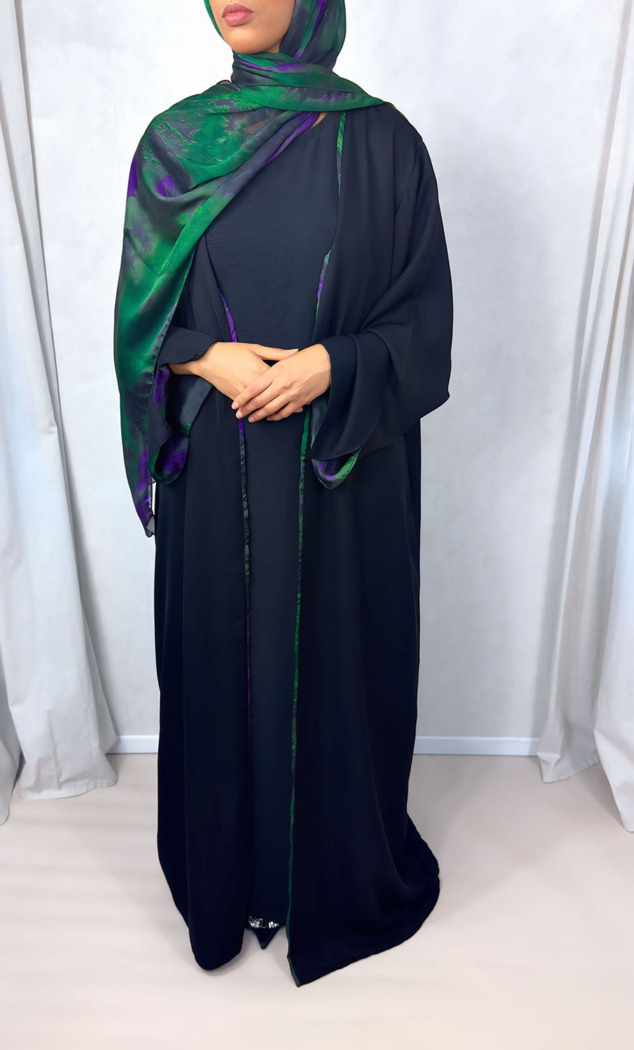
Where do most women go wrong when buying hijab dresses online?
Buying hijab dresses online can feel like a gamble sometimes, right? I’ve been there—scrolling through endless pages, dazzled by beautiful pictures, only to end up disappointed when the dress arrives. There’s this mix of hope and hesitation that tugs at you. You want something modest, stylish, comfortable—but the reality often falls short. Let’s talk about where many of us slip up in this process, and how to avoid those pitfalls so you can actually *love* your online hijab dress purchases.
Ignoring Fabric Feel and Quality
One of the biggest mistakes? Buying without considering the fabric. Photos don’t tell you if the material feels itchy, heavy, or transparent until it’s too late. I remember ordering a seemingly perfect chiffon dress online, only to find it was so thin that it required three layers underneath—talk about frustrating.
Here’s what you need to look out for:
- Read the fabric description carefully: Cotton, viscose, polyester, silk blends—they all feel different and behave differently.
- Reviews are gold: See what other buyers say about the texture and weight.
- Check return policies: Because sometimes, despite all research, the feel just isn’t right.
Relying Solely on Photos Without Checking Fit and Measurements
Online images are curated masterpieces. Models are styled and posed to perfection, but that doesn’t guarantee the dress will fit your unique shape or modesty preferences. I’ve had a dress look amazing on the model, but when it came, it was either too tight in places or way too short for my taste.
Here’s my advice to dodge this trap:
| Key Action | Why It Matters | Pro Tip |
|---|---|---|
| Always check the size chart | Sizes vary widely between brands and countries | Measure yourself with a soft tape measure and compare carefully |
| Look for detailed product descriptions | They often mention dress length, sleeve length, and fit type | Prefer “loose,” “flowy,” or “oversized” for modest styles |
| Read customer photos and reviews | Real buyers give honest perspectives on fit and coverage | Check for photos of different body types if available |
Overlooking Transparency and Layering Needs
This one caught me off guard more than once! Some hijab dresses look perfect until you realize the fabric is see-through under certain lighting or angles. Then you’re scrambling to find matching slips or layering pieces. Online descriptions might skip over this detail, and pictures rarely show it clearly.
To avoid this:
- Search for “lined” or “double-layered” dresses if you want no surprises.
- Be cautious with lighter colors or delicate fabrics like chiffon or thin knits.
- Consider layering strategies ahead of time—think slips, camisoles, or undershirts.
Not Prioritizing Comfort Over Trendiness
I get it—there’s always that dress on Instagram that’s absolutely stunning, and you want it *now*. But sometimes, chasing trends online means ignoring how practical or comfortable the dress will be in daily life. Modesty is about feeling at ease in your clothes, not just looking good.
So here’s what I do to stay grounded:
- Ask yourself: Can I move freely in this dress? Will it be comfortable for prayer, work, or family gatherings?
- Pick breathable fabrics for daily wear—especially if you live in warmer climates.
- Reserve flashy, intricate designs for special occasions rather than everyday use.
Failing to Consider Cultural and Personal Modesty Standards
Modesty isn’t one-size-fits-all. What feels modest and respectful in one community or family might feel different elsewhere. When shopping online, especially from international stores, it’s easy to overlook these nuances.
I once bought a dress that was deemed perfectly modest by the seller but felt a bit too form-fitting or short for my comfort zone and cultural expectations. I learned to reflect on my personal boundaries before clicking “buy.”
Questions to ask yourself before purchasing:
- Does the dress cover everything I want it to, like wrists, ankles, and neckline?
- Is the fabric thick enough to avoid revealing the shape?
- Does the style align with what my family or community embraces?
Final Words: Shop with Intention, Not Impulse
Buying hijab dresses online doesn’t have to be a frustrating experience if you approach it thoughtfully. Take your time, do the research, and trust your gut. For me, modest fashion is deeply personal—it’s about honoring faith, culture, and self-expression simultaneously. So, before you buy, ask yourself: Does this dress feel right for *me*? Not just in the moment, but for all the days I’ll wear it.

How do you style hijab dresses for formal events like weddings?
Weddings are such special occasions — full of joy, celebration, and those moments where you want to shine *and* stay true to your modest style. Styling a hijab dress for a formal event like a wedding can feel tricky, especially when you want to balance elegance, comfort, and modesty. Trust me, I’ve been there, agonizing over whether my outfit will hit that sweet spot of modest glam. But over time, I’ve learned some heartfelt tips and tricks that help me feel confident and radiant, without compromising my values.
Start With a Statement Dress: Fabric, Fit, and Flair
The foundation is your dress. For formal events, I lean towards rich fabrics like satin, silk blends, or embellished chiffon — fabrics that catch the light and elevate the look immediately. Think of them as your canvas. Personally, I love a flowy A-line cut or an empire waist; these shapes gracefully skim the body without clinging and keep the look effortlessly modest.
Here’s a quick table to help you pick the perfect fabric and fit for formal hijab dresses:
| Fabric | Why It Works for Formal Events | Styling Tips |
|---|---|---|
| Satin | Luxurious sheen, smooth texture, drapes beautifully | Pair with delicate jewelry and a sleek hijab style |
| Chiffon (lined) | Light, flowy, often embroidered or beaded | Choose layered dresses for volume and elegance |
| Silk blends | Rich texture, breathable, comfortable | Keep accessories minimal to let fabric shine |
| Velvet | Warm, plush, ideal for cooler seasons and dramatic effect | Opt for deep jewel tones and simple hijab wrapping |
Hijab Styling: The Finishing Touch That Makes All the Difference
Let’s be honest — the hijab is the crown of your whole outfit. For weddings, I like to play with styles that feel both regal and comfortable. Soft draping with a subtle shimmer or a silk hijab adds an extra layer of sophistication. I sometimes add a delicate brooch or pin that matches my dress details, but never too much — balance is key.
Have you ever noticed how a simple change in your hijab style can completely transform your look? For instance, a loosely wrapped hijab paired with a statement necklace can feel modern and chic, while a neatly folded, structured style with minimal accessories reads classic and timeless.
Accessorize Like You Mean It — But Wisely
Accessories for weddings can be tricky. You want to sparkle but not overwhelm. When I dress for formal occasions, I think of accessories as a supporting act, not the lead singer. Here’s what I keep in mind:
- Jewelry: Choose statement earrings or a bracelet instead of all three — remember, less is more when your dress is already detailed.
- Bags: A small clutch or embellished purse in a complementary color adds just the right touch.
- Shoes: Pick elegant heels or flats that are comfortable enough to last the whole night. Satin or velvet textures elevate your look.
For example, at my cousin’s wedding last year, I paired a deep emerald satin dress with pearl drop earrings and a matching emerald clutch. Simple, but it felt special — like I had put real thought into every detail.
Don’t Forget Practical Comfort: The Secret to Enjoying the Event
Here’s a little secret I learned the hard way: no matter how stunning your outfit looks, if you’re not comfortable, it’ll show. Weddings often last for hours, with lots of standing, sitting, greeting guests, and dancing. A dress that’s too tight or a hijab that’s itchy will steal your joy.
My rule? Choose breathable fabrics and modest cuts that allow movement. And keep a small emergency kit with safety pins and hijab tape in your bag — trust me, it’s a lifesaver for quick fixes.
Putting It All Together: A Real Story
Once, I was invited to a winter wedding where the dress code was “formal modest.” I found a navy velvet hijab dress with subtle beadwork along the sleeves. Pairing it with a matching silk hijab and a silver brooch gave me that regal feeling I wanted. But the real game-changer was the velvet flats — elegant but kind to my feet. That night, I felt not just beautiful but truly myself, which is what modest fashion is all about.
So, whether you’re stepping into a wedding hall or attending an engagement party, remember: styling a hijab dress for formal events is about blending modesty with your personal flair. Trust your instincts, embrace fabrics and cuts that honor your body and soul, and let your inner confidence shine through every fold and layer.

Can hijab dresses be flattering without showing your figure?
Let’s be honest: when most of us think of flattering clothes, the mind often jumps to outfits that hug curves and highlight every contour. But as a Muslim woman committed to modesty, I’ve learned—and I’m sure you have too—that hijab dresses can absolutely be flattering without showing your figure. In fact, modest fashion has its own unique language of beauty, one that whispers elegance, grace, and confidence without shouting curves. So yes, hijab dresses can make you feel stunning, all while respecting the principles of modesty.
Understanding Flattering: It’s Not Just About Shape
Flattering doesn’t have to mean tight or revealing. I remember the first time I realized this—it was during Ramadan, and I wore a loose, flowing maxi dress in soft pastel hues. I expected to feel “hidden” or “covered up,” but instead, I caught glimpses of myself in the mirror and felt this surprising glow of elegance. The dress skimmed my shape but didn’t cling, and the way the fabric moved made me feel light, confident, and yes, beautiful.
Flattering is really about how the garment moves with you, how the fabric feels on your skin, and how your personality shines through the style. Here’s a little breakdown of the elements that make hijab dresses flattering without showing your figure:
| Element | How It Contributes to Flattery | Examples |
|---|---|---|
| Fabric | Soft, flowing fabrics create graceful movement and soften the silhouette | Chiffon, crepe, silk blends |
| Cut & Shape | Loose cuts like A-line, empire waist, and layered styles add dimension | Maxi dresses, kaftans, pleated dresses |
| Colors & Patterns | Subtle prints or monochromes can enhance overall look without attention to shape | Pastels, jewel tones, vertical stripes |
| Details | Embellishments, ruching, or delicate embroidery can add focal points | Lace trims, beadwork near neckline |
The Art of Draping and Layering
One of my favorite tricks to stay flattering yet modest is layering. Have you ever played with layering loose cardigans or long vests over a hijab dress? It’s like giving your outfit depth and personality without clinging to your body. The folds and drapes help break up the silhouette, offering a more dynamic and elegant look.
For example, I once paired a flowing beige dress with a structured, longline blazer and a patterned hijab. The blazer added a clean line that elongated my frame, while the dress underneath kept things soft and feminine. This combo felt polished but modest, and honestly, I got so many compliments.
Flattering Without Figure: Real-Life Style Tips
Here’s what I’ve learned over the years, and I want to share it like I’m chatting with a close friend:
- Opt for fabrics that breathe: You want comfort that doesn’t sacrifice style. Lightweight silks or chiffons that flow as you move can work magic.
- Embrace volume in all the right places: Don’t shy away from pleats, gathers, or layered skirts — they add beautiful structure without revealing.
- Highlight your face and hands: Use statement accessories like bold earrings or a beautiful ring to draw attention where you want it.
- Play with asymmetry and layering: Asymmetrical hems or layering pieces can add flair and dimension that distract from body shape.
A Story to Hold On To
I remember attending a community event wearing a loose, navy blue kaftan dress with delicate embroidery along the cuffs and neckline. I paired it with a light grey hijab that framed my face softly. I wasn’t trying to “show off” any curves, but the way the dress floated around me, the subtle shimmer in the embroidery, and the confident way I walked made me feel undeniably beautiful. One woman later came up to me and said, “You look amazing. Your outfit just suits you perfectly.” It wasn’t about my figure; it was about how the dress reflected my personality and respect for modesty.
That moment taught me something crucial: flattering modest fashion isn’t about hiding or conforming. It’s about embracing who you are with dignity and style.
Final Thoughts: Flattering Is a Feeling, Not a Fit
When you find hijab dresses that feel flattering without emphasizing your figure, you’re tapping into something much deeper than trends or fits. You’re creating a look that speaks to your soul and your faith. It’s a quiet kind of confidence that shines through from within — a reminder that modesty and beauty can coexist beautifully.
So, yes, hijab dresses can be flattering without showing your figure. The secret is choosing the right fabrics, shapes, and details that celebrate you—your spirit, your values, and your unique style. And when you find that perfect dress, you’ll know it by how it makes you feel: radiant, poised, and unapologetically you.

What are the best hijab dress options for everyday wear?
Let’s get real for a moment. Choosing hijab dresses for everyday wear isn’t just about throwing on whatever’s clean or easy. It’s about balancing comfort, modesty, and style—because, yes, we want to feel good, look polished, and stay true to our values without fuss. I’ve been there—standing in front of my closet, wondering, “What can I wear today that checks all the boxes?” If you’ve ever felt that way, you’re not alone.
Why Everyday Hijab Dresses Matter More Than You Think
Everyday hijab dresses are the silent warriors of our wardrobes. They carry us through busy mornings, long days at work, school runs, or coffee dates with friends. They need to be versatile, breathable, and most importantly, flattering without demanding too much effort. Over the years, I’ve learned that the right everyday dress isn’t about trend-chasing; it’s about choosing pieces that feel like a warm hug—reliable, comfortable, and just right.
So, what should you look for? Here’s the truth: fabric, cut, and ease of care are everything. I still remember buying my first cotton maxi dress that was soft and breathable—it became my go-to because it worked with my busy schedule and kept me feeling fresh, even on hot days.
Top Everyday Hijab Dress Styles That Work Wonders
| Style | Why It Works | Fabric Recommendations | Styling Tips |
|---|---|---|---|
| Maxi Dresses with A-Line Cut | Flattering for most body types, provides full coverage and airflow | Lightweight cotton, linen blends, jersey | Pair with sneakers or flats and a neutral hijab for effortless style |
| Shirt Dresses | Structured yet relaxed, easy to layer with cardigans or vests | Chambray, cotton, viscose | Add a belt for definition or leave loose for comfort |
| Tiered or Ruffled Dresses | Adds subtle volume and interest without showing shape | Soft chiffon, crepe | Keep accessories minimal to balance the look |
| Kaftan-Style Dresses | Loose, flowy, and incredibly breathable | Silk blends, cotton voile | Perfect with statement jewelry and comfy sandals |
Personal Story: The Dress That Became My Daily Companion
I’ll never forget the day I found “the one.” It was a simple, soft beige maxi dress made from breathable cotton, with an A-line silhouette that didn’t cling but still felt feminine. It had pockets, which honestly won me over completely. That dress carried me through countless school runs, quick grocery trips, and even last-minute Zoom calls when I wanted to look put together but didn’t have time to fuss.
What made it so special wasn’t just the style but how it made me feel: comfortable, confident, and true to my modesty. Sometimes, I paired it with a patterned hijab to add a splash of color; other days, a classic black one did the trick. And when the weather dipped, a cozy cardigan or denim jacket layered over it gave me that extra warmth and style.
Everyday Dressing: Practical Tips That Save Time and Energy
- Choose breathable fabrics: Cotton, linen, and lightweight blends keep you cool and comfortable all day long.
- Prioritize easy-care materials: Dresses that don’t need dry cleaning or special washing make your life so much easier.
- Invest in versatile neutrals: Beige, navy, soft pastels, and black can be mixed and matched with multiple hijabs and accessories.
- Look for functional details: Pockets, buttons, or adjustable waists make dressing practical and stylish.
- Layer smartly: A well-fitted cardigan or a long vest can instantly transform your look and keep you warm.
Final Thoughts: Everyday Hijab Dresses Should Empower, Not Burden
When I think about everyday hijab dresses, it’s less about fashion pressure and more about how clothes support our busy lives while honoring who we are. The best hijab dresses for daily wear are those that make you feel free to move, confident in your modesty, and proud of your style without the stress of fussing over every detail.
So, if you’re hunting for your next everyday hijab dress, listen to your heart—and your schedule. Find pieces that work for your rhythm, that reflect your personality, and that make your modest fashion journey a joyful one. Because at the end of the day, dressing modestly every day should feel as natural and beautiful as your smile.

How do I know what size to order for a modest fit?
Ordering hijab dresses online can feel like stepping into a guessing game, especially when it comes to sizing. Trust me, I’ve been there—staring at size charts, wondering if the measurements will really translate to the modest, comfortable fit I crave. Because here’s the thing: modest fashion isn’t just about covering up; it’s about feeling confident and comfortable in the clothes you wear. So, how do you really know what size to order to get that perfect modest fit? Let’s talk about it, heart to heart.
Understanding “Modest Fit”: More Than Just Size Numbers
When I say “modest fit,” I mean clothes that provide enough coverage without clinging or squeezing—pieces that drape nicely, flow gently, and respect your body’s shape without shouting it out loud. This is why ordering “your usual size” often isn’t enough. A modest fit usually requires a little more room in the bust, sleeves, and hips, and sometimes an adjustment in length.
Think of it like this: modest clothing needs a bit of breathing space to honor both your comfort and your values. That’s why you might find yourself reaching for a size up or choosing styles that accommodate layering.
How to Take Your Measurements Like a Pro
Before clicking “Add to Cart,” you’ve got to get friendly with your tape measure. Here’s what I always check to make sure the dress will fit modestly and comfortably:
| Measurement | How to Measure | Why It Matters for Modest Fit |
|---|---|---|
| Bust | Wrap tape measure around the fullest part of your chest, keeping it parallel to the floor | Ensures the dress won’t cling or pull tight across your chest |
| Waist | Measure around your natural waistline, just above your belly button | Helps choose styles that flow from the waist without being too tight |
| Hips | Measure around the fullest part of your hips | Guarantees modest coverage without restricting movement |
| Shoulders | Measure from the tip of one shoulder across your back to the other shoulder tip | Avoids tightness or pulling in the shoulder and sleeve areas |
| Length | Measure from your shoulder to where you want the dress to end (usually ankle or floor length) | Ensures the dress covers as you prefer, preventing unwanted exposure |
Real Talk: Why Size Charts Can Be Tricky
I remember ordering a dress once where the size chart said I should pick a Medium, but when it arrived, it felt like it was hugging me in all the wrong places. I felt frustrated—modesty wasn’t about squeezing in, right? What I learned is that sizing isn’t universal. Different brands use different standards, and fabrics stretch or drape differently. So, don’t just rely on the numbers. Always check the fabric type (jersey vs. silk vs. polyester) and consider reviews from other buyers—those real-life insights are pure gold.
And here’s a little secret: if you’re in between sizes or want more modest ease, sizing up is almost always the safer bet. You can style and layer to tailor the look, but you can’t make a too-small dress magically modest.
How to Use Sizing for the Best Modest Styling
Once you’ve nailed down the size, styling also helps achieve the modest silhouette you want. Here’s what I do:
- Layer with light cardigans or duster coats: This adds coverage on arms and helps balance a looser or more fitted dress.
- Use belts mindfully: A belt can create shape without tightness if placed over looser fabrics like chiffon or cotton.
- Choose fabrics with some drape: Fabrics that fall gently (like crepe or soft jersey) enhance modest styling without clinging.
- Pay attention to sleeve length: Sometimes a longer sleeve or cuffed style gives you that comfortable modesty feel.
My Go-To Tips for Stress-Free Modest Sizing
After years of trial and error, here are some practical tips I wish I’d known when ordering hijab dresses online:
| Tip | Why It Matters |
|---|---|
| Always check the return policy | So you can exchange sizes hassle-free if the fit isn’t right |
| Look for dresses with adjustable elements (drawstrings, belts, elastic cuffs) | They offer flexibility for a modest, comfy fit |
| Read customer reviews for fit insights | Real experiences reveal if a dress runs large, small, or true to size |
| Measure yourself every few months | Our bodies change, and so should your size choices |
At the end of the day, ordering the right size for a modest fit is part science, part art—and a whole lot of patience. But once you find that sweet spot, it feels like the dress was made just for you. And isn’t that the dream? To wear something that honors our modesty, our style, and our comfort all at once.

How do hijab dresses differ across cultures?
It’s funny how a single garment like the hijab dress can tell stories from across the world — tales of history, faith, identity, and style all woven into fabric. As a Muslim woman who’s spent years embracing modest fashion, I find it endlessly fascinating how hijab dresses vary so beautifully depending on cultural roots. They’re more than just clothing; they’re living expressions of heritage and personal devotion. Let’s dive into how hijab dresses differ across cultures, and why those differences matter so much to our sense of modesty and self.
The Middle Eastern Elegance: Flowing Abayas & Embellishments
When I think of Middle Eastern hijab dresses, the abaya is the first thing that comes to mind. It’s a garment that’s simple in shape yet stunning in impact. Typically black or dark-toned, abayas are long, loose, and modest by design — perfect for that graceful drape. But don’t be fooled by the simplicity; modern abayas often feature intricate embroidery, beadwork, or lace details, adding a subtle sparkle without breaking the modest vibe.
What I love about the abaya is its versatility. In places like Saudi Arabia or the UAE, women wear it daily, but it can also be elevated for formal occasions with luxurious fabrics like silk or chiffon. It’s a piece that says, “I’m modest, but I’m also here to shine.”
South Asian Charm: Color, Prints, and Layers
Over in South Asia — Pakistan, India, Bangladesh — hijab dresses tend to embrace vibrant colors, bold prints, and rich textures. Here, modesty blends with celebration. The traditional shalwar kameez or long tunics paired with wide pants and matching hijabs create ensembles that are modest yet far from dull.
I remember attending a wedding in Lahore where every hijab dress was a riot of colors — emerald greens, deep maroons, and golden hues — often embroidered with zardozi or mirror work. The layers, including dupattas (long scarves), add depth and modest coverage, allowing for creative styling without compromising faith.
Southeast Asian Grace: Lightweight Fabrics and Practical Modesty
Living in a tropical climate means hijab dresses have to work with the heat and humidity. In countries like Malaysia and Indonesia, hijab dresses often feature lightweight, breathable fabrics like cotton blends and chiffon. The baju kurung and baju kebaya are traditional modest dresses that combine elegance with practicality.
What struck me during a trip to Kuala Lumpur was how the modest silhouette here often includes subtle peplums or slight flares that offer coverage without bulk. The styles are colorful but tend to favor softer pastels and floral prints — perfect for everyday wear or festive occasions alike.
North African Flair: Kaftans and Bold Patterns
In North Africa — Morocco, Algeria, Tunisia — hijab dresses take on a rich, historical feel. The kaftan is iconic here: a loose, flowing robe often made from luxurious fabrics and decorated with bold geometric or floral patterns. The embroidery, sometimes metallic, is a cultural hallmark.
I’ll never forget the first time I saw a Moroccan kaftan up close — the intricate handwork spoke volumes about centuries of tradition. Unlike the minimalist abayas, kaftans embrace maximalism with elegance, making them perfect for formal events while keeping modesty intact.
How Cultural Hijab Dress Differences Shape Our Modest Fashion Choices
It’s natural to wonder: with so many styles out there, how do I choose what fits me? Here’s the thing — modest fashion isn’t about uniformity; it’s about honoring your identity while feeling comfortable in your faith.
Let me share a little personal story. Growing up, my family wore simple black abayas, but when I moved to a multicultural city, I started experimenting with South Asian prints and Southeast Asian lighter fabrics. It wasn’t just about style—it was about connecting to a broader Muslim community and discovering new ways to express modesty.
Understanding cultural differences has helped me embrace my modest fashion journey with more confidence. It’s okay to borrow ideas, mix elements, and create your own unique look. After all, modesty is personal.
Quick Guide: Hijab Dress Styles by Culture
| Region | Typical Hijab Dress Style | Key Features | Fabric & Colors |
|---|---|---|---|
| Middle East | Abaya | Loose, long, often black with delicate embellishments | Silk, chiffon; black, navy, occasional jewel tones |
| South Asia | Shalwar Kameez | Layered, embroidered, colorful prints | Cotton, silk; vibrant reds, greens, golds |
| Southeast Asia | Baju Kurung, Baju Kebaya | Lightweight, practical, modest cuts with subtle flares | Light cotton, chiffon; pastels, florals |
| North Africa | Kaftan | Flowing robes with bold embroidery and patterns | Velvet, brocade; metallic accents, rich jewel tones |
Exploring these cultural nuances not only enriches our wardrobes but also deepens our appreciation for the diversity within the global Muslim community. So next time you slip on your hijab dress, remember—it’s not just about covering up, but about wearing a story stitched with faith, culture, and love.
What’s the best way to layer a hijab dress for cold weather?
Winter can feel like a challenge when you want to stay modest, cozy, and stylish all at once. I remember the first time I faced that chill wearing my favorite hijab dress—it was a balancing act between keeping warm and preserving that elegant, modest silhouette. If you’ve ever wondered how to layer a hijab dress for cold weather without compromising modesty or style, you’re not alone. I’ve tried—and sometimes stumbled—through the layering game, but here’s what I’ve learned to make those frosty days feel like a runway moment, not a fashion disaster.
Start With a Warm Foundation: The Right Undergarments
Layering starts close to the skin. Wearing thermal or lightweight long-sleeve base layers underneath your hijab dress can make a world of difference. I swear by thin thermal leggings and tops in neutral colors—nobody sees them, but they trap the heat without adding bulk. It’s like having a secret shield against the cold.
Pro tip: Opt for moisture-wicking fabrics so you don’t feel clammy, especially if you’re moving around a lot. Trust me, comfort here sets the tone for the rest of your outfit.
Choose the Right Hijab Dress Fabric
Not all hijab dresses are created equal when it comes to warmth. Fabrics like wool blends, thick cotton, and heavier knits naturally trap heat better than light chiffon or silk. During cold months, I tend to lean towards hijab dresses made from jersey or ponte knit fabrics—they drape beautifully but keep the cold at bay.
If your favorite dress is made from lighter fabric, layering underneath is even more crucial. That’s where the layering game truly shines.
Layering Pieces: Cardigans, Coats & Outerwear That Work
One of my go-to tricks is adding a long cardigan or duster coat over my hijab dress. They keep the modest flow without interrupting the silhouette. In fact, a belted cardigan can add shape without being tight, which is a win-win.
Here’s a quick rundown of effective layering pieces:
- Long Wool Coat: Classic, warm, and elegant. Choose neutral colors like camel, grey, or black for versatility.
- Layered Cardigans: Chunky knits add texture and warmth. Look for styles that hit mid-thigh or longer.
- Puffer Jackets: For super cold days, a longer puffer jacket works wonders—just balance volume with your dress length.
- Structured Blazers: Great for mild cold days and work events, adding polish while keeping modesty intact.
Accessorize Smartly: Scarves, Gloves, and Boots
Winter isn’t just about bulk; it’s about thoughtful details. Your hijab itself can be a layering piece! Thick pashminas or wool scarves wrapped loosely around your hijab add warmth and style.
Don’t forget gloves and boots. I always pick knee-high boots when wearing long hijab dresses in winter. They protect my legs from the cold and look sleek. Leather gloves lined with fleece? A cozy touch that never goes unnoticed.
Table: Layering Essentials for Hijab Dresses in Cold Weather
| Layer | Purpose | Fabric/Material | Style Tips |
|---|---|---|---|
| Base Layer | Thermal warmth without bulk | Moisture-wicking thermals, cotton blends | Neutral colors; fits snugly under dress |
| Hijab Dress | Primary modest layer | Wool blend, ponte knit, jersey | Opt for heavier fabrics in winter |
| Mid Layer | Added warmth and texture | Chunky knits, long cardigans | Long length to maintain modesty |
| Outerwear | Wind and cold protection | Wool coats, puffers, structured blazers | Choose pieces with clean lines |
| Accessories | Warmth and finishing touch | Wool scarves, leather gloves, boots | Coordinate colors for cohesion |
My Cold Weather Layering Story
One winter, I had a family gathering outdoors that lasted well into the evening. I layered a black wool hijab dress over a thermal top and leggings, slipped on a thick, camel-colored cardigan, and topped it with a long wool coat. My hijab was a soft cashmere blend scarf, wrapped twice for extra warmth. I finished the look with knee-high boots and leather gloves.
Not only did I stay warm, but I also felt like myself—modest, comfortable, and confident. It reminded me that cold weather doesn’t have to mean compromising your style or values. With the right layers, you can own the winter just like any other season.
So, are you ready to layer up without losing your hijab dress’s charm? Trust me, with these tips, winter will be your most stylish season yet.
Can I wear a hijab dress to work or school?
Let me be honest—when I first started wearing hijab dresses regularly, I worried a lot about whether they’d “fit in” at work or school. Would people see me as too different? Would I stand out in the wrong way? If you’ve ever had those thoughts, you’re not alone. But here’s what I’ve learned from experience: hijab dresses can absolutely be your go-to outfit for both work and school—and you can feel confident, comfortable, and professional all at once.
Why Hijab Dresses Work So Well for Work and School
Hijab dresses naturally align with modesty, but that doesn’t mean they can’t be sharp and polished. What’s beautiful is how versatile they are. I’ve worn the same dress style to a formal office meeting and a casual class—just by tweaking accessories and layering pieces. It’s all about context and how you carry it.
Here’s what I love about hijab dresses for daily wear:
- Comfort Meets Confidence: They offer full coverage but still feel light and breathable—perfect for long days of meetings or lectures.
- Effortless Elegance: A well-chosen hijab dress can look sleek and put-together with minimal fuss.
- Modesty With Style: You don’t have to sacrifice your values or your personal expression.
How to Style Your Hijab Dress for Different Environments
The trick is adapting your look based on where you’re going. For school, I usually go for comfy fabrics like jersey or cotton blends—something easy to move in. Pairing the dress with sneakers or simple flats keeps the vibe relaxed and practical.
For work, the game changes a bit. I reach for structured fabrics and add tailored elements like a blazer or a smart coat. A sleek belt can define your waist subtly without breaking modesty. And, of course, choosing neutral or muted colors adds a professional edge.
Table: Hijab Dress Styling for Work vs. School
| Aspect | Work | School |
|---|---|---|
| Fabric | Structured cotton, wool blends, ponte knit | Soft cotton, jersey, lightweight blends |
| Color Palette | Neutrals, navy, black, muted tones | Brighter hues, pastels, casual prints |
| Footwear | Loafers, low heels, polished flats | Sneakers, ballet flats, comfortable sandals |
| Accessories | Minimal jewelry, structured bags, belts | Backpacks, simple scarves, casual watches |
Personal Story: Finding My Work-School Hijab Dress Balance
I remember my first week back at university after switching to hijab dresses. I was nervous—would I look out of place? I chose a navy blue jersey dress and layered it with a denim jacket, sneakers, and a patterned scarf. Comfortable and casual, it felt like me.
When I started my first job, I kept the same dress shape but upgraded the fabric and colors—a charcoal wool blend dress paired with a beige blazer and loafers. The reaction? Confidence boosted. I felt respected and comfortable, and colleagues saw me as polished and professional. It clicked that modest fashion doesn’t limit us—it can elevate us.
Tips for Making Hijab Dresses Work for You in Any Setting
- Play with Layers: Adding a blazer, cardigan, or even a stylish vest can instantly shift your look from casual to professional.
- Choose Fabrics Wisely: For longer days and varied environments, pick fabrics that breathe and move with you.
- Mind the Length and Fit: Opt for dresses that aren’t too tight but still have a flattering shape—balance modesty with confidence.
- Accessorize Thoughtfully: A clean hijab style, minimal jewelry, and a quality bag go a long way in pulling your outfit together.
So yes, you absolutely can wear hijab dresses to work or school. And you can do it with grace, authenticity, and style that feels completely *you*. It’s all about choosing pieces that honor your values while embracing the environments you navigate every day.
How should I choose the right color for my skin tone?
Picking the perfect color for your hijab dress might seem like a small detail, but trust me—it can completely transform how you feel and how others see you. When I first started paying attention to color and how it works with my skin tone, I realized it was more than just aesthetics. It’s about confidence, vibrancy, and feeling like your truest self. So, how do you pick colors that truly complement your skin tone without feeling like a fashion puzzle? Let’s dive in together.
Understanding Your Skin Tone: Warm, Cool, or Neutral?
First things first: figuring out your skin tone. This is the foundation for choosing colors that make your complexion glow instead of wash you out. Here’s a quick way I learned to tell:
- Warm Tones: Your skin has golden, peachy, or yellow undertones. Veins might appear greenish. Gold jewelry tends to look better on you.
- Cool Tones: Your skin has pink, red, or blue undertones. Veins look more blue or purple. Silver jewelry shines brightest on you.
- Neutral Tones: You have a mix of both warm and cool undertones. Your veins are hard to distinguish, and both gold and silver jewelry suit you.
When I discovered my undertones were warm, it opened up a whole new world of colors that felt like they were made just for me.
Color Families That Work for Each Skin Tone
Here’s a handy guide I keep bookmarked for reference when I’m shopping or picking outfits:
| Skin Tone | Best Colors | Colors to Avoid |
|---|---|---|
| Warm | Earth tones: warm reds, oranges, mustard yellows, olive greens, cream, camel | Cool blues, icy shades, pure white |
| Cool | Jewel tones: sapphire blue, emerald green, deep purples, magenta, crisp white | Earthy yellows, oranges, beige |
| Neutral | Soft pinks, jade green, dusty blues, off-whites, light grays | Colors that are too bright or neon |
How I Learned to Trust My Color Instincts
One moment that really sticks with me was when I bought a beautiful hijab dress in a deep emerald green, thinking it was just another pretty color. When I tried it on, I saw how it made my skin glow and eyes pop—something I didn’t expect because I’d always leaned towards neutrals. That day, I realized color isn’t just about fashion rules; it’s about what makes you feel alive.
Since then, I’ve learned to experiment more freely. Sometimes, the unexpected colors become my favorites. So don’t be afraid to test out new hues, even if they seem “off” at first glance. Your reflection might surprise you.
Tips for Choosing Hijab Dress Colors That Flatter You
- Try the “Neck Test”: Hold the dress fabric or hijab near your face in natural light and notice if your skin looks brighter or duller.
- Mix and Match: If a bold color feels intimidating, try it in smaller doses—like a patterned dress with subtle hints or a scarf that complements your dress.
- Consider Your Environment: For work or school, neutral and muted tones are often safer, but for special occasions, feel free to let your personality shine with vibrant shades.
- Use Accessories: If you’re unsure about a dress color, accessories like scarves, shoes, or bags in your best colors can balance your look beautifully.
Final Thoughts: Color Is Your Secret Style Weapon
Choosing the right color for your skin tone isn’t just a style tip; it’s a little act of self-love. When you find that perfect shade, your confidence grows, and wearing hijab dresses becomes a joyful expression of your identity—not a daily question mark. So, take a moment, look in the mirror, and try a few colors. What do you see? What colors make you smile back at yourself?
Remember, modest fashion is all about harmony—between your faith, your style, and your spirit. And color? It’s one of the easiest, most powerful ways to keep that harmony glowing.
What accessories go best with hijab dresses?
Accessories—oh, how they can transform a simple hijab dress into a stunning expression of personality and style! When I first started embracing modest fashion, I remember feeling a bit overwhelmed by all the options. Scarves, pins, jewelry, bags, shoes… Where do you even begin? But over time, I’ve realized that accessorizing hijab dresses isn’t about following rigid rules. It’s about enhancing your look while honoring your values and comfort. Let me walk you through what I’ve learned, with some personal stories and practical tips to help you find your perfect accessory balance.
Hijab Pins and Brooches: Practical and Pretty
Starting right at the top, hijab pins are the unsung heroes of modest fashion. They keep your hijab securely in place but also offer an instant style upgrade. I have a small collection of delicate, floral pins that I reach for when I want a subtle sparkle without going over the top.
- Simple pins: Great for everyday wear, they’re understated but reliable.
- Decorative brooches: Perfect for special occasions when your hijab dress calls for a bit of glamour.
- Magnetic pins: A lifesaver for those who want no damage to their scarves or dresses.
I remember attending a wedding wearing a classic navy hijab dress and topping it with a pearl-studded brooch—people kept asking where I got that beautiful detail!
Jewelry: Balancing Elegance and Modesty
Jewelry can be a delicate dance when styling hijab dresses. The goal? To add elegance without overpowering modesty. Here’s what I tend to keep in mind:
- Statement earrings: If your hijab style reveals your ears, these can add a pop of personality. I love subtle studs for work and bold chandelier earrings for evenings out.
- Layered necklaces: When paired with high-neck or loose hijab dresses, delicate layered necklaces peek out just right.
- Bracelets and rings: These are fantastic because they add sparkle without conflicting with modesty. My go-to is a simple silver bracelet or a dainty ring with a meaningful gemstone.
One time, I layered a few thin gold rings with a pastel hijab dress, and it felt like my outfit whispered confidence and grace without shouting for attention. Isn’t that the sweet spot we all want?
Bags and Shoes: The Finishing Touches
Never underestimate the power of a well-chosen bag or shoe to elevate your hijab dress. I always aim for pieces that marry function with style because who wants to sacrifice comfort?
| Accessory | Best Choices | Why I Love Them |
|---|---|---|
| Handbags | Structured totes, crossbody bags, embellished clutches | Structured bags add polish; crossbody bags keep hands free; clutches are perfect for celebrations |
| Shoes | Ballet flats, block heels, stylish sneakers | Flats and heels elevate style without discomfort; sneakers add a modern, casual vibe |
During a hectic day of classes and meetings, I found that my trusty crossbody bag and sleek flats kept me looking chic and feeling comfortable. Those small choices matter, especially when your day is long.
Scarves and Belts: Playing with Texture and Shape
Sometimes, the best accessories are the ones that add layers and dimension. Scarves and belts are fantastic for this. You can switch up textures, patterns, and even silhouette without buying new dresses.
- Scarves: Lightweight silk for elegance, soft cotton for casual days, or cozy knits in winter.
- Belts: Cinch your waist to create shape or add a statement buckle for a bit of flair.
There was a chilly autumn day when I threw on a chunky knit scarf over my floral hijab dress and paired it with a thin leather belt—it instantly felt like a cozy, intentional outfit rather than just layering to stay warm. Little tweaks like that make a big difference.
Final Thoughts: Accessorizing with Intention
Choosing accessories for hijab dresses isn’t about stuffing every piece you own into one outfit. It’s about thoughtfully selecting those few pieces that enhance your unique style and respect your modesty. Start with what feels good and build from there—remember, your comfort and confidence are the best accessories you can wear.
What’s your favorite accessory that makes your hijab dress truly yours? I’d love to hear your stories and style tips!
What’s the difference between a hijab dress and an abaya?
At first glance, the terms hijab dress and abaya might seem interchangeable—both are beautiful garments that honor modesty and faith. But trust me, once you dive a little deeper into modest fashion, you realize each has its own unique identity, purpose, and style nuances. As someone who’s worn both for years, I’d love to share how I distinguish between them, why I cherish each, and how understanding their differences can really enrich your wardrobe and daily styling choices.
Hijab Dress: A Versatile, Fashion-Forward Staple
When I think of a hijab dress, I picture a garment designed specifically to pair effortlessly with a hijab for modest, full-coverage looks. These dresses come in a wide range of styles, fabrics, and cuts, from flowing maxi dresses to tailored midi-length options. They often reflect the latest modest fashion trends while keeping modesty front and center.
- Design & Style: Hijab dresses tend to have more design variety—think ruffles, pleats, belted waists, button-down fronts, and even subtle embellishments.
- Fabric Choices: From breathable cotton for summer days to elegant chiffon for special occasions, hijab dresses embrace seasonal versatility.
- Color & Prints: You’ll find everything from soft pastels to bold patterns—perfect for expressing your personality while maintaining modesty.
Personally, I love hijab dresses because they feel like an extension of my style personality. There was this one time I wore a beautifully embroidered hijab dress to an Eid gathering, and the compliments kept coming—not just for the look, but for the way it respected my faith and style.
Abaya: The Timeless, Modest Classic
In contrast, the abaya carries a different cultural and traditional weight. It’s typically a long, loose-fitting robe or cloak, usually in black or deep neutral colors, worn over everyday clothes to provide full-body coverage. Its roots are deeply connected to tradition, and while abayas have evolved to incorporate modern touches, their core purpose remains modesty and simplicity.
- Design & Style: Abayas are often simple in cut—straight or slightly flared—with minimal detailing, though some now feature delicate embroidery, lace trims, or subtle embellishments.
- Fabric Choices: Lightweight crepe and silk blends are common, allowing for breathability and flow without compromising modesty.
- Color & Prints: Traditionallyhttps://www.amanis.com/hijabs/ black, but modern abayas now come in navy, beige, and even soft pastels, though the classic black remains a favorite for many.
Growing up, my mother always wore an abaya to mosque and formal religious events. I recall how its simplicity symbolized a quiet dignity, which made me appreciate how it’s more than just clothing—it’s a statement of faith and identity.
Comparing Hijab Dresses and Abayas Side-by-Side
| Feature | Hijab Dress | Abaya |
|---|---|---|
| Purpose | Everyday wear or special occasions, emphasizing style with modesty | Traditional outerwear primarily for modesty and cultural practice |
| Fit & Cut | Varied fits—fitted waists, flowy skirts, and tailored shapes | Loose, straight, or slightly flared robes, generally one-size-fits-all |
| Colors & Patterns | Wide range, including prints and bright colors | Mostly solid colors, traditionally black or dark neutrals |
| Styling Flexibility | Often styled as a complete outfit with matching or contrasting hijabs | Usually worn over other clothing, acts as an outer layer |
| Cultural Significance | More fashion-forward, less tied to tradition | Strong cultural and religious symbolism, especially in Gulf countries |
How I Choose Between Them
There’s no one-size-fits-all answer here, honestly. For casual days when I want to feel fresh and express my style, I reach for hijab dresses that feel modern and vibrant. But when I’m attending religious gatherings or want something timeless and understated, the abaya is my go-to.
One memorable winter evening, I layered a soft grey hijab dress with a sleek black abaya for a layered look that combined both worlds—fashion and tradition. That day taught me that these garments aren’t competing; they complement each other beautifully.
Final Thoughts: Embrace Both with Confidence
Whether you lean towards the trendy versatility of hijab dresses or the elegant tradition of abayas, both celebrate the essence of modest fashion in their own unique way. The key is to understand their differences, so you can choose what fits your mood, occasion, and personal values.
What’s your favorite piece in modest fashion? Do you find yourself reaching for hijab dresses or abayas more often? I’d love to hear your style stories.
How do I care for my hijab dresses so they last longer?
Let me be honest: caring for hijab dresses can feel a bit daunting, especially when you want to keep that perfect balance of modesty, style, and longevity. These dresses aren’t just pieces of fabric—they carry stories, memories, and the essence of our modest fashion journey. I remember once accidentally shrinking a favorite chiffon hijab dress because I wasn’t paying attention to the washing instructions. Ever since, I’ve become a bit obsessive about garment care. So, if you want your hijab dresses to stay fresh, vibrant, and wearable for years, you’re in the right place.
Understand Your Fabric Like a Friend
First things first: the fabric. Hijab dresses come in a lovely variety of materials—cotton, chiffon, jersey, crepe, silk, and blends. Each one deserves different care. For example, cotton is sturdy but can fade if washed harshly, while chiffon and silk are delicate and demand gentle handling.
Here’s a quick guide I swear by:
| Fabric | Washing Method | Drying | Ironing |
|---|---|---|---|
| Cotton | Machine wash cold, gentle cycle | Air dry or low heat tumble dry | Medium heat iron |
| Chiffon | Hand wash or delicate machine cycle | Lay flat to dry, avoid direct sun | Low heat with pressing cloth |
| Jersey | Machine wash cold, gentle cycle | Air dry to avoid stretching | Low to medium heat iron |
| Crepe | Hand wash recommended | Air dry flat | Low heat iron with care |
| Silk | Dry clean or gentle hand wash | Lay flat or hang dry away from sunlight | Low heat iron, preferably steam |
Knowing this saved me from countless wardrobe disasters. When I bought a silk hijab dress for Ramadan, I made sure to follow the dry-cleaning advice strictly—it still looks like new, even after several wears.
Washing Tips That Actually Work
Here’s where many of us slip up, myself included. Washing hijab dresses too often or too roughly can dull colors and ruin fabric textures. I’ve learned to:
- Use mild detergents: Harsh chemicals can eat away at delicate fabrics and colors. I always opt for a detergent labeled “for delicate fabrics” or even baby shampoo for hand washing.
- Turn dresses inside out: This simple step protects embellishments, prints, and colors during washing.
- Skip the bleach and fabric softeners: They might feel like magic, but they’re often damaging for modest clothing.
- Wash similar fabrics together: Avoid mixing heavy fabrics like denim with delicate hijab dresses to prevent snagging.
One summer, I washed a floral hijab dress with heavier clothes in hot water. It lost its vibrancy overnight. Lesson learned, right?
Drying and Storing with Care
Drying is just as important as washing. Heat is the enemy of fabric longevity, so I never put my hijab dresses in the dryer unless the care label explicitly says it’s safe. Instead, I:
- Air dry in shade: Direct sunlight fades colors fast. I hang my dresses on padded hangers in a shaded area.
- Lay flat for delicate fabrics: For chiffon or silk, laying flat prevents stretching and fabric damage.
- Store properly: I hang dresses in my closet, ensuring they aren’t crammed to avoid wrinkles and deformation. For heavily embroidered or delicate dresses, I fold them with acid-free tissue paper.
One winter, I stuffed a delicate dress in a tight closet corner, and it came out with permanent creases that no ironing could fix. Since then, I’ve been careful about how I store my clothes — it’s like giving them a little respect.
Simple Tricks to Keep Your Dresses Looking Fresh
Here are a few personal hacks I use regularly:
- Steam instead of ironing: I keep a small handheld steamer. It’s gentler and removes wrinkles without risking heat damage.
- Spot clean when possible: A tiny stain doesn’t always need a full wash. I dab gently with mild soap and water to save the fabric.
- Rotate your wardrobe: Wearing the same dress every week wears it out faster. I try to switch up my hijab dresses so each gets time to “rest.”
Final Thoughts: Caring for Your Hijab Dresses Is Self-Care
Taking care of hijab dresses isn’t just about preserving fabric; it’s about honoring the values these garments represent—modesty, dignity, and personal expression. When you treat your dresses with care, you’re also caring for your confidence and identity. I invite you to cherish your hijab dresses with a little more intention—because they deserve it, and so do you.
Can I wear a hijab dress without a separate hijab?
When I first stepped into the world of modest fashion, this question popped into my mind more times than I can count: “Can I just wear a hijab dress without adding a separate hijab?” It’s such a natural curiosity, especially when you’re balancing modesty, convenience, and your own style vibes. Honestly, the answer isn’t a simple yes or no—it’s beautifully nuanced, shaped by personal faith, cultural practices, and individual comfort.
Understanding What a Hijab Dress Really Is
Let’s start by clearing up what we mean by a “hijab dress.” The term can sometimes confuse people. A hijab dress is usually a modest, loose-fitting dress designed to cover the body properly—often long-sleeved, with high necklines and ankle-length hems. But does that dress inherently include the head covering, or is it just about the body? That depends.
Many designers create hijab dresses with attached headscarves or integrated hoods, which can feel like a complete outfit on their own. But in most traditional and cultural contexts, a hijab dress refers to the garment covering the body, and the hijab—the headscarf—is still worn separately as a distinct piece.
For example, one of my favorite casual hijab dresses has a beautifully draped neckline and long sleeves, but I always pair it with a lightweight chiffon hijab. Without the hijab, the outfit feels incomplete, at least to me.
When Wearing a Hijab Dress Without a Separate Hijab Makes Sense
There are moments when ditching the separate headscarf feels both practical and empowering. Some hijab dresses now come with built-in head coverings or hoods, blending the two pieces into one easy garment. These designs are perfect for busy mornings or when you want a minimalistic look without sacrificing modesty.
Let me tell you a quick story: Once during a weekend getaway, I packed lightly and opted for a hijab dress with an attached hood. It was liberating! No fumbling with pins or extra fabric—just slip it on, and I was ready to go. Plus, it matched my casual vibe perfectly. For days when I want fuss-free comfort but still want to feel covered and put-together, this style works wonders.
Another case is for those who are just beginning their modest fashion journey or easing into hijab culture. A hijab dress without a separate scarf can be a gentle first step, offering coverage while gradually introducing the full headscarf.
Why Most of Us Still Choose to Wear a Separate Hijab
But here’s the heart of it: for many Muslim women, the hijab is more than fabric—it’s a symbol of identity, faith, and personal expression. Wearing a separate hijab allows for incredible versatility and creativity. You get to choose colors, fabrics, styles, and draping techniques that match your mood, outfit, and even the season.
Separating the hijab from the dress also respects the tradition and intention behind the hijab as a distinct act of modesty. This separation allows us to maintain flexibility. For example, I love switching my hijabs from airy cotton in summer to cozy viscose in winter, while still keeping my favorite hijab dresses in rotation.
Also, from a practical standpoint, a separate hijab is easier to wash, style, and replace than an all-in-one dress with an attached scarf. I recall a time when I spilled tea on a hijab dress with a built-in hood. It was a hassle to clean the entire dress and repair the fabric around the neck. Since then, I prefer the freedom of separate pieces.
Table: Pros and Cons of Wearing Hijab Dresses Without Separate Hijabs
| Option | Pros | Cons |
|---|---|---|
| Hijab Dress with Attached Head Covering |
|
|
| Hijab Dress with Separate Hijab |
|
|
Final Thoughts: Your Choice, Your Expression
At the end of the day, whether you wear a hijab dress without a separate hijab or not depends on what feels right to you—your faith, your comfort, your style. I encourage you to experiment, to listen to your heart, and to honor your unique journey. The beauty of modest fashion lies in its flexibility, its personal meaning, and the way it lets us shine while staying true to our values.
So yes, you absolutely can wear a hijab dress without a separate hijab—if that’s what suits your lifestyle and beliefs. And if you prefer the traditional route, the joy of mixing and matching hijabs with dresses awaits. Either way, it’s your story, and it’s worth wearing beautifully.
How do I dress modestly without looking outdated?
Let me start by saying this: dressing modestly doesn’t mean you have to sacrifice style or feel like you’re stuck in a fashion time capsule. I’ve walked that tightrope many times — wanting to honor my values while also feeling modern, confident, and, yes, a little trendy. It’s a real struggle for so many Muslim women who want to embrace modest fashion without being labeled “old-fashioned” or “boring.” But here’s the truth — modesty and style can absolutely dance together beautifully, and I’m here to share how I’ve learned to make that happen.
Understanding What “Outdated” Really Means
When I first started wearing hijab and modest clothes, I worried a lot about looking outdated. Was I choosing the right colors? Were my silhouettes too traditional? But “outdated” is such a subjective word, isn’t it? It’s tied to culture, trends, and sometimes unfair stereotypes. So I had to reframe my thinking — modest fashion doesn’t have to follow fast fashion trends, but it can definitely be fresh and relevant.
One big realization for me was that style isn’t about chasing every trend; it’s about making timeless pieces feel new by mixing them thoughtfully. For instance, I might pair a classic maxi dress with a modern belt or a vibrant hijab print to bring it to life.
Tips I Live By to Stay Stylish and Modest
- Invest in quality basics: A well-made abaya, tunic, or hijab dress in neutral tones is your canvas. They never go out of style and can be dressed up or down easily.
- Play with layers: Layering is a game-changer. Adding a trendy oversized blazer or a long cardigan over a modest dress instantly updates the look.
- Accessorize smartly: Statement earrings, chic bags, or a pair of bold shoes can transform your modest outfit from simple to stunning.
- Embrace colors and prints: Don’t shy away from soft pastels, jewel tones, or subtle prints. They add personality and keep your look contemporary.
- Try different hijab styles: Changing up your hijab wrapping technique or fabric can make a huge difference — from sleek and polished to relaxed and casual.
I remember once attending a family gathering wearing a soft blush pink hijab dress paired with a leather jacket and chunky sneakers. Some guests were surprised, but I felt like I was perfectly me — modest, modern, and totally comfortable.
Balancing Tradition and Trends: My Go-To Style Formula
One trick that really helps is blending classic modest pieces with one or two on-trend elements. This way, I honor my roots but also keep things fresh. For example, I love a flowy abaya but pair it with trendy sneakers or a belt bag. Or I wear a timeless long dress with a hijab in the season’s hottest color.
Here’s a simple breakdown:
| Traditional Modest Piece | Modern Twist | Example |
|---|---|---|
| Long, flowy maxi dress | Chunky sneakers | Maxi dress + white sneakers for casual chic |
| Plain abaya or jilbab | Layered gold necklaces or statement belt | Abaya cinched at the waist + layered jewelry |
| Neutral hijab | Printed silk scarf | Classic black dress + colorful patterned hijab |
| Solid tunic and pants | Oversized blazer | Monochrome outfit + plaid blazer |
Stories from My Modest Fashion Journey
I’ll never forget the day I took a risk and wore a bold electric blue abaya with silver accents — not something I ever thought I’d do. I paired it with minimalist nude heels and a crisp white hijab, and suddenly, I felt like I’d stepped into a new version of myself. People complimented the freshness, the confidence, and the effortless style. That moment reminded me: modest fashion is a personal journey and a creative outlet.
Another time, I struggled with wanting to stay modest but also to express my love for current styles like oversized sleeves or puffed shoulders. Instead of giving up, I searched until I found modest-friendly versions of these trends — and now, they’re staples in my wardrobe. It’s about adapting, not abandoning.
Final Thoughts: You Can Have Both Modesty and Style
So, if you’ve ever worried that dressing modestly means looking outdated, I hope my story gives you some hope and encouragement. Modest fashion is vibrant, evolving, and deeply personal. Don’t let anyone tell you otherwise.
Remember, style isn’t about copying someone else — it’s about honoring who you are and what you believe in. When you dress with intention, confidence, and a little creativity, you’ll always look modern, fresh, and completely you.
Are there hijab dresses designed for petite or plus sizes?
As a Muslim woman who loves modest fashion, I’ve often felt the frustration of searching for hijab dresses that actually fit my body—whether petite or plus size. Let’s be real: the modest fashion industry has made strides, but it still feels like a puzzle sometimes, especially when your size doesn’t fit the “standard” mold. Today, I want to dive into this topic with you—because every body deserves beautiful, comfortable, and modest clothing that feels made just for her.
Why Size-Inclusive Hijab Dresses Matter
When I first started embracing modest fashion, I quickly realized that many brands seemed to design with a single “ideal” body shape in mind. Petite women, like me, often faced drowning in oversized silhouettes that swallowed our frame. Meanwhile, plus-size sisters sometimes found limited options or styles that seemed more about hiding than celebrating curves.
This gap isn’t just about fashion; it’s deeply personal. Our clothing affects our confidence, how we move, and ultimately, how we express our identity as Muslim women who value modesty and style.
Petite Hijab Dresses: Finding Your Perfect Fit
If you’re petite, you might relate to this: trying on a hijab dress that looks amazing on the model but ends up dragging on the floor or feeling too loose. It took me a while to learn that the key is in tailoring proportions without losing the flow and modesty I crave.
- Look for brands with petite-friendly cuts. Dresses with slightly higher waistlines or adjustable belts can create a balanced silhouette that doesn’t overwhelm your frame.
- Embrace vertical details. Long vertical seams, pintucks, or embroidery can elongate your look while keeping modesty intact.
- Don’t be afraid to tailor. Sometimes, a simple hemming or nip at the waist turns an almost-perfect dress into a wardrobe staple.
I remember buying a flowing abaya that felt too long and shapeless at first. After a quick visit to my tailor, it transformed into a piece that fit like a glove, and I wore it everywhere—from Eid gatherings to casual outings. The secret? Petite modest fashion is often about small adjustments that make a big difference.
Plus-Size Hijab Dresses: Celebrating Curves with Modesty
For plus-size sisters, the journey to finding modest dresses that fit well and look fabulous can sometimes feel like a treasure hunt. The good news? More designers now recognize the need for inclusive sizing, offering styles that embrace curves rather than hide them.
| Feature | Why It Matters | Example |
|---|---|---|
| Empire waistlines | Defines the waist without clinging, flattering the bust and tummy | Flowy maxi dress with empire waist |
| Stretch fabrics | Allows movement and comfort without sacrificing coverage | Jersey hijab dress with stretch |
| A-line cuts | Gives balance by flaring out gently from the waist | Elegant A-line abaya with delicate embroidery |
| Adjustable ties and belts | Customizable fit for different shapes and sizes | Wrap dress with built-in tie belt |
One plus-size friend of mine shared how finding a dress with a flowy silhouette and a belt was a game changer. It wasn’t about hiding her curves but celebrating them modestly. She felt empowered, feminine, and true to her faith—all at once.
Where to Shop for Petite and Plus-Size Hijab Dresses
Thankfully, the modest fashion market is growing, and with it, more brands offer inclusive sizing:
- Petite-Friendly Options: Look for brands that list “petite” or “short” sizes, or that offer adjustable hems and tailoring-friendly cuts.
- Plus-Size Collections: Many designers now have dedicated plus-size lines, featuring diverse cuts, fabrics, and styles made to flatter fuller figures.
- Custom and Tailored Pieces: Don’t underestimate the power of custom orders or tailoring to get that perfect modest look.
I personally love mixing and matching from these categories, knowing that modest fashion can be an inclusive space that honors every shape and size.
Final Thoughts: Your Body, Your Style, Your Modesty
Whether petite or plus size, your modest wardrobe should feel like a celebration of your unique beauty—not a compromise. The key is finding dresses designed with your body in mind or adapting what’s out there with a little tailoring magic.
Remember, modest fashion is deeply personal and ever-evolving. Don’t let sizing frustrations dim your style light. Instead, embrace your curves or petite frame with pride, explore brands that uplift diverse bodies, and make every hijab dress a statement of confidence, faith, and authenticity.
What are some foolproof outfit formulas with hijab dresses?
If you’re anything like me, there are days when you open your wardrobe and think, “Okay, I want to look modest, elegant, and comfortable — but can I really pull this off today?” Hijab dresses are a staple in my closet, but pairing them just right can sometimes feel tricky. That’s why I swear by foolproof outfit formulas that take the guesswork out of dressing modestly, yet stylishly. These combinations work no matter the occasion, season, or mood — and they’ve saved me more mornings than I can count.
Why Outfit Formulas Matter for Modest Fashion
When you wear hijab dresses, the balance between modesty, style, and comfort is everything. But sometimes, knowing how to layer, accessorize, or match colors can feel overwhelming. Outfit formulas act like your personal style cheat codes — simple, repeatable recipes that make dressing feel effortless. And trust me, having a few in your back pocket means less time stressing and more time shining.
Formula 1: The Classic Layered Look
This one’s my go-to when I want a polished but modest vibe that works for work, school, or gatherings.
| Piece | Description | Why It Works |
|---|---|---|
| Long-sleeve hijab dress | Choose a solid color or subtle print | Provides full coverage and a sleek base |
| Lightweight cardigan or long vest | Neutral tone or complementary shade | Adds dimension and breaks up the silhouette |
| Plain hijab in matching or neutral shade | Soft fabric like chiffon or jersey | Frames the face gently without overpowering |
Story time: I once wore this combo to a community event. The cardigan gave me just enough layering to feel put-together, and the monochrome hijab kept everything balanced. A few people even asked where I got the look from — and it took me zero effort!
Formula 2: The Playful Pattern Mix
For days when I want to add a little personality without losing modesty, this formula is a lifesaver.
- Choose a patterned hijab dress. Floral, geometric, or abstract prints work well.
- Pair with a solid-colored hijab. Pick a color from the dress to keep it harmonious.
- Add statement accessories. Think bold earrings or a chunky bracelet to elevate the look.
Here’s a little secret: I once mixed a paisley printed hijab dress with a deep maroon hijab and matching flats. It was perfect for Eid brunch and made me feel festive yet modest. The trick? Keeping the hijab color in the dress palette to avoid clashing.
Formula 3: The Minimalist Monochrome
If simplicity is your vibe, the minimalist monochrome formula is your best friend. It’s elegant, modern, and effortlessly modest.
| Component | Style Tips | Benefits |
|---|---|---|
| Hijab dress in one shade (black, beige, navy, etc.) | Go for a clean silhouette, minimal embellishments | Streamlined look that’s easy to accessorize |
| Hijab in the exact same color or a slightly lighter/darker tone | Soft textures like silk or cotton blend | Creates harmony and elongates the body visually |
| Simple accessories | Think a delicate watch or small pendant necklace | Keeps the focus on you, not the outfit clutter |
I remember one evening when I chose this formula for a family dinner. The monochrome navy hijab dress and hijab combo made me feel confident and graceful. The best part? It required almost zero thought — pure style with zero stress.
Bonus Tips to Perfect Your Hijab Dress Outfit
- Layer smart: Adding a belt or lightweight jacket can totally change the vibe.
- Play with textures: Mix smooth fabrics with knits or lace to keep things interesting.
- Invest in versatile shoes: Neutral flats, loafers, or low heels can complement almost every hijab dress.
- Trust color theory: Pick colors that naturally go together for harmony and balance.
Outfit formulas are more than just rules — they’re freedom. Freedom from endless decision-making and the confidence to show up as your modest, stylish self every day. If you’re ever stuck, try one of these formulas and see how they transform your wardrobe — and your mornings.
How can I shop for quality hijab dresses on a budget?
Let me be honest with you: finding quality hijab dresses that won’t drain your wallet is one of the trickiest parts of modest fashion. I’ve been there—scrolling endlessly, trying to balance style, modesty, and price without feeling like I’m sacrificing one for the other. But here’s the thing: quality doesn’t always mean expensive, and budget shopping doesn’t have to mean settling for less. Over the years, I’ve developed some go-to strategies that help me find beautiful, long-lasting hijab dresses without blowing my budget. Ready to hear them? Let’s dive in.
Know What “Quality” Really Means for Hijab Dresses
Before we talk budget hacks, it’s important to understand what quality truly looks like in hijab dresses. For me, it’s about:
- Fabric that feels good on the skin. Breathable cotton blends, soft chiffon, or even jersey with just the right stretch.
- Durable stitching and finishes. No loose threads or flimsy seams that give out after a few wears.
- Thoughtful design for modesty and comfort. Proper length, coverage, and ease of movement without awkward fits.
It’s tempting to chase brand names or price tags, but sometimes hidden gems exist in unexpected places. For example, a $40 dress with quality fabric and sturdy seams can outlast a $100 dress that looks beautiful but falls apart.
My Favorite Budget Shopping Strategies
I want to share some practical approaches that have helped me score great hijab dresses without overspending:
| Strategy | Why It Works | Tips & Tricks |
|---|---|---|
| Shop off-season sales | Brands often discount hijab dresses after Ramadan, Eid, or seasonal changes | Sign up for newsletters and follow modest fashion stores on social media for alerts |
| Explore secondhand and thrift shops | Many times, you’ll find barely worn or even new dresses at a fraction of retail | Look for local Islamic community groups online where modest clothing is traded or gifted |
| Focus on classic styles | Timeless cuts and neutral colors stay in style, reducing impulse buys on trends | Choose dresses with simple lines and quality fabrics that can be accessorized endlessly |
| Invest in versatile pieces | A dress that can transition from casual to formal stretches your wardrobe | Opt for dresses with adjustable belts, layering potential, or reversible designs |
I recall last year when I scored a lovely black maxi dress on a Ramadan sale at 50% off. It had perfect length and soft fabric. Pair it with a patterned hijab or a lightweight jacket, and I had an outfit for three different occasions. That single purchase saved me from buying multiple dresses, and it’s still one of my favorites.
Spotting Quality When Shopping Online
Online shopping is a blessing and a curse—so many options but also so many pitfalls. Here’s what I look for to avoid buyer’s remorse:
- Read reviews carefully. Look for comments on fabric feel, sizing accuracy, and stitching durability.
- Check product photos closely. Zoom in to spot texture, hems, and seams.
- Know the store’s return policy. A generous return window gives peace of mind, especially if you’re trying a new brand.
Once, I almost skipped buying a dress because it looked simple in photos. But reviews mentioned how soft the fabric was and how flattering the fit turned out. I took the plunge, and honestly, it quickly became a go-to piece. Sometimes trusting others’ experiences saves you hours of guesswork.
Budget-Friendly Care Tips to Extend Dress Life
Buying quality is one thing; keeping it looking fresh is another. Here are a few tips I swear by to make every modest dress last:
- Wash delicate fabrics on gentle cycles or hand wash whenever possible.
- Avoid harsh detergents and opt for mild, fragrance-free formulas.
- Air dry dresses to prevent shrinkage or damage from heat.
- Store dresses in breathable garment bags or on padded hangers to maintain shape.
Taking care of my hijab dresses feels like an act of gratitude — a way to honor the modesty and effort that went into designing them. Plus, it saves money by delaying replacements.
Final Thoughts: Quality & Modesty on Your Terms
Shopping for quality hijab dresses on a budget isn’t about finding the cheapest or the most expensive item. It’s about tuning into what makes you feel confident, comfortable, and true to your modest style — without the guilt of overspending. With a little patience, smart shopping, and care, your modest wardrobe can grow sustainably and beautifully.
Remember: your modest fashion journey is uniquely yours. There’s no “perfect” dress out there — only the one that fits your values, your style, and your budget. Happy shopping, sister!
What’s the best way to photograph hijab outfits for Instagram?
If you’re anything like me, sharing your hijab outfits on Instagram isn’t just about posting pictures—it’s a way to celebrate modesty, creativity, and identity all at once. But getting that perfect shot? Oh, it can be frustrating! Over the years, I’ve learned that photographing hijab outfits is part art, part science—and totally doable without fancy gear or a professional photographer. So, let me walk you through the best ways I’ve discovered to capture my modest looks with confidence and style for Instagram.
Start with Natural Light — Your Best Friend
Trust me when I say: lighting makes all the difference. Harsh artificial lights or dull indoor settings can wash out colors, distort your hijab’s texture, or cast unflattering shadows on your face. The easiest fix? Natural light.
I love shooting near a large window in the morning or late afternoon when the sun isn’t too harsh. This soft, diffused light makes fabrics look rich and flattering while adding a gentle glow to the skin. No fancy equipment needed—just open your curtains, face the window, and voilà.
| Time of Day | Light Quality | Effect on Photos |
|---|---|---|
| Morning (8 AM – 10 AM) | Soft, warm light | Enhances colors and textures naturally |
| Late afternoon (4 PM – 6 PM) | Golden hour light | Creates a warm, dreamy glow perfect for modest fashion details |
| Midday (12 PM – 2 PM) | Harsh, direct sunlight | Can cause strong shadows and washed-out colors—best avoided |
Here’s a little story: Once, I tried shooting my newest floral hijab dress in the middle of a bright sunny day. The photos came out too bright and overexposed. But the next morning, with soft light filtering through my sheer curtains, the same outfit looked like a professional editorial. Lesson learned: timing and light are everything.
Find Clean, Simple Backgrounds That Complement Your Outfit
Your hijab outfit is the star, so don’t let cluttered or busy backgrounds steal the show. I usually scout spots with neutral walls, greenery, or minimalistic urban corners. Sometimes even my plain bedroom wall works wonders! This way, the focus stays on your colors, patterns, and the modest elegance you want to highlight.
Tip: If you’re photographing outdoors, avoid backgrounds with too many people or distractions. Instead, look for quiet parks, textured walls, or shaded pathways.
Use Angles and Poses That Flatter Your Hijab and Dress
Posing can feel intimidating, but it’s really about what makes you feel good and shows off your modest outfit beautifully. I often favor:
- Three-quarter angles: Turn slightly to the side for a dynamic shot that highlights the hijab drape and dress silhouette.
- Hand adjustments: Gently touching your hijab or necklace can add natural movement and softness.
- Walking shots: A simple step forward or turning your head away can create candid, effortless vibes.
Once, I posted a candid walking shot in a flowing abaya. The movement and my hijab’s soft layers caught the breeze perfectly—and it ended up being one of my most liked photos that month. Sometimes, the best pictures come when you’re not overthinking it.
Don’t Underestimate the Power of Editing — But Keep It Real
Editing apps like Lightroom or VSCO can help enhance your photos by adjusting brightness, contrast, or colors. But remember: subtlety is key. Over-editing can make your hijab’s texture look unnatural or distort your skin tone, which takes away from your authentic modest style.
| Editing Feature | Recommended Adjustment | Why It Matters |
|---|---|---|
| Brightness | +10 to +20 | Lightens shadows without washing out details |
| Contrast | +5 to +15 | Makes colors pop and fabric textures more visible |
| Saturation | +5 max | Enhances colors but avoids unnatural hues |
Pro tip: Always compare before and after your edits. If it still looks like “you,” then you’ve nailed it.
Final Thoughts: Make Your Hijab Outfits Shine with Confidence
At the end of the day, photographing hijab outfits for Instagram is about showcasing your modesty and style in a way that feels authentic and joyful. Light, backgrounds, poses, and gentle editing can all help you tell your story visually. But the real magic? It’s your confidence, your smile, and the pride you take in wearing your faith with grace.
So next time you prep your hijab dress and pick up your phone, remember: you don’t need perfection, just your beautiful self shining through the lens.
How does modest fashion impact self-confidence?
Modest fashion isn’t just about fabric or style—it’s a deeply personal journey that touches the heart of who I am as a Muslim woman. Over the years, I’ve realized that dressing modestly does something magical for my self-confidence. It’s like wrapping myself not just in layers of clothing but in layers of dignity, purpose, and pride. But how exactly does modest fashion boost self-confidence? Let me share what I’ve learned, felt, and lived through my own experiences.
The Power of Purpose: Dressing for Yourself, Not the World
One of the most beautiful things about modest fashion is that it puts intention front and center. When I choose my hijab and outfit, I’m not aiming to follow every fleeting trend or seek validation from others. Instead, I dress to align with my values, faith, and comfort. This shift from “What will they think?” to “How do I want to feel?” is transformative.
Think about it: How often do we feel truly confident when we’re living according to someone else’s expectations? For me, modest fashion has been a reclaiming of identity. It’s a daily act of self-respect that says, “I honor my beliefs and my body.” And that mindset alone is a massive confidence booster.
Comfort Meets Style: Feeling Good in What You Wear
Have you ever worn something that felt restricting or made you constantly adjust yourself? Yeah, me too. But modest fashion, when done thoughtfully, is about comfort meeting style—loose, breathable fabrics that still make you feel elegant and put-together.
Here’s a quick table I made of what I look for in modest pieces that boost confidence:
| Feature | Why It Matters | How It Boosts Confidence |
|---|---|---|
| Breathable Fabrics | Keeps you comfortable all day | Less distraction, more focus on feeling yourself |
| Flattering Silhouettes | Accentuates modesty while enhancing shape | Boosts body positivity and pride |
| Vibrant but Respectful Colors | Reflects personality without compromising modesty | Expresses individuality, building self-worth |
I still remember the day I wore a flowing navy abaya with subtle embroidery. I wasn’t just comfortable; I felt like I was glowing from the inside out. And that glow? It’s pure confidence radiating outward.
Community and Connection: Modest Fashion as a Shared Identity
Modest fashion connects me with a wider community of women who share similar values and aesthetics. That sense of belonging, whether it’s through social media groups, local markets, or modest fashion events, reinforces my self-worth and encourages me to embrace my style fearlessly.
There’s something incredibly empowering about seeing others proudly wear their hijabs and modest clothing with creativity and joy. It’s like a silent cheerleading squad reminding you that modesty is not limitation—it’s freedom. That collective energy builds individual confidence in ways that surprise you.
Overcoming Societal Pressure and Misconceptions
Let’s be real: modest fashion can sometimes invite judgment or questions, and that can shake confidence. But it’s precisely in facing those moments that modest fashion strengthens my self-esteem. Each time I choose to dress according to my beliefs despite external opinions, I’m affirming my worth on my own terms.
That’s a lesson I learned the hard way during university when my style choices sparked curious or even critical looks. Instead of retreating, I leaned into modest fashion more intentionally. It was a way of saying, “This is me, and I’m proud.” And with that, my confidence soared.
Final Thoughts: Modest Fashion Is a Confidence Ritual
In the end, modest fashion is more than fabric and thread—it’s a ritual of self-love and empowerment. It reminds me daily that confidence blossoms when I honor myself, my faith, and my story. Whether it’s the soft touch of my hijab against my cheek or the way a well-chosen dress makes me stand a little taller, modest fashion fuels a confidence that’s authentic, resilient, and beautifully mine.
How do I build a modest capsule wardrobe around hijab dresses?
Building a modest capsule wardrobe centered on hijab dresses is one of those game-changers for anyone passionate about simplicity, style, and faith. I remember the first time I tried creating a capsule wardrobe — it felt overwhelming at first, like, “How do I balance modesty, variety, and my love for hijab dresses without drowning in too many pieces?” But once I found my rhythm, it transformed my daily dressing routine and even boosted my confidence. Let me walk you through how I built my modest capsule wardrobe and how you can too.
What Is a Capsule Wardrobe? And Why Hijab Dresses?
In case you’re new to this concept, a capsule wardrobe is a carefully curated collection of versatile, timeless pieces that mix and match effortlessly. It’s about quality over quantity, simplicity over clutter. For us modest fashion lovers, hijab dresses naturally become the heart of the capsule — they offer full coverage, elegance, and comfort in one. Plus, they easily pair with layers like cardigans, jackets, or scarves.
Here’s why focusing on hijab dresses makes sense:
- Ease: One-piece outfits that eliminate outfit-matching stress.
- Modesty: Full coverage that aligns with Islamic guidelines.
- Style: Dresses come in diverse styles, from flowy to structured.
Step 1: Define Your Color Palette
The foundation of any capsule wardrobe is a cohesive color palette. I spent time picking 4–5 colors that I love and that work well together, both in hijab dresses and accessories. For me, neutrals like beige, navy, and soft gray are staples. Then I add in a pop of color, like emerald green or dusty rose, to keep things fresh.
| Color Type | Example Colors | Why I Choose Them |
|---|---|---|
| Neutrals | Beige, Navy, Gray | Mix & match easily, timeless elegance |
| Accent Colors | Emerald Green, Dusty Rose | Add personality without overpowering |
Choosing a palette like this means I can pair hijabs, shoes, and bags without hesitation — everything flows effortlessly.
Step 2: Select Versatile Hijab Dresses
Next, I chose hijab dresses that could work across occasions — from casual outings to special events. The key? Focus on cut, fabric, and style versatility.
- Fabric: Breathable cotton or lightweight chiffon for everyday wear, plus silk or crepe for dressier looks.
- Cut: A-line or empire waist dresses that flatter different body shapes and maintain modesty.
- Style: Dresses with subtle details like pleats or embroidery, so they feel special without being flashy.
One dress I wear constantly is a navy A-line chiffon with long sleeves and a simple belt. It pairs beautifully with almost every hijab in my collection. That dress alone gets me through meetings, family dinners, and even Eid celebrations.
Step 3: Build Around Layers & Accessories
Hijab dresses are fabulous, but layers and accessories truly complete the capsule. Think cardigans, blazers, and denim jackets for layering — they add dimension and allow me to adapt to seasons.
| Layer Type | Purpose | Styling Tip |
|---|---|---|
| Cardigans | Soft, cozy warmth for casual looks | Choose neutral tones for max versatility |
| Blazers | Sharp, polished look for work or events | Opt for structured fits in classic colors |
| Denim Jackets | Casual, youthful vibe | Great with simple hijab dresses and sneakers |
Accessories like statement hijabs, belts, and minimalist jewelry help me switch up looks without buying new dresses. I still recall layering a soft blush cardigan over my beige dress one chilly autumn day, adding a pearl pin to my hijab — and feeling effortlessly chic and cozy.
Step 4: Commit to Quality Over Quantity
My capsule wardrobe thrives because I invest in quality pieces that last. It’s tempting to buy fast fashion, but the truth is, those pieces rarely hold up — and that leads to clutter and frustration.
I focus on:
- Natural fabrics that breathe and wear well
- Brands that understand modest fashion and prioritize craftsmanship
- Timeless cuts that won’t feel outdated after a season
This approach not only respects my budget but also supports sustainable fashion values — which is a big plus for my heart and my closet.
Final Thoughts: Your Capsule, Your Story
Building a modest capsule wardrobe around hijab dresses isn’t a rigid formula — it’s a personal journey. It takes reflection on your lifestyle, your favorite colors, and what makes you feel both modest and confident. For me, this wardrobe brought clarity, peace, and style harmony I never thought possible.
So, whether you’re starting with just a few dresses or looking to streamline your collection, remember: less is more, but authenticity is everything. Your hijab dresses are more than clothes—they’re expressions of your faith, your personality, and your unique story.
What hijab dresses work best for travel and vacations?
Traveling while wearing hijab dresses can feel like a delicate balancing act. You want to stay modest, comfortable, and stylish — all while navigating airports, long journeys, or exotic destinations. I’ve been there, staring at my suitcase wondering how to pack dresses that won’t wrinkle, feel heavy, or make me overheat in a new climate. But after plenty of trial and error (and a few travel wardrobe disasters), I’ve learned what works best for jet-setting modest fashion lovers like us.
Why Choosing the Right Hijab Dress for Travel Matters
It’s not just about looking good on the ‘Gram or feeling put-together on vacation. The right hijab dress can make or break your travel experience. Think about it — long flights, city strolls, unexpected weather changes, and cultural nuances all demand a wardrobe that’s adaptable, breathable, and easy to move in.
I remember a trip to Istanbul where I packed a few beautiful but stiff dresses, and by day two, I was regretting every choice because I felt constricted and too warm under my layers. That’s when I started prioritizing certain features in my travel hijab dresses.
Key Features of Travel-Friendly Hijab Dresses
| Feature | Why It Matters | Examples |
|---|---|---|
| Lightweight Fabrics | Keep you cool and reduce bulk in luggage | Modal, bamboo blends, lightweight cotton |
| Wrinkle-Resistant Materials | Stay neat without constant ironing or steaming | Polyester blends, jersey, knit fabrics |
| Loose, Flowing Cuts | Allow ease of movement and better airflow | A-line dresses, maxi dresses with flare |
| Quick-Dry Fabrics | Great for washing on the go and unexpected weather | Performance fabrics, rayon blends |
| Layer-Friendly Design | Adaptable to changing temperatures and cultures | Simple sleeveless or short-sleeve dresses to layer with cardigans or jackets |
My Travel Wardrobe Story: Lessons Learned
Once, on a week-long trip to Morocco, I packed a bulky velvet dress I adored. But walking through the bustling souks and under the blazing sun made me realize how impractical it was. I swapped it out for a light cotton maxi dress on day three, and suddenly, I felt free and confident — even with my hijab and layers. It was a game changer.
What stuck with me was how a dress that respects your modesty but also breathes with you transforms the travel vibe. Comfort doesn’t mean sacrificing style or faith; it means honoring both with intention.
Travel Hijab Dress Styles I Swear By
- The Maxi Shirt Dress: Button-down, loose, and easy to layer. I love pairing mine with a denim jacket for casual sightseeing days.
- The Jersey Knit Dress: Soft, stretchy, and wrinkle-free, perfect for flights and long drives.
- The A-Line Midi Dress: Feminine and flowy with breathable fabrics — works beautifully in warm weather.
- The Wrap Dress: Adjustable fit and flattering silhouette, ideal when packing light and needing versatility.
Packing Tips for Hijab Dresses on Vacation
Packing modestly doesn’t mean sacrificing space or convenience. Here’s what I keep in mind:
| Packing Strategy | Benefit | Example |
|---|---|---|
| Roll, Don’t Fold | Reduces wrinkles and saves suitcase space | Roll jersey dresses with scarves |
| Choose Multipurpose Pieces | One dress for both day and evening | Maxi shirt dress that works with sneakers or heels |
| Pack Neutral Hijabs | Mix and match easily with dresses | Beige, black, or pastel scarves |
| Include Lightweight Outer Layers | Adapt to weather changes without bulk | Thin cardigan or kimono-style jacket |
Final Thoughts: Traveling with Intention and Style
Travel isn’t just about the destination, but how you experience every step along the way. Choosing hijab dresses that respect your modesty and make you feel at ease lets you focus on the adventure instead of wardrobe worries. Next time you pack, ask yourself: “Will this dress move with me, keep me comfortable, and make me feel like myself?” When the answer is yes, you’ve found your perfect travel companion.
So here’s to modest fashion on the go — a balance of faith, freedom, and fun, wrapped in a hijab dress that travels as beautifully as you do.
Ready to Elevate Your Modest Wardrobe?
After diving deep into the world of hijab dresses — from travel-friendly styles to building a capsule wardrobe that truly feels like *you* — I hope you’re feeling inspired to embrace modest fashion with confidence and joy. But why stop at inspiration when you can start transforming your closet today?
If you’re searching for thoughtfully designed, high-quality modest pieces that honor your faith and style, I wholeheartedly recommend checking out Amanis. Their collections are a treasure trove of elegance, comfort, and versatility — exactly what every modest woman deserves.
Explore their wide range of options, whether you’re after classic abayas, beautifully crafted jilbabs and prayer abayas, or stylish long-sleeve maxi dresses that are perfect for travel, work, or special occasions.
Trust me, browsing through Amanis’ women’s collection will feel like discovering your new favorite wardrobe staples — pieces that seamlessly blend modesty with modern elegance.
So, why wait? Your next hijab dress that fits your lifestyle and uplifts your spirit is just a click away. Dive into the Amanis collection now and dress with purpose, beauty, and confidence every single day.
Frequently Asked Questions About hijab dresses for women
What are the most important features to look for when buying hijab dresses for women?
When choosing hijab dresses for women, understanding the key features can transform your shopping experience from overwhelming to empowering. The most crucial aspects to consider revolve around fabric, fit, modesty, style, and versatility.
Fabric Matters More Than You Think
Fabric plays a pivotal role in both comfort and appearance. Natural fibers like cotton and linen excel in breathability, perfect for warmer climates, while chiffon and crepe offer elegance with a flowing silhouette for formal occasions. Synthetic fabrics such as polyester blends can provide wrinkle resistance and durability, ideal for daily wear.
Perfect Fit: Modesty Without Bulk
A hijab dress should strike a balance between modesty and style. Look for loose yet flattering fits, such as A-line or empire waist styles, which conceal without overwhelming your frame. Long sleeves and high necklines ensure full coverage, respecting cultural expectations while keeping you chic.
Style and Versatility
Hijab dresses come in countless designs—from minimalist to ornate. Consider your wardrobe needs: do you want a versatile dress that can transition from work to weekend, or something special for celebrations? Neutral tones like beige, navy, and black provide adaptability, while prints and embellishments add personality.
Additional Considerations
- Care instructions: Ensure your dress is easy to wash and maintain.
- Length: Floor-length or midi, depending on preference and occasion.
- Layering options: Ability to pair with jackets or scarves.
Remember, brands like Amani’s have mastered this balance, offering pieces that feel like they were tailored just for you, seamlessly blending modesty with modern fashion.
How can hijab dresses be styled for different occasions?
Styling hijab dresses for various occasions is an art that celebrates modesty and personal expression. Whether attending a wedding, a casual brunch, or a business meeting, your hijab dress can be the perfect canvas for your style story.
Casual Day Out
For everyday wear, opt for simple fabrics like cotton or jersey with subtle prints or solid colors. Pair your dress with comfortable sneakers or flats. Accessorize minimally with a light scarf and a crossbody bag. Layering a denim jacket over a modest dress creates a modern, relaxed vibe perfect for errands or coffee dates.
Formal Events and Weddings
Formal hijab dresses often incorporate luxurious fabrics such as satin, chiffon, or lace. Embellishments like beadwork, embroidery, or sequins add elegance. Choose complementary hijabs in silk or satin with subtle shimmer. Complete the look with heels, a clutch, and delicate jewelry. Styling with confidence and grace, a dress from Amani’s formal collection often becomes the centerpiece of memorable occasions.
Work and Professional Settings
In the workplace, modesty meets professionalism. Choose structured hijab dresses in neutral tones with minimal patterns. Tailored cuts and clean lines project authority and confidence. Pair your dress with a blazer or cardigan. Opt for simple, polished accessories and a hijab style that stays secure through the day.
Seasonal Styling Tips
- Summer: Lightweight fabrics and lighter colors.
- Winter: Layer with coats and boots; use thicker scarves.
- Spring/Fall: Versatile layering pieces and transitional fabrics.
By thoughtfully selecting your dress and accessories, you can transform one piece into many looks—making modest dressing dynamic and exciting.
What fabrics are best suited for hijab dresses in different climates?
Choosing the right fabric for hijab dresses is essential to ensure comfort, style, and durability—especially considering diverse climates around the world. The fabric choice impacts breathability, warmth, ease of care, and overall appearance.
Warm and Hot Climates
In hot or humid environments, lightweight and breathable fabrics are your best allies.
- Cotton: Natural, breathable, and soft, cotton is ideal for everyday wear. It absorbs moisture well and keeps you cool.
- Linen: Another natural fiber, linen’s loose weave allows air circulation, perfect for summer.
- Chiffon: Light and airy, chiffon dresses flow elegantly but may require lining.
Cold and Temperate Climates
In cooler climates, fabrics that offer insulation without bulkiness work best.
- Wool blends: Great for warmth, especially in layered dresses or abayas.
- Velvet and thicker crepe: Luxurious, soft, and warm fabrics suitable for formal wear in colder weather.
- Polyester blends: Durable and wrinkle-resistant, often used in winter hijab dresses.
All-Season Fabrics
Some fabrics are versatile enough to wear year-round, depending on layering.
- Jersey: Stretchy, comfortable, and easy to style for any season.
- Rayon: Breathable but with a bit more structure than cotton.
Brands like Amani’s thoughtfully select fabrics that balance comfort and modesty while embracing the climate challenges their customers face, ensuring you feel great no matter the season.
How do I care for and maintain my hijab dresses to ensure longevity?
Caring for your hijab dresses correctly ensures they stay beautiful and last for years. Proper maintenance preserves fabric integrity, color vibrancy, and fit, saving you money and effort in the long run.
Washing Guidelines
- Read the label: Always check manufacturer instructions for washing and drying.
- Hand wash delicate fabrics: Silks, chiffons, and embellished dresses benefit from gentle hand washing with mild detergent.
- Use cold water: Prevents shrinkage and color fading, especially for vibrant or dark-colored dresses.
- Machine wash: Use gentle cycles and place dresses in mesh laundry bags to prevent damage.
Drying and Ironing Tips
- Air dry: Avoid direct sunlight to prevent fading; hang dresses on padded hangers.
- Iron carefully: Use low heat for delicate fabrics; consider steam irons to remove wrinkles without scorching.
- Steam over iron: For fabrics like chiffon and silk, steaming is safer and helps maintain texture.
Storage Best Practices
- Use breathable garment bags: Protect dresses from dust while allowing air circulation.
- Fold heavier fabrics: To avoid hanger marks, fold thick fabrics carefully.
- Separate by color and fabric: Avoid color transfer and fabric damage by organizing your wardrobe.
With proper care, dresses from trusted brands like Amani’s will not only retain their look but also the sentimental value attached to each wear.
What are the current trends in hijab dresses for women in 2025?
The year 2025 brings exciting trends in hijab dresses, merging tradition with contemporary fashion sensibilities. Designers are focusing on versatility, sustainability, and personalized style that honors modesty while embracing individuality.
Sustainable Fabrics and Ethical Fashion
More consumers demand eco-friendly choices, pushing brands to adopt organic cotton, bamboo fabrics, and recycled materials. Sustainable production methods are a growing priority, with Amani’s leading the way in ethical modest fashion.
Bold Colors and Patterns
- Rich jewel tones such as emerald, sapphire, and ruby.
- Soft pastel hues for a delicate, feminine look.
- Floral and geometric prints reinterpreted in modern silhouettes.
Mix of Traditional and Modern Cuts
Expect to see classic abaya and jilbab shapes infused with contemporary tailoring, including asymmetrical hems, layered fabrics, and innovative sleeve designs. The fusion creates dynamic pieces fit for any occasion.
Accessorizing Hijab Dresses
Statement belts, layered jewelry, and textured scarves add dimension and personal flair, elevating simple dresses to style statements without compromising modesty.
Choosing pieces from collections like Amani’s ensures you’re on-trend while staying true to your values and comfort.
Can hijab dresses be customized or tailored for a perfect fit?
Customization and tailoring are fantastic ways to achieve a hijab dress that fits perfectly and reflects your unique style. Off-the-rack dresses can sometimes lack the precise fit needed for modesty and comfort, so tailoring bridges that gap beautifully.
Why Customize?
- Adjust sleeve length or cuff style.
- Modify neckline for added coverage or style.
- Change hem length to suit height or occasion.
- Add embellishments or pockets.
Working with Tailors and Designers
Discuss your needs clearly, bringing pictures or inspiration. Skilled tailors can recreate details while ensuring the fabric drapes correctly. Many boutique brands, including Amani’s, offer customization options or alteration services.
DIY Customization
Simple tweaks like hemming or adding buttons can be done at home with basic sewing skills. This personal touch often makes the dress feel truly yours.
Ultimately, tailored hijab dresses enhance confidence and comfort, making every wear feel intentional and beautiful.
What colors work best with hijab dresses for different skin tones?
Choosing colors that complement your skin tone can elevate your entire look. Understanding warm, cool, and neutral undertones guides your palette selection for hijab dresses.
Identifying Your Undertone
- Warm undertones: Yellow, peachy, or golden hues.
- Cool undertones: Pink, red, or bluish hues.
- Neutral undertones: A mix of warm and cool tones.
Best Colors for Warm Skin Tones
- Earthy colors like olive green, mustard, and warm reds.
- Rich browns and gold accents.
Best Colors for Cool Skin Tones
- Jewel tones like emerald, sapphire, and amethyst.
- Pastels like lavender, baby blue, and soft pink.
Neutral Skin Tones
Neutral tones have the flexibility to wear a wide range of colors from both palettes, giving freedom to experiment.
Amani’s collections carefully curate colors to suit diverse skin tones, ensuring every woman feels radiant and confident.
How to choose hijab dresses that are both modest and fashionable?
Balancing modesty and fashion is a beautiful journey that empowers women to express identity while respecting cultural and religious values. Here’s how to navigate this balance when selecting hijab dresses:
Understanding Modesty
Modesty means covering the body appropriately according to personal beliefs and cultural expectations. Key features include:
- Loose fit that doesn’t outline the body.
- Long sleeves and high necklines.
- Non-transparent fabrics or appropriate lining.
Incorporating Fashion
- Play with textures such as lace or embroidery.
- Choose trendy colors and prints within modest cuts.
- Accessorize thoughtfully with belts, scarves, and jewelry.
Experimenting Safely
Start small by mixing classic modest pieces with contemporary items. Brands like Amani’s excel in designing dresses that respect modesty yet allow fashion-forward expression, making it easier to build a wardrobe that feels fresh and authentic.
Where can I find high-quality hijab dresses that combine style and modesty?
Finding hijab dresses that seamlessly blend style with modesty requires knowing which brands and retailers prioritize both fashion and ethical values.
Key Qualities to Look For
- Quality craftsmanship and attention to detail.
- Use of premium fabrics that feel comfortable.
- Designs that honor modesty without sacrificing style.
- Positive customer reviews and trustworthy service.
Recommended Brands and Retailers
Amani’s stands out as a leading brand that has perfected this balance. Their collections feature elegant, modest dresses suitable for everyday wear and special occasions, crafted with care and customer feedback in mind.
Other options include boutique stores specializing in modest fashion, online platforms with extensive collections, and local designers who understand cultural nuances.
Shopping Tips
- Check sizing guides and fabric descriptions.
- Look for easy return policies.
- Consider customer photos for real-life styling inspiration.
What are the common mistakes to avoid when styling hijab dresses?
Styling hijab dresses is a creative process, but some common pitfalls can undermine your look or comfort. Avoiding these mistakes will help you feel confident and elegant.
Ignoring Fabric and Fit
Choosing the wrong fabric for the season or a dress that doesn’t fit well can cause discomfort and disrupt modesty. Avoid overly tight or clingy fabrics and aim for breathable materials that move with you.
Over-Accessorizing
While accessories add personality, too many can overwhelm the simplicity that modest fashion often celebrates. Pick a statement piece and keep the rest minimal.
Neglecting Comfort
Your hijab dress should never sacrifice comfort for style. Avoid stiff fabrics, uncomfortable cuts, or scarves that require constant adjustment. Comfort boosts confidence.
Ignoring Color Coordination
Clashing colors or mismatched tones can distract from your overall look. Harmonize colors between your dress, hijab, and accessories to create a cohesive outfit.
Brands like Amani’s provide carefully curated pieces designed to minimize these styling errors, making dressing up both simple and stunning.
How can hijab dresses be incorporated into a minimalist wardrobe?
Minimalism in fashion emphasizes quality over quantity, versatility, and simplicity—values that align naturally with many modest dressing philosophies.
Building a Capsule Collection
- Select timeless hijab dresses in neutral colors like black, beige, navy, and white.
- Choose dresses with clean lines and minimal embellishments.
- Prioritize fabrics that are durable and easy to care for.
Mix and Match
Invest in versatile pieces from brands like Amani’s that work across multiple settings, from work to casual outings. Adding a few well-chosen accessories can refresh looks without overcrowding your closet.
Quality Over Quantity
Focus on fewer pieces that make you feel confident, comfortable, and stylish, reducing decision fatigue and promoting sustainable fashion practices.
What role does cultural significance play in hijab dress designs?
Cultural heritage deeply influences hijab dress designs, embedding tradition, identity, and symbolism into fabric, patterns, and cuts.
Regional Influences
Styles vary widely from region to region—Middle Eastern abayas often feature intricate embroidery, South Asian dresses might use vibrant colors and detailed beadwork, while Southeast Asian designs incorporate batik prints.
Symbolism and Identity
Patterns and colors can represent family, religion, or social status. Wearing certain styles can be an expression of pride and cultural belonging.
Modern Interpretations
Contemporary designers like those at Amani’s blend cultural motifs with modern fashion trends, creating pieces that honor tradition while appealing to today’s global modest fashion audience.
How do hijab dresses vary between casual and formal styles?
The distinction between casual and formal hijab dresses lies primarily in fabric choice, embellishments, and cut.
Casual Styles
- Simple cuts, often A-line or straight.
- Comfortable fabrics like cotton and jersey.
- Minimal or no embellishments.
- Neutral or soft colors suited for everyday wear.
Formal Styles
- Luxurious fabrics like satin, silk, and chiffon.
- Detailed embroidery, sequins, or beadwork.
- Elegant cuts with layers, pleats, or flowing skirts.
- Rich colors or pastels, designed for special occasions.
Amani’s offers a wide spectrum of both casual and formal hijab dresses, ensuring you have the perfect outfit for every moment.
What accessories complement hijab dresses best?
Accessories can elevate hijab dresses, adding flair while respecting modesty principles. Here’s a guide to choosing complementary pieces:
Hijabs and Scarves
- Match fabric textures—silk with silk, cotton with cotton.
- Coordinate colors with your dress, either matching or contrasting.
- Try styles like layered wraps, turban styles, or draped looks for variety.
Jewelry
- Delicate necklaces and earrings enhance without overpowering.
- Statement rings or bracelets can add personality.
Bags and Shoes
- Choose minimalist handbags or clutches for elegance.
- Opt for comfortable flats or stylish heels depending on occasion.
Amani’s styling tips often include thoughtful accessory pairings that make modest dressing feel effortless and chic.
People Also Ask About hijab dresses for women
How do I measure myself for a hijab dress to ensure a perfect fit?
Measuring yourself accurately is the first step toward finding a hijab dress that fits impeccably, offering comfort and modesty. You’ll need a soft measuring tape, a mirror, and someone to assist if possible.
Key Measurements to Take
- Bust: Measure around the fullest part of your chest.
- Waist: Measure around the narrowest part of your torso.
- Hips: Around the fullest part of your hips and buttocks.
- Sleeve length: From shoulder to wrist.
- Dress length: From shoulder down to desired hemline.
Tips for Accurate Measurements
- Wear thin clothing or measure over undergarments.
- Keep the tape snug but not tight.
- Take measurements twice for accuracy.
Using these numbers with sizing charts from brands like Amani’s helps ensure your new dress fits beautifully, avoiding returns or alterations.
Are hijab dresses suitable for all body types?
Absolutely! Hijab dresses are inherently designed to be modest and flowing, making them flattering on every body type.
Styles for Different Shapes
- Apple shape: Empire waist dresses highlight the bust and flow away from the midsection.
- Pear shape: A-line skirts balance hips while fitted tops draw attention upward.
- Hourglass shape: Wrap styles or belted dresses accentuate the waist.
- Rectangle shape: Layered dresses and textured fabrics create curves.
Brands like Amani’s understand these needs and offer diverse silhouettes ensuring every woman can find flattering modest attire.
Can hijab dresses be worn year-round?
Yes! With thoughtful fabric choices and layering, hijab dresses adapt beautifully to all seasons.
Layering for Warmth
Pair lighter dresses with thermal layers, cardigans, or coats in colder months.
Choosing Appropriate Fabrics
- Lightweight cotton or linen for summer.
- Wool blends or velvet for winter.
Flexible styles from brands like Amani’s allow you to maintain modesty and style, whatever the weather.
How can I care for and maintain the quality of my hijab dresses?
Proper care and maintenance of hijab dresses are essential to preserve their fabric, color, and shape, ensuring your modest wardrobe remains fresh and stylish for years. Whether your dresses are crafted from delicate silks, comfortable cottons, or luxurious velvets, each fabric requires a thoughtful approach to upkeep.
General Washing Guidelines
- Read the care label: Always start by checking the manufacturer’s instructions. Brands like Amani’s include detailed care tips specific to each garment, which helps avoid damage from incorrect washing or drying.
- Hand washing: For delicate fabrics like chiffon, silk, or embellished pieces, hand washing with a mild detergent in cool water is ideal to prevent fading and fabric stress.
- Machine washing: If machine washing is permitted, use the gentle cycle with cold water. Place your dress inside a mesh laundry bag to protect it from snags or stretching.
Drying and Ironing Tips
- Air drying: Lay dresses flat or hang them on padded hangers to air dry. Avoid direct sunlight, which can fade colors, especially vibrant hues common in modest fashion.
- Avoid the dryer: Heat from dryers can shrink or damage delicate fabrics. Skip this step to extend your dress’s life.
- Ironing: Use low heat settings for synthetic or blended fabrics and a steam iron for cotton or linen. Place a cloth between the iron and your dress to protect prints or embellishments.
Storage Solutions
- Hanging dresses: Use quality hangers that support the shoulders and avoid stretching fabric. For heavier dresses, fold to prevent hanger marks.
- Seasonal storage: Store off-season dresses in breathable garment bags to shield them from dust and moisture while allowing air circulation.
Maintaining your hijab dresses with these tips ensures you stay stylish and modest with pieces that look new and feel comfortable every time. Amani’s garments are designed with durability in mind but treating them well adds years to their wearability.
What fabrics are best suited for hijab dresses in different climates?
Choosing the right fabric for your hijab dress according to your climate is key to balancing comfort, modesty, and style. Each material has unique properties affecting breathability, insulation, and ease of care, which helps in adapting modest fashion to your environment.
Hot and Humid Climates
- Cotton: Lightweight and breathable, cotton is excellent for warm weather. It absorbs moisture well and allows airflow to keep you cool.
- Linen: Known for its cooling properties, linen is another great option for humid climates, though it wrinkles easily.
- Rayon and modal blends: These semi-synthetic fabrics mimic natural fibers and drape beautifully while offering breathability.
Cold and Dry Climates
- Wool blends: Wool provides natural insulation and warmth without bulk, making it ideal for modest dresses in cooler regions.
- Velvet: Luxurious and insulating, velvet adds elegance to formal hijab dresses while protecting against the cold.
- Heavyweight cotton: For casual wear, thicker cotton blends offer warmth and comfort.
Transitional Seasons
- Jersey knit: Flexible and soft, jersey dresses layer well and accommodate fluctuating temperatures.
- Silk blends: Lightweight yet insulating, silk-based fabrics can be worn year-round with appropriate layering.
Understanding fabric characteristics and consulting collections like those at Amani’s, which are thoughtfully designed for varied climates, allows you to build a versatile, comfortable modest wardrobe that aligns with your environment.
How does modest fashion, especially hijab dresses, empower women in contemporary society?
Modest fashion, including hijab dresses, plays a powerful role in empowering women by enabling self-expression, fostering cultural pride, and promoting confidence without compromising personal values. It’s much more than clothing—it’s a statement of identity and agency.
Self-Expression Through Modesty
Hijab dresses allow women to express themselves creatively while adhering to principles of modesty. The variety in cuts, colors, and embellishments provides a rich canvas for personal style. Brands like Amani’s champion this freedom by offering diverse collections that combine tradition with contemporary trends, giving women the tools to own their look authentically.
Cultural and Religious Identity
For many, wearing hijab dresses is an act of cultural preservation and religious commitment. It fosters a sense of belonging and pride. In multicultural societies, modest fashion becomes a bridge, educating others about values and traditions while celebrating diversity.
Boosting Confidence and Comfort
- Wearing clothes aligned with personal beliefs increases comfort and confidence.
- Modest fashion supports body positivity by shifting focus from physical exposure to personality and intellect.
- Stylish, well-fitting hijab dresses from trusted brands like Amani’s enhance self-esteem and social presence.
Economic and Social Opportunities
The modest fashion industry has created new spaces for women entrepreneurs, designers, and consumers, fostering economic empowerment. Brands like Amani’s inspire women to engage with fashion innovatively and ethically, influencing trends worldwide.
Ultimately, hijab dresses represent a harmonious blend of faith, fashion, and empowerment, inviting women to celebrate their identities on their own terms.
How can I style hijab dresses for different occasions while maintaining modesty?
Styling hijab dresses for various events requires thoughtful coordination to balance modesty, comfort, and appropriateness while allowing personal style to shine. Here’s how to approach dressing for occasions ranging from casual to formal.
Casual and Everyday Looks
- Opt for comfortable fabrics like cotton or jersey.
- Choose loose silhouettes that allow movement.
- Pair with simple accessories such as a lightweight scarf and flats.
- Amani’s casual collections offer versatile pieces designed for effortless styling.
Work and Professional Settings
- Go for structured cuts like tailored abayas or long coats.
- Select neutral colors such as navy, black, or beige.
- Accessorize with minimal jewelry and closed-toe shoes.
- Brands like Amani’s include professional modest wear that balances elegance and practicality.
Formal and Special Events
- Choose luxurious fabrics such as silk, satin, or embellished materials.
- Focus on rich colors and intricate details like embroidery or beadwork.
- Complement with elegant accessories, heels, and evening clutches.
- Amani’s formal hijab dresses offer stunning options that highlight modesty and style.
Seasonal Considerations
Layering plays a vital role—pair your dress with matching coats, cardigans, or shawls to stay comfortable while maintaining modesty. Brands like Amani’s design multi-seasonal collections to simplify this process.
Styling hijab dresses with intention ensures you honor your values and look your best for any occasion.
What are the latest trends in hijab dress fashion for women?
Hijab dress fashion is ever-evolving, blending global fashion influences with modesty to create dynamic trends that resonate with modern women. Staying updated helps you keep your wardrobe fresh, stylish, and true to your values.
Popular Trends in Cuts and Silhouettes
- Oversized and flowy designs: Comfortable, modest, and chic, these silhouettes are dominating casual and formal wear.
- Layered looks: Combining dresses with matching outerwear or vests for added dimension.
- Belted waists: Adding shape without sacrificing modesty, belted abayas are a current favorite.
Fabric and Texture Innovations
- Mixing materials like lace with cotton or silk with chiffon creates elegant contrasts.
- Textured fabrics such as pleats and ruffles add subtle flair.
- Eco-friendly and sustainable fabrics are gaining attention in modest fashion.
Color and Pattern Choices
- Earth tones and pastels remain popular for their understated elegance.
- Bold prints like florals and geometric designs add personality.
- Monochrome looks with layered textures create sophisticated simplicity.
Brands like Amani’s lead in incorporating these trends with timeless pieces that honor tradition while embracing modernity, making it easy to stay stylish and modest.
How do hijab dresses balance fashion and religious requirements?
Hijab dresses strike a delicate balance between fashion-forward design and adherence to religious guidelines, allowing women to express themselves without compromising their beliefs. This intersection is what makes modest fashion uniquely empowering and inspiring.
Understanding Religious Requirements
The core principles typically include:
- Covering the body adequately, often from neck to wrists and ankles.
- Loose-fitting clothing that does not outline the body shape.
- Maintaining modesty and humility in appearance.
Fashion Adaptations
Designers creatively interpret these principles through:
- Innovative layering techniques using scarves, cardigans, and abayas.
- Choosing fabrics that drape elegantly without clinging.
- Using embellishments and textures to add style while preserving modesty.
Trusted Brands and Choices
Brands like Amani’s specialize in creating collections that align perfectly with religious requirements while offering contemporary designs. Their pieces highlight that modesty and style are not mutually exclusive.
This harmony allows women to engage confidently in social, professional, and religious spheres while feeling beautiful and authentic.
Can hijab dresses be customized to fit personal style preferences?
Customization offers a fantastic way to tailor hijab dresses to your unique style, body shape, and modesty preferences, ensuring your wardrobe feels personal, comfortable, and truly you.
Common Customization Options
- Length adjustments: Tailoring hemlines for desired coverage or trendiness.
- Sleeve styles: Choosing between bell sleeves, fitted sleeves, or layered options.
- Color and fabric: Selecting preferred colors or fabric types based on season and occasion.
- Embellishments: Adding embroidery, lace trims, or beadwork for special events.
Working With Designers and Brands
Many modest fashion brands, including Amani’s, offer bespoke or semi-bespoke services where you can collaborate with designers to create dresses that fit your vision. This ensures modesty guidelines are met while incorporating personal flair.
DIY Styling and Alterations
If you prefer a hands-on approach, minor alterations or accessorizing with belts, scarves, and jewelry can transform standard hijab dresses into personalized fashion statements without losing modesty.
Customization empowers women to embrace modest fashion as a true reflection of their identity and lifestyle.
What role does Amani’s play in the hijab dress market?
Amani’s has emerged as a leading authority in the hijab dress market by blending tradition, quality, and modern style to serve women seeking modest yet fashionable options. Their reputation is built on understanding the nuanced needs of modest fashion consumers worldwide.
Commitment to Quality and Craftsmanship
Amani’s focuses on premium fabrics and meticulous craftsmanship, ensuring every piece offers durability, comfort, and elegance. This commitment enhances customer trust and satisfaction.
Design Philosophy
The brand seamlessly integrates cultural heritage with contemporary aesthetics. Their collections reflect current fashion trends while honoring modesty, making Amani’s a go-to for versatile hijab dresses suited for everyday wear and special occasions.
Customer Experience and Community
Amani’s engages deeply with its customers through authentic storytelling, styling advice, and responsive service. This creates a loyal community that feels seen, heard, and valued.
Ultimately, Amani’s isn’t just a brand—it’s a trusted partner in women’s journeys to express modesty and style confidently.
How can I incorporate hijab dresses into a minimalist wardrobe?
Minimalism emphasizes quality over quantity, versatility, and timelessness. Incorporating hijab dresses into this philosophy means curating pieces that can mix and match effortlessly while reflecting modesty and style.
Choosing Versatile Pieces
- Select neutral colors like black, navy, beige, or soft pastels.
- Opt for classic cuts such as A-line or wrap dresses.
- Prioritize fabric quality and comfort for daily wear.
Mixing and Matching
Pair your hijab dresses with simple accessories, layering pieces like cardigans or scarves to create multiple looks from fewer items. Brands like Amani’s offer collections designed with mix-and-match versatility in mind.
Seasonal Adaptability
Invest in dresses suitable for layering so you can adjust outfits according to weather and occasions, ensuring year-round usability.
By focusing on thoughtful selection and styling, hijab dresses become key elements in a minimalist, modest wardrobe that’s both practical and chic.
What are the common mistakes to avoid when buying hijab dresses online?
Shopping for hijab dresses online offers convenience and access to diverse styles but requires careful attention to avoid pitfalls that can lead to disappointment or wasted money.
Ignoring Size Charts
Every brand has its sizing nuances. Failing to check measurements against your body can result in ill-fitting dresses. Always consult detailed size charts and, if available, customer reviews about fit. Brands like Amani’s provide comprehensive guides to assist buyers.
Overlooking Fabric Details
Not knowing the fabric composition can cause surprises regarding comfort, breathability, or care requirements. Ensure product descriptions include material info to make informed choices.
Neglecting Return and Exchange Policies
Online returns can be tricky. Familiarize yourself with policies before purchasing, so you’re prepared in case the dress doesn’t meet expectations.
Ignoring Customer Reviews and Photos
Customer feedback offers real-world insights into fit, quality, and color accuracy. Look for reviews and user-submitted images.
Following these tips helps you shop confidently and build a modest wardrobe you love.
People Also Ask About Hijab Dresses for Women
What styling tips help make hijab dresses look modern and trendy?
Styling hijab dresses to look modern involves balancing traditional modesty with current fashion trends through smart accessorizing, layering, and fabric choices.
Play with Accessories
- Bold statement jewelry can elevate simple dresses.
- Belts define the waist and add contemporary flair.
- Trendy handbags and shoes complete the look.
Layer Creatively
- Pair hijab dresses with modern coats, vests, or blazers.
- Use scarves in interesting wraps or fabrics to add texture.
Choose Fashion-Forward Fabrics
Mix prints, textures, and materials that are currently popular but maintain modest silhouettes for a fresh look.
How do hijab dresses accommodate different religious interpretations of modesty?
Hijab dresses vary widely to accommodate diverse interpretations of modesty across cultures and religious practices, reflecting personal comfort and community norms.
Variations in Coverage
- Some prefer fully covered necklines and wrists.
- Others may opt for layered looks that can be adjusted.
Fabric Choices and Styles
Lightweight or opaque fabrics cater to different modesty preferences while maintaining style.
Brands like Amani’s offer diverse options catering to these variations.
Are there sustainable options for hijab dresses?
Sustainability is increasingly important in modest fashion, with many brands embracing eco-friendly fabrics and ethical production practices.
Eco-Friendly Materials
- Organic cotton, bamboo, and recycled fabrics reduce environmental impact.
- Natural dyes minimize chemical use.
Ethical Production
Fair labor practices and reduced waste are key focuses for brands committed to sustainability.
Consumers can support these by choosing brands with transparent sourcing and production.
How do I select hijab dresses for formal events?
For formal occasions, choose hijab dresses that combine elegance with modesty, focusing on fabric, cut, and embellishments.
Fabric Selection
- Silk, satin, and chiffon offer a luxurious feel.
- Embellished or embroidered details add sophistication.
Styling Tips
- Complement with elegant accessories like clutches and heels.
- Opt for refined colors such as jewel tones or classic black.
Can hijab dresses be adapted for maternity wear?
Yes, many hijab dresses feature designs suitable for maternity wear, offering comfort and modesty without sacrificing style.
Features to Look For
- Loose, flowing fabrics that accommodate changing shapes.
- Adjustable waistlines or empire cuts for flexibility.
Brand Offerings
Some brands, including Amani’s, design specific maternity collections combining modesty and comfort.
What accessories best complement hijab dresses?
Accessories enhance hijab dresses by adding personality and polish while maintaining modesty.
Key Accessories
- Statement scarves in varied fabrics and styles.
- Minimalist or bold jewelry, depending on occasion.
- Bags and shoes in coordinating colors and styles.
Choosing accessories thoughtfully helps elevate modest fashion to a personal art form.
How do hijab dress trends vary globally?
Hijab dress trends reflect cultural nuances across the globe, from Middle Eastern opulence to Western minimalist styles.
Regional Differences
- Middle East favors rich fabrics and embellishments.
- South Asia incorporates vibrant prints and colors.
- Western styles lean towards sleek, minimalist designs.
Globalization and online shopping have facilitated cross-cultural influences, enriching modest fashion worldwide.


