
Have you ever stared at your wardrobe wondering how to turn a simple kimono abaya into a statement piece for brunch, a formal event, or even a casual hangout? Trust me, I’ve been there — feeling stuck between modesty and style, wanting to express myself without sacrificing comfort or my values. Styling a kimono abaya isn’t just about throwing on a garment; it’s an art, a way to honor tradition while making a bold, personal fashion statement. In this post, I’ll share the secrets I’ve learned through trial, error, and a lot of joyful experimenting on how to style your kimono abaya effortlessly for any occasion. From accessorizing tips and layering hacks to fabric choices and shoe pairings, you’ll discover how to transform your look and own your modest fashion journey with confidence and flair.

Understanding the versatility of the kimono abaya: Your all-occasion wardrobe hero
The kimono abaya is like that trusty friend who fits into every plan — whether it’s a casual coffee date or an elegant evening event. What I love most about it is its effortless versatility. Unlike traditional abayas that might feel a bit rigid or formal, the kimono style brings movement, flow, and a modern edge while still honoring modesty.
Here’s why the kimono abaya is a true chameleon in your wardrobe:
- Lightweight and breathable fabrics: Most kimono abayas are made from soft chiffons, georgettes, or crepes that drape beautifully, making them perfect for layering or wearing solo depending on the weather and occasion.
- Open-front design: The loose, flowing silhouette allows you to play with layers underneath — from sleek maxi dresses to tailored pants and even jeans for a trendy twist.
- Varied sleeve styles: The dramatic wide sleeves aren’t just stylish; they add a graceful movement and provide comfort for all-day wear.
- Easy to accessorize: Whether you’re adding a bold belt, delicate jewelry, or a chic hijab style, the kimono abaya creates a clean canvas that invites creativity.
To help you visualize, here’s a quick breakdown of styling ideas that work well with kimono abayas, categorized by occasion:
| Occasion | Styling Tips | Accessories & Footwear |
|---|---|---|
| Casual Day Out | Pair with a simple cotton maxi dress or high-waisted jeans and a plain tee underneath. | Flat sandals, a crossbody bag, and minimal jewelry keep it fresh and relaxed. |
| Work or Business Meeting | Layer over tailored trousers and a fitted blouse; choose muted colors like navy, beige, or black. | Pointed flats or low heels, structured handbag, and a subtle watch add professionalism. |
| Evening or Formal Event | Opt for silk or satin kimono abayas with embroidery or beadwork; wear over a solid-color maxi dress. | Strappy heels, statement earrings, and a clutch to elevate the look elegantly. |
| Travel or Leisure | Choose breathable fabrics and looser fits; combine with comfortable leggings or wide-leg pants. | Slip-on shoes or sneakers, oversized sunglasses, and a roomy tote for practicality. |
By understanding these foundational styling approaches, you’ll see how adaptable your kimono abaya can be — and how you don’t have to sacrifice modesty for modern style. Next up, I’ll dive into specific hijab styles and layering tricks that can elevate your look even further, so stay tuned.
Why the Kimono Abaya Is Having a Major Fashion Moment
Have you noticed how the kimono abaya has quietly but powerfully taken over modest fashion runways, Instagram feeds, and our everyday wardrobes? Honestly, it feels like a breath of fresh air — a garment that respects our values but also lets us explore style with a newfound freedom. I remember when I first tried one, I didn’t realize I was stepping into a trend that was reshaping how modest fashion speaks to the modern Muslim woman. So, what’s behind this major fashion moment? Let’s unpack it together.
The perfect blend of tradition and modernity
What truly makes the kimono abaya stand out is its ability to marry classic Islamic modesty with contemporary fashion sensibilities. Unlike the more structured, sometimes stiff traditional abayas, the kimono style offers flow, movement, and a relaxed silhouette that feels more natural and expressive. This balance has struck a chord with so many women like me, who want to feel authentic in their modesty while embracing the beauty of modern design.
I’ve seen firsthand how this blend creates a canvas for personal expression — it’s like the kimono abaya says, “Yes, I’m rooted in my faith and culture, but I also love color, texture, and artistry.” Designers are pushing boundaries by introducing soft pastels, bold prints, and delicate embroidery, transforming the kimono abaya from a simple garment to a statement piece that can be as modest or as bold as you want it to be.
Versatility that fits every lifestyle
The kimono abaya’s versatility is another reason it’s stealing hearts. Whether you’re a busy mom juggling school runs and meetings, a student navigating campus life, or a professional balancing work and social events, this piece adapts effortlessly. I remember styling mine for a friend’s wedding, then wearing it just a week later for a casual coffee date with my sisters — completely different vibes, but the same garment.
| Occasion | Kimono Abaya Styling | Why It Works |
|---|---|---|
| Formal Events | Silk or satin fabric kimono with embroidered accents, paired with elegant heels and statement hijab pins. | The luxe fabric and embellishments elevate the modest look for special occasions. |
| Daily Wear | Cotton or crepe kimono in neutral shades layered over comfortable jeans or maxi dresses. | Lightweight and breathable, perfect for all-day comfort without sacrificing style. |
| Travel | Loose-fit kimono with pockets, paired with slip-on shoes and a practical bag. | Functional yet stylish, allowing ease of movement and modest coverage. |
This adaptability means that investing in a quality kimono abaya is like adding a wardrobe multitasker — one piece that will always be ready for whatever life throws at you. And honestly, isn’t that what we all want? Clothing that supports us, not restricts us.
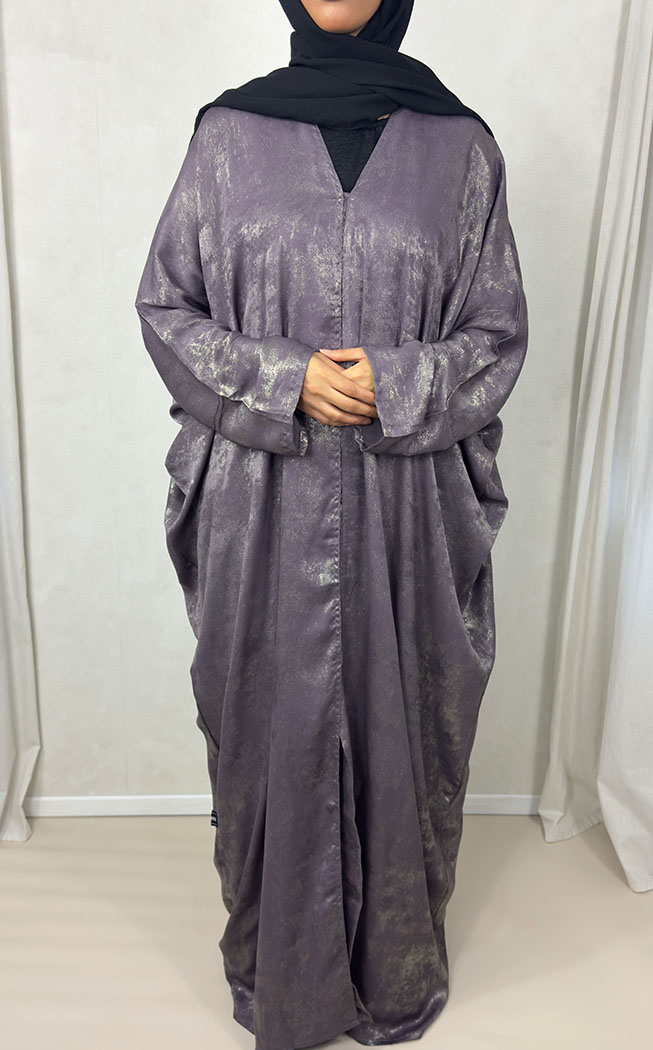
The rise of modest fashion influencers and global visibility
If you’re active on social media or follow modest fashion blogs, you’ve likely noticed the kimono abaya’s rise. Influencers around the world have embraced it, showcasing its versatility in stunning street style snaps, tutorial videos, and even in cultural celebrations. This visibility has done wonders in normalizing and celebrating modest fashion as a global trend, rather than a niche market.
For me, seeing women from different backgrounds confidently styling their kimono abayas helped shatter the outdated stereotypes about modest dressing being dull or restrictive. It’s like we’re part of a vibrant, diverse movement that champions elegance and faith simultaneously.
Comfort meets confidence: The emotional connection
Beyond the fabric and design, the kimono abaya resonates on a deeply personal level. Wearing it feels like an act of self-love and respect for my beliefs. It allows me to move through my day with comfort, grace, and yes — a little bit of sass too. There’s something empowering about wearing an abaya that flows with you, not against you.
I’ve had moments where I caught my reflection and smiled, realizing how far modest fashion has come. The kimono abaya has become more than a garment; it’s a symbol of our evolving identity — rooted in tradition but blossoming with individuality. It reminds me, and hopefully you too, that modesty and fashion are not opposites but can live beautifully side by side.
So, if you’re wondering why the kimono abaya is having such a major moment right now, it’s because it meets us exactly where we are — blending heritage with innovation, practicality with elegance, and modesty with confidence. And that, my dear sister, is a fashion moment worth celebrating.
What Makes the Kimono Abaya Different from Traditional Styles?
Honestly, when I first heard about the kimono abaya, I wondered: how different could it really be from the traditional abayas I grew up wearing? But once I slipped one on, it felt like discovering a whole new world within modest fashion. This isn’t just about a different cut or fabric—it’s a fresh way to experience modesty with ease, elegance, and a touch of boldness. So, let me walk you through exactly what sets the kimono abaya apart from the traditional styles we all know and love.
The silhouette: flow and freedom versus formality
Traditional abayas often have a structured, straight cut that drapes modestly but can sometimes feel restrictive, especially when you want to move freely or add layers. The kimono abaya flips this on its head with its loose, open sleeves and flowing fabric that dances around your body. I remember one afternoon wearing a classic abaya, feeling constrained as I chased after my little niece at the park. Then a week later, in my kimono abaya, I felt like I could breathe, move, and still keep that modest silhouette intact.
This difference in silhouette means the kimono abaya offers a graceful flow that feels effortless, giving you the freedom to express yourself without sacrificing comfort or coverage.
Fabric choices: luxe textures meet everyday comfort
One of the things that struck me about kimono abayas is how designers have embraced a wider variety of fabrics. Traditional abayas often rely on heavier, matte materials like crepe or thick polyester blends designed for modesty and durability. Meanwhile, kimono abayas invite soft silks, satins, chiffons, and even breathable cotton blends that feel gentle against your skin.
I still remember the silky kimono abaya I wore during Ramadan evenings — the way the fabric shimmered under the soft lights, and how cool and comfortable I stayed during long prayers. It’s this embrace of diverse fabrics that allows the kimono abaya to feel both luxurious and practical, day or night.
Design details: minimalist elegance versus artistic flair
While traditional abayas often focus on subtle embellishments—like delicate embroidery along the cuffs or neckline—the kimono abaya isn’t afraid to play with bold patterns, vibrant colors, and statement sleeves. I’m talking about floral prints, geometric motifs, and wide bell sleeves that instantly elevate your modest outfit from simple to standout.
Take this little story: at a family gathering, I wore a kimono abaya with delicate gold thread embroidery and a soft ombré fade. A cousin who barely follows modest fashion trends actually asked me where I got it from, saying, “It’s so different, so fresh!” That moment reminded me how design details can be a form of personal storytelling — a way to showcase your personality while honoring tradition.
Styling flexibility: layering and accessorizing redefined
Another game-changer is how the kimono abaya makes layering easier and more fun. The open-front design invites you to experiment with long cardigans, contrasting maxi dresses, or even tailored pants underneath without feeling bulky or overwhelmed. It’s a blank canvas that works with your mood and lifestyle.
| Styling Element | Traditional Abaya | Kimono Abaya |
|---|---|---|
| Fit | Usually straight, closed front | Loose, open-front with wide sleeves |
| Fabric | Heavy crepe, polyester blends | Silk, satin, chiffon, cotton blends |
| Design | Minimal embroidery, classic cuts | Bold prints, statement sleeves, varied textures |
| Layering | Limited due to fit | Highly versatile, easy to layer |
Personally, I love how this flexibility invites me to get creative. Some days, I pair my kimono abaya with a sleek belt and ankle boots for a chic city look. Other times, I throw it over a loose maxi dress with flats for a comfortable, laid-back vibe. It’s this freedom in styling that makes it so much more than just a garment — it becomes a signature piece of your modest wardrobe.
Embracing individuality without compromising modesty
What truly makes the kimono abaya different is its embrace of individuality. Unlike traditional styles that sometimes feel like they ask you to blend in, the kimono abaya encourages you to stand out gracefully. Whether it’s through a splash of color, an intricate print, or a uniquely draped sleeve, this style lets you wear your identity boldly while honoring the essence of modest fashion.
And honestly? That’s powerful. I’ve seen so many women light up when they realize they don’t have to sacrifice self-expression to dress modestly. The kimono abaya is a reminder that modesty isn’t about hiding—it’s about celebrating who you are, inside and out.
So, if you’re searching for something that respects tradition but feels alive with creativity, the kimono abaya might just be your new wardrobe hero. It’s a gentle revolution in modest fashion, and I’m thrilled to see how it’s reshaping the way we dress and feel every day.
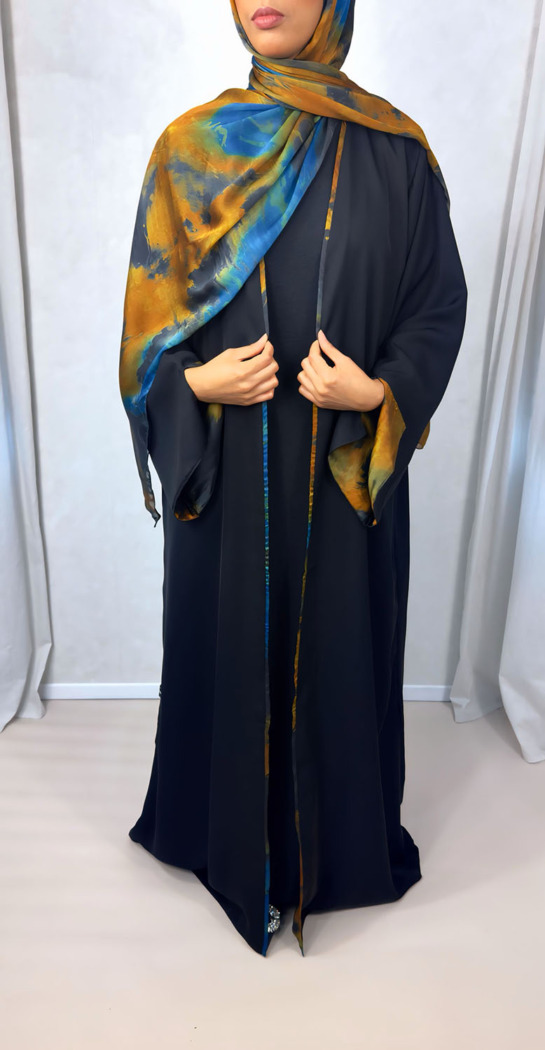
The Cultural Origins and Modern Evolution of Kimono Abayas
When I first discovered the kimono abaya, I was immediately curious about where this beautiful fusion of styles came from. It felt like a piece of modest fashion that had somehow traveled through time and across cultures to land perfectly in my wardrobe. So, let me take you on a little journey—one that explores how the kimono abaya bridges centuries and continents, evolving from deep cultural roots into the modern, fashionable statement it is today.
The kimono’s rich heritage: a symbol of grace and tradition
The kimono, as many of us know, is a traditional Japanese garment that has been around for over a thousand years. It’s not just clothing; it’s a cultural symbol steeped in ritual, artistry, and meaning. I remember watching a documentary about kimonos and how each fold, pattern, and color tells a story—whether about a woman’s age, marital status, or the season. The kimono’s loose, flowing sleeves and open-front design create a graceful silhouette that feels respectful, dignified, and elegant all at once.
What struck me most is the kimono’s timeless ability to marry modesty with beauty. It’s never about revealing; instead, it’s about enhancing the wearer’s presence through thoughtful craftsmanship. And this ethos resonated deeply with me as someone who cherishes modest fashion.
The abaya’s own story: modesty as identity and faith
Meanwhile, the abaya holds a unique place in Islamic culture as a symbol of modesty, faith, and identity. Growing up, I remember my mother’s carefully chosen abayas—each one simple yet full of quiet confidence. The abaya’s design is traditionally straight, often in solid black, emphasizing simplicity and modesty. But beneath that simplicity lies profound meaning: it’s about respect for oneself, for others, and for spiritual values.
Over the years, abayas have evolved, embracing colors, embroidery, and new fabrics—but always rooted in that core purpose. For many of us, the abaya is not just an outfit; it’s a statement of who we are and the values we hold dear.
When worlds meet: the kimono abaya as a cultural fusion
Now imagine blending these two powerful traditions—the kimono’s artistic freedom and the abaya’s spiritual modesty. That’s exactly what the kimono abaya represents. It’s a thoughtful fusion where East meets Islamic modest fashion, creating something fresh yet respectful.
I recall the first time I wore a kimono abaya to an Eid gathering. The flowing sleeves reminded me of the traditional kimonos I’d admired in museums, while the length and coverage honored the abaya’s principles. The reactions I got were so heartwarming—women told me how this style felt like a bridge between cultures and generations. It wasn’t just a fashion statement; it was a celebration of diversity within unity.
The modern evolution: from niche to mainstream modest fashion
Today, designers around the world are reimagining the kimono abaya, experimenting with fabrics, colors, and cuts. Thanks to social media and global connectivity, this style has moved from being a niche fusion to a beloved trend among modest fashion lovers everywhere. I’ve seen young women pair kimono abayas with sneakers for a casual look or with heels and statement jewelry for special occasions. It’s proof that modesty and modernity don’t have to be at odds—they can harmonize beautifully.
| Era | Kimono | Abaya | Kimono Abaya |
|---|---|---|---|
| Traditional Origin | Japan, centuries-old garment reflecting cultural identity | Islamic cultures, symbolizing modesty and faith | Modern fusion inspired by both traditions |
| Design Features | Loose sleeves, wrap front, symbolic patterns | Straight cut, full coverage, simple embellishments | Open front, flowing sleeves, creative prints |
| Function & Meaning | Ceremonial and daily wear, cultural expression | Religious modesty, cultural identity | Fashion-forward modesty, cultural dialogue |
| Modern Usage | Fashion revival with contemporary designs | Expanded styles, colors, and fabrics | Global trend in modest fashion communities |
Why this matters to me—and maybe to you
Understanding the cultural roots of the kimono abaya made me appreciate it on a deeper level. It’s more than just a pretty garment—it’s a reminder that modest fashion can be a beautiful conversation between cultures, histories, and personal identities.
Have you ever thought about how the clothes you wear carry stories? For me, every time I put on my kimono abaya, I feel connected—to tradition, to faith, and to a vibrant, evolving community of women who choose modesty with flair and intention.
So next time you see a kimono abaya, remember—it’s not just a trend. It’s a bridge. A celebration. And, honestly, a little bit of magic in fabric form.
Kimono Abaya vs Open Abaya vs Kaftan: Key Differences Explained
If you’re like me, navigating the world of modest fashion can sometimes feel like decoding a secret language. Terms like kimono abaya, open abaya, and kaftan get tossed around, and while they might seem similar at first glance, each has its own unique personality and purpose. I’ve worn them all and lived through the “Which one do I pick?” moments. So let’s break down these styles—honestly and warmly—so you can find the perfect match for your wardrobe and lifestyle.
What is a Kimono Abaya?
Think of the kimono abaya as a graceful fusion between traditional Japanese and Islamic modest wear. It has wide, flowing sleeves—sometimes exaggerated—and an open front, but often with a belt or sash to cinch at the waist. When I wear mine, I love how it feels both relaxed and elegant, like I’m wrapped in a soft breeze of culture and comfort.
What sets the kimono abaya apart is its relaxed drape and versatility. It often uses lighter, breathable fabrics like chiffon or satin blends, which means it’s perfect for warm weather or casual gatherings. The kimono sleeve adds a touch of drama without losing modesty, which, frankly, makes me feel like I’m wearing something special, even on an ordinary day.
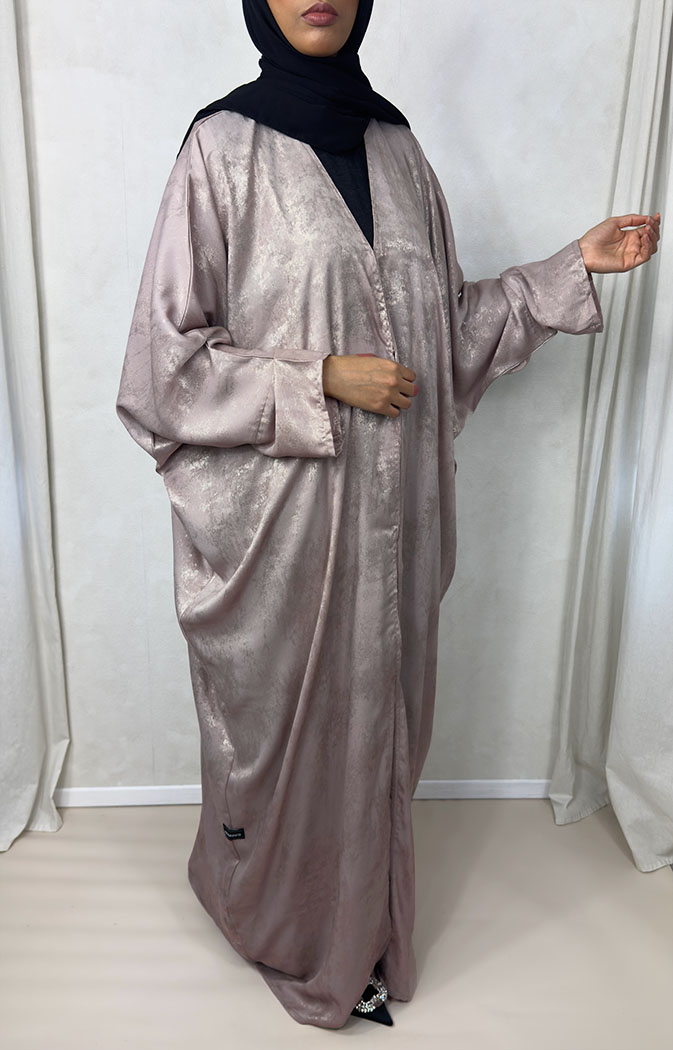
What Makes an Open Abaya Different?
Open abayas are a staple in many wardrobes, and you probably already own one or two without realizing the specifics. These abayas are exactly what they sound like—they open completely down the front, sometimes with buttons, hooks, or just left loose. The fit tends to be more straightforward and less stylized than a kimono abaya.
When I slip on an open abaya, I appreciate its simplicity. It’s easy to layer over almost anything, from casual jeans to formal dresses. But unlike the kimono abaya, open abayas usually have narrower sleeves and lack the distinctive kimono flair. Their fabrics tend to be more varied, ranging from cotton blends to heavier crepes, depending on the season and purpose.
And Then There’s the Kaftan
The kaftan is where modest fashion gets its festival-ready, flowing glamour. Unlike the kimono or open abaya, kaftans are typically a single-piece garment, loose and roomy from top to bottom, often embellished with embroidery or sequins. When I think of kaftans, I think of warm evenings, family gatherings, and occasions where I want to look effortlessly regal.
Unlike the kimono abaya’s open front or the open abaya’s layering capability, the kaftan is usually worn as-is. Its wide body and sometimes bell-shaped sleeves create a silhouette that feels both free and luxurious. Fabric choice here tends to be richer—silks, velvets, or brocades—that carry their own story of elegance and celebration.
| Feature | Kimono Abaya | Open Abaya | Kaftan |
|---|---|---|---|
| Cut & Silhouette | Open front, wide flowing kimono sleeves, usually belted | Open front, straight or slightly A-line cut, narrow sleeves | Single-piece, loose, flowing from shoulder to hem |
| Fabric | Lightweight fabrics like chiffon, satin blends | Varies widely—cotton blends, crepe, jersey | Often luxurious—silk, velvet, brocade with embellishments |
| Styling | Layered with sash or belt, often casual to semi-formal | Easy layering over other clothes, versatile | Standalone garment, often for formal or festive occasions |
| Sleeves | Wide, kimono-style sleeves | Narrower, traditional sleeves | Wide, bell-shaped or loose sleeves |
| Occasions | Casual outings, social gatherings, modest fashion statements | Everyday wear, work, layering piece | Special occasions, celebrations, formal events |
Why Does Knowing the Difference Matter?
You might be wondering why I’m making such a fuss over these differences. Isn’t modest fashion modest fashion? Well, yes—but each style carries a different vibe, and choosing the right one means choosing how you want to feel and be perceived.
There was a time I wore an open abaya to a friend’s wedding, only to realize halfway through the night that I wanted something a little more unique—something that stood out with subtle elegance. That’s when I discovered the kimono abaya, and it felt like I had finally found a style that matched my personality: modest but not plain, classic but with a twist.
On another occasion, a kaftan made me feel like a queen during Ramadan gatherings—its flowing silhouette and rich fabric embraced the spirit of celebration without compromising on modesty.
How to Choose Which One is Right for You
- Consider your lifestyle: If you want something light and easy for day-to-day wear, the kimono or open abaya will likely be your best friends.
- Think about the occasion: For formal events or celebrations, a beautifully embellished kaftan can elevate your modest look instantly.
- Comfort is key: If you love freedom of movement, the loose silhouette of a kaftan or the flowing sleeves of a kimono abaya will make you feel at ease all day long.
- Express your personality: Your modest clothing is an extension of you. Do you lean towards understated elegance or do you enjoy making subtle fashion statements?
At the end of the day, these garments aren’t just about fabric and design—they’re about how you carry your faith and confidence through the world. I hope this little guide helps you pick the perfect piece that speaks to your heart and your style.
How to Style a Kimono Abaya for Effortless Everyday Elegance
I still remember the first time I slipped into a kimono abaya — it felt like discovering a secret wardrobe weapon. There’s something magical about how it blends modesty with a breezy, effortless elegance. But styling it? That can be tricky if you’re new to the silhouette. Over time, I’ve learned to treat the kimono abaya like a canvas, allowing it to shape my daily outfits with ease and personality. Let me walk you through how I style mine to feel confident, comfortable, and, yes, effortlessly elegant every single day.
Start With the Right Base Layer
The beauty of the kimono abaya lies in its open-front design and flowing sleeves, but that means the piece you wear underneath truly matters. For me, this is where comfort meets modesty. I usually pick a simple, fitted maxi dress or a long tunic paired with straight pants. The key is to keep the base sleek, so the kimono abaya can drape beautifully without bulk.
Here’s a quick personal tip: neutral colors like beige, black, or soft pastels work like a charm. They don’t compete with the kimono’s flowy fabric and allow any embroidery, prints, or textures on the kimono to pop.
Belts: Your Best Styling Friend
If your kimono abaya comes with a sash or belt, don’t just tie it haphazardly. Experimenting with belts can completely transform your look. I’ve found that cinching at the waist adds definition, turning a loose garment into something sleek and tailored. Plus, it gives you the power to create a silhouette that flatters your figure without sacrificing modesty.
On days when I want a relaxed vibe, I let the kimono flow open, sash untied. Other times, I’ll grab a statement belt — maybe a leather one with a subtle buckle — to elevate my look for a casual meeting or brunch. The versatility is honestly what keeps me coming back to this piece.
Accessorize With Intention
Accessories can be tricky; too much, and the outfit feels overwhelming, too little, and it might lack spark. When styling my kimono abaya, I lean towards minimalistic elegance. A simple pendant necklace or delicate hoop earrings do wonders. If I’m feeling adventurous, I might add a statement ring or a stack of bangles to bring out the richness of the fabric.
Shoes also play a big role. Flat sandals or loafers keep the look grounded and practical for everyday wear. But if I’m stepping out for something a bit more special, I’ll swap in block heels or pointed flats. They add a touch of sophistication without screaming “formal.”
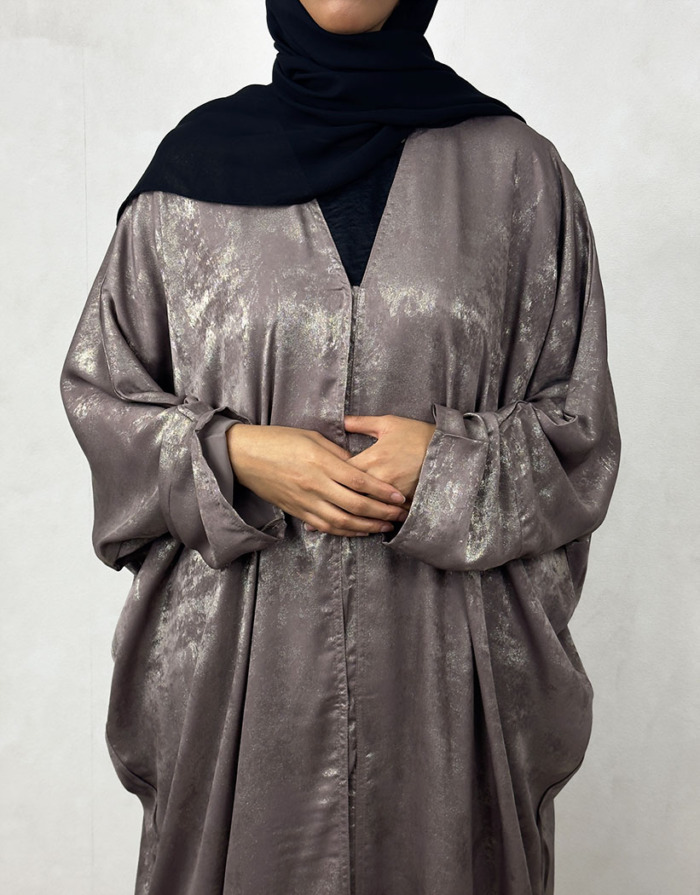
The Power of Prints and Fabrics
One thing I adore about kimono abayas is how they come in endless prints and textures. Floral patterns, geometric designs, or even delicate embroidery — each tells its own story. When choosing yours, I recommend thinking about your personality and your daily rhythm.
For example, when I’m running errands or spending time with family, I reach for softer, pastel shades with subtle patterns. But for social outings, I love a bold print that catches eyes yet stays true to modest fashion’s elegance.
Layering for Weather and Style
Kimono abayas are surprisingly adaptable when it comes to layering. On chilly days, I layer mine over a long-sleeved turtleneck or add a lightweight scarf that complements the kimono’s colors. It’s about balance — keeping warm without losing that airy flow that makes the kimono abaya so special.
In summer, I opt for cotton or chiffon versions, paired with breathable fabrics underneath. The cool breeze that passes through the wide sleeves is like a little gift from modest fashion itself.
| Styling Element | Tips & Tricks | My Personal Favorite |
|---|---|---|
| Base Layer | Choose fitted maxi dresses or long tunics with straight pants; neutral tones work best | Soft beige maxi dress for a sleek, modest foundation |
| Belting | Experiment with fabric sash or leather belts to add waist definition | Black leather belt with a minimal buckle for casual chic |
| Accessories | Go minimal with pendants, hoops; add rings or bangles for interest | Delicate gold hoop earrings paired with a thin pendant necklace |
| Shoes | Flat sandals or loafers for daily; block heels for elevated looks | Tan leather loafers for running errands, nude block heels for brunch |
| Layering | Use turtlenecks, scarves in cooler months; lightweight fabrics in summer | Light grey turtleneck with a pastel chiffon kimono in fall |
A Story From My Closet
I remember a particular day last spring when I had to dash between work, a family visit, and a coffee catch-up. I wore my soft pink chiffon kimono abaya over a simple white dress, cinched with a thin, braided belt. I paired it with tan loafers and a small crossbody bag. The wide sleeves kept me cool on a warm day, and the outfit flowed as I moved — no fuss, just grace. That day, a stranger complimented me on my “effortless elegance,” and I smiled, knowing the kimono abaya did half the work.
If you’re wondering how to make modest fashion feel fresh and easy, my advice is simple: start with pieces you love, experiment gently, and don’t be afraid to make the kimono abaya your own. It’s not just a garment — it’s a lifestyle of poise and freedom.
Occasion-Worthy Looks: Elevate Your Kimono Abaya for Special Events
There’s something truly special about wearing a kimono abaya to an event — the way it effortlessly balances modesty and style, all while making you feel like you belong to a secret society of women who know how to own elegance with subtle power. But here’s the thing: transforming this humble everyday staple into a show-stopping, occasion-worthy ensemble takes a little thought and a pinch of creativity. I’ve learned this through countless weddings, Eid celebrations, and family gatherings — moments when you want to feel your absolute best without losing the essence of modest fashion. Let me share how I elevate my kimono abayas to stand out beautifully at those unforgettable occasions.
Choose Rich Fabrics and Intricate Details
If you’re aiming for a special event look, the fabric choice is everything. While cotton and chiffon work wonders for daily wear, occasion-worthy kimono abayas lean towards luxurious textures like silk blends, satin, or embroidered lace overlays. These fabrics catch the light in the most flattering way and instantly upgrade your presence.
I remember attending my cousin’s wedding wearing a deep emerald silk kimono abaya with delicate gold embroidery along the sleeves and hem. The fabric felt like a gentle hug, and the shimmer under the evening lights was breathtaking. That night, I didn’t just wear an abaya — I wore a statement.
Play With Colors That Pop, Yet Stay Modest
Special occasions invite a splash of color, but within modest fashion, bold doesn’t mean brash. Jewel tones like sapphire, ruby, amethyst, and emerald always steal the show, but so do soft metallics—think rose gold, silver, or champagne. The trick? Balance these with understated makeup and accessories so your look feels refined rather than flashy.
Here’s a little secret: pairing a richly colored kimono abaya with a simple, neutral hijab creates a harmony that looks thoughtfully curated. On days when I want to dazzle but keep things grounded, this combo is my go-to.
Accessorize With Glamorous but Purposeful Touches
Accessories can make or break your occasion outfit. With a kimono abaya, I recommend keeping accessories elegant but intentional. Statement earrings or a delicate, embellished clutch can add just the right amount of sparkle. Avoid over-accessorizing; the goal is to complement, not compete with, the intricate details of your abaya.
During Eid last year, I paired a soft blush kimono abaya with pearl drop earrings and a matching clutch. The simplicity of the accessories allowed the gentle embroidery on the abaya’s sleeves to shine, and I felt like every element was part of a harmonious story.
Experiment With Layering and Silhouettes
For special events, don’t hesitate to experiment with layering under your kimono abaya. A long sleeve fitted dress with lace or subtle beading can add depth. You could also try layering a structured belt to create a more defined waistline — it’s amazing how this tiny detail can transform the entire silhouette.
I once wore a black satin kimono abaya over a gold-embellished maxi dress, cinched with a sleek metallic belt. It was unexpected, elegant, and I received so many compliments. Plus, it made me feel like I’d put real thought into my look without fussing over every detail.
| Styling Element | Occasion Tips | My Go-To Examples |
|---|---|---|
| Fabric | Silk blends, satin, embroidered lace for a luxe feel | Emerald silk with gold embroidery for weddings |
| Color Palette | Jewel tones and soft metallics paired with neutral hijabs | Ruby red abaya with beige hijab for Eid |
| Accessories | Statement earrings, delicate clutches; avoid over-accessorizing | Pearl drop earrings with a blush pink clutch |
| Layering | Long sleeve dresses with subtle detailing; use structured belts | Black satin kimono over gold-embellished maxi dress with metallic belt |
Embracing Confidence and Comfort
I can’t stress this enough — no matter how beautifully styled your kimono abaya is, if you don’t feel comfortable and confident, it won’t shine. Sometimes I remind myself that the most elegant outfit is one that lets me breathe, move, and smile freely.
At my best friend’s engagement, I chose a lightweight navy kimono with subtle beading, paired with cushioned heels. I danced, chatted, and laughed without a single thought about my outfit feeling restrictive. That comfort showed through, making me glow from the inside out.
Final Thought: Your Kimono Abaya, Your Story
Styling a kimono abaya for special events is more than just picking clothes — it’s about telling your story in a language of grace and poise. It’s about those little moments: the sparkle of a bead catching the light, the way your hijab softly frames your face, the confidence in knowing you look and feel like your best self.
So, go ahead — mix textures, layer with love, and choose colors that speak to your soul. Because your kimono abaya isn’t just a garment. It’s your celebration, your elegance, your quiet power — all wrapped up in fabric that flows with your every move.
The Best Fabrics for a Kimono Abaya: Comfort Meets Class
I still remember the first time I slipped into a kimono abaya made from pure silk — that soft, fluid feeling on my skin was nothing short of a revelation. Since then, fabric choice has become the heartbeat of every kimono abaya I own. For me, finding the perfect balance between comfort and class isn’t just about aesthetics; it’s about honoring modesty while feeling confident and graceful every single day. Choosing the right fabric can transform how you carry yourself, how you move, and most importantly, how you feel. Let me take you through the fabrics that have won my heart and why they deserve a place in your wardrobe.
Silk and Silk Blends: The Ultimate Elegance
Silk isn’t just a fabric — it’s a statement. When I wear a silk or silk-blend kimono abaya, it’s like draping myself in understated luxury. The natural sheen, the way it flows with every step, and the breathable texture make it ideal for both special occasions and day-to-day wear when you want to feel a little extra special. What’s truly remarkable about silk is how it manages to be lightweight yet warm, making it suitable across seasons.
But beware, pure silk demands a little TLC — dry cleaning is usually a must, and it can be delicate around jewelry or rough surfaces. I’ve had moments where my favorite silk abaya snagged on a bracelet, and yes, it stung. Yet, the joy of wearing it always outweighs the small worries.
Chiffon: The Lightweight Wonder
If you live in a warm climate like I do, chiffon is a godsend. Its lightweight, airy nature keeps you cool without sacrificing modest coverage. I love chiffon kimonos layered over soft cotton or viscose dresses — the sheer, flowing quality adds a poetic grace to movement, like a gentle breeze wrapping you in elegance.
One of my most cherished memories is wearing a pale peach chiffon kimono abaya during Ramadan nights with friends. The fabric felt almost weightless, yet it maintained a modest silhouette that respected the occasion’s spirit. However, chiffon does wrinkle easily and can sometimes feel a bit fragile, so I always handle mine with care.
Cotton and Cotton Blends: Everyday Comfort and Breathability
Nothing beats cotton for everyday comfort. It’s breathable, soft, and forgiving on the skin. For casual kimono abayas, cotton blends strike a lovely balance — adding just enough structure while keeping things comfy. I often reach for cotton on busy days when I know I’ll be moving around a lot, running errands, or attending informal gatherings.
I once paired a navy cotton kimono with simple white sneakers for a casual family brunch — it felt like the perfect fusion of modesty and ease. The only caveat is that pure cotton can wrinkle, so I often choose blends that include polyester or rayon to keep my look polished without the fuss.
Jersey Knit: Stretch Meets Sophistication
Jersey knit might surprise you as an occasion fabric, but for those of us who prioritize comfort alongside style, it’s a real winner. The stretchiness allows for freedom of movement, and its drape flatters many body types beautifully. My go-to jersey kimono abaya feels like a second skin, yet it elevates my silhouette with a sleek, modern touch.
It’s also a breeze to care for — machine washable and quick drying. I remember rushing to an event straight from work in my jersey kimono, confident that it would hold up and look chic with just a quick freshen-up.
| Fabric | Comfort Level | Occasion Suitability | Care Tips | My Personal Experience |
|---|---|---|---|---|
| Silk & Silk Blends | Luxuriously smooth, breathable | Formal & semi-formal events | Dry clean only; handle delicately | Elegant but delicate; requires care around jewelry |
| Chiffon | Light, airy, breathable | Warm climates & festive occasions | Hand wash or gentle cycle; prone to wrinkles | Feels weightless, perfect for Ramadan nights |
| Cotton & Blends | Soft, breathable, casual | Everyday & casual wear | Machine washable; may wrinkle | Perfect for busy days and casual outings |
| Jersey Knit | Stretchy, comfortable | Workwear & casual chic | Machine washable; easy care | Ideal for movement; great for quick freshen-ups |
Balancing Fabric Choice With Personal Style and Climate
One thing I’ve learned over the years is that the “best” fabric isn’t the same for everyone. Your lifestyle, climate, and personal style all shape what feels right. If you’re like me and live in a place with hot summers and chilly winters, you might want a rotation of fabrics — lighter chiffons and cottons in the heat, and silk or jersey in cooler months.
Ask yourself: Will I be moving around a lot? Will the fabric feel restrictive or freeing? Does it suit the event I’m attending? Trusting your intuition here makes all the difference.
Final Thought: Fabric Is More Than Feel — It’s Feeling
At the end of the day, your kimono abaya’s fabric shapes how you carry yourself — from the way it brushes your skin to how it moves when you walk into a room. When you choose fabrics that honor both comfort and class, you’re not just dressing modestly — you’re dressing beautifully, thoughtfully, and with intention.
So, whether you’re slipping into silk for a wedding, chiffon for a Ramadan gathering, or jersey for your daily hustle, remember: the best fabric is the one that makes you feel like *you* — graceful, comfortable, and effortlessly elegant.
Travel Light, Dress Right: Why Kimono Abayas Are Vacation Heroes
Packing for a trip always sparks that familiar mix of excitement and overwhelm, doesn’t it? You want to bring outfits that feel comfortable, modest, and stylish — but without lugging around a suitcase the size of your closet. For me, the kimono abaya became my ultimate vacation hero after a few tough trips where I seriously underestimated how much space “modest” could take up. It’s like the perfect travel companion: effortless, versatile, and wonderfully light. If you’re planning your next getaway and wondering how to stay true to your modest style while embracing ease and comfort, this section’s for you.
Why Kimono Abayas Are the Ultimate Travel Essential
First, let’s talk versatility. One thing I adore about kimono abayas is how easily they adapt — from sightseeing in the sun to dining out under the stars, they cover all the bases. Their loose, flowing silhouettes keep you cool during warm days but also layer nicely when it gets chilly on evening strolls. And unlike bulky coats or heavy layers, a kimono abaya is light enough to fold neatly into any suitcase without creating a mountain of wrinkles.
On my last trip to Marrakech, I packed three kimono abayas in different fabrics and colors — chiffon for the hot market days, jersey for the comfortable airport rides, and a silk blend for dinner at a rooftop restaurant. I swear I got compliments every day, and the best part? I didn’t have to sacrifice my modesty or comfort once.
Lightweight Fabrics = More Room for Memories
When you travel, every inch and ounce in your bag counts. That’s why the lightweight nature of kimono abayas matters so much. Unlike jeans or structured jackets that add bulk and weight, these abayas feel like a gentle breeze you can fold up and tuck away. This means you can bring along a few different styles, colors, and layering options without the guilt of overpacking.
Remember that trip I took to the Mediterranean coast? I needed outfits that could handle humidity, sun, and casual dining without needing an iron every time. My chiffon and cotton blend kimono abayas were lifesavers. I could wear them over swimwear at the beach or pair with sandals and statement earrings for an evening by the water.
Pack Smart: A Simple Kimono Abaya Travel Capsule Wardrobe
I’m a huge fan of travel capsules — small collections of versatile pieces that mix and match seamlessly. Here’s a travel capsule I swear by when taking my kimono abayas on vacation:
- 3 Kimono Abayas: One chiffon or lightweight fabric, one jersey or cotton blend, and one silk or satin blend for dressier moments.
- 2-3 Neutral Hijabs: In breathable fabrics like cotton or viscose, easy to style and coordinate.
- 1 Pair of Comfortable Sandals: Versatile enough for walking and casual dinners.
- Minimal Accessories: A pair of statement earrings and a small crossbody bag to keep hands free.
- 1 Lightweight Inner Dress or Slip: To ensure modesty and comfort under sheer fabrics.
With this setup, you’re ready for almost any occasion — from early morning tours to late-night feasts.
| Item | Purpose | Why It Works for Travel | My Personal Tip |
|---|---|---|---|
| Chiffon Kimono Abaya | Cool daytime wear | Lightweight, breathable, folds easily | Pair with a wide-brim hat for sun protection |
| Jersey or Cotton Blend Abaya | Casual comfort, travel days | Stretchy, easy care, comfortable | Wear with simple sneakers for airport walks |
| Silk or Satin Blend Abaya | Evening and special occasions | Elegant, light, stylish | Carry in a garment bag to avoid wrinkles |
| Neutral Hijabs | Versatile headcoverings | Easy to mix and match, breathable fabrics | Bring a mini travel steamer for quick touch-ups |
| Comfortable Sandals | Walking and casual dinners | Multi-purpose footwear | Choose leather for durability and comfort |
Stories from the Road: How My Kimono Abayas Saved the Day
One trip that stands out was to Istanbul in early spring. The weather was unpredictable — warm sunshine mixed with sudden chilly winds. I was packing light but wanted to maintain my modest style, so I brought a chiffon kimono, a lightweight jersey one, and a soft silk blend. When the wind kicked up near the Bosphorus, I layered the jersey kimono over my chiffon abaya, tying it with a belt to keep it snug. Later that evening, the silk blend stole the show during a family dinner in a cozy rooftop restaurant.
That experience taught me something crucial: packing pieces that can layer well, adapt to changing weather, and fit a variety of social settings isn’t just convenient — it’s empowering. It gave me confidence knowing I could honor my values and still be ready for whatever the day (or night) brought.
Traveling Modestly Doesn’t Mean Compromise
If you’ve ever worried that traveling modestly means lugging heavy clothes or sacrificing your style, I’m here to tell you it doesn’t have to be that way. Kimono abayas bring a breath of fresh air into the travel wardrobe — they’re light, versatile, and effortlessly chic. And best of all, they help you stay connected to your identity and values, no matter where your journey takes you.
Next time you pack, try making your kimono abaya the star of the show. I promise, it’ll change the way you travel — lightening your suitcase and lifting your spirit.
Layering with Purpose: What to Wear Under or Over a Kimono Abaya
Layering—when done right—is a modest fashion game changer. Especially with a piece as fluid and versatile as the kimono abaya, knowing what to wear underneath or over it can elevate your look from simply modest to truly unforgettable. I’ve learned this the hard way, through wardrobe mishaps and “aha” moments that reshaped how I approach modest dressing every single day. So, whether you’re new to kimono abayas or just looking to refresh your styling skills, I’m here to share my most trusted tips and personal stories on layering with purpose.
Why Layering Matters More Than You Think
You might ask, “Isn’t an abaya just an abaya?” I used to think so, too. But layering isn’t just about adding warmth or coverage—it’s about shaping your silhouette, expressing your personal style, and feeling confident in every setting. With kimono abayas, which are inherently loose and flowing, what you wear underneath can make all the difference in comfort and modesty, while layering on top can add dimension and a sense of occasion.
For example, on a chilly evening, slipping on a sleek long-sleeve inner dress under your kimono abaya keeps you warm without adding bulk. Or layering a tailored vest or belt over your kimono can add structure and flair, perfect for work or social events. Trust me, once you start layering thoughtfully, your wardrobe becomes a playground full of new possibilities.
What to Wear Under Your Kimono Abaya
Because kimono abayas tend to be loose and sometimes made from lightweight fabrics, wearing the right base layers underneath is essential for modesty and comfort. Here’s what’s worked for me and countless modest fashion lovers:
- Long-Sleeve Maxi Dresses or Inner Dresses: These are your go-to pieces for full coverage without feeling constricted. I prefer breathable cotton or bamboo fabrics that breathe well in warmer weather.
- Slip Dresses: If your kimono is sheer or lightweight, a neutral-colored slip dress helps maintain modesty without bulk. Satin slips add a touch of luxury and flow beautifully under chiffon kimonos.
- Layered Tops and Pants: When maxi dresses aren’t your style, I love pairing a fitted long-sleeve top with wide-leg trousers or palazzo pants. This combo keeps your silhouette balanced and comfortable.
- Belts or Sashes: Adding a thin belt around your waist, even over base layers, can help define your shape and add a polished touch.
Here’s a quick table I keep in mind when layering underneath, depending on season and fabric:
| Season | Fabric Type Underneath | Why It Works | Example |
|---|---|---|---|
| Summer | Lightweight cotton, bamboo | Breathable, moisture-wicking | Cotton long sleeve maxi dress in beige |
| Winter | Thermal or jersey fabric | Insulating but flexible | Black jersey slip dress with long sleeves |
| All-Year | Satin or silk blend slip | Elegant, smooth, adds modesty under sheer fabrics | Champagne satin slip dress |
Layering on Top: Adding Style and Function
Beyond the base layers, adding pieces over your kimono abaya can give your outfit that personal signature look. I’ve had many moments where a simple layering trick transformed my outfit — like when I paired a structured blazer over a floral kimono abaya for a meeting, suddenly feeling empowered and polished in a way I didn’t expect.
Here are some ideas that you can mix and match depending on the occasion:
- Belts and Sashes: Cinching your kimono at the waist creates shape and adds an element of style without losing modesty.
- Light Jackets or Blazers: Perfect for cooler days, they add professionalism and a tailored look.
- Cardigans or Long Vests: These are great for layering in a more casual or semi-formal way, adding dimension and texture.
- Statement Scarves or Hijabs: Draping a bold scarf over your kimono can turn heads and bring color balance to your outfit.
Here’s a small table summarizing popular layering tops that complement kimono abayas well:
| Layering Piece | Occasion | Style Effect | Personal Tip |
|---|---|---|---|
| Waist Belt or Sash | Casual to formal | Defines waist, adds structure | Choose soft fabric belts to avoid discomfort |
| Blazer | Work, meetings, formal events | Sharp, professional silhouette | Neutral colors like black or navy complement most kimonos |
| Long Vest | Casual, day outings | Adds layers without bulk | Try a lightweight knit for cozy warmth |
| Cardigan | Relaxed, informal | Soft, comfy, approachable look | Keep it open and flowy to maintain kimono’s essence |
My Personal Layering Story: A Day of Comfort and Confidence
Let me tell you about a day when layering saved me — literally. I was attending a family gathering during early spring, and the weather was unpredictably cool but bright. I layered a soft, long-sleeve cotton maxi dress under my pastel pink chiffon kimono abaya, adding a thin beige belt at the waist to keep the flow from overwhelming my frame. On top, I threw on a cream-colored blazer I found in a local boutique. The result? I felt comfortable, modest, and stylish all day long — able to move freely without worrying about exposure, while also receiving several compliments.
That experience reminded me that layering isn’t just a styling trick; it’s a tool that empowers modest women to express themselves fully and confidently, whatever the season or occasion.
Final Thoughts: Layer with Intention, Wear with Pride
At the end of the day, layering with a kimono abaya is an act of self-love and creative expression. It’s about knowing your body, your needs, and your style — and then weaving those threads into something uniquely you. So next time you step in front of the mirror, think about what layers will bring you joy, comfort, and confidence. I promise, your kimono abaya will thank you.
Color Psychology in Kimono Abayas: What Your Shade Says About You
Have you ever noticed how the color of your outfit can shift your mood—or how others instantly get a sense of your vibe just from the shade you choose? When it comes to kimono abayas, this subtle but powerful language of color runs deeper than just aesthetics. It’s about expression, identity, and sometimes even spiritual resonance. As someone who’s lived through the ebb and flow of modest fashion trends and personal style journeys, I’ve found that understanding color psychology isn’t just a fun fact—it’s a secret superpower.
The Emotional Palette: How Colors Influence Perception
Color psychology explores how different hues can evoke feelings and communicate messages without a single word. When you slip into your kimono abaya, the color you pick sends signals—sometimes consciously, often subconsciously—to the world around you. More importantly, it shapes how you feel inside, influencing your confidence, energy, and even your sense of modesty.
Think about the last time you wore a bold red or a soft pastel. Did you feel more daring, more peaceful? That’s color at work, speaking directly to your soul and the people you meet.
What Different Kimono Abaya Colors Say About You
Let’s dive into some common colors in kimono abayas and unpack the vibes they carry. I’ll share my personal experiences and how I’ve seen these colors shape my moods and moments:
| Color | Emotional Meaning | When to Wear It | My Story |
|---|---|---|---|
| Black | Elegance, power, mystery, timelessness | Formal events, work, evenings out | Black kimono abayas have been my go-to for job interviews. They give me a quiet confidence that feels both modest and commanding. |
| Pastels (Soft Pink, Lavender, Mint) | Calmness, femininity, freshness, approachability | Casual outings, spring gatherings, family events | I wore a mint green kimono abaya to a garden party once, and it felt like a gentle hug—soft, inviting, and peaceful. |
| Navy Blue | Trust, stability, serenity, professionalism | Work meetings, religious gatherings, formal occasions | A navy kimono abaya made me feel grounded during a particularly stressful day. It’s like wearing calm itself. |
| Deep Red or Burgundy | Passion, courage, energy, warmth | Evenings out, celebrations, when you want to stand out | That burgundy kimono I wore at my best friend’s wedding made me feel radiant and alive — perfect for joyful occasions. |
| Earth Tones (Beige, Brown, Olive) | Grounding, simplicity, nature, warmth | Everyday wear, outdoor events, casual meetings | Earth tones are my comfort zone. I wore an olive kimono on a relaxed family picnic and felt so connected to the moment. |
How to Choose Your Kimono Abaya Color with Intention
Choosing the right color isn’t just about matching your mood—it’s about being intentional with what you want to express that day. Here’s a simple guide I follow to pick the perfect shade:
- Check in with Your Mood: Are you feeling bold or calm? Energetic or reflective? Let your inner state guide your color choice.
- Consider Your Occasion: Formal events often call for timeless neutrals or dark shades, while casual days welcome lighter, brighter colors.
- Think About the Message: What do you want to say without words? Confidence, warmth, serenity?
- Balance with Accessories: Your hijab, shoes, and bag can complement or contrast your kimono color to complete the story you’re telling.
I remember once feeling nervous before a big presentation. Instead of reaching for my usual black abaya, I chose a soft lavender kimono. The color soothed my nerves, and the compliments I received afterward? Just icing on the cake.
Color and Cultural Nuances: Respecting Tradition While Embracing Style
In many Muslim communities, certain colors carry cultural or religious significance. White, for example, symbolizes purity and peace and is often favored for special prayers or religious occasions. It’s important to respect these meanings while also feeling free to express your unique personality.
When I wear white kimono abayas during Eid, I feel a sense of spiritual connection that’s both humbling and uplifting. But on regular days, I might pick richer hues to reflect my energy and creativity.
Final Reflection: Your Kimono, Your Color Story
Color psychology in kimono abayas isn’t just about trends or matching wardrobes—it’s about tuning into your feelings and intentions, and letting your clothing become a part of your personal narrative. So next time you stand in front of your closet, take a moment to ask yourself: What do I want today? What story do I want to tell?
I promise, once you start layering your days with color meaning, you’ll discover a new layer of confidence and joy in your modest fashion journey.
From Modest to Magnetic: Adding Personality with Accessories
There’s something magical about the way accessories can transform an outfit — especially when it comes to modest fashion. I remember the first time I realized that a simple necklace or a carefully chosen bag could turn my basic kimono abaya into a true expression of *me*. It’s like suddenly, modesty and personality don’t have to compete; they can dance together beautifully.
Why Accessories Matter in Modest Fashion
Sometimes, modest dressing gets misunderstood as plain or dull. But that’s far from reality. For me, accessories are the secret language of style — they tell stories without saying a word. They give life to the elegant flow of a kimono abaya and let my personality shine through the fabric’s folds.
When I wear my favorite abaya, it’s those little touches—an intricately patterned hijab pin, a chunky bracelet, or a bright clutch—that spark conversations and smiles. They’re not just add-ons; they’re confidence boosters.
Key Accessories to Elevate Your Kimono Abaya Look
Let me share the accessories I’ve learned to rely on, ones that respect modesty but don’t shy away from making a statement:
| Accessory | How It Adds Personality | Tips for Pairing | Personal Anecdote |
|---|---|---|---|
| Hijab Pins & Brooches | Add sparkle and delicate detail | Choose subtle metallics or colorful gems that complement your abaya shade | I once wore a pearl-encrusted pin on a black kimono—it felt like wearing a little crown. |
| Statement Necklaces | Bring boldness without overpowering modesty | Opt for longer chains that peek beneath the neckline or delicate layered styles | A layered gold necklace turned a simple navy kimono into an outfit worthy of a special dinner. |
| Bags & Clutches | Add color, texture, and functionality | Mix textures like leather with soft fabrics; match colors for balance or contrast for impact | My favorite is a vibrant emerald clutch that always sparks compliments at family gatherings. |
| Belts | Define silhouette and add a modern twist | Use slim belts in contrasting colors or wide statement belts for a trendy look | One day, I belted a loose kimono with a tan leather belt and suddenly felt stylish and put-together. |
| Footwear | Complete the look and express mood | From elegant flats to modest heels, choose comfort that matches the occasion | Comfortable pointed flats with embroidery have been my go-to for busy days out. |
How to Accessorize Without Overdoing It
I’ve definitely been guilty of piling on too many accessories at once—only to feel weighed down or lose the modest elegance I cherish. Finding that sweet spot is an art and a process, and here’s how I navigate it:
- Start with One Statement Piece: Whether it’s a bold necklace or an eye-catching clutch, let one item be the star, and keep other accessories simple.
- Coordinate Colors Thoughtfully: Use accessories that either complement or gently contrast your abaya color, avoiding too many clashing shades.
- Mix Textures, Not Patterns: Combining leather with silk or metal with fabric adds interest without visual chaos.
- Balance Function & Flair: Accessories should be both beautiful and practical—comfortable shoes, a bag that fits essentials.
One time, I wore a richly embroidered hijab pin and matched it with understated earrings and a sleek handbag. That subtle balance made me feel polished without feeling like I was trying too hard.
Tell Your Story Through Accessories
Accessories are more than just objects—they hold memories, express moods, and even reflect phases of our lives. I treasure a bracelet gifted by my grandmother that I wear whenever I want to feel grounded, or a pair of earrings bought on a solo trip that reminds me of my independence and growth.
Your kimono abaya becomes not just a garment, but a canvas for these stories. When I’m getting ready, I often ask myself, “What story do I want to tell today?” The answer guides my accessory choices and makes every outfit feel deeply personal.
Final Thoughts: From Modest to Magnetic
If modest fashion feels restrictive at times, remember: accessories are your freedom fighters. They let you add spark and personality without compromising your values or comfort. The next time you stand in front of your wardrobe, think about those little pieces that make you *you* — the ones that make you feel magnetic inside and out.
Trust me, it’s the small details that turn a simple kimono abaya into a powerful statement of identity, faith, and style.
Finding the Right Kimono Abaya for Your Body Type
Have you ever stood in front of your closet, holding a kimono abaya, wondering if it really *fits* you—not just physically, but in a way that feels right? I’ve been there more times than I can count. Finding the perfect kimono abaya isn’t just about picking a pretty fabric; it’s about embracing your unique shape and feeling confident in modest elegance. Trust me, the right fit can transform not only your look but how you carry yourself every day.
Why Body Type Matters in Choosing a Kimono Abaya
Modest fashion often celebrates flowing silhouettes, but that doesn’t mean one style fits all. Your body type shapes how a kimono abaya drapes on you—what highlights your best features, what feels comfortable, and what makes you feel beautiful. Ignoring your shape might lead to a garment that feels like it’s wearing *you*, instead of the other way around.
When I first started exploring kimono abayas, I bought a popular oversized style that swallowed my petite frame. I looked lost in fabric, and honestly, it made me feel invisible. It took time to realize that modesty is about balance, not just volume. Once I learned to pick styles that complemented my shape, modest dressing became joyful, empowering, and effortless.
Common Body Types & Best Kimono Abaya Styles
| Body Type | Kimono Abaya Style That Works | Why It Works | Styling Tip |
|---|---|---|---|
| Petite | Tailored, slim-cut kimono with subtle flow | Prevents overwhelming your frame; elongates silhouette | Choose vertical patterns or solid dark colors to add height |
| Curvy (Hourglass) | Belted or cinched waist kimono with structured shoulders | Highlights natural curves while maintaining modest coverage | Use belts in soft fabrics to avoid bulk; add statement hijab pins |
| Apple Shape | Flowy A-line kimono with V-neckline or open front | Draws attention upward; offers comfort around midsection | Layer with light scarves and minimal accessories around waist |
| Rectangle (Athletic) | Kimono with layered fabrics and ruffles or pleats | Adds dimension and softness, creating curves | Opt for pastel colors and textured fabrics for feminine touch |
| Pear Shape | Kimono with embellished or detailed upper half | Balances wider hips by drawing eye upward | Choose lightweight fabrics that flow gently over hips |
How to Measure Yourself for the Perfect Fit
Before you even start shopping, knowing your measurements can save so much frustration. Here’s a simple method I use (no fancy tools needed!):
- Chest: Wrap a soft tape measure around the fullest part of your chest, keeping it snug but not tight.
- Waist: Measure around your natural waistline, usually above your belly button.
- Hips: Measure the widest part of your hips and bottom.
- Shoulder Width: From one shoulder edge to the other, across your back.
- Length: From your shoulder to the floor (or wherever you want your abaya to fall).
Having these numbers on hand when browsing makes it easier to compare with sizing charts and avoid guessing games.
Real Talk: Comfort vs. Style
I’ve often wrestled with the tension between wanting to look stylish and feeling comfortable. One weekend, I wore a kimono abaya that looked stunning but was stiff and restrictive. By midday, I just wanted to peel it off. That experience taught me something vital: comfort is part of modesty, not separate from it.
The ideal kimono abaya should move with you, not against you. Flowing fabrics like chiffon, soft cotton blends, and light silks create that gentle movement that feels like a hug, not a cage. Don’t sacrifice comfort for style; instead, look for pieces that honor both.
Final Thoughts: Own Your Shape, Own Your Style
Choosing the right kimono abaya is deeply personal. It’s about tuning into your body’s needs, your style dreams, and how modest fashion makes you feel inside. When you find that perfect fit, it’s like discovering a new layer of confidence—one that shines through every interaction and prayer.
So, next time you shop, don’t settle for the first pretty kimono you see. Ask yourself: Does this piece celebrate my shape? Does it make me feel comfortable and authentic? When the answer is yes, you’ll know you’ve found more than just clothing—you’ve found your modest fashion soulmate.
Petite, Tall, or Curvy? Fit Tips for Every Shape
I remember the first time I bought an abaya that just didn’t feel right. It was too long, drowning my petite frame, and no matter how I tried to adjust it, I felt swallowed up by the fabric. Sound familiar? Whether you’re petite, tall, or curvy, finding a fit that respects your body and modesty can be tricky — but it’s not impossible. In fact, it’s one of the most empowering parts of modest fashion once you get the hang of it.
Why Fit Matters More Than Size
It’s tempting to fixate on a number — a dress size or “one size fits all” label. But fit is about how the garment sits on your unique shape. A kimono abaya designed for a tall woman may overwhelm someone petite, and a piece that hugs curves beautifully can feel restrictive if you’re more straight-lined. When I learned to look beyond size labels, I started paying attention to how clothes made me feel — comfortable, confident, and authentic.
Here’s a little secret: modest fashion doesn’t have to mean shapeless or baggy. It means dressing in a way that honors your body, your faith, and your personality — and fit is the bridge between all three.
Fit Tips for Petite Frames
Being petite is a blessing and a challenge. I’m about 5’2”, so I know firsthand how easy it is to get lost in oversized abayas or kimonos. Here’s what I’ve learned works best:
- Go for Tailored Cuts: Look for kimonos with a slimmer silhouette that lightly skim your body without drowning you in fabric.
- Mind the Length: A kimono that drags on the floor can overwhelm; look for ankle-grazing lengths or consider getting your abaya tailored.
- Vertical Details: Patterns like stripes or vertical embroidery help elongate your figure visually — and who doesn’t want a little height boost?
- Light Fabrics: Choose flowing, lightweight materials that move easily but don’t bulk up.
I remember trying a stunning kimono abaya with delicate floral embroidery and a cinched waist. It instantly made me feel taller and more poised, as if the fabric was hugging me in all the right places. That little detail changed everything for me.
Fit Tips for Tall Women
Tall sisters, I see you. When you’re rocking 5’8” or taller, it can be a challenge finding abayas that don’t look like dresses from the kids’ section. My cousin, who’s 5’10”, often struggles with sleeves that end halfway up her forearm or hemlines that fall awkwardly.
- Look for Extended Lengths: Many modest fashion brands now offer “tall” sizes or custom lengths — definitely worth seeking out.
- Balance Volume: Oversized kimonos can look dramatic on tall frames, but pairing them with a belted waist adds shape without sacrificing modesty.
- Pay Attention to Sleeve Length: Long sleeves should reach your wrists — cuff styles or adjustable buttons help with this.
- Layer Smartly: Pair your kimono abaya with long, flowing scarves or underlayers that complement your height without adding bulk.
One of my favorite memories is watching my cousin walk into a room wearing a flowing kimono abaya that hit the floor perfectly, paired with a bold hijab and subtle gold accents. She looked regal, confident — and exactly like the modest fashion icon she is.
Fit Tips for Curvy Figures
Curvy doesn’t mean complicated — it means beautiful, unique, and deserving of clothes that celebrate your form. I’ve learned that the key is in balance and comfort.
- Choose Belted or Structured Kimonos: A cinched waist highlights your natural curves while keeping your silhouette modest and elegant.
- Fabric Matters: Stretchy, soft fabrics like jersey blends or crepe give you ease of movement without clinging.
- Play with Necklines: V-neck or open-front kimonos elongate your neck and draw the eye upward.
- Minimal Bulk: Avoid too many layers or thick fabrics that add volume where you don’t want it.
I recall buying a kimono abaya with a delicate tie waist and a soft crepe fabric. Wearing it felt like a gentle embrace — it highlighted my curves subtly but didn’t cling or restrict. It was modest fashion done right: respectful, flattering, and comfortable.
Quick Comparison Table: Fit Tips at a Glance
| Body Type | Key Fit Focus | Recommended Fabrics | Style Tips |
|---|---|---|---|
| Petite | Tailored cuts, ankle length | Lightweight chiffon, georgette | Vertical patterns, slim silhouette |
| Tall | Extended lengths, sleeve coverage | Crepe, soft silk blends | Belted waist, long scarves |
| Curvy | Cinched waist, minimal bulk | Jersey blends, soft crepe | V-neck, structured shoulders |
Final Thoughts: Embrace Your Shape, Elevate Your Modest Style
No matter your height or curves, the perfect kimono abaya is out there waiting for you. Don’t be afraid to experiment — try different cuts, fabrics, and details until you find what feels like a second skin. Modest fashion isn’t about hiding; it’s about celebrating who you are with grace, dignity, and style.
Remember, fit is your best friend in this journey. When you wear an abaya that truly fits, your confidence shines through — and that’s the most beautiful accessory of all.
Year-Round Kimono Abayas: Styling by Season
If you’re anything like me, your wardrobe isn’t just about clothes—it’s a reflection of your identity, your faith, and your daily rhythm. One of the gems in my collection has been the kimono abaya, which somehow manages to feel both timeless and fresh, no matter the season. But how do you wear a kimono abaya all year round without feeling either too cold in winter or too swamped in summer? Let me share what I’ve learned, through seasons of trial and error, about styling these versatile pieces from January to December.
Spring: Light Layers and Fresh Hues
Spring always feels like a gentle awakening. The weather’s unpredictable—sometimes breezy, sometimes warm—so layering is essential. For me, a lightweight chiffon or georgette kimono abaya in pastel shades like soft mint, blush pink, or creamy beige is my go-to. These fabrics breathe beautifully, keeping me comfortable during those sunny afternoons but still offering modest coverage when a spring breeze sneaks in.
I love pairing my spring kimono with a simple cotton hijab in complementary shades. One spring morning, I wore a mint-green kimono with delicate floral embroidery over a white dress, and I swear, the compliments kept coming all day long. The key is to embrace lightness—both in fabric and color.
- Choose airy fabrics like chiffon or georgette
- Opt for pastel or nature-inspired colors
- Layer with breathable cotton hijabs
- Pair with light accessories: delicate necklaces or dainty rings
Summer: Breathable Fabrics and Minimal Layers
Summertime modest dressing is a dance between faith and comfort—balancing the need to cover with the intense heat outside. My summer kimono abayas are all about breathable, lightweight fabrics like linen blends or soft cotton. I avoid anything heavy or synthetic that traps heat.
One sweltering day, I chose a pale peach linen kimono abaya with loose sleeves and an open front. I paired it with a breathable jersey hijab, which helped wick away sweat and kept me feeling fresh. The loose cut allowed airflow, so I stayed modest without feeling like I was melting.
- Opt for natural fabrics like linen, cotton, or light jersey
- Choose loose, flowy cuts for air circulation
- Stick to lighter colors to reflect heat
- Minimal layering; keep accessories simple and lightweight
Fall: Earthy Tones and Transitional Textures
Ah, fall—the season of cozy warmth and rich colors. When the temperature starts dipping but isn’t quite winter yet, I reach for kimono abayas in slightly heavier fabrics like crepe or soft silk blends. Earth tones like burnt orange, olive green, deep maroon, or classic taupe are my favorites—they match the mood of the season perfectly.
Last fall, I layered a deep maroon crepe kimono over a long-sleeve maxi dress, topped off with a matching hijab in a textured cotton blend. The ensemble felt both warm and refined. I loved how the subtle sheen of the fabric caught the fading sunlight during my afternoon walks.
- Use medium-weight fabrics like crepe or silk blends
- Incorporate warm, earthy colors
- Layer with textured hijabs (cotton blends or pashmina)
- Accessorize with statement scarves or brooches
Winter: Cozy Layers and Rich Fabrics
Winter calls for cozy, protective layering, and yes, it’s possible to stay modest and warm without sacrificing style. Wool blends, thicker crepes, or velvet kimono abayas become my best friends. Dark, rich colors like navy, black, emerald, or burgundy not only feel seasonally appropriate but also add a touch of elegance.
One chilly evening, I wore a velvet kimono with intricate embroidery, layered over thermal leggings and a turtleneck dress. Paired with a thick wool hijab and leather gloves, I felt warm, comfortable, and beautiful. Plus, the heavy fabric draped so luxuriously, it elevated my whole look for a family gathering.
- Choose thick fabrics like wool blends or velvet
- Go for dark, rich colors
- Layer under with thermals or long-sleeve dresses
- Pair with warm hijabs—wool or cashmere blends
- Accessorize with gloves, scarves, and boots
Seasonal Styling Table: Kimono Abayas Year-Round
| Season | Fabric | Colors | Layering Tips | Hijab Choices |
|---|---|---|---|---|
| Spring | Chiffon, Georgette | Pastels, Soft Neutrals | Light layers, breathable under-dresses | Cotton, Lightweight Jersey |
| Summer | Linen, Cotton, Light Jersey | Light, Reflective Colors | Minimal layers, flowy cuts | Jersey, Cotton Voile |
| Fall | Crepe, Silk Blends | Earth Tones, Warm Colors | Medium layers, textured fabrics | Cotton Blends, Pashmina |
| Winter | Wool Blends, Velvet | Dark, Rich Hues | Heavy layers, thermals underneath | Wool, Cashmere Blends |
Final Thoughts: The Year-Round Power of Kimono Abayas
What I love most about kimono abayas is their incredible adaptability. They’re not just for a specific time of year or occasion—they’re companions in my modest fashion journey all year long. Each season brings its own set of challenges, sure, but with the right fabrics, colors, and layering tricks, a kimono abaya can be your trusted go-to no matter what the weather throws at you.
So, my advice? Embrace the seasons as a chance to experiment and express yourself. Your kimono abaya wardrobe isn’t just about modesty; it’s about feeling alive, comfortable, and radiant every single day.
The Transitional Kimono Abaya: Day to Night with a Single Piece
Have you ever wished your modest wardrobe could keep pace with your busy, unpredictable day? I sure have. Whether I’m heading to work, running errands, or attending an evening family gathering, the last thing I want is to rush home just to change outfits. This is where the magic of the transitional kimono abaya truly shines. It’s more than just a garment—it’s a style lifesaver that effortlessly moves from casual daytime comfort to elegant nighttime sophistication, all with just a few thoughtful tweaks.
Why Choose a Transitional Kimono Abaya?
Let me be honest: the thought of carrying multiple outfits or spending time switching from daywear to eveningwear often feels overwhelming. The transitional kimono abaya solves that problem beautifully. Made from versatile fabrics like silk blends, soft crepes, or high-quality chiffon, these kimonos combine modesty with flexibility. They’re designed with details that easily adapt—think detachable belts, understated embroidery, or subtle embellishments—that help you shift your look without the fuss.
I remember a particular day when I wore a navy-blue crepe kimono to the office. It was simple and neat for the workday, paired with a cotton hijab and flats. But come evening, I switched my hijab to a silk one, added a statement brooch, and slipped on some elegant heels. Instantly, my look transformed from professional to party-ready without changing the entire outfit. That’s the power of a well-chosen transitional kimono abaya.
Daytime Styling: Keep It Comfortable and Practical
During the day, comfort and practicality are paramount. When styling your kimono abaya for daytime, opt for breathable fabrics and minimal accessories. Layer it over a simple abaya or dress in neutral tones—white, beige, or soft greys work wonders. Pair with a lightweight cotton or jersey hijab that won’t trap heat, especially if you have a busy day ahead.
- Wear comfortable flats or low-heeled shoes for all-day ease
- Keep makeup light and natural
- Choose simple accessories like stud earrings or a delicate necklace
- Use a crossbody or tote bag that fits essentials without bulk
A practical tip I learned the hard way: avoid heavy or intricate embellishments for daytime pieces. They can feel overwhelming and less breathable. Instead, I lean into subtle details—like a thin embroidered trim or a plain sash—that don’t add weight but still elevate the look.
Nighttime Styling: Elevate with Elegance and Flair
Once the sun sets, it’s time to bring out the glam. Transforming your daytime kimono abaya into an evening masterpiece can be surprisingly simple. Swap your daytime hijab for a richer fabric—silk or satin instantly adds luxury. Play with colors, choosing deeper shades or those with a slight sheen to catch the light beautifully.
Accessorizing is where you can truly have fun. Think bold statement earrings, layered necklaces, or an eye-catching clutch. If your kimono has a detachable belt, switch it out for a metallic or embellished one. Footwear changes from practical flats to chic heels or dressy sandals. And don’t shy away from a soft, smoky makeup look to complete your transformation.
- Choose rich fabrics for hijabs like silk or satin
- Introduce statement jewelry pieces
- Swap the belt for a decorative one (bejeweled, metallic, or embroidered)
- Opt for elegant heels or dressy sandals
- Carry a clutch or evening bag
One memorable night, I wore a black kimono with delicate gold embroidery over a modest dress. By day, it was paired with nude flats and a soft beige hijab; by night, a golden silk hijab, bold earrings, and metallic heels made the whole look unforgettable. It was a reminder that modest fashion doesn’t mean sacrificing style or drama.
Transitional Kimono Abaya: A Style Guide
| Feature | Daytime Styling | Nighttime Styling |
|---|---|---|
| Fabric | Light crepe, soft cotton blends | Silk blends, chiffon with sheen |
| Hijab | Cotton, jersey (neutral tones) | Silk, satin (rich colors) |
| Accessories | Minimal jewelry, simple watch | Statement earrings, layered necklaces |
| Belt | Simple fabric belt or no belt | Decorative, embellished, metallic belt |
| Shoes | Flats or low heels | Elegant heels or dressy sandals |
Real-Life Tips for Seamless Transitions
I know the challenge well—sometimes, you only have minutes between a late meeting and an event. Here are a few personal hacks that helped me:
- Keep accessories ready: Have a small bag with statement jewelry and a clutch so you can grab and go.
- Use hijab pins wisely: Swap out your hijab pins for something dressier at night—like jeweled or metallic pins—to elevate your look instantly.
- Carry a versatile belt: A metallic or embellished belt can be your secret weapon to instantly change the vibe of your kimono.
- Use makeup wipes and add a touch of color: Refresh your face quickly with wipes, add a bold lip color or eyeliner, and you’re set.
In embracing the transitional kimono abaya, I found not only a practical wardrobe solution but a deeper appreciation for the beauty of modest fashion—where faith meets flexibility, and style never compromises comfort.
The Hijab Pairing Guide: Match Your Kimono Abaya Like a Pro
If you’ve ever stood in front of your wardrobe, holding your favorite kimono abaya and wondering, “Which hijab will actually bring this look to life?”—you’re not alone. I’ve been there more times than I can count. Pairing a hijab with a kimono abaya isn’t just about matching colors; it’s about creating harmony, telling a story, and feeling confident in your modest fashion choices. Today, I want to share the insider secrets I’ve gathered over years of experimenting, styling, and learning what truly works for both casual and elegant looks.
Understanding Fabric Harmony: The Foundation of Perfect Pairing
One of the biggest mistakes I see—and made myself—is ignoring fabric textures when choosing a hijab to go with a kimono abaya. Imagine pairing a delicate chiffon kimono with a bulky wool hijab. It just feels off, right? The textures need to complement each other to create a seamless look.
For example, if your kimono abaya is made from a light, flowy fabric like satin or chiffon, pairing it with a hijab of similar weight and texture enhances the overall elegance. Soft silk or crepe hijabs work beautifully here because they drape well and feel lightweight on the skin. On the other hand, for a heavier cotton or crepe kimono, you can confidently pair it with slightly thicker fabrics like jersey or viscose without losing that fluid modesty vibe.
| Kimono Abaya Fabric | Recommended Hijab Fabrics | Styling Tip |
|---|---|---|
| Chiffon or Satin | Silk, Soft Crepe | Go for lightweight hijabs to maintain flow and elegance |
| Crepe or Cotton Blend | Jersey, Viscose | Choose slightly thicker hijabs for balance and warmth |
| Heavy Wool or Velvet | Velvet, Thick Cotton | Match weight to avoid clashing textures |
Color Coordination: Beyond Matching Shades
Color isn’t just a visual choice—it’s an emotional one. I often find myself drawn to colors that echo my mood or the season. But when pairing hijabs with kimono abayas, it’s about balance, contrast, and storytelling.
A classic rule I swear by is the “color triangle”: pick one dominant color (your kimono), one accent color (your hijab), and a neutral to ground the look (usually your inner dress or accessories). For example, a deep emerald green kimono looks stunning paired with a soft beige or cream hijab, rather than the obvious green match. The contrast brightens the overall outfit and makes the colors pop without overwhelming the eye.
For those who love patterns, I recommend pulling a subtle color from your kimono’s print and using that as your hijab color. This creates cohesion without feeling too matchy-matchy. On more minimalist kimonos, bold hijabs in jewel tones—think sapphire blue or ruby red—can add personality and life.
Hijab Styles That Elevate Your Kimono Abaya
Choosing how to style your hijab can be just as impactful as choosing the right color or fabric. I’ve found that certain hijab wraps naturally complement the flow and silhouette of a kimono abaya.
- Loose Drapes: Perfect for light fabrics, this style enhances the fluidity of your kimono without adding bulk. It also feels effortlessly elegant for both day and evening looks.
- Layered Wraps: Adding layers brings dimension and warmth—great for colder days or when your kimono is made of thicker fabric. It also works well for more formal occasions.
- Turban Styles: For a modern twist, a neatly wrapped turban hijab paired with a kimono abaya can make a bold statement while keeping modesty intact. This style is ideal for casual or semi-formal outings.
One of my favorite memories was attending an Eid gathering wearing a soft blush pink chiffon kimono paired with a loosely draped grey silk hijab. The way the hijab caught the light and gently framed my face made me feel radiant and at ease—a reminder that hijab styling is an art form, not just a routine.
Seasonal Hijab Pairing Cheat Sheet
| Season | Kimono Fabric | Hijab Fabric | Colors & Tips |
|---|---|---|---|
| Spring | Light Crepe or Chiffon | Silk, Soft Cotton | Pastels & florals to echo nature’s bloom |
| Summer | Breathable Cotton or Linen Blends | Light Jersey or Viscose | Neutral or bright colors; avoid heavy fabrics |
| Autumn | Heavier Cotton, Crepe | Velvet or Thick Cotton | Earth tones & jewel colors reflect the season |
| Winter | Wool Blends or Velvet | Thick Velvet or Wool | Rich dark colors & layering for warmth |
Final Thoughts: Your Kimono and Hijab, A Perfect Pairing Journey
Styling your hijab with your kimono abaya isn’t just about fashion—it’s a personal journey. I encourage you to experiment boldly while keeping in mind fabric harmony, color balance, and hijab style. Don’t be afraid to break “rules” occasionally because modest fashion, at its heart, is about expressing your identity with confidence and grace.
And remember, no matter how perfectly matched your outfit is, your confidence and comfort will always be the most beautiful thing you wear.
Where Faith Meets Fashion: Kimono Abayas as a Spiritual Statement
When I first embraced wearing the kimono abaya, I didn’t just see it as another piece of clothing. It quickly became much more — a beautiful bridge between my faith and my personal style. This garment, with its flowing elegance and modest grace, has taught me that modest fashion isn’t merely about covering up; it’s about expressing a deep spiritual identity in the world around us. If you’re anything like me, you want your clothes to do more than just look good — you want them to resonate with your values and your soul.
The Spiritual Roots Behind Modest Dressing
Modest dressing in Islam is a profound act of worship. It’s an outward expression of inner humility, respect, and submission to Allah’s guidance. But here’s something I’ve learned — modesty isn’t about restriction; it’s about freedom. Freedom from the pressure to conform to fleeting trends that don’t align with our beliefs. Freedom to walk with dignity and confidence.
The kimono abaya perfectly embodies this. Its loose silhouette honors the command of covering the body without sacrificing the elegance and individuality that makes each woman unique. I remember a moment during Ramadan when I wore my soft beige kimono to Taraweeh prayers. The gentle sway of the fabric felt like a physical reminder of the tranquility and mindfulness I strive for during that sacred month.
Kimono Abayas as a Canvas for Personal Spiritual Expression
What strikes me most is how the kimono abaya becomes a personal canvas — a way to communicate who I am without saying a word. Unlike some traditional abayas that feel very uniform, the kimono style allows subtle yet powerful touches that reflect my spiritual journey.
- Colors and Intentions: Choosing softer, earth-toned hues like olive, beige, or muted pastels reminds me of nature’s purity and the earth’s blessings — a constant source of reflection.
- Delicate Embroidery and Patterns: These aren’t just decorative; many feature geometric Islamic art or floral motifs that echo the divine harmony and beauty found in the Quran’s verses.
- Flow and Movement: The way the fabric moves when I walk feels symbolic of spiritual fluidity — an ever-evolving connection with Allah, full of grace and resilience.
One time, a sister at the mosque complimented my abaya and shared how it inspired her to see modest fashion as a form of worship, not just a dress code. That moment sealed the spiritual power clothing can hold.
The Balance Between Worldly Beauty and Inner Faith
There’s a common misconception that choosing modest clothing means sacrificing style or feeling beautiful. On the contrary, wearing a kimono abaya has helped me realize that beauty and faith can coexist beautifully. It’s like weaving a thread of sacredness into everyday life.
The truth is, when you feel good in what you wear, your confidence shines — and that confidence is an act of gratitude to Allah for the body and soul He has blessed you with. It’s a reminder that taking care of yourself, through modest fashion, is part of honoring the trust He’s given.
I recall a family gathering where I wore a navy kimono abaya with subtle gold accents. The compliments I received weren’t just about my outfit but how radiant and peaceful I seemed. That inner peace came from knowing my fashion choice was aligned with my faith — it was a statement that beauty doesn’t contradict spirituality; it enhances it.
How to Make Your Kimono Abaya a Spiritual Statement
If you want your kimono abaya to speak louder than words about your faith, here’s what I suggest:
- Choose Purposeful Colors: Reflect on colors that inspire you spiritually. Whites for purity, greens for growth, or earthy tones for grounding.
- Look for Symbolic Details: Whether it’s delicate Islamic calligraphy, floral embroidery, or geometric patterns, pick pieces that carry meaning.
- Wear With Intention: Before stepping out, pause and remind yourself why you chose that abaya today. Let it be a quiet affirmation of your faith and identity.
- Combine With Modest Accessories: Pair with simple, elegant hijabs and minimal jewelry that doesn’t distract but complements your spiritual message.
Table: Spiritual Symbolism in Kimono Abaya Elements
| Element | Spiritual Meaning | How to Choose/Use |
|---|---|---|
| Color (Green) | Symbolizes paradise, growth, and renewal | Select soft or deep greens; pair with neutral hijabs |
| Geometric Patterns | Reflects order, infinity, and divine unity | Look for subtle embroidery or prints |
| Flowing Silhouette | Represents humility and modesty | Choose loose cuts that allow graceful movement |
| Natural Fabrics | Connects to purity and sustainability | Opt for cotton, silk, or linen blends |
Closing Reflections: More Than Just Clothes
At the end of the day, your kimono abaya is more than just a garment. It’s a part of your spiritual journey, a daily reminder of your values, and a quiet statement that faith and fashion can walk hand in hand. I hope you’ll find joy and meaning in making your modest wardrobe not just about covering up, but about shining from within — with every step, every prayer, and every smile.
So next time you pick up your kimono abaya, remember: you’re not just dressing, you’re declaring. And that, sister, is a powerful thing.
How Amani’s Redefined What a Stylish Kimono Abaya Looks Like
Let me tell you something: discovering Amani’s kimono abayas felt like finding a breath of fresh air in a world where modest fashion can sometimes feel repetitive or uninspired. I remember scrolling through countless options, feeling stuck between wanting something modest yet truly stylish — something that respects my faith but also feels modern and unique. That’s exactly where Amani’s changed the game for me, and it might just do the same for you.
Why Amani’s Kimono Abayas Stand Out
What sets Amani’s apart isn’t just the fabric or the cut — it’s the philosophy behind every piece. When I first received my Amani kimono abaya, I was struck by how thoughtfully designed it was. The brand embraces the beautiful tension between tradition and trendiness. They honor Islamic modesty principles but never sacrifice style, comfort, or personality. That balance? It’s rare.
The lightweight fabrics feel like a second skin — breathable, flowy, yet substantial enough to keep modesty intact. And the designs? Oh, the designs! From minimalistic cuts to bold statement sleeves and intricate detailing, Amani’s pieces feel like they were made for the woman who wants to stand out without shouting.
The Personal Touch: Stories Behind Amani’s Designs
One of my favorite things about Amani’s is how each kimono abaya seems to tell a story. I recall wearing their “Sahara Sunset” piece during Eid — a rich terracotta color with subtle gold embroidery along the cuffs and neckline. It wasn’t just a dress; it was an experience. That day, I felt like the warm glow of the sunset itself, grounded in my faith and glowing with confidence.
Behind every collection, the designers share inspiration drawn from nature, Islamic art, and women’s everyday lives. For example, their “Desert Bloom” line celebrates resilience and beauty amid harshness, something so relatable when navigating the world as a modest fashion lover. Wearing these kimono abayas feels like carrying that resilience and grace with me everywhere I go.
What Makes Amani’s Kimono Abayas a Style Icon
| Feature | Why It Matters | How It Enhances Your Wardrobe |
|---|---|---|
| Fabric Quality | Soft, breathable materials that maintain shape | Comfort for long wear with effortless elegance |
| Modern Silhouettes | Blends traditional modest cuts with contemporary trends | Allows versatility for casual, work, or special occasions |
| Color Palette | Rich, earthy tones and timeless neutrals | Easy to mix-and-match with accessories and hijabs |
| Detailing | Subtle embroidery, statement sleeves, unique trims | Adds personality without overwhelming modesty |
Real Talk: How Wearing Amani’s Kimono Abayas Changed My Style
I used to hesitate before choosing an abaya, worried it’d feel too plain or, worse, like I was dressing just to check a box. But with Amani’s, I’ve noticed a shift — an excitement to pick out something that makes me feel like *me,* without compromising my values.
One afternoon, I wore the “Midnight Oasis” kimono — a sleek black with subtle pearl embellishments — to a community event. The compliments weren’t just about my outfit, but how I carried myself. That confidence came from knowing I was representing my faith through fashion that felt genuine and beautiful.
I even found myself sharing styling tips with friends: layering with long-sleeve turtlenecks under the kimono for cooler months or pairing with chic sneakers for a casual day out. Amani’s pieces don’t just look good; they invite creativity.
Styling Tips to Make the Most of Your Amani Kimono Abaya
If you’re ready to elevate your modest wardrobe with Amani’s signature touch, here’s what I’ve learned works best:
- Keep Accessories Minimal: The abayas have enough detail on their own. A simple gold bracelet or a delicate ring complements perfectly.
- Experiment with Hijab Styles: Try soft jersey or chiffon hijabs in coordinating colors to create flow and balance.
- Layer Smartly: A slim-fit long sleeve underneath or a belt at the waist can transform the silhouette for different looks.
- Mix Textures: Pair with leather bags, suede shoes, or silk scarves to add depth without losing modesty.
Honestly, embracing Amani’s kimono abayas has transformed not only my closet but how I view modest fashion — not as a limitation, but as a canvas full of endless possibilities.
Final Thoughts: More Than Fashion, A Statement
Choosing Amani’s kimono abayas is more than a style decision; it’s an affirmation of identity and faith in a busy world that often misunderstands modest fashion. They’ve helped me realize that modesty and style are not mutually exclusive — they complement and uplift one another.
If you want to feel seen, respected, and stylish in your modest wear, give Amani’s a try. Trust me, it’s a game-changer — one kimono at a time.
Influencer Picks: What Modest Fashion Creators Say About Kimono Abayas
I’ve always found that the best way to understand a trend is to listen to those who live and breathe it daily — the modest fashion creators who shape our community’s style narratives. When it comes to kimono abayas, these influencers don’t just talk about fabric and cuts; they share stories, struggles, and wins that bring these garments to life. Let me take you through some heartfelt insights from voices I deeply respect — because their perspective might just be the inspiration you need to embrace your next kimono abaya with fresh eyes.
Why Influencers Are Loving Kimono Abayas Right Now
Scrolling through Instagram or TikTok, you can’t miss the surge of modest fashion creators embracing kimono abayas. What’s fueling this wave? For many, it’s the perfect blend of tradition and versatility — a garment that honors faith while letting personality shine. One creator, Sarah Al-Fayed, shared on her latest vlog how the kimono abaya gave her a “fashion freedom” she hadn’t felt in years. She said, “It’s modest, yes, but it also feels like I’m wearing art — movement, flow, and a story all wrapped up in one.”
This sentiment is echoed across platforms. The kimono abaya is becoming a canvas for modest fashion influencers to experiment with colors, layers, and textures without feeling like they’re compromising on the values that matter most.
The Voices Behind the Trend: Real Stories
Let me share a few quotes and reflections from influential modest fashion creators who have opened up about their relationship with kimono abayas:
- Amira Hassan: “Wearing a kimono abaya felt like reclaiming modesty on my own terms. The way it drapes — it’s feminine but also commanding. I love pairing it with bold hijabs and chunky boots to add edge.”
- Layla Karim: “For me, it’s about comfort without losing style. The kimono’s flow means I can move freely, pray comfortably, and still feel put together for any occasion.”
- Nadia Yusuf: “It’s funny — I was skeptical at first. But after trying one, it quickly became my go-to for casual days. It’s modest but never boring. Plus, the layering possibilities are endless!”
How Influencers Style Their Kimono Abayas
Since seeing these creators’ outfit posts, I’ve noticed some consistent styling ideas that make kimono abayas stand out. Here’s a quick breakdown inspired by their looks:
| Styling Element | Influencer Tip | Why It Works |
|---|---|---|
| Layering with Slim Pants | Pair the kimono with skinny or cigarette trousers | Keeps the silhouette balanced and sleek, avoiding bulk |
| Bold Hijab Colors | Use hijabs in contrasting or vibrant colors to pop | Adds personality and draws attention to your face |
| Statement Accessories | Chunky jewelry or oversized sunglasses | Elevates the modest look with a trendy, modern edge |
| Footwear Choices | From sleek heels to edgy boots | Changes vibe from elegant to casual effortlessly |
Anecdotes From the Community: Why Kimono Abayas Resonate
I remember chatting with my friend Hana, a modest fashion blogger, who told me about her first time wearing a kimono abaya to a family gathering. “I felt seen for the first time in a long time,” she said. “Not just because of the compliments but because the abaya felt like an extension of my personality. It was modest, yes, but it also whispered stories about who I am — modern, rooted, and unapologetically me.”
Stories like Hana’s remind me that kimono abayas are more than fabric and thread — they’re emotional armor, creative outlets, and a celebration of identity all at once. And it’s no wonder so many creators are shouting about them from the rooftops.
How You Can Join the Movement
Feeling inspired? Here’s what I suggest if you want to step into the kimono abaya trend the way these influencers do:
- Start with a Neutral Base: Choose classic colors like beige, black, or navy to build your foundation.
- Experiment with Textures: Look for pieces with subtle embroidery, lace trims, or satin finishes to add dimension.
- Play with Layering: Add a long-sleeve top or a statement belt to transform your look.
- Connect with the Community: Follow modest fashion creators who inspire you and share your own styling stories to join the conversation.
Trust me, this isn’t just a fleeting trend. It’s a movement toward embracing modesty with creativity, grace, and confidence — and influencers are lighting the way for all of us.
How to Build a Capsule Wardrobe Around Your Favorite Kimono Abaya
Building a capsule wardrobe is like creating a personal style sanctuary — a collection of timeless, versatile pieces that effortlessly complement each other. When it comes to my favorite kimono abaya, this approach isn’t just practical; it’s transformative. It’s about making every morning easier, feeling confident in your modest fashion choices, and stretching your wardrobe’s potential without overwhelm. Let me share how I crafted my own capsule wardrobe around the kimono abaya and how you can too.
Why a Capsule Wardrobe Works for Modest Fashion
If you’re like me, mornings can be a struggle deciding what to wear — especially when you want to maintain modesty without sacrificing style. Capsule wardrobes strip that stress away by focusing on quality over quantity. And the kimono abaya fits perfectly into this philosophy. Its flowing silhouette, elegant drape, and effortless style make it the ideal anchor piece.
Imagine owning just a handful of carefully chosen items that mix and match beautifully, allowing you to create multiple looks with ease. You reduce decision fatigue, save money, and express your personality with intentionality. Plus, you stay true to modest fashion principles without endless clutter.
Step 1: Choose Your Signature Kimono Abaya
Start with the heart of your capsule wardrobe — your signature kimono abaya. When I first invested in mine, I chose a neutral color with subtle embroidery that gave it depth without overpowering. Look for these qualities:
- Fabric: Breathable, soft materials like crepe or light chiffon work beautifully year-round.
- Color: Neutrals like beige, black, navy, or dusty rose offer endless pairing options.
- Cut and Fit: Go for a kimono abaya that flows elegantly but doesn’t overwhelm your frame.
This piece should feel like an extension of your personality and values — modest, comfortable, and stylish.
Step 2: Build Around Basics That Compliment Your Kimono
Next, select core wardrobe essentials that harmonize with your kimono abaya. Here’s a table showing my tried-and-tested staples, which you can personalize to your style and climate:
| Wardrobe Piece | Why It Works | Style Tips |
|---|---|---|
| Simple long-sleeve tops (neutral shades) | Layering under your kimono without bulk | Choose lightweight cotton or modal for comfort |
| Slim-fit pants or cigarette trousers | Balances the kimono’s flowing silhouette | Stick to blacks, greys, or soft earth tones |
| Classic hijabs in versatile colors | Completes modest look and frames your face | Mix textures like jersey and silk for variety |
| Comfortable flats and low-heeled boots | Practical and stylish footwear options | Go for muted colors that match multiple outfits |
Step 3: Add Statement Accessories for Personality
Accessories are the secret sauce that makes your capsule wardrobe truly yours. For me, the kimono abaya is a canvas, and accessories are the brushstrokes that tell my story.
Try incorporating:
- Delicate layered necklaces: They peek through your abaya and add a touch of elegance.
- Bold, oversized rings: Modest doesn’t mean boring; these give subtle flair.
- Lightweight scarves or belts: Use a slim belt over your kimono for a cinched waist look.
- Elegant handbags: A structured tote or a minimalist clutch elevates your ensemble instantly.
These finishing touches can transform your look from simple to stunning without sacrificing modesty or comfort.
Step 4: Plan for Seasonal Adaptations
One of the joys of a capsule wardrobe is how it adapts through seasons — and your kimono abaya can too. Here’s how I transition:
- Spring & Summer: Choose lighter fabrics and pair your kimono with airy hijabs and open-toe shoes or sandals.
- Fall & Winter: Layer with turtlenecks underneath, add wool scarves, and opt for boots or closed flats.
Keeping a few seasonal pieces handy means you’re always comfortable and stylish no matter the weather.
Personal Reflection: How This Changed My Relationship With Modest Fashion
I’ll be honest — before I embraced a capsule wardrobe centered on my kimono abaya, my closet was chaotic. I often felt frustrated picking outfits that respected my faith but also made me feel confident. This system gave me clarity and joy in dressing. Now, mornings are calmer, and I genuinely love what I wear because everything fits together. It’s less about quantity and more about meaningful choices.
If you’re ready to make your wardrobe work for you — not the other way around — start small, stay intentional, and watch your modest fashion glow up take flight.
From Casual Errands to Evening Iftars: One Abaya, Multiple Lives
Have you ever found yourself staring into a closet full of clothes but feeling like you have nothing that truly fits the moment? As a Muslim woman who treasures modest fashion, I’ve been there more times than I can count. That’s why my favorite abaya—especially the versatile kimono style—has become a true wardrobe hero. It’s the one piece that carries me gracefully from casual errands to evening iftars with ease and style. Let me take you through how one abaya can live multiple lives, reflecting different moods and occasions without losing its modest charm.
The Beauty of Versatility: Why a Kimono Abaya Works All Day Long
What’s so magical about the kimono abaya? For me, it’s the perfect balance of elegance and comfort. Its flowing cut means it never feels constricting, whether I’m rushing around the grocery store or sitting down to break fast with family. But it’s more than just fabric and shape—it’s a trusted companion that adapts effortlessly to whatever the day throws at me.
I remember one Ramadan evening vividly. I had spent the afternoon running errands — picking up last-minute gifts, and grabbing dates from the market. I was wearing my dusty rose kimono abaya with a simple white hijab. When evening came, I added a pair of delicate gold earrings, swapped my flats for low heels, and draped a lightweight embellished scarf around my shoulders. Suddenly, the same outfit felt festive, warm, and perfect for the iftar gathering. That kind of adaptability is priceless.
Casual Errands: Keeping It Simple and Comfortable
When I’m out for everyday errands, comfort is king. The kimono abaya shines here because it moves with me, doesn’t cling, and keeps me covered in a way that feels natural. Here’s how I style it for casual days:
- Light hijabs: I usually opt for breathable cotton or jersey hijabs in neutral shades.
- Minimal accessories: Just a simple watch and a modest tote bag.
- Practical shoes: Sneakers or flats that can handle a day of walking.
This combination keeps me grounded and ready for anything without fuss. And because the kimono abaya is inherently stylish, I never feel underdressed.
Transforming for Evening Iftars: Adding Elegance and Warmth
Evening iftars call for a touch more elegance but never at the expense of comfort or modesty. I’ve learned that layering and accessories are key to elevating my kimono abaya. Here’s a quick breakdown of how I do it:
| Style Element | How I Use It | Why It Works |
|---|---|---|
| Elegant scarf or shawl | Drape around shoulders or use as a hijab accent | Adds a festive shimmer and warmth for cooler evenings |
| Statement jewelry | Bold earrings or layered necklaces | Draws attention subtly without overpowering modesty |
| Heeled footwear | Swap flats for low heels or elegant boots | Enhances posture and overall grace |
By making these small adjustments, my abaya transforms beautifully — from daywear to evening elegance in minutes.
Balancing Modesty With Self-Expression
What I love most about this multi-use approach is how it honors both my values and my personality. Modesty isn’t about dullness; it’s about thoughtful expression. The kimono abaya lets me explore different moods while always feeling grounded in faith and comfort.
On casual days, it’s my reliable friend. At iftars, it’s my statement piece. And sometimes, it’s even my confidence booster when I know I’m dressed well but modestly. Do you have a piece like this that just “gets” you? If not, I encourage you to discover the power of the kimono abaya — it’s truly a fashion chameleon.
Final Thought: Quality Over Quantity
I used to think I needed dozens of outfits for every occasion. Now, I know better. Investing in one beautiful, versatile abaya and learning to style it for multiple lives is a game-changer. It saves time, space, and mental energy — and honestly, it feels more authentic to who I am.
So next time you’re standing in front of your closet wondering what to wear, think about the kimono abaya’s potential. You might just find that one abaya that takes you from casual errands to beautiful evening iftars — and everywhere in between.
Shopping Smarter: What Quality Looks Like in a Kimono Abaya
Let’s be honest — shopping for the perfect kimono abaya can feel overwhelming. With so many choices out there, it’s easy to get dazzled by pretty colors or trendy cuts and overlook what really matters: quality. Over the years, I’ve learned that investing in a well-made abaya isn’t just about looks; it’s about how it makes me feel, how it lasts, and how it respects my modesty. Today, I want to share what quality truly looks like in a kimono abaya and how shopping smarter can save you from buyer’s regret.
Why Quality Matters: More Than Just Fabric
When I first started wearing kimono abayas, I thought quality was only about the fabric. But it’s so much deeper than that. Quality means thoughtful construction, careful stitching, durable materials, and even how the abaya fits with modesty standards. A cheap abaya might look gorgeous at first glance, but the moment you wear it out, it might lose shape, become see-through, or irritate your skin. That’s the last thing anyone needs, especially when we want to feel confident and comfortable all day long.
I remember buying an affordable kimono abaya once that had beautiful embroidery but was made from a thin synthetic fabric. By the end of the first wear, it was uncomfortable and slightly transparent in harsh daylight. That experience taught me to look beyond surface beauty and focus on durability and comfort.
Key Quality Indicators: What to Look For
Here’s a quick guide I’ve developed over time to help me spot a high-quality kimono abaya. If you keep these in mind while shopping, you’ll be less likely to settle for less:
| Quality Factor | What to Check | Why It Matters |
|---|---|---|
| Fabric Type | Look for natural fibers like cotton, silk blends, or premium polyester | Ensures breathability, durability, and comfort |
| Stitching | Even, tight stitches with no loose threads | Prevents unraveling and maintains garment shape |
| Opacity | Hold fabric to light to check for transparency | Guarantees modesty without needing extra layers |
| Fit & Cut | Generous cut that allows ease of movement but maintains modest silhouette | Comfortable and true to modest fashion principles |
| Details & Embellishments | Quality embroidery, buttons, or trims securely attached | Elevates style without sacrificing durability |
The Story Behind My Favorite Kimono Abaya
One of my most cherished abayas is a navy kimono I found in a small boutique. It wasn’t the flashiest piece, but something about its weight and feel stood out. The fabric was a soft, breathable cotton blend, perfect for the UK’s unpredictable weather. When I inspected the stitching, every seam was neat, with no loose threads. It felt substantial without being heavy, and the cut allowed me to move freely — essential for busy days. Over the years, I’ve worn it countless times, from family gatherings to mosque visits, and it still looks and feels fresh.
That abaya taught me to value quality as an investment. Instead of chasing trends, I focus on pieces that respect my lifestyle and faith, lasting long enough to create meaningful memories.
Tips for Shopping Smarter
Shopping smarter means being intentional. Here are some practical tips I follow that you might find useful too:
- Touch and Feel: Don’t rush. Run your hands over the fabric to sense its texture and weight. If shopping online, look for detailed fabric descriptions and customer reviews.
- Check Return Policies: Quality means nothing if the fit or feel isn’t right. Make sure the store offers hassle-free returns or exchanges.
- Ask Questions: Don’t hesitate to inquire about fabric origin, care instructions, or production ethics. A reputable seller will be transparent.
- Focus on Versatility: Choose colors and cuts that can be styled for multiple occasions. Quality paired with versatility means more wear for your investment.
- Patience is a Virtue: Sometimes, the perfect abaya takes time to find. Don’t settle for less just because you want it now.
Final Reflection: Your Kimono Abaya Is a Statement of Care
At the end of the day, your kimono abaya isn’t just clothing — it’s a statement of self-respect, faith, and style. When you shop smarter and prioritize quality, you’re honoring yourself and the values you hold dear. I hope these insights empower you to make choices that bring joy, comfort, and dignity to your wardrobe for years to come.
Wrap Up: Your Journey to the Perfect Kimono Abaya Starts Here
Thank you for joining me on this deep dive into what truly makes a kimono abaya stand out — beyond the surface, into the heart of quality, comfort, and timeless style. I know how personal and meaningful choosing modest fashion can be, and I hope you feel more confident and inspired to shop smarter and invest in pieces that celebrate your faith and individuality.
Now, why wait? The perfect kimono abaya is waiting to become a part of your story. Whether you’re searching for that everyday essential or a special piece to elevate your modest wardrobe, Amanis’s stunning abaya collection offers a thoughtful blend of quality, elegance, and modesty — all crafted with love and care.
Take a moment to explore their beautiful range and discover how effortless it can be to find your new favorite abaya. Your journey to modest fashion that feels authentic, comfortable, and breathtakingly beautiful starts with just one click.
Visit Amanis.com today and experience modest fashion like never before. Trust me, your wardrobe — and your heart — will thank you.
Frequently Asked Questions About Kimono Abaya
Can kimono abayas be worn in hot climates?
Absolutely, kimono abayas can be ideal for hot climates if chosen carefully. The key to comfort in warm weather lies in fabric choice, cut, and color. Traditionally, kimono abayas have wide, flowing sleeves and a loose silhouette, which naturally allow better airflow compared to tighter clothing. This design helps reduce heat buildup and keeps you cooler throughout the day.
When considering a kimono abaya for a hot climate, lightweight and breathable fabrics such as cotton, linen blends, rayon, and chiffon are excellent options. These materials allow moisture to escape, reduce sweat buildup, and feel soft on the skin. For example, a cotton blend kimono abaya will provide both modest coverage and ventilation. Avoid synthetic materials like polyester or nylon as they tend to trap heat and may cause discomfort.
Color choice also plays a significant role in heat management. Lighter colors like cream, pastel tones, beige, or soft pinks reflect sunlight rather than absorbing it, helping maintain a cooler body temperature. Dark colors, especially black, absorb more heat and may feel warmer, but if you prefer darker shades, opt for lighter fabric weights or blend materials that enhance breathability.
Additionally, the wide sleeves and loose fit typical of kimono abayas offer excellent freedom of movement and ventilation. Unlike fitted clothing, this allows air to circulate around your body, reducing sweating and improving overall comfort. I personally find that a chiffon or cotton kimono abaya with wide sleeves keeps me comfortable during hot summer days without compromising modesty or style.
Another tip for wearing kimono abayas in hot climates is layering with a lightweight, breathable hijab material such as viscose or chiffon. Pairing the right abaya with a suitable hijab helps maintain airflow around the head and neck, which are key areas for cooling. Avoid heavy or tightly wrapped hijabs, which can increase heat retention.
Finally, consider the occasion and timing when wearing a kimono abaya in the heat. For casual daywear, lighter fabrics and colors are preferable. For evening or indoor events with air conditioning, a slightly heavier or embellished fabric can be chosen without discomfort.
In summary, kimono abayas are a versatile choice for hot climates as long as you prioritize breathable fabrics, light colors, and the garment’s naturally loose and airy design. With the right combination, you can stay cool, comfortable, and modest all day long.
Are kimono abayas appropriate for professional settings?
Yes, kimono abayas can be styled elegantly and professionally, making them suitable for a variety of formal and office environments. Their clean lines, graceful draping, and modest coverage strike a perfect balance between cultural modesty and contemporary professionalism.
For a professional setting, it’s important to choose a kimono abaya that emphasizes structure without compromising comfort. Opt for fabrics like crepe, silk blends, or high-quality polyester that hold their shape well and offer a polished finish. Darker tones such as black, navy, charcoal, or deep green are excellent choices because they convey seriousness and professionalism.
The kimono abaya’s signature wide sleeves can be tailored to avoid appearing too casual or oversized. Slightly tapered or cuffed sleeves give a refined edge that complements formal attire. You can pair the abaya with a crisp blouse or a fitted turtleneck underneath to add layering sophistication.
Accessorizing thoughtfully elevates the overall look. Minimalist jewelry, such as stud earrings or a delicate watch, creates a polished appearance without distraction. Closed-toe shoes like loafers, ballet flats, or modest heels complete the ensemble professionally.
Many women find that wearing a kimono abaya in a work environment not only aligns with their values of modesty but also boosts confidence because of the garment’s effortless elegance. The flowing silhouette allows ease of movement during busy days while maintaining a sharp and clean image.
Furthermore, pairing a neutral-toned kimono abaya with a structured handbag and a matching hijab completes a professional and cohesive look. I personally appreciate how brands like Amani’s design kimono abayas with office-friendly options that transition well from daytime meetings to evening events.
Ultimately, the key to wearing a kimono abaya professionally is fabric choice, color selection, and subtle tailoring details. When styled with intention, kimono abayas offer a chic, modest alternative to conventional business wear without sacrificing comfort or personal style.
Can I customize a kimono abaya?
Customization of kimono abayas is increasingly popular, offering the wearer the ability to express individuality while adhering to modest fashion principles. Many retailers and designers, including brands like Amani’s, provide customization options ranging from fabric choice and color to embroidery, length, and sleeve style.
Choosing to customize your kimono abaya allows you to tailor the garment to fit your unique body shape, style preferences, and lifestyle needs. For example, you may prefer a slightly shorter length for ease of walking, or wider sleeves for comfort, or specific embroidery patterns that resonate with your cultural identity.
Fabric selection is one of the most important aspects of customization. If you live in a hot climate, you might opt for breathable cotton or linen. For cooler seasons or special occasions, heavier fabrics like crepe or silk blends can be selected. You can also choose fabrics with varying textures, such as matte finishes for understated elegance or subtle sheen for more festive looks.
Customization often includes design embellishments. Adding delicate embroidery, beading, or lace details can transform a simple kimono abaya into a statement piece suitable for weddings or formal events. You can also request custom colors or patterns that might not be available in standard collections.
Another common customization feature is adjustable elements such as waist ties or belts, allowing you to accentuate your silhouette while maintaining modesty. Sleeve length adjustments and neckline preferences can also be discussed to ensure maximum comfort and style harmony.
When I customized my own kimono abaya, the process included consultation with a designer who helped me select fabric weight, color, and embellishment details that suited both my personal taste and the occasions I planned to wear it for. The end result was a perfectly fitted garment that felt like it was made just for me—comfortable, elegant, and uniquely mine.
Customization also offers the advantage of ethical and sustainable fashion choices. By investing in a custom piece, you reduce the likelihood of mass production waste and support craftsmanship, which adds value to your wardrobe and the industry as a whole.
In short, customizing your kimono abaya gives you freedom over design, fit, and fabric, ensuring your garment aligns perfectly with your style and modesty needs while standing out as a unique expression of your identity.
How do I care for my kimono abaya?
Caring for your kimono abaya properly ensures it stays beautiful and durable for years to come. The first step is understanding the fabric composition, as care methods differ for cotton, crepe, silk, chiffon, or synthetic blends.
For delicate fabrics like silk or chiffon, hand washing in cold water with mild detergent is ideal. Avoid wringing or twisting the fabric to prevent damage. Instead, gently squeeze excess water and lay the abaya flat on a clean towel to dry. This method maintains the fabric’s texture and prevents shrinkage or stretching.
For more durable fabrics like cotton or polyester blends, machine washing on a gentle cycle with cold water is usually safe. Use a mild detergent and wash the abaya separately or with similar colors to avoid color bleeding. Avoid bleach or harsh chemicals, as these can degrade fibers and fade colors.
Air drying is preferable to machine drying, as tumble dryers can cause shrinkage and weaken the fabric over time. Hanging your kimono abaya on a padded hanger in a shaded area helps preserve its shape and color.
Ironing depends on the fabric. Silk and chiffon require low heat or steam ironing to smooth wrinkles without scorching. Cotton and polyester blends can tolerate medium heat. Always iron on the reverse side or place a cloth between the iron and fabric to prevent shine marks or burns.
Storage is another critical aspect of abaya care. Store your kimono abaya in a cool, dry place away from direct sunlight to prevent fading. Using garment bags can protect delicate fabrics from dust and moisture. Avoid overcrowding in your closet to keep the abaya from creasing excessively.
Regular inspections for loose threads, beads, or embellishments allow you to perform minor repairs promptly, preserving the garment’s quality. I personally take extra care with my kimono abayas by hand washing delicate ones and always using padded hangers. This attention extends the life and appearance of my pieces, making every wear feel fresh and special.
In conclusion, following fabric-specific washing, drying, ironing, and storage guidelines will maintain your kimono abaya’s beauty and longevity. Proper care transforms your garment into a lasting staple of your modest wardrobe.
Where can I buy authentic kimono abayas?
Purchasing authentic kimono abayas is best done through reputable modest fashion retailers and specialized boutiques that focus on quality craftsmanship, ethical production, and culturally respectful designs. Amani’s is one such trusted source offering an extensive collection of kimono abayas that marry tradition with contemporary style.
Authenticity in kimono abayas means not only genuine fabrics and precise tailoring but also thoughtful design that respects cultural modesty while embracing modern fashion. Mainstream marketplaces may carry kimono-inspired garments, but the quality, modesty standards, and fit often vary significantly. Shopping from specialized brands ensures you receive a product that meets the high standards expected in modest fashion.
Many authentic retailers provide detailed product descriptions, including fabric type, measurements, and care instructions, helping you make informed decisions. Customer reviews and style galleries also offer insight into how the abayas look and perform in real life.
Additionally, many authentic retailers offer customization or made-to-measure options, further guaranteeing that your kimono abaya fits your body and style preferences perfectly.
When buying online, check for clear return policies, sizing guides, and secure payment options. Brands like Amani’s often provide personalized customer support to answer queries and guide your selection process, enhancing the buying experience.
For those interested in brick-and-mortar shopping, cities with large Muslim communities often have boutiques specializing in modest wear, including kimono abayas. Visiting in person allows you to feel fabric textures, assess quality, and try on different styles.
Ultimately, investing in authentic kimono abayas means valuing quality, modesty, and cultural respect. Choose trusted retailers known for transparency, craftsmanship, and customer satisfaction to build a wardrobe that is both beautiful and meaningful.
Are kimono abayas suitable for all body types?
Kimono abayas are incredibly versatile and flattering for nearly all body types, thanks to their flowing, loose silhouette and unique draping. Unlike tighter clothing styles, the kimono abaya’s relaxed fit does not cling to the body but gently skims over curves, providing both modest coverage and comfort. This makes it an excellent choice for individuals who prefer clothing that feels light and unrestricted, without compromising style.
For those with a pear-shaped body, the wide sleeves and A-line cut balance proportions by adding volume to the upper body, drawing attention upward. Hourglass figures can accentuate their shape by pairing the kimono abaya with a belt or tie at the waist, creating a defined silhouette while maintaining modesty. Straight or rectangular body types benefit from the fluid lines and layers of the kimono abaya, which add softness and movement to the overall look.
The key to maximizing the flattering effect of a kimono abaya lies in fabric choice and length. Lightweight materials that flow elegantly, such as chiffon, silk blends, or crepe, enhance the garment’s natural drape, creating a graceful silhouette. Length should be tailored to your height and comfort level, with longer lengths elongating the body and shorter cuts offering practicality and casual style.
In addition, layering options like pairing a kimono abaya with a fitted inner dress or trousers can further complement different body shapes. Accessories such as statement belts, scarves, or jewelry can also help customize the look to highlight your favorite features.
Personally, I’ve found that the kimono abaya’s forgiving cut and adaptable styling options make it a wardrobe staple that suits a wide range of body types, from petite to plus size. Choosing the right fabric and styling accents tailored to your shape can elevate the look from casual to elegant effortlessly.
Ultimately, whether you’re seeking comfort, modesty, or a chic statement piece, the kimono abaya’s universal design is one of its greatest strengths, making it a go-to choice for diverse fashion needs.
What are the origins and cultural significance of the kimono abaya?
The kimono abaya is a beautiful fusion of cultural influences that combines the traditional Japanese kimono’s flowing silhouette with the modesty and elegance of the Islamic abaya. Understanding its origins offers insight into how fashion transcends borders and evolves while respecting cultural values.
The traditional kimono, a garment with a history dating back over a thousand years in Japan, is characterized by its wide sleeves, straight-lined robes, and distinctive sash or obi. Its design emphasizes grace and movement, often worn during important cultural ceremonies and daily life by the Japanese.
The abaya, on the other hand, originates from Middle Eastern cultures, where it serves as a modest outer garment for women, designed to cover the body and reflect religious and cultural principles. Abayas traditionally emphasize simplicity and elegance, often made from dark-colored fabrics and minimally embellished.
The kimono abaya blends these two styles into a modern garment that respects Islamic modesty requirements while embracing the aesthetic beauty and flowing form of the kimono. This fusion results in a garment that is both culturally respectful and fashion-forward, appealing to women who want modest attire with a unique, artistic flair.
The cultural significance of the kimono abaya lies in its representation of global interconnectedness and the evolution of modest fashion. It reflects how cultural garments can inspire new creations that honor tradition while adapting to contemporary tastes. This garment celebrates diversity by merging East Asian and Middle Eastern aesthetics into a harmonious, wearable art piece.
Wearing a kimono abaya can be a personal expression of respect for multiple cultural heritages, a statement of modern modesty, and an embrace of elegant simplicity. Many designers and brands, including Amani’s, honor these origins by offering kimono abayas that incorporate authentic elements thoughtfully adapted for today’s modest fashion landscape.
In essence, the kimono abaya is more than just a garment; it is a symbol of cultural dialogue, artistic expression, and the modern woman’s desire to look beautiful while honoring her values.
How can I style a kimono abaya for special occasions?
Styling a kimono abaya for special occasions is an art that combines elegance, cultural modesty, and personal flair. The kimono abaya’s flowing lines and wide sleeves provide an ideal canvas for creative styling that stands out without sacrificing comfort or tradition.
To start, consider the fabric and embellishments of your kimono abaya. For special events, opt for luxurious materials like silk, satin, or velvet blends, often enhanced with subtle embroidery, beading, or lace detailing. These elements instantly elevate the garment’s appearance and make it suitable for weddings, Eid celebrations, or formal dinners.
Accessorizing is crucial for a special occasion look. Pair your kimono abaya with elegant jewelry such as pearl earrings, delicate bracelets, or a statement necklace, depending on how much embellishment your abaya already has. A matching or contrasting clutch bag adds functionality and sophistication.
Footwear should complement the overall style—classic heels, embellished flats, or chic sandals work beautifully with the abaya’s flowing nature. Opt for colors that harmonize with your abaya or add a pop of contrast for visual interest.
Hijab styling also plays a vital role. Choose a hijab made from rich fabrics like chiffon or silk with delicate prints or beadwork that complement your abaya. You can try draping the hijab in elegant folds or pinning it with decorative brooches to enhance the festive vibe.
Layering underneath the kimono abaya is another styling trick. Wearing a fitted inner dress or matching trousers can provide a sleek silhouette and comfort, especially during long celebrations. The right underlayer ensures the abaya’s fabric flows smoothly and maintains modesty.
In my experience, selecting a kimono abaya with subtle shimmer or soft metallic accents adds a magical touch perfect for evening events. Brands like Amani’s offer exquisite designs that strike the perfect balance between modesty and glam, making it easy to feel confident and elegant.
To complete the look, pay attention to hair and makeup, keeping them polished yet natural to complement your outfit without overpowering it. Remember, the key to special occasion styling is harmony between the abaya, accessories, and your personal style, creating a memorable and graceful ensemble.
Is the kimono abaya suitable for casual everyday wear?
Yes, the kimono abaya can be perfectly adapted for casual everyday wear, offering comfort, modesty, and effortless style all in one garment. Its loose fit and breathable fabrics make it ideal for daily activities, whether running errands, meeting friends, or simply relaxing at home.
Casual kimono abayas are often made from lightweight cotton, jersey, or soft polyester blends that are easy to care for and maintain. These fabrics provide breathability and softness, ensuring you feel comfortable throughout the day. The relaxed silhouette also allows freedom of movement, essential for an active lifestyle.
Styling a kimono abaya casually involves pairing it with simple, minimal accessories such as flat sandals or sneakers and a lightweight scarf or hijab. Neutral colors like beige, soft pastels, or muted earth tones blend well with everyday settings and create a chic yet understated look.
Many women layer their casual kimono abayas over basic t-shirts, tank tops, or fitted long-sleeve shirts, combining modesty with contemporary casual trends. You can also opt for an open-front kimono abaya style that functions like a light jacket, adding versatility to your wardrobe.
Personally, I find that wearing a kimono abaya from trusted brands like Amani’s during casual outings gives me confidence and comfort. The garment’s stylish flow and modest coverage suit a variety of activities without feeling restrictive or overly formal.
For casual settings, avoid heavy embellishments or overly shiny fabrics to keep the look laid-back. Instead, opt for clean lines, simple colors, and minimalistic designs that enhance rather than overwhelm your everyday style.
In summary, the kimono abaya’s adaptability and comfort make it an excellent choice for casual wear. Its modest coverage combined with effortless elegance allows you to move through your day with ease and confidence.
What hijab styles complement kimono abayas best?
Choosing the right hijab style to complement a kimono abaya enhances your overall look by balancing modesty, comfort, and elegance. The wide sleeves and flowing silhouette of the kimono abaya allow for a variety of hijab styles, from simple wraps to more elaborate drapes.
One of the most popular choices is the classic draped hijab, where lightweight fabrics like chiffon, silk, or viscose are loosely wrapped around the head and neck, creating soft folds that echo the abaya’s fluidity. This style is easy to wear and offers breathability, especially in warm climates.
For a more structured look, a turban-style hijab or a neatly wrapped shawl can work beautifully with a kimono abaya, particularly in professional or formal settings. This style highlights the neckline and allows the abaya’s sleeves and overall design to take center stage.
Another option is the layered hijab style, where multiple fabrics or colors are combined to create depth and visual interest. This style works well for special occasions, especially when paired with embellished or embroidered kimono abayas.
Color coordination is essential. Neutral or pastel hijabs provide a harmonious, understated look when paired with boldly colored or patterned kimono abayas. Conversely, a brightly colored or patterned hijab can add a pop of contrast to a monochromatic abaya.
Accessories such as pins, brooches, or decorative clips can personalize your hijab style and add sparkle, especially for evening wear. When selecting hijab fabrics, consider texture and weight to complement the abaya without overwhelming your overall silhouette.
In my experience, brands like Amani’s offer matching hijab collections that pair seamlessly with their kimono abayas, simplifying styling choices while ensuring cohesiveness and elegance.
Ultimately, the best hijab style for your kimono abaya depends on the occasion, climate, and your personal preference, allowing you to express modesty and style with confidence.
Are kimono abayas easy to move in?
Yes, one of the most celebrated features of the kimono abaya is its exceptional ease of movement. The garment’s design—characterized by wide, flowing sleeves and a loose, floor-length silhouette—prioritizes comfort and flexibility, making it ideal for everyday activities.
The kimono abaya’s wide sleeves do not restrict arm movement, unlike fitted sleeves that can feel tight or constraining. This freedom is particularly beneficial for women who lead active lives, participate in social events, or need to manage household tasks comfortably while dressed modestly.
Fabric choice plays a significant role in mobility. Lightweight and breathable fabrics such as chiffon, georgette, or crepe drape beautifully and move with the body rather than against it. They help maintain the garment’s shape and elegance while allowing natural airflow, preventing overheating.
Moreover, the abaya’s loose fit means it does not cling to the body, allowing for easy walking, sitting, or bending without adjusting the garment constantly. This makes it a practical choice for both indoor and outdoor wear.
Personal experience and feedback from many kimono abaya wearers show high satisfaction with the garment’s combination of modesty and comfort. It’s common for women to report feeling both elegant and unrestricted throughout the day, even during long hours of wear.
Styling the kimono abaya with an appropriate underlayer, such as fitted trousers or a simple dress, can enhance ease of movement while maintaining modest coverage. The right footwear also complements the mobility offered by the garment.
In summary, the kimono abaya is not just a fashion statement; it is designed with real-life comfort and mobility in mind, making it a favorite among modest fashion enthusiasts who want freedom of movement without compromising their style or values.
How should I care for and maintain my kimono abaya?
Caring for your kimono abaya properly ensures longevity, keeps it looking fresh, and preserves the quality of the fabric and embellishments. Given the often delicate materials and intricate designs used, understanding maintenance best practices is essential.
Firstly, always check the care label or product description for specific instructions related to fabric type. Many kimono abayas are made from delicate fabrics like chiffon, silk blends, or crepe, which typically require gentle handling.
For most kimono abayas, hand washing in cold water with mild detergent is recommended to prevent fabric damage and color fading. If you prefer machine washing, use a gentle cycle, place the garment in a laundry bag, and avoid mixing with heavy or abrasive fabrics.
Avoid wringing or twisting the fabric, as this can distort the shape and cause wrinkles or damage. Instead, gently squeeze out excess water and lay the abaya flat or hang it to dry in a shaded area, away from direct sunlight which can fade colors.
Ironing requires caution. Use a low heat setting and, if possible, iron the garment inside out or place a cloth between the iron and fabric to avoid burns or shiny spots. For embellished or embroidered kimono abayas, steaming is often safer and more effective for removing wrinkles.
Storage is another key aspect. Hang your kimono abaya on a padded hanger to maintain shape and prevent creases. Keep it in a cool, dry place, and consider using garment bags for long-term storage to protect against dust and insects.
For stains, address them immediately with gentle spot cleaning or professional dry cleaning services familiar with delicate fabrics and modest wear. Avoid harsh chemicals or bleach that can degrade fabric quality.
Many women, including myself, find that following these care tips helps maintain the vibrant colors and luxurious feel of their kimono abayas. Trusted brands like Amani’s often provide detailed care instructions with their products, ensuring customers have all the information needed to keep their garments beautiful for years.
Ultimately, investing time in proper care reflects respect for the craftsmanship and elegance of your kimono abaya, preserving it as a cherished part of your wardrobe.
Can kimono abayas be customized or tailored?
Yes, kimono abayas can often be customized or tailored to meet individual style preferences, body measurements, and modesty requirements. Customization adds a personal touch and ensures the garment fits perfectly, enhancing both comfort and appearance.
Many modest fashion brands and designers offer made-to-measure services where you provide your measurements, preferred fabric, color, and embellishment options. This service guarantees a kimono abaya crafted specifically for your body shape and style, eliminating common fit issues associated with off-the-rack clothing.
Tailoring existing kimono abayas is also an option. Adjustments might include shortening or lengthening the hem, modifying sleeve width, adding lining for opacity, or incorporating decorative elements like lace or embroidery. Tailors experienced with delicate fabrics and modest wear are best suited for such alterations to maintain garment integrity.
Customization can also extend to practical features such as adding pockets, choosing closures like buttons or ties, and selecting the level of flare or drape in the kimono sleeves. These adjustments make the garment uniquely yours while preserving the kimono abaya’s signature elegance.
When considering customization, it’s important to communicate clearly with your tailor or brand about your needs and expectations. Providing reference images or fabric samples can help ensure the final product matches your vision.
Many women find the investment in custom or tailored kimono abayas worthwhile, as it results in a piece that fits impeccably and reflects their personal aesthetic. Brands like Amani’s sometimes provide bespoke options or collaborate with skilled artisans to create exclusive designs, adding value and exclusivity.
In conclusion, customization and tailoring are excellent ways to enhance the kimono abaya experience, making it a true reflection of your style and ensuring comfort without compromising modesty.
What are some popular color trends for kimono abayas?
Color trends in kimono abayas fluctuate seasonally but generally emphasize a balance between timeless elegance and contemporary style. Popular colors tend to reflect modest fashion’s core values of subtlety, sophistication, and versatility.
Neutrals like black, navy, beige, and gray remain perennial favorites because of their classic appeal and easy pairing with accessories and hijabs. These shades offer a polished, understated look perfect for both everyday wear and formal occasions.
Pastel tones such as blush pink, lavender, mint green, and soft peach have gained popularity in recent years, especially for spring and summer collections. These gentle hues bring freshness and femininity to the kimono abaya while maintaining modesty and grace.
Rich jewel tones like emerald green, royal blue, burgundy, and deep plum are favored for fall and winter, adding depth and luxury to the garment. These colors often appear in evening or special occasion abayas, sometimes combined with subtle embroidery or beadwork for extra glamour.
Earthy shades like olive green, terracotta, mustard, and warm browns reflect a growing trend towards natural, eco-conscious fashion and resonate with those who appreciate understated elegance.
Occasionally, designers experiment with bold colors and patterns, including florals, geometric prints, or metallic accents, offering a modern twist while respecting the kimono abaya’s modest roots.
When choosing a color, consider your skin tone, personal style, and the occasion. Many women mix and match colors seasonally, building a versatile wardrobe that allows expression without sacrificing modesty.
Brands like Amani’s excel in offering a curated palette that blends classic and trendy colors, ensuring you find a kimono abaya that feels fresh, stylish, and perfectly suited to your needs.
People Also Ask (PAA) on Kimono Abayas
What occasions are best suited for wearing a kimono abaya?
The kimono abaya is a remarkably versatile garment that suits a wide range of occasions, balancing modesty with elegance. Its loose, flowing silhouette and intricate designs make it appropriate for casual, formal, and cultural events alike.
For everyday wear, kimono abayas made from lightweight, breathable fabrics such as chiffon or crepe offer comfort and modesty, allowing ease of movement during routine activities. Their elegant yet understated style fits well for visits to the mosque, family gatherings, or casual outings. Paired with simple accessories and a matching hijab, the look remains modest and approachable.
In more formal contexts—such as weddings, Eid celebrations, or special dinners—the kimono abaya often features richer fabrics like silk blends or velvet, enhanced with embroidery, beadwork, or lace accents. These embellishments elevate the garment’s sophistication, making it a standout choice for events that call for refined modest fashion. Pairing it with statement jewelry and a coordinating clutch can complete the look perfectly.
Cultural and religious ceremonies benefit greatly from the kimono abaya’s respect for tradition while allowing contemporary style. It provides appropriate coverage while showcasing unique design elements, such as wide kimono sleeves or patterned trims, that highlight cultural heritage. Women attending Islamic conferences, religious lectures, or community events often choose the kimono abaya for its elegant symbolism and practicality.
Additionally, many women opt for the kimono abaya during travel due to its comfortable fit and easy layering potential. It can be worn over casual clothes for modesty or dressed up with accessories when exploring new cities or attending social functions abroad.
In summary, the kimono abaya’s adaptability makes it suitable for a broad spectrum of occasions—from casual daily use to high-profile events—enabling women to express their personal style without compromising on modesty and comfort.
How do kimono abayas compare to traditional abayas in terms of style and function?
While both kimono abayas and traditional abayas serve the fundamental purpose of providing modest, full-coverage clothing, they differ significantly in style, cut, and functionality.
Traditional abayas usually feature a straight or slightly flared cut with simple lines, often made from solid black fabric. Their design emphasizes simplicity and uniformity, which aligns with cultural expectations in many regions. These abayas often have long sleeves with minimal embellishments and are chosen primarily for their modest and understated nature.
The kimono abaya, inspired by Japanese kimono designs, introduces a wider, more flowing sleeve and a looser drape. This gives it a more fluid, elegant silhouette compared to the traditional abaya’s structured form. The kimono abaya often incorporates various fabrics, colors, and decorative details like embroidery or lace, offering a more fashion-forward appearance without sacrificing modesty.
Functionally, the kimono abaya is prized for its superior comfort and mobility due to its loose fit and lighter materials. Traditional abayas may feel more restrictive depending on the fabric used, while kimono abayas tend to allow freer movement, making them ideal for active lifestyles or long wear.
Styling also differs: traditional abayas are typically paired with plain hijabs and minimal accessories, emphasizing modesty. The kimono abaya, however, invites more creative styling with colorful scarves, statement jewelry, and layered looks.
Both styles hold cultural significance, but the kimono abaya represents a blend of cultural influences and modern modest fashion trends. Many women appreciate the kimono abaya for occasions where they want to appear stylish yet modest, whereas traditional abayas remain a staple for everyday wear and formal religious settings.
In conclusion, the choice between a kimono abaya and a traditional abaya depends on personal style preferences, cultural context, and the desired balance between fashion and function.
Are kimono abayas suitable for different body types?
One of the kimono abaya’s greatest strengths lies in its universal suitability for various body types. The garment’s loose, flowing design and adjustable fit features ensure comfort and flattering coverage regardless of shape or size.
The wide kimono sleeves and open front (often worn with an inner dress or tunic) create a balanced silhouette that does not cling to any particular body area. This characteristic makes the kimono abaya especially popular among women seeking modest yet comfortable clothing that doesn’t restrict movement or highlight body contours.
For petite frames, the kimono abaya’s vertical drape can elongate the figure, creating a taller, leaner appearance. Choosing lighter colors or delicate prints can also add softness without overwhelming the wearer’s proportions.
For plus-sized women, the kimono abaya’s generous cut provides ample coverage and breathability. Darker shades and fabrics with a slight stretch can enhance comfort while preserving modest elegance. Some kimono abayas feature built-in waist ties or belts, allowing wearers to define their waist subtly if desired, without compromising the overall modest style.
Tall women benefit from the kimono abaya’s length options, with many brands offering customizable hems to prevent dragging and ensure graceful movement. The loose sleeves provide comfort without restricting arm mobility, a common concern for taller individuals.
Additionally, pregnant women often find kimono abayas ideal due to their roomy fit and layered styling options, accommodating growing bellies with ease and maintaining modesty throughout different pregnancy stages.
Ultimately, the kimono abaya’s forgiving cut and stylish design make it a versatile choice for women of all body types. Whether petite, tall, curvy, or expecting, the garment can be adapted to individual needs, boosting confidence while respecting modesty.
What accessories complement the look of a kimono abaya?
Accessorizing a kimono abaya can enhance its elegance and express your personal style while maintaining the garment’s modest foundation. Selecting the right accessories involves balancing sophistication with subtlety to preserve the abaya’s graceful flow.
Hijabs are the most important accessory when styling a kimono abaya. Lightweight fabrics like chiffon, silk, or jersey work well, offering comfort and an elegant drape. Color coordination between the hijab and the abaya can be monochromatic for a classic look or complementary for a fresh, modern vibe.
Jewelry choices such as delicate gold or silver earrings, bracelets, and rings add refined touches without overpowering the outfit. Statement pieces like chandelier earrings or layered necklaces may suit formal events but should be chosen carefully to avoid clashing with embroidery or beadwork on the abaya.
Belts or sashes can define the waist if you prefer a structured silhouette. Many kimono abayas come with built-in or detachable belts that can be accented with metallic buckles or fabric ties, providing versatility in styling.
Footwear options depend on the occasion and personal comfort. Elegant flats or low heels suit daily wear, while embellished sandals or closed-toe pumps elevate formal looks. Neutral or metallic tones often complement most kimono abaya colors.
Handbags and clutches complete the ensemble. For casual outings, crossbody bags or structured totes are practical and stylish. Evening events call for chic clutches or minaudières that add sparkle without bulk.
Additional touches such as brooches pinned on the hijab or abaya can personalize the outfit further. Sunglasses and hats, although less common, can be thoughtfully incorporated for outdoor events, always considering modesty and cultural appropriateness.
In sum, accessories should harmonize with the kimono abaya’s style and fabric, enhancing your modest fashion statement while offering comfort and practicality.
Can kimono abayas be worn year-round, and how to adapt them seasonally?
Kimono abayas are inherently versatile garments that can be worn throughout the year with thoughtful fabric and layering choices to suit changing seasons.
In warmer months, lightweight and breathable materials like chiffon, crepe, or voile are preferred. These fabrics facilitate airflow, keeping the wearer cool and comfortable in hot climates. Light pastel shades or neutral tones reflect sunlight and add to the summery feel.
During summer, pairing the kimono abaya with thin, moisture-wicking hijabs and minimal layers underneath can help regulate body temperature. Open-toe footwear and sunglasses further complement warm-weather outfits.
In colder seasons, heavier fabrics such as velvet, wool blends, or thick silk enhance warmth without sacrificing modesty. Darker colors and rich jewel tones not only absorb heat but also suit the mood of fall and winter collections.
Layering is key in colder months. The kimono abaya can be worn over long-sleeve tops, turtlenecks, or thermal undergarments to add insulation. Pairing with scarves or shawls of matching or contrasting fabrics offers both style and extra protection against the cold.
Footwear shifts accordingly—closed-toe boots or leather shoes provide warmth and grip, while gloves and hats add functional accents for harsh weather conditions.
In transitional seasons like spring and autumn, mid-weight fabrics such as satin blends or thicker crepes work well, balancing breathability and warmth. Wearing a light cardigan or jacket under or over the kimono abaya allows easy adjustment to temperature fluctuations.
Ultimately, the kimono abaya’s adaptable design makes it a staple garment that can be styled suitably for all seasons with mindful fabric choices and layering strategies, offering both comfort and modest fashion year-round.
Are there regional variations in kimono abaya designs?
Yes, regional variations in kimono abaya designs reflect diverse cultural influences, climate considerations, and local modest fashion preferences across the Muslim world and beyond.
In the Middle East, for instance, kimono abayas often emphasize luxurious fabrics such as silk or satin, with detailed embroidery and beadwork highlighting traditional craftsmanship. The color palette here tends to favor classic black or deep jewel tones, with occasional use of gold or silver accents to signal status and occasion.
In South Asia, kimono abayas may incorporate intricate hand-stitched patterns, block prints, or colorful embellishments inspired by local textile traditions. Fabrics might include lighter cotton blends to accommodate the region’s warmer climate. The cuts sometimes feature slightly shorter lengths or layered looks to suit local modesty interpretations.
In Southeast Asia, where tropical climates dominate, kimono abayas often prioritize breathability with loose, flowing cuts and pastel or bright colors. Batik prints or floral patterns may be popular, blending modesty with regional artistic heritage. Lightweight hijabs and minimal embellishments complement the overall design.
Western countries with growing modest fashion markets see kimono abayas fused with contemporary styles—innovative fabric blends, asymmetrical cuts, or minimalistic designs tailored for urban lifestyles. These variations accommodate diverse cultural backgrounds and modern sensibilities.
Climate, cultural symbolism, and local fashion trends all contribute to these regional differences, making the kimono abaya a dynamic garment that evolves while respecting its modest roots.
What are the key differences between casual and formal kimono abayas?
Casual and formal kimono abayas differ primarily in fabric choice, embellishment, and styling, adapting to the context and expected dress codes.
Casual kimono abayas prioritize comfort and ease of wear. They are often made from breathable, low-maintenance fabrics like cotton blends, chiffon, or crepe. Their designs tend to be simpler, featuring minimal embroidery or none at all, and favor neutral or soft pastel colors that are easy to mix and match with everyday hijabs and accessories.
Casual styles often include practical features such as pockets, simpler closures like buttons or ties, and looser fits to accommodate daily movement. Styling is straightforward, with minimal jewelry and comfortable footwear like flats or sandals.
Formal kimono abayas, on the other hand, use luxurious fabrics such as silk, satin, or velvet to convey elegance. They frequently incorporate elaborate details—hand embroidery, beadwork, lace overlays, or metallic thread accents—to elevate the garment’s aesthetic for special occasions.
Colors for formal abayas lean toward rich jewel tones, classic black with embellishments, or seasonal hues that command attention. These abayas may also have tailored cuts with subtle waist definition or longer hemlines for dramatic effect.
Formal styling includes pairing the abaya with statement accessories, high-quality heels, and carefully chosen hijabs made of silk or chiffon with delicate prints or shimmer. Hair and makeup also complement the overall polished look.
In essence, casual kimono abayas focus on practicality and understated elegance, while formal versions celebrate craftsmanship and visual impact, giving women options to express modest fashion across different occasions.
How do I choose the right fabric for a kimono abaya?
Choosing the right fabric for a kimono abaya depends on several factors including climate, occasion, comfort preferences, and desired aesthetic.
For everyday wear, breathable and lightweight fabrics such as chiffon, crepe, georgette, or lightweight cotton blends are ideal. These materials allow air circulation, reduce heat buildup, and drape gracefully without adding bulk. They are easy to care for and suitable for casual or semi-formal settings.
For formal occasions or cooler climates, heavier fabrics like silk blends, satin, velvet, or thick crepes provide warmth, structure, and a luxurious appearance. These fabrics hold embroidery or beadwork well and give the garment a polished finish. However, they require more careful maintenance.
If you prefer a modest but minimal look, matte fabrics with a slight texture are preferable over shiny or glossy ones, which might draw extra attention. Some fabrics have natural stretch, offering added comfort and flexibility, which can be beneficial for long wear.
Consider also the ease of care: machine-washable fabrics suit busy lifestyles, while delicate silks and velvets may require hand washing or dry cleaning.
Additionally, look at fabric opacity. Some light fabrics may be slightly sheer and need lining or layering to ensure full modesty.
Testing fabric samples or reading detailed product descriptions from trusted brands like Amani’s helps in making an informed choice. Your personal comfort and style preference should guide the final decision to ensure the kimono abaya feels as good as it looks.
What styling tips enhance modesty while wearing a kimono abaya?
Styling a kimono abaya to maximize modesty involves layering, appropriate fabric choices, and accessory selection that respects cultural and religious guidelines.
Start with layering a long-sleeve, opaque underdress or tunic beneath the kimono abaya to ensure full coverage. Avoid sheer or clingy fabrics underneath that might reveal the body’s shape.
Choose abayas made from thicker or double-layered fabrics when modesty is a primary concern, especially in bright sunlight or indoor lighting that might highlight transparency.
Pair your kimono abaya with a matching hijab that offers full head and neck coverage. Oversized scarves or shawls can add an additional modesty layer and create elegant draping effects.
When wearing belts or sashes, opt for looser styles or avoid cinching too tightly to prevent outlining the waist or hips. The goal is a graceful flow rather than a body-hugging fit.
Minimize flashy or oversized accessories that might attract undue attention, instead favoring subtle elegance through simple jewelry and soft colors.
Footwear should cover the feet appropriately for cultural contexts, with flats or low heels providing comfort and modesty.
Finally, maintain an overall balanced silhouette that avoids exaggerated shapes or bright, revealing colors, reinforcing the garment’s modest intent while allowing personal style expression.
Can kimono abayas be layered with other garments?
Layering is a fundamental styling technique that works beautifully with kimono abayas, enhancing both modesty and fashion versatility.
Many women layer kimono abayas over long dresses, tunics, or straight-cut pants, ensuring full coverage of arms, legs, and torso. This also allows mixing fabrics and colors, creating dimension and depth in outfits.
For cooler climates, layering a thermal top or turtleneck under the abaya adds warmth without compromising style. Lightweight cardigans, vests, or long coats can also be worn over kimono abayas for additional insulation and visual interest.
Layering scarves or hijabs in complementary colors or textures adds elegance and comfort, enabling adjustments for temperature and modesty.
Experimenting with underlayers such as fitted trousers or skirts can balance the kimono’s flowy nature, providing structure where desired. Belts worn over layers can subtly define the waist without reducing modesty.
Ultimately, layering with a kimono abaya supports adaptability to different environments and personal tastes, allowing the wearer to maintain modesty, comfort, and style simultaneously.
Are there eco-friendly options for kimono abayas?
Eco-conscious consumers are increasingly seeking sustainable options in modest fashion, and the kimono abaya market is responding with eco-friendly choices that prioritize ethical production and environmental responsibility.
Sustainable kimono abayas use fabrics made from organic cotton, bamboo fibers, hemp, or recycled materials, reducing reliance on synthetic textiles that contribute to pollution. These fabrics are often biodegradable, breathable, and gentle on the skin.
Many brands adopt ethical manufacturing practices, ensuring fair wages and safe working conditions for artisans and factory workers. Some designers collaborate with local craftspeople to preserve traditional techniques, reducing environmental impact through handcrafted production rather than mass manufacturing.
Eco-friendly abayas also favor natural dyes over chemical ones, minimizing toxic waste. Packaging and shipping efforts focus on reducing plastic use and carbon emissions.
Choosing timeless designs, such as classic kimono abayas that transcend seasonal trends, encourages longer garment lifespans, reducing fast fashion waste.
Consumers interested in sustainability can look for certifications like GOTS (Global Organic Textile Standard) or Fair Trade labels when purchasing kimono abayas.
Supporting eco-friendly kimono abayas reflects a commitment to both modest fashion and environmental stewardship, contributing positively to the global fashion industry’s future.
How to incorporate modern trends into kimono abaya styling?
Modern trends can be thoughtfully integrated into kimono abaya styling to keep modest fashion fresh and relevant while honoring tradition.
Popular trends include mixing textures, such as pairing smooth silks with rougher linens, or adding subtle metallic accents through belts or jewelry. Asymmetrical cuts and layered hems create dynamic silhouettes that update the classic kimono form.
Bold colors and prints, like florals or geometric patterns, can be incorporated cautiously to add visual interest without compromising modesty. Layering with trendy outerwear pieces, such as cropped jackets or long vests, offers new styling options.
Footwear trends, including minimalist sneakers or block heels, can be paired with kimono abayas for a contemporary edge. Accessories like oversized sunglasses, statement bags, or layered necklaces add personality and elevate the look.
It’s essential to balance modernity with the abaya’s inherent modesty. For instance, while experimenting with color, one might choose pastel tones or muted hues rather than overly bright or flashy shades. Similarly, prints should not be overly revealing or loud but rather subtle and tasteful to maintain cultural respect.
Fabric choice also plays a critical role in modern styling. Lightweight and breathable materials like chiffon, crepe, or bamboo blends are perfect for layering and creating movement, which complements the flowing nature of kimono abayas. These materials also provide comfort for various climates, keeping the wearer cool and elegant.
Another trend is incorporating sustainable and ethical fashion choices. Many modern modest fashion enthusiasts prefer eco-friendly fabrics and responsible manufacturing processes, which can be a stylish statement in itself. Choosing locally made or artisan-crafted kimono abayas can also add uniqueness and authenticity.
When accessorizing, modern kimono abaya wearers often mix traditional jewelry such as gold bangles or pearls with contemporary pieces like chunky rings or minimalist chains. This fusion enhances the abaya without overpowering it.
Layering is a powerful tool in modern styling. Wearing a slim turtleneck or fitted top underneath a kimono abaya, or pairing it with high-waisted trousers or skirts, can transform the silhouette and add dimension. Similarly, adding a wide belt at the waist can create structure and highlight the figure modestly.
Makeup and hairstyle trends can also complement kimono abaya styling. Natural, glowing makeup and sleek hairstyles or loose waves maintain the elegant and modest vibe while feeling current and polished.
Ultimately, incorporating modern trends into kimono abaya styling is about mindful creativity—respecting the garment’s cultural roots while embracing personal style and contemporary fashion influences. This approach allows wearers to feel confident, fashionable, and true to their values.


