
Have you ever felt that rush of excitement when you discover a fresh way to wear your hijab that not only feels like *you* but also honors the rich tapestry of cultures that inspire modest fashion? Trust me, I’ve been there — standing in front of my wardrobe, craving a look that’s both modern and meaningful. In 2025, hijab trends are more vibrant, diverse, and expressive than ever, blending heritage with innovation in ways that celebrate who we are. In this post, I’ll take you on a journey through the most stylish, culturally rich hijab trends this year, sharing insights, styling tips, and personal stories that make these looks truly special. Whether you’re after casual everyday chic or something to dazzle at special occasions, you’ll walk away inspired and ready to embrace hijab fashion with confidence and heart.
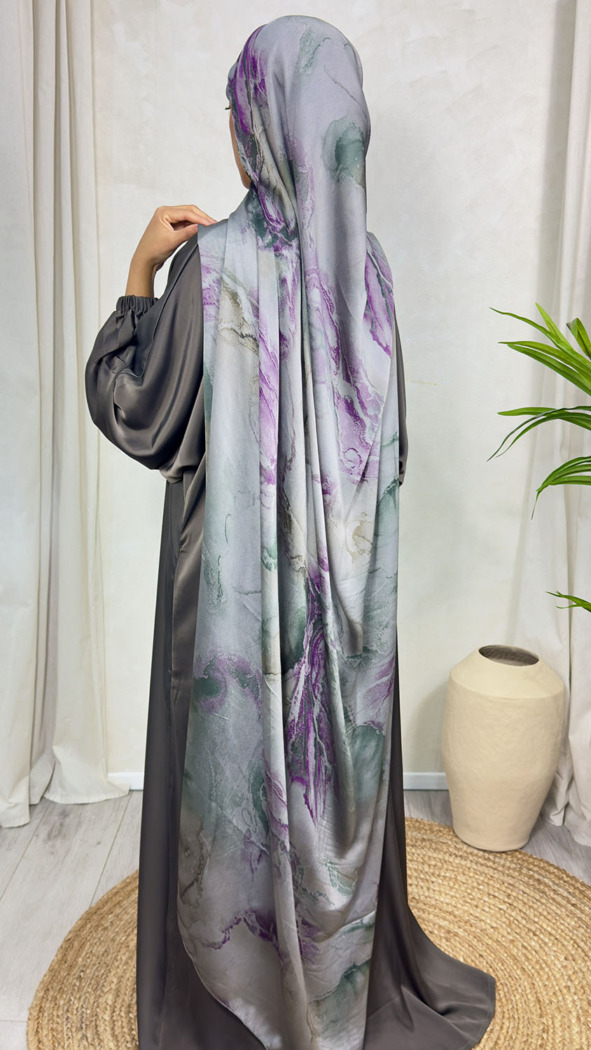
Embracing Heritage Through Fabrics and Prints: The Fusion of Tradition and Trend
When I think about the heart of hijab fashion in 2025, it’s all about honoring the roots while stepping boldly into new style territories. This year, one of the most exciting trends is how designers and wearers alike are mixing traditional fabrics and prints with modern cuts and draping techniques. It’s not just fashion — it’s storytelling. Each hijab becomes a canvas reflecting cultural pride and personal flair.
Why Fabric Matters More Than Ever
- Natural fibers take center stage: Lightweight cottons, breathable linens, and silky chiffons are making huge waves because they offer comfort without compromising elegance. I love slipping into a soft cotton hijab on warmer days—it feels like a gentle hug, and you can still look polished.
- Textured fabrics add depth: Think subtle jacquards, embroidered muslins, and delicate lace overlays. These details elevate everyday hijabs to something special without shouting for attention.
- Bold prints with cultural significance: Ikat patterns from Southeast Asia, intricate paisleys inspired by South Asia, and African wax prints have become stylish staples. Wearing these isn’t just about looking good — it’s about connecting with a heritage that’s often underrepresented in mainstream modest fashion.
How to Style Heritage Prints Without Feeling Overwhelmed
I’ve found that pairing a statement hijab with a neutral outfit lets the hijab truly shine. For example, when I wear an African wax print hijab, I go for solid, earth-tone dresses or abayas. It creates balance and ensures the look feels intentional, not chaotic. Here’s a quick guide:
| Hijab Print/Fabric | Best Outfit Pairings | Occasions |
|---|---|---|
| South Asian Paisley or Floral Prints | Solid-colored kurtas or abayas in soft pastels or earth tones | Casual outings, family gatherings |
| African Wax Prints | Minimalist dresses or monochrome jilbabs | Festivals, cultural events |
| Traditional Ikat Patterns | Neutral trousers and long tunics | Workwear, formal occasions |
A Personal Story on Cultural Fusion
Last Ramadan, I received a hijab as a gift from a dear friend who’s from Indonesia. It was made from handwoven ikat silk, rich in symbolism and history. Wearing it made me feel connected to a wider Muslim sisterhood across the globe. I paired it with a modern, tailored abaya from Amani’s — the combination was a perfect blend of respect for tradition and my own contemporary style. It reminded me how hijab fashion is not static; it evolves with us, carrying stories from different places and times.
Embracing heritage fabrics and prints isn’t just a trend—it’s a heartfelt way to honor where we come from while confidently expressing who we are today. And honestly, it’s one of my favorite ways to keep hijab styling exciting and meaningful.
What is a hijab — and why does it mean something different to everyone?
If you asked me what a hijab means, I’d say it’s way more than just a piece of fabric. It’s a deeply personal, multifaceted symbol that can feel completely different depending on who you are, where you come from, and what your journey has been like. For some, it’s a quiet expression of faith and identity; for others, it’s a bold statement of empowerment and style. That’s what makes the hijab so beautifully complex — it isn’t one thing, it’s a thousand intimate stories woven into every fold.
The Many Faces of the Hijab
When I first started wearing the hijab, I thought it was just about modesty in a traditional sense — covering hair and neck. But as I connected with sisters from around the world, I quickly realized the hijab carries layers of cultural, spiritual, and even political meaning. Here’s a glimpse into how varied this can be:
- Spiritual devotion: For many, wearing a hijab is a daily act of worship and submission to God, a reminder to embody humility and inner beauty.
- Cultural identity: In places like Egypt, Indonesia, or Nigeria, the hijab may reflect specific customs, fabrics, and styles unique to those regions, blending tradition with personal expression.
- Empowerment and agency: Some women choose the hijab as a way to reclaim control over their bodies and narrative, especially in societies where modesty is politicized or misunderstood.
- Fashion statement: In the vibrant modest fashion scene, hijabs are canvases for creativity, mixing textures, colors, and trends while respecting personal values.

Why the Definition Changes from Person to Person
I often wonder why some people outside the Muslim community think of the hijab as a uniform, when in reality, it’s a kaleidoscope of meanings. This diversity is shaped by:
| Factor | How It Influences Hijab Meaning |
|---|---|
| Personal Faith Journey | For some, the hijab is a newfound symbol of faith embraced after years of searching; for others, it’s a lifelong practice inherited from family. |
| Geographic & Cultural Background | Hijab styles, fabrics, and the social role of hijab vary widely — from the voluminous shayla wraps popular in the Gulf to sleek Turkish scarves or colorful West African wraps. |
| Social and Political Context | Wearing hijab can be a form of resistance in places where it’s banned or stigmatized, or simply a cultural norm in others, deeply affecting its significance. |
| Generational Differences | Younger women often blend hijab with contemporary fashion and digital culture, while older generations may emphasize tradition and modesty in a more classical sense. |
A Personal Reflection: My Hijab Story
I remember the first time I wrapped my hijab in a way that felt uniquely mine. It was after months of experimentation, frustration, and inspiration scrolling through modest fashion blogs and Instagram feeds. I finally found a style that balanced modesty with my love for vibrant colors and soft fabrics. That moment wasn’t just about how I looked — it was about owning my story, my faith, and my identity. Wearing the hijab became my daily act of confidence, not conformity.
Through sharing stories like this, I want you to feel seen — whether you’re just starting your hijab journey, experimenting with new styles, or simply curious about what it truly means to wear one. The hijab isn’t just a garment; it’s a personal declaration, a cultural mosaic, and an ongoing conversation about who we are and how we want to be seen in the world.
What are the different types of hijabs you can wear daily?
Let me tell you—choosing a hijab for daily wear is more than just picking a piece of cloth; it’s about finding something that fits your lifestyle, mood, and personality on any given day. Over the years, I’ve explored so many hijab styles, and I can honestly say that knowing the types and how to wear them made my mornings smoother and my confidence higher. Whether you’re rushing to work, heading to a family gathering, or just chilling at home, there’s a hijab style that can complement you perfectly.
The Classic Rectangle Hijab — Timeless and Versatile
The rectangle hijab is probably the most common and easiest to style. It’s a long, rectangular piece of fabric that you can drape in countless ways. What I love about this style is how effortlessly it adapts—from the simplest wrap-and-tuck look to more layered, fashionable folds. Perfect for those rushed mornings when you still want to look put together without fuss.
- Fabric choices: Lightweight cotton, viscose, chiffon, or jersey
- Styling tips: Use pins or magnetic hijab clips for a secure hold
- Best for: Everyday wear, work, casual outings
The Square Hijab — Easy, Elegant, and Compact
The square hijab is just that—a square piece of fabric that you fold diagonally into a triangle before wearing. I remember when I first tried this style; it felt so neat and polished, and I appreciated how it stays put throughout the day. This style works especially well with thicker fabrics like silk or satin, giving an elegant sheen that’s great for both casual and semi-formal occasions.
- Fabric choices: Silk, satin, crepe, or heavier cotton blends
- Styling tips: Fold the edges neatly for a clean look, secure with discreet pins
- Best for: Work, formal events, and days when you want to keep things simple yet stylish
The Shayla — The Middle Eastern Wrap That Feels Luxurious
If you’ve ever admired the graceful hijab styles of Gulf countries, you’ve seen the Shayla in action. This long rectangular scarf is often made from soft chiffon or georgette, giving it a lightweight, flowy feel that’s perfect for warm weather. I adore the Shayla for its elegance—there’s something about the way it drapes over the shoulders that instantly elevates any outfit.
- Fabric choices: Chiffon, georgette, or fine polyester blends
- Styling tips: Layer it loosely for a breezy look or wrap it tighter for more coverage
- Best for: Special occasions, warmer climates, or whenever you want a touch of glamour
The Al-Amira — The Two-Piece Comfort Classic
The Al-Amira hijab is my go-to for days when I need quick, fuss-free coverage. It comes as a two-piece set—usually a fitted cap and a matching tube scarf—that slips on like a dream without any pins. It’s perfect for school runs, gym days, or even lounging at home when you want to feel modest but comfortable.
- Fabric choices: Cotton blends, jersey, or stretchy knit fabrics
- Styling tips: Minimal effort needed—just slip on and adjust for comfort
- Best for: Active days, travel, and casual wear
The Turban Style — Trendy, Bold, and Chic
The turban hijab is definitely a statement-maker and a favorite among fashion-forward hijabis. I remember trying it for the first time at a wedding; it felt so different, a fresh break from traditional wraps. It’s wrapped close around the head and often leaves the neck exposed, so it pairs well with high-neck tops or layered modest wear. The turban is perfect when you want to channel confidence with a modern edge.
- Fabric choices: Jersey, velvet, or stretchy cotton blends for a snug fit
- Styling tips: Perfect for accessorizing with brooches or statement earrings
- Best for: Fashion events, casual chic looks, or when you’re feeling bold

Choosing the Right Hijab for Your Daily Needs
Picking the right hijab depends on many things—your climate, your daily activities, and of course, your personal style. I always suggest having a variety of hijab types in your wardrobe to match different occasions and moods. Here’s a quick checklist I follow:
| Hijab Type | Best For | Comfort Level | Styling Ease |
|---|---|---|---|
| Rectangle | Everyday, versatile | High | Moderate (requires pins) |
| Square | Work, formal events | Moderate | Easy |
| Shayla | Warm climates, special occasions | High | Moderate |
| Al-Amira | Active, casual wear | Very high | Very easy (no pins) |
| Turban | Fashion, bold looks | Moderate | Moderate |
A Final Thought on Making Each Hijab Your Own
Every morning when I pick my hijab, it’s a little ritual — a chance to express how I feel and what I want to bring into my day. Whether it’s the simple comfort of an Al-Amira on a hectic morning or the flowing elegance of a Shayla when meeting friends, each type carries its own mood and meaning. Don’t be afraid to mix fabrics, colors, and styles. Your hijab wardrobe is your personal canvas, and wearing it your way is the ultimate form of modest fashion self-love.
Which hijab fabrics work best for different weather and skin types?
I’ve learned over the years that the fabric of your hijab is just as important as the style itself — maybe even more so! Choosing the right fabric can change your entire experience, especially when it comes to comfort, breathability, and how the hijab feels against your skin. Have you ever worn a hijab on a scorching summer day that made you feel like you were wrapped in a sauna? Or maybe you’ve struggled with fabrics that irritate your sensitive skin? Trust me, I’ve been there — and that’s why I’m passionate about helping you find the perfect match for your weather and skin type.
Lightweight Fabrics for Hot and Humid Weather
Living in a warm climate or facing humid summers means your hijab needs to breathe and stay cool, or else it quickly becomes uncomfortable. For me, lightweight fabrics like chiffon, cotton voile, and linen are lifesavers. They’re airy, allow sweat to evaporate, and keep me feeling fresh — which is no small feat when temperatures soar.
- Chiffon: This semi-sheer, silky fabric drapes beautifully and feels light on the skin. It’s perfect for casual and formal wear, but watch out for slippage — pins or magnets help.
- Cotton Voile: A soft, breathable cotton fabric that’s lightweight and gentle. It’s my go-to for daily errands or outdoor activities because it absorbs moisture without feeling heavy.
- Linen: Known for its natural breathability, linen has a crisp texture and keeps you cool, but it wrinkles easily. It’s a great choice if you don’t mind a more relaxed, lived-in look.
Medium-Weight Fabrics for Transitional Seasons
When spring and autumn roll around, I like to switch to fabrics that offer a little more warmth without sacrificing breathability. These are the seasons when the weather can be unpredictable — warm in the afternoon but chilly in the morning or evening. Rayon, modal, and viscose blends have become staples in my hijab rotation because they strike that perfect balance.
- Rayon: Soft and smooth, rayon has a nice weight that feels cozy without overheating. It’s breathable and drapes elegantly, great for layering.
- Modal: This fabric feels luxurious and is incredibly soft, with excellent moisture-wicking properties. Modal hijabs often have a subtle sheen, making them suitable for both casual and dressy looks.
- Viscose Blends: Viscose combined with cotton or polyester offers durability and comfort. It’s versatile for everyday wear when the temperature fluctuates.
Heavier Fabrics for Cold Weather and Extra Coverage
Cold winters and chillier days call for hijabs that provide warmth and coverage without compromising style. Thick jersey, wool blends, and velvet are fabrics I turn to when temperatures dip. I remember a particularly frosty winter morning when my wool blend hijab was my best friend—it kept the cold wind out and still looked effortlessly chic.
- Jersey: This stretchy knit fabric hugs the head snugly, providing warmth and comfort. It’s easy to style, doesn’t slip, and works well under coats and jackets.
- Wool Blends: For the coldest days, wool blends are cozy and insulating. While not the lightest, they offer great warmth and a classic look.
- Velvet: Velvet hijabs add a luxe texture and feel, making them perfect for winter parties or special occasions when you want both warmth and elegance.
Choosing Fabrics for Sensitive and Combination Skin
If you have sensitive skin like me, fabric choice is crucial to avoid irritation or itchiness. Natural fibers are usually the safest bets, but it’s also about how the fabric is treated and woven. I’ve had moments where synthetic blends caused redness or discomfort, so I learned to test fabrics before committing.
| Skin Type | Recommended Fabrics | Why They Work | Care Tips |
|---|---|---|---|
| Sensitive Skin | 100% Cotton, Bamboo, Silk | Natural, breathable, hypoallergenic, soft on skin | Wash gently with mild detergent; avoid harsh chemicals |
| Combination Skin | Rayon, Modal, Cotton Blends | Balanced moisture control, soft texture, breathable | Air dry to maintain fabric integrity; avoid over-washing |
| Oily Skin | Linen, Cotton Voile, Viscose | Absorbs moisture, keeps skin cool and fresh | Frequent washing recommended; use gentle detergents |
Personal Story: When I Discovered My Hijab Fabric Match
I’ll never forget the summer when I kept feeling overwhelmed by heat and itchy skin every time I wore my usual polyester-blend hijabs. I decided to experiment, and after trying lightweight cotton voile, it was like a breath of fresh air—literally! The softness soothed my skin, and I didn’t feel like I was carrying the sun on my head. That experience taught me how powerful fabric choice is—not just for fashion, but for my well-being.

Tips for Maintaining Your Hijab Fabrics
- Always read care labels carefully — fabric blends need different washing methods.
- Hand wash delicate fabrics like chiffon and silk to extend their life.
- Use mild detergents free from harsh chemicals to protect your skin and fabric.
- Store hijabs folded or hung in breathable spaces to avoid wrinkles and damage.
- Rotate your hijabs regularly to prevent over-wearing and maintain freshness.
So, whether you live somewhere tropical or experience four distinct seasons, finding your hijab’s perfect fabric match makes all the difference. I encourage you to treat your hijabs like the treasures they are — with attention, love, and care. After all, feeling comfortable in what you wear is the ultimate form of modest fashion empowerment.
How do you style a hijab for your face shape?
Styling a hijab isn’t just about following trends or wearing whatever’s handy — it’s deeply personal. Over time, I realized that the way a hijab frames your face can completely transform how you feel and present yourself to the world. Honestly, it’s like giving yourself a little confidence boost every morning. And trust me, when you find a style that flatters your face shape, it’s pure magic. So let’s talk about how you can style your hijab to complement your unique face shape, because modest fashion is also about celebrating *you*.
Why Face Shape Matters in Hijab Styling
You might wonder, does face shape really matter under a hijab? I say yes, because the hijab is a frame around your face, and like any frame, it should highlight your best features, balance proportions, and help you feel your most comfortable self. When I started experimenting with different hijab styles based on my oval face, I noticed how much more put-together and radiant I looked — and honestly, it felt like the hijab was finally working *with* me, not against me.
Identify Your Face Shape
Before diving into styling tips, it’s important to know your face shape. Here’s a quick guide to identify yours — take a mirror and a flexible tape measure:
| Face Shape | Key Features |
|---|---|
| Oval | Balanced proportions, slightly narrower chin than forehead, softly rounded jawline |
| Round | Full cheeks, rounded jawline, face width and length roughly equal |
| Square | Strong jawline, broad forehead, face length and width are similar |
| Heart | Wide forehead, high cheekbones, narrow chin |
| Long (Oblong) | Face longer than it is wide, with a long straight cheek line |
Styling Tips for Each Face Shape
Oval Face
If you have an oval face, lucky you! Your balanced proportions mean most hijab styles will look great on you. I personally love soft layers around my cheeks and a bit of volume on top to highlight the face’s natural symmetry. Try loosely wrapping your hijab with a slight drape near the jawline to accentuate your soft curves.
Round Face
For round faces, the goal is to elongate and slim the appearance. I recommend wearing your hijab with height at the crown — a small puff or a wrapped bun underneath can do wonders. Avoid styles that hug the cheeks tightly, as they emphasize fullness. Angled folds or layered scarves help create more definition. I remember a friend who swore by side draping to break the roundness — it really brought out her cheekbones beautifully.
Square Face
Square faces benefit from softening those strong jawlines. Rounded hijab styles with gentle folds near the cheeks create balance. Avoid sharp angles or styles that add width around the jaw. I often suggest silk or chiffon fabrics that drape softly, creating a natural flow. A slight tilt to one side, letting the hijab cascade asymmetrically, can add femininity and softness.
Heart-Shaped Face
Heart-shaped faces often have a wider forehead and a narrow chin. To balance this, styles that add volume around the jawline work well. Layered hijabs or wrapping with fullness near the neck can help. I find that adding accessories like brooches near the chin or collarbone can draw attention downward and soften the forehead’s prominence. Experimenting with side-swept hijabs also offers a playful, flattering frame.
Long (Oblong) Face
For long faces, the aim is to shorten the perceived length by adding width and softness. I love hijabs that create folds and layers around the cheeks and chin — this breaks up the length and adds dimension. Wearing the hijab slightly looser under the chin rather than tightly wrapped opens up the face. Scarves with prints or patterns can add visual interest and help with balance.
Quick Styling Cheat Sheet
| Face Shape | Hijab Style Tips | Fabrics & Accessories |
|---|---|---|
| Oval | Soft layers, slight volume on top, drapes near jawline | Light chiffon, silk; minimal accessories |
| Round | Volume on crown, angled folds, side draping | Structured fabrics like cotton blends; pins or magnets |
| Square | Rounded folds, soft drapes, asymmetrical styling | Flowy silk or chiffon; statement brooches |
| Heart | Volume near jawline, side-swept, layered wraps | Layered cotton or modal; decorative pins |
| Long (Oblong) | Loose under chin, layered folds, patterns | Printed scarves, textured fabrics like viscose |

Personal Reflection: My Hijab Journey and Face Shape
I remember when I first realized my oval face shape meant I could experiment freely — it felt like a world of possibilities opened up! But it also taught me patience; some styles took time to master. Like the moment I tried side draping for the first time, I caught my reflection and thought, “This feels like *me*.” It wasn’t about following rules, but about understanding what made me feel beautiful and confident every day.
Final Thoughts: Your Hijab, Your Expression
At the end of the day, your hijab style should be an expression of *you* — your personality, comfort, and mood. These face shape guidelines are just starting points. Don’t be afraid to play around, break “rules,” and find what truly makes your heart smile when you look in the mirror. After all, modest fashion isn’t about fitting into a mold; it’s about owning your space with grace and joy.
How do you tie a hijab so it stays put all day — without pins?
Let me be honest — keeping a hijab perfectly in place all day without pins can feel like a secret art form, especially on those busy mornings when every second counts. I used to struggle with slipping scarves and endless adjustments until I discovered some clever, no-pin methods that changed the game for me. If you’ve ever wished for a secure, comfy hijab style that doesn’t require poking yourself with pins or fumbling to fix it every hour, you’re about to get some real-life tips that work.
Why Skip Pins? The Real Talk
Pins are handy but they can be uncomfortable, damage delicate fabrics, or cause headaches after hours of wear. Plus, if you’re like me, rushing to work or school, you don’t want to risk losing a pin or having it snag on your clothes. So, I started experimenting with pinless hijab styles that rely on smart fabric choices, layering techniques, and a few clever knots. Trust me, it’s liberating to move freely without worrying about your hijab slipping or needing constant fixes.
Fabric Choices Matter More Than You Think
One of the biggest breakthroughs for me was learning how much fabric texture impacts grip. Slippery silks or chiffons can look beautiful but tend to slide off easier, while cotton or jersey scarves provide natural grip against the skin and clothes. I keep a collection of soft cotton and viscose hijabs — they’re breathable, comfortable, and hug your head gently without the need for pins.
| Fabric | Grip Level | Comfort | Best For |
|---|---|---|---|
| Cotton | High | Breathable & soft | Everyday wear, casual styles |
| Jersey | Very High | Stretchy & snug | Sporty, active days |
| Viscose | Medium-High | Lightweight & smooth | Office, formal occasions |
| Silk/Chiffon | Low | Elegant but slippery | Special events, layered styles |
My Favorite Pinless Hijab-Tying Techniques
1. The Classic Wrap with a Tight Under-Scarf
Here’s a trick that changed everything for me: use a snug under-scarf or bonnet cap made of cotton or jersey. It creates friction against your hair, stopping the hijab from sliding. Then wrap your hijab around your head with a little tension, making sure to tuck the ends firmly under the layers. This simple base means the scarf can stay put without any pins. It’s especially great on windy days or during long outings.
2. The Twist-and-Tuck Method
This one’s a lifesaver for quick styling. After placing the hijab over your head, take both ends and twist them around each other once or twice, then wrap them around your neck and tuck the ends securely inside the folds near your collarbone. The twisting adds natural hold, and because the ends are hidden inside, nothing slips loose during the day.
3. The Knot-and-Hoop Style
A little more playful but equally secure — after wrapping the hijab, tie a loose knot near your neck or side, then pull one end through a fabric hoop or elastic band (or even a large scrunchie). It sounds fancy, but it’s simple once you get the hang of it. This technique distributes tension evenly and keeps the hijab anchored without pins. Bonus: it adds a chic detail to your look!
Extra Tips for Pin-Free Confidence
- Pre-wash your scarves: Fabric with some texture grips better when it’s clean and slightly stiff.
- Use lightweight layers: Layering a thinner scarf under a thicker one adds grip and volume, stopping slips.
- Secure with hair texture: Wearing your hair in a bun or braid underneath can create a natural anchor.
- Refresh mid-day: Carry a small travel-sized fabric freshener or dry shampoo to refresh the under-scarf for grip during longer days.
My Personal Pinless Hijab Story
I remember one scorching summer day when I dared to go pinless during an all-day outdoor event. I was nervous — what if it slipped? But using my trusty cotton under-scarf and the twist-and-tuck method, I danced, chatted, and prayed without once worrying about my hijab. That day taught me that with a little patience and the right techniques, pin-free hijab styling isn’t just possible, it’s empowering.
Final Thoughts: Embrace the Freedom
Hijab styling without pins doesn’t mean compromising on security or style. It’s about getting creative and finding what works best for your lifestyle and personality. Whether it’s a sporty jersey hijab for your busy day or a soft cotton wrap for a casual meet-up, these methods help you wear your hijab confidently — no pins, no fuss. So why not try one today? Your hijab journey should be as comfortable and joyful as the faith it reflects.
What are the most stylish hijab trends right now (and which are timeless)?
If you had told me a few years ago that hijab fashion would blend effortlessly between bold trends and timeless elegance, I might’ve raised an eyebrow. But here we are, living in a moment where modest fashion is both fiercely creative and deeply rooted in tradition. Every time I scroll through my feed or step out, I see hijabs worn in ways that feel fresh, vibrant, and totally authentic — while classic styles quietly remind us why some things never go out of style.
Current Hijab Trends: What’s Making Waves?
Let’s start with what’s buzzing in the hijab fashion scene today. Honestly, it’s such an exciting mix! From playful textures to reinvented classics, these trends bring a sparkle of personality to modest wear. Here are some of my favorites that keep showing up, both on the streets and on style blogs:
| Trend | Description | Why It’s Popular | Best For |
|---|---|---|---|
| Layered Hijabs | Using multiple lightweight scarves layered for volume and dimension | Creates a chic, effortless vibe and adds texture | Formal events, casual chic looks |
| Neutral Earth Tones | Warm shades like beige, terracotta, and olive green | Timeless yet trendy, complements most skin tones | Everyday wear and office looks |
| Bold Prints & Patterns | Floral, geometric, and abstract designs in vibrant colors | Adds personality and fun to minimalist outfits | Casual outings, social gatherings |
| Sporty Hijabs | Jersey or moisture-wicking fabrics styled for active lifestyles | Comfort meets functionality without sacrificing modesty | Workouts, travel, everyday hustle |
| Oversized & Draped Styles | Hijabs worn loosely with dramatic drapes | Effortlessly elegant and perfect for layering | Weddings, special occasions |
Timeless Hijab Styles That Never Fade
While I love trying new trends, I always come back to a handful of classic hijab looks that feel like a warm hug — reliable, beautiful, and utterly timeless. These styles have stood the test of time because they honor modesty and simplicity, and they suit every face and occasion:
- The Simple Wrap: Neatly wrapping a single scarf around the head and neck remains a symbol of modest elegance. It’s quick, fuss-free, and adaptable to any fabric.
- The Under-Cap + Scarf Combo: This technique gives structure and security, especially with cotton or jersey fabrics. It’s a favorite for both beginners and seasoned hijabis alike.
- The Side-Pinned Look: Pinning a scarf loosely to one side for a gentle, feminine touch. Though pins are optional, this look has an air of sophistication that never feels outdated.
- Neutral Monochrome Styles: Wearing a hijab in a single, neutral color to complement the outfit—simple, chic, and endlessly versatile.
Mixing Trends with Tradition: How I Style My Hijabs
One memory that sticks out is from a Ramadan evening dinner last year. I paired a layered olive-green hijab with a soft beige abaya. The colors felt so warm and inviting, like a little celebration of nature and faith. Yet, the style wasn’t over the top — it was respectful and timeless. I combined the trendy layering technique with neutral earth tones, showing that you can honor both current fashion and tradition at once.
I often remind myself—and others—that hijab fashion is deeply personal. Some days I crave bold prints to match my mood; other days, I want to feel wrapped in the quiet comfort of classic cotton neutrals. What’s important is that your hijab feels like *you*—not just a trend, but an expression of identity, faith, and confidence.
Styling Tips to Stay Stylish and True to Yourself
- Play with textures: Combine cotton with chiffon or jersey with silk to add depth and keep things interesting.
- Balance bold and subtle: If your hijab has loud prints, pair it with simpler clothes. If you go neutral on the hijab, feel free to play with colorful accessories.
- Invest in good basics: Neutral hijabs in quality fabrics become your wardrobe heroes for years.
- Experiment, but don’t force: It’s okay if some trends don’t feel right for you. Authenticity shines brighter than any fad.
In Conclusion: Style That Speaks to Your Soul
Hijab fashion today beautifully balances the fresh pulse of trends with the quiet strength of timeless styles. When you dress your hijab with intention—whether layering textures, embracing warm neutrals, or rocking a classic wrap—you’re not just following a look; you’re telling your story. And that’s the most stylish thing anyone can wear.
What’s the best way to wash, store, and care for your hijabs?
Caring for hijabs isn’t just about keeping them clean — it’s a kind of love language we speak to the fabrics that frame our faces every day. Over time, I’ve learned that treating hijabs with care means they stay vibrant, soft, and easy to style. Plus, it saves me from the frustration of ruined scarves or fading colors. So, if you’ve ever wondered about the best way to wash, store, and care for your hijabs, let me walk you through what’s worked for me — and what’s helped keep my hijab collection fresh and full of life.
Washing Your Hijabs: Gentle, Thoughtful, and Fabric-Savvy
The very first rule I live by is this: not all hijabs are created equal. The fabric dictates everything. I treat a delicate chiffon differently from a cozy cotton or stretchy jersey. Here’s a quick guide I swear by:
| Fabric | Washing Method | Detergent | Drying Tips |
|---|---|---|---|
| Chiffon & Silk | Hand wash cold water; avoid wringing | Mild detergent or baby shampoo | Lay flat on towel to dry away from direct sun |
| Cotton & Linen | Machine wash gentle cycle with cold water | Regular detergent, avoid bleach | Hang dry or tumble dry low |
| Jersey & Modal | Machine wash cold, gentle cycle | Mild detergent | Lay flat or hang dry to prevent stretching |
| Polyester & Blends | Machine wash cold, delicate cycle | Regular detergent | Air dry preferred to avoid static |
I remember once ruining a beautiful silk hijab by tossing it in the washing machine. The colors dulled, the fabric lost its smoothness — a lesson learned the hard way! Since then, I’ve become almost ritualistic about hand washing delicate scarves, enjoying those quiet moments connecting with my wardrobe.
Storing Your Hijabs: Keep Them Wrinkle-Free and Ready to Shine
After washing, storing hijabs properly is half the battle. The last thing you want is a crumpled scarf that looks tired before you even put it on. Here’s what works best for me:
- Fold loosely: Avoid sharp creases by folding scarves gently rather than stuffing them into drawers.
- Use hanger clips: Hanging hijabs on specialized hangers keeps them wrinkle-free and visible, so you always know what’s in your collection.
- Store in breathable bags: For special occasion hijabs, I keep them in cotton or muslin bags to prevent dust buildup while allowing airflow.
- Separate by fabric: Keeping delicate fabrics away from rougher ones prevents snags and pulls.
One little trick I swear by is hanging my hijabs near natural light (but never direct sunlight) — it keeps colors bright and fresh, ready to brighten my day.
Tips for Daily Care: Small Habits, Big Impact
Taking care of hijabs isn’t only about washing and storing — daily habits make a huge difference too. Here are some practical tips I’ve picked up that might just save your hijabs from premature wear:
- Avoid heavy pins: Sharp pins can tear delicate fabrics, so I opt for magnetic pins or slip-on styles when possible.
- Rotate your collection: Wearing the same hijab daily can cause faster wear, so I try to rotate scarves, giving them time to rest between wears.
- Steam, don’t iron: When wrinkles appear, a gentle steam is kinder than a hot iron, especially for delicate fabrics.
- Handle with clean hands: Oils and lotions can stain fabrics, so I’m careful to wash hands before styling.
My Hijab Care Routine: A Personal Story
I still remember my first hijab care disaster vividly. I had a gorgeous pastel chiffon scarf — light and airy, perfect for summer days. I was in a rush and threw it in with the regular laundry. When I pulled it out, the fabric was tangled and rough. I felt that pang of regret immediately. Since then, caring for my hijabs has become a mindful ritual, almost like a meditation. Hand washing feels like a moment of self-care, a pause in the hectic day. It’s amazing how such a simple practice can deepen your connection with your clothing and, honestly, with yourself.
In Conclusion: Love Your Hijabs, They’ll Love You Back
Your hijabs carry more than just style — they carry identity, confidence, and faith. Treating them with care through mindful washing, thoughtful storage, and gentle daily habits ensures they stay vibrant and beautiful for years. And isn’t that a comforting thought? That a little love and patience can keep these cherished pieces looking fresh, so they continue to brighten your days, just as you do.
Where can you find high-quality hijabs online without getting scammed?
Shopping for hijabs online can feel like walking a tightrope — exciting but full of uncertainty. Have you ever hesitated before clicking “buy,” wondering if that gorgeous hijab will actually arrive, or worse, turn out to be flimsy, synthetic, or just… not what you hoped? I get it. I’ve been there. That anxious scroll through countless pages, the fear of wasting money on poor quality, or worse — falling for scams. But after years of trial, error, and a fair share of online shopping heartbreaks, I’ve learned how to spot trustworthy sellers and find beautiful, high-quality hijabs online with confidence. Let me share what’s worked for me — and how you can shop smartly, without the stress.
Why Quality Matters: It’s More Than Just Fabric
Before diving into where to shop, I want to remind you why investing in quality hijabs truly matters. It’s not just about a pretty accessory; it’s about how it feels on your skin, how it drapes, and how long it lasts. A good hijab respects your modesty and your style, while a poorly made one can leave you frustrated, itchy, or constantly adjusting. Plus, quality fabrics like premium chiffon, silk blends, or breathable cotton can elevate your entire outfit effortlessly. That’s why I always prioritize reputable sellers who stand behind their craftsmanship.
How to Avoid Online Hijab Scams: Red Flags to Watch Out For
Trust me, the internet is a treasure trove but also a jungle of pitfalls. Here are some key red flags I’ve learned to spot early:
- Suspiciously low prices: If the price seems too good to be true for “premium” fabric, pause. High-quality hijabs require quality materials and ethical production — that comes at a cost.
- No clear contact information: Reliable sellers always have transparent contact details and responsive customer service. If you can’t find an email, phone number, or social media presence, that’s a warning sign.
- Unverified reviews or no reviews at all: Genuine shops have real customer feedback, often with photos and detailed comments. Be cautious if reviews are all one-liners or overly generic.
- Poor website design and spelling mistakes: While not definitive, a sloppy website can reflect the level of care in the business.
- Unclear return/refund policies: Trustworthy sellers clearly state their policies, because they stand behind their products.
Top Places I Trust for High-Quality Hijabs Online
After much searching and several heartbreaks, I’ve curated a list of online shops where I regularly buy hijabs — and recommend to friends. These places combine quality, style, and trustworthy service:
| Store | What I Love | Price Range | Why Trust Them |
|---|---|---|---|
| Haute Hijab | Luxurious fabrics, elegant styles | £25–£45 | Consistent quality, transparent policies, great customer support |
| Inayah | Modern designs, breathable materials | £20–£40 | Strong UK presence, positive reviews, clear returns |
| Vela Scarves | Vibrant prints, unique patterns | £15–£35 | Handmade approach, authentic testimonials |
| Shukr Clothing | Classic styles, versatile fabrics | £18–£40 | Ethically made, reliable shipping |
Tips for Shopping Hijabs Online with Confidence
Beyond picking the right store, here are some smart habits that have saved me from online shopping headaches:
- Read product descriptions thoroughly: Look for fabric type, size, and care instructions to know exactly what you’re getting.
- Check customer photos and reviews: Real-life pictures tell you how the hijab behaves outside of professional shoots.
- Contact customer service if unsure: Don’t hesitate to ask questions — prompt replies are a good sign of reliability.
- Start small: Try ordering one or two hijabs first before committing to bigger buys from a new seller.
- Use secure payment methods: Stick to credit cards or PayPal that offer buyer protection.
A Personal Hijab Shopping Story
I still recall the first time I ordered from a new online shop without checking reviews properly — the scarf arrived a week late, the fabric was rough, and the color faded instantly after one wash. I was so disappointed I almost gave up on online shopping altogether! But instead of quitting, I doubled down on research and discovered a handful of trusted brands that really prioritize quality and customer care. Since then, my online hijab wardrobe has flourished with beautiful pieces I feel proud to wear — and no more scary surprises.
Final Thoughts: Shopping Smart = Loving Your Hijabs Longer
Finding beautiful, high-quality hijabs online without getting scammed is absolutely possible when you shop mindfully. Know what quality means to you, watch out for the warning signs, and invest in brands that treat their craft and customers with respect. Remember, your hijab isn’t just fabric — it’s part of your identity and expression. So give yourself the gift of confidence and care in every purchase. You deserve hijabs that make you feel as radiant and authentic as you truly are.
How many hijabs do you really need in your wardrobe?
Have you ever stood in front of your hijab collection and wondered, “Do I really need this many?” Trust me, I’ve been there—sometimes overwhelmed by the sheer number of scarves I’ve collected over the years, and other times feeling like I could never have enough. But here’s the truth: the *right* number of hijabs isn’t about having a mountain of scarves—it’s about having the scarves that truly fit your lifestyle, style, and heart. Let’s unpack this together.
The Myth of the “Perfect Number” of Hijabs
Honestly, I don’t believe there’s a one-size-fits-all answer here. Some sisters thrive with a minimalist collection of 5-7 versatile hijabs that mix and match easily. Others love a vibrant palette and keep 30 or more scarves for different moods, occasions, and seasons. The key is to find a balance that makes you feel confident and joyful—not burdened.
When I first started wearing hijabs regularly, I had just a handful—mostly neutral colors and basic fabrics. It worked well because I was discovering what styles I loved and what fabrics suited me best. Over time, my collection grew, not because I wanted to hoard, but because I learned how much a beautiful hijab could uplift my day or complete an outfit.
Understanding Your Hijab Needs: Lifestyle & Occasion
To figure out how many hijabs you *really* need, I recommend thinking about your daily life. Here’s a simple breakdown that helped me clarify my own collection:
| Hijab Type | Recommended Quantity | Why You Need It |
|---|---|---|
| Everyday Basics | 5–7 | Neutral colors and breathable fabrics for work, errands, and casual wear. |
| Statement & Patterned | 3–5 | To add personality to outfits or for casual gatherings. |
| Special Occasion | 2–4 | Elegant fabrics like silk or satin for weddings, Eid, or formal events. |
| Seasonal | 2–3 | Thicker, warmer scarves for winter; lightweight ones for summer. |
Why I Stick to a Capsule Collection (Mostly)
These days, I lean toward a capsule hijab wardrobe—meaning a carefully curated selection of scarves that suit *most* occasions. Why? Because I’ve learned the joy of quality over quantity. Fewer hijabs means I actually wear everything I own, instead of letting some scarves collect dust. Plus, my mornings are easier when I don’t have to agonize over too many options.
A quick story: last Ramadan, I realized I had 12 scarves but kept reaching for the same three. It hit me — my “extras” weren’t really serving me, so I donated the ones I rarely wore and invested in two beautiful new chiffon hijabs that felt like a breath of fresh air.
When More Is More: Reasons to Expand Your Collection
Of course, there’s absolutely nothing wrong with having a larger collection if that’s what makes you happy! Here are some situations where having more hijabs can truly shine:
- You love experimenting with fashion: Playing with colors, textures, and trends keeps your style fresh and exciting.
- You attend diverse social and religious events: Different hijabs for each occasion help you feel perfectly dressed every time.
- You live in a climate with distinct seasons: Switching fabrics seasonally ensures comfort and style year-round.
- You want backups: Sometimes, life happens—having backups means you’re never caught without a clean, ready hijab.
Practical Tips to Manage Your Hijab Wardrobe
To keep your hijab collection manageable and meaningful, here are some tips I swear by:
- Rotate regularly: Avoid favorites getting all the love and others neglected. Try a “wear what you haven’t worn recently” rule.
- Assess after six months: If a hijab hasn’t been worn in half a year, consider donating it.
- Invest in quality basics: These hold up longer and pair well with everything.
- Mix and match: A few patterned hijabs can brighten even the simplest outfits.
- Store smartly: Keep your scarves neatly folded or hung to avoid wrinkles and damage.
Final Thoughts: Your Hijab Wardrobe, Your Rules
The honest truth is: there’s no magic number. Your hijab collection should serve *you*—your lifestyle, your style, and your soul. Whether you cherish five versatile scarves or a vibrant gallery of thirty, it’s the love and intention behind your choices that make your hijab wardrobe truly special. So take a deep breath, trust your instincts, and celebrate your unique modest fashion journey.
What hijab colors go with everything — and which elevate your look?
Let’s be real: choosing the right hijab color can make or break an outfit. There have been mornings where I stood in front of my wardrobe, fully dressed, only to feel like something wasn’t clicking — and almost every time, it came down to the hijab color. Whether you’re building a capsule wardrobe or just want to make smarter styling choices, understanding which hijab shades are versatile versus transformative can save you so much time — and give you that extra glow-up.
The Everyday Heroes: Neutral Hijab Colors That Go With Everything
If you’re just starting your hijab collection or want to simplify your daily routine, focus on *foundational colors*. These are the shades that pair effortlessly with 90% of your wardrobe — no guesswork, no regrets.
| Hijab Color | Why It Works | Best Paired With |
|---|---|---|
| Black | Timeless, elegant, and forgiving — always chic. | Bold prints, bright solids, formal wear. |
| White / Cream | Clean and fresh — adds softness to any outfit. | Pastels, florals, navy, denim. |
| Beige / Nude | Discreet and effortless — ideal for minimal looks. | Earth tones, olives, browns, and muted shades. |
| Grey | Understated but sophisticated — very versatile. | Blues, whites, blacks, soft hues. |
| Olive / Khaki | A cool-toned neutral with personality. | Neutrals, blacks, creams, rusts. |
I still remember the first time I bought a proper nude chiffon hijab. It felt like I’d unlocked a whole new wardrobe. Suddenly, that busy floral maxi dress that had always overwhelmed me? It looked balanced. My all-black abaya? It felt softer and more feminine. The power of the right neutral is subtle but undeniable.
Hijab Colors That Elevate and Add Personality
Now let’s talk about *statement shades* — those hijabs that don’t just match… they enhance. These colors bring life to your outfit, lift your mood, and can completely transform a basic look into something special. They’re not “everyday basics,” but they are essential in their own right.
- Burgundy: Deep and regal, perfect for fall and winter looks. Pairs beautifully with black, beige, and navy.
- Mustard: A warm burst of color that flatters most skin tones. Looks amazing with earthy tones and denim.
- Dusty Rose: Feminine without being overly sweet. Works well with greys, whites, and soft prints.
- Navy Blue: More refined than black, yet just as versatile. It gives structure to casual or formal outfits.
- Emerald Green: Eye-catching and sophisticated, especially for special events or elegant evenings.
One of my favorite moments with color was at my cousin’s nikah. I wore a flowy cream dress, and at the last minute, swapped out my ivory hijab for a deep emerald green satin one. The compliments didn’t stop all night. That little switch added richness, depth, and something unexpected. Color really can change the whole vibe.
How to Choose Hijab Colors Based on Skin Tone
You might have heard the tip: know your undertone. And it’s true — certain colors will naturally flatter your skin better than others. Here’s a cheat sheet:
| Skin Tone | Flattering Hijab Colors |
|---|---|
| Warm (yellow/golden undertones) | Olive, mustard, rust, warm beige, burnt orange |
| Cool (pink/blue undertones) | Grey, navy, dusty rose, lavender, cool taupe |
| Neutral (balanced undertones) | Almost everything — try burgundy, soft white, and taupe |
If you’re unsure, try this: hold a scarf up to your face in natural light. If your skin looks fresh, bright, and even — that’s a winner. If it looks dull or washed out, it might not be the best match. Trust your eyes. And your mirror.
Final Thoughts: Build With Intention, Style With Joy
Hijab colors aren’t just about fashion — they’re a form of self-expression. Some days you want to blend in. Other days you want to stand tall and shine. The key is having both options in your wardrobe. A good mix of timeless neutrals and bold pops of color will carry you through seasons, events, and moods — all while keeping your modesty and beauty in perfect harmony.
So, the next time you’re shopping for hijabs or reorganizing your scarf drawer, ask yourself: “Does this bring me peace, joy, or power?” If the answer is yes — it belongs in your collection.
What are the best hijabs for school, work, or interviews?
Let’s be honest — juggling modesty, professionalism, and comfort isn’t always easy. Whether you’re heading to school, stepping into a meeting, or sitting across from a panel at a job interview, your hijab plays a major role in how you feel and how you’re perceived. I’ve been through it all — early lecture halls, strict office dress codes, nerve-wracking interviews — and if there’s one thing I’ve learned, it’s this: your hijab isn’t just a piece of fabric. It’s part of your power, your poise, and your presence.
The Essentials: What Makes a Hijab “Work-Ready” or “School-Smart”?
So what makes a hijab ideal for professional or academic settings? It’s not just about style — it’s about function. You want a hijab that:
- Stays put all day without constant adjusting
- Feels breathable and light, especially for long hours indoors
- Looks polished and put-together
- Reflects your personality without overpowering your look
I remember sitting through an entire university exam once, so distracted by a slippery satin hijab that kept shifting. Lesson learned. Since then, I’ve built a go-to hijab rotation specifically for settings where focus, confidence, and professionalism are key.
Top Hijab Fabrics for School, Work & Interviews
Choosing the right material is half the battle. Here’s a quick breakdown of the best hijab fabrics for day-to-day structure and comfort:
| Fabric | Why It’s Great | When to Wear It |
|---|---|---|
| Jersey | Stretchy, breathable, no pins needed — stays in place. | Perfect for long school days or remote work sessions. |
| Chiffon (with undercap) | Light, elegant, and professional when styled right. | Ideal for office wear, presentations, and formal interviews. |
| Cotton Viscose | Soft, absorbent, and comfortable in all seasons. | Great for everyday work, study, or teaching environments. |
| Modal | Smooth and lightweight — drapes beautifully. | For semi-formal work environments or academic events. |
| Luxe Satin | Glamorous but subtle — adds shine without being loud. | Best for interviews or special career milestones. |
Personally, my go-to for daily work is a medium-weight jersey hijab in neutral tones like mocha or charcoal. It hugs the face gently, doesn’t slip, and I don’t even need pins most days. But when it’s interview day? That’s when I reach for my chiffon — pinned neatly at the sides, layered just right. It makes me feel like I’ve got everything under control (even when my stomach’s doing flips).
Color Psychology: What Hijab Colors Say in Professional Settings
Never underestimate the message your hijab color sends. Certain shades naturally evoke feelings of trust, confidence, and focus — exactly what you want when presenting a report or answering interview questions.
| Hijab Color | Psychological Impact | Where to Wear |
|---|---|---|
| Navy Blue | Trustworthy, intelligent, calm | Corporate offices, interviews |
| Charcoal / Grey | Neutral, grounded, serious | Meetings, presentations |
| Soft Taupe | Approachable, mature, composed | Customer-facing roles, teaching |
| Dusty Rose | Feminine, warm, empathetic | Creative fields, education, social work |
| Classic Black | Powerful, elegant, timeless | Formal interviews, high-level roles |
For my first teaching placement, I wore a charcoal grey cotton hijab with a navy maxi blazer. I wanted to look credible — not too stiff, not too casual. The result? My students respected me instantly. It wasn’t just what I said — it was how I showed up.
Hijab Styling Tips for All-Day Comfort & Polish
Comfort and presentation can coexist — you just need the right techniques. Here’s what’s worked for me over the years:
- Use a snug undercap to prevent slippage — trust me, constant readjusting is not the vibe during a board meeting.
- Avoid bulky pins — opt for small, discreet magnetic pins or flat safety pins.
- Layer intentionally — too much fabric can look messy. Go for clean folds and neat tucks.
- Keep a backup hijab in your bag — especially on rainy or hectic days.
- Choose low-maintenance fabrics that don’t wrinkle easily — especially if your commute is long.
At the end of the day, your hijab should empower you. It should help you walk into that classroom, that office, that interview room — and own your space with dignity, faith, and style. Because modesty and ambition are not opposites. They’re sisters.
How do you style a hijab for weddings, parties, and big events?
Let’s talk glam. Not the everyday run-to-the-grocery-store kind — I mean full-on shimmer, statement earrings, camera flashes, and that special kind of buzz in the air. Weddings, Eid parties, engagement celebrations — these are the moments where you want your hijab to do more than “match.” You want it to shine, elevate, and express exactly who you are. But styling your hijab for big events comes with its own set of questions: Do I go bold or stay elegant? Do I wrap it tight for a structured look or let it flow like a silk ribbon? I’ve asked myself these very things before every big invite, and what I’ve learned is — it’s all about balance.
Choosing the Right Fabric: Think Flow, Shine, and Statement
The fabric you choose sets the tone for your entire look. While jersey and cotton are my everyday heroes, they don’t quite sing on a wedding stage. Here’s a breakdown of fabrics that truly belong at a celebration:
| Hijab Fabric | Why It’s Perfect for Events | Best For |
|---|---|---|
| Luxe Satin | Shiny, smooth, and catches the light beautifully | Weddings, Nikkah ceremonies, evening events |
| Silk | Elegant and fluid — adds instant sophistication | Formal dinners, engagement parties |
| Crinkle Chiffon | Lightweight, textured, easy to layer with sparkle | Eid brunches, family gatherings |
| Organza | Sheer and voluminous — great for layered looks | Bridal wear, photoshoots |
| Embroidered Net or Tulle | Decorative and delicate — adds instant drama | Reception wear, festive parties |
One time, I wore a champagne satin hijab to my cousin’s wedding with pearl detailing stitched along the edge. It felt like poetry — flowing behind me as I walked, catching the chandelier lights with every step. I kept the rest of my outfit simple because the hijab was the star. And that’s the trick — knowing when to let your scarf do the talking.
Elegant Hijab Styles for Special Occasions
Here’s the good news: you don’t need to be a hijab tutorial queen to style something stunning. A few simple techniques can elevate your entire look, and they’re easier than they seem.
- The Draped Shoulder Look: Perfect for chiffon or silk hijabs — drape one end over your shoulder and secure with a brooch for effortless glam.
- The Turkish Twist: Wrap snugly under the chin, fold the front layers neatly, and pin at the nape. Clean, elegant, and timeless.
- Volumized Underscarf + Flow: Use a volumizing scrunchie or bun shaper to create height, then drape a sheer hijab loosely over it for bridal softness.
- Side-Knot Glam: Tie a loose knot at the side of your neck with a soft silk hijab and let the ends cascade. It gives playful yet polished vibes.
Don’t be afraid to experiment a little. Try your full outfit on the day before and take photos from different angles. I’ve had nights where I changed my hijab style three times before finally settling on the one that just felt *right* — and honestly, that little trial-and-error moment can be part of the joy.
Accessories: When (and How) to Add That Extra Sparkle
Sometimes, it’s the smallest details that make the biggest statement. Here are a few hijab accessories I’ve come to love for festive styling:
- Statement Brooches: Clip one at the shoulder or under the chin to instantly add formality.
- Hijab Chains: Elegant gold or pearl chains that frame your face — subtle but so beautiful for engagement parties.
- Embellished Undercaps: If you’re wearing a sheer hijab like organza, a sparkly undercap can peek through just enough.
- Delicate Earrings: Go for drop or chandelier earrings if your hijab is pinned behind the ears — balance is key.
I once wore a simple black dress with a dusty rose hijab and added a single gold chain across the top of my scarf. Every time someone looked at me, they paused — “Where did you get that chain?” It was a tiny touch, but it made the whole outfit feel curated.
Color Pairings That Radiate Joy & Elegance
Finally, let’s talk color. Choosing the right hijab shade can elevate your entire look — or blend it into the background. Here are some tried-and-tested color pairings I adore for special occasions:
| Outfit Color | Recommended Hijab Shades | Why It Works |
|---|---|---|
| Emerald Green | Champagne, warm gold, cream | Adds brightness and softness without clashing |
| Burgundy or Maroon | Dusty rose, taupe, metallic bronze | Creates a romantic, feminine finish |
| Navy Blue | Silver-grey, soft lilac, blush | Gives a regal and serene contrast |
| Black | Jewel tones, rich beige, copper | Makes your hijab the highlight piece |
At the end of the day, your hijab should reflect your joy. If it feels too fussy, too tight, too out-of-sync with your vibe — change it. Celebrate yourself, your style, and your story. Because when your hijab is styled with love and confidence, everyone can feel it — and you’ll carry it like the crown it truly is.
Can you work out in a hijab — and still feel comfortable?
Yes — absolutely yes. But I’ll be honest with you: it took me a while to believe that myself. For years, I thought “fitness” and “hijab” didn’t belong in the same sentence. I’d scroll past workout videos thinking, “Sure, that’s great for her… but what about me?” I was afraid of overheating, worried about slippage, and constantly self-conscious. But I learned — through trial, sweat, and a few too-tight undercaps — that comfort and confidence in a workout hijab aren’t just possible, they’re powerful. And once you find your rhythm, nothing feels more liberating than showing up as your full, modest self — even at the gym.
What Makes a Hijab Workout-Friendly?
Not all hijabs are created equal when it comes to movement. What works for errands or coffee runs might leave you gasping after 10 minutes on a treadmill. You need something that breathes, stays in place, and moves *with* you. Here’s what I look for:
- Breathable Fabrics: Think lightweight blends like bamboo, performance jersey, or moisture-wicking polyester. Cotton may feel familiar, but it absorbs sweat fast and gets heavy.
- Secure Fit: No flapping ends, no constant readjusting. I prefer slip-on styles or those with built-in undercaps.
- Minimal Bulk: Say goodbye to pins and layers. A streamlined hijab lets your body — and confidence — move freely.
- Quick-Dry Technology: Brands like Nike and Asiya have nailed this. Trust me, dry = empowered.
I remember my first spin class in a pull-on sport hijab. I was so nervous, I nearly walked out before it started. But 15 minutes in, I forgot it was even on. No slipping, no overheating — just me, the beat, and my breath. That changed everything.
Top Hijabs for Working Out
After testing more hijabs than I can count — from DIY wrap styles to branded sports gear — here’s what has truly worked for me and many other active Muslim women:
| Brand | Product | Best For | Key Features |
|---|---|---|---|
| Nike | Pro Hijab | Running, HIIT, CrossFit | Stretchy, breathable, sweat-wicking |
| Asiya | Asiya Lite | Team sports, gym sessions | Mesh panels, snug fit, made by Muslim women |
| Under Armour | Semi-Fitted Hijab | General training | Fast-dry fabric, minimal bulk |
| Modanisa | Activewear Hijabs | Low-impact workouts | Affordable, simple pull-on style |
| Decathlon | Domyos Sport Hijab | Yoga, pilates, strength training | Soft, stretchy jersey material |
If you’re not quite ready to invest in branded sports hijabs, start small. A high-quality ninja undercap with a chiffon layer over it (tightly secured) can work wonders. I did this for my first few home workouts — and it was enough to get me moving.
Tips to Stay Cool, Confident, and Covered
Real talk — workouts can get messy. Sweat will drip, your scarf might shift, and there will be days when nothing feels “right.” But you can absolutely stay modest and feel amazing. Here’s how I’ve learned to make it work:
- Layer Smart: Start with a breathable, sweat-wicking undercap. Avoid cotton — go synthetic or bamboo.
- Try a Wrap Hack: Use a long jersey scarf and wrap it once over your head, then twist and tuck the ends under your chin — no pins needed.
- Go Sleeveless (Underneath): A sleeveless moisture-wicking top under your long-sleeve activewear gives ventilation without compromising modesty.
- Bring Extras: Always carry a second scarf and undercap in your gym bag. Freshening up post-workout feels amazing.
I once wore a loose, maxi cardigan over my activewear during a park workout. It gave me coverage and comfort, but halfway through my run, I realized I was overheating. Now I layer smarter — a longline zip hoodie and leggings with a tunic do the trick, and I still feel like myself. Your hijab style evolves with your routine. Let it.
Hijabi Role Models in Fitness
Representation matters — deeply. Seeing hijabi athletes like Ibtihaj Muhammad (Olympic fencer), Zahra Lari (figure skater), and Manal Rostom (marathoner and Nike ambassador) was life-changing for me. These women aren’t just breaking records — they’re breaking stereotypes. Their hijabs aren’t limitations; they’re symbols of power.
When I lace up my shoes and wrap my sport hijab, I remember them. And I remember myself — the girl who once hid from gym class, now showing up with pride.
So yes, you can work out in a hijab. You can push yourself, sweat with purpose, and feel strong and beautiful doing it. You just need the right gear, a little patience, and a whole lot of self-love. And once you’ve felt that first burst of post-workout euphoria — hijab and all — there’s no going back.
How do cultural styles of hijab differ around the world?
The beauty of the hijab is that it’s not one single look — it’s a spectrum. A tapestry of traditions, fabrics, shapes, and stories woven across continents. The first time I truly grasped that was at an international Islamic conference. I saw women from Nigeria with bold, sculptural geles beside Indonesian sisters in silky pastel khimars, and it hit me: we’re all honoring the same value — modesty — but expressing it in such uniquely stunning ways. Hijab is more than a piece of cloth; it’s a cultural identity, an art form, a legacy. And the deeper I explored global hijab styles, the more I saw how beautifully diverse our ummah really is.
Regional Hijab Styles: A Global Tour of Modesty
Let’s take a virtual walk through the world — not just to observe, but to understand. Here’s a breakdown of how hijab is styled across different regions, each with its own flavor and flair:
| Region | Hijab Style | Signature Features | Common Fabrics |
|---|---|---|---|
| Middle East (Gulf) | Shayla | Long rectangular scarf, loosely draped over shoulder | Chiffon, silk, crepe |
| South Asia (Pakistan, India, Bangladesh) | Dupatta / Hijab blend | Draped over head and shoulder, often coordinated with salwar kameez | Cotton, lawn, chiffon |
| North Africa (Morocco, Algeria) | Jilbab / Khimar combo | Loose-fitting, one-piece covering often paired with turban or shawl | Linen, rayon, crepe |
| West Africa (Nigeria, Senegal) | Gele or layered wrap | Bold, structured styles tied into high shapes or wrapped multiple times | Ankara, damask, cotton |
| Indonesia & Malaysia | Tudung | Pre-sewn or pinned neatly under the chin, often part of school/work uniforms | Light polyester, chiffon |
| Turkey | Silk Square Hijab | Crisply folded square, tightly wrapped and pinned under the chin | Silk, satin blends |
| Western Countries | Modern/Layered Hijab | Mix of modest fashion influences, street style, and hybrid techniques | Jersey, viscose, modal |
I still remember when my Sudanese friend invited me to her cousin’s wedding. She wore a tall, layered toub — a traditional wrap-style hijab that looked like wearable architecture. I was mesmerized. It wasn’t just a scarf; it was history and heritage flowing from her shoulders to her ankles. I wore a simple satin wrap that night — and I left feeling humbled by how much depth hijab can carry, beyond my own experience.
How Culture Shapes the Hijab Experience
What we wear isn’t just about modesty laws — it’s about belonging. In Indonesia, girls learn to wear the tudung early, with precision and grace. In Turkey, the headscarf once carried heavy political weight — now it’s a fashion statement as well as a symbol of faith. In France, many of us have watched in sadness as hijab-wearing women navigate bans, pressure, and stigma. So yes, while the styles vary, so do the stories behind them. Culture deeply shapes how hijab is seen, accepted, or even contested.
- In conservative societies: Hijab often blends into the norm, worn out of both faith and social expectation.
- In secular or Western societies: Hijab becomes a visible sign of identity — sometimes empowering, sometimes scrutinized.
- Among diasporas: Styles are often hybrid — think chiffon wraps with streetwear, or layered turbans with oversized blazers.
My own hijab journey has been shaped by growing up between two cultures. In my hometown, my scarf was a political conversation. In my grandmother’s village, it was simply what women did — beautifully, proudly, without question. That duality taught me resilience. It taught me to own my identity no matter where I am or what style I choose.
Preserving Culture While Adapting Style
A lot of us are navigating how to stay true to our roots while still expressing our individual taste. Can you modernize a traditional look without erasing its meaning? I think the answer is yes — if you do it with respect. I often pair Turkish-style silk hijabs with palazzo trousers, or wear a West African wrap with a minimalist abaya. The blend feels authentic to me. There’s something empowering about honoring your lineage while making it your own.
One of my favorite looks ever? A burnt-orange Nigerian wrap tied high, with gold detailing, worn with a clean white tunic and wide-leg pants. My aunt gave me that fabric. It was passed down from her wedding trousseau. I adapted it — but I didn’t dilute it. That’s the balance I try to hold.
Global Hijab Culture: What We Can Learn From Each Other
The more we see — really see — the diversity of hijab around the world, the more connected we become. We learn to appreciate the subtle grace of a Malaysian tudung, the architectural pride of a Nigerian gele, the polished lines of a Turkish scarf. We begin to realize: there’s no “right” hijab style. There’s only your style — shaped by your culture, your comfort, and your conviction.
So whether you’re wrapping in layered crepe or tying a high turban, know that you’re part of a global sisterhood. A movement of women who carry faith with style and strength, shaped by the lands they come from and the stories they carry. Hijab is not uniform — it’s mosaic. And in that diversity lies its power.
What do you do when your hijab slips, moves, or ruins your outfit?
Let me be real with you — we’ve all had *that* moment. You’re halfway through a special event, maybe even feeling yourself a little, when your hijab starts to shift. One side slides back, the pin feels like it’s stabbing your scalp, or worse… your whole wrap starts to unravel in public. It’s not just frustrating — it’s embarrassing, disheartening, and makes you want to scream into your chiffon. Trust me, I’ve been there more times than I can count. But over the years, I’ve learned a few hijab-saving strategies that turned my scarf disasters into low-key style wins.
Hijab Slipping? Here’s Why It Happens
The first step to hijab stability? Understanding the problem. Slipping hijabs aren’t always about clumsiness — there’s usually a practical reason behind the mess.
| Common Issue | Underlying Cause | Simple Fix |
|---|---|---|
| Hijab keeps sliding back | Slippery fabric + lack of base layer | Wear a cotton underscarf for grip |
| Pins loosen during the day | Improper pin placement or weak pins | Use high-quality no-snag pins & pin through both layers |
| Hijab looks bulky or ruins outfit | Excess fabric or poor wrap technique | Use minimal layers, practice flattering drapes |
| Scarf bunches around neck or chest | Fabric isn’t arranged evenly before wrapping | Smooth fabric down before wrapping and use soft pins |
I remember one wedding where I wore this stunning satin hijab — the kind that photographs like a dream but behaves like a rebellious toddler. Within 30 minutes, it was sliding like a slip-n-slide. Luckily, a sweet auntie in the bathroom handed me a velvet undercap and said, “Trust me, this changes everything.” She was right. I danced all night without a single shift. Bless her.
Emergency Fixes Every Hijabi Should Know
Sometimes, despite your best planning, things go sideways. That’s when your hijabi survival skills need to kick in. Here are my go-to emergency tricks:
- Safety pin in your bag = lifesaver. If your main pin pops or breaks, a safety pin under your chin holds everything until you get home.
- Keep a scrunchie or hair tie in your purse. A quick bun adjustment underneath can re-anchor a slipping scarf.
- Mini hairspray for static or frizz — especially useful with chiffon or georgette hijabs that puff up mid-day.
- Fold and tuck method: When there’s no mirror, smooth the ends and tightly tuck them into your neckline or collar. It looks effortlessly chic — no pins needed.
One time I was at a job interview and felt my scarf sliding off mid-sentence. I panicked inside, but I kept smiling, subtly crossed my arms, and held it in place until I left the room. That’s when I started keeping a small emergency hijab pouch in my handbag — extra pins, a scrunchie, and a compact mirror. Game. Changer.
Balancing Comfort, Security, and Style
There’s a fine balance between a hijab that looks good and one that *feels* good. You shouldn’t have to sacrifice comfort just to keep things in place. I used to wear super tight undercaps that left marks on my forehead — all in the name of stability. Not anymore.
Here’s what I recommend:
- Use breathable undercaps. Cotton jersey caps give grip without suffocating your scalp.
- Go for lightweight, non-slippery fabrics. Jersey and crinkle cotton rarely slip and don’t need pins.
- Invest in no-snag magnetic pins. They hold firm without tearing your hijab or your skin.
- Practice at home. Not just tutorials — real “wear-it-all-day” tests. Only then do you know what really works.
And please — don’t just copy Instagram hijab tutorials. What looks cute on camera might unravel during school drop-off, grocery runs, or Friday prayers. Your everyday life deserves better than fragile folds and gravity-defying drapes.
Own Your Hijab, Even When It Fights You
Hijab isn’t always flawless — and that’s okay. It moves. It shifts. It rebels. But so do we. The key is to be prepared, stay calm, and know that one hijab mishap doesn’t define your modesty or your day. I’ve had scarves half-fall off in airports, classrooms, and once (I kid you not) mid-rollercoaster. Every time, I fixed it, smiled, and kept going.
Your hijab is a journey. Some days, it behaves perfectly. Other days, it tries to test your patience. Either way, you’ve got this — and you’re not alone. We’ve all done the awkward neck tilt or quick bathroom re-wrap. It’s part of the story. And in every story, there’s grace in the struggle.
What are hijab don’ts most women learn the hard way?
Let me start by saying: if you’ve ever walked out of the house with a hijab that betrayed you halfway through the day, you’re in good company. Most of us didn’t get a handbook when we started — we learned by trial, error, and the occasional fashion mishap in public. And honestly? Some of the best lessons I’ve learned about hijab came the hard way — standing in front of a mirror with poked skin, frayed edges, or a scarf that just wouldn’t sit right.
Hijab Don’ts That Took Me Years to Unlearn
These aren’t just style mistakes — they’re little missteps that chip away at your confidence until you figure out what works *for you*. Here are the top hijab don’ts that most of us only realize after a few too many regrets.
| Hijab Don’t | Why It Backfires | Better Alternative |
|---|---|---|
| Using shiny or slippery scarves without an undercap | They slide all day, shift out of place, and create tension | Pair them with cotton undercaps or opt for textured fabric |
| Over-pinning your scarf | It creates holes, tension, and sometimes headaches | Use minimal pins, or go for magnetic no-snag ones |
| Copying styles that don’t suit your face shape | You’ll constantly fidget and feel off | Experiment to find drapes that flatter *you*, not influencers |
| Wearing scarves that clash with your outfit’s neckline | The overall look feels messy or overwhelming | Coordinate necklines and hijab lengths — it makes all the difference |
| Ignoring weather when choosing fabric | Thick scarves in summer = sweat. Thin ones in winter = chills. | Match hijab materials to seasons: chiffon in heat, jersey in cold |
Hijab Lessons I Learned the Embarrassing Way
I’ll never forget the first time I wore a heavily embroidered scarf to a wedding. I thought I looked regal. But by the time I got to the reception, the beads had tangled in my earrings, the scarf weighed down my head, and every photo showed me tugging at my neck. I spent more time adjusting than enjoying.
That night taught me: just because it’s pretty doesn’t mean it’s practical.
Another time, I followed a viral hijab tutorial that involved seven folds, three pins, and a final flip that was supposed to “frame the face.” All it framed was my panic when the folds came undone in the middle of a campus lecture. Simple > complicated, every single time.
Hijab Habits to Unlearn (If You Want Peace)
Some habits sneak into your routine without you even realizing it. Here’s a few you might recognize — and it might be time to let them go:
- Wearing scarves that itch or irritate your skin just because they’re “in.” Your comfort should never be sacrificed for trends.
- Not securing your undercap properly. If it slides, everything slides. Sew a few stitches or pin it gently to your hair — no one sees it, but you’ll feel the difference.
- Thinking tighter = better hold. Nope. Tight wraps cause headaches, marks, and a bad mood. Looser, well-secured wraps look effortless and feel amazing.
- Matching your hijab to your outfit color-for-color. It looks overly coordinated. Instead, go for contrast or a tone that balances the outfit.
What I’d Tell My Younger Self About Hijab
If I could sit across from my 17-year-old self — clutching a slippery satin scarf, nervous before her first day in hijab — I’d tell her this: “You’re going to mess up. You’re going to wear scarves that fight you. You’ll pin too tight, sweat through layers, and have awkward bathroom rewraps. But eventually, you’ll find your flow.”
Hijab isn’t about perfection. It’s a process. It’s okay to look back and cringe at old selfies. Those mistakes are proof that you’re evolving — that you’re figuring out what makes you feel like *you* while staying true to your values. Isn’t that the whole point?
So next time your scarf rebels, or you realize (mid-day) that your color choice was… questionable, take a breath. Adjust. Laugh if you can. Then move on like the graceful, growing hijabi you are.
What’s the right hijab for prayer — and why does it matter?
There’s something deeply sacred about standing in prayer. It’s not just a ritual; it’s a return to peace — a private audience with the One who knows us best. And in that moment, what you wear matters. Not for show. Not for others. But because dressing with care for Salah is a quiet form of love and reverence. So yes, choosing the right hijab for prayer matters. It’s not just about fabric — it’s about intention.
Why Prayer Hijab Isn’t Just Any Hijab
I used to think any hijab would do for prayer. But over the years — especially after chasing toddlers mid-prayer or rushing between school runs and Dhuhr — I’ve come to realize: certain hijabs just make the act easier, calmer, more focused.
The right prayer hijab should offer three things: full coverage, comfort, and zero fuss. Because in those quiet moments of sujood, the last thing you want is to be adjusting pins or pulling your scarf down.
| Hijab Type | Pros for Prayer | Possible Drawbacks |
|---|---|---|
| Overhead “one-piece” prayer hijab | Quick to wear, full coverage, no pins needed | Not the most stylish for outside wear |
| Two-piece Amira hijab | Secure and snug with layered coverage | May feel tight for some; limited airflow in hot weather |
| Long rectangular cotton hijab | Breathable, can be styled loosely yet modestly | Requires pinning or wrapping; can slip during sujood |
| Jilbab with attached hijab | All-in-one modest wear — perfect for travel or masjid | Bulky for daily use or shorter prayers at home |
My Prayer Hijab Drawer (Yes, I Have One)
Somewhere between motherhood and marriage, I created a little drawer in my room — just for prayer clothes. In it? A few lightweight cotton one-piece hijabs, a two-piece set I reach for when guests are around, and one extra-soft navy jilbab that always makes me feel calm.
When I’m praying at home, especially in the early mornings, I want something that slips on effortlessly — no pins, no layers. Just me, my salah mat, and peace. That’s why I love the classic overhead hijab. It’s soft, opaque, and gives full coverage — even if I’m wearing a t-shirt underneath.
Common Mistakes We Make With Prayer Hijabs
Look, we’ve all done it. Thrown on a scarf in a rush and ended up distracted through the whole prayer. So here’s a quick list of common hijab mistakes in salah — and how to avoid them:
- Wearing sheer fabric — Even if it “looks” fine, once you’re in ruku or sujood, coverage may shift. Use a mirror or try a double layer if you’re unsure.
- Over-complicating styles — Prayer time isn’t the moment to try a new wrap. Go with simple, secure, and modest.
- Forgetting to cover the chest — A short hijab or one that shifts easily can expose your neckline during prayer. Length is key.
- Skipping hijab for quick salah — It matters. Even if you’re home alone. Prayer is your moment with Allah — show up with care.
The Emotional Side of a “Prayer Hijab”
I’ll be honest — my prayer hijab has seen me cry more than anyone else in my life. It’s been there in my late-night duas, my rushed Fajr prayers with a baby on my hip, my whispered pleas for strength before big decisions.
That hijab isn’t just fabric. It’s wrapped around every version of me who’s knelt in front of my Lord. That’s why I treat it with respect. I fold it gently. I don’t wear it for chores. I keep it clean and tucked away, waiting for our next meeting — just like a special dress for a special guest.
So no, choosing the right hijab for prayer isn’t shallow. It’s spiritual. It’s personal. And when you find one that feels just right — that stays put, covers beautifully, and reminds you of your purpose — you’ll understand why it matters so much.
How do you express your personal style while still being modest?
Let’s be honest — modest fashion is not a limitation. It’s a canvas. A form of quiet rebellion against trends that don’t serve us. And when I’m getting dressed in the morning, I don’t think, “How can I hide myself?” I think, “How can I show up today — as me, with dignity, beauty, and purpose?” That’s what modest style means to me. It’s about being authentic while holding fast to my values.
Modesty Isn’t the Absence of Style — It’s the Depth of It
Somewhere along the way, many of us were taught that modest fashion is all rules and no expression. But I’ve found the opposite to be true. Choosing to cover, layer, and style with intention forces creativity. It invites personality. I’ve seen sisters in wide-leg trousers and structured blazers who exude elegance. I’ve met women in flowy abayas who look like they walked out of a Vogue editorial. All modest. All magnetic.
I remember once walking into a local cafe wearing a deep emerald kimono layered over a pleated dress, paired with a silky neutral-toned hijab. A stranger stopped me and said, “You look like a walking painting.” That moment stayed with me — not because of the compliment, but because it affirmed something I already believed: modesty doesn’t hide beauty; it refines it.
Simple Ways to Weave Your Personality into Modest Fashion
You don’t have to overhaul your wardrobe to express your style modestly. Sometimes, it’s the tiniest touches that say the most. Here are some of my favorite ways to stay true to my style — while keeping it modest:
- Play with textures: Linen, velvet, chiffon, ribbed knit — fabric can tell a story without showing a thing.
- Use color strategically: Soft pastels for calm days, deep tones when I want to feel powerful, and neutrals when I’m embracing simplicity.
- Layer like an artist: A belted kimono over a flowy maxi. A longline vest with a crisp shirt. Layers create movement and modesty in one go.
- Accessorize with intention: A beautiful brooch on a plain abaya. Gold bangles peeking from under your sleeve. A leather crossbody bag that says, “Yes, I love quality.”
What Modest Fashion Looks Like for Different Personalities
Not every modest wardrobe has to look the same. In fact, it shouldn’t. Whether you’re a minimalist or someone who lives for drama (style-wise, of course), there’s a way to dress modestly that fits you:
| Style Personality | Modest Expression | Tips to Try |
|---|---|---|
| The Minimalist | Monochrome palettes, clean lines, structured silhouettes | Invest in high-quality neutrals and timeless pieces |
| The Bohemian | Flowy fabrics, earth tones, embroidery and fringe | Layer printed maxi dresses with open abayas or long cardigans |
| The Modern Classic | Tailored coats, modest blouses, soft glam hijab styles | Stick to staples like wide-leg trousers, white shirts, and belted jackets |
| The Trend Follower | Modest takes on popular cuts, seasonal colors, fashion-forward hijab wraps | Try layering oversized blazers with maxi skirts or pairing cargo pants with a tucked-in tunic |
But What If People Judge You?
Ah, here’s the unspoken part. Sometimes, we dim ourselves — not out of humility, but fear. Fear of being “too much.” Of standing out. Of being misunderstood by both ends of the spectrum: the fashion world that thinks modesty is oppression, and parts of our community that think modesty means dullness.
Let me say this clearly: expressing your personality through modest fashion is not vanity. It’s visibility. It’s choosing to show up in the world without compromising who you are. And that’s powerful. Your clothes don’t define your piety — but they can reflect your confidence, creativity, and care.
Final Thoughts: Your Modesty, Your Voice
Modesty doesn’t erase identity — it enhances it. The beauty of Islam is in its diversity, and that includes how we dress. So express yourself. Tell your story through color, cut, texture, and fabric. Just let it be a story you’re proud of — one that aligns with your heart, your faith, and your own unique sense of beauty.
And when you step out the door, wrapped in modesty and your own authentic style? Trust me — the world will notice. More importantly, you’ll feel like yourself. And that’s the point.
What hijab styles work best for kids and teens?
Let’s talk about something that doesn’t get enough love: youth hijab style. I’ve seen firsthand the struggle many girls face — from itchy materials and awkward slips to that one dreaded question: “Mum, do I look weird?” Whether it’s your daughter, niece, little sister, or even a younger version of yourself, the hijab journey for kids and teens is full of emotion, curiosity, and quiet courage. And what they need most isn’t perfection — it’s comfort, confidence, and expression.
The First Hijab Years: Comfort Over Everything
When a young girl decides (or starts learning) to wear the hijab, the last thing she needs is an uncomfortable experience to ruin the moment. I still remember when my niece wore her first hijab at school. She was so proud… for about ten minutes. Then came the tugging, the sweat, the slipping. By lunchtime, it was in her backpack. And that’s okay — it was a learning curve. But that experience taught me this: comfort is non-negotiable for young hijabis.
Look for lightweight, breathable fabrics like cotton jersey or bamboo blends. They’re soft, stretchy, and kind to sensitive skin. Seamless or one-piece pull-on styles are amazing for little hands — no pins, no drama.
| Hijab Type | Best For | Why Kids Love It |
|---|---|---|
| One-Piece Pull-On | Ages 4–10 | No pins, no fuss, stays in place all day |
| Tube Underscarf + Chiffon Wrap | Pre-teens (10–13) | Lightweight but offers a more “grown-up” look |
| Instant Jersey Hijab | Teens (13+) | Stylish, soft, easy to style solo |
Let Her Personality Shine Through
I can’t stress this enough: girls want to feel like themselves in hijab. That means it’s okay — even healthy — to play with color, print, and style. If your daughter loves purple and stars, let her rock a galaxy-print hijab. If your teen is into neutrals and clean lines, let her channel that aesthetic. Hijab doesn’t erase style — it shapes it.
- Prints: Florals, polka dots, geometric shapes — fun without being loud
- Colors: Pastels for a soft vibe, brights for bold energy, neutrals for chic looks
- Matching sets: Kids love coordinating hijabs with outfits, especially for Eid or school events
The “Teen Transition”: Finding Her Own Flow
For teens, hijab becomes deeply personal. They’re watching influencers, comparing styles, questioning everything — including modesty. That’s okay. It’s part of the journey. The key here is support, not pressure. Let her experiment. Let her adjust. Guide her, but don’t police her every pin and pleat.
My little cousin once spent an entire weekend watching hijab tutorials and came down the stairs Sunday morning wearing a wrap I’d never seen before. I smiled. “Where’d you learn that?” She grinned and said, “YouTube — but I made it mine.” And that’s what it’s all about. Ownership.
Top Tips for Supporting Young Hijabis
If you’re helping a child or teen grow into her hijab, here’s what I’ve learned that truly helps:
- Involve her in the process: Let her choose fabrics, colors, and styles that speak to her.
- Celebrate small milestones: First full day in hijab? Celebrate it. New style she nailed? Compliment it.
- Address peer pressure gently: Remind her why she’s doing this — not to please others, but to connect with her faith and identity.
- Model confidence: If she sees you owning your hijab, she’ll feel safer growing into hers.
Final Thoughts: Planting Seeds of Confidence
Hijab for kids and teens isn’t just about what goes on their head — it’s about what grows in their heart. Give her the tools. Give her the space. Give her the kindness to learn, stumble, and bloom in her own time. Because when a girl wears her hijab with love, with joy, with self-belief? That’s not just modesty — that’s power.
So whether she’s five or fifteen, let her hijab journey be filled with comfort, creativity, and courage. And maybe — just maybe — she’ll look in the mirror one day and say, “This is me. And I love it.”
How do influencers and stylists wear their hijabs differently?
If you scroll through Instagram or TikTok, it’s impossible not to notice the dazzling diversity in how hijab influencers and stylists express themselves. But here’s the thing: behind every perfectly wrapped hijab and every trending style lies a whole world of intention, creativity, and yes — sometimes, a bit of struggle. I’ve spent hours watching my favorite modest fashion creators, and it’s clear that their approach isn’t just about looking good; it’s about telling stories, breaking stereotypes, and inspiring confidence in all of us who wear the hijab every day.
Influencers: The Trendsetters with a Personal Twist
Influencers live in a fast-paced, visual world where every post has to capture attention within seconds. Their hijab styles are bold, experimental, and designed to resonate with a wide audience — often young women eager to blend faith with fashion. Think oversized turbans, layers of soft fabrics, pops of unexpected color, or sleek minimalist wraps that scream elegance. But the magic is in how they make these styles feel approachable and personal.
Take Amira — a hijab influencer I admire. She’ll pair a classic satin scarf with oversized sunglasses and a statement belt, then casually toss in a cheeky smile or a thoughtful caption about self-love. That mix of style and vulnerability makes her hijab feel less like a uniform and more like a bold declaration of identity.
| Characteristic | Influencers | Stylists |
|---|---|---|
| Purpose | Engage & inspire followers; showcase personal style | Create wearable art; tailor looks for diverse clients |
| Style Approach | Trend-driven, experimental, often casual | Polished, detail-focused, versatile |
| Fabric Choices | Varied—satin, chiffon, cotton blends, depending on mood | Prioritize fabric quality, drape, and comfort for clients |
| Audience | Mostly younger, social-media savvy women | Clients across all ages & preferences |
Stylists: The Architects of Modest Elegance
Stylists approach hijab from a more tailored, client-centered perspective. Their role is to understand body shapes, occasions, and the client’s lifestyle, then craft looks that not only flatter but also feel effortless. Unlike influencers, stylists often work behind the scenes, styling for weddings, photoshoots, or everyday wear that blends tradition with modernity.
I remember helping a friend prep for her graduation shoot, and the stylist spent nearly an hour adjusting her silk hijab to catch the perfect light and stay comfortable. It wasn’t about flashy trends; it was about honoring the moment and making my friend feel like the best version of herself.
Common Threads — What Both Groups Share
Despite their different goals, both influencers and stylists share a profound respect for the hijab’s significance. Here are a few things they both prioritize:
- Comfort: No matter how glamorous, if the hijab isn’t comfortable, it won’t work long-term.
- Versatility: Styles that can transition from casual to formal with small tweaks.
- Respect for modesty: Both aim to uphold modesty while celebrating individuality.
A Personal Story: When I Tried to Channel Both Worlds
One day, I tried mixing influencer flair with stylist precision. I wrapped a bright, printed chiffon scarf in a trendy layered style, then paired it with a tailored blazer my stylist recommended. I felt like a walking paradox — bold but grounded. That mix of art and soul is exactly why hijab fashion continues to evolve and inspire.
How to Find Your Own Balance
So what’s the takeaway for those of us navigating the hijab world? Whether you’re drawn to the fresh, fearless energy of influencers or the polished, personalized touch of stylists, remember this: your hijab style should tell your story. Don’t chase trends that don’t resonate. Experiment with textures, shapes, and colors that feel right, and embrace the beautiful complexity of modest fashion.
And hey — if you want to blend a bit of influencer sparkle with stylist savvy, go for it! The hijab isn’t just cloth — it’s a canvas for creativity, faith, and personal expression.
How do you know when it’s time to replace your hijabs?
I’ll admit, the hijab is more than just a piece of fabric for me—it’s a daily companion, a symbol of faith and identity, and sometimes, even a source of comfort. But just like any beloved wardrobe staple, hijabs don’t last forever. Knowing when to retire that favorite scarf can feel like a bittersweet moment. How do you decide? Is it when it starts to look worn? When the color fades? Or maybe when it just doesn’t feel *you* anymore? Let’s talk about the subtle signs—and the emotional ones—that tell us it’s time to refresh our hijab collection.
When Fabric Quality Starts to Wane
One of the first—and most obvious—signs is the fabric itself. Hijabs go through a lot: washing, styling, tying, and sometimes tugging throughout the day. Over time, even the softest chiffon or the most durable cotton will show signs of wear. Snags, thinning areas, or pilling are all subtle cries for retirement. For example, I once had a beloved hijab made of silk blend that started developing tiny holes after a few months. It was heartbreaking to retire it, but keeping it in rotation felt uncomfortable and a little careless.
Pro tip: A simple test is to hold your hijab up to light. If it looks more transparent or uneven than it used to, that’s a red flag. Your hijab should protect your modesty and boost your confidence—not make you self-conscious.
Fading Colors and Loss of Vibrancy
Have you ever noticed how colors slowly dull with every wash? Sometimes it happens so gradually, we don’t catch it until the scarf looks lifeless or mismatched with the rest of our outfit. I remember my go-to maroon hijab, once vibrant and rich, turning into a pale shadow of its former self. No matter how I styled it, it just didn’t shine. It was a clear sign to let it go and find a replacement that reflected my current vibe.
Changing Style, Changing You
Here’s a more personal truth: sometimes, the hijabs we wear no longer fit our style or mindset. Maybe you’ve evolved from bright prints to understated neutrals, or from lightweight chiffons to cozy cotton blends for winter. If a hijab no longer sparks joy or matches your current identity, it might be time to retire it—even if it’s still in good shape. Your hijab should feel like an extension of your personality, not just an obligation.
When Comfort Takes a Hit
Comfort is king, especially when it comes to hijabs you wear all day long. If your hijab starts irritating your skin, slipping more than usual, or feels heavier than it should, that’s a sign something’s off. For instance, I once hung onto a jersey hijab for too long—it became stretched out and saggy, and no amount of pins helped. Eventually, I had to admit it wasn’t doing me any favors and invested in new, well-fitting ones that made a world of difference in my day-to-day comfort.
A Handy Table: Quick Signs You Need to Replace Your Hijab
| Sign | What to Look For | Why It Matters |
|---|---|---|
| Fabric damage | Snags, thinning, holes, or pilling | Maintains modesty and neat appearance |
| Faded colors | Dull or uneven hues, loss of vibrancy | Ensures your hijab complements your outfit |
| Style mismatch | No longer reflects your personality or mood | Keeps your look authentic and confident |
| Reduced comfort | Itchy, slipping, or heavy feeling | Comfort impacts how confidently you wear it |
How to Let Go (Without Feeling Guilty)
Letting go of a hijab that’s been with you through thick and thin isn’t always easy. I’ve often caught myself hesitating, feeling guilty for “wasting” a scarf that still has life left in it. But then I remind myself: replacing your hijab is about self-care and respect—respect for your faith, your comfort, and your evolving style.
One small habit that helped me was donating gently worn hijabs to sisters who might appreciate them, or repurposing old scarves as modest head wraps for gardening or lounging at home. This way, my scarves continue to bring value even when they’ve outlived their prime for public wear.
Final Thoughts: Trust Your Intuition
At the end of the day, there’s no rigid rule for when to replace your hijab. It’s a mix of practical signs and emotional readiness. So listen to your heart and your body. If your hijab no longer feels like your trusted companion—whether because it’s worn out or your style has shifted—it’s okay to say goodbye and welcome something fresh into your wardrobe.
After all, our hijabs tell the story of who we are, but they should also help us feel proud and comfortable every step of the way.
What’s the future of hijab fashion — and how can you stay ahead?
If you asked me five years ago where hijab fashion was headed, I would have said it’s already reached its peak—a beautiful blend of tradition and modern style that suits every occasion. But the truth is, hijab fashion is evolving faster than ever, and it’s thrilling to watch. From innovative fabrics to cultural mashups, the future promises fresh ways to express modesty with confidence and creativity. So, how do we, as modest fashion lovers, stay ahead without losing our essence? Let me share what I’ve noticed and learned along the way.
Tech and Textiles: The New Frontier
One thing that excites me most is the explosion of tech-savvy fabrics in hijab fashion. Think lightweight, breathable, wrinkle-resistant, and even antibacterial materials that make wearing hijabs easier, more comfortable, and hygienic. Have you tried those moisture-wicking hijabs designed for active days? Game changer! I remember struggling through hot summers with thick polyester scarves until I discovered these newer blends—they keep you cool and fresh, no matter how long your day is.
Innovative textiles are not just about comfort—they also bring sustainability into the conversation. Eco-friendly, recycled fabrics are starting to enter modest fashion collections, helping us align style with our values. I’m personally all in for anything that supports the planet while letting me look chic.
Global Inspirations and Cultural Fusion
Hijab fashion isn’t confined to one culture anymore. It’s a beautiful global mosaic. I’ve seen Middle Eastern elegance meet South Asian vibrancy, blended with Western minimalism. This cultural fusion creates styles that feel fresh but still deeply rooted in modesty. One of my favorite moments was attending a modest fashion event where a designer combined Japanese kimono sleeves with traditional abaya cuts—utterly stunning and a perfect example of thinking outside the box.
As modest fashion becomes more diverse, there’s a chance for each of us to draw inspiration from around the world while celebrating our unique heritage. That’s how you stay ahead—by keeping your heart open to new ideas while honoring your own story.
Digital Style: The Rise of Virtual Modesty
Let’s not ignore how much the digital world has changed everything—especially fashion. Virtual try-ons, AI style assistants, and online hijab styling tutorials are reshaping how we explore modest looks. When I first started wearing hijabs, my go-to was trial and error in front of the mirror. Now, I can experiment with dozens of styles through apps before buying. It’s empowering and saves so much time!
Plus, influencers and stylists are using social media platforms not just to share fashion tips but to create supportive, educational communities. If you haven’t yet, try following diverse hijab fashion creators to get inspired and stay ahead of trends.
How You Can Stay Ahead: My Top 5 Tips
| Tip | Why It Matters | How to Do It |
|---|---|---|
| Experiment with new fabrics | Comfort & innovation keep you stylish | Try moisture-wicking, bamboo, or recycled materials |
| Blend cultural styles | Creates unique, modern looks rooted in tradition | Incorporate elements like sleeve shapes, prints, or embroidery |
| Engage with online modest fashion communities | Stay updated and get fresh inspiration daily | Follow influencers, join forums, watch styling tutorials |
| Invest in versatile pieces | Allows you to mix and match easily | Choose neutral tones and adaptable hijabs for different outfits |
| Support sustainable brands | Fashion with conscience is the future | Look for eco-friendly certifications and transparent practices |
My Personal Journey with Hijab Fashion Evolution
I remember when I first started wearing the hijab—my wardrobe was simple, mostly solid colors, and very traditional cuts. Over time, curiosity pushed me to explore prints, layering, and different textures. But the real turning point was discovering modest fashion influencers online who showed me that modesty and style aren’t mutually exclusive.
One story stands out: I was hesitant to try a velvet hijab because I thought it was too “bold” or “fancy” for everyday wear. But seeing how a stylist paired it with casual pieces changed my mind completely. Now, velvet scarves are part of my winter rotation, and they bring a touch of warmth and elegance to my looks without compromising my values.
Final Thoughts: Embrace Change, Own Your Style
The future of hijab fashion is bright, dynamic, and deeply personal. It invites us to embrace change while staying grounded in our faith and identity. Whether you’re experimenting with futuristic fabrics or blending cultural aesthetics, the key is to be authentic and joyful in your journey.
So, what’s your next hijab fashion move? Try a new style, explore sustainable options, or maybe even share your own twist online. The possibilities are endless—and honestly, that’s what makes modest fashion such a beautiful, evolving art.
What does it really mean to feel at home in your hijab?
Have you ever caught yourself adjusting your hijab one too many times, wondering if you’ll ever truly feel comfortable and “at home” in it? I’ve been there — those early days when the fabric feels unfamiliar, and the mirror seems like a critic rather than a friend. Feeling at home in your hijab isn’t just about how it looks or fits; it’s a deep, personal journey of self-acceptance, confidence, and finding peace in your identity. Let’s explore what this means and how you can nurture that beautiful sense of belonging.
The Comfort Beyond Fabric: Emotional Connection
At first, I thought “comfort” was only physical — a soft fabric or a perfect fit. But soon I realized that the true comfort in hijab goes deeper. It’s the emotional embrace that comes when your hijab becomes part of your story, not just a piece of cloth on your head. It’s when you start seeing your hijab as a symbol of strength, faith, and identity, rather than just a dress code.
I remember a moment that changed everything for me: wearing my hijab out for the first time to an event where I knew very few people. I was nervous, tugging at the edges, feeling self-conscious. But a kind smile from a fellow sister, followed by a compliment, wrapped me in warmth that made me say, “Yes, this is my place. I belong here.” That’s what feeling at home in your hijab truly means — an emotional sanctuary where your inner and outer selves align.
Physical Comfort: The Fabric, Fit, and Flow
Let’s be honest: the physical part matters! Choosing the right fabrics and styles that suit your lifestyle is crucial. When I switched from stiff polyester to lightweight chiffon and soft viscose, it was like a breath of fresh air for my head and soul. The fit also plays a huge role — too tight and it feels restrictive; too loose and it feels insecure.
Here’s a little table I keep in mind when picking hijabs for everyday comfort:
| Fabric | Best For | Pros | Cons |
|---|---|---|---|
| Chiffon | Formal events, layering | Lightweight, elegant drape | Can slip if not pinned |
| Jersey | Casual wear, sports | Stretchy, breathable | Less formal look |
| Viscose | All-day wear, moderate climates | Soft, comfortable, breathable | Wrinkles easily |
| Cotton | Everyday, hot weather | Natural, breathable, easy care | Can be stiff, less flowy |
Confidence Grows with Practice and Patience
Remember that feeling “at home” in your hijab rarely happens overnight. For me, it took countless mornings of trial and error, fidgeting with pins, and experimenting with styles to find what felt right. But each time I mastered a new look or received a compliment, my confidence bloomed. It’s okay to feel awkward sometimes—those moments are part of the journey.
One of my favorite tips? Take selfies or videos while trying different hijab styles. It sounds simple, but seeing yourself on camera helped me appreciate my looks and notice what really worked. Also, sharing these moments with close friends or modest fashion communities online made me feel less alone.
Hijab as a Reflection of Your Inner Peace
Ultimately, the hijab is more than a garment. It’s a reflection of your inner peace and acceptance. When your heart is settled and you embrace your choice wholeheartedly, your hijab becomes a natural extension of you. That sense of being “at home” means you’re not just wearing it for others — you’re wearing it because it feels right, authentic, and freeing.
I recall times when my hijab felt heavy, weighed down by doubts or outside opinions. But the more I connected with my faith and community, the lighter it became. Feeling at home in your hijab means nurturing that relationship with yourself and your values.
My Advice to You: Create Your Personal Hijab Sanctuary
- Explore fabrics and styles until you find your comfort zone — don’t settle for “just okay.”
- Give yourself grace to learn and grow; no one starts perfect.
- Connect with others who share your values to build confidence and inspiration.
- Celebrate your small wins—every compliment or confident day is a milestone.
- Remember why you chose hijab—let that purpose guide your feelings of belonging.
Feeling at home in your hijab is a beautiful, ongoing journey — one that I’m still on myself. But each step, each moment of doubt turned to confidence, brings you closer to that sweet place of belonging. And trust me, once you get there, it feels like the most natural, empowering thing in the world.
How do you respond when others comment on your hijab?
Let’s be real: wearing a hijab often invites unsolicited comments, questions, or even stares. And honestly, sometimes those moments catch you off guard — leaving you scrambling for the right words or wishing you could just disappear for a second. I’ve been there. The way I respond to comments on my hijab has evolved, and I want to share with you how to handle those moments with grace, confidence, and a little bit of humor.
Why Comments on Hijab Can Feel So Personal
When someone comments on your hijab, it’s not always just about the fabric or style. Often, it feels like a reflection on your identity, faith, and personal choices. I remember once at a family gathering, a relative said, “Why do you always wear it? Isn’t it hot?” That question, simple as it sounded, felt like a challenge to my beliefs. I took a deep breath and realized: these comments aren’t always meant to hurt — sometimes they come from curiosity, sometimes from misunderstanding, and sometimes from societal bias.
Acknowledging that helped me shift my mindset from defensive to understanding. It’s easier to respond kindly when you realize people might just want to know, not to criticize.
How I’ve Learned to Respond: Real-Life Examples
Over the years, I’ve crafted a few responses that feel authentic to me — sometimes straightforward, sometimes lighthearted, always respectful. Here are some examples that might help you, too:
| Comment | Response Idea | Why It Works |
|---|---|---|
| “Why do you wear that?” | “It’s a personal choice that reflects my faith and values.” | Sets a respectful boundary while educating. |
| “Doesn’t it get uncomfortable?” | “Sometimes, but it’s worth it to me.” | Honest but positive, showing commitment. |
| “You look different with it.” | “Thanks! It’s part of how I express myself.” | Turns a neutral comment into a positive connection. |
| “Are you forced to wear it?” | “Nope, it’s my own choice and a source of pride.” | Addresses assumptions without hostility. |
| “I don’t understand why you cover.” | “I’m happy to share if you’re curious!” | Invites dialogue rather than shuts it down. |
The Power of Staying Calm and Grounded
There was a time I received a harsh comment from a stranger on the street. I felt my heart pound, heat rise in my cheeks. But instead of snapping back or withdrawing, I took a slow breath and replied gently. That moment reminded me that how I respond shapes not only others’ perceptions but my own peace.
When I stay calm, I take control of the narrative. It’s like I’m telling the world: “This is who I am, and I’m confident in it.” And honestly, that confidence is contagious. I’ve had people follow up with apologies or genuine questions, turning awkward moments into bridges.
When It’s Okay to Set Boundaries
Not every comment deserves an answer. If a comment feels invasive, rude, or persistent, it’s perfectly fine to set boundaries. I usually say something like, “I prefer not to discuss my personal choices.” Simple, clear, and it works.
Your hijab is a part of you, but it’s also your right to decide what you share and with whom. Protecting your mental and emotional wellbeing is not selfish — it’s self-care.
Turning Comments Into Moments of Empowerment
I’ve come to see comments on my hijab as opportunities — chances to educate, connect, and sometimes, just to laugh. One day, a little girl told me, “I want to wear a hijab like yours!” My heart swelled. That moment reminded me that every response carries potential to inspire.
Here’s a little checklist I keep in mind when responding:
- Is this a question or a judgment?
- Do I want to educate or simply set a boundary?
- Can I keep my cool and answer with kindness?
- Is this moment worth my energy?
Each situation calls for a different approach, and that’s okay. The key is to stay true to yourself.
Final Thoughts: Your Hijab, Your Story
At the end of the day, your hijab is deeply personal — and so is your response to others. I hope you find strength in your answers, warmth in your interactions, and peace in your journey. Remember, every comment you meet with grace is a little victory for you and for the beautiful narrative of modesty and faith we share.
What’s one hijab tip you wish you learned years ago?
If I could rewind the clock and share one golden hijab tip with my younger self, it would be this: invest in quality hijab fabric and learn how to care for it properly. Sounds simple, right? But honestly, it would have saved me so much frustration, discomfort, and even embarrassment over the years.
Why Fabric Quality Changes Everything
Early on, I was all about convenience — grabbing whatever was affordable or trendy without paying much attention to fabric. But oh, the regret. Thin, itchy materials that slid off or faded after just a few washes became my daily struggle. I wish someone had told me that a good hijab isn’t just about style; it’s about comfort, confidence, and longevity.
When you choose breathable fabrics like cotton voile, bamboo, or chiffon blends that balance softness with grip, your whole hijab-wearing experience transforms. You’re not constantly adjusting or feeling overwhelmed by heat — you simply wear your hijab, and it feels like a second skin, not a burden.
How I Learned This the Hard Way: A Story
Let me take you back to a scorching summer day at Eid prayers. I’d picked up a flashy synthetic hijab the week before, thinking it’d be perfect for festive photos. But by midday, it was sticking uncomfortably to my skin, and I couldn’t wait to take it off. I remember sitting under the shade, fiddling with pins, wishing for the breathable cotton hijabs my mom used to wear. That moment taught me to prioritize fabric over flash.
Fabric Types Explained: Quick Guide Table
| Fabric | Pros | Cons | Best For |
|---|---|---|---|
| Cotton Voile | Soft, breathable, lightweight | Can wrinkle easily | Everyday wear, warm climates |
| Chiffon | Elegant drape, lightweight | Slippery, requires pins or underscarf | Special occasions, layering |
| Bamboo | Eco-friendly, moisture-wicking, soft | Less common, pricier | Active wear, hot weather |
| Jersey | Stretchy, easy to style | Can feel warm, less formal | Casual, sporty looks |
| Silk | Luxurious, smooth, shiny | Delicate, requires careful care | Formal events, weddings |
Care Tips That Make Your Hijabs Last Longer
Alongside fabric choice, proper care is a game-changer. I used to throw my hijabs in with the regular laundry, only to find them tangled, stretched, or faded. Now, I hand wash delicate hijabs or use gentle cycles in a mesh laundry bag. Air drying is non-negotiable — no harsh dryers for these precious pieces!
Here’s a quick care checklist that I wish I’d known earlier:
- Wash in cold water with mild detergent
- Avoid bleach and harsh chemicals
- Lay flat or hang to dry, away from direct sunlight
- Use silk or chiffon-friendly hangers to prevent snags
- Store folded neatly or rolled to avoid wrinkles
Why This Matters More Than You Think
Beyond comfort, investing in quality and care shapes how you feel wearing your hijab. When it fits well, feels soft, and looks fresh, you carry yourself differently — more confidently, more joyfully. For me, hijab isn’t just a piece of cloth; it’s an extension of my identity and my values.
So if you take only one piece of advice from me today, let it be this: cherish your hijabs. Choose fabrics that honor your skin and lifestyle, and care for them as lovingly as you would a treasured friend. Your hijab journey will thank you.
Ready to Elevate Your Hijab Style? Discover the Perfect Pieces Today!
After sharing all these heartfelt tips and stories, I truly believe that your hijab journey deserves the best — fabrics that feel like a gentle hug, styles that express your unique spirit, and quality that stands the test of time. If you’re ready to treat yourself with hijabs that blend elegance, comfort, and lasting beauty, then I invite you to explore some of the most stunning collections out there.
Amanis offers an incredible range of hijabs designed with love and attention to detail. Whether you’re drawn to the effortless grace of their general hijab collection, or you want to feel the soft drape of their chiffon hijabs, there’s something waiting just for you. For those who crave everyday ease with a sporty edge, their jersey hijabs are absolute game-changers.
Take a moment for yourself today. Browse, feel inspired, and choose hijabs that truly make you feel at home in your modest fashion journey. Your perfect hijab is more than a piece of fabric — it’s a part of your story. And Amanis is here to help you tell it beautifully.
Explore Amanis Hijab Collections Now
What are the most comfortable hijab fabrics for all-day wear?
When it comes to wearing a hijab from morning until night, comfort isn’t a luxury—it’s a necessity. The fabric you choose can make or break your experience, especially if you live in a region with fluctuating temperatures or a busy schedule that doesn’t allow for frequent adjustments. Choosing the right material isn’t just about softness; it’s about breathability, stretch, structure, and how it complements your lifestyle.
Here are some of the top hijab fabrics that offer supreme comfort for all-day wear:
- Jersey: Known for its ultra-soft texture and stretch, jersey hijabs are like wearing your favorite T-shirt. They stay in place all day without pins and are ideal for women on the go.
- Modal: Lightweight, breathable, and luxurious in feel, modal fabrics offer a drape that flatters every face shape while keeping you cool.
- Cotton Voile: Natural, breathable, and soft, cotton voile is especially good for warmer months or if you want something that’s not see-through but still light.
- Bamboo: An eco-friendly option that’s soft, hypoallergenic, and breathable—perfect for sensitive skin or long hours of wear.
- Chiffon with Underscarf: While chiffon can feel slippery, pairing it with a quality underscarf keeps it comfortable while offering elegance and structure.
Pro Tip: Try layering a jersey inner cap beneath your chiffon or silk hijabs to combine elegance with comfort. This adds structure and prevents slippage while protecting your hairline.
Ultimately, it’s about knowing what works for you. I’ve worn Amani’s premium jersey hijabs on 14-hour travel days and barely felt the weight. Their modal blend, in particular, offers an unbeatable balance of softness and durability that feels like it was made for your skin. Want to stay effortlessly put-together and feel at ease all day long? Fabric is the first secret weapon.
How can you style a hijab for both casual and formal occasions?
Styling your hijab to transition effortlessly from casual errands to formal events doesn’t have to be complicated. In fact, with a few strategic tweaks, your hijab can be the statement piece that elevates any outfit. The secret is all in the fabric, drape, and accessories you choose to pair with it.
Casual Hijab Styling Tips:
- Choose comfort fabrics: Go for soft jersey, cotton, or modal for breathable comfort and ease of wear.
- Loose drapes: Let your hijab fall more naturally over your shoulders. The relaxed flow matches casual wear like jeans and tunics.
- Understated colors: Earth tones, dusty rose, soft grey, and cream hues blend beautifully with relaxed, everyday wardrobes.
- Minimal accessories: Stick to small stud earrings or a delicate pin—no need to overdo it during casual hours.
Formal Hijab Styling Tips:
- Opt for luxe fabrics: Silk, satin, and high-quality chiffon give your hijab a refined, elegant touch perfect for special events.
- Sculpted styles: Wrap the hijab with sharper edges or structured folds. You can pin and shape it for a sleeker silhouette.
- Add accessories: A brooch, pearl pin, or statement earrings that peek out beneath your scarf can completely elevate your look.
- Bold hues or shimmer: Deep emerald, navy, burgundy, or hijabs with subtle shimmer pair well with gowns and formalwear.
One of my go-to moves is to start the day in a light cotton hijab from Amani’s for my errands, then swap it out for their satin hijab before an evening dinner. Their collections are designed for this very kind of flexibility—simple to transform, always elegant. A quick change in accessories and a tighter wrap, and suddenly you’re red carpet ready.
What’s the best way to secure a hijab without pins?
Pins can be a blessing and a curse. While they provide structure, they also risk damaging delicate fabrics and can feel uncomfortable, especially after long hours. Thankfully, the fashion world—and brands like Amani’s—has innovated smarter ways to keep your hijab in place without the prickly hassle of traditional pins.
Pinless Solutions to Secure Your Hijab:
- Underscarves: A non-slip underscarf or bonnet is the base layer every pinless look needs. It grips the fabric and keeps it anchored throughout the day.
- Magnetic pins: These ultra-strong magnets hold your scarf in place without piercing the fabric. Amani’s sells elegant gold-toned options that double as accessories.
- Hijab grips or bands: Think of them as headbands made with silicone lining—they add extra grip beneath slippery fabrics.
- Wrap styles: Try a turban or wraparound style using jersey or modal fabrics. The elasticity and natural friction of these materials eliminate the need for pins.
- Instant hijabs: Pre-stitched hijabs or two-piece sets allow you to slip them on without any securing tools.
The key is combining the right foundation with the right fabric. A slippery satin hijab with no grip? That’s a recipe for frustration. But a chiffon hijab worn over a cotton underscarf with a magnetic pin? That’s practical elegance, perfected. You deserve to feel both secure and stylish, and you don’t have to sacrifice one for the other.
Which hijab styles work best for round face shapes?
Choosing a hijab style that flatters your face shape can transform your entire look. For those with round face shapes—characterized by fuller cheeks and a curved jawline—the goal is to elongate the face while softening the features. You’re not hiding your face, you’re framing it like a work of art.
Best Hijab Styles for Round Faces:
- Pointed wraps: Create a slight point or peak at the top of your forehead. This adds length and draws the eye upward.
- Layered drapes: Letting a chiffon or georgette scarf fall in layers along the sides of the face adds vertical lines that elongate.
- Turban styles: Try a high wrap or volumized turban with height at the crown. This balances the width of the face.
- Side volume: Avoid puffiness around the cheeks; instead, shift volume slightly above or below for proportion.
Tips:
- Avoid tight, rounded styles that mimic the shape of your face—they emphasize roundness.
- Use undercaps with a slight front lift to elongate the facial frame.
I used to shy away from structured styles, thinking they wouldn’t suit me. But when I tried Amani’s contour-hugging chiffon wraps, it changed everything. The fabric flowed just right, without clinging awkwardly. The drape created gentle vertical lines that complemented my features—and it made me feel like I had finally figured out the hijab silhouette made for me.
How do I choose the right hijab color for my skin tone?
Wearing the right color isn’t about following trends—it’s about knowing which shades enhance your natural beauty. The perfect hijab color doesn’t just match your outfit; it elevates your entire look, making your skin glow, your eyes pop, and your confidence rise. But how do you find your match?
Step 1: Identify Your Skin’s Undertone
- Cool Undertone: Veins appear blue or purple. Silver jewelry looks best.
- Warm Undertone: Veins look green. Gold jewelry complements your skin.
- Neutral Undertone: A mix of both—versatile with many colors.
Step 2: Match Colors to Undertones
- Cool Tones: Try navy, soft grey, rose pink, icy lilac, and emerald green.
- Warm Tones: Olive, mustard, rust, warm beige, and terracotta work well.
- Neutral Tones: You can pull off both cool and warm hues—think taupe, blush, cream, or soft teal.
Tips to Test Colors:
- Hold hijabs up to your face in natural lighting—no makeup, no filters.
- Notice which ones make your eyes brighter or your skin more radiant.
- Take photos in different light to confirm your best match.
When I first started wearing hijab, I gravitated toward black for simplicity. But the day I tried Amani’s taupe chiffon against my olive skin, people kept telling me how refreshed I looked. It wasn’t makeup—it was harmony. Discovering your color isn’t vanity. It’s self-expression rooted in self-knowledge.
What are some tips for wearing hijab in hot or humid weather?
Let’s be honest—wearing a hijab during summer or in tropical climates can be challenging. But modesty and comfort aren’t mutually exclusive. You just need a few strategic swaps and breathable choices to stay cool and confident when the heat rises.
Tips for Hot Weather Hijab Styling:
- Go light on fabric: Choose materials like cotton voile, bamboo, or modal. Avoid thick jersey or polyester blends.
- Breathable inner caps: Use mesh or moisture-wicking undercaps instead of cotton-lined ones that trap heat.
- Stick to light colors: White, cream, beige, and pastels reflect heat better than darker tones.
- Loosen the style: Keep your hijab airy around the neck and shoulders. Skip layers unless necessary.
- Spritz and refresh: Carry a small facial mist to cool off throughout the day—bonus if it smells divine.
Quick Do’s and Don’ts:
- Do: Opt for airy hijabs from Amani’s summer collection with built-in UV protection.
- Don’t: Layer with thick scarves or double-wrap unless required for opacity.
There was a summer wedding in Dubai where I wore one of Amani’s bamboo hijabs in ivory—it was 42°C, and while everyone else was readjusting scarves, mine stayed light, breezy, and intact. The compliments didn’t stop, and neither did my comfort. When you prepare with intention, even the hottest days become no sweat.
How can you style a hijab for both casual and formal occasions?
Styling your hijab to transition effortlessly from casual errands to formal events doesn’t have to be complicated. In fact, with a few strategic tweaks, your hijab can be the statement piece that elevates any outfit. The secret is all in the fabric, drape, and accessories you choose to pair with it.
Casual Hijab Styling Tips:
- Choose comfort fabrics: Go for soft jersey, cotton, or modal for breathable comfort and ease of wear.
- Loose drapes: Let your hijab fall more naturally over your shoulders. The relaxed flow matches casual wear like jeans and tunics.
- Understated colors: Earth tones, dusty rose, soft grey, and cream hues blend beautifully with relaxed, everyday wardrobes.
- Minimal accessories: Stick to small stud earrings or a delicate pin—no need to overdo it during casual hours.
Formal Hijab Styling Tips:
- Opt for luxe fabrics: Silk, satin, and high-quality chiffon give your hijab a refined, elegant touch perfect for special events.
- Sculpted styles: Wrap the hijab with sharper edges or structured folds. You can pin and shape it for a sleeker silhouette.
- Add accessories: A brooch, pearl pin, or statement earrings that peek out beneath your scarf can completely elevate your look.
- Bold hues or shimmer: Deep emerald, navy, burgundy, or hijabs with subtle shimmer pair well with gowns and formalwear.
One of my go-to moves is to start the day in a light cotton hijab from Amani’s for my errands, then swap it out for their satin hijab before an evening dinner. Their collections are designed for this very kind of flexibility—simple to transform, always elegant. A quick change in accessories and a tighter wrap, and suddenly you’re red carpet ready.
What’s the best way to secure a hijab without pins?
Pins can be a blessing and a curse. While they provide structure, they also risk damaging delicate fabrics and can feel uncomfortable, especially after long hours. Thankfully, the fashion world—and brands like Amani’s—has innovated smarter ways to keep your hijab in place without the prickly hassle of traditional pins.
Pinless Solutions to Secure Your Hijab:
- Underscarves: A non-slip underscarf or bonnet is the base layer every pinless look needs. It grips the fabric and keeps it anchored throughout the day.
- Magnetic pins: These ultra-strong magnets hold your scarf in place without piercing the fabric. Amani’s sells elegant gold-toned options that double as accessories.
- Hijab grips or bands: Think of them as headbands made with silicone lining—they add extra grip beneath slippery fabrics.
- Wrap styles: Try a turban or wraparound style using jersey or modal fabrics. The elasticity and natural friction of these materials eliminate the need for pins.
- Instant hijabs: Pre-stitched hijabs or two-piece sets allow you to slip them on without any securing tools.
The key is combining the right foundation with the right fabric. A slippery satin hijab with no grip? That’s a recipe for frustration. But a chiffon hijab worn over a cotton underscarf with a magnetic pin? That’s practical elegance, perfected. You deserve to feel both secure and stylish, and you don’t have to sacrifice one for the other.
Which hijab styles work best for round face shapes?
Choosing a hijab style that flatters your face shape can transform your entire look. For those with round face shapes—characterized by fuller cheeks and a curved jawline—the goal is to elongate the face while softening the features. You’re not hiding your face, you’re framing it like a work of art.
Best Hijab Styles for Round Faces:
- Pointed wraps: Create a slight point or peak at the top of your forehead. This adds length and draws the eye upward.
- Layered drapes: Letting a chiffon or georgette scarf fall in layers along the sides of the face adds vertical lines that elongate.
- Turban styles: Try a high wrap or volumized turban with height at the crown. This balances the width of the face.
- Side volume: Avoid puffiness around the cheeks; instead, shift volume slightly above or below for proportion.
Tips:
- Avoid tight, rounded styles that mimic the shape of your face—they emphasize roundness.
- Use undercaps with a slight front lift to elongate the facial frame.
I used to shy away from structured styles, thinking they wouldn’t suit me. But when I tried Amani’s contour-hugging chiffon wraps, it changed everything. The fabric flowed just right, without clinging awkwardly. The drape created gentle vertical lines that complemented my features—and it made me feel like I had finally figured out the hijab silhouette made for me.
How do I choose the right hijab color for my skin tone?
Wearing the right color isn’t about following trends—it’s about knowing which shades enhance your natural beauty. The perfect hijab color doesn’t just match your outfit; it elevates your entire look, making your skin glow, your eyes pop, and your confidence rise. But how do you find your match?
Step 1: Identify Your Skin’s Undertone
- Cool Undertone: Veins appear blue or purple. Silver jewelry looks best.
- Warm Undertone: Veins look green. Gold jewelry complements your skin.
- Neutral Undertone: A mix of both—versatile with many colors.
Step 2: Match Colors to Undertones
- Cool Tones: Try navy, soft grey, rose pink, icy lilac, and emerald green.
- Warm Tones: Olive, mustard, rust, warm beige, and terracotta work well.
- Neutral Tones: You can pull off both cool and warm hues—think taupe, blush, cream, or soft teal.
Tips to Test Colors:
- Hold hijabs up to your face in natural lighting—no makeup, no filters.
- Notice which ones make your eyes brighter or your skin more radiant.
- Take photos in different light to confirm your best match.
When I first started wearing hijab, I gravitated toward black for simplicity. But the day I tried Amani’s taupe chiffon against my olive skin, people kept telling me how refreshed I looked. It wasn’t makeup—it was harmony. Discovering your color isn’t vanity. It’s self-expression rooted in self-knowledge.
What are some tips for wearing hijab in hot or humid weather?
Let’s be honest—wearing a hijab during summer or in tropical climates can be challenging. But modesty and comfort aren’t mutually exclusive. You just need a few strategic swaps and breathable choices to stay cool and confident when the heat rises.
Tips for Hot Weather Hijab Styling:
- Go light on fabric: Choose materials like cotton voile, bamboo, or modal. Avoid thick jersey or polyester blends.
- Breathable inner caps: Use mesh or moisture-wicking undercaps instead of cotton-lined ones that trap heat.
- Stick to light colors: White, cream, beige, and pastels reflect heat better than darker tones.
- Loosen the style: Keep your hijab airy around the neck and shoulders. Skip layers unless necessary.
- Spritz and refresh: Carry a small facial mist to cool off throughout the day—bonus if it smells divine.
Quick Do’s and Don’ts:
- Do: Opt for airy hijabs from Amani’s summer collection with built-in UV protection.
- Don’t: Layer with thick scarves or double-wrap unless required for opacity.
There was a summer wedding in Dubai where I wore one of Amani’s bamboo hijabs in ivory—it was 42°C, and while everyone else was readjusting scarves, mine stayed light, breezy, and intact. The compliments didn’t stop, and neither did my comfort. When you prepare with intention, even the hottest days become no sweat.
What are the most versatile hijab fabrics every woman should own?
Versatility is the heartbeat of a well-curated hijab collection. When life takes you from errands to dinner dates, prayer to presentations, or park walks to wedding halls, the right fabric ensures you’re never underdressed—or overdressed. A smart hijabi wardrobe isn’t about quantity—it’s about quality and adaptability.
Here are the most versatile hijab fabrics that deserve a spot in every woman’s collection:
- Chiffon: Light, airy, and slightly sheer, chiffon is perfect for layering and draping elegantly. It works beautifully for professional settings and formal events. Pair it with an undercap for a slip-free look.
- Jersey: Think of jersey as your “throw-on-and-go” fabric. Stretchy, breathable, and non-slip, it’s ideal for casual days, activewear, and travel. Jersey hijabs are also beginner-friendly.
- Cotton: Cotton is your everyday essential. Natural, soft, and breathable, it’s great for warmer months and effortless layering. Amani’s offers a wide selection of cotton-blend hijabs that strike the balance between structure and comfort.
- Silk or Satin: These luxurious fabrics bring sheen and elegance, making them a go-to for formal settings and evening wear. While they require pins or magnets to stay put, the finish is undeniably graceful.
- Modal: Lightweight yet opaque, modal hijabs are the hidden gem of versatility. They feel buttery soft on the skin, and the fabric adapts well to both laid-back and polished looks.
Why Versatility Matters:
- You can pack lighter while traveling with fewer, more multifunctional pieces.
- It reduces styling stress—some fabrics work in any weather or outfit scenario.
- Building a sustainable wardrobe means investing in fewer, better options.
Personally, my chiffon hijab from Amani’s has saved the day on more than one occasion. Whether I was headed to a job interview or a friend’s nikkah, it just worked—effortlessly stylish, easy to pin, and always appropriate. That’s what a versatile hijab does: it meets you wherever life takes you.
Are there beginner-friendly hijab styles that look polished?
Absolutely! You don’t have to be a seasoned hijabi to look put together. In fact, some of the most elegant hijab styles are also the easiest to master. If you’re just starting your journey—or you’re short on time in the mornings—there are several simple yet stylish wraps that can boost your confidence from day one.
Top Beginner-Friendly Hijab Styles:
- The Classic Wrap: Place the scarf over your head with one side longer, wrap it around your neck, and drape. It’s secure, modest, and works with almost every outfit.
- The Turkish Style: Popular for its clean lines and sharp corners. Use a square scarf folded into a triangle, pin under the chin, and throw each side over the shoulders or pin them back.
- The Loose Drape: Let both ends of your scarf fall freely after pinning under your chin. Ideal for casual and breathable styling.
- One-Sided Toss: Wrap the long end around your neck once and let it fall. Minimal pins, maximum chic.
Pro Styling Tips:
- Start with an undercap to avoid slipping and create structure.
- Use lightweight or stretch fabrics like jersey and chiffon.
- Practice in front of a mirror and take selfies to check angles and drape.
My first ever wrap was a soft blush jersey hijab from Amani’s. It took less than five minutes to style and gave me a sense of identity I hadn’t expected. The ease of that fabric and the confidence it gave me was priceless. Hijab doesn’t have to be complicated to be powerful—it just has to feel right on you.
What accessories can elevate a simple hijab look?
Sometimes it’s not about switching up your hijab—it’s about what you pair with it. Thoughtfully chosen accessories can transform a minimalist hijab into an outfit-defining statement. Whether you’re dressing up for a dinner or simply want a little spark on a weekday, the right accents go a long way.
Essential Hijab Accessories to Elevate Your Look:
- Statement Pins: From pearl-embellished to crystal-studded, a chic pin at the side or under the chin adds a touch of elegance.
- Headbands or Crowns: Ideal for weddings or formal events. Lace, jeweled, or metallic bands over or under the hijab add flair without fuss.
- Earrings: Opt for long or hoop earrings with loose hijab styles that subtly show your jewelry.
- Brooches: Pinning a vintage brooch on the shoulder or side of your hijab adds character and polish.
- Sunglasses & Hats: Perfect for sunny days or travel—oversized sunglasses with a turban wrap give off timeless Audrey Hepburn vibes.
Layer With Purpose:
- Add a draped outer layer like a kimono or open abaya to complement your hijab color and texture.
- Use color-coordinated undercaps or contrasting ones for dimension.
I once paired a deep navy hijab with silver accents and a vintage brooch I found at a market, and suddenly the whole outfit came alive. And yes—it was one of Amani’s luxe chiffon pieces that gave the look its graceful structure. With the right accessory, even your go-to hijab becomes your standout piece.
How can I manage frizz or hair damage while wearing a hijab daily?
Wearing a hijab doesn’t mean compromising your hair health. In fact, daily coverage can actually protect your strands—if done correctly. But without proper care, issues like breakage, dryness, or frizz can sneak in. The good news? A few mindful changes in your hijab routine can keep your hair strong, nourished, and beautiful underneath.
Haircare Tips for Hijabis:
- Use a silk or satin undercap: These materials reduce friction, which helps prevent frizz and breakage. Cotton undercaps can be drying if worn too long.
- Let your scalp breathe: Avoid wearing tight styles all day. Give your hair breaks at home or switch to a looser wrap when indoors.
- Moisturize regularly: Use lightweight leave-in conditioners or hair oils on your scalp before wrapping your hair.
- Switch up hairstyles: Don’t always tie your hair in the same spot. Vary ponytail height and braids to prevent tension damage.
- Deep condition weekly: Treat your hair to masks or deep conditioning at least once a week to maintain softness and strength.
Best Practices:
- Choose breathable hijab fabrics like modal or bamboo to avoid scalp overheating.
- Never wrap damp hair—it leads to breakage and scalp issues.
I started using a satin undercap from Amani’s and noticed my hair felt softer and less prone to tangles. It’s a small change with big results. Your hijab can be a source of empowerment—not a source of hair woes—when you support it with smart, loving haircare.
Can I wear hijab with modern Western outfits?
Yes—absolutely. The idea that modesty and modernity are mutually exclusive is outdated. Today’s fashion-forward hijabis are breaking style barriers every day. Hijab blends beautifully with contemporary Western fashion when paired with intentional design, balance, and creativity.
How to Wear Hijab with Western Fashion:
- Balance silhouettes: Pair skinny jeans or tailored trousers with oversized shirts or longline cardigans to maintain modest proportions.
- Layer creatively: Add a long blazer, trench coat, or duster jacket over dresses or denim for sleek modesty.
- Monochrome palettes: Sticking to a single color or coordinating tones across your hijab and outfit creates a polished, intentional look.
- Choose structured hijabs: Satin or stiff chiffon hijabs lend a modern edge to blazers or button-downs.
- Sneakers or boots: Footwear plays a major role—sleek sneakers or ankle boots anchor your look in today’s trends.
Style Inspiration:
- A midi skirt + tucked blouse + satin hijab = brunch-ready modest chic.
- High-waisted jeans + oversized knit + turban wrap = weekend vibes with edge.
I love mixing a classic white blouse, tailored pants, and my go-to satin hijab from Amani’s—it strikes the perfect balance between sleek Western tailoring and refined modesty. Your hijab doesn’t have to “match” a trend. It can lead one.
What are some breathable hijab options for hot and humid climates?
Wearing hijab in hot or humid weather can feel overwhelming without the right materials. But comfort and modesty don’t have to be at odds. With the right breathable fabrics and clever styling, you can stay cool, confident, and fully covered—even during peak summer heat.
Top Hijab Fabrics for Warm Climates:
- Viscose: Lightweight and moisture-wicking, viscose offers breathability without compromising coverage. It drapes easily and feels soft against the skin.
- Cotton Voile: Thinner than standard cotton, voile provides excellent airflow. It’s especially great for daytime wear and layering without adding bulk.
- Bamboo: Naturally cooling and antimicrobial, bamboo hijabs are a luxurious yet practical summer staple.
- Modal: A favorite for its soft texture and airy quality, modal is ideal for humid days when you need both comfort and flexibility.
- Light Chiffon: Slightly sheer but breathable when layered, chiffon allows heat to escape while maintaining elegance.
Tips for Staying Cool:
- Opt for lighter colors that reflect sunlight instead of absorbing it.
- Use magnetic pins or soft ties instead of tight undercaps or thick pins.
- Choose looser wraps that allow airflow rather than tight, multi-layered styles.
During a trip to Marrakech, I relied on a bamboo modal hijab I had picked up from Amani’s—light, non-slip, and breathable. It kept me comfortable from sunrise to sunset without compromising my modesty or style. When heat rises, smart fabric choices are your hijab’s best friend.
How do I choose the right hijab color for my skin tone?
Finding the perfect hijab color isn’t just about fashion—it’s about enhancing your natural beauty. When a color complements your skin tone, it brightens your face, adds vibrancy, and elevates your entire outfit. The key lies in understanding your undertones and experimenting with shades that highlight your features.
Step 1: Determine Your Skin’s Undertone
- Cool undertone: Your skin has pink, red, or blue hints. Veins may appear blue, and silver jewelry looks best on you.
- Warm undertone: Your skin has golden or olive hints. Veins may look green, and gold jewelry suits you better.
- Neutral undertone: A balanced mix of cool and warm. Most colors flatter you!
Color Suggestions Based on Undertones:
- Cool tones: Try jewel colors like emerald green, royal blue, lavender, or charcoal.
- Warm tones: Earthy colors like camel, terracotta, olive, and mustard are flattering.
- Neutral tones: Soft neutrals like taupe, rose, beige, and navy work well across the board.
Don’t be afraid to try something new. I used to avoid bold hues until I styled a deep forest green chiffon hijab from Amani’s with a simple cream blouse—it instantly brought out warmth in my skin I hadn’t noticed before. Color can transform your look and mood when it harmonizes with who you are.
Can I wear hijab in sports or during workouts?
Yes, and you absolutely should if it aligns with your values. Hijab and fitness are fully compatible with the right materials and styles. Modern sports hijabs are designed to be secure, sweat-resistant, and breathable—giving you freedom of movement without sacrificing modesty or comfort.
What to Look For in a Sports Hijab:
- Moisture-wicking fabric: Look for hijabs made from dry-fit, breathable, or mesh materials that keep you cool and dry.
- Secure fit: Wrap-free designs or pull-on styles are great for high-intensity movement, as they don’t shift or unravel.
- Stretch and flexibility: Jersey or lycra blends ensure your hijab moves with you during runs, yoga, or HIIT sessions.
Pro Tips:
- Use undercaps made from breathable mesh to reduce overheating.
- Stick with darker colors during intense workouts to hide sweat marks.
- Choose a hijab with ear-access slits if you use fitness earbuds or headphones.
As someone who trains regularly, I found the switch to sports-specific hijabs liberating. Amani’s launched a stretch-fit hijab line that doesn’t shift even during circuit training—and the coverage is perfect. Modesty doesn’t stop when you hit the gym, and neither should your comfort or performance.
How can I build a minimalist hijab wardrobe?
Minimalist fashion isn’t about owning less—it’s about owning better. A curated hijab wardrobe allows for easy pairing, less clutter, and more intentional styling. Whether you’re starting fresh or downsizing, building a minimalist hijab collection means focusing on versatility, quality, and cohesion.
Steps to Build a Minimal Hijab Collection:
- Pick 3–5 go-to fabrics: Opt for different textures like jersey (for everyday), chiffon (for formal), and cotton (for breathable comfort).
- Stick to a color palette: Choose shades that align with your wardrobe—think black, nude, grey, blush, olive, and navy.
- Limit patterns: One or two statement prints can add interest, but solids offer more flexibility.
- Invest in quality over quantity: A few well-made hijabs from trusted brands like Amani’s can outlast dozens of cheaper alternatives.
- Rotate seasonally: Keep your collection lean by switching out light and dark tones depending on the weather.
Bonus Tips:
- Use vertical hangers or roll hijabs to save space and reduce wrinkles.
- Create a capsule wardrobe so every hijab matches at least three outfits.
My current rotation includes six hijabs—all from Amani’s—and I’ve never felt more stylish or less stressed while getting dressed. Simplicity brings clarity, and your hijab wardrobe should serve you, not overwhelm you.
What are the cultural differences in hijab styles around the world?
The hijab is far more than a piece of cloth—it’s a canvas of cultural expression. From Indonesia to Morocco, hijab styles vary not only in fabric and shape but also in meaning and tradition. Each region brings its own artistry and heritage to the way modesty is styled and worn.
Key Regional Hijab Styles:
- Middle East (e.g., UAE, Saudi Arabia): Traditional styles include the Shayla (a long rectangular scarf draped loosely) and the Niqab or Abaya combos.
- Turkey: Known for structured silk square scarves worn with tailored outfits—clean, elegant, and often vibrant in color.
- Indonesia & Malaysia: The Tudung style is common—pre-sewn or easy-to-wrap hijabs with matching inner caps.
- North Africa: In Morocco and Algeria, wraps are often colorful, with unique layering techniques using bold prints or woven textures.
- Western Countries: Hijabis often mix modesty with current fashion—think chiffon wraps with trench coats or jersey with denim and trainers.
What These Differences Show:
- Hijab reflects identity, spirituality, and aesthetics unique to each community.
- Cultural nuances influence color preferences, accessories, and even pin placement.
While traveling, I’ve collected hijabs that reflect these global differences—each one carrying stories. Yet no matter the wrap, my everyday go-to remains a blush pink chiffon piece from Amani’s. It bridges culture and modern modest fashion in a way that feels uniquely me. The beauty of hijab is that it’s personal—but also universal.
What are the best hijab styles for professional work settings?
Looking polished and modest in a professional setting doesn’t require sacrificing personal style. In fact, hijabs can elevate your work wardrobe when styled strategically. Whether you work in an office, a school, or a corporate environment, certain hijab styles and fabrics convey a clean, confident, and composed appearance suitable for professional life.
Recommended Hijab Fabrics for Work:
- Chiffon: Lightweight and crisp, chiffon drapes elegantly and gives a polished silhouette without bulk.
- Modal: Offers a smooth texture with subtle stretch, making it easy to style and wear all day without wrinkles.
- Silk blends: Excellent for meetings or formal days—luxurious, sleek, and professional.
Elegant Work-Ready Styles:
- Turkish square wrap: Folded and pinned neatly under the chin with structured lines around the face.
- Sleek side-drape: Ideal for pairing with blazers or tailored tops—secured with an invisible pin for a seamless look.
- Low-knot style: Pulled into a loose knot at the back for a modern yet modest finish.
Styling Tips:
- Stick to solid colors that align with your wardrobe—navy, black, stone, and mauve are timeless.
- Opt for matte pins or magnetic clips to maintain a clean look without fuss.
- Avoid overly layered or voluminous wraps in professional settings—streamlined styles work best.
Personally, I rely on Amani’s crepe chiffon hijabs for daily office wear. They’re structured enough to look sharp but soft enough to feel effortless. A well-styled hijab doesn’t just complete your look—it communicates confidence and capability.
How do I prevent my hijab from slipping throughout the day?
Nothing disrupts your focus like a hijab that keeps sliding out of place. Whether you’re rushing between errands or at an all-day event, a secure and comfortable hijab setup is essential. The good news? A few simple tricks and product choices can make all the difference in keeping your hijab perfectly in place from dawn to dusk.
Top Techniques to Prevent Slipping:
- Use an undercap: A snug cotton or mesh undercap creates grip and prevents fabric from sliding on smooth hair.
- Choose the right fabric: Jersey and modal offer natural grip, whereas silk or satin may require layering or pins.
- Secure with magnetic pins: Strong magnets hold your hijab together without damaging the fabric or loosening throughout the day.
Additional Tips:
- Wrap your hijab around your undercap for more friction-based hold.
- Avoid heavy oils or slick conditioners before styling your hijab—they reduce friction.
- Opt for textured fabrics when wearing a satin undercap for better grip.
After struggling with slip-prone styles during long teaching days, I switched to Amani’s jersey hijabs. They stayed in place without a single adjustment. A secure hijab brings peace of mind—and frees you to focus on what really matters.
Are hijabs appropriate for formal events or weddings?
Absolutely—hijabs can be the crowning element of an elegant formal look. Whether you’re the bride, a guest, or part of the bridal party, styling your hijab for a wedding or upscale event is all about using luxurious fabrics, refined accessories, and tasteful draping techniques that complement your outfit while honoring modesty.
Ideal Fabrics for Formal Hijabs:
- Silk or silk blends: Add an effortless shimmer and elevate your ensemble instantly.
- Chiffon: Airy and graceful, perfect for soft, romantic styles.
- Lace overlays: Add texture and elegance—ideal for bridal hijabs or mother-of-the-bride looks.
Formal Styling Techniques:
- Draped with a brooch: Sweep one end over the shoulder and secure with a decorative brooch for a regal finish.
- Layered turban style: Create elegant folds and accessorize with a crystal headband or tiara.
- Long veil wrap: Ideal for brides—attach a sheer veil to your base hijab for a dramatic, graceful trail.
Attending my cousin’s wedding last year, I wore a soft champagne silk hijab paired with an embroidered dress. The entire look came together when I added a gold pin from Amani’s formalwear collection—it felt timeless. Formal doesn’t mean fussy—it means refined, and hijab is absolutely a part of that beauty.
How do I care for and wash my hijabs to make them last longer?
Hijabs are wardrobe essentials—but with frequent wear, they can lose their shape, texture, and vibrancy if not properly maintained. The key to long-lasting hijabs lies in gentle care routines and choosing cleaning methods that match the fabric. A well-cared-for hijab will continue to look and feel like new, wear after wear.
General Washing Tips:
- Hand wash when possible: Especially for chiffon, silk, or lace. Use cool water and mild detergent.
- Machine wash with care: Use a mesh laundry bag and wash on a gentle cycle. Avoid mixing hijabs with heavy items like jeans or towels.
- Avoid bleach or fabric softeners: These can break down fibers and reduce fabric integrity.
Drying & Storing:
- Air-dry hijabs flat or draped on a hanger—avoid direct sunlight for delicate fabrics.
- Never use a dryer for silk or chiffon hijabs—heat can warp or shrink them.
- Store by rolling or hanging to prevent creases and maintain shape.
I’ve made the mistake of tossing delicate hijabs into the washer without a bag—only to find snags and warps. Now, I follow a careful routine, especially for my chiffon pieces from Amani’s. A little extra care ensures each hijab remains a part of your wardrobe rotation for years, not just seasons.
What is the difference between hijab, niqab, and khimar?
While often used interchangeably, hijab, niqab, and khimar refer to different forms of Islamic modest dress. Each piece serves a distinct purpose and covers different parts of the body. Understanding these differences helps foster clarity and respect within and beyond the Muslim community.
Hijab:
- A general term meaning “cover” or “barrier.”
- Commonly refers to the headscarf that covers the hair, neck, and often shoulders—leaving the face clear.
- Available in many styles, colors, and materials for daily wear.
Niqab:
- A facial covering that conceals everything except the eyes.
- Often worn in combination with an abaya or loose-fitting dress.
- Preferred by some for personal, cultural, or religious reasons.
Khimar:
- A cape-like garment that drapes from the shoulders or head to cover the chest and often the arms.
- Longer and fuller than a traditional hijab.
- Some styles extend all the way to the waist or knees.
These garments are all rooted in the concept of modesty, but they reflect different interpretations, cultural norms, and levels of coverage. I’ve personally worn all three at various life stages, but my everyday go-to remains a classic chiffon hijab—elegant, versatile, and modest. Brands like Amani’s offer all three types for those seeking variety and choice.
Can men wear hijabs or similar head coverings in Islamic culture?
In Islamic culture, men do not wear hijabs as women do, but head coverings have their own significance and variations for men. Traditional headwear like the kufi, turban, or taqiyah is common, often symbolizing religious devotion, cultural identity, or respect. While hijabs specifically denote modesty for women, men’s head coverings serve both practical and spiritual purposes.
Men’s Headwear and Its Importance:
- Kufi: A rounded cap often worn during prayers or everyday activities in Muslim communities worldwide.
- Turban: Used in various cultures, it can indicate scholarly status or regional identity.
- Taqiyah: A small cap worn under other headwear or alone as a sign of modesty.
While hijabs are specifically designed for women to cover their hair and neck, men’s head coverings reflect different customs and traditions but share the core values of respect and humility in Islam. Exploring these diverse expressions offers a richer understanding of Islamic modesty as a shared principle.
How can I style a hijab for sports or active lifestyles?
Active lifestyles don’t have to mean compromising on modesty or hijab style. Sports hijabs are designed to be breathable, sweat-wicking, and secure, ensuring comfort and confidence during physical activities. Choosing the right fabric and style allows you to stay active without fussing with your hijab throughout your workout.
Key Features of Sports Hijabs:
- Breathable fabrics: Lightweight polyester blends or performance jersey fabrics that wick moisture away from the skin.
- Snug fit: Designs with elastic undercaps or adjustable fasteners to keep the hijab in place during movement.
- Quick drying: Materials that dry fast, preventing discomfort and odor buildup.
Popular Sports Hijab Styles:
- One-piece pull-over hijabs that eliminate pins and simplify wearing.
- Streamlined turban-style wraps with secure edges.
- Layered wraps with minimal volume to avoid overheating.
Many active women trust brands like Amani’s for their range of stylish and functional sports hijabs, which blend technical performance with modest elegance. Whether you’re jogging, cycling, or hitting the gym, the right hijab keeps you focused on your goals without distraction.
Are there cultural differences in how hijabs are worn globally?
Absolutely. The hijab is a global symbol of modesty, but its style, fabric, and cultural significance vary widely across countries and regions. From the flowing scarves of the Middle East to the layered wraps of South Asia, each culture adds its own flavor and tradition to hijab-wearing, making it a vibrant, diverse practice.
Regional Variations:
- Middle East: Styles often include the abaya paired with simple, elegant hijabs in solid colors or subtle patterns.
- South Asia: Women may wear hijabs alongside colorful salwar kameez or shararas, with decorative prints and embroidered fabrics.
- Southeast Asia: Countries like Malaysia and Indonesia favor lighter, brightly colored scarves with floral designs, often pinned neatly at the neck.
- West Africa: Bold patterns and vibrant fabrics characterize the hijabs, worn in creative wraps reflecting local textile art.
Despite differences in style, the essence of modesty and identity remains consistent. Understanding these cultural nuances enriches appreciation for the hijab’s beauty and global significance. Many shoppers find inspiration in these diverse looks, with Amani’s offering versatile designs that pay subtle homage to various cultural aesthetics.
What role does hijab play in expressing personal identity?
The hijab is much more than a piece of fabric—it’s a powerful expression of personal faith, identity, and empowerment for many Muslim women. Wearing a hijab can affirm one’s beliefs while also reflecting individuality through choice of color, style, and accessories. It’s a versatile statement that balances tradition with self-expression.
Personal Identity and Hijab:
- Spiritual commitment: Many wear the hijab as a visible symbol of devotion and modesty, aligning with their values.
- Cultural heritage: The hijab connects wearers to their familial or regional roots, honoring traditions passed down through generations.
- Fashion and creativity: Modern hijab styles allow for artistic expression—mixing colors, textures, and accessories to showcase personality.
- Social and political statement: For some, wearing hijab openly challenges stereotypes and promotes religious freedom and respect.
Finding a hijab brand that supports this personal journey is crucial. Amani’s, for example, offers a diverse range of designs that empower women to embrace their unique style without compromising their principles, making the hijab a true extension of who they are.
How do I choose the right hijab color to match my skin tone?
Choosing hijab colors that complement your skin tone can brighten your face, enhance your natural beauty, and boost confidence. While personal preference always plays a role, understanding color theory helps create harmonious looks that feel effortless and flattering.
Color Guidelines by Skin Tone:
- Fair skin tones: Soft pastels like blush pink, mint, and lavender bring warmth without overpowering delicate features.
- Medium skin tones: Rich jewel tones such as emerald, sapphire, and burgundy highlight natural warmth and depth.
- Olive or tan skin tones: Earthy colors like terracotta, mustard, and warm taupe complement the undertones beautifully.
- Deep skin tones: Bold hues like royal blue, magenta, and gold create striking contrasts that illuminate the face.
Additional Tips:
- Test colors in natural light to see their true effect on your complexion.
- Consider your wardrobe’s color palette to create versatile, mix-and-match hijab options.
- Don’t be afraid to experiment with patterns and textures for added dimension.
Many women find Amani’s curated color collections especially helpful for discovering hues that celebrate their skin tone. The right hijab color does more than match—it uplifts and inspires.


