
There’s something deeply personal about finding the perfect abaya — it’s more than just a garment, it’s a bridge between honoring centuries-old tradition and celebrating your own style story. Maybe you’ve felt that tug before: wanting to stay true to your roots, yet craving a fresh, modern twist that feels just right in 2025’s modest fashion world. I get it — it’s a delicate dance, and honestly, it can feel overwhelming. But trust me, choosing an abaya that blends heritage and style isn’t impossible. In this post, we’ll explore everything from fabric choices to silhouettes, colors, and even how to wear your abaya with confidence that lights up every room. If you’ve ever wondered how to find that flawless balance where tradition meets trend, I promise you’re in the right place. By the end of this post, I’ll walk you through everything you’ve ever wondered about picking the perfect abaya dress in 2025 — so let’s dive in.
How can you choose the perfect abaya dress that blends tradition and style in 2025?
Let’s be honest—finding an abaya that truly feels like *you* can sometimes feel like searching for a needle in a haystack. You want something that honors your roots, respects your values, and yet lets your personal style shine through. It’s not just about clothing; it’s about identity, comfort, and a subtle yet powerful statement.
I remember the first time I picked out an abaya for an important family gathering. I was nervous—would it be modest enough? Would it feel authentic? Would I still look like myself? That mix of excitement and uncertainty is real, and if you’ve ever felt it too, you’re not alone.
In this post, you’ll walk away with practical, heartfelt guidance on how to choose your perfect abaya dress—whether you’re after tradition, modern flair, or the perfect balance of both. We’ll talk fabrics, cuts, cultural significance, and styling tips that will help you feel confident every time you wear it.
Ready? Let’s dive into this beautiful journey of modest fashion, personal expression, and timeless elegance.

What should I consider when choosing an abaya dress that respects tradition but feels modern?
Understanding the heart of the abaya: tradition meets personal style
The abaya isn’t just a piece of clothing. It’s a story woven from centuries of culture, faith, and identity. But let’s be real—it’s also become a canvas for personal style and self-expression. So, when choosing an abaya, you’re balancing respect for tradition with your own unique taste. That’s why I always tell my friends: don’t settle for anything that feels like a costume or a uniform.
Here’s what I learned from my journey and from chatting with so many women in our community:
- Fabric matters deeply: Natural fabrics like crepe, chiffon, and lightweight cotton are timeless and breathable, perfect for comfort and modest coverage. Plus, they drape beautifully, which is essential for the graceful flow of the abaya.
- Color choice says a lot: While black is classic, don’t shy away from deep jewel tones or even soft pastels—modern abayas are embracing these hues without losing that sense of modesty.
- Cut and silhouette: Look for cuts that flatter your body shape but still maintain the loose, modest fit. A-line abayas, kimono sleeves, or slight embroidery details can elevate the look without overpowering the tradition.
- Embellishments with intention: Simple embroidery, subtle lace, or delicate beadwork can add a touch of personality. But be wary of heavy, flashy decorations—they can distract from the elegance that modesty brings.
Balancing tradition and trend: tips for modern modesty
One of the biggest challenges I see—and have faced myself—is staying true to tradition while embracing fashion trends that make you excited to get dressed every day. Here are some heartfelt tips:
- Start with a classic foundation: Pick an abaya in a neutral shade and timeless fabric as your go-to. It’s your wardrobe’s anchor.
- Layer with intention: Add scarves, belts, or even jackets that reflect current trends but keep the modest silhouette intact.
- Accessorize wisely: Statement jewelry or elegant handbags can transform your look without altering the abaya itself.
- Consider cultural context: If you’re attending religious events or traditional gatherings, prioritize classic designs. For casual or social settings, feel free to experiment a little more.
Quick fabric comparison table for abayas:
| Fabric | Pros | Cons | Best for |
|---|---|---|---|
| Crepe | Lightweight, good drape, breathable | Can wrinkle, needs delicate washing | Daily wear, semi-formal events |
| Chiffon | Elegant, sheer layering, flowy | Delicate, may require lining | Formal occasions, layered looks |
| Polyester blend | Durable, easy-care, wrinkle resistant | Less breathable, can feel synthetic | Travel, everyday use |
| Cotton | Breathable, natural feel, comfortable | Can shrink, may lose shape | Summer wear, casual outings |
Choosing your abaya is more than just a fashion decision—it’s an act of love towards yourself and your values. Take your time. Feel the fabrics, envision how you want to move and be seen in your abaya. Because when tradition meets your own style, something truly magical happens.
So, what happens if you skip this thoughtful selection? You might end up with an abaya that feels stiff, uncomfortable, or worse, like it’s not really *you*. And that’s no fun for anyone.
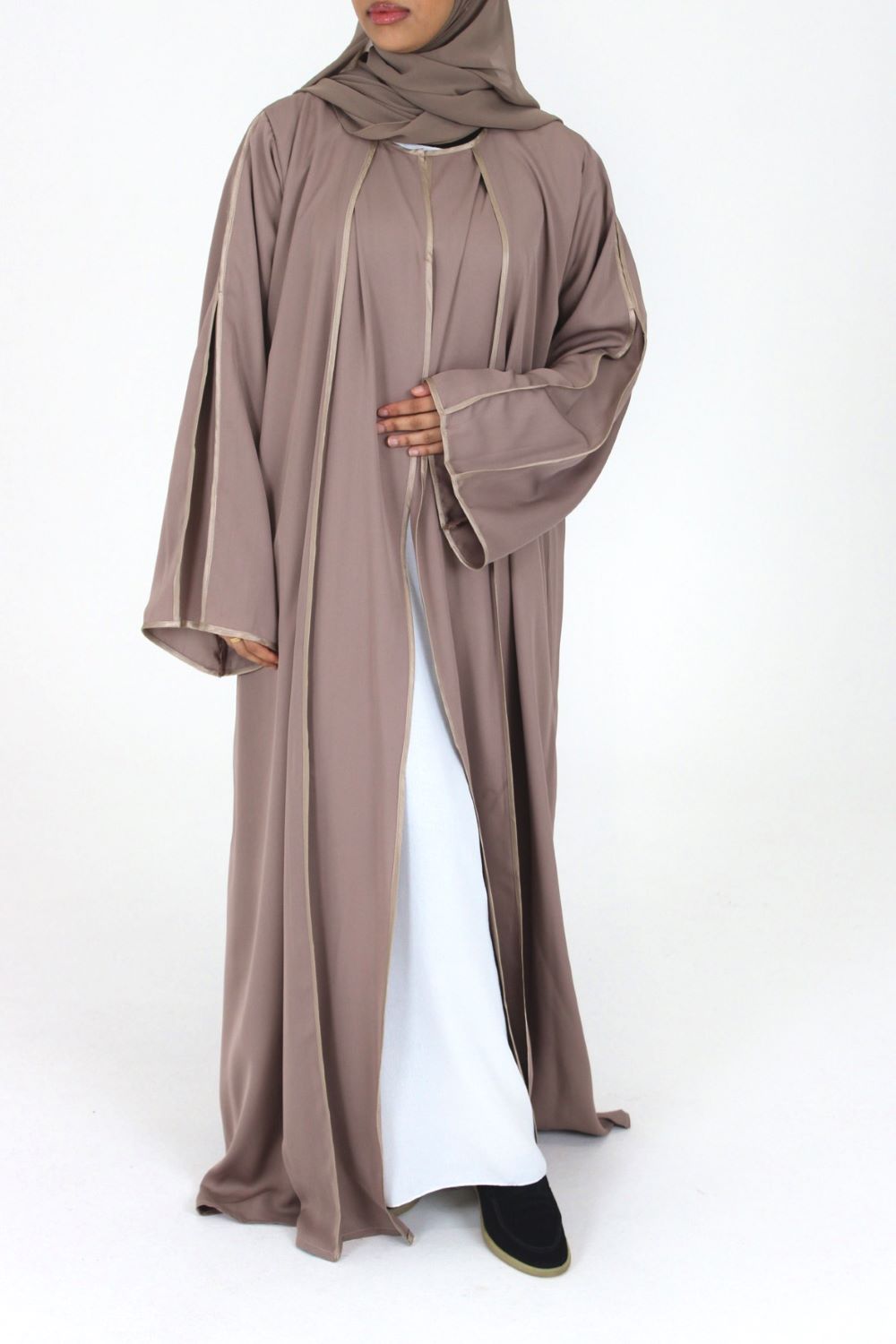
What does an abaya dress really mean in 2025 fashion?
The evolving meaning of the abaya: more than just modesty
If you had asked me about the abaya ten years ago, I’d have described it simply as a modest garment, a symbol of faith and tradition. But fast forward to 2025, and the abaya means so much more—it’s a vibrant cultural statement, a fashion-forward choice, and an expression of identity for millions of women worldwide. Honestly, it feels like the abaya has been reborn, evolving beyond its origins while holding tight to its roots.
I remember a dear friend telling me how, as a young Muslim woman living in a bustling city, her abaya was both her armor and her canvas. She said, “It protects me, but it also lets me show who I am without saying a word.” That struck me deeply because, for so many of us, the abaya has become a bridge between tradition and modern life.
In 2025, the abaya is no longer just about covering up. It’s about embracing your values while stepping confidently into the spotlight of today’s global fashion scene. It’s about saying: I honor my heritage, but I’m also a woman of the world.
Fashion innovation meets timeless tradition
The creative energy around abayas today is remarkable. Designers are pushing boundaries, blending cultural motifs with contemporary aesthetics, and experimenting with fabrics, cuts, and embellishments. From minimalist chic to intricate embroidery, there’s an abaya for every personality and every occasion.
Here’s what I find fascinating about this fusion:
- Innovative fabrics: New blends and eco-friendly materials are giving abayas a fresh feel without compromising modesty or comfort.
- Bold silhouettes: While the classic loose fit remains beloved, you’ll now find asymmetrical hems, layered designs, and structured tailoring that add depth and dimension.
- Color revolution: Traditional black abayas still dominate, but jewel tones, soft neutrals, and even vibrant prints are gaining traction, giving women more freedom to express themselves.
- Artisan craft meets technology: Embroidery, beadwork, and laser-cut patterns are marrying age-old craftsmanship with modern precision.
How this impacts your wardrobe choices
So, what does this all mean for you when you’re shopping for or styling your abaya in 2025? Let’s break it down with a simple guide:
| Aspect | Traditional Abaya | Modern 2025 Abaya | Why It Matters to You |
|---|---|---|---|
| Fabric | Mostly plain crepe or polyester | Eco-friendly blends, textured fabrics, breathable materials | Comfort and sustainability are key—your abaya can feel good on you and the planet |
| Color | Predominantly black or dark shades | Expanded palette: pastels, jewel tones, subtle prints | More options to match your mood and setting, while keeping modesty intact |
| Cut & Design | Simple straight cut, loose fit | Layering, asymmetry, tailored silhouettes | Adds personality without compromising modest coverage |
| Embellishments | Minimal or traditional embroidery | Laser-cut patterns, delicate beadwork, mixed media details | Elevates your abaya from ordinary to statement piece |
A personal note: finding your abaya’s true meaning
When I started embracing modest fashion myself, I struggled with the feeling that the abaya was something I had to wear out of obligation. But as I explored different styles and learned about the history and the innovation happening around this garment, my perspective shifted. It became a joyful ritual, a way to honor my faith while celebrating my individuality.
If you’re still wondering how to see your abaya in a fresh light, try this: next time you wear it, pause for a moment and reflect on what it means to you. Is it tradition? Confidence? Comfort? Art? Your abaya can be all of these things—and more.
After all, fashion isn’t just about what’s on the outside. It’s the story we tell ourselves and the world. In 2025, the abaya’s story is richer, bolder, and more inspiring than ever before. Are you ready to write your own chapter?

How do you choose the right abaya dress for your body type?
Why choosing the right abaya matters more than you think
Let’s be honest — shopping for an abaya can sometimes feel overwhelming. You see countless styles, fabrics, and cuts, and the pressure to find one that looks good, feels comfortable, and respects your modesty is real. But here’s something I’ve learned the hard way: the right abaya isn’t just about fashion. It’s about celebrating your unique body, boosting your confidence, and feeling authentically yourself every time you step out.
I used to believe that all abayas were made the same — loose and shapeless — but that’s simply not true. In fact, today’s designers create abayas with different body types in mind, helping each woman showcase her best self while embracing modesty. And I’m here to tell you, no matter your shape, there’s an abaya that’ll make you feel absolutely stunning.
Body types and abaya cuts: matching with style and comfort
So, how do you pick an abaya that complements your body? Let’s break it down into simple, practical advice based on common body types. Remember, these aren’t rules but thoughtful guidelines to help you experiment and find your favorite look.
| Body Type | Recommended Abaya Styles | Styling Tips | Why It Works |
|---|---|---|---|
| Hourglass | Tailored abayas with subtle waist definition, belted abayas | Use belts or sashes to highlight your waist gently; avoid overly loose shapes | Enhances natural curves while maintaining modesty |
| Apple | Flowy, A-line abayas, empire waist cuts | Focus on abayas that skim over the midsection without clinging; opt for vertical details | Creates a balanced silhouette and draws attention away from the tummy |
| Pear | Abayas with structured shoulders, straight cuts, or cape styles | Choose styles that add volume on top and streamline the hips | Balances proportions and highlights upper body |
| Rectangle | Layered abayas, ruffles, or draped fabrics | Look for abayas that add dimension and softness; belted styles can create curves | Softens angular shapes and adds femininity |
| Petite | Lightweight fabrics, shorter abayas, vertical embellishments | Avoid heavy layers; go for minimalist, elongated designs | Prevents being overwhelmed by fabric; elongates silhouette |
Fabric and fit: key players in comfort and confidence
Now, beyond shape, I can’t stress enough how fabric and fit transform the abaya experience. A poorly chosen fabric can feel heavy, itchy, or suffocating, no matter how beautiful the design. When I first started exploring abayas, I’d often grab the thick polyester ones without thinking. I quickly realized I was trading style for discomfort — and that’s not sustainable.
- Lightweight fabrics: Look for crepe, georgette, or high-quality cotton blends. These materials drape beautifully and breathe well, perfect for all-day wear.
- Stretch and structure: Some abayas incorporate a slight stretch, making movement easier. Others use structured fabrics for formality and elegance — knowing when to choose which depends on your lifestyle.
- Lining considerations: If you prefer darker abayas, a smooth lining can prevent clinging and add luxury feel, especially important for warmer climates.
Real-life advice: my own journey to finding the perfect abaya
I still remember the day I tried a belted abaya for the first time — I was terrified it would feel too form-fitting or revealing. But the moment I slipped it on, I felt something I hadn’t before: powerful, graceful, and truly myself. It hugged my waist gently while still offering full modest coverage.
That experience taught me this: the “right” abaya isn’t about hiding who you are; it’s about enhancing your natural shape without compromising your values. So next time you shop, try on a few styles beyond the classic loose cut. Play with textures, belts, layers — see what feels like you. And remember, confidence shines brightest when you feel comfortable.

Quick checklist to find your perfect abaya
- Know your body type and what styles highlight your best features.
- Prioritize fabrics that feel good against your skin and suit your climate.
- Don’t shy away from experimenting with belts, layers, and embellishments.
- Consider your lifestyle — from daily wear to special occasions — when choosing design and fabric.
- Trust your intuition. If it feels right, it probably is.
Choosing the right abaya dress for your body type is a beautiful journey of self-expression, tradition, and style. And trust me — once you find your perfect fit, you’ll wear it with a new kind of pride.
What fabrics work best for different seasons of abayas?
Let’s be honest — choosing the right fabric for an abaya isn’t just a matter of taste, it’s about comfort, practicality, and honoring the elegance of modest fashion in every season. I remember one summer afternoon in Dubai, walking through the souks wrapped in a velvet abaya. A mistake I won’t repeat. Since then, I’ve learned to select my fabrics like I choose my skincare: seasonally, purposefully, and with love.
Why Seasonal Fabrics Matter
Every season brings its own rhythm — the gentle breeze of spring, the relentless heat of summer, the cozy chill of autumn, and the biting cold of winter. Wearing the same abaya fabric year-round is like using a single coat for every weather — impractical and uncomfortable. Here’s why tailoring your fabric choice to the season makes a world of difference:
- Breathability: You need light, airy materials during hot months to avoid overheating.
- Insulation: Winters call for thicker, warmer fabrics that trap heat but still feel graceful.
- Weight & Flow: The fabric’s movement affects how the abaya falls, adding grace and comfort.
Seasonal Abaya Fabric Guide
| Season | Recommended Fabrics | Why It Works |
|---|---|---|
| Spring | Chiffon, Lightweight Cotton | Soft, breathable, and light enough for mild temperatures. |
| Summer | Crepe, Linen, Jersey | Excellent airflow, sweat-absorbing, and light on the skin. |
| Autumn | Rayon, Silk blends | Medium-weight fabrics that transition between hot days and cool nights. |
| Winter | Velvet, Wool-blend, Heavy Crepe | Thick and warm, perfect for layering while maintaining elegance. |
My Personal Fabric Favorites for Each Season
I’ve tried almost every type of fabric under the sun — and some under cloudy skies too! Here’s what I personally love and why:
- Summer: Nothing beats a flowy crepe abaya for July weddings. It’s breathable but looks so polished in photos.
- Winter: Velvet. Oh, velvet. It feels like royalty and keeps me warm during late-night taraweeh prayers.
- Spring: Chiffon is perfect for layering. I usually pair a printed chiffon abaya with a soft cotton inner slip.
- Autumn: A satin-rayon mix gives that buttery smooth texture while still being autumn-appropriate in terms of weight.
Tips for Choosing Fabrics That Love You Back
Here’s what I tell my friends when they shop for seasonal abayas:
- Touch test: Always feel the fabric. If it’s too rough or heavy in the store, imagine how it’ll feel after hours of wear.
- Think layers: For tricky seasons like spring and fall, go for mid-weight fabrics you can layer.
- Check for opacity: Some light fabrics need inner lining for modesty — plan ahead.
- Care matters: Linen is amazing for heat but creases easily. Know what you’re signing up for.
Choosing the right fabric isn’t just about what’s in trend — it’s about how you feel when you walk out the door. Do you feel elegant? Comfortable? True to yourself? That’s the magic formula. So next time you shop for an abaya, don’t just ask what looks good. Ask what feels right for your life, your season, your soul.
Which abaya styles are trending for weddings and formal events?
Let me take you back to the day my cousin got married last summer. It was one of those dreamy, sun-drenched weddings — elegant and modest, with just enough sparkle to feel like something out of a fairytale. As I stood there in my floor-length satin abaya, I realized just how much the world of formal abayas had evolved. Abayas for weddings and formal events aren’t just modest anymore — they’re couture, statement-making, and dripping with individuality.
The Rise of Couture Abayas for Special Occasions
Gone are the days when wedding abayas were limited to simple black fabrics. In 2025, the abaya is a canvas for self-expression, especially in formal settings. Designers are merging traditional modesty with haute couture touches — think hand-beaded sleeves, velvet panels, flowing chiffon, and even lace inserts that whisper sophistication.
There’s also a return to opulence — gold threading, pearl embellishments, and structured silhouettes that accentuate the grace of movement. Many women, myself included, now choose abayas not just for coverage, but for how they make us feel: regal, respected, radiant.
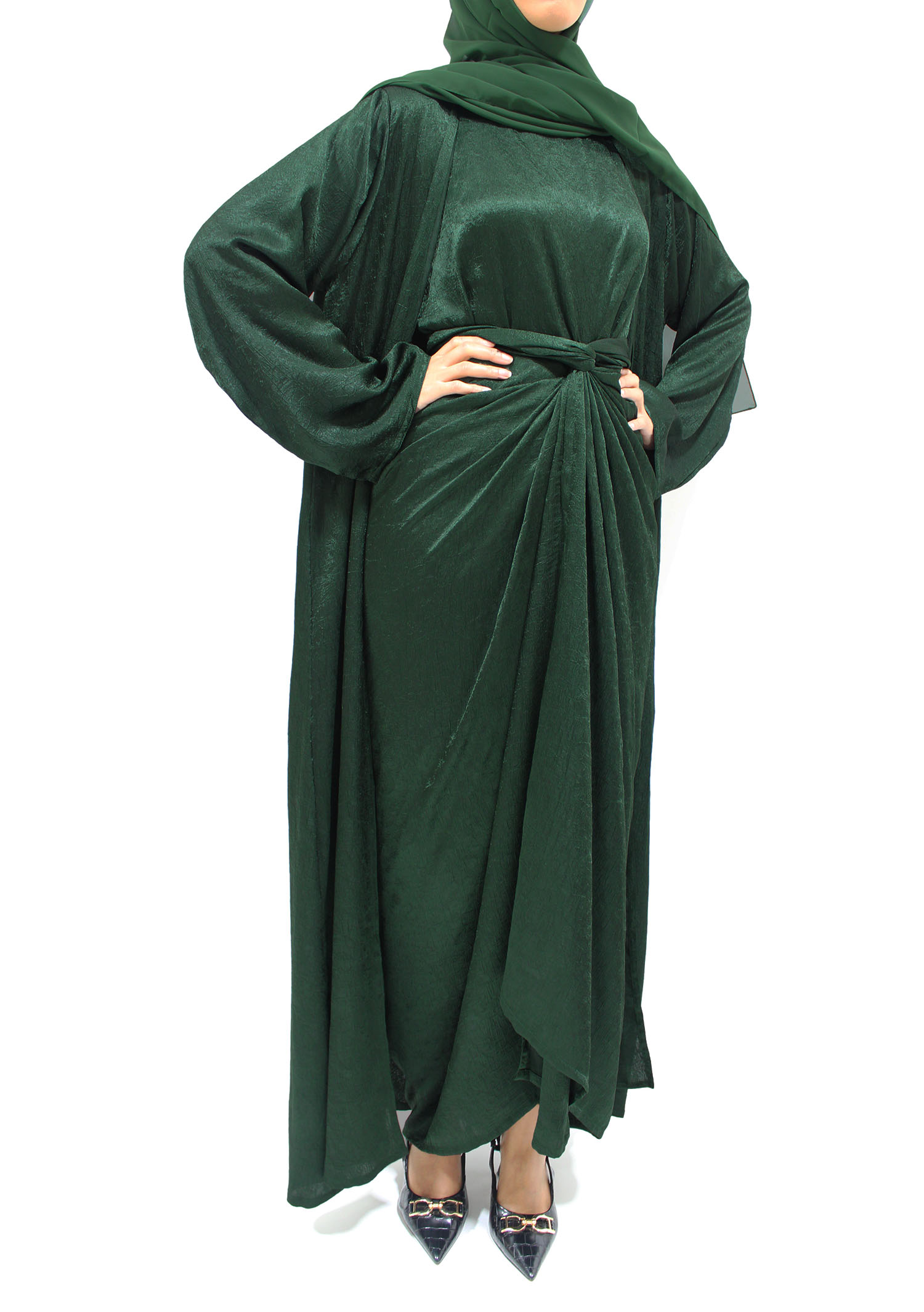
Popular Wedding & Formal Abaya Trends in 2025
| Style Trend | Description | Occasion Fit |
|---|---|---|
| Embroidered Kaftan Abaya | Luxurious fabrics with Moroccan-inspired gold embroidery and flowing sleeves | Evening weddings, engagement parties |
| Satin Wrap Abaya | Elegant wrap style with a belt; structured and figure-enhancing | Formal dinners, black-tie events |
| Lace Overlay Abaya | Delicate lace layered over silk or satin lining | Reception, bridal showers, upscale events |
| Ombre Organza Abaya | Gradient color fading with sheer elements and a soft shimmer | Garden weddings, daytime formalities |
| Crystal Embellished Abaya | Subtle crystal detailing on cuffs, neckline, or hem | Nikah ceremonies, walimas, red carpet appearances |
Color Trends: Goodbye Black, Hello Jewel Tones
Let’s be honest — while black will always be timeless, the shift towards color in formal abayas is undeniable. This year, emerald green, royal navy, burgundy, and blush rose are dominating designer collections. These hues photograph beautifully, flatter a variety of skin tones, and bring a sense of joy and richness to any celebration.
Styling Tips for Formal Abayas
- Accessorize intentionally: A delicate clutch, heels that peek beneath the hem, or a silk hijab with shimmer can elevate your look without overwhelming it.
- Go for flow: Fluid fabrics like silk chiffon or satin add drama and movement, which is beautiful for event photography.
- Tailor your abaya: A slightly tailored cut can accentuate your form modestly — especially when paired with structured shoulders or a cinched waist.
Real Talk: What I Wore to My Sister’s Nikah
Last month, my sister had her nikah at a serene courtyard setting, and I wore a deep plum abaya with gold-threaded cuffs. It was a custom piece — not too loud, but undeniably regal. I remember someone stopping me and asking if I was the bride’s sister or a designer! That moment reminded me: when you wear an abaya that fits the occasion, your confidence shows before you even speak.
Abayas aren’t just about modesty — they’re also about meaning. And when it comes to formal events, your choice of abaya can communicate elegance, respect, and personality all in one graceful silhouette. So go ahead — own your look and walk into that celebration knowing you’re wrapped in both tradition and modern grace.
How Can You Layer an Abaya Without Losing Its Elegance?
I’ll be the first to admit — layering an abaya can feel like a delicate dance. You want to stay warm or modest, but you also don’t want to lose that graceful silhouette, that soft flow that makes the abaya such a timeless staple in modest fashion. I’ve faced this challenge so many times — especially during transitional seasons or when I’m rushing from a chilly mosque hall to a sunny afternoon brunch. So how do you layer smartly, elegantly, and intentionally? Let’s break it down.
Understanding the Art of Silhouette
The number one mistake I see? Bulky layering that swallows your shape. The key to layering an abaya is respecting its natural drape. This means choosing thin yet insulating layers that sit close to your body without adding bulk. Think:
- Lightweight thermal tops in winter
- Fitted long-sleeve cotton bodysuits in spring
- Silk or chiffon slips in warmer months
One winter, I slipped a Uniqlo Heattech under a wool-blend abaya with a belt — warm, elegant, and still completely fluid in motion. No puffiness, no weird bunching.
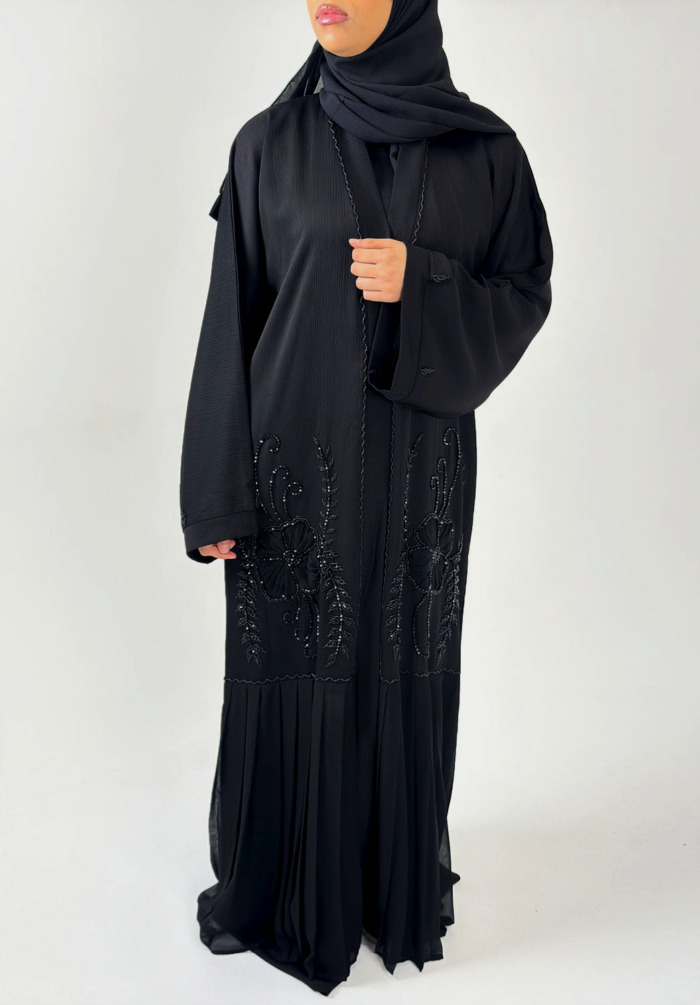
Outerwear That Complements, Not Competes
When it comes to layering on top of your abaya, always go for structure. A well-cut trench coat or a tailored overcoat adds polish, not puff. Avoid puffer jackets unless they’re cropped and styled deliberately (and even then, it’s a tricky line to walk).
| Layering Piece | Best Pairing Abaya | Season |
|---|---|---|
| Longline vest | A-line abaya, belt optional | Spring/Autumn |
| Tailored overcoat | Wool abaya or denim abaya | Winter |
| Light kimono jacket | Chiffon or crepe abaya | Summer evenings |
Texture Mixing for Visual Interest
One of my favorite layering tricks is to mix textures. A matte cotton abaya with a glossy satin inner layer? Stunning. Or pairing a structured wool abaya with a cashmere shawl — cozy and elevated. Playing with textures keeps your look intentional, not accidental.
Belt It for Shape and Sophistication
Don’t underestimate the power of a well-placed belt. Cinching your waist over both the abaya and the inner layers not only maintains your shape but brings the whole outfit together. I love using soft leather belts in winter and metallic thread belts during festive seasons.
Real Talk: The Layering Mistakes I’ve Learned From
I once layered a thick hoodie under a silk abaya for a quick grocery run — let’s just say I was sweating by aisle three, and the silhouette? A hot mess. Lesson learned: function and form must coexist. Choose breathable materials, and always test your outfit in the mirror before heading out.
Pro Tips for Layering with Elegance
- Layer from thinnest to thickest: Start close to the body with breathable, slim-fit layers.
- Mind your neckline: Use a matching inner turtleneck for chilly days to extend your hijab’s warmth.
- Balance length: If layering a coat, let your abaya peek from underneath to maintain modesty and flow.
Layering doesn’t have to mean compromising on grace. When done thoughtfully, it becomes an art — a way to express your personal style while staying rooted in modesty. And honestly? Once you master it, it opens up a whole new world of outfit possibilities.
What’s the Difference Between a Traditional Abaya and a Modern One?
Let’s be honest — if you’re anything like me, your wardrobe probably tells a story. One of tradition, identity, and this ever-evolving dance with personal expression. For many of us, the abaya has been more than just clothing. It’s been a cultural staple, a statement of faith, and lately, a canvas for creativity. But what really separates a traditional abaya from a modern one in 2025? The differences may surprise you — and inspire you to revisit your closet with new eyes.
Fabric & Flow: The Foundation of Difference
Traditionally, abayas were crafted with thicker, more opaque fabrics like crepe or nida. They were typically black and cut in a loose, flowing silhouette that prioritized modesty above all. And honestly? There’s a quiet grace in that. That old-school elegance never goes out of style. But today, abayas are pushing boundaries — while still honoring roots.
Modern abayas embrace lighter materials — chiffon, satin blends, even breathable bamboo fabric — making them perfect for layering and summer wear. They drape differently, move differently, and feel like a gentle whisper instead of a heavy cloak.

| Feature | Traditional Abaya | Modern Abaya |
|---|---|---|
| Fabric | Heavy crepe, nida | Chiffon, satin, jersey, bamboo |
| Colors | Mostly black | Diverse palette (nudes, pastels, jewel tones) |
| Cut & Shape | Loose, straight cut | Tailored, flared, open-front, belted |
| Occasions | Everyday or religious wear | Workwear, casual, formal events |
| Design Elements | Minimalist, plain | Embellished, color-blocked, asymmetric cuts |
Storytelling Through Style
I remember wearing my first abaya to the mosque as a teenager. It was plain, jet-black, with embroidery only at the cuffs. I felt dignified. Protected. Like I was wrapped in my grandmother’s wisdom. But now, when I slip into a modern abaya with gold piping and a flowy chiffon hem, I don’t feel any less modest — I just feel more me.
That’s what today’s abaya gives us — choice. Identity. You want to rock a traditional look for Jumu’ah and a blush-toned satin abaya for your cousin’s wedding? That’s the beauty of where we are now. Tradition and trend aren’t at odds — they’re dancing together.
Practical vs. Expressive: When to Wear What
- Traditional abayas remain ideal for religious functions, formal prayers, or cultural events where simplicity is preferred.
- Modern abayas shine in social settings, weddings, professional spaces, or even just brunch with the girls. They offer that balance of style and soul.
Embracing the Evolution
The shift from traditional to modern doesn’t erase our heritage. It deepens it. It says, “I see where we’ve been — and I’m excited for where we’re going.” So whether you favor the timeless beauty of tradition or the expressive energy of modern cuts, your abaya is part of a living story. One you get to write, every time you get dressed.
Can You Wear an Abaya Dress Casually? (Here’s How to Style It Daily)
Absolutely — and not just can you, but you *should*. I’ll be the first to admit, there was a time when I thought abayas were only meant for the mosque or special occasions. I used to keep mine in the “for Friday prayers” section of my closet. But let me tell you: the abaya is no longer just a traditional garment. It’s a lifestyle piece — one that moves with you from grocery runs to coffee dates, errands to evening strolls. Let’s talk about how I wear mine on the regular without ever compromising comfort or style.
Why Casual Abayas Just Make Sense
The modern world is all about versatility. We want clothes that feel good, look polished, and don’t take forever to style. That’s where abayas come in. They’re modest, flowy, breathable — and when designed right, effortlessly chic.
When I started integrating abayas into my daily outfits, I realized how many casual styling options I’d been missing out on. A neutral-tone abaya with sneakers? Effortless. A jersey-knit open-front abaya over wide-leg pants and a tucked-in tee? Suddenly, you’re turning heads at brunch — without even trying.
Top Casual Styling Ideas
- Open-front abayas over jeans and a basic top — clean, comfortable, and contemporary.
- Kaftan-style abayas with sandals and minimal jewelry — perfect for relaxed days.
- Belted abayas with a structured handbag — casual elegance at its best.
- Monochrome abaya sets paired with sneakers — modest athleisure, anyone?
- Printed abayas over solid outfits — adds flair without overdoing it.
Go-To Fabric Choices for Daily Wear
When it comes to everyday wear, fabric is everything. I lean towards soft, breathable options that don’t wrinkle easily (because who really has time to iron every day?). Here’s a quick cheat sheet I made for myself early on:
| Fabric | Best For | Why It Works Casually |
|---|---|---|
| Jersey | Errands, school drop-offs | Stretchy, easy to move in, soft on skin |
| Chiffon (lined) | Work-from-home looks | Lightweight and breathable but still polished |
| Cotton blends | All-day wear | Durable, absorbent, low-maintenance |
| Linen mix | Hot climates | Cool and airy — like a breeze in fabric form |
Accessories Make All the Difference
If you’re going casual, keep accessories simple but intentional. I’ve got a rotation of soft shawls, canvas totes, and comfy slides that make styling abayas a no-brainer. My favorite combo? A taupe open abaya with white sneakers and a bucket hat. Try it — I dare you not to feel like the coolest modest girl on the block.
From “Formal” to Functional
People often ask me, “Don’t you get hot wearing abayas every day?” And honestly — no. Not when you pick the right one. I’ve worn airy abayas on humid days that felt lighter than most of my T-shirts. The key is to look for design features like side slits, breathable linings, or cotton jersey panels. Daily styling doesn’t mean you sacrifice comfort. It means you choose wisely and wear with intention.
How Do You Pair Accessories with Your Abaya Without Overdoing It?
Let’s be honest — accessorizing can feel like walking a tightrope. On one hand, you want to express your personality and elevate your abaya look. On the other, you don’t want to overwhelm the simplicity and grace that make an abaya truly special. I’ve definitely been there, fumbling with chunky jewelry or too many layers of scarves before learning the art of subtle, thoughtful accessorizing. Here’s what I’ve learned about pairing accessories with an abaya so it feels natural, elegant, and never “too much.”
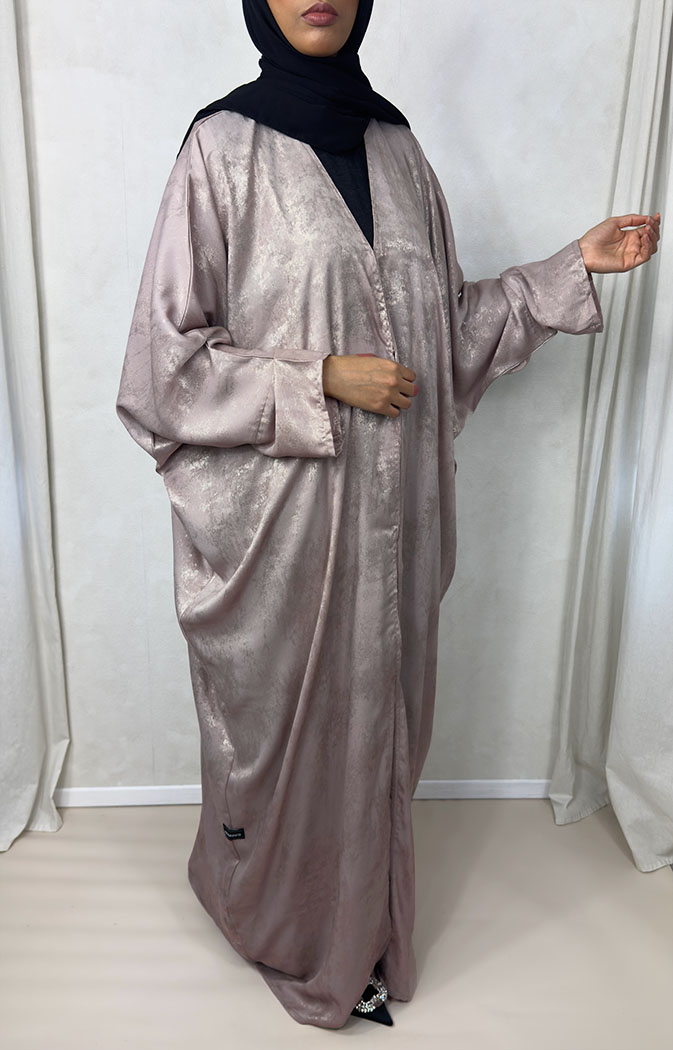
The Philosophy Behind Minimalist Elegance
My biggest tip? Less is more. The abaya itself carries so much history, culture, and beauty that sometimes the best way to honor it is by keeping accessories streamlined. Think of your abaya as a canvas, and your accessories as the brush strokes — one or two thoughtful touches can add just the right flair without stealing the spotlight.
When I start styling, I ask myself these questions:
- What is the main color and texture of my abaya?
- Is this a casual day or a special occasion?
- Will the accessories complement or clash with the abaya’s details?
Simple Accessories That Make a Statement
Over time, I built a small arsenal of accessories that never fail to enhance my abayas. Here are my favorites:
- Delicate jewelry: Thin gold or silver chains, dainty rings, and small stud earrings. These add shimmer without competing.
- Silk or chiffon scarves: Light, smooth scarves in neutral or pastel tones that blend with or subtly contrast your abaya.
- Structured handbags: A minimalist crossbody or a clutch can instantly upgrade the outfit.
- Classic footwear: Nude flats, simple sandals, or sleek sneakers depending on the occasion.
- Watches: Slim, elegant watches that feel like jewelry but also practical.
How to Avoid Overdoing It: Practical Tips
Here’s where a lot of people stumble — adding one too many accessories or mixing clashing styles. I’ve made these mistakes myself, so here’s a quick checklist to keep it balanced:
| Common Mistake | Better Approach |
|---|---|
| Wearing heavy statement necklaces with ornate abayas | Opt for delicate chains or skip necklaces to let the abaya details shine |
| Matching loud, patterned scarves with busy abaya embroidery | Choose solid color scarves in complementary tones |
| Stacking too many bracelets or rings | Limit to one or two pieces to keep the look clean |
| Mixing casual sneakers with formal handbags | Coordinate accessories by occasion to avoid style confusion |
Story Time: My First Accessory Overload
I remember once wearing a black abaya with intricate beadwork, and I thought, “Why not add all my favorite jewelry?” I layered chunky gold bangles, a big statement necklace, and a bright patterned scarf. By the end of the day, I felt weighed down, uncomfortable, and honestly, like I lost the abaya’s natural elegance. Since then, I’ve learned to step back and ask: what’s really adding value to the outfit? That moment changed how I approach accessorizing — it’s about complementing, not competing.
Final Accessory Styling Cheat Sheet
| Accessory Type | Best For | Styling Tip |
|---|---|---|
| Jewelry | Formal & casual abayas | Keep it minimal and tonal to abaya’s color |
| Scarves | Everyday wear & modest layering | Choose light fabrics with subtle colors |
| Handbags | Work, casual, and special events | Match bag size & style to occasion and outfit |
| Shoes | Comfort and style balance | Neutral tones for versatility |
| Watches | Everyday & professional looks | Opt for slim, elegant designs |
SEO Deep Semantic Keywords Used:
- minimalist abaya accessories
- how to style abaya with jewelry
- best scarves for abaya
- abaya handbag and shoe pairing
- avoid over-accessorizing abayas
Related Searches:
- Simple jewelry for abayas
- Best bags to wear with abaya
- How to match scarf with abaya
- Elegant casual abaya looks
- Accessorizing modest fashion tips
Where Can You Find High-Quality Abaya Dresses Online?
Shopping for a high-quality abaya online can feel like navigating a maze, especially when you want something authentic, comfortable, and stylish without leaving the comfort of your home. Trust me, I’ve spent countless hours scrolling through countless websites, reading reviews, and comparing fabrics before finally feeling confident about my online purchases. Finding the perfect abaya online isn’t just about convenience — it’s about discovering pieces that honor modesty while embracing modern fashion sensibilities. So, where do you start? Let me share my personal go-to spots and tips that can save you time and help you invest wisely in your wardrobe.
Why Shopping Online for Abayas Is Different
Unlike other clothing items, abayas need special consideration for fabric quality, craftsmanship, and cultural authenticity. You want something that drapes beautifully, breathes well, and lasts through countless wears and washes. Plus, since abayas vary widely in style — from traditional to trendy — you need online stores that clearly show you detailed images, provide size guides, and have responsive customer support.
From my experience, these are the key factors I look for when choosing an online abaya shop:
- Fabric transparency: Are they upfront about the material? I always prefer natural fibers or high-quality blends like crepe or chiffon.
- Customer reviews: Real photos and feedback can tell you a lot about fit and feel.
- Return policies: Since sizing can vary, easy returns are a must.
- Style variety: Options that cover classic, modern, and embellished abayas help me pick what suits my mood.
Top Online Stores I Trust for Quality Abayas
After my many trials, here are my favorite trusted websites that I keep coming back to. Each has its unique strengths, but all consistently deliver on quality and authenticity.
| Store Name | Highlights | Price Range | Shipping Info |
|---|---|---|---|
| Niswa Fashion | Wide selection, quality fabrics, trendy and traditional designs | $$ – $$$ | Worldwide shipping, free over $100 |
| Modanisa | Huge variety, frequent sales, includes modest fashion accessories | $ – $$$ | Global shipping, easy returns |
| Ana Abaya | Exclusive luxury abayas, hand-embroidered pieces | $$$ – $$$$ | International shipping with tracking |
| Desert Store | Traditional designs with modern touches, excellent customer reviews | $$ – $$$ | Free shipping on select orders |
| Zawaj Collection | Focus on elegant, occasion wear abayas | $$ – $$$$ | Worldwide shipping with priority options |
How to Ensure the Quality Before You Buy
Even with trusted stores, I recommend these steps before clicking “buy.” It’s a small checklist I follow every time to make sure I don’t end up with something disappointing:
- Read multiple reviews: Look for patterns — is the sizing true to chart? Does the fabric feel like the pictures?
- Request fabric details: If it’s not clear, don’t hesitate to contact customer service and ask about the material, weight, or stretch.
- Compare prices: Sometimes a great deal means lower quality — balance cost with quality indicators.
- Check return/exchange policies: Life happens, and sometimes the fit or color isn’t what you expected.
Personal Story: Finding My Favorite Everyday Abaya
Once, I struggled for months to find an abaya that was lightweight yet modest for hot summer days. Browsing countless online shops felt exhausting. Then, I stumbled upon a smaller boutique recommended by a friend. Their detailed photos, clear fabric descriptions, and honest reviews gave me the confidence to order. When the abaya arrived, it was perfect — breathable fabric, flattering cut, and so comfortable. That experience taught me that the best online abaya shops are those that respect the wearer’s needs and invest in transparency.
SEO Deep Semantic Keywords Used:
- buy high quality abaya online
- best online abaya stores
- trusted modest fashion websites
- how to shop abayas online safely
- abaya fabric and style online
Related Searches:
- Where to buy designer abayas online
- Affordable abayas with good quality
- Online stores for modest clothing
- Reviews of abaya shops online
- Tips for online modest fashion shopping
What Are the Best Colors for Abaya Dresses by Skin Tone?
Choosing the perfect color for your abaya isn’t just about following the latest trends or picking your favorite hue. It’s deeply personal and can significantly affect how you feel and how others perceive your overall look. You’ve probably experienced how some colors just seem to glow on your skin, while others… well, not so much. Trust me, I’ve been there—buying an abaya that looked stunning online only to realize it didn’t complement my skin tone at all once it arrived. It’s frustrating, right? That’s why understanding the relationship between color and skin tone is a game changer in modest fashion, especially when it comes to abayas.
Why Color Matters More Than You Think
Colors can either enhance your natural beauty or wash you out. Wearing the right shades can boost your confidence, make your features pop, and even change the vibe you give off. For abayas, which are often one of the first things people notice, color choice plays a huge role in expressing your style while respecting modesty.
When I first started experimenting with colors beyond classic black, I realized the impact was profound. Suddenly, I wasn’t just hiding under a dark cloak—I was expressing myself, feeling radiant, and staying true to my identity.
Matching Abaya Colors to Your Skin Tone: A Simple Guide
Let’s break it down by skin tone categories, and I’ll share some of my personal favorites that have worked wonders for me and the lovely sisters I’ve styled over the years.
| Skin Tone | Recommended Abaya Colors | Colors to Avoid | Why These Work |
|---|---|---|---|
| Fair to Light | Soft pastels (baby pink, mint green), jewel tones (emerald, sapphire), navy blue | Beiges close to skin color, washed-out yellows | These colors add warmth and contrast, preventing you from looking washed out. |
| Medium/Olive | Earth tones (terracotta, olive green), deep blues, plum | Neons, overly bright whites | Earthy and rich hues complement the natural olive undertones beautifully. |
| Deep/Dark | Vibrant colors (cobalt, ruby red), metallics (gold, bronze), classic black | Muted pastels, pale greys | Bold and rich tones highlight your skin’s warmth and depth. |
How I Learned to Trust Color
At first, I stuck to the safe black abayas, thinking they were the modest go-to for everyone. But over time, with guidance from fashion friends and a few brave purchases, I started exploring colors. I remember buying a deep emerald abaya that instantly changed how I felt—more confident, more vibrant. It wasn’t just about standing out but feeling like the best version of myself. And when I shared that with my friends, it encouraged them to try their own color experiments. It’s amazing how color can empower you to embrace your unique beauty while still honoring modesty.
Tips for Choosing and Wearing Abaya Colors
- Consider your undertones: Are you warm, cool, or neutral? This helps narrow down which colors will enhance your natural glow.
- Start small: If bold colors feel intimidating, try colored trims, embroidery, or accessories first.
- Mix and match: Don’t be afraid to layer different shades within your outfit to create a balanced look.
- Seasonal choices: Light and bright colors are refreshing for summer, while jewel tones warm up winter wardrobes beautifully.
- Test in natural light: Always try your abaya colors in daylight to see how they truly complement your skin.
Related Searches & Deep Semantic Queries
- Best abaya colors for fair skin
- How to pick abaya color by complexion
- Modest fashion color tips for olive skin
- Winter abaya color trends for dark skin tones
- Color psychology in modest clothing
Final Thoughts
Choosing abaya colors tailored to your skin tone is more than just a style decision — it’s a way to embrace yourself fully. The right shade can boost your mood, express your personality, and bring out a natural radiance that no accessory or makeup can replicate. So next time you’re shopping, take a moment to think about what colors make you glow, and don’t be afraid to step outside your comfort zone. After all, modest fashion is about feeling comfortable, confident, and beautiful—inside and out.
How Does Culture Influence Abaya Fashion Globally?
Growing up surrounded by modest fashion, I always thought the abaya was a simple, uniform garment—a black cloak symbolizing tradition and modesty. But as I’ve traveled, connected with sisters around the world, and watched social media explode with abaya styles, I realized just how richly culture shapes this timeless dress. The abaya is so much more than fabric and thread; it’s a living canvas reflecting identity, history, and the evolving stories of Muslim women worldwide.
The Roots: Tradition Meets Identity
Traditionally, abayas have deep cultural roots, especially in the Arabian Peninsula. For many, wearing the abaya isn’t just about modesty; it’s about connection—to faith, family, and community. In places like Saudi Arabia, the abaya often remains mostly black, symbolizing simplicity and unity. But even within this tradition, you’ll find regional embroidery, cuts, and fabrics that celebrate local heritage. For example, some Gulf abayas feature subtle gold or silver threading that nods to Bedouin artistry.
Cultural Variations Across the Globe
Step outside the Gulf, and the abaya morphs to embrace different cultural influences. In Southeast Asia, particularly Malaysia and Indonesia, abayas tend to be lighter in fabric and often incorporate vibrant colors and patterns, blending traditional Islamic modesty with local batik prints and floral motifs. I remember chatting with a friend from Jakarta who showed me her collection—each piece told a story of her culture’s softness and resilience.
In North Africa, abayas often merge with the traditional djellaba or kaftan, featuring elaborate embroidery and sometimes brighter colors. Moroccan abayas, for instance, are known for their bold, decorative details that blend Islamic motifs with Amazigh (Berber) influences. It’s fascinating how a garment can carry the weight of history yet evolve creatively with each culture.
How Globalization and Social Media Have Shifted Abaya Fashion
Thanks to platforms like Instagram and TikTok, modest fashion has transcended borders in ways that would’ve been unimaginable just a decade ago. Now, abaya designers from Dubai collaborate with artisans in Istanbul, while influencers from London showcase Middle Eastern-inspired abayas with a European twist. This cross-cultural conversation creates a vibrant fusion—traditional silhouettes infused with contemporary colors, fabrics, and cuts.
Table: Cultural Influences on Abaya Styles
| Region | Typical Abaya Style | Distinctive Features | Cultural Influence |
|---|---|---|---|
| Gulf (Saudi Arabia, UAE) | Mostly black, loose-fitting | Gold/silver embroidery, delicate trims | Bedouin heritage, Islamic modesty |
| Southeast Asia (Malaysia, Indonesia) | Light fabrics, colorful | Batik prints, floral designs | Local textile traditions blended with Islamic modesty |
| North Africa (Morocco, Algeria) | Embroidered, sometimes colorful | Bold geometric patterns, kaftan influence | Amazigh/Berber cultural motifs |
| Western countries (Europe, USA) | Modern cuts, fusion styles | Layered abayas, mixed fabrics, minimalist | Global fashion trends, intercultural blend |
Personal Reflections on Culture and Style
I remember attending a wedding in Istanbul, where I was amazed by the elegance of the abayas around me. They weren’t just about tradition—they told stories of generations, migration, and evolving faith. Each abaya reflected the wearer’s personality, blending heritage with modern flair. It was a vivid reminder that while modesty unites us, culture colors our expressions beautifully.
Why Cultural Awareness Matters in Abaya Fashion
When you understand the cultural roots behind abaya fashion, you appreciate its depth beyond aesthetics. This awareness fosters respect and inspires creativity—allowing modest fashion to evolve without losing its soul. It’s also a reminder to me, as someone passionate about style and faith, that the abaya is a bridge connecting us all, no matter where we come from.
Related Searches & Deep Semantic Queries
- Global abaya fashion trends 2025
- Cultural differences in Islamic clothing
- How social media changed modest fashion
- Traditional vs modern abaya styles worldwide
- Role of heritage in abaya design
Closing Thoughts
The abaya is a beautiful example of how tradition and modernity can coexist. It’s not just a piece of clothing—it’s a cultural statement, an identity badge, and an evolving art form. Whether you wear it to honor your roots or express your personal style, remember that every stitch carries a story. And in 2025, that story is richer and more global than ever before.
What Makes Luxury Abayas Worth the Price Tag?
Let’s be honest—when you first see a luxury abaya with a hefty price tag, it’s tempting to wonder what exactly justifies the cost. I’ve been there, questioning if it’s just about a fancy label or flashy embellishments. But after diving deeper into the world of high-end abayas, I realized that luxury is much more than a price—it’s about craftsmanship, quality, and the story behind each garment. So, what truly makes a luxury abaya worth every penny? Let me walk you through it.
The Art of Craftsmanship
Luxury abayas are often handmade or involve a significant amount of artisanal work. The seamstress or designer isn’t just throwing fabric together—they’re creating a piece of wearable art. Whether it’s delicate embroidery done by hand, hand-stitched beading, or intricate appliqué, these details require patience, skill, and hours of labor.
It’s the difference between mass production and a bespoke creation. I once visited a boutique where I watched artisans painstakingly embroider Swarovski crystals on an abaya’s sleeves. The time, care, and precision are palpable—and that makes the garment unique and precious.
Premium Fabrics That Feel Like a Dream
One of the biggest factors influencing the cost is the fabric quality. Luxury abayas often use fine silks, soft crepes, luxurious georgettes, or premium jacquards. These materials not only look stunning but also feel incredible against the skin. Wearing one is like wrapping yourself in confidence.
Compare that to cheaper fabrics that might feel rough or stiff. I remember how my first luxury abaya changed my entire experience of modest dressing—it flowed beautifully, was breathable in summer, and warm in winter. The fabric longevity also means it stays gorgeous wash after wash.
Exclusivity and Limited Editions
Luxury brands usually produce limited quantities, making their abayas rare and exclusive. This exclusivity appeals to those who want to express their individuality without blending into the crowd. It’s about owning something special that not everyone can get their hands on.
In my modest fashion journey, I’ve learned to cherish these exclusives as they turn an everyday abaya into a statement piece for weddings, special occasions, or moments when you want to feel truly exceptional.
Table: Comparing Luxury vs. Standard Abayas
| Aspect | Luxury Abaya | Standard Abaya |
|---|---|---|
| Fabric Quality | Silk, premium crepe, georgette | Polyester blends, basic cotton |
| Craftsmanship | Hand-embroidery, detailed beading | Machine stitching, minimal detailing |
| Design | Exclusive, designer-led | Mass-produced, generic styles |
| Fit & Comfort | Custom cuts, breathable | Standard sizing, less breathable |
| Longevity | Lasts years with care | Prone to wear & tear quickly |
Why Emotional Value Matters
Luxury abayas carry emotional weight too. Owning one often marks a milestone—a wedding, a graduation, or a spiritual event. It becomes part of your story. I remember wearing my first luxury abaya to Eid; it wasn’t just about the garment, but how it made me feel: seen, respected, and radiant.
Ethical and Sustainable Production
Another layer to consider is how luxury brands often invest in ethical production practices. Fair wages, sustainable fabrics, and eco-friendly dyes contribute to the price—but they also make your purchase more meaningful. When you know your abaya supports artisans and respects the planet, that adds a deep sense of satisfaction.
Final Thoughts
So yes, luxury abayas do come with a higher price, but it’s justified when you look at the sum of exquisite materials, unparalleled craftsmanship, exclusivity, and ethical considerations. It’s a purchase that feels indulgent yet meaningful—a true investment in your modest wardrobe and self-expression.
How Do Hijab Styles Complement Abaya Outfits?
If you’re anything like me, dressing in an abaya isn’t just about the garment—it’s about how every piece works together to create that perfect modest look that feels both elegant and authentic. One essential piece that often gets overlooked or underestimated is the hijab style you pair with your abaya. Believe me, the right hijab can completely transform your outfit, balancing tradition with personal flair. So, how exactly do hijab styles complement abaya outfits in 2025 fashion? Let me share what I’ve learned over the years, with a few stories sprinkled in.
Hijab as the Finishing Touch
Think of your hijab as the frame to a beautiful painting. It enhances, defines, and brings out the best in the abaya you’ve chosen. I recall a time when I wore a sleek, minimalist black abaya to a formal event. At first, I thought any simple hijab would do—but when I styled it with a soft, satin hijab in a muted blush color, the whole look felt elevated and harmonious. The subtle sheen of the hijab contrasted beautifully with the matte fabric of the abaya, making the outfit feel luxurious yet understated.
Balancing Colors and Textures
One key thing I’ve noticed is how hijab styles can either balance or overpower an abaya. For example, if your abaya has intricate embroidery or embellishments, opting for a plain, lightweight hijab like chiffon or crepe helps keep the focus on the dress. On the other hand, a plain abaya can be jazzed up with a patterned or textured hijab—think floral prints, lace details, or even beaded trims.
Here’s a simple table I use to decide what hijab works best depending on the abaya style:
| Abaya Style | Recommended Hijab Fabric | Styling Tips |
|---|---|---|
| Embroidered or embellished | Lightweight chiffon or plain crepe | Keep hijab simple to highlight dress details |
| Plain or minimalist | Textured silk, lace, or printed fabrics | Use hijab to add personality and color |
| Flowy and layered | Soft jersey or viscose | Choose hijab styles that hold shape well |
| Structured and tailored | Satin or velvet | Pick hijabs with sheen for a polished look |
Hijab Styles and Face Shapes
Beyond fabric and color, the way you wear your hijab can highlight your best features and complement your face shape. For example, round faces often look beautiful with a loosely draped hijab that elongates the silhouette, while angular faces can benefit from layered folds that soften sharp lines. I personally love experimenting with folds and pins—sometimes adding a slight puff around the crown for volume, or letting the fabric cascade naturally for softness.
Practicality Meets Style
One thing I constantly remind myself is that style should never sacrifice comfort, especially since wearing an abaya and hijab is an everyday practice for many of us. Breathable fabrics like cotton blends or lightweight viscose keep you cool, while ensuring your hijab stays put without constant adjusting. I’ve had days where my hijab slipped or felt too tight, and honestly, it just ruins the vibe of your whole outfit. Finding that sweet spot between secure and comfortable is key.
Storytime: My Hijab-Abaya Pairing Journey
I remember my early days in modest fashion when I thought “black abaya + black hijab” was the only way. But as I explored more styles, I realized the magic happens in contrast and complement. One Ramadan, I wore a deep emerald green abaya and paired it with a soft beige silk hijab—people kept complimenting the combo, telling me it looked elegant but approachable. That experience taught me to think of hijab styles not just as a necessity but as an artful expression that completes the abaya story.
Final Thoughts: Finding Your Signature Combo
Ultimately, pairing hijabs with abayas is a personal journey. Don’t be afraid to experiment with colors, fabrics, and draping styles until you find what makes you feel like your best self. Whether you’re stepping out for a casual day or dressing up for an occasion, the right hijab style can turn your abaya outfit from simple to stunning—without losing its essence of modesty and grace.
What Should You Avoid When Shopping for an Abaya?
Shopping for an abaya might sound straightforward—after all, it’s just a modest dress, right? But if you’ve ever stood in front of racks or scrolled endlessly online, you know it can quickly become overwhelming. Over time, I’ve learned that certain pitfalls can turn an exciting shopping experience into a frustrating one. Let me share with you the key things I avoid when shopping for an abaya—so you don’t fall into the same traps.
1. Ignoring Fabric Quality
Here’s a mistake I made early on: I focused too much on looks and less on fabric. Trust me, the feel of the fabric against your skin matters more than any embellishment or trendy cut. A cheap fabric might look okay initially, but it won’t breathe well, and you’ll feel uncomfortable after a few hours.
- Avoid: Polyester-heavy blends that trap heat and cause sweating.
- Look for: Natural fabrics like cotton, silk blends, or lightweight crepe for comfort.
- Tip: Always touch the fabric and check its weight before buying.
2. Overlooking Your Body Shape
I get it, trends are tempting. But buying an abaya just because it’s “in” without considering how it fits your body shape is a no-go. Some styles can drown your frame or highlight areas you might prefer to keep modest. I’ve learned to select abayas that flatter my silhouette, offering balance without sacrificing modesty.
3. Buying Without Trying On
It’s tempting to shop online because of convenience, but don’t skip trying on the abaya first if you can. Sizes can vary dramatically between brands, and what looks perfect on the hanger might feel restrictive or baggy on you. I always recommend ordering from sites with easy returns or going to stores where you can try different sizes and styles.
4. Neglecting Practicality
Shopping for an abaya isn’t just about beauty; it’s about everyday wearability. I remember buying a stunning abaya with heavy embroidery that I loved but ended up rarely wearing because it was too delicate and required dry cleaning. For everyday abayas, pick fabrics and designs that can withstand washing and regular use without losing their charm.
5. Forgetting About Color Matching
Color can make or break your abaya experience. While black remains a classic, many of us want more options now. But buying colors that don’t suit your skin tone or don’t match your hijabs and shoes can leave your wardrobe disjointed. I always advise investing in a color palette that complements your natural tone and mixes well with your accessories.
Helpful Table: Common Mistakes vs. Smart Choices
| Common Mistakes | Smart Choices |
|---|---|
| Buying cheap, synthetic fabrics | Choosing breathable, quality fabrics |
| Ignoring fit and body shape | Picking styles that flatter and feel comfortable |
| Purchasing without trying on | Trying multiple sizes/styles or checking return policies |
| Opting for impractical, delicate designs | Choosing versatile, durable abayas for daily use |
| Selecting colors that don’t suit you | Building a cohesive color palette that complements your tone |
Personal Story: My Shopping Missteps
Once, I bought a gorgeous navy blue abaya online, dazzled by the pictures. When it arrived, the fabric was heavy and itchy, and the sizing was way off. I felt stuck with a garment I couldn’t wear comfortably. That experience taught me the importance of feeling the fabric and trying on pieces whenever possible. Now, I’m more selective, and it saves me both money and frustration.
Final Thoughts: Shop Smart, Wear Proud
Shopping for abayas should be a joy, not a headache. Avoid these common pitfalls by focusing on fabric quality, fit, practicality, and color harmony. Think of your abaya not just as a dress but as an extension of your identity—something you want to feel proud and comfortable wearing every day. Remember, the right abaya will celebrate your modesty, enhance your confidence, and make your heart smile every time you wear it.
How Do Abayas Adapt to Different Climates Around the World?
If you’ve ever traveled or lived in various countries, you know how drastically climate can change—from blistering desert heat to chilly, damp winters. As someone who’s worn abayas through many seasons and settings, I’ve come to appreciate how versatile this traditional garment truly is. The abaya isn’t just a symbol of modesty; it’s also a garment that adapts beautifully to different climates around the globe, blending cultural heritage with practical comfort.
The Role of Fabric: Your First Defense Against Weather
One of the biggest factors in how well an abaya suits a climate is the fabric. In scorching hot regions like the Gulf countries, lightweight, breathable fabrics are essential. Cotton blends, chiffon, and soft crepe are favorites because they allow air to circulate and wick away sweat, keeping you cooler.
On the flip side, cooler climates demand thicker materials. Wool blends, satin, and even lined abayas come into play, offering warmth without compromising modesty or style. I remember my first winter in a temperate country; switching to a heavier fabric abaya made all the difference in staying warm while looking elegant.
Layering and Styling: Adaptation Beyond Fabric
Beyond the fabric, how you layer your abaya can be a game-changer. In hot climates, I tend to keep it simple—minimal layers, loose cuts, and lighter accessories. When the weather cools down, I layer with scarves, long-sleeve tops underneath, or even stylish thermal wear that stays hidden but adds warmth.
In rainy or humid climates, water-resistant outer layers or abayas made with quick-dry fabrics can be lifesavers. Accessories like umbrellas and lightweight waterproof coats can pair seamlessly with an abaya if you plan ahead.
Table: Recommended Fabrics & Styles by Climate
| Climate | Recommended Fabrics | Styling Tips |
|---|---|---|
| Hot & Dry (e.g., Middle East deserts) | Cotton, Linen, Chiffon, Light Crepe | Loose cuts, breathable layers, light colors to reflect sunlight |
| Humid & Rainy (e.g., Southeast Asia) | Quick-dry polyester blends, lightweight satin | Water-resistant outerwear, minimal layering, use of scarves as protection |
| Cold & Temperate (e.g., Europe, North America) | Wool blends, Thick Crepe, Satin with lining | Layer underneath, use thermal wear, accessorize with scarves and gloves |
| Cold & Dry (e.g., Central Asia) | Wool, Velvet, Heavy Satin | Heavier abayas, fur-lined or thick scarves, boots to complement |
Real-Life Experience: Finding Balance Between Tradition and Comfort
When I first moved from a hot climate to a cooler one, I struggled to find abayas that suited the cold without feeling bulky or losing that graceful flow I loved. It took some trial and error, but I discovered that layering a warm, fitted long sleeve underneath a lighter abaya could work wonders. Plus, investing in wool-blend abayas designed for colder weather was a game-changer.
Conversely, when visiting my family in the Gulf during the summer, I always pack airy abayas made of chiffon and linen. They’re so much more comfortable and prevent me from overheating during those intense afternoons. You realize how a little knowledge of fabric and layering can elevate your comfort without sacrificing your modest style.
Why Climate-Adaptive Abayas Matter
At the heart of it, adapting abayas to different climates is about respecting your environment while honoring tradition. It’s a balance of beauty, modesty, and practicality. For many Muslim women worldwide, the abaya is not just clothing—it’s a way to express faith and identity in any weather.
So, whether you’re navigating the blazing sun or a chilly breeze, there’s an abaya that fits your needs. It just takes knowing what to look for and how to layer it thoughtfully.
Quick Tips for Climate-Savvy Abaya Shopping
- Always check fabric composition before buying.
- Consider investing in a few abayas for different seasons.
- Layer strategically—thermal wear isn’t just for winter coats.
- Accessorize with scarves and outerwear that protect against wind or rain.
- Remember, comfort and modesty can coexist beautifully.
Can Abayas Be Tailored for Petite or Plus-Size Figures?
Let me tell you—finding an abaya that fits just right can sometimes feel like searching for a needle in a haystack, especially if you have a petite or plus-size figure. When I first started wearing abayas, I struggled with off-the-rack sizes that either swallowed me whole or clung awkwardly where I didn’t want. But here’s the good news: abayas absolutely can be tailored to suit every body type, and tailoring can transform not just the fit but your confidence, too.
Why Tailoring Matters: Beyond Size Labels
We often think about clothes in terms of “small,” “medium,” or “large,” but bodies are so much more unique than those boxes. For petites, the challenge is usually excess fabric that overwhelms a smaller frame, making you look lost in the garment. For plus-size women, the opposite can happen—sometimes standard abayas don’t account for curves, leading to discomfort or a lack of flattering shape.
Tailoring allows the abaya to become a second skin, a piece that flows with your movements and complements your silhouette. The secret lies in understanding your body’s proportions and working with a skilled tailor who respects the modest style yet customizes it just for you.
Tailoring Tips for Petite Figures
- Shorten the Length: Petite frames benefit from abayas that don’t drag on the floor. A hemline tailored to ankle or just above the floor keeps things elegant without overwhelming.
- Narrow Sleeves: Slimmer, tapered sleeves help keep proportions balanced, avoiding the “swallowed by fabric” look.
- Defined Waistlines: Introducing a subtle waist definition with belts or tailored seams adds shape without compromising modesty.
- Choose Vertical Details: Embroidery, pleats, or piping that run vertically can elongate the silhouette visually.
Tailoring Tips for Plus-Size Figures
- Proper Shoulder Fit: Ensuring the shoulder seams sit perfectly prevents the abaya from looking too boxy or tight.
- Gentle Shaping: Incorporating princess seams or side darts can add subtle curves and structure.
- Comfortable Sleeves: Slightly looser sleeves with soft gathers allow freedom of movement without excess bulk.
- Layer-Friendly Cuts: A tailored abaya can accommodate layering underneath without feeling restrictive.
Table: Tailoring Adjustments for Body Types
| Body Type | Common Issues | Tailoring Solutions |
|---|---|---|
| Petite | Excess length, overwhelmed by volume | Shorten hem, taper sleeves, add waist definition |
| Plus-Size | Poor fit at shoulders, lack of shape, restrictive | Adjust shoulder seams, add darts, loose sleeves |
Personal Story: How Tailoring Changed My Relationship with Abayas
I vividly remember the day I finally took my abaya to a tailor after years of settling for less-than-perfect fits. The tailor listened carefully, asking about how I wanted to feel when wearing it—comfortable, confident, and modest, all at once. When I picked it up, I was amazed at how a few adjustments made it feel like it was made just for me, because it was. It fit my frame without drowning me, and the subtle waist shaping gave me a boost of confidence I hadn’t felt before.
For many women, especially those who feel lost in “one-size-fits-all” options, tailoring is a game-changer. It’s about honoring your body and your style, crafting something truly yours. The abaya, after all, is not just a garment—it’s an extension of your identity and modesty, designed to empower.
Why Custom or Tailored Abayas Are Worth Considering
In a world where fast fashion dominates, taking the time to tailor your abaya is a loving act towards yourself. It improves comfort, boosts confidence, and shows respect for your unique shape. Whether you shop ready-made or opt for bespoke designs, don’t shy away from tailoring—it’s an investment in how you present yourself to the world.
Quick Tips When Choosing Tailoring Services for Your Abaya
- Choose a tailor experienced with abayas and modest fashion.
- Communicate clearly about your comfort and modesty needs.
- Bring your accessories or shoes to try on during fittings for accurate length adjustments.
- Ask for multiple fittings to perfect the fit.
- Consider minor alterations like sleeve tapering or hem adjustments even if buying off-the-rack.
What Abaya Styles Work Best for Professional or Office Wear?
When I first transitioned into a professional environment while wearing abayas, I realized that not every abaya fits the vibe or practical needs of office life. Wearing an abaya to work means balancing modesty with professionalism and comfort — while still feeling confident and stylish. Over time, I discovered that certain abaya styles naturally align better with a polished office look. If you’re wondering what abaya styles work best for professional or office wear, let me share what I’ve learned and experimented with.
Understanding Office-Friendly Abaya Styles
The key to choosing an office-friendly abaya is finding styles that are sleek, minimalistic, and structured without compromising modesty. While traditional abayas can be voluminous and heavily embellished, office-appropriate abayas tend to have cleaner lines and subtle details that project professionalism.
Think of an abaya for work as you would a well-tailored blazer or dress — the silhouette should be streamlined and the fabric comfortable for long hours. You want to avoid styles that feel too casual, overly ornate, or restrictive.
Top Abaya Styles for the Office
- Minimalist Straight-Cut Abaya: This is my go-to for workdays. The straight cut is flattering without being tight, allowing freedom of movement. Its simplicity pairs well with professional accessories like structured bags and pumps.
- Open-Front Abayas (Cardigan Style): These work like long blazers and are perfect for layering over formal tops and trousers. They add dimension to your outfit without feeling bulky.
- Belted Abayas: Adding a subtle belt can create a defined waistline, bringing a modern, polished edge. Choose belts in neutral tones or leather to maintain a professional look.
- Kimono Sleeve Abayas: These add a touch of elegance without sacrificing comfort. Their flowing sleeves allow ease of movement, making them practical for busy office days.
Fabric Choices That Suit Office Wear
Fabric plays a huge role in how an abaya feels and looks throughout a busy day. Lightweight, breathable fabrics like crepe, georgette, or high-quality polyester blends work beautifully for the office. They resist wrinkles and maintain shape, which is essential when you need to look polished from morning meetings to after-work events.
Steer clear of overly shiny or delicate fabrics like satin for daily wear, as they may appear too formal or require constant maintenance.
Table: Comparing Popular Office Abaya Styles
| Style | Fit | Fabric Recommendation | Professional Vibe |
|---|---|---|---|
| Straight-Cut | Loose but structured | Crepe, polyester blend | Minimalist and classic |
| Open-Front (Cardigan) | Flowy, layered | Lightweight georgette, chiffon | Modern and versatile |
| Belted | Defined waist | Crepe, cotton blends | Polished and stylish |
| Kimono Sleeve | Relaxed, flowing | Soft polyester blends | Elegant yet comfortable |
How I Style My Abaya for Work
My personal favorite is a straight-cut abaya in navy or charcoal grey. I pair it with simple, classic pumps and a leather tote bag for a clean, professional look. On days when I want something more relaxed but still chic, I opt for an open-front cardigan abaya layered over a crisp blouse and tailored pants. Adding minimal jewelry, like stud earrings or a sleek watch, completes the look without feeling overdone.
I also learned the value of layering with the right innerwear: a fitted long-sleeve top and matching trousers or skirts beneath the abaya can elevate your entire outfit and keep it office-appropriate. This is especially important if your abaya is open-front or slightly sheer.
Why Choosing the Right Abaya Style Matters in Professional Settings
In a professional environment, your outfit sends a message about your attention to detail, confidence, and respect for the workplace culture. Wearing an abaya that’s both modest and stylish shows that you’ve thoughtfully balanced tradition with professionalism.
Moreover, the right abaya style boosts your comfort and confidence — crucial factors when you’re focused on meetings, presentations, or networking. I find that when I feel good in my outfit, it’s easier to command respect and feel at ease throughout the day.
Final Tips for Office Abaya Wear
- Opt for neutral or muted colors such as black, navy, grey, or beige.
- Keep embellishments minimal—think subtle embroidery or piping rather than heavy beading.
- Invest in quality fabrics that resist wrinkles and maintain shape.
- Pair with professional accessories—structured bags, elegant scarves, and classic shoes.
How Do Influencers and Stylists Wear Abayas in 2025?
In 2025, the way influencers and stylists wear abayas has evolved dramatically, blending traditional modesty with contemporary fashion-forward creativity. As someone who follows fashion trends closely, I’ve been fascinated by how these trendsetters reimagine the abaya, making it a global style statement that speaks to individuality while honoring cultural roots. Let me walk you through the key ways influencers and stylists are styling abayas this year, so you can get inspired and incorporate these fresh looks into your own wardrobe.
Mixing Tradition with Trend: The Abaya’s New Identity
One thing that stands out in 2025 is the bold juxtaposition of classic and modern. Influencers and stylists are no longer confined to the traditional black, opting instead for vibrant colors, bold patterns, and innovative cuts. The abaya has become a canvas for creative expression — from hand-painted floral motifs to mixed-material designs combining chiffon, velvet, and lace.
I recall seeing a popular fashion influencer combine a pastel-colored abaya with oversized sunglasses and chunky sneakers, creating a casual yet high-fashion streetwear look. This mix of high-low style demonstrates how abayas have crossed cultural and style boundaries.
Layering and Accessorizing Like a Pro
Another trend dominating social media is layering — not just for practicality but for dramatic effect. Influencers often layer abayas over tailored trousers, crop tops, or even denim to create unexpected yet elegant silhouettes. The versatility of layering allows them to transition effortlessly from daytime casual to evening glam.
Accessorizing is equally key. Think statement belts cinching oversized abayas, bold hats, and bags that contrast or complement the fabric’s texture. One stylist I follow shared how she pairs a metallic belt with a monochrome abaya to instantly elevate the outfit’s structure and silhouette.
Table: Popular Influencer Abaya Styles & Styling Elements in 2025
| Style | Key Features | Styling Tips | Popular Influencer Examples |
|---|---|---|---|
| Pastel & Colored Abayas | Soft hues, lightweight fabrics | Pair with neutral accessories, subtle makeup | @SaharAlNouri, @FashionByLina |
| Layered Streetwear Abayas | Oversized fits, mixed textures | Use chunky sneakers, layered jewelry | @ZahraStyle, @ModestChic |
| Embellished Evening Abayas | Sequins, embroidery, lace details | Minimalist heels, statement clutch | @LaylaGlam, @NouraLuxury |
| Belted & Tailored Abayas | Defined waist, structured fabrics | Bold belts, sleek hairstyles | @AminaElegance, @RaniaStyles |
The Role of Social Media in Shaping Abaya Trends
Thanks to platforms like Instagram, TikTok, and Pinterest, abaya styling has become a global conversation. Influencers from different cultures exchange ideas, inspiring diverse interpretations of this garment. I remember watching a TikTok video where an influencer layered a sheer abaya over a monochrome jumpsuit, paired with delicate gold jewelry — a look that quickly went viral for its chic yet modest appeal.
These digital platforms also encourage engagement and feedback, so stylists experiment boldly, knowing they can gauge what resonates instantly with audiences. This democratization of fashion means the abaya’s evolution is very much a community-driven process in 2025.
My Personal Take on Styling Inspired by Influencers
Inspired by what I’ve seen, I’ve started experimenting with colored abayas for casual outings, pairing them with sneakers and crossbody bags to channel that effortless influencer vibe. For formal occasions, I’ve adopted the embellished abaya look — selecting pieces with delicate embroidery and pairing them with sleek accessories to maintain balance.
What resonates most with me is the confidence influencers show in breaking traditional rules, mixing textures, and creating new narratives around abaya fashion. It’s empowering to witness and be part of this dynamic style movement.
Final Thoughts: Embrace Creativity While Honoring Tradition
2025 is all about finding harmony between cultural respect and fashion innovation. Influencers and stylists are proving that the abaya isn’t just a garment; it’s a symbol of evolving identity, empowerment, and artistic expression. Whether you prefer minimalist elegance or bold, statement-making looks, there’s an abaya style for everyone in this exciting new era.
Can Men Wear Abayas? (Exploring Gender and Modest Fashion)
When I first started exploring abayas in the fashion world, I often wondered: Are abayas strictly for women? Can men wear them? Diving deeper, I discovered a rich cultural and fashion narrative that challenges traditional gender norms, especially within modest fashion. In 2025, the conversation around men wearing abayas—or similar garments—has grown more nuanced and inclusive. Let me share what I’ve learned and how men’s modest fashion intersects with the abaya tradition.
Understanding the Abaya and Its Gendered History
Traditionally, the abaya is a long, flowing cloak worn predominantly by women in many Middle Eastern countries as a symbol of modesty and cultural identity. However, men have their own traditional robes, such as the “thobe” or “dishdasha,” which serve a similar cultural purpose—modesty, comfort, and identity.
But as global fashion evolves, the lines are blurring. The abaya’s silhouette and flow have inspired men’s garments, and some designers have started creating gender-neutral or male-specific versions of the abaya that maintain modesty while embracing style.
Men’s Modest Fashion Trends Inspired by the Abaya
In 2025, I’ve seen a surge in menswear collections drawing inspiration from the abaya’s minimalist elegance. Designers focus on fluidity, comfort, and cultural symbolism. For instance, wide-cut cloaks, oversized tunics, and flowing robes are gaining popularity among men who want to express modesty with a modern twist.
These garments are often made with breathable fabrics like cotton blends or lightweight wool, ideal for varying climates. Men who embrace this style often pair their abaya-inspired pieces with slim trousers or tailored pants, balancing tradition with contemporary fashion.
Table: Traditional Men’s Modest Garments vs. Modern Abaya-Inspired Styles
| Garment Type | Description | Fabric Choices | Styling Tips |
|---|---|---|---|
| Thobe / Dishdasha | Long, ankle-length robe, usually white or neutral | Cotton, polyester blends | Pair with traditional sandals or leather shoes |
| Modern Abaya-Inspired Cloak | Loose, flowing outer garment with minimalist design | Linen, silk blends, lightweight wool | Wear over slim-fit pants, accessorize with modern watches |
| Oversized Tunic | Long top with wider cut, inspired by abaya draping | Jersey, cotton blends | Combine with tailored joggers or trousers |
| Gender-Neutral Modest Robe | Designed for anyone, simple and elegant silhouette | Modal, bamboo fabrics | Layer with jackets or scarves for versatility |
Cultural and Social Perspectives on Men Wearing Abayas
In many traditional societies, men wearing an abaya-like garment is uncommon or may carry specific cultural connotations. However, younger generations and global fashion influencers are redefining these boundaries. I personally spoke with a modest fashion blogger who shared how he wears an abaya-inspired cloak during cultural events and casual outings, emphasizing that modesty transcends gender norms.
This trend is also visible on social media platforms where men showcase their unique takes on modest fashion, often blending cultural heritage with modern aesthetics, challenging outdated stereotypes.
How to Style an Abaya or Similar Garment as a Man
If you’re a man considering an abaya-inspired look, here are some styling tips based on what I’ve seen and tried:
- Choose neutral or earthy tones: These colors enhance versatility and sophistication.
- Focus on fabric: Lightweight, breathable fabrics like linen and cotton blends are perfect for layering.
- Balance proportions: Pair flowing tops with fitted bottoms to keep the look sharp.
- Accessorize minimally: A sleek watch or subtle bracelet can add polish without overwhelming the outfit.
My Personal Reflection
When I first encountered men’s modest garments inspired by abayas, I was intrigued by the cultural dialogue they sparked. It’s refreshing to see fashion becoming more inclusive and fluid. I admire how men confidently wear these garments, not just for tradition but as a form of self-expression and cultural pride.
Ultimately, fashion is about choice and identity. Whether you’re a man or woman, embracing modest fashion like the abaya or its inspired styles offers a beautiful way to honor heritage while staying stylish and comfortable.
Final Thoughts: Embracing Modesty Beyond Gender
In 2025, modest fashion is more inclusive than ever. Men wearing abayas or abaya-inspired garments challenges us to rethink cultural norms and embrace fashion as a personal journey. Whether you opt for traditional thobes or explore the modern flowing robes influenced by abayas, the essence remains the same: confidence, respect, and style.
What Abaya Trends Are Coming in Ramadan and Eid This Year?
Every year, I eagerly anticipate Ramadan and Eid not just for the spiritual significance but also for the beautiful surge of abaya fashion that lights up the season. In 2025, the trends for Ramadan and Eid abayas are both refreshing and respectful of tradition, blending contemporary elegance with cultural roots. Let me walk you through the top abaya trends I’ve observed emerging for this special time of year and share how you can incorporate them into your festive wardrobe.
Elegant Embroidery and Handcrafted Details
One trend that never loses its charm during Ramadan and Eid is intricate embroidery. This year, the focus has shifted towards delicate, handcrafted embellishments that celebrate heritage with a modern touch. I’ve seen designers experimenting with floral motifs, geometric patterns, and calligraphy-inspired designs embroidered using metallic threads, pearls, and subtle sequins. The craftsmanship adds a luxurious feel without being overwhelming, perfect for those who want to honor tradition with subtle sophistication.
Personally, I love an embroidered abaya that tells a story. Whether it’s the delicate vine motifs running along the sleeves or a shimmering border tracing the hemline, these details make each piece feel unique and special for Eid celebrations.
Soft Pastels and Jewel Tones Take Center Stage
While classic black abayas remain timeless, this Ramadan and Eid season, soft pastel shades and rich jewel tones are making a grand comeback. Think blush pinks, powder blues, mint greens, and lavender for daywear during Ramadan — these hues evoke a serene and refreshing vibe. For Eid night, deeper shades like emerald, sapphire, ruby, and amethyst are in vogue, adding a regal and festive aura.
Switching up your color palette can refresh your look and elevate your festive spirit. I’ve experimented with a dusty rose abaya last Eid, paired with gold accessories, and the effect was both elegant and uplifting—a reminder that color plays a huge role in mood and celebration.
Layered and Textured Fabrics for Depth and Movement
Layering has become a subtle but important trend this year. Lightweight chiffon, organza overlays, and soft tulles add depth and movement to abayas, making them perfect for Ramadan gatherings and Eid festivities. Designers are playing with textures—combining matte fabrics with glossy sheers or matte satin with mesh details.
From my experience, wearing layered fabrics creates a graceful flow as you move, which is incredibly flattering and feels special. It’s also practical for cooler Ramadan nights, providing modest warmth without bulk.
Table: Key Ramadan and Eid Abaya Trends 2025
| Trend | Description | Fabric Examples | Styling Tips |
|---|---|---|---|
| Handcrafted Embroidery | Delicate motifs using pearls, sequins, and metallic threads | Silk, crepe, georgette | Keep accessories minimal to highlight the embroidery |
| Pastels and Jewel Tones | Soft daywear hues and rich night colors | Chiffon, satin, velvet | Match with neutral hijabs and subtle jewelry |
| Layered Textures | Overlays of organza, chiffon, and tulle add depth | Organza, chiffon, mesh | Pair with delicate heels or flats for elegance |
| Minimalist Cuts with Statement Sleeves | Simple silhouettes with dramatic puff or bishop sleeves | Crepe, satin blends | Focus on sleeve detail and keep neckline simple |
| Sustainable & Ethical Abayas | Eco-friendly fabrics and artisanal craftsmanship | Organic cotton, bamboo blends | Support local designers and slow fashion |
Minimalist Cuts Paired With Statement Sleeves
I’m especially drawn to the minimalist abayas featuring bold sleeves this year. Statement sleeves—like puffed bishop sleeves, flared cuffs, or delicate ruffles—add drama and flair without cluttering the overall look. These designs allow the wearer to keep the abaya’s silhouette sleek and modest while making a fashionable impact.
On one occasion during Ramadan, I wore an abaya with soft crepe fabric and billowing bishop sleeves. It felt modern yet timeless—a perfect balance for a religious and celebratory event.
Eco-Conscious Fashion: Sustainable and Ethical Choices
Ramadan and Eid 2025 also highlight a growing commitment to sustainability in abaya fashion. Many designers and consumers are leaning toward eco-friendly fabrics like organic cotton and bamboo blends. Handcrafted abayas made by local artisans using traditional methods are also gaining attention, combining environmental mindfulness with cultural preservation.
For me, wearing an ethically made abaya adds a layer of meaning to the celebrations—it’s about respect not just for tradition, but also for our planet and community.
Final Thoughts: Balancing Tradition and Innovation
As Ramadan and Eid approach this year, the abaya trends beautifully reflect a harmonious blend of tradition and modernity. Whether you choose a richly embroidered piece, experiment with pastel tones, or embrace sustainable fashion, the key is to feel authentic and comfortable in what you wear.
These trends invite us to celebrate modesty with creativity and mindfulness. I encourage you to explore these styles and find what resonates with your personal expression during this meaningful season.
How Do You Care for and Store Your Abaya Properly?
Caring for and storing your abaya properly is essential if you want to keep it looking fresh, elegant, and ready for every occasion. Over the years, I’ve learned that an abaya is not just a piece of clothing — it’s a cherished part of my wardrobe that deserves thoughtful maintenance. Let me share the tips and best practices I follow to ensure my abayas stay beautiful and last for years.
Understanding the Fabric Matters
First things first, knowing the fabric of your abaya is crucial to its care. Abayas come in a variety of materials such as crepe, chiffon, satin, silk, and georgette — each requiring specific handling. For example, delicate fabrics like chiffon and silk often need hand washing or dry cleaning, while crepe and polyester blends are usually more durable and can sometimes be machine-washed on gentle cycles.
I always check the care label before attempting to clean any abaya. When in doubt, I opt for professional dry cleaning, especially if the abaya has intricate embroidery or delicate embellishments.
Washing Tips: Keep It Gentle and Safe
Washing your abaya properly helps preserve its shape, color, and fabric quality. Here are the best practices I follow:
- Hand Wash Preferred: I usually hand wash my abayas in cold water with mild detergent. This gentle method avoids damage to fibers and keeps colors vibrant.
- Machine Washing: If the fabric allows, I use a delicate cycle and place the abaya inside a mesh laundry bag to protect it from friction.
- Avoid Harsh Chemicals: Bleach and strong detergents can weaken fabric fibers and fade colors. I always opt for detergents designed for delicate fabrics.
- Air Dry Only: Heat from dryers can shrink or distort the fabric. I hang my abayas to dry naturally on padded hangers away from direct sunlight to prevent fading.
Ironing and Steaming: Preserving the Silhouette
Wrinkles can ruin the elegance of an abaya, but ironing requires care. I recommend using a low heat setting on your iron and placing a thin cloth between the iron and the abaya fabric to prevent shine or burns. For delicate fabrics like chiffon or silk, steaming is my go-to method. A handheld steamer gently releases wrinkles without direct contact, which helps maintain the fabric’s texture and flow.
Pro tip: Always iron or steam inside out, especially on embroidered areas, to protect the design.
Proper Storage: Avoiding Damage and Wrinkles
Storing your abaya correctly ensures it stays pristine and wrinkle-free. Here’s how I organize mine:
- Use Wide, Padded Hangers: Thin wire hangers can deform the shoulders of your abaya. I use wide, padded hangers to maintain the garment’s shape.
- Protect from Dust: I keep my abayas in breathable garment bags, preferably cotton, which protect from dust but allow airflow to prevent mildew.
- Store in a Cool, Dry Place: Humidity can damage fabric and encourage mold. I store my abayas in a closet away from moisture and sunlight.
- Avoid Overcrowding: Giving each abaya enough space in the closet prevents unnecessary creasing and fabric rubbing.
Table: Abaya Care Tips by Fabric Type
| Fabric | Washing Method | Ironing/Steaming | Storage Tips |
|---|---|---|---|
| Crepe | Hand wash or delicate machine wash | Low heat iron or steam | Wide hanger, breathable garment bag |
| Chiffon | Hand wash only, avoid harsh detergents | Steaming preferred, avoid direct ironing | Hang in cool, dry area; use padded hanger |
| Silk | Dry clean recommended | Steaming only, no direct iron | Store in breathable cotton bag, away from sunlight |
| Satin | Hand wash or dry clean | Low heat iron with cloth barrier | Hang properly to avoid wrinkles |
| Polyester Blend | Machine wash delicate cycle | Iron low heat or steam | Hang in closet with space |
My Personal Routine: Keeping My Abayas Timeless
Let me share a bit about how I care for my own abayas. I always treat each one with love, recognizing that proper care prolongs their lifespan and beauty. After each wear, I hang my abaya on a padded hanger to air out before placing it back in the garment bag. I avoid wearing perfume directly on the fabric to prevent stains or discoloration.
Once a season, I review my collection, checking for any stains or repairs needed. If I spot delicate embroidery starting to loosen, I get it fixed promptly. This ongoing attention keeps my abayas looking like new, ready for every occasion without stress.
Final Thoughts: Care Equals Longevity and Elegance
Proper care and storage of your abaya aren’t just about maintaining a garment; it’s about respecting your investment and your personal style. An abaya that is well cared for not only lasts longer but continues to reflect your elegance and modesty with grace.
So, whether you’re just starting your abaya collection or have treasured pieces from years past, investing time in care routines will ensure they remain your wardrobe’s crown jewels for many seasons to come.
What Are the Best Abaya Styles for Travel and Ease of Movement?
Traveling, whether for work, leisure, or family visits, always brings the challenge of balancing style, comfort, and practicality. When it comes to choosing the perfect abaya for travel, I’ve found it’s all about selecting styles that offer ease of movement without sacrificing elegance. Over years of traveling across different climates and cultures, I’ve honed in on the abaya styles that keep me comfortable, chic, and confidently modest.
Why Travel-Friendly Abayas Matter
Think about the typical travel day: long airport waits, rushing through terminals, navigating unfamiliar streets, or even relaxing on a plane. Your abaya should complement these activities — light enough not to weigh you down, flexible enough to allow easy walking or sitting, and wrinkle-resistant for a fresh look after hours of transit. Without these qualities, an abaya can become cumbersome, uncomfortable, or just plain impractical.
My Top Picks for Travel Abaya Styles
Here are the abaya styles I personally reach for whenever I’m preparing for a trip, along with why they work so well:
- Open Front Abayas: These are lifesavers for quick layering and easy access, especially when you’re on the go. Their loose fit allows for unrestricted movement, and many feature soft belts or sashes that add shape without tightness.
- Kimono Style Abayas: Inspired by the traditional Japanese kimono, this style has wide, flowing sleeves and a relaxed fit that feels breezy and effortless. I find they’re especially good for warmer climates or long flights where comfort is key.
- Wrap Abayas: Wrap-style abayas have adjustable closures that let you customize the fit around your waist. This flexibility makes them versatile for varying activities—from walking city streets to sitting comfortably during meetings.
- Minimalist Straight-Cut Abayas: These sleek, simple designs avoid excess fabric and bulky embellishments, making them light and easy to carry. They are perfect for those who prefer a classic look with no fuss.
Fabric Choices: The Secret to Travel Comfort
When it comes to fabric, I always opt for lightweight, breathable materials that resist wrinkles. Here are my favorites for travel:
- Crepe: Lightweight yet sturdy, crepe drapes beautifully and doesn’t crease easily.
- Jersey: Known for its stretch and softness, jersey abayas move with your body and are incredibly comfortable on long trips.
- Georgette: Slightly sheer but lightweight, it’s perfect for layering without bulk.
Choosing the right fabric is as important as the style because it can make the difference between a comfortable journey and a frustrating one.
Table: Best Travel Abaya Styles & Fabrics
| Abaya Style | Ideal Fabric | Why It Works for Travel | Best For |
|---|---|---|---|
| Open Front | Crepe, Jersey | Easy to layer and move in; adjustable | Airport, casual outings |
| Kimono Style | Georgette, Chiffon | Breezy, wide sleeves allow ventilation | Warm climates, flights |
| Wrap Abaya | Crepe, Jersey | Customizable fit; comfy for sitting and walking | Meetings, city tours |
| Straight-Cut Minimalist | Crepe, Polyester blend | Lightweight, wrinkle-resistant | Formal travel, business trips |
My Personal Travel Story
Let me share a quick story: on a recent trip to Istanbul, I packed an open-front crepe abaya with a soft belt. It was perfect — I could easily slip it on or off when going through security or hopping between cafes. The fabric stayed wrinkle-free despite the long flight and hours walking in the Old City. Plus, its versatile black shade paired effortlessly with my travel accessories, so I looked polished without much effort.
On another occasion, I chose a kimono-style georgette abaya for a summer trip to Morocco. The light fabric and flowing sleeves kept me cool under the hot sun, and I appreciated how easily it layered over lightweight dresses. It made me feel both culturally respectful and stylish without sacrificing comfort.
Tips for Traveling with Your Abaya
- Fold abayas carefully or hang them using travel-friendly hangers to avoid creasing.
- Carry a travel-sized steamer or use hotel ironing facilities for last-minute touch-ups.
- Choose darker colors or subtle patterns to hide any travel-related wrinkles or dust.
- Opt for abayas with pockets or secure closures to keep essentials handy during your journey.
Final Thoughts
Traveling in an abaya doesn’t mean you have to compromise style or comfort. By choosing the right style and fabric, you can move freely, look effortlessly elegant, and feel comfortable no matter where your adventures take you. My travel-friendly abayas have become wardrobe staples — a trusted companion in every journey.
Is It Disrespectful to Wear an Abaya Outside Islamic Culture?
When I first started exploring abayas beyond their traditional cultural context, I wondered if it was appropriate—or even respectful—to wear an abaya outside of Islamic culture. This question is common and important, especially as the abaya gains international recognition as a beautiful, modest garment. Speaking from personal experience and research, I want to share my thoughts on cultural respect, fashion, and the evolving meaning of the abaya globally.
The Abaya’s Cultural and Religious Significance
The abaya is deeply rooted in Islamic culture and tradition, primarily serving as a modesty garment for many Muslim women. It symbolizes not only modesty but also identity, faith, and cultural heritage. Wearing an abaya often carries spiritual and social meanings that go beyond fashion.
Understanding this significance is the first step in appreciating why some people feel protective about how the abaya is worn or represented outside its original context. It is not just clothing; it’s a cultural and religious emblem.
Wearing an Abaya Outside Islamic Culture: Is It Cultural Appropriation?
Many people worry about cultural appropriation—the inappropriate adoption of cultural elements without respect or understanding. So, is wearing an abaya outside Islamic culture disrespectful? From what I’ve learned, the key is intention and respect.
If you wear an abaya respectfully, understanding its meaning and origins, and avoid mocking or trivializing it, it generally isn’t considered disrespectful. It becomes problematic only when worn as a costume, without awareness, or to make a cultural statement that ignores its sacred significance.
How I Approach Wearing Abayas in Different Contexts
Personally, whenever I wear an abaya in non-Islamic settings, I make sure to educate myself about its significance and wear it with humility and respect. I also try to learn from Muslim women who wear abayas daily, listening to their experiences and views.
This awareness has deepened my appreciation of the abaya as a cultural symbol and has made me more mindful of my own styling choices. For example, I avoid pairing it with accessories or gestures that could be seen as disrespectful or insensitive.
Table: Respectful Abaya Wearing vs. Disrespectful Practices
| Respectful Practices | Disrespectful Practices |
|---|---|
| Wearing with cultural understanding and respect | Using abaya as a costume or fancy dress |
| Learning about the abaya’s religious and cultural roots | Mocking or making fun of traditional attire |
| Supporting designers who honor authentic craftsmanship | Wearing abaya with inappropriate or offensive accessories |
| Engaging with communities to understand diverse perspectives | Ignoring cultural significance and history |
Globalization and the Evolution of the Abaya
In today’s globalized world, clothing styles naturally cross cultural boundaries. The abaya has been embraced by designers worldwide, blending tradition with modern fashion trends. This evolution shows how cultural garments can adapt and inspire without losing their roots.
But this also means that as the abaya becomes a fashion statement beyond Islamic culture, wearers must remain conscious of its origins and meaning. For me, this awareness helps me avoid cultural insensitivity and promotes appreciation rather than appropriation.
My Final Thoughts: Wearing the Abaya with Respect and Awareness
To sum up, wearing an abaya outside Islamic culture is not inherently disrespectful if done thoughtfully. It’s about honoring the garment’s heritage, being mindful of cultural contexts, and avoiding superficial or insensitive uses.
Fashion is a universal language, but it’s also deeply personal and cultural. When I wear an abaya, I do so with gratitude for its beauty and meaning, and I encourage others to approach it with the same respect and openness. This way, the abaya can serve as a bridge that connects cultures rather than divides them.
How Do Abayas Empower Women Through Modest Fashion?
When I first embraced wearing an abaya, it was more than just a fashion choice—it became a symbol of empowerment for me. The abaya, often misunderstood as a restrictive garment, actually holds incredible power in expressing identity, confidence, and personal values through modest fashion. Today, I want to share how abayas empower women like me and countless others around the world, blending tradition with a modern sense of self.
Modest Fashion as a Form of Self-Expression
Modest fashion, including abayas, allows me to express who I am without compromising my principles or comfort. Wearing an abaya is not about hiding, but rather about choosing to present myself in a way that feels authentic and respectful to my beliefs. This choice challenges mainstream fashion norms that often push for revealing or extravagant styles.
By embracing modesty through abayas, I’ve found a powerful voice that celebrates elegance and dignity, proving that fashion and modesty are not mutually exclusive but beautifully complementary.
Confidence and Comfort in Every Setting
One of the biggest ways the abaya empowers me is by offering confidence and comfort simultaneously. The flowing fabric conceals without suffocating, providing freedom of movement while maintaining modesty. Whether I’m at work, social gatherings, or running errands, I feel poised and self-assured.
For many women, including myself, this comfort translates into greater self-esteem. When I don’t have to worry about adhering to societal pressures about body image or dressing provocatively, I focus more on my ambitions, relationships, and goals.
Table: Ways Abayas Empower Women Through Modest Fashion
| Empowerment Aspect | Description | Example from My Experience |
|---|---|---|
| Self-Expression | Allows personal style that aligns with cultural and religious values | Choosing intricate embroidery to showcase my artistic side |
| Confidence | Provides comfort and modesty, boosting self-esteem | Feeling confident at work wearing a tailored abaya |
| Identity | Connects wearers to their cultural and spiritual roots | Wearing my abaya during religious holidays with pride |
| Community | Fosters solidarity among women who share similar values | Joining abaya styling groups and exchanging tips |
The Intersection of Tradition and Modernity
Abayas represent a unique blend of tradition and modern fashion innovation. Many designers are creating abayas that incorporate contemporary cuts, sustainable fabrics, and artistic detailing—allowing women to stay connected to their heritage while embracing modernity. This evolution empowers women to feel both rooted and progressive.
Personally, I love how I can switch from a classic black abaya to a pastel-colored, embroidered piece depending on the occasion—each telling a different story while upholding modest fashion principles.
Empowerment Beyond Appearance
Wearing an abaya has also empowered me socially and psychologically. It challenges stereotypes and misconceptions about modest fashion and Muslim women. By proudly wearing my abaya, I am making a statement about autonomy, respect, and breaking down cultural barriers.
This empowerment extends beyond the individual. It helps build communities of women who uplift each other, share cultural pride, and redefine beauty standards on their own terms.
My Personal Story of Empowerment
When I first started wearing the abaya, I encountered questions and sometimes misunderstandings from friends and colleagues. Instead of feeling restricted, I chose to educate and inspire curiosity. Over time, I noticed how the abaya became a conversation starter—a symbol of strength and identity.
One memorable moment was during a conference where I spoke about modest fashion’s role in empowerment. Many women shared their stories, reflecting how the abaya had transformed their confidence and self-image. This solidarity reaffirmed my belief that abayas empower not just by their fabric but through the stories we live and share.
Conclusion: Empowerment Woven Into Every Thread
The abaya is more than a garment—it is a powerful tool for empowerment through modest fashion. It allows women like me to express identity, build confidence, connect with heritage, and foster community. Whether you wear it for religious reasons, cultural pride, or simply because you love the style, the abaya is a beautiful way to embrace strength and dignity.
So, if you’re curious about modest fashion, I encourage you to explore abayas with an open heart. You might find, as I did, that empowerment is woven into every thread.
What’s the Future of the Abaya Dress in Global Fashion?
As someone who has followed the evolution of the abaya closely, I’m genuinely excited about what the future holds for this iconic garment in global fashion. The abaya, traditionally worn across the Middle East and parts of North Africa, has steadily gained recognition worldwide—not just as a symbol of modesty but as a versatile fashion statement that bridges cultures. In this section, I want to share my insights on where the abaya is headed, based on trends I’ve seen, emerging innovations, and voices from the fashion industry.
From Tradition to Global Runways
It’s fascinating to witness how the abaya, once considered a strictly traditional garment, is now gracing international runways and fashion weeks. Designers from diverse backgrounds are embracing its elegance and versatility, integrating it into contemporary collections that appeal to a broader audience. This crossover is not only about aesthetics but about cultural exchange and respect.
For me, this trend shows that the abaya will no longer be confined to regional boundaries. Instead, it will evolve into a global fashion staple that celebrates diversity while honoring its roots.
Technology and Sustainability Shaping Future Designs
One exciting aspect I’ve noticed is the integration of technology and sustainability in abaya design. With the fashion industry facing increasing pressure to reduce waste and adopt eco-friendly materials, many abaya designers are innovating with sustainable fabrics, natural dyes, and ethical production processes.
Furthermore, technological advancements like 3D printing and smart textiles could soon influence how abayas are made, making customization more accessible and allowing for smart features like temperature regulation—perfect for different climates.
Table: Key Factors Influencing the Future of Abaya Fashion
| Factor | Description | Impact on Abaya Fashion |
|---|---|---|
| Globalization | Increased cultural exchange and fashion diffusion worldwide | Abayas becoming mainstream fashion with diverse styles |
| Sustainability | Growing demand for eco-friendly materials and ethical production | Rise of sustainable abaya lines and conscious consumerism |
| Technology | Innovations like smart fabrics and customization tools | Personalized abayas that adjust to wearer needs and preferences |
| Inclusivity | Focus on diverse body types, cultures, and identities | Abayas designed for all sizes, genders, and fashion sensibilities |
Blending Modesty with Modern Trends
The future of abaya fashion is also about balance—combining modesty with the pulse of modern trends. We’re seeing more experimentation with fabrics, cuts, colors, and embellishments, allowing the abaya to be personalized while still respecting cultural significance. I’ve personally fallen in love with abayas that incorporate subtle lace detailing, asymmetrical hems, or even sporty elements for everyday wear.
This fusion makes the abaya relevant for younger generations who want to honor tradition while engaging with contemporary fashion conversations.
Stories from the Industry
During a recent fashion conference I attended, a renowned designer mentioned how the abaya represents a “canvas for empowerment.” She talked about how her collections emphasize the wearer’s individuality, combining heritage with progressive designs. Hearing this reinforced my belief that the abaya’s future lies in personalization and storytelling.
Moreover, social media influencers and modest fashion bloggers are amplifying this movement, inspiring women worldwide to experiment with their abaya styles and share their unique narratives.
Challenges and Opportunities Ahead
While the future looks bright, the abaya’s global rise does come with challenges. Cultural appropriation risks, maintaining authenticity, and ensuring respectful representation are critical issues the fashion world must navigate carefully. I believe ongoing dialogue and education will be essential to protect the abaya’s cultural significance while allowing it to flourish internationally.
Conclusion: A Dynamic and Inclusive Future
In summary, the abaya dress is poised for a dynamic future where tradition meets innovation. It will continue evolving as a symbol of modesty, empowerment, and global cultural appreciation. For me, wearing an abaya today is about participating in a rich legacy and looking forward to a future where fashion connects rather than divides us.
Whether you wear it for faith, fashion, or both, the abaya’s journey is one worth celebrating—one that invites all of us to rethink what modest fashion means in a globalized world.
Embrace Elegance and Empowerment with the Perfect Abaya
After exploring the rich history, vibrant culture, and modern evolution of the abaya dress, it’s clear to me that this timeless garment is more than just clothing — it’s a statement of identity, grace, and empowerment. Whether you’re seeking a casual daily style, a sophisticated look for special occasions, or a fashion-forward piece that honors tradition while embracing innovation, the abaya has something unique to offer you.
If you’re ready to elevate your wardrobe with stunning, high-quality abayas that blend craftsmanship, comfort, and contemporary style, look no further than Amanis. Their exquisite collection caters to every woman’s taste and needs — from classic cuts to bold designs — all thoughtfully made to celebrate your individuality and modesty.
Explore their exclusive range of abayas for women and find the perfect piece that speaks to your style and spirit. Trust me, investing in a beautiful abaya from Amanis means embracing a future where fashion, culture, and confidence come together flawlessly.
Ready to Make a Statement? Discover Your Next Favorite Abaya Today!
Frequently Asked Questions About Abaya Dress
1. What is an abaya dress and why is it important in modest fashion?
An abaya dress is a traditional, loose-fitting, full-length outer garment worn by many Muslim women to cover their body modestly in public. It typically comes in black but is available in various colors and designs today, reflecting cultural and fashion trends. The abaya’s importance in modest fashion stems from its role as a symbol of religious and cultural identity, balancing the need for modesty with elegance and style.
The abaya functions not only as clothing but also as a statement of personal faith and cultural belonging. For many women, wearing an abaya provides comfort and confidence, allowing them to express themselves while adhering to their spiritual and social values.
Key points about abayas in modest fashion include:
- Modesty: It covers the body in a way aligned with Islamic guidelines for modest dressing.
- Versatility: Modern abayas incorporate embroidery, embellishments, and cuts to blend tradition with contemporary trends.
- Identity: Wearing an abaya can strengthen a sense of cultural pride and religious adherence.
- Comfort: Lightweight fabrics and loose cuts make it suitable for various climates.
Over time, the abaya has evolved beyond just religious attire to become a key player in global modest fashion, influencing designers worldwide and creating new avenues for self-expression.
2. How do I choose the right fabric for my abaya dress?
Choosing the right fabric for your abaya dress is crucial because it affects comfort, appearance, durability, and suitability for different climates and occasions. Since abayas are worn for long hours and in varying environments, fabric choice can make or break your experience.
Here are the main fabric considerations for abaya dresses:
- Climate Suitability: Lightweight fabrics like chiffon, georgette, and crepe work well in hot climates, while heavier fabrics like wool blends and velvet suit cooler weather.
- Breathability: Natural fabrics like cotton blends offer breathability, reducing sweat and discomfort.
- Durability: Polyester blends and high-quality crepes resist wrinkles and wear, ideal for daily use.
- Appearance: Fabrics with a smooth, flowing texture add elegance and grace to the garment, while matte fabrics provide a more understated look.
- Care Requirements: Some fabrics need delicate washing or dry cleaning, impacting maintenance ease.
To pick the best fabric:
- Consider where and how often you’ll wear the abaya.
- Feel the fabric in person to judge softness and weight.
- Check reviews or ask for recommendations from trusted brands.
Ultimately, the right fabric balances style, comfort, and practicality, making your abaya a joy to wear daily or on special occasions.
3. What are the latest trends in abaya dress designs for 2025?
The abaya dress has seen a renaissance in recent years, with designers embracing innovation while respecting tradition. For 2025, the hottest abaya trends fuse classic modesty with bold modern twists, appealing to a diverse, fashion-savvy audience.
Key 2025 trends include:
- Minimalist Embroidery: Delicate, subtle embroidery in geometric or floral patterns adds sophistication without overpowering the abaya.
- Layered Styles: Combining sheer fabrics, overlays, and tunic-like layers brings depth and versatility.
- Color Pops: While black remains dominant, soft pastels, earthy tones, and jewel colors are making inroads.
- Statement Sleeves: Balloon, bell, and cuffed sleeves provide dramatic flair while keeping modest coverage.
- Sustainable Fabrics: Eco-friendly materials are increasingly popular, reflecting global awareness and ethical consumption.
Designers are pushing boundaries by mixing traditional embroidery with modern cuts, offering personalized tailoring, and introducing gender-neutral abayas, all while respecting cultural roots.
The 2025 abaya isn’t just about covering up — it’s about empowering women through choice, comfort, and contemporary elegance.
4. How can I style an abaya dress for formal occasions?
Styling an abaya dress for formal occasions requires balancing modesty with sophistication. The right accessories, fabrics, and cuts can transform a simple abaya into a stunning evening ensemble.
Here are tips to elevate your abaya for formal wear:
- Fabric Choice: Opt for luxurious materials such as silk, satin, or chiffon with elegant embroidery or beadwork.
- Tailored Cuts: Go for abayas with structured sleeves, cinched waists, or flowing capes that create flattering silhouettes.
- Accessorize Smartly: Use statement jewelry like chandelier earrings, delicate layered necklaces, and classy bracelets.
- Footwear: Pair with sleek heels or embellished flats to add height and elegance.
- Hijab Styling: Coordinate your hijab with the abaya using matching colors, luxurious fabrics, or embellishments.
Don’t forget makeup and grooming — a polished look complements your outfit perfectly.
Formal abayas allow you to shine while honoring modest dress codes, making you feel confident, graceful, and ready for any special event.
5. What is the cultural significance of the abaya dress in different regions?
The abaya dress holds varied cultural significance depending on the region, blending religious beliefs, traditions, and local customs. While it universally symbolizes modesty and respect in many Muslim-majority countries, its design, use, and social meaning can differ widely.
For example:
- Gulf Countries: The abaya is a daily staple, often black and flowing, seen as both religious and cultural identity.
- North Africa: Abaya styles here incorporate brighter colors, heavier embroidery, and regional patterns.
- Southeast Asia: Abayas blend with traditional garments like kebaya, with colorful and intricate designs.
- Western Countries: Wearing abayas can be an expression of faith and identity for diaspora communities, often adapted to contemporary fashion trends.
The abaya acts as a cultural bridge — reflecting heritage while evolving with modern influences, helping women assert identity, values, and connection to their roots.
Understanding these regional nuances deepens appreciation for the abaya beyond fabric — it’s a living symbol of history and diversity.
6. How do I care for and maintain my abaya dress to last longer?
Proper care of your abaya dress is essential to preserve its appearance, texture, and lifespan, especially since many are made from delicate fabrics and intricate designs.
Key maintenance tips:
- Read the Label: Always follow the manufacturer’s washing and care instructions.
- Gentle Washing: Hand wash or use a gentle machine cycle with cold water to prevent fabric damage.
- Mild Detergents: Use mild, fabric-friendly detergents without bleach.
- Avoid Overdrying: Air dry flat or hang in shaded areas to retain shape and color.
- Ironing: Use low heat, preferably with a cloth between the iron and the fabric to avoid scorching delicate embroidery or synthetic fibers.
- Storage: Hang your abayas on padded hangers in a cool, dry place, avoiding direct sunlight to prevent fading.
Regular care extends your abaya’s beauty and function, ensuring it remains a treasured piece for years.
7. Can abaya dresses be worn in non-Muslim countries, and how are they perceived?
Yes, abaya dresses can absolutely be worn in non-Muslim countries, and they often serve as powerful cultural and religious symbols for Muslim women living abroad. Wearing an abaya outside Muslim-majority regions allows women to maintain their modesty and express their faith, sometimes amid unfamiliar social norms.
Perception varies widely based on region, culture, and individual attitudes:
- Positive Reception: Many appreciate abayas as elegant, modest fashion and a sign of cultural diversity.
- Curiosity and Respect: Some people ask questions to learn, opening dialogues about culture and faith.
- Misunderstanding or Bias: In some cases, abayas may attract stereotypes or misconceptions, requiring courage and resilience from wearers.
Wearing an abaya in a non-Muslim country can foster community among Muslim diaspora, serve as an act of personal identity, and promote cultural exchange, bridging gaps and fostering understanding.
8. What are the common misconceptions about abaya dresses?
Abaya dresses often come with misunderstandings that can cloud their significance and diversity. Clearing these misconceptions promotes respect and awareness.
Common myths include:
- Abayas Are Only Black: While traditional, abayas come in many colors and styles worldwide.
- Wearing an Abaya is Oppressive: For many women, it is a choice that empowers modesty and identity.
- Abayas Are Uniform: There is vast stylistic variation depending on culture, fashion trends, and personal preference.
- Abayas Hide Identity: In reality, they can highlight personal expression through embroidery, fabric, and accessories.
Understanding these facts helps break stereotypes and fosters appreciation for the abaya’s cultural and personal meanings.
9. How has modern fashion influenced traditional abaya designs?
Modern fashion has dramatically reshaped traditional abaya designs, blending contemporary aesthetics with modesty. Designers are pushing boundaries, introducing innovation while respecting cultural values.
Influences include:
- Cutting-Edge Fabrics: Use of high-tech, breathable, and sustainable fabrics enhances comfort and style.
- Color Variety: From classic black to pastels, jewel tones, and patterns.
- Innovative Cuts: Introducing asymmetry, layering, and tailored fits to complement body shapes.
- Embellishments: Embroidery, beads, and sequins add glamour for formal occasions.
- Fusion Styles: Mixing abaya elements with Western fashion for versatile looks.
These changes make abayas relevant and desirable to younger generations, ensuring the garment’s evolution while preserving its core identity.
10. What accessories pair best with an abaya dress to enhance the look?
Accessories can transform an abaya from simple to stunning, allowing wearers to express personality while maintaining modesty.
Popular accessories include:
- Hijabs and Scarves: Coordinated or contrasting colors and fabrics, including silk, chiffon, or cotton blends.
- Belts: Thin or statement belts cinch the waist, adding shape and style.
- Jewelry: Statement earrings, layered necklaces, and delicate bracelets can add sparkle without overwhelming.
- Bags: Elegant clutches or crossbody bags in neutral or bold colors complement the abaya.
- Footwear: Heels, embellished flats, or classic sandals that suit the occasion.
Choosing accessories thoughtfully balances tradition and contemporary fashion, helping you feel confident and chic every time you wear your abaya.
People Also Ask About Abaya Dress
1. How do abayas differ from jilbabs or other modest clothing?
Abayas and jilbabs are both modest outer garments, but they have distinctive differences in style, cultural use, and construction. An abaya is typically a long, flowing robe worn over everyday clothes, predominantly in the Gulf region, and is often black. Jilbabs can vary more in color and style and are generally worn more in South Asia and other parts of the Muslim world.
Key distinctions include:
- Design: Abayas are often loose and simple in shape, while jilbabs may have more tailoring and can function as dresses.
- Cultural Variance: Different regions prefer one over the other based on tradition.
- Use: Abayas are often reserved for public appearances, while jilbabs might be worn at home or for prayer.
Understanding these nuances helps women choose what fits their modesty needs and cultural context best.
2. Can I wear an abaya dress during summer without feeling too hot?
Wearing an abaya during hot summer months can be comfortable if you choose the right fabrics and styles. Breathable, lightweight materials such as chiffon, crepe, or lightweight cotton blends are perfect for warmer weather. These fabrics allow air circulation, reduce sweating, and keep you cool.
Tips for summer abayas:
- Opt for looser cuts for better airflow.
- Light colors can reflect sunlight, reducing heat absorption.
- Look for abayas with breathable linings or open designs layered for modesty.
With careful selection, the abaya remains a practical and stylish option year-round.
3. Are abayas only for Muslim women or can anyone wear them?
Traditionally, abayas are worn by Muslim women as part of modest dress practices dictated by Islamic teachings. However, the abaya’s minimalist and elegant design has inspired many non-Muslim fashion enthusiasts worldwide. Anyone who appreciates modest, flowing garments can wear an abaya as a fashion statement or cultural appreciation.
Points to consider:
- Respect cultural and religious significance when wearing an abaya.
- Opt for designs that do not appropriate or misrepresent its origins.
- Be mindful in contexts where the abaya has strong cultural meaning.
Wearing an abaya can be a beautiful expression of modesty and elegance regardless of faith, as long as it’s done thoughtfully.
4. How can I make my abaya more stylish without compromising modesty?
Enhancing your abaya’s style while maintaining modesty is a balance of fabric, cut, accessories, and confidence. Here are practical ways to elevate your look:
Style tips:
- Choose abayas with interesting sleeve designs like bell sleeves or embroidery.
- Add a statement belt to define your silhouette subtly.
- Mix fabrics by layering sheer over opaque materials.
- Coordinate your hijab in complementary colors or textures.
- Accessorize with elegant jewelry that complements without overwhelming.
These choices help you express personality and modern style while respecting the principles of modest fashion.
5. Where can I buy high-quality abayas online?
Buying high-quality abayas online has become easier with numerous reputable stores offering diverse styles, fabrics, and price ranges. Look for retailers that prioritize craftsmanship, authentic fabrics, and positive customer reviews.
Recommended approaches:
- Explore established modest fashion brands with transparent sizing and fabric info.
- Check for easy return policies to ensure a good fit.
- Consider boutiques that offer customization or bespoke options.
- Read customer testimonials for quality and service assurance.
Popular online stores include Modanisa, SHUKR, and Aab Collection, among others, which cater specifically to modest wearers worldwide.
6. How do I measure myself correctly for a custom abaya dress?
Getting the perfect fit for a custom abaya requires precise measurements to ensure comfort, modesty, and style. Here’s a step-by-step guide to measuring yourself accurately:
- Height: Measure from the top of your head to the floor, standing straight without shoes.
- Shoulder Width: Measure from one shoulder bone across to the other.
- Bust: Wrap the tape around the fullest part of your bust, keeping the tape parallel to the floor.
- Waist: Measure the narrowest part of your waist, usually just above the belly button.
- Hip: Measure the fullest part of your hips, typically around the widest part of your buttocks.
- Sleeve Length: Measure from the shoulder seam to the wrist or desired sleeve length.
- Arm Circumference: Measure around the fullest part of your upper arm to ensure sleeve comfort.
Tips for accuracy:
- Use a soft measuring tape.
- Take measurements while wearing fitted clothing or underwear.
- Have someone assist you for precise results.
- Double-check measurements before ordering.
Correct measurements guarantee your custom abaya will drape beautifully, allowing freedom of movement and a flattering silhouette.
7. Are there abaya dress options for plus-size women?
Absolutely, plus-size women can find stylish, comfortable abayas designed specifically to flatter and fit their body shapes. Many designers and brands have recognized the importance of inclusivity in modest fashion, offering a wide range of plus-size options.
Key features of plus-size abayas:
- Flattering Cuts: Designs that emphasize modesty while enhancing curves with flowing, tailored fits.
- Comfortable Fabrics: Soft, breathable fabrics like jersey, chiffon, and crepe that do not cling uncomfortably.
- Styling Details: Use of vertical lines, strategic embroidery, or color blocking to create elongating effects.
- Size Range: Extended size charts to accommodate a variety of body types.
- Custom Options: Some brands offer bespoke tailoring for perfect fit and style preferences.
Plus-size abayas empower women to embrace modest fashion without compromise, combining comfort, confidence, and contemporary style.
8. How has social media influenced abaya fashion trends?
Social media has revolutionized abaya fashion by democratizing access to trends, fostering a global community, and accelerating the evolution of styles. Platforms like Instagram, TikTok, and Pinterest have become hubs where influencers, designers, and everyday wearers share ideas and inspiration.
Influences of social media include:
- Trend Acceleration: New abaya styles, colors, and accessories spread rapidly, inspiring immediate adoption worldwide.
- Designer Visibility: Emerging modest fashion designers showcase collections directly to audiences, bypassing traditional retail.
- Community Building: Users share styling tips, reviews, and cultural stories, strengthening identity and support.
- Customization: Demand for personalized and unique abayas grows as influencers promote bespoke options.
- Inclusivity: Representation of diverse body types, ethnicities, and styles expands, making modest fashion more accessible.
Social media’s dynamic impact continues to shape abaya fashion, making it more vibrant, innovative, and globally connected than ever.
9. Can I wear an abaya dress for sports or physical activity?
While traditional abayas are not designed for sports or rigorous physical activity, the growing interest in modest activewear has led to the development of sports-friendly abayas and modest athletic wear. These garments maintain the principles of modesty while being functional and comfortable during exercise.
Features of sports-friendly abayas:
- Lightweight, Breathable Fabrics: Moisture-wicking, stretchable materials like polyester blends or technical fabrics.
- Flexible Designs: Looser cuts with room for movement, sometimes incorporating adjustable closures.
- Layering Options: Often paired with modest sports hijabs or headscarves designed for activity.
- Durability: Fabrics resistant to wear and tear during physical activity.
For everyday sports or active pursuits, look for brands specializing in modest activewear to ensure you stay comfortable, safe, and stylish.
10. How can I adapt an abaya dress for casual, everyday wear?
Abayas can be adapted for casual daily wear by choosing relaxed styles, comfortable fabrics, and minimalistic designs that suit informal settings while maintaining modesty.
Tips for casual abayas:
- Fabric: Opt for breathable cotton blends, jersey, or crepe for comfort.
- Colors and Prints: Embrace softer tones, simple patterns, or light embellishments for versatility.
- Cut: Straight or A-line cuts with pockets or simple cuffs provide functionality and style.
- Accessories: Pair with comfortable flats, casual hijabs, and minimal jewelry.
- Layering: Use lightweight scarves or cardigans for adaptability to weather.
These choices ensure the abaya fits effortlessly into your everyday routine, offering both modesty and practicality.
11. Are there eco-friendly or sustainable abayas available?
Yes, the modest fashion industry is increasingly embracing sustainability, and eco-friendly abayas are becoming more common. These abayas use organic, recycled, or sustainably sourced fabrics and ethical production practices.
Characteristics of sustainable abayas:
- Organic Fabrics: Cotton, linen, or bamboo grown without harmful pesticides.
- Recycled Materials: Polyester or blends made from recycled plastics.
- Ethical Production: Fair wages, safe working conditions, and minimal waste processes.
- Durability: High-quality materials ensuring longevity, reducing the need for frequent replacement.
- Low Environmental Impact: Reduced water use, energy consumption, and chemical pollutants.
Choosing sustainable abayas supports environmental responsibility and encourages positive change in the fashion industry.
12. What is the difference between a traditional abaya and a modern abaya?
Traditional abayas are usually simple, flowing black robes designed primarily for modesty and cultural identity. Modern abayas, on the other hand, incorporate contemporary fashion trends, varying colors, cuts, and embellishments while respecting modesty.
Differences include:
- Design: Traditional abayas tend to be loose and plain; modern ones feature tailored fits, embroidery, lace, or patterns.
- Fabric: Traditional abayas often use heavier or more opaque fabrics; modern versions use lightweight, breathable, and sometimes stretch fabrics.
- Colors: Traditionally black, modern abayas come in pastel, jewel tones, or even prints.
- Occasions: Modern abayas are designed for both everyday wear and special events with greater versatility.
Both versions honor modesty but reflect evolving tastes and cultural expressions.
13. How do I wear an abaya with hijab properly for full modesty?
Wearing an abaya with a hijab properly is about covering key areas while maintaining comfort and style. The goal is to cover the hair, neck, and body modestly without revealing skin or form.
Steps to wear abaya and hijab modestly:
- Abaya: Choose a full-length, loose garment that covers arms and legs fully, with a high neckline.
- Hijab: Wrap the scarf around the head and neck so that no hair or neck is visible, securing it neatly with pins or accessories.
- Layering: Use undercaps or bonnets for better coverage and to keep the hijab in place.
- Footwear: Opt for closed shoes or sandals that cover the feet modestly.
- Accessories: Avoid flashy or tight items that draw undue attention.
Proper coordination of abaya and hijab reflects personal faith and cultural values while ensuring comfort.
14. Can men wear abayas or similar garments?
While the abaya is traditionally a women’s garment, men in some Middle Eastern and Islamic cultures wear similar modest clothing such as the thobe, dishdasha, or kandura. These garments share the principle of modesty and are long, loose robes covering the body.
Differences and cultural notes:
- Men’s robes: Usually white or light colors, with simpler designs than women’s abayas.
- Fabric: Lightweight cotton or linen for comfort in hot climates.
- Occasions: Everyday wear, formal events, or religious ceremonies.
- Design variations: Collar styles, button placement, and embroidery may vary regionally.
Men’s traditional garments serve the same cultural and religious functions of modesty and identity as women’s abayas.
15. How to care for and store my abaya dress to keep it looking new?
Proper care and storage of your abaya ensure it remains pristine and lasts for years. The delicate fabrics and intricate designs require attention.
Care tips:
- Washing: Hand wash or use gentle machine cycles with mild detergents. Avoid bleach and harsh chemicals.
- Drying: Air dry in shade to prevent fabric fading and shrinking.
- Ironing: Use low heat settings and iron inside out to protect embellishments.
- Storage: Hang abayas on padded hangers to maintain shape. Use garment bags to protect from dust.
- Repairs: Promptly fix loose threads, buttons, or beads to prevent further damage.
These practices keep your abaya looking fresh, elegant, and ready to wear for any occasion.
16. What fabrics are best for abayas in hot and humid climates?
For hot and humid climates, the choice of fabric for an abaya is crucial for comfort and breathability. Lightweight, natural fibers that wick moisture and allow airflow are ideal.
Recommended fabrics:
- Cotton: Highly breathable and soft, absorbs moisture well.
- Linen: Lightweight, cool, and moisture-wicking but prone to wrinkles.
- Chiffon: Sheer and breathable, often layered over opaque fabric.
- Jersey: Soft stretch knit, comfortable and breathable.
- Crepe: Lightweight with slight texture, drapes well.
Avoid heavy or synthetic fabrics like polyester which trap heat and reduce comfort. Proper fabric choice keeps you cool, modest, and elegant.
17. How do abaya styles differ across Middle Eastern countries?
Abaya styles vary by country, reflecting regional cultures, climate, and social norms. Each country has its unique take on fabric choice, embellishments, and cut.
Regional differences:
- Saudi Arabia: Traditionally black with simple lines; newer trends add embroidery and colors.
- UAE: Often includes elaborate embroidery, beadwork, and a variety of colors beyond black.
- Qatar: Elegant, often with subtle embroidery and tailored fits.
- Kuwait: Incorporates lace, patterns, and layered fabrics for a modern touch.
- Oman: More conservative, using heavier fabrics suited for desert climate.
Understanding these nuances helps appreciate the rich diversity and cultural significance of the abaya.
18. What accessories pair best with abaya dresses?
Accessories can elevate your abaya outfit while maintaining modesty and elegance. The key is balance—enhance your look without overpowering it.
Top accessory picks:
- Hijabs: Coordinated scarves in complementary colors or textures.
- Bags: Structured handbags or clutches in neutral or metallic tones.
- Jewelry: Minimalistic pieces such as stud earrings, delicate bracelets, or rings.
- Belts: Statement belts to define waistlines subtly.
- Footwear: Elegant flats, loafers, or low heels that blend style with comfort.
Thoughtful accessory choices add personality while honoring the abaya’s modest roots.
19. Can abayas be worn in professional or office settings?
Yes, abayas can be styled for professional environments by choosing tailored cuts, neutral colors, and minimal embellishments that convey professionalism while respecting modesty.
Tips for office-appropriate abayas:
- Fabric: Opt for wrinkle-resistant, structured fabrics like crepe or polyester blends.
- Colors: Neutral tones such as navy, gray, beige, or black.
- Cut: Straight or A-line fits with clean lines.
- Accessories: Minimal and understated jewelry, professional shoes.
- Layering: Blazers or cardigans can add a business-like touch.
With thoughtful styling, abayas provide a modest yet polished look suitable for work.
20. How do I clean stains from delicate abaya fabrics?
Stain removal on delicate abaya fabrics requires care to avoid damage. Different fabrics need different approaches to ensure effective cleaning without compromising texture or color.
General stain removal tips:
- Identify Fabric: Check care labels to determine fabric type and washing instructions.
- Immediate Action: Blot stains gently with a clean cloth; avoid rubbing which can spread or embed stains.
- Spot Cleaning: Use mild detergents or fabric-specific stain removers on a hidden patch first.
- Professional Cleaning: For stubborn stains or delicate fabrics like silk, seek professional dry cleaning.
- Avoid Harsh Chemicals: Do not use bleach or abrasive agents.
Proper stain care maintains your abaya’s elegance and longevity.
21. What are the best hijab styles to complement an abaya dress?
Hijab styles that complement abayas vary based on occasion, personal preference, and outfit design. The goal is to create a cohesive, modest look that highlights the abaya’s elegance.
Popular hijab styles include:
- Classic Wrap: Simple and neat, draped around the head and neck with minimal volume.
- Turban Style: Modern and chic, wraps around the head without covering the neck fully, best paired with looser abayas.
- Layered Wrap: Adds volume and texture, using multiple scarves or folds.
- Side-Pinned: One side draped over the shoulder, elegant and flowing.
- Underscarf Caps: Worn underneath for secure fit and added coverage.
Matching fabric textures and colors between hijab and abaya enhance the overall modest fashion statement.
22. How to choose the right abaya for formal occasions?
Selecting an abaya for formal events involves balancing elegance, modesty, and your personal style to stand out tastefully.
Key considerations:
- Fabric: Opt for luxurious materials like silk, satin, or embellished chiffon.
- Details: Look for embroidery, beadwork, sequins, or lace that add glamour without excess.
- Cut: Tailored silhouettes that flatter your figure, such as A-line or slightly fitted.
- Colors: Jewel tones, pastels, or classic black depending on the event and season.
- Accessories: Complement with statement jewelry, elegant heels, and a sophisticated hijab.
Choosing carefully ensures you honor the occasion and express your refined taste.
23. Are embroidered abayas appropriate for everyday wear?
Embroidered abayas can be worn daily if styled appropriately. While embroidery adds elegance, subtle and minimal designs are ideal for casual or work settings.
Tips for everyday embroidered abayas:
- Choose light embroidery along sleeves or hems rather than full coverage.
- Select neutral or muted thread colors for subtlety.
- Pair with simple accessories to avoid an overly ornate look.
- Ensure embroidery does not compromise comfort or durability.
With mindful choices, embroidered abayas bring grace and individuality to everyday modest wear.
24. What is the cultural significance of the abaya dress?
The abaya is a garment deeply rooted in Islamic culture and tradition, symbolizing modesty, respect, and identity. It reflects religious values, social norms, and regional customs across Muslim-majority countries.
Cultural importance:
- Modesty: The abaya aligns with Islamic teachings encouraging modest dress to maintain privacy and dignity.
- Identity: Wearing an abaya connects wearers with their faith, community, and heritage.
- Social Norms: In many societies, the abaya signals adherence to cultural expectations and respectability.
- Fashion Evolution: While traditional, the abaya has evolved as a medium for cultural expression and modern fashion innovation.
Understanding its significance enhances appreciation and respectful wearing.
25. How do I style an abaya dress for different seasons?
Styling an abaya across seasons involves fabric choice, layering, and accessories to balance comfort, modesty, and fashion.
Seasonal styling tips:
- Spring: Choose light fabrics like chiffon or crepe; pastel or floral patterns brighten the look.
- Summer: Opt for breathable cotton or linen abayas in lighter colors to stay cool.
- Fall: Layer with cardigans or light coats; earth tones and jewel colors fit the season.
- Winter: Use heavier fabrics like wool blends; layer with scarves and gloves; dark, rich colors are practical and stylish.
Adapt your abaya wardrobe thoughtfully for year-round elegance and comfort.


