
Ever felt like finding a beautiful, modest abaya for your daughter in the UK is more exhausting than exciting? I’ve been there—scrolling through endless tabs, half-hearted options, and styles that miss the mark. But what if I told you it doesn’t have to be that way? If you’re a parent who values modesty without sacrificing style, you’re in the right place.
This guide is more than fabric and fit — it’s about raising our daughters with confidence, comfort, and identity stitched into every thread. From how to actually choose an abaya she’ll love wearing (not just tolerate), to understanding UK sizing like a pro — I’ll break it all down, step by step. We’ll even talk about where to shop, what’s trending, and why so many UK parents are making the switch from Western kidswear to abayas that truly reflect who their daughters are. By the end of this post, I’ll walk you through everything you’ve ever wondered about buying a children’s abaya in the UK — so let’s dive in.
Children’s Abaya UK: The Ultimate Guide for Parents Who Care About Modest, Stylish Fashion
What if shopping for your daughter’s abaya wasn’t a frustrating scroll through understocked websites or endless tabs of “almost right” options? What if instead, you had everything — literally everything — you needed in one place? Welcome to that place.
This isn’t just another clothing guide. This is where fashion meets faith, where comfort meets confidence, and where modesty meets style — curated specifically for young girls living in the UK. Whether you’re a parent looking for daily wear or a festive outfit for Eid, this is your definitive resource. Here’s what you’ll discover:
- The most trusted UK shops and online stores for children’s abayas
- How to choose the right fabric, fit, and design for your child’s comfort and modesty
- Style breakdowns for every age group — from toddlers to teens
- Seasonal style tips, occasion wear ideas, and trending abaya designs in the UK market
- Real stories from UK parents and smart shopping tips that actually save time and money
Let’s make sure your daughter feels beautiful, respected, and completely herself — without compromise. Let’s begin.
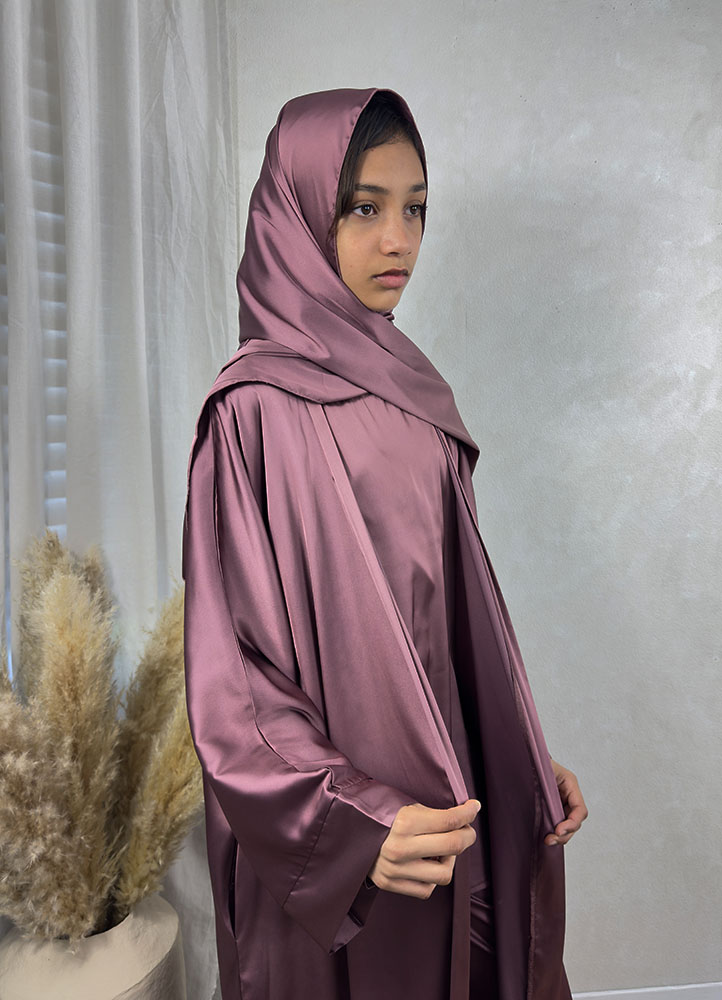
Why More UK Parents Are Choosing Children’s Abayas Over Western Alternatives
In homes across the UK — from Birmingham to Bradford, London to Leicester — more Muslim parents are choosing children’s abayas over western dresses, leggings, and tops. And it’s not just about religion. It’s about identity, comfort, and raising girls with confidence.
The Quiet Shift: What Parents Are Telling Us
Ask most parents and they’ll tell you the same thing — western clothing often feels like a compromise. It doesn’t represent who their daughter is, how she sees herself, or what modesty means in her daily life.
- “She loves wearing her abaya — she says it makes her feel grown-up.”
- “I used to struggle with what to dress her in for school events. The abaya just feels right — respectful and simple.”
- “It’s not just modesty. It’s pride. She wears it and smiles.”
These are real comments from UK parents who’ve made the switch — not just for religious reasons, but because the abaya feels aligned with who their daughters are becoming.
Western Alternatives: Why They Often Fall Short
| Western Clothing | Children’s Abaya |
|---|---|
| Short or tight fits that challenge modesty | Loose, flowing designs with full coverage |
| Trendy but often uncomfortable fabrics | Breathable cotton, crepe, or nida fabrics |
| Style shifts with fast fashion trends | Timeless, culturally-rooted elegance |
| Hard to find something suitable for religious events | Effortlessly appropriate for Eid, Jummah, and more |
For many, the switch comes down to a simple truth: the abaya solves problems before they begin. No daily outfit battles. No compromises. Just elegant, modest clothing that respects both the child and the culture.
It’s More Than a Garment — It’s Identity in Fabric
As a parent, you’re not just dressing a child — you’re helping her build her identity. When a girl sees herself reflected in her wardrobe, it boosts her self-esteem. She walks with more confidence. She feels seen.
And in a world where modesty is often misunderstood, wearing a children’s abaya in the UK is a quiet, powerful statement: “This is who I am, and I’m proud of it.”
That’s why so many parents are choosing abayas — not to fit in, but to stand strong.
But how do you pick one she’ll love wearing again and again? That’s where we’re headed next.
How to Choose an Abaya Your Daughter Will Actually Want to Wear
Let’s be honest — it’s one thing to buy a children’s abaya in the UK, and it’s another thing entirely to buy one your daughter actually wants to wear. This isn’t just a style decision. It’s emotional, cultural, and deeply personal — especially for girls navigating both modesty and modern identity.
The good news? When you get it right, the abaya becomes her favourite outfit. Effortless mornings. Big smiles. No more fights about what to wear. Here’s how you get there.
Start With Her, Not the Store
This isn’t about imposing — it’s about inviting. Ask her questions. Let her lead the style conversation, even if modesty and occasion are non-negotiable.
- “What colour do you love wearing right now?”
- “Do you want something sparkly or plain?”
- “Do you want to match with Mum or have your own unique look?”
Giving her choice within boundaries empowers her. You’re not just buying clothes — you’re building confidence and cooperation.
What Girls Actually Care About (That Parents Sometimes Miss)
- Comfort: Scratchy seams or heavy fabrics are an instant no. Look for soft linings and breathable materials like cotton or nida.
- Movement: Is it easy to run, jump, play in? If it’s stiff or restrictive, it’s not practical for daily wear.
- Colour & Sparkle: Many younger girls love blush tones, soft lilacs, or classic black with gold embroidery — especially for Eid.
- Feeling “grown-up”: They want to wear what older sisters, aunties, or Mum wears. A mini version of adult abayas often wins big.
The Decision Matrix: What to Look For (and What to Avoid)
| Must-Haves | Red Flags |
|---|---|
| Soft, breathable fabric | Polyester blends that overheat |
| Elastic or adjustable waistlines | Fixed sizes with no room to grow |
| Colours and embellishments she picked | Overly plain or parent-imposed styles |
| Movement-friendly design (A-line, flared) | Boxy cuts that feel restrictive |
| Matching hijab (optional, but popular) | Uncoordinated sets or clashing prints |
What Happened When I Let My Niece Pick Her Eid Abaya
I still remember standing with her in the shop. I kept leaning toward the classic black — she kept going back to the dusty rose with silver beadwork. I gave in. She lit up. And on Eid, she twirled around in front of the mirror saying, “I feel like a princess and a grown-up at the same time.”
That’s when it hit me: if she doesn’t love it, she won’t wear it — and even if she does, she won’t own it with pride.
Your daughter deserves to love her abaya — not just wear it out of obligation.
But even when she’s excited, the wrong fit can ruin the experience. So next, let’s get crystal clear on sizing — and how to avoid the most common mistakes UK parents make.
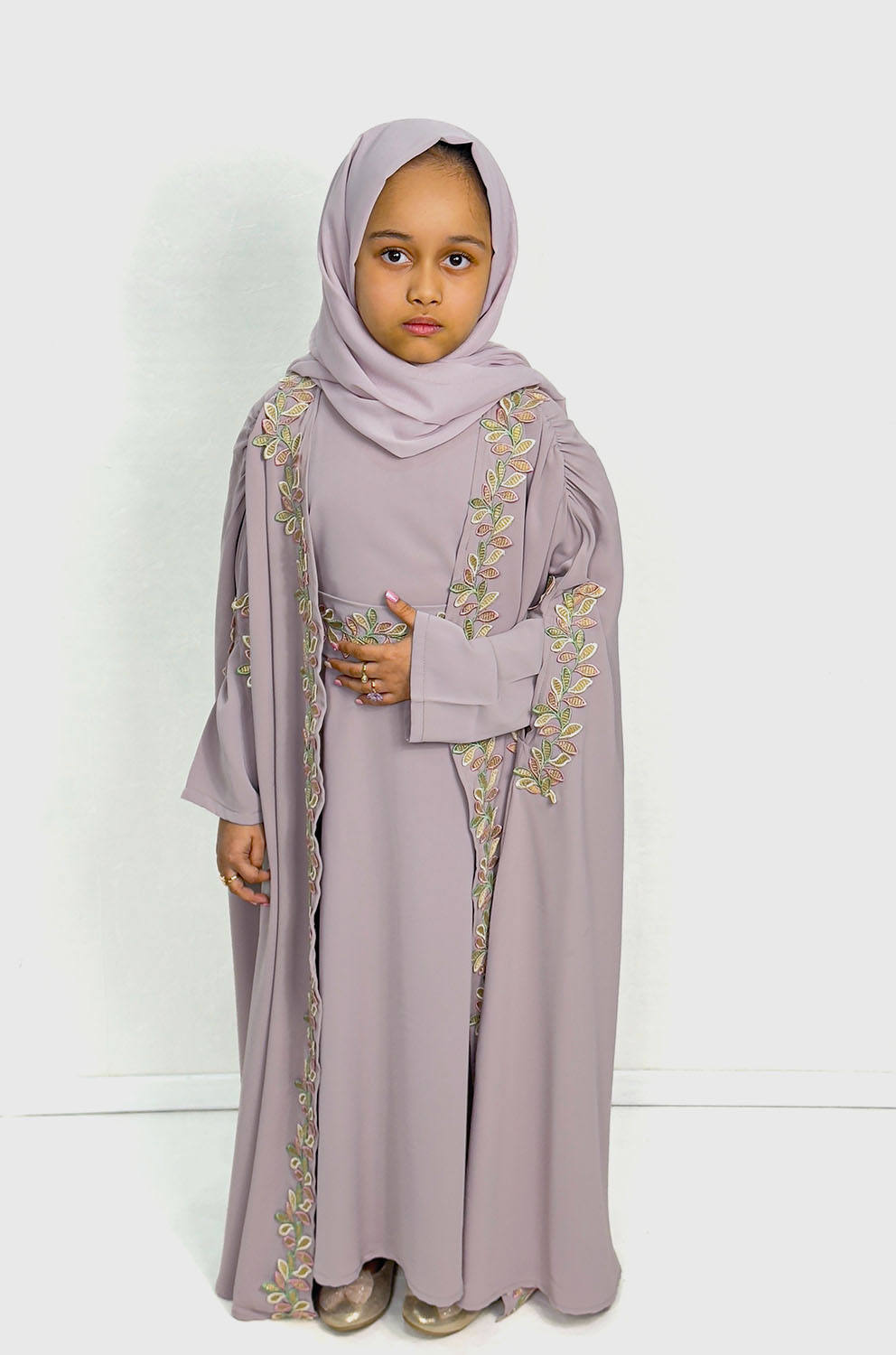
UK Sizing Guide for Children’s Abayas: Avoid the Fit Mistakes Most Parents Make
Buying a children’s abaya in the UK isn’t just about picking a colour or style — it’s about ensuring the perfect fit. A garment that’s too small can feel restricting, while one that’s too big may look awkward and uncomfortable. And if you’re ordering online, you can’t always try it on first. But don’t worry — this guide will walk you through everything you need to know to get it right the first time.
Why Sizing Matters: The Difference Between Comfort and Frustration
Have you ever bought a beautiful dress that ended up too tight or too loose? For children’s abayas, this isn’t just an aesthetic issue — it’s a comfort and practicality issue. When an abaya fits well, it supports your daughter’s ability to move freely, feel confident, and wear it for longer periods without fidgeting or feeling restricted.
- Too tight: May cause discomfort, restricting movement, and frustration.
- Too loose: Can be impractical for daily wear, especially if she needs to run, play, or engage in school activities.
The Key Sizing Tips: Get the Fit Right Every Time
- Check the Size Chart: Each brand may have different sizing standards. Always consult the official size guide before making a purchase.
- Age Is Just a Guideline: While the abaya may be marketed by age, kids grow at different rates. Use height and chest measurements to select the best fit.
- Go for a Little Extra Room: Abayas are designed to be loose and flowy. Choosing one size up allows for comfort and growth, especially in growing children.
- Consider Sleeve Length: The sleeve length is an important part of the fit. Ensure it’s long enough to maintain modesty but not too long to restrict movement.
Practical UK Size Breakdown: How to Measure
Here’s how to measure your daughter for the perfect abaya fit:
| Measurement | How to Measure | What to Look For |
|---|---|---|
| Height | Measure from head to toe in bare feet. | Check the size chart’s height guidelines. Most abayas are designed to sit ankle-length or floor-length. |
| Chest | Measure around the fullest part of the chest. | Make sure the chest area isn’t too tight. You want a looser, more comfortable fit around the body. |
| Sleeve Length | Measure from shoulder to wrist, with arm relaxed. | The sleeve should reach the wrist comfortably but with room to move. |
| Waist (optional) | Measure around the natural waistline. | Check if the abaya has an adjustable waist or elastic for comfort. |
Real-Life Example: How I Got My Daughter’s Abaya Fit Just Right
When I ordered my daughter’s first abaya, I made the classic mistake of choosing the size based on age. I picked a size 7-8, thinking it would be perfect. But it ended up being way too long, and the sleeves swallowed her arms. I had to return it and order a size down — after carefully measuring her height and chest.
The second time, I measured properly and selected a size 6-7 with a bit of room for growth. The fit was much better — not too tight, not too loose. She loved the way it looked and felt, and it became her go-to for both school and family gatherings.
In the end, sizing doesn’t have to be stressful. It just takes a little attention to detail and measurement. And once you’ve got the right size, the real fun begins — accessorizing and styling the abaya for different occasions.
Next up: We’ll walk you through the best ways to style your child’s abaya for school, family gatherings, and even Eid.
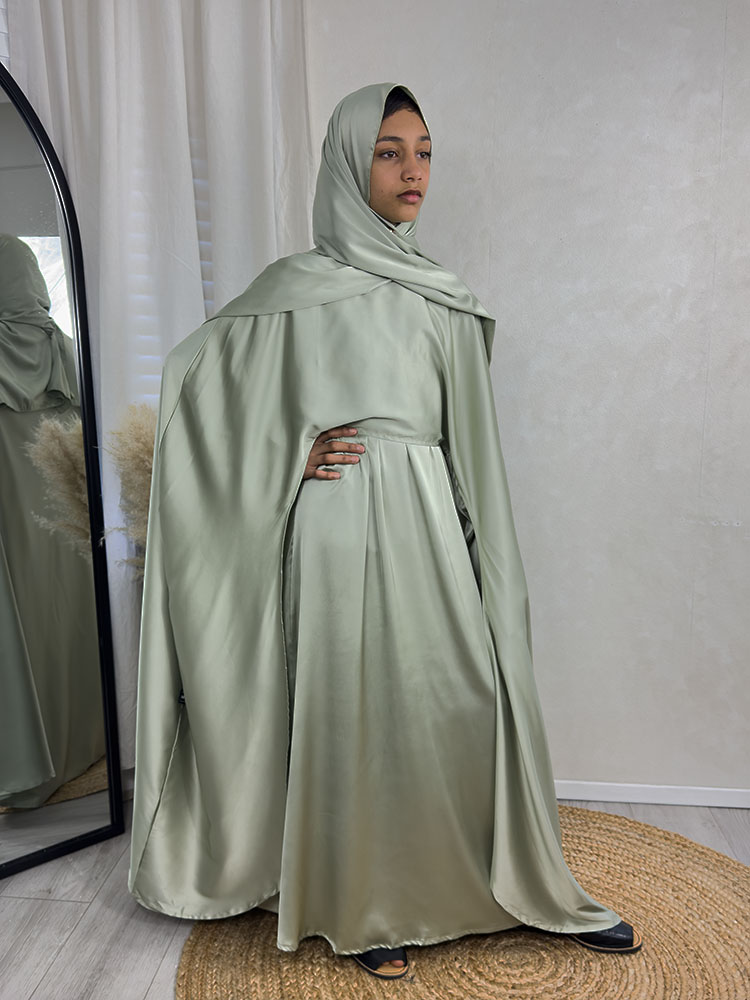
The Best Fabrics for Kids’ Abayas: Breathable, Durable, and Comfortable
Choosing the right fabric for your child’s abaya is about more than just style — it’s about ensuring that the material can withstand the energy and activity of a growing child while still providing comfort and breathability. Whether your little one wears it for special occasions or as a daily outfit, the fabric must support all-day wear without compromising on comfort or functionality. Here’s a breakdown of the best fabrics for children’s abayas.
Why Fabric Choice Matters for Kids’ Abayas
Not all fabrics are created equal. When it comes to children’s clothing, comfort, breathability, and durability are essential. Your child’s abaya needs to be soft, flexible, and able to withstand everyday use, including play, school activities, and casual outings. But how do you know which fabrics tick all the right boxes?
- Breathability: Fabric that allows air to flow freely, preventing overheating or discomfort, especially during warm months.
- Durability: Kids are active! The fabric should be able to handle daily wear, including washing, without fraying or fading.
- Softness: A soft, gentle fabric that feels pleasant on the skin and avoids irritation, even for sensitive skin.
Top Fabric Picks for Children’s Abayas
- Cotton: Lightweight, breathable, and hypoallergenic. Cotton is perfect for children’s abayas, especially in warmer weather. It’s soft against the skin and keeps your child comfortable all day long. It’s also easy to care for, making it a popular choice for busy parents.
- Jersey Knit: Known for its stretch and softness, jersey knit fabric provides extra comfort and freedom of movement. It’s durable, flexible, and perfect for active children. Plus, its soft texture feels great on the skin, ideal for daily wear.
- Viscose (Rayon): This fabric is smooth, cool to the touch, and has a luxurious feel. It’s also great at absorbing moisture, which makes it a good choice for humid or warmer climates. However, it’s not as durable as cotton, so it’s best used for less active, special occasion abayas.
- Polyester: Often blended with cotton, polyester increases the durability of an abaya, preventing wrinkles and ensuring it holds its shape after washes. While not as breathable as natural fibers, it is quick-drying and resistant to shrinking, making it a great option for easy maintenance.
- Silk Blend: For formal occasions, silk blends add a touch of elegance and luxury to a child’s abaya. Though not the most practical for everyday use, silk blend abayas are perfect for weddings, Eid celebrations, or other special events.
How to Choose the Right Fabric Based on Your Child’s Needs
When selecting a fabric for your child’s abaya, consider the following factors:
- Climate: If you live in a warmer region or the summer months are especially hot, cotton or jersey knit fabrics will keep your child cool and comfortable. For cooler months, you might want to look into thicker fabrics like viscose blends or cotton-polyester mixes.
- Occasion: For everyday wear, look for fabrics that are easy to wash and maintain, such as cotton or jersey knit. For special occasions, silk blends or lightweight viscose provide a dressier look.
- Skin Sensitivity: If your child has sensitive skin, it’s best to opt for natural, hypoallergenic fabrics like cotton to avoid irritation.
- Longevity: For maximum durability, look for fabrics like cotton-polyester blends that withstand the rigors of daily wear and frequent washing.
Real-Life Example: Choosing the Right Fabric for My Daughter’s Abaya
When I first bought an abaya for my daughter, I didn’t realize how much fabric choice mattered. I picked a beautiful, silk-blend abaya for a family event, but it ended up being uncomfortable for her to wear for long periods. The fabric was too delicate for playtime and required constant care. So for her next abaya, I opted for a cotton-jersey blend, and it made all the difference! It was lightweight, breathable, and durable enough to withstand her day-to-day activities. Now, she wears it with ease, and I’m relieved it’s easy to wash and maintain too!
Remember, the right fabric can make or break the experience of wearing an abaya. It’s not just about the look — it’s about making sure your child stays comfortable, confident, and happy in their abaya, no matter the occasion.
Up next: Discover how to care for your child’s abaya so it lasts for years to come — including tips on washing, storage, and fabric care!
Trending Abaya Styles for Girls in 2025: UK’s Most Popular Designs
As fashion continues to evolve, so do the designs of children’s abayas. In the UK, parents are increasingly looking for styles that combine traditional modesty with modern, playful elements. The year 2025 brings a fresh wave of abaya trends that are both stylish and practical, reflecting the unique tastes of young girls and the diverse culture of the UK. Here’s a look at the most popular abaya styles for girls in 2025 and how to choose one that reflects your child’s personality.
1. Minimalist Chic: The Rise of Simple, Clean Designs
Minimalism is a growing trend in children’s fashion, and abayas are no exception. Parents are gravitating toward abayas that feature clean lines, subtle embellishments, and neutral colors. These minimalist designs are perfect for both everyday wear and formal occasions. By focusing on quality fabric and classic cuts, these abayas offer a timeless look that won’t go out of style anytime soon.
- Key Features: Solid colors, simple shapes, understated embroidery or lace details.
- Popular Colors: Neutral tones such as beige, black, navy, and white are becoming staples in UK wardrobes.
2. Floral Patterns and Embroidered Accents
While minimalist abayas are popular, there’s still a strong demand for styles that incorporate more playful and feminine elements. Floral patterns, vibrant colors, and embroidered accents are gaining traction in 2025. These designs are ideal for girls who love to express themselves with bold patterns but still want to maintain modesty. The addition of delicate embroidery and floral motifs gives the abaya a contemporary yet feminine twist.
- Key Features: Intricate floral embroidery, rich patterns, layered fabrics for texture.
- Popular Colors: Soft pastels, rich blues, and deep purples are trending for embroidered designs.
3. Layered and Tiered Abayas: Adding Dimension
Layering is becoming a key feature in abaya design, creating a dynamic, textured look. Layered and tiered abayas are perfect for adding depth and volume to a child’s outfit while maintaining comfort and ease of movement. These styles are especially popular for festive occasions and are designed to give a more voluminous and dramatic silhouette, without sacrificing practicality.
- Key Features: Layers of fabric, tiered ruffles, and asymmetrical hems.
- Best For: Special occasions like Eid, weddings, or family gatherings where a more extravagant look is desired.
4. Pastel and Metallic Mix: The Future of Fashion
One of the most exciting trends in 2025 is the fusion of pastel shades with metallic accents. This fresh combination gives the abaya a modern twist, blending soft, calming tones with a touch of shimmer. Pastel and metallic abayas are perfect for girls who want to make a fashion statement while staying true to traditional modesty. These abayas can be worn both casually and for formal events, making them versatile and stylish.
- Key Features: Soft pastel hues like lavender, mint, and peach paired with metallic trims, sequins, or subtle foil prints.
- Best For: Day-to-day wear or special events that require a stylish yet refined look.
5. Trendy Prints: From Geometrics to Animal Prints
For a more bold and creative look, abayas featuring trendy prints like geometric designs and animal motifs are gaining popularity. These prints add a unique touch to the traditional abaya, allowing girls to express their personality and sense of style through their clothing. While these prints are less common, they are becoming more accepted in the UK market as fashion-forward choices for younger generations.
- Key Features: Geometric patterns, abstract art, and animal-inspired motifs.
- Best For: Girls who enjoy standing out and want a statement piece that reflects their individuality.
How to Choose the Right Abaya Style for Your Daughter
When choosing an abaya for your daughter, consider the following factors to ensure it suits her personal style and needs:
- Comfort: Choose a fabric and style that she feels comfortable wearing all day. Lightweight materials like cotton or jersey knit are perfect for active children.
- Occasion: Is it for daily wear, a special event, or a festive celebration? Pick a style that matches the occasion. A minimalist abaya might be ideal for everyday wear, while a layered or embroidered design works well for more formal occasions.
- Trends vs. Timeless: While trendy styles are fun, consider investing in a timeless design that can be worn for years to come. Classic cuts and neutral colors have staying power and can be worn through multiple seasons.
Real-Life Example: Choosing a Trendy Abaya for My Daughter
When I went shopping for my daughter’s Eid outfit, I knew I wanted something that balanced trendiness with tradition. We settled on a pastel pink abaya with metallic gold embroidery, a perfect mix of modern shimmer and classic charm. She absolutely loved the way it shimmered in the light, and it made her feel so special during our family celebration. I realized then how important it is to find a style that not only looks good but also makes her feel confident and excited to wear it!
By keeping an eye on emerging trends, while still focusing on your child’s comfort and style, you can find the perfect abaya that blends fashion with functionality.
Coming Up Next: A complete guide on how to mix and match abayas with accessories to create the perfect outfit for any occasion!
Where to Buy Children’s Abayas in the UK (Online & In-Store)
Finding the perfect abaya for your child can be an exciting yet challenging task. Whether you prefer shopping from the comfort of your home or you enjoy the experience of in-store shopping, the UK offers a variety of options for purchasing high-quality children’s abayas. In this section, we’ll explore the best online stores, brick-and-mortar shops, and tips to ensure you get the best value, style, and fit for your daughter’s abaya.
Top Online Stores for Children’s Abayas in the UK
Online shopping provides the convenience of browsing a wide selection of abayas from the comfort of your home. Here are some of the top online stores that offer a variety of styles, sizes, and designs:
- The Abaya Boutique: Known for their wide range of stylish abayas, The Abaya Boutique offers both traditional and contemporary designs. Their online store provides detailed sizing guides and customer reviews to help make your decision easier.
- Modanisa UK: Modanisa is a global fashion retailer that specializes in modest wear. Their UK website has an extensive selection of children’s abayas, with free delivery and easy returns. They also carry international brands that are popular for their quality and design.
- Hijab House: Hijab House UK offers a lovely selection of children’s abayas, from simple designs to more elaborate, decorative options. Their website is easy to navigate, and they offer seasonal collections and sales that make it easier to find trendy abayas at discounted prices.
- Arabian Oud: For those seeking luxury, Arabian Oud offers beautifully crafted children’s abayas with high-end fabrics and intricate designs. Their website offers detailed product descriptions, fabric care tips, and custom sizing options.
- East Essence: East Essence is another excellent online store known for its range of affordable yet stylish children’s abayas. Their focus is on delivering modest yet modern designs, and they offer multiple payment options and discounts for first-time buyers.
Best In-Store Shopping Destinations for Abayas in the UK
If you prefer to try before you buy, there are several brick-and-mortar stores in the UK where you can find children’s abayas. Shopping in-store allows you to feel the fabric, assess the fit, and ask the staff for advice on styles and sizes. Here are some of the best places to consider:
- Al Haramain Islamic Centre (London): Located in the heart of London, Al Haramain offers a wide selection of modest wear, including children’s abayas. They carry a range of designs, from traditional styles to more modern cuts, and are well-known for their customer service.
- Jumeirah Clothing (Manchester): Jumeirah Clothing offers a great selection of children’s abayas in both trendy and classic designs. They focus on high-quality fabrics, and their knowledgeable staff is always ready to assist in helping you find the perfect fit.
- The Modest Boutique (Birmingham): The Modest Boutique specializes in stylish and modest clothing for the whole family. Their store in Birmingham carries a variety of children’s abayas, and they also offer personal shopping consultations to help you select the best option for your child.
- Harrods (London): Known for luxury shopping, Harrods also offers a curated collection of children’s abayas. While more expensive than other options, their abayas are of the highest quality, with attention to detail in design and materials.
- Islamic Design House (Online & In-Store in Manchester): Islamic Design House has a strong in-store presence and offers online shopping for those who prefer to browse at home. They have a variety of designs for girls, from simple styles to more embellished pieces perfect for special occasions.
What to Look for When Buying a Children’s Abaya
When purchasing an abaya for your daughter, whether online or in-store, it’s important to keep a few key factors in mind to ensure you’re getting the best value for your money:
- Fabric Quality: Look for breathable, comfortable fabrics such as cotton, chiffon, or jersey. These materials ensure that the abaya will be soft and comfortable for your child to wear all day.
- Fit and Size: Proper sizing is crucial for your child’s comfort. Make sure to check the store’s sizing guide before purchasing. Many online retailers offer customer reviews that mention sizing, so pay attention to those details.
- Design and Style: Consider your child’s personality and preferences. Some girls prefer minimalist abayas, while others love floral prints or embellished designs. Choose a style that reflects their tastes while still maintaining modesty and practicality.
- Occasion: Is the abaya for daily wear or a special event? If it’s for everyday use, go for a simpler design. For special occasions, you might want something with more intricate details like embroidery or metallic accents.
- Price Range: While luxury abayas are beautiful, there are plenty of affordable options that are stylish and high quality. Set a budget and stick to it, but don’t compromise on fabric or fit for the sake of price.
Customer Reviews and Recommendations
Before finalizing your purchase, always check customer reviews if shopping online. Customer reviews provide valuable insight into the quality of the abayas, fit, and the shopping experience. You can also ask friends, family, or online communities for recommendations. Personal recommendations can guide you toward trusted stores and brands that offer excellent customer service and high-quality products.
Pro Tip: If you’re still unsure about the size, opt for a store with a flexible return policy. Many online retailers allow you to return or exchange items if they don’t fit properly, which can help eliminate some of the stress of online shopping.
Real-Life Example: My Search for the Perfect Abaya
When I was looking for an abaya for my daughter’s first Eid, I wanted something special. I visited both online and in-store options. I found the perfect abaya on Modanisa, with beautiful floral embroidery and a soft cotton blend. The size guide helped me find the perfect fit, and the fast delivery made it easy to get the abaya in time for the holiday. She loved it, and the compliments were endless. I now make sure to follow up with my favorite online stores every year to check out the newest collections!
Next Up: Tips for caring for your child’s abaya so it lasts season after season!
What Makes a ‘Modest’ Abaya for Children? A Parent’s Checklist
When it comes to choosing the right abaya for your child, modesty is often the key factor. But what exactly does “modesty” mean when it comes to children’s abayas, and how can parents be sure they’re making the right choice? This section will break down the essential elements that make an abaya truly modest and provide a practical checklist to help you make the best decision for your daughter.
Understanding Modesty in Abayas for Children
Modesty, in the context of children’s abayas, isn’t just about covering the body—it’s about preserving the innocence of youth while respecting cultural and religious values. A modest abaya offers full coverage, ensuring that the child feels both comfortable and dignified. But modesty doesn’t have to mean a lack of style. Today’s modest abayas blend tradition with modern design, allowing young girls to feel fashionable while maintaining respect for their values.
It’s important to remember that “modesty” varies between cultures, families, and communities. What’s considered modest for one child might differ from what another parent considers appropriate. This is why understanding your own values and beliefs, as well as those of your community, is key to choosing the right abaya.
Key Features of a Modest Abaya
When looking for an abaya that meets modesty standards, here are the main features to consider:
- Full Coverage: The most important factor in a modest abaya is that it provides full coverage of the body. This includes the arms, legs, and chest. Abayas designed for children should be long enough to cover the entire body, ideally reaching down to the ankles or floor.
- Loose Fit: Modesty is also achieved through the fit of the garment. An abaya should not be tight or cling to the body. It should have a loose, flowing design that allows for freedom of movement and ensures no part of the body is exposed.
- Non-Transparent Fabric: The fabric of the abaya should be thick enough to prevent it from being see-through. This ensures that no part of the body is visible through the fabric, maintaining both modesty and privacy.
- Minimal Decoration: While embellishments can add style, a modest abaya should avoid overly flashy or revealing designs. Simple embroidery, buttons, or embellishments that do not draw too much attention to the body are ideal.
- Neutral Colors or Subtle Patterns: Modest abayas often feature neutral or muted tones like black, navy, beige, or pastels. Bold or attention-grabbing colors and patterns may be seen as too flashy in certain cultural or religious contexts, so choosing more understated designs is a safe choice.
- Comfortable Fabric: Since your child will be wearing the abaya throughout the day, it’s crucial that the fabric is soft and comfortable. Fabrics like cotton, jersey, and lightweight chiffon are often chosen for their comfort and breathability, allowing children to wear them for long periods without discomfort.
What to Look for in a Modest Abaya: Parent’s Checklist
Now that you understand the basic elements of a modest abaya, here’s a comprehensive checklist to help you choose the right one for your child:
- Length: Ensure the abaya is long enough to cover your child from neck to ankle. Avoid abayas that are too short or that ride up easily.
- Loose Fit: Check that the abaya is not too tight around the arms, chest, or waist. The loose, flowing silhouette is key to maintaining modesty.
- Fabric Quality: Choose fabrics that are breathable, durable, and opaque. Avoid thin or see-through fabrics that may compromise
Everyday vs Occasion Abayas: How to Pick for School, Eid & More
When it comes to selecting the perfect abaya for your child, it’s important to distinguish between everyday wear and special occasion abayas. While both types serve the purpose of providing comfort and modesty, they differ in terms of design, fabric, and style. Whether you’re choosing an abaya for school, for a religious occasion like Eid, or for casual outings, understanding the distinction between everyday and occasion abayas will help you make the right decision every time.
Understanding the Difference: Everyday vs Occasion Abayas
Everyday abayas are designed for comfort, durability, and practicality. They’re typically made from soft, breathable fabrics and feature simple, casual designs that are perfect for school or running errands. Occasion abayas, on the other hand, are more elaborate, often made with luxurious fabrics, intricate designs, and special embellishments to make your child feel extra special on religious or festive occasions.
Both types of abayas serve a purpose, but understanding when and where to wear them will help your child feel both comfortable and fashionable. Let’s break down the key features of both everyday and occasion abayas to help you choose the best options for your child.
Choosing the Right Everyday Abaya
For daily wear, the key is simplicity and comfort. Your child will likely be wearing the abaya to school, for casual playdates, or for running errands with you. Here’s what to look for in an everyday abaya:
- Soft, Breathable Fabrics: Cotton, jersey, and other lightweight materials are ideal for everyday wear. These fabrics are comfortable and allow your child to move freely, making them perfect for busy days.
- Simple Designs: Everyday abayas typically feature minimalistic designs without heavy embellishments or decorations. Look for solid colors, basic embroidery, or small, subtle details that don’t distract from the overall practicality of the garment.
- Durability: Since your child will likely wear this abaya frequently, choose one that can withstand frequent washing and daily wear. Ensure that the stitching and fabric quality are strong enough to last.
- Loose Fit for Comfort: Make sure the abaya offers a relaxed, flowing fit that doesn’t restrict movement. It should be comfortable for your child to wear throughout the day without feeling constricted.
- Versatility: Opt for a design that can be worn with different accessories or paired with various head coverings. This makes it easy to mix and match the abaya with other wardrobe items.
When to Choose an Occasion Abaya
Occasion abayas are the perfect choice for special events like Eid, weddings, or family gatherings. These abayas often feature luxurious fabrics, intricate patterns, and decorative elements that make them stand out. Here’s what to look for when choosing an abaya for a special occasion:
- Luxurious Fabrics: Occasion abayas are often made from elegant fabrics such as silk, chiffon, or satin. These materials give the abaya a more formal, upscale appearance.
- Intricate Embellishments: Look for abayas with detailed embroidery, beads, or sequins that add a touch of sophistication. Special occasion abayas may also feature lace trim, crystals, or decorative buttons to elevate the overall look.
- Elegant Designs: Occasion abayas may feature unique cuts, asymmetrical hems, or flowing silhouettes that make them stand out at events. They might also have extra layers or flared sleeves that give the abaya a more formal feel.
- Statement Colors: For special occasions like Eid, it’s common to opt for brighter, more vibrant colors like gold, silver, or jewel tones. Occasion abayas often feature eye-catching hues that match the celebratory mood of the event.
- Comfort and Fit: While occasion abayas may be more elaborate in design, they should still fit comfortably. Choose one that allows your child to move freely and comfortably, so they can enjoy the event without feeling restricted.
How to Pick the Right Abaya for Specific Events
When choosing between an everyday or occasion abaya, it’s important to consider the event, the environment, and your child’s preferences. Here are some helpful tips for selecting the right abaya for specific occasions:
- For School: Stick with an everyday abaya that’s simple and easy to maintain. Go for neutral colors like black, navy, or beige, and choose soft, breathable fabrics that allow your child to focus on their schoolwork rather than adjusting their outfit.
- For Eid and Religious Celebrations: Choose an occasion abaya with special details like gold thread embroidery, rhinestones, or a rich, luxurious fabric. Bright colors or festive patterns work well, and the abaya should make your child feel celebratory and elegant.
- For Weddings and Family Gatherings: Opt for an occasion abaya with a refined, elegant look. Soft pastels or jewel tones with delicate embroidery or lace add a graceful, celebratory touch. Look for designs that give your child room to move but still feel special for the occasion.
How to Make the Most of Both Types of Abayas
Both everyday and occasion abayas have their place in your child’s wardrobe, and each can be styled in ways that enhance their versatility. Here are a few tips:
- Layering for Versatility: Consider layering an everyday abaya with a stylish shawl or scarf for a more formal look when needed. This can elevate the look without needing to buy a completely separate occasion abaya.
- Mixing Accessories:
The Emotional Impact of Modest Fashion on Young Girls
As a parent, the emotional well-being of your child is always a priority. But did you know that the clothes they wear can have a significant impact on their self-esteem, confidence, and sense of identity? Modest fashion, such as wearing a children’s abaya, is not just about covering the body; it’s about instilling confidence, promoting self-respect, and fostering a positive sense of self-worth in young girls. In this section, we explore how modest fashion impacts the emotional development of young girls, allowing them to embrace their identities with pride and dignity.
Modesty and Self-Respect: How Abayas Foster Confidence
One of the most powerful effects of modest fashion is the way it nurtures a strong sense of self-respect in young girls. When children wear clothing that aligns with their values, it allows them to develop a deeper connection to their identity and beliefs. For young girls who wear abayas, this practice of dressing modestly can enhance their self-esteem by giving them a sense of pride in their appearance, without feeling the need to conform to external pressures of modern beauty standards.
Wearing an abaya encourages young girls to focus on inner beauty rather than superficial appearance. They come to understand that their worth is not defined by their clothing or how others perceive them, but by their character, kindness, and actions. Modesty, in this sense, can help them avoid feeling self-conscious about their appearance, fostering a sense of confidence that radiates from within.
Empowering Young Girls Through Modest Fashion Choices
Modest fashion offers young girls the opportunity to express their individuality while staying true to their family’s cultural or religious beliefs. It empowers them to take ownership of their identity and feel proud of their heritage. When they choose an abaya that reflects their personal style—whether through color, design, or fabric—they are given the freedom to make decisions that resonate with their sense of self. This act of choosing modest fashion reinforces their autonomy and self-confidence, encouraging them to feel more comfortable in their own skin.
How Abayas Help Young Girls Build a Positive Body Image
In today’s world, young girls are often bombarded with images of unattainable beauty standards from social media and advertisements. Modest clothing, such as abayas, provides a refreshing alternative that challenges these conventional beauty ideals. By wearing an abaya, young girls are not judged by their body shape or size, but instead are encouraged to focus on what truly matters: their inner character and intellectual abilities.
Wearing an abaya allows girls to step away from the pressures of body image and embrace a more holistic view of beauty. They learn that modesty does not mean hiding themselves—it means respecting their bodies and minds. This can help them build a positive body image, free from the anxiety that often accompanies striving to meet external, often unrealistic, beauty standards.
Creating a Sense of Belonging Through Modesty
For many young girls, wearing an abaya is not just an individual choice but a way to connect with a larger community. It’s an expression of shared values and a sense of belonging. When girls wear the abaya, they feel part of a tradition, culture, and family unit. This connection to something greater than themselves fosters a sense of security and comfort, reducing feelings of isolation or confusion that can often arise during adolescence.
Moreover, modest fashion—such as the abaya—can help young girls find common ground with others who share their values. It can serve as a bridge, allowing them to build friendships and relationships based on shared beliefs and mutual respect. This sense of belonging strengthens their emotional resilience and provides a supportive network as they navigate the challenges of growing up.
Modesty and Emotional Resilience: Navigating Peer Pressure
One of the most powerful benefits of wearing a modest abaya is the ability it gives young girls to navigate peer pressure with confidence. In a society where conformity is often emphasized, choosing modest fashion allows girls to stay true to their values without feeling the need to “fit in.” This practice strengthens their emotional resilience and encourages them to stand firm in their beliefs, even when faced with external pressures or societal expectations.
Modest fashion helps young girls build a strong sense of identity that is not easily swayed by the opinions of others. It encourages them to trust in their own judgment and values, which serves as a powerful tool for emotional well-being as they grow older.
Fostering a Positive Relationship With Fashion
Modesty in fashion is not about limiting choices; rather, it’s about expanding them in a meaningful way. Wearing an abaya allows young girls to see fashion as an opportunity to express their individuality while maintaining respect for their values. This mindset helps them develop a healthy and positive relationship with clothing. They come to view fashion as a tool for self-expression rather than a means of fitting in or competing with others.
As they grow, young girls who wear abayas often develop a stronger sense of personal style, grounded in a deep understanding of their values and preferences. Rather than being influenced by fleeting trends, they learn to make thoughtful fashion choices that reflect their authentic selves.
Conclusion: The Lasting Emotional Impact of Modesty
The emotional impact of modest fashion on young girls is profound and long-lasting. Wearing an abaya isn’t just about following a cultural or religious dress code—it’s about empowering girls to feel confident, respected, and comfortable in their own skin. Through modest fashion, they learn to embrace their identity, develop a strong sense of self-worth, and navigate the world with emotional resilience.
Ultimately, modest fashion, such as wearing an abaya, allows young girls to grow up with a healthy, balanced view of themselves, free from the constraints of modern beauty ideals. It’s a celebration of who they are, inside and out.
Seasonal Abaya Styling: Keeping Kids Comfortable in Every UK Climate
The UK is known for its unpredictable weather, with chilly winters, unpredictable spring showers, and warm but short summers. When it comes to dressing children in modest fashion, particularly in abayas, it’s crucial to find a way to balance comfort, style, and practicality. In this section, we’ll explore how to style your child’s abaya throughout the year, ensuring that they are comfortable in every season without compromising their modesty.
Winter Styling: Keeping Warm Without Sacrificing Modesty
Winter in the UK can be harsh, with temperatures often dipping well below freezing. During this season, it’s important to choose fabrics and layering techniques that keep your child warm while maintaining the modest look of the abaya. For colder months, opt for thicker, insulated fabrics like velvet, wool-blend, or fleece-lined abayas to provide extra warmth without needing heavy layers underneath.
Another option for winter styling is layering. You can pair an abaya with a cozy, long-sleeve undershirt or a thermal base layer for added warmth. If your child wears an abaya with a loose fit, consider adding a stylish cardigan or a modest outerwear coat to layer over it. Long, stylish scarves and gloves can also complement the abaya while offering protection against the cold weather. For footwear, opt for boots that offer warmth and comfort, ensuring your child’s feet stay dry and cozy in all conditions.
Spring and Autumn: Versatile Abaya Looks for Mild Weather
In the UK, spring and autumn are the transitional seasons, offering a mix of warmer and cooler days. During these months, layering becomes essential to adapt to fluctuating temperatures. Choose lighter abayas made from breathable fabrics like cotton or chiffon that can be layered with cardigans, light jackets, or stylish boleros. These types of abayas allow for movement and comfort while maintaining modesty.
For spring, you can select abayas in vibrant colors or floral prints that align with the cheerful vibes of the season. When the weather gets a bit chillier during autumn, add a cozy sweater underneath the abaya or pair it with a long-sleeve top. Layering scarves and shawls adds warmth while enhancing the overall aesthetic of the outfit.
In addition, opt for breathable, moisture-wicking fabrics during these seasons to manage the changes in temperature. Fabrics like bamboo or lightweight linen are perfect choices for both spring and autumn, offering the breathability needed to stay comfortable without overheating.
Summer Styling: Staying Cool Without Compromising Modesty
While summers in the UK are relatively short, temperatures can still rise, making it essential to find ways to keep your child cool and comfortable in their abaya. When selecting summer abayas, go for lightweight, breathable fabrics like cotton, linen, or jersey. These fabrics allow air to circulate, helping to keep your child cool even on the hottest days.
During summer months, choose abayas with short sleeves or sleeveless designs, which can be paired with a light cardigan or jacket when needed. Light-colored fabrics are also beneficial, as they reflect sunlight and help maintain a cooler body temperature. Avoid heavy, dark fabrics that trap heat. For added comfort, look for abayas with relaxed fits or airy silhouettes that allow for better airflow and freedom of movement.
For accessories, opt for a stylish sun hat to provide shade and sunglasses to protect against harmful UV rays. Lightweight sandals or slip-ons with cushioned soles are ideal for summer outings, ensuring your child stays comfortable and cool while still looking fashionable.
Adapting to the Rain: Waterproof Abayas and Accessories
With the UK’s famously rainy climate, it’s essential to prepare for the occasional downpour. When dressing your child in an abaya, consider investing in a waterproof abaya or a water-resistant outer layer. A lightweight, long coat made from water-resistant material, like nylon or polyester, can be worn over the abaya to keep your child dry without compromising modesty. Many stylish abayas come with built-in waterproof features, ensuring your child stays comfortable and protected during unexpected showers.
In addition, an umbrella or raincoat is a great addition to the outfit, particularly when it’s not practical to wear a full waterproof abaya. Look for rain accessories that complement the abaya’s style, such as transparent raincoats or abaya-friendly ponchos that offer ease of movement and protection from the elements.
Choosing the Right Accessories for Seasonal Abaya Styling
Accessories play an essential role in seasonal abaya styling, adding both practicality and flair to the outfit. During colder months, you can accessorize with warm scarves, shawls, and gloves that match the color and design of the abaya. For the warmer seasons, lightweight scarves in pastel hues or playful patterns can enhance the overall look while offering comfort and breathability.
Another important accessory is a modest hat or headscarf. In summer, opt for wide-brimmed hats that protect the face from the sun, while in winter, knitted hats and earmuffs provide warmth and comfort. For footwear, choose shoes appropriate for each season—boots for winter, sandals for summer, and lightweight flats for spring and autumn.
Conclusion: Abayas for Every Season—Comfort, Style, and Modesty All Year Round
When styling your child’s abaya for the varying seasons of the UK, it’s crucial to consider fabric choices, layering options, and accessories that ensure comfort and warmth, while also maintaining the beauty and modesty of the outfit. Whether it’s layering for colder months, selecting breathable fabrics for the summer, or preparing for the rain, the key is to keep your child comfortable while making sure their abaya reflects their personal style and values.
By thoughtfully choosing abayas that are suitable for every climate, you can ensure your child stays comfortable, confident, and fashionable all year long, without ever compromising on modesty.
Matching Mother-Daughter Abayas: Fashion Meets Faith
There’s something undeniably special about the bond between mothers and daughters. For many, this connection is not just based on love and shared experiences but also the values that are passed down, including the practice of modesty. In recent years, the trend of matching mother-daughter abayas has gained popularity, offering a beautiful way for mothers and daughters to connect, celebrate their faith, and showcase their personal style. But what makes this trend so significant? Let’s explore the rising appeal of matching abayas and how to create a fashion-forward yet modest look for both mother and daughter.
The Appeal of Matching Abayas: Building Stronger Bonds
Matching mother-daughter outfits have always been a symbol of unity and love, but when it comes to abayas, this tradition takes on a deeper meaning. The act of wearing similar abayas allows mothers and daughters to align not just in style but in their shared commitment to modesty and faith. For many families, it’s a visual representation of their shared values, reinforcing the connection between them as they navigate the world together.
Moreover, these matching outfits serve as a form of modest fashion that extends beyond the mother-daughter duo to the wider community. When paired together, the abayas allow both mother and daughter to present themselves as a cohesive, elegant unit, strengthening their relationship while remaining true to their principles. Whether attending a family gathering, religious event, or Eid celebration, these matching sets make an undeniable statement about family unity and the importance of modesty.
Choosing the Right Matching Abayas for Different Occasions
When selecting matching abayas for mother and daughter, it’s important to consider both practicality and style. The goal is to choose a design that not only complements each other but also suits the occasion. Here are some tips for finding the perfect abayas for different events:
- Eid Celebrations: For Eid, opt for abayas with elegant details such as embroidery, sequins, or delicate lace. Choose fabrics that catch the light and add to the festive mood, such as satin or chiffon. Matching colors like gold, silver, or jewel tones can elevate the celebratory atmosphere while remaining sophisticated.
- Everyday Wear: For casual, everyday wear, go for simpler designs in neutral or pastel colors. Cotton and linen fabrics are perfect for daily use, offering comfort while keeping things stylish. The designs can be more relaxed, with subtle accents that make the mother and daughter pair stand out without being overly ornate.
- Special Family Occasions: If you’re attending a family gathering, wedding, or similar event, consider opting for a matching abaya set with unique but coordinated designs. This could include complementary embroidery patterns, matching fabric textures, or even similar prints in complementary shades. These designs ensure both the mother and daughter will stand out in the most flattering way.
Design and Fit Considerations: Ensuring Comfort and Modesty
While matching abayas are a beautiful way to showcase family unity, it’s essential that both mother and daughter feel comfortable and modest in their outfits. When selecting a design, consider the following factors:
- Fit: Abayas should be loose-fitting to ensure modesty. For mothers, it’s important to choose designs that flatter the body without being too tight, while for daughters, the abaya should fit comfortably without limiting movement. Many modern abayas come in a variety of sizes and adjustable features to make the fit more personalized.
- Fabric Choice: Comfort is key, especially for children. Look for soft fabrics like cotton, jersey, and chiffon for your daughter’s abaya, while mothers may prefer more structured yet breathable materials like silk or crepe. The choice of fabric should also be seasonally appropriate—lightweight fabrics for warmer weather and heavier materials like velvet for cooler months.
- Modesty and Movement: Both the mother’s and daughter’s abayas should allow for movement, especially when attending gatherings where they’ll be walking or standing for extended periods. Consider designs with side slits or looser sleeves that allow ease of movement while preserving modesty.
Color Coordination and Matching Styles
When it comes to matching mother-daughter abayas, color coordination plays a huge role in creating a visually cohesive look. There are many ways to approach this, from complementary colors to matching hues. Some options include:
- Matching Hues: Opt for the same color for both the mother and daughter’s abayas. This creates a harmonious look that is undeniably stylish while showcasing family unity. You can go for bold and classic colors like black, navy, or beige, or experiment with pastels like light pink, lavender, or mint green.
- Complementary Tones: If you prefer to mix things up, consider complementary shades of the same color family. For example, a dark blue abaya for the mother and a lighter blue for the daughter creates a beautiful contrast without looking too identical. Alternatively, you can mix metallic tones like gold and silver for an elegant touch.
- Coordinated Embellishments: Even if the colors are different, adding similar embellishments or patterns can unify the look. For example, both the mother and daughter could wear abayas with matching embroidery patterns, ruffles, or lace trims, bringing a sense of continuity to the outfits.
Why Matching Abayas Are More Than Just Fashion
For many families, matching abayas go beyond fashion. These outfits carry a deeper emotional significance, especially within Islamic traditions. The act of wearing matching abayas signifies unity, faith, and shared values. It’s a way for mothers to pass down their values to their daughters, creating a sense of belonging and shared identity within their cultural and religious community.
Wearing a matching abaya also provides an opportunity to introduce young girls to the concept of modesty in a practical and beautiful way. It fosters a sense of pride in their heritage and religious practices, helping them build confidence as they grow. For mothers, it’s an opportunity to reflect their faith in a modern and stylish way, while also connecting with their daughters through shared experiences.
Conclusion: Matching Abayas as a Symbol of Family and Faith
Matching mother-daughter abayas are not just a passing trend—they are a beautiful reflection of faith, family, and modesty. By choosing abayas that complement each other in style, color, and design, you create a lasting bond and an opportunity to celebrate your shared values. Whether for a special occasion or as part of everyday wear, matching abayas allow mothers and daughters to stand united, showcasing their faith and style with elegance.
How to Spot Poor Quality Abayas (And What to Buy Instead)
When purchasing a children’s abaya, quality is paramount. Abayas are an investment in both style and modesty, but if they’re poorly made, they can fall apart quickly, lose their shape, or cause discomfort. As a parent, it’s crucial to be able to distinguish high-quality abayas from subpar ones. Unfortunately, not all abayas are created equal, and there are some telltale signs that indicate a garment might not be up to standard. In this section, we’ll explore how to spot low-quality abayas and what to look for when making a smart, long-lasting purchase.
Signs of Poor Quality Abayas
When shopping for children’s abayas, it’s important to be aware of the key signs that indicate a product is not of good quality. Here are the most common issues to watch for:
- Poor Fabric Choices: The fabric should feel soft, breathable, and durable. Low-quality abayas may use cheap synthetic materials that feel stiff, scratchy, or uncomfortable against the skin. Materials like polyester or nylon can be prone to static and may not hold up after washing. Always look for natural or high-quality blends such as cotton, chiffon, or crepe for a more comfortable and long-lasting option.
- Unfinished Seams: One of the most obvious signs of poor quality is unfinished or uneven seams. Inspect the stitching carefully—if it’s loose, uneven, or fraying, it’s a strong indication that the abaya is poorly constructed. High-quality abayas have strong, neatly finished seams that prevent the garment from falling apart after a few wears.
- Stiff or Lumpy Embellishments: Many abayas feature delicate embroidery, sequins, or lace. While embellishments can add beauty to a garment, low-quality ones often feel stiff or uncomfortable. If the embroidery feels rough or poorly applied, or if sequins are falling off, the abaya is likely of inferior quality. High-quality embellishments are smooth, well-secured, and add to the fabric’s overall comfort and appearance.
- Weak Zippers or Buttons: Check any zippers, buttons, or fastenings on the abaya. If they feel flimsy or are prone to getting stuck, the garment may not last long. Ensure that the zippers are smooth and functional, and that buttons are securely attached. Quality fastenings are durable and designed for repeated use.
- Unpleasant Odor: Some low-quality fabrics may have a chemical smell due to poor manufacturing practices or harsh dyes. If an abaya has a strong, unpleasant odor that doesn’t fade after washing, it’s a red flag. Always choose garments made from non-toxic dyes and quality fabrics.
Why Fabric Matters: A Breakdown of Common Fabrics Used in Abayas
Understanding the fabric used in the abaya is key to determining its quality. The right fabric will ensure comfort, durability, and a polished appearance, while poor-quality fabric can lead to wear and tear over time. Here’s a breakdown of common fabrics used in abayas and what to look for:
Fabric Pros Cons Best For Cotton Soft, breathable, hypoallergenic, easy to maintain Wrinkles easily, may shrink after washing Everyday wear, warmer climates Chiffon Lightweight, elegant, smooth texture Can be delicate, prone to snags Special occasions, summer events Crepe Durable, lightweight, slightly textured May be less breathable than cotton Casual to formal occasions, fall/winter Silk Luxurious, smooth, breathable Expensive, delicate, requires special care Formal events, Eid, weddings Polyester Durable, resists wrinkles Not breathable, can feel stiff or uncomfortable Budget-friendly options, less formal occasions What to Buy Instead: High-Quality Abayas You Can Trust
Now that you know how to spot poor-quality abayas, let’s discuss what to buy instead. To ensure that you’re making a smart purchase, always look for the following characteristics:
- Reputable Brands: Stick to trusted and well-known brands that have a reputation for quality. These brands often invest in better materials and construction, ensuring that your abaya will last longer and withstand wear.
- Customer Reviews: Don’t forget to check customer reviews before making a purchase. Look for feedback on the fabric quality, fit, and durability. Positive reviews can provide peace of mind that you’re investing in a quality piece.
- Fabrics You Can Trust: Opt for fabrics that are known for their comfort and durability, such as high-quality cotton, chiffon, or crepe. These materials are not only comfortable but also resistant to wear and tear, making them a long-term investment.
- Proper Sizing: Make sure the abaya is sized correctly. Poorly sized garments can cause discomfort and wear out faster. Many reputable retailers provide sizing guides to ensure a proper fit, so be sure to use them when purchasing.
- Well-Finished Details: Look for abayas with well-finished seams, secure fastenings, and neat embroidery. These details are indicative of a garment that was made with care and attention to detail.
Conclusion: Protect Your Investment with High-Quality Abayas
Buying a high-quality abaya for your child is an investment in both their wardrobe and their comfort. By knowing how to spot poor-quality abayas and understanding the fabrics, stitching, and details that matter, you can make more informed purchasing decisions. Avoid cheap alternatives and focus on abayas made with care and precision. Remember, a well-made abaya will not only last longer but will provide the comfort and style your child deserves. Choose wisely, and you’ll ensure your child’s modest fashion is as beautiful and durable as it is meaningful.
Tips from UK Muslim Parents: Shopping Smart and Avoiding Common Pitfalls
When it comes to buying children’s abayas in the UK, many parents have been through the process enough times to have learned the ins and outs of making a smart purchase. In this section, we’ll share valuable insights from UK Muslim parents who have navigated the world of abaya shopping. Their tips can help you avoid common mistakes, save time, and ensure your child’s modest fashion is both beautiful and practical.
1. Start by Understanding Your Child’s Needs
Before you start browsing through abayas, it’s essential to understand your child’s preferences and needs. What is their preferred style? Do they enjoy wearing certain colors or fabrics? Will they need an abaya for a specific occasion, like Eid, or for everyday wear? A good starting point is to involve your child in the process. According to many parents, including your child in choosing their own abaya can help ensure they feel comfortable and confident in their choice, making it more likely they’ll want to wear it.
2. Don’t Be Afraid to Ask Questions
One of the best tips from seasoned parents is to always ask questions when shopping, whether online or in-store. Whether you’re unsure about sizing, fabric composition, or care instructions, asking the retailer or checking the product details can save you a lot of frustration later. UK Muslim parents recommend speaking directly with store employees or reaching out to online customer service to clarify any doubts about quality, fit, or return policies. Many online stores even have live chat options to answer questions in real time.
3. Take Advantage of Customer Reviews
Customer reviews are invaluable when it comes to online shopping. Parents who have already purchased from certain brands or stores often leave detailed reviews about fabric quality, fit, and overall experience. By reading through these reviews, you can gather honest feedback and avoid products that don’t meet your expectations. Look for reviews from other parents whose children have similar preferences and needs. Positive feedback from real customers can help you find trusted, reliable brands.
4. Prioritize Comfort Over Trendiness
While it’s easy to get caught up in the latest abaya trends, many parents emphasize that comfort should always come first. Your child will be more likely to wear their abaya regularly if it’s soft, breathable, and easy to move in. According to UK parents, abayas made from natural fabrics like cotton or a comfortable cotton-blend fabric are often the best choice for everyday wear. Parents recommend avoiding stiff materials or tight-fitting designs that may limit freedom of movement.
5. Be Mindful of Fabric Durability
Durability is a key consideration for parents, especially for those with active children. Abayas made from lightweight, delicate fabrics like silk may be perfect for special occasions but aren’t always practical for daily wear. Many parents suggest looking for abayas made from fabrics that balance durability with comfort, such as crepe, cotton, or a high-quality polyester blend. These fabrics can withstand frequent washing and wear while still maintaining their appearance.
6. Check Sizing Carefully — Especially for Growing Kids
One common mistake that many parents make is buying an abaya that’s either too big or too small, especially for growing children. UK Muslim parents advise measuring your child before purchasing and referring to size charts provided by online retailers. Many recommend sizing up if you’re unsure, as it allows room for growth, and the abaya can be easily altered or worn for longer periods. A well-fitted abaya not only looks better but is also more comfortable for your child to wear.
7. Shop Around for the Best Price and Quality
Parents also recommend shopping around to find the best price without compromising quality. It’s not always about finding the cheapest option; it’s about getting the best value. Many UK Muslim parents suggest comparing prices across different retailers, both online and in-store, to ensure you’re making an informed purchase. Sometimes, paying a little more for a high-quality abaya can save you money in the long run, as the garment will last longer and require fewer replacements.
8. Avoid Overbuying for Special Occasions
While it’s tempting to buy multiple abayas for occasions like Eid, many parents caution against overbuying for special events. It’s important to keep practicality in mind. Some parents recommend buying one or two high-quality abayas for special occasions and investing in a few versatile pieces that can be worn for both everyday use and formal events. This way, you’ll have fewer clothes to manage, and your child will get more use out of each piece.
9. Look for Versatile Styles
Many parents suggest choosing abayas that are versatile enough for different occasions. A well-made, simple abaya can often be dressed up or down depending on the accessories or style of the day. For instance, a basic black or navy abaya can be worn to school, paired with a shawl for Eid, or accessorized with a beautiful hijab for special family gatherings. Versatile styles ensure that the abaya gets more use, which makes it a smarter investment.
10. Stick to Trusted Retailers and Brands
When it comes to buying children’s abayas, parents strongly recommend sticking to reputable retailers and brands that are known for their reliability and quality. Some well-known UK stores and online retailers specialize in modest fashion and offer a wide range of children’s abayas, from everyday wear to special occasion pieces. By shopping from trusted sources, parents can feel confident about the quality and ethical practices of the brand. Plus, trusted retailers often offer better customer support and return policies, which can make the buying process smoother.
Conclusion: Shop Smart, Shop with Confidence
Shopping for your child’s abaya doesn’t have to be overwhelming if you know what to look for. By following the tips shared by experienced UK Muslim parents, you’ll be able to avoid common mistakes and make a purchase that both you and your child will be happy with. Remember to prioritize comfort, quality, and fit, and always shop from trusted brands that offer customer support. Shopping smart not only ensures that you’re buying an abaya that lasts but also helps your child feel confident and comfortable in their modest fashion.
The Rise of Ethical, Handmade & Artisanal Abayas for Kids
In the world of children’s fashion, ethical, handmade, and artisanal abayas have become a significant trend, particularly among UK Muslim parents who want to ensure their children wear pieces that not only represent their faith but also promote sustainable fashion choices. This section explores the growing popularity of these unique and conscious alternatives, offering parents a deeper understanding of why ethical abayas are becoming the preferred choice for many families.
1. The Shift Toward Sustainability in Modest Fashion
In recent years, there has been a noticeable shift in the fashion industry, with many parents becoming more mindful of the environmental and ethical implications of their clothing purchases. Sustainable fashion, particularly for children, has gained traction, and this includes the world of abayas. Parents are increasingly looking for ethically made abayas that contribute positively to both the environment and the communities involved in their production. Artisanal and handmade abayas are at the forefront of this movement, offering an alternative to mass-produced clothing and emphasizing craftsmanship over quantity.
2. Why Parents Are Choosing Handmade Abayas
Handmade abayas, often crafted by skilled artisans, offer a unique, high-quality alternative to mass-produced garments. UK Muslim parents, in particular, have come to appreciate the value in buying pieces that are not only beautiful and well-made but also tell a story of craftsmanship. These abayas are typically made with care and attention to detail, ensuring that every stitch and embellishment is thoughtfully applied. Many parents find comfort in knowing that they are supporting artisans and small businesses while ensuring that their child’s abaya is truly one-of-a-kind.
3. Supporting Local Artisans and Small Businesses
Another reason behind the growing popularity of handmade abayas is the desire to support local artisans and small businesses. These abayas often come from family-run businesses or independent designers who are committed to producing high-quality, sustainable products. By purchasing these items, parents feel they are making a positive impact on the economy, supporting ethical labor practices, and contributing to a more sustainable fashion ecosystem. Many handmade abayas are produced using locally sourced fabrics, which further reduces the carbon footprint associated with long-distance shipping and transportation.
4. Artisanal Abayas: Unique and Timeless Designs
What sets artisanal abayas apart from their mass-produced counterparts is the level of creativity and uniqueness embedded in each piece. Artisanal designers often use intricate techniques and traditional methods to create designs that are rich in cultural heritage. From hand-embroidered details to delicate beadwork and handwoven fabrics, these abayas offer something special for both parents and children. The designs can often be customized or personalized, making them even more meaningful. For parents, this represents an opportunity to dress their child in a piece of fashion that is not only beautiful but also tells a story.
5. Ethical Production: Transparency and Fair Labor Practices
With the growing awareness of labor practices in the fashion industry, many parents now seek transparency regarding where and how their children’s abayas are made. Ethical abayas, particularly those that are handmade, often come from brands that prioritize fair labor practices, ensuring that workers are paid fairly and work in safe, humane conditions. Parents are increasingly asking questions about the origins of their clothing and choosing brands that demonstrate transparency and commitment to ethical practices. These choices allow parents to feel confident that their purchases are not contributing to exploitative or harmful labor practices.
6. The Role of Natural and Eco-Friendly Materials
As part of the ethical fashion movement, many artisanal abaya makers are using natural, eco-friendly materials like organic cotton, bamboo, and linen, which are far more sustainable than synthetic fabrics. These materials not only provide comfort and breathability for children but also have a lower environmental impact, requiring fewer pesticides and chemicals in the production process. For parents focused on reducing their carbon footprint and supporting more sustainable production methods, choosing eco-friendly abayas is a positive step forward in aligning their fashion choices with their values.
7. The Benefits of Ethical and Artisanal Abayas for Children
When it comes to children’s fashion, the benefits of buying ethical, handmade, and artisanal abayas go beyond just supporting ethical businesses. These pieces are often made from higher-quality materials, offering a superior fit and comfort. The durability of these abayas means they are likely to last longer, reducing the need for frequent replacements. For parents, this translates into a better investment over time — as they’re buying an item that is built to last. Additionally, handmade abayas tend to be more unique, meaning your child will likely not see another child wearing the same one, fostering a sense of individuality and pride.
8. Customization: Personalizing Abayas for Special Occasions
Many artisanal abaya designers offer customization options, which allow parents to create a truly personalized piece. Whether it’s choosing a specific color, adding embroidery, or selecting a particular style, customization allows parents to tailor the abaya to their child’s personality and preferences. This is especially popular for special occasions like Eid, weddings, or family celebrations. Custom-made abayas create a deeper emotional connection with the garment, as it’s a one-of-a-kind piece designed specifically for the child.
9. The Emotional Connection to Handcrafted Pieces
For many parents, there’s a deeper emotional connection to buying handmade and artisanal abayas. These pieces often become heirlooms, passed down from one child to the next, as they hold sentimental value. The care and attention that go into creating these abayas can make them feel like cherished family treasures. Parents often enjoy sharing the story behind the piece with their children, teaching them about the craftsmanship, cultural heritage, and values associated with the clothing they wear.
10. Where to Find Ethical, Handmade, and Artisanal Abayas in the UK
If you’re looking to buy an ethical, handmade, or artisanal abaya for your child in the UK, there are several boutiques and online platforms that specialize in modest fashion with a focus on sustainability. Websites like Fashionably Modest or Modest Fashion Boutique often feature a curated collection of ethical abayas, designed by artisans and made from sustainable materials. Local markets and pop-up shops are also great places to find unique pieces that support small businesses. Don’t forget to check if the brands you’re interested in share their production methods and sustainability efforts on their website or product descriptions.
Conclusion: A Conscious Choice for Future Generations
As the demand for ethical and sustainable fashion continues to grow, UK Muslim parents are increasingly turning to handmade and artisanal abayas as a way to dress their children in a way that reflects both their values and their faith. By choosing abayas made from eco-friendly materials and supporting ethical labor practices, parents can feel proud of their purchases while ensuring that their children have access to beautiful, durable, and meaningful garments. The rise of ethical, handmade abayas represents a shift toward a more conscious, sustainable fashion industry that benefits not only the wearers but the planet as well.
Can Kids Wear Black Abayas? What Colours Say About Identity
The colour of an abaya speaks volumes about cultural identity, personal style, and even the occasions it’s worn for. Among the most common colours for children’s abayas, black holds a particular significance — but does it make sense for kids? Can children wear black abayas, or should other colours be considered to suit their personality, age, and cultural context? This section answers these questions and delves into the symbolism behind the colours of abayas and what they convey in terms of identity, tradition, and personal expression.
1. Black Abayas for Children: A Tradition of Elegance and Modesty
Black abayas have long been a symbol of elegance, modesty, and sophistication in many cultures. For children, a black abaya can be seen as a timeless garment that embodies these same values. The dark colour is often associated with formality and purity, making it a popular choice for family events, religious ceremonies, or special occasions like Eid. For many parents, dressing their child in a black abaya reflects a desire to instill a sense of tradition and respect for modesty from an early age.
2. The Versatility of Black: A Colour for All Occasions
One of the reasons black is so beloved in abaya fashion is its versatility. Unlike other colours that might be associated with specific occasions or seasonal wear, black is a timeless choice that can be worn year-round for nearly any event. Whether it’s a regular day at school, a trip to the mosque, or a formal gathering, black abayas can be dressed up or down with ease. Parents often appreciate how a black abaya can transition seamlessly between different settings, providing both style and practicality for their children.
3. Symbolism of Black in Modest Fashion
In modest fashion, black represents more than just a colour — it symbolizes simplicity, elegance, and an avoidance of excessive ornamentation. For many, the colour is deeply linked with the concept of modesty itself. Black abayas allow the focus to remain on the wearer’s character and actions rather than the outward appearance. This subtlety and restraint align with the values of modest fashion, which is about balancing beauty with humility.
4. When to Choose Black Abayas for Your Child
While black abayas can be a beautiful, timeless option for many children, it’s important to consider the context in which they’ll be worn. Black is often reserved for more formal or religious occasions, so it might not always be the best choice for everyday wear. If you’re looking for a versatile piece that your child can wear on any day of the week, consider selecting a black abaya for Eid or other significant occasions. For regular, casual wear, softer colours might be a better fit, allowing your child to express a playful or youthful side without feeling too formal.
5. Colours Beyond Black: Exploring Other Options for Kids
While black is a popular choice, it’s by no means the only option for children’s abayas. Other colours, such as navy blue, grey, pink, lavender, and earthy tones, are becoming increasingly popular for young wearers. These colours add a touch of playfulness and vibrancy to the abaya without compromising its modesty. For parents who want to balance tradition with a bit of fun, softer colours are often a great option, allowing children to wear something they enjoy without straying too far from modest fashion principles.
6. What Colours Say About Identity in Modest Fashion
Each colour carries its own symbolism, which can be deeply intertwined with identity and cultural values. In the context of abayas, different colours may represent various aspects of a child’s character or heritage. For example, light pastel colours can symbolize purity, innocence, and youth, while darker colours like black, navy, and grey evoke formality, dignity, and reverence. Some families may choose a colour based on cultural preferences, while others may select hues that align with personal style or their child’s personality. Ultimately, the colour of an abaya can be a reflection of the values a parent wants to instill in their child, as well as a form of expression of family identity.
7. Psychological Effects of Colour on Children
Colour psychology suggests that different colours can have distinct effects on mood and behavior. For example, blue is often associated with calmness and tranquility, while red can evoke feelings of energy and excitement. When choosing the right colour for an abaya, parents might consider these psychological effects. A bright, cheerful colour may encourage a child to feel more confident and expressive, whereas a neutral or darker colour might offer a sense of grounding and focus. Understanding how different colours make your child feel can be an important factor in making a thoughtful choice.
8. The Importance of Comfort and Personal Preference
While cultural symbolism and tradition are significant when choosing an abaya for your child, comfort and personal preference should never be overlooked. A child who feels comfortable in their abaya is more likely to wear it with pride. Allowing children to express their personal style through their clothing, even within the confines of modest fashion, is essential. If a child feels that a black abaya is too serious or restrictive, encouraging them to experiment with lighter, more colourful options can make them feel more empowered and excited about wearing modest clothing.
9. The Role of Accessories in Adding Colour
If you’re set on a black abaya but want to incorporate some vibrancy and fun, accessories can provide the perfect solution. Colourful scarves, belts, jewelry, and shoes can add a pop of colour to an otherwise neutral outfit. For example, a pink or gold hijab can brighten up a black abaya, giving it a more youthful and playful look. Accessories offer the flexibility to customize an outfit without compromising the underlying principles of modesty, allowing children to express their creativity while staying within the guidelines of modest fashion.
10. Finding the Right Balance Between Tradition and Modernity
The key to choosing the right abaya colour for your child is finding the right balance between tradition and modernity. While black abayas are traditionally favored for their simplicity and dignity, modern parents are increasingly choosing colours that reflect their child’s personality and interests. Whether you opt for a black abaya or explore softer, more vibrant options, the goal is to select an outfit that your child feels comfortable in, one that aligns with both your family’s values and your child’s unique identity.
Conclusion: Colour as a Form of Expression
In the end, the colour of an abaya goes far beyond aesthetics. It carries deep cultural, emotional, and personal significance. While black abayas are a staple in modest fashion, they don’t have to be the only choice. The world of abayas offers a rich spectrum of colours that can reflect a child’s individuality, cultural heritage, and even personal mood. By understanding the meanings behind these colours and considering how they align with your child’s needs, parents can make informed decisions that combine tradition, personal expression, and comfort in their abaya choices.
What to Look for in a Ramadan or Eid Abaya for Girls
Ramadan and Eid are special occasions that call for special attire — and for many families, a beautiful abaya is the perfect choice for girls. Choosing the right abaya for these holy days goes beyond just picking a pretty design. It’s about finding a piece that aligns with the values of modesty, comfort, and elegance while still reflecting the festive spirit of the occasion. This section will guide you through the key factors to consider when shopping for a Ramadan or Eid abaya for your daughter, ensuring she looks and feels her best on these sacred days.
1. Fabric: Comfort and Breathability Are Key
One of the most important factors to consider when selecting an abaya for Ramadan or Eid is the fabric. During these warmer months, comfort and breathability are crucial, especially for children who are more active and sensitive to temperature fluctuations. Lightweight fabrics such as cotton, silk blends, and crepe are ideal choices because they allow for movement while keeping the wearer cool. Avoid heavier materials like wool or thick polyester, which may cause discomfort during long hours of fasting or prayer. For cooler weather, consider fabrics like chiffon or satin for an elegant yet comfortable feel.
2. Embellishments and Detailing: Subtle Yet Special
Ramadan and Eid are joyous occasions, and many parents choose abayas for girls that feature delicate embellishments to mark the celebratory nature of the days. Look for abayas with subtle embroidery, beadwork, or lace detailing that enhance the overall design without compromising the simplicity that is core to modest fashion. Too much sparkle or overly elaborate designs may detract from the abaya’s traditional elegance. Instead, opt for finely crafted accents like floral embroidery, threadwork, or small pearls that add a touch of festivity without being over the top.
3. Colour: Choosing the Right Tone for Eid Celebrations
The colour of the abaya can set the tone for the entire Eid outfit. While black remains a classic choice, many families prefer lighter, more vibrant colours for special occasions like Ramadan and Eid. Pastels, gold, silver, or even soft jewel tones like emerald and burgundy are perfect for celebrating the occasion. These colours exude a sense of festivity while still adhering to the modest principles of the garment. If your daughter prefers more traditional options, black, navy blue, or grey are still excellent choices, especially when paired with festive accessories such as a brightly coloured hijab or shoes.
4. Fit and Comfort: Ensuring Movement and Flexibility
Comfort is paramount, especially for children who will be wearing their abayas for long periods during Ramadan and Eid celebrations. Look for abayas that provide a loose, flowing fit while still being structured enough to maintain their shape. Make sure that the sleeve length, waistline, and overall length are appropriate for your child’s height and size. Additionally, ensure there is enough room for easy movement, especially if your daughter will be active during prayer or celebration activities. A good fit will allow her to feel at ease while also keeping her modesty intact.
5. Modesty and Coverage: Striking the Right Balance
While style and fabric are important, the primary purpose of an abaya is to maintain modesty. When selecting an abaya for Eid or Ramadan, make sure the garment is long enough to provide appropriate coverage, but still light and comfortable enough for your daughter to move freely. Ensure that the abaya does not cling to the body or reveal too much. Sleeves should also be long enough to maintain coverage, and the neckline should be modest, providing adequate coverage while avoiding overly loose or bulky fits.
6. Traditional vs. Modern: Which Style Fits Your Family’s Values?
Another consideration when choosing a Ramadan or Eid abaya is whether to go for a traditional or more modern design. Traditional abayas may feature long sleeves, a simple silhouette, and subtle embellishments, while modern designs may incorporate elements like pleats, layered fabrics, or trendy patterns. Some families prefer a more classic look, while others like to mix traditional modesty with contemporary flair. Whatever you choose, ensure that the abaya aligns with your family’s values and the occasion’s sacredness. A simple yet beautiful abaya can be just as meaningful as a more fashion-forward design.
7. Practicality: Is It Easy to Maintain?
While the aesthetics of the abaya are important, practicality cannot be overlooked. Choose a fabric and design that is easy to care for, especially if you are purchasing it for multiple occasions over the years. Some fabrics may require dry cleaning, which can become expensive and inconvenient. Look for materials that are machine washable or easy to spot clean. Additionally, consider how the abaya will hold up after being worn multiple times. Does it wrinkle easily? Does the colour fade? These factors can determine how long your child can enjoy the abaya before it starts to lose its appeal.
8. Accessories: Completing the Eid Look
Accessories can take an abaya from beautiful to extraordinary, especially for special occasions like Eid. Complement your child’s Eid abaya with a matching hijab, shoes, and jewelry. A gold or silver belt can also add a touch of sophistication to a more simple design. Choose accessories that enhance the overall look without overwhelming it. Remember, the aim is to maintain a sense of modesty while still celebrating the joy and festivity of Eid. Allow your child to pick out accessories that reflect her personality, but ensure they align with the modest fashion guidelines.
9. How to Make Eid Abayas Last Beyond the Holiday
One of the great things about Eid and Ramadan abayas is that they don’t have to be worn just once. With careful consideration of fabric and design, you can choose an abaya that can be worn year-round for other special occasions, such as family gatherings, weddings, or mosque visits. To make the most of your investment, look for abayas that are versatile in design and colour. For example, a pastel-coloured abaya with subtle embellishments can transition easily from Eid to casual events. In this way, the abaya becomes a staple in your child’s wardrobe, offering value for years to come.
10. Conclusion: Finding the Perfect Eid Abaya for Your Daughter
Choosing the perfect Eid or Ramadan abaya for your daughter involves finding the right balance between style, comfort, modesty, and practicality. Whether you choose a classic black abaya, a vibrant pastel, or a more modern design, the key is ensuring the abaya meets both your family’s values and your child’s needs. Look for a piece that will make your daughter feel special, comfortable, and confident during one of the most significant times of the year. With the right choices in fabric, fit, and accessories, her Eid experience will be memorable and full of joy.
UK School-Friendly Abayas: Modesty Without Breaking Uniform Rules
For many Muslim families in the UK, finding the perfect balance between modesty and adhering to school uniform regulations can be a challenge. Children’s abayas can be a beautiful and comfortable option for school, but they must also fit within the guidelines set by the institution. In this section, we will explore how to select a school-friendly abaya for your daughter that maintains her modesty while respecting uniform rules. From fabric choices to design considerations, we’ll help you navigate the often tricky intersection of modest fashion and school policy.
1. Understanding School Uniform Policies for Modesty
Before purchasing a school-friendly abaya, it’s essential to familiarize yourself with your child’s school uniform policies. While most schools allow for religious clothing, some may have specific guidelines regarding the colour, fit, and style of garments. It’s important to ensure that the abaya doesn’t conflict with these rules, particularly when it comes to length, sleeve width, and overall appearance. Check with the school to see if there are any particular regulations regarding religious attire, such as a requirement for a specific colour or a ban on patterns. This will help guide your purchasing decisions and ensure your child’s abaya is compliant with school rules.
2. Fabric: Choosing Breathable, Durable Materials
For school use, the fabric of the abaya must be both breathable and durable. Your child will likely be wearing the abaya for long hours, so comfort is key. Opt for fabrics like cotton, jersey, or light polyester blends that are soft, breathable, and comfortable for everyday wear. These materials also tend to withstand repeated washing, which is essential for school clothing. Avoid fabrics that are too delicate or difficult to care for, such as satin or silk, as they might not hold up well to the demands of school life. Additionally, choosing fabrics that don’t wrinkle easily is a practical consideration for busy school mornings.
3. Style: Simple Yet Elegant
When it comes to school-friendly abayas, simplicity is often the best choice. The abaya should offer the same level of coverage as more formal designs, but with a style that fits within the framework of a school uniform. Look for abayas that have a minimalist design with no excessive embellishments or intricate details. A plain, solid-coloured abaya is typically the best option for school wear, as it ensures that your child will comply with the uniform’s aesthetic requirements. If the school allows, you could consider adding a small decorative element, like a subtle embroidered pattern or a small brooch, to make the abaya a bit more stylish without overstepping the modesty boundaries.
4. Length and Fit: Finding the Right Balance
One of the most important factors when choosing a school-friendly abaya is the length and fit. The abaya should be long enough to maintain modesty, but not so long that it becomes impractical for daily activities. Make sure the length does not interfere with walking or physical education classes. A mid-calf or ankle-length abaya is generally the best choice for school, as it provides enough coverage while still allowing your child to move freely. Additionally, ensure that the sleeves are wide enough to maintain comfort but not so loose that they cause any safety issues, such as getting caught in doors or machinery.
5. Colour Choices: Sticking to Neutral or School-Approved Shades
Many schools have specific colour guidelines for uniform attire, and this can include the abaya. Some schools may be lenient with the colour of religious garments, while others may require specific shades, such as navy, grey, or black. To avoid any issues, check with the school’s uniform policy for guidance on acceptable colours. Even if the school is more flexible, it’s often a good idea to stick to neutral, muted colours for the abaya to ensure it blends seamlessly with the school uniform and does not attract unwanted attention. Dark colours like black, navy, or charcoal grey are typically safe choices for school-friendly abayas.
6. Modesty without Extra Layers
In many cases, school-friendly abayas must be worn in conjunction with other elements of the uniform, such as trousers, skirts, or tunics. While some abayas come with extra layers or full skirts, these additional features may not be permitted in school settings, particularly if they make the garment too voluminous or difficult to move in. Look for a more streamlined design that offers sufficient coverage without adding bulk. This ensures that your child maintains her modesty without disrupting her ability to comply with school regulations or fully engage in school activities.
7. Practical Features: Zippers, Pockets, and Easy Access
School-friendly abayas should have practical features that make them easy to wear and comfortable throughout the school day. For instance, abayas with zippers or button closures make it easy to put on and take off the garment. Additionally, look for options that feature hidden pockets for convenience — especially if your child likes to carry small items like a handkerchief, a pen, or other essentials. These small, thoughtful features add a layer of functionality to the abaya, ensuring that it serves not only as a modest garment but also as a practical piece of school attire.
8. How to Layer Abayas with the Rest of the School Uniform
In the UK, many schools require a standard uniform that consists of a blazer, polo shirt, trousers, or skirts. Layering a modest abaya over these items is easy if you keep a few key points in mind. Make sure the abaya doesn’t interfere with the rest of the uniform, such as by covering a blazer’s buttons or hiding the uniform’s logo. Also, ensure the fit of the abaya is flexible enough to allow your child to wear it comfortably over other uniform pieces without feeling restricted. A slim, tailored fit for the abaya can make it easy to layer without adding unnecessary bulk, ensuring a neat, polished look for your child while keeping her modest and comfortable.
9. How to Find the Best UK Brands for School-Friendly Abayas
There are several UK-based brands and stores that specialize in offering school-friendly abayas designed specifically for young girls. Many of these retailers understand the importance of modesty and comfort while ensuring compliance with school regulations. Look for brands that offer a range of simple, neutral-coloured abayas made from durable fabrics that are easy to maintain. Some of the top brands may even have customisable options for families seeking specific colour choices or styles that fit with their child’s school uniform policy. Be sure to read reviews and consider the reputation of the store or brand before making a purchase to ensure that you’re investing in a high-quality, well-made abaya.
10. Conclusion: Ensuring Modesty, Comfort, and Compliance
Choosing a school-friendly abaya for your daughter is all about striking the right balance between modesty, comfort, and uniform compliance. With the right fabric, design, fit, and colour, you can ensure that your child looks elegant and feels confident in her abaya without breaking school rules. By selecting simple yet stylish options that adhere to the school’s uniform guidelines, you can help your daughter embrace her faith while feeling comfortable in her school environment. A school-friendly abaya should be both practical and modest — so when choosing one, consider all the factors that matter most to you and your child.
How to Care for and Wash Children’s Abayas Without Ruining Them
Taking care of a child’s abaya is essential to ensure it stays in great condition, especially when it’s worn frequently. Abayas, like other clothing, require proper cleaning and handling to maintain their softness, colour, and overall appearance. In this section, we’ll walk you through the best practices for washing, storing, and maintaining your child’s abaya to keep it looking as good as new. From selecting the right detergent to knowing when to hand wash versus machine wash, we’ve got you covered.
1. Understand the Fabric: Choose the Right Care Method
Before you wash any abaya, it’s crucial to understand the fabric it’s made from. Different materials have different care requirements, so following the right washing method is key to avoiding damage. Here’s a quick guide to some of the most common fabrics used in children’s abayas:
Fabric Type Washing Method Drying Tips Cotton Machine wash in cold water on a gentle cycle Air dry or tumble dry on low heat Jersey Machine wash in cold water on a gentle cycle Air dry to preserve elasticity Polyester Machine wash in warm water on a gentle cycle Hang dry or tumble dry on low Silk Hand wash in cold water with mild detergent or dry clean Air dry flat By understanding the fabric, you can determine whether the abaya should be machine-washed, hand-washed, or dry-cleaned. Always read the care label on your child’s abaya for the most accurate instructions, as some fabrics might require more delicate treatment.
2. Use a Gentle Detergent
For children’s clothing, especially modest garments like abayas, it’s important to choose a mild detergent. Harsh chemicals can wear down the fabric, fade colours, and irritate sensitive skin. Opt for a gentle, hypoallergenic detergent free from dyes and fragrances, as this will preserve the material’s integrity while being kinder to your child’s skin. Avoid bleach unless absolutely necessary, as it can weaken the fabric and cause discolouration.
3. Washing Machines vs. Hand Washing
When it comes to washing abayas, you have two main options: machine washing or hand washing. Here’s when to choose each:
- Machine Washing: Ideal for durable fabrics like cotton, polyester, and jersey. These fabrics can withstand the gentle cycle of a washing machine, making it easy to clean abayas that your child wears daily.
- Hand Washing: Best for delicate fabrics like silk, velvet, or any abayas with intricate detailing or embellishments. Hand washing allows you to control the water temperature and avoid the rough agitation of the washing machine.
For machine-washed abayas, always turn them inside out to protect the outer surface. Using a laundry bag can also prevent the fabric from snagging or getting caught in the washer drum.
4. How to Remove Stains Without Damaging the Fabric
Kids are no strangers to stains, and abayas are no exception. Here’s how to handle stains on different fabrics:
Stain Type Removal Method Food or Drink Blot with cold water immediately, then treat with mild detergent and let it sit for 10 minutes before washing Oil or Grease Pre-treat with a small amount of dish soap or stain remover before washing Ink or Marker Apply rubbing alcohol to a cotton ball, dab the stain, then wash as usual For stubborn stains, try spot cleaning the fabric first before washing the whole abaya. Always test stain removers on a hidden area first to make sure it won’t cause damage to the fabric.
5. Drying: Protecting the Abaya’s Shape and Colour
Once your child’s abaya is clean, drying is the next step. While machine drying is convenient, it’s best to air dry abayas whenever possible to maintain their shape and longevity. Here are some key drying tips:
- Air Drying: Lay the abaya flat on a clean towel or hang it on a clothesline. This helps preserve the fabric’s integrity and prevents shrinkage.
- Machine Drying: If you need to use a dryer, opt for low heat or the “delicate” setting. High heat can cause fabrics to shrink or lose their softness.
- Avoid Direct Sunlight: While air drying is preferred, avoid hanging the abaya in direct sunlight, as this can cause colours to fade over time.
6. Ironing and Steaming: Keeping the Abaya Neat
If your child’s abaya wrinkles after washing, ironing or steaming can help restore its smooth appearance. Always check the fabric care label before ironing, as some fabrics (like silk or polyester) may require lower heat settings or a protective cloth. If you’re concerned about the risk of burning the fabric, consider steaming the abaya instead. A handheld garment steamer is an excellent option for delicate fabrics, as it gently removes wrinkles without making direct contact with the fabric.
7. Storing Abayas Properly to Maintain Their Condition
Proper storage is crucial for extending the life of your child’s abaya. When the abaya is not in use, follow these storage tips:
- Use Hangers: For abayas made from lightweight fabrics, hang them in a closet to prevent wrinkles. For heavier fabrics, fold them neatly.
- Keep Them Clean: Store only clean abayas to avoid staining the fabric during storage. Always wash them before putting them away for the season.
- Store in a Cool, Dry Place: Avoid storing the abayas in damp or humid environments, as this can lead to mildew or fabric deterioration.
8. Regular Maintenance: Preserving Your Abaya’s Quality
Even if your child’s abaya doesn’t need frequent washing, it’s important to maintain it by doing regular checks for loose threads, stains, or fabric damage. This ensures that your child’s abaya continues to look good and function well. Repair any small damages promptly to avoid larger issues later on. With proper care, your child’s abaya can last for many seasons without losing its elegance or comfort.
9. Conclusion: Keep Abayas Looking Like New
Caring for your child’s abaya doesn’t have to be a difficult task. By following the right washing, drying, and storing methods, you can preserve the quality and appearance of the garment for a long time. With these simple yet effective tips, you can make sure your child’s abaya remains in excellent condition, ready for school, special occasions, and daily wear. Remember, the better care you take of the fabric, the longer it will last—and your child will enjoy wearing it in comfort and style!
Real Parent Reviews: What They Loved (and Regretted) About Their Last Purchase
Nothing beats firsthand feedback from parents who’ve already experienced buying and wearing children’s abayas. These real-life reviews offer valuable insights into what works and what doesn’t when shopping for your child’s abaya. In this section, we’ll share the highs and lows from parents who’ve been there, done that, so you can make an informed decision for your own purchase. From fabric comfort to fit issues and design preferences, get ready for some honest, unfiltered opinions!
1. What Parents Loved About Their Children’s Abayas
When it comes to buying children’s abayas, there are several factors that parents consistently rave about. Here’s a breakdown of what parents love the most about their recent abaya purchases:
Feature What Parents Loved Why It Matters Comfort Soft fabrics like cotton and jersey that keep kids comfortable all day Comfortable clothing ensures children can wear their abayas for long hours without feeling restricted Fit Perfect sizing with adjustable elements like elastic waistbands or drawstrings A great fit prevents frustration from tight or loose garments, ensuring kids can move freely Durability High-quality materials that hold up after multiple washes Durability ensures the abaya lasts longer, offering good value for money Design Modern designs with subtle details that appeal to both kids and parents Stylish yet modest designs help maintain cultural values while keeping kids fashionable Parents love when their child’s abaya is soft, well-fitted, and durable. Comfort is essential for young children, and durable fabrics help keep the abaya looking good after multiple wears and washes. Additionally, designs that combine modesty with style are a big hit for many families.
2. What Parents Regretted About Their Last Abaya Purchase
While many parents are satisfied with their abaya purchases, some have had experiences they wish to forget. Here are some of the common regrets and issues parents have faced when buying children’s abayas:
Issue What Parents Regretted Why It’s a Problem Size Inaccuracy Buying an abaya that was either too small or too big despite following the size guide Incorrect sizing can lead to an uncomfortable fit, restricting movement or looking unflattering Poor Quality Abayas that shrunk after the first wash or lost their colour Low-quality fabrics and stitching result in items that don’t last long, wasting money Design Disappointment Items that looked different from what was advertised online (colour, stitching, design) Online shopping can sometimes lead to mismatches in expectation versus reality, causing frustration Uncomfortable Fit Abayas with tight sleeves or stiff fabric that restricted movement An uncomfortable fit, especially around the sleeves or waist, can make it difficult for children to enjoy wearing their abayas Size discrepancies and poor quality are some of the biggest regrets that parents have after buying children’s abayas. When purchasing online, it’s important to pay close attention to size guides and fabric care recommendations to avoid unpleasant surprises. Design differences from what’s advertised can also be disappointing, so always check reviews and product images before making a purchase.
3. Top Tips from Parents for a Successful Abaya Purchase
To avoid the common mistakes many parents make when buying children’s abayas, here are some top tips from experienced buyers:
- Check Sizing Charts Carefully: Always review sizing guides and even consult customer reviews to ensure you’re getting the right fit.
- Read Fabric Composition: Check the material of the abaya to make sure it’s comfortable, breathable, and appropriate for your child’s skin.
- Consider Longevity: Look for fabrics and stitching that are known for their durability. Avoid buying abayas made from materials that may shrink or fade quickly.
- Go for Versatile Designs: Choose styles that can be worn for different occasions, from daily school wear to special events.
- Check Return and Exchange Policies: Ensure the store has a clear return policy in case the item doesn’t meet your expectations or doesn’t fit.
By following these tips, you can avoid many of the common regrets that parents experience and find the perfect abaya for your child. It’s always wise to shop around, check product reviews, and choose brands that are known for quality and transparency.
4. Conclusion: Real Parent Feedback Matters
Real parent reviews are invaluable when choosing the best abaya for your child. While there may be some hiccups along the way, learning from others’ experiences can help you make a more informed decision. With the insights shared here, you’ll be equipped to buy an abaya that combines style, comfort, and durability, leaving you confident in your purchase and your child’s happiness.
Your Daughter’s First Abaya: How to Make It a Proud, Empowering Moment
Choosing your daughter’s first abaya is not just about the clothing itself—it’s an emotional milestone. It’s about culture, tradition, and empowering your daughter to feel proud of her identity. This moment is more than just buying a dress; it’s about setting the tone for her relationship with modest fashion and helping her embrace her heritage with confidence. So how do you make this first abaya purchase and experience something she will always remember? Let’s break it down.
1. The Significance of the First Abaya
The first abaya marks a special moment in a child’s life, often symbolizing a rite of passage. It’s an opportunity to make her feel proud of her faith, cultural identity, and the values of modesty that come with wearing it. The abaya represents more than just a garment—it’s a connection to family, faith, and community.
Choosing a first abaya carefully will help your daughter understand the importance of modest fashion and embrace it positively. Here’s why it matters:
Reason Why It’s Important Empowerment When your daughter feels confident and comfortable in her abaya, she’s more likely to embrace it as part of her identity. Cultural Pride The first abaya offers a tangible connection to her heritage, promoting a sense of pride in her background. Learning Modesty It’s a first step in teaching her about modesty, encouraging respectful choices in clothing and behavior. 2. Choosing the Right Abaya for Her First Experience
When selecting the perfect abaya for your daughter’s first one, you want to consider a few key factors: comfort, style, and personal preference. Here are some tips to ensure her first abaya will be something she loves to wear:
- Opt for Soft, Comfortable Fabrics: Fabrics like cotton, jersey, or silk blends are soft on the skin, especially for younger children. Avoid stiff or scratchy materials that might make her feel uncomfortable.
- Go for a Simple Yet Elegant Design: The first abaya should be modest and age-appropriate. Choose a design with simple embellishments that highlight the beauty of the garment without overwhelming her.
- Pick Her Favourite Colour: Let her have a say in the colour of the abaya. Whether she prefers soft pastels or bold tones, giving her some input will make the experience more personal and enjoyable.
- Consider Ease of Wear: Choose a design with easy closure options like zippers, velcro, or buttons, so she can independently wear the abaya or adjust it as needed.
3. Creating a Memorable Moment: The Right Environment
The way you introduce your daughter to her first abaya can greatly influence her experience. This moment should feel celebratory, empowering, and exciting. Here’s how you can create an unforgettable memory:
- Make It a Special Event: Consider making the first abaya purchase a special occasion—whether it’s a family gathering, a small ceremony, or a personal moment at home.
- Involve Her in the Process: Take her shopping with you or let her choose the abaya online, making her feel involved in the decision. This boosts her sense of ownership over the experience.
- Celebrate with Family: When she first wears it, celebrate her new abaya with family and friends, creating a positive atmosphere around modest fashion.
4. Building Confidence Through the Abaya
Wearing her first abaya can be a big step in helping your daughter feel confident in her identity. To help her grow into her new look, here are some strategies to keep the experience positive:
- Encourage Positive Affirmation: Compliment her on how lovely and elegant she looks in her abaya. Reinforce the idea that modesty can be fashionable and beautiful.
- Focus on Comfort: Make sure the abaya is comfortable for everyday wear, especially if she will be wearing it for extended periods at school or events.
- Respect Her Preferences: If she expresses discomfort or unease, be open to making adjustments. Whether it’s a different fabric or a more comfortable style, her comfort should always come first.
5. Creating Long-Term Positive Associations with Modesty
Wearing an abaya shouldn’t feel like a burden. Instead, it should become a part of her life that she embraces with confidence and pride. Here’s how you can make sure your daughter’s relationship with modest fashion remains positive:
- Celebrate Milestones: Every time she grows into a new abaya, celebrate it as a new chapter. This will help her associate modest fashion with positive milestones.
- Empower with Choice: Allow her to have a say in future abaya purchases. As she grows, her tastes may change, and respecting her preferences will foster her independence and self-expression.
- Incorporate Cultural Learning: Help her understand the cultural and religious significance of the abaya, which can make her feel even more empowered to wear it proudly.
6. Conclusion: A Beautiful Start to a Lifelong Journey
Choosing your daughter’s first abaya is a meaningful and empowering experience. It’s not just about the clothing—it’s about fostering a deep sense of pride, respect, and confidence. By focusing on comfort, personal style, and positive affirmations, you’ll help your daughter embrace modest fashion with confidence and joy. And remember, this is just the beginning of a beautiful journey of faith, culture, and self-expression.
Wrapping Up: Your Journey to Finding the Perfect Children’s Abaya
Choosing the right abaya for your daughter is more than just a shopping decision—it’s a powerful experience that marks a new chapter in her life. From the emotional significance of her first abaya to the careful selection of fabrics, designs, and sizing, every step you take has the potential to shape her understanding of modest fashion and cultural identity.
Remember, an abaya isn’t just about modesty; it’s about self-expression, confidence, and a deep connection to your family’s values. By making informed choices, involving your daughter in the process, and celebrating every milestone, you’ll ensure that her journey with modest fashion is filled with pride, joy, and empowerment.
Whether it’s for everyday wear, special occasions, or school-friendly options, there’s a world of styles and designs waiting to help your daughter feel her best. And as you embark on this journey, remember that the first abaya is just the beginning—it’s an invitation to embrace the beauty of modest fashion, the strength of your identity, and the power of faith.
Ready to find your daughter’s perfect abaya? Explore our curated collection of high-quality, stylish, and comfortable abayas—designed with love, care, and cultural pride. Make her first experience with modest fashion one to remember.
Shop Now and give your daughter the gift of confidence, comfort, and a beautiful connection to her heritage.
Frequently Asked Questions (FAQ) About Children’s Abayas in the UK
1. What is a children’s abaya?
A children’s abaya is a traditional, loose-fitting garment worn by young girls, commonly found in Muslim cultures. It is designed to provide modesty while being comfortable and stylish. Typically worn over clothing, it covers the body from the shoulders to the ankles.
2. Are abayas only worn by Muslim girls in the UK?
While abayas are primarily associated with Muslim culture, many non-Muslim families in the UK are also choosing them for their daughters due to their modest and elegant design. Abayas can be worn for cultural or fashion reasons by people of various backgrounds.
3. How do I know what size abaya to buy for my child?
Children’s abayas come in various sizes, typically based on age or height. It’s important to check the manufacturer’s size guide to ensure a perfect fit. When in doubt, choose one size up to allow for growth and comfort.
4. What fabrics are best for children’s abayas?
The best fabrics for children’s abayas are breathable, soft, and durable. Cotton, jersey, silk blends, and chiffon are popular choices. These materials ensure comfort while allowing for easy movement, especially for active children.
5. Can children wear abayas to school in the UK?
Yes, many UK schools allow abayas as long as they adhere to the school’s uniform policies. It’s essential to check with your child’s school to make sure the abaya meets any specific guidelines, particularly in terms of colour and design.
6. What makes an abaya “modest” for children?
A modest abaya for children is one that covers the body fully, adhering to cultural or religious principles of modesty. It should not be too tight or revealing and should be made from non-transparent materials.
7. Can my daughter wear a black abaya?
Yes, black abayas are very popular and often considered classic. However, there are many other colours available. Depending on your daughter’s age and preferences, you can choose from a range of colours and designs to suit her style.
8. What’s the difference between an everyday abaya and a special occasion abaya?
Everyday abayas are usually simple, made from comfortable fabrics, and designed for daily wear. Special occasion abayas, such as those worn for Eid or weddings, may feature intricate designs, embroidery, or luxurious fabrics like silk or satin.
9. How can I make my daughter excited to wear her first abaya?
Involve your daughter in the selection process by letting her choose the design and colour. Make it a special event by celebrating her first abaya as a meaningful occasion. Compliment her and encourage her to feel confident in her new garment.
10. Are there any eco-friendly or ethical options for children’s abayas?
Yes, many brands offer eco-friendly or ethically made children’s abayas. Look for those made from sustainable fabrics, produced in ethical factories, or with handmade designs that support fair trade and artisans.
11. How should I care for and wash my child’s abaya?
To maintain the quality of the abaya, follow the care instructions on the label. Most abayas are machine washable, but for delicate fabrics like silk or chiffon, it’s best to hand wash or dry clean them to preserve their appearance.
12. Can I find UK-made children’s abayas?
Yes, there are UK-based stores that sell locally made abayas. These options often cater to specific sizing needs for UK families and are designed with local preferences in mind. Check for UK-based Muslim fashion retailers or ethical boutiques for these products.
13. What styles of abayas are trending for girls in 2025?
In 2025, abayas with minimalistic designs, lightweight fabrics, and pastel colours are trending for young girls. Elegant touches like floral embroidery, sequins, and modern cuts are also gaining popularity.
14. Can a child wear a hijab with an abaya?
Yes, a child can wear a hijab with an abaya if they and their family choose to do so. Hijabs come in various styles and fabrics, and pairing one with an abaya creates a complete modest outfit that is both practical and stylish.
15. How do I choose the right abaya for a special occasion like Eid or a wedding?
For special occasions, choose an abaya made from luxurious fabrics like satin or silk with intricate embroidery or embellishments. The colour should reflect the celebratory mood, often with gold, silver, or pastel tones. Ensure it’s comfortable enough for your daughter to move freely during the event.
16. Is there a difference in sizing between UK and Middle Eastern children’s abayas?
Yes, there can be slight variations in sizing. UK brands often have their own sizing charts based on age or height, while Middle Eastern brands might size differently. Always refer to the brand’s specific size guide to ensure the right fit.
17. How can I make an abaya last longer?
To extend the life of an abaya, wash it carefully following the instructions on the care label. Avoid frequent machine washes, especially for delicate fabrics. Store it in a cool, dry place to prevent damage from sunlight and moisture.
18. What are some common mistakes parents make when buying children’s abayas?
Common mistakes include choosing the wrong size, selecting uncomfortable fabrics, or purchasing overly complicated designs for younger children. Make sure to prioritize comfort, ease of wear, and practicality for everyday use.
19. Can an abaya be worn in the summer or warmer months?
Yes, lightweight fabrics like cotton or chiffon make abayas breathable and suitable for warmer climates. Look for abayas designed specifically for summer, which offer comfort while keeping your child modest.
20. What should I look for in a children’s abaya brand?
When shopping for a children’s abaya, look for brands that offer a wide range of sizes, comfortable fabrics, and high-quality construction. Customer reviews and brand reputation are also good indicators of quality. Always ensure the abaya fits well and meets your expectations for design, comfort, and durability.


