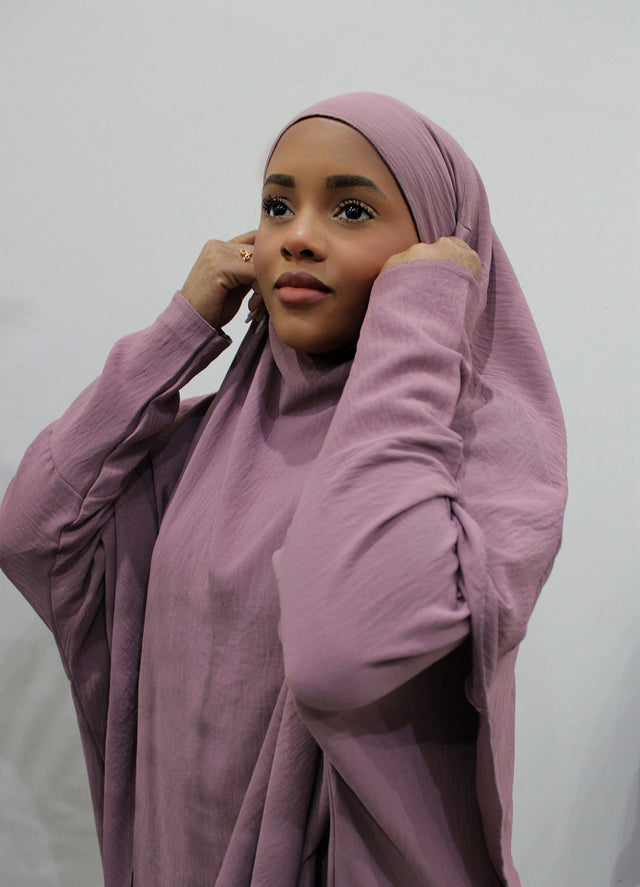
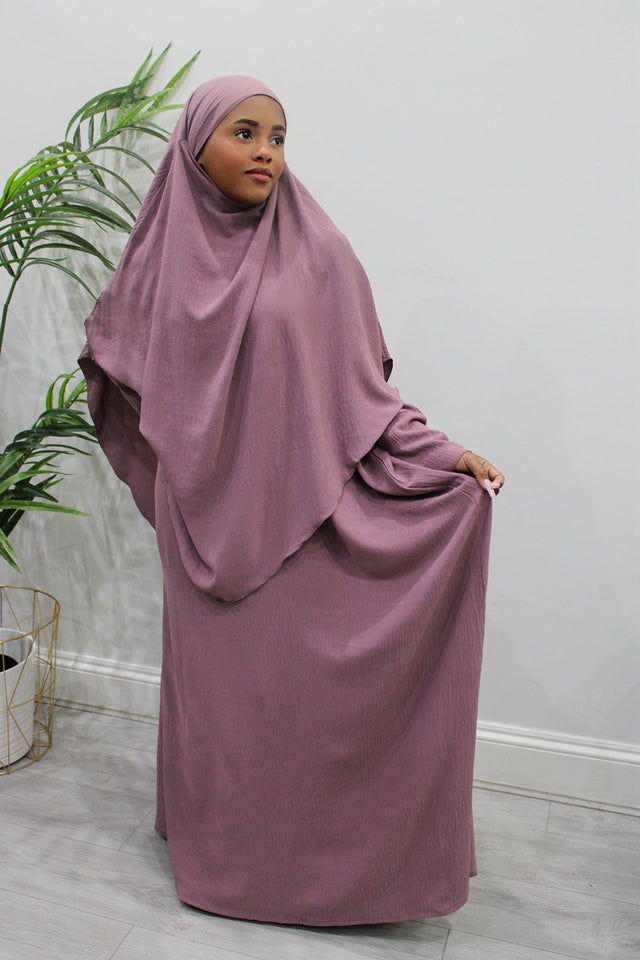
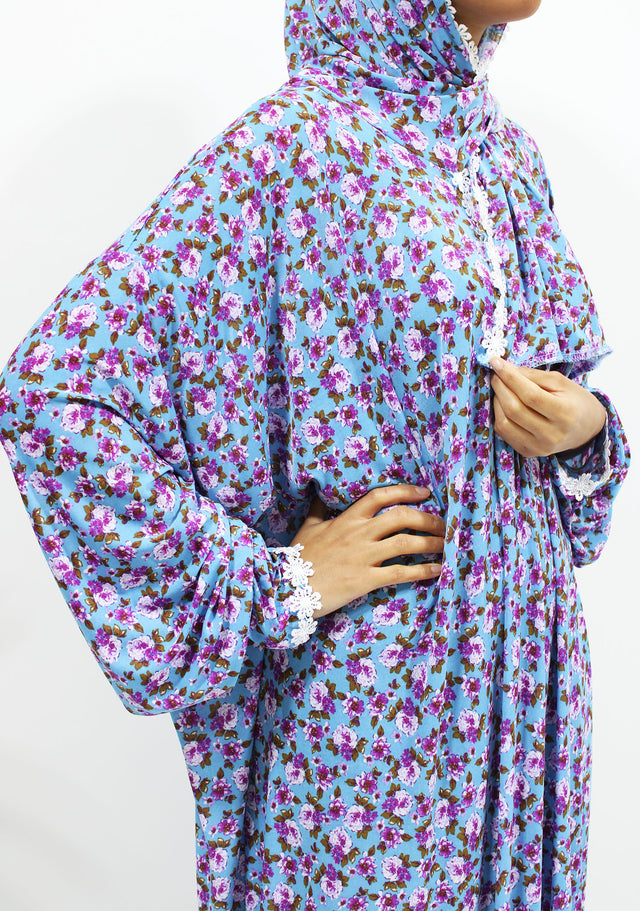
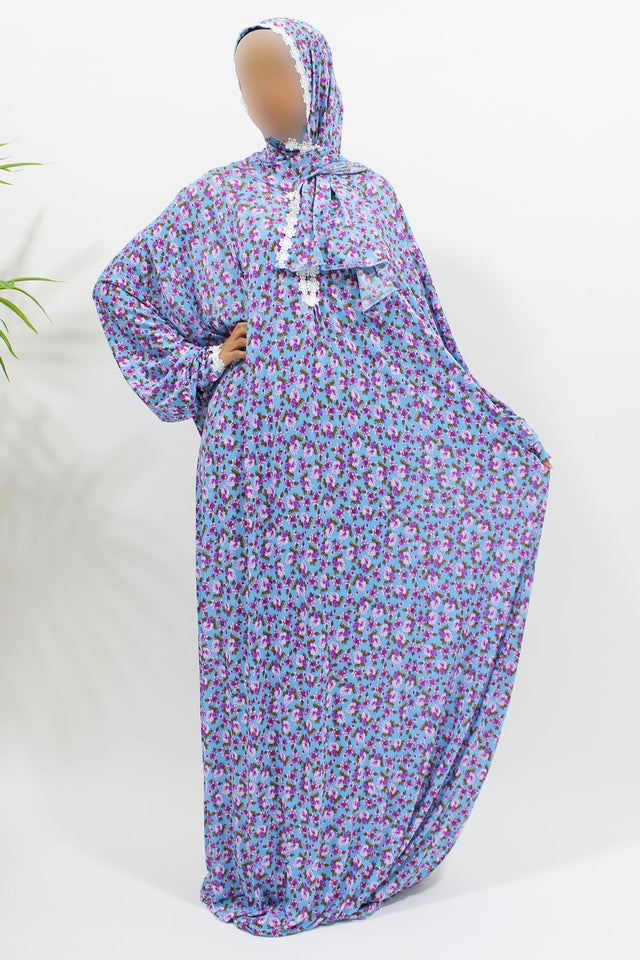
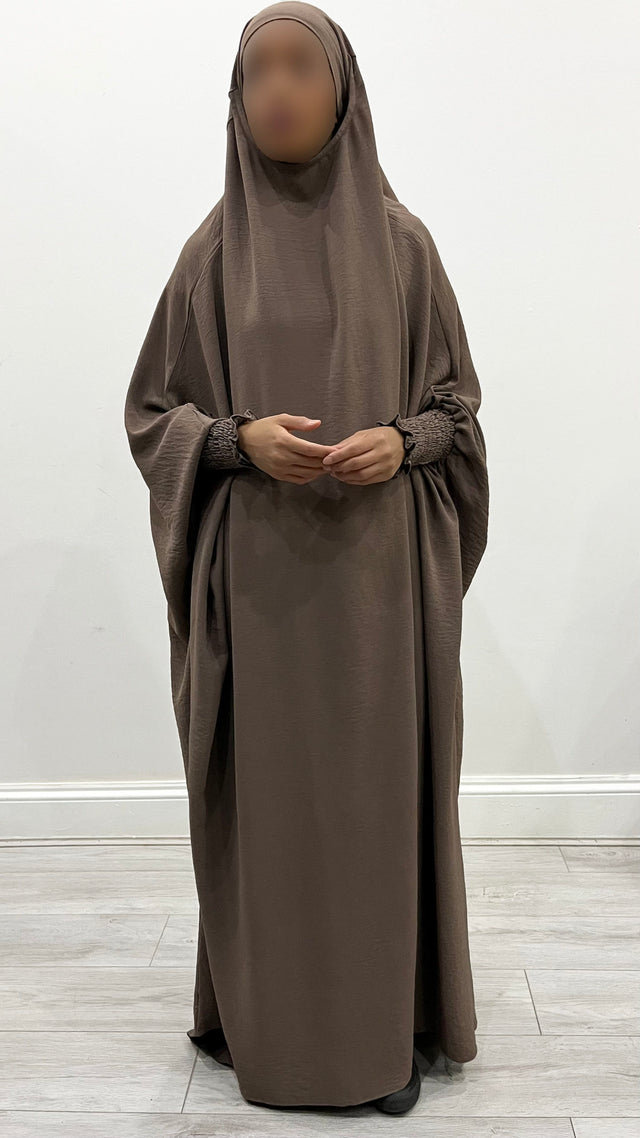
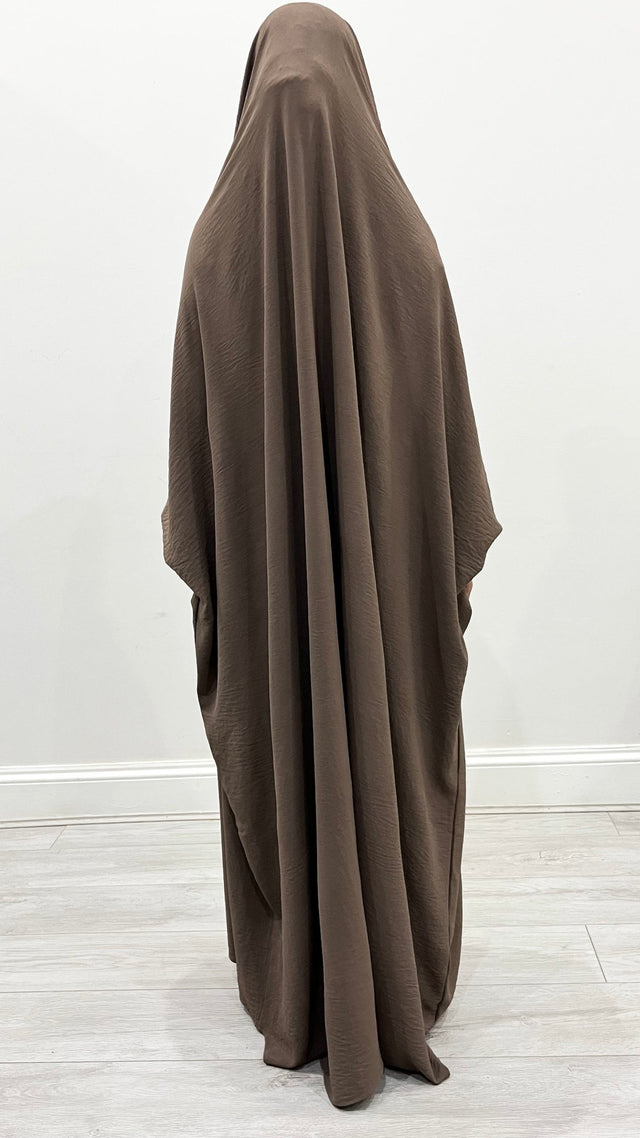
Prayer Wear
( 88 Products )
Bismillah. Prayer wear is one of those purchases that can look simple until a sister tries to use it in real life. A photograph may show a flowing garment standing still, but salah asks more from the clothing. The neckline must remain secure when she bows. The scarf or hood must stay in place when she moves into sujood. The fabric needs enough opacity in daylight, enough room through the shoulders and hips, and enough comfort that the garment becomes quiet once prayer begins.
I think of the sister who keeps one prayer dress folded beside her prayer mat because she wants to be ready when the time comes. I think of the mother praying between school runs, the student finding a private room on campus, the traveller changing time zones, and the new Muslim who is still learning which garment names mean what. None of them needs a product page that simply says beautiful, modest or one size. She needs to understand what she is buying and how it will behave.
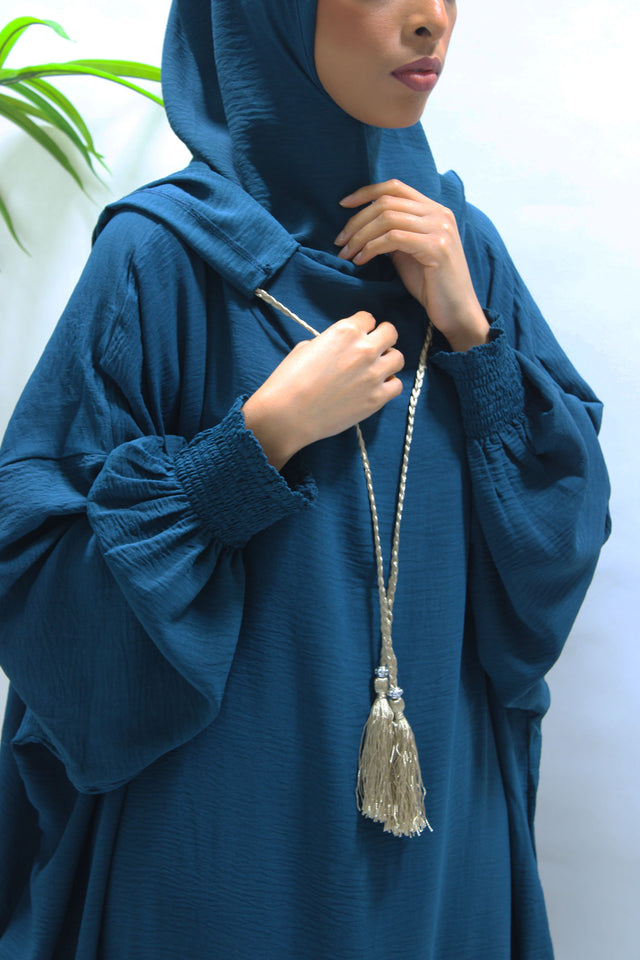
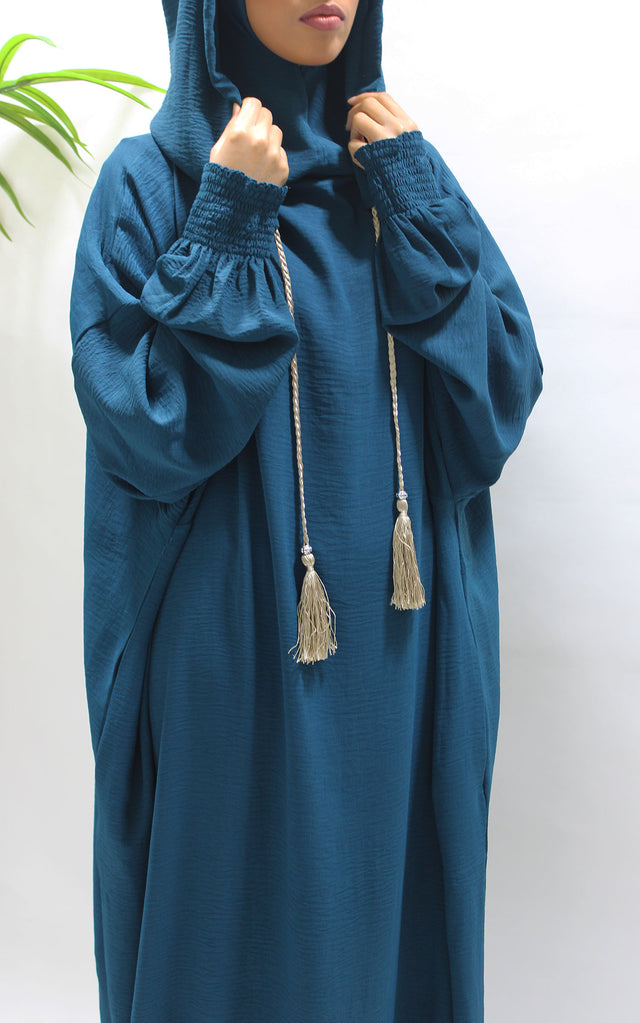
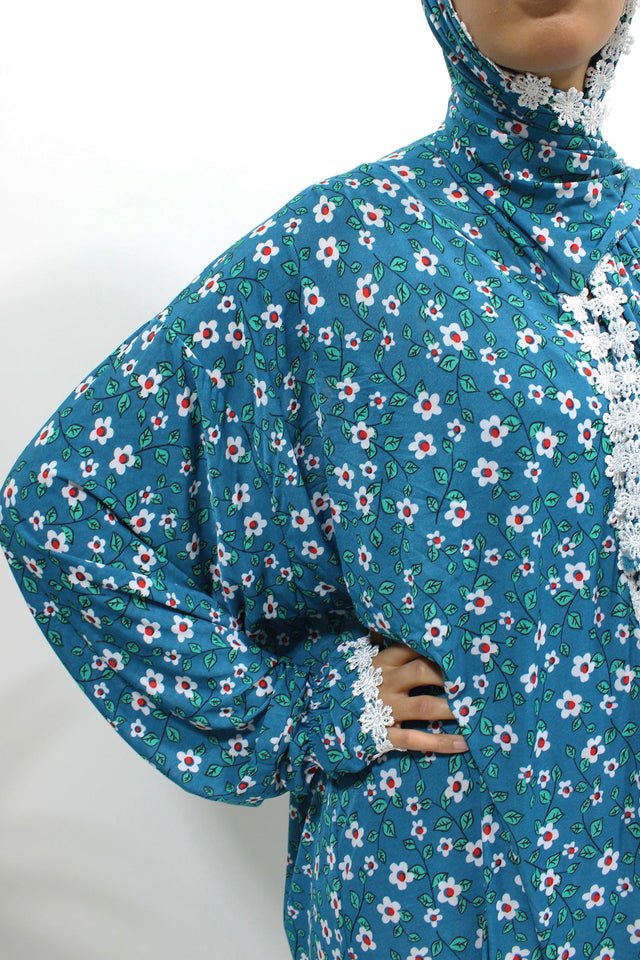
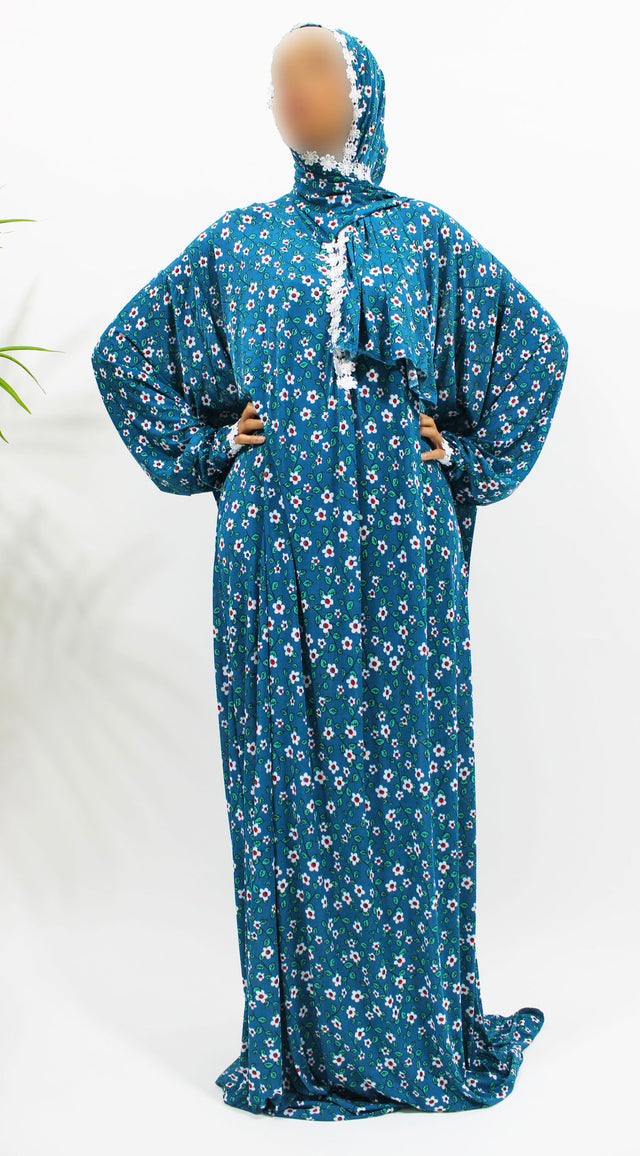
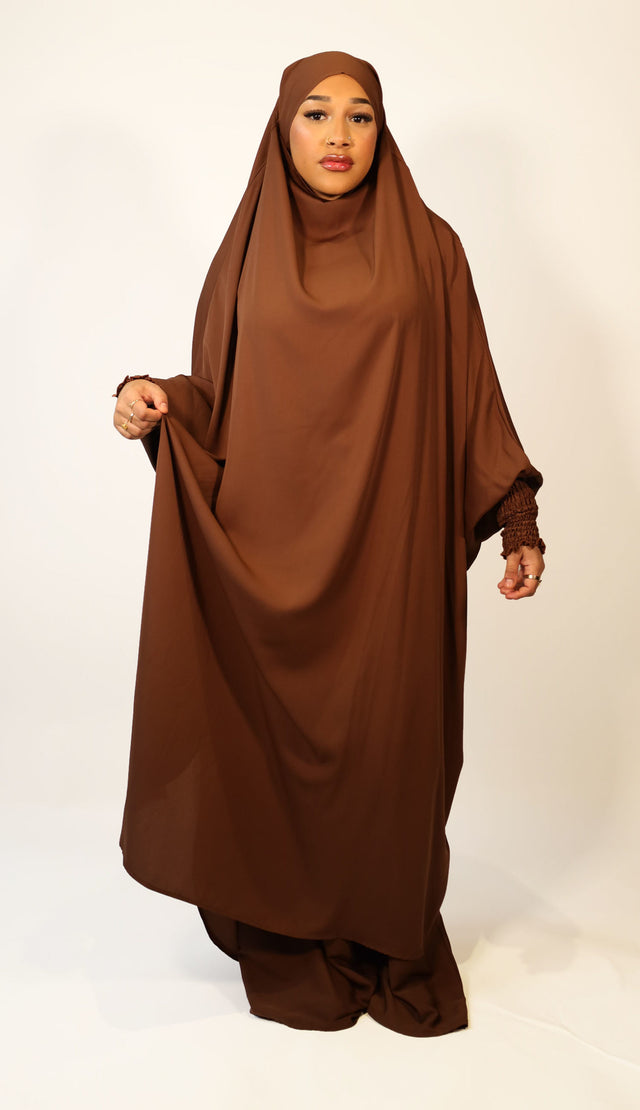
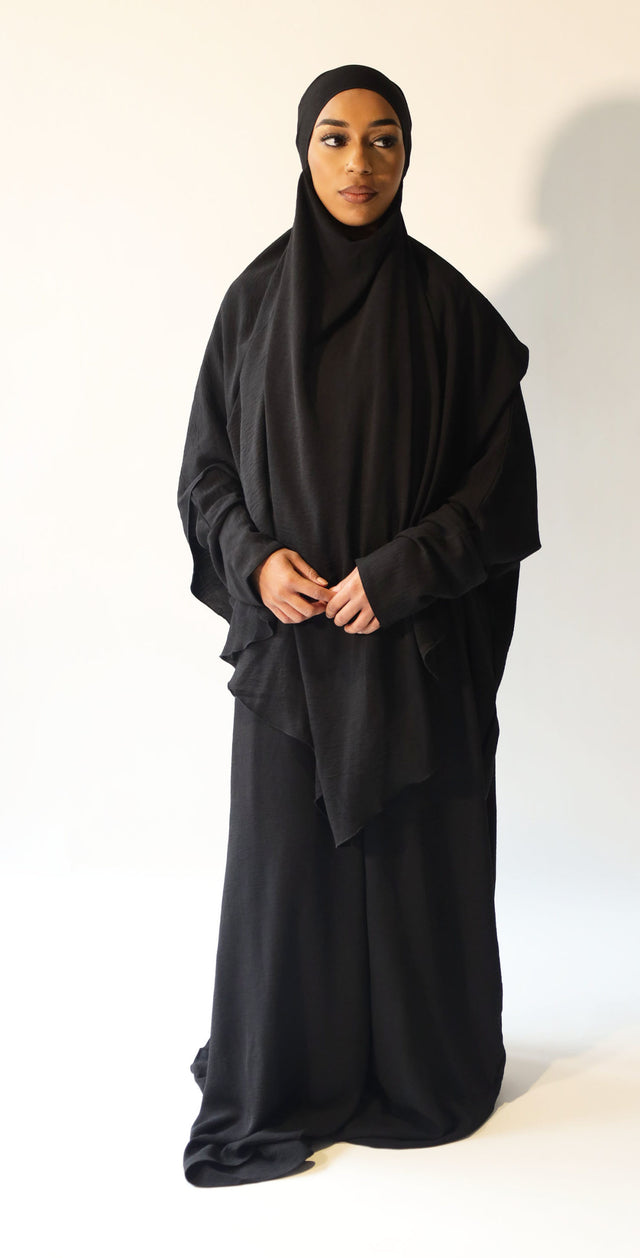
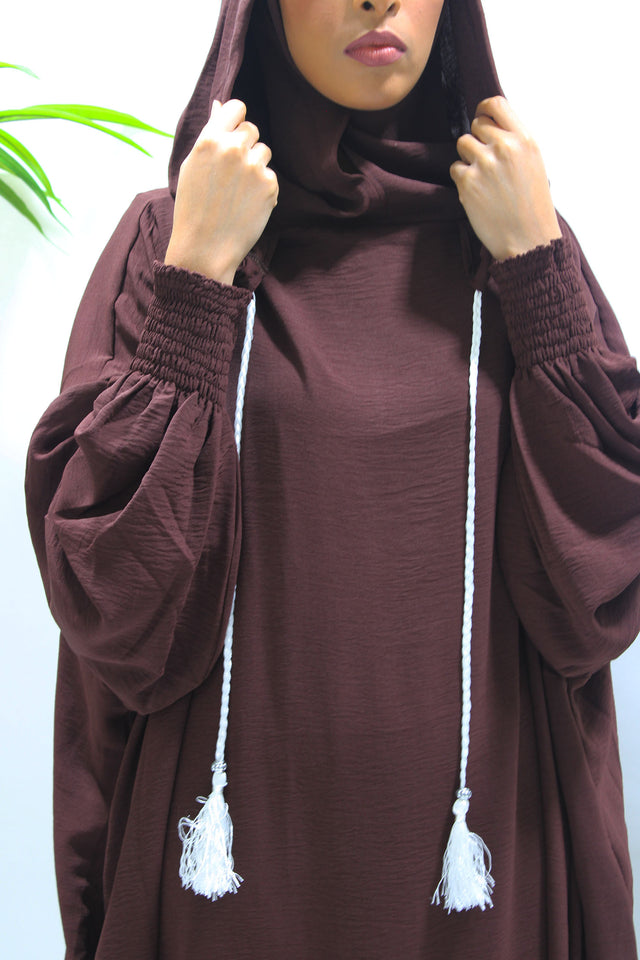
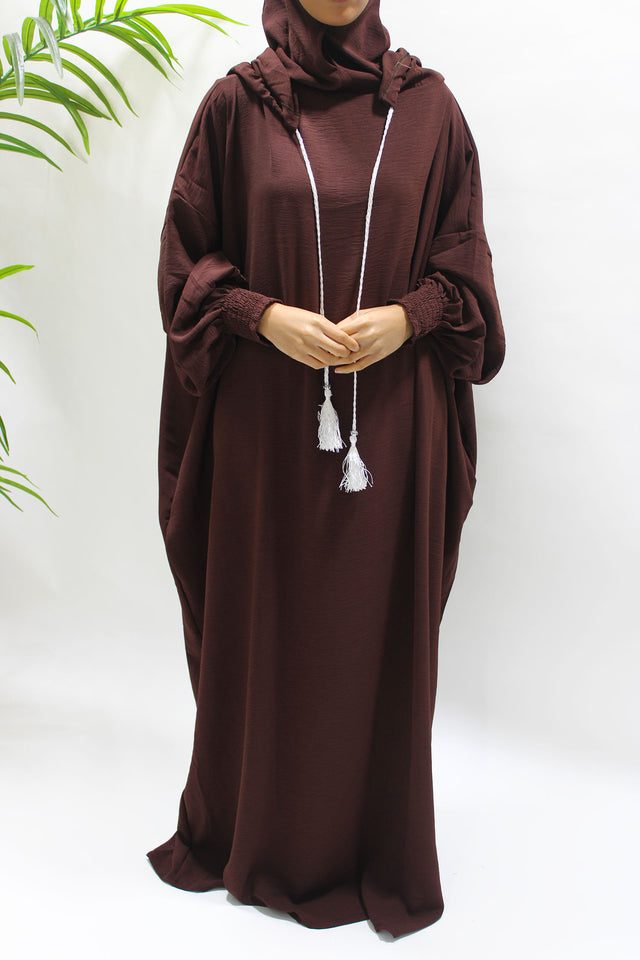
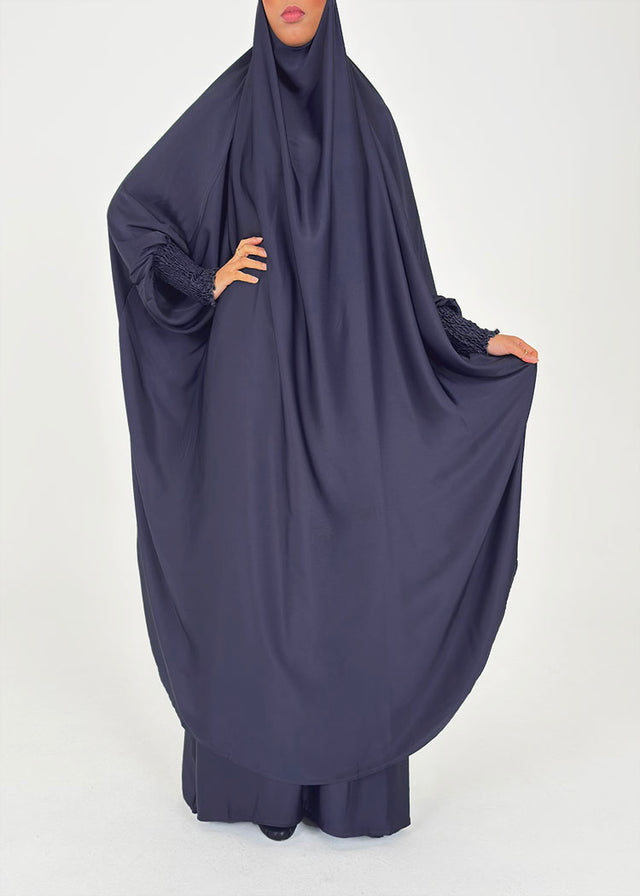
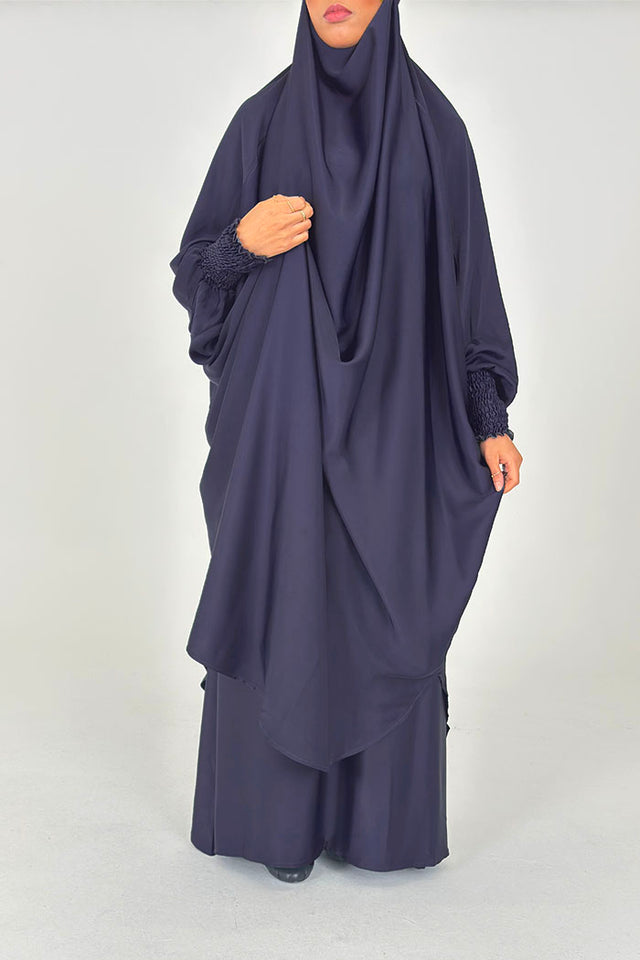
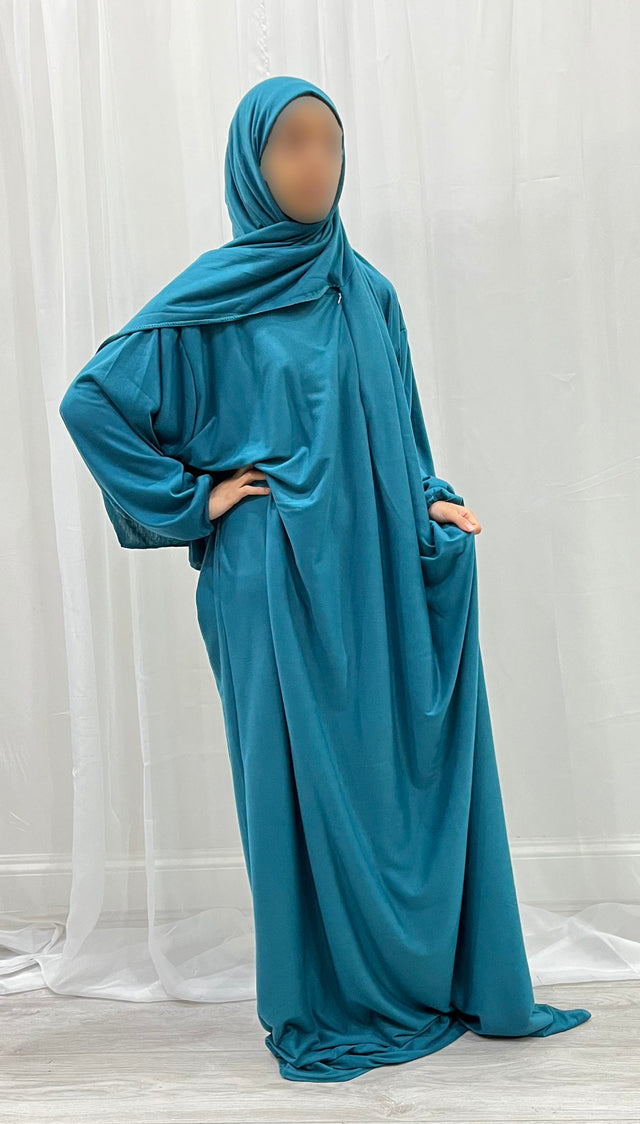
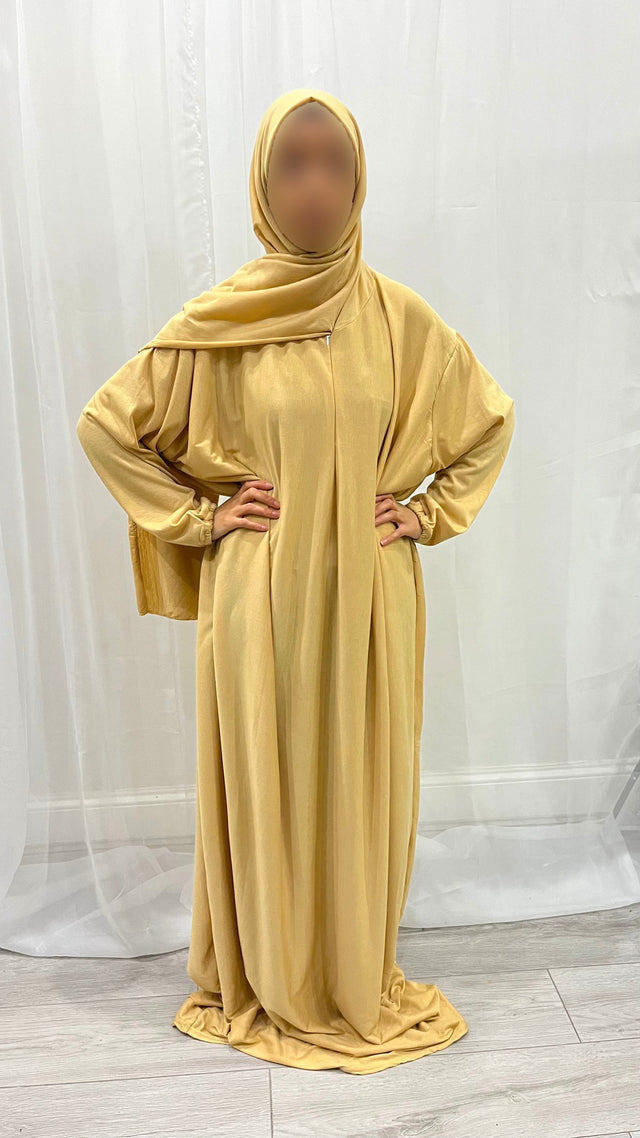
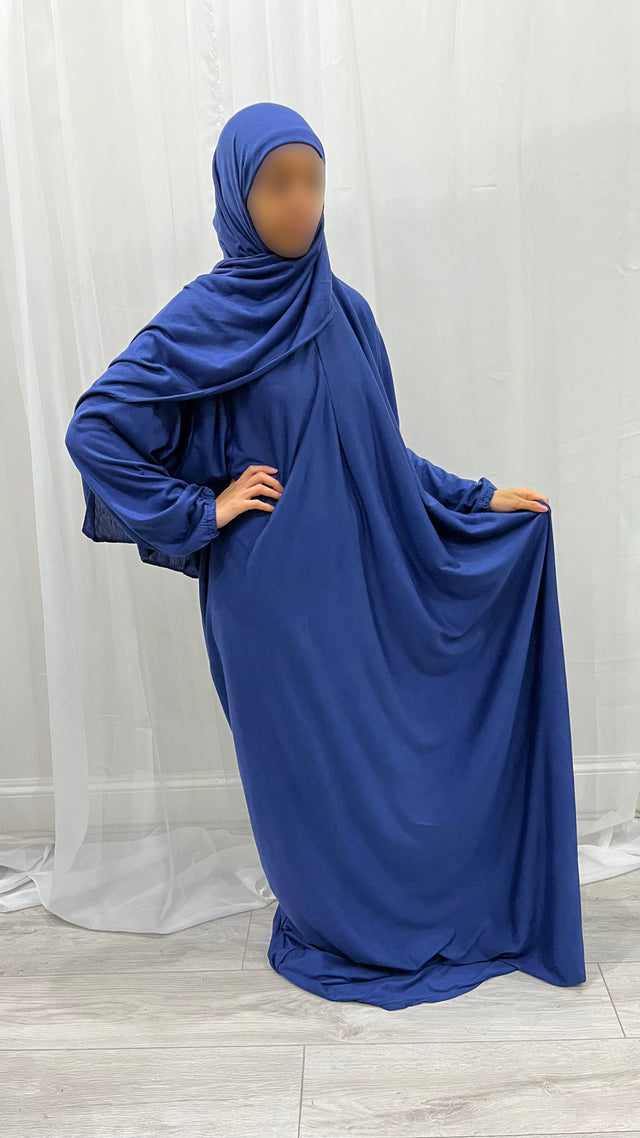
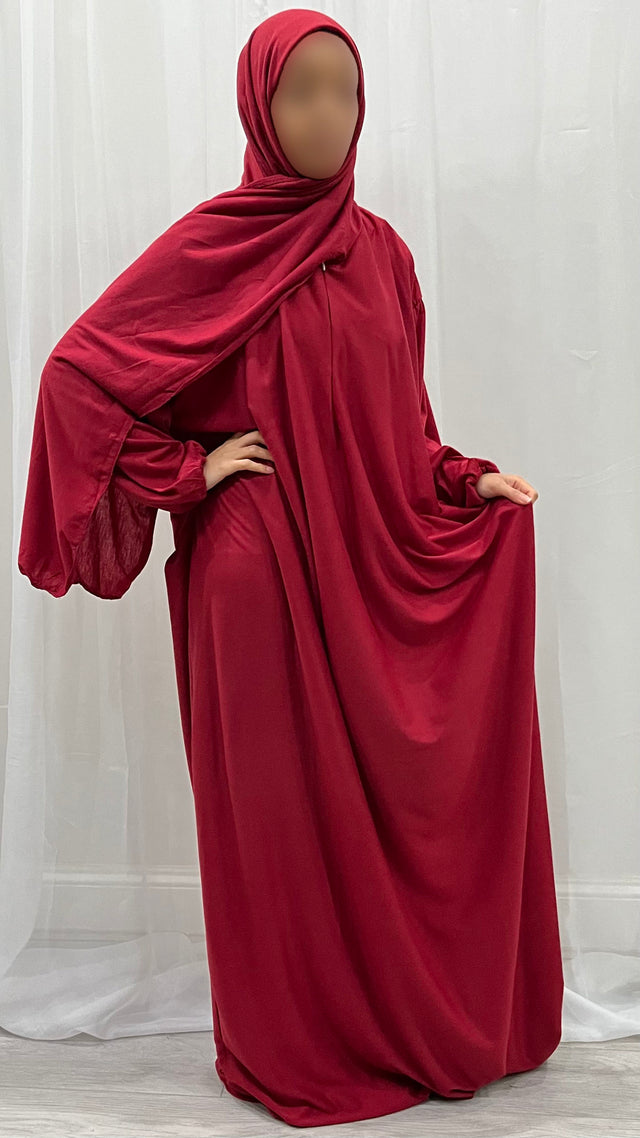
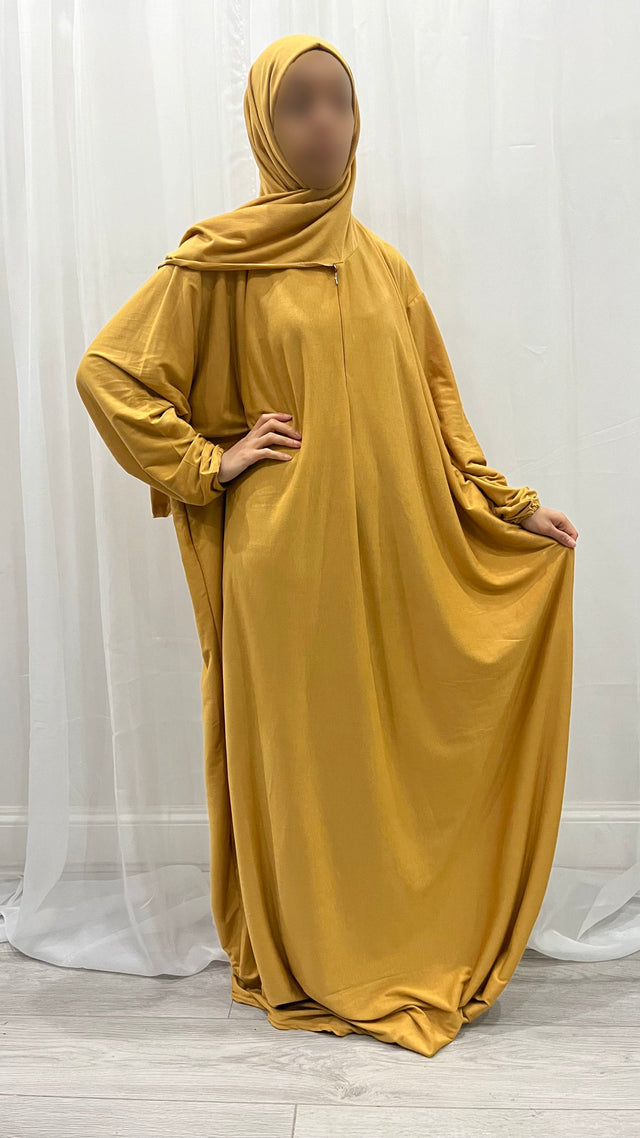
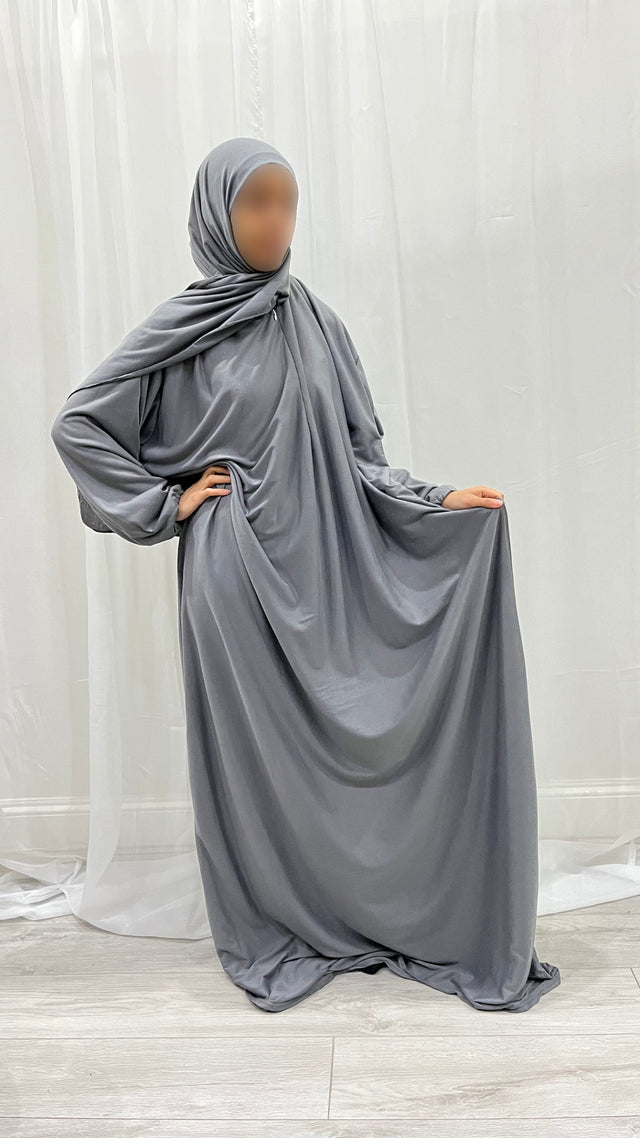
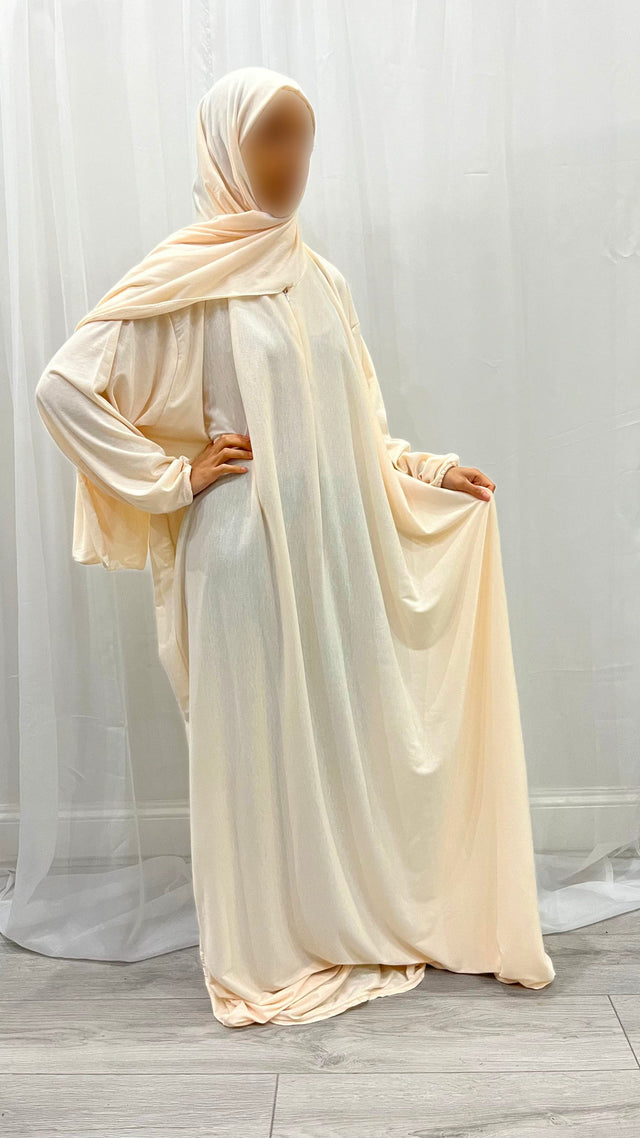
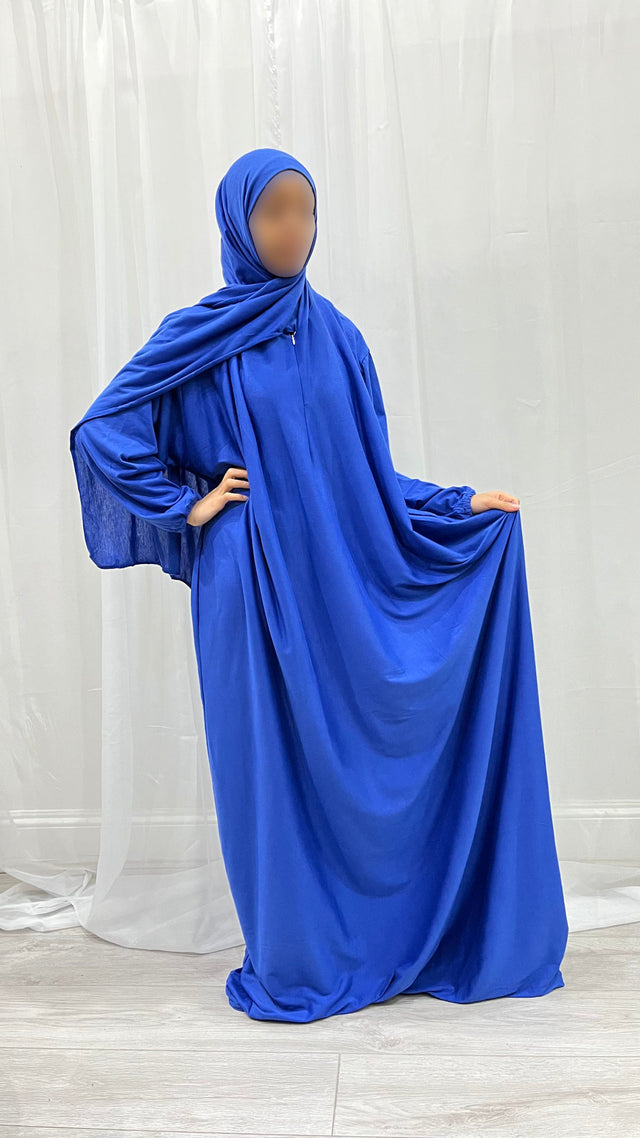
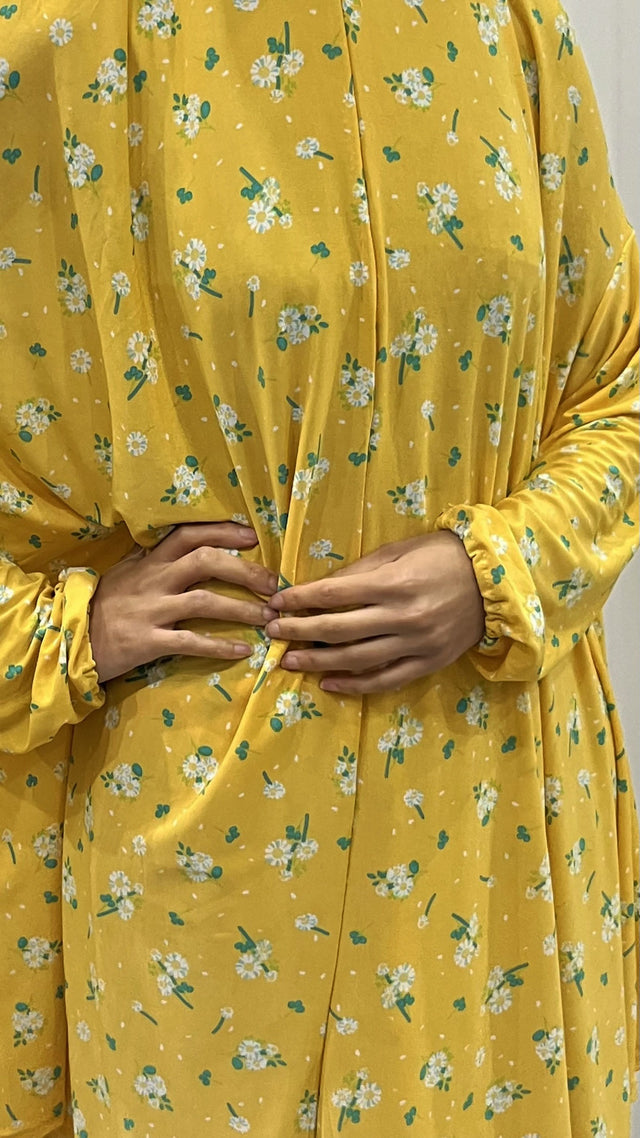
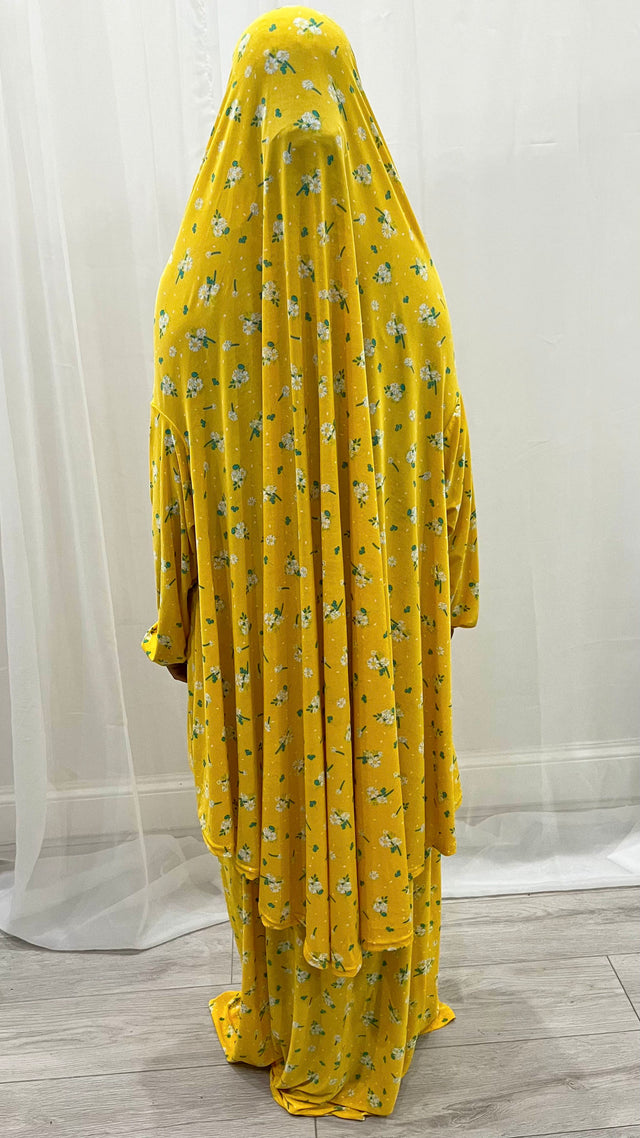
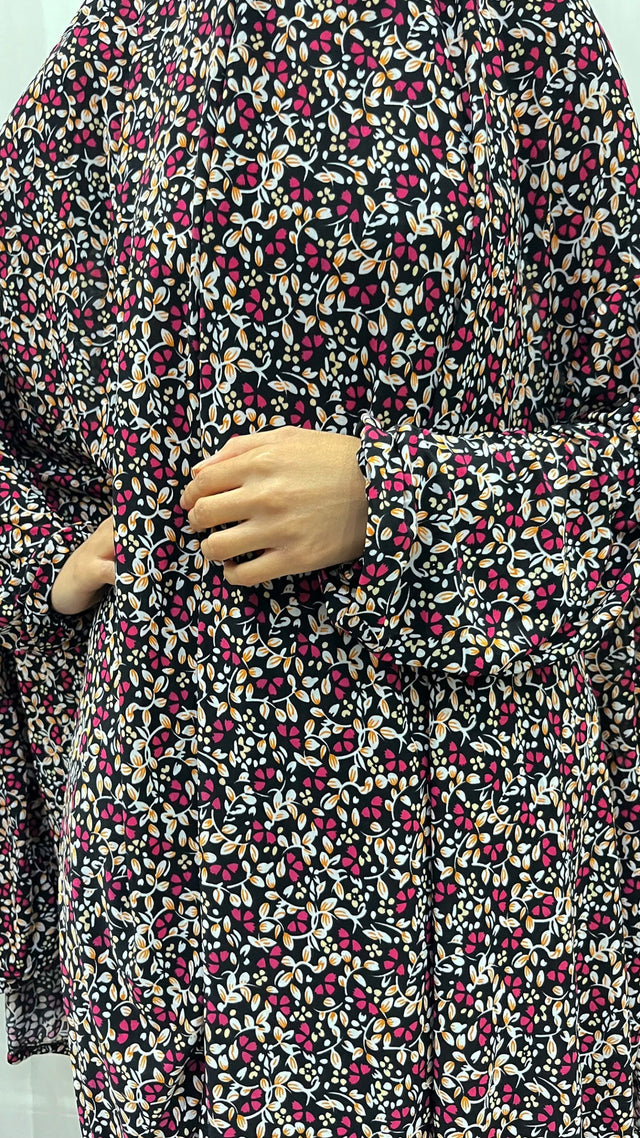
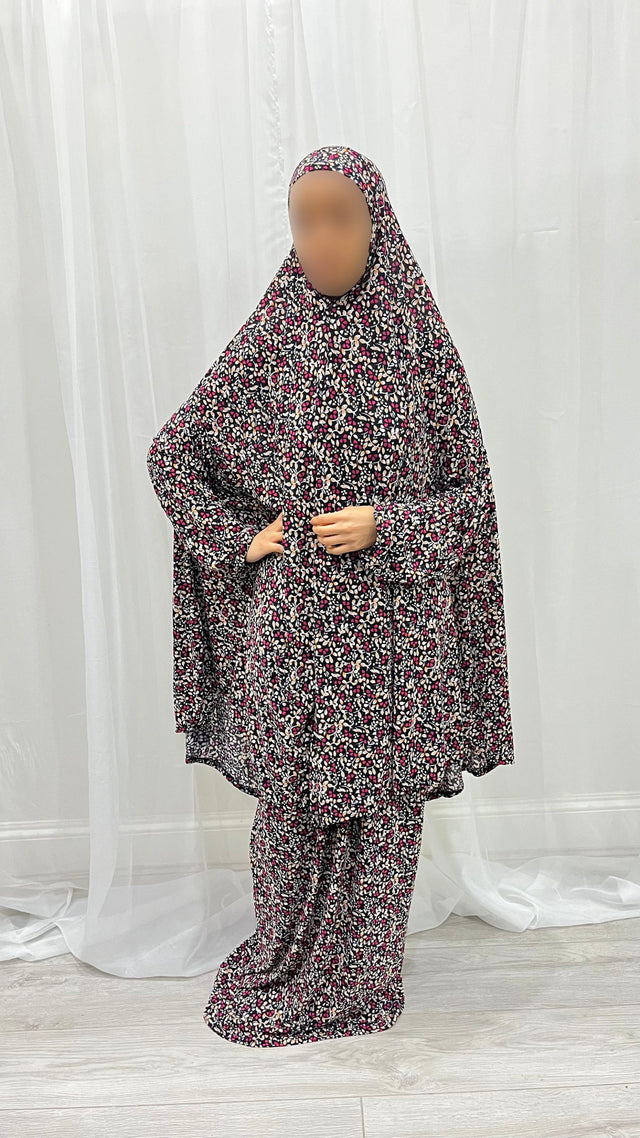
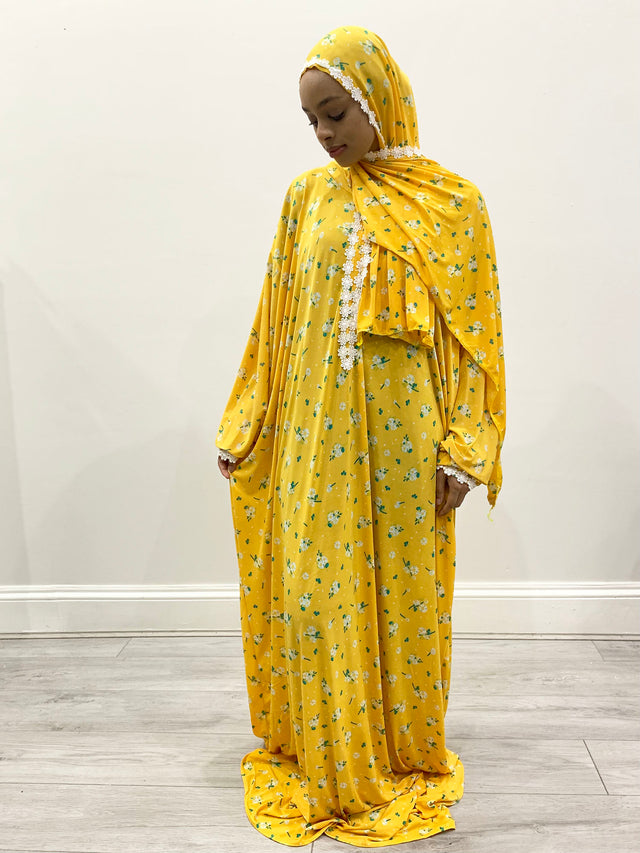
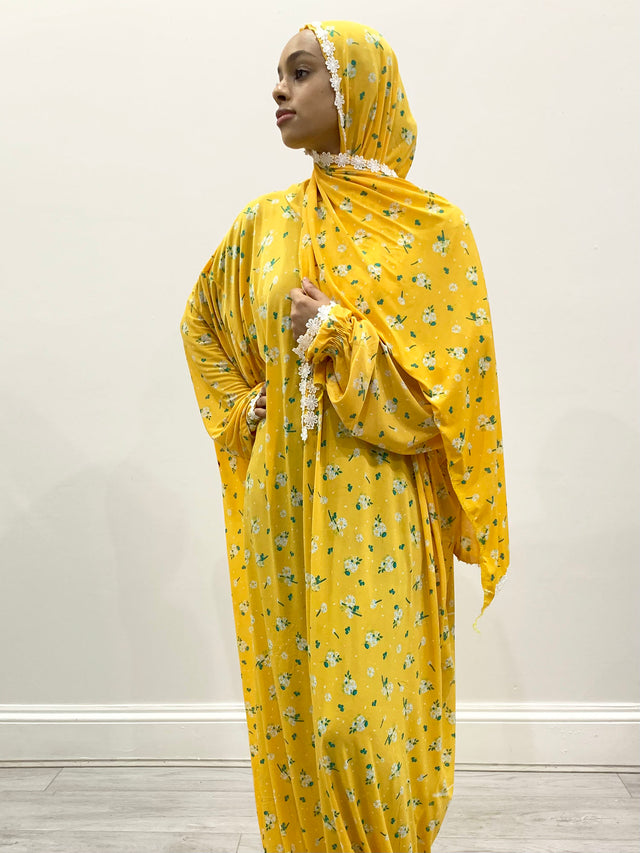
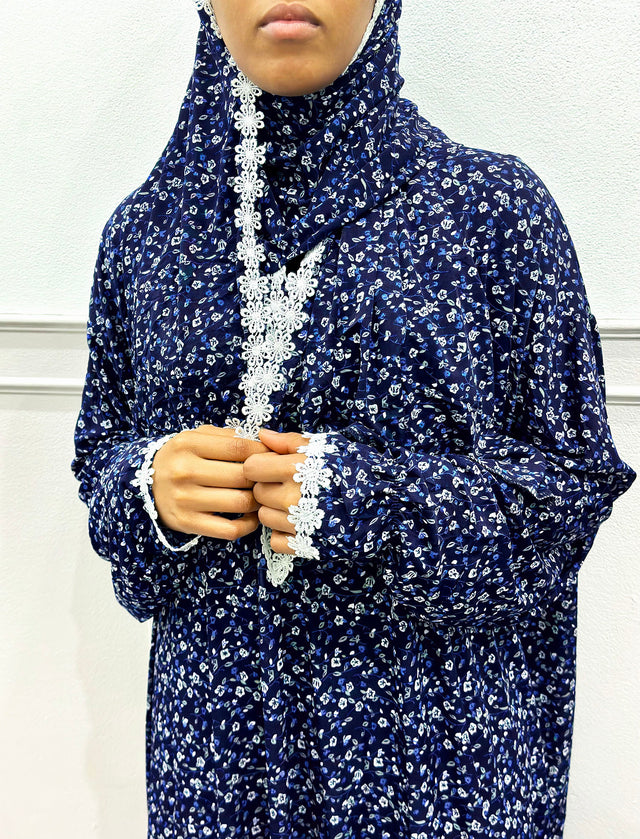
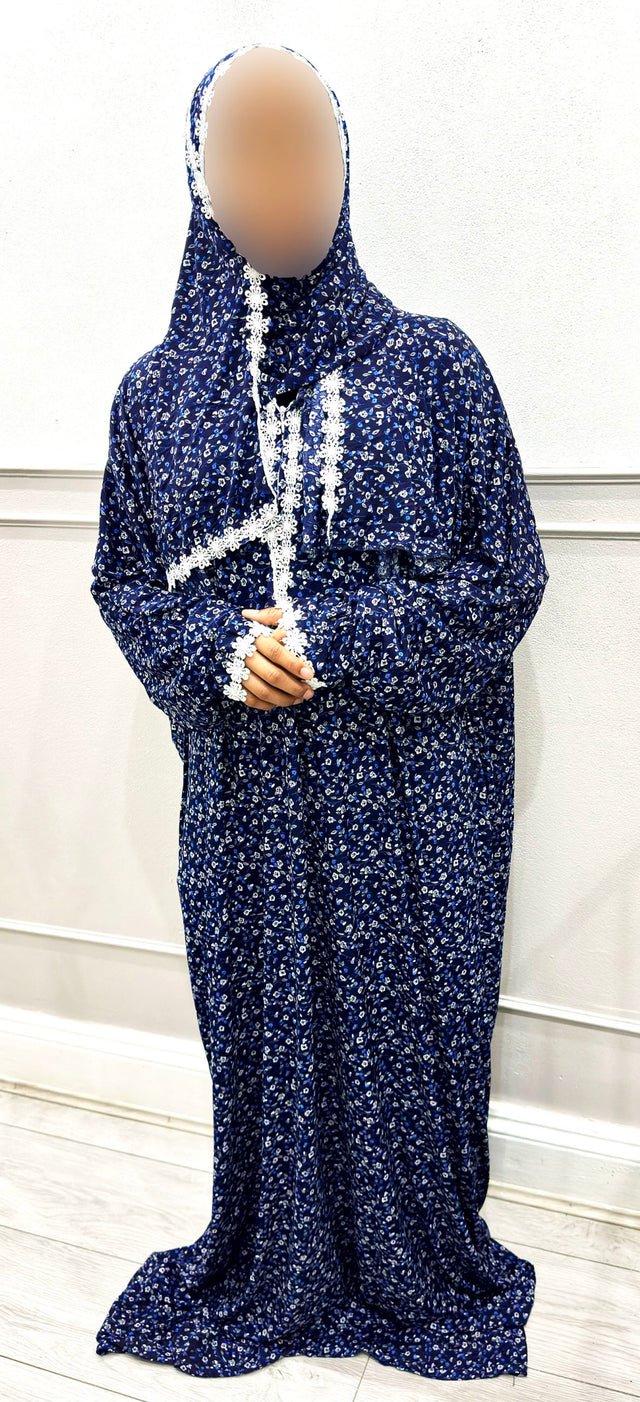
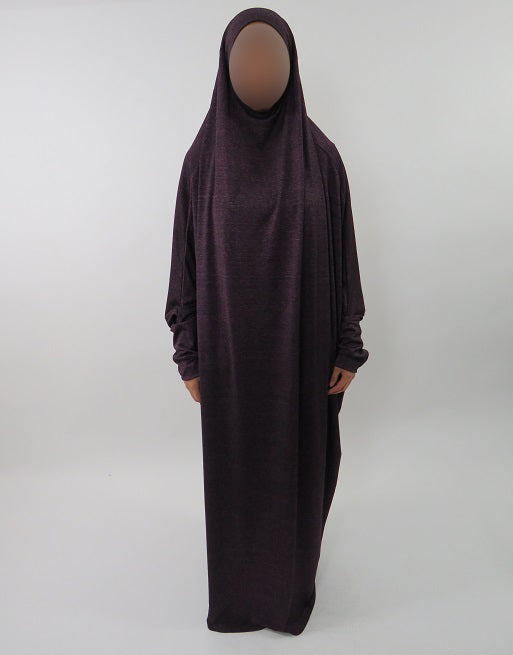
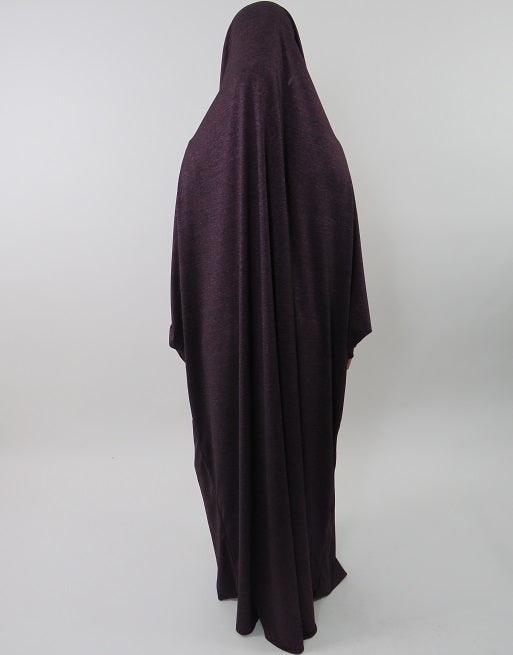
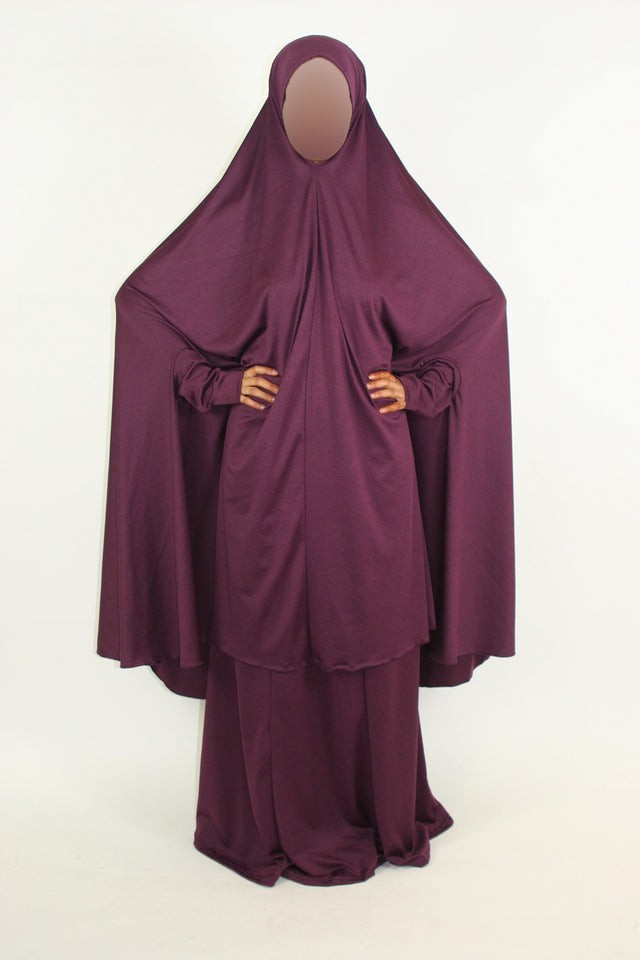
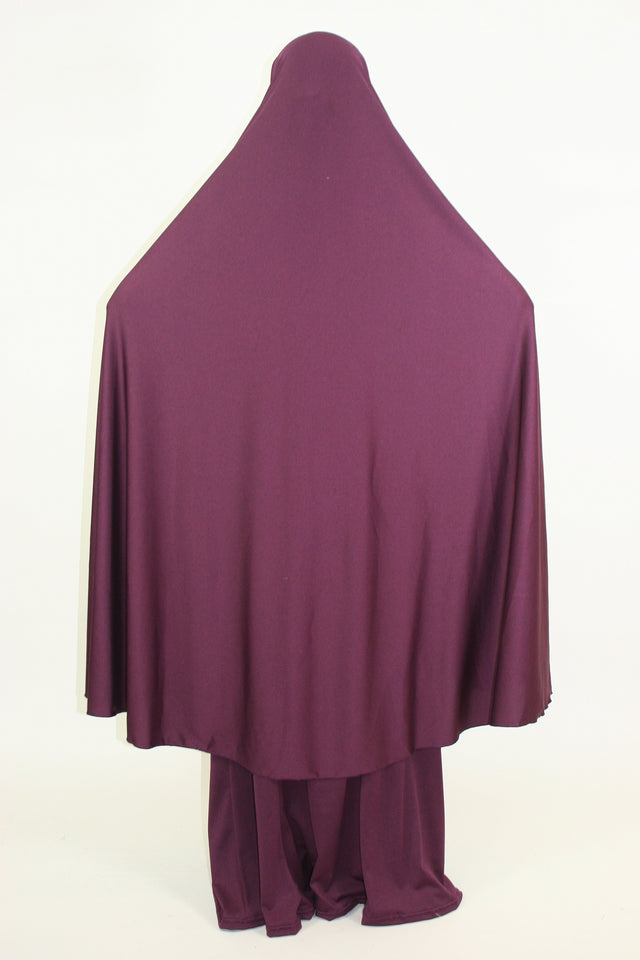
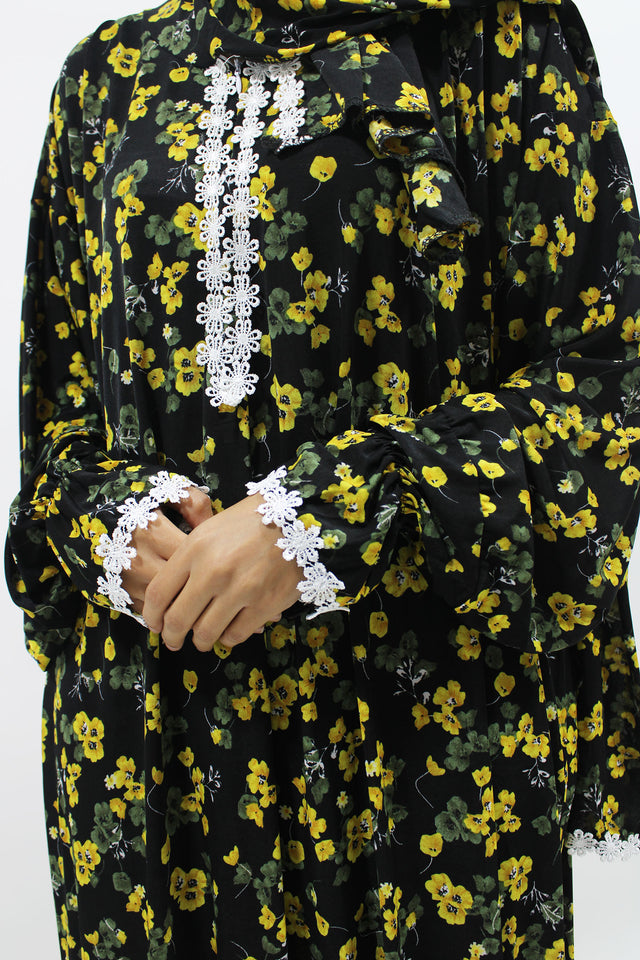
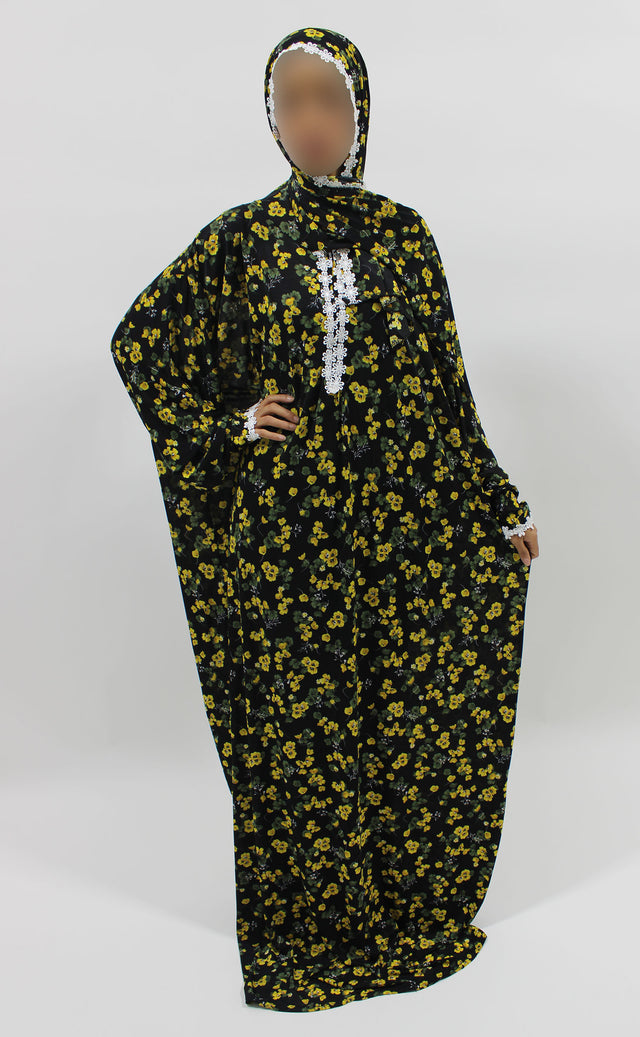
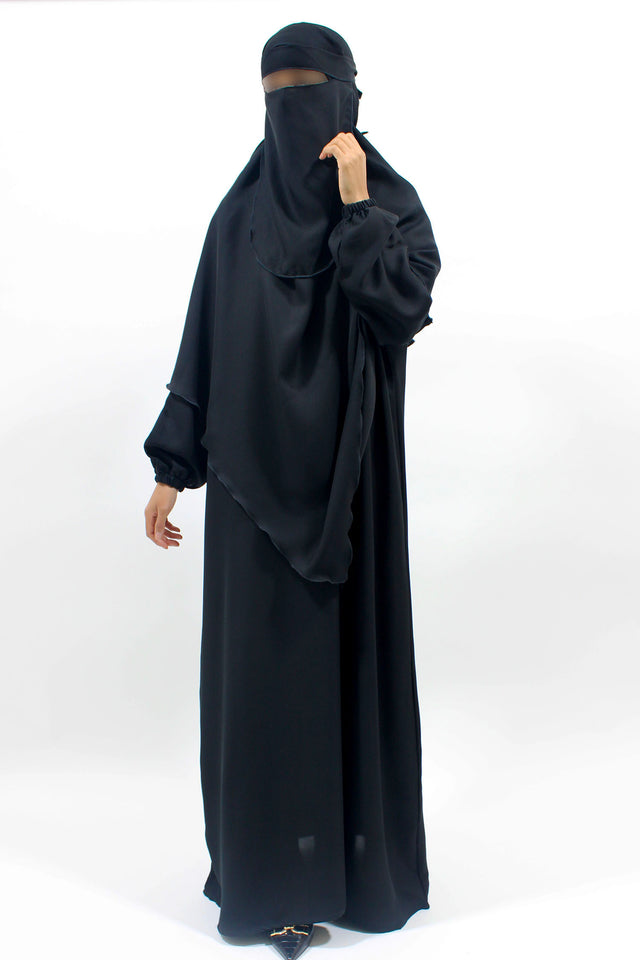
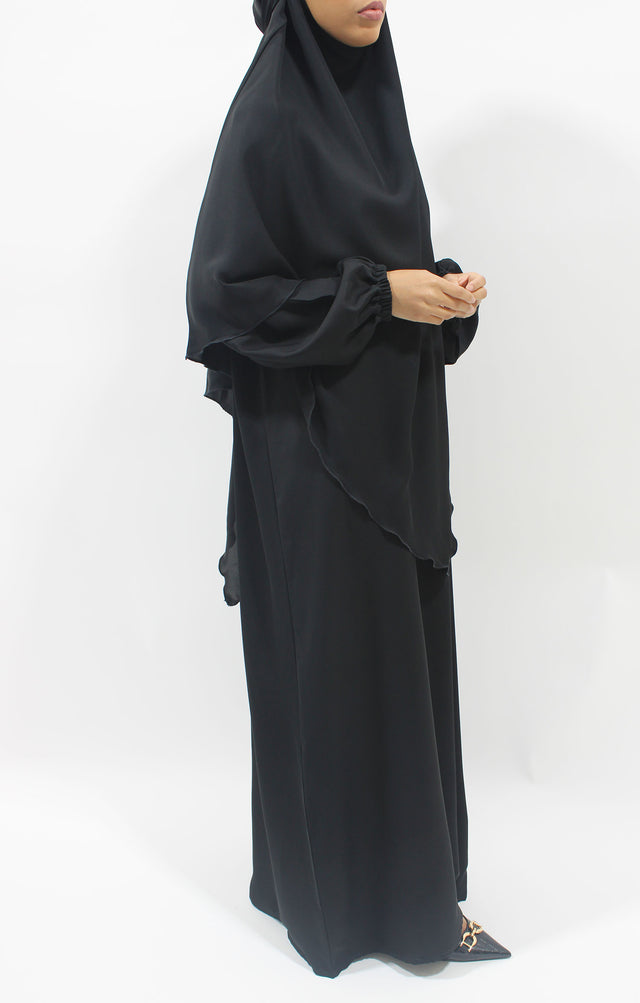
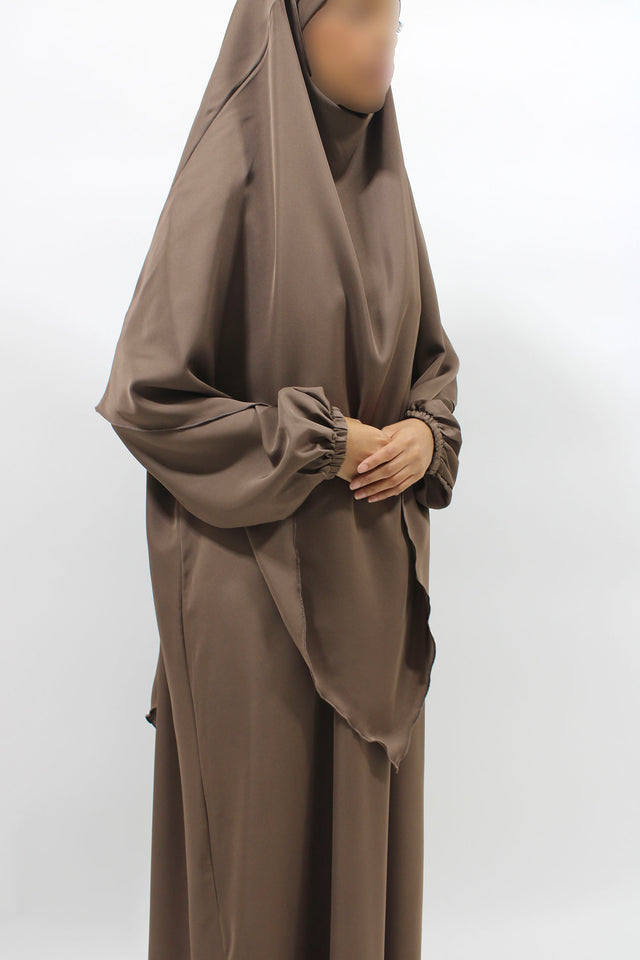
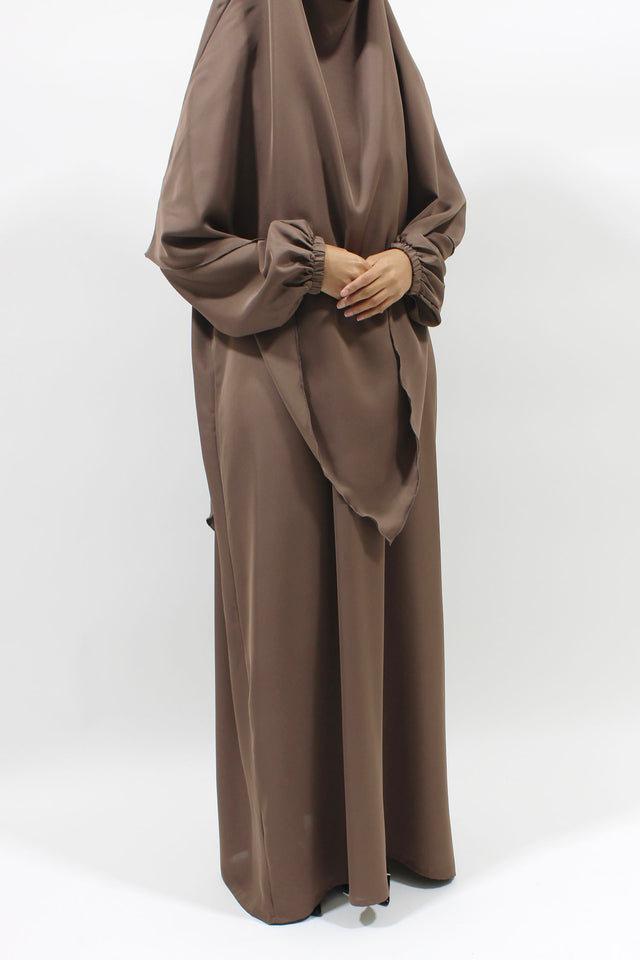
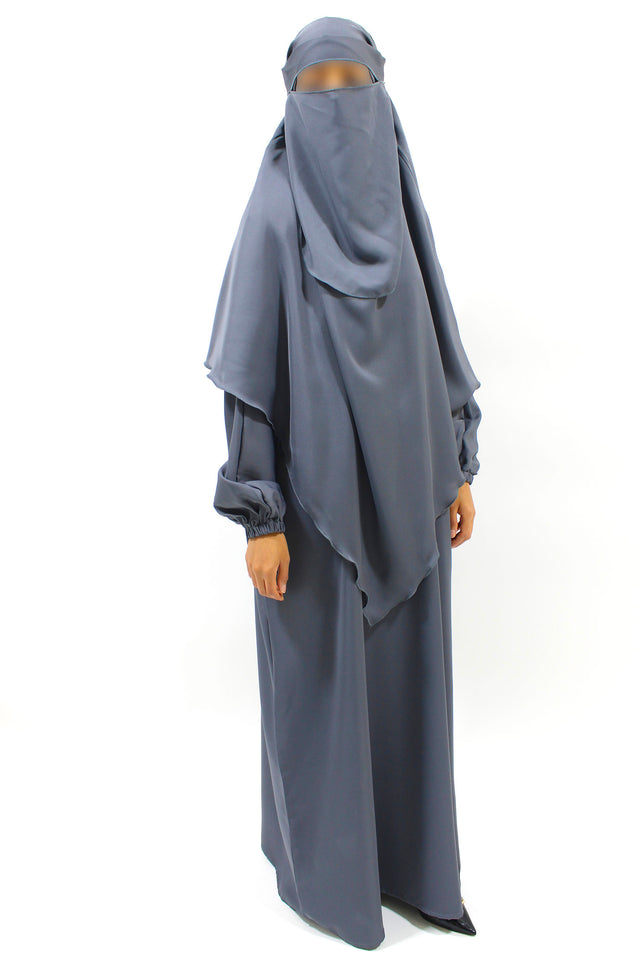
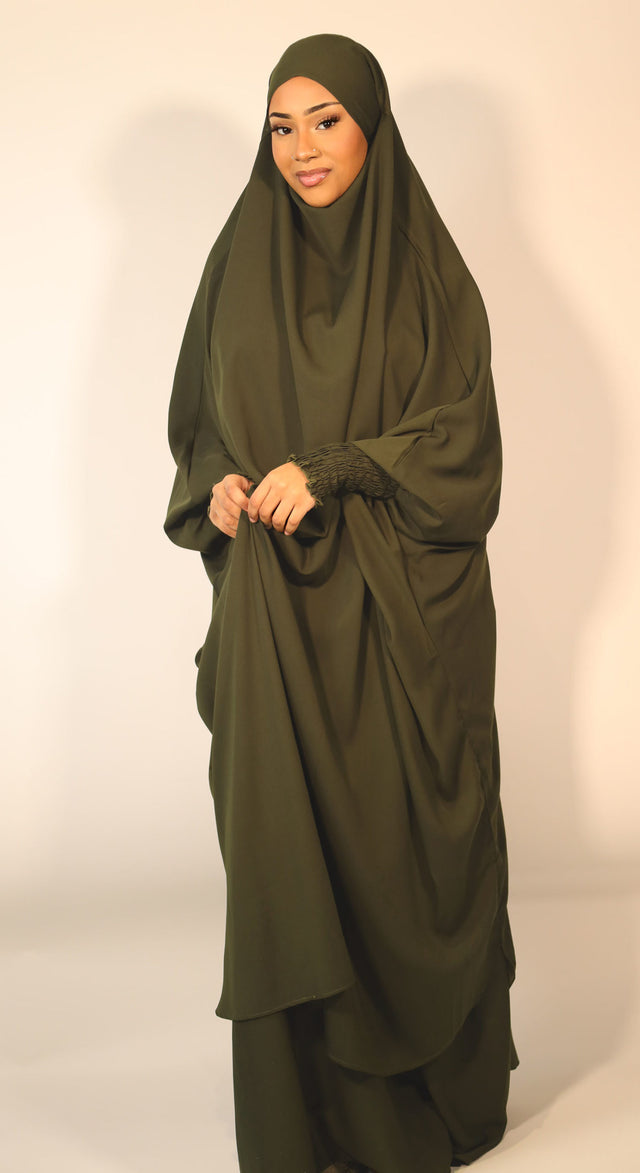
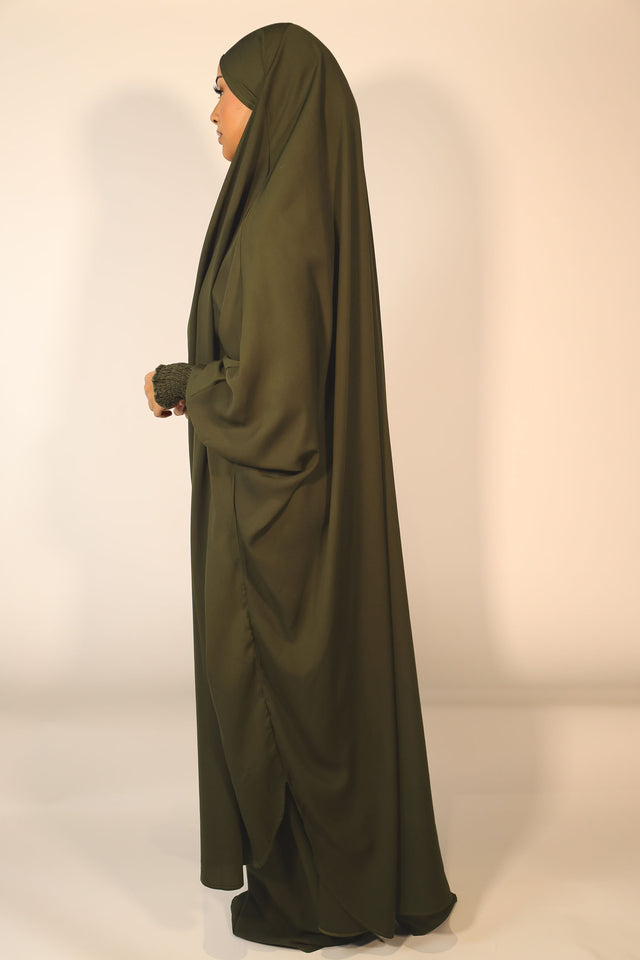
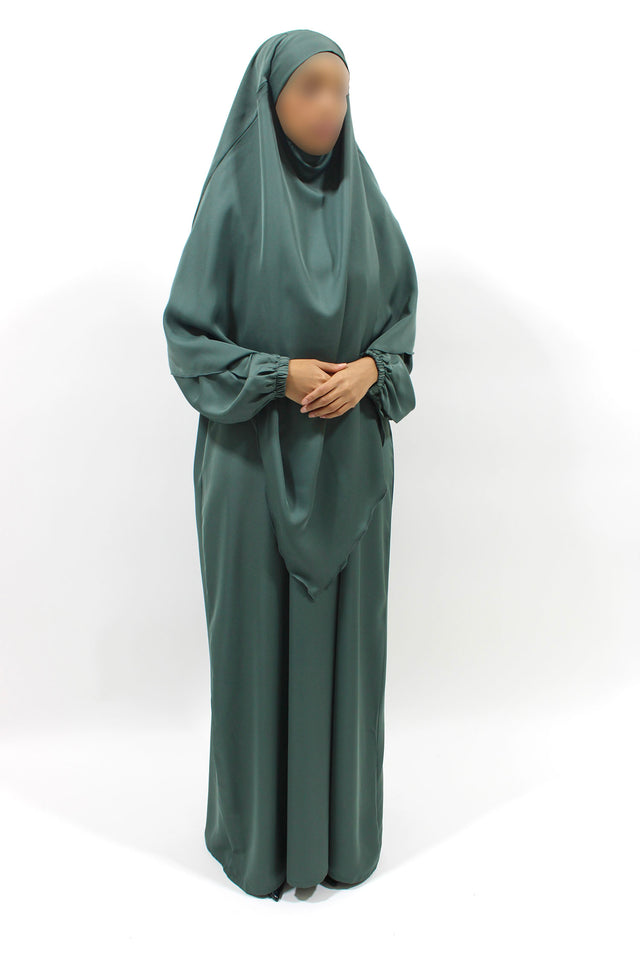
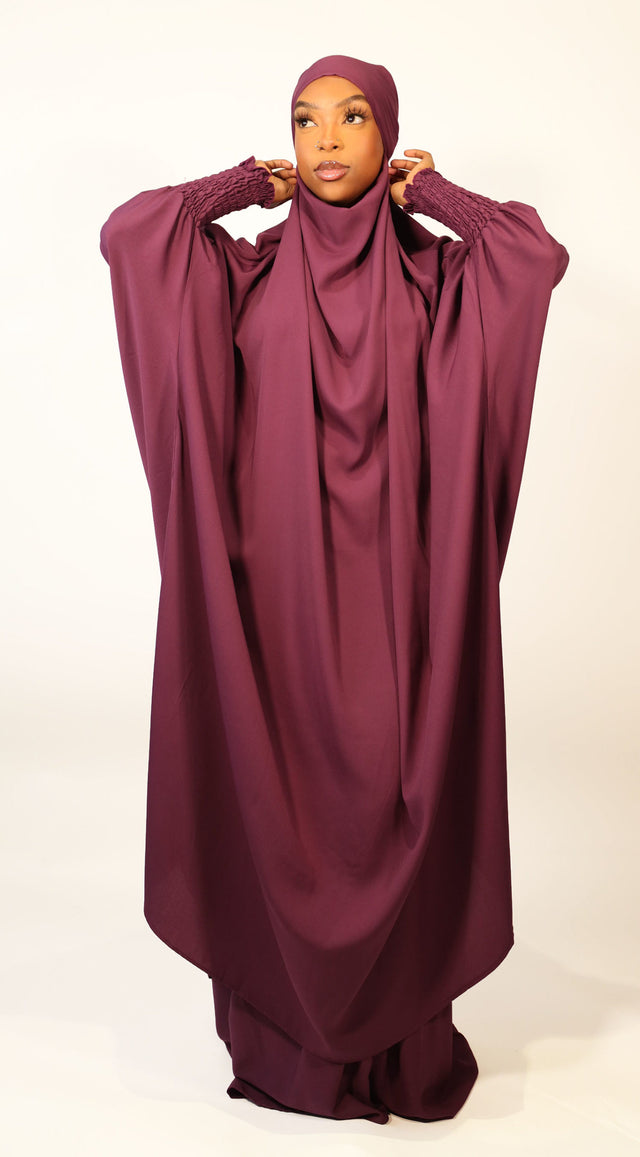
This Prayer Wear collection brings together women’s one-piece prayer dresses, two-piece prayer sets, prayer abayas, attached-scarf styles, abaya-and-khimar combinations and other garments intended to make dressing for salah feel simpler. The right choice depends on where you pray, how quickly you need to dress, the coverage you intend, your height, your climate and how you prefer fabric to sit around the face and body.
This page is a practical buying guide for the collection. It does not replace religious knowledge or issue personal rulings. For a deeper explanation of prayer garment types, coverage, fabrics and everyday routines, read the complete prayer wear guide for Muslim women. Here, I will help you compare the pieces available in this collection without making temporary promises about colours, stock or prices that may change.
Start with the place and routine in which you will pray
Before choosing a colour or detail, I name the setting. A prayer garment kept at home can be fuller and softer because it does not need to fit inside a work bag. A piece carried to university or the office may need to fold compactly, go on quickly and remain easy to wash. A travel garment may need to work in airports, hotels, service stations and family homes without a reliable mirror.
For home, many sisters value generous coverage and softness. For work, speed and controlled fabric may matter more. For the masjid, a garment may need to remain secure while walking, removing shoes and moving through a shared space. For Umrah or travel, breathability, packing size and repeated washing become important.
I also consider whether I will wear everyday clothing beneath the prayer garment. A one-piece dress pulled over a work outfit needs enough room through the shoulders, sleeves and hips. A two-piece set may allow me to adjust the head covering and skirt separately. A prayer abaya may feel familiar to a sister who already wears abayas, while an attached-scarf design may remove the need to coordinate separate pieces.
The most useful prayer wear is not the garment with the longest product name. It is the one that fits the rhythm of the sister’s day and allows her attention to move away from clothing once she begins.
One-piece prayer dresses are designed for speed
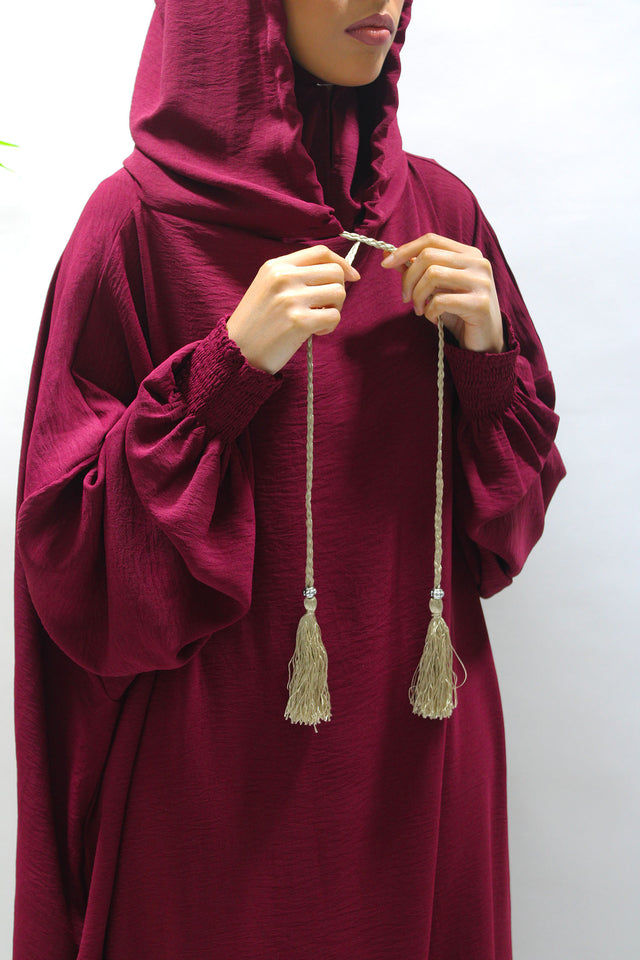
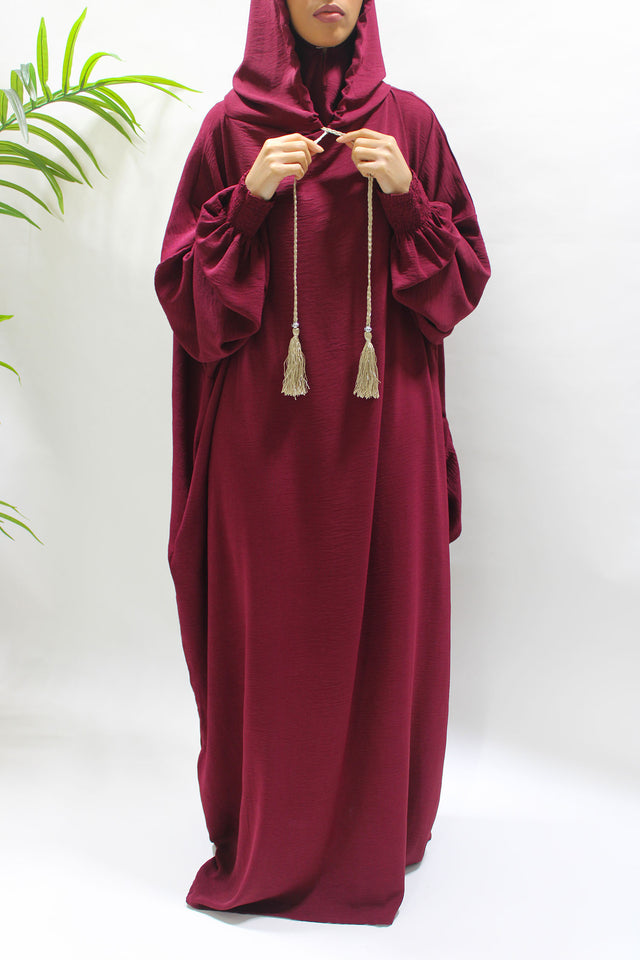
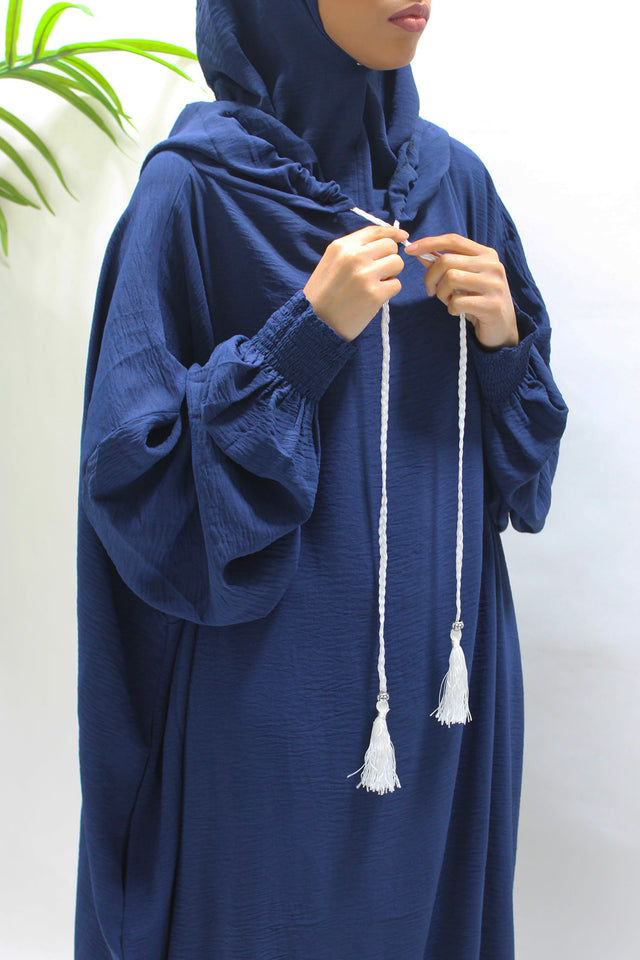
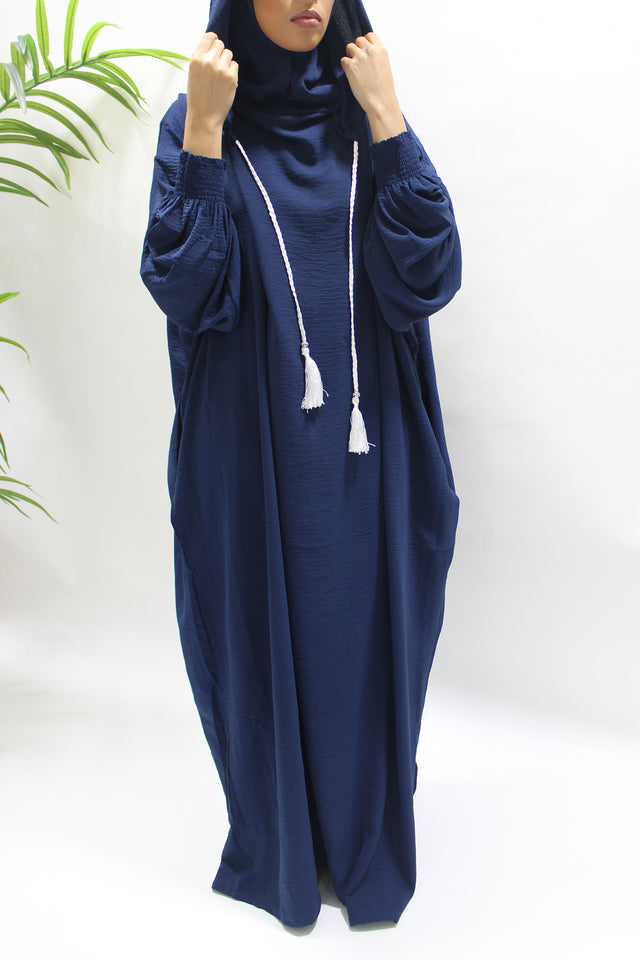
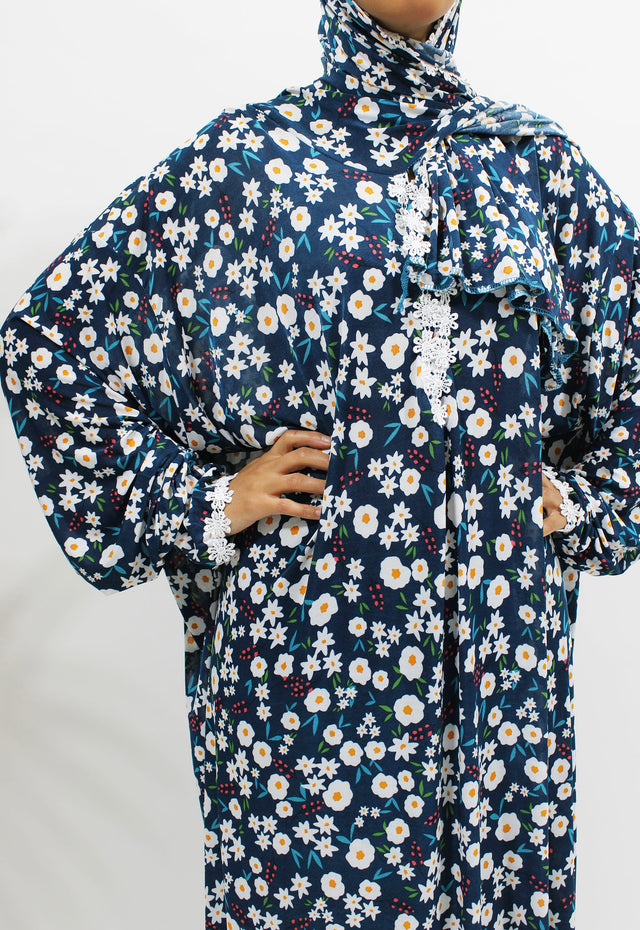
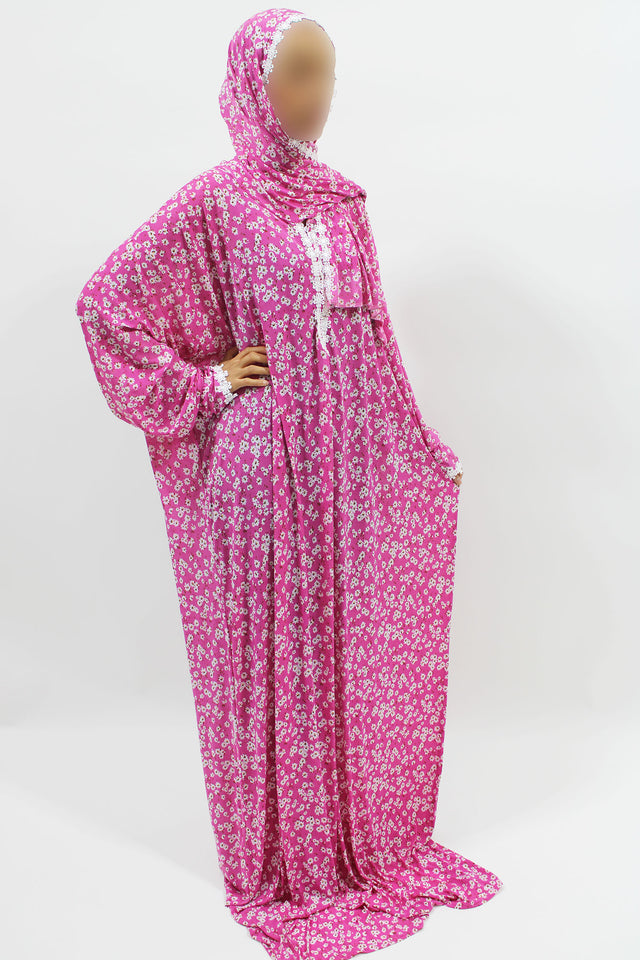
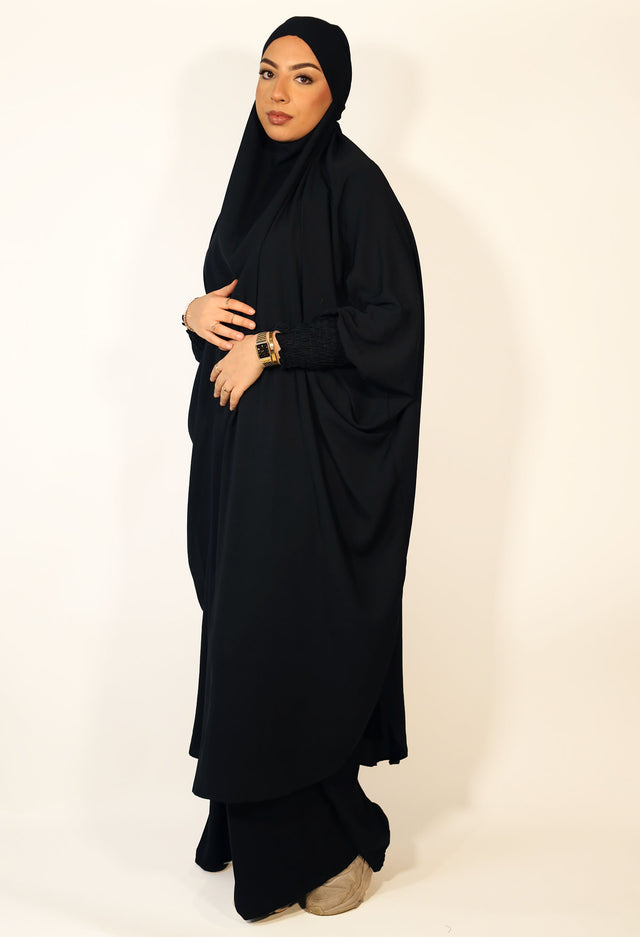
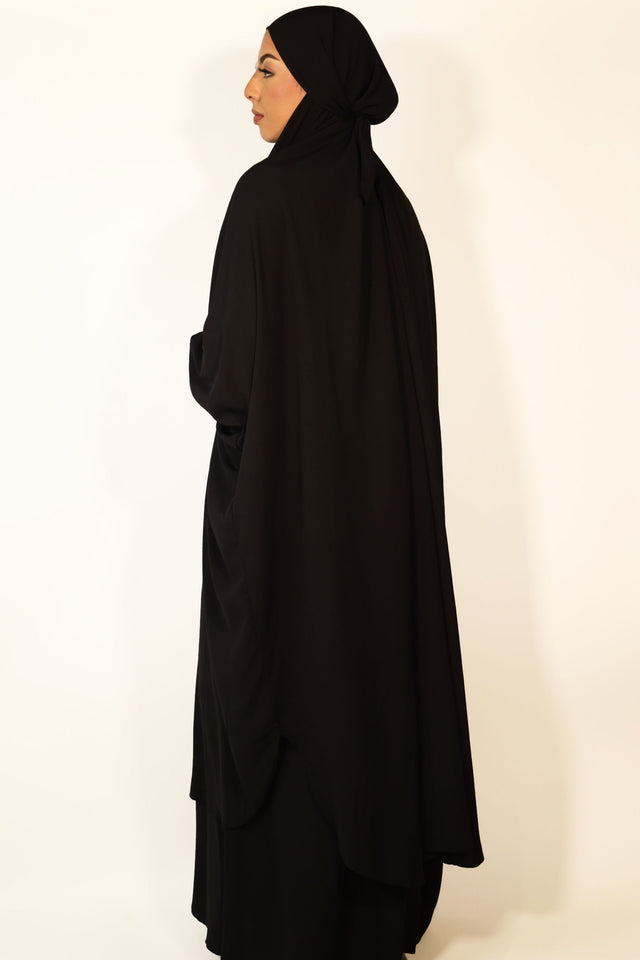
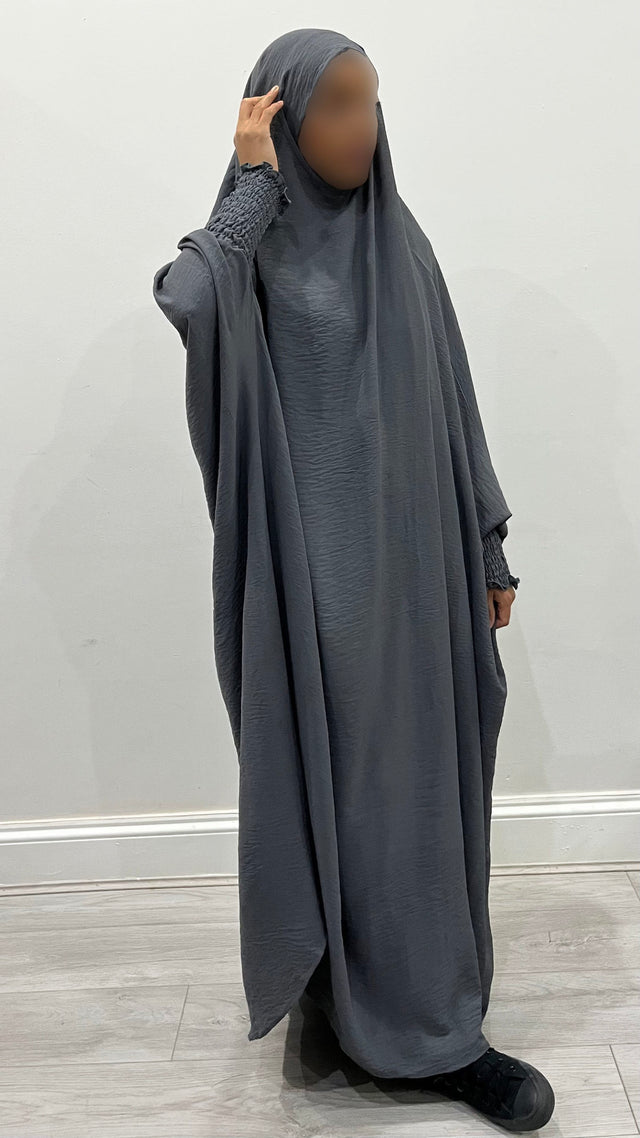
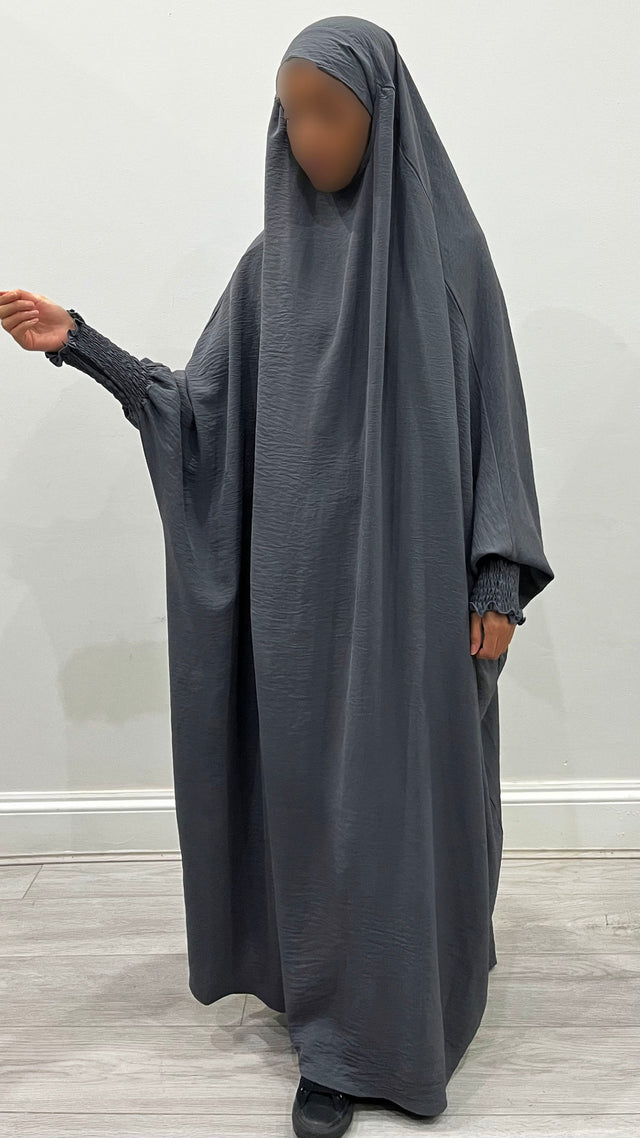
A one-piece prayer dress usually combines body coverage and a head covering in one garment or one connected construction. Depending on the design, it may pull over the head, include an attached hood or scarf, or use a face opening shaped to remain in place.
This can be especially helpful when prayer time arrives during a busy routine. There are fewer pieces to find, match or secure. A sister can keep one garment in a clean place and put it on over her clothing. For travel, a compact one-piece design can reduce what needs to be packed.
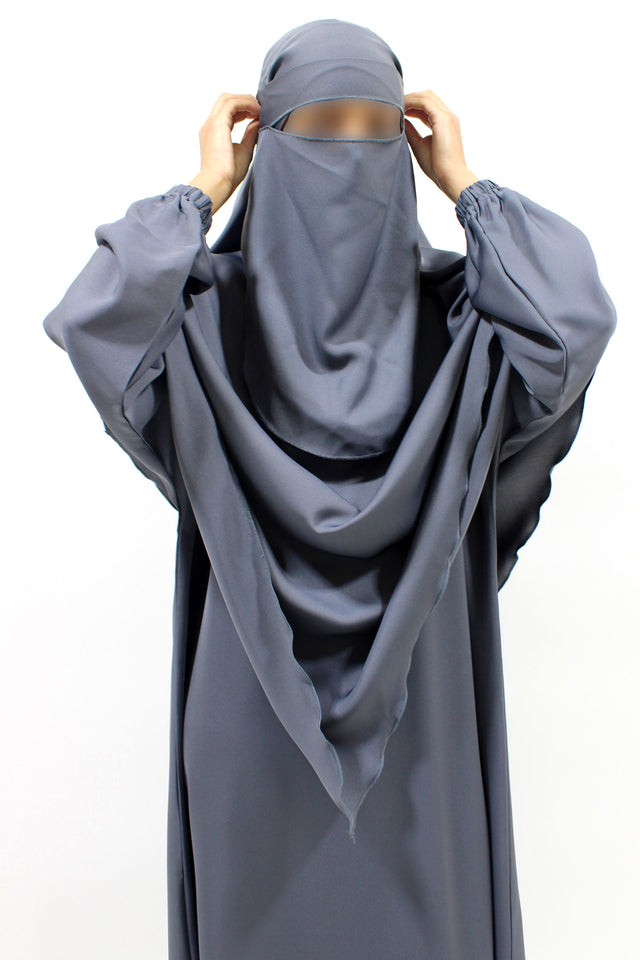
The main fit question is the face opening. It should feel secure without pressing painfully around the jaw, ears or forehead. The neck should remain covered through movement. The body should be wide enough that the garment does not pull across the back, hips or knees during ruku and sujood.
When comparing a one piece prayer dress uk option or searching for a prayer dress one piece uk, check the full length, face opening, sleeve construction, fabric weight and whether the garment is genuinely one connected piece. Product names can vary, so construction details are more useful than the label alone.
A one-piece garment is not automatically easier for every woman. Some sisters prefer the control of separate pieces, especially when they need different skirt lengths or want to adjust the head covering independently. Ease is personal.
Two-piece prayer sets offer adjustable coverage
A two-piece prayer set often includes a long skirt or lower garment and a khimar, cape or head covering. The separate pieces allow the wearer to adjust the waist and face opening independently. This can be useful when a single garment feels too long, too warm or difficult to balance.
I check the waistband carefully. Elastic should hold without digging in or rolling. The skirt should remain secure when standing, bowing and sitting. If the lower piece is very wide, I make sure the hem does not catch beneath my feet during movement.
The upper piece should cover the neck, shoulders and chest according to the intended design. A khimar-style top can offer generous coverage, but length and shape vary. I look for front, back and side measurements rather than assuming every two-piece set falls the same way.
Two-piece sets can be practical for washing because one part may need cleaning before the other. They can also be mixed only when the construction, colour and coverage remain appropriate. I keep the original set together when that creates the most reliable prayer routine.
An attached scarf can remove one decision
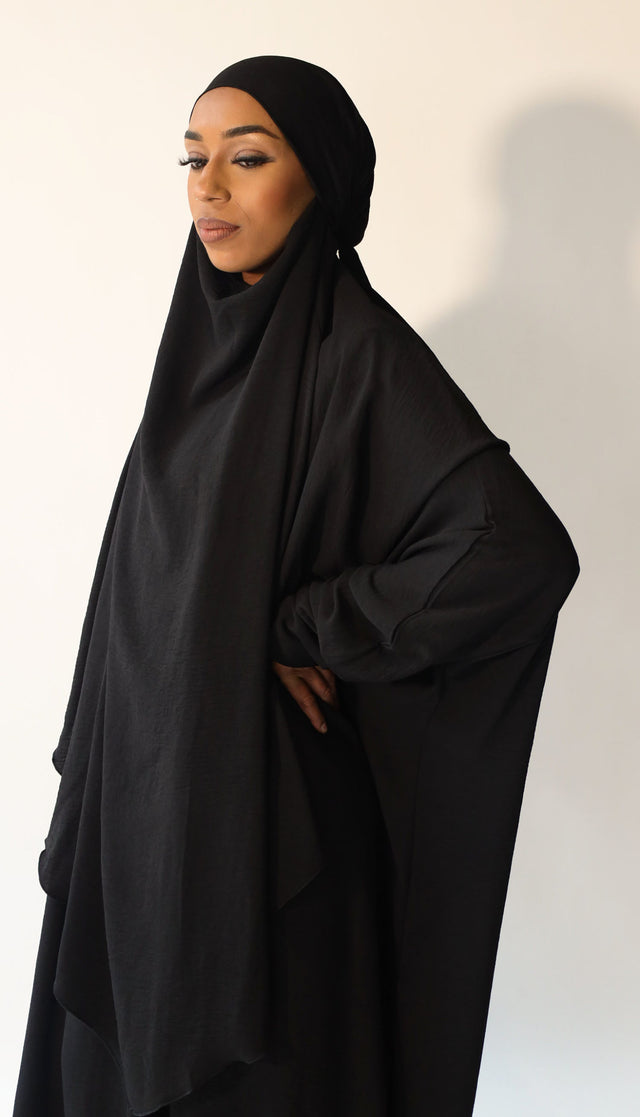
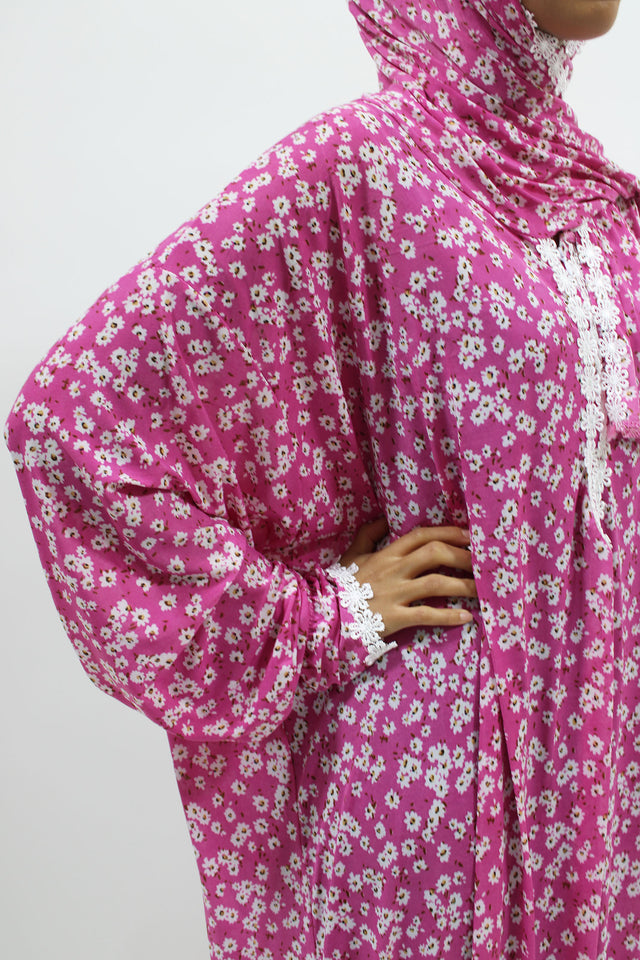
A prayer dress with attached scarf uk search usually comes from a sister who wants the head covering to stay with the garment. This can prevent the scarf from being misplaced and reduce the need for pins or magnets.
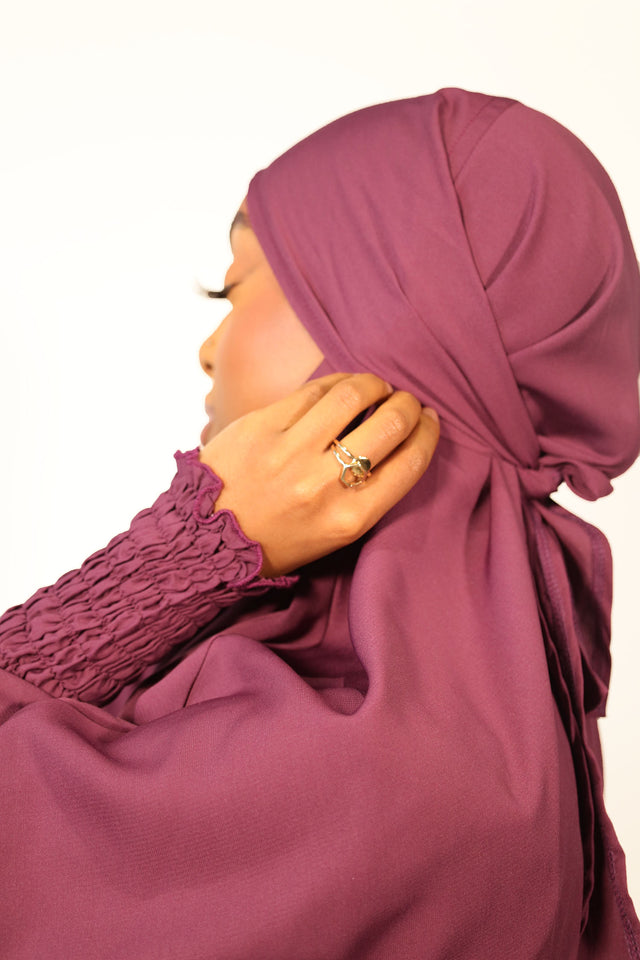
Attached scarf designs differ. Some have a hood-like opening. Some include long panels that can be wrapped. Others use a cape or khimar shape sewn into the dress. I read the photographs and description to understand whether the head covering is fixed, adjustable or only styled with the garment.
The face opening should remain comfortable through a full prayer. An opening that is too loose may move backwards. One that is too tight can create pressure and distraction. If the attached panels need wrapping, I practise the style before relying on it away from home.
I also check whether the attached scarf adds weight at the back. A heavy panel can pull the garment backwards. Good balance matters more than decorative volume.
A prayer abaya can feel familiar and dignified
A prayer abaya is often a full-length loose garment designed to be worn for salah, sometimes with an attached hood, scarf, khimar or separate head covering. It may resemble an everyday abaya, but the prayer function should guide the construction.
I check whether the sleeves remain secure when the arms lift and whether the neckline stays covered. Open abayas need an appropriate underlayer and are usually less convenient as a single prayer solution unless the complete set is designed for that use. Closed fronts are often simpler.
A namaz abaya online search may lead to prayer dresses, jilbabs, khimars and ordinary abayas. I look beyond the name and ask whether the garment provides the intended head, neck and body coverage by itself or whether another piece is required.
Prayer abayas with attached hoods can be quick to wear. Abaya-and-khimar sets allow more adjustment. The right choice depends on whether the wearer wants one connected garment or separate control.
Namaz dupatta and prayer hijab searches need a coverage check
A namaz dupatta online, namaz hijab online or hijab for namaz online search may refer to a scarf used for prayer rather than a full body garment. The scarf still needs enough size and opacity for the intended head, neck and chest coverage.
A dupatta can be long and versatile, but smooth fabric may slip and a narrow shape may need careful arrangement. A ready-shaped prayer hijab can be faster. A khimar can provide more shoulder and chest coverage with less wrapping.
This collection focuses on women’s prayer garments and coordinated prayer coverage. Check each product to see whether the head covering is attached, included as a separate piece or not included. A model may wear an additional scarf for styling, so written inclusions matter.
If you already have a suitable prayer dress and need only a head covering, compare the scarf dimensions, face opening, fabric and opacity. If you need complete coverage over ordinary clothing, a one-piece or two-piece prayer set may be the clearer solution.
The face opening should hold without hurting
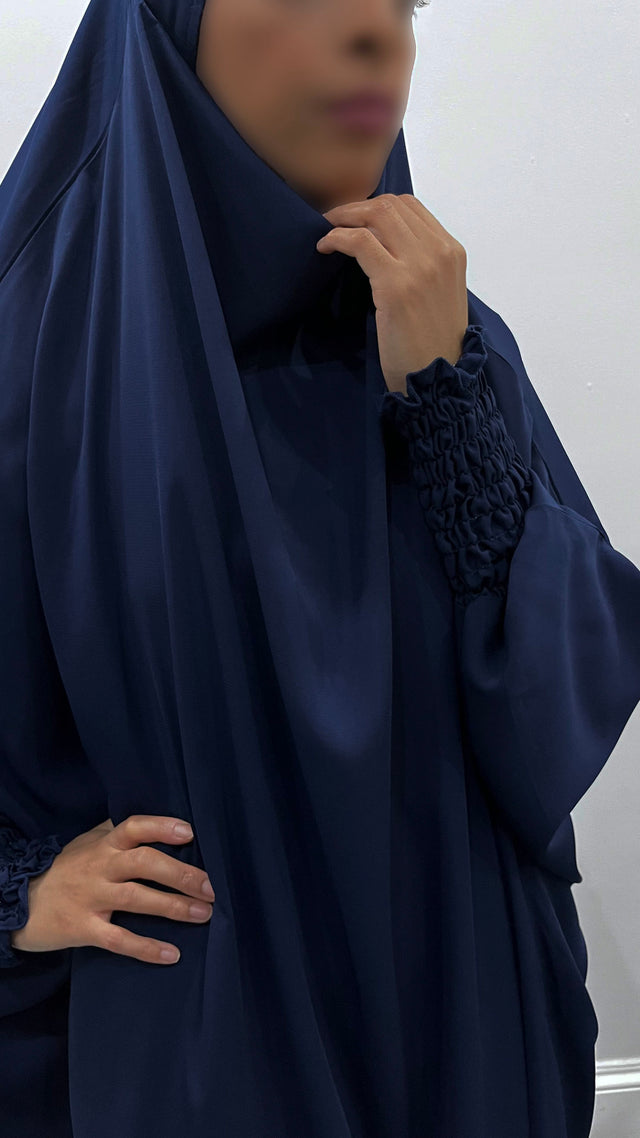
The face opening is one of the most important and least discussed parts of prayer wear. It affects security, comfort and whether the neck remains covered during movement.
I test it by turning my head, looking down and moving through the prayer positions. The fabric should not slide into the eyes or pull painfully beneath the chin. Elastic can help the opening adapt, but strong elastic can leave pressure marks. A tie or wrap panel may allow adjustment, though it adds a step.
Glasses and hearing devices need space. I put them on during the home test. A face opening that presses the arms of glasses into the skin will become distracting during a longer prayer or masjid visit.
There is no universal perfect shape. The useful product page gives measurements, stretch information or a clear explanation of the construction so the wearer can judge.
Length needs to work with height and movement
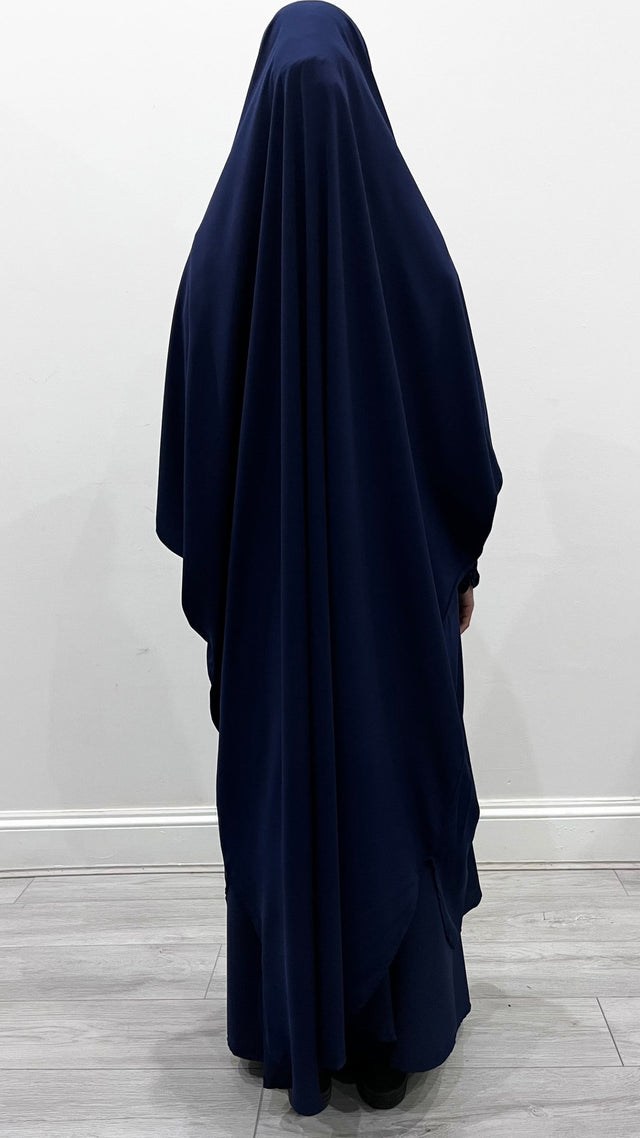
A prayer dress should be long enough for the intended coverage without becoming a tripping risk. I check the measurement from shoulder to hem or another clearly stated point. One-size length can fall very differently on different bodies.
When the garment is worn over clothing, the outer layer may sit higher than expected. A full skirt can also move forward during sujood. I test the hem with bare feet and with the exact clothing I will wear beneath it.
For shorter sisters, excess length may need adjustment. For taller sisters, a standard dress may expose the ankles during movement. Two-piece sets can sometimes offer more flexibility because the skirt sits at the waist and the upper piece overlaps it.
I avoid making a garment dangerously long only to create the appearance of more coverage. Secure, practical length supports calm movement.
Generous width should still be balanced
Prayer wear needs room through the shoulders, bust, hips and knees. The garment should not pull when the arms rise or when the wearer sits back. That does not mean every design needs unlimited fabric.
Too much heavy material can gather beneath the hands, catch under the knees or create heat. A balanced cut gives movement without turning the garment into something the sister has to manage.
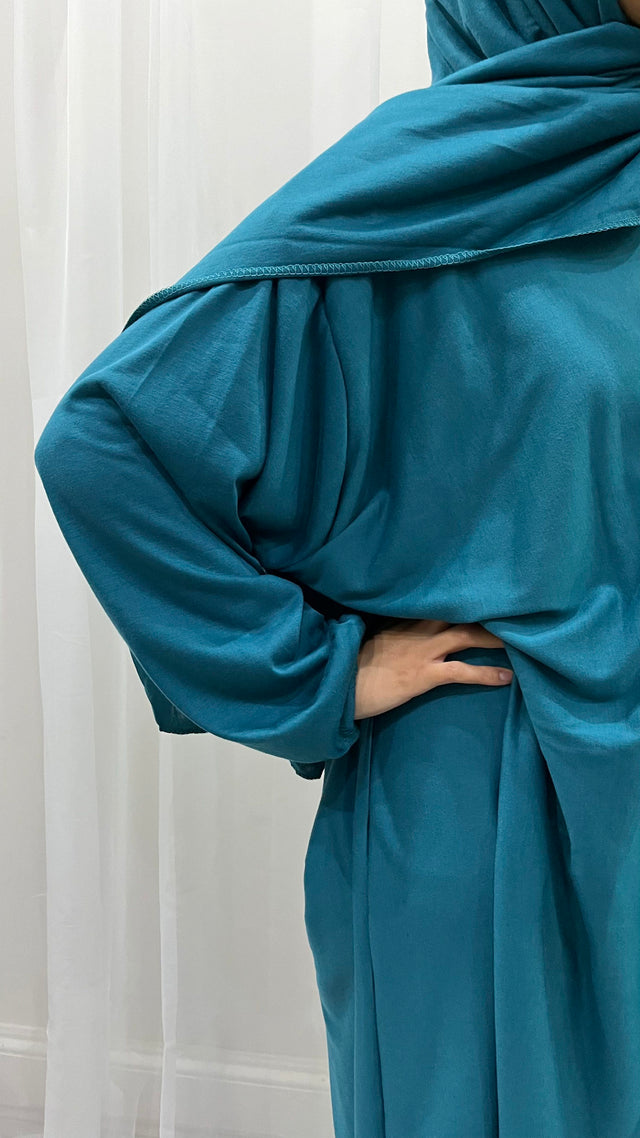
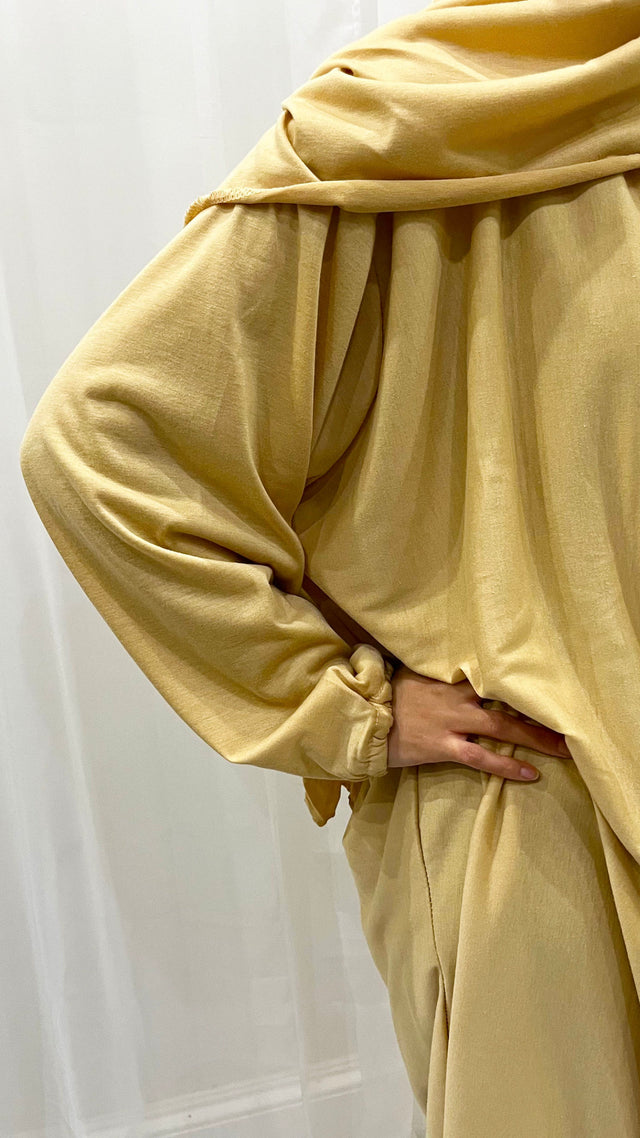
I look for width measurements, sleeve opening and photographs showing the garment at rest. Batwing or farasha-like shapes can provide generous room, while straighter cuts may feel lighter. Both can work when the dimensions are honest.
One size should never replace actual measurements. Stretch and width may accommodate several bodies, but the drape and length will still differ.
Opacity must be checked in light and movement
Prayer wear should not rely on a dark studio background to appear opaque. I test the garment near a bright window with the clothing or underlayer I intend to wear. Pale colours, fine fabrics and stretched areas deserve special attention.
A garment can be opaque through the body and sheer at the sleeves. A double layer may stop before the hem. A printed fabric may hide transparency in one section and reveal it in another.
Product descriptions that say semi-sheer, underlayer recommended or fully lined are helpful. They allow the wearer to plan. Vague claims such as perfect coverage are less useful than specific construction details.
If a slip or extra layer is required, I consider warmth and cost. The complete prayer system matters more than the outer garment alone.
Fabric affects heat, drape and how often the garment is washed
Prayer wear may be used several times a day, carried in a bag or worn over ordinary clothes. The fabric needs to match that rhythm.
Lightweight polyester can dry quickly and resist creasing, though some weaves may feel warm. Viscose can drape softly and feel breathable, but it may require gentle handling when wet. Cotton-rich fabric can feel familiar and matte, though it may crease or shrink with heat. Jersey can stretch and grip, but a heavy knit may become warm.
I do not assume lightweight means cool. A sheer garment worn over several layers can feel warmer than one opaque breathable layer. I check the whole system.
For travel or work, easy washing and quick drying may matter more than a delicate finish. For a garment kept at home, softness and generous drape may lead the decision.
Sleeves should support prayer and wudu
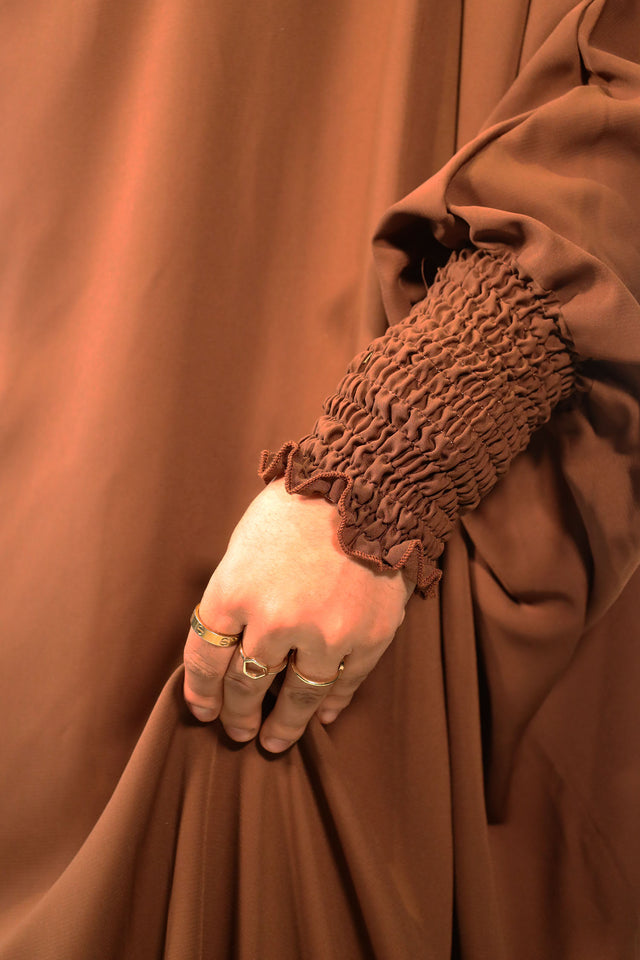
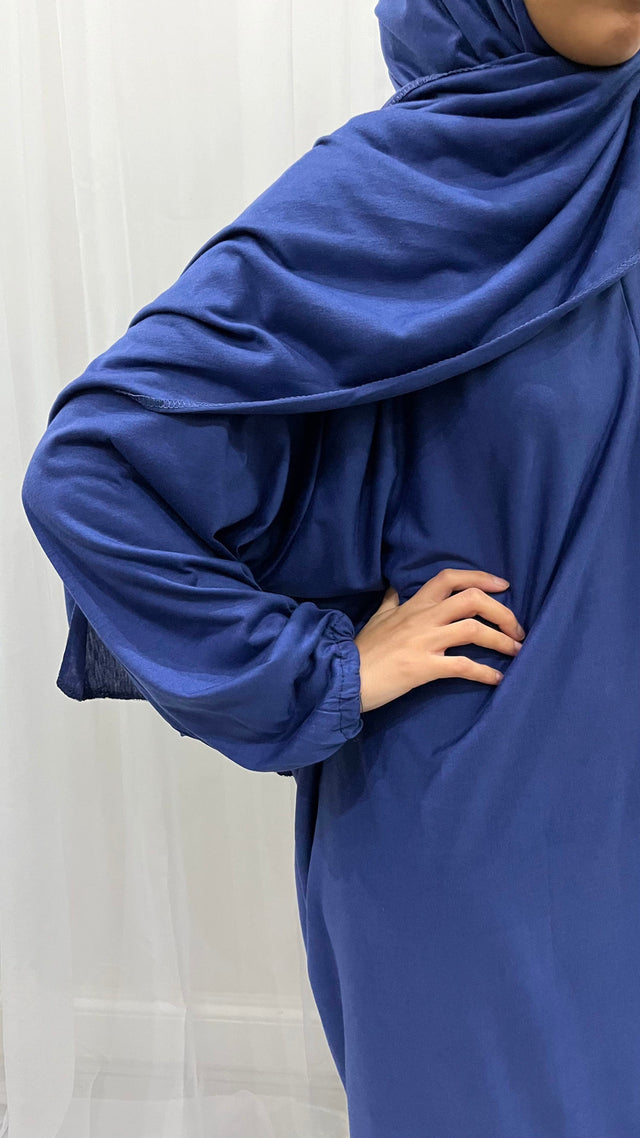
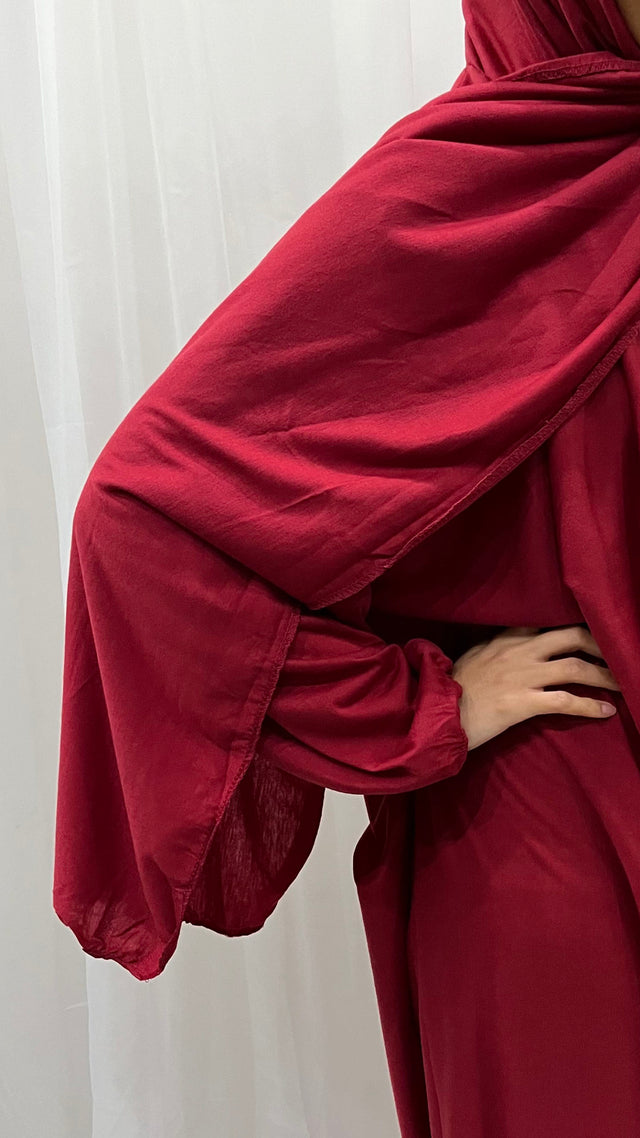
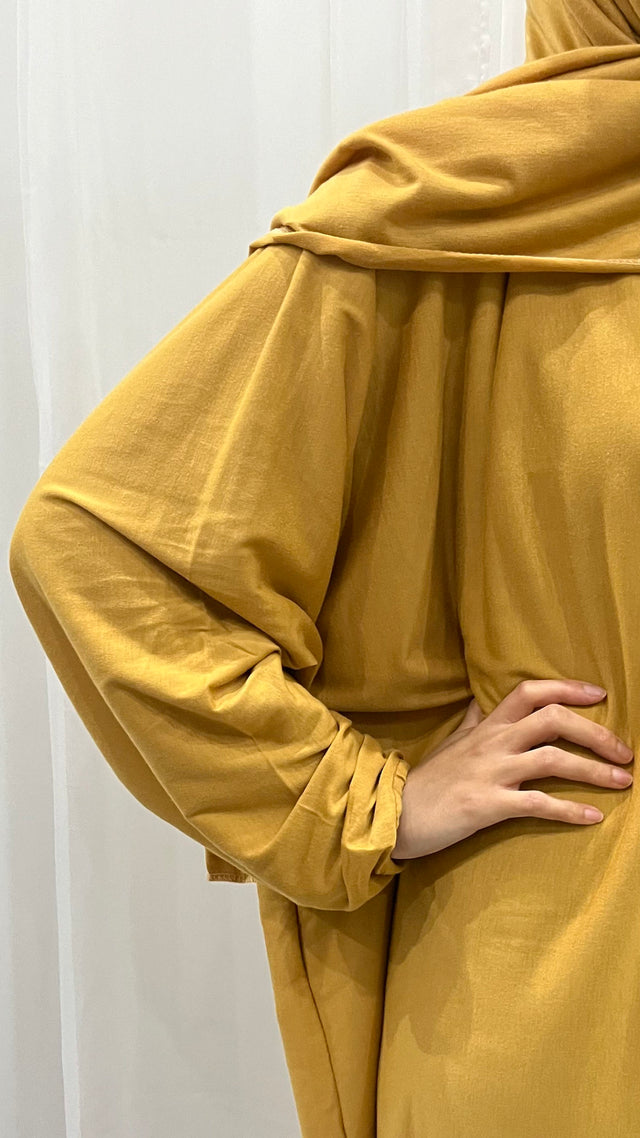
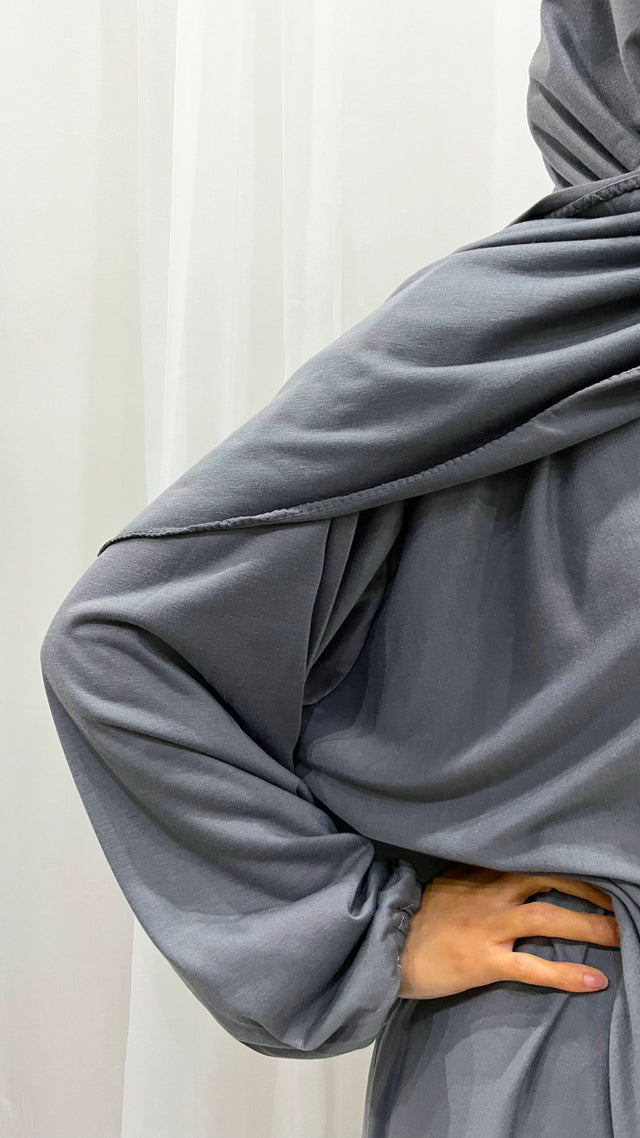
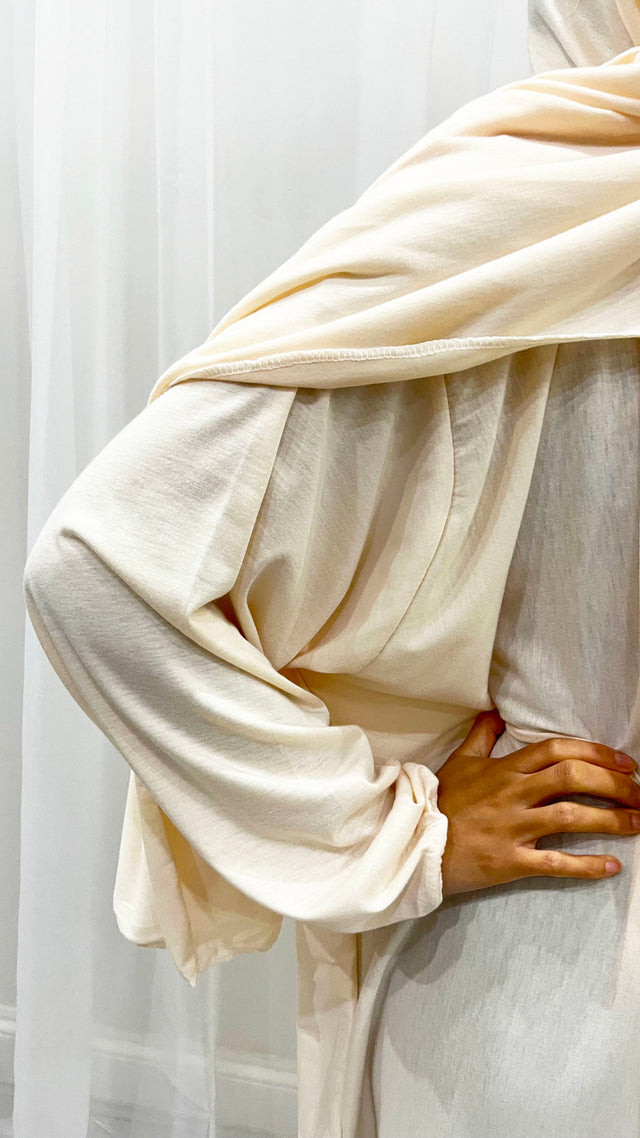
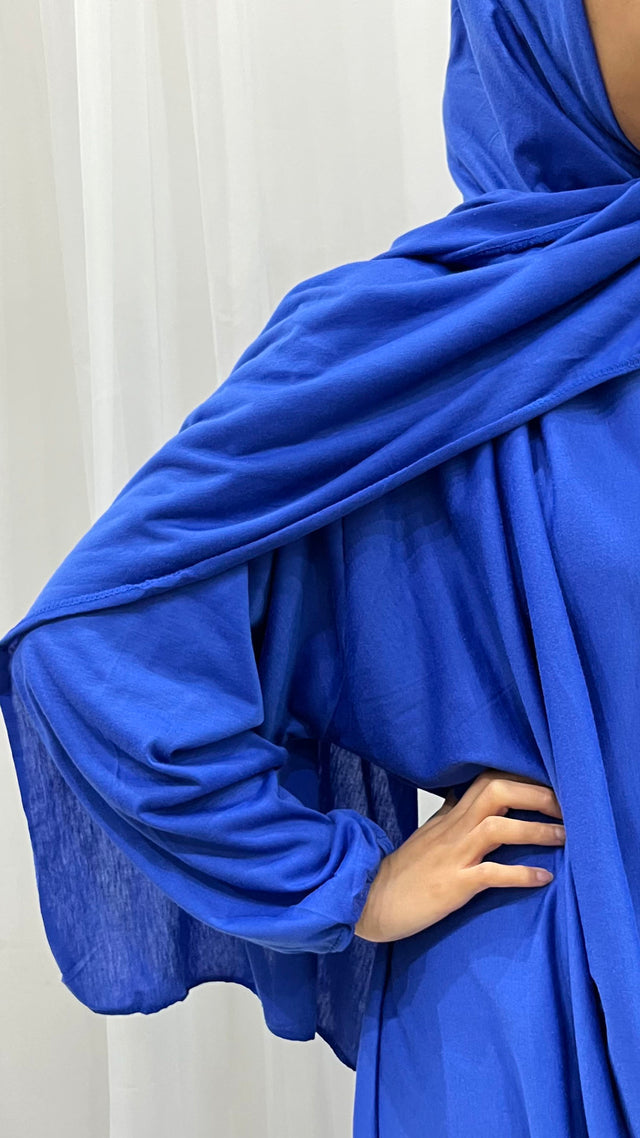
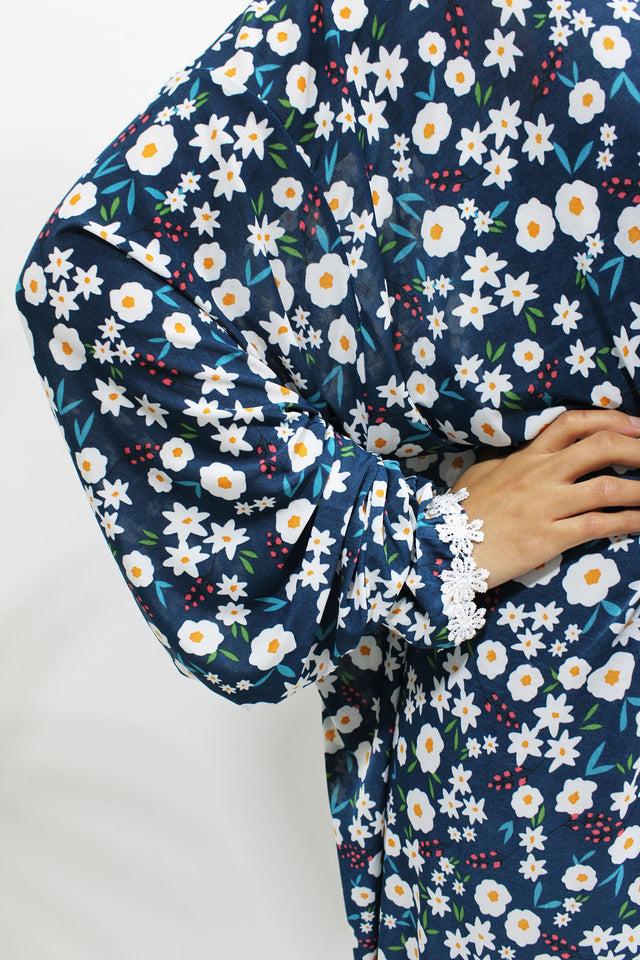
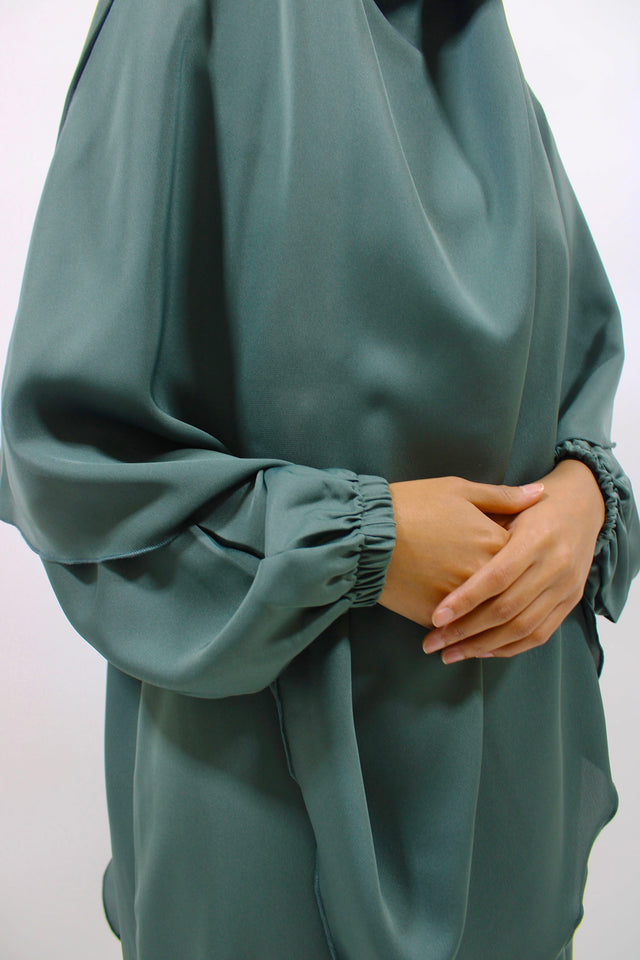
Sleeves need enough width for movement without falling over the hands constantly. Elasticated cuffs can keep fabric controlled, but the elastic should not feel tight. Open cuffs may be comfortable and need careful arrangement.
If the garment will be worn before and after wudu, I check whether the sleeve can be pushed or opened sufficiently. A narrow non-stretch cuff can make washing the arms difficult. Buttons, zips or elastic can help when designed well.
Very wide sleeves may expose the arm when lifted unless another layer is worn. The product photographs and description should make the construction clear.
I practise at home rather than discovering the limitation in a public prayer space.
Prayer wear kept at home should be easy to reach and easy to maintain
At home, the best garment is often the one stored cleanly in a known place. It can be put on without searching for a matching scarf or missing skirt.
A one-piece design may suit a household where several prayers happen between work, childcare and cooking. A two-piece set may suit a sister who prefers a fuller khimar or needs a separate length.
I keep the garment away from kitchen smells, dampness and floor dust. I wash it according to use and allow it to dry fully. A dedicated hook, drawer or breathable bag can make the routine calmer.
The garment does not need decoration to be meaningful. Simplicity can become part of the peace.
Prayer wear for work or study needs to fit inside the day
A work or university garment may need to be carried, put on quickly and removed without disturbing the rest of the outfit. Compactness, crease resistance and easy washing become important.
I test the garment over a blazer, cardigan or long dress if that is how I will use it. The shoulder and sleeve room must allow the layers beneath. A face opening that fits over one hairstyle may feel different over another.
A clean pouch protects the garment inside a bag. I keep it separate from shoes, food and leaking bottles. If space is limited, a light one-piece design may be easier than a bulky two-piece set.
For personal religious or workplace accommodation questions, seek appropriate qualified guidance and workplace support. The garment itself should simply make the practical routine easier.
Masjid prayer wear needs secure movement in a shared space
At the masjid, I think about walking, shoe areas, crowded rows and temperature. A very long hem can catch. Loose scarf panels can move when greeting people or carrying a bag.
I choose secure coverage and test it before leaving. If the garment is carried rather than worn from home, I pack it cleanly and make sure every piece is present.
During longer gatherings, heavy fabric or a tight face opening can become uncomfortable. Breathability and pressure matter. A garment that feels fine for five minutes may feel different through Taraweeh or a class.
Practical preparation allows the clothing to become quiet once worship begins.
Travel prayer wear should pack small and recover easily
Travel creates unfamiliar spaces and unpredictable timing. A compact prayer garment can make an airport, hotel or service station feel more manageable.
I choose a fabric that resists severe creasing, dries reasonably quickly and remains opaque. I avoid a style that needs several pins or a mirror. A one-piece prayer dress or attached-scarf design can reduce the chance of leaving a piece behind.
I keep the garment in a clean breathable pouch and allow it to air after use. For a long journey, I may carry a second light option if washing will be difficult.
If travelling for Hajj or Umrah, seek qualified guidance for religious requirements and choose clothing that respects the heat, movement and repeated use involved. Product beauty should not outweigh safety or comfort.
Pregnancy, nursing and changing bodies need adaptable prayer wear
During pregnancy, a garment that once felt loose may pull at the front or become warm. I look for generous width, breathable fabric and a face opening that does not add pressure.
After birth, quick dressing and nursing access may matter. A front opening can be helpful outside prayer, but it needs secure closure and an appropriate layer for salah. A wide one-piece dress may be easier when energy is limited.
Bodies change across illness, recovery, menopause and life stages. I do not force loyalty to a painful garment. Prayer wear should meet the sister where she is now.
When mobility or hand movement is limited, attached scarves, elastic openings and simple pull-on designs may support independence. The wearer remains at the centre of the decision.
Sensory comfort is part of the garment’s function
Seams, elastic, labels and fabric sound can become distracting. A soft-looking garment may have a rough neck seam or tight cuff. I touch the areas that will sit at the face, jaw, wrists and shoulders.
I notice whether the fabric creates static or clings to the clothing beneath. I check whether the face opening rubs near the ears. A sister with migraines or scalp sensitivity may need a lighter head section and fewer layers.
Comfort is not a luxury added after coverage. It is part of whether the garment can support repeated use.
Prayer wear needs a realistic care routine
I read the care label before the first wash. Some garments can be machine washed on a cool gentle cycle. Others need hand washing. Embellishment, elastic, attached scarves and delicate finishes may change the safest method.
I wash similar colours together and avoid rough zips or hook-and-loop fasteners. I do not wring a wet viscose garment or hang a heavy piece from one corner. I reshape it and dry it according to the label.
Prayer garments should be kept clean, but overwashing at high heat can shorten their life. I judge the routine according to use, fabric and hygiene.
Small repairs should be made early. A loose hem, weak seam or stretched face opening is easier to correct before it becomes a full failure.
Value comes from trusted use, not the lowest price alone
A cheap prayer dress can be useful when the fabric, construction and measurements match the need. A higher-priced garment can be poor value when it is unworn. I compare total use rather than treating price as proof of quality.
When I buy prayer dress options, I consider whether an attached scarf is included, whether an underlayer is needed, how easy returns are and how often the garment can be washed. Those details affect the real cost.
Prayer clothes for sale may include discounted colours, older designs or final-sale items. I check whether the return policy changes. A sale is helpful only when the size and role are right.
Stock and prices change. Use each live product page for current availability, size and cost, and use this guide for the decision that lasts longer than one season.
Delivery and returns belong in the buying decision
If the garment is needed for travel, Ramadan, Eid or a specific date, I order with time for delivery, a home test and possible return. Dispatch time and delivery time are different.
I read the return window, return postage, sale exclusions and condition requirements. I keep tags attached while testing over clean clothing.
For international orders, customs and return costs may change the risk. For UK orders, next-day wording may depend on cut-off time, postcode and working days.
A calm timeline protects the sister from accepting a garment that does not fit simply because the event is close.
My home test before I remove the tags
- Confirm the pieces: I check whether the scarf, khimar, skirt, belt or underlayer shown is included.
- Check the face opening: I turn my head, wear glasses and notice pressure.
- Check opacity: I use daylight and the clothing I intend to wear beneath it.
- Check movement: I practise standing, bowing, sujood and sitting.
- Check length: I make sure the hem covers as intended without causing a tripping risk.
- Check sleeves: I lift my arms and test whether the cuffs remain secure and comfortable.
- Check warmth: I wear the garment for long enough to notice heat and weight.
- Check storage: I decide whether it fits the home, work or travel routine.
- Check care: I confirm that I can wash and dry it as required.
- Decide in time: I do not keep the wrong garment from guilt.
Search-language reference: what belongs to this women’s Prayer Wear collection
Search engines collect exact phrases, even when they mix women’s prayer dresses with men’s caps, prayer mats or local mosque searches. I am keeping every assigned phrase visible so the intent is answered honestly. I am not pretending that every phrase belongs to the same collection.
Women’s prayer dress and clothing searches
Exact search wording: prayer dress uk; prayer clothes uk; muslim prayer dress online; islamic prayer clothes uk; islamic prayer dress buy online; namaz dress for ladies online; namaz dress online; prayer dress with attached scarf uk; prayer clothes for ladies uk; islamic prayer dress uk; muslim prayer dress uk; namaz clothes online; one piece prayer dress uk; prayer dress near me; prayer dress one piece uk; prayer dress online; prayer clothes for sale; salah dress online; buy prayer dress; cheap prayer dress.
These phrases belong most closely to this collection. Use the product details to compare one-piece dresses, two-piece sets, attached-scarf designs, prayer abayas and coordinated coverage. “Near me” may indicate a desire for a physical store, so verify current store information directly before travelling.
Prayer scarf and dupatta searches
Exact search wording: namaz dupatta online; namaz hijab online; hijab for namaz online; namaz abaya online.
These searches may ask for a head covering, a full prayer garment or an abaya. Check what each product includes. This women’s collection may include attached hoods, khimars and prayer abayas, but a separate scarf shown in a photograph is not automatically included.
Men’s topi and cap searches
Exact search wording: namaz topi near me; namaz topi online; namaz topi price; namaz cap online; online topi for namaz; namaz topi shop near me.
These phrases refer primarily to men’s prayer caps or topis and do not describe the women’s prayer dresses in this collection. I do not use them to promise stock that is not part of the collection. Shoppers should use the appropriate men’s accessories category or contact the store for current availability.
Prayer mat and local Jummah searches
Exact search wording: janamaz online shopping; jumma namaz near me.
Janamaz commonly refers to a prayer mat, while “Jumma namaz near me” is usually a local mosque, prayer time or location search. This collection is for women’s prayer clothing. It does not provide mosque locations, Jummah times or a guarantee of prayer-mat stock. For local prayer information, use a trusted mosque or local community source.
A calm checklist before choosing from the collection
- Setting: Home, work, masjid, travel or a mixture?
- Construction: One piece, two piece, attached scarf, prayer abaya or abaya-and-khimar set?
- Coverage: What covers the head, neck, chest, arms and body, and is every piece included?
- Face opening: Is it adjustable, elasticated or fixed?
- Measurements: What are the length, width, sleeve and face-opening details?
- Opacity: Is the fabric opaque in the chosen colour and through movement?
- Fabric: Will the weight, warmth and care suit the routine?
- Movement: Does it remain secure through the prayer positions?
- Care: Can it be washed and dried as often as needed?
- Delivery and returns: Is there enough time and a clear route if the fit is wrong?
When the evidence is clear, allow yourself to choose. There is no prize for making a difficult garment work. The purpose of prayer wear is to support coverage and reduce clothing distraction, not create another standard of perfection.
A week of prayer wear decisions can reveal the right construction
Sometimes the easiest way to choose is to picture one ordinary week. On Monday, a sister may pray at home before leaving early for work. A one-piece garment kept beside the prayer mat gives speed. On Tuesday, she may need to carry prayer wear in a tote and use a quiet room at the office. A lightweight attached-scarf dress may take less space than a full skirt and khimar set.
By Wednesday, the garment has already taught her something. Perhaps the fabric is beautifully soft but too warm over work clothes. Perhaps the face opening is secure at home and presses against her glasses after an hour. Perhaps the one-piece design is perfect for speed, while the hem is too long for a public prayer room. These are not small complaints or evidence that she chose badly. They are practical details that help define the next purchase.
On Friday, she may attend the masjid and prefer a fuller two-piece set that feels familiar in a shared space. On Saturday, travel may make the compact option more useful again. On Sunday, she washes the most frequently used garment, checks the seams and returns it to its clean place. The week shows that one piece can serve several settings, but it also shows why some sisters keep a home garment and a lighter travel garment.
I do not use this picture to create pressure to buy two of everything. I use it to identify the role. If one garment already covers home, work and travel comfortably, that is enough. If the current garment repeatedly fails in one setting, I can look for a specific solution rather than buying another colour of the same problem.
Prayer wear does not need to become a performance
A prayer dress can be beautiful, and beauty can bring care to a routine. Yet it does not need trend language, constant newness or a large wardrobe to be worthy. A sister may use the same dependable garment for years. Another may need several in rotation because she travels, works long shifts or shares laundry responsibilities. Neither life is more sincere because of the number of garments.
I remain cautious when religious emotion is used to pressure a sale. A product can support a practice, but it cannot promise spiritual closeness or measure the wearer. Honest descriptions, suitable construction and fair service are more respectful than fear-based language.
The garment also does not need to copy an outdoor abaya or occasion dress. Prayer wear is often for home prayer, work prayer rooms, travel and masjid use. Its purpose is practical coverage during salah. Decorations that add weight, roughness or difficult care may not serve that purpose, even when they look attractive in a photograph.
When I choose simply, I am not giving up elegance. I am making room for the garment to do its job. A clean line, soft colour and reliable drape can feel deeply beautiful without asking for attention.
When the product arrives wrong, I name the problem clearly
If the prayer garment does not match the listing, I photograph the issue before washing or altering it. I compare the actual measurements, included pieces, colour and construction with the product page. A missing scarf, incorrect size, visible defect or undisclosed transparency should be described specifically when contacting support.
I keep the packaging, tags and order confirmation until the matter is resolved. I communicate in writing where possible and follow the stated return process. If the garment is simply unsuitable rather than faulty, I use the return window honestly and avoid wearing it beyond the home test.
This clarity protects both customer and business. “It feels wrong” is a real feeling, but “the face opening measures less than stated” or “the separate khimar shown as included was missing” gives the store something precise to investigate.
Frequently asked questions about women’s prayer wear
What is the difference between a one-piece and two-piece prayer dress?
A one-piece prayer dress combines more of the coverage in one connected garment and is often quicker to put on. A two-piece set usually separates the skirt or lower garment from a khimar or upper covering, allowing more adjustment in length, waist and face opening.
Does a prayer dress include the scarf?
Only when the product description says it does. Some styles have an attached scarf or hood, some include a separate khimar, and others show an additional hijab for styling. Read the written inclusions rather than relying on the model image.
How do I choose the right prayer dress length?
Compare the shoulder-to-hem or stated length with your height and a garment you already use. Test it over normal clothing and through prayer movement. The hem should cover as intended without becoming a tripping risk.
Should prayer wear be loose?
The garment should provide the coverage and freedom of movement required according to the wearer’s understanding and qualified guidance. Practically, it should not pull across the shoulders, hips or knees during prayer. Exact width measurements are more helpful than a “loose fit” label.
Is a prayer dress suitable for the masjid?
It can be when it remains secure, clean and practical for walking and shared spaces. Check the hem, face opening, fabric warmth and whether any loose panels need controlling. Religious or community-specific questions should be taken to a trusted qualified source.
What fabric is best for a prayer dress?
There is no universal best fabric. Lightweight, opaque and breathable materials often feel comfortable, while crease-resistant and quick-drying fabrics can suit work or travel. Check opacity, weight, care and how the garment feels over the clothing beneath it.
Can I travel with a one-piece prayer dress?
Yes. One-piece designs can be convenient because there are fewer parts to lose. Choose a garment that packs compactly, remains opaque, needs few fastenings and can be washed or aired easily during the journey.
How should I wash prayer wear?
Follow the product care label. Many garments can be washed cool on a gentle cycle, while delicate fabrics or embellishment may require hand washing. Avoid high heat, harsh twisting and drying methods that stretch the garment.
How do I test a prayer dress before keeping it?
Keep the tags attached and test the face opening, opacity, length, sleeves and movement over clean clothing. Practise the prayer positions, wear the garment long enough to notice heat or pressure, and decide within the return window.
Are men’s namaz topis or local Jummah details part of this collection?
No. This collection is focused on women’s prayer clothing. Men’s topi and cap searches belong to men’s accessories, while local Jummah times and mosque locations should be confirmed through a trusted local mosque or community source.
Prayer wear should help the clothing become quiet
There is a gentle kind of relief in reaching for a garment that already knows its role. The scarf is attached or folded beside it. The length has been tested. The face opening does not need to be fought. The fabric covers as intended, and the sister does not have to check herself in every reflection before she begins.
That relief is not about perfection. It is about removing avoidable difficulty. A prayer garment cannot create khushu, measure sincerity or replace knowledge. It can simply support the body while the heart turns towards Allah.
I hope this collection helps you choose with that intention. Look beyond the colour and ask how the garment moves. Read the measurements. Check what is included. Choose one piece or two pieces according to the life you actually live. Let comfort be evidence, not guilt.
May Allah place barakah in the ordinary garments that help us answer the call to prayer with less rushing, less adjustment and more peace. The best prayer wear is the piece that covers as intended, feels kind to the body and then allows itself to be forgotten.