Hijabs
( 24 Products )
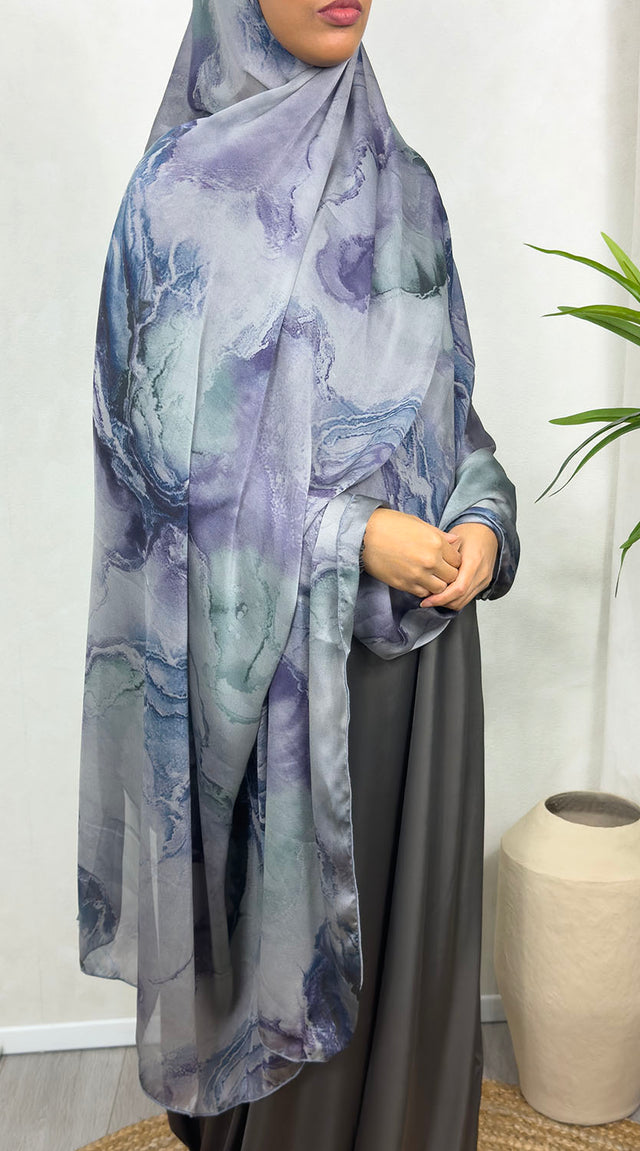
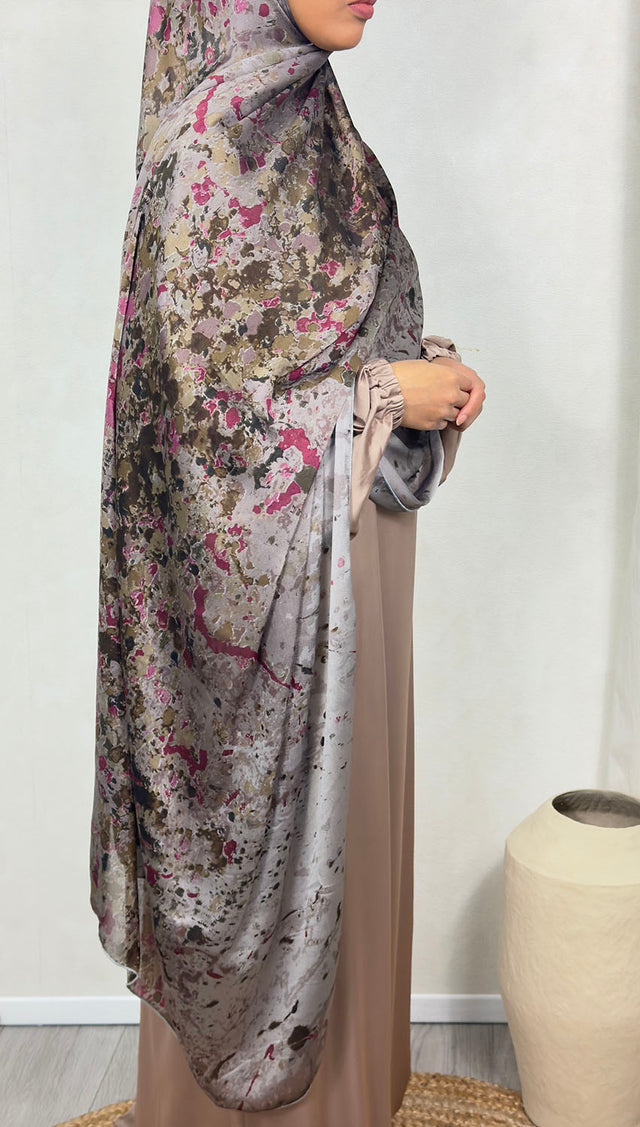
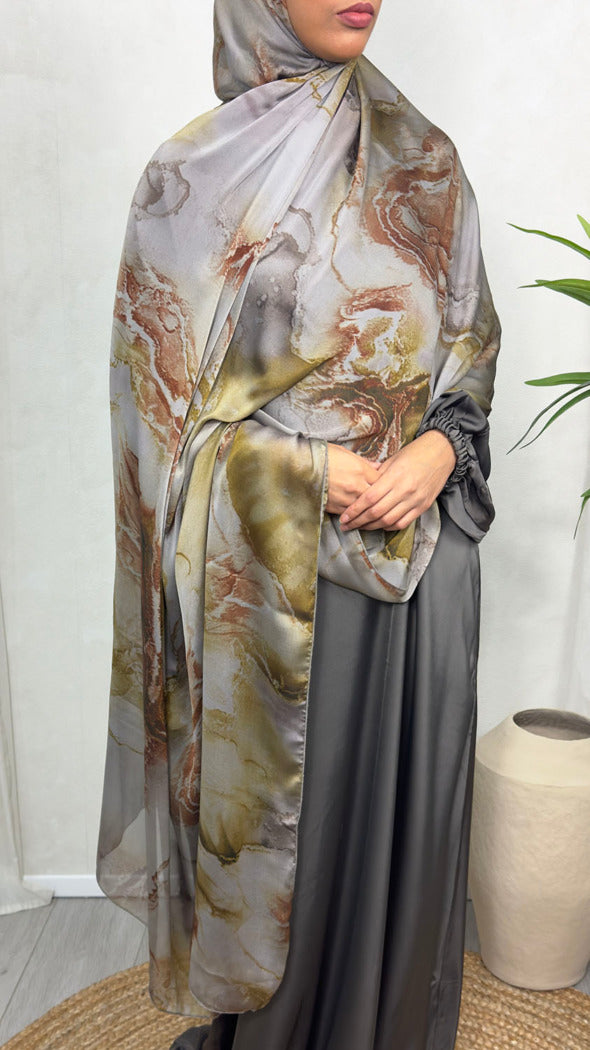
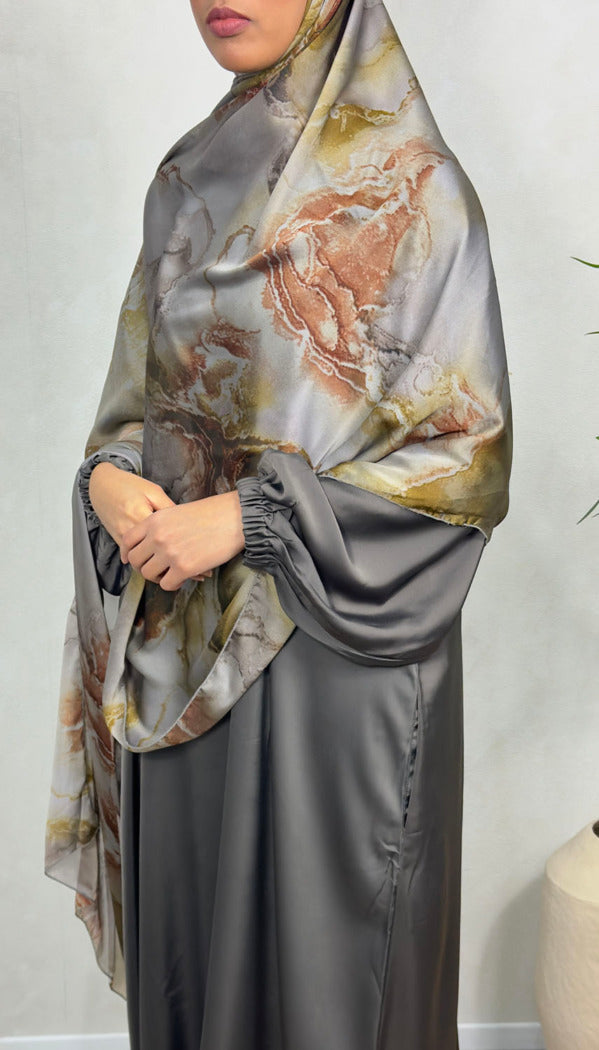
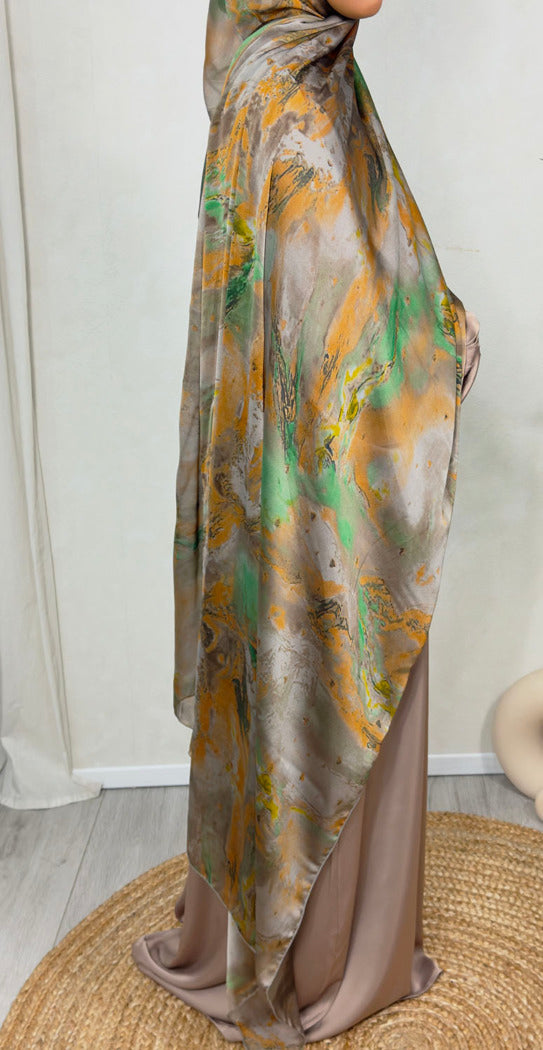
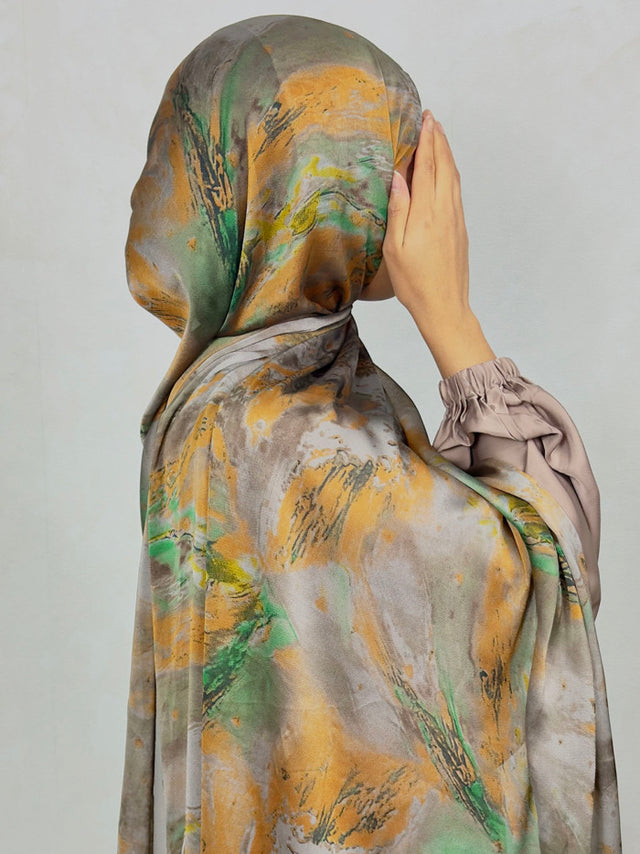
Shop hijabs online at Amani's with the product details, fabric choices and practical guidance needed to choose confidently. The live collection brings together soft premium jersey hijabs for secure everyday wear, XL satin chiffon scarves with expressive alcohol-ink prints, and an embellished border design for a more decorative finish. Use the filters and related collection links to narrow the range by fabric, colour and style, then open each product page to confirm the exact measurements, available variants, current price and stock.
The product grid comes first because this is a shopping page. The detailed guide below it is there when you need help comparing drape, grip, opacity, size, finish and value before ordering. For deeper education about undercaps, full fabric families, styling techniques, hair comfort and garment care, read the complete hijab guide. This collection page stays focused on the decision in front of you: which live Amani's hijab best suits the way you dress, the coverage you prefer and the days on which you will actually wear it?
Planning a celebration outfit? Our eid hijab style guide explains how to coordinate the scarf with an abaya or dress, protect prayer coverage, prepare for British weather and remain comfortable through the full day.
Choose the section that answers your shopping question. Select the plus sign to open it and the minus sign to close it.
How to use this hijab collection without feeling overwhelmed
A useful hijab collection page should help you move from a broad intention such as “I need a new everyday scarf” to a product you can evaluate properly. It should not ask you to scroll through hundreds of unrelated garments or guess what words such as premium, XL and occasion mean. Begin with the role the hijab needs to perform, then use fabric, finish and colour to narrow the live products.
Start with the day you are buying for
Picture the first real day on which you expect to wear the hijab. A workday, school run, university lecture, family visit and wedding place different demands on a scarf. For an ordinary long day, you may value grip, soft stretch, easy washing and a shape that sits beneath a coat. For an occasion, you may accept a smoother fabric and more careful fastening because movement, colour and finish matter differently.
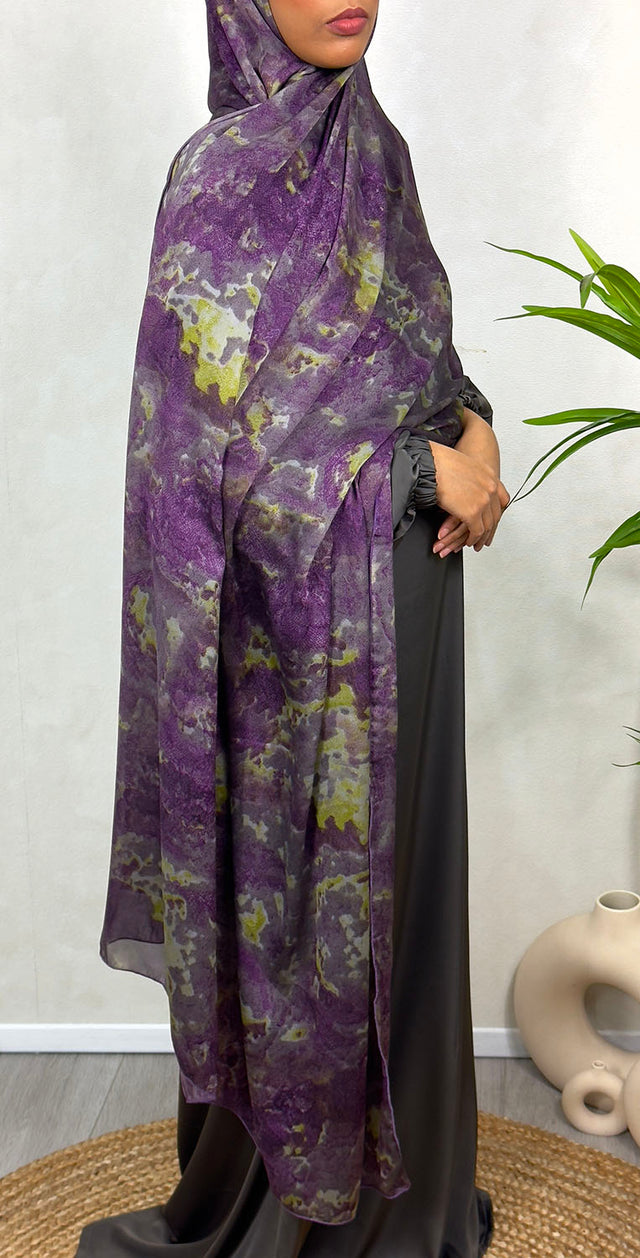
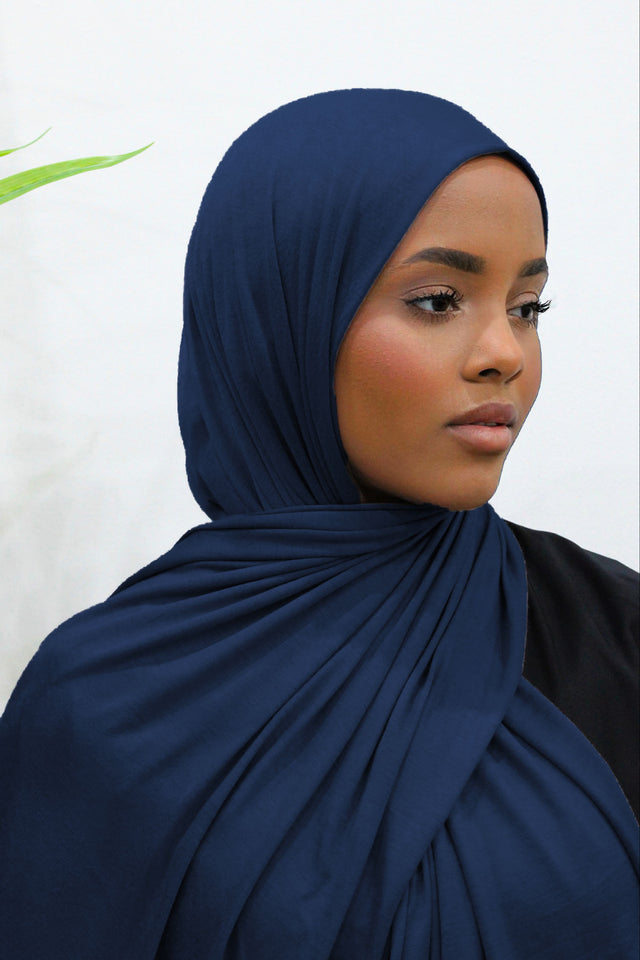
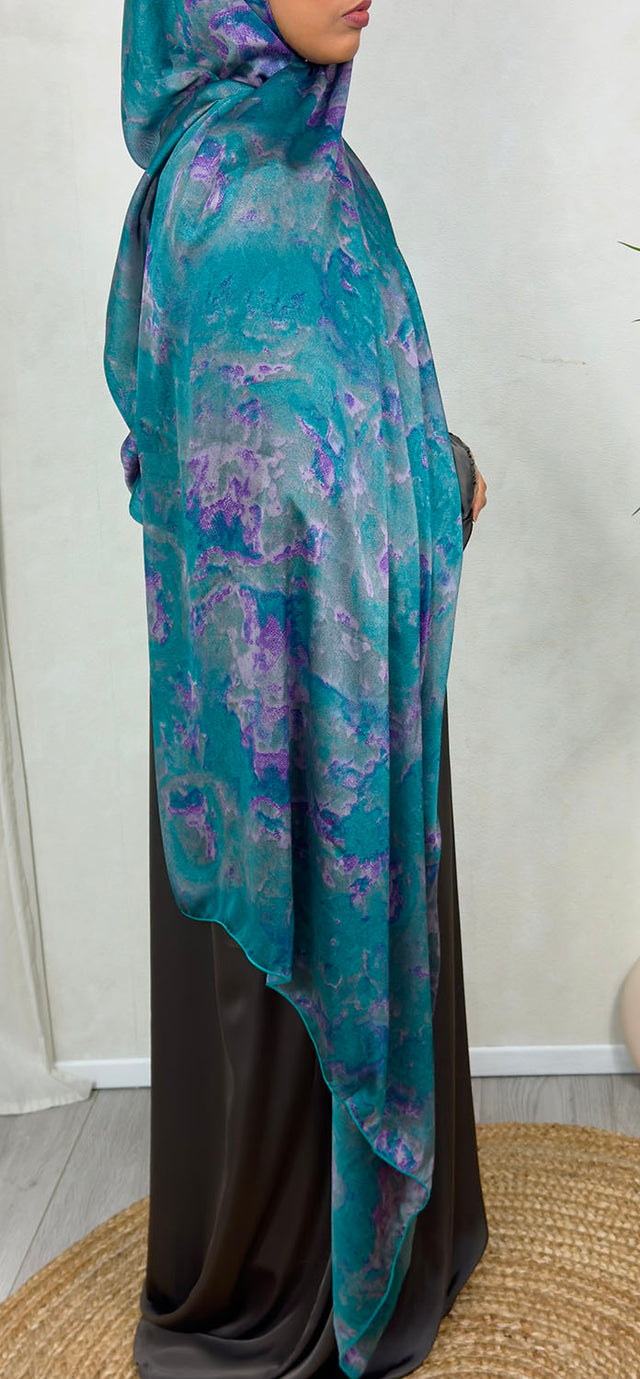
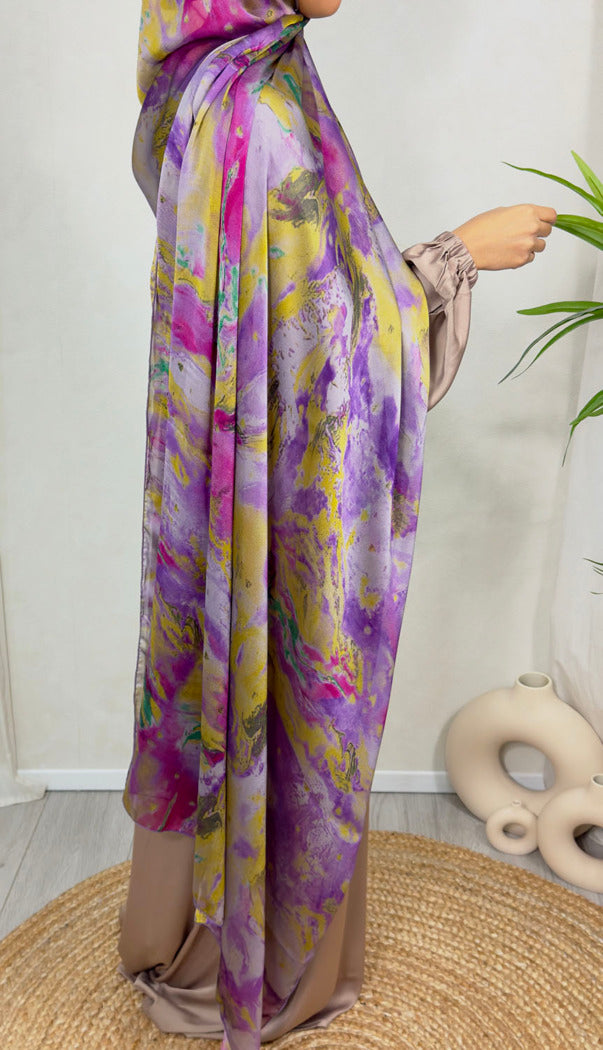
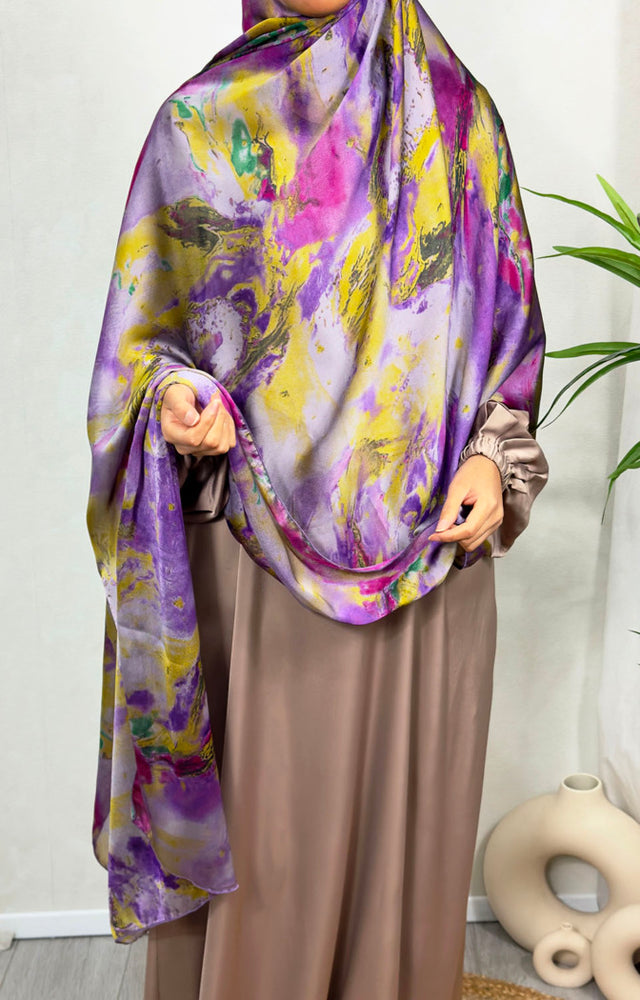
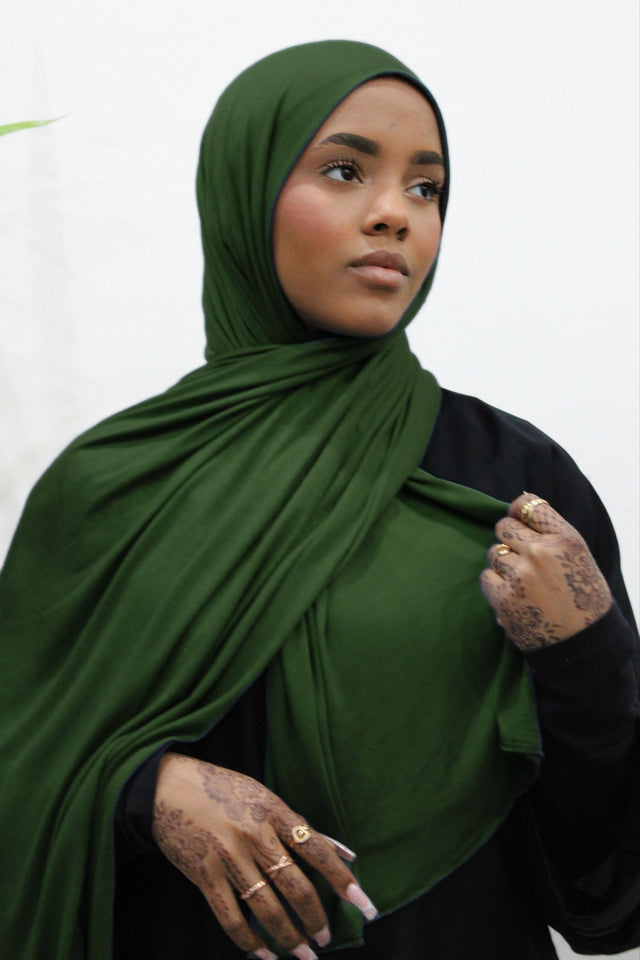
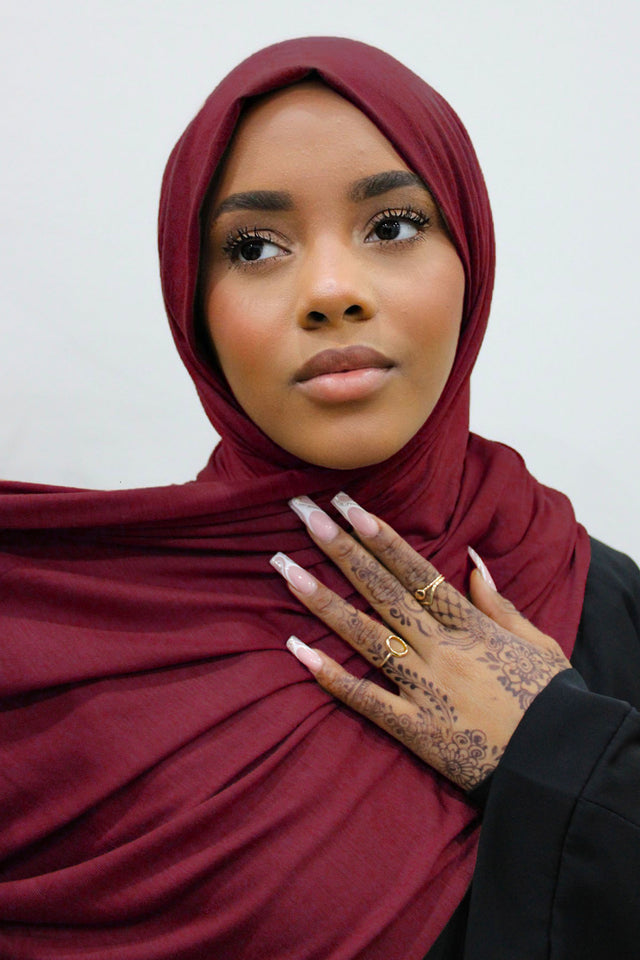
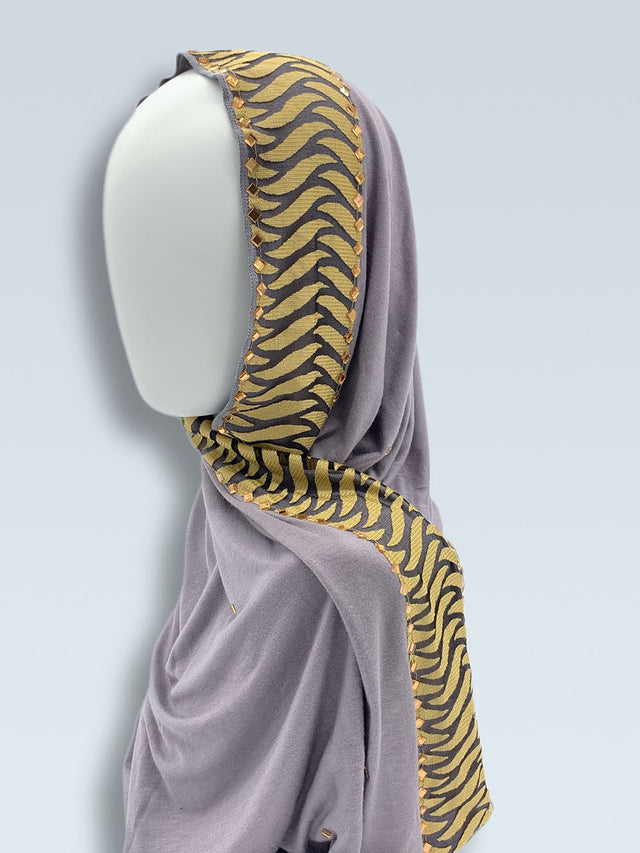
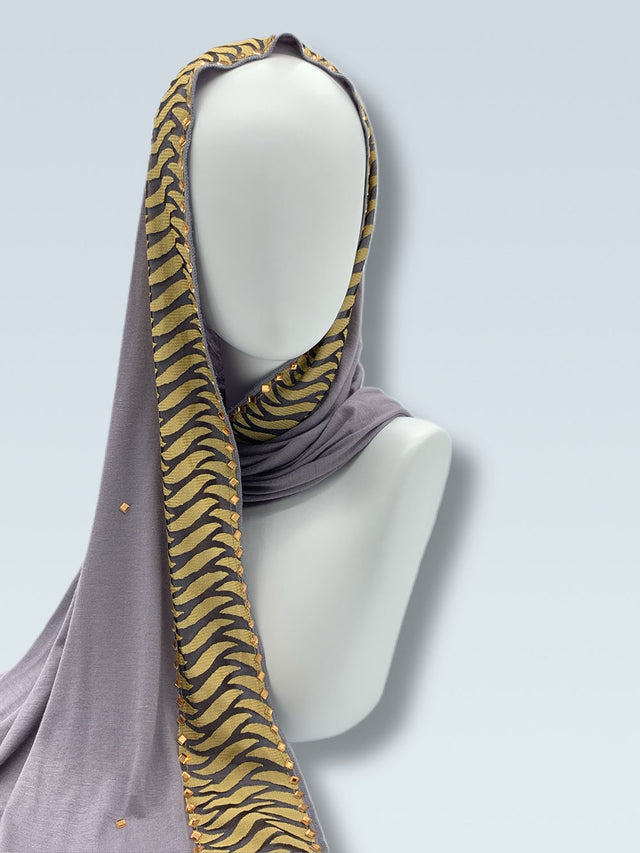
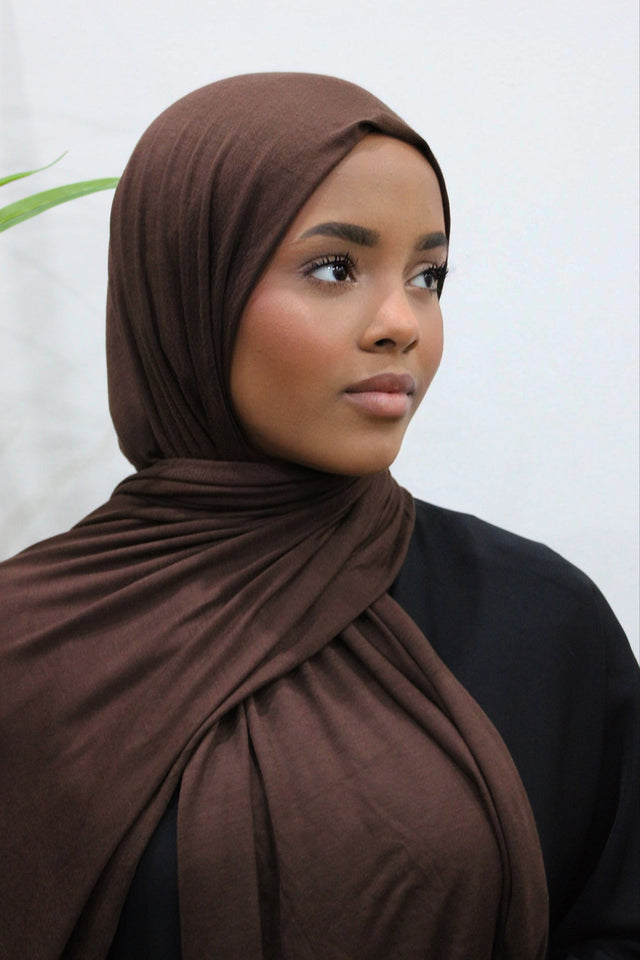
This collection currently centres on three clear product families. Premium jersey gives a soft, matte and secure everyday option. XL satin chiffon scarves provide greater fabric length and a flowing printed finish. The tiger-stripe border hijab adds decorative detail for sisters who want the scarf itself to become a focal point. Product availability changes, so treat those families as a way to understand the range rather than a promise that every colour will always be in stock.
Use the product grid before the long guide
The fastest route is to scan the live product grid first. Notice the fabric family, colour, print and current price. Open promising products in separate tabs rather than trying to remember them. On each page, check the product description, photographs, variants, stock and any stated dimensions. The grid tells you what exists now; the guide below helps you compare what those details mean.
Related collection chips can also reduce the work. Use the chiffon hijabs, jersey hijabs and premium hijabs pages when you already know the family you want. A filtered page is more useful than trying to force every search phrase into one enormous catalogue.
Separate a product fact from a styling possibility
A product fact is something the listing can prove: fabric, dimensions, edge finish, colour, fastening, included pieces, current price and stock. A styling possibility is what you may do with those facts: wear jersey without a pin, layer chiffon over an undercap, pair a print with a plain abaya or use an XL scarf for a longer drape. Buy from facts first. Let styling possibilities help only after the product meets the practical need.
Keep the buying decision small
Compare two or three products at a time. Decide which fabric family comes first, then compare colour and finish within it. When several options are close, choose the one that coordinates with more of your wardrobe or fills a role your current scarves do not. You do not need to solve your entire hijab wardrobe in one order.
A focused process also makes returns less likely. You are not buying because a phrase sounded attractive or because every colour seemed useful. You are choosing one scarf for a defined role, checking the evidence and accepting that another product may be better for a different day.
Choose a hijab for the way you will actually wear it
The same scarf can feel effortless to one woman and demanding to another because routines differ. Before comparing colours, decide how much styling time, grip, coverage and care you genuinely want. The answer is more useful than a universal ranking of the “best hijab online”.
For secure everyday wear
Premium jersey is the clearest starting point when you want softness, stretch and natural grip. A well-balanced jersey can frame the face without a complicated fold and may remain in place with little fastening. It works particularly well for commuting, study, appointments, family errands and days when you need the scarf to become quiet once it is on.
Look at the weight and stretch described on the product page. Very light jersey may become less opaque where it stretches, while very heavy jersey can feel warm or pull backwards. A medium, soft jersey usually offers the most forgiving everyday balance. Check the finished edge and whether the colour is likely to coordinate with at least three outfits you already wear.
A secure fabric does not mean you should wrap it tightly. Let the grip do the work. If the style needs painful pressure around the jaw or ears, change the arrangement, undercap or scarf rather than treating discomfort as normal.
For a light, polished drape
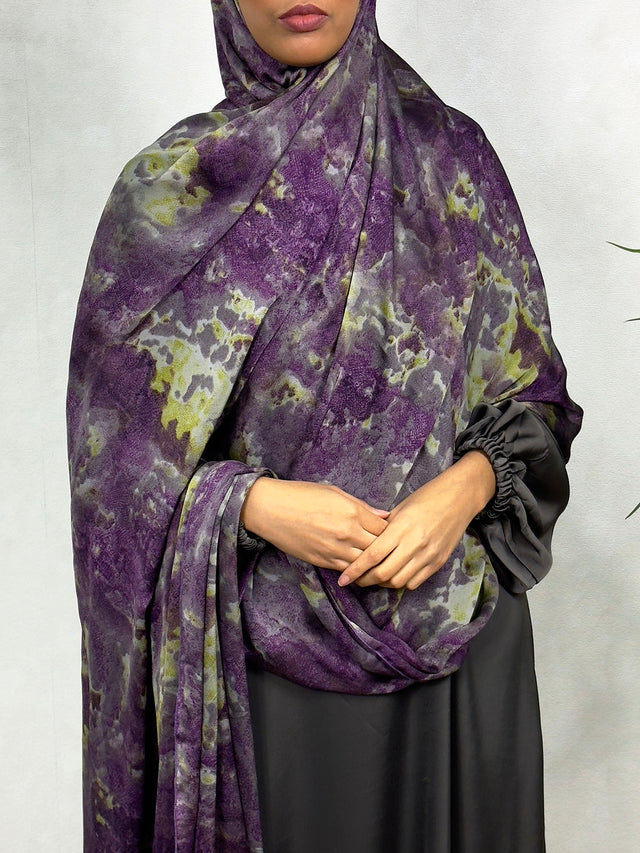
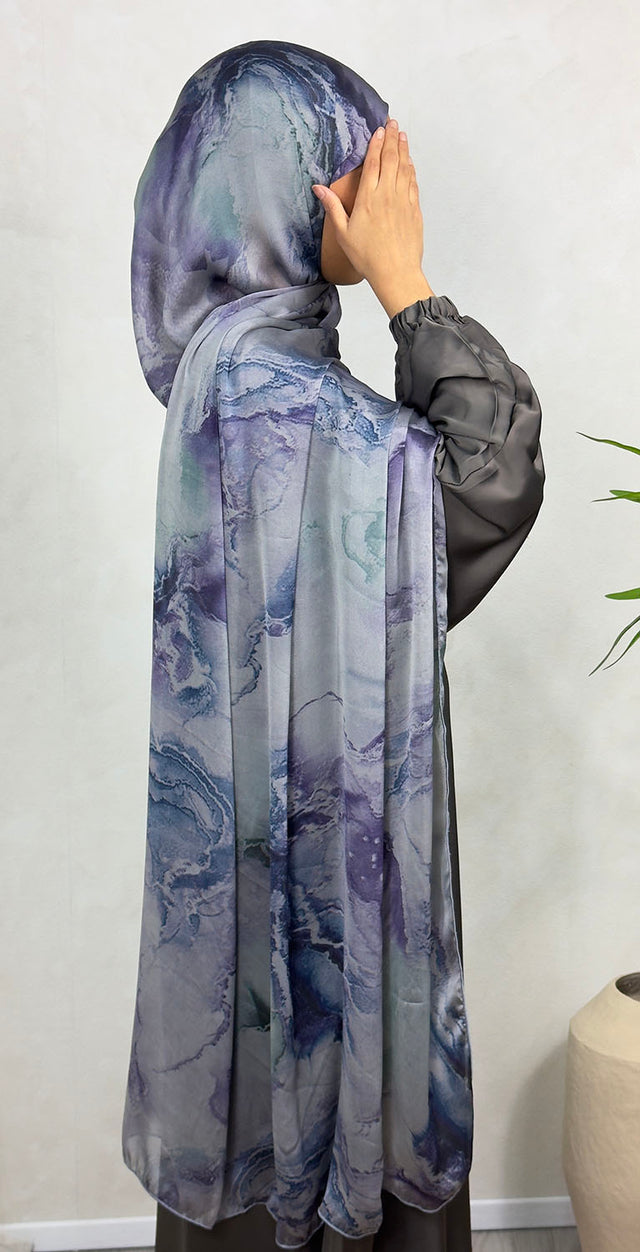
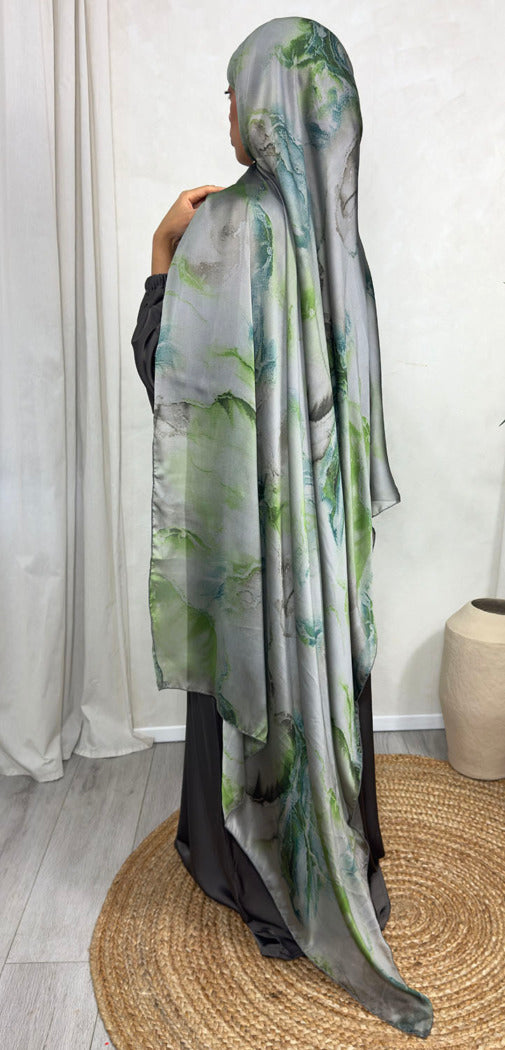
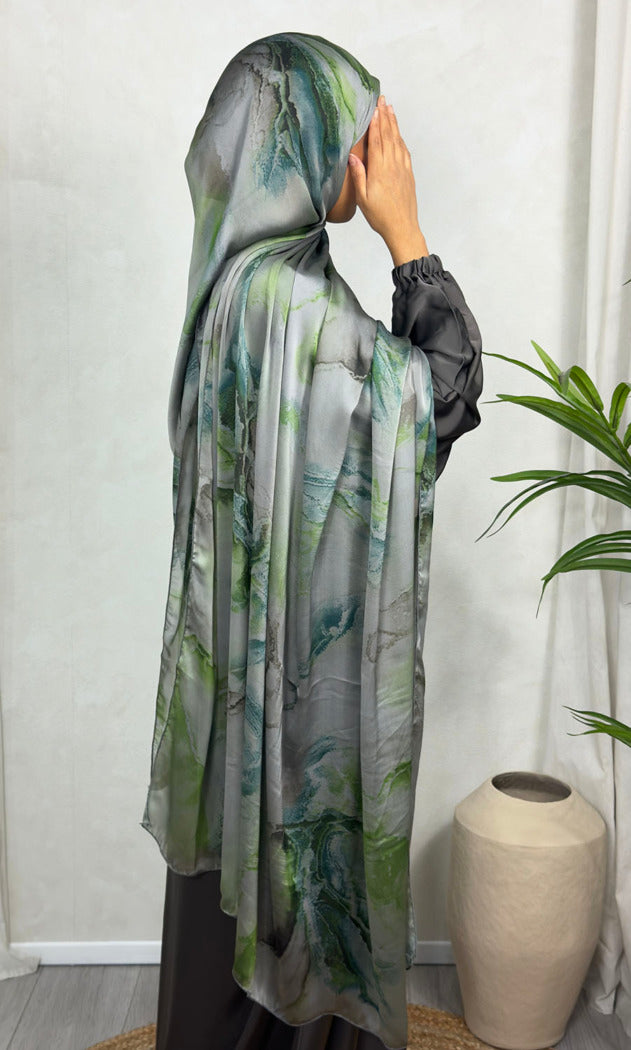
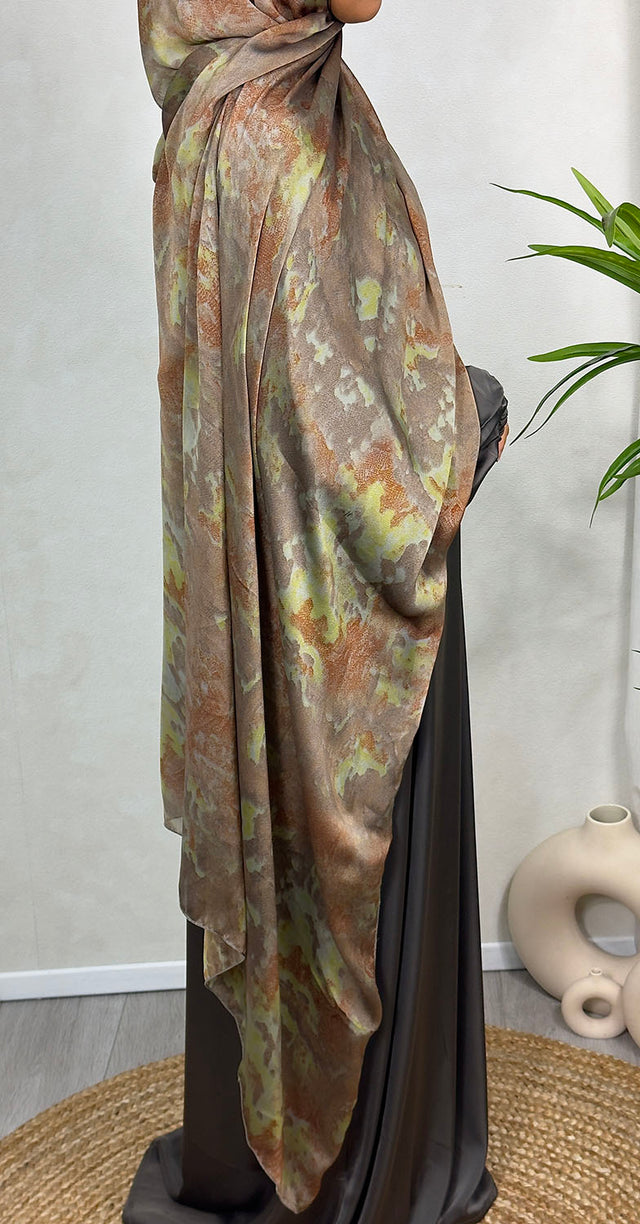
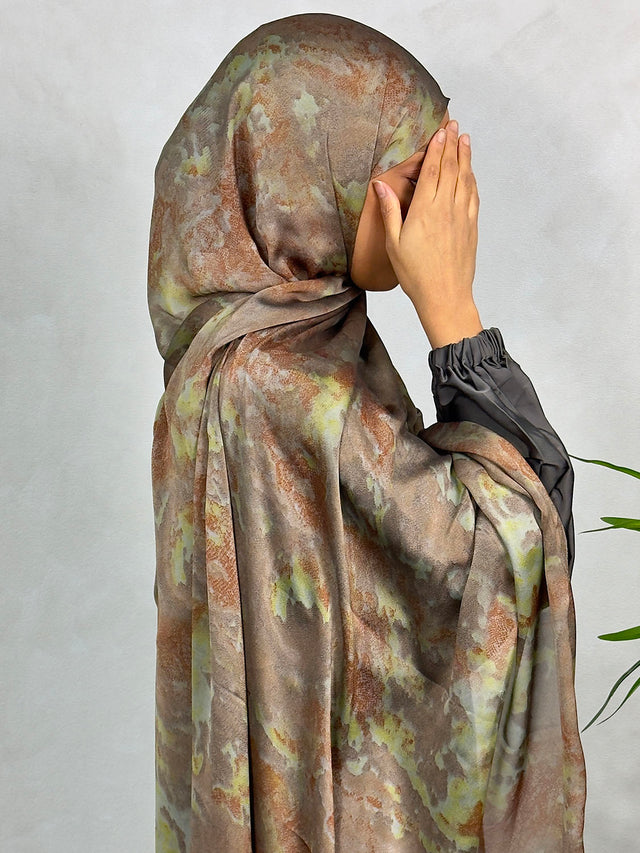
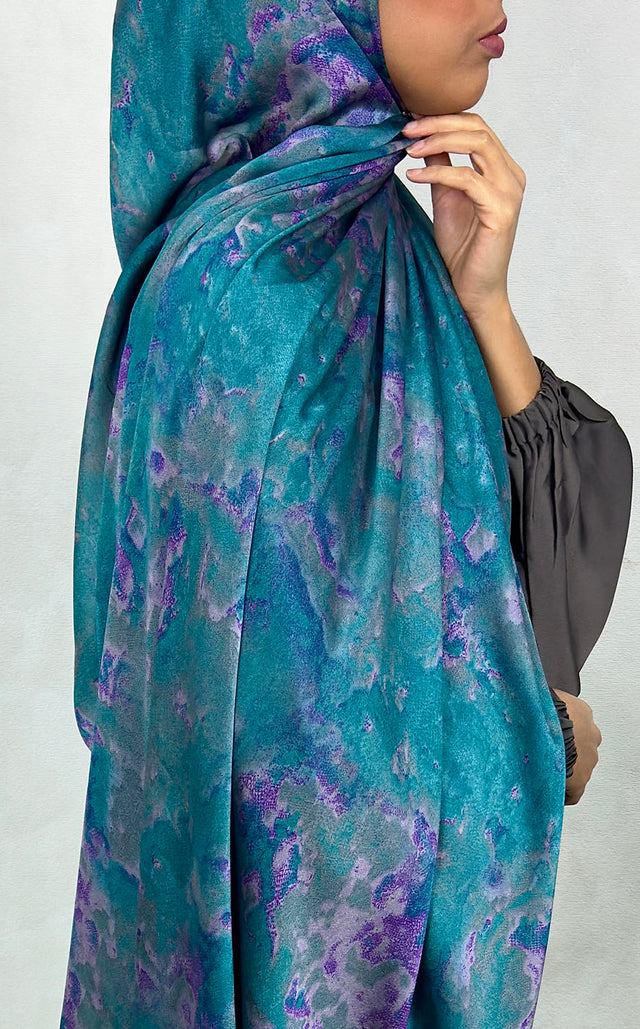
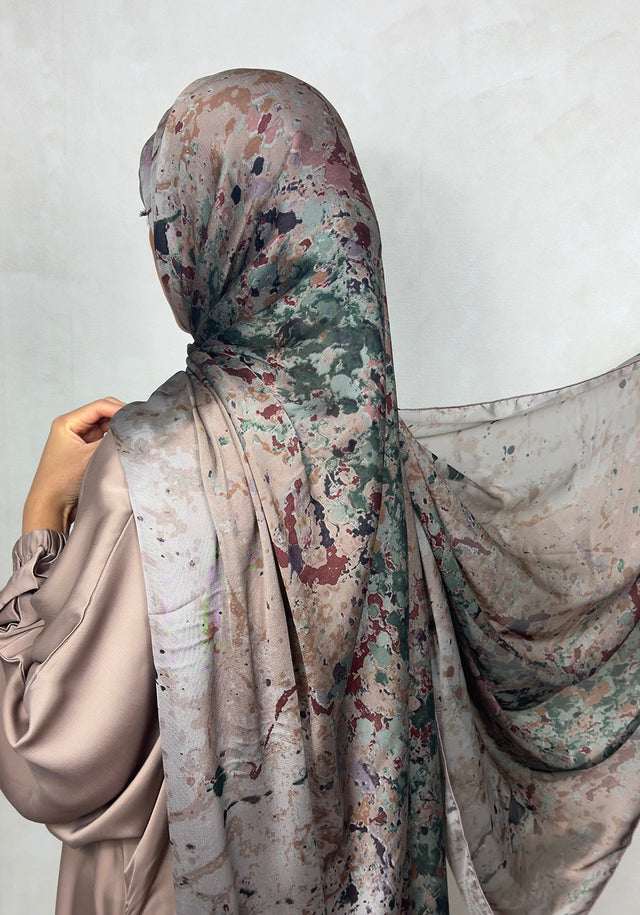
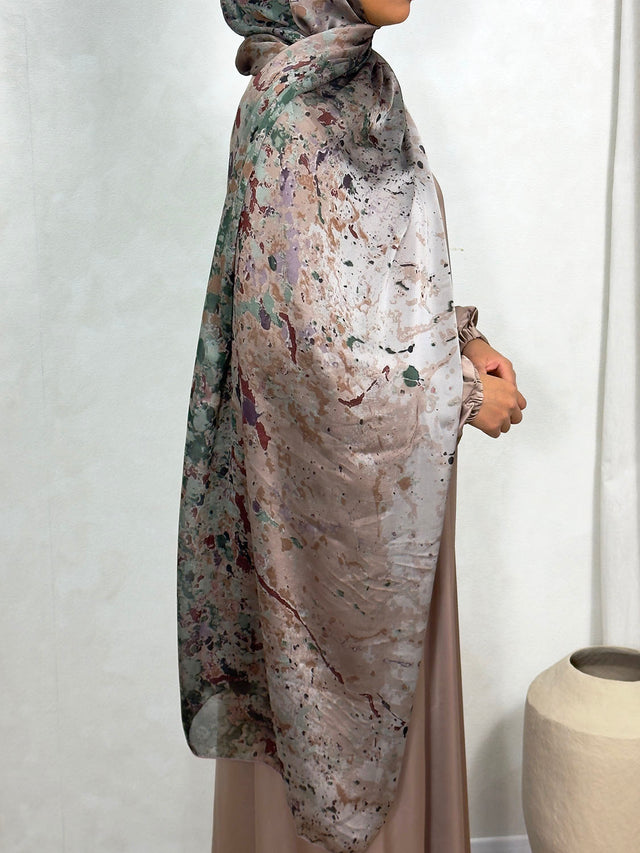
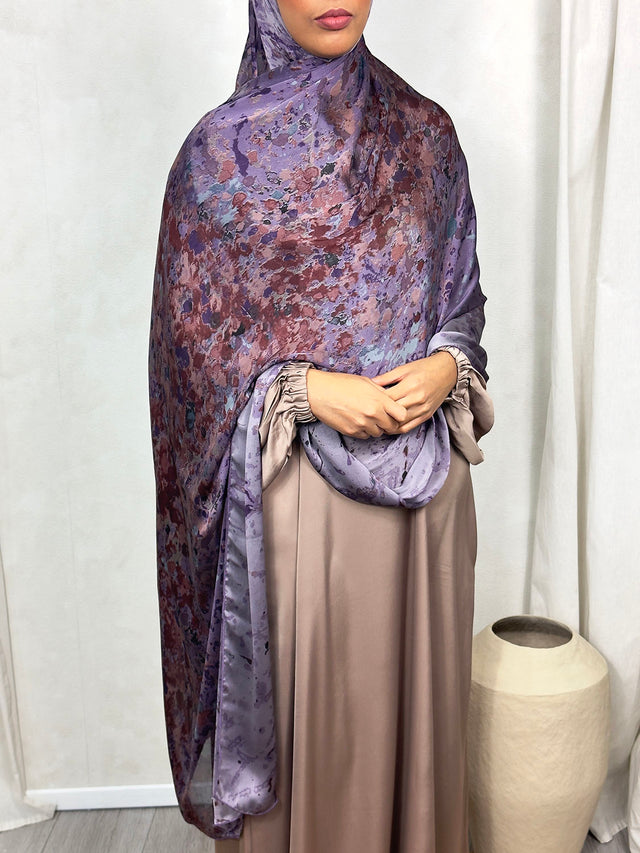
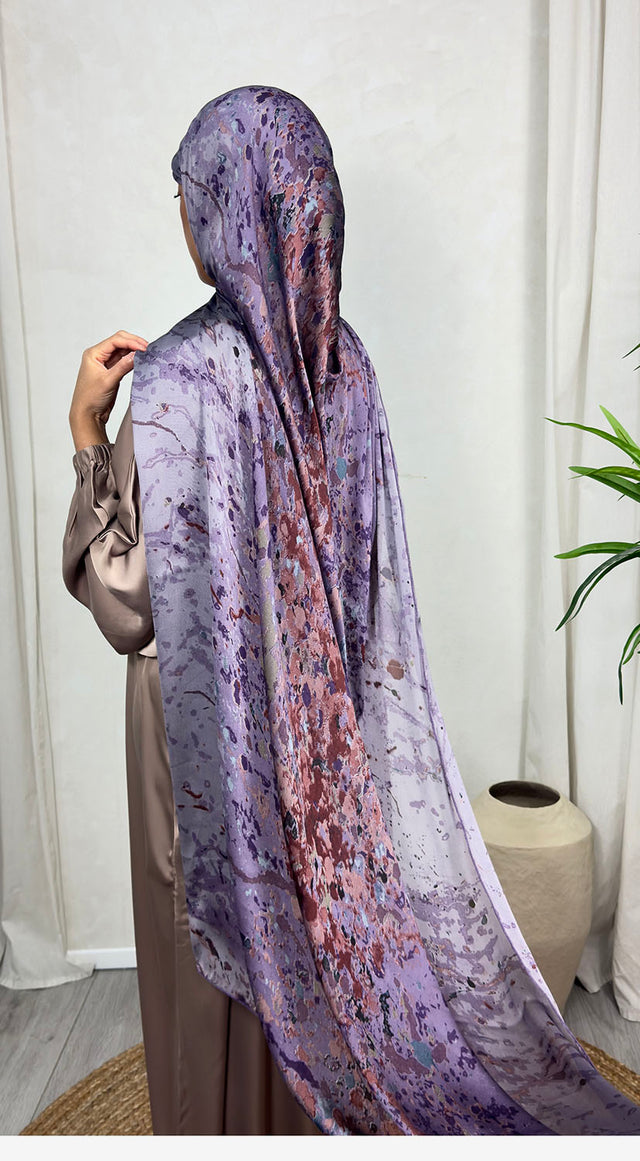
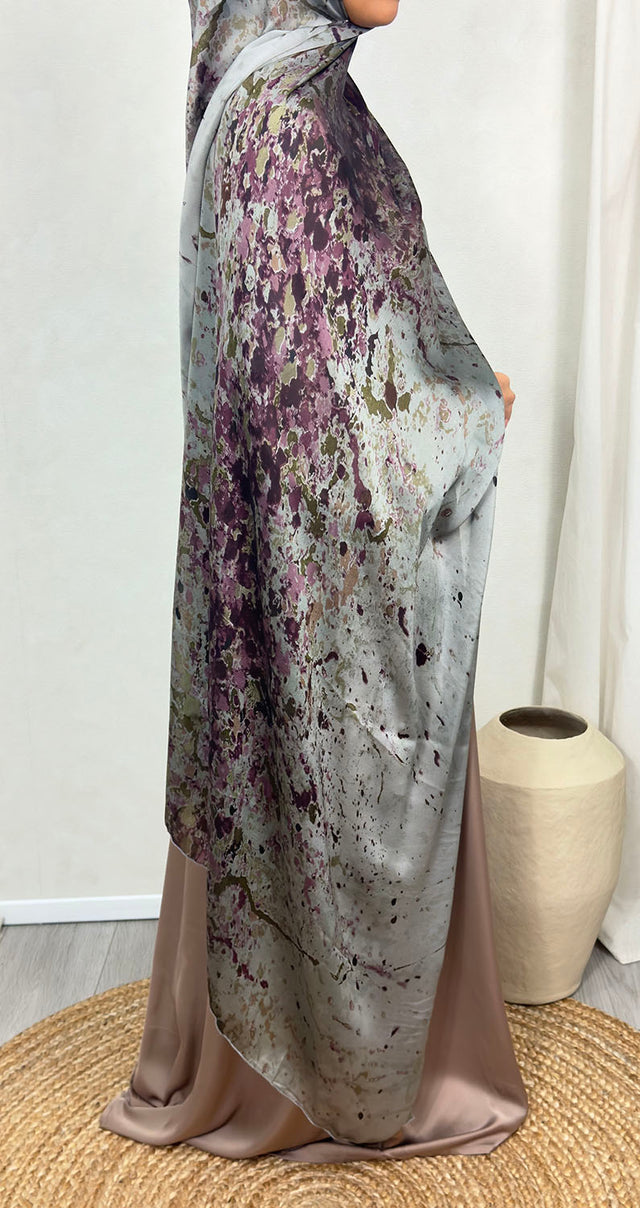
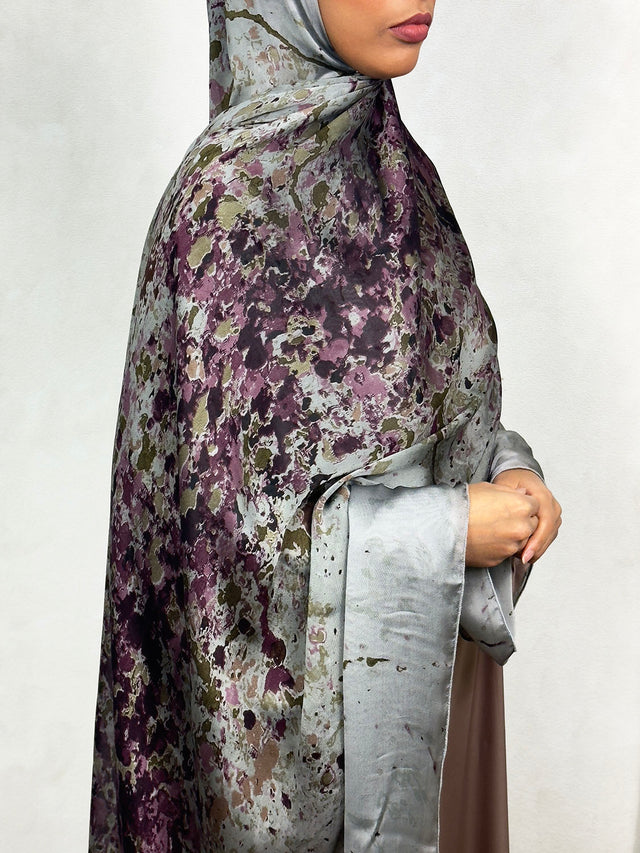
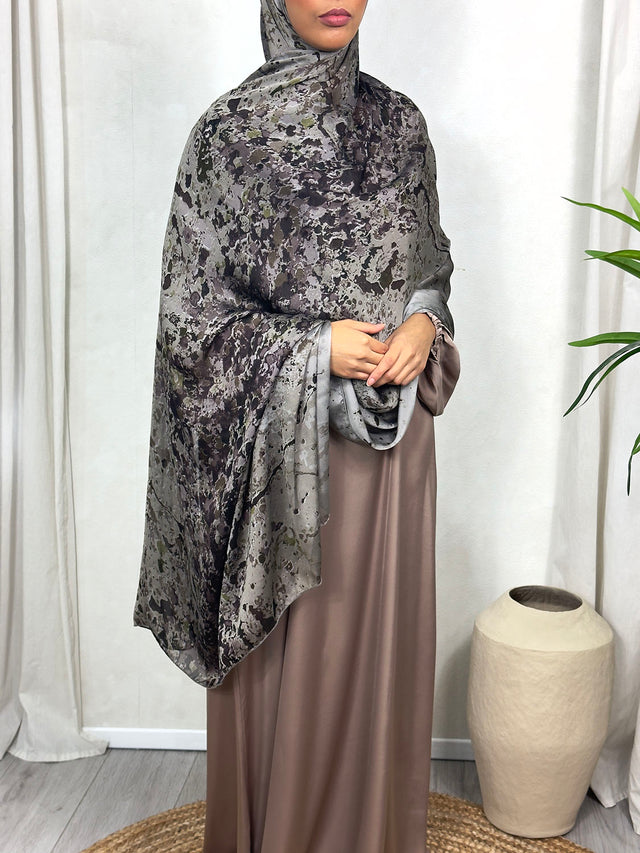
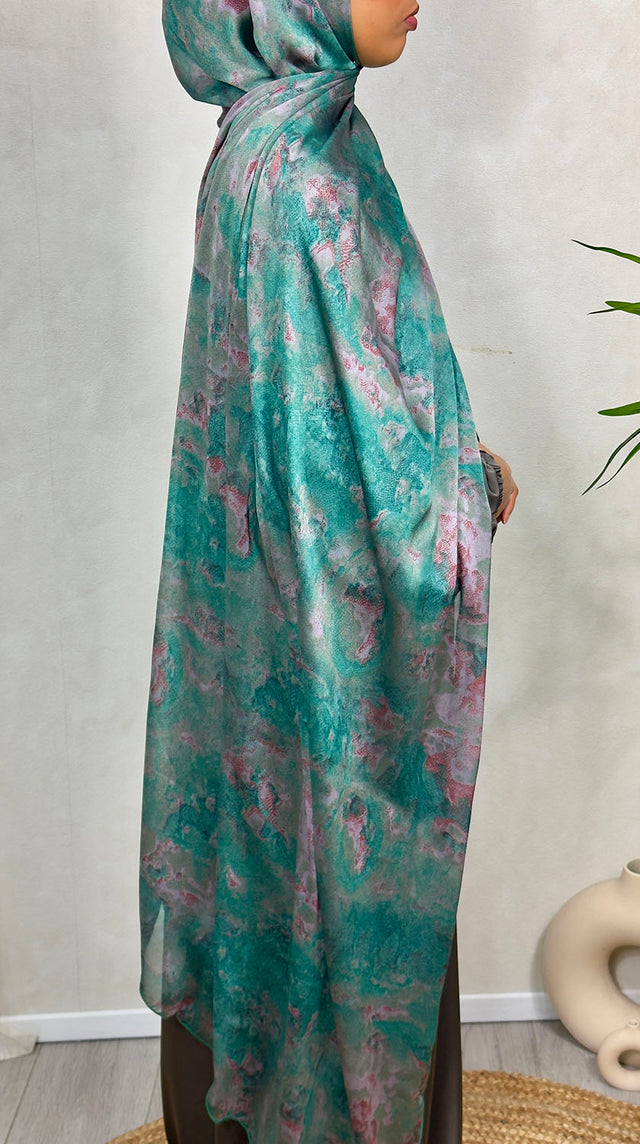
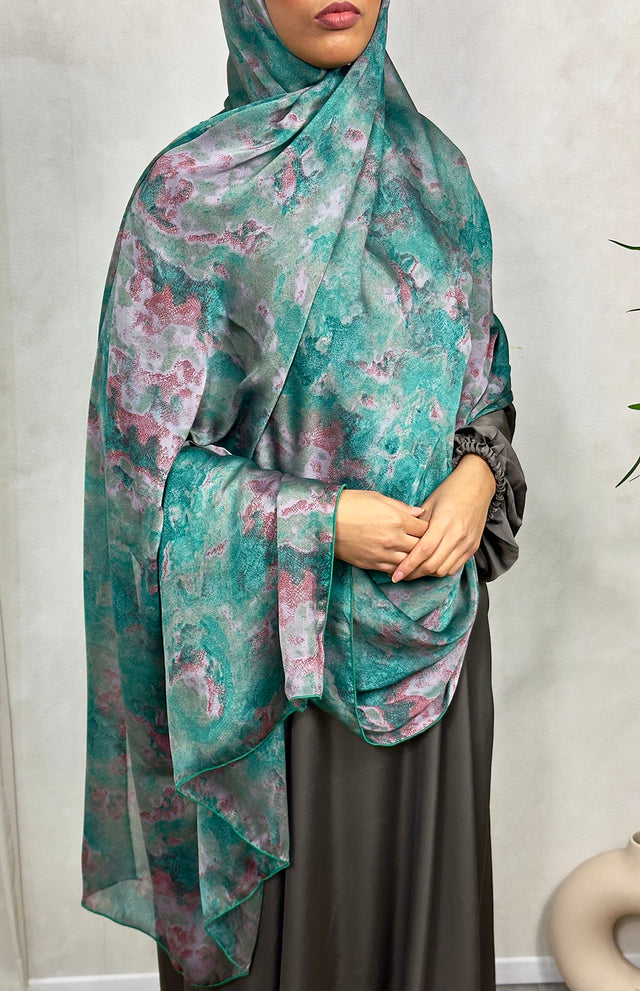
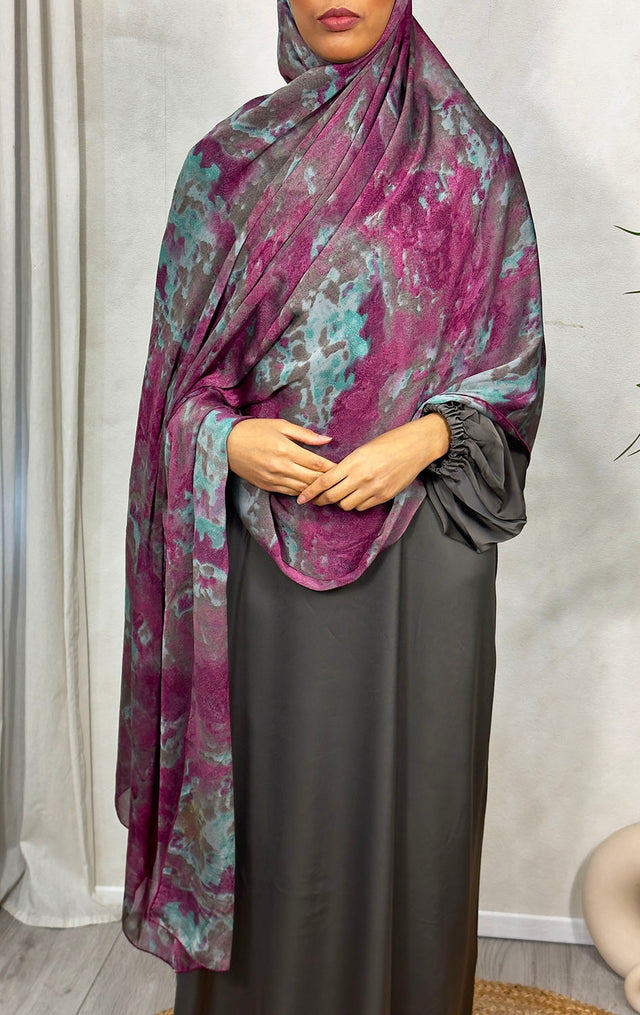
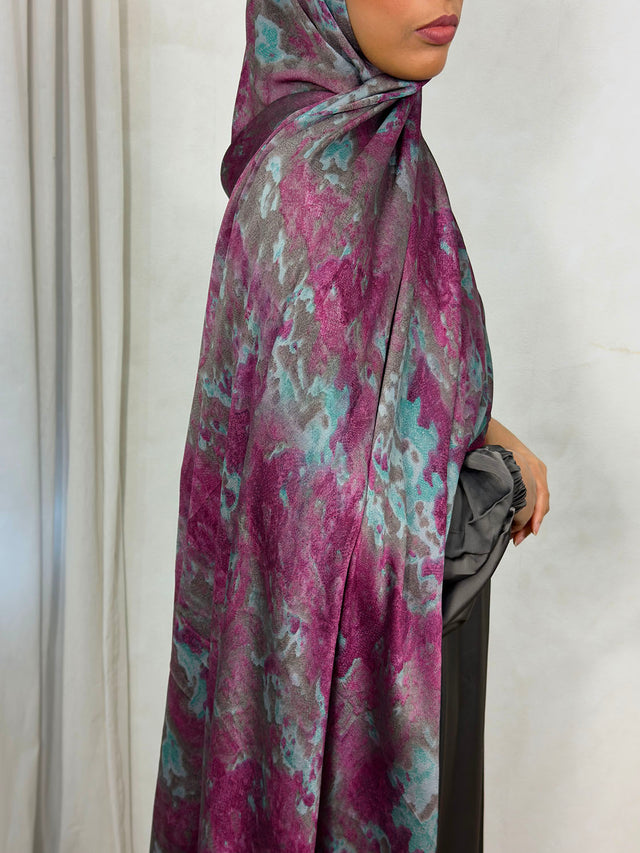
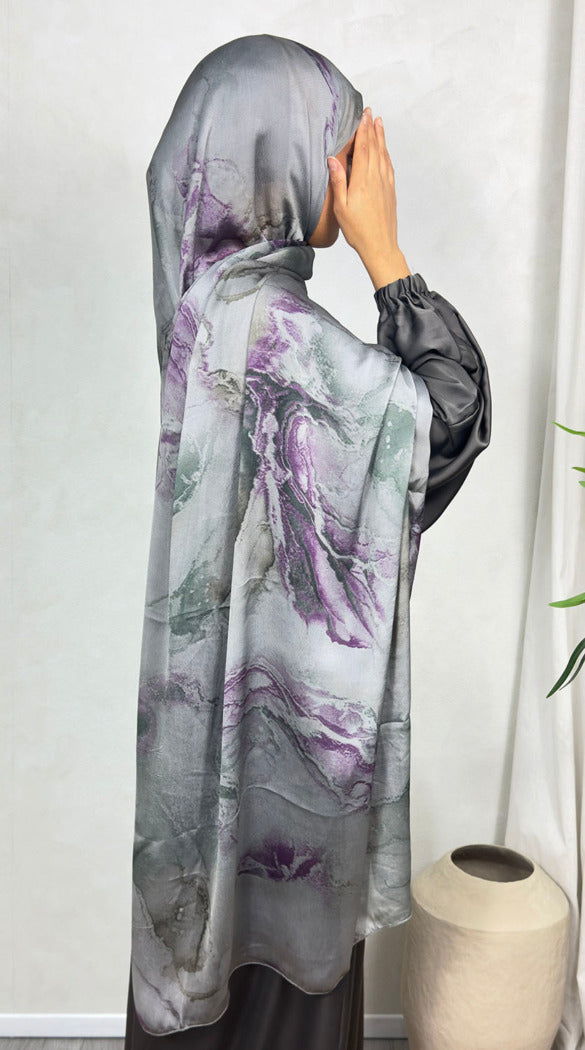
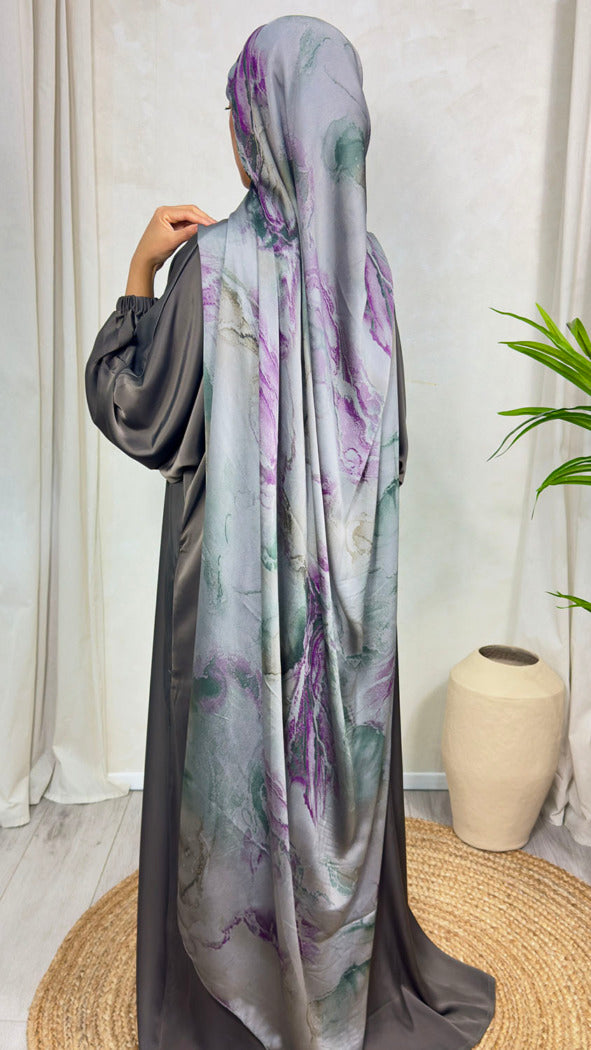
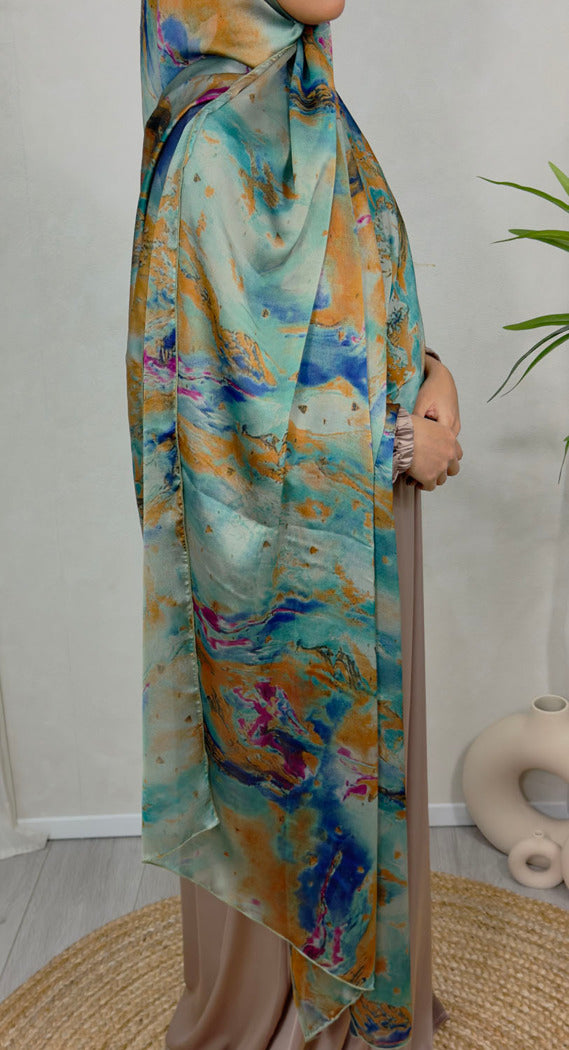
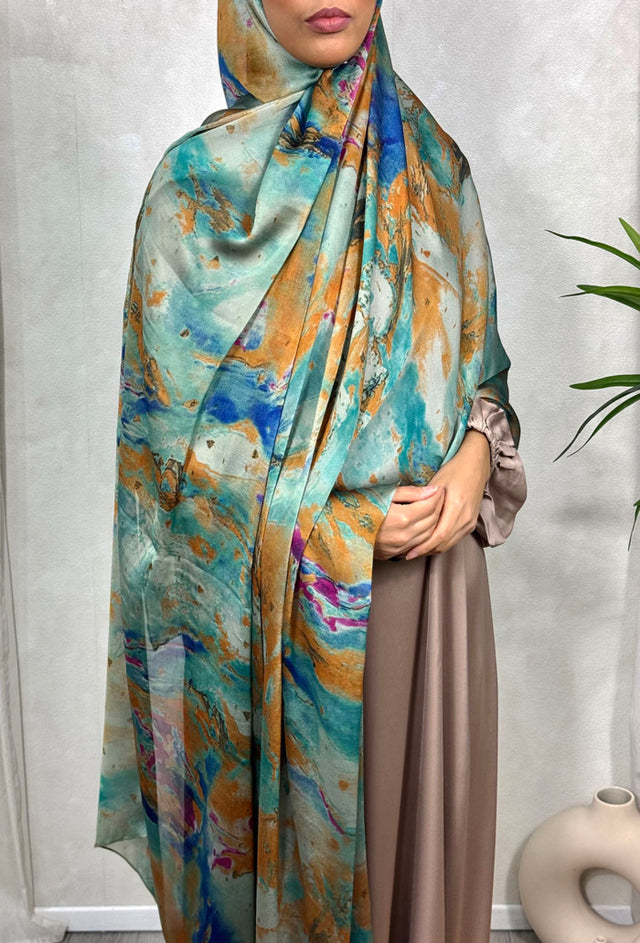
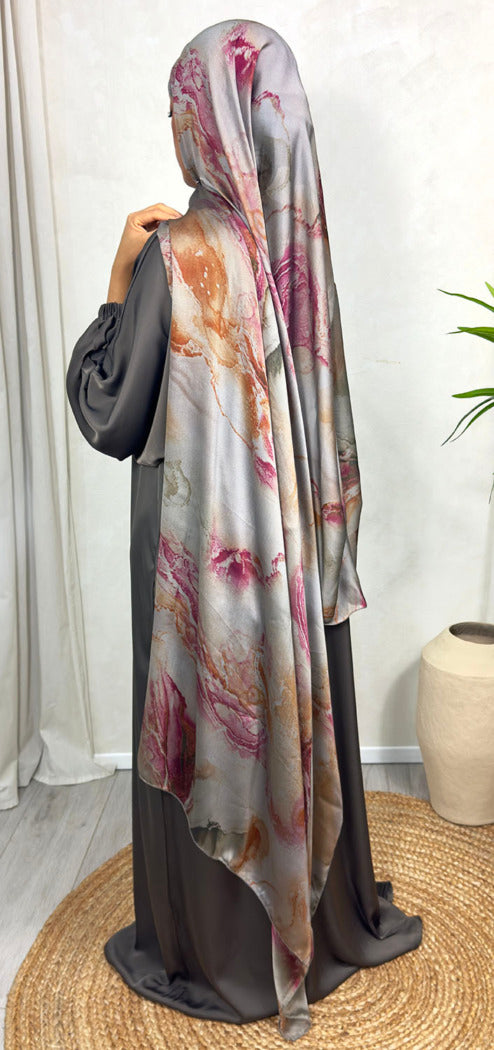
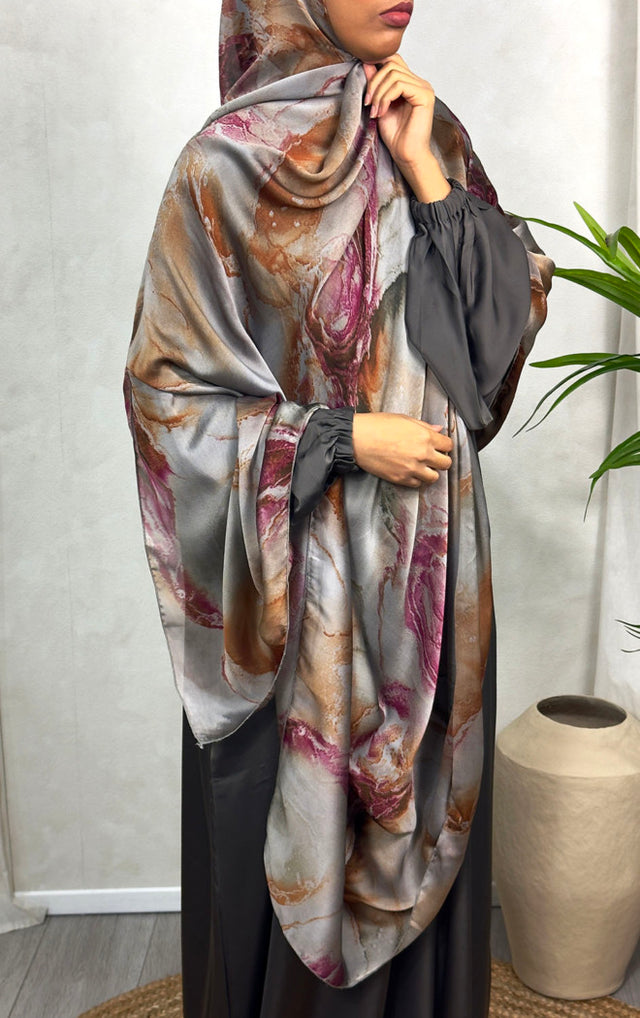
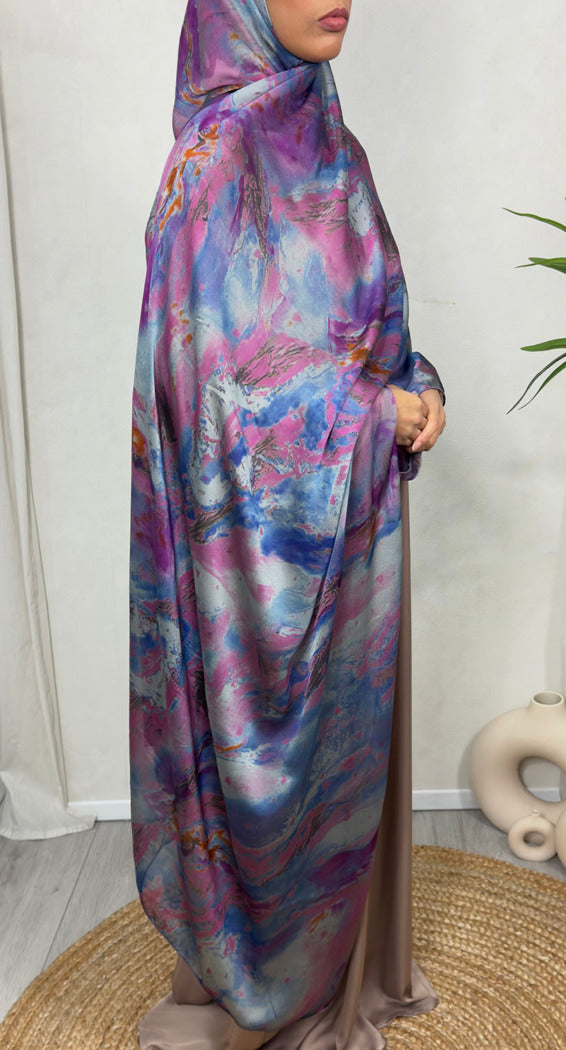
Satin chiffon creates movement and a more polished surface. It can lift a simple abaya, kaftan or occasion dress without requiring heavy embellishment. The XL alcohol-ink designs in the live collection use print and generous fabric to make the hijab a visible part of the outfit rather than only a neutral frame.
Smoother woven fabrics usually need more preparation than jersey. Check whether you are comfortable using an undercap, magnet or fine pin where required. Consider how the scarf behaves with your coat collar, bag strap and the length of the event. A graceful drape is valuable only when you can move naturally without checking it every few minutes.
Printed satin chiffon also asks for colour discipline. Let one or two shades from the scarf connect with the rest of the outfit. When the abaya or dress already has strong embroidery, choose a print whose scale and colour do not compete. A simple garment gives a larger print more room.
For a decorative or occasion finish
An embellished or border hijab can become the focal point of an otherwise calm outfit. The tiger-stripe border design, for example, brings pattern and rhinestone detail into the scarf itself. Before ordering a decorated hijab, inspect where the embellishment sits, how it affects weight and whether it may catch on jewellery, rough outerwear or bag straps.
Decorative detail should support the occasion rather than make the scarf fragile to wear. Check close photographs of the border and product description. Pair a strong border with a plain abaya or one controlled colour family. If the garment is already embellished, a clean jersey or satin chiffon may create a more balanced result.
For long or fuller drapes
Words such as XL and maxi are helpful only when the measurements are clear. A longer or wider scarf can provide more styling room, a fuller shoulder fall or greater chest coverage, but it can also create bulk. Compare the listed dimensions with a hijab you already own and understand. Decide whether you need more length, more width or simply a different fabric.
With XL satin chiffon, use the extra fabric intentionally. One side can remain longer for a shoulder or chest drape while the other side is secured neatly. Avoid wrapping every centimetre around the neck. The size should create options, not weight.
For a gift
A hijab can be a thoughtful gift, but avoid choosing only by your own taste. A neutral or rich jersey colour is often easier for daily use. A printed satin chiffon may suit someone who enjoys expressive scarves and occasion dressing. Check whether the recipient normally wears pins, undercaps, prints and larger sizes.
Keep the order information and return conditions accessible. A respectful gift allows the recipient to exchange a colour or fabric that does not suit her. The meaning remains in the care behind the choice, not in forcing one scarf to work.
For a first purchase from Amani's
Choose one product family and test it before buying several near-identical colours. Wear it at home with your normal undercap, coat, glasses and bag. Check it in daylight and through movement. Wash or care for it only after you are certain you will keep it and have read the instructions.
The aim of a first order is evidence. Once you know how Amani's jersey or satin chiffon behaves for you, future colour decisions become easier. Building slowly is not indecision; it is a more reliable way to create a collection you will use.
Premium jersey, satin chiffon and printed hijabs compared
Fabric names describe behaviour, not quality by themselves. A premium jersey and satin chiffon can both be well made while serving different needs. Compare grip, stretch, opacity, movement, warmth, care and finish before asking which one looks more beautiful.
Premium jersey: soft grip and everyday control
Jersey is a knitted fabric, which gives it stretch and a surface that tends to hold against itself. This makes it forgiving around the face and useful for pinless or minimally fastened styles. It is often chosen by beginners and experienced wearers alike because the routine is predictable.
For shopping purposes, inspect four things. First, check opacity, especially when the fabric stretches. Second, check weight, because very heavy jersey can feel warm. Third, look at edge finishing and whether the shape is likely to recover after washing. Fourth, consider colour depth. Matte jersey can make navy, chocolate, green and richer shades feel calm rather than reflective.
The live Amani's collection includes premium jersey colours intended for regular wear. Stock varies by shade, so use the variant and availability information on the product page. Do not build an outfit around a colour until the live page confirms it can be ordered.
Satin chiffon: light movement with a polished surface
Chiffon is woven and usually lighter, smoother and more fluid than jersey. Satin chiffon adds a more reflective face to that movement. It can create an elegant fall and make printed colour feel luminous, but it generally offers less natural grip.
Before ordering, decide whether you are willing to use a secure base. A comfortable undercap can reduce slipping and support opacity. A magnet or fine pin can hold the frame. The answer should never be excessive tightness. A well-planned satin chiffon style uses balance and grip rather than pressure.
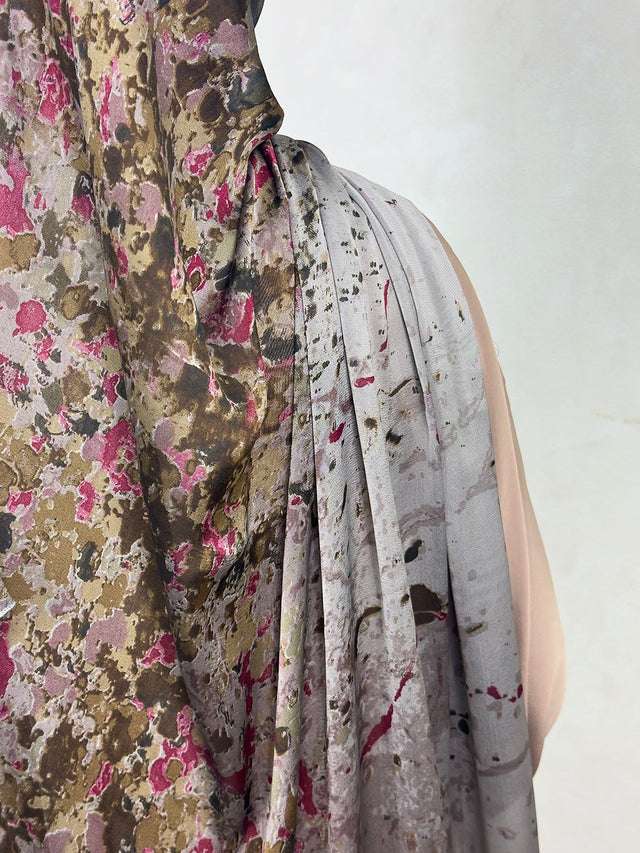
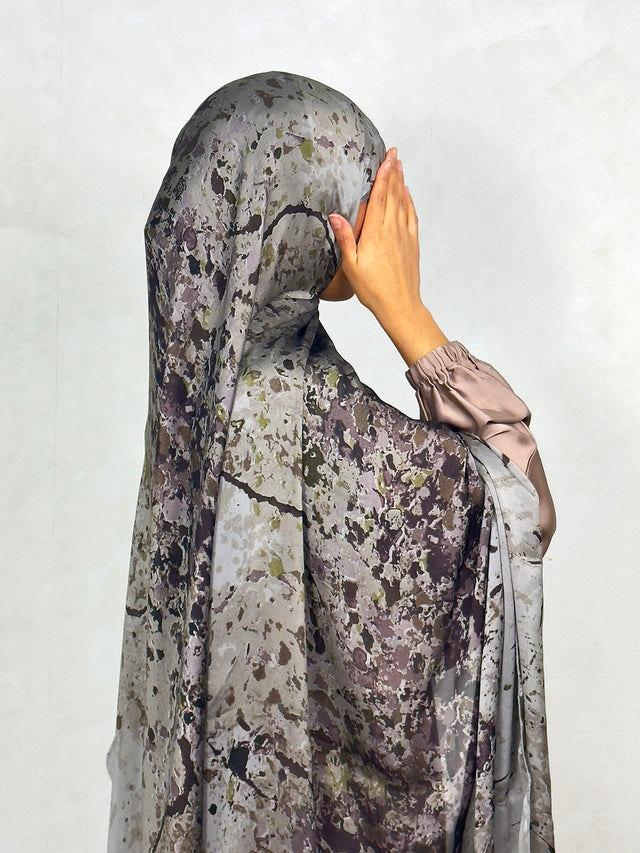
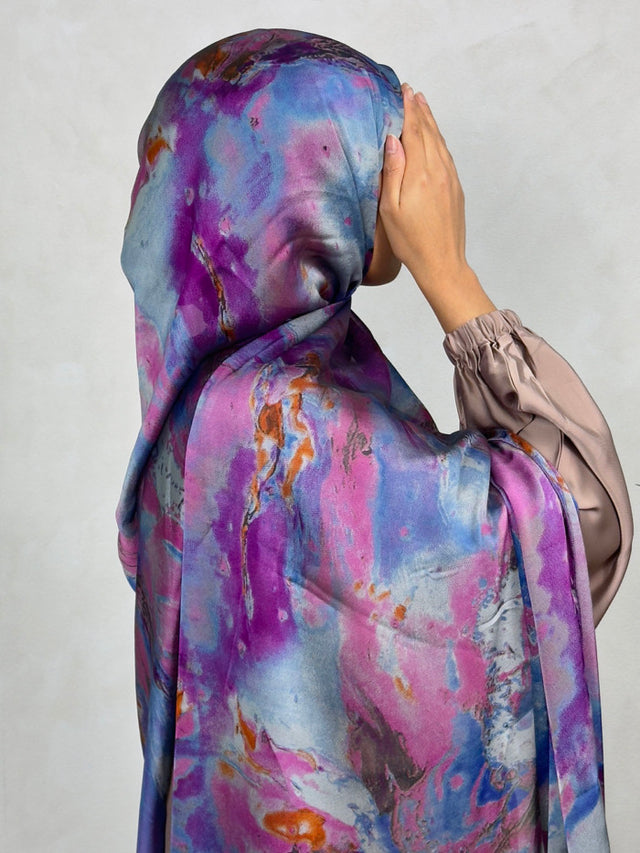
Check how the print is placed across the scarf. Alcohol-ink designs can vary visually across the fabric, which is part of their character. Study all available photographs so you understand the scale, colour transitions and likely focal area when the scarf is folded. A printed product may not look identical in every fold, and that variation can make repeated styling feel fresh.
Plain versus printed
A plain hijab is easier to repeat because it can connect with several garments without becoming the main feature. Plain jersey is particularly useful for work, travel and everyday modest outfits. A print offers more visual interest and can bring several colours together in one scarf.
When choosing a print online, identify the dominant shade, supporting shades and background. The dominant shade affects how the scarf reads from a distance. Supporting shades give you outfit options. The background determines whether the overall effect feels light, deep, warm or cool.
Do not require every colour in the print to appear elsewhere in the outfit. Repeat one shade through the abaya, dress, bag or shoe and let the remaining colours stay inside the scarf. This produces connection without making the outfit look assembled from a colour chart.
Matte versus reflective finishes
Matte fabric absorbs more light and usually feels quieter. Reflective fabric catches light and can feel more formal or expressive. Neither finish is automatically more modest, expensive or suitable. The correct finish depends on the garment and occasion.
A matte jersey can balance satin, embroidery or a printed dress. Satin chiffon can lift a plain abaya or simple occasion outfit. If both the garment and hijab have strong shine, look at the complete outfit in natural and indoor light. The combination may be beautiful, but it should feel intentional rather than visually crowded.
Grip and fastening
Jersey generally gives the most natural grip. Satin chiffon usually benefits from an undercap and fastening. An embellished border scarf may need careful placement so its decoration sits where intended. Product construction, hairstyle, coat collars and bag straps also affect security.
Decide how much fastening you are comfortable with before buying. A woman who dislikes undercaps and pins may wear jersey far more often. A woman who already has a secure chiffon routine may prefer the lighter finish. Value comes from the scarf fitting your method, not from forcing yourself to adopt a method for the scarf.
Opacity and layering
Opacity can vary within any fabric family. Dark jersey may be opaque in one layer, while lighter or thinner jersey can reveal colour beneath when stretched. Chiffon is often semi-sheer and may need folding or an undercap. Printed fabric can visually disguise transparency without removing it.
Read each product page rather than assuming. When the scarf arrives, test it near a bright window while the tags remain attached. Place a contrasting shade beneath it and inspect the crown, sides and any stretched area. Buy according to the coverage you intend, not according to how the fabric looked folded on a product table.
Care and long-term use
Jersey is often easier to wash, while satin chiffon and embellished designs may need gentler handling. The exact care label is the authority. Think about whether you will follow it. A delicate scarf can be worthwhile for occasions, but it may be a poor daily purchase for someone who needs frequent machine washing.
Quality should survive appropriate use. Look for even edges, consistent fabric, secure embellishment and colour that remains attractive beyond the first styling. For the full fabric and care education, use the complete Hijab guide; on this page, the important decision is whether the listed product behaviour matches your real routine.
What to check before adding a hijab to your basket
A confident online purchase is built from details you can verify. Product photography creates interest, but the listing should help you understand what will arrive. Before adding a hijab to your basket, check the following points in order.
Confirm the exact product and live variant
Start with the product title, selected colour and availability. Similar printed scarves may use related palettes, and jersey colours can appear different across screens. Confirm that the variant shown in the basket is the one you intended. If the product is unavailable, do not assume another shade behaves identically near your face or with your wardrobe.
Stock changes. A collection guide should never promise that every colour remains available. The live product page is the source of truth at the moment of purchase.
Read the fabric description carefully
Look for a specific fabric name rather than relying only on words such as luxury or premium. Jersey, chiffon and satin chiffon behave differently. If the description includes a blend or finishing detail, use it. Premium can describe quality, but it does not replace composition, weight, grip or care information.
When information is missing, contact customer support with a precise question. Ask whether the scarf is one-layer opaque, whether it has stretch or what dimensions it measures. A useful answer can prevent a return.
Check dimensions rather than size labels
XL, maxi and oversized are not universal measurements. Compare the listed length and width with a scarf you already wear. Length gives more wrapping and side-drape options. Width affects how much fabric can fall over the shoulders and chest. More fabric is not automatically better if you dislike bulk.
If dimensions are not currently shown, do not invent them from the photographs. Model styling, camera angle and folding can change how large a scarf appears. Ask before ordering when size is essential to the intended coverage.
Examine opacity evidence
Look at close product photographs, especially pale colours and areas held away from the body. Read whether an undercap is recommended. A printed scarf can seem more opaque because pattern distracts the eye, but the weave may still allow light through.
Plan the support you are willing to use. A full undercap can strengthen coverage. Folding can add layers but reduce the available drape. If you require one-layer opacity, choose a product whose description supports that need or ask the question directly.
Understand what is included
Do not assume the styled undercap, pin, magnet, clothing or accessory shown in a photograph is included. The product page should identify the item being sold. This collection is a hijab scarf collection; accessory searches such as pins, magnetic fasteners and undercaps are separate shopping intents.
When a product includes anything beyond the scarf, rely on the explicit listing. Styling props help show an outfit but do not automatically form part of the order.
Inspect edge finish and embellishment
Edges influence how a hijab frames the face and survives washing. Look for even stitching, clean rolled hems or intentionally finished knit edges. On an embellished border scarf, inspect how stones or decorative details are attached and whether the border appears heavy.
Consider friction. Rings, bracelets, rough coat collars and bag straps can catch delicate fabric or decoration. The product may still be right for an occasion, but it needs a realistic care plan.
Judge colour across several images
Studio lighting, phone screens and image processing change colour. Compare every product image and read the shade name. A scarf described as chocolate may appear warmer or cooler depending on light. Printed designs can contain more secondary colour than the first image suggests.
Choose by wardrobe connection rather than exact screen matching. If a print contains taupe, green and blue, it can still coordinate even when one shade differs slightly from your dress. Exact matching is more fragile than thoughtful harmony.
Check the current price in context
The price displayed on the live product card and product page is the current price. Compare it with fabric, size, finishing, print, embellishment and expected use. The lowest price is not automatically the best value, and a more decorated scarf is not automatically better made.
Ask how often you expect to wear it. A dependable jersey used weekly may provide excellent value. An occasion satin chiffon may earn its place through fewer but meaningful wears. Cost per wear is more useful than choosing solely by the number shown today.
Read delivery, return and care information before checkout
Policies can change, so use the current information provided by Amani's at the time of ordering. Understand dispatch or delivery expectations, return conditions and whether sale or hygiene-related exclusions apply. Keep tags and packaging until you have inspected the hijab at home.
Read the care instructions before washing. Once a scarf has been worn, marked or washed outside the stated instructions, return options may change. A careful home test protects both the product and your decision.
Test the complete system when it arrives
With tags attached and clean hands, try the hijab with your normal undercap, glasses, coat and bag. Check daylight opacity, face comfort, movement and whether the fabric pulls backwards. Wear it at home long enough to notice pressure or slipping.
The arrival test should answer the same question that began the purchase: does this scarf suit the real day I named? If not, use the available return route rather than keeping a beautiful product that will remain unworn.
How to compare hijab price and quality online
Searches for hijab price, affordable hijabs and premium hijabs often appear to ask one simple question: how much should a scarf cost? The more useful question is what the price needs to include for this particular purchase. Fabric, dimensions, printing, finishing, embellishment, construction and expected durability all affect value.
Compare like with like
A plain jersey and an XL printed satin chiffon are not the same product with different prices. Jersey offers stretch and grip. An XL printed scarf uses more fabric and carries a designed surface. An embellished border adds materials and finishing. Compare products serving the same role before deciding that one is expensive or cheap.
Within a jersey group, compare weight, opacity, edge quality, stretch recovery and colour. Within printed chiffon, compare dimensions, print quality, finishing and how the pattern is placed. This gives the price context instead of treating every hijab as interchangeable.
Do not confuse the lowest price with the lowest risk
A low price can represent excellent value when the scarf is well described and suits your routine. It can also become wasted money when the fabric slips, the size is wrong or the colour never works with your wardrobe. The financial risk is not only the amount paid; it is the chance that the product remains unworn.
Reduce that risk through product details, not through a larger order. One tested jersey can teach you more than five colours bought before you know the fabric. One occasion scarf chosen for an actual event can be more valuable than several decorative scarves bought without a role.
Look for quality signals that matter during wear
Useful quality signals include even fabric, clean edges, secure embellishment, consistent colour, a shape that returns after appropriate washing and a product description that accurately explains behaviour. Packaging can protect a scarf, but it does not decide whether the fabric is comfortable.
For jersey, gently observe whether the material appears smooth and balanced rather than thin in some areas. For chiffon, inspect the weave, hem and print. For a border design, check that the decoration is aligned and does not create awkward weight. Reviews can help when they mention opacity, slipping, measurements, colour accuracy and washing rather than only saying that the item is beautiful.
Use cost per wear without turning clothing into a calculation exercise
Imagine the next year. A jersey worn twice each week may become one of the lowest-cost items in the wardrobe even if another scarf was cheaper. A satin chiffon worn to several Eid, wedding or family events can also provide strong value. Cost per wear helps you see use, but emotional meaning and craftsmanship can matter too.
The purpose is not to justify every purchase through mathematics. It is to distinguish a useful investment from an impulse. Ask whether you can name three outfits, one real setting and a care routine you will follow.
Be careful with superlatives
Terms such as best hijab online, luxury hijab and designer hijab are not objective product specifications. A retailer should not claim universal superiority without evidence. Use those searches as a prompt to compare what “best” means for you: secure everyday grip, generous drape, expressive print, careful finishing or comfortable value.
A premium label should lead you towards evidence. What is improved? The fabric, size, print, finish or construction? If the answer is unclear, return to the product facts.
Let the live price remain live
Prices and promotions can change. The product grid and individual listing show the current amount at the time you shop. Evergreen collection guidance should not promise a permanent discount, Black Friday offer or sale that may no longer exist.
Use the current price beside the product's role and evidence. That approach remains accurate even as stock, colours and offers change. It also prevents a search phrase from pushing the page into making a claim the live catalogue cannot support.
Build a useful hijab colour and print collection
Colour is often the most enjoyable part of shopping, but it works best after fabric and purpose are settled. A useful hijab wardrobe does not need every shade. It needs enough connection that each scarf can move through real outfits without creating another shopping problem.
Begin with the colours already in your wardrobe
Look at the abayas, dresses, kaftans, coats and long tops you wear most. Note the repeated base colours. Black, navy, chocolate, taupe, cream, grey, olive and muted blue often create many combinations, but your wardrobe may be brighter or culturally distinctive. The goal is not to copy a neutral capsule; it is to recognise your own pattern.
Choose a scarf colour that works with at least three garments unless it has a clear special role. A chocolate jersey may connect with black, cream, olive and warm prints. Navy can soften black while working with denim and cool neutrals. A rich green may become a signature colour when it repeatedly lifts your complexion and outfits.
Use plain jersey as a dependable foundation
Plain jersey is helpful when the clothing already has print, embroidery or texture. It also supports rushed mornings because there is no pattern placement to manage. A small group of reliable jersey colours can carry much of the week.
Do not buy several near-identical shades before testing the fabric. Begin with the colour that fills the clearest gap. After wear and washing, decide whether another shade in the same product family would genuinely add outfit options.
Choose printed satin chiffon by dominant colour
Alcohol-ink prints can contain several hues and soft transitions. From a distance, however, one or two colours usually lead. Identify those dominant shades and compare them with your wardrobe. A green-hued print may work with black, cream, brown or a related green. A blue and orange design may create a stronger contrast and require a calmer garment.
Look at how the print changes when folded. A section that appears central in the flat photograph may sit near the shoulder or disappear into a wrap. This is not a flaw; it is part of the flexibility of printed fabric. The useful question is whether several parts of the print are colours you enjoy near the face.
Balance a printed scarf with the garment
Let one element lead. With a plain abaya, the scarf can carry expressive colour. With a patterned dress, choose a print only when the scales and colours cooperate; otherwise a plain jersey or calmer chiffon may feel more coherent. With an embellished abaya, repeat one shade quietly rather than competing with every decorative detail.
Matching does not require exact duplication. A taupe in the scarf can connect with a warmer brown garment. A blue-grey print can sit beside navy. Harmony often looks more natural than an almost-perfect match that changes under different light.
Consider colour near the face
Online photographs cannot prove how a shade will interact with your complexion. Product lighting and screens vary. When the hijab arrives, try it in daylight with the outfit and undercap you intend to use. Notice whether you feel rested, defined, softened or washed out.
Undertone guides can offer ideas, but they should not overrule your response. A colour can be fashionable and still feel wrong. Another can break every chart and become the scarf you wear repeatedly.
Create occasion variety without buying a separate scarf for every garment
One printed satin chiffon containing several useful shades can work across more occasion outfits than a highly specific exact match. One embellished border scarf can lift several plain garments. One rich plain hijab can support different jewellery or bag choices without becoming dated.
Photograph successful combinations. A small private outfit album helps you remember which scarves work and stops each invitation becoming a reason to shop again. Repetition can look intentional when the surrounding garment and accessories change.
Allow stock to guide timing, not pressure
Some colours sell out. Use the live stock indicator and choose only when the product genuinely fits the role. Scarcity should not make an unsuitable colour more useful. Another shade or product family may serve you better.
A strong collection grows through evidence: wear, comfort, coordination and care. Colour remains joyful because it is supporting a practical wardrobe rather than competing with it.
Buy hijabs online with fewer returns and more confidence
Online shopping cannot let you touch the fabric before paying, but it can still be careful. The best process replaces guesswork with a sequence of checks and gives the scarf a fair home test before you remove tags or wash it.
Make a short requirement note before browsing
Write one sentence: “I need a hijab for...” Complete it with the setting, fabric behaviour and coverage you need. For example: “I need a secure matte scarf for long workdays,” or “I need a flowing printed scarf for a plain Eid abaya.” This prevents the most colourful product from silently changing the purpose of the order.
Add one non-negotiable and one preference. The non-negotiable might be adequate width, jersey grip or a particular stock colour. The preference might be print, shine or a secondary shade. If a product fails the non-negotiable, remove it even when it satisfies the preference beautifully.
Use photographs as evidence, not theatre
Look for a full view, close fabric view, edge view and styling view. The full view shows overall scale. The close view shows weave, print and finishing. The edge view reveals construction. The styling view shows possibilities but may include professional fastening, lighting and garments not included with the scarf.
Zoom in. Check whether the product image represents the exact colour selected. Printed designs may vary in which section of the fabric is visible. When the listing cannot answer a practical question, ask rather than imagining the answer.
Compare dimensions with a trusted scarf
Lay a hijab you own flat and measure it. Record what works and what does not. If you want more chest coverage, you may need more width. If you want a longer shoulder drape, you may need more length. If your current scarf feels bulky, a larger size in the same weight may make the problem worse.
This reference turns online measurements into something physical. It is far more reliable than assuming all XL scarves are alike.
Do not let multi-buy logic replace product testing
Buying several colours can appear efficient, especially when the unit price is attractive. It increases the risk when you have never worn that fabric or size. Test one product family first. After a full day and appropriate care, you will know whether another colour is genuinely useful.
The same applies to trend colours. A scarf can be popular online and still not coordinate with your clothes, complexion or routine. Demand is not personal evidence.
Check the basket before checkout
Review product name, quantity, colour, price and stock. Remove duplicate roles unless you intended them. Confirm that accessories shown in styling images are not assumed to be included. Read the current delivery and return information through the store pages available at checkout.
Keep confirmation details. They help if you need support and give you a record of exactly what was ordered.
Open the parcel carefully
Use clean hands and avoid makeup or perfume transfer. Keep tags and packaging. Compare the item with the listing, inspect the fabric and edges, and confirm the colour and any embellishment. If something appears wrong, photograph it before wearing or washing.
Do not judge only from packing creases. Where the care information permits, allow the fabric to hang or use gentle steam. At the same time, do not alter the scarf so extensively that you lose the option to return it before you know it suits you.
Perform a daylight and movement test
Try the hijab near a bright window. Check opacity, colour and how the fabric frames the face. Use your normal undercap or fastening. Turn your head, put on your glasses and coat, carry your bag and sit for a while.
A scarf that looks beautiful for two minutes may pull backwards after movement. Another that seems simple may become exceptionally comfortable. The home test is where the product proves its place.
Decide from the named role
Return to your first sentence. Does the scarf solve that need? Does it remain comfortable, offer the intended coverage and work with the named outfits? Keep it because it serves, not because returning feels inconvenient.
When it does work, note the product family, dimensions and fabric. That information improves the next purchase. Online shopping becomes easier because your own evidence grows.
Use specialist education only when you need it
This collection page helps you compare the live Amani's range. For deeper questions about all hijab fabrics, undercap types, hair comfort, pinning, weather, work, prayer and care, return to the complete hijab guide. Keeping those subjects in their pillar prevents this commercial page from repeating twenty thousand words of education around a much smaller buying decision.
Shop current Amani's hijab styles by need
The live collection changes as colours sell out and new products arrive. Shop by need rather than relying on a fixed list that may become stale.
Choose jersey for dependable daily grip
Open the jersey hijabs collection when you want a soft, matte scarf with stretch and natural hold. Compare the available colours, current stock and product details. Jersey is the most direct route for everyday wear, travel and long days when a low-maintenance style matters.
Choose chiffon for light drape and printed colour
Use the chiffon hijabs collection to focus on flowing fabrics. The current main collection includes XL alcohol-ink satin chiffon scarves whose prints can become the outfit's focal point. Check dimensions, opacity guidance and the support you are willing to use before ordering.
Choose premium and decorative options for a refined finish
The premium hijabs collection narrows products with elevated fabric or decorative treatment. Premium should still be judged through evidence: fabric, finish, edge quality, embellishment and realistic use.
Use the main collection when you want to compare across families
Stay on the main Hijabs page when you have not yet decided between jersey, satin chiffon and a decorative border. The product grid lets you compare current prices and colours side by side. Filters and collection links reduce the choice without hiding stock reality.
Do not treat an empty or unavailable subcollection as proof that a product is promised soon. Shop only what the live product and variant pages confirm. A stock-aware collection is more trustworthy than copy that lists every possible hijab fabric regardless of what Amani's currently sells.
Frequently asked questions about buying hijabs online
Does Amani's sell hijabs online in the UK?
Yes. The Hijabs collection is an online shopping page showing the scarves currently available from Amani's. Use the live product cards for current prices and stock, and read the delivery information provided during checkout before ordering.
Which hijab fabrics are currently represented in the collection?
The live range currently centres on premium jersey and XL satin chiffon, with a decorative tiger-stripe border hijab also included. Stock and product families can change, so the collection and product pages are the current source of truth.
Which hijab is easiest for everyday wear?
Premium jersey is usually the simplest current option when you want stretch, grip and a matte everyday finish. Check the product's opacity, weight and available colour, then test it with your normal coat, undercap and routine.
Which hijab is suitable for an occasion?
An XL printed satin chiffon or embellished border design can give a more expressive finish. Choose according to the garment, event length, fastening you are comfortable using and whether the fabric remains practical while you move.
Are the prices on the collection page current?
The product grid and individual product pages display the current price available through Shopify at the time you browse. Promotions and prices can change, so evergreen guide text does not promise a permanent discount.
Are all colours always in stock?
No. Stock changes by product and colour. Confirm the selected variant before checkout and do not rely on a guide or old search result to prove availability.
What does XL mean on a hijab?
XL indicates a larger scarf, but the term is not a universal measurement. Check the exact dimensions on the product page and compare them with a hijab you already own before deciding whether it gives the drape or coverage you want.
Do hijabs come with an undercap, pin or magnet?
Only when the product listing explicitly says so. Styling photographs may show supporting items that are not included. Read the included-pieces information before ordering.
How do I choose between jersey and satin chiffon?
Choose jersey when grip, stretch and quick styling matter most. Choose satin chiffon when you want lighter movement, print and a more polished surface and are comfortable using an undercap or fastening where needed.
Can I buy a plain hijab from this collection?
The current range includes plain premium jersey options as well as printed satin chiffon and a decorated border design. Use the live collection filters and product titles to confirm which plain colours are in stock.
How should I care for a hijab bought from Amani's?
Follow the care information for the exact product. Jersey, satin chiffon and embellished scarves can require different washing, drying and steaming methods. Do not apply one fabric's care routine to every scarf.
What should I check before removing the tags?
Confirm the colour, fabric, edges, dimensions, opacity and comfort. Try the hijab indoors with clean hands, your usual undercap, coat and glasses, and keep the product in returnable condition until you know it suits you.
A final hijab buying checklist
Before checkout, pause for one final review. The purpose is not to create anxiety. It is to make sure the product has answered the practical questions that matter and that a search phrase has not made the decision for you.
- Role: Can you name the real day or occasion for which you are buying?
- Fabric: Does jersey, satin chiffon or the decorative finish behave the way you need?
- Live stock: Is the exact colour or variant available now?
- Dimensions: Have you compared the length and width with a scarf you understand?
- Opacity: Do the listing and photographs support the coverage you intend?
- Fastening: Are you comfortable with the undercap, pin or magnet the fabric may require?
- Colour: Can you connect it with at least three outfits or one clearly defined special garment?
- Finish: Have you inspected edges, print placement and embellishment?
- Price and value: Are you comparing products with similar roles and thinking about realistic wear?
- Included pieces: Have you confirmed exactly what comes with the scarf?
- Care: Will you follow the product's washing and handling instructions?
- Policies: Have you read the current delivery and return information before ordering?
If one essential answer is missing, ask Amani's customer support or choose another product whose details are clearer. An ending promotion is not more urgent than buying something you can use.
When the evidence is strong, allow the decision to remain simple. Choose the scarf that suits your routine, coverage and wardrobe, then enjoy the colour and finish. A well-chosen hijab should help you get dressed with less friction, not create a new test every morning.
Explore the live products above, compare only the options that fit your role, and let one useful scarf prove itself before you build around it. That is how an online hijab purchase becomes part of a wardrobe rather than part of a drawer of good intentions.