
Ever find yourself moments before salah, scrambling for something to wear that feels *right* — not just modest, but meaningful too? I’ve been there more times than I can count. That quiet urgency, that desire for something simple, pure, and purposeful — it’s what led me to truly understand the heart behind the prayer abaya. This isn’t just a piece of clothing we throw on five times a day; it’s a garment of intention, of spiritual presence, and of peace. In this post, I’m sharing everything I’ve learned — from what truly sets a prayer abaya apart, to how to find one that fits your lifestyle, your values, and your body (without compromising comfort or coverage).
We’ll talk myths, fabric choices, fit tips, and soulful little details that often get overlooked. Whether you’re new to this journey or simply refining your sacred wardrobe, I promise you’ll walk away with clarity, confidence, and inspiration. By the end of this post, I’ll walk you through everything you’ve ever wondered about prayer abayas — so let’s dive in.
Prayer Abaya: A Complete Guide to Modest Elegance & Spiritual Grace
Have you ever stood in front of your wardrobe moments before salah, hoping to find something that felt both reverent and effortless — only to settle for something that didn’t quite feel right?
I have. And that’s why I created this guide.
The prayer abaya is more than just fabric — it’s a companion in your most sacred moments. Whether you’re embracing Islam for the first time or refining your modest wardrobe, this guide will walk you through everything you need to know to choose, style, care for, and connect with the perfect abaya for prayer.
We’ll explore fabric choices, fit tips, emotional buying triggers, cultural significance, and expert-approved styles. You’ll get insider recommendations, real-life use cases, and a care guide that ensures your abaya lasts — all written with warmth, clarity, and the authority of someone who truly lives this journey.
This isn’t just another fashion blog. This is your definitive resource for prayer abayas — crafted with sincerity, precision, and purpose.
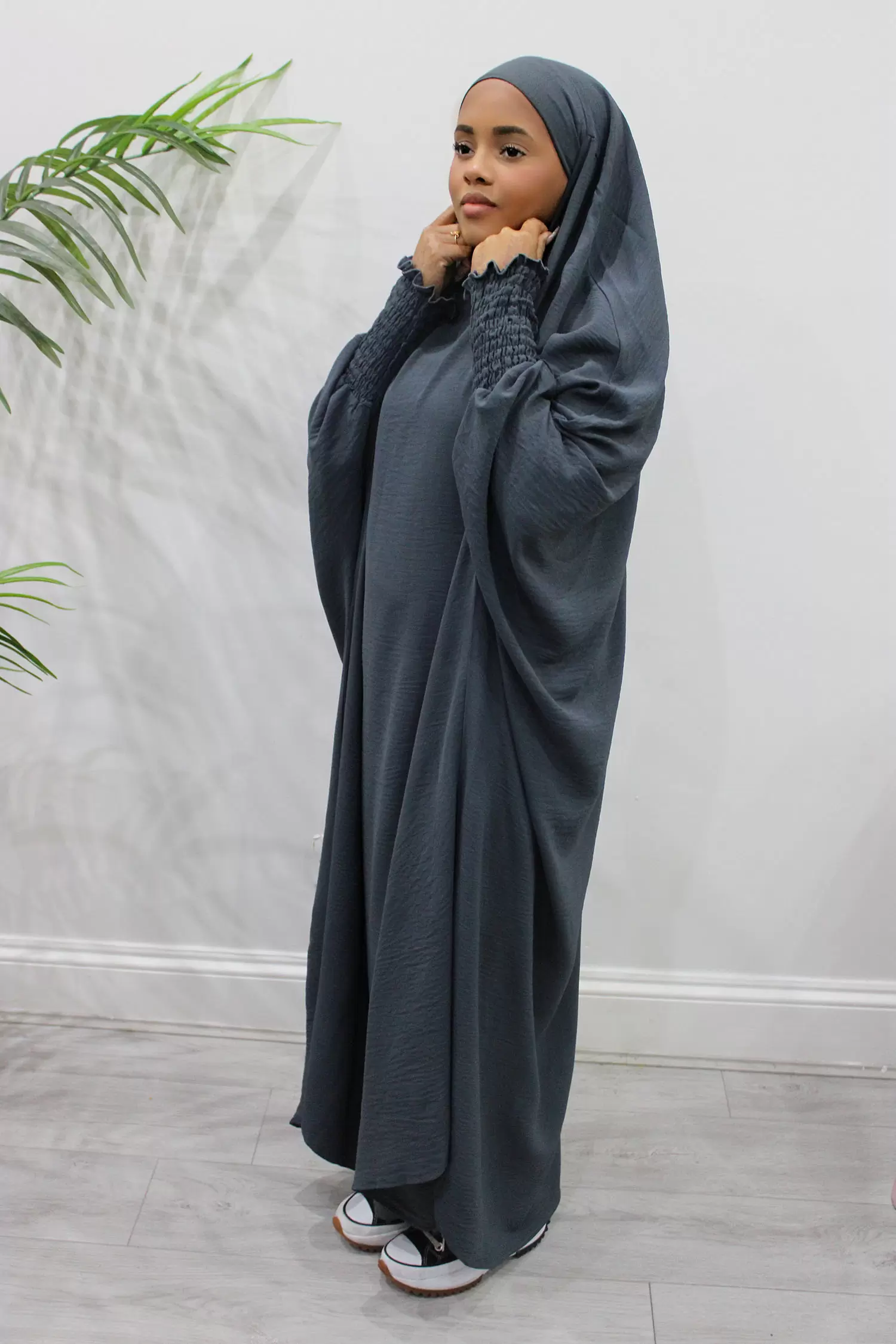
What is a Prayer Abaya and Why It Matters Today
A prayer abaya is more than just a modest outer garment — it’s a quiet act of devotion. Designed specifically for the moments we stand before Allah in salah, the prayer abaya offers full coverage, simplicity, and comfort, so your focus stays on your spiritual connection, not your outfit.
Unlike everyday abayas, a prayer abaya is intentionally crafted with prayer in mind. It’s usually made from non-sheer, lightweight fabrics with minimal embellishments. Why? Because prayer isn’t a performance — it’s personal. And your attire should reflect that sacred space.
What Sets a Prayer Abaya Apart?
Here’s how it differs from regular abayas you might wear to a wedding or social event:
| Feature | Prayer Abaya | Everyday / Fashion Abaya |
|---|---|---|
| Purpose | Worn exclusively for prayer (salah) | Worn for everyday or social outings |
| Fabric | Lightweight, breathable, non-transparent | Varied — includes silk, satin, chiffon, etc. |
| Design | Minimalist, often one-piece with sleeves | Decorative, with embellishments or embroidery |
| Ease of Use | Quick to slip on, no pins or accessories needed | May require styling, layering, or accessories |
Why It Matters — Spiritually and Practically
For many women, having a dedicated prayer garment makes salah more intentional. You know when you put it on, it’s time to disconnect from the world and reconnect with your Creator.
There’s something deeply calming about having a garment reserved solely for prayer. It creates a ritual — a habit cue — that signals reverence, focus, and peace. It’s not just modest fashion; it’s your personal sanctuary in fabric form.
Did You Know?
- In many cultures, women keep their prayer abayas in a designated prayer area, folded and ready to wear at a moment’s notice.
- Some prayer abayas come with integrated hijabs or hooded tops to make coverage even more seamless.
- Modern designs now balance tradition with convenience — including breathable fabrics, zipper fronts, and even nursing-friendly cuts.
Who Is It For?
Everyone. Whether you’re a revert, a lifelong Muslim, or a curious shopper looking to support a loved one, the prayer abaya serves as an entry point to deeper modesty, mindfulness, and spiritual self-care.
Quick Benefits Recap:
- Ensures proper Islamic coverage during prayer
- Reduces distractions during salah
- Creates a sacred mental and emotional space
- Easy to store and wear at home or when traveling
Here’s what most people miss: the prayer abaya isn’t just clothing — it’s a mindset. A quiet signal to your soul that it’s time to pause, reflect, and realign.
So now that you know what a prayer abaya is — and why it matters — let’s talk about what often goes wrong when shopping for one…

Common Mistakes or Myths Around Prayer Abayas
There’s a lot of confusion out there about what makes a good prayer abaya. And to be fair, it’s not your fault — between fast fashion, influencer edits, and marketplace overload, it’s easy to fall into traps.
So let’s clear the air. Below are the most common mistakes and myths women encounter when shopping for or wearing a prayer abaya — and the truth behind each one.
Myth #1: “Any Abaya Can Be Used for Prayer”
While technically any modest abaya may be worn for salah, a dedicated prayer abaya is purpose-built for ease, purity, and simplicity. Many fashion abayas are made of sheer materials, tight sleeves, or intricate designs that can distract or even invalidate prayer if they compromise coverage.
Myth #2: “It Has to Be Black”
Black is traditional in many cultures — but it’s not required. Prayer abayas today come in soft creams, dusty roses, calming blues, and earthy neutrals. What matters most is coverage, cleanliness, and modesty, not color.
Myth #3: “More Expensive Means More Rewarding”
Don’t fall for overpriced tags disguised as piety. A £25 prayer abaya that fits modestly and helps you concentrate in prayer is far more valuable than a £200 designer piece with sequins and tight tailoring. Spirituality isn’t sold by the meter.
Myth #4: “You Only Need One”
Having multiple prayer abayas can be a practical way to stay consistent in your salah — especially if one’s in the wash or you like to keep a spare in your car, work bag, or masjid locker. Flexibility supports your consistency.
Myth #5: “It’s Only for Women Who Wear Hijab Full-Time”
This one really hurts. Every woman deserves a space — and garment — to connect with her Creator, regardless of where she is on her modesty journey. A prayer abaya is for you, wherever you’re at, without judgment.
Common Shopping Mistakes
- Choosing fashion over function: Avoid fabrics that are sheer, clingy, or overly decorative.
- Not checking sleeve width: Some abayas have flared sleeves that expose forearms during rukoo or sujood.
- Forgetting breathability: Heavy polyester or synthetic fabrics can make prayer uncomfortable — especially in summer or warmer regions.
- Overcomplicating with layers: A one-piece pull-on design with an attached hijab is ideal for ease and modesty.
Let’s Bust That Final Myth:
“Prayer abayas are only for home.” — Not true. Many sisters wear them at the masjid, while traveling, or even at school/work during prayer breaks. They’re practical, portable, and powerful tools for staying consistent with salah no matter where you are.
The truth is: a prayer abaya is your spiritual armor — and clarity around its purpose makes it far easier to shop smart and pray with peace.
Up next: how to choose the right prayer abaya for your lifestyle and body type — without getting overwhelmed by endless options…
How to Choose the Right Prayer Abaya for You
Choosing a prayer abaya shouldn’t feel like a struggle between style and spirituality. It’s more than just fabric and fit — it’s about ease, comfort, and confidence during your most sacred moments. Whether you’re new to prayer clothing or looking to upgrade your collection, this guide breaks it down simply and beautifully.
Start With Your Intent
What’s your main goal with a prayer abaya?
- Quick access for daily salah? You’ll want a one-piece, slip-on design.
- Portability for work or travel? Lightweight, wrinkle-resistant material is key.
- Maximum modesty? Look for wide sleeves, attached hijab, and floor-length hem.
Knowing your intent helps you filter the noise and choose what truly serves your lifestyle and spiritual rhythm.
Essential Factors to Consider
| Factor | Why It Matters | Pro Tip |
|---|---|---|
| Fabric | Must be breathable, non-transparent, and lightweight for movement during salah. | Look for cotton blends, nida, or crepe jersey — skip stiff synthetics. |
| Fit & Flow | Should allow easy bowing and prostration without lifting or clinging. | Try batwing or butterfly cuts for max modesty and movement. |
| Coverage | Neckline, arms, and feet should all be modestly covered — especially in group prayer settings. | Pick a style with built-in hijab or elastic sleeves to ensure full coverage. |
| Color | Neutral tones feel calming and clean, but you can express personality subtly. | Dusty pink, taupe, and navy are modern alternatives to traditional black. |
| Ease of Use | Especially for busy mums or professionals who pray on the go. | Go for zip-front or slip-on designs — no pins or fuss. |
Find Your Fit (Without Compromising Modesty)
Prayer abayas aren’t meant to be body-hugging, but they should still feel tailored enough that you’re not swimming in excess fabric. Choose your size based on height and shoulder width, not body shape. If in doubt, size up — modesty always wins.
Consider Where You’ll Be Wearing It
- At home: Opt for comfort-first materials like cotton-jersey blends.
- At the masjid: Go for a more formal, structured look — maybe with subtle embroidery or premium nida fabric.
- At work/school: Choose a wrinkle-resistant option that can fold into your tote without creasing.
Bonus Tip: Look for Sets
Matching prayer abaya sets — including hijab and sometimes even a prayer mat — help simplify your spiritual routine. They’re also a thoughtful gift for reverts or brides-to-be starting their own sacred space at home.
Remember: The “right” prayer abaya is the one that brings you closer to your salah, not one that impresses your Instagram followers.
In the next section, let’s explore the best styles and types of prayer abayas available — and which ones are rising in popularity with modern Muslim women.
Best Styles and Fabrics for Prayer Abayas
Prayer isn’t just a ritual — it’s a reset. And what you wear during that moment should feel like peace. That’s why choosing the right style and fabric for your prayer abaya isn’t just about modesty — it’s about mindfulness, ease, and honoring your connection to faith with grace and comfort.

Most Popular Prayer Abaya Styles (And Who They’re Best For)
| Style | Features | Ideal For |
|---|---|---|
| Overhead Abaya | One-piece, loose-fitting with built-in hijab | Busy women who want a quick, full-coverage solution |
| Batwing Abaya | Wide sleeves, flowing design, breathable shape | Those who want modesty with maximum airflow |
| Kimono Abaya | Open-front, layered look (requires belt or pin) | Home use or layering over daily clothes |
| Two-Piece Jilbab Set | Skirt + loose top with integrated hijab | Women seeking structured modesty for masjid or travel |
| Butterfly Abaya | Wing-like sleeves, flowing from shoulder to hem | Elegant, statement prayerwear with total ease |
Top Fabrics for Comfort, Breathability & Modesty
The right fabric can elevate your entire prayer experience. Here’s how to choose what works best for your climate, comfort, and care routine.
| Fabric | Key Benefits | Best Use |
|---|---|---|
| Nida | Silky-soft, non-clingy, drapes elegantly | Premium look and feel — ideal for masjid or gifting |
| Cotton Jersey | Breathable, stretchy, easy to wash | Daily salah at home — super comfy and fuss-free |
| Crepe | Textured finish, modest drape, wrinkle-resistant | Perfect for travel or suitcase-ready prayer sets |
| Chiffon (layered) | Lightweight with a flowy appearance (needs lining) | Stylish prayerwear or layered abaya looks |
| Polyester Blends | Durable, low-cost, color-retentive | Budget-friendly options (watch for breathability) |
Style vs. Simplicity: Finding the Right Balance
You don’t need ornate embellishments or high-maintenance styles to feel spiritually elevated. A well-fitted, modest, breathable abaya is enough. That said, don’t be afraid to pick a color or silhouette that reflects you. Soft blush tones, earthy neutrals, and muted greys are rising as elegant alternatives to basic black.
If your prayer abaya helps you feel prepared, protected, and present — that’s the style for you.
Quick Comparison: Abaya Styles at a Glance
- Need speed? Overhead abaya or one-piece jilbab
- Love flow? Butterfly or batwing styles
- Need versatility? Two-piece sets or kimono layers
- Want elegance? Premium nida fabric with tailored cut
Next up: let’s look at what to avoid when shopping for your perfect prayer abaya — because even the most beautiful designs can fall short of practical faithwear.
What to Avoid When Shopping for a Prayer Abaya
Buying a prayer abaya isn’t like choosing a fashion statement — it’s about finding a garment that supports your salah, respects your values, and brings you calm, not discomfort. But too many women make avoidable mistakes that leave them frustrated, uncomfortable, or feeling disconnected during prayer. Let’s make sure you don’t.
🚫 Mistake #1: Choosing Fashion Over Function
It’s easy to fall in love with embellished, sequin-filled designs or trendy open-front cuts — but they can be distracting in prayer. A proper prayer abaya should prioritize coverage, ease of movement, and spiritual focus. That means:
- No sheer fabrics without proper lining
- No abayas with high slits, tight tailoring, or visible stitching near the neckline
- No heavy embroidery that adds unnecessary weight or sound
🚫 Mistake #2: Picking the Wrong Fabric for Your Climate
Breathability is non-negotiable — especially during warmer months or in homes without AC. Synthetic blends may look appealing but can trap heat and moisture, leaving you restless during long rakats. Avoid:
- Thick polyester or nylon without ventilation
- Unlined chiffon or georgette (too sheer for prayer unless layered)
- Materials that cling or ride up when bending or in sujood
🚫 Mistake #3: Getting the Wrong Fit or Length
A prayer abaya isn’t one-size-fits-all. Too short and you risk exposure in sujood. Too long and you risk tripping. Always check:
- Sleeve length: Should cover wrists without needing constant adjusting
- Hemline: Should graze the floor but not drag (especially with socks)
- Neck opening: Shouldn’t require pins or extra scarves to stay modest
🚫 Mistake #4: Overcomplicating the Design
Prayer is a moment of quiet surrender. Loud prints, glittery threads, or fussy layering can pull you out of that headspace. The best prayer abayas are quietly beautiful — clean lines, soft drapes, and maybe a delicate trim if desired. Think simplicity with intention.
🚫 Mistake #5: Skipping the Inner Lining
This is one of the most overlooked issues. Some abayas look opaque under indoor lighting but turn semi-sheer in sunlight or when worn over colored clothes. Always check for built-in lining or wear a matching prayer slip underneath — especially if you’re praying in public or around non-mahrams.
Quick Checklist: Avoid These When Buying a Prayer Abaya
| Red Flag | Why It’s a Problem |
|---|---|
| Sheer fabric without lining | Compromises modesty during prayer |
| Too tight around hips or chest | Restricts movement in rukoo and sujood |
| Unstructured neckline | Requires constant adjusting or extra layering |
| No built-in hijab or head coverage | Not ideal for quick or travel-friendly prayer |
| Excessive embellishments | May distract mentally and physically |
Your prayerwear should simplify your life — not complicate it. Avoid these pitfalls and you’ll find a prayer abaya that supports both your modesty and your mindfulness.
Coming up next: we’ll walk you through the real differences between buying your prayer abaya online versus in person — and why the emotional experience matters more than you think.
Online vs Offline: Which Prayer Abaya Experience Wins?
We’ve all been there — standing in a store, surrounded by racks of abayas, unsure if anything is actually suitable for prayer. Or scrolling endlessly online, second-guessing every product photo and wondering if the fabric will feel as soft and breathable as it looks. The search for the perfect prayer abaya can feel more spiritual than the salah itself. But which shopping experience actually delivers — online or offline?
🛍️ A Story Too Many Women Know
I remember once driving nearly 45 minutes to visit a boutique that claimed to carry “modest prayerwear.” I walked in hopeful. But what I found? Rows of glamorous abayas — dazzling, sheer, body-hugging — beautiful for Eid, maybe. But definitely not for sujood. I left with nothing, feeling disheartened and unseen. On the way home, I scrolled through my phone and found a store online that specialized in dedicated prayer abayas. They had close-ups of the fabric, detailed sizing charts, and reviews from women just like me. I ordered one. When it arrived? It felt like someone had thought of me from the first stitch to the final seam.
💻 Pros of Buying a Prayer Abaya Online
- Specialized Options: You can find shops that only sell prayer-focused abayas, with practical cuts and prayer-ready designs.
- Modesty Assured: Most Islamic retailers show coverage, fit, and fabric type clearly, so you know what you’re buying.
- Convenient Comparison: Read reviews, view multiple photos, and compare prices from the comfort of your home.
- Extended Sizes: Online stores often carry a wider range, including plus-size prayer abayas, petite lengths, and even nursing-friendly options.
🏬 Pros of Buying a Prayer Abaya Offline (In-Store)
- Try Before You Buy: You can test the fabric weight, sleeve length, and overall drape.
- Immediate Access: Need a prayer abaya today? Offline wins when you’re in a rush or preparing for travel.
- Face-to-Face Guidance: Sometimes a knowledgeable shop owner can guide you better than any online filter.
🧕 Table: Quick Comparison — Prayer Abaya Shopping Online vs Offline
| Feature | Online | Offline |
|---|---|---|
| Prayer-Specific Styles | ✔ Wide variety available | ✖ Often limited or mixed with fashion pieces |
| Fabric Transparency | ✔ Reviews/photos help verify | ✔ You can feel/test it directly |
| Availability of Rare Sizes | ✔ Commonly offered | ✖ Rarely stocked in-store |
| Ease of Returns | ✔ Depends on store policy | ✔ Immediate exchange if policy allows |
| Spiritual Intent Behind Design | ✔ Higher when store is prayerwear-focused | ✖ Less likely unless it’s a specialty shop |
🧠 Verdict: Which Wins for Prayer Abayas?
If your goal is purely salah-centered clothing, online shopping often wins — but only when you’re buying from trusted, purpose-driven brands. Look for those who craft prayer abayas with intention, offer detailed product descriptions, and clearly understand the needs of Muslim women during prayer.
In-store might still work if you live near a modestwear hub or want the emotional assurance of trying it on — but make sure you’re not settling for form over function.
Next, we’ll dive into this year’s most-loved prayer abaya styles and the fabrics that balance modesty with comfort beautifully. Trust us — you won’t want to miss it.
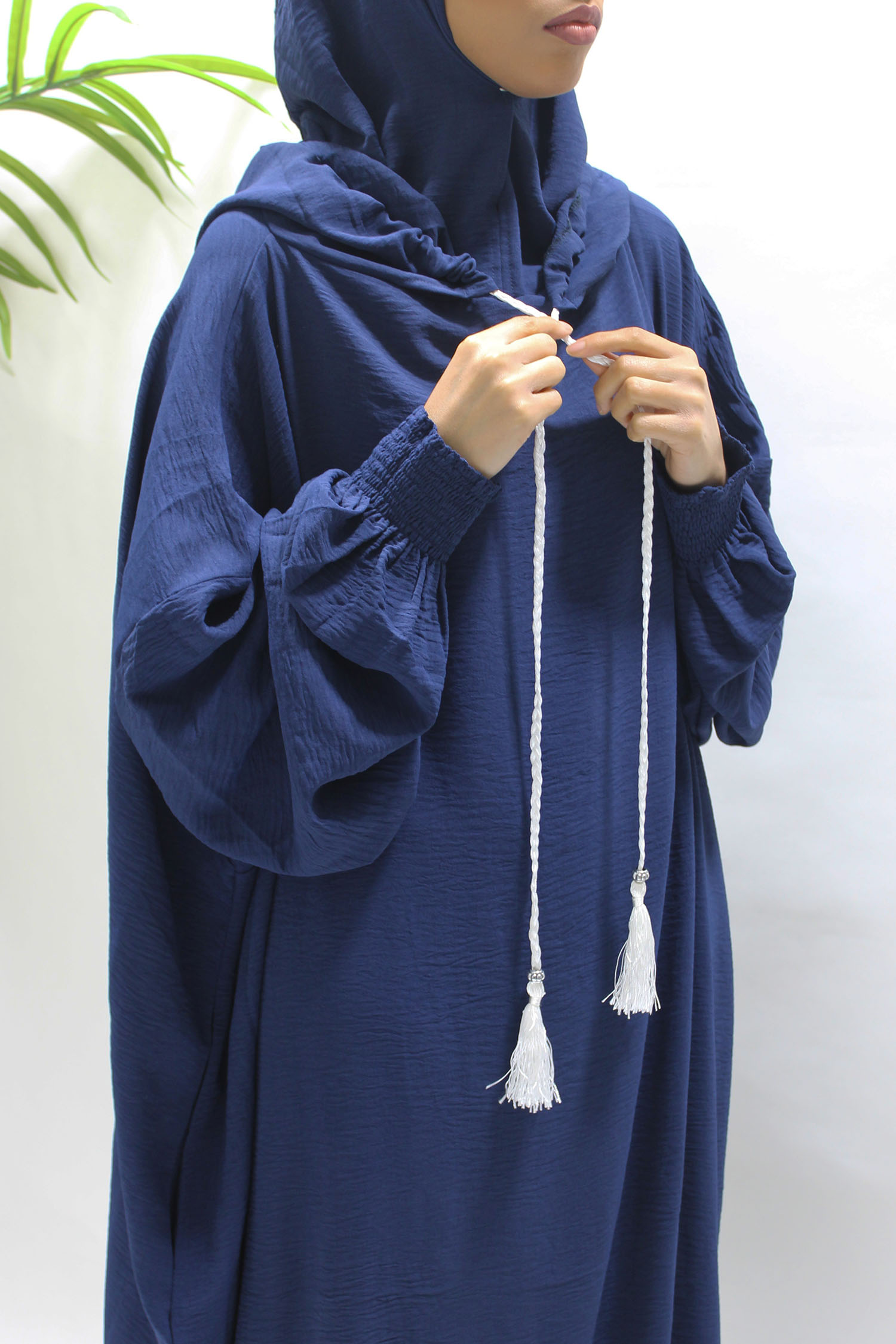
Latest Trends or Innovations in Prayer Abayas
The prayer abaya has quietly evolved from a basic necessity into a thoughtfully designed garment that blends faith, function, and fashion. While its purpose remains rooted in devotion, today’s modern Muslimah demands more — more comfort, more ease, more beauty. That demand is driving a wave of innovation in the prayerwear space, and the results are changing the way women approach their salah wardrobe.
✨ The Rise of Intentional Design
One of the biggest shifts in recent years is the move away from repurposing everyday abayas for prayer. More brands now create dedicated prayer abayas — pieces intentionally designed for salah, with wider cuts, non-slip sleeves, and breathable materials that don’t cling or restrict movement.
🔁 Wudhu-Friendly Features
- Elastic or Zipped Sleeves: Making it easier to perform ablution without needing to remove the abaya.
- Non-Slip Wrists: Prevent sleeves from riding up mid-prayer, offering both dignity and comfort.
- Snap-Button Closures: Discreet yet practical for quick prep before prayer time.
🧵 Fabric Innovations: Soft, Sustainable & Salah-Ready
Gone are the days of heavy polyester blends. Today’s prayer abayas come in innovative fabrics that serve both spiritual focus and daily comfort:
| Fabric | Benefit | Ideal For |
|---|---|---|
| Butter Crepe | Soft, opaque, lightweight, anti-static | Daily salah, travel |
| Jersey Knit | Stretchy, wrinkle-resistant, breathable | Home prayer, maternity comfort |
| Tencel or Bamboo Blends | Eco-friendly, breathable, naturally cooling | Eco-conscious buyers, summer months |
👜 Integrated Travel-Ready Solutions
- Pocket-Fold Designs: Many prayer abayas now come with built-in pouches to easily fold and store the garment — perfect for work, travel, or the masjid.
- Attached Hijab Sets: Coordinated hijabs are stitched directly onto the abaya or offered as exact fabric matches, making them ideal for quick dressing.
- Ultra-Light Compacts: Designed to fit into a purse or glovebox, so you never miss a prayer while out and about.
🎨 Color Trends: From Tradition to Tranquility
While black remains the classic choice, new collections are embracing soft neutrals and calming earth tones like sage, stone, and blush. These hues help instill a sense of serenity — a perfect match for the sacred nature of salah. Brands are also adding subtle embroidery or tonal prints that stay modest while elevating the visual appeal.
👩🎓 Prayer Abayas for Every Life Stage
Brands are finally recognizing that one size does not fit all — spiritually or physically. New product lines now cater to:
- Maternity-friendly fits: With extra belly space, discreet nursing zippers, and breathable panels.
- Teens and Tweens: Youthful cuts that encourage young girls to love their prayerwear.
- Plus Sizes: Truly inclusive sizing with proportionate tailoring, not just “sizing up.”
🌟 A Shift Toward Meaningful Minimalism
Perhaps the most inspiring trend? A return to simplicity. More women are choosing one or two high-quality prayer abayas over closets full of underused options. These pieces aren’t just beautiful — they’re loved, worn, and lived in. And that’s the future of prayerwear: garments made with soul, designed with purpose, and built to help you meet your Lord — in peace and in style.
Up next, let’s talk practical wisdom: how to care for your prayer abaya so it serves you well — wash after wash, prayer after prayer.
Expert Tips for Getting the Most Out of Your Prayer Abaya
Whether you’re purchasing your first prayer abaya or curating a collection for your daily prayers, a few insider tips can help you get the most wear, comfort, and spiritual ease from your garment. We’ve gathered advice from real users, modest fashion designers, and prayerwear experts to help you extend the life, purpose, and practicality of your abaya — while keeping your connection to salah strong.
🧽 1. Wash with Care, Not Just Cleanliness
Your prayer abaya deserves more than a casual toss in the wash. Because it often features delicate fabrics or minimalist stitching, use these care tips to ensure longevity:
- Use a gentle detergent: Opt for fragrance-free, mild cleansers that won’t irritate your skin during sujood or rukoo.
- Cold wash, air dry: Avoid heat to maintain the fabric’s softness and structure — especially with jersey and crepe fabrics.
- Turn inside out: This protects embroidery, embellishments, or dye tones during machine washing.
📍 2. Designate a Prayer-Only Space for It
Don’t let your prayer abaya double as loungewear or outerwear. Set it aside as a garment of intentionality. Doing so not only keeps it clean for wudhu and prayer but also builds a stronger mental and emotional connection to salah itself. Consider hanging it near your prayer mat or in a breathable cotton garment bag for easy access.
🧕 3. Master the Layering Game
Most modern prayer abayas are designed to be worn over your house clothes — but the wrong layers can leave you too warm, too cold, or constantly adjusting. Try:
| Layer | Best for | Why |
|---|---|---|
| Light cotton or bamboo inner slip | Summer / Travel | Breathes well, dries quickly after wudhu |
| Thermal leggings + fitted top | Winter / Cold climates | Warms the body without bulking the silhouette |
| Long-sleeve nursing top | Mothers / Nursing time | Layer without compromising modesty |
👜 4. Travel-Ready? Prep in Advance
If you’re someone who travels often — whether for work, school, or errands — prep your abaya kit to keep salah seamless:
- Keep a folded prayer abaya in your tote, car, or office drawer.
- Choose abayas with attached hijab to reduce the need for multiple pieces.
- Add a mini musalla (prayer mat) and a small spray bottle for wudhu if needed.
Having these on hand removes friction — and makes praying on time much more achievable, no matter where you are.
🧠 5. Reflect Before You Dress
This may sound simple, but it’s powerful: pause for intention. Before putting on your prayer abaya, make a conscious niyyah (intention) to center yourself. That brief moment of mindfulness can transform a routine garment into a symbol of devotion. Over time, this practice can help anchor your salah — especially on busy or emotionally heavy days.
✨ Bonus Pro Tips from Real Users
- “Keep a backup prayer abaya in your luggage — you never know when you’ll need it.” — Amina, traveler & student
- “Choose wrinkle-free fabric if you pray at work or school — it looks fresh every time.” — Sara, modest wear designer
- “After washing, hang it on a velvet hanger to keep the shoulders neat and prevent slipping.” — Fatima, abaya boutique owner
Your prayer abaya isn’t just a garment — it’s a spiritual companion. With a little care, planning, and intention, it can be one of the most treasured items in your salah practice.
Up next, let’s explore how to maintain and care for your prayer abaya long-term, so it continues to serve you through seasons of life and faith.
Care, Maintenance & Longevity Tips
Your prayer abaya isn’t just a piece of clothing — it’s your garment of worship. And like anything sacred, it deserves intentional care. With the right maintenance routine, your abaya can remain soft, clean, modestly elegant, and spiritually intact for years to come.
🧼 1. Washing Do’s and Don’ts
While prayer abayas are typically made from breathable, lightweight fabrics like jersey, crepe, or cotton blends, they still need gentle handling. Here’s a fabric-wise breakdown:
| Fabric Type | Best Washing Method | Extra Notes |
|---|---|---|
| Soft Jersey | Cold machine wash, delicate cycle | Avoid fabric softeners to retain stretch |
| Crepe or Nidha | Hand wash preferred or low-spin cycle | Hang dry to prevent creasing |
| Cotton Blend | Cold wash, tumble dry low | Iron on reverse side if needed |
Tip: Always wash your abaya separately the first few times to avoid color transfer, especially if it’s black or navy.
🧵 2. Handle Embroidery & Embellishments with Care
Many prayer abayas feature subtle embroidery, lace trims, or contrast stitching. While beautiful, these details are fragile. Avoid wringing, scrubbing, or high-heat drying. If you’re using a washing machine, place your abaya in a mesh laundry bag to protect its detailing.
🌬️ 3. Air Dry, Always
Skip the dryer unless the care label explicitly permits it. Air drying preserves both fabric quality and structural integrity. Hang it indoors (out of direct sunlight) to avoid fading — especially for darker-toned abayas.
🧳 4. Store It Like a Sacred Garment
A prayer abaya should never be crumpled in a drawer or mixed with daywear. Give it a designated space, like:
- A cotton garment bag (breathable and dust-resistant)
- A velvet or wooden hanger (plastic can warp shoulders over time)
- A separate hook near your prayer area for quick daily access
Storage isn’t just physical — it’s symbolic. Treating your prayer garment with care reinforces your intention to treat your worship the same way.
🔁 5. Rotate Between Two or More
If you pray five times daily, one abaya will wear out fast. Owning at least two ensures:
- Consistent cleanliness: You’ll always have one ready while the other is drying.
- Fabric preservation: Less wear per abaya extends lifespan.
- Style variety: You can alternate between seasons, fabrics, or moods.
🛠️ 6. Fix Before You Forget
A loose thread or tiny tear can quickly become irreparable. Make it a habit to check your prayer abaya weekly. Keep a small sewing kit nearby — or better yet, take minor fixes to a local tailor to keep it in pristine condition.
💡 Longevity Checklist (Print or Save)
- ✔ Wash with care — cold water, gentle spin, minimal detergent
- ✔ Avoid direct sun when drying
- ✔ Store separately and upright
- ✔ Fix minor issues quickly
- ✔ Rotate to prevent overuse
When your prayer abaya is maintained with this level of love and attention, it becomes more than modest clothing — it becomes part of your worship routine, your identity, and your spiritual discipline. Every thread, every fold, is a reminder of your faith.
Coming up next, discover how real women are using their prayer abayas — and how this single garment is transforming their connection to salah.
Real-Life Stories and Testimonials from Women Who Wear Them
Prayer abayas aren’t just about modesty or fabric — they hold space for our deepest moments of worship. To truly understand their value, you have to hear it from the women who wear them. These stories show how a simple garment can transform salah from a routine into a moment of peace, empowerment, and purpose.
🧕 Aisha, 34 — “It Became My Safe Space”
“I used to rush my prayers between errands, distracted and disconnected. Then I bought my first dedicated prayer abaya. The moment I slip it on, something shifts. It signals stillness. It’s no longer ‘just prayer’ — it’s my time with Allah. The softness of the fabric, the way it covers me fully, makes me feel safe — spiritually and emotionally. I even started praying tahajjud again.”
👩🏫 Maryam, 29 — “I Finally Found One That Fits”
“As a tall woman, I always struggled to find modest prayer wear that didn’t feel awkward. Most were too short or tight. But I found a brand that offered tall-length abayas, and it changed everything. Now I actually look forward to praying at work because I have something that fits my frame and my faith. I even convinced two colleagues to get their own.”
👵 Hafsa, 58 — “It Helps Me Keep Up With All My Prayers”
“I’m a grandmother with arthritis. I needed something lightweight, easy to put on, and breathable. I bought a cotton crepe prayer abaya with a zip front, and it’s perfect. It’s always ready on a hook by my bed. No excuses anymore — it’s made my five daily prayers more manageable, alhamdulillah.”
👩 Leila, 22 — “A Beautiful First Step Back to Faith”
“After years of not praying regularly, I made the intention to return to salah. I bought a dusty pink prayer abaya as a gift to myself. Every time I wear it, it feels like a fresh start. I associate it with grace, not guilt. It made coming back to prayer less intimidating — more beautiful.”
📿 Why These Stories Matter
- Trust: Real voices build confidence in your choice.
- Emotion: Stories inspire connection and reflection.
- Practical insight: You learn what works for different lifestyles and bodies.
💬 What Women Love Most About Their Prayer Abayas
| Benefit | User Feedback |
|---|---|
| Soft, breathable material | “Feels like a hug every time I wear it.” |
| Quick to slip on for prayer | “Helps me stay punctual for salah, even on busy days.” |
| Dedicated spiritual space | “As soon as I wear it, I enter a different mindset.” |
| Beautiful colors and trims | “I feel confident, even in private worship.” |
| Inclusive sizing | “Finally something that fits right!” |
🌟 Your Story Matters Too
The right prayer abaya doesn’t just cover — it comforts, uplifts, and empowers. It becomes a part of your journey. Whether you’re a revert, a working mom, a student, or simply seeking deeper connection, the abaya you choose can help ground you in the moment of prayer.
Next, let’s cover the most frequently asked questions — to clear up doubts, bust myths, and help you make the most informed choice possible.
The Spiritual Symbolism Behind the Prayer Abaya
The prayer abaya is much more than just a garment; it’s a symbol of devotion, purity, and a deeper connection with Allah. In a world that’s often fast-paced and distracted, the act of wearing a prayer abaya creates a physical and mental transition from the chaos of everyday life to the sacredness of prayer. It’s a moment to embody modesty, humility, and worship, allowing women to focus entirely on their relationship with Allah.
The Connection to Modesty and Purity
The concept of modesty is central to the Islamic faith, and the prayer abaya serves as a tangible manifestation of that value. When a woman puts on her prayer abaya, she is not just covering her body; she is actively embracing the essence of modesty, aligning her appearance with the principles of dignity and respect for herself and others. It’s an external sign of an internal commitment to purity, both physically and spiritually.
Why does this matter? Modesty isn’t merely about appearance; it’s about intentions and actions. The prayer abaya provides a space where women can reconnect with these intentions before entering a moment of prayer, making it a key part of the spiritual ritual that elevates the act of worship.
Enhancing Spiritual Focus During Salah
When we step into prayer, we are stepping into a space of complete submission to Allah. The prayer abaya, by virtue of its design and intended use, enhances this sacred transition. It helps block out distractions and serve as a reminder to focus solely on worship, helping the wearer to enter a state of inner peace and reflection.
The ritual of donning the prayer abaya signals the transition from worldly concerns to the divine. By wearing something specifically designed for prayer, the wearer sets aside time and space exclusively for their spiritual connection, elevating their focus and dedication.
Linking the Abaya to Faith and Connection
For many women, the prayer abaya is symbolic of their faith journey. Whether it’s a newly purchased item or a gift from a loved one, wearing the abaya becomes a constant reminder of their commitment to worship and personal growth. It’s not just about being modest in dress — it’s about embracing a way of life that prioritizes faith, mindfulness, and connection with Allah.
Moreover, the abaya often reflects personal milestones in a woman’s spiritual journey. It could symbolize a return to regular prayer, a mark of spiritual maturity, or a way to honor important life events like Ramadan, the Hajj pilgrimage, or the first time praying in a new home.
The Comfort of Spiritual Peace
When you wear a prayer abaya, it isn’t just about the design or color; it’s about feeling spiritually and emotionally grounded. The soft fabric, the flowing nature, and the simplicity of the abaya create a sense of peace that aligns perfectly with the serenity needed during prayer. The abaya becomes not just a covering but an instrument of inner calm, helping to transform the prayer space into one that reflects spiritual purity and clarity.
Symbolizing the Islamic Concept of Barakah
In Islamic tradition, “Barakah” refers to divine blessings. The prayer abaya is seen by many as a garment that invites Barakah into their lives. Whether it’s through the act of prayer itself or the simple act of wearing something specifically intended for worship, the prayer abaya becomes a way of drawing closer to Allah’s blessings and grace.
Many women who wear prayer abayas describe a feeling of sacredness when they put it on, as if the very act of wearing the abaya amplifies the spiritual benefits of prayer. It’s a reminder that every act — no matter how simple — can hold spiritual significance when done with intention and devotion.
💫 The Significance of Color and Design
- White: Purity, new beginnings, and spiritual clarity.
- Black: Humility, serenity, and connection to Allah.
- Earth tones: Grounding, simplicity, and mindfulness.
- Embroideries or subtle accents: A reflection of personal faith and aesthetic choice, bringing beauty into the worship experience.
Incorporating Tradition and Personal Meaning
The design and styling of the prayer abaya can vary based on cultural heritage, personal preferences, and spiritual significance. From simple black designs to those adorned with delicate embroidery, each prayer abaya tells a story. Some women may choose an abaya based on regional tradition, while others may select a style that reflects their personal connection to their faith and worship.
Ultimately, the prayer abaya is a beautiful blend of tradition and personal expression, symbolizing the wearer’s spiritual identity and her unique relationship with Allah. It’s more than just an article of clothing; it’s a vessel for spiritual practice, modesty, and devotion.
💬 Final Thought
The prayer abaya serves as both a physical and spiritual tool for women. As a symbol of modesty, it helps to set the tone for each prayer, creating a space for reflection, peace, and a deeper connection to faith. Whether you are wearing it for personal spiritual growth or as a way to honor a milestone, the prayer abaya is a powerful symbol of devotion and an essential part of your worship practice.
Prayer Abaya vs Regular Abaya: What’s the Real Difference?
When it comes to modest clothing, the terms “prayer abaya” and “regular abaya” are often used interchangeably, but they represent two distinct garments with different purposes and characteristics. Understanding the difference is key to making an informed choice for your wardrobe, particularly when it comes to functionality, comfort, and spiritual significance.
1. Purpose and Function
The most fundamental difference between a prayer abaya and a regular abaya lies in their intended purpose.
- Prayer Abaya: Designed specifically for prayer, this garment is created to provide comfort, ease of movement, and a clear boundary between worldly concerns and the act of worship. It helps the wearer focus entirely on their prayer ritual, offering a space to feel spiritually connected and free from distractions.
- Regular Abaya: While it shares the same basic principles of modesty, the regular abaya is a more versatile garment worn in daily life. It can be used for a variety of purposes—whether for casual outings, social gatherings, or as a stylish outerwear option. The design of the regular abaya can vary greatly depending on fashion trends and cultural preferences.
In essence, the prayer abaya is for moments of worship, while the regular abaya is for everyday wear.
2. Design and Structure
Although both garments serve to promote modesty, their designs differ considerably.
- Prayer Abaya: The prayer abaya typically features a more relaxed, minimalist design with ample room for movement. It’s designed to ensure the wearer can engage in prayer without feeling restricted. These abayas often come in a simple, flowing silhouette, with no extra embellishments that could distract from the prayer experience. Some prayer abayas are also made with fabric that allows for breathability and comfort during extended periods of use.
- Regular Abaya: Regular abayas come in a wider range of designs, fabrics, and cuts. While modest, they can feature decorative details like embroidery, sequins, buttons, or zippers, allowing for more personal expression. Regular abayas are crafted to be worn in a variety of social settings, including weddings, dinners, and even professional environments, with designs ranging from casual to formal.
The prayer abaya’s focus on simplicity and functionality contrasts with the regular abaya’s emphasis on style and variety.
3. Spiritual Significance
Perhaps the most profound distinction lies in the spiritual significance attached to the prayer abaya.
- Prayer Abaya: Wearing a prayer abaya is an act that signifies a deep, intentional connection to worship. It serves as a physical and mental signal that the wearer is about to enter into prayer, creating a sacred space for the worship experience. The prayer abaya serves to align the wearer’s intentions, focusing her mind and heart on the act of devotion.
- Regular Abaya: While the regular abaya is a symbol of modesty, it doesn’t carry the same level of spiritual intent. It’s primarily focused on modest dressing for everyday life and does not have the same direct relationship with the prayer experience.
In short, while both garments reflect modesty, the prayer abaya holds a deeper, intentional significance, directly linked to one’s connection with Allah.
4. Fabric and Comfort
The fabrics used in both types of abayas can vary, but the prayer abaya typically emphasizes comfort for long periods of wear.
- Prayer Abaya: These abayas are often made with lightweight, breathable fabrics that ensure comfort during prayer, which can last several minutes. The material is selected not only for comfort but also for modesty and ease of movement. Popular fabrics include cotton, jersey, and polyester blends that provide flexibility without clinging to the body.
- Regular Abaya: Regular abayas can be crafted from a variety of materials depending on the occasion or style. Heavier fabrics like crepe, chiffon, or satin are more common for evening wear, while lighter cottons or rayon might be used for casual wear. While comfortable, regular abayas prioritize style as much as comfort, making them versatile for various occasions.
The prayer abaya is designed for comfort during worship, while the regular abaya leans toward functionality and style for daily use.
5. Versatility and Usage
While the prayer abaya is essentially designed with one function in mind—prayer—the regular abaya offers more versatility in its usage.
- Prayer Abaya: The prayer abaya is designed to be worn exclusively during prayer or other spiritually focused activities, making it less versatile than the regular abaya. It’s a garment that’s built around worship, with simplicity and comfort as its main priorities.
- Regular Abaya: Regular abayas are incredibly versatile and can be worn in almost any situation. They are suitable for both casual and formal occasions, with variations in color, fabric, and design that make them appropriate for a wide array of settings. Whether you’re attending a wedding, going to work, or simply running errands, a regular abaya can be worn for almost any occasion.
Therefore, the regular abaya is more versatile in terms of everyday wear, while the prayer abaya is a specialized garment made specifically for prayer.
💬 Final Thought
The choice between a prayer abaya and a regular abaya ultimately depends on your needs and lifestyle. If your primary goal is to find a garment that helps you focus during prayer, offers comfort, and provides spiritual significance, the prayer abaya is the perfect choice. However, if you’re looking for something versatile that you can wear for various occasions and styles, the regular abaya is more suited to those needs.
Understanding the differences between these two types of abayas can help you make an informed decision, ensuring that you select the right piece that complements both your spiritual and personal style. Both garments reflect modesty, but the prayer abaya offers a deeper connection to your worship, while the regular abaya emphasizes versatility and fashion.
Cultural Variations: How Prayer Abayas Differ Around the World
While the prayer abaya is fundamentally designed to provide comfort, modesty, and spiritual focus during worship, its style and design can vary significantly depending on cultural influences and regional preferences. Across the globe, Muslim women wear prayer abayas in diverse ways, each tailored to meet the unique needs and aesthetics of their communities.
1. Middle Eastern Prayer Abayas
In the Middle East, the prayer abaya is typically associated with traditional designs that reflect the region’s deep-rooted commitment to modesty and spirituality. These abayas are often simple, flowing, and made from light, breathable fabrics to withstand the hot desert climate.
- Design: The Middle Eastern prayer abaya tends to have a minimalist, loose-fitting silhouette that offers comfort and unrestricted movement. Many are designed with an open front, and some are worn with a matching headscarf or niqab to ensure full coverage.
- Fabric: Fabrics in this region are often chosen for their ability to maintain comfort in high temperatures, such as cotton, jersey, or lightweight polyester blends. These materials are breathable and durable, making them perfect for the heat of the region.
- Colors: Traditional colors like black, white, or beige are most common in Middle Eastern prayer abayas. However, vibrant colors may also be seen in more contemporary designs, reflecting modern interpretations of modest fashion.
The focus in the Middle East is often on functionality and simplicity, prioritizing ease of movement and breathability for the wearer.
2. Southeast Asian Prayer Abayas
In Southeast Asia, particularly in countries like Indonesia and Malaysia, the prayer abaya takes on a more elaborate and decorative approach. These regions have a rich history of combining Islamic modesty with local fashion influences, leading to prayer abayas that are as beautiful as they are functional.
- Design: Prayer abayas in Southeast Asia often incorporate intricate patterns, lace, and embroidery. These designs are more tailored and may feature embellishments that reflect the region’s vibrant culture.
- Fabric: Fabrics in this region are chosen not only for comfort but for their luxurious feel. Satin, chiffon, and silk are common choices, giving the prayer abaya an elegant look that is both modest and beautiful.
- Colors: Southeast Asian prayer abayas often feature brighter colors and floral patterns, a stark contrast to the more muted tones seen in the Middle East. Pastels, rich jewel tones, and even metallic fabrics can be seen in the designs.
In Southeast Asia, there is a strong emphasis on blending spirituality with beauty, where the prayer abaya acts as both a functional garment and a statement piece.
3. North African Prayer Abayas
North Africa has a distinct take on the prayer abaya, shaped by the diverse cultural and historical influences of the region. Countries like Morocco, Tunisia, and Algeria have their own interpretations of modest wear, and their prayer abayas reflect these unique traditions.
- Design: In North Africa, prayer abayas are often characterized by their detailed craftsmanship. Many feature geometric patterns, cultural symbols, and intricate stitching. These abayas may also have a more structured fit, as opposed to the loose, flowing silhouettes common in the Middle East.
- Fabric: Prayer abayas in North Africa are often made from a combination of light and heavy fabrics, depending on the season. Cotton and linen are popular for warmer months, while wool and velvet may be used in cooler weather.
- Colors: Bright and bold colors such as reds, blues, and greens are often seen in North African prayer abayas. The use of vibrant colors is symbolic of the region’s rich cultural heritage and is often incorporated into designs as a way to reflect joy and beauty in modesty.
In North Africa, the prayer abaya is a celebration of cultural identity, with a balance between traditional and modern elements in the design.
4. Western Influence on Prayer Abayas
In recent years, Western countries with significant Muslim populations have seen a shift towards incorporating modern fashion elements into the prayer abaya. Women in countries such as the UK, the US, and Canada are now embracing both modesty and contemporary fashion trends, creating a fusion of cultures within the prayer abaya design.
- Design: Western-influenced prayer abayas may feature more fitted styles, asymmetrical hems, and other modern design elements such as zippers or buttons. Some even incorporate elements from Western fashion trends, blending modesty with a touch of modernity.
- Fabric: Fabrics like jersey, rayon, and even leather may be used in Western-influenced prayer abayas. These materials are selected for their comfort and contemporary appeal, while still providing coverage.
- Colors: The colors used for prayer abayas in Western countries can be as diverse as the individuals who wear them. From neutral tones to bold, statement-making hues, these abayas offer women a chance to express their personal style while adhering to the principles of modesty.
In Western countries, the prayer abaya is evolving, reflecting a blend of cultural and personal influences that allow women to embrace both their faith and modernity.
💬 Final Thought
Across the world, the prayer abaya is an expression of modesty, spirituality, and cultural heritage. While its purpose remains constant—to provide comfort and focus during prayer—the way it is designed and worn varies significantly depending on regional traditions and personal preferences. From the simple, breathable designs in the Middle East to the ornate, vibrant abayas seen in Southeast Asia, the global diversity of prayer abayas reflects the rich tapestry of Muslim culture around the world. Regardless of where you are, wearing a prayer abaya is an intimate experience that connects you to a larger spiritual and cultural journey.
Finding the Perfect Fit for All Body Types (Including Plus Size & Petite)
When it comes to wearing a prayer abaya, the fit is just as important as the style and fabric. A well-fitted prayer abaya ensures comfort, functionality, and modesty while you engage in prayer or everyday activities. However, finding the perfect fit can sometimes be tricky, especially for women of different body types, such as plus-size or petite individuals. The good news is that the ideal fit for every body type is entirely achievable with a few simple tips and considerations.
1. Understanding the Right Fit
Before delving into specific body types, it’s essential to understand the general principles of a well-fitting prayer abaya. The goal is to create a loose yet flattering silhouette that allows for freedom of movement while maintaining modesty. Here’s how to ensure your prayer abaya fits perfectly:
- Loose Yet Structured: The prayer abaya should have enough room to move comfortably, but it shouldn’t be overly baggy. Look for a fit that drapes naturally without sagging or clinging to the body.
- Proper Length: The length of the prayer abaya should hit just above the ankles or around the floor. Ensure that it’s long enough to provide full coverage but not too long that it becomes a tripping hazard during prayer.
- Comfortable Sleeves: Sleeves should be loose enough to provide ventilation and ease of movement, but not so wide that they become unmanageable. Check that the sleeve opening is appropriately sized to fit comfortably without feeling tight.
2. Finding the Right Fit for Plus-Size Women
For plus-size women, finding a prayer abaya that is both modest and flattering can sometimes be challenging, especially with styles that are too small or too tight. However, there are several key elements to focus on when selecting a prayer abaya:
- Flattering Silhouette: Look for prayer abayas with a flowing, A-line or empire waist silhouette that offers plenty of room for movement without being too shapeless. Avoid overly tight or restrictive fits around the waist or chest area, as they can compromise comfort and modesty.
- Stretch Fabrics: Prayer abayas made with stretchy fabrics, such as jersey or spandex blends, offer a more forgiving fit, accommodating curves while maintaining a graceful shape. These fabrics also provide better mobility during prayer movements.
- Layering Options: For added comfort, consider prayer abayas with hidden zippers or clasps that allow you to adjust the fit as needed. You can also layer a loose-fitting dress or tunic under your abaya for extra coverage without sacrificing style.
Ultimately, a well-fitted prayer abaya for plus-size women should be comfortable, stylish, and functional, enhancing the experience of prayer without feeling too constricting.
3. Finding the Right Fit for Petite Women
For petite women, finding a prayer abaya that doesn’t overwhelm the frame or make them look drowned in fabric can be a common challenge. Luckily, there are several tips to ensure a petite woman can achieve both comfort and modesty in her prayer abaya:
- Tailored Fit: Look for prayer abayas that have a slightly tailored shape, especially at the waist or bust area, to avoid the abaya looking too boxy or oversized. This creates a more defined, elegant silhouette that flatters smaller frames.
- Avoid Excessive Fabric: While a prayer abaya should be loose, it shouldn’t have an excessive amount of fabric that swamps the body. Instead, focus on finding abayas with clean lines and a streamlined design that still offers modesty while enhancing your natural shape.
- Shorter Length Options: Petite women may need to opt for prayer abayas that are designed in shorter lengths or styles that don’t drag on the floor. Some brands offer petite-specific options that are proportioned for smaller heights, ensuring you avoid any tripping hazards during prayer.
Petite prayer abayas are all about balance—aim for styles that are both flattering and modest, providing you with comfort and confidence during prayer.
4. Size Charts: The Key to Accurate Fit
One of the most effective ways to find the perfect fit for your body type is to consult size charts provided by online retailers. Make sure to measure your bust, waist, and hip circumference, as well as your height, before purchasing a prayer abaya. Different brands may have slightly different sizing, so it’s always best to double-check the measurements to ensure a proper fit.
- Measure Before You Buy: Accurate measurements can prevent the hassle of returns. Many stores offer detailed size charts based on body type and garment length, which can help guide your selection.
- Read Reviews: Customer reviews can offer valuable insights into the fit of a prayer abaya, especially regarding how the item fits different body types. Reviews often include pictures from actual customers, providing a more accurate representation of how the abaya looks on real people.
5. Embrace Customization
If you’re still struggling to find the perfect prayer abaya off-the-rack, consider getting one custom-made. Many online stores and local tailors offer customization options where you can select the fabric, length, sleeve style, and even the fit to suit your unique body shape. A custom-made prayer abaya can ensure that you’re comfortable, modest, and confident during your prayers.
💬 Final Thought
Whether you’re plus-size, petite, or anywhere in between, finding the perfect prayer abaya that fits well is all about knowing your body type and understanding what will enhance your comfort while maintaining modesty. By focusing on the right fabric, fit, and length, you can find a prayer abaya that not only reflects your personal style but also elevates your prayer experience. With these tips, you’ll be able to confidently choose a prayer abaya that fits your body perfectly and makes you feel at ease during your moments of spiritual reflection.
Budget-Friendly Prayer Abayas That Don’t Compromise on Quality
Shopping for a prayer abaya doesn’t have to break the bank. While quality is essential when it comes to prayer garments, there are plenty of budget-friendly options available that don’t compromise on comfort, durability, or style. Whether you’re on a tight budget or simply want to get the most out of your investment, this section will guide you in choosing a high-quality prayer abaya without stretching your finances.
1. Look for Simple, Classic Designs
One of the easiest ways to save money when shopping for a prayer abaya is to opt for classic, minimalist designs. Abayas with less intricate embellishments, such as embroidery or beading, tend to be more affordable. Classic designs like plain, solid colors or subtle details (like small pleats or a simple belt) can still exude elegance without the premium price tag. Additionally, these timeless styles can be worn for years without going out of fashion, providing you with long-term value for your money.
- Simple Silhouettes: Straight-cut or A-line abayas offer a streamlined look that is both modest and flattering, without the need for costly tailoring.
- Solid Colors: Basic hues like black, navy, gray, and beige are versatile, easy to style, and usually come at a more affordable price compared to patterned or embellished designs.
2. Consider Budget-Friendly Fabrics
The fabric choice plays a major role in the cost of a prayer abaya. While luxurious fabrics like silk or satin may offer a high-end feel, they often come with a higher price tag. However, there are many affordable fabric options that still provide comfort and durability for daily wear.
- Polyester Blends: Abayas made from polyester or polyester-blend fabrics are budget-friendly and still provide a sleek, smooth finish. These fabrics are durable, wrinkle-resistant, and easy to maintain, making them ideal for everyday use.
- Cotton: Cotton prayer abayas are soft, breathable, and perfect for warmer climates. While cotton may be slightly more expensive than polyester, it still falls within the budget-friendly range and is gentle on the skin.
- Jersey and Rayon: Soft, stretchable fabrics like jersey and rayon are affordable and comfortable, providing a relaxed yet modest fit without compromising on quality.
While these fabrics are affordable, they also offer the necessary comfort and breathability for all-day wear, making them perfect for prayer time and beyond.
3. Explore Online Deals and Sales
Shopping online often gives you access to great deals, promotions, and discounts that can help you score a high-quality prayer abaya at a fraction of the cost. Many online stores offer sales during specific seasons, religious holidays, or end-of-year clearance events.
- Look for Flash Sales: Keep an eye out for flash sales and limited-time promotions that offer significant discounts on prayer abayas. These deals can be especially valuable when you’re looking to purchase multiple abayas or a high-quality option at a lower price.
- Subscription Discounts: Many online retailers offer discounts or special offers when you subscribe to their newsletters. This can be a great way to stay informed about upcoming sales and get an extra discount on your purchase.
- Free Shipping Offers: Some stores offer free shipping during certain promotions, which can help offset the cost of purchasing a high-quality prayer abaya.
By shopping at the right time, you can find deals that allow you to purchase top-tier prayer abayas without paying full price.
4. Prioritize Durability Over Price
While it may be tempting to go for the cheapest prayer abaya, it’s important to consider the long-term value. Opting for a less expensive option that is poorly made might save you money initially, but you’ll likely need to replace it sooner. Instead, focus on finding a balance between cost and durability.
- Stitching and Finishing: Always inspect the stitching on the seams. A well-made prayer abaya will have strong, reinforced stitching that can withstand wear and tear. Check for any loose threads or weak spots that might indicate poor craftsmanship.
- Reputable Brands: Look for brands or retailers that are known for producing high-quality, budget-friendly prayer abayas. Investing in a trusted brand ensures that you’re getting a durable product at a reasonable price.
By prioritizing durability, you can invest in a prayer abaya that will last for many years, offering better value in the long run.
5. Consider Second-Hand or Pre-Loved Abayas
Don’t underestimate the value of pre-loved or second-hand prayer abayas. Many women sell gently used abayas that are still in excellent condition, allowing you to purchase a high-quality garment at a fraction of the original price.
- Online Marketplaces: Websites like eBay, Poshmark, or Facebook Marketplace often feature a wide range of pre-loved prayer abayas that are gently used and well-priced.
- Charity Shops: Some charity shops or second-hand stores may sell gently used prayer garments. Shopping at these stores not only saves you money but also supports a good cause.
Buying pre-loved prayer abayas is an excellent way to get high-quality pieces at a more affordable price, especially if you’re open to unique designs or gently used options.
💬 Final Thought
Finding a prayer abaya that fits your budget doesn’t mean you have to compromise on quality. By focusing on classic designs, affordable fabrics, and strategic shopping tips, you can find beautiful, durable prayer abayas that offer comfort and style without exceeding your budget. Whether you opt for a simple design, shop online during sales, or consider pre-loved options, there are plenty of ways to make a smart purchase that meets both your spiritual and financial needs. Your prayer abaya doesn’t have to be expensive to be meaningful and practical.
The Role of Prayer Abayas in Ramadan and Special Occasions
During significant religious events like Ramadan and other special occasions, the prayer abaya takes on an even more profound role. It’s not just a piece of clothing; it’s a symbol of devotion, modesty, and the spiritual connection to one’s faith. In this section, we’ll explore how prayer abayas are worn during these sacred times, why they hold such value, and how they enhance the prayer experience during Ramadan and other meaningful moments.
1. The Spiritual Connection of the Prayer Abaya During Ramadan
Ramadan is a time of deep reflection, fasting, and heightened devotion. For many Muslims, it’s a time to feel more connected to their faith and to engage in extra prayers and acts of worship. The prayer abaya plays a pivotal role in these sacred moments. Its simplicity and modesty are a direct reflection of the humility and spirituality that Ramadan encourages.
- Modesty in Worship: The prayer abaya’s design provides full coverage, allowing women to pray without distractions. It ensures that one’s focus remains solely on worship, rather than on how they appear. This modesty during Ramadan allows worshippers to immerse themselves fully in prayer and reflection.
- Comfort and Focus: During Ramadan, many Muslims perform long hours of prayer, especially during Taraweeh. A prayer abaya made of breathable, soft fabrics like cotton or jersey ensures comfort during extended periods of standing, bowing, and prostration, allowing one to maintain focus on their connection with Allah.
- Symbol of Purity: The prayer abaya is often chosen in white or light shades during Ramadan, symbolizing purity, renewal, and spiritual cleansing. Wearing a fresh prayer abaya during the holy month can create a deeper sense of sanctity and remind one of the inner purity they strive for during this time.
2. Special Occasions: Enhancing the Spiritual Experience
While the prayer abaya is used daily for prayers, it becomes particularly significant during special occasions such as Eid, weddings, and other celebrations in the Islamic calendar. During these events, it is not just about praying but also about marking the importance of the moment and dressing with reverence.
- Eid Prayers: The Eid prayer is one of the most anticipated prayers in the Islamic calendar. On these joyous days, women often wear their most beautiful prayer abayas. These garments are often enhanced with subtle embroidery or embellishments, allowing worshippers to feel both spiritually connected and celebratory. The Eid prayer abaya becomes an expression of gratitude for the blessings of the past year and a symbol of spiritual renewal.
- Weddings and Milestones: Prayer abayas are also worn during weddings, baby showers, and other significant religious milestones. On these occasions, the prayer abaya takes on a more elegant form, often adorned with delicate beadwork or lace, creating a balance between modesty and celebration. It’s a reminder that no matter the occasion, prayer remains a central practice in one’s life.
3. The Role of Prayer Abayas in Fostering a Sense of Unity
During Ramadan and other important religious celebrations, the prayer abaya also plays a role in fostering a sense of unity within the Muslim community. Whether at the mosque for collective prayers or in the home with family, these garments symbolize a shared devotion to faith.
- Uniformity in Worship: Wearing a prayer abaya during group prayers creates a sense of uniformity and collective submission to Allah. When everyone is dressed similarly, the focus shifts from individuality to the worship experience itself, enhancing the collective spirit of unity.
- Bonding with Family: Many families share special prayer moments during Ramadan. Wearing prayer abayas can become a bonding experience, creating a shared moment of purity, devotion, and reflection. For mothers and daughters, sisters, or even grandmothers and granddaughters, the prayer abaya is a piece of attire that brings women together spiritually and emotionally.
4. Choosing the Right Prayer Abaya for Special Occasions
When shopping for a prayer abaya for Ramadan or any other special occasion, it’s important to select a piece that not only fits well but also feels spiritually meaningful. While comfort is key for daily prayers, during these special times, many women choose prayer abayas with elegant details that reflect the solemnity of the occasion.
- Fabrics for Festive Occasions: For Ramadan and Eid, women often prefer prayer abayas made from fabrics like chiffon, silk blends, or satin for a more formal and festive look. These materials add a touch of sophistication and luxury without compromising on modesty.
- Subtle Embellishments: While the prayer abaya should remain modest, small embellishments such as delicate lace trims, embroidery, or beadwork can add a beautiful touch of elegance for special occasions. These additions allow the wearer to express individuality while maintaining a humble appearance.
💬 Final Thought
The prayer abaya is much more than a garment; it’s a powerful symbol of devotion, faith, and purity. During Ramadan and other special occasions, it becomes an integral part of the worship experience, enhancing comfort, modesty, and spiritual focus. Whether it’s a simple, plain abaya for daily prayers or a more decorative one for festive moments, the prayer abaya holds deep meaning. It helps you connect with your faith, commemorate milestones, and bond with the community, making it an essential part of every Muslim woman’s spiritual journey.
Children’s Prayer Abayas: What Parents Need to Know
As parents, we want to instill values of faith and devotion in our children from a young age. One of the best ways to do this is by introducing them to the practice of prayer in a way that feels meaningful and empowering. For many Muslim families, the children’s prayer abaya becomes a key part of this journey, offering modesty, comfort, and a sense of spiritual connection during prayer times. But when it comes to choosing the right one, there’s more to consider than just size and style. In this section, we’ll explore everything parents need to know about children’s prayer abayas to ensure their little ones experience worship with ease and reverence.
1. Why Modesty and Comfort Matter for Children
When selecting a prayer abaya for your child, comfort is just as important as modesty. Children are naturally energetic, and the last thing you want is for them to feel restricted during their prayers. A prayer abaya should allow them to move freely while maintaining the dignity and modesty required for prayer. In many ways, the prayer abaya helps children feel more focused and connected to their faith.
- Soft, Breathable Fabrics: For children, lightweight fabrics such as cotton or jersey are ideal. These materials are soft on the skin, breathable, and comfortable for long prayer sessions, especially during Ramadan or special occasions. They also make it easy for children to move freely as they perform their prayers.
- Generous Fit: Unlike regular clothing, a prayer abaya should have a slightly looser fit, allowing your child to move with ease. A well-fitted prayer abaya that doesn’t restrict their arms or legs can prevent discomfort during physical prayer movements like prostration and bowing.
2. Teaching Children the Significance of the Prayer Abaya
Introducing a prayer abaya to a child isn’t just about clothing—it’s about teaching them the importance of prayer and the spiritual meaning behind it. Wearing a prayer abaya helps children visualize their role in prayer and reminds them of the sanctity of the act itself.
- Connecting to Tradition: Children’s prayer abayas often have a simple yet elegant design, reflecting the modesty and purity that prayer demands. By wearing an abaya, children can connect to their cultural and religious heritage, understanding that they are part of a long-standing tradition.
- Encouraging Reverence: The act of dressing in prayer attire can signal to children that prayer is a special and sacred activity. A prayer abaya, though simple, serves as a reminder of the importance of taking time for worship, helping children to approach their prayers with respect and mindfulness.
3. Choosing the Right Size and Fit for Your Child
One of the most common concerns parents have when purchasing a children’s prayer abaya is selecting the right size. Unlike other types of clothing, prayer abayas should have a relaxed fit to allow for ease of movement during prayer. However, it’s essential to ensure the length and width are just right to avoid tripping or feeling restricted.
- Consider the Child’s Growth: Children grow quickly, so it’s important to choose a prayer abaya that accommodates growth. Look for styles with adjustable features like drawstrings or elastic bands at the wrists or waist, allowing the abaya to grow with your child without losing its shape.
- Proper Length: The prayer abaya should be long enough to cover the body properly but not too long that it becomes a tripping hazard. For younger children, a slightly shorter length may be preferable to ensure they can move safely and easily.
4. Style Options for Children’s Prayer Abayas
Prayer abayas for children come in a variety of styles and colors, allowing parents to choose the one that best suits their child’s personality and needs. Whether you’re looking for something simple and traditional or a little more fun and colorful, there’s something out there for every child.
- Simple and Modest: Many parents prefer to stick with classic, plain prayer abayas for their children. These designs emphasize modesty and simplicity and are perfect for daily prayers.
- Fun and Playful Designs: For younger children, prayer abayas may feature cute embellishments like small embroidery, lace accents, or pastel colors. These designs allow children to enjoy their attire while maintaining the necessary modesty for prayer.
- Matching Sets for Family Events: For special occasions like Eid or family gatherings, many families choose prayer abayas with matching styles for their children, creating a coordinated, family-oriented look.
5. Practical Tips for Parents When Purchasing Children’s Prayer Abayas
Shopping for a children’s prayer abaya doesn’t have to be a daunting task. There are several factors parents should keep in mind to ensure they make the right choice, both in terms of fit and style.
- Check for Durability: Children’s prayer abayas are worn often, so durability is key. Look for high-quality fabrics and stitching that can withstand frequent washing and wear.
- Easy to Maintain: Choose an abaya that is easy to care for. Machine-washable options are ideal for busy parents, as they help keep the garment looking fresh and clean without much hassle.
- Comfort First: When it comes to children’s clothing, comfort should always be the priority. Avoid stiff or itchy materials that may distract your child during prayer. Soft, stretchy fabrics will allow them to focus on the prayer, not the discomfort of their clothing.
💬 Final Thought
Choosing the right prayer abaya for your child is a wonderful way to nurture their spiritual growth and deepen their connection to faith. By focusing on comfort, modesty, and fit, you’ll help ensure that they feel confident and comfortable during their prayers. Whether it’s for everyday use or special occasions, a well-chosen prayer abaya will help foster a sense of reverence and spiritual unity in your child’s heart. It’s not just clothing—it’s a tool for growth, faith, and love.
Sustainable & Ethical Prayer Abayas: What Brands to Trust
In today’s world, conscious consumerism has never been more important. As the fashion industry evolves, so too does the growing demand for sustainability and ethical practices. When it comes to modest fashion, including prayer abayas, choosing eco-friendly and ethical brands is not only an investment in quality but also an act of faith, aligning your purchasing decisions with your values. In this section, we’ll explore why sustainability and ethics matter when choosing a prayer abaya and highlight trusted brands that prioritize both the planet and the people behind the production process.
1. The Importance of Sustainable & Ethical Prayer Abayas
The environmental impact of the fashion industry is well-documented, and the fast fashion cycle has contributed significantly to waste, pollution, and unfair labor practices. By opting for sustainable and ethically-produced prayer abayas, you’re making a conscious choice that positively impacts the planet and the people involved in creating your garment. But what exactly does it mean for a prayer abaya to be sustainable and ethical?
- Sustainability: This refers to the use of eco-friendly materials, minimal waste production processes, and long-lasting designs that reduce the need for frequent replacements. Sustainable brands aim to minimize their carbon footprint and environmental harm.
- Ethical Practices: Ethical production ensures that workers are treated fairly, paid well, and provided safe working conditions. These brands prioritize transparency in their manufacturing processes and ensure fair wages for artisans, making it a win for both people and planet.
2. Key Features of Sustainable Prayer Abayas
When choosing a sustainable prayer abaya, it’s important to look for several key indicators that show the brand cares about its environmental and social responsibility:
- Eco-Friendly Materials: Sustainable prayer abayas are often made from organic cotton, bamboo, hemp, or recycled fabrics. These materials require fewer resources to produce, use less water, and have a lower carbon footprint than traditional fabrics like polyester or conventional cotton.
- Ethically Sourced Fabrics: Brands that focus on sustainability often partner with suppliers who prioritize fair trade and responsible sourcing of raw materials. This ensures that the fabric used in the abayas is not only eco-friendly but also ethically sourced.
- Durability and Longevity: Sustainable prayer abayas are designed to last longer, reducing the need for frequent replacements. By investing in a high-quality, durable prayer abaya, you’re reducing waste and contributing to a more sustainable wardrobe.
- Transparency in Production: Trusted sustainable brands often provide clear, honest information about their manufacturing processes. Look for brands that detail their sourcing practices and provide certifications or third-party audits that verify their claims.
3. Top Sustainable & Ethical Prayer Abaya Brands to Trust
Now that we understand the importance of sustainability and ethics in the production of prayer abayas, let’s highlight some of the best brands that prioritize these values. By supporting these brands, you not only contribute to the movement towards more responsible fashion, but you also enjoy prayer abayas that are high-quality, stylish, and made with care.
- Eco-Modest: A pioneer in the world of sustainable modest fashion, Eco-Modest offers prayer abayas crafted from organic cotton and other eco-friendly fabrics. Their designs are timeless and made to last, ensuring that you can wear your prayer abaya for years to come without compromising on style or comfort.
- Modest Roots: Modest Roots is known for its commitment to sustainability and fair trade practices. Their prayer abayas are made using eco-friendly textiles and are produced by artisans who are paid fair wages. They also prioritize slow fashion, meaning they release collections slowly and thoughtfully, avoiding the waste of fast fashion trends.
- Amira Abayas: Amira Abayas combines modern designs with eco-conscious fabrics. Their prayer abayas feature bamboo and hemp-based materials, known for their sustainability and natural properties. They’re committed to reducing waste and ensuring ethical working conditions for all employees.
- Pure Modesty: This brand specializes in creating elegant, ethically-made prayer abayas using fair-trade certified materials. They work with artisans in developing countries to ensure fair wages and provide safe working environments. Their collections also highlight organic cotton and other sustainable fabrics.
4. How to Identify Ethical and Sustainable Prayer Abayas
Finding truly sustainable and ethical prayer abayas requires a little research. Here are some steps you can take to ensure you’re buying from a trustworthy brand:
- Look for Certifications: Certifications like GOTS (Global Organic Textile Standard), Fair Trade, or OEKO-TEX Standard 100 indicate that the brand follows ethical and environmental practices.
- Read the Brand’s Story: Brands that prioritize sustainability and ethics will often share their values and mission on their website. Look for information about how they source materials, their manufacturing processes, and their impact on the environment.
- Check for Transparency: Trustworthy brands will disclose their production processes, including where and how their prayer abayas are made. They should also be transparent about the labor conditions of the workers who create these garments.
5. Benefits of Choosing Sustainable Prayer Abayas
Opting for a sustainable and ethical prayer abaya comes with a host of benefits, both for you as a consumer and for the environment.
- Environmental Impact: By choosing eco-friendly materials and sustainable production methods, you help reduce waste and pollution, making a positive impact on the planet.
- Supporting Fair Labor: Purchasing from ethical brands ensures that artisans and workers are paid fair wages, work in safe conditions, and are treated with respect.
- Long-Term Value: Sustainable prayer abayas are designed to last, meaning you’re investing in a high-quality product that will serve you well for years, reducing the need for constant replacements.
💬 Final Thought
Choosing a sustainable and ethical prayer abaya is more than just a fashion statement—it’s a reflection of your values. By supporting brands that prioritize the planet and the people behind the garment, you not only invest in a high-quality prayer abaya, but you also contribute to a movement towards a more ethical and environmentally conscious fashion industry. Whether you’re new to sustainable fashion or looking to expand your wardrobe, make sure that the prayer abayas you choose align with your beliefs and reflect your commitment to a better, more responsible world.
How Influencers and Brands Are Shaping Modern Modestwear
The world of fashion is constantly evolving, and one of the most significant shifts in recent years has been the rise of modest fashion. As modesty in clothing, particularly through pieces like the prayer abaya, becomes increasingly popular, influencers and brands have played a pivotal role in defining what it means to dress modestly in today’s modern world. These influencers and brands are not only creating stunning collections but also reshaping the narrative around modestwear, breaking away from outdated stereotypes and proving that modest fashion can be just as stylish, innovative, and chic as any other fashion trend.
1. The Power of Influencers in Modestwear
Influencers have become some of the most powerful voices in the world of fashion, and their impact on modestwear is no exception. Through social media platforms like Instagram, YouTube, and TikTok, modest fashion influencers have built communities where they promote personal style, modesty, and empowerment. These influencers often showcase how they incorporate pieces like the prayer abaya into their daily lives, blending spirituality with style in ways that resonate with their followers.
- Redefining Modesty: Influencers challenge traditional views of modest clothing by showcasing prayer abayas in contemporary settings. They prove that modest fashion can be trendy, beautiful, and versatile, bridging the gap between faith and modern living.
- Highlighting Diverse Styles: The variety of prayer abayas seen on influencers—from minimalistic designs to bold patterns and luxurious fabrics—demonstrates that modest fashion can be incredibly diverse and cater to different personal tastes and cultural preferences.
- Creating Conversations: Influencers are often at the forefront of social discussions about modesty, faith, and the intersection of religion and fashion. They create spaces where followers can engage, share experiences, and celebrate the beauty of modest dressing, including wearing prayer abayas.
2. How Brands Are Leading the Charge in Modest Fashion
Brands, too, have a major influence on the trajectory of modern modestwear. The rise of brands that specialize in modest fashion, including prayer abayas, has made it easier for women worldwide to access fashionable yet modest clothing. These brands have tapped into the growing demand for stylish, functional, and culturally sensitive clothing that allows women to maintain their modesty while feeling confident and fashionable.
- Innovative Designs: Many brands are now offering prayer abayas with modern cuts, bold colors, and unique embellishments. By embracing fashion-forward elements, brands are helping redefine what modest clothing looks like and making it accessible to a wider audience.
- Collaborations with Influencers: A key strategy many brands use to gain visibility in the modestwear market is partnering with influencers. These collaborations help brands reach a larger audience, showcase real-life examples of how prayer abayas are styled, and boost trust through the influencers’ endorsements.
- Inclusive Collections: Brands are increasingly focusing on inclusivity, offering prayer abayas in a range of sizes, fabrics, and designs to cater to women of different body types and personal preferences. This inclusivity helps to expand the market for prayer abayas and make them more accessible to all women.
3. How Influencers and Brands are Breaking Barriers for Modest Fashion
Perhaps the most exciting aspect of the modest fashion movement, driven by influencers and brands alike, is how it is breaking down cultural and social barriers. For years, modest fashion was often considered niche or inaccessible, but the collaboration between influencers and forward-thinking brands has changed that perception. Today, prayer abayas are seen not only as a religious garment but also as an expression of style and personality. This shift has helped create a more inclusive space for women to express their identities while honoring their faith.
- Promoting Faith and Fashion Simultaneously: The collaboration between modestwear influencers and brands is empowering women to embrace their religious practices, such as prayer, without sacrificing style. Whether it’s a simple prayer abaya or a more intricate design, these collaborations create space for women to wear their faith with pride, without feeling pressured to conform to mainstream fashion trends.
- Reaching Global Audiences: Influencers and brands have helped expand the modestwear market beyond cultural or regional boundaries. Today, women from different backgrounds are able to access and appreciate prayer abayas that cater to their personal styles, preferences, and values, making modest fashion truly global.
- Fostering Empowerment: The modern modestwear movement, amplified by influencers and brands, empowers women to take control of their style. Wearing a prayer abaya becomes not only a reflection of faith but also an expression of personal empowerment, confidence, and individuality.
4. What This Means for the Future of Prayer Abayas
The collaboration between influencers and brands is just the beginning of an exciting journey for modern modestwear. As these voices continue to shape trends and influence what’s popular, we can expect even more innovation and diversity in prayer abayas. Whether it’s new styles, fabrics, or functional designs that suit women’s busy lives, the future looks bright for prayer abayas as an essential part of modest fashion.
- More Sustainable and Ethical Choices: As the demand for sustainable and ethically produced modestwear increases, we can expect more brands to prioritize these values, offering prayer abayas made from eco-friendly materials with fair production practices.
- Continued Cultural Representation: The global nature of the modestwear movement will likely lead to more culturally diverse and inclusive collections, ensuring that prayer abayas cater to women from all walks of life.
- Greater Integration of Technology and Innovation: From enhanced fabric technologies to digital fashion platforms, prayer abayas will continue to evolve, incorporating smart fabrics and tech-enhanced designs that offer greater comfort, versatility, and functionality.
💬 Final Thought
The influence of social media influencers and innovative brands in shaping modern modestwear cannot be overstated. Together, they have propelled prayer abayas from niche garments to essential pieces of stylish, thoughtful, and inclusive fashion. As these forces continue to evolve, prayer abayas will remain at the forefront of the modest fashion movement, offering women a stylish, empowering, and faith-aligned way to dress.
The Psychology of Dressing for Worship: Why What You Wear Matters
When it comes to prayer and worship, the act of dressing isn’t just about putting on clothes—it’s about aligning yourself with the sacred purpose of the moment. The prayer abaya serves not only as a physical covering but as an emotional and spiritual barrier, setting the stage for reflection, humility, and connection to a higher power. What you wear while praying, particularly the choice of a prayer abaya, can profoundly influence your mindset, focus, and emotional state during worship.
1. The Power of Ritual: How Clothing Enhances Worship
Our clothing has an undeniable impact on how we perceive ourselves and the world around us. The act of dressing for prayer—putting on a prayer abaya—is a ritual in itself, signaling the transition from the everyday world into a space of spirituality and devotion. Just as certain attire is worn for ceremonies or special occasions, the prayer abaya helps signify a deeper purpose, creating a mental and emotional space that supports worship.
- Preparing the Mind: The process of selecting and wearing a prayer abaya before prayer allows the mind to shift focus. It helps signal that this is a sacred moment, separate from the distractions of the outside world. This mental preparation is key for creating a deep connection during worship.
- Symbol of Purity: The simplicity and modesty of a prayer abaya promote the idea of purity and devotion. Wearing it with intention elevates the act of prayer, transforming it into a spiritual practice that goes beyond mere obligation.
- Marking the Transition: Just as one might change into formal or festive attire for a significant event, the prayer abaya symbolizes the transition from daily life into a moment of worship. This shift helps one mentally prepare for a time of reflection and communion with the divine.
2. Emotional and Psychological Impact of Wearing the Right Prayer Abaya
Clothing is more than just a shield against the elements—it also affects how we feel about ourselves and the world. For women who wear the prayer abaya, the garment can evoke feelings of calm, confidence, and mindfulness. But why does the choice of a prayer abaya carry such significance? The emotional and psychological benefits are rooted in the interplay between appearance, self-perception, and the act of worship.
- Empowerment and Confidence: Wearing a well-fitted, thoughtfully chosen prayer abaya can foster a sense of empowerment. When the abaya reflects your personal style and comfort, it boosts your confidence as you approach worship. It’s a reminder that your faith is both personal and powerful.
- Mindfulness and Presence: Dressing in a prayer abaya brings an element of mindfulness to the practice of worship. The simplicity of the garment encourages focus and helps strip away distractions. This presence of mind makes it easier to immerse oneself fully in the prayer experience.
- Spiritual Alignment: The process of donning the prayer abaya isn’t just physical; it’s symbolic. It aligns the individual with their faith and creates a tangible reminder of their devotion. This psychological alignment deepens the worship experience, encouraging full engagement and reverence.
3. The Connection Between Modesty and Spirituality
Modesty plays a significant role in the psychological effect of wearing a prayer abaya. The abaya’s modest design not only meets religious requirements but also fosters a sense of spiritual connection by promoting humility, quietude, and introspection. This connection to modesty is not about restriction; rather, it’s about creating space for a deeper relationship with the divine.
- Humility and Reverence: The modesty of a prayer abaya helps strip away the ego and external distractions, allowing the wearer to focus purely on the spiritual act. Humility in dress mirrors the humility required in worship, encouraging sincerity and reverence in prayer.
- Creating Sacred Space: By choosing a prayer abaya, women create a physical and mental space for worship. The garment itself becomes an outward symbol of inward devotion, making it easier to enter into the sacred experience of prayer.
- Inner Peace: The simplicity and elegance of prayer abayas provide a sense of tranquility, allowing wearers to feel at ease while they focus on their prayers. This quiet peace can help calm the mind, making it easier to concentrate and reflect during worship.
4. How the Right Prayer Abaya Enhances Focus During Worship
One of the primary purposes of the prayer abaya is to create a focused, distraction-free environment for worship. The right prayer abaya helps eliminate any discomfort, leaving the wearer with nothing but their thoughts and prayers. This is especially important for those who seek to achieve a deep, uninterrupted connection during their spiritual practices.
- Comfort and Fit: Wearing a prayer abaya that fits well and is made from breathable, comfortable fabric allows the wearer to fully concentrate on their worship. When the garment is comfortable, it’s easier to set aside physical distractions and focus entirely on the prayer experience.
- Consistent Ritual: Wearing the same prayer abaya for each prayer session creates consistency and reinforces the spiritual significance of the garment. This ritual helps to focus the mind, creating a sense of familiarity and comfort in the worship process.
- Enhanced Spiritual Connection: When the wearer is free from physical discomfort and distractions, they can more fully connect with the spiritual aspects of prayer. This enhances the emotional and psychological experience of worship, making it a more profound practice.
5. The Role of Color and Design in Spiritual Experience
Beyond fit and comfort, the color and design of a prayer abaya can also influence the psychological experience of worship. The colors, patterns, and fabric choices used in prayer abayas can evoke different emotions and psychological states that enhance the overall spiritual experience.
- Colors and Their Psychological Effects: Soft, neutral tones in a prayer abaya are often associated with peace and tranquility, which can help promote calmness during prayer. Darker shades may convey a sense of solemnity, while brighter hues can evoke joy and vitality. Each color offers a different emotional trigger that can deepen the worship experience.
- Elegance and Simplicity: The design of a prayer abaya—whether minimalist or ornate—can also affect the emotional atmosphere. Simpler designs help create a sense of purity, while intricate details might add a feeling of grace and reverence, enhancing the overall worship experience.
💬 Final Thought
The psychology of dressing for worship is deeply connected to how one approaches and experiences prayer. By choosing the right prayer abaya, women not only dress their bodies but also prepare their minds and hearts for a deeper spiritual connection. This psychological and emotional alignment helps transform prayer from a ritual into a meaningful, enriching experience. So, when selecting your next prayer abaya, remember—it’s not just about the garment, but the mindset it helps create.
🌟 Conclusion: Your Perfect Prayer Abaya Awaits 🌟
As you step into your next moment of worship, remember that what you wear is more than just fabric—it’s an expression of your faith, your devotion, and your spiritual connection. The right prayer abaya doesn’t just cover you; it envelops you in peace, confidence, and grace, helping you connect deeply with your inner self and with the divine.
From the careful selection of fabric to the perfect fit, each choice you make has the power to enhance your worship experience. Whether you’re choosing your first prayer abaya or seeking to add a new one to your collection, remember that the journey is just as sacred as the prayer itself.
Are you ready to elevate your worship experience? 🌙✨
Discover our exclusive collection of prayer abayas that blend style, comfort, and spiritual significance. Shop now and find the perfect one that speaks to your heart, aligns with your values, and helps you feel truly connected in every prayer.
💖 Embrace your faith with elegance—choose your prayer abaya today and make every prayer a meaningful one.
Frequently Asked Questions (FAQs) about Prayer Abayas
- 1. What is a prayer abaya?A prayer abaya is a traditional garment worn by Muslim women specifically for prayer. It is designed for comfort, modesty, and ease of movement during worship, often covering the entire body, leaving the face, hands, and feet exposed. The fabric is typically lightweight and breathable.
- 2. How is a prayer abaya different from a regular abaya?A prayer abaya is specifically designed for prayer and worship, often featuring simpler designs, softer fabrics, and a more relaxed fit compared to regular abayas, which can vary in style and function. The prayer abaya is focused on functionality and comfort during prayers.
- 3. Can I wear a prayer abaya outside of prayer?Yes, many women wear prayer abayas as part of their daily wardrobe due to their modest and comfortable design. However, some may prefer more decorative abayas for outings or special occasions, as prayer abayas tend to be simpler in style.
- 4. Are prayer abayas suitable for all body types?Absolutely! Prayer abayas are available in various sizes, including plus-size and petite options, ensuring that every woman can find a style and fit that suits her body type while maintaining comfort and modesty during prayers.
- 5. What fabrics are best for prayer abayas?The best fabrics for prayer abayas are breathable, lightweight, and comfortable. Popular options include cotton, crepe, and chiffon. These materials ensure comfort and ease of movement during prayers while also allowing for breathability.
- 6. How do I choose the right prayer abaya?When choosing a prayer abaya, consider factors such as fabric, fit, style, and comfort. Make sure the abaya is made from soft, breathable fabric, fits comfortably, and is easy to move in during your prayer ritual.
- 7. Can I wear a prayer abaya during Ramadan?Yes, many women choose to wear prayer abayas during Ramadan for extra comfort during the longer prayer sessions. The simple and modest design is perfect for the spirituality and tranquility associated with Ramadan.
- 8. Are there specific colors for prayer abayas?While there are no specific color requirements for prayer abayas, many women opt for calming and neutral tones like black, white, or pastel shades. These colors are often seen as spiritually uplifting and modest.
- 9. How do I care for my prayer abaya?To care for your prayer abaya, follow the manufacturer’s washing instructions. Generally, it’s best to hand wash or machine wash on a gentle cycle in cold water to prevent damage. Avoid harsh chemicals and hang to dry to maintain the fabric’s quality.
- 10. Can I find prayer abayas for children?Yes, many brands offer prayer abayas designed specifically for children. These abayas are sized appropriately and often come in fun, modest styles that are comfortable for young ones during prayers.
- 11. How do I know if a prayer abaya fits well?The right prayer abaya should have a loose and comfortable fit. It should not be too tight, allowing freedom of movement. The sleeves should cover the arms comfortably, and the length should fall gracefully to the ankles.
- 12. Is it okay to wear a prayer abaya in the summer?Yes, prayer abayas made from lightweight and breathable fabrics like cotton or chiffon are perfect for summer. These materials will keep you cool and comfortable during your prayers.
- 13. What should I avoid when buying a prayer abaya?Avoid prayer abayas made from heavy or non-breathable fabrics that can make you feel hot and uncomfortable. Also, steer clear of overly tight abayas that restrict movement, as comfort is key for prayer.
- 14. Can I find prayer abayas with modern designs?Yes, there are many modern and stylish prayer abayas available today that blend traditional modesty with contemporary fashion. These can include unique cuts, embroidery, or prints while maintaining comfort and simplicity for prayer.
- 15. What’s the best way to style a prayer abaya?To style your prayer abaya, consider pairing it with accessories like a matching headscarf or shawl. Keep the focus on modesty and simplicity, ensuring that the abaya remains the centerpiece of your prayer attire.
- 16. How much does a prayer abaya typically cost?The price of a prayer abaya can vary depending on the fabric, design, and brand. Generally, they range from affordable options starting at $30 to more premium designs that can cost $100 or more.
- 17. Are prayer abayas available for plus-size women?Yes, many brands offer prayer abayas in plus sizes. These abayas are designed with a comfortable, flattering fit that provides modesty and ease during prayers.
- 18. What should I look for in a high-quality prayer abaya?A high-quality prayer abaya should be made of soft, breathable fabric that feels comfortable on the skin. The stitching should be neat and durable, and the design should be simple yet elegant for ease during prayer.
- 19. Can I wear a prayer abaya for special occasions?While prayer abayas are generally designed for daily use during prayers, some women wear them during special occasions like religious events or gatherings for their simplicity and elegance.
- 20. Are there eco-friendly options for prayer abayas?Yes, several brands offer eco-friendly and sustainable prayer abayas made from organic or recycled materials. These options provide a more environmentally conscious choice without compromising on quality and comfort.


