
Ever felt like your modest wardrobe needs a little freedom without losing that elegant vibe? I’ve been there—standing in front of my closet, wishing for something that feels both graceful and practical. That’s exactly why the 2 piece jilbab has stolen my heart. It’s not just a new style; it’s a whole fresh way to wear modesty that blends ease, elegance, and versatility. In this post, I’m diving deep into what a 2 piece jilbab really is, how it dances differently from the traditional abaya, and why so many modest fashion lovers are making the switch. From fabric choices to styling tips, I’ll cover it all — answering every question you might have about this game-changing outfit. By the end of this post, I’ll walk you through everything you’ve ever wondered about the 2 piece jilbab — so let’s dive in and explore this beautiful evolution in modest fashion together.
What is a 2 Piece Jilbab, and How Is It Different from a Traditional Abaya?
Let me be real with you — if you’ve ever stood in front of your wardrobe wondering how to feel modest but still stylish, the 2 piece jilbab might just be your new best friend.
I remember the first time I wore one. It wasn’t just about clothing. It felt like a revelation. Something clicked — the way it flowed, the layering, the freedom. I wasn’t drowning in fabric. I was finally wrapped in something that matched my values *and* my sense of style.
In this post, I’ll break down exactly what a 2 piece jilbab is, why it’s been gaining serious love in modest fashion circles, and how it stands apart from the classic abaya we all know and respect.
Whether you’re a hijabi fashionista, a modesty purist, or someone just exploring Islamic clothing, you’re in the right place. Expect real insights, practical tips, and — insha’Allah — a little fashion inspiration too.

Understanding the 2 Piece Jilbab: Layers, Freedom, and Function
Here’s the deal: the 2 piece jilbab isn’t just another modest outfit. It’s a thoughtfully designed set that gives you both full coverage and complete freedom.
Instead of being a single, stitched garment like the traditional abaya, a 2 piece jilbab comes in — you guessed it — two parts:
- Top: Usually a long, loose-fit tunic or khimar that covers the torso and upper body.
- Bottom: A matching skirt or wide-leg pants, often flowy and comfortable.
This simple shift in structure makes a huge difference. You can move with ease. Sit, stand, walk — even chase after your toddler — without feeling restricted. The pieces layer effortlessly, giving you security *and* style.
And the variety? Game-changing.
| 2 Piece Jilbab | Traditional Abaya |
|---|---|
| Two separate pieces (top + bottom) | One continuous garment |
| Greater freedom of movement | More restrictive in some activities |
| Mix-and-match styles and fabrics | Limited flexibility |
| Layered for extra coverage | One-piece silhouette |
I’ll be honest — I love my abayas. They’re classic, elegant, and always a safe bet. But sometimes, they feel a bit rigid. Like you’re locked into one shape.
With a 2 piece jilbab, I can adjust the fabric weight for the season, layer with accessories, or even coordinate colors depending on my mood. On summer days, I reach for chiffon and light jersey. When it’s chilly, thicker fabrics keep me warm without sacrificing grace.
There’s also a deep sense of *ease* with this outfit. The top piece flows over the hips and waist, giving full coverage without clinging. The bottom anchors the look without needing constant adjustment. That peace of mind — knowing everything is covered, neat, and comfy — is priceless.
And honestly? It’s emotional, too.
There’s something about slipping into a 2 piece jilbab that feels like a soft hug. Like you’re wrapped in your values, but also in something beautiful. It brings confidence. Dignity. A sense of self that doesn’t need to compromise.
So if you’ve ever felt like modest fashion was too limited, too stiff, or just didn’t fit who you are — the 2 piece jilbab might just rewrite that story.
In the next sections, we’ll dive into the best fabrics, how to style them, how they support your mindset — and even clear up some surprising myths. Let’s go deep. You deserve to wear modesty in a way that feels authentic, beautiful, and entirely yours.
What exactly is a 2 piece jilbab?
When I first heard about the 2 piece jilbab, I was curious but cautious — would it really offer the modesty and elegance I expect from traditional Islamic clothing? Spoiler: it absolutely does, and then some. The 2 piece jilbab is a modest outfit composed of two main parts — typically, a long, flowing top or tunic paired with a complementary bottom like a skirt or wide-legged pants. But it’s so much more than just two pieces thrown together. It’s a deliberate, thoughtful ensemble designed to marry modesty with mobility, style, and personal expression.

The Anatomy of the 2 Piece Jilbab
Let me break it down for you — the top piece usually extends past the hips, often reaching mid-thigh or lower, and is loose enough to ensure modest coverage without clinging. It often features an attached or separate khimar-style head covering, which adds that extra layer of grace and modesty. The bottom piece might surprise you — instead of a traditional abaya’s single flowing robe, you get the freedom of a coordinating skirt or pants that balance the silhouette.
| Component | Description | Typical Fabrics | Modesty & Style Benefits |
|---|---|---|---|
| Top Piece | Loose, long tunic or cape-like design | Chiffon, crepe, jersey | Provides coverage, airy feel, layering options |
| Bottom Piece | Matching skirt or wide-legged pants | Cotton blend, polyester, silk blend | Ensures full coverage, allows movement, versatile styling |
Why Two Pieces? The Freedom of Movement and Style
I have to confess, one of the biggest joys of switching to a 2 piece jilbab was how it liberated my everyday movements. Unlike the traditional abaya that can sometimes feel like a heavy curtain around you, the separate top and bottom offer a wonderful sense of flexibility. Whether I’m stepping into a crowded market or sitting down for tea with friends, I never feel constricted or worried about tripping over fabric.
It also means I get to play with style without compromising modesty. Sometimes I pair a solid neutral top with a patterned skirt to add a splash of personality. Other times, it’s all monochrome for that sleek, elegant vibe. The 2 piece jilbab invites creativity in a way that single-piece garments rarely do.
Storytime: How the 2 Piece Jilbab Became My Go-To Outfit
I’ll never forget the summer Eid when I was invited to a family gathering that lasted all day. The heat was intense, and I knew my usual thick abaya wouldn’t cut it. So I chose my favorite lightweight chiffon 2 piece jilbab — the top flowed gently, and the skirt allowed air to circulate freely. Not only did I stay comfortable, but I also received compliments from family members who noticed how effortlessly stylish I looked without sacrificing modesty. That day, the 2 piece jilbab didn’t just make me look good; it made me feel confident, at ease, and truly myself.
How the 2 Piece Jilbab Addresses Real-Life Modesty Challenges
The thing about modest fashion is it’s not just about aesthetics — it’s about feeling secure and respected. The 2 piece jilbab tackles everyday struggles like:
- Wardrobe malfunctions: Because the top piece is longer and paired with a separate bottom, there’s less risk of accidental exposure.
- Seasonal adaptability: You can swap lighter or heavier fabrics in each piece according to the weather.
- Layering without bulk: The two-piece design allows you to layer gracefully without feeling weighed down.
- Personal style expression: The mix-and-match potential lets you honor modesty without looking like you’re wearing a uniform.
If you’re anything like me — juggling busy days, social expectations, and a desire to look and feel good — the 2 piece jilbab is more than just clothing. It’s a trusted companion that honors your values and your individuality.
How is a 2 piece jilbab different from a traditional abaya?
I remember the moment I first realized that the traditional abaya, as beautiful and classic as it is, wasn’t quite fitting into my lifestyle anymore. It wasn’t about abandoning tradition but embracing something that felt more practical and personal. That’s when the 2 piece jilbab caught my attention—and let me tell you, the difference isn’t just in the silhouette, but in the whole experience of modest dressing.
Design and Structure: One Piece vs. Two Pieces
The most obvious difference lies in the structure. A traditional abaya is typically a single, flowing robe—one continuous piece of fabric that drapes from shoulder to toe. It’s elegant and undeniably modest, but sometimes it feels like a one-size-fits-all cloak. You slip into it, and it wraps around you completely, often with minimal tailoring or shape.
The 2 piece jilbab, on the other hand, breaks this mold by consisting of two coordinated pieces: a long top tunic or cape paired with a matching skirt or wide-leg pants. This division brings a fresh dimension to modest fashion, allowing more freedom and versatility in movement while maintaining full coverage. It’s almost like your modest wardrobe just leveled up with thoughtful layering.
| Feature | Traditional Abaya | 2 Piece Jilbab |
|---|---|---|
| Structure | Single flowing robe | Separate top and bottom |
| Movement | Less flexible; can feel restrictive | More freedom and ease |
| Styling Options | Limited; one design per outfit | Mix-and-match potential |
| Fabric Choices | Typically one fabric throughout | Can combine textures and weights |
| Ease of Wearing | Simple slip-on, but sometimes bulky | Flexible layering, easier to tailor fit |
The Feel and Fit: Comfort Meets Confidence
Let me get personal for a moment. I love the graceful silhouette a traditional abaya offers, but after a long day, especially during summer, it can feel like a heavy cloak. The 2 piece jilbab’s lightweight layering offers a breath of fresh air—literally. When you have a top that flows freely over a skirt or pants, you avoid that trapped feeling. It feels like the jilbab is designed with real life in mind — the way we sit, walk, even rush to catch the bus.
Plus, with two pieces, you get a more customized fit. I can adjust my skirt length or pants width without affecting the whole outfit. The top, often with a built-in khimar or loose neckline, provides full coverage while feeling less restrictive than an abaya’s traditional closed neckline or sleeves. It’s modesty that respects your body’s natural rhythms and curves without shouting for attention.

Style Flexibility and Personal Expression
If there’s one thing I love about the 2 piece jilbab, it’s the freedom to express myself without compromising modesty. The traditional abaya is iconic and timeless but often monochrome or minimal in design. Meanwhile, the 2 piece jilbab invites creativity—pair a solid-colored tunic with a patterned skirt, or mix textures to match the season. You can even swap the bottom piece with another for a fresh look, making it a versatile wardrobe staple rather than a one-trick modest dress.
This flexibility means the 2 piece jilbab can easily transition from casual daywear to elegant evening attire with just a change of accessories or fabrics. I remember once wearing a soft crepe tunic with a flowing silk skirt to a family gathering, feeling like myself yet perfectly respectful of tradition. The compliments felt like a quiet nod of approval—not just for my style, but for honoring who I am.
Practicality for Everyday Life and Special Occasions
In my experience, modest fashion isn’t just about looking good on special days; it has to fit the chaos of daily life too. The 2 piece jilbab shines here with its adaptability:
- Layering options: You can add or remove pieces depending on weather or activity, which is harder with a one-piece abaya.
- Travel-friendly: Separates pack easier and allow mixing styles without bulk.
- Easy maintenance: If one piece gets stained, you don’t have to wash the whole outfit.
- Customization: Tailors can adjust each piece separately, ensuring a better fit overall.
So yes, while the abaya holds its respected place in modest fashion history, the 2 piece jilbab brings a modern, practical flair without losing soul. It’s the outfit that understands the balance between heritage and today’s busy, expressive lives.
What are the benefits of wearing a 2 piece jilbab?
Honestly, when I first tried a 2 piece jilbab, I wasn’t sure if it would make much difference compared to my trusty abayas. But once I slipped into that two-piece ensemble, something shifted — it felt like modest fashion finally caught up with my lifestyle, blending comfort, style, and practicality in ways I hadn’t expected. Let me share why this modest outfit quickly became a favorite in my wardrobe and why I believe it can do the same for you.
Freedom of Movement Without Compromising Modesty
One of the biggest perks I discovered with the 2 piece jilbab is the sheer freedom it offers. Unlike the traditional abaya, which sometimes feels like a flowing curtain that limits how much you can move, the 2 piece lets you breathe. The separate top and skirt (or pants) work together to provide full coverage but without that heavy, restrictive feeling. I remember rushing for a bus one day, feeling confident and unencumbered — that moment alone sold me on its practicality.
This freedom is especially meaningful for active days, whether you’re chasing kids, running errands, or just moving through your day with purpose. It’s modesty that doesn’t hold you back — and honestly, that’s a game-changer.
Versatility and Mix-and-Match Style
Here’s something every modest fashion lover will appreciate: the 2 piece jilbab’s versatility. Because it’s two pieces, you can mix and match colors, fabrics, and textures to create multiple outfits without buying a new set each time. Want a lighter cotton top for summer with a darker skirt? Easy. Prefer a silk skirt with a plain tunic for evening? Done.
| Benefit | Explanation | Personal Example |
|---|---|---|
| Mix & Match | Separate pieces can be styled in many combinations | I paired a navy tunic with a beige skirt and later with black pants — totally different vibes |
| Seasonal Adaptability | Layer or swap pieces based on weather | Switched to lighter fabrics in summer and layered with a long cardigan in winter |
| Easy Maintenance | If one piece needs washing, you’re not stuck without the entire outfit | Accidentally spilled tea on my skirt but still wore the tunic the next day |
Comfort that Feels Like a Second Skin
Let’s be honest: comfort often gets overlooked in modest fashion. But wearing a 2 piece jilbab changed that for me. The soft, breathable fabrics feel like a gentle hug rather than a suffocating wrap. Plus, because it’s two pieces, you can pick different fabric weights for each part — lightweight chiffon on top and a sturdier skirt below, for example. It’s a thoughtful way to stay modest yet cool, especially in warmer climates.
That day I wore a 2 piece jilbab to an outdoor market in Ramadan heat, I stayed comfortable and confident — no sweat stains, no fussing with fabric sticking to me. Just peace of mind.

Flattering Silhouette with Modesty Intact
I’ve always struggled with finding modest clothes that flatter without revealing too much or looking shapeless. The 2 piece jilbab offers a beautiful balance. The layered look naturally creates dimension, which can enhance your figure modestly. The top usually falls loose over the hips, while the skirt or pants gently flow down, creating a graceful shape without clinging.
One of my friends once told me, “You look effortlessly elegant,” and I knew it was the magic of that two-piece harmony. It’s modest fashion that makes you feel beautiful, not boxed in.
Practicality for Everyday and Special Occasions
Last but definitely not least, the 2 piece jilbab adapts to your lifestyle. Whether you’re heading to the mosque, a family gathering, or just running daily errands, it fits the bill perfectly. The layered design allows for quick adjustments if you want to dress it up with statement accessories or keep it simple for casual days.
And trust me, it’s a lifesaver for travel — no bulky one-piece to wrinkle or weigh you down. You can pack your pieces separately and style them fresh wherever you go. I’ve lost count of how many compliments I’ve gotten while feeling completely at ease.
In short, the 2 piece jilbab isn’t just another modest outfit; it’s a wardrobe revolution. It brings together comfort, versatility, and style, wrapped in the respect and dignity our faith inspires. If you haven’t tried one yet, I hope this inspires you to experience the difference for yourself.
How do you wear a 2 piece jilbab correctly?
Wearing a 2 piece jilbab might sound simple at first—just a top and a skirt, right? But there’s a certain art and intention behind it that really elevates how modest, comfortable, and stylish you feel all day long. I’ve spent years experimenting with different styles, fabrics, and layering techniques, and honestly, getting it “right” is all about balance, confidence, and a few little tricks I’m excited to share with you.
Start with the Right Fit: Loose but Not Baggy
The foundation of wearing a 2 piece jilbab correctly is choosing pieces that fit well. When I say “fit,” I don’t mean tight or form-fitting—far from it! But the silhouette should skim your body gently without clinging or drowning you in fabric. The top usually has a relaxed, tunic-like shape, long enough to cover your hips, while the skirt flows gracefully without sticking.
I remember trying a too-large jilbab set once and feeling like I was swimming in fabric. It felt modest, sure, but honestly, it was uncomfortable and made me look lost in the outfit. When I switched to a set that fit better, it was like the jilbab was made for me—modest, yes, but still flattering and comfortable.
| Fit Element | What to Look For | Why It Matters |
|---|---|---|
| Top Length | Should cover hips completely | Ensures modesty without bulk |
| Skirt Flow | Loose, flowing silhouette | Allows ease of movement & comfort |
| Sleeve Width | Roomy but tapered at cuffs | Prevents fabric from flapping but keeps air circulation |
Layer Thoughtfully: Balance Coverage and Breathability
The beauty of the 2 piece jilbab lies in layering. The top covers your upper body and hip area, while the skirt flows down to your ankles, creating a modest yet airy ensemble. But depending on the fabric and climate, layering smartly can make all the difference.
For example, when I’m wearing lighter fabrics like chiffon or crepe, I make sure to layer with a cotton or jersey undershirt to avoid transparency. On chillier days, pairing the jilbab with a long-sleeve shirt underneath or a lightweight cardigan keeps me warm without sacrificing modesty or style.
Remember, layering isn’t about piling on; it’s about finding harmony. Your goal is to stay modest without feeling overwhelmed by fabric. I like to think of it like tuning an instrument—each layer adding just the right tone to the overall look.
Choose Your Hijab Style to Complement the Jilbab
Let’s talk about the hijab, because it’s an essential part of the whole look. The 2 piece jilbab calls for a hijab style that balances the outfit without competing with it. I usually go for smooth, soft fabrics like viscose or silk blends that drape effortlessly.
A simple wrap style works beautifully—nothing too bulky, so the flow of the jilbab remains the focus. Sometimes, I add a lightweight undercap for security and a clean silhouette. It’s amazing how a well-chosen hijab style can pull the whole look together, making you feel both polished and comfortable.
Accessorize with Intention: Keep it Simple and Meaningful
You might be tempted to pile on accessories, but trust me, when it comes to wearing a 2 piece jilbab, less is more. A delicate pendant, a pair of elegant earrings, or a subtle brooch can enhance your outfit without overwhelming the modest aesthetic.
One of my favorite small touches is a dainty ring or a classic watch—it feels like a little confidence boost wrapped around your wrist. When I’m dressing up for special occasions, I add a soft belt around the waist of the skirt, which subtly defines my shape without compromising coverage.

Practical Tips for Wearing and Maintaining Your 2 Piece Jilbab
| Tip | Why It Matters | Personal Experience |
|---|---|---|
| Iron or Steam Before Wearing | Ensures a polished, wrinkle-free look | Always helps me feel put together, especially after packing for travel |
| Choose Breathable Fabrics | Keeps you comfortable all day, especially in warm climates | Cotton blends have saved me during hot summers without sacrificing modesty |
| Wear Nude or Seamless Undergarments | Prevents visible lines or color show-through | Made a huge difference in my confidence during a community event |
| Secure the Top with Pins | Prevents shifting and keeps silhouette clean | I always pin the side seams to avoid awkward bunching |
Wearing a 2 piece jilbab correctly is an empowering ritual, a blend of tradition and personal expression. When you take the time to find the right fit, layer thoughtfully, and style intentionally, you’re not just wearing clothes — you’re honoring your identity, your faith, and your unique sense of beauty. So go ahead, experiment a little, trust your instincts, and wear your jilbab like the confident, radiant woman you are.
What fabrics work best for 2 piece jilbabs in hot and cold weather?
Let me be honest—choosing the right fabric for your 2 piece jilbab is a game changer. I’ve been there, sweating under heavy synthetic materials during summer, and shivering in flimsy fabrics come winter. Over time, I’ve learned that fabric choice isn’t just about comfort; it’s about respecting your body, the environment you’re in, and your modesty. And that’s why I’m excited to share with you exactly what fabrics work best for different climates, so you can feel confident and comfortable all year round.
Fabrics for Hot Weather: Breathability and Lightness Are Key
When the sun is blazing and the air feels like it’s hugging your skin, the last thing you want is a jilbab that traps heat or feels heavy. For hot weather, natural fibers or blends that offer breathability are my go-to. Think cotton, linen blends, and lightweight viscose. These fabrics let your skin breathe and wick away moisture so you stay fresh, even during long days outside.
I remember attending Eid prayers in the middle of summer wearing a thick polyester jilbab—it was a mistake I vowed never to repeat. The heat was unbearable, and I spent half the time fanning myself discreetly. After switching to a cotton-linen blend jilbab, the difference was night and day. It felt like a gentle breeze wrapped around me.
| Fabric | Key Features | Why It Works in Hot Weather | Care Tips |
|---|---|---|---|
| Cotton | Soft, breathable, moisture-wicking | Allows air circulation and absorbs sweat | Machine wash cold, air dry recommended |
| Linen Blends | Lightweight, natural texture | Excellent breathability, cool to the touch | Hand wash or gentle cycle, iron while damp |
| Viscose | Soft drape, smooth texture | Lightweight and breathable, mimics natural fibers | Hand wash, avoid harsh detergents |
Fabrics for Cold Weather: Warmth Without Bulk
Winter is when your jilbab needs to feel like a gentle hug, keeping you warm but without suffocating you in layers. For cold weather, I lean towards fabrics that offer insulation but still have a graceful flow—think wool blends, thick jersey, and ponte knit. These materials trap warmth and keep cold winds out, but also allow modest movement.
I still remember the first time I wore a wool-blend jilbab during a chilly Ramadan night. It felt cozy without being heavy. The fabric kept me warm, yet I didn’t feel like I was wrapped in a bulky blanket. It’s the kind of comfort that lets you focus on your prayers and gatherings instead of shivering.
| Fabric | Key Features | Why It Works in Cold Weather | Care Tips |
|---|---|---|---|
| Wool Blends | Insulating, soft, durable | Retains heat, blocks cold air | Dry clean or gentle hand wash, avoid shrinking |
| Thick Jersey | Stretchy, warm, breathable | Comfortable warmth, easy to layer | Machine wash cold, tumble dry low |
| Ponte Knit | Firm structure, thick but flexible | Maintains shape and warmth without bulk | Machine wash gentle, air dry for best results |
Mixing Fabrics: Seasonal Transitions Made Easy
Sometimes, the weather isn’t strictly hot or cold—spring and fall can be tricky seasons. That’s when mixing fabrics comes in handy. A cotton top paired with a ponte skirt, or a viscose top with a jersey skirt, can give you the best of both worlds. I’ve often layered a lightweight viscose top with a wool blend skirt during early winter mornings, then swapped to a cotton skirt when the sun warmed up.
Pro tip: Always consider fabric weight and breathability in tandem. You don’t want your jilbab to feel like armor or a sauna suit. Instead, think of it like a second skin that adapts to your environment.
Fabric Care: Keeping Your Jilbab Fresh and Lasting Longer
Caring for your jilbab fabric properly extends its life and keeps you looking sharp. Here are a few personal care tips that have saved me time and stress:
- Wash with care: Use gentle detergents and avoid bleach. Hand washing or delicate machine cycles preserve the fabric’s softness.
- Air dry when possible: Heat from dryers can damage fibers, especially natural ones.
- Iron or steam thoughtfully: Some fabrics like viscose wrinkle easily, so I always steam mine before wearing.
- Store wisely: Hang your jilbab on padded hangers to avoid shoulder bumps and creases.
In the end, fabric choice is deeply personal but also practical. When you feel the fabric against your skin and see how it moves with you, you know you’ve found the perfect jilbab for the season. It’s not just about covering up; it’s about honoring your comfort, your environment, and your beautiful identity as a modest fashion lover.

Can a 2 Piece Jilbab Be Worn for Prayer and Everyday Use?
When I first started exploring modest fashion, one question that kept popping up in my mind was, “Can I wear this beautiful 2 piece jilbab not only for prayer but also for my daily activities?” It’s a very natural concern because, as Muslim women, our clothing isn’t just about style—it’s deeply tied to worship, comfort, and the way we present ourselves to the world. After years of experience and many trial-and-error moments, I’m here to share my honest thoughts on wearing a 2 piece jilbab both during salah and in everyday life.
Wearing a 2 Piece Jilbab for Prayer: Comfort Meets Modesty
Prayer is a sacred moment, a time when we connect deeply with Allah, and our clothing should support—not distract—our focus. One of the best things about the 2 piece jilbab is its versatility for prayer. Because it usually consists of a long skirt or pants paired with a flowing top or cape, it covers the body fully, allowing freedom of movement without tightness or restriction. I remember the first time I prayed in my two piece jilbab; it felt like the fabric gently embraced me, allowing my sujood (prostration) and ruku (bowing) without any fuss.
Here’s why I trust the 2 piece jilbab for prayer:
- Complete coverage: The top drapes over your arms and torso, while the bottom piece ensures modesty even during movements.
- Ease of movement: Unlike stiff abayas, the two piece design gives you flexibility, making prayer movements smooth and natural.
- Breathability: Depending on fabric choice, it keeps you cool during long prayers or warm in colder months.
Of course, it’s important to pick the right fabric and fit to avoid distractions during prayer, but overall, the 2 piece jilbab works beautifully.
Everyday Use: Practicality Meets Style
Now, let’s talk about the hustle of daily life—school runs, work, grocery shopping, social visits. Can the same 2 piece jilbab really keep up? From personal experience, yes, absolutely. The two piece format feels more manageable than a one-piece abaya when it comes to everyday wear. You can mix and match pieces, layer differently depending on weather, and style it with accessories for that extra personal touch.
One afternoon, rushing to an appointment with a cup of coffee in one hand and my phone in the other, I felt grateful for my 2 piece jilbab’s practicality. It’s easier to sit in the car, move quickly, and still maintain modesty without feeling like I’m trapped inside a single garment. Plus, many modern designs come with pockets and elastic waists—little details that truly make life easier.
| Feature | Prayer Suitability | Everyday Use Suitability | Why It Works |
|---|---|---|---|
| Two Separate Pieces | Allows easy movement and full coverage | Mix & match for comfort and style | Flexibility for both spiritual and practical needs |
| Fabric Choice | Lightweight or breathable fabrics for comfort in prayer | Durable and washable fabrics for daily wear | Supports both calm concentration and active lifestyles |
| Design | Simple, loose cuts to avoid distractions | Modern cuts and added features (pockets, elastic waist) | Balances modesty with everyday convenience |
Balancing Both Worlds: Tips from My Closet
Here’s a little secret—I don’t have a separate wardrobe just for prayer and daily wear. Instead, I’ve curated a few 2 piece jilbabs that serve both purposes beautifully. Here’s what I recommend:
- Choose neutral or soft colors: They suit both prayer’s calm environment and casual outings.
- Invest in quality fabrics: These last longer and feel nicer whether you’re kneeling in sujood or running errands.
- Opt for modest, comfortable fits: Avoid anything too tight or overly elaborate that might distract you.
- Keep accessories simple: A lightweight hijab, a subtle pin, and minimal jewelry help maintain focus in prayer and add polish to everyday looks.
On days when I feel pulled in a thousand directions, my 2 piece jilbab is my silent partner. It reminds me that modest fashion can be deeply practical and spiritually meaningful at the same time.
Final Thoughts: Your Jilbab, Your Journey
Ultimately, your 2 piece jilbab should reflect your lifestyle and values. If you want something that effortlessly transitions between your moments of devotion and your busy days, this style is a wonderful choice. It’s not just a garment—it’s a statement of faith and identity, woven with care, comfort, and style.
So yes, you can absolutely wear your 2 piece jilbab for prayer and everyday life. And when you do, you’re carrying both dignity and ease with every step you take.
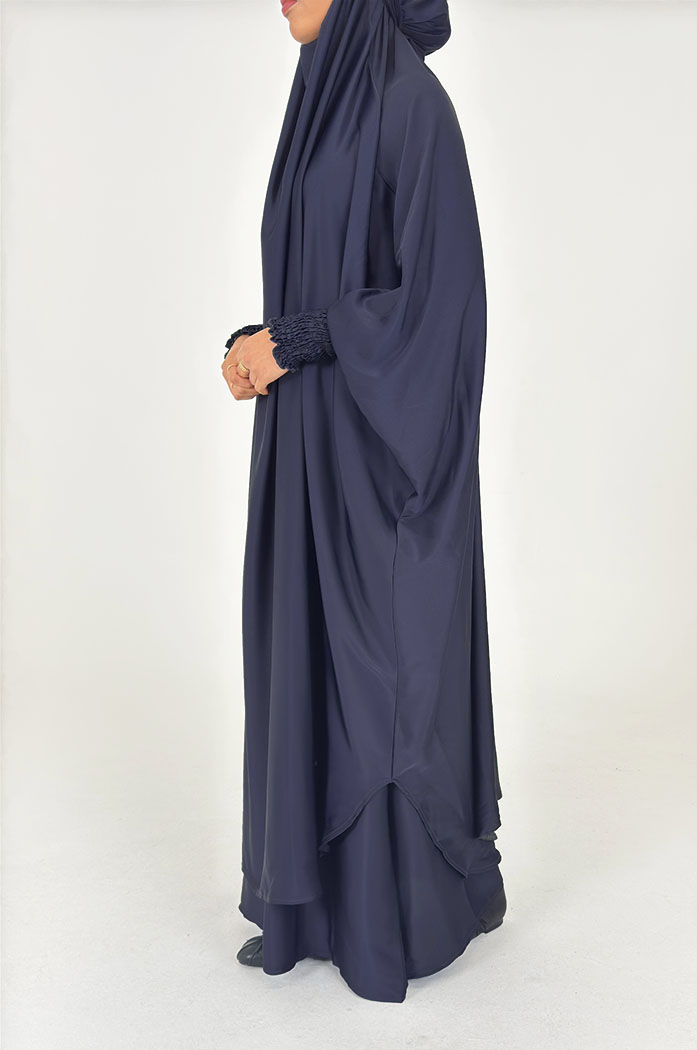
How Do I Keep My Khimar from Slipping? Practical Tips from My Personal Experience
Let me be honest—keeping my khimar perfectly in place used to feel like a daily battle. There I was, rushing to morning prayer or a meeting, only to find my khimar slipping off or shifting awkwardly. If you’ve ever struggled with this, trust me, you’re not alone. It’s one of those modest fashion challenges many of us face. But over time, I’ve learned a handful of tried-and-true methods to keep my khimar secure, comfortable, and looking beautiful all day long. I’m excited to share these tips with you, drawn from real-life experience, so your focus stays on your worship or your day—not your hijab.
Why Does My Khimar Slip? Understanding the Basics
Before diving into solutions, let’s quickly talk about why khimars slip in the first place. Usually, it’s a mix of fabric type, head shape, and sometimes even the climate or activities we do. Lightweight fabrics like chiffon or slippery satin tend to slide more, especially on silky hair or without proper underlayers. Also, the fit matters—a khimar that’s too loose won’t stay put, while one too tight can be uncomfortable or cause headaches.
I used to wear silky fabrics without any grip underneath, and after a few minutes, my khimar would creep back or expose my neck. Frustrating, right? But understanding this helped me find the perfect balance.
My Top 5 Tricks to Keep Your Khimar in Place Without Sacrificing Style or Comfort
| Tip | Why It Works | Personal Touch |
|---|---|---|
| Use a Non-Slip Underscarf | Provides grip against hair, stops fabric from sliding | I found velvet underscarves are a game-changer—they’re soft and stay put, especially under slippery khimars. |
| Secure with Small Safety Pins or Hijab Magnets | Keeps layers locked without bulk | I once attended a full-day event, and discreet pins kept my khimar flawless from morning to night—no adjusting needed! |
| Choose Khimars with Elastic or Adjustable Bands | Offers a custom, snug fit | I love styles with a gentle elastic around the face—comfortable but secure, perfect for busy days. |
| Opt for Textured or Matte Fabrics | Less slippery than shiny fabrics | My favorite cotton blends and jersey khimars stay put even on hectic school mornings. |
| Try Double Layering | Creates friction between layers, enhancing grip | Layering a thin scarf beneath my khimar gives me extra confidence during long days outside. |
Additional Tips: Small Habits That Make a Big Difference
- Wash carefully: Avoid fabric softeners on your khimars—they make fabric slippery over time.
- Adjust throughout the day: Sometimes a quick tuck or repositioning keeps your look fresh.
- Keep your hair smooth: Frizz or flyaways can affect how your khimar grips. A light brush or braid helps.
- Practice layering with intention: Sometimes it takes a bit of trial to find your ideal combination. Don’t be afraid to experiment!
My Story: Finding Confidence in Every Fold
There was a time when I avoided lightweight khimars simply because they wouldn’t stay put. But one day, I tried pairing a chiffon khimar with a velvet underscarf and a couple of tiny pins, and I felt a shift—not just physically, but mentally. I no longer worried about my hijab slipping during prayer or when I leaned down to help my kids. That small change gave me a sense of dignity and ease that’s hard to describe.
If you’re still battling the slipping struggle, don’t give up. The right combination is out there, and it’s worth the effort. Your hijab is part of your identity—let it be your crown, firmly in place as you move through your beautiful, busy life.
Summary: What Works Best for You?
| Method | Best For | Comfort Level | Durability |
|---|---|---|---|
| Velvet Underscarf | Slippery fabrics, daily wear | High | Long-lasting |
| Safety Pins / Magnets | Special occasions, all-day events | Medium | Depends on quality |
| Elastic Band Khimars | Active days, casual wear | High | Good |
| Textured Fabrics | All-purpose | High | Good |
| Double Layering | Outdoor, windy days | Medium | Varies |
Remember, your hijab journey is personal, and finding what makes you feel secure and confident is worth every little tweak. If you have your own khimar tricks, I’d love to hear them—because sharing these small wins helps us all shine a little brighter.
What Styles and Colors Are Available in 2 Piece Jilbabs? Exploring My Favorite Choices
I remember the first time I bought a 2 piece jilbab—I was so excited but also overwhelmed by the variety! From fabrics to colors, cuts to subtle embellishments, the options seemed endless. What I learned over time is that the beauty of a 2 piece jilbab lies not only in its modest elegance but also in its versatility. It can reflect your personality, your mood, and even your culture. So, let me walk you through the styles and colors I’ve found to be most meaningful and practical—because your jilbab should feel like *you*.
Classic Styles: Timeless Elegance Meets Practicality
Two-piece jilbabs come in several classic cuts that balance modesty and grace. The most common style features a loose, flowing outer dress paired with a matching or complementary long khimar or cape. This layering provides coverage while allowing breathability and ease of movement—something I value deeply when I’m running errands or attending prayer.
- The Flowing Cape Style: A long, wide cape drapes elegantly over a simple dress. This style is my go-to for formal gatherings or special occasions—it feels regal without trying too hard.
- Peplum or Slightly Fitted Jilbabs: For those who want a bit of shape without compromising modesty, these are perfect. I sometimes wear these when I want to feel polished but still comfortable.
- Layered Look: Some two-piece jilbabs offer detachable outer layers—think an open abaya over a dress or skirt. This versatility is great for transitioning between seasons or changing your look subtly.
These styles aren’t just pretty—they’re designed to meet our needs as Muslim women who want modesty that adapts to modern life.
Colors That Speak Volumes: From Subtle to Bold
Color is a language all its own, right? When I first started exploring 2 piece jilbabs, I stuck mostly to neutrals—black, beige, navy—because they’re classic and easy to pair. But over time, I realized that colors can be empowering and fun without compromising modesty or sincerity.
| Color | When to Wear | Vibe / Feel | Styling Tips |
|---|---|---|---|
| Black | Everyday, formal, prayer | Classic, timeless, slimming | Pair with gold accessories or soft scarves for elegance |
| Soft Pastels (Mint, Lavender, Peach) | Spring, casual outings, Eid | Fresh, gentle, feminine | Complement with neutral hijabs or simple makeup |
| Earth Tones (Olive, Brown, Rust) | Autumn, outdoor events | Warm, grounded, natural | Great with textured fabrics like linen or cotton blends |
| Navy & Deep Blues | Professional settings, evenings | Elegant, calm, sophisticated | Matches well with silver jewelry or soft beige scarves |
| Bold Colors (Maroon, Emerald, Mustard) | Special occasions, cultural events | Confident, vibrant, statement-making | Keep accessories minimal to let the color shine |
Why I Love Mixing Styles and Colors
One memorable Eid, I decided to step out of my comfort zone and wear a maroon peplum-style jilbab with a soft beige khimar. I felt both festive and modest, and the compliments felt like a warm embrace. That moment taught me the power of color and style in expressing our faith and personality simultaneously.
And it’s not just about what’s popular or trending—it’s about what makes *you* feel confident and at peace. Whether that’s a sleek black two-piece for simplicity or a flowy pastel set for softness, your jilbab is your daily armor and art.
Styling Tips to Choose Your Perfect 2 Piece Jilbab Color and Style
- Consider Your Lifestyle: If you move around a lot or attend many gatherings, versatile neutrals with easy-care fabrics are lifesavers.
- Play with Fabric Textures: Matte fabrics feel different than satin or chiffon, affecting both style and comfort.
- Balance Bold Colors: Pair a statement jilbab with simple accessories and makeup to keep your look harmonious.
- Don’t Forget Climate: Lighter colors and breathable fabrics help in summer, while darker shades and thicker materials are cozy for winter.
- Trust Your Instincts: Sometimes, the jilbab that “speaks” to you is the one you’ll cherish most.
I hope this guide gives you a clearer picture of the wonderful world of 2 piece jilbab styles and colors. It’s a journey of discovering what suits your soul, your schedule, and your sense of modest fashion. What styles and colors speak to you most? I’d love to hear your favorites!
Where Can I Buy a High-Quality 2 Piece Jilbab Online? My Trusted Picks and Tips
If you’re like me, hunting for the perfect 2 piece jilbab online can feel a bit like searching for a needle in a haystack. Between quality worries, sizing confusion, and endless options, it’s easy to get overwhelmed. I’ve been there—scrolling endlessly, second-guessing purchases, wondering if what I’m getting will actually feel comfortable, modest, and elegant in real life. That’s why I’ve put together this honest guide to help you find trusted online stores where quality meets modest fashion soul.
Why Online Shopping for 2 Piece Jilbabs Can Be Both a Blessing and a Challenge
Let’s face it: online shopping is a blessing for modest wearers. The variety is incredible, and you’re not limited by geography. I remember how, years ago, I had to wait for months to find a jilbab in my size or style locally. Now, with a few clicks, the world’s modest fashion boutiques are at your fingertips. But—and it’s a big but—the challenge lies in knowing which shops truly deliver on quality and authenticity. Fabric can look different on screen, sizes can run small or large, and the customer service experience varies wildly.
That’s why I never rush my online jilbab purchases. I read reviews, ask questions, and look for shops with transparent policies. Because modest fashion is deeply personal—it’s not just clothing; it’s an expression of faith, identity, and comfort.
My Top 5 Online Stores for High-Quality 2 Piece Jilbabs
| Store | Why I Trust Them | Best For | Price Range | Shipping Info |
|---|---|---|---|---|
| Amani’s | Consistent quality, breathable fabrics, true to size | Everyday elegant jilbabs with classic cuts | $$$ (Mid-range) | Worldwide, free shipping over $100 |
| Modest Style Co. | Trendy colors and patterns, detailed product descriptions | Younger crowd, bold colors, and styles | $$ (Affordable) | International, tracking included |
| Noor Apparel | Ethically made, premium fabrics, excellent customer support | Premium and sustainable modest fashion | $$$$ (Premium) | Global, eco-friendly packaging |
| Salaam Fashion | Wide size range, inclusive, plus sizes available | Comfort and fit for all body types | $$ (Moderate) | Worldwide, free returns in select countries |
| Makkah Style | Traditional and contemporary blends, seasonal collections | Those who want classic meets modern vibes | $$$ | International, express options available |
How I Choose My 2 Piece Jilbabs Online: What You Should Look For
Over the years, I’ve learned a few insider tips that can save you time and disappointment:
- Fabric Transparency: Look for detailed descriptions—Is it cotton? Polyester blend? Jersey? Knowing this helps you predict comfort and breathability.
- Real Customer Reviews: Photos and honest feedback from other buyers give you a real sense of how the jilbab looks and fits.
- Size Guides and Policies: The best shops provide clear measurements and hassle-free returns. I always check their return/exchange policies upfront.
- Customer Service: Don’t hesitate to message them before buying if you have questions. Prompt, helpful responses show a brand that cares.
- Shipping Times: Especially if you need it for an event or prayer gathering—plan ahead and choose stores with reliable delivery.
A Story From My Own Online Shopping Experience
Once, I ordered a stunning navy blue 2 piece jilbab from a small boutique I found on Instagram. The pictures were beautiful, the price was right, and the reviews promising. But when it arrived, the fabric was thinner than expected, and the fit was off—too tight around the arms. I reached out to their customer service, and thankfully, they handled my return with grace. That experience taught me the value of patience and research, which now saves me from such pitfalls.
Since then, I stick to stores I’ve tried or have strong recommendations for—and it’s made my online shopping for jilbabs so much more joyful and satisfying.
Final Thoughts: Your Perfect 2 Piece Jilbab is Just a Click Away
Finding a high-quality 2 piece jilbab online is absolutely doable with a little research and intuition. Remember, it’s not about rushing to buy the cheapest or trendiest piece; it’s about choosing something that feels right on your skin, honors your values, and boosts your confidence. The stores I shared are places where I’ve found exactly that balance, and I hope they help you on your modest fashion journey.
So, are you ready to explore your next 2 piece jilbab? Which style and store are calling your name today? Let’s make modest fashion shopping a delight, not a dilemma.
How Do I Choose the Right Size for My Jilbab Set? A Personal Guide to Finding the Perfect Fit
If you’ve ever ordered a jilbab online, you probably know that choosing the right size isn’t always straightforward. Believe me, I’ve been there—excited to receive my new modest outfit only to find it too tight in the shoulders or awkwardly long. When it comes to jilbab sets, fit is everything. It affects comfort, modesty, and how gracefully you carry yourself throughout the day. So, let’s dive into how I’ve learned to pick the perfect size every time—without the guesswork or disappointment.
Why Sizing for Jilbabs Feels Different Than Regular Clothes
First, it’s important to understand that jilbabs aren’t like your everyday jeans or tops. They’re designed to provide coverage, ease of movement, and modest silhouette. Because of this, they tend to have a looser, flowing fit—but not so loose that they become cumbersome or lose shape. Sizing here isn’t just about “fitting” your body; it’s about balancing modesty with personal style and comfort. For example, I like my jilbabs to skim my frame without clinging, but I also don’t want them billowing like a tent.
Plus, sizes vary across brands—something that trips up many modest fashion lovers. What’s a medium in one store might feel like a small or large somewhere else. That’s why sizing charts and measurements are your best friends.
My Step-by-Step Guide to Picking the Right Jilbab Size
| Step | Action | Why It Matters | Tips From My Experience |
|---|---|---|---|
| 1 | Measure Yourself Accurately | Knowing your bust, waist, hips, and length helps you compare with the size chart | Use a soft tape measure and ask a trusted friend or family member for help if possible |
| 2 | Check the Brand’s Size Chart Carefully | Different brands have unique sizing standards, so never assume it’s “standard” sizing | Look for garment-specific measurements like sleeve length and shoulder width, not just general size labels |
| 3 | Consider the Style and Fabric | Loose fabrics may allow for a tighter fit; structured fabrics might need more room | If the fabric has stretch (like jersey), you can size down a bit; for stiff fabrics, size up if unsure |
| 4 | Read Reviews and Customer Photos | Real user feedback helps you gauge if the jilbab runs small, large, or true to size | Check for comments about fit around key areas like shoulders and length |
| 5 | When in Doubt, Choose Comfort Over Cling | It’s better to have a slightly looser jilbab than one that feels restrictive | I’ve learned to size up rather than down, especially for prayer and long wear |
A Personal Story About Sizing Mishaps (And What They Taught Me)
Once, I ordered a beautifully designed 2 piece jilbab in what I thought was my usual size. The fabric was soft and luxurious, but when I tried it on, the sleeves were too tight, and the top didn’t fall the way I expected—it felt like I had to constantly adjust. I realized later the brand’s sizing ran smaller than others I’d tried. I hesitated before ordering again but ended up sizing up one notch—and that tiny change made all the difference. The jilbab flowed beautifully, gave me full coverage without restriction, and I felt confident and comfortable all day.
That experience reminded me how important it is to respect each brand’s sizing quirks and trust your own comfort over size numbers alone.
Additional Tips to Nail Your Jilbab Fit Every Time
- Length Matters: Jilbabs should cover ankles without dragging on the ground—especially if you plan to wear heels.
- Sleeve Style: Some jilbabs have tapered sleeves, others are wide. If you prefer layering, consider sizing to accommodate inner layers.
- Allow for Movement: Try to move your arms and walk around when trying on to make sure there’s no pulling or bunching.
- Trust Your Comfort Zone: If you feel like you’re swimming in fabric, it might be too big. If you’re tugging at seams or feeling restricted, size up.
Final Thoughts: Your Jilbab Size is a Personal Journey
Choosing the right size for your jilbab set is an intimate dance between measurements, fabric, brand, and your own comfort. Don’t rush it. Take your time measuring, researching, and listening to your body. The right fit doesn’t just look good; it feels like an embrace—a gentle confidence that lets you focus on your prayers, your day, your life.
So next time you’re eyeing a new jilbab online or at the store, remember: your perfect fit is out there, waiting to wrap you in modest elegance and comfort.
What Are the Modesty Requirements a Jilbab Must Meet? My Heartfelt Guide to Dressing with Purpose
When I first started wearing jilbabs, I remember feeling overwhelmed by the question: What exactly does “modesty” mean in this context? It’s not just about covering your body—there’s a deep spiritual and cultural wisdom wrapped into this choice. Choosing a jilbab isn’t merely about fabric or style; it’s a personal commitment to live modestly while embracing beauty and dignity. So, let me share what I’ve learned about the modesty requirements every jilbab should meet—and why these details matter more than you might think.
Why Modesty in Clothing Goes Beyond Fabric Coverage
Modesty in Islam isn’t just a checklist of “covered parts.” It’s a holistic approach to humility, respect, and self-awareness. When it comes to jilbabs, modesty means your garment helps you embody those values outwardly while feeling comfortable and confident inwardly. For me, a jilbab that meets modesty requirements is a garment that allows me to engage with the world without distraction—letting my character and faith shine through, rather than my appearance.
But let’s get specific, because modesty has practical, observable guidelines that we can look at closely.
The Core Modesty Requirements Every Jilbab Should Meet
| Requirement | What It Means | Why It’s Important | Personal Insight |
|---|---|---|---|
| Full Coverage of Awrah | The jilbab must cover the entire body except the face, hands, and feet (according to many scholars) | Protects privacy and honors Islamic guidelines for modesty | I once felt more secure and peaceful in a jilbab that fully covered my curves without clinging—freedom in faith |
| Non-Transparent Fabric | Fabric should not reveal the skin or the shape underneath | Prevents drawing attention to the body and maintains modesty | I learned the hard way—wearing a sheer jilbab under bright light led to unwanted stares. Oops! Now I double-check fabric opacity |
| Loose Fit | The jilbab should be loose enough to not outline the body shape | Preserves modesty by not highlighting physical features | I prefer jilbabs that gently flow, because tight clothes feel like they betray the spirit of modesty |
| Simple, Unobtrusive Design | Avoid flashy embellishments, loud colors, or designs that draw excessive attention | Modesty includes humility and avoiding vanity | Bright colors are beautiful, but I choose soft tones or subtle patterns to feel grounded and respectful |
| Comfort and Practicality | The jilbab should allow you to move, pray, and go about your day easily | Modesty isn’t just about looks; it’s about living your faith fully | When I first wore a restrictive jilbab, I struggled during prayer. Now, comfort is non-negotiable |
Stories That Show Why Modesty Requirements Matter
I remember attending a community gathering in a jilbab that was stylish but a little too snug in the sleeves. I felt self-conscious the whole time, adjusting and wondering if I looked “modest enough.” It distracted me from the beautiful conversations and the warm atmosphere. Later, a wise sister reminded me, “Modesty frees your heart. When your clothes fit that purpose, you forget about them and focus on your faith.” That stuck with me.
Since then, I’ve prioritized jilbabs that honor both my faith and my peace of mind. Because modesty isn’t about restrictions—it’s about freedom. Freedom to express your values without compromising your joy or comfort.
How to Choose a Jilbab That Truly Meets Modesty Standards
- Test the Fabric: Hold it up to the light or try layering to ensure it’s not see-through.
- Look for Ease of Movement: Try walking, sitting, and praying in it before deciding.
- Pay Attention to Fit: Choose styles that flow loosely but elegantly, not tight or clingy.
- Consider Color and Embellishments: Opt for colors and designs that complement your personality but maintain humility.
- Seek Advice: Don’t hesitate to ask modest fashion communities or trusted sisters for feedback—sometimes they spot what you might miss.
Final Reflection: Modesty Is Your Personal Journey, Not a One-Size-Fits-All
Modesty requirements for a jilbab are rooted in faith, but they also reflect your unique interpretation and lifestyle. It’s perfectly okay to experiment, learn, and grow into what modesty means for you. I’ve found that when my jilbab aligns with both the guidelines and my heart, it becomes more than clothing—it’s a symbol of my identity and spiritual strength.
So take your time, listen to your instincts, and choose your jilbab with intention. Because modesty is less about the fabric you wear, and more about the dignity and grace you carry every day.
Is a 2 Piece Jilbab Appropriate for Teens and Students? A Personal Reflection on Modest Style for Young Muslim Women
When I first started exploring modest fashion as a teenager, I often wondered if certain styles were “meant” for someone my age. The 2 piece jilbab — with its layered elegance and practical design — always caught my eye, but I hesitated. Could it be right for teens and students, who juggle school, social life, and family expectations? After years of wearing and observing, I’m convinced that yes, a 2 piece jilbab can be not only appropriate but empowering for young Muslim women. Let me share why, from one sister to another.
The Perfect Balance: Modesty Meets Youthful Energy
Teens and students have a unique lifestyle — busy schedules, lots of movement, and a growing sense of identity. The 2 piece jilbab fits beautifully here because it blends modesty with comfort and style. Unlike some one-piece jilbabs that can feel restrictive, the two-piece design offers freedom of movement — a big plus when you’re rushing between classes or hanging out with friends.
Think of the jilbab’s two parts — often a long tunic and wide pants or skirt — as a practical outfit that respects your faith but also lets you be you. For me, wearing a 2 piece jilbab as a student meant I never had to sacrifice my modesty for comfort or vice versa. Plus, it gave me confidence knowing I was dressed thoughtfully, no matter where I went.
Style That Grows with You: Versatility of the 2 Piece Jilbab
| Aspect | How 2 Piece Jilbab Supports Teens & Students | Real-Life Benefits |
|---|---|---|
| Adjustable Fit | The separate top and bottom pieces allow for mix-and-match sizing and layering | Comfort on growth spurts and ease in finding the right fit without buying new sets constantly |
| Easy to Style | Multiple colors and fabrics available; pieces can be paired with other modest wear | Encourages creative expression without breaking modesty rules — perfect for teens finding their style |
| Practicality | Two pieces can be washed and maintained separately, speeding up laundry routines | Less hassle during busy school weeks or exam seasons |
| Comfort & Movement | Loose, breathable fabrics and separation of pieces allow for better airflow and movement | Great for active days, extracurricular activities, or long days in class |
Addressing Common Concerns from Teens and Parents
I’ve heard many parents and young women worry: “Will the 2 piece jilbab be too fancy or too casual?” “Is it modest enough for school?” Here’s the honest truth from my experience:
- On Modesty: When chosen carefully, the 2 piece jilbab fully meets Islamic modesty guidelines — loose, non-transparent, and covering all the right areas.
- On Practicality: It’s often easier to manage than one-piece jilbabs, especially when it comes to bathroom breaks or changing between classes.
- On Style: Teen girls can feel empowered to select colors and cuts that resonate with their personality — a crucial factor in building confidence.
I remember my younger cousin struggling to find modest clothing that wasn’t too mature or too childish. When she found a 2 piece jilbab with soft pastels and a flowy silhouette, her whole demeanor changed — she felt seen, respected, and beautiful in her faith. That’s the magic of the right jilbab.
Tips for Teens Choosing Their First 2 Piece Jilbab
Here are some friendly tips, based on my own journey and the stories I’ve gathered:
- Start Simple: Choose neutral or pastel colors that are easy to pair and school-appropriate.
- Focus on Comfort: Look for breathable fabrics like cotton blends or light polyester that move with you.
- Think Practical: Avoid overly long tunics or skirts that could get in the way during activities.
- Experiment with Layering: A light cardigan or an open abaya over your 2 piece can add style without complicating your look.
- Ask for Support: Don’t hesitate to get feedback from family or modest fashion communities online—they’re a goldmine of advice.
Final Thoughts: Embrace Your Faith and Your Style, Together
Wearing a 2 piece jilbab as a teen or student isn’t just about following a dress code; it’s about owning your modest identity with joy and authenticity. I hope my reflections help you see that this style can be a beautiful part of your personal journey — one that respects your values and your vibrant youth.
So go ahead, explore colors, fabrics, and fits. Try that 2 piece jilbab you’ve been eyeing. Remember, modest fashion is about freedom, confidence, and faith woven into your everyday life.
How Do Brands Differ When It Comes to 2 Piece Jilbabs? A Personal Guide to Navigating Your Options
I remember the first time I set out to buy a 2 piece jilbab online. It felt like stepping into a vibrant bazaar — so many options, each brand promising comfort, style, and modesty. But very quickly, I realized not all brands are created equal. Some focus on fabric quality, others on trendy designs, and a few cater specifically to particular needs like affordability or eco-consciousness. Navigating these differences can feel overwhelming, so let me walk you through how brands really differ when it comes to 2 piece jilbabs — from my experience and countless conversations with sisters worldwide.
Fabric and Quality: The Foundation of a Great 2 Piece Jilbab
If there’s one thing I’ve learned, it’s that the fabric choice sets the tone for the entire jilbab experience. Some brands specialize in ultra-soft cotton blends perfect for everyday wear, while others lean into luxurious polyester or chiffon for special occasions. There are even brands that use breathable linen or sustainable fabrics, which is a beautiful choice for eco-aware sisters.
Take my personal favorite brand, for example. They use a medium-weight crepe fabric that drapes elegantly but doesn’t cling or wrinkle easily. That fabric has saved me so many mornings of stress, especially before school or work! Contrast that with a brand I tried once whose fabric was so thin it felt almost transparent — a definite no-go for modest wear.
| Brand Focus | Typical Fabric | Ideal For | What to Watch For |
|---|---|---|---|
| Comfort-First Brands | Cotton blends, jersey, soft crepes | Daily wear, active students, warm climates | Sometimes less formal, prone to slight shrinkage |
| Luxury & Formal Brands | Silk blends, chiffon, satin | Events, weddings, special occasions | Requires delicate care, can be less breathable |
| Sustainable/Eco-Friendly Brands | Linen, organic cotton, recycled polyester | Eco-conscious buyers, ethical fashion supporters | Sometimes higher price points, limited color options |
| Budget-Friendly Brands | Polyester blends, lightweight fabrics | Beginners, casual wear, those on a budget | May compromise on durability or fabric thickness |
Design Philosophy: From Classic to Contemporary
Some brands keep it timeless and simple — classic cuts, neutral colors, and subtle details that never go out of style. Others embrace bold patterns, vibrant hues, or modern tailoring to attract younger wearers who want modesty with a twist. I personally love mixing pieces from both worlds. For example, pairing a classic plain tunic from one brand with a more playful skirt from another has added freshness to my wardrobe.
One story that sticks with me is when a friend gifted me a 2 piece jilbab from a small independent brand focused on minimalist design. It felt like a breath of fresh air — calm, elegant, and just enough detail to feel special without shouting for attention. Contrast that with a popular brand that features embroidered cuffs and floral prints, perfect if you want to stand out at Eid or family gatherings.
Sizing and Fit: Why This Can Vary Drastically Across Brands
Sizing is another area where brands differ hugely. Some run true to international sizing charts, others adopt regional standards or design with specific body types in mind. It can be frustrating when you order a size medium but it fits like a small! That’s why I always check customer reviews and brand sizing guides carefully before buying.
To help you out, here’s a quick comparison of how sizing tends to differ:
| Brand Type | Sizing Approach | Fit Characteristics | Tip |
|---|---|---|---|
| International Brands | Standard S, M, L sizing | Usually consistent, slightly tailored | Follow their size chart closely; measure yourself! |
| Regional Brands | May use local sizing (e.g., UK, Middle East) | Sometimes runs small or large | Read reviews for fit feedback from similar body types |
| Custom or Boutique Brands | Made-to-measure or small batch sizes | More flexible, often adjustable | Contact the brand for detailed measurements before ordering |
Customer Service & Brand Ethics: The Intangibles That Matter
Beyond fabric, design, and size, there’s something I value deeply: how a brand treats its customers and the ethics behind their production. I’ve had experiences where a brand went above and beyond — quick replies, easy returns, and transparency about their sourcing. That made me a loyal customer, even if their prices were a bit higher.
On the flip side, I’ve seen brands with unclear policies or slow communication, which left me frustrated and hesitant to reorder. These “intangibles” aren’t just nice extras; they often reflect a brand’s respect for the sisters they serve.
How to Choose the Right Brand for Your 2 Piece Jilbab
Here’s a simple checklist I use when browsing brands:
- Check fabric descriptions and reviews — Is it comfortable and modest?
- Look for detailed sizing charts and customer photos — Do they match your body and style?
- Read about the brand’s values — Do they align with your ethics?
- Consider customer service responsiveness — Can you get help easily if needed?
- Compare prices but don’t compromise quality — Sometimes investing a little more is worth it.
At the end of the day, the best 2 piece jilbab brand is one that feels right for your faith, lifestyle, and personal style. It took me a few tries to find mine, and I’m still learning! The journey is part of embracing modest fashion not just as clothing, but as a meaningful expression of identity.
What’s the Difference Between a Khimar, Niqab, and Jilbab? Understanding Modest Fashion Layers with Heart
When I first started exploring modest fashion, especially Islamic garments, I felt a bit lost in all the names — khimar, niqab, jilbab — each seemed to carry its own weight, meaning, and style. I know many sisters feel the same confusion. So let’s sit down together and unpack the beautiful differences and purposes behind these garments. This isn’t just about definitions; it’s about understanding how each piece fits into our lives and faith.
Khimar: The Graceful Veil That Flows
The word “khimar” might sound unfamiliar if you’re newer to hijab culture, but it’s essentially a type of head covering that drapes elegantly down to cover the shoulders, chest, and sometimes even further. I remember my first khimar — the way it softly fell around my shoulders made me feel wrapped in comfort and modesty. Unlike a simple hijab scarf, the khimar is designed to provide fuller coverage without the hassle of pins or constant adjustments.
Here’s what sets the khimar apart:
- Typically covers from the head down to mid-torso or even hips
- Usually one piece, worn over other clothing
- Made from lightweight, flowing fabrics like chiffon or cotton blends
- Provides easy, quick modest coverage for daily wear or prayers
For me, the khimar became a go-to for busy days when I needed modesty without fuss. It feels graceful and functional, like a gentle shield that doesn’t restrict.
Niqab: The Veil of Privacy and Personal Choice
The niqab is often the garment that stirs the most curiosity and sometimes misunderstanding. It’s the face veil that covers everything except the eyes. Wearing the niqab is a deeply personal choice for many sisters, and it holds spiritual significance as a form of enhanced modesty.
Here’s a quick look at what defines the niqab:
- Usually a separate piece that covers the face, worn alongside a head covering like a hijab or khimar
- Covers nose, mouth, and cheeks, leaving only the eyes visible
- Made from opaque, breathable fabrics for comfort and privacy
- Often chosen for specific religious or cultural reasons
I remember my cousin’s journey with the niqab. She started wearing it gradually, saying it made her feel spiritually closer to Allah and more focused on her intentions than appearances. It’s not for everyone, but it’s a respected expression of modesty in many communities.
Jilbab: The Modest Outer Garment That Envelops
Now, onto the jilbab — which might be the most versatile and commonly discussed piece among modest wearers. The jilbab is an outer garment, often loose and long, designed to cover the entire body except for the face, hands, and sometimes feet. It’s the “cloak” that helps us navigate public spaces while maintaining privacy and dignity.
What makes the jilbab unique?
- Usually a one-piece robe or a 2 piece set (like the popular tunic and skirt or pants)
- Loose fit to conceal the body shape
- Often made from durable, opaque fabrics suited for everyday wear
- Worn over regular clothes as an outer layer
My own jilbab story is a bit nostalgic. I recall the first time I wore a 2 piece jilbab to college — the comfort of moving freely while feeling completely covered was empowering. It became my armor for modesty, blending faith and fashion seamlessly.
Comparison Table: Khimar vs Niqab vs Jilbab
| Garment | Coverage | Purpose | Typical Fabric | Common Use |
|---|---|---|---|---|
| Khimar | Head, shoulders, chest (down to mid-torso or hips) | Modest head and upper body covering, easy to wear | Lightweight chiffon, cotton blends | Daily wear, prayer, casual modesty |
| Niqab | Face except eyes, worn with head covering | Enhanced privacy, spiritual modesty | Opaque, breathable fabrics | Personal religious choice, cultural tradition |
| Jilbab | Full body except face, hands, feet | Outer garment for modesty and privacy | Durable, opaque fabrics (polyester, crepe) | Everyday wear, public outings, formal occasions |
Putting It All Together: How I Mix and Match
Understanding these differences has helped me build a wardrobe that respects my faith and fits my lifestyle. Some mornings, I throw on a khimar with my jilbab for a light, effortless look. Other days, especially for important gatherings, I layer a niqab with a jilbab for extra coverage and spiritual focus.
What matters most, I’ve found, is that each garment serves your comfort, confidence, and devotion. So, what’s your go-to combination? Have you tried blending these pieces to find what feels like your personal expression of modesty?
How Do You Wash and Care for a 2 Piece Jilbab? My Personal Guide to Keeping Modesty Fresh and Beautiful
If you’re anything like me, your 2 piece jilbab isn’t just another outfit — it’s a reflection of your faith, style, and daily comfort. So, when it comes to washing and caring for it, there’s a little bit of love, patience, and know-how involved. After all, you want it to last through countless prayers, outings, and special moments without losing its modest charm or quality.
Why Proper Care Matters More Than You Think
At first, I underestimated how delicate jilbab fabrics can be. I once threw mine in the washing machine on a heavy cycle — big mistake. The fabric shrank, the colors faded, and the once-flowy tunic became stiff and less flattering. It was a wake-up call. A jilbab isn’t just fabric; it’s an extension of modesty and dignity. Treating it right means you feel confident and comfortable every time you wear it.
The two-piece jilbab usually consists of a long tunic or blouse and a matching skirt or pants. Both need gentle care, especially since modest fashion often uses lightweight fabrics like crepe, chiffon, or soft polyester blends to ensure flow and coverage. Here’s how I care for mine to keep it fresh and long-lasting.
Step-by-Step Care Routine: Washing and Maintenance
| Step | What to Do | Why It Matters | Tips from My Experience |
|---|---|---|---|
| 1. Check the Label | Always read the care label before washing. | Fabrics vary; some require hand wash or dry cleaning. | When in doubt, err on the side of gentleness. |
| 2. Pre-Treat Stains | Gently spot-clean stains with mild detergent or baby shampoo. | Prevents stains from setting during wash. | I use a soft toothbrush for stubborn spots, it works wonders. |
| 3. Choose Hand Wash or Delicate Cycle | Hand wash in cold water or use washing machine’s delicate cycle. | Protects the fabric and preserves color and texture. | I find hand washing the best — it feels like a gentle ritual. |
| 4. Use Mild Detergent | Use detergent for delicate fabrics, no bleach or harsh chemicals. | Maintains fabric softness and prevents damage. | Sometimes I add a bit of fabric softener for extra smoothness. |
| 5. Avoid Wringing | Gently squeeze out water, avoid twisting the fabric. | Prevents wrinkles and fabric distortion. | Patience here saves your jilbab’s shape! |
| 6. Air Dry Flat or Hanging | Dry on a flat surface or hang away from direct sunlight. | Sunlight fades colors; flat drying keeps garment shape. | I hang mine inside near a window, letting fresh air do the work. |
| 7. Iron or Steam Carefully | Use low heat and a pressing cloth or steamer. | Prevents fabric burns and keeps the jilbab crisp. | I swear by my handheld steamer — it’s quick and gentle. |
Real Talk: The Care Ritual That Became My Moment of Mindfulness
Washing my 2 piece jilbab isn’t just a chore — it’s a small act of self-care and gratitude. I remember one evening after a long day, I gently hand washed my favorite set, feeling the fabric soften between my fingers. It gave me time to reflect, to appreciate the modesty I embrace every day. It’s in these little rituals that modest fashion transcends the physical and becomes deeply personal.
If you’re juggling school, work, or family like me, finding this time might be tricky. But trust me, the more you treat your jilbab with care, the more it rewards you with comfort, durability, and beauty — ready for whatever your day holds.
Quick Tips for Keeping Your 2 Piece Jilbab Looking New
- Rotate your jilbabs — don’t wear the same one every day to reduce wear and tear.
- Store in a breathable garment bag or hang in a closet to avoid wrinkles.
- Be cautious with perfumes or deodorants that might stain fabric.
- Consider professional cleaning for special fabrics or embroidery.
- Keep nails and jewelry smooth to avoid fabric snags.
Caring for your 2 piece jilbab is more than a maintenance task — it’s a way to honor the modesty and faith you live by every day. What’s your favorite jilbab care ritual? I’d love to hear your stories and tips!
Can I Style a 2 Piece Jilbab for Formal Occasions? Absolutely—Here’s How I Do It
Let me be honest — when I first heard about wearing a 2 piece jilbab to a formal event, I was a little skeptical. I wondered, “Can this modest outfit really work for weddings, Eid celebrations, or even formal dinners?” The answer, thankfully, is a resounding yes! The 2 piece jilbab is surprisingly versatile, and with a few thoughtful styling tricks, it can be as elegant and refined as any formal dress.
Why Choose a 2 Piece Jilbab for Formal Events?
For me, the beauty of the 2 piece jilbab lies in its graceful flow and modest coverage, combined with comfort. Unlike some bulky abayas or overly embellished gowns, the 2 piece offers a balance — it’s modest yet light, classic yet modern. Whether it’s a silk tunic paired with a matching skirt or a chiffon set with intricate embroidery, the two-piece design allows you to mix and match textures and details that elevate your look for any special occasion.
Plus, for those like me who want to avoid fussing with layers, the 2 piece jilbab simplifies dressing up without sacrificing style. It’s like having a tailored canvas that you can dress up or down with accessories and smart choices.
My Go-To Styling Tips for Formal Elegance
| Styling Element | How I Approach It | Why It Works | Personal Touch |
|---|---|---|---|
| Fabric Choice | Choose luxe fabrics like silk, satin, chiffon, or velvet. | They catch light beautifully and exude sophistication. | I once wore a navy silk set with delicate beadwork for an Eid dinner — pure magic. |
| Colors & Prints | Opt for rich jewel tones or elegant neutrals; subtle prints add interest. | These shades feel formal and timeless without shouting for attention. | A deep emerald green jilbab paired with gold accessories was my wedding guest favorite. |
| Accessories | Statement earrings, a classy clutch, and elegant heels or flats. | They instantly elevate the look, giving it that polished finish. | I love layering delicate rings and a watch to add a modern, chic vibe. |
| Hijab Styling | Use a silky or chiffon hijab with subtle shimmer, pinned neatly. | Maintains modesty while enhancing elegance. | Once, a soft pearl-embellished hijab took my whole look up a notch. |
| Layering | Add a tailored blazer or an embroidered cape. | Provides structure and adds formality without bulk. | I keep a tailored blazer in my wardrobe for last-minute events. |
A Story from My First Formal 2 Piece Jilbab Experience
I remember attending a cousin’s wedding, feeling a bit unsure about wearing my two-piece jilbab. I picked a dusty rose chiffon set with delicate lace trimming — nothing too flashy but refined enough. To complement it, I chose a pearl-studded hijab and some simple gold jewelry. The moment I walked in, the compliments flowed. What touched me most was how comfortable I felt throughout the night — no itchy sequins, no heaviness, just modest grace.
That night, I realized that formal doesn’t have to mean uncomfortable or over the top. The two-piece jilbab can be just as elegant and appropriate as any gown, as long as you treat the styling as thoughtfully as you would with any other formal wear.
Quick Styling Checklist for Formal 2 Piece Jilbab Looks
- Pick a quality fabric: It makes all the difference in feel and appearance.
- Play with colors: Jewel tones and pastels work beautifully for formal settings.
- Accessorize smartly: Choose pieces that enhance without overpowering.
- Neat hijab styling: A sleek, elegant hijab can transform your whole outfit.
- Consider layering: A blazer or cape adds a polished touch.
In the end, your 2 piece jilbab is a blank slate filled with potential. Whether you’re stepping into a wedding hall or heading to an Eid gathering, it can shine just as brightly as you do — modest, confident, and undeniably elegant.
Is It Possible to DIY Your Own 2 Piece Jilbab at Home? My Honest Take and Tips
You know, I’ve always admired those women who can sew their own clothes — there’s something deeply satisfying about creating modest fashion with your own hands. So when I first wondered if I could DIY a 2 piece jilbab at home, I was excited but also a little nervous. Could I really get that modest elegance without buying it ready-made? After some trial and error, here’s what I learned — and I’m sharing it with you like I would with my closest sister.
Why DIY Your 2 Piece Jilbab? The Personal Touch Matters
Making your own jilbab is not just about saving money (though that’s a nice bonus!). It’s about customizing every inch to fit your personal style, body, and modesty needs. I remember the first time I wore a jilbab I made myself — it fit like a dream, the fabric was exactly what I wanted, and I felt so proud walking out in something uniquely mine.
If you’ve ever struggled with off-the-rack sizing or wished for a specific color or detail, DIYing your jilbab can be incredibly empowering. Plus, you get to control the quality — no surprises with itchy materials or flimsy stitching.
What You’ll Need: The DIY Jilbab Starter Kit
| Material/Tool | Purpose | My Recommendations | Pro Tip |
|---|---|---|---|
| Fabric (Lightweight but opaque) | Base for your jilbab (tunic + skirt or pants) | Chiffon, crepe, or soft cotton blends | Choose slightly stretchable fabric for comfort and ease |
| Measuring Tape | Accurate body measurements | Flexible tailor’s tape | Measure twice, cut once — seriously, take your time |
| Sewing Machine | Stitching fabric together | Basic machine with zigzag stitch option | If new to sewing, practice on scrap fabric first |
| Matching Thread | Invisible seams and clean finish | Polyester thread for durability | Match thread color closely to fabric |
| Pattern Paper or Old Clothing | Guiding shapes for cutting | Use pattern paper or trace a jilbab you love | Start with a loose-fitting pattern for modesty |
| Fabric Scissors | Clean cuts without fraying | Sharp fabric shears, NOT regular scissors | Keep them separate from paper scissors! |
Step-by-Step: How I Made My Own 2 Piece Jilbab
Here’s a simple overview of my process — it’s not fancy, but it worked for me and might inspire you:
- Measure Yourself Thoughtfully: I took my bust, waist, hip, and length measurements, plus added a bit extra for modesty and comfort.
- Create a Basic Pattern: I used an old loose dress I loved as a template, tracing it onto pattern paper and adjusting the length to be floor-friendly.
- Cut the Fabric: With my pattern pinned, I carefully cut my chiffon fabric — making sure to cut two pieces: one for the tunic and one for the skirt.
- Sewing the Pieces: I started with the tunic, sewing shoulder seams first, then side seams, and finishing with hems. The skirt was simpler — just a gathered waist with an elastic band and a neat hem.
- Final Touches: I ironed gently and added a matching chiffon hijab from leftover fabric, completing the look.
The Challenges I Faced — And How You Can Avoid Them
I won’t sugarcoat it: DIYing your jilbab takes patience. The fabric can be slippery, hemming chiffon is tricky, and the fit can feel off until you make adjustments. But here’s the secret — every “mistake” is a learning moment. Don’t rush the process, and if you can, ask a more experienced sewist for advice or a quick tutorial.
- Tip 1: Use fabric weights or pins generously — chiffon loves to move!
- Tip 2: Don’t forget to pre-wash your fabric to avoid shrinkage later.
- Tip 3: Start with a simple skirt and tunic shape before adding fancy details like pleats or embroidery.
When DIY Makes Sense — And When to Go Ready-Made
I love the feeling of a handmade jilbab, but sometimes life gets busy. For complicated styles, or if you want premium fabric with delicate embellishments, buying ready-made is perfectly okay — no shame in that! DIY is best when you want customization, have the time and patience, and enjoy the craft.
Whatever you decide, remember that modest fashion is about honoring your values and feeling confident. Whether it’s your own stitches or a beautifully crafted piece from your favorite boutique, your jilbab tells your story — unique, modest, and full of heart.
What Do Real Women Say About Switching to 2 Piece Jilbabs? Honest Voices and Heartfelt Stories
Let me share something close to my heart — the journey of switching to a 2 piece jilbab isn’t just about changing clothes; it’s about transformation, freedom, and rediscovering modesty in a way that feels deeply personal. Over the years, I’ve talked to many sisters who made this switch, and their stories are as varied as the fabrics we wear. Today, I want to bring those voices to life, because sometimes, hearing from real women helps us make peace with change.
Comfort Over Convention: Why Many Choose 2 Piece Jilbabs
One common theme I hear again and again is how liberating the 2 piece jilbab feels compared to traditional one-piece jilbabs. A sister named Amina told me, “At first, I was hesitant. I thought only a one-piece would be modest enough. But the 2 piece gave me the ease to move, to breathe, and still stay covered. It feels like modesty without suffocation.”
This balance between modesty and comfort is a game-changer, especially for women juggling busy lives — from chasing toddlers to working long hours. Many appreciate how the two separate pieces make layering easier and more adaptable, especially in warmer climates or when layering under outerwear.
Challenges Faced: The Honest Struggle of Switching
But it’s not always smooth sailing. Sister Layla shared how switching felt awkward at first: “I kept adjusting the pieces all day, worried something might slip or reveal too much. It took me weeks to feel confident stepping outside with my new 2 piece jilbab.”
That initial adjustment period is real and valid. Switching means relearning how your clothes move with your body and how you feel about your silhouette. The good news? Most women find that once they settle into their new style, their confidence blooms — often stronger than before.
A Table of Real Feedback: The Pros and Cons
| What Women Say | Positive Feedback | Common Concerns |
|---|---|---|
| Comfort & Breathability | Feels lighter, easier to move in | Adjusting layers can feel fiddly at first |
| Style Flexibility | Mix and match fabrics and colors for unique looks | Fear of the two pieces separating in public |
| Practicality | Easy to wash and dry faster than one-piece jilbabs | Need to be mindful of coordinating pieces |
| Modesty | Provides full coverage when styled correctly | Some worry about “looser” fit looking less modest |
My Personal Experience: Finding Joy in the Switch
Speaking personally, I remember the first time I fully embraced the 2 piece jilbab look for a busy Eid day. I felt like I’d found my rhythm — the skirt swished softly as I walked, and the tunic gave me enough coverage without bulk. Plus, I could pair it with different hijabs and accessories, making each outfit feel fresh.
What surprised me the most was how the switch invited compliments and curious questions. Sisters asked how I styled it, and I loved sharing little tips. It became a conversation starter about modesty being both a spiritual and creative journey.
Tips for Sisters Considering the Switch
If you’re thinking about trying a 2 piece jilbab, here are some heartfelt tips from sisters who’ve been there:
- Start Simple: Begin with neutral colors and breathable fabrics to get comfortable.
- Practice Layering: Try different combinations at home until you find your perfect fit and flow.
- Be Patient: It’s okay if it feels odd at first — confidence grows with time and familiarity.
- Seek Inspiration: Follow modest fashion influencers who style 2 piece jilbabs — real-life examples make a difference.
- Invest in Quality: The right fabric makes all the difference for comfort and modesty.
Final Thoughts: It’s More Than Just Clothes
Switching to a 2 piece jilbab isn’t just a fashion choice — it’s an intimate part of how many women express their faith and identity today. The stories I’ve heard, including my own, show this style as a beautiful blend of tradition and modernity, comfort and dignity.
If you’re standing at that crossroads wondering if a 2 piece jilbab is right for you, remember: it’s about how you feel in it. When you find that harmony, modest fashion becomes not a restriction but a joyful expression of who you are.
How Do I Match Accessories Like Bags and Shoes with a Jilbab? A Personal Guide to Polished Modesty
Accessorizing a jilbab might sound straightforward at first—after all, modesty guides our clothing choices—but anyone who’s spent a morning staring at their closet wondering, “What bag goes with this?” knows it’s not always simple. I’ve been there, fumbling between colors, textures, and styles, trying to strike that perfect balance between modest, practical, and just a little bit chic. Today, I want to walk you through how I match my bags and shoes with my jilbab, with honesty, a sprinkle of style wisdom, and stories you might find yourself nodding along to.
Understanding Your Jilbab’s Style and Fabric
Before diving into the world of accessories, take a moment to really *feel* your jilbab. Is it flowy and lightweight? Structured and formal? Or somewhere cozy and casual? This little observation is your style compass. For example, I once paired a delicate chiffon jilbab with chunky, casual sneakers—and while comfy, the look felt mismatched. That taught me to respect the vibe each jilbab gives off.
Light fabrics like georgette or chiffon call for accessories that don’t overpower. Think smaller bags, delicate shoe designs, or flats. On the flip side, heavier fabrics like crepe or cotton-rich jilbabs can carry bold, structured bags and statement shoes without feeling out of place.
The Power of Color Coordination (Without the Stress)
Colors are where the fun—and sometimes the overwhelm—begins. I get it; matching can feel like solving a puzzle without all the pieces. Here’s a little secret: you don’t have to be matchy-matchy to look pulled together.
| Jilbab Color | Bag Color Ideas | Shoe Color Ideas | Style Notes |
|---|---|---|---|
| Neutral (Beige, Cream, Taupe) | Deep brown, black, pastel shades | Matching neutrals, nude, or metallics | Classic and versatile, easy to dress up or down |
| Dark (Navy, Black, Dark Green) | Bold colors like burgundy, mustard, or jewel tones | Dark neutrals, metallics, or even white for contrast | Adds depth and a touch of drama |
| Pastel or Light Colors | Soft earth tones, white, or delicate patterns | Light neutrals, soft metallics | Fresh, airy vibes—perfect for spring or summer |
| Bold Colors (Red, Royal Blue, Emerald) | Neutral bags (black, beige) or tonal shades | Neutral shoes or a matching bold shade | Balance boldness with simplicity for elegance |
A personal tip? I often pull out one color from my jilbab’s embroidery or accents and match that with either my bag or shoes. It’s subtle but feels intentional.
Choosing the Right Bag: Form Meets Function
If you’re like me, a bag isn’t just a fashion statement—it’s your mini life organizer. I’ve tried everything from dainty clutches at Eid to roomy crossbody bags for daily errands. What I learned? The bag’s style should fit your day, but also harmonize with your jilbab.
- Formal Jilbabs: Small structured bags or elegant clutches add polish. Think satin finishes or sleek leather.
- Casual Jilbabs: Go for roomy totes or simple crossbody bags that balance practicality with style.
- Traditional Jilbabs: Bags with delicate embroidery or subtle ethnic details can beautifully echo your outfit.
I remember an evening gathering where I paired a simple black jilbab with a vintage-inspired clutch my mother gifted me. The look was modest yet spoke volumes of my personality and roots — a story told through accessories.
Shoe Styles That Elevate Without Overpowering
Shoes are often underestimated, but they really *finish* the look. With jilbabs, comfort and modesty matter deeply, but there’s room to express yourself, too.
Personally, I love these styles for different moods:
- Flats: Ballet flats or embellished sandals for easy elegance.
- Heels: Low block heels or wedges for formal occasions without the discomfort.
- Sneakers: A modern twist, perfect with sporty or casual jilbabs—plus, they keep you on your feet all day.
- Boots: Stylish ankle boots add flair in cooler months and pair beautifully with layered jilbabs.
One day, I wore my favorite navy jilbab with gold-toned flats to a wedding. The shoes added just the right sparkle without stealing attention—sometimes less truly is more.
Final Thoughts: Accessorizing with Intention and Joy
Matching bags and shoes with a jilbab isn’t about rigid rules — it’s a dance of colors, textures, and stories you tell through your style. Every time I step out with a thoughtfully paired bag or a comfy-chic pair of shoes, I feel a little more like myself—modest, confident, and ready for whatever the day holds.
So, what’s your next favorite accessory pairing? Try mixing it up, listen to your instincts, and remember: your jilbab is your canvas, and your accessories are the brushstrokes that make your modest fashion uniquely yours.
What Should I Avoid When Buying a 2 Piece Jilbab? Honest Tips from My Modest Fashion Journey
Buying a 2 piece jilbab sounds exciting—after all, it’s a blend of comfort, style, and modesty all in one. But believe me, I’ve made my fair share of mistakes before learning what to watch out for. I want to share those real-life lessons with you, so you skip the headaches and shop with confidence and joy.
Avoid Fabrics That Don’t Breathe or Move Well
One of my earliest errors was picking a jilbab made from a synthetic fabric that felt like I was wrapped in plastic. It looked beautiful online, but in real life? Stuffy, uncomfortable, and frankly, I dreaded wearing it for long. For 2 piece jilbabs, lightweight fabrics like cotton blends, crepe, or rayon work best—they offer modest coverage without suffocating you.
Steer clear of polyester-heavy materials, especially if you live somewhere warm or humid. Your skin and your spirit will thank you.
Beware of Poor Stitching and Loose Seams
It’s tempting to rush your purchase, especially when a jilbab looks gorgeous. But poor construction means more trips to the tailor or, worse, wardrobe malfunctions. One time, I bought a set with seams so loosely stitched that the top frayed after just a few washes.
| What to Check | Why It Matters | My Personal Tip |
|---|---|---|
| Check seams and hems carefully | Ensures durability and maintains shape | Run your fingers along seams before buying, or read reviews for sewing quality |
| Look for reinforced stitching on stress points (underarms, sides) | Prevents ripping during movement | Ask the seller about sewing details if buying online |
| Avoid loose threads or uneven hems | Signs of rushed or careless manufacturing | Inspect photos closely or request additional images |
Don’t Choose Ill-Fitting or Unflattering Cuts
A jilbab isn’t just about modesty—it’s also about feeling like yourself. I once bought a 2 piece set that looked “modest enough” but felt like a sack on me. The cut was boxy, and the top was too short to layer properly, which made me constantly adjust and feel uneasy.
Look for cuts that flow with your body without clinging or ballooning awkwardly. Pay attention to sleeve length, top length, and how the pants or skirt sit on your waist. If shopping online, consult size charts religiously and, if possible, try to order from places with easy returns.
Avoid Neglecting Color Versatility and Practicality
Let’s be honest—sometimes we fall in love with a vibrant color or a trendy print, only to realize it clashes with most of our wardrobe or isn’t practical for daily wear. I remember buying a bright fuchsia jilbab that was gorgeous but felt limiting because I struggled to find matching hijabs and shoes.
When choosing colors, think about your lifestyle. If you need everyday wear, neutral shades like navy, beige, or charcoal can save you time and stress. Bold colors and prints are stunning but might be better saved for special occasions.
Avoid Overlooking the Importance of Layering and Coverage
Sometimes, a 2 piece jilbab’s top might be too short or the pants too slim to offer the modest coverage you expect. It’s frustrating when you buy something “modest” but have to constantly worry about adjusting or adding layers underneath.
Check the length of the top—does it cover your hips? Are the pants wide-legged or at least loose enough to avoid outlining your shape? This is crucial for comfort and modesty, especially if you’re wearing it for prayer or long outings.
Summary Table: Common Pitfalls and How to Avoid Them
| Common Pitfall | Why It’s a Problem | How to Avoid |
|---|---|---|
| Heavy, non-breathable fabric | Uncomfortable, causes sweating, limits wear | Choose lightweight, natural or blend fabrics |
| Poor stitching and weak seams | Reduces durability, leads to wardrobe issues | Inspect stitching or buy from reputable sellers |
| Ill-fitting cuts | Feels uncomfortable and unflattering | Check sizing charts and fit reviews, try before buying |
| Impractical colors | Difficult to style and limits wardrobe coordination | Stick to versatile neutrals for everyday wear |
| Insufficient coverage | Compromises modesty and comfort | Look for longer tops and loose bottoms |
Final Thoughts: Trust Your Instincts and Values
Buying a 2 piece jilbab is more than a transaction—it’s a personal expression of modesty, faith, and style. When I shop, I try to listen to my gut and consider what makes me feel truly comfortable and confident. If something feels off, it probably is.
Remember, the best jilbab isn’t necessarily the trendiest or the cheapest. It’s the one that feels like it belongs to you, respects your values, and stands up to the rhythms of your life. So take your time, learn from the bumps, and shop with intention.
Can Plus-Size Women Wear a 2 Piece Jilbab Comfortably? Absolutely—Here’s My Honest Experience
As a Muslim woman who’s passionate about modest fashion, I’ve often wondered how inclusive the 2 piece jilbab trend really is—especially for plus-size sisters like me. The good news? Yes, we absolutely can wear them comfortably, confidently, and stylishly. But there are some insider tips and heartfelt advice I’ve learned along the way that I want to share, because comfort and modesty should never feel like compromises.
The Beauty of the 2 Piece Jilbab for Plus-Size Women
First off, let me say: the 2 piece jilbab is a game changer. Why? It offers flexibility in fit that many one-piece jilbabs can’t. Having a separate top and bottom means you can tailor each piece to your body shape instead of squeezing into a one-size-fits-all dress. For us, that’s priceless.
Personally, I love how the loose, flowing top drapes over curves without clinging, and the wide-leg or palazzo-style pants give enough room to move freely. It’s modesty done right—without feeling restrictive or uncomfortable. Plus, mixing and matching fabrics or colors gives a fresh, personalized look every time.
Choosing the Right Fabrics and Cuts
Comfort for plus-size women starts with fabric. When I first tried a 2 piece jilbab, I quickly realized that heavy or stiff fabrics only added bulk and discomfort. Instead, I gravitated toward breathable, stretchy materials like lightweight crepe, jersey blends, or soft cotton that offer just enough structure without being heavy. These fabrics also tend to drape beautifully, flattering curves without defining every bump.
The cut matters too. Tops with A-line or trapeze shapes work wonders—they skim over the hips and tummy rather than hugging them tightly. As for bottoms, wide-leg pants or skirts with elastic or adjustable waists provide both comfort and modesty.
| Fabric Type | Why It Works | Recommended Cuts |
|---|---|---|
| Lightweight Crepe | Breathable, flows nicely, not clingy | A-line tops, wide-leg pants |
| Jersey Blends | Soft stretch, moves with the body | Loose tunics, palazzo pants |
| Cotton Blends | Natural fabric, comfortable in warm weather | Loose tops, elastic-waist skirts |
My Personal Story: Finding Confidence Through Fit
I remember the frustration of shopping for jilbabs that didn’t feel like me—too tight, too shapeless, or just plain uncomfortable. Switching to a well-fitted 2 piece jilbab was liberating. Suddenly, I could breathe, pray, and move freely without constantly fussing with my clothes.
One day, I wore a navy blue 2 piece set with a flowing tunic top and elastic-waist pants to Eid prayers. The compliments were unexpected, but what mattered most was how I felt inside: confident, modest, and truly myself. That moment reminded me that modest fashion is about embracing our unique shapes and faith—never hiding or squeezing ourselves into uncomfortable molds.
Practical Tips for Plus-Size Women Buying a 2 Piece Jilbab
Let me share some practical advice I’ve picked up over time:
- Don’t hesitate to size up: If you’re between sizes or unsure, choose the bigger size for comfort and modest coverage.
- Look for adjustable features: Elastic waistbands, drawstrings, or button details can make a huge difference in fit.
- Layer wisely: Lightweight undershirts or camisoles can smooth out lines and add modesty without bulk.
- Try before you buy (if possible): Fit is personal. When shopping online, check return policies so you’re not stuck with something that doesn’t work.
Common Myths vs. Reality
| Myth | Reality |
|---|---|
| “2 piece jilbabs are only for slim women.” | Actually, they are highly versatile and can be styled beautifully for plus-size figures with the right fit. |
| “Plus-size jilbabs must be dark and dull to be modest.” | Bright colors, patterns, and textures work just as well and can enhance confidence. |
| “Loose clothing hides shape but makes you look bigger.” | Proper cuts and fabric choices can flatter curves while maintaining modesty. |
Final Thoughts: Embrace Your Shape, Embrace Your Style
If you’re plus-size and eyeing a 2 piece jilbab, know this: modest fashion is for every body. It’s about honoring your faith and feeling good in your skin. The right jilbab can be a source of pride, comfort, and beauty.
So, explore fabrics, experiment with cuts, and don’t be afraid to add your personal flair. Trust me, once you find that perfect 2 piece jilbab that fits and feels like home, you’ll wonder how you ever lived without it.
Are 2 Piece Jilbabs Allowed in Schools or Workplaces? My Personal Take and Practical Guidance
Let’s talk honestly for a moment: when I first started wearing 2 piece jilbabs, one of my biggest questions was—“Can I wear this to school or work without feeling out of place or facing pushback?” If you’ve ever asked yourself the same, you’re definitely not alone. I’ve been there, feeling the tension between expressing my modesty authentically and navigating environments that don’t always understand it.
The Reality: Understanding Dress Codes and Cultural Contexts
Schools and workplaces usually have dress codes that can vary widely depending on the country, institution, or company culture. In many places, modest Islamic clothing—including jilbabs—is absolutely allowed and even respected. Yet, in some settings, there might be unclear or outdated policies that unintentionally cause confusion or make us second-guess our choices.
From my experience, the key is to know your environment. Is the school or workplace inclusive and diverse? Do they have explicit policies about religious or cultural dress? Often, it helps to have a conversation with HR or school administration ahead of time to clarify and express your needs. Many institutions these days are becoming more understanding and welcoming.
Why the 2 Piece Jilbab Works Well in Professional and Academic Settings
One thing I adore about the 2 piece jilbab is its versatility and neat appearance. Unlike some jilbabs that can feel like an elaborate dress, the 2 piece separates often resemble a modest blouse and loose trousers or skirt. This makes it easier to align with typical dress codes that ask for “business casual” or “smart modest” looks.
The top usually has a clean, flowing silhouette, and the bottom is tailored enough to look polished but loose enough to maintain modesty and comfort. For school or office, this balance is golden—you get to stay true to your faith while fitting in seamlessly with the dress culture.
| Environment | 2 Piece Jilbab Features | Why It Fits |
|---|---|---|
| School | Simple, modest, comfortable | Allows ease of movement, respects uniform/dress code |
| Workplace | Professional cut, neutral colors | Projects professionalism & cultural respect |
| Formal Settings | Elegant fabrics, tailored fit | Meets expectations of formality & modesty |
A Story: Navigating My First Day at a New Job in a 2 Piece Jilbab
I still remember that nervous excitement before my first day at a new office. I chose a soft beige 2 piece jilbab with a modest cut, pairing it with a simple hijab and neutral shoes. I worried—would my coworkers notice? Would I be judged?
But as the day went on, I realized something powerful. My outfit sparked curiosity, yes, but more importantly, respect. Several colleagues asked thoughtful questions about my attire and faith, which opened the door for genuine conversations rather than awkward stares. It was a reminder that modest fashion, especially the elegant simplicity of the 2 piece jilbab, can be a bridge—not a barrier—in professional spaces.
Tips for Wearing a 2 Piece Jilbab to School or Work
If you’re considering wearing a 2 piece jilbab to your school or workplace, here are some practical tips that helped me blend comfort, modesty, and professionalism:
- Stick to neutral or muted colors: Shades like navy, beige, black, or soft pastels usually align well with formal or semi-formal dress codes.
- Choose minimal embellishments: Keep your jilbab’s design simple to maintain a polished look.
- Pair with professional accessories: A sleek handbag, classic shoes, and minimal jewelry can elevate your outfit.
- Layer appropriately: In cooler seasons, a tailored blazer over your 2 piece jilbab can add sophistication without sacrificing modesty.
- Ensure good fit: Avoid overly loose or baggy pieces that might appear sloppy; aim for flowing yet structured silhouettes.
Common Concerns & How to Address Them
| Concern | My Advice |
|---|---|
| “Will I stand out too much?” | Standing out for modesty is a strength, not a weakness. Choose classic colors and styles to blend elegance with faith. |
| “What if my workplace has no clear policy on religious clothing?” | Proactively communicate with HR or supervisors. Sharing your needs can foster understanding and prevent misunderstandings. |
| “I want to balance modesty and professionalism.” | Focus on clean lines, neutral palettes, and well-fitted pieces. The 2 piece jilbab’s versatility makes this easier than you think. |
Final Thoughts: Your Modest Style Is Your Voice
Wearing a 2 piece jilbab to school or work is not only allowed in most places—it can be a beautiful way to express your identity, values, and confidence. Yes, there may be moments of uncertainty or curiosity from others, but I encourage you to embrace your modest style boldly. When you dress with intention and authenticity, you invite respect and inspire change—one outfit at a time.
So go ahead, pick that 2 piece jilbab that feels like you, and walk into your classroom or office with pride. Your faith and fashion can coexist gracefully, and I promise, you’re paving the way for many sisters to come.
How Does a 2 Piece Jilbab Support Your Spiritual Mindset? A Personal Reflection
Have you ever noticed how the clothes we wear can do more than just cover us physically—they can also nurture our soul? For me, the 2 piece jilbab isn’t just a modest outfit; it’s a daily reminder of faith, dignity, and connection to something greater. Wearing it feels like a gentle yet powerful act of worship, woven into the fabric of everyday life.
The Spiritual Significance Behind Modest Dressing
Islam teaches us that modesty isn’t just about appearances—it’s a holistic mindset that protects our hearts and preserves our humility before Allah (SWT). The 2 piece jilbab, with its flowing layers and intentional coverage, helps me embody that teaching in a tangible way. It’s a form of *hijab* that shields not only my body but also cultivates a mindful awareness of my spiritual identity throughout the day.
I remember a moment once, walking through a busy market wearing my 2 piece jilbab. The fabric moved gently with the breeze, and I caught myself feeling a quiet pride—not vanity, but a serene confidence in honoring my values. That simple outfit grounded me, helped me stay conscious of my intention to dress for Allah, not for anyone else.
How the 2 Piece Jilbab Encourages Daily Reflection
Because the 2 piece jilbab is both practical and modest, it frees me from distractions about my appearance. I’m not worried about adjusting a complicated outfit or worrying if it’s “fashionable enough.” This simplicity allows my focus to turn inward. I find myself more present during prayer, more patient with others, and more grateful for the blessing of modesty.
It’s like the jilbab gently whispers, “Remember why you choose this.” When I wear it, I’m reminded of the verses in the Quran that call for modesty and respect, such as Surah An-Nur (24:31), and that powerful hadith about the Prophet (peace be upon him) saying, “Modesty is part of faith.” My 2 piece jilbab becomes a wearable prayer.
| Spiritual Benefit | How the 2 Piece Jilbab Supports It |
|---|---|
| Mindfulness | Simple, elegant design reduces distractions, keeping intention clear |
| Humility | Provides modest coverage that reminds me to humble myself before Allah |
| Consistency | Comfort and versatility encourage daily wearing without compromise |
| Connection | Links outward appearance with inner faith and spiritual goals |
A Personal Story: How My 2 Piece Jilbab Deepened My Spiritual Practice
I’ll never forget the Ramadan when I decided to switch to wearing a 2 piece jilbab almost every day. It was partly for convenience, but surprisingly, it transformed how I experienced the month. Instead of fussing over my outfit choices, I spent that mental energy focused on Quran, du’a, and self-improvement.
One evening, after taraweeh prayers, I caught myself reflecting on how this simple change made me feel more connected to Allah. My jilbab was a physical anchor for my spiritual journey. Wearing it consistently helped me feel shielded from the distractions of the world and more anchored in my faith.
Why the 2 Piece Jilbab Feels Like an Act of Worship
Wearing the 2 piece jilbab becomes a daily *ibadah* (act of worship) because it’s an expression of submission and gratitude. Each time I choose modesty over fleeting fashion trends, I feel like I’m saying “Alhamdulillah” in a quiet, visible way.
It’s empowering to think that something as simple as the way I dress can strengthen my spiritual mindset and keep me aligned with my values all day long. In a fast-paced world, this outfit is my spiritual pause button—encouraging me to walk humbly, speak kindly, and act with intention.
Tips to Make Your 2 Piece Jilbab a Spiritual Companion
- Set a daily intention: Before wearing your jilbab, take a moment to remind yourself why you choose modesty.
- Pair it with prayer reminders: A simple bracelet or pendant can help you remember your spiritual goals throughout the day.
- Choose fabrics that feel comforting: When you feel physically comfortable, your mind can focus more easily on worship.
- Use it to inspire gratitude: Reflect on the blessing of modesty and the freedom it brings from worldly distractions.
Final Reflection: More Than Just Clothing
At the end of the day, the 2 piece jilbab isn’t just a garment—it’s a spiritual companion that walks with me through every moment, reminding me of my purpose and my faith. If you’re searching for a way to connect your modest fashion with your inner spiritual journey, I wholeheartedly encourage you to explore this beautiful style. It might just change how you see yourself—and how you see your relationship with Allah—forever.
What Myths or Misconceptions Exist About 2 Piece Jilbabs? Let’s Set the Record Straight
If you’ve ever browsed modest fashion forums or asked around about 2 piece jilbabs, you might’ve come across some pretty strong opinions—some true, some totally off the mark. As someone who’s lived in and loved this style, I’ve heard it all. And honestly? It’s time to clear up those myths, because they do more harm than good for women exploring modest fashion with sincerity and heart.
Myth 1: “2 Piece Jilbabs Are Only for Older Women”
I’ve heard this one many times. People assume the 2 piece jilbab is an outdated or “grandma” style, not for the young and trendy. But trust me, this couldn’t be further from the truth. The beauty of the 2 piece jilbab is its versatility—it adapts beautifully to different ages, styles, and occasions.
I remember when I first tried mine on, I was surprised by how effortlessly it blended modesty with modern elegance. It’s not just a garment for age; it’s a statement of identity that many young Muslim women proudly wear. Some of my closest friends, in their 20s and 30s, prefer the 2 piece because it’s chic yet humble, especially when paired with the right accessories and colors.
Myth 2: “It’s Difficult to Style or Too Simple”
Another common misconception is that 2 piece jilbabs are boring or limiting in style. But honestly, the opposite is true. The two-piece design offers endless styling opportunities! From layering with long cardigans to pairing with trendy sneakers or classic heels, the options are as broad as your creativity allows.
I love sharing this little styling secret: a colorful scarf and statement earrings instantly transform a plain 2 piece jilbab into an outfit that turns heads—without compromising modesty. It’s simplicity that opens doors to creativity, not closes them.
Myth 3: “They Are Too Hot or Uncomfortable to Wear All Day”
I’ve lost count of how many times I’ve heard this one, especially from women new to jilbabs. People worry they’ll be sweating or restricted. But here’s the thing: fabric choice matters more than you think. The best 2 piece jilbabs use lightweight, breathable materials like cotton blends or jersey that keep you cool even on warm days.
For example, last summer during Eid, I wore a lightweight cotton 2 piece jilbab all day — from morning prayers to evening gatherings — and honestly, it felt like a breeze. Comfort is about fabric and fit, not the style itself. I always recommend testing fabric before buying or reading reviews if you’re shopping online.
Myth 4: “It Doesn’t Provide Enough Coverage Compared to One-Piece Jilbabs”
This is a big one that makes many hesitant to try the 2 piece jilbab. Some think the separation between top and skirt might expose areas unintentionally. But when styled properly, a 2 piece jilbab offers just as much coverage as a one-piece garment.
For instance, a long tunic that covers the hips paired with a flowing skirt ensures modesty while allowing ease of movement. I personally love the flexibility this brings — if I’m sitting, walking, or even praying, I feel confident and covered. Plus, layering a long cardigan or an abaya can add even more coverage if needed.
| Myth | The Reality | Why It Matters |
|---|---|---|
| Only for older women | Versatile for all ages; embraced by young and mature alike | Encourages younger women to embrace modest fashion without stigma |
| Difficult to style or boring | Offers endless styling possibilities with accessories and layers | Empowers creativity and personal expression within modesty |
| Uncomfortable and hot | Depends on fabric choice; breathable materials ensure comfort | Educates buyers to make better fabric choices for climate |
| Insufficient coverage | Proper fit and layering provide full modest coverage | Alleviates fears, encouraging confidence in wearing 2 piece jilbabs |
Myth 5: “It’s Not ‘Religious Enough’ or Too Fashion-Forward”
Some people worry that because 2 piece jilbabs come in trendy cuts and colors, they aren’t “religiously appropriate.” But modest fashion is about intention, not the exact silhouette or shade. I wear my jilbab proudly, knowing that my heart and actions are what truly define my faith.
I remember chatting with an older sister at the mosque who told me, “Modesty isn’t a one-size-fits-all dress code; it’s a personal journey.” That stuck with me. The 2 piece jilbab can be a beautiful bridge—combining spirituality with today’s style without sacrificing sincerity.
Why It’s Important to Bust These Myths
When we let these misconceptions linger, they create unnecessary barriers—especially for younger Muslim women trying to find their voice in modest fashion. The 2 piece jilbab is more than fabric and stitches; it’s a symbol of empowerment, faith, and choice. Breaking these myths opens up space for more authentic, joyful expression of modesty.
So, if you’re on the fence because of what you’ve heard, I encourage you to try the 2 piece jilbab with an open heart. Let your experience be your truth, not someone else’s myth.
How Is the 2 Piece Jilbab Evolving in 2025 and Beyond?
If you’d told me five years ago that the humble 2 piece jilbab would be at the forefront of modest fashion’s next big wave, I might have raised an eyebrow. But here we are in 2025, and the evolution of the 2 piece jilbab is nothing short of inspiring — a beautiful blend of tradition, innovation, and personal expression. As someone who’s worn this style through thick and thin, I’m excited to share how it’s changing and what that means for us, the women who live and breathe modest fashion.
From Tradition to Trend: The New Face of the 2 Piece Jilbab
The 2 piece jilbab has long been appreciated for its simplicity and modesty. Yet, today, designers and modest fashion enthusiasts are pushing the boundaries with fresh cuts, fabrics, and details that keep it both classic and cutting-edge. In 2025, we see the jilbab reimagined with innovative fabrics that are breathable, sustainable, and easy to care for — think bamboo blends, organic cottons, and recycled polyesters. These materials not only feel better against the skin but also speak to our growing environmental awareness.
I remember visiting a boutique recently where a vibrant 2 piece jilbab caught my eye — it was crafted with soft, eco-friendly bamboo fabric that felt luxuriously light. It was proof that modesty and conscious fashion can coexist beautifully.
Design Evolution: More Than Just a Two-Piece Set
While the name suggests simplicity, the modern 2 piece jilbab has transformed into a canvas for artistic design. We’re seeing asymmetrical hems, layered tunics, and adjustable waistbands that offer comfort without compromising modesty. This is great news for women like me who want garments that move with us through the day — whether running errands, attending lectures, or praying.
Plus, the incorporation of subtle embellishments like delicate embroidery, pearl accents, or tonal stitching adds a personal flair without shouting for attention. It’s modesty with a dash of personality.
The Role of Technology: Smart Fabrics and Custom Fits
You might wonder how technology fits into modest fashion, but it’s making waves in ways many of us wouldn’t have imagined. In 2025, smart fabrics that regulate temperature or resist wrinkles are becoming more common in jilbab collections. Imagine stepping out in a 2 piece that keeps you cool in summer and warm in winter — no layers needed.
Customization is also growing. Online retailers now offer made-to-measure jilbabs that respect traditional cuts but fit your body perfectly. I’ve tried this myself, and there’s something empowering about wearing a jilbab tailored just for you — it feels like the garment was made with your lifestyle and faith in mind.
Global Influence and Cultural Fusion
One of the most beautiful evolutions is how the 2 piece jilbab is embracing global cultural influences. Designers from Indonesia to Morocco to Turkey are adding their unique prints, colors, and styles to the mix. This cross-cultural blend enriches the jilbab scene, making it more vibrant and inclusive.
A dear friend of mine recently gifted me a 2 piece jilbab inspired by traditional Moroccan patterns, with rich jewel tones and flowing fabric. Wearing it felt like carrying a piece of world heritage while staying true to my own modesty values. It’s a reminder that modest fashion is a global sisterhood, connected by faith but colored by diverse experiences.
| Trend | Description | Why It Matters |
|---|---|---|
| Eco-friendly fabrics | Bamboo, organic cotton, recycled materials | Aligns modest fashion with sustainability and comfort |
| Innovative designs | Asymmetry, layers, embellishments | Allows personal style while maintaining modesty |
| Smart fabrics & tech | Temperature regulation, wrinkle resistance | Enhances practicality and everyday wearability |
| Customization | Made-to-measure options online | Empowers women with perfect fit and confidence |
| Global cultural fusion | Incorporating international prints and styles | Celebrates diversity and connects Muslim women worldwide |
What This Means for You: Embracing the Future of Modest Fashion
If you’re like me, always on the lookout for pieces that feel both timeless and relevant, the evolving 2 piece jilbab is a beacon of hope. It proves that modesty isn’t static or dull—it’s alive, adaptive, and deeply personal. It invites us to celebrate our faith and identity with garments that respect tradition yet embrace innovation.
So next time you shop for a jilbab, don’t shy away from new fabrics, playful cuts, or culturally inspired designs. Your jilbab can tell a story of where you’ve been, where you are, and where you’re going—both in your fashion journey and your spiritual path.
I’m excited to see how this beautiful garment continues to evolve, carrying the heart of modest fashion boldly into the future.
Wrap-Up: Embrace Your Modest Fashion Journey Today
Thank you for walking through this journey of the 2 piece jilbab with me — from its rich roots to its exciting future. Whether you’re a seasoned jilbab lover or just starting to explore modest fashion, remember that your style is an expression of your faith, your personality, and your story.
Now, why wait to refresh your wardrobe with pieces that truly resonate with your values and style? I invite you to explore the stunning, thoughtfully crafted collections at Amanis. They offer everything from elegant jilbabs and prayer abayas to beautiful, modest options for the little ones in your family, like their children’s Jilbabs Collections.
Finding modest fashion that feels both comfortable and empowering is such a gift — and Amanis makes it easy to step into that confidence every day. So go ahead, treat yourself to something special. Your perfect 2 piece jilbab or prayer dress is waiting, and I promise, you’ll feel the difference it makes.
Happy shopping, sister — and may your modest fashion journey continue to inspire and uplift you!
What makes a 2 piece jilbab different from a traditional abaya or one-piece jilbab?
The 2 piece jilbab stands apart from traditional Islamic garments like the abaya or one-piece jilbab by combining two core elements: a flowing overhead khimar (cape-style head covering) and a coordinating loose-fit skirt or pants. This dual-component design enhances both modesty and flexibility while catering to modern Muslim women’s lifestyle needs.
Core differences include:
- Separate Upper and Lower Parts: Unlike a one-piece jilbab or abaya, the 2 piece offers modularity with a top khimar and bottom skirt or trousers.
- Ease of Movement: The separation allows greater freedom of motion, particularly helpful for moms, students, or professionals on the go.
- Layering Control: Offers better heat regulation and customization, especially in changing climates.
Practical Benefits
- Wudhu Accessibility: Sleeves and lower portions are often easier to roll or adjust for ablution (wudhu).
- Mix-and-Match Options: Many brands offer interchangeable pieces to mix colors, lengths, or fits.
While traditional abayas provide elegance and simplicity, the 2 piece jilbab delivers utility without compromising modesty. It’s a go-to for those who want coverage and comfort, without sacrificing movement or versatility. It also adapts better to travel, sports, and varied daily routines.
The spiritual essence of both garments remains — modesty, humility, and devotion — but the 2 piece jilbab meets modern needs with timeless intention.
Is a 2 piece jilbab considered modest enough for prayer and daily wear?
Yes, a 2 piece jilbab is fully compliant with Islamic guidelines for modest dress and is widely accepted for both prayer and daily wear — when designed and worn correctly. It’s become increasingly popular among women who want both spiritual coverage and practical functionality.
Why It’s Suitable for Prayer:
- Full Body Coverage: Most 2 piece jilbabs are designed to cover the entire awrah, including loose sleeves and ankle-length skirts.
- Non-transparent Fabric: Reputable brands use thick, opaque fabrics that don’t reveal skin tone or body shape.
- Secure Fit: Adjustable ties and elastic ensure the garment stays in place during sujood and ruku.
For Daily Wear:
- Comfort and Breathability: Lightweight, breathable fabrics like nida or crepe are ideal for long hours of wear.
- Mobility: Skirts with pleats or flares and khimars with hand openings allow for easy movement.
- Layered with Confidence: Some women add gloves, niqabs, or underscarves based on their personal level of modesty.
In fact, many women prefer a 2 piece jilbab over traditional abayas for prayer because the top khimar drapes securely over the shoulders and chest, eliminating gaps that could occur with scarves or dupattas. This creates an encompassing sense of modesty, allowing the worshipper to focus more fully on her spiritual connection.
It’s important to always check fabric thickness, sizing, and tailoring to ensure your 2 piece jilbab meets personal and religious expectations — but when chosen wisely, it becomes both a spiritual garment and a lifestyle staple.
How do I choose the right size for a 2 piece jilbab online?
Choosing the right size for a 2 piece jilbab when shopping online can feel intimidating, but with the right knowledge and tips, you can get a near-perfect fit the first time. Jilbab sizing isn’t always standardized across brands, but a few key strategies help you choose wisely.
1. Know Your Measurements
- Height: Measure from shoulder to ankle to determine jilbab length (khimar or skirt).
- Bust & Hips: For modest, loose-fit sizing, check bust and hip width for skirt or pants.
- Sleeve Length: Measure from shoulder to wrist, especially if the khimar includes sleeves.
2. Study the Size Chart
- Use the brand’s specific chart — not generic S/M/L labels.
- Watch for length, waist width (elastic or drawstring?), and shoulder seam if applicable.
3. Consider Your Intended Use
- Daily Wear: Go one size up for breezy comfort.
- Prayer Only: Prioritize length and arm coverage.
4. Check Return & Exchange Policies
Some brands offer flexible returns, so you can exchange if needed. Buying two close sizes and returning the less fitting one can be a strategic move.
Most brands also show model measurements — if the model is 5’7” and wearing a size 58, you can estimate how it might look on your height. Read customer reviews and look for mentions of fit, cling, tightness, or looseness. It’s also worth noting whether the skirt has adjustable waists or elastic cuffs, which provide more flexibility.
Finally, if in doubt, message the brand directly. They often provide personalized recommendations based on your measurements. Remember: the right fit ensures not just comfort, but confident modesty.
Can I wear a 2 piece jilbab during summer or hot climates?
Absolutely — 2 piece jilbabs can be worn comfortably during hot weather when you choose breathable fabrics and appropriate designs. The modular nature of the 2 piece design actually helps with airflow and temperature regulation compared to one-piece options.
Key Fabric Choices for Heat:
- Nida: Lightweight and smooth, ideal for hot but dry climates.
- Crepe: Textured but breathable, often used for khimars and skirts.
- Cotton Blends: Natural and absorbent, good for humid climates.
Design Tips for Hot Weather Comfort:
- Choose shorter khimars (hip-length instead of thigh-length) to allow more airflow.
- Look for batwing sleeve cuts or wrist openings to reduce sweating under arms.
- Pick lighter colors like beige, sage, or lilac to reflect sunlight.
Many brands now offer “summer editions” of jilbabs that feature ultra-lightweight versions of the classic design. These often have subtle mesh lining, moisture-wicking inner layers, or added ventilation under the arms.
If you sweat easily, layering with a cotton undershirt or slip can absorb moisture without adding bulk. And for women who commute or walk outdoors, breathable inner hijabs or jersey head caps help minimize head overheating.
So yes, the 2 piece jilbab is hot-weather friendly — you just need to choose your materials and styles wisely. Your comfort and modesty don’t have to compete. With the right combination, they can go hand in hand even under the sun.
How do I care for and wash my 2 piece jilbab without ruining the fabric?
Taking proper care of your 2 piece jilbab is essential to maintain its color, structure, and modest drape over time. Unlike casual clothes, jilbabs often use specialty fabrics that require gentle handling — but with a few mindful practices, they’ll stay fresh and functional for years.
1. Read the Label
- Always follow brand-specific instructions. Some fabrics (like premium nida) may need cold hand washing.
2. Use a Mesh Laundry Bag
- Place khimar and skirt in a mesh laundry bag to prevent tangling and snagging in the machine.
3. Choose the Right Settings
- Water Temperature: Cold or lukewarm only — avoid hot water as it can damage synthetic fibers.
- Cycle: Use delicate or hand-wash cycles with minimal spin.
4. Skip the Dryer
- Air dry your jilbab on a flat surface or hang in a shaded area to prevent shrinkage and fading.
5. Avoid Harsh Detergents
- Use mild, scent-free detergents. Avoid bleach, softeners, or enzyme-heavy formulas.
Bonus Tip:
To maintain the jilbab’s crisp look, you can use a handheld steamer or iron on low heat (with a cloth barrier). Fold carefully when storing to avoid permanent creases, and hang your khimar when possible to maintain its elegant drape.
By investing just a little extra care in washing and storing your 2 piece jilbab, you’ll ensure it remains a graceful and durable part of your modest wardrobe.
What are the best fabric types for a comfortable and modest 2 piece jilbab?
Choosing the right fabric for your 2 piece jilbab is crucial for balancing modesty, comfort, and style. Since the jilbab covers most of your body, the fabric must be breathable, opaque, and durable, while also feeling pleasant against the skin. Here are some of the top fabrics commonly used:
1. Nida Fabric
- Features: Lightweight, soft, and smooth with a slight stretch.
- Benefits: Breathable and non-clingy, ideal for daily wear and prayer.
- Drawbacks: May wrinkle easily if not handled carefully.
2. Crepe
- Features: Slightly textured surface with good drape.
- Benefits: Opaque, wrinkle-resistant, and flowy.
- Drawbacks: Can feel heavier than nida, so less ideal for very hot climates.
3. Chiffon (for layering)
- Features: Lightweight, sheer, and airy.
- Benefits: Often used for outer layers or accents; adds elegance.
- Drawbacks: Not opaque alone, so requires lining or layering.
4. Cotton and Cotton Blends
- Features: Natural fiber, breathable, soft.
- Benefits: Excellent for humid climates, easy to wash.
- Drawbacks: Less flowy, tends to wrinkle.
Ultimately, selecting the fabric depends on your lifestyle, climate, and personal preferences. If you prioritize comfort and breathability, lightweight fabrics like nida or cotton blends excel. For a formal look, crepe or chiffon layering adds sophistication. The key is to avoid fabrics that cling to the body or become see-through when stretched, ensuring modesty and confidence throughout your day.
How do I style a 2 piece jilbab for different occasions while maintaining modesty?
The versatility of the 2 piece jilbab makes it a perfect base for styling across a variety of occasions—from casual outings to formal events—all while honoring modesty. Here’s how to elevate your look depending on the event:
Casual Everyday Look
- Fabric choice: Opt for breathable, easy-care fabrics like cotton or nida.
- Colors: Soft neutrals or pastels for a relaxed vibe.
- Accessories: Simple slip-on shoes, minimal jewelry, and a crossbody bag.
- Headwear: Lightweight inner hijab with a matching khimar for comfort.
Work or School Outfit
- Fabric choice: Crepe or structured fabrics for a polished look.
- Colors: Dark neutrals or muted jewel tones for professionalism.
- Accessories: Structured handbag, closed-toe shoes, subtle makeup.
- Headwear: Neatly styled underscarf with a longer khimar for full coverage.
Special Events or Formal Gatherings
- Fabric choice: Luxurious fabrics like satin blends or layered chiffon.
- Colors: Rich hues like emerald, burgundy, or classic black with embroidery or beading.
- Accessories: Elegant clutch, statement jewelry, and polished heels.
- Headwear: Embellished khimar or a delicate veil overlay for added grace.
By mixing and matching fabrics, colors, and accessories, you can craft a modest yet fashionable appearance for any situation. The beauty of the 2 piece jilbab lies in its adaptability—offering both modest coverage and styling freedom.
Are 2 piece jilbabs appropriate for active lifestyles and physical activities?
Yes, 2 piece jilbabs can absolutely accommodate active lifestyles and light physical activities when chosen wisely. The design’s separation of the top khimar and bottom skirt or pants provides greater mobility and airflow, which is essential for comfort during movement.
Considerations for Active Wear
- Fabric: Stretchable, moisture-wicking fabrics like jersey blends or lightweight crepe keep you cool and flexible.
- Cut: Loose but tapered skirts or pants prevent tripping hazards while allowing for natural movement.
- Length: Choose skirts or pants that hit just above the ankle to avoid dragging or catching on footwear.
- Layering: Inner sleeves or compression arm sleeves can be added for extra support and modesty.
Activities Suitable for 2 Piece Jilbab
- Walking or light hiking
- Shopping or errands
- Yoga or stretching (with proper layering underneath)
- Travel and commuting
For more vigorous exercise, you might opt for sports hijabs and specialized activewear designed for Islamic modesty, but the 2 piece jilbab provides an excellent balance for day-to-day activities where comfort, modesty, and ease of movement are essential.
How can I personalize or customize my 2 piece jilbab for a unique look?
Personalizing your 2 piece jilbab is a wonderful way to express your style while staying true to modest fashion principles. Since the garment consists of two parts, there are many avenues for creative customization that can make your outfit uniquely yours.
Customization Ideas
- Mix-and-Match Colors: Pair a contrasting khimar and skirt to create visual interest.
- Embellishments: Add delicate embroidery, lace trims, or beadwork to the edges of your khimar or skirt hem.
- Fabric Texture: Combine smooth and textured fabrics for a layered effect.
- Length Adjustments: Tailor the skirt to your preferred length for comfort and style.
- Accessories: Use brooches, pins, or belts to cinch the waist or secure the khimar uniquely.
DIY Tips
Many women enjoy adding subtle hand-sewn details like floral appliqués or custom lace inserts. You can also request local tailors to adjust the fit or add pockets for practicality. Pairing your jilbab with statement shoes or handbags further personalizes your look.
Customization encourages confidence and ownership of your modest fashion, turning the classic 2 piece jilbab into an individual statement piece.
What brands offer the best quality 2 piece jilbabs for modest fashion enthusiasts?
The market for 2 piece jilbabs has expanded significantly, with many brands specializing in high-quality, modest, and stylish options. Selecting the right brand often comes down to fabric quality, fit, price, and design variety.
Top Brands to Consider
- Modanisa: Offers a wide range of affordable and trendy 2 piece jilbabs with diverse fabric choices.
- Aab: Known for elegant cuts and premium fabrics, perfect for formal and everyday wear.
- Inayah: Combines contemporary design with modesty, using breathable and durable fabrics.
- Hijab House: Focuses on comfort and practicality, with a variety of styles suitable for active women.
- SHUKR: Offers classic and timeless styles using natural fabrics with attention to craftsmanship.
Choosing the Best Brand for You
Check customer reviews for fit consistency and fabric quality. Consider shipping policies and returns to ensure risk-free online shopping. Also, many brands collaborate with modest fashion influencers for collections, which can help you discover trending and trustworthy options.
Investing in a quality 2 piece jilbab from a reputable brand ensures longevity, comfort, and confidence in your modest wardrobe.
How can I properly care for and maintain my 2 piece jilbab to extend its lifespan?
Proper care and maintenance of your 2 piece jilbab are essential to keep it looking fresh, vibrant, and modest for years. Since jilbabs often involve delicate fabrics and intricate designs, following the right care routine will prevent wear, tear, and fabric damage. Here’s a comprehensive guide to caring for your jilbab:
Washing Tips
- Hand wash: For delicate fabrics like chiffon or embroidered pieces, hand washing in cold water with mild detergent preserves fabric quality.
- Machine wash: Use a gentle cycle with cold water and place the jilbab inside a mesh laundry bag to avoid snags.
- Separate colors: Always wash dark and light colors separately to prevent color bleeding.
Drying and Ironing
- Air dry: Lay flat or hang your jilbab in a shaded, well-ventilated area to retain shape and prevent fading.
- Avoid direct sunlight: Prolonged sun exposure can weaken fibers and dull colors.
- Iron carefully: Use a low to medium heat setting, and if the fabric is delicate, place a cloth between the iron and the jilbab.
Storage Recommendations
- Hang it up: Use padded hangers to avoid stretching or creasing, especially for heavier fabrics.
- Fold with care: For delicate or embellished jilbabs, fold neatly with tissue paper to protect the embroidery.
- Avoid overcrowding: Give your jilbab space to breathe in the wardrobe to prevent wrinkles.
Regular maintenance like removing lint or loose threads and prompt repairs will keep your 2 piece jilbab looking brand new and preserve its modesty and comfort.
What are the cultural significances of wearing a 2 piece jilbab in different Muslim communities?
The 2 piece jilbab, while a functional modest garment, also carries rich cultural significance that varies across Muslim communities worldwide. It reflects a blend of religious values, local customs, and individual identity.
Religious and Spiritual Symbolism
- Modesty: Wearing a jilbab is a physical expression of faith and obedience to Islamic principles on modesty (haya).
- Identity: It publicly symbolizes a Muslim woman’s commitment to her faith and values.
Regional Variations
- Middle East: The jilbab is often worn in more traditional styles, sometimes with specific colors or embroidery denoting tribal or familial affiliations.
- Southeast Asia: In countries like Malaysia and Indonesia, the 2 piece jilbab blends local textiles and motifs with Islamic modesty.
- South Asia: It coexists with shalwar kameez styles, often adapted in vibrant colors and patterns to suit cultural festivities.
- Western Countries: Muslim women use the jilbab as a cultural bridge, combining Western fashion influences with Islamic values.
Personal Empowerment
Many women see the jilbab not only as cultural heritage but also as a statement of empowerment—choosing modesty on their own terms amidst diverse social environments.
Understanding these layers enriches appreciation for the 2 piece jilbab beyond its fabric and form, highlighting its role in faith, culture, and self-expression.
Can the 2 piece jilbab be adapted for maternity wear without compromising style or modesty?
Absolutely! The 2 piece jilbab is an excellent option for expecting mothers who want to maintain their modest wardrobe comfortably and stylishly. The separate pieces offer flexibility to accommodate a growing belly without sacrificing elegance or modesty.
How to Choose a Maternity-Friendly 2 Piece Jilbab
- Elastic waistbands: Look for skirts or pants with stretchy waistbands that adapt to size changes.
- Loose-fitting tops: The khimar or top should be roomy and breathable to avoid constriction.
- Layered options: Multiple layers provide comfort and the ability to adjust coverage as needed.
- Stretch fabrics: Materials like jersey or soft crepe offer flexibility and comfort throughout pregnancy.
Styling Tips for Expecting Mothers
- Use belts strategically: A soft belt worn above the belly can accentuate shape without tightness.
- Choose darker colors: Darker tones provide a slimming effect and conceal stretch marks or swelling.
- Accessorize: Add scarves, brooches, or jewelry to draw attention upward for a balanced look.
Many modest fashion brands now offer maternity-friendly jilbabs, ensuring that modesty and motherhood coexist beautifully.
What role does the 2 piece jilbab play in promoting sustainable and ethical fashion?
The global fashion industry faces scrutiny for its environmental and ethical impact, and modest fashion, including the 2 piece jilbab, is uniquely positioned to contribute positively. Many consumers are seeking sustainable, ethical clothing that honors both their values and the planet.
Sustainable Fabric Choices
- Organic cotton: Grown without harmful pesticides, it reduces environmental impact.
- Recycled fabrics: Some brands use recycled polyester or regenerated fibers to reduce waste.
- Natural dyes: Avoid synthetic chemicals by using plant-based dyes for colors.
Ethical Production Practices
- Fair wages: Supporting brands that pay workers fairly and ensure safe working conditions.
- Slow fashion: Emphasizing quality over quantity to extend garment life and reduce fast fashion waste.
- Local craftsmanship: Preserving traditional tailoring techniques supports communities and reduces carbon footprint.
When you invest in a 2 piece jilbab from sustainable brands, you align modesty with responsible consumerism, helping protect the environment and uplift ethical standards in fashion.
How does wearing a 2 piece jilbab impact social interactions and perceptions in non-Muslim countries?
Wearing a 2 piece jilbab in predominantly non-Muslim societies can influence social dynamics in multifaceted ways, ranging from curiosity and admiration to misunderstanding or bias. Understanding these impacts can empower women to navigate social interactions confidently and gracefully.
Positive Social Effects
- Cultural exchange: The jilbab can spark meaningful conversations and increase cultural awareness among diverse groups.
- Personal empowerment: Wearing it proudly often earns respect for commitment to faith and values.
- Community building: Connects wearers with local Muslim communities and allies.
Challenges and Misconceptions
- Stereotypes: Some people may hold prejudiced views due to lack of knowledge or media portrayals.
- Microaggressions: Subtle discriminatory comments or stares can impact self-esteem.
- Legal and workplace issues: In some regions, modest dress codes conflict with institutional policies.
Strategies for Positive Interactions
- Educate gently: Use questions as opportunities to share your story and faith.
- Confidence is key: Projecting assurance often diffuses negative attitudes.
- Build support networks: Connect with allies and cultural groups to reinforce community ties.
Wearing a 2 piece jilbab can be both a personal statement and a bridge toward greater mutual understanding in diverse societies.
What are the essential internal links and resources every 2 piece jilbab blog post should include to maximize user engagement?
Internal linking is a cornerstone of effective SEO and user experience, guiding readers to relevant, high-value content while keeping them engaged on your site. For a comprehensive 2 piece jilbab blog, these internal resources help create a seamless, enriching journey.
Recommended Internal Links
- Hijab styling guides: Link to posts on hijab tying techniques to complement the jilbab.
- Modest fashion trends: Include links to articles covering seasonal trends and modest clothing tips.
- Fabric care tutorials: Offer guides on washing and maintaining various fabrics used in jilbabs.
- Modest activewear options: Connect to content about modest sportswear for active Muslim women.
- Cultural insights: Share pieces on the significance of modest dress in Islamic tradition.
- Shopping guides: Provide links to vetted online stores or brand reviews.
Incorporating these links naturally within your blog enriches user experience, boosts SEO through topical relevance, and encourages readers to explore your site further, increasing dwell time and conversions.
How do different fabrics affect the comfort and modesty of a 2 piece jilbab?
The choice of fabric plays a crucial role in balancing comfort, modesty, and style in a 2 piece jilbab. Since jilbabs are worn for extended periods, often outdoors and indoors, fabric selection impacts breathability, opacity, drape, and durability. Here’s a deep dive into how various materials perform:
Common Fabrics Used
- Chiffon: Lightweight and breathable, chiffon offers a soft drape that creates elegant flow but is usually layered due to its semi-sheer nature.
- Jersey: Stretchy and comfortable, jersey blends well with casual wear, providing flexibility without compromising modesty.
- Cotton: Natural, breathable, and opaque, cotton is ideal for warmer climates, offering comfort and modest coverage.
- Crepe: A textured fabric that provides excellent drape and opacity, often used for formal or workwear jilbabs.
- Polyester blends: Durable and wrinkle-resistant, but may lack breathability unless blended with natural fibers.
Comfort vs Modesty Considerations
- Opacity: Choosing fabrics that do not reveal skin or underlying clothing is key to maintaining modesty.
- Breathability: Fabrics that allow air circulation prevent discomfort, especially in hot weather.
- Stretch and flexibility: Fabrics with stretch allow for ease of movement without clinging or exposure.
Understanding fabric characteristics empowers wearers to select the perfect 2 piece jilbab that honors modesty without sacrificing comfort or style.
What are the best styling tips for accessorizing a 2 piece jilbab for special occasions?
Accessorizing a 2 piece jilbab for special occasions can elevate the modest ensemble into a stunning, elegant look that honors tradition while expressing personal style. Here’s how to do it tastefully and effectively:
Jewelry Choices
- Statement earrings: Choose elegant studs or drop earrings that complement the jilbab’s color and fabric without overpowering it.
- Brooches and pins: Use decorative pins on the khimar to add sparkle and secure the fabric stylishly.
- Bracelets and rings: Delicate pieces work well to maintain modesty while adding subtle glamour.
Footwear and Bags
- Heels or embellished flats: Depending on comfort, choose footwear that matches the event’s formality.
- Clutches or small handbags: Opt for minimalistic designs that complement the jilbab color palette.
Makeup and Scarf Styling
- Natural makeup: A fresh, glowing look pairs beautifully with modest attire.
- Layered scarf draping: Experiment with multiple layers or textured scarves for depth and richness.
With thoughtful accessories, the 2 piece jilbab transforms into a breathtaking outfit perfect for weddings, Eid, or formal gatherings.
How can one integrate modern fashion trends with traditional 2 piece jilbab designs?
Integrating contemporary fashion trends with traditional 2 piece jilbab styles allows modest wearers to enjoy current aesthetics while respecting cultural and religious values. It’s a dynamic blend that requires understanding both the roots of modest fashion and the evolving style landscape.
Incorporating Trends
- Fabric innovation: Using performance fabrics or eco-friendly textiles aligns tradition with modern sustainability.
- Color palettes: Adopting trending hues such as pastels, earth tones, or bold jewel colors refreshes the jilbab’s look.
- Pattern and prints: Geometric or floral prints introduced subtly can modernize the garment without compromising modesty.
- Layering techniques: Mixing jilbabs with long cardigans, capes, or vests follows fashion trends while maintaining coverage.
Fashion-Forward Yet Modest
Stylists recommend balancing trend elements with timeless cuts and modest coverage. Accessories, footwear, and even makeup can complete the look, allowing each woman to define her style uniquely within her cultural framework.
What are common challenges faced when purchasing a 2 piece jilbab online, and how to overcome them?
Shopping for a 2 piece jilbab online offers convenience but also brings challenges such as size uncertainty, fabric quality doubts, and color inaccuracies. Here’s how to navigate these hurdles confidently:
Challenges
- Size and fit: Without trying it on, sizing can be unpredictable due to brand variations.
- Fabric texture and quality: Photos may not accurately convey the feel or thickness.
- Color differences: Screen calibration affects how colors appear versus reality.
- Return policies: Some sellers have strict or complicated return terms.
Solutions
- Check detailed size charts: Compare your measurements carefully and read customer reviews.
- Request fabric samples: Some brands offer swatches for tactile assessment before purchase.
- Buy from trusted sellers: Prefer brands with verified reviews and transparent policies.
- Understand return/exchange policies: Make sure you can return or exchange items easily if needed.
Being informed and cautious makes online shopping for your 2 piece jilbab a positive, satisfying experience.
How can the 2 piece jilbab be styled for different seasons without compromising modesty?
Modesty is timeless, but climate changes require thoughtful adaptations of the 2 piece jilbab to stay comfortable year-round. Each season demands specific styling and fabric choices to balance warmth, breathability, and coverage.
Spring and Summer Styling
- Lightweight fabrics: Chiffon, linen blends, and cotton keep you cool while maintaining opacity.
- Layering: Opt for thin layers that allow airflow and can be removed indoors.
- Colors: Lighter shades reflect sunlight and create a fresh, airy look.
Fall and Winter Styling
- Thicker fabrics: Wool blends, heavy crepe, or lined jilbabs provide warmth.
- Under layers: Use thermal leggings or long-sleeve tops underneath for added insulation.
- Outerwear: Pair with modest coats or capes that complement the jilbab’s silhouette.
- Accessories: Scarves, gloves, and boots add style and functionality.
With seasonal adjustments, the 2 piece jilbab remains a versatile and modest wardrobe staple that aligns perfectly with weather needs.


