
You know that feeling when you slip into your abaya and suddenly the world doesn’t just see the fabric — it sees you: confident, graceful, unapologetically yourself? That’s the kind of magic I want to help you unlock today. Wearing an abaya isn’t just about modesty or tradition; it’s about owning your identity and style with pride and flair. Whether you’re a seasoned abaya lover or just starting to explore this beautiful garment, this complete style guide will walk you through how to wear your abaya with absolute confidence—from picking the perfect fit for your body shape to mastering styling tips that bring out your unique personality. And yes, we’ll get into fabrics, accessorizing, and even those little insider secrets that make all the difference. By the end of this post, I’ll walk you through everything you’ve ever wondered about rocking your abaya boldly and beautifully — so let’s dive in.
How to Wear Abayat With Confidence: A Complete Style Guide for Women
You know that feeling when you slip on an abaya and suddenly the world seems to notice you—not just the fabric draping your frame, but the woman owning her story, her style, and her presence? That’s the kind of confidence I want to share with you today. Wearing an abaya isn’t just about modesty or tradition; it’s about celebrating your identity, your values, and your unique taste with pride and flair. Whether you’re stepping out for a casual brunch, heading to a formal gathering, or simply embracing your everyday rhythm, this guide is for you—packed with insider tips, personal anecdotes, and style secrets that help you wear your abaya like the queen you truly are. Ready to transform your wardrobe and elevate your confidence? Let’s dive in.

Understanding Your Personal Style: Finding the Abaya That Speaks to You
I get it—choosing the right abaya can feel overwhelming. There’s this beautiful, rich history behind it, but also so many styles, fabrics, and embellishments that it’s easy to get lost. The truth? Your abaya should feel like an extension of you, not just a piece of clothing you’re obligated to wear. So before you dive into trends or designer collections, pause for a moment and ask yourself: what story do I want my abaya to tell? Is it elegance and tradition, or bold modernity? Comfort or statement-making drama? Because when you connect with that answer, confidence comes naturally.
Start by reflecting on your lifestyle and personality. If you’re someone who moves fast, juggling work, family, and social life, lightweight fabrics like crepe or chiffon will become your best friends—they flow with you, not against you. For formal events, maybe silk or velvet with subtle embroidery feels like the perfect fit for your inner queen. And if you love a touch of artistry, consider abayat with hand-stitched patterns or customized accents that make your look truly one-of-a-kind.
Here’s a little secret: don’t shy away from color. I know black is classic and timeless, but incorporating soft pastels, deep jewel tones, or even elegant prints can elevate your style and mood. When you feel good in what you wear, it radiates. That’s not just fashion fluff—that’s real power. Think of your abaya as a blank canvas, ready for you to paint your personality onto it.
And remember, confidence isn’t just about the garment itself—it’s about how you wear it. That means the right fit, the perfect drape, and yes, pairing it with accessories that feel true to you. Whether it’s a sleek hijab style, a statement belt, or a favorite handbag, those little touches bring your abaya to life and make you feel unstoppable.
So, as you explore your options, keep your intuition front and center. Trust what feels right. Because your abaya isn’t just a cover—it’s your statement to the world. Own it, celebrate it, and wear it with unapologetic confidence. And don’t worry, we’ll get into all the styling tricks and hacks soon.

What is the meaning of abayat and why are they so culturally significant?
If you’ve ever paused to wonder what exactly an abayat is, and why it carries such deep cultural weight, you’re not alone. This isn’t just a garment — it’s a symbol, a statement, and a lived experience woven into the fabric of modest fashion and Islamic identity. Let me take you on a journey, one that goes beyond the surface of this elegant cloak and dives into the heart of its meaning and cultural importance.
The Meaning of Abayat: More Than Just a Dress
The term “abayat” (plural of abaya) refers to a loose-fitting, full-length cloak traditionally worn by Muslim women, especially in the Arabian Peninsula. The abaya is often black but can come in various colors and styles depending on region and personal taste. Its primary purpose? To provide modesty, in line with Islamic teachings, while allowing women to move with grace and dignity.
But calling the abaya just “clothing” feels like calling the ocean “water.” It’s so much more than fabric. It’s a vessel of identity, a daily ritual of respect and self-expression, a subtle yet powerful statement that blends faith, culture, and individuality. Wearing an abaya is an intimate act, rooted in a personal choice to embody modesty and spirituality in a visible way.
The Cultural Roots of the Abaya
Historically, the abaya traces back centuries, deeply embedded in Arab and Islamic traditions. It evolved in desert cultures where loose, flowing garments provided protection against harsh sun and sand — practical and purposeful from the start. But its significance soon grew beyond practicality, becoming a cultural emblem.
In many communities, the abaya signals belonging. It’s a marker of tradition and respect, passed down through generations with care. Mothers teach daughters not only how to wear the abaya but also how to carry the values it represents: humility, honor, and community.
| Region | Traditional Abaya Style | Cultural Nuance |
|---|---|---|
| Saudi Arabia | Classic black, often embroidered on sleeves and hems | Symbol of national pride and religious observance |
| UAE | Varied colors and luxe fabrics with embellishments | Blend of tradition and contemporary fashion |
| North Africa | Flowing, often lighter fabrics in earth tones | More regional styles reflecting local culture |
Why Abayat Hold Deep Cultural Significance Today
Today, the abaya remains a powerful cultural symbol for millions. It represents a connection to faith, family, and heritage — something that transcends borders and generations. But it’s also dynamic and evolving. The rise of modest fashion influencers, designers, and everyday women choosing to personalize their abayat reflects a beautiful fusion of reverence and modernity.
Wearing an abaya can sometimes be met with misunderstanding or stereotypes, especially in Western contexts. But for those of us who live it, it’s a source of empowerment, pride, and self-definition. It’s a quiet rebellion against a world that often tells women how to look or dress. Instead, it says: here I am, on my terms, grounded in my culture and faith.

Personal Reflections: What the Abaya Means to Me
For me, every time I put on my abaya, it’s like slipping into a second skin — one that carries stories of my ancestors, the warmth of my family gatherings, and the calm strength I want to embody in the world. It’s not about hiding or blending in; it’s about standing tall in a way that feels authentic.
I remember once attending a wedding where I felt nervous about how I’d be perceived. But the moment I adjusted my abaya and caught my reflection, something shifted. I wasn’t just a guest; I was a proud bearer of my heritage, ready to celebrate and connect. That’s the magic of the abaya — it’s an invisible armor and a visible embrace.
In Conclusion: The Abaya as a Living Tradition
Understanding the abaya means embracing its layers — cultural, spiritual, and personal. It’s a garment that’s as much about inner values as it is about outer style. And when you wear it with intention, you’re not just dressing; you’re honoring a rich, ongoing story that belongs to you and your community.
So the next time you see an abaya, or wear one yourself, remember it’s not just about fabric or fashion — it’s about identity, resilience, and the beautiful diversity of modesty that connects us all.
How do you choose the right abaya for your body type?
Picking the perfect abaya isn’t just about grabbing the first pretty design you see on a hanger — it’s a personal journey. One that’s deeply connected to how you feel in your skin and how you want to express your modesty and style. I’ve been there, overwhelmed by options and wondering, “Which abaya will flatter my shape without sacrificing comfort or faith?” Trust me, choosing an abaya that complements your body type can be a game-changer. Let me walk you through how to make that choice with confidence and love for yourself.
Understanding Your Body Shape: The First Step
Before diving into styles, you need to know your body shape. This isn’t about fitting into a mold — it’s about celebrating your natural form. Broadly speaking, most women fall into one of these categories:
- Hourglass: Balanced bust and hips with a defined waist.
- Pear-shaped: Wider hips than shoulders, with a narrower upper body.
- Apple-shaped: Fuller midsection with slimmer legs and arms.
- Rectangle: Straight silhouette with little definition at the waist.
- Inverted Triangle: Broader shoulders and bust with narrower hips.
Knowing where you fall on this spectrum helps tremendously in choosing an abaya that will enhance your natural beauty without feeling restrictive or ill-fitting.
Abaya Styles That Flatter Different Shapes
The beauty of abayat is their versatility. You can find designs that work beautifully for every body type:
| Body Type | Recommended Abaya Styles | Why It Works |
|---|---|---|
| Hourglass | Tailored abayas with subtle waist definition, belted designs | Accentuates natural curves while maintaining modesty |
| Pear-shaped | A-line abayas, flowy fabrics that skim hips | Balances proportions by drawing attention upwards |
| Apple-shaped | Loose, flowing abayas with empire waist or open front layering | Creates a lengthening effect, disguises midsection |
| Rectangle | Layered abayas, draped fabrics, or those with embroidered details | Adds dimension and curves without clinging |
| Inverted Triangle | Simple, streamlined abayas with emphasis on lower half | Softens broad shoulders and creates balance |
Personal Story: Finding My Ideal Abaya
I still remember the first time I really thought about my body shape when choosing an abaya. For years, I’d picked random styles, sometimes ending up feeling either swallowed by fabric or painfully self-conscious. One afternoon, I sat down with my mirror and a measuring tape — yes, a little nerve-wracking, but totally worth it. When I realized I had a pear shape, it all clicked. I started looking for abayas that flared gently from the waist, used light fabrics, and had interesting neckline details to draw the eye upward. That simple shift made me feel so much more comfortable and confident, even on days I wasn’t “feeling” myself.
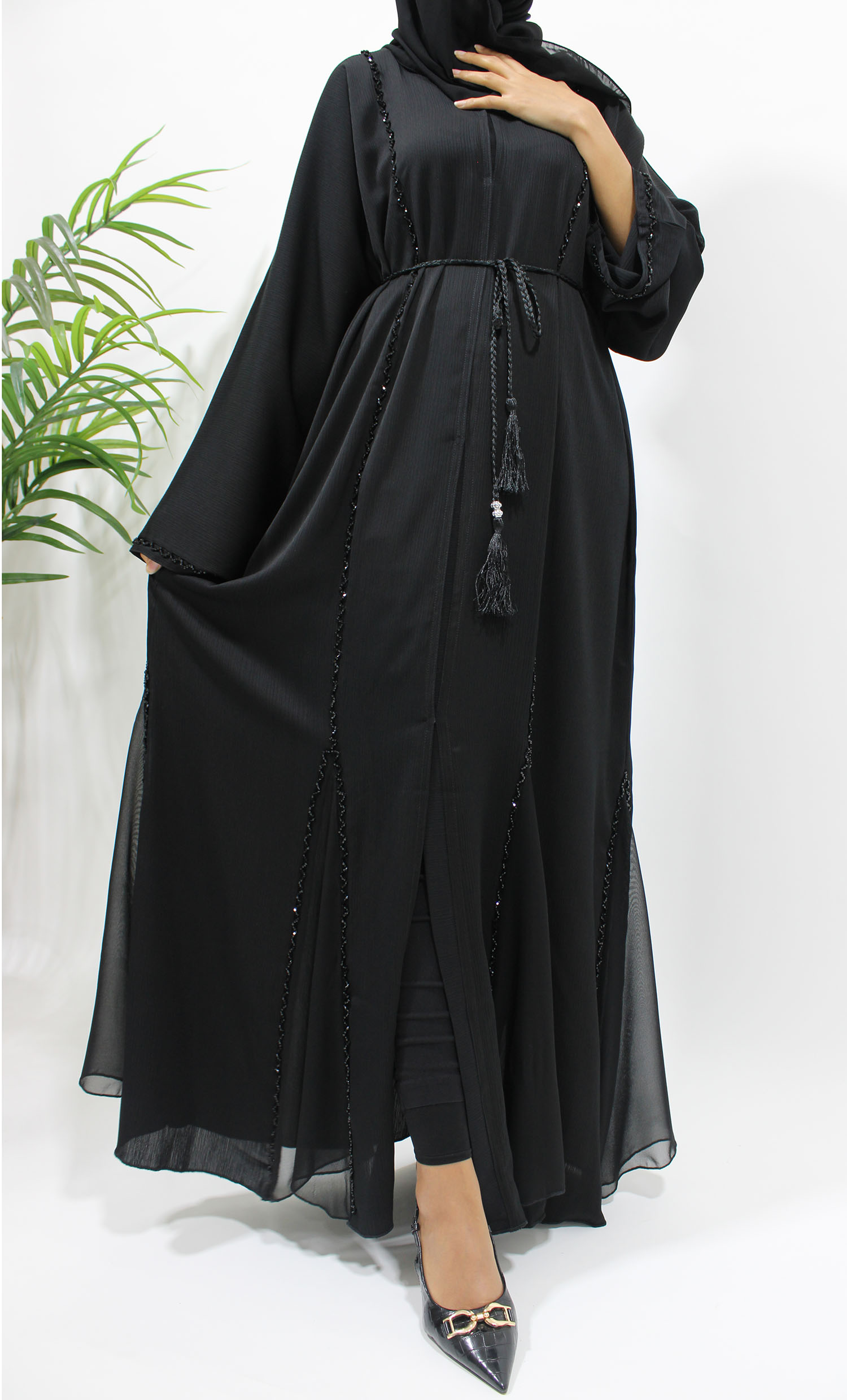
Fabric and Color: The Unsung Heroes
Choosing the right fabric and color is just as crucial as style. Heavier fabrics like crepe or thick satin add structure and can smooth curves, which is great for apple and hourglass shapes. Lightweight chiffons and silks flow beautifully around pear and rectangle shapes, offering movement without clinging.
And color? Don’t underestimate its power. Darker shades tend to be slimming and timeless, but don’t shy away from rich jewel tones or pastels if they make you feel radiant. Patterns can be tricky; vertical stripes elongate, while bold prints might add volume — think about what you want to highlight or downplay.
Tips for Trying On Abayat
- Always test movement — walk, sit, and turn to ensure comfort.
- Check sleeve length and how the fabric drapes on your arms.
- Consider the climate: breathable fabrics are a must in hot weather.
- Think about occasions — some styles suit casual wear, others are perfect for formal events.
Final Thoughts: Trusting Your Instincts and Style
At the end of the day, the “right” abaya isn’t about rules — it’s about how you feel. If it makes you stand taller, smile wider, and embrace your unique beauty, then it’s perfect. Remember, modest fashion is deeply personal. It’s about honoring your values while celebrating your individuality. And when you find that abaya that fits your body and soul? You’ll know. It’s magic.
What are the most popular abaya styles in 2025?
Honestly, every year brings a fresh wave of excitement to modest fashion, and 2025 is no exception when it comes to abayat. If you’ve been following trends or just scrolling through your favorite modest fashion feeds, you know abayas are no longer just about tradition—they’re bold statements of style, identity, and confidence. As someone who lives and breathes modest wear, I’ve been keeping a close eye on the abaya styles stealing hearts and turning heads this year. So, let me share with you what’s truly hot right now and why these styles are resonating with women across the world.
Contemporary Minimalism with Clean Lines
One of the standout trends this year is the embrace of clean, minimalist designs. It’s a beautiful shift from heavy embroidery and flashy details to streamlined silhouettes and subtle elegance. Think sleek cuts, understated colors, and fabrics that flow effortlessly. This style speaks to the modern Muslim woman who values simplicity but doesn’t want to sacrifice sophistication.
The beauty of minimalist abayas lies in their versatility. You can pair them with statement accessories or wear them as-is for a chic, polished look. Personally, I find that minimalist styles give you freedom—the freedom to layer, mix textures, or simply let the fabric’s quality shine. It’s modest fashion that respects your time and taste.
Embellished and Embroidered Artistry
While minimalism rules many wardrobes, there’s still a huge love for abayas that feature delicate embroidery, beadwork, or lace panels. In 2025, this trend has evolved into something even more artful and wearable. Rather than overwhelming the entire abaya, designers focus on accent areas—like cuffs, collars, and hemlines—to create eye-catching focal points without compromising modesty.
What’s fascinating is how traditional craftsmanship meets modern design here. I remember attending a modest fashion event last year, where a designer explained how they worked with artisans to preserve heritage embroidery styles but used modern color palettes and fabric blends. It’s this marriage of old and new that makes embellished abayas feel deeply personal and unique.
Flowing Layered Abayas
Layering is a subtle but powerful trend this year. Flowing abayas layered over complementary long cardigans, capes, or lightweight jackets create depth and dimension, turning the abaya into a canvas for fashion creativity. This trend is especially appealing for women who love mixing modesty with movement—there’s a poetic rhythm when fabrics cascade in layers, catching the breeze as you walk.
In my own wardrobe, I’ve started pairing sheer abayas with silk or satin under-layers, adding just a hint of contrast without breaking modesty. It’s an art form, really—balancing textures and lengths to maintain elegance without bulkiness.

Bold Colors and Prints
The era of only black and neutral abayas is slowly evolving. 2025 welcomes a broader palette. From deep emeralds and royal blues to soft pastels and even vibrant jewel tones, color is becoming a key part of abaya expression.
Prints are also gaining traction but in tasteful ways. Instead of loud patterns, subtle florals, geometric motifs, or traditional Middle Eastern designs are making their way onto abayas with a contemporary twist. I personally love how a well-chosen print can turn a simple abaya into a statement piece. It’s like wearing a story, a cultural nod wrapped in fabric.
Table of 2025’s Top Abaya Styles
| Style | Description | Ideal For | Styling Tips |
|---|---|---|---|
| Minimalist Elegance | Clean cuts, solid muted colors, lightweight fabrics | Everyday wear, professional settings | Pair with bold accessories or monochrome shoes |
| Artisanal Embroidery | Delicate embellishments on cuffs, collars, or hemlines | Special occasions, cultural events | Keep accessories simple to highlight craftsmanship |
| Layered Flowing | Multi-layered fabrics, capes, cardigans over abayas | Casual outings, cooler weather | Mix textures and lengths for dimension |
| Colorful Prints | Subtle florals, geometric, or traditional patterns | Festivals, weekend gatherings | Pair with neutral hijabs for balance |
My Personal Favorite Style
I have to confess — I’m a sucker for minimalist elegance combined with just a touch of embellishment. There’s something so empowering about walking into a room wearing an abaya that feels both modern and timeless. One of my go-to looks this year is a soft beige abaya with a delicate embroidered cuff paired with a jewel-toned hijab. It’s like wearing confidence without shouting for attention. Plus, it suits everything from a coffee date to a family gathering.
I encourage you to experiment with these styles. Don’t be afraid to blend elements—maybe a minimalist abaya with a colorful printed scarf or a flowing layered abaya with subtle embroidery. Modest fashion is deeply personal, and 2025’s abaya trends give us all the freedom to make it truly our own.
How should abayas fit? Loose vs structured silhouettes explained
When it comes to wearing an abaya, fit is everything — yet it’s one of the most personal and often misunderstood aspects of modest fashion. I’ve had so many conversations with sisters who feel torn between choosing a loose, flowing abaya or something more structured and tailored. So today, I want to dive deep into the heart of this debate, share what I’ve learned from my own wardrobe experiments, and help you understand how different fits can reflect your personality, lifestyle, and comfort — all while honoring modesty.
The Beauty and Comfort of Loose Silhouettes
Let’s start with the classic loose abaya — the one many of us picture when we hear the word “abaya.” Loose-fitting abayas have a graceful, flowing appeal that feels freeing. The fabric gently drapes around your body, giving you maximum comfort and mobility. Honestly, there’s something calming about slipping into an abaya that doesn’t cling, that moves with the breeze, and that gives you space to breathe — literally and figuratively.
For many Muslim women, loose silhouettes are a way to maintain privacy and modesty without fuss. They hide the body shape naturally, creating an elegant silhouette that’s timeless. I remember the first time I wore a loose abaya to a family gathering — I felt wrapped in comfort, yet confident. Plus, loose abayas are perfect for hot climates, allowing air to flow easily, preventing that uncomfortable stickiness.
However, I’ll admit, loose abayas aren’t always for everyone or every occasion. Sometimes, they can feel a bit shapeless, and you might worry about looking less put-together or polished. But here’s the secret: styling makes all the difference. Pairing a loose abaya with a structured hijab, statement accessories, or a belt can elevate the whole look beautifully.
When and Why Structured Silhouettes Shine
On the flip side, structured abayas have been gaining serious traction — especially among younger generations and women who want to blend tradition with modern fashion sensibilities. These abayas feature more tailored cuts, defined shoulders, and sometimes even darts or seams that subtly shape the garment to your body without being revealing.
I personally love structured abayas for professional settings or special occasions because they give off this aura of elegance and confidence. Wearing one feels like stepping into a power suit, but wrapped in cultural identity. The silhouette often flatters the figure while maintaining modesty, which is a hard balance to strike.
But let’s be honest — structured abayas might not be the best choice for every day or every mood. They can feel restrictive if the fabric is heavy or the tailoring is too tight. Also, depending on your body type, some cuts may not be as forgiving. That’s why fit is key — a well-tailored abaya that respects your curves without revealing them can truly transform your modest fashion experience.

Table: Loose vs Structured Abayas — Pros, Cons & Ideal Wear
| Aspect | Loose Abayas | Structured Abayas |
|---|---|---|
| Comfort | Highly comfortable, airy, non-restrictive | Comfortable if well-tailored, but can feel tight |
| Modesty | Excellent for covering the shape naturally | Modest but subtly shapes the silhouette |
| Style | Casual, traditional, effortless elegance | Modern, chic, polished, professional |
| Best Occasions | Everyday wear, hot weather, relaxed settings | Formal events, work, social gatherings |
| Styling Tips | Add belts or structured hijabs to define shape | Keep accessories minimal for sleek impact |
Choosing What Fits Your Life and Style
At the end of the day, the abaya fit you choose should feel like an extension of your personality and lifestyle. For me, it’s a beautiful blend of both worlds — I reach for loose abayas on casual days, when comfort and ease are non-negotiable. But when I want to feel fierce and put-together, especially at work or events, a structured abaya steps in like a trusted ally.
If you’re unsure where to start, try experimenting with fabrics and fits. For example, a lightweight crepe abaya with a loose fit feels different from a heavier structured abaya in satin or silk blends. Notice how your posture, confidence, and even mood change with each style. I’ve found that being mindful about fit helped me embrace modest fashion as a form of self-expression — not a restriction.
Remember, modesty is about intention and comfort, not just fabric and cut. So whether your abaya flows like a gentle stream or stands firm with crisp lines, wear it proudly and confidently — because that’s what truly shines.
What fabrics are best for different types of abayat?
When I first started building my abaya collection, fabric choice was a total game-changer — something I didn’t fully appreciate until I felt the difference between a cheap, itchy material and a smooth, breathable one that made me want to wear my abaya all day long. Choosing the right fabric isn’t just about comfort; it’s about style, durability, climate, and even how the abaya moves when you walk. Let me walk you through some of my favorite fabrics, how they pair with different abaya styles, and tips to help you pick the perfect one for your needs.
Why Fabric Matters: Comfort Meets Modesty
Fabric is the foundation of every abaya’s vibe — it sets the tone for how modest, elegant, or casual your look feels. Think about it: a heavy, stiff fabric can feel restrictive and make you sweat, while something too thin or clingy might make you worry about modesty. When I choose fabric, I look for a balance between coverage, breathability, and the way it drapes over my body. It’s like the difference between a gentle hug and a tight grip.
Climate also plays a huge role here. Living in a place with hot summers, I’ve learned the hard way that polyester-heavy abayas can feel like walking into an oven. Meanwhile, cooler climates allow for richer, thicker fabrics that feel luxurious without overheating.
Top Fabrics for Abayat and Their Best Uses
| Fabric | Key Characteristics | Best For | Care Tips |
|---|---|---|---|
| Crepe | Lightweight, matte finish, slightly textured, breathable | Everyday wear, loose and structured abayas, warm climates | Hand wash or gentle cycle, avoid high heat when ironing |
| Georgette | Sheer, flowy, slightly crinkled texture, very lightweight | Flowing, loose abayas, summer wear, layered styles | Hand wash, air dry, delicate handling required |
| Silk (or silk blends) | Luxurious sheen, smooth, drapes beautifully, breathable | Special occasions, structured abayas, evening wear | Dry clean recommended, avoid water stains |
| Jersey | Soft, stretchy, comfortable, wrinkle-resistant | Casual abayas, travel, active days | Machine washable, gentle cycle, low heat drying |
| Chiffon | Ultra-light, sheer, delicate, elegant flow | Layering over abayas, decorative sleeves, special events | Hand wash only, avoid snagging |
| Linen | Breathable, natural fibers, textured, cool to touch | Summer abayas, casual styles, hot and humid climates | Iron while damp, avoid machine drying |

My Personal Fabric Favorites & Stories
I still remember my first crepe abaya — it was love at first wear. The fabric felt so light and just moved with me, whether I was walking through the market or sitting in a café with friends. It’s versatile enough to feel traditional but modern enough to pair with statement accessories.
On the other hand, silk abayas hold a special place in my heart for Eid and weddings. There’s something so regal about how the fabric catches the light, making me feel both modest and glamorous. But silk is a diva fabric — it demands care, and I always treat it like a delicate treasure.
For travel, I swear by jersey. I once packed just one abaya on a week-long trip and wore it almost every day — its stretch and softness made it my go-to, and it didn’t wrinkle after hours of sitting on planes or walking the streets.
Tips for Choosing Fabric Based on Climate and Occasion
- Hot weather: Go for breathable, lightweight fabrics like crepe, linen, and georgette. Avoid heavy polyesters that trap heat.
- Cooler months: Silk blends and layered chiffon abayas with inner linings provide warmth without sacrificing elegance.
- Special occasions: Luxurious fabrics like silk or embellished chiffon elevate your look effortlessly.
- Daily wear: Durable, easy-care fabrics like crepe or jersey keep you comfortable and polished without fuss.
In the end, the best fabric for your abaya is the one that makes you feel confident, comfortable, and true to your style. Don’t be afraid to touch, try, and test before committing. After all, the perfect abaya fabric is as much about how it feels on your skin as how it reflects your inner modest fashion story.
What’s the difference between traditional and modern abayas?
When I first started wearing abayas, I thought of them as a timeless symbol of modesty — something steeped in tradition and cultural heritage. But as I explored modest fashion deeper, I realized that the world of abayas is much more diverse and dynamic than I imagined. There’s a beautiful tension between the traditional and the modern, and understanding this balance helps me choose pieces that feel authentic to who I am today. So, what really separates traditional abayas from modern ones? Let me share my insights, personal experiences, and a few style nuances that make this difference so fascinating.
Traditional Abayas: Roots and Reverence
Traditional abayas carry centuries of cultural meaning, often reflecting the modesty values that have been passed down through generations. These abayas are usually simple in design, mostly black or very dark colors, with minimal embellishments or patterns. They tend to be made from matte fabrics like crepe or satin with a loose, flowing silhouette that prioritizes comfort and coverage over trends.
I remember my grandmother’s abaya — it was classic and unadorned, but she wore it with such grace. For her, the abaya was not just clothing but a quiet statement of identity and faith. Traditional abayas often feature wide sleeves and are long enough to almost touch the floor, designed to fully cover the body and allow easy movement. These styles are timeless, and you’ll still see women in many parts of the world embracing them daily.
Modern Abayas: Fashion Meets Function
Modern abayas have evolved dramatically in the last decade, inspired by contemporary fashion trends, global influences, and the desire for personalization. They often come in various colors — think deep navy, pastel shades, even bold jewel tones. Designers experiment with cuts, incorporating structured tailoring, asymmetrical hems, and embellishments like embroidery, lace, or subtle sequins.
Personally, I love how modern abayas make me feel both modest and confident. I have one with delicate gold thread embroidery around the cuffs, which instantly elevates a simple outfit. Modern abayas also often mix fabrics — chiffon overlays on crepe bases, or silk panels paired with jersey — adding dimension and texture without compromising modesty. The fit can be more tailored or layered, offering options for different body types and occasions.
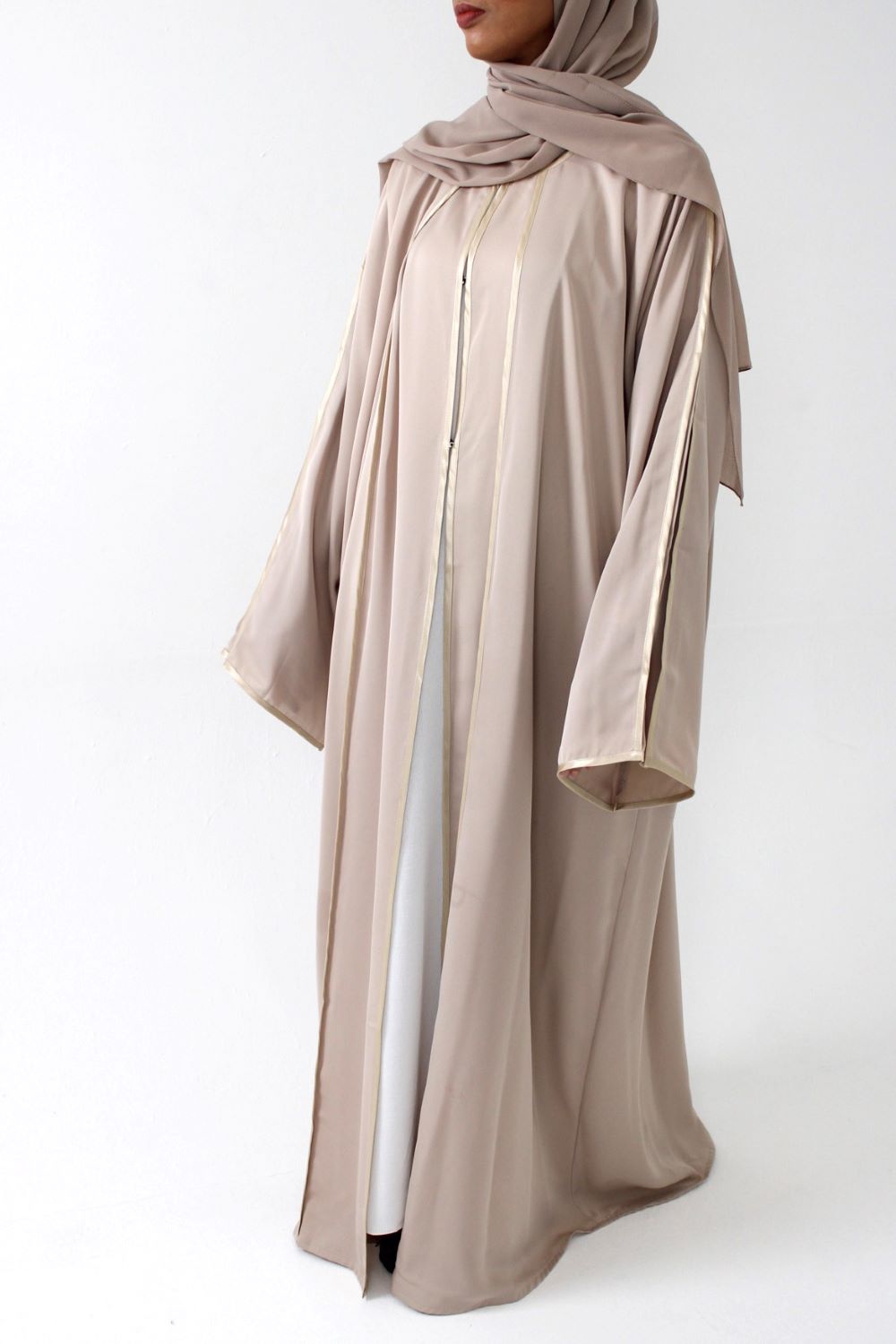
Side-by-Side Comparison: Traditional vs Modern Abayas
| Aspect | Traditional Abayas | Modern Abayas |
|---|---|---|
| Color Palette | Mostly black or dark, solid colors | Wide range including pastels, jewel tones, neutrals |
| Fabric | Matte crepe, satin, heavier fabrics | Mixed fabrics: chiffon, silk blends, jersey, textured layers |
| Design & Silhouette | Loose, flowing, simple cuts | Tailored fits, asymmetrical cuts, layered looks |
| Embellishments | Minimal to none; subtle trims | Embroidery, lace, sequins, prints |
| Occasions | Daily wear, formal religious settings | Daily wear, special events, workwear, fashion-forward outings |
Finding Your Balance: My Personal Take
I often ask myself: do I want to honor tradition, or express a modern modest style — or maybe both? The truth is, you don’t have to pick sides. I have abayas that lean toward tradition for prayer or family gatherings because they carry a sense of reverence and simplicity that calms my spirit. But for work or social events, I reach for my modern pieces that help me feel vibrant and empowered while staying true to my values.
It’s also interesting how these two worlds collide in emerging designers who create “fusion abayas.” I recently purchased one that featured a traditional silhouette but used a bold, dusty rose fabric and had subtle beadwork along the neckline — a perfect blend of heritage and innovation.
Tips to Choose Between Traditional and Modern Abayas
- Consider your lifestyle: If you need abayas for everyday modesty with simplicity, traditional styles may suit you best. For more fashion flexibility and occasions, modern styles offer variety.
- Think about your climate: Modern abayas often play with fabric blends that work for different seasons.
- Don’t fear mixing: Pair a traditional abaya with modern accessories like a statement belt or contemporary hijab styles to create your own signature look.
- Feel your mood: Some days call for quiet tradition, others for bold self-expression — your abaya wardrobe can reflect that beautifully.
At the end of the day, whether traditional or modern, an abaya is about honoring modesty while embracing your unique self. And that, to me, is the true beauty behind every stitch.
Can you wear abayat casually? Styling tips for everyday elegance
Absolutely, yes — abayat aren’t just for formal events or religious settings. They can be your daily go-to, your second skin, your cozy confidence on an ordinary day. I used to think abayas were only for big family gatherings or mosque visits. But once I started experimenting with layering, textures, and accessories, I realized: casual abaya fashion is not only possible — it’s effortlessly chic. Whether you’re running errands, grabbing coffee, or heading to class, a well-styled abaya can keep you modest, comfortable, and polished.
Why Casual Abaya Styling Matters
In our fast-paced lives, comfort is key — but so is feeling put together. That’s where casual abaya styling comes in. It bridges modesty with ease, form with function. You don’t need sparkles or shoulder pads to make an impact. A soft jersey abaya, a neutral-toned hijab, and some white sneakers can speak louder than any sequin ever could.
I’ll never forget one morning when I was late dropping my kids off at school. I threw on my charcoal grey linen abaya, wrapped a taupe cotton hijab, and slipped into my flats. Not only was I out the door in five minutes, but I felt surprisingly elegant — like myself, just quieter. It reminded me: casual doesn’t mean careless. It means comfort, styled with intention.
My Everyday Abaya Styling Formula
Here’s the thing — once you know your base, styling abayas casually becomes second nature. It’s about finding the balance between soft structure and fluidity. Below is the go-to formula I follow most weekdays:
| Style Element | What to Look For | Casual Styling Tip |
|---|---|---|
| Fabric | Cotton, jersey, linen, or crepe | Choose breathable fabrics that move with you — perfect for long days. |
| Cut | Kimono-style, A-line, or straight-cut | Look for pieces that don’t cling — effortless and flattering. |
| Color | Earth tones, neutrals, soft pastels | Understated shades make mixing and matching easier. |
| Footwear | Flat sandals, loafers, white sneakers | Comfort meets cool — especially when you’re on the go. |
| Accessories | Crossbody bag, simple studs, minimal watch | Keep it practical, not flashy — think quiet elegance. |
My Go-To Looks for Busy Days
Depending on your daily routine, your abaya wardrobe can serve multiple vibes without sacrificing modesty or comfort. Here are a few of my favorite casual pairings:
- The Errand Run: A stone-colored crepe abaya, cotton undershirt, white trainers, and a slouchy tote bag. Effortless and breathable.
- The Work-from-Café Look: A navy kimono abaya over a striped tee and culottes, paired with loafers and a lightweight hijab.
- Mom-on-the-Go: A stretchy jersey abaya, slip-on sneakers, and a no-fuss underscarf hijab that stays put even in the school drop-off rush.
- Weekend Market Walk: A soft linen abaya with rolled sleeves, raffia slides, and a crossbody bag for hands-free browsing.
These looks aren’t about impressing others — they’re about feeling like the best version of yourself. And for many of us, that version includes comfort, dignity, and maybe a little style sparkle when we least expect it.
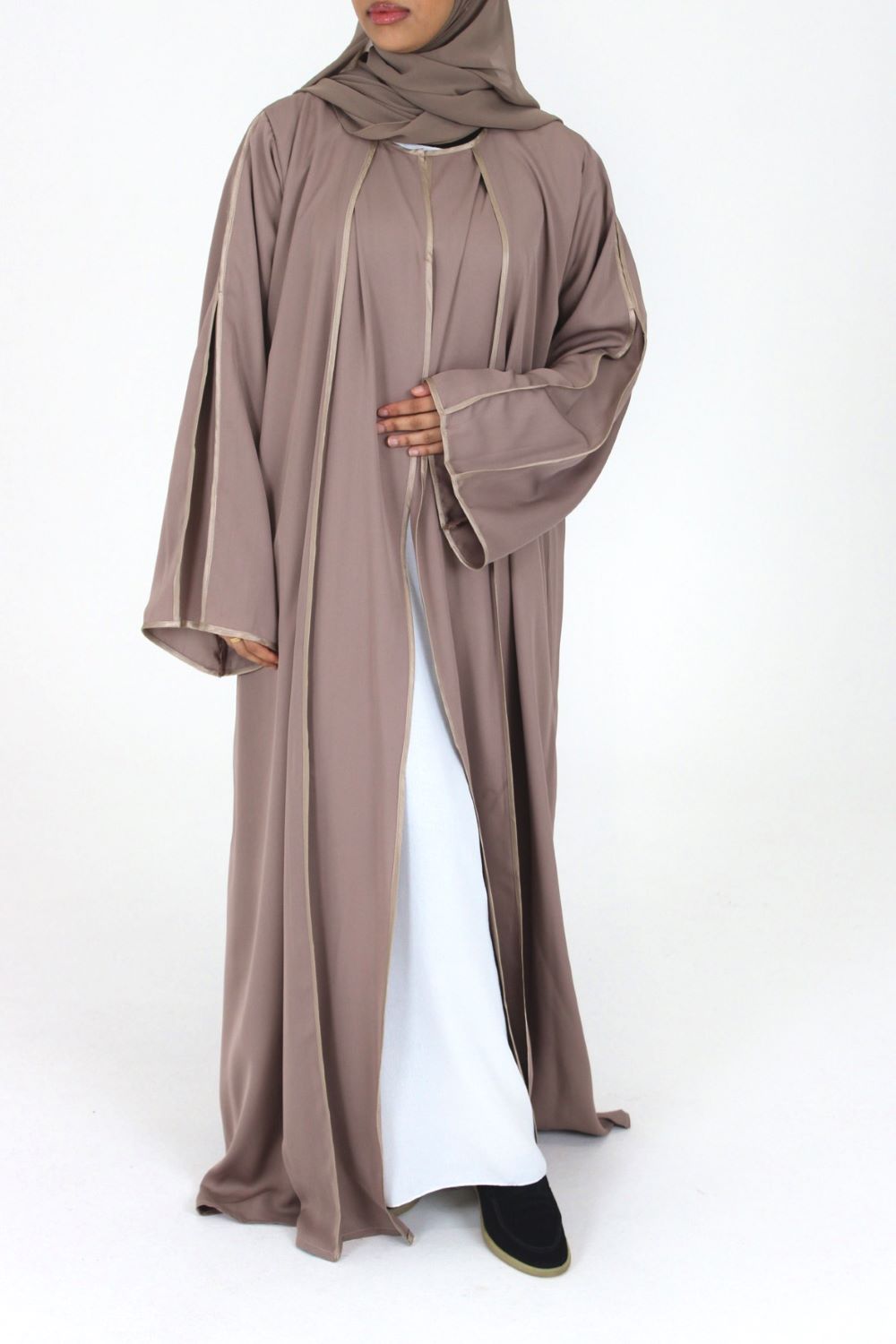
Tips for Building a Casual Abaya Capsule Wardrobe
If you’re starting fresh or just looking to refine your casual abaya lineup, here’s what helped me:
- Invest in neutrals: Think beige, black, olive, navy — they mix and match with everything.
- Focus on fabrics: Prioritize comfort. A soft jersey abaya will become your best friend.
- Choose versatile cuts: Straight-cut or open front styles can double as outerwear.
- Layer strategically: Try lightweight cardigans or sleeveless jackets for texture without bulk.
- Don’t forget the shoes: A casual abaya look falls flat without the right footwear. Trust me — sneakers change the game.
Final Thoughts
Wearing abayas casually isn’t just possible — it’s freeing. It’s your daily reminder that modesty can move with you, breathe with you, and reflect your everyday rhythm. There’s something powerful in slipping into an abaya that fits just right and flows around you, even when you’re just grabbing groceries. It’s not about making a statement — it’s about making space for your values, your beauty, and your comfort — all at once.
What are the best abayat for formal events and weddings?
Let’s be honest — there’s something magical about walking into a wedding or formal event wrapped in an abaya that flows, glows, and quietly turns heads. As someone who deeply values modesty but still wants to feel beautiful and celebrated, I’ve learned that choosing the right abaya for a formal occasion isn’t just about sparkle. It’s about balance — between elegance and ease, tradition and trend, confidence and humility.
I still remember my cousin’s wedding last year. I wore a black silk abaya with gold-threaded embroidery that shimmered just slightly under the lights. It wasn’t over-the-top, but it felt like I belonged. I felt regal, feminine, and completely myself. That’s the power of the right abaya — it enhances without overwhelming.
Key Features to Look for in Formal Abayat
When I’m shopping or planning my outfit for a special event, I look for certain features that elevate a regular abaya into something that fits the occasion. Here’s what I consider must-haves:
- Luxurious fabrics: Think chiffon, silk, velvet, or high-grade satin. These fabrics flow beautifully and catch light in all the right ways.
- Elegant embellishments: Embroidery, beadwork, lace insets, and sequins (used tastefully) can add visual interest without compromising modesty.
- Flattering cuts: Floor-length, butterfly, or layered styles create a graceful silhouette.
- Color palette: Deep jewel tones, pastels for spring weddings, or classic black and gold always feel timeless and dressy.
Formal Abaya Styles Breakdown
Depending on the type of event — be it a Nikah ceremony, Walima, or evening gala — different styles of abayas suit different vibes. Here’s a quick breakdown of some of my favorites and how I’ve styled them in the past:
| Abaya Style | Best For | Why It Works |
|---|---|---|
| Open Front Embroidered Abaya | Evening receptions, formal dinners | Layered over a satin dress or palazzo pants, it gives dimension and grace. |
| Butterfly Abaya with Crystal Detailing | Weddings, engagement parties | The flowing sleeves and subtle shimmer create a dreamy, ethereal look. |
| Kaftan-Inspired Abaya | Traditional family events | Rich fabrics like brocade and velvet bring a luxurious cultural feel. |
| Silk Abaya with Lace Trim | Intimate gatherings or Nikah ceremonies | Simple but elegant — understated enough to be modest, but with texture that adds depth. |
How to Style Your Formal Abaya
The abaya may be the foundation, but the right styling is what completes the look. Here’s what I’ve found works best after years of trial and error (and a few fashion regrets!):
- Undergarments matter: Invest in a high-quality slip dress or matching inner set to wear beneath your open or sheer abaya.
- Hijab pairing: Choose materials like chiffon or silk to match the elegance of your abaya. A neatly draped hijab with a touch of sparkle on the edge elevates the whole outfit.
- Accessories: Keep jewelry modest but special — a single statement ring, delicate earrings, or a gold bracelet. Let the abaya speak first.
- Shoes: Heeled sandals or embroidered flats can add a formal finish. Make sure they peek out gracefully when you walk — not too loud, but not too plain either.
Story Moment: A Wedding to Remember
One of the most memorable abayas I wore was a plum-colored velvet piece with hand-beaded cuffs. It was for my best friend’s Walima, and I remember how the fabric glowed in the sunset. A few women came up to me to ask where I got it — but what stayed with me more was how comfortable and confident I felt. It wasn’t about impressing anyone. It was about honoring the moment while staying true to myself. That’s what a formal abaya should do: wrap you in presence, not pretense.
Final Thoughts
Choosing an abaya for a formal event doesn’t have to be stressful. In fact, it can be a moment of celebration in itself — a chance to reflect your personal style and values in a setting where everyone’s dressed to the nines. Focus on how you want to feel: graceful, grounded, glowing. When you lead with that, the right abaya will find you. And trust me — when it does, you’ll know.
How to layer your abaya without losing your shape
Let’s be real — layering is an art. And when you’re committed to modest fashion like I am, layering your abaya becomes more than just a way to stay warm or add variety. It’s a form of expression, protection, and personal style. But there’s one common worry that always comes up: “Will I lose my shape under all these layers?”
Sister, I hear you. I’ve had those moments too — standing in front of the mirror feeling like a walking rectangle after throwing on a cardigan, inner dress, abaya, and a hijab that just wouldn’t sit right. But over time (and with more trial and error than I’d like to admit), I’ve learned how to layer in a way that feels beautiful, balanced, and still modest.
The Key Principles of Modest Layering
Before we dive into specific looks, it’s important to understand that layering while maintaining your shape isn’t about being tight or revealing. It’s about using structure, flow, and proportion to your advantage. Here’s what I keep in mind every time:
- Balance volume: If your abaya is flowy or oversized, pair it with a more structured inner layer (like a belt-tied tunic or straight-cut slip dress).
- Play with fabric weight: Mixing a soft chiffon abaya with a more fitted cotton or jersey base layer creates contrast and dimension without bulk.
- Use accessories thoughtfully: Belts, pins, and crossbody bags can subtly create definition without compromising modesty.
Layering Combos That Work (and Why)
Here are some go-to pairings I’ve personally tested — whether for casual errands, work meetings, or dinner with friends:
| Base Layer | Outer Abaya | Why It Works |
|---|---|---|
| Long-sleeve fitted maxi dress | Open-front kimono abaya with side slits | Shape shows through movement and layering — modest but flattering. |
| Tunic and straight-leg pants | Structured crepe abaya with minimal flare | Creates a vertical line; adds length without extra bulk. |
| Belted inner slip dress | Flowy chiffon or satin abaya | The belt defines your waist subtly underneath the outer layer. |
| Modest jumpsuit | Oversized cocoon abaya | Unexpected pairing that gives structure underneath a soft silhouette. |
Let’s Talk Belts — Without Breaking Modesty
I used to avoid belts altogether because I thought they clashed with the idea of modesty. But I’ve since realized that when done right, a belt can enhance your look while keeping your outfit modest and elegant. The trick? Use them over your inner layer — not the abaya itself.
One of my favorite looks is a belted slip dress underneath a slightly sheer open abaya. The belt adds a hint of shape, and the flowing abaya keeps everything graceful and covered. It’s modest, feminine, and honestly, it just feels good.
Story Time: From “Boxy” to Beautiful
I’ll never forget the time I wore an oversized black abaya over a thick winter turtleneck and straight-leg trousers. I felt like a cube — no shape, no structure, just layers. I remember pulling my coat tighter, hoping no one noticed. The next time, I tried the same abaya but layered it over a fitted knit dress with a narrow belt underneath. I added a lightweight cashmere shawl over my shoulders. Same abaya, completely different vibe. I felt put together, comfortable, and confident.
Layering for Seasons
Depending on the weather, you can adapt these strategies:
- Winter: Try thermal base layers under abayat in wool-blend or heavier crepe. Add structured longline coats if needed.
- Spring/Fall: Mix tunics with jersey or cotton abayas and lightweight scarves. Think layers you can peel off gracefully.
- Summer: Opt for breathable underlayers like rayon or modal with open-front chiffon abayas. Use belts for definition and airiness.
Final Thoughts
You don’t have to sacrifice style or shape for modesty. And layering doesn’t have to be complicated. With the right fabrics, smart structure, and a little bit of creativity, you can feel like the best version of yourself — fully covered, beautifully expressed. So the next time you’re layering your abaya, do it with intention. Let each piece tell part of your story. Because when you feel good in what you wear, it shows.
Which colors and prints are trending for abayat this year?
There’s something magical about the moment you step out wearing an abaya that not only reflects your faith, but your mood, your style — your essence. Every year, abaya fashion evolves in subtle yet powerful ways. And right now, we’re seeing a beautiful shift in color palettes and prints that tell stories, reclaim femininity, and honor our heritage while embracing modern flair.
If you’re like me, you probably have that one go-to black abaya that you wear on repeat — and there’s absolutely nothing wrong with that. But if you’ve ever caught yourself wondering, “What’s trending for abayas this year? What colors or prints should I try without stepping too far from my comfort zone?” — you’re in the right place.
2025’s Trending Abaya Colors: From Earthy to Elevated
The color stories this year are honestly stunning. There’s a grounded calmness in the hues we’re seeing, but also bold femininity — a quiet confidence. Here’s a look at some of the most popular abaya colors for 2025:
| Color | Why It’s Trending | How to Style It |
|---|---|---|
| Olive Green | Earthy, versatile, and sophisticated — a shift from the usual neutrals. | Pair with beige or cream hijab, gold accessories, and nude heels. |
| Dusty Rose | Soft, romantic, and unapologetically feminine — without being loud. | Contrast with deeper mauves or plum-toned scarves for depth. |
| Charcoal Gray | A modern alternative to black that feels just as elegant but fresher. | Style with silver or pearl details for an effortlessly chic look. |
| Sage | Fresh, clean, and minimal — perfect for the “quiet luxury” trend. | Go monochrome or pair with white and gold for Eid or gatherings. |
| Midnight Blue | Elegant and regal without feeling overdone — ideal for evening wear. | Pair with metallic accents or a chiffon hijab in silver-gray tones. |
Prints That Speak: From Subtle to Statement
I used to be hesitant about printed abayat. “Is this too much?” I’d ask myself in the mirror. But once I found prints that felt like *me*, everything changed. Prints are trending big this year — and not just florals (though yes, florals are having their moment too).
Here are some of the top abaya print trends and how to wear them with confidence:
- Geometric accents: Minimalist lines and artful symmetry — think border prints or cuff detailing.
- Abstract brushstrokes: These painterly prints look luxe, especially in satin or silk blends.
- Watercolor florals: Soft, blurred prints that feel dreamy and feminine — perfect for garden events or Eid.
- Nature motifs: Think leafy vines, palm fronds, or desert-inspired patterns — a subtle nod to our roots.
Story Time: When I Wore a Printed Abaya to a Nikah
Last spring, I was invited to a close friend’s nikah. I almost reached for my usual plain black abaya, but something told me to try something new. I wore a blush pink abaya with soft watercolor florals along the hem and sleeves. Honestly, I felt nervous — would it be too “much”? But the second I walked in, I felt radiant. Sisters came up asking where I got it, and more than that, I just felt… me. Modest. Elegant. Seen.
Pro Tips for Trying New Colors or Prints (Without Regret)
I get it — it’s one thing to admire colors and prints on Instagram, and another to wear them in real life. If you’re unsure, try these gentle steps:
- Start small: Go for printed cuffs, a patterned hijab, or contrast piping before committing to a fully printed abaya.
- Choose one focal point: If your abaya has bold colors or prints, keep accessories neutral and minimal.
- Trust your skin tone: Earthy tones like olive, mocha, and sage flatter most skin tones. Test what feels harmonious.
- Own it: Confidence is the best accessory. If you feel beautiful in it, that energy radiates.
Final Reflections
Abaya fashion is more than seasonal trends. It’s how we show up in the world — covered, confident, creative. This year’s colors and prints offer us ways to experiment while staying true to our values. Whether you’re drawn to soft sages or statement brushstrokes, choose what makes you feel at home in your skin and your style. Because you deserve to feel beautiful in every shade.
How do you coordinate your hijab with your abaya?
We’ve all been there — standing in front of the mirror, abaya on, hijab draped across one shoulder, and still feeling like *something* is off. You love the abaya, you love the hijab, but together? Not quite. That’s the beauty and the challenge of modest fashion — getting the pieces to speak the same language.
Coordinating your hijab with your abaya isn’t about following rigid rules. It’s about creating harmony, flow, and expression — a look that feels both polished and personal. And over time, I’ve learned a few tricks (plus made plenty of mismatched mistakes!) that have helped me find what works.
Start With the Intent: Occasion, Mood, and Message
Before even choosing a hijab, ask yourself: Where am I going? How do I want to feel? Am I aiming for elegance, simplicity, bold contrast, or a soft, blended tone? Your answers set the tone for coordination.
For example:
- Formal event: Opt for sheen — think satin or chiffon hijabs in neutral or metallic tones.
- Daily wear: Cotton or jersey hijabs with soft draping work best for ease and comfort.
- Work or meetings: Stick to muted palettes with crisp folds for a structured look.
Intent influences style more than trends ever could. I always say — dress for the way you want to carry yourself that day.
Color Theory: Match, Complement, or Contrast?
This is where coordination gets fun (and sometimes a little tricky). You don’t always need to match your hijab exactly to your abaya. In fact, sometimes it looks better when you don’t. Think in terms of tones and contrast.
| Coordination Style | What It Means | Example Pairing |
|---|---|---|
| Tonal Matching | Same color family, slightly different shades | Dusty rose abaya with deep mauve hijab |
| Neutral Balance | One neutral anchors a color | Olive green abaya with cream hijab |
| High Contrast | Bold opposites to create statement looks | Black abaya with bright teal hijab |
| Pattern Focus | Printed hijab with solid abaya (or vice versa) | Charcoal abaya with floral print hijab |
Textures Matter Too — More Than We Realize
I once wore a silky abaya to a formal dinner and paired it with a cotton hijab — it looked… odd. The textures clashed. The hijab felt casual while the abaya was clearly meant for an evening affair. That’s when I started paying more attention to fabric feel and finish.
If you’re wearing a luxe satin or crepe abaya, your hijab should have a bit of elegance too — chiffon, silk, or even a soft georgette. For casual everyday looks, cottons and jerseys keep things grounded and effortless.
Little Touches Make a Big Difference
Beyond color and fabric, details matter. Hijab pins, brooches, underscarves — they can subtly elevate your entire look. For instance:
- Add a gold pin to tie in your jewelry and abaya embroidery.
- Use a contrasting inner cap to introduce dimension under your hijab wrap.
- Choose tassel-edged hijabs when your abaya is minimal — it adds movement.
It’s those tiny, almost invisible choices that bring everything together. I like to think of it as storytelling — your hijab and abaya should feel like chapters from the same book.
A Moment I’ll Never Forget: The Perfect Match
I remember once rushing to get dressed for Eid salah. My new lilac abaya had just arrived, but I hadn’t picked a hijab yet. I tried on three — too pale, too bright, too dull. Then I saw a muted lavender hijab I’d forgotten about. It wasn’t a perfect match, but the tone was just right. I pinned it in place, looked in the mirror, and smiled. I felt so… complete. Like I didn’t have to try too hard — it just worked.
Final Takeaways: How to Coordinate With Confidence
When in doubt, keep these lived tips in mind:
- Start with one statement piece — either the abaya or the hijab, not both.
- Layer neutrals to give yourself more flexibility with patterns and color pops.
- Pay attention to your undertones — cooler tones vs warmer tones make a big difference.
- Trust your eye — if something feels “off,” it probably is. Adjust until it flows.
Coordinating your hijab with your abaya is a form of self-expression and a reflection of your taste, mood, and values. There’s no single “right” way — just the way that makes you feel confident, comfortable, and connected. So take your time. Experiment. And most importantly — enjoy the process.
Can non-Muslim women wear abayat respectfully?
It’s a question I’ve heard more than once — and honestly, it deserves more than a simple yes or no. As a Muslim woman who wears the abaya out of love, identity, and faith, I’ve come to see it as more than just a piece of clothing. It holds meaning. But I also believe that when approached with sincerity, respect, and understanding, non-Muslim women can wear abayat in a way that honors its roots.
Let’s be honest: modest fashion has gone global. From Dubai to London, Ankara to L.A., more women — of all backgrounds — are turning to flowing silhouettes, covered styles, and elegant layers. And among those pieces, the abaya stands out. It’s graceful. It’s timeless. And yes, it’s increasingly loved beyond the Muslim world.
Understand the Purpose, Not Just the Aesthetic
Before slipping into an abaya, it helps to pause and ask — do I know what this garment truly represents? The abaya, traditionally, is worn for modesty. In many cultures, it’s tied to Islamic principles of haya (modesty), humility, and dignity. It’s not about hiding the body in shame — it’s about presenting oneself with grace, and focusing the attention on presence, not appearance.
So if you’re drawn to the abaya simply because it “looks cute” or “feels trendy,” that’s fine — but take time to understand the depth behind it. When a non-Muslim woman approaches the abaya with genuine admiration for the values it represents, it becomes less about style, and more about shared human values: modesty, simplicity, and elegance.
Wearing With Respect: The Do’s and Don’ts
There’s a line between appreciation and appropriation — and it’s drawn by intention, awareness, and context. I’ve created this quick guide based on what I’ve seen, felt, and even discussed with friends:
| Do | Don’t |
|---|---|
| Research the cultural and religious context behind the abaya. | Wear it as a costume or without knowing its significance. |
| Style it modestly — long sleeves, minimal silhouette, and covered shape. | Pair it with revealing or tight clothing underneath. |
| Ask questions, be open, and listen to Muslim voices about the abaya. | Dismiss feedback or use the abaya in satirical or disrespectful ways. |
| Support Muslim-owned brands when purchasing abayat. | Buy from fast-fashion chains that exploit the design without credit. |
What It Feels Like When It’s Done Right
I’ll never forget when my friend Emily, who’s not Muslim, wore an abaya to my sister’s nikah. She chose a beautiful blush-pink one from a local designer and asked me for advice on how to wear it respectfully. She kept her look simple, covered her arms, and didn’t pair it with flashy accessories. I saw her effort — not just in the outfit, but in the respect she showed for the moment and the community around her.
You know what happened? Everyone loved it. Aunties complimented her. My cousins took pictures with her. And no one questioned her intention — because it was sincere.
Modesty Isn’t Exclusive — But It Should Be Thoughtful
Modest fashion is a bridge. It connects cultures, invites dialogue, and encourages shared values. But with that comes responsibility — especially when embracing garments rooted in religious or cultural meaning.
If you’re a non-Muslim woman considering wearing an abaya, ask yourself:
- Am I wearing this with awareness of what it represents?
- Am I honoring its roots — or stripping it of them?
- Am I open to learning from those who wear it with purpose?
If the answer is yes — then welcome. Truly. The abaya, while sacred to many, is also a testament to how beauty, modesty, and dignity can be shared across borders and beliefs. It’s not just ours — it’s for anyone who approaches it with respect.
Final Thought: The Abaya as a Conversation, Not a Costume
At its best, fashion opens conversations. The abaya is a piece of clothing, yes — but it also carries stories, faith, heritage, and identity. When someone wears it thoughtfully, it can be a gesture of solidarity, curiosity, or spiritual respect.
So yes — non-Muslim women can wear abayat. But please, do it not just for the aesthetic, but for the meaning. And when in doubt, ask. We’re more than happy to share what the abaya means to us — because at the end of the day, it’s not just about covering up. It’s about showing up — with respect, humility, and heart.
What accessories pair best with an abaya outfit?
Let me start by saying this: your abaya is your canvas — and accessories are the brushstrokes that bring it to life. I’ve learned that even the simplest black abaya can become unforgettable with just the right touches. But here’s the thing — accessorizing an abaya isn’t about piling things on. It’s about intention, balance, and knowing the vibe you want to create.
Whether you’re dressing for a special occasion or a casual coffee run, the accessories you choose can completely shift the mood of your abaya outfit. Some days, I go minimalist. Other days, I want to sparkle. Both can be equally beautiful — when done thoughtfully.
The Foundation: Modesty Meets Elegance
Before we get into the specifics, let’s ground ourselves in the essence of abaya fashion: modesty. That doesn’t mean dull or plain — not at all. But it does mean that accessories should enhance, not overpower. I always ask myself: Is this piece elevating my look, or distracting from it? Is it complementing the abaya’s flow, or clashing with it?
Here’s what I’ve discovered through experience — and yes, sometimes trial and error:
| Accessory | Style Tip | Best For |
|---|---|---|
| Statement Earrings | Pair with a neutral-colored hijab and minimal neckline detail. | Weddings, formal events |
| Elegant Belts | Cinch the waist of a loose abaya to define your silhouette. | Evening wear, structured looks |
| Crossbody or Clutch Bags | Choose sleek, modest bags that don’t compete with flowy fabric. | Daily outings, brunch dates |
| Brooches & Pins | Add sparkle without flash; perfect for fastening open abayas. | Eid, formal gatherings |
| Hijab Jewelry | Use delicate pins or chains to subtly enhance your hijab wrap. | Photoshoots, celebrations |
| Neutral Heels or Flats | Stick with clean lines and soft tones to keep the look cohesive. | Everyday elegance |
Less Is Often More — But Not Always
I still remember this one iftar I went to last Ramadan — I wore a dusty olive abaya with gold embroidery, and I almost overdid it with the accessories. I had earrings, rings, a gold belt, and a printed hijab. It looked… okay, but I didn’t feel like myself. Halfway through the night, I removed the earrings and swapped the belt for a simple tie. Suddenly, the whole outfit breathed.
That taught me something I always share now: when in doubt, take one thing off. The abaya itself is already making a statement. Let your accessories echo that energy, not compete with it.
Hijab + Abaya Harmony
One accessory that deserves special attention is the hijab. It’s not just a head covering — it’s the crown of your outfit. When styled thoughtfully, it acts as both accessory and anchor. Personally, I love pairing chiffon or satin hijabs with dressier abayas, and soft cotton or jersey for my everyday looks. Texture matters as much as color here.
Want a quick visual balance trick? If your abaya is patterned or embellished, go for a solid, muted hijab. If the abaya is plain, you can play a bit with prints or rich textures in your hijab. Add a simple pin, and you’re good to go.
Daytime vs Evening Accessorizing
The time of day matters more than we think. During the day, I stick with lightweight pieces — small hoop earrings, delicate rings, maybe a leather strap watch. It feels effortless but intentional. At night, I give myself permission to lean into glam — think jewel-toned clutches, gold bangles, or a bold brooch on the shoulder.
Personal Style Over Perfection
At the end of the day, the best accessory is your confidence. Cheesy? Maybe. True? Absolutely. Don’t feel boxed in by what you “should” wear. Some of my favorite abaya looks came from mixing things up — like pairing combat boots with a kimono-style abaya, or layering a long pendant necklace over a turtleneck underneath.
Accessorizing is a way to tell your story — whether that story is soft and romantic, bold and creative, or grounded and classic. So own it.
And remember, your abaya isn’t asking for more — it’s inviting you to be intentional. Choose pieces that whisper instead of shout. Accents that elevate, not overwhelm. And most importantly, accessories that feel like you.
How to build a capsule wardrobe with just 5 abayat
If there’s one thing I’ve learned on my modest fashion journey, it’s this: less really can be more — if you know how to style it. There was a time when I thought I needed dozens of abayas to keep up with every occasion, every mood. But over time, I found myself returning to just a handful of trusted pieces that made me feel confident, covered, and completely myself. That’s when I began building my abaya capsule wardrobe — and let me tell you, it was a game-changer.
A capsule wardrobe isn’t about restriction. It’s about freedom. With just five versatile abayat, I’ve created looks for Eid, work, errands, weddings, and even lazy Sunday strolls. And honestly? I never feel like I’m repeating outfits — because the magic is in how you mix, layer, and accessorize.
Why a Capsule Wardrobe Works for Modest Fashion
As Muslim women, we often face the challenge of needing outfits that balance modesty, comfort, and style — and that can feel overwhelming (and expensive!) if we think we need something new for every occasion. A capsule wardrobe flips that idea. It helps you simplify, save, and stay stylish — all while staying true to your values.
I started mine with five essential abayat, each chosen for its flexibility and flair. Here’s the formula I’ve refined over time:
| Type of Abaya | Why It’s Essential | Where to Wear It |
|---|---|---|
| Classic Black Open Abaya | Timeless, sleek, easy to dress up or down | Everywhere — from masjid to dinner |
| Neutral Everyday Abaya | Beige, taupe, or grey — matches any hijab, ideal for layering | Work, errands, daily wear |
| Printed or Embroidered Abaya | Adds personality and flair when you need a statement piece | Weddings, gatherings, parties |
| Jersey or Cotton Casual Abaya | Soft, breathable, and comfy for all-day wear | School runs, travel, relaxing at home |
| Structured Formal Abaya | With clean lines or satin finishes — instantly elegant | Eid, events, professional meetings |
Styling Hacks to Maximize Each Abaya
Here’s the secret sauce: your 5 abayas become 20+ outfits when you learn to style creatively. I’m talking layering with turtlenecks, swapping belts, switching hijabs, or adding a long cardigan over an open abaya. Don’t underestimate the power of accessories, either — a simple brooch or different bag changes the whole tone.
- Belt It: A belted waist can transform an abaya from flowy and relaxed to structured and elegant in seconds.
- Layer It: Throw on a kimono, cape, or denim jacket. Instant mood shift.
- Hijab Swap: Printed hijab with your neutral abaya? Suddenly, it feels brand new.
- Shoes Matter: Flats keep it casual. Heels elevate it. Even boots work for winter looks.
A Personal Story: My “One Abaya, Four Days” Challenge
A few years ago during a busy Ramadan week, I challenged myself to wear the same black abaya four different ways. Monday, I wore it open over jeans and a white top. Tuesday, I cinched it with a gold belt and paired it with heels. Wednesday, I layered a long camel coat over it and added ankle boots. Thursday, I wore it closed with a printed hijab and a statement brooch. Not once did anyone notice it was the same abaya — but I noticed how empowered I felt by owning my style intentionally.
That experience made me fall in love with the idea of fewer pieces, styled better. It’s not about impressing others — it’s about expressing yourself, while keeping life simple and aligned with your values.
Bonus Tip: Color Coordination is Key
When building your 5-piece abaya capsule, stick to a neutral or earthy color palette with 1-2 standout tones. That way, your hijabs, shoes, and bags won’t clash, and everything mixes effortlessly. Think beige, black, olive, dusty rose, or cream.
Final Thoughts: Intention Over Excess
Modest fashion doesn’t have to mean a crowded closet. It can mean a curated, confident, conscious wardrobe that truly reflects your identity. With just 5 abayat — thoughtfully chosen and styled — you’ll find freedom, beauty, and ease in dressing every day. Trust me, I’ve lived it. And once you start, you’ll wonder why you ever needed more.
What’s the best way to care for and clean your abaya?
I still remember the first time I ruined an abaya. It was a beautiful navy satin one with delicate embroidery at the cuffs — a gift from my aunt in Dubai. I threw it in the washer like any other garment, not realizing that the gentle elegance of abayas needs, well, gentler care. The embroidery frayed. The fabric puckered. And my heart? Slightly shattered. That day, I made a silent vow: I would never mistreat an abaya again.
Since then, I’ve learned how to clean, care for, and store my abayat the right way — through trial, error, and a lot of advice from elder aunties and shopkeepers. Whether your abaya is made from crepe, satin, chiffon, or cotton, treating it properly can extend its life for years. Here’s how I do it — and how you can too.
Understanding Abaya Fabrics: Know Before You Wash
Not all abayas are created equal — and neither are their cleaning needs. A lot depends on the material, detailing, and even the stitching. Before anything, always check the care label (yes, that little tag hidden near the hem!). But when in doubt, here’s a quick guide:
| Fabric Type | Cleaning Method | Drying Tips |
|---|---|---|
| Crepe | Hand wash or gentle cycle in cold water | Lay flat or hang in shade |
| Chiffon | Hand wash only | Drip dry — never wring |
| Satin | Dry clean recommended | Steam lightly to remove wrinkles |
| Cotton | Machine wash on delicate | Low heat tumble or hang dry |
| Embroidered or Beaded | Spot clean or dry clean | Store flat or with protective cover |
My Weekly Abaya Routine (Simple but Effective)
I rotate between about seven abayas during the week, depending on the season and occasion. Here’s the basic care routine that keeps them fresh and beautiful:
- After wear: I always air out my abaya before hanging it back. Letting it breathe prevents odors and wrinkles from setting in.
- Spot check: If there’s a small stain (especially near the hem or cuffs), I use a damp cloth with mild soap instead of washing the whole garment.
- Wash day: Once a week, I hand wash or use the gentle cycle on low spin. I group similar fabrics together and use a mesh laundry bag for extra protection.
- Drying: No dryers, ever. I hang them inside out on velvet hangers to avoid stretching at the shoulders. It also helps preserve embroidery.
This rhythm not only keeps my abayas looking fresh — it’s also helped me connect more intentionally with my clothing. Caring for them becomes almost a spiritual practice, a quiet act of gratitude.
Storage Tips: Keep Them Wrinkle-Free and Ready to Wear
Storage is just as important as washing. If you’ve ever had an abaya lose its shape or develop hanger bumps, you know the struggle. Here’s what’s worked for me:
- Use velvet or padded hangers to maintain the shoulder shape, especially for heavier fabrics.
- Don’t crowd the closet: Give your abayas space to hang freely without pressing against each other.
- Use garment bags for embellished or special occasion abayas — this protects them from dust and snagging.
- Avoid plastic storage bins unless the abayas are fully dry and stored with cedar blocks or lavender sachets to prevent mustiness.
A Story of Redemption: My “Ruined” Abaya Returns
Remember that navy abaya I thought I’d ruined? I didn’t have the heart to throw it out, so I tucked it away. A few months later, I took it to a tailor. She worked her magic — replaced the cuffs, ironed out the seams, and added a subtle stitched border to disguise the puckering. Now, it’s one of my favorite pieces again. It taught me that caring for our clothes isn’t just about laundry — it’s about love.
Final Words: Your Abaya Deserves Gentle Care
Our abayas are more than fabric. They reflect our identity, faith, and femininity. Taking a little extra time to care for them is a way of honoring that. Whether it’s handwashing a delicate piece or choosing the right hanger, each small act matters. And trust me — your abayas will thank you by staying beautiful for years to come.
How to pack and travel with abayat without wrinkling
Traveling with abayat can feel like a balancing act. You want to stay elegant and modest wherever you land — but nothing kills the vibe faster than pulling out a wrinkled abaya at your destination. I’ve been there too many times. Picture this: I arrived in Istanbul for a cousin’s wedding, only to realize my carefully packed black satin abaya looked like it had been through a storm. I ended up steaming it in the hotel bathroom for an hour — with the shower on hot, hoping the steam would save it. Lesson learned.
Since then, I’ve figured out how to travel smarter. Whether it’s for a quick weekend getaway or a long-haul trip, there are tried-and-true ways to pack abayat so they stay wrinkle-free and ready to wear. If you’re a modest traveler who wants to keep your style as crisp as your iman, this guide is for you.
Fabric Matters: Choose Travel-Friendly Abayat
Before you even start packing, think about the fabric. Some materials handle travel better than others. When I know I’ll be living out of a suitcase, I skip anything too delicate or prone to creasing.
| Fabric | Travel Suitability | Notes |
|---|---|---|
| Crepe | Excellent | Wrinkle-resistant and flowy |
| Linen | Low | Beautiful but creases easily |
| Satin/Silk | Moderate | Elegant but needs careful packing |
| Polyester blends | High | Great for low-maintenance travel looks |
| Chiffon overlays | Moderate | Lightweight but may crease if squished |
For travel, I swear by crepe abayas. They fold easily, bounce back from packing, and always look polished. If I need a glam piece for an event, I’ll bring one satin or embellished abaya — but I always pack it differently. Keep reading for how.
My Packing Method: How I Fold Abayas to Prevent Wrinkles
I’ve tried rolling, folding, hanging… all of it. The method that works best for me combines strategic folding and protective layering. Here’s my routine:
- Lay the abaya flat on a clean bed or surface, buttoned or zipped up.
- Fold the sleeves inward to make a clean rectangle shape.
- Place a thin layer of tissue paper or a lightweight scarf between folds — this reduces crease lines.
- Fold from bottom to top into thirds or halves, depending on suitcase size.
- Use packing cubes or a dry-cleaning bag to keep the shape intact.
And here’s the golden rule I live by: never overpack the suitcase. When your abayas are compressed by shoes and hair dryers, they’ll wrinkle no matter how carefully you fold them. Give them breathing room.
What to Do If Your Abaya Wrinkles Anyway
Even with the best packing hacks, sometimes wrinkles still sneak in. But don’t panic — here are my go-to fixes:
- Hang it in the bathroom while you shower. The steam softens wrinkles. I do this almost every trip — it’s effortless.
- Carry a travel-sized garment steamer. They’re lightweight and a total game changer for delicate fabrics.
- Use a wrinkle-release spray. Spray lightly, smooth the fabric with your hands, and let it air dry. Great for crepe or polyester blends.
If all else fails, wear a belt or layer with a cardigan — it draws attention away from minor creasing. Trust me, confidence goes a long way.
Real-Life Tip: The Travel Day Abaya
I always wear my most forgiving abaya on travel day — usually a wrinkle-resistant crepe in a dark neutral color. It’s comfortable for flights, modest enough for mixed company, and still looks neat when I arrive. Plus, it saves suitcase space.
One time in Medina, I landed in the early hours for umrah and went straight to the hotel lobby in my travel abaya. The receptionist complimented me on how “put-together” I looked — little did she know it had been folded neatly in a cube five hours ago.
Final Thoughts: Abayat Deserve Thoughtful Travel Care
Our abayas are part of our identity — and they deserve to be treated with love, even on the road. With the right folding techniques, fabric choices, and just a bit of planning, you can stay stylish and serene no matter where your journey takes you. Whether it’s a city escape, umrah trip, or destination wedding, let your abayas reflect the elegance and grace you carry within.
Are designer abayas worth the investment?
This is the question I’ve asked myself — and been asked by friends — more times than I can count: “Is that designer abaya really worth the price tag?” And honestly, it’s not a one-size-fits-all answer. I’ve bought bargain abayas that made me feel like a queen, and I’ve splurged on a luxury piece only to wear it once. But then there are those rare finds — the ones that shift something inside you when you wear them. That’s when the value goes beyond cost.
So let’s talk about it — heart-to-heart, sister to sister. Are designer abayas truly worth it? It depends on your lifestyle, your values, and how you define “investment.”
The True Cost of a Designer Abaya
Let’s start by breaking down what we’re really paying for. Because a high price tag isn’t just about the brand — it often reflects craftsmanship, materials, and exclusivity. I still remember the first time I bought a designer abaya from a boutique in Dubai. It was handcrafted with hand-stitched pearls and buttery soft fabric that draped like a dream. When I wore it to my friend’s nikkah, three women stopped me to ask where I got it.
| Factor | Budget Abaya | Designer Abaya |
|---|---|---|
| Fabric Quality | Polyester blends, mass-produced | Silk, crepe, high-end chiffon |
| Details & Finishes | Machine stitching, basic buttons | Hand-embroidery, premium embellishments |
| Exclusivity | Mass-market designs | Limited editions, custom-made |
| Lifespan | Wears out after 6–12 months | Lasts years with proper care |
If you’re buying a designer abaya for a special occasion — maybe your nikah, Eid, or even a milestone birthday — it can absolutely be worth it. That feeling of elegance and confidence? Priceless. But if you’re investing in something for everyday wear, the logic shifts.
Designer vs. Daily: Know Your Intentions
I like to think of abayas like shoes. You’ve got your everyday flats, and then you’ve got your heels you save for events. Most of us don’t wear stilettos to the grocery store. Same goes for abayas. A high-end abaya with delicate beadwork isn’t made for daycare pickups or coffee runs — and that’s okay.
I recommend asking yourself:
- Will I wear this more than once?
- Does this abaya reflect my personal style long-term?
- Is it versatile enough to dress up or down?
- Can I style it multiple ways with different hijabs/accessories?
If you’re nodding “yes” — that’s a smart investment. But if it’s just a trend-driven piece you might grow out of emotionally or stylistically, think twice.
How I Budget for Designer Abayat
I’m not made of money — and I don’t think you need to be to own designer pieces. I set aside a modest fashion budget each season and decide what deserves a splurge. Sometimes it’s a beautifully tailored abaya. Other times, I skip the designer and instead mix in luxe accessories (like a silk hijab or a minimalist belt) with a more affordable abaya.
One of my proudest finds? A secondhand designer abaya I discovered through an Instagram thrift account run by a sister in the UK. It looked brand new, cost a fraction of the original price, and made me feel radiant. Don’t underestimate the resale market.
What “Worth It” Really Means to Me
At the end of the day, I don’t buy designer abayas just to impress anyone. I buy them when I want to mark a moment, honor a memory, or invest in myself. And when I do wear them, I feel elevated — not because of the price, but because of how I carry myself in them.
Fashion — especially modest fashion — is deeply personal. If a designer abaya helps you feel beautiful, strong, and grounded in your identity, then yes, it’s worth it. If not, that’s okay too. You can still be stunning in a $40 piece if it’s worn with confidence and care.
Final Thoughts: Designer Abayas Are About More Than Fashion
So, are they worth the investment? They can be — if they align with your lifestyle, budget, and sense of self. Don’t buy into the hype. Buy into what makes you feel like your best, most intentional self. Whether your abaya is off the runway or off the rack, what matters most is the grace with which you wear it.
Where to shop online for quality, affordable abayat
Finding affordable abayat online that don’t compromise on quality can feel like a treasure hunt — one I’ve been on for years. I’ve had my fair share of disappointments (hello, paper-thin fabric and weird stitching), but I’ve also discovered some absolute gems. And I promise you, it is 100% possible to build a stunning, modest wardrobe without emptying your wallet.
In this guide, I’m sharing my personal go-to online shops for abayas that are both budget-friendly and beautifully made. These aren’t just random links — they’re places I (and my circle of modest-fashion-loving friends) actually shop from. I’ll also give you tips on how to evaluate a site before you click “Buy Now,” and how to spot quality even through a screen.
My Favorite Affordable Abaya Stores Online
After years of online shopping — across continents and currencies — I’ve developed a shortlist of reliable online abaya shops. Some are boutique brands with great ethics, others are global platforms that feature independent modestwear designers.
| Store | Price Range (USD) | Why I Love It |
|---|---|---|
| East Essence | $30–$70 | Great selection, especially for everyday wear. Custom sizing available! |
| Inayah | $50–$120 | Elegant, minimal designs that feel luxe. Worth every penny for the quality. |
| SHEIN (Modest Section) | $20–$50 | Affordable, trendy options — just check reviews & size charts carefully. |
| AbayaButh | $60–$150 | Beautiful formal abayas, especially for Eid and events. |
| Modanisa | $25–$100 | Huge variety, ships internationally, includes Turkish brands I adore. |
What to Look for in an Online Abaya Shop
Not all websites are created equal — and shopping for abayas online can be risky if you’re not careful. Here’s what I always look for before making a purchase:
- Clear fabric descriptions: Is it crepe? Nida? Jersey? If they don’t list it, that’s a red flag.
- Detailed size guides: Especially for Middle Eastern or UK-based brands, sizing can run small. Always measure yourself.
- Real customer photos: Reviews with actual photos are gold. You’ll instantly spot quality (or lack thereof).
- Return policy: If the store doesn’t allow returns or exchanges, proceed with caution unless you’re confident in the brand.
- Ethical sourcing: More brands are sharing how their garments are made — and it matters. Look for transparency.
A quick story — I once ordered a dusty pink butterfly-cut abaya from a new brand on Instagram. The model looked gorgeous. But what I received was stiff polyester that clung in all the wrong places and had threads unraveling after one wash. Lesson learned: don’t just fall for pretty photos. Read everything.
Tips to Stretch Your Abaya Budget Further
Even on a modest budget, you can look and feel amazing — it just takes a little strategy:
- Shop during Ramadan and Eid sales: Most abaya shops offer deep discounts during these times. Sign up for newsletters in advance.
- Use filters wisely: On large sites like Modanisa, filtering by fabric type and color can save you from scrolling endlessly.
- Thrift or buy pre-loved: Check out Instagram thrift accounts, Muslim resale Facebook groups, or Depop. You’ll be surprised what you can find!
- Prioritize versatility: Choose neutral-toned abayas you can accessorize differently for multiple looks.
I’ve built much of my wardrobe this way — with a few timeless pieces I rotate, layer, and re-style constantly. It’s not about how much you spend, but how intentionally you shop.
Final Thoughts: Affordable Doesn’t Mean Basic
In our modest fashion journey, it’s easy to feel like we need to spend more to look “put together.” But let me tell you — I’ve worn $40 abayas that made me feel like royalty, and $150 ones that didn’t live up to the hype.
What matters most is how you feel when you wear it. Does it flow the way you like? Does it reflect your personality? Can you move confidently in it? That’s where the true value lies.
So yes, it is absolutely possible to find quality, affordable abayat online — and now you’ve got the tools to do it. Shop smart, ask questions, and don’t settle for anything that doesn’t make you feel like the most radiant version of yourself.
How to transition your abaya style from day to night
There’s something so empowering about slipping into an abaya in the morning — it’s like draping yourself in grace. But let’s be honest, life doesn’t pause after Asr. Whether it’s dinner plans, a wedding invite, or a spontaneous coffee run with friends, we often need to take our look from casual daytime to something a bit more elevated. And the last thing any of us want is to change our entire outfit. So here’s the good news: transitioning your abaya style from day to night is totally doable — and surprisingly easy — with just a few thoughtful touches.
I’ve lived this rhythm. Running errands in a flowy black abaya at noon, then quickly transforming the same piece for a sister’s engagement party at night — all from the passenger seat of my car (yes, really!). So let me show you how I make it work — practically, beautifully, and without stress.
Choose a Versatile Base Abaya
The secret to seamless styling starts with choosing the right kind of abaya — one that acts as a neutral canvas. Think flowy cuts, classic silhouettes, and solid or muted colors like black, taupe, olive, or deep navy.
These base abayas give you flexibility to layer, accessorize, and adapt based on your vibe and the setting. My personal go-to is a crepe black open abaya — breathable enough for the day, but dressy enough to glam up when needed.
Day vs. Night Styling Comparison
Here’s a quick breakdown of how you can shift your look without a full outfit change:
| Element | Daytime Look | Evening Look |
|---|---|---|
| Hijab Style | Lightweight cotton or jersey hijab, loosely wrapped | Satin or chiffon hijab, pinned neatly with embellishment |
| Footwear | Flat mules, sneakers, or comfy sandals | Block heels, embellished flats, or metallic slip-ons |
| Accessories | Minimal jewelry, crossbody bag | Statement earrings, clutch bag, maybe a sparkly brooch |
| Layering | Simple inner dress or plain top/trousers | Silk slip underneath, or a glam belt cinching the waist |
| Makeup | Fresh-faced, lip balm, a bit of mascara | Bold lipstick, highlight, winged eyeliner |
Real-Life Transition Hacks
Over time, I’ve come up with a few tricks that save me whenever I’m out all day and have to head somewhere fancy in the evening — without going home first.
- Pack a glam kit: Keep a small pouch in your bag with a foldable satin hijab, gold hoops, and tinted lip gloss. It’s magic.
- Layer smartly: If I’m wearing an open abaya during the day, I often throw a sparkly inner slip dress underneath. I just zip it up later and boom — I’m party-ready.
- Belt it: Adding a structured or jeweled belt can change your silhouette instantly. It gives the whole look polish.
- Switch the shoes: I usually keep a pair of dressy sandals in the car. Just changing from sneakers to heels can elevate the entire outfit.
A Moment I’ll Never Forget
One time I wore a dusty mauve abaya to a charity brunch — super relaxed, minimal makeup, a soft cotton hijab. The event ran late, and I had a formal nikah dinner right after. I had 15 minutes. In the mosque restroom (bless that bright mirror!), I swapped in a shimmer hijab, put on a bold lipstick, added pearl earrings, and tightened the waist with a satin belt I had stashed in my tote. I kid you not — three sisters asked where I bought my “evening abaya.” They couldn’t believe it was the same one from brunch!
Confidence Is the Final Layer
Modest fashion isn’t just about what we wear — it’s how we carry it. And abayas, with their elegance and flow, are the perfect foundation for confident transitions. Whether you’re walking into a boardroom or a nikah celebration, the shift isn’t just in your styling — it’s in your energy.
So next time you’re wondering how to go from school run to girls’ night out without changing everything — remember this: one abaya, styled right, is all you need.
The key to transitioning your abaya from day to night lies in intentional styling, smart layering, and a little creativity. Trust yourself. Play with your look. And most of all, wear it with joy — because that’s what truly shines.
How do Gulf-style abayas differ from other regional styles?
If you’ve ever walked through a bustling souq in Jeddah, scrolled Instagram feeds from Dubai, or visited a modest fashion market in Istanbul, you’ll quickly notice: not all abayas are created equal. The Gulf-style abaya has its own unique elegance — understated yet deeply luxurious. But how exactly do Gulf abayas differ from other regional styles? And why do so many of us look to the Gulf for inspiration, even when we’re continents away?
Let’s dive deep into the cultural flair, fabrics, and fashion philosophies that set Gulf abayas apart. I’ll also share a few stories from my own closet — because as someone who adores collecting abayas from around the world, I’ve noticed the nuances not just in design, but in how they make me feel when I wear them.
What Defines a Gulf-Style Abaya?
Gulf abayas, traditionally worn in countries like Saudi Arabia, the UAE, Kuwait, and Qatar, are all about fluidity and formality. They often feature:
- Flowing silhouettes: Cut for drape and movement, often in open or kimono-style designs.
- Rich fabrics: Premium crepe, nida, silk blends — nothing stiff or bulky.
- Subtle glam: Think tonal embroidery, hand-beaded cuffs, and satin piping — always elegant, never loud.
- Black as a base: The classic black abaya remains central, though modern Gulf designers now explore deep neutrals too.
There’s a quiet power to a Gulf abaya. When I wear my black butterfly-cut abaya from Dubai, I instantly feel composed. Regal, even. It’s stitched to flatter without revealing, to elevate without trying too hard.
Gulf vs. Other Regional Abayas: A Style Breakdown
To really understand the differences, it helps to compare Gulf abayas to styles from other parts of the Muslim world. Here’s a quick visual guide:
| Region | Style Features | Common Fabrics | Typical Colors |
|---|---|---|---|
| Gulf (KSA, UAE, Qatar) | Loose, elegant cuts; open front or kimono; minimal yet luxe embroidery | Nida, crepe, chiffon, silk blends | Mostly black, with beige, mocha, and dark jewel tones growing in popularity |
| North Africa (Morocco, Algeria) | Jilbab or kaftan-style; often belted; ornate embroidery on sleeves and hem | Cotton, satin, brocade | Bright colors — turquoise, maroon, emerald — with gold detailing |
| South Asia (Pakistan, India) | Abaya fused with maxi-dress elements; often fitted at the bodice | Lawn, georgette, chiffon | Pastels, florals, printed designs |
| Turkey & Balkans | Modest coats and abaya-jackets; often button-down with tailored shapes | Twill, cotton, jersey | Earthy tones, camel, navy, olive, dusty pink |
Stories in the Stitches: My Personal Collection
I still remember buying my first Gulf abaya. I was in Makkah, and the store owner, a kind Syrian woman, helped me choose a piece with rose gold beadwork around the sleeves. It felt like wearing poetry. Since then, I’ve added Moroccan caftans for Eid, Pakistani embroidered abayas for weddings, and even a dusty blue Turkish-style trench abaya for winter days.
But when I want to feel quietly confident — whether it’s a Friday khutbah, a formal gathering, or even a job interview — I always reach for my Gulf-style pieces. They’re timeless. Effortlessly elegant. A statement without shouting.
Why Gulf Abayas Set the Standard
The Gulf has long been considered a trendsetting hub for modest fashion — not just for its luxury brands, but for how it balances tradition and modernity. Designers like Haal Inc, Selma Benomar, and Dafi Abaya have redefined the abaya for a global audience, keeping the essence intact while playing with textures, embellishments, and cuts.
And while abayas from other regions are just as meaningful and beautiful, Gulf abayas have a kind of quiet glamour that resonates globally. They photograph beautifully. They move gracefully. And they’re endlessly versatile — from Jummah to evening dinners.
Final Thoughts
Understanding how Gulf abayas differ from other regional styles isn’t just about fashion — it’s about appreciating the stories each piece carries. Every region expresses modesty in its own way, shaped by culture, climate, and community. Gulf abayas just happen to whisper elegance in every fold.
So whether you’re building your first modest wardrobe or looking to expand your collection, consider adding a Gulf-style abaya to your rotation. Trust me — once you wear one, you’ll feel the difference.
Can you wear abayas in Western countries and still feel confident?
I used to stand in front of my closet in the early mornings, fingers brushing against the soft fabric of my abayas, wondering — “Can I wear this today… here?” Living in a Western country, modest fashion sometimes feels like walking a tightrope: you’re balancing identity, comfort, and the quiet pressure of just wanting to blend in. But here’s the truth I’ve learned after years of navigating cafes, classrooms, offices, and airports in my abayas: yes, you absolutely can wear abayas in the West and feel confident — empowered, even.
In fact, I’d argue that an abaya, when worn with intention, can make you feel more “yourself” than any trend-driven outfit ever could.
Why Confidence Starts From Within — But Clothing Helps
I’ll be honest. The first time I wore an abaya in downtown Toronto, I felt like all eyes were on me. Maybe they weren’t. Maybe they were. But the truth is, I was projecting my own insecurities. It took me a while to realize that confidence doesn’t mean never being stared at — it means not shrinking under the stare.
And here’s the thing: abayas are elegant. They’re graceful. They hold history and identity in every stitch. Once I started embracing that, styling my abayas with pride, I noticed a shift — not just in how others saw me, but in how I saw myself.
Adapting Abayas to Western Settings: Tips That Actually Work
Western fashion is big on “effortless chic.” And guess what? Abayas can fit right in. The key is intentional styling. Here’s how I’ve made abayas feel right at home in Western spaces:
| Styling Element | Practical Tips |
|---|---|
| Footwear | Pair sleek black abayas with ankle boots or crisp white sneakers for a smart-casual look. Heels elevate for evenings. |
| Layering | Throw on a long coat or trench over your abaya for colder days. Layering brings dimension and blends seamlessly in fall/winter fashion. |
| Hijab Styling | Use textured or monochrome hijabs that complement your outfit — not too loud, not too plain. Think Parisian minimalism. |
| Accessories | Minimalist gold jewelry, structured bags, and subtle makeup go a long way. Your abaya becomes the canvas; the accessories tell your story. |
Abayas as Personal Expression, Not Just Religious Wear
The idea that modest wear has to be boring or apologetic is outdated. I’ve worn a tailored abaya with a belt cinched at the waist to a business conference — and not only did I feel confident, I had women asking where I got it. Another time, a stranger stopped me on the street in Paris just to compliment my embroidered cuffs. Modesty doesn’t mean invisibility. It can mean presence.
One of my favorite memories? A chilly autumn walk through Central Park. I wore a deep olive abaya over a turtleneck sweater, paired with boots and a structured tote. Leaves were falling, my coffee was warm, and I felt like me. Not me compromising. Me fully present, fully seen — and still fully modest.
Common Fears (And Why You Can Let Them Go)
I’ve heard it all — and I’ve thought it too. Will I stand out? Will people stare? Will I seem “too different”? But here’s the reality I’ve come to embrace:
- You’re allowed to take up space. Modesty doesn’t mean making yourself small.
- Curiosity isn’t always judgment. Sometimes stares are just silent admiration or harmless wonder.
- You represent something bigger. Every time you walk into a room confidently in your abaya, you’re breaking stereotypes and planting seeds of understanding.
The truth is, confidence builds the more you show up as your full self. The first time might feel awkward. The second time, a little better. And then one day, you’ll catch your reflection and think, “Yes — this is who I am.”
Final Reflections
So, can you wear abayas in Western countries and still feel confident? Not only can you — you should. If it’s what aligns with your values, your faith, your comfort, then wear it proudly. Confidence doesn’t come from hiding parts of yourself to fit in. It comes from showing up, fully aligned, beautifully modest, and unapologetically whole.
And if anyone needs a little reminder — just know you’re not alone. I’ve been there, coffee in one hand, duffle bag in the other, stepping into a new space in my abaya with my heart racing. But the more we do it, the more we make space for others to do it too.
How to style an abaya for Eid, Ramadan, or religious holidays
There’s something magical about preparing your abaya for Eid morning or dressing up for an iftar night during Ramadan. These are not just outfits — they’re moments stitched in fabric, filled with emotion, faith, and beauty. Whether it’s the calm spiritual reflection of Ramadan or the joyful celebration of Eid, how we dress helps us honor the occasion. And for me, styling my abaya during religious holidays has become a meaningful ritual, not just a fashion decision.
If you’ve ever stood in front of your wardrobe wondering how to make your abaya feel festive, elegant, and true to you, you’re not alone. Let’s walk through it together — from colors and fabrics to accessories and cultural traditions — so your abaya becomes a statement of joy, reverence, and personal style.
Understanding the Vibe: Ramadan vs. Eid
Styling an abaya for Ramadan versus Eid requires a subtle shift. Ramadan calls for serenity and grace — think soft textures and quiet elegance. Eid, on the other hand, is where you can let your personality shine with color, embellishment, and sparkle.
| Occasion | Styling Cues | Suggested Abaya Style |
|---|---|---|
| Ramadan (Iftar, Taraweeh) | Subdued elegance, comfort, layers, breathable fabrics | Light cotton or chiffon abayas in soft hues like taupe, ivory, or dusty rose |
| Eid Morning | Celebratory, luxurious, joyful, colorful | Embroidered or embellished abayas with metallic accents, jewel tones, or satin finishes |
| Eid Gatherings | Statement pieces, bold accessories, festive flair | Open front abayas layered over fitted dresses or kaftans, dramatic sleeves, bright prints |
My Go-To Eid Morning Look (And the Story Behind It)
Last Eid, I woke up before Fajr with that quiet buzz in the air — the kind you only feel when it’s Eid. I pulled out an emerald green satin abaya with gold embroidery that I’d been saving for weeks. As I buttoned it up, added my gold hoop earrings, and tied my silk hijab just right, something inside me settled. It wasn’t just about looking good. It was about honoring the day — the prayers, the gratitude, the family, the memories. I’ll never forget the way my mother looked at me and said, “You look like joy.”
Styling Tips That Make an Abaya Feel Special
Over the years, I’ve learned a few tricks that instantly elevate any abaya, especially during religious holidays. Here are my personal favorites:
- Add a belt: A thin metallic or satin belt gives shape and adds polish, especially for Eid brunches or formal iftars.
- Play with contrast: Match a neutral abaya with a statement hijab, or vice versa. Don’t be afraid of bold patterns or rich textures.
- Layer intentionally: A lace kimono over a simple abaya? Yes, please. A statement jacket for chilly evenings? Perfect.
- Jewelry matters: Eid is the perfect time to wear that family heirloom ring or gold bangles you save for special occasions.
- Footwear counts: I always go for embellished flats or heeled mules — they add grace without compromising comfort.
Don’t Forget the Cultural Touches
One of the things I cherish most about our ummah is how beautifully diverse we are. Your abaya doesn’t have to be “one size fits all” when it comes to cultural styling. Maybe you drape a Nigerian gele, layer a Moroccan takchita, or add Pakistani-style embroidery. It’s not just about fashion — it’s about showing up to the celebration as your full self.
My Sudanese friend always pairs her black silk abaya with a vibrant tobe wrapped gracefully around her shoulders. It’s her signature. And it’s stunning.
Making the Moment Count
Styling an abaya for Eid or Ramadan isn’t about being flashy. It’s about intention. Dressing in a way that reflects the sacredness of the month, the gratitude in your heart, and the joy of celebrating with loved ones. Even if you’re staying home this year, lighting a few candles, or Zooming family from afar — wear the abaya. Feel the day. It matters.
Because the truth is, modest fashion during religious holidays isn’t just about what you wear. It’s about what you carry within you — reverence, celebration, and the kind of beauty that lingers far beyond the fabric.
What mistakes should you avoid when buying your first abaya?
I still remember the first abaya I bought. It was a sleek black one with shimmering beadwork that caught my eye in an instant — but it turned out to be heavy, too long, and impossible to style with anything I owned. I wore it once and then never again. Sound familiar? You’re not alone. Buying your first abaya can feel exciting, but it’s also surprisingly easy to get it wrong if you’re not sure what to look for.
Whether you’re a revert sister embracing modest fashion for the first time or just beginning your journey into wearing abayas more regularly, this moment matters. Your first abaya should feel like a gentle introduction — something you love, something that works for your lifestyle. And to make sure of that, let’s talk about the most common mistakes to avoid when buying your first abaya — so yours becomes a wardrobe favorite, not a regret.
1. Choosing Style Over Comfort
I know the temptation. That embellished designer abaya looks stunning online, but is it practical for daily wear? Probably not. One of the biggest mistakes new buyers make is choosing something that *looks* beautiful but feels stiff, hot, or overwhelming when worn. Your first abaya should be lightweight, breathable, and easy to move in. Think cotton, crepe, or nidha — not velvet or heavily embroidered satin unless it’s for a specific occasion.
Trust me, if it feels restrictive, you won’t reach for it again.
2. Ignoring the Fit
Many sisters assume abayas are “one size fits all” — but they’re not. Length matters. Sleeve width matters. Even shoulder seams make a difference. If your abaya drags on the floor or swallows your frame, it’ll make you feel self-conscious instead of confident.
Here’s a quick reference guide I always use:
| Height (ft) | Recommended Abaya Length (inches) | Notes |
|---|---|---|
| 5’0″ – 5’2″ | 50 – 52 | Ideal for petite frames; avoid trailing hems |
| 5’3″ – 5’5″ | 54 – 56 | Most standard sizes fall here |
| 5’6″ and above | 58 – 60+ | Consider heels or tailored adjustments |
It’s always better to check the size chart and, if possible, get your abaya tailored to your height.
3. Overlooking the Occasion
A common first-time mistake? Buying one abaya and expecting it to work for *every* setting — work, mosque, brunch, weddings. It’s a lovely idea, but not realistic. Instead, think about your lifestyle. Do you need something formal or casual? Open-front or pull-over? Minimalist or decorative?
For everyday wear, go with a solid neutral tone (black, beige, or navy) and minimal detailing. Save the glitz and glam for Eid or events.
4. Not Thinking About Layering
This was a lesson I learned the hard way: not all abayas are fully opaque. Some fabrics are semi-sheer, especially under bright light. Always check if your abaya requires an inner slip dress or lining. And while you’re at it, consider whether you’ll be wearing it over thick clothes in winter or thin layers in summer. This affects the size you should choose.
One trick I swear by: hold the abaya up to a window before buying (or check customer reviews online if you’re shopping virtually).
5. Underestimating Color
I get it — black feels like the safest choice. And yes, black is timeless. But if you only buy black, you might miss out on expressing your personal style. My advice? Pick a shade that flatters your skin tone and works across seasons. Try olive, dusty mauve, slate grey, or even camel — they’re still modest and elegant, but offer a softer, warmer feel.
What I Wish I Knew Then
I wish someone had told me that your first abaya doesn’t need to be dramatic — it needs to be dependable. Something that makes you feel good on the inside and outside. Something you can throw on for a grocery run or wear to Jummah prayer and still feel dignified. It’s not about making a fashion statement. It’s about starting a journey.
So if you’re picking out your first abaya, give yourself grace. Ask questions. Try things on. Trust your comfort. And know that modest fashion is not a destination — it’s a growing, evolving relationship between your values, your identity, and your wardrobe.
How to personalize or tailor your abaya for a signature look
You know that feeling when you wear something that just *feels like you*? That quiet confidence, that effortless grace? That’s exactly what a personalized abaya can give you. For years, I wore off-the-rack abayas thinking I had to settle for what was available. But once I started customizing them — even in small ways — everything changed. Suddenly, I wasn’t just wearing an abaya. I was expressing myself through it.
If you’re wondering how to make your abaya feel less “mass-produced” and more “made-for-you,” I promise — you don’t need to be a fashion designer. With a little thought (and sometimes a bit of tailoring), you can transform even the simplest abaya into something truly personal, authentic, and uniquely yours.
Why Personalization Matters
Modesty isn’t uniform. Every woman has her own rhythm, her own palette, her own style. And while the beauty of an abaya lies in its simplicity, that doesn’t mean it has to be boring or generic. Personalization gives you the chance to:
- Reflect your personality without compromising modesty
- Elevate a basic abaya into something occasion-ready
- Adjust fit and details to suit your body and lifestyle
- Create harmony between your wardrobe and your identity
For me, adding custom touches has made my abayas feel like second skin — not just clothing I wear, but pieces I cherish.
Simple Ways to Customize Your Abaya
You don’t need to reinvent the wheel. Sometimes, just one or two tweaks can make all the difference. Here’s a guide to common customization ideas you can explore:
| Customization | Details | When to Try It |
|---|---|---|
| Tailored Hem | Shorten to your height to avoid dragging or tripping | Always — especially if you’re under 5’4” |
| Contrast Cuffs | Add lace, velvet, or printed cuffs for a pop of style | Perfect for everyday abayas needing flair |
| Statement Buttons or Zippers | Replace basic closures with gold, wood, or mother-of-pearl | Open abayas or coats benefit most |
| Waist Cinching | Add a discreet drawstring or belt loops | Flattering for hourglass or petite silhouettes |
| Embroidery or Beading | Personal motifs or initials stitched into the sleeve or hem | Ideal for Eid, weddings, or special gifts |
My First Custom Abaya: A Story
The first time I truly customized an abaya, I was preparing for my cousin’s nikah. I had a plain navy crepe abaya that fit well but looked too simple for the occasion. I took it to a local tailor and asked them to add a pearl-trimmed cuff and a delicate floral embroidery near the neckline. It cost me less than a new outfit — but the compliments I got that day? Endless. More than that, I felt *seen*. I had taken something simple and infused it with my taste, my culture, and my heart.
Accessories Count, Too
Don’t underestimate the power of how you style your abaya. Even if you’re not ready to sew or tailor, accessories offer instant personalization:
- Belts: A leather or satin belt can define your shape without compromising flow.
- Brooches: Use decorative pins on the shoulder or near the collarbone to add elegance.
- Hijab Coordination: Match or contrast with a hijab that brings color or texture to your look.
- Bags and Shoes: A structured handbag or embellished flats can subtly elevate the whole outfit.
Final Thoughts: Your Abaya, Your Canvas
Personalizing your abaya doesn’t have to be complicated. It just has to feel *right*. Whether you stitch in a bit of lace, swap out buttons, or simply wear it in your own unique way — the goal is to honor your style while staying rooted in modesty. Your abaya is more than just a garment. It’s your canvas. And no one paints it quite like you do.
So don’t be afraid to experiment, mix tradition with trend, or step outside the black-on-black box. Make your abaya a reflection of your journey, your femininity, your faith. After all, modest fashion isn’t just about covering — it’s about uncovering who you really are.
How can abayat empower your identity and self-expression?
Let’s be honest — the abaya is often misunderstood. Some see it as restrictive, a symbol of conformity. But for me, and for so many women I know, the abaya is the exact opposite. It’s a declaration. A quiet, flowing statement of who I am — rooted in faith, wrapped in dignity, and full of intention.
Over the years, I’ve come to see my abayat not as fabric that covers me, but as fabric that *reveals* me — not my body, but my values, my creativity, and my identity. And in a world that often demands women reveal everything to be seen, choosing to dress modestly becomes one of the most powerful ways to reclaim visibility on your own terms.
More Than Modesty: A Mirror of Self
When I slip into an abaya, I’m not just covering up. I’m stepping into a version of myself that feels honest. Peaceful. Grounded. And I’m not alone in that. Across cultures, styles, and generations, Muslim women have used abayas to express everything from elegance and grace to bold individuality.
Modest fashion has come so far, hasn’t it? We’re no longer confined to plain black silhouettes — although there’s beauty in that, too. Today, abayas come in silk, linen, velvet. They’re embroidered, belted, pleated, beaded. You can go minimalist or maximalist, neutral or neon. Whatever your vibe, there’s space within the abaya for it.
Self-Expression Within Boundaries
What’s empowering about abayat is that they allow for freedom *within* limits. That might sound like a paradox, but it’s actually where the magic happens. You’re not abandoning style — you’re navigating it with purpose. You’re not ignoring trends — you’re adapting them to fit your principles.
Here’s a breakdown of how different abaya choices can reflect identity:
| Abaya Element | What It Might Reflect | Self-Expression Angle |
|---|---|---|
| Fabric choice | Velvet, chiffon, cotton, crepe, linen | Comfort vs. luxury; seasonal identity |
| Color palette | Earthy tones, pastels, monochrome, bold colors | Mood, personality, cultural roots |
| Cut and silhouette | Open, kimono, butterfly, pleated | Confidence, body comfort, personal style |
| Embellishments | Lace, embroidery, beads, metallics | Creativity, femininity, occasion |
| Layering & styling | Belted, paired with accessories or statement hijabs | Trend-aware, detail-focused, expressive |
A Memory I’ll Never Forget
I still remember the first time I wore a forest green abaya to university — it had delicate gold stitching across the sleeves. It wasn’t flashy, but it wasn’t invisible either. One of my professors, not Muslim herself, looked at me and said, “You always look so regal in your style.” It stayed with me. Because she didn’t see me as just “covered” — she saw me as composed. Proud. Comfortable in my skin.
That day, I realized something. My abaya wasn’t making me blend in — it was helping me stand out, but on my own terms. And that’s a kind of empowerment I wish every young Muslim woman could feel.
Culture, Faith, and Fashion in Harmony
The abaya isn’t one-size-fits-all — not in shape, and definitely not in meaning. For some, it’s a religious garment. For others, it’s deeply cultural. And for many of us, it’s both. When worn with intention, it becomes a powerful bridge between tradition and modern identity.
Think about it: We live in a world of hashtags and hypervisibility, where self-worth is often tied to how much you show. But the abaya teaches a different lesson — that mystery can be magnetic. That your presence doesn’t depend on exposure. That dignity can be louder than display.
Your Abaya, Your Voice
At its core, wearing an abaya is a deeply personal act. You’re not just picking an outfit — you’re choosing how to walk through the world. You’re saying: “This is me, unbothered by trends, guided by faith, and proud of who I am.”
And that is power. That is expression. That is identity, in its purest form.
So don’t be afraid to play with style, explore fabrics, or find silhouettes that feel true to you. Modesty doesn’t limit who you can be — it gives you the space to grow into her.
Final Thoughts: Your Abaya, Your Power — Own It
If there’s one thing I hope you take away from this journey, it’s this: the abaya isn’t just a garment — it’s a reflection of who you are. Whether you’re embracing modesty for the first time or curating your 20th look, every abaya you choose carries intention, strength, and style.
And you deserve pieces that honor that truth.
So don’t settle for average. Don’t compromise on beauty, comfort, or identity. Whether you’re dressing for a special moment or just showing up in your daily life with quiet confidence — the right abaya can make you feel unstoppable.
✨ Ready to find *your* perfect abaya?
Explore the soul of modest fashion at Amani’s. From timeless classics to modern statements, Amani’s offers curated collections of women’s abayas and children’s abayas that let you express your modesty with meaning.
- 🌿 Luxurious fabrics that move with you
- 🌸 Handpicked embellishments for every personality
- 🧕🏽 Sizes for women and girls — because confidence starts young
- 🛍️ Modest, modern, and made for YOU
Trust me — your next favorite abaya is waiting. One that makes you feel radiant, respected, and 100% yourself. Because when modesty meets design that understands you… that’s not just fashion. That’s freedom.
Your identity is sacred. Your abaya should be, too. Choose it with heart — and wear it like a crown. 💜
What is the cultural significance of abayat in modern Muslim societies?
The abaya is far more than a garment. For millions of Muslim women, it represents identity, faith, history, and empowerment. The cultural significance of abayat (plural of abaya) varies across regions, but in modern Muslim societies, it sits at the intersection of tradition and contemporary expression. Let’s explore its multifaceted impact:
1. A Symbol of Modesty and Faith
In Islamic teachings, modesty in clothing is a spiritual principle. The abaya, typically a long, flowing black robe, serves as an outward expression of this inner value. While interpretations of modesty vary, the abaya is widely embraced for allowing women to fulfill religious obligations while maintaining elegance and dignity.
- It allows for body coverage without form-fitting silhouettes.
- It provides women with a consistent way to meet varying local modesty norms.
- It helps reduce external judgment based on physical appearance.
2. Cultural Identity & National Pride
In Gulf countries such as Saudi Arabia, the UAE, and Qatar, abayat are closely tied to cultural identity. Black abayas with subtle embroidery or embellishments are often worn daily and even required in public spaces. But what was once strictly traditional has grown into a cultural icon with national pride:
- Each region has distinct abaya design elements — sleeves, trims, and embroidery — unique to local heritage.
- They are worn during key life events: Eid, weddings, funerals, graduations.
- They foster cultural cohesion among generations of women.
3. Evolution Through Fashion
What makes the abaya remarkable is its adaptability. While still rooted in tradition, today’s abayat are diverse in form and function. Designers have reimagined the classic silhouette with modern fabrics, cuts, and colors.
From pleated sleeves and kimono-style overlays to pastel tones and minimalism, the abaya has become a personal canvas. This balance between modesty and style speaks directly to the modern Muslim woman’s desire to express herself authentically.
4. Empowerment and Choice
Critics of modest dress often frame it as restrictive, but many women describe the abaya as liberating. It allows them to move through public life without being defined by their bodies. It’s about reclaiming space and identity on their terms. This becomes especially powerful in multicultural societies where Muslim women choose to wear abayat as a sign of strength, not suppression.
5. Globalization and Abaya Trends
As Muslim populations grow worldwide, abayat have entered mainstream fashion conversations. Major brands are launching modest wear lines, and international runways feature abaya-inspired looks. Social media platforms like Instagram and TikTok have helped abaya influencers share styling ideas and normalize the garment globally.
Today’s abaya is just as likely to be seen in London or Toronto as it is in Riyadh or Dubai — showcasing how this garment has become a cross-cultural statement of modern modesty.
6. Challenges and Misconceptions
Despite its acceptance in Muslim-majority societies, the abaya can be misunderstood in Western contexts. It is often seen through the lens of oppression or extremism, which overlooks the agency and pride many women feel in wearing it. Addressing this stigma is part of the cultural significance of the abaya — breaking down stereotypes and reframing modesty as a personal, powerful choice.
In Summary
The abaya’s cultural significance in modern Muslim societies is deep, evolving, and rooted in both faith and freedom. It reflects spiritual values, honors tradition, and embraces personal identity — all while adapting to the aesthetics and demands of modern life. Whether chosen for religious reasons, cultural pride, or personal style, abayat remain a dynamic symbol of strength and femininity across the Muslim world and beyond.
How has the design of abayat evolved in the last decade?
The abaya has undergone a remarkable transformation in the past ten years, blending tradition with innovation to become a fashion-forward staple. Once known primarily as a simple black cloak, today’s abaya designs feature modern tailoring, creative fabrics, and artistic details. This evolution reflects not only changing fashion trends but also the shifting lifestyles and self-expression of Muslim women worldwide.
1. From Basic to Bespoke
A decade ago, most abayas shared a similar silhouette — loose, straight-cut, and made of lightweight black fabric. While still elegant, there was little variety. Today’s abayat offer personalized fits and silhouettes tailored to individual preferences. Designers now craft:
- Fitted or tailored abayas with cinched waists
- Layered or kimono-inspired open front styles
- Minimalist, high-fashion cuts for sleek aesthetics
These changes appeal to women who want both modesty and individuality in their wardrobes.
2. Embracing Color
Black remains a timeless and elegant choice, but colored abayas have made their way into everyday fashion. Soft pastels, jewel tones, and earthy neutrals now grace the shelves of abaya boutiques. These colors provide seasonal variety and allow wearers to reflect mood, occasion, or personality through their clothing.
3. New Fabrics and Textures
Traditional crepe or nidha fabrics have given way to a broader selection of luxurious textiles:
- Chiffon and satin for evening wear
- Linen and cotton blends for breathable casual options
- Textured knits and jacquard for winter abayas
This diversity in materials has allowed abayat to become suitable for every climate, event, and lifestyle.
4. Embroidery, Beading, and Details
Modern abayat now feature intricate embellishments once reserved for formalwear. Designers incorporate embroidery, lace, pearls, beads, and Swarovski crystals to elevate the garment. These details appear along cuffs, hems, shoulders, and back panels, giving each piece a couture touch.
5. Influences from Global Fashion
Fashion designers worldwide have embraced abaya-like silhouettes, especially in kimono, duster, and robe designs. This global influence has looped back into abaya design itself. Some abayas now borrow elements from:
- Japanese kimonos — in wide sleeves and obi-style belts
- Western trench coats — with lapels and button closures
- Bohemian capes and caftans — with flowy lines and ethnic patterns
These cross-cultural design cues help abayas feel more contemporary while still rooted in modesty.
6. Functional Innovation
Modern women are more mobile, entrepreneurial, and digitally connected. Today’s abayat reflect those lifestyles:
- Hidden pockets and zippers for smartphones or keys
- Wrinkle-free fabrics for working professionals
- Nursing-friendly and maternity abayas with adjustable features
7. Customization & Digital Shopping
The rise of online boutiques has led to greater customization options. Shoppers can now choose:
- Exact length and sleeve style
- Color palettes and embroidery patterns
- Matching hijabs and belts
Brands often offer made-to-measure options for a perfect fit, enhancing the buyer experience.
In Conclusion
The abaya’s design evolution is a reflection of the modern Muslim woman — confident, stylish, and multifaceted. No longer limited to black or plain fabrics, abayat have become an artistic and empowering statement. They are now seen on international runways, in corporate offices, on university campuses, and at cultural festivals — proving that tradition and trend can coexist beautifully.
What makes a luxury abaya worth the investment?
When it comes to luxury abayas, you’re not just paying for fabric — you’re investing in craftsmanship, cultural artistry, exclusivity, and emotional resonance. A luxury abaya goes beyond basic modestwear; it becomes a statement piece, a heirloom, and a reflection of personal identity and social prestige.
1. Premium Fabric Quality
Luxury abayas are made from exquisite materials that drape beautifully, resist wrinkling, and feel like silk against the skin. High-end fabrics include:
- Japanese crepe – known for flow and durability
- Silk blends – ideal for evening wear
- Italian chiffon – light yet strong
- Custom-milled blends – exclusive to designers
2. Designer Craftsmanship
These pieces are often hand-stitched with intricate detail:
- Hand embroidery using silk floss or metallic thread
- Crystal or pearl embellishments
- Laser-cut lace appliqués
Each abaya is a work of art that radiates uniqueness.
3. Exclusivity and Personalization
Most luxury abayas are limited edition or made-to-order, offering personal touches like sleeve shape, embroidery colors, and custom tailoring.
4. Cultural Symbolism
Owning a designer abaya is a sign of taste, heritage, and empowerment. It reflects the intersection of tradition and elegance.
5. Durability and Timelessness
Luxury abayas are designed for longevity — they’re timeless and suitable for every formal event, year after year.
6. Fit and Feel
- Considerate tailoring for modesty
- Built-in ventilation for warm weather
- Movement-friendly for daily wear
Investing in luxury abayas is about valuing quality, identity, and cultural elegance over trend-chasing.
How should you care for and clean your abaya properly?
To maintain your abaya’s beauty and longevity, proper care is non-negotiable. While many abayas appear durable, delicate embellishments, fine fabrics, and dyes require specific cleaning practices to preserve their elegance.
1. Read the Label
Always start by checking the care instructions. Some abayas may require dry cleaning, especially if they’re embroidered or made with specialty fabrics.
2. Hand Wash with Care
- Use lukewarm or cold water
- Opt for mild detergent or baby shampoo
- Do not wring or twist the fabric
Let the abaya soak for 5–10 minutes, then rinse gently. Lay it flat on a towel and roll it to remove excess water.
3. Machine Washing Guidelines
If machine-washable, turn the abaya inside out, place it in a mesh laundry bag, and use a gentle cycle. Skip the spin dry setting.
4. Drying Do’s and Don’ts
- Never hang in direct sunlight — it fades color fast
- Air dry flat or on a padded hanger to maintain shape
- Avoid tumble drying at all costs
5. Ironing and Steaming
Use low-heat steamers for best results. For embellished abayas, place a cotton cloth over the decoration before ironing to avoid heat damage.
6. Storage Tips
- Use wide, padded hangers to avoid shoulder damage
- Store in breathable garment bags to prevent dust and mildew
- Avoid plastic covers which can trap moisture
With mindful care, your abaya will retain its beauty, dignity, and elegance for years.
What are the most popular abaya styles in 2025?
In 2025, abaya fashion has reached a new pinnacle, merging innovation with cultural preservation. From silhouettes to textures and detailing, today’s trending styles cater to modern modesty and individual expression.
1. Cape Abayas
Characterized by flowing overlays, cape abayas bring drama and elegance — perfect for formal events and evening wear.
2. Pleated and Layered
Designers are playing with structure, using pleats, tiers, and multi-layered panels for dimension and volume.
3. Kimono-Style
With wide sleeves and open fronts, kimono-inspired abayas offer fluidity and flair while staying modest and comfortable.
4. Two-Tone and Color-Block
- Beige and black combos
- Soft pastels with white
- Bold contrasts like navy and gold
Color-blocking breaks monotony and adds high fashion appeal.
5. Minimalist Luxe
Understated elegance is in — think clean cuts, muted tones, and rich fabrics without embellishment.
6. Abayas with Belts
Belted designs continue to be popular for offering shape while maintaining modesty. They are often detachable for versatility.
7. Textured Fabrics
Ribbed silks, crepe, satin-matte combos, and jacquard are being used to create tactile depth without over-decoration.
8. Statement Sleeves
From puffed bishop sleeves to pleated cuffs and tiered layers — sleeves are the star of the silhouette this year.
These trends show how the abaya continues to evolve — without compromising its cultural roots.
How do I choose the right abaya for my body type?
Choosing the perfect abaya is about flattering your figure while staying true to comfort and modesty. The key is to focus on fabric, cut, and balance — not hiding your body, but draping it elegantly.
1. Pear-Shaped Body
- Focus: balance hips
- Look for: flared sleeves, structured shoulders
- Avoid: tight waists without flare
2. Apple-Shaped Body
- Focus: define the waist subtly
- Look for: empire cuts, vertical lines, belted styles
- Avoid: boxy or stiff fabrics
3. Rectangle Body
- Focus: add curves
- Look for: ruched sides, flowy cuts, cinched waists
- Avoid: overly straight silhouettes
4. Hourglass Body
- Focus: highlight balanced curves
- Look for: tailored abayas, subtle belt tie
- Avoid: overly loose fits
Try before buying when possible — or consult designers who offer custom sizing. The right abaya celebrates your shape while offering grace and comfort.
What fabrics are best for abayas in hot weather?
Choosing the right fabric is essential to stay cool, comfortable, and elegant in warmer climates. The wrong material can feel heavy, restrict airflow, or cling awkwardly. Thankfully, abaya designers offer a wide range of summer-friendly fabrics that preserve modesty and breathability.
Top Fabrics for Hot Weather
- Cotton Blend: Lightweight and breathable, perfect for everyday wear.
- Nida Fabric: A soft, silk-like fabric with a cool hand feel and great drape.
- Linen: Airy and absorbent, though it can wrinkle easily — great for casual styles.
- Chiffon: Ideal for overlay designs and special occasions.
- Crepe: Textured yet flowy, with wrinkle-resistant properties.
Key Tips:
- Choose light colors — beige, white, soft pastels — to reflect sunlight
- Avoid heavy embroidery in areas that trap sweat
- Go for loose-fitting cuts to maximize air circulation
The perfect hot-weather abaya keeps you cool while looking polished, making fabric choice a crucial step in your seasonal wardrobe.
Can abayas be styled for Western fashion sensibilities?
Absolutely — abayas have evolved far beyond traditional wear and can seamlessly blend into Western fashion aesthetics without compromising modesty. In fact, modern stylists and influencers are reimagining abayas as powerful staples in both modest and mainstream fashion wardrobes. Styling an abaya with Western sensibilities is about fusion — merging flowing silhouettes with structured accessories, neutral palettes, and everyday layering techniques.
1. The Power of Layering
One of the easiest ways to Westernize an abaya look is through layering. Think of your abaya as the outermost piece — a statement coat or robe — and style accordingly:
- Wear over slim-fit jeans or leather leggings for contrast.
- Pair with a fitted turtleneck or crew neck underlayer.
- Add a neutral belt to define your waistline and break the flow.
2. Accessorize Smartly
Accessories play a huge role in bridging the modest-Western gap. Some combinations that work:
- Structured handbags for balance
- Sneakers or ankle boots for urban flair
- Statement belts and layered necklaces to elevate the look
3. Color and Minimalism
Western minimalism leans into monochrome, earth tones, and muted palettes — think black, taupe, camel, grey, and white. Abayas in these colors can blend in with mainstream fashion effortlessly while still standing out in silhouette.
4. Open-Front and Kimono-Style Abayas
Open-front abayas resemble long cardigans or trench coats and are especially versatile. They can be worn over casual denim, maxi dresses, or office wear — instantly creating a look that works in any cultural context.
5. Hijab Styling for Fusion
Western modest fashion also plays with hijab draping — turban styles, loose wraps, and textured materials like jersey or chiffon add sophistication while still respecting modest principles.
6. Mix Traditional with Contemporary
- Pair a traditional embroidered abaya with a minimalist white sneaker
- Wear gold hoop earrings with a jet-black structured abaya
- Layer a satin abaya over a denim jumpsuit
Yes, abayas can be beautifully integrated into Western fashion. It’s not about abandoning culture — it’s about expanding its influence while staying rooted in identity.
What’s the difference between an abaya and a jilbab?
The terms “abaya” and “jilbab” are often used interchangeably, but there are nuanced differences between the two garments — both in cultural use and structural design. Understanding the distinctions helps in choosing the right garment for your personal, religious, or cultural needs.
1. Cultural Origins
Abaya: Most commonly associated with Gulf countries like Saudi Arabia, UAE, and Qatar. It’s worn as an over-garment, often open-front or closed, and emphasizes elegance and formality.
Jilbab: More widely associated with North Africa, Southeast Asia, and parts of Europe. The term is mentioned in Islamic scripture, which has led to diverse interpretations and styles.
2. Structure and Design
- Abaya: Typically a flowing robe, available in various cuts — A-line, butterfly, or kimono-style. Embellishments, colored trims, and stylish tailoring are common.
- Jilbab: Traditionally more utilitarian, often closer to a full-length dress with attached hijab or hood. It’s usually more modest in terms of design and minimal in adornments.
3. Fabric and Function
Jilbabs are generally made from practical materials suited for daily use and prayer — such as cotton blends or matte polyester. Abayas, on the other hand, lean toward luxurious fabrics like crepe, nida, silk blends, or georgette, especially for formal occasions.
4. Integration with Hijab
Many jilbabs are designed with integrated head coverage — such as attached khimars or pull-over hoods — while abayas typically require separate hijab pairing, offering more flexibility in styling.
5. Modesty and Jurisprudence
In stricter interpretations of Islamic modesty, a jilbab may be preferred due to its simpler, unified coverage. However, both garments can meet modesty requirements depending on how they are worn.
In short, while both garments serve a similar purpose, the abaya emphasizes elegance and aesthetic variety, while the jilbab prioritizes practical modesty and ease of movement.
Are there abayas specifically designed for petite or plus-size women?
Absolutely — today’s abaya fashion industry recognizes the need for inclusivity, and many designers are now offering specialized collections tailored specifically for petite and plus-size women. One-size-fits-all abayas are a relic of the past; modern wearers demand — and deserve — styles that flatter their unique bodies while maintaining modesty.
1. Petite-Friendly Abayas
- Shorter Hemlines: Tailored abayas for petite women usually feature a shorter length (50–52 inches instead of the standard 56–60 inches).
- Slimmer Sleeves: Fitted sleeves prevent the fabric from overwhelming a smaller frame.
- Cinched Waists: Styles that define the waist help create structure.
- Vertical Elements: Embroidery or striping down the front elongates the body visually.
2. Plus-Size Options
- Extended Sizes: Brands now offer abayas up to size 4XL+ with generous shoulder widths and hip coverage.
- A-Line and Kaftan Cuts: These designs flow gracefully without clinging to curves.
- Soft, Draping Fabrics: Lightweight crepe or nida create fluid movement and flatter the silhouette.
- Custom Tailoring: Some designers allow you to submit exact measurements for bespoke sizing.
3. Universal Tips
- Always check the size chart — different regions use varying standards.
- Consider adjustable features like drawstrings or belts.
- Look for side slits if you want more movement flexibility.
Ultimately, no woman should feel excluded from elegance — and thanks to growing diversity in abaya fashion, she doesn’t have to.
How do seasonal abaya collections differ across the year?
Seasonal abaya collections follow the rhythms of weather, cultural festivals, and fashion trends — meaning that an abaya designed for spring will look, feel, and function differently from one tailored for winter or Ramadan. These collections don’t just cater to climate; they enhance how you express modesty year-round.
1. Spring/Summer Collections
- Fabric Focus: Lightweight fabrics like chiffon, cotton blends, and silk crepe.
- Colors: Pastels, whites, soft blues, and floral tones.
- Designs: Airy, flowy, with open sleeves and minimal lining for breathability.
2. Fall/Winter Collections
- Fabric Focus: Heavier fabrics like velvet, wool blends, and lined crepe.
- Colors: Deep burgundy, navy, emerald, charcoal, and black.
- Designs: Closed-front, longer sleeves, inner linings for insulation.
3. Ramadan & Eid Editions
- Ornamentation: Luxurious embroidery, sequins, and embellishments.
- Purpose: Designed for prayer gatherings, Iftar events, and Eid celebrations.
- Color Palettes: Gold, white, deep purple, and champagne.
4. Travel-Friendly Abayas
These are capsule abayas meant for multi-weather travel. They’re usually wrinkle-resistant, neutral-toned, and adaptable with inner or outer layers.
Seasonal abaya collections let you stay stylish, comfortable, and appropriately dressed no matter what time of year — because modest fashion never rests.
What is the cultural significance of the abaya in different regions?
The abaya holds deep cultural meaning across the Islamic world — it’s not just a piece of clothing, but a symbol of identity, respect, faith, and sometimes even political resistance. While its core modest function remains universal, the abaya’s expression varies richly from region to region.
1. Gulf Countries (Saudi Arabia, UAE, Qatar)
Here, the abaya is a symbol of national identity and social dignity. While black is traditional, modern Gulf fashion embraces bold designs, luxury fabrics, and embellishments. In Saudi Arabia, wearing an abaya in public is still culturally expected for women.
2. North Africa (Morocco, Algeria)
Abayas take on the form of djellabas or kaftans — often featuring colorful embroidery and looser fits. They’re seen as part of heritage and worn especially during religious holidays or weddings.
3. Southeast Asia (Malaysia, Indonesia)
Known more as “gamis” or “jubah,” these abayas are often in pastel shades with lace detailing. They’re associated with Islamic schooling, prayers, and festive attire — especially during Eid.
4. Western Countries
Among diaspora communities, abayas serve as expressions of pride and identity — a connection to heritage. They’re also worn as fashion statements by modest dressers from various backgrounds.
The abaya’s adaptability is its strength — while rooted in faith and culture, it continues to evolve as a global symbol of beauty, modesty, and power.
What is the best fabric for wearing abayat in hot climates?
Choosing the right fabric for abayat in hot climates isn’t just about comfort—it’s about staying confident, modest, and stylish without overheating. The best abayat for warm weather strike the perfect balance between breathability, durability, and elegance. Here’s how to identify the most heat-friendly materials while maintaining the luxurious aesthetic that defines abayat culture.
Top Fabrics for Hot Weather Abayat:
- Crepe: Light, flowy, and textured. Crepe is a favorite for its breathability and elegant drape.
- Linen Blend: Naturally cool and airy. Linen blends offer the classic crisp look with added softness.
- Chiffon: Perfect for layering. Chiffon is lightweight and sheer, allowing airflow while adding movement.
- Cotton: A timeless choice. Pure cotton or cotton-synthetic blends absorb sweat and allow for cooling.
- Jersey: Ideal for casual wear. This knit material stretches and breathes easily, making it comfortable all day long.
Features to Look for in Summer Abayat:
- Loose silhouettes – The looser the design, the better the airflow.
- Light colors – Black absorbs heat; consider beige, white, sage, or dusty rose for summer alternatives.
- Unlined or partial lining – Fully lined abayas may trap heat, especially in synthetic materials.
- Minimal embellishments – Intricate beadwork can weigh down fabric and reduce breathability.
If you’re shopping for abayat to wear in climates like the Gulf region or during warmer months, consider trying brands that specialize in desert-weather wear or have seasonal collections tailored to the heat. Look for “summer abaya” categories on websites.
Real-Life Example:
Fatima, who lives in Riyadh, switched to linen-blend open abayas during the summer after experiencing heat exhaustion in a polyester-lined abaya. She found that natural fabrics combined with light hues and open fronts helped her feel fresh and confident while staying true to her modesty values.
Bonus Tip: Want extra breathability? Pair your abaya with a bamboo viscose inner slip—it’s sweat-wicking and gentle on the skin.
Choosing the right summer fabric doesn’t mean compromising style—it means enhancing it while staying cool. With the right material, your abaya becomes an elegant shield against the heat.
Are abayat culturally different across the Gulf countries?
Yes—abayat styles vary significantly across the Gulf countries, each reflecting distinct cultural traditions, societal values, and modern fashion interpretations. While the abaya remains a symbol of modesty and identity throughout the region, its design, fabric, and how it’s worn differ subtly from country to country.
Here’s a breakdown by country:
- Saudi Arabia: Traditionally, Saudi abayas are black, full-length, and closed. However, modern Saudi women wear open-front styles, neutral tones, and subtle embellishments. In Riyadh, minimalist elegance dominates. In Jeddah, you’ll find more colorful and daring silhouettes.
- United Arab Emirates (UAE): Emirati abayas are known for high-end details like Swarovski crystals, lacework, and embroidery. Designers in Dubai create statement pieces with luxurious fabrics like silk and crepe, often worn open with inner dresses.
- Kuwait: Kuwaiti women often prefer abayas that combine modesty with individuality—think flared sleeves, custom tailoring, and high-end designer blends. Black remains dominant, but styling leans artistic.
- Qatar: Abayas here are refined and fashion-forward. The Qatari abaya often includes intricate cuffs, delicate trims, and unique cuts—displaying a fusion of tradition and trend.
- Bahrain & Oman: More relaxed styling. You’ll see kaftan-inspired designs, colorful embroidery, and regional fabrics blending with the abaya’s structure.
What’s Consistent Across the Gulf?
- Modesty remains non-negotiable. Coverage, especially in formal or public spaces, is central.
- Expression is growing. From high-street brands to couture designers, the abaya is no longer just tradition—it’s fashion.
- Occasion matters. Formal events may call for dramatic, embellished abayas, while daily wear favors simpler, breathable styles.
While outsiders may view the abaya as a monolithic garment, within Gulf cultures it is as nuanced and expressive as any Western fashion piece. The abaya is a blank canvas that each country—and each woman—paints with her identity.
Personal Reflection:
As a Qatari woman, Lulwa loves wearing her signature black abaya with gold cuff embroidery that pays tribute to her heritage. But when she travels to Dubai, she embraces local trends with open styles and pastel tones, appreciating how each Gulf city influences her wardrobe.
Understanding these cultural differences helps not only in appreciating the art of the abaya but also in choosing the right piece when traveling, gifting, or simply connecting with your roots.
How do you care for and maintain your abayat to ensure longevity?
Proper care and maintenance can transform your abaya from just a garment into a timeless piece you cherish for years. Abayat fabrics and embellishments often require delicate handling, but with the right practices, you can keep your abaya looking crisp, elegant, and fresh.
Essential Care Tips for Abayat:
- Read Care Labels: Always check manufacturer instructions for washing and ironing to avoid damage.
- Hand Wash or Gentle Cycle: Most abayat, especially those with embellishments, should be hand washed in cold water or cleaned using a gentle machine cycle.
- Use Mild Detergents: Harsh chemicals can degrade fabric fibers and fade colors. Opt for gentle, sulfate-free detergents.
- Avoid Bleach: Even “color safe” bleach can weaken fabric and ruin delicate detailing.
- Drying: Air dry your abaya on a padded hanger in a shaded area to avoid sun bleaching and maintain shape.
- Ironing: Use a low heat setting. For silk or crepe fabrics, use a pressing cloth to prevent direct contact.
- Storage: Store abayat in breathable garment bags to protect from dust and moths while allowing airflow.
Special Attention for Embellished Abayat:
- Turn inside out before washing to protect embroidery, sequins, or beads.
- Spot clean stains immediately with a soft cloth and mild soap.
- Avoid friction areas to prevent beads or sequins from loosening.
Professional Cleaning: For heavily embellished or delicate abayat, dry cleaning is often recommended. Be sure to choose a dry cleaner experienced with delicate Middle Eastern garments.
Real-World Example:
Sarah, an abaya enthusiast from Dubai, learned the hard way after washing a silk abaya with regular detergent—it lost its sheen and softness. She switched to hand washing with baby shampoo and now her abayas look new even after years.
Maintaining your abaya is more than just cleaning—it’s about respecting the craftsmanship and cultural significance woven into every stitch. When cared for properly, your abaya will remain a symbol of elegance and tradition for decades.
Can abayat be styled for casual, everyday wear without losing modesty?
Absolutely! The abaya is an incredibly versatile garment that, with the right styling, can be adapted perfectly for casual, everyday wear while maintaining modesty. The key is balancing comfort, functionality, and personal style without compromising on the abaya’s core values.
Tips for Styling Casual Abayat:
- Choose Relaxed Fits: Loose, flowing abayat made from breathable fabrics like cotton or jersey are perfect for daily wear.
- Minimal Embellishments: Simple, solid colors or minimal embroidery keep the look understated yet elegant.
- Pair with Comfortable Footwear: Sneakers, sandals, or flats add practicality and ease to your outfit.
- Layering: Use lightweight scarves or inner tunics to add dimension and adapt to temperature changes.
- Accessorize Minimally: Choose delicate jewelry or simple handbags to complement rather than overpower.
Casual abayat often embrace neutral palettes or muted pastels, making them easy to mix and match with everyday essentials. Adding a pop of color through accessories or scarves can express personality while respecting modesty.
Real-Life Inspiration:
Noor, a young professional in Kuwait, loves wearing simple jersey abayat with white sneakers for running errands or meeting friends. She pairs it with a colorful hijab for a fresh, youthful vibe that respects her values but keeps her comfortable.
Styling an abaya casually is about creating a lifestyle piece that supports your everyday activities without feeling restrictive or formal. When done right, your abaya becomes your go-to garment for modesty, comfort, and style, any day of the week.
How are modern designers transforming the traditional abayat into contemporary fashion?
The abaya has evolved dramatically in recent years thanks to visionary designers who are reshaping this traditional garment into a contemporary fashion statement without losing its cultural significance. Modern designers blend innovation, artistry, and respect for heritage to craft abayat that resonate globally.
Key Trends in Contemporary Abaya Design:
- Innovative Cuts and Silhouettes: Designers experiment with asymmetrical hems, layered fabrics, and open abayat that move beyond the classic straight cut.
- Color and Pattern: While black remains iconic, many collections now feature bold colors, pastel shades, and subtle prints that appeal to younger generations.
- Fabric Innovation: Use of high-tech, sustainable, and luxury fabrics like silk blends, velvet, and breathable synthetics enhances comfort and elegance.
- Embellishments with a Modern Twist: Minimalist embroidery, laser-cut details, and sleek metallic accents update traditional motifs.
- Collaborations: Partnerships between Gulf designers and international fashion houses are bringing the abaya to global runways.
Designer Spotlight: Brands like Dima Ayad, Anniesa Hasibuan, and Hanayen have gained acclaim for reinventing the abaya, showing it as haute couture while honoring modesty. Their collections are redefining how the abaya fits into luxury fashion.
The Impact on Culture and Society:
These modern interpretations empower women to express individuality, creativity, and pride in their identity. They also challenge outdated stereotypes, illustrating how traditional clothing can coexist with progressive values.
Whether for red carpet events or daily wear, designer abayat merge art and culture, making the abaya a dynamic, evolving symbol of beauty and modesty worldwide.
What are the ethical considerations when buying abayat from fast fashion brands?
When buying abayat from fast fashion brands, it’s crucial to consider the ethical implications behind the scenes. Fast fashion is often associated with rapid production cycles, low-cost labor, and environmental costs that many consumers overlook in pursuit of affordability and trends. For a garment as culturally significant as the abaya, ethics should weigh heavily alongside style and price.
Labor Practices:
Many fast fashion manufacturers rely on low-wage labor in countries with minimal worker protections. This often results in unsafe working conditions, exploitation, and a lack of fair wages. When buying abayat from such brands, you risk supporting systems that exploit workers, which runs counter to the respect and dignity the abaya symbolizes.
Environmental Impact:
The fast fashion industry is one of the largest polluters globally. The production of cheap synthetic fabrics, excessive water usage, and disposal of unsold inventory contribute to significant environmental degradation. Buying abayat made with non-sustainable materials perpetuates this cycle, conflicting with growing awareness around sustainable consumption.
Cultural Appropriation and Authenticity:
Fast fashion abayat often lack cultural authenticity. Designs may appropriate traditional elements superficially, commodifying cultural identity without honoring its meaning. This can lead to the dilution of cultural heritage and loss of significance in the garment’s symbolism.
Alternatives and Responsible Buying:
- Support Local Artisans: Purchase abayat from regional designers and craftspeople who invest in quality, ethical labor, and cultural respect.
- Choose Sustainable Fabrics: Look for organic cotton, bamboo, and recycled fabrics.
- Buy Less, Buy Better: Invest in timeless, high-quality pieces rather than disposable fashion.
- Research Brands: Prioritize transparency and ethical certifications.
Ultimately, respecting the abaya’s cultural and spiritual significance means making thoughtful choices that honor the people and environment behind every stitch.
How do abayat vary between formal events and everyday wear?
The distinction between formal and everyday abayat is marked by fabric choice, design intricacy, and accessorizing, all of which influence how the garment fits social contexts while maintaining modesty.
Formal Abayat:
- Luxurious Fabrics: Silks, velvets, and high-quality crepes are preferred for their elegance and flow.
- Embellishments: Sequins, embroidery, beadwork, and lace often adorn formal abayat, making them statement pieces.
- Colors: While black remains classic, jewel tones and metallic hues are popular for evening and special occasions.
- Cut and Fit: More tailored silhouettes and layered styles add sophistication.
Everyday Abayat:
- Practical Fabrics: Cotton, jersey, and lightweight blends favor comfort and durability.
- Minimal Embellishments: Simplicity and ease of movement are prioritized.
- Neutral Colors: Black, navy, and muted tones allow easy mixing and matching.
- Loose Cuts: Comfort and breathability are central, with room for layering.
Women often own multiple abayat to suit various occasions, allowing them to express elegance or simplicity without compromising on the garment’s essence.
Can men wear abaya or similar garments in Gulf cultures?
While the abaya is traditionally a female garment symbolizing modesty and cultural identity in Gulf countries, men wear their own traditional robes that serve similar cultural and practical purposes.
Men’s Traditional Garments:
- Dishdasha or Thobe: A long robe, usually white or light-colored, worn daily by men in Gulf countries. It provides comfort and modesty.
- Bisht: A cloak worn over the thobe for formal occasions, often made of fine wool or camel hair.
- Ghutra or Shemagh: Head coverings that complement the robe and provide sun protection.
These garments reflect similar values of modesty, tradition, and cultural pride, tailored for male attire. Men wearing female abayat would be culturally unusual and not aligned with Gulf customs.
Understanding this gender distinction in traditional attire helps appreciate the cultural nuances and respect practices around modesty and identity in the region.
How has social media influenced abaya fashion trends?
Social media has revolutionized abaya fashion, transforming it from a primarily traditional garment to a global style phenomenon. Platforms like Instagram, TikTok, and Pinterest have given rise to abaya influencers, designers, and enthusiasts who share ideas, showcase styles, and spark trends worldwide.
Key Social Media Impacts:
- Increased Visibility: Abaya styles from various cultures are accessible to a global audience, encouraging cross-cultural exchange.
- Designer Spotlights: Emerging designers gain international recognition, fueling innovation and demand.
- Trend Cycles: Hashtags and viral content accelerate fashion cycles, inspiring rapid adoption of new cuts, colors, and embellishments.
- Community Building: Social media fosters communities that celebrate modest fashion, providing support and inspiration.
These dynamics have democratized abaya fashion, making it a living, breathing style movement that blends heritage with modernity in real time.
What role do abayat play in expressing personal identity and cultural pride?
Abayat serve as powerful expressions of personal identity and cultural pride for many women across the Gulf and beyond. Beyond modesty, the abaya encapsulates stories of heritage, faith, and self-expression.
Personal Identity:
- Women use fabric, color, and embellishment choices to reflect personality and mood.
- Styling options—from classic to avant-garde—allow women to craft a unique visual narrative.
- Pairing the abaya with different hijabs, accessories, and makeup furthers individual expression.
Cultural Pride:
- The abaya symbolizes a connection to ancestry and tradition, serving as a daily reminder of roots.
- Wearing the abaya publicly asserts belonging to a community and honors shared values.
- In diaspora communities, the abaya often becomes a proud emblem of cultural resilience and identity.
In essence, the abaya transcends fabric and thread—it is a living canvas that carries the stories, values, and aspirations of the women who wear it.


