
Ever feel like finding the perfect abaya is more than just picking a piece of clothing—it’s about finding something that truly understands you? I get it. Modest fashion isn’t just fabric and folds; it’s a statement of who we are, blending elegance, confidence, and faith in one graceful silhouette. If you’ve ever wondered how to choose an abaya that feels like it was made just for you—one that honors modesty without dulling your sparkle—this is your moment.
In this ultimate guide, I’ll share everything from the softest fabrics that breathe with you, to subtle details that tell your story, and styling tips that transform everyday wear into effortless elegance. Curious about what really makes an abaya stylish today? Or how to feel powerful and comfortable all at once? I promise we’ll cover it all. By the end of this post, I’ll walk you through everything you’ve ever wondered about choosing and styling the perfect abaya for modest elegance and confidence—so let’s dive in.
Stylish Abaya for Women: The Ultimate Guide to Modest Elegance and Confidence
Let’s be honest—finding an abaya that truly speaks to your style, your faith, and your daily life can feel like searching for a needle in a haystack. You want something that respects modesty but doesn’t sacrifice your personality or comfort. Something that makes you feel beautiful, empowered, and at ease all at once.
If you’ve ever struggled with stiff, uninspired designs or fabrics that don’t breathe, you’re not alone. I’ve been there too. But here’s the good news: stylish abayas for women have evolved, blending tradition and modern flair in ways that honor who you are—inside and out.
In this guide, you’re going to discover how to choose, wear, and love abayas that don’t just fit your body but celebrate your spirit. From fabric tips to styling secrets, to understanding what truly makes an abaya “stylish” in today’s world, I’ve got you covered.
Ready to transform your wardrobe with modesty that’s anything but boring? Let’s dive in.
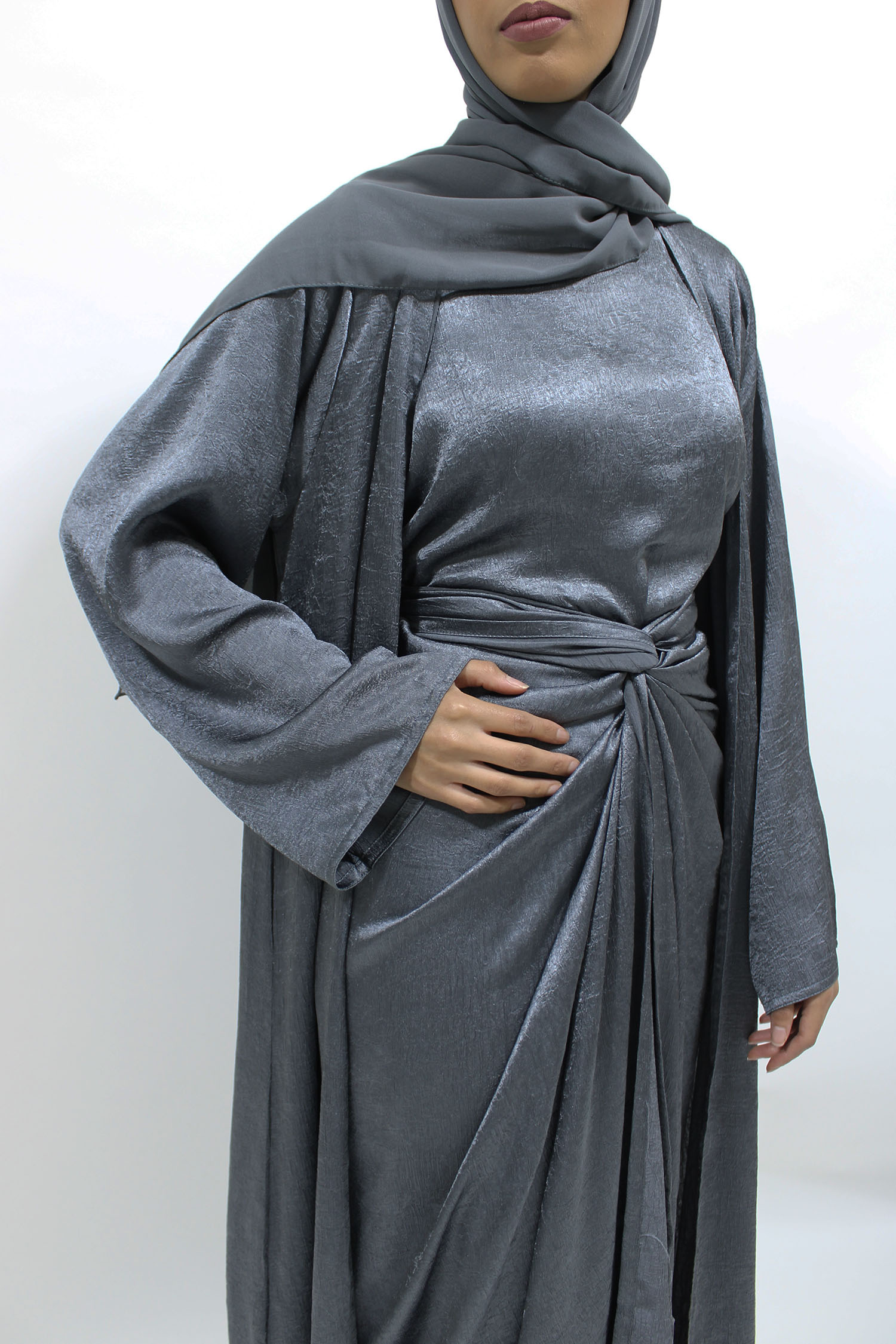
How to Spot a Truly Stylish Abaya: Beyond Fabric and Fit
When you walk into a store or browse online, what tells you an abaya is truly stylish? Is it the cut? The fabric? Or maybe the little details that catch your eye?
Most abayas share a similar silhouette, but what sets the stylish ones apart is often what you don’t immediately notice—how they make you feel, how they move with you, and how they respect your identity.
Material Matters: The Foundation of Comfort and Style
Imagine slipping into an abaya that feels like a gentle hug, not a suffocating cage. Fabrics like lightweight crepe, soft chiffon, and breathable cotton blends are game-changers. They keep you cool, elegant, and ready for whatever your day holds.
- Cotton blends: Best for everyday wear, breathable and easy to care for.
- Crepe: Flowy with a subtle texture that adds sophistication.
- Chiffon overlays: For layering and a touch of glamour without heaviness.
The Cut That Celebrates Your Shape
Gone are the days when modest fashion meant shapeless cloaks. Today’s stylish abayas honor your natural silhouette subtly, with thoughtful tailoring:
- Empire waists that create a gentle flare without clinging.
- Side slits that ease movement and add a whisper of flair.
- Defined sleeves that offer structure without restricting comfort.
Details That Speak Louder Than Words
Sometimes, it’s the small things that turn an abaya from ordinary to unforgettable. Embroidery, subtle beadwork, delicate buttons, or even a unique collar can tell your story without shouting.
What’s your favorite detail? For me, it’s the soft embroidery that feels like a personal touch, handmade just for me.
| Feature | What It Means | Why It Matters |
|---|---|---|
| Lightweight Fabric | Comfort & Breathability | Keeps you cool and confident all day |
| Tailored Fit | Subtle Elegance | Flattering silhouette that respects modesty |
| Unique Embellishments | Personal Expression | Adds character without overpowering |
At the end of the day, a stylish abaya is about how it makes you feel when you look in the mirror and step out the door. It’s confidence, comfort, and culture all woven into one.
But this is just the beginning—there’s so much more to uncover about choosing and styling your abaya that truly fits your life.
Why the Right Abaya Doesn’t Just Cover — It Empowers
Let me share something personal with you—when I first started wearing abayas regularly, I thought it was just about modesty, about covering up. But over time, I realized it’s so much more than that. The right abaya doesn’t just cover your body; it empowers your spirit, your identity, and your confidence. It’s a daily reminder of strength wrapped in fabric.
You’ve probably felt it too—the difference between throwing on something that just “does the job” and slipping into an abaya that makes you stand a little taller. That feeling, that energy, comes from more than fabric and stitching. It comes from knowing your clothing honors who you are, your values, and your style all at once.
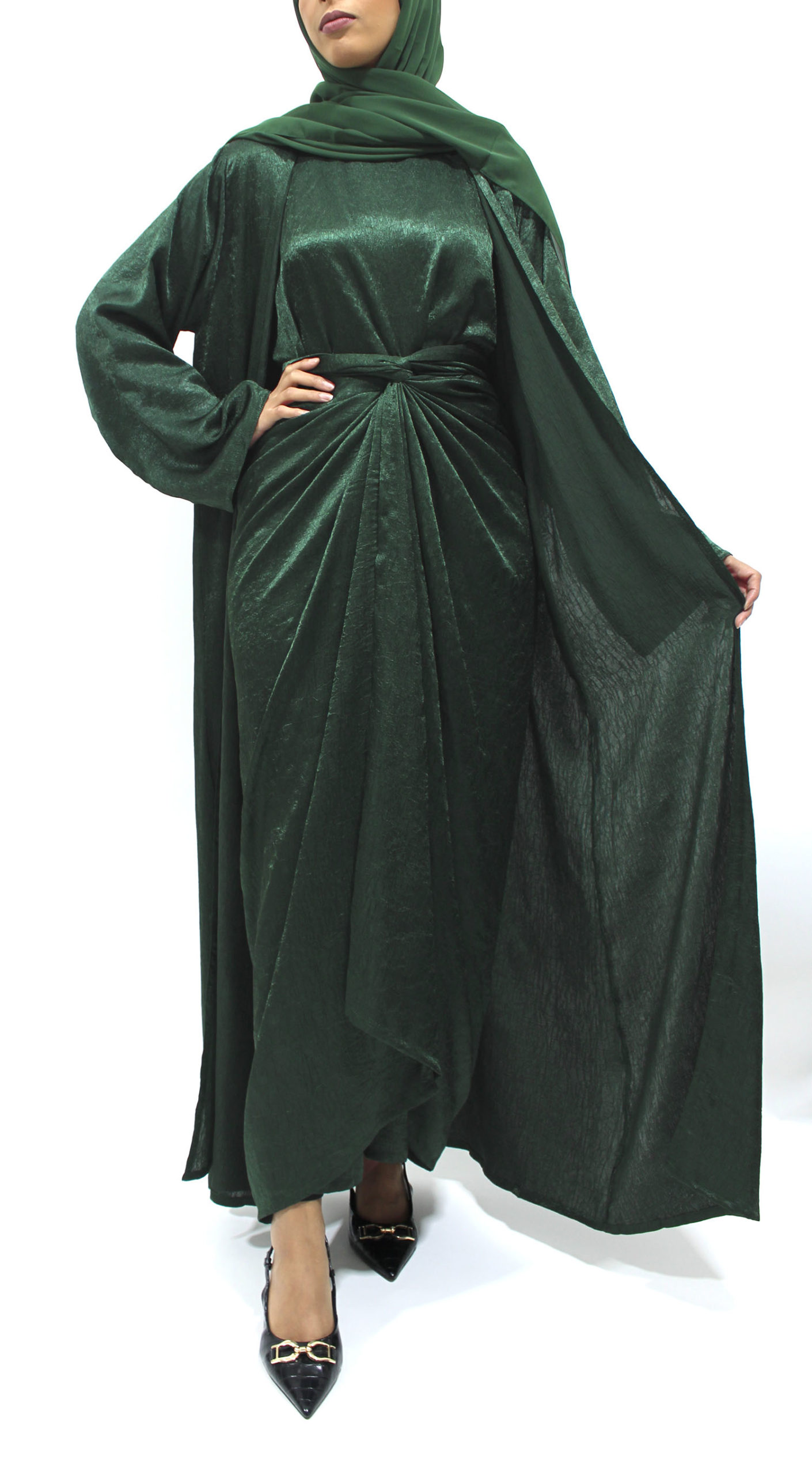
Clothing as Confidence: A Mindset Shift
For many of us, modest fashion isn’t about hiding. It’s about choosing to present ourselves on our own terms. When I wear a stylish abaya that fits perfectly and feels comfortable, I’m reminded daily that modesty can be bold. It doesn’t mean giving up personality or style; it means owning them in a way that respects tradition and modern life.
- Confidence booster: The right abaya lets you walk into any room knowing you belong there, without the anxiety of “Is this too much?” or “Is this too plain?”
- Personal statement: Your abaya becomes a reflection of your mood, your creativity, and your cultural pride.
- Empowerment through choice: When you pick an abaya that resonates with you, you’re making a powerful statement about self-respect and intention.
How Abayas Build Community and Connection
There’s an unspoken bond among women who choose modest fashion—especially abayas. Wearing one isn’t just a private act; it often sparks connection, shared smiles, and appreciation. I’ve had strangers compliment my abaya, and it led to beautiful conversations about heritage, faith, and style.
This sense of belonging is another layer of empowerment. It reminds us that modesty is also about respect—both for ourselves and others.
Empowerment Through Practicality and Comfort
Let’s be honest—no one feels empowered if they’re tugging at itchy fabric or worried about tripping over their abaya. Comfort is key. The abaya you choose should move with you, not against you. This means fabrics that breathe, cuts that allow freedom, and design that suits your daily rhythm.
- Soft, breathable materials that keep you cool during long days
- Flexible tailoring like side slits or adjustable sleeves for ease of movement
- Lightweight layering options for different seasons and occasions
| Empowerment Factor | What It Means | How It Affects You |
|---|---|---|
| Confidence in Appearance | Abaya that fits and flatters | Boosts self-esteem and presence |
| Comfort & Practicality | Breathable fabrics and functional cuts | Enables ease of movement and daily wearability |
| Cultural & Personal Expression | Designs that reflect identity | Builds pride and connection to community |
Here’s something else I want to highlight: empowerment through modesty isn’t about restrictions; it’s about liberation. It frees you from the pressure of fleeting trends or societal expectations that don’t align with your values.
So when you’re choosing your next abaya, ask yourself: “Does this make me feel strong? Seen? Like myself?” If the answer is yes, you’ve found more than just a piece of clothing—you’ve found a partner in your journey.
But there’s more to explore—how to marry fashion with function, and how to select abayas that evolve with you as seasons and styles change. Ready to dive deeper?
The New Language of Modesty: Style Meets Identity
When I first embraced wearing abayas, I didn’t realize I was learning a new language — one spoken through fabric, color, and cut. Modesty, in this sense, isn’t just about what you cover; it’s about how you express who you are. The abaya has evolved beyond a simple garment into a powerful medium for identity and self-expression. It’s as if every stitch and fold tells a story, your story.
You know, modest fashion has this incredible way of blending tradition with modernity. It speaks volumes without shouting. And in today’s world, where so many voices compete for attention, modest style quietly declares: “This is me, on my terms.”
How Modesty Translates to Style
What’s beautiful is that modesty isn’t a one-size-fits-all. The new wave of abayas invites creativity, from minimalist chic to bold statements. I remember shopping for my first “statement abaya” — a sleek, black piece with delicate embroidery down the sleeves. Wearing it felt like stepping into a new version of myself, one that was both deeply rooted in my faith and vibrantly contemporary.
- Customization: Personal touches like embroidery, lace, or even subtle beadwork make your abaya uniquely yours.
- Mixing textures: Combining silky fabrics with matte ones adds depth and intrigue, making modesty visually dynamic.
- Color storytelling: From classic black to jewel tones and pastels, colors can reflect your mood, culture, or season.

Identity in Every Thread
One of the things that touched me most was how abayas can act like a canvas for identity. For many Muslim women, this piece of clothing is woven deeply into the fabric of their daily lives and spirituality. I often hear from friends how their abayas connect them not only to their roots but also to the global sisterhood of modest fashion enthusiasts.
It’s like having a wearable conversation — a gentle nod to tradition combined with a bold step toward self-expression.
Balancing Tradition and Modernity
Let’s be honest, the tension between honoring tradition and embracing modern fashion can be tricky. But the new modest fashion movement is smashing those boundaries. Designers and wearers alike are proving you can respect your heritage and still be cutting-edge.
Here’s a quick breakdown of how abayas today strike this balance:
| Aspect | Traditional Approach | Modern Twist | Why It Works |
|---|---|---|---|
| Cut | Loose and flowing | Tailored silhouettes with structure | Maintains modesty while flattering the figure |
| Fabric | Heavy, opaque materials | Lightweight, breathable blends | Comfort and elegance for all-day wear |
| Design | Simple, monochrome | Intricate patterns, embroidery, color pops | Personalizes modesty and adds style points |
This mix of old and new helps modest fashion keep pace with women’s evolving roles and lifestyles without losing its soul.
Why Identity-Focused Modesty Matters
I want to pause here and really emphasize this: When your abaya reflects your identity, it becomes an extension of your voice. It tells the world you’re proud of your faith and your style — that you refuse to compromise either.
This is where empowerment meets artistry. It’s not about following trends blindly; it’s about curating a wardrobe that resonates with your beliefs and your personality.
Have you noticed how wearing an abaya that truly fits your style changes your day? How it shifts your mindset from “I’m covering” to “I’m expressing”? That shift is profound. And it’s exactly what modest fashion today aims to nurture.
But there’s so much more to this story — including how to choose pieces that honor your cultural roots while elevating your style game. Ready to dive deeper into making those choices?
How to Choose a Stylish Abaya That Flatters Your Body Without Compromise
Let’s get real for a second: finding an abaya that fits just right and makes you feel confident isn’t always straightforward. You’ve probably felt that frustration — the one where the abaya is either too baggy and shapeless or too tight and uncomfortable. I’ve been there. It’s like trying to find the sweet spot between modesty and style, comfort and elegance, tradition and modern fashion.
But here’s the truth: choosing an abaya that flatters your body doesn’t mean compromising your values or comfort. It’s absolutely possible to find a stylish piece that honors your modesty while celebrating your unique shape. And honestly, once you discover what works for your body, dressing becomes less of a chore and more of a joyful ritual.
Understanding Your Body Shape: The Foundation of Flattering Abayas
Before anything else, knowing your body shape helps you pick an abaya that complements your natural silhouette rather than hides it awkwardly. Here’s a quick rundown of the most common body types and the abaya styles that usually work best:
| Body Shape | Features | Recommended Abaya Style | Why It Works |
|---|---|---|---|
| Apple | Fuller midsection, slimmer legs | Empire waist or A-line abayas | Draws attention away from the midsection, highlights legs |
| Pear | Wider hips, narrower shoulders | Kaftan style or layered abayas | Balances proportions and adds volume on top |
| Hourglass | Defined waist with balanced hips and bust | Belted or tailored abayas | Emphasizes the waist while maintaining modesty |
| Rectangle | Balanced bust and hips with less defined waist | Abayas with ruffles or pleats | Adds curves and dimension |
Once you’ve identified your shape, you’re already one step closer to finding that perfect fit. Don’t worry — it’s not about forcing yourself into one style but understanding what enhances your confidence.
Fabric Matters: How Texture and Weight Affect Fit
One mistake I made early on was overlooking fabric choice. I thought any abaya would do as long as it covered. But the truth is, fabric changes everything. A lightweight chiffon abaya drapes differently than a heavy crepe or satin, and each has its own way of flattering or flattening your figure.
- Lightweight fabrics like chiffon or georgette create a flowy silhouette, perfect if you want a graceful, ethereal look.
- Medium-weight fabrics like crepe offer structure without stiffness, ideal for tailored or belted abayas.
- Heavier fabrics such as satin or thick cotton provide coverage and warmth but can add bulk if not cut thoughtfully.
Choosing the right fabric means thinking about your climate, occasion, and how much movement you want from your abaya. Personally, I adore crepe for everyday wear — it breathes well and maintains a clean line, which makes me feel put-together without fuss.
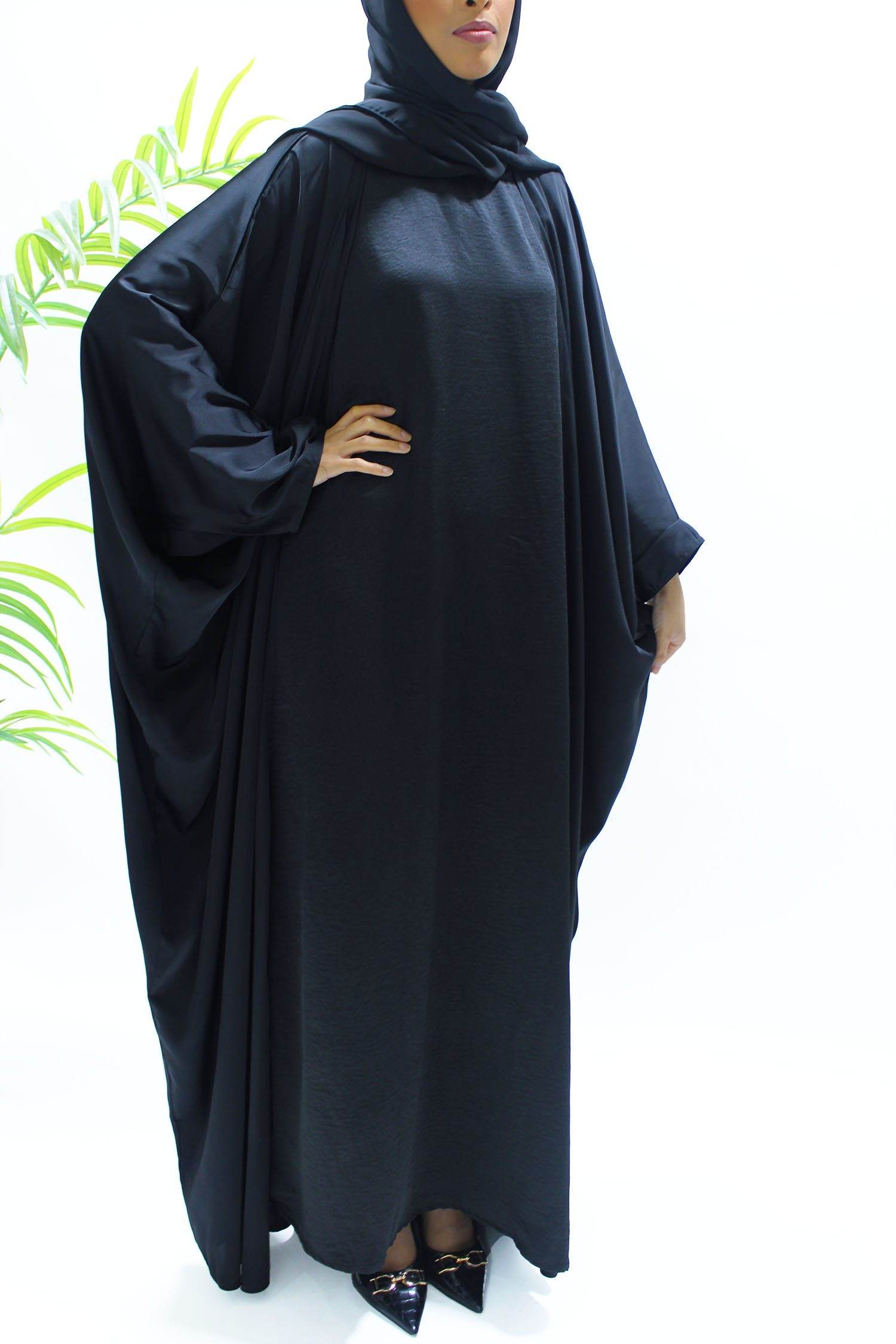
Details That Elevate: Sleeves, Necklines, and Embellishments
Subtle design details can be game-changers in how your abaya fits and flatters. Pay close attention to:
- Sleeve shape: Bell sleeves or cuffed styles can balance broader shoulders or add elegance to slimmer arms.
- Necklines: While abayas are traditionally modest, small variations like a slight V-neck or high collar can influence how your neckline frames your face.
- Embellishments: Embroidery, beading, or piping along strategic areas like cuffs, hems, or down the front can draw the eye and add dimension without overwhelming.
These details are often overlooked, but I promise they make a huge difference. When I wear an abaya with thoughtful embellishments, I get compliments and feel more confident — like my outfit is speaking for me.
Practical Tips: Trying On and Caring for Your Abaya
When shopping, try the abaya on with the shoes and hijab you plan to wear it with — this gives you the full picture of fit and flow. Don’t hesitate to move around; sit, walk, and check for any tight spots or awkward bunching.
Here’s a quick checklist I use when picking a new abaya:
- Does it cover well but still let me move freely?
- Does the fabric feel comfortable against my skin?
- Does the style highlight my favorite features without sacrificing modesty?
- Can I wear it to multiple occasions or is it too niche?
- Is the care easy — can I wash it at home or does it need special treatment?
And speaking of care — always read the label. Some beautiful abayas need gentle hand washing or dry cleaning to maintain their look. I’ve learned the hard way that a rushed laundry cycle can ruin delicate fabrics and embellishments.
Choosing an abaya is such a personal experience, and it’s about more than just fashion — it’s about how you feel when you wear it. When you find that perfect piece that flatters your body and honors your modesty, it feels like a quiet celebration of who you are.
Ready to explore more on styling and accessorizing your abaya? Let’s move on to the next step where we unlock the secrets of pairing accessories without losing the essence of modesty.
Modern vs. Traditional Abayas: How Today’s Women Blend Heritage With Edge
Let’s be honest: the abaya isn’t just a piece of clothing. It’s a symbol, a tradition, and for many of us, a statement of faith and identity. But if you’re anything like me, you’ve probably noticed that the lines between what’s “traditional” and what’s “modern” in abaya fashion have blurred quite a bit. And honestly, that’s a beautiful thing.
Growing up, I remember my mother’s abayas — classic black, flowing, modest, often with subtle embroidery or piping along the edges. They were elegant in their simplicity. Fast forward to today, and the abaya landscape is a vibrant playground of textures, colors, and daring cuts. The modern abaya embraces innovation without losing its soul.
Traditional Abayas: The Timeless Pillar
Traditional abayas have this timeless charm that’s hard to replicate. Typically:
- Color: Usually solid black or dark tones, symbolizing modesty and unity.
- Fabric: Lightweight crepe, satin, or chiffon for fluid movement.
- Cut: Loose and flowing with minimal tailoring to ensure full coverage.
- Details: Often very minimalistic — a subtle lace trim, simple embroidery on cuffs or hems.
There’s a certain comfort in wearing a traditional abaya because it feels like you’re carrying forward a heritage, a connection to generations of women who wore it before you. It’s classic, understated, and reliable.
Modern Abayas: Bold, Innovative, and Expressive
But modern abayas? They’re rewriting the narrative. I love how designers today play with:
- Colors & Patterns: From deep emerald greens and navy blues to soft pastels and even floral patterns, the palette is more exciting than ever.
- Fabric Innovations: Think mesh panels, laser-cut details, and mixed textures — blending traditional fabric with synthetic blends for durability and style.
- Tailoring: Sharper cuts, belts that cinch the waist, asymmetric hemlines, and layering that adds dimension without compromising modesty.
- Embellishments: Sequins, beads, metallic threads, and bold embroidery that make the abaya a statement piece.
What’s amazing is how these abayas are made for the woman who wants to honor her roots but also express her individuality. Wearing a modern abaya feels like telling the world: “I am proud of where I come from, and I am not afraid to evolve.”
How Women Today Seamlessly Blend Both Worlds
The beauty is that you don’t have to choose sides. Many women — including myself — blend traditional and modern elements to create looks that are personal and powerful. For example:
- Pairing a classic black abaya with a statement embroidered hijab.
- Wearing a modern cut abaya in a traditional fabric like satin or crepe.
- Adding subtle metallic accessories to a modest, flowing abaya.
- Choosing an abaya with classic tailoring but opting for bold colors or textures.
Comparison Table: Traditional vs. Modern Abayas
| Feature | Traditional Abayas | Modern Abayas |
|---|---|---|
| Color | Mostly black and dark tones | Wide range including pastels, bold colors, and patterns |
| Fabric | Lightweight crepe, satin, chiffon | Mixed textures, mesh, synthetic blends |
| Cut | Loose, flowing, minimal tailoring | Tailored cuts, belted waists, asymmetric hems |
| Details | Minimal embellishments, subtle embroidery | Bold embroidery, sequins, laser cuts, metallic threads |
| Expression | Tradition, modesty, uniformity | Individuality, fashion-forward, creativity |
What This Blend Means for You
Here’s the thing: whether you lean traditional, modern, or somewhere in between, the abaya is your canvas. You get to decide how you express your faith, your values, and your personality. I’ve found that embracing this blend makes me feel more connected to my faith and more confident in my everyday life.
Sometimes, I wear my mother’s classic black abaya for family gatherings — it feels like a warm hug from tradition. Other days, I opt for a modern, chic piece when meeting friends or attending events. Neither choice is better; they just reflect different sides of me. And that’s the beauty of abaya fashion today.
So next time you shop or dress up, think about what story you want to tell. Is it one of timeless elegance, bold innovation, or a harmonious mix of both? Whichever path you choose, own it. Because at the end of the day, your abaya is more than fabric — it’s your personal story woven in modesty and style.
Fabric Secrets the Fashion Industry Doesn’t Tell You About Abayas
Alright, let’s get real for a moment. When it comes to abayas, most people don’t realize how much the choice of fabric changes everything — from comfort to how you carry yourself to even how long your abaya lasts. I’ve been there, standing in stores or scrolling online, wondering which fabric will truly feel right against my skin, especially during those long days when you just want to feel confident without constantly adjusting or overheating.
So, I’m sharing the fabric secrets no one usually talks about. Because honestly, knowing your fabric is half the battle when it comes to finding that perfect abaya.
The Classic Fabrics: What They’re Really Like
Let’s start with the basics. You’ve probably heard about crepe, chiffon, satin, and polyester, but here’s what I’ve learned from experience:
- Crepe: This is the go-to for many traditional abayas. It has this lovely texture that’s slightly grainy but soft, and it drapes beautifully. The best part? Crepe is breathable and lightweight, which is a blessing in hot climates. But beware, not all crepes are created equal — some cheap versions can feel rough or stiff.
- Chiffon: Airy and sheer, chiffon is perfect for layering or for those who want a lighter, floaty look. It’s elegant but requires a lining or layering because it’s see-through. If you don’t like the feeling of anything too heavy, chiffon is your friend — just be gentle because it can snag easily.
- Satin: Satin abayas feel luxurious, with that smooth, almost glossy finish. They’re perfect for special occasions but can be tricky for everyday wear since satin can trap heat and show every crease. Also, satin is less forgiving when it comes to wrinkles.
- Polyester: This one gets a bad rap, but hear me out. Modern polyester blends have come a long way — they’re durable, wrinkle-resistant, and often more affordable. The downside? They’re less breathable, which can make you feel hot and uncomfortable if you’re not careful.
Hidden Gems: Fabrics That Surprise You
Beyond the classics, some newer fabrics are changing the game for abaya lovers. These materials combine comfort, style, and durability in ways that make you wonder why you ever settled for less:
- Jersey Knit: Yes, it sounds sporty, but jersey knit abayas are a revelation. Soft, stretchy, and breathable, they move with you and are great for everyday comfort. I’ve worn mine on busy days running errands or attending lectures — total lifesaver.
- Modal: A natural fiber made from beech trees, modal is super soft, breathable, and eco-friendly. It feels like a dream against your skin and keeps its shape even after many washes.
- Linen Blends: Pure linen is a bit stiff for abayas, but blends with cotton or rayon soften it. These blends offer a fresh, breathable feel that’s perfect for summer — plus, they have a natural, earthy texture that feels really grounding.
Table: Fabric Comparison for Abayas
| Fabric | Breathability | Durability | Care | Best For | Drawbacks |
|---|---|---|---|---|---|
| Crepe | High | Medium | Hand wash or delicate machine wash | Everyday wear, hot climates | Varies by quality; some can be stiff |
| Chiffon | High | Low | Hand wash recommended | Layering, special occasions | Delicate, see-through, prone to snags |
| Satin | Low | Medium | Dry clean or gentle hand wash | Formal events, luxury looks | Wrinkles easily, traps heat |
| Polyester | Low | High | Machine washable | Budget-friendly, wrinkle-resistant | Less breathable, can feel hot |
| Jersey Knit | High | High | Machine washable | Casual, active days | Can cling to body |
| Modal | High | High | Machine washable | Soft, sustainable choice | Limited availability |
| Linen Blends | High | Medium | Hand or machine wash | Summer wear, natural look | Wrinkles easily |
Why Knowing Your Fabric Matters More Than You Think
I’ve found that understanding the fabric you choose isn’t just about aesthetics or even comfort — it’s about how you feel in your abaya every single day. A breathable fabric lets you move freely without sweating buckets; a soft texture means less fussing with itchy seams or stiffness; a durable material ensures your investment lasts, saving you money and frustration.
Also, fabric plays a huge role in how modesty feels, not just looks. When an abaya clings or wrinkles constantly, you’re distracted. But the right fabric lets modesty shine effortlessly — you feel poised, confident, and comfortable all day long.
Final Thought
Next time you shop for an abaya, don’t just eyeball the color or design. Take a moment to touch the fabric, ask about its care, and imagine how it’ll feel after a full day out. Trust me, that little extra care can turn an average abaya into your favorite, go-to piece — one that feels like it was made just for you.
Season-Proof Your Look: Summer, Winter, and Transitional Abaya Styles
Let’s be honest — dressing modestly throughout the year can sometimes feel like a fashion puzzle. You want to stay true to your style and values, but then there’s the weather throwing curveballs: scorching summers, chilly winters, and those awkward in-between days where you can’t decide if you should layer up or breathe easy.
I’ve definitely been there — standing in front of my wardrobe, debating if this abaya is breathable enough for the heat or warm enough for a brisk evening walk. And trust me, it’s totally possible to season-proof your abaya collection without sacrificing style or comfort. Let me walk you through how I manage it, so you can breeze through every season confidently.
Summer Abayas: Light, Breathable, and Cool
Summer abayas are a whole different ball game. The goal? Stay cool without compromising modesty. The trick I swear by is fabric and cut.
- Fabric First: Think lightweight fabrics like cotton, linen blends, or high-quality crepe. These fabrics breathe, wick moisture, and keep you from feeling like you’re wrapped in a sauna.
- Loose Fits: I look for abayas with a relaxed, flowing cut. It lets air circulate and stops the clinginess that’s the worst in humid weather.
- Colors: I tend to pick lighter colors in summer — creams, pastels, or soft neutrals. Dark colors absorb heat and can make you sweat more, which no one wants.
Winter Abayas: Warmth Meets Modesty
Winter styling means layering like a pro without losing your modest touch. I love abayas made with thicker fabrics like wool blends, heavy crepes, or even velvets — yes, velvet abayas are a stunning winter statement!
- Layer Wisely: Underneath my abaya, I use thermal leggings or long sleeves made of breathable cotton or modal — they keep me warm but don’t bulk me up.
- Accessorize Smartly: Scarves, gloves, and even statement belts can keep the warmth in and elevate your look.
- Colors & Textures: Winter calls for deeper, richer tones — think jewel tones, navy, burgundy, or forest green. Textured fabrics add that cozy vibe too.
Transitional Abayas: The Art of Layering
Ah, the in-between seasons. Those tricky days where mornings are crisp but afternoons can get warm. The key here is versatility.
- Medium-Weight Fabrics: Crepe blends and jersey knits work beautifully in transitional weather. They’re light enough to prevent overheating but dense enough to keep chills at bay.
- Layer with Intention: A stylish jacket, open-front cardigan, or even a lightweight shawl can add dimension and warmth that you can take off easily when the sun peaks out.
- Play with Lengths: Sometimes, shorter abayas layered over a long dress or maxi skirt help balance warmth and airiness perfectly.
Table: Seasonal Fabric and Style Guide for Abayas
| Season | Recommended Fabrics | Best Colors | Styling Tips | Common Mistakes |
|---|---|---|---|---|
| Summer | Cotton, Linen blends, Lightweight Crepe | Light neutrals, pastels, soft tones | Loose fit, breathable fabrics, minimal layering | Dark colors, heavy fabrics, tight cuts |
| Winter | Wool blends, Velvet, Heavy Crepe | Jewel tones, deep hues, rich textures | Layer under with thermals, use scarves, gloves | Thin fabrics, lack of layers, ignoring accessories |
| Transitional | Crepe blends, Jersey knit, Medium-weight fabrics | Mix of neutrals and mid-tones | Layer with cardigans, shawls; play with lengths | Over-layering or under-layering, ignoring weather shifts |
How I Season-Proof My Abaya Wardrobe
Personally, I invest in a few key pieces each season rather than a completely new wardrobe. A lightweight, breathable summer abaya becomes my layering piece come fall, and a heavier winter abaya is reserved for those colder days with scarves and gloves as my trusty companions.
Also, don’t underestimate the power of accessories! The right scarf fabric and color can shift your whole look and function for any season. And a good-quality undercap or inner shirt can make all the difference — it helps with warmth in winter and sweat absorption in summer.
By understanding fabric and fit deeply, you stop fighting the weather and start embracing your abaya as the versatile, empowering garment it’s meant to be.
Final Thought
Modest fashion is a journey, and it’s personal. No two wardrobes look the same, and that’s the beauty of it. Season-proofing your abaya look is about mixing wisdom with creativity — knowing your fabrics, listening to your body, and adapting without ever compromising your identity or comfort.
So, the next time you face that seasonal wardrobe dilemma, remember: your abaya can do it all — if you just let it. You’ve got this.
Color Psychology in Abayas: What Your Palette Says About You
Ever notice how the colors we choose to wear can feel like a secret language? Honestly, I never paid much attention to it until one day, while picking out an abaya, I realized I was reaching for the same shade of navy blue over and over again. It wasn’t just about style—it was about how that color made me feel. And that’s when it hit me: colors tell stories, express emotions, and even shape how others see us, especially when it comes to something as personal as an abaya.
Let me take you through how color psychology plays a surprisingly powerful role in modest fashion. This isn’t just a trend or a fleeting style tip — it’s about how the hues you wrap yourself in reflect your mood, your personality, and your identity.
Why Color Matters More Than You Think
Colors aren’t just eye candy. They evoke feelings, influence moods, and send signals — sometimes without us even realizing. When I wear a soft pastel, I feel calm, approachable, and gentle. But when I throw on a bold black or deep burgundy abaya, there’s this surge of confidence and strength. It’s like the fabric isn’t just covering me; it’s empowering me.
In Islamic modest fashion, the choice of color has layers of meaning beyond aesthetics:
- Personal Expression: Your abaya’s color speaks volumes about your mood and personality that day.
- Cultural and Religious Symbolism: Certain colors carry spiritual significance or cultural heritage, subtly communicating respect and tradition.
- Social Context: Colors can signal formality, celebration, or even social status.
Color Meanings: What Your Abaya Says Without You Saying a Word
Here’s a table I put together to break down some common abaya colors and what they often convey. Spoiler: it’s not just about looking good!
| Color | Emotional Vibe | Typical Occasions | What It Communicates |
|---|---|---|---|
| Black | Power, Elegance, Mystery | Everyday, Formal Events | Authority, sophistication, timelessness |
| Navy Blue | Calm, Trustworthy, Professional | Work, Social Gatherings | Reliability, confidence, serenity |
| White | Purity, Peace, Simplicity | Religious Ceremonies, Weddings | Cleanliness, spirituality, new beginnings |
| Burgundy | Richness, Warmth, Passion | Evenings, Celebrations | Luxury, confidence, warmth |
| Pastels (Pink, Mint, Lavender) | Softness, Femininity, Calm | Casual, Daytime Events | Gentleness, approachability, freshness |
| Earth Tones (Beige, Olive, Brown) | Grounded, Natural, Warm | Casual, Outdoor, Everyday | Stability, nature, simplicity |
How I Choose My Abaya Colors Based on Mood and Occasion
Some days, I want to feel grounded and calm, so I’ll lean towards earth tones — something like olive or warm beige. It feels like a gentle hug from nature itself. Other days, especially when I’m heading to important meetings or want to feel unstoppable, I reach for black or navy because those colors give me a quiet confidence boost.
But here’s the thing: there’s no right or wrong. The best abaya color is the one that makes you feel like *you*. Maybe it’s the soft blush pink that reminds you of your grandmother’s kindness or the deep green that echoes your love for the outdoors. Your abaya is an extension of your story — your palette is your personal poetry.
Balancing Tradition with Modern Color Trends
Yes, black abayas will always be classic, but modern modest fashion embraces a vibrant spectrum. I’ve noticed more women experimenting with color-blocking, subtle embroidery in metallic hues, and pastel shades that brighten even the dullest days.
In fact, blending traditional styles with modern colors can be a beautiful way to honor your heritage while expressing your individuality. Wearing a pastel abaya with traditional cuts, or a rich burgundy with minimalist designs, can create a stunning balance that feels both timeless and fresh.
Quick Tips for Incorporating Color Thoughtfully
- Start small: If you’re unsure about bold colors, try accessories like scarves or bags first.
- Consider skin tone: Some colors naturally highlight your complexion better and boost your confidence.
- Match mood to color: Let your feelings guide your choice; fashion is emotional, not just visual.
- Respect occasion: Be mindful of cultural and religious contexts when choosing bright or unconventional colors.
Final Thought
Color isn’t just decoration; it’s a powerful form of self-expression and connection. When you pick your abaya’s palette thoughtfully, you’re doing more than dressing modestly — you’re communicating who you are without saying a word. So next time you stand in front of your closet, pause and ask: “What does my abaya color say about me today?” You might be surprised how much your answer reveals — to yourself and the world.
What Makes an Abaya ‘Stylish’ in 2025? Design Trends You Need to Know
You know, fashion never really stands still — and that goes double for abayas. If you told me ten years ago that one day, modest fashion would be at the cutting edge of global style, I’d have smiled and nodded, but secretly wondered how that would even happen. Well, 2025 is here, and trust me, “stylish” abayas today are redefining what modesty means without sacrificing personality or flair. I’ve spent countless afternoons scrolling, shopping, and experimenting, and I’m excited to share what’s actually turning heads right now.
Let’s be honest — the abaya isn’t just a piece of clothing for many of us. It’s a statement. It’s tradition and modernity woven into fabric, a canvas for personal expression, and yes, a way to feel truly empowered. So what does “stylish” mean in 2025? It’s about innovation with respect, comfort with boldness, and designs that speak your language.
1. Minimalism Meets Detail: The Art of Subtle Statements
Gone are the days when “simple” meant plain or boring. In 2025, the coolest abayas embrace minimalist silhouettes but with clever details that catch your eye—think delicate embroidery along cuffs, asymmetrical hems, or unexpected slits that maintain modesty but add movement and grace.
I love how these pieces feel fresh yet timeless, like a secret only you know. It’s that quiet confidence in design that’s truly stylish.
2. Sustainable Fabrics: The Fashion Revolution
Honestly, nothing says stylish like caring for the planet while looking amazing. Sustainable and eco-friendly fabrics are not just buzzwords — they’re a full-on movement shaping the abaya world. From organic cotton blends to recycled polyester, designers are focused on materials that feel good on the skin and don’t cost the earth.
This means breathable, soft, and durable fabrics that work for all-day wear—especially important when modest fashion needs to balance tradition with practicality.
3. Mixing Textures for a Modern Twist
If you’ve ever wondered how to add dimension to your abaya without going overboard, texture mixing is the trick. Picture this: a smooth satin finish paired with matte chiffon panels, or crepe fabric accented with lace trims. It’s like giving your outfit depth and personality without shouting for attention.
| Fabric Combination | Effect | Why It Works |
|---|---|---|
| Satin & Chiffon | Luxurious yet airy | Balance between shine and softness |
| Crepe & Lace | Elegant texture contrast | Adds femininity and visual interest |
| Velvet & Silk | Rich, opulent feel | Perfect for formal or evening wear |
4. Statement Sleeves Are Here to Stay
I’ve got to admit, sleeves have become my favorite way to express style without losing modesty. Balloon, bishop, and flared sleeves are dominating abaya designs — adding drama and movement while keeping everything modest and elegant.
What’s beautiful is how these sleeves turn a simple abaya into a conversation starter. They also let you play with volume and proportion, which can be flattering for every body type.
5. Play with Layering and Cuts
Layering has become more than a practical solution; it’s a style move. Lightweight outer layers, capes, or even detachable overlays let you customize your abaya look effortlessly.
Also, modern cuts are playing with asymmetric hemlines, side slits, and belts to create silhouette variety without compromising modesty. It’s like fashion finally understood that modest dressing can be bold and creative at the same time.
6. Color Pops and Prints – Beyond Black
While black will always be a staple, 2025 abayas are boldly embracing color. Jewel tones like emerald, sapphire, and ruby are huge, while soft pastels and even subtle geometric prints are gaining ground.
I’ve found that incorporating these colors not only refreshes my wardrobe but also lets me match my abaya to my mood or the occasion in a way that feels authentic and joyful.
Summary Table: 2025 Abaya Design Trends at a Glance
| Trend | Description | Why It Matters |
|---|---|---|
| Minimalist Details | Clean lines with subtle accents | Timeless, versatile, and elegant |
| Sustainable Fabrics | Eco-friendly, breathable materials | Comfortable and planet-conscious |
| Texture Mixing | Combining different fabric finishes | Adds depth and sophistication |
| Statement Sleeves | Balloon, bishop, flared styles | Elevates modest fashion with drama |
| Layering & Cuts | Asymmetric hems, capes, overlays | Customization and silhouette variety |
| Color & Prints | Jewel tones and subtle patterns | Expressive, joyful, and fresh |
Wrapping Up
To me, a stylish abaya in 2025 isn’t about blindly following trends. It’s about embracing designs that honor tradition but speak your modern truth. It’s about fabrics that feel like a second skin and details that make you smile when you catch your reflection. It’s about knowing that modesty and style aren’t opposites — they’re partners. So, when you next shop or style your abaya, look beyond the surface. Feel the story, the texture, the spirit of the design. Because that’s what makes it truly stylish.
The Art of Minimalism: Elevating Your Look with Subtle Statement Pieces
Let me be real with you — there’s something quietly powerful about minimalism. It’s not about shouting from the rooftops; it’s about speaking with intention and letting every piece you wear tell a story without overwhelming the senses. When it comes to abayas, minimalism isn’t just a style choice — it’s a philosophy. It’s about choosing subtle statement pieces that elevate your look with grace, elegance, and a whisper of personality.
I’ve spent years experimenting with both bold, elaborate designs and pared-down simplicity, and honestly? Minimalism wins every time for everyday wear. It’s versatile, timeless, and incredibly empowering. Here’s why this approach feels so right for modern modest fashion — and how you can make it work for you.
Why Minimalism Feels So Authentic
First, minimalism respects the very essence of modest fashion. When your abaya speaks softly through clean lines and refined details, it doesn’t compete with your presence — it complements it. It’s like giving your natural confidence the stage it deserves. You don’t need excessive embellishments to feel seen or stylish.
Plus, minimalism means less fuss. No stress about clashing patterns or over-accessorizing. The focus stays on quality fabrics, perfect cuts, and those tiny details that make you smile when you catch a glimpse of yourself in the mirror. It’s comfort with elegance, simplicity with soul.
Subtle Statement Pieces: What Are They Really?
Think delicate embroidery that catches the light just right, a hint of piping along the sleeves, or an unexpected cutout detail in a place that’s still modest but totally chic. These are the accents that turn a basic abaya into something special without shouting “look at me.”
For example, I own an abaya with a tiny metallic thread running along the cuff. It’s so subtle that most people wouldn’t notice, but it makes me feel polished and put-together every time I wear it. Those little touches are like quiet affirmations of style — they say you care about your look without needing to prove it.
Table: Minimalist Elements to Elevate Your Abaya
| Element | Description | Why It Works |
|---|---|---|
| Fine Embroidery | Delicate patterns on sleeves or hems | Adds texture and elegance without bulk |
| Monochrome Palette | Single-color outfits with tonal variations | Keeps look cohesive and visually calming |
| Subtle Hardware | Small buttons, clasps, or zipper details | Offers understated sophistication |
| Clean Silhouettes | Simple cuts with perfect tailoring | Flattering shapes that don’t overwhelm |
| Soft Textures | Lightweight fabrics with smooth finishes | Comfortable and visually appealing |
How I Approach Minimalism in My Wardrobe
I’ve learned that minimalism isn’t about having less — it’s about having the right things. So when I shop for abayas, I look for pieces that offer versatility and subtle beauty. A perfectly cut black abaya with a satin trim can become my go-to for work or social events alike. It’s those small details that make all the difference.
Another trick I swear by is pairing minimalist abayas with thoughtful accessories. A sleek hijab pin, a simple leather bag, or classic flats can elevate the entire look without stealing the spotlight. It’s about harmony, not noise.
Why Minimalism Works for Every Occasion
One of the biggest perks? Minimalist abayas adapt effortlessly. Whether it’s a casual day out, a family gathering, or even a more formal occasion, your abaya will never feel out of place. It gives you room to personalize your style with makeup, jewelry, or even a statement handbag without clashing.
Plus, when everything is so well thought out, you end up saving time and mental energy. Dressing becomes less of a chore and more of a joy — you know your outfit will feel right because it reflects your values and your personality.
In Closing: Minimalism Isn’t Just a Trend — It’s a Way of Life
If you’ve ever felt overwhelmed by fashion’s fast pace or unsure how to balance modesty with style, minimalism offers a beautiful solution. It’s about crafting a wardrobe where each piece feels intentional and meaningful, where elegance meets ease.
So next time you pick out an abaya, think about those subtle statement pieces that make you feel uniquely you — without needing to say a word. Because that’s the real power of minimalism: it lets your inner confidence shine through, effortlessly and beautifully.
How to Style Your Abaya for Work, Weddings, and Everyday Elegance
Styling an abaya isn’t just about throwing on a piece of clothing; it’s an art — a way to express your mood, your purpose, and your identity in any setting. Whether you’re heading to the office, attending a wedding, or just running errands, your abaya can be your canvas for elegance, confidence, and comfort. I’ve been there—wondering how to keep things fresh and polished without losing that modesty we cherish. So let’s dive into how you can style your abaya perfectly for any occasion, while still feeling like your authentic self.
Workwear Abaya: Power and Poise with a Touch of Simplicity
Workwear calls for balance — professionalism with modest charm. I’ve learned that the best abayas for work are those that are tailored, structured, and easy to move in. You want to feel empowered without feeling constricted.
Tips for work-appropriate abayas:
- Stick to neutral tones: Black, navy, beige, or deep charcoal give off that polished vibe without drawing too much attention.
- Choose fabrics that breathe: Lightweight crepe or matte satin keeps you cool during long meetings.
- Subtle detailing: Think clean lines, minimal embroidery, or a delicate cuff detail — nothing flashy, but enough to feel special.
- Pair with structured accessories: A sleek leather tote and classic pumps or loafers complete the look.
| Workwear Styling Element | Example | Why It Works |
|---|---|---|
| Tailored Silhouette | Abaya with subtle darts or seams | Creates a streamlined, professional look |
| Matte Fabrics | Crepe or soft cotton blends | Breathable and non-distracting |
| Minimal Accessories | Simple watches, stud earrings | Keeps focus on your professionalism |
Wedding Abayas: Celebrate with Glamour and Grace
Weddings are special — moments where you want to shine, but also honor tradition and modesty. My advice? Choose abayas that feel luxurious but not overdone. Embroidery, beadwork, or subtle shimmer can elevate your look without going overboard.
Key points for wedding abayas:
- Rich fabrics: Silk blends, chiffon overlays, or velvet add that celebratory texture.
- Elegant embellishments: Lace trims, pearl details, or delicate sequins can make you glow.
- Play with layers: Long sleeves with sheer sleeves or cape-style overlays can be stunning.
- Accessorize smartly: Choose a clutch and heels that complement but don’t overpower your abaya.
| Wedding Abaya Feature | Example | Styling Benefit |
|---|---|---|
| Embellished Neckline | Beading or pearl accents | Draws attention tastefully |
| Flowy Silhouettes | Layered chiffon or soft crepe | Adds romantic movement |
| Statement Hijab Pins | Gemstone or floral designs | Completes elegant looks |
Everyday Elegance: Casual Yet Chic Abaya Styling
Let’s be honest — not every day is about formality. Sometimes you just want to feel put-together while grabbing coffee or visiting family. I love mixing simple abayas with comfortable, stylish pieces for those moments.
Here’s how I style abayas for everyday life:
- Soft fabrics: Jersey or modal blends that drape beautifully.
- Easy cuts: A-line or kimono shapes that allow movement and comfort.
- Neutral or pastel colors: Subtle tones that feel fresh and easygoing.
- Casual accessories: Sneakers, crossbody bags, and lightweight scarves.
| Everyday Styling Element | Example | Why It Works |
|---|---|---|
| Comfort-Focused Fabrics | Soft jersey or modal | Keeps you cozy without bulk |
| Simple Cuts | A-line abaya with side pockets | Practical and flattering |
| Casual Footwear | Minimalist sneakers or flats | Supports all-day wear |
Final Thoughts: Your Abaya, Your Story
Styling your abaya should never feel like a restriction. It’s your way of telling the world who you are, every day — with intention, grace, and confidence. Whether you’re powering through meetings, celebrating love, or just savoring the little moments, your abaya can be your best companion.
Remember, the key is to find pieces that resonate with your lifestyle and personality. Mix and match, experiment with textures and accessories, and above all, wear what makes you feel like the most authentic and beautiful version of yourself. Because modest fashion isn’t about hiding — it’s about shining in a way only you can.
Flow, Fit, and Flair: Mastering the Silhouette That Moves With You
Let’s get real—finding an abaya that truly fits right is like finding a soulmate. You know, that perfect balance of comfort and style that just *feels* like it was made for you. I’ve spent years learning that it’s not just about size or length, but how the silhouette moves with your body, embraces your shape without constricting it, and makes you want to twirl in joy rather than tug all day long. This is where flow, fit, and flair come together to create magic.
Why Silhouette Matters More Than You Think
When I first started wearing abayas seriously, I thought “one size fits all” was the truth—boy, was I wrong. The silhouette of your abaya dictates how comfortable you feel, how confident you look, and how you express your modesty with style. It’s the difference between feeling like you’re swimming in fabric and moving like you’re gliding on air.
There are three main things I look at when choosing the perfect abaya silhouette:
- Flow: Does the fabric move gracefully when you walk? Is it light enough to breathe but heavy enough to maintain shape?
- Fit: Does it flatter your body shape without being tight? Is there room for layering if needed?
- Flair: Does it have that little something — a sleeve detail, a cut, an embellishment — that adds personality?
Common Abaya Silhouettes & What Works Best for You
Here’s a quick guide based on my personal experience and what I’ve seen my sisters love. I’ve created a little table to help you match your body type with an abaya silhouette that’s a total game-changer.
| Body Shape | Recommended Silhouette | Why It Works |
|---|---|---|
| Petite | Fitted at the waist, A-line flare | Creates height illusion, avoids overwhelming frame |
| Curvy | Flowy with empire waist or open front styles | Enhances curves softly, allows layering underneath |
| Tall & Slim | Straight cuts or structured capes | Maintains elegance without looking boxy |
| Apple-Shaped | Loose fit with subtle shaping at bust | Balances midsection while maintaining modesty |
Flow: Why Fabric Choice Changes Everything
I can’t emphasize enough how fabric makes or breaks the flow. Imagine walking on a warm day in a heavy polyester abaya — it’s a nightmare. But silk blends or crepe fabric that sways with you? Pure joy. When I pick an abaya, I test the fabric by moving my arms, twirling a little, even sitting down to make sure it doesn’t cling or lose shape.
- Light fabrics: Chiffon, silk blends, georgette — great for airy movement.
- Heavier fabrics: Crepe, satin — hold shape well but still allow flow if cut right.
- Stretch fabrics: Jersey or modal blends offer comfort and ease but watch for clinginess.
Fit: Comfort Without Compromise
Fit is a negotiation — you want to respect your modesty but not sacrifice ease. My best advice? Avoid anything too tight or too loose. Oversized abayas can drown your frame, but skin-tight ones defeat the purpose of modesty. Always look for features like adjustable cuffs, side slits, or built-in belts that help you customize the fit.
Flair: Subtle Details That Make You Feel Special
Flair is the personality of your abaya. It could be lace trims on the sleeves, embroidered cuffs, or a bold pocket detail. These little touches make you feel like the abaya wasn’t just picked off a rack but chosen with love.
Remember, it’s not about flashy bling but the kind of flair that speaks softly but confidently about who you are.
My Go-To Tips for Mastering Silhouette
- Try before you buy, move in it, sit in it, live in it for a few minutes.
- Think about layering—can you add a cardigan or long-sleeve top underneath without feeling bulky?
- Don’t shy away from tailoring — sometimes a small nip or tuck makes all the difference.
Final Thoughts
Mastering your abaya silhouette isn’t just fashion—it’s freedom. Freedom to move, to breathe, to express. It’s about wearing your modesty like a second skin that feels like home. And once you find that sweet spot between flow, fit, and flair? Trust me, you’ll feel unstoppable every time you step outside.
Accessorizing With Intention: Belts, Bags, and the Power of Restraint
You know that feeling when you look in the mirror and something just *clicks*? It’s not always about the abaya itself—it’s often the little extras, the accessories that elevate your whole look without stealing the spotlight. But here’s the catch: accessorizing with intention is a fine art. Too much, and you risk overwhelming your modest style; too little, and your outfit might feel unfinished. I’ve learned, sometimes the most powerful statement is made through restraint.
The Magic of the Right Belt
Let’s start with belts. I can’t tell you how many times a simple belt has transformed an abaya from “just wearable” to “wow, look at that.” The trick is choosing a belt that complements rather than competes. For me, a slim leather belt in neutral tones can define your waist gracefully, creating that perfect hourglass shape without compromising modesty. Sometimes, a fabric belt tied softly at the waist can add an effortless, boho vibe that feels relaxed yet put together.
- Leather belts: Best for structure, adding definition without bulk.
- Fabric belts: Great for softness and flow; can double as a color accent.
- Embellished belts: Use sparingly, maybe for special occasions to add sparkle.
Choosing the Right Bag: Function Meets Fashion
Moving on to bags—oh, the endless choices! Here’s my honest take: your bag should first serve your daily needs. But why not have it look gorgeous while doing so? A bag with clean lines, in classic colors like black, beige, or soft pastels, pairs beautifully with any abaya style. If you’re stepping out for a wedding or event, a small clutch with subtle beadwork can be your best friend.
| Bag Type | When to Use | Style Tip |
|---|---|---|
| Tote | Everyday errands, work | Choose leather or sturdy fabric with minimal embellishment |
| Crossbody | Casual outings, hands-free convenience | Opt for neutral colors for versatility |
| Clutch | Weddings, formal events | Embellishments like beads or subtle sequins add elegance |
The Power of Restraint: Why Less is Often More
I’ve watched too many friends over-accessorize and end up feeling like their abaya is just a backdrop for their jewelry or accessories—and that’s not what modest fashion is about. When you wear an abaya, your modesty is your statement, your vibe. Accessories should *support* that, not drown it out.
When I’m dressing, I ask myself:
- Does this add to my look or take away from the simplicity I love?
- Is this accessory comfortable to wear for hours?
- Does this feel authentic to me, or am I wearing it just because it’s trendy?
Answering these honestly helps me stay true to my style without getting caught up in the pressure to accessorize “just because.”
Quick Accessorizing Tips That Feel Natural
- Start small: A delicate bracelet or a thin ring can add charm without shouting.
- Match metals: Stick to one metal tone—gold, silver, or rose gold—for a cohesive look.
- Use scarves wisely: A printed or textured hijab can act as an accessory itself.
- Consider shoes: Neutral, elegant flats or low heels keep the outfit grounded and practical.
Real Talk: The Balance Between Functionality and Flair
Here’s a confession: I love accessories, but only if they make life easier or add a spark to my day. I once tried piling on statement pieces for a party, and honestly? I ended up fussing with my jewelry all night and forgot to enjoy myself. Since then, I’ve embraced a “less but better” mindset.
For women embracing modest fashion, accessories should be an extension of your inner confidence—not a mask or distraction. Whether it’s a belt that cinches just right, a bag that fits all your essentials, or a simple pendant necklace, the best accessories are the ones that make you feel like *you.*
Final Thought: Curate Your Accessory Story
Remember, your abaya tells a story. Your accessories? They’re the punctuation marks. They highlight your personality, your mood, your values. When you accessorize with intention, you’re not just dressing; you’re communicating — subtly, beautifully, authentically.
So next time you pick up that belt or handbag, ask yourself: “Does this complete my story, or clutter it?” When the answer leans towards completion, you’ll know you’ve accessorized with heart.
Hijab + Abaya Pairings That Actually Make Sense
Honestly, pairing a hijab with an abaya isn’t just about throwing on any scarf and calling it a day. You’ve probably felt the struggle — standing in front of your closet, holding a hijab, and wondering, “Will this actually work with my abaya, or am I about to ruin the whole look?” Trust me, I’ve been there more times than I can count. But the truth is, when done right, hijab and abaya pairings can be a beautiful expression of harmony, style, and modesty all at once.
Why Pairing Matters More Than You Think
When I first started embracing modest fashion, I thought any hijab would do with any abaya. But what I quickly learned is that the right pairing makes the difference between “meh” and “mesmerizing.” It’s about balance — balancing colors, textures, and even the vibe you want to give off.
- Color Harmony: Sometimes matching is great, but other times contrast creates a bold, fresh look.
- Texture Play: Pairing a smooth silk hijab with a matte abaya, or vice versa, can add depth and interest.
- Style Sync: Casual abayas with lightweight cotton hijabs for everyday, or luxurious satin hijabs with embellished abayas for special occasions.
Table: Hijab Fabric vs. Abaya Fabric – Perfect Pairings
| Hijab Fabric | Best Abaya Fabric Pairing | Why It Works | Ideal Occasion |
|---|---|---|---|
| Chiffon | Crepe or Lightweight Cotton | Soft flow creates an elegant, breathable look | Daily wear, casual outings |
| Silk | Embroidered or Satin Abaya | Luxurious textures complement each other for special events | Weddings, formal occasions |
| Jersey | Thicker cotton or linen blends | Comfortable and stretchy for all-day wear | Work, school, errands |
| Viscose | Flowy polyester or georgette | Breathability with gentle drape, perfect for transitional weather | Spring, fall, casual events |
Mastering Color Coordination Without Overthinking
Here’s a little secret I discovered: you don’t always have to be a color wheel expert to nail your hijab-abaya combo. Sometimes the simplest rules save the day:
- Monochrome Magic: Wearing shades of the same color creates a sleek, elongating effect. For example, a deep navy abaya with a light blue hijab can feel fresh and intentional.
- Neutral Balance: Pairing a boldly colored abaya with a neutral hijab (black, white, beige) grounds your outfit effortlessly.
- Pop of Color: If your abaya is neutral, don’t be afraid to add a brightly colored hijab to add personality.
Layering and Draping Tips That Change Everything
The way you drape your hijab also impacts the overall look. I love playing with styles depending on the occasion:
- Loose Drapes: Casual, airy, and perfect for summer days. Works well with flowy abayas.
- Structured Wraps: Clean lines for professional or formal settings.
- Layered Styles: Adding a second scarf for texture or modesty on chillier days.
And here’s a little personal tip: always carry a few hijab pins or small accessories to tweak your look throughout the day. Sometimes it’s those tiny adjustments that make you feel most confident.
Real Talk: The Confidence Boost of the Right Pairing
Pairing your hijab with your abaya isn’t just a style choice—it’s an act of self-expression and self-care. When I find that perfect combo, it’s like my whole day shifts. I walk taller, smile easier, and feel deeply connected to my identity and faith. Isn’t that what modest fashion is truly about? Feeling comfortable in your skin, honoring your values, and still shining your light?
Quick Checklist for Effortless Pairings
- Check the fabric weights—light with light, heavy with heavy.
- Decide your color story before picking your hijab.
- Consider the event: casual, work, or special occasion.
- Play with draping styles that suit your mood and outfit.
At the end of the day, the best pairing is the one that feels right to *you*. Trust your instincts—they know what’s stylish and modest in your world.
Style by Region: What Women Are Wearing in Dubai, London, and Kuala Lumpur
Let me tell you, modest fashion is truly a global conversation — and it’s fascinating how culture, climate, and lifestyle shape the way women wear their abayas in different corners of the world. I’ve always been curious about how the same garment can express such unique stories depending on where you are. So, I dived deep into the styles that define three iconic cities: Dubai, London, and Kuala Lumpur. Spoiler alert: each place has its own “flavor,” and it’s beautiful to see how tradition meets modernity in such distinct ways.
Dubai: Glamour Meets Tradition in the Desert
If you’ve ever visited or watched fashion stories from Dubai, you know the abaya game there is on a whole different level. It’s a city where luxury is woven into everyday life, and modest fashion reflects that vibe. Women in Dubai tend to favor abayas that combine classic modesty with modern flair — think intricate embroidery, subtle shimmer, and designer labels that scream elegance without saying a word.
- Fabric choices: Lightweight chiffons and silks are popular because of the heat, but with layering that keeps modesty intact.
- Design features: Embellishments like sequins, pearls, and lace details elevate the abaya from simple to statement.
- Color palette: While black remains a staple, you’ll also see a tasteful embrace of muted golds, navy, and even soft pastels for daytime looks.
It’s not just about looking good—it’s about feeling powerful and connected to a rich cultural heritage that embraces evolution without losing its roots.
London: Subtle, Chic, and Versatile
London’s modest fashion scene is like a breath of fresh air. The city’s diversity means you’ll spot every style imaginable, but the abayas here lean toward practicality mixed with understated chic. The colder weather means heavier fabrics, layered looks, and a greater emphasis on versatility.
- Fabric choices: Wool blends, thick cottons, and polyester crepes are popular to keep warm without sacrificing elegance.
- Design features: Clean lines, minimalist cuts, and tailored fits are common, creating a polished, professional look.
- Color palette: Earth tones, greys, and classic black dominate, but jewel tones like emerald and burgundy add pops of personality.
Women here often mix and match abayas with western pieces — layering scarves with trench coats or pairing abayas with boots — creating a look that’s perfectly suited for urban life and a fast-paced environment.
Kuala Lumpur: Vibrant Colors and Cultural Fusion
Kuala Lumpur’s abaya style beautifully blends traditional Malay elements with modern trends, making it a colorful and expressive scene. The climate is tropical, so fabrics are light and breathable, and the designs often include bold prints and embroidery inspired by local motifs.
- Fabric choices: Lightweight cottons, silks, and breathable viscose dominate to beat the humidity.
- Design features: Traditional batik patterns, floral embroidery, and bright trims add a unique cultural touch.
- Color palette: Vibrant hues like turquoise, magenta, and gold make every outfit pop with life and joy.
Fashion here is all about celebrating heritage while embracing global modest fashion trends — a true fusion that feels joyful and fresh.
Table: Regional Abaya Style Breakdown
| City | Fabric Preference | Design Characteristics | Color Palette | Typical Styling |
|---|---|---|---|---|
| Dubai | Silk, Chiffon | Embellishments, embroidery, luxurious detailing | Black, muted gold, pastels | Elegant, layered, statement pieces |
| London | Wool blends, Cotton, Polyester | Minimalist, tailored, practical | Earth tones, black, jewel tones | Layered with western outerwear, boots |
| Kuala Lumpur | Cotton, Silk, Viscose | Batik prints, floral embroidery, bold trims | Turquoise, magenta, gold | Cultural fusion, colorful, light layering |
Why Knowing Your Regional Style Matters
It’s easy to think there’s one “right” way to wear an abaya, but seeing the regional differences reminds me how personal and layered modest fashion really is. Whether you’re in Dubai soaking in the luxury, braving London’s chill with sleek layering, or embracing Kuala Lumpur’s vibrant colors and cultural richness, your style becomes a reflection of your environment, your personality, and your faith. And honestly, that’s something worth celebrating every single day.
So next time you’re picking out an abaya or exploring modest fashion online, think about the city that inspires you. What story do you want your clothes to tell? Because in the end, your abaya isn’t just fabric — it’s your statement to the world.
The Psychology of Draping: How Abayas Influence Confidence and Presence
You know, I’ve always believed that the way we dress isn’t just about covering up or following tradition — it’s a language our bodies speak to the world. And when it comes to abayas, this language is incredibly powerful. Draping isn’t just a physical act of wrapping fabric around you; it’s a psychological armor, a statement of presence, and a secret boost to your confidence. Have you ever noticed how slipping into your favorite abaya feels like putting on a layer of calm and strength? That’s no coincidence.
How Draping Shapes Your Inner and Outer World
Let me explain. When you drape an abaya, you’re not just covering your body; you’re framing yourself in a way that invites respect and dignity. The flow of the fabric creates a silhouette that is modest yet elegant — which signals to both you and others that you’re in control of your image. And here’s the thing: when you feel good in what you wear, your posture shifts, your steps gain purpose, and your presence becomes undeniable.
- Physical comfort translates to mental ease: Soft, breathable fabrics draped just right help reduce distractions, so you can focus on your day with a clear mind.
- Visual cues of modesty boost respect: The balanced flow of fabric down the body conveys humility and grace, making social interactions feel smoother and more authentic.
- The ritual of dressing creates mindfulness: Taking a moment to carefully drape your abaya becomes a daily affirmation of self-worth and identity.
It’s fascinating how these small details affect our mood and confidence. Wearing an abaya can transform a rushed morning into a calm, intentional moment where you set your tone for the day.
The Role of Fabric Weight and Cut in Confidence
Ever noticed how some abayas make you feel like you’re gliding while others feel heavy or restrictive? The psychology of draping hinges a lot on how the fabric moves and feels. Lightweight fabrics like crepe or chiffon create a gentle, flowing effect that makes you feel free and graceful, while heavier fabrics add structure, giving a sense of grounded authority.
| Fabric Type | Effect on Draping | Psychological Impact | Ideal Occasions |
|---|---|---|---|
| Chiffon | Light, airy flow | Fosters lightness, freedom, creativity | Social gatherings, casual outings |
| Crepe | Soft yet structured | Balance of elegance and ease | Work, formal events |
| Silk | Smooth, luxurious drape | Boosts confidence, signals sophistication | Weddings, special occasions |
| Wool blends | Thicker, more structured | Creates presence, authority, groundedness | Cold seasons, professional settings |
Choosing your abaya fabric consciously can impact not just how you look, but how you feel. The right drape can amplify your inner power or soften your presence, depending on what you need that day.
Draping and Cultural Identity
There’s also a deeper, cultural layer to the psychology of draping. In many Muslim communities, the abaya isn’t just clothing — it’s a symbol of identity, modesty, and connection to faith. Wearing it with intention is an act of honoring that heritage, and it affects your mindset profoundly.
- Embracing heritage through draping: The way you wrap and style your abaya ties you to generations before you, creating a sense of belonging and pride.
- Community and shared values: Your abaya visually communicates your values to others, fostering mutual respect and understanding.
- Personal empowerment: When you take ownership of your abaya’s style and drape, it becomes an extension of your voice and individuality within tradition.
In a way, the abaya becomes more than fabric — it’s a daily ritual of self-expression grounded in faith and culture, which nurtures confidence from the inside out.
Final Thoughts: Draping as a Confidence Catalyst
So next time you slip into your abaya, don’t just think about the fabric or style — feel the psychological power in that simple act. You’re not just covering yourself; you’re crafting your presence, setting your mood, and telling the world, “Here I am, confident, composed, and proud.” It’s amazing how something as subtle as how fabric drapes can shift your energy and make you move through your day with a quiet, unstoppable strength.
Trust me, when your abaya flows perfectly, your confidence does too.
The Rise of Capsule Wardrobes for Modest Women
Have you ever stood in front of your closet, overwhelmed by choices, only to end up feeling like you have nothing to wear? I’ve been there too—especially as a woman who loves modest fashion. But recently, the idea of a capsule wardrobe has been a game changer for me, and for so many women embracing modesty. It’s not just about minimizing your closet; it’s about maximizing intention, style, and ease. The rise of capsule wardrobes for modest women isn’t a fad — it’s a thoughtful movement toward simplicity without sacrificing elegance or faith.
What Is a Capsule Wardrobe, and Why Does It Matter for Modesty?
Simply put, a capsule wardrobe is a curated collection of essential clothing items that mix and match effortlessly, tailored to your lifestyle and personal style. For modest women, this means choosing pieces like versatile abayas, hijabs, and layering items that work together seamlessly. The magic is in quality over quantity.
Think of it as a toolbox, not a dumping ground. You want tools that work well and feel great, not a cluttered mess of one-offs you rarely wear. This approach frees up mental space and helps you start your day with confidence because your wardrobe actually works for you.
Building Your Modest Capsule: Key Pieces You Can’t Ignore
Let me share what I’ve learned about building a modest capsule wardrobe that truly supports your values and style. Here’s a simple table that breaks down the must-haves, plus why they matter:
| Item | Purpose | Style Tips | Why It’s Essential |
|---|---|---|---|
| Classic Black Abaya | Foundation piece for any occasion | Choose breathable fabric, slight tailoring for shape | Versatile, timeless, easy to accessorize |
| Neutral Hijabs (Beige, Navy, Grey) | Complements all outfits | Mix textures like cotton and chiffon | Easy to pair, keeps look polished |
| Layering Cardigans or Dusters | Adds dimension and coverage | Opt for lightweight knits for year-round wear | Creates variety without bulk |
| Statement Abaya or Kaftan | For special occasions or when you want to shine | Look for subtle embroidery or unique cuts | Makes you feel special without overdoing it |
| Comfortable Flats or Loafers | Footwear for daily wear | Neutral tones with minimal embellishments | Practical and stylish for everyday movement |
This doesn’t mean your wardrobe is boring—far from it. A capsule wardrobe actually encourages creativity within boundaries, which for modest fashion means playing with textures, colors, and layering techniques that respect your values but keep things fresh and exciting.
The Mental Freedom That Comes With a Capsule Wardrobe
Now here’s where the real magic happens: less clutter = less stress. When your closet is thoughtfully curated, mornings become easier. You wake up knowing your clothes will work together, reducing decision fatigue and giving you more mental space to focus on what truly matters—your family, work, faith, and yourself.
I remember days when I’d endlessly switch abayas, wondering if I was “dressed right.” Capsule wardrobes helped me break free from that cycle. There’s something so calming about knowing your pieces align with your style and modesty goals. It feels like a form of self-respect, which naturally boosts your confidence.
How to Start Your Capsule Wardrobe Journey Without Feeling Overwhelmed
- Assess your current wardrobe: Keep what fits your modesty and style, donate or sell what doesn’t.
- Invest in quality over quantity: Choose fabrics and designs that last and feel comfortable.
- Choose a cohesive color palette: Neutrals plus 1-2 accent colors for versatility.
- Focus on fit and comfort: Modesty doesn’t mean sacrificing comfort.
- Add intentional accessories: Simple scarves, belts, and bags that elevate looks without overwhelming.
Starting small is key. Pick your essentials, wear them in different combinations, and slowly add pieces that feel right. Trust me, the journey itself is empowering.
Why Capsule Wardrobes Are the Future of Modest Fashion
In a world that often feels rushed and chaotic, capsule wardrobes offer modest women a way to reclaim control over how they present themselves. It’s a beautiful blend of tradition and modernity—honoring modesty while embracing smart, stylish living.
Plus, it’s eco-conscious. Choosing fewer, better pieces means less waste, which aligns beautifully with Islamic values of stewardship and responsibility. So when you invest in a capsule wardrobe, you’re investing in yourself and the planet.
To me, this is more than just fashion; it’s a lifestyle choice that honors my faith, my identity, and my well-being. If you haven’t yet dipped your toes into the capsule wardrobe trend, I encourage you to try. It might just change your life — and your mornings — like it did mine.
How to Spot Quality in an Online Abaya Store (Without Being Burned)
Let’s be honest—buying an abaya online can be a bit of a gamble. You scroll through countless options, the photos look amazing, but then you worry: Will it fit? Is the fabric really as soft as they say? And most importantly, is it going to last? I’ve definitely had my share of disappointments, but over time, I’ve learned a few insider tricks to spot quality online without getting burned. If you’ve ever felt hesitant to click “buy” because you’re afraid of wasting money or ending up with a flimsy abaya, this section is for you.
Trust but Verify: Why Online Abaya Shopping Needs a Sharp Eye
Shopping modest fashion online is both a blessing and a challenge. It’s convenient, yes, but you lose that in-person feel, the ability to touch fabric or try something on. What I do now is approach online stores with a blend of excitement and detective work. Here’s what I look for first:
- Clear, high-quality images: Multiple angles, zoom features, and real-life model photos. If a site only has one blurry photo, I run.
- Detailed product descriptions: Fabric types, washing instructions, length, cut—these are crucial. Vague descriptions scream low effort.
- Customer reviews and photos: Nothing beats real feedback. Look for patterns—if many mention flimsy fabric or poor stitching, take note.
Fabric First: Why What You Wear Matters More Than Looks Alone
Fabric is the heart and soul of an abaya. No matter how beautiful the design, if the fabric isn’t right, it won’t feel right. Personally, I always check the fabric composition and ask myself these questions:
- Is it breathable? (I live in a hot climate, so lightweight fabrics like crepe or soft polyester blends are my go-tos.)
- Will it drape well or look stiff?
- Is it easy to maintain? (Machine washable or dry clean only? This can be a dealbreaker.)
Here’s a quick table of fabrics I trust and their pros and cons when shopping online:
| Fabric | Pros | Cons | Best For |
|---|---|---|---|
| Crepe | Lightweight, breathable, elegant drape | May wrinkle easily | Everyday and formal wear |
| Chiffon | Sheer, flowy, layered look | Requires lining, delicate care | Special occasions, layering |
| Polyester Blend | Durable, wrinkle-resistant | Less breathable, can feel synthetic | Casual and daily wear |
| Cotton | Breathable, natural feel | Can shrink, less drape | Summer abayas, casual |
Fit and Cut: It’s More Than Just Size
One thing I’ve learned is that sizing charts aren’t one-size-fits-all. Different brands have different cuts, and modest fashion especially values flow and coverage over tightness. Here’s how I navigate this:
- Check the size guide carefully and measure yourself before ordering.
- Look for descriptions mentioning “flowy,” “relaxed fit,” or “A-line cut.” These usually mean better coverage and comfort.
- Reviews often mention if an abaya runs large or small—these insights are gold.
Pro tip: If possible, reach out to customer service with questions about fit and fabric. Good brands welcome your questions and often provide personalized help.
Return Policies and Customer Support: Your Safety Net
Here’s a hard truth: even with all the research, sometimes an online purchase isn’t a perfect fit. That’s why I always vet return policies before committing. A trustworthy online abaya store offers:
- Clear, fair return or exchange policies (preferably 14-30 days).
- Easy-to-find contact information and responsive customer service.
- Transparency about shipping times and fees.
Buying online should feel like a conversation, not a blind leap. If a site hides their policies or makes it complicated to return, it’s a red flag.
Final Thoughts: Trust Your Gut, But Shop Smart
Buying an abaya online is a bit like forming a new friendship. You want to feel confident, comfortable, and respected by the brand. When you see attention to detail, transparency, and quality, you know you’re in good hands. And remember, your time and money are precious—don’t settle for less.
With these tips, you’ll navigate the online abaya market like a pro—finding pieces that not only look stylish but feel like they were made for you. And isn’t that what modest fashion is all about?
Behind the Seams: Why Tailoring Is the Ultimate Game Changer
If I’ve learned one thing over the years about abayas, it’s this: no matter how gorgeous the fabric or intricate the design, tailoring can make or break the entire look. You’ve probably felt it too—that moment when you slip into something that fits just right and suddenly, everything changes. Confidence spikes, comfort kicks in, and you feel seen—not just by others, but by yourself. Let me walk you through why tailoring is the ultimate game changer in modest fashion, especially when it comes to abayas.
The Magic of a Perfect Fit: More Than Just Measurements
Here’s the thing—everyone’s body is beautifully unique. Off-the-rack abayas might cover all the basics, but they rarely flatter every curve or flow with your silhouette the way they should. Tailoring is about embracing your individual shape and creating an abaya that feels like it was made just for you. It’s the difference between “wearing” and “owning” your outfit.
- Custom fit equals comfort: Tailoring allows adjustments around the shoulders, bust, waist, and sleeves to avoid that awkward tightness or excess fabric that drags you down.
- Flattering silhouette: Whether you prefer a cinched waist or a more relaxed flow, tailored abayas highlight your favorite features while keeping modesty intact.
- Personal style shine: Want your sleeves a little longer? Maybe a side slit for ease? Tailoring lets you tweak details that reflect your personality.
Why Mass-Produced Abayas Often Fall Short
Don’t get me wrong—I love a good ready-to-wear piece for convenience, but mass-produced abayas are designed with “average” in mind. The problem? There’s no such thing as average when it comes to your body or preferences.
Here’s what often goes wrong with generic abayas:
- Poor shoulder fit causing fabric to bunch or pull.
- Sleeves too long or short, which messes with your movement.
- Length that’s off—too long means dragging, too short means compromising modesty.
That’s why so many women feel frustrated after their first online or store purchase. Tailoring fixes all this by making sure the garment fits you—not the other way around.
Tailoring Options: What Can You Customize?
Tailoring isn’t just about hemming or taking in seams. It’s an art form that can elevate your abaya’s style and function in ways you might not expect. Here are the most common—and impactful—customizations:
| Tailoring Aspect | Purpose | Why It Matters |
|---|---|---|
| Shoulder Adjustments | Ensure perfect fit across shoulders | Prevents bunching and allows freedom of movement |
| Sleeve Length | Lengthen or shorten sleeves | Improves comfort and maintains modesty |
| Waist Shaping | Take in or let out waistline | Defines silhouette while preserving modesty |
| Abaya Length | Adjust hemline | Prevents dragging or too-short issues |
| Side Slits | Add or modify slits for mobility | Enhances ease of movement and style |
Finding the Right Tailor: Your New Best Friend
Here’s a little secret—finding a good tailor is like finding a soulmate for your wardrobe. Someone who understands modest fashion’s nuances, respects your style, and knows how to make the fabric flow just right. If you’re new to tailoring, start by asking around your community or modest fashion groups online for recommendations.
Also, a quick tip: always bring your abaya with you when consulting a tailor. Sometimes, what you think needs adjustment might surprise you once a professional sees the garment on you.
Why Tailoring Saves You Money in the Long Run
At first, tailoring might seem like an extra expense, but let me assure you—it’s a worthwhile investment. A well-tailored abaya lasts longer because it fits properly and wears evenly. You won’t feel the need to replace it every season because it’s ill-fitting or uncomfortable. Plus, custom alterations often make even simpler, less expensive abayas look like high-end pieces.
In the long run, you get better value, more wearability, and above all, confidence. Isn’t that what modest fashion is truly about?
Final Thought: Your Abaya, Your Story
When you invest in tailoring, you’re doing more than tweaking fabric—you’re honoring your identity, your comfort, and your style journey. The abaya becomes uniquely yours, a reflection of who you are and how you want to show up in the world. And honestly? That kind of power feels incredible.
Styling Through the Decades: How Abayas Have Evolved with Women
It’s funny how clothes can tell stories, isn’t it? When I think about the abaya, I don’t just see a garment — I see a living history, a reflection of the women who wore it before me and those who will wear it long after. Over the decades, the abaya has shifted and shaped itself alongside the evolving roles, dreams, and styles of women in modest fashion. So let’s take a little journey back in time, and maybe even find a bit of ourselves in the evolution of this timeless piece.
The Classic Abaya: Roots in Tradition
Back in the day — and I mean several decades ago — abayas were mostly about simplicity and function. The design was straightforward, typically black, with minimal embellishment. The focus was modesty first, reflecting deep cultural and religious values that shaped how women presented themselves publicly. Comfort was key, but style took a backseat, at least from a contemporary perspective.
This wasn’t just about fashion—it was about identity and respect. Wearing the abaya meant embracing a collective narrative, one of dignity and unity. But don’t mistake simplicity for lack of elegance. The classic abaya’s beauty was in its graceful flow and understated presence.
1970s to 1990s: Subtle Shifts and the First Touches of Style
Fast forward to the 70s through the 90s — modest fashion began to see subtle changes. Women’s roles were expanding; education, work, and travel opened new horizons. With this came a desire for abayas that were still respectful but reflected individual tastes.
Designers began to experiment with:
- Different fabrics: Silky textures, lightweight materials for warmer climates.
- Embroidery: Delicate threadwork along sleeves or hems, usually in matching black or dark shades.
- Varied cuts: Slight tailoring to soften the silhouette, without compromising modesty.
Women started seeing the abaya as a way to quietly express personality, even within traditional boundaries. It was the era when modest fashion began to gain a more distinct identity.
2000s to 2010s: Abayas Meet Global Fashion Trends
By the new millennium, modest fashion exploded beyond borders. Thanks to social media, global travel, and an increasingly interconnected world, abayas began to reflect wider fashion trends — but always with a nod to tradition.
During this period, I noticed a few things really took off:
| Trend | Description | Impact |
|---|---|---|
| Bold Colors | Beyond black: navy, beige, deep greens, and jewel tones appeared | Allowed more personal expression and seasonal variety |
| Statement Embellishments | Sequins, beads, and lace added for evening wear and special occasions | Made abayas suitable for events, blending modesty with glamour |
| Layering and Mix-Match | Pairing abayas with scarves, jackets, and accessories in new ways | Introduced versatility and personalized style options |
Women began viewing abayas not just as a religious garment but as a fashion statement in its own right. The abaya industry started thriving globally, inspiring designers to innovate without losing cultural respect.
2020s and Beyond: Empowerment Through Innovation
Now, in the 2020s, the abaya is nothing short of a canvas for empowerment and identity. It’s about blending past and present, tradition and trend, modesty and confidence.
What really stands out to me today are:
- Sustainable fabrics: More women are demanding eco-friendly options, so abayas made from organic cotton, bamboo, and recycled fibers are trending.
- Modern silhouettes: From oversized to sharply tailored, abayas now cater to diverse preferences and body types.
- Cross-cultural influences: Elements from global fashion are subtly integrated, from minimalist Japanese cuts to Middle Eastern embroidery.
This era feels like a celebration of choice. Whether you want a bold, runway-worthy piece or a quietly elegant everyday abaya, the market caters to your vibe.
Why Understanding This Evolution Matters to You
Knowing the history of the abaya isn’t just academic—it helps you connect with your wardrobe on a deeper level. It’s a reminder that every stitch carries stories of strength, adaptation, and expression. When you choose your abaya, you’re participating in this rich, ongoing narrative.
Think about this: each time you wear your abaya, you’re honoring the women who paved the way before you while also carving out your own space in modest fashion history.
Final Thoughts: Embrace Your Chapter
So, next time you slip on your abaya, remember it’s more than fabric—it’s tradition meeting today’s woman, evolving yet timeless. Your style is part of this beautiful story, and that makes every choice you make about your abaya deeply meaningful.
Personal Style vs. Trends: Creating a Look That’s Unmistakably Yours
Let’s be honest—trying to keep up with every new trend can feel like chasing a mirage. One minute the fashion world tells you pastel abayas are the must-have, the next it’s all about bold prints or oversized sleeves. And here’s the truth: while trends can be fun to dabble in, the real magic happens when you find your own personal style. That look that feels like you, not just a copycat of what’s hot this season.
When I first started exploring modest fashion, I was mesmerized by the endless trends. But over time, I realized that chasing every wave left me feeling disconnected and a little lost. So, I began to focus on what truly spoke to me—my comfort, my body, and my personality. And trust me, that’s when my abaya game went from meh to memorable.
Why Personal Style Always Wins
Think of personal style as your fashion fingerprint. It’s unique, evolving, and deeply tied to who you are. Trends, on the other hand, are like the tide—they come and go, sweeping everyone in their wake. Here’s why investing in your own style matters:
- Authenticity: When you dress for yourself, you radiate confidence. People notice authenticity—it’s magnetic.
- Longevity: Your personal style withstands seasons and trends, saving you money and wardrobe clutter.
- Comfort: You’re more likely to pick pieces that feel good physically and emotionally.
So, how do you nurture your personal style while still enjoying fashion’s excitement? It’s easier than you think.
Steps to Create a Look That’s Unmistakably Yours
Here’s a little guide from my own journey, mixed with what I’ve learned from the modest fashion community:
| Step | What to Do | Why It Matters |
|---|---|---|
| Explore Your Preferences | Try different cuts, fabrics, and colors. Notice what makes you feel good and confident. | Understanding what suits you helps narrow choices and builds wardrobe cohesion. |
| Take Inspiration, Not Instructions | Follow modest fashion influencers, magazines, or designers but adapt looks to fit your lifestyle. | Allows you to stay fresh without losing your identity or comfort. |
| Build a Capsule Wardrobe | Invest in versatile, quality pieces that mix and match effortlessly. | Reduces decision fatigue and helps maintain consistency. |
| Accessorize Intentionally | Choose accessories that complement your abayas and express your personality. | Accessories are powerful style statements that can elevate simple looks. |
| Reflect on Your Values | Consider what modesty, comfort, and culture mean to you personally. | Creates harmony between your fashion choices and your inner self. |
Balancing Trends Without Losing Yourself
It’s natural to want to be part of what’s current, but it doesn’t mean you have to wear everything the fashion industry pushes. A few trend-savvy tips I swear by:
- Pick one trend per season: Maybe it’s a new sleeve style or a fresh color palette. Mix it into your existing wardrobe rather than revamping entirely.
- Customize trends: If wide sleeves aren’t your thing, try a subtle puff or layered cuffs instead.
- Trust your gut: If a trend doesn’t feel right, don’t force it. Your comfort matters more than fitting in.
When I started applying this balance, I found fashion felt less like a chore and more like a joyful expression. My abayas started reflecting my moods, the seasons, and even the occasions I attended, all while staying true to my essence.
How to Know When a Trend Enhances Your Style
Here’s a quick checklist I use whenever a new trend tempts me:
| Question | Why It Matters |
|---|---|
| Does this fit my lifestyle? | Style should support how you live, not complicate it. |
| Can I wear this confidently? | Confidence is the best outfit—it makes any trend look good. |
| Does it complement my existing wardrobe? | Ensures versatility and reduces impulse buys. |
| Does it align with my values and modesty standards? | Fashion should never make you feel uncomfortable or compromised. |
Final Thoughts: Your Style, Your Story
At the end of the day, your abaya is your canvas, your modesty your signature. Trends will swirl around us endlessly, but the look that truly lasts is the one that feels like home. So trust yourself, embrace your uniqueness, and don’t be afraid to let your abaya speak your truth. Because the world doesn’t need another follower—it needs you, unmistakably you.
Ready to Elevate Your Abaya Style? Discover Your Signature Look Today
After all this talk about finding your personal style, blending modesty with confidence, and embracing trends on your own terms—why wait any longer? Your perfect abaya, one that feels like it was made just for you, is out there waiting to transform not just your wardrobe but how you carry yourself every day.
If you’re ready to step into a world where tradition meets modern elegance, where quality meets thoughtful design, and where your modest fashion journey truly begins, I’ve got just the place for you.
Explore the stunning collection of women’s abayas at Amanis — crafted to empower, inspire, and elevate your everyday look.
Whether you crave timeless classics or subtle contemporary touches, Amanis has the styles that help you shine with effortless grace. Don’t just follow fashion—own your story with pieces that feel authentic, comfortable, and undeniably stylish.
Click the link, browse your favorites, and find the abaya that speaks to your soul. Because when you dress for YOU, every moment becomes a statement.
Frequently Asked Questions
1. What defines a stylish abaya in today’s fashion landscape?
- Modern Cuts & Silhouettes: A stylish abaya features innovative cuts such as asymmetrical hemlines, tailored fits, and fluid draping that honor tradition while infusing contemporary design. Designers use these modern silhouettes to create a garment that is both modest and fashion-forward.
- Luxurious Fabrics & Textures: The selection of fabrics—from lightweight chiffons to sumptuous satins—plays a vital role. Each texture is chosen not only for its comfort but also for its ability to catch light and move gracefully, creating an elegant interplay between tradition and modernity.
- Intricate Embellishments: Embroidery, beading, and lacework add depth and sophistication. These details transform the abaya from a simple garment into a statement piece, allowing wearers to showcase their attention to detail and personal style.
- Versatile Color Palette: Moving away from the conventional all-black option, designers now introduce muted pastels, vibrant jewel tones, and classic neutrals. This expanded palette reflects both cultural roots and modern aesthetics.
- Functional Accents: Innovative touches like hidden pockets, adjustable belts, and detachable overlays are carefully incorporated, ensuring that the abaya is as practical as it is beautiful.
- Cultural Fusion: Modern abayas are influenced by global trends while staying true to their cultural origins. This fusion is apparent in the integration of Western tailoring techniques with traditional patterns.
- Seasonal Adaptations: Designers also consider climate, offering breathable, lightweight versions for summer and insulated, layered options for cooler months.
- Overall Aesthetic: Ultimately, a stylish abaya encapsulates an empowered identity; it is a garment that not only respects cultural heritage but also embraces modern elegance and personal expression.
2. How can I style an abaya for different occasions?
- Casual Chic: For everyday wear, opt for a minimalist abaya paired with clean sneakers or flat sandals. Add a simple handbag and subtle accessories to create a relaxed yet polished look.
- Office Ready: When styling your abaya for work, choose a structured silhouette in neutral tones. Accessorize with a slim belt and modest jewelry, such as stud earrings or a delicate necklace, to maintain an air of professional sophistication.
- Evening Elegance: For formal events or evening outings, select an abaya with intricate embellishments or luxurious fabric. Pair it with high heels, a clutch, and statement jewelry for a look that balances modesty with glamour.
- Traditional Gatherings: Embrace heritage by choosing an abaya in classic designs with subtle patterns and traditional cuts. Complement the look with culturally inspired accessories like a matching hijab and modest footwear.
- Seasonal Adaptation: Adapt your style to the weather by layering appropriately. In cooler months, add a fashionable shawl or jacket, while in summer, opt for lighter fabrics and breathable accessories.
- Personal Expression: Experiment with different textures and colors that reflect your personality. Bold prints, asymmetrical designs, or unique layering techniques allow you to express individuality while maintaining modesty.
- Occasion-Based Accessories: The right accessories transform an outfit. For weddings or parties, choose glittering jewelry, whereas for casual days, opt for minimalistic, everyday pieces that add just a touch of sophistication.
- Confidence & Comfort: Ultimately, style is about feeling comfortable and confident. Tailor your choices to match your body shape and personal taste, ensuring that each outfit resonates with both modern trends and your unique identity.
3. What fabrics are best for abayas in different climates?
- Lightweight for Warm Climates: In hot or humid weather, opt for fabrics like cotton, chiffon, and linen. These natural fibers allow air circulation and help maintain a cool temperature, ensuring comfort throughout the day.
- Breathable Options: Fabrics such as viscose and lightweight crepe offer breathability while also providing a luxurious drape. Their light texture makes them ideal for daytime outings and travel in high temperatures.
- Layering for Transitional Seasons: During spring or autumn, medium-weight fabrics like jersey and light crepe strike a balance between coverage and comfort. They offer just enough warmth without compromising the garment’s fluidity.
- Insulation for Cooler Weather: For winter months, heavier fabrics such as wool blends, thicker crepe, or velvets provide better insulation while still looking elegant. These materials help retain heat and add a touch of sophistication.
- Moisture-Wicking Technologies: Some modern abayas incorporate advanced fabric technologies designed to wick away sweat, which is particularly beneficial in tropical climates where humidity and perspiration can be a concern.
- Texture & Aesthetic Considerations: The choice of fabric also plays a crucial role in the overall aesthetic. Soft, flowing materials drape beautifully, while stiffer fabrics can create a more structured silhouette.
- Sustainability Factor: Eco-friendly options, including organic cotton and recycled polyesters, are gaining traction. These sustainable fabrics not only provide comfort but also appeal to the environmentally conscious consumer.
- Maintenance & Durability: Consider the care requirements of each fabric. While delicate materials may require hand washing or dry cleaning, more robust options may be machine washable, making them ideal for everyday wear.
4. Are there specific abaya styles suitable for petite or plus-size women?
- Tailored for Petites: For petite frames, select abayas with vertical stripes, high waistlines, or an A-line silhouette. These design choices elongate the figure and create a visually lengthened appearance that enhances proportion.
- Flattering for Plus-Size Women: Plus-size women benefit from abayas that emphasize an A-line or empire waist design. These styles offer a graceful drape that conceals problem areas while highlighting curves in a flattering manner.
- Custom Tailoring Advantages: Regardless of size, bespoke tailoring is paramount. Custom adjustments ensure the abaya drapes perfectly, avoids excessive fabric, and maintains its shape, making every woman feel both comfortable and stylish.
- Proportional Detailing: Small, delicate embellishments work well for petites, whereas bolder patterns or accents can beautifully complement fuller figures. The key is to select details that enhance rather than overwhelm the wearer.
- Fabric Choices: Lighter fabrics often work better for petite women as they do not add unnecessary bulk, while structured fabrics with subtle stiffness can provide additional form and support for plus-size figures.
- Color and Print Considerations: Darker shades and vertical patterns typically create a slimming effect, while bright colors and large prints should be balanced with minimalist design elements for a cohesive look.
- Styling and Accessorizing: Incorporate slim belts or decorative sashes to define the waist. Strategic accessorizing helps create a balanced silhouette and draws focus to the most flattering aspects of the outfit.
- Overall Confidence: Ultimately, the best style is one that aligns with the wearer’s personality. By choosing a design that fits well and accentuates natural features, every woman can embrace her unique beauty with confidence and pride.
5. How do I care for and maintain the quality of my abaya?
- Proper Washing Techniques: Always check the care label; many abayas require a gentle hand wash or a delicate machine cycle. Use cold water and a mild detergent to prevent fabric deterioration.
- Avoid Harsh Chemicals: Steer clear of bleach or harsh cleaning agents. Instead, opt for specialized fabric care products that safeguard the dyes and textures of your abaya.
- Air Drying: After washing, reshape the abaya and let it air dry naturally. Avoid direct sunlight, which can lead to fading, and refrain from using a tumble dryer that might cause shrinkage or damage.
- Ironing with Care: When ironing, use a low heat setting. Place a thin cloth between the iron and the fabric to prevent direct contact, thereby preserving delicate embellishments and intricate patterns.
- Proper Storage: Hang the abaya on padded hangers in a cool, dry place to prevent creases and maintain its shape. Alternatively, storing it in a breathable garment bag can protect it from dust while allowing the fabric to rest.
- Regular Maintenance: Address any minor stains or snags immediately to prevent long-term damage. A dedicated fabric brush or spot cleaning methods can help maintain the garment’s pristine look.
- Professional Cleaning: For valuable or heavily embellished abayas, consider professional cleaning services periodically. This ensures that complex details remain intact without risking home-based repairs.
- Sustainable Practices: Rotate your abayas to avoid frequent wear, which can reduce overall wear and tear. This not only prolongs the lifespan of each garment but also encourages mindful consumption and maintenance routines.
6. What are the latest abaya trends for 2025?
- Innovative Silhouettes: In 2025, designers are pushing traditional boundaries by introducing flowing, asymmetrical cuts that create movement and volume, offering both comfort and avant-garde aesthetics.
- Statement Sleeves: Exaggerated sleeves, including bell and bishop styles, are trending. These bold design elements serve as eye-catching features while offering an elegant frame to the face and arms.
- Mixed-Media Designs: Expect an increased fusion of fabrics, where lightweight materials are combined with richer textures like velvet or lace. This contrast creates depth and complexity within a single garment.
- Minimalist Embellishments: While traditional embroidery remains popular, newer trends favor subtle, laser-cut detailing that provides a modern twist without overwhelming the design.
- Versatile Color Palettes: Moving beyond the classic black, designers are experimenting with soft pastels, earthy tones, and even metallic accents, offering wearers an opportunity to express individuality through color.
- Functional Elements: Integrated features like detachable belts, hidden pockets, and adjustable hoods make these abayas not only stylish but also functional for modern lifestyles.
- Sustainable Practices: Eco-friendly fabrics and ethical production methods are increasingly influencing new lines, ensuring that style and responsibility go hand in hand.
- Cultural Fusion: Contemporary abayas blend global fashion influences with heritage motifs, allowing wearers to celebrate tradition while staying at the forefront of modern trends.
7. How do I find quality abayas online?
- Research Reputable Retailers: Begin by identifying established online stores with positive reviews and a strong reputation in modest fashion. Look for websites known for their quality assurance and customer service.
- Examine Detailed Product Descriptions: Quality abayas are accompanied by comprehensive details regarding fabric, fit, and care instructions. Read these descriptions carefully to understand the craftsmanship behind each piece.
- Check Customer Reviews: Authentic feedback from previous buyers provides insights into the durability, comfort, and true-to-size nature of the garment. High ratings and detailed reviews often correlate with quality products.
- Inspect Return Policies: A reliable online retailer will offer a fair return policy. This ensures that if the abaya does not meet your expectations, you have the flexibility to exchange it without hassle.
- Review Visual Content: Look for high-resolution images and, when available, videos showcasing the abaya from multiple angles. Quality sites invest in visual content that highlights intricate design details and fabric texture.
- Seek Expert or Influencer Endorsements: Recommendations from fashion influencers or expert reviews on trusted blogs can guide you toward reputable brands known for quality craftsmanship in abaya design.
- Compare Prices and Value: While affordability is important, extremely low prices may indicate compromised quality. Weigh the cost against the quality indicators such as fabric type and construction details.
- Engage with Customer Service: Don’t hesitate to contact customer support for additional information on sizing, material origin, or customization options. Responsive and knowledgeable service often reflects a retailer’s commitment to quality.
8. What styling tips do modest fashion beginners need to know?
- Start with Classics: Begin your journey with timeless abaya styles that provide a neutral canvas. Solid colors and classic cuts allow you to experiment gradually with accessories and layering.
- Embrace Layering: Use lightweight scarves, cardigans, or tailored blazers to layer over your abaya. This not only adds dimension to your outfit but also enhances versatility for different temperatures and occasions.
- Experiment with Accessories: Accessories like belts, statement earrings, and chic handbags can elevate a simple abaya. Start with subtle pieces that add a touch of glamour without overpowering your overall look.
- Play with Proportions: Understanding your body shape is key. Choose abayas that create a balanced silhouette. For example, if you’re on the petite side, opt for high-waisted designs that elongate your figure.
- Mix Textures and Patterns: Once comfortable, try mixing textured fabrics with patterned hijabs or layered necklaces. This approach fosters creativity and highlights your personal style without compromising modesty.
- Focus on Fit: Even the most stylish abaya can fall flat if the fit isn’t right. Consider alterations to ensure the garment drapes well on your body. A tailored fit can significantly boost confidence.
- Stay Inspired: Follow modest fashion bloggers and influencers. Their styling tips, seasonal recommendations, and real-life examples provide a constant source of inspiration as you develop your signature look.
- Trust Your Instincts: Ultimately, fashion is personal. Experiment with different styles until you find what resonates with your personality. Confidence is the most attractive accessory, so wear your abaya with pride and self-assurance.
9. What are the differences between traditional and modern abayas?
- Design Philosophy: Traditional abayas emphasize timeless cuts and conservative details that have been passed down through generations, whereas modern abayas incorporate innovative designs, asymmetrical lines, and contemporary embellishments that speak to current fashion sensibilities.
- Fabric Usage: Traditional styles typically use heavier, time-tested fabrics, while modern versions experiment with lightweight, technologically advanced textiles that enhance comfort without sacrificing style.
- Color and Pattern: The classic black abaya remains a staple in traditional wear, but modern abayas diversify with the use of vibrant colors, subtle patterns, and even metallic accents, offering broader options for personal expression.
- Functional Elements: Modern abayas often include practical elements such as hidden pockets, detachable layers, and adjustable features, which are less common in traditional designs that focus more on symbolic and cultural expression.
- Styling Flexibility: While traditional abayas are worn as a complete set reflecting long-standing cultural values, modern abayas are designed to integrate seamlessly with Western fashion trends, allowing for dynamic styling options and mix-and-match versatility.
- Cultural Resonance: Traditional abayas serve as a direct link to cultural heritage and identity, whereas modern abayas are crafted to reflect a globalized aesthetic, often blending multiple cultural influences into a single, innovative design.
- Occasion Suitability: Traditional versions are typically chosen for formal and ceremonial occasions, while modern abayas cater to daily wear and a wide array of social settings due to their versatile designs and comfort-oriented features.
- Evolution Over Time: The shift from traditional to modern abayas mirrors broader societal changes—balancing respect for heritage with the desire for innovation. This evolution allows women to honor their roots while engaging with contemporary fashion trends that empower and inspire.
10. How do abayas cater to different cultural backgrounds?
- Regional Adaptations: Abayas are designed with regional preferences in mind. For instance, Middle Eastern designs may feature intricate embroidery and luxurious fabrics, while versions in Southeast Asia might lean towards lighter, more breathable materials suitable for tropical climates.
- Cultural Symbols: Elements such as calligraphy, traditional motifs, or regional color palettes are often integrated into the design, allowing the abaya to serve as a canvas for cultural storytelling and identity.
- Functionality and Modesty: Across cultures, the abaya provides a blend of modesty and functionality. It is adapted to meet the social norms and religious practices of different communities, ensuring that the design respects both aesthetic and cultural requirements.
- Custom Tailoring: Customization is key. Tailors in different regions often incorporate local techniques and design elements, resulting in unique variations that reflect the distinct cultural heritage of the wearer.
- Material Choices: The selection of fabrics and embellishments can vary widely. In regions with a hot climate, lighter fabrics are preferred, whereas in cooler climates, richer textures with additional layers are common.
- Modern Interpretations: Contemporary designers are merging traditional cultural elements with modern silhouettes, resulting in abayas that appeal to a global audience while staying true to their cultural origins.
- Community Impact: The abaya serves as a unifying garment for many communities. It reinforces cultural identity while also facilitating a dialogue between traditional values and modern fashion trends.
- Global Influence: With increased global connectivity, designers are now blending influences from various cultures. This fusion produces abayas that resonate with women from diverse backgrounds, making the garment a symbol of both individual identity and collective heritage.
11. How can I incorporate accessories to enhance my abaya look?
- Statement Jewelry: Bold earrings, layered necklaces, or intricate bracelets can transform a simple abaya into a chic ensemble. The right jewelry adds personality and a touch of glamour.
- Belts and Sashes: A well-placed belt can cinch the waist and create a flattering silhouette. Choose fabrics that complement or contrast subtly to accentuate the outfit.
- Hijab Coordination: Pair your abaya with a hijab that either matches or elegantly contrasts with its color scheme. Experiment with different draping styles to add dimension and sophistication to your look.
- Bags and Clutches: Opt for a handbag that not only carries essentials but also elevates your outfit. A structured bag or an embellished clutch provides a modern edge to traditional wear.
- Shoes that Speak: Footwear plays an integral role; from elegant heels to stylish flats, ensure that your shoes are in harmony with your overall aesthetic. A cohesive look enhances the elegance of your ensemble.
- Scarves and Shawls: Use extra layers like decorative scarves to add texture and warmth. They can be draped over the shoulders or styled as an accent piece that brings the entire look together.
- Seasonal Accessories: In colder months, a chic coat or a fashionable cardigan can complement your abaya without overshadowing its design. Accessories should echo the season’s trends while maintaining modesty.
- Personal Touch: Ultimately, the accessories you choose should reflect your individuality. Experiment with various pieces until you find a combination that resonates with your style and makes you feel confident and empowered.
12. What care and maintenance tips do experts recommend for long-lasting abayas?
- Gentle Cleaning: Always read the care label and opt for hand washing or a delicate machine cycle. Use mild detergents to ensure that the fabric’s integrity remains intact and that colors do not fade prematurely.
- Avoid Harsh Chemicals: Do not expose your abaya to bleach or strong cleaning agents. Such chemicals can damage delicate fabrics and cause irreversible harm to embellishments or prints.
- Air Drying Properly: After washing, reshape your abaya and let it air dry in a shaded, well-ventilated area. Avoid direct sunlight to prevent fading, and steer clear of tumble dryers that might shrink or distort the fabric.
- Iron with Caution: When ironing, use a low heat setting and always place a thin cloth between the iron and the abaya. This protects intricate designs and prevents direct heat contact that could damage the fabric.
- Proper Storage: Store your abaya on padded hangers to maintain its shape and prevent creases. Use garment bags to protect it from dust and ensure that it stays in pristine condition for future use.
- Regular Inspection: Periodically check for signs of wear, such as loose threads or snags. Early intervention can prevent small issues from developing into larger, costlier problems over time.
- Professional Care: For intricately designed or valuable abayas, consider periodic professional cleaning. Experts in textile care can handle delicate fabrics and restore the garment to its original beauty without risk.
- Mindful Rotation: Avoid wearing the same abaya repeatedly. Rotating your wardrobe lessens the strain on each piece, helping maintain the fabric’s texture and overall longevity.
13. How do designers incorporate sustainability in abaya production?
- Eco-Friendly Materials: Designers are increasingly choosing sustainable fabrics such as organic cotton, recycled polyesters, and bamboo fibers. These materials reduce environmental impact while providing a high-quality drape and comfort.
- Ethical Production: Many fashion houses emphasize fair labor practices and environmentally responsible manufacturing processes. Transparent supply chains and certifications ensure that every abaya is produced with a commitment to sustainability.
- Waste Reduction: By utilizing zero-waste cutting techniques and repurposing fabric scraps, innovative designers are minimizing textile waste during production, contributing to a cleaner environment.
- Durability and Longevity: Sustainable design also means creating abayas that stand the test of time. High-quality construction and timeless designs reduce the need for frequent replacements, promoting a sustainable wardrobe approach.
- Eco-Conscious Packaging: Beyond the garment itself, many brands are opting for recyclable or biodegradable packaging materials, further reducing their overall environmental footprint.
- Consumer Education: Designers and retailers are actively educating customers on sustainable fashion practices. Detailed product descriptions often include information about sustainable sourcing and production processes, empowering consumers to make responsible choices.
- Innovative Dyeing Techniques: Adoption of low-water and natural dyeing processes minimizes chemical usage and water consumption, marking a significant shift towards greener manufacturing practices.
- Holistic Brand Ethics: Ultimately, sustainability in abaya production is a holistic approach. It involves rethinking every aspect of the design and production process—from the raw materials to post-consumer recycling—in order to offer products that not only look exquisite but are also kind to the planet.
14. How can I customize or tailor an abaya to my personal style?
- Bespoke Tailoring: One of the most effective ways to customize your abaya is by opting for bespoke tailoring. Consulting with a professional tailor allows you to alter the fit, length, and overall silhouette so that the abaya perfectly complements your body shape and personal style.
- Personalized Embellishments: Adding custom embroidery, beading, or printed patterns can transform a standard abaya into a unique piece that resonates with your individual taste. These accents can be subtle or bold, depending on your preference.
- Mix and Match Layers: Experiment with layering different textures and fabrics. For instance, pairing a plain abaya with a contrasting overshirt or vest can create a dynamic, personalized look.
- Color Customization: Choose colors that reflect your personality. Whether you prefer classic hues or are drawn to vibrant tones, customizing the color palette can make your abaya truly one-of-a-kind.
- Custom Fit Adjustments: Alterations such as tapered sleeves, adjusted hemlines, or cinching at the waist enhance the fit and accentuate your best features. Tailoring ensures that the garment not only looks stylish but also feels comfortable throughout the day.
- Accessorizing to Match: Use accessories like scarves, belts, and jewelry to add your personal touch. These elements can be changed seasonally or as trends evolve, providing endless ways to refresh your look without buying a new abaya.
- Collaborate with Designers: Some brands offer customization services where you can collaborate directly with designers. This process allows for an interactive creation of an abaya that embodies your style, incorporating your ideas into the final design.
- Embrace Your Uniqueness: Ultimately, the goal of customization is to ensure that your abaya tells your story. Every alteration or accessory choice should reflect your personality, enabling you to stand out while still embracing the traditional elegance of the garment.
15. What role does color play in the psychology of wearing an abaya?
- Expressing Identity: Color is a powerful tool for self-expression. In the realm of abaya fashion, the choice of color—whether classic black, serene blue, or vibrant red—communicates individual personality and mood without the need for words.
- Emotional Impact: Different colors evoke different emotions. For instance, blue may convey calm and confidence, while red exudes passion and boldness. These emotional cues enable the wearer to express her inner self subtly yet powerfully.
- Cultural Significance: In many cultures, color carries symbolic meaning. Traditional abayas often adhere to a classic palette, but modern interpretations use color to blend heritage with contemporary trends. This duality helps maintain respect for tradition while embracing modern vibrancy.
- Visual Versatility: The strategic use of color enhances the versatility of an abaya. Muted tones can serve as a foundation for bold accessories, while vibrant hues can stand alone as a statement piece. Understanding color theory can therefore assist in creating a balanced, eye-catching outfit.
- Psychological Confidence Boost: Wearing a color that aligns with your personal tastes and energy can boost self-esteem. The right shade not only enhances physical appearance but also instills a sense of empowerment and positivity throughout the day.
- Seasonal Variations: Colors can also reflect seasonal moods. Soft pastels and light neutrals often evoke spring and summer freshness, while deeper shades and rich tones are associated with the elegance of autumn and winter.
- Layering and Accents: Thoughtful accentuation with contrasting or complementary colors can elevate the overall look. For instance, a monochrome abaya paired with a brightly colored hijab or belt creates a dynamic interplay that is both aesthetically appealing and psychologically uplifting.
- Overall Impact: Ultimately, color in abaya fashion is not just an aesthetic choice—it’s a form of visual communication that plays a crucial role in how the wearer is perceived, both by herself and by the world around her.
16. How can I transition my abaya look from day to night seamlessly?
- Layering Techniques: Transitioning your abaya from day to night begins with thoughtful layering. During the day, opt for a lightweight abaya paired with a casual scarf or shawl. As the evening approaches, add a statement belt or a sleek vest to redefine the silhouette and add a touch of glamour.
- Accessory Upgrades: Swap out casual accessories for more refined ones. Replace daytime flats or sneakers with elegant heels, and switch a simple handbag for a sophisticated clutch. The right accessories can instantly elevate your look and create a smooth transition from daywear to evening elegance.
- Makeup and Hair: Adjust your makeup and hairstyle to reflect the change in occasion. A softer, natural daytime look can transform into a bolder, more dramatic style by enhancing features like the eyes or lips. This subtle shift in presentation adds to the overall impact of the transition.
- Color and Texture: Consider the colors and textures of your abaya. Daytime styles may favor muted tones, while evening looks can benefit from richer hues and luxurious fabrics such as satin or silk. Changing the lighting through subtle adjustments, like adding a brocade jacket, can alter the appearance dramatically.
- Versatile Pieces: Invest in versatile abayas that are designed for both casual and formal settings. Look for designs that incorporate removable elements or reversible color schemes, allowing for effortless changeovers as the day progresses.
- Practical Adjustments: Ensure that any modifications you make do not compromise comfort. The ease of transition should be supported by practicality—easy-to-wear pieces that allow you to move seamlessly from professional settings to evening social events without the need for a complete outfit change.
- Confidence and Poise: Ultimately, the secret to a smooth transition is confidence. Embrace both aspects of your look, knowing that each alteration reflects your personal style. When you feel comfortable, your presence exudes an effortless elegance that makes the change feel natural and empowering.
- Holistic Transformation: Consider the transition as a holistic process involving clothing, accessories, grooming, and attitude. Each element works in tandem to ensure that your look remains cohesive and chic, no matter the time of day.
17. What are the benefits of owning a capsule wardrobe with abayas?
- Streamlined Choices: A capsule wardrobe centered around versatile abayas simplifies decision-making. By curating a selection of well-coordinated pieces, you eliminate the stress of overchoice and ensure that every item works seamlessly together.
- Timeless Versatility: Abayas are inherently classic. A capsule collection built around them offers enduring style that transcends seasonal trends, providing a foundation of quality and consistency in your wardrobe.
- Cost Efficiency: Investing in a few high-quality pieces rather than many fast-fashion items can lead to long-term savings. The durability and timeless appeal of quality abayas mean fewer replacements and better value over time.
- Eco-Friendly Approach: A minimalist wardrobe reduces waste and promotes sustainable fashion practices. Carefully selected abayas that serve multiple functions help minimize your environmental footprint.
- Easy Styling: With a capsule wardrobe, styling becomes intuitive. Each abaya is chosen for its ability to mix and match with accessories and layering pieces, making it simple to create multiple looks from a limited selection.
- Focus on Quality: A capsule approach encourages a focus on superior craftsmanship and materials. This often leads to enhanced confidence and pride in wearing items that are both beautiful and ethically produced.
- Personal Expression: By streamlining your wardrobe, you create space for personal style to shine. Each carefully curated abaya reflects your taste and allows you to experiment with accessories and layering in a more intentional manner.
- Organizational Ease: Finally, a capsule wardrobe is easier to organize and maintain. With fewer items, you save time on decision-making and upkeep, letting you focus on enjoying and living in a space that radiates simplicity and elegance.
18. How do community influencers impact abaya fashion trends?
- Trendsetting Influence: Influencers in the modest fashion community frequently set the tone for emerging abaya styles. Their curated looks and personal stories inspire followers to embrace new trends while honoring traditional elements.
- Authentic Reviews: Through social media and blogs, influencers provide real-life insights into the fit, quality, and style of various abayas. Their honest reviews foster trust and guide consumer decisions with a personalized touch.
- Wide Reach and Engagement: Influencers have the ability to connect with large audiences across different demographics. Their endorsements can propel lesser-known designers into the spotlight and drive discussions around sustainable and innovative designs.
- Collaborative Collections: Many influencers collaborate with designers to create exclusive abaya collections. These collaborations blend personal style with professional expertise, often resulting in limited-edition pieces that highlight current trends.
- Cultural Dialogue: Influencers often bridge the gap between tradition and modernity. Their narratives resonate with diverse audiences, sparking conversations about cultural identity and the evolving nature of modest fashion.
- Visual Storytelling: Through platforms like Instagram and YouTube, influencers share detailed visual guides. Their styling tips, behind-the-scenes looks at the design process, and day-to-night transformations make the abaya trend accessible to a broader audience.
- Engagement and Feedback: Influencer-driven trends are reinforced by active community feedback. Comment sections, direct messages, and interactive polls allow followers to express their opinions, creating a dynamic and responsive fashion dialogue.
- Long-Term Impact: The sustained influence of community leaders fosters a culture of innovation and authenticity in abaya fashion. Their ongoing engagement not only popularizes current trends but also helps shape the future of modest fashion in a meaningful way.
19. What steps can I take to build confidence while wearing an abaya?
- Educate Yourself: Learning about the rich cultural history and modern evolution of the abaya can empower you. Understanding the significance behind the garment fosters pride and self-assurance.
- Invest in Quality: Choosing a well-tailored, high-quality abaya ensures that you feel comfortable and confident in your appearance. Attention to fit and fabric quality can elevate your overall look.
- Experiment with Style: Don’t be afraid to try new trends, textures, and accessories. Experimentation is key to discovering what makes you feel both authentic and empowered.
- Seek Inspiration: Follow modest fashion influencers and join communities where you can share tips and success stories. Their experiences can provide valuable insights and encouragement.
- Personalize Your Look: Customize your abaya with unique accessories, tailored adjustments, or personal embellishments that reflect your individuality. Making the garment your own reinforces your sense of identity.
- Practice Good Posture: Confidence is also communicated through body language. Maintaining a graceful, upright posture enhances your overall demeanor and complements your refined attire.
- Focus on Self-Care: Confidence grows from within. Combine your styling efforts with practices that boost your overall well-being, such as regular exercise, mindfulness, and healthy living.
- Positive Affirmations: Remind yourself regularly of your inner strength and the beauty of your heritage. Positive self-talk and supportive feedback from loved ones reinforce a strong, confident persona.
20. How can learning about the history of abayas deepen my appreciation and style choices?
- Understanding Heritage: Diving into the history of the abaya exposes you to its deep cultural and social significance. Learning about its origins, evolution, and the symbolism behind different designs can instill a greater respect for the garment and its role in modest fashion.
- Evolution of Trends: Historical insights reveal how abaya styles have evolved through the decades. This knowledge allows you to appreciate the blending of traditional techniques with modern innovations, helping you make informed choices that honor both past and present.
- Cultural Pride: Exploring the historical context of the abaya encourages a sense of pride in your cultural identity. Understanding the struggles, triumphs, and transformations associated with this garment enhances its emotional and aesthetic value in your wardrobe.
- Informed Style Decisions: Knowledge of history enriches your styling choices. When you understand why certain designs were favored or how specific embellishments carry symbolic meanings, your personal style becomes more nuanced and meaningful.
- Broader Context: Historical context often highlights the influence of art, politics, and societal shifts on fashion. This broader perspective allows you to see your own style choices as part of a larger narrative, deepening your engagement with the fashion world.
- Inspiration for Innovation: Learning about the past can inspire you to incorporate traditional elements into modern looks. The fusion of vintage details with contemporary trends creates a unique style that is both innovative and respectful of heritage.
- Enhanced Appreciation: Ultimately, the more you know about the abaya’s journey, the more you will appreciate its intricate details and thoughtful design. This comprehensive understanding not only enriches your wardrobe but also empowers you to make style choices that reflect your individuality and cultural legacy.
- Emotional Connection: Embracing the history behind the abaya fosters an emotional connection with the garment, making your style choices feel more personal, intentional, and deeply rooted in tradition.


